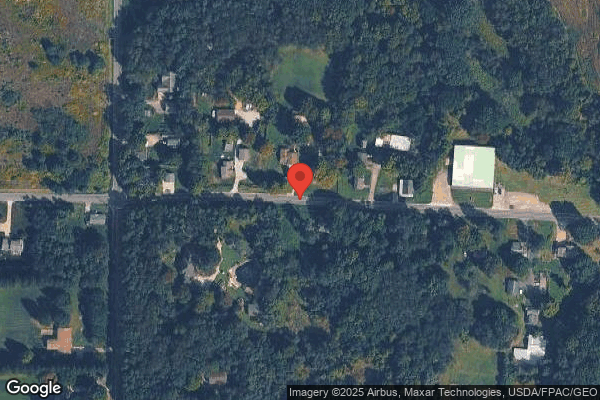

SANCTUARY WADSWORTH

365 JOHNSON RD, WADSWORTH, OH 44281 (330) 335-1558
For profit - Corporation 79 Beds Independent Data: November 2025
Trust Grade
90/100
#160 of 913 in OH
Last Inspection: October 2023

Over 2 years since last inspection. Current conditions may differ from available data.

Overview

Sanctuary Wadsworth has an excellent Trust Grade of A, indicating it is highly recommended among nursing homes. It ranks #160 out of 913 facilities in Ohio, placing it in the top half, and is the best option among 12 homes in Medina County. However, the facility is experiencing a worsening trend, with issues increasing from 1 in 2021 to 2 in 2023. Staffing is average with a 3/5 star rating and a turnover rate of 49%, which is on par with the state average, while it boasts good RN coverage, exceeding 84% of other Ohio facilities. Notably, there were specific concerns regarding medication storage and administration errors, including expired medications and a medication error rate of over 7%, which could potentially affect resident safety. Overall, while there are strengths in the facility's overall care and RN coverage, families should be aware of the recent issues related to medication practices.

Trust Score
A
90/100
In Ohio
#160/913
Top 17%
Safety Record
Low Risk
No red flags
Inspections
Getting Worse
1 → 2 violations
Staff Stability
⚠ Watch
49% turnover. Above average. Higher turnover means staff may not know residents' routines.
Penalties
✓ Good
No fines on record. Clean compliance history, better than most Ohio facilities.
Skilled Nurses
✓ Good
Each resident gets 44 minutes of Registered Nurse (RN) attention daily — more than average for Ohio. RNs are trained to catch health problems early.
Violations
✓ Good
Only 4 deficiencies on record. Cleaner than most facilities. Minor issues only.
★★★★★
5.0
Overall Rating
★★★☆☆
3.0
Staff Levels
★★★★☆
4.0
Care Quality
★★★★★
5.0
Inspection Score
Stable
2021: 1 issues
2023: 2 issues

The Good

  • 4-Star Quality Measures · Strong clinical quality outcomes
  • Full Sprinkler Coverage · Fire safety systems throughout facility
  • No fines on record

Facility shows strength in quality measures, fire safety.

The Bad

Staff Turnover: 49%

Near Ohio avg (46%)

Higher turnover may affect care consistency

The Ugly 4 deficiencies on record

Oct 2023 2 deficiencies
CONCERN (D)

Potential for Harm - no one hurt, but risky conditions existed

Unnecessary Medications (Tag F0759)

Could have caused harm · This affected 1 resident

Based on observation, record review and interview, the facility failed to maintain a medication error rate of less than five percent (%). Two errors were observed in 27 opportunities resulting in a 7....

Read full inspector narrative →
Based on observation, record review and interview, the facility failed to maintain a medication error rate of less than five percent (%). Two errors were observed in 27 opportunities resulting in a 7.41% medication error rate. This affected one resident (#14) of four residents observed for medication administration. The census was 59. Finding Include: On 10/11/23 at 8:02 A.M. Licensed Practical Nurse (LPN) #238 was observed administering medications to Resident #14. The LPN prepared multiple medications for the resident, including Novolog (short acting) insulin pen and Toujeo Solo Star (long acting) pen. LPN #238 prepared the Novolog pen by removing the cap of the and wiping the top of the pen with alcohol and applying the needle. She dialed the dosage to 14. LPN #238 prepared the Toujeo pen by removing the cap of the pen, wiping the top of the pen with alcohol, applying the needle and then dialed the dosage to 30 units. The LPN did not prime the pens. LPN #238 administered Resident 14's whole pills and injected the Novolog and Toujeo insulin injections into the resident's left arm. Interview on 10/11/23 at 08:11 A.M. with LPN #238 revealed her process for administering insulin via a pen was to remove the cap and wipe the top of the pen with alcohol, then apply the needle and dial the dosage. The LPN verified she did not prime the pen to remove all of the air and to ensure the resident was administered the correct dose of insulin as ordered. Review of the resident's physician orders for October 2023 revealed two insulin orders, Novolog (pen) 14 units with meals and Toujeo Solo Star (pen) 30 units one time a day. Review of the manufacturer's instruction for the Novolog pen revealed to prime the pen prior to each injection. Priming the pen meant removing the air from the needle and cartridge that may collect during normal use and ensure the pen was working properly. Review of the manufacturer's instruction for the Toujeo Solo Star pen revealed to always do a safety check to ensure pen and needle were working properly. Select three units by dialing the dose selector and press the injection button. If insulin comes out of the needle tip the pen was properly working. Review of the facility policy titled Insulin Administration, revised September 2014, revealed the nursing staff would have access to specific instructions (manufacturer if appropriate) on all forms of insulin delivery systems prior to their use.
CONCERN (E)

Potential for Harm - no one hurt, but risky conditions existed

Deficiency F0761 (Tag F0761)

Could have caused harm · This affected multiple residents

Based on observation, staff interview and review of the manufacture storage instructions revealed the facility failed to ensure medication storage guidelines were followed. This affected one Resident ...

Read full inspector narrative →
Based on observation, staff interview and review of the manufacture storage instructions revealed the facility failed to ensure medication storage guidelines were followed. This affected one Resident (Resident #29) of six residents that received insulin on the 300 unit and had the potential to affect 11 newly admitted residents (Resident #8, #11, #16, #55, #59, #117, #212, #213, #214, #215, #216) requiring Tuberculosis skin testing. The census was 59. Findings Include: 1. Observation on 10/10/23 at 4:54 P.M. of the 300-medication cart with Licensed Practical Nurse (LPN) #261 revealed Resident #29's basaglar kwick pen (long acting) insulin had an expiration date of 12/01/24. The pen had an open date of 09/09/23 that indicated the insulin was open for 32 days, exceeding the recommended 28 days. Interview on 10/10/23 at 4:55 P.M. with LPN #261 verified Resident #29's pen had an opened date of 09/09/23 and had been opened over the recommended 28 day use by date. Review of the facility policy titled Storage of Medication, dated November 2020, revealed discontinued, outdated, or deteriorated drugs or biologicals are returned to the dispensing pharmacy or destroyed. Review of the manufacturer's instructions for the basaglar kwick pen, dated December 2015, revealed the pen should be thrown away after 28 days, even if it still has insulin left. 2. Observation on 10/10/23 at 5:00 P.M. of the medication room with LPN #261, revealed in the refrigerator was an opened (in use) vial of Tubersol (tuberculin purified protein derivative indicated to aid diagnosis of tuberculosis infection in persons at increased risk of developing active disease) with an expiration date of January 2026. The vial had no open date marked to indicate the recommended 30 day use by date. Review of pharmacy shipping manifest dated 08/03/23 revealed the facility received five Tubersol vials on 08/03/23. Review of the admission list dated 09/03/23 (31 days after the Tubersol was received) through 10/10/23 revealed there were 11 residents (Resident #8, #11, #16, #55, #59, #117, #212, #213, #214, #215, #216) admitted from 09/03/23 through 10/10/23. Interview on 10/10/23 at 5:14 P.M. with LPN #224 verified the finding and stated the vial should have been dated when opened. Review of the manufacturer instructions dated 01/15/23 revealed a vial of Tubersol which has been entered and in use for 30 days should be discarded.
Jul 2021 1 deficiency
CONCERN (F)

Potential for Harm - no one hurt, but risky conditions existed

Deficiency F0761 (Tag F0761)

Could have caused harm · This affected most or all residents

**NOTE- TERMS IN BRACKETS HAVE BEEN EDITED TO PROTECT CONFIDENTIALITY** Based on observation, interview and record review, the facility failed to monitor medication storage refrigerators on a daily ba...

Read full inspector narrative →
**NOTE- TERMS IN BRACKETS HAVE BEEN EDITED TO PROTECT CONFIDENTIALITY** Based on observation, interview and record review, the facility failed to monitor medication storage refrigerators on a daily bases and maintain the refrigerator temperature at the recommended temperature of 36 to 46 degree Fahrenheit (F). The facility also failed to monitor and expose of 13 expired Insyte Autoguards (used to start intravenous lines) that were located in the Intravenous (IV) cart. This had the potential to affect 13 residents (Resident #1, #2, #5, #20, #25, #32, #42, #45, #47, #50, #207, #258, and #261) of 13 residents reviewed for medication storage, with the potential to affect all 53 residents in the facility. Findings include: 1. Observation on [DATE] at 8:30 A.M. of the medication storage room with the Director of Nursing (DON) revealed one medication storage refrigerator was located in the medication storage room. The forms titled, Temperature log for [DATE], [DATE], [DATE] and [DATE] were located on the door of the refrigerator. Interview with the DON at this time verified the temperature log had documentation of the internal temperature of the refrigerator. The DON revealed the nurses should monitor the internal temperature of the refrigerator daily to assure the medications are stored within the recommended range. Record Review of the Temperature Log for [DATE] revealed the temperature was monitored for only two dates. Record review of the Temperature Log for [DATE], revealed the temperature was monitored for 17 dates. The temperature ranged 35 to 40 degrees F. Record review revealed on [DATE], [DATE], and [DATE] the refrigerator temperature was 35 degrees F. Record review of the Temperature Log for [DATE], revealed the temperature was monitored for 11 dates. The temperature ranged 35 to 40 degrees F. On [DATE] and [DATE], the temperature was 35 degrees F. Record review of the Temperature Log from [DATE] through [DATE] revealed nine temperatures were documented for the internal temperature of the refrigerator which ranged 35 to 40 degrees F. The last temperature documented was [DATE]. On [DATE], the temperature was documented to be 35 degrees F. Observation on [DATE] at 8:15 A.M. with the DON revealed the medication storage refrigerator was 30 to 31 degrees F. Medications stored in the medication storage refrigerator included: 1. One locked narcotic box. 2. 46 insulin vials of insulin (NovoLog, Lantus, Novolin 70/30, Novolin R, and Lispro) belonging to 10 Residents (Resident #1, #2, #5, #20, #32, #42, #47, #50, #207, and #261). 3. One vial of Tuberculin solution titled house stock. 4. One Avanox pen (used in treatment of multiple sclerosis) for Resident #45. 5. Gabapentin solution for Resident #258. 6. Granix injection (a leukocyte growth factor for the reduction in the duration of severe neutropenia), eight boxes, for Resident #25. Observation on [DATE] at 9:05 A.M. with the DON confirmed the internal temperature of the medication storage refrigerator was 30 to 31 degrees F. DON confirmed the lack of temperature monitoring through April, May, June, and [DATE]. Record review of the medication inserts, located under storage for NovoLog, Lantus, Novolin 70/30, Novolin R, Lispro, Tuberculin solution, Avanox pen, Gabapentin solution, and Granix injection revealed medications were to be stored between 36 and 46 degrees F, do not freeze. Interview on [DATE] at 10:35 A.M. with the facility Pharmacy Director #401 revealed he had spoke with the DON in the past and told her the medication refrigerator temperatures must be monitored daily. Interview on [DATE] at 2:15 P.M. with the facility Pharmacy Consultant revealed if the stated medications, NovoLog, Lantus, Novolin 70/30, Novolin R, Lispro, Tuberculin solution, Avanox pen, Gabapentin solution, and Granix injections, are stored below the recommended storage temperature, the potency of the medication may deteriorate or be less effective. Interview on [DATE] at 3:30 P.M. with DON confirmed she received a Pharmacy Recommendation form the Facility Pharmacy on [DATE] stating refrigerator temperatures were to be monitored daily. Record review titled, Medication Storage dated 2007 revealed medications requiring refrigeration or temperatures between 36 F and 46 F are kept in a refrigerator with a thermometer to allow temperature monitoring. 2. Observation on [DATE] at 8:50 A.M. with DON revealed the Intravenous (IV) cart was located in the medication storage room. DON revealed there was only one IV cart for the facility, and all IV supplies were stored in the IV cart. Observation revealed, in the top drawer of the IV cart was 34 Insyte Autoguard BC 22 gauge. Observation revealed, and DON confirmed 13 of the 34 Insyte Autoguard BC 22 gauge expired on [DATE]. Interview ON [DATE] at 9:00 A.M. with DON revealed the pharmacy consultant audits the IV cart monthly and the expired items should have been removed.
Mar 2019 1 deficiency
CONCERN (D)

Potential for Harm - no one hurt, but risky conditions existed

Deficiency F0583 (Tag F0583)

Could have caused harm · This affected 1 resident

**NOTE- TERMS IN BRACKETS HAVE BEEN EDITED TO PROTECT CONFIDENTIALITY** Based on interview and observation, the facility failed to ensure privacy was maintained for Resident #50 during catheter care/p...

Read full inspector narrative →
**NOTE- TERMS IN BRACKETS HAVE BEEN EDITED TO PROTECT CONFIDENTIALITY** Based on interview and observation, the facility failed to ensure privacy was maintained for Resident #50 during catheter care/personal care. This affected one of two residents observed for catheter care/personal care. Findings include: Resident #50 was admitted to the facility on [DATE]. Her admitting diagnoses included paraplegia, acute kidney failure, chronic obstructive pulmonary disease, neurogenic bladder and a stage IV pressure ulcer on her right buttocks. Review of the Minimum Data Set 3.0 (MDS) assessment dated [DATE] revealed Resident #50 was alert, oriented and cognitively intact. She needed extensive assistance from staff for toileting, personal hygiene and bed mobility. The bladder and bowel sections of this MDS assessment indicated Resident #50 had a urinary catheter inserted to drain the urine from her bladder and she was frequently incontinent of bowel. On 03/27/19 at 9:30 A.M., Licensed Practical Nurse (LPN) #50 was observed providing catheter care and personal care to Resident #50. LPN #50 closed the room door and pulled the privacy curtain closed around Resident #50. However, the curtains on her room window, which was located to the right of the bed, were left open. Outside the window was a walkway and a small building. LPN #50 provided care to clean Resident #50's urinary catheter tubing and around her urethra. Resident #50 was observed to be turned towards the door, exposing her buttocks to the open window. After completion of the catheter care and personal care, LPN #50 applied a clean adult brief and pulled up Resident #50's pants. Interview with LPN #50 on 03/27/19 at 10:00 A.M. verified the curtains to the window remained open during catheter care/personal care and Resident #50 was not provided privacy during this care.
Understanding Severity Codes (click to expand)
Life-Threatening (Immediate Jeopardy)
J - Isolated K - Pattern L - Widespread
Actual Harm
G - Isolated H - Pattern I - Widespread
Potential for Harm
D - Isolated E - Pattern F - Widespread
No Harm (Minor)
A - Isolated B - Pattern C - Widespread

Questions to Ask on Your Visit

  • "Can I speak with families of current residents?"
  • "What's your RN coverage like on weekends and overnight?"

Our Honest Assessment

Strengths
  • • Grade A (90/100). Above average facility, better than most options in Ohio.
  • • No major safety red flags. No abuse findings, life-threatening violations, or SFF status.
  • • No fines on record. Clean compliance history, better than most Ohio facilities.
  • • Only 4 deficiencies on record. Cleaner than most facilities. Minor issues only.
Concerns
  • • No significant concerns identified. This facility shows no red flags across CMS ratings, staff turnover, or federal penalties.
Bottom line: Generally positive indicators. Standard due diligence and a personal visit recommended.

About This Facility

What is Sanctuary Wadsworth's CMS Rating?

CMS assigns SANCTUARY WADSWORTH an overall rating of 5 out of 5 stars, which is considered much above average nationally. Within Ohio, this rating places the facility higher than 99% of the state's 100 nursing homes. This rating reflects solid performance across the metrics CMS uses to evaluate nursing home quality.

How is Sanctuary Wadsworth Staffed?

CMS rates SANCTUARY WADSWORTH's staffing level at 3 out of 5 stars, which is average compared to other nursing homes. Staff turnover is 49%, compared to the Ohio average of 46%.

What Have Inspectors Found at Sanctuary Wadsworth?

State health inspectors documented 4 deficiencies at SANCTUARY WADSWORTH during 2019 to 2023. These included: 4 with potential for harm.

Who Owns and Operates Sanctuary Wadsworth?

SANCTUARY WADSWORTH is owned by a for-profit company. For-profit facilities operate as businesses with obligations to shareholders or private owners. The facility operates independently rather than as part of a larger chain. With 79 certified beds and approximately 58 residents (about 73% occupancy), it is a smaller facility located in WADSWORTH, Ohio.

How Does Sanctuary Wadsworth Compare to Other Ohio Nursing Homes?

Compared to the 100 nursing homes in Ohio, SANCTUARY WADSWORTH's overall rating (5 stars) is above the state average of 3.2, staff turnover (49%) is near the state average of 46%, and health inspection rating (5 stars) is much above the national benchmark.

What Should Families Ask When Visiting Sanctuary Wadsworth?

Based on this facility's data, families visiting should ask: "Can I visit during a mealtime to observe dining assistance and food quality?" "How do you handle medical emergencies, and what is your hospital transfer rate?" "Can I speak with family members of current residents about their experience?"

Is Sanctuary Wadsworth Safe?

Based on CMS inspection data, SANCTUARY WADSWORTH has a clean safety record: no substantiated abuse findings (meaning no confirmed cases of resident harm), no Immediate Jeopardy citations (the most serious violation level indicating risk of serious injury or death), and is not on the Special Focus Facility watch list (a federal program monitoring the lowest-performing 1% of nursing homes). The facility has a 5-star overall rating and ranks #1 of 100 nursing homes in Ohio. While no facility is perfect, families should still ask about staff-to-resident ratios and recent inspection results during their visit.

Do Nurses at Sanctuary Wadsworth Stick Around?

SANCTUARY WADSWORTH has a staff turnover rate of 49%, which is about average for Ohio nursing homes (state average: 46%). Moderate turnover is common in nursing homes, but families should still ask about staff tenure and how the facility maintains care continuity when employees leave.

Was Sanctuary Wadsworth Ever Fined?

SANCTUARY WADSWORTH has no federal fines on record. CMS issues fines when nursing homes fail to meet care standards or don't correct problems found during inspections. The absence of fines suggests the facility has either maintained compliance or corrected any issues before penalties were assessed. This is a positive indicator, though families should still review recent inspection reports for the full picture.

Is Sanctuary Wadsworth on Any Federal Watch List?

SANCTUARY WADSWORTH is not on any federal watch list. The most significant is the Special Focus Facility (SFF) program, which identifies the bottom 1% of nursing homes nationally based on persistent, serious quality problems. Not being on this list means the facility has avoided the pattern of deficiencies that triggers enhanced federal oversight. This is a positive indicator, though families should still review the facility's inspection history directly.