PINE RIDGE SKILLED NURSING AND REHAB
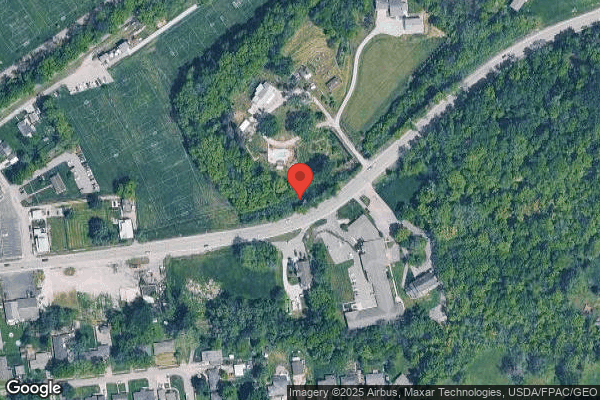
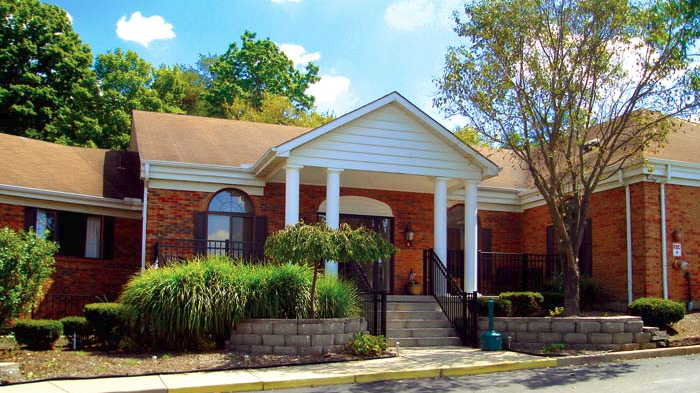
463 EAST PIKE STREET, MORROW, OH 45152 (513) 899-2801
For profit - Limited Liability company 50 Beds HILLSTONE HEALTHCARE Data: November 2025
Trust Grade
73/100
#322 of 913 in OH
Last Inspection: November 2024

Within standard 12-15 month inspection cycle. Federal law requires annual inspections.

Overview

Pine Ridge Skilled Nursing and Rehab has a Trust Grade of B, which means it is a good choice, indicating solid performance in several areas. It ranks #322 out of 913 facilities in Ohio, placing it in the top half, and #7 out of 16 in Warren County, suggesting there are only a few local options that are better. The facility is improving, with the number of issues decreasing from six in 2024 to just one in 2025. Staffing is a concern, rated at 2 out of 5 stars, but the turnover rate of 29% is much lower than the Ohio average of 49%, indicating that staff generally stay long enough to build relationships with residents. While the facility has had no fines, there have been some concerning incidents, such as unsanitary kitchen conditions that could lead to foodborne illnesses and a lack of a grievance policy, leaving residents unsure of how to voice concerns. Overall, Pine Ridge has strengths in its rating and staff retention, but families should be mindful of the issues noted in inspections.

Trust Score
B
73/100
In Ohio
#322/913
Top 35%
Safety Record
Low Risk
No red flags
Inspections
Getting Better
6 → 1 violations
Staff Stability
✓ Good
29% annual turnover. Excellent stability, 19 points below Ohio's 48% average. Staff who stay learn residents' needs.
Penalties
✓ Good
No fines on record. Clean compliance history, better than most Ohio facilities.
Skilled Nurses
○ Average
Each resident gets 31 minutes of Registered Nurse (RN) attention daily — about average for Ohio. RNs are the most trained staff who monitor for health changes.
Violations
⚠ Watch
24 deficiencies on record. Higher than average. Multiple issues found across inspections.
★★★★☆
4.0
Overall Rating
★★☆☆☆
2.0
Staff Levels
★★★★★
5.0
Care Quality
★★★☆☆
3.0
Inspection Score
Stable
2024: 6 issues
2025: 1 issues

The Good

  • 5-Star Quality Measures · Strong clinical quality outcomes
  • Low Staff Turnover (29%) · Staff stability means consistent care
  • Full Sprinkler Coverage · Fire safety systems throughout facility
  • No fines on record
  • Staff turnover is low (29%)

    19 points below Ohio average of 48%

Facility shows strength in quality measures, staff retention, fire safety.

The Bad

Chain: HILLSTONE HEALTHCARE

Part of a multi-facility chain

Ask about local staffing decisions and management

The Ugly 24 deficiencies on record

Sept 2025 1 deficiency
CONCERN (D) 📢 Someone Reported This

A family member, employee, or ombudsman was alarmed enough to file a formal complaint

Potential for Harm - no one hurt, but risky conditions existed

Tube Feeding (Tag F0693)

Could have caused harm · This affected 1 resident

**NOTE- TERMS IN BRACKETS HAVE BEEN EDITED TO PROTECT CONFIDENTIALITY** Based on medical record review, hospital record review, staff interview, and review of the facility, the facility failed to impl...

Read full inspector narrative →
**NOTE- TERMS IN BRACKETS HAVE BEEN EDITED TO PROTECT CONFIDENTIALITY** Based on medical record review, hospital record review, staff interview, and review of the facility, the facility failed to implement resident tube feeding orders upon admission. This affected one (Resident #19) of three residents reviewed for hospitalization. The facility identified one (Resident #19) with orders for tube feeding. The facility census was 46 residents.Findings include: Review of the medical record for Resident #19 revealed an admission date of 05/14/25 with diagnoses including chronic obstructive pulmonary disease (COPD), major depressive disorder, anxiety disorder, and mild protein-calorie malnutrition. Resident #19 transferred to the hospital on [DATE], was readmitted to the facility on [DATE], was transferred again to the hospital on [DATE], and was readmitted to the facility on [DATE] Review of the Minimum Data Set (MDS) assessment for Resident #19 dated 09/06/25 revealed the resident had intact cognition and required staff assistance with activities of daily living (ADLs.) Review of the hospital continuity of care record for Resident #19 dated 08/22/25 revealed an order for Nutren 2.0 tube feeding 10 milliliters (ml) per hour with goal rate of 35 ml per hour. Review of the physician's orders for Resident #19 revealed no order for tube feeding initiated on 08/22/25 for the resident. Review of the Medication Administration Record (MAR) for Resident #19 dated 08/22/25 to 08/25/25 revealed it did not include documentation of tube feeding administration for the resident. Review of the care plan for Resident #19 dated 08/28/25 revealed the resident was at a moderate nutritional risk related to the need for enteral feedings. Interventions included to provide enteral feedings per the order. Interview on 09/19/25 at 10:52 A.M. with the Director of Nursing (DON) verified the tube feeding orders were not entered into Resident #19's medical record upon her return from the hospital. The DON stated the facility did not provide the tube feeding for Resident #19 from 08/22/25 to 08/25/25 because they did not have the formula that was ordered available in the facility. Review of the facility policy titled Enteral Nutrition dated November 2018 revealed nutritional support through enteral nutrition should be provided to residents as ordered. The staff could use products from a basic formulary until specialized products can be delivered. This deficiency represents noncompliance investigated under Complaint Number 2601904.
Nov 2024 6 deficiencies
CONCERN (D)

Potential for Harm - no one hurt, but risky conditions existed

Resident Rights (Tag F0550)

Could have caused harm · This affected 1 resident

**NOTE- TERMS IN BRACKETS HAVE BEEN EDITED TO PROTECT CONFIDENTIALITY** Based on observation, interview, and record review, the facility failed to ensure a resident was provided with an adequate priva...

Read full inspector narrative →
**NOTE- TERMS IN BRACKETS HAVE BEEN EDITED TO PROTECT CONFIDENTIALITY** Based on observation, interview, and record review, the facility failed to ensure a resident was provided with an adequate privacy curtain. This affected one (Resident #20) of one resident reviewed for privacy. The facility census was 47. Findings include: Review of Resident #20's chart revealed Resident #20 admitted to the facility on [DATE] with diagnoses including type two diabetes mellitus without complications, congestive heart failure, hypothyroidism, hypertension, major depressive disorder, anxiety disorder, chronic kidney disease, insomnia, rheumatoid arthritis, cellulitis of right lower limb, acute respiratory failure with hypoxia, and unspecified psychosis not due to a substance or known physiological condition. Review of Resident #20's quarterly Minimum Data Set (MDS) assessment dated [DATE] revealed the resident was cognitively intact. Observation of Resident #20's room on 11/12/24 at 9:30 A.M. revealed the privacy curtain between Resident #20 and Resident #20's roommate's bed did not cover the whole track and there was a gap that was approximately two feet wide that was not covered on the privacy curtain track. Interview with Resident #20 on 11/12/24 at 9:30 A.M. revealed Resident #20's privacy curtain between her bed and her roommate's bed did not shut all the way. Resident #20 stated that she did not like that her privacy curtain did not shut all the way because she was always partially viewable to her roommate. Interview with the Director of Nursing (DON) on 11/13/24 at 12:30 P.M. verified the privacy curtain between Resident #20 and Resident #20's roommate's bed did not cover the whole track and there was a gap that was approximately two feet wide that was not covered on the privacy curtain track. Review of the facility's dignity policy dated August 2009 revealed staff shall promote, maintain and protect resident privacy including bodily privacy during assistance with personal care and during treatment procedures.
CONCERN (D)

Potential for Harm - no one hurt, but risky conditions existed

Notification of Changes (Tag F0580)

Could have caused harm · This affected 1 resident

**NOTE- TERMS IN BRACKETS HAVE BEEN EDITED TO PROTECT CONFIDENTIALITY** Based on interviews, medical record review, and policy review, the facility failed to ensure the provider and family were notifi...

Read full inspector narrative →
**NOTE- TERMS IN BRACKETS HAVE BEEN EDITED TO PROTECT CONFIDENTIALITY** Based on interviews, medical record review, and policy review, the facility failed to ensure the provider and family were notified when medications were unavailable for administration as ordered. The affected two (Residents #42 and #20) of eight residents reviewed for notification. The facility census was 47. Findings include: 1. Review of the medical record revealed Resident #42 was admitted to the facility on [DATE]. Diagnoses included acute on chronic diastolic heart failure, stage three chronic kidney disease, and type two diabetes. Review of the most recent Minimum Data Set (MDS) assessment dated [DATE] revealed Resident #42 was cognitively intact, had no behaviors, did not wander, and did not reject care. Review of the medical record revealed progress notes dated 11/11/24, 11/04/24, 10/28/24, 10/21/24, 10/14/24, 10/07/24, and 09/30/24 revealed no documentation of family or provider notification that Ozempic medication was not available and was not given. During an interview on 11/12/24 at 9:36 A.M. Resident #42 and her daughter each stated they were unsure if Resident #42 had a current order for Ozempic medication because the resident was not receiving shots and they had not received any notification that the medication was discontinued. During an interview on 11/14/24 at 10:55 A.M. Assistant Director of Nursing (ADON) #92 verified Resident #42's medical record had no documentation regarding provider or family notification when Ozempic medications were not administered 11/11/24, 11/04/24, 10/28/24, 10/21/24, 10/14/24, 10/07/24, and 09/30/24. 2. Review of Resident #20's chart revealed Resident #20 admitted to the facility on [DATE] with diagnoses including type two diabetes mellitus without complications, congestive heart failure, hypothyroidism, hypertension, major depressive disorder, anxiety disorder, chronic kidney disease, insomnia, rheumatoid arthritis, cellulitis of right lower limb, acute respiratory failure with hypoxia, and unspecified psychosis not due to a substance or known physiological condition. Review of Resident #20's quarterly MDS assessment dated [DATE] revealed the resident was cognitively intact and required supervision with eating and oral hygiene. Resident #20 required maximal assistance with toileting, showering, lower body dressing, putting on and taking off footwear, rolling left and right, sitting to lying, lying to sitting, sitting to standing, chair transfers, toilet transfers, and tub transfers, and moderate assistance with upper body dressing, and personal hygiene. Review of Resident #20's Medication Administration Record (MAR) from 09/01/24 to 11/13/24 revealed Resident #20 was ordered Trulicity subcutaneous solution pen injector 4.5 milligrams (mg) inject 4.5 mg in the morning every Thursday related to type two diabetes mellitus without complications on 05/02/24. Further review of Resident #20's MAR revealed Resident #20 did not receive her Trulicity 4.5 mg on 09/12/24, 10/24/24, and 10/31/24. Review of Resident #20's progress notes from 09/01/24 to 11/13/24 revealed no documentation related to Resident #20's Trulicity 4.5 mg not being given on 09/12/24, 10/24/24, and 10/31/24. There was also no documentation that Resident #20's physician was notified that Resident #20's Trulicity 4.5 mg was not given on 09/12/24, 10/24/24, and 10/31/24. Interview with Resident #20 on 11/12/24 at 9:30 A.M. revealed Resident #20 had not received her Trulicity. Interview with Director of Nursing (DON) on 11/13/24 at 2:13 P.M. verified Resident #20's Trulicity 4.5 mg was not given per the physician order on 09/12/24, 10/24/24, and 10/31/24 because it was not available at the facility. The DON also verified there was no documentation Resident #20's physician was notified Resident #20 did not receive her Trulicity 4.5 mg on 09/12/24, 10/24/24, and 10/31/24. Review of policy titled, Change in Condition & Physician Notification Policy, dated 09/2020 revealed the nurse notified the physician and the resident/resident representative when there was a medication omission or a need to alter medications.
CONCERN (D)

Potential for Harm - no one hurt, but risky conditions existed

Comprehensive Care Plan (Tag F0656)

Could have caused harm · This affected 1 resident

**NOTE- TERMS IN BRACKETS HAVE BEEN EDITED TO PROTECT CONFIDENTIALITY** Based on interview, medical record review, and policy review, the facility failed to ensure residents had comprehensive care pla...

Read full inspector narrative →
**NOTE- TERMS IN BRACKETS HAVE BEEN EDITED TO PROTECT CONFIDENTIALITY** Based on interview, medical record review, and policy review, the facility failed to ensure residents had comprehensive care plans. This affected two (Residents #42 and #20) of eight residents reviewed for care plans. The facility census was 47. Findings include: 1. Review of the medical record revealed Resident #42 was admitted tot he facility on 08/06/24. Diagnoses included acute on chronic diastolic heart failure, stage three chronic kidney disease, and type two diabetes. Review of the most recent Minimum Data Set (MDS) assessment dated [DATE] revealed Resident #42 was cognitively intact, had no behaviors, did not wander, and did not reject care. Review of the care plan dated 08/08/24 revealed no care plans for diabetes, congestive heart failure, and chronic kidney failure. During an interview on 11/14/24 at 10:40 A.M. the Director of Nursing (DON) verified Resident #42's care plan was incomplete and did not address the resident's known medical conditions. 2. Review of Resident #20's chart revealed Resident #20 admitted to the facility on [DATE] with diagnoses including type two diabetes mellitus without complications, congestive heart failure, hypothyroidism, hypertension, major depressive disorder, anxiety disorder, chronic kidney disease, insomnia, rheumatoid arthritis, cellulitis of right lower limb, acute respiratory failure with hypoxia, and unspecified psychosis not due to a substance or known physiological condition. Review of Resident #20's quarterly MDS assessment dated [DATE] revealed the resident was cognitively intact and required supervision with eating and oral hygiene. Resident #20 required maximal assistance with toileting, showering, lower body dressing, putting on and taking off footwear, rolling left and right, sitting to lying, lying to sitting, sitting to standing, chair transfers, toilet transfers, and tub transfers, and moderate assistance with upper body dressing and personal hygiene. Resident #20 had minimal difficulty with hearing with no hearing aids. Review of Resident #20's ear care visit dated 06/29/24 revealed Resident #20 had hearing loss in both ears, but it was worse in the left ear. Resident #20 had a whisper test completed. Resident #20 could not hear the whisper test. Review of Resident #20's ear care visit dated 08/06/24 revealed Resident #20 had a perforated ear drum on the left side and a diagnosis of Eustachian tube dysfunction. Review of Resident #20's care plan on 11/13/24 revealed Resident #20 did not have a care plan for hearing impairment. Interview with Resident #20 on 11/12/24 at 9:35 A.M. revealed Resident #20 had difficulty hearing and needed hearing aids. Interview with the DON on 11/14/24 at 11:16 A.M. verified Resident #20 did not have a care plan for hearing impairment. The DON verified Resident #20 was listed as having hearing impairment on the 10/04/24 MDS. Review of policy titled, Care Plans, Comprehensive Person-Centered, dated December 2016 revealed the facility developed and implemented a comprehensive care plan for each resident which incorporated identified problem areas and risk factors associated with identified problems.
CONCERN (D)

Potential for Harm - no one hurt, but risky conditions existed

Pharmacy Services (Tag F0755)

Could have caused harm · This affected 1 resident

**NOTE- TERMS IN BRACKETS HAVE BEEN EDITED TO PROTECT CONFIDENTIALITY** Based on interviews, medical record review, and policy review, the facility failed to ensure medications were available and admi...

Read full inspector narrative →
**NOTE- TERMS IN BRACKETS HAVE BEEN EDITED TO PROTECT CONFIDENTIALITY** Based on interviews, medical record review, and policy review, the facility failed to ensure medications were available and administered as ordered. This affected two (Residents #20 and #42) of five residents sampled for medications administration. The facility census was 47. Findings include: 1. Review of the medical record revealed Resident #42 was admitted tot he facility on 08/06/24. Diagnoses included acute on chronic diastolic heart failure, stage three chronic kidney disease, and type two diabetes. Review of the most recent Minimum Data Set (MDS) assessment dated [DATE] revealed Resident #42 was cognitively intact, had no behaviors, did not wander, and did not reject care. Review of the medical record revealed Resident #42 had physician orders dated 08/12/24 for Ozempic (0.25 or 0.5 milligram (mg)/dose) Subcutaneous Solution Pen-injector 2 mg/3 milliliters (ml) (Semaglutide) Inject 0.5 mg subcutaneously once weekly every Monday for Diabetes. Review of the Medication Administration Record (MAR) dated November 2024 revealed Resident #42 did not receive weekly Ozempic administrations on 11/04/24 and 11/11/24. Review of the MAR dated October 2024 revealed Resident #42 did not receive weekly Ozempic Administrations scheduled on 10/07/24, 10/14/24, 10/21/24, and 10/28/24. Review of the MAR dated September 2024 revealed Resident #42 did not receive Ozempic Administration as ordered on 09/30/24. Review of progress notes dated 11/11/24, 11/04/24, 10/28/24, 10/21/24, 10/14/24, 10/07/24, and 09/30/24 revealed Resident #42 did not receive Ozempic medication because the medications was not available form the pharmacy. During an interview on 11/12/24 at 9:36 A.M. Resident #42 and her daughter each stated Resident #42 had been giving herself a weekly shot at home for diabetes management and the facility had not been administering the medication. Both were unsure if the order was still active or had been discontinued. During an interview on 11/14/24 8:28 A.M. Assistant Director of Nursing (ADON) #92 verified Resident #42 had not received weekly Ozempic shots as ordered since September 2024 due to an error in the the electronic ordering process. The ADON stated nurses were expected to phone the pharmacy when medications were unavailable and stated no nurse had called the pharmacy to inquire why the medication was not available until the ADON called last week, date unspecified. Review of policy titled, Medication Administration - General Guidelines, dated 11/2018 revealed medications were administered in accordance with written orders of the prescriber. When medications with an active, current order were not available, the facility contacted the pharmacy and documented an explanatory note in the electronic health record.
CONCERN (D)

Potential for Harm - no one hurt, but risky conditions existed

Infection Control (Tag F0880)

Could have caused harm · This affected 1 resident

**NOTE- TERMS IN BRACKETS HAVE BEEN EDITED TO PROTECT CONFIDENTIALITY** Based on observation, interview, medical record review and policy review, the facility failed to ensure appropriate signage was ...

Read full inspector narrative →
**NOTE- TERMS IN BRACKETS HAVE BEEN EDITED TO PROTECT CONFIDENTIALITY** Based on observation, interview, medical record review and policy review, the facility failed to ensure appropriate signage was posted for residents in transmission-based and enhanced barrier precautions. This affected two (Residents #201 and #6) of two residents reviewed for infection control signage. The facility census was 47. Findings include: 1. Review of the medical record revealed Resident #201 was admitted to the facility on [DATE]. Diagnoses included chronic combined congestive heart failure, unspecified chronic obstructive pulmonary disease, unspecified pulmonary disease, and type two diabetes. Review of the medical record revealed on 11/05/24 revealed Resident #201 was assessed for mental status and was cognitively intact. Review of the medical record revealed Resident #201 had physician orders dated 11/06/24 for isolation precautions two times a day for c-diff toxin. Observation on 11/12/24 at 9:47 A.M. revealed Resident #201 was in his room with the door closed. There was a bin located outside of the room which contained Personal Protective Equipment (PPE), but there was no sign posted on door or any walls adjacent to the door to indicate transmission-based precautions. During an interview on 11/12/24 at 2:13 P.M. the Director of Nursing (DON) stated Resident #201 was a new admission with no wounds or medical devices and had no orders for transmission-based precautions. The DON checked the medical record, verified Resident #201 had order for isolation precautions for C-diff, and verified there was no sign for precautions posted on or near the resident's door. Review of policy titled, Isolation Precautions, dated August 2019 revealed when transmission-based isolation was implemented, a sign was placed on the door or doorframe directing visitors to see a nurse before entering the room. 2. Resident #6 was readmitted to the facility on [DATE]. Diagnoses included insomnia, bipolar, and diabetes. Observations on 11/12/24 at 10:00 A.M. and 2:00 P.M. revealed a infection control cart outside Resident #6's room. No signage was noted on the door or on the cart. Interview with the DON on 11/12/24 at 2:13 P.M. revealed the resident was on Enhanced Barrier Precautions (EBP) due to a recent surgery with a JP (Jackson Pratt) tube in place. Review of the physician's orders for 11/12/24 revealed the resident should be in enhanced barrier precautions. Review of the Enhanced Barrier Precautions policy dated 04/01/24 revealed the facility will implement a strategy to identify residents with EBP such as signage placed outside the room.
CONCERN (F)

Potential for Harm - no one hurt, but risky conditions existed

Food Safety (Tag F0812)

Could have caused harm · This affected most or all residents

Based on observation, interview and record review, the facility failed to ensure food items, a kitchen dehumidifier, and the kitchen flooring were maintained in a manner to prevent foodborne illness. ...

Read full inspector narrative →
Based on observation, interview and record review, the facility failed to ensure food items, a kitchen dehumidifier, and the kitchen flooring were maintained in a manner to prevent foodborne illness. This affected 47 out of 47 residents that resided in the facility. The facility census was 47. Findings include: Observation of the kitchen on 11/12/24 at 8:31 A.M. revealed there was a black substance and a gray fuzzy substance on the dehumidifier in the kitchen. There was also black substance built up on the kitchen floor and a frozen pack of raw original bratwurst on a Styrofoam tray that was covered with plastic wrap in the freezer that was next to a bag of frozen asparagus. Interview with Dietary Supervisor #72 on 11/12/24 at 8:31 A.M. verified there was a black substance and a gray fuzzy substance on the dehumidifier in the kitchen. Dietary Supervisor #72 also verified there was also a black substance built up on the kitchen floor and a frozen pack of raw original bratwurst on a Styrofoam tray that was covered with plastic wrap in the freezer that was next to a bag of frozen asparagus. Observation of the room tray food cart on 11/12/24 at 11:44 A.M. revealed residents were served a piece of cake, chicken fettuccine Alfredo, vegetables, and a roll. The chicken fettuccine Alfredo, vegetables, and roll were covered but the cake was open to air on the food cart. Further observation of the food cart revealed a fly was sitting on a piece of cake in the food cart. Interview with Licensed Practical Nurse (LPN) #88 on 11/12/24 at 11:44 A.M. verified the cakes were uncovered in the food cart. LPN #88 also verified there was a fly on a piece of cake in the food cart. Review of the facility's undated dietary policy revealed food shall be prepared and served in a manner that meets the individual needs of each resident.
Mar 2022 14 deficiencies
CONCERN (D)

Potential for Harm - no one hurt, but risky conditions existed

Resident Rights (Tag F0550)

Could have caused harm · This affected 1 resident

**NOTE- TERMS IN BRACKETS HAVE BEEN EDITED TO PROTECT CONFIDENTIALITY** Based on medical record review, observation and staff interview the facility failed to ensure a resident urine collection bag wa...

Read full inspector narrative →
**NOTE- TERMS IN BRACKETS HAVE BEEN EDITED TO PROTECT CONFIDENTIALITY** Based on medical record review, observation and staff interview the facility failed to ensure a resident urine collection bag was covered. This affected one resident (#02) of two residents reviewed for dignity. The facility census was 39. Findings include: Medical record review for Resident #02 revealed an admission date of 06/24/22. Diagnoses included diabetes, anemia, heart disease, dementia, Alzheimer's and schizophrenia. Review of the quarterly Minimum Data Set (MDS) dated [DATE] revealed Resident #02 had impaired cognition and required extensive assistance for bed mobility and transfers. Resident #02 required the use of an indwelling urinary catheter due to obstruction. Review of the plan of care dated 02/04/22 revealed resident #02 was at risk for bladder infections, and urinary obstruction. Observations of the resident on 02/22/22 at 12:30 P.M. revealed Resident #02 was in bed. The residents' door to the hall was open and from the hall the resident's catheter urine collection bag could be seen. Observations on 02/23/22 at 11:16 A.M. and 2:30 P.M. revealed the resident's door was open and the catheter urine collection bag could be seen from the hall way. Interview with State Tested Nursing Assistant (STNA #14) on 02/23/22 at 2:35 P.M., revealed the facility had dignity bags someplace but she was not sure where and the resident did not have one in his room and did not have one covering his on his urine collection container. Interview with the Director of Nursing (DON) on 02/23/23 at 3:00 P.M., revealed the resident should have the urinary collection bag covered.
CONCERN (D)

Potential for Harm - no one hurt, but risky conditions existed

Assessment Accuracy (Tag F0641)

Could have caused harm · This affected 1 resident

**NOTE- TERMS IN BRACKETS HAVE BEEN EDITED TO PROTECT CONFIDENTIALITY** Based on medical record review, observation and staff interview the facility failed to ensure Minimum Data Set (MDS) assessments...

Read full inspector narrative →
**NOTE- TERMS IN BRACKETS HAVE BEEN EDITED TO PROTECT CONFIDENTIALITY** Based on medical record review, observation and staff interview the facility failed to ensure Minimum Data Set (MDS) assessments were coded accurately. This affected two residents (#12 and #34) of three reviewed for MDS accuracy. The facility census was 39. Findings included: 1. Medical record review for Resident #34 revealed an admission on [DATE] with a readmission on [DATE]. Diagnoses included pneumonia, chronic respiratory failure, diabetes, repeated falls, anemia, hypertension, anxiety, hypothyroidism, gastro-esophageal reflux disease, major depressive disorder, and cancer of the mouth with gastrostomy tube placement. Review of the comprehensive MDS assessment dated [DATE] for Resident #34 revealed intact cognition. Resident #34 required supervision for bed mobility, transfers, eating and toilet use from one staff member. No dressing to the abdominal gastrostomy tube was coded during the look back period. Review of the plan of care for Resident #34 dated 07/01/19 without revisions revealed the resident prefers not to use gauze dressing to the gastrostomy tube, used a towel at times. Interventions included cleanse site and dry per orders, monitor for excoriation. Review of the physician's orders for the month of February 2022 revealed an order to cleanse area to the gastrostomy tube site with soap and water and pat dry. Apply four by four dressing to the area for protection. Change daily and as needed. Observation on 02/22/22 at 11:45 A.M. of Resident #34 self-administering her gastrostomy feeding. Resident #34 had a gauze dressing in place surrounding the gastrostomy insertion site. Interview on 02/22/22 at 2:19 P.M., with the Licensed Practical Nurse (LPN) #31 verified Resident #34 had a gauze dressing applied to the insertion site of her gastrostomy tube daily. Interview on 02/24/22 at 3:19 P.M., with the Regional MDS Registered Nurse (RN) #30 verified the MDS assessment was not coded accurately to reflect the application of a dressing. Request for the policy related to the completion of the MDS during the survey revealed the facility follows the Resident Assessment Manual version 3.0 and does not have a specific policy. 2. Review of the medical record revealed Resident #12 was admitted on [DATE]. Diagnosis included congestive heart failure, asthma, diabetes, morbid obesity, acute respiratory failure with hypoxia, insomnia, chronic kidney disease, hypertension, atrial flutter, depression, anxiety disorder, and history of urinary tract infections. Review of care plan dated 12/27/19 revealed Resident #12 was at risk for impaired skin integrity related to decreased mobility, underlying diseases, and refusal of care/treatment related to prevention of a stage two pressure injury. Review of the Discharge Return Anticipated MDS dated [DATE] revealed the section M related to skin conditions revealed Resident #12 had no pressure ulcers/injuries. Review of the Quarterly MDS dated [DATE] revealed the section M related to skin conditions revealed Resident #12 had no pressure ulcers/injuries. Review of health status note dated 08/30/21 revealed the wound doctor was in to see Resident #12 for a wound to the bottom of the right foot. The wound doctor gave an order to send Resident #12 to the emergency room for evaluation and treatment to the right foot wound and the right heel pressure ulcer. Continued review of health status notes dated 08/30/21 revealed Resident #12 was admitted for the right foot ulcer including muscle and right foot cellulitis. Interview on 02/24/22 at 12:35 P.M., with the Administrator verified that the MDS was coded incorrectly and that it should have indicated the pressure ulcer on Resident #12's right heel.
CONCERN (D)

Potential for Harm - no one hurt, but risky conditions existed

Deficiency F0655 (Tag F0655)

Could have caused harm · This affected 1 resident

**NOTE- TERMS IN BRACKETS HAVE BEEN EDITED TO PROTECT CONFIDENTIALITY** 2. Review of the medical record for Resident #293 revealed an admission date of 02/16/22. Diagnoses included Acute Respiratory F...

Read full inspector narrative →
**NOTE- TERMS IN BRACKETS HAVE BEEN EDITED TO PROTECT CONFIDENTIALITY** 2. Review of the medical record for Resident #293 revealed an admission date of 02/16/22. Diagnoses included Acute Respiratory Failure with hypoxia, chronic obstructive pulmonary disease, diabetes mellitus, chronic kidney disease, and hypertension. Review of the 5-day MDS assessment dated [DATE] revealed Resident #293 had impaired cognition. No hallucinations, delusions, or rejection of care were noted on the assessment. The resident required extensive assistance for all activities of daily living (ADL's) except eating which he was independent. The assessment indicated Resident #293 required dialysis. Review of the baseline plan of care for Resident #293 dated 02/16/22 revealed no plan of care in place documented the resident's dialysis. Interview on 02/24/22 at 9:35 A.M., with the Administrator revealed the facility had no baseline care plan for dialysis in place for Resident #293 when the surveyors arrived at the facility on 02/22/22. Based on record review, observation and staff interview the facility failed to complete a base line plan of care. This affected two residents (#15 and #293) of three sampled for a baseline plan of care. The facility census was 39. Findings include: 1. Review of the medical record revealed Resident #15 was admitted to the facility on [DATE]. Diagnoses included cute kidney failure, diabetes, carotid artery disease, hypertension, and heart block. Review of the Quarterly Minimum Data Set (MDS) dated [DATE] revealed Resident #15 had no cognitive deficits, and required extensive assistance with activities of daily living, and was occasionally incontinent of bladder and was always continent of bowel. Review of the record revealed there was no baseline care plan for Resident #15 who was a newly admitted resident. Interview on 02/24/22 at 12:30 P.M., with the Administrator verified baseline care plans were not located in the record and she believed they were not completed upon admission.
CONCERN (D)

Potential for Harm - no one hurt, but risky conditions existed

Comprehensive Care Plan (Tag F0656)

Could have caused harm · This affected 1 resident

**NOTE- TERMS IN BRACKETS HAVE BEEN EDITED TO PROTECT CONFIDENTIALITY** Based on medical record review, staff interview, observations, and review of the Resident Assessment Instrument (RAI) manual ver...

Read full inspector narrative →
**NOTE- TERMS IN BRACKETS HAVE BEEN EDITED TO PROTECT CONFIDENTIALITY** Based on medical record review, staff interview, observations, and review of the Resident Assessment Instrument (RAI) manual version 3.0, the facility failed to develop a comprehensive care plan within 14 days after admission to the facility. This affected two residents (#06 and #22) of three reviewed for care plan completion. The facility census was 39. Findings included: 1. Medical record review for Resident #06 revealed an admission date on 11/02/21. Diagnoses included dehydration, dementia with behavioral disturbances, mood disorder, altered mental status and Covid-19. Review of the most recent quarterly Minimum Data Set (MDS) assessment dated [DATE] for Resident #06 revealed the resident required supervision for bed mobility, transfers, toilet use and eating. Resident #06 walked independently. Review of the physician order dated February 2022 for Resident #06 revealed an order for a Wanderguard to the residents extremity. Verify placement of the Wanderguard every shift for confusion dated 11/02/21, an order for Miralax, give 17 grams by mouth in the morning for constipation dated 11/02/21, an order for senna tablet 8.6 milligrams (mg) by mouth at bedtime for constipation dated 11/02/21, Seroquel 25 mg one tablet three times a day for psychosis dated 11/02/21, hydroxyzine 25 mg three times a day for anxiety dated 11/02/21 and Ativan 0.5mg give one tablet two times a day by mouth dated 11/03/21. Review of the plan of care dated 11/02/21 revealed Resident #06 was at risk for elopement and wandering. Interventions included assess risk factors per facility procedures, attempt to involve in decision making, follow facility elopement procedures. The plan of care had no documentation for the placement of a Wanderguard security pendent, dementia related care, anxiety care and care of constipation. Observation on 02/24/22 11:20 A.M. revealed Resident #06 ambulated in the hallway of the facility. She was monitored by a one-to-one staff member at this time. Resident was clean, well-groomed and appropriately dressed. She was ambulating without purpose up and down the hallway. Interview on 02/24/22 at 11:25 A.M., with the Licensed Practical Nurse (LPN) #31 verified Resident #06 had a Wanderguard on in the past. LPN #31 said Resident #06 removed the Wanderguard last night and would not allow staff to reapply it. Interview on 02/24/22 at 3:19 P.M., with the Regional MDS Registered Nurse (RN) #30 verified the plan of care was not comprehensive and not completed in the required time frame. 2. Medical record review for Resident #22 revealed an admission date on 06/02/21. Diagnoses included Covid-19, chronic obstructive pulmonary disease (COPD), stroke, carpal tunnel syndrome, hypertension, dry eye syndrome, depression, anxiety, alcohol induced dementia, tremors, osteoarthritis, hyperlipidemia, acid reflux disease, benign prostatic hyperplasia, and insomnia. Review of the most recent MDS dated [DATE] revealed Resident #22 had intact cognition. Resident #22 exhibited no behaviors during the assessment period. Resident #22 required extensive assist for bed mobility, transfers, and toilet use. Resident #22 required supervision for eating. Resident #22 had functional limitations in range of motion on both upper and lower extremities. Resident #22 was assessed as receiving antidepressant, antianxiety and opioids during the look back period. Review of the active physician orders for Resident #22 revealed an order for Flonase Suspension 50 micrograms (MCG), one spray in both nostrils two times a day for allergies dated 01/15/2022, wear a splint at all times, except when bathing and as instructed by the therapist or medical doctor dated 1/11/2022, Acetaminophen tablet give 650 milligrams (mg) by mouth every 6 hours related to osteoarthritis dated 01/05/22, a hand splint to be worn all night, taken off in the morning, applied again mid-day up to four hours if the patient can tolerate dated 12/29/21, Preparation H cream 5-14.4 percent apply to external hemorrhoids topically every six hours as needed for hemorrhoids dated 06/10/21, hydrocodone-acetaminophen (opioid pain medication) tablet 5-325 mg give one tablet by mouth every six hours as needed for pain when resident reports pain on a pain scale of seven-ten dated 12/21/21, buspirone tablet 15 mg give one tablet by mouth three times a day for major depressive order dated 12/14/21, Cymbalta capsule delayed release particles give 120 mg by mouth in the morning related to major depressive disorder dated 12/15/21, Tamsulosin capsule 0.4 mg give one capsule by mouth in the evening for retention related to benign prostatic hyperplasia dated 12/09/21, trazodone tablet 100 mg give one tablet by mouth in the evening for insomnia dated 12/09/21, Gabapentin capsule 300 mg give one capsule by mouth before meals for neuropathy dated 12/8/2021, sennosides-docusate sodium tablet 8.6-50 mg give two tablets by mouth two times a day for constipation dated 06/4/2021, Atorvastatin calcium tablet 40 mg give one tablet by mouth in the evening for hyperlipidemia dated 12/9/2021, Lisinopril tablet 10 mg give one tablet by mouth in the morning related to hypertension, dated 9/22/2021, Vitamin D capsule 1.25 mg (50000 UT) give one capsule by mouth in the morning every Monday for vitamin D deficiency dated 09/06/21, saline nasal spray solution give two sprays in each nostril every fours as needed for nasal congestion, may have nasal spray at bedside dated 8/18/2021, Pantoprazole sodium tablet delayed release 40 mg give one tablet by mouth in the morning for acid reflux disease dated 6/3/2021, Vitamin B12 tablet give 1000 mg by mouth in the morning for supplement dated 06/04/21, Tums tablet chewable give two tablets by mouth every six hours as needed for heartburn dated 06/02/21, Robafen syrup give 10 ml by mouth every four hours as needed for cough, dated 06/02/2021, Rivastigmine tartrate capsule 1.5 mg give one capsule by mouth two times a day for alcohol use related to alcohol use persisting dementia dated 06/02/21, Meloxicam tablet 7.5 mg give one tablet by mouth in the morning for arthritis dated 06/3/2021, Claritin tablet 10 mg give one tablet by mouth in the morning for allergies dated 06/03/21, aspirin tablet chewable 81 mg give one tablet by mouth in the morning for embolism dated 06/03/21, Anoro Ellipta aerosol powder breath activated 62.5-25 mcg/inhalation one puff inhale orally in the morning for congestive obstructive pulmonary disease dated 06/03/21, pain monitoring every shift, if complaints or has signs and symptoms noted nursing must address dated 06/19/21, Ventolin aerosol solution 108 (90 Base) mcg two puffs inhale orally every four hours as needed for shortness of breath, may keep at bedside, dated 6/2/21. Review of the plan of care for Resident #22 revealed focused areas addressed included risk for falls and potential injury, alteration in comfort, risk for impaired skin integrity, risk of injury related to smoking, and potential for alteration in nutrition. Interview with the Regional MDS RN #30 on 02/24/22 at 12:35 P.M. verified the plan of care was not accurate or comprehensive and should have been personalized to the residents current health status. Review of the Centers of Medicare and Medicaid Resident Assessment Instrument (RAI) manual version 3.0, Chapter 2.3, page 2-16 states an admission assessment care plan must be completed within seven days after the completion of the comprehensive assessment.
CONCERN (D)

Potential for Harm - no one hurt, but risky conditions existed

Deficiency F0657 (Tag F0657)

Could have caused harm · This affected 1 resident

**NOTE- TERMS IN BRACKETS HAVE BEEN EDITED TO PROTECT CONFIDENTIALITY** Based on medical record review, resident and staff interview and policy review the facility failed to ensure residents were prov...

Read full inspector narrative →
**NOTE- TERMS IN BRACKETS HAVE BEEN EDITED TO PROTECT CONFIDENTIALITY** Based on medical record review, resident and staff interview and policy review the facility failed to ensure residents were provided and involved in care conferences to allow resident input in their care. This affected two residents (#01 and #14) out of four residents reviewed. The facility census was 39. Findings include: 1. Medical record review revealed Resident #01 was admitted on [DATE]. Diagnoses included COVID-19, anemia, chronic obstructive pulmonary disease, type 2 diabetes, morbid, primary insomnia, major depressive disorder, gastrointestinal hemorrhage, paroxysmal atrial fibrillation, iron deficiency, chronic diastolic congestive heart failure, chronic kidney disease stage 3, dyspnea and hypertension. Review of the Minimum Data Set (MDS) dated [DATE] revealed Resident #01 had no cognitive impairment and required supervision for activity of daily living. The record review revealed there was no evidence of a care conference. Interview with Resident #01 on 02/22/22 at 1:19 P.M., revealed she could not remember the last time she had participated or attended a care conference. Interview with the MDS Coordinator #23 on 02/23/22 at 9:39 A.M., revealed care conferences should be held at least once every three months. Interview with Social Services Designee #03 on 02/23/22 at 10:14 A.M., verified Resident #01 had not had a care conference since 06/01/21. Review of facility policy titled Continuing Healthcare Solutions, undated revealed participants will be as follows, but not limited to: Resident and/or resident representative, nursing, dietary, social services, activities and therapy as needed. 2. Review of the medical record revealed Resident #14 was admitted on [DATE]. Diagnoses included hyperlipidemia, extrapyramidal and movement disorder, dyskinesia, schizoaffective disorder, hypothyroidism, insomnia, anxiety, psychosis, depression, and dementia. Review of the Quarterly MDS dated [DATE] revealed Resident #14 was independent with locomotion, required limited assistance with dressing and extensive assistance with toilet use, and personal hygiene. Review of the Quarterly MDS dated [DATE] revealed Resident #14 had severe cognitive impairment, required supervision with locomotion, eating, extensive assistance with dressing, toilet use, and personal hygiene, and was frequently incontinent of bowel and bladder. Review of the care plan dated for the last revision on 04/08/19 revealed Resident #14 was at risk for a decline in activities of daily living function performance/participation related to current medical diagnoses, drug regimen, activities of living impairment, and overall general medical condition. Interview on 02/24/24 at 12:08 P.M., with the Interim Director of Nursing (DON) verified the care plan had not been updated because they had terminated the current MDS nurse, and she was the one who had updated care plans.
CONCERN (D)

Potential for Harm - no one hurt, but risky conditions existed

Quality of Care (Tag F0684)

Could have caused harm · This affected 1 resident

**NOTE- TERMS IN BRACKETS HAVE BEEN EDITED TO PROTECT CONFIDENTIALITY** Based on medical record review, staff interview, observation and policy review the facility failed to follow physician ordered a...

Read full inspector narrative →
**NOTE- TERMS IN BRACKETS HAVE BEEN EDITED TO PROTECT CONFIDENTIALITY** Based on medical record review, staff interview, observation and policy review the facility failed to follow physician ordered as needed pain medication. This affected one resident (#22) of three residents reviewed for pain management. The facility census was 39. Findings include: Medical record review for resident #22 revealed an admission date on 06/02/21. Diagnoses included Covid-19, chronic obstructive pulmonary disease, stroke, carpal tunnel syndrome, hypertension, dry eye syndrome, depression, anxiety, alcohol induced dementia, tremors, osteoarthritis, hyperlipidemia, benign prostatic hyperplasia, and insomnia. Review of the most recent Minimum Data Set (MDS) dated [DATE] revealed Resident #22 had intact cognition. Resident #22 required extensive assistance for bed mobility, transfers, and toilet use. Resident #22 required supervised eating. Resident #22 had functional limitations in range of motion on both the upper and the lower extremities. Resident #22 was assessed for pain and reported no pain during the last five days. Resident #22 was coded as receiving a scheduled medication regimen, received as needed pain medication and received non pharmacological interventions for pain. Review of the active physician orders for Resident #22 revealed an order for pain monitoring every shift if complaints or signs and symptoms noted nursing must address dated 06/02/21, Tylenol 650 milligrams by mouth every six hours related to osteoarthritis dated 01/05/22, meloxicam 7.5 milligrams give one tablet by mouth in the morning for arthritis, and hydrocodone-acetaminophen 5-325 milligrams every six hours as needed for pain rated a seven to 10 on pain scale of one to 10 with 10 being the worst pain dated 12/21/21. Review of the plan of care for Resident #22 revealed an alteration in comfort related to polyneuropathy (damage to peripheral nerves) osteoarthritis, and chronic pain. Interventions include one to one visits to allow the resident to share feelings, calming music or television per request, medications as ordered to manage pain, monitor for levels of increased pain and notify the physician, monitor for side effects of anti-inflammatory medication, pain assessment per facility policy, provide quiet environment and use the pain scale as reported by resident. Review of the Medication Administration Record dated February 2022 for Resident #22 revealed pain monitoring was completed daily. Resident received hydrocodone-acetaminophen 5-325 mg tablet seventeen times when the pain rating was below the prescribed pain scale indications. Interview on 02/22/22 at 2:19 P.M., with the Licensed Practical Nurse (LPN) #31 verified the medication was not given as ordered. LPN #31 said Resident #22 would demand the medication be given as it was the only medication that worked. Interview on 03/01/22 at 3:30 P.M., with the Administrator verified Resident #22 would demand medication be administered when he complained of pain and the medication needed to be re-evaluated for the continued usage. Review of the facility policy titled Pain Management, undated revealed the facility will modify the interventions or approaches as appropriate. Further review of the facility policy revealed the nurse will explore pharmacological and non-pharmacological intervention as appropriate.
CONCERN (D)

Potential for Harm - no one hurt, but risky conditions existed

Accident Prevention (Tag F0689)

Could have caused harm · This affected 1 resident

**NOTE- TERMS IN BRACKETS HAVE BEEN EDITED TO PROTECT CONFIDENTIALITY** Based on medical record review, staff interview, observation, review of the hospital discharge notes and policy review the facil...

Read full inspector narrative →
**NOTE- TERMS IN BRACKETS HAVE BEEN EDITED TO PROTECT CONFIDENTIALITY** Based on medical record review, staff interview, observation, review of the hospital discharge notes and policy review the facility failed to assess a resident for elopement before applying a security system pendent. This affected one resident (#06) of one reviewed for elopement. The facility census was 39. Findings include: Medical record review for Resident #06 revealed an admission date on 11/02/21. Diagnoses included dehydration, dementia with behavioral disturbances, mood disorder, altered mental status and Covid-19. Review of the comprehensive Minimum Data set (MDS) assessment dated [DATE] revealed revealed Resident #06 had impaired cognition. Resident #06 required supervision for bed mobility, transfers, eating and toilet use. Resident #06 was always continent of bowel and bladder. Review of the most recent quarterly MDS assessment dated [DATE] revealed Resident #06 had impaired cognition. Resident #06 required supervision for bed mobility, transfers, eating and toilet use. No wandering behavior was coded during the look back period. Review of the plan of care dated 11/02/21 revealed Resident #06 was at risk for elopement and wandering. Interventions included assess the risk factors per facility procedures, attempt to involve in decision making and follow facility elopement procedures. Review of the hospital discharge notes dated 11/02/21 revealed Resident #06 was found wandering in a parking lot looking for her car that had been repossessed. Resident #06 was confused and did not know where she was. Observation on 02/23/22 at 2:17 P.M. revealed Resident #06 ambulated independently in the hallway of the facility. She ambulated without purpose up and down the hallway. Resident #06 would stop in the middle of the hallway and turn around without reason. Interview on 02/23/22 at 2:17 P.M., with Licensed Practical Nurse (LPN) #20 verified Resident #06 had a Wanderguard security pendent on her ankle. LPN #20 said Resident #06 was admitted to the secured unit initially and was an elopement risk. Interview on 02/24/22 at 11:01 A.M., with the Director of Nursing (DON) verified the electronic health record had no elopement assessment completed at the time of admission. The facility completed an assessment on 02/23/22 after the surveyor questioned the facility. Review of the facility policy titled Elopement, undated revealed residents will be assessed by the licensed nurse for elopement risk and annually and with significant change using the elopement risk assessment and will be reviewed by the interdisciplinary team.
CONCERN (D)

Potential for Harm - no one hurt, but risky conditions existed

Deficiency F0692 (Tag F0692)

Could have caused harm · This affected 1 resident

Based on record review, staff interview, review of hospital documentation and policy review the facility failed to consistently monitor and provide interventions to prevent resident weight loss. This ...

Read full inspector narrative →
Based on record review, staff interview, review of hospital documentation and policy review the facility failed to consistently monitor and provide interventions to prevent resident weight loss. This affected one resident (#35) of four residents reviewed for nutrition. The facility census was 39. Findings included: Review of the medical record for Resident #35 revealed an admission date of 12/14/21. Diagnoses included Hypertension, atrial fibrillation, hyperlipidemia, mood disorder, diabetes mellitus, restless leg syndrome, chronic pain, and vitamin D deficiency. Review of the admission nursing assessment for Resident #35 identified the resident was admitted with a weight of 185 pounds (lbs.) on 12/15/21. Review of the quarterly Minimum Data Set (MDS) assessment for Resident #35 dated 01/30/22 revealed the resident had intact cognition. a brief interview for mental status (BIMS) score of 15. No hallucinations, delusions, or rejection of care was noted on the assessment. The resident was independent for eating. The assessment indicated the resident had a weight of 136 pounds, had no significant weight loss, and has no specialized or mechanical soft diet. Review of the nutrition risk assessment attached to the admission assessment for Resident #35, dated 12/15/21 revealed the resident was at risk for malnutrition. Review of the facility weights revealed an admission weight on 12/15/21 of 185 lbs. Subsequent weights of 136 lbs. on 01/10/22, 135.8 lbs. on 02/15/22, and 148 lbs. on 02/23/22. Review of the hospital documentation provided by the facility dated 11/30/21, Resident #35 had a weight of 166 lbs. This weight combined with the most recent weight of Resident #35 at 148 lbs. on 02/23/22 equals about a 10.9% weight loss. Review of the plan of care for Resident #35 dated 01/02/22 revealed the resident had a potential for alteration in nutrition and hydration related to diabetes, nutritional risk, teeth infection, and surgical removal. Interventions included offering meal alternate if resident refuses meal, supplements as ordered, and medications as ordered. Review of the physician orders for Resident #35 upon admission in December 2021 revealed an order for weekly weights times four weeks, then monthly. Review of the medication administration record (MAR) for Resident #35 in December 2021 and January 2022 revealed no weekly weights were completed. Review of the dietary notes for Resident #35 dated 01/13/22 at 11:25 A.M. revealed the dietician suggested no new orders but suggested a reweigh of the resident along with continued weekly weights per order. Review of dietary communication sheets given to facility administrative staff, provided by Diet Technician (DT) #40 dated 01/13/22 revealed the facility was to obtain a reweigh ASAP on Resident #35. Interview on 02/24/22 at 11:03 A.M., with DT #40 revealed the facility process when they receive a new admission. An initial weight was obtained by the facility and collaboration between the staff and the dietician help determine the resident diet while following orders from the hospital. At risk residents were usually weighed once weekly for the first month to rule out any further concerns. These weights are reviewed weekly by dietary staff and during the weekly managers meeting at the facility. DT #40 confirmed Resident #35 was not weighed weekly as ordered. Resident #35 was receiving magic cups with his meals as of 02/17/22. Diet Tech #35 confirmed the facility staff had no where in the medical record to document how much of the magic cup, Resident #35 would eat. If there were to be a reweigh needed at the facility, that was communicated to the Director of Nursing or the management staff via email. The DT #40 agreed facility staff should follow their policies and doctor's orders when caring for the residents. Review of facility policy titled Weight Policy, dated 01/2021 revealed Weekly weights will be completed in time for review at the Risk Management Meeting each week. Re-weights will be completed on any weight change of 5% or more. Re-weights will be done immediately. (Within 72 hours)
CONCERN (D)

Potential for Harm - no one hurt, but risky conditions existed

Tube Feeding (Tag F0693)

Could have caused harm · This affected 1 resident

**NOTE- TERMS IN BRACKETS HAVE BEEN EDITED TO PROTECT CONFIDENTIALITY** Based on medical record review, observation, staff interview and policy review the facility failed to evaluate a resident for se...

Read full inspector narrative →
**NOTE- TERMS IN BRACKETS HAVE BEEN EDITED TO PROTECT CONFIDENTIALITY** Based on medical record review, observation, staff interview and policy review the facility failed to evaluate a resident for self-administration of gastrostomy nutritional feedings. Additionally, the facility failed to obtain physician orders for self-administered gastrostomy solutions. This affected one resident (#34) of one reviewed for nutritional need via a feeding tube. The facility census was 39. Findings included: Medical record review for Resident #34 revealed an admission on [DATE] with a readmission on [DATE]. Diagnoses included pneumonia, chronic respiratory failure, diabetes, repeated falls, anemia, hypertension, anxiety, hypothyroidism, gastro-esophageal reflux disease, major depressive disorder, and cancer of the mouth with gastrostomy tube placement. Review of the comprehensive Minimum Data Set (MDS) assessment dated [DATE] revealed Resident #34 had intact cognition. Resident #34 required supervision for bed mobility, transfers, eating and toilet use from one staff member. Resident #34 was coded as receiving nutritional solution via a gastrostomy tube. Review of the nutritional plan of care for Resident #34 dated 03/30/18 with revisions on 1/27/22 revealed the resident was at risk for malnutrition and compromised hydration per inability to consume oral nutrition due to dysphagia and history of oral cancer. Resident #34 had a strong preference to self-administer her own formula and declined any changes to formula since she reported this was the best formula to reduce her GI distress. Interventions included assess for signs and symptoms of aspiration, tube feed tolerance, elevate head of bed as ordered, medications as ordered, diet as ordered, and tube feeding as ordered. Review of the physician's orders for the month of February 2022 for Resident #34 revealed an order dated 09/26/21 for 240 milliliters (ml) flush gastrostomy tube with water three times a day and bolus (at one time feedings, three times a day with osmolyte 1.2 480 ml bolus three times a day. Observation on 02/22/22 at 11:45 A.M. Resident #34 self-administered her gastrostomy feeding without facility staff present for supervision. Interview on 02/22/22 at 2:19 P.M., with the Licensed Practical Nurse (LPN) #20 verified Resident #34 self-administered gastrostomy feedings independently. Interview on 02/23/22 at 2:17 P.M., with the LPN #31 verified Resident #34 could administer her gastrostomy feeding without any assistance from staff. Interview on 02/24/22 at 3:19 P.M., with the Regional MDS Registered Nurse #30 verified the last self-administration assessment for Resident #34 was in July 2019. Additionally, verified Resident #34 has had multiple hospitalizations since 2019. Further verified there was no physician orders which indicated the resident could self-administer the gastrostomy feedings independently. Review of the facility policy titled Self-Administration by Resident, dated 2007 revealed residents are permitted to self-administer with a prescribes orders and if the nursing care center interdisciplinary team has determined that the practice would be safe. Additionally, the interdisciplinary team will determine the resident's ability to self-administer by means of a skill assessment conducted as part of the care planning process.
CONCERN (D)

Potential for Harm - no one hurt, but risky conditions existed

Medication Errors (Tag F0758)

Could have caused harm · This affected 1 resident

**NOTE- TERMS IN BRACKETS HAVE BEEN EDITED TO PROTECT CONFIDENTIALITY** Based on medical record review, observation and staff interview the facility failed to ensure as needed psychotropic medications...

Read full inspector narrative →
**NOTE- TERMS IN BRACKETS HAVE BEEN EDITED TO PROTECT CONFIDENTIALITY** Based on medical record review, observation and staff interview the facility failed to ensure as needed psychotropic medications were limited to 14 days and not continued unless the prescribing physician evaluated the appropriateness of the medication. This affected one resident (#02) of five residents reviewed for unnecessary medication. The facility census was 39. Findings include: Medical record review for Resident #02 revealed an admission date of 06/24/22. Diagnoses included diabetes, anemia, heart disease, dementia, Alzheimer and schizophrenia. Review of the quarterly Minimum Data Set (MDS) assessment dated [DATE] revealed Resident #2 had impaired cognition. Resident #02 required extensive assistance for bed mobility and transfers. Review of the plan of care for Resident #02 dated 02/04/22 revealed the resident was at risk for exhibiting side effects of psychotropic medication related to the use of antipsychotic medication. Routine Xanax (antianxiety medication) 0.5 milligram (mg) three times daily, Interventions included collaboration with hospice, monitor, document and report as needed any adverse side effects, administer medication as ordered, consult with pharmacy to consider dose reduction when clinically appropriate, and discuss with the physician and the family the ongoing need for the use of the medication. Review of the active physician's orders for Resident #02 revealed an order for Xanax 0.5 mg every four hours as needed for anxiety dated 12/07/21 no stop date was noted. Review of the physician progress notes had no documentation regarding the specific condition for the use of Xanax, or the re evaluation of the medication to determine the need for the extended time frame. Observation on 02/22/22 at 12:26 P.M. revealed Resident #02 was resting in bed with eyes closed without signs and symptoms of distress. Interview with the Director of Nursing (DON) on 02/23/22 at 3:30 P.M., verified the physician had not included a 14-day limit to the Xanax order. The DON further verified the monthly visit note did not include the rationale needed to support the extended time frame.
CONCERN (D)

Potential for Harm - no one hurt, but risky conditions existed

Dental Services (Tag F0791)

Could have caused harm · This affected 1 resident

**NOTE- TERMS IN BRACKETS HAVE BEEN EDITED TO PROTECT CONFIDENTIALITY** Based on record review and resident and staff interview the facility failed to provide routine dental services including inspect...

Read full inspector narrative →
**NOTE- TERMS IN BRACKETS HAVE BEEN EDITED TO PROTECT CONFIDENTIALITY** Based on record review and resident and staff interview the facility failed to provide routine dental services including inspection of the oral cavity at least annually. This affected one resident (#12) of 16 residents reviewed for dental services. The facility census was 39. Findings include: Review of Resident #12's medical record revealed the resident was admitted to the facility on [DATE]. Diagnoses included chronic diastolic congestive heart failure, methicillin resistant staphylococcus aureus infection as the cause of diseases classified elsewhere, unspecified asthma, diabetes mellitus, major depressive disorder recurrent, anxiety disorder, and generalized anxiety disorder. Review of the quarterly Minimum Data Set (MDS) assessment dated [DATE] revealed Resident #12 had intact cognition. Further review of Resident #12's medical record revealed the last dental visit was dated 03/04/19. Review of a social services note dated 07/30/19 at 2:49 P.M. revealed Resident #12 had complained of an aching tooth. Resident #12 agreed to see a community dentist. Review of a social services notes dated 07/31/19 at 11:57 A.M., revealed a dental appointment was scheduled on 08/05/19. No follow-up information was documented. Interview on 02/22/22 at 10:28 A.M., revealed Resident #12 reported she had not seen a dentist for a couple of years. Resident #12 reported she needed special oral care which required her gums scraped. Telephone interview on 02/24/22 at 12:32 P.M., with Social Services Designee (SSD) #03 reported she was not an employee of the facility during the time of Resident #12's complaints and verified she had not had dental appointments for several years.
CONCERN (E)

Potential for Harm - no one hurt, but risky conditions existed

Deficiency F0576 (Tag F0576)

Could have caused harm · This affected multiple residents

Based on resident and staff interviews and review of the local post office business hours the facility failed to ensure residents received mail on Saturdays, delivered to the facility by the post offi...

Read full inspector narrative →
Based on resident and staff interviews and review of the local post office business hours the facility failed to ensure residents received mail on Saturdays, delivered to the facility by the post office. This directly affected five residents (#03, #09, #20, #30, and #40) of 11 interviewed and had the potential to affect all 39 residents residing in the facility. Findings include: Interview, during the resident council meeting, on 02/23/22 03:46 PM., revealed residents (#03, #09, #20, #30, and #40) stated no mail was delivered on Saturdays due to no business office staff in the building on Saturdays. The residents reported they received their mail from the activities department. Interview on 02/23/22 at 4:51 P.M., revealed the Activities Director (AD) #21 reported mail was delivered every other Saturday due to the Activity Aide (AA) #22's schedule. AA #22 delivers mail on the Saturdays she worked. AD #21 reported she works Monday through Friday and was not scheduled on Saturdays. Interview on 02/23/22 5:56 P.M., revealed the Administrator reported she was hiring a manager to work every weekend who would be responsible for delivering the residents mail every Saturday. Review of the local post office business hours revealed on Saturdays the post office was open from 9:00 A.M. through 12:00 P.M.
CONCERN (E)

Potential for Harm - no one hurt, but risky conditions existed

Grievances (Tag F0585)

Could have caused harm · This affected multiple residents

Based on review of the resident council minutes, observation and resident and staff interviews the facility failed to ensure they had a grievance policy and procedure, posted information on how to fil...

Read full inspector narrative →
Based on review of the resident council minutes, observation and resident and staff interviews the facility failed to ensure they had a grievance policy and procedure, posted information on how to file grievances and designate a Grievance Official. This directly affected five residents (#03, #09, #20, #30, and #40) of 11 interviewed and had the potential to affect all 39 residents residing in the facility. Findings include: Review of the resident council meeting minutes dated from 09/23/21 through 01/25/22 revealed no information was provided to residents on how to file a grievance, no information about how confidentially would be maintained if a grievance was filed. Interview on 02/23/22 03:46 P.M., revealed residents (#03, #09, #20, #30, and #40) complained they were unaware of how to file a grievance. The residents attending the council meeting reported they were not sure who to go to when and if they wanted to file a grievance. Interview on 02/23/22 at 4:51 P.M., the Activities Director (AD) #21 stated she facilitated the resident council meetings held once a month. The AD #21 reported she goes over every department to see if residents have any comments or concerns. The AD #21 denied informing residents during resident council meetings on how to file a grievance. The AD #21 revealed the facility had no designee at this time for residents to go to if they needed to file a grievance. AD #21 reported if a resident had an issue pertaining to a grievance, she thought they would go to the social services department. Interview on 02/23/22 at 5:00 P.M., the Social Services Designee (SSD) #03 denied assisting residents with grievances. The SSD #03 stated she was new in the position and was not informed of this duty but would be happy to assist with residents' grievances. The SSD #03 reported no one told her she was solely the designee for grievances and denied receiving any grievance issues form the previous designee. The SSD #03 stated the old management took all the documents therefore, she had no information on grievances at that time. Observation on 02/23/22 at 5:15 P.M., revealed there were no postings pertaining to how to file a grievance on the 300 hall. The AD #21 verified there were no postings. Interview on 02/23/22 5:56 P.M., the Administrator reported the social services department handled grievances. The facility was unable to provide a grievance policy.
CONCERN (E)

Potential for Harm - no one hurt, but risky conditions existed

Deficiency F0761 (Tag F0761)

Could have caused harm · This affected multiple residents

**NOTE- TERMS IN BRACKETS HAVE BEEN EDITED TO PROTECT CONFIDENTIALITY** 2. Observation on 02/23/22 at 8:45 A.M. with Licensed Practical Nurse (LPN) #32 of the 200/300 hallway medication room revealed ...

Read full inspector narrative →
**NOTE- TERMS IN BRACKETS HAVE BEEN EDITED TO PROTECT CONFIDENTIALITY** 2. Observation on 02/23/22 at 8:45 A.M. with Licensed Practical Nurse (LPN) #32 of the 200/300 hallway medication room revealed four unopened bottles of milk of magnesia with an expiration date of 12/2021, two unopened bottles of Loperamide liquid with an expiration date of 09/2021, one box of hemorrhoid suppositories with an expiration date of 05/2021, and two unopened bottles of Dairy Aide with an expiration date of 09/2021. Interview on 02/23/22 at 8:45 A.M. during the observation LPN #32 verified all outdated items located in the 200/300 hallway medication room. Observation on 02/23/22 at 8:50 A.M. with LPN #32 of the 300-hallway medication cart revealed one opened bottle of fish oil with an expiration date of 12/2021, and one opened bottle of Loperamide liquid with an expiration date of 09/2021. Interview on 02/23/22 at 8:50 A.M. during observation LPN #32 verified all outdated items located on the 300-hallway medication cart. Observation on 02/23/22 at 9:20 A.M. with LPN #20 of the 100-hallway medication cart revealed one opened bottle of milk of magnesia with an expiration date of 01/2022. Interview on 02/23/22 at 9:20 A.M. during the observation LPN #20 verified the opened bottle of milk of magnesia was outdated. Review of the facility policy titled Storage of Medication, dated 09/2018 revealed outdated, contaminated, discontinued, or deteriorated medications and those in containers that are cracked, soiled, or without secure closures are immediately removed from stock, disposed of according to procedures for medication disposal, and reordered from the pharmacy, if a current order exists. Based on medical record review, staff and resident interview, observations and policy review the facility failed to ensure prescribed medications were not left at the bedside for self-administration without assessment or physician's orders. This affected one resident (#22) of 16 reviewed for medication storage. In addition, expired medications were observed on two of two medications carts and one medication room. This had the potential to affect 13 residents (#05, #09, #16, #19, #20, #22, #29, #32, #33, #36, #39, #40 and #42) who had orders for the expired stock medications. The facility census was 39. Findings include: Medical record review for resident #22 revealed an admission on [DATE]. Diagnoses included Covid-19, chronic obstructive pulmonary disease, stroke, carpal tunnel syndrome, hypertension, dry eye syndrome, depression, anxiety, alcohol induced dementia, tremor, osteoarthritis, hyperlipidemia, benign prostatic hyperplasia and insomnia. Review of the Minimum Data Set (MDS) dated [DATE] revealed Resident #22 had intact cognition. Resident #22 required extensive assistance for bed mobility, transfers, and toilet use. Resident #22 required supervision for eating. Review of the plan of care for Resident #22 had no plan for self-administration of medication. Review of the active physician orders for Resident #22 revealed an order for Flonase Suspension 50 microgram (mcg) one spray in both nostrils two times a day for allergies dated 01/15/22, Saline Nasal Spray Solution two sprays in each nostril every four hours as needed for nasal congestion, may have nasal spray at the bedside dated 08/18/2021, and Anoro Ellipta Aerosol Powder Breath Activated 62.5-25 mcg inhalation one puff inhale orally in the morning for congestive obstructive pulmonary disease dated 06/03/21, Ventolin Aerosol Solution 108 (90 Base) mcg, inhale two puffs orally every four hours as needed for shortness of breath, may keep at bedside, dated 06/02/21. Review of the electronic health record assessment tab revealed no assessments were completed for Resident #22 to self-administer medications. Observation on 02/21/22 at 11:07 A.M. Resident #22's bedside stand revealed an inhaler labeled Anoro Ellipta Aerosol Powder Breath Activated 62.5-25 mcg/inhalation, and a nasal spray labeled Flonase Suspension 50 mcg unsecured. Interview on 02/21/22 at 11:15 A.M., with Resident #22 stated he was allowed to keep the medication at the bedside. He said he took the medication daily and has been since he arrived at the facility. Interview on 02/21/22 at 1:30 P.M., with the Director of Nursing (DON) verified the resident should not have medications at bedside. The DON advised the nurse working the unit to remove the medications from Resident #22's room. Review of the facility policy titled Medication Administration, dated 2017 revealed if the resident desires to self-administer mediations an assessment is conducted by the interdisciplinary team of the residents cognitive, physical, and visual ability to care out the responsibility during the care planning process.
Aug 2019 3 deficiencies
CONCERN (D)

Potential for Harm - no one hurt, but risky conditions existed

Drug Regimen Review (Tag F0756)

Could have caused harm · This affected 1 resident

Based on medical record review and staff interview, the facility failed to timely act on a medication regimen review (MRR) for one (#26) of five residents reviewed for unnecessary medications. The cen...

Read full inspector narrative →
Based on medical record review and staff interview, the facility failed to timely act on a medication regimen review (MRR) for one (#26) of five residents reviewed for unnecessary medications. The census was 43. Findings include: Medical record review for Resident #26 revealed an admission date of 09/28/18. Medical diagnosis included depression. Review of quarterly the Minimum Data Set (MDS) assessment, dated 06/10/19, revealed Resident #26 was cognitively intact. Review of physician order dated 09/28/18 revealed an order for the antideprassant citalopram 40 milligrams (mg) daily. Review of the MRR dated 01/16/19 revealed Resident #26 received citalopram 40 mg daily and the maximum recommended dose was 20 mg. The form asked the physician to please consider decreasing the dose to 20 mg per day. In the physician section it was check marked I agree with this recommendation and written on the form was to decrease citalopram to 30 mg by mouth every day. The form revealed the physician signed in the physician signature box, however there was no date indicating when the physician responded to the MRR. Review of MRR dated 03/18/19 revealed Resident #26 received citalopram 40 mg daily and to please evaluate the current dose and consider a gradual taper to ensure the resident was using the lowest possible effective/optimal dose. Under the physician response section of the form revealed a check mark for Other comment. The form was not signed by the physician nor dated. Review of the physician progress notes from 03/18/19 through 03/31/19 revealed no comments regarding this MRR. Review of physician orders dated 06/12/19 revealed to change Resident #26's citalopram to 30 mg every day. Review of the Medication Administration Record (MAR) from January 2019 through June 2019 revealed Resident #26 received citalopram 40 mg daily. The June 2019 MAR revealed on 06/12/19 the citalopram 40 mg was discontinued. Interview with the Director of Nursing (DON) on 08/01/19 at 2:11 P.M. verified the citalopram 40 mg wasn't decreased until 06/12/19 for Resident #26. The DON speculated the reason the orders on the 01/16/19 MRR were not implemented was because the physician did not address the MRR until 06/12/19. She said the process was for pharmacy to hand the MRRs to the DON and then she would immediately hand them to the nurse and the nurse would enter them into the electronic system. She stated sometimes the physician will leave them in his mailbox for three months and not address them. When asked about the MRR dated 03/18/19, she stated a nurse check marked the other comment and didn't follow through with what the comment was. She revealed she didn't know what the comment was either.
CONCERN (D)

Potential for Harm - no one hurt, but risky conditions existed

Dental Services (Tag F0791)

Could have caused harm · This affected 1 resident

Based on resident interview, staff interviews and record review, the facility failed to arrange a dental appointment for an oral surgeon after a referral was ordered by the facility dentist. This affe...

Read full inspector narrative →
Based on resident interview, staff interviews and record review, the facility failed to arrange a dental appointment for an oral surgeon after a referral was ordered by the facility dentist. This affected one (#12) of two residents reviewed for dental. The facility census was 43. Findings include: Review of the medical records for Resident #12 revealed an admission date of 09/05/17. Diagnoses included end stage renal disease (ESRD), diabetes mellitus type two, and dependence on renal dialysis. Review of the dental note dated 04/30/19, written by the facility dentist, revealed Resident #12's tooth #3 was broken and tooth #12 was only a root tip. The note documented the dental work needed to be done by an oral surgeon and the facility dentist had left a referral. The note indicated Resident #12 wished to have a new upper partial made. Interview on 07/29/19 at 10:56 A.M. with Resident #12 revealed he had not seen a dentist for four months. He stated he saw the facility dentist a few months ago and he was supposed to have a referral made to have dental work done. He further stated he has not heard about the appointment and his teeth are starting to hurt him now. Interview on 07/31/19 at 1:27 P.M. with Social Worker (SW) #100 verified Resident #12 had a referral from the facility dentist on 04/22/19. SW #100 verified an appointment was not made to an oral surgeon for dental work.
CONCERN (E)

Potential for Harm - no one hurt, but risky conditions existed

Safe Environment (Tag F0584)

Could have caused harm · This affected multiple residents

Based on observation, staff interview, resident interviews, and review of the facility policy, the facility failed to maintain comfortable air temperatures throughout the building. This affected 15 ( ...

Read full inspector narrative →
Based on observation, staff interview, resident interviews, and review of the facility policy, the facility failed to maintain comfortable air temperatures throughout the building. This affected 15 ( #4, #5, #11, #13, #21, #22, #23, #24, #26, #29, #31, #36, #37, #42, and #44) who were observed to show signs of being cold or who complained about the facility temperatures The facility census was 43. Findings include: Observations on 07/29/19 at 10:15 A.M., revealed the temperature on the 200 Hall and 300 Hall was at 70 degrees Fahrenheit (F). Observations during the Resident Council meeting on 07/31/19 at 10:47 A.M., revealed Resident #36 wore a winter sweater with a turtle neck. Residents #23, #5, #42 and #26 wore jackets to the meeting. Interviews during the Resident Council meeting on 07/31/19 at 10:47 A.M., Residents #36, #23, #26, #2, #42, #40, and #5 reported the facility was too cold. Observations on 07/31/19 at 11:50 A.M. of the common area revealed Resident #13 had a blanket covering her neck to her feet, Resident #5 was wearing a jacket, Resident #29 had a button -up sweater with a blanket, Resident #22 wore a button-up sweater, and Resident #21 had a blanket caped over her. Interview on 07/31/19 at 1:00 P.M., Resident #13 reported she was cold and its been too cold in the facility. Observations of the dining room on 08/01/19 at 8:05 A.M. revealed Resident #29, #22, #5, #31, #37, #24, #44, #11, #4, #21, and #23 were wearing jackets, sweaters and blankets to the dining room for breakfast. Observations on 08/01/19 at 8:15 A.M., revealed the dining room thermostat read 70 degrees F. Interview on 08/01/19 at 8:15 A.M., State Tested Nursing Assistant (STNA) #84 verified the temperature in the dining room. Observations on 08/01/19 at 8:30 A.M., revealed the 200 Hall thermostat read 69 degrees F. Interview on 08/01/19 at 8:30 A.M., Housekeeping Aid (HA) #55 verified the 200 Hall thermostat temperature reading. Interview on 08/01/19 at 3:04 P.M., Licensed Practical Nurse (LPN) #53 reported the nurses keep the keys to the thermostat and can adjust temperatures when maintenance is not available. Review of the undated facility policy titled Temperature revealed the facility will provide comfortable and safe temperature levels. Temperature throughout the facility shall be maintained at between 71 degrees and 81 degrees. Any temperature outside of this range requires specific intervention(s) to avoid potential negative impact on the residents' well-being.
Understanding Severity Codes (click to expand)
Life-Threatening (Immediate Jeopardy)
J - Isolated K - Pattern L - Widespread
Actual Harm
G - Isolated H - Pattern I - Widespread
Potential for Harm
D - Isolated E - Pattern F - Widespread
No Harm (Minor)
A - Isolated B - Pattern C - Widespread

Questions to Ask on Your Visit

  • "Can I speak with families of current residents?"
  • "What's your RN coverage like on weekends and overnight?"

Our Honest Assessment

Strengths
  • • No major safety red flags. No abuse findings, life-threatening violations, or SFF status.
  • • No fines on record. Clean compliance history, better than most Ohio facilities.
  • • 29% annual turnover. Excellent stability, 19 points below Ohio's 48% average. Staff who stay learn residents' needs.
Concerns
  • • 24 deficiencies on record. Higher than average. Multiple issues found across inspections.
Bottom line: Mixed indicators with Trust Score of 73/100. Visit in person and ask pointed questions.

About This Facility

What is Pine Ridge Skilled Nursing And Rehab's CMS Rating?

CMS assigns PINE RIDGE SKILLED NURSING AND REHAB an overall rating of 4 out of 5 stars, which is considered above average nationally. Within Ohio, this rating places the facility higher than 99% of the state's 100 nursing homes. This rating reflects solid performance across the metrics CMS uses to evaluate nursing home quality.
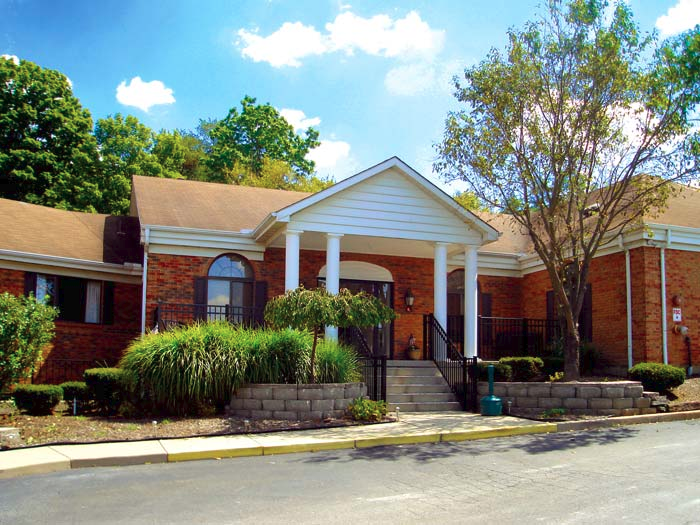
How is Pine Ridge Skilled Nursing And Rehab Staffed?

CMS rates PINE RIDGE SKILLED NURSING AND REHAB's staffing level at 2 out of 5 stars, which is below average compared to other nursing homes. Staff turnover is 29%, compared to the Ohio average of 46%. This relatively stable workforce can support continuity of care.

What Have Inspectors Found at Pine Ridge Skilled Nursing And Rehab?

State health inspectors documented 24 deficiencies at PINE RIDGE SKILLED NURSING AND REHAB during 2019 to 2025. These included: 24 with potential for harm.

Who Owns and Operates Pine Ridge Skilled Nursing And Rehab?

PINE RIDGE SKILLED NURSING AND REHAB is owned by a for-profit company. For-profit facilities operate as businesses with obligations to shareholders or private owners. The facility is operated by HILLSTONE HEALTHCARE, a chain that manages multiple nursing homes. With 50 certified beds and approximately 47 residents (about 94% occupancy), it is a smaller facility located in MORROW, Ohio.
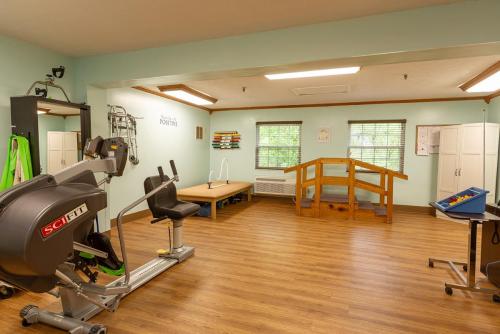
How Does Pine Ridge Skilled Nursing And Rehab Compare to Other Ohio Nursing Homes?

Compared to the 100 nursing homes in Ohio, PINE RIDGE SKILLED NURSING AND REHAB's overall rating (4 stars) is above the state average of 3.2, staff turnover (29%) is significantly lower than the state average of 46%, and health inspection rating (3 stars) is at the national benchmark.

What Should Families Ask When Visiting Pine Ridge Skilled Nursing And Rehab?

Based on this facility's data, families visiting should ask: "Can you walk me through typical staffing levels on day, evening, and night shifts?" "Can I visit during a mealtime to observe dining assistance and food quality?" "How do you handle medical emergencies, and what is your hospital transfer rate?" "Can I speak with family members of current residents about their experience?" These questions are particularly relevant given the below-average staffing rating.

Is Pine Ridge Skilled Nursing And Rehab Safe?

Based on CMS inspection data, PINE RIDGE SKILLED NURSING AND REHAB has a clean safety record: no substantiated abuse findings (meaning no confirmed cases of resident harm), no Immediate Jeopardy citations (the most serious violation level indicating risk of serious injury or death), and is not on the Special Focus Facility watch list (a federal program monitoring the lowest-performing 1% of nursing homes). The facility has a 4-star overall rating and ranks #1 of 100 nursing homes in Ohio. While no facility is perfect, families should still ask about staff-to-resident ratios and recent inspection results during their visit.

Do Nurses at Pine Ridge Skilled Nursing And Rehab Stick Around?

Staff at PINE RIDGE SKILLED NURSING AND REHAB tend to stick around. With a turnover rate of 29%, the facility is 17 percentage points below the Ohio average of 46%. Low turnover is a positive sign. It means caregivers have time to learn each resident's needs, medications, and personal preferences. Consistent staff also notice subtle changes in a resident's condition more quickly.

Was Pine Ridge Skilled Nursing And Rehab Ever Fined?

PINE RIDGE SKILLED NURSING AND REHAB has no federal fines on record. CMS issues fines when nursing homes fail to meet care standards or don't correct problems found during inspections. The absence of fines suggests the facility has either maintained compliance or corrected any issues before penalties were assessed. This is a positive indicator, though families should still review recent inspection reports for the full picture.

Is Pine Ridge Skilled Nursing And Rehab on Any Federal Watch List?

PINE RIDGE SKILLED NURSING AND REHAB is not on any federal watch list. The most significant is the Special Focus Facility (SFF) program, which identifies the bottom 1% of nursing homes nationally based on persistent, serious quality problems. Not being on this list means the facility has avoided the pattern of deficiencies that triggers enhanced federal oversight. This is a positive indicator, though families should still review the facility's inspection history directly.