ALS MOUNT VERNON INC
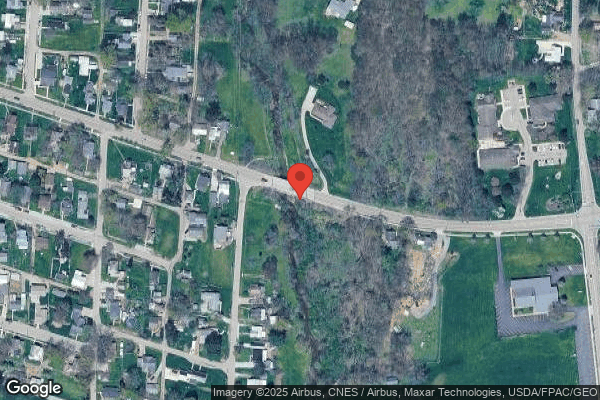
1135 GAMBIER ROAD, MOUNT VERNON, OH 43050 (740) 392-1599
For profit - Corporation 20 Beds LIONSTONE CARE Data: November 2025
Trust Grade
70/100
#206 of 913 in OH
Last Inspection: June 2024

Within standard 12-15 month inspection cycle. Federal law requires annual inspections.

Overview

ALS Mount Vernon Inc in Mount Vernon, Ohio has a Trust Grade of B, indicating it is a solid choice for families seeking care. It ranks #206 out of 913 facilities in Ohio, placing it in the top half, and is the best-rated facility out of seven in Knox County. The facility is improving, with the number of issues found decreasing from 10 in 2024 to just 3 in 2025. Staffing is rated average with a turnover rate of 48%, slightly below the state average, and there is good RN coverage, exceeding that of 93% of Ohio facilities. However, there have been concerning findings, such as the facility not having a registered nurse on duty for at least eight hours a day on multiple occasions, which could affect resident care, and issues with laundry handling that could lead to contamination. Overall, while there are strengths in staffing and quality measures, families should consider the staffing gaps and specific incidents when making their decision.

Trust Score
B
70/100
In Ohio
#206/913
Top 22%
Safety Record
Low Risk
No red flags
Inspections
Getting Better
10 → 3 violations
Staff Stability
⚠ Watch
48% turnover. Above average. Higher turnover means staff may not know residents' routines.
Penalties
✓ Good
No fines on record. Clean compliance history, better than most Ohio facilities.
Skilled Nurses
✓ Good
Each resident gets 57 minutes of Registered Nurse (RN) attention daily — more than average for Ohio. RNs are trained to catch health problems early.
Violations
⚠ Watch
23 deficiencies on record. Higher than average. Multiple issues found across inspections.
★★★★☆
4.0
Overall Rating
★★★☆☆
3.0
Staff Levels
★★★★★
5.0
Care Quality
★★★☆☆
3.0
Inspection Score
Stable
2024: 10 issues
2025: 3 issues

The Good

  • 5-Star Quality Measures · Strong clinical quality outcomes
  • Full Sprinkler Coverage · Fire safety systems throughout facility
  • No fines on record

Facility shows strength in quality measures, fire safety.

The Bad

Staff Turnover: 48%

Near Ohio avg (46%)

Higher turnover may affect care consistency

Chain: LIONSTONE CARE

Part of a multi-facility chain

Ask about local staffing decisions and management

The Ugly 23 deficiencies on record

Mar 2025 3 deficiencies
CONCERN (D) 📢 Someone Reported This

A family member, employee, or ombudsman was alarmed enough to file a formal complaint

Potential for Harm - no one hurt, but risky conditions existed

Deficiency F0725 (Tag F0725)

Could have caused harm · This affected 1 resident

**NOTE- TERMS IN BRACKETS HAVE BEEN EDITED TO PROTECT CONFIDENTIALITY** Based on observation, medical record review, staff interviews, review of the facility assessment, and review of facility policy,...

Read full inspector narrative →
**NOTE- TERMS IN BRACKETS HAVE BEEN EDITED TO PROTECT CONFIDENTIALITY** Based on observation, medical record review, staff interviews, review of the facility assessment, and review of facility policy, the facility failed to provide adequate nursing supervision to assure safety for residents that were identified as a choking risk, while the residents were eating in the dining room. This had the potential to affect two residents who were identified as a choking risk (Resident #11 and Resident #20) out of four residents observed eating in the dining room without supervision. Findings include: Review of Resident #11's medical record revealed that she was admitted to the facility on [DATE] with diagnoses that included cerebral infarction, multiple sclerosis, need for assistance with personal care and dysphagia. Review of Resident #11's physician orders dated 11/19/24 revealed that she was prescribed a regular diet with pureed texture consistency. Review of Resident #11's care plan dated 12/20/23 revealed that she was at risk of alteration in her nutrition and hydration status related to using a mechanically altered diet and a loss of food and fluids from her mouth according to the Speech and Language Pathologist. Review of Resident #20's medical record revealed that she was admitted to the facility on [DATE] with diagnoses that included Huntington's disease, need for assistance with personal care and dysphagia. Review of Resident #20's physician orders dated 06/21/24 revealed that she was ordered to have a regular diet with pureed textures. Review of Resident #20's care plan dated 06/21/24 revealed that she was at risk for potential of alteration in nutrition and hydration related to dysphagia, mechanically altered diet, history of chewing difficulty and leaving residue in mouth. Observation on 03/26/25 from 7:45 A.M. to 7:50 A.M. revealed that there was no staff member in the dining room while Resident #7, Resident #11, Resident #12, and Resident #20 were eating food. During this time, Resident #20 coughed on three occasions and was observed with food dripping down her chin. Certified Nursing Aide #64 and Licensed Practical Nurse (LPN) #84 were observed passing meal trays in the hall, out of the line of sight from the dining room. Interview with LPN #84 on 03/26/25 at 6:44 A.M. revealed that it was her opinion that there was not enough nursing staff on day shift to take care of the resident's needs. Interview with LPN #84 on 03/26/25 at 7:50 A.M. confirmed that there was no nursing staff present in the dining room from 7:45 A.M. to 7:50 A.M. LPN #84 confirmed that to her knowledge, at least Resident #20 was a choking risk. She confirmed that a member of the nursing staff should be present in the dining room at all times. Interview with the Director of Nursing on 03/26/25 at 10:27 A.M. revealed that at least one nursing aide or nurse should be present in the dining room at all times while residents are consuming meals. Further interview confirmed that Resident #11 and Resident #20 were identified as at risk for choking. Review of the facility assessment revealed that there was no facility assessment available for review to determine the level of sufficient staff needed pertaining to the severity of conditions and limitations of the residents, and the services that the facility must provide. Interview with the Administrator on 03/26/25 at 12:41 P.M. confirmed that a completed facility assessment was not available for review. Review of an undated policy titled Dining Room Observation- Meal Time revealed that when it is meal time in the dining room, one staff member should be in the dining room while residents are eating their meal. If a staff member is unavailable when trays arrive, the room trays should be served first and then the dining room service should start. This deficiency represents non-compliance investigated under Complaint Number OH00163661.
CONCERN (E) 📢 Someone Reported This

A family member, employee, or ombudsman was alarmed enough to file a formal complaint

Potential for Harm - no one hurt, but risky conditions existed

Medical Records (Tag F0842)

Could have caused harm · This affected multiple residents

**NOTE- TERMS IN BRACKETS HAVE BEEN EDITED TO PROTECT CONFIDENTIALITY** Based on resident record review and staff interview, the facility failed to ensure resident medical records were complete. This ...

Read full inspector narrative →
**NOTE- TERMS IN BRACKETS HAVE BEEN EDITED TO PROTECT CONFIDENTIALITY** Based on resident record review and staff interview, the facility failed to ensure resident medical records were complete. This affected five of five residents (#4, #7, #11, #12, and #20) reviewed for the administration of treatments, side effect monitoring, and behavior monitoring. The facility census was 19. Findings include: 1. Review of Resident #4's medical record revealed that she was admitted to the facility on [DATE] with diagnoses that included Huntington's disease, major depressive disorder, and dementia. Review of Resident #4's physician orders revealed that she had an order dated 03/06/25 to have her weight taken daily in the morning, an order on 03/01/25 to have skin preparation (prep) to her left knee during the day shift, an order on 03/03/25 to monitor for signs and symptoms of depression for each shift, an order on 03/03/25 to monitor for side effects of her sedative medication for each shift, and an order on 03/03/25 to monitor for side effects of her antidepressant medication on each shift. Review of Resident #4's treatment administration record revealed no documented evidence that the 03/07/25 morning nursing shift documented that the residents weight was obtained, that her skin prep was completed to her left knee, or that she was monitored for signs of depression, side effects of her sedative medication or side effects of her antidepressant medication. Interview with the Director of Nursing on 03/26/25 at 10:20 A.M. confirmed that there was no evidence in the medical record that the treatments for Resident #4 had been administered and/or signed off by the nurse on the morning of 03/07/25. 2. Review of Resident #7's medical record revealed that she was admitted to the facility on [DATE] with diagnoses that included dementia, type two diabetes mellitus, hypertension, chronic kidney disease, peripheral vascular disease, major depressive disorder and nail dystrophy. Review of Resident #7's physician orders revealed that effective 09/08/23 she was to have her behaviors monitored and documented on every shift, and effective 09/08/23 she was to be monitored for pain and non-pharmacological interventions were to be documented on each shift. Review of Resident #7's treatment administration record revealed no documented evidence that the 03/07/25 morning nursing shift documented that the residents behaviors were monitored or that she was monitored for pain and non-pharmacological interventions. Interview with the Director of Nursing on 03/26/25 at 10:20 A.M. confirmed that there was no evidence in the medical record that the treatments for Resident #7 had been administered and/or signed off by the nurse on the morning of 03/07/25. 3. Review of Resident #11's medical record revealed that she was admitted to the facility on [DATE] with diagnoses that included cerebral infarction, multiple sclerosis, dementia, depression, dysphagia, and the need for assistance with personal care. Review of Resident #11's physician orders revealed that effective 12/21/23 she was to be monitored for pain and non-pharmacological interventions were to be documented on each shift, effective 11/19/24, she was to have her head of bed elevated at 45 degrees or higher at all times on each shift, effective 01/06/25 she was to be monitored for side effects of her antidepressant medication on each shift, effective 02/10/25 she was to be monitored for signs and symptoms of a cough or fever for a respiratory screening on each shift, effective 02/14/25 she had orders to cleanse the area to her left great toe with wound cleanser and apply betadine twice daily, and effective 02/28/25 she was to be monitored for signs of depression on each shift. Review of Resident #11's treatment administration record revealed there was no documented evidence that the 03/07/25 morning nursing shift documented the residents area to her left great toe was cleansed and that betadine was applied, that her head of bed was elevated at 45 degrees or higher, that she was monitored for pain and non-pharmacological interventions were attempted, that she was monitored for side effects of her antidepressant medication, that she was monitored for signs of depression or that she was monitored for signs and symptoms of a cough or fever. Interview with the Director of Nursing on 03/26/25 at 10:20 A.M. confirmed that there was no evidence in the medical record that the treatments for Resident #11 had been administered and/or signed off by the nurse on the morning of 03/07/25. 4. Review of Resident #12's medical record revealed that he was admitted to the facility on [DATE] with diagnoses that included Alzheimer's disease, dementia, need for assistance with personal care, congestive heart failure, cardiac pacemaker, inflammatory disorder of scrotum, obstructive sleep apnea, and depression. Review of Resident #12's physician orders revealed that he had orders effective 03/22/24 to monitor and document his behaviors on each shift, effective 03/22/24 he was to have his pain and non-pharmacological interventions documented on every shift, effective 02/28/25 he was to be monitored for side effects of his antidepressant medication on each shift, effective 02/28/25 he was to be monitored for signs of depression on each shift, and effective 02/28/25 he was to be monitored for side effects of a sedative on each shift. Review of Resident #12's treatment administration record revealed there was no documented evidence that the 03/07/25 morning nursing shift documented he had his behaviors monitored and/or documented, that he was monitored for pain and non-pharmacological interventions were attempted, that he was monitored for side effects of his antidepressant medication, that he was monitored for signs of depression, or that he was monitored for side effects of a sedative. Interview with the Director of Nursing on 03/26/25 at 10:20 A.M. confirmed that there was no evidence in the medical record that the treatments for Resident #12 had been administered and/or signed off by the nurse on the morning of 03/07/25. 5. Review of Resident #20's medical record revealed that she was admitted to the facility on [DATE] with diagnoses that included Huntington's disease, muscle weakness, depression, dysphagia, and need for assistance with personal care. Review of Resident #20's physician orders revealed that there was an order effective 05/14/24 she was to be monitored on every shift for pain and non-pharmacological interventions were to be documented on each shift, effective 05/14/24 her behaviors were to be monitored on every shift, effective 05/15/24 she was to be monitored for side effects of her antipsychotic medication on every shift, effective 05/15/24 she was to be monitored for side effects of her antidepressant medication on each shift, effective 05/28/24 she was to be monitored for side effects of her sedative on each shift, effective 01/22/25 she was to have her left dorsal foot cleansed and skin preparation (prep) was to be applied on every shift, effective 02/26/25 for her to have her right dorsal foot cleansed and silver alginate applied on every day shift, and effective 02/28/25 she was to be monitored for signs of depression on each shift. Review of Resident #20's treatment administration record revealed there was no documented evidence that the 03/07/25 morning nursing shift documented her right dorsal and left dorsal feet were cleansed and the treatments completed, that she was monitored for side effects of her sedative, antidepressant or her antipsychotic medication, or that she was monitored for pain or behaviors. Interview with the Director of Nursing on 03/26/25 at 10:20 A.M. confirmed that there was no evidence in the medical record that the treatments for Resident #20 had been administered and/or signed off by the nurse on the morning of 03/07/25.
MINOR (C) 📢 Someone Reported This

A family member, employee, or ombudsman was alarmed enough to file a formal complaint

Minor Issue - procedural, no safety impact

Deficiency F0838 (Tag F0838)

Minor procedural issue · This affected most or all residents

Based on review of the facility assessment and staff interview, the facility failed to have documented evidence of a completed facility assessment for review. This had the potential to affect all 19 r...

Read full inspector narrative →
Based on review of the facility assessment and staff interview, the facility failed to have documented evidence of a completed facility assessment for review. This had the potential to affect all 19 residents living in the facility. Findings include: Review of the facility assessment revealed that there was no facility assessment available for review to determine the level of sufficient staff needed pertaining to the severity of conditions and limitations of the residents, and the services that the facility must provide. Interview with the Administrator on 03/26/25 at 12:41 P.M. confirmed that a completed facility assessment was not available for review.
Jun 2024 10 deficiencies
CONCERN (D)

Potential for Harm - no one hurt, but risky conditions existed

Safe Environment (Tag F0584)

Could have caused harm · This affected 1 resident

Based on observation, interview, and facility policy review the facility failed to maintain a clean home like environment in resident rooms. This deficient practice affected one resident (#17) out of ...

Read full inspector narrative →
Based on observation, interview, and facility policy review the facility failed to maintain a clean home like environment in resident rooms. This deficient practice affected one resident (#17) out of 19 residents reviewed for environment. The facility census was 19. Findings include: Observation on 06/17/24 at 8:45 A.M. revealed Resident #17's outer doorframe was noted to have missing paint and dry wall covering. The area was observed on the wall surrounding the doorframe. The appearance of having had plastic covering taped around the doorframe and doorway was evident. The largest area was approximately four inches wide with paint and dry wall covering missing exposing the dry wall backing paper. Further observation inside Resident #17's room revealed the wall to the left side of the bed with multiple vertical large, long (approximately 12 inches long) gouges running the length of the bed. The gouges were deep enough for the dry wall material to be visible, approximately one-half inch deep, with torn dry wall covering hanging loosely on the wall. Resident #17's bed was against the wall with Resident #17's left side being towards the damaged wall. Interview on 06/24/24 at 9:35 A.M. with Maintenance Staff #416 confirmed the gouges being deep enough for the dry wall material to be visible, approximately one-half inch deep, with torn dry wall covering hanging loosely on the wall to the left side of the bed and the outer doorframe areas of missing dry wall and non-painted areas. Review of the facility's policy titled Resident Environmental Quality, dated 08/22, revealed, It is the policy of this facility to be designed, constructed, equipped, and maintained to provide a safe, functional, sanitary, and comfortable environment for residents, staff, and the public.
CONCERN (D)

Potential for Harm - no one hurt, but risky conditions existed

Assessment Accuracy (Tag F0641)

Could have caused harm · This affected 1 resident

Based on observation, staff interview, and record review the facility failed to accurately code the Minimum Data Set (MDS) 3.0 assessment for Residents #10 and #11. This affected two residents (#10 an...

Read full inspector narrative →
Based on observation, staff interview, and record review the facility failed to accurately code the Minimum Data Set (MDS) 3.0 assessment for Residents #10 and #11. This affected two residents (#10 and #11) of 11 residents reviewed for accuracy of assessments. The facility census was 19. Findings include: 1. Review of Resident #10's medical record revealed an admission date of 01/24/23. Medical diagnoses included chronic obstructive pulmonary disease, unsteadiness on feet, and muscle weakness. Review of Resident #10's MDS 3.0 significant change assessment, dated 05/14/24, revealed a brief interview for mental status (BIMS) score of 02, indicating severely impaired cognition. The resident was recorded to have an impairment on one side of his upper extremities. Resident #10 required set up assistance for eating and substantial/maximum assistance for other activities of daily living (ADL) and mobility tasks. An additional review of the MDS 3.0 discharge return anticipated assessment, dated 04/29/24, revealed the resident had one fall with a minor injury, and no falls with a major injury. Review of Resident #10's progress notes revealed a note dated 04/29/24 at 12:25 A.M. indicating a thud was heard from the resident's room. When staff entered the room, the resident was observed on the floor underneath his bedside table. The resident reported he had been attempting to change clothes when he fell. The resident complained of pain to his right arm and head, with a knot noted near his right clavicle. Resident #10 was transferred and admitted to a local hospital. Review of a facility incident report, dated 04/29/24, revealed Resident #10 sustained a fall and was noted with a quarter sized knot near his right clavicle. The report indicated that Resident #10 was transferred and admitted to a local hospital. Review of hospital records for Resident #10, dated 04/29/24, revealed an x-ray examination of the right humerus was completed on 04/29/24 which showed no definitive fracture. The hospital records revealed no indication that a right clavicle x-ray examination had been completed while the resident was at the hospital. Review of Resident #10's vitals and pain assessment, dated 05/07/24, revealed the resident complained of pain rated at 7/10 on a 01-10 scale. The pain was described as aching and stiffness, worse with movement. Resident #10 was additionally observed to have edema (swelling) to his right upper extremity. Review of an x-ray report, completed at the facility on 05/07/24, revealed Resident #10 had an acute fracture of the right mid clavicle, with moderate displacement and fracture overlap. An interview conducted on 06/18/24 at 2:12 P.M. with the Director of Nursing (DON) revealed Resident #10 sustained a fall resulting in injury on 04/29/24 and was transported to the hospital, where he was admitted . The injury was a knot on his right clavicle, and the resident complained of arm pain. The DON stated she believed the hospital would have completed an x-ray examination of the clavicle, but the hospital only x-rayed the humerus (upper arm bone) which was not fractured. After the resident returned to the facility and was still having pain, the facility obtained an order to x-ray the clavicle. The DON confirmed the fracture to Resident #10's clavicle was a result of the fall sustained on 04/29/24. An interview conducted on 06/18/24 at 10:21 A.M. by phone with MDS Nurse #250 revealed she was unaware of Resident #10's fall on 04/29/24 resulted in a fractured clavicle. MDS Nurse #250 stated although the fracture was not noted at the time of the hospital transfer, she should have modified the MDS assessment once it was determined Resident #10 sustained a fracture, as that would be considered a major injury. MDS Nurse #250 stated the assessment was incorrect and stated she would complete a modification of Resident #10's MDS assessment to reflect one fall with major injury. Review of the Resident Assessment Instrument (RAI) Manual, revised October 2023, revealed an injury related to a fall included any documented injury that occurred as a result of, or was recognized within a short period of time after the fall and attributed to the fall. The RAI Manual identified a major injury included bone fractures and joint dislocations. 2. Observation on 06/17/24 at 9:05 A.M. revealed Resident #11 sitting in a recliner chair receiving continuous two liters of oxygen therapy from an oxygen concentrator via a nasal canula tubing. Review of Resident #11's medical record revealed an admission date of 05/03/24 with diagnoses including pneumonia, high blood pressure, heart failure, and rib fractures. Resident #11 required assistance from staff to complete ADL tasks and had moderately impaired cognition with a score of seven out of fifteen on Brief Interview of Mental Status (BIMS) score. Review of Resident #11's at risk for altered respiratory status care plan dated 05/14/24 revealed an intervention for the use of oxygen as ordered. Review of Resident #11's admission MDS 3.0 assessment, dated 05/07/24, revealed Section O - Special Treatments, Procedures, and Programs C1 Oxygen therapy was marked as being used on admission and while being a resident. Review of Resident #11's significant change MDS 3.0 assessment, dated 05/15/24, revealed Section O Special Treatments, Procedures, and Programs C1 Oxygen therapy was marked as not being used while being a resident. Interview on 06/24/24 at 10:25 A.M. with the MDS Registered Nurse (RN) #450 confirmed Resident #11's significant change MDS 3.0 assessment, dated 05/15/24, was coded incorrectly to reflect Resident #11 did not use oxygen therapy. Review of the RAI 3.0 User's Manual, dated October 2023, revealed the steps for assessment include, Review the resident's medical record to determine whether or not the resident received or performed any of the treatments, procedures, or programs within the assessment period defined for each column.
CONCERN (D)

Potential for Harm - no one hurt, but risky conditions existed

Quality of Care (Tag F0684)

Could have caused harm · This affected 1 resident

**NOTE- TERMS IN BRACKETS HAVE BEEN EDITED TO PROTECT CONFIDENTIALITY** Based on observation, staff and resident interview, record review, and facility policy review, the facility failed to complete a...

Read full inspector narrative →
**NOTE- TERMS IN BRACKETS HAVE BEEN EDITED TO PROTECT CONFIDENTIALITY** Based on observation, staff and resident interview, record review, and facility policy review, the facility failed to complete a physician-ordered orthopedic consult for Resident #10, and failed to ensure dressings were changed as ordered for Resident #5. This affected two residents (#10 and #5) of 11 residents reviewed for quality of care. The facility census was 19. Findings include: 1. Review of Resident #10's medical record revealed an admission date of 01/24/23. Medical diagnoses included chronic obstructive pulmonary disease, unsteadiness on feet, and muscle weakness. Resident #10 was hospitalized from [DATE] to 05/03/24. Review of Resident #10's Minimum Data Set (MDS) 3.0 significant change assessment, dated 05/14/24, revealed a brief interview for mental status (BIMS) score of 02, indicating severely impaired cognition. The resident was recorded to have an impairment on one side of his upper extremities. Resident #10 required set up assistance for eating and substantial/maximum assistance for other activities of daily living (ADL) tasks and mobility tasks. An additional review of the MDS 3.0 discharge return anticipated, dated 04/29/24, revealed the resident had one fall with a minor injury. Review of an x-ray report, completed at the facility on 05/07/24, revealed Resident #10 had an acute fracture of the right mid clavicle, with moderate displacement and fracture overlap. Review of Resident #10's physician's orders revealed orders dated 05/07/24 for the resident to wear a sling to his right upper extremity, and for the resident to be referred to an orthopedic specialist. Review of Resident #10's interdisciplinary progress notes revealed a note dated 05/06/24 which indicated the resident had pain, edema, and bruising to his right upper extremity. An additional note dated 05/06/24 indicated the facility Nurse Practitioner had ordered an x-ray examination of his right clavicle. Subsequent progress notes contained no evidence that Resident #10's referral to an orthopedic specialist had been completed or that a discussion had taken place with Resident #10's family regarding the orthopedic consultation. An observation and interview on 06/18/24 at 8:38 A.M. with Resident #10 revealed him seated on the edge of the bed. The resident denied pain when asked and denied any recent falls or hospitalizations, stating he could not remember. The resident was not wearing a sling and was observed to feed himself breakfast. An interview on 06/18/24 at 2:12 P.M. with the Director of Nursing (DON) revealed Resident #10 had a fall on 04/29/24 with a documented injury to his right clavicle, described as a quarter-sized knot. The DON stated the resident was transported to the hospital and admitted , and upon the return to the facility, the facility obtained an x-ray of the resident's clavicle as he was having ongoing pain. The resident's x-ray indicated a fracture to the right clavicle on 05/07/24, which the DON stated she attributed as being related to the fall on 04/29/24. The DON stated she thought the hospital would have x-rayed the resident's clavicle, but they only obtained x-ray imaging for the humerus (upper arm bone). The DON stated the facility Nurse Practitioner ordered an orthopedic consultation and a sling on 05/07/24 and verified there was no evidence in the medical record of the orthopedic consult being completed. The DON stated the resident's family possibly refused the orthopedic consult but verified there were also no refusals recorded in Resident #10's medical record but there should have been. An interview on 06/18/24 at 3:54 P.M. with Registered Nurse (RN) #413 revealed Resident #10 recently had a fracture identified to his right clavicle. Nursing staff had provided pain management, and over a few weeks the pain decreased, and the resident was gradually able to regain his range of motion. RN #413 stated he believed the family possibly did not want the resident to go to any outside providers. A telephone interview on 06/20/24 at 9:00 A.M. with a family member of Resident #10 revealed knowledge of the resident's recent fall at the facility on 04/29/24 and his return to the hospital. The family member indicated the fall on 04/29/24 resulted in a broken collarbone that the facility identified upon the resident's return from the hospital. The family member stated they were never notified of the resident being referred to an orthopedic specialist, and stated she would have been aware as they previously transported the resident to all outside appointments. Review of the facility policy titled Provision of Physician Ordered Services, dated 10/2023, revealed qualified nursing personnel will submit timely requests for physician ordered services (including consultations) to the appropriate entity. Documentation of consultations will be maintained in the resident's clinical record. 2. Review of Resident #5's medical record revealed an admission date of 02/03/23. Medical diagnoses included diabetes mellitus, a history of a myocardial infarction, and dementia with unspecified severity. Review of Resident #5's MDS 3.0 quarterly assessment, dated 04/17/24, revealed a BIMS score of 09, indicating moderately impaired cognition. Review of Resident #5's incident report revealed the resident sustained a fall on 06/15/24 when he was ambulating without his assistive device. The fall resulted in a skin tear to the resident's left outer forearm. The listed intervention included education on the use of proper footwear. Review of Resident #5's physician's orders revealed an order dated 06/18/24 to treat a recently obtained skin tear. The order called for staff to replace border foam to the resident's left outer forearm every three days, and check steri-strip placement. The order instructed staff to not remove steri-strips, as they will fall off on their own. The order was scheduled to be completed on day shift between 7:00 A.M. and 7:00 P.M. on the designated days. Review of Resident #5's June 2024 Treatment Administration Record (TAR) revealed the dressing was documented as being completed on 06/18/24 and 06/21/24. An observation on 06/24/24 at 8:06 A.M. revealed Resident #5 seated at the dining room table. He had eaten all of his breakfast and was observed coloring. The resident was observed with a dressing on his left elbow dated 06/18/24. An interview on 06/24/24 at 8:59 A.M. with the DON verified Resident #5's dressing was still dated 06/18/24 and was not completed as documented on 06/21/24. The DON stated the dressing needed to be changed. Review of the facility policy titled Wound Care, dated 08/2023, revealed treatments should be completed per physician's orders. Following the completion of the treatment, the nurse should document in the resident's electronic medical record.
CONCERN (D)

Potential for Harm - no one hurt, but risky conditions existed

Accident Prevention (Tag F0689)

Could have caused harm · This affected 1 resident

2. Review of Resident #6's medical record revealed an admission date of 09/07/23. Medical diagnoses included dementia without behavioral disturbances, anemia in chronic kidney disease, and diabetes. ...

Read full inspector narrative →
2. Review of Resident #6's medical record revealed an admission date of 09/07/23. Medical diagnoses included dementia without behavioral disturbances, anemia in chronic kidney disease, and diabetes. Review of Resident #6's MDS 3.0 quarterly assessment, dated 05/28/24, revealed Resident #6 was recorded to have a Brief Interview for Mental Status score of 00, indicating severely impaired cognition. The resident was recorded as requiring set-up assistance for eating and was dependent on staff for all other ADL and mobility tasks. Review of Resident #6's fall risk assessment, dated 06/01/24, revealed the resident scored a 9, indicating she was at risk for falls. Review of Resident #6's interdisciplinary progress notes revealed a note dated 06/01/24 which indicated Resident #6 fell out of bed. The resident was assessed for injury and transferred to the local hospital for evaluation in the emergency department. Resident #6 returned to the facility later that date after all x-rays and scans returned negative for injury. Resident #6's listed interventions included implementation of a perimeter mattress and a padded mat to the floor to the open side of the bed. Review of Resident #6's care plan, revised 06/02/24, revealed the resident was at risk for falls and potential injury related to weakness and dementia. Listed interventions included a bed with a perimeter mattress, a floor mat to the exit side of bed, and keeping commonly used articles within easy reach. An observation on 06/24/24 at 8:09 A.M. revealed Resident #6 in bed with the head of bed elevated. Her breakfast tray was in front of her. The padded mat was in a folded position leaning against the wall, approximately six feet from the resident's bed. An observation and interview on 06/24/24 at 8:14 A.M. with STNA #438 revealed Resident #6 remained in bed, awake and alert, feeding herself a sausage link. STNA #438 verified Resident #6's padded fall mat was not in place and should have been. STNA #438 replaced the fall mat during the interview. Review of the policy titled Managing Falls and Fall Risk, reviewed 08/2023, revealed based on previous evaluations and current data, staff will identify interventions related to the resident's risks and causes to try to prevent the resident from falling and to try to minimize complications from falling. The staff, with the input of the attending physician/ nurse practitioner (NP) as needed, will implement a resident-centered fall prevention plan to reduce the specific risk factors of falls for each resident. Staff will monitor residents' response to interventions intended to reduce falling. Based on observation, record review, interview, and facility policy review the facility failed to ensure safety interventions were implemented and were appropriate for residents assessed to be at high risk for falls. This deficient practice affected two residents (#6 and #9) out of five residents reviewed for accidents. The facility census was 19. Findings include: Observation on 06/24/24 at 8:07 A.M. revealed Resident #9 sitting at the dining room table eating breakfast. Resident #9 was wearing light blue non-skid socks on his feet. The right foot sock was halfway on the foot with the toe of sock was folded under the foot and dragging on the floor. Resident #9's four wheeled walker was located behind the dining room chair approximately two feet out of Resident #9's reach. Resident #9 stood up from the table when State Tested Nursing Assistant (STNA) #421 came over to the table to assist Resident #9. Resident #9 reached for the four wheeled walker, grabbed hold of the handles and then lost balance tipping the walker over to the left side, Resident #9 regained his balance and began to ambulate through the dining room. STNA #412 did not attempt to assist Resident #9 with bringing the four wheeled walker to within his reach, regaining his balance or attempting to readjust the right sock that was dragging on the floor. Review of Resident #9's medical record revealed admission date of 04/01/21 with diagnoses including Huntington's Disease, chronic obstructive pulmonary disease (COPD), depression, anxiety, and history of falls. Resident #9 required assistance from staff to complete activities of daily living (ADL) and had severely impaired cognition. Resident #9 used a four wheeled walker for assistance with independent ambulation, and severely impaired balance and gait due to the diagnosis of Huntington's Disease. Review of Resident #9's recent fall investigations dated 09/04/23, 10/16/23, 12/23/23, 12/25/24, 01/11/24, and 06/06/24 revealed the falls occurred in the dining room during mealtime and involved Resident #9 attempting to sit in a chair or standing up from the table following the completion of the meal. Safety measures implemented for these falls include the following: • 09/04/23 - Resident #9 encouraged to ask staff for help during transfers and sitting. • 10/16/23 - Resident #9 educated to use walker when out of bed. • 12/23/23 - Resident #9 to notify staff if stuck behind chair and needing assistance • 12/25/23 - Staff educated to assist Resident #9 to the chair when coming into the dining room for meals. • 01/11/24 - Staff educated to continue with current fall prevention interventions. • 06/06/24 - Resident #9 educated to ask for help when transferring or sitting. Review of Resident #9's at risk for falls care plan dated 06/13/21 revealed other safety measures including providing staff assistance as needed, to wear non-skid footwear when ambulating, and implement fall prevention devices as ordered by the physician. Interview on 06/24/24 at 8:58 A.M. with STNA #438 confirmed Resident #9's right sock was folded under his foot and was dragging on the floor. STNA #438 stated Resident #9 should have shoes on instead of the non-skid socks. Interview on 06/24/24 at 9:20 A.M. with the Director of Nursing (DON) confirmed Resident #9's fall interventions were repetitive and ineffective safety measures due to Resident #9's impaired cognition. The DON stated it has been challenging to implement safety measures for Resident #9 due to diagnosis and impaired cognition.
CONCERN (D)

Potential for Harm - no one hurt, but risky conditions existed

Respiratory Care (Tag F0695)

Could have caused harm · This affected 1 resident

Based on observation, record review, interview, and review of the facility policy the facility failed to obtain a physician's order for the administration of oxygen therapy. This deficient practice af...

Read full inspector narrative →
Based on observation, record review, interview, and review of the facility policy the facility failed to obtain a physician's order for the administration of oxygen therapy. This deficient practice affected one resident (#11) out of one resident reviewed for respiratory care. The facility census was 19. Findings include: Observation on 06/17/24 at 8:23 A.M. revealed Resident #11 sitting in a recliner chair receiving continuous two liters of oxygen therapy from an oxygen concentrator via a nasal canula tubing. Review of Resident #11's medical record revealed an admission date of 05/03/24 with diagnoses including pneumonia, high blood pressure, heart failure, and rib fractures. Resident #11 required assistance from staff to complete activities of daily living (ADL) tasks and had moderately impaired cognition with a score of seven out of fifteen on Brief Interview of Mental Status (BIMS) score. Review of Resident #11's at risk for altered respiratory status care plan dated 05/14/24 revealed intervention for the use of oxygen as ordered. Review of Resident #11's hospice progress notes dated 05/09/24 revealed a physician order for oxygen two to five liters continuous via nasal cannula tubing. Review of Resident #11's physician orders dated 06/01/24 revealed no order transcribed for oxygen two to five liters continuous via nasal cannula tubing. Interview on 06/17/24 at 4:17 P.M. with Licensed Practical Nurse (LPN) #475 confirmed Resident #11 did not have physician's order for oxygen two to five liters continuous via nasal cannula tubing. LPN #475 stated Resident #11 has always been using oxygen since admission. Review of the facility's policy titled, Oxygen Administration dated 04/01/23 revealed, Oxygen is administered under orders of a physician.
CONCERN (D)

Potential for Harm - no one hurt, but risky conditions existed

Deficiency F0757 (Tag F0757)

Could have caused harm · This affected 1 resident

Based on staff interview, record review, and facility policy review, the facility failed to ensure physician-ordered medication parameters were followed for Residents #4 and #5. This affected two (#4 ...

Read full inspector narrative →
Based on staff interview, record review, and facility policy review, the facility failed to ensure physician-ordered medication parameters were followed for Residents #4 and #5. This affected two (#4 and #5) of six residents reviewed for unnecessary medications. The facility census was 19. Findings include: 1. Review of Resident #4's medical record revealed an admission date of 09/06/19. Medical diagnoses included cerebrovascular accident (stroke), atrial fibrillation, coronary artery disease, and hypertension. Review of Resident #4's Minimum Data Set (MDS) 3.0 quarterly assessment, dated 06/03/24, revealed the resident had a Brief Interview for Mental Status score of six, indicating severely impaired cognition. Review of Resident #4's physician's orders revealed an order dated 05/13/24 for Carvedilol (an antihypertensive medication to lower blood pressure and/or heart rate) 3.125 milligram (mg) one tablet twice daily, with instructions to hold the medication for a systolic blood pressure less than 90 or for a resting heart rate less than 60. Resident #4 also had an order dated 05/13/24 for lisinopril (an antihypertensive medication to lower blood pressure) 5 mg once daily with instructions to hold the medication if the systolic blood pressure is less than 110. Review of Resident #4's May 2024 Medication Administration Record (MAR) revealed the resident was administered the dose of Carvedilol when his heart rate was recorded as being less than 60 beats per minute. These administrations occurred on 05/01/24, 05/02/24, 05/06/24, 05/11/24, 05/12/24, 05/16/24, 05/25/24, 05/28/24, 05/29/24, and 05/30/24. Additionally, Resident #4 was administered the dose of lisinopril when his systolic blood pressure was less than 110 on 05/01/24 and 05/30/24. Review of Resident #4's June 2024 MAR revealed the resident was administered the dose of Carvedilol when his heart rate was less than 60 beats per minute on 06/04/24, 06/08/24, 06/09/24, and 06/18/24. Resident #4 was administered his ordered dose of lisinopril on 05/13/24 when his systolic blood pressure was recorded as less than 110. 2. Review of Resident #5's medical record revealed an admission date of 02/03/23. Medical diagnoses included diabetes mellitus, a history of a myocardial infarction, and dementia with unspecified severity. Review of Resident #05's MDS 3.0 quarterly assessment, dated 04/17/24, revealed a BIMS score of nine, indicating moderately impaired cognition. Review of Resident #5's physician's orders revealed an order dated 11/02/23 for Midodrine (a medication used to raise blood pressure) 5 mg once daily, with instructions to hold the medication if the systolic blood pressure was greater than 120. Review of Resident #5's May 2024 and June 2024 MAR revealed no correlating blood pressure documented prior to medication administration. An interview conducted on 06/17/24 at 8:23 A.M. with Resident #5 revealed he had a recent fall and reported sometimes he felt dizzy. An interview conducted on 06/20/24 at 10:42 A.M. with Assistant Director of Nursing (ADON) #402 verified Resident #4's medications had been administered outside of parameters when the medication should have been held. ADON #402 additionally verified Resident #5 should have had correlating blood pressure documented prior to medication administration but did not. Review of the policy titled Medication Administration - General Guidelines, dated 07/01/21, revealed medications are administered as prescribed in accordance with good nursing principles and practices. Medications are administered in accordance with written orders of the prescriber.
CONCERN (D)

Potential for Harm - no one hurt, but risky conditions existed

Medication Errors (Tag F0758)

Could have caused harm · This affected 1 resident

Based on record review, interview, and facility policy review the facility failed to complete routine assessments for monitoring of psychotropic medication side effects. This deficient practice affect...

Read full inspector narrative →
Based on record review, interview, and facility policy review the facility failed to complete routine assessments for monitoring of psychotropic medication side effects. This deficient practice affected one resident (#9) out of five residents reviewed for unnecessary medications. The facility census was 19. Findings include: Review of Resident #9's medical record revealed admission date of 04/01/21 with diagnoses including Huntington's Disease, chronic obstructive pulmonary disease (COPD), depression, anxiety, and history of falls. Resident #9 required assistance from staff to complete activities of daily living (ADL) and had severely impaired cognition. Resident #9 used a four wheeled walker for assistance with independent ambulation and had severely impaired balance and gait due to the diagnosis of Huntington's Disease. Review of Resident #9's physician orders revealed an order with revised date of 06/12/24 for antipsychotic medication Olanzapine oral tablet 7.5 milligrams (mg) give one tablet by mouth one time a day related to Huntington's Disease. Review of Resident #9's completed routine assessments revealed a completed Abnormal Involuntary Movement Scale (AIMS) dated 10/04/21 with the results of minimal/normal severity of abnormal movements at a score of ten out of 28. The next completed AIMS for Resident #9 was dated 01/24/24 with the results of moderate severity of abnormal movements for Resident #9 with a score of 18 out of 28. Interview on 06/24/24 at 9:16 A.M. with the Director of Nursing (DON) confirmed Resident #9 was receiving the anti-psychotic medication Olanzapine for some time and there were not any AIMS assessments completed prior to 01/24/24, and there had not been an AIMS completed since 01/24/24. The DON stated the AIMS assessments should be completed when an anti-psychotic medication is initiated and at least quarterly for routine monitoring of side effects with the use of anti-psychotic medications. Review of the facility's policy titled, Medication Monitoring and Management, dated 07/14/21, revealed, In order to optimize the therapeutic benefits of medication therapy and minimize or prevent potential adverse consequences, facility staff, the attending physician/prescriber, and the consultant pharmacist perform ongoing monitoring for appropriate, effective, and safe medication use.
CONCERN (D)

Potential for Harm - no one hurt, but risky conditions existed

Deficiency F0790 (Tag F0790)

Could have caused harm · This affected 1 resident

**NOTE- TERMS IN BRACKETS HAVE BEEN EDITED TO PROTECT CONFIDENTIALITY** Based on observation, staff and resident interview, and record review, the facility failed to recognize Resident #5's bottom den...

Read full inspector narrative →
**NOTE- TERMS IN BRACKETS HAVE BEEN EDITED TO PROTECT CONFIDENTIALITY** Based on observation, staff and resident interview, and record review, the facility failed to recognize Resident #5's bottom dentures were missing and failed to timely refer him to a dental provider. This affected one resident (#5) of one resident reviewed for dental services. The facility census was 19. Findings include: Review of Resident #5's medical record revealed an admission date of 02/03/23. Medical diagnoses included diabetes mellitus, a history of a myocardial infarction, and dementia with unspecified severity. The record contained no evidence Resident #5 had seen a dental provider since admission on [DATE]. Review of Resident #5's Minimum Data Set (MDS) 3.0 quarterly assessment, dated 04/17/24, revealed a Brief Interview for Mental Status (BIMS) score of nine, indicating moderately impaired cognition. The assessment indicated the resident required set-up assistance for eating and did not have any broken or loosely fitting dental appliance. The assessment additionally revealed the resident had no reported difficulty with chewing. Review of Resident #5's physician's orders revealed an order dated 02/03/23 for the resident to see podiatrist, dentist, and optometrist as needed. Review of Resident #5's care plan, revised 12/11/23, revealed Resident #5 had the potential for alteration in nutrition and hydration related to multiple medical diagnoses and the presence of upper and lower dentures with no chewing or swallowing disorders. Review of Resident #5's interdisciplinary progress notes revealed a note dated 04/24/24 indicating the resident was edentulous (missing all natural teeth), had upper and lower dentures, and tolerated his recommended diet without chewing or swallowing difficulty or pain. Previous progress notes dated 01/31/24 and 11/03/23 also reflected Resident #5 as being edentulous and using both upper and lower dentures. An observation and interview on 06/17/24 at 8:26 A.M. with Resident #5 revealed he was finishing breakfast. Resident #5 was alert, feeding himself, and answered questions appropriately. Resident #5 stated he had been missing his bottom dentures for approximately four months and had not seen a dentist. Resident #5 stated he had told about everyone awhile back about his missing bottom dentures but no one ever found his dentures. Resident #5 smiled and revealed a full set of top dentures and no natural teeth or presence of a dental appliance present on the bottom. Interviews conducted on 06/18/24 between 10:24 A.M. and 10:30 A.M. with State Tested Nurse Aide (STNA) #421 and STNA #438 revealed they were unaware what type of dentures Resident #5 utilized. An interview conducted on 06/18/24 at 1:22 P.M. with Registered Nurse (RN) #413 revealed he was unsure if Resident #5 had both upper and lower dentures, or only upper dentures. RN #413 indicated he had never received information that Resident #5 had been missing dentures. An interview on 06/18/24 at 2:12 P.M. with the Director of Nursing (DON) and Assistant Director of Nursing (ADON) #402 revealed Resident #5 should have both his top and bottom dentures and stated they were unaware the dentures were missing. The DON stated she coordinated ancillary services and would be sure Resident #5 saw the dentist upon the dentist's next visit to the facility. An interview on 06/24/24 at 11:24 A.M. with Regional Nurse #600 revealed a list of all residents scheduled to see the dentist on the next visit, scheduled for 07/02/24. Resident #5 was present on the list to see the dentist, which listed the resident's primary insurance and stated Dental New Patient Exam. Dental full mouth x-ray. Regional Nurse #600 verified the list contained no mention of Resident #5's missing dentures and the reason or cause for the dental examination. The surveyor discussed concern of the dentures previously being reported missing to facility staff on 06/18/24, and Resident #5's medical record still contained no mention of the missing dentures, or what the facility had done to ensure the resident was able to eat or drink appropriately. Regional Nurse #600 stated she would have the speech therapist evaluate Resident #5 upon their next visit to the facility.
CONCERN (E)

Potential for Harm - no one hurt, but risky conditions existed

Deficiency F0553 (Tag F0553)

Could have caused harm · This affected multiple residents

**NOTE- TERMS IN BRACKETS HAVE BEEN EDITED TO PROTECT CONFIDENTIALITY** Based on record review, interview, and facility policy review the facility failed to ensure residents and/or their representativ...

Read full inspector narrative →
**NOTE- TERMS IN BRACKETS HAVE BEEN EDITED TO PROTECT CONFIDENTIALITY** Based on record review, interview, and facility policy review the facility failed to ensure residents and/or their representatives were invited to participate in initial and quarterly care plan meetings. This affected four residents (#10, #9, #13, and #15) of five residents reviewed for care plan meetings. The facility census was 19. Findings include: 1. Review of Resident #10's medical record revealed an admission date of 01/24/23. Medical diagnoses included chronic obstructive pulmonary disease, unsteadiness on feet, and muscle weakness. Resident #10 was hospitalized from [DATE] to 05/03/24. Review of Resident #10's Minimum Data Set (MDS) 3.0 significant change assessment, dated 05/14/24, revealed a brief interview for mental status (BIMS) score of 02, indicating severely impaired cognition. The resident was recorded to have an impairment on one side of his upper extremities. Resident #10 required set up assistance for eating and substantial/maximum assistance for other activities of daily living and mobility tasks. An additional review of the MDS 3.0 discharge return anticipated, dated 04/29/24, revealed the resident had one fall with a minor injury. Review of Resident #10's interdisciplinary progress notes revealed a note dated 05/06/24 which indicated the resident had pain, edema, and bruising to his right upper extremity. An additional note dated 05/06/24 indicated the facility Nurse Practitioner had ordered an x-ray examination of his right clavicle. The interdisciplinary progress notes revealed no mention of a care plan meeting being held, scheduled, or Resident #10's family being invited to such a meeting since the resident admitted to the facility on [DATE]. Review of an x-ray report, completed at the facility on 05/07/24, revealed Resident #10 had an acute fracture of the right mid clavicle, with moderate displacement and fracture overlap. Review of Resident #10's physician's orders revealed orders dated 05/07/24 for the resident to wear a sling to his right upper extremity and for the resident to be referred to an orthopedic specialist. Review of Resident #10's Interdisciplinary Plan of Care (IPOC) Summary form, dated 05/04/24, revealed the reason the IPOC meeting was held was Annual, admission and Significant Change. The form indicated Resident #10 recently had a fall which resulted in injury with the family choosing to not see an orthopedic specialist. The summary of the meeting indicated Resident #10's child and Social Services Designee (SSD) #412 were the only two attendees. Resident #10's child's name was handwritten on the form which did not include a signature. A telephone interview conducted on 06/20/24 at 9:00 A.M. with a family member of Resident #10 revealed knowledge of Resident #10's fall and resulting clavicle fracture at the facility. The family member of Resident #10 denied ever being informed or refusing an orthopedic consult and indicated the family had previously transported the resident to all outside appointments via their personal vehicles. The family member of Resident #10 stated they had never been offered, nor attended, a care conference since the resident admitted to the facility approximately a year and a half ago. An interview conducted on 06/20/24 at 10:18 A.M. with SSD #412 revealed she coordinated the care plan meetings at the facility. SSD #412 stated only she and the daughter of Resident #10 were present for the care conference dated 05/04/24 and the date on the form indicated the date the care conference was held. The surveyor informed SSD #412 that the documentation on the form stated the family refused an orthopedic consult days before Resident #10's x-ray examination was ordered, completed, or revealed a fracture. SSD #412 verified the documentation was incorrect and stated that the correct date for the care plan meeting was 05/24/24. SSD #412 confirmed there was no documentation of scheduling or notices provided to coordinate a care plan meeting, and the IPOC Summary dated 05/04/24 contained no evidence that a nurse or other department representative was present at the care plan meeting. SSD #412 stated documentation should be completed in the resident's electronic medical record reflecting a care conference was scheduled, held and afterwards, a summary contained in the resident's electronic medical record. 2. Review of Resident #9's medical record revealed admission date of 04/01/21 with diagnoses including Huntington's Disease, chronic obstructive pulmonary disease (COPD), depression, and anxiety. Resident #9 required assistance from staff to complete activities of daily living (ADL) and had severely impaired cognition. Review of Resident #9's IPOC summary dated 02/01/23 revealed the IPOC summary was marked for an annual review and a quarterly review care conference. The only people in attendance for the care conference included Resident #9's power of attorney (POA) and the SSD designee #412. There were no completed IPOC summary review care conferences available to review from 03/01/23 to 06/24/24. Review of Resident #9's progress notes dated 02/01/23 to 02/20/23 revealed no documentation reflecting the IPOC care conference completed on 02/10/23. Further review of progress notes dated 03/01/23 to 06/24/24 revealed no documentation for any type of care conference, annual or quarterly, since the care conference completed on 02/10/23. Interview on 06/20/24 at 10:20 A.M. with SSD #412 confirmed there were no completed IPOC summary review care conferences since the IPOC summary care conference dated 02/10/23. SSD #412 further confirmed the only people in attendance for the care conference dated 02/10/23 was Resident #9's POA and SSD #412. SS #412 stated there should at least be a nurse, dietary representative, and therapy representative in attendance for a care conferences. SSD #412 confirmed there should be documentation in the progress notes to reflect the completion of care conferences. 3. Review of Resident #13's medical record revealed admission date of 11/18/20 with diagnoses including traumatic brain injury (TBI), stroke, and hemiplegia to left side. Resident #13 required assistance from staff for ADL tasks and had moderately impaired cognition. Review of Resident #13's IPOC summary review care conference form dated 04/20/23 revealed the care conference marked as a quarterly IPOC summary review care conference. The attendees included Resident #13's family members, the Director of Nursing (DON), the Assistant Director of Nursing (ADON) #402, and SSD #412. There were no completed annual or quarterly IPOC summary review care conferences dated from 05/01/23 to 06/24/24 available to review. Review of Resident #13's progress notes dated 04/01/23 to 05/01/23 revealed no documentation to reflect the completion of the IPOC summary review care conference dated 04/20/23. Further review of Resident #13's progress notes dated 05/01/23 to 06/24/24 revealed no documentation was available for review to reflect an annual or quarterly IPOC summery review care conference completion. Interview on 06/20/24 at 10:20 A.M. with SSD #412 confirmed Resident #13 only had a quarterly care conference completed on 04/20/23, and there were no further care conferences completed from 05/01/23 to 06/24/24. SSD #412 stated Resident #13's family requested to only have annual care conferences instead of quarterly care conferences. SSD #412 confirmed there should be documentation in the progress notes to reflect the completion of care conferences. 4. Review of Resident #15's medical record revealed admission date of 05/21/24 with diagnoses including high blood pressure, anxiety, and bipolar disorder. Resident #15 required minimal assistance from staff for ADL tasks and had intact cognition. Resident #15 was receiving therapy services in anticipation for discharge to previous living conditions. Review of Resident #15's IPOC summary review care conference form dated 06/13/24 revealed the care conference was marked as a discharge care conference. There was no previous IPOC summary review care conference forms to review or reflect the completion of an initial care conference completed for Resident #15. Review of Resident #15's progress notes dated 05/21/24 to 06/24/24 revealed no documentation available to review for completed IPOC review care conferences. Interview on 06/20/24 at 10:20 A.M. with SSD #412 confirmed Resident #15 did not have an initial IPOC summary review care conference completed upon admission to the facility. SSD #412 stated Resident #15 should have had an initial care conference completed within seven days of admission to the facility. SSD #412 confirmed there should be documentation in the progress notes to reflect the completion of care conferences. Review of the facility's policy titled, Nursing Home Resident's Rights revealed, Nursing home residents have the right to participate in planning your care and treatment or changes in your care and treatment.
CONCERN (F)

Potential for Harm - no one hurt, but risky conditions existed

Deficiency F0727 (Tag F0727)

Could have caused harm · This affected most or all residents

Based on record review and staff interview, the facility failed to ensure there was a registered nurse (RN) on duty for at least eight consecutive hours a day, seven days a week as required. This had ...

Read full inspector narrative →
Based on record review and staff interview, the facility failed to ensure there was a registered nurse (RN) on duty for at least eight consecutive hours a day, seven days a week as required. This had the potential to affect all 19 residents currently residing in the facility. Findings include: Review of the staff schedule for June 2024 revealed there was no RN scheduled in the building on 06/01/24 (Saturday), 06/02/24 (Sunday), 06/05/24, 06/06/24, 06/07/24, 06/10/24, 06/11/24, 06/14/24, 06/15/24 (Saturday), 06/16/24 (Sunday), 06/17/24, 06/19/24, 06/20/24, 06/21/24, 06/24/24, 06/25/24, 06/28/24, 06/29/24 (Saturday) and 06/30/24 (Sunday). Interview on 06/19/24 2:45 P.M. with Licensed Practical Nurse (LPN) #402 confirmed the schedule does not have an RN listed for at least eight hours a day, seven days a week. LPN #402 stated The director of nursing (DON) is here the days the RN is not. I can fix the schedule to reflect that. When asked about the weekend RN coverage no explanation was given, and no evidence was provided there was an RN in the facility every Saturday and Sunday. Interview on 06/20/24 10:43 A.M. with RN #600 confirmed there is no RN on the schedule for eight hours a day, seven days a week.
Mar 2023 2 deficiencies
CONCERN (D) 📢 Someone Reported This

A family member, employee, or ombudsman was alarmed enough to file a formal complaint

Potential for Harm - no one hurt, but risky conditions existed

Report Alleged Abuse (Tag F0609)

Could have caused harm · This affected 1 resident

**NOTE- TERMS IN BRACKETS HAVE BEEN EDITED TO PROTECT CONFIDENTIALITY** Based on medical record review, review of facility investigation, review of state agency web site, staff interview, and facility...

Read full inspector narrative →
**NOTE- TERMS IN BRACKETS HAVE BEEN EDITED TO PROTECT CONFIDENTIALITY** Based on medical record review, review of facility investigation, review of state agency web site, staff interview, and facility policy and procedure, the facility failed to ensure notification to the state agency for allegations of abuse or neglect. This affected one resident (#7) out of three residents reviewed for dignity and respect. The census was 17. Findings Include: Review of the medical record for Resident #7 revealed an admission date of 10/17/22 and the diagnoses of Alzheimer's disease, depression, muscle weakness, and difficulty walking. Review of the quarterly Minimum Data Set (MDS) assessment dated [DATE] revealed Resident #7 had a Brief Interview of Mental Status (BIMS) of 03 out of 15 indicating impaired cognition and he required extensive assistance of two staff for transfers, bed mobility, dressing, toilet use and personal hygiene and the resident was incontinent of bowel and bladder. The assessment also indicated the resident had delusions and hallucinations. The care plan dated 10/18/22 revealed Resident #7 was at risk for decline in activities of daily living (ADL) function related to Alzheimer's dementia, anxiety, depression, high blood pressure, and anemia, and he required extensive assistance of one to two staff members to complete ADLs and he is always incontinent of bowel and bladder with interventions for extensive assistance of one to two staff for dressing, toileting, personal hygiene, transfers, and bed mobility, to break tasks down so the ADLs are easier to perform, allow time for rest breaks, and report any decline in condition. The care plan also revealed the resident had a chronic/progressive decline in intellectual functioning and communication characterized by deficit in memory, judgement, decision making, and thought process related to long term and short term memory loss and medications with interventions to observe and report changes in cognitive status and communication, gently redirect activities when making inappropriate actions, give two choices when presenting decisions, establish a daily routine, and explain each activity/care procedure prior to beginning it. Review of the witness statement from State Tested Nurse Assistant (STNA) #101 revealed on 02/12/23 at around 3:30 P.M. or 4:00 P.M., herself and another aide (STNA #103) were in Resident #7's room getting him up so he could go see his son in the dining room. Resident #7 was not in a good mood and was upset, hitting STNA #103 and refusing to get up. STNA #101 was attempting to keep his hands back and calm him down and the resident said, Alright just let me up. STNA #103 was wrestling with him roughly trying to get him changed. STNA #101 said, [STNA #103] just let him sit up. STNA #103 then threw the depend at the resident and stormed out of the room and slammed the door. STNA #101 sat Resident #7 up and he calmed down and she got him dressed. Review of the witness statement from Assistant Director of Nursing (ADON) #104 revealed she was called by STNA #101 stating that she was not going to work with STNA #103 anymore, because they were changing Resident #7 and STNA #103 threw an attend down and stated she didn't have time for this and walked out of the room and slammed the door. ADON #104 came into the facility and received a witness statement from STNA #101. When STNA #103 was questioned, she stated she was leaving and she did not complete a witness statement. ADON #104 stayed to complete the remainder of the shift. Resident #7 was assessed and there were no concerns noted. Review of the state agency submission website, where facilities submit Self-Reported Incidents to the stated agency, revealed the facility never submitted an SRI related to the incident that occurred on 02/12/23. Interview on 03/07/23 at 12:39 P.M. with the Administrator and the Director of Nursing (DON) confirmed they should have completed an SRI, but they stated they still did an investigation. They stated that ADON #104 conducted a skin assessment for Resident #7 and interviews with staff and residents. Interview on 03/08/23 at 2:02 P.M. Administrator revealed there were no documented staff interviews about STNA #103 (besides with STNA #101 and ADON #104) because there were no complaints of STNA #103 from other staff. Interview on 03/08/23 at 3:02 P.M. with the Administrator revealed on 02/12/23 Resident #7's son was present and interviewed, and he stated he didn't see anything occur that would warrant concern. Interviews were attempted on 03/08/23 at 3:04 P.M. with Resident #7's two sons, and neither son was available for interview. Interview on 03/07/23 at 10:38 A.M. with STNA #101 revealed there was one staff who was rude to a resident but she is no longer here. STNA #101 explained that Resident #7 had dementia and agitation, and herself and STNA #103 were getting him up so he could go see his son and STNA #103 was rude to Resident #7 and she threw a depend at both of them. She stated she notified ADON #104 and it didn't take her long to arrive to the facility, but she walked STNA #103 out and she didn't return. A follow up interview on 03/07/23 at 2:21 P.M. with STNA #101 revealed she was afraid how STNA #103 was going to treat others now, she stated she violently tossed the depend at herself (STNA #101) and Resident #7, but it was just a depend and it didn't hurt them, and she them stormed out of the room. She stated when she wrote that STNA #103 was wrestling with the resident, she stated she meant that she was rolling him back and forth roughly, but not restraining him. She stated she didn't restrain him either but she did have to block him from hitting. She stated she felt the incident was neglectful towards Resident #7 and that when STNA #103 left the room, the resident cooperated for STNA #101 and allowed her to change him without incident. Interview on 03/07/23 at 2:29 P.M. with Licensed Practical Nurse (LPN) #102 revealed STNA #101 told her that she wasn't working with STNA #103 anymore. She explained that the two aides were together in Resident #7's room and Resident #7 was frustrated that two staff were getting him up. She stated STNA #101 told her that STNA #103 was rough with Resident #7 but she never knew that the aide had thrown a depend at them. She stated the aides were both upset about the incident, STNA #101 went to a different house to work nearby and she told STNA #103 to take a break and she had no further resident contact. Then ADON #104 showed up soon after and sent STNA #103 home. Review of the time punches for STNA #103 revealed she clocked out on 02/12/23 at 4:31 P.M. and she did not work at the facility again. Review of facility policy titled Abuse, Neglect, and Exploitation of Residents and Misappropriation of Property, dated August 2019, revealed a thorough investigation of all alleged violations would be conducted, and the investigation begins immediately after the allegation. It stated all allegations involving abuse or serious bodily injuries will be reported to the Ohio Department of Health as soon as possible, but no more than two hours after the alleged incident was discovered. This deficiency represents non-compliance investigated under Master Complaint Number OH00140394 and Complaint number OH00138466.
CONCERN (D) 📢 Someone Reported This

A family member, employee, or ombudsman was alarmed enough to file a formal complaint

Potential for Harm - no one hurt, but risky conditions existed

Investigate Abuse (Tag F0610)

Could have caused harm · This affected 1 resident

**NOTE- TERMS IN BRACKETS HAVE BEEN EDITED TO PROTECT CONFIDENTIALITY** Based on medical record review, review of facility investigation, staff interview, and facility policy and procedure, the facili...

Read full inspector narrative →
**NOTE- TERMS IN BRACKETS HAVE BEEN EDITED TO PROTECT CONFIDENTIALITY** Based on medical record review, review of facility investigation, staff interview, and facility policy and procedure, the facility failed to thoroughly investigate allegations of abuse/neglect. This affected one resident (#7) out of three residents reviewed for dignity and respect. The census was 17. Findings Include: Review of the medical record for Resident #7 revealed an admission date of 10/17/22 and the diagnoses of Alzheimer's disease, depression, muscle weakness, and difficulty walking. Review of the quarterly Minimum Data Set (MDS) assessment dated [DATE] revealed Resident #7 had a Brief Interview of Mental Status (BIMS) of 03 out of 15 indicating impaired cognition and he required extensive assistance of two staff for transfers, bed mobility, dressing, toilet use and personal hygiene and the resident was incontinent of bowel and bladder. The assessment also indicated the resident had delusions and hallucinations. The care plan dated 10/18/22 revealed Resident #7 was at risk for decline in activities of daily living (ADL) function related to Alzheimer's dementia, anxiety, depression, high blood pressure, and anemia, and he required extensive assistance of one to two staff members to complete ADLs and he is always incontinent of bowel and bladder with interventions for extensive assistance of one to two staff for dressing, toileting, personal hygiene, transfers, and bed mobility, to break tasks down so the ADLs are easier to perform, allow time for rest breaks, and report any decline in condition. The care plan also revealed the resident had a chronic/progressive decline in intellectual functioning and communication characterized by deficit in memory, judgement, decision making, and thought process related to long term and short term memory loss and medications with interventions to observe and report changes in cognitive status and communication, gently redirect activities when making inappropriate actions, give two choices when presenting decisions, establish a daily routine, and explain each activity/care procedure prior to beginning it. Review of the witness statement from State Tested Nurse Assistant (STNA) #101 revealed on 02/12/23 at around 3:30 P.M. or 4:00 P.M., herself and another aide (STNA #103) were in Resident #7's room getting him up so he could go see his son in the dining room. Resident #7 was not in a good mood and was upset, hitting STNA #103 and refusing to get up. STNA #101 was attempting to keep his hands back and calm him down and the resident said, Alright just let me up. STNA #103 was wrestling with him roughly trying to get him changed. STNA #101 said, [STNA #103] just let him sit up. STNA #103 then threw the depend at the resident and stormed out of the room and slammed the door. STNA #101 sat Resident #7 up and he calmed down and she got him dressed. Review of the witness statement from Assistant Director of Nursing (ADON) #104 revealed she was called by STNA #101 stating that she was not going to work with STNA #103 anymore, because they were changing Resident #7 and STNA #103 threw an attend down and stated she didn't have time for this and walked out of the room and slammed the door. ADON #104 came into the facility and received a witness statement from STNA #101. When STNA #103 was questioned, she stated she was leaving and she did not complete a witness statement. ADON #104 stayed to complete the remainder of the shift. Resident #7 was assessed and there were no concerns noted. Interview on 03/07/23 at 12:39 P.M. with the Administrator and the Director of Nursing (DON) stated they did an investigation. They stated that ADON #104 conducted a skin assessment for Resident #7 and interviews with staff and residents. Interview on 03/08/23 at 2:02 P.M. Administrator revealed there were no documented staff interviews about STNA #103 (besides with STNA #101 and ADON #104) because there were no complaints of STNA #103 from other staff. Interview on 03/08/23 at 3:02 P.M. with the Administrator revealed on 02/12/23 Resident #7's son was present and interviewed, and he stated he didn't see anything occur that would warrant concern. Interviews were attempted on 03/08/23 at 3:04 P.M. with Resident #7's two sons, and neither son was available for interview. Interview on 03/07/23 at 10:38 A.M. with STNA #101 revealed there was one staff who was rude to a resident but she is no longer here. STNA #101 explained that Resident #7 had dementia and agitation, and herself and STNA #103 were getting him up so he could go see his son and STNA #103 was rude to Resident #7 and she threw a depend at both of them. She stated she notified ADON #104 and it didn't take her long to arrive to the facility, but she walked STNA #103 out and she didn't return. A follow up interview on 03/07/23 at 2:21 P.M. with STNA #101 revealed she was afraid how STNA #103 was going to treat others now, she stated she violently tossed the depend at herself (STNA #101) and Resident #7, but it was just a depend and it didn't hurt them, and she them stormed out of the room. She stated when she wrote that STNA #103 was wrestling with the resident, she stated she meant that she was rolling him back and forth roughly, but not restraining him. She stated she didn't restrain him either but she did have to block him from hitting. She stated she felt the incident was neglectful towards Resident #7 and that when STNA #103 left the room, the resident cooperated for STNA #101 and allowed her to change him without incident. Interview on 03/07/23 at 2:29 P.M. with Licensed Practical Nurse (LPN) #102 revealed STNA #101 told her that she wasn't working with STNA #103 anymore. She explained that the two aides were together in Resident #7's room and Resident #7 was frustrated that two staff were getting him up. She stated STNA #101 told her that STNA #103 was rough with Resident #7 but she never knew that the aide had thrown a depend at them. She stated the aides were both upset about the incident, STNA #101 went to a different house to work nearby and she told STNA #103 to take a break and she had no further resident contact. Then ADON #104 showed up soon after and sent STNA #103 home. Review of the time punches for STNA #103 revealed she clocked out on 02/12/23 at 4:31 P.M. and she did not work at the facility again. Review of facility policy titled Abuse, Neglect, and Exploitation of Residents and Misappropriation of Property, dated August 2019, revealed a thorough investigation of all alleged violations would be conducted, and the investigation begins immediately after the allegation. This deficiency represents non-compliance investigated under Master Complaint Number OH00140394 and Complaint number OH00138466.
Apr 2022 1 deficiency
CONCERN (D)

Potential for Harm - no one hurt, but risky conditions existed

Respiratory Care (Tag F0695)

Could have caused harm · This affected 1 resident

**NOTE- TERMS IN BRACKETS HAVE BEEN EDITED TO PROTECT CONFIDENTIALITY** 2. Review of the medical record for Resident #11 revealed an admission date of 05/16/16. Diagnoses included insomnia, heart dise...

Read full inspector narrative →
**NOTE- TERMS IN BRACKETS HAVE BEEN EDITED TO PROTECT CONFIDENTIALITY** 2. Review of the medical record for Resident #11 revealed an admission date of 05/16/16. Diagnoses included insomnia, heart disease, depression, cerebrovascular disease, hyponatremia, and hypertension. Review of the quarterly MDS 3.0 assessment dated [DATE] revealed a Brief Interview for Mental Status (BIMS) score of 03 indicating Resident #11 was cognitively impaired. Review of the plan of care dated 02/16/22 revealed Resident #11 had altered cardiovascular status related to hypertension, atherosclerotic heart disease, and cerebrovascular disease. Interventions included encourage the resident to report chest pain and/or difficulty breathing. Administer medication/oxygen as ordered/needed per physician's orders. Review of the physician orders dated April 2022 revealed to change oxygen tubing and humidifier every week, to change every night shift on Sunday with date. Review of the Treatment Administration Record (TAR) revealed no treatment in place to change Resident #11's oxygen tubing on Sunday night every week. Observations on 04/19/22 of Resident #11's oxygen tubing from 9:24 A.M. to 3:39 P.M. and on 04/20/22 at 8:16 A.M. revealed the tubing was dated 04/04/22. Interview on 04/20/22 at 4:36 P.M. with LPN #314 revealed tubing was to be changed weekly on the night shift. LPN #314 verified that oxygen tubing was not changed and was dated 04/04/22. Review of the facility policy titled Oxygen Administration revealed that staff shall change oxygen tubing and mask/cannula weekly and as needed if it becomes soiled or contaminated. Based on observation, interview, record review, and policy review the facility failed to change oxygen tubing weekly for Resident's #11 and #121. This affected two residents (Resident's #11 and #121) of seven residents reviewed for oxygen use. Facility census was 20. Findings include: 1. Review of the medical record revealed Resident #121 was admitted on [DATE] with diagnoses including chronic respiratory failure with hypoxia, chronic obstructive pulmonary disease, and dependence on supplemental oxygen. Review of physician orders dated 04/03/22 revealed Resident #121 was ordered two-to-four liters via nasal cannula as needed for oxygen saturation below 90-percent. Review of the admission Minimum Data Set (MDS) 3.0 assessment dated [DATE] revealed Resident #121 had severe cognitive impairment and shortness of breath with exertion. Review of the plan of care dated 04/14/22 revealed Resident #121 had oxygen therapy. Interventions included oxygen via nasal cannula. Observation on 04/19/22 at 10:15 A.M. revealed Resident #121's oxygen tubing was dated 04/10/22. Resident #121 had oxygen in place via nasal cannula. Interview on 04/20/22 at 4:36 P.M. Licensed Practical Nurse (LPN) #314 verified Resident #121's oxygen tubing was dated 04/10/22. LPN #314 verified the oxygen tubing was to be changed every week.
Jun 2019 7 deficiencies
CONCERN (D)

Potential for Harm - no one hurt, but risky conditions existed

Deficiency F0582 (Tag F0582)

Could have caused harm · This affected 1 resident

**NOTE- TERMS IN BRACKETS HAVE BEEN EDITED TO PROTECT CONFIDENTIALITY** Based on review of medical record and staff interview the facility failed to ensure appropriate notification of discontinued Med...

Read full inspector narrative →
**NOTE- TERMS IN BRACKETS HAVE BEEN EDITED TO PROTECT CONFIDENTIALITY** Based on review of medical record and staff interview the facility failed to ensure appropriate notification of discontinued Medicare Part A benefits to Residents #18 and #13. This affected two of three residents reviewed for beneficiary notices. Findings include 1. Review of the medical record revealed Resident #18 was admitted to the facility on [DATE]. Diagnoses included joint replacement surgery, major depressive disorder, and arthritis. Review of comprehensive assessment dated [DATE] revealed the resident was cognitively intact and required limited to extensive assistance for activities of daily living. Interview on 06/25/19 at 11:15 A.M. with Social Service worker (SS) #101 verified no transfer/discharge paperwork was available. There was no evidence the resident was provided with a Skilled Nursing Facility Advanced Beneficiary Notice (SNFABN) or a Notice of Medicare Non-Coverage (NOMNC) advising the resident and/or representative of discontinuation or Medicare services or appeal rights. 2. Review of the medical record revealed Resident #13 was admitted to the facility on [DATE]. Diagnoses included chronic obstructive pulmonary disease, type two diabetes, cognitive communication disorder, and repeated falls. Review of the comprehensive assessment dated [DATE] revealed the resident had moderate cognitive impairment, and required extensive assistance for activities of daily living. Resident #13 received occupational therapy (OT) and physical therapy (PT) from 11/14/18 through 11/23/18. Review of the SNFABN revealed it was given to the resident and/or representative on 01/16/19 and signed by the representative on 01/17/19. The form indicated physical and occupational therapy would be discontinued beginning 01/24/19 as the resident had met the PT goals and had reached maximum potential for OT. The form did not indicate the estimated cost of the services for the resident and/or representative to consider paying out of pocket to extend the services. Resident #13 and/or representative did not receive the NOMNC advising the resident and/or representative of appeal rights. Interview on 06/25/19 at 4:04 P.M. with SS #101 verified the SNFABN provided to Resident #13 did not include the estimated cost for the therapy services to be discontinued beginning on 01/24/19, and the NOMNC was not given to the resident and/or representative. Interview on 06/26/19 at 12:17 P.M. with the Administrator revealed the facility followed the Centers for Medicare and Medicaid Services (CMS) directions for completing the SNFABN. The facility did not have a separate policy for SNFABN nor a policy for NOMNC.
CONCERN (D)

Potential for Harm - no one hurt, but risky conditions existed

Comprehensive Care Plan (Tag F0656)

Could have caused harm · This affected 1 resident

**NOTE- TERMS IN BRACKETS HAVE BEEN EDITED TO PROTECT CONFIDENTIALITY** Based on record review, observation, and interview the facility failed to ensure a care plan was developed for Resident #10 rela...

Read full inspector narrative →
**NOTE- TERMS IN BRACKETS HAVE BEEN EDITED TO PROTECT CONFIDENTIALITY** Based on record review, observation, and interview the facility failed to ensure a care plan was developed for Resident #10 related to behaviors and physical, mental and psychological well-being. This affected one of nine residents whose care plans were reviewed. Findings include: Resident #10 was admitted to the facility on [DATE] with diagnoses including Alzheimer's dementia and cerebral vascular disease. Resident #10 was alert and oriented to name only and required one person assist with activities of daily living. Review of Resident #10's Comprehensive Care Plan revealed behaviors of urinating and defecating in her room and continually removing incontinence briefs were not addressed. Review of the Certified Nursing Assistant Card initiated on 05/30/19 revealed it does not include any special instructions for the resident's behaviors. On 06/24/19 at 6:08 P.M. observation of Resident #10 in her room revealed a foul odor. Interview with Resident #10 revealed the resident was confused and unable to be understood. On 06/25/19 at 03:55 P.M. interview with Resident #10's daughter revealed Resident #10 would not wear an incontinence brief, and frequently urinated and defecated anywhere in her room. She believed Resident #10 did not know where the bathroom was due to her disease. Discarded used briefs were observed in Resident #10's room. On 06/27/19 at 08:42 A.M. Resident #10 was observed walking around her room with no clothes on from the waist down. There were three puddles by the bathroom door and there was a foul odor in the room. On 06/27/19 at 9:00 A.M. Licensed Practical Nurse (LPN) #107 confirmed Resident #10 urinated and defecated in different areas of her room. LPN #107 said the behaviors were not documented because Resident #10 was not aware doing it. On 6/27/19 at 9:21 A.M. the Director of Nursing (DON) confirmed Resident #10's Comprehensive Care Plan did not address the resident's behaviors of urinating and defecating in her room or continually removing her briefs. On 06/27/19 at 10:07 A.M. interview with the Activity Director #105 revealed Resident #10 enjoyed one on one interventions, being read to and music. She displayed anxiety when around people preferred being in her room. She had witnessed the resident to go into the bathroom and urinate on her own and said the resident will hold her hand on her belly if she needed to go to the bathroom. If guided to the bathroom she would urinate on her own. On 06/27/19 at 10:13 AM interview with State Tested Nursing Assistant (STNA) #106 revealed Resident #10 could be guided to the bathroom, but once there usually just got up and left. They put incontinence briefs on the resident, but she just took them off and put them anywhere. On 06/27/19 at 11:03 A.M. interview with Housekeeper #100 revealed she checked on Resident #10 whenever she delivered laundry, and cleaned her room several times a day due to her urinating and defecating anywhere in the room.
CONCERN (D)

Potential for Harm - no one hurt, but risky conditions existed

Incontinence Care (Tag F0690)

Could have caused harm · This affected 1 resident

**NOTE- TERMS IN BRACKETS HAVE BEEN EDITED TO PROTECT CONFIDENTIALITY** Based on record review, observation and interview the facility failed to ensure proper care was provided to Resident #170 for th...

Read full inspector narrative →
**NOTE- TERMS IN BRACKETS HAVE BEEN EDITED TO PROTECT CONFIDENTIALITY** Based on record review, observation and interview the facility failed to ensure proper care was provided to Resident #170 for the use of a supra pubic catheter. This affected one (Resident #170) of one resident reviewed for indwelling urinary catheter use. The facility census was 16. Findings include: Resident #170 was admitted to the facility on [DATE] with diagnoses including kidney disorder and hematuria (bloody urine). Review of progress notes dated 06/13/19 revealed Resident #170 was admitted to the facility with a suprapubic 20 French catheter (a tube inserted through the abdomen into the bladder for the purpose of draining urine). The area had small amounts of drainage and was covered with a treatment. Review of the Hospital Continuity of Care paperwork dated 06/13/19 revealed Resident #170 was discharged to the facility with a suprapubic catheter that had been inserted on 03/01/19. Review of the nurse's progress notes and physician's progress notes from 06/14/19 to 06/25/19 revealed no evidence of documentation of Resident #170 having a catheter or treatment provided for the use of the catheter. Review of the Medication Administration Record and the Treatment Administration Record from 6/13/19 to 6/24/19 revealed no orders for the catheter or catheter care. On 06/24/19 at 12:08 PM interview and observation with Resident #170 confirmed he had a super pubic catheter in place. On 06/25/19 at 4:09 P.M. the Director of Nursing verified an order for Resident #170's catheter including treatment for catheter care was obtained on 06/25/19 at 9:33 A.M. Prior to that no orders were in place. Review of the Facility Health and Rehab admission Checklist revealed the admitting nurse will add or verify with the physician the orders received from the hospital and will include the facility's standard admission orders. Review of the Foley Catheter Care Policy and Procedures revealed the facility will provide residents with a catheter, care twice daily and as needed as soiling occurs.
CONCERN (D)

Potential for Harm - no one hurt, but risky conditions existed

Unnecessary Medications (Tag F0759)

Could have caused harm · This affected 1 resident

**NOTE- TERMS IN BRACKETS HAVE BEEN EDITED TO PROTECT CONFIDENTIALITY** Based on observation, record review, staff interview and, review of manufacturer guidelines the facility failed to ensure a medi...

Read full inspector narrative →
**NOTE- TERMS IN BRACKETS HAVE BEEN EDITED TO PROTECT CONFIDENTIALITY** Based on observation, record review, staff interview and, review of manufacturer guidelines the facility failed to ensure a medication administration error rate of less than five percent. This affected two (Residents #2 and #4) of eight residents observed during medication administration. There were two errors observed out of 33 opportunities for an error rate of 6.06 percent. The facility census was 16. Findings include: 1. Review of medical record revealed Resident #4 was admitted to the facility on [DATE]. Diagnoses included type two diabetes. Review of the comprehensive assessment dated [DATE] revealed the resident had severe cognitive impairment. Review of physician orders revealed Resident #4 received Novolog insulin before meals per sliding scale for elevated blood sugars (BS) as follows: - BS 151 milligrams per deciliter (mg/dl) to 200 (mg/dl) the resident would receive two units of insulin - BS 201 mg/dl to 250 mg/dl the resident would receive four units of insulin - BS 251 mg/dl to 300 mg/dl the resident would receive six units of insulin - BS 301 mg/dl to 350 mg/dl the resident would receive eight units of insulin - BS 351 mg/dl to 400 mg/dl the resident would receive ten units of insulin - BS greater than 400 mg/dl the facility was instructed to call the physician Observation of medication administration on 06/26/19 at 11:25 A.M. revealed Licensed Practical Nurse (LPN) #103 checked Resident #4's blood sugar with a result of 279 mg/dl. The LPN returned to the medication cart and removed Resident #4's Novolog FlexPen from the medication cart, cleaned the tip of the FlexPen with alcohol, set the dose to deliver six units of insulin, and attached the needle. The LPN proceeded to inject the insulin. 2. Review of medical record revealed Resident #2 was admitted to the facility on [DATE]. Diagnoses included type two diabetes. Review of comprehensive assessment dated [DATE] revealed the resident was cognitively intact. Review of physician orders revealed Resident #2 received Lispro (Humalog) insulin before meals on a sliding scale based on the resident's BS as follows: - BS 151 mg/dl to 200 mg/dl the resident would receive nine units of insulin - BS 201 mg/dl to 250 mg/dl the resident would receive ten units of insulin - BS 251 mg/dl to 300 mg/dl the resident would receive 11 units of insulin - BS 301 mg/dl to 350 mg/dl the resident would receive 12 units of insulin - BS 351 mg/dl to 400 mg/dl the resident would receive 13 units of insulin - BS 401 mg/dl to 450 mg/dl the resident would receive 20 units of insulin Observation of medication administration on 06/26/19 at 11:37 A.M. revealed LPN #103 checked Resident #2's blood sugar with a result of 169 mg/dl. The LPN returned to the medication cart and removed Resident #4's Humalog KwikPen from the medication cart, cleaned the tip of the KwikPen with alcohol, set the dose to deliver nine units of insulin, and attached the needle. The LPN proceeded to inject the insulin. Interview on 06/26/19 at 12:17 P.M. with the Administrator revealed the facility did not have a policy for the use of insulin FlexPen or KwikPen. The nurses would follow manufacturer guidelines. Interview on 06/26/19 at 12:45 P.M. with LPN #103 revealed the LPN did not know both the Novolog FlexPen and Humalog KwikPen needed to be primed, to expel any air, prior to setting the dose selector to the dose of insulin to be administered to ensure proper dosage. LPN #103 verified she did not prime the Novolog FlexPen for Resident #4 or Humalog KwikPen for Resident #2 prior to use to ensure accurate dosage. Review of manufacturer guidelines revealed the steps to use the NovoLog FlexPen were to 1) remove the pen cap and clean the stopper, 2) attach a new needle, 3) turn the dose selector to select two units, press and hold the dose button and make sure a drop appeared, 4) turn the dose selector to select the number of units to inject. Review of manufacturer guidelines revealed the Humalog KwikPen needle needed to be primed before each injection as too much or too little insulin could be received. After priming the needle, turn the Dose Knob to select the number of units to be injected.
CONCERN (F)

Potential for Harm - no one hurt, but risky conditions existed

Deficiency F0727 (Tag F0727)

Could have caused harm · This affected most or all residents

Based on record review and interview the facility did not ensure there was a Registered Nurse on duty at least eight consecutive hours in the facility on a daily basis. This had the potential to affec...

Read full inspector narrative →
Based on record review and interview the facility did not ensure there was a Registered Nurse on duty at least eight consecutive hours in the facility on a daily basis. This had the potential to affect all 16 residents currently residing in the facility. Findings include: A review of staffing schedules for April, May, June and July 2019 revealed no Registered Nurses (RNs)working in the facility other than the Director of Nursing (DON). On 06/25/19 at 4:15 P.M. interview with the DON revealed she was the only RN employed by the facility. The DON reported she worked Monday through Friday, eight to ten hours a day. The DON verified unless she was working there was not an RN present in the facility. On 06/27/19 at 1:00 P.M. interview with Social Service Designee #101 revealed there was only one RN employed by the facility. Review of the facility staffing policy (undated) revealed the facility would always provide sufficient licensed nursing staff.
CONCERN (F)

Potential for Harm - no one hurt, but risky conditions existed

Infection Control (Tag F0880)

Could have caused harm · This affected most or all residents

Based on observation and interview the facility failed to transport clean laundry in a manner to prevent possible cross contamination. This had the potential to affect all 16 residents currently resid...

Read full inspector narrative →
Based on observation and interview the facility failed to transport clean laundry in a manner to prevent possible cross contamination. This had the potential to affect all 16 residents currently residing in the facility. Findings include: Observation on 06/24/19 at 12:05 P.M. revealed Housekeeper (HK) #100 transporting clean laundry in an uncovered cart. Observation on 06/24/19 at 5:34 P.M. revealed HK #100 delivering clothing to residents from two laundry carts. Both carts were uncovered. Interview on 06/25/19 at 3:17 P.M. with HK #100 revealed they had worked in housekeeping for approximately one month having previously worked as an aide in an assisted living facility. HK #100 stated no education was received on proper handling of clean and dirty laundry. The HK used gloves to handle the laundry and made sure soiled laundry did not touch the HK's personal clothing. However, HK #100 was not aware clean laundry should be covered during transport to protect it from potentially becoming soiled. HK #100 verified the clean laundry was not covered while transporting the laundry cart throughout the facility. Interview on 06/25/19 at 3:52 P.M. with the Administrator revealed they were the assigned manager for housekeeping, but any manager could direct HK #100. The Administrator verified HK #100 had not been educated upon hire related to handling of clean and dirty laundry.
MINOR (C)

Minor Issue - procedural, no safety impact

Transfer Notice (Tag F0623)

Minor procedural issue · This affected most or all residents

**NOTE- TERMS IN BRACKETS HAVE BEEN EDITED TO PROTECT CONFIDENTIALITY** Based on review of medical record, review of facility policy, and resident and staff interview the facility failed to provide no...

Read full inspector narrative →
**NOTE- TERMS IN BRACKETS HAVE BEEN EDITED TO PROTECT CONFIDENTIALITY** Based on review of medical record, review of facility policy, and resident and staff interview the facility failed to provide notice to the Ombudsman when residents were transferred/discharged from the facility. This affected two (Residents #2 and #19) of two residents reviewed for hospitalization and had the potential to affect all 16 residents currently residing in the facility. Findings include 1. Review of the medical record revealed Resident #2 was admitted to the facility on [DATE]. Diagnoses included diabetes, encephalopathy, liver disease, chronic pain, rheumatoid arthritis, hypertension, anxiety disorder and recurrent depressive disorder. Resident #2 was transferred to the hospital on [DATE] and returned on 05/03/19. Review of the comprehensive assessment dated [DATE] revealed the resident was cognitively intact, and required limited assistance for activities of daily living. Review of progress notes dated 04/29/19 at 7:14 A.M. revealed the resident fell and sustained a skin tear to the left forearm. The resident was alert and oriented to person, place, and time. At 5:45 P.M. the resident reported not feeling well. Resident #2 felt dizzy and was disoriented. The resident's Power of Attorney (POA) was notified and sending the resident to the hospital was discussed, but the POA declined. At 8:30 P.M. Resident #2 was hard to awaken, disoriented, had a right facial droop, and was weak and unable to get out of bed. The POA agreed for the resident to be sent to the hospital. Interview on 06/24/19 at 4:03 P.M. with Resident #2 and the representative revealed the resident had been transferred to the hospital with a diagnosis of urinary tract infection. The representative revealed paperwork had been received but did not know what it was. Review of paperwork given to the resident and representative upon discharge revealed Resident #2 received a bed hold notice and the transfer/discharge letter with appeal rights. There was no evidence found the Ombudsman was notified of Resident #2's transfer/discharge. 2. Review of the medical record revealed Resident #19 was admitted to the facility on [DATE]. Diagnoses included acute myocardial infarction, atrial fibrillation, diabetes, and hypertension. Review of comprehensive assessment dated [DATE] revealed the resident required extensive assistance for activities of daily living, and was cognitively intact. Review of progress notes dated 05/26/19 at 9:33 P.M. revealed Resident #19 had difficulty breathing. The resident's oxygenation ranged from 74 percent (%) to 97%, and the pulse rate was 54 to 136 beats per minute. Crackles were heard in the lungs upon auscultation. Resident #19 stated he was going to die. The physician was notified and ordered transfer to the hospital. The family was notified. Review of transfer/discharge documentation revealed the transfer/discharge letter with appeal rights and the bed hold notice was given to the resident and/or representative. There was no evidence found the Ombudsman was notified of the transfer/discharge. Interview on 06/26/19 at 12:07 P.M. with the Administrator revealed the facility had not been sending notices to the Ombudsman when residents were transferred/discharged from the facility. The Administrator verified the facility would start to send notifications to the Ombudsman as of this date. Review of undated facility policy titled Transfer/Discharge Notice Procedure revealed all unplanned or facility initiated notices would be tracked for monthly submission to the Ombudsman's office.
Understanding Severity Codes (click to expand)
Life-Threatening (Immediate Jeopardy)
J - Isolated K - Pattern L - Widespread
Actual Harm
G - Isolated H - Pattern I - Widespread
Potential for Harm
D - Isolated E - Pattern F - Widespread
No Harm (Minor)
A - Isolated B - Pattern C - Widespread

Questions to Ask on Your Visit

  • "Can I speak with families of current residents?"
  • "What's your RN coverage like on weekends and overnight?"

Our Honest Assessment

Strengths
  • • No major safety red flags. No abuse findings, life-threatening violations, or SFF status.
  • • No fines on record. Clean compliance history, better than most Ohio facilities.
Concerns
  • • 23 deficiencies on record. Higher than average. Multiple issues found across inspections.
Bottom line: Mixed indicators with Trust Score of 70/100. Visit in person and ask pointed questions.

About This Facility

What is Als Mount Vernon Inc's CMS Rating?

CMS assigns ALS MOUNT VERNON INC an overall rating of 4 out of 5 stars, which is considered above average nationally. Within Ohio, this rating places the facility higher than 99% of the state's 100 nursing homes. This rating reflects solid performance across the metrics CMS uses to evaluate nursing home quality.

How is Als Mount Vernon Inc Staffed?

CMS rates ALS MOUNT VERNON INC's staffing level at 3 out of 5 stars, which is average compared to other nursing homes. Staff turnover is 48%, compared to the Ohio average of 46%.

What Have Inspectors Found at Als Mount Vernon Inc?

State health inspectors documented 23 deficiencies at ALS MOUNT VERNON INC during 2019 to 2025. These included: 21 with potential for harm and 2 minor or isolated issues.

Who Owns and Operates Als Mount Vernon Inc?

ALS MOUNT VERNON INC is owned by a for-profit company. For-profit facilities operate as businesses with obligations to shareholders or private owners. The facility is operated by LIONSTONE CARE, a chain that manages multiple nursing homes. With 20 certified beds and approximately 18 residents (about 90% occupancy), it is a smaller facility located in MOUNT VERNON, Ohio.

How Does Als Mount Vernon Inc Compare to Other Ohio Nursing Homes?

Compared to the 100 nursing homes in Ohio, ALS MOUNT VERNON INC's overall rating (4 stars) is above the state average of 3.2, staff turnover (48%) is near the state average of 46%, and health inspection rating (3 stars) is at the national benchmark.

What Should Families Ask When Visiting Als Mount Vernon Inc?

Based on this facility's data, families visiting should ask: "Can I visit during a mealtime to observe dining assistance and food quality?" "How do you handle medical emergencies, and what is your hospital transfer rate?" "Can I speak with family members of current residents about their experience?"

Is Als Mount Vernon Inc Safe?

Based on CMS inspection data, ALS MOUNT VERNON INC has a clean safety record: no substantiated abuse findings (meaning no confirmed cases of resident harm), no Immediate Jeopardy citations (the most serious violation level indicating risk of serious injury or death), and is not on the Special Focus Facility watch list (a federal program monitoring the lowest-performing 1% of nursing homes). The facility has a 4-star overall rating and ranks #1 of 100 nursing homes in Ohio. While no facility is perfect, families should still ask about staff-to-resident ratios and recent inspection results during their visit.

Do Nurses at Als Mount Vernon Inc Stick Around?

ALS MOUNT VERNON INC has a staff turnover rate of 48%, which is about average for Ohio nursing homes (state average: 46%). Moderate turnover is common in nursing homes, but families should still ask about staff tenure and how the facility maintains care continuity when employees leave.

Was Als Mount Vernon Inc Ever Fined?

ALS MOUNT VERNON INC has no federal fines on record. CMS issues fines when nursing homes fail to meet care standards or don't correct problems found during inspections. The absence of fines suggests the facility has either maintained compliance or corrected any issues before penalties were assessed. This is a positive indicator, though families should still review recent inspection reports for the full picture.

Is Als Mount Vernon Inc on Any Federal Watch List?

ALS MOUNT VERNON INC is not on any federal watch list. The most significant is the Special Focus Facility (SFF) program, which identifies the bottom 1% of nursing homes nationally based on persistent, serious quality problems. Not being on this list means the facility has avoided the pattern of deficiencies that triggers enhanced federal oversight. This is a positive indicator, though families should still review the facility's inspection history directly.