COUNTRY CLUB RETIREMENT CENTER
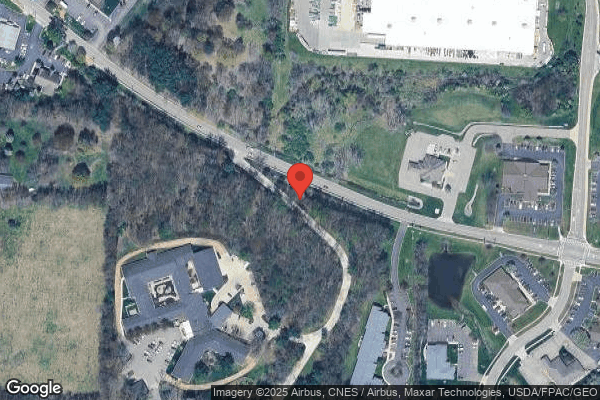
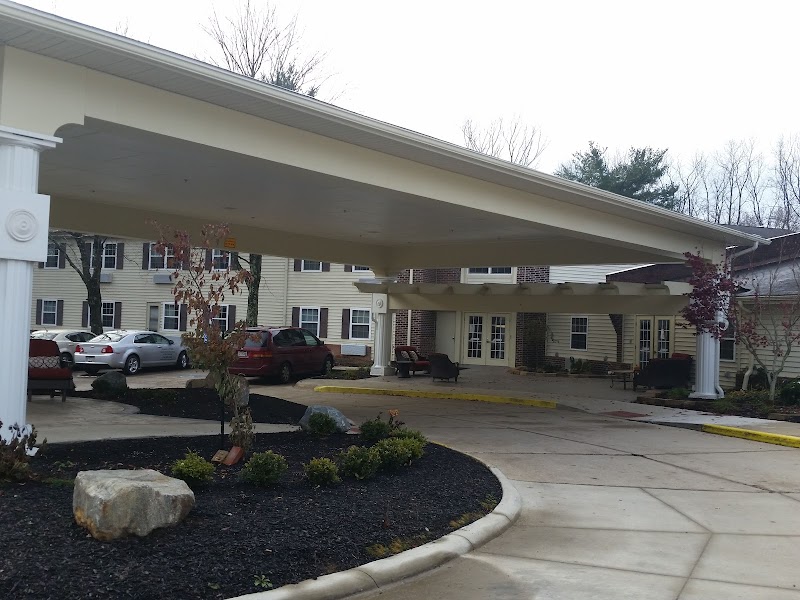
1350 YAUGER ROAD, MOUNT VERNON, OH 43050 (740) 397-2350
For profit - Limited Liability company 76 Beds COUNTRY CLUB REHABILITATION CAMPUS Data: November 2025
Trust Grade
20/100
#647 of 913 in OH
Last Inspection: May 2024

Within standard 12-15 month inspection cycle. Federal law requires annual inspections.

Overview

Country Club Retirement Center in Mount Vernon, Ohio, has received a Trust Grade of F, indicating poor performance and significant concerns about care quality. It ranks #647 out of 913 facilities in Ohio, placing it in the bottom half, and #4 out of 7 in Knox County, meaning only three local options are better. While the facility is improving, having reduced issues from 18 in 2024 to just 1 in 2025, it still has a long way to go. Staffing is a notable strength, with a turnover rate of 46%, which is slightly below the Ohio average, but the overall staffing rating is just 2 out of 5 stars. The facility has been free of fines, but there are serious concerns, including a failure to implement effective fall prevention measures, resulting in a resident sustaining a hip injury, and inadequate skin care that led to a serious pressure ulcer. Overall, while there are some positive aspects, families should be aware of the significant weaknesses in care quality.

Trust Score
F
20/100
In Ohio
#647/913
Bottom 30%
Safety Record
High Risk
Review needed
Inspections
Getting Better
18 → 1 violations
Staff Stability
⚠ Watch
46% turnover. Above average. Higher turnover means staff may not know residents' routines.
Penalties
✓ Good
No fines on record. Clean compliance history, better than most Ohio facilities.
Skilled Nurses
○ Average
Each resident gets 33 minutes of Registered Nurse (RN) attention daily — about average for Ohio. RNs are the most trained staff who monitor for health changes.
Violations
⚠ Watch
40 deficiencies on record. Higher than average. Multiple issues found across inspections.
★★☆☆☆
2.0
Overall Rating
★★☆☆☆
2.0
Staff Levels
★★★☆☆
3.0
Care Quality
★★☆☆☆
2.0
Inspection Score
Stable
2024: 18 issues
2025: 1 issues

The Good

  • Full Sprinkler Coverage · Fire safety systems throughout facility
  • No fines on record

Facility shows strength in fire safety.

The Bad

2-Star Overall Rating

Below Ohio average (3.2)

Below average - review inspection findings carefully

Staff Turnover: 46%

Near Ohio avg (46%)

Higher turnover may affect care consistency

Chain: COUNTRY CLUB REHABILITATION CAMPUS

Part of a multi-facility chain

Ask about local staffing decisions and management

The Ugly 40 deficiencies on record

3 actual harm
Jun 2025 1 deficiency
CONCERN (D) 📢 Someone Reported This

A family member, employee, or ombudsman was alarmed enough to file a formal complaint

Potential for Harm - no one hurt, but risky conditions existed

Accident Prevention (Tag F0689)

Could have caused harm · This affected 1 resident

**NOTE- TERMS IN BRACKETS HAVE BEEN EDITED TO PROTECT CONFIDENTIALITY** THIS IS AN INCIDENCE OF PAST NON-COMPLIANCE THAT WAS SUBSEQUENTLY CORRECTED PRIOR TO THIS SURVEY. Based on medical record revie...

Read full inspector narrative →
**NOTE- TERMS IN BRACKETS HAVE BEEN EDITED TO PROTECT CONFIDENTIALITY** THIS IS AN INCIDENCE OF PAST NON-COMPLIANCE THAT WAS SUBSEQUENTLY CORRECTED PRIOR TO THIS SURVEY. Based on medical record review, review of the facility Self-Reported Incident (SRI), staff interview, family interview and policy review, the facility failed to maintain a safe environment and provided adequate supervision to prevent Resident #10, who was cognitively impaired, from eloping from the facility without staff knowledge. This affected one (Resident #10) of three residents reviewed who were identified by the facility as having exit seeking and/or wandering behavior. The facility census was 65. Findings include: Review of the medical record for Resident #10 revealed an admission date of 12/23/24. Diagnoses included Wernicke's encephalopathy, with chronic alcohol use disorder, seizure disorder, history of urinary tract infection and hypertension. Review of the Minimum Data Set (MDS) assessment dated [DATE] revealed Resident #10 was mildly cognitively impaired with a Brief Interview for Mental Status (BIMS) score of 11 out of 15. Resident #10 was independent with activities of daily living and required cueing and assistance at times. Review of the care plan dated 04/21/25 revealed Resident #10 was at risk for elopement. He walked throughout the facility independently with a Wanderguard (a safety bracelet to prevent residents from wandering into unsafe areas or leaving the facility unsupervised) on his right ankle. Review of the nurse's progress notes from 05/23/25 to 05/25/25 revealed Resident #10 somehow removed his Wanderguard on 05/23/25. Staff completed a search of Resident #10's room and belongings. Interviews conducted with other residents revealed no indication of how Resident #10 removed his alarm. Review of Resident #10's nurse's progress note dated 05/25/25 revealed Licensed Practical Nurse (LPN) #215 went to check on Resident #10 around 7:45 P.M. and noted he was missing. All staff were notified, and an elopement drill was announced, a search began, the Director of Nursing (DON) was notified immediately and arrived at the facility within ten minutes, 911 was called, police arrived and took report, and a community search began. Meanwhile the entire property was being searched in and out. The Assistant Director of Nursing (ADON) was in her car traveling around the area looking for the resident. At approximately 8:50 P.M., Resident #10's guardian was notified and reported Resident #10, her son, was sitting at her dining room table eating dinner. Resident #10's guardian did not call the facility to notify the staff when he arrived. Police were notified, and Resident #10 returned to the facility at 10:45 P.M. escorted by the police. A new Wanderguard was placed on the resident's right ankle, and he has had a one-on-one sitter since his return. It was unknown how he removed the monitor on 05/25/25. Review of Resident #10 Elopement Evaluation completed on 12/23/24 revealed he was at no risk for elopement. On 01/06/25 a score of seven indicated Resident #10 was at a high risk for elopement. Elopement Evaluations completed on, 01/06/25, 05/26/25 and 05/30/25 scores of six and five indicating Resident #10 continued to be a risk for elopement Review of SRI tracking number 260836 revealed on 05/25/25 approximately 8:00 P.M. Resident #10 was unable to be located within the facility. Elopement procedures were activated and a complete search in the facility and outside the facility began. 911 was called and the local police arrived at the facility. A missing person was activated in the community. Administration arrived, and the DON called the residents guardian/mother who reported he was at her house approximately two miles from the facility. The police escorted Resident #10 back to the facility without incident. The following was completed upon residents return to the facility: • Head-to-toe skin assessment and resident interview was initiated on Resident #10. • Resident's psychosocial needs were assessed by staff and counseling services were ordered. • The resident was placed on a one-on-one intervention and, a new Wanderguard was placed on his right ankle. • Facility staff searched Resident #10's room and all common areas for sharp objects resident could have used to remove the Wanderguard. Interview on 06/09/25 from 3:30 P.M. to 4:00 P.M. with Resident #10 and his family revealed Resident #10 was alert and oriented to person, place and time. He admitted he did leave the facility recently after taking his Wanderguard off. He refused to disclose how he was able to remove the Wanderguard. He explained I walked down the long drive, crossed the road walked down the sidewalk to a park, sat on the bench for a while, enjoyed the fresh air and walked across the high school's football field to his mother's house which was approximately two miles away, and I had dinner with my mother. I was returned to the facility by the police. During the interview, Resident #10's legal guardian/mother was not worried that her son left the facility, he called her every night and told her he doesn't like being in the facility. She believes Resident #10 needs more to do at the facility to keep him busy. Review of the undated facility policy titled Elopement Program Policy, revealed the facility will maintain an elopement program designed to prevent and manage incidents of elopement. The deficient practice was corrected on 05/26/25 when the facility implemented the following corrective actions: • When Resident #10 returned to the facility on [DATE] a head-to toe skin assessment and resident interview was initiated. • On 05/25/25 Resident #10 was placed on one-on-one intervention and a new Wanderguard was placed on the resident. • On 05/26/25 Resident #10 psychological needs were assessed by staff, and he was added to counseling services. • On 05/26/25 all like residents' care plans and orders were reviewed for those at risk for elopement and visualization placed on actual Wanderguards on their person completed • On 05/26/25 elopement risk assessments were completed for all current facility residents. • On 05/26/25 the previous 30 days of nurse's progress notes reviewed for all current facility residents to assess documentation of residents verbalized or attempted to leave. The intervention will be in real time, five times per week for four weeks. • On 05/25/25 Wanderguard system and all facility doors checked to ensure working within normal limits and then starting 05/26/25, the exit doors will be audited five times a week for one week, then weekly times three weeks to ensure the Wanderguard system and exit doors continue to work properly. • On 05/25/25 all residents with Wanderguards will be checked for proper placement and functionality. Audit will occur five times per week for four weeks. • On 05/25/25 night staff were educated on elopement policy when Resident #10 returned to the facility. • On 05/26/25 an elopement drill was completed, and additional elopement drills will be completed every shift for seven days, then two to three times per week, then weekly times two weeks. • On 05/26/25 and 05/27/25 all other staff were educated on the elopement policy and procedures. • On 5/26/25 all staff were educated to not leave objects in common areas one could use to remove a Wanderguard initiated and completed. Common areas will be monitored five times a week times two weeks, then two times a week, then weekly times four weeks to ensure there are not any objects that residents could use to remove a Wanderguard. • On 5/26/25 staff educated on the expectations of 15-minute checks on residents and policy and procedures of utilizing a one-on-one sitter. The DON or designee will audit the one-on-one sheet for Resident #10 five times a week for four weeks to ensure there are no gaps in coverage. This deficiency represents non-compliance investigated under Self-Reported Incident, Control Number OH00166053.
Oct 2024 3 deficiencies 1 Harm
SERIOUS (G) 📢 Someone Reported This

A family member, employee, or ombudsman was alarmed enough to file a formal complaint

Actual Harm - a resident was hurt due to facility failures

Accident Prevention (Tag F0689)

A resident was harmed · This affected 1 resident

**NOTE- TERMS IN BRACKETS HAVE BEEN EDITED TO PROTECT CONFIDENTIALITY** Based on observation, medical record review, review of emergency room records, review of the facility incident and accident logs...

Read full inspector narrative →
**NOTE- TERMS IN BRACKETS HAVE BEEN EDITED TO PROTECT CONFIDENTIALITY** Based on observation, medical record review, review of emergency room records, review of the facility incident and accident logs, interview and facility policy review, the facility failed to develop and implement a comprehensive and individualized fall prevention program to prevent falls including a fall with major injury for Resident #60. Actual Harm occurred on 09/04/24 at 7:45 P.M. when Resident #60, who was identified as a high fall risk and experienced recent falls without individualized fall prevention interventions implemented to prevent further falls, climbed out of bed, unassisted and had to be lowered to the floor by State Tested Nursing Assistant (STNA) #222 when she became unsteady and began to fall. The resident denied pain on 09/04/24 and was assisted back to bed; however, on 09/05/24 at 8:29 A.M. an order was received for an immediate (STAT) x-ray of the right hip, pelvis, femur and knee due to complaints of increased pain. On 09/05/24 at 1:00 P.M. the facility was notified the resident had acute fractures of the distal femur and proximal tibia (as a result of the incident on 09/04/24) and was transferred to the emergency room (ER) for further evaluation and treatment. This affected one resident (#60) of three residents reviewed for falls. Findings Include: Review of the medical record for Resident #60 revealed an admission date 12/21/19 with diagnoses including heart failure, muscle weakness, depression, dementia, osteoporosis, osteopenia, and syncope. Resident #60 was receiving hospice services for end stage heart failure. Review of Resident #60's at risk for falls/injury related to cognitive impairment, dizziness, history of falls, impaired balance, pain, osteoporosis, syncope related to aortic stenosis, poor safety awareness with impulsiveness noted at times care plan dated 01/06/20 revealed interventions including to encourage the resident to change positions slowly due to dizziness dated 01/06/20, room moved to a higher traffic area on 02/14/24, staff to anticipate needs dated 01/06/20, visual reminders to utilize call light for assistance dated 02/17/24, proper footwear to be worn at all times while out of bed dated 06/15/24, encourage non-skid/gripper socks when shoes are off dated 01/06/20, a personal alarm bed/chair to alert staff of unassisted transfer check for placement and function every shift was implemented on 07/07/24 and a fall intervention for a medication review completed by hospice was implemented on 07/29/24. Review of the physician orders dated 07/07/24 revealed an order for a personal alarm bed/chair to alert staff of unassisted transfers. Check for placement and function every shift (alarms to sound to walkies and computer only as to be non-disruptive.) Review of the quarterly Minimum Data Set (MDS) assessment dated [DATE] Resident #60 had severely impaired cognition and required minimal assistance with transfers, ambulated with the assist of a walker and stand-by assist from staff, and moderate assist with activities of daily living (ADL) tasks. Review of the facility incident logs dated 07/01/24 to 09/30/24 revealed Resident #60 had witnessed falls on 08/26/24 and 09/04/24, and unwitnessed falls on 07/07/24, 07/21/24, 07/28/24, and 07/29/24. Review of Resident #60's fall investigations revealed the following: A fall on 07/07/24 at 9:46 A.M. revealed Resident #60 was observed by a visitor to be sitting on the floor inside the room with her back against the side stand with the walker noted in the doorway to the bathroom. Resident #60 stated she struck her head on the side stand when she fell. There was no redness or swelling observed to the left side of the head. A fall intervention for the use of a bed/chair alert alarm pad was implemented. Review of the Post-Fall Risk assessment dated [DATE] revealed the resident was determined to be a high fall risk. A fall on 07/21/24 at 10:25 P.M. revealed Resident #60 was observed on her knees at her bedside. Resident #60 sated she had been ambulating and fell onto buttocks and bilateral knees. Resident #60 complained of pain to her bilateral knees and buttocks. Resident #60 was able to move all extremities. Resident #60 was placed into the recliner with the alert bed/chair alarm in place. There was no fall interventions implemented following the fall. A fall on 07/28/24 at 11:50 A.M. revealed Resident #60 was observed sitting on the floor beside the recliner with her back against a suitcase and the bookshelf. Resident #60 complained of pain to her back and a bruise was noted to be forming on the lower back from falling on the suitcase. There was no mention of the alert bed/chair alarm to be sounding at the time of the fall. A fall intervention for a medication review to be completed by hospice was requested. A fall on 07/29/24 at 3:44 P.M. revealed Resident #60 was observed sitting on the floor with her legs drawn up between the bookshelf and the recliner with her walker tipped over. Resident #60 was observed with a hematoma forming to the right side of her forehead. Resident #60 did not have appropriate footwear in place. The fall intervention implemented was for a medication review to be completed by hospice. The medication review was completed on 07/30/24 with no new orders or changes to the resident's medications. A fall on 08/26/24 at 11:20 P.M. revealed Resident #60 was ambulating unassisted with her walker, in the hallway. Resident #60 stopped ambulating and fell backwards onto the floor forcefully striking the back of her head on floor. Upon assessment a large lump was palpated to the left back of her head and her blood pressure and pulse were elevated. Resident #60 complained of pain to her head. Resident #60 had appropriate footwear in place. There was no mention of the alert bed/chair alarm sounding. Resident #60 was sent to the hospital for further evaluation and possible treatment. There was no fall interventions implemented following the fall. Review of Resident #60's emergency room paperwork dated 08/26/24 revealed Resident #60 was diagnosed with an acute right posterior head contusion and returned to the facility. A fall on 09/04/24 at 7:45 P.M. revealed Resident #60 was observed by State Tested Nursing Assistant (STNA) #222 standing at her bedside, unassisted, with the alert alarm sounding. Resident #60 became unsteady and started to slide downwards. STNA #222 assisted Resident #60 down to the floor, in a seated position with her legs extended outwards. Resident #60 was assessed for injury by Registered Nurse (RN) #259. There were no indication of injury and Resident #60 denied pain. Resident #60 was assisted off the floor and into a wheelchair, taken to the restroom and then assisted back into bed. There was no fall intervention implemented following the fall. The facility was unable to provide evidence the falls were reviewed to determine a root cause, identify a trend or to ensure appropriate, individualized fall prevention interventions were added to the resident's plan of care for the falls dated 07/29/24 (a duplicate intervention to the fall that occurred on 07/28/24), 08/25/24 and 09/04/24. Review of the nurse progress note dated 09/05/24 at 8:29 A.M. (the first progress note entry after the resident's fall on 09/04/24) revealed an order was received for STAT x-rays to the right hip, pelvis, femur and knee due to complaints of increased pain. On 09/05/24 at 1:00 P.M. the facility was notified (by the x-ray company) the resident sustained acute fractures of the distal femur and proximal tibia and was transferred to the emergency room (ER) for further evaluation and treatment. Review of Resident #60's emergency room documents, dated 09/05/24, revealed Resident #60 was diagnosed with a displaced fracture the distal (lower) right femur, a fracture of the neck of the right fibula, and a possible fracture line of the right tibial plateau per x-ray of right leg and pelvis. Resident #60's Power of Attorney (POA) requested to not pursue any surgical intervention for the fractures given Resident #60's severe medical problems. Review of Resident #60's Treatment Administration Record dated 09/01/24 to 09/05/24 revealed documentation of completion for monitoring the personal alarm to the bed/chair to alert staff of unassisted transfers, check for placement and function every shift. Observation on 09/30/24 at 10:00 A.M. revealed Resident #60 resting in bed with an alert alarm pad in place, a visual reminder to use the call light, and her call light was within reach. Interview on 10/01/24 at 10:07 A.M. with the Director of Nursing (DON) revealed Resident #60 was at high risk for falls due to a history of falls, unsteady gait, dementia, and being restless at times. The DON stated Resident #60 was ambulatory with the use of a walker and would ambulate in the hallways of the facility with staff assistance. At times, Resident #60 would not be content to sit in the recliner or lay in bed and would be known to pack her suitcase with her belongings, verbally stating she wanted to leave the facility. She also shared the resident was known to have increased restlessness in the evening/nighttime and she had observed this when she sometimes worked the evening shift on the floor. The facility had moved Resident #60 from her original room on the back hallway to a room closer to the nurses' desk and on a higher trafficked hallway for better monitoring of Resident #60. The DON shared nurses were to assess the resident, check for injuries, complete paperwork and notifications. If the nurse could not determine an intervention to implement, they would contact the nurse on-call for ideas. The DON then stated the fall would be reviewed in the risk meeting to make sure the paperwork is completed, and an intervention had been implemented. Further interview revealed the resident had fallen on night shift, 09/04/24 and when she (the DON) worked the floor as an aide on 09/05/24, we (she did not indicate who the other staff was) went in to reposition Resident #60 for breakfast and she was complaining of her right leg hurting. The DON stated she had the nurse call (the physician) for X-ray orders. The X-rays were completed and that is how the facility learned the resident had fractures and she was sent to the ER for evaluation. Interview on 10/01/24 at 11:35 A.M. with RN #163 revealed the process for completing a post fall assessment, implementation of fall interventions and updating the fall care plans for residents had been the responsibility of RN #163 to help with the administrative nurse's workload but her administrative job responsibilities had been removed. Interview on 10/01/24 at 11:45 A.M. with the DON confirmed Resident #60 did not have fall interventions implemented for falls which occurred on 07/21/24, 07/28/24, 08/26/24 and 09/04/24. The DON stated there should be interventions implemented for each fall that occurs with a resident. Further interview with the DON revealed several nurses were assisting with the follow-up regarding falls and sometimes they did not have time to review the falls to ensure interventions are added to prevent future falls. During the onsite survey, attempts were made to reach STNA #222 via phone; however, no return call was provided. Review of the facility's policy titled, Accident/Incident Reporting last revised 08/13/14 revealed, Accidents and incidents are to be promptly and thoroughly reviewed and investigated. An incident is defined as an event, occurrence or happening that may result in actual or potential harm of a resident. The purpose of the incident reports are to facilitate the early detection problems or compensable events; to establish a foundation for early investigation of all potentially serious events; to develop a database for long-range problem detection, analysis and correction; to enable cross-reference with other risk detection systems; to investigate and respond to serious adverse events, in accordance with accrediting bodies standards. When an incident occurs, the individual discovering the incident will notify the supervisor immediately with observations or identification of the incident; follow-up with the resident and family/caregiver and resident's physician as indicated; Complete the Incident Report Form within 24 hours of the incident; the Administrator/Designee will review the incident report and request the necessary follow-up from the appropriate personnel. Corrective actions will be implemented and evaluated for effectiveness as indicated; A witness statement will be obtained, if applicable; Investigation will be completed, and findings will be documented.
CONCERN (D) 📢 Someone Reported This

A family member, employee, or ombudsman was alarmed enough to file a formal complaint

Potential for Harm - no one hurt, but risky conditions existed

Free from Abuse/Neglect (Tag F0600)

Could have caused harm · This affected 1 resident

**NOTE- TERMS IN BRACKETS HAVE BEEN EDITED TO PROTECT CONFIDENTIALITY** Based on record review, review of a facility Self-Reported Incident (SRI), facility investigation review, personnel file review,...

Read full inspector narrative →
**NOTE- TERMS IN BRACKETS HAVE BEEN EDITED TO PROTECT CONFIDENTIALITY** Based on record review, review of a facility Self-Reported Incident (SRI), facility investigation review, personnel file review, facility policy review and interview, the facility failed to ensure Resident #51 was free from an incident of staff to resident physical abuse when State Tested Nursing Assistant (STNA) #267 slapped the resident during the provision of care. This affected one resident (#51) of three residents reviewed for abuse. The facility census was 69. Findings Include: Review of the medical record for Resident #51 revealed an admission date of 06/28/23 with diagnoses including unspecified dementia, high blood pressure, asthma, and muscle weakness. Review of Resident #51's bladder and bowel incontinence care task documentation dated 08/30/24 to 09/30/24 revealed Resident #51 was always incontinent of bowel and bladder, there were no refusal marked for care attempted by staff. Review of the facility's Self-Reported Incident (SRI) Tracking Number 251637 dated 09/07/24 revealed on 09/07/24 at approximately 10:00 P.M. it was reported that a facility State Tested Nursing Assistant (STNA) (identified as STNA #267) slapped the hand of Resident #51 during the provision of care. The alleged perpetrator was suspended pending investigation. Resident #51's emergency contact and physician were notified. An investigation was initiated consisting of interview and skin assessment of Resident #51, interview of the reporting witness, interview of the alleged perpetrator, interviews of staff and interviews of residents within the same care section as Resident #51. During interview Resident #51 he was unable to recall the occurrence. The skin assessment performed revealed no signs of injury directly or indirectly related to the alleged incident. Interview of the reporting witness (staff) revealed that during the performance of care, Resident #51 was observed grabbing. According to the witness's recollection and perspective Resident #51 had been grabbing at his incontinence brief at the time of the occurrence. During interview the alleged perpetrator reported that Resident #51 grabbed her ' , very hard and that in response she smacked his hand. As a result of the investigation the facility concluded the alleged perpetrator's actions were not reflective of facility standards of conduct and the decision was made to terminate her employment. Review of the facility's investigation dated 09/07/24 revealed a statement dated 09/07/24, authored by STNA #267 (alleged perpetrator), stating STNA #267 was assisting Resident #51 when Resident #51 forcefully grabbed STNA #267. STNA #267 moved Resident #51's hand away and tapped/smacked Resident #51's hand as if to scold Resident #51 and said No, don't grab me. Further review revealed a statement dated 09/07/24 authored by STNA #177 stating STNA #267 was helping with changing Resident #51 when Resident #51 grabbed STNA #267, STNA #267 was witnessed smacking Resident #51's hand. STNA #177 asked STNA #267 to leave the room. STNA #177 reported the incident to Registered Nurse (RN) #213. Review of STNA #267's personnel file revealed a hire date of 12/2023 and she had received abuse and dementia education during orientation to the facility. Further review revealed the STNA was no longer an employee of the facility. Review of the Minimum Data Set (MDS) assessment dated [DATE] revealed Resident #51 had severely impaired cognition and had impaired vision and hearing. The assessment revealed Resident #51 was always incontinent of bladder and bowel requiring total care by staff to complete incontinence care. Resident #51 required assistance from staff to complete activities of daily living (ADL) tasks. Review of Resident #51's resistive behavior care plan dated 09/17/24 revealed Resident #51 would be resistive to care related to dementia with interventions including if resident resists with ADLs, reassure resident, leave and return five to ten minutes later and try again. Further review of Resident #51's behavior management care plan dated 09/17/24 revealed interventions including attempt an alternate time to provide care refused, per resident's preference and ensure the safety of the resident and others. Interview on 10/01/24 at 3:08 P.M. with RN #213 revealed STNA #177 reported an incident to RN #213 related to Resident #51. In turn, RN #213 removed STNA #267 from the schedule and requested a statement to be written by STNA #267. Upon completion of the statement, STNA #267 was placed on suspension pending investigation and directed to leave the facility. RN #213 stated on the following Monday, 09/09/24, STNA #267 had sent a text message to the Director of Nursing (DON) which stated she was self-terming employment with the facility. Interview on 10/01/24 at 3:20 P.M. with the Administrator confirmed STNA #267 had smacked Resident #51's hand during care on the night of 09/07/24. Review of the facility's policy titled, Abuse dated 01/31/20 revealed, Residents have the right to be free from abuse, neglect, exploitation, and misappropriation of resident property. This includes, but is not limited to, freedom from corporal punishment, involuntary seclusion and any physical or chemical restraint that is not required to treat the resident's medical symptoms. Abuse is defined as the willful infliction of injury, unreasonable confinement, intimidation, or punishment with resulting physical harm, pain or mental anguish. Abuse also includes the deprivation by an individual, including a caretaker of goods or services that are necessary to attain or maintain physical, mental and psychosocial well-being. Instances of abuse of all residents, irrespective of any mental or physical condition, cause physical harm, pain or mental anguish. It includes verbal abuse, sexual abuse, physical abuse and mental abuse, including abuse facilitated or enabled through the use of technology, such as through the use of photographs and recording devices to demean or humiliate a resident. Willful means the individual must have acted deliberately, not that the individual must have intended to inflict injury or harm.
CONCERN (D) 📢 Someone Reported This

A family member, employee, or ombudsman was alarmed enough to file a formal complaint

Potential for Harm - no one hurt, but risky conditions existed

Deficiency F0602 (Tag F0602)

Could have caused harm · This affected 1 resident

**NOTE- TERMS IN BRACKETS HAVE BEEN EDITED TO PROTECT CONFIDENTIALITY** THIS IS AN INCIDENCE OF PAST NON-COMPLIANCE THAT WAS SUBSEQUENTLY CORRECTED PRIOR TO THIS SURVEY. Based on review of a facility ...

Read full inspector narrative →
**NOTE- TERMS IN BRACKETS HAVE BEEN EDITED TO PROTECT CONFIDENTIALITY** THIS IS AN INCIDENCE OF PAST NON-COMPLIANCE THAT WAS SUBSEQUENTLY CORRECTED PRIOR TO THIS SURVEY. Based on review of a facility Self-Reported Incident (SRI), facility investigation review, medical record review, staff interviews, and facility policy review the facility failed to prevent misappropriation of resident narcotic medication. This affected one resident (Resident #12) of three residents reviewed for abuse The facility census was 69. Findings Include: Review of the medical record for Resident #12 revealed an admission date of 04/26/24 with diagnoses including rheumatoid arthritis (RA), osteoporosis, gastric ulcer, and restless leg syndrome. Review of the Minimum Data Set (MDS) dated [DATE] revealed Resident #12 required assistance from staff for activities of daily living (ADL) tasks including medication administration. The resident was cognitively intact. Review of the physician orders for Resident #12 revealed an order dated 06/27/24 for narcotic as needed pain medication, Percocet Oral Tablet 10-325 milligrams (mg), give one tablet by mouth every six hours as needed for pain. Review of Resident #12's Medication Administration Record (MAR) dated 08/01/24 to 08/31/24 revealed the as needed pain medication, Percocet Oral Tablet 10-325 mg, had been administered daily, at bedtime, for the month of August including the night of 08/16/24 at 8:04 P.M. Review of the facility Self-Reported Incident (SRI) Tracking Number 250912 dated 08/26/24 revealed on 08/17/24 facility staff identified that eight narcotic tablets were missing from the medication supply for Resident #12. The tablets in question were the remaining amount of an initial 30 tablet supply for Resident #12. A suspected perpetrator was identified and suspended pending investigation. Resident #12's physician and responsible party were notified. Interview with Resident #12 denied experiencing any recent change in health or symptom management as well as any knowledge of the missing tablets. During interview with the suspected perpetrator, she denied any knowledge of the missing medication but did not cooperate further with the investigation. The suspected perpetrator's employment was terminated. Review of the facility's investigation dated 08/18/24 revealed on the night of 08/17/24, during shift change and narcotic counting for A hallway, Resident #12's narcotic medication count sheet was discovered lying underneath the narcotic medication binder which was located on top of the medication cart. Registered Nurse (RN) #213 was notified by Licensed Practical Nurse (LPN) #197 of Resident #12's count sheet being found with a comment of completed written across the sheet and LPN #265's signature below the comment. The sheet indicated there were eight tablets remaining that had not been administered or signed out as being administered by the nursing staff. The Director of Nursing (DON) was notified by RN #213 and the DON immediately came to the facility to begin the investigation. LPN #265 had last worked the night shift of 08/16/24 on A hallway and during shift change for the morning of 08/17/24 and the shift change for the night shift on 08/17/24 the narcotic count of medication cards and count sheet was correct at 23 cards and 23 sheets. The DON contacted LPN #265 for an interview and LPN #265 denied knowledge of the removal of Resident #12's narcotic medication card or the count sheet and was placed on suspension pending investigation. LPN #265 agreed to meet with the DON on 08/18/24 for further investigation and statement. On the morning of 08/18/24, the DON returned to the facility and attempted to notify LPN #265 with no success. The DON then filed a police report with the local police department for the missing narcotic medication. Resident #12's empty narcotic card for Percocet Oral Tablet 10-325 mg was located in the paper shred box on A hallway, the card was noted to be empty of all tablets, which did not reflect the count sheet total of tablets left at being eight. The empty narcotic medication card matched the pharmacy prescription number located on the narcotic count sheet for Resident #12. Interview on 10/01/24 at 10:07 A.M. with the DON revealed Resident #12's missing eight tablets of narcotic pain medication, Percocet, had not been located during the facility investigation dated 08/18/24. The DON stated the facility immediately began education with the nurses on 08/18/24 to review the proper procedures for counting narcotic medications during shift change and to implement a new procedure to prevent missing narcotic medications in the future. This new procedure detailed two nurses were to verify and sign when a narcotic medication was completed and the count sheet was removed from the narcotic count binder, the count sheet would be signed by the two nurses, upon verification of the empty card, and the two nurses would sign the removal of the empty narcotic medication card and the completed count sheet removal from the narcotic count binder. The DON stated LPN #265 was eventually interviewed on 08/20/24 and denied removing Resident #12's narcotic medication tablets but could not defend the actions taken on the night of 08/17/24. LPN #265 was terminated employment at the facility. LPN #265 had been reported to the state Board of Nursing and the state Board of Pharmacy. Review of the Pharmcy Fill History report for Resident #12 revealed the prescription for 60 tablets of Percocet Oral Tablet 10-325 mg give one tablet by mouth every six hours as needed for pain had been initially filled and delivered to the facility on [DATE] and billed to Resident #12's insurance company. Upon notification of the missing remaining eight tablets on 08/17/23, the facility requested to be charged for a 30-day supply of Resident #12's Percocet Oral Tablets to cover the missing eight tablets and the insurance company for Resident #12 would be billed for the other 30-day supply of Percocet Oral Tablets. Interview on 10/01/24 at 11:35 A.M. with RN #163 revealed during shift change narcotic count the two nurses will count the narcotic cards and verify the amount of medication in the card matches the narcotic count sheet. If there is an empty card that required removal for the medication cart, the two nurses will verify the empty narcotic card with the completed count sheet, and both will sign to verify the completion of the narcotic medication. RN #163 confirmed the DON had provided education to the nurse on 08/18/24 for the new procedure. Interview on 10/01/24 at 11:45 A.M. with the DON confirmed Resident #12's narcotic medication Percocet had been missing on 08/17/24. The DON stated the facility had completed a through investigation of the incident and had educated the nurses on 08/18/24 for a new procedure to aid in the prevention of missing narcotic medications in the future. The DON stated the facility's regional nurse (RN #263) had notified the pharmacy following the incident and the facility had been charged for a 30-day supply of Resident #12's narcotic medication, Percocet, to cover the missing eight Percocet tablets. Review of the facility policy titled, Abuse revised on 01/30/20 revealed residents have the right to be free from abuse, neglect, exploitation, and misappropriation of resident property. This includes, but is not limited to, freedom from corporal punishment, involuntary seclusion and any physical or chemical restraint that is not required to treat the resident's medical symptoms. Misappropriation of resident property was defined as the deliberate misplacement, exploitation, or wrongful temporary or permanent use of a resident's belongings or money without the resident's consent. The deficiency was corrected on 08/18/24 when the facility implemented the following corrective actions: • On 08/18/24 the DON educated 16 nurses on controlled substances procedures for receipt from pharmacy, administration of, shift to shift verification, and exhausting/removal of medications. • On 08/18/24 the Regional Nurse Consultant notified pharmacy and requested for the 30-day supply dated 08/07/24 for Resident #12 be charged to the facility and the missing narcotic medication be replaced for Resident #12. • On 08/18/24 the DON completed an audit for all residents receiving narcotic medications for verification of the medications remaining in the medication card is accurate with the corresponding signature count sheet. There were no discrepancies found. • Beginning 08/22/24 the DON will audit narcotic count binder, narcotic medication cards and the corresponding narcotic signature count sheets for accuracy two times weekly times four weeks and then weekly times four weeks with the findings being reviewed in the facility's Quality Assurance and Performance Improvement (QAPI) committee meeting. • Between 08/18/24 and 10/01/24, there had been no additional allegations of narcotic misappropriation reported.
May 2024 12 deficiencies
CONCERN (D)

Potential for Harm - no one hurt, but risky conditions existed

Deficiency F0578 (Tag F0578)

Could have caused harm · This affected 1 resident

**NOTE- TERMS IN BRACKETS HAVE BEEN EDITED TO PROTECT CONFIDENTIALITY** Based on record review and interview, the facility failed to have the correct advance directives in Resident #22's medical recor...

Read full inspector narrative →
**NOTE- TERMS IN BRACKETS HAVE BEEN EDITED TO PROTECT CONFIDENTIALITY** Based on record review and interview, the facility failed to have the correct advance directives in Resident #22's medical record. This affected one resident (#22) out of three reviewed for advance directives. This had the potential to affect all 60 residents. The facility census was 60. Findings include: Review of the medical record revealed Resident #22 was admitted on [DATE] with diagnoses including dementia, hypertension, mood disorder, and anxiety disorder. Review of the scanned documents in the electronic medical record revealed on 06/15/23 Resident #22's advance directives were documented as a full code (all resuscitation procedures to be performed to keep a resident alive if their heart stops beating or their breathing stops). Review of the scanned documents in the electronic medical record revealed on 09/15/23 an order was signed to change Resident #22's code status to Do Not Resuscitate Comfort Care (DNRCC)-Arrest (can receive standard medical care until they experience a cardiac or respiratory arrest). Review of the quarterly Minimum Data Set (MDS) assessment dated [DATE] revealed Resident #22 had a Brief Interview Mental Status (BIMS) score of 11 out of 15, which indicated cognitive impairment. Review of the medical record at the nurse's station on 05/14/24 revealed no evidence of advance directives. Interview on 05/14/24 at 8:58 A.M. Licensed Practical Nurse (LPN) #57 verified Resident #22 did not have advance directives in the medical record at the nurse's station. LPN #57 verified the electronic record revealed Resident #22 was a DRNCC-Arrest.
CONCERN (D)

Potential for Harm - no one hurt, but risky conditions existed

Free from Abuse/Neglect (Tag F0600)

Could have caused harm · This affected 1 resident

**NOTE- TERMS IN BRACKETS HAVE BEEN EDITED TO PROTECT CONFIDENTIALITY** 2. Review of medical record for Resident #17 revealed admission date of 09/08/23 with diagnoses including polyneuropathy, unspec...

Read full inspector narrative →
**NOTE- TERMS IN BRACKETS HAVE BEEN EDITED TO PROTECT CONFIDENTIALITY** 2. Review of medical record for Resident #17 revealed admission date of 09/08/23 with diagnoses including polyneuropathy, unspecified fracture of lower end of left tibia, and morbid obesity. Review of the most recent quarterly MDS assessment dated [DATE] revealed Resident #17 was cognitively intact and required setup/clean up assistance for eating, oral hygiene, upper body dressing, personal hygiene, and rolling left and right. Interview on 05/14/24 at 1:31 P.M. at the Resident Council meeting revealed Resident #17 stated she was threatened with bodily harm by an aide. Interview on 05/15/24 at 12:49 P.M. with Resident #17 revealed she left the facility with a bone crack in her leg. When she returned to the facility, Resident #17 said STNA #40 came into her room with an attitude. Resident #17 told STNA #40 she was being rough with her, and STNA #40 said I will break your other leg. STNA #40 also yelled at her for going into another room. Resident #17 stated she was embarrassed when STNA #40 yelled at her in front of a family member from the room next door. Resident #17 said she reported this situation to a housekeeper, who is now STNA #42. Resident #17 said STNA #42 went to Social Service Director (SSD) #9. Resident #17 said she will not have STNA #40 take care of her anymore, and STNA #40 is not allowed in her room. Resident #17 stated both incidents happened last September. Resident #17 said she talked to the Ombudsman about this situation as well. She can't remember who or when she talked to the Ombudsman. Interview on 05/15/24 at 1:02 P.M. with SSD #9 revealed SSD #9 stated Resident #17 had an issue with an STNA. Resident #17 didn't tell her which one. SSD #9 was told by Resident #17 that an STNA was refusing to help her, and the aide said you can do this yourself. SSD #9 said it was that type of thing. She reported it to the Administrator at that time, but that Administrator does not work here anymore. This occurred close to the time Resident #17 was admitted . The current DON did an investigation, but she doesn't know what the result was. SSD #9 said she has met with Resident #17 since, and Resident #17 has not had complaints or further issues with her care. Interview on 05/15/24 at 01:13 P.M. with the DON revealed she didn't know off the top of her head if Resident #17 brought her any concerns about care provided by aides. When asked if a certain aide does not work with Resident #17, the DON stated not that I can think of. The DON was also questioned if SSD #9 brought anything like that to her attention, the DON said potentially if there would have been something. Interview on 05/15/24 at 3:20 P.M. with STNA #40 revealed she had issues with Resident #17 sometime last year. STNA #40 said she usually answers call lights as they go off to make it fair unless the resident is a fall risk. STNA #40 said she was in the room next to Resident #17 and talking to a resident and their family. STNA #40 said Resident #17 came into that room mad and upset that I answered his call light before hers. STNA #40 told Resident #17 that it would be a minute. STNA #40 said I guess that is what made Resident #17 mad. STNA #40 said Resident #17 wanted a gown before she got into bed. STNA #40 said Resident #17 was calling her all kinds of names. STNA #40 said to diffuse the situation she stepped out of the room and closed the door. STNA #40 said she heard loud banging coming from the room. STNA #40 said she got another aide to see what Resident #17 needed, and Resident #17 was nasty to them too. STNA #40 said she could not remember what aide she got to help her. STNA #40 said she reported it to her nurse at that time. She said she also messaged Assistant Director of Nursing (ADON) #47. STNA #40 said she was told not to go into Resident #17 's room to care for her anymore. STNA #40 said she remembered it happened towards the end of September. STNA #40 said she was not suspended and thinks the next-door family member wrote down statements. STNA #40 said Resident #17 did not say she was hurting her when providing care. STNA #40 said the DON and ADON #47 did the investigation. Interview on 05/15/24 at 04:32 P.M. with the DON who was accompanied by Corporate Nurse #100 revealed when the DON found out about the situation, she went to get a statement from the resident. The DON said Resident #17 told her STNA #40 ignored her call light. The DON said Resident #17 did not describe mistreatment. Resident #17 told the DON that STNA #40 wasn't receptive to her needs and ignored the call light. The DON stated it was more of a customer service thing. The DON said STNA #40 was talking to a family in the hallway. The DON said Resident #17 did allow STNA #40 to provide care. The DON said Resident #17 stated she was calling STNA #40 names, and STNA #40 went to get another STNA. The DON said when she was talking to Resident #17 there was no allegation of any type of mistreatment. The DON said if Resident #17 is alleging mistreatment now, they would do an SRI. When asked who made the decision that this incident was not reportable, the DON replied that it was the previous Administrator. When asked if an investigation was done, the DON replied that she does not know where they are. Interview on 05/16/24 at 01:04 P.M. with STNA #42 revealed Resident #17 told her about a situation last September with STNA #40. STNA #42 said STNA #40 got real smart with Resident #17 and didn't get her out of bed and took a tone with her. STNA #42 said she was visiting her dad next door when this occurred. STNA #42 explained that Resident #17 asked STNA #40 to change her bed, and STNA #40 took an inappropriate tone with her. STNA #42 said STNA #40 said she didn't have time for it, and she would get to it when she gets to it. STNA #42 said it wasn't physical, but STNA #42 talked to Resident #17 like a child. She belittled her and said it was a lack of respect. STNA #42 said she would consider the interaction verbal abuse. STNA #42 said she went to the DON and the previous Administrator. STNA #42 thinks she remembers filling something out. Interview on 05/16/24 at 1:19 P.M. revealed the Ombudsman was left a voicemail and a call was not returned. Interview on 05/16/24 1:34 P.M. with ADON #47 revealed she remembered an issue with STNA#40 and Resident #17 in September of last year. ADON #47 said it was reported that statements were made, and we went down and talked to Resident #17 and staff. ADON #47 said Resident #17 said STNA #40 was saying stuff to her. ADON #47 said when we talked to Resident #17, she said STNA #40 didn't make the statements Resident #17 said STNA #40 had made. When asked if ADON #47 has the statements, she said she would have to check. When asked if ADON #47 or the DON filled out a report, ADON #47 said we investigated it and talked to staff. When asked if any of this information was documented, ADON #47 said she does not remember. ADON #47 said a couple of call lights were going off in the area and the staff member chose the one that was a priority. ADON #47 said Resident #17 felt like STNA #40 chose that resident over her. When asked if she had proof that the resident said that ADON #47 said she would have to see if they had that statement. When asked if ADON #47 received complaints about STNA #40, she said I think sometimes STNA #40 gets overwhelmed. But at the end of the day, she does what she needs to do. She's a good aide. Interview on 05/16/24 at 03:43 P.M. with the DON revealed they do not have documentation from the September incident between Resident #17 and STNA #40. Review of the facility self-reported incidents to the State agency revealed no evidence this incident of abuse was reported to the agency as required. Review of the personnel record for STNA #40 revealed one written consultation from 08/02/23 revealed an unexpected absence and 12 call offs during her 90-day probationary period. Review of the abuse policy dated 01/31/20 revealed residents have the right to be free from abuse, neglect, exploitation, and misappropriation of resident property. Based on record review, self-reported incident (SRI) review, facility policy review, and interviews, the facility failed to protect Resident #4 from staff-to-resident physical abuse and Resident #17 from staff-to-resident verbal abuse. This affected two residents (#4 and #17) out of two residents reviewed for abuse. This had the potential to affect all 60 residents. The facility census was 60. Findings include: 1. Review of the medical record revealed Resident #4 was admitted on [DATE] with diagnoses including dementia without behavioral disturbance, psychotic disturbance, mood disturbance, anxiety, and depression. Review of the plan of care dated 05/13/22 revealed Resident #4 required assistance from staff for activities of daily living. Interventions included to assist with toileting as needed. Review of the quarterly Minimum Data Set (MDS) assessment dated [DATE] revealed Resident #4 had a Brief Interview Mental Status (BIMS) score of one out of 15 which indicated severe cognitive impairment. Resident #4 was dependent on staff for toileting. Review of SRI #246175 dated 04/09/24 revealed on 04/09/24 at approximately 7:20 P.M. State Tested Nursing Assistant (STNA) #5 notified the Director of Nursing (DON) that STNA #102 slapped the back of Resident #4's hand. Resident #4 was unable to recall the incident. STNA #5 was interviewed and stated during incontinence care Resident #4 became agitated and began to scratch and hit STNA #5 and STNA #102. STNA #102 slapped the back of Resident #4's hand and stated not to do that. Resident #4 responded with that hurt. An interview with STNA #102 revealed Resident #4 became agitated and began scratching and hitting STNA #5 and STNA #102. STNA #102 stated when Resident #4 attempted to hit STNA #102, STNA #102 raised her hand to block Resident #4 which resulted in causing contact with Resident #4's hand. STNA #102 confirmed Resident #4 stated that hurt. Review of a typed statement dated 04/09/24 signed by the DON revealed an interview was conducted with STNA #102. STNA #102 reported care was being provided for Resident #4. Resident #4 was sitting on the toilet when Resident #4 became agitated and began hitting and scratching at STNA #5 and STNA #102. Resident #4 reached towards STNA #102 to hit her. STNA #102 stated she instinctively raised her hand to prevent Resident #4 from hitting her which caused contact between STNA #102 and Resident #4. STNA #102 did not recall Resident #4 reporting any discomfort from the incident. Review of a signed statement by STNA #5 dated 04/10/24 revealed they were assisting STNA #102 with providing incontinence care to Resident #4 on 04/09/24. Resident #4 was sitting on the toilet, and STNA #102 was in front of Resident #4 and STNA #5 was standing on Resident #4's left side. Resident #4 reached up to possibly scratch or hit STNA #102. STNA #102 slapped the top of Resident #4's hand and said I said not to do that. Resident #4 stated that hurt. STNA #5 notified the DON of the incident. Review of the police report dated 04/11/24 at 10:47 A.M. revealed a deputy was dispatched to investigate a complaint. Administrator #500 reported on 04/09/24 STNA #102 was cleaning Resident #4, and STNA #102 smacked Resident #4's hand. Administrator #500 stated STNA #5 witnessed the incident. STNA #5 told the police officer, Resident #4 had dementia and was trying to hit and kick staff during care. Resident #4 was very agitated and continued to hit and scratch STNA #5 and STNA #102. STNA #102 then swatted Resident #4's hand away. Review of the Employee Change of Status Notification dated 04/11/24 revealed STNA #102 was involuntarily terminated. There was not a description of the circumstances surrounding the involuntary termination. Interview on 05/15/24 at 2:45 P.M. STNA #5 verified STNA #102 did slap Resident #4's hand while Resident #4 was being combative with care. Interview on 05/16/24 at 8:33 A.M. Corporate Nurse #100 verified STNA #102 was interviewed but did not sign the statement. Corporate Nurse #100 stated he and the DON wanted to interrogate STNA #102, so a signed statement was not obtained by STNA #102. Corporate Nurse #100 verified the unsigned statement revealed Resident #4 did not report any pain or discomfort, but the SRI revealed STNA #102 reported Resident #4 did complain of pain. Review of the abuse policy revised on 01/31/20 revealed residents have the right to be free from abuse. It is the facility's policy to investigate all alleged violations involving abuse. Abuse is defined as the willful infliction of injury. Documentation in the nurses' notes should include the results of the resident's assessment, notification of the physician and the resident representative, and any treatment provided. Investigation protocol includes interviewing the resident, the accused, and all witnesses. In the case of staff-to-resident abuse, the facility will follow the facility's procedure for disciplining or dismissing an employee, depending upon the circumstances and results of the investigation.
CONCERN (D)

Potential for Harm - no one hurt, but risky conditions existed

Report Alleged Abuse (Tag F0609)

Could have caused harm · This affected 1 resident

**NOTE- TERMS IN BRACKETS HAVE BEEN EDITED TO PROTECT CONFIDENTIALITY** Based on record review, interview, review of the self-report incidents (SRI), and facility policy review, the facility failed to...

Read full inspector narrative →
**NOTE- TERMS IN BRACKETS HAVE BEEN EDITED TO PROTECT CONFIDENTIALITY** Based on record review, interview, review of the self-report incidents (SRI), and facility policy review, the facility failed to report an allegation of staff-to-resident verbal abuse against Resident #47 to the state agency as required. This affected one resident (#47) of two residents reviewed for abuse. The facility census was 60. Findings include: Review of medical record for Resident #17 revealed admission date of 09/08/23 with diagnoses including polyneuropathy, unspecified fracture of lower end of left tibia, and morbid obesity. Review of the most recent quarterly MDS assessment dated [DATE] revealed Resident #17 was cognitively intact and required setup/clean up assistance for eating, oral hygiene, upper body dressing, personal hygiene, and rolling left and right. Interview on 05/14/24 at 1:31 P.M. at the Resident Council meeting revealed Resident #17 stated she was threatened with bodily harm by an aide. Interview on 05/15/24 at 12:49 P.M. with Resident #17 revealed she left the facility with a bone crack in her leg. When she returned to the facility, Resident #17 said STNA #40 came into her room with an attitude. Resident #17 told STNA #40 she was being rough with her, and STNA #40 said I will break your other leg. STNA #40 also yelled at her for going into another room. Resident #17 stated she was embarrassed when STNA #40 yelled at her in front of a family member from the room next door. Resident #17 said she reported this situation to a housekeeper, who is now STNA #42. Resident #17 said STNA #42 went to Social Service Director (SSD) #9. Resident #17 said she will not have STNA #40 take care of her anymore, and STNA #40 is not allowed in her room. Resident #17 stated both incidents happened last September. Resident #17 said she talked to the Ombudsman about this situation as well. She can't remember who or when she talked to the Ombudsman. Interview on 05/15/24 at 1:02 P.M. with SSD #9 revealed SSD #9 stated Resident #17 had an issue with an STNA. Resident #17 didn't tell her which one. SSD #9 was told by Resident #17 that an STNA was refusing to help her, and the aide said you can do this yourself. SSD #9 said it was that type of thing. She reported it to the Administrator at that time, but that Administrator does not work here anymore. This occurred close to the time Resident #17 was admitted . The current DON did an investigation, but she doesn't know what the result was. SSD #9 said she has met with Resident #17 since, and Resident #17 has not had complaints or further issues with her care. Interview on 05/15/24 at 01:13 P.M. with the DON revealed she didn't know off the top of her head if Resident #17 brought her any concerns about care provided by aides. When asked if a certain aide does not work with Resident #17, the DON stated not that I can think of. The DON was also questioned if SSD #9 brought anything like that to her attention, the DON said potentially if there would have been something. Interview on 05/15/24 at 3:20 P.M. with STNA #40 revealed she had issues with Resident #17 sometime last year. STNA #40 said she usually answers call lights as they go off to make it fair unless the resident is a fall risk. STNA #40 said she was in the room next to Resident #17 and talking to a resident and their family. STNA #40 said Resident #17 came into that room mad and upset that I answered his call light before hers. STNA #40 told Resident #17 that it would be a minute. STNA #40 said I guess that is what made Resident #17 mad. STNA #40 said Resident #17 wanted a gown before she got into bed. STNA #40 said Resident #17 was calling her all kinds of names. STNA #40 said to diffuse the situation she stepped out of the room and closed the door. STNA #40 said she heard loud banging coming from the room. STNA #40 said she got another aide to see what Resident #17 needed, and Resident #17 was nasty to them too. STNA #40 said she could not remember what aide she got to help her. STNA #40 said she reported it to her nurse at that time. She said she also messaged Assistant Director of Nursing (ADON) #47. STNA #40 said she was told not to go into Resident #17 's room to care for her anymore. STNA #40 said she remembered it happened towards the end of September. STNA #40 said she was not suspended and thinks the next-door family member wrote down statements. STNA #40 said Resident #17 did not say she was hurting her when providing care. STNA #40 said the DON and ADON #47 did the investigation. Interview on 05/15/24 at 04:32 P.M. with the DON who was accompanied by Corporate Nurse #100 revealed when the DON found out about the situation, she went to get a statement from the resident. The DON said Resident #17 told her STNA #40 ignored her call light. The DON said Resident #17 did not describe mistreatment. Resident #17 told the DON that STNA #40 wasn't receptive to her needs and ignored the call light. The DON stated it was more of a customer service thing. The DON said STNA #40 was talking to a family in the hallway. The DON said Resident #17 did allow STNA #40 to provide care. The DON said Resident #17 stated she was calling STNA #40 names, and STNA #40 went to get another STNA. The DON said when she was talking to Resident #17 there was no allegation of any type of mistreatment. The DON said if Resident #17 is alleging mistreatment now, they would do an SRI. When asked who made the decision that this incident was not reportable, the DON replied that it was the previous Administrator. When asked if an investigation was done, the DON replied that she does not know where they are. Interview on 05/16/24 at 01:04 P.M. with STNA #42 revealed Resident #17 told her about a situation last September with STNA #40. STNA #42 said STNA #40 got real smart with Resident #17 and didn't get her out of bed and took a tone with her. STNA #42 said she was visiting her dad next door when this occurred. STNA #42 explained that Resident #17 asked STNA #40 to change her bed, and STNA #40 took an inappropriate tone with her. STNA #42 said STNA #40 said she didn't have time for it, and she would get to it when she gets to it. STNA #42 said it wasn't physical, but STNA #42 talked to Resident #17 like a child. She belittled her and said it was a lack of respect. STNA #42 said she would consider the interaction verbal abuse. STNA #42 said she went to the DON and the previous Administrator. STNA #42 thinks she remembers filling something out. Interview on 05/16/24 at 1:19 P.M. revealed the Ombudsman was left a voicemail and a call was not returned. Interview on 05/16/24 1:34 P.M. with ADON #47 revealed she remembered an issue with STNA#40 and Resident #17 in September of last year. ADON #47 said it was reported that statements were made, and we went down and talked to Resident #17 and staff. ADON #47 said Resident #17 said STNA #40 was saying stuff to her. ADON #47 said when we talked to Resident #17, she said STNA #40 didn't make the statements Resident #17 said STNA #40 had made. When asked if ADON #47 has the statements, she said she would have to check. When asked if ADON #47 or the DON filled out a report, ADON #47 said we investigated it and talked to staff. When asked if any of this information was documented, ADON #47 said she does not remember. ADON #47 said a couple of call lights were going off in the area and the staff member chose the one that was a priority. ADON #47 said Resident #17 felt like STNA #40 chose that resident over her. When asked if she had proof that the resident said that ADON #47 said she would have to see if they had that statement. When asked if ADON #47 received complaints about STNA #40, she said I think sometimes STNA #40 gets overwhelmed. But at the end of the day, she does what she needs to do. She's a good aide. Interview on 05/16/24 at 03:43 P.M. with the DON revealed they do not have documentation from the September incident between Resident #17 and STNA #40. Review of the facility self-reported incidents to the State agency revealed no evidence this incident of abuse was reported to the agency as required. Review of the personnel record for STNA #40 revealed one written consultation from 08/02/23 revealed an unexpected absence and 12 call offs during her 90-day probationary period. Review of the abuse policy dated 01/31/20 revealed the administrator or his/her designee will notify The Ohio Department of Health of all alleged violations involving mistreatment, neglect, abuse, exploitation, misappropriation of property, and injuries of unknown origin as soon as possible, but in no event later than 24 hours from the time the allegation was made known to the staff member.
CONCERN (D)

Potential for Harm - no one hurt, but risky conditions existed

Investigate Abuse (Tag F0610)

Could have caused harm · This affected 1 resident

**NOTE- TERMS IN BRACKETS HAVE BEEN EDITED TO PROTECT CONFIDENTIALITY** 2. Review of medical record for Resident #17 revealed admission date of 09/08/23 with diagnoses including polyneuropathy, unspec...

Read full inspector narrative →
**NOTE- TERMS IN BRACKETS HAVE BEEN EDITED TO PROTECT CONFIDENTIALITY** 2. Review of medical record for Resident #17 revealed admission date of 09/08/23 with diagnoses including polyneuropathy, unspecified fracture of lower end of left tibia, and morbid obesity. Review of the most recent quarterly MDS assessment dated [DATE] revealed Resident #17 was cognitively intact and required setup/clean up assistance for eating, oral hygiene, upper body dressing, personal hygiene, and rolling left and right. Interview on 05/14/24 at 1:31 P.M. at the Resident Council meeting revealed Resident #17 stated she was threatened with bodily harm by an aide. Interview on 05/15/24 at 12:49 P.M. with Resident #17 revealed she left the facility with a bone crack in her leg. When she returned to the facility, Resident #17 said STNA #40 came into her room with an attitude. Resident #17 told STNA #40 she was being rough with her, and STNA #40 said I will break your other leg. STNA #40 also yelled at her for going into another room. Resident #17 stated she was embarrassed when STNA #40 yelled at her in front of a family member from the room next door. Resident #17 said she reported this situation to a housekeeper, who is now STNA #42. Resident #17 said STNA #42 went to Social Service Director (SSD) #9. Resident #17 said she will not have STNA #40 take care of her anymore, and STNA #40 is not allowed in her room. Resident #17 stated both incidents happened last September. Resident #17 said she talked to the Ombudsman about this situation as well. She can't remember who or when she talked to the Ombudsman. Interview on 05/15/24 at 1:02 P.M. with SSD #9 revealed SSD #9 stated Resident #17 had an issue with an STNA. Resident #17 didn't tell her which one. SSD #9 was told by Resident #17 that an STNA was refusing to help her, and the aide said you can do this yourself. SSD #9 said it was that type of thing. She reported it to the Administrator at that time, but that Administrator does not work here anymore. This occurred close to the time Resident #17 was admitted . The current DON did an investigation, but she doesn't know what the result was. SSD #9 said she has met with Resident #17 since, and Resident #17 has not had complaints or further issues with her care. Interview on 05/15/24 at 01:13 P.M. with the DON revealed she didn't know off the top of her head if Resident #17 brought her any concerns about care provided by aides. When asked if a certain aide does not work with Resident #17, the DON stated not that I can think of. The DON was also questioned if SSD #9 brought anything like that to her attention, the DON said potentially if there would have been something. Interview on 05/15/24 at 3:20 P.M. with STNA #40 revealed she had issues with Resident #17 sometime last year. STNA #40 said she usually answers call lights as they go off to make it fair unless the resident is a fall risk. STNA #40 said she was in the room next to Resident #17 and talking to a resident and their family. STNA #40 said Resident #17 came into that room mad and upset that I answered his call light before hers. STNA #40 told Resident #17 that it would be a minute. STNA #40 said I guess that is what made Resident #17 mad. STNA #40 said Resident #17 wanted a gown before she got into bed. STNA #40 said Resident #17 was calling her all kinds of names. STNA #40 said to diffuse the situation she stepped out of the room and closed the door. STNA #40 said she heard loud banging coming from the room. STNA #40 said she got another aide to see what Resident #17 needed, and Resident #17 was nasty to them too. STNA #40 said she could not remember what aide she got to help her. STNA #40 said she reported it to her nurse at that time. She said she also messaged Assistant Director of Nursing (ADON) #47. STNA #40 said she was told not to go into Resident #17 's room to care for her anymore. STNA #40 said she remembered it happened towards the end of September. STNA #40 said she was not suspended and thinks the next-door family member wrote down statements. STNA #40 said Resident #17 did not say she was hurting her when providing care. STNA #40 said the DON and ADON #47 did the investigation. Interview on 05/15/24 at 04:32 P.M. with the DON who was accompanied by Corporate Nurse #100 revealed when the DON found out about the situation, she went to get a statement from the resident. The DON said Resident #17 told her STNA #40 ignored her call light. The DON said Resident #17 did not describe mistreatment. Resident #17 told the DON that STNA #40 wasn't receptive to her needs and ignored the call light. The DON stated it was more of a customer service thing. The DON said STNA #40 was talking to a family in the hallway. The DON said Resident #17 did allow STNA #40 to provide care. The DON said Resident #17 stated she was calling STNA #40 names, and STNA #40 went to get another STNA. The DON said when she was talking to Resident #17 there was no allegation of any type of mistreatment. The DON said if Resident #17 is alleging mistreatment now, they would do an SRI. When asked who made the decision that this incident was not reportable, the DON replied that it was the previous Administrator. When asked if an investigation was done, the DON replied that she does not know where they are. Interview on 05/16/24 at 01:04 P.M. with STNA #42 revealed Resident #17 told her about a situation last September with STNA #40. STNA #42 said STNA #40 got real smart with Resident #17 and didn't get her out of bed and took a tone with her. STNA #42 said she was visiting her dad next door when this occurred. STNA #42 explained that Resident #17 asked STNA #40 to change her bed, and STNA #40 took an inappropriate tone with her. STNA #42 said STNA #40 said she didn't have time for it, and she would get to it when she gets to it. STNA #42 said it wasn't physical, but STNA #42 talked to Resident #17 like a child. She belittled her and said it was a lack of respect. STNA #42 said she would consider the interaction verbal abuse. STNA #42 said she went to the DON and the previous Administrator. STNA #42 thinks she remembers filling something out. Interview on 05/16/24 at 1:19 P.M. revealed the Ombudsman was left a voicemail and a call was not returned. Interview on 05/16/24 1:34 P.M. with ADON #47 revealed she remembered an issue with STNA#40 and Resident #17 in September of last year. ADON #47 said it was reported that statements were made, and we went down and talked to Resident #17 and staff. ADON #47 said Resident #17 said STNA #40 was saying stuff to her. ADON #47 said when we talked to Resident #17, she said STNA #40 didn't make the statements Resident #17 said STNA #40 had made. When asked if ADON #47 has the statements, she said she would have to check. When asked if ADON #47 or the DON filled out a report, ADON #47 said we investigated it and talked to staff. When asked if any of this information was documented, ADON #47 said she does not remember. ADON #47 said a couple of call lights were going off in the area and the staff member chose the one that was a priority. ADON #47 said Resident #17 felt like STNA #40 chose that resident over her. When asked if she had proof that the resident said that ADON #47 said she would have to see if they had that statement. When asked if ADON #47 received complaints about STNA #40, she said I think sometimes STNA #40 gets overwhelmed. But at the end of the day, she does what she needs to do. She's a good aide. Interview on 05/16/24 at 03:43 P.M. with the DON revealed they do not have documentation from the September incident between Resident #17 and STNA #40. Review of the facility self-reported incidents to the State agency revealed no evidence this incident of abuse was reported to the agency as required. Review of the personnel record for STNA #40 revealed one written consultation from 08/02/23 revealed an unexpected absence and 12 call offs during her 90-day probationary period. Review of the abuse policy dated 01/31/20 revealed It is the facility's policy to investigate all alleged violations involving Abuse, Neglect, Misappropriation of Resident Property, Exploitation or Mistreatment, including Injuries of Unknown Source, in accordance with this policy and to ensure that all individuals who report such incidents and allegations are free from retaliation or reprisal for reporting the incident. Based on record review, self-reported incident (SRI) review, facility policy review, and interviews, the facility failed to thoroughly investigate allegations of abuse for Residents #4 and #17. This affected two residents (#4 and #17) out of two residents reviewed for abuse. This had the potential to affect all 60 residents. The facility census was 60. Findings include: 1. Review of the medical record revealed Resident #4 was admitted on [DATE] with diagnoses including dementia without behavioral disturbance, psychotic disturbance, mood disturbance, anxiety, and depression. Review of the quarterly Minimum Data Set (MDS) assessment dated [DATE] revealed Resident #4 had a Brief Interview Mental Status (BIMS) score of one out of 15 which indicated severe cognitive impairment. Resident #4 was dependent on staff for toileting. Review of SRI #246175 dated 04/09/24 revealed on 04/09/24 at approximately 7:20 P.M. State Tested Nursing Assistant (STNA) #5 notified the Director of Nursing (DON) that STNA #102 slapped the back of Resident #4's hand. Resident #4 was unable to recall the incident. STNA #5 was interviewed and stated during incontinence care Resident #4 became agitated and began to scratch and hit STNA #5 and STNA #102. STNA #102 slapped the back of Resident #4's hand and stated not to do that. Resident #4 responded with that hurt. An interview with STNA #102 revealed Resident #4 became agitated and began scratching and hitting STNA #5 and STNA #102. STNA #102 stated when Resident #4 attempted to hit STNA #102, STNA #102 raised her hand to block Resident #4 which resulted in causing contact with Resident #4's hand. STNA #102 confirmed Resident #4 stated that hurt. Review of the medical record for Resident #4 revealed no documentation of the event that occurred on 04/09/24. Review of a typed statement dated 04/09/24 signed by the DON revealed an interview was conducted with STNA #102. STNA #102 reported care was being provided for Resident #4. Resident #4 was sitting on the toilet when Resident #4 became agitated and began hitting and scratching at STNA #5 and STNA #102. Resident #4 reached towards STNA #102 to hit her. STNA #102 stated she instinctively raised her hand to prevent Resident #4 from hitting her which caused contact between STNA #102 and Resident #4. STNA #102 did not recall Resident #4 reporting any discomfort from the incident. Review of a signed statement by STNA #5 dated 04/10/24 revealed they were assisting STNA #102 with providing incontinence care to Resident #4 on 04/09/24. Resident #4 was sitting on the toilet, and STNA #102 was in front of Resident #4 and STNA #5 was standing on Resident #4's left side. Resident #4 reached up to possibly scratch or hit STNA #102. STNA #102 slapped the top of Resident #4's hand and said I said not to do that. Resident #4 stated that hurt. STNA #5 notified the DON of the incident. Review of the Employee Change of Status Notification dated 04/11/24 revealed STNA #102 was involuntarily terminated. There were no details of the circumstances surrounding the involuntary termination. Interview on 05/16/24 at 8:33 A.M. Corporate Nurse #100 verified STNA #102 was interviewed but did not sign the statement. Corporate Nurse #100 stated he and the DON wanted to interrogate STNA #102, so a signed statement was not obtained by STNA #102. Corporate Nurse #100 verified the unsigned statement revealed Resident #4 did not report any pain or discomfort, but the SRI revealed STNA #102 reported Resident #4 did complain of pain. Corporate Nurse #100 also verified there were no details listed of why STNA #102 was terminated. Corporate Nurse #100 verified the incident was not documented in Resident #4's medical record. Review of the abuse policy revised on 01/31/20 revealed residents have the right to be free from abuse. It is the facility's policy to investigate all alleged violations involving abuse. Abuse is defined as the willful infliction of injury. Documentation in the nurses' notes should include the results of the resident's assessment, notification of the physician and the resident representative, and any treatment provided. Investigation protocol includes interviewing the resident, the accused, and all witnesses. In the case of staff-to-resident abuse, the facility will follow the facility's procedure for disciplining or dismissing an employee, depending upon the circumstances and results of the investigation.
CONCERN (D)

Potential for Harm - no one hurt, but risky conditions existed

Quality of Care (Tag F0684)

Could have caused harm · This affected 1 resident

**NOTE- TERMS IN BRACKETS HAVE BEEN EDITED TO PROTECT CONFIDENTIALITY** 3. Review of the medical record for Resident #9 revealed an initial admission date of 12/21/19 and a re-entry date of 05/02/2022...

Read full inspector narrative →
**NOTE- TERMS IN BRACKETS HAVE BEEN EDITED TO PROTECT CONFIDENTIALITY** 3. Review of the medical record for Resident #9 revealed an initial admission date of 12/21/19 and a re-entry date of 05/02/2022. Diagnosis included heart failure, chronic kidney disease, and peripheral vascular disease (PVD). Review of the physician orders for Resident #9 revealed the resident was admitted to Hospice services with the diagnosis of congestive heart failure on 03/05/24. Review of Resident #9's quarterly MDS assessment dated [DATE] revealed a BIMS score of seven of 15, indicating severely impaired cognition for daily decision-making abilities. When requested for review, Hospice notes for Resident #9 were not available on-site. Interview on 05/15/24 at 3:18 P.M. with Registered Nurse (RN) #45 revealed she could not locate the Hospice communications for Resident #9 but knew Hospice normally came to the facility on Tuesdays and Fridays. RN #45 looked in Resident #45's medical record and could not find Hospice notes. RN #45 then looked in the Hospice binder located at the nurse's station and claimed this specific Hospice company does not put their communication forms in the binder and was not sure where it was. Review of provided Hospice communication forms for Resident #9 were noted to have a print date of 05/15/24 at 3:38 P.M. Interview with the Director of Nursing (DON) on 05/15/24 at 4:00 P.M. confirmed the facility did not have the Hospice communication form on-site for Resident #9 and she had contacted the company to send over notes for the last 30 days for her to print for review. Review of the facility and Hospice agreement with the effective date of 12/19/2018 revealed, Article VIII: Records. 8.1 Compilation of Records. (a) Preparation. Nursing Facility and Hospice shall each prepare and maintain complete, accurate, and detailed clinical records concerning each resident receiving Nursing Facility Room and Board Services and Hospice Services under this Agreement as required by applicable Medicare and Medicaid program requirement and state law. All entries made for services provided hereunder are to be legible, clean, complete, and appropriately authenticated and dated in accordance with applicable policy and currently accepted standards of practice. Each such record shall be readily available on request by an authorized federal, state, or local government or regulatory agency. Based on record review, facility policy review, Hospice agreement review, and interview the facility failed to follow the bowel policy for Residents #22 and #39. This affected two residents (#22 and #39) out of five residents reviewed for unnecessary medications. The facility also failed to ensure Hospice communication was onsite for Resident #9. This affected one resident (#9) out of one resident reviewed for Hospice. The facility census was 60. Findings include: 1. Review of the medical record revealed Resident #22 was admitted on [DATE] with diagnoses including dementia, mood disorder, and anxiety disorder. Review of the quarterly Minimum Data Set (MDS) assessment dated [DATE] revealed Resident #22's Brief Interview Mental Status (BIMS) score was 11 of 15, which indicated cognitive impairment. Resident #22 was always continent of bowel. Review of the bowel documentation in the electronic medical record revealed Resident #22 did not have a bowel movement on 05/06/24, 05/07/24, 05/08/24, 05/09/24, 05/10/24, 05/11/24, and 05/12/24. Interview on 05/16/24 at 3:21 P.M. Corporate Nurse #100 verified Resident #22 did not have a bowel movement for seven days. Corporate Nurse #100 also verified there was no documented evidence of the physician was notified or Resident #22 received any stool softeners or laxatives. Review of the bowel policy revised 06/09/17 revealed bowel movements will be documented each shift. If after three consecutive days the resident does not have a bowel movement, the nurse will follow as needed medication orders for stool softeners or laxatives. If no orders were in place, the physician will be notified, and orders would be obtained/implemented. 2. Review of the medical record revealed Resident #39 was admitted [DATE], readmitted on [DATE] and 04/26/24 with diagnoses including non-displaced intertrochanteric fracture of right femur, acute embolism and thrombosis of right femoral vein, hypovolemic shock, acute kidney failure, and bipolar disorder, Review of the Medicare 5-day MDS assessment dated [DATE] revealed Resident #39 had a BIMS score of nine of 15, which indicated cognitive impairment. Review of the bowel documentation in the electronic medical record revealed Resident #39 did not have a bowel movement on 05/06/24, 05/07/24, 05/08/24, and 05/09/24. Interview on 05/16/24 at 3:21 P.M. Corporate Nurse #100 verified Resident #39 did not have a bowel movement for four days. Corporate Nurse #100 also verified there was no documented evidence of the physician was notified or Resident #39 received any stool softeners or laxatives. Review of the bowel policy revised 06/09/17 revealed bowel movements will be documented each shift. If after three consecutive days the resident does not have a bowel movement, the nurse will follow as needed medication orders for stool softeners or laxatives. If no orders were in place, the physician will be notified, and orders would be obtained/implemented.
CONCERN (D)

Potential for Harm - no one hurt, but risky conditions existed

Pressure Ulcer Prevention (Tag F0686)

Could have caused harm · This affected 1 resident

**NOTE- TERMS IN BRACKETS HAVE BEEN EDITED TO PROTECT CONFIDENTIALITY** Based on observation, record review, facility policy review, and interview the facility failed to comprehensively assess and pro...

Read full inspector narrative →
**NOTE- TERMS IN BRACKETS HAVE BEEN EDITED TO PROTECT CONFIDENTIALITY** Based on observation, record review, facility policy review, and interview the facility failed to comprehensively assess and provide adequate interventions and treatment for Resident #31. Resident #31 developed a stage III (full-thickness loss of skin, in which adipose (fat) is visible in the ulcer. Slough and/or eschar may be visible) pressure ulcer and stage II (partial-thickness skin loss involving the epidermis and dermis) pressure ulcer to buttocks. This affected one resident (#31) out of one resident reviewed for pressure ulcers. The facility census was 60. Findings include: Review of the medical record revealed Resident #31 was admitted on [DATE] and expired on [DATE] with diagnoses including type II diabetes, convulsions, history of traumatic brain injury, Parkinson's disease, and chronic kidney disease. Review of the plan of care dated [DATE] revealed Resident #31 had open areas to the right toe, an abrasion to the left lower leg, and areas to the right and left buttock. Interventions dated [DATE] and [DATE] were in place to administer medications as ordered, apply treatments as ordered, diagnostic testing as ordered, encourage Resident #31 to turn and reposition, supplement as ordered, notify physician/wound nurse practitioner as needed. Review of the plan of care dated [DATE] revealed Resident #31 was at risk for skin breakdown. Interventions dated [DATE] revealed staff were to perform skin checks, assist Resident #31 with skin care, and consult with wound nurse practitioner as needed. Review of a physician's order dated [DATE] for Resident #31 revealed barrier cream to be applied to buttocks every shift and as needed. State Tested Nursing Assistants (STNAs) may apply to buttocks every shift as a preventative. Review of the significant change Minimum Data Set (MDS) assessment dated [DATE] revealed Resident #31 was cognitively intact. Resident #31 did not have any pressure ulcers. Resident #31 had a prognosis of less than six months. The medical record revealed Resident #31 was admitted to hospice on [DATE]. Review of the weekly skin assessments revealed the only skin assessments for 2024 occurred on [DATE] and [DATE]. The skin assessments for [DATE] and [DATE] revealed there were no new skin areas noted. Review of progress notes dated [DATE] revealed no documented evidence of a pressure ulcer to Resident #31's bilateral buttocks. Review of the wound nurse note dated [DATE] authored by Nurse Practitioner (NP) #400 revealed Resident #31 had new wounds to the buttocks. Resident #31 had been declining, had increased weakness, and extreme difficulty getting up. Incontinence treatment included applying barrier cream and to be checked frequently. Resident #31 had a stage III pressure ulcer to right buttock that measured 1.5 centimeters (cm) long and 1.5 cm wide. The depth of the wound was not documented. The wound bed had pink tissue and slough (yellow/white necrotic tissue). Serosanguinous (blood and serous fluid) exudate was noted. Treatment was barrier cream every day. Resident #31 had a stage II pressure ulcer to left buttock that measured 1.0 cm long and 1.0 cm wide. The wound bed had pink tissue. Serosanguinous exudate was noted. Treatment was barrier cream every day. Review of the physician's order dated [DATE] for Resident #31 revealed house barrier cream was to be applied by nurses to Resident #31's buttocks every shift. Review of the wound care note dated [DATE] authored by NP #400 revealed Resident #31 had a stage III pressure ulcer to the right buttock that measured 1.5 cm long and 1.5 cm wide. The depth of the wound was not documented. The wound bed had pink tissue and no slough now. Serosanguinous exudate was noted. The wound was to be gently cleaned, patted dry, and ongoing autolytic debridement addressed with topical treatment. The topical treatment was barrier cream. The treatment was to be completed daily and as needed. Resident #31 had a stage II pressure ulcer to left buttock that measured 1.0 cm long and 1.0 cm wide. The wound bed had pink tissue. Serosanguinous exudate was noted. The wound was to be cleaned, patted dry and ongoing autolytic debridement addressed with topical treatment. The topical treatment was barrier cream. Interview on [DATE] at 11:28 A.M. Assistant Director of Nursing (ADON) #47 verified the stage III and stage II pressure ulcers to Resident #31's buttocks were discovered on [DATE] but there was no documented evidence of the pressure ulcers. ADON #47 stated NP #400 was scheduled to visit on [DATE] and assessed the wounds at that time. ADON #47 also verified there were no weekly skin assessments and no documentation of skin impairment until the wounds were stage II and stage III. ADON #47 verified no new interventions were put in place after the development of the stage II and stage III pressure ulcers. ADON #47 stated Resident #31 had been declining and often refused care. ADON #47 verified there were no interventions put in place for Resident #31 declining or refusing care. ADON #47 verified the treatment ordered was barrier cream that was already in place other than the nurses were to apply the barrier cream instead of the STNAs. ADON #47 verified the order by NP #400, dated [DATE], was not put into place. Observation of barrier cream on [DATE] at 11:40 A.M. revealed the facility used PeriGuard Skin Protectant with vitamin A, vitamin D, vitamin E, aloe vera and zinc. The barrier cream was to help relieve and prevent rashes and irritation due to wetness from incontinence. The barrier cream protected chafed skin due to irritation and helped seal out wetness. Directions for use were to cleanse the skin and remove any urine or fecal matter. The area was to be patted dry and a generous amount was to be applied to the affected areas as needed, especially after incontinence episodes. Interview on [DATE] at 2:39 P.M. Hospice Registered Nurse (RN) #103 revealed Wound NP #400 also worked for hospice. The hospice nursing staff did not assess or provide treatment to Resident #31's pressure ulcers. NP #400 assessed the area, and the facility nurses did the treatment. Interview on [DATE] at 2:01 P.M. interview with NP #400 revealed barrier cream was ordered as treatment for stage II and stage III pressure ulcers to Resident #31's buttocks. NP #400 stated a dressing was not ordered because it would not stay in place where the wounds were. NP #400 verified she did not do full body skin assessment when she saw residents. NP #400 only assessed the wounds the facility had identified. NP #400 stated the depth of wounds were not documented if less than 0.1 cm. NP #400 stated the stage III pressure ulcer did not have a depth due to slough being present and was not classified as unstageable due to part of the wound bed was visible. Review of the wound and skin care policy revised on [DATE] revealed documentation of pressure ulcers included to pressure in cm the width, length, depth, wound margins, and any undermining or tunneling. The site was to be described. The policy defined a stage II as a partial thickness loss of skin layers that presents clinically as an abrasion, blister, or shallow crater. A break in the skin thru the epidermis and into the dermis, usually pink, moist, and painful. A stage III was a full thickness of skin lost, exposing subcutaneous tissues may include or be covered by necrotic tissue. The wound presents as a deep crater with or without undermining adjacent tissue, usually not painful. An unstageable wound had full thickness loss where the base of the ulcer is covered by slough and/or eschar in the wound bed. The category/stage cannot be determined, and depth cannot be obtained.
CONCERN (D)

Potential for Harm - no one hurt, but risky conditions existed

Deficiency F0692 (Tag F0692)

Could have caused harm · This affected 1 resident

**NOTE- TERMS IN BRACKETS HAVE BEEN EDITED TO PROTECT CONFIDENTIALITY** Based on medical record review and staff interview, the facility failed to offer an alternative meal choice or nutritional shake...

Read full inspector narrative →
**NOTE- TERMS IN BRACKETS HAVE BEEN EDITED TO PROTECT CONFIDENTIALITY** Based on medical record review and staff interview, the facility failed to offer an alternative meal choice or nutritional shake for Resident #42 when less than 50% of the meal was consumed. This affected one resident (#42) of the two residents reviewed for nutritional support. The facility census was 60. Findings include: Review of the medical record for Resident #42 revealed an admission date of 11/02/22. Diagnoses included dementia, muscle weakness, and venous insufficiency. Review of Resident #42's quarterly Minimum Data Set (MDS) assessment dated [DATE] revealed a Brief Interview for Mental Status (BIMS) score of seven of 15, indicating severely impaired cognition for daily decision-making abilities. Resident #42 was noted to require supervision or touching assistance by staff for eating and was noted to be 66 inches tall and weighed 146 pounds with a noted weight loss. Review of Resident #42's orders revealed a diet order for a regular diet with regular textured food and thin consistency liquids. Review of the plan of care dated 11/10/22 revealed Resident #42 was at risk for altered nutrition related to the diagnoses of dementia, lymphedema, hypertension, leaves greater than 25% of meals at times, significant weight loss related to decrease in bilateral lower extremity edema. Interventions included honoring food preferences and offering substitution as needed. Review of the meal intakes for Resident #42 from 01/01/24 through 01/29/24 and 04/16/24 through 05/14/24 revealed intakes varied from 25% to 100%, with most days being less than 50% consumed. Continued review of the resident's intakes revealed there was a task for the resident to be offered additional food or a nutritional shake when less than 51% of meals were consumed. There was no documented evidence to indicate additional food or nutritional shakes were offered during this time frame. Interview 05/15/24 at 2:30 P.M. with Cooperate Nurse #100 and the Director of Nursing (DON) confirmed Resident #42 did consume less than 50% of meals, and a supplement was not noted to have been offered.
CONCERN (D)

Potential for Harm - no one hurt, but risky conditions existed

Deficiency F0698 (Tag F0698)

Could have caused harm · This affected 1 resident

**NOTE- TERMS IN BRACKETS HAVE BEEN EDITED TO PROTECT CONFIDENTIALITY** Based on medical record review, staff interview, and facility policy review, the facility failed to ensure dialysis communicati...

Read full inspector narrative →
**NOTE- TERMS IN BRACKETS HAVE BEEN EDITED TO PROTECT CONFIDENTIALITY** Based on medical record review, staff interview, and facility policy review, the facility failed to ensure dialysis communication forms were completed post dialysis treatment and returned to the facility for Resident #267. This affected one resident (#267) of one resident reviewed for dialysis treatment. The facility census was 60. Findings include: Review of the medical record for Resident # 267 revealed an admission date of 04/27/24. Diagnoses included acute kidney failure, dependence on renal dialysis, and hypertension. Review of Resident #267's admission Minimum Data Set (MDS) assessment dated [DATE] revealed a Brief Interview for Mental Status (BIMS) score of 15 of 15, indicating intact cognition for daily decision-making abilities. Review of the plan of care dated 05/06/24 revealed Resident #267 required dialysis related to renal failure. Interventions included encouraging the resident to attend scheduled dialysis appointments, monitoring labs, monitoring for peripheral edema, depression, infection, renal insufficiency, and monitoring vital signs. Review of the physician's orders for Resident #267 revealed an order for dialysis treatments every Tuesday, Thursday, and Saturday, with chair time being at 11:15 A.M. and arrival time at 11:00 A.M. Review of the dialysis communication forms for Resident #267 revealed forms dated 05/04/24, 05/07/24, and 05/14/24 were not completed by the dialysis center post dialysis treatment. Interview 05/16/24 at 11:00 A.M. with Cooperation Nurse #100 revealed he was only able to locate a hand full of dialysis communication forms and claimed that they have been having issues with the dialysis company completing the communication form or even returning the form at all. Cooperate Nurse #100 confirmed Resident #267 did not have all communication forms on-site, and some that were on-site were not completed as required. Review of the facility policy titled dialysis patients dated 05/23/17 revealed the facility will provide whatever information is requested by the dialysis unit and review any documentation sent with the resident upon return to the facility. Nurses will review communication documents provided by the dialysis unit, implement new orders, and communicate changes to responsible party upon return from dialysis.
CONCERN (D)

Potential for Harm - no one hurt, but risky conditions existed

Drug Regimen Review (Tag F0756)

Could have caused harm · This affected 1 resident

**NOTE- TERMS IN BRACKETS HAVE BEEN EDITED TO PROTECT CONFIDENTIALITY** Based on medical record review, pharmacy recommendation review, and staff interview, the facility to address pharmacy recommenda...

Read full inspector narrative →
**NOTE- TERMS IN BRACKETS HAVE BEEN EDITED TO PROTECT CONFIDENTIALITY** Based on medical record review, pharmacy recommendation review, and staff interview, the facility to address pharmacy recommendations in a timely manner for Residents #22 and #32. This affected two residents (#22 and #32) of five residents reviewed for pharmacy recommendations. The facility census was 60. Findings include: 1. Review of the medical record for Resident #32 revealed an admission date of 12/12/23. Diagnoses included anxiety, heart disease, and fracture of the left arm. Review of Resident #32's quarterly Minimum Data Set (MDS) assessment dated [DATE] revealed a Brief Interview for Mental Status (BIMS) score of 13 of 15, indicating intact cognition for daily decision-making abilities. Resident #32 was noted to receive antianxiety medication daily. Review of the plan of care dated 11/09/23 revealed Resident #32 had the potential for feelings of sadness, emptiness, anxiety, depression. Interventions included discussing feelings, encouraging loved ones to visit, providing one-on-one care, emotional support, and administering medications as ordered. Review of the pharmacy recommendations for Resident #32 dated 03/13/24 revealed, the resident has a as needed (PRN) order for a psychoactive medication, which has been ordered without a stop date: Hydroxyzine 25 milligrams (mg) every eight hours PRN for anxiety/agitation. Please add a duration for use if this order is continued beyond 14 days. Continued review revealed no evidence the physician reviewed or addressed this recommendation. Review of pharmacy recommendations for Resident #32 dated 04/21/24 revealed, the resident has a as PRN order for a psychoactive medication, which has been ordered without a stop date: Hydroxyzine 25 mg every eight hours PRN for anxiety/agitation. Please add a duration for use if this order is continued beyond 14 days. Continued review revealed no evidence the physician reviewed or addressed this recommendation. Interview 05/16/24 at 1:00 P.M. with Cooperate Nurse #100 confirmed Resident #32 had two pharmacy recommendations for the same medication which were not addressed in a timely manner by the physician. 2. Review of the medical record revealed Resident #22 was admitted on [DATE] with diagnoses including dementia, mood disorder, and anxiety disorder. Review of a note to the attending physician/prescriber from the pharmacy dated 12/17/23 revealed Resident #22 received Seroquel (antipsychotic) medication that required evaluation for possible dose reduction. The physician agreed on 01/17/24 to a dose reduction of Seroquel from 200 mg daily to 150 mg daily. Review of the quarterly MDS assessment dated [DATE] revealed Resident #22 had a BIMS score of 11 of 15, indicating cognitive impairment. Interview on 05/16/24 at 2:24 P.M. Assistant Director of Nursing (ADON) #47 verified the pharmacy recommendation for dose reduction of Seroquel was not addressed by the physician for 30 days.
CONCERN (E)

Potential for Harm - no one hurt, but risky conditions existed

ADL Care (Tag F0677)

Could have caused harm · This affected multiple residents

**NOTE- TERMS IN BRACKETS HAVE BEEN EDITED TO PROTECT CONFIDENTIALITY** 5. Review of the medical record for Resident #43 revealed an admission date of 08/09/21 with diagnoses including dementia, abnor...

Read full inspector narrative →
**NOTE- TERMS IN BRACKETS HAVE BEEN EDITED TO PROTECT CONFIDENTIALITY** 5. Review of the medical record for Resident #43 revealed an admission date of 08/09/21 with diagnoses including dementia, abnormalities of gait and mobility, and adult to failure to thrive. Review of Resident #43's quarterly assessment dated [DATE] revealed a BIMS score of two of 15, indicating severely impaired cognition for daily decision-making ability. Resident #43 was noted to experience impairment to bilateral upper and lower extremities and required substantial to maximal staff assistance for toileting hygiene, bath and/or shower care, and dressing. Review of the plan of care dated 08/20/21 revealed Resident #43 required assistance from staff to meet ADL needs related to decreased mobility, history of a hip fracture, and impaired cognition. Review of the completed ADL for Resident #43 from 04/16/24 through 05/14/24 revealed the resident received a shower on 04/21/24 and 04/30/24 and refused a bath or shower on 05/14/24. Interview on 05/16/24 at 9:16 A.M. with the Director of Nursing (DON) revealed Resident #43 was supposed to receive a bath/shower on Sundays, Tuesdays, and Fridays, which was Resident #43's preference. Review of the completed shower sheets provided for Resident #45 revealed the resident received a bath/shower eight out of the 13 scheduled days for April 2024. A bath or shower was documented as being completed on 04/02/24 bed bath (Tuesday), 04/07/24 bath or shower was not indicated (Sunday), 04/12/24 Shower (Friday), 04/14/24 shower (Sunday), 04/16/24 Shower (Tuesday), 04/19/24 bed bath (Friday), 04/26/24 Shower Sunday), and 04/30/24 shower (Thursday). Interview on 05/16/24 at 9:16 A.M. with the DON revealed Resident #45 was supposed to receive a bath or shower every Sunday, Tuesday, and Friday. The DON verified that per documentation, Resident #45 was not receiving a bath or shower as per schedule/preference. Based on record review and interview the facility failed to provide Resident #12, #22, #28, #30, and #43, who were dependednt on staff for care, with scheduled bathing. This affected five residents (#12, #22, #28 #30, and #43) out of six residents reviewed for activities of daily living (ADL). The facility census was 60. Findings include: 1. Resident #12 was admitted on [DATE] and readmitted on [DATE] with diagnoses including type II diabetes, heart failure, polyneuropathy, and chronic kidney disease. Review of the plan of care dated 10/13/23 revealed Resident #12 required assistance from staff to meet ADL needs. Interventions included assisting Resident #12 with bathing as needed and per Resident#12's requests. Review of the quarterly Minimum Data Set (MDS) assessment dated [DATE] revealed Resident #12's Brief Interview Mental Status (BIMS) score was 12 of 15, which indicated cognitive impairment. Resident #12 required substantial/maximal assistance for bathing. Review of electronic documentation by State Tested Nursing Assistants (STNAs) revealed Resident #12 was dependent on staff for bathing. Review of the electronic record and paper bathing sheets for the last 30-days revealed Resident #12 did not receive a shower or bed bath on 04/20/24, 04/24/24, 05/01/24, and 05/08/24. Interview on 05/13/24 at 1:27 P.M. Resident #12 revealed they received a shower once a week. Resident #12 stated they preferred showers and wanted a shower at least twice a week. Interview on 05/14/24 at 2:51 P.M. Corporate Nurse #100 verified Resident #12 was not bathed twice a week as scheduled/preferred. 2. Review of the medical record revealed Resident #22 was admitted on [DATE] with diagnoses including dementia, mood disorder, and anxiety disorder. Review of the plan of care dated 09/17/23 revealed Resident #22 required assistance from staff to meet ADL needs. Interventions included assisting Resident #22 with bathing as needed and per Resident #22's preference. Review of the quarterly MDS assessment dated [DATE] revealed Resident #22's BIMS score was 11 of 15, which indicated cognitive impairment. Review of electronic documentation by STNAs revealed Resident #22 required physical assistance with showers and was totally dependent for bed baths. Review of the electronic record and paper bathing sheets for the last 30-days revealed Resident #12 did not receive a shower or bed bath on 04/22/24, 05/02/24, 05/06/24, and 05/09/24. Interview on 05/13/24 at 10:11 A.M. Resident #22 revealed there was a sign in Resident #22's room that revealed showers were scheduled for Mondays and Thursdays. Resident #22 stated she did not always receive a shower twice a week. Interview on 05/14/24 at 2:51 P.M. Corporate Nurse #100 verified Resident #22 was not bathed twice a week as scheduled/preferred. 3. Review of the medical record revealed Resident #28 was admitted on [DATE] and readmitted on [DATE] with diagnoses that included diverticulitis, type II diabetes, pleural effusion, and chronic kidney disease stage III. Review of the plan of care dated 11/22/23 revealed Resident #28 required assistance from staff to meet ADL needs. Interventions included assisting Resident #28 with bathing as needed and per Resident #28's preference. Review of the end of stay MDS assessment dated [DATE] revealed Resident #28 was cognitively intact. Resident #28 required supervision or touching assistance for bathing. Review of electronic documentation by STNAs on 04/18/24 revealed Resident #28 required physical assistance with a shower on 04/18/24. Review of the electronic record and paper bathing sheets for the last 30-days revealed Resident #28 received a shower on 04/18/24. Interview on 05/14/24 at 2:51 P.M. Corporate Nurse #100 verified Resident #28 was not bathed twice a week as scheduled/preferred. 4. Review of the medical record revealed Resident #30 was admitted on [DATE] with diagnoses including chronic atrial fibrillation, type II diabetes, and pain. Review of the plan of care dated 01/07/24 revealed Resident #30 required assistance from staff to meet ADL needs. Interventions included assisting Resident #30 with bathing as needed and per Resident #30's request. Review of the quarterly MDS assessment dated [DATE] revealed Resident #30 was cognitively intact. Resident #30 required partial to moderate assistance for bathing. Review of electronic documentation by STNAs revealed Resident #30 required physical assistance with bathing. Review of the electronic record and paper bathing sheets for the last 30-days revealed Resident #30 was not bathed on 04/17/24, 04/19/24, 04/22/24, 04/24/24, 04/26/24, 05/01/24, 05/03/14, 05/08/24, and 05/10/24. Interview on 05/13/24 at 1:08 P.M. Resident #30 revealed they were scheduled to receive showers on Mondays, Wednesdays, and Fridays but did not received showers as scheduled. Interview on 05/14/24 at 2:51 P.M. Corporate Nurse #100 verified Resident #30 was not always bathed at least once a week.
CONCERN (E)

Potential for Harm - no one hurt, but risky conditions existed

Infection Control (Tag F0880)

Could have caused harm · This affected multiple residents

Based on observations, staff interviews, and facility policy review, this facility failed to ensure enhanced barrier precautions were implemented in a timely manner for Residents #50 #34, #58, #265, #...

Read full inspector narrative →
Based on observations, staff interviews, and facility policy review, this facility failed to ensure enhanced barrier precautions were implemented in a timely manner for Residents #50 #34, #58, #265, #35, and #119, who were noted to have indwelling medical devices. This affected six residents (#50 #34, #58, #265, #35, and #119) of the six residents reviewed for infection control. The facility census was 60. Findings include: Observation completed 05/13/24 from 8:00 A.M. through 4:30 P.M. of multiple residents revealed five residents (#50, #58, #265, #35, and #119) who were noted to have indwelling Foley catheters for bladder function and one (#34) was noted to have peritoneal dialysis site that required treatment care. All six residents did not have enhanced barrier precautions in place during this time. Interview on 05/15/24 12:48 P.M. with Cooperate Nurse #100 revealed education for enhanced barrier precautions was completed in April 2024. The official roll-out date was postponed until supplies became available. Cooperate Nurse #100 claimed the facility's commonly used supply company noted most isolation supplies, including isolation gowns and mask, were in low supply and could take longer to receive. The facility did have sister facilities they could borrow isolation supplies for COVID-19, but these sister facilities did not have enough isolation supplies now. The supplies the facility did have were from the Ohio Department of Health and were received around the third to fourth week of April. Cooperate Nurse #100 confirmed as of 05/15/24, enhanced barrier precautions had not been implemented for required residents. Interview on 05/16/24 at 12:45 P.M. with Supply Company Associate #600 claimed that the supply company had to switch manufactures due to items not being available and on back order. The supply company had received multiple complaints about this leading up to the switch including from this facility. Since April 2024 the facility ordered two cases of gowns and three cases of mask which were ordered on 04/03/24 and should have been delivered 04/07/24 but were not delivered until 04/15/24. Gloves were ordered weekly. Review of the untitled and undated facility policy revealed, it is the policy of this facility to implement enhanced barrier precautions for the prevention of transmission of multidrug-resident organisms (MDROs). Enhanced barrier precautions (EBP) are an infection control intervention designed to reduce transmission of MDROs in nursing homes. EBP involve gowns and gloves used during high-contact resident care activities for residents known to be colonized or infected with MDROs as well as those at increased risk for MDRO acquisition including resident with wounds or indwelling medical devices
CONCERN (F)

Potential for Harm - no one hurt, but risky conditions existed

Deficiency F0804 (Tag F0804)

Could have caused harm · This affected most or all residents

Based on observation, interview and facility policy review, the facility failed to ensure food was served at a palliative and warm food temperature. The deficient practice had the potential to affect ...

Read full inspector narrative →
Based on observation, interview and facility policy review, the facility failed to ensure food was served at a palliative and warm food temperature. The deficient practice had the potential to affect all residents who received meals from the kitchen. The census was 60. Findings include: Interview on 05/13/24 at 10:32 A.M. with Resident #35 revealed sometimes the food was not very warm. Observation on 05/13/24 at 12:16 P.M. of the first lunch dining service revealed trays were being passed out of an open-air cart. Observation of the tray line was made on 05/14/24 at 10:46 A.M. with Dietary Supervisor #24 and Dietary Assistant Manager #16. The lunch menu consisted of corn, Spanish rice, and tacos. A test tray was requested on 05/14/24 at 11:52 A.M. with Dietary Supervisor #24 and Dietary Assistant Manager #16. Dietary Assistant Manager #16 started taking temperatures of the food being placed on the test tray. Dietary Assistant Manager #16 confirmed the corn measured 139 degrees Fahrenheit, Spanish rice 142 degrees Fahrenheit, and the tacos were 160 degrees Fahrenheit on the test tray. Observation on 05/14/24 at 11:54 A.M. revealed the test tray left the kitchen on the delivery cart. The cart was open to air and not insulated. Observation on 05/14/24 at 11:55 A.M. with Dietary Supervisor #24 revealed the delivery cart arrived on the hallway. Observation on 05/14/24 at 11:58 A.M. revealed all food trays have been served from the delivery cart. Dietary Supervisor #24 took temperatures of the test tray food items. Dietary Supervisor #24 verified the corn was 109 degrees Fahrenheit, Spanish rice was 118 degrees Fahrenheit, and the taco measured 115 degrees Fahrenheit. Interview and observation on 05/14/24 at 12:06 P.M. with Dietary Supervisor #24 revealed the Spanish rice, corn, and tacos were palatable but lukewarm and/or cold. Interview with Dietary Supervisor #24 revealed the tortilla used for the taco was cold. Interview on 05/16/24 12:50 P.M. with Corporate Nurse #100 revealed the facility does not have a tray delivery policy. Review of the Food Preparation policy dated 06/20/17 stated dietary staff will ensure that all foods are held at appropriate temperatures: greater than 135 degrees Fahrenheit for holding hot foods, under 41 degrees Fahrenheit for holding cold foods.
Mar 2024 3 deficiencies
CONCERN (D) 📢 Someone Reported This

A family member, employee, or ombudsman was alarmed enough to file a formal complaint

Potential for Harm - no one hurt, but risky conditions existed

Deficiency F0568 (Tag F0568)

Could have caused harm · This affected 1 resident

**NOTE- TERMS IN BRACKETS HAVE BEEN EDITED TO PROTECT CONFIDENTIALITY** Based on closed record review, review of resident fund statements, review of withdrawal transaction report, review of check, rev...

Read full inspector narrative →
**NOTE- TERMS IN BRACKETS HAVE BEEN EDITED TO PROTECT CONFIDENTIALITY** Based on closed record review, review of resident fund statements, review of withdrawal transaction report, review of check, review of receipts, policy review and interview the facility failed to ensure accounting principles were followed for resident funds. This affected one (Resident #68) of one resident reviewed for misappropriation. Findings included: Closed record review revealed Resident #68 was originally admitted to the facility on [DATE] and re-admitted on [DATE] with diagnoses including anxiety, bipolar, and cerebral infarction. The resident's primary insurance was Medicaid and secondary was Medicare part B. Review of Resident #68's resident fund statement dated 07/01/23 to 09/29/23 revealed on 08/15/23 $2,500.00 was debited for spend down. Review of Resident #68's withdrawal transaction report dated 11/22/23 revealed $2,500.00 was withdrawn from Resident #68's account. Review of check #002225 dated 11/22/23 revealed a check was made out to the Administrator for the amount of$2,500.00. The memo indicated cash for resident spend down. Review of a Walmart receipt dated 11/27/23 revealed $346.49 was spent at Walmart. Review of Resident #68's account statement dated 09/01/23 to 02/26/24 revealed no documented evidence the remaining $2,153.51 from the original $2,500.00 was deposited back into the resident's account or reconciled. Interview on 03/15/24 at 2:18 P.M. with the Business Office Manager (BOM) #117 and Corporate BOM #300 revealed Resident #68's son was notified in October, 2023 that his mom had too much money in her resident funds account and the money needed to be spent down. The son was not able to spend the money and asked the facility to spend the money down. The facility wrote a check out to the Administrator in November 2023 for $2,500.00 and staff went to Walmart and bought $346.49 worth of items for the resident. The remaining $2,153.51 was placed in an envelope in the safe and had been forgotten about until the son inquired about her account and requested receipts. The BOM confirmed she did not reconcile the cash nor place it back into the resident fund account. There was no account for the money. On 02/23/24 the resident's son had called inquiring about his mother's account and had requested receipts. On 02/26/24 when she was gathering information for the son, she had realized there was $389.00 missing from the envelope. The Administrator and herself were the only ones that had codes for the safe. The BOM denied misappropriating the funds. The Corporate BOM #300 confirmed the facility did not follow accounting principles and should have placed the remaining $2,153.51 back into the resident funds account. The BOM confirmed there was no documented evidence the cash was reconciled while in the safe. Review of the facility policy titled Resident Trust dated 02/01/20 revealed it was the facility policy to maintain accurate, organized records for all resident funds activity. All records were to be maintained according to the facility's State regulations. The person that disburses the funds cannot be the same person posting the funds and reconciling. The Administrator BOM, or designee is responsible to account for all funds during reconciliation on a daily basis. The daily count sheet must be completed and signed daily.
CONCERN (D) 📢 Someone Reported This

A family member, employee, or ombudsman was alarmed enough to file a formal complaint

Potential for Harm - no one hurt, but risky conditions existed

Deficiency F0602 (Tag F0602)

Could have caused harm · This affected 1 resident

**NOTE- TERMS IN BRACKETS HAVE BEEN EDITED TO PROTECT CONFIDENTIALITY** Based on closed record review, review of the self-reported incident (SRI), review of the police report, policy review, and inter...

Read full inspector narrative →
**NOTE- TERMS IN BRACKETS HAVE BEEN EDITED TO PROTECT CONFIDENTIALITY** Based on closed record review, review of the self-reported incident (SRI), review of the police report, policy review, and interview the facility failed to ensure resident's money was not misappropriated. This affected one (Resident #68) of one review for misappropriation. Findings included: Closed record review revealed Resident #68 was originally admitted to the facility on [DATE] and re-admitted on [DATE] with diagnoses including anxiety, bipolar, and cerebral infarction. The resident's primary insurance was Medicaid and secondary was Medicare part B. Review of Resident #68's resident fund statement dated 07/01/23 to 09/29/23 revealed on 08/15/23 $2500.00 was debited for spend down. Review of Resident #68's withdrawal transaction report dated 11/22/23 revealed $2,500.00 was withdrawn from Resident #68's account. Review of check #002225 dated 11/22/23 revealed a check was made out to the Administrator for $2,500.00. The memo indicated cash for resident spend down. Review of a Walmart receipt dated 11/27/23 revealed $346.49 was spent at Walmart. Review of Resident #68 account statement dated 09/01/23 to 02/26/24 revealed no documented evidence that the remaining $2,153.51 was deposited back into the resident's account or reconciled. Review of the facility SRI #244603 dated 02/26/24 revealed an investigation was initiated due to inventory being taken from the safe. Interview of staff revealed no knowledge of missing funds for Resident #68. Law enforcement was notified, and the report was not yet completed. The son was notified, and funds were replaced. The disposition was unsubstantiated due to the evidence being inconclusive and misappropriation was not suspected. Further review of the SRI and investigation revealed there was a statement from the Administrator and Business Office Manager (BOM) #117, petty cash reconciliation sheets dated 02/07/24 and 02/26/24, safe audit completed 02/26/24, four staff statements, a letter from the Corporate BOM dated 03/01/24, and the policy on resident funds. There was no documented evidence of the police report, resident interviews, review of the security camera, no evidence the staff (Administrator and BOM #117) were suspended who had access to the safe, and no evidence staff were educated on the abuse/misappropriation policy. Review of BOM #117's typed statement dated 02/26/24 revealed in November (2023) she had processed a spend down check for Resident #68 due to her account growing and being above Medicaid requirement. She had spoken to Resident #68's son, and he did not have the time to spend down and thought it would be helpful if she could buy some new clothes for Resident #68. The Administrator took the check to the bank and cashed it, then when she brought the money back to the office it was immediately locked up in the safe until she could go to the store. She had taken the envelope with her to Walmart on 11/27/23 and she had spent $346.49 on clothes. She returned to the facility with the items purchased and took the time and the envelope with the remaining funds back to her office where it was locked back up into the safe. Staff took the clothes back to the resident room for her to try on. The remaining money remained in the safe until 02/26/24 when the son requested copies of the receipts from the spend down. When she got into the safe to retrieve the leftover fund and receipts, she found that the envelope was $389.00 short. She informed the Administrator of the shortage to which they checked the safe for any loose funds or receipts. She also balanced the other two cash boxes in the safe to ensure there were no extra funds in them. Upon looking for the money we remembered the safe had been left unlocked on at least one occasion but herself or the Administrator could not remember what day that had been. She could only remember she had been either off the previous day of the incident or had been out of the building. When she returned, she noticed the safe was open and had asked the Administrator if she had been in the safe, to which she stated she must have forgotten to close it back up. The Administrator was unsure of how long the safe had been left open. At that time, she had checked the safe to make sure all credit cards were accounted for and balanced the cash in the resident fund box and petty cash box. At the time of the incident, it had appeared nothing was missing but neither of them remembered there was spend down money in the safe and it was not accounted for at that time. Review of the Administrator's typed statement dated 02/26/24 revealed the BOM had informed her on 02/26/24 around 2:00 P.M., that she was closing a Resident funds account and she remembered she had cash in the safe for that resident. Upon counting the envelope, the envelope was short $389.00. Inventory of safe was done at that time, both money boxes were reconciled and all funds in the two money boxes were accounted for. The facility credit cards receipts were gone through to see if we had charged something for the resident and took the cash and forgot to leave a receipt, but nothing was found. The son, police, and ombudsman were notified. Missing funds were replaced by the facility and mailed to the son. Verified limited access of safe to just the BOM and Administrator. Interviewed other staff regarding the knowledge of missing funds and had no knowledge identified. The cash boxes were reconciled by VP of operations on 02/07/24 and no issues found. On 03/01/24 the Corporate Director was in the facility and did an audit and found no issues with any resident accounts from 12/2022 to current. She also educated the Administrator and BOM on policy for handling cash. Review of the resident funds petty cash audit dated 02/26/24 revealed the petty cash was audited by the BOM and Administrator (the only staff members who had the pin number to the safe). Review of the safe audit dated 02/26/24 revealed the audit was completed by the Administrator. Review of the four typed statements dated 02/27/24 revealed the Assistant Director of Nursing #164, the admission Coordinator #176, the Activities Director #173, and the Maintenance Director #184 signed a statement that they had no knowledge of any resident fund missing. Review of signed letter by Corporate BOM #300 dated 03/10/24 revealed she had audited all cash/checks received from 12/2022 to current. Her finding showed that all deposits/withdrawals from resident accounts were accurate and according to the receipts present. Training was provided to BOM #117. Weekly reconciliation must be completed and signed off on by the BOM and Administrator. The corporate team will continue to count cash and reconciliation when visiting the facility until further notice. Review of the police report printed on 03/15/24 revealed on 02/27/24 at 2:39 P.M., the Administrator reported $380.00 was missing from Resident #68. The caller thinks they just lost a receipt from using her money but can't prove it, so they needed to report it per the facility policy. On scene the Manager reported $389 was missing from a former resident's account. The manager believes they misplaced a receipt when the resident was living there. $2,100 was left in the same safe that the $389 was missing. The manager denied a formal report and reported she just wanted to note. There was no evidence the facility followed up with the police after they determined the money had been misappropriated. Review of the facility policy titled Resident Trust dated 02/01/20 revealed it was the facility policy to maintain accurate, organized records for all resident funds activity. All records were to be maintained according to the facility's State regulations. The person that disburses the funds cannot be the same person posting the funds and reconciling. The Administrator BOM, or designee is responsible for accounting for all funds during reconciliation daily. The daily count sheet must be completed and signed daily. Review of the facility policy and procedure titled Abuse dated 11/01/16 and revised 01/31/20 revealed residents had the right to be free from misappropriation of resident property. It was the facility policy to investigate all alleged violations. If a staff member was accused or suspected of misappropriation of resident property, the facility should immediately remove that staff member from the facility and the schedule pending the outcome of the investigation. The investigation protocol should generally take the following action: interview the resident, the accused or witness. If there was no direct witness, then the interviews may be expanded to employees and residents. If the accused was an employee, then review the employment records. After the investigation has been completed, we will determine if modification to policies is needed and complete staff training. Interview on 03/15/24 at 2:18 P.M. with the Business Office Manager (BOM) #117 and Corporate BOM #300 revealed the son was notified that his mom had too much in her resident funds account and the money needed spent down. The son was not able to spend the money and asked the facility to spend the money down. The facility wrote a check out to the Administrator in November of 2023 for $2,500.00 and staff went to Walmart and bought $346.49 worth of items for the resident. The remaining $2,153.51 was placed in an envelope in the safe and had been forgotten about until the son inquired about her account and requested receipts on 02/23/24. The BOM reported she did not reconcile the cash or place it back into the resident fund account. There was no account for the money. On 02/26/24 when she was gathering information for the son, she had realized there was $389.00 missing from the envelope. The Administrator and herself were the only ones that had codes to the safe. The BOM denied misappropriating the funds. The Corporate BOM #300 confirmed the facility did not follow accounting principles and should have placed the remaining $2,153.51 back into the resident funds account. The BOM reported sometime this year but,could not provide which month, the safe was left open by the Administrator. She reconciled the two lock boxes, however never reconciled Resident #68's money envelope to ensure all the money was accounted for. The facility has cameras in the hallways; however, they were not utilized as part of the investigation. There were only four staff that were interviewed that may have had access to the BOM office. The staff confirmed residents were not interviewed to ensure money was not misappropriated from their rooms as part of the investigation, or was the Administrator or BOM suspended during the investigation (they were the only two with codes to the safe). The BOM and Administrator were also the ones that did the initial audits after it was identified money was missing out of the safe. The Corporate BOM did not conduct her audit until 03/01/24 (three days after the findings).
CONCERN (D) 📢 Someone Reported This

A family member, employee, or ombudsman was alarmed enough to file a formal complaint

Potential for Harm - no one hurt, but risky conditions existed

Abuse Prevention Policies (Tag F0607)

Could have caused harm · This affected 1 resident

**NOTE- TERMS IN BRACKETS HAVE BEEN EDITED TO PROTECT CONFIDENTIALITY** Based on closed record review, review of the self-reported incident (SRI), review of the police report, policy review, and inter...

Read full inspector narrative →
**NOTE- TERMS IN BRACKETS HAVE BEEN EDITED TO PROTECT CONFIDENTIALITY** Based on closed record review, review of the self-reported incident (SRI), review of the police report, policy review, and interview the facility failed to thoroughly investigate misappropriated funds. This affected one (Resident #68) of one review for misappropriation. Findings included: Closed record review revealed Resident #68 was originally admitted to the facility on [DATE] and re-admitted on [DATE] with diagnoses including anxiety, bipolar, and cerebral infarction. The resident primary insurance was Medicaid and secondary was Medicare part B. Review of Resident #68's resident fund statement dated 07/01/23 to 09/29/23 revealed on 08/15/23 $2500.00 was debited for spend down. Review of Resident #68's withdrawal transaction report dated 11/22/23 revealed $2,500.00 was withdrawal from Resident #68's account. Review of check #002225 dated 11/22/23 revealed a check was made out to the Administrator for $2,500.00. The memo indicated cash for resident spend down. Review of a Walmart receipt dated 11/27/23 revealed $346.49 was spent at Walmart. Review of Resident #68 account statement dated 09/01/23 to 02/26/24 revealed no documented evidence that the remaining $2,153.51 was deposited back into the resident's account or reconciled. Review of the facility SRI #244603 dated 02/26/24 revealed an investigation was initiated due to inventory being taken from the safe. Interview of staff revealed no knowledge of missing funds for Resident #68. Law enforcement was notified, and the report was not yet completed. The son was notified, and funds were replaced. The disposition was unsubstantiated due to the evidence being inconclusive and misappropriation was not suspected. Further review of the SRI and investigation revealed there was a statement from the Administrator and Business office Manager (BOM) #117, petty cash reconciliation sheets dated 02/07/24 and 02/26/24, safe audit completed 02/26/24, four staff statements, a letter from the Corporate BOM dated 03/01/24, and the policy on resident funds. There was no documented evidence of the police report, resident interviews, review of the security camera, no evidence the staff (Administrator and BOM #117) were suspended who had access to the safe, and no evidence staff were educated on the abuse/misappropriation policy. Review of BOM #117 typed statement dated 02/26/24 revealed in November (2023) she had processed a spend down check for Resident #68 due to her account growing and being above Medicaid requirement. She had spoken to Resident #68 son, and he did not have the time to spend down and thought it would be helpful if she could buy some new clothes for Resident #68. The Administrator took the check to the bank and cashed it, then when she brought the money back to the office it was immediately locked up in the safe until she could go to the store. She had taken the envelope with her to Walmart on 11/27/23 and she had spent $346.49 on clothes. She returned to the facility with the items purchased and took the time and the envelope with the remaining funds back to her office where it locked back up into the safe. Staff took the clothes back to the resident room for her to try on. The remaining money remained in the safe until 02/26/24 when the son requested copies of the receipts form the spend down. When she got into the safe to retrieve the leftover fund and receipts, she found that the envelope was $389.00 short. She informed the Administrator of the shortage to which they checked the safe for any loose funds or receipts. She also balanced the other two cash boxes in the safe to ensure there were no extra funds in them. Upon looking for the money we remembered the safe had been left unlocked on at least one occasion but herself or the Administrator could remember what day that had been. She could only remember she had been either off the previous day of the incident or had been out of the building. When she returned, she noticed the safe was open and had asked the Administrator if she had been in the safe, to which she stated she must have forgotten to close it back up. The Administrator was unsure of how long the safe had been left open. At that time, she had checked the safe to make sure all credit cards were accounted for and balanced the cash in the resident fund box and petty cash box. At the time of the incident, it had appeared nothing was missing but neither of them remembered there was spend down money in the safe and it was not accounted for at that time. Review of the Administrator typed statement dated 02/26/24 revealed the BOM had informed her on 02/26/24 around 2:00 P.M., that she was closing a Resident funds account and she remembered she had cash in the safe for that resident. Upon counting the envelope, the envelope was short $389.00. Inventory of safe was done at that time, both money boxes were reconciled and all funds in the two money boxes were accounted for. The facility credit cards receipts were gone through to see if we had charged something for the resident and took the cash and forgot to leave a receipt, but nothing was found. The son, police, and ombudsman were notified. Missing funds were replaced by the facility and mailed to the son. Verified limited access of safe to just the BOM and Administrator. Interviewed other staff regarding the knowledge of missing funds and had no knowledge identified. The cash boxes were reconciled by VP of operations on 02/07/24 and no issues found. On 03/01/24 the Corporate Director was in the facility and did an audit and found no issues with any resident accounts from 12/2022 to current. She also educated the Administrator and BOM on policy for handling cash. Review of the resident funds petty cash audit dated 02/26/24 revealed the petty cash was audited by the BOM and Administrator (the only staff members who had the pin number to the safe) Review of the safe audit dated 02/26/24 revealed the audit was completed by the Administrator. Review of the four typed statements dated 02/27/24 revealed the Assistant Director of Nursing #164, the admission Coordinator #176, the Activities Director #173, and the Maintenance Director #184 signed a statement that they had no knowledge of any resident fund missing. Review of signed letter by Corporate BOM #300 dated 03/10/24 revealed she had audited all cash/checks received from 12/2022 to current. Her finding showed that all deposits/withdrawals from resident accounts were accurate and according to the receipts present. Training was provided to BOM #117. Weekly reconciliation must be completed and signed off on by the BOM and Administrator. The corporate team will continue to count cash and reconciliation when visiting the facility until further notice. Review of the police report printed on 03/15/24 revealed on 02/27/24 at 2:39 P.M., the Administrator reported $380.00 was missing from Resident #68. The caller thinks they just lost a receipt from using her money but can't prove it, so they needed to report it per the facilities policy. On scene the Manager reported #389 was missing from a former resident's account. The manager believes they misplaced a receipt when the resident was living there. $2,100 was left in the same safe that the $389 was missing. The manager denied a formal report and reported she just wanted to note. There was no evidence the facility followed up with the police after they determined the money had been misappropriated. Review of the facility policy titled Resident Trust dated 02/01/20 revealed it was the facility policy to maintain accurate, organized records for all resident funds activity. All records were to be maintained according to the facility's State regulations. The person that disburses the funds cannot be the same person posting the funds and reconciling. The Administrator BOM, or designee is responsible for accounting for all funds during reconciliation daily. The daily count sheet must be completed and signed daily. Review of the facility policy and procedure titled Abuse dated 11/01/16 and revised 01/31/20 revealed residents had the right to be free from misappropriation of resident property. It was the facility policy to investigate all alleged violations. If a staff member was accused or suspected of misappropriation of resident property, the facility should immediately remove that staff member from the facility and the schedule pending the outcome of the investigation. The investigation protocol should generally take the following action: interview the resident, the accused or witness. If there was no direct witness, then the interviews may be expanded to employees and residents. If the accused was an employee, then review the employment records. After the investigation has been completed, we will determine if modification to policies is needed and complete staff training. Interview on 03/15/24 at 2:18 P.M. with the Business Office Manager (BOM) #117 and Corporate BOM #300 revealed the son was notified that his mom had too much in her resident funds account and the money needed spent down. The son was not able to spend the money and asked the facility to spend the money down. The facility wrote a check out to the Administrator in November of 2023 for $2,500.00 and staff went to Walmart and bought $346.49 worth of items for the resident. The remaining $2,153.51 was placed in an envelope in the safe and had been forgotten about until the son inquired about her account and requested receipts on 02/23/24. The BOM reported she did not reconcile the cash or place it back into the resident fund account. There was no account for the money. On 02/26/24 when she was gathering information for the son, she had realized there was $389.00 missing from the envelope. The Administrator and herself were the only ones that had codes to the safe. The BOM denied misappropriating the funds. The Corporate BOM #300 confirmed the facility did not follow accounting principles and should have placed the remaining $2,153.51 back into the resident funds account. The BOM reported sometime this year but,could not provide which month, the safe was left open by the Administrator. She reconciled the two lock boxes, however never reconciled Resident #68 money envelope to ensure all the money was accounted for. The facility has cameras in the hallways; however, they were not utilized as part of the investigation. There were only four staff that were interviewed that may have had access to the BOM office. The staff confirmed residents were not interviewed to ensure money was not misappropriated from their rooms as part of the investigation, or was the Administrator or BOM suspended during the investigation (they were the only two with codes to the safe). The BOM and Administrator were also the ones that did the initial audits after it was identified money was missing out of the safe. The Corporate BOM did not conduct her audit until 03/01/24 (three days after the findings).
Nov 2023 3 deficiencies
CONCERN (D) 📢 Someone Reported This

A family member, employee, or ombudsman was alarmed enough to file a formal complaint

Potential for Harm - no one hurt, but risky conditions existed

Deficiency F0760 (Tag F0760)

Could have caused harm · This affected 1 resident

**NOTE- TERMS IN BRACKETS HAVE BEEN EDITED TO PROTECT CONFIDENTIALITY** Based on observation, record review, staff interview, and manufacturer instruction review the facility failed to administer insu...

Read full inspector narrative →
**NOTE- TERMS IN BRACKETS HAVE BEEN EDITED TO PROTECT CONFIDENTIALITY** Based on observation, record review, staff interview, and manufacturer instruction review the facility failed to administer insulin via an insulin pen according to the manufacturer's guidelines. This affected one resident (#100) of one resident observed for insulin injection. The facility census was 63. Findings include: Review of Resident #100's medical record revealed the resident was admitted to the facility on [DATE] with diagnoses including type two diabetes, atrial fibrillation, and noncompliance with medical treatment. Review of Resident #100's physician orders revealed the resident an order dated 11/04/23 for Novolin N flex pen inject 30 units twice daily and finger stick blood sugar (FSBS) testing as needed dated 09/28/23. Review of Resident #100's November 2023, medication administration record (MAR) revealed the resident routinely received his Novolin N injection and had not required as needed FSBS testing during the month. Observation of Licensed Practical Nurse (LPN) #240 providing medication to Resident #100 on 11/07/23 at 7:45 A.M. revealed the nurse was observed cleansing off the end of the Novolin N pen with an alcohol wipe and place a disposable needle on the pen. The nurse dialed the pen to one and pushed the plunger. The nurse then dialed the pen to 30 units and administered the insulin to the resident. Interview with LPN #240 on 11/07/23 at 7:49 A.M. confirmed she primed the insulin pen with one unit of insulin. Interview with Clinical Consultant #230 on 11/07/23 at 10:00 A.M. confirmed the Novolin N insulin pen should be used according to the manufacturer instructions, and the instructions indicated the pen should have a two-unit air shot performed to ensure insulin was at the end of the needle and delivered at the correct dose. Review of the Novolin N Flex Pen manufacturer product information and instructions revealed small amounts of air may collect in the needle and insulin reservoir during normal use. To avoid injecting air and to ensure proper dosing hold the syringe with needle pointing up and tap the syringe gently with your finger so any air bubbles collect into the top of the reservoir. Remove both the plastic outer cap and the needle cap. Dial two units. Holding the syringe with the needle pointing up, tap the reservoir gently with your finger a few times. Still with the needle pointing up, press and push the button as far as it will go and see if a drop of insulin appears at the needle tip. If not, repeat the procedure until insulin appears. This deficiency represents non-compliance investigated under Complaint Number OH00147679.
CONCERN (D) 📢 Someone Reported This

A family member, employee, or ombudsman was alarmed enough to file a formal complaint

Potential for Harm - no one hurt, but risky conditions existed

Deficiency F0800 (Tag F0800)

Could have caused harm · This affected 1 resident

**NOTE- TERMS IN BRACKETS HAVE BEEN EDITED TO PROTECT CONFIDENTIALITY** Based on observation, record review, staff interviews, and resident interviews the facility failed to ensure residents received ...

Read full inspector narrative →
**NOTE- TERMS IN BRACKETS HAVE BEEN EDITED TO PROTECT CONFIDENTIALITY** Based on observation, record review, staff interviews, and resident interviews the facility failed to ensure residents received diet items as ordered. This affected two residents (#10 and #30) of three residents reviewed for therapeutic diets. The facility census was 63. Findings include: 1. Review of Resident #10's medical record revealed the resident was admitted to the facility on [DATE] with diagnoses including chronic obstructive pulmonary disease and type two diabetes with neuropathy. Resident #10's diet was reduced concentrated sweets diet. Review of the quarterly Minimum Data Set (MDS) assessment dated [DATE] revealed Resident #10 was cognitively intact and required limited assistance with personal hygiene but was independent with all other activities of daily living. Observation of Resident #10's breakfast meal tray on 11/07/23 at 8:35 A.M. revealed the tray contained the following food items: two slices of toast, mandarin oranges, yogurt, sausage gravy, and a biscuit. Review of Resident #10's meal ticket revealed the resident had ordered two slices of toast, mandarin oranges, yogurt, and sausage gravy. At the time of the observation the resident stated she did not order the biscuit, and she was not sure if she was going to eat the biscuit or not. Observation and interview with Licensed Practical Nurse (LPN) #240 on 11/07/23 at 8:39 A.M. confirmed the food items delivered to Resident #10 did not match the food items selected by Resident #10 on her meal tray ticket, and the resident received a biscuit that was not ordered. 2. Review of Resident #30's medical record revealed the resident was admitted to the facility 10/20/23 with diagnoses including fractured hip, frequent falls at home, and urinary tract infection. The resident's diet was regular diet, no straws, and small bites. Review of Resident #30's five-day MDS assessment dated [DATE] revealed the resident had cognitive impairment, no behaviors, and required partial assistance from staff with eating. Observation of Resident #30 on 11/07/23 at 8:50 A.M. revealed the resident was lying in bed with the call light in reach, her continuous positive airway pressure (CPAP) mask in place on her face, and her eyes were closed. The room lights were off, and there was no breakfast tray in the resident room. Observation of Resident #30 on 11/07/23 at 9:00 A.M. revealed the resident was lying in her bed with the call light in reach, her CPAP mask in place on her face, and her eyes were closed, the room lights were off, and there was no breakfast tray in the resident room. Observation Resident #30's hallway revealed staff were picking up used meal trays. Interview with LPN #300 on 11/07/23 at 9:03 A.M. revealed Resident #30 used to eat in dining room, but family wanted her to sleep later and wear the CPAP longer. LPN #300 stated Resident #30 started sleeping until 8:30 A.M. or 9:00 A.M. last week. LPN #300 said the family stated the resident does not eat breakfast at home. It was explained to LPN #300 that no breakfast tray had been visualized in the resident room. LPN #300 went to find State Tested Nursing Assistant (STNA) #260 who was caring for Resident #30. The surveyor remained with LPN #300 while she went to talk to STNA #260. STNA #260 stated that breakfast trays were just picked up and returned to the kitchen. It was asked if Resident #30 should have had a breakfast tray, and STNA #260 replied she should have. The surveyor informed the staff observations were made of Resident #30, and no tray was observed in her room. LPN #300 instructed STNA #260 to go to the kitchen and get the resident a breakfast tray. Observation of the kitchen on 11/07/23 at 9:14 A.M. STNA # 260 was observed coming out of the kitchen servery and into the kitchen with a meal ticket in her hand and provide to [NAME] # 310. STNA #260 was heard telling the cook that she needed a tray for Resident #30. Interview with [NAME] #310 on 11/07/23 at 9:15 A.M. confirmed the kitchen had not provided Resident #30 a breakfast meal tray. The cook stated there was a mix up by the hospitality aide, and the tray was not served but would be served now. Observation and interview of Resident #30 with STNA #260 present in the room on 11/07/23 at 9:24 A.M. revealed the STNA removed the CPAP mask and was placing it on the bedside table. Resident #30 was sitting up in the bed with the meal tray on the over bed table with the cover still in place. Resident #30 stated she had slept well and stated she was a little hungry. The meal ticket was observed and revealed the resident was to not have a straw and was to have small bites. The food items selected on the meal ticket for the meal were French toast, sausage, scrambled eggs, mandarin oranges, syrup, and butter. The meal tray was observed, and there was no straw on the meal tray and the sausage was cut into bite size pieces. The meal tray contained all the food items requested except there were no mandarin oranges on the tray. STNA #260 verified there were no mandarin oranges on the tray. Interview with Clinical Consultant #230 on 11/07/23 at 2:40 P.M. revealed the facility had no policy regarding meal tray service and ensuring the ticket items were correct for the resident's diet and items selected by the resident stating, that seemed self-explanatory. This deficiency represents non-compliance investigated under Complaint Number OH00147679.
CONCERN (F) 📢 Someone Reported This

A family member, employee, or ombudsman was alarmed enough to file a formal complaint

Potential for Harm - no one hurt, but risky conditions existed

Infection Control (Tag F0880)

Could have caused harm · This affected most or all residents

Based on observation, record review, staff interviews, resident interviews, review of SANI-CLOTH instructions, and policy review the facility failed to ensure the glucometer used to complete finger st...

Read full inspector narrative →
Based on observation, record review, staff interviews, resident interviews, review of SANI-CLOTH instructions, and policy review the facility failed to ensure the glucometer used to complete finger stick blood sugar (FSBS) testing was cleansed properly. This had the potential to affect three residents (#70, #90, and #100) who utilized the same glucometer. In addition, the facility failed to ensure ice used for ice pass was free of contamination. This had the potential to affect all 63 residing in the facility. Findings Include: 1. Observation of Licensed Practical Nurse (LPN) # 240 on 11/07/23 at 7:38 A.M. performing a FSBS test on Resident #90, revealed the LPN took the glucometer, test strip container, lancet and alcohol prep pad into the resident's room and laid the items directly on the blanket on top of the resident's bed. The nurse completed hand hygiene and donned gloves. The nurse told the resident she was going to check his sugar and preceded to get a test strip out of the test strip container, pick up the glucometer from the bed, place the test strip in the glucometer, cleanse the resident's finger with a alcohol prep pad, stick the residents finger with the lancet, obtained a drop of blood from the resident's finger and placed the resident's finger at the end of the test strip so the drop of blood could transfer to the test strip. LPN #40 informed the resident of the FSBS reading, removed and discarded the test strip from the glucometer, removed her gloves and exited the room with the glucometer, test strip container, and lancet. The lancet was placed in the Sharp's container, and the glucometer and test strip container were placed on top of the medication cart. The LPN performed hand hygiene, opened the medication cart, and placed the glucometer and the test strip container back in the medication cart on top of the alcohol prep pads. LPN #240 stated she had one more FSBS test to complete on Resident #70, but she needed to pass six other resident's medications first. The LPN confirmed there were only three residents (#70, #90, and #100) who used the glucometer from this medication cart. The LPN was informed that the surveyor wanted to observe the next FSBS monitoring, and the LPN verbalized understanding. Observation of LPN # 240 on 11/07/23 at 8:19 A.M performing a FSBS test on Resident #70 revealed the LPN took the glucometer out the medication cart, obtained a SANI-CLOTH wipe and wiped the glucometer once with the wipe and discarded the wipe in the trash. The LPN then took the glucometer, test strip container, lancet and alcohol prep pad into the resident's room and laid them on the residents over bed table. The nurse completed hand hygiene and donned gloves. The nurse told the resident she was going to check her sugar and preceded to get a test strip out of the test strip container, pick up the glucometer from the over the bed table, place the test strip in the glucometer, cleanse the resident's finger with a alcohol prep pad, stick the residents finger with the lancet, obtained a drop of blood from the resident's finger and placed the resident's finger at the end of the test strip so the drop of blood could transfer to the test strip. LPN #240 informed the resident of the FSBS reading, removed and discarded the test strip from the glucometer, removed her gloves and exited the room with the glucometer, test strip container, and the lancet. The lancet was placed in the Sharp's container, and the glucometer and test strip container were placed on top of the medication cart. The LPN performed hand hygiene, opened the medication cart, and placed the glucometer and the test strip container back in the medication cart on top of the alcohol prep pads. Observation of the SANI-CLOTH tub with LPN #240 on 11/07/23 at 8:25 A.M. revealed the tub read SANI-CLOTH Bleach Germicidal Disposable Wipe, bactericidal, fungicidal, tuberculocidal, and virucidal in four minutes. LPN #240 confirmed after she completed the FSBS test on Resident #90 she placed the glucometer in the medication cart without cleansing the glucometer and did not remove the glucometer from the medication cart until she went to perform the FSBS on Resident #70. LPN #240 confirmed she had wiped off the glucometer with the SANI-CLOTH wipe prior to entering Resident #70's room but did not see the wipe tub stated four minutes for the disinfecting. Review of Resident #70, #90, and #100's medical records confirmed the residents required FSBS testing at the facility and the residents were free of communicable diseases. Interview with Clinical Consultant (CC) #230 on 11/07/23 at approximately 10:00 A.M. it was confirmed the glucometer should be cleansed after use and prior to storing in the medication cart. CC#230 confirmed the cleansing wipe directions should be followed which required more than wiping off the glucometer with the SANI-CLOTH wipe. CC #230 stated there should be two glucometers in the medication cart to allow the proper cleansing time of the glucometer between resident use. Review of the SANI-CLOTH instructions revealed to clean, disinfect, and deodorize using a wipe to remove heavy soil. Unfold a clean wipe and thoroughly wet surfaces. Treated surfaces must remain visibly wet for a full four minutes. Use additional wipe(s) if needed to assure continuous four minutes wet contact time. Review of the policy titled Glucometer Procedures dated 05/18/95 and last revised on 06/09/17 revealed to cleanse the glucometer after each resident use with a bleach cleaner. This includes exterior of glucometer. Allow to air dry per cleansing agent manufacturer's guidelines. 2. Observation of Resident #10 on 11/07/23 at 5:20 A.M. revealed the resident drove her power wheelchair to the red ice cooler next to the nurse's station on the back hall and opened the ice cooler. The resident was observed to get the ice scoop out of the holder and place her personal metal tumbler over the ice. The resident was observed to drop the tumbler into the ice, was overheard saying, oops and observed picking up the tumbler out of the ice with her hand, scoop ice into her tumbler using the ice scoop, and return the ice scoop to the holder, and shut the ice cooler. Interview with Resident #10 on 11/07/23 at 5:21 A.M. confirmed she obtained her own ice from the cooler. The resident was asked if she dropped her tumbler into the ice and she stated, yea, I did but it was not in there for longer than a New York minute. The resident was observed driving her power chair down the hallway back to her room. No staff were in the hallway at the time of the observation or interview. Interview with State Tested Nursing Assistant (STNA) #210 on 11/07/23 at 5:22 A.M. verified independent residents will come to the ice coolers and obtain their own ice as they desire. STNA #210 was informed of incident where Resident #10 dropped her tumbler into the ice. The STNA stated, the ice cannot be used now and removed the cooler from the hallway. This deficiency is an incidental finding discovered during the complaint investigation.
Aug 2023 1 deficiency 1 Harm
SERIOUS (G) 📢 Someone Reported This

A family member, employee, or ombudsman was alarmed enough to file a formal complaint

Actual Harm - a resident was hurt due to facility failures

Pressure Ulcer Prevention (Tag F0686)

A resident was harmed · This affected 1 resident

**NOTE- TERMS IN BRACKETS HAVE BEEN EDITED TO PROTECT CONFIDENTIALITY** Based on observation, record review, policy review and staff interview the facility failed to implement adequate skin risk inter...

Read full inspector narrative →
**NOTE- TERMS IN BRACKETS HAVE BEEN EDITED TO PROTECT CONFIDENTIALITY** Based on observation, record review, policy review and staff interview the facility failed to implement adequate skin risk interventions and treatment for Resident #5, who was cognitively impaired, at risk for pressure ulcer development and dependent on staff for turning and repositioning, to prevent the development of a pressure ulcer to the resident's left heel. Actual harm occurred on 05/21/23 when an order for skin prep was obtained for Resident #5's heels with no corresponding assessment or information related to why. On 05/24/23 the wound Certified Nurse Practitioner (CNP) assessed Resident #5 to have a Stage III (full-thickness loss of skin, in which adipose (fat) is visible in the ulcer. Slough and/or eschar may be visible) pressure ulcer to the left heel. However, treatment orders were not implemented until 05/31/23 (ten days after the ulcer was potentially first identified). This affected one resident (#5) of three residents reviewed for pressure ulcers. Facility census was 67. Finding include: Review of the medical record revealed Resident #5 was admitted to the facility on [DATE] and re-admitted on [DATE] with diagnoses that included fracture of left femur, pneumonia, type 2 diabetes mellitus, embolism and thrombosis of deep veins of left lower extremity, dementia, anxiety, and chronic kidney disease. Record review revealed a plan of care dated 02/03/21 reflecting Resident #5 was at risk for skin breakdown. Interventions included to encourage resident to turn and reposition, perform skin checks and report any new areas, assist with incontinence care, pressure redistribution mattress to bed, and apply treatment as ordered. The care plan did not include any pressure related interventions for the resident's heels. A Braden Scale for Predicting Pressure Ulcer Risk dated 03/16/23 revealed Resident #5 was at very high risk for the development of pressure ulcer. Clinical suggestions included to elevate heels off the bed, turn and reposition at least every two hours while in bed. Review of the treatment administration record (TAR) revealed on 05/21/23 the record was updated to include skin prep to be applied to Resident #5's heels and the resident's heels were to be floated. However, review of skin assessments and progress notes revealed no documentation/assessment(s) pertaining to Resident #5's heels at this time or any additional information related to why this order was initiated. A wound care note by the wound CNP dated 05/24/23 revealed Resident #5 had a new Stage III pressure ulcer to the left heel that measured 3.5 centimeter (cm) long and three cm wide. The note revealed the wound was to be cleansed and patted dry, and alginate (highly absorbent, antimicrobial dressing) was to cover the wound bed and then cover with adhesive foam dressing three times a week. Review of the TAR revealed no evidence of this treatment being initiated at that time. Review of a facility wound evaluation flow sheet completed by the Assistant Director of Nursing (ADON), dated 05/30/23 revealed Resident #5 had an in-house pressure ulcer to left heel that measured 3.2 cm long and 3 cm wide. The current treatment initiated on 05/30/23 revealed for silver alginate to be applied and the wound covered with an abdominal (ABD) dressing. The evaluation revealed Resident #5's heels were to be floated. Review of the TAR revealed the first treatment with alginate and was documented as being completed on 05/31/23. Review of the significant change Minimum Data Set (MDS) 3.0 assessment, dated 08/01/23 revealed Resident #5 had severe cognitive impairment and required extensive assistance from two staff for bed mobility and transfers. A plan of care, dated 08/09/23 revealed Resident #5 had open areas. Interventions included to apply treatment to area as ordered, encourage to elevate heels while in bed and encourage to turn and reposition. The most current wound care note, dated 08/15/23 revealed Resident #5 had an unstageable pressure ulcer to left heel that measured 1.2 cm long by one cm wide. An order for wound care revealed the area was cleansed and patted dry; apply alginate cut to cover the wound bed and then cover with an adhesive foam dressing three times a week on Tuesday, Thursday, and Saturday. On 08/24/23 at 8:21 A.M. Resident #5 was not observed in her room. An air mattress was observed and was in place and functioning to the resident's bed and pressure relieving boots were observed placed in a chair in the room. On 08/24/23 at 1:28 P.M. Resident #5 was observed laying in bed. One pressure relieving boot was noted to be in a chair in Resident #5's room. On 08/28/23 at 8:04 A.M. Resident #5 was observed in the dining room sitting in a wheelchair with pressure relieving boots in place to both feet. There was no physician order for the use of the pressure relieving boots and staff did not document the application of the boots on the administration record for the resident. Interview on 08/28/23 at 4:49 P.M. with the facility Corporate Nurse (CN) verified there was no documentation of Resident #5's heels being floated prior to 05/21/23. The CN verified there was no documentation of an assessment or what Resident #5's heels looked like on 05/21/23 when the order was received to apply skin prep and float heels. The CN also verified the order from the wound CNP on 05/24/23 was not implemented until 05/31/23. Review of the Wound and Skin Care Policy and Procedure dated 06/07/16 revealed treatment would be initiated as ordered by the physician. A Stage III pressure ulcer was defined as a full thickness of skin loss with exposed subcutaneous tissue with may include or be covered by necrotic tissue. The wound presents as a deep crater with or without undermining. This deficiency represents non-compliance investigated under Complaint Number OH00145762.
Apr 2023 14 deficiencies
CONCERN (D)

Potential for Harm - no one hurt, but risky conditions existed

Deficiency F0578 (Tag F0578)

Could have caused harm · This affected 1 resident

**NOTE- TERMS IN BRACKETS HAVE BEEN EDITED TO PROTECT CONFIDENTIALITY** Based on medical record review and staff interview the failed to ensure the advance directives and plan of care were accurate in...

Read full inspector narrative →
**NOTE- TERMS IN BRACKETS HAVE BEEN EDITED TO PROTECT CONFIDENTIALITY** Based on medical record review and staff interview the failed to ensure the advance directives and plan of care were accurate in the medical record for Resident #18. This affected one resident (#18) of 24 medical records reviewed. The facility census was 70. Findings include: Review of Resident #18's medical record revealed she was admitted to the facility on [DATE] with diagnoses including diabetes, chronic obstructive pulmonary disease (COPD), congestive heart failure (CHF), Stage III chronic kidney disease, atrial fibrillation, depression, and high blood pressure. Review of the annual Minimum Data Set (MDS) assessment dated [DATE] revealed Resident #18 required limited assistance of one staff member for bed mobility, transfers, dressing, and toilet use and supervision with set-up help only for personal hygiene. Review of the Physician Orders for 04/23 revealed Resident #18 had a code status of Do Not Resuscitate-Comfort Care (DNR-CC). Further documentation in the medical record revealed a Full Code form signed by the resident on 02/11/22. Review of the plan of care dated 02/23/22 revealed Resident #18 wished to be Full Code. On 04/19/23 at 12:23 P.M. an interview with Director of Clinical Services #99 verified the order was for DNR-CC, and provided the documentation, but the plan of care was for Full Code and signed form in the medical record was for Full Code.
CONCERN (D)

Potential for Harm - no one hurt, but risky conditions existed

Deficiency F0583 (Tag F0583)

Could have caused harm · This affected 1 resident

**NOTE- TERMS IN BRACKETS HAVE BEEN EDITED TO PROTECT CONFIDENTIALITY** Based on observation, interview with staff, and review of the facility policy the facility failed to provide resident privacy fo...

Read full inspector narrative →
**NOTE- TERMS IN BRACKETS HAVE BEEN EDITED TO PROTECT CONFIDENTIALITY** Based on observation, interview with staff, and review of the facility policy the facility failed to provide resident privacy for Residents #54 and #271 when staff failed to knock before entering the room. This affected two residents (#54 and #271) of two reviewed for privacy. The facility census was 70. Findings included: 1. Review of the medical record revealed Resident #54 was admitted to the facility on [DATE] with diagnoses including displaced fracture of the right femur, atrial fibrillation, benign prostatic hyperplasia, diabetes, hyperlipidemia, Stage IV sacral pressure ulcer (full thickness tissue loss with exposed bone, tendon, or muscle. Slough may be present on some parts of the wound bed. Often includes undermining and tunneling.), hypothyroidism, and hypertension. Observation on 02/20/23 at 12:16 P.M. Hospitality Aide #25 opened the door and walked into the room of Resident #54 with his lunch tray without knocking while the nurses were performing his wound care. She apologized and went right back out of the room. Licensed Practical Nurse (LPN) #48 verified Hospitality Aide #25 did not knock before entering Resident #54's room while he was exposed and receiving wound care. Review of the facility policy titled, Privacy, dated 12/14/92, revealed the purpose was to recognize the resident's rights to privacy and confidentiality. 2. Review of the medical record revealed Resident #271 was admitted to the facility on [DATE] with diagnoses including left ankle fusion surgery, neuromuscular dysfunction of the bladder, depression, fibromyalgia, atherosclerotic heart disease, diabetes, and hypertension. Observation on 04/19/23 at 8:23 A.M. revealed LPN #52 walked into the room of Resident #271 without knocking or announcing herself. She verified she did not knock prior to entering the resident's room. Review of the facility policy titled, Privacy, dated 12/14/92, revealed the purpose was to recognize the resident's rights to privacy and confidentiality.
CONCERN (D)

Potential for Harm - no one hurt, but risky conditions existed

PASARR Coordination (Tag F0644)

Could have caused harm · This affected 1 resident

**NOTE- TERMS IN BRACKETS HAVE BEEN EDITED TO PROTECT CONFIDENTIALITY** Based on interview, medical record review, and review of the Department of Medicaid informational slide presentation titled PASR...

Read full inspector narrative →
**NOTE- TERMS IN BRACKETS HAVE BEEN EDITED TO PROTECT CONFIDENTIALITY** Based on interview, medical record review, and review of the Department of Medicaid informational slide presentation titled PASRR - What Nursing Facility Needs to Know the facility failed to update Preadmission Screening and Resident Review (PASRR) with new mental illness diagnoses. This deficient practice affected three residents (#5, #43, and #33) out of three residents reviewed for PASRR requirements. The facility census was 70. Findings include: 1. Review of the medical record revealed Resident #5 was admitted to the facility on [DATE] with admitting diagnoses of unspecified dementia and anxiety disorder. Review of Resident #5's medical record revealed medical diagnoses were updated on 05/22/19 with unspecified psychosis diagnoses and updated again on 01/01/22 with unspecified depression diagnoses. Review of Resident #5's initial PASRR dated 05/01/15 revealed in section D for medical diagnoses, anxiety was marked for mental illness. Review of Resident #5's medical record revealed no updated PASRR reflecting the updated mental illness medical diagnoses. Interview on 04/18/23 at 3:09 P.M. with Social Services #76 confirmed Resident #5's PASRR was not updated to reflect the new mental illness medical diagnoses received on 05/22/19 and 01/01/22. Review of the Department of Medicaid informational slide presentation titled PASRR - What Nursing Facility Needs to Know revealed the section titled Resident Review 5160-3-15.2 (pages 36 - 40) and the section titled Significant Change in Condition (pages 47-50) Preadmission Screening and Resident Review are to be updated when there is a change in condition, including behavioral, psychiatric or mood related symptoms and diagnoses. 2. Review of the medical record revealed Resident #43 was admitted to the facility on [DATE] with admitting diagnoses of unspecified dementia, unspecified psychosis, and unspecified mood disorder. Review of Resident #43's initial PASRR dated 03/11/21 revealed in section D there were no medical diagnoses marked, and the question for mental disorders was marked with no. Review of Resident #43 updated PASRR dated 04/21/22 revealed in section D there were no medical diagnoses marked to reflect Resident #43's medical diagnoses of unspecified psychosis and unspecified mood disorder. Interview on 04/18/23 at 3:09 P.M. with Social Services #76 confirmed Resident #43's PASRR dated 03/11/21 and updated 04/21/22 did not reflect Resident #43's medical diagnoses of unspecified psychosis and unspecified mood disorder. Review of the Department of Medicaid informational slide presentation titled PASRR - What Nursing Facility Needs to Know revealed the section titled Resident Review 5160-3-15.2 (pages 36 - 40) and the section titled Significant Change in Condition (pages 47-50) Preadmission Screening and Resident Review are to be updated when there is a change in condition, including behavioral, psychiatric or mood related symptoms and diagnoses. 3. Review of the medical record revealed Resident #33's was admitted to the facility on [DATE]. Diagnoses included adjustment disorder with mixed anxiety, depression, personality disorder, and post-traumatic stress disorder (PTSD). Review of the quarterly Minimum Data Set (MDS) assessment dated [DATE] revealed Resident #33's cognition was intact. She required no assistance with bed mobility, transfers, dressing, toilet use, or personal hygiene. Review of the plan of care dated 04/11/23 revealed Resident #33 had PTSD and/or experienced a traumatic event(s)in the past. Potential for feelings of sadness, emptiness, anxiety, depression due to husbands diagnoses of cancer and unable to visit, diagnoses of depression, anxiety, paranoid personality disorder, and unspecified psychosis. Interview with Social Service #76 on 04/18/23 at 3:52 P.M. revealed the process was to review and update the PASSAR with new diagnoses when notified by nursing management. Social Service #76 verified the PASRR dated 03/04/17 was not updated with new diagnoses of psychosis and anxiety. Review of the Department of Medicaid informational slide presentation titled PASRR - What Nursing Facility Needs to Know revealed the section titled Resident Review 5160-3-15.2 (pages 36 - 40) and the section titled Significant Change in Condition (pages 47-50) Preadmission Screening and Resident Review are to be updated when there is a change in condition, including behavioral, psychiatric or mood related symptoms and diagnoses.
CONCERN (D)

Potential for Harm - no one hurt, but risky conditions existed

Comprehensive Care Plan (Tag F0656)

Could have caused harm · This affected 1 resident

**NOTE- TERMS IN BRACKETS HAVE BEEN EDITED TO PROTECT CONFIDENTIALITY** Based on record review and interview the facility failed to ensure Resident #18 had a care plan developed for the use of oxygen...

Read full inspector narrative →
**NOTE- TERMS IN BRACKETS HAVE BEEN EDITED TO PROTECT CONFIDENTIALITY** Based on record review and interview the facility failed to ensure Resident #18 had a care plan developed for the use of oxygen. This affected one resident (#18) of 23 residents reviewed for care plans. The facility census was 70. Findings include: Review of the medical record revealed Resident #18 was admitted to the facility on [DATE] with diagnoses including diabetes, chronic obstructive pulmonary disease (COPD), congestive heart failure (CHF), Stage III chronic kidney disease, atrial fibrillation, depression, and high blood pressure. Review of the annual Minimum Data Set (MDS) assessment dated [DATE] revealed Resident #18 required limited assistance of one staff member for bed mobility, transfers, dressing, and toilet use and supervision with set-up help only for personal hygiene. Review of the physician's order dated 08/17/22 revealed an order for oxygen at two liters per minute via nasal cannula continuous. Review of the medical record revealed no documented evidence of a care plan for the use of oxygen. Interview on 04/20/23 at 3:45 P.M. with Director of Clinical Services (DCS) #99 verified there was no care plan developed for the use of oxygen for Resident #18.
CONCERN (D)

Potential for Harm - no one hurt, but risky conditions existed

Quality of Care (Tag F0684)

Could have caused harm · This affected 1 resident

**NOTE- TERMS IN BRACKETS HAVE BEEN EDITED TO PROTECT CONFIDENTIALITY** Based on record review and interviews the facility failed to ensure neurological checks were completed for Resident #56 after a ...

Read full inspector narrative →
**NOTE- TERMS IN BRACKETS HAVE BEEN EDITED TO PROTECT CONFIDENTIALITY** Based on record review and interviews the facility failed to ensure neurological checks were completed for Resident #56 after a fall with a head injury. This affected one resident (#56) of five residents reviewed for falls. The facility census was 70. Findings include: Review of the medical record for Resident #56 revealed an admission date of 11/18/22. Diagnoses included wedge compression fracture, muscle weakness, cognitive communication deficit and heart failure. Review of the Minimum Data Set (MDS) assessment dated [DATE] revealed Resident #56 was cognitively intact and required no assistance with bed mobility or transferring. Review of the fall investigation dated 02/10/23 revealed another resident had wandered into Resident #56's room, and Resident #56 began escorting the other resident out of her room. Staff observed this and assisted the other resident in leaving. Resident #56 reached back to her wheelchair and fell. Resident #56 was observed to have a skin tear to her right elbow and a bump to the left/back side of her head. The investigation revealed blood was observed on the hook near the door and trailing down the wall. Review of the post fall assessment dated [DATE] revealed Resident #56 had a fall resulting in a skin tear to the right elbow and a bump to the left/back side of her head. The intervention put into place was for a stop sign to be placed on resident's door to alert wandering residents not to enter. The assessment revealed the resident had no history of previous falls and was a low risk at 9.0 for falls. The post fall assessment revealed no neurological checks were completed. Review of the medical record revealed no documented evidence of neurological checks for Resident #56's fall on 02/10/23. Review of the care plan dated 02/13/23 revealed Resident #56 was at risk for falls with interventions for staff to anticipate needs, have a stop sign placed in the doorway, place the call light within reach, and maintain areas free of clutter. Interview on 04/18/23 at 9:43 A.M. with Resident #56 revealed she had a fall in February of 2023 where she had a skin tear to her arm and a bump on her head. Interview on 04/20/23 at 9:36 A.M. with Director of Clinical Services (DCS) #99 confirmed residents with a head injury during a fall should have neurological checks for 72 hours according to the schedule. DCS #99 confirmed no neurological checks were completed for Resident #56 after the fall. The facility was unable to provide a policy related to neurological checks after a fall.
CONCERN (D)

Potential for Harm - no one hurt, but risky conditions existed

Accident Prevention (Tag F0689)

Could have caused harm · This affected 1 resident

**NOTE- TERMS IN BRACKETS HAVE BEEN EDITED TO PROTECT CONFIDENTIALITY** Based on observation, resident and staff interviews, record review, and facility policy review the facility failed to ensure fal...

Read full inspector narrative →
**NOTE- TERMS IN BRACKETS HAVE BEEN EDITED TO PROTECT CONFIDENTIALITY** Based on observation, resident and staff interviews, record review, and facility policy review the facility failed to ensure fall interventions were implemented for two residents (#42 and #56) and failed to initiate a new fall prevention intervention for Resident #56 after a fall. This affected two residents (#42 and #56) of five residents reviewed for falls. The facility census was 70. Findings include: 1. Review of the medical record for the Resident #42 revealed an admission date of 02/16/23 with diagnoses including Parkinson's disease, and weakness. Review of the Minimum Data Set (MDS) assessment dated [DATE] revealed Resident #42 was cognitively intact and required extensive assistance of two staff members for transfers and bed mobility. Review of the baseline care plan dated 02/16/23 revealed Resident was at risk for falls due to having recent falls within the previous year with an intervention to keep the call light within reach. Review of the progress notes dated 03/06/23 revealed Resident #42 was found on the floor of her room after a fall while trying to go to the bathroom unassisted. Resident #42 had a change in range of motion, swelling, and pain and was sent to the hospital for further evaluation. The progress note dated 03/09/23 revealed Resident #42 returned to facility after diagnosis of left superior and inferior ramus fracture from the fall sustained on 03/06/23 with significant bruising on her bottom, back, abdomen, legs, and arms. Review of the plan of care dated 03/08/23 revealed Resident #42 was at risk for falls due to Parkinson's disease and history of falls with interventions to use the call light for assistance, and place visual reminders in the room to use the call light for assistance. Interview on 04/17/23 at 7:56 P.M. with Resident #42 revealed she had a fall about a month ago when trying to go to the bathroom unassisted. Resident #42 revealed she had not used the call light to request assistance. Observation on 04/19/23 at 9:00 A.M. revealed Resident #42 had no signage or visual cues to use the call light as per the care plan. Interview and observation on 04/19/23 at 9:25 A.M. with the Director and Nursing (DON) and Director of Clinical Services (DCS) #99 observed and confirmed the fall interventions were not in place. The DON and DCS #99 confirmed there were no signage of reminders to use the call light in place. 2. Review of the medical record for Resident #56 revealed an admission date of 11/18/22. Diagnoses included wedge compression fracture, muscle weakness, cognitive communication deficit, and heart failure. Review of the MDS assessment dated [DATE] revealed Resident #56 was cognitively intact and required no assistance with bed mobility or transfers. Review of the fall investigation dated 02/10/23 revealed another resident had wandered into Resident #56's room. Resident #56 began escorting the resident out of her room. Staff observed this and assisted the other resident in leaving and when Resident #56 reached back to her wheelchair, she fell. Resident #56 was observed to have a skin tear on her right elbow and a bump to the back left side of her head. Review of the post fall assessment dated [DATE] revealed Resident #56 had a fall. The intervention put into place was for a stop sign to be placed on the resident's door to alert wandering residents not to enter. Review of the care plan dated 02/13/23 revealed Resident #56 was at risk of falling with interventions including having a stop sign placed in the doorway. Interview on 04/18/23 at 9:43 A.M. with Resident #56 revealed she had a fall in February of 2023 resulting in a skin tear to her arm and a bump on her head. Observation on 04/19/23 at 9:00 A.M. revealed Resident #56 had Velcro from a stop sign on the door, but there was no stop sign banner or signage as per the care plan. Interview and observation on 04/19/23 at 9:25 A.M. with the DON and DCS #99 observed and confirmed the fall prevention interventions were not in place. The DON and DCS #99 confirmed no stop sign was in place. Review of the facility policy titled Falls Policy and Procedure, dated 05/21/18, revealed the interdisciplinary team would develop interventions based upon the resident risk factors and individual needs and implement a fall care plan in the medical record. 3. Review of the medical record revealed Resident #56 was admitted to the facility on [DATE]. Diagnoses included wedge compression fracture, muscle weakness, cognitive communication deficit, and heart failure. Review of the MDS assessment dated [DATE] revealed Resident #56 was cognitively intact and required no assistance with bed mobility or transferring. Review of the care plan dated 02/13/23 revealed Resident #56 was at risk of falls with interventions for staff to anticipate needs, have a stop sign placed in the doorway, place the call light within reach, and maintain areas free of clutter. Review of fall investigation dated 04/04/23 revealed staff heard a noise and found Resident #56 lying on the ground in the hallway outside a neighboring room with a laceration noted to the left inner knee and two skin tears noted to the right knee. Resident #56 was transferred to the emergency room and received stitches and returned to the facility. Review of the medical record revealed no new fall prevention intervention was initiated after Resident #56's fall on 04/04/23. Interview on 04/18/23 at 9:43 A.M. with Resident #56 revealed she had a fall in April 2023 in the hallway outside of her room. Interview on 04/19/23 at 10:05 A.M. with DCS #99 confirmed no new fall intervention was initiated after Resident #56 fell in the hallway on 04/04/23. Review of the facility policy titled Falls Policy and Procedure, dated 05/21/18, revealed the interdisciplinary team would develop interventions based upon the resident risk factors and individual needs and implement a fall care plan in the medical record. The policy also revealed residents with one or more falls would have applicable interventions implemented and documented on the plan of care in the medical record.
CONCERN (D)

Potential for Harm - no one hurt, but risky conditions existed

Respiratory Care (Tag F0695)

Could have caused harm · This affected 1 resident

**NOTE- TERMS IN BRACKETS HAVE BEEN EDITED TO PROTECT CONFIDENTIALITY** 3. Review of the medical record revealed Resident #36 was admitted to the facility on [DATE] with diagnoses including COPD and s...

Read full inspector narrative →
**NOTE- TERMS IN BRACKETS HAVE BEEN EDITED TO PROTECT CONFIDENTIALITY** 3. Review of the medical record revealed Resident #36 was admitted to the facility on [DATE] with diagnoses including COPD and sleep apnea. Observation on 04/18/23 at 11:15 A.M. revealed Resident #36 had a nebulizer machine sitting on the nightstand with a handheld mouthpiece lying on top of the machine without a barrier underneath the mouthpiece. The undated tubing was observed attached from the nebulizer machine to the handheld mouthpiece. Sitting on the nightstand beside the nebulizer machine was a CPAP machine with tubing and air hose attached to a face mask that was lying on the floor between the bed and the nightstand without a barrier under the face mask. Review of the physician's orders revealed Resident #36 was ordered Albuterol Sulfate Nebulizer Solution 2.5 milligrams (mg) per three milliliters (ml) one vial four times a day for shortness of breath and a CPAP machine at setting #9 at bedtime for sleep apnea. Review of respiratory care plan revised 03/08/23 revealed medications to be administered per physician order and oxygen to be used for shortness of breath. Interview on 04/18/23 at 11:20 A.M. LPN #52 confirmed the nebulizer machine on the nightstand with undated tubing attached to the handheld mouthpiece lying on the nebulizer machine without a barrier underneath and the CPAP machine located beside the nebulizer with the tubing and air hose attached to a face mask lying on the floor between the bed and the nightstand without a barrier underneath the face mask. Review of the policy titled Specific Medication Administration Procedures, dated 07/01/21, stated when treatment is complete, turn off nebulizer and disconnect T-piece, mouthpiece, and medication cup. Rinse and disinfect the nebulizer equipment per manufacturer's recommendations. When the equipment is completely dry, store it in a plastic bag with the resident's name and date on it. Change equipment and tubing every seven days. Review of the CPAP cleaning instructions by Respiratory Care Partners (RCP) revealed tubing, air hose, and face mask are to be cleaned, allowed to air dry, and then stored in a plastic bag with resident's name. Based on observation, record review, interview, review of the continuous positive airway pressure (CPAP) cleaning instructions, and facility policy review the facility failed to ensure respiratory equipment was dated and maintained in a clean and sanitary manner for Residents #18, #29, and #36. This affected three residents (#18, #29 and #36) of 13 residents who received oxygen/respiratory therapy. The facility census was 70. Findings include: 1. Review of the medical record revealed Resident #18 was admitted to the facility on [DATE] with diagnoses including diabetes, chronic obstructive pulmonary disease (COPD), congestive heart failure (CHF), Stage III chronic kidney disease, atrial fibrillation, depression, and hypertension. Review of the annual Minimum Data Set (MDS) assessment dated [DATE] revealed Resident #18 required limited assistance of one staff member for bed mobility, transfers, dressing, and toilet use and supervision with set-up help only for personal hygiene. Observation on 04/18/23 at 9:05 A.M. revealed Resident #18's oxygen tubing was dated 04/07/23. The nebulizer tubing was not dated and was uncovered. On 04/18/23 at 10:48 A.M. interview with Corporate MDS Nurse #101 verified the above finding. Review of the April 2023 treatment administration record (TAR) for Resident #18 revealed the oxygen tubing was signed off as being changed on 04/14/23. 2. Review of the medical record revealed Resident #29 was admitted to the facility on [DATE] with diagnoses including dementia, atrial fibrillation, osteoporosis, Stage III chronic kidney disease, peripheral vascular disease (PVD), depression, anxiety, pacemaker, and adult failure to thrive. Review of the annual MDS assessment dated [DATE] revealed Resident #29's cognition was moderately impaired. She requires extensive assistance from one staff member for transfers, bed mobility, dressing, and personal hygiene, and extensive assistance of two or more staff members for toilet use. Resident #29 was receiving hospice services. Observation on 04/18/23 at 8:58 A.M. revealed Resident #29's oxygen tubing dated 04/07/23. On 04/18/23 at 10:51 A.M. an interview with Licensed Practical Nurse (LPN) #41 verified the above findings. Review of the April 2023 TAR for Resident #29 revealed the oxygen tubing was signed off as being changed on 04/14/23. Review of the policy and procedure titled Oxygen Therapy, revised 08/07/14, revealed humidifiers and oxygen tubing must be dated/initialed and changed weekly per the oxygen company. e
CONCERN (D)

Potential for Harm - no one hurt, but risky conditions existed

Deficiency F0773 (Tag F0773)

Could have caused harm · This affected 1 resident

**NOTE- TERMS IN BRACKETS HAVE BEEN EDITED TO PROTECT CONFIDENTIALITY** Based on medical record review, staff interview, and review of the facility policy the facility failed to ensure laboratory test...

Read full inspector narrative →
**NOTE- TERMS IN BRACKETS HAVE BEEN EDITED TO PROTECT CONFIDENTIALITY** Based on medical record review, staff interview, and review of the facility policy the facility failed to ensure laboratory tests ordered by the physician were completed. This affected one resident (#19) of five residents reviewed for unnecessary medications. The facility census was 70. Findings include: Review of the medical record revealed Resident #19 was admitted to the facility on [DATE] with diagnoses including dementia, chronic obstructive pulmonary disease (COPD), diabetes, depression, and insomnia. Review of the quarterly Minimum Data Set (MDS) assessment dated [DATE] revealed Resident #19's cognition is moderately impaired. She required extensive assistance from one staff member for bed mobility, dressing, toilet use, and personal hygiene and extensive assistance with two or more staff for transfers. Review of the physician's orders revealed an order for a complete blood count (CBC) every month. Review of the completed laboratory results revealed the CBC was not completed for July 2022. On 04/20/23 9:29 A.M. interview with Director of Clinical Services (DCS) #99 verified the laboratory test scheduled for July 2022 was not completed as ordered. Review of the policy and procedure titled Laboratory and Diagnostic Services, dated 11/16/16, revealed all residents will receive diagnostic services and follow up care per clinical practitioner orders in accordance with federal and state requirements: The facility will obtain or provide diagnostic services per order of physicians, Nurse Practitioners or Physician Assistant in accordance with state law including scope of practice laws.
CONCERN (D)

Potential for Harm - no one hurt, but risky conditions existed

Dental Services (Tag F0791)

Could have caused harm · This affected 1 resident

**NOTE- TERMS IN BRACKETS HAVE BEEN EDITED TO PROTECT CONFIDENTIALITY** Based on medical record review and staff interview, the facility failed to ensure timely dental services for Resident #18. This ...

Read full inspector narrative →
**NOTE- TERMS IN BRACKETS HAVE BEEN EDITED TO PROTECT CONFIDENTIALITY** Based on medical record review and staff interview, the facility failed to ensure timely dental services for Resident #18. This affected one resident (#18) of two residents reviewed for dental services. The facility census was 70. Findings include: Review of the medical record revealed Resident #18 was admitted to the facility on [DATE] with diagnoses including diabetes, chronic obstructive pulmonary disease (COPD), congestive heart failure (CHF), Stage III chronic kidney disease, atrial fibrillation, depression, and hypertension. Review of the annual Minimum Data Set (MDS) assessment dated [DATE] revealed Resident #18 required limited assistance of one staff member for bed mobility, transfers, dressing, and toilet use and supervision with set up help only for personal hygiene. Observation on 04/18/23 10:15 A.M. revealed Resident #18 had lower teeth missing teeth. Resident #18 stated, I need them to be taken care of. Review of the plan of care dated 02/23/22 revealed Resident #18 was at risk for oral complications because she had upper dentures and her own lower teeth. Review of the Dental Notes dated 09/09/22 revealed in-house dental service stated tooth #27 was fractured off but was asymptomatic. Teeth #27 and #21 were only root tips and should be removed as needed. There was no documented evidence the facility had arranged services from an outside dentist to follow up on the 09/09/22 in-house dental visit. The facility does have a dentist that comes to the facility and provides routine exams, cleaning, and denture fitting. On 04/20/23 at 10:30 A.M. an interview of Social Service (SS) #76 revealed that nursing would be the one to schedule the appointment to have the outside dental services completed, and she would check to see if they had scheduled anything. On 04/20/23 at 11:31 A.M. an interview with the Administrator revealed they had not made an appointment for outside dental services because it said as needed. The Administrator stated she called Resident #18's son and asked who her dentist was, and he did not know. She stated she then called a dentist that accepted Medicaid, and Resident #18 has an appointment scheduled for 04/28/23.
CONCERN (D)

Potential for Harm - no one hurt, but risky conditions existed

Menu Adequacy (Tag F0803)

Could have caused harm · This affected 1 resident

**NOTE- TERMS IN BRACKETS HAVE BEEN EDITED TO PROTECT CONFIDENTIALITY** Based on observations, interviews, and record reviews the facility failed to provide Residents #14 and #21 all items on the spec...

Read full inspector narrative →
**NOTE- TERMS IN BRACKETS HAVE BEEN EDITED TO PROTECT CONFIDENTIALITY** Based on observations, interviews, and record reviews the facility failed to provide Residents #14 and #21 all items on the specified diet menu. This affected two residents (#14 and #21) of two residents reviewed for pureed diets. The facility census was 70. Findings include: 1. Review of the medical record for Resident #21 revealed an admission date of 09/17/20 with diagnoses including Alzheimer's disease and weakness. Review of the Minimum Data Set (MDS) assessment dated [DATE] revealed Resident #21 was cognitively impaired and required set up assistance for eating. Review of the plan of care dated 03/29/23 revealed Resident #21 was at risk for altered nutrition related to Alzheimer's disease. Interventions included providing diet as ordered, encouraging intake, and providing supplements as ordered. Review of the physician's orders dated 02/07/23 revealed orders for a regular diet with pureed texture and thin liquids. 2. Review of the medical record for the Resident #14 revealed an admission date of 04/16/20 with diagnoses including dementia without behaviors, kidney disease, and dysphasia. Review of the MDS assessment dated [DATE] revealed Resident #14 was cognitively impaired and required limited assistance of one staff member for eating. Review of the plan of care dated 02/14/23 revealed Resident #14 was at risk for altered nutrition related to dementia. Interventions included providing diet as ordered, encouraging intake, and providing supplements as ordered. Review of the physician's orders dated 02/14/23 revealed orders for a regular diet with pureed texture and thin liquids. Review of the pureed menu spreadsheets revealed the dinner menu on 04/20/23 included pureed crab cakes, pureed rice, pureed vegetable blend, pureed bread, and pureed chilled fruit cocktail. Observation on 04/19/23 from 4:00 P.M. to 4:20 P.M. revealed kitchen staff had pureed rice, pureed vegetable medley, and pureed crab cakes for the dinner meal. Observation on 04/19/23 at 4:25 P.M. revealed Kitchen Staff #51 placed a scoop of pureed rice, pureed crab cake, and pureed vegetables on a plate. The pureed food was taken to the dining room and served to Residents #14 and #21 who already had a cup of food in front of them. Interview on 04/19/23 at 4:30 P.M. with Dietary Manager #16 revealed the cup of food was pureed fruit cocktail and was made earlier to be passed out by staff in the dining room. Observation on 04/19/23 from 4:25 P.M. to 4:40 P.M. revealed Residents #14 and #21 were not provided with pureed bread. Interview on 04/19/23 at 4:40 P.M. with Dietary Manager #16 revealed the two residents on pureed diets did not ask for pureed bread so none was made for them. Dietary Manager reported the facility had a bread mix that was used for pureed breads. Interview on 04/20/23 at 2:21 P.M. with State Tested Nurse Aides (STNAs) #27 and #44 revealed neither Resident #14 nor Resident #21 have the capacity to understand their meal choices and decline certain items. The STNA's revealed both residents typically get the main special except if they have an allergy. The STNAs revealed neither resident had many foods they disliked and confirmed neither Resident #14 nor Resident #21 disliked bread and thought they were not given bread as the facility was unable to make pureed bread. The facility was unable to provide a policy related to providing foods according to the menus.
CONCERN (D)

Potential for Harm - no one hurt, but risky conditions existed

Deficiency F0804 (Tag F0804)

Could have caused harm · This affected 1 resident

**NOTE- TERMS IN BRACKETS HAVE BEEN EDITED TO PROTECT CONFIDENTIALITY** Based on observations, interviews, record review, review of recipe instructions, and review of the facility policy the facility...

Read full inspector narrative →
**NOTE- TERMS IN BRACKETS HAVE BEEN EDITED TO PROTECT CONFIDENTIALITY** Based on observations, interviews, record review, review of recipe instructions, and review of the facility policy the facility failed to make pureed food according to the recipe to ensure high nutritional value. This affected two residents (#14 and #21) of two residents who were on a pureed diet. The facility census was 70. Finding include 1. Review of the medical record for Resident #21 revealed an admission date of 09/17/20 with diagnoses including Alzheimer's disease and weakness. Review of the Minimum Data Set (MDS) assessment dated [DATE] revealed Resident #21 was cognitively impaired and required set up assistance for eating. Review of the plan of care dated 03/29/23 revealed Resident #21 was at risk for altered nutrition related to Alzheimer's disease. Interventions included providing diet as ordered, encouraging intake, and providing supplements as ordered. Review of the physician's orders dated 02/07/23 revealed orders for a regular diet with pureed texture and thin liquids. 2. Review of the medical record for the Resident #14 revealed an admission date of 04/16/20 with diagnoses including dementia without behaviors, kidney disease, and dysphasia. Review of the MDS assessment dated [DATE] revealed Resident #14 was cognitively impaired and required limited assistance of one staff member for eating. Review of the plan of care dated 02/14/23 revealed Resident #14 was at risk for altered nutrition related to dementia. Interventions included providing diet as ordered, encouraging intake, and providing supplements as ordered. Review of the physician's orders dated 02/14/23 revealed orders for a regular diet with pureed texture and thin liquids. Review of the recipe instructions for the pureed vegetable blend dated 01/11/23 stated to blend prepared product until desired consistency is reached adding liquid as needed. The recipe also stated thickener may be needed to achieve the desired consistency. Observation and interview on 04/19/23 from 3:30 to 4:00 P.M. with Kitchen Staff #51 preparing a vegetable blend pureed for three residents (one was made for an assisted living resident). Kitchen Staff #51 scooped three, one-half cup scoops of vegetables into the Robo Coupe blender and added one cup of warm water and an unmeasured amount of thickener powder. Kitchen Staff #15 revealed she added about/under one tablespoon of thickener. Observation appeared to be about one to two tablespoons of thickener. Kitchen Staff #15 looked at the recipe but did not properly follow instructions. Observation on 04/19/23 at 4:56 P.M. revealed Resident #14 stated the food doesn't taste good. Staff were attempting to help feed Resident #14, and she declined to eat the pureed food. Staff informed her that is vegetables and resident stated, it doesn't taste like it. Staff stated the two residents (#14 and #21) who are on pureed diets often report not liking what was served. Interview on 04/19/23 at 5:46 P.M. with Kitchen Staff #51 confirmed adding liquid and thickener can take away from the nutrients and the ingredients should be blended to see if an additive of liquid or thickener would be needed. Review of facility policy titled Puree food production procedure, dated 12/11/14, revealed the facility should ensure proper production of pureed food items regarding texture, consistency, sanitation, and nutritional integrity. The policy also revealed that pureed food should have a minimal amount of thickener and liquid added to preserve nutritional integrity.
CONCERN (E)

Potential for Harm - no one hurt, but risky conditions existed

Safe Environment (Tag F0584)

Could have caused harm · This affected multiple residents

**NOTE- TERMS IN BRACKETS HAVE BEEN EDITED TO PROTECT CONFIDENTIALITY** Based on observations, staff interviews, resident interviews, record review, and facility policy review the facility failed to m...

Read full inspector narrative →
**NOTE- TERMS IN BRACKETS HAVE BEEN EDITED TO PROTECT CONFIDENTIALITY** Based on observations, staff interviews, resident interviews, record review, and facility policy review the facility failed to maintain a clean and sanitary environment. This affected two residents (#35 and #56) and had the potential to affect 17 additional residents (#4, #10, #16, #21, #22, #23, #25, #28, #37, #40, #49, #51, #52, #53, #55, #58, and #221) in the affected hallway. The facility census was 70. Findings include: 1. Review of the medical record for Resident #35 revealed an admission date of 12/21/22. Diagnoses included scapula fracture, lack of coordination, chronic pulmonary disease, edema, and muscle weakness. Review of the Minimum Data Set (MDS) assessment dated [DATE] revealed Resident #35 was cognitively intact and required no assistance with toileting. Observation on 04/17/23 at 8:20 P.M. revealed Resident #35 had a dirty toilet with diarrhea splattered on the seat and bowl. Resident #35 also had a pile of dirty linens on the floor that he reported were there from having an accident in his bed. The linens had a brownish yellow substance and had a strong odor that filled the room. Observation on 04/18/23 at 3:45 P.M. revealed the toilet remained dirty, and the pile of linens remained untouched in the corner of the room. Interview on 04/18/23 at 3:47 P.M. with Licensed Practical Nurse (LPN) #101 revealed she was not aware of the environmental concerns. Observation on 04/18/23 at 3:56 P.M. revealed State Tested Nurse Aide (STNA) #8 carrying dirty linens out of Resident #35's room. Interview with STNA #8 at the time of the observation verified the linens had bodily fluid on them and confirmed they should have been removed from the room should after they were soiled on 04/17/23. Interview on 04/19/23 at 8:45 A.M. Housekeeping Supervisor #27 revealed that resident rooms should be cleaned daily including soiled linens and resident bathrooms. She observed and confirmed Resident #35's toilet had splatter on the toilet seat and bowl and stated the staff would get it cleaned soon. Review of the undated facility policy titled Daily Room and Common Area Cleaning Routine revealed the resident toilets should be cleaned daily. 2. Review of the medical record for Resident #56 revealed an admission date of 11/18/22. Diagnoses included wedge compression fracture, muscle weakness, cognitive communication deficit, and heart failure. Review of the MDS assessment dated [DATE] revealed Resident #56 was cognitively intact and required no assistance with bed mobility or transferring. Interview and observation on 04/18/23 at 9:43 A.M. with Resident #56 revealed she had a fall on 02/10/23 near her room doorway, and there was a blood stain on the carpet as a result of her injury. The spot of blood remained on the carpet in the resident's room. Resident #56 revealed she had a second fall on 04/04/23 where she fell in the hallway, and there were blood stains in the hallway outside a neighboring room due to injuries from the fall. The blood was observed in the locations of residents fall in the hallway. Observation on 04/18/23 at 3:47 P.M. revealed blood inside of Resident #56's doorway as well as blood outside in the hallway next to a neighboring room doorway. Interview on 04/19/23 at 8:45 A.M. with Housekeeping Supervisor #27 revealed that blood should have been cleaned up immediately and stated they use a peroxide solution that removes the blood stains. Housekeeping Supervisor #27 confirmed Resident #56's room and the hallway outside the room had visible blood stains. Interview on 04/20/23 at 3:10 P.M. with Director of Clinical Services (DCS) #99 revealed the facility had blood spill kits and they should be used to clean up all blood materials. Review of the facility policy titled Clean-Up Materials and Kits Available by Biohazard Container: Safety Procedures, dated 07/31/14, revealed the facility policy stated the facility should use a clean-up material kit that was a bactericidal according to the manufacturers specifications or materials to prepare a minimum ten percent sodium hypochlorite solution prepared immediately prior to use with a minimum of thirty minutes of contact time with waste.
CONCERN (E)

Potential for Harm - no one hurt, but risky conditions existed

Infection Control (Tag F0880)

Could have caused harm · This affected multiple residents

**NOTE- TERMS IN BRACKETS HAVE BEEN EDITED TO PROTECT CONFIDENTIALITY** 3. Record review revealed Resident #273 had an order dated 04/18/23 for Vancomycin 1.25 grams per 250 milliliters (ml) twice dai...

Read full inspector narrative →
**NOTE- TERMS IN BRACKETS HAVE BEEN EDITED TO PROTECT CONFIDENTIALITY** 3. Record review revealed Resident #273 had an order dated 04/18/23 for Vancomycin 1.25 grams per 250 milliliters (ml) twice daily via intravenous (IV) administration for septic arthritis. Resident #273 During medication administration observation on 04/19/23 at 8:11 A.M. Registered Nurse (RN) #70 placed packaged supplies on the unmade bed, washed hands, and donned gloves. RN #70 prepared the medication for administration and cleansed the medication port to the peripherally inserted central catheter (PICC) line located in Resident #273's right upper arm. RN #70 administered the IV antibiotic to Resident #273 using a medication infusion pump programmed for 90 minutes of infusion. RN #70 removed the gloves and left the room without performing hand washing, touched the medication cart, signed off the medication in the medication administration record, and proceeded down the hall with the medication cart. Interview on 04/19/23 at 8:14 A.M. with RN #70 confirmed the absence of hand washing following the removal of gloves at the completion of the medication administration. Review of the facility policy titled Hand Washing, revised 12/07/22, revealed hands are to be washed following removal of gloves and before contact with another resident. 4. Record review revealed Resident #271 had an order 04/13/23 for blood sugar checks before meals and at bedtime for diabetes mellitus. During medication administration observation on 04/19/23 at 11:30 A.M. LPN #52 gathered the glucometer, glucometer strip, alcohol wipe, and lancet from the medication cart. LPN #52 entered Resident #271 room, placed supplies on a paper towel as the barrier, washed hands, and donned gloves. LPN #52 cleansed Resident #271 right middle finger with the alcohol wipe, pricked the skin with the lancet, and collected the blood sample using the glucometer strip inserted in the glucometer. LPN #52 removed gloves and disposed of them in the trash can, gathered the used supplies and left the room without washing hands. LPN #271 placed the used glucometer on the medication cart without a barrier underneath. LPN #52 donned gloves removed a bleach wipe from the medication cart and cleansed the glucometer. Following glucometer cleaning, LPN #52 placed the glucometer in a cup to dry, removed gloves and began to document results of blood sugar check without washing or sanitizing hands prior to touching the computer keyboard. Interview on 04/19/23 at 11:40 A.M. with LPN #52 confirmed the absence of hand washing following removal of gloves and prior to using the computer keyboard. Review of the facility policy titled Hand Washing, revised 12/07/22, revealed hands are to be washed following removal of gloves and before contact with another resident. 5. Observation on 04/18/23 at 7:56 A.M. revealed State Tested Nurse Aide (STNA) #66 and STNA #69 passing room trays on C hall to Residents #7, #34, #50, #59, and #120. STNA #66 and STNA #69 were not washing their hands or using hand sanitizer in between resident rooms. Interview on 04/18/23 at 8:12 A.M. with STNA #66 and STNA #69 verified they did not wash their hands or use hand sanitizer in between resident rooms. Review of the facility policy and procedure Hand Washing, revised 12/07/22, revealed hand washing is the simplest, easiest, most economical way to prevent the spread of infection. Employees shall at minimum wash their hands: 1. Before, during, and after handling food or beverages. 2. After patient contact. Questions for #3 and #4 in red Based on observations, staff interviews, resident interviews, record reviews, review of the [NAME] Skills Checklist for Fundamentals of Nursing, The Art and Science of Nursing, and facility policy review the facility failed to ensure blood was cleaned up in a timely manner for Resident #56 after a fall in the hallway. This affected one resident (#56) and had the potential to affect 17 additional residents (#4, #10, #16, #21, #22, #23, #25, #28, #37, #40, #49, #51, #52, #53, #55, #58, and #221) in the affected hallway. The facility also failed to ensure proper hand hygiene was performed during medication administration for two residents (#271 and #273), during wound care for one resident (#54), and during meal tray pass for 5 residents (#7, #34, #50, #59, and #120). This had the potential to affect all residents residing in the facility. The facility census was 70. Findings include: 1. Review of the medical record for Resident #56 revealed an admission date of 11/18/22. Diagnoses included wedge compression fracture, muscle weakness, cognitive communication deficit, and heart failure. Review of the Minimum Data Set (MDS) assessment dated [DATE] revealed Resident #56 was cognitively intact and required no assistance with bed mobility or transferring. Interview and observation on 04/18/23 at 9:43 A.M. with Resident #56 revealed she had a fall on 02/10/23 near her room doorway, and there was a blood stain on the carpet as a result of her injury. The spot of blood remained on the carpet in the resident's room. Resident #56 revealed she had a second fall on 04/04/23 where she fell in the hallway, and there were blood stains in the hallway outside a neighboring room due to injuries from the fall. The blood was observed in the locations of residents fall in the hallway. Observation on 04/18/23 at 3:47 P.M. revealed blood inside of Resident #56's doorway as well as blood outside in the hallway next to a neighboring room doorway. Interview on 04/19/23 at 8:45 A.M. with Housekeeping Supervisor #27 revealed that blood should have been cleaned up immediately and stated they use a peroxide solution that removes the blood stains. Housekeeping Supervisor #27 confirmed Resident #56's room and the hallway outside the room had visible blood stains. Interview on 04/20/23 at 3:10 P.M. with Director of Clinical Services (DCS) #99 revealed the facility had blood spill kits and they should be used to clean up all blood materials. Review of the facility policy titled Clean-Up Materials and Kits Available by Biohazard Container: Safety Procedures, dated 07/31/14, revealed the facility policy stated the facility should use a clean-up material kit that was a bactericidal according to the manufacturers specifications or materials to prepare a minimum ten percent sodium hypochlorite solution prepared immediately prior to use with a minimum of thirty minutes of contact time with waste. 2. Review of the medical record revealed Resident #54 was admitted to the facility on [DATE] with diagnoses including displaced fracture of the right femur, atrial fibrillation, benign prostatic hyperplasia, diabetes, hyperlipidemia, Stage IV sacral pressure ulcer (full thickness tissue loss with exposed bone, tendon, or muscle. Slough may be present on some parts of the wound bed. Often include undermining and tunneling), hypothyroidism, and hypertension. Review of the five-day MDS assessment dated [DATE] revealed Resident #54 had intact cognition and a Stage IV pressure ulcer present upon admission. Review of the April 2023 physician's orders revealed Resident #54 had an order dated 04/20/23 for a sacrum wound negative pressure wound vacuum therapy continuously at 125 millimeters of mercury (mmHg) with white foam and black foam. It was to be changed three times weekly on Tuesday, Thursday, and Sunday. Observation on 04/20/23 at 12:00 P.M. revealed Licensed Practical Nurse (LPN) # 20 and LPN #48 provided wound care to the sacrum of Resident #54. Continued observation revealed both nurses washed their hands and donned gloves prior to starting the procedure. LPN #20 placed paper towels down on the bedside table leaving about two inches of the table exposed. LPN #20 stated she had forgotten gauze and normal saline (NS) so LPN #48 left the room to go retrieve the items. When LPN #48 returned into the room, she placed the exposed gauze directly on the bedside table without the barrier. LPN #20 picked up the gauze and placed them on the barrier. LPN #20 proceeded to remove the wound vacuum dressing with her gloved hands and threw the soiled dressing in the trash can. She then picked up the gauze and NS ampule, cleansed the outer wound and then the wound bed without changing her soiled gloves or washing her hands. An interview at 12:33 P.M. LPN #20 verified she had not changed her gloves after removing the soiled dressing prior to cleaning the wound but was told that was how she was supposed to do it from management. Review of the [NAME] Skills Checklist for Fundamentals of Nursing, The Art and Science of Nursing care revealed after removing the soiled dressing to remove gloves and dispose of them prior to cleaning the wound.
CONCERN (F)

Potential for Harm - no one hurt, but risky conditions existed

Food Safety (Tag F0812)

Could have caused harm · This affected most or all residents

Based on observation, staff interviews, and facility policy review the facility failed to ensure safe and proper storge of food items in the dry storage, refrigerator, and freezer. This had the potent...

Read full inspector narrative →
Based on observation, staff interviews, and facility policy review the facility failed to ensure safe and proper storge of food items in the dry storage, refrigerator, and freezer. This had the potential to affect all residents, as all residents receive food from the kitchen. The facility also failed to ensure proper handwashing by staff while passing meal trays to resident rooms. This affected five residents (#7, #34, #50, #59, and #120) observed to be affected during the tray passing observation. The facility census was 70. Findings include: 1. Observation and interview on 04/17/23 at 6:50 P.M. with Kitchen Staff #71 confirmed the following findings of food storage: Refrigerator • Cups of milk were covered and undated. • A water pitcher was left uncovered. Freezer • An opened bag of French fries was found updated. • A second bag of French fries was left open to air and undated. • An opened bag of tater tots was found undated. Observation and interview on 04/17/23 at 9:10 P.M. with Dietary Manager #16 confirmed the following findings of food storage: Refrigerator • A pie did not have a label and was undated. • A sheet tray full of fruit cups (melon) were left undated. • A sheet tray full of Jell-O cups were left undated. • A pitcher of what appeared to be iced tea was left unlabeled and undated. Freezer • Broccoli was found to be undated. • Corn was found to be undated. • Peas were found to be undated. • Waffles were found to be open to air and left undated. Dry storage • Brownie mix was found to be open to air and undated. Review of the facility policy titled Food Storage Dry Goods, dated 06/20/17, revealed all items will be sealed properly and will be dated upon delivery and dated with the opening date. Review of the facility policy titled Food Storage Cold, dated 06/20/17, revealed dietary staff will ensure that all refrigerated food items will be stored properly, labeled, and dated and arranged in a manner that will prevent cross contamination. 2. Observation on 04/18/23 at 7:56 A.M. revealed State Tested Nurse Aide (STNA) #66 and STNA #69 passing room trays on C hall to Residents #7, #34, #50, #59, and #120. STNA #66 and STNA #69 were not washing their hands or using hand sanitizer in between resident rooms. Interview on 04/18/23 at 8:12 A.M. with STNA #66 and STNA #69 verified they did not wash their hands or use hand sanitizer in between resident rooms. Review of the facility policy and procedure Hand Washing, revised 12/07/22, revealed hand washing is the simplest, easiest, most economical way to prevent the spread of infection. Employees shall at minimum wash their hands: 1. Before, during, and after handling food or beverages. 2. After patient contact.
May 2021 3 deficiencies 1 Harm
SERIOUS (G)

Actual Harm - a resident was hurt due to facility failures

Deficiency F0697 (Tag F0697)

A resident was harmed · This affected 1 resident

**NOTE- TERMS IN BRACKETS HAVE BEEN EDITED TO PROTECT CONFIDENTIALITY** Based on record review, review of hospital records, review of a fall investigation, facility policy review and resident and staf...

Read full inspector narrative →
**NOTE- TERMS IN BRACKETS HAVE BEEN EDITED TO PROTECT CONFIDENTIALITY** Based on record review, review of hospital records, review of a fall investigation, facility policy review and resident and staff interview the facility failed to provide timely and effective pain management for Resident #35 following a fall with injury. Actual harm occurred on 09/15/20 at 2:15 P.M. when Resident #35, who exhibited moderate cognitive impairment and required extensive staff assistance for activities of daily living, sustained a fall with verbalization of pain, guarding to the right hip and an inability to bear weight following the incident. The facility failed to provide effective pain management/pain medication to the resident following the incident or notify the physician of the pain level. The resident was assessed to have pain rated a seven out of 10 on a scale from one to ten with ten being the worst pain and did not consume dinner on 09/15/20. The resident was subsequently diagnosed with a displaced fracture to the right hip which required surgical intervention. The resident was transported to the hospital on [DATE] at 9:15 P.M. (seven hours after the fall occurred). Hospital records revealed the resident's pulse was elevated at 101 beats per minute on 09/15/20 at 11:09 P.M. and upon physical examination, the resident was noted to be uncomfortable with a complaint of right hip pain with any attempted motion. The resident was medicated with narcotic pain medication in the hospital. This affected one resident (#35) of one resident reviewed for pain management. Findings include: Review of Resident #35's medical record revealed an original admission date on 04/13/20 and readmission on [DATE] with diagnoses including acute cystitis (urinary tract infection) without hematuria (blood in urine), cognitive communication deficit, lack of coordination, chronic kidney disease, spondylosis (a general term for age-related wear and tear of the spinal disks) in the lumbar region, prostate cancer, chronic atrial fibrillation, low back pain, bilateral osteoarthritis of hip, weakness, abnormalities of gait and mobility, presence of neurostimulator, essential tremor, ataxia (a lack of muscle control or coordination of voluntary movements such as walking), and a history of falling. Review of Resident #35's care plan, dated 07/24/20 and revised on 08/02/20 revealed the resident was at risk for pain. The plan revealed staff should administer medication as ordered and per the resident's preference and request. The resident should be assisted with repositioning as needed. Alternative pain relief measures should be attempted to include a back rub, relaxation, repositioning, exercise, or music prior to administering any PRN (as needed) medications. The physician should be consulted as needed related to the resident's pain. The resident should be observed for any signs or symptoms of pain, including any nonverbal signs of pain such as facial grimacing, restlessness, or grabbing an effected area. Therapy services as ordered by the physician. Review of the admission Minimum Data Set (MDS) 3.0 assessment, dated 07/24/20 revealed Resident #35 had a Brief Interview for Mental Status (BIMS) score of 11 which reflected mild cognitive impairment. The assessment revealed the resident required extensive assistance from two staff to complete tasks including bed mobility and toileting and was totally dependent on two staff to complete transfers. The resident was not assessed for walking in his room due to the activity not occurring however, the resident was assessed to be unsteady and required staff assistance to stabilize when he moved on and off the toilet or completed a surface-to-surface transfer, for example transferred from his bed to a chair or wheelchair. Review of physician's orders for Resident #35, for September 2020 revealed an order, initiated on 09/15/20 at 8:00 A.M. for Norco (a narcotic pain medication) 5-325 milligrams (mg) with instructions to administer the medication orally once daily for three days and then discontinue. The resident also had an order for Acetaminophen 650 mg with instructions to administer the medication orally three times daily for pain. Lastly, the resident had an order for Acetaminophen 650 mg with instructions to administer the medication orally every eight hours as needed for pain. The resident had an additional order to be monitored for any signs or symptoms of verbal or nonverbal pain every shift. Review of Resident #35's Medication Administration Record (MAR) from 09/01/20 to 09/30/20 revealed the resident received a dose of Norco 5-325 mg on 09/15/20 upon rising in the morning. The resident also received three doses of Acetaminophen 650 mg as routinely ordered on 09/15/20. There was no additional pain medication administered to the resident on 09/15/20. There was no documentation confirming whether the medication was effective in controlling the resident's pain. The resident was monitored for signs and symptoms of verbal and nonverbal pain in the morning on 09/15/20 and reported a pain level of five out of ten with ten being the worst pain. The resident was noted to be hospitalized during the night shift observation. Review of Resident #35's nursing progress notes revealed on 09/15/20 at 2:15 P.M. the resident had a fall while attempting to ambulate to the restroom without assistance. The resident was assessed by Licensed Practical Nurse (LPN) #22. The resident was noted to be guarding the area and stated he was having pain in his right hip area. The resident was not able to bear a lot of weight to his right leg. Neurological checks were initiated. Additionally, red areas were noted to the resident's left temple and right side of his head at his hairline. The resident's sister, the Director of Nursing (DON), and physician were notified of the fall and a new order was received for a STAT (immediate) x-ray of the resident's right hip/femur (thigh bone) area. There was no additional documentation in the nurse's notes regarding resident's pain level or status. Review of a written statement from LPN #22 dated 09/15/20, no time provided revealed the nurse responded to Resident #35's room at approximately 2:15 P.M. Upon entering, the resident was found sitting on the floor. The resident stated he was going to the bathroom. The note revealed the resident complained of right hip pain but after he was repositioned in his recliner, facial grimacing and guarding subsided and the resident stated the pain lessened. The resident received routine Norco medication (earlier that morning as scheduled) and routine Tylenol on this date. There was no additional documentation showing the resident was repositioned (or any other non-pharmaceutical interventions were utilized) more than one time when the fall occurred. Review of Resident #35's vital signs on 09/15/20 at 3:03 P.M. revealed the resident was assessed by staff using the Wong-Baker faces pain scale (a nonverbal pain scale). The scale ranges from zero to two with two being the highest indication of pain. The resident was assessed at a one for negative vocalization (occasional moan or groan or low level of speech with a negative quality), a two for facial expression (facial grimacing), a two for body language (rigid, fists clenched, knees pulled up, pulling or pushing away, striking out), and a two for consolability (unable to console, distract or reassure). These scores added together determined a pain level of seven out of ten with ten being the worst pain. There was no additional pain level/assessment documented on 09/15/20 after 3:03 P.M. There was no evidence the physician was contacted to discuss the resident's pain level. Review of Resident #35's meal intakes on 09/15/20 revealed the resident ate 75% to 100% at breakfast and lunch (documented at 1:38 P.M. and 1:39 P.M.). The resident's intake decreased to zero to 25% at dinner (documented at 6:37 P.M.). Review of Resident #35's neurological checks on 09/15/20 from 2:20 P.M. to 8:05 P.M. revealed staff completed checks every 15 minutes for one hour, every 30 minutes for two hours, and every hour for three hours. The resident's blood pressure was 136/72 and his pulse was 86 at 2:20 P.M. At 4:05 P.M., the resident's blood pressure had increased to 144/72. At 5:05 P.M., the resident's blood pressure had increased to 146/66 and his pulse was 88. The resident's pain level was not assessed during any of the neurological checks. Review of Resident #35's fall scene investigation report, completed by LPN #8 and reviewed by the Assistant Director of Nursing (ADON), Social Services (SS) #77, Registered Nurse (RN) #6, the Administrator, and the Director of Nursing, dated 09/15/20 at 2:40 P.M., revealed on 09/15/20 at 2:15 P.M., the resident had an unwitnessed fall while ambulating alone to the bathroom in his room. The resident lost his balance, slipped, and appeared to become weak. The resident was alert and oriented. The investigation did not include any information related to addressing the resident's pain. The resident was not immediately taken to the hospital. The resident was educated on using his call light and waiting for staff to assist him. The Falls Team Meeting Notes at the end of the report stated a STAT (immediate) right lower extremity/hip x-ray was obtained and positive for a proximal femoral neck fracture. The resident was sent to the emergency room, admitted to the hospital, and was pending surgery. Record review revealed no Pain Assessment 3.0 was completed in the electronic charting system at the time of the incident. On 09/15/20 at 8:00 P.M. (nearly six hours after the resident's fall), the mobile x-ray provided arrived at the facility to complete the ordered hip and femur x-rays. Review of Resident #35's x-ray report, electronically signed on 09/15/20 at 8:32 P.M., revealed the findings included an oblique displaced fracture through the neck of the proximal right femur. There was limb retraction or cranial migration by approximately one centimeter (cm). On 09/15/20 at 8:50 P.M. (nearly seven hours after the resident's fall), a report was received from the mobile x-ray provider that confirmed the resident had a proximal right femur fracture and an order was received to send the resident to the emergency room. The Director of Nursing (DON), physician, and the resident's Power of Attorney (POA) were notified. On 09/15/20 at 9:15 P.M. Resident #35 was transferred to the hospital and remained hospitalized until 09/19/20. The resident returned to the facility on [DATE] at 1:50 P.M. with a 26 centimeter (cm) incision on his right hip with 17 staples. Review of the hospital information revealed the resident was administered Hydromorphone (used to treat moderate to severe pain) .5 mg per .5 milliliters (mL) intravenously one time. The resident had additional orders for Norco 5-325 mg every six hours as needed for pain, Acetaminophen 650 mg every four hours as needed for pain, and Morphine 2 mg intravenously every three hours as needed for pain during his hospital stay. Review of Resident #35's hospital records, dated 09/15/20 at 11:37 P.M., revealed the resident was seen in the emergency room for an evaluation of a right hip fracture. The x-ray showed an acute displaced fracture of the right femoral neck fracture with proximal displacement. The fracture was discussed with an orthopedic surgeon. The resident was admitted to the hospital with a plan for surgical intervention. The resident's pulse was elevated to 101 on 09/15/20 at 11:09 P.M. and upon physical examination, the resident was noted to be uncomfortable with a complaint of right hip pain with any attempted motion. The resident received pain medication including Hydromorphone 0.5 mg per 0.5 mL intravenously one time and had additional orders for Norco 5-325 mg every six hours as needed, Morphine two milligrams intravenously every three hours as needed, and Acetaminophen 650 mg every four hours as needed for pain. The resident underwent right hemiarthroplasty surgery on 09/17/20 and was discharged from the hospital on [DATE] at 10:38 A.M. On 05/17/21 at 5:29 P.M. and 05/20/21 at 1:04 P.M. interviews with Resident #35 revealed the resident had a fall at the facility and he broke his leg. The resident stated he was scheduled to go home the day after the fall occurred had tried to walk to the bathroom by himself and fell. The resident stated following the fall he was in a lot of pain but thought the staff had given him a pain pill. He stated he continued to have a lot of pain until the time he was sent to the hospital. On 05/19/21 at 4:24 P.M. interview with LPN #22 revealed she responded to a call for a nurse to Resident #35's room on 09/15/20. She had not been assigned to the resident that day. The nurse stated she remembered the resident attempted to walk to the bathroom by himself and fell. The fall resulted in a hip fracture. The nurse stated the fall was not witnessed and a state tested nursing assistant (STNA) had found the resident on the floor and called for a nurse to assist. Since the fall was unwitnessed, the facility policy was to start neurological checks. The nurse confirmed the resident did complain of right hip pain and was not able to bear weight on his right leg. The nurse revealed the resident had received a scheduled Norco medication that morning (before the fall) as well as Tylenol in the afternoon and evening time. The nurse confirmed there was no documentation of whether the medication was effective or not with controlling the resident's pain. The nurse confirmed she did reposition the resident at the time of the fall and it did help reduce the resident's pain but she could not recall how often the resident had been repositioned (or if that occurred at all) before he went to the hospital. The nurse confirmed the physician was notified of the fall and the results of the resident's x-ray but had not been contacted to discuss the resident's pain. On 05/20/21 at 10:43 A.M. and 05/20/21 at 12:26 P.M. interview with the Assistant Director of Nursing (ADON) revealed she thought there was a four hour window for STAT orders to be completed and if it was going to take the provider longer than four hours, they should inform the facility. Later, the ADON revealed there was not a set turn around time for completing a STAT (immediate) x-ray in the contract with the mobile x-ray provider. The ADON revealed the resident agreed to have the x-rays completed at the facility instead of going to the hospital. However, the resident was not told that it could take several hours for the mobile x-rays to be completed because the wait time varied depending on how many drivers the provider had. The ADON confirmed the resident's pain level was assessed at a seven out of ten at 3:03 P.M. and there were no additional pain assessments recorded or documentation about the resident's pain level from 3:03 P.M. until the resident went to the hospital at 9:15 P.M. The ADON confirmed there was no documentation showing whether the medication administered to the resident was effective for controlling the resident's pain. The ADON confirmed there was not any documentation to determine the physician or Certified Nurse Practitioner (CNP) had been contacted to discuss the resident's pain level after the initial notification about the fall. The ADON confirmed a pain assessment was not included as part of the neurological checks that were completed on the resident. Review of the facility policy, titled Pain Management Program, revised on 06/12/17 revealed all residents would be reviewed upon admission, quarterly and prn (as needed) for acute (described as passing in nature), chronic, or no pain.
CONCERN (D)

Potential for Harm - no one hurt, but risky conditions existed

Accident Prevention (Tag F0689)

Could have caused harm · This affected 1 resident

Based on medical record review, review of a facility investigation and staff interview the facility failed to provide the necessary services to prevent Resident #4 from ingesting liquid cleaning solut...

Read full inspector narrative →
Based on medical record review, review of a facility investigation and staff interview the facility failed to provide the necessary services to prevent Resident #4 from ingesting liquid cleaning solution used for perineal care. This affected one resident (#4) of six residents reviewed for accidents. Findings include: Review of the medical record for Resident #4 revealed an admission date of 04/06/19 with diagnoses including Alzheimer's disease, anxiety, anemia, depression, and cognitive communication deficit. Review of the Minimum Data Set (MDS) 3.0 assessment, with an assessment reference date of 02/03/21 revealed the resident had a Brief Interview of Mental Status (BIMS) of 01 indicating severe cognitive impairment. The assessment revealed the resident required extensive assistance from one staff for bed mobility, toilet use and personal hygiene, extensive assistance from one staff for transfers and limited assistance from one staff for locomotion on the unit via wheelchair. The assessment revealed the resident had no behaviors. Review of a nursing progress note, dated 02/02/21 at 10:52 P.M. revealed the nurse was notified Resident #4 drank a bottle of PeriFresh (a liquid cleaning solution used for perineal care). The on-call supervisor was notified and instructed the nurse to contact Poison Control. Poison Control was notified and they instructed the nurse to monitor the resident for nausea and vomiting due to the PeriFresh containing aloe vera. The Director of Nursing (DON), Assistant Director of Nursing (ADON) #53 and the resident's family were notified. Review of the facility investigation revealed on 02/02/21 the resident reported to staff that she drank peri-wash solution at approximately 10:00 P.M., Nurse management, Poison Control, the resident's daughter and the physician were notified. Poison Control instructed the nurse to monitor the resident for nausea and vomiting due to the product containing aloe which may cause gastrointestinal (GI) upset. The resident did not experience any GI distress after the ingestion. The Safety Data Sheet (SDS) was reviewed and indicated the product was an irritant if ingested, but not toxic. The State Tested Nurse Assistant (STNA) who initially received the report from the resident, stated she had utilized the periwash during her first round of resident care and placed it back in the resident's bathroom cabinet, it was not a full bottle. Upon returning to the resident's room for routine care, the STNA noted the periwash bottle was empty on the sink. Review of the resident's plan of care revealed no evidence the resident had a history of drinking non ingestible fluids. On 05/20/21 at 3:12 P.M. interview with the Director of Nursing (DON) revealed the facility was starting to complete audits for all new admissions and readmissions to determine their risks for drinking non-ingestible fluids and to make sure no periwash cleansers came from the hospital. She further revealed the facility hadn't reordered any PeriFresh since last year because it was not used that often. The DON revealed Resident #4 had no pica behaviors (a psychological disorder characterized by an appetite for substances that are largely non-nutritive), she never ingested toxic chemicals prior to that incident and following the incident staff pushed fluids for her. Review of the SDS revealed the substance labeled PeriFresh was not hazardous, would be irritating if ingested, if ingested drink large amounts of water and to contact the physician. On 05/19/21 at 3:52 P.M. interview with Director of Clinical Services (DCS) #90 revealed after the incident, they removed the periwash from the resident's room, notified the physician and poison control. The periwash wasn't toxic, but they didn't want the resident to continue to drink it. On 05/19/21 the facility began an audit to determine if other residents had periwash in their room and indicated they would meet collectively as an Interdisciplinary Team (IDT) to identify which residents should and shouldn't have it in their room. DCS #90 revealed the goal was to reduce the risk of this type of incident from occurring again, so the DON was also implementing formal education, as well and in-person education to staff. When asked about the immediate interventions for Resident #4 at the time of the incident (in February), DCS #90 revealed staff were utilizing the cleanser for her care, but were no longer leaving it in her room. However, no staff education had been completed at the time of the incident. On 05/20/21 at 12:30 P.M. interview with State Tested Nursing Assistant (STNA) #51 revealed Resident #4 would drink something/anything if it was put in front of her. On 5/20/21 at 12:14 P.M. interview with Licensed Practical Nurse (LPN) #22 revealed she was not aware of the incident with Resident #4 drinking periwash. LPN #22 further stated she knows not to leave any kind of liquid/non-drinkable items in Resident #4's room because she had worked as an STNA for several years prior to being a nurse, but she did not elaborate the specifics as to why this resident wasn't allowed liquids in her room. LPN #22 revealed she stopped using periwash for resident care on 05/19/21.
CONCERN (D)

Potential for Harm - no one hurt, but risky conditions existed

Infection Control (Tag F0880)

Could have caused harm · This affected 1 resident

**NOTE- TERMS IN BRACKETS HAVE BEEN EDITED TO PROTECT CONFIDENTIALITY** Based on observation, record review, review of Centers for Disease Control and Prevention (CDC) guidance, review of facility pol...

Read full inspector narrative →
**NOTE- TERMS IN BRACKETS HAVE BEEN EDITED TO PROTECT CONFIDENTIALITY** Based on observation, record review, review of Centers for Disease Control and Prevention (CDC) guidance, review of facility policy and staff interview the facility failed to maintain adequate infection control practices during incontinence care for Resident #46 and during personal care for Resident #21 to prevent the spread of infection. This affected one resident (#46) of one resident observed for incontinence care and one resident (#21) of three residents reviewed for isolation precautions. Findings include: 1. Review of the medical record for Resident #46 revealed an admission date of 3/07/19 with diagnoses including Parkinson's disease, muscle weakness, benign prostatic hyperplasia (BPH), abnormal posture, and urine retention. Review of the plan of care, dated 03/14/19 revealed the resident was incontinent of bladder related to impaired mobility and diagnoses of BPH and urine retention with interventions to assist to the bathroom per resident request and toileting program, encourage fluids, assist with incontinence care, administer medications and obtain lab work as ordered. Review of the Minimum Data Set (MDS) 3.0 assessment, with an assessment reference date of 04/07/21 revealed the resident was cognitively intact with a Brief Interview of Mental Status (BIMS) score of 15. The assessment revealed the resident required extensive two staff assistance for bed mobility, transfers and toilet use and extensive one staff assistance for personal hygiene. The assessment revealed the resident was always incontinent or urine and frequently incontinent of bowel. On 05/19/21 at 10:40 A.M. State Tested Nursing Assistant (STNA) #31 and STNA #27 were observed providing incontinence care for Resident #46. During incontinence care, STNA #27 utilized six different wash cloths/towels, two to clean (with soap and water) the resident's peri-area and his buttocks, two to rinse his peri-area and buttocks, and two different towels to dry his peri area and buttocks. When she was finished with the wash cloths and towels, she sat the contaminated articles directly on the resident's bedside table without any type of barrier. After the care was completed, STNA #27 placed the resident's call light on the bedside table where the wet contaminated articles had been sitting in anticipation that she was completed with care and leaving the room. On 05/19/21 at 10:53 A.M. interview with STNA #27 confirmed she did not sanitize the resident's bedside table after placing the contaminated articles on it and also confirmed she sat the resident's call light on the wet contaminated bedside table. Review of the policy titled Perineal Care, dated 08/08/14 revealed the purpose of the policy was to prevent infections and odors and promote comfort for all residents who are unable to do self care. 2. Record review revealed Resident #21 was admitted to the facility on [DATE] with diagnoses of fracture of the left hip, morbid obesity and congestive heart failure. The quarterly MDS 3.0 assessment, dated 02/04/21 revealed the resident had intact cognition and required extensive assistance from staff for bed mobility and transfers and was dependent on staff for dressing the lower body. Review of the current physicians' orders revealed Resident #21 was receiving the antibiotic, Dificid for clostridium difficle (C Diff) and had an order for contact isolation. On 05/18/21 at 9:15 A.M. observation of Resident's #21's room revealed a sign on the door to see the nurse before entering. There was a cart outside the door with personal protective equipment (PPE) that contained masks, gowns, and gloves. STNA #19 was observed to apply/don a paper gown and gloves, entered the resident's room and closed the door. Interview at the time of the observation revealed STNA #19 indicated she was going to get Resident #21 dressed for physical therapy. On 05/18/21 at 9:30 A.M. STNA #19 was observed coming out of Resident #21's room. The STNA was observed to continue to wear the paper isolation gown and was carrying a meal tray. STNA #19 walked around the corner of the hall with the meal tray and then came back to Resident #21's room and placed the meal tray on the cart outside the room that contained PPE. STNA #19 then went back into Resident #21's room and shut the door. Continued observation revealed the STNA #19 then exited the room, removed the paper gown she had been wearing and placed it on the door to the resident's room. The STNA picked up the meal tray and proceeded to walk down the hall carrying it. On 05/18/21 at 9:45 A.M. interview with Licensed Practical Nurse (LPN) #37 verified Resident #21 was on contact precautions for C Diff. LPN #37 revealed STNA #19 would need to wear a gown when in Resident #21's room only if she was providing incontinence care. LPN #37 revealed the gown should be removed prior to exiting the room and discarded. LPN #37 revealed she would dispose of the gown that was hanging on the resident's door. LPN #37 revealed the facility followed the Centers for Disease Control and Prevention (CDC) guidance related to the application and removal of gowns. On 05/18/21 at 2:30 P.M. interview with STNA #19 revealed she had gone in to Resident #21's room to assist the resident to get ready for therapy. She stated she helped him get dressed and put on his pants. She stated she was not thinking when she exited the room carrying the meal tray that she was still wearing the same gown and gloves that she had on in the room. On 05/20/21 at 2:36 P.M. the above findings were shared with the Administrator. Review of CDC guidelines for doffing/removal revealed to remove all PPE before exiting the patient room. As you remove the gown, peel off the gloves at the same time and place the gown and gloves into a waste container.
Understanding Severity Codes (click to expand)
Life-Threatening (Immediate Jeopardy)
J - Isolated K - Pattern L - Widespread
Actual Harm
G - Isolated H - Pattern I - Widespread
Potential for Harm
D - Isolated E - Pattern F - Widespread
No Harm (Minor)
A - Isolated B - Pattern C - Widespread

Questions to Ask on Your Visit

  • "What safeguards are in place to prevent abuse and neglect?"
  • "Can I speak with families of current residents?"
  • "What's your RN coverage like on weekends and overnight?"

Our Honest Assessment

Strengths
  • • No fines on record. Clean compliance history, better than most Ohio facilities.
Concerns
  • • Multiple safety concerns identified: Federal abuse finding, 3 harm violation(s). Review inspection reports carefully.
  • • 40 deficiencies on record, including 3 serious (caused harm) violations. Ask about corrective actions taken.
  • • Grade F (20/100). Below average facility with significant concerns.
Bottom line: This facility has a substantiated abuse finding. Extreme caution advised. Explore alternatives.

About This Facility

What is Country Club Retirement Center's CMS Rating?

CMS assigns COUNTRY CLUB RETIREMENT CENTER an overall rating of 2 out of 5 stars, which is considered below average nationally. Within Ohio, this rating places the facility higher than 0% of the state's 100 nursing homes. A rating at this level reflects concerns identified through health inspections, staffing assessments, or quality measures that families should carefully consider.
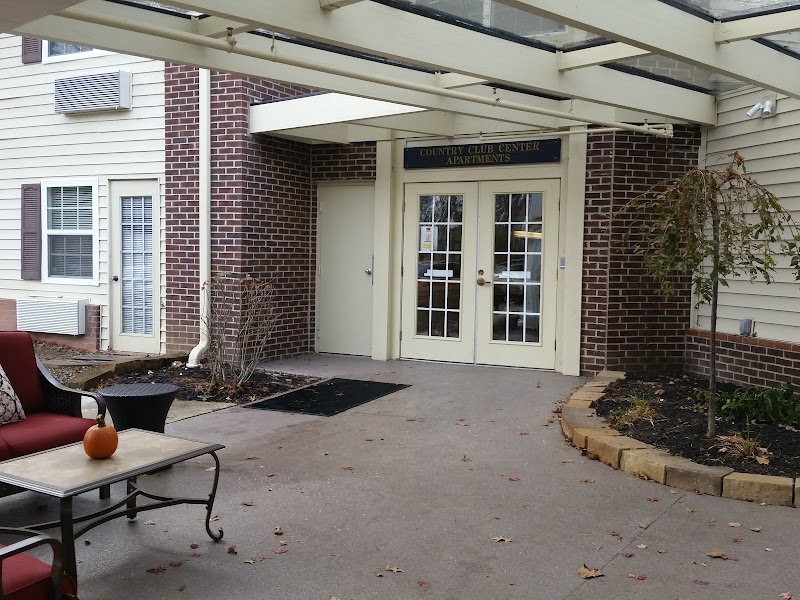
How is Country Club Retirement Center Staffed?

CMS rates COUNTRY CLUB RETIREMENT CENTER's staffing level at 2 out of 5 stars, which is below average compared to other nursing homes. Staff turnover is 46%, compared to the Ohio average of 46%. This relatively stable workforce can support continuity of care.

What Have Inspectors Found at Country Club Retirement Center?

State health inspectors documented 40 deficiencies at COUNTRY CLUB RETIREMENT CENTER during 2021 to 2025. These included: 3 that caused actual resident harm and 37 with potential for harm. Deficiencies causing actual harm indicate documented cases where residents experienced negative health consequences.
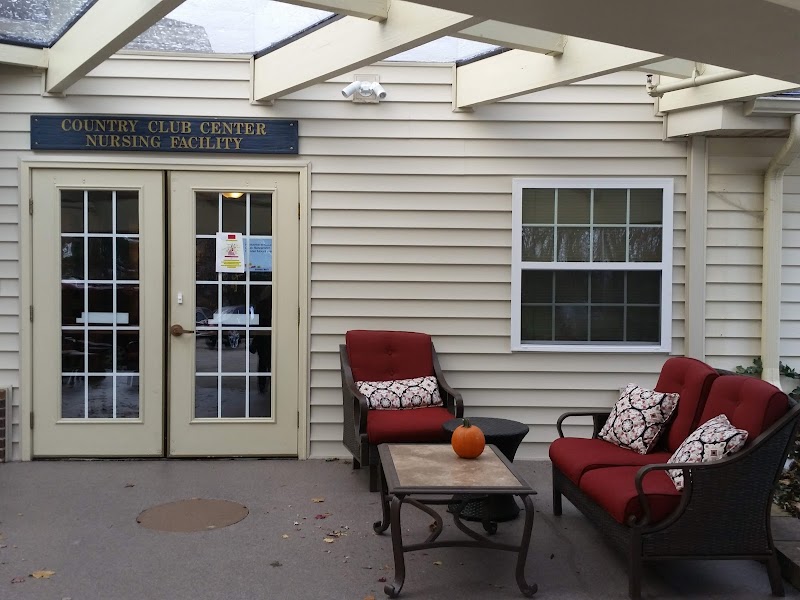
Who Owns and Operates Country Club Retirement Center?

COUNTRY CLUB RETIREMENT CENTER is owned by a for-profit company. For-profit facilities operate as businesses with obligations to shareholders or private owners. The facility is operated by COUNTRY CLUB REHABILITATION CAMPUS, a chain that manages multiple nursing homes. With 76 certified beds and approximately 66 residents (about 87% occupancy), it is a smaller facility located in MOUNT VERNON, Ohio.
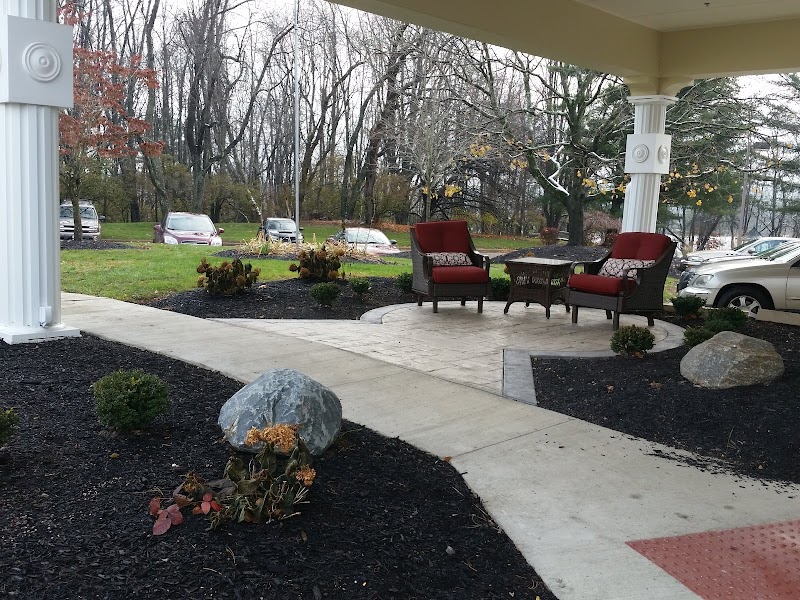
How Does Country Club Retirement Center Compare to Other Ohio Nursing Homes?

Compared to the 100 nursing homes in Ohio, COUNTRY CLUB RETIREMENT CENTER's overall rating (2 stars) is below the state average of 3.2, staff turnover (46%) is near the state average of 46%, and health inspection rating (2 stars) is below the national benchmark.

What Should Families Ask When Visiting Country Club Retirement Center?

Based on this facility's data, families visiting should ask: "What safeguards and monitoring systems are in place to protect residents from abuse or neglect?" "Can you walk me through typical staffing levels on day, evening, and night shifts?" "Can I visit during a mealtime to observe dining assistance and food quality?" "How do you handle medical emergencies, and what is your hospital transfer rate?" These questions are particularly relevant given the substantiated abuse finding on record and the below-average staffing rating.

Is Country Club Retirement Center Safe?

Based on CMS inspection data, COUNTRY CLUB RETIREMENT CENTER has documented safety concerns. The facility has 1 substantiated abuse finding (meaning confirmed case of resident harm by staff or other residents). The facility has a 2-star overall rating and ranks #100 of 100 nursing homes in Ohio. Families considering this facility should ask detailed questions about what corrective actions have been taken since these incidents.

Do Nurses at Country Club Retirement Center Stick Around?

COUNTRY CLUB RETIREMENT CENTER has a staff turnover rate of 46%, which is about average for Ohio nursing homes (state average: 46%). Moderate turnover is common in nursing homes, but families should still ask about staff tenure and how the facility maintains care continuity when employees leave.

Was Country Club Retirement Center Ever Fined?

COUNTRY CLUB RETIREMENT CENTER has no federal fines on record. CMS issues fines when nursing homes fail to meet care standards or don't correct problems found during inspections. The absence of fines suggests the facility has either maintained compliance or corrected any issues before penalties were assessed. This is a positive indicator, though families should still review recent inspection reports for the full picture.

Is Country Club Retirement Center on Any Federal Watch List?

COUNTRY CLUB RETIREMENT CENTER is not on any federal watch list. The most significant is the Special Focus Facility (SFF) program, which identifies the bottom 1% of nursing homes nationally based on persistent, serious quality problems. Not being on this list means the facility has avoided the pattern of deficiencies that triggers enhanced federal oversight. This is a positive indicator, though families should still review the facility's inspection history directly.