WHISPERING HILLS REHABILITATION AND NURSING CENTER
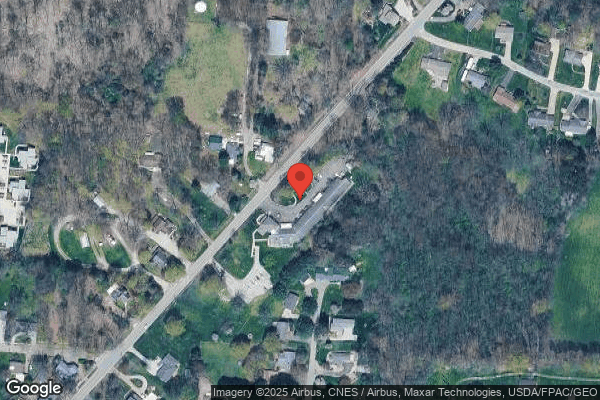
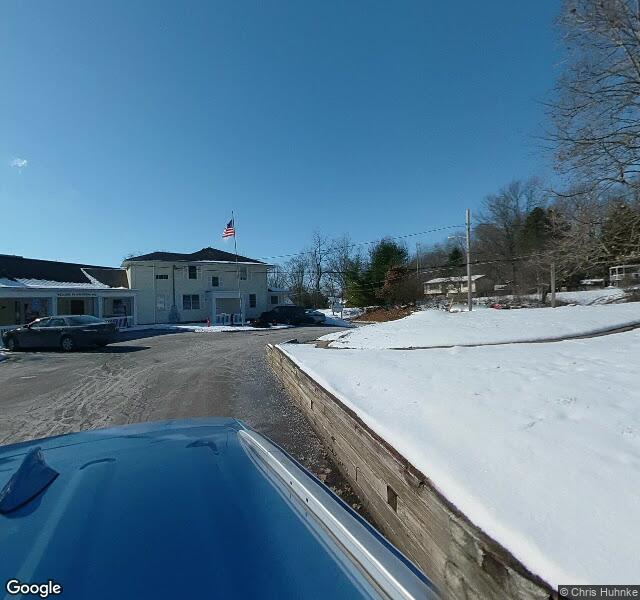
416 WOOSTER ROAD, MOUNT VERNON, OH 43050 (740) 397-9626
For profit - Limited Liability company 44 Beds GARDEN HEALTHCARE GROUP Data: November 2025
Trust Grade
35/100
#912 of 913 in OH
Last Inspection: November 2024

Within standard 12-15 month inspection cycle. Federal law requires annual inspections.

Overview

Whispering Hills Rehabilitation and Nursing Center has received a Trust Grade of F, indicating poor performance and significant concerns about the quality of care. They rank #912 out of 913 facilities in Ohio, placing them in the bottom tier of nursing homes in the state and #7 out of 7 in Knox County, meaning they are the lowest-ranked option in the area. The facility is experiencing a worsening trend, with issues increasing from just 1 in 2023 to 9 in 2024. Staffing is a notable weakness with a low rating of 1 out of 5 stars and a turnover rate of 58%, which is above the state average, suggesting instability among staff members. However, there are no fines on record, which is a positive aspect, and the facility's quality measures received a 4 out of 5 stars, indicating some strengths in care quality. Specific incidents of concern include a failure to ensure that a fair arbitration process was in place for residents and a lack of behavioral health training for staff, which could impact the care provided to residents with mental health needs. Overall, families should weigh these strengths and weaknesses carefully when considering this facility for their loved ones.

Trust Score
F
35/100
In Ohio
#912/913
Bottom 1%
Safety Record
Low Risk
No red flags
Inspections
Getting Worse
1 → 9 violations
Staff Stability
⚠ Watch
58% turnover. Above average. Higher turnover means staff may not know residents' routines.
Penalties
✓ Good
No fines on record. Clean compliance history, better than most Ohio facilities.
Skilled Nurses
⚠ Watch
Each resident gets only 22 minutes of Registered Nurse (RN) attention daily — below average for Ohio. Fewer RN minutes means fewer trained eyes watching for problems.
Violations
⚠ Watch
23 deficiencies on record. Higher than average. Multiple issues found across inspections.
★☆☆☆☆
1.0
Overall Rating
★☆☆☆☆
1.0
Staff Levels
★★★★☆
4.0
Care Quality
★★☆☆☆
2.0
Inspection Score
Stable
2023: 1 issues
2024: 9 issues

The Good

  • 4-Star Quality Measures · Strong clinical quality outcomes
  • Full Sprinkler Coverage · Fire safety systems throughout facility
  • No fines on record

Facility shows strength in quality measures, fire safety.

The Bad

1-Star Overall Rating

Below Ohio average (3.2)

Significant quality concerns identified by CMS

Staff Turnover: 58%

12pts above Ohio avg (46%)

Frequent staff changes - ask about care continuity

Chain: GARDEN HEALTHCARE GROUP

Part of a multi-facility chain

Ask about local staffing decisions and management

Staff turnover is elevated (58%)

10 points above Ohio average of 48%

The Ugly 23 deficiencies on record

Nov 2024 9 deficiencies
CONCERN (D)

Potential for Harm - no one hurt, but risky conditions existed

Deficiency F0558 (Tag F0558)

Could have caused harm · This affected 1 resident

**NOTE- TERMS IN BRACKETS HAVE BEEN EDITED TO PROTECT CONFIDENTIALITY** Based on observation, record review, and resident and staff interview, the facility failed to ensure Resident #141 was aware of ...

Read full inspector narrative →
**NOTE- TERMS IN BRACKETS HAVE BEEN EDITED TO PROTECT CONFIDENTIALITY** Based on observation, record review, and resident and staff interview, the facility failed to ensure Resident #141 was aware of the location and how to use the bathroom call light. This affected one (#141) of 19 residents reviewed in the initial sample of the annual survey. The facility census was 38. Findings include: Record review revealed Resident #141 was admitted to the facility on [DATE] with diagnoses including necrotizing fasciitis, Fournier gangrene, and diabetes mellitus. The admission Minimum Data Set (MDS) 3.0 assessment was in progress. Review of the care plan dated 11/12/24 revealed Resident #141 had a potential risk for falls related to weakness from hospital stay for necrotizing fasciitis labia majora and groin with Fournier gangrene with surgical debridement. Interventions included but not limited to call light within reach. An interview on 11/18/24 at 9:40 A.M. with Resident #141 revealed she felt unsafe in the bathroom because there was no call light in it. Observation and interview on 11/18/24 at 9:40 A.M. revealed there was no indication that a call light was available to Resident #141 in the bathroom. An interview with Maintenance Director (MD) #207 at the time of the observation stated there was a light switch next to the toilet tissue that was the call light but there was no red cord or label to indicate that it was a call light.
CONCERN (D)

Potential for Harm - no one hurt, but risky conditions existed

Notification of Changes (Tag F0580)

Could have caused harm · This affected 1 resident

**NOTE- TERMS IN BRACKETS HAVE BEEN EDITED TO PROTECT CONFIDENTIALITY** Based on resident, staff, and physician interview, record review, policy review, and Standard of Care by the American Diabetic A...

Read full inspector narrative →
**NOTE- TERMS IN BRACKETS HAVE BEEN EDITED TO PROTECT CONFIDENTIALITY** Based on resident, staff, and physician interview, record review, policy review, and Standard of Care by the American Diabetic Association, the facility failed to ensure Resident #39's representative was timely notified following a change in condition and failed to ensure Resident #21's physician was notified timely following a new diagnosis of diabetes mellitus. This affected two (Residents #21 and #39) of two residents reviewed for change of condition. The facility census was 38. Findings include: 1. Record review for Resident #39 revealed an admission date of 03/07/24 and a discharge date of 08/30/24. Diagnoses included chromic obstructive pulmonary disease, chronic kidney disease, psychoactive substance abuse, and paranoid schizophrenia. Review of the quarterly Minimum Data Set (MDS) assessment dated [DATE] revealed Resident #39 was cognitively intact and was independent for activities of daily living. Review of the progress note for Resident #39 dated 08/30/24 at 9:36 A.M. revealed Resident #39 was sitting on the side of her bed at 6:00 A.M. when the nurse came on duty this am. A short time later while passing medications, the front door alarm went off. Resident #39 was ambulating with wheeled walker on front porch. A woman friend in a blue four-door car was waiting for her. The nurse asked what she was doing. Resident #39 yelled, I am leaving, and I am not coming back. The nurse asked her what was wrong, and she replied that you do not want to know. Resident #39 was educated on consequences of leaving against medical advice (AMA). Resident #39 yelled to the nurse, I don't give a [expletive], and got in the vehicle. The nurse explained to the visitor that Resident #39 was not to leave the facility unsupervised. The visitor shook her head and drove away with Resident #39 in front seat of the vehicle. There was no documentation the emergency contact was notified of Resident #39 leaving AMA. An interview on 11/19/24 at 12:03 P.M. with Social Service Designee (SSD) #234 stated she was not at the facility the day that Resident #39 left AMA. She heard at the morning meeting that she had left. Resident #39 contacted her about getting her items that were left in the room. SSD #234 stated that different agencies put Resident #39 in hotels. SSD #234 verified the emergency contact was not called after Resident #39 went AMA in the electronic chart. Interview on 11/19/24 at 12:23 P.M. with the Administrator stated the daughter was called but there was no documentation that shows she was called. The Administrator stated the resident was her own person but left AMA. Review of the facility policy titled Change in Resident's Condition or Status revised December 2016 revealed the facility shall promptly notify the resident, his or her attending physician, and representative (sponsor) of changes in the resident's medical/mental condition and or status. 2. Review of the medical record revealed Resident #21 was admitted on [DATE] and readmitted on [DATE] with diagnoses including post traumatic seizures, encephalopathy, traumatic brain injury, type II diabetes mellitus (DM), and acute respiratory failure. Review of the hospital notes dated 05/27/24 revealed Resident #21 had a history of traumatic brain injury in January 2022, intracerebral hemorrhage, seizure disorder, mood disorder, DM, and encephalopathy. The summary of hospitalization did not reveal diagnosis of DM or use of glycemic medication. A care plan dated 06/05/24 revealed Resident #21 had DM type II. Interventions included accuchecks as ordered, administer medications as ordered, labs as ordered, monitor blood sugar levels as ordered by physician. Abnormal blood glucose levels were to be covered per sliding scale as ordered by physician, and to monitor for hyperglycemia/hypoglycemia. The quarterly Minimum Data Set (MDS) assessment dated [DATE] revealed Resident #21 was cognitively intact. The MDS assessment revealed Resident #21 did not receive any insulin injections or hypoglycemic medications. Review of the medication administration record (MAR) and physician orders from 06/05/24 through 10/29/24 revealed no blood glucose monitoring or antidiabetic medications or an A1C (blood test to measure the average blood glucose levels over the past three months). A progress note dated 10/29/24 at 10:47 A.M. revealed Resident #21 was sent to the hospital for evaluation due to history of seizures. Resident #21 appeared unsteady and short of breath. Emergency Department (ED) visit summary dated 10/29/24 revealed Resident #21 had blood glucose in the mid 500s with sodium of 124 milliequivalent's per liter (mEq/L). The low sodium level was likely from pseudohyponatremia from hyperglycemia. Resident #21 was given a dose of insulin in the ED. A recommendation for hospitalization was made but Resident #21 wanted to go back to the nursing home. It was discussed extensively with the nursing home a type II DM diagnosis on Resident #21's medical history, but the MAR did not show Resident #21 received any insulin. It was also discussed with the nursing home the importance of giving Resident #21 insulin. Review of the blood glucose monitoring on 10/30/24 at 1:01 P.M. revealed Resident #21's blood glucose level was 586 milligrams per deciliter (md/dL). On 10/30/24 at 4:32 P.M., Resident #21's blood glucose was 387 mg/dL, and at 9:31 P.M., it was 513 mg/dL. Physician orders dated 10/30/24 revealed Resident #21 was ordered Humalog (insulin) per sliding scale, Metformin (antidiabetic), and Lantus 10 units. Resident #21 was ordered a continuous glucose monitoring sensor. Resident #21's blood glucose levels from 10/31/24 to 11/19/24 ranged from 153 mg/dL (on 11/10/24) to 536 mg/dL. Interview on 11/18/24 at 9:39 A.M. with Resident #21 stated he was given the wrong medication or it was not administered correctly and he had to go to the hospital. Resident #21 stated his blood glucose was 500 at the hospital. Interview on 11/19/24 at 11:59 A.M. with the Director of Nursing (DON) stated the diagnosis of type II DM for Resident #21 was added on 06/05/24. The DON stated Resident #21 returned to the facility from the hospital and the MDS nurse found in the diagnosis in the paperwork and added it the Resident #21's current diagnoses. The DON verified there was no monitoring of Resident #21's blood glucose levels or anti-diabetic medications ordered until 10/30/24. Interview on 11/20/24 at 8:15 A.M. with MDS Nurse #300 verified the diagnoses and care plan for type II DM was added when Resident #21 returned from the hospital in June. MDS Nurse #300 verified the doctor should be notified of any new diagnosis and the care plan had interventions that were not put in place. Interview on 11/20/24 at 12:32 P.M. with Medical Director (MD) #253 stated he was not aware a diagnosis of type II DM had been added in June for Resident #21. MD #253 stated the discharge summary and medication list of the hospital in June did not list any diagnosis or medication for DM and MD #253 did not look through all the paperwork sent from the hospital. MD #253 stated an A1C would have been ordered if MD #253 had been aware of a diagnosis of type II DM being added for Resident #21. MD #253 stated additional orders for blood glucose monitoring and medications would have been ordered depending on the results of the A1C. Review of the policy and procedure of Nursing Care of the Resident with DM revised December 2015 revealed the purpose of the guideline is to help the resident control his/her diabetes with diet, exercise and insulin (as ordered), prevent recurrent hyperglycemia/hypoglycemia, recognize, manage, and document the treatment of complications commonly associated with DM. The management of individuals with DM should follow relevant protocols and guidelines. The physician will order the frequency of glucose monitoring. Finger sticks (capillary blood sample) measure current blood glucose levels. The normal ranges are defined as 80-130 mg/dL before meals and less than 180 mg/dL after meals. Hyperglycemia is considered anything above the target reference ranges. Medication management of type II DM may include oral hypoglycemic agents with or without insulin. According to the Older Adults: Standard of Care in Diabetes-2024 by the American Diabetes Association dated January 2024 Treatment in skilled nursing facilities and nursing homes revealed management of diabetes in the long-term care (LTC) setting is unique. Individualization of health care is important for all people with diabetes; however, practical guidance is needed for health care professionals as well as the LTC staff and caregivers. Training should include diabetes detection and institutional quality assessment. LTC facilities should develop their own policies and procedures for prevention, recognition, and management of hypoglycemia.
CONCERN (D)

Potential for Harm - no one hurt, but risky conditions existed

Transfer Requirements (Tag F0622)

Could have caused harm · This affected 1 resident

**NOTE- TERMS IN BRACKETS HAVE BEEN EDITED TO PROTECT CONFIDENTIALITY** Based on record review and interview the facility failed to ensure documentation was completed and physician notification occurr...

Read full inspector narrative →
**NOTE- TERMS IN BRACKETS HAVE BEEN EDITED TO PROTECT CONFIDENTIALITY** Based on record review and interview the facility failed to ensure documentation was completed and physician notification occurred prior to a hospitalization for Resident #29. This affected one (#29) of two residents reviewed for hospitalization. The facility census was 38. Findings include: Record review for Resident #29 revealed an admission date of 07/27/21. Diagnosed included diabetes mellitus, chronic kidney disease, and malignant neoplasm of duodenum. Review of the comprehensive Minimum Data Set (MDS) assessment dated [DATE] revealed Resident #29 was cognitively intact and required set up assistance for activities of daily living. Review of the progress note for Resident #29 dated 11/17/24 at 12:10 P.M. revealed Resident #29 requested to go to emergency room (ER) due to stomach being bloated. There were no signs and symptoms of clostridioides difficile (C-diff). Resident on Augmentin (antibiotic) for urinary tract infection (UTI). The husband was at bedside. Emergency services (911) called with report. Review of the progress note for Resident #29 dated 11/17/24 at 5:35 P.M. revealed Resident #29 returned from hospital at 5:00 P.M. by stretcher and two emergency medical technicians. No masses, bowel obstructions, or C-diff noted. Fluid and Zofran were given at the hospital. Resident #29 was alert and oriented. Review of Resident #29's medical record revealed no documentation that Resident #29 was assessed prior to going to the hospital. Interview on 11/21/24 at 10:47 A.M. with [NAME] President of Operations (VPO) # 250 verified that hospital transfer papers for Resident #29 were not in the medical chart to show the reason the resident was transferred and that the doctor was notified. Review of the facility policy titled Change in Resident's Condition or Status revised December 2016 revealed that prior to notifying the physician or healthcare provider, the nurse will make detailed observations and gather relevant and pertinent information for the provider.
CONCERN (D)

Potential for Harm - no one hurt, but risky conditions existed

Deficiency F0658 (Tag F0658)

Could have caused harm · This affected 1 resident

**NOTE- TERMS IN BRACKETS HAVE BEEN EDITED TO PROTECT CONFIDENTIALITY** Based on record review, resident, staff, and physician interview, review of the Older Adults: Standard of Care in Diabetes-2024 ...

Read full inspector narrative →
**NOTE- TERMS IN BRACKETS HAVE BEEN EDITED TO PROTECT CONFIDENTIALITY** Based on record review, resident, staff, and physician interview, review of the Older Adults: Standard of Care in Diabetes-2024 by the American Diabetes Association, and policy and procedure for Nursing Care of the Resident with Diabetes Mellitus, the facility failed to provide diabetic care in accordance with professional standards after a diagnosis of type II diabetes mellitus was added to Resident #21's diagnoses. This affected one (#21) of 18 residents reviewed for standards of care. The facility census was 38. Findings include: Review of the medical record revealed Resident #21 was admitted on [DATE] and readmitted on [DATE] with diagnoses including traumatic brain injury, type II diabetes mellitus (DM), and acute respiratory failure. Review of the hospital notes dated 05/27/24 revealed Resident #21 had a history of traumatic brain injury in January 2022, intracerebral hemorrhage, seizure disorder, mood disorder, DM, and encephalopathy. The summary of hospitalization did not reveal diagnosis of DM or use of glycemic medication. A care plan dated 06/05/24 revealed Resident #21 had DM type II. Interventions included accuchecks as ordered, administer medications as ordered, labs as ordered, monitor blood sugar levels as ordered by physician. Abnormal blood glucose levels were to be covered per sliding scale as ordered by physician, and to monitor for hyperglycemia/hypoglycemia. The quarterly Minimum Data Set (MDS) assessment dated [DATE] revealed Resident #21 was cognitively intact. The MDS assessment revealed Resident #21 did not receive any insulin injections or hypoglycemic medications. Review of the medication administration record (MAR) and physician orders from 06/05/24 through 10/29/24 revealed no blood glucose monitoring or antidiabetic medications or an A1C (blood test to measure the average blood glucose levels over the past three months). A progress note dated 10/29/24 at 10:47 A.M. revealed Resident #21 was sent to the hospital for evaluation due to history of seizures. Resident #21 appeared unsteady and short of breath. Emergency Department (ED) visit summary dated 10/29/24 revealed Resident #21 had blood glucose in the mid 500s with sodium of 124 milliequivalent's per liter (mEq/L). The low sodium level was likely from pseudohyponatremia from hyperglycemia. Resident #21 was given a dose of insulin in the ED. A recommendation for hospitalization was made but Resident #21 wanted to go back to the nursing home. It was discussed extensively with the nursing home a type II DM diagnosis on Resident #21's medical history, but the MAR did not show Resident #21 received any insulin. It was also discussed with the nursing home the importance of giving Resident #21 insulin. Review of the blood glucose monitoring on 10/30/24 at 1:01 P.M. revealed Resident #21's blood glucose level was 586 milligrams per deciliter (md/dL). On 10/30/24 at 4:32 P.M., Resident #21's blood glucose was 387 mg/dL, and at 9:31 P.M., it was 513 mg/dL. Physician orders dated 10/30/24 revealed Resident #21 was ordered Humalog (insulin) per sliding scale, Metformin (antidiabetic), and Lantus 10 units. Resident #21 was ordered a continuous glucose monitoring sensor. Resident #21's blood glucose levels from 10/31/24 to 11/19/24 ranged from 153 mg/dL (on 11/10/24) to 536 mg/dL. Interview on 11/18/24 at 9:39 A.M. with Resident #21 stated he was given the wrong medication or it was not administered correctly and he had to go to the hospital. Resident #21 stated his blood glucose was 500 at the hospital. Interview on 11/19/24 at 11:59 A.M. with the Director of Nursing (DON) stated the diagnosis of type II DM for Resident #21 was added on 06/05/24. The DON stated Resident #21 returned to the facility from the hospital and the MDS nurse found in the diagnosis in the paperwork and added it the Resident #21's current diagnoses. The DON verified there was no monitoring of Resident #21's blood glucose levels or anti-diabetic medications ordered until 10/30/24. Interview on 11/20/24 at 8:15 A.M. with MDS Nurse #300 verified the diagnoses and care plan for type II DM was added when Resident #21 returned from the hospital in June. MDS Nurse #300 verified the doctor should be notified of any new diagnosis and the care plan had interventions that were not put in place. Interview on 11/20/24 at 12:32 P.M. with Medical Director (MD) #253 stated he was not aware a diagnosis of type II DM had been added in June for Resident #21. MD #253 stated the discharge summary and medication list of the hospital in June did not list any diagnosis or medication for DM and MD #253 did not look through all the paperwork sent from the hospital. MD #253 stated an A1C would have been ordered if MD #253 had been aware of a diagnosis of type II DM being added for Resident #21. MD #253 stated additional orders for blood glucose monitoring and medications would have been ordered depending on the results of the A1C. Review of the policy and procedure of Nursing Care of the Resident with DM revised December 2015 revealed the purpose of the guideline is to help the resident control his/her diabetes with diet, exercise and insulin (as ordered), prevent recurrent hyperglycemia/hypoglycemia, recognize, manage, and document the treatment of complications commonly associated with DM. The management of individuals with DM should follow relevant protocols and guidelines. The physician will order the frequency of glucose monitoring. Finger sticks (capillary blood sample) measure current blood glucose levels. The normal ranges are defined as 80-130 mg/dL before meals and less than 180 mg/dL after meals. Hyperglycemia is considered anything above the target reference ranges. Medication management of type II DM may include oral hypoglycemic agents with or without insulin. According to the Older Adults: Standard of Care in Diabetes-2024 by the American Diabetes Association dated January 2024 Treatment in skilled nursing facilities and nursing homes revealed management of diabetes in the long-term care (LTC) setting is unique. Individualization of health care is important for all people with diabetes; however, practical guidance is needed for health care professionals as well as the LTC staff and caregivers. Training should include diabetes detection and institutional quality assessment. LTC facilities should develop their own policies and procedures for prevention, recognition, and management of hypoglycemia.
CONCERN (D)

Potential for Harm - no one hurt, but risky conditions existed

Drug Regimen Review (Tag F0756)

Could have caused harm · This affected 1 resident

**NOTE- TERMS IN BRACKETS HAVE BEEN EDITED TO PROTECT CONFIDENTIALITY** 3. Record review for Resident #29 revealed an admission date of 07/27/21. Diagnoses included diabetes mellitus, chronic kidney d...

Read full inspector narrative →
**NOTE- TERMS IN BRACKETS HAVE BEEN EDITED TO PROTECT CONFIDENTIALITY** 3. Record review for Resident #29 revealed an admission date of 07/27/21. Diagnoses included diabetes mellitus, chronic kidney disease, and malignant neoplasm of duodenum. Review of the comprehensive Minimum Data Set (MDS) assessment dated [DATE] revealed Resident #29 was cognitively intact and required set up for activities of daily living. Resident #29 received antipsychotics, antidepressants, diuretics, antiplatelets, and opioids during the seven-day look back period. Review of the current physician's orders revealed Resident #29 was ordered bupropion (antidepressant), lurasidone (antipsychotic), Oxycodone with acetaminophen (opioid pain medication) and Lasix (diuretic). Review of the monthly pharmacy reviews revealed Resident #29's medications were reviewed in June 2024, July 2024, August 2024, September 2024, and October 2024. The pharmacy reviews did not indicate if there were any irregularities or recommendations for Resident #29 when the monthly reviews were done. Interview on 11/21/24 at 1:57 P.M. with [NAME] President of Clinical Services #254 verified the monthly pharmacy reviews did not indicate if there were any irregularities or recommendations for Resident #29 during the months of June 2024, July 2024, August 2024, September 2024, and October 2024. The facility contacted the pharmacy representative. The pharmacy representative stated they just sent individual recommendation via email to the Director of Nursing (DON) but did not provide a list of residents that had recommendations each month. [NAME] President of Clinical Services #254 verified there was nothing to ensure all the recommendations were received and addressed by the physician. Review of the facility's Medication Regimen Reviews policy and procedure revised April 2007 revealed the primary purpose of the review is to help the facility maintain each resident's highest practicable level of functioning by helping them utilize medications appropriately and prevent or minimize adverse consequences related to medication therapy to the extent possible. The Consultant Pharmacist will document his/her findings and recommendations on the monthly drug/medication regimen review report. The Consultant Pharmacist will provide a written report to physicians for each resident with an identified irregularity. The Consultant Pharmacist will provide the DON and Medical Director with a written, signed and dated copy of the report, listing the irregularities found and recommendations for their solutions. Based on record review, policy review, and staff interview, the facility failed to identify if the pharmacy had any irregularities or recommendations from June 2024 through October 2024. This affected three (Resident #10, #29, and #33) of five residents reviewed for unnecessary medications. The facility census was 38. Findings include: 1. Review of the medical record revealed Resident #10 was admitted on [DATE] with diagnoses that included Fourier gangrene, paralytic, neuromuscular dysfunction, colostomy, bipolar disorder, convulsions, anxiety disorder, and major depressive disorder. The quarterly Minimum Data Set (MDS) assessment dated [DATE] revealed Resident #10 was cognitively intact. Resident #10 received antianxiety, antidepressant, anticoagulant, and opioid medications. The physician orders included Effexor (antidepressant), Percocet (opioid pain medication) hydroxyzine (to treat anxiety), Keppra (anticonvulsant), apixaban (anticoagulant), amantadine (antidyskinetic), and paliperidone (antipsychotic) Review of the monthly pharmacy reviews revealed Resident #10's medications were reviewed in June 2024, July 2024, September 2024, and October 2024. (Resident #10 was at the hospital at the time of the August 2024 pharmacy review). The pharmacy reviews did not indicate if there were any irregularities or recommendations for Resident #10 when the monthly reviews were done. Interview on 11/21/24 at 1:57 P.M. with [NAME] President of Clinical Services #254 verified the monthly pharmacy reviews did not indicate if there were any irregularities or recommendations for Resident #10 during the months of June 2024, July 2024, September 2024, and October 2024. The facility contacted the pharmacy representative. The pharmacy representative stated they just sent individual recommendation via email to the Director of Nursing (DON) but did not provide a list of residents that had recommendations each month. [NAME] President of Clinical Services #254 verified there was nothing to ensure all the recommendations were received and addressed by the physician. 2. Review of the medical record revealed Resident #33 was re-admitted on [DATE] with diagnoses including congestive heart failure, morbid obesity, hypoxemia, pain, presbyopia, macular degeneration, anxiety, depressive disorder, dysphagia, neuropathy, duodenal ulcer, hypertension, chronic kidney disease, and hyperlipidemia. The quarterly Minimum Data Set (MDS) assessment dated [DATE] revealed Resident #33 was cognitively intact. Resident #33 received antianxiety, antidepressant, diuretic, opioid, and antiplatelet medications. The physician orders included Tramadol (opioid pain medication) Lexapro (treats anxiety and depression), Prazosin (to treat post-traumatic stress disorder), Buspar (antianxiety), Lasix (diuretic), hydrozyzine (treats anxiety), and Bupropion (antidepressant). Review of the monthly pharmacy reviews revealed Resident #33's medications were reviewed in June 2024, July 2024, August 2024, September 2024, and October 2024. The pharmacy reviews did not indicate if there were any irregularities or recommendations for Resident #33 when the monthly reviews were done. Interview on 11/21/24 at 1:57 P.M. with [NAME] President of Clinical Services #254 verified the monthly pharmacy reviews did not idicate if there were any irregularities or recommendations for Resident #33 during the months of June 2024, July 2024, August 2024, September 2024, and October 2024. The facility contacted the pharmacy representative. The pharmacy representative stated they just sent individual recommendation via email to the Director of Nursing (DON) but did not provide a list of residents that had recommendations each month. [NAME] President of Clinical Services #254 verified there was nothing to ensure all the recommendations were received and addressed by the physician.
CONCERN (E)

Potential for Harm - no one hurt, but risky conditions existed

Deficiency F0805 (Tag F0805)

Could have caused harm · This affected multiple residents

Based on observation, staff interview, test tray, and record review, the facility failed to serve pureed foods at a smooth consistency for residents on a mechanically altered diet. This had the potent...

Read full inspector narrative →
Based on observation, staff interview, test tray, and record review, the facility failed to serve pureed foods at a smooth consistency for residents on a mechanically altered diet. This had the potential to affect four residents (#4, #5, #23, and #30) identified by the facility who were prescribed pureed diets. The facility census was 38. Findings include: The observation of puree preparation on 11/18/24 at 10:50 A.M. revealed Dietary Manager (DM) #200 changed the puree vegetable for lunch to pureed peas. She stated the squash in the mixed vegetables sometimes does not puree correctly to a smooth consistency because of the rind. [NAME] #241 pureed the peas for several minutes and was tasting the peas as she was going. She took the pureed peas out of the robot coupe container, put the pureed peas into bowls for the residents, portioned a small amount into a five-ounce dessert dish with a plastic spoon. The taste test on 11/18/24 at 10:50 A.M. revealed the pureed peas were not of a smooth consistency and had pieces of the pea shells in it. The Regional Director of Culinary (RDC) #251 tasted the purees and verified the peas needed to be pureed more. RDC #251 recommended DM #200 to puree the menu item. [NAME] #241 pureed the mixed vegetables to the correct consistency for lunch service. The facility identified four residents, Residents #4, #5, #23, and #30, who were prescribed pureed diets Review of the undated facility's policy titled Pureed Food Preparation revealed the foods would be pureed to assure desire consistency.
CONCERN (F)

Potential for Harm - no one hurt, but risky conditions existed

Deficiency F0847 (Tag F0847)

Could have caused harm · This affected most or all residents

Based on record review, review of the facility arbitration agreement, and staff interview, the facility failed to ensure their arbitration agreement had the required information that the signing resid...

Read full inspector narrative →
Based on record review, review of the facility arbitration agreement, and staff interview, the facility failed to ensure their arbitration agreement had the required information that the signing resident or resident representative may communicate with federal, state, or local officials, including but not limited to, federal and state surveyors, other federal or state health department employees, and representative of the Office of the State Long-Term Care Ombudsman as well as the agreement stated that the if the resident or resident representative would wish to cancel the arbitration agreement in within thirty (30) days, it does not have to be in writing. This affected 37 of 38 residents who signed the arbitration agreement. Resident #3 did not sign the arbitration agreement upon admission. The facility census was 38. Findings include: Review of the facility's admission packet revealed an arbitration agreement was within the admission packet. Review of resident medical records during the survey revealed arbitration agreements were signed by residents with the exception of the agreement for Resident #3, which was not signed upon admission. Review of the facility's arbitration agreement revealed the agreement did not state that the resident or resident representative may communicate with federal, state, or local officials, including but not limited to, federal and state surveyors, other federal or state health department employees, and representative of the Office of the State Long-Term Care Ombudsman. The facility's arbitration agreement did not state the resident or resident representative has the right to cancel the arbitration agreement within thirty (30) days by providing written notice. Interview on 11/21/24 at 4:05 P.M. with the Administrator verified the facility's arbitration agreement that the residents sign upon admission did not include the resident or resident representative may communicate with federal, state, or local officials, including but not limited to, federal and state surveyors, other federal or state health department employees, and representative of the Office of the State Long-Term Care Ombudsman and did not state the resident or resident representative has the right to cancel the arbitration agreement within thirty (30) days by providing written notice. The facility did not have a policy for arbitration agreements.
CONCERN (F)

Potential for Harm - no one hurt, but risky conditions existed

Deficiency F0848 (Tag F0848)

Could have caused harm · This affected most or all residents

Based on staff interview, record review, and review of facility arbitration agreement, the facility failed to provide a neutral and fair arbitration process by ensuring both the resident or his or her...

Read full inspector narrative →
Based on staff interview, record review, and review of facility arbitration agreement, the facility failed to provide a neutral and fair arbitration process by ensuring both the resident or his or her representative, and the facility agree on the selection of a neutral arbitrator, and that the venue is convenient to both parties. This affected 37 of 38 residents who signed the arbitration agreement. Resident #3 did not sign the arbitration agreement upon admission. The facility census was 38. Findings include: Review of the facility's admission packet revealed an arbitration agreement was within the admission packet. Review of resident medical records during the survey revealed arbitration agreements were signed by residents with the exception of the agreement for Resident #3, which was not signed upon admission. Review of the facility's arbitration agreement revealed that by signing this Agreement, the Parties agree that, except as otherwise set forth herein, any action, claim, dispute or controversy of any kind, whether in contract, tort, statutory, common law, legal, equitable, or otherwise, during the term of the admissions agreement or hereafter arising between the parties in any way arising out of, pertaining to, or in connection with, the provision of health care services or any agreement between the parties including, but not limited to, the scope of this agreement with, and the arbitrability of, any claim or dispute, against whomever made (including, to the full extent permitted by applicable laws, third parties who are not signatories to this Agreement) shall be resolved by binding arbitration administered by the American Arbitrators Association (AAA). If the AAA does not enforce pre-dispute arbitration agreements, then any other reasonably comparable arbitration association chosen solely by the facility shall be an acceptable replacement. The agreement does not allow the resident or resident representative to seek other counsel except American Arbitrators Association (AAA) for binding arbitration disputes. This did not ensure both the resident or his or her representative, and the facility agree on the selection of a neutral arbitrator The facility's arbitration agreement revealed that in the event a court having jurisdiction finds any portion of the arbitration agreement or the admissions agreement unenforceable, that portion shall not be effective, and the remainder of the agreements shall remain effective. If a court finds that all of the provisions in this agreement providing for binding arbitration are unenforceable, then such provisions shall be replaced with a waiver of jury trial in accordance with the laws of Ohio without regards to its conflicts of law, and the venue shall be in the closest proper venue to the facility's principal place of business. This does not allow for the resident or resident representative to agree with the venue. An interview on 11/21/24 at 4:05 P.M. with the Administrator verified the facility's arbitration agreement did not provide a neutral and fair arbitration process by ensuring both the resident or his or her representative, and the facility agree on the selection of a neutral arbitrator, and that the venue is convenient to both parties. The facility did not have a policy for arbitration agreements.
CONCERN (F)

Potential for Harm - no one hurt, but risky conditions existed

Deficiency F0949 (Tag F0949)

Could have caused harm · This affected most or all residents

**NOTE- TERMS IN BRACKETS HAVE BEEN EDITED TO PROTECT CONFIDENTIALITY** Based on review of the facility assessment, personnel record review, and staff interview, the facility failed to provide behavio...

Read full inspector narrative →
**NOTE- TERMS IN BRACKETS HAVE BEEN EDITED TO PROTECT CONFIDENTIALITY** Based on review of the facility assessment, personnel record review, and staff interview, the facility failed to provide behavioral health education to all staff in orientation and annually thereafter. This had the potential to affect all 38 residents residing in the facility. Findings include: Review of the facility assessment dated [DATE] revealed the facility accepted residents with psychiatric disorders to include impaired cognition, mental disorder, bipolar, schizophrenia, post-traumatic stress disorder, anxiety disorder, and behaviors which required interventions. Review of the personnel file for Dietary Aide #500 revealed a hire date of 07/24/24 and no evidence the employee received training on mental health behaviors. Review of the personnel file for Housekeeper #209 revealed a hire date of 09/16/24 and no evidence the employee received training on mental health behaviors. Review of the personnel file for License Practical Nurse (LPN) #213 revealed a hire date of 07/24/24 and no evidence the employee received training on mental health behaviors. Review of the personnel file for Certified Nursing Assistant (CNA) #223 revealed a hire date of 08/21/20 and no evidence the employee received training on mental health behaviors. Review of the personnel file for CNA #203 revealed a hire date of 06/01/22 and no evidence the employee received training on mental health behaviors. Review of the personnel file for CNA #227 revealed a hire date of 11/08/21 and no evidence the employee received training on mental health behaviors. Review of the annual in-service for facility staff revealed that the in-service for behavior training was scheduled in December 2024. An interview with the Administrator on 11/21/24 at 9:30 A.M. revealed there was an annual in-service scheduled for behavioral training in December 2024. The Administrator stated she could not find any documentation that behavior training was provided to all staff at orientation or completed in the previous twelve months. The Administrator also verified the facility assessment included the facility accepted residents with psychiatric disorders to include impaired cognition, mental disorder, bipolar, schizophrenia, post-traumatic stress disorder, anxiety disorder, and behaviors which required interventions.
Jul 2023 1 deficiency
CONCERN (F) 📢 Someone Reported This

A family member, employee, or ombudsman was alarmed enough to file a formal complaint

Potential for Harm - no one hurt, but risky conditions existed

Safe Environment (Tag F0921)

Could have caused harm · This affected most or all residents

Based on observations, resident council meeting minutes, review of past survey history and staff interviews, the facility failed to ensure the bottom half of the walls throughout the facility were in ...

Read full inspector narrative →
Based on observations, resident council meeting minutes, review of past survey history and staff interviews, the facility failed to ensure the bottom half of the walls throughout the facility were in good repair. This could potentially affect all 40 residents residing in the facility at the time of the investigation. Findings include: Observation of the facility occurred on 07/07/23 at 6:48 A.M., which consists of one long hallway. The lower half of the hallway was observed to have sheetrock with many missing sections, gouges and is unpainted, throughout the facility. Review of the annual Life Safety code (LSC) inspection dated 11/09/22 revealed the facility received a deficiency related to the carpet on the lower half of the walls throughout the facility. The documented plan of correction indicated the facility removed all the carpet on the walls on 11/30/22. Review of the resident council meeting minutes identified in April, May and June 2023 the residents questioned when the walls would be fixed. Interview with the facility Administrator occurred on 07/07/23 at 7:16 A.M. and confirmed the walls have not been repaired and the facility has been working on getting approval. This deficiency represents non-compliance investigated under Complaint Number OH00143288.
Nov 2022 10 deficiencies
CONCERN (D)

Potential for Harm - no one hurt, but risky conditions existed

Investigate Abuse (Tag F0610)

Could have caused harm · This affected 1 resident

**NOTE- TERMS IN BRACKETS HAVE BEEN EDITED TO PROTECT CONFIDENTIALITY** 2. Review of the medical record for Resident #36 revealed an admission date of 06/23/21 and the diagnoses of hemiplegia, hemipar...

Read full inspector narrative →
**NOTE- TERMS IN BRACKETS HAVE BEEN EDITED TO PROTECT CONFIDENTIALITY** 2. Review of the medical record for Resident #36 revealed an admission date of 06/23/21 and the diagnoses of hemiplegia, hemiparesis, respiratory failure, aphasia, liver cirrhosis and alcohol abuse. Review of the quarterly Minimum Data Set (MDS) assessment dated [DATE] revealed Resident #36 had a Brief Interview of Mental Status (BIMS) of 00 indicating impaired cognition and he required extensive assistance of two staff for bed mobility and transfers and supervision with set up for eating. The assessment also indicated the resident had unclear speech, he was sometimes understood and sometimes understands. Review of the Social Services Note dated 10/14/22 revealed Resident #36 sometimes understands and was sometimes understood, he had aphasia and unclear speech. He was oriented to person and place and has a memory problem and his daily decision making is impaired. Interview on 11/07/22 at 10:55 A.M. with Resident #36's guardian revealed when asked if there had been any concerns regarding resident to resident abuse, she stated she was told he had juice on him and it appeared the residents room mate (Resident #2) had poured the juice on him. She stated they moved Resident #36's room and it was within the last month. Review of the Certification and Licensure System (CALS: A system used for the facility to notify the state agency of abuse related concerns and investigation details) revealed the facility did not submit a Self-Reported Incident (SRI) from the alleged incident on 10/03/22. Review of the facility investigation for the incident on 10/03/22 revealed the following: The Concern/Grievance Form, dated 10/03/22, revealed it was reported by an agency aide that there was juice spilled on Resident #36's head. The aide made the comment that It could've been his roommate that did it. Resident #36 was interviewed and he felt safe, he does not have problems with residents/roommate, there was no physical injury, mental anguish or pain noted/reported. Resident #36 was moved as a precaution. Review of the paper with interview questions on it revealed Resident #36 stated he felt safe in his environment, he did not recall any problems with past roommates, no residents threw juice on him, and he had no problems with any other residents at the facility. Interview on 11/08/22 at 8:32 A.M. with the Administrator revealed it was reported that it was assumed Resident #2 had poured the juice onto Resident #36 and it was not witnessed. Resident #36 also had made a mess that night so there was no evidence that Resident #2 did anything, but they separated them just as a precaution. She stated she asked staff what happened and that she cant just assume Resident #2 did it. The Administrator revealed Resident #2 has mild behaviors here and there, most of it is usually towards himself and not others, but nothing towards other residents. She stated there was nothing they could prove and nothing to investigate, there was no altercation or reason to believe anything happened and Resident #36 can answer questions and he didn't feel that he was hurt. Interview on 11/08/22 at 3:38 P.M. with the Administrator revealed there was a concern form created when the incident was reported from the agency staff. As the agency staff was leaving, she made the comment It could have been his roommate. She stated they interviewed Resident #36 and he had no injury or pain or anguish. She stated Resident #36 can answer yes and no questions, but he cant verbalize. The Administrator revealed they completed their investigation in morning meeting when it was reported that day (10/03/22). She revealed she was not sure why Resident #36's guardian would have a concern with the incident, but also stated the staff didn't feel the investigation needed to go any further after they interviewed Resident #36. She stated they decided it was just better if they moved Resident #36 to a different room. Interview on 11/08/22 at 4:10 P.M. with Regional Director of Operations #127 and the Administrator confirmed there was no additional investigation such as interviews with Resident #2 or the agency aide who mentioned the allegation. They stated the agency aide was on the do not return list after that so they did not interview her. They further confirmed the only documentation regarding the incident was the grievance form and the interview paper completed by Social Services #124 . Interview on 11/09/22 at 8:53 A.M. with Resident #2 revealed he remembered his room mate and he didn't know why he left. He stated he was not sure if Resident #36 poured juice on himself, but he didn't pour anything onto Resident #36. He also stated no one had ever asked him about the incident before. Interview on 11/09/22 at 8:55 A.M. with State Tested Nurse Assistant (STNA) #98 revealed Resident #36 could answer yes or no questions appropriately. Interview on 11/09/22 9:00 A.M. with Resident #36 and STNA #98 present revealed Resident #36 was able to answer yes or no questions and STNA #98 was present (with Resident #36's permission) due to her ability to understand the resident more when he attempts to speak. Resident #36 stated he didn't feel abused or neglected but when asked if anyone ever poured juice on him he nodded yes. When asked if it was his old room mate (Resident #2), he nodded yes. When asked if that was why he moved rooms, he nodded yes. STNA #98 asked him if he was asleep when it happened and he nodded yes. Interview on 11/09/22 9:02 AM with STNA #98 revealed the incident occurred on the night shift and when she came in on her next working day she saw Resident #36 was moved. She stated she thinks it was the ADON who told her Resident #2 poured juice or yogurt or something on his head. She stated she had never seen Resident #2 have any behaviors and Resident #36 never had a behavior of pouring things on his head. Interview on 11/09/22 09:37 AM with the Social Services #124 revealed she did her initial interview with Resident #36 on a Monday, she believed the date was 10/03/22, regarding the incident from 10/03/22. She stated she did not document the first interview, but she reinterviewed Resident #36 yesterday and that was the documented interview (see review of the facility investigation). She revealed the Administrator asked her to interview Resident #36 and didn't ask her to interview anyone else. Social Services #124 revealed Resident #36 use to say yes to everything, but he has since came a long way. Interview on 11/08/22 at 7:56 A.M. with Licensed Practical Nurse (LPN) #115 revealed about one month ago she heard from night shift that Resident #2 poured a drink on Resident #36. She stated it was unwitnessed and she could not recall what staff notified her about it, but she notified the previous Director of Nursing (DON) and LPN #122. Interview on 11/08/22 at 8:08 A.M. with LPN #122 revealed she arrived to work on a Monday and heard over the weekend Resident #2 poured juice on Resident #36 so she had him moved that day. She stated she notified the Administrator and she could not recall the date or the staff who were working during the incident and she was not sure if there was an investigation. Review of the facility policy and procedure titled, Abuse, Neglect, Exploitation and Misappropriation of Resident Property, dated 11/01/19, revealed it is the facilities policy to investigate all alleged violations of abuse, neglect, exploitation, mistreatment of residents, misappropriation of property and injuries of unknown origin. It stated the Administrator or their designee will notify the state agency of all alleged violations involving Abuse, Neglect, Exploitation, Mistreatment of a resident, Misappropriation of resident property and injuries of unknown origin as soon as possible, but no later than 24 hours from the time of the incident/allegation was made known to the staff member. It stated once the Administrator and state agency are notified, an investigation of the allegation violation will be conducted. The investigation will be completed within five working days. The following investigation protocol should be followed: interview the resident, the accused, and all witnesses, if there are no direct witnesses, then interviews may be expanded and obtain a statement from the resident, the accused and each witness. It stated the evidence of the investigation should be documented. Based on medical record review, staff interview, facility investigative documents, and facility policy review, the facility failed to thoroughly investigate all potential abuse allegations. This affected two (Residents #27 and #36) of two residents reviewed for abuse. Findings Include: 1. Resident #27 was admitted to the facility on [DATE]. His diagnoses were encounter for orthopedic aftercare following surgical amputation, diabetes, type II diabetes, moderate protein calorie malnutrition, acute kidney failure, bipolar disorder, post traumatic stress disorder, anxiety disorder, anemia, major depressive disorder, and schizoaffective disorder. Review of Resident #27 progress notes, dated 06/03/22, revealed he was involved in a physical altercation with a known community member. This physical altercation resulted in an injury to Resident #27 and needed evaluation/treatment at the hospital. Review of facility Self Reported Incident (SRI) number 222408, dated 06/04/22, confirmed the incident that occurred in the evening of 06/03/22. Review of the facility investigative documents found that they collected a copy of the witness statements that law enforcement received from Resident #27 and two nurses that were working that evening. There were no interview statements collected by the facility. They also did not collect statements from others within the facility about Resident #27 state of mind or actions/behaviors that happened prior to the physical altercation. The facility did not interview Resident #27 girlfriend, who was integral in knowing information that lead up to the physical altercation. No other staff were interviewed by the facility. Plus, the statements the facility collected from Resident #27 and the two nurses from law enforcement, did not discuss what was going on prior to the physical altercation occurring. Review of his Minimum Data Set (MDS) assessment, dated 09/30/22, revealed he was cognitively intact. Interview with Licensed Practical Nurse (LPN) #118 on 11/08/22 at 3:10 P.M. confirmed Resident #27 was visibly upset when he walked out the door of the facility. She confirmed he had the code to the door and walked out on his own. She stated LPN #113 followed him out, then lost sight of him. She stated LPN #113 went back to the facility door and told her she could not find him; so both nurses went out to find him at the end of the driveway, on the ground and a community person running away from him. She confirmed she only gave a statement to law enforcement. Interview with LPN #113 on 11/08/22 at 3:36 P.M. confirmed she worked the night Resident #27 had his physical altercation. She confirmed Resident #27 was very upset the night of the altercation. He stated he wanted a cigarette and to sit on the facility porch to calm down. He let himself out with his cigarette and sat on the porch. She stated after about five minutes, she looked outside to check on Resident #27 and he was not there. She and LPN #118 went to look for him and found him at the bottom of the driveway, being physically hit. She confirmed she only gave a statement to law enforcement. Interview with Administrator on 11/09/22 at 10:50 A.M. revealed the investigation for Resident #27 physical altercation could have been more thorough. She confirmed the facility did not ask for or collect a statement from Resident #27's girlfriend. They also did not collect any other statements from residents/staff in the facility. They only collected written statements from law enforcement for Resident #27, LPN #113, and LPN #118. She stated she did not know Resident #27 knew the code to the exterior door; had she known that she would have investigated further.
CONCERN (D)

Potential for Harm - no one hurt, but risky conditions existed

Transfer Notice (Tag F0623)

Could have caused harm · This affected 1 resident

**NOTE- TERMS IN BRACKETS HAVE BEEN EDITED TO PROTECT CONFIDENTIALITY** Based on medical record review, staff interview, and facility policy review, the facility failed to notify the state long term c...

Read full inspector narrative →
**NOTE- TERMS IN BRACKETS HAVE BEEN EDITED TO PROTECT CONFIDENTIALITY** Based on medical record review, staff interview, and facility policy review, the facility failed to notify the state long term care ombudsman of discharges. This affected one (Resident #42) of two resident discharges reviewed. Findings Include: Resident #42 was admitted to the facility on [DATE]. Her diagnoses were acute respiratory failure with hypoxia, multiple sclerosis, type II diabetes, hypertension, anxiety disorder, major depressive disorder, neuropathy, hyperlipidemia, and osteoarthritis. Review of her Minimum Data Set (MDS) assessment, dated 08/01/22, revealed she was cognitively intact. Review of Resident #42 medical records revealed she was discharged from the facility to the hospital on [DATE]. Review of all her medical records reveal no documentation to support the facility notified the state long term care ombudsman's office of this discharge as required. Interview with Administrator on 11/09/22 at 11:40 A.M. confirmed they have no evidence they contacted the state long term care ombudsman when Resident #42 was discharged to the hospital. She confirmed it should have been completed. Review of facility Transfer of Discharge Documentation policy, dated December 2016, revealed no documentation or guidance within the policy about notifying the state long term care ombudsman about a transfer or discharge.
CONCERN (D)

Potential for Harm - no one hurt, but risky conditions existed

Deficiency F0625 (Tag F0625)

Could have caused harm · This affected 1 resident

**NOTE- TERMS IN BRACKETS HAVE BEEN EDITED TO PROTECT CONFIDENTIALITY** Based on medical record review, staff interview, and facility policy review, the facility failed to provide a bed hold notice at...

Read full inspector narrative →
**NOTE- TERMS IN BRACKETS HAVE BEEN EDITED TO PROTECT CONFIDENTIALITY** Based on medical record review, staff interview, and facility policy review, the facility failed to provide a bed hold notice at the time of discharge to the hospital. This affected one (Resident #42) of two resident discharges reviewed. Findings Include: Resident #42 was admitted to the facility on [DATE]. Her diagnoses were acute respiratory failure with hypoxia, multiple sclerosis, type II diabetes, hypertension, anxiety disorder, major depressive disorder, neuropathy, hyperlipidemia, and osteoarthritis. Review of her Minimum Data Set (MDS) assessment, dated 08/01/22, revealed she was cognitively intact. Review of Resident #42 medical records revealed she was discharged from the facility to the hospital on [DATE]. Review of all her medical records reveal no documentation to support the provided a bed hold notification at the time of hospital discharge as required. Interview with Administrator on 11/09/22 at 11:40 A.M. confirmed they have no evidence they provided a bed hold notification when Resident #42 was discharged to the hospital. She confirmed it should have been completed. Review of facility Bed Hold and Returns policy, dated March 2017, revealed prior to transfers and therapeutic leaves, residents or resident representatives will be informed in writing of the bed-hold and return policy.
CONCERN (D)

Potential for Harm - no one hurt, but risky conditions existed

PASARR Coordination (Tag F0644)

Could have caused harm · This affected 1 resident

**NOTE- TERMS IN BRACKETS HAVE BEEN EDITED TO PROTECT CONFIDENTIALITY** Based on medical record review and staff interview, the facility failed to ensure all resident Pre-admission Screening and Resid...

Read full inspector narrative →
**NOTE- TERMS IN BRACKETS HAVE BEEN EDITED TO PROTECT CONFIDENTIALITY** Based on medical record review and staff interview, the facility failed to ensure all resident Pre-admission Screening and Resident Review (PASRR) documents were accurate to resident current conditions and diagnoses. This affected two (Resident #20 and Resident #27) of three residents reviewed for PASRR. Findings Include: 1. Resident #20 was admitted to the facility on [DATE]. Her diagnoses were chronic respiratory failure, asthma, chronic obstructive pulmonary disease, osteoarthritis, heart failure, anemia, hypertension, congestive heart failure, anxiety disorder, panic disorder, psychosis, psychotic disorder with delusions, major depressive disorder, and sciatica. Review of Resident #20 PASRR document, dated 12/08/20, revealed under Section D, the diagnoses listed were mood disorder, panic or other severe anxiety disorder, depression, and insomnia. Review of her diagnoses list, she also had the following diagnoses that should have been indicated/updated on her PASRR document: unspecified psychosis, which was added on 07/27/22, and psychotic disorders, which was added on 04/26/22. Review of Resident #20's Minimum Data Set (MDS) assessment, dated 10/26/22, revealed she was cognitively intact. Interview with Social Services Designee #124 on 11/09/22 at 9:35 A.M. confirmed the PASRR documents provided were the most up to date. She confirmed she was not clear on the guidelines when to update the PASRR document. She confirmed Resident #20 had diagnoses that were not listed on PASRR documents and should have been. 2. Resident #27 was admitted to the facility on [DATE]. His diagnoses were encounter for orthopedic aftercare following surgical amputation, diabetes, type II diabetes, moderate protein calorie malnutrition, acute kidney failure, bipolar disorder, post traumatic stress disorder, anxiety disorder, anemia, major depressive disorder, and schizoaffective disorder. Review of Resident #27 PASRR document, dated 02/18/22, revealed under Section D, the document indicated he had no mental health diagnoses. Review of his diagnoses list, he had the following diagnoses that should have been indicated/updated on h PASRR document: bipolar disorder, Post Traumatic Stress Disorder, anxiety disorder, which were added to her diagnoses list on 02/21/22, and schizoaffective disorder, which was added on 04/25/22. Review of his Minimum Data Set (MDS) assessment, dated 09/30/22, revealed he was cognitively intact. Interview with Social Services Designee #124 on 11/09/22 at 9:35 A.M. confirmed the PASRR documents provided were the most up to date. She confirmed she was not clear on the guidelines when to update the PASRR document. She confirmed Resident #27 had diagnoses that were not listed on PASRR documents and should have been.
CONCERN (D)

Potential for Harm - no one hurt, but risky conditions existed

Deficiency F0646 (Tag F0646)

Could have caused harm · This affected 1 resident

**NOTE- TERMS IN BRACKETS HAVE BEEN EDITED TO PROTECT CONFIDENTIALITY** Based on medical record review and staff interview, the facility failed to ensure all significant mental health changes were com...

Read full inspector narrative →
**NOTE- TERMS IN BRACKETS HAVE BEEN EDITED TO PROTECT CONFIDENTIALITY** Based on medical record review and staff interview, the facility failed to ensure all significant mental health changes were communicated to the state mental health agency. This affected two (Resident #20 and Resident #27) of three residents reviewed for PASRR. Findings Include: 1. Resident #20 was admitted to the facility on [DATE]. Her diagnoses were chronic respiratory failure, asthma, chronic obstructive pulmonary disease, osteoarthritis, heart failure, anemia, hypertension, congestive heart failure, anxiety disorder, panic disorder, psychosis, psychotic disorder with delusions, major depressive disorder, and sciatica. Review of Resident #20 PASRR document, dated 12/08/20, revealed under Section D, the diagnoses listed were mood disorder, panic or other severe anxiety disorder, depression, and insomnia. But review of her diagnoses list, she also had the following diagnoses that should have been indicated/updated on her PASRR document: unspecified psychosis, which was added on 07/27/22, and psychotic disorders, which was added on 04/26/22. There was no documentation to support these significant mental health changes were communicated to the state mental health agency. Review of her Minimum Data Set (MDS) assessment, dated 10/26/22, revealed she was cognitively intact. Interview with Social Services Designee #124 on 11/09/22 at 9:35 A.M. confirmed the PASRR documents provided were the most up to date. She confirmed she was not clear on the guidelines when to update the PASRR document. She confirmed Resident #20 had diagnoses that were not listed on PASRR documents and should have been. She also communicated she did not notify the state mental health agency when the significant mental health changes were identified. 2. Resident #27 was admitted to the facility on [DATE]. His diagnoses were encounter for orthopedic aftercare following surgical amputation, diabetes, type II diabetes, moderate protein calorie malnutrition, acute kidney failure, bipolar disorder, post traumatic stress disorder, anxiety disorder, anemia, major depressive disorder, and schizoaffective disorder. Review of Resident #27 PASRR document, dated 02/18/22, revealed under Section D, the document indicated he had no mental health diagnoses. But review of his diagnoses list, he had the following diagnoses that should have been indicated/updated on his PASRR document: bipolar disorder, Post Traumatic Stress Disorder, anxiety disorder, which were added to her diagnoses list on 02/21/22, and schizoaffective disorder, which was added on 04/25/22. There was no documentation to support these significant mental health changes were communicated to the state mental health agency. Review of his Minimum Data Set (MDS) assessment, dated 09/30/22, revealed he was cognitively intact. Interview with Social Services Designee #124 on 11/09/22 at 9:35 A.M. confirmed the PASRR documents provided were the most up to date. She confirmed she was not clear on the guidelines when to update the PASRR document. She confirmed Resident #27 had diagnoses that were not listed on PASRR documents and should have been. She also communicated she did not notify the state mental health agency when the significant mental health changes were identified.
CONCERN (D)

Potential for Harm - no one hurt, but risky conditions existed

Accident Prevention (Tag F0689)

Could have caused harm · This affected 1 resident

Based on interview, record review and policy review, the facility failed to ensure Resident #1's falls were thoroughly investigated and new interventions were implemented to prevent falls. This affect...

Read full inspector narrative →
Based on interview, record review and policy review, the facility failed to ensure Resident #1's falls were thoroughly investigated and new interventions were implemented to prevent falls. This affected one resident (Resident #1) out of one residents reviewed for falls. Findings include: Review of Resident #1's medical record revealed an admission date of 04/15/21 with diagnoses including dementia, altered mental status, muscle weakness, and cogitative communication deficit. Review of Resident #1 care plan revealed the resident was at risk for falls related to weakness, deconditioning, unsteady gait, and recent falls. Interventions which were all dated 04/15/21 and included, ensure non skid footwear, bed in lowest position, keep call light within reach, keep frequently used items within reach, and keep room free of clutter. Review of Resident #1's fall investigation information, dated 07/22/22, revealed the resident was found on the floor and was lifted to bed using the hoyer lift. The investigation did not examine how, where, or why the resident fell. The facility did not put in place an intervention to help prevent further falls. Review of Resident #1's fall investigation information, dated 09/22/22, revealed the nurse heard the resident yelling for help and found her sitting on the floor with her legs in front of her and her back against the wall. The investigation revealed the resident was trying to go to the bathroom. The investigation revealed the floor was wet, but did not indicate how they became wet. An intervention was put in place to ensure that the bathroom is free from spills. Further review of the residents care plan revealed the intervention was never put in place. Review of Resident #1's fall investigation, dated 09/24/22, revealed the resident was found on the floor on her right side in the fetal position. The resident stated she hit her head. An assessment was done and the resident was assisted to bed. The investigation did not state how the resident fell, where she fell, or what she was doing to lead to the fall. The intervention was for the resident to keep her bed low. Further investigation into the care plan revealed that an intervention for a low bed was already put into place on 04/15/21. Review Resident #1's quarterly Minimum Data Set (MDS) assessment, dated 10/04/22, revealed the resident had impaired cognition. The resident required extensive assistance of two plus for bed mobility and transfers. Interview on 11/09/22 at 9:49 A.M. with Director of Nursing confirmed the facility was not properly investigating how Resident #1 was falling, did not put proper interventions in place, and was not assessing whether the interventions were implemented after falls. Review of the facility policy, Assessing Falls and Their Causes, dated 10/2010, revealed within 24 hours of a fall the nursing staff will begin to try to identify possible or likely causes of the incident. The facility will refer to resident specific evidence including medical history, known functioning impairment, and staff will also evaluate chains of event or circumstances preceding a recent fall. When a resident falls, interventions will be recorded in the residents medical record.
CONCERN (D)

Potential for Harm - no one hurt, but risky conditions existed

Drug Regimen Review (Tag F0756)

Could have caused harm · This affected 1 resident

**NOTE- TERMS IN BRACKETS HAVE BEEN EDITED TO PROTECT CONFIDENTIALITY** 3. Review of the medical record for Resident #21 revealed an admission date of 09/03/21 and the diagnoses of dementia, depressio...

Read full inspector narrative →
**NOTE- TERMS IN BRACKETS HAVE BEEN EDITED TO PROTECT CONFIDENTIALITY** 3. Review of the medical record for Resident #21 revealed an admission date of 09/03/21 and the diagnoses of dementia, depression, bipolar disorder. Review of the care plan dated 09/08/21 revealed Resident #21 used psychotropic medications related to behavior management, dementia and depression with interventions to administer medications as ordered, consult with pharmacy and physician to consider dosage reduction when clinically appropriate at least quarterly. The care plan dated 04/07/22 revealed the resident used antidepressant medications related to depression with interventions to administer medications as ordered and monitor for side effects of the medications. Review of the comprehensive Minimum Data Set (MDS) assessment dated [DATE] revealed Resident #21 had a Brief Interview of Mental Status (BIMS) of 15 indicating intact cognition and he was independent for activities of daily living (ADL). Review of the physician orders for Resident #21 revealed order for Aripiprazole 2 milligrams (mg) daily (started 09/10/22) for depression and Citalopram 5 mg daily for depression. From 09/06/21 through 09/10/22 the resident was receiving Aripiprazole 5mg with instructions to administer half of a tablet (to equal 2.5 mg) daily for depression. Review of Resident #21's gradual dose reductions (GDR) revealed the following: On 04/29/22, the pharmacy GDR stated the resident was receiving the following psychoactive medications that were due for review per regulations, Aripiprazole 5 mg with instructions to administer half of a tablet (to equal 2.5 mg) daily for depression and Citalopram 5 mg daily for depression and to consider a dose reduction for one of the two medications. On 05/17/22 the GDR revealed the resident was using Citalopram 5 mg daily since 10/26/21 and if that therapy was required to prevent future depressive episodes, to document to that effect in the notes. The physician check-marked an option to continue the antidepressant therapy and a dose reduction was contraindicated. On 08/10/22 the physician documented (for the 05/17/22 GDR) that they disagreed with the GDR because the mood was stable without a dose reduction. On 08/17/22 the GDR revealed the resident was using Citalopram 5 mg daily since 10/26/21 and if that therapy was required to prevent future depressive episodes, to document to that effect in the notes. The physician check-marked an option to continue the antidepressant therapy and a dose reduction was contraindicated, but there were no further documentation as to why the dose reduction would have been contraindicated. Review of nurses notes revealed on 04/29/22 revealed there was a medication regimen review with a GDR request. On 08/10/22 the Certified Nurse Practitioner (CNP) recommended a GDR was contraindicated for Citalopram 5 mg daily. Interview on 11/09/22 at 9:49 A.M. with the Director of Nursing (DON) confirmed the late GDR review for May 2022 that was reviewed in August 2022 and also confirmed the August 2022 GDR had no rationale for why the recommendation was declined. Interview on 11/09/22 at 9:56 A.M. with the DON confirmed the April GDR was not filled out by the physician and was blank. Review of the facility policy and procedure titled Medication Regimen Reviews Policy and Procedure, dated April 2007, revealed the consultant pharmacist shall review the medication regimen of each resident at least monthly. 2. Resident #20 was admitted to the facility on [DATE]. Her diagnoses were chronic respiratory failure, asthma, chronic obstructive pulmonary disease, osteoarthritis, heart failure, anemia, hypertension, congestive heart failure, anxiety disorder, panic disorder, psychosis, psychotic disorder with delusions, major depressive disorder, and sciatica. Review of Resident #20 pharmacy recommendation, dated 07/22/22, revealed the recommendation for a gradual dose reduction (GDR) for Clonazepam. The pharmacy recommendation was not reviewed and addressed until 09/26/22. Review of her Minimum Data Set (MDS) assessment, dated 10/26/22, revealed she was cognitively intact. Interview with Director of Nursing (DON) on 11/09/22 at 9:49 A.M. confirmed the medication recommendations were completed two months after the initial recommendations were made. She confirmed they should have been reviewed and addressed much sooner. Based on medical record review, interview, and policy and procedure review, the facility failed to ensure Resident #27's medications were reviewed monthly by a pharmacist and failed to ensure Resident #20 and Resident #21's pharmacy recommendations were timely addressed with appropriate rationale for action taken. This affected three residents (Resident #20, #21 and #27) out of five residents reviewed for unnecessary medications. Findings include: 1. Review of medical record for Resident #27 revealed readmission date of 02/21/22 with no cognitive deficits. The resident was admitted with diagnoses including right leg below amputation, acute kidney failure, bipolar and post traumatic stress syndrome. Review of the Minimum Data Set (MDS) assessment dated [DATE] revealed the resident was independent with activities of daily living Review of Resident #27 electronic medical record revealed the pharmacist reviewed his medications on 03/29/22 and 4/29/22. Review of Resident #27 paper chart revealed the pharmacist reviewed the residents medications monthly from May 2022 to October 2022 . Interview on 11/08/22 at 2:15 P.M. with Administrator confirmed the facility provided all the pharmacy documentation for pharmacy reviews. She verified a pharmacist did not review Resident #27 medications on 11/2021. 12/2021 ,1/2022 and 02/2022. Review of the Medication Regimen Reviews Policy and Procedure, dated 04/2007, revealed the consultant pharmacist shall review the medication regimen of each resident at least monthly.
CONCERN (D)

Potential for Harm - no one hurt, but risky conditions existed

Deficiency F0757 (Tag F0757)

Could have caused harm · This affected 1 resident

Based on interview, record review and policy review, the facility failed to ensure Resident #243 was monitored while receiving anticoagulant (blood thinning) medication. This affected one resident (Re...

Read full inspector narrative →
Based on interview, record review and policy review, the facility failed to ensure Resident #243 was monitored while receiving anticoagulant (blood thinning) medication. This affected one resident (Resident #243) out of five residents reviewed for medication monitoring. Findings include: Review of Resident #243's medical record revealed an admission date of 10/31/22 with diagnoses including chronic atrial tribulation, chronic kidney disease, and hypertension. Review of Resident #243's November 2022 physician orders revealed an order for Apiarian (anticoagulant) 5 milligrams (mg) by mouth two times daily for atrial tribulation. Review of Resident #243's care plan, dated 11/01/22, revealed the resident is ask risk for bleeding related to anticoagulant therapy. Interventions included for the facility to monitor the resident for increased bruising and monitor for signs and symptoms of bleeding. Continued review of the resident's medical record revealed there was no documentation showing the monitoring being done. Interview on 11/08/22 at 3:02 P.M. the Director of Nursing confirmed Resident #243 was admitted on Apiarian which is an anticoagulant medication. She continued it was her expectation that the facility would follow the care plan and monitor for bruising and bleeding and that this was not done. Review of the facility policy, Anticoagulation Clinical Protocol dated 09/22, revealed the facility should assess for signs and symptoms related to adverse drug reactions related to anticoagulant therapy.
CONCERN (F)

Potential for Harm - no one hurt, but risky conditions existed

Deficiency F0868 (Tag F0868)

Could have caused harm · This affected most or all residents

Based on record review and staff interview, the facility failed to ensure Quality Assessment and Assurance (QAA) committee meetings were conducted quarterly. This had the potential to affect all 42 re...

Read full inspector narrative →
Based on record review and staff interview, the facility failed to ensure Quality Assessment and Assurance (QAA) committee meetings were conducted quarterly. This had the potential to affect all 42 residents in the facility. Findings Include: Review of the facility QAA committee meeting minutes revealed the most recent QAA Committee meetings were 01/26/22 and 02/23/22. There were no further quarterly meetings completed for 2022. Interview on 11/09/22 at 1:02 P.M. with Administrator confirmed the last QAA committee meeting was January and February of 2022 and they had not had a meeting since.
CONCERN (F)

Potential for Harm - no one hurt, but risky conditions existed

Deficiency F0947 (Tag F0947)

Could have caused harm · This affected most or all residents

Based on interview and record review, the facility failed to provide State Tested Nurses Aides (STNA) 12 hours of continuing competency training a year. This affected all 42 residents who reside in th...

Read full inspector narrative →
Based on interview and record review, the facility failed to provide State Tested Nurses Aides (STNA) 12 hours of continuing competency training a year. This affected all 42 residents who reside in the facility. Findings include: Review of the personal files revealed: 1. STNA #97 was hired on 09/25/18, but had not received 12 hours of yearly competency training, including dementia management, providing services for cognitively impaired individuals, or mental health education. 2. STNA #92 was hired on 08/11/21, but had not received 12 hours of yearly competency training, including dementia management, providing services for cognitively impaired individuals, or mental health education. 3. STNA #96 hired on 10/29/20, but had not received 12 hours of yearly competency training including, dementia management, providing services for cognitively impaired individuals, or mental health education Interview on 11/09/22 at 12:14 P.M. with Administrator confirmed the facility had not been doing annual training on dementia management, cognitive impairments, or mental health. She verified the facility provides care for residents who have dementia, cognitive impairments,and mental health disorders. She stated staff are not receiving these annual training's and the facility plans to set up a system to ensure staff who have worked in the facility over a year receive their 12 hours of annual training.
Jan 2020 3 deficiencies
CONCERN (D)

Potential for Harm - no one hurt, but risky conditions existed

Deficiency F0645 (Tag F0645)

Could have caused harm · This affected 1 resident

**NOTE- TERMS IN BRACKETS HAVE BEEN EDITED TO PROTECT CONFIDENTIALITY** Based on record review and interview, the facility failed to ensure Resident #18 was eligible to reside in a long term care faci...

Read full inspector narrative →
**NOTE- TERMS IN BRACKETS HAVE BEEN EDITED TO PROTECT CONFIDENTIALITY** Based on record review and interview, the facility failed to ensure Resident #18 was eligible to reside in a long term care facility. This affected one (Resident #18) of one resident reviewed for pre-admission screen and resident review (PASRR). The facility census was 36. Findings include: Review of the PASRR determination dated 03/26/19, while Resident #18 was at another long term care facility, revealed the resident had been denied living at a nursing facility. The determination revealed the resident must return to the community. Review of the medical record revealed Resident #18 was admitted on [DATE] with diagnoses including paranoid schizophrenia, delusional disorders, diabetes mellitus, major depressive disorder and anxiety. Review of the plan care for discharge date d 06/24/19 revealed Resident #18 was to return to the community with services once housing was obtained. The Medicare 30-Day Minimum Data Set (MDS) 3.0 assessment dated [DATE] revealed Resident #18 had cognitive impairment. Interview on 01/03/20 at 2:58 P.M. with Social Services #227 revealed Resident #18 was admitted from another facility where the PASRR determination revealed the resident was denied living at a nursing facility. Social Services #227 stated she was on vacation when the resident was admitted without an appropriate PASRR determination. Interview on 01/03/20 at 3:40 P.M. the Administrator verified residents should have a PASRR determining they were appropriate for nursing home placement.
CONCERN (D)

Potential for Harm - no one hurt, but risky conditions existed

Quality of Care (Tag F0684)

Could have caused harm · This affected 1 resident

**NOTE- TERMS IN BRACKETS HAVE BEEN EDITED TO PROTECT CONFIDENTIALITY** Based on medical record review and staff interview, the facility failed to ensure accurate physician orders for therapeutic diet...

Read full inspector narrative →
**NOTE- TERMS IN BRACKETS HAVE BEEN EDITED TO PROTECT CONFIDENTIALITY** Based on medical record review and staff interview, the facility failed to ensure accurate physician orders for therapeutic diets. This affected one resident (Resident #4) of 15 residents reviewed for physician orders in the survey sample. The facility census was 36. Findings Include: A review of Resident #4's medical record revealed an admission date of 06/04/15 with diagnoses including Alzheimer's disease, dementia, high blood pressure, severe obesity, atrial fibrillation and anxiety. Review of the Minimum Data Set (MDS) 3.0 assessment dated [DATE] revealed the resident had a Brief Interview of Mental Status (BIMS) score of 00, indicating impaired cognition. The resident required extensive assistance of two staff for bed mobility and total dependence of two staff for transfers. The resident required total dependence of one staff for locomotion and supervision of staff for eating. A care plan dated 05/24/19 revealed the resident had a nutritional problem/potential nutritional problem related to Alzheimer's disease, edentulous (no teeth) with altered diet texture and additional fluids encouraged with meals. A review of Resident #4's diet orders revealed on 02/19/19 the resident was ordered a regular diet, pureed texture and thin liquid consistency. On 11/07/19 the resident was ordered regular diet, pureed texture, and nectar thickened fluid consistency. On 01/03/20 the resident had both conflicting diet orders. An interview on 01/03/20 at 11:23 A.M. with Dietitian #250 confirmed the resident had two conflicting diet orders from 11/07/19 through 01/03/20.
CONCERN (D)

Potential for Harm - no one hurt, but risky conditions existed

Medication Errors (Tag F0758)

Could have caused harm · This affected 1 resident

**NOTE- TERMS IN BRACKETS HAVE BEEN EDITED TO PROTECT CONFIDENTIALITY** Based on record review, interview, review of the behavioral assessment, intervention and monitoring policy and procedure, the fa...

Read full inspector narrative →
**NOTE- TERMS IN BRACKETS HAVE BEEN EDITED TO PROTECT CONFIDENTIALITY** Based on record review, interview, review of the behavioral assessment, intervention and monitoring policy and procedure, the facility failed to document behaviors and attempt non-pharmacological interventions prior to administering as needed Ativan (antianxiety medication) to Resident #26. This affected one (Resident #26) of five residents reviewed for unnecessary medication. The facility census was 36. Findings include: Review of the medical record revealed Resident #26 was admitted on [DATE] with diagnoses including Alzheimer's disease, mental disorder, psychosis, depressive disorder and anxiety. Review of the medication administration records (MAR) for November and December 2019 and January 2020 revealed Resident #26 received as needed Ativan seventeen times. The MAR revealed Ativan 0.25 milligrams (mg) was to be given as needed for restlessness and anxiety. The MAR did not reveal any non-pharmalogical interventions were attempted prior to Ativan administration. Further review of the MAR revealed behaviors were to be documented every shift. No behaviors were documented for November and December 2019 or January 2020. Review of the progress notes also revealed no documentation of behaviors or non-pharmalogical interventions being attempted prior to administration of as needed Ativan. Review of the quarterly Minimum Data Set (MDS) 3.0 assessment dated [DATE] revealed Resident #26 had severe cognitive impairment. Interview on 01/04/20 at 10:08 A.M. the Director of Nursing verified there was no documentation of behaviors or non-pharmalogical interventions when Ativan was administered in November and December 2019 and January 2020. Review of the behavioral assessment, intervention and monitoring policy and procedure dated December 2016 revealed when medications were prescribed for behavioral symptoms, documentation would include the rationale for use, approaches and interventions tried prior to the use of medication and specific targeted behaviors.
Understanding Severity Codes (click to expand)
Life-Threatening (Immediate Jeopardy)
J - Isolated K - Pattern L - Widespread
Actual Harm
G - Isolated H - Pattern I - Widespread
Potential for Harm
D - Isolated E - Pattern F - Widespread
No Harm (Minor)
A - Isolated B - Pattern C - Widespread

Questions to Ask on Your Visit

  • "Why is there high staff turnover? How do you retain staff?"
  • "Can I speak with families of current residents?"
  • "What's your RN coverage like on weekends and overnight?"

Our Honest Assessment

Strengths
  • • No major safety red flags. No abuse findings, life-threatening violations, or SFF status.
  • • No fines on record. Clean compliance history, better than most Ohio facilities.
Concerns
  • • 23 deficiencies on record. Higher than average. Multiple issues found across inspections.
  • • Grade F (35/100). Below average facility with significant concerns.
  • • 58% turnover. Above average. Higher turnover means staff may not know residents' routines.
Bottom line: Trust Score of 35/100 indicates significant concerns. Thoroughly evaluate alternatives.

About This Facility

What is Whispering Hills Rehabilitation And Nursing Center's CMS Rating?

CMS assigns WHISPERING HILLS REHABILITATION AND NURSING CENTER an overall rating of 1 out of 5 stars, which is considered much below average nationally. Within Ohio, this rating places the facility higher than 0% of the state's 100 nursing homes. A rating at this level reflects concerns identified through health inspections, staffing assessments, or quality measures that families should carefully consider.

How is Whispering Hills Rehabilitation And Nursing Center Staffed?

CMS rates WHISPERING HILLS REHABILITATION AND NURSING CENTER's staffing level at 1 out of 5 stars, which is much below average compared to other nursing homes. Staff turnover is 58%, which is 12 percentage points above the Ohio average of 46%. High turnover can affect care consistency as new staff learn residents' individual needs. RN turnover specifically is 71%, which is notably high. RNs provide skilled clinical oversight, so turnover in this role can affect medical care quality.

What Have Inspectors Found at Whispering Hills Rehabilitation And Nursing Center?

State health inspectors documented 23 deficiencies at WHISPERING HILLS REHABILITATION AND NURSING CENTER during 2020 to 2024. These included: 23 with potential for harm.

Who Owns and Operates Whispering Hills Rehabilitation And Nursing Center?

WHISPERING HILLS REHABILITATION AND NURSING CENTER is owned by a for-profit company. For-profit facilities operate as businesses with obligations to shareholders or private owners. The facility is operated by GARDEN HEALTHCARE GROUP, a chain that manages multiple nursing homes. With 44 certified beds and approximately 35 residents (about 80% occupancy), it is a smaller facility located in MOUNT VERNON, Ohio.

How Does Whispering Hills Rehabilitation And Nursing Center Compare to Other Ohio Nursing Homes?

Compared to the 100 nursing homes in Ohio, WHISPERING HILLS REHABILITATION AND NURSING CENTER's overall rating (1 stars) is below the state average of 3.2, staff turnover (58%) is significantly higher than the state average of 46%, and health inspection rating (2 stars) is below the national benchmark.

What Should Families Ask When Visiting Whispering Hills Rehabilitation And Nursing Center?

Based on this facility's data, families visiting should ask: "How do you ensure continuity of care given staff turnover, and what is your staff retention strategy?" "Can you walk me through typical staffing levels on day, evening, and night shifts?" "Can I visit during a mealtime to observe dining assistance and food quality?" "How do you handle medical emergencies, and what is your hospital transfer rate?" These questions are particularly relevant given the facility's high staff turnover rate and the below-average staffing rating.

Is Whispering Hills Rehabilitation And Nursing Center Safe?

Based on CMS inspection data, WHISPERING HILLS REHABILITATION AND NURSING CENTER has a clean safety record: no substantiated abuse findings (meaning no confirmed cases of resident harm), no Immediate Jeopardy citations (the most serious violation level indicating risk of serious injury or death), and is not on the Special Focus Facility watch list (a federal program monitoring the lowest-performing 1% of nursing homes). The facility has a 1-star overall rating and ranks #100 of 100 nursing homes in Ohio. While no facility is perfect, families should still ask about staff-to-resident ratios and recent inspection results during their visit.

Do Nurses at Whispering Hills Rehabilitation And Nursing Center Stick Around?

Staff turnover at WHISPERING HILLS REHABILITATION AND NURSING CENTER is high. At 58%, the facility is 12 percentage points above the Ohio average of 46%. Registered Nurse turnover is particularly concerning at 71%. RNs handle complex medical decisions and coordinate care — frequent RN changes can directly impact care quality. High turnover means new staff may not know residents' individual needs, medications, or preferences. It can also be disorienting for residents, especially those with dementia who rely on familiar faces. Families should ask: What is causing the turnover? What retention programs are in place? How do you ensure care continuity during staff transitions?

Was Whispering Hills Rehabilitation And Nursing Center Ever Fined?

WHISPERING HILLS REHABILITATION AND NURSING CENTER has no federal fines on record. CMS issues fines when nursing homes fail to meet care standards or don't correct problems found during inspections. The absence of fines suggests the facility has either maintained compliance or corrected any issues before penalties were assessed. This is a positive indicator, though families should still review recent inspection reports for the full picture.

Is Whispering Hills Rehabilitation And Nursing Center on Any Federal Watch List?

WHISPERING HILLS REHABILITATION AND NURSING CENTER is not on any federal watch list. The most significant is the Special Focus Facility (SFF) program, which identifies the bottom 1% of nursing homes nationally based on persistent, serious quality problems. Not being on this list means the facility has avoided the pattern of deficiencies that triggers enhanced federal oversight. This is a positive indicator, though families should still review the facility's inspection history directly.