CONTINUING HEALTHCARE AT BECKETT HOUSE
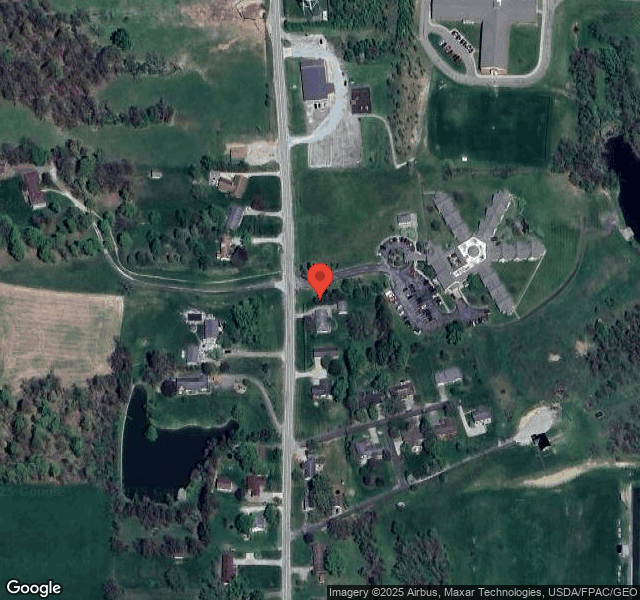
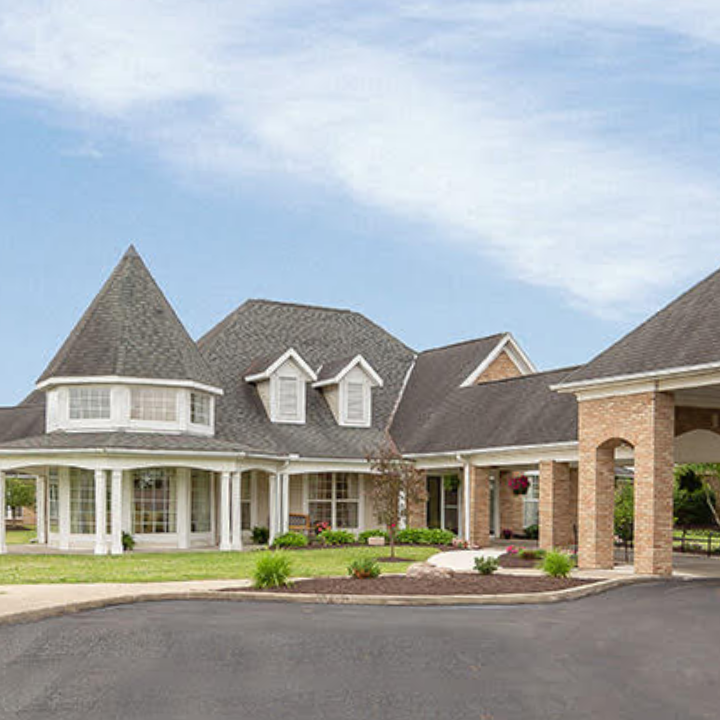
1280 FRIENDSHIP DRIVE, NEW CONCORD, OH 43762 (740) 826-7649
For profit - Corporation 85 Beds CERTUS HEALTHCARE Data: November 2025
Trust Grade
35/100
#641 of 913 in OH
Last Inspection: June 2025

Inspected within the last 6 months. Data reflects current conditions.

Overview

Continuing Healthcare at Beckett House has received a Trust Grade of F, indicating significant concerns about the quality of care provided. It ranks #641 out of 913 nursing homes in Ohio, placing it in the bottom half of facilities statewide, and #3 out of 7 in Muskingum County, meaning only two local options are better. While the facility is improving, having reduced issues from 22 in 2024 to 8 in 2025, it still reported serious deficiencies, including a resident who developed sepsis from an untreated urinary tract infection and another who suffered a fractured hip due to insufficient assistance during a transfer. Staffing has a 2 out of 5 stars rating but shows a turnover rate of 39%, which is better than the state average. However, the facility has been fined $44,060, which is concerning and suggests ongoing compliance problems. Overall, while there are some strengths in staffing stability, the serious incidents and Trust Grade indicate considerable weaknesses that families should consider carefully.

Trust Score
F
35/100
In Ohio
#641/913
Bottom 30%
Safety Record
Moderate
Needs review
Inspections
Getting Better
22 → 8 violations
Staff Stability
○ Average
39% turnover. Near Ohio's 48% average. Typical for the industry.
Penalties
○ Average
$44,060 in fines. Higher than 70% of Ohio facilities. Some compliance issues.
Skilled Nurses
⚠ Watch
Each resident gets only 27 minutes of Registered Nurse (RN) attention daily — below average for Ohio. Fewer RN minutes means fewer trained eyes watching for problems.
Violations
⚠ Watch
51 deficiencies on record. Higher than average. Multiple issues found across inspections.
★★☆☆☆
2.0
Overall Rating
★★☆☆☆
2.0
Staff Levels
★★★★☆
4.0
Care Quality
★★☆☆☆
2.0
Inspection Score
Stable
2024: 22 issues
2025: 8 issues

The Good

  • 4-Star Quality Measures · Strong clinical quality outcomes
  • Full Sprinkler Coverage · Fire safety systems throughout facility
  • No fines on record
  • Staff turnover below average (39%)

    9 points below Ohio average of 48%

Facility shows strength in quality measures, fire safety.

The Bad

2-Star Overall Rating

Below Ohio average (3.2)

Below average - review inspection findings carefully

Staff Turnover: 39%

Near Ohio avg (46%)

Typical for the industry

Federal Fines: $44,060

Above median ($33,413)

Moderate penalties - review what triggered them

Chain: CERTUS HEALTHCARE

Part of a multi-facility chain

Ask about local staffing decisions and management

The Ugly 51 deficiencies on record

2 actual harm
Jun 2025 8 deficiencies
CONCERN (D)

Potential for Harm - no one hurt, but risky conditions existed

Deficiency F0605 (Tag F0605)

Could have caused harm · This affected 1 resident

Based on record review, policy review, and interview, the facility failed to ensure a psychotropic medication had a 14 day stop date. This affected one resident (#14) of five residents reviewed for un...

Read full inspector narrative →
Based on record review, policy review, and interview, the facility failed to ensure a psychotropic medication had a 14 day stop date. This affected one resident (#14) of five residents reviewed for unnecessary medication. The census was 77. Findings include: Review of Resident #14's medical record revealed a 05/28/21 admission with diagnoses including Alzheimer's disease, adjustment disorder with mixed anxiety and depression, dementia, hypertension, hypothyroidism, difficulty in walking, osteoarthritis, insomnia, pain in right knee, lumbago with sciatica, muscle wasting and atrophy, and abnormalities of gait and mobility. Review of the 05/07/25 quarterly Minimum Data Set (MDS) Assessment revealed the resident was severely impaired for daily decision making with disorganized thinking, that comes and goes, changes in severity. Physician orders included Compound: Ativan (Lorazepam) Gel Apply to skin topically two times a day for target behaviors: agitation, anxiety milligram (mg) per milliliter (ml), apply 0.5 ml to inner wrist and apply to wrist topically every 12 hours as needed for target behaviors ordered 12/16/24 and discontinued 05/22/25. There was not a 14 day stop for the as needed controlled medication. The medication should have been discontinued 12/20/24. The medication should have been discontinued on 12/20/24. Review of the medication administration records revealed the medication was administered 01/07/25, 01/08/25, 01/11/25, 01/13/25, 01/17/25, 01/17/25, 01/21/25, 01/26/25, 01/31/25, 02/01/25, 02/04/25, 03/23/25, 04/06/25, 04/20/25, 05/04/25, 05/09/25, 05/12/25, and 05/16/25 (all dates after the medication should have been discontinued) Review of the facility's Antipsychotic Medication Use policy (revised 04/2023) included as needed orders for antipsychotic medications will not be renewed beyond 14 days unless the healthcare practitioner has evaluated the resident for the appropriateness of that medication. Interview on 06/11/25 at 5:04 P.M. with Regional Clinical Support #186 verified the antianxiety medication did not have a 14 day stop as required. Interview on 06/11/25 at 5:43 P.M. with the Director of Nursing verified the facility did not follow the facility policy and regulations.
CONCERN (D)

Potential for Harm - no one hurt, but risky conditions existed

ADL Care (Tag F0677)

Could have caused harm · This affected 1 resident

Based on observation, record review, and interview, the facility failed to clean a dependent resident's eyeglasses. This affected one resident (#23) of four residents reviewed for activities of daily ...

Read full inspector narrative →
Based on observation, record review, and interview, the facility failed to clean a dependent resident's eyeglasses. This affected one resident (#23) of four residents reviewed for activities of daily living. The census was 77. Findings include: Review of Resident #23's medical record revealed a 09/30/21 admission and a 02/10/24 readmission. Diagnoses include type 2 diabetes, chronic obstructive pulmonary disease, peripheral vascular angioplasty with implants and grafts, Alzheimer's disease, weakness, cognitive communication deficit, abnormality of gait and mobility, muscle wasting and atrophy, dementia, vitamin D deficiency, osteoarthritis of left knee, neuromuscular dysfunction of bladder, hypertension, anemia, benign prostatic hyperplasia, transient ischemic attack and cerebral infarction without residual deficits, cardiomegaly, moderate protein calorie malnutrition, atherosclerotic heart disease, congestive heart failure, gastroesophageal heart disease, anxiety disorder, depressive disorder, hyperlipidemia, retention of urine, overactive bladder and history of pulmonary embolism, and venous thrombosis and embolism. Review of a 10/11/21 Alteration in Visual Function Related to Decreased Vision plan of care included the resident wore glasses and had an intervention to ensure eyeglasses are clean. Review of the 03/18/25 quarterly Minimum Data Set (MDS) Assessment revealed the resident was moderately impaired for daily decision making with no behaviors. The resident was dependent for hygiene. Observation on 06/09/25 at 5:42 P.M. revealed the resident's eyeglasses were dirty. The lenses had white smears on them. There were debris embedded where the lenses and frame met. Observation on 06/10/25 at 3:50 P.M. revealed the resident's glasses had the same smearing and debris as the previous day. At the time of the observation, interview with Certified Nurse Aide (CNA) #154 revealed she had cleaned his glasses in the past. She stated she usually used a wipe they had at the nurse station. She used soap and water at the bathroom sink wetting and applied soap several times. She was attempting to get the dirt off around the frames where it met the lens. She verified the glasses were soiled and verified the resident would not be able to get the eyeglasses clean himself.
CONCERN (D)

Potential for Harm - no one hurt, but risky conditions existed

Drug Regimen Review (Tag F0756)

Could have caused harm · This affected 1 resident

Based on record review and interview, the facility pharmacist failed to identify a psychotropic medication needed a 14 day stop date. This affected one resident (#14) of five residents reviewed for un...

Read full inspector narrative →
Based on record review and interview, the facility pharmacist failed to identify a psychotropic medication needed a 14 day stop date. This affected one resident (#14) of five residents reviewed for unnecessary medication. The census was 77. Findings include: Review of Resident #14's medical record revealed a 05/28/21 admission with diagnoses including Alzheimer's disease, adjustment disorder with mixed anxiety and depression, dementia, hypertension, hypothyroidism, difficulty in walking, osteoarthritis, insomnia, pain in right knee, lumbago with sciatica, muscle wasting and atrophy, and abnormalities of gait and mobility. Review of the 05/07/25 quarterly Minimum Data Set Assessment revealed the resident was severely impaired for daily decision making with disorganized thinking, that comes and goes, changes in severity. Physician orders included Compound: Ativan (Lorazepam) Gel Apply to skin topically two times a day for target behaviors: agitation, anxiety milligram (mg) per milliliter (ml), apply 0.5 ml to inner wrist and apply to wrist topically every 12 hours as needed for target behaviors ordered 12/16/24 and discontinued 05/22/25. There was not a 14 day stop for the as needed controlled medication. The medication should have been discontinued 12/20/24. Review of pharmacy reviews dated 12/24/24, 01/25, 02/25, 03/09/25, and 04/25 did not identify the need for the Compound: ativan (Lorazepam) Gel to have a 14 day stop date due to being an as needed antianxiety medication. Review of the medication administration records revealed the medication was administered 01/07/25, 01/08/25, 01/11/25, 01/13/25, 01/17/25, 01/17/25, 01/21/25, 01/26/25, 01/31/25, 02/01/25, 02/04/25, 03/23/25, 04/06/25, 04/20/25, 05/04/25, 05/09/25, 05/12/25, and 05/16/25 (all dates after the medication should have been discontinued). Review of the facility's Antipsychotic Medication Use policy (revised 04/2023) included as needed orders for antipsychotic medications will not be renewed beyond 14 days unless the healthcare practitioner has evaluated the resident for the appropriateness of that medication. Interview on 06/11/25 at 4:34 P.M. with Pharmacist #185 included the nurse practitioner put the routine and the as needed antianxiety medication on the same prescription. He included when one prescription is sent in the insurance company will pay for both. When the routine and as needed dose is written as different prescriptions the insurance company will not always pay for both medications. We think of it as one prescription and a quantity so it did not trigger with the pharmacist to write a recommendation to discontinue the medication because it was all on one prescription. Interview on 06/11/25 at 5:04 P.M. with Regional Clinical Support Staff #186 verified the pharmacist did not write a pharmacy recommendation for the physician to write a 14 day stop date
CONCERN (D)

Potential for Harm - no one hurt, but risky conditions existed

Medical Records (Tag F0842)

Could have caused harm · This affected 1 resident

**NOTE- TERMS IN BRACKETS HAVE BEEN EDITED TO PROTECT CONFIDENTIALITY** Based on medical record review, observation, and staff interview, the facility failed to ensure accurate documentation in the me...

Read full inspector narrative →
**NOTE- TERMS IN BRACKETS HAVE BEEN EDITED TO PROTECT CONFIDENTIALITY** Based on medical record review, observation, and staff interview, the facility failed to ensure accurate documentation in the medical record. This affected one resident (#12) of one resident reviewed for edema. The census was 77. Findings included: Review of Resident #12's medical record revealed he was admitted to the facility on [DATE]. Diagnoses included hemiparesis and hemiplegia, cerebral infarction, peripheral insufficiency, congestive heart failure, chronic ischemic heart disease, aphasia, high blood pressure, major depression, and anxiety. Review of the quarterly minimum data set assessment dated [DATE] revealed his cognition was moderately impaired. He required set up or clean up assistance for eating, oral hygiene, dependent for toileting, substantial/maximal assistance for bath/showering, personal hygiene and turning and repositioning. The resident was occasionally incontinent of urine and always continent of bowel. Review of the physician orders revealed an order dated 03/18/25 to apply compression stockings to bilateral lower legs after applying treatment. Leave on for six to eight hours every day shift, 14 days on and seven days off for skin integrity. Review of the treatment record revealed the compression hose were documented as applied when reviewed on 06/12/25 at 10:34 A.M. Observation on 06/12/25 at 8:48 A.M., 10:30 A.M. and 1:34 P.M. revealed the compression stockings were not applied. On 06/12/25 at 1:37 P.M. interview with Registered Nurse (RN) #143 revealed the resident's compression hose are usually put on in the morning before getting the resident up by the certified nurse aides (CNA's). RN #143 revealed he had not gotten to apply the resident's compression stockings but verified he had already signed off as the hose application was completed. On 06/12/25 at 2:08 P.M. interview with the Director of Nursing revealed it was her expectation treatments are not signed off until completed.
CONCERN (D)

Potential for Harm - no one hurt, but risky conditions existed

Infection Control (Tag F0880)

Could have caused harm · This affected 1 resident

Based on observation of medication administration, and staff interview , the facility failed to ensure proper hand washing was completed during medication administration. This affected two residents (...

Read full inspector narrative →
Based on observation of medication administration, and staff interview , the facility failed to ensure proper hand washing was completed during medication administration. This affected two residents (#50 and #57) of six residents observed for medication administration. Findings include: On 06/11/25 observation between 7:07 A.M. and 7:15 A.M. revealed Licensed Practical Nurse (LPN) #136 put on gloves and prepared medication for Resident #57, removed her gloves and put on new gloves without washing her hands and went in to the Resident #57's room and administered the medication, then removed her gloves and used hand sanitizer. LPN #136 then again put on new gloves, prepared medication for Resident #50, changed her gloves and went into the resident's room to administer medications. On 06/11/25 at 7:18 A.M. interview with LPN #136 verified she had not washed her hands between glove changes.
CONCERN (E)

Potential for Harm - no one hurt, but risky conditions existed

Safe Environment (Tag F0584)

Could have caused harm · This affected multiple residents

2. Observation on 06/09/25 at 12:13 P.M. of Resident #42 and #224's room revealed a dark yellow orange stain in front of toilet, two broken linoleum with a raised uneven floor by Resident #42's chair ...

Read full inspector narrative →
2. Observation on 06/09/25 at 12:13 P.M. of Resident #42 and #224's room revealed a dark yellow orange stain in front of toilet, two broken linoleum with a raised uneven floor by Resident #42's chair and one broken linoleum in bathroom and two going into bathroom. Observation on 06/09/25 at 12:17 P.M. of Resident #68's room revealed the drywall was damaged between her chair and side table. Observation on 06/09/25 at 12:19 P.M. of Resident #65's room revealed five cracked linoleum tile on the floor. Observation on 06/09/25 at 12:40 P.M. revealed Resident #62's walls were damaged with holes behind her chair and to the side of the bed. Observation on 06/09/25 at 3:39 P.M. of Resident #49's room revealed a large hole in the wall behind her bedside table. Observation on 06/09/25 at 5:14 P.M. the wall behind Resident #23's electric wheelchair and the side wall were plastered and not painted. There were six broken linoleum tiles with pieces missing on the floor and the bathroom door had two holes in it. Interview on 06/11/25 at 4:22 P.M. with the Administrator confirmed she was aware of environmental issues. She informed the company was having the maintenance men join together certain days of the week to go to each others facilities to assist with big projects. Based on resident interview, staff interview, and observation, the facility failed to provide a clean home-like environment in resident rooms. This affected twelve residents (#8, #11, #23, #26, #42, #49, #53, #54, #62, #65, #68 and #224) of 77 residents reviewed for environment. The facility census was 77. Findings include: Observation on 06/09/25 at 3:23 P.M. revealed Resident #53's wall with gouges on the wall behind the bed and a plastic phone jack with wires hanging from it. Interview with Resident #53 revealed they were from an old bed that was removed between four to five months ago. Observation on 06/09/25 at 3:23 P.M. revealed Resident #53 and Resident #54's baseboard to the center wall between the rooms was missing. Observation on 06/10/25 at 3:53 P.M. revealed Resident #11 and Resident #26's baseboard to the center wall between the rooms was missing. Resident #11's wall with big gouges behind the bed. Resident #11 stated the staff hit the wall whenever they move her bed. Observation on 06/10/25 at 4:00 P.M. revealed Resident #8's baseboard was noted to coming off the wall. Interview on 06/11/25 at 8:00 A.M. with Maintenance Director #174 confirmed the gouges on the walls and missing baseboards in rooms. Stated he was aware of the environmental issues.
CONCERN (E)

Potential for Harm - no one hurt, but risky conditions existed

Deficiency F0679 (Tag F0679)

Could have caused harm · This affected multiple residents

Based on the interview and resident council meeting minute review the facility failed to provide preferred resident activities including community outings to residents in the facility. This affected t...

Read full inspector narrative →
Based on the interview and resident council meeting minute review the facility failed to provide preferred resident activities including community outings to residents in the facility. This affected two residents (#17 and #37) of three residents reviewed for activities. The facility census was 77. Findings include: Interview on 06/12/25 at 11:00 A.M. Resident #37 reported she would prefer to do her own shopping and would like to go on outings in the community. She went on to say the facility does not have a working vehicle to take her. Interview on 06/12/25 at 11:11 A.M. Resident #17 reported she never gets to go on outings and would, love to go shopping Stated has brought it up many times with the facility but it was not addressed. Review of the resident council meeting minutes for 05/01/25 revealed the residents wanted to discuss future outings. Review of the Activity Calendar from January 2025 to May 2025 revealed the facility did not have any activities scheduled for outside of the facility. Review of the June 2025 activity calendar revealed on 06/19/25 the facility had an outing scheduled but it did not say what they would be doing. Interview 06/12/25 at 11:08 A.M. revealed Staff #165 did the transporting of residents in a SUV. She stated the SUV had not been used for taking residents on outings. She was the last one to drive the transport bus and it had not been working since May 2024. She reported they wanted to schedule an outing for 06/19/25 but she will not be able to transport that day due to another resident needed surgery, and she would have to take her instead. This was the first time she was aware of a facility outing being planned since the bus broke down in May 2024. Interview on 06/11/25 at 4:24 P.M. interview with Activities Aide (AA) #173 reported the facility had not had a working vehicle to transport any residents to outside activities since she had worked at the facility. Interview on 06/12/25 at 9:13 A.M. AA #172 reported the facility had not had a working vehicle to transport any residents to outside activities since she had worked at the facility. Interview on 06/12/25 at 1:23 P.M. Activity Director #171 reported she had been with the company since October 2024. She continued that the facility had not had any community outings since she had been at the facility. She stated she was aware that residents wanted community outings and believed the facility was working with another facility to borrow their van but as of now a plan had not been put in place. She stated they had something on the June calendar, but it will need rescheduled due to not having a driver available that day. Interview on 06/12/25 at 11:32 A.M. the Administrator confirmed the facility had not had a working vehicle to transport residents to outside activities in the facility. The Administrator reported they were in the process of establishing a system with another facility to borrow their vehicle.
MINOR (C)

Minor Issue - procedural, no safety impact

Deficiency F0680 (Tag F0680)

Minor procedural issue · This affected most or all residents

Based on the review of the facility job description, personnel record review and staff interview, the facility failed to ensure the Activities Director was qualified for the position. This had the pot...

Read full inspector narrative →
Based on the review of the facility job description, personnel record review and staff interview, the facility failed to ensure the Activities Director was qualified for the position. This had the potential to affect 77 out of 77 residents. The facility census was 77. Findings include: Review of the facility Job Description for an Activity Director (AD) revealed the AD must be a qualified therapeutic recreation specialist or an activities professional who is licensed by the state and is eligible for certification as a recreation specialist or as an activities professional; must have as a minimum two years' experience in a social or recreation program within the last five years one of which was full time in a patient activities program in a health care setting or must be qualified occupational therapist or occupational therapy assistant; or must have a training course approved by the state. AD #171 signed the job description on 10/02/24. Review of the personnel file for AD#171 revealed a hire date of 10/02/24. The personnel file revealed the AD's only activity experience was from May 2023 through February 2024 at another facility. The personnel file did not have evidence where the AD met any of the qualifications to become an Activities Director. Interview on 06/11/25 at 8:35 A.M. AD #171 reported when hired Administration spoke with her about completing an approved training to be a qualified Activities Director but she declined the training stating it was not something she wants to pursue at this time. Interview on 06/11/25 at 4:24 P.M. interview with Activities Aide (AA) #173 feels like she was not properly trained for her position. She stated she is overwhelmed in the position and has several concerns. She stated she can never find AD #171, was told she isn't allowed to make substitutions if resident do not like the scheduled activity, doesn't always have enough supplies for the residents, and the AD does not always have events planned for special occasions and holidays. Interview on 06/12/25 at 9:13 A.M. AA #172 reported she did not receive any formal training by the AD when hired. She went on to say she feels as though the resident trained her. AA #172 stated communication in the activity department is not good. She stated there have been several recent events where AD #171 did not communicate what the activity was or where supplies were located. AA# 172 reported she even took the AD course on her own so she could receive training on how the activity department is supposed to function. Interview on 06/11/25 at 2:46 P.M. the Administrator confirmed AD #171 did not meet the requirements to be the Activity Director. She stated the facility has self-identified issues in the department and are working with the staff to resolve the issues.
Dec 2024 2 deficiencies
CONCERN (D) 📢 Someone Reported This

A family member, employee, or ombudsman was alarmed enough to file a formal complaint

Potential for Harm - no one hurt, but risky conditions existed

Safe Environment (Tag F0584)

Could have caused harm · This affected 1 resident

**NOTE- TERMS IN BRACKETS HAVE BEEN EDITED TO PROTECT CONFIDENTIALITY** Based on observation, medical record review, and interview, the facility failed to maintain a clean and safe living environment ...

Read full inspector narrative →
**NOTE- TERMS IN BRACKETS HAVE BEEN EDITED TO PROTECT CONFIDENTIALITY** Based on observation, medical record review, and interview, the facility failed to maintain a clean and safe living environment for residents. This affected one (#40) of three residents sampled and two additional residents (#6 and #67) identified during environmental tour. The facility census was 78. Findings include: 1. Medical record review revealed Resident #40 was admitted on [DATE] with diagnoses including myocardial infarction and cerebral infarction. Observation on 12/16/24 at 8:10 A.M. revealed Resident #40 was independently ambulating in his room. Resident #40's bathroom revealed a missing floor tile approximately 10 inch in length by four inches in width at the entrance of Resident #40's shower. Interview with Resident #40 at the time of the observation stated he showers in his room and the tile had been broken since he moved in. 2. Observation on 12/16/24 at 11:20 A.M. of the 500-hall central bath revealed two opened bags of soiled linens, including a towel protruding out of the top of the bag resting against the lower wall outside the shower stall covered with a dark brown substance. The bags of soiled linens were not secured and gnats were observed flying around the linens. There was no staff or residents observed in the central bath and the shower floor was dry. Interview with Licensed Practical Nurse (LPN) #102 verified the soiled linen bags were not secured and should not be on the floor. 3. Observation on 12/16/24 at 11:27 A.M. of Resident #6's wall behind the bed revealed three heavily damaged areas of drywall measuring approximately 14 inches in length by three inches in width. Large pieces of dry wall was observed to be missing from two of the areas including one area that penetrated completely through the drywall exposing the inner wall. There was also an outlet box with grey wires observed without an outlet cover next to the night stand near the window. 4. Observation on 12/16/24 at 11:29 A.M. of Resident #67's floor tiles revealed a 1/4 to 1/2 inch wide linear crack with missing tile pieces that extended the width of the room, from the entrance of the bathroom to the wall adjacent to the resident's closet. The subflooring was observed to have black build-up where the floor tiles were cracked/broken. Interview with Resident #67 at the time of the observation stated he did not know what had happened to the flooring. Interview on 12/16/24 between 11:35 A.M. to 11:42 A.M. with Maintenance Director #103 verified the above observations. This deficiency represents non-compliance investigated under Complaint Number OH00159451.
CONCERN (D) 📢 Someone Reported This

A family member, employee, or ombudsman was alarmed enough to file a formal complaint

Potential for Harm - no one hurt, but risky conditions existed

Incontinence Care (Tag F0690)

Could have caused harm · This affected 1 resident

**NOTE- TERMS IN BRACKETS HAVE BEEN EDITED TO PROTECT CONFIDENTIALITY** Based on observation, interview, medical record review, and policy review, the facility failed to provide adequate incontinence ...

Read full inspector narrative →
**NOTE- TERMS IN BRACKETS HAVE BEEN EDITED TO PROTECT CONFIDENTIALITY** Based on observation, interview, medical record review, and policy review, the facility failed to provide adequate incontinence care. This affected one (Resident #36) of four residents sampled for activities of daily living. The facility census was 78. Findings include: Medical record review revealed Resident #36 was admitted on [DATE] with diagnoses including displaced right femur fracture, diabetes mellitus and unspecified dementia. Review of the admission Minimum Data Set 3.0 assessment dated [DATE] revealed Resident #36 was severely impaired for daily decision-making and was dependent on staff for toileting and personal hygiene. Observation on 12/16/24 between 10:46 A.M. and 11:13 A.M. revealed Certified Nurse Assistant (CNA) #100 was pushing a hoyer mechanical lift down the hall towards Resident #36's room. CNA #100 entered the room where CNA #101 was waiting to assist with incontinence care. CNA #100 stated her supplies were ready and motioned to the night stand next to the bed. There was a towel with two wet wash clothes sitting on top of the towel. No barrier was observed beneath the towel, and no soap or wash basin was observed. CNA #100 washed her hands and donned gloves. CNA #100 used one of the two wash clothes to wash the resident's perineal area, placed the soiled wash cloth on top of a trash bag on the bed, then used the second wash cloth to wipe the soap off the resident, and proceeded to dry the resident with the towel. Resident #36 was assisted to his left side and the same wash clothes were used to wash, rinse, and dry the rectal area in which a bowel movement was observed. CNA #100 placed her gloved hand against the resident's hip as she unclipped the bed sheet from the mattress, rolled the bed sheet towards the middle of the bed, and placed a clean cloth incontinence pad next to the resident's buttock. At 10:54 A.M., CNA #100 removed her soiled gloves and donned a new pair of gloves. On 12/16/24 at 11:13 A.M., CNA #100 verified the above as being completed. On 12/16/24 at 1:20 P.M., interview with the Director of Nursing revealed she had begun educating staff on correct incontinence procedures, which included hand washing and proper glove use since the above observation. Review of the undated policy Incontinence Care revealed residents were to be provided incontinence care after each episode of incontinence. Procedure was to be explained to the resident, hands washed, and gloves donned. The area was to be cleaned with perineal wash or a mild cleanser, pat dry, a protective barrier ointment and absorbent under pad and brief applied if needed. Gloves were to be disposed and hands washed. This deficiency represents non-compliance investigated under Complaint Number OH00159451.
Jun 2024 4 deficiencies
CONCERN (D) 📢 Someone Reported This

A family member, employee, or ombudsman was alarmed enough to file a formal complaint

Potential for Harm - no one hurt, but risky conditions existed

Deficiency F0558 (Tag F0558)

Could have caused harm · This affected 1 resident

**NOTE- TERMS IN BRACKETS HAVE BEEN EDITED TO PROTECT CONFIDENTIALITY** Based on record review and interview, the facility failed to ensure residents received showers per their preferences. This affec...

Read full inspector narrative →
**NOTE- TERMS IN BRACKETS HAVE BEEN EDITED TO PROTECT CONFIDENTIALITY** Based on record review and interview, the facility failed to ensure residents received showers per their preferences. This affected two (Resident #31 and #34) of six residents reviewed for activities of daily living. The facility census was 67. Findings include: 1. Record review revealed Resident #31 admitted to the facility on [DATE] with diagnoses including paraplegia, neuromuscular dysfunction of bladder, hyperlipidemia, congestive heart failure, and need for assistance with personal care. Review of a minimum data set (MDS) quarterly assessment completed on 03/14/24 revealed Resident #31's cognition remained intact and it was very important for him to choose between a tub bath, shower, bed bath or sponge bath. Review of a shower preference sheet completed on 05/01/24 revealed Resident #31 prefers showers but is okay with bed baths. Review of shower sheets revealed Resident #31 received showers on Tuesday and Friday nights. Resident #31 received a bed bath on 05/10/24, 05/14/24, 05/17/24, 05/21/24, 05/24/24, 05/28/24, 05/31/24, 06/04/24, and 06/07/24. Interview on 06/13/24 at 9:21 A.M. with Resident #31 revealed he prefers to take showers but was in the process of trying to find a way to shower safely and has been getting bed baths. Interview on 06/13/24 at 1:17 P.M. with Director of Nursing (DON) revealed there was no reason Resident #31 could not safely shower because they do have a bariatric shower chair for him. The DON confirmed Resident #31 was receiving bed baths instead of showers per resident preference. 2. Record review revealed Resident #34 admitted to the facility on [DATE] with diagnoses including atherosclerotic heart disease, hypothyroidism, acquired absence of right leg above knee, and chronic kidney disease stage 3. Review of the annual MDS completed on 03/04/24 revealed Resident #34's cognition remained intact and it was very important for her to choose between a tub bath, shower, bed bath or sponge bath. Review of a shower preference sheet dated 11/09/23 revealed Resident #34 preferred showers. Review of shower sheets revealed Resident #34 receives showers on Mondays and Thursdays during day shift. Review of shower sheets revealed Resident #34 received a bed bath on 05/02/24, 05/06/24, 05/09/24, 05/13/24, 05/16/24, 05/20/24, 05/23/24, 06/03/24, and 06/10/24. Interview on 06/13/24 at 12:15 P.M. with Resident #34 revealed she preferred to have showers but she does also receive bed baths. Interview on 06/13/24 at 1:17 P.M. with DON confirmed Resident #34 received bed baths instead of showers that a Resident #34 prefers. Review of a policy titled Activities of Daily Living dated 01/2022 revealed resident bathing/shower and other ADL preferences will be factored into daily activities as much as possible for each resident. This deficiency represents non-compliance investigated under Complaint Number OH00153926.
CONCERN (D) 📢 Someone Reported This

A family member, employee, or ombudsman was alarmed enough to file a formal complaint

Potential for Harm - no one hurt, but risky conditions existed

Safe Environment (Tag F0584)

Could have caused harm · This affected 1 resident

Based on observation, interviews, and policy review the facility failed to maintain residents' personal living space in a comfortable, homelike manner. This affected two residents (Resident #4 and #62...

Read full inspector narrative →
Based on observation, interviews, and policy review the facility failed to maintain residents' personal living space in a comfortable, homelike manner. This affected two residents (Resident #4 and #62) of three residents interviewed for a homelike environment. The census was 67. Findings include: Interview on 06/12/24 at 1:34 P.M. with Ombudsman #100 revealed residents had been complaining since 02/29/24 that they wanted the windows cleaned but the windows haven't been cleaned and residents were also unhappy with the broken screens for the windows. Continuous interviews and observations with Maintenance Director (MD) on 06/13/24 at 8:26 A.M. revealed a company came in to give window estimates which would cost a fortune and since they were already renovating other things, no windows had been ordered yet. The MD stated he does have new screens for the building but has not had a chance to put them in yet. Interview on 06/13/24 at 8:35 A.M. with the Administrator revealed he was aware of some of the windows being in disrepair but the facility just spent a million dollars on a renovation and he could not put in a request for windows because it would cost too much and there are over 300 windows in the facility. Interview on 06/13/24 at 11:44 A.M. with Resident #4 revealed the screens in her windows were broken and her roommate doesn't even have a screen in her window. Resident #4 stated it bothered her because she loves fresh air and would like to have the windows open, but the last time her windows were open two wasps came in through the hole in the screen. Observation at the time of the interview revealed the bottom of both of Resident #4's screens were completely torn off and her roommate did not have a screen. Interview on 06/13/24 at 12:20 P.M. with Resident #62 revealed the windows in her room are dirty, the screens are broken and she could not open the window in her room. Resident #62 stated it is bothersome but it has been that way since she admitted to the facility. Observation and interview on 06/13/24 at 12:48 P.M. with Registered Nurse (RN) #115 confirmed a cracked window in Resident #62's room and the bottom of her roommate's screen was torn off. Review of an undated Resident Rights policy revealed each resident has the right to a safe and clean living environment. This deficiency represents non-compliance investigated under Complaint Number OH00154202.
CONCERN (E) 📢 Someone Reported This

A family member, employee, or ombudsman was alarmed enough to file a formal complaint

Potential for Harm - no one hurt, but risky conditions existed

Infection Control (Tag F0880)

Could have caused harm · This affected multiple residents

**NOTE- TERMS IN BRACKETS HAVE BEEN EDITED TO PROTECT CONFIDENTIALITY** Based on observation, medical record review, review of glucometer manufacturer information, policy review, and interview, the fa...

Read full inspector narrative →
**NOTE- TERMS IN BRACKETS HAVE BEEN EDITED TO PROTECT CONFIDENTIALITY** Based on observation, medical record review, review of glucometer manufacturer information, policy review, and interview, the facility failed to ensure ensure glucometers used for multiple residents were cleaned/disinfected between resident use. This affected four residents (Residents #1, #4, #21, and #36) observed during medication administration. The facility identified 17 residents (Residents #1, #4, #21, #25, #28, #33, #34, #35, #36, #46, #50, #56, #61, #63, #64, #65, and #67) who had blood glucose levels monitored using facility glucometers. Findings include: 1. On 06/13/24 at 7:40 A.M., Registered Nurse (RN) #100 entered Resident #21's room to administer medication and monitor Resident #21's blood glucose level. RN #100 carried a basket with a glucometer, alcohol wipes, glucometer strips and lancets into Resident #21's room and placed the basket on the table without a barrier. Resident #21's blood glucose was monitored using the facility's glucometer. After using the glucometer it was placed back into the basket which contained new lancets without disinfecting it. After returning to the medication cart, RN #100 removed the glucometer from the basket and placed it on top of the medication cart while placing the basket back into the medication cart. Neither the glucometer or basket was disinfected. RN #100 signed off the medications she had administered to Resident #21 then stated she was ready to prepare the next resident's medication. On 06/13/24 at 7:52 A.M., RN #100 stated the glucometers were wiped down in the morning then maybe around lunch. RN #100 reported she had three residents who used the glucometer and verified the glucometer was not disinfected after use. 2. On 06/13/24 at 08:01 A.M., RN #105 entered Resident #4's room to administer medication and check her blood glucose level. RN #105 carried a basket with lancets, alcohol swabs, a container of lancets and the glucometer in it. Upon arriving at bedside, RN #105 placed the basket on top of Resident #105's cell phone which was sitting on her over the bed table. The basket fell on the floor with all the contents scattered onto the floor. RN #105 placed the items back into the basket and placed the basket on the over the bed table without a barrier. RN #105 proceeded to use the items to obtain the blood glucose level. After using the glucometer, it was placed back into the basket without disinfecting it. After the medications were administered, the basket was picked up and placed onto the medication cart without disinfecting the basket or the glucometer, RN #105 entered room [ROOM NUMBER] with the basket and checked Resident #1's blood glucose level, which was 208 milligrams per deciliter of blood (mg/dL) per the glucometer, then returned to the cart. RN #105 stated, before she administered any more medication, she liked to check all of her blood glucose levels at once so she could try to get them before the residents ate breakfast. RN #105 proceeded to Resident #36's room to check his blood glucose level using the same glucometer without disinfecting it. On 06/13/24 at 8:12 A.M. RN #105 was asked how frequently the glucometer, which was used for multiple residents, was disinfected/cleaned. RN #105 stated night shift cleaned glucometers. RN #105 verified she did not use appropriate infection control protocols with glucometer use. Review of the manufacturer guidelines for the Assure Prism blood glucose monitoring system revealed to minimize the risk of transmission of blood-borne pathogens, the meter should be cleaned and disinfected after use on each patient. Review of the facility's policy, Cleaning and Disinfecting Glucose Meter (not dated), revealed instructions to clean and disinfect the meter after each use when glucometers were shared. The facility identified Residents #1, #4, #21, #25, #28, #33, #34, #35, #36, #46, #50, #56, #61, #63, #64, #65, and #67 as residents who had facility glucometers used to monitor blood glucose levels. Review of medical records for the diagnoses of those 17 residents revealed no diagnoses of a blood-borne illness.
CONCERN (F) 📢 Someone Reported This

A family member, employee, or ombudsman was alarmed enough to file a formal complaint

Potential for Harm - no one hurt, but risky conditions existed

Safe Environment (Tag F0921)

Could have caused harm · This affected most or all residents

Based on observations, interviews, and interviews, the facility failed to ensure the windows were kept in good repair. This had the potential to affect all residents residing in the facility. The cens...

Read full inspector narrative →
Based on observations, interviews, and interviews, the facility failed to ensure the windows were kept in good repair. This had the potential to affect all residents residing in the facility. The census was 67. Findings included: Observation of the 200 Hall sunroom on 06/13/24 at 6:00 A.M. revealed the windows were streaked and dirty, on both sides of the glass. On the outside of the windows, build up of grass and debris were present. Three screens were torn. Observation of the 300 Hall sunroom on 06/13/24 at 6:04 A.M. revealed windows were cloudy and streaked, had dirt and debris on them. One window had a crack and one window was shattered with shards of glass missing and duct tape around the edges in attempt to hold the window together. Another window had a torn screen. Observation of the 400 Hall sunroom on 06/13/24 at 6:08 A.M. revealed windows were dirty and streaked with dirt and cobwebs on the outside of the windows. There were four torn screens. Observation of the 500 Hall sunroom on 06/13/24 at 6:11 A.M. revealed windows were dirty and streaked with two cracked windows and three screens torn. Interview on 06/12/24 at 1:34 P.M. with Ombudsman #100 revealed residents had been complaining since 02/29/24 they wanted the windows cleaned and they haven't been and residents were also unhappy with the broken screens. Continuous interviews and observations with Maintenance Director (MD) on 06/13/24 at 8:26 A.M. confirmed the windows on the 200, 300, 400, and 500 Hall sunrooms were in disrepair. MD stated he was aware of the shattered window for about two to three weeks but had not taken any steps to get it replaced. MD Stated a company came in to give window estimates which would cost a fortune and since they were already renovating other things, no windows had been ordered yet. MD stated he does have new screens for the building but has not had a chance to put them in yet. Interview on 06/13/24 at 8:35 A.M. with Administrator revealed he was aware of some of the windows being in disrepair but the facility just spent a million dollars on a renovation and he could not put in a request for windows because it would cost too much and there are over 300 windows in the facility. Review of an undated Resident Rights policy revealed each resident has the right to a safe and clean living environment. This deficiency represents non-compliance investigated under Complaint Number OH00154202.
Mar 2024 16 deficiencies 1 Harm
SERIOUS (G)

Actual Harm - a resident was hurt due to facility failures

Incontinence Care (Tag F0690)

A resident was harmed · This affected 1 resident

**NOTE- TERMS IN BRACKETS HAVE BEEN EDITED TO PROTECT CONFIDENTIALITY** Based on record review, hospital record review, and interviews, the facility failed to ensure Resident #23 received adequate car...

Read full inspector narrative →
**NOTE- TERMS IN BRACKETS HAVE BEEN EDITED TO PROTECT CONFIDENTIALITY** Based on record review, hospital record review, and interviews, the facility failed to ensure Resident #23 received adequate care for treatment of an urinary tract infection. This affected one resident (#23) of three residents reviewed for urinary tract infections. Facility census was 57. Actual harm occurred on 02/03/24 when Resident #23, who had a diagnosis of Alzheimer's disease and cognitive impairment, exhibited signs of an urinary tract infection including dark, cloudy urine without evidence of timely identification or treatment of the infection. On 02/07/24 at 10:45 P.M. (four days later) the resident was assessed to have an elevated temperature of 102.3 degrees Fahrenheit with altered mental status. The resident was transferred to the emergency room and subsequently admitted with a diagnosis of sepsis with acute metabolic encephalopathy due to acute urinary tract infection/acute pyelonephritis. The resident was hospitalized for three days. Findings include: Review of the medical record revealed Resident #23 was admitted to the facility on [DATE] with diagnoses that included type 2 diabetes, Alzheimer's disease, neuromuscular dysfunction of bladder, history of transient ischemic attack, and overactive bladder. An assessment/plan from urologist dated 01/24/24 revealed Resident #23 had benign prostatic hyperplasia that was managed with an indwelling catheter. Resident #23 also had bladder perforation. A new catheter was placed on 01/24/24. A general note dated 02/03/24 at 4:55 A.M. revealed a nursing assistant notified the nurse Resident #23 had dark cloudy urine. The note indicated Resident #23 would continue to be monitored. A general note dated 02/05/24 at 1:18 A.M. revealed a nursing assistant reported to the nursing staff Resident #23's urine continued to be dark and cloudy. Resident #23 was on the certified nurse practitioner list to be seen on rounds. A general note dated 02/05/24 at 5:57 A.M. (documented on 02/06/24 at 5:59 P.M.) revealed the nurse spoke with Resident #23's urologist office regarding Resident #23's urine results due to Resident #23 had traces of blood and thick orange/yellow urine. The urologist office stated they were trying to find Resident #23's results and would return the call when the results were found. A general note dated 02/06/24 at 12:59 P.M. revealed a message was left with Resident #23's urologist office regarding Resident #23's urine results. A general note dated 02/07/24 at 10:45 P.M. revealed the nurse entered Resident #23's room to perform evening nursing assessment. Resident #23 had a large bowel movement and appeared shaky. When Resident #23 was asked if he was okay, Resident #23 just looked at the nurse and did not say anything. The nursing assistant stated Resident #23 was not acting like his normal self. Resident #23's blood pressure was 118/67 mmHg, pulse was 124 beats per minute, oxygen saturation was 93% on room air, respirations were 24 breaths per minute, and temperature was 102.3 degrees Fahrenheit . A decision was made to send Resident #23 to the hospital for evaluation due to altered mental status and abnormal vitals. Review of the hospital Discharge summary dated [DATE] revealed Resident #23 was brought to the hospital on [DATE] with complaints of altered mental status and fever. The nursing home staff reported Resident #23 was more confused than dementia baseline. Resident #23 was admitted to the hospital with sepsis (the body's overwhelming and life-threatening response to an infection which can lead to tissue damage, organ failure, and death) due to acute urinary tract infection/acute pyelonephritis (kidney infection). Resident #23 had acute metabolic encephalopathy (disturbance of brain function caused by a chemical imbalance in the blood) due to sepsis. Resident #23 was ordered Keflex (antibiotic) 250 milligram three times a day for 21 days. A general note dated 02/10/24 at 3:00 P.M. revealed Resident #23 returned to the facility in stable condition. Resident #23 had an indwelling catheter draining cloudy, yellow urine. The quarterly Minimum Data Set (MDS) assessment dated [DATE] revealed Resident #23 had cognitive impairment and an indwelling catheter. Interview on 03/21/24 at 2:52 P.M. Registered Nurse (RN) #129 revealed the urologist was the only one able to change Resident #23's indwelling catheter. RN #129 stated the urologist was contacted when the catheter could not be flushed. RN #129 stated she believed Resident #23 had the indwelling catheter in place for more than 14 days so a urine sample could not be obtained. Review of the documentation revealed the indwelling catheter was placed on 01/24/24. Resident #23 had dark cloudy urine ten days after catheter had been placed. RN #129 stated the facility had called the urologist to obtain the urinalysis results from the urologist during the 01/24/24 visit. Interview on 03/21/24 at 3:21 P.M. RN #400 revealed the RN worked for the urologist who saw Resident #23. The RN verified the urologist was the only one allowed to change the resident's catheter. RN #400 revealed if there were any changes or concerns, the facility could contact the urologist office. RN #400 revealed there was no evidence the facility had attempted to call the urologist regarding Resident #23. The urologist was notified by the hospital that Resident #23 was admitted with a urinary tract infection. RN #400 verified if the urologist office was closed and there were any concerns, Resident #23 could be sent to the hospital for evaluation. The urologist was on call at the hospital for patients who were seen in the emergency department.
CONCERN (D)

Potential for Harm - no one hurt, but risky conditions existed

Deficiency F0604 (Tag F0604)

Could have caused harm · This affected 1 resident

**NOTE- TERMS IN BRACKETS HAVE BEEN EDITED TO PROTECT CONFIDENTIALITY** Based on observation, interview and record review, the facility failed to ensure residents were properly assessed for restraints...

Read full inspector narrative →
**NOTE- TERMS IN BRACKETS HAVE BEEN EDITED TO PROTECT CONFIDENTIALITY** Based on observation, interview and record review, the facility failed to ensure residents were properly assessed for restraints. This affected one resident (#27) of two residents reviewed for restraints. The facility census was 57. Findings include: Record review revealed Resident #27 was admitted to the facility on [DATE] with diagnoses including atherosclerotic heart disease without angina, atrial fibrillation, dementia with behaviors, psychosis, anxiety disorder, major depression, and aphasia. Review of orders revealed no order for body pillows to bilateral bed or restraints. Review of a quarterly minimum data set (MDS) completed on 03/09/24 revealed Resident #27 did not have restraints. Review of assessments revealed no device assessment had been completed related to bilateral body pillows. Review of a care plan dated 03/19/24 revealed Resident #27 had an alteration in musculoskeletal status related to right wrist fracture with an intervention that included bilateral body pillows for comfort per resident request. Observation on 03/18/24 at 7:44 P.M. revealed Resident #27 was resting in a low bed, an assist rail to her right, and large bilateral body pillows. At the time of the observation, interview with State Tested Nursing Assistant (STNA) #113 revealed the body pillows were in place as a fall intervention for Resident #27. Observation on 03/20/24 at 11:36 A.M. revealed Resident #27 was resting in bed with bilateral body pillows in place. Observation on 03/21/24 at 8:48 A.M. revealed Resident #27 was laying diagonally in bed with her legs swung over the large body pillow to her right and trying to get out of bed. Interview on 03/21/24 at 8:58 A.M. with the Director of Rehab (DOR) #183 revealed Resident #27 was walking independently with a rollator prior to having a fall on 03/12/24. DOR #183 stated Resident #27 had been confused prior to fall but had been independent with transfers. DOR #183 stated she did not think Resident #27 was able to express her needs well. Interview on 03/21/24 at 10:20 A.M. with Treatment Nurse (TN) #129 revealed prior to having a fall, Resident #27 was walking independently with a walker and transferring independently. TN #129 stated Resident #27 did not sustain injuries to her legs that would prevent her from walking but Resident #27 was using a wheelchair at this time for safety. TN #129 stated the bilateral body pillows were in place as a fall intervention and there should be a device evaluation for any type of device that restricts movement. TN #129 confirmed a device evaluation was not completed related to the bilateral body pillows. TN #129 confirmed Resident #27's care plan stated resident requested bilateral body pillows for comfort and stated Resident #27 had aphasia, so it is difficult for her to tell staff what she wants but it was possible for her to make her needs known. TN #129 acknowledged Resident #27 had a severely impaired cognition and typically a resident with that level of cognitive status was typically unable to make care decisions. Interview on 03/21/24 at 10:31 A.M. with MDS Nurse #200 revealed she had received an email from Director of Nursing (DON) stating Resident #27 had bilateral body pillows in place for comfort. MDS Nurse #200 confirmed the email from DON did not specify if the pillows were in place due to resident request. MDS Nurse #200 stated she was unsure why she added per patient request to the care plan. MDS Nurse #200 confirmed the MDS on 03/09/24 indicated Resident #27 was independent for transferring and walking. MDS Nurse #200 also confirmed a device evaluation was not completed regarding the bilateral body pillows. Interview on 03/21/24 at 10:57 A.M. with the DON revealed the bilateral body pillows were put in place for Resident #27's comfort due to a recent fracture. DON stated she will complete the device assessment and confirmed the bilateral body pillows were not in place at Resident #27's request. The DON confirmed Resident #27 was independent with transfers and walking prior to having a nasty fall where she hit her head.
CONCERN (D)

Potential for Harm - no one hurt, but risky conditions existed

Assessment Accuracy (Tag F0641)

Could have caused harm · This affected 1 resident

**NOTE- TERMS IN BRACKETS HAVE BEEN EDITED TO PROTECT CONFIDENTIALITY** 3. Record review revealed Resident #26 was admitted to the facility on [DATE] with diagnoses including epilepsy, major depressio...

Read full inspector narrative →
**NOTE- TERMS IN BRACKETS HAVE BEEN EDITED TO PROTECT CONFIDENTIALITY** 3. Record review revealed Resident #26 was admitted to the facility on [DATE] with diagnoses including epilepsy, major depression, chronic obstructive pulmonary disease, and cognitive communication deficit. Review of orders revealed Resident #26 had an order in place dated 10/16/21 to see audiologist, podiatrist, dentist, optometrist, and psychiatrist as needed. Review of a quarterly minimum data set (MDS) assessments dated 03/07/24 and 10/20/23 revealed Resident #26 had no difficulty chewing. Review of a care plan revised on 11/03/23 revealed Resident #26 had a care plan in place for being at risk for oral and dental health problems related to having her own natural teeth with some missing or broken, and reports of difficulty with chewing at times. Interventions included coordinate arrangements for dental care as needed or ordered. Interview on 03/19/24 at 9:30 A.M. with Resident #26 revealed the teeth she had left hurt. Interview on 03/20/24 at 5:26 P.M. with Regional Clinical Support (RCS) #200 confirmed the resident's dental care plan stated Resident #26 had difficulties chewing and the MDS' completed on 03/07/24 and 10/20/23 were not coded correctly for difficulty chewing. 2. Review of the medical record revealed Resident #49 was admitted on [DATE] and discharged on 11/07/23. Diagnoses included infection following surgical site and surgical aftercare. A nurse note dated 11/07/23 at 2:51 P.M. revealed Resident #49 was discharged to home. Review of Minimum Data Set (MDS) revealed a discharge MDS was not completed when Resident #49 was discharged home on [DATE]. Interview on 03/21/24 at 4:28 P.M. MDS #200 verified the discharge MDS for Resident #49 was not completed. Based on medical record review, observation, and interviews the facility failed to ensure assessments were accurate. This affected two residents (#21 and #26) of six reviewed for dental and one resident (#49) of two reviewed for discharges. The facility census was 57. Findings included: 1. Record review revealed Resident #21 was admitted to the facility on [DATE] with diagnoses including congestive heart failure, atrial fibrillation, hypertension, hypothyroidism, gastro-esophageal reflux disease without esophagitis, anemia, benign paroxysmal vertigo, qualitative platelet defects. Review of the admission assessment dated [DATE] revealed the resident did not have her own teeth and had partial upper and lower dentures. Review of Resident #21's admission Minimal Data Set (MDS) dated [DATE] revealed the resident had no loose or broken full or partial dentures and was edentulous. The resident's brief interview for mental status (BIMS) score was 15 out of 15 (cognition intact). Review of Resident #21's dental note from the visiting dentist dated 12/04/23 revealed the resident was completely edentulous and the resident denied pain/discomfort and denied wanting new dentures. Review of dental noted from an out of facility dentist dated 12/13/23 revealed the resident needed a tooth extracted and a referral was recommended to affordable dentures for complete denture-maxillary, extract, erupted/exposed root, and mandibular partial-metal base with/sdls. Review of a general note dated 01/12/24 revealed the resident had some discomfort after having a tooth pulled on 01/11/24. Review of Resident #21's oral/dental plan of care revealed the resident had two different plans of cares. The first plan of care was dated 07/14/2023 revealed the resident has risk for oral/dental health problems r/t edentulous, wears upper and lower dentures. The second oral/dental plan of care was originally dated 08/14/23 revealed no evidence with the resident had oral or dental problems. The plan of care was updated on 11/16/23 to indicate it was related to fair dentation. On 02/15/24 it was updated to reflect related to the resident had her own natural teeth with upper dentures and lower partial. On 02/15/24 the related to was changed back to related to fair dentation, and finally on 03/13/24 it was changed back to related to the resident had her own natural teeth with upper dentures nd lower partial. Observation on 03/20/24 at 9:30 A.M., of Resident #21 with Registered Nurse (RN) #129 revealed the resident had a full upper denture and a bottom partial with five teeth on the partial and she had six natural teeth on the bottom. The resident reported she had a cavity in one tooth on the right side. The resident reported she needed new full upper dentures and a partial due to they were 20 plus years old. She currently wasn't having an issue with her dentures/partials or with the tooth with the decay, but she would like new dentures and partial. RN #129 confirmed the MDS was inaccurate, and the plan of care was not revised and there were two care plans. Interview on 03/19/24 at 1:20 P.M. with Resident #21 revealed she needed a new bottom partial and new full upper dentures. She had not followed up the dentist yet. Interview on 03/21/24 at 9:12 A.M., with the Director of Nursing (DON) confirmed the MDS was inaccurate, and the resident was not edentulous.
CONCERN (D)

Potential for Harm - no one hurt, but risky conditions existed

Comprehensive Care Plan (Tag F0656)

Could have caused harm · This affected 1 resident

**NOTE- TERMS IN BRACKETS HAVE BEEN EDITED TO PROTECT CONFIDENTIALITY** 4. Record review revealed Resident #15 was admitted to the facility on [DATE] with diagnoses including multiple sclerosis, anemi...

Read full inspector narrative →
**NOTE- TERMS IN BRACKETS HAVE BEEN EDITED TO PROTECT CONFIDENTIALITY** 4. Record review revealed Resident #15 was admitted to the facility on [DATE] with diagnoses including multiple sclerosis, anemia, and anxiety disorder. Review of a quarterly MDS completed on 02/14/24 revealed Resident #15 did not have mouth or facial pain or discomfort. Review of care plan revealed no oral or dental care plan had been completed. Interview on 03/19/24 at 10:03 A.M. with Resident #15 revealed she had not been offered a dentist appointment since admission to the facility and she had a tooth that bothers her. Interview on 03/20/24 at 5:18 P.M. with Regional Clinical Support #199 revealed the MDS nurse would complete the initial care plan, but then nursing and social services should add in their specific care plans. RCS #199 confirmed Resident #15 did not have a dental care plan. Interview on 03/21/24 at 8:41 A.M. with MDS Nurse #200 revealed if dental concerns are not triggered on the MDS, a dental care plan would not be completed. MDS Nurse #200 stated the activities of daily living care plan would indicate what level of assistance each resident should receive, but would not specify what type of oral care would be provided. Based on record review and interview the facility failed to have care plans in place for Resident #1, #15, #48, and #58. This affected four residents (#1, #15, #48, and, #58) out of 21 residents. Facility census was 57. Findings include: 1. Review of the medical record revealed Resident #1 was admitted on [DATE] with diagnoses that included quadriplegia, epilepsy, and contracture of muscle-multiple sites. Review of Resident #1's plan of care revealed no evidence of a care plan for contracture's or restorative services. Range of motion assessment dated [DATE] revealed Resident #1 had full loss of voluntary movement to foot and ankle. The observation comments revealed Resident #1 had diagnoses of quadriplegia and range of motion was not inhibited, but Resident #1 was not able to move own extremities himself. The Functional abilities and goals assessment dated [DATE] revealed Resident #1 had functional limitations to both sides of upper extremity and lower extremity. Interview on 03/21/24 at 7:50 A.M. Registered Nurse (RN) #129 stated all residents were assessed quarterly for contracture's. RN #129 verified Resident #1 had diagnosis of multiple site contracture's, but did not have a plan of care in place for contracture's. 2. Record review revealed Resident #58 was admitted to the facility on [DATE] with diagnoses including anxiety disorder, depression, bipolar, post-traumatic stress disorder. Review of Resident #58's current plan of care revealed no evidence Resident #58 had a plan of care for anxiety disorder, depression, bipolar, post-traumatic stress disorder, behaviors, or refusal of care (showers). Observation on 03/18/24 at 8:00 P.M., revealed strong odors coming from Resident #58's room. Observation and interview on 03/19/24 at 9:30 A.M. with Resident #58, revealed Resident #58 had strong odors coming from his body. The resident voiced no concern regarding receiving assistance with activity of daily living care. The resident reported he needed to apologize to the two aides working last night because he read their body language wrong. The resident reported to the surveyor if he asked someone not to come in his room he means it. Interview on 03/21/24 at 9:46 A.M., with Regional Clinical Support (RCS) #199 revealed the resident had behaviors including refusing to shower. RCS #199 confirmed there was no care plan related to anxiety disorder, depression, bipolar, post-traumatic stress disorder including his target behaviors. Further review of Resident #58's plan of care dated 03/21/24 revealed the facility started to implement a plan of care for Resident #58's behaviors including a plan of care for post-traumatic stress disorder related to military services as evidence by the resident displays verbal aggression and was easily angered. 3. Medical record review revealed Resident #48 was admitted to the facility on [DATE] with diagnoses including anoxic brain damage, epilepsy, tracheostomy, gastrostomy, and bilateral foot drop. Review of provider notes dated 11/16/23 and 02/26/24 revealed Resident #48 had bilateral foot drop. Review of Resident #48's quarterly MDS dated [DATE] revealed the resident had upper extremity and lower extremity impairment on both sides. Review of Resident #48's functional abilities and goals assessment dated [DATE] revealed resident had upper extremity and lower extremity impairment on both sides. Review of hospice notes dated 11/15/23 indicated the resident had decrease range of motion (ROM), however no care plan or interventions noted for decreased ROM. Review of Resident #48's medical record revealed no documented evidence the resident was receiving ROM services. Review of Resident #48's current plan of care revealed no evidence of a plan of care for ROM or drop foot. Interview on 03/21/24 7:49 A.M. with RN #129 confirmed Resident #48 was not receiving restorative services due to the facility doesn't provide restorative services to hospice residents. Interview on 03/21/24 at 4:23 P.M. with Regional Clinical Support (RCS) #199 confirmed the facility or hospice had no plan of care for ROM, however she just spoke to the hospice nurse and the hospice reported she had implemented a ROM plan of care last week, but she has not brought the new plan of care to the facility and there was no documented evidence of the new ROM plan of care and it was not implemented.
CONCERN (D)

Potential for Harm - no one hurt, but risky conditions existed

Deficiency F0657 (Tag F0657)

Could have caused harm · This affected 1 resident

**NOTE- TERMS IN BRACKETS HAVE BEEN EDITED TO PROTECT CONFIDENTIALITY** Based on observation, record review and interview, the facility failed to ensure Residents #15, #26, and #46 had quarterly care ...

Read full inspector narrative →
**NOTE- TERMS IN BRACKETS HAVE BEEN EDITED TO PROTECT CONFIDENTIALITY** Based on observation, record review and interview, the facility failed to ensure Residents #15, #26, and #46 had quarterly care conferences in conjunction with minimum data sets and failed to revise care plans for Residents #21. This affected four residents (#15, #21, #26, and #46). The facility census was 57. Findings included: 1. Record review revealed Resident #15 was admitted to the facility on [DATE] with diagnoses including multiple sclerosis, anemia, and anxiety disorder. Review of minimum data set (MDS) list revealed Resident #15 had a quarterly MDS completed on 01/24/24. Review of assessments revealed Resident #15 had care conference meetings on 01/20/23, 05/02/23, 06/27/23, 09/29/23, and 03/05/24. There was no documentation of a care conference being completed between 09/29/23 and 03/05/24. Interview on 03/19/24 at 10:02 A.M. with Resident #15 revealed she had never been to a care conference. Interview on 03/20/24 at 3:25 P.M. with Social Worker Designee (SWD) #144 revealed care conference are offered quarterly and the schedules are determined by using an old MDS schedule that new residents are added to since there is no longer an MDS nurse in the building to communicate new schedules with her. SWD #144 confirmed a care conference should have been completed in January 2024 for Resident #15. 2. Record review revealed Resident #26 admitted to the facility on [DATE] with diagnoses including epilepsy, major depression, chronic obstructive pulmonary disease, and cognitive communication deficit. Review of MDS list revealed a quarterly MDS was completed on 03/07/24. Review of assessments revealed Resident #26 had care conferences completed on 02/24/24, 04/17/23, 07/17/23, and 10/25/23. Interview on 03/19/24 at 9:28 A.M. with Resident #26 revealed she was not invited to care planning meetings. Interview on 03/20/24 at 3:32 P.M. with SWD #144 confirmed Resident #26 was due for a care conference in January 2024 which was not completed. Review of a policy titled Care Conference Guidelines dated 02/2022 revealed the facility should establish a routine schedule for care conferences with each resident at least quarterly and more often when necessary. A summary of the care conference should be documented in the medical record. 3. Review of the medical record revealed Resident #46 was admitted on [DATE] with diagnoses that included Alzheimer's, depression, occlusion and stenosis, anxiety disorder, and hemiplegia and hemiparesis. The quarterly Minimum Data Set, dated [DATE] revealed Resident #46 was cognitively impaired. Review of the electronic medical record revealed Interdisciplinary Care Conference Summary dated dated 05/05/23 at 6:08 P.M. for Resident #46. Resident #46, family, activities, dietary, nursing, and social worker attend the care conference. Interview on 03/21/24 at 9:09 A.M. Social Worker Designee #144 verified the last care conference recorded in the medical record for Resident #46 was on 05/05/23. Social Worker Designee #144 stated care conferences were held on 09/05/23 and 12/05/23 but were documented on paper instead of the electronic medical record. Interview on 03/21/24 at 11:06 A.M. family of Resident #46 verified they visited frequently and talked to staff but no formal care conferences had been held since May of 2023. 4. Record review revealed Resident #21 was admitted to the facility on [DATE] with diagnoses including congestive heart failure, atrial fibrillation, hypertension, hypothyroidism, gastro-esophageal reflux disease without esophagitis, anemia, benign paroxysmal vertigo, qualitative platelet defects. Review of the admission assessment dated [DATE] revealed the resident did not have her own teeth and had partial upper and lower dentures. Review of Resident #21's admission Minimal Data Set (MDS) dated [DATE] revealed the resident had no loose or broken full or partial dentures and was edentulous. The resident's brief interview for mental status (BIMS) score was 15 out of 15 (cognition intact). Review of Resident #21's dental note from the visiting dentist dated 12/04/23 revealed the resident was completely edentulous and the resident denied pain/discomfort and denied wanting new dentures. Review of dental noted from an out of facility dentist dated 12/13/23 revealed the resident needed a tooth extracted and a referral was recommended to affordable dentures for complete denture-maxillary, extract, erupted/exposed root, and mandibular partial-metal base with/sdls. Review of a general note dated 01/12/24 revealed the resident had some discomfort after having a tooth pulled on 01/11/24. Review of Resident #21's oral/dental plan of care revealed the resident had two different plans of cares. The first plan of care was dated 07/14/23 revealed the resident has risk for oral/dental health problems r/t edentulous, wears upper and lower dentures. The second oral/dental plan of care was originally dated 08/14/23 revealed no evidence with the resident had oral or dental problems. The plan of care was updated on 11/16/23 to indicated it was related to fair dentation. On 02/15/24 it was updated to reflect related to the resident had her own natural teeth with upper dentures nd lower partial. On 02/15/24 the related to was changed back to related to fair dentation, and finally on 03/13/24 it was changed back to related to the resident had her own natural teeth with upper dentures nd lower partial. Observation on 03/20/24 at 9:30 A.M., of Resident #21 with Registered Nurse (RN) #129 revealed the resident had a full upper denture and a bottom partial with five teeth on the partial and she had six natural teeth on the bottom. The resident reported she had a cavity in one tooth on the right side. The resident reported she needed new full upper dentures and a partial due to the were 20 plus years old. She currently wasn't having an issue with her dentures/partials or with the tooth we the decay, but she would like new dentures and partial. Interview on 03/20/24 at 9:39 A.M., with RN #129 confirmed the MDS was inaccurate, and the plan of care was not revised to remove the plan of care dated 07/14/23 that indicated the resident was edentulous and wore upper and lower dentures. Review of Resident #21's quarterly MDS dated [DATE] revealed brief interview for mental status (BIMS) was 15 out of 15 (cognition intact). The resident as at risk for developing pressure ulcer/injuries. The resident had a pressure reducing device for bed, however there was no documented evidence the resident had pressure reducing device for chair. Review of Resident #21's skin/wound narrative note dated 03/08/24 revealed the resident had an area on her right buttocks that was open, and peri-wound was bright red but blanchable. Review of Resident #21's non skin assessment dated [DATE] revealed the area Moisture Associated Skin Damage (MASD) and the area measured two cm by one cm by 0.2 cm. Area consistent with MASD, above treatment and toileting program initiated. Review of Resident #21's wound care note dated 03/13/24 revealed the Nurse Practitioner was asked to see the resident today for evaluation of wound to the right buttocks. Nursing staff reported the resident sits for prolonged periods of time throughout the day and doesn't reposition herself unless assisted by the staff. The resident has a Stage II pressure ulcer on the right buttocks that measured one centimeter (cm) by 0.2 cm by 0.1 cm. Review of Resident #21's pressure assessment dated [DATE] and completed on 03/18/24 revealed the area was first observed 03/08/24 and was in-house acquired. Risk factors included noncompliance with repositioning, urinary incontinence, and chronic prednisone treatment. The area measured one cm by 0.2 cm by 0.1 cm and was a Stage II pressure (partial-thickness skin loss with exposure dermis). The care plan was updated and revised. Review of a general note dated 03/14/24 revealed the resident was educated on sleeping in bed to help with pressure reduction. The resident reported she couldn't sleep well in bed and prefers the recliner. Review of Resident #21's right buttocks plan of care dated 03/08/24 revealed no evidence the area was pressure. The intervention included treat and supplements as ordered. There was no intervention for pressure relieving interventions. Review of Resident #21's plan of care for potential for impairment to skin integrity related to impaired mobility and incontinence dated 07/03/23 and revised 03/18/24 revealed the resident was noncompliant with lying in bed, prefers to lay/sleep in the recliner. There was no evidence the plan of care was revised to reflect the area was a Stage II pressure ulcer or evidence the interventions were revised to reflect a pressure relieving cushion in recliner/wheelchair. Observation of Resident #21 on 03/20/24 at 9:30 A.M. and 11:44 A.M. with RN #129 revealed the resident did not have a pressure relieving device in her recliner or wheelchair. The resident reported she had never had a pressure relieving device and the only thing she had was those green pads (incontinence/lift pads). The resident confirmed she doesn't sleep in bed and sleeps in her recliner at night. RN #129 reported the wound NP saw the resident today and changed the treatment to triad cream, however she has not documented the new orders yet or the measurement, however there was no change in the measurement of the pressure ulcer compared to last week's measurements. The RN confirmed the resident didn't have a pressure relieving pad in her wheelchair or recliner. The RN reported she verbally told staff on 03/08/24 to make sure they were moving the pressure relieving cushion device between the wheelchair and recliner. The RN reported the resident had a pressure relieving cushion prior to the development of the Stage II pressure ulcer as a preventative measure. The RN #129 reported staff usually share information on their report sheet when there were new recommendation/orders. The RN #129 confirmed she did not update the resident's right buttocks plan of care to reflect the area was a Stage II pressure due to on 03/08/24 she didn't think it was a pressure area and she did not update the plan of care to indicate the use of a pressure relieving device in wheelchair/recliner.
CONCERN (D)

Potential for Harm - no one hurt, but risky conditions existed

ADL Care (Tag F0677)

Could have caused harm · This affected 1 resident

**NOTE- TERMS IN BRACKETS HAVE BEEN EDITED TO PROTECT CONFIDENTIALITY** 3. Record review revealed Resident #27 was admitted to the facility on [DATE] with diagnoses including atherosclerotic heart dis...

Read full inspector narrative →
**NOTE- TERMS IN BRACKETS HAVE BEEN EDITED TO PROTECT CONFIDENTIALITY** 3. Record review revealed Resident #27 was admitted to the facility on [DATE] with diagnoses including atherosclerotic heart disease without angina, nondisplaced fracture of right ulna, atrial fibrillation, Colle's fracture of right radius, expressive language disorder, dementia with behaviors, and psychosis. Review of a quarterly minimum data set (MDS) assessment completed on 03/09/24 revealed Resident #27 required moderate assistance for oral hygiene, maximum assistance for toileting hygiene, maximum assistance for bathing, moderate assistance for dressing, maximum assistance for personal hygiene, and was frequently incontinent. Review of a care plan revised on 01/11/24 revealed Resident #27 had a self-care performance deficit related to dementia and impaired balance. Observation on 03/20/24 at 11:36 A.M. revealed Resident #27 had a clean pink shirt on and her hair was combed. Observation on 03/21/24 at 8:48 A.M. and 10:18 A.M. revealed Resident #27 was wearing the same clothes as the previous day. Interview on 03/21/24 at 10:45 A.M. with STNA #104 revealed she did not work the previous day and was unsure of what clothes Resident #27 had been wearing. STNA #104 stated she arrived for her shift at 6 A.M. and did help to feed breakfast but had not done check and changes yet for her shift. STNA #104 stated she was the only aide on the hallway but an aide from another hallway was currently in Resident #27's room checking on her. 2. Review of the medical record revealed Resident #37 was admitted on [DATE] with diagnoses that included Alzheimer's disease, emphysema, transient cerebral ischemic attack, and major depressive disorder. The annual Minimum Data Set, dated [DATE] revealed Resident #37 was cognitively intact. The bathing sheets dated 02/04/24, 02/07/24, 02/11/24, 02/14/24, 02/18/24, and 02/28/24 revealed Resident #37 was bathed and had fingernails trimmed and cleaned. Observation on 03/19/24 at 9:44 A.M. revealed Resident #37 had long finger nails. Interview on 03/20/24 at 12:11 P.M. Registered Nurse (RN) #129 verified Resident #37 had long fingernails with dark substance under some of the fingernails. RN #129 verified Resident #37's fingernails were too long to have been trimmed as indicated on the February (2024) bathing sheets. Based no medical record review, observation, and interview the facility failed to ensure residents who were dependent on staff received assistance with activities of daily living (ADL). This affected three residents (Resident #27, #37, and #165) of four reviewed for ADL. Findings included: 1. Record review revealed Resident #165 was admitted to the facility on [DATE] with diagnoses including bronchitis, hypothyroidism, anemia, Parkinsonism, depression, gastro-esophageal reflux, and Alzheimer's. Review of Resident #165's general note dated 03/12/24 revealed the resident had all her own teeth. Review of Resident #165's functional abilities and goals dated 03/16/24 revealed the resident required some assistance (partial assistance from another to complete activities) for self-care needs. The resident was setup or clean-up assistance with oral hygiene. Review of Resident #165 oral/dental plan of care dated 03/13/24 revealed the resident had her own natural teeth. The intervention included coordinate arrangements for dental care, transportation as needed/as ordered. Dental consulted as needed. Monitor/document/report to nurse/doctor/family as needed for sign and symptoms of oral/dental problems needing attention. Observation and interview with Resident #165 on 03/19/24 at 10:20 A.M., revealed she hasn't had her teeth brushed since she had been admitted . The resident confirmed she had her own natural teeth. The resident reported her teeth felt gummy. There was no evidence dental supplies were available in the resident's room. Interview on 03/19/24 at 10:26 A.M. with State Tested Nurse's Aide (STNA) #190 confirmed the resident did not have oral/dental supplies in her room. STNA #190 reported she had looked earlier as well due to the resident had voiced concerns to her earlier. The STNA had brought the oral supplies into the resident's room at the time of the interview.
CONCERN (D)

Potential for Harm - no one hurt, but risky conditions existed

Quality of Care (Tag F0684)

Could have caused harm · This affected 1 resident

**NOTE- TERMS IN BRACKETS HAVE BEEN EDITED TO PROTECT CONFIDENTIALITY** Based on record review, hospital record review, observation, and interview the facility failed to ensure wounds were properly id...

Read full inspector narrative →
**NOTE- TERMS IN BRACKETS HAVE BEEN EDITED TO PROTECT CONFIDENTIALITY** Based on record review, hospital record review, observation, and interview the facility failed to ensure wounds were properly identified as healed. This affected one resident (#23) of two residents reviewed for skin conditions. Facility census was 57. Findings include: Review of the medical record revealed Resident #23 was admitted on [DATE] with diagnoses that included type 2 diabetes, Alzheimer's disease, and moderate protein-calorie malnutrition. The quarterly Minimum Data Set (MDS) dated [DATE] revealed Resident #23 had cognitive impairment and no skin concerns. A skin grid non-pressure form dated 01/10/24 at 11:53 A.M. revealed Resident #23 had a diabetic ulcer to the right foot planter surface below the fifth toe discovered on 01/10/24. The diabetic ulcer measured five centimeters (cm) long and two cm wide. The wound bed was covered with slough (yellow/white necrotic tissue). An order was received to paint the wound with betadine. A skin grid non-pressure form dated 02/07/24 at 10:45 A.M. reveled Resident #23 had a diabetic ulcer to right foot planter surface below the fifth toe that was resolved with a stable scab. No measurements of the scab were documented on the form. Review of hospital Discharge summary dated [DATE] revealed Resident #23 had an unstageable wound at the right fifth metatarsal base that was present upon admission on [DATE]. Santyl (enzymatic method of debridement to remove damaged skin to allow wound healing) covered with Allevyn (used for exudate absorption and management of partial to full thickness venous, arterial, diabetic, and pressure ulcers) was ordered. The treatment was to be completed daily until debridement occurred. Resident #23 was to follow up with the wound clinic. An admission head to toe assessment dated [DATE] at 3:15 P.M. revealed Resident #23 had calloused area to right fifth metatarsophangeal. No measurements were documented on the form. A skin grid non-pressure form dated 02/12/24 at 9:00 A.M. for Resident #23 revealed the right foot plantar surface below the fifth toe was first observed on 01/10/24. Resident #23 returned from the hospital with an order for Santyl to soften up the callous like area and for Resident #23 to follow up with the wound clinic. No measurements were documented on the form. A skin grid non-pressure form dated 02/21/24 at 8:48 A.M. for Resident #23 revealed the right foot plantar below the fifth toe was first observed on 01/10/24 and now measured 0.5 cm long and 0.2 cm wide, and 0.1 cm deep. A skin grid non-pressure form dated 03/06/24 at 11:12 A.M. for Resident #23 revealed the right foot plantar below fifth toe was first observed on 01/10/24 and was now healed. Interview on 03/21/24 at 2:59 P.M. Registered Nurse (RN) #129 verified the area to Resident #23 was healed while a scabbed area was still in place. Observation on 03/21/24 at 3:07 P.M. of the area to Resident #23's right foot plantar below the fifth toe revealed a circular white area with an open split area to the center of the wound. RN #129 verified Resident #23 had an open area to the center of the wound to the right foot plantar below the fifth toe. Interview on 03/21/24 at 3:14 P.M. Certified Nurse Practitioner (CNP) #201 verified the right foot plantar below the fifth toe was healed while a scab was still in place for Resident #23. Resident #23 was admitted to the hospital three days after the scabbed area was considered healed and the hospital identified the wound as a pressure ulcer. CNP #201 stated the area to Resident #23's foot was a callous and the hospital was incorrect in identifying the area as a pressure. CNP #201 stated the hospital debrided the area while Resident #23 was in the hospital which caused the area to reopen. CNP #201 verified they had healed the right foot plantar area below the fifth toe again on 03/06/24. CNP #201 was not aware of an open area to the right foot plantar area below the fifth toe.
CONCERN (D)

Potential for Harm - no one hurt, but risky conditions existed

Deficiency F0685 (Tag F0685)

Could have caused harm · This affected 1 resident

**NOTE- TERMS IN BRACKETS HAVE BEEN EDITED TO PROTECT CONFIDENTIALITY** Based on record review and interview, the facility failed to provide Resident #15 with an optometry consult. This affected one r...

Read full inspector narrative →
**NOTE- TERMS IN BRACKETS HAVE BEEN EDITED TO PROTECT CONFIDENTIALITY** Based on record review and interview, the facility failed to provide Resident #15 with an optometry consult. This affected one resident (#15) of two residents reviewed for optometry services. The facility census was 57. Findings included: Record review revealed Resident #15 was admitted to the facility on [DATE] with diagnoses including multiple sclerosis, anemia, and anxiety disorder. Review of a quarterly Minimum Data Set, dated [DATE] revealed Resident #15 had moderately impaired vision. Review of care plan dated 02/02/24 revealed Resident #15 had moderately impaired vision and interventions included to arrange a consultation with eye care practitioner as required. Record review revealed no evidence of a visual consult consent form being completed for Resident #15. Review of 360Care vision lists from 03/06/23, 06/22/23, 08/02/23, and 09/28/23 revealed Resident #15 was not seen by the eye doctor. Interview on 03/19/24 at 10:06 A.M. with Resident #15 revealed she has a hard time seeing things far away and she had not seen an eye doctor since admission. Interview on 03/20/24 at 3:25 P.M. with Social Worker Designee (SWD) #144 revealed she thought a 360Care consent had been filled out for Resident #15 to see the eye doctor but was unable to locate it. SWD #144 confirmed Resident #15 was not on any of the vision lists from 360Care. SWD #144 stated she was unaware of Resident #15's new care plan for a visual consult. Interview on 03/20/24 at 5:18 P.M. with Regional Clinical Support #200 confirmed Resident #15 had a care plan for a visual consult on 02/02/24 and the MDS stated Resident #15 had moderately impaired vision.
CONCERN (D)

Potential for Harm - no one hurt, but risky conditions existed

Pressure Ulcer Prevention (Tag F0686)

Could have caused harm · This affected 1 resident

**NOTE- TERMS IN BRACKETS HAVE BEEN EDITED TO PROTECT CONFIDENTIALITY** Based on medical record review, observation, interviews, and policy review the facility failed to ensure pressure relieving inte...

Read full inspector narrative →
**NOTE- TERMS IN BRACKETS HAVE BEEN EDITED TO PROTECT CONFIDENTIALITY** Based on medical record review, observation, interviews, and policy review the facility failed to ensure pressure relieving intervention were in-place. This affected one resident (#21) of three residents reviewed for pressure ulcers. The facility census was 57. Finding included: Record review revealed Resident #21 was admitted to the facility on [DATE] with diagnoses including congestive heart failure, atrial fibrillation, hypertension, hypothyroidism, gastro-esophageal reflux disease without esophagitis, anemia, benign paroxysmal vertigo, qualitative platelet defects. Review of Resident #21's Braden Scale (predictor for pressure ulcers) dated 01/17/24 revealed not at risk for pressure. She had a potential problem for friction and shearing, mobility was slightly limited, walked occasionally, rarely moist. Review of Resident #21's quarterly MDS dated [DATE] revealed brief interview for mental status (BIMS) was 15 out of 15 (cognition intact). The resident was at risk for developing pressure ulcer/injuries. The resident had a pressure reducing device for bed, however there was no documented evidence the resident had pressure reducing device for chair. Review of Resident #21's skin/wound narrative note dated 03/08/24 revealed the resident had an area on her right buttocks that was open, and peri-wound was bright red but blanchable. Review of Resident #21's non skin assessment dated [DATE] revealed the area to the right buttocks was Moisture Associated Skin Damage (MASD) and the area measured two cm by one cm by 0.2 cm. Area consistent with MASD, above treatment and toileting program initiated. Review of Resident #21's wound care note dated 03/13/24 revealed the Nurse Practitioner was asked to see resident today for evaluation of wound to the right buttocks. Nursing staff reported the resident sits for prolonged periods of time throughout the day and doesn't reposition herself unless assisted by the staff. The resident has a Stage II pressure ulcer (partial-thickness skin loss with exposed dermis) on the right buttocks that measured one centimeter (cm) by 0.2 cm by 0.1 cm. Review of Resident #21's pressure assessment dated [DATE] and completed on 03/18/24 revealed the area was first observed 03/08/24 and was in- house acquired. Risk factors included noncompliance with repositioning, urinary incontinence, and chronic prednisone treatment. The area measured one cm by 0.2 cm by 0.1 cm and was a Stage II pressure (partial-thickness skin loss with exposure dermis). The care plan was updated and revised. Review of a general note dated 03/14/24 revealed the resident was educated on sleeping in bed to help with pressure reduction. The resident reported she couldn't sleep well in bed and prefers the recliner. Review of Resident #21's right buttocks plan of care dated 03/08/24 revealed no evidence the area was pressure. The intervention included treat and supplements as ordered. There was no intervention for pressure relieving interventions. Review of Resident #21's plan of care for potential for impairment to skin integrity related to impaired mobility and incontinence (dated 07/03/23 an revised 03/18/24) revealed the resident was noncompliant with lying in bed, prefers to lay/sleep in the recliner. There was no evidence the plan of care was revised to reflect the area was a Stage II pressure ulcer or evidence the interventions were revised to reflect a pressure relieving cushion in recliner/wheelchair. Observation of Resident #21 on 03/20/24 at 9:30 A.M. and 11:44 A.M. with Registered Nurse (RN) #129 revealed the resident did not have a pressure relieving device in her recliner or wheelchair. The resident reported she had never had a pressure relieving device and the only thing she had was those green pads (incontinence/lift pads). The resident confirmed she doesn't sleep in bed and sleeps in her recliner at night. RN #129 reported the wound NP saw the resident today and changed the treatment to triad cream, however she has not documented the new orders yet or the measurement, however there was no change in the measurement of the pressure ulcer compared to last week's measurements. The RN confirmed the resident didn't have a pressure relieving pad in her wheelchair or recliner. RN #129 reported she verbally told staff on 03/08/24 to make sure they were moving the pressure relieving cushion device between the wheelchair and recliner. RN #129 reported the resident had a pressure relieving cushion prior to the development of the Stage II pressure ulcer as a preventative measure. RN #129 reported staff usually share information on their report sheet when there were new recommendation/orders. The RN confirmed she did not update the resident's right buttocks plan of care to reflect the area was a Stage II pressure due to on 03/08/24 she didn't think it was a pressure area and she did not update the plan of care to indicate the use of a pressure relieving device in wheelchair/recliner. Interview on 03/20/24 12:13 PM with RN #129 revealed she should have completed a new Braden assessment after the resident was identified with a new skin alteration, however she was off of work for a week after the area was identified. Review of facility policy and procedure titled Wound Management program (dated 11/2021) revealed Stage II pressure ulcer was partial-thickness skin loss with exposure dermis. Wound management principles provide the basis for effective wound care and are considered in development of the plan of care. Individualized care plan would be updated on ongoing basis.
CONCERN (D)

Potential for Harm - no one hurt, but risky conditions existed

Deficiency F0687 (Tag F0687)

Could have caused harm · This affected 1 resident

**NOTE- TERMS IN BRACKETS HAVE BEEN EDITED TO PROTECT CONFIDENTIALITY** Based on observation, record review, and interviews the facility failed to ensure foot care was provided for a resident. This af...

Read full inspector narrative →
**NOTE- TERMS IN BRACKETS HAVE BEEN EDITED TO PROTECT CONFIDENTIALITY** Based on observation, record review, and interviews the facility failed to ensure foot care was provided for a resident. This affected one resident (#32) out of four reviewed for activities of daily living. Facility census was 57. Findings include: Review of the medical record revealed Resident #32 was admitted on [DATE] with diagnoses that included chronic embolism and thrombosis, celiac disease, protein-calorie malnutrition, and adult failure to thrive. The quarterly Minimum Data Set, dated [DATE] revealed Resident #32 had cognitive impairment and was dependent on staff for activities of daily living. A podiatry consent form was signed on 02/08/24. Observation on 03/19/24 at 8:09 A.M. revealed Resident #32 had long toenails with several toenails curling under the toes. Interview on 03/19/24 at 3:29 P.M. Registered Nurse (RN) #129 verified Resident #32 had long, jagged toenails. RN #129 also verified the toenails to the second and third toe on Resident #32's left foot were curling under the toes. Interview on 03/20/24 at 9:08 A.M. Social Worker Designee #144 verified Resident #32 had not seen a podiatrist since admission.
CONCERN (D)

Potential for Harm - no one hurt, but risky conditions existed

Deficiency F0688 (Tag F0688)

Could have caused harm · This affected 1 resident

**NOTE- TERMS IN BRACKETS HAVE BEEN EDITED TO PROTECT CONFIDENTIALITY** Based on record review and interview, the facility failed to provide range of motion services for residents. This affected two r...

Read full inspector narrative →
**NOTE- TERMS IN BRACKETS HAVE BEEN EDITED TO PROTECT CONFIDENTIALITY** Based on record review and interview, the facility failed to provide range of motion services for residents. This affected two residents (#1, #48) of four residents reviewed for range of motion services. Facility census was 57. Findings include: 1. Review of the medical record revealed Resident #1 was admitted on [DATE] with diagnoses that included quadriplegia, epilepsy, and contracture of muscle-multiple sites. Range of motion assessment dated [DATE] revealed Resident #1 had full loss of voluntary movement to foot and ankle. The observation comments revealed Resident #1 had diagnosis of quadriplegia and range of motion was not inhibited, but Resident #1 was not able to move own extremities himself. The Functional abilities and goals assessment dated [DATE] revealed Resident #1 had functional limitations to both sides of upper extremity and lower extremity. Interview on 03/21/24 at 7:50 A.M. Registered Nurse (RN) #129 stated all residents were assessed quarterly for contracture's. RN #129 verified Resident #1 had diagnosis of multiple site contracture's, but did not have any range of motion services in place. 2. Medical record review revealed Resident #48 was admitted to the facility on [DATE] with diagnoses including anoxic brain damage, epilepsy, tracheostomy, gastrostomy, and bilateral foot drop. Review of provider notes dated 11/16/23 and 02/26/24 revealed Resident #48 had bilateral foot drop. Review of Resident #48's quarterly MDS dated [DATE] revealed the resident had upper extremity and lower extremity impairment on both sides. Review of Resident #48's functional abilities and goals assessment dated [DATE] revealed the resident had upper extremity and lower extremity impairment on both sides. Review of hospice notes dated 11/15/23 indicated the resident had decrease range of motion (ROM), however no care plan or interventions noted for decreased ROM. Review of Resident #48's medical record revealed no documented evidence the resident was receiving ROM services. Review of Resident #48's current plan of care revealed no evidence of a plan of care for ROM or drop foot. Interview on 03/21/24 7:49 A.M. with RN #129 confirmed Resident #48 was not receiving restorative services due to the facility doesn't provide restorative services to hospice residents. Interview on 03/21/24 at 4:23 P.M. with Regional Clinical Support (RCS) #199 confirmed the facility and hospice had no plan of care for ROM for Resident #48, however she just spoke to the hospice nurse and the hospice reported she had implemented a ROM plan of care last week, but she has not brought the new plan of care to the facility and there was no documented evidence of the new ROM plan of care nor it was implemented.
CONCERN (D)

Potential for Harm - no one hurt, but risky conditions existed

Respiratory Care (Tag F0695)

Could have caused harm · This affected 1 resident

**NOTE- TERMS IN BRACKETS HAVE BEEN EDITED TO PROTECT CONFIDENTIALITY** Based on medical record review, observation, interview, and policy review the facility failed to ensure appropriate storage of ...

Read full inspector narrative →
**NOTE- TERMS IN BRACKETS HAVE BEEN EDITED TO PROTECT CONFIDENTIALITY** Based on medical record review, observation, interview, and policy review the facility failed to ensure appropriate storage of resident nebulizer equipment. This affected one resident (#58) of one reviewed for respiratory care. Findings included: Record review revealed Resident #58 was admitted to the facility on [DATE] with diagnoses including heart failure and chronic obstructive pulmonary disease (COPD). Review of Resident #58's orders dated 02/12/24 revealed orders for Albuterol Sulfate Inhalation Nebulization Solution 1.25 milligram (mg)/3 milliliters (ml) inhale orally via nebulizer four times a day for shortness of breath. There was no evidence of orders on how frequently to change the tubing and mask. Review of Resident #58's COPD plan of care dated 02/16/24 revealed no evidence of storage or maintained of the nebulizer equipment. Observations on 03/19/24 at 9:34 A.M. of Resident #58's nebulizer equipment revealed the nebulizer mask was hanging off the dresser and not stored in a bag. Observation on 03/21/24 at 8:47 A.M., of Resident #58's nebulizer equipment with the Director of Nursing (DON) confirmed the resident nebulizer mask was lying on the resident dresser without a barrier and the nebulizer was filled with medication. The nebulizer was dated 02/18/24. The DON reported nebulizer equipment should be stored in a bag when not in use and there should have been an order to change the mask and tubing weekly. The DON disposed of the mask and tubing at the time of the observation. Interview on 03/21/24 at 10:08 A.M. with the DON confirmed the mask was not properly stored and should have been placed in a bag when not in use and there was no order to change the mask and tubing weekly. Review of the facility policy titled Aerosol Therapy (undated) revealed to disassemble nebulizer and shake any remaining medication from nebulizer. Place nebulizer, mouthpiece, or mask in a plastic set up bag. There was no evidence on how frequently to change the mask and tubing.
CONCERN (D)

Potential for Harm - no one hurt, but risky conditions existed

Deficiency F0790 (Tag F0790)

Could have caused harm · This affected 1 resident

**NOTE- TERMS IN BRACKETS HAVE BEEN EDITED TO PROTECT CONFIDENTIALITY** Based on record review and interview, facility failed to provide dental services to residents. This affected two residents (#26,...

Read full inspector narrative →
**NOTE- TERMS IN BRACKETS HAVE BEEN EDITED TO PROTECT CONFIDENTIALITY** Based on record review and interview, facility failed to provide dental services to residents. This affected two residents (#26, #58) of four residents reviewed for dental services. The facility census was 57. Findings included: 1. Record review revealed Resident #26 was admitted to the facility on [DATE] with diagnoses including epilepsy, major depression, chronic obstructive pulmonary disease, and cognitive communication deficit. Review of orders revealed Resident #26 had an order in place dated 10/16/21 to see audiologist, podiatrist, dentist, optometrist, and psychiatrist as needed. Review of a quarterly minimum data sets (MDS) dated [DATE] and 10/20/23 revealed Resident #15 had no difficulty chewing. Review of a care plan revised on 11/03/23 revealed Resident #26 had a care plan in place for being at risk for oral and dental health problems related to having her own natural teeth with some missing or broken, and reports of difficulty with chewing at times. Interventions included coordinate arrangements for dental care as needed or ordered. Review of a 360Care Consent dated 06/22/22 revealed Resident #26 consented to dental services. Further review of the medical record revealed no evidence a dental consult had been completed. Review of dental lists from 03/13/23 through 03/11/24 revealed Resident #26 was not listed as receiving a dental visit. Interview on 03/19/24 at 9:30 A.M. with Resident #26 revealed the teeth she had left hurt, and she had not been offered a dental appointment. Interview on 03/20/24 at 3:32 P.M. with Social Worker Designee (SWD) #144 revealed she was unsure of the last time Resident #26 was offered a dental appointment but Resident #26 will often decline care. Interview on 03/20/24 at 5:26 P.M. with Regional Clinical Support (RCS) #200 confirmed dental care plan stated Resident #26 had difficulties chewing and the MDS' completed on 03/07/24 and 10/20/23 were not coded correctly for difficulty chewing. 2. Medical record review revealed Resident #58 was admitted to the facility on [DATE] with diagnoses including heart failure and chronic obstructive pulmonary disease, Review of Resident#58's census revealed the resident was covered under Medicare from 12/18/23 until 02/29/24. Review of Resident #58's admission MDS dated [DATE] revealed the resident had his own natural teeth and there was no obvious or likely cavity or broken natural teeth. Review of admission assessment dated [DATE] and re-admission on [DATE] revealed the resident had his own teeth and no broken or carious teeth. Review of Resident #58's baseline care plan for ancillary services dated 12/18/23 revealed the goal was to provide necessary support in achieving ancillary needs. Review of Resident #58's oral/dental plan of care dated 12/20/23 revealed to coordinate arrangements for dental care, transportation as needed/as ordered. Review of Resident #58's paper and electronic medical record revealed no evidence the resident accepted or declined dental services. Review of dental visit list dated 03/11/24 and 12/04/23 revealed no evidence the resident was seen or referred to the dentist. Interview on 03/19/24 at 9:19 A.M., with Resident #58 revealed he had not seen a dentist since he had been admitted but he needs to see one. The residents' teeth appeared to discolored and poor condition. The resident had teeth missing on the bottom that were visible. The resident denied pain or discomfort. Interview on 03/20/24 at 2:13 P.M., with the Director of Nursing (DON) revealed she could not find dental consents or evidence the resident had been seen by a dentist. The DON reported the facility had acquired a new ancillary service company and it was their understanding that the company would obtain consents upon admission and arrange services. Interview on 03/20/24 at 2:41 P.M., with the Administrator and Social Worker (SW) #144 revealed it was the facility understanding the new ancillary company was going to get consents from the resident or representative and arrange appointments. The facility was not aware this was not being done. Review of the Ancillary Contract dated 07/15/23 revealed the duties and responsibilities of each facility was to obtain consent for medical and healthcare services either from the resident or from the resident's responsible party, which consent shall remain valid in and in force for the entire length of stay of the resident unless otherwise revoked by the resident or the responsible party. Review of the facility policy and procedure titled Resident Healthcare Appointments/Ancillary Services (dated 02/2022) revealed upon admission or shortly thereafter ancillary services such as dental would be offered, and consent accepted or declined. Periodically throughout the residents stay they will be asked if given they consent for ancillary services. A resident may sign consent for ancillary services at any time during their stay. Typically, the social service department will manage ancillary services with communication and assistance from the nursing department.
CONCERN (D)

Potential for Harm - no one hurt, but risky conditions existed

Dental Services (Tag F0791)

Could have caused harm · This affected 1 resident

**NOTE- TERMS IN BRACKETS HAVE BEEN EDITED TO PROTECT CONFIDENTIALITY** 3. Record review revealed Resident #15 was admitted to the facility on [DATE] with diagnoses including multiple sclerosis, anemi...

Read full inspector narrative →
**NOTE- TERMS IN BRACKETS HAVE BEEN EDITED TO PROTECT CONFIDENTIALITY** 3. Record review revealed Resident #15 was admitted to the facility on [DATE] with diagnoses including multiple sclerosis, anemia, and anxiety disorder. Review of quarterly MDS completed on 02/14/24 revealed Resident #15 did not have mouth or facial pain or discomfort. Review of care plan revealed no oral or dental care plan had been completed. Interview on 03/19/24 at 10:03 A.M. with Resident #15 revealed she had not been offered a dentist appointment since admission to the facility and she had a tooth that bothers her. Interview on 03/20/24 at 11:37 A.M. with Resident #15 revealed her tooth was still bothering her. Interview on 03/20/24 at 3:25 P.M. with Social Worker Designee (SWD) #144 revealed a consent for dental services had been signed for 360Care but she was unable to find a copy. SWD #144 stated she attempted to contact 360Care to obtain the consent with no success. SWD #144 confirmed Resident #15 was not on dental lists for 03/13/23, 04/11/23, 05/11/23, 06/20/23, 07/28/23, 08/15/23, 09/13/23, or 10/12/23. SWD #144 stated the facility was required to provide dental services as needed. Interview on 03/20/24 at 5:18 P.M. with Regional Clinical Support #199 revealed the MDS nurse would complete the initial care plan, but then nursing and social services should add in their specific care plans. RCS #199 confirmed Resident #15 did not have a dental care plan. Interview on 03/21/24 at 8:41 A.M. with MDS Nurse #200 revealed if dental concerns are not triggered on the MDS, a dental care plan would not be completed. MDS Nurse #200 stated the activities of daily living care plan would indicate what level of assistance each resident should receive, but would not specify what type of oral care would be provided. Based on medical record review, review of the facility contract, review of dental list, observation, interview, and policy review the facility failed to ensure dental services were offered timely. This affected three residents (#3, #15, and #58) of six reviewed for dental services. Findings included: 1. Medical record review revealed Resident #3 was admitted to the facility on [DATE] with diagnoses including needing assistance with personal care, emphysema, COPD, dysphagia, heart failure, and gastro-esophageal reflux disease. Review of Resident #3's census revealed the resident primary insurance since 07/28/23 was Medicaid. Review of Resident #3's admission assessments dated 07/21/23 and 10/02/23 revealed no evidence the dental section was completed. Review of Resident #3's admission MDS dated [DATE] revealed the resident had obvious or likely cavity or broken natural teeth. Review of Resident #3's oral/dental plan of care dated 08/04/23 revealed the resident had no upper teeth or dentures or partials. The resident reported some of her current teeth were broken and that she had difficulty chewing at times. The facility would coordinate arrangements for dental care, transportation as needed/ordered. Review of Resident #3's paper and electronic medical record revealed no evidence the resident had accepted or declined dental services. Review of dental visit list dated 12/04/23 and 03/11/24 revealed no evidence the resident was seen or referred to the dentist. Interview on 03/18/24 at 7:57 P.M., with Resident #3 revealed she had not seen a dentist since she had been admitted and her bottom teeth need pulled, and she needs upper dentures. Interview on 03/20/24 at 2:13 P.M., with the Director of Nursing (DON) revealed she could not find dental consents or evidence the resident had been seen by a dentist. The DON reported the facility had acquired a new ancillary service company and it was their understanding the company would obtain consents upon admission and arrange services. Interview on 03/20/24 at 2:41 P.M., with the Administrator and Social Worker (SW) #144 revealed it was the facility understanding the new ancillary company was going to get consents from the resident or representative and arrange appointments. The facility was not aware this was not being done. The SW reported the new company had taken over in October or November, however there was no evidence the resident had consents or was seen by the previous dental company as well. Interview on 03/21/24 8:14 A.M. with Administrator confirmed Resident #3's admission and re-admission assessment the dental section of the assessment form was left blank. Interview on 03/21/24 at 8:53 A.M., with the Director of Nursing (DON) confirmed the admission MDS as well as the care plan indicated the resident was having dental issue upon admission that was not addressed timely, however there was no evidence the resident had lost weight or had decreased intakes. Review of the Ancillary Contract dated 07/15/23 revealed the duties and responsibilities of each facility was to obtain consent for medical and healthcare services either from the resident or from the resident's responsible party, which consent shall remain valid in and in force for the entire length of stay of the resident unless otherwise revoked by the resident or the responsible party. Review of the facility policy and procedure titled Resident Healthcare Appointments/Ancillary Services (dated 02/2022) revealed upon admission or shortly thereafter ancillary services such as dental would be offered, and consent accepted or declined. Periodically throughout the residents stay they will be asked if given they consent for ancillary services. A resident may sign consent for ancillary services at any time during their stay. Typically, the social service department will manage ancillary services with communication and assistance from the nursing department. 2. Medical record review revealed Resident #58 was admitted to the facility on [DATE] with diagnoses including heart failure and chronic obstructive pulmonary disease, Review of Resident#58's census revealed the resident received Medicaid insurance as of 02/29/24. Review of Resident #58's admission MDS dated [DATE] revealed the resident had his own natural teeth and there was no obvious or likely cavity or broken natural teeth. Review of admission assessment dated [DATE] and re-admission on [DATE] revealed the resident had his own teeth and no broken or carious teeth. Review of Resident #58's baseline care plan for ancillary services dated 12/18/23 revealed the goal provide necessary support in achieving ancillary needs. Review of Resident #58's oral/dental plan of care dated 12/20/23 revealed to coordinate arrangements for dental care, transportation as needed/as ordered. Review of Resident #58 paper and electronic medical record revealed no evidence the resident accepted or declined dental services. Review of dental visit list dated 03/11/24 and 12/04/23 revealed no evidence the resident was seen or referred to the dentist. Interview on 03/19/24 at 9:19 A.M., with Resident #58 revealed he had not seen a dentist since he had been admitted but he needs to see one. The residents' teeth appeared to discolored and poor condition. The resident had teeth missing on the bottom that was visible. The resident denied pain or discomfort. Interview on 03/20/24 at 2:13 P.M., with the Director of Nursing (DON) revealed she could not find dental consents or evidence the resident had been seen by a dentist. The DON reported the facility had acquired a new ancillary service company and it was their understanding that the company would obtain consents upon admission and arrange services. Interview on 03/20/24 at 2:41 P.M., with the Administrator and Social Worker (SW) #144 revealed it was the facility understanding the new ancillary company was going to get consents from the resident or representative and arrange appointments. The facility was not aware this was not being done. Review of the Ancillary Contract dated 07/15/23 revealed the duties and responsibilities of each facility was to obtain consent for medical and healthcare services either from the resident or from the resident's responsible party, which consent shall remain valid in and in force for the entire length of stay of the resident unless otherwise revoked by the resident or the responsible party. Review of the facility policy and procedure titled Resident Healthcare Appointments/Ancillary Services (dated 02/2022) revealed upon admission or shortly thereafter ancillary services such as dental would be offered, and consent accepted or declined. Periodically throughout the residents stay they will be asked if given they consent for ancillary services. A resident may sign consent for ancillary services at any time during their stay. Typically, the social service department will manage ancillary services with communication and assistance from the nursing department.
CONCERN (D)

Potential for Harm - no one hurt, but risky conditions existed

Antibiotic Stewardship (Tag F0881)

Could have caused harm · This affected 1 resident

**NOTE- TERMS IN BRACKETS HAVE BEEN EDITED TO PROTECT CONFIDENTIALITY** Based on record review, McGreer's criteria review, and interview, the facility failed to ensure the criteria was met prior to an...

Read full inspector narrative →
**NOTE- TERMS IN BRACKETS HAVE BEEN EDITED TO PROTECT CONFIDENTIALITY** Based on record review, McGreer's criteria review, and interview, the facility failed to ensure the criteria was met prior to antibiotics being administered. This affected one resident (#7) out of five residents reviewed for unnecessary medication. Facility census was 57. Findings include: Review of the medical record revealed Resident #7 was admitted on [DATE] and 11/09/23 with diagnoses that included atherosclerotic heart disease, hyponatremia, hypothyroidism, above knee right amputation, anemia in chronic kidney disease, and rheumatoid arthritis, The annual Minimum Data Set (MDS) dated [DATE] revealed Resident #7 was cognitively intact and always incontinent of urine. A general note dated 03/15/24 at 3:26 P.M. revealed the certified nurse practitioner (CNP) reviewed the urine cultures and ordered Ceftriaxone (antibiotic) one gram intramuscular at bedtime for four days for a urinary tract infection. The CNP was notified Resident #7 did not meet the criteria for an antibiotic to be ordered. Interview on 03/21/24 at 7:55 A.M. Registered Nurse (RN) #129 verified Resident #7 did not meet the criteria for antibiotic use due to there was no documentation of any signs or symptoms of a urinary tract infection. RN #129 verified Ceftriaxone was ordered and administered to Resident #7. McGreer's criteria for antibiotic usage for a urinary tract infection without an indwelling catheter must fulfill at least one sign or symptom of a urinary tract infection and at least one of the microbiologic criteria.
CONCERN (F)

Potential for Harm - no one hurt, but risky conditions existed

Food Safety (Tag F0812)

Could have caused harm · This affected most or all residents

Based on observation and interview, the facility failed to store and prepare food under sanitary conditions. This had the potential to affect 56 of 57 residents who received food from the facility. Th...

Read full inspector narrative →
Based on observation and interview, the facility failed to store and prepare food under sanitary conditions. This had the potential to affect 56 of 57 residents who received food from the facility. The facility census was 57. Findings included: Observations on 03/18/24 from 7:03 P.M. to 7:18 P.M. during an initial tour of the kitchen revealed: one opened bag a macaroni noodles and one opened bag of bow tie pasta that were not dated, a Tupperware container of vanilla wafers that were not dated, two quarts of pears that were not dated, and a bag of shredded cheddar cheese was not dated. Additionally, the sanitizer water was tested, and the test strip did not change to the appropriate color. All findings were confirmed by Dietary Manager #128 and Regional Director of Operations #109 at the time of the observation. Observation of tray line for lunch on 03/20/24 revealed the following: -12:16 P.M. Dietary [NAME] (DC) #160 touched his ear then continued to plate noodles. -12:19 P.M. DM #128 coughed into his elbow, did not wash hands, then at 12:21 P.M. grabbed soup out of the steamer to prepare for a tray. -12:46 P.M. DM #128 coughed into his elbow, did not wash his hands, then put on oven mitts to get bread out of the oven. He proceeded by grabbing tongs to place bread in the hot well. -12:55 P.M. DM #300 retrieved lettuce and cheese from the refrigerator, did not wash his hands, donned one glove to his right hand, then grabbed a handful of lettuce and cheese with the gloved hand to make a salad. -1:00 P.M. DM #300 grabbed an onion from the fridge, did not wash his hands, donned gloves and began slicing the onion. -1:02 P.M. DC #160 scratched the back of his head and did not wash his hands. He continued to serve food. -1:04 P.M. DC #160 scratched his upper lip, did not wash hands, and continued serving food. Interview on 03/20/24 at 1:10 P.M. with DM #128 confirmed these findings. Review of a policy titled Hand Hygiene (dated 07/12/23) revealed all employees should practice hand hygiene whenever there is an incident of contact where contamination could occur such as touching hair, face, body, clothes or apron, sneezing, coughing or using a tissue. Review of a policy titled Food Storage (dated 09/08/21) revealed all food stock and products are to be stored in a safe and sanitary manner as well as being dated and used on a first in, first out basis. All food stock and products are stored in an approved sanitary storage container, of food quality plastic bags, covered, labeled as to contents, and dated.
Jan 2023 7 deficiencies
CONCERN (D) 📢 Someone Reported This

A family member, employee, or ombudsman was alarmed enough to file a formal complaint

Potential for Harm - no one hurt, but risky conditions existed

Notification of Changes (Tag F0580)

Could have caused harm · This affected 1 resident

Based on record review, interview, and policy review the facility failed to ensure a resident's physician was contacted when an antibiotic medication was not available to start. This affected one Resi...

Read full inspector narrative →
Based on record review, interview, and policy review the facility failed to ensure a resident's physician was contacted when an antibiotic medication was not available to start. This affected one Resident (#38) of three residents reviewed for catheter care. The facility census was 55. Findings included: Review of Resident #38's medical record revealed an initial admission date of 08/20/18 and a re-entry admission date of 12/28/22 with diagnoses of complete paraplegia, neurogenic bowel, neuromuscular dysfunction of the bladder, essential hypertension, and psychotic disorder with hallucinations. Review Resident #38's annual Minimum Data Set (MDS) 3.0 assessment, dated 10/11/22, revealed he was cognitively independent. The assessment indicated the resident had an indwelling urinary catheter. Review of Resident #38's physician order dated 12/28/22 revealed an order for Cefdinir (an antibiotic) 300 milligrams (mg), give one capsule by mouth two times a day for a urinary tract infection (UTI) for five days. Review of Resident #38's medication Administration Records (MAR) for December 2022 and January 2023 revealed Cefdinir Capsule 300 mg was not administered as ordered, for treatment of a UTI. The medication was not started on 12/28/22 as it should have been. The MAR revealed see progress note for the dose that was to be administered on 12/28/22. The MAR also revealed Resident #38 did not receive the full regimen of Cefdinir due to the first dose not being administered. Review of Resident #38's administration/progress note dated 12/28/22 at 8:41 P.M. revealed medication on order, not in emergency medication box, awaiting from pharmacy. Review of Resident #38's nursing progress notes for December 2022, revealed no documentation on 12/28/22 regarding medications not being administered on 12/28/22 as ordered by physician or notification of physician of the medication not being available for administration. An interview on 01/04/23 at 10:41 A.M. with the Infection Preventionist #324 revealed Resident #38's antibiotic medication was not started as ordered and the resident's physician was not notified as he should have been. An interview on 01/04/23 at 1:07 P.M. with the Director of Nursing (DON) revealed physicians should be contacted when a medication is not available. Review of the facility policy titled, Change of Condition, revised 11/20/21, revealed the facility did not implement the policy. The policy revealed the center will inform the resident, consult with the resident's physician; and if known, notify the resident's legal representative or resident representative when there is a need to alter treatment significantly (need to discontinue an existing form of treatment due to adverse consequences, or to commence a new form of treatment). Upon notification of the resident, physician, and if know the resident's legal representative or resident representative documented will be entered in the resident's record reflecting exchange of information. This deficiency represents an incidental finding investigated under Complaint Number OH00136170.
CONCERN (D) 📢 Someone Reported This

A family member, employee, or ombudsman was alarmed enough to file a formal complaint

Potential for Harm - no one hurt, but risky conditions existed

Accident Prevention (Tag F0689)

Could have caused harm · This affected 1 resident

Based on record review, policy review, and interview, the facility failed to complete a post-fall risk assessment. This affected one (Resident #10) of three residents reviewed for falls. The facility ...

Read full inspector narrative →
Based on record review, policy review, and interview, the facility failed to complete a post-fall risk assessment. This affected one (Resident #10) of three residents reviewed for falls. The facility census was 55. Findings include: Review of the medical record for Resident #10 revealed an admission date of 02/18/22. Diagnoses included Parkinson's disease, Alzheimer's disease, dementia, heart disease, chronic obstructive pulmonary disease, and osteoarthritis. Review of Resident #10's nurse progress note, dated 09/04/22 at 4:21 P.M., revealed the resident was found sitting on the floor at the end of 300 hall. The resident stated she slid out of her wheelchair and denied hitting her head. There were no injuries noted and vital signs were within normal limits. Review of the medical record revealed a fall risk assessment was not completed following the fall which occurred on 09/04/22. A subsequent fall occurred on 10/30/22 with no injuries noted. Interview on 01/04/23 at at 10:48 A.M., the Director of Nursing (DON) confirmed a fall risk assessment was not completed per facility policy following Resident #10's fall, which occurred on 09/04/22. Review of a policy titled, Fall Management, undated, revealed if a fall occurs, the licensed nurse will update the Fall Risk Assessment at the time of the fall. This deficiency represents non-compliance investigated under Complaint Number OH00137162.
CONCERN (D) 📢 Someone Reported This

A family member, employee, or ombudsman was alarmed enough to file a formal complaint

Potential for Harm - no one hurt, but risky conditions existed

Incontinence Care (Tag F0690)

Could have caused harm · This affected 1 resident

Based on observation, record review, interview, and policy review the facility failed to ensure treatment and care was provided to residents with indwelling urinary catheters in the treatment and prev...

Read full inspector narrative →
Based on observation, record review, interview, and policy review the facility failed to ensure treatment and care was provided to residents with indwelling urinary catheters in the treatment and prevention of urinary tract infections. This affected two Residents (#38 and #59) of three residents reviewed for catheter care. The facility census was 55. Findings included: 1a. Review of Resident #38's medical record revealed an initial admission date of 08/20/18 and a re-entry admission date of 12/28/22 with diagnoses of complete paraplegia, neurogenic bowel, neuromuscular dysfunction of the bladder, essential hypertension, and psychotic disorder with hallucinations. Review Resident #38's annual Minimum Data Set (MDS) 3.0 assessment, dated 10/11/22, revealed he was cognitively independent. The assessment indicated the resident had an indwelling urinary catheter. Review of Resident #38's physician order dated 12/28/22 revealed an order for Cefdinir (an antibiotic) 300 milligrams (mg), give one capsule by mouth two times a day for a urinary tract infection (UTI) for five days. Review of Resident #38's medication Administration Records (MAR) for December 2022 and January 2023, revealed Cefdinir Capsule 300 mg was not administered as ordered, for treatment of a UTI. The medication was not started on 12/28/22 as it should have been. The MAR revealed see progress note for the dose that was to be administered on 12/28/22. The MAR also revealed Resident #38 did not receive the full regimen of Cefdinir due to the first dose not being administered. Review of Resident #38's administration/progress note dated 12/28/22 at 8:41 P.M. revealed the medication on order, not in emergency medication box, awaiting from pharmacy. Review of Resident #38's nursing progress notes for December 2022, revealed no documentation on 12/28/22 regarding medications not being administered on 12/28/22 as ordered by physician. An interview on 01/04/23 at 10:41 A.M. with the Infection Preventionist #324 revealed Resident #38's antibiotic medication was not started as ordered. Review of the facility policy titled, Administering Medications, dated 04/2018, revealed the facility did not implement the policy. The policy revealed medications shall be administered in a safe and timely manner, and as prescribed. The policy also revealed medications must be administered in accordance with orders, including any required time frame. 1b. Review of Resident #38's current physician orders revealed a physician order for catheter care every shift and enhanced barrier precautions related to supra-pubic catheter (a catheter which enters the lower abdominal wall into the bladder to drain urine). Review of Resident #38's plan of care revealed the resident requires enhanced barrier precautions related to urinary catheter. The goal was to reduce the potential of spreading multi-drug resistant organisms daily. Observation on 01/03/23 at 10:40 A.M. revealed State Tested Nurse Assistant (STNA) #313, performed catheter care for Resident #38. STNA #313 gathered the supplies, closed the door, pulled the privacy curtain, and washed her hands. She donned (put on) an isolation gown due to the enhanced barrier order and gloves. STNA #313 removed the supra-pubic catheter dressing, discarded it , and doffed (removed) her gloves. STNA #313 did not wash her hands or use hand sanitizer after doffing gloves used to remove old dressing and donning new gloves prior to cleaning supra-pubic catheter insertion site. An interview on 01/03/23 at 12:03 P.M. with STNA #313 verified she did not wash her hands or use hand sanitizer between removing dirty gloves after removing dressing and donning new gloves for cleaning the supra-pubic catheter thereby increasing the risk of infection for Resident #38. Review of the facility policy titled, Hand Hygiene, undated, revealed the facility did not implement the policy. The policy revealed hand washing will be regarded by the facility as the single most important means of preventing the spread of infections. Hands should be washed for at least twenty seconds using soap and water under the following conditions: before putting on gloves and after removing gloves. Hand sanitizers containing at least 60% alcohol may be used when soap and water is not readily available. (Hand sanitizer should not be used when hands are visibly dirty or contaminated with blood). 2. Review of Resident #59's closed medical record revealed an admission date of 09/17/22 with diagnoses of displaced intertrochanteric fracture of the left femur, retention of urine, unspecified, generalized muscle weakness, unsteadiness on feet, and essential hypertension. Resident #59 was discharged on 09/22/22. Review of Resident #59's 5-day Minimum Data Set (MDS) 3.0 assessment, dated 09/22/22, revealed she was cognitively independent. The assessment indicated the resident had an indwelling urinary catheter. Review of Resident #59's physician orders revealed enhanced barrier precautions related to indwelling catheter and catheter care every shift. Review of Resident #59's Treatment Administration Record (TAR), for September 2022, revealed no documentation for catheter care or enhanced barrier precautions related to indwelling catheter on day shift on 09/21/22. An interview on 01/03/23 at 4:38 P.M. with the Director of Nursing (DON) verified there was no documented evidence Resident #59 received catheter care on day shift on 09/21/22 as ordered. This deficiency represents non-compliance investigated under Complaint Number OH00136170.
CONCERN (D) 📢 Someone Reported This

A family member, employee, or ombudsman was alarmed enough to file a formal complaint

Potential for Harm - no one hurt, but risky conditions existed

Medical Records (Tag F0842)

Could have caused harm · This affected 1 resident

**NOTE- TERMS IN BRACKETS HAVE BEEN EDITED TO PROTECT CONFIDENTIALITY** Based on record review, policy review, and interview, the facility failed to ensure a medical record was complete regarding a re...

Read full inspector narrative →
**NOTE- TERMS IN BRACKETS HAVE BEEN EDITED TO PROTECT CONFIDENTIALITY** Based on record review, policy review, and interview, the facility failed to ensure a medical record was complete regarding a resident's refusal of a bath or shower. This affected one (Resident #22) of three residents reviewed for activities of daily living (ADL). The facility census was 55. Findings include: Medical record review revealed Resident #22 was admitted to the facility on [DATE] with diagnoses including diabetes mellitus, major depressive disorder, muscle wasting and atrophy anemia, muscle weakness, and repeated falls. Review of the quarterly Minimum Data Set (MDS) assessment, dated 11/09/22, revealed a Brief Interview for Mental Status (BIMS) score of 14, which indicated intact cognition. The MDS further revealed Resident #22 required extensive, two-person assistance for bed mobility, and transfers, and one-person assistance for bathing. Review of the Nursing Assistant Bathing/Skin Tool form, indicated on 09/07/22, the resident refused a bath, shower, or bed bath. There was no further documentation on the form, including the signature of the staff who completed the form. Review of the nurse progress notes, dated 09/07/22, revealed no documentation regarding the resident's refusal for a bath or shower. During interview on 01/04/23 at 1:00 P.M., the Director of Nursing (DON) confirmed the State-Tested Nurse Assistant (STNA) failed to properly complete the Nursing Assistant Bathing/Skin Tool form. The DON further confirmed there was no documentation regarding Resident #22's refusal in the progress notes and no evidence documented in the STNA Intervention/Task Log. Review of a policy titled, Activities of Daily Living Policy dated April 2018, revealed the staff who carryout the ADL care task will document on point of care for each ADL task with initials under the appropriate date and will inform the nurse of any refusal about the ADL program. This deficiency is cited as an incidental finding to Complaint Number OH00136170.
CONCERN (D) 📢 Someone Reported This

A family member, employee, or ombudsman was alarmed enough to file a formal complaint

Potential for Harm - no one hurt, but risky conditions existed

Antibiotic Stewardship (Tag F0881)

Could have caused harm · This affected 1 resident

Based on record review, interview, and policy review the facility failed to ensure a resident met the requirement for an antibiotic medication prior to initiation. This affected one Resident (#38) of ...

Read full inspector narrative →
Based on record review, interview, and policy review the facility failed to ensure a resident met the requirement for an antibiotic medication prior to initiation. This affected one Resident (#38) of three residents reviewed for catheter care. The facility census was 55. Findings included: Review of Resident #38's medical record revealed an initial admission date of 08/20/18 and a re-entry admission date of 12/28/22 with diagnoses of complete paraplegia, neurogenic bowel, neuromuscular dysfunction of the bladder, essential hypertension, and psychotic disorder with hallucinations. , Review Resident #38's annual Minimum Data Set (MDS) 3.0 assessment, dated 10/11/22, revealed he was cognitively independent. The assessment indicated the resident had an indwelling urinary catheter and had no urinary tract infections in the last thirty days. Review of Resident #38's physician order, dated 12/28/22, revealed an order for Cefdinir (an antibiotic) 300 milligrams (mg), give one capsule by mouth two times a day for a urinary tract infection for five days. Review of Resident #38's Medication Administration Records (MAR) for December 2022 and January 2023, revealed Cefdinir Capsule 300 mg was administered from 12/29/22 to 01/02/23. Review of Resident #38's urinalysis result, dated 12/28/22, revealed slightly cloudy urine, white blood cells, and white blood cell clumps which are indicative of a urinary tract infection (UTI). Review of the urine culture and sensitivity, dated 12/28/22, revealed no culture and sensitivity was completed due to probable colonization and contamination. The suggestion was for a repeat urine culture. Review of Resident #38's Revised McGeer Criteria for Infection Surveillance Checklist, dated 01/04/23, revealed the UTI criteria for antibiotics was not met. An interview on 01/04/23 at 9:40 A.M. with the Infection Preventionist #324 revealed there was no urine culture completed on the urine sample for Resident #38. She reported the Director of Nursing (DON) was looking into why an antibiotic was started without having urine culture results to confirm the appropriate antibiotic was used. An interview on 01/04/23 at 10:41 A.M. with the Infection Preventionist #324 verified Resident #38 should not have had antibiotics initiated. Review of the facility policy titled, Antibiotic Stewardship Plan, dated 10/19/19, revealed the facility did not implement the policy. The plan revealed it is the policy of the facility to provide resident centered care that meets the psychosocial, physical and emotional needs and concerns of the residents. The facility participates in an Antibiotic Stewardship program to protect residents and reduce the threat of antibiotic resistance in this setting and as part of an overall national initiative. Actions are taken to improve antibiotic use with an expectation to reduce adverse events, prevent emergence of resistance to antibiotics, and to lead better outcomes for residents. The plan also revealed that lab services are engaged to provide alerts of certain antibiotic-resistant organisms that are identified and for creating a summary report of antibiotic susceptibility patterns from organism isolated in culture. The lab will supply the reports as antibiograms. The plan also revealed the Infection Preventionist Nurse will assist in engaging timely services from the pharmacy to dispense medications that support the antibiotic stewardship program in the facility which includes review culture data. This deficiency represents an incidental finding investigated under Complaint Number OH00136170.
CONCERN (F) 📢 Someone Reported This

A family member, employee, or ombudsman was alarmed enough to file a formal complaint

Potential for Harm - no one hurt, but risky conditions existed

Deficiency F0919 (Tag F0919)

Could have caused harm · This affected most or all residents

Based on record review, policy review, and interview, the facility failed to ensure the call light system was properly functioning and not purposefully disabled by staff, to allow the residents to cal...

Read full inspector narrative →
Based on record review, policy review, and interview, the facility failed to ensure the call light system was properly functioning and not purposefully disabled by staff, to allow the residents to call for assistance. This had the potential to affect all 55 residents. Findings include: Review the personnel record for State Tested Nurse Assistant (STNA) #365 revealed a disciplinary form titled, Notice of Corrective Action, dated 10/12/22. The form was authored by the Supervisor/Licensed Practical Nurse (LPN) #353 and the incident description revealed STNA #365 shut call light off at box and was instructed to turn it back on. STNA #365 yelled and cursed at LPN #353 and stated she would answer the call light in a minute. STNA #365 was informed by LPN #353 she would be receiving a written warning due to the incident. STNA #365 gathered her keys and bag and left the building. An interview on 01/03/23 at 4:38 P.M. with LPN #353 confirmed on 10/12/22 she observed STNA #365 turning off the call light alarm system located at the nursing station. LPN #353 stated she instructed STNA #365 to turn the alarm back on and to answer the call light. STNA #365 became verbally argumentative and walked out of the building. LPN #353 stated she had received complaints from residents related to STNA #365 not answering their call lights timely. During interview on 01/04/23 at 1:07 P.M., the Director of Nursing (DON), revealed she was aware of concerns regarding call light response time, due to complaints received during care conferences, and call light audits were developed and initiated due to these concerns. Review of a policy titled, Answering the Call Light, undated, revealed the purpose of this procedure is to respond to the resident's requests and needs. General Guidelines included to be sure the call light is plugged in at all times, report all defective call lights to the nurse supervisor promptly, and to answer the resident's call light as soon as possible. This deficiency represents non-compliance investigated under Complaint Number OH00138791.
MINOR (C) 📢 Someone Reported This

A family member, employee, or ombudsman was alarmed enough to file a formal complaint

Minor Issue - procedural, no safety impact

Staffing Information (Tag F0732)

Minor procedural issue · This affected most or all residents

Based on observation and interview the facility failed to ensure daily staffing levels were posted for three consecutive days. This had the potential to affect all 55 residents in the facility. Findin...

Read full inspector narrative →
Based on observation and interview the facility failed to ensure daily staffing levels were posted for three consecutive days. This had the potential to affect all 55 residents in the facility. Findings included: Observation on 01/03/23 at 9:35 A.M. of the daily posted staffing information revealed a posting dated 12/30/22. There was no noted posting for 12/31/22, 01/01/23, or 01/02/23. An interview on 01/03/23 at 9:39 A.M. with the Director of Nursing (DON) verified the daily staffing was not posted for 12/31/22, 01/01/23, and 01/02/23. This deficiency represents an incidental finding investigated under Complaint Number OH00136962 and Complaint Number OH00136170.
May 2022 14 deficiencies 1 Harm
SERIOUS (G)

Actual Harm - a resident was hurt due to facility failures

Accident Prevention (Tag F0689)

A resident was harmed · This affected 1 resident

**NOTE- TERMS IN BRACKETS HAVE BEEN EDITED TO PROTECT CONFIDENTIALITY** Based on observation, record review and interview the facility failed to ensure Resident #48 was provided adequate assistance du...

Read full inspector narrative →
**NOTE- TERMS IN BRACKETS HAVE BEEN EDITED TO PROTECT CONFIDENTIALITY** Based on observation, record review and interview the facility failed to ensure Resident #48 was provided adequate assistance during a transfer to the toilet to prevent an injury. Actual Harm occurred on 04/07/22 when Resident #48, who was assessed to require two staff for transfers and toileting was lowered to the floor while being assisted by only one staff member resulting in a displaced fracture of the left femur/hip. The resident was hospitalized as a result of the injury and required surgical repair of the fracture. This affected one Resident (#48) of three residents reviewed for accidents and falls. Findings include: A review of the medical record for Resident #48 revealed an admission date of 04/01/22 with diagnoses including right above the knee amputation, rheumatoid arthritis, seizure disorder, and hypertension. Resident #48 was admitted to the facility from home because of difficulty with caring for herself. A pre-admission referral document, dated 03/25/22 included a progress note (dated 03/01/22) from the resident's family physician. The progress note included details regarding an inability of the resident to live at home. The resident was not able to walk because of her amputation, could not safely transfer herself and assisted living or nursing home care would be needed for the resident. A review of the admission document titled, [NAME] House Health and Rehabilitation New Resident Report Sheet, dated 04/01/22 revealed Resident #48 required two assist from staff for transfers, was not able to ambulate and needed a wheelchair for mobility. Review of the baseline care plan, dated 04/01/22 revealed a goal indicating Resident #48 was to have minimal fall risk with an intervention to anticipate and meet her needs. Upon admission, an assessment completed by Licensed Practical Nurse (LPN) #72 revealed Resident #48 required staff assistance with bed mobility and transfers because of weakness as well as being at moderate risk for falls. On 04/01/22 the Assistant Director of Nursing (ADON) completed an assessment of the resident's usual performance for toilet transfer which identified the resident was dependent on staff. Subsequent assessments for usual performance with toilet transfers completed on 04/01/22, 04/02/22, and 04/03/22 revealed the resident did not assist with the effort, the resident did none of the effort or two assistance of staff was required. On 04/05/22 LPN #85 again assessed the resident to be dependent on staff for toilet transfers. A review of the State Tested Nursing Assistant (STNA) documentation for Resident #48 revealed the resident was dependent with two staff assist for toilet assistance and transfers on 04/01/22. The documentation further revealed Resident #48 required extensive assistance from two staff for toileting and transfers on 04/02/22, 04/03/22, 04/05/22, 04/06/22 and 04/07/22. A review of a nursing progress note, dated 04/07/22 at 6:49 P.M. revealed LPN #10 was notified by an aide that Resident #48 was on floor. The note further revealed Resident #48 was being assisted to the bathroom, stood up from the wheelchair, then was lowered to floor. No injuries were observed at that time. On 04/07/22 at 10:50 P.M. Resident #48's daughter had called LPN #85 to tell her Resident #48 was complaining of more pain in her leg. An X-ray was ordered on 04/07/22 for her left leg. Review of the facility fall investigation, dated 04/07/22 revealed Resident #48's leg had given out while she was being transferred to the toilet. Resident #48 had no prior history of falls. A statement by STNA #16 revealed she was unsure of how much assistance Resident #48 needed to go to the restroom so she asked another staff member. STNA #16 stated she was told by an unidentified staff member that Resident #48 was a stand-pivot transfer. STNA #16 stated Resident #48 was in a standing position when her knee gave out a split second after moving the wheelchair so she lowered her to the floor. A statement from STNA #74 revealed it took three staff to assist Resident #48 back up and into her bed after the fall. Further review of the nursing progress notes revealed a note, dated 04/08/22 at 4:46 A.M. which revealed an X-ray of the left leg showed a a displaced supracondylar fracture of the left femur. Resident #48 was discharged to the hospital to undergo surgical repair of the fracture. A review of the Minimum Data Set (MDS) 3.0 assessment, dated 04/08/22 revealed the resident had no short term memory problems and had modified independence with decision making. The assessment revealed the resident had no behaviors and required extensive assistance with transfers and toileting during the seven day look back period. On 05/09/22 at 11:51 A.M. interview with Resident #48 revealed she had suffered a fall several days after admission that resulted in a fracture of her left leg. Observation of the resident's room at the time of the interview revealed the resident did not have access to a bedside commode in the room. On 05/11/22 at 2:25 P.M. during a follow up interview with Resident #48, the resident revealed she was admitted to the facility because her husband could not take care of her anymore as it was too hard for him to assist her. The resident reported she had hoped to receive therapy services following her admission, but no therapy had been provided. Resident #48 further shared it took two staff to transfer her and she had asked for a bedside commode because that was what she was used to using at home. During the interview, the resident reported she had sustained the fall and fracture because one staff member was trying to transfer her alone despite the resident stating she told the staff member it normally took two staff to assist her to the bathroom. On 05/11/22 at 3:37 P.M. interview with the Director of Nursing (DON) revealed Resident #48 did not have therapy upon her admission because she was private pay. The DON also denied any knowledge of the resident requesting a bedside commode for use in toileting. On 05/12/22 at 3:30 P.M. during a follow up interview with the DON, the DON confirmed Resident #48 was being assisted/transferred by one STNA on 04/07/22 at the time she was lowered to the floor resulting in the left hip/femur fracture.
CONCERN (D)

Potential for Harm - no one hurt, but risky conditions existed

Deficiency F0582 (Tag F0582)

Could have caused harm · This affected 1 resident

**NOTE- TERMS IN BRACKETS HAVE BEEN EDITED TO PROTECT CONFIDENTIALITY** Based on record review and staff interview the facility failed to ensure Resident #253 and Resident #254 received and signed the...

Read full inspector narrative →
**NOTE- TERMS IN BRACKETS HAVE BEEN EDITED TO PROTECT CONFIDENTIALITY** Based on record review and staff interview the facility failed to ensure Resident #253 and Resident #254 received and signed the appropriate Notice of Medicare Non-Coverage (NOMNC) form. This affected two residents (#253 and #254) of three residents reviewed for beneficiary protection notification. Findings include: 1. Review of Resident #253's medical record revealed the resident was admitted to the facility on [DATE] with the diagnoses of sepsis, acute respiratory failure with hypoxia, muscle wasting and atrophy and type two diabetes. Resident #253 was discharged from receiving Medicare Part A services on 03/18/22 and remained in the facility. The facility provided the resident NOMNC for Hospice services. The resident signed the form on 03/16/22. However, record review revealed the resident was not receiving Hospice services and the form issued was incorrect. On 05/12/22 at 8:04 A.M. interview with Social Work (SW) #70 verified Resident #253 was not provided the correct NOMNC form. SW #70 reported the resident should not have signed the NOMNC for hospice services form as the resident did not receive Hospice services. 2. Review of Resident #254's medical record revealed the resident was admitted to the facility on [DATE] with diagnoses of pneumonia due to corona virus disease, chronic obstructive pulmonary disease, muscle wasting and atrophy, weakness and chronic kidney disease. Resident #254 was discharged from receiving Medicare Part A services on 03/19/22 and was discharged from the facility on 03/20/22. The facility provided the resident a NOMNC for hospice services, which Resident #354 signed on 03/17/22. However, Resident #254 was not receiving Hospice services and was therefore provided the incorrect form to review/sign. On 05/12/22 at 8:04 A.M. interview with Social Work (SW) #70 verified Resident #254 was not provided the correct NOMNC form. SW #70 reported the resident should not have signed the NOMNC for hospice services form as the resident did not receive Hospice services.
CONCERN (D)

Potential for Harm - no one hurt, but risky conditions existed

Deficiency F0602 (Tag F0602)

Could have caused harm · This affected 1 resident

Based on record review, review of a facility Self-Reported Incident (SRI), facility policy and procedure review and interview the facility failed to prevent the misappropriation of the anti-anxiety me...

Read full inspector narrative →
Based on record review, review of a facility Self-Reported Incident (SRI), facility policy and procedure review and interview the facility failed to prevent the misappropriation of the anti-anxiety medication, Xanax prescribed for Resident #304. This affected one resident (#304) of one resident reviewed for abuse and misappropriation of funds/property. Findings include: Review of Resident #304's medical record revealed an admission date of 02/09/22. The resident was discharged on 02/25/22 to home with her family. Resident #304 had diagnoses including congestive heart failure, chronic pulmonary edema, diabetes mellitus, Sjogren syndrome, fatty liver, major depressive disorder, obstructive sleep apnea and anxiety. Review of the physician's medication orders, revealed an order, dated 02/09/22 for Xanax 0.25 milligrams (mg) by mouth every 12 hours as needed for anxiety. Review of the narcotic count sheet, dated 02/09/22 at 6:22 P.M. revealed Licensed Practical Nurse (LPN) #21 counted 50 Xanax tablets upon admission to the facility for the resident. Review of a self-reported incident (SRI), dated 02/10/22 revealed during the shiftly narcotic count on the morning of 02/10/22, six Xanax tablets was discovered to be missing. Licensed Practical Nurse (LPN) #189 denied administering the medication to the resident. Review of the narcotic count sheet documents revealed LPN #92 and #195 counted 44 Xanax tablets with no tablets signed out by LPN #189 during her shift from 7:00 P.M. to 7:00 A.M. Review of the resident's comprehensive Minimum Data Set (MDS) 3.0 assessment, dated 02/16/22 revealed the resident had clear speech, understood others, made herself understood and had no cognitive deficit as evidenced by a Brief Interview for Mental Status (BIMS) score of 15 of 15. On 05/13/22 at 1:50 P.M., interview with the Director of Nursing (DON) verified six Xanax tablets were missing for Resident #304 and the facility had not replaced the tablets. Review of the facility policy titled Abuse, Neglect and Exploitation Policy, dated 06/02/21 revealed it was the intent of the facility to prevent the abuse, mistreatment, neglect of residents or the misappropriation of their property, corporal punishment and/or involuntary seclusion and to provide guidance to direct staff to manage any concerns or allegations of abuse, neglect or misappropriation of their property.
CONCERN (D)

Potential for Harm - no one hurt, but risky conditions existed

PASARR Coordination (Tag F0644)

Could have caused harm · This affected 1 resident

**NOTE- TERMS IN BRACKETS HAVE BEEN EDITED TO PROTECT CONFIDENTIALITY** Based on record review, review of Pre-admission Screening and Resident Review (PASARR) documentation and interview the facility ...

Read full inspector narrative →
**NOTE- TERMS IN BRACKETS HAVE BEEN EDITED TO PROTECT CONFIDENTIALITY** Based on record review, review of Pre-admission Screening and Resident Review (PASARR) documentation and interview the facility failed to ensure updated PASARR's were completed following changes in condition, including the identification of mental health diagnoses and psychoactive medications for Resident #12 and Resident #36. This affected two residents (#12 and #36) of two residents reviewed for PASARR. Findings include: 1. Review of the medical record for Resident #12 revealed and admission date on 12/23/16. Resident #12 had diagnoses including psychotic disorder with delusions due to known physiological condition (10/14/21), psychotic disorder with hallucinations due to known physiological condition (03/02/21) and major depressive disorder-recurrent severed with psychotic symptoms (03/02/21). Review of PASARR, dated 12/19/16 revealed the resident had no indications of any mental health diagnoses or use of any psychoactive medications. There were not any additional PASARR's included in Resident #12's medical record. Review of the care plan, dated 03/01/22 revealed psychoactive medication was required due to alteration in mood and behavior related to depression, difficulty sleeping/insomnia, disease process, and hallucinations/delusions. Interventions included give medications per physician orders, monitor for adverse reactions related to psychoactive medications, monitor for effectiveness of medications, nursing to continue to implement non-pharmalogical approaches to decrease behaviors such as but not limited to food, fluids, activity of choice for resident and/or time and space to calm, monitor daily for target behaviors, and monitor for side effects related to administration of psychoactive medications. Review of the quarterly Minimum Data Set (MDS) 3.0 assessment dated [DATE] revealed Resident #12 had intact cognition and scored a 15 out of 15 on the Brief Interview for Mental Status (BIMS) assessment. Resident #12 required extensive assistance with two people for Activities of Daily Living (ADLs). On 05/11/22 at 3:41 P.M. interview with Social Service Designee (SSD) #70 verified an updated PASARR for Resident #12 had not been completed to include all mental health diagnoses and psychoactive medication use. SSD #70 confirmed a new PASARR should have been completed. A policy related to completing PASARR's was requested during the survey period but per the Director of Nursing (DON), the facility did not have a policy. 2. Review of the medical record for Resident #36 revealed an admission date on 02/12/21. Resident #36 had diagnoses including unspecified psychosis not due to substance or known physiological condition (09/07/21), physiological and behavioral factors associated with disorders or diseases classified elsewhere (02/12/21) and insomnia. Review of the PASARR, dated 02/12/21 indicated Resident #36 did not have any mental health diagnoses and was not taking any psychoactive medications. There were no additional PASARR's included in Resident #36's medical record. Review of current physician's orders revealed Resident #36 had an order for Perphenazine with instructions to give two milligrams (mg) by mouth at bedtime related to psychological and behavioral factors to include target behaviors of paranoia and delusions. The order was dated 06/16/21. Review of the care plan, dated 03/15/22 revealed Resident #36 required psychoactive medication due to an alteration in mood and behavior related to yelling out reported by staff and insomnia. Interventions included monitor for adverse reactions related to psychoactive medications, monitor for effectiveness of medications, monitor mental status and mood state changes when new medications was added, and nursing to continue to implement non-pharmacological approaches to decrease behaviors such as but not limited to food, fluids, activity of choice for resident and/or time and space to calm. Review of the quarterly Minimum Data Set (MDS) 3.0 assessment, dated 04/11/22 revealed Resident #36 had impaired cognition and scored a four out of 15 on the Brief Interview for Mental Status (BIMS) assessment. Resident #36 required extensive assistance from two staff to complete transfers and bed mobility and extensive assistance from one staff to complete toileting. No behaviors were noted for Resident #36. Psychotic disorder was listed as a health condition and the resident receiving antipsychotic medication on a routine basis. On 05/11/22 at 3:43 P.M. interview with SSD #70 verified Resident #36 had a new mental health diagnosis of unspecified psychosis added on 09/07/21. SSD #70 verified an updated PASARR was not completed for Resident #36 and confirmed a new PASARR should be completed for Resident #36 to include all mental health diagnoses as well as any psychoactive medication use. A policy related to completing PASARR's was requested during the survey but per the Director of Nursing (DON), the facility did not have a policy.
CONCERN (D)

Potential for Harm - no one hurt, but risky conditions existed

ADL Care (Tag F0677)

Could have caused harm · This affected 1 resident

Based on observation, record review and interview the facility failed to ensure Resident #5, who was assessed to require staff assistance for activities of daily living (ADL) care received adequate an...

Read full inspector narrative →
Based on observation, record review and interview the facility failed to ensure Resident #5, who was assessed to require staff assistance for activities of daily living (ADL) care received adequate and timely nail care to promote optimal hygiene. This affected one resident (#5) of two residents reviewed for activities of daily living (ADL). Findings include: Review of Resident #5's medical record revealed an initial admission date of 10/12/13 with the latest readmission date of 03/31/22 and diagnoses including cerebrovascular accident (CVA) with right sided hemiplegia, congestive heart failure, benign neoplasm of right choroid, seasonal allergic rhinitis, history of COVID-19, dysphasia, metabolic encephalopathy, peripheral vascular disease, hyperlipidemia, dysthymia, aphasia, chronic obstructive pulmonary disease, major depressive disorder, hypertension, insomnia and anxiety disorder. Review of the plan of care, dated 05/10/19 revealed the resident had an alteration in ADL performance/participation related to CVA with right hemiplegia, non-ambulatory, requiring a mechanical lift and leg pain. Interventions included provide assist with one or two for all care, tubi-grip stocking to right leg (on in the morning and off at bedtime), allow time for rest breaks, encourage activity during daily care, encourage geri legs when out of bed, encourage resident to participate while performing ADL, monitor for decline in care and report to clinical staff as needed and notify nursing of any complaints of pain or discomfort. Review of the comprehensive Minimum Data Set (MDS) 3.0 assessment, dated 02/15/22 revealed the resident had clear speech, understands others, makes herself understood had a moderate cognitive deficit as indicated by a Brief Interview for Mental Status (BIMS) score of 10 of 15. The resident as assessed to require extensive assistance from two assists for personal hygiene. Review of the monthly physician's orders for May 2022 revealed no orders specific to ADL care. On 05/09/22 at 3:22 P.M. observation of the resident revealed his fingernails were long and dirty. On 05/11/22 at 10:20 A.M. observation of the resident revealed his fingernails remained long and dirty. On 05/11/22 at 2:50 P.M. observation of the resident revealed his fingernails remained long and dirty. On 05/11/22 at 2:58 P.M. interview with Assistant Director of Nursing (ADON) #50 verified the resident's nails were long and dirty.
CONCERN (D)

Potential for Harm - no one hurt, but risky conditions existed

Quality of Care (Tag F0684)

Could have caused harm · This affected 1 resident

**NOTE- TERMS IN BRACKETS HAVE BEEN EDITED TO PROTECT CONFIDENTIALITY** 2. Review of Resident #202's medical record revealed the resident was admitted to the facility on [DATE] with diagnoses includin...

Read full inspector narrative →
**NOTE- TERMS IN BRACKETS HAVE BEEN EDITED TO PROTECT CONFIDENTIALITY** 2. Review of Resident #202's medical record revealed the resident was admitted to the facility on [DATE] with diagnoses including posthemorrhagic anemia, abdominal aortic aneurysm, peripheral vascular disease, atherosclerotic heart disease and post operative after surgery. Resident #202's physician's orders, dated 04/28/22 included an order for the anti-coagulant medication, Enoxaparin Sodium 40 milligrams (mg) to be administered daily for seven days. Resident #202 was also ordered Aspirin 81 mg for peripheral vascular disease. The physician order revealed for staff to monitor for signs and symptom of bleeding. A plan of care, dated 04/29/22 revealed the resident received anti-coagulation therapy and to monitor, document and report any signs of bruising. Resident #202's peripheral vascular disease care plan also directed staff to monitor, document and report any signs of bruising. Resident #202's admission assessment, dated 04/28/22 and signed by Registered Nurse (RN) #95 revealed the resident's skin was normal. There was no documentation of bruising noted to either arm. Resident #202's weekly skin check documentation, dated 04/29/22 and signed by RN #140 revealed the resident had scattered ecchymotic areas to bilateral (both) upper extremities consistent with intravenous access and lab draws. Review of the MDS 3.0 assessment, dated 05/04/22 revealed the resident had moderate cognitive impairment. On 05/10/22 at 2:30 P.M. Resident #202 was observed laying in bed watching television. The resident was observed to have multiple areas of bruising to both arms. On 05/11/22 at 8:19 A.M. Resident #202 was observed sitting at his bedside eating breakfast. Bruising was noted to multiple areas of the resident's arms. On 05/10/22 at 2:30 P.M. interview with Resident #202 revealed he had bruising to his skin for the last ten years. The resident reported this was even prior to starting anti-coagulants. The resident reported the current bruising was due to intravenous access he had while in the hospital for surgery. On 05/12/22 at 9:00 A.M. interview with RN #95 verified the admission skin assessment she completed, dated 04/28/22 was not accurate and therefore, monitoring for improvement or worsening of bruising could be difficult without a baseline. Review of the facility policy titled Skin Assessment, dated 04/20/20 revealed that although there were several suggested and recommended treatments to accommodate various types of wounds, treatment would be ordered by the physician and administered according to the physician's order. Based on observation, record review, facility policy and procedure review and interview the facility failed to ensure all residents received adequate care and treatment. The facility failed to monitor bowel movements for Resident #45, who had a history of constipation, failed to provide thromboembolism-deterrent (TED) hose as ordered for Resident #27 and failed to complete accurate skin assessments to monitor bruising for Resident #202. This affected three residents (#27, #45, and #202) of three residents reviewed for quality of care. Findings include: 1. Review of the medical record for Resident #45 revealed an admission date of 05/08/17 and a readmission date of 10/26/21. Resident #45 had diagnoses including Parkinson's disease, bipolar disorder, dysthymic disorder, anxiety disorder, major depressive disorder, insomnia and irritable bowel syndrome with constipation. Review of the quarterly Minimum Data Set (MDS) 3.0 assessment, dated 04/27/22 revealed Resident #45 had mildly impaired cognition with Brief Interview for Mental Status (BIMS) score of 12 of 15. The assessment revealed Resident #45 required supervision with set up assistance from staff for bed mobility, transfers and toileting. The assessment also revealed Resident #45 was always continent of bowel and bladder. Review of the current physician orders revealed Resident #45 had orders for Simethicone Tablet chewable 80 mg every eight hours as needed for constipation related to irritable bowel syndrome, Lactulose Solution 10 grams (gm)/15 milliliters (mL) with instructions to give 10 mL by mouth every eight hours as needed for constipation and Bisacodyl Suppository 10 mg with instructions to insert one suppository rectally every 24 hours as needed for constipation. Review of the Bowel and Bladder assessments, dated 03/31/22 and 04/08/22 revealed Resident #45 used the toilet and had control of her bowels and bladder. The assessment revealed the resident was always continent and no constipation was present. Resident #45 was on medications that could affect continence. Review of the care plan, dated 04/08/22 revealed Resident #45 was at risk for constipation related to decreased mobility, fluid restriction and a history of constipation. Bowel medications/laxatives were noted to have been discontinued and changed. Interventions included administer medications as ordered and monitor for constipation and causes. Review of the Bowel Control/Frequency Task, dated from 04/12/22 through 05/12/22 revealed Resident #45 did not have a bowel movement documented from 04/29/22 through 05/10/22 (12 days). The resident had a medium bowel movement documented on 05/11/22. Review of progress notes, dated from 04/01/22 through 05/12/22 revealed no documentation related to monitoring Resident #45's bowel movements was present until 05/11/22 at 11:45 P.M., Licensed Practical Nurse (LPN) #71 noted follow up with Resident #45 regarding recent constipation. Milk of Magnesia was offered to the resident and the resident declined. Resident #45 requested the nurse drop it off in the morning. A new physician order, dated 05/12/22 at 11:21 A.M. was added for Milk of Magnesia Suspension 400 mg/5 mL with instructions to give 30 mL by mouth every 12 hours as needed for constipation if the resident does not have a bowel movement after three days. Review of the Medication Administration Record (MAR) for May 2022 revealed Resident #45 did not receive any of the ordered as needed constipation medications in the month of May 2022. On 05/10/22 at 9:36 A.M., 05/11/22 at 6:00 P.M. and 05/12/22 at 8:50 A.M. revealed Resident #45 did not have prune juice on her meal trays. On 05/10/22 at 9:23 A.M. and 05/11/22 at 6:00 P.M. interview with Resident #45 revealed she had trouble with constipation off and on. The resident stated the medication did not seem to help. The resident revealed facility staff were in and out quickly and did not spend any time to talk with her. Resident #45 reported she had not had a bowel movement in several days and complained of having stomach pain. The resident stated she felt bloated and her stomach was distended (swollen outward). Resident #45 stated she told the nurse when she felt constipated and was not able to have a bowel movement. Resident #45 revealed she had not received any medications to help relieve constipation. On 05/11/22 at 6:07 P.M. interview with Licensed Practical Nurse (LPN) #170 revealed Resident #45 had chronic constipation. The nurse revealed the resident had orders for as needed medications to help relieve constipation. The resident would also drink prune juice if needed. LPN #170 revealed Resident #45 had a documented bowel movement this morning on 05/11/22. However, prior to this morning, the last documented bowel movement for Resident #45 was on 04/29/22. On 05/12/22 at 12:11 P.M. interview with the Director of Nursing (DON) revealed the facility did not have a specific bowel protocol in place. The DON revealed staff should proceed based on an individual assessment and history of a resident because not all residents were regular and had bowel movements daily or every three days. On 05/12/22 at 1:31 P.M. and 05/12/22 at 1:50 P.M. interview with the DON revealed Resident #45 was able to take herself to the bathroom and may not be reporting it when she does have a bowel movement. The DON confirmed Resident #45 had a history of constipation. The DON reported Resident #45 was to received prune juice on her meal trays with every meal. The DON confirmed the expectation of staff was to ask Resident #45 daily if she had a bowel movement and document it in the resident's electronic medical record. The DON confirmed according to documentation, Resident #45 did not have a bowel movement from 04/29/22 until 05/11/22 and did not receive any as needed constipation medications. On 05/12/22 at 1:55 P.M. and 05/12/22 at 3:19 P.M. interview with Dietary Supervisor #98 and Diet Technician (DT) #200 confirmed Resident #45 did not receive prune juice with meals and revealed there had not been any special requests for the resident to receive it. Review of the facility policy titled Bowel and Bladder Management, dated 2018 revealed the policy did not address monitoring for signs of constipation or provide a bowel protocol for staff to follow. 3. Review of Resident #27's medical record revealed an admission date of 05/28/21 with the admitting diagnoses of Alzheimer's disease, adjustment disorder with mixed anxiety and depressed mood, hypertension, hyperlipidemia, hypothyroidism, osteoarthritis and personal history of COVID-19. Review of the resident's quarterly Minimum Data Set (MDS) 3.0 assessment, dated 04/04/22 revealed the resident had clear speech, understood others, makes himself understood and had a severe cognitive deficit as indicated by a Brief Interview for Mental Status (BIMS) score of six of 15. The assessment revealed the resident required extensive assistance of one staff for dressing. Review of the monthly physician's orders, for May 2022 revealed an order, dated 05/28/21 for knee high TED hose with the special instruction to be on for 12 hours and off 12 hours every day. Review of the resident's plan of care failed to identify a plan of care addressing the resident's use of thrombo-embolic-deterrent (TED) hose. On 05/09/22 at 2:32 P.M. interview with Resident #27's family revealed the facility was not applying the resident's TED hose as ordered even with multiple requests by family to ensure they were being applied. On 05/09/22 at 3:28 P.M. observation revealed the resident did not have her TED hose on. On 05/10/22 at 8:35 A.M. observation of the resident revealed she did not have her TED hose in place. On 05/10/22 at 4:20 P.M. observation of the resident revealed she had no TED hose in place. On 05/10/22 at 4:23 P.M. interview with Licensed Practical Nurse (LPN) #92 verified the resident did not have her TED hose in place. On 05/10/22 at 4:21 P.M. interview with State Tested Nursing Assistant (STNA) #61 revealed the resident does not wear TED hose. Review of the May 2022 Treatment Administration Record (TAR) revealed nursing staff were documenting on the TAR to indicate TED hose were in place as ordered despite no observations being made of the resident having the TED hose on.
CONCERN (D)

Potential for Harm - no one hurt, but risky conditions existed

Pressure Ulcer Prevention (Tag F0686)

Could have caused harm · This affected 1 resident

Based on record review, review of facility policy and procedure and interview the facility failed to properly assess Resident #48's skin upon admission, timely identify a pressure area and implement a...

Read full inspector narrative →
Based on record review, review of facility policy and procedure and interview the facility failed to properly assess Resident #48's skin upon admission, timely identify a pressure area and implement a timely treatment to the pressure ulcer wound. This affected one resident (#48) of two residents reviewed for pressure ulcers. The facility identified two residents with pressure ulcers. Findings include: Review of the medical record for Resident #48 revealed an admission date of 04/01/22. Resident #48 had diagnoses including right above the knee amputation, seizure disorder, stage three chronic kidney disease and anemia. Review of the Self Functional Status assessment, dated 04/01/22 revealed Resident #48 was assessed as requiring extensive to dependent assistance from staff transfers and was non-ambulatory. An initial skin assessment performed on 04/01/22 at 5:11 P.M. was blank showing no evidence of skin impairment. A second skin assessment performed on 04/01/22 at 5:48 P.M. revealed the only skin impairment was an infected left great toenail. Review of the baseline plan of care, dated 04/01/22 revealed it was silent for evidence Resident #48 was admitted with skin alterations. Review of the admission document titled, Becket House Health and Rehabilitation New Resident Report Sheet dated 04/01/22 revealed Resident #48 had an infection to her left great toenail, it was silent for evidence of any other wounds. Review of the skin assessment, dated 04/04/22 at 10:08 A.M. revealed Resident #48 had a loose left great toenail and a stable scabbed area to the left outer foot. The wound to the left outer foot measured 1.5 cm long by 1.0 cm wide. Resident #48 also was assessed as high risk for skin problems related to chronic kidney disease. A new treatment for Betadine ointment was ordered to the left outer foot wound to being 04/04/22. Review of Resident #48's physician's orders revealed an order, dated 04/04/22 for a new treatment order for Betadine ointment to the left outer foot wound. Review of the plan of care, dated 04/04/22 revealed Resident #48 was at risk for impaired skin integrity. The plan of care was updated on 04/06/22 to reflect Resident #48 had a deep tissue injury pressure wound (purple or maroon area of discolored intact skin due to damage of underlying soft tissue) to her left outer foot. Review of the wound nurse practitioner consult, dated 04/06/22 revealed Resident #48 had a pressure induced deep tissue injury to the left outer foot, it was assessed as being days old and a recommendation to continue the treatment with Betadine ointment was made. Review of the April 2022 Treatment Administration Record (TAR) for Resident #48 revealed no treatment to the left great toe wound or the pressure injury wound to the left outer foot began until 04/04/22. On 05/12/22 at 9:15 A.M. interview with the Director of Nursing (DON) revealed the wound on Resident #48's foot was there on admission and did not know why there was no documentation until 04/04/22. The DON was not able to give a reason why all the progress notes and skin assessments performed on 04/01/22 did not indicate there was a deep tissue injury to Resident #48's left outer foot. Subsequent interview on 05/12/22 at 11:15 A.M. with the DON provided a skin assessment, dated 04/01/22 that indicated Resident #48 had a wound to her left outer foot. The DON stated the skin assessment form was in the soft chart and was not normally uploaded in the resident's electronic record. The DON confirmed no documentation in the electronic medical record until 04/04/22. On 05/12/22 at 11:30 A.M. interview with the DON confirmed Resident #48's physician was not notified of the resident's deep tissue issue to the left outer foot on 04/01/22 and confirmed there was a delay in treatment to Resident #48's pressure induced deep tissue injury. The DON confirmed the wound treatment began three days after the wound was identified on 04/04/22. Review of the facility skin assessment policy, dated 04/20/20 revealed a skin assessment was to be initiated immediately upon admission and completed within 24 hours of admission by a licensed nurse. If an area was identified, the licensed nurse would document the appearance, measurements and initiate a skin grid flow record. The physician, responsible party, dietary and DON would be notified of any skin areas and a treatment would be initiated according to physician orders.
CONCERN (D)

Potential for Harm - no one hurt, but risky conditions existed

Deficiency F0692 (Tag F0692)

Could have caused harm · This affected 1 resident

**NOTE- TERMS IN BRACKETS HAVE BEEN EDITED TO PROTECT CONFIDENTIALITY** Based on record review and interview the facility failed to provide supplements as ordered to Resident #44 who had experienced w...

Read full inspector narrative →
**NOTE- TERMS IN BRACKETS HAVE BEEN EDITED TO PROTECT CONFIDENTIALITY** Based on record review and interview the facility failed to provide supplements as ordered to Resident #44 who had experienced weight loss and was on hemodialysis. This affected one resident (#44) of five residents reviewed for nutrition. Findings include: Review of the medical record revealed Resident #44 was admitted on [DATE] with diagnoses including acute on chronic systolic heart failure, end stage renal disease, type two diabetes mellitus, paroxysmal atrial fibrillation, unspecified protein-calorie malnutrition, hypertension, major depressive disorder and acquired absence of left leg below knee. Review of the plan of care, dated 04/13/22 revealed Resident #44 had a nutritional problem or potential problem related to diagnoses of heart failure, end stage renal disease on hemodialysis, major depression, vitamin D deficiency, severe metabolic acidosis. The care plan revealed the resident had increased needs due to a wound requiring supplementation. Interventions included providing and serving supplements as ordered, monitoring for signs of malnutrition, providing and serving diet as ordered and the dietitian evaluating and making changes as needed. Review of Resident #44's weights revealed on 04/14/22 he weighed 150.5 pounds, on 04/21/22 he weighed 141.7 pounds, and on 05/04/22 he weighed 135.7 pounds. Review of Resident #44's physician's orders revealed an order, dated 04/13/22 for hemodialysis on Monday, Wednesday and Friday. The order indicated transportation was to pick up the resident between 9:45 A.M. and 10:00 A.M. and his chair time was 10:30 A.M. to 2:30 P.M. Review of the comprehensive Minimum Data Set (MDS) 3.0 assessment, dated 04/19/22 revealed Resident #44 had intact cognition. The resident received dialysis during the look back period. Review of the physician's orders revealed an order, dated 04/21/22 for Resident #44 to receive a renal house supplement once a day. Review of the April 2022 Medication Administration Record (MAR) for Resident #44 revealed he did not receive the renal house supplement as ordered on 04/25/22 and 04/27/22. The record revealed the supplement was not provided due to leave of absence. Review of the May 2022 Medication Administration Record (MAR) for Resident #44 revealed he did not receive the renal house supplement as ordered on 05/06/22 or 05/09/22. On 05/11/22 at 2:11 P.M. documentation revealed Resident #44 did not receive his supplement as ordered on 05/11/22 due to a leave of absence. On 05/11/22 at 2:11 P.M. interview with Licensed Practical Nurse (LPN) #10 revealed Resident #44's supplement was to be given in the afternoon between 12:00 P.M. to 4:00 P.M. or it would be considered late in the electronic MAR. She confirmed she had already marked Resident #44 as not receiving the supplement due to a leave of absence because he would not be back until 4:30 P.M. LPN #10 confirmed this had been done on additional days in the MAR. She reported she had not sent the supplement with him to dialysis and she was unsure if he received a supplement at dialysis. On 05/11/22 at 3:32 P.M. interview with Diet Technician #200 revealed she had been speaking with the dialysis dietitian about Resident #44. She stated due to Resident #44 being a new dialysis resident they had been unable to determine his dry weight yet. Diet Technician #200 revealed they were unsure of his true weight loss due to this. She reported when recommending a supplement, dietary recommend they were served between meals, however, nursing determined the actual timing. She reported she was unaware of concerns related to the timing of Resident #44's supplement.
CONCERN (D)

Potential for Harm - no one hurt, but risky conditions existed

Respiratory Care (Tag F0695)

Could have caused harm · This affected 1 resident

**NOTE- TERMS IN BRACKETS HAVE BEEN EDITED TO PROTECT CONFIDENTIALITY** Based on observation, record review, facility policy and procedure review and interview the facility failed to ensure Resident #...

Read full inspector narrative →
**NOTE- TERMS IN BRACKETS HAVE BEEN EDITED TO PROTECT CONFIDENTIALITY** Based on observation, record review, facility policy and procedure review and interview the facility failed to ensure Resident #8 and Resident #28 received the correct administration rate of oxygen as ordered. This affected two residents (#8 and #28) of four residents reviewed for respiratory care. Findings include: 1. Review of Resident #8's medical record revealed the resident was admitted to the facility on [DATE] with diagnoses of hypertensive heart disease with heart failure, chronic kidney disease, unspecified diastolic (congestive) heart failure, chronic obstructive pulmonary disease and panlobular emphysema. Review of Resident #8's physician's orders, dated 01/08/22 revealed the resident was to receive oxygen at two liters per minute (LPM) via nasal cannula. The order indicated the oxygen may be removed for care, ambulation or as needed. A plan of care, dated 04/22/22 addressed the resident's alteration in cardiac and respiratory function with an intervention to administer oxygen per orders. On 05/10/22 at 2:19 P.M. Resident #8 was observed talking on the telephone. The resident's nasal cannula was observed laying on the bed beside her. The oxygen concentrator was set at three LPM. On 05/11/22 at 8:09 A.M. observation and interview with Licensed Practical Nurse (LPN) #185 revealed Resident #8 way laying in bed with her oxygen on via a nasal cannula. The oxygen concentrator was set at three LPM. On 05/11/22 at 8:12 A.M. interview with LPN #185 verified Resident #8's oxygen was ordered for two LPM. LPN #185 indicated Resident #8's oxygen should be running at two LPM instead of three LPM. She also verified there was currently no order to adjust the resident's oxygen based on her oxygen saturation. 2. Review of Resident #28's medical record revealed the resident was admitted to the facility on [DATE] with diagnoses of disorders of plasma-protein metabolism, essential hypertension, abdominal aortic aneurysm and emphysema. A plan of care, dated 10/22/21 addressed the resident's alteration in respiratory function and emphysema with an intervention to administer oxygen as ordered with a rate of two LPM via nasal cannula continuously. Review of the quarterly Minimum Data Set (MDS) 3.0 assessment, dated 04/07/22 revealed the resident had moderate cognitive impairment and was administered oxygen. Review of Resident #28's current physician's orders, revealed she was to receive oxygen at two LPM via nasal cannula to keep oxygen saturation above 92%. On 05/10/22 at 2:23 P.M. Resident #28 was observed laying in bed with her oxygen on via a nasal cannula. The oxygen concentrator was set at three LPM. On 05/11/22 at 8:16 A.M. observation and interview with LPN #185 revealed Resident #28 laying in bed with her oxygen on via a nasal cannula. The oxygen concentrator was set at three LPM. On 05/11/22 at 8:17 A.M. interview with LPN #185 verified Resident #28's oxygen was ordered for two LPM. LPN #185 indicated Resident #28 oxygen should be running at two LPM instead of three LPM. She also verified there was currently no order to adjust the resident's oxygen based on her oxygen saturation. On 05/12/22 at 11:43 A.M. interview with the Director of Nursing (DON) revealed the facility does not have a separate oxygen administration policy and therefore, oxygen administration would fall under the facility medication administration policy. Review of the facility policy titled Administration and Documentation of Medications, revised 01/2020 revealed it was the policy of the facility that every resident received medications by a licensed nurse as prescribed by a licensed physician or other healthcare provider legally permitted to prescribe medications, safely, properly and in a timely manner and that medications shall be accurately and completely documented.
CONCERN (D)

Potential for Harm - no one hurt, but risky conditions existed

Deficiency F0698 (Tag F0698)

Could have caused harm · This affected 1 resident

**NOTE- TERMS IN BRACKETS HAVE BEEN EDITED TO PROTECT CONFIDENTIALITY** Based on record review and interview the facility failed to complete pre-dialysis and post-dialysis assessments for Resident #44...

Read full inspector narrative →
**NOTE- TERMS IN BRACKETS HAVE BEEN EDITED TO PROTECT CONFIDENTIALITY** Based on record review and interview the facility failed to complete pre-dialysis and post-dialysis assessments for Resident #44. This affected one resident (#44) of one resident reviewed for dialysis. Findings include: Review of the medical record revealed Resident #44 admitted to the facility on [DATE] with diagnoses including acute on chronic systolic heart failure, end stage renal disease, type two diabetes mellitus, paroxysmal atrial fibrillation, unspecified protein-calorie malnutrition, hypertension, major depressive disorder and acquired absence of left leg below knee. Review of the care plan, dated 04/13/22 revealed Resident #44 needed hemodialysis related to end stage renal disease. Interventions included encouraging the resident to go to dialysis appointments, monitoring access port to right upper chest every shift, monitoring intake and output, monitoring vital signs as ordered, monitoring for signs of infection, monitor for new or worsening peripheral edema and working with the resident to relieve discomfort for side effects of the disease and treatment. Review of the physician's orders revealed an order, dated 04/13/22 for hemodialysis on Monday, Wednesday and Friday. The order indicated transportation was to pick up the resident between 9:45 A.M. and 10:00 A.M. and his chair time was 10:30 A.M. to 2:30 P.M. Review of the comprehensive Minimum Data Set (MDS) 3.0 assessment, dated 04/19/22 revealed Resident #44 had intact cognition. The assessment revealed the resident received dialysis during the look back period. Review of Resident #44's assessments revealed pre and post dialysis assessments were not completed for every dialysis session: On 04/13/22 one pre and post dialysis assessment was done at 10:17 A.M. On 04/15/22 one pre and post dialysis assessment was done at 3:10 P.M. On 04/18/22 one pre and post dialysis assessment was done at 10:02 A.M. On 04/20/22, 04/22/22, 04/25/22, 04/27/22, and 04/29/22 two pre and post assessments were completed. On 05/02/22 one pre and post dialysis assessment was done at 9:54 A.M. On 05/04/22 no pre or post dialysis assessment was completed. On 05/06/22 one pre and post dialysis assessment was done at 9:07 A.M. On 05/09/22 no pre or post dialysis assessments were completed. Review of the progress notes from 04/13/22 to 05/09/22 revealed nothing to indicate Resident #44 had missed any dialysis appointments. On 05/11/22 at 2:11 P.M. interview with Licensed Practical Nurse (LPN) #10 revealed assessments were to be completed before and after dialysis. The LPN revealed all pre and post dialysis assessments should be in the electronic medical record under the assessments tab. On 05/11/22 at 5:06 P.M. and 05/12/22 at 2:36 P.M. and 3:54 P.M. interview with the Director of Nursing (DON) confirmed the missing assessments. She reported she viewed the dialysis communication forms that dialysis completed and sent back with residents as sufficient post dialysis assessments. Review of the dialysis communication forms revealed the following: Review of the dialysis communication form, dated 04/20/22 revealed it contained Resident #44's weight, blood pressure, temperature, medications received during treatment and that he was without signs of infection. Review of the dialysis communication form, dated 04/22/22 revealed it contained the Resident #44's weight, blood pressure, temperature, medications received during treatment and information related to his skin condition. Review of the dialysis communication form, dated 04/25/22 revealed it contained the Resident #44's weight, blood pressure, temperature, medications received during treatment and information related to shortness of breath he experienced. Review of the dialysis communication form, dated 05/04/22 revealed it contained the Resident #44's weight, blood pressure, temperature, medications received during treatment and that he was without signs of infection. Review of the dialysis communication, form dated 05/06/22 revealed it contained the Resident #44's weight, blood pressure, temperature, medications received during treatment and that he was without signs of infection. Review of the dialysis communication form, dated 05/09/22 revealed it contained Resident #44's pre dialysis weight, medications given during treatment and information about his skin. Review of the dialysis communication form, dated 05/11/22 revealed it contained the Resident #44's weight, blood pressure, temperature, medications received during treatment and information related to a dressing change. Review of the medical record revealed no additional dialysis communication forms. Review of a pre or post dialysis evaluation revealed it contained information related to transportation, meals, and medications. The resident was to be evaluated including temperature, blood glucose, pulse, respiration, weight, intake, output, incontinence and pain. Additionally, the resident was supposed to be assessed for orientation, mood, edema, breathing, cough and recent labs. The dialysis site was to be identified and skin assessed including checking for bruit and thrill.
CONCERN (D)

Potential for Harm - no one hurt, but risky conditions existed

Deficiency F0757 (Tag F0757)

Could have caused harm · This affected 1 resident

Based on record review, facility policy and procedure review and interview the facility failed to discontinue the medication Acidophilus for Resident #46 timely after a pharmacy recommendation/physici...

Read full inspector narrative →
Based on record review, facility policy and procedure review and interview the facility failed to discontinue the medication Acidophilus for Resident #46 timely after a pharmacy recommendation/physician agreement was obtained related to the medication. This affected one resident (#46) of five residents reviewed for unnecessary medication use. Findings include: Review of the medical record for Resident #46 revealed an admission date 08/24/18. Resident #46 had diagnoses including stroke, hemiplegia, chronic kidney disease and vascular dementia. Review of a pharmacy recommendation, dated 09/09/21 revealed the pharmacist recommended a review of the vitamin supplement Acidophilus. The physician addressed the recommendation on 09/13/21 and documented agreement with the discontinuation of the Acidophilus. Review of the September 2021 Medication Administration Record (MAR) for Resident #46 revealed the Acidophilus was still given every day from 09/13/21 through 09/30/21. The October 2021 Medication Administration Record (MAR) for Resident #46 revealed the Acidophilus was still given every day from 10/01/21 through 10/31/21. Review of the pharmacy recommendation, dated 11/04/21 revealed the pharmacist again recommended a review of the vitamin supplement Acidophilus. The physician addressed the recommendation on 11/06/21 and documented agreement with the discontinuation of the Acidophilus. Review of the November 2021 MAR for Resident #46 revealed the Acidophilus was still given every day through 11/08/21. This was approximately two months since the physician agreed to discontinue the vitamin supplement Acidophilus. On 05/11/22 at 2:30 P.M. interview with the Director of Nursing (DON) confirmed the pharmacy recommendation dated 09/09/21 had not been timely implemented after the physician review. The medication was not discontinued until after the second pharmacy recommendation on dated 11/08/21. Review of the facility policy titled Medication Regimen Review (MRR), dated 01/2021 revealed the facility would have a consultant pharmacist perform a MRR monthly. The physician shall act upon the suggestion or provide documentation for the rejection within 30 days. The DON or designee would be responsible to follow through with all MRR recommendations.
CONCERN (D)

Potential for Harm - no one hurt, but risky conditions existed

Medication Errors (Tag F0758)

Could have caused harm · This affected 1 resident

Based on record review and interview the facility failed to ensure adequate justification for the increase in the medication Depakote prescribed for Resident #51 for agitation related to bipolar disor...

Read full inspector narrative →
Based on record review and interview the facility failed to ensure adequate justification for the increase in the medication Depakote prescribed for Resident #51 for agitation related to bipolar disorder. This affected one resident (#51) of five residents reviewed for unnecessary medication use. Findings include: Review of Resident #51's medical record revealed an admission date of 07/12/21 with the admitting diagnoses of atherosclerotic heart disease, chronic kidney disease, hypertension, major depressive disorder, personal history of COVID-19, Alzheimer's disease, polyosteoarthritis, vitamin D deficiency, gastro-esophageal, bipolar disease, anemia, hyperparathyroidism, hypothyroidism and glaucoma. Review of the resident's quarterly Minimum Data Set (MDS) 3.0 assessment, dated 04/22/22 revealed the resident had clear speech, understood others, made himself understood and had a severe cognitive deficit as indicated by a Brief Interview for Mental Status (BIMS) score of five of 15. The assessment revealed the resident required extensive assistance from two staff for bed mobility, transfers and was non ambulatory. The assessment also indicated the resident was always incontinent of both bowel and bladder and received anti-anxiety, anti-depressant, diuretic and opioid medications. Review of the monthly physician's orders for May 2022 revealed an order, dated 03/04/22 to increase the medication Depakote 500 milligrams (mg) by mouth two times a day for agitation related to bipolar disorder. Review of the medical record documentation failed to provided identified justification or collaboration to support an increase in the medication Depakote. On 05/11/22 at 4:18 P.M. interview with Assistant Director of Nursing (ADON) #50 verified no there was no written justification to support an increase in the resident's Depakote on 03/04/22.
CONCERN (D)

Potential for Harm - no one hurt, but risky conditions existed

Medical Records (Tag F0842)

Could have caused harm · This affected 1 resident

**NOTE- TERMS IN BRACKETS HAVE BEEN EDITED TO PROTECT CONFIDENTIALITY** Based on observation, record review, facility policy and procedure review and interview the facility failed to maintain Resident...

Read full inspector narrative →
**NOTE- TERMS IN BRACKETS HAVE BEEN EDITED TO PROTECT CONFIDENTIALITY** Based on observation, record review, facility policy and procedure review and interview the facility failed to maintain Resident #303's medical record in a complete and accurate manner related to documentation of oxygen rate of administration. This affected one resident (#303) of four residents reviewed for respiratory care. Findings include: Review of Resident #303's medical record revealed the resident was admitted to the facility on [DATE] with diagnoses including acute congestive heart failure, pneumonia, other nonspecific abnormal findings of the lung, chronic obstructive pulmonary disease and unspecified asthma. Review of Resident #303's physician's orders revealed an order, dated 04/27/22 to administer oxygen at 1.5 liters per minute (LPM) via a nasal cannula continuously every shift for congestive heart failure and pneumonia. A plan of care, dated 04/27/22 addressed the resident's altered cardiac status and chronic obstructive pulmonary disease with an intervention to administer oxygen via a nasal cannula at 1.5 LPM continuously. Review of Resident #303's progress notes revealed skilled documentation dated 04/27/22 at 9:12 P.M., 04/28/22 at 9:12 A.M., 04/28/22 at 9:12 P.M., 04/29/22 at 9:12 A.M., 05/05/22 at 10:27 P.M., 05/06/22 at 10:27 A.M., 05/06/22 at 10:27 P.M. and 05/09/22 at 11:22 P.M. indicating an oxygen administration rate of two LPM. Review of the Minimum Data Set (MDS) 3.0 assessment, dated 05/03/22 revealed Resident #303 had moderate cognitive impairment. The assessment revealed the resident had shortness of breath or trouble breathing with exertion and when lying flat and used oxygen prior to being a resident and while a resident. On 05/11/22 at 8:08 A.M. Resident #303 was observed laying in bed with her nasal cannula on and receiving oxygen from an oxygen concentrator at 1.5 LPM. On 05/12/22 at 11:43 A.M. interview with the Director of Nursing (DON) verified the documentation was most likely inaccurate in the progress notes regarding the resident's oxygen being administered at two LPM. The DON revealed the facility does not have a separate oxygen administration policy and therefore, oxygen administration would fall under the facility medication administration policy. Review of the facility policy titled Administration and Documentation of Medications, revised 01/2020 revealed it was the policy of the facility that every resident received medications by a licensed nurse as prescribed by a licensed physician or other healthcare provider legally permitted to prescribe medications, safely, properly and in a timely manner and that medications shall be accurately and completely documented.
CONCERN (F)

Potential for Harm - no one hurt, but risky conditions existed

Infection Control (Tag F0880)

Could have caused harm · This affected most or all residents

**NOTE- TERMS IN BRACKETS HAVE BEEN EDITED TO PROTECT CONFIDENTIALITY** Based on observation, review of the facility timeline for positive COVID-19 residents and staff, review of resident vaccination ...

Read full inspector narrative →
**NOTE- TERMS IN BRACKETS HAVE BEEN EDITED TO PROTECT CONFIDENTIALITY** Based on observation, review of the facility timeline for positive COVID-19 residents and staff, review of resident vaccination status, review of contact tracing, review of facility COVID-19 policies and procedures, review of the current Centers of Disease Control (CDC) Guidance Interim Infection Prevention and Control Recommendations to Prevent SARS-CoV-2 Spread in Nursing Homes and interview the facility failed to implement adequate infection control measures including comprehensive contact tracing, proper personal protective equipment (PPE) use and implementation of transmission based precautions (TBP) following the identification of COVID-19 positive staff to prevent the spread of infection including COVID-19. This affected three residents (#20, #25 and #303) and had the potential to affect all 59 residents residing in the facility. Findings include: Observations of all residents completed during the survey period between 05/09/22 and 05/11/22 revealed no residents were in isolation/transmission based precautions for suspected or confirmed cases of COVID-19 in the facility. On 05/10/22 at 10:45 A.M. interview with the Director of Nursing (DON) revealed Physical Therapy Assistant (PTA) #39 tested positive for COVID-19 on this date. The DON revealed the facility would test all residents and staff to see if there were any additional positive results. If there were additional positive results, the facility would start outbreak mode and would change and begin wearing N95 masks and eye protection throughout the facility. The DON stated the facility would complete contact tracing to determine which residents and staff were in contact with the positive staff person. On 05/10/22 at 11:49 A.M. interview with the DON revealed all other residents and staff had tested negative for COVID-19. PTA #39 left the facility. The DON revealed, per the facility policy, due to only one staff positive result, the facility would not be considered in outbreak mode and would continue to have staff wear surgical masks and eye protection for PPE use. Review of the facility's COVID-19 timeline from 08/31/21 to current date of 05/10/22 revealed two facility staff had tested positive as of 05/10/22, not one. Housekeeper #31 tested positive at a local hospital on [DATE] and reported the positive result to the facility on [DATE]. During additional whole house testing completed on 05/10/22, PTA #39 tested positive for COVID-19. Housekeeper #31 was fully vaccinated but had not received a booster vaccine and had mild symptoms including headache and fever at the time of testing. PTA #39 was fully vaccinated but had not received a booster vaccine and was asymptomatic. Housekeeper #31 last worked on 05/09/22 prior to testing positive at the hospital and PTA #39 worked on 05/09/22 and 05/10/22 until he tested positive for COVID-19 and was sent home. Review of the resident vaccination status documentation on 05/12/22 at 3:00 P.M. revealed the facility had eight residents who were unvaccinated and ten residents who were not up to date with all recommended vaccination doses. Review of the staff vaccination matrix revealed there were 22 staff who had been granted vaccination exemptions and 38 staff who were fully vaccinated but had not received a booster vaccination. Review of a contact tracing document, provided by the Administrator revealed the tracing was completed on a resident census sheet, dated 05/10/22. Housekeeper #31 was noted to be in 30 resident rooms and PTA #39 was noted to have seen four residents. The information provided by the facility revealed all were up to date with all recommended COVID-19 vaccination doses. There was no contact tracing completed to identify any facility staff who may have been in close contact with Housekeeper #31 or PTA #39. On 05/12/22 at 4:10 P.M. interview with the Administrator revealed Housekeeper #31 was only present in resident rooms for approximately five minutes and wore a surgical mask and eye protection at all times on her last day worked on 05/09/22. The Administrator initially stated the contact tracing completed for PTA #39 was prior to the PTA testing positive on 05/10/22 but then indicated the contact tracing was for the day worked prior to PTA #39 testing positive, 05/09/22. Housekeeper #31 and PTA #39 did not work over the weekend. On 05/12/22 at 4:16 P.M. interview with the Director of Rehabilitation (DOR) revealed PTA #39 saw a full caseload of residents (more than four) on 05/09/22 prior to testing positive for COVID-19 on 05/10/22. The DOR confirmed each session PTA #39 completed with the residents would have been longer than 15 minutes. The DOR confirmed residents did not wear any personal protective equipment during their sessions with PTA #39 and PTA #39 wore a surgical mask and eye protection during his sessions. Review of the list of residents seen by PTA #39 on 05/09/22 revealed he completed physical therapy sessions with Resident #20 who was unvaccinated, Resident #25 who was fully vaccinated but had not received a booster vaccination, and Resident #303 who was fully vaccinated but had not received a booster vaccination. All other residents PTA #39 saw were up to date with all recommended COVID-19 vaccinations. On 05/12/22 at 5:13 P.M. interview with the DON confirmed Resident #20, #25, and #303 were in close contact with PTA #39 and were either unvaccinated or not up to date with all recommended COVID-19 vaccinations. The DON stated according to their facility policy, it was a recommendation that residents who were not up to date with all recommended COVID-19 vaccinations be placed in quarantine under TBP but stated this was not a requirement. Additional information provided from the DON on 05/13/22 at 11:45 A.M., 05/13/22 at 2:47 P.M., 05/13/22 at 3:13 P.M. and 05/13/22 at 3:45 P.M. revealed the DON felt since rooms were divided with a physical wall (1/2 wall) and a curtain, the exposed residents did not need to be quarantined as the staff member who exposed them was wearing full personal protective equipment (PPE). After review of the facility policy again, it did indicate not up to date residents were to be quarantined after exposure. On 05/12/22 at 5:00 P.M. (three days after exposure), Resident #20, #25 and #303 were placed in quarantine for COVID-19. The DON confirmed no contact tracing had been completed to determine if any facility staff were exposed to the positive staff as the DON indicated it was not necessary according to CDC guidelines since the staff wore surgical masks and eye protection. Review of the facility policy titled Infection Control Guidance, dated 02/2022 revealed work restrictions for asymptomatic healthcare personnel (HCP) with SARS-CoV-2 exposures who are not up to date with all recommended COVID-19 vaccinations should be restricted from work for ten days or seven days with a negative test within 48 hours before returning to work or no work restriction with negative tests on days one, two, three, and five through seven in the facility is under contingency. During an outbreak, residents who are not up to date and had close contact with an infected person should be quarantined up to ten days. Staff caring for residents with suspected or confirmed COVID-19 infection should use full PPE (gowns, gloves, eye protections, and N95 or equivalent or higher-level respirator). Unvaccinated residents who have had close contact with someone with COVID-19 infection should be placed in quarantine. Because of the risk of unrecognized infection among residents, a single new case of COVID-19 infection in any staff member or a nursing home-onset COVID-19 infection in a resident should be evaluated as a potential outbreak. It is recommended that the center investigate the outbreak at a center-level or group-level as centers typically do not have the expertise, resources, or ability to identify all close contacts. Recommendation is to quarantine residents who are not up to date during an outbreak. Residents who are up to date should wear source control and should be tested as applicable under the center's outbreak investigation approach. Review of CDC guidance, Interim Infection Prevention and Control Recommendations to Prevent SARS-CoV-2 Spread in Nursing Homes, updated 02/02/22 revealed the guidance included, empiric use of TBP (quarantine) is recommended for residents who are newly admitted to the facility and for residents who have had close contact with someone with SARS-CoV-2 infection if they are not up to date with all recommended COVID-19 vaccinations. Residents who are not up to date with all recommended COVID-19 vaccine doses and who have had close contact with someone with SARS-CoV-2 infection should be placed in quarantine after their exposure, even if viral testing is negative. HCP caring for them should use full PPE (gowns, gloves, eye protection, and N95 or higher-level respirator). Perform contact tracing to identify all HCP who have had a higher-risk exposure or residents who may have had close contact with the individual with SARS-CoV-2 infection.
Understanding Severity Codes (click to expand)
Life-Threatening (Immediate Jeopardy)
J - Isolated K - Pattern L - Widespread
Actual Harm
G - Isolated H - Pattern I - Widespread
Potential for Harm
D - Isolated E - Pattern F - Widespread
No Harm (Minor)
A - Isolated B - Pattern C - Widespread

Questions to Ask on Your Visit

  • "Can I speak with families of current residents?"
  • "What's your RN coverage like on weekends and overnight?"

Our Honest Assessment

Strengths
  • • 39% turnover. Below Ohio's 48% average. Good staff retention means consistent care.
Concerns
  • • 51 deficiencies on record, including 2 serious (caused harm) violations. Ask about corrective actions taken.
  • • $44,060 in fines. Higher than 94% of Ohio facilities, suggesting repeated compliance issues.
  • • Grade F (35/100). Below average facility with significant concerns.
Bottom line: Trust Score of 35/100 indicates significant concerns. Thoroughly evaluate alternatives.

About This Facility

What is Continuing Healthcare At Beckett House's CMS Rating?

CMS assigns CONTINUING HEALTHCARE AT BECKETT HOUSE an overall rating of 2 out of 5 stars, which is considered below average nationally. Within Ohio, this rating places the facility higher than 0% of the state's 100 nursing homes. A rating at this level reflects concerns identified through health inspections, staffing assessments, or quality measures that families should carefully consider.
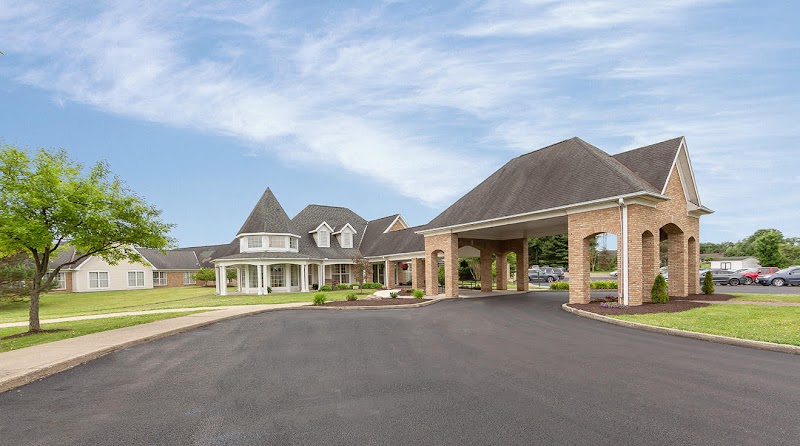
How is Continuing Healthcare At Beckett House Staffed?

CMS rates CONTINUING HEALTHCARE AT BECKETT HOUSE's staffing level at 2 out of 5 stars, which is below average compared to other nursing homes. Staff turnover is 39%, compared to the Ohio average of 46%. This relatively stable workforce can support continuity of care. RN turnover specifically is 56%, which is notably high. RNs provide skilled clinical oversight, so turnover in this role can affect medical care quality.

What Have Inspectors Found at Continuing Healthcare At Beckett House?

State health inspectors documented 51 deficiencies at CONTINUING HEALTHCARE AT BECKETT HOUSE during 2022 to 2025. These included: 2 that caused actual resident harm, 47 with potential for harm, and 2 minor or isolated issues. Deficiencies causing actual harm indicate documented cases where residents experienced negative health consequences.
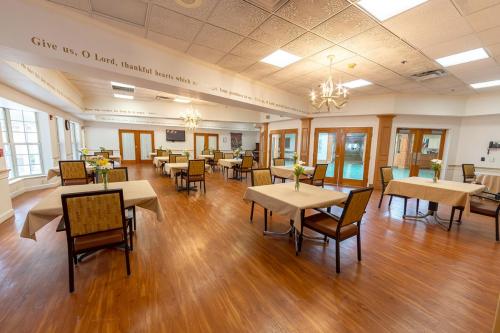
Who Owns and Operates Continuing Healthcare At Beckett House?

CONTINUING HEALTHCARE AT BECKETT HOUSE is owned by a for-profit company. For-profit facilities operate as businesses with obligations to shareholders or private owners. The facility is operated by CERTUS HEALTHCARE, a chain that manages multiple nursing homes. With 85 certified beds and approximately 72 residents (about 85% occupancy), it is a smaller facility located in NEW CONCORD, Ohio.
How Does Continuing Healthcare At Beckett House Compare to Other Ohio Nursing Homes?

Compared to the 100 nursing homes in Ohio, CONTINUING HEALTHCARE AT BECKETT HOUSE's overall rating (2 stars) is below the state average of 3.2, staff turnover (39%) is near the state average of 46%, and health inspection rating (2 stars) is below the national benchmark.

What Should Families Ask When Visiting Continuing Healthcare At Beckett House?

Based on this facility's data, families visiting should ask: "Can you walk me through typical staffing levels on day, evening, and night shifts?" "Can I visit during a mealtime to observe dining assistance and food quality?" "How do you handle medical emergencies, and what is your hospital transfer rate?" "Can I speak with family members of current residents about their experience?" These questions are particularly relevant given the below-average staffing rating.

Is Continuing Healthcare At Beckett House Safe?

Based on CMS inspection data, CONTINUING HEALTHCARE AT BECKETT HOUSE has a clean safety record: no substantiated abuse findings (meaning no confirmed cases of resident harm), no Immediate Jeopardy citations (the most serious violation level indicating risk of serious injury or death), and is not on the Special Focus Facility watch list (a federal program monitoring the lowest-performing 1% of nursing homes). The facility has a 2-star overall rating and ranks #100 of 100 nursing homes in Ohio. While no facility is perfect, families should still ask about staff-to-resident ratios and recent inspection results during their visit.

Do Nurses at Continuing Healthcare At Beckett House Stick Around?

CONTINUING HEALTHCARE AT BECKETT HOUSE has a staff turnover rate of 39%, which is about average for Ohio nursing homes (state average: 46%). Moderate turnover is common in nursing homes, but families should still ask about staff tenure and how the facility maintains care continuity when employees leave.

Was Continuing Healthcare At Beckett House Ever Fined?

CONTINUING HEALTHCARE AT BECKETT HOUSE has been fined $44,060 across 1 penalty action. The Ohio average is $33,519. While any fine indicates a compliance issue, fines under $50,000 are relatively common and typically reflect isolated problems that were subsequently corrected. Families should ask what specific issues led to these fines and confirm they've been resolved.

Is Continuing Healthcare At Beckett House on Any Federal Watch List?

CONTINUING HEALTHCARE AT BECKETT HOUSE is not on any federal watch list. The most significant is the Special Focus Facility (SFF) program, which identifies the bottom 1% of nursing homes nationally based on persistent, serious quality problems. Not being on this list means the facility has avoided the pattern of deficiencies that triggers enhanced federal oversight. This is a positive indicator, though families should still review the facility's inspection history directly.