NORTHFIELD VILLAGE RETIREMENT COMMUNITY
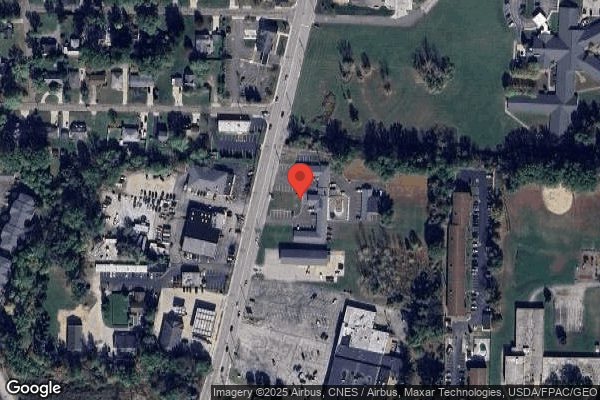
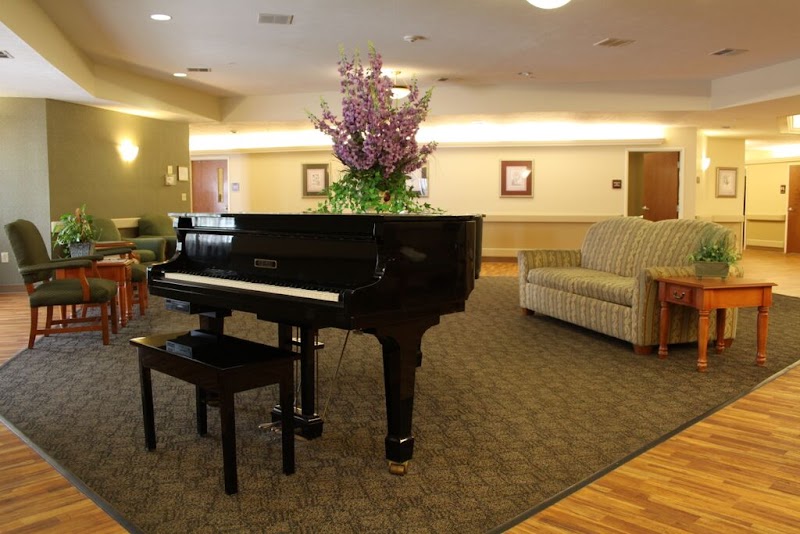
10267 NORTHFIELD ROAD, NORTHFIELD, OH 44067 (330) 468-1800
For profit - Limited Liability company 70 Beds VRC MANAGEMENT Data: November 2025
Trust Grade
70/100
#303 of 913 in OH
Last Inspection: March 2024

Within standard 12-15 month inspection cycle. Federal law requires annual inspections.

Overview

Northfield Village Retirement Community has a Trust Grade of B, indicating it is a good choice for families, falling within the 70-79 range on the grading scale. It ranks #303 out of 913 in Ohio, placing it in the top half of facilities in the state, and #12 of 42 in Summit County, meaning only 11 local options are better. However, the facility's trend is worsening, as the number of issues reported increased from 1 in 2023 to 7 in 2024. Staffing is a concern with a below-average rating of 2 out of 5 stars and a turnover rate of 61%, which is higher than the state average. On the positive side, there have been no fines, and the facility has average RN coverage, which helps catch potential issues that other staff might miss. Some recent inspection findings raised concerns about the cleanliness of the kitchen, with unlabelled food items and grease buildup, posing potential health risks for residents. Additionally, there were incidents where staff did not follow proper hygiene protocols, such as touching food without gloves, which could increase the risk of infection. The facility also struggled to maintain a homelike environment, with residents reporting issues like wall damage that had not been addressed despite requests for repairs. Overall, while Northfield Village has some strengths, families should weigh these concerns carefully when considering care options.

Trust Score
B
70/100
In Ohio
#303/913
Top 33%
Safety Record
Low Risk
No red flags
Inspections
Getting Worse
1 → 7 violations
Staff Stability
⚠ Watch
61% turnover. Above average. Higher turnover means staff may not know residents' routines.
Penalties
✓ Good
No fines on record. Clean compliance history, better than most Ohio facilities.
Skilled Nurses
○ Average
Each resident gets 37 minutes of Registered Nurse (RN) attention daily — about average for Ohio. RNs are the most trained staff who monitor for health changes.
Violations
⚠ Watch
18 deficiencies on record. Higher than average. Multiple issues found across inspections.
★★★★☆
4.0
Overall Rating
★★☆☆☆
2.0
Staff Levels
★★★★☆
4.0
Care Quality
★★★★☆
4.0
Inspection Score
Stable
2023: 1 issues
2024: 7 issues

The Good

  • 4-Star Quality Measures · Strong clinical quality outcomes
  • Full Sprinkler Coverage · Fire safety systems throughout facility
  • No fines on record

Facility shows strength in quality measures, fire safety.

The Bad

Staff Turnover: 61%

15pts above Ohio avg (46%)

Frequent staff changes - ask about care continuity

Chain: VRC MANAGEMENT

Part of a multi-facility chain

Ask about local staffing decisions and management

Staff turnover is elevated (61%)

13 points above Ohio average of 48%

The Ugly 18 deficiencies on record

Dec 2024 1 deficiency
CONCERN (D) 📢 Someone Reported This

A family member, employee, or ombudsman was alarmed enough to file a formal complaint

Potential for Harm - no one hurt, but risky conditions existed

Medical Records (Tag F0842)

Could have caused harm · This affected 1 resident

**NOTE- TERMS IN BRACKETS HAVE BEEN EDITED TO PROTECT CONFIDENTIALITY** Based on closed record review, facility policy review, and interview, the facility failed to ensure accurate documentation of sk...

Read full inspector narrative →
**NOTE- TERMS IN BRACKETS HAVE BEEN EDITED TO PROTECT CONFIDENTIALITY** Based on closed record review, facility policy review, and interview, the facility failed to ensure accurate documentation of skin tear treatments were completed for Resident #51. This affected one (Resident #51) of three residents review for wound treatments. The facility census was 50. Finding include: Review of the closed medical record for Resident #51 revealed an admission date of 11/13/24. Diagnoses included end stage renal disease, anxiety, anemia, fracture of right femur, dependence on dialysis and depression. The resident was discharged from the facility on 12/04/24. Review of the care plan dated 11/13/24 revealed Resident #51 Resident had a skin tear to the left forearm due to limited mobility. Interventions included to monitor for signs of infection and provide wound treatments. Review of the admission assessment dated [DATE] revealed Resident #51 had intact cognition and had a skin tear to the left forearm. Record review Resident #51's physician's orders revealed an order dated 11/21/24 for a treatment to a left forearm skin tear. The order read to clean the area with normal saline, pat dry, apply oil emulsion, cover with an absorbent pad and wrap with gauze. The treatment was to be changed daily and as needed. Review of Resident #51's Treatment Administration Record (TAR) for December 2024 revealed treatments were not documented on 12/02/24, 12/03/24 and 12/04/24. There was no evidence in the medical record the treatment were documented as administered. Review of the skin assessment dated [DATE] revealed a left forearm skin tear measuring three centimeters (cm) by two (cm) signed by Licensed Practical Nurse (LPN) #200. Interview on 12/30/23 at 9:55 A.M. with LPN #200 stated he assessed Resident #51 left forearm skin tear on 12/03/24 and applied the dressing. LPN #200 stated he documents treatments after they completed however it was a busy and may have forgotten to document the treatment application. Interview on 12/30/24 at 10:05 A.M. with LPN #100 stated she changed Resident #51's left forearm dressing on 12/02/24 in the morning prior to her scheduled dialysis treatment. LPN #100 states she always documents treatments after they are administered, however she could have been distracted and forgotten to document the treatment application. Interview with the Director of Nursing (DON) on 12/30/34 at 12:22 P.M. verified treatment for the left forearm were not signed on 12/02/24, 12/03/24 and 12/04/24. The DON stated nurses are expected to document and sign off all treatments. Review of the facility's policy titled Wound Care revised October 2010, revealed documentation of wound care should include the name and title of person along with the date and time. This deficiency represents non-compliance investigated under Complaint Number OH00160401.
Mar 2024 5 deficiencies
CONCERN (D)

Potential for Harm - no one hurt, but risky conditions existed

Deficiency F0645 (Tag F0645)

Could have caused harm · This affected 1 resident

**NOTE- TERMS IN BRACKETS HAVE BEEN EDITED TO PROTECT CONFIDENTIALITY** Based on record review and staff interview the facility failed to complete a state specific Pre-admission Screen and Resident Re...

Read full inspector narrative →
**NOTE- TERMS IN BRACKETS HAVE BEEN EDITED TO PROTECT CONFIDENTIALITY** Based on record review and staff interview the facility failed to complete a state specific Pre-admission Screen and Resident Review (PASRR) form within thirty days of admission as required. This affected one (Resident #61) of two residents (Residents #41 and #61) reviewed for PASRR. The facility census was 56. Findings include: Review of the medical record for Resident #61 revealed an admission date of 01/22/24. Diagnoses included but were not limited to post traumatic stress disorder, tinea unguium, diabetes mellitus and vitreous degeneration. Review of the Medicare Minimum Data Set (MDS) admission assessment dated [DATE] revealed Resident #61 was dependent on staff for most activities of daily living (ADLs). Further review of the medical record revealed no evidence a State of Ohio PASRR form was completed as required for Resident #61. A PASRR form was in the medical record from the state of Kentucky dated 01/22/24. Interview on 03/11/24 at 1:43 P.M. with Licensed Social Worker #873 verified an Ohio PASRR screen was not completed for Resident #61 as required.
CONCERN (D)

Potential for Harm - no one hurt, but risky conditions existed

Pressure Ulcer Prevention (Tag F0686)

Could have caused harm · This affected 1 resident

**NOTE- TERMS IN BRACKETS HAVE BEEN EDITED TO PROTECT CONFIDENTIALITY** Based on observation, interview, medical record and facility policy review, the facility failed to ensure preventative intervent...

Read full inspector narrative →
**NOTE- TERMS IN BRACKETS HAVE BEEN EDITED TO PROTECT CONFIDENTIALITY** Based on observation, interview, medical record and facility policy review, the facility failed to ensure preventative interventions were in place for treatment of pressure injury of left heel. This affected one Resident (#39) of three reviewed for pressure injuries. The facility census was 56. Findings include: Review of the medical record for Resident #39 revealed admission date of 12/23/23 and diagnoses including polyneuropathy, diabetes mellitus, left ankle and foot osteomyelitis, moderate protein calorie malnutrition, peripheral vascular disease, and congestive heart failure. Review of the plan of care dated 12/23/23 revealed Resident #39 had impaired skin integrity related to pressure injury to left heel. Interventions included to elevate heels off surface of mattress. Review of Medicare Minimum Data Set (MDS) admission assessment dated [DATE] revealed Resident #39 was dependent on staff for rolling left and right, sitting to lying, and lying to sitting. Resident #39 was at risk of developing pressure injuries and had one or more unhealed pressure injuries. Review of Braden Scale for Predicting Pressure Sore Risk Original assessment dated [DATE] revealed Resident #39 was at moderate risk for pressure injury. Review of the physician's order dated 02/16/24 revealed to float bilateral heels off surface of mattress when in bed and order dated 02/17/24 revealed to encourage resident to wear Prevalon heel boots (pressure off loading boots) at all times while in bed. Review of the Treatment Administration Records (TARs) from February 2024 and March 2024 revealed no documented refusals of floating bilateral heels off surface of mattress while in bed. Review of progress note dated 03/04/24 revealed Resident #39 had refused to wear Prevalon boots but was agreeable to having heels floated. Review of the Wound Evaluation and Management Summary dated 03/06/24 revealed Resident #39 had a stage two pressure injury to left medial heel measuring 1.5 centimeter (cm) length, 1.0 cm width, and 0.1 cm depth. Recommendations included off-load wound and pressure off-loading boot. Observation on 03/11/24 at 8:59 A.M. revealed Resident #39 was in bed with the head of bed raised for breakfast meal. Resident #39's bare feet were pressed against the foot board of bed frame. There was no evidence of offloading measures in place at time of observation. Interview on 03/11/24 at 9:06 A.M. with Licensed Practical Nurse (LPN) #826 revealed she was the assigned nurse for Resident #39. LPN #826 confirmed Resident #39 had left heel pressure injury. LPN #826 indicated Resident #39 was supposed to have pillow to float bilateral heels while in bed. Observation on 03/11/24 at 9:10 A.M. with LPN #826 verified Resident #39's bare feet were pressed against the foot board of bed frame. LPN #826 verified there were no pressure off-loading measures in place at time of observation. Review of the facility policy, Pressure Ulcer Risk and Skin Assessment revised 06/08/15 revealed resident specific interventions would be implemented for those residents deemed at risk for skin impairment.
CONCERN (D)

Potential for Harm - no one hurt, but risky conditions existed

Medication Errors (Tag F0758)

Could have caused harm · This affected 1 resident

**NOTE- TERMS IN BRACKETS HAVE BEEN EDITED TO PROTECT CONFIDENTIALITY** Based on record review and interview the facility failed to provide an appropriate diagnosis for the use of an antipsychotic. Th...

Read full inspector narrative →
**NOTE- TERMS IN BRACKETS HAVE BEEN EDITED TO PROTECT CONFIDENTIALITY** Based on record review and interview the facility failed to provide an appropriate diagnosis for the use of an antipsychotic. This affected one resident (Resident #45) out of five residents (#18, #39, #45, #50, and #271) reviewed for unnecessary medications. The facility census was 56. Findings include: Review of Resident #45's medical record revealed the resident was admitted on [DATE]. Diagnoses included but were not limited to restlessness and agitation, dysphagia, diabetes mellitus, and Alzheimer's disease. Review of Resident #45's Minimum Data Set (MDS) 3.0 assessment dated [DATE] revealed the resident exhibited moderate cognitive impairment, no behaviors were noted and required substantial assistance for activities of daily living (ADLs). Further review of the MDS revealed Resident #45 received an antipsychotic and there was no indication as to why in section N of the assessment. Review of Resident #45's physician orders for March 2024 revealed an order for divalproex sodium (anticonvulsant also used to treat mania) tablet delayed release 125 milligrams (mg) give two capsules by mouth two times a day related to unspecified signs and symptoms involving cognitive functions following cerebral infarction. Further review of the physician's orders revealed an order for mirtazapine (antidepressant) tablet 7.5 mg give one tablet by mouth one time a day related to Alzheimer's disease. Review of current resident diagnoses revealed Resident #45 did not have an active diagnosis seizures or depression in the medical chart. Interview on 03/11/24 at 3:40 P.M. with MDS Nurse #844 verified there was no evidence the use of mirtazapine and divalproex was being used to treat a specific condition as diagnosed and documented in the medical record.
CONCERN (D)

Potential for Harm - no one hurt, but risky conditions existed

Deficiency F0772 (Tag F0772)

Could have caused harm · This affected 1 resident

**NOTE- TERMS IN BRACKETS HAVE BEEN EDITED TO PROTECT CONFIDENTIALITY** Based on review of the medical record, interviews, and review of information from the Medscape website, the facility failed to e...

Read full inspector narrative →
**NOTE- TERMS IN BRACKETS HAVE BEEN EDITED TO PROTECT CONFIDENTIALITY** Based on review of the medical record, interviews, and review of information from the Medscape website, the facility failed to ensure laboratory tests were completed as ordered for Resident #271 and Resident #64. This affected two residents (Resident #271 and Resident #64) of 21 residents whose medical records were reviewed for laboratory test results. Findings include: 1. Review of the medical record revealed Resident #271 was admitted to the facility on [DATE]. Diagnoses included left foot amputation, osteomyelitis, diabetes, right leg above the knee amputation, and peripheral vascular disease. Review of the physician's orders dated 02/28/24 revealed Resident #271 had an order for Vancomycin (antibiotic) 1000 milligrams every 12 hours until 03/22/24 dated 02/28/24. Review of the physician's orders dated 02/29/24 revealed Resident #271 had an order for a Vancomycin trough every Monday and fax the results to the physician (trough concentrations are recommended for therapeutic monitoring of Vancomycin. Trough levels are drawn prior to the administration of dose). Review of the laboratory report dated 03/04/24 revealed the collection time for the Vancomycin trough was at 11:10 A.M. It was reported within normal limits at 15.2. Review of the admission Minimum Data Set assessment dated [DATE] revealed Resident #271 had intact cognition. Review of the physician's orders dated 03/11/24 revealed Resident #271 had orders to hold the morning dose of Vancomycin until the laboratory drew sample on laboratory days for Vancomycin level and a Vancomycin trough one time on 03/12/24. Review of the March Medication administration record revealed Resident #271 was administered Vancomycin at 6:02 A.M. on 03/11/24. Review of the laboratory report dated 03/11/24 revealed the collection time for the Vancomycin trough was at 7:52 A.M. (after the dose was administered) It was reported at high at 38.5 (normal 10-20). Review of the March Medication Administration Record (MAR) revealed Resident #271 was administered Vancomycin at 5:12 A.M. on 03/12/24; however, the administration time was lined out due to the resident later refused the dose because they had started the Vancomycin before the laboratory test (trough level) was obtained. Review of the Laboratory report dated 03/12/24 revealed the collection time for the Vancomycin trough was at 6:35 A.M. It was reported low at 9.9. On 03/13/24 at 9:4 5 A.M. an interview with Resident #271 (who was visibly upset) revealed she was upset that the facility gave her Vancomycin prior to her blood being drawn yesterday (03/12/24) in the morning. Resident #271 stated that on Monday (03/11/24), her Vancomycin laboratory results were high, so she had to get the test done again yesterday (03/12/24). She stated they told her it was elevated because they gave her the Vancomycin prior to her laboratory tests being drawn on 03/11/24, so going forward, they would draw the laboratory tests first then administer the Vancomycin. Resident #271 stated they did the same thing on Tuesday (03/12/24), they administered her Vancomycin prior to her laboratory tests being drawn so she was upset and refused the rest of the Vancomycin. On 03/13/24 at 9:57 A.M. an interview with Regional Nurse #893 with the Administrator present revealed Resident #271 came to them with a concern yesterday (03/12/24) about her antibiotic. She stated the nurse administered Resident #271's Vancomycin prior to the lab draw. The nurse started the Vancomycin, then went to sign it off on the MAR and noticed the order was put into the computer for the day before (03/11/24), she went into the room and stopped the Vancomycin infusion. Regional Nurse #893 stated it was only infusing for about a minute. Regional Nurse # 893 stated after the Vancomycin trough was drawn, the nurse went back into the room and Resident #271 refused the rest of the Vancomycin. On 03/13/24 at 2:50 P.M. an interview with Regional Nurse #893 confirmed the Vancomycin on 03/11/24 and 03/12/24 was given prior to the Vancomycin trough being drawn for Resident #271. However, she stated there was not an order prior to 03/11/24 to actually draw the Vancomycin trough before the Vancomycin was given. Review of the Medscape website revealed Vancomycin trough levels were to be drawn less than or equal to 30 minutes before the next dose. 2. Review of the medical record revealed Resident #64 was admitted to the facility on [DATE]. Diagnoses included necrotizing fasciitis, right above the knee amputation, acute kidney disease, anemia, diabetes, hypotension, benign prostatic hyperplasia, retention of urine, bacteremia, cirrhosis of the liver, pulmonary hypertension, atrial fibrillation, liver disease, hypertension, aortic ectasia, and cardiomegaly. Review of the admission Minimum Data Set assessment dated [DATE] revealed Resident #64 had moderately impaired cognition. Review of the physician's orders from 02/13/24 through 03/13/24 revealed Resident #64 did not have an order for a prealbumin level. Review of the laboratory results from 02/13/24 through 03/13/24 revealed Resident #64 did not have a prealbumin level done. Review of the Wound Physician's notes from 02/28/24 revealed an initial wound evaluation for Resident #64. Physician #894 had orders a prealbumin level for Resident #64. On 03/13/24 at 11:43 A.M. an interview with Regional Nurse #892 confirmed the prealbumin level had not been done on 02/28/24; however, she stated the physician had canceled the order when he visited on 03/06/24. Regional Nurse #892 verified the prealbumin level should have been done prior to 03/06/24. On 03/13/24 at 3:40 P.M. an interview with Physician #894 revealed he wrote the order on 02/28/24 for a prealbumin level. He stated he came back in on 03/06/24 and saw it had not been done. He stated he then found out the facility had a dietitian following Resident #64 so he canceled the order on 03/06/24. He stated he expected the prealbumin level to be done when he ordered it, he would have already had the results and would not have had to cancel the order.
CONCERN (F)

Potential for Harm - no one hurt, but risky conditions existed

Food Safety (Tag F0812)

Could have caused harm · This affected most or all residents

Based on observation, interview, and record review, the facility failed to maintain a clean and sanitary kitchen area. This had the potential to affect all residents receiving meals from the kitchen. ...

Read full inspector narrative →
Based on observation, interview, and record review, the facility failed to maintain a clean and sanitary kitchen area. This had the potential to affect all residents receiving meals from the kitchen. The facility identified two Residents(#6 and #33) who do not receive food by mouth. The facility census was 56. Findings include: Observations on 03/10/24 at 8:15 A.M. of facility kitchen revealed in the walk-in cooler there was three plastic containers with lids containing Salisbury steaks, carrots, and hard-boiled eggs without a label or date, two metal pans covered with foil containing unidentified pureed substances without a label or date and a tray of uncovered fruit cups without a label or date. There was a splatter of food residue on the wall behind coffee machine and a dried coffee spill on floor in front of coffee machine. There was dark brown grease build up on the walls and floors behind and below dish machine area. There was dark brown grease build up and food debris observed below a rack containing plastic wares in dish machine area. There was dark brown grease build up and food debris on the floor and walls behind the steamer, oven, range top, and flat top grill. Interview on 03/10/24 at 8:25 A.M. with Dietary [NAME] #829 confirmed findings in walk-in cooler and cleanliness of walls and floors behind and below food prepartion equipement. Review of facility policy Date Marking undated revealed any ready-to-eat food prepared and held in refrigeration shall be date marked. Review of facility policy General Food Preparation and Handling dated 2010 revealed the kitchen and its equipment would be kept clean. The policy indicated food would be kept covered for storage.
Feb 2024 1 deficiency
CONCERN (D) 📢 Someone Reported This

A family member, employee, or ombudsman was alarmed enough to file a formal complaint

Potential for Harm - no one hurt, but risky conditions existed

Medical Records (Tag F0842)

Could have caused harm · This affected 1 resident

**NOTE- TERMS IN BRACKETS HAVE BEEN EDITED TO PROTECT CONFIDENTIALITY** Based on observation, record review and interview, the facility failed to ensure the accuracy of Resident #18's wound type in th...

Read full inspector narrative →
**NOTE- TERMS IN BRACKETS HAVE BEEN EDITED TO PROTECT CONFIDENTIALITY** Based on observation, record review and interview, the facility failed to ensure the accuracy of Resident #18's wound type in the medical record. This finding affected one (Resident #18) of four residents reviewed for pressure ulcers. Findings include: Review of Resident #18's medical record revealed the resident was admitted on [DATE] with diagnoses including altered mental status, other chronic pain and emphysema. Review of Resident #18's Minimum Data Set (MDS) 3.0 assessment dated [DATE] revealed the resident exhibited moderate cognitive impairment. Review of Resident #18's Wound Assessment form dated 01/15/24 revealed the resident had an in-house acquired suspected deep tissue injury (SDTI) pressure wound to the left heel (unable to determine a pressure ulcer stage at this point) acquired 01/12/24 which measured 4.0 centimeters (cm) length by 2.0 cm width by 0 cm depth. Review of Resident #18's Wound Assessment form dated 01/18/24 revealed the resident had a venous stasis ulcer non-pressure wound to the left heel acquired 01/12/24 which measured 2 cm length by 4 cm width by undetermined (UTD) depth. Review of Resident #18's Wound Assessment form dated 01/22/24 revealed the resident had a venous stasis ulcer non-pressure wound to the left heel acquired 01/12/24 which measured 3.2 cm length by 4.0 cm width by no depth. Review of a text message from the Director of Nursing (DON) sent to Podiatrist #866 dated 01/25/24 at 9:27 A.M. revealed a text message which stated good morning, just for your information (fyi), Physician #865 was the community physician for Resident #18 and had been his patient for years. He gave a diagnosis of venous stasis ulcer to the left heel, but she was going home tomorrow. Review of Resident #18's progress note dated 01/26/24 at 1:36 P.M. authored by the DON indicated per the physician, the resident had an ongoing history of edema to the bilateral lower extremity, had venous stasis ongoing and had been in the community for years. The left heel ulcer was a venous stasis ulcer and elevated heels on pillows while in bed. Review of Resident #18's Wound Assessment form dated 01/29/24 revealed the resident had a left heel in-house acquired deep tissue injury (DTI) pressure wound and the site was documented as the left heel with the type indicating it was a vascular non-pressure wound acquired 01/12/24 which measured 2.5 cm length by 4.3 cm width by no depth. Review of Resident #18's Podiatrist Wound Evaluation form dated 01/29/24 revealed the resident had a left heel venous non-pressure wound with 100% epithelial tissue which measured 2.5 cm wound length, 4.3 cm wound width with no depth. The wound was purple and non-blanchable. The venous duplex was reviewed which demonstrated compressibility of the deep veins with no evidence of thrombosis. Per the primary physician, the resident's left heel sore was related to her venous stasis. Review of Resident #18's Wound Assessment form dated 02/05/24 revealed the resident had a left heel in-house acquired DTI pressure wound and the site was documented as the left heel with the type indicating it was a vascular non-pressure wound acquired 01/12/24 which measured 2.5 cm length by 3.5 cm width by no depth. Review of Resident #18's Wound Assessment form dated 02/13/24 revealed the resident had a left heel in-house acquired DTI pressure wound and the site was documented as the left heel with the type indicating it was a vascular non-pressure wound acquired 01/12/24 which measured 2.5 cm length by 3.5 cm width by no depth. Review of the Podiatrist Wound Evaluation form dated 02/13/24 revealed the resident had a left heel venous ulcer non-pressure wound with 100% epithelial tissue bed with no drainage which measured 2.5 cm length by 3.5 cm width with no depth. The wound was purple and non-blanchable. Review of Resident #18's physician progress note authored by Physician #865 dated 02/19/24 indicated the resident had an area of eschar on her left heel with a heel wound. The resident had venous stasis with a history of severe leg edema where she required diuresis. The discoloration of her lower extremity was consistent with venous stasis and venous dermatitis. Observation on 02/20/24 at 6:20 A.M. of Resident #18's left heel wound care with Licensed Practical Nurse (LPN) #826 revealed the resident's left leg and heel were extremely dry with skin observed flaking onto the bed. The left heel did not have an open area and no drainage was noted. A darker area was observed on the left heel. The top aspect of Resident #18's foot appeared edematous with no drainage noted. Interview with LPN Wound Nurse #812 revealed Resident #18 had a left heel wound which Wound Nurse Practitioner (NP) #868 had assessed as a SDTI. LPN Wound Nurse #812 indicated Podiatrist #866 also assessed the wound on Resident #18's left heel and determined the wound was SDTI. Interview on 02/20/24 at 7:53 A.M. with Wound NP #868 stated she had assessed Resident #18's left heel one time and determined it was a SDTI. She stated Podiatrist #866 took over after that assessment. Observation on 02/20/24 at 8:58 A.M. with Podiatrist #866 and LPN Wound Nurse #812 of Resident #18's left heel wound revealed the wound measured 2.0 cm length by 3.3 cm width with no drainage. Interview on 02/20/24 at 10:07 A.M. with Podiatrist #866 indicated she had assessed Resident #18 on 01/22/24 for a left heel discoloration and determined the resident had a SDTI to the left heel which was purple and non-blanchable. She stated she ordered a noninvasive vascular study in relation to the left heel wound and did not determine the wound was vascular in nature. She indicated that she received a text message from the DON on 01/25/24 which stated Resident #18's primary care physician (Physician #865) had reclassified the left heel wound as a vascular ulcer instead of a pressure. She stated at that point (01/29/24, 02/05/24, 02/13/24 and 02/20/24), she changed her documentation to vascular instead of pressure as she was a consulting physician and not the primary physician. Interview on 02/20/24 at 10:37 A.M. with the DON and Registered Nurse (RN) Regional #867 indicated the DON did not recall talking to or sending Podiatrist #866 a text. She stated she called Physician #865 and asked him if the resident had any vascular issues. She confirmed Physician #865 indicated Resident #18 had venous stasis and the area to the resident's left heel was vascular. Telephone interview on 02/20/24 at 11:59 A.M. with Physician #865 with the DON present indicated he had known Resident #18 for 30 years and the resident had venous stasis. He stated he told the DON that she had venous stasis with kidney problems and had a mixed etiology which could compromise wounds. He indicated he was aware of Resident #18's vascular and arterial studies and thought the left heel wound could be vascular or it could be pressure and he was not sure. Interview on 02/20/24 at 12:09 P.M. with the DON indicated she texted LPN Wound Nurse #812 that Physician #865 thought Resident #18's left heel wound could be vascular, but she did not talk or text Podiatrist #866. Telephone interview on 02/21/24 at 9:54 A.M. with RN Regional #867 confirmed Physician #865 had assessed Resident #18 on 02/18/24 and determined the resident had a left heel vascular wound. She was unsure why Resident #18's wound documenting inaccurately reflected both pressure and non-pressure on the wound skin grids. Review of the Pressure Ulcer Prevention and Assessment policy dated 12/17/13 revealed it was the facility policy to prevent the development of pressure ulcers to the greatest extent possible and as allowed by the resident's compliance, cognition and/or physical function. This deficiency represents non-compliance investigated under Complaint Number OH00150445.
Nov 2023 1 deficiency
CONCERN (D) 📢 Someone Reported This

A family member, employee, or ombudsman was alarmed enough to file a formal complaint

Potential for Harm - no one hurt, but risky conditions existed

Deficiency F0573 (Tag F0573)

Could have caused harm · This affected 1 resident

Based on closed record review, review of court records, review of facility policy and interviews, the facility failed to timely release requested resident records for Resident #49. This affected one r...

Read full inspector narrative →
Based on closed record review, review of court records, review of facility policy and interviews, the facility failed to timely release requested resident records for Resident #49. This affected one resident (#49) of three reviewed for timely release of medical records. The facility census was 50. Findings include: Review of the closed medical record for Resident # 49 revealed an admission date of 08/13/21 with diagnoses including congestive heart failure, chronic kidney disease, primary hypertension, and malignant neoplasm of the bladder. The resident was discharged on 10/05/21 to his home with his wife. Review of a document from the Summit County Probate Court titled Order Authorizing Release of Descendant's Medical Records, dated 02/10/23, revealed the court had authorized the release of Resident #49's medical records to Resident #49's wife. Review of the facility documentation of a fax dated 03/02/23 revealed a medical records request was signed by Resident #49's wife and faxed to the facility medical records director which included a letter requesting the records, a copy of Resident#49 death certificate, a Court Order from The Probate Court of Summit County Authorizing Release of Decedent's Medical Records and a HIPAA Privacy Authorization Form. The form also indicated that pursuant to the (HITECH) Health Information Technology for Economic and Clinical Health Act the facility had 30 days from the date of request, March 2, 2023, to provide the records in the format requested. Further review of the closed medical record for Resident #49 revealed the facility did not mail Resident #49's requested medical records to the resident's wife/her legal council until 05/01/2023. Interview with the Director of Medical Records #102 on 11/16/23 at 1:11 P.M. confirmed she received the request for the release of Resident #49's medical records on 03/02/23 but did not mail them until 05/01/23. An interview with the Administrator on 11/16/23 at 2:05 P.M. revealed Residents #49's records were not released within 30 days because they had to go through a process of being reviewed by the corporate personnel and lawyers before releasing the records to Resident #49's wife. Review of the facility policy titled Release of Information, dated 10/21/16, revealed the following: The Resident may initiate a request to release information contained within his/her records to anyone he/she wishes. Such requests will be honored only upon the receipt of a written, signed and dated request from the Resident or Legal Guardian. A Resident may have access to his/her records within twenty-four (24) hours (excluding weekends and holidays) of the written or oral request. A Resident may obtain photocopies (or electronic form) of his/her records by providing the facility with two (2) working days' notice (excluding weekends and holidays). A reasonable fee will be charged that includes the cost of labor and supplies. A Request/or Release of Medical Records form will be completed and signed by the Resident/Legal Guardian when requesting copies of the record. With respect to discharged Residents, the facility has no later than 30 calendar days from receiving the individual's request. This deficiency represents non-compliance investigated under Complaint Number OH00147961.
Feb 2022 7 deficiencies
CONCERN (D)

Potential for Harm - no one hurt, but risky conditions existed

Deficiency F0558 (Tag F0558)

Could have caused harm · This affected 1 resident

**NOTE- TERMS IN BRACKETS HAVE BEEN EDITED TO PROTECT CONFIDENTIALITY** Based on observation, record review, staff interview, and policy review the facility failed to ensure functioning call lights we...

Read full inspector narrative →
**NOTE- TERMS IN BRACKETS HAVE BEEN EDITED TO PROTECT CONFIDENTIALITY** Based on observation, record review, staff interview, and policy review the facility failed to ensure functioning call lights were placed within reach of residents. This affected three (Resident's #10, #31 and #38) of three residents reviewed for call light function. The facility census was 42. Findings include: 1. Review of the medical record revealed Resident #38 was admitted to the facility on [DATE] with diagnoses including hemiplegia and hemiparesis following cerebral infarction affecting the right dominant side, repeated falls, muscle weakness, peripheral vascular disease, and essential hypertension. Review of the most recent Minimum Data Set (MDS) 3.0 assessment dated [DATE] revealed Resident #38 was alert and oriented to person, place, time, and was a one-staff physical extensive assist for activities of daily living (ADL). Observation on 02/14/22 at 10:19 A.M. revealed Resident #38's call light was not within reach and was located hanging near the floor on the ride side of the bed. Interview on 02/14/22 at 10:19 A.M. with Resident #38 revealed his right side was paralyzed, and he could not reach his call light. Resident #38 revealed his call light did not work. Demonstration on 02/14/22 at 10:20 A.M. of call light function revealed Resident #38's call light was not in working order. Interview on 02/14/22 at 10:21 A.M. with Licensed Practical Nurse (LPN) #313 confirmed Resident #38's call light was not within reach and was not in working order. Interview and demonstration on 02/14/22 at 10:25 A.M. with Maintenance Director (MD) #342 confirmed Resident #38's call light was not in working order. 2. Review of the medical record revealed Resident #31 was admitted on [DATE]. Diagnoses included end stage renal disease, enterocolitis due to clostridium difficile, hyperlipidemia, pneumonia, dependence on renal dialysis, gastro-esophageal reflux disease, morbid obesity, depression, acute respiratory failure with hypoxia, anemia, hypertension, diabetes mellitus, gastrointestinal hemorrhage. Review of the MDS 3.0 assessment dated [DATE] revealed Resident #31 had intact cognition. Resident #31 required extensive assistance of one staff for toileting, bed mobility, dressing, and personal hygiene. Review of the care plan initiated 12/25/21 revealed Resident #31 was at risk for falls. Interventions included to use call light and wait for assistance, request assistance for all transfers, always keep call light in easy reach and answer promptly. Observation on 02/14/22 at 11:00 A.M. revealed Resident #31 sitting in reclining chair angled to watch television with the call light tied to the grab bar on the bed out of reach. Interview on 02/14/22 at 11:00 A.M. with Resident #31 reported she was unable to reach the call light and would have to yell if she needed assistance. Interview on 02/14/22 at 11:15 A.M. with Medical Records (MR)/State Tested Nursing Assistant (STNA) #306 confirmed the call light was out of reach of Resident #31. MR/STNA #306 had to untangle the call light from the bed's grab bar to hand to Resident #31. 3. Record review for Resident #10 revealed an admission date of 12/09/19 and a readmission date of 08/26/21. Diagnosis included fracture of other parts of pelvis, anxiety disorder, history of falls, and dementia without behavioral disturbance. Record review of the quarterly MDS 3.0 dated 02/01/22 revealed Resident #10 had severely impaired cognition. Resident #10 required extensive assistance of one staff for transfers and limited assistance of one staff for locomotion on the unit. Review of the care plan for dated 08/27/21 revealed Resident #10 was at risk for falls. Interventions included to always keep call light in easy reach and answer promptly and keep the bed in the lowest position while occupied. Observation and interview on 02/14/22 at 10:25 A.M. revealed Resident #10 lying in bed. Resident #10's bed was not at lowest position, and the call light was not within reach. The bed was located against wall with a fall mat on the side of the bed. Resident #10 stated she utilized the call light at times. Observation and interview on 02/14/22 at 10:26 with Administrator #316 verified the observations and stated the call light was wrapped around the grab bar located against the wall. Administrator #316 could not get to the call light to put it within reach of Resident #10. Review of the facility policy titled Answering the Call Light, revised September 2003, revealed the facility had a policy in place to respond to the resident's requests and needs. Review of the policy revealed when a resident was confined to a chair or in bed, the call light was to be within easy reach of the resident. Review of the policy also revealed all defective call lights should be reported to the Nurse Supervisor promptly. Review of the facility document revealed the facility did not implement the policy. This deficiency substantiates Master Complaint Number OH00114368.
CONCERN (D)

Potential for Harm - no one hurt, but risky conditions existed

Assessment Accuracy (Tag F0641)

Could have caused harm · This affected 1 resident

**NOTE- TERMS IN BRACKETS HAVE BEEN EDITED TO PROTECT CONFIDENTIALITY** Based on record review and staff interview, the facility failed to accurately code the Minimum Data Set (MDS) 3.0 assessments fo...

Read full inspector narrative →
**NOTE- TERMS IN BRACKETS HAVE BEEN EDITED TO PROTECT CONFIDENTIALITY** Based on record review and staff interview, the facility failed to accurately code the Minimum Data Set (MDS) 3.0 assessments for two (Resident's #30 and #31) of twenty-one residents reviewed for assessments. The facility census was 42. Findings include: 1. Review of the medical record revealed Resident #31 was admitted on [DATE] with diagnoses including end stage renal disease, enterocolitis due to clostridium difficile, hyperlipidemia, pneumonia, dependence on renal dialysis, gastro-esophageal reflux disease, morbid obesity, depression, acute respiratory failure with hypoxia, anemia, hypertension, diabetes mellitus, gastrointestinal hemorrhage Review of MDS 3.0 assessment dated [DATE] revealed Resident #31 required extensive one staff assistance for toileting. The assessment indicated Resident #31 was always continent of bowel and bladder. Review of bladder and bowel continence documentation for last 30 days revealed Resident #31 was incontinent of bowel and bladder. Review of the care plan initiated 12/25/21 revealed Resident #31 had bowel incontinence. Interventions included to give peritoneal care after each episode of incontinence, apply barrier cream as needed, toilet resident promptly, and toilet resident in advance of need. Interview on 02/16/22 at 10:34 A.M. with State Testing Nursing Assistant (STNA) #352 confirmed incontinence of bowel and bladder for Resident #31. STNA #352 reported Resident #31 needed assistance during toileting. Interview on 02/16/22 at 12:03 P.M. with Registered Nurse (RN) #339 revealed RN #339 was also the MDS coordinator. RN #339 reported they had not completed the assessment for Resident #31. RN #339 reported they had corporate assistance for completing assessments. Interview on 02/16/22 at 12:20 P.M. with Regional Assessment Coordinator (RAC) #362 revealed they had assisted RN #339 with the MDS assessment for Resident #31. RAC #362 indicated review of the look back period for bowel and bladder indicated Resident #31 was incontinent. RAC #362 reported being confused as Resident #31 was continent at the last assessment. RAC #362 reported the STNAs were documenting incorrectly. Interview on 02/16/22 at 2:14 P.M. with Restorative RN #315 revealed Resident #31 had more frequent episodes of incontinence of bowel and bladder since return from hospital on [DATE]. Restorative RN #315 indicated Resident #31 was being reviewed in facility risk meeting for a bowel and bladder restorative program. 2. Record review for Resident #30 revealed an admission date of 10/06/21 with diagnoses including malignant neoplasm of prostate and retention of urine. Record review of the quarterly MDS 3.0 assessment dated [DATE] revealed Resident #30 had mild cognitive impairment. Review of the bladder and bowel revealed Resident #30 had no indwelling catheter. Review of the care plan dated 10/07/21 revealed Resident #30 required an alternate means of urinary elimination, and a Foley catheter in place. Review of the physician order dated 10/07/21 at 3:00 P.M. revealed 16 French five milliliter foley catheter to continuous drainage. Resident #30 was to have catheter care every shift. Review of the Treatment Administration Record (TAR) for January 2022 and February 2022 revealed the catheter care was completed as ordered. Observation on 02/16/22 at 7:52 A.M. revealed Resident #30 was lying in bed. Resident #30's Foley catheter was draining clear yellow urine. Interview on 02/16/22 at 3:50 P.M. with MDS RN #339 confirmed Resident #30 had an indwelling Foley catheter since admission on [DATE]. MDS RN #339 confirmed an inaccurate code on the MDS submission dated 01/10/22 regarding indwelling Foley catheter.
CONCERN (D)

Potential for Harm - no one hurt, but risky conditions existed

Accident Prevention (Tag F0689)

Could have caused harm · This affected 1 resident

**NOTE- TERMS IN BRACKETS HAVE BEEN EDITED TO PROTECT CONFIDENTIALITY** Based on observation, interview, and record review the facility failed implement interventions to prevent falls for one resident...

Read full inspector narrative →
**NOTE- TERMS IN BRACKETS HAVE BEEN EDITED TO PROTECT CONFIDENTIALITY** Based on observation, interview, and record review the facility failed implement interventions to prevent falls for one resident (Resident #10) of one resident reviewed for falls. The facility census was 42. Findings include: Record review for Resident #10 revealed an admission date of 12/09/19 and a readmission date of 08/26/21 with diagnoses including fracture of other parts of pelvis, anxiety disorder, history of falls, and dementia without behavioral disturbance. Record review of the quarterly Minimum Data Set (MDS) 3.0 assessment dated [DATE] revealed Resident #10 had severely impaired cognition. Resident #10 required extensive assistance of one staff for transfer and limited assistance of one staff for locomotion on the unit. Record review of the care plan dated 08/27/21 revealed Resident #10 was at risk for falls. Interventions included always keep the call light within easy reach and answer promptly and keep the bed in the lowest position while occupied. Observation and interview on 02/14/22 at 10:25 A.M. revealed Resident #10 lying in bed. Resident #10's bed was not in the lowest position, and the call light was not within reach. The bed was located against the wall, and a fall mat was on the side of the bed. Resident #10 stated she utilized the call light at times. Observation and Interview on 02/14/22 at 10:26 A.M. with Administrator #316 verified the observations and stated the call light was wrapped around the grab bar located against the wall, and the bed was not in the lowest position. Administrator #316 could not get to the call light to put it within reach of Resident #10. This deficiency substantiates Master Compliant Number OH00114368 and Complaint Number OH00111616.
CONCERN (D)

Potential for Harm - no one hurt, but risky conditions existed

Deficiency F0919 (Tag F0919)

Could have caused harm · This affected 1 resident

**NOTE- TERMS IN BRACKETS HAVE BEEN EDITED TO PROTECT CONFIDENTIALITY** Based on observation, record review, staff interview, and policy review the facility failed to ensure it had functional call lig...

Read full inspector narrative →
**NOTE- TERMS IN BRACKETS HAVE BEEN EDITED TO PROTECT CONFIDENTIALITY** Based on observation, record review, staff interview, and policy review the facility failed to ensure it had functional call lights in place. This affected one (Resident #38) of one resident reviewed for call light functioning. The facility census was 42. Findings include: Review of the medical record revealed Resident #38 was admitted to the facility on [DATE] with diagnoses including hemiplegia and hemiparesis following cerebral infarction affecting the right dominant side, repeated falls, muscle weakness, peripheral vascular disease, and essential hypertension. Review of the most recent Minimum Data Set (MDS) 3.0 assessment dated [DATE] revealed Resident #38 was alert and oriented to person, place, time, and required one-staff physical extensive assist for activities of daily living (ADL). Observation on 02/14/22 at 10:19 A.M. revealed Resident #38's call light was not within reach and was located hanging near the floor on the ride side of the bed. Interview on 02/14/22 at 10:19 A.M. with Resident #38 revealed his right side was paralyzed and he could not reach his call light. Resident #38 revealed his call light did not work. Demonstration on 02/14/22 at 10:20 A.M. of call light function revealed Resident #38's call light was not in working order. Interview on 02/14/22 at 10:21 A.M. with Licensed Practical Nurse (LPN) #313 confirmed Resident #38's call light was not within reach and was not in working order. Interview and demonstration on 02/14/22 at 10:25 A.M. with Maintenance Director (MD) #342 confirmed Resident #38's call light was not in working order. Review of the facility document titled Answering the Call Light, revised September 2003, revealed the facility had a policy in place to respond to the resident's requests and needs. Review of the policy revealed when a resident was confined to a chair or in bed, the call light was to be within easy reach of the resident. Review of the policy also revealed all defective call lights should be reported to the Nurse Supervisor promptly. Review of the facility document revealed the facility did not implement the policy. This deficiency substantiates Master Complaint Number OH00114368.
CONCERN (E)

Potential for Harm - no one hurt, but risky conditions existed

Safe Environment (Tag F0584)

Could have caused harm · This affected multiple residents

Based on observation and interview, the facility failed to ensure a well-maintained and homelike environment. This affected four residents (Resident's #8, #9, #33 and #37) of 42 residents observed dur...

Read full inspector narrative →
Based on observation and interview, the facility failed to ensure a well-maintained and homelike environment. This affected four residents (Resident's #8, #9, #33 and #37) of 42 residents observed during the annual survey. The facility census was 42 residents. Findings include: Observation on 02/14/22 at 9:45 A.M. with Resident #8 revealed large gouges in the wall behind her bed exposing the wall material beneath the paint. An area of water damage was noted above the heater in Resident #8's room. Interview with Resident #8 at the time of observation revealed she did not know how long these areas had been present. Observation on 02/14/22 at 10:07 A.M. with Resident #9 revealed large gouges in the wall behind her bed. Interview with Resident #9 at the time of observation revealed she had asked staff to do something about it and someone would come in the room to spray for ants, but no one would repair her wall. Observation on 02/14/22 at 11:10 A.M. with Resident #33 revealed a large area behind the bed had been spackled but not repainted and an area above the heater was chipped away and had the inner wall material exposed. Interview with Resident #33 at the time of observation revealed the wall had looked like that since his admission in August 2021. Observation of the facility on 02/14/22 from 4:49 P.M. to 5:26 P.M. with Regional Registered Nurse (RRN) #361 revealed the following concerns: • Resident #8's room had a large gouge to the wall over approximately one foot by one foot behind the bed exposing the inner wall material. Also, above the heater there were areas of wall chipped away exposing the inner wall material. • Resident #9's room had a large gouge approximately one foot by two inches behind the bed. • Resident #33's room had a large area behind the bed approximately two feet by two feet spackled and not painted and an area above the heater was chipped away exposing the inner wall and measured approximately six inches long. • Resident #37's room had an area by her bathroom where the drywall was exposed down to the base of the wall and the floor trim was coming away from the wall. Interview with RRN #361 on 02/14/22 at 4:57 P.M. verified the above areas of concern and revealed maintenance issues went into an electronic system where Maintenance Staff (MS) #342 would receive an email of the reported concern. There were no other maintenance support staff at the facility. RRN #361 was requested to bring the surveyor three months of maintenance request documentation. Interview with MS #342 on 02/16/22 at 1:55 P.M. revealed he got hundreds of emails regarding maintenance requests each day. MS #342 confirmed he was the only maintenance staff at the facility and would have to prioritize what tasks would get done each day. MS #342 stated since November 2020 there had been conversations about obtaining plastic sheeting to go behind residents' beds to prevent wall damage from occurring, but he kept getting pulled to other maintenance tasks and it had never come to fruition. MS #342 was requested to bring the surveyor three months of maintenance request documentation. No maintenance request documentation was provided by the end of the annual survey.
CONCERN (E)

Potential for Harm - no one hurt, but risky conditions existed

Deficiency F0805 (Tag F0805)

Could have caused harm · This affected multiple residents

Based on observation, interview, taste test, and Diet and Nutrition Manual review the facility failed to serve pureed foods at a smooth consistency for safe swallowing. This affected five residents (R...

Read full inspector narrative →
Based on observation, interview, taste test, and Diet and Nutrition Manual review the facility failed to serve pureed foods at a smooth consistency for safe swallowing. This affected five residents (Resident's #5, #10, #23, #24 and #40) who were prescribed a pureed diet of 42 residents who consumed meals from the facility's kitchen. The facility census was 42. Findings include: 1. Observation on 02/15/22 at 12:15 P.M. of the lunch meal revealed that the pureed stuffed peppers and pureed peas and carrots had lumps, skins, and did not appear smooth. The pureed stuffed peppers and peas and carrots were tasted. The mixture was not smooth and not of proper consistency. Interview with Dietary Manager (DM) #363 verified the consistency of the pureed stuffed peppers and pureed peas and carrots. 2. Observation on 02/15/22 at 3:00 P.M. of the puree preparation revealed [NAME] #338 was preparing pureed chicken tenders for dinner meal. Taste test of puree chicken tenders revealed chunks of breading. The mixture was not smooth and not of proper consistency. Interview with DM #363 verified the consistency of the pureed chicken tenders. Interview with DM #363 on 02/15/22 at 3:10 P.M. indicated upon taste test regarding the food processor I think we need a new blade. Review of the resident diet list revealed Resident's #5, #10, #23, #24 and #40 were prescribed a pureed diet. Review of the Diet and Nutrition Care Manual, dated 2019, revealed pureed foods are generally cohesive, moist mashed potato or pudding-like consistency for people who cannot tolerate regular or mechanical soft foods. Food is pureed in a food processor to achieve a consistent smooth and easy-to-swallow product.
CONCERN (E)

Potential for Harm - no one hurt, but risky conditions existed

Medical Records (Tag F0842)

Could have caused harm · This affected multiple residents

**NOTE- TERMS IN BRACKETS HAVE BEEN EDITED TO PROTECT CONFIDENTIALITY** Based on record review and staff interview, the facility failed to ensure the resident record contained current and accurate inf...

Read full inspector narrative →
**NOTE- TERMS IN BRACKETS HAVE BEEN EDITED TO PROTECT CONFIDENTIALITY** Based on record review and staff interview, the facility failed to ensure the resident record contained current and accurate information. This affected three (Resident's #13, #37 and #348) of three residents reviewed for accurate medical records. The facility census was 42. Findings include: 1. Review of the medical record revealed Resident #13 was admitted to the facility on [DATE] with diagnoses including end stage renal disease, dependence on renal dialysis, chronic obstructive pulmonary disease, and gastroesophageal reflux disease without esophagitis. Review of the most recent Minimum Data Set (MDS) 3.0 assessment dated [DATE] revealed Resident #13 was alert with cognitive impairment and required assistance of one staff for activities of daily living (ADL). Review of the physician orders dated 12/27/21 revealed an order stating if bleeding occurs from the dialysis site, apply pressure, call 911, and document. Review of the physician orders dated 12/29/21 revealed an order to assess the dialysis site before and after dialysis for unusual findings, document unusual findings, and report to physician. Review of the physician orders dated 01/06/22 revealed an order to give one Renvela 0.8 packet three times a day related to end stage renal disease mixed with four ounces of water with meals three times a day. Review of the physician orders dated 01/10/22 revealed an order for a renal diet consisting of mechanical soft-textured chopped meats with thin consistency liquids. Review of all other documented physician orders located in the electronic and manual medical record revealed no other orders related to dialysis. Review of the care plan dated 12/27/21 revealed Resident #13 required dialysis with interventions that included dialysis as ordered and monitor daily for signs and symptoms of infection. Interview on 02/16/22 at 12:01 P.M. with Licensed Practical Nurse (LPN) #313 confirmed Resident #13 did not have a dialysis order in place. 2. Review of Resident #37's medical record revealed an admission date of 10/07/21 with diagnoses including end stage renal disease, chronic kidney disease, anemia, pneumonia and type two diabetes. Review of Resident #37's quarterly MDS 3.0 assessment dated [DATE] revealed Resident #37 had moderately cognitive impairment, had no behaviors, required supervision for eating and required extensive assistance of one staff for dressing. The assessment indicated Resident #37 received dialysis. Review of Resident #37's current physician orders included an order dated 10/08/21 stating assess the dialysis site before and after dialysis for unusual findings, document yes or no for presence/absence of unusual findings. No physician order for dialysis services was available in the paper chart or the electronic medical record. Interview on 02/16/22 at 11:18 A.M. with LPN #313 revealed Resident #37 was currently out of the facility at dialysis. LPN #313 reviewed Resident #37's electronic medical record and paper chart and verified no physician order for dialysis was in place. LPN #313 explained the nurse who was on the hall receiving a new resident was responsible for their admission orders and would have obtained an order for Resident #37's dialysis treatments. LPN #313 denied any concerns regarding Resident #37 and dialysis. The Administrator was made aware of the above findings during an interview on 02/16/22 at 4:18 P.M. 3. Review of the medical record revealed Resident #348 was admitted on [DATE] with diagnoses including left ankle/foot osteomyelitis, personal history of COVID-19, hypertension, dependence on renal dialysis, end stage renal disease, chronic anemia, atrial flutter, hyperlipidemia, type II diabetes mellitus, diabetic retinopathy, peripheral vascular disease, and orthopedic aftercare following surgical amputation. Review of the MDS 3.0 assessment revealed an admission assessment was in progress. Review of the baseline care plan dated 02/10/22 revealed Resident #348 required dialysis. Interventions included to provide dialysis as ordered, monitor daily for signs and symptoms of infection, and no blood pressure or blood draws in dialysis access arm. Review of the current physician's orders for 02/16/22 for Resident #348 revealed no order to specify details of dialysis treatments. There was no order to indicate treatment days, time, or location of dialysis. Interview on 02/16/22 at 2:32 P.M. with Registered Nurse (RN) #339 verified the lack of dialysis order.
Jul 2019 3 deficiencies
CONCERN (D)

Potential for Harm - no one hurt, but risky conditions existed

Unnecessary Medications (Tag F0759)

Could have caused harm · This affected 1 resident

**NOTE- TERMS IN BRACKETS HAVE BEEN EDITED TO PROTECT CONFIDENTIALITY** Based on observation, record review and interview, the facility failed to ensure a medication error rate of 5% (percent) or less...

Read full inspector narrative →
**NOTE- TERMS IN BRACKETS HAVE BEEN EDITED TO PROTECT CONFIDENTIALITY** Based on observation, record review and interview, the facility failed to ensure a medication error rate of 5% (percent) or less. This finding affected two (Residents #12 and #44) of five residents observed for medication administration. A total of twenty-six medications were administered with two errors for a medication error rate of 7.6%. Findings include: 1. Observation on 07/09/19 at 10:04 A.M. with Licensed Practical Nurse (LPN) #816 of Resident #44's medication administration revealed the resident received two units of Humulin R (Regular) insulin in the right lower arm. Review of Resident #44's medical record revealed the resident was readmitted to the facility on [DATE] with diagnoses including schizophrenia and type two diabetes without complications. Review of Resident #44's Minimum Data Set (MDS) 3.0 assessment dated [DATE] revealed the resident exhibited moderate cognitive impairment. Review of Resident #44's physician orders revealed an order dated 06/26/19 for insulin regular human solution inject two units subcutaneously three times a day related to type two diabetes without complications before meals due at 8:00 A.M., 12:00 P.M. and 4:00 P.M. Interview on 07/09/19 at 10:13 A.M. with LPN #816 confirmed Resident #44 received the insulin following the breakfast meal and not prior to the meal as ordered by the physician. 2. Observation on 07/10/19 at 3:48 P.M. with LPN #817 administered carvedilol 12.5 mg (milligrams) to Resident #12. Review of Resident #12's medical record revealed the resident was readmitted to the facility on [DATE] with diagnoses including essential hypertension, paranoid schizophrenia and gastrostomy status. Review of Resident #12's MDS 3.0 assessment dated [DATE] revealed the resident exhibited moderate cognitive impairment. Review of Resident #12's physician orders revealed an order dated 02/17/18 for carvedilol 12.5 mg give one tablet by mouth two times a day related to essential primary hypertension due 8:00 A.M. and 4:00 P.M. Interview on 07/10/19 at 3:50 P.M. with LPN #817 confirmed Resident #12's blood pressure medication should have been administered with food or during meals. Interview on 07/10/19 at 4:01 P.M. with Restorative Nurse Manager #815 confirmed Resident #12's blood pressure medication should be administered with food because the resident becomes nauseated with medications and the physician ordered the resident's medications to be administered with food.
CONCERN (E)

Potential for Harm - no one hurt, but risky conditions existed

Safe Environment (Tag F0584)

Could have caused harm · This affected multiple residents

Based on observation and interview the facility failed to maintain resident room water temperatures at a comfortable level. This affected four (Residents #10, #14, #41, and #99) residents. The facilit...

Read full inspector narrative →
Based on observation and interview the facility failed to maintain resident room water temperatures at a comfortable level. This affected four (Residents #10, #14, #41, and #99) residents. The facility census was 46 Findings include: Observation during facility tour on 07/08/19 between 2:46 P.M. and 3:10 P.M. with Maintenance #802 revealed resident bathroom water temperatures for Resident #10 was 102 degrees Fahrenheit (F), Resident #14 was 90 degrees F, Resident #41 was 104 degrees F, and Resident #99 was 74 degrees F. Interview on 07/08/19 at 2:19 P.M. with Resident #99 revealed the bathroom did not have hot water and the facility staff were informed. Interview on 07/08/19 at 3:10 P.M. with Resident #41 indicated that her bathroom water temperature was cold most of the time. Interview on 07/08/19 at 3:09 P.M. with Maintenance #802 verified room water temperatures for Residents #10, #14, #41 and #99's bathrooms was not homelike or comfortable for the residents. He further stated that a dialysis center was located within the facility which draws a lot of hot water affecting resident bathroom water temperatures.
CONCERN (F)

Potential for Harm - no one hurt, but risky conditions existed

Food Safety (Tag F0812)

Could have caused harm · This affected most or all residents

Based on observation and staff interview the facility failed to ensure food was handled in a sanitary manner. This affected two of fourteen residents (Resident #18 and #21) eating in the dining room. ...

Read full inspector narrative →
Based on observation and staff interview the facility failed to ensure food was handled in a sanitary manner. This affected two of fourteen residents (Resident #18 and #21) eating in the dining room. Also the facility failed to ensure the kitchen was maintained in a sanitary manner. This had the potential to affect all residents residing in the facility. The facility census was 46. Findings Included: 1. Observation on 07/08/19 at 12:56 P.M. of residents being served in the dining room revealed Register Nurse (RN) #815 removed rolls from Resident 18 and Resident #21's plate, with no gloves on, and proceeded to butter the roll. The RN #815 placed the buttered roll on Resident #18 and Resident #21's plate, to be eaten. Interview on 07/08/19 at 1:13 P.M. with RN #815 verified she did touch Resident #18 and Resident #21's rolls with her hands to butter them and gave them to the resident to eat without washing her hands first. The RN #815 verified she did not know she was not allowed to touch residents food with her bare hands when assisting them with setup of meal. Interview on 07/08/19 at 1:25 P.M. with Food Service Director #820 verified that staff should not be handling any of the residents food with their bare hands. 2. Observations on 07/08/19 during the initial kitchen tour (9:01 A.M. through 9:30 A.M.) of the kitchen with Dietitian #821 revealed the kitchen floors had crumbs and dirty build up under and behind the prep tables, around sink drains and in dry storage room. Observation of the fronts and sides of appliances had dried food and greasy buildup, the mixer had white powder on it and the mixing bowl was dirty, the flour scoop was sitting on top of the flour container uncovered, loose chocolate chips were on top of canned goods in the dry storage room. Observations of the storage of pans revealed one pan put away wet and ten pans put away dirty, with dried food on them. Observation of the freezer and refrigerators revealed 16 single serving pineapple dished up in the freezer and not covered or dated and in the refrigerator there were two containers of cottage cheese and one container of gravy opened and not dated. Interview on 07/08/19 at 9:22 A.M. with Food Service Director #820 stated food is to be covered and dated when opened and should be thrown out after five days. The Food Service Director #820 verified that the kitchen was not sanitary and clean. The Food Service Director #820 verified flour scoop should be kept in a container, the dry storage area had loose chocolate chips and floor was dirty. The Food Service Director #820 verified the wet pan and dirty pans. Review of facility policy titled Food Safety and Sanitation Policy, dated 2010, revealed foods stored in the storeroom is clean, dry and cool. Review of facility policy titled General Sanitation of Kitchen, dated 2010, revealed kitchen should be kept in a clean and sanitary manner. Review of facility policy titled Food Storage, dated 2010 revealed leftover food is stored in covered containers or wrapped carefully and securely, each item is clearly labeled and dated before being refrigerated. Left over food is used within 3 days or discarded. Scoops are kept covered in a protected area near the container and washed and sanitized on a regular basis and plastic containers with tight fitting covers to be used for storing for broken lots of bulk foods.
Understanding Severity Codes (click to expand)
Life-Threatening (Immediate Jeopardy)
J - Isolated K - Pattern L - Widespread
Actual Harm
G - Isolated H - Pattern I - Widespread
Potential for Harm
D - Isolated E - Pattern F - Widespread
No Harm (Minor)
A - Isolated B - Pattern C - Widespread

Questions to Ask on Your Visit

  • "Why is there high staff turnover? How do you retain staff?"
  • "Can I speak with families of current residents?"
  • "What's your RN coverage like on weekends and overnight?"

Our Honest Assessment

Strengths
  • • No major safety red flags. No abuse findings, life-threatening violations, or SFF status.
  • • No fines on record. Clean compliance history, better than most Ohio facilities.
Concerns
  • • 18 deficiencies on record. Higher than average. Multiple issues found across inspections.
  • • 61% turnover. Above average. Higher turnover means staff may not know residents' routines.
Bottom line: Mixed indicators with Trust Score of 70/100. Visit in person and ask pointed questions.

About This Facility

What is Northfield Village Retirement Community's CMS Rating?

CMS assigns NORTHFIELD VILLAGE RETIREMENT COMMUNITY an overall rating of 4 out of 5 stars, which is considered above average nationally. Within Ohio, this rating places the facility higher than 99% of the state's 100 nursing homes. This rating reflects solid performance across the metrics CMS uses to evaluate nursing home quality.
How is Northfield Village Retirement Community Staffed?

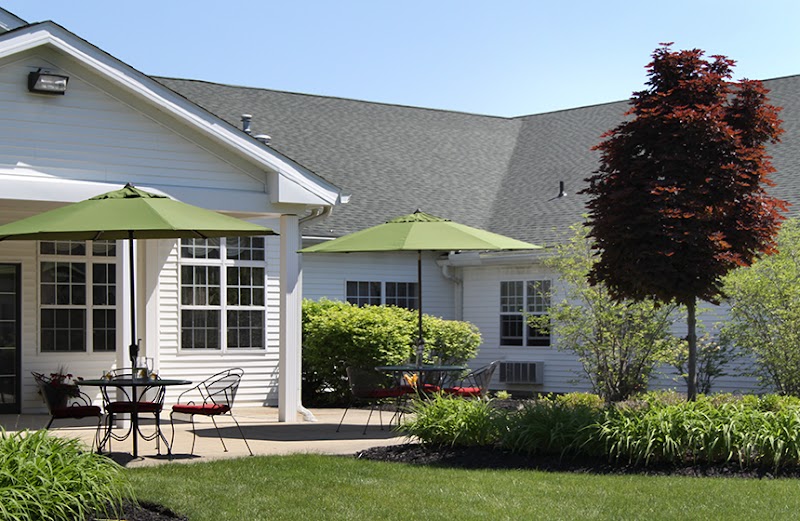
CMS rates NORTHFIELD VILLAGE RETIREMENT COMMUNITY's staffing level at 2 out of 5 stars, which is below average compared to other nursing homes. Staff turnover is 61%, which is 15 percentage points above the Ohio average of 46%. High turnover can affect care consistency as new staff learn residents' individual needs.

What Have Inspectors Found at Northfield Village Retirement Community?

State health inspectors documented 18 deficiencies at NORTHFIELD VILLAGE RETIREMENT COMMUNITY during 2019 to 2024. These included: 18 with potential for harm.
Who Owns and Operates Northfield Village Retirement Community?

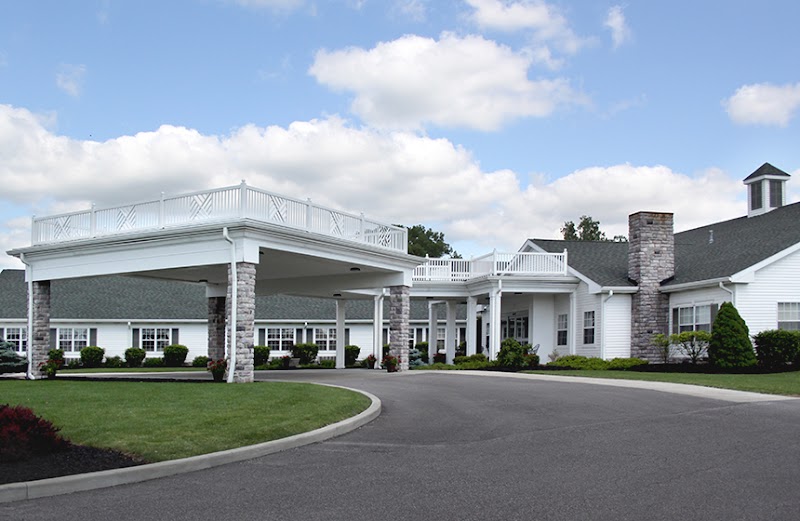
NORTHFIELD VILLAGE RETIREMENT COMMUNITY is owned by a for-profit company. For-profit facilities operate as businesses with obligations to shareholders or private owners. The facility is operated by VRC MANAGEMENT, a chain that manages multiple nursing homes. With 70 certified beds and approximately 52 residents (about 74% occupancy), it is a smaller facility located in NORTHFIELD, Ohio.

How Does Northfield Village Retirement Community Compare to Other Ohio Nursing Homes?

Compared to the 100 nursing homes in Ohio, NORTHFIELD VILLAGE RETIREMENT COMMUNITY's overall rating (4 stars) is above the state average of 3.2, staff turnover (61%) is significantly higher than the state average of 46%, and health inspection rating (4 stars) is above the national benchmark.

What Should Families Ask When Visiting Northfield Village Retirement Community?

Based on this facility's data, families visiting should ask: "How do you ensure continuity of care given staff turnover, and what is your staff retention strategy?" "Can you walk me through typical staffing levels on day, evening, and night shifts?" "Can I visit during a mealtime to observe dining assistance and food quality?" "How do you handle medical emergencies, and what is your hospital transfer rate?" These questions are particularly relevant given the facility's high staff turnover rate and the below-average staffing rating.

Is Northfield Village Retirement Community Safe?

Based on CMS inspection data, NORTHFIELD VILLAGE RETIREMENT COMMUNITY has a clean safety record: no substantiated abuse findings (meaning no confirmed cases of resident harm), no Immediate Jeopardy citations (the most serious violation level indicating risk of serious injury or death), and is not on the Special Focus Facility watch list (a federal program monitoring the lowest-performing 1% of nursing homes). The facility has a 4-star overall rating and ranks #1 of 100 nursing homes in Ohio. While no facility is perfect, families should still ask about staff-to-resident ratios and recent inspection results during their visit.

Do Nurses at Northfield Village Retirement Community Stick Around?

Staff turnover at NORTHFIELD VILLAGE RETIREMENT COMMUNITY is high. At 61%, the facility is 15 percentage points above the Ohio average of 46%. High turnover means new staff may not know residents' individual needs, medications, or preferences. It can also be disorienting for residents, especially those with dementia who rely on familiar faces. Families should ask: What is causing the turnover? What retention programs are in place? How do you ensure care continuity during staff transitions?

Was Northfield Village Retirement Community Ever Fined?

NORTHFIELD VILLAGE RETIREMENT COMMUNITY has no federal fines on record. CMS issues fines when nursing homes fail to meet care standards or don't correct problems found during inspections. The absence of fines suggests the facility has either maintained compliance or corrected any issues before penalties were assessed. This is a positive indicator, though families should still review recent inspection reports for the full picture.

Is Northfield Village Retirement Community on Any Federal Watch List?

NORTHFIELD VILLAGE RETIREMENT COMMUNITY is not on any federal watch list. The most significant is the Special Focus Facility (SFF) program, which identifies the bottom 1% of nursing homes nationally based on persistent, serious quality problems. Not being on this list means the facility has avoided the pattern of deficiencies that triggers enhanced federal oversight. This is a positive indicator, though families should still review the facility's inspection history directly.