GAYMONT CARE AND REHABILITATION
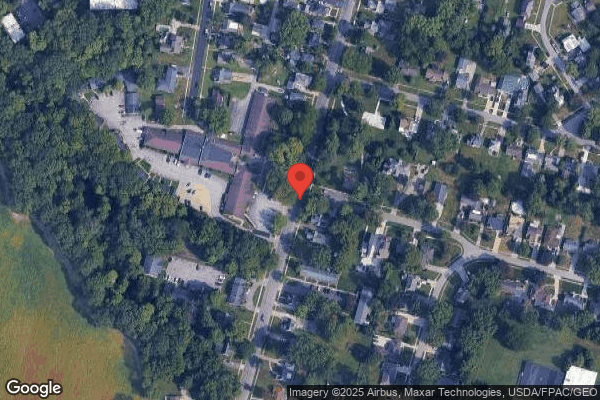
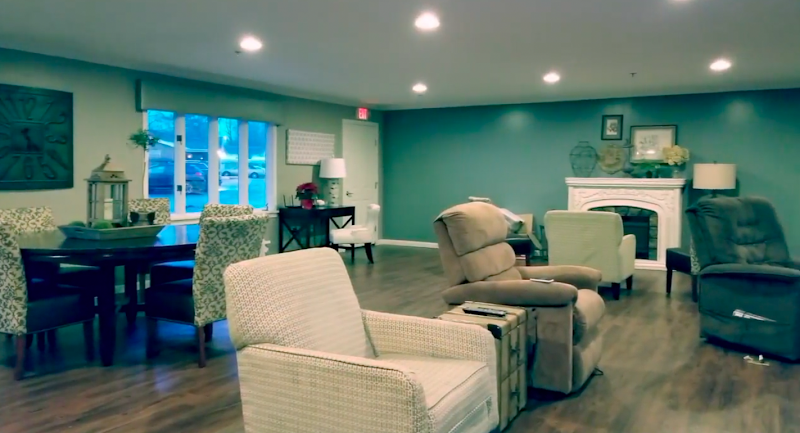
66 NORWOOD AVE, NORWALK, OH 44857 (419) 668-8258
For profit - Limited Liability company 88 Beds Independent Data: November 2025
Trust Grade
55/100
#467 of 913 in OH
Last Inspection: April 2024

Within standard 12-15 month inspection cycle. Federal law requires annual inspections.

Overview

Gaymont Care and Rehabilitation has received a Trust Grade of C, which means it is average and falls in the middle of the pack among nursing homes. It ranks #467 out of 913 facilities in Ohio, placing it in the bottom half, and #4 out of 6 in Huron County, indicating only one local option is better. The facility is experiencing a worsening trend, with reported issues increasing from 3 in 2023 to 9 in 2024. Staffing is rated as average, with a turnover rate of 41%, which is better than the state average of 49%, but still suggests some instability. While the facility has no fines on record, which is a positive sign, there have been concerning incidents, such as a resident experiencing a severe weight loss of 17.6% due to a failure to implement nutritional recommendations, and issues with food preparation that left meals bland and unappetizing. Overall, while there are strengths in staffing stability and no fines, the rise in reported issues and specific incidents highlight areas for improvement.

Trust Score
C
55/100
In Ohio
#467/913
Bottom 49%
Safety Record
Moderate
Needs review
Inspections
Getting Worse
3 → 9 violations
Staff Stability
○ Average
41% turnover. Near Ohio's 48% average. Typical for the industry.
Penalties
✓ Good
No fines on record. Clean compliance history, better than most Ohio facilities.
Skilled Nurses
○ Average
Each resident gets 30 minutes of Registered Nurse (RN) attention daily — about average for Ohio. RNs are the most trained staff who monitor for health changes.
Violations
⚠ Watch
24 deficiencies on record. Higher than average. Multiple issues found across inspections.
★★★☆☆
3.0
Overall Rating
★★★☆☆
3.0
Staff Levels
★★★★☆
4.0
Care Quality
★★★☆☆
3.0
Inspection Score
Stable
2023: 3 issues
2024: 9 issues

The Good

  • 4-Star Quality Measures · Strong clinical quality outcomes
  • Full Sprinkler Coverage · Fire safety systems throughout facility
  • No fines on record
  • Staff turnover below average (41%)

    7 points below Ohio average of 48%

Facility shows strength in quality measures, fire safety.

The Bad

3-Star Overall Rating

Near Ohio average (3.2)

Meets federal standards, typical of most facilities

Staff Turnover: 41%

Near Ohio avg (46%)

Typical for the industry

The Ugly 24 deficiencies on record

1 actual harm
Apr 2024 8 deficiencies 1 Harm
SERIOUS (G)

Actual Harm - a resident was hurt due to facility failures

Deficiency F0692 (Tag F0692)

A resident was harmed · This affected 1 resident

**NOTE- TERMS IN BRACKETS HAVE BEEN EDITED TO PROTECT CONFIDENTIALITY** Based on observations, medical record review, resident interview, staff interviews, and policy review, the facility failed to de...

Read full inspector narrative →
**NOTE- TERMS IN BRACKETS HAVE BEEN EDITED TO PROTECT CONFIDENTIALITY** Based on observations, medical record review, resident interview, staff interviews, and policy review, the facility failed to develop and implement a comprehensive, effective, and individualized nutritional program to ensure nutritional recommendations were addressed timely, nutritional interventions were implemented as recommended, and/or to recognize and address severe resident weight loss. Actual Harm occurred when Resident #122, who was admitted with an unplanned significant weight loss and tested positive for COVID -19 two days after admission, experienced a severe weight loss of 17.6% pounds, within 21 days of admission. Upon admission on [DATE], Resident #122 weighed 75 pounds and on 04/25/24 Resident #122 weighed 61.8 pounds. The nutritional recommendations for Resident #122 that were made on 04/09/24 were not implemented and Resident #122 did not receive the recommended supplements of a frozen nutritional treat twice a day. This affected one (#122) of two residents reviewed for nutrition. The facility census was 70. Findings include: Review of Resident #122's medical record revealed an admission date of 04/03/24 with medical diagnoses including stroke, protein calorie malnutrition, anemia, and chronic obstructive pulmonary disease (COPD). Review of the admission nursing assessment dated [DATE], revealed Resident #122 was admitted from the hospital with significant weight loss that was unplanned. Review of Resident #122's written plan of care for nutrition dated 04/04/24 revealed provide nutritional supplements as ordered by the physician. Review of Resident #122's admission weight dated 04/04/24 revealed Resident #122's weight was 75.0 pounds. Review of the dietitian admission evaluation note completed on 04/09/24 revealed Resident #122 was admitted from another nursing home facility following a hospitalization. Resident #122 tested positive for COVID-19 on 04/05/24. The assessment revealed Resident #122 was able to feed herself on a regular diet. The notes revealed Resident #122's body mass index (BMI), a measurement of body fat based on height and weight, was 15.6 indicating the resident was underweight (healthy range is 18.5 to 24.9). The dietitian recommended a frozen nutritional treat two times a day to encourage protein and calorie intake and promote healing and gradual weight gain. Review of Resident #122's admission Minimum Data Set (MDS) assessment dated [DATE] revealed Resident #122 had cognition impairment with a Brief Interview for Mental Status (BIMS) score of 12. Resident #122's height was four feet eight inches and the weight listed was 75 pounds. Additionally, the assessment revealed Resident #122 had a stage III pressure ulcer (Full thickness tissue loss. Subcutaneous fat may be visible but bone, tendon or muscle is not exposed) to her coccyx. Review of the Nutrition Care Area Assessment (CAA) dated 04/10/24 revealed the resident had a low BMI and there was a need for a plan of care for nutrition. Review of Resident #122's weight dated 04/11/24 revealed Resident #122's weight was 62.8 pounds. This was a 12.2-pound weight loss since admission which indicated a 16.3 percent severe weight loss. Review of the dietitian's note dated 04/16/24 revealed Resident #122's weight was 62.8 pounds on 04/11/24 and this was a significant weight decrease. The dietitian's note stated to 'continue' frozen nutritional treat two times a day to encourage intake and promote healing. The dietitian's note did not address the nutritional interventions were not implemented as recommended on 04/09/24 and there were no new nutrition interventions recommended. Review of Resident #122's weight dated 04/18/24 revealed Resident #122's weight was 64.2 pounds. Review of Resident #122's medication administration records, treatment administration records, and physician orders for April 2024, revealed no evidence of frozen nutritional treat started until 04/23/24. Review of the physician's orders dated 04/23/24 revealed an order to provide frozen nutritional treat, two times a day. Interview on 04/23/24 at 10:23 A.M. with Registered Dietitian (RD) #137 revealed she was not able to enter physician's orders into the resident's medical record. RD #137 has to give her nutrition recommendations to the nursing staff to enter into the resident's medical record. RD #137 confirmed on 04/09/24, when she made the recommendation for the frozen nutritional treat to be started twice a day to the nursing staff, the orders were not entered. RD #137 confirmed there was no evidence Resident #122 was receiving the recommended nutritional supplement until 04/23/24, when the physician order was placed into the computer. RD #137 confirmed the dietitian's progress notes dated 04/16/24 did not address Resident #122's severe weight loss from 04/04/24 through 04/11/24 at 62.8 pounds or any new interventions at that time. RD #137 confirmed she did not check to ensure her recommendations from 04/09/24 were actually entered and implemented for Resident #122. Review of a physician order dated 04/23/24 (following the interview with RD #137) revealed an order for additional nutritional interventions of Boost Breeze (a high calorie nutritional supplement drink) and weekly weights on Thursdays. Interview and observation on 04/23/24 at 12:46 P.M. revealed Resident #122 did have the frozen nutritional supplement offered. Resident #122 stated she could not remember if she had ever gotten a frozen nutritional treat before. Observation on 04/25/24 at 8:07 A.M. revealed Resident #122's weight was obtained by State Tested Nursing Aide (STNA) #106. Resident #122 weighed 61.8 pounds. This was a 2.2-pound weight loss (3.7%) in one week, and a 13.2-pound weight loss in 21 days, indicating a 17.6 percent severe weight loss since admission to the facility. Review of the policy titled, Weight Assessment and Interventions, dated 2001, revealed the multidisciplinary team will strive to prevent, monitor, and intervene for undesirable weight loss/gain, as appropriate, in light of the resident's right to refuse food/fluid, the resident's right to consume food/fluid of choice, and the resident's express wishes in Advanced Directive, if any. The threshold for significant unplanned and undesired weight loss will be based on the following criteria [where percentage of body weight loss/gain = (usual weight - actual weight) / (usual weight) x 100]: a. 1 month - 5% weight loss/gain. b. 3 months - 7.5% weight loss/gain. c. 6 months - 10% weight loss/gain. The Dietitian or his/her designee should discuss undesired weight gain with the resident, resident's legal representative and/or resident's responsible party. Interventions for undesirable weight loss/gain may be based on any of the following (not all inclusive): a. Resident choice and preferences; b. Nutrition and hydration needs of the resident; c. Functional factors that may impact meal consumption; d. Environmental factors that may affect appetite or desire to participate in meals; e. Chewing and swallowing abnormalities and the need for diet modifications; f. Medications that may interfere with appetite, chewing, swallowing or digestion; g. The use of supplementation as recommended by dietician and/or physician; h. The use of feeding tubes; i. End of life decisions and advance directives.
CONCERN (D)

Potential for Harm - no one hurt, but risky conditions existed

Deficiency F0558 (Tag F0558)

Could have caused harm · This affected 1 resident

**NOTE- TERMS IN BRACKETS HAVE BEEN EDITED TO PROTECT CONFIDENTIALITY** Based on observation, record review, resident interview, staff interview, and policy review, the facility failed to ensure call ...

Read full inspector narrative →
**NOTE- TERMS IN BRACKETS HAVE BEEN EDITED TO PROTECT CONFIDENTIALITY** Based on observation, record review, resident interview, staff interview, and policy review, the facility failed to ensure call lights were in reach of residents. This affected two (#51 and #122) of 19 residents reviewed for call lights. The facility census was 70. Findings include: 1. Review of the medical record for Resident #51 revealed an admission date of 02/08/22. Medical diagnoses included end stage renal disease (ESRD), cerebral infarction (stroke), anxiety and depression. Review of Resident #51's Minimum Data Set (MDS) quarterly assessment, dated 03/28/24, revealed the resident had a cognitive impairment but was noted as able to understand others and make herself understood. Review of Resident #51's care plan, dated 03/17/22, revealed the resident to have an assisted daily living (ADL) self-care performance deficit related to chronic kidney disease, cognitive impairment, and depression. The care plan included interventions which included placing the call light within reach. Observation and interview on 04/23/24 at 9:04 A.M., revealed Resident #51 seated in her manual wheelchair with an overbed table containing a partially eaten breakfast tray. Resident #51 stated she was freezing cold, was finished with her breakfast, and wanted to lie down. Resident #51 stated she had no way of calling for staff assistance as her call light was out of reach. She gestured to the bed where the call light was observed wrapped around the mobility bar on the side of the bed against the wall. Interview on 04/23/24 at 9:06 A.M., with the Administrator verified Resident #51's call light was not in reach. She returned the call light to Resident #51 and went to summon additional assistance from direct care staff. Observation and interview on 04/23/24 at 12:57 P.M., revealed Resident #51 seated in her wheelchair eating lunch. She was facing the television in her room with her bed behind her. Resident #51 stated she was done eating and wanted to lie down but again did not have her call light. The call light was observed underneath blankets on the bed behind the resident. Observation and interview on 04/23/24 at 1:00 P.M., with State Tested Nurse Aide (STNA) #101 verified Resident #51's call light was not in reach. STNA #101 provided Resident #51 with her call light and verified she was able to use it to make her needs known. 2. Review of Resident #122's medical record revealed an admission date of 04/03/24, with medical diagnoses including stroke, protein calorie malnutrition, anemia chronic obstructive pulmonary disease (COPD). Review of Resident #122's admission Minimum Data Set (MDS) assessment dated [DATE] revealed Resident #122 is cognitively impaired with a BIMS (Brief interview for mental status) score of 12. Observation and interview on 04/23/24 at 2:50 P.M., revealed Resident #122 was in bed laying on her left side facing the window. Resident #122 stated the call light is on the floor and I have to crap. Further observation revealed the call light was located on the floor on the right side of the bed. Observation and interview on 04/23/24 at 3:00 P.M., with State Tested Nursing Assistant (STNA) #101 confirmed the call light was on the floor, on the right side of the bed. STNA #101 stated he would assist Resident #122 to go to the bathroom as needed. Review of the policy titled, Answering Call Light, dated September 2022, indicated the section under general guidelines identified ensure the call light is accessible to the resident.
CONCERN (D)

Potential for Harm - no one hurt, but risky conditions existed

Deficiency F0561 (Tag F0561)

Could have caused harm · This affected 1 resident

**NOTE- TERMS IN BRACKETS HAVE BEEN EDITED TO PROTECT CONFIDENTIALITY** Based on review of the medical record, resident interview, staff interview, and policy review, the facility failed to ensure a r...

Read full inspector narrative →
**NOTE- TERMS IN BRACKETS HAVE BEEN EDITED TO PROTECT CONFIDENTIALITY** Based on review of the medical record, resident interview, staff interview, and policy review, the facility failed to ensure a resident's preference for showers was honored. This affected one (#4) of one resident reviewed for choices. The facility census was 70. Findings include: Review of the medical record for Resident #4 revealed an admission date of 12/10/21. Diagnoses included chronic kidney disease, hypertension, and systolic heart failure. Review of the quarterly Minimum Data Set (MDS) assessment dated [DATE] revealed the resident had intact cognition. The resident was dependent on staff for bathing/showers. Review of the task documentation for scheduled bathing revealed the resident had received bed baths on 03/27/24 and 04/10/24. The resident received showers on 03/30/24, 04/03/24, 04/06/24, 04/13/24, 04/17/24, and 04/20/24. Review of the nurses notes dated 03/27/24 through 04/11/24 revealed no documentation the resident had refused her shower or wanted a bed bath instead of a shower on 03/27/24 and 04/10/24. Interview on 04/22/24 at 8:21 A.M., with Resident #4 revealed she preferred showers in the mornings on Wednesdays and Saturdays. Resident #4 revealed she was not given the choice of a shower twice in the last month because the staff were too busy. Interview on 04/23/24 at 4:09 P.M., with the Director of Nursing (DON) verified the resident was documented as having bed baths on 03/27/24 and 04/10/24. The DON was unaware why the staff gave the resident a bed bath instead of a shower. Review of the undated policy titled, Resident Rights, revealed all residents would be treated with kindness, respect, and dignity and the residents had a right to self-determination.
CONCERN (D)

Potential for Harm - no one hurt, but risky conditions existed

Deficiency F0578 (Tag F0578)

Could have caused harm · This affected 1 resident

**NOTE- TERMS IN BRACKETS HAVE BEEN EDITED TO PROTECT CONFIDENTIALITY** Based on review of the medical record, staff interview, and policy review, the facility failed to ensure a resident's code statu...

Read full inspector narrative →
**NOTE- TERMS IN BRACKETS HAVE BEEN EDITED TO PROTECT CONFIDENTIALITY** Based on review of the medical record, staff interview, and policy review, the facility failed to ensure a resident's code status was consistent throughout the medical record. This affected one (#53) of one resident reviewed for advanced directives. The facility census was 70. Findings include: Review of the medical record revealed Resident #53 had an admission date of [DATE]. Diagnoses included hemiplegia and hemiparesis following cerebral infarction, hypertension, type two diabetes mellitus, and peripheral vascular disease. Review of the quarterly Minimum Data Set (MDS) assessment dated [DATE] revealed the resident had intact cognition. Review of the plan of care initiated [DATE] revealed the resident's code status was Do Not Resuscitate Comfort Care-Arrest (DNRCC-A) meaning providers would treat patient as any other without a DNR order until the point of cardiac or respiratory arrest at which point all interventions would cease and the DNR Comfort Care protocol would be implemented. Review of the undated electronic medical record face sheet revealed the resident was listed with a full code status (cardiopulmonary resuscitation (CPR) measures). Review of the physician's orders dated [DATE] in the electronic medical record revealed the resident was listed with a full code status. Review of the paper chart revealed in the advance directives tab the resident had a signed Do Not Resuscitate (DNR) order for DNRCC-Arrest (DNRCC-A) dated [DATE]. Review of a Care Plan Meeting Attendance and Notes document dated [DATE] revealed the resident's code status was reviewed and the resident had chosen a DNRCC-A code status. Interview on [DATE] at 2:43 P.M., with Licensed Practical Nurse (LPN) #152 verified the resident's code status did not match in the electronic medical record and the paper medical record. Review of the undated policy titled, Advance Directives, revealed physician's orders would be consistent and updated with the resident's treatment preferences and/or advance directive. Code status would be determined based on physician's orders.
CONCERN (D)

Potential for Harm - no one hurt, but risky conditions existed

Pressure Ulcer Prevention (Tag F0686)

Could have caused harm · This affected 1 resident

**NOTE- TERMS IN BRACKETS HAVE BEEN EDITED TO PROTECT CONFIDENTIALITY** Based on observations, medical record review, staff interview, and policy review, the facility failed to ensure a resident with ...

Read full inspector narrative →
**NOTE- TERMS IN BRACKETS HAVE BEEN EDITED TO PROTECT CONFIDENTIALITY** Based on observations, medical record review, staff interview, and policy review, the facility failed to ensure a resident with a pressure ulcer was provided pressure ulcer prevention interventions. This affected one (#122) of two resident identified by the facility with pressure ulcers. The facility census was 70. Findings include: Review of Resident #122's medical record revealed an admission date of 04/03/24, with medical diagnoses including stroke, protein calorie malnutrition, anemia, and chronic obstructive pulmonary disease (COPD). Review of Resident #122's admission Minimum Data Set (MDS) assessment dated [DATE], revealed Resident #122 had cognition impairment with a Brief interview for Mental Status (BIMS) score of 12. Resident #122's height was four feet eight inches and the weight listed was 75 pounds. The assessment additionally revealed Resident #122 had a stage III pressure ulcer (Full thickness tissue loss. Subcutaneous fat may be visible but bone, tendon or muscle is not exposed, granulation tissue and epibole (rolled wound edges) are often present. Slough and/or eschar may be visible but does not obscure the depth of tissue loss) to her coccyx. Review of Resident #122 wound evaluation notes dated 04/03/24 confirmed she was admitted with a stage III pressure ulcer located on the coccyx. The records identified a treatment was ordered. Review of Resident #122's admission physician orders dated 04/03/24 identified no pressure ulcer interventions, except for a wound treatment. Review of a 04/22/24 (first day of survey) physician order revealed an order for an alternating air mattress for wounds, check function every shift. The physician order did not list the settings the air mattress should be set on (ie; alternating/static; and weight settings) or in accordance with manufacture's instructions. Observation on 04/22/24 at 12:51 P.M., of Resident #122 in a wheelchair in the main dinning room. Resident #122 was observed sitting directly on the wheelchair seat with no cushion and or pressure relief devices. Resident #122 was observed to be placed into a soft recliner chair on 04/22/24 at 1:11 P.M. Resident #122 was again observed with no pressure relief cushions to the recliner chair in her room. Resident #122 was observed to have an alternating air mattress located on the bed. Interview on 04/24/24 at 10:17 A.M., with Resident #122 confirmed she mostly sleeps in her recliner. Observation and interview on 04/22/24 at 1:16 P.M., with Registered Nurse (RN) #162 confirmed there was no pressure relief devices located in Resident #122's wheelchair and or recliner and she had been up in both. The interview confirmed the physician order dated 04/22/24 does not have the settings the air mattress should be on or in accordance with the manufacture's instructions. Review of a wound evaluation completed by the facility Certified Wound Nurse #200 dated 04/15/24, revealed the wound evaluation identified recommendations to include Pressure reduction mattress per facility protocol, off load heels per facility protocol, wheelchair pressure reduction cushion per facility protocol, reposition per facility protocol, and nutritional consult per facility protocol. Requests were made from 04/23/24 through 04/25/24 during the annual survey for the facility written pressure reduction mattress, offloading heel, wheelchair cushion and nutritional consults protocols. The facility was never able to provide these protocols. Review of the policy titled Prevention of Pressure Injuries dated April 2020, identified the purpose of this procedure is to provide information regarding identification of pressure injury risk factors and interventions for specific risk factors. The Support Surfaces and Pressure Redistribution section identified; 1. Select appropriate support surfaces based the resident's risk factors, in accordance with current clinical practice.
CONCERN (D)

Potential for Harm - no one hurt, but risky conditions existed

Respiratory Care (Tag F0695)

Could have caused harm · This affected 1 resident

**NOTE- TERMS IN BRACKETS HAVE BEEN EDITED TO PROTECT CONFIDENTIALITY** Based on observation, staff and resident interview, record review, and policy review, the facility failed to ensure residents re...

Read full inspector narrative →
**NOTE- TERMS IN BRACKETS HAVE BEEN EDITED TO PROTECT CONFIDENTIALITY** Based on observation, staff and resident interview, record review, and policy review, the facility failed to ensure residents receiving supplemental oxygen had complete physician's orders for oxygen administration. This affected three (#45, #62, and #224) of three residents reviewed for respiratory care. The facility identified 13 residents who required the use of supplemental oxygen. The facility census was 70. Findings include: 1. Review of the medical record for Resident #45 revealed an admission date of 02/24/24. The resident was hospitalized from [DATE] to 04/19/24, for a spontaneous pneumothorax (collapsed lung). Medical diagnoses included malignant neoplasm of the lung and/or bronchus, chronic obstructive pulmonary disease (COPD), malnutrition, and weakness. Review of Resident #45's care plan, dated 02/27/24, revealed the resident to have impaired respiratory status related to COPD and cancer of the bronchus or lung. The interventions for the respiratory focus did not include an intervention of supplemental oxygen administration. Review of Resident #45's interdisciplinary progress notes revealed a note dated 04/19/24 at 12:00 P.M., indicating the resident had readmitted from a local hospital. The note indicated the resident was receiving supplemental oxygen. Review of Resident #45's physician's orders revealed no order for supplemental oxygen in the resident's record. Observation on 04/22/24 at 10:03 A.M., revealed Resident #45 lying in bed. The resident had a nasal cannula in place connected to an oxygen concentrator delivering supplemental oxygen at a rate of 3 liters per minute (lpm). There was an additional oxygen concentrator at the foot of the resident's bed, and a portable oxygen tank in a mobile stand in the resident's room. An interview with Resident #4, at the time of the observation, revealed the resident had a diagnosis of lung cancer, a recent hospitalization for a collapsed lung, and stated she had worn the oxygen since before she had gone to the hospital. Interview on 04/23/24 at 2:37 P.M., with Minimum Data Set (MDS) Nurse #162 verified Resident #45 had been using supplemental oxygen since her change in condition which led to her hospitalization. She verified Resident #45 did not have an order for supplemental oxygen until 04/22/24, when she placed the order into the electronic health record. MDS Nurse #162 identified the nurse who completed the readmission must have overlooked that the resident required supplemental oxygen upon the resident's return to the facility. Review of Resident #45's physician's orders revealed a new order dated 04/22/24 at 5:43 P.M., for continuous oxygen at 3 liters per nasal cannula every shift related to COPD. 2. Review of the medical record for Resident #62 revealed an re-admission date of 07/26/23. Medical diagnoses included COPD, emphysema, malignant neoplasm of the left lung or bronchus, chronic respiratory failure with hypoxia, and dependence on supplemental oxygen. Review of Resident #62's care plan, dated as initiated 07/06/23 and revised on 07/10/23, revealed the resident has an impaired respiratory status related COPD, emphysema, history of smoking, respiratory failure and shortness of breath. Care plan approaches include to administer oxygen as ordered by the physician. Review of Resident #62's physician's orders revealed an order dated 07/19/23 which stated liters received 2 L(liters) via nasal cannula. The order did not specify if the liters received were referring to oxygen, and there was no mention of whether the resident was supposed to receive continuous or intermittent oxygen administration. Observation on 04/22/24 at 1:26 P.M., revealed an oxygen concentrator in Resident #62's room, in the on position and set to 2 lpm, connected to nasal cannula tubing which was observed draped across Resident #62's bed. Resident #62 was seated in her recliner in her room. Observation on 04/23/24 at 9:10 A.M., revealed Resident #62 in her room, with her oxygen tubing draped over the left armrest of her recliner. Resident #62 states she is sometimes short of breath but wasn't sure if she was supposed to wear the oxygen all the time or not. Interview on 04/23/24 at 2:37 P.M., with MDS Nurse #162 verified Resident #62's order for oxygen did not specify oxygen or whether it should be administered continuously or on an intermittent basis. MDS Nurse #162 verified the order should specify whether supplemental oxygen should be administered on a continuous or an intermittent basis so it is clear to staff. 3. Review of the medical record for Resident #224 revealed an admission date of 04/11/24. Medical diagnoses included COPD, diabetes mellitus, and orthopedic aftercare. Resident #224 was discharged to home on [DATE]. Review of Resident #224's care plan, dated 04/12/24, revealed the resident had impaired respiratory status related to COPD with an intervention which included to provide oxygen as needed for difficulty breathing. Review of Resident #224's interdisciplinary progress notes revealed orders dated 04/13/24 at 10:13 A.M., 04/14/24 at 2:28 P.M. and 04/19/24 at 9:47 A.M., referencing Resident #224 requiring the use of supplemental oxygen. Review of Resident #224's physician's orders revealed an order dated 04/22/24 at 6:14 P.M., for continuous supplemental oxygen per nasal cannula at 2 lpm. Observation on 04/22/24 at 12:50 P.M., of Resident #224 revealed the resident in bed, with supplemental oxygen in place per nasal cannula. An interview with Resident #224, at the time of observation, revealed she had worn oxygen since her admission to the facility. Interview on 04/23/24 at 2:37 P.M., with MDS Nurse #162 verified Resident #224 had received supplemental oxygen since admission, but did not have a physician's order until the evening of 04/22/24. MDS Nurse #162 stated she did not believe the resident wore oxygen at home but had worn it off and on since admission to the facility. Review of the undated policy titled, Oxygen Administration revealed the purpose is to provide guidelines for safe oxygen administration. The first step listed in the policy was to verify that there is a physician's order for this procedure. The policy additionally states to review the physician's orders pr the facility's protocol for oxygen administration.
CONCERN (D)

Potential for Harm - no one hurt, but risky conditions existed

Deficiency F0847 (Tag F0847)

Could have caused harm · This affected 1 resident

Based on staff interview, record review, and policy review, the facility failed to comply with the requirements for binding arbitration agreements of allowing up to 30 days to rescind the agreement an...

Read full inspector narrative →
Based on staff interview, record review, and policy review, the facility failed to comply with the requirements for binding arbitration agreements of allowing up to 30 days to rescind the agreement and allow for a neutral arbitrator according to policy This affected three (#04, #37, and #52) of three residents reviewed for binding arbitration. The facility identified ten residents who had signed the facility's binding arbitration agreement. The facility census was 70. Findings include: 1. Review of the medical record revealed Resident #04 had an original admission date of 04/23/20 and a re-admission date of 12/10/21. Diagnoses included chronic kidney disease, hypertension, and systolic heart failure. Review of a form titled Arbitration Agreement, dated 04/24/20, revealed Resident #04 signed the form as agreeing to the facility's binding arbitration agreement on 04/24/20. The agreement stated any need to involve arbitration to resolve disputes would be completed by a listed arbitration firm and made no mention that the resident could select a neutral arbitrator. The form additionally listed the resident had only fourteen days to rescind the arbitration agreement once signed. 2. Review of the medical record for Resident #37 revealed an admission date of 04/11/20. Medical diagnoses included chronic pain, hyperlipidemia, anxiety, and depression. Review of a form titled Arbitration Agreement, dated 04/11/20, revealed Resident #37 signed the form as agreeing to the facility's binding arbitration agreement on 04/11/20. The agreement stated any need to involve arbitration to resolve disputes would be completed by a listed arbitration firm and made no mention that the resident could select a neutral arbitrator. The form additionally listed the resident had only fourteen days to rescind the arbitration agreement once signed. 3. Review of the medical record for Resident #52 revealed an admission date of 06/24/21. Medical diagnoses included hypertensive heart disease, heart failure, diabetes mellitus and depression. Review of a form titled Arbitration Agreement, dated 06/25/21, revealed Resident #37 signed the form as agreeing to the facility's binding arbitration agreement on 06/25/21. The agreement stated any need to involve arbitration to resolve disputes would be completed by a listed arbitration firm and made no mention that the resident could select a neutral arbitrator. The form additionally listed the resident had only fourteen days to rescind the arbitration agreement once signed. An attempted interview on 04/24/24 at 9:09 A.M., to reach the arbitration firm as listed on the facility's arbitration agreement was unsuccessful, with the website identified as not having an active server and an attempt to phone the number listed on the form revealed it led to an unrelated business. Interview on 04/24/24 at 10:24 A.M., with the Administrator verified the facility's arbitration form contained outdated contact information and provided new contact information for the listed arbitration firm. Interview on 04/24/24 at 2:38 P.M. with Receptionist #163 revealed she is responsible for completing admission paperwork upon admission. Receptionist #163 verified that residents are not required to sign the arbitration agreement as a condition of admission, and most of them don't. Receptionist #163 verified the current form the facility was using listed an arbitration firm who would be used and the form did not acknowledge or provide an option to use a neutral arbitrator. Additionally, Receptionist #163 verified the form stated the resident would have only 14 days to revoke the arbitration agreement, and was unaware the regulatory requirement specified the resident had 30 days to rescind the agreement. Interview on 04/24/24 at 3:55 P.M., with [NAME] President of Clinical Services (VPCS) #310 verified the facility had been using the wrong form for binding arbitration agreements. VPCS #310 provided a copy of the new form which indicated the arbitration process allowed for a selection of a neutral arbitrator and for residents to rescind the binding arbitration within 30 days of signing the form. Review of the policy titled Binding Arbitration Agreements, revised November 2023, revealed the residents or representatives are informed of the nature and implications of any proposed binding arbitration agreements so as to make informed decisions on whether or not to enter into such agreements. Arbitration agreements provide for the selection of a neutral arbitrator who is an impartial and unbiased third-party decision maker. Upon admission, or any time during the resident's stay, the resident or representative may be presented with the opportunity to utilize a binding arbitration agreement to resolve disputes, as long as the terms and conditions of the agreement comply with federal regulations.
CONCERN (E)

Potential for Harm - no one hurt, but risky conditions existed

Safe Environment (Tag F0921)

Could have caused harm · This affected multiple residents

**NOTE- TERMS IN BRACKETS HAVE BEEN EDITED TO PROTECT CONFIDENTIALITY** Based on review of the medical record, observation, resident interview, staff interview, and policy review, the facility failed ...

Read full inspector narrative →
**NOTE- TERMS IN BRACKETS HAVE BEEN EDITED TO PROTECT CONFIDENTIALITY** Based on review of the medical record, observation, resident interview, staff interview, and policy review, the facility failed to ensure resident rooms were timely cleaned and maintained in good repair. This affected four (#11, #53, #38, #21) of six residents reviewed for environment. The facility census was 70. Findings include: 1. Review of the medical record revealed Resident #11 had an admission date of 01/07/11. Diagnoses included type two diabetes mellitus and hypertension. Review of the annual Minimum Data Set (MDS) assessment dated [DATE] revealed the resident had impaired cognition. Observation on 04/22/24 at 7:47 A.M., in Resident #11's room revealed the cord on the call light cord had a frayed area exposing the inner wire. Further observation revealed the resident's window shade was broken and there were several stained areas on the tile floor. Interview on 04/22/24 at 2:54 P.M., State Tested Nursing Assistant (STNA) #142 verified the stains on Resident #11's floor and the frayed call light cord. STNA #142 revealed she would notify maintenance. Observation on 04/23/24 at 3:25 P.M., revealed the resident's floor was stained and the window shade was broken. Interview on 04/23/24 at 3:25 P.M., with the Laundry and Housekeeping Supervisor (LHS) #127 verified the broken shade and the stains on the resident's floor. LHS #127 revealed the tile floor needed stripped in the resident's room. 2. Review of the medical record for Resident #53 revealed an admission date of 09/27/23. Diagnoses included type two diabetes mellitus, and hemiplegia and hemiparesis following cerebral infarction. Review of the quarterly MDS assessment dated [DATE] revealed the resident had intact cognition. Observation on 04/22/24 at 9:39 A.M., revealed a dried spilled area on the floor next to the bed. Further observation revealed the resident's window shade was broken. Interview on 04/22/24 at 9:39 A.M., with Resident #53 revealed it bothered her the staff had not cleaned up the milk she had spilled on the floor two days ago and her broken window shade. Resident #53 revealed she had reported the spilled milk to a nursing assistant. Observation on 04/23/24 at 3:17 P.M., revealed the dried spilled area on floor next to the resident's bed was now covered with two wash cloths and the window shade was still broken. Interview on 04/23/24 at 3:17 P.M., with LHS #127 verified the dried spill on the floor and the resident's broken window shade. LHS #127 revealed floors in resident rooms should be cleaned daily. 3. Review of the medical record for Resident #38 revealed an admission date of 07/26/23. Diagnoses included osteoarthritis and essential tremor. Review of the quarterly MDS assessment dated [DATE] revealed the resident had impaired cognition. Observation on 04/23/24 at 11:34 A.M., Resident #38 and Resident #38's family member revealed the resident's window shade had been broken since the resident admitted to the facility. Interview on 04/23/24 at 3:21 P.M., LHS #127 verified the broken window shade in Resident #38's room. 4. Review of the medical record revealed Resident #21 had an admission date of 11/04/21. Diagnoses included epilepsy, glaucoma, and hypertension. Review of the quarterly MDS assessment dated [DATE] revealed the resident had intact cognition. Observation on 04/23/24 at 3:21 P.M., revealed the window shade in Resident #21's room was broken. Interview on 04/23/24 at 3:21 P.M., with LHS #127 verified the broken window shade in Resident #21's room. Interview on 04/23/24 at 4:21 P.M., with Resident #21 revealed her window shade had been broken a long time and she told maintenance about it but in never got fixed. Review of the undated policy titled, Cleaning and Disinfecting Residents Room, revealed housekeeping surfaces (floors and tabletops) would be cleaned on a regular basis, when spills occur, and when these surfaces were visibly soiled. Review of the policy titled, Maintenance Service, dated December 2009, revealed functions of maintenance personnel included maintaining the building in good repair and free from hazards and providing routinely scheduled maintenance service to all areas.
Mar 2024 1 deficiency
CONCERN (E) 📢 Someone Reported This

A family member, employee, or ombudsman was alarmed enough to file a formal complaint

Potential for Harm - no one hurt, but risky conditions existed

Safe Environment (Tag F0921)

Could have caused harm · This affected multiple residents

Based on medical record review, observation, staff interview, and review of the facility policy the facility failed to ensure resident room ceilings were maintained in good repair. This affected five ...

Read full inspector narrative →
Based on medical record review, observation, staff interview, and review of the facility policy the facility failed to ensure resident room ceilings were maintained in good repair. This affected five residents (#25, #45, #50, #59, #72) of six residents reviewed for the physical environment. The facility census was 71. Findings include: 1. Review of the medical record for Resident #50 revealed an admission date of 03/05/21 with diagnoses including schizophrenia and dementia. Review of the annual Minimum Data Set (MDS) assessment for Resident #50 dated 01/10/24 revealed the resident had severe cognitive impairment. Review of the medical record for Resident #25 revealed an admission date of 09/03/22 with diagnoses including dementia and type two diabetes mellitus. Review of the annual MDS assessment for Resident #25 dated 12/19/23 revealed the resident had severe cognitive impairment. Observation on 03/01/24 at 10:37 A.M. in the shared room of Residents #25 and #50 revealed an area approximately two feet by one and half feet on the ceiling with 50 or more discolored brown circular areas. Interview on 03/01/24 at 10:40 A.M. with Dietary Manager (DM) #100 confirmed the presence of discolored areas on Resident #25 and #50's ceiling. Interview on 03/01/24 at 10:43 A.M. with Director of Maintenance (DOM) #101 confirmed the stains on Resident #25 and #50's ceiling were there from a water leak that occurred approximately a year ago. 2. Review of the medical record for Resident #72 revealed an admission date of 07/15/22 with diagnoses including dementia and type two diabetes mellitus. Review of the quarterly MDS assessment for Resident #72 dated 01/04/24 revealed the resident had severe cognitive impairment. Observation on 03/01/24 at 10:45 A.M. revealed there was a small brown discolored area on the ceiling in Resident #72's room. Interview on 03/01/24 at 10:45 A.M., DM #100 and DOM #101 confirmed there was a brown discolored area on Resident #72's ceiling. 3. Review of the medical record for Resident #45 revealed an admission date of 08/17/22 with diagnoses including paraplegia, type two diabetes mellitus, and congestive heart failure. Review of the quarterly MDS for Resident #45 dated 02/08/24 revealed the resident had intact cognition. Observation on 03/01/24 at 10:56 A.M. revealed there was a brown discolored area on Resident #45's ceiling which was approximately six feet in length by two inches in width. Interview on 03/01/24 at 10:57 A.M. with DOM #101 confirmed there was a brown discolored area on Resident #45's ceiling. 4. Review of the medical record for Resident #59 revealed an admission date of 12/21/22 with diagnoses including dementia, depression, and anxiety disorder. Review of the annual MDS assessment for Resident #59 dated 12/07/23 revealed the resident had severe cognitive impairment. Observation on 03/01/24 at 10:58 A.M. revealed there was approximately four feet by two-inch-long brown discolored area on Resident #59's ceiling. Interview on 03/01/24 at 10:59 A.M. with DOM #101 confirmed there was large brown discolored area on Resident #59's ceiling. Interview on 03/01/24 at 11:05 A.M. with DOM #101confirmed the housekeepers should be educated to notify maintenance when room repairs were needed. Review of the policy titled Maintenance Service dated December 2009 revealed maintenance service would be provided to all areas of the building, grounds, and equipment. Maintenance personnel would maintain the building in compliance with current federal, state, and local laws, regulations, and guidelines. The building would be maintained in good repair and free from hazards.
Jun 2023 3 deficiencies
CONCERN (D) 📢 Someone Reported This

A family member, employee, or ombudsman was alarmed enough to file a formal complaint

Potential for Harm - no one hurt, but risky conditions existed

Report Alleged Abuse (Tag F0609)

Could have caused harm · This affected 1 resident

**NOTE- TERMS IN BRACKETS HAVE BEEN EDITED TO PROTECT CONFIDENTIALITY** Based on medical record review, staff interview, review of facility policy, and review of the Ohio Certification and Licensure w...

Read full inspector narrative →
**NOTE- TERMS IN BRACKETS HAVE BEEN EDITED TO PROTECT CONFIDENTIALITY** Based on medical record review, staff interview, review of facility policy, and review of the Ohio Certification and Licensure website, the facility failed to ensure a potential narcotic misappropriation was reported to the State Survey Agency. This affected one (#70) of one resident reviewed for misappropriation. The facility census was 67. Findings include: Review of Resident #70's medical record revealed an admission date of 04/08/23 and a discharge date of 06/02/23. Diagnoses included necrotizing fasciitis, systemic inflammatory response syndrome, acute kidney failure, and anxiety disorder. Review of the significant change Minimum Data Set (MDS) assessment dated [DATE] revealed Resident #70 was cognitively intact and received hospice care. Review of a plan of care focus area initiated 03/31/23 revealed Resident #70 had the potential for pain related to peripheral vascular disease, immobility, pressure ulcers, and osteoarthritis. Interventions included to administer medications per physician orders. Additional review of a plan of care focus area initiated 05/01/23 revealed Resident #70 had a terminal prognosis with hospice related to necrotizing fasciitis. Interventions included to administer medications per physician order and notify hospice if pain medication was ineffective. Review of the physician order dated 05/24/23, revealed Resident #70 was ordered fentanyl transdermal patch 75 micrograms/hour (mcg/hr) apply one patch transdermally every 72 hours. Review of the Controlled Substance Log revealed on 05/25/23 at 2:30 A.M., a 75 mcg/hr fentanyl patch was applied to Resident #70's left shoulder. Review of a nursing progress note dated 05/26/23 at 1:27 P.M. revealed a fentanyl patch was not present on Resident #70. The nurse was waiting on a return call from hospice to see about a new order. Review of the Ohio Certification and Licensure website from 05/25/23 to 06/11/23 revealed the facility did not report the potential misappropriation of Resident #70's fentanyl patch. Interview on 06/12/23 at 4:50 P.M. with the Director of Nursing (DON) revealed Resident #70 was on hospice services and was ordered a fentanyl patch for pain management. In the early morning hours of 05/25/23, a 75 mcg/hr patch was applied to the resident's left shoulder. The patch remained in place during the day on 05/25/23. The night shift nurse did not check for placement until the morning of 05/26/23. It was at that time the patch was noted to be missing from Resident #70's left shoulder. The DON stated the resident's skin was seeping and he had poor skin integrity due to necrotizing fasciitis and they believed the patch just fell off of the resident. The DON stated Resident #70's sheets were changed frequently due to his skin seeping and it was unknown how many linen changes the resident had after the patch was applied. The DON stated staff looked for the patch in the garbage and on sheets but they were never able to locate the missing fentanyl patch. The DON confirmed hospice was contacted and the fentanyl patch was discontinued and new orders were received to increase other pain medications. While the DON stated she completed an investigation and provided staff education on controlled substances, she did not consider the missing fentanyl patch could be a misappropriation and verified it was not reported to the State Survey Agency. Review of the facility policy titled Abuse, Neglect, Exploitation or Misappropriation - Reporting and Investigating, revised September 2022, revealed if resident abuse, neglect, exploitation, misappropriation of resident property or injury of unknown source was suspected, the suspicion must be reported immediately to the Administrator and other officials according to state law. In addition, the administrator or individual making the allegation reports to the state licensing/certification agency responsible for surveying/licensing the facility within two hours of an allegation involving abuse or result in serious bodily injury or within 24 hours for allegations that do not include abuse or serious bodily injury. This was an incidental finding discovered during the complaint investigation.
CONCERN (D) 📢 Someone Reported This

A family member, employee, or ombudsman was alarmed enough to file a formal complaint

Potential for Harm - no one hurt, but risky conditions existed

Investigate Abuse (Tag F0610)

Could have caused harm · This affected 1 resident

**NOTE- TERMS IN BRACKETS HAVE BEEN EDITED TO PROTECT CONFIDENTIALITY** Based on medical record review, review of the facility's investigation, staff interview, and review of the facility policy, the ...

Read full inspector narrative →
**NOTE- TERMS IN BRACKETS HAVE BEEN EDITED TO PROTECT CONFIDENTIALITY** Based on medical record review, review of the facility's investigation, staff interview, and review of the facility policy, the facility failed to complete a thorough investigation into a potential misappropriation of a resident's narcotics. This affected one (#70) of one resident reviewed for misappropriation. The facility census was 67. Findings include: Review of Resident #70's medical record revealed an admission date of 04/08/23 and a discharge date of 06/02/23. Diagnoses included necrotizing fasciitis, systemic inflammatory response syndrome, acute kidney failure, and anxiety disorder. Review of the significant change Minimum Data Set (MDS) assessment dated [DATE] revealed Resident #70 was cognitively intact and received hospice care. Review of a plan of care focus area initiated 03/31/23 revealed Resident #70 had the potential for pain related to peripheral vascular disease, immobility, pressure ulcers, and osteoarthritis. Interventions included to administer medications per physician orders. Additional review of a plan of care focus area initiated 05/01/23 revealed Resident #70 had a terminal prognosis with hospice related to necrotizing fasciitis. Interventions included to administer medications per physician order and notify hospice if pain medication was ineffective. Review of the physician order dated 05/24/23, revealed Resident #70 was ordered fentanyl transdermal patch 75 micrograms/hour (mcg/hr) apply one patch transdermally every 72 hours. Review of the Controlled Substance Log revealed on 05/25/23 at 2:30 A.M., a 75 mcg/hr fentanyl patch was applied to Resident #70's left shoulder. Review of a nursing progress note dated 05/26/23 at 1:27 P.M. revealed a fentanyl patch was not present on Resident #70. The nurse was waiting on a return call from hospice to see about a new order. Review of the facility's investigation, completed 05/26/23, revealed staff interviews were conducted related to the missing fentanyl patch and staff education was conducted on the disposal of pain medication patches and controlled substances. The investigation did not include evidence of any additional investigation, including contacting the police, conducting staff toxicology screens, or resident interviews. Interview on 06/12/23 at 4:50 P.M. with the Director of Nursing (DON) revealed Resident #70 was on hospice services and was ordered a fentanyl patch for pain management. In the early morning hours of 05/25/23, a 75 mcg/hr patch was applied to the resident's left shoulder. The patch remained in place during the day on 05/25/23. The night shift nurse did not check for placement until the morning of 05/26/23. It was at that time the patch was noted to be missing from Resident #70's left shoulder. The DON stated the resident's skin was seeping and he had poor skin integrity due to necrotizing fasciitis and they believed the patch just fell off of the resident. The DON stated Resident #70's sheets were changed frequently due to his skin seeping and it was unknown how many linen changes the resident had after the patch was applied. The DON stated staff looked for the patch in the garbage and on sheets but they were never able to locate the missing fentanyl patch. The DON confirmed staff interviews were conducted and staff education was provided on controlled substances and the disposal of pain patches, but the police were not contacted regarding a potential controlled drug diversion, no staff were tested for controlled substances, and no residents were interviewed. Review of the facility policy titled Abuse, Neglect, Exploitation or Misappropriation - Reporting and Investigating, revised September 2022, revealed if resident abuse, neglect, exploitation, misappropriation of resident property or injury of unknown source was suspected, the suspicion must be reported immediately to the administrator and other officials according to state law, including, but not limited to, local law enforcement. In addition, the investigation must include, at a minimum, interviews of the person reporting the incident, interview of the resident or resident's representative, and interviews of other residents who may have been impacted. This was an incidental finding discovered during the complaint investigation.
CONCERN (D) 📢 Someone Reported This

A family member, employee, or ombudsman was alarmed enough to file a formal complaint

Potential for Harm - no one hurt, but risky conditions existed

Deficiency F0659 (Tag F0659)

Could have caused harm · This affected 1 resident

Based on medical record review, staff interview, and review of facility job description, the facility failed to ensure Medication Technicians did not provide clinical assessment of resident needs. Thi...

Read full inspector narrative →
Based on medical record review, staff interview, and review of facility job description, the facility failed to ensure Medication Technicians did not provide clinical assessment of resident needs. This affected one (#1) of three residents reviewed for clinical assessments. The facility census was 67. Findings include: Review of the Resident #1's medical record revealed an admission date of 01/11/23. Diagnoses included schizoaffective disorder, dementia, osteoarthritis, atherosclerotic heart disease, and congestive heart failure (CHF). Review of the quarterly Minimum Data Set (MDS) assessment, dated 05/26/23, revealed Resident #1 was severely cognitively impaired and received as needed pain medication. Review of the plan of care initiated 01/12/23 revealed Resident #1 was at risk for pain related to gastroesophageal reflux (GERD). Interventions included to administer medications as ordered, monitor for changes in behavior and mood that may indicate pain, and monitor for verbal and non-verbal signs and symptoms of pain. Additional review of a plan of care focus area initiated 02/09/23 revealed Resident #1 was at risk for abnormal bleeding or hemorrhage related to aspirin therapy. Interventions included to administer medications as ordered and monitor/document/report to the physician signs and symptoms of abnormal bleeding. Review of the physician orders revealed to monitor Resident #1 for signs and symptoms of bleeding every shift and monitor pain and document every shift. Review of the Treatment Administration Record (TAR) from 04/01/23 through 05/31/23 revealed Medication Technician (MT) #183 documented assessment of Resident #1's pain and signs and symptoms of bleeding on 04/22/23, 05/06/23, and 05/13/23. Interview on 06/12/23 at 2:02 P.M. with the Director of Nursing (DON) revealed a MT was like a nurse aide with a specialty to pass oral medications. The DON explained MTs passed oral medications and, in between, provided resident care. The DON stated if the MT believed there was a resident concern, such as pain, they were to get the nurse to complete a resident assessment. The DON stated any nursing activity outside of administering scheduled oral medication was outside the scope of practice for a MT. The DON verified on 04/22/23, 05/05/23, and 05/13/23, MT #183 documented pain levels and monitoring of signs and symptoms of bleeding for Resident #1. The DON confirmed there was no documentation indicating a licensed nurse had completed these assessments and verified the MT should not have documented the assessments were completed. Review of the Certified Medication Aide job description, dated 08/01/16, revealed the position was responsible for set up and administering medications under the supervision and direction of a Charge Nurse. This deficiency demonstrates non-compliance investigated under Complaint Number OH00143296.
Nov 2021 7 deficiencies
CONCERN (D)

Potential for Harm - no one hurt, but risky conditions existed

Deficiency F0558 (Tag F0558)

Could have caused harm · This affected 1 resident

**NOTE- TERMS IN BRACKETS HAVE BEEN EDITED TO PROTECT CONFIDENTIALITY** Based on observation, record review, policy review, and staff interview, the facility failed to ensure call lights were within r...

Read full inspector narrative →
**NOTE- TERMS IN BRACKETS HAVE BEEN EDITED TO PROTECT CONFIDENTIALITY** Based on observation, record review, policy review, and staff interview, the facility failed to ensure call lights were within reach and accessible. This affected one (Resident #318) of 31 residents reviewed for call light placement. The facility census was 71. Findings include: Record review for Resident #318 revealed Resident #318 was admitted to the facility on [DATE]. Diagnoses included systemic inflammatory response syndrome of non-infectious origin without acute organ dysfunction, abdominal pain, diarrhea, congestive heart failure (CHF), weakness, end stage renal failure, chronic obstructive pulmonary disease (COPD), multiple sclerosis, and morbid obesity due to excess calories. Review of the Minimum Data Set (MDS) assessment, dated 11/15/21, revealed Resident #318 was alert and oriented to person, place and time and required substantial and/or maximal assistance for activities of daily living (ADLs). Review of the care plan, dated 11/15/2,1 revealed Resident #318 had a ADL self-care performance deficit related to CHF, COPD, generalized weakness, obesity, pain and shortness of breath. Interventions included two-person assist for bed mobility, toileting, transfers, and to encourage Resident #318 to use call light when assistance was needed. Observation and interview on 11/15/21 at 10:07 A.M. revealed Resident #318 was lying in bed with her eyes open. The call light was noted to be laying across the recliner, approximately six feet away and out of reach of Resident #318. Resident #318 was moving her hands around the bed. Resident #318 stated she was trying to locate her call light for assistance regarding dialysis. Interview on 11/15/21 at 10:16 AM with Social Service Director (SSD) #279 and Licensed Practical Nurse (LPN) #288 confirmed the call light was out of reach and Resident #318 would not be able to reach it if she required assistance. LPN #288 revealed Resident #318 was a two-person assist for ADLs. Review of the facility's document titled Answering the Call Light, revised October 2010, revealed the facility had a policy in place to respond to the resident's request and needs. When a resident was in bed or confined to a chair, the call light should be within easy reach of the resident.
CONCERN (D)

Potential for Harm - no one hurt, but risky conditions existed

Deficiency F0604 (Tag F0604)

Could have caused harm · This affected 1 resident

**NOTE- TERMS IN BRACKETS HAVE BEEN EDITED TO PROTECT CONFIDENTIALITY** Based on record review, observation, and staff interview, the facility failed to ensure Residents #169's wanderguard (device use...

Read full inspector narrative →
**NOTE- TERMS IN BRACKETS HAVE BEEN EDITED TO PROTECT CONFIDENTIALITY** Based on record review, observation, and staff interview, the facility failed to ensure Residents #169's wanderguard (device used to alert staff of resident movement and potential exit seeking behaviors) was in place for a valid medically necessary reason. This affected one (Resident #169) of one residents reviewed for restraints. The facility identified there were zero residents with physical restraints. The facility census was 71. Findings include: Review of Resident #169's medical record revealed Resident #169 was admitted to the facility on [DATE]. Diagnoses included dementia. Review of the census records for Resident #169's from 10/28/21 to 11/18/21 revealed Resident #169 had never resided on the facilities locked behavioral unit. Review of the Elopement section of the nursing admission assessment, dated 10/28/21, revealed Resident #169 was not capable of leaving the building. Review of the most recent Minimum Data Set (MDS) 3.0 assessment, dated 11/05/21, revealed Resident #169 was severely cognitively impaired and required extensive assistance for his activities of daily living. Resident #169 exhibited no behaviors including wandering, hallucinations or delusions. Review of the Elopement Risk assessment, dated 11/18/21, revealed the resident was at a low elopement risk. Review of the physicians orders for November 2021 revealed there were no orders for a wanderguard. Review of the care plan for Resident #169 revealed no care plan indicating the need for a wanderguard. Observation of Resident #169 on 11/18/21 at 9:45 A.M. revealed a wanderguard bracelet to the right ankle. Interview with the Director of Nursing on 11/18/21 at 10:10 A.M. verified there was no order or care plan for the wanderguard and that all clinical documentation indicated Resident #169 was not an elopement risk. Follow up interview with the Director of Nursing on 11/18/21 at 10:20 A.M. revealed the wanderguard was removed.
CONCERN (D)

Potential for Harm - no one hurt, but risky conditions existed

Deficiency F0807 (Tag F0807)

Could have caused harm · This affected 1 resident

**NOTE- TERMS IN BRACKETS HAVE BEEN EDITED TO PROTECT CONFIDENTIALITY** Based on observation, record review, policy review, and staff interviews, the facility failed to ensure residents request and pr...

Read full inspector narrative →
**NOTE- TERMS IN BRACKETS HAVE BEEN EDITED TO PROTECT CONFIDENTIALITY** Based on observation, record review, policy review, and staff interviews, the facility failed to ensure residents request and preferences for hydration were honored. This affected one (Resident #22) of one resident reviewed for preferences honored. The facility census was 71. Findings include: Record review for Resident #22 revealed Resident #22 was admitted to the facility on [DATE] with diagnoses including Type II diabetes mellitus without complications and hypertension. Review of the most recent Minimum Data Set (MDS) 3.0 assessment, dated 09/29/21, revealed Resident #22 was moderately cognitively impaired. Review of the care plan, dated 09/01/21, revealed Resident #22 was at risk for altered nutritional status related to therapeutic diet and varied intake of current diet. Interventions included to encourage and/or provide intake of fluids throughout the day, notify physician of any signs or symptoms of dehydration, and to provide fluids based on preferences. Review of the medical record for Resident #22 revealed there were no dietary restrictions. Observation on 11/15/21 at 4:00 P.M. revealed Dietary Staff (DS) #219 informed Resident #22 he could not have an extra can of soda. Interview on 11/15/21 at 4:08 P.M. with DS #219 confirmed she told Resident #22 he could not have an extra can of soda. DS #219 revealed Resident #22 could not have an extra can of soda due to him receiving a can of soda with the lunch meal. DS #219 stated the residents were only allowed one can of soda over the course of the day with each meal (breakfast, lunch, and dinner). DS #219 confirmed this was normal protocol. Interview on 11/15/21 at 4:10 P.M. with Dietary Manager (DM) #261 revealed if a resident requested an extra drink, they should receive it until the item was depleted unless dietary restrictions were in place. Interview on 11/18/21 at 10:31 A.M. with Dietitian #291 revealed Resident #22 weights and nutrition were stable and required no diet restrictions. Dietitian #291 revealed Resident #22 was allowed snacks and soda from the kitchen per his preference. Review of the facility's policy titled Resident Rights, revised December 2016, revealed the facility had a policy in place to treat all residents with kindness, respect, and dignity.
CONCERN (E)

Potential for Harm - no one hurt, but risky conditions existed

Accident Prevention (Tag F0689)

Could have caused harm · This affected multiple residents

Based on record review, observation, staff interview and review of the facility's policy, the facility failed to ensure a medication cart and treatment cart were locked. This had the potential to affe...

Read full inspector narrative →
Based on record review, observation, staff interview and review of the facility's policy, the facility failed to ensure a medication cart and treatment cart were locked. This had the potential to affect nine residents (#7, #17, #19, #23, #37, #38, #43, #63, and #217) residing in the secured unit who were independently mobile with cognitive impairment. The facility census was 71. Findings include: Observation on 11/17/21 at 3:55 P.M. on the secured unit revealed the medication cart and the treatment cart at the nursing station room were not locked. No staff were present in the nursing station room. Resident #19 was standing in the nursing station room with his hand on top of the unlocked medication cart. Interview on 11/17/21 at 4:00 P.M. with the Director of Nursing (DON) verified the medication and treatment carts were unlocked and should have been locked. Record review revealed the facility identified Residents #7, #17, #19, #23, #37, #38, #43, #63, and #217 resided in the secured unit who were independently mobile with cognitive impairment. Review of the facility's policy titled Storage of Medications, revised 04/2007, revealed compartments (including, but not limited to, drawers, cabinets, rooms, refrigerators, carts, and boxes) containing drugs and biologicals shall be locked when not in use.
CONCERN (F)

Potential for Harm - no one hurt, but risky conditions existed

Deficiency F0804 (Tag F0804)

Could have caused harm · This affected most or all residents

Based on observation, staff interview, and review of the facility's recipes, the facility failed to ensure food was prepared in a way that was flavorful and palatable. This had the potential to affect...

Read full inspector narrative →
Based on observation, staff interview, and review of the facility's recipes, the facility failed to ensure food was prepared in a way that was flavorful and palatable. This had the potential to affect all 71 residents who received food from the kitchen. Findings include: Observation on 11/15/21 at 1:04 P.M. revealed a test tray had the following items on the tray: cranberry juice, tapioca pudding, citrus grilled chicken, green beans, and mashed potatoes with gravy. The foods items located on the test tray appeared appetizing in nature. Evaluation on 11/15/21 at 1:04 P.M. of the food items on the test tray revealed the mashed potatoes with gravy and green beans were without flavor and bland. Mashed potatoes and green beans appeared to have no seasonings or condiments added to the tray for flavor. Observation and interview on 11/15/21 at 1:05 P.M. revealed Dietary Staff (DS) #219 evaluated the test tray. DS #219 confirmed the mashed potatoes with gravy and green string beans were absent of seasonings and/or flavor. Interview on 11/15/21 at 1:10 P.M. with DS #233 revealed during lunch trayline, she was required to prepare more mashed potatoes. DS #233 revealed the first batch of the mashed potatoes contained butter, salt, pepper, and garlic for seasoning. DS #233 revealed she did not add seasonings for flavoring to the second batch of mashed potatoes or green beans. Review of the facility's document for recipes for mashed potatoes and green beans revealed both food items were to be seasoned with margarine, salt, and pepper. Review of the recipes revealed the facility did not follow the recipes.
CONCERN (F)

Potential for Harm - no one hurt, but risky conditions existed

Food Safety (Tag F0812)

Could have caused harm · This affected most or all residents

Based on observations, policy review, and staff interviews, the facility failed to store food and kitchen equipment in accordance with professional standards for food service safety. This had the pote...

Read full inspector narrative →
Based on observations, policy review, and staff interviews, the facility failed to store food and kitchen equipment in accordance with professional standards for food service safety. This had the potential to affect all 71 residents who receive food from the kitchen. Findings include: 1. Observation on 11/15/21 at 8:30 A.M., during initial tour of the kitchen, with Dietary Manager (DM) #261 revealed three bags of cereal (Cornflakes, Cheerios, and [NAME] Krispies) opened and undated on the bottom shelf in the dry storage area located near the rear of the kitchen adjacent to the walk-in refrigerator and freezer. Interview on 11/15/21 at 8:30 A.M. with the DM #261 confirmed three bags of cereal (Cornflakes, Cheerios, and [NAME] Krispies) were opened and undated. Observation on 11/15/21 at 8:32 A.M. revealed DM #261 removed the three bags of cereal from the shelf to seal and date. Observation on 11/15/21 at 11:38 A.M., during follow-up tour of the kitchen, revealed one bag of cereal (Cornflakes) opened on the bottom shelf in the dry storage area located near the rear of the kitchen adjacent to the walk-in refrigerator and freezer. Interview on 11/15/21 at 11:39 A.M. with Dietary Staff (DS) #272 confirmed one bag of cereal was open and located on the shelf. DS #272 revealed she forgot to seal the bag of cereal close. 2. Observation on 11/15/21 at 8:50 A.M. during initial tour of the kitchen also revealed a flour canister, located near the kitchen door, with a flour scoop placed inside the canister. Interview on 11/15/21 at 8:51 A.M. with DM #261 confirmed the flour scoop was placed inside the flour canister. DM #261 revealed the flour scoop should not have been inside the flour canister. Observation on 11/15/21 at 8:51 A.M. revealed DM #261 remove the flour scoop from flour canister. Review of the facility's undated document titled Dry Storage and Supplies revealed the facility had a policy in place that all non-perishable foods shall be stored in a manner that optimized food safety and quality. The opened boxes or cans shall be stored in resealed containers and food bags that were labeled and dated.
MINOR (B)

Minor Issue - procedural, no safety impact

Deficiency F0625 (Tag F0625)

Minor procedural issue · This affected multiple residents

**NOTE- TERMS IN BRACKETS HAVE BEEN EDITED TO PROTECT CONFIDENTIALITY** Based on record review, staff interview, and review of the facility's policy, the facility failed to ensure residents were provi...

Read full inspector narrative →
**NOTE- TERMS IN BRACKETS HAVE BEEN EDITED TO PROTECT CONFIDENTIALITY** Based on record review, staff interview, and review of the facility's policy, the facility failed to ensure residents were provided bed hold notices when transferred to the hospital. This affected two (#66 and #67) of four residents reviewed for hospitalization. The facility census was 71. Findings include: 1. Review of the medical record for Resident #67 revealed Resident #67 had an admission date of 10/08/21. Diagnoses included sepsis, type two diabetes mellitus and acute kidney failure. Review of a nursing note, dated 10/21/21 at 12:19 P.M. revealed Resident #67 was admitted to the hospital. There was no documentation the resident or the resident representative was provided with a bed hold notice. 2. Review of the medical record revealed Resident #66 revealed an admission date of 08/21/21. Diagnoses included dementia, falls, wandering and chronic obstructive pulmonary disease. Review of the nursing notes dated 10/03/21 through 11/08/21 revealed Resident #66 was transferred to the hospital on [DATE], 10/18/21, and 11/07/21. Further review of the medical record revealed the resident and the resident representative were not provided bed-hold notices. Interview on 11/18/21 at 8:26 A.M. with the Administrator verified Resident #66 and Resident #67 were not provided bed hold notices at the time of transfers to the hospital. Review of the facility's policy titled Bed-Holds and Returns, revised 03/2017, revealed prior to transfers and therapeutic leaves, residents or resident representatives would be informed in writing of the bed-hold and return policy.
Oct 2019 5 deficiencies
CONCERN (D)

Potential for Harm - no one hurt, but risky conditions existed

Deficiency F0679 (Tag F0679)

Could have caused harm · This affected 1 resident

**NOTE- TERMS IN BRACKETS HAVE BEEN EDITED TO PROTECT CONFIDENTIALITY** Based on observation, medical record review, and staff interview, the facility failed to ensure ongoing individualized activitie...

Read full inspector narrative →
**NOTE- TERMS IN BRACKETS HAVE BEEN EDITED TO PROTECT CONFIDENTIALITY** Based on observation, medical record review, and staff interview, the facility failed to ensure ongoing individualized activities were provided. This deficient practice had the potential to affect one of 24 (Resident #41) observed for activity involvement. Facility census 87. Findings include: Review of Resident #41's medical record revealed the resident was admit to the facility on [DATE] with diagnoses including coronary artery disease, hypercholesterolemia, hypothyroidism, macular degeneration, history of myocardial infarction, insomnia, and chronic kidney disease stage 3. According to the potential for activity deficit plan of care revised on 07/30/19 revealed Resident #41 would self-initiate involvement in independent leisure opportunities. Interventions included, preferred activities of special entertainment programs, resting in her room, and socializing with roommate and family that visit, provide activity calendar in room, develop leisure pursuits according to the residents interests, establish and record residents prior level of activity involvement and interests, invite and escort to scheduled activities, and introduce to residents with similar background, interests, and encourage/facilitate interaction. The plan of care lacked specific interests or self guided activities the resident could participate in or self initiate. According to the most current minimum data set (MDS) assessment dated [DATE] revealed the resident was identified with severe cognitive impairment, required supervision and set-up help for the completion of activities of daily living. Observation on 09/30/19 at 10:54 A.M., 1:30 P.M., 10/01/19 at 9:30 A.M., 11:45 A.M. 2:40 P.M., 10/02/19 at 9:30 A.M. noted the Resident #41 in her room sitting in a recliner with her feet elevated. The residents eyes were closed and no active stimulation was in place. On 10/02/19 10:11 A.M., interview with the resident revealed interest of various types of music, and golf. The resident indicated she did not like group activities and preferred to engage in room activity. Further observation identified two pictures of the resident and the television on the wall in her room. No self guided or self initiating activities were available for engagement and the television was off. On 10/02/19 at At 10:20 A.M., interview with state tested nurse aide (STNA) #104 revealed resident activity interests were listed on in room care cards. STNA #104 proceeded to Resident #41's room and located the residents care card. Review of the card with STNA #104 at the time listed the residents preferred activities as special entertainment programs, resting in her room, and socializing with her roommate and family that visit. However, no specific interest were listed on the card that included specific individualized self guided points of interest. According to activity participation documentation between 09/01/19 to 10/02/19 the resident was offered four opportunities of participation. Of the four opportunities the resident refused once. The documentation did not indicate what activity the resident refused or the specific detail of the three activities of participation. On 10/02/19 at 10:40 A.M. interview with the Activity Director (AD) #159 verified the plan of care and care card lacked specific activity interest for the resident. Further interview confirmed the resident was in her room sleeping in a recliner with no meaningful activity being provided and the room also lacked individual or self driven activity items.
CONCERN (D)

Potential for Harm - no one hurt, but risky conditions existed

Pressure Ulcer Prevention (Tag F0686)

Could have caused harm · This affected 1 resident

**NOTE- TERMS IN BRACKETS HAVE BEEN EDITED TO PROTECT CONFIDENTIALITY** Based on review of physician orders, review of wound care notes, resident interview, staff interviews, and policy review, the fa...

Read full inspector narrative →
**NOTE- TERMS IN BRACKETS HAVE BEEN EDITED TO PROTECT CONFIDENTIALITY** Based on review of physician orders, review of wound care notes, resident interview, staff interviews, and policy review, the facility failed to clarify physician orders for a pressure relieving cushion and wound treatments. This affected one (#71) of three residents reviewed for pressure ulcers. The facility identified five residents with pressure ulcers. The facility census was 87. Findings include Review of the medical record revealed Resident #71 revealed the resident was admitted on [DATE]. Diagnoses included pulmonary fibrosis, delusional disorders, and hypertension. Review of a wound care physician Initial Wound Evaluation and Management Summary, dated 05/08/19 revealed Resident #71 had an unstageable deep tissue injury (DTI) to the sacrum. The area measured 4.3 centimeters (cm) in length by 1.8 cm in width by zero cm in depth. The resident was ordered daily dressing changes. Physician recommendations included to off-load the wound and reposition the resident per facility protocol. The physician also recommended a low air loss mattress and a gel cushion to the resident's chair. The physician noted the resident was oriented to person, place and situation. The physician noted the resident was calm and co-operative. Review of a physician order dated 05/08/19 revealed Resident #71 was ordered a pressure reducing chair cushion. Review of the physician's weekly wound care notes dated 05/15/19, 05/22/19, 05/30/19, 06/05/19, 06/12/19, 06/19/19, 06/26/19, 07/03/19, 07/10/19, 07/17/19, 07/24/19, 07/31/19, 08/07/19, 08/14/19, 08/21/19, 08/28/19, 09/04/19, 09/11/19, 09/18/19, 09/25/19 revealed there was a physician recommendation for a gel cushion to the resident's chair. Review of the Minimum Data Set (MDS) assessment dated [DATE] revealed Resident #71 had a stage four pressure ulcer. Review of a physician wound evaluation and management summary dated 09/11/19 revealed the residents wound had improved. The physician ordered a hydrocolloid sheet twice a week for nine days, change on Sunday and Wednesday. Also, apply calcium alginate twice a week for 16 days under duoderm, change on Sunday and Wednesday. Review of a physician wound evaluation dated 09/18/19 revealed the resident's wound had improved. The physician ordered a hydrocolloid sheet and calcium alginate twice a day but also stated to change on Sundays and Wednesdays. Review of the nurses notes dated 09/11/19 through 09/25/19 revealed no documentation the wound care dressing change orders were clarified with the physician. Review of the Treatment Administration Record (TAR) from 09/11/19 through 09/27/19 revealed the twice a week and twice a day ordered hydrocolloid and calcium alginate treatments were only completed once daily on 09/12/19, 09/19/19 and 09/26/19. Further review of the weekly wound evaluation and management summary dated 09/25/19 revealed the resident's wound measured two cm in length by one cm in width by 0.6 cm in depth with undermining. The wound had light serous drainage with 10% granulation tissue. No change in the wound was noted. A new wound treatment was ordered. The physician noted the resident chronically slept in the reclining chair. The resident refused a pressure reduction mattress. The resident wondered why the wound was not healing faster. The resident wanted everything done to maximize healing. Review of the nurses' notes dated 05/08/19 through 09/30/19 revealed no documentation the facility initiated the use of a gel cushion in the resident's chair. There was no documentation the resident had refused a gel cushion to her chair. Observations on 09/30/19 at 12:06 P.M., on 10/01/19 at 9:20 A.M. and on 10/02/19 at 11:14 A.M. revealed Resident #1 had a foam pressure reducing cushion in her recliner chair. Telephone interview on 10/01/19 at 3:54 P.M. with the Wound Care Physician (WCP) #500 revealed the resident's wound had no change at her last evaluation. WCP #500 revealed she had recommended a gel cushion to the resident's recliner. WCP #500 revealed a gel cushion would be better than a foam cushion. WCP #500 revealed she would have expected the wound to heal faster with a gel cushion. Interview on 10/01/19 at 11:07 A.M. with Licensed Practical Nurse (LPN) #207 verified the resident had a foam pressure reliving cushion. LPN #207 revealed the resident refused to sleep in a bed. The resident slept in her recliner. Interview on 10/02/19 at 11:14 A.M. with Resident #71 revealed she chose to sleep in her recliner. Resident #71 revealed the staff had never talked to her about using a gel cushion in her recliner. Resident #71 revealed she always had the foam cushion in her recliner. Resident #71 stated she would use the gel cushion if it would help her wound heal. Interview on 10/02/19 at 11:46 A.M. with the Director of Nursing (DON) revealed the physician wrote an order for a pressure reducing cushion and had not specified a foam cushion or gel cushion in the order. The DON revealed the gel cushion was only a recommendation. The DON revealed the facility had not clarified the recommendation with the physician. Further interview on 10/02/19 at 12:30 P.M. with the DON revealed the physician should have told them if the resident needed a different type of cushion. Interview on 10/02/19 at 2:36 P.M. with LPN #207 revealed she reviewed the physician's wound care notes and orders. LPN #207 revealed the physician never specified the type of cushion. LPN #207 revealed she never clarified the type of cushion with the physician because the facility used foam cushions and the resident preferred a foam cushion. LPN #207 verified there was no documentation the resident had tried a gel cushion. LPN #207 verified there was no documentation the resident had refused a gel cushion. LPN #207 was not aware of any gel cushions in the facility. Interview on 10/03/19 at 09:58 AM with LPN #207 revealed the treatment changes the physician referenced in the treatment plan notes dated 09/11/19 and 09/18/19 were never clarified with the physician. LPN #207 revealed the physician had not wrote any orders for the treatment changes. LPN #207 further revealed there was no documentation the physician had decided not to follow the new wound treatment plan. Telephone interview on 10/03/19 at 12:46 P.M. with WCP #500 revealed on 09/11/19 and 09/18/19 she made her recommendations and it was up to the facility to follow up with the attending physician. WCP #500 revealed she could not recall if she wrote an order for the wound dressing treatment recommendations dated 09/11/19 and 09/18/19. Review of the policy, Prevention of Pressure Ulcers/Injuries, last revised 07/17, revealed to select appropriate support surfaces based on the resident's mobility, continence, skin moisture and perfusion, body size, weight, preferences and overall risk factors. Further review of the policy revealed for staff to review pressure ulcer interventions and strategies for effectiveness on an ongoing basis.
CONCERN (D)

Potential for Harm - no one hurt, but risky conditions existed

Incontinence Care (Tag F0690)

Could have caused harm · This affected 1 resident

**NOTE- TERMS IN BRACKETS HAVE BEEN EDITED TO PROTECT CONFIDENTIALITY** Based on observation, medical record review, staff interview, facility urinary incontinence protocol, the facility failed to ens...

Read full inspector narrative →
**NOTE- TERMS IN BRACKETS HAVE BEEN EDITED TO PROTECT CONFIDENTIALITY** Based on observation, medical record review, staff interview, facility urinary incontinence protocol, the facility failed to ensure urinary continence was promoted. This affected one resident (#2) reviewed for urinary incontinence. Facility census 87. Findings include: Resident #2 admitted to the facility on [DATE] with diagnoses including type II diabetes mellitus, insomnia, dysphagia, blindness, peripheral vascular disease, Parkinson's disease, hypertension, obesity, venous insufficiency, major depression, cerebral vascular disease, inflammatory liver disease, and chronic obstructive pulmonary disease. A bowel and bladder evaluation dated 06/19/19 and 09/19/19 noted the resident to not always void appropriately without incontinence daily, always aware of need to toilet, with no identified type of incontinence and no need for a toileting program due to being continent of bowel and bladder. Review of the most current minimum data set (MDS) assessment dated [DATE] identified the resident with severely impaired vision, adequate hearing, understood/understands, alert, oriented and able to make needs known. No rejection of care was recorded on the assessment. Further review noted the resident to require extensive physical assistance of one staff with toileting, dressing, transfer, bed mobility, and frequently incontinent of urine without the use of a toileting program. On 09/19/19, a plan of care was revised addressing Resident #2's bladder incontinence due to decreased attention to bladder cues. Interventions included staff to assist with incontinence as needed, apply moisture barrier cream with incontinence care, clean peri-area with each incontinence episode as Resident #2 will allow, and monitor for signs and symptoms of urinary tract infection, including blood tinges urine, foul smelling urine, urinary frequency. According to Resident #2's bladder function documentation recorded between 07/01/19 and 09/30/19 the resident was identified to be incontinent of urine daily. Further review of the medical record lacked documentation to determine the origin of urinary incontinence of strategies to promote bladder continence. Observation were noted as follows; on 10/01/19 at 7:43 A.M., a pervasive, strong urine odor was detected in Resident #2's room. A large yellow stain was on the bed sheet, with brown/yellow stain to the floor next to the bed and a urinal hanging on trash can at bedside empty. At 9:48 A.M., the resident was laying on the bed with the stained bed and floor. A strong urine odor was continued inside the room. At 12:10 P.M., the Resident was sitting in the dining room. The top sheet on the bed was soiled with large yellow damp liquid. A strong urine odor was pervasive inside the room and a urinal containing a small amount inside was hanging from the trash can next to bed. At 3:13 P.M., the Resident was on the bed with brown/yellow residue to the floor with a strong urine odor pervasive inside the room. On 10/02/19 at 7:47 A.M., the room was with a strong urine odor with the floor remaining soiled with a brown/yellow substance. On 10/02/19 8:35 A.M. interview with the resident revealed they were unaware of the odor at the bedside and confirmed wearing adult briefs due to urinary incontinence. The resident stated facility staff assist with changing the briefs. On 10/02/19 at 8:45 A.M. interview with state tested nurse aide(STNA) #104 revealed the residents urinary status had been declining over time, approximately the past four years. STNA #104 confirmed the odor at the bedside and soiled linen. STNA #104 stated Resident #2 would not allow staff to assist but once during a 12 hour shift to cleanse and change brief related to associated urinary incontinence. Further interview revealed occurrences of urinary incontinence while sitting in the dining room. On 10/02/19 at 10:14 A.M. interview with the Director of Nursing (DON) and Assessment Nurse (AN) #217 verified bladder assessment documentation listed the resident as continent of bladder and identified no type of incontinence. No strategies were placed on the incontinence plan of care to promote bladder continence or address the urinary odor contained inside the residents room. The DON and AN #217 confirmed they were noted aware the resident had experienced bladder incontinence episodes inside the dining room, the decline in urinary status or recognized nurses aides were recording bladder incontinence daily. According to the urinary incontinence clinical protocol revised September 2012, nurses shall assess and document/report changes in urinary status including, identifying circumstances related to incontinence. As appropriate, based on assessment of the category and causes of incontinence, the staff will provide scheduled toileting, prompted voiding, or other interventions to try to improve individual's continence status.
CONCERN (D)

Potential for Harm - no one hurt, but risky conditions existed

Respiratory Care (Tag F0695)

Could have caused harm · This affected 1 resident

Based on medical record review, observation, staff interview, and policy review, the facility failed to ensure appropriate technique for tracheostomy care and failed to wear a face mask and eyewear wh...

Read full inspector narrative →
Based on medical record review, observation, staff interview, and policy review, the facility failed to ensure appropriate technique for tracheostomy care and failed to wear a face mask and eyewear when performing tracheostomy care. This affected one (Resident #89) resident of one reviewed for tracheostomy care. The facility census was 87. Findings Include: Review of Resident #85's medical record revealed an admission date of 08/18/15 with diagnoses including encounter for attention to tracheostomy, chronic respiratory failure, anoxic brain damage and disturbances of salivary secretions. Review of the care plan revealed the resident had a tracheostomy related to respiratory failure and vegetative state following an accident. Interventions included to use universal precautions per facility policy and provide trach care every shift and as needed. Observation on 10/02/19 at 11:37 A.M., of tracheostomy care with License Practical Nurse (LPN) #205 and LPN #207 revealed during tracheostomy care LPN #205 picked up a towel that was draped over Resident #89 and wiped off mucous secretions from the tracheostomy when doing tracheostomy care. Then LPN #207 picked up the same towel and wiped away mucous from the tracheostomy. Interview on 10/02/19 at 11:43 A.M., with LPN #205, LPN #207 verified they did use the towel to wipe off mucous secretions and did not wear mask or eyewear while performing tracheostomy care. Review of the facility policy titled Tracheostomy Care, undated, the purpose of this procedure is to guide tracheostomy care and the cleaning of reusable tracheostomy cannulas. A mask and eyewear must be worn if splashes, splattering, or spraying of blood or body fluids is likely to occur when performing this procedure.
CONCERN (E)

Potential for Harm - no one hurt, but risky conditions existed

Food Safety (Tag F0812)

Could have caused harm · This affected multiple residents

Based on observations, staff interviews and policy review, the facility failed to ensure food temperature was obtained before serving from the steam table and failed to ensure staff wore proper hair c...

Read full inspector narrative →
Based on observations, staff interviews and policy review, the facility failed to ensure food temperature was obtained before serving from the steam table and failed to ensure staff wore proper hair covers while serving food from the dementia unit. This had the potential to affect twenty (Resident #14, #23, #27, #28, #29, #30, #36, #41, #49, #60, #61, #65, #67, #79, #81, #88, #91, #242, #244, #292), residents identified by the facility that ate in the Maple and dementia unit dining rooms. The facility census was 87. Findings Include: 1. Observation on 10/01/19 at 12:02 P.M., of the dining in the dementia unit revealed Activity Director (AD) #159 walking behind the steam table getting a cup and accessing the refrigerator without a hair net. Interview 10/01/19 at 12:08 P.M., with AD #159 verified not wearing a hair net while in the area of the the steam table and getting food and drinks from the refrigerator. Review of facility policy titled Hair Restraints, undated, revealed hair shall be restrained to prevent physical contamination of food. 2. Observation on 10/02/19 at 12:03 P.M., of the steam table food temperatures located in the dementia unit revealed the temperature of the puree beef was 122 degrees and the steam table was cold to touch. Observation 10/02/19 12:31 P.M., of the Maple dining room steam table revealed no food temperatures were taken once food was placed on the steam table before serving meal. Interview on 10/02/19 at 12:35 P.M., Dietary Aide (DA) #158 the food was only temped in the kitchen and not after placing on the dining rooms steam tables. Review of facility policy titled Food Temperature Maintenance During Holding, dated 09/2019, revealed food temperatures were held at temperatures to promote palatability and maintain quality of meals, prevent bacterial growth and retain nutritional value. Food temperatures were held upon completion of cooking, prior to start of meal serve, and whenever a new pan of food was put in use.
Understanding Severity Codes (click to expand)
Life-Threatening (Immediate Jeopardy)
J - Isolated K - Pattern L - Widespread
Actual Harm
G - Isolated H - Pattern I - Widespread
Potential for Harm
D - Isolated E - Pattern F - Widespread
No Harm (Minor)
A - Isolated B - Pattern C - Widespread

Questions to Ask on Your Visit

  • "Can I speak with families of current residents?"
  • "What's your RN coverage like on weekends and overnight?"

Our Honest Assessment

Strengths
  • • No fines on record. Clean compliance history, better than most Ohio facilities.
  • • 41% turnover. Below Ohio's 48% average. Good staff retention means consistent care.
Concerns
  • • 24 deficiencies on record, including 1 serious (caused harm) violation. Ask about corrective actions taken.
  • • Grade C (55/100). Below average facility with significant concerns.
Bottom line: Mixed indicators with Trust Score of 55/100. Visit in person and ask pointed questions.

About This Facility

What is Gaymont Care And Rehabilitation's CMS Rating?

CMS assigns GAYMONT CARE AND REHABILITATION an overall rating of 3 out of 5 stars, which is considered average nationally. Within Ohio, this rating places the facility higher than 0% of the state's 100 nursing homes. This mid-range rating indicates the facility meets federal standards but may have areas for improvement.
How is Gaymont Care And Rehabilitation Staffed?

CMS rates GAYMONT CARE AND REHABILITATION's staffing level at 3 out of 5 stars, which is average compared to other nursing homes. Staff turnover is 41%, compared to the Ohio average of 46%. This relatively stable workforce can support continuity of care.

What Have Inspectors Found at Gaymont Care And Rehabilitation?

State health inspectors documented 24 deficiencies at GAYMONT CARE AND REHABILITATION during 2019 to 2024. These included: 1 that caused actual resident harm, 22 with potential for harm, and 1 minor or isolated issues. Deficiencies causing actual harm indicate documented cases where residents experienced negative health consequences.
Who Owns and Operates Gaymont Care And Rehabilitation?

GAYMONT CARE AND REHABILITATION is owned by a for-profit company. For-profit facilities operate as businesses with obligations to shareholders or private owners. The facility operates independently rather than as part of a larger chain. With 88 certified beds and approximately 68 residents (about 77% occupancy), it is a smaller facility located in NORWALK, Ohio.
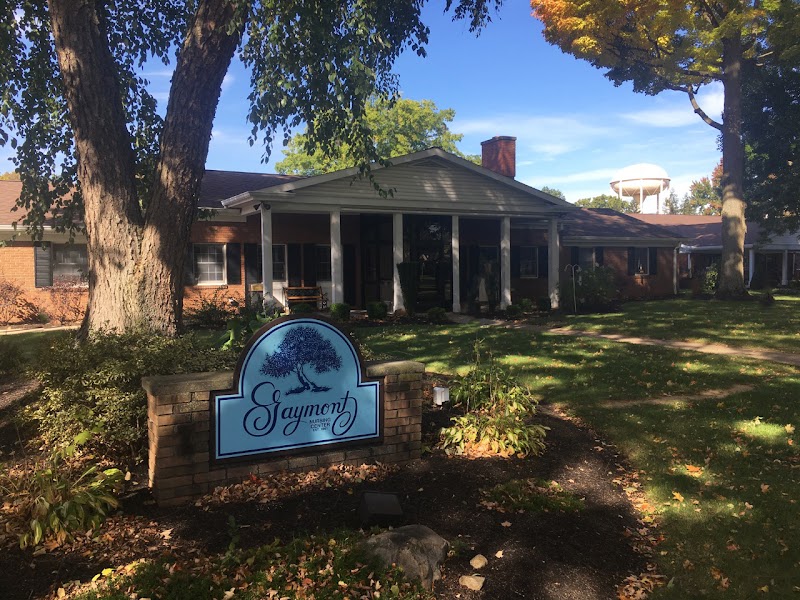
How Does Gaymont Care And Rehabilitation Compare to Other Ohio Nursing Homes?

Compared to the 100 nursing homes in Ohio, GAYMONT CARE AND REHABILITATION's overall rating (3 stars) is below the state average of 3.2, staff turnover (41%) is near the state average of 46%, and health inspection rating (3 stars) is at the national benchmark.

What Should Families Ask When Visiting Gaymont Care And Rehabilitation?

Based on this facility's data, families visiting should ask: "Can I visit during a mealtime to observe dining assistance and food quality?" "How do you handle medical emergencies, and what is your hospital transfer rate?" "Can I speak with family members of current residents about their experience?"

Is Gaymont Care And Rehabilitation Safe?

Based on CMS inspection data, GAYMONT CARE AND REHABILITATION has a clean safety record: no substantiated abuse findings (meaning no confirmed cases of resident harm), no Immediate Jeopardy citations (the most serious violation level indicating risk of serious injury or death), and is not on the Special Focus Facility watch list (a federal program monitoring the lowest-performing 1% of nursing homes). The facility has a 3-star overall rating and ranks #100 of 100 nursing homes in Ohio. While no facility is perfect, families should still ask about staff-to-resident ratios and recent inspection results during their visit.

Do Nurses at Gaymont Care And Rehabilitation Stick Around?

GAYMONT CARE AND REHABILITATION has a staff turnover rate of 41%, which is about average for Ohio nursing homes (state average: 46%). Moderate turnover is common in nursing homes, but families should still ask about staff tenure and how the facility maintains care continuity when employees leave.

Was Gaymont Care And Rehabilitation Ever Fined?

GAYMONT CARE AND REHABILITATION has no federal fines on record. CMS issues fines when nursing homes fail to meet care standards or don't correct problems found during inspections. The absence of fines suggests the facility has either maintained compliance or corrected any issues before penalties were assessed. This is a positive indicator, though families should still review recent inspection reports for the full picture.

Is Gaymont Care And Rehabilitation on Any Federal Watch List?

GAYMONT CARE AND REHABILITATION is not on any federal watch list. The most significant is the Special Focus Facility (SFF) program, which identifies the bottom 1% of nursing homes nationally based on persistent, serious quality problems. Not being on this list means the facility has avoided the pattern of deficiencies that triggers enhanced federal oversight. This is a positive indicator, though families should still review the facility's inspection history directly.