NORWALK MEMORIAL HOME
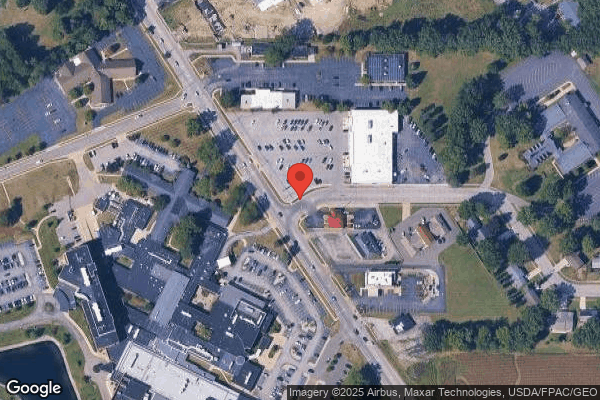
272 BENEDICT AVE, NORWALK, OH 44857 (419) 668-8101
Non profit - Corporation 69 Beds Independent Data: November 2025
Trust Grade
63/100
#517 of 913 in OH
Last Inspection: August 2024

Within standard 12-15 month inspection cycle. Federal law requires annual inspections.

Overview

Norwalk Memorial Home has a Trust Grade of C+, which indicates that it is slightly above average but not exceptional. It ranks #517 out of 913 nursing homes in Ohio, placing it in the bottom half of the state, and #5 out of 6 in Huron County, suggesting there is only one local facility that performs better. The facility is showing improvement, with reported issues decreasing from 10 in 2022 to 7 in 2024. However, staffing is a concern, receiving a low rating of 1 out of 5 stars, even though turnover is relatively low at 27%. On a positive note, the facility has no fines on record, indicating compliance with regulations, but it does have less RN coverage than 88% of Ohio facilities, which can impact resident care. Specific incidents include failures to appropriately monitor residents on psychotropic medications, affecting four residents, and delays in serving meals to multiple residents during lunch, which can affect their dining experience. Overall, while there are some strengths, such as improving trends and low turnover, families should be aware of the staffing concerns and specific care incidents that need attention.

Trust Score
C+
63/100
In Ohio
#517/913
Bottom 44%
Safety Record
Low Risk
No red flags
Inspections
Getting Better
10 → 7 violations
Staff Stability
✓ Good
27% annual turnover. Excellent stability, 21 points below Ohio's 48% average. Staff who stay learn residents' needs.
Penalties
✓ Good
No fines on record. Clean compliance history, better than most Ohio facilities.
Skilled Nurses
⚠ Watch
Each resident gets only 26 minutes of Registered Nurse (RN) attention daily — below average for Ohio. Fewer RN minutes means fewer trained eyes watching for problems.
Violations
⚠ Watch
22 deficiencies on record. Higher than average. Multiple issues found across inspections.
★★★☆☆
3.0
Overall Rating
★☆☆☆☆
1.0
Staff Levels
★★☆☆☆
2.0
Care Quality
★★★★☆
4.0
Inspection Score
Stable
2022: 10 issues
2024: 7 issues

The Good

  • Low Staff Turnover (27%) · Staff stability means consistent care
  • Full Sprinkler Coverage · Fire safety systems throughout facility
  • No fines on record
  • Staff turnover is low (27%)

    21 points below Ohio average of 48%

Facility shows strength in staff retention, fire safety.

The Bad

3-Star Overall Rating

Near Ohio average (3.2)

Meets federal standards, typical of most facilities

The Ugly 22 deficiencies on record

Aug 2024 7 deficiencies
CONCERN (D)

Potential for Harm - no one hurt, but risky conditions existed

Deficiency F0582 (Tag F0582)

Could have caused harm · This affected 1 resident

**NOTE- TERMS IN BRACKETS HAVE BEEN EDITED TO PROTECT CONFIDENTIALITY** Based on medical record review, review of room and board rates, and staff interview, the facility failed to ensure Skilled Nursi...

Read full inspector narrative →
**NOTE- TERMS IN BRACKETS HAVE BEEN EDITED TO PROTECT CONFIDENTIALITY** Based on medical record review, review of room and board rates, and staff interview, the facility failed to ensure Skilled Nursing Facility Advanced Beneficiary Notices (SNF ABNs) contained all required and accurate information. This affected two (#51 and #112) of three residents reviewed for beneficiary notices. The facility census was 66. Findings Include: 1. Review of the medical record revealed Resident #51 was admitted to the facility on [DATE] with diagnoses including dementia, disorientation, and skin cancer. Review of the SNF ABN provided to Resident #51 on 12/26/23, prior to the discontinuation of skilled services on 12/29/23, revealed the notice contained no information regarding what skilled services were being discontinued and noted the estimated cost per day of the service as $235.00 per day. Review of the facility's current room and board rates revealed a semi-private room had a cost of $240.00 which included no skilled services. The SNF ABN provided to Resident #51 had no cost estimate for the skilled services in addition to room and board fees. 2. Review of the medical record revealed Resident #112 was admitted to the facility on [DATE] with diagnoses including aphasia, epilepsy, and major depressive disorder. Review of the SNF ABN provided to Resident #112 on 05/28/24, prior to the discontinuation of skilled services on 05/30/24, revealed the notice contained no information regarding what skilled services were being discontinued and noted the estimated cost per day of the service as $240.00 per day. Review of the facility's current room and board rates revealed a semi-private room had a cost of $240.00 which included no skilled services. The SNF ABN provided to Resident #112 had no cost estimate for the skilled services in addition to room and board fees. Interview with the Administrator verified the SNF ABNs provided to Resident #51 and Resident #112 did not contain all required and accurate information in an interview on 08/14/24 at 3:00 P.M.
CONCERN (D)

Potential for Harm - no one hurt, but risky conditions existed

Transfer Notice (Tag F0623)

Could have caused harm · This affected 1 resident

**NOTE- TERMS IN BRACKETS HAVE BEEN EDITED TO PROTECT CONFIDENTIALITY** Based on medical record review, review of resident census information, email correspondence with the local Ombudsman, and staff ...

Read full inspector narrative →
**NOTE- TERMS IN BRACKETS HAVE BEEN EDITED TO PROTECT CONFIDENTIALITY** Based on medical record review, review of resident census information, email correspondence with the local Ombudsman, and staff interview, the facility failed to ensure the state Ombudsman's office was notified of resident discharge or transfer from the facility as required. This affected two (#30 and #60) of two residents reviewed for hospitalization. The facility census was 66. Findings include 1. Review of the medical record revealed Resident #30 was admitted to the facility with an initial admission date of 03/15/18 and re-admission date of 01/17/19. Diagnoses included Parkinson's disorder, dementia with mood disturbance and anxiety, and type II diabetes mellitus. Review of nursing progress notes and resident census records revealed Resident #30 was transported to a local hospital on [DATE], 01/08/24, and 02/20/24. Review of both the electronic and paper medical records revealed no evidence the state Ombudsman was notified of Resident #30's transfers to the hospital. 2. Review of the medical record revealed Resident #60 was admitted to the facility on [DATE] with diagnoses that included syncope and collapse, muscle weakness, and atrial fibrillation. Review of nursing progress notes and resident census records revealed Resident #60 was transported to a local hospital on [DATE] and did not return to the facility. Review of both the electronic and paper medical records revealed no evidence the state Ombudsman was notified of Resident #30's transfers to the hospital. Review of an email from Local Ombudsman (LO) #555 on 08/13/24 at 9:56 A.M. revealed no record of the facility emailing/notifying the state Ombudsman's office of Resident #30 or Resident #60's discharge or transfers. In an interview on 08/14/24 at 10:55 A.M. with the Administrator verified the facility did not notify the state Ombudsman of Resident #30's transfers and Resident #60's discharge to the hospital. The Administrator also revealed due to an incorrect email address to the Ombudsman provider by a former employee during transition out of the facility, the facility had sent resident transfer and discharges notices to an incorrect email address for approximately six months.
CONCERN (D)

Potential for Harm - no one hurt, but risky conditions existed

Deficiency F0740 (Tag F0740)

Could have caused harm · This affected 1 resident

**NOTE- TERMS IN BRACKETS HAVE BEEN EDITED TO PROTECT CONFIDENTIALITY** Based on observation, staff interview, medical record review, and review of hospital provider documentation, the facility failed...

Read full inspector narrative →
**NOTE- TERMS IN BRACKETS HAVE BEEN EDITED TO PROTECT CONFIDENTIALITY** Based on observation, staff interview, medical record review, and review of hospital provider documentation, the facility failed to timely implement behavioral health services upon return from an emergency department (ED) visit for suicidal ideations. This affected one (#46) of three residents reviewed for behaviors. The facility census was 66. Findings include: Review of the medical record for Resident #46 revealed an admission date of 07/03/24. Medical diagnoses included left femur fracture, depression, and anxiety. Review of Resident #46's Minimum Data Set (MDS) 3.0 admission assessment, dated 07/10/24, revealed the resident had a Brief Interview for Mental Status (BIMS) score of 14 indicating intact cognition. Resident #46 was not recorded to have any hallucinations, delusions, behaviors or rejection of care. Review of Resident #46's physicians orders, dated 07/05/24, revealed the resident had orders for buspirone (an anti-anxiety medication) 15 milligrams (mg) three times daily routine, duloxetine (an antidepressant medication) 120 mg once daily in the morning, and trazodone (an antidepressant medication which can also treat insomnia) 150 mg once daily at bedtime. Review of Resident #46's care plan, dated 07/08/24, revealed the resident used antidepressant medication. Listed interventions included to give antidepressant medications as ordered by the physician and to monitor and document side effects and effectiveness. An additional care plan focus identified the resident also used anti-anxiety medication. Listed interventions included to give anti-anxiety medication as ordered by the physician, monitor and document side effects and effectiveness, and to monitor for behaviors and notify the physician as needed. An additional care plan focus, initiated on 08/13/24 and revised on 08/15/24, identified the resident had a potential psychosocial well-being problem related to home environment. Resident #46 had a recent emergency room (ER) visit related to suicidal ideations. The resident returned with orders for follow up counseling. Listed interventions included to consult with pastoral care, social services, and psychiatric services as needed and to monitor and document the resident's usual response to problems. Review of Resident #46's electronic and paper medical record revealed no target behaviors, behavioral approaches, or routine side effect or behavioral monitoring had been implemented for the resident. Review of Resident #46's interdisciplinary progress notes revealed a note dated 07/23/24 which described the resident as slightly tearful and recorded her as making a statement of rather be in heaven with Jesus than to be in so much pain. A note dated 07/27/24 identified the resident had an increase in pain and anxiety during the shift, and had been crying out in pain asking Jesus to end it. The note identified the provider had been notified and provided new orders to manage the resident's pain and anxiety. Review of notes dated 07/30/24 revealed therapy staff reported to nursing that Resident #46 made several comments during their session referring to wanting to kill herself. When assessed the resident stated she wanted to go home and swallow a bottle of pills so I can die and go home. Social services and the provider were notified. An additional nursing note identified the resident as extremely restless, who stated several times she wanted to go home so I can take a bottle of pills to be with the Lord, and, I just want to die, I'm tired of all this. Subsequent notes dated 07/30/24 revealed social services assessed the resident and recommended she be seen at the ER for evaluation and placement. The provider was notified and agreed. The resident's spouse was notified and the resident was recorded as being transferred to the ER on [DATE] at approximately 1:15 P.M. A subsequent note dated 07/30/24 at 7:08 P.M. revealed Resident #46 returned from the ER with no new orders. Nursing staff will follow up with counseling for the resident and continue 15-minute checks. The resident voiced no questions or concerns and was observed to be smiling. A note dated 08/02/24 recorded the resident as being tearful at bedtime, and made negative statements while asking staff to, Pray for me tonight. Review of Resident #46's ED provider note, dated 07/30/24, revealed the resident arrived from the facility for suicidal ideations. Resident #46 stated she had a plan to take a bunch of pills and stated she wanted to end it all. The note indicated Resident #46 stated she started to have suicidal ideation but denied a plan to the ER provider. The note indicated that prior to arrival to the ED, she reported she wanted to commit suicide as her pain was too much for her to handle and she was unable to live a normal life. The note indicated the resident's laboratory results and examination were unremarkable, and a mental health professional recommended the patient be discharged back to her rehabilitation facility with an outpatient safety plan. The note indicated that return to ED precautions were reviewed with the patient at length. The plan included a consultation to mental health and listed a provider for the resident to follow up with within three days. Review of Resident #46's paper medical record revealed the only psychiatric notes contained in the record was a Crisis Management Plan, dated 07/30/24, from a local mental health entity. The plan identified triggers, breathing exercises, and support persons. The note indicated a representative from the mental health provider would be reaching out to get Resident #46 back on track with treatment as she missed her last appointments with psychiatry and counseling. Review of Resident #46's paper and electronic medical contained no evidence that the resident had seen a counselor, psychiatrist, or attending provider since her return to the facility. An interview on 08/14/24 at 2:44 P.M. with the Administrator revealed the facility typically did not take residents who have behavioral needs, and they will typically go to another local facility. He believed the facility nursing staff documents behaviors in the progress notes as they arise. An interview on 08/14/24 at 3:41 P.M. with Registered Nurse (RN) #217 revealed Resident #46 was intermittently confused, but believed her issues were more psychiatric related. RN #217 was familiar with the resident's recent statements of wanting to end her life and subsequent ER visit. RN #217 indicated the resident was placed on 15-minute checks for 24 hours except for when she was in the ER, and her call light cord was temporarily removed from her room and replaced with a bell. RN #217 stated no other changes had been made to her medication regimen. An interview on 08/15/24 at 9:36 A.M. with Assistant Director of Nursing (ADON) #229 revealed the facility had no written policy for behavior monitoring. The facility's practice was if any behaviors were observed, nursing staff would document in the progress notes, but there was nothing prompting staff to monitor or record the presence or absence of behaviors. ADON #229 stated the facility did not have an in-house psychiatrist, but there was a local counseling center across the street that was utilized and the in-house nurse practitioner was present in the building four days a week. An interview on 08/15/24 at 9:53 A.M. with the Director of Nursing (DON) revealed the facility's practice was to chart behaviors by exception, but verified the facility needed a better system to prompt nursing staff to record the absence or presence of behaviors. A follow-up interview on 08/15/24 at 12:52 P.M. with the DON and ADON #229 revealed the facility did not have a policy which addressed suicidal ideations. The procedure for suicidal ideations was to notify the provider, obtain an order to send to the resident to the ER, and from there the acute care hospital had a practice for suicidal ideations. If it was determined the resident was suitable to return, recommendations would be implemented upon the resident's return. The DON stated the counselor Resident #46 saw in the ER on [DATE] deemed her non-suicidal and suitable to return to the facility with an outpatient safety plan. Resident #46's ER provider progress note and the resident's Crisis Management Plan was reviewed with the DON. The DON verified the resident had an appointment scheduled with a counselor for 08/16/24, but that appointment had not been initiated or scheduled by facility staff until 08/14/24. The DON additionally confirmed Resident #46 had not been seen by the facility's Medical Director, nurse practitioner, or a psychiatrist since her return from the 07/30/24 ED visit. A telephone interview on 08/15/24 at 2:15 P.M. with Medical Director (MD) #290 revealed he was familiar with Resident #46 and of her ED visit on 07/30/24 for suicidal ideations. MD #290 reported the resident had a psychiatric history, with an inpatient psychiatric stay in the Summer of 2023, and identified the resident as being established with psychiatry and counseling prior to admission to the facility. MD #290 additionally confirmed he had not seen Resident #46 to re-evaluate her since she returned back to the facility following the ER visit on 07/30/24. An interview on 08/15/24 at 4:00 P.M. with the Administrator revealed he recalled hearing of the situation with Resident #46's ED visit related to suicidal ideations but was not present in the facility. The Administrator verified the facility missed an opportunity with arranging Resident #46's services upon her return to the facility.
CONCERN (D)

Potential for Harm - no one hurt, but risky conditions existed

Deficiency F0760 (Tag F0760)

Could have caused harm · This affected 1 resident

Based on observation, staff interview, medical record review, review of manufacturer guidelines, and policy review, the facility failed to ensure residents were free from significant medication admini...

Read full inspector narrative →
Based on observation, staff interview, medical record review, review of manufacturer guidelines, and policy review, the facility failed to ensure residents were free from significant medication administration errors. This affected one (#04) of four residents observed for medication administration. The facility census was 66. Findings include: Review of the medical record for Resident #04 revealed an admission date of 07/04/18. Medical diagnoses included type II diabetes mellitus with diabetic chronic kidney disease and dementia. Review of Resident #04's Minimum Data Set (MDS) 3.0 annual assessment, dated 07/06/24, revealed the resident had a Brief Interview for Mental Status (BIMS) score of 06 indicating severely impaired cognition. The resident was recorded to have received insulin injections daily over the seven-day assessment look back period. Review of Resident #04's care plan, revised on 08/21/23, revealed the resident had a diagnosis of diabetes mellitus and had listed interventions which included to administer medications as ordered by the doctor. Review of Resident #04's physician's orders revealed an order dated 06/25/24 for Lantus Solostar (a long-acting insulin) 13 units by subcutaneous (SQ) injection once daily in the morning. An observation on 08/13/24 at 9:00 A.M. revealed Licensed Practical Nurse (LPN) #265 prepared Resident #04's morning medications. LPN #265 prepared the routine doses of the resident's medications first, and then prepared Resident #04's insulin. LPN #265 removed Resident #04's insulin from the medication cart, and dialed the pen up to 13 units and stated that was the resident's ordered dose. LPN #265 cleansed the hub of the insulin pen with an alcohol swab and attached a new single-use subcutaneous needle. LPN #265 did not prime the needle, finished her checks against the medication administration record (MAR), and secured the medication cart. LPN #265 entered Resident #04's room and administered the insulin to the resident into his left arm per his request. A follow up interview on 08/13/24 at 9:10 A.M. with LPN #265 confirmed she did not prime the insulin pen prior to administering the injection to Resident #04. LPN #265 stated she had only been taught to prime the insulin needle when a new insulin pen was first opened, but did not believe she had to prime prior to each insulin dose administration. Interview on 08/14/24 at 7:56 A.M. with the Director of Nursing (DON) verified the nurse should have primed the insulin pen prior to medication administration. The DON stated the facility utilized an online educational resource, which stated the manufacturer's guidelines indicated prior to each dose administration, a new single-use needle should be used and each needle should be primed with two units of insulin prior to the ordered dose being prepared. Review of Lantus manufacturer's guidelines for use, dated 2020, revealed users are always to perform the safety test before each injection. Performing the safety test ensures that you get an accurate dose by ensuring the pen and needle work properly, and removing air bubbles. The safety test is performed by applying a new single-use needle, selecting a dose of two units by turning the dosage selector on the pen. Hold the pen with the needle pointing upwards. Tap the insulin reservoir so any air bubbles rise up towards the needle. Press the injection button all the way in, and check if insulin comes out of the needle tip. The guidelines indicate that a safety test may have to be performed several times before insulin is seen. If no insulin comes out, check for air bubbles and repeat the safety test two more times. If no insulin comes out, the insulin may be blocked, and the needle on the pen may need to be changed. If no insulin comes out after changing the needle, the insulin pen may be damaged, and do not use the insulin pen. Review of the policy, Medication Administration - Timing Guidelines and General Info, dated 12/2023, revealed medications shall be administered as ordered. Always read every word and figure in every order with meticulous care. If there is uncertainty in technique, ask a qualified person familiar with the technique or look it up in a reference book.
CONCERN (E)

Potential for Harm - no one hurt, but risky conditions existed

Medication Errors (Tag F0758)

Could have caused harm · This affected multiple residents

**NOTE- TERMS IN BRACKETS HAVE BEEN EDITED TO PROTECT CONFIDENTIALITY** Based on medical record review, staff interview, review of the Food and Drug Administration (FDA) Black Box Warning information,...

Read full inspector narrative →
**NOTE- TERMS IN BRACKETS HAVE BEEN EDITED TO PROTECT CONFIDENTIALITY** Based on medical record review, staff interview, review of the Food and Drug Administration (FDA) Black Box Warning information, and policy review, the facility failed to ensure psychotropic medications were administered to address appropriate conditions that reflect resident current health conditions and failed to ensure the residents were adequately monitored while receiving psychotropic medications. This affected four (#17, #46, #47, and #51) of five residents reviewed for unnecessary medications. The facility census was 66. Findings include: 1. Review of the medical record revealed Resident #17 was admitted to the facility on [DATE] with diagnoses that included Alzheimer's disease, dementia in other diseases classified elsewhere elsewhere with psychotic disturbance, and anxiety disorder. Review of the most recent Minimum Data Set (MDS) 3.0 assessment dated [DATE] revealed Resident # 17 was severely cognitively impaired and required extensive assistance of one staff person for completing her activities of daily living (ADLs). Review of the mood and behaviors sections of the assessment revealed no coded instances of hallucinations, delusions, behaviors, or rejection of care. Review of the admission physician orders for Resident #17 revealed the resident was prescribed Seroquel ( antipsychotic medication that treats and manages behaviors associated several mental health disorders including bipolar and schizophrenia) 25 milligrams (mg) in the morning. The indication/diagnosis for the use of Seroquel was noted to be restlessness. Review of the care plan dated 06/19/24 revealed Resident #17 was at risk for medical concerns related to psychotropic drug use. Review of interventions revealed the facility will monitor/record/report to the medical doctor as need, side effects and adverse reactions of psychoactive medications including unsteady gait, tardive dyskinesia, shuffling gait, rigid muscles, shaking, frequent falls, refusal to eat, difficulty swallowing, dry mouth, depression, suicidal ideations, social isolation, blurred vision, diarrhea, fatigue, insomnia, loss of appetite, weight loss, muscle cramps nausea, vomiting, and behavior symptoms not usual to the person. Review of the monthly pharmacy review recommendation from the facility's contracted pharmacist dated 07/10/24 revealed Resident #17 continued to received the quetiapine (generic name for Seroquel) 50 mg by mouth at bed time, but was unable to find a corresponding diagnosis in the diagnosis list in the electronic medical record. The pharmacist continued to recommend assisting the nursing staff and note the diagnosis to associate with use of the antipsychotic. Further review revealed the physician responded with an order to add a diagnosis of Alzheimer's disease, unspecified, to the order for Seroquel . Review of the Black Box Warning (informational message alerting the facility of potential consequences of administering the medication issued by the FDA) for Seroquel in the facility's electronic medical record system that appeared at each administration of the medication revealed Seroquel was associated with increased mortality in elderly patients with dementia related psychosis and elderly patients with dementia related psychosis treated with an antipsychotic drugs are at an increased risk of death. Seroquel was not approved for the treatment of patients with dementia related psychosis. Further review of the warning noted individuals taking Seroquel should be monitored closely for clinical worsening and suicidal thoughts and behaviors. Review of the nursing progress notes, assessment,s and other items in the electronic and paper medical records revealed no evidence of any behaviors or behaviors monitoring taking place as noted in the care plan or as recommended in the FDA Black Box Warning information sheet to indicate Resident #17's continued use of Seroquel as ordered. A telephone interview on 08/15/24 at 10:09 A.M. with Consultant Pharmacist (CP) #294 revealed as part of her monthly pharmacy review, she reviews all high risk medications, which include antipsychotic medications. CP #294 stated sometimes providers are using off-label diagnoses for antipsychotic medication and the facility providers usually explain their rationale for the medication's use. CP #294 was unaware of any stated rationale from Resident #17's Seroquel use other than standard off label use through out numerous facilities she contracts with. 2. Review of the medical record for Resident #46 revealed an admission date of 07/03/24. Medical diagnoses included left femur fracture, depression, and anxiety. Review of Resident #46's MDS 3.0 admission assessment, dated 07/10/24, revealed the resident had a Brief Interview for Mental Status (BIMS) score of 14 indicating intact cognition. Resident #46 was not recorded to have any hallucinations, delusions, behaviors or rejection of care. Review of Resident #46's physicians orders, dated 07/05/24, revealed the resident had orders for buspirone (an anti-anxiety medication) 15 mg three times daily routine, duloxetine (an antidepressant medication) 120 mg once daily in the morning, and trazodone (an antidepressant medication which can also treat insomnia) 150 mg once daily at bedtime. Review of Resident #46's care plan, dated 07/08/24, revealed the resident used antidepressant medication. Listed interventions included to give antidepressant medications as ordered by the physician and to monitor and document side effects and effectiveness. An additional care plan entry identified the resident also used anti-anxiety medication. Listed interventions included to give anti-anxiety medication as ordered by the physician, monitor and document side effects and effectiveness, and to monitor for behaviors and notify the physician as needed. Review of Resident #46's electronic and paper medical record revealed no target behaviors, behavioral approaches, or routine side effect or behavioral monitoring had been implemented and documented for the resident. 3. Review of the medical record for Resident #47 revealed an admission date of 12/30/21. Medical diagnoses included dementia, depression, insomnia, and anxiety. Review of Resident #47's MDS assessment, dated 07/25/24, revealed the resident had a BIMS score of 03 indicating severely impaired cognition. The resident was not recorded to have any hallucinations, delusions, behaviors, or rejection of care. Review of Resident #47's physician's orders revealed the resident had an order dated 02/08/24 for Celexa (an antidepressant medication) 10 mg once daily for anxiety/depression, an order dated 11/08/23 for Klonopin (an anti-anxiety medication) 0.25 mg once daily at bedtime for anxiety, an order dated 08/30/23 for trazodone 25 mg once daily at bedtime for sleep, and an order dated 05/14/24 for Seroquel 12.5 mg once daily for dementia. Resident #47 had a previous order dated 02/09/24 for Seroquel 25 mg 1 tablet daily for anxiety/depression that was discontinued on 05/06/24. Review of Resident #47's care plan, revised 07/25/24, revealed the resident used antidepressant medication related to insomnia and depression. Listed interventions included to give antidepressant medications as ordered by the physician and to monitor and document side effects and effectiveness. An additional care plan focus, dated 03/12/24, identified the resident also used anti-anxiety medication. Listed interventions included to give anti-anxiety medication as ordered by the physician, monitor and document side effects and effectiveness, and to monitor for behaviors and notify the physician as needed. An additional care plan focus, revised 06/12/24, identified Resident #47 used psychotropic medications. Listed interventions included to administer medications as ordered, to monitor and document for side effects and effectiveness, consult with the pharmacy and health care provider to consider dosage reduction when clinically appropriate, and if the resident refused care or demonstrated behaviors, assess for pain and treat as needed, and maintain safety and reapproach later or with a different caregiver. Review of Resident #47's progress notes between 05/06/24 and 05/14/24 revealed no recorded behaviors or rationale for why the resident's Seroquel was re-started after being previously discontinued. Progress notes reviewed from 04/01/24 to 08/12/24 revealed behaviors were only described and recorded on 07/29/24, 08/07/24 and 08/12/24. Review of Resident #47's electronic and paper medical record revealed no target behaviors, behavioral approaches, or routine side effect or behavioral monitoring had been implemented for Resident #47. 4. Review of medical record for Resident #51 revealed an admission date of 12/11/2023. Medical diagnoses include unspecified dementia with unspecified severity and with other behavioral disturbance, hypertension, atrial fibrillation, Alzheimer's disease with late onset, and anxiety disorder. Review of Resident #51's MDS assessment dated [DATE], revealed Resident #51 had moderately impaired cognition with no signs or symptoms of behaviors and delirium. The resident demonstrated no indicators for psychosis or behavioral symptoms. The assessment indicated the resident received antipsychotic, antidepressant, and diuretic medications. Review of Resident #51's physician orders reveals the resident has an order dated 06/20/24, for Trazadone 0.5 MG one (1) tablet by mouth, give at bedtime related to unspecified dementia, unspecified severity, and with other behavioral disturbances, and orders for Risperdal (antipsychotic) 0.5 MG, dated 08/14/24, one (1) tablet by mouth give at bedtime related to unspecified dementia, unspecified severity, and with other behavioral disturbances. Review of Resident #51's electronic and paper medical record revealed no documentation of target behaviors, behavioral approaches, or routine side effect or behavioral monitoring had been implemented for Resident #51. On 08/15/24 at 11:30 A.M., interview with the Director of Nursing (DON) and the Assistant Director of Nursing (ADON) #229 revealed the facility did not have a specific charting or documentation area designed to monitor residents' behaviors who are administered psychotropic medications and thus had no evidence of behavior/medication monitoring for Resident #17, Resident #46, Resident #47, and Resident #51. The DON stated the nursing staff document by exception meaning all standards have been met with a normal or expected response unless otherwise documented. A telephone interview on 08/15/24 at 10:09 A.M. with Consultant Pharmacist (CP) #294 revealed as part of her monthly pharmacy reviews, she reviews all high risk medications, which include antipsychotic medications. Consultant Pharmacist #294 stated behavior monitoring is not something she had reviewed as part of her monthly reviews, nor is it anything she had recommended or used to make medication adjustment recommendations. Review of the policy titled, Psychotropic medication monitoring, dated 6/21/17, revealed each resident receiving a psychotropic agent is monitored for episodes of behavior being treated and/or manifestations(s) of the disordered thought process, adverse reactions and side effects, and appropriateness of drug selection and dosage disorder. Review of the policy titled, Policy 8.1.3 Antipsychotics, dated 06/21/17, revealed under monitoring, the facility assures that residents are being adequately monitored for efficacy and adverse consequences. When antipsychotics are used without monitoring they may be considered unnecessary medications.
MINOR (C)

Minor Issue - procedural, no safety impact

Employment Screening (Tag F0606)

Minor procedural issue · This affected most or all residents

Based on review of personnel files, staff interview, and review of the facility abuse policy, the facility failed to develop and implement policies and procedures to include screening of all employees...

Read full inspector narrative →
Based on review of personnel files, staff interview, and review of the facility abuse policy, the facility failed to develop and implement policies and procedures to include screening of all employees against the State of Ohio Nurse Aide Registry to identify if an employee had a finding concerning abuse. This had the potential to affected all 66 residents residing in the facility. The census was 66. Findings Include: Review of the personnel files for the Director of Nursing (DON), Licensed Practical Nurse (LPN) #249, LPN #273, and Dietary Aide (DA) #280 revealed no evidence they were screened prior to employment using the State of Ohio Nurse Aide Registry. The identification of findings would be necessary to determine if any employee had actions identified that would validate allegations of abuse, neglect, exploitation, mistreatment of residents, or misappropriation of their property. Interview with Human Resource Director (HRD) #300 on 08/15/24 at 9:00 A.M. verified there was no evidence that the DON, LPN #249, LPN #273, and DA #280 were screened using the State of Ohio Nurse Aide Registry. HRD #300 further noted she was unaware of the requirement to use the Nurse Aide Registry for screening beyond state tested nurse aides (STNAs). Review of the policy titled, Resident Rights - Misappropriation and Reporting, dated 05/01/24 revealed, all individuals applying for employment at (the facility) are screened through an interview process which includes questions about convictions, a thorough check of references and contact with the State Nurses Aide Registry or other appropriate licensing board. Individuals who have been found guilty of abuse, neglect or mistreatment of another individual or have been convicted of fraud, theft or other acts of property misappropriation will not be hired.
MINOR (C)

Minor Issue - procedural, no safety impact

Staffing Information (Tag F0732)

Minor procedural issue · This affected most or all residents

Based on observation, staff interview, and policy review, the facility failed to ensure posted nursing staff information was posted daily as required. This had the potential to affect all 66 residents...

Read full inspector narrative →
Based on observation, staff interview, and policy review, the facility failed to ensure posted nursing staff information was posted daily as required. This had the potential to affect all 66 residents. The facility census was 66. Findings include: Upon entrance to the facility for an annual survey on 08/12/24 at 8:05 A.M., observation of the posted nursing staffing information for staff directly responsible for resident care was noted to be dated 08/09/24. On 08/12/24 at 8:08 AM, interview with Licensed Practical Nurse (LPN) #263 verified the posted nursing staffing information for staff directly responsible for resident care was dated 08/09/24 and was not up to date. Review of the policy titled, Nursing-Posting Direct Care Daily Staffing Numbers, dated 08/01/24, revealed within two (2) hours of the beginning of each shift, the number of Licensed Nurses (Registered Nurses and LPNs) and the number of unlicensed nursing personnel (state tested nurse aides) directly responsible for residents care will be posted in a prominent location (accessible to residents and visitors) and in a clear and readable format.
Mar 2022 10 deficiencies
CONCERN (D)

Potential for Harm - no one hurt, but risky conditions existed

Deficiency F0578 (Tag F0578)

Could have caused harm · This affected 1 resident

**NOTE- TERMS IN BRACKETS HAVE BEEN EDITED TO PROTECT CONFIDENTIALITY** Based on medical record review, staff interview, and review of a facility policy, the facility failed to ensure advance directiv...

Read full inspector narrative →
**NOTE- TERMS IN BRACKETS HAVE BEEN EDITED TO PROTECT CONFIDENTIALITY** Based on medical record review, staff interview, and review of a facility policy, the facility failed to ensure advance directives were consistent throughout the medical record for one (#9) of 24 residents reviewed for advance directives. The census was 61. Findings include: Review of Resident #9's medical record revealed an initial admission date of [DATE] and a most recent admission date of [DATE]. Diagnoses included diabetes mellitus type II, chronic kidney disease, chronic obstructive pulmonary disease, muscle weakness, and hypertension. Review of the admission Minimum Data Set (MDS) assessment, dated [DATE], revealed Resident #9 was assessed with moderately impaired cognition. Review of the most recently completed MDS assessment, dated [DATE], revealed Resident #9 had intact cognition. Review of Resident #9's physical chart revealed an advanced directives designation for Resident #9 to be Do Not Resuscitate Comfort Care (DNRCC)-Arrest, which meant providers would treat Resident #9 as any other resident with out a DNR order until the point of cardiac or respiratory arrest at which point all interventions would cease and the DNR Comfort Care protocol would be implemented. This document was signed by the physician and dated [DATE]. Review of a physician order in the electronic health record dated [DATE], revealed Resident #9's advance directives order was Full Code which meant resuscitative actions (including the use of powerful heart or blood pressure medications and/or cardiopulmonary resuscitation (CPR) to maintain life) were to be attempted if the resident went into cardio and/or pulmonary arrest. Interview on [DATE] at 2:53 P.M., Social Worker #400 stated resident advance directives are determined on admission and the nurses were responsible for translating the information to the electronic health record. Social Worker #400 verified Resident #9's advance directives were not consistent throughout the medical record. Social Worker #400 verified Resident #9 had a physician signed DNRCC-Arrest advance directives in the physical health record and a Full Code advance directives order in the electronic health record. Review of the facility policy titled NMH Advance Directives, last revised [DATE], revealed upon admission, each resident will be asked by nursing and social services if they have a current advance directives and will request a copy of such, if applicable. Code status documentation will be kept in limited locations to minimize conflicted guidance in the event of any emergency. Nurses will enter the code status order in the electronic health record upon receipt of a verbal or written order using the order template search so that it populates the communication drop down bar. Nurses will have the signed DNR papers kept in the chart under Advance Directives tab for interdisciplinary staff to access in the event of an emergency.
CONCERN (D)

Potential for Harm - no one hurt, but risky conditions existed

Deficiency F0582 (Tag F0582)

Could have caused harm · This affected 1 resident

Based on medical record review, review of the Beneficiary Protection Notification Review, and staff interview, the facility failed to provide the Advance Beneficiary Notice of Non-Coverage when Medica...

Read full inspector narrative →
Based on medical record review, review of the Beneficiary Protection Notification Review, and staff interview, the facility failed to provide the Advance Beneficiary Notice of Non-Coverage when Medicare Part A services ended to one (#41) of three residents reviewed for Beneficiary Protection Notification. The facility census was 61. Findings include: Review of the Beneficiary Protection Notification Review, completed 03/16/22, revealed Resident #41's last covered day of Medicare Part A Skilled Services was 03/06/22. The Notice of Medicare Non-Coverage was provided on 03/04/22. There was no evidence the Advance Beneficiary Notice (ABN) of Non-Coverage was provided to Resident #41 or his representative. Interview on 03/16/22 at 11:03 A.M., the Administrator revealed Resident #41 remained in the facility after Medicare Part A services ended. The Administrator verified the ABN should have been provided to Resident #41 and the resident's representative, but was not. The Administrator stated the ABN was explained to Resident #41, but the Social Worker forgot to provide the document to the resident or his representative. The Administrator stated the facility was still learning this process.
CONCERN (D)

Potential for Harm - no one hurt, but risky conditions existed

Deficiency F0604 (Tag F0604)

Could have caused harm · This affected 1 resident

**NOTE- TERMS IN BRACKETS HAVE BEEN EDITED TO PROTECT CONFIDENTIALITY** Based on medical record review, observation, staff interview, and review of facility policy, the facility failed to assess the u...

Read full inspector narrative →
**NOTE- TERMS IN BRACKETS HAVE BEEN EDITED TO PROTECT CONFIDENTIALITY** Based on medical record review, observation, staff interview, and review of facility policy, the facility failed to assess the use of a pressure mat alarm used as a fall precaution to prevent a resident from changing positions without staff assistance. This affected one (#31) of one resident reviewed for pressure mat alarms. The facility identified 17 residents who utilized pressure mat alarms for fall precautions. The facility census was 61. Findings include: Review of the medical record revealed Resident #31 was admitted on [DATE]. Diagnoses included Parkinson's disease, Alzheimer's disease, major depressive disorder, anxiety disorder, hypertension, heart disease, and transient cerebral ischemic attack. Review of the quarterly Minimum Data Set (MDS) assessment, dated 02/03/22, revealed Resident #31 was severely cognitively impaired, required extensive assistance with bed mobility and transfers, and had no falls since the previous assessment. Resident #31 used a bed alarm daily. Review of the plan of care, initiated 10/29/21, revealed Resident #31 was at risk for falls related to Parkinson's disease, Alzheimer's disease, generalized weakness, gait/balance problems, and psychoactive drug use. Interventions included pressure alarm to bed and chair. Review of current physician orders revealed Resident #31 was ordered pad alarm to bed and chair to alert staff to unassisted transfers. Review of a Fall Risk assessment dated [DATE] revealed Resident #31 was at high risk for falls. Review of a nursing progress note dated 01/01/22 revealed Resident #31 was found to be seated on the floor next to his bed. Resident #31 stated he slid out of the bed. Nursing intervention was to place a pad alarm into the resident's bed. Review of the medical record revealed no assessment had been completed to support the use of pressure mat alarms. Observation on 03/14/22 at 10:00 A.M. of Resident #31 revealed the resident seated in a wheelchair in the dining room. A pressure mat alarm was noted on the resident's wheelchair. Interview on 03/15/22 at 12:12 P.M., with Licensed Practical Nurse (LPN) #204 revealed Resident #31 had a few falls in the past. While LPN #204 stated Resident #31 would scoot in his chair, she had never observed the resident attempting to stand up unassisted and it had been a while since his last fall. LPN #204 stated Resident #31 had a pressure mat alarm to his chair and bed as a fall precaution. LPN #204 stated the facility utilized a device assessment, which included bed rails, but she was uncertain if it addressed the use of alarms. LPN #204 stated she was unaware of an assessment for the use of alarms. Interview on 03/16/22 at 7:15 A.M., with LPN #205 revealed Resident #31 had a chair and bed alarm due to a history of falls but she had never observed the resident attempting to get up unassisted. LPN #205 stated she was unaware of any assessment for alarm use and stated alarms were implemented based on physician order. Interview on 03/16/22 at 8:56 A.M., the Director of Nursing (DON) revealed the use of pressure mat alarms was a last resort for fall precautions. The DON stated the facility assessment process for the use of alarms included completion of the Physical Device Assessment prior to implementation and at least quarterly, with the use of alarms being reviewed at care conferences to determine if they were still necessary. While the device assessment did not specify alarms, staff were to check the other box and complete the assessment for the use of alarms. The DON stated nursing staff were aware the Physical Device Assessment was to be completed when alarms were utilized. Interview on 03/16/22 at 9:44 A.M., with LPN #204 verified Resident #31 had a Physical Device Assessment completed on 10/28/21 for bilateral half side rail use. LPN #204 verified Resident #31's medical record was silent for an assessment for pressure mat alarm use. Interview on 03/17/22 at 11:17 A.M., with MDS Coordinator (MDS) #410 revealed a device assessment was completed for alarm use prior to implementation and then prior to MDS assessments and care conferences. MDS #410 stated Resident #31 had a MDS assessment in February 2022 and was not due again until May 2022. MDS #410 verified Resident #31 was not assessed for the use of alarms prior to implementation and was not reassessed for continued use as part of his MDS assessment in February 2022. MDS #410 verified the use of alarms should have been reassessed as part of Resident #31's MDS assessment in February 2022. MDS #410 stated she looked yesterday for any evidence Resident #31 had been assessed for alarm use and she was unable to locate any evidence of such assessment. Review of facility policy titled Bed/Wheel Chair/Chair Alarm, revised May 2020, revealed residents are assessed according to assessment policies and procedures for the use of wheelchair/chair alarm.
CONCERN (D)

Potential for Harm - no one hurt, but risky conditions existed

Transfer Notice (Tag F0623)

Could have caused harm · This affected 1 resident

**NOTE- TERMS IN BRACKETS HAVE BEEN EDITED TO PROTECT CONFIDENTIALITY** Based on medical record review, staff interview, and review of facility policy, the facility failed to provide written notice of...

Read full inspector narrative →
**NOTE- TERMS IN BRACKETS HAVE BEEN EDITED TO PROTECT CONFIDENTIALITY** Based on medical record review, staff interview, and review of facility policy, the facility failed to provide written notice of transfer for hospitalizations. This affected two (#47 and #33) of two residents reviewed for transfer notification. The facility census was 61. Findings include: 1. Review of the medical record revealed Resident #47 was admitted on [DATE] and discharged on 03/04/22. Diagnoses included type II diabetes, hypertension, anxiety disorder, major depressive disorder, hemiplegia and hemiparesis, morbid obesity, and dysphagia following unspecified cerebrovascular disease. Review of the admission Minimum Data Set (MDS) assessment, dated 03/01/22, revealed Resident #47 was severely cognitively impaired. Review of a nursing progress note dated 03/04/22 revealed Resident #47 was discharged and sent to the emergency department for stroke like symptoms. Review of a nursing progress note dated 03/04/22 revealed Resident #47 was admitted to the hospital and would not be returning to the facility that evening. Additional review of Resident #47's medical record revealed no documentation of written transfer notification being provided to the resident, the resident's representative, or the Ombudsman. Interview on 03/16/22 at 2:34 P.M., the Administrator verified written transfer notification was not provided to Resident #47, the resident's representative, or the Ombudsman. The Administrator stated the resident had a stroke and did not return to the facility to be given the information. 2. Review of the medical record revealed Resident #33 was admitted on [DATE]. Diagnoses included pneumonitis, sepsis with septic shock, heart disease, hypertension, major depressive disorder, metabolic encephalopathy, rheumatoid arthritis, and seizures. Review of the admission MDS dated [DATE] revealed Resident #33 was severely cognitively impaired. Review of a nursing progress note dated 02/17/22 revealed Resident #33 was transferred to the emergency department due to complaints of headache and reddened sclera (outer coating of eye). Additional review of the medical record revealed no documentation of a written transfer notification being provided to Resident #33 or the resident's representative. Interview on 03/16/22 at 2:30 P.M., the Administrator verified written transfer notice was not provided to Resident #33, the resident's representative, or the Ombudsman. The Administrator stated the resident was sent out to the emergency department but was not admitted to the hospital. Review of facility policy titled NHM Adm, Trans, DC-Transfer or Discharge Notice, revealed written notice would be given as soon as it was practicable for an immediate transfer required by the resident's urgent medical needs. Additionally, in the event of immediate, urgent transfer out, staff would fill out the transfer form and try to obtain signatures from the resident and family member prior to transfer and, if unable to obtain signature, staff would document verbal notification on the form for the resident and representative and designated personnel would send out notices to the resident or representative.
CONCERN (D)

Potential for Harm - no one hurt, but risky conditions existed

Deficiency F0625 (Tag F0625)

Could have caused harm · This affected 1 resident

**NOTE- TERMS IN BRACKETS HAVE BEEN EDITED TO PROTECT CONFIDENTIALITY** Based on medical record review, staff interview, and review of facility policy, the facility failed to provide bed hold notifica...

Read full inspector narrative →
**NOTE- TERMS IN BRACKETS HAVE BEEN EDITED TO PROTECT CONFIDENTIALITY** Based on medical record review, staff interview, and review of facility policy, the facility failed to provide bed hold notification to residents transferred to the hospital. This affected two (#47 and #33) of two residents reviewed for bed hold notification. The facility census was 61. Findings include: 1. Review of the medical record revealed Resident #47 was admitted on [DATE] and discharged on 03/04/22. Diagnoses included type II diabetes, hypertension, anxiety disorder, major depressive disorder, hemiplegia and hemiparesis, morbid obesity, and dysphagia following unspecified cerebrovascular disease. Review of the admission Minimum Data Set (MDS) assessment, dated 03/01/22, revealed Resident #47 was severely cognitively impaired. Review of a nursing progress note dated 03/04/22 revealed Resident #47 was discharged and sent to the emergency department for stroke like symptoms. Review of a nursing progress note dated 03/04/22 revealed Resident #47 was admitted to the hospital and would not be returning to the facility that evening. Additional review of Resident #47's medical record revealed no evidence of the bed hold notification being provided to the resident or the resident's representative. Interview on 03/16/22 at 2:34 P.M., the Administrator verified bed hold notification was not provided to Resident #47 or the Resident's representative. The Administrator stated the resident had a stroke and did not return to the facility to be given the information. 2. Review of the medical record revealed Resident #33 was admitted on [DATE]. Diagnoses included pneumonitis, sepsis with septic shock, heart disease, hypertension, major depressive disorder, metabolic encephalopathy, rheumatoid arthritis, and seizures. Review of the admission MDS assessment, dated 02/08/22, revealed Resident #33 was severely cognitively impaired. Review of a nursing progress note dated 02/17/22 revealed Resident #33 was transferred to the emergency department due to complaints of headache and reddened sclera (outer coating of eye). Additional review of the medical record revealed no evidence of the bed hold notification being provided to Resident #33 or the resident's representative. Interview on 03/16/22 at 2:30 P.M., the Administrator verified bed hold notification was not provided to Resident #33 or the resident's representative. The Administrator stated the resident was sent out to the emergency department but was not admitted to the hospital. Review of facility policy titled NMH Adm, Trans, DC-Bed Hold Policy, revised May 2020, revealed the facility would provide the resident and/or the resident's representative with a written copy of the bed hold policy prior to transfers.
CONCERN (D)

Potential for Harm - no one hurt, but risky conditions existed

Deficiency F0655 (Tag F0655)

Could have caused harm · This affected 1 resident

Based on review of medical record, family interview, and staff interview, the facility failed to ensure a resident and resident family were provided a written summary of the baseline care plan. This a...

Read full inspector narrative →
Based on review of medical record, family interview, and staff interview, the facility failed to ensure a resident and resident family were provided a written summary of the baseline care plan. This affected one (#154) of one resident reviewed for baseline care plans. The facility census was 61. Findings include Medical record review revealed Resident #154 had an admission date of 03/07/22. Diagnoses included pneumonia, type two diabetes mellitus, Parkinson's disease, chronic kidney disease, and dementia. Interview on 03/14/22 at 2:12 P.M., with Resident #154's family member revealed the resident had not had an initial care plan meeting. Resident #154's family member also revealed the resident had not been provided with a written summary of the baseline care plan. Interview on 03/16/22 at 10:39 A.M., Registered Nurse (RN) #306 was unaware if residents and their families received a copy of the baseline plan of care. RN #306 stated her orientation on paperwork was not in depth. Interview on 03/16/22 at 10:50 A.M. with RN #300 revealed residents or their families would sign the baseline care plan. RN #300 revealed she had not been told to provide a copy of the care plan to the resident or the resident's family. Interview on 03/17/22 at 10:25 A.M., Licensed Social Worker (LSW) #400 revealed she was not aware residents and resident families should be provided a copy of the baseline care plan.
CONCERN (E)

Potential for Harm - no one hurt, but risky conditions existed

Resident Rights (Tag F0550)

Could have caused harm · This affected multiple residents

Based on observation and staff interview, the facility failed to serve residents seated together for meals at the same time. This affected nine (#20, #40, #44, #5, #19, #23, #15, #26, and #13) of twel...

Read full inspector narrative →
Based on observation and staff interview, the facility failed to serve residents seated together for meals at the same time. This affected nine (#20, #40, #44, #5, #19, #23, #15, #26, and #13) of twelve residents observed in the dining room during lunch service. The facility census was 61. Findings include: Observation on 03/15/22 from 11:30 A.M. to 11:55 A.M. of the dining room revealed five dining tables and four staff serving resident lunch meals. Observation on 03/15/22 at 11:30 A.M. of Table Two revealed Resident #28 sitting at the table with her meal. Resident #40, also sitting at Table Two, was not served his lunch meal until 11:43 A.M. Resident #44 was also sitting at Table Two and was not served the lunch meal until 11:45 A.M. Observation on 03/15/22 at 11:33 A.M. of Table One revealed Resident #5 sitting at the table with her lunch meal. Resident #19, sitting at the same table, was not served his lunch meal until 11:42 A.M. Observation on 03/15/22 at 11:33 A.M. of Table Three revealed Resident #23 was served his lunch meal. Resident #15, Resident #13, and Resident #26 were also sitting at Table Three. At 11:37 A.M. Resident #15 was served her lunch meal. Resident #26 was served her lunch meal at 11:46 A.M., followed by Resident #13 at 11:47 A.M. Interview on 03/15/22 at 11:56 A.M. with State Tested Nurse Aide (STNA) #108 verified residents at the same table were not served their lunch meal together. STNA #108 stated she knew residents sitting at the same table should be served at the same time but staff delivered meals in the order the kitchen staff plated the meals. STNA #108 verified the kitchen staff did not plate meals based on the residents sitting at a specific table, but as the meal tickets were in the pile.
CONCERN (E)

Potential for Harm - no one hurt, but risky conditions existed

Pharmacy Services (Tag F0755)

Could have caused harm · This affected multiple residents

Based on observation, staff interview, and review of a facility policy, the facility failed to complete shiftily reconciliation counts for controlled medications stored in medication carts and refrige...

Read full inspector narrative →
Based on observation, staff interview, and review of a facility policy, the facility failed to complete shiftily reconciliation counts for controlled medications stored in medication carts and refrigerators on the Transitional Care Unit (TCU). This deficient practice affected nine (#1, #2, #32, #53, #54, #55, #56, #57, and #153) residents with controlled substances kept in the medication cart or refrigerator in the TCU. The census was 61. Findings include: Observation of the medication cart and refrigerator in the TCU on 03/15/22 at 1:44 P.M. with Licensed Practical Nurse (LPN) #225 and Registered Nurse (RN) #306 revealed 13 total controlled medications were stored in the medication cart and refrigerator. Resident #1, Resident #2, Resident #53, Resident #54, Resident #55, Resident #56, Resident #57, and Resident #153's medications were in pill form and stored in the medication cart and Resident #32's medication was in liquid form and stored in the refrigerator. A controlled substance reconciliation was completed with LPN #225 and RN #306 and all counts verified as correct with all narcotic accounted for. Review of the facility shift to shift narcotic count record revealed no documentation that controlled substances in the TCU were reconciled during the change of shift on the morning of 03/15/22. Further review revealed on 03/14/22 the oncoming nurse signed the shift to shift narcotic count record, however, no count was documented and no off-going nurse signature was present. Interview on 03/15/22 at 1:44 P.M., LPN #225 stated she completed the shift to shift narcotic reconciliation with the off-going nurse on 03/15/22, but verified neither she nor the off-going nurse completed the shift to shift narcotic count record. LPN #225 signed the document at this time and was not able to state why the off-going nurse did not sign the shift to shift report at the time the count was completed. LPN #225 and RN #306 both confirmed there was no reconciliation documented on the morning of 03/14/22 between the oncoming and off-going nurse, and no signature of the off-going nurse was present. Review of a facility policy titled Controlled Substances, dated 06/21/17, revealed the facility shall maintain a record and signed scheduled medication count at each change of shift, by oncoming nurse or authorized individual with off-going nurse or authorized individual.
CONCERN (E)

Potential for Harm - no one hurt, but risky conditions existed

Deficiency F0761 (Tag F0761)

Could have caused harm · This affected multiple residents

Based on observation, staff interview, and review of a facility policy, the facility failed to ensure medications were stored securely in the medication cart during medication administration. This had...

Read full inspector narrative →
Based on observation, staff interview, and review of a facility policy, the facility failed to ensure medications were stored securely in the medication cart during medication administration. This had the potential to affect 23 Residents (#3, #4, #6, #11, #15, #16, #17, #18, #20, #21, #23, #26, #27, #31, #32, #33, #34, #35, #40, #41, #44, #49 and #303) residing on the B Hall and left side of C Hall for whom the medications were administered by the facility. The facility census was 61. Findings include: Observation on 03/15/21 at 7:47 A.M. of medication administration was observed for Resident #4. Upon the gathering of this resident's medications, Licensed Practical Nurse (LPN) #204 walked away from the unlocked medication cart at 8:03 A.M. and entered Resident #4's bedroom. At 8:06 A.M. LPN #204 returned to medication cart to obtain a spoon for Resident #4, at which time LPN #204 locked the medication cart. At the time of the observation LPN #204 verified the unlocked medication cart was unattended and out of her sight for three minutes. Interview on 03/17/21 at 8:06 A.M., LPN #204 stated the medication cart contained medications for the residents of B Hall and the left side of the C Hall. Review of facility policy titled Medication Storage, dated 07/23/19, revealed medications are to be stored securely and medication supply is only accessible to licensed nursing personnel, pharmacy personnel or other staff members authorized to administer medications. The facility identified 23 Residents (#3, #4, #6, #11, #15, #16, #17, #18, #20, #21, #23, #26, #27, #31, #32, #33, #34, #35, #40, #41, #44, #49 and #303) residing on the B Hall and left side of C Hall.
CONCERN (E)

Potential for Harm - no one hurt, but risky conditions existed

Infection Control (Tag F0880)

Could have caused harm · This affected multiple residents

Based on observation, staff interview, review of the Centers for Disease Control and Prevention (CDC) guidelines, and review of facility policy, the facility failed to ensure staff were wearing the ap...

Read full inspector narrative →
Based on observation, staff interview, review of the Centers for Disease Control and Prevention (CDC) guidelines, and review of facility policy, the facility failed to ensure staff were wearing the appropriate personal protective equipment (PPE) when entering the room of a resident on quarantine for unknown COVID-19 status, changed PPE when exiting the quarantine room, and unvaccinated staff were wering a N95 when entering resident rooms. This had the potential to affect 13 residents (#2, #25, #45, #48, #53, #54, #55, #56, #58, #59, #153, #154, and #304) The facility census was 61. Findings include: Medical record review revealed Resident #153 had an admission date of 03/08/22. Diagnoses included type two diabetes mellitus, hypertension, dementia, hemiplegia and hemiparesis following cerebral infarction affecting right dominant side. Review of physician orders dated 03/08/22 revealed Resident #153 was placed on droplet precautions until 03/22/22 due to not being vaccinated for COVID-19. Review of a nurse progress note dated 03/08/22 at 10:30 P.M. revealed droplet precautions maintained due to resident not being vaccinated for COVID-19. Observation on 03/14/22 at 8:14 A.M. revealed Resident #153 was sitting in a recliner in her room talking to Environmental Services Staff (ESS) #128. The door was left open. There was a sign outside the resident's room indicating the resident was on droplet precautions. The sign revealed staff should wear a mask and eye protection before entering the room. There was no sign stating to wear any additional personal protective equipment. There was a cart containing personal protective equipment (PPE) outside the room. Further observation revealed ESS #128 was wearing a face mask. ESS #128 was not wearing eye protection, a gown, or gloves. Inside the door to the resident's room was bin to dispose PPE before exiting the room. ESS #128 exited the resident's room wearing the same face mask. ESS #128 then continued to clean resident common areas. Interview on 03/14/22 at 8:19 A.M., ESS #128 revealed she should have donned an N95 mask and face shield while in the resident's room. ESS #128 revealed she had not previously noticed the droplet precaution sign posted outside of the resident's room. Further interview with ESS #128 revealed she had been vaccinated for COVID-19. Interview on 03/14/22 at 9:13 A.M., Licensed Practical Nurse (LPN) #203 revealed Resident #153 was on droplet precautions until 03/22/22. LPN #203 revealed staff entering Resident #153's room should wear a gown, mask, gloves and face shield. Observation on 03/14/21 at 11:41 A.M. revealed Dietary Staff (DS) #129 pushed a food cart down to Resident #153's room. DS #129 removed Resident #153's meal tray from the cart and entered the resident's room. DS #129 had on a face mask with no eye protection, gown, or gloves. DS #129 waited next to the resident while the resident repositioned in her chair. DS #129 then set up of the resident's meal tray on the bedside table in front of the resident. DS #129 then exited the room wearing the same face mask. DS #129 then completed hand hygiene. Interview on 03/14/21 at 11:44 A.M., DS #129 revealed she was not required to wear additional personal protective equipment while in the resident's room. Further interview on 03/17/22 at 1:24 P.M. with DS #129 revealed she was not vaccinated for COVID-19 and was not aware she was required to wear an N95 when she entered the facility from the hospital kitchen. DS #129 was also not aware of what PPE was required when entering the room of a resident on transmission-based precautions. Further observation on 03/14/21 from 11:45 A.M. through 11:55 A.M. revealed DS #129 continued to deliver meal trays to nine additional residents (#2, #25, #45, #48, #53, #54, #55, #56, #58, #59, #154, and #304) in their rooms while wearing the same facemask worn in Resident #153's room. Interview on 03/15/22 at 1:52 P.M.,Infection Preventionist (IP) #223 revealed Resident #153 was a new admission and was unvaccinated for COVID-19 requiring droplet precautions to monitoring for 14 days for signs and symptoms of COVID-19. IP #223 revealed all staff entering the resident's room, including housekeeping staff and dietary staff, should wear a N95 mask, gown, eye protection and gloves. IP #223 revealed staff were instructed to ask if they were not sure what PPE was required for a resident placed on precautions. IP #223 stated the droplet precaution sign and PPE cart outside the resident's room should have alerted the staff. IP #223 stated DS #129 should have delivered Resident #153's meal tray last instead of first. Interview on 03/17/22 at 8:33 A.M., the Administrator revealed unvaccinated staff were required to wear a N95 respirator and complete testing two times per week. Interview on 03/17/22 at 9:30 A.M., the Director of Nursing (DON) revealed the facility followed CDC guidelines regarding new resident admissions. Review of the COVID-19 Staff Vaccination Matrix revealed DS #129 had not received a vaccination for COVID-19. Review of the facility policy titled Transmission-Based Precautions, revised 05/2020, revealed a droplet precaution sign indicated hand hygiene would be performed before entering and upon leaving. Eyes, nose and mouth are fully covered before room entry. Face protection would be removed before room exit. Review of the CDC guidance titled Infection Control for Nursing Homes, dated 02/02/22, revealed in general, all unvaccinated residents who are new admissions and readmissions should be placed in a 14-day quarantine, even if they have a negative test upon admission. Healthcare Practitioners caring for residents in quarantine should use full PPE (gowns, gloves, eye protection, and N95 or higher-level respirator.
May 2019 5 deficiencies
CONCERN (D)

Potential for Harm - no one hurt, but risky conditions existed

Deficiency F0578 (Tag F0578)

Could have caused harm · This affected 1 resident

**NOTE- TERMS IN BRACKETS HAVE BEEN EDITED TO PROTECT CONFIDENTIALITY** Based on medical record review, staff interview, and review of a facility policy, the facility failed to ensure resident's advan...

Read full inspector narrative →
**NOTE- TERMS IN BRACKETS HAVE BEEN EDITED TO PROTECT CONFIDENTIALITY** Based on medical record review, staff interview, and review of a facility policy, the facility failed to ensure resident's advanced directive wishes were consistent throughout the medical record. This affected two (#47 and #46) of 24 residents reviewed for advanced directives. The facility census was 69. Findings include: 1. Medical record review revealed Resident #47 admitted to the facility on [DATE]. Diagnoses included chronic obstructive pulmonary disease, hypertension, and major depressive disorder. Review of the quarterly Minimum Data Sets (MDS) assessment dated [DATE], revealed the resident was cognitively intact. Review of Resident #47's physician orders, dated [DATE], revealed the resident's advanced directive wish was Full Code which meant resuscitative actions (including the use of powerful heart or blood pressure medications and/or cardiopulmonary resuscitation (CPR) to maintain life) were to be attempted if the resident went into cardio and/or pulmonary arrest. Review of the resident's computer chart revealed the same. Review of the resident's paper chart revealed the resident's advanced directive wish changed on [DATE] from Full Code to Do Not Resuscitate Comfort Care (DNR-CC) which meant the wishes were to no longer have resuscitative actions (including the use of powerful heart or blood pressure medications and/or CPR) to maintain life attempted. Interview on [DATE] at 4:08 P.M., the Director of Nursing (DON) revealed resident's advance directive wishes were to be consistent throughout the medical record (including the resident's paper and computer chart) to ensure the resident's wishes would be honored. The DON verified Resident #47's advanced directive wishes were not consisted throughout her medical record. Review of a facility policy titled Advanced Directive, revised 01/2019, revealed the facility would ask each resident on admission of their advanced directive wish and those wishes were to be stored prominently in the resident's chart. Further review revealed the residents whishes were to be consistent. 2. Medical record review revealed Resident #46 admitted to the facility on [DATE]. Diagnoses included Alzheimer's disease, Diabetes mellitus, and hypertension. Review of the quarterly Minimum Data Sets (MDS) assessment dated [DATE], revealed the resident was cognitively impaired. Review of Resident #46's physician orders revealed an order dated [DATE] for Do Not Resuscitate Comfort Care Arrest (DNR-CCA) which permitted the use of life-saving measures (such as powerful heart or blood pressure medications) before a person's heart or breathing stopped. At a time where the heart stopped beating or breathing stopped, no cardiopulmonary resuscitation (CPR) was to be performed. Review of the resident's paper chart revealed the resident's advanced directive wishes were the same. Review of Resident #46's computer chart revealed there were no advanced directive wishes indicated for Resident #46. Interview on [DATE] at 4:08 P.M. the Director of Nursing (DON) revealed resident's advance directive wishes were to be consistent throughout the medical record (including the resident's paper and computer chart) to ensure the resident's wishes would be honored. The DON verified Resident #46's advanced directive wishes were not consisted throughout her medical record.
CONCERN (D)

Potential for Harm - no one hurt, but risky conditions existed

Abuse Prevention Policies (Tag F0607)

Could have caused harm · This affected 1 resident

Based on record review, review of Self-Reported Incident (SRI) investigation, staff interview, and review of facility policy, the facility failed to follow their policy to timely report an injury of u...

Read full inspector narrative →
Based on record review, review of Self-Reported Incident (SRI) investigation, staff interview, and review of facility policy, the facility failed to follow their policy to timely report an injury of unknown origin to the Administrator and the State Agency for one (#3) of one resident reviewed for an injury of unknown origin. This had the potential to affect all 69 residents of the facility. Findings include: Review of the medical record revealed Resident #3 was admitted to the facility 01/24/13. Diagnoses included anxiety, depression, stroke, hemiplegia, dementia and osteopenia. Review of the Minimum Data Set (MDS) assessment, dated 05/01/19, for Resident #3 revealed the resident was assessed with moderate cognitive impairment. The resident required total dependence and two-person physical assist for transfers. Review of the care plan updated 04/19/19 for Resident #3 revealed the resident was planned as non-ambulatory with total dependence for transfers with the use of a mechanical lift. Review of the nursing note dated 05/04/19 at 3:15 A.M. for Resident #3 revealed the nurse was made aware of a purplish/yellow bruise to Resident #3 left lower leg. Review of the nursing notes for Resident #3 did not reveal an observed source of the injury. The injury of unknown origin was not reported to facility administration. Review of the facility SRI report and investigation dated 05/07/19 revealed on 05/06/19, Licensed Practical Nurse (LPN) #103 was made aware of the bruise to Resident #3's leg and reported the bruise to the Certified Nurse Practitioner (CNP). The CNP assessed Resident #3, ordered an x-ray and reported the injury to the Director of Nursing (DON). Result of the x-ray for Resident #3 revealed the resident with a left tibia/fibula fracture. The physician was notified with an order for a leg immobilizer. Review of the facility SRI investigation conclusion for Resident #3 revealed the facility was unable to determine the cause of the fracture for Resident #3. The report stated the information from staff interviews did suggest the Resident #3 may have acquired the injury on 05/01/19 during a mechanical lift, although there was no traumatic event associated with the lift. The CNP and the physician classified the fractures as pathological in nature. The facility unsubstantiated the investigation of abuse. Interview on 05/30/19 at 9:30 A.M., the DON stated the facility completed a full investigation of the injury for Resident #3 and could find no evidence of abuse or injury during the mechanical transfer of Resident #3. The DON confirmed the bruising to Resident #3 was originally noted on 05/04/19. The cause was not observed and at that time should have been considered an injury of unknown origin and reported. The DON confirmed the injury was not reported in the time frame per requirement and facility procedure. Review of the facility policy titled Abuse/Neglect, Injuries of Unknown Source and/or Misappropriation of Property, updated 05/2019, revealed an injury of unknown origin was classified as an injury without an observed cause and one that is suspicious because of the location or extent of the injury. Licensed health professionals and state tested nurse aides should report any incident to the director of nursing, house supervisor, and administrator. The incident should be reported to the Ohio Department of Health no later than 24 hours after the incident and a thorough investigation should be completed no later than five business days after the incident. This deficiency substantiates Complaint Number OH00104355.
CONCERN (D)

Potential for Harm - no one hurt, but risky conditions existed

Report Alleged Abuse (Tag F0609)

Could have caused harm · This affected 1 resident

Based on record review, review of Self-Reported Incident (SRI) investigation, staff interview, and review of facility policy, the facility failed to timely report an injury of unknown origin to the Ad...

Read full inspector narrative →
Based on record review, review of Self-Reported Incident (SRI) investigation, staff interview, and review of facility policy, the facility failed to timely report an injury of unknown origin to the Administrator and the State Agency for one (#3) of one resident reviewed for an injury of unknown origin. This had the potential to affect all 69 residents of the facility. Findings include: Review of the medical record revealed Resident #3 was admitted to the facility 01/24/13. Diagnoses included anxiety, depression, stroke, hemiplegia, dementia and osteopenia. Review of the Minimum Data Set (MDS) assessment, dated 05/01/19, for Resident #3 revealed the resident was assessed with moderate cognitive impairment. The resident required total dependence and two-person physical assist for transfers. Review of the care plan updated 04/19/19 for Resident #3 revealed the resident was planned as non-ambulatory with total dependence for transfers with the use of a mechanical lift. Review of the nursing note dated 05/04/19 at 3:15 A.M. for Resident #3 revealed the nurse was made aware of a purplish/yellow bruise to Resident #3 left lower leg. Review of the nursing notes for Resident #3 did not reveal an observed source of the injury. The injury of unknown origin was not reported to facility administration. Review of the facility SRI report and investigation dated 05/07/19 revealed on 05/06/19, Licensed Practical Nurse (LPN) #103 was made aware of the bruise to Resident #3 leg and reported the bruise to the Certified Nurse Practitioner (CNP). The CNP assessed Resident #3, ordered an x-ray and reported the injury to the Director of Nursing (DON). Result of the x-ray for Resident #3 revealed the resident with a left tibia/fibula fracture. The physician was notified with an order for a leg immobilizer. Review of the facility SRI investigation conclusion for Resident #3 revealed the facility was unable to determine the cause of the fracture for Resident #3. The report stated the information from staff interviews did suggest the Resident #3 may have acquired the injury on 05/01/19 during a mechanical lift, although there was no traumatic event associated with the lift. The CNP and the physician classified the fractures as pathological in nature. The facility unsubstantiated the investigation of abuse. Interview on 05/30/19 at 9:30 A.M., the DON stated the facility completed a full investigation of the injury for Resident #3 and could find no evidence of abuse or injury during the mechanical transfer of Resident #3. The DON confirmed the bruising to Resident #3 was originally noted on 05/04/19. The cause was not observed and at that time should have been considered an injury of unknown origin and reported. The DON confirmed the injury was not reported in the time frame per requirement and facility procedure. Review of the facility policy titled Abuse/Neglect, Injuries of Unknown Source and/or Misappropriation of Property, updated 05/2019, revealed an injury of unknown origin was classified as an injury without an observed cause and one that is suspicious because of the location or extent of the injury. Licensed health professionals and state tested nurse aides should report any incident to the director of nursing, house supervisor, and administrator. The incident should be reported to the Ohio Department of Health no later than 24 hours after the incident and a thorough investigation should be completed no later than five business days after the incident. This deficiency substantiates Complaint Number OH00104355.
CONCERN (D)

Potential for Harm - no one hurt, but risky conditions existed

Transfer Notice (Tag F0623)

Could have caused harm · This affected 1 resident

**NOTE- TERMS IN BRACKETS HAVE BEEN EDITED TO PROTECT CONFIDENTIALITY** Based on medical record review, review of facility policy, and staff interview, the facility failed to provide written notificat...

Read full inspector narrative →
**NOTE- TERMS IN BRACKETS HAVE BEEN EDITED TO PROTECT CONFIDENTIALITY** Based on medical record review, review of facility policy, and staff interview, the facility failed to provide written notification of a transfer to the hospital for one (#67) of two residents reviewed for hospitalization. The facility census was 69. Findings include: Medical record review revealed Resident #67 admitted to the facility on [DATE]. Diagnoses included a left hip fracture, Diabetes mellitus, and hypertension. Further review revealed the resident was transferred to an acute care hospital on [DATE]. There was no documentation the facility provided the resident and the residents representative written notification of the reason for the transfers. Interview on 05/30/19 at 8:47 A.M., the Director of Nursing (DON) revealed the resident's nurse was responsible for filling out a transfer form indicating the reason for the resident's need for a transfer to an acute care hospital. The nurse was supposed to give a copy of the form to the resident and the resident's family, if they were present. If the resident's family was not present, they were to be given a copy of the form when they came to the facility or the facility would email a copy to them. The DON was unable to provide evidence Resident #67 and/or the resident's family was provided written notification for the reason for the resident's transfer to an acute care hospital on [DATE]. Review of a facility policy titled Transfer or Discharge Notice, revision date 04/2018, revealed the facility was supposed to provide written notification to residents and the resident representatives when immediate transfer and/or discharge was required by the resident's urgent medical needs.
CONCERN (D)

Potential for Harm - no one hurt, but risky conditions existed

Deficiency F0625 (Tag F0625)

Could have caused harm · This affected 1 resident

**NOTE- TERMS IN BRACKETS HAVE BEEN EDITED TO PROTECT CONFIDENTIALITY** Based on medical record review and staff interview, the facility failed to have a policy regarding resident bed holds upon trans...

Read full inspector narrative →
**NOTE- TERMS IN BRACKETS HAVE BEEN EDITED TO PROTECT CONFIDENTIALITY** Based on medical record review and staff interview, the facility failed to have a policy regarding resident bed holds upon transfer from the facility and failed to provide notification of the facility bed hold policy upon discharge to an acute care hospital for two (#67 and #65) of two residents reviewed reviewed for hospitalization. The facility identified 12 residents identified by the facility who discharged to the hospital. The facility census was 69. Findings include: 1. Medical record review revealed Resident #67 admitted to the facility on [DATE]. Diagnoses included a left hip fracture, Diabetes mellitus, and hypertension. The resident was transferred and admitted to an acute care hospital on [DATE]. No documentation the facility notified the resident of the facility's bed hold policy was found in the resident's medical record. 2. Medical record review revealed Resident #65 admitted to the facility on [DATE]. Diagnoses included Alzheimer's disease, chronic obstructive pulmonary disease, and major depressive disorder. Further review revealed the resident was transferred and admitted to an acute care hospital on [DATE]. No documentation the facility notified the resident of the facility's bed hold policy was found in the resident's medical record. Interview on 05/30/19 at 8:52 A.M., Licensed Social Worker (LSW) #108 revealed she was responsible for determining if a resident wished to place a hold on their bed when discharged to the hospital. LSW #108 revealed in the four and a half years she worked at the facility, she never provided residents with the facility's bed hold policy when they discharged to an acute care hospital. LSW #108 further revealed she did not have a policy to provide to them. The facility was unable to provide a policy for bed holds when a resident was admitted to an acute care hospital.
Understanding Severity Codes (click to expand)
Life-Threatening (Immediate Jeopardy)
J - Isolated K - Pattern L - Widespread
Actual Harm
G - Isolated H - Pattern I - Widespread
Potential for Harm
D - Isolated E - Pattern F - Widespread
No Harm (Minor)
A - Isolated B - Pattern C - Widespread

Questions to Ask on Your Visit

  • "Can I speak with families of current residents?"
  • "What's your RN coverage like on weekends and overnight?"

Our Honest Assessment

Strengths
  • • No major safety red flags. No abuse findings, life-threatening violations, or SFF status.
  • • No fines on record. Clean compliance history, better than most Ohio facilities.
  • • 27% annual turnover. Excellent stability, 21 points below Ohio's 48% average. Staff who stay learn residents' needs.
Concerns
  • • 22 deficiencies on record. Higher than average. Multiple issues found across inspections.
Bottom line: Mixed indicators with Trust Score of 63/100. Visit in person and ask pointed questions.

About This Facility

What is Norwalk Memorial Home's CMS Rating?

CMS assigns NORWALK MEMORIAL HOME an overall rating of 3 out of 5 stars, which is considered average nationally. Within Ohio, this rating places the facility higher than 0% of the state's 100 nursing homes. This mid-range rating indicates the facility meets federal standards but may have areas for improvement.

How is Norwalk Memorial Home Staffed?

CMS rates NORWALK MEMORIAL HOME's staffing level at 1 out of 5 stars, which is much below average compared to other nursing homes. Staff turnover is 27%, compared to the Ohio average of 46%. This relatively stable workforce can support continuity of care.

What Have Inspectors Found at Norwalk Memorial Home?

State health inspectors documented 22 deficiencies at NORWALK MEMORIAL HOME during 2019 to 2024. These included: 20 with potential for harm and 2 minor or isolated issues.

Who Owns and Operates Norwalk Memorial Home?

NORWALK MEMORIAL HOME is owned by a non-profit organization. Non-profit facilities reinvest revenue into operations rather than distributing to shareholders. The facility operates independently rather than as part of a larger chain. With 69 certified beds and approximately 57 residents (about 83% occupancy), it is a smaller facility located in NORWALK, Ohio.

How Does Norwalk Memorial Home Compare to Other Ohio Nursing Homes?

Compared to the 100 nursing homes in Ohio, NORWALK MEMORIAL HOME's overall rating (3 stars) is below the state average of 3.2, staff turnover (27%) is significantly lower than the state average of 46%, and health inspection rating (4 stars) is above the national benchmark.

What Should Families Ask When Visiting Norwalk Memorial Home?

Based on this facility's data, families visiting should ask: "Can you walk me through typical staffing levels on day, evening, and night shifts?" "Can I visit during a mealtime to observe dining assistance and food quality?" "How do you handle medical emergencies, and what is your hospital transfer rate?" "Can I speak with family members of current residents about their experience?" These questions are particularly relevant given the below-average staffing rating.

Is Norwalk Memorial Home Safe?

Based on CMS inspection data, NORWALK MEMORIAL HOME has a clean safety record: no substantiated abuse findings (meaning no confirmed cases of resident harm), no Immediate Jeopardy citations (the most serious violation level indicating risk of serious injury or death), and is not on the Special Focus Facility watch list (a federal program monitoring the lowest-performing 1% of nursing homes). The facility has a 3-star overall rating and ranks #100 of 100 nursing homes in Ohio. While no facility is perfect, families should still ask about staff-to-resident ratios and recent inspection results during their visit.

Do Nurses at Norwalk Memorial Home Stick Around?

Staff at NORWALK MEMORIAL HOME tend to stick around. With a turnover rate of 27%, the facility is 19 percentage points below the Ohio average of 46%. Low turnover is a positive sign. It means caregivers have time to learn each resident's needs, medications, and personal preferences. Consistent staff also notice subtle changes in a resident's condition more quickly.

Was Norwalk Memorial Home Ever Fined?

NORWALK MEMORIAL HOME has no federal fines on record. CMS issues fines when nursing homes fail to meet care standards or don't correct problems found during inspections. The absence of fines suggests the facility has either maintained compliance or corrected any issues before penalties were assessed. This is a positive indicator, though families should still review recent inspection reports for the full picture.

Is Norwalk Memorial Home on Any Federal Watch List?

NORWALK MEMORIAL HOME is not on any federal watch list. The most significant is the Special Focus Facility (SFF) program, which identifies the bottom 1% of nursing homes nationally based on persistent, serious quality problems. Not being on this list means the facility has avoided the pattern of deficiencies that triggers enhanced federal oversight. This is a positive indicator, though families should still review the facility's inspection history directly.