TWILIGHT GARDENS NURSING AND REHABILITATION
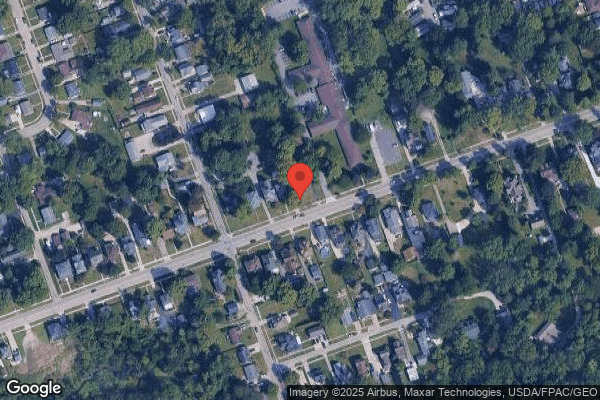

196 W MAIN ST, NORWALK, OH 44857 (419) 668-2086
For profit - Corporation 94 Beds CCH HEALTHCARE Data: November 2025
Trust Grade
75/100
#355 of 913 in OH
Last Inspection: April 2025

Within standard 12-15 month inspection cycle. Federal law requires annual inspections.

Overview

Twilight Gardens Nursing and Rehabilitation has a Trust Grade of B, indicating it is a good choice for families, meaning it performs better than many facilities but has room for improvement. It ranks #355 out of 913 nursing homes in Ohio, placing it in the top half, and #3 out of 6 in Huron County, which shows only two local options are better. The facility is improving, with issues decreasing from 7 in 2023 to 4 in 2025. Staffing is rated average with a 3 out of 5 stars and a turnover rate of 53%, which is similar to the state average, signaling that staff stability could be better. Notably, there have been no fines reported, which is a positive sign, and the facility has more RN coverage than 97% of Ohio facilities, ensuring better oversight for residents. However, there are some concerning issues. Recent inspections revealed that the kitchen was not maintained properly, with peeling epoxy and unidentified substances on the walls, potentially affecting all residents who eat food from there. Additionally, there were instances where staff did not wear appropriate personal protective equipment during high COVID-19 transmission periods, which could have endangered residents. While there are strengths in staffing and RN coverage, these specific incidents highlight areas that need attention for overall resident safety and care quality.

Trust Score
B
75/100
In Ohio
#355/913
Top 38%
Safety Record
Low Risk
No red flags
Inspections
Getting Better
7 → 4 violations
Staff Stability
⚠ Watch
53% turnover. Above average. Higher turnover means staff may not know residents' routines.
Penalties
✓ Good
No fines on record. Clean compliance history, better than most Ohio facilities.
Skilled Nurses
✓ Good
Each resident gets 75 minutes of Registered Nurse (RN) attention daily — more than 97% of Ohio nursing homes. RNs are the most trained staff who catch health problems before they become serious.
Violations
⚠ Watch
15 deficiencies on record. Higher than average. Multiple issues found across inspections.
★★★★☆
4.0
Overall Rating
★★★☆☆
3.0
Staff Levels
★★★☆☆
3.0
Care Quality
★★★★☆
4.0
Inspection Score
Stable
2023: 7 issues
2025: 4 issues

The Good

  • Full Sprinkler Coverage · Fire safety systems throughout facility
  • No fines on record

Facility shows strength in fire safety.

The Bad

Staff Turnover: 53%

Near Ohio avg (46%)

Higher turnover may affect care consistency

Chain: CCH HEALTHCARE

Part of a multi-facility chain

Ask about local staffing decisions and management

The Ugly 15 deficiencies on record

Apr 2025 4 deficiencies
CONCERN (D)

Potential for Harm - no one hurt, but risky conditions existed

ADL Care (Tag F0677)

Could have caused harm · This affected 1 resident

**NOTE- TERMS IN BRACKETS HAVE BEEN EDITED TO PROTECT CONFIDENTIALITY** Based on observation, medical record review, resident and staff interview, and facility policy, the facility failed to complete ...

Read full inspector narrative →
**NOTE- TERMS IN BRACKETS HAVE BEEN EDITED TO PROTECT CONFIDENTIALITY** Based on observation, medical record review, resident and staff interview, and facility policy, the facility failed to complete nail care for a dependent resident. This affected one (#34) of two residents reviewed for activities of daily living (ADLs). The facility census was 74. Findings included: Review of Resident #34's medical record revealed an admission date of 12/10/24. Diagnoses included traumatic hemorrhage of the brain, acute respiratory failure with respirator dependence, diabetes mellitus, and congestive heart failure. Review of Resident #34's quarterly Minimum Data Set (MDS) assessment dated [DATE] revealed the resident had a moderately intact cognitive function and required moderate to partial assistance was required with personal hygiene. Review of Resident #34's care plan revealed the resident had an ADLs self-care performance deficit related to the disease process. The resident required staff assistance to complete ADLs tasks daily. Observation on 04/21/25 at 11:42 A.M. revealed Resident #34 was lying in bed with her feet uncovered. The hallux (large toe) on both feet were noted to have nail growth approximately one-half inch past the top of the toes. The four smaller toes had nail growth approximately one-third of an inch past the top of the toes. Interview with Resident #34 on 04/21/25 at 11:43 A.M. revealed she wished to have her toenails trimmed, but staff failed to do so. Interview with Social Service Director #285 on 04/22/25 at 1:17 P.M. revealed the resident who was admitted to the facility in December 2024 had failed to see the podiatrist since that time. The resident/family had signed authorization for podiatry to care for Resident #34's toenails and feet. Interview with Certified Nurse Aide (CNA) #413 on 04/22/25 at 1:31 P.M. during observation of Resident #34's toenails verified the nails were approximately one- half inch above the top of both large toes. Further observation revealed, under both nails was a thick black substance that CNA #413 verified. CNA #413 verified the smaller toes had overgrown nails which were approximately one-third of an inch beyond the top of the toes. Review of Resident #34's progress notes dated 01/01/25 through 04/23/25 revealed no mention of nail care nor signs discolored toenails. Review of the facility policy titled, Care of Fingernails/Toenails, dated October 2010, revealed the purpose of the procedure was to clean the nail bed, to keep nails trimmed, and to prevent infections. Unless otherwise permitted, do not trim the nails of diabetic residents or residents with circulatory impairments. Watch for and report any changes in the color of the skin around the nail bed, blueness of the nails, any signs of poor circulation, cracking of the skin between the toes, any swelling, bleeding, etc.
CONCERN (D) 📢 Someone Reported This

A family member, employee, or ombudsman was alarmed enough to file a formal complaint

Potential for Harm - no one hurt, but risky conditions existed

Pressure Ulcer Prevention (Tag F0686)

Could have caused harm · This affected 1 resident

Based on medical record review and staff interview the facility failed to ensure pressure ulcer treatments were completed as ordered. This affected one (#14) of three residents reviewed for pressure u...

Read full inspector narrative →
Based on medical record review and staff interview the facility failed to ensure pressure ulcer treatments were completed as ordered. This affected one (#14) of three residents reviewed for pressure ulcers. The facility census was 74. Findings Include: Review of Resident #14's medical record revealed an admission date of 02/28/25 with diagnoses including infection and inflammatory reaction due to a indwelling urethral catheter, need for assistance with personal care, generalized muscle weakness, chronic osteomyelitis, acute kidney failure, malignant neoplasm of the bladder, anxiety, stage four pressure ulcer (full-thickness skin and tissue loss) of the right buttock, stage four pressure ulcer of the left buttock, neuromuscular dysfunction of the bladder, hypertension and and stage four pressure ulcer of the right hip. Resident #14 was discharged on 04/04/25. Review of the most recent Minimum Data Set (MDS) assessment, dated 02/28/25, revealed Resident #14 was cognitively intact. Review of Resident #14's physician order dated 02/25/25 to 03/05/25 for the left buttock pressure ulcer revealed to cleanse with wound cleanser, apply calcium alginate with silver, and cover with a bordered foam dressing every night shift for wound care and as needed for wound care. Review of Resident #14's February and March 2025 treatment administration record (TAR) revealed the treatment for the left buttock pressure ulcer was not documented as completed on 02/28/25, 03/01/25, 03/02/25, and 03/03/25. Review of Resident #14's physician order dated 02/28/25 to 3/05/25 for the right outer buttock pressure ulcer revealed to cleanse with wound cleanser, apply calcium alginate with silver, and cover with a boarded foam dressing every night shift for wound care and as needed for wound care. Review of Resident #14's February and March 2025 TAR revealed the treatment for the right outer buttock pressure ulcer was not documented as completed on 02/28/25, 03/01/25, 03/02/25, and 03/03/25. Review of Resident #14's physician order dated 02/28/25 through 03/05/25 for the right ischium pressure ulcer revealed to cleanse with wound cleaner, apply calcium alginate with silver, and cover with boarded foam dressing every night shift for wound care and as needed for wound care. Review of Resident #14's February and March 2025 TAR revealed the treatment for the right ischium pressure ulcer was not documented as completed on 02/28/25, 03/01/25, 03/02/25, and 03/03/25. Review of Resident #14's physician order dated 03/05/25 to 03/26/25 for the right hip pressure ulcer revealed to cleanse with Dakin's solution, pack the wound with Dakin's moistened fluffed gauze, and then cover with bordered foam dressing every day and night shift for wound care. Review of Resident #14's March 2025 TAR revealed the treatment to the right hip pressure ulcer was not documented as completed on 03/07/25 for the 7:00 A.M. to 7:00 P.M. shift, 03/08/25 for the 7:00 P.M. to 7:00 P.M. shift, 03/09/25 for the 7:00 A.M. to 7:00 P.M. shift, 03/13/25 for the 7:00 A.M. to 7:00 P.M. shift, 03/16/25 for the 7:00 A.M. to 7:00 P.M. shift, and 03/26/25 for the 7:00 P.M. to 7:00 A.M. shift. Review of Resident #14's physician order dated 03/05/25 to 03/26/25 for the left ischium pressure ulcer to cleanse with Dakin's solution, pack the wound with Dakin's moistened fluffed gauze, then cover with bordered foam dressing every day and night shift for wound care. Review of Resident #14's March 2025 TAR revealed the wound treatments for the left ischium pressure ulcer was not documented as completed on 03/07/25 for the 7:00 A.M. to 7:00 P.M. shift, 03/08/25 for the 7:00 P.M. to 7:00 P.M. shift, 03/09/25 for the 7:00 A.M. to 7:00 P.M. shift, 03/13/25 for the 7:00 A.M. to 7:00 P.M. shift, 03/16/25 for the 7:00 A.M. to 7:00 P.M. shift, and 03/26/25 for the 7:00 P.M. to 7:00 A.M. shift. Review of Resident #14's physician order dated 03/05/25 to 03/26/25 for the right ischium pressure ulcer to cleanse with Dakin's solution, pack wound with Dakin's moistened fluffed gauze, then cover with a bordered foam dressing every day and night shift for wound care. Review of Resident #14's March 2025 TAR revealed the wound treatments for the right ischium pressure ulcer revealed the treatment was not documented as completed on 03/07/25 for the 7:00 A.M. to 7:00 P.M. shift, 03/08/25 for the 7:00 P.M. to 7:00 P.M. shift, 03/09/25 for the 7:00 A.M. to 7:00 P.M. shift, 03/13/25 for the 7:00 A.M. to 7:00 P.M. shift, 03/16/25 for the 7:00 A.M. to 7:00 P.M. shift, and 03/26/25 for the 7:00 P.M. to 7:00 A.M. shift. Interview on 04/24/25 at 1:05 P.M. with the Director of Nursing (DON) verified Resident #14's wound care treatments were not completed as ordered on the aforementioned dates in February and March 2025. This deficiency represents non-compliance investigated under Complaint Number OH00163741.
CONCERN (D)

Potential for Harm - no one hurt, but risky conditions existed

Drug Regimen Review (Tag F0756)

Could have caused harm · This affected 1 resident

**NOTE- TERMS IN BRACKETS HAVE BEEN EDITED TO PROTECT CONFIDENTIALITY** Based on medical record review, staff interview, and policy review, the facility failed to ensure pharmacy recommendations were ...

Read full inspector narrative →
**NOTE- TERMS IN BRACKETS HAVE BEEN EDITED TO PROTECT CONFIDENTIALITY** Based on medical record review, staff interview, and policy review, the facility failed to ensure pharmacy recommendations were reviewed by the physician timely. This affected two (#34 and #40) of five residents reviewed for unnecessary medications. The facility census was 74. Findings included: 1. Review of Resident #34's medical record revealed a most recent admission date of 12/10/24. Diagnoses included traumatic hemorrhage of the brain, acute respiratory failure with respirator dependence, diabetes mellitus, and congestive heart failure. Review of Resident #34's quarterly Minimum Data Set (MDS) assessment dated [DATE] revealed the resident had a moderately intact cognition. The resident was identified as receiving antianxiety, antidepressant, anticoagulant, antibiotic, and diuretic medications. Review of Resident #34's medical record revealed a physician's order dated 07/17/24 for the antianxiety medication lorazepam one (1) milligram (mg) twice daily for anxiety. The order was discontinued on 12/17/24. Review of Resident #34's medical record revealed a physician's order dated 06/05/24 for the antianxiety medication buspirone oral tablet 7.5 mg to be administered three times a day via percutaneous endoscopic gastrostomy (PEG) tube. Review of Resident #24's monthly Medication Regimen Review dated 11/05/24 revealed the pharmacist recommended a gradual dose reduction attempt for lorazepam and buspirone. Further review of the physician's response revealed the physician agreed for the gradual dose reduction on 01/25/25 which was over 11 weeks from the time the recommendation was given. Interview with the Director of Nursing (DON) on 04/23/25 at 2:25 P.M. verified Resident #34's monthly Medication Regimen Review dated 11/05/24 failed to be addressed timely and was not reviewed by the physician nor certified nurse practitioner until 01/25/25. 2. Review of the medical record revealed Resident #40 was admitted to the facility on [DATE]. Diagnoses included schizophrenia, lack of coordination, anxiety, post-traumatic stress disorder, bipolar disorder, and personality disorder. Review of the quarterly MDS assessment, dated 01/20/25, revealed Resident #40 was cognitively intact. The resident received an antidepressant. Review of Resident #40's prescribed medication list for February 2024 through July 2024 identified an order dated 02/10/24 for mirtazapine 15 mg oral table with instructions to give one tablet by mouth at bedtime related to bipolar disorder, current episode depressed. Review of the pharmaceutical recommendation made to the attending physician for Resident #40 on 04/05/24, revealed the pharmacist asked if the physician felt a reduction could be attempted on the mirtazapine at that time. The recommendation was not reviewed and signed by the physician until 07/23/24. Interview on 04/23/24 at 5:25 P.M. with the DON verified the recommendation was made on 04/05/24 and there was no evidence it was reviewed by the physician until 07/23/24. The DON reported the facility's policy did not include a timeframe for when pharmaceutical recommendations should be reviewed. Review of the facility policy titled, Medication Regimen Reviews, revised April 2007, revealed the consultant pharmacist would provide a written report to physicians for each resident with an identified irregularity.
CONCERN (F)

Potential for Harm - no one hurt, but risky conditions existed

Food Safety (Tag F0812)

Could have caused harm · This affected most or all residents

Based on observation, staff interview, and review of facility policy, the facility failed to ensure the facility kitchen was maintained in a sanitary manner. This had the potential to effect all resid...

Read full inspector narrative →
Based on observation, staff interview, and review of facility policy, the facility failed to ensure the facility kitchen was maintained in a sanitary manner. This had the potential to effect all residents who eat food from the facility kitchen. The facility identified eight (#1, #22, #65, #71, #73, #75, #129, and #132) residents who do not consume anything by mouth. The facility census was 74. Findings Include: Observation on 04/12/25 at 9:15 A.M. revealed the epoxy on the concrete floor in front of the walk-in freezer was peeling and water was pooling between the lifted epoxy and the concrete floor. Observation on 04/12/25 at 9:17 A.M. revealed an unidentified dark brown-black substance covering the wall to the right of the walk-in freezer door. Concurrent observation revealed an unidentified dark brown-black substance on the wall to the left of the walk-in freezer. An interview on 04/12/25 at 9:25 A.M. with Dietary Supervisor #430 verified the above findings. Review of the facility policy titled, Sanitization, with a revision date of 10/2008, revealed the food service area shall be maintained in a clean and sanitary manner.
Oct 2023 6 deficiencies
CONCERN (D)

Potential for Harm - no one hurt, but risky conditions existed

ADL Care (Tag F0677)

Could have caused harm · This affected 1 resident

**NOTE- TERMS IN BRACKETS HAVE BEEN EDITED TO PROTECT CONFIDENTIALITY** Based on medical record review, observation, resident interview, staff interview, and review of facility policy, the facility fa...

Read full inspector narrative →
**NOTE- TERMS IN BRACKETS HAVE BEEN EDITED TO PROTECT CONFIDENTIALITY** Based on medical record review, observation, resident interview, staff interview, and review of facility policy, the facility failed to provide shaving services to two (Residents #1 and #4) and failed to provide showers as scheduled to Resident #4. This affected two (Residents #1 and #4) of three resident reviewed for showers and shaving. The facility census was 73. Findings include: 1. Review of the medical record revealed Resident #1 was admitted to the facility on [DATE]. Diagnoses included cerebral palsy, acute and chronic respiratory failure with hypoxia, and muscle weakness. Resident #1 was observed to have a tracheostomy (a surgically-created airway in the front of the neck, into the trachea, in which a tube is placed to provide a patent airway) and was dependent on a mechanical ventilator for breathing. Review of Resident #1's quarterly Minimum Data Set (MDS) assessment dated [DATE] revealed Resident #1 was able to make himself understood, which included the ability to express ideas and wants. Resident #1 was also able to understand others. Review of the plan of care dated 06/27/23 and revised 07/18/23, revealed Resident #1 had an activities of daily living (ADL) self-care performance deficit related to disease process, required staff assistance to complete ADL tasks daily, and fluctuations were expected due to diagnosis. Interventions included total dependence of one staff member was required for personal hygiene and grooming tasks. Review of the shower schedule and corresponding shower sheets for 10/01/23 through 10/17/23, revealed Resident #1 was scheduled to receive showers on Tuesday and Friday nights. Shower sheets dated 10/07/23, 10/10/23, 10/13/23 and 10/17/23 indicated Resident #1 received a bed bath on each shower day. The shower sheets contained a section to identify if the resident was shaved, with a corresponding section to identify if a resident refused. The shower sheets did not contain evidence Resident #1 was offered, received or refused assistance with shaving on 10/07/23, 10/10/23, 10/13/23 and 10/17/23. Review of the electronic medical record revealed no additional documentation the resident was offered, received, or refused assistance with shaving from 10/01/13 through 10/17/23. Observation on 10/16/23 at 11:29 AM. revealed Resident #1 with facial hair approximately one half inch in length. The facial hair appeared patchy and uneven. Resident #1 communicated he preferred to be clean shaven. Observations on 10/17/23 at 8:25 A.M. and on 10/18/23 at 7:26 A.M. revealed Resident #1 was still unshaven. Interview on 10/17/23 at 1:29 PM with State Tested Nurse Aide (STNA) #316 revealed residents were supposed to be shaved on shower days at a minimum, more often if requested by the resident. STNA #316 stated shower documentation was completed in the electronic record, and also on a paper shower sheets which are stored in a monthly binder at the nurse's station. Tasks such as as shaving and nail care, would be documented on the paper shower sheets and are co-signed by the nurse on duty. Interview on 10/18/23 11:46 A.M. with the Director of Nursing (DON) verified when a resident received assistance with bathing, it was documented on the shower sheets and also in the electronic medical record. Observation and interview on 10/19/23 at 8:20 A.M. with Registered Respiratory Therapist (RRT) #603 revealed Resident #1 to be clean shaven. RRT #603 stated she was very familiar with Resident #1 and he is usually clean shaven. RRT #603 stated STNA #320 just shaved Resident #1 yesterday. RRT #603 told Resident #1 he looked nice, to which Resident #1 smiled. When asked if Resident #1 preferred to be clean shaven, he nodded his head to indicate yes, witnessed by RRT #603. Interview on 10/19/23 at 8:43 A.M. with STNA #320 verified he shaved Resident #1 on the afternoon of 10/18/23. STNA #320 stated he asked Resident #1 if he wanted to be shaved, and he stated that he did. STNA #320 further stated that Resident #1 mainly communicated by a head nod or shake, or by hand movements, but was able to speak, it is just quiet due to his tracheostomy limiting his voice. 2. Review of the medical record revealed Resident #4 was admitted to the facility on [DATE]. Diagnoses included muscle weakness, lack of coordination, other problems related to care provider dependency, depression and anxiety. Review of the quarterly Minimum Data Set (MDS) assessment dated [DATE] revealed the resident was with mild cognitive impairment and required extensive assistance of one staff for personal hygiene including shaving. The resident required physical assistance of one staff for bathing. The resident did not exhibit any behaviors such as refusal of care. Review of the plan of care dated 04/21/23 and revised 05/17/23, revealed Resident #4 had an activities of daily living (ADL) self-care performance deficit related to disease process, required staff assistance to complete ADL tasks daily, and fluctuations were expected due to diagnosis. Interventions included limited assistance of one staff for hygiene/grooming, and resident required extensive assistance of two staff for showering. Review of the shower schedule and corresponding shower sheets for 10/01/23 through 10/17/23, revealed Resident #4 was scheduled to receive showers on Sunday and Thursday nights. The resident refused showers on 10/03/23 and 10/05/23. There was no documentation the resident was offered, received, or refused showers as scheduled on 10/08/23, 10/12/23, or 10/15/23. There was also no documentation the resident was offered, received, or refused assistance with shaving on these dates. Further review of the electronic medical record revealed Resident #4 received a bath/shower on 10/02/23. There was no additional documentation within the medical record to indicate Resident #4 received assistance bathing as scheduled on 10/08/23, 10/12/23, or 10/15/23. There was also no documentation the resident was offered, received, or refused assistance shaving for 10/01/13 through 10/17/23. Observation on 10/16/23 at 2:03 P.M. revealed Resident #4 was unshaven with multiple weeks of facial hair growth on his face. Resident #4 stated he preferred to be clean-shaven. Observations on 10/17/23 at 11:40 A.M. and on 10/17/23 at 12:30 P.M., revealed Resident #4 was still unshaven. Interviews on 10/17/23 beginning at 3:04 P.M. with State Tested Nurse Aide (STNA) #316 and STNA #333, revealed residents were supposed to be shaved on shower days. Both staff members reported if a resident was shaved, it would be indicated on their shower sheet which was located in a binder at the nursing station. Staff also reported if a resident refused, the refusal would be documented on the shower sheet and signed by the nurse on duty. Interview on 10/18/23 at approximately 8:30 A.M. with the Director of Nursing (DON) verified when a resident received assistance with bathing, it was documented on the shower sheets and also in the electronic medical record. Interview on 10/18/23 at 8:51 A.M. with STNA #322 verified Resident #4 had quite a bit of facial hair. STNA #322 also verified shaving assistance would typically be provided during showers. Interview on 10/18/23 at 1:03 P.M. with the DON, verified there was no additional documentation to verify Resident #4 was offered or received assistance with bathing or shaving on 10/08/23, 10/12/23, or 10/15/23. Review of the facility policy titled, Shower/Tub Bath, revised October 2010, revealed the date and time a shower/tub bath was performed should be recorded on the resident's activities of daily living record and/or in the resident's medical record. The policy also stated if the resident refused the shower/tub bath, the reason(s) why and the intervention taken would be documented. Review of the facility policy titled, Shaving the Resident, revised October 2010, revealed if a resident was shaved the date and time the procedure was performed would be documented in the resident's medical record. The policy also stated if the resident refused the treatment, the reason(s) why and the intervention taken would be documented.
CONCERN (D)

Potential for Harm - no one hurt, but risky conditions existed

Drug Regimen Review (Tag F0756)

Could have caused harm · This affected 1 resident

**NOTE- TERMS IN BRACKETS HAVE BEEN EDITED TO PROTECT CONFIDENTIALITY** Based on record review, staff interview, and review of facility policy, the facility failed to ensure the physician provided rat...

Read full inspector narrative →
**NOTE- TERMS IN BRACKETS HAVE BEEN EDITED TO PROTECT CONFIDENTIALITY** Based on record review, staff interview, and review of facility policy, the facility failed to ensure the physician provided rationale for the continuation of a medication after a pharmaceutical recommendation. This affected one (Resident #5) of five residents reviewed for unnecessary medications. The facility census was 73. Findings include: Review of the medical record revealed Resident #5 was admitted to the facility on [DATE]. Diagnoses included but were not limited to COVID-19, type II diabetes mellitus, dysphagia, depression, muscle weakness, history of falling, mild intellectual disabilities, cognitive communication deficit, restlessness and agitation, and insomnia. Review of the quarterly Minimum Data Set (MDS) 3.0 assessment dated [DATE] revealed Resident #5 was severely cognitively impaired and required limited assistance of one staff for bed mobility and transfers. Review of Resident #5's prescribed medications list for 06/01/23 through 10/18/23 identified a current order for insulin lispro solution 100 units per milliliter, inject as per sliding scale subcutaneously before meals and at bedtime related to type II diabetes mellitus without complications. Review of Resident #5's medication administration record for October 2023, revealed the resident's blood glucose level was normally checked four times per day. Review of the pharmaceutical recommendation made to the attending physician for Resident #5 on 08/08/23, revealed the recommendation stated the average sliding scale over the past seven days was 5.4 units per day, sliding scale insulin could lead to hypoglycemia and frequent finger sticks decreased the residents quality of life as well as increased costs and nursing time. The recommendation stated please consider basal insulin adjustment and/or adding scheduled mealtime insulin with a goal to discontinue use of sliding scale. A line was marked through disagree and indicated please offer clinical rationale below. There was no rationale documented. Review of Resident #5's medical record revealed no rationale was documented by the physician. Interview on 10/19/23 at approximately 10:00 A.M. the Director of Nursing (DON) stated she spoke with the physician and the medical record as a whole showed why the physician disagreed with the recommendation. The DON verified there was no rationale documented specifically pertaining to the pharmaceutical recommendation. Review of the facility policy titled, Medication Regiment Reviews, revised April 2007, revealed the consultant pharmacist would review the medication regimen of each resident at least monthly and provide a written report to physicians for each resident with an identified irregularity. Copies of drug/medication regimen review reports, including physician responses would be maintained as a part of the permanent medical record.
CONCERN (D)

Potential for Harm - no one hurt, but risky conditions existed

Unnecessary Medications (Tag F0759)

Could have caused harm · This affected 1 resident

**NOTE- TERMS IN BRACKETS HAVE BEEN EDITED TO PROTECT CONFIDENTIALITY** Based on observation, staff interview, medical record review, and review of facility policy, the facility failed to ensure medic...

Read full inspector narrative →
**NOTE- TERMS IN BRACKETS HAVE BEEN EDITED TO PROTECT CONFIDENTIALITY** Based on observation, staff interview, medical record review, and review of facility policy, the facility failed to ensure medications were administered with an error rate of less than five percent. A total of two errors were observed during 34 opportunities, for a medication error rate of 5.88%. This affected two (Residents #55 and #41) of four residents reviewed during medication administration. The facility census was 73. Findings include: 1. Review of Resident #55's medical record revealed an original admission date of 07/24/23. Medical diagnoses included metabolic encephalopathy, sepsis, urinary tract infection, acute urinary retention, and type II diabetes mellitus. Resident #55 was hospitalized from [DATE] to 10/14/23. Review of Resident #55's physician's orders revealed an order dated 10/14/23 for Meropenem (an antibiotic) 1000 mg twice daily by intravenous (IV) route, to treat a urinary tract infection (UTI). The medication was scheduled to be administered at 8:00 A.M. and 8:00 P.M. Observation on 10/18/23 at 10:57 A.M. revealed Agency Registered Nurse (RN) #805 prepared the dose of intravenous Meropenem to be administered to Resident #55. Resident #55's intravenous site was cleansed, flushed with 10 milliliters of normal saline, and connected to new tubing. Agency RN #805 programmed the intravenous pump to the ordered infusion rate and confirmed this was Resident #55's morning dose of intravenous antibiotics that was scheduled for 8:00 A.M. Agency RN #805 verified that the dose of medication was not administered at the ordered time and was overdue by nearly three hours at the time of administration. 2. Review of Resident #41's medical record revealed an admission date of 02/14/20 with medical diagnoses including Diabetes mellitus, hepatic failure, cirrhosis of the liver and major depression. Review of Resident #41's physician orders revealed an order dated 02/18/23 for Basaglar KwikPen, inject 35 units subcutaneously one time a day. Observation on 10/17/23 at 7:15 A.M. of Licensed Practical Nurse (LPN #306) completing medications for Resident #41 revealed LPN #306 obtained Resident #41's Basaglar Kwikpen and turned the dial to 36 units. LPN #306 administered the insulin to Resident #41. Upon returning to the medication cart, LPN #306 confirmed the dial was set to 36 units instead of the ordered 35 units of insulin. The pen was observed to have numbers for even and dashes for the odd numbers. Review of the facilities Medication Administration policy dated April 2019 revealed medications are administered in accordance with prescriber orders, including any required time frame. Medications are administered within one (I) hour of their prescribed time, unless otherwise specified (for example, before and after meal orders). The individual administering the medication checks the label three times to verify the right resident, right medication, right dosage, right time, and right method (route) of administration before giving the medication.
CONCERN (D)

Potential for Harm - no one hurt, but risky conditions existed

Deficiency F0760 (Tag F0760)

Could have caused harm · This affected 1 resident

Based on medical record review, staff interview, and review of facility policy, the facility failed to establish parameters for Resident #232's blood pressure medication, resulting in mediction not be...

Read full inspector narrative →
Based on medical record review, staff interview, and review of facility policy, the facility failed to establish parameters for Resident #232's blood pressure medication, resulting in mediction not being administered. This affected one resident (Resident #232) of five residents reviewed for medication administration. The facility census was 73. Findings include: Review of Resident #232's medical record revealed an admission date of 09/29/23. Diagnoses included hemiplegia and hemiparesis following cerebral infarction affecting right dominant side, hypotension, gastrostomy, Crohn's disease, Alzheimer's dementia, and history of liver cirrhosis. Review of the physician order dated 09/29/23 timed at 10:00 P.M. for Resident #232, revealed an order for Midodrine hydrochloride (blood pressure medication) tablet 10 milligram given via Percutaneous Endoscopic Gastrostomy (PEF- feeding tube) tube three times a day for diagnosis of hypertension. No parameters were listed when to hold. Further review of the medical record revealed no documentation the physician was consulted on when to hold Resident #232's blood pressure medication. Review of Resident #232's medication administration record (MAR) for October 2023 identified the following days her Midodrine 10 mg tablet was held: • 10/01/23 the nursing progress note timed at 5:17 A.M. revealed Midodrine was held due to systolic blood pressure (SBP) of 110 • 10/01/23 the MAR revealed the 6:00 A.M. dose of Midodrine was held due to SBP of 118 • 10/01/23 the MAR revealed the 2:00 P.M. dose of Midodrine was held due to SBP of 113 • 10/01/23 the MAR revealed the 10:00 P.M. dose of Midodrine was held due to SBP of 120 • 10/01/23 the nursing progress note timed at 10:23 P.M. revealed the Midodrine was held due to SBP of 120 • 10/02/23 the MAR revealed the 6:00 A.M. dose of Midodrine was held due to SBP of 115. • 10/02/23 the MAR revealed the 2:00 P.M. dose of Midodrine was held due to SBP of 146. • 10/04/23 the MAR revealed the 6:00 A.M. dose of Midodrine was held due to SBP of 108. • 10/04/23 the nursing progress notes timed at 5:50 A.M. revealed the Midodrine was held due to SBP of 111. • 10/05/23 the MAR revealed the 2:00 P.M. dose of Midodrine was held due to SBP of 123. • 10/08/23 the MAR revealed the 2:00 P.M. dose of Midodrine was held due to SBP of 112. • 10/12/23 the MAR revealed the 10:00 P.M. dose of Midodrine was held due to SBP of 131. • 10/12/23 the nursing progress note at 11:00 P.M. revealed the Midodrine was held due to SBP of 131. • 10/16/23 the MAR revealed the 2:00 P.M. dose of Midodrine was held due to SBP of 138. • 10/17/23 the MAR revealed the 10:00 P.M. dose of Midodrine was held due to SBP of 138. Interview on 10/19/23 at 12:56 P.M. with the Director of Nursing (DON) revealed she spoke with the physician and obtained standing orders for parameters for Resident #232's blood pressure medication to be held if systolic blood pressure is above 140. The DON confirmed there were multiple incidents on the October 2023 MAR where staff held Midodrine, and should not have without contacting the physician. Review of the April 2019 revised facility policy titled, Administering Medications, revealed medications are administered in accordance with prescriber orders, including any required time frame. If the drug is withheld, refused, or given at a time other than the scheduled time, the individual administering the medication shall complete appropriate documentation on the MAR for that drug and dose.
CONCERN (D)

Potential for Harm - no one hurt, but risky conditions existed

Infection Control (Tag F0880)

Could have caused harm · This affected 1 resident

**NOTE- TERMS IN BRACKETS HAVE BEEN EDITED TO PROTECT CONFIDENTIALITY** 4. Review of the medical record revealed Resident #1 was admitted to the facility on [DATE]. Diagnoses included cerebral palsy, ...

Read full inspector narrative →
**NOTE- TERMS IN BRACKETS HAVE BEEN EDITED TO PROTECT CONFIDENTIALITY** 4. Review of the medical record revealed Resident #1 was admitted to the facility on [DATE]. Diagnoses included cerebral palsy, acute and chronic respiratory failure with hypoxia, and muscle weakness. Resident #1 had a tracheostomy (a surgically-created airway in the front of the neck, into the trachea, in which a tube is placed to provide a patent airway), was dependent on a mechanical ventilator for breathing. and had a gastrostomy tube. Review of Resident #1's quarterly Minimum Data Set (MDS) assessment dated [DATE], revealed Resident #1 was able to make himself understood, which included the ability to express ideas and wants. Resident #1 was also identified to be able to understand others. Resident #1 was identified to have a feeding tube and received nutrition and hydration by enteral (tube feeding) route. Review of physician's orders for Resident #1 revealed an order dated 10/06/23 for nothing by mouth (NPO). Resident #1 had an order dated 10/06/23 for Jevity 1.5 (a tube feeding formula) to run continuously at 55 milliliters per hour per gastrostomy tube. Resident #1's medications were ordered to be administered through his gastrostomy tube. Observation on 10/16/23 at 11:14 A.M. of Agency Licensed Practical Nurse (LPN) #801 at Resident #1's bedside. LPN #801 was observed with an irrigation syringe in one ungloved hand, and Resident #1's feeding tube in her other ungloved hand. Agency LPN #801 stated she had just administered medications and proceeded to reconnect Resident #1 to his ordered tube feeding. LPN #801 held out her hands in front of her body in a cupped motion, with liquid visible on both of her bare, ungloved hands. LPN #801 proceeded into Resident #1's bathroom to wash her hands. Interview on 10/16/23 at 11:17 A.M. with LPN #801 verified she did not wear gloves when she provided medications and reconnected Resident #1's enteral feed. LPN #801 stated she should have worn gloves as she had gotten the liquid from either the medications or the tube feed on her bare hands. Review of the Medication Administration policy, dated April 2019, revealed staff should follow established facility infection control procedures for the administration of medications. Review of the Infection Control Guidelines for Nursing Procedures policy, dated 12/29/20, revealed standard precautions will be used in the care of all residents in all situations regardless of suspected or confirmed presence of infectious diseases. Standard precautions apply to blood, body fluids, secretions, and excretions regardless of whether or not they contain visible blood, non-intact skin, and/or mucous membranes. Based on observation, interview, facility document review, facility policy review, and review of the current Center's for Disease Control and Prevention (CDC) guidance, the facility failed to ensure staff wore the appropriate Personal Protective Equipment (PPE) when caring for COVID-19 positive residents. This affected three (Resident #52, #5, #29) of three residents reviewed for COVID-19. In addition, the facility failed to ensure staff maintained appropriate infection control during tube feed administration for Resident #1. This affected one (Resident #1) of two residents reviewed for tube feeding. The facility census was 73. Findings include: 1. Review of the medical record revealed Resident #52 was admitted to the facility on [DATE]. Diagnoses at the time of survey included but were not limited to COVID-19, muscle weakness, schizophrenia, lack of coordination, shortness of breath, anxiety, and type II diabetes mellitus. Review of the nursing progress notes revealed the resident tested positive for COVID-19 on 10/15/23. Observation on 10/16/23 at approximately 11:55 A.M. revealed Resident #52 had signage on the door of their room, indicating they were on droplet precautions. State Tested Nurse Aide (STNA) #322 delivered a lunch meal tray to Resident #52. Prior to entering the room, STNA #322 donned (put on) a disposable gown, gloves, and an N95 mask over top of the medical-surgical mask she was wearing. Prior to leaving the room, STNA #322 doffed the gown, gloves, and N95, while continuing to wear the medical-surgical mask. Interview on 10/16/23 at 12:05 P.M. with STNA #322, verified Resident #52 was positive for COVID-19 and staff were required to wear an N95 mask into the room. 2. Review of the medical record revealed Resident #5 was admitted to the facility on [DATE]. Diagnoses at the time of survey included but were not limited to COVID-19, Extended Spectrum Beta Lactamase (ESBL) resistance, dysphagia, depression, muscle weakness, history of falling, mild intellectual disabilities, cognitive communication deficit, restlessness and agitation, and insomnia. Review of the nursing progress notes revealed the resident tested positive for COVID-19 on 10/08/23. 3. Review of the medical record revealed Resident #29 was admitted to the facility on [DATE]. Diagnoses at the time of survey included but were not limited to COVID-19, Alzheimer's disease, dementia, dysphagia, speech disturbances, muscle weakness, need for assistance with personal care, cognitive communication deficit, and type II diabetes mellitus. Review of the nursing progress notes revealed the resident tested positive for COVID-19 on 10/12/23 and was in isolation. Observation on 10/16/23 at approximately 12:00 P.M. revealed Licensed Practical Nurse (LPN) #308 entered the shared room of Resident #5 and #29. Prior to entering the room, LPN #308 put on a disposable gown, gloves, and a N95 mask over top of the medical-surgical mask she was wearing. Upon leaving the room, LPN #308 was no longer wearing the gown, gloves, or N95, and was wearing a medical-surgical mask which was below her nose and mouth. LPN #308 stated I am sweating, and pulled her mask up over her nose and mouth. Interview on 10/16/23 at 12:24 P.M. with LPN #308 verified Resident #5 and #29 were positive for COVID-19 and staff were required to wear an N95 mask into the room. LPN #308 reported she normally wore an N95 over top of a medical-surgical mask, and took off the N95 while still wearing the medical-surgical mask prior to leaving the room. Interview on 10/18/23 at 7:05 A.M. with the Infection Preventionist (IP) #260 revealed staff were required to wear an N95 mask into the rooms of residents who were positive for COVID-19. IP #260 reported staff were not supposed to wear an N95 mask over a medical-surgical mask because the N95 mask would not be effective. IP #260 also reported staff were to take any mask off prior to leaving the room, not just peel one off. Interview on 10/19/23 at 9:53 A.M. with Regional Nurse #903 revealed there was current CDC guidance which indicated staff could wear an N95 or medical-surgical mask when entering the rooms of residents who had COVID-19. Review of a facility-provided one-page document from the CDC numbered CS 316124-A, titled Use Personal Protective Equipment (PPE) When Caring for Patients with Confirmed or Suspected COVID-19, dated 06/01/20, revealed preferred PPE included an N95 or high respirator and an acceptable alternative was a facemask. Review of the CDC guidance numbered CS 316124-A, and dated 06/01/20, revealed a second page regarding donning and doffing of PPE was attached, and stated Put on a NIOSH-approved N95 filtering facepiece respirator or higher (use a facemask if a respirator is not available). Review of the CDC guidance titled Interim Infection Prevention and Control Recommendations for Healthcare Personnel During the Coronavirus Disease 2019 (COVID-19) Pandemic, updated 05/08/23, revealed health care personnel who entered the room of a patient with suspected or confirmed SARS-CoV-2 infection should adhere to Standard Precautions and use a NIOSH Approved particulate respirator with N95 filters or higher, gown, gloves, and eye protection (i.e., goggles or a face shield that covers the front and sides of the face). Review of the facility-provided list of residents who tested positive for COVID-19, verified Resident #5, #29, and #52 tested positive for COVID-19 on the aforementioned dates. Review of the facility policy titled Isolation - Initiating Transmission-Based Precautions, revised August 2019, revealed Transmission-Based Precautions (TBP) were initiated when a resident developed signs and symptoms of a transmissible infection, arrived for admission with symptoms of an infection, or had a laboratory confirmed infection and was at risk of transmitting the infection to other residents. The policy also stated when TBP were implemented, the Infection Preventionist (or designee) would clearly identify the type of precautions, the anticipated duration, and the PPE that must be used. Review of the facility policy titled Infection Control Guidelines for All Nursing Procedures, dated 12/29/20, revealed staff would wear personal protective equipment as necessary to prevent exposure to spills or splashes of blood or body fluids or other potentially infectious materials.
CONCERN (E)

Potential for Harm - no one hurt, but risky conditions existed

Menu Adequacy (Tag F0803)

Could have caused harm · This affected multiple residents

Based on observation, interview and record review, the facility failed to follow the dietitian approved menu for 20 (Residents #12, #19, #23, #34, #36, #38, #45, #47, #64, #65, #66, #73, #81, #233) an...

Read full inspector narrative →
Based on observation, interview and record review, the facility failed to follow the dietitian approved menu for 20 (Residents #12, #19, #23, #34, #36, #38, #45, #47, #64, #65, #66, #73, #81, #233) and failed to provide the approved pureed menu to seven (Residents #3, #14, #17, #40, #48, #57, #70) who received a pureed diet. The facility census was 73. Findings include: Observation on 10/17/23 at 11:02 A.M. of Food Service Director (FSD) #200 making pureed seasoned cream of rice revealed when asked what seasonings were added to the cream of rice, FSD #200 stated she usually just adds butter and was unsure of what seasoned cream of rice meant on the spreadsheet. FSD #200 confirmed she had not used the recipe to prepare the seasoned cream of rice. Observation on 10/17/23 at 11:10 A.M. of FSD #200 making the pureed pork stir fry revealed FSD #200 used a six-ounce scoop to scoop out nine servings to puree. When FSD #200 was asked if the menu spreadsheet had the food items combined, she stated no. FSD #200 stated on 10/11/23, the menu had sweet and sour pork with Asian blend vegetables and saffron rice. FSD #200 stated she made too much, so she froze it and was using it in place of the scheduled menu item. Review of the scheduled menu items revealed pork stir fry with oriental vegetables, saffron rice, an egg roll, and mandarin oranges. FSD #200 stated since she had the leftovers, she decided to use it for the menu instead. When asked how FSD #200 ensured the correct portions for the pureed diets, she stated she figured she would use a six-ounce scoop which would provide about 4 ounces of vegetables and two ounces of meat. When asked how she knew it was the correct portion of each, FSD #200 confirmed she was unsure if the amounts and nutritional value were comparable to the listed menu items. FSD #200 confirmed the menu spreadsheet listed a number eight scoop (half cup) of pureed pork, a number eight scoop (half cup) of pureed green beans and a number eight scoop (half cup) of pureed carrots separately and not combined. Observation on 10/17/23 at 11:25 A.M. of FSD #200 pureeing bread revealed she used seven hot dog buns and added an unmeasured amount of hot water twice from a coffee pot from the coffee machine. FSD #200 confirmed she did not use a recipe and just eyes it to get a creamy, smooth consistency. Observation on 10/17/23 from 11:32 A.M. to 12:40 P.M. revealed the posted menu items were pork stir fry with oriental vegetables, saffron rice, egg roll, and mandarin oranges. Sweet and sour pork mixed with Asian vegetables, saffron rice, and an eggroll were used instead. Further observation continued as dietary staff plated the lunch meal from a steam table in the kitchen. At 12:15 P.M., FSD #200 announced she was running out of the sweet and sour pork stir fry and would need to substitute other items to complete tray line service. 20 residents (#12, #19, #23, #34, #36, #38, #45, #47, #64, #65, #66, #73, #81, and #233) did not receive the main entrée and received substitutions. FSD #200 stated she would use what she had left of the lasagna from dinner the night before and give the rest grilled cheese sandwiches. Five residents received lasagna with green beans and fifteen residents received a grilled cheese sandwich and saffron rice with no vegetables. Interview on 10/17/23 at 12:55 P.M. with FSD #200 confirmed the pureed menu items were mixed together and not separate as listed on the facility posted menu. FSD #200 verified she did not follow the listed menu items and did not follow the approved recipes to prepare the lunch meal. FSD #200 confirmed she used frozen leftovers from a previous meal as a substitute and ran out before the end of tray line. FSD #200 also confirmed she was unsure if the substitutions met the dietary requirements for the meals. Interview on 10/19/23 at 10:56 A.M. with Registered Dietitian #904 confirmed the replacement of the grilled cheese sandwich and saffron rice did not have the same nutritional value as the posted menu items for lunch on 10/17/23 and were not equivalent items for substitution. Review of the facility policy dated July 2019 titled, Pureed Diet, revealed it may be necessary to add liquid instead of thickening the food. Liquids used include gravies, broth, juices, or milk. Water is not used since it causes flavor loss, resulting in poor intake.
Jun 2023 1 deficiency
CONCERN (D) 📢 Someone Reported This

A family member, employee, or ombudsman was alarmed enough to file a formal complaint

Potential for Harm - no one hurt, but risky conditions existed

Deficiency F0552 (Tag F0552)

Could have caused harm · This affected 1 resident

**NOTE- TERMS IN BRACKETS HAVE BEEN EDITED TO PROTECT CONFIDENTIALITY** Based on medical record review, observation, and resident and staff interviews, the facility failed to allow a resident to make ...

Read full inspector narrative →
**NOTE- TERMS IN BRACKETS HAVE BEEN EDITED TO PROTECT CONFIDENTIALITY** Based on medical record review, observation, and resident and staff interviews, the facility failed to allow a resident to make an informed medical decision regarding his diet. This affected one (Resident #35) of three residents reviewed for resident rights. The facility census was 70. Findings include: Review of Resident #35's medical record revealed an admission to the facility occurred on 03/20/19. with medical Diagnoses included dysphagia (trouble swallowing), morbid obesity, Diabetes, chronic respiratory failure and anxiety. Review of the quarterly Minimum Data Set (MDS) assessment dated [DATE] revealed Resident #35 was cognitively intact and able to make all his needs known. Resident #35 used to have a tube feeding for all his nutritional needs and took nothing by mouth. Review of the Choice Not to Receive Nursing/Medical Services, Care, and or Treatment form dated 01/31/23 revealed Resident #35 was choosing not to consume thickened liquids or pureed foods. The top section of the form identified staff have identified the risks and possible consequences of choosing to not receive the medical treatment initialed below. The form identified having been given all the possible negative outcomes of the choice to not receive the treatment. The resident initialed and signed the form dated 01/31/23. Review of the physician order dated 02/15/23 revealed Resident #35 was ordered a pureed diet with nectar thickened liquids. Review of Resident #35's progress notes dated 06/03/23 at 1:45 P.M. revealed a nurse was called into the room and Resident #35 asked for ice. The nurse told Resident #35 he could not have ice due to safety concerns and his physician order for thickened liquids. Resident #35 became very upset and yelled at the nurse and stated This is expletive. I signed a paper. Resident #35's sister then called the facility asking why Resident #35 cannot have ice. The nurse noted educating the sister on the concerns for aspiration. The nurse said she will give him a can of pop as requested but will not open it for him. The nurse documented when entering the room, the resident stated yelling, you are taking my rights away. Observations and interview with Resident #35 occurred on 11:49 A.M. and 2:45 P.M. Resident #35 confirmed the facility provided him with the risk of consuming regular foods and liquids, however he can make the informed decision himself. Resident #35 confirmed he understands the risks of potential aspiration and still wants the regular food and liquids. Resident #35 was observed drinking a can of soda and eating pizza. Resident #35 confirmed he has been ordering regular food outside the facility that was delivered because the facility will not give it to him. Resident #35 stated he was not getting ice and thin liquids (water) when asking was ridiculous, and the staff wonder why I get upset. Interview with Dietary Manager #40 on 06/14/23 at 12:07 P.M. confirmed the kitchen staff follow the physician orders for Resident #35 and send him a pureed diet with thickened liquids. Dietary Manager #40 stated Resident #35 refuses to eat the purred food. Dietary Manger #40 confirmed she was not permitted to send him a regular diet with regular liquids. Interview with the Director of Nursing (DON), Administrator and Regional Nurse #50 on 06/14/23 at 12:18 P.M. confirmed the facility was not allowing Resident #35 to have a regular diet provided by the facility. The facility was following the physician diet order of pureed food with thick liquids), instead of Resident #35's informed decision to have regular food and liquids. They have instructed their staff that Resident #35 was only to have pureed and thickened liquids and were not assisting him to get ice, thin liquids like water, regular food as he wishes. The facility was following the guidance that was provided from their corporation as they were concerned with getting sued if something happened to Resident #35. This deficiency represents non-compliance investigated under Complaint Number OH00143219.
Nov 2022 1 deficiency
CONCERN (F) 📢 Someone Reported This

A family member, employee, or ombudsman was alarmed enough to file a formal complaint

Potential for Harm - no one hurt, but risky conditions existed

Infection Control (Tag F0880)

Could have caused harm · This affected most or all residents

**NOTE- TERMS IN BRACKETS HAVE BEEN EDITED TO PROTECT CONFIDENTIALITY** Based on record review, observations, staff interview, resident interviews, policy review, and review of the Centers for Disease...

Read full inspector narrative →
**NOTE- TERMS IN BRACKETS HAVE BEEN EDITED TO PROTECT CONFIDENTIALITY** Based on record review, observations, staff interview, resident interviews, policy review, and review of the Centers for Disease Control and Prevention (CDC) website, the facility failed to wear appropriate personal protective equipment (PPE) when the Community Transmission levels were high and two COVID-19 positive residents (#24 and #66) resided in the facility. This had the ability to affect the additional 71 residents residing in the facility. The facility census was 73. Findings include: Review of Resident #66's medical record revealed an admission date of 11/08/22. Diagnosis included COVID-19, acute and chronic respiratory failure, chronic obstructive pulmonary disease, and cough. Review of Resident #66's hospital discharge instructions dated 11/08/22 revealed the resident admitted to the facility positive for COVID-19. Review of Resident #66's care plan revealed she was to be under strict isolation precautions with room quarantine related to COVID-19 diagnosis. Review of Resident #24's medical record revealed an admission date of 11/04/22. Diagnosis included COVID-19, Alzheimer's disease, and acute bronchitis. Review of Resident #24's hospital Discharge summary dated [DATE] revealed the resident was diagnosed with COVID-19 on 11/01/22. Review of Resident #24's progress note dated 11/9/22 revealed the resident had been placed in quarantine/isolation with an obtained order by the physician due to testing positive for the COVID-19 virus. Review of the Centers for Disease Control and Prevention (CDC) website the [NAME] County community transmission rate was high for 10/27/22 through 11/02/22. Observation upon entrance on 11/09/22 at 4:56 A.M. revealed Licensed Practical Nurse (LPN) #200 met the surveyor at the front door with no control source in place. The nurse was absent of a face mask and eye protection. LPN #200 then walked into the south hall where residents resided. Interview with LPN #200 on 11/09/22 at 5:04 A.M. verified the nurses failed to wear any PPE while in close contact with residents. On initial tour on 11/09/22 at 4:47 A.M. LPN #210 was observed in the south hall standing at the nurses cart outside of Rooms 211, 212, 213, and 214 absent of any PPE including any sort of mask. Observation on 11/09/22 at 5:15 A.M. revealed Resident #24 and Resident #66 resided on the North Hall and were under transmission based precautions. Observation of the North Hall revealed LPN #220, State Tested Nurse Aide (STNA) #400 and STNA #410 had on surgical masks with the coverings lowered onto their partial mouths, but not covering their noses. The staff failed to wear any eye protection. Observation of isolation equipment on 11/09/22 at 5:24 A.M. revealed sufficient amounts of PPE were available for staff use outside of Resident #24 and Resident #66's rooms. Interviews with STNA #400, STNA #410, STNA #420, and STNA #430 on 11/09/22 between 5:14 A.M. and 7:37 A.M. verified the night shift failed to wear source control while COVID-19 positive residents resided in the facility and the county transmission rate was high. Interviews on 11/09/22 from 5:42 A.M. through 11:20 A.M. with Resident #16, Resident #33, and Resident #36 revealed the nursing staff failed to wear face masks on the night shift. Review of the facility policy titled Coronavirus Disease (COVID-19) - Using Personal Protective Equipment/Source Control. dated 10/03/22, revealed when community levels are high, source control is recommended for everyone. If County Transmission is high, facility shall consider having healthcare personnel (HCP) use PPE as described: To simplify implementation, when County Transmission rate is high, consideration for implementing universal use of National Institute for Occupational Safety and Health (NIOSH)-approved particulate respirators with N95 filters or higher for HCP during all resident care encounters or in specific units or areas of facility at higher risk for COVID-10 transmission, and eye protections worn during all resident care encounters. Interview with the Director of Nursing (DON) on 11/09/22 at 9:52 A.M. verified the facility policy stated if the Community Transmission rate was high but there was no COVID-19 in the facility the staff were to wear surgical masks and eye protection. If the Community Transmission level was high and there was an outbreak in the facility the staff must wear an N95 mask and eye protection. Interview with the Infection Control Preventions on 11/09/22 at 10:11 A.M. verified the staff should have been wearing appropriate source control in the facility due to the COVID-19 status of two residents and the County Community Transmission level being high. Review of the CDC guidance titled Interim Infection Prevention and Control Recommendations for Healthcare Personnel During the Coronavirus Disease 2019 (COVID-19) Pandemic, dated 09/23/22, revealed when SARS-CoV-2 Community Transmission levels are high, source control is recommended for everyone in a healthcare setting when they are in areas of the healthcare facility where they could encounter patients. This citation is non-compliance associated with Master Complaint Number OH00137167.
Jun 2021 3 deficiencies
CONCERN (D)

Potential for Harm - no one hurt, but risky conditions existed

Deficiency F0698 (Tag F0698)

Could have caused harm · This affected 1 resident

Based on record review, staff interview, review of the facility's dialysis contract, and facility policy review, the facility failed to routinely communicate to the dialysis center regarding the resid...

Read full inspector narrative →
Based on record review, staff interview, review of the facility's dialysis contract, and facility policy review, the facility failed to routinely communicate to the dialysis center regarding the resident's health status prior to her treatment sessions. This affected one (Resident #43) of one resident reviewed for dialysis. The facility identified one resident that received dialysis. The facility census was 60. Findings include: Review of the medical record for Resident #43 revealed an admission date of 08/12/19. Diagnoses included type two diabetes mellitus with foot ulcer, morbid obesity due to excess calories, and dependence on renal dialysis. Review of the quarterly Minimum Data Set (MDS) assessment, dated 03/16/21, revealed Resident #43 was cognitively intact and was on dialysis. Review of the care plan, dated 05/31/19, revealed the resident needed dialysis related to chronic kidney disease three times a week at outpatient kidney center. She had a chest port present for treatment with new fistula placed but not matured for use. She often chose not to attend dialysis per scheduled treatments and also will often end treatments early. Interventions included dialysis three times per week on Monday-Wednesday-Friday. Do not draw blood or take blood pressure in the arm with a graft. Monitor for dry skin and apply lotion as needed. Monitor intake and output. Monitor labs and report to doctor as needed. Monitor vital signs per protocol and as needed. Notify physician of significant abnormalities. Monitor, document, and/or report as needed any signs and symptoms of infection to access site, including redness, swelling, warmth or drainage. Monitor, document, and/or report as needed for signs and symptoms of renal insufficiency, changes in level of consciousness, changes in skin turgor, oral mucosa, changes in heart and lung sounds. Review of the physician orders, dated 06/08/21, revealed an order for dialysis three times per week on Monday-Wednesday and Friday. Review of the dialysis communication book revealed the facility communicated with dialysis on 03/26/21, 04/09/21, 05/17/21, and 06/14/21. There was no communication documented on 03/29/21, 03/31/21, 04/02/21, 04/05/21, 04/07/21, 04/12/21, 04/14/21, 04/16/21, 04/19/21, 04/21/21, 04/23/21, 04/26/21, 04/28/21, 04/30/21, 05/03/21, 05/05/21, 05/07/21, 05/10/21, 05/12/21, 05/14/21, 05/19/21, 05/21/21, 05/24/21, 05/26/21, 05/28/21, 05/31/21, 06/02/21, 06/04/21, 06/07/21, 06/09/21 and 06/11/21. Interview on 06/17/21 at 11:30 A.M. with the Corporate Nurse #177 verified there was no documentation of communication between the facility and dialysis unit on 03/29/21, 03/31/21, 04/02/21, 04/05/21, 04/07/21, 04/12/21, 04/14/21, 04/16/21, 04/19/21, 04/21/21, 04/23/21, 04/26/21, 04/28/21, 04/30/21, 05/03/21, 05/05/21, 05/07/21, 05/10/21, 05/12/21, 05/14/21, 05/19/21, 05/21/21, 05/24/21, 05/26/21, 05/28/21, 05/31/21, 06/02/21, 06/04/21, 06/07/21, 06/09/21 and 06/11/21. Corporate Nurse #177 verified the facility was to communicate with the dialysis facility prior to each dialysis treatment. Review of the facility's policy titled Care of a Resident with End-Stage Renal Disease, revised 09/2010, revealed residents with end-stage renal disease (ESRD), including residents receiving dialysis care outside the facility, shall be trained in the care and special needs of these residents. Arrangements between this facility and the contracted ESRD facility include all aspects of how the resident's care will be managed, including, how the care plan will be developed and implemented, how information will be exchanged between the facilities and responsibility for waste handling, sterilization and disinfection of equipment. Review of the outpatient dialysis service agreement, signed 07/25/12, revealed specific services provided by the parties including the facility shall have the responsibility for arranging suitable transportation of the resident to and from the ESRD dialysis unit, including the selection of the mode of transportation, qualified personnel to accompany the resident and transportation equipment usually associated with this type of transfer or referral including the use of appropriate life support measures in accordance with the applicable federal and state laws and regulations. The nursing facility shall be responsible for ensuring that the resident is medically stable to undergo such transportation and for treatment at the ESRD dialysis unit.
CONCERN (E)

Potential for Harm - no one hurt, but risky conditions existed

Food Safety (Tag F0812)

Could have caused harm · This affected multiple residents

Based on observation, staff interview and review of the facility's policy, the facility failed to label and date open food in the walk-in freezer. This had the potential to affect all residents except...

Read full inspector narrative →
Based on observation, staff interview and review of the facility's policy, the facility failed to label and date open food in the walk-in freezer. This had the potential to affect all residents except for Residents #2, #5, #7, #10 and #55, identified by the facility as having nothing by mouth. The facility census was 60. Findings include: Observation on 06/14/21 at 8:50 A.M. of the walk-in freezer revealed a bin containing an open bag of chicken tenders, an open bag of diced chicken, an open bag of hamburgers, and and open bag of breaded fish fillets. Each were unlabeled and undated. Interview at the time of the observation with the Dietary Manager (DM) #173 verified the food items were opened, unlabeled, and undated. DM #173 stated the food items were left over from meals prepared at the facility. Review of the facility's policy titled Food Receiving and Storage, revised October 2017, revealed all foods stored in the refrigerator or freezer will be covered, labeled and dated (use by date).
CONCERN (F)

Potential for Harm - no one hurt, but risky conditions existed

Infection Control (Tag F0880)

Could have caused harm · This affected most or all residents

3. Interview on 06/16/21 at 10:28 A.M. with Maintenance Director (MD) #118 revealed the facility monitored water temperatures in the facility but did not conduct any other testing or monitoring of the...

Read full inspector narrative →
3. Interview on 06/16/21 at 10:28 A.M. with Maintenance Director (MD) #118 revealed the facility monitored water temperatures in the facility but did not conduct any other testing or monitoring of the water in the facility. MD #118 stated the facility had a company that conducted testing of the facility's water for Legionella. MD #118 was unsure when the last testing was completed and did not have documentation of additional control measures. Interview on 06/16/21 at 2:03 P.M. with the Administrator revealed the facility had a contract with a company to complete testing of the facility's water for Legionella. The Administrator was unsure of the last time the water had been tested but stated it had not been tested recently due to COVID-19. The Administrator stated she had been in contact with the corporate office and a rush test was going to be completed tomorrow morning. Interview on 06/17/21 at 9:37 A.M. with the Administrator verified the facility's water was last tested for Legionella on 02/04/19. The Administrator stated testing did not occur because of COVID-19 but was unsure what the barrier to testing was since the facility collected its own samples to send to the lab. The Administrator verified there was no documentation the facility implemented a water management program for Legionella. Review of the lab analysis report, dated 02/14/19, verified the last water samples collected from the facility for Legionella testing was on 02/04/19 and the Legionella Culture results were completed on 02/14/19. Review of the facility's contract for a water management program, dated 06/02/21, revealed the facility contracted with the company to develop a water management plan and provide five test kits every six months. The facility would collect water samples and send to the company lab. Additionally, the contract stated the facility was responsible for carrying out control measure tasks outlined in the Legionella Water Management Plan. Review of the facility's policy titled Water Management Plan - Legionella, May 2017, revealed the facility will conduct a facility risk assessment to identify where Legionella and other opportunistic waterborne pathogens that could grow and spread in the facility water system and implement a water control program which considers the industry standard and control measures such as physical controls, temperature management, disinfectant level control, visual inspections, and environmental testing for pathogens. Based on observation, staff interview, record review, review of a water program contract, and review of the facility's policy, the facility failed to ensure staff wore adequate Personal Protective Equipment (PPE) when providing direct care to residents in transmission based precaution. Additionally, the facility failed to implement a water management program to monitor for Legionella. This had the potential to affect all 60 residents residing in the facility. Findings include: 1. Review of the medical record for Resident #1 revealed an admission date of 06/08/21. Diagnoses included chronic respiratory failure with hypoxia, pneumonia, and acute kidney failure. Review of the physician orders, dated 06/08/21, revealed an order for quarantine precautions for 14 days due to new admission or readmission status for monitoring related to COVID-19. Review of the facility COVID-19 vaccination records revealed Resident #1 had not received a COVID-19 vaccine. Observation and interview on 06/14/21 at 3:36 P.M. revealed Resident #1's room revealed door signage which indicated the resident was under enhanced droplet isolation. Instructions posted included prior to entering the room, staff must complete masking, hand hygiene, and don gloves, a gown and eye protection. Clean PPE supplies were located outside of the room. The supplies available did not include eye protection. Observation of Licensed Practical Nurse (LPN) #178 entering the room revealed she donned an N95 mask, gown, and gloves. LPN #178 did not don any eye protection prior to entering the room. LPN #178 entered Resident #1's room and performed wound care on the resident. Interview immediately following the observation with LPN #178 verified she did not don any eye protection prior to caring for Resident #1. LPN #178 stated there was no eye protection available in the PPE supplies outside of the resident room and she assumed she no longer needed to wear eye protection. Observation on 06/16/21 at 10:39 A.M. revealed State Tested Nursing Assistant (STNA) #162 entering Resident #1's room. STNA #162 donned an N95 mask, gown, and gloves and entered the room. STNA #162 did not don any eye protection. STNA #162 entered the room and assisted the resident with changing bed linens while the resident remained in bed. Interview on 06/16/21 at 10:56 A.M. with STNA #162 verified she had entered the room without donning any eye protection. STNA #162 stated there was not any eye protection available in the supplies outside the resident room. STNA #162 stated that if the eye protection would have been available at the door, she would have put it on prior to entering the room. 2. Review of Resident #7's medical record revealed an admission date of 04/02/21. Diagnoses included acute and chronic respiratory failure with hypoxia, sepsis, pneumonia, and methicillin resistant staphylococcus aureus (MRSA). Review of Resident #7's Minimum Data Set (MDS) assessment, dated 05/12/21, revealed the resident had a high cognitive function. Review of Resident #7's most recent care plan revealed the resident had an infection related to carbapenemase-producing carbapenem resistant enterobacteriaceae (CP-CRE), pneumonia, and a history of sepsis with use of intravenous antibiotics. In addition, the resident was under quarantine for 14 days related to potential exposure to COVID-19 and/or exhibiting signs/symptoms as per Center for Disease Control (CDC) guidelines. Scheduled date to end was 06/18/21. Review of Resident #7's medical records revealed a physician's order dated 06/05/21 for the resident to be placed on quarantine precautions for 14 days due to readmission to monitor for signs and symptoms of COVID-19. The ordered was set to expire 06/19/21. Review of Resident #7's medical record revealed the resident received his first dose of COVID-19 vaccine on 05/30/21. Observation on 06/16/21 at 2:43 P.M. of Resident #7's room revealed door signage which indicated the resident was under enhanced droplet isolation. Instructions posted included prior to entering the room staff must complete masking, hand hygiene, and don gloves, a gown and eye protection. Observation of wound care was completed on 06/16/21 at 2:43 P.M. with Assistant Director of Nursing (ADON) #114 and State Tested Nursing Aides (STNA) #113 and #162. The ADON and STNA #113 and #162 failed to wear a face shield or eye protections during direct care with Resident #7. Interview with Director of Nursing (DON) #112 on 06/16/21 at 3:39 P.M. verified the staff failed to wear proper personal protective equipment for Resident #7 during wound care. Review of the facility's policy titled Infection Control Guidelines for all Nursing Procedures, dated 12/29/20, revealed transmission-based precautions will be used whenever measures more stringent than standard precautions are needed to prevent the spread of infection. Employees were to wear personal protective equipment as necessary to prevent exposure to spills or splashes of blood or body fluids or other potentially infectious materials.
Understanding Severity Codes (click to expand)
Life-Threatening (Immediate Jeopardy)
J - Isolated K - Pattern L - Widespread
Actual Harm
G - Isolated H - Pattern I - Widespread
Potential for Harm
D - Isolated E - Pattern F - Widespread
No Harm (Minor)
A - Isolated B - Pattern C - Widespread

Questions to Ask on Your Visit

  • "Can I speak with families of current residents?"
  • "What's your RN coverage like on weekends and overnight?"

Our Honest Assessment

Strengths
  • • No major safety red flags. No abuse findings, life-threatening violations, or SFF status.
  • • No fines on record. Clean compliance history, better than most Ohio facilities.
Concerns
  • • 15 deficiencies on record. Higher than average. Multiple issues found across inspections.
Bottom line: Generally positive indicators. Standard due diligence and a personal visit recommended.

About This Facility

What is Twilight Gardens Nursing And Rehabilitation's CMS Rating?

CMS assigns TWILIGHT GARDENS NURSING AND REHABILITATION an overall rating of 4 out of 5 stars, which is considered above average nationally. Within Ohio, this rating places the facility higher than 99% of the state's 100 nursing homes. This rating reflects solid performance across the metrics CMS uses to evaluate nursing home quality.
How is Twilight Gardens Nursing And Rehabilitation Staffed?

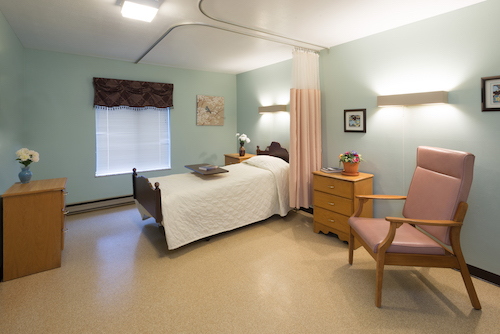
CMS rates TWILIGHT GARDENS NURSING AND REHABILITATION's staffing level at 3 out of 5 stars, which is average compared to other nursing homes. Staff turnover is 53%, compared to the Ohio average of 46%. RN turnover specifically is 64%, which is notably high. RNs provide skilled clinical oversight, so turnover in this role can affect medical care quality.

What Have Inspectors Found at Twilight Gardens Nursing And Rehabilitation?

State health inspectors documented 15 deficiencies at TWILIGHT GARDENS NURSING AND REHABILITATION during 2021 to 2025. These included: 15 with potential for harm.
Who Owns and Operates Twilight Gardens Nursing And Rehabilitation?

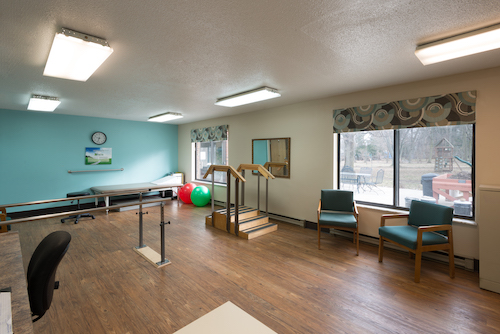
TWILIGHT GARDENS NURSING AND REHABILITATION is owned by a for-profit company. For-profit facilities operate as businesses with obligations to shareholders or private owners. The facility is operated by CCH HEALTHCARE, a chain that manages multiple nursing homes. With 94 certified beds and approximately 73 residents (about 78% occupancy), it is a smaller facility located in NORWALK, Ohio.
How Does Twilight Gardens Nursing And Rehabilitation Compare to Other Ohio Nursing Homes?

Compared to the 100 nursing homes in Ohio, TWILIGHT GARDENS NURSING AND REHABILITATION's overall rating (4 stars) is above the state average of 3.2, staff turnover (53%) is near the state average of 46%, and health inspection rating (4 stars) is above the national benchmark.

What Should Families Ask When Visiting Twilight Gardens Nursing And Rehabilitation?

Based on this facility's data, families visiting should ask: "Can I visit during a mealtime to observe dining assistance and food quality?" "How do you handle medical emergencies, and what is your hospital transfer rate?" "Can I speak with family members of current residents about their experience?"

Is Twilight Gardens Nursing And Rehabilitation Safe?

Based on CMS inspection data, TWILIGHT GARDENS NURSING AND REHABILITATION has a clean safety record: no substantiated abuse findings (meaning no confirmed cases of resident harm), no Immediate Jeopardy citations (the most serious violation level indicating risk of serious injury or death), and is not on the Special Focus Facility watch list (a federal program monitoring the lowest-performing 1% of nursing homes). The facility has a 4-star overall rating and ranks #1 of 100 nursing homes in Ohio. While no facility is perfect, families should still ask about staff-to-resident ratios and recent inspection results during their visit.

Do Nurses at Twilight Gardens Nursing And Rehabilitation Stick Around?

TWILIGHT GARDENS NURSING AND REHABILITATION has a staff turnover rate of 53%, which is 7 percentage points above the Ohio average of 46%. Moderate turnover is common in nursing homes, but families should still ask about staff tenure and how the facility maintains care continuity when employees leave.

Was Twilight Gardens Nursing And Rehabilitation Ever Fined?

TWILIGHT GARDENS NURSING AND REHABILITATION has no federal fines on record. CMS issues fines when nursing homes fail to meet care standards or don't correct problems found during inspections. The absence of fines suggests the facility has either maintained compliance or corrected any issues before penalties were assessed. This is a positive indicator, though families should still review recent inspection reports for the full picture.

Is Twilight Gardens Nursing And Rehabilitation on Any Federal Watch List?

TWILIGHT GARDENS NURSING AND REHABILITATION is not on any federal watch list. The most significant is the Special Focus Facility (SFF) program, which identifies the bottom 1% of nursing homes nationally based on persistent, serious quality problems. Not being on this list means the facility has avoided the pattern of deficiencies that triggers enhanced federal oversight. This is a positive indicator, though families should still review the facility's inspection history directly.