OTTERBEIN PORTAGE VALLEY
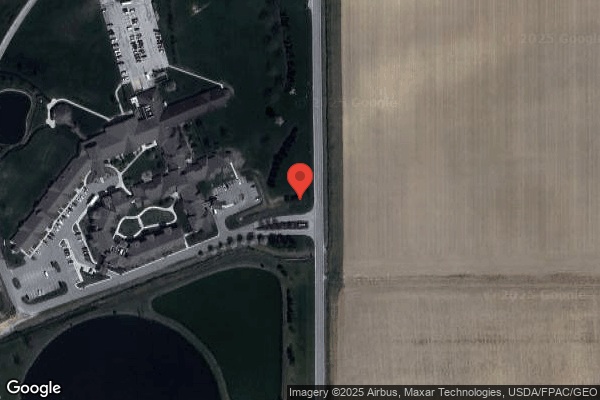
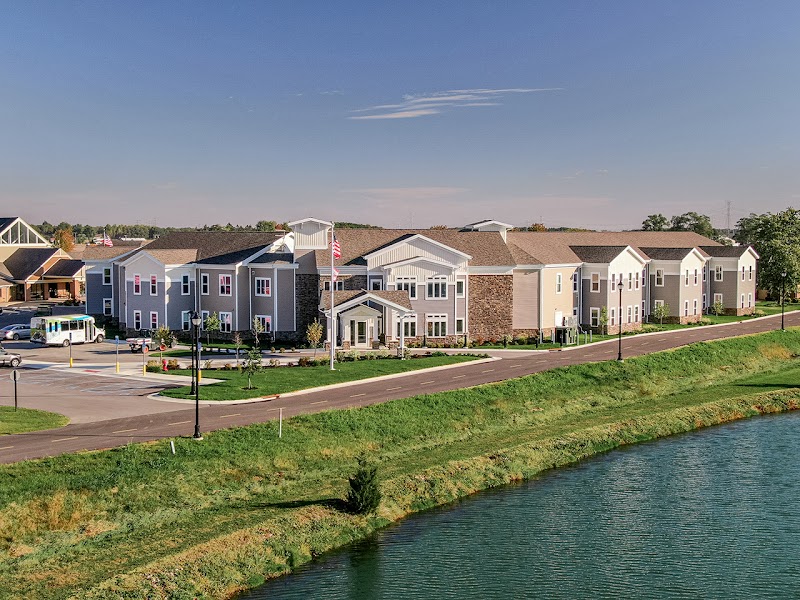
20311 PEMBERVILLE RD, PEMBERVILLE, OH 43450 (419) 833-7000
Non profit - Church related 50 Beds OTTERBEIN SENIORLIFE Data: November 2025
Trust Grade
35/100
#755 of 913 in OH
Last Inspection: November 2022

Over 2 years since last inspection. Current conditions may differ from available data.

Overview

Otterbein Portage Valley has received a Trust Grade of F, indicating poor performance and significant concerns regarding care quality. It ranks #755 out of 913 facilities in Ohio, placing it in the bottom half, and #10 out of 11 in Wood County, meaning there is only one local option that is better. The facility is worsening, with issues increasing from 5 in 2024 to 6 in 2025. Staffing is concerning with a turnover rate of 77%, much higher than the Ohio average of 49%, reflecting instability among caregivers. While the facility has not incurred any fines, there have been serious incidents, including failure to properly assess and treat pressure ulcers for a resident, improper use of masks by staff during care, and unsecured medication storage, which could put residents at risk.

Trust Score
F
35/100
In Ohio
#755/913
Bottom 18%
Safety Record
Moderate
Needs review
Inspections
Getting Worse
5 → 6 violations
Staff Stability
⚠ Watch
77% turnover. Very high, 29 points above average. Constant new faces learning your loved one's needs.
Penalties
✓ Good
No fines on record. Clean compliance history, better than most Ohio facilities.
Skilled Nurses
○ Average
Each resident gets 37 minutes of Registered Nurse (RN) attention daily — about average for Ohio. RNs are the most trained staff who monitor for health changes.
Violations
⚠ Watch
31 deficiencies on record. Higher than average. Multiple issues found across inspections.
★★☆☆☆
2.0
Overall Rating
★★☆☆☆
2.0
Staff Levels
★★★★☆
4.0
Care Quality
★★☆☆☆
2.0
Inspection Score
Stable
2024: 5 issues
2025: 6 issues

The Good

  • 4-Star Quality Measures · Strong clinical quality outcomes
  • Full Sprinkler Coverage · Fire safety systems throughout facility
  • No fines on record

Facility shows strength in quality measures, fire safety.

The Bad

2-Star Overall Rating

Below Ohio average (3.2)

Below average - review inspection findings carefully

Staff Turnover: 77%

30pts above Ohio avg (46%)

Frequent staff changes - ask about care continuity

Chain: OTTERBEIN SENIORLIFE

Part of a multi-facility chain

Ask about local staffing decisions and management

Staff turnover is very high (77%)

29 points above Ohio average of 48%

The Ugly 31 deficiencies on record

1 actual harm
Jun 2025 2 deficiencies
CONCERN (D) 📢 Someone Reported This

A family member, employee, or ombudsman was alarmed enough to file a formal complaint

Potential for Harm - no one hurt, but risky conditions existed

Deficiency F0697 (Tag F0697)

Could have caused harm · This affected 1 resident

**NOTE- TERMS IN BRACKETS HAVE BEEN EDITED TO PROTECT CONFIDENTIALITY** Based on closed medical record review, hospital record review, review of the Cubex (computerized medication dispensing machine, ...

Read full inspector narrative →
**NOTE- TERMS IN BRACKETS HAVE BEEN EDITED TO PROTECT CONFIDENTIALITY** Based on closed medical record review, hospital record review, review of the Cubex (computerized medication dispensing machine, provided and maintained by the contracted pharmacy, for frequently used medications to be available for immediate use) inventory sheet, facility policy review and interviews with staff, pharmacy and family, the facility failed to implement a timely, effective and adequate pain management plan for Resident #143 following the resident's admission to the facility. This affected one (#143) of one resident reviewed for pain management. The facility census was 45. Findings include: Review of the closed medical record for Resident #143 revealed an admission date of 06/05/25 at 1:10 P.M. and a discharge date of 06/05/25 at 10:20 P.M. Resident #143 had diagnoses including low back pain, chronic pain syndrome, intervertebral disc degeneration-thoracic region, lumbosacral intervertebral disc degeneration, radiculopathy-lumbar region, spinal stenosis-lumbosacral region, spinal stenosis-lumbar region, spondyliosis, and intervertebral disc displacement-lumbosacral region. Review of the admission assessment dated [DATE] revealed Resident #143 was alert and oriented to person, place, time, and situation. Review of the admission orders dated 06/05/25 revealed Resident #143 was prescribed gabapentin (used to treat pain) 200 milligram (mg) three times daily at 8:00 A.M., 12:00 P.M. and 8:00 P.M., Percocet (narcotic medication used to treat pain) 5-325 mg, one tablet every eight hours as needed (PRN) for pain, quetiapine fumarate (antipsychotic medication used off label to treat chronic pain) 25 mg at bedtime for chronic pain, and Tylenol 500 mg, two tablets every six hours as needed for pain. Review of the baseline care plan dated 06/05/25 revealed Resident #143 had pain due to an unstable spine. Interventions included pain medication as prescribed and to administer pain medication 30 minutes prior to any treatments. Review of a nursing progress note dated 06/05/25 at 9:15 P.M. revealed Resident #143 was administered two extra strength Tylenol per order for resident complaints of back pain. Further review revealed the resident was Requesting narcotic, writer informed resident that medication not in yet from pharmacy that should be in later this evening. Resident sitting on bed stating she needed Percocet but decided to take the Tylenol at this time. Review of the Medication Administration Record (MAR) for June 2025 revealed on 06/05/25 at 9:15 P.M., Resident #143 was administered acetaminophen (Tylenol) 500 mg, two tablets, for pain rated at a 10 on a zero to 10 scale. Further review revealed, upon reassessment, the Tylenol was not effective in managing Resident #143's pain. Additionally, the MAR revealed no doses of Percocet were administered, per resident request, and neither the quetiapine fumarate or gabapentin were administered, as physician ordered on this date. Review of a nursing progress note dated 06/05/25 at 10:03 P.M. revealed Registered Nurse (RN) #655 was in the hallway at the medication cart and heard Resident #143 on speaker phone in her room and further heard the resident state, I need help. RN #655 entered the room and the resident was still having a conversation with the person on the speaker phone, which was lying on the opposite side of the bed from the resident, who was sitting upright on her bottom on the floor. Resident #143 was asked why she was on the floor and stated, I don't know, I fell. EMS arrived and stated the resident's son called 911 to have her sent to the ER. EMS helped the resident onto the stretcher. At 10:20 P.M., the resident was transported to the ER per stretcher with EMS. Review of emergency room (ER) documentation dated 06/05/25 revealed Resident #143 arrived at the ER at 10:43 P.M. for complaints of diffuse pain. The resident stated she had been experiencing pain since being discharged from the hospital earlier that day and she was unable to receive any narcotic medications at the skilled nursing facility. Additionally, Resident #143 reported she received two doses of Tylenol while in the skilled nursing facility. Further review revealed that Resident #143 was administered morphine sulfate by way of intramuscular (IM) injection. A re-assessment was performed and Resident #143 was resting comfortably with a reported improvement in pain. Review of the Cubex machine inventory list revealed Percocet 5-325 mg, quetiapine fumarate 25 mg, and gabapentin 100 mg were on the inventory sheet as available medications in the facility's Cubex machine. Interview on 06/17/25 at 7:54 A.M. with Pharmacist #681 verified, Percocet 5-325 mg, quetiapine fumarate 25 mg, and gabapentin 100 mg were medications available in the facility's Cubex machine and were available for administration to Resident #143 following the resident's admission. Pharmacist #681 further stated the process for obtaining medication out of the Cubex machine for resident administration was for the facility to fax the orders to the pharmacy and then for pharmacy staff to enter the orders in the system. Pharmacist #681 revealed Resident #143's orders were received by the pharmacy on 06/05/25 at 2:27 P.M. and were entered into the system by the pharmacy staff on 06/05/25 at 5:50 P.M. Pharmacist #681 stated if a resident needed medication immediately, the facility nurse could call the pharmacy, and medications would be reviewed and processed immediately for administration from the Cubex machine. Pharmacist #681 further stated the process for getting a narcotic pain medication out of the Cubex machine required the facility nursing staff to call the pharmacy for an authorization number to pull the medication. Pharmacist #681 stated the pharmacy was staffed with their regular staff until midnight on weekdays and an on-call pharmacist was available after midnight to provide authorizations, as needed. Pharmacist #681 revealed there were no calls received on 06/05/25 for an authorization for Resident #143's medications to be pulled from the Cubex for administration. Interview on 06/17/25 at 4:55 P.M. with the Director of Nursing (DON) and Administrator verified pain medications were not administered as prescribed for Resident #143 and further confirmed the pain medications, Percocet, gabapentin, and quetiapine fumarate, were medications available in the Cubex for administration. Interview on 06/17/25 at 5:29 P.M. with Registered Nurse (RN) #655 revealed the facility's Cubex machine contained medications that could be administered for residents who were newly admitted or had new physician orders (prior to pharmacy delivery). RN #655 confirmed she worked with Resident #143 on 06/05/25 and further verified she had access to the Cubex machine and was aware of the process to access medications from the Cubex for administration. RN #655 stated she did not recall accessing the Cubex to obtain Resident #143's pain medications or calling the pharmacy for authorization on 06/05/25. RN #655 stated she administered what she had available, which was Tylenol, for Resident #143's pain. During the interview, RN #655 was unable to recall any specific information related to Resident #143 or her pain on 06/05/25. A telephone interview on 06/18/25 at 11:55 A.M. with Resident #143's family member revealed on 06/05/25, the resident called her from the facility because she was in pain. Resident #143's family member stated she did not reside in the area and reached out to another family member, who was closer, to check on the resident. The local family member called 911 for the resident. Review of the facility policy titled, Pain Management, revised December 2021, revealed each resident would be assessed upon identification of pain. Further review revealed after consultation with the physician and resident, medication and dosage schedules would be established based on characteristics of the resident's pain. Review of the facility policy titled, Medication Administration Policy, revised July 2021, revealed medications would be administered to residents/elders as prescribed and by persons lawfully authorized to do so in a manner consistent with good infection control and standards of practice. This deficiency represents non-compliance investigated under Complaint Number OH00166633.
CONCERN (D) 📢 Someone Reported This

A family member, employee, or ombudsman was alarmed enough to file a formal complaint

Potential for Harm - no one hurt, but risky conditions existed

Pharmacy Services (Tag F0755)

Could have caused harm · This affected 1 resident

**NOTE- TERMS IN BRACKETS HAVE BEEN EDITED TO PROTECT CONFIDENTIALITY** Based on observation, staff interview, pharmacy staff interview, medical record review, closed medical record review, and review...

Read full inspector narrative →
**NOTE- TERMS IN BRACKETS HAVE BEEN EDITED TO PROTECT CONFIDENTIALITY** Based on observation, staff interview, pharmacy staff interview, medical record review, closed medical record review, and review of the Cubex (computerized medication dispensing machine containing frequently used medications for immediate access for new admissions and/or new physician orders) machine inventory sheets, the facility failed to ensure medication doses were verified prior to administration and further failed to ensure available medications were administered per physician order. This affected two residents (#28 and #143) reviewed for medication administration. The facility census was 45. Findings include: 1. Review of the medical record for Resident #28 revealed an admission date of 11/01/24 with a diagnosis of depression. Review of the quarterly Minimum Data Set (MDS) assessment dated [DATE] revealed Resident #28 had mild cognitive impairment. Review of the current physician orders revealed Resident #28 was prescribed Wellbutrin XL (medication used to treat depression) oral tablet extended release (ER) 24 hour 150 milligrams (mg), one tablet in the morning. Observation on 06/17/25 at 7:23 A.M. of medication pass revealed Registered Nurse (RN) #637 pulled the medication packet for Resident #28 labeled buproprion ER XL (generic for Wellbutrin XL). Further observation revealed the medication packet did not have the dosage of the buproprion ER XL on the label. Continued observation revealed RN #637 opened the package labeled buproprion ER XL and placed the pill in the medication cup for Resident #28, along with the rest of the resident's morning medications. Concurrent interview with RN #637 confirmed the dosage of the buproprion ER XL was not on the packaging label and further stated, I know it's the right medication; I know it by the pill. Continued observation revealed RN #637 took the medication cup of pills, that included the unknown dosage of buproprion ER XL, to Resident #28 and administered the medications to the resident. Observation revealed that at no time did RN #637 verify the buproprion ER XL she removed from the package and administered to Resident #28 was the appropriate dosage ordered by the physician. Interview on 06/17/25 at 7:42 A.M. with Lead Order Entry Clerk (LOEC) #680, with the facility's contracted pharmacy, stated when a medication label did not include the dosage, facility staff would be expected to compare the description of the pill on the package and the medication number stamp to the actual pill on hand with the stamped medication number on the pill and/or the administering nurse could call the pharmacy to verify the medication to ensure the correct medication was administered. The facility nurse would be expected to notify the pharmacy of the mislabeled medication packaging to rectify the package label. 2. Review of the closed medical record for Resident #143 revealed an admission date of 06/05/25 at 1:10 P.M. and a discharge date of 06/05/25 at 10:20 P.M. Resident #143 had diagnoses including low back pain, chronic pain syndrome, intervertebral disc degeneration-thoracic region, lumbosacral intervertebral disc degeneration, radiculopathy-lumbar region, spinal stenosis-lumbosacral region, spinal stenosis-lumbar region, spondyliosis, and intervertebral disc displacement-lumbosacral region. Review of the admission assessment dated [DATE] revealed Resident #143 was alert and oriented to person, place, time, and situation. Review of the admission orders dated 06/05/25 revealed Resident #143 was prescribed Percocet (narcotic medication used to treat pain) 5-325 mg, one tablet every eight hours as needed (PRN) for pain, Tylenol 500 mg, two tablets every six hours as needed for pain, and gabapentin (used to treat pain) 200 mg three times daily at 8:00 A.M., 12:00 P.M. and 8:00 P.M., . Review of the baseline care plan dated 06/05/25 revealed Resident #143 had pain due to an unstable spine. Interventions included pain medication as prescribed and to administer pain medication 30 minutes prior to any treatments. Review of a nursing progress note dated 06/05/25 at 9:15 P.M. revealed Resident #143 was administered two extra strength Tylenol per order for (resident) complaints of back pain. Further review revealed the resident was Requesting narcotic, writer informed resident that medication not in yet from pharmacy that should be in later this evening. Resident sitting on bed stating she needed Percocet but decided to take the Tylenol at this time. Review of the Medication Administration Record (MAR) for June 2025 revealed on 06/05/25 at 9:15 P.M., Resident #143 was administered acetaminophen (Tylenol) 500 mg, two tablets, for pain rated at a 10 on a zero to 10 scale. Further review revealed, upon reassessment, the Tylenol was not effective in managing Resident #143's pain. Additionally, the MAR revealed no doses of Percocet were administered, per resident request, and the 8:00 P.M. dose of gabapentin was not administered, per physician order. Review of the Cubex machine inventory list revealed Percocet 5-325 mg and gabapentin 100 mg were on the inventory sheet as available medications in the facility's Cubex machine. Interview on 06/17/25 at 7:54 A.M. with Pharmacist #681 verified, Percocet 5-325 mg and gabapentin 100 mg were available in the facility's Cubex machine and available for administration to Resident #143 following the resident's admission. Pharmacist #681 further stated the process for obtaining medication out of the Cubex machine for resident administration was for the facility to fax the orders to the pharmacy and then for pharmacy staff to enter the orders in the system. Pharmacist #681 revealed Resident #143's orders were received by the pharmacy on 06/05/25 at 2:27 P.M. and were entered into the system by the pharmacy staff on 06/05/25 at 5:50 P.M. Pharmacist #681 stated if a resident needed medication immediately, the facility nurse could call the pharmacy, and medications would be reviewed and processed immediately for administration from the Cubex machine. Pharmacist #681 further stated the process for getting a narcotic pain medication out of the Cubex machine required the facility nursing staff to call the pharmacy for an authorization number to pull the medication. Pharmacist #681 stated the pharmacy was staffed with their regular staff until midnight on weekdays and an on-call pharmacist was available after midnight to provide authorizations, as needed. Pharmacist #681 revealed there were no calls received on 06/05/25 for an authorization for Resident #143's Percocet or gabapentin to be pulled from the Cubex for administration. Interview on 06/17/25 at 4:55 P.M. with the Director of Nursing (DON) and Administrator verified Percocet and gabapentin were not administered as prescribed for Resident #143 and further confirmed Percocet and gabapentin were available in the Cubex for administration. Interview on 06/17/25 at 5:29 P.M. with Registered Nurse (RN) #655 revealed the facility's Cubex machine contained medications that could be administered for residents who were newly admitted or had new physician orders (prior to pharmacy delivery). RN #655 confirmed she worked with Resident #143 on 06/05/25 and further verified she had access to the Cubex machine and was aware of the process to access medications from the Cubex for administration. RN #655 stated she did not recall accessing the Cubex to obtain Resident #143's Percocet or gabapentin or calling the pharmacy for authorization on 06/05/25. RN #655 stated she administered what she had available, which was Tylenol, for Resident #143's pain. Review of the facility policy titled, Pain Management, revised December 2021, revealed each resident would be assessed upon identification of pain. Further review revealed after consultation with the physician and resident, medication and dosage schedules would be established based on characteristics of the resident's pain. Review of the facility policy title, Medication Administration Policy, revised July 2021, revealed medications would be administered to residents/elders as prescribed and by persons lawfully authorized to do so in a manner consistent with good infection control and standards of practice. This deficiency represents non-compliance investigated under Complaint Number OH00166633.
Mar 2025 3 deficiencies
CONCERN (D) 📢 Someone Reported This

A family member, employee, or ombudsman was alarmed enough to file a formal complaint

Potential for Harm - no one hurt, but risky conditions existed

Quality of Care (Tag F0684)

Could have caused harm · This affected 1 resident

Based on medical record review, staff interview and review of facility policy, the facility failed to assess a newly identified bruise and further failed to ensure neurological assessments were comple...

Read full inspector narrative →
Based on medical record review, staff interview and review of facility policy, the facility failed to assess a newly identified bruise and further failed to ensure neurological assessments were completed following a head injury. This affected one (#11) of three residents reviewed for injuries. The facility census was 46. Findings include: Review of the medical record for Resident #11 revealed an admission date of 03/31/23 with diagnoses of dementia, anxiety, and osteoporosis. Review of the quarterly Minimum Data Set (MDS) assessment, dated 02/10/25, revealed Resident #11 had impaired cognition. Review of the hospital discharge records, dated 02/05/25, revealed Resident #11 was assessed at the hospital after a fall on 02/05/25. The documents revealed a head computed tomography (CT) scan showed a small focus of isodense extra-axial fluid on the right side that was probably a small, subacute subdural hematoma (a collection of blood between the brain and the skull). The plan included follow up in about six weeks with a new head CT. Further review revealed Resident #11 was at risk for gradual expansion of the hemorrhage due to the prominence of the extra-axial spaces. Review of a progress note dated 02/18/25 revealed Resident #11 was observed with a new bruise on her left forehead. The progress note did not include an assessment or description of the new bruise. Review of a Weekly Skin Observation Tool, completed 02/18/25, revealed Resident #11 had a bruise to her left forehead. Further review revealed no additional description of the wound, including size, color, or any additional observable characteristics. Further review of Resident #11's medical record revealed no evidence neurological assessments were completed on 02/18/25 following the identification of the new bruise on the resident's forehead. Review of the facility's investigation revealed the facility determined Resident #11 received the bruise from lying in bed with her head pressed against the u-bar (a bar located near the head of the bed to assist residents with bed mobility). The facility's intervention was to pad the u-bars on Resident #11's bed. Interview on 03/04/25 at 12:08 P.M. with the Director of Nursing (DON) revealed the facility had no guidance or protocol for assessing a new bruise. The DON stated each nurse assessed wounds differently and it was acceptable for one nurse to provide a description of the injury, including size, location, and color, while another nurse could assess the injury by simply stating a bruise was found. Interview on 03/04/25 at 12:29 P.M. with Nurse Practitioner (NP) #302 revealed he worked in the facility five days weekly. Further interview revealed NP #302 would expect a new bruise assessment to include its location, color, and estimated measurements. Interview on 03/04/25 at 1:39 P.M. with Licensed Practical Nurse (LPN) #201 confirmed she completed a skin assessment on Resident #11's wound on 02/18/25. LPN #201 stated she did not describe the bruise, including color or size, because she believed the assessment had been completed by the previous shift's nurse. A follow-up interview on 03/04/25 at 2:50 P.M. with the DON revealed neurological assessments were not completed for Resident #11 after the bruise on her forehead was identified because the bruise was not a hematoma. The DON stated she assessed the bruise and it was purple and flat and did not have a bump. The DON confirmed no description of the bruise was in Resident #11's record. Review of the facility policy titled, Skin Care Management, revised 11/17/22, revealed it was the policy of the facility to follow all applicable state and federal regulations regarding skin care management. Further review revealed the facility would implement, monitor and modify if needed appropriate strategies to attain or maintain intact skin; prevent complications; and promptly identify and manage complications. Review of the facility policy titled, Neurological Assessment, revised 03/19/21, revealed a neurological assessment should be initiated following any obvious head trauma. This was an incidental finding during the complaint survey completed on 03/04/25.
CONCERN (D) 📢 Someone Reported This

A family member, employee, or ombudsman was alarmed enough to file a formal complaint

Potential for Harm - no one hurt, but risky conditions existed

Accident Prevention (Tag F0689)

Could have caused harm · This affected 1 resident

**NOTE- TERMS IN BRACKETS HAVE BEEN EDITED TO PROTECT CONFIDENTIALITY** Based on medical record review, staff interview, review of electronic mail (e-mail) correspondence and review of facility policy...

Read full inspector narrative →
**NOTE- TERMS IN BRACKETS HAVE BEEN EDITED TO PROTECT CONFIDENTIALITY** Based on medical record review, staff interview, review of electronic mail (e-mail) correspondence and review of facility policy, the facility failed to implement interventions to prevent a fall for one (#13) of three residents reviewed for falls. Additionally, the facility failed to complete neurological checks following an unwitnessed fall with injury and further failed to monitor injuries resulting from a fall per physician order. This affected one (#12) of three residents reviewed for falls. The facility census was 46. Findings include: 1. Review of the medical record for Resident #13 revealed an admission date of 11/23/16 with diagnoses of dementia and epilepsy. Review of the quarterly Minimum Data Set (MDS) assessment, dated 01/28/25, revealed Resident #13 was rarely/never understood, was dependent for transfers and used a wheelchair for mobility. Review of a Fall Risk Screening, dated 09/30/24, revealed Resident #13 was at risk for falls. Review of a nursing progress note dated 12/16/24 revealed Resident #13 appeared to be sliding/moving forward in her wheelchair and therapy was to evaluate the wheelchair for proper seating. Further review of the medical record from 12/16/24 through 01/03/25 revealed no evidence Resident #13 was evaluated by therapy for proper wheelchair seating. Review of a nursing progress note dated 01/03/25 revealed Resident #13 slid from her wheelchair while seated in the dining room. Resident #13 had no injuries as a result of the fall. Review of an interdisciplinary team (IDT) note dated 01/07/25 revealed the team met to discuss Resident #13's fall and determined an intervention to evaluate Resident #13 for a new wheelchair. Review of Resident #13's current care plan revealed she was at risk for falls related to impaired mobility. A new intervention was initiated on 03/03/25 for staff to perform frequent checks on resident when in the wheelchair, and staff would boost the resident as needed. Observations of Resident #13 on 03/03/25 at 9:38 A.M., 10:26 A.M., and approximately 12:00 P.M., and on 03/04/25 at 8:37 A.M. revealed no concerns regarding Resident #13 being improperly positioned in her wheelchair. Interview on 03/03/25 at approximately 12:30 P.M. with the Director of Nursing (DON) and concurrent review of the facility's fall investigation revealed Resident #13 was observed to slide from her wheelchair in the dining room by dietary staff on 01/03/25. Resident #13 sustained no injury due to the fall. The facility determined Resident #13's wheelchair should be evaluated by therapy to determine if a new wheelchair would be more appropriate. The DON stated Resident #13 often slid her bottom to the outside edge of the wheelchair and leaned back against the backrest. Further interview revealed Resident #13 was hospitalized from [DATE] to 02/25/25 due to a change in condition, before any changes to her wheelchair occurred. Resident #13 returned to the facility from the hospital and continued to use her wheelchair. The DON stated the family was waiting for test results before deciding whether to pursue a new wheelchair. The DON stated the fall intervention for the fall on 01/03/25 remained an assessment of Resident #13's wheelchair, once the family followed up with the facility with their decision. Upon further inquiry, the DON stated the interim fall intervention, implemented on 03/03/25, was to monitor and reposition Resident #13 as needed. Review of an e-mail correspondence dated 03/04/24 at 1:20 P.M. from Director of Rehabilitation (DOR) #303 revealed the therapy department did not receive a consultation to assess Resident #13's wheelchair on 12/16/24. Further review revealed the therapy department was notified on 01/08/25 (23 days after the need was identified on 12/16/24 and five days after the resident's fall on 01/03/25) regarding an evaluation of Resident #13's wheelchair. An occupational therapy (OT) evaluation was completed on 01/13/25 and therapy initiated the process for Resident #13 to receive a customized wheelchair; however, this process was placed on hold by the family following the resident's hospitalization. Interview on 03/04/25 at 3:57 P.M. with DOR #303 confirmed Resident #13 remained at risk of falling from the wheelchair and confirmed some modifications to her current wheelchair could be made to decrease her fall risk. DOR #303 verified no modification had been made to Resident #13's wheelchair to decrease the fall risk. Interview on 03/04/25 at 4:22 P.M. with MDS Coordinator (MDSC) #301 confirmed Resident #13's care plan was not updated until 03/03/25 with an intervention to frequently monitor and boost Resident #13 in the wheelchair as needed. 2. Review of the medical record for Resident #12 revealed an admission date of 11/22/24 with diagnoses of dementia, and muscle wasting and atrophy. Review of the quarterly MDS assessment dated [DATE] revealed Resident #12 had impaired cognition, was dependent for transfers and used a wheelchair for ambulation. Further review revealed Resident #12 had a fall with a non-major injury since the previous assessment. Review of the progress notes in Resident #12's electronic medical record dated 12/14/24 through 12/16/24 revealed no documentation of a fall. Review of the neurological assessments completed in Resident #12's electronic medical record revealed one was completed on 12/14/25 at 1:35 P.M. and the next one was not completed until 12/15/24. Review of a 72 Hour QShift Follow Up Assessment, dated 12/15/24 at 2:01 A.M. revealed Resident #12 was assessed by a nurse for vital signs, range of motion, level of conciousness and pain. Further review revealed a skin assessment section, including an area to document a skin tear, abrasion, bruise, laceration, or other, with no areas marked. Review of an IDT progress note dated 12/17/24 revealed the team met to develop a fall intervention for Resident #12's fall on 12/14/24. Interview on 03/03/25 at approximately 12:30 P.M. with the DON and concurrent review of the facility's fall investigations revealed the DON was unable to provide copies of the facility's confidential risk management documentation of falls. The DON proceeded to verbally read the document regarding the circumstances of Resident #12's fall and confirmed the resident had a fall on 12/14/24 at 7:20 A.M. The DON stated Resident #12 was found lying on the floor next to the bed. The DON stated range of motion and vitals were obtained and notifications to the family and provider were completed. The DON did not identify any injuries sustained by Resident #12. Interview on 03/04/25 at 11:55 A.M. with MDSC #301 revealed the quarterly MDS assessment dated [DATE], which indicated Resident #12 had a fall with injuries, reflected an abrasion and bruising to Resident #12's left eyebrow as a result of the fall on 12/14/24. Continued interview with MDSC #301, and concurrent review of Resident #12's Treatment Administration Record (TAR) dated December 2024, revealed a physician order was initiated on 12/17/24 to monitor bruising and abrasion to the left eye until healed, twice daily. Further review revealed an additional physician order initiated 12/17/24 to monitor bump on the back of the head until healed, twice daily. Further review of Resident #12's TAR for December 2024 revealed the order to monitor the bruising and abrasion and the order to monitor the bump on the back of the head were documented with an x for the morning shift on 12/17/24. The administration boxes were blank for the evening shift on 12/17/24, both shifts on 12/18/24, 12/19/24, 12/20/24, 12/21/24, and 12/22/24 and the morning shift on 12/23/24. A check mark and staff initials were documented in the evening box on 12/23/24. A follow up interview on 03/04/25 at 2:50 P.M. with MDSC #301 confirmed a check mark on a TAR indicated the treatment/assessment was completed. MDS Coordinator #301 confirmed the boxes from the evening of 12/17/24 through the morning of 12/23/24 were blank for the order to monitor Resident #12's bruising and abrasion at left eye, and were blank for the order to monitor Resident #12's bump on the back of her head. MDS Coordinator #301 was unable to verify whether the monitoring was completed. Continued interview on 03/04/25, beginning at 2:50 P.M., with the DON confirmed the first two neurological checks completed for Resident #12, in the electronic medical record, were dated 12/14/24 and 12/15/24. The DON further confirmed the facility's policy regarding neurological assessments stated an assessed was completed every 15 minutes x 4, then every 30 minutes x 2, then every hour x 2, then every 4 hours x 5, and lastly every 8 hours x 24 hours. Further interview and concurrent review of the neurological assessment completed 12/14/24 confirmed it was not completed until 1:35 P.M. (approximately six hours after the resident's fall at 7:20 A.M.). Review of the facility policy titled, Neurological Assessment, revised 03/19/21, revealed a neurological assessment should be initiated following any obvious head trauma. Further review revealed an assessment should be completed every 15 minutes x 4, every 30 minutes x 2, every hour x 2, every 4 hours x 5, and every 8 hours x 24 hours and were to be completed for a minimum of 48 hours. This deficiency represents non-compliance investigated under Complaint Number OH00162615.
CONCERN (D) 📢 Someone Reported This

A family member, employee, or ombudsman was alarmed enough to file a formal complaint

Potential for Harm - no one hurt, but risky conditions existed

Medical Records (Tag F0842)

Could have caused harm · This affected 1 resident

**NOTE- TERMS IN BRACKETS HAVE BEEN EDITED TO PROTECT CONFIDENTIALITY** Based on medical record review, staff interview and review of the facility incident report, the facility failed to ensure fall i...

Read full inspector narrative →
**NOTE- TERMS IN BRACKETS HAVE BEEN EDITED TO PROTECT CONFIDENTIALITY** Based on medical record review, staff interview and review of the facility incident report, the facility failed to ensure fall incidents were documented in the resident medical record. This affected one (#12) of three residents reviewed for falls. The facility census was 46. Findings include: Review of the medical record for Resident #12 revealed an admission date of 11/22/24 with diagnoses of dementia, and muscle wasting and atrophy. Review of the quarterly Minimum Data Set (MDS) assessment, dated 01/13/25, revealed Resident #12 had impaired condition, was dependent for transfers and used a wheelchair for ambulation. Further review revealed Resident #12 had a fall with a non-major injury since the previous assessment. Review of the progress notes in Resident #12's electronic medical record dated 12/14/24 through 12/16/24 revealed no documentation of a fall. Review of the neurological assessments completed in Resident #12's electronic medical record revealed one was completed on 12/14/25 at 1:35 P.M. and the next one was completed on 12/15/24. Review of a 72 Hour QShift Follow Up Assessment, dated 12/15/24 at 2:01 A.M. revealed Resident #12 was assessed by a nurse for vital signs, range of motion, level of conciousness and pain. Review of an interdisciplinary treatment team (IDT) progress note dated 12/17/24 revealed the team met to develop a fall intervention for Resident #12's fall on 12/14/24. Interview on 03/03/25 at approximately 12:30 P.M. with the Director of Nursing (DON) and concurrent review of the facility's fall investigation revealed the DON was unable to provide copies of the facility's confidential risk management documentation of falls. The DON proceeded to verbally read the document, which confirmed Resident #12 had a fall on 12/14/25 at 7:20 A.M. The DON stated Resident #12 was found lying on the floor next to the bed. The DON stated range of motion and vitals were obtained and notifications to the family and provider were completed. The DON did not identify any injuries sustained by Resident #12. Interview on 03/04/25 at 11:55 A.M. with MDS Coordinator (MDSC) #301 revealed the quarterly MDS assessment dated [DATE] indicating Resident #12 had a fall with injuries reflected an abrasion and bruising to the resident's left eyebrow as a result of the fall on 12/14/25. A follow-up interview on 03/04/25 at 12:14 P.M. with MDSC #301 and the DON confirmed the nursing progress notes in Resident #12's electronic medical record did not include documentation of the events surrounding the resident's fall on 12/14/24. The DON revealed the fall was documented in the facility's confidential risk management system. Interview on 03/04/25, beginning at 2:50 P.M., with the DON revealed she was able to share the facility's confidential risk management documentation regarding Resident #12's unwitnessed fall on 12/14/24 at 7:20 A.M. and provided an incident report. Review of the facility's incident report dated 12/14/24 at 7:20 A.M. and locked on 12/17/24 at 8:23 A.M. revealed details regarding Resident #12's fall, including the circumstances of the fall and the injuries she sustained. Further review of the document revealed the statement Privileged and Confidential - Not part of the Medical Record - Do not Copy. This was an incidental finding during the complaint survey completed 03/04/25.
Jan 2025 1 deficiency
CONCERN (D) 📢 Someone Reported This

A family member, employee, or ombudsman was alarmed enough to file a formal complaint

Potential for Harm - no one hurt, but risky conditions existed

Deficiency F0551 (Tag F0551)

Could have caused harm · This affected 1 resident

**NOTE- TERMS IN BRACKETS HAVE BEEN EDITED TO PROTECT CONFIDENTIALITY** Based on observation, medical record review, staff interview and review of the facility resident rights document, the facility f...

Read full inspector narrative →
**NOTE- TERMS IN BRACKETS HAVE BEEN EDITED TO PROTECT CONFIDENTIALITY** Based on observation, medical record review, staff interview and review of the facility resident rights document, the facility failed to ensure requests made by a resident's guardian were adequately addressed. This affected one (#36) of one resident reviewed for requests made by a guardian. The facility census was 46. Findings include: Review of the medical record revealed Resident #36 admitted to the facility on [DATE]. Diagnoses included dementia, severe protein-calorie malnutrition, adult failure to thrive, and muscle weakness. Further review revealed Resident #36's daughter was appointed legal guardian on 12/04/24. Review of the quarterly Minimum Data Set (MDS) assessment dated [DATE] revealed Resident #36 was cognitively impaired. The resident required supervision or touching assistance for chair/bed-to-chair transfers. Review of the plan of care dated 09/06/23, and revised 01/21/25, revealed Resident #36 had an activities of daily living (ADLs) self-care and/or physical mobility performance deficit related to impaired mobility. Interventions included multiple assistive signs hung in room per family request. Further review revealed no evidence of what specific care or needs were identified on the signs hung in Resident #36's room or what requests the facility implemented. Observation on 01/21/25 at 11:40 A.M. revealed Resident #36 was in bed in his room. Further observation revealed numerous signs were posted throughout the resident's room. A sign posted on the wall to the side of the resident's bed stated, Leave wheelchair next to bed as he will get out of bed when he realizes he has to go to the bathroom, not always so please check on him often. The sign also stated to contact the resident's guardian with any questions or concerns and provided a contact phone number. Resident #36's wheelchair was in the bathroom and not next to the resident's bed. Continued observations on 01/21/25 from 11:40 A.M. through 12:47 P.M. revealed Resident #36 remained in bed, with his wheelchair located in the bathroom. Interview on 01/21/25 at 12:47 P.M. with Unit Manager (UM) #386 verified Resident #36 was in bed, while his wheelchair was located in the bathroom. UM #386 confirmed the wheelchair was supposed to be next to Resident #36's bed when he was in it per his guardian's request. Interview on 01/21/25 with Resident #36's legal guardian confirmed she requested the resident's wheelchair be left next to the bed when he was in it and left a sign next to the bed as a reminder to staff. The resident's guardian stated Resident #36 would sometimes attempt to get up independently to go to the bathroom and she was concerned he would fall if the wheelchair was not accessible to him. Interview on 01/22/25 at 3:58 P.M. with the Director of Nursing (DON) confirmed Resident #36 sometimes attempted to get out of bed on his own, without staff assistance. Interview on 01/23/25 at approximately 1:00 P.M. with the Administrator confirmed Resident #36's guardian requested the resident's wheelchair be next to the bed but stated she was uncertain why the request was made. The Administrator indicated Resident #36 had no fall history that she was aware of or safety risks associated with the wheelchair being placed next to the resident's bed. The Administrator did not know if Resident #36 attempted to get out of bed on his own and she was uncertain who assessed the resident's mobility/transfer needs, adding he transferred to their facility from another facility. The Administrator reported the wheelchair next to Resident #36's bed was a guardian request, but not necessarily something the facility implemented. The Administrator confirmed there had been no further discussion with the resident's guardian related to the request. Further review of the medical record revealed no evidence the facility reviewed the guardian's request, completed any assessments related to the requests, or implemented any of the specific interventions identified on the signs hanging in Resident #36's room, including the wheelchair left at bedside. Review of the facility document titled Ohio Resident Rights & Facility Responsibilities, revised 01/22/20, revealed residents had the right to participate in decisions that affected their life, including the right to communicate with the physician and employees of the home in planning the resident's treatment or care. The document further stated a sponsor may act on a resident's behalf to assure the home did not deny the resident's rights. This deficiency represents non-compliance investigated under Master Complaint Number OH00161384.
Sept 2024 2 deficiencies
CONCERN (D) 📢 Someone Reported This

A family member, employee, or ombudsman was alarmed enough to file a formal complaint

Potential for Harm - no one hurt, but risky conditions existed

Resident Rights (Tag F0550)

Could have caused harm · This affected 1 resident

**NOTE- TERMS IN BRACKETS HAVE BEEN EDITED TO PROTECT CONFIDENTIALITY** Based on medical record review, review of staff statements, observation of a video recording, interviews, and review of the Ohio...

Read full inspector narrative →
**NOTE- TERMS IN BRACKETS HAVE BEEN EDITED TO PROTECT CONFIDENTIALITY** Based on medical record review, review of staff statements, observation of a video recording, interviews, and review of the Ohio Nursing Home Residents [NAME] of Rights, the facility failed to ensure a resident was treated with dignity and respect. This affected one (#26) of three residents reviewed for dignity and respect. The facility census was 48. Findings include: Review of the medical record for Resident #26 revealed an admission date of 08/25/23. Diagnoses included dementia, pulmonary fibrosis, and chronic obstructive pulmonary disease. Review of the quarter Minimum Data Set (MDS) assessment dated [DATE] revealed the resident had impaired cognition. The resident was always incontinent of bladder and occasionally incontinent of bowel. Review of an undated and unsigned statement by Registered Nurse (RN) #600 revealed on 08/13/24 Resident #26's daughters called and expressed after reviewing a video from their father's room, they saw and heard a nursing assistant yelling at their father and scolding him for urinating on himself. The daughter explained the nursing assistant's behavior appeared to be aggressive as she was in their fathers face yelling at him and again scolding him for urinating on himself. The daughter requested the nursing assistant to no longer be allowed in the resident's room and to no longer take care of the resident. RN #600 identified the nursing assistant and notified the Director of Nursing. RN #600 then spoke with the nursing assistant who denied yelling or scolding the resident. The nursing assistant stated the resident was hard of hearing and she had to speak loudly into his ear so he could hear her. The nursing assistant explained she was just telling the resident he should not pee on himself and he needed to call for assistance so he was not sitting in urine and for safety so he would not fall taking himself to the bathroom without assistance. RN #600 told the nursing assistant she could no longer go into the residents room or provide care for the resident. The nursing assistant was also educated on the importance of offering incontinent residents assistance to the bathroom every two hours and the proper way to approach and talk to a resident who was hard of hearing. Review of an undated and unsigned statement by State Tested Nursing Assistant (STNA) #210 revealed she walked into Resident #26's room and told him he was wet. The resident put his hand to his ear and stated he could not hear. STNA #210 took her hands up and down trying to explain to the resident that he was wet. STNA #210 went to closet and got a clean pair of pants and took the resident to the bathroom. STNA #210 stated there was urine on the floor and she helped the resident change. When STNA #210 walked out of the room, the nurse stopped her and told her the resident's daughter did not want her in the room again. STNA #210 stated she was louder because the resident can't hear and was showing him pants. Observation of a video dated 08/13/24 at 11:41 A.M. revealed Resident #26 was in his room seated in his wheelchair watching television. State Tested Nursing Assistant (STNA) #210 entered the room and treated the resident without dignity and respect for being incontinent of urine. STNA #210 while raising her hands in the air had spoken very loudly to the resident and stated, Why do you do this? The resident stated What? STNA #210 then pointing to the resident's pants stated This, you peed yourself, you wet yourself, while moving her right hand and then she walked away from the resident. Interview on 09/09/24 at 1:48 P.M., after reviewing the video, STNA #210 verified the interaction between herself and Resident #26. STNA #210 revealed she had not treated the resident with dignity and respect. STNA #210 revealed she should not have talked to the resident like that. Interview on 09/09/24 at 1:50 P.M., Director of Nursing (DON) reviewed the video and revealed the resident was not treated with respect and dignity. The DON revealed STNA #210 should have just cleaned up the resident and not questioned the resident why he was wet. The DON revealed if STNA #210 was frustrated she could have got someone else to help. The DON further revealed STNA #210 does not realize how she comes off to the residents. Interview on 09/09/24 at 2:28 P.M., the Administrator viewed the video then revealed there was a lack of customer service. Review of the undated, Ohio Nursing Home Residents [NAME] of Rights, revealed residents had the right to be free from physical, verbal, mental and emotional abuse and be treated at all times with courtesy, respect with full recognition of dignity and individuality. This deficiency represents non-compliance investigated under Master Complaint Number OH00156903.
MINOR (C) 📢 Someone Reported This

A family member, employee, or ombudsman was alarmed enough to file a formal complaint

Minor Issue - procedural, no safety impact

Abuse Prevention Policies (Tag F0607)

Minor procedural issue · This affected most or all residents

Based on review of personnel records, staff interview, and policy review, the facility failed to ensure employee reference checks were completed. This had the potential to affect all residents. The fa...

Read full inspector narrative →
Based on review of personnel records, staff interview, and policy review, the facility failed to ensure employee reference checks were completed. This had the potential to affect all residents. The facility census was 48. Findings include: Review of the personnel record for State Tested Nursing Assistant (STNA) #210 revealed a hire date of 04/11/23. Further review of the personnel record revealed reference checks had not been completed. Interview on 09/10/24 at 11:56 A.M., the Administrator revealed the facility was unable to find any documentation of completed reference checks for STNA #210. Review of the policy, Abuse, Mistreatment, Neglect, Exploitation and Misappropriation of Resident Property, last revised 10/25/22 revealed prior to hiring a new employee the facility would attempt to obtain information from previous employers or current employers.
Jul 2024 1 deficiency
CONCERN (D) 📢 Someone Reported This

A family member, employee, or ombudsman was alarmed enough to file a formal complaint

Potential for Harm - no one hurt, but risky conditions existed

ADL Care (Tag F0677)

Could have caused harm · This affected 1 resident

**NOTE- TERMS IN BRACKETS HAVE BEEN EDITED TO PROTECT CONFIDENTIALITY** Based on medical record review, observation, and staff interviews, the facility failed to ensure a resident who was dependent on...

Read full inspector narrative →
**NOTE- TERMS IN BRACKETS HAVE BEEN EDITED TO PROTECT CONFIDENTIALITY** Based on medical record review, observation, and staff interviews, the facility failed to ensure a resident who was dependent on staff for eating was assisted with eating with her meal. This affected one (Resident #16) of one resident observed for eating and had the potential to affect eight residents (#2, #4, #14, #28, #30, #31, #42, and #43) the facility identified as requiring assistance with eating. The facility census was 49. Findings include: Review of the medical record for Resident #16 revealed she was admitted on [DATE] with diagnoses of intracerebral hemorrhage with left sided paralysis and dysphagia. Review of the care plan revised 06/2024 revealed Resident #16 was care planned for Activity of Daily Living (ADL) self-care and/or physical mobility performance deficit. Interventions included to provide extensive assistance of one staff member for eating. Review of the quarterly Minimum Data Set (MDS) assessment dated [DATE] revealed Resident #16 was cognitively impaired and dependent on staff assistance for eating. Review of the current physician orders for 07/2024 revealed Resident #16 was ordered a regular diet, mechanical soft with thin liquids. Review of the State Tested Nursing Assistant (STNA) documentation sheet dated 07/22/24 and timed 9:45 A.M. and 2:03 P.M. for Resident #16 revealed she required total dependence for those meals, indicating full staff performance. Review of the nursing progress notes for Resident #16 revealed a nursing note dated 07/22/24 at 3:00 P.M. verifying the lunch tray for Resident #16 was left in her room and appearing untouched, and the silverware was still wrapped. The nursing progress note further stated the STNA was asked to heat the food for Resident #16 and attempt to feed and her it was reported to the nurse Resident #16 ate 100% of her meal and drank 100% of her Ensure shake (a high calorie nutritional supplement). Observation on 07/22/24 at 2:45 P.M. revealed the lunch tray for Resident #16 was left in her room on the overbed table. The lunch tray was sitting with the covered dome lid in place, the silverware rolled in linen napkin and completed rolled up, a glass of juice with a straw in the glass and a glass of white milk. Further observation revealed the food under the dome lid appeared to be untouched, there were no divots or smear marks on the plate indicating the food was touched or offered to Resident #16. Interview on 07/22/24 at 2:47 P.M. with Licensed Practical Nurse (LPN) #217 verified Resident #16's lunch tray remained on the overbed table and appeared to be untouched. Interview on 07/22/24 at 2:50 P.M. with STNA #219 stated she did not get in shift change report that Resident #16 did not eat lunch. Interview on 07/22/24 at 2:51 P.M. with LPN #217 stated it was not reported to her that Resident #16 did not eat lunch. Interview on 07/22/24 at 3:15 P.M. with STNA #219 stated Resident #16 ate and drank 100% of her lunch tray and 100% of her Ensure supplement. Telephone interview on 07/22/24 at 3:57 P.M. with STNA #206 stated she attempted to feed Resident #16 and at the time she refused, so she left the tray and meant to go back and attempt again but forgot and then her shift was over. Interview on 07/23/24 at 8:30 A.M. with the Administrator stated the facility does not have any policies related to feeding residents who were dependent on staff for eating and the facility applies the interventions in the care plan. Interview on 07/23/24 at 11:39 A.M. with STNA #232 stated extensive means the resident needs extensive assistance with feeding and the by one means only one person needs to assist. STNA #232 further stated that Resident #16 will assist at times but most of the time she was fed by the staff. This was an incidental finding discovered during the course of the complaint investigation.
May 2024 2 deficiencies
CONCERN (D) 📢 Someone Reported This

A family member, employee, or ombudsman was alarmed enough to file a formal complaint

Potential for Harm - no one hurt, but risky conditions existed

Unnecessary Medications (Tag F0759)

Could have caused harm · This affected 1 resident

Based on observation, medical record review, staff interview, review of manufacturer instructions, and review of facility policy, the facility failed to ensure medications were administered as ordered...

Read full inspector narrative →
Based on observation, medical record review, staff interview, review of manufacturer instructions, and review of facility policy, the facility failed to ensure medications were administered as ordered by the physician, within prescribed time frames, and in accordance with manufacturer instructions for use, resulting in a medication error rate above five percent (%). A total of four medications errors were observed out of 39 opportunities for a medication administration error rate of 10.26%. This affected one (#1) of three residents observed during medication administration. The facility census was 38. Findings include: Review of Resident #1's physician orders noted the medications and prescribed times as indicated; on 05/19/24, Advair Diskus Aerosol Powder Breath Activated 250-50 micrograms (mcg) per(/) dose (Fluticasone-Salmeterol) one inhale orally every 12 hours related to chronic obstructive pulmonary disease (COPD) with acute exacerbation of shortness of breath with prescribed times 8:00 A.M. and 8:00 P.M.; on 03/08/24, Ipratropium-Albuterol Solution 0.5-2.5 milligrams (mg)/3.0 milliliter (ml) inhale orally every four hours for COPD prescribed times 12:00 A.M., 4:00 A.M., 8:00 A.M., 12:00 P.M., 4:00 P.M., 8:00 P.M.; on 10/17/23, Humalog KwikPen Subcutaneous Solution Pen-injector 100 unit/ml (Insulin Lispro) inject as per sliding scale: if 141 - 180 = two units; 181 - 220 = three units; 221 - 260 = four units; 261 - 300 = five units; 301 - 350 = eight units; 351 - 400 = 10 units; 401 or greater than 400 give, 12 units and call physician, subcutaneously before meals and at bedtime related to Type II Diabetes Mellitus; on 05/22/24, Polyvinyl Alcohol 1.4 % solution administer one drop in each eye three times daily for dry eyes. Observation on 05/30/24 at 9:20 A.M. noted Licensed Practical Nurse (LPN) #400 obtaining medications for Resident #1 from the medication cart outside the resident's room. Medications included the following: Advair Diskus Aerosol Powder Breath Activated 250-50 mcg, Ipratropium-Albuterol Solution 0.5-2.5 mg/3.0 ml Lispro Insulin Pen 100 unit per (/) ml. LPN #400 stated she was unable to find Polyvinyl Alcohol 1.4 % Solution eye drops and would not administer due to unavailable. On 05/30/24 at 9:21 A.M., Dietary Aide (DA) #500 exited Resident #1 room carrying Resident #1's breakfast tray. Observation with LPN #400 noted the resident had consumed 75% of the meal. On 05/30/24 at 9:27 A.M., LPN #400 entered Resident #1's room with the medications. At 9:29 A.M., LPN #400 dialed two units to the indicator window of insulin the Lispro insulin pen. No prime of the pen was initiated. LPN #400 proceeded to administer an injection of the pen to the resident's right lower abdominal quadrant. LPN #400 proceeded to administer the Advair Diskus Aerosol. At 9:32 A.M., LPN #400 placed the contents of Ipratropium-Albuterol Solution into an aerosol machine chamber and placed the aerosol mask connected to the chamber on the resident. On 05/29/24 at 9:36 A.M., an interview with LPN #400 during review of the medical record confirmed Resident #1's insulin was to be provided before meals, and the aerosol treatments were administered outside prescribed time frames. LPN #400 indicated she was unaware the Lispro Insulin Pen required priming prior to administration and verified the eye drops were not available in the facility. Review of Humalog KwikPen (insulin lispro) instructions for use revised 07/2023 revealed priming the pen which removes the air from the needle and cartridge that may collect during normal use and ensures the pen is working correctly. If pen is not primed before each injection, this may result in the patient receiving too much or too little insulin. To prime pen, turn the dose knob to select two units. Hold pen with needle pointing up. Tap cartridge holder gently to collect air bubbles at the top. Continue holding pen with needle pointing up. Push the dose knob in until it stops, and 0 is seen in the dose window. Hold the dose knob in and count to five slowly. Insulin should be seen at tip of needle. If insulin is not seen, repeat priming no more than four times. If still no insulin is observed, change the needle and repeat priming. According to facility's Medication Administration Procedure, revised 11/09/21, revealed medications are administered in accordance with written orders of the attending physician or physician extender. Medications are administered within one hour before or one hour after scheduled time, except before or after meal orders, which are administered based on meal times. This deficiency represents non-compliance investigated under Complaint Number OH00153881.
CONCERN (D) 📢 Someone Reported This

A family member, employee, or ombudsman was alarmed enough to file a formal complaint

Potential for Harm - no one hurt, but risky conditions existed

Deficiency F0760 (Tag F0760)

Could have caused harm · This affected 1 resident

Based on observation, medical record review, staff interview, review of the manufacturer instructions, and review of the facility policy, the facility failed to ensure a resident was free from a signi...

Read full inspector narrative →
Based on observation, medical record review, staff interview, review of the manufacturer instructions, and review of the facility policy, the facility failed to ensure a resident was free from a significant medication error when medications were not administered as ordered by the physician. This affected one (#1) of three residents observed during medication administration. The facility census was 38. Findings include: Review of Resident #1's physician orders noted the medications and prescribed times as indicated; Humalog KwikPen Subcutaneous Solution Pen-injector 100 unit per milliliter (ml) (Insulin Lispro) inject as per sliding scale: if 141 - 180 = two units; 181 - 220 = three units; 221 - 260 = four units; 261 - 300 = five units; 301 - 350 = eight units; 351 - 400 = 10 units; 401+ Greater than 400 give 12 units and call physician, subcutaneously before meals and at bedtime related to type II diabetes mellitus. Observation on 05/30/24 at 9:20 A.M. noted Licensed Practical Nurse (LPN) #400 obtaining medications for Resident #1 from the medication cart outside the resident's room. Medications included Lispro Insulin Pen 100 unit per ml. On 05/30/24 at 9:21 A.M., Dietary Aide (DA) #500 exited Resident #1's room carrying Resident #1's breakfast tray. Observation with LPN #400 noted the resident had consumed 75% of the meal. On 05/30/24 at 9:27 A.M., LPN #400 entered Resident #1's room with the medications. At 9:29 A.M., LPN #400 dialed two units to the indicator window of insulin the Lispro insulin pen. No prime of the pen was initiated. LPN #400 proceeded to administer an injection of the pen to the resident's right lower abdominal quadrant. On 05/29/24 at 9:36 A.M., an interview with LPN #400 during review of the medical record confirmed Resident #1's insulin was to be provided before meals, and the aerosol treatments were administered outside prescribed time frames. LPN #400 indicated she was unaware the Lispro Insulin Pen required priming prior to administration. Review of Humalog KwikPen (insulin lispro) instructions for use revised 07/2023 revealed priming the pen which removes the air from the needle and cartridge that may collect during normal use and ensures the pen is working correctly. If pen is not primed before each injection, this may result in the patient receiving too much or too little insulin. To prime pen, turn the dose knob to select two units. Hold pen with needle pointing up. Tap cartridge holder gently to collect air bubbles at the top. Continue holding pen with needle pointing up. Push the dose knob in until it stops, and 0 is seen in the dose window. Hold the dose knob in and count to five slowly. Insulin should be seen at tip of needle. If insulin is not seen, repeat priming no more than four times. If still no insulin is observed, change the needle and repeat priming. According to facility policy titled Medication Administration Procedure, revised 11/09/21, revealed medications are administered in accordance with written orders of the attending physician or physician extender. Medications are administered within one hour before or one hour after scheduled time, except before or after meal orders, which are administered based on meal times. This deficiency represents non-compliance investigated under Complaint Number OH00153881.
Aug 2023 1 deficiency
CONCERN (D) 📢 Someone Reported This

A family member, employee, or ombudsman was alarmed enough to file a formal complaint

Potential for Harm - no one hurt, but risky conditions existed

Deficiency F0760 (Tag F0760)

Could have caused harm · This affected 1 resident

Based on observation, medical record review, staff interview, facility policy review, and review of manufacturer instructions, the facility failed to ensure insulin was administered as ordered. This a...

Read full inspector narrative →
Based on observation, medical record review, staff interview, facility policy review, and review of manufacturer instructions, the facility failed to ensure insulin was administered as ordered. This affected one (#31) of seven residents observed for medication administration. The facility census was 38. Findings include: Review of the medical record for Resident #31 revealed an admission date of 07/24/23. Diagnoses included type II diabetes mellitus, hypertension, hypothyroidism, chronic obstructive pulmonary disease, obstructive sleep apnea, peripheral vascular disease, encephalopathy, major depressive disorder, and insomnia. Review of the current physician orders for Resident #31 revealed an order dated 04/05/23 for blood glucose levels to be obtained prior to meals with Novolog insulin administered subcutaneously (SQ) per sliding scale via a Flex Touch pen. The order for insulin to be given per sliding scale was for blood glucose levels between 140 milligrams per deciliter (mg/dL) and 199 mg/dL, inject two units of insulin; for blood glucose levels between 200 mg/dL and 249 mg/dL, inject four units of insulin; for blood glucose levels between 250 mg/dL and 299 mg/dL, inject six units of insulin; for blood glucose levels between 300 mg/dL and 349 mg/dL, inject eight units of insulin; for blood glucose levels between 350 mg/dL and 399 mg/dL, inject 10 units of insulin; and for blood glucose levels greater than 400 mg/dL the physician was to be notified. Observation on 08/07/23 at 11:59 A.M. revealed Licensed Practical Nurse (LPN) #500 obtained Resident #31's blood glucose level and determined the level to be 171 mg/dL. Continued observation of LPN #500 revealed the nurse returned to the medication administration cart, and at 12:00 P.M., LPN #500 removed a clear plastic bag that contained the insulin pen (Novolog Flex Touch) for Resident #31 from the medication cart. LPN #500 then removed a needle and two alcohol swabs from the medication cart. The insulin pen was then removed from the bag, the cap was removed from the pen and laid on the plastic bag from which the Novolog Flex Touch pen was removed. LPN #500 proceeded to open an alcohol wipe, swabbed the top of the insulin pen, attached the needle, and dialed pen to two units of insulin. While holding the insulin pen in the left hand, LPN #500 used the right hand to return the plastic bag and the cap to the pen back into the medication cart. LPN #500 then locked the medication cart, picked up the second alcohol swab, and entered Resident #31's room. LPN #500 approached Resident #31 and injected the insulin into Resident #31's left arm. Interview with LPN #500 on 08/07/23 at 12:02 P.M. confirmed the insulin pen was not primed when the needle was applied and before administering insulin to Resident #31. LPN #500 stated insulin pens do not require priming the needle when the needle was applied, and to just dial the pen to the ordered dose and administer the insulin. Interview with the Executive Director on 08/07/23 at 2:00 P.M. verified the Novolog Flex Touch pen was required to be primed when the needle was attached to the pen. Review of a policy titled, Insulin Administration, dated 06/21/17, revealed there are several insulin devices on the market, and it is essential for the nurse to be familiar with the device prescribed and to always follow manufacturers recommendations and when using pen devices, check the manufacturer's instructions prior to use as many pens require priming or an air shot prior to administration. Review of the manufacturers instructions dated March 2023 revealed the Novolog Flex Touch pen required priming of two units of insulin to ensure insulin comes out of the needle tip to ensure the pen was working correctly, and to remove all air bubbles to ensure the correct dose of insulin was provided. This deficiency represents non-compliance investigated under Complaint Number OH00144886.
Mar 2023 5 deficiencies
CONCERN (D) 📢 Someone Reported This

A family member, employee, or ombudsman was alarmed enough to file a formal complaint

Potential for Harm - no one hurt, but risky conditions existed

Deficiency F0561 (Tag F0561)

Could have caused harm · This affected 1 resident

Based on medical record review, resident interview, staff interview, review of the facility's admission packet, and review of the pharmacy policy, the facility failed to allow a resident to have medic...

Read full inspector narrative →
Based on medical record review, resident interview, staff interview, review of the facility's admission packet, and review of the pharmacy policy, the facility failed to allow a resident to have medications provided by a pharmacy of choice. This affected one (#10) of three residents reviewed for pharmacy preferences. The facility census was 38. Findings include: Review of the medical record for Resident #10 revealed an admission date of 04/27/21. Diagnoses included chronic kidney disease, type II diabetes mellitus without complications, age-related osteoporosis, unspecified osteoarthritis, obstructive sleep apnea, hypothyroidism, fibromyalgia, muscle wasting and atrophy, difficulty in walking, unspecified urinary incontinence, cervicalgia, hypertension, volvulus, other abnormal findings of blood chemistry, hydronephrosis, anxiety, and depression. Review of Resident #10's quarterly Minimum Data Set (MDS) assessment, dated 02/16/23, revealed the resident had intact cognition. The resident required extensive assistance of two staff for bed mobility and transfers. Review of Resident #10's nursing progress notes dated 03/07/23 revealed nursing staff spoke with a pharmacy the resident was interested in and the pharmacy did not bubble-pack their medication for dispensing and updated the resident about this being a requirement for staff to be able to dispense medications from an outside pharmacy due to being unable to store multiple medication bottles. The resident was provided with local pharmacy information for a pharmacy who had bubble-packed medications in the past. Interview on 03/27/23 at 10:37 A.M., with Resident #10 revealed the resident had prescription insurance and could obtain medications much cheaper if able to use her pharmacy of choice. Resident #10 reported receiving information upon admission to the facility which said she could purchase medications wherever she wanted. Resident #10 reported the facility had not honored her request to utilize her pharmacy of choice. Interview on 03/28/23 at 10:46 A.M., with the Assistant Director of Nursing (ADON) revealed the resident was currently receiving numerous medications through the facility's contracted pharmacy which she wanted to receive through another pharmacy which was cheaper. The ADON reported one of the medications was a narcotic which needed to be individually packaged for accountability. The ADON reported the resident's preferred pharmacy did not offer that option and the resident was offered assistance with finding a different pharmacy and chose to figure it out on her own. Interview on 03/28/23 at 3:05 P.M., with the Administrator revealed the requirement for bubble-packaging should have been for the narcotic and not for the rest of the resident's medications. Review of the facility document in the admission packet titled Resident Rights & Facility Responsibilities, revised 01/22/20, revealed residents had the right to the pharmacist of their choice and the right to receive pharmaceutical supplies and services at reasonable prices not exceeding applicable and normally accepted prices for comparably packaged pharmaceutical supplies and services within the community. Review of the pharmacy policy titled Storage of Controlled Substances, dated 06/21/17, revealed medications scheduled by the drug enforcement administration (DEA) classification, State specific classification, or subject to abuse are subject to special handling, storage, disposal, and record keeping in the facility in accordance with Federal and State laws and regulations. This deficiency represents non-compliance investigated under Compliant Number OH00141037.
CONCERN (D) 📢 Someone Reported This

A family member, employee, or ombudsman was alarmed enough to file a formal complaint

Potential for Harm - no one hurt, but risky conditions existed

Laboratory Services (Tag F0770)

Could have caused harm · This affected 1 resident

**NOTE- TERMS IN BRACKETS HAVE BEEN EDITED TO PROTECT CONFIDENTIALITY** Based on medical record review, staff interview, and review of the laboratory agreement, the facility failed to complete laborat...

Read full inspector narrative →
**NOTE- TERMS IN BRACKETS HAVE BEEN EDITED TO PROTECT CONFIDENTIALITY** Based on medical record review, staff interview, and review of the laboratory agreement, the facility failed to complete laboratory tests timely as ordered by the physician. This affected one (#41) of three residents reviewed for laboratory tests. The facility census was 38. Findings include: Review of Resident #41's medical record revealed the resident was admitted to the facility on [DATE]. The resident was discharged from the facility on 03/22/23. Diagnoses included unspecified fracture of right pubis, age-related osteoporosis, myelodysplastic syndrome, congenital agranulocytosis, lymphocytopenia, anemia, agranulocytosis secondary to cancer, cholecystitis, calculus of gallbladder, other specified abnormal findings of blood chemistry, hypertension, chronic obstructive pulmonary disease, nausea with vomiting, chest pain, heart disease, upper abdominal pain, and mild protein-calorie malnutrition. Review of Resident #41's Medicare five-day Minimum Data Set (MDS) assessment, dated 03/05/23, revealed the resident had intact cognition. The resident required supervision of one staff for a majority of the activities of daily living. Review of Resident #41's physician orders for March 2023 identified an order dated 03/10/23, indicating may send resident to the hospital of family's choice for transfusion if hemoglobin below eight, and an order dated 03/20/23 (Monday), for comprehensive metabolic panel and complete blood count with differential every day shift every Monday. There were no orders to obtain laboratory work on 03/21/23. Review of Resident #41's laboratory results for March 2023 revealed a comprehensive metabolic panel and complete blood count with differential which should have been drawn on 03/20/23 was instead drawn on 03/21/23. Laboratory results for the complete blood count with differential revealed a hemoglobin level of 6.9 which was identified as a critical result. The results were reported to the facility on [DATE] at 5:51 P.M. Review of Resident #41's nursing progress notes dated 03/22/23 and timed 11:09 A.M., revealed the resident had irregular laboratory results with a hemoglobin level of 6.9. Orders were obtained to send the resident to the hospital for transfusion. The infusion center requested resident for laboratory work on 03/22/23 and transfusion on 03/23/23. The resident's granddaughter requested to take the resident through the emergency department for evaluation and treatment. Interview on 03/28/23 at 10:46 A.M., with the Assistant Director of Nursing (ADON) revealed Resident #41's laboratory work was not completed on 03/20/23 because while in the facility the laboratory technician marked that the resident was in the hospital although she was in the facility. The ADON verified the laboratory tests were not completed until 03/21/23 and resulted in a hemoglobin level of 6.9. Review of the agreement titles Nursing Facility Laboratory Agreement, dated 03/02/23, revealed the company would complete diagnostic laboratory testing services to the facility and all testing would be provided based only on the written order of a patient's attending physician or other authorized personnel. Common tests would be reported the same afternoon and most other tests would be reported within a 24-hour period. This deficiency represents non-compliance investigated under Complaint Number OH00141414.
CONCERN (D) 📢 Someone Reported This

A family member, employee, or ombudsman was alarmed enough to file a formal complaint

Potential for Harm - no one hurt, but risky conditions existed

Deficiency F0773 (Tag F0773)

Could have caused harm · This affected 1 resident

**NOTE- TERMS IN BRACKETS HAVE BEEN EDITED TO PROTECT CONFIDENTIALITY** Based on medical record review, family interview, staff interview, review of the laboratory agreement, and review of policy, the...

Read full inspector narrative →
**NOTE- TERMS IN BRACKETS HAVE BEEN EDITED TO PROTECT CONFIDENTIALITY** Based on medical record review, family interview, staff interview, review of the laboratory agreement, and review of policy, the facility failed to promptly notify the physician of critical laboratory results. This affected one (#41) of three residents reviewed for notification of laboratory results. The facility census was 38. Findings include: Review of Resident #41's medical record revealed the resident was admitted to the facility on [DATE]. The resident was discharged from the facility on 03/22/23. Diagnoses included unspecified fracture of right pubis, age-related osteoporosis, myelodysplastic syndrome, congenital agranulocytosis, lymphocytopenia, anemia, agranulocytosis secondary to cancer, cholecystitis, calculus of gallbladder, other specified abnormal findings of blood chemistry, hypertension, chronic obstructive pulmonary disease, nausea with vomiting, chest pain, heart disease, upper abdominal pain, and mild protein-calorie malnutrition. Review of Resident #41's Medicare five-day Minimum Data Set (MDS) assessment, dated 03/05/23, revealed the resident had intact cognition. The resident required supervision of one staff for a majority of the activities of daily living. Review of Resident #41's physician orders for March 2023 identified an order dated 03/10/23, indicating may send resident to the hospital of family's choice for transfusion if hemoglobin below eight, and an order dated 03/20/23 (Monday), for comprehensive metabolic panel and complete blood count with differential every day shift every Monday. There were no orders to obtain laboratory work on 03/21/23. Review of Resident #41's laboratory results for March 2023 revealed a comprehensive metabolic panel and complete blood count with differential which should have been drawn on 03/20/23 was instead drawn on 03/21/23. Laboratory results for the complete blood count with differential revealed a hemoglobin level of 6.9 which was identified as a critical result. The results were reported to the facility on [DATE] at 5:51 P.M. Review of Resident #41's nursing progress notes dated 03/21/23 and timed 4:20 P.M., revealed nursing staff updated Resident #41's daughter on laboratory work for 03/21/23. The resident's daughter relayed she would be getting in touch with Resident #41's oncologist to see if he would want to add any orders to the resident's profile. Review of Resident #41's nursing progress notes dated 03/22/23 and timed 11:09 A.M., revealed the resident had irregular laboratory results with a hemoglobin level of 6.9. Orders were obtained to send the resident to the hospital for transfusion. The infusion center requested resident for laboratory work on 03/22/23 and transfusion on 03/23/23. The resident's granddaughter requested to take the resident through the emergency department for evaluation and treatment. Interview on 03/28/23 at 6:54 A.M., with Licensed Practical Nurse (LPN) #632 revealed Resident #41's granddaughter had contacted the facility on 03/22/23 to inquire about Resident #41's laboratory results. Upon looking, LPN #632 saw the resident's hemoglobin level was 6.9, which was critical, and initiated the process to send the resident for a blood transfusion. The transfusion center reported it took between six and twelve hours to receive the needed blood and requested the resident come in for blood work on 03/22/23 and receive a blood transfusion on 03/23/23. At that point in time, Resident #41's granddaughter decided to take the resident to the hospital emergency department herself. Interview on 03/28/23 at 10:46 A.M., with the Assistant Director of Nursing (ADON) revealed ADON reported he could not speak to why the laboratory results were not addressed until 03/22/23 when the critical results were reported to the facility on [DATE] at 5:51 P.M. During a telephone interview on 03/28/23 at 11:32 A.M., with the Director of Nursing (DON), the DON referenced the nursing progress note dated 03/21/23 and stated the family was aware of the results at this time and were going to hold off on sending the resident to the hospital until touching base with Resident #41's oncologist the following morning. Interview on 03/28/23 at 11:45 A.M., with Resident #41's daughter revealed the daughter was not aware of Resident #41's results during the conversation with the facility on 03/21/23. Resident #41's daughter reported there were issues with receiving Resident #41's laboratory results in a timely manner and she was going to contact Resident #41's oncologist to see if there was anything else that could be done to ensure timely laboratory services. Resident #41's daughter reported the family was unaware of Resident #41's critical hemoglobin level until 03/22/23 when Resident #41's granddaughter contacted the facility to inquire about the results from laboratory tests completed on 03/21/23. Interview on 03/28/23 at 1:35 P.M., with the Administrator verified results were received by the facility on 03/21/23 at 5:51 P.M., and were not addressed until 03/22/23. The Administrator also verified the nurse who spoke with family during this time was unaware of the results at that time. Review of the policy titled Notification of Change of Condition, revised 11/22/21, revealed the facility would immediately inform the resident, consult with the resident's physician, nurse practitioner or clinical nurse specialist, and if known, notify the resident's representative when there was a significant change in the resident's physical status or a need to alter treatment significantly Review of the agreement titled Nursing Facility Laboratory Agreement, dated 03/02/23, revealed the company would complete diagnostic laboratory testing services to the facility and all testing would be provided based only on the written order of a patient's attending physician or other authorized personnel. Common tests would be reported the same afternoon and most other tests would be reported within a 24-hour period. This deficiency represents non-compliance investigated under Complaint Number OH00141414.
CONCERN (E) 📢 Someone Reported This

A family member, employee, or ombudsman was alarmed enough to file a formal complaint

Potential for Harm - no one hurt, but risky conditions existed

Deficiency F0761 (Tag F0761)

Could have caused harm · This affected multiple residents

Based on observation, staff interview, review of facility resident list, and review of the policy, the facility failed to ensure medications were stored securely. This had the potential to affect seve...

Read full inspector narrative →
Based on observation, staff interview, review of facility resident list, and review of the policy, the facility failed to ensure medications were stored securely. This had the potential to affect seven (#4, #11, #16, #17, #23, #24, #26) of seven residents whom the facility identified as cognitively impaired and independently mobile. The facility census was 38. Findings include: Observation on 03/28/23 from 2:35 P.M. to 2:58 P.M., revealed an unlocked medication cart was located in an unsecured, open room next to the facility dining room. There were no staff observed in the area where the medication cart was located throughout this timeframe. Observation and interview on 03/28/23 at 3:02 P.M., with Licensed Practical Nurse (LPN) #454 and LPN #632 verified the unlocked medication cart containing medications for administration. LPN #454 reported she was the nurse assigned to the hallway and must have left the cart unlocked after administering an as needed medication. Review of a facility resident list revealed seven (#4, #11, #16, #17, #23, #24, #26) residents whom the facility identified as cognitively impaired and independently mobile. Review of the policy titled Medication Storage, dated 07/23/19, revealed medications and biologicals were stored safely, securely, and properly and the medication supply is only accessible to licensed nursing personnel, pharmacy personnel, or staff members authorized to administer medications.
CONCERN (F) 📢 Someone Reported This

A family member, employee, or ombudsman was alarmed enough to file a formal complaint

Potential for Harm - no one hurt, but risky conditions existed

Infection Control (Tag F0880)

Could have caused harm · This affected most or all residents

Based on observation, staff interview, review of policy, and review of Centers for Disease Control and Prevention (CDC) guidance, the facility failed to ensure staff wore their masks and eye protectio...

Read full inspector narrative →
Based on observation, staff interview, review of policy, and review of Centers for Disease Control and Prevention (CDC) guidance, the facility failed to ensure staff wore their masks and eye protection properly while providing care and services to residents. This affected two (#12 and #33) residents and had the potential to affect all 38 residents residing in the facility. The facility census was 38. Findings include: Review of the Centers for Disease Control and Prevention (CDC) COVID-19 Data Tracker revealed on 03/27/23 and on 03/28/23 the community transmission rate for [NAME] County was high. Interview on 03/27/23 at 9:30 A.M., with the Administrator revealed staff were currently required to wear a medical/surgical mask and eye protection throughout the facility. Observation on 03/28/23 at 6:40 A.M., of State Tested Nurse Aide (STNA) #412 revealed the staff member was pushing Resident #12 who was in a wheelchair down a hallway and STNA #412's medical-surgical mask was around the bottom of her chin and below her nose and mouth. STNA #412 was not wearing eye protection. Interview on 03/28/23 at 6:48 A.M., with STNA #415 verified staff were required to wear a medical-surgical mask which covered the nose and mouth and eye protection. Observation on 03/28/23 at 7:18 A.M., revealed STNA #412 walking around the facility dining area wearing her mask below her nose and mouth and her eye protection on top of her head and not covering her face. Eleven unidentified residents were seated in the dining area during this time. STNA #412 verified staff were required to wear a medical-surgical mask which covered their nose and mouth and eye protection. STNA #412 reported the facility recently implemented eye protection so she must have forgotten to utilize it. STNA #412 was soon after seen pushing Resident #33 in his wheelchair while wearing her face shield on top of her head and with her medical-surgical mask below her nose and mouth. STNA #412 continued to walk throughout the dining area wearing her medical-surgical mask below her nose and mouth. Observation on 03/28/23 at 7:48 A.M., revealed STNA #408, STNA #410, and STNA #412 were standing together in the dining area. STNA #408's medical-surgical mask was below and not covering her nose. STNA #410's medical-surgical mask was below her chin and not covering her nose or mouth. STNA #410 then pushed an unidentified resident from the dining area to a sitting area while her mask remained below her nose and mouth. Interviews on 03/28/23 from 7:52 A.M. to 8:09 A.M., with STNA #408 and STNA #410 verified staff were required to wear a medical-surgical mask which covered their nose and mouth. Review of the policy titled COVID-19 Policy and Procedure, revised 03/01/23, revealed when the county was in high transmission staff would use appropriate universal source control when in an area of potential resident contact including a face mask and if in outbreak status than eye protection was to be worn along with face mask. Review of CDC guidance titled Interim Infection Prevention and Control Recommendations for Healthcare Personnel During the Coronavirus Disease 2019 (COVID-19) Pandemic, revised 09/27/22, revealed Source control refers to use of respirators or well-fitting facemasks or cloth masks to cover a person's mouth and nose to prevent spread of respiratory secretions when they are breathing, talking, sneezing, or coughing.
Feb 2023 1 deficiency
CONCERN (E) 📢 Someone Reported This

A family member, employee, or ombudsman was alarmed enough to file a formal complaint

Potential for Harm - no one hurt, but risky conditions existed

Deficiency F0565 (Tag F0565)

Could have caused harm · This affected multiple residents

Based on observations, review of resident council meeting minutes, resident and staff interviews, the facility failed to timely act upon and correct concerns voiced by the resident council regarding c...

Read full inspector narrative →
Based on observations, review of resident council meeting minutes, resident and staff interviews, the facility failed to timely act upon and correct concerns voiced by the resident council regarding call light response times. This affected four (#2, #25, and two anonymous residents) of seven residents interviewed for call light response times. The facility census was 43. Findings include: Review of the resident council meeting minutes dated 11/04/22 revealed the resident's call light wait times continued to be an issue. The resident council minutes dated 12/02/22 revealed a focus on call lights. The minutes dated 01/06/23 revealed the call lights continued to be a discussion. The minutes dated 02/03/23 revealed call lights continued to be monitored. Interview with Anonymous Resident #1 on 02/16/23 at 8:09 A.M. stated she uses the pendant and call pull cord and they were functioning. Anonymous Resident #1 stated it just takes forever for staff to answer her call light. Interview with Resident #2 on 02/16/23 at 8:15 A.M. revealed her call lights were working without issues. Resident #2 stated staff take forever to answer the lights. Interview with Resident #25 on 02/16/23 at 8:48 A.M. denied any concerns with the functioning of the call light. Resident #25 stated it takes 30 minutes for anyone to answer the call light. Interview with another resident who wished to remain anonymous on 02/16/23 revealed residents can have an extended wait times of up to 45 minutes to an hour to get assistance once ringing the call light. The resident stated this has been occurring for 'quite some time'. The resident stated the evening and nights were the worst time for their call lights be responded to. Interview with the Administrator and Director of Nursing (DON) on 02/16/23 at 10:07 A.M. revealed the facility call light system does have ways to check call light response times; however they have none of those reports available. The Administrator and DON confirmed the facility has been doing audits to make sure the light were functioning properly, however not the response from staff time. The Administrator and DON confirmed the call lights when used go to staff pagers until they respond to the source that initiated the light (pendants or wall mounts). If a call light has not been answered for 20 minutes, all the clinical managers will receive an email and text message to identify this. The facility was not, or would not, provide this tracking to identify how often call lights were ringing for longer than 20 minutes. Subsequent interview with the DON on 02/16/23 at 10:17 A.M. stated the manufactures instructions for the call light system does say it prints reports but she was not sure how this works. The DON stated she receives notification on email and text if call lights go more than 20 minutes without being answered and will call the facility to determine what the issues were. The DON stated she would not reveal how often this occurred in the past two weeks. Observation of the facilities call light system revealed it consists of battery operated wall mounts near each residents bed and in the bathrooms. The facility additionally has pendants that can be worn by the residents. The pendants and or wall mounts when triggered emit a signal to state tested nursing assistants (STNA) pagers. The STNA staff cannot turn off the alert until going to the location the call was initiated from. This deficiency represents non-compliance investigated under Complaint Number OH00139768.
Dec 2022 1 deficiency
CONCERN (D) 📢 Someone Reported This

A family member, employee, or ombudsman was alarmed enough to file a formal complaint

Potential for Harm - no one hurt, but risky conditions existed

Deficiency F0558 (Tag F0558)

Could have caused harm · This affected 1 resident

**NOTE- TERMS IN BRACKETS HAVE BEEN EDITED TO PROTECT CONFIDENTIALITY** Based on medical record review, staff and resident interview, and observation, the facility failed to ensure a resident had a fu...

Read full inspector narrative →
**NOTE- TERMS IN BRACKETS HAVE BEEN EDITED TO PROTECT CONFIDENTIALITY** Based on medical record review, staff and resident interview, and observation, the facility failed to ensure a resident had a functioning call light. This affected one resident (#05) out of three residents reviewed. The facility census was 43. FINDINGS INCLUDED: Review of Resident #05's medical record revealed an admission date of 11/25/22. Diagnosis included femur fracture, seizures, vertebra fracture, congestive heart failure, hip fracture, and dysphasia. Review of Resident #05's Medicare five day Minimum Data Set (MDS) dated [DATE] revealed she had a moderate cognitive function. Required two staff assistance for bed mobility. The resident was totally dependent on two staff for for transfers. Review of Resident #05's most recent care plan revealed she required a two person mechanical lift for transfers. The resident had an actual coccyx wound. Observation on 12/19/22 at 10:57 A.M. revealed Resident #05 was sitting in a recliner with her legs elevated and a mechanical lift pad under her. She was covered with a blanket. Resident #05 was moaning in pain and became tearful. A pendent alarm was around her neck and the wall call light cord was clipped to her blanket to her right side. Interview with Resident #05 on 12/19/22 at 10:57 A.M., revealed she was experiencing severe tailbone pain and she wished to be put back into bed. She stated she had pushed her pendant call light for the past hour, but no staff were responding. Further observation revealed a second call alarm was attached to the wall was hooked to the resident's blanket but Resident #05 stated she was unaware and continued to press the pendant. Per surveyor assistance the resident pulled the wall call light at 10:59 A.M. and staff responded within 3 minutes. Interview with the State Tested Nursing Assistant (STNA) #109 on 12/19/22 at 11:06 A.M., verified Resident #05's pendant call alarm was not in working order and the staff failed to receive the call light notifications. Interview with the Administrator on 12/19/22 at 11:38 A.M., verified Resident #05's pendant call light was not functioning. She stated the facility completed pendant audits quarterly. A follow-up interview with the Administrator on 12/19/22 at 3:22 P.M., revealed the facility failed to have a policy regarding malfunctioning call lights. This deficiency represents non-compliance discovered in Complaint Number OH00138090. This deficiency represents continued non-compliance from the survey dated 11/28/22.
Nov 2022 8 deficiencies 1 Harm
SERIOUS (G)

Actual Harm - a resident was hurt due to facility failures

Pressure Ulcer Prevention (Tag F0686)

A resident was harmed · This affected 1 resident

**NOTE- TERMS IN BRACKETS HAVE BEEN EDITED TO PROTECT CONFIDENTIALITY** Based on medical record review, review of hospital documentation, observation, staff interview, review of facility policy, and r...

Read full inspector narrative →
**NOTE- TERMS IN BRACKETS HAVE BEEN EDITED TO PROTECT CONFIDENTIALITY** Based on medical record review, review of hospital documentation, observation, staff interview, review of facility policy, and review of the National Pressure Injury Advisory Panel (NPIAP) guidance, the facility failed to complete accurate skin assessments, provide ongoing monitoring of pressure ulcers, failed to obtain treatment orders for pressure ulcers, and failed to provide a treatment to pressure ulcers for one resident (#39). This resulted in actual harm when Resident #39's left heel unstageable pressure ulcer had an increase in the amount of necrotic tissue present from 25% to 100% within eleven days. This affected one (#39) of one resident reviewed for pressure sores. The facility identified three residents with pressure sores. The facility census was 44. Findings include: Review of Resident #39's medical record revealed an admission date of 09/22/22 and a readmission date of 11/10/22. Diagnoses included difficulty in walking, dysphagia, asthma, multiple sclerosis, cognitive communication deficit, muscle wasting and atrophy, seizures and herpes viral meningitis. Review of the admission Minimum Data Set (MDS) assessment dated [DATE] revealed Resident #39 was cognitively intact. Resident #39 required extensive assistance with transfers, dressing, and toilet use, and required limited assistance with personal hygiene. Resident #39 had no pressure ulcers. Review of the care plan revised 09/28/22 revealed Resident #39 had the potential to develop pressure ulcers due to impaired mobility. Interventions included float heels, Pro-Stat (supplement), and report redness, open areas, skin tears and rashes. Review of the wound care note dated 11/01/22 revealed Resident #39 had a left heel, friction wound measuring 1.5 centimeters (cm) by (x) 5.0 cm x 0.1 cm, with scant serous exudate (indicating there was moisture). Treatment orders included: cleanse with wound cleanser and apply foam two times weekly with shower days and as needed. No additional wounds were documented in the wound care note. Further review of the medical record revealed no additional wound assessments completed. Review of the physician order dated 11/03/22 revealed an order to cleanse the left heel with soap and water, pat dry, and apply foam dressing. Change every shower day, Monday, and Thursday, and as needed. Further review of current physician orders for Resident #39 revealed no additional wound care treatment orders. Further review of the medical record revealed Resident #39 went to the hospital on [DATE] for treatment of a urinary tract infection. Review of the hospital documentation, encounter date 11/08/22, revealed the resident was seen for a wound consultation for pressure injuries to the resident's bilateral heels. Resident #39 had erythema (reddening to the skin) to the right great toe tip, blistering to the right lateral foot measuring 12.0 cm x 2.0 cm, a dry scab to the right second toe tip (near the nail) measuring 0.2 cm x 0.2 cm, and erythema to the left medial ankle measuring 3.0 cm x 1.5 cm. All areas were noted to be blanchable, with no drainage, no tunneling, and no odor. Debridement of the right heel blister was completed, and the wound was described as a stage III pressure ulcer measuring 3.0 cm x 2.0 cm x 0.1 cm. Debridement of the left heel blister was completed, and the wound was described as an unstageable pressure ulcer measuring 3.5 cm x 4.0 cm x 0.1 cm with wound bed slough, necrotic (death of tissue), and granulation tissue. Further review revealed orders to cleanse bilateral heels with mild soap and water, apply Vaseline then Adaptic (dressing), cover with foam and change daily, bilateral waffle boots, and elevate bilateral lower extremities and float heels. Review of the re-admission screen, dated 11/10/22, revealed Resident #39 re-admitted to the facility from the hospital. The assessment identified Resident #39 had right heel, left heel, and right toe blisters. There were no measurements or assessments completed of the resident's pressure ulcers upon re-admission. The hospital discharge orders contained no orders for treatments to the areas. Review of the wound care note by the Certified Nurse Practitioner (CNP), dated 11/15/22, revealed Resident #39 had four wounds. Wound #1 was located on the left posterior heel and was identified as a resolved area. Wound #2 was located on the left medial heel, identified as an unstageable pressure ulcer measuring 3.5 cm x 5.0 cm x 0.1 cm, and further described as having 25% eschar (dry, dark scab), 25% necrotic tissue, and a small amount of serous exudate (clean, thin, watery substance). The note revealed the CNP documented wound care orders for the left medial heel included: clean with wound cleanser, apply silver alginate and foam, change every other day, and as needed. Wound #3 was identified as a stage III pressure ulcer to the right medial heel measuring 4.9 cm x 2.0 x 0.1 cm and described as having 10% slough with a small amount of serosanguinous exudate (wound drainage). Wound care orders for the right medial heel included: clean with wound cleanser, apply silver alginate and foam cover dressing, change every other day, and as needed and offload. Wound #4 was identified as a stage II pressure ulcer to the left medial ankle measuring 1.0 cm x 1.0 cm x 0.1 cm and described as having 100% dermis with a scant amount of serosanguineous exudate. Wound care orders for the left medial ankle included: clean with wound cleanser, apply foam, change every other day, and as needed. The note revealed adjacent tissue of wounds #2, #3, and #4 were at risk for further breakdown. Review of physician orders revealed the orders listed in the CNP's wound care note from 11/15/22 were not listed. Review of Resident #39's Treatment Administration Record (TAR) for November 2022 and the medical record revealed no evidence of any treatments being applied to Resident #39's pressure ulcers since readmission from the hospital. The care plan was updated on 11/20/22 due to Resident #39 having actual impairment to skin integrity, including an unstageable left medial heel pressure ulcer, a stage III right medial heel pressure ulcer, and a stage II left medial ankle pressure ulcer. Interventions included pressure reducing devices as ordered, staff to encourage and assist with frequent turning and repositioning, treatment as ordered and wear slippers instead of Crocs. Review of physician orders dated 11/21/22 revealed to cleanse left medial ankle with wound cleanser and cover with foam dressing every other day; cleanse left medial heel with wound cleanser, apply silver alginate to wound bed and cover with foam dressing every other day; and cleanse right medial heel with wound cleanser, apply silver alginate to wound bed and cover with foam dressing every other day. Interview on 11/20/22 at 4:19 P.M. with Licensed Practical Nurse (LPN) #101 verified there were no wound care orders in place for Resident #39's unstageable pressure ulcer to the left medial heel, stage III pressure ulcer to the right medial heel, or stage II pressure ulcer to the left medial ankle. Interview on 11/21/22 at 7:33 A.M. with the Director of Nursing (DON) verified the wound treatment orders from the wound care visit on 11/15/22 were not included in Resident #39's orders. The DON stated she caught the discrepancy this morning and she had nursing apply dressings per physician orders. The DON claimed nursing staff were following the treatment orders in the wound care note, despite the orders no orders being written. The DON did not have an explanation on how nursing staff would know how to complete the treatments if they were not included in the resident's orders or on the TAR. Interview on 11/21/22 at 9:33 A.M. with LPN #104 (an agency staff member) verified if treatments were not included in the resident's physician's orders she would not know if a treatment was even ordered or how to complete the treatment. Interview on 11/21/22 at 1:06 P.M. with Clinical Regional Nurse (CRN) #306 revealed Resident #39 had a left heel blister, which had resolved, prior to her hospitalization on 11/08/22. When Resident #39 returned from the hospital on [DATE], the resident had pressure ulcers on her left heel, right heel, and left medial ankle. Nursing completed the readmission screen on 11/10/22 and noted each of the pressure ulcers as blisters. CRN #306 stated the nurses were not comfortable measuring and staging wounds and noted them as blisters on the readmission screen. CRN #306 verified the wound treatment orders from the 11/15/22 wound care visit were not implemented until 11/20/22. Follow up interview on 11/21/22 at 3:27 P.M. with CRN #306 verified the treatments in the wound care notes from Resident #39's hospital admission were not ordered upon the resident's return to the facility. Resident #39 did not have any treatment orders implemented from 11/10/22 until 11/20/22 for the unstageable pressure ulcer to the left medial heel, stage III pressure ulcer to the right medial heel and the stage II pressure ulcer to the left medial ankle. Observation on 11/21/22 at 4:50 P.M. of Resident #39's wound care completed by LPN #104 revealed LPN #104 refused to complete wound measurements. The surveyor requested further assistance from CRN #306 and the observation was completed with CRN #306. Observation of Wound #2, located on the left medial heel, revealed measurements of 2.8 cm x 3.4 cm x 0.1 cm of necrotic tissue. Adjoining the area of necrotic tissue to the left of the wound, was an area measuring 2.2 cm x 2.9 cm x 0/unable to be determined, which was described as a healing deep tissue injury. The area was 100% necrotic tissue, indicating an increase of 75% necrotic tissue from the 11/09/22 hospital wound care note and the 11/15/22 wound care note. Due to the necrotic tissue, the depth of the wound was unable to be determined. Observation of Wound #3, located on the right medial heel, revealed measurements of 1.5 cm x 1.5 cm x 0 and was noted to be healing. Wound #4 was observed to measure 0.9 cm x 0.7 cm. Each of the wound treatments were completed per physician order. Review of the facility policy titled, Skin Care Assessment, revised 11/02/18 revealed all areas identified should be measured and recorded in the electronic medical record (EMR) and initiate the Skin Care Management Policy for any open areas or areas of concern due to pressure points. Review of policy titled Skin Care Management Procedure, dated 11/02/18, revealed upon admission a full skin assessment should be conducted within two to six hours of arrival and documented in the EMR. Additionally, monitoring included with each dressing change or at least weekly at a minimum, documentation should include the date observed, location and staging, size, exudates, pain, wound bed color and type of tissue/character including evidence of healing or necrosis and percentage of tissue and a description of wound edges and surrounding tissue. Dressing and treatments were determined based upon individual practitioner's clinical judgements. Review of the facility policy titled, Skin Care Assessment, revised 11/02/18 revealed all areas identified should be measured and recorded in the electronic medical record (EMR) and initiate the Skin Care Management Policy for any open areas or areas of concern due to pressure points. Review of the National Pressure Injury Advisory Panel (NPIAP) Guidance via https://npiap.com/page/PreventionPoints revealed skin should be assessed upon admission as soon as possible (but within 8 hours). Review of the NPIAP Guidance titled, NPIAP Pressure Injury Stages, revealed if necrotic tissue, subcutaneous tissue, granulation tissue, fascia, muscle, or other underlying structures are visible, this indicates a full thickness pressure injury (Unstageable, Stage 3 or Stage 4).
CONCERN (D)

Potential for Harm - no one hurt, but risky conditions existed

Deficiency F0558 (Tag F0558)

Could have caused harm · This affected 1 resident

**NOTE- TERMS IN BRACKETS HAVE BEEN EDITED TO PROTECT CONFIDENTIALITY** Based on medical record review, observation, resident interview, and staff interview, the facility failed to ensure call lights ...

Read full inspector narrative →
**NOTE- TERMS IN BRACKETS HAVE BEEN EDITED TO PROTECT CONFIDENTIALITY** Based on medical record review, observation, resident interview, and staff interview, the facility failed to ensure call lights were available to dependent residents. This affected one (Resident #4) of three residents reviewed for call lights. The facility census was 44. Findings include: Review of the medical record revealed Resident #4 was admitted on [DATE]. Diagnoses included heart disease, Alzheimer's Disease, polyosteoarthritis, hypertensive chronic kidney disease, generalized anxiety disorder, hyperlipidemia, essential (primary) hypertension, and generalized muscle weakness. Review of the Minimum Data Set (MDS) assessment dated [DATE] revealed the resident was severely cognitively impaired. Resident #4 required total dependence for transfers, locomotion on and off unit, eating, toilet use, and personal hygiene. Observation on 11/20/22 at 1:52 P.M. revealed Resident #4 shouting for assistance. Resident #4 was observed to be in a wheelchair and was asking to go to bed. No call light device was observed to be near Resident #4. Interview on 11/20/22 at 1:54 P.M. with State Tested Nursing Assistant (STNA) #204 verified the call light was not within reach of Resident #4. Observation on 11/21/22 at 11:15 A.M. revealed Resident #4 in their room with the call light not within reach. Interview on 11/21/22 at 11:17 A.M. with STNA #211 verified Resident #4 was able to express her needs and could utilize the call light for assistance. STNA #211 verified Resident #4 did not have access to the call light. Observation on 11/21/22 at 12:41 P.M. revealed Resident #4 shouting for assistance. Resident #4 was in a wheelchair in their room. The call light was not within Resident #4's reach. Resident #4 reported she wanted her legs elevated. Interview on 11/21/22 at 12:45 P.M. with Licensed Practical Nurse (LPN) #104 verified Resident #4 did not have access to the call light.
CONCERN (D) 📢 Someone Reported This

A family member, employee, or ombudsman was alarmed enough to file a formal complaint

Potential for Harm - no one hurt, but risky conditions existed

Deficiency F0561 (Tag F0561)

Could have caused harm · This affected 1 resident

**NOTE- TERMS IN BRACKETS HAVE BEEN EDITED TO PROTECT CONFIDENTIALITY** Based on medical record review, family interview, staff interview, and review of the facility's admission packet, the facility f...

Read full inspector narrative →
**NOTE- TERMS IN BRACKETS HAVE BEEN EDITED TO PROTECT CONFIDENTIALITY** Based on medical record review, family interview, staff interview, and review of the facility's admission packet, the facility failed to allow a resident to have medications provided by a pharmacy of choice. This affected one (Resident #5) of three residents reviewed for pharmacy preferences. The facility's census was 44. Findings include: Review of Resident #5's medical record revealed an admission date of 04/27/21. Diagnoses included chronic kidney disease, diabetes mellitus, sedative dependence, obstructive sleep apnea, fibromyalgia, and a history of breast cancer. Review of Resident #5's quarterly Minimum Data Set (MDS) assessment dated [DATE] revealed the resident was cognitively intact and required assistance with personal hygiene, toilet use, and dressing. Review of the social service note dated 02/15/22 revealed the facility's pharmacy contacted the facility regarding the Resident #5's outstanding bill. The social worker encouraged Resident #5 to reach out to the pharmacy if she had questions. Family interview on 11/20/22 at 4:10 P.M. revealed the facility stated the family could supply Resident #5 with their own medication from their preferred pharmacy, but the medications must be pre-packaged in chronological packets by a pharmacy and not in individual bottles. The family wanted to use an outside pharmacy because the resident was self-pay and the facility's pharmacy was expensive. Interview on 11/22/22 at 1:53 P.M. the Administrator verified there had been multiple discussions with Resident #5's family stating they could bring in their own medications as long as they were prepackaged in packets. The Administrator verified Resident #5 was receiving medications from the facility's pharmacy. Review of the facility admission Packet revealed residents had the right to the pharmacist of the resident's choice and the right to receive pharmaceutical supplies and services at reasonable prices not exceeding applicable and normally accepted prices for comparably packaged pharmaceutical supplies and services within the community. This deficiency represents non-compliance investigated under Complaint Number OH00137172.
CONCERN (D) 📢 Someone Reported This

A family member, employee, or ombudsman was alarmed enough to file a formal complaint

Potential for Harm - no one hurt, but risky conditions existed

Deficiency F0582 (Tag F0582)

Could have caused harm · This affected 1 resident

**NOTE- TERMS IN BRACKETS HAVE BEEN EDITED TO PROTECT CONFIDENTIALITY** Based on medical record review, review of the Notice of Medicare Non-Coverage (NOMNC), review of the Advanced Beneficiary Notice...

Read full inspector narrative →
**NOTE- TERMS IN BRACKETS HAVE BEEN EDITED TO PROTECT CONFIDENTIALITY** Based on medical record review, review of the Notice of Medicare Non-Coverage (NOMNC), review of the Advanced Beneficiary Notice of Non-Coverage (ABN), review of the admission agreement, review of Medicare Part A Skilled Nursing Acknowledgement of Benefits and Co-Payments and staff interview, the facility failed to ensure a timely refund to a resident's representative following discharge. This affected one (#249) of three residents reviewed for conveyance of funds. The facility census was 44. Findings include: Review of Resident #249's medical record revealed an admission date of [DATE]. Diagnoses included atherosclerotic heart disease, hypertension, peripheral vascular disease, aphasia, Alzheimer's disease with late onset and dementia. Review of the admission Minimum Data Set (MDS) assessment dated [DATE] revealed Resident #249 was moderately impaired for decision making, required extensive assistance with Activities of Daily Living (ADLs), received speech therapy (ST) and physical therapy (PT), and was expected to be discharged to community. Review of physician orders revealed Resident #249 was discharged from therapy services effective [DATE] and was admitted to hospice on [DATE]. Review of the Notice of Medicare Non-Coverage (NOMNC) and Advanced Beneficiary Notice of Non-Coverage (ABN) dated [DATE] confirmed Resident #249's representative was informed of the end of Medicare services effective [DATE]. Review of a facility billing statement for the Medicare Part A covered period of [DATE] through [DATE] confirmed Medicare was billed for Resident #249's services during those dates. Review of the consent to treat and admission agreement, signed by Resident #249's representative on [DATE], revealed deposits for private pay residents were due at the time of the admission. The deposit amount would include the number of days in the current month as well as the number of days for the following month. If the facility determined an overpayment occurred, the facility shall refund the overpaid amount within 30 days following the discharge or death of the resident. Review of the Medicare A Skilled Nursing admission Acknowledgment of Benefits and Co-Payments, signed by Resident #249's representative on [DATE], revealed Medicare A would pay for the post-hospital skilled nursing services furnished in the center. Additionally, during the Medicare A skilled stay, Medicare would pay for the skilled room and board, meals, nursing services, therapy services, pharmacy, and other covered services and supplies. Eligibility requirements included a qualifying hospital stay, placement in a Medicare Certified Bed within 30 days of discharge from the hospital or other skilled nursing care and available Medicare skilled nursing facility benefit period days. Further review confirmed Resident #249 was eligible for Medicare A skilled services due to the Resident being in the hospital, nursing facility or an extended care wing of a hospital. Finally, for days one through 20, Resident #249 had no co-payment for his skilled admission to the facility. Review of the facility statement for Resident #249 revealed a balance due for $9,360.00 for [DATE] through [DATE] and [DATE] through [DATE]. Review of facility document Resident #269's Timeline revealed on [DATE], Resident #269 made payment to the facility of $9,360.00, Review of Resident #249's medical record revealed the resident had a discharge date of [DATE]. Review of the facility issued check revealed a check dated [DATE] for the amount of $8,320.00. The description for the check was to refund Resident #249 Interview on [DATE] at 1:42 P.M. with Business Office Manager (BOM) #308 confirmed Resident #249 was admitted on the facility on [DATE] under a qualifying Medicare Part A stay. Due to insufficient progress, BOM #308 stated the resident was cut from Medicare services effective [DATE]. On [DATE], Resident #249 transitioned to private pay and elected hospice benefits on [DATE]. BOM #308 confirmed Resident #249's representative pre-paid in the amount of $9,360.00 for [DATE] through [DATE] and [DATE] through [DATE]. BOM #308 confirmed Resident #249 expired on [DATE] and Resident #249's representative was not refunded any monies until [DATE], as the facility was waiting for Medicare Part A billing to come back. BOM #308 stated in the event Medicare Part A did not cover Resident #249's stay from [DATE] through [DATE], or the resident had co-payments, the facility would deduct those funds before issuing a refund. BOM #308 stated the first Medicare Part A billing was submitted on [DATE]. Due to some billing coding issue, Medicare Part A billing had to be resubmitted, which was done on [DATE]. The facility received payment in full from Medicare on [DATE] and BOM #308 stated the facility issued a refund within 30 days of determining Resident #249 had overpaid for his stay at the facility. Follow up interview on [DATE] at 8:05 A.M. with BOM #308 confirmed Resident #249 had a qualifying Medicare Part A admission for his skilled service days of [DATE] through [DATE], was not assessed any co-payments, and the Resident #249's representative was not issued a refund, in the amount of $8,320.00, until [DATE], nearly four months following Resident #249's discharge from the facility. This deficiency represents non-compliance investigated under Complaint Number OH00136847.
CONCERN (D)

Potential for Harm - no one hurt, but risky conditions existed

ADL Care (Tag F0677)

Could have caused harm · This affected 1 resident

**NOTE- TERMS IN BRACKETS HAVE BEEN EDITED TO PROTECT CONFIDENTIALITY** 2. Review of Resident #10's medical record revealed an admission date of 11/20/18 and a readmission date of 01/04/21. Diagnoses ...

Read full inspector narrative →
**NOTE- TERMS IN BRACKETS HAVE BEEN EDITED TO PROTECT CONFIDENTIALITY** 2. Review of Resident #10's medical record revealed an admission date of 11/20/18 and a readmission date of 01/04/21. Diagnoses included Parkinson's disease, type II diabetes, asthma, chronic obstructive pulmonary disease (COPD), atherosclerotic heart disease, chronic atrial fibrillation, hypertension, morbid obesity, stage IV chronic kidney disease, peripheral vascular disease and retention of urine. Review of the quarterly Minimum Data Set (MDS) assessment dated [DATE] revealed Resident #10 was cognitively intact and required extensive assistance with bed mobility, transfers, dressing, toilet use and personal hygiene. Review of the care plan revised 10/19/22 revealed Resident #10 had an activities of daily living (ADL) self-care performance deficit related to activity intolerance, fatigue, impaired balance, limited mobility, and Parkinson's. Interventions included check nail length and trim and clean on bath day and as necessary. Observation on 11/20/22 at 10:57 A.M. of Resident #10 revealed the resident's fingernails were long and jagged. Interview of Resident #10 at the time of the observation revealed she preferred her fingernails to be shorter. Resident #10 stated when her fingernails were longer, they grew into her skin. In addition, Resident #10 stated she had Parkinson's disease and she was concerned if she developed contracture's her fingernails would dig into the palms of her hands. Observation on 11/21/22 at 1:22 P.M. with State Tested Nurse Aide (STNA) #211, verified Resident #10's fingernails were long and jagged. STNA #211 stated fingernails should be checked and trimmed on each shower day. STNA #211 stated she would take care of Resident #10's fingernails. 3. Review of Resident #40's medical record revealed an admission date of 10/07/22. Diagnoses included paraplegia, neuromuscular dysfunction of bladder, major depressive disorder, hypertension, unspecified injury at unspecified level of cervical spinal cord, and unspecified injury at T1 level of thoracic spinal cord. Review of the admission MDS dated [DATE] revealed Resident #40 was moderately cognitively impaired and required extensive assistance with bed mobility and personal hygiene and total dependence with transfers. Review of the care plan initiated 10/08/22 revealed Resident #40 had an ADL self-care performance deficit related to limited mobility, weakness and paraplegia. Interventions included extensive one person physical assistance with personal hygiene. Interview on 11/20/22 at 1:10 P.M. with Resident #40's family member revealed she trimmed the resident's fingernails but she did not have the strength to trim his toenails. The family member stated Resident #40's toenails were in bad shape and needed to be taken care of. Observation on 11/21/22 at 1:16 P.M. of Resident #40's toenails, with STNA #204 and the resident's family member, verified the resident's toenails were long, extending over the tips of his toes. STNA #204 confirmed Resident #40's toenails needed trimmed and the resident's family member stated they really needed to be cut. STNA #204 stated the podiatrist typically trimmed toenails but nursing staff could do it as long as the resident was not diabetic. STNA #204 confirmed Resident #40 did not have diabetes. STNA #204 stated she would talk with the nurse to have Resident #40's toenails trimmed. Based on medical record review, observations, and staff interview, the facility failed to ensure residents who required assistance from staff with Activities of Daily Living (ADL) received adequate and timely assistance with grooming. This affected three (Residents #17, #10, and #40) of five residents reviewed for ADL care. The facility's census was 44. Finding include: 1. Review of Resident #17's medical record revealed an admission date or 1/21/16. Diagnoses included unspecified dementia, epilepsy, unilateral primary osteoarthritis left hip, hypertensive heart disease without heart failure, muscle weakness, and polyosteoarthritis. Resident #17 was a female resident. Review of the Minimum Data Set (MDS) assessment dated [DATE] revealed the resident was unable to complete the cognitive assessment of the interview. Resident #17 required extensive one person assistance with eating, dressing, and personal hygiene. Observations on 11/20/22 at 4:23 P.M., 11/21/22 at 8:13 A.M., and 11/22/22 at 9:13 A.M. revealed Resident #17 was observed in the common area with thick medium length stubble on her chin. Interview on 11/22/22 at 9:15 A.M. with the Administrator verified Resident #17 had thick chin hair and was in need of assistance with personal grooming.
CONCERN (D)

Potential for Harm - no one hurt, but risky conditions existed

Quality of Care (Tag F0684)

Could have caused harm · This affected 1 resident

**NOTE- TERMS IN BRACKETS HAVE BEEN EDITED TO PROTECT CONFIDENTIALITY** 2. Review of Resident #28's medical record revealed an admission date of 09/04/22. Diagnoses included chronic kidney disease and...

Read full inspector narrative →
**NOTE- TERMS IN BRACKETS HAVE BEEN EDITED TO PROTECT CONFIDENTIALITY** 2. Review of Resident #28's medical record revealed an admission date of 09/04/22. Diagnoses included chronic kidney disease and urinary tract infection. Review of the Minimum Data Set (MDS) assessment dated [DATE] revealed the resident was severely cognitively impaired. Review of the nurse's note dated 11/07/22 revealed Resident #28's family member requested a urinalysis be completed due to Resident #28's increased confusion. Review of Resident #28's physician orders revealed no orders for a urinalysis. Review of the urinalysis results collected on 11/14/22 and reported on 11/17/22 verified the urinalysis was not collected until 11/14/22 (seven days after the family's request). The results of the urinalysis were abnormal. Review of the physician order dated 11/17/22 revealed an order for Cipro Tablet 500 milligram (mg), give 500 mg by mouth two times a day related to urinary tract infection for seven days. Interview on 11/22/22 at 2:14 P.M. the Administrator verified a nurse's progress note stating a urinalysis was requested on 11/07/22 and was not completed until 11/14/22. Interview on 11/22/22 at 2:53 P.M. with Assistant [NAME] President #314 verified there was no documentation of a physician order for the urinalysis to be completed in Resident #28's medical record. Based on medical record review, observation, and staff interview, the facility failed to provide physician ordered ted hose for Resident #26. This affected one (Resident #26) of one resident reviewed for ted hose orders. Additionally, the failed to complete a timely urinalysis for Resident #28. This affected one (Resident #28) of one resident reviewed for urinalysis timeliness. The facility census was 44. Findings include: 1. Review of Resident #26's medical record revealed an admission date of 04/08/22. Diagnosis included cerebral infarction with hemiplegia affecting the dominant side, chronic obstructive pulmonary disease, congestive heart failure, and diabetes mellitus. Review of Resident #26's quarterly Minimum Data Set (MDS) assessment dated [DATE] revealed the resident had a high cognitive function. Review of Resident #26's most recent care plan revealed due to immobility, diabetes mellitus, hemiplegia, anemia, morbid obesity the resident was care planned for ted hose. Review of Resident #26's physician's order dated 08/20/22 revealed an order for ted hose 30-40 pressure, which were to be put on in morning and removed at bedtime due to congestive heart failure. Interview with Resident #26 and daughter on 11/20/22 at 10:08 A.M. revealed the resident was to have compression stockings on daily, but the staff did not apply the hose. Observations on 11/20/22 at 10:08 A.M., 11/21/22 at 7:02 A.M., 11:41 A.M. and 1:58 P.M. revealed Resident #26 did not have the compression stockings applied. Interview with State Tested Nursing Aide (STNA) #202 on 11/20/22 at 10:32 A.M. verified Resident #26 had a physician's order for ted hose but the staff failed to apply the ted hose. STNA #202 stated she could only find one compression stocking in the resident's room and the nurse would order another pair.
CONCERN (D)

Potential for Harm - no one hurt, but risky conditions existed

Deficiency F0883 (Tag F0883)

Could have caused harm · This affected 1 resident

**NOTE- TERMS IN BRACKETS HAVE BEEN EDITED TO PROTECT CONFIDENTIALITY** Based on medical record review, staff interview and review of facility policy, the facility failed to ensure pneumococcal vaccin...

Read full inspector narrative →
**NOTE- TERMS IN BRACKETS HAVE BEEN EDITED TO PROTECT CONFIDENTIALITY** Based on medical record review, staff interview and review of facility policy, the facility failed to ensure pneumococcal vaccinations were administered. This affected one (Resident #35) of five residents reviewed for pneumococcal vaccination. The facility census was 44. Findings include: Review of Resident #35's medical record revealed an admission date of 09/20/22. Diagnoses included disorientation, acute kidney failure, major depressive disorder, sepsis, hypertension and atrial fibrillation. Review of the admission Minimum Data Set (MDS) assessment dated [DATE] revealed Resident #35 was moderately cognitively impaired and was not up to date on the pneumococcal vaccination. Review of Resident #35's immunizations revealed the resident received the influenza vaccine on 10/26/22, declined the COVID-19 vaccination on 10/26/22 and the Prevnar 20 (pneumococcal vaccine) was required. Review of a consent form signed 09/20/22 revealed Resident #35 consented to the pneumococcal vaccination. Interview on 11/22/22 at 10:09 A.M. of Clinical Registered Nurse (CRN) #306 verified Resident #35 had signed a consent on 09/20/22 to receive the pneumococcal vaccination and did not receive it. CRN #306 stated she contacted the pharmacy and the vaccination had been ordered but Resident #35's insurance did not cover it and the Resident would have had to cover the cost. CRN #306 confirmed there was no evidence the facility followed up with either Resident #35 or the Resident's representative regarding the vaccination. Review of facility policy titled, Influenza and Pneumococcal Immunization, revised 06/19/19, revealed each resident, upon admission, would be offered the pneumococcal immunization. The resident or their legal representative would receive education regarding the benefits and potential side effects of the immunization prior to administration. The resident or their representative have the right to refuse the immunization.
CONCERN (E)

Potential for Harm - no one hurt, but risky conditions existed

Deficiency F0919 (Tag F0919)

Could have caused harm · This affected multiple residents

Based on observation and staff interview, the facility failed to ensure bathrooms accessible to residents were equipped with a call light. This had the potential to affect seven (Residents #7, #15, #2...

Read full inspector narrative →
Based on observation and staff interview, the facility failed to ensure bathrooms accessible to residents were equipped with a call light. This had the potential to affect seven (Residents #7, #15, #21, #34, #246, #247 and #248) identified by the facility as being independently mobile and residing on the 200 hall. The facility census was 44. Findings include: Observations on 11/20/22 at 10:06 A.M., 11:09 A.M., 1:22 P.M. and 4:25 P.M. and on 11/21/22 at 7:37 A.M. and 10:00 A.M. of a bathroom located off the 200 hall dining room, revealed the bathroom door was open and there was no call light in the bathroom. Interview on 11/21/22 at 10:20 A.M. with the Regional Minimum Data Set Registered Nurse (RN) #313 verified the bathroom door was unlocked and the bathroom did not have a call light. RN #313 stated the bathroom was generally used for staff and visitors and confirmed the door should be closed and locked since there was no call light in the bathroom.
Jan 2020 2 deficiencies
CONCERN (D)

Potential for Harm - no one hurt, but risky conditions existed

Pressure Ulcer Prevention (Tag F0686)

Could have caused harm · This affected 1 resident

Based on medical record review, observation, staff interview, and review of facility policy, the facility failed to ensure accurate wound measurements were completed for a pressure ulcer. This affecte...

Read full inspector narrative →
Based on medical record review, observation, staff interview, and review of facility policy, the facility failed to ensure accurate wound measurements were completed for a pressure ulcer. This affected one resident (#141) of two residents reviewed for pressure ulcers. The facility identified four residents with pressure ulcers. Findings included: Review of Resident #141's medical record revealed an admission date of 12/24/19. Diagnoses included pressure ulcer sacral area stage four (full thickness tissue loss with exposed bone, tendon or muscle. Slough or eschar may be present on some parts of the wound bed), osteomyelitis, depressive disorder, anxiety, hypertension, sleep apnea, paraplegia, diabetes mellitus and Methicillin resistant staphylococcus aureus. Review of Resident #141's hospital wound measurements, dated 12/13/19, revealed a stage four coccyx wound which measured 3.5 centimeters (cm.) in length by 6.5 cm. in width by 3.5 cm. deep. Review of the physician order, dated 12/24/19, revealed an order to cleanse coccyx with normal saline pat dry. Soak the four by four gauze with Dakins solution and cover with Allevyn every day and night shift. Review of the pressure ulcer measurements on 12/24/19 revealed a stage four pressure ulcer to coccyx area, measuring 3.5 cm. in length by 1.5 cm. in width and there was no depth documented. Wound measurements for the resident's coccyx area, dated 01/02/20, revealed the wound measured 4.9 cm. length by 2.0 cm. wide and no depth documented. Observation on 01/03/20 at 10:43 A.M. of Registered Nurse (RN) #406 revealed the RN completed Resident #141's wound care to her coccyx area. The wound was observed to be open with depth and exposed inner tissue. Interview on 01/03/20 at 2:26 P.M. with RN #410 stated Resident #141's coccyx wound measurements were completed by using a camera and the camera does not measure wound depth. RN #410 verified there were no wound depth measurements for the resident's coccyx wound. Review of the facility's policy titled Skin Care Management, dated 11/02/18, revealed with each dressing change or a least weekly at a minimum, documentation should include the size of the wound (length, width and depth).
CONCERN (D)

Potential for Harm - no one hurt, but risky conditions existed

Deficiency F0698 (Tag F0698)

Could have caused harm · This affected 1 resident

Based on medical record review and staff interview, the facility failed to ensure a resident's dialysis fistula was monitored. This affected one resident (#142) of one resident who received dialysis s...

Read full inspector narrative →
Based on medical record review and staff interview, the facility failed to ensure a resident's dialysis fistula was monitored. This affected one resident (#142) of one resident who received dialysis services. Findings Include: Review of Resident #142's medical record revealed an admission date of 01/01/20. Diagnoses included end stage renal disease and diabetes mellitus. Review of Resident #142's care plan revealed the resident was receiving dialysis related to end stage renal disease. Interventions included to monitor/check for bruit and thrill each shift. Review of the Treatment Administration Record (TAR), dated January 2020, revealed the record to be absent of documentation the resident's dialysis fistula was being monitored. Further review of the resident's progress notes revealed one note on admission of an assessment of the dialysis fistula. Interview on 01/04/20 at 9:14 A.M. with Registered Nurse (RN) #410 verified there was no documentation of Resident #142's dialysis fistula being monitored. RN #410 stated the documentation would be included on the resident's TAR.
Nov 2018 2 deficiencies
CONCERN (D)

Potential for Harm - no one hurt, but risky conditions existed

MDS Data Transmission (Tag F0640)

Could have caused harm · This affected 1 resident

Based on closed medical record review, review of Resident Assessment Instrument (RAI) guidelines. and staff interview, the facility failed to complete and transmit a record of a resident's discharge M...

Read full inspector narrative →
Based on closed medical record review, review of Resident Assessment Instrument (RAI) guidelines. and staff interview, the facility failed to complete and transmit a record of a resident's discharge Minimum Data Set (MDS) assessment. This affected one resident (#3) of 17 residents reviewed for MDS assessments. The facility census was 39. Findings include: Review of Resident #3's closed medical record revealed an admission date of 02/12/18 and a discharge date of 07/18/18. Diagnoses included displaced fracture of left femur (admission), paraplegia, and complete traumatic amputation between hip and knee. Review of Resident #3's progress notes revealed on 07/18/18 Resident #3 was discharged to a group home and was transported by a family. There was no evidence a MDS assessment was completed after the resident discharged from the facility. Interview on 11/20/18 at 8:25 A.M., with Registered Nurse (RN) MDS Coordinator #200 verified Resident #3's discharge MDS was not completed in July when Resident #3 was discharged from the facility. Interview on 11/20/18 at 8:29 A.M., with the Administrator and Director of Nursing (DON) verified Resident #3's discharge MDS was not completed. Interview on 11/20/18 at 10:47 A.M., with the DON revealed the facility had no policy for MDS submission, however followed the Resident Assessment Instrument (RAI) guidelines. Review of the RAI Manual Section titled, Submitting MDS Data, dated October 2018 revealed discharge assessments must be submitted within fourteen calendar days.
CONCERN (D)

Potential for Harm - no one hurt, but risky conditions existed

Deficiency F0657 (Tag F0657)

Could have caused harm · This affected 1 resident

**NOTE- TERMS IN BRACKETS HAVE BEEN EDITED TO PROTECT CONFIDENTIALITY** Based on medical record review, staff interview and facility policy review, the facility failed to revise the plan of care for o...

Read full inspector narrative →
**NOTE- TERMS IN BRACKETS HAVE BEEN EDITED TO PROTECT CONFIDENTIALITY** Based on medical record review, staff interview and facility policy review, the facility failed to revise the plan of care for one resident (#20) of 14 reviewed for care planning. The facility census was 39. Findings include: Review of the medical record for Resident #20 revealed an admission date of 10/09/18 with diagnoses including left hip fracture, hypertension, insomnia, basal cell carcinoma, osteoarthritis, macular degeneration, hypothyroidism, and peripheral vascular disease (PVD). Review of the admission Minimum Data Set (MDS) assessment dated [DATE] revealed Resident #20 was cognitively impaired. The resident was assessed and at risk for developing pressure wounds. Interventions included a pressure reducing device in her chair and on the bed. Review of the Braden Scale for Predicting Pressure Sore Risk dated 10/23/18 revealed Resident #20 was at moderate risk to develop pressure wounds. Review of Resident #20's physician order dated 10/25/18 revealed an order for skin prep to bilateral heels every night shift for Soft/Boggy heels. Also, on 10/25/18 an order was written to off load her bilateral heels every day and night shift. Review of the Wound/Skin Assessments dated 10/26/18 revealed Resident #20 developed an unavoidable unstagable pressure wound to her left heel measuring 3.19 centimeters (cm) by 1.89 cm, with no depth. An order was dated 10/26/18 to apply an abdominal pad to Resident #20's left heel for padding and wrap with Kerlix until the area was resolved. A treatment was ordered on 10/26/28 for Resident #20 to have heel protectors for pressure prevention. Review of the current Plan of Care (POC) revealed Resident #20 had the potential for skin breakdown related to decreased mobility, incontinence and a surgical wound. Interventions included a pressure reduction cushion to her chair, pressure reduction mattress to her bed and weekly skin screening of her body. There was no evidence the plan of care was updated with the interventions for the resident's current pressure wound at her left heel. Interview on 11/20/18 at 8:11 A.M., with MDS Coordinator/Registered Nurse (RN) #200 verified Resident #20 had an unstagable pressure wound on her left heel, discovered on 10/26/18. RN #200 verified the POC had not been updated when Resident #20 developed the pressure wound on her left heel on 10/26/18. RN #200 verified the POC did not include interventions to off load her bilateral heels, or to have heel protectors for pressure prevention per the physician orders. Review of the facility policy titled Comprehensive Care Planning Policy, dated 11/13/17 revealed it was the facility policy to develop, implement and evaluate the comprehensive, person-centered POC which includes measurable objectives and timeframes to meet a resident's medical, nursing and mental/psychological needs that are identified in the comprehensive assessment.
Understanding Severity Codes (click to expand)
Life-Threatening (Immediate Jeopardy)
J - Isolated K - Pattern L - Widespread
Actual Harm
G - Isolated H - Pattern I - Widespread
Potential for Harm
D - Isolated E - Pattern F - Widespread
No Harm (Minor)
A - Isolated B - Pattern C - Widespread

Questions to Ask on Your Visit

  • "Why is there high staff turnover? How do you retain staff?"
  • "Can I speak with families of current residents?"
  • "What's your RN coverage like on weekends and overnight?"

Our Honest Assessment

Strengths
  • • No fines on record. Clean compliance history, better than most Ohio facilities.
Concerns
  • • 31 deficiencies on record, including 1 serious (caused harm) violation. Ask about corrective actions taken.
  • • Grade F (35/100). Below average facility with significant concerns.
  • • 77% turnover. Very high, 29 points above average. Constant new faces learning your loved one's needs.
Bottom line: Trust Score of 35/100 indicates significant concerns. Thoroughly evaluate alternatives.

About This Facility

What is Otterbein Portage Valley's CMS Rating?

CMS assigns OTTERBEIN PORTAGE VALLEY an overall rating of 2 out of 5 stars, which is considered below average nationally. Within Ohio, this rating places the facility higher than 0% of the state's 100 nursing homes. A rating at this level reflects concerns identified through health inspections, staffing assessments, or quality measures that families should carefully consider.

How is Otterbein Portage Valley Staffed?

CMS rates OTTERBEIN PORTAGE VALLEY's staffing level at 2 out of 5 stars, which is below average compared to other nursing homes. Staff turnover is 77%, which is 30 percentage points above the Ohio average of 46%. High turnover can affect care consistency as new staff learn residents' individual needs. RN turnover specifically is 75%, which is notably high. RNs provide skilled clinical oversight, so turnover in this role can affect medical care quality.

What Have Inspectors Found at Otterbein Portage Valley?

State health inspectors documented 31 deficiencies at OTTERBEIN PORTAGE VALLEY during 2018 to 2025. These included: 1 that caused actual resident harm, 29 with potential for harm, and 1 minor or isolated issues. Deficiencies causing actual harm indicate documented cases where residents experienced negative health consequences.
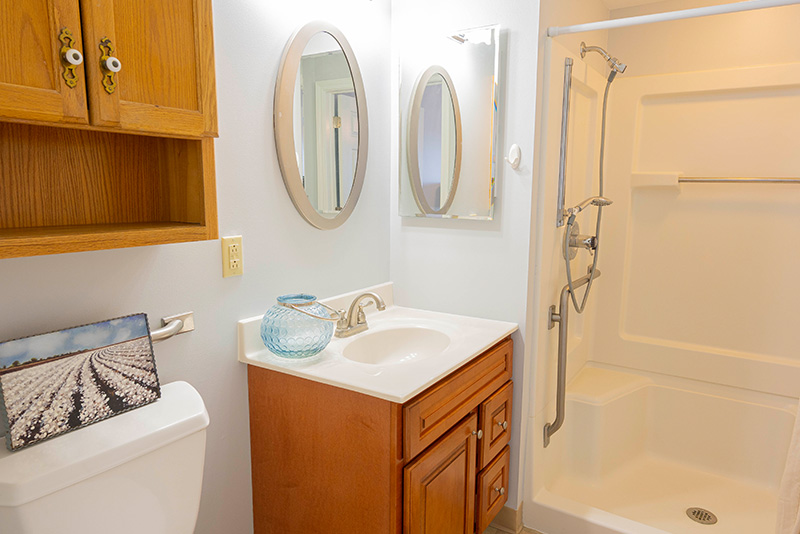
Who Owns and Operates Otterbein Portage Valley?

OTTERBEIN PORTAGE VALLEY is owned by a non-profit organization. Non-profit facilities reinvest revenue into operations rather than distributing to shareholders. The facility is operated by OTTERBEIN SENIORLIFE, a chain that manages multiple nursing homes. With 50 certified beds and approximately 43 residents (about 86% occupancy), it is a smaller facility located in PEMBERVILLE, Ohio.

How Does Otterbein Portage Valley Compare to Other Ohio Nursing Homes?

Compared to the 100 nursing homes in Ohio, OTTERBEIN PORTAGE VALLEY's overall rating (2 stars) is below the state average of 3.2, staff turnover (77%) is significantly higher than the state average of 46%, and health inspection rating (2 stars) is below the national benchmark.

What Should Families Ask When Visiting Otterbein Portage Valley?

Based on this facility's data, families visiting should ask: "How do you ensure continuity of care given staff turnover, and what is your staff retention strategy?" "Can you walk me through typical staffing levels on day, evening, and night shifts?" "Can I visit during a mealtime to observe dining assistance and food quality?" "How do you handle medical emergencies, and what is your hospital transfer rate?" These questions are particularly relevant given the facility's high staff turnover rate and the below-average staffing rating.

Is Otterbein Portage Valley Safe?

Based on CMS inspection data, OTTERBEIN PORTAGE VALLEY has a clean safety record: no substantiated abuse findings (meaning no confirmed cases of resident harm), no Immediate Jeopardy citations (the most serious violation level indicating risk of serious injury or death), and is not on the Special Focus Facility watch list (a federal program monitoring the lowest-performing 1% of nursing homes). The facility has a 2-star overall rating and ranks #100 of 100 nursing homes in Ohio. While no facility is perfect, families should still ask about staff-to-resident ratios and recent inspection results during their visit.

Do Nurses at Otterbein Portage Valley Stick Around?

Staff turnover at OTTERBEIN PORTAGE VALLEY is high. At 77%, the facility is 30 percentage points above the Ohio average of 46%. Registered Nurse turnover is particularly concerning at 75%. RNs handle complex medical decisions and coordinate care — frequent RN changes can directly impact care quality. High turnover means new staff may not know residents' individual needs, medications, or preferences. It can also be disorienting for residents, especially those with dementia who rely on familiar faces. Families should ask: What is causing the turnover? What retention programs are in place? How do you ensure care continuity during staff transitions?

Was Otterbein Portage Valley Ever Fined?

OTTERBEIN PORTAGE VALLEY has no federal fines on record. CMS issues fines when nursing homes fail to meet care standards or don't correct problems found during inspections. The absence of fines suggests the facility has either maintained compliance or corrected any issues before penalties were assessed. This is a positive indicator, though families should still review recent inspection reports for the full picture.

Is Otterbein Portage Valley on Any Federal Watch List?

OTTERBEIN PORTAGE VALLEY is not on any federal watch list. The most significant is the Special Focus Facility (SFF) program, which identifies the bottom 1% of nursing homes nationally based on persistent, serious quality problems. Not being on this list means the facility has avoided the pattern of deficiencies that triggers enhanced federal oversight. This is a positive indicator, though families should still review the facility's inspection history directly.