WAYSIDE FARM INC

4557 QUICK RD, PENINSULA, OH 44264 (330) 923-7828
For profit - Corporation 95 Beds Independent Data: November 2025 1 Immediate Jeopardy citation
Trust Grade
23/100
#816 of 913 in OH
Last Inspection: August 2024

Within standard 12-15 month inspection cycle. Federal law requires annual inspections.

Overview

Wayside Farm Inc in Peninsula, Ohio, has received a Trust Grade of F, indicating significant concerns about the quality of care provided. It ranks #816 out of 913 facilities in Ohio, placing it in the bottom half, and is #38 out of 42 in Summit County, meaning there are very few local options that are rated worse. The facility is currently improving, as it has reduced its issues from 12 in 2024 to just 2 in 2025, but the high fines of $165,448 are concerning, as this is higher than 95% of other facilities in Ohio. Staffing is a weakness, with a poor rating of 1 out of 5 stars and a 51% turnover rate, which is around the state average, indicating that staff may not be consistently familiar with residents' needs. There have been serious incidents reported, including a case where a resident was physically abused by another resident and suffered multiple fractures, as well as a failure to provide timely medical intervention following a fall, which resulted in actual harm to another resident.

Trust Score
F
23/100
In Ohio
#816/913
Bottom 11%
Safety Record
High Risk
Review needed
Inspections
Getting Better
12 → 2 violations
Staff Stability
⚠ Watch
51% turnover. Above average. Higher turnover means staff may not know residents' routines.
Penalties
⚠ Watch
$165,448 in fines. Higher than 83% of Ohio facilities, suggesting repeated compliance issues.
Skilled Nurses
⚠ Watch
Each resident gets only 14 minutes of Registered Nurse (RN) attention daily — below average for Ohio. Fewer RN minutes means fewer trained eyes watching for problems.
Violations
⚠ Watch
19 deficiencies on record. Higher than average. Multiple issues found across inspections.
★★☆☆☆
2.0
Overall Rating
★☆☆☆☆
1.0
Staff Levels
★★★★★
5.0
Care Quality
★★☆☆☆
2.0
Inspection Score
Stable
2024: 12 issues
2025: 2 issues

The Good

  • 5-Star Quality Measures · Strong clinical quality outcomes
  • Full Sprinkler Coverage · Fire safety systems throughout facility
  • No fines on record

Facility shows strength in quality measures, fire safety.

The Bad

2-Star Overall Rating

Below Ohio average (3.2)

Below average - review inspection findings carefully

Staff Turnover: 51%

Near Ohio avg (46%)

Higher turnover may affect care consistency

Federal Fines: $165,448

Well above median ($33,413)

Significant penalties indicating serious issues

The Ugly 19 deficiencies on record

1 life-threatening 1 actual harm
Sept 2025 1 deficiency
CONCERN (D) 📢 Someone Reported This

A family member, employee, or ombudsman was alarmed enough to file a formal complaint

Potential for Harm - no one hurt, but risky conditions existed

Deficiency F0692 (Tag F0692)

Could have caused harm · This affected 1 resident

**NOTE- TERMS IN BRACKETS HAVE BEEN EDITED TO PROTECT CONFIDENTIALITY** Based on medical record review, staff interview, and facility policy review, the facility failed to ensure nutritional orders we...

Read full inspector narrative →
**NOTE- TERMS IN BRACKETS HAVE BEEN EDITED TO PROTECT CONFIDENTIALITY** Based on medical record review, staff interview, and facility policy review, the facility failed to ensure nutritional orders were monitored and completed. This affected one (Resident #29) of three residents reviewed for nutritional status. The census was 88. Findings Include: Resident #29 was admitted to the facility on [DATE]. His diagnoses were schizoaffective disorder, dementia, hyperlipidemia, hypertension, tachycardia, osteoarthritis, seborrheic dermatitis, muscle weakness, dysphagia, and unsteadiness on feet. Review of his minimum data set (MDS) assessment, dated 06/26/25, revealed he was cognitively intact. Review of Resident #29's physician orders, starting date of 06/11/25, revealed the facility was to complete weekly weight checks. There was no end date listed. Review of Resident #29's weight documentation, dated 06/11/25 to 09/12/25, revealed the following weights were not taken on a weekly basis: 07/08/25 and 07/21/25. Also, there were no weights taken between 08/06/25 and 09/04/25. Review of Resident #29's nutritional notes, dated 06/11/25 to 09/12/25, revealed no documentation to support an end date to the weekly weights, or a recommendation/order from the dietitian/physician to end to weekly weights. Interview with Director of Nursing (DON) on 09/12/25 at 12:53 P.M. and 1:40 P.M. confirmed there was a current order for Resident #29 to have weekly weights, which had been in place since 06/11/25. She stated there was no documentation to support the dietitian or any other clinician had ordered the weekly weights to be stopped. She also confirmed the above missing weights were not documented as being completed. Review of facility Nutrition (Impaired)/Unplanned Weight Loss - Clinical Protocol, undated, revealed the nursing staff will monitor and document the weight and dietary intake of residents in a format which permits comparison over time. The physician will review for medical causes of weight gain, anorexia, and weight loss before ordering interventions. For individuals with recent or rapid weight gain or loss (for example, more than a pound a day), the staff will review for possible fluid and electrolyte imbalance as a cause. The staff and physician will identify pertinent interventions based on identified causes and overall resident condition, prognosis, and wishes. The physician and staff will monitor nutritional status, an individual's response to interventions, and possible complications of such interventions. The physician and staff will document the medical and ethical rationale for recommending, not recommending, or discontinuing tube feedings, consistent with the clinical situation, and applicable to laws and regulations about the withholding or withdrawing of artificial nutrition and hydration. This deficiency represents non-compliance found during the investigation of complaint number 1320053.
Mar 2025 1 deficiency
CONCERN (D) 📢 Someone Reported This

A family member, employee, or ombudsman was alarmed enough to file a formal complaint

Potential for Harm - no one hurt, but risky conditions existed

Accident Prevention (Tag F0689)

Could have caused harm · This affected 1 resident

**NOTE- TERMS IN BRACKETS HAVE BEEN EDITED TO PROTECT CONFIDENTIALITY** Based on observation, record review, facility policy review and interview, the facility failed to ensure Resident #36's risk of ...

Read full inspector narrative →
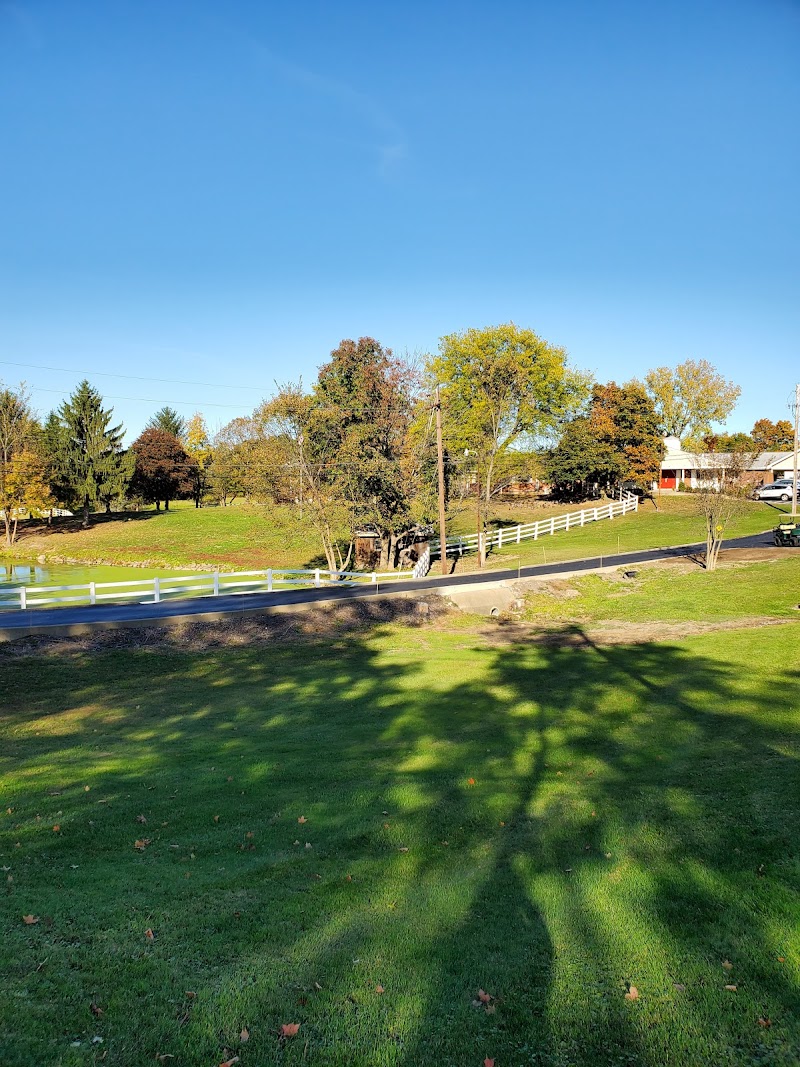
**NOTE- TERMS IN BRACKETS HAVE BEEN EDITED TO PROTECT CONFIDENTIALITY** Based on observation, record review, facility policy review and interview, the facility failed to ensure Resident #36's risk of elopement was properly and timely re-assessed, and failed to ensure comprehensive care planned interventions were updated and implemented to prevent Resident #36 from eloping from the facility. This affected one resident (#36) of three residents reviewed for wandering and elopement. The facility census was 92. Findings include: Review of Resident #36's medical record revealed an admission date of 04/25/24 with diagnoses including schizoaffective disorder, bipolar type, type two diabetes mellitus with unspecified complications, paranoid personality disorder and anxiety. Review of Resident #36's care plan dated 04/26/24 included Resident #36 was at risk of elopement due to new admission, history of wandering and elopement, exit seeking and disease process. Resident #36's risk of leaving the facility unattended would be decreased through the next review on 11/08/24. Interventions included to identify patterns of wandering and was wandering purposeful, aimless or escapist; distract from wandering by offering diversions, structured activities, conversation and television. Further review of the care plan did not reveal interventions were added after 04/26/24. Review of Resident #36's Elopement and Wandering Risk assessment dated [DATE] revealed Resident #36 was at medium risk for elopement. Review of Resident #36's care plan dated 10/17/24 included declarations in guardianship would honored unless revoked by court and, or responsible party. Engage in ongoing advanced care planning with Resident #36 and guardian to discuss options. Interventions included to notify guardian of all medical changes. Review of Resident #36's medical record including assessments dated 08/11/24 through 03/19/25 did not reveal evidence Resident #36 had an Elopement and Wandering Risk assessment completed. Review of Resident #36's progress notes revealed a late entry progress note dated 10/14/24 at 8:25 P.M. which revealed on 10/14/24 at 5:04 P.M. Licensed Practical Nurse (LPN) #200 was administering medications to the residents in the lower level common area and the fire alarm sounded and next she heard the lower-level exit door alarm sounding. LPN #200 saw Resident #36 running out of the door, he pulled the fire alarm and exited the building. LPN #200 used the walkie-talkie to alert staff that Resident #36 exited the building and was headed into the woods. Resident #36 was found, a head-to-toe assessment was completed, and Resident #36's physician and guardian were notified. Review of Resident #36's progress notes dated 10/15/25 at 11:28 A.M. revealed the guardian and Resident #36 agreed to a room move. Review of Resident #36's quarterly Minimum Data Set (MDS) assessment dated [DATE] revealed Resident #36 was cognitively intact. The assessment revealed Resident #36 was independent for toileting, hygiene and dressing and required (staff) set-up or clean-up assistance with personal hygiene. Resident #36 was independent in his ability to walk at least 150 feet in a corridor or similar space. Review of the facility incident log dated 03/14/25 at 3:40 A.M. revealed Resident #36 had an elopement from the facility. Observation of facility camera footage dated 03/14/25 at 2:51 A.M. with the Administrator revealed Resident #36 resided on the north hall nursing unit on the main level of the facility. The Administrator stated Resident #36 knew the code for the stairwell and was allowed to use the stairwell or the elevator to go down to the lower level. Review of the camera footage at 2:51 A.M. of the lower level nursing unit revealed Resident #36 walked out of the northwest stairwell into the lower level hall and took a few steps toward the nurse's station. At 2:52 A.M. Resident #36 paused, looked around, dropped down to his hands and knees and crawled past the nurses station until he was about half way up the opposite hall. At the end of the hall was a door leading to the outside area and a fire alarm pull station on the wall by the door. When Resident #36 crawled by the nurse's station the nurse (RN #203) was in the nurse's station with her back to the desk and hall, she was tending to the medication cart and was not aware Resident #36 crawled by. The aide (Certified Nursing Assistant (CNA) #202) was not seen in the camera footage and the Administrator stated he did not know where she was. At 2:53 A.M. Resident #36 stood up, walked to the end of the hall by the door to the outside and the fire alarm pull area, stepped into a resident room doorway and stood there. At 3:19 A.M. CNA #202 was seen walking around by the nurses station. Review of the camera footage at 3:37 A.M. revealed Resident #36 stepped out of the resident room, laid on the ground because it appeared he saw the nurse and did not want to be detected. Resident #36 stood up and walked to the fire alarm pull area, tugged at the cover for a bit, then pulled the alarm cover up and off the alarm. At 3:39 A.M. RN #203 saw Resident #36 standing by the fire alarm area, tugging at the cover, she stood up, might have said something, and Resident #36 activated the fire alarm at 3:40 A.M. The door to the outside unlocked and Resident #36 opened the door and ran out of the facility. RN #203 ran and followed him outside and ran back in the building at 3:40 A.M. then ran to the double doors and went through them. The Administrator stated he asked Resident #36 what route he took to the gas station and Resident #36 stated he went through the woods and then by the schools. The Administrator asked Resident #36 why he left the facility and Resident #36 said he wanted to talk to cops. Review of a Witness Statement dated 03/14/25 at 3:40 A.M. written by Licensed Practical Nurse (LPN) #205 revealed Resident #36 was agitated because he got caught trying to steal an aides back pack out of the nurse's station and was in his room listening to music. LPN #205 was in the nurse's station charting and Resident #36 left his room and went downstairs. The lower level aide (CNA #202) came up to the break room and right after that the fire alarm went off. Review of a Witness Statement dated 03/14/25 at 3:40 A.M. revealed Registered Nurse (RN) #203 was in a resident's room administering a pain medication and when she returned to the medication cart she noticed Resident #36 was at the end of the hall but she did not know what he was doing because an oxygen tank was on the counter and obstructed her view. RN #203 stated she stood up to tell Resident #36 he needed to return to his room and as she stood up Resident #36 pulled the fire alarm and escaped out of the now unlocked door. RN #203 stated she ran after him, shouting for him to come back, and she could not see where he ran. RN #203 returned to the building, ran up the stairs to alert the rest of the staff that Resident #36 ran off. RN #203 stated she ran outside along with the rest of the staff, but they could not find Resident #36. Review of a Witness Statement dated 03/14/25 at 3:40 A.M. written by Certified Nursing Assistant (CNA) #204 revealed Resident #36 was last seen in his room and was sitting on his bed. When CNA #204 heard the fire alarm he rushed directly to Resident #36's room since I knew he could do that and unfortunately he was not in his room. CNA #204 alerted his coworkers about Resident #36's absence in his room and they rushed outside to look for him. Review of a Witness Statement dated 03/14/25 at 3:45 A.M. written by Certified Nursing Assistant (CNA) #202 revealed she was on her break and did not witness Resident #36 leaving the facility. CNA #202 stated she became aware Resident #36 left the facility when the fire alarm sounded. Review of Resident #36's progress notes dated 03/14/25 at 9:06 A.M. revealed an interdisciplinary team (IDT) note stating on 03/14/25 at 3:40 A.M. the nurse observed Resident #36 pull the fire alarm and go through the now unlocked door. The nurse immediately went after him but could not see where he ran. The nurse ran back to inform the other staff members that Resident #36 was outdoors. All staff responded, the elopement protocol was immediately implemented and a search began. The Administrator, police and Resident #36's guardian were notified. At 8:35 A.M. the local police notified the Administrator that Resident #36 was located and was in their custody. Resident #36's physician and guardian were notified. Review of a facility Self-Reported Incident tracking number 258228 dated 03/14/25 at 11:46 A.M. included the Administrator was notified by nursing staff at 3:45 A.M. that Resident #36 was observed pulling the fire alarm and exiting the now unlocked door on the 300 hall (lower level). Staff followed Resident #36 outside but lost sight of him. Staff returned to the building and started the facility elopement protocol by notifying the Administrator, Resident #36's guardian and the local police. The facility staff continued ground searches until Resident #36 was located by the local Police at 8:35 A.M. The police returned Resident #36 to the facility and he was sent to the local hospital per physician orders for evaluation. Review of Resident #36's progress note dated 03/14/25 at 12:37 P.M. revealed Resident #36 returned to the facility at 9:30 A.M. Vital signs were blood pressure 160/88, pulse 109, respirations 20, oxygen saturation was 96 percent on room air, and temperature was 98.1 Fahrenheit. Resident #36 was escorted to his room, one-to-one supervision was started, his medications were administered, and a skin assessment was completed with multiple scratches noted. Medical Director #201 gave orders to send Resident #36 to the local hospital for evaluation. Resident #36's guardian was aware. Resident #36's blood pressure was rechecked and was 132/80. Interview on 03/19/25 at 9:36 A.M. with the Director of Nursing (DON) revealed Resident #36 tried to elope from the facility in the past and had a guardian. Resident #36 hid by the door leading to the outside, waited for no staff to be around, pulled the fire alarm and ran out of the facility. The nurse (RN #203) saw Resident #36 pull the fire alarm and run out of the facility and ran after him, but lost track of him and came back into the building and started the elopement protocol. The DON stated the fire alarm releases egress and the doors open. The DON indicated the fire alarm signal was loud, staff responded and went to the doors to monitor them and make sure no other residents left the facility. The DON stated the police were involved and brought dogs to help find Resident #36, and a ground search was conducted until Resident #36 was found. Resident #36 was found at a gas station a couple miles away near busy roads at 8:35 A.M. The DON stated the temperature was about 40 degrees Fahrenheit and Resident #36 was wearing gloves, boots and long pants. The DON indicated on 03/14/25 at the time Resident #36 eloped from the facility there was one nurse and one aide working on the lower level. The DON stated the medication cart was located behind the nurse's station desk, Resident #36 crawled by the nurse's station and the nurse saw him towards the end of the hall. After Resident #36 eloped all the windows and doors were checked and staff was re-educated on the elopement policy. Observation on 03/19/25 at 10:00 A.M. revealed Resident #36 resided in the north nursing unit of the facility and it was on the main first floor level. There were stairwells and an elevator which were used to access the lower level nursing unit. The stairwells had a keypad located next to the door and required a code to be entered to be able to use the stairs to descend to the lower level. On the lower level a door was located at one end of the hall which led to the outside and near the door was a fire alarm pull station. Outside of the door was a small hill which led toward a barn and a fenced in area for horses and to the left of the door was a sidewalk leading towards an open field and a wooded area. Interview on 03/19/25 at 11:05 A.M. of CNA #202 revealed she was working on the lower level nursing unit on 03/14/25 when Resident #36 eloped from the facility. CNA #202 stated she did not know Resident #36 was in the lower level nursing unit and she told RN #203 she was taking a break and went to the main floor break room to make coffee. CNA #202 indicated during her break she heard the alarm, looked out into the hall and saw RN #203 running and RN #203 told her Resident #36 eloped from the facility. CNA #202 stated Resident #36 often came to the lower level but when he did come they directed him back upstairs because if they did not have eyes on him he would try to take other resident belongings or he tried to leave the facility. CNA #202 indicated Resident #36 used to live on the lower level and he was moved upstairs because he tried to leave the facility. CNA #202 revealed a prior incident when Resident #36 was found by the bushes and brought back right away. Interview on 03/19/25 at 1:11 P.M. with LPN #206 revealed she worked on the unit Resident #36 resided on and stated the resident was still in the hospital and had not returned since his elopement on 03/14/25. LPN #206 stated Resident #36 played his music loudly, especially at night, was disruptive to the other residents, and took their belongings. LPN #206 stated Resident #36 was not supposed to go to the lower level without a staff member escorting him. LPN #206 indicated Resident #36 was very quick on his feet and very smart. LPN #206 stated the Administrator immediately changed the stairwell code if a resident on the main level had the code because none of them were supposed to have it, but they could ride the elevator to the lower level and it was easier to monitor who was going up and down. LPN #206 indicated Resident #36 was definitely an elopement risk, had been on every 15 minute checks in the past, saw a psychiatrist, has had medication changes and should not have the code to the stairwell. LPN #206 stated Resident #36 waited for his opportunity. Interview on 03/19/25 at 3:07 P.M. with the Administrator, the Director of Nursing (DON) and Interim DON (IDON) #207 revealed staff should monitor and redirect Resident #36 if they saw him go by doors to the outside. The DON stated when the facility had fire drills the staff would immediately make sure Resident #36 was in his room and everyone knew this. The DON stated she did not know if it was written as an intervention anywhere in Resident #36's medical record. The Administrator stated the main level was more secure because residents had to try harder to leave than if they resided on the lower level, and staff were always checking with Resident #36 to see how things were going. The Administrator stated changing the stairwell code and not allowing Resident #36 to use the stairwell would be difficult to enforce because Resident #36 would linger by the stairwell and see what the code was when others used it or another resident would give him the code. The DON stated hourly rounds were made to check on Resident #36 and other residents and if he was on the lower level he would be redirected back to his nursing unit. The Administrator stated they tried to make life here as enjoyable as possible without being overly restrictive. Interview on 03/19/25 at 4:33 P.M. with CNA #204 revealed he was working on 03/14/25 when Resident #36 eloped from the facility. CNA #204 stated most of the time Resident #36 was okay to take care of but sometimes he got agitated and shouted. On those occasions CNA #204 was able to calm him down. CNA #204 stated Resident #36 had tried to get out of the facility in the past and when there was a fire drill he checked on him right away. On 03/14/25 he checked on Resident #36 as soon as he heard the fire alarm, but Resident #36 was not in his room. Interview on 03/19/25 at 5:36 P.M. with the Administrator, DON, and IDON #207 revealed the stairwell code was not changed if a resident was at risk, but the resident was not provided the stairwell code. The DON and Administrator confirmed Resident #36 did not have an elopement assessment completed since 08/10/24 and his care plan was not updated with new interventions as noted above. Review of the facility undated policy titled Missing Resident and Elopement revealed it was the policy of the facility to provide a safe and secure environment for all residents. In the event of resident elopement, it was the policy of the facility to implement its policies and procedures immediately to locate the resident in a timely manner. This deficiency represents non-compliance investigated under Control Number OH00163709.
Aug 2024 12 deficiencies 1 Harm
SERIOUS (G)

Actual Harm - a resident was hurt due to facility failures

Quality of Care (Tag F0684)

A resident was harmed · This affected 1 resident

**NOTE- TERMS IN BRACKETS HAVE BEEN EDITED TO PROTECT CONFIDENTIALITY** Based on medical record review, review of a fall incident report and related facility investigation, review of hospital document...

Read full inspector narrative →
**NOTE- TERMS IN BRACKETS HAVE BEEN EDITED TO PROTECT CONFIDENTIALITY** Based on medical record review, review of a fall incident report and related facility investigation, review of hospital documentation, interviews with staff and review of facility policy, the facility failed to provide timely and necessary medical intervention to Resident #41 following a fall with injury and severe pain. Actual harm occurred on 01/24/24 when Resident #41, who had moderate cognitive impairment, muscle weakness, and was known by the facility to be a safety risk for falls with injury, fell to the floor while ambulating in a common area, and was picked up off the floor by Speech Therapist (ST) #899 and walked back to his room prior to completion of a thorough nursing assessment by Licensed Practical Nurse (LPN) #898. Upon assessment by LPN #898 on 01/24/24, Resident #41 was noted to have severe pain (seven out of 10 with 10 being the worst pain), a bruise to his left front thigh yet his physician was not notified. The resident began experiencing increased leg pain with facial grimacing with left leg movement on 01/26/24, faded bruising to the left inner thigh was noted on 01/30/24, and the resident began experiencing left hip pain on 02/03/24. The resident was sent to the hospital on [DATE] (14 days after the fall) upon request of his legal guardian where he was diagnosed with a left hip fracture requiring palliative hip fracture surgical repair and remained in the hospital until 02/09/24. This affected one (Resident #41) of two residents reviewed for accidents/hazards. The facility census was 91. Findings include: Review of the medical record for Resident #41 revealed an admission date of 08/04/16 with diagnoses including schizophrenia, sarcoidosis, epilepsy, legal blindness, cachexia, muscle weakness, unspecified abnormalities of gait and balance and alcohol induced persisting dementia. A physician order dated 11/21/23 revealed Resident #41 was admitted to Gentiva Hospice for alcohol induced persistent dementia. Resident #41's primary physician was Medical Director #874. Review of the significant change Minimum Data Set (MDS) 3.0 assessment dated [DATE] for Resident #41 revealed the resident had severe cognitive impairment, no functional limitation in range of motion (ROM) of the lower extremities (hip, leg, ankle, foot), he used a walker and wheelchair for mobility, required substantial/maximum assist to walk ten feet and walking 50 feet with two turns was not attempted due to medical condition or safety concerns so the resident would require a wheelchair with substantial/maximum assistance of a helper to wheel 50 feet with two turns. Review of Resident #41's care plan (dated 04/20/17) with revisions on 02/07/24 revealed Resident #41 was at risk for falls related to his well-documented poor balance, unsteady gait, post seizure, and noncompliance with staff assistance. Intervention dated 03/30/21 revealed to encourage resident to utilize walker to aid with mobility and safety. Review of a progress note dated 01/23/24 from psychiatric services for Resident #41 revealed Resident #41 was seen via telehealth for medication evaluation. Resident #41 was noted to still be having problems with his vision, pain, and was given Morphine to treat pain. It was also noted he was a safety risk as far as falling and injuring himself. A recommendation was made to decrease his total daily (anti-psychotic medication) Haldol from 18 mg to 15 mg to allow him to be more active. It was noted he could ambulate independently. Review of nursing progress note dated 01/24/24 timed at 2:29 P.M. revealed Resident #41 was ambulating unassisted without a walker and fell in the 100-hall lounge area. There was no head involvement per witness. Resident was assisted to bed. Neurological checks, pain and skin assessments were performed. Resident determined to be at baseline post fall. ROM was within normal limits per baseline. Resident reported no pain at the time of the incident. Parties notified included Hospice, the guardian and the Assistant Director of Nursing (ADON). Immediate action taken was to have the resident use a wheelchair for ambulation. There was no evidence Resident #41's physician was notified of the incident. Review of the document titled #2811 Fall dated 01/24/24, timed 10:25 A.M. and prepared by LPN #898 revealed the resident (#41) was ambulating without walker and assistance of one and he fell in the 100hall/lounge. He did not hit his head, and he was unable to give a description. Immediate action taken was the resident was assisted to bed and would be given a wheelchair for further ambulation. There were no injuries noted. He was not taken to a hospital. A bruise was noted on his left front thigh. His pain level was seven (severe). He was alert and oriented to person. Predisposing factors included recent medication change and ambulating without assistance. Other info included non-compliance with walker and assistance, fixation on cigarettes and seizure history. There were unspecified staff witnesses at the time of the fall. Under the section titled agencies/people notified there were no notifications documented. Review of the facility document titled Pain Assessment dated 01/24/24 at 2:39 P.M. revealed the resident was having severe, almost constant pain. The location of the pain was not specified. Pain management included administer as-needed morphine and acetaminophen and encourage repositioning. In the comment section no new pain indicated by patient post fall was written. Review of the facility investigation dated 01/24/24 revealed a witness statement dated 01/24/24 from Housekeeper #887 revealed she observed Resident #41 walking down the hall without his walker, lost his balance and fell. Housekeeper #887 notified the nurse. ST #899 came and helped Resident #41 up from floor and took him to his room. Review of the witness statement dated 01/24/24 from Dietary Manager (DM) #885 revealed she saw Housekeeper #887 running towards 100 hall and tell an unidentified resident not to pick Resident #41 up. DM #885 yelled for LPN #898 and LPN #898 was giving care and finished providing care before coming to assist Resident #41. Resident #41 told DM #885 he was okay, and DM #885 instructed him not to move. DM #885 went to get Resident #41's walker and ST #899 helped Resident #41 up from the floor. Review of the witness statement dated 01/24/24 from ST #899 revealed she was walking out of the therapy room and DM #885 and Housekeeper #887 notified her Resident #41 had a fall. LPN #898 was providing care and did not come for over one minute and ST #899 assisted Resident #41 up from the floor and walked him back to his room. ST #899 notified the nurse she assisted Resident #41 back to his room. Review of the witness statement dated 01/24/24 from LPN #898 revealed she was providing resident care when she received the radio call that Resident #41 had fallen. Upon completion of care, she found Resident #41 in his bed in his room. The statement included LPN #898 performed skin, neurological, and pain assessment on Resident #41 in his room. Review of the witness statement from State Tested Nursing Assistant (STNA) #810 revealed she was in the shower room with another resident and heard ST #899 yell for the nurse. STNA #810 opened the door and witnessed Housekeeper #887 and ST #899 lifting Resident #41 off the floor. Review of nursing progress note dated 01/26/24 timed at 7:30 A.M. revealed 0.5 milliliter (mL) of morphine sulfate (MS) oral solution 20 milligrams (mg) mg/5 mL was given for pain. Resident was noted to have new complaint of leg pain. States started with his fall last week. Resident #41 was unable to tell nurse where the pain was on his legs but grimaced when left leg was moved. Review of nursing progress note for Resident #41 dated 01/28/24 timed at 8:40 P.M. revealed MS oral solution 20 mg/5mL was given for leg pain rated a nine out of ten (on a scale of zero to 10). Review of nursing progress dated 01/29/24 timed at 7:02 P.M. revealed Resident #41 complained to the hospice nurse of pain and pain medication was administered. Review of nursing progress noted dated 01/30/24 timed at 1:32 P.M. revealed Resident #41 was noted to have a purple/red partially faded area on his left inner thigh area. Resident #41 was noted to cry out and complain of pain when repositioned to observe the area. Review of the 01/24 Medication Administration Record (MAR) for Resident #41 revealed as needed MS oral solution 20 mg/5 mL was given on the following dates and times but location of pain was not specified in the correlating MAR nursing progress note: 01/26/24 at 7:30 A.M. with noted pain level of 8 out of 10 01/26/24 10 :14 A.M. with noted pain level of 6 out of 10 01/26/24 at 8:10 P.M. with noted pain level of 7 out of 10 01/28/24 at 8:40 P.M. with noted pain level of 9 out of 10 01/29/24 at 5:55 P.M. with noted pain level of 6 out of 10 01/31/24 at 7:40 A.M. with noted pain level of 7 out of 10 01/31/24 at 9:16 P.M. with noted pain level of 5 out of 10 Review of nursing progress note dated 02/03/24 timed at 1:25 P.M. revealed MS 20 mg/5 mL was given for left hip pain and was noted to require maximal assist of one to transfer. Review of nursing progress note dated 02/04/24 timed at 8:03 A.M. revealed MS 20 mg/5 mL was given for left leg/hip pain. Review of 02/24 MAR for Resident #41 revealed as needed MS oral solution 20 mg/5 mL was given on the following dates and times, but location of pain was not specified in the correlating MAR nursing progress note: 02/02/24 at 3:53 A.M. with noted pain level of 7 out of 10 02/02/24 at 9:49 A.M. with noted pain level of 5 out of 10 02/02/24 at 2:00 P.M. with noted pain level of 4 out of 10 02/03/24 at 1:25 P.M. with noted pain level of 8 out of 10 02/04/24 at 4:31 A.M. with noted pain level of 5 out of 10 02/04/24 at 8:03 A.M. with noted pain level of 8 out of 10 02/05/24 at 5:39 A.M. with noted pain level of 6 out of 10 02/05/24 at 2:50 P.M. with noted pain level of 7 out of 10 02/06/24 at 3:32 A.M. with noted pain level of 8 out of 10 02/06/24 at 6:06 P.M. with noted pain level of 7 out of 10 Review of nursing progress note dated 02/07/24 timed at 9:55 A.M. revealed follow up with hospice related to Resident #41 having continued pain on left hip area. Observation of left hip/groin area swollen with asymmetrical body alignment. Review of nursing progress note dated 02/07/24 timed at 10:30 A.M. revealed Resident #41 continued to complain of pain with facial grimacing and inability to bear weight on left foot and was medicated. Hospice nurse noted swelling and asymmetry with resident hip/groin area. Order given for hip/pelvic x-ray for Resident #41 with two views and ultrasound to left extremity. Review of nursing progress note dated 02/07/24 timed at 10:45 A.M. revealed x-ray performed, hospice aware of results, ordered morphine 20 mg (1 mL) every two hours for severe pain/prevention. Guardian requested Resident #41 be sent to hospital for evaluation and treatment. Review of nursing progress note dated 02/07/24 timed at 11:30 A.M. revealed Resident #41 went to the hospital. Review of nursing progress note dated 02/08/24 timed at 7:37 A.M. Resident #41 scheduled to have palliative hip repair. Record review for Resident #41's hospital discharge record from [NAME] Health dated 02/09/24 at 1:38 P.M. authored by Hospital Physician #903 revealed Resident #41 had an admission date to the hospital of 02/07/24. The discharge diagnosis from the hospital for Resident #41 included closed left hip fracture, initial encounter with an active problem of left displaced femoral neck fracture. Hospital course included Resident #41 was brought to the emergency room with complaints of left hip pain after a fall on 01/24/24. Resident #41 stated he usually walked with a walker but not since his fall. Resident #41 had been having pain in his left hip which is new. Chronically Resident #41 had no pain other than occasional headaches which get better with Tylenol. He was found to have a left hip fracture and underwent left hemiarthroplasty. Pain was well controlled post-operatively. Interview was conducted on 08/07/24 at 8:24 A.M. with State Tested Nursing Assistant (STNA) #843 who revealed Resident #41 was on hospice, was able to make his needs known to staff, required staff to push him in his wheelchair, was legally blind and frequently tried to self-transfer. STNA #843 said he gets reminders to call for staff assistance and had been getting better with asking the staff for help. STNA #843 was familiar with the resident but was not present at the time of the fall on 01/24/24. Interview via phone was attempted with former employee STNA #810 on 08/08/24 at 9:41 A.M. and 08/14/24 at 1:10 P.M. and a voice mail message with request for a call back was left. No return contact was made. Telephone interview on 8/08/24 at 9:56 A.M. with LPN #898 revealed she was in a resident room providing care and she was notified by the walkie talkie Resident #41 had fallen. LPN #898 stated she looked out the door and saw three staff assisting him (no specific staff identification provided) and finished providing care to the resident she was assisting. LPN #898 stated when she finished Resident #41 was already in his room. LPN #898 stated she was told by Speech Therapist (ST) #899 she had assisted Resident #41 back to his room with the assistance of Dietary Manager (DM) #885. ST #899 told her Resident #41 did not have any complaints of pain and did not have any signs of injury. LPN #898 confirmed Resident #41 was taken back to his room before he was assessed by the nurse. Telephone interview was attempted on 08/08/24 at 10:15 A.M. and 08/14/24 at 1:26 P.M. with ST #899. A voice mail message with call back phone number was left on the voice mail. No return contact was made. Interview was conducted on 08/08/24 at 10:18 A.M. with Resident #41 who was alert but unable to answer any simple or open-ended questions due to cognitive impairment. Interview on 08/08/24 at 10:20 A.M. with DM #885 stated she observed Resident #41 on the floor by his walker and ST #899 was walking towards him. DM #885 stated she did not assist as she knew she needed to wait for the nurse to assess him. DM #885 stated ST #899 notified LPN #898 of his Resident #41's fall and told DM #885 she was okay to leave. Interview on 08/08/24 at 10:27 A.M. with Housekeeper #887 revealed she was walking by the 100 hall nurses' station and saw Resident #41 fall. Housekeeper #887 stated he was standing using his walker in the common area by the nurse's station and fell. Housekeeper #887 stated there were no staff near him when he fell so she radioed LPN #898. LPN #898 stated she was in the middle of med pass and would be there as soon as possible. Housekeeper #887 stated she did not recall if other staff assisted him back to his room. Housekeeper #887 was not allowed to assist and did not help Resident #41 get up. Interview on 08/08/24 at 2:03 P.M. with the Director of Nursing (DON) confirmed if a resident has a fall, the resident was not to be moved until after the nurse assessed the resident and if there was a change in condition, the nurse was to notify hospice and update the physician of any changes. The DON confirmed according to the review of the fall investigation report dated 01/24/24 for Resident #41, Resident #41 was helped up off the floor and assisted back to his room before the nurse assessed him. The DON confirmed the resident was experiencing worsening pain post-fall and bruising to the left leg had been identified by LPN #898 on 01/24/24. Interview on 08/08/24 at 3:02 P.M. with Registered Nurse (RN) #801 revealed after Resident #41's fall on 01/24/24, he was still trying to attempt to walk but was unable to bear weight due to pain. Review of the March 2018 revised facility policy called; Assessing Falls and Their Causes revealed if a resident had just fallen, evaluate for possible injuries. If an assessment rules out significant injury, help the resident to a comfortable sitting, lying or standing position. Notify the attending physician and family.
CONCERN (D)

Potential for Harm - no one hurt, but risky conditions existed

Deficiency F0569 (Tag F0569)

Could have caused harm · This affected 1 resident

**NOTE- TERMS IN BRACKETS HAVE BEEN EDITED TO PROTECT CONFIDENTIALITY** Based on record review and staff interview the facility failed to ensure resident funds were conveyed timely upon resident disch...

Read full inspector narrative →
**NOTE- TERMS IN BRACKETS HAVE BEEN EDITED TO PROTECT CONFIDENTIALITY** Based on record review and staff interview the facility failed to ensure resident funds were conveyed timely upon resident discharge from the facility. This affected one (Resident #242) of five residents reviewed for resident funds. The facility census was 91. Findings Include: Resident #242 was admitted to the facility on [DATE] and expired on [DATE]. Review of the business records for Resident #242 revealed a check for $2,169.85 was dispersed to the Treasurer of Ohio State on [DATE]. Interview on [DATE] at 8:34 A.M. with Business Office Manager (BOM) #837 verified that Resident #242's funds were dispersed on [DATE] and Resident #242 expired on [DATE]. BOM #837 stated that he thought he had up to 90 days after the resident's death. BOM #837 stated that according to the Revised Ohio Code that the 90 days was because of an open application for release filed. BOM #837 could not provide documentation of any open application, and it was explained that the federal regulations are more stringent, and funds must be conveyed within 30 days.
CONCERN (D)

Potential for Harm - no one hurt, but risky conditions existed

Deficiency F0576 (Tag F0576)

Could have caused harm · This affected 1 resident

Based on observation, interview, record review, and review of the facility policy, the facility failed to ensure residents were provided a facility phone they could use timely and in a private area. T...

Read full inspector narrative →
Based on observation, interview, record review, and review of the facility policy, the facility failed to ensure residents were provided a facility phone they could use timely and in a private area. This affected two residents (Resident #31 and #21) out of 20 residents reviewed for right to forms of communication with privacy. The facility census was 91. Findings include: 1. Record review for Resident #31 revealed an admission date of 05/01/24. Diagnosis included chronic obstructive pulmonary disease. Review of the Admissions Minimum Data Set (MDS) 3.0 assessment for Resident #31 dated 05/08/24 revealed Resident #31 was cognitively intact. Resident #31 had clear speech, was able to make self-understood and was able to understand others. Interview on 08/08/24 at 9:11 A.M. with Social Worker Designee (SWD) #803 and SWD Assistant #841 revealed if a resident wanted to make a phone call, and they did not have a personal cell phone, they would have to be put on a phone call waiting list to make a call which would be done at the nurses station. The residents that get on the list wait until the nurses were not busy, then they can use the phone. Interview on 08/08/24 at 10:56 A.M. with Resident #31 revealed her personal cell phone was broken. Resident #31 revealed if she wanted to make a phone call, she had to fill out a form and then wait for the staff. Resident #31 revealed she made out two papers (forms) at two different times to use the phone. Resident #31 stated, That's what they told me, oh you got to make out a paper, they still have not let me use their phone. Resident #31 revealed she never gets to make a call in private. Interview on 08/08/24 at 10:58 A.M. with Licensed Practical Nurse (LPN) #920 and Unit Manager LPN #836 revealed when a resident wanted to make a call, they needed to fill out a form. Unit Manager LPN #836 revealed once the form is filled out, the nurse will make the call for them at the nurses station and the nurse must stay right there with them while the resident is on the phone. Unit Manager LPN #836 revealed there was a pay phone available for the residents to use if they had money. Unit Manager LPN #836 confirmed the pay phone was not in a private area and the residents would not be able to make a private phone call. Interview and observation on 08/08/24 at 11:05 A.M. with Activity Director #807 of the pay phone made available for resident use confirmed the pay phone was in a public area. Activity Director #807 confirmed the pay phone also did not work. Activity Director #807 confirmed if a resident wanted to make a phone call, and they did not have a personal cell phone, they would need to fill out a phone call request form and turn it into the nurses station. The nurses or State Tested Nursing Assistant (STNA) would let the resident know when they had time to allow the resident to make their call. Record review of the Phone Call Request Form revised 03/2024 revealed the form to be completed included Resident name, date, Person you are requesting to call, day you would like to make the call, phone number, circle a time 8:00 A.M. - 12:00 P.M., 1:00 P.M. to 4:00 P.M., and 6:00 P.M. - 9:00 P.M. 2. Record review for Resident #21 revealed an admission date of 04/04/16. Diagnosis included metabolic encephalopathy. Review of the quarterly MDS 3.0 assessment for Resident #21 dated 06/28/24 revealed Resident #21 had moderate cognitive impairment. Resident #21's speech was clear, made self-understood and was able to understand others. Interview on 08/08/24 at 11:10 A.M. with Resident #21 revealed the staff refused to let her use the phone in the past telling her they need the phones for incoming calls. Resident #21 revealed the staff did not want residents using their phones. Interview on 08/08/24 at 11:15 A.M. with STNA #894 revealed she helped residents in the past to make phone calls. STNA #894 revealed the resident must first fill out a form then they have to wait until the STNA, or nurse had time to help them with the call. STNA #894 revealed the residents phone calls were made from the nurses station and staff had to stay with the resident during the call. STNA #894 revealed there was also a phone located at the end of the hall the resident could use but that phone was also not a private area. Interview on 08/08/24 at 11:18 A.M. with Registered Nurse (RN) #801 revealed when a resident wanted to use a facility phone, someone had to help them. The resident must fill out a paper first. RN #801 revealed the nurse would place the call from the nurses station then they could transfer the call to the phone in the hall. Observation of the phone located at the end of the hall revealed three residents sitting in the hall within hearing distance of the phone RN #801 referred to. RN #801 confirmed the phone in the hall would not allow outgoing calls, only incoming calls and confirmed the phone in the hall would not be a private phone call. Interview on 08/08/24 at 11:36 A.M. with Administrator confirmed the pay phone was currently not accepting coins. To allow opportunity for all residents to make outgoing calls, the facility created the phone call request form. The form was to be used if the payphone was unavailable or the resident did not have money. Once the form was filled out, it would be provided to the nurse, then at the nurses earliest available opportunity, the nurse would provide use of facility phone either at the nurses station or transfer the call to the hall phone. Administrator confirmed the hall phone would not allow outgoing calls. Administrator confirmed the residents have the right to make a call in privacy, and it would be either at the nurses station or in the hall. Interview on 08/08/24 at 1:03 P.M. with DON revealed residents have the right to use a phone in privacy and at the time of request. Review of the facility policy titled, Telephones, Resident Use of undated revealed Residents shall have easy access to telephones. Designated telephones are available to residents to make and receive private phone calls. The telephones at the nurses stations are reserved for staff use, unless no other alternative is available.
CONCERN (D)

Potential for Harm - no one hurt, but risky conditions existed

Notification of Changes (Tag F0580)

Could have caused harm · This affected 1 resident

**NOTE- TERMS IN BRACKETS HAVE BEEN EDITED TO PROTECT CONFIDENTIALITY** Based on medical record review, review of a fall incident report and related facility investigation, interviews with staff and r...

Read full inspector narrative →
**NOTE- TERMS IN BRACKETS HAVE BEEN EDITED TO PROTECT CONFIDENTIALITY** Based on medical record review, review of a fall incident report and related facility investigation, interviews with staff and review of facility policy, the facility failed to timely notify Resident #41's primary care physician of a fall. This affected one (Resident #41) of two residents reviewed for accidents/hazards. The facility census was 91. Findings include: Review of the medical record for Resident #41 revealed an admission date of 08/04/16 with diagnoses including schizophrenia, sarcoidosis, epilepsy, legal blindness, cachexia, muscle weakness, unspecified abnormalities of gait and balance and alcohol induced persisting dementia. A physician order dated 11/21/23 revealed Resident #41's primary physician was Medical Director #874. Review of the significant change Minimum Data Set (MDS) 3.0 assessment dated [DATE] for Resident #41 revealed the resident had severe cognitive impairment, no functional limitation in range of motion (ROM) of the lower extremities (hip, leg, ankle, foot), he used a walker and wheelchair for mobility, required substantial/maximum assist to walk ten feet and walking 50 feet with two turns was not attempted due to medical condition or safety concerns so the resident would require a wheelchair with substantial/maximum assistance of a helper to wheel 50 feet with two turns. Review of Resident #41's care plan (dated 04/20/17) with revisions on 02/07/24 revealed Resident #41 was at risk for falls related to his well-documented poor balance, unsteady gait, post seizure, and noncompliance with staff assistance. Intervention dated 03/30/21 revealed to encourage resident to utilize walker to aid with mobility and safety. Review of nursing progress note dated 01/24/24 timed at 2:29 P.M. revealed Resident #41 was ambulating unassisted without a walker and fell in the 100-hall lounge area. There was no head involvement per witness. Resident was assisted to bed. Neurological checks, pain and skin assessments were performed. Resident determined to be at baseline post fall. ROM was within normal limits per baseline. Resident reported no pain at the time of the incident. Parties notified included Hospice, the guardian and the Assistant Director of Nursing (ADON). Immediate action taken was to have the resident use a wheelchair for ambulation. There was no evidence Resident #41's primary care physician was notified of the incident. Review of the document titled #2811 Fall dated 01/24/24, timed 10:25 A.M. and prepared by LPN #898 revealed the resident (#41) was ambulating without walker and assistance of one and he fell in the 100hall/lounge. He did not hit his head, and he was unable to give a description. Immediate action taken was the resident was assisted to bed and would be given a wheelchair for further ambulation. There were no injuries noted. He was not taken to a hospital. A bruise was noted on his left front thigh. His pain level was seven (severe). He was alert and oriented to person. Predisposing factors included recent medication change and ambulating without assistance. Other info included non-compliance with walker and assistance, fixation on cigarettes and seizure history. There were unspecified staff witnesses at the time of the fall. Under the section titled agencies/people notified there were no notifications documented. Interview on 08/08/24 at 2:03 P.M. with the Director of Nursing (DON) confirmed if a resident had a fall, the resident was not to be moved until after the nurse assessed the resident and if there was a change in condition, the nurse was to notify hospice and update the physician of any changes. The DON confirmed according to the review of the fall investigation report dated 01/24/24 for Resident #41, Resident #41 was helped up off the floor and assisted back to his room before the nurse assessed him. The DON confirmed the resident was experiencing worsening pain post-fall and bruising to the left leg had been identified by LPN #898 on 01/24/24 and the primary care physician was not notified. Review of the March 2018 revised facility policy called; Assessing Falls and Their Causes revealed if a resident had just fallen, notify the attending physician in an appropriate time frame. When a fall results in a significant injury or change of condition, notify the physician immediately by phone. If the fall does not result in a significant injury or change of condition, notify the physician routinely by fax or phone the next office day.
CONCERN (D)

Potential for Harm - no one hurt, but risky conditions existed

Deficiency F0655 (Tag F0655)

Could have caused harm · This affected 1 resident

**NOTE- TERMS IN BRACKETS HAVE BEEN EDITED TO PROTECT CONFIDENTIALITY** Based on interview, record review and facility policy review, the facility failed to complete a baseline care plan within 48 hou...

Read full inspector narrative →
**NOTE- TERMS IN BRACKETS HAVE BEEN EDITED TO PROTECT CONFIDENTIALITY** Based on interview, record review and facility policy review, the facility failed to complete a baseline care plan within 48 hours after admission as required. This affected one (Resident #342) of 20 residents reviewed for care plans. The facility census was 91. Findings include: Review of the medical record for Resident #342 revealed an admission date of 07/09/24. Diagnoses included but were not limited to schizoaffective disorder, generalized anxiety disorder, unspecified dementia, type II diabetes mellitus, chronic respiratory failure, and neuromuscular dysfunction of bladder. No evidence was found of a baseline care plan following admission. Review of the Minimum Data Set (MDS) 3.0 assessment dated [DATE] revealed Resident #342 had severe cognitive impairment, required maximum assistance of one for dressing and was dependent upon staff for toileting and transfers. Interview on 08/07/24 at 4:17 P.M. with the Director of Nursing confirmed she was unable to provide evidence of a baseline care plan or comprehensive care plan developed within 48 hours of admission for Resident #342. Review of undated facility policy called; Care Plan-Baseline revealed a comprehensive care plan may be used in place of a baseline care plan providing the comprehensive care plan is developed within 48 hours of the resident's admission and meets the requirements of a comprehensive assessment.
CONCERN (D)

Potential for Harm - no one hurt, but risky conditions existed

ADL Care (Tag F0677)

Could have caused harm · This affected 1 resident

**NOTE- TERMS IN BRACKETS HAVE BEEN EDITED TO PROTECT CONFIDENTIALITY** Based on observation, interview, record review and review of the facility policy, the facility failed to ensure Resident #82 rec...

Read full inspector narrative →
**NOTE- TERMS IN BRACKETS HAVE BEEN EDITED TO PROTECT CONFIDENTIALITY** Based on observation, interview, record review and review of the facility policy, the facility failed to ensure Resident #82 received routine showers/bathing to meet his care needs. This affected one (Resident #82) of three residents reviewed for showers/bathing. The facility census was 91. Findings include: Record review for Resident #82 revealed an admission date of 07/27/21. Diagnoses included encephalopathy and adult failure to thrive. Review of the quarterly Minimum Data Set (MDS) 3.0 assessment dated [DATE] revealed Resident #82 was severely cognitively impaired. Resident #82 required substantial/maximum assistance for toileting, personal hygiene and dependent for showers. Review of the care plan revealed Resident #82 had a self care performance deficit related to impaired cognition, needs assistance with dressing and grooming. Interventions included to encourage resident to participate in activities of daily living. Review of the shower record for Resident #82 for June and July 2024 revealed Resident #82 was to receive showers on Tuesdays and Thursdays per Hospice. Review of the shower sheet for June 2024 revealed Resident #82 received one shower between the date of 06/13/24 and 06/25/24 (received 06/19/24). Resident #82 received the next shower in July 2024 on 07/03/24. From 07/04/24 through 07/16/24, Resident #82 received one shower (07/10/24). From 07/20/24 through 07/30/24, Resident #82 received one shower (07/24/24). Observation and interview on 08/05/24 at 1:31 P.M. revealed Resident #82 had very oily hair with multiple white particles throughout his hair. Resident #82 had a strong body odor. Resident #82 revealed he would like more showers. Observation and interview on 08/05/24 1:32 P.M. with State Tested Nursing Assistant (STNA) #886 confirmed Resident #82 had very oily hair with multiple white partials throughout his hair and confirmed Resident #82 had a strong body odor. STNA #886 revealed hospice gave Resident #82 showers two times a week. If a resident received hospice services, the facility would not schedule routine showers any longer for the resident, that would be the responsibility of hospice. Observation and interview on 08/06/24 at 2:05 P.M. with Licensed Practical Nurse (LPN) #805 confirmed Resident #82 had very oily hair with multiple white partials throughout his hair. Resident #82 had strong body odor, and LPN #805 revealed she could not smell it. Interview 08/06/24 at 4:45 P.M. with DON revealed she would expect staff to give or offer each resident a minimum of two showers a week even if they received hospice services. DON revealed a resident may refuse showers, but the facility should still offer the showers and if they received hospice services, hospice would then also offer two additional showers a week. Interview on 08/07/24 at 9:35 A.M. with Registered Nurse (RN) #930 from Hospice #931 confirmed Resident #82 received Hospice services through her company. RN #930 revealed the hospice aid would visit Resident #82 two times a week and offer a shower or bath. The Hospice Aid would not consistently come the same two days a week. RN #930 revealed hospice provided additional care to the residents in facilities. The expectations would be hospice would provide two showers/baths a week and the facility would continue to provide their two showers/baths a week unless the resident refused. Interview on 08/07/24 at 9:41 A.M. with Unit Manager #836 revealed the STNA's assumed if a resident received hospice services, they dont have to do that residents showers anymore because hospice does them. Unit Manager #836 revealed sometimes hospice doesn't show up on scheduled shower days so they make up the shower when they show up. Interview on 08/07/24 at 1:28 P.M. with DON confirmed there was no further documentation of any showers Resident #82 received, all showers were documented on the shower sheet by hospice aids. DON confirmed there was no documentation of Resident #82 refusing showers. Review of the facility policy titled, Bath, Shower/Tub revised February 2018 revealed the purpose of the procedure was to promote cleanliness, provide comfort to the resident and to observe the condition of the resident's skin.
CONCERN (D)

Potential for Harm - no one hurt, but risky conditions existed

Respiratory Care (Tag F0695)

Could have caused harm · This affected 1 resident

Based on observation, interview, record review and review of facility policy, the facility failed to maintain appropriate hand hygiene during the tracheostomy (trach) care. This affected one (Resident...

Read full inspector narrative →
Based on observation, interview, record review and review of facility policy, the facility failed to maintain appropriate hand hygiene during the tracheostomy (trach) care. This affected one (Resident #15) of one resident who was identified by the facility as having a trach. The facility census was 91. Findings include: Review of the medical record for Resident #15 revealed an admission date of 12/07/22. Diagnoses included but were not limited to chronic obstructive pulmonary disease, major depressive disorder, schizophrenia, and dependence on supplemental oxygen. Review of the annual Minimum Data Set (MDS) 3.0 assessment, dated 05/06/24, revealed the resident had moderately impaired cognition. The resident required supervision for activities of daily living (ADLs). Review of the physician's order for August 2024 revealed Resident #15 revealed an order for trach care every shift. Observation of trach care on 08/06/24 at 2:37 P.M. with Licensed Practical Nurse (LPN) #892 revealed he did don personal protective equipment (PPE) correctly. LPN #892 removed the trach necktie and removed the split gauze and took a fresh gauze to clean the area. The area was red. LPN #892 then removed his gloves and put on a new pair of gloves. LPN #892 did not wash or sanitized his hands before putting on new gloves. LPN #892 verified that he did not wash hands prior to putting on the new pair of gloves and stated that Resident #15 usually does his own trach care. Review of the undated facility policy titled Tracheostomy Care revealed hand hygiene should be performed prior to putting on clean gloves.
CONCERN (E)

Potential for Harm - no one hurt, but risky conditions existed

Deficiency F0567 (Tag F0567)

Could have caused harm · This affected multiple residents

Based on record review and staff interview the facility failed to ensure residents personal funds accounts with balances greater than 100 dollars were deposited into an interest-bearing account as req...

Read full inspector narrative →
Based on record review and staff interview the facility failed to ensure residents personal funds accounts with balances greater than 100 dollars were deposited into an interest-bearing account as required. This affected four (Residents #33, #47, #55, and #69) of five residents reviewed for personal funds. The facility census was 91. Findings Include: 1. Review of the statement for Resident #33 revealed month ending account balance of $154.15 for the month of May 2024, $141.15 for the month of June 2024 and $289.99 for the month of July 2024. No interest was noted credited to Resident #33's account during these three months. 2. Review of the statement for Resident #47 revealed month ending account balance of $1,285.30 for the month of May 2024, $1,327.30 for the month of June 2024 and $1,373.30 for the month of July 2024. No interest was noted credited to Resident #47's account during these three months. 3. Review of the statement for Resident #55 revealed month ending account balance of $11,990.95 for the month of May 2024, $10,802.20 for the month of June 2024 and $10,400.59 for the month of July 2024. No interest was noted credited to Resident #55's account during these three months. 4. Review of the statement for Resident #69 revealed month ending account balance of $129.84 for the month of May 2024, no interest was noted credited to Resident #55's account for the month of May 2024. Resident #69's account balances for June and July 2024 were under $100.00. Interview on 08/06/24 at 8:34 A.M. with Business Office Manager (BOM) #837 verified Residents #33, #47, #55 and #69 did not receive interest for the year of 2024. BOM #837 stated he completed an audit in January 2024, and it was discovered that the facility's original bank, which held the resident fund accounts, did not pay interest to the residents. He found out that the interest that was accrued on the resident fund monies was absorbed back to the bank because their fees were higher than the interest accrued. BOM #837 stated that a new bank account was opened, and social security checks started to be deposited on 04/01/24 and continued to be deposited. BOM #837 stated that he will give interest when all the accounts are transferred. Interview on 08/07/24 at 1:26 P.M. with Administrator revealed he was the former Business Office Manager before being promoted and he didn't notice that the residents were not getting interest.
CONCERN (E)

Potential for Harm - no one hurt, but risky conditions existed

Deficiency F0761 (Tag F0761)

Could have caused harm · This affected multiple residents

Based on observation, interview, and review of the facility policy, the facility failed to ensure stock medications used for residents were not expired. This had the potential to affect 15 residents (...

Read full inspector narrative →
Based on observation, interview, and review of the facility policy, the facility failed to ensure stock medications used for residents were not expired. This had the potential to affect 15 residents (Resident #57, #2, #65, #9, #79, #84, #74, #30, #45, #61, #342, #76, #49, #43, and #10) the facility identified as receiving stock medications out of 91 residents residing in the facility. Findings include: Observation on 08/06/24 at 11:54 A.M. with Unit Manager (UM) Licensed Practical Nurse (LPN) #836 of the west hall medication stock room revealed a partially used bottle of ducosate sodium 250 milligrams (mg) with an expiration date of 06/2024. An additional bottle of ducosate sodium 250 mg with an open date of 05/05/23 expired on 06/2024. A bottle of aspirin 81 mg expired 07/2024. A bottle of cranberry tabs 450 mg expired 05/2024. A bottle of vitamin D 25 micrograms expired 02/2024. The expired medications were verified by UM LPN #836. Observation on 08/06/24 at 12:10 P.M. with UM LPN #836 of the north hall medication stock room revealed a bottle of magnesium oxide 400 mg expired 04/2024. The expired medication was verified by UM LPN #836. Interview on 08/07/24 at 2:00 P.M. with DON confirmed expired medications should be disposed of from the stock medications. Record review provided by DON revealed Resident #57, #2, #65, #9, #79, #84, #74, #30, #45, #61, #342, #76, #49, #43, and #10 received facility stock medications from the stock medication rooms and had the potential to receive the expired medications. Review of the facility policy titled, Storage of Medications dated 11/2020 revealed discontinued, outdated, or deteriorated drugs or biological's are returned to the dispensing pharmacy or destroyed.
CONCERN (E)

Potential for Harm - no one hurt, but risky conditions existed

Deficiency F0805 (Tag F0805)

Could have caused harm · This affected multiple residents

Based on observation, interview, and policy review, the facility failed to serve pureed foods at a smooth consistency for safe swallowing. This had the potential to affect nine residents (#10, #16, #1...

Read full inspector narrative →
Based on observation, interview, and policy review, the facility failed to serve pureed foods at a smooth consistency for safe swallowing. This had the potential to affect nine residents (#10, #16, #18, #23, #27, #39, #45, #50, #62) the facility identified as receiving pureed diets of 91 residents who consumed meals from the facility's kitchen. No residents were identified as nothing by mouth (NPO). The facility census was 91. Findings include: Observation of puree preparation on 08/06/24 from 3:45 P.M. through 4:00 P.M. revealed [NAME] #881 pureed pepper steak. [NAME] #881 portioned a sample of the puree pepper steak into a souffle cup. A taste test of pureed pepper steak revealed there were intact pieces of the beef that was not smooth in consistency. A taste test on 08/06/24 at 4:00 P.M. with Dietary Manager (DM) #885 verified that the puree pepper steak was not a smooth consistency. DM #885 told [NAME] #881 to puree the pepper steak more. As [NAME] #881 was pureeing the pepper steak, the robot coupe (mechanical chopper) was making a noise. DM #885 stated that the bearings were starting to go on it and the backup robot coupe was just sent out for repair. Review of the undated facility's policy titled, Texture Modified Diets, revealed pureed foods should be of a mashed potato consistency.
MINOR (B)

Minor Issue - procedural, no safety impact

Transfer Notice (Tag F0623)

Minor procedural issue · This affected multiple residents

**NOTE- TERMS IN BRACKETS HAVE BEEN EDITED TO PROTECT CONFIDENTIALITY** Based on record review and staff interview the facility failed to ensure the state ombudsman was notified of a residents transfe...

Read full inspector narrative →
**NOTE- TERMS IN BRACKETS HAVE BEEN EDITED TO PROTECT CONFIDENTIALITY** Based on record review and staff interview the facility failed to ensure the state ombudsman was notified of a residents transfer to the hospital. This affected four residents (#41, #43, #59, #242) of four reviewed for hospitalization. The facility census was 91. Findings Include: 1. Review of the medical record for Resident #43 revealed an admission date of [DATE] with medical diagnoses including schizoaffective disorder, cellulitis of right lower limb, and morbid obesity. Review of the medical record revealed Resident #43 required hospitalization from [DATE] through [DATE] for right leg cellulitis. 2. Review of the closed medical record for Resident #242 revealed an admission date of [DATE] with diagnoses including dementia, type two diabetes, major depressive disorder, and chronic obstructive pulmonary disease. Review of the medical record revealed Resident #242 discharged to the hospital on [DATE] for transient ischemic attack and cerebral vascular accident. Resident #242 expired at the hospital on [DATE]. 3. Review of the medical record for Resident #41 revealed an admission date of [DATE] with diagnoses including schizophrenia, sarcoidosis, epilepsy, and anxiety disorder. Review of the medical record revealed Resident #41 required hospitalization from [DATE] through [DATE] for left hip repair. 4. Review of the medical record for Resident #59 revealed an admission date of [DATE] with diagnoses of dementia, type two diabetes, major depressive disorder, and anxiety disorder. Review of the medical record revealed Resident #59 required hospitalization from [DATE] through [DATE] for cellulitis of right great toe. Interview on [DATE] at 3:00 P.M. with the Director of Social Services (DOSS) #803 and Social Services Assistant (SSA) #841 revealed no notification to the ombudsman had been provided since [DATE], and no notification regarding Resident's #41, #43, #59, and #242 discharge and/or transfer to the hospital had been sent. An interview with the Director of Nursing (DON) on [DATE] at 8:28 A.M., verified the lack of ombudsman notification regarding Resident's #41, #43, #59, #242, discharge and/or transfer to the hospital. The DON also noted the local ombudsman had not been notified of any hospitalizations since [DATE]. The DON confirmed and verified the above findings.
MINOR (B)

Minor Issue - procedural, no safety impact

Deficiency F0625 (Tag F0625)

Minor procedural issue · This affected multiple residents

**NOTE- TERMS IN BRACKETS HAVE BEEN EDITED TO PROTECT CONFIDENTIALITY** Based on medical record review, facility bed hold policy and staff interviews, the facility failed to ensure four (#41, #43, #59...

Read full inspector narrative →
**NOTE- TERMS IN BRACKETS HAVE BEEN EDITED TO PROTECT CONFIDENTIALITY** Based on medical record review, facility bed hold policy and staff interviews, the facility failed to ensure four (#41, #43, #59, #242) of four residents reviewed for hospitalization were provided bed hold notification. The facility census was 91. Findings include: 1. Review of the medical record for Resident #43 revealed an admission date of [DATE] with medical diagnoses including schizoaffective disorder, cellulitis of right lower limb, and morbid obesity. Review of the medical record revealed Resident #43 required hospitalization from [DATE] through [DATE] for right leg cellulitis. Review of the medical record identified no written evidence was provided to the legal guardian regarding the facility's bed hold policy and bed hold days remaining. 2. Review of the closed medical record for Resident #242 revealed an admission date of [DATE] with diagnoses including dementia, type two diabetes, major depressive disorder, and chronic obstructive pulmonary disease. Review of the medical record revealed Resident #242 discharged to the hospital on [DATE] for transient ischemic attack and cerebral vascular accident. Resident #242 expired at the hospital on [DATE]. Review of the medical record revealed no evidence Resident #242's legal guardian was given information regarding bed hold days remaining prior to his death. 3. Review of the medical record for Resident #41 revealed an admission date of [DATE] with diagnoses including schizophrenia, sarcoidosis, epilepsy, and anxiety disorder. Review of the medical record revealed Resident #41 required hospitalization from [DATE] through [DATE] for left hip repair. Review of the medical record identified no written evidence was provided to the legal guardian regarding the facility's bed hold policy and bed hold days remaining. 4. Review of the medical record for Resident #59 revealed an admission date of [DATE] with diagnoses of dementia, type two diabetes, major depressive disorder, and anxiety disorder. Review of the medical record revealed Resident #59 required hospitalization from [DATE] through [DATE] for cellulitis of right great toe. Review of the medical record identified no written evidence was provided to the legal guardian regarding the facility's bed hold policy and bed hold days remaining. An interview with the Director of Nursing (DON) on [DATE] at 8:28 A.M , verified the lack of bed hold notice given to Resident's #41, #43, #59, #242, or their legal guardian. The DON also noted no notices had been provided since [DATE], and no staff person had been assigned to or making sure that residents were receiving required bed hold notices upon discharge to the hospital. Review of the facility document titled Bed-Holds and Returns revised [DATE], revealed the facility had a policy in place that residents and/or representatives would be informed in writing of bed-hold policies, procedures, and detailed information as it related to their bed-hold status.
Sept 2023 1 deficiency 1 IJ (1 facility-wide)
CRITICAL (L) 📢 Someone Reported This

A family member, employee, or ombudsman was alarmed enough to file a formal complaint

Immediate Jeopardy (IJ) - the most serious Medicare violation

Free from Abuse/Neglect (Tag F0600)

Someone could have died · This affected most or all residents

⚠️ Facility-wide issue

**NOTE- TERMS IN BRACKETS HAVE BEEN EDITED TO PROTECT CONFIDENTIALITY** Based on observation, record review, review of facility Self-Reported Incidents (SRIs), local police report review, review of th...

Read full inspector narrative →
**NOTE- TERMS IN BRACKETS HAVE BEEN EDITED TO PROTECT CONFIDENTIALITY** Based on observation, record review, review of facility Self-Reported Incidents (SRIs), local police report review, review of the facility's Abuse policy and procedure and interviews, the facility failed to ensure Resident #28 was free from resident-to-resident physical abuse. This resulted in Immediate Jeopardy and actual harm beginning on 08/28/23 at 4:30 P.M., when Resident #37, who was cognitively intact and known to be verbally and physically aggressive, was observed by Licensed Practical Nurse (LPN) #123 entering Resident #28's room, where he squeezed Resident #28's hands in a forceful manner. Resident #28, who was non-verbal, was heard screaming in pain, LPN #123 responded and removed Resident #37 from Resident #28's room. Resident #28 was assessed to have bilateral hand edema, bruising and pain. X-rays of Resident #28's hands revealed Resident #28 had a left (hand) fifth proximal phalanx (finger) fracture and fractures to the right hand second through fifth proximal phalanges (fingers). The resident was subsequently transported to the hospital for evaluation and treatment. Following the incident, the facility failed to develop and implement effective and planned safety measures to protect Resident #28 and other residents from situations of abuse by Resident #37. The lack of adequate and necessary supervision and interventions for Resident #37 placed all residents at risk for actual harm or serious life-threating injuries up to and including death as a result of resident-to-resident abuse. On 09/10/23 State Testing Nursing Assistant (STNA) #114 reported to LPN #174 a verbal confrontation between Resident #37 and Resident #47. Resident #37 attempted to push Resident #47 into his bathroom. Resident #47 was able to grab the door handle to prevent Resident #37 pushing him in the bathroom after Resident #37 entered his room. On 09/10/23 Resident #76 was heard saying stop squeezing my hand and Resident #37 was observed in the day room squeezing Resident #76's hands. On 09/11/23 at a beverage break, Resident #37 had a physical altercation with Resident #85, where Resident #37 was antagonizing Resident #85 by preventing him and blocking him from moving out of the area. Additionally, the facility failed to prevent additional situations of resident-to-resident abuse that did not rise to the level of an Immediate Jeopardy for Residents #45 and #77 who were abused by Resident #91 and for Resident #46 who was abused by Resident #85. This affected seven residents (#28, #45, #46, #47, #76, #77 and #85) reviewed for resident-to-resident abuse and had the potential to affect all residents residing in the facility who Resident #37 could potentially have contact with. The facility census was 91. On 09/14/23 at 1:49 P.M. the Administrator and Director of Nursing (DON) were notified Immediate Jeopardy began on 08/28/23 at approximately 4:30 P.M. when Resident #28 was physically abused by Resident #37 when Resident (#37) forcefully squeezed Resident #28's hands causing swelling, bruising, pain and bone fractures and the safety measures put in place to protect Resident #28 and other residents were not thoroughly and timely implemented or effective. The Immediate jeopardy was removed on 09/14/23 when the facility implemented the following corrective action: • On 09/13/23 at 5:34 P.M. Resident #37's physician was notified of Resident #37's behaviors with no new orders. Resident #37's physician deferred to psychiatry. • On 09/14/23 at 3:30 P.M. Resident #37 was moved to a private room. • On 09/14/23 at 3:30 P.M. one-to-one staff monitoring was implemented for Resident #37. The one-on-one supervision was scheduled to continue for a duration of one week, after which time Resident #37 would be reassessed by the physician, psychiatrist, and the interdisciplinary team. Based on this assessment, a decision would be made regarding Resident #37's supervisory needs. • On 09/14/23 at 3:42 P.M. the psychiatrist completed a medication review of Resident #37's medications and adjusted Resident #37's antipsychotic medication due to disruptive behaviors. • On 09/14/23 at 4:00 P.M. Resident #37's care plan was updated to include an individualized behavior plan. The behavior plan addressed physical and verbal abuse, staying out of other residents' rooms, and the facility's behavior modification program. The behavior plan was signed by Resident #37, the Administrator, Director of Nursing (DON), Unit Manager Registered Nurse (UM RN) #180 and Social Service Assistant (SSA) #132 and was to be implemented immediately. • On 09/14/23 at 5:30 P.M. the unit manager nurses audited all facility residents for similar behaviors and care plans were updated if needed. • On 09/14/23 at 5:32 P.M. all staff were in-serviced through a web-based program on abuse, elder abuse and neglect: preventing, recognizing and reporting abuse; de-escalation strategies; and doing and completing in services. • On 09/14/23 at 6:30 P.M. the unit manager nurses completed a facility wide audit for pain and injury for all residents. No concerns were identified. • Starting on 09/18/23, Human Resources Coordinator (HRC) #135 or designee would audit in-service completion records weekly for the next four weeks. Following the weekly audits, HRC #135 would complete random monthly auditing of in-service completion for three months. Results of the audits would be reviewed monthly in Quality Assurance Performance Improvement (QAPI) meetings and an action plan implemented if not in compliance. • Starting on 09/18/23, Director of Nursing (DON) or designee would audit incident reports and investigations weekly for the next four weeks. Following the weekly audits, the DON would complete monthly auditing of incident reports and investigations for three months. The audits were to include assurances that residents were protected from further occurrences and that corrective actions were implemented as necessary. The results of the audits would be reviewed monthly in QAPI meeting, and an action plan implemented if not in compliance. • Interviews completed on 09/18/23 between 10:00 A.M. and 11:00 A.M. with Registered Nurse (RN) #182, LPN #106, and State Tested Nursing Assistant (STNA) #188 verified staff were knowledgeable on recognizing and reporting abuse and de-escalation strategies. • Interviews completed on 09/18/23 between 1:30 P.M. and 3:11 P.M. with RN #101, LPN #167, Housekeeper #103 and STNA #194 verified staff were knowledgeable on recognizing and reporting abuse and de-escalation strategies. • Observations on 09/14/23 at 4:00 P.M., 09/18/23 at 7:00 A.M., 11:00 A.M. and 2:38 P.M. revealed a staff member was seated in Resident #37's room or directly outside Resident #37's room for one-to-one supervision. Review of staff schedules from 09/14/23 at 3:30 P.M. through 09/18/23 confirmed a staff member was assigned to always provide one to one supervision for Resident #37. Although the Immediate Jeopardy was removed on 09/14/23, the deficiency remained at Severity Level 2 (no actual harm with potential for more than minimal harm that is not Immediate Jeopardy) as the facility is in the process of implementing their corrective action plan and monitoring to ensure continued compliance. Findings include: 1. Review of the medical record for Resident #28 revealed an admission date of 01/09/17 with diagnoses including cerebral palsy, cerebrovascular accident (stroke) with hemiparesis (weakness on one side of the body) and hemiplegia (paralysis on one side of the body) affecting right dominant side, aphasia (loss of ability to understand or express speech) and reduced mobility. Review of the quarterly Minimum Data Set (MDS) 3.0 assessment, dated 08/09/23, revealed Resident #28 was rarely/never understood, with a Brief Interview for Mental Status (BIMS) score of a 00, indicating severely impaired cognition. The assessment revealed Resident #28 required extensive to dependent assistance of one to two staff members for activities of daily living (ADLs). Review of Resident #28's progress note dated 08/28/23 revealed at approximately 4:30 P.M., Resident #28 had his hands forcefully squeezed by another resident and was screaming in his room. LPN #123 assessed Resident #28 for injuries and noted edema and bruising to bilateral hands and updated the physician and facility leadership. Review of Resident #28's mobile radiology report, dated 08/28/23, revealed Resident #28's left hand had an acute appearing fifth proximal phalanx fracture. The report noted the right hand examination was a limited study for which fracture could not be excluded and recommended a repeat study with additional diagnostic views. Review of Resident #28's progress note dated 08/29/23 timed 8:30 A.M. revealed Resident #28's physician was notified of the inconclusive radiology results and Resident #28's status. Resident #28 was observed to have facial grimacing, indicative of pain, with manipulation of the right hand. Resident #28's right hand was observed to be grossly edematous (swollen). The physician ordered a STAT (immediate) repeat x-ray examination of Resident #28's right hand and an order for Tramadol, an oral opioid analgesic, as needed. Review of Resident #28's mobile radiology report, dated 08/29/23, of the right hand revealed acute appearing fractures in the second through fifth proximal phalanges. Review of Resident #28's progress notes dated 08/29/23, revealed Resident #28's physician was updated on the STAT radiology results and ordered Resident #28 to be transferred to the hospital for evaluation. Resident #28 was sent to the hospital on [DATE] at 7:35 P.M. and returned to the facility on [DATE] at 2:30 A.M. Review of Resident #28's hospital records, dated 08/29/23, revealed Resident #28 presented to the hospital with injuries after he was the victim of an assault at a nursing facility. The medical record revealed outside x-rays revealed metacarpal fractures to the right hand. Ecchymosis (bruising) and blisters were noted to Resident #28's right hand. Due to the patient being non-verbal, multiple radiological examinations were performed to identify injuries. In addition to the hand injuries identified pre-hospital, Resident #28 was additionally found to have a closed nondisplaced fracture of the phalanx (toe) of right foot, and a closed fracture of one rib on the right side. Hospital records further revealed that the guardian was contacted by the hospital staff who was agreeable for Resident #28 to return to the facility. Review of Resident #28's physician's orders, dated 08/30/23, revealed new orders for two staff members to be present for all care due to acute injuries, and for a mechanical lift with two staff members to be used for all transfers. Resident #28 was referred to an orthopedic physician for consultation. Review of a facility SRI, tracking number 238619 revealed the facility reported an incident of resident-to-resident physical abuse on 08/28/23. The SRI indicated on 08/28/23 LPN #123, who was in a resident room across the hall, heard Resident #28 yell. Upon entering Resident #28's room, the nurse saw Resident #28 lying in bed with Resident #37 seated in his wheelchair next to Resident #28's bed, forcefully squeezing Resident #28's hands. LPN #123 intervened and removed Resident #37 from Resident #28's room. Resident #28 was assessed for injury and found to have bilateral hand swelling and bruising. Resident #28's physician was notified and ordered bilateral hand x-ray examinations. The SRI contained staff statements and identified only one staff member, LPN #123, witnessed the incident. As a result of the investigation, the facility moved Resident #37 to a different hallway, away from Resident #28's room, implemented every 15-minute safety checks for Resident #37 for a period of 72 hours, and all staff were to be in-serviced on abuse and resident rights. Review of the document titled Accident or Incident Report dated 08/28/23 and timed 4:30 P.M. revealed another resident was forcefully squeezing Resident #28's hands. The incident appeared to be non-consensual and caused discomfort or distress to Resident #28. The incident report was completed by LPN #123. Review of local police report, reported on 08/29/23, revealed the DON reported the incident and stated an assault occurred between two residents of the facility on 08/28/23. The victim, Resident #28 suffered multiple fractures. The report noted Resident #28's guardian was unable to be reached but facility staff reported the guardian wished to pursue charges. The report indicated the case was closed on 09/11/23. No disposition or rationale was listed. Observation on 09/13/23 at 1:19 P.M. revealed Resident #28 lying in bed. His bilateral arms were on top of a blanket. Resident #28's right and left hands were observed to be edematous, with the right side more edematous than the left. Resident #28 was awake, but unable to answer questions or meaningfully engage in conversation. Review of Resident #37's medical record revealed an admission date of 08/10/23 with diagnoses including bipolar disorder, psychoactive substance use, opioid abuse, anxiety, depression, and a history of suicidal ideations. Review of Resident #37's hospital medical records prior to admission to the facility, dated 07/19/23, revealed Resident #37 presented to the hospital requesting detox from methamphetamines, cocaine, and fentanyl. He had not taken his prescription medications for the past two weeks since he was kicked out of another nursing home and taken to a park near a homeless shelter. Resident #37 had not been able to secure housing, and had a lifetime ban, for unknown reasons, at homeless shelters in the area. Hospital records indicated Resident #37 had poor impulse control and his insight and judgement were impaired. Review of Resident #37's care plan, dated 08/11/23, revealed a focus on Resident #37's adjustment issues to the facility. Resident #37's care plan also identified he participated in the facility's behavior modification plan. Review of Resident #37's admission MDS 3.0 assessment, dated 08/18/23, revealed he was cognitively intact with a BIMS score of 14. Resident #37 experienced delusions and was identified to have verbal behavior symptoms directed towards others on four to six days, and other behavioral symptoms not directed towards others on one to three days during the seven-day lookback period. Resident #37 was identified to require the use of a wheelchair for mobility. He required extensive assistance of one staff for personal hygiene and required supervision of one staff for all other activity of daily living (ADL) care. Review of progress notes dated 08/15/23 through 09/11/23 revealed instances of Resident #37 being up all night self-propelling through the hallways, verbal and physical aggression towards staff, staffing closing a door to prevent Resident #37 from becoming physically aggressive with the staff, verbal threats of physical aggression, use of profane language, calling staff obscene names, kicking and throwing a trash can down the hallway, ramming his wheelchair into LPN #107's shins and punching LPN #107 in the abdomen, banging on the glass surrounding the north nurses station with a closed fist, going in and out of other resident rooms when they did not consent, verbal confrontations with other residents, pushing another resident (Resident #47) upon entering the resident's room without consent, squeezing Resident #28 and Resident #76 hands forcefully, and preventing and blocking Resident #85 from moving out of an area. Interview on 09/13/23 at 1:26 P.M. with State Tested Nursing Assistant (STNA) #144 revealed Resident #28 was almost completely non-verbal. Occasionally he was able to verbalize a one-word phrase, and he frequently used sounds, like a short yell, to communicate discomfort. STNA #144 stated Resident #28 required extensive assistance of one to two staff members for ADL's. STNA #144 revealed she knew Resident #37 to have frequent verbal behaviors directed at staff members and other residents. Interview on 09/13/23 at 1:40 P.M. with LPN #136 revealed Resident #37 to be verbally aggressive. LPN #136 stated there had been instances where he had attempted physical aggression, but staff were able to intervene and de-escalate the situation before situations progressed. LPN #136 recalled an incident that occurred on 09/11/23 where Resident #37 and Resident #85 were both outside at a beverage break. Resident #37 antagonized Resident #85 repeatedly by blocking Resident #85's path which prevented Resident #85 from removing himself from Resident #37. Resident #85 was observed to strike Resident #37 in his head, which knocked his hat off. LPN #136 stated Resident #37 was identified to be the aggressor who initiated the altercation. LPN #136 stated she documented behavior incidents in the medical record and kept nursing leadership informed of behavior patterns. LPN #136 stated both Resident #37 and Resident #85 were known to be verbally aggressive but receptive to redirection. Interview on 09/13/23 at 2:08 P.M. with STNA #105 revealed she cared for Resident #28 on 08/28/23. The nurse on duty had informed her of the incident that occurred around dinner time on 08/28/23 and to be careful when performing care or moving his upper extremities. STNA #105 stated she was cautious when she provided evening care and got Resident #28 ready for bed that evening. STNA #105 stated Resident #28 had edema to both of his hands, including his fingers but she did not recall any bruising or verbal or non-verbal signs of pain. Observation on 09/13/23 at 2:19 PM revealed Resident #37 was seated in a manual wheelchair in the west hall common area. Resident #37 was awake, alert and dressed appropriately. During an interview, Resident #37 stated he had never had a physical incident with another resident at the facility and questioned who said that he did. Resident #37 stated that all the staff at the facility were liars and denied getting physical. Resident #37 stated he had only gone to Resident #28's room to visit as he had tried to be friendly. Resident #37 ended the conversation, raised his hands up in the air and self -propelled his wheelchair down the hallway towards his room. Interview on 09/13/23 at 2:28 P.M. with unit manager (UM) LPN #141 revealed she had seen Resident #37 enter other resident rooms uninvited. Resident #37 was cognitively intact, and staff had attempted to educate and redirect him, but Resident #37 was quick to become verbally aggressive. LPN UM #141 stated she was familiar with the incident between Resident #28 and Resident #37 but had no firsthand knowledge of the event. She stated an additional incident happened on 09/10/23 when Resident #37 was observed to squeeze Resident #76's hands in a common area. LPN UM #141 stated she was concerned about Resident #37's continued stay in the facility and stated he was unpredictable, and it bothered her to see another vulnerable resident who Resident #37 gravitated towards. LPN UM #141 revealed upon returning from the hospital on [DATE], Resident #28 returned to a room on the same hall as Resident #37. Resident #37 was moved to another unit midday on 08/30/23. LPN UM #141 stated when incidents occurred, the facility nursing staff completed an incident report that first went to the unit manager, and then was turned into and reviewed by the DON. Interview on 09/13/23 at 2:58 P.M. with the DON verified Resident #37 had a room change to the opposite side of the facility, but not until 08/30/23 at 11:30 P.M., approximately 43 hours after the incident between Resident #28 and Resident #37 occurred. The DON stated Resident #37 primarily had only been aggressive with staff and had a rough adjustment to the facility. Resident #37 was mouthy and rude, but had only been aggressive with one staff member, LPN #107. The DON further stated Resident #37 was relatively new to the facility and needed to continue to learn the rules of the facility. The DON revealed Resident #28 had no falls recorded or reported that could account for the closed nondisplaced fracture of the phalanx (toe) of the right foot, and closed fracture of one rib on the right side (noted in the hospital). The DON stated interventions were put in place following the investigation of the incident between Resident #28 and Resident #37 including 15-minute safety checks for Resident #37, all staff education on abuse and resident rights, and Resident #37 moving to another part of the building. The DON stated the date and time Resident #37 moved to his new room was recorded in his progress notes. The DON indicated the 15-minute checks were to be completed on paper, on a Patient Safety 15 Minute Check Sheet by either the nurse or the aide assigned to care for Resident #37. Upon review of the sheets, interview with the DON verified the 15-minute checks for Resident #37 were implemented on 08/28/23 at 4:15 P.M. and were due to be completed on 08/31/23 at 4:00 P.M. The DON verified that 16 hours of entries were missing from the form dated 08/30/23 and 8 hours of entries were missing from the form dated 08/31/23. Interview on 09/13/23 at 3:37 P.M. with LPN #107 revealed he had been the recipient of Resident #37's physical aggression on one occasion. LPN #107 recalled Resident #37 had rammed his wheelchair into LPN #107's shins and punched him in the stomach after he attempted to discuss with Resident #37 the smoking times and facility routines. LPN #107 stated Resident #37 was an instigator, and repeatedly verbally aggressive with other residents. LPN #107 stated Resident #37 was had not yet adapted to the rules of the behavior modification program and facility rules. Observation on 09/13/23 at 4:50 P.M. revealed Resident #28 was seated in his wheelchair in the small dining room located on the first floor with approximately eight additional residents. An unnamed staff member was seated beside him feeding him supper. Observation on 09/13/22 at 4:52 P.M. of the main dining room located on the first floor revealed approximately 40 residents were seated at the tables eating their meals. In addition, residents were lined up in the hallway leading to the main entrance to await the second meal setting. All residents in the facility ate their meals in either the main or small dining rooms located on the first floor thus placing all residents at risk for interaction/altercation with Resident #37. Interview with on 09/14/23 at 10:10 A.M. with HRC #135 revealed she assigned three training courses to all staff on 08/31/23 after direction from facility leadership. The three training courses assigned were Abuse Investigation and Reporting, Recognizing Signs and Symptoms of Abuse, and Resident Rights. HRC #135 indicated for each of the three in-services there was a completion report which identified each staff member as either having completed or not completed the assigned in-service. HRC #135 stated the information on the completion reports were current as of 09/14/23 at approximately 10:00 A.M. Review of the completion report for the web-based training titled Abuse Investigation and Reporting, revealed the course was assigned to all 106 staff members of the facility on 08/31/23. As of 09/14/23 at 10:00 A.M., only 43 of 106 staff members had completed the training, a completion rate of 40.57 percent. Review of the completion report for the web-based training titled Recognizing Signs and Symptoms of Abuse, revealed the course was assigned to all 106 staff members of the facility on 08/31/23. As of 09/14/23 at 10:00 A.M., only 40 of 106 staff members had completed the training, a completion rate of 37.74%. Review of the completion report for the web-based training titled Resident Rights, revealed the course was assigned to all 106 staff members on 08/31/23. As of 09/14/23 at 10:00 A.M., only 44 of 106 staff members had completed the training, a completion rate of 41.51%. Interview on 09/14/23 at 11:10 A.M. with the DON verified the three training courses assigned on 08/31/23 were not completed by all staff in a timely manner. Interview on 09/14/23 at 12:40 P.M. with the Administrator revealed he evaluated residents in-person prior to admission to the facility. The Administrator indicated Resident #37 had hard life experiences with minimal family involvement and was still in the process of getting acclimated to the facility. The facility put individual plans of care in place for each resident and the behavior plans were in place to promote structure and routine within the facility. The Administrator indicated there were a lot of rules at the facility that took time to learn but the facility strived to give a sense of purpose and a reward system to keep behaviors in check. Interview on 09/14/23 at 3:38 P.M. with Resident #85 revealed occasionally other residents raised their voices at him, and he had raised his voice back at them. Resident #85 recalled an interaction with Resident #37 a few days prior and stated Resident #37 was known to cause problems with residents and staff and recalled Resident #37 had gotten in his face on a few occasions. Resident #85 declined to speak further about the incident or Resident #37. Interview on 09/18/23 at 1:22 P.M. with Resident #47 revealed the resident recalled a recent incident with Resident #37 a few days or a week ago. Resident #37 attempted to push him backwards in his wheelchair into his bathroom. Resident #47 stated he was not injured and had no additional incidents with Resident #37 prior to or since that incident. Resident #47 stated no staff were around at the time of the incident but stated he had reported it to a staff member who checked on him afterwards. Interview on 09/19/23 at 11:00 A.M. with LPN #123 revealed he was across the hallway in another resident's room when he heard Resident #28 yell. LPN #123 stated Resident #28 was not able to talk much, rather he made noises or yelled to communicate. When LPN #123 heard Resident #28 yelling, he looked towards the direction of the yelling into Resident #28's room. LPN #123 observed Resident #37 seated in his wheelchair at Resident #28's bedside, forcefully squeezing Resident #28's hands. LPN #123 stated Resident #28 appeared to be in pain, as he exhibited facial grimacing and negative vocalizations. LPN #123 directed Resident #37 to leave the room, and Resident #37 wheeled himself out into the hallway. LPN #123 assessed Resident #28 for injuries and identified bilateral hand swelling, redness, and the early signs of bruising. LPN #123 contacted Resident #28's physician who ordered x-rays to both hands. LPN #123 stated on the day of occurrence, 08/28/23, the right-hand x-ray came back inconclusive, while the left-hand x-ray identified a fracture to the left pinky finger. LPN #123 revealed Resident #28 appeared to be in pain on 08/28/23 and was medicated with his routine acetaminophen (a mild pain reliever) that was effective. 2. Medical record review revealed Resident #45 was admitted on [DATE] with diagnoses including schizophrenia, major depressive disorder, anxiety, pulmonary disease, high cholesterol, osteoporosis, polyosteoarthritis, extrapyramidal and movement disorder, vitamin D deficiency, and insomnia. Resident #45 was unsteady on feet with difficulty walking, muscle weakness, and had low back pain. Review of a facility Self-Reported Incident (SRI), tracking number 234468 dated 04/28/23, indicated an allegation of physical abuse. The SRI indicated at approximately 11:15 P.M. on 04/27/23 a staff member (unnamed) heard two residents speaking in loud volumes on the west hallway in the facility. The staff member entered Resident #45's room and Resident #45 informed the staff member that Resident #91 had entered her room and struck her on the left side of her face near her eye. Both residents were separated, and a skin assessment was completed for Resident #45. Resident #45 had suffered a 0.1 centimeter (cm) scratch on the inner canthus region of her left eye. The SRI indicated Resident #91 had a diagnosis of paranoid schizophrenia, schizoaffective disorder, severely impaired cognition, dementia with behavioral disturbance and impulse control disorder. Resident #91 was unable to state why she had struck Resident #45. Resident #45 informed the facility that she was sleeping when Resident #91 walked in her room and punched her in the left eye and wanted to file a police report. Resident #45 was moderately cognitively impaired and did not know why Resident #91 had punched her in the eye. A police report was filed, and the local police department investigated the incident. Record review revealed there was no documentation in Resident #45's progress notes of the incident dated 04/27/23. Resident #45's most recent Minimum Data Set (MDS) 3.0 assessment dated [DATE] indicated she needed extensive assistance with dressing, toileting and personal hygiene, one-person physical assistance with ambulation, had unsteady balance when walking, turning around and facing the opposite direction, moving on and off the toilet and during surface-to-surface transfers. An interview with State Tested Nursing Assistant (STNA) #194 on 09/18/23 at 8:49 A.M. indicated (on 04/27/23) she heard Resident #45 screaming for help and went to investigate the cause of the problem. STNA #194 stated Resident #45 informed her Resident #91 had hit her in the left eye. STNA #194 stated Resident #45's left eye was bleeding and red and she reported the incident to the nurse and wrote a statement of the incident during the facility investigation. STNA #194 stated the police were notified and did talk to both residents regarding the incident. An interview with Resident #45 on 09/18/23 at 10:15 A.M. revealed she had no memory of the incident with Resident #91. Review of Resident #91's MDS 3.0 assessment dated [DATE] indicated Resident #91 exhibited behaviors including hallucinations, delusions, physical symptoms (e.g., hitting, kicking, pushing scratching, grabbing, abusing others sexually), verbal behavioral symptoms (e.g., threatening others, screaming at others, cursing at others). The MDS assessment indicated the behaviors exhibited had an impact on others by putting others at significant risk for physical injury, significant intrusion on the privacy or activity of others, and significantly disrupting the care or living environment. Review of Resident #91's nursing progress note dated 04/28/23 indicated Resident #91 had struck Resident #45 in the left eye causing slight bleeding in the inside corner of her eye. A cold compress was applied, and neurological checks were implemented. A review of Resident #91's plan of care revised on 05/22/23 indicated Resident #91 had potential to demonstrate physical behaviors related to dementia, schizoaffective disorder, impulse control disorder and delusional disorder. Interventions on the plan of care included monitoring and documenting her behavior and report, document and notify physician of danger to self and others. Resident #91 was discharged from the facility and not available to interview. A review of Registered Nurse (RN) #197's written statement regarding the incident where Resident #91 hit Resident #45 in the left eye on 04/27/23 at 11:15 P.M. indicated STNA #194 had reported Resident #91 hit Resident #45 in the left eye causing Resident #45's eye to bleed and the eye was reddened. RN #197 assessed Resident #45 and found the inner corner of her left eye was [NAME][TRUNCATED]
May 2022 1 deficiency
CONCERN (E)

Potential for Harm - no one hurt, but risky conditions existed

Deficiency F0688 (Tag F0688)

Could have caused harm · This affected multiple residents

**NOTE- TERMS IN BRACKETS HAVE BEEN EDITED TO PROTECT CONFIDENTIALITY** Based on observation, interview, record review and review of the facility policy, the facility failed to initiate and or maintai...

Read full inspector narrative →
**NOTE- TERMS IN BRACKETS HAVE BEEN EDITED TO PROTECT CONFIDENTIALITY** Based on observation, interview, record review and review of the facility policy, the facility failed to initiate and or maintain restorative care services including range of motion for two residents, Resident #52 and #80 and failed to provide splinting programs and palm protectors for two residents, Resident #52 and #65. This affected three residents, Resident #80, #65, and #52, of four residents reviewed for services provided to prevent or maintain highest practicable level. The facility census was 93. Findings include: 1. Record review for Resident #52 revealed a admission date of 03/20/04. Diagnosis included contracture's of muscles in the right and left hand. Review of the physician order dated 09/22/19 revealed Resident #52 was to wear bilateral palm protectors as tolerated. Review of the care plan dated 02/21/22 revealed Resident #52 had contractures to right and left hands. Resident #52 was to receive restorative active assist range of motion (AAROM) to prevent further decline in range of motion (ROM) which included passive ROM to bilateral upper extremities five to seven times a week for 15 minute sessions. Restorative was then to apply a palm splint. ROM and AAROM was also to be completed to the bilateral lower extremities to reduce further decline in functional status of lower extremities five to seven times a week for 15 minute sessions to include leg lifts, leg kicks, toe raises, and march in place. Review of the quarterly Minimum Data Set (MDS) assessment dated [DATE] revealed Resident #52 required extensive assist to total dependence for activities of daily living including transfers. Resident #52 used a wheelchair with assist from staff for mobility. Observation on 05/10/22 at 11:11 A.M. revealed Resident #52 was sitting up in a chair. Resident #52 had contractures to her bilateral hands, there were no splints or palm protectors on her hands. Interview on 05/10/22 at 11:12 A.M. with Licensed Practical Nurse (LPN) #332 confirmed Resident #52 had no splints or palm protectors on her hands. LPN #332 revealed she was not aware Resident #52 was to wear splints or palm protectors. Observation and interview on 05/11/22 at 3:37 P.M. with State Tested Nursing Assistant (STNA) #338 confirmed Resident #52 had no splints or palm protectors on her hands. STNA #338 revealed she had worked with Resident #52 for about a year and did not know anything about palm guards or splints for Resident #52. STNA #338 searched Resident #52's room and could not locate splints or palm guards. Interview on 05/12/22 at 8:44 A.M. with the Director of Nursing (DON) confirmed Resident #52 had an order for palm protectors and documentation did not verify if they were utilized. The DON indicated the restorative program had not been ongoing up until recently when a restorative nurse was started. The DON could not verify how long residents were not receiving restorative programs. Interview on 05/12/22 at 12:19 P.M. with Restorative Nurse #372 confirmed she was new to the program and working on getting the program restarted. Restorative Nurse #372 verified Resident #52 did not receive restorative services as care planned for an undetermined amount of time. Resident #52 had not been wearing splints or palm guards and had not been re-evaluated by therapy. 2. Record review for Resident #65 revealed an admission date of 11/08/17. Diagnoses included hemiplegia affecting the right side, contracture of the left hand, abnormal posture and lack of coordination. Review of the active physician orders dated 09/29/18 revealed Resident #65 was to wear a left hand splint for six to eight hours daily during first shift and was to be encouraged to wear bilateral knee braces for six to eight hours a day. Review of the care plan dated 02/28/22 revealed Resident #65 had impairment. Interventions included apply left hand splint to be on six hours a day. Review of the quarterly MDS assessment dated [DATE] revealed Resident #65's cognition was impaired. Resident #65 had impairment of one side to the upper and lower extremities and received splint or brace assistance. Observation on 05/10/22 at 11:28 A.M. revealed Resident #65 had a contracture to the left hand and bilateral lower extremities. Resident #65 was not wearing a left hand splint or knee braces. Observation and interview on 05/11/22 at 2:18 P.M. with STNA #338 revealed she worked first shift on 05/09/22, 05/10/22 and 05/11/22 and Resident #65 did not have the left hand splint or knee braces on during those times. Interview on 05/11/22 at 2:46 P.M. with Registered Nurse (RN) #301 revealed she worked full time day shift and was Resident #65's charge nurse. RN #301 confirmed Resident #65 was not wearing a left hand splint or knee braces. RN #301 said she did not know what Resident #65's braces and splint even looked like. RN #301 located the splint and braces in Resident #65's closet and stated, I have never even seen these before, I don't think he has ever had them on when I have been here. RN #301 verified Resident #65 had orders for a left hand splint and braces. Interview on 05/11/22 at 02:56 P.M. with DON confirmed Resident #65 was to have a left hand splint and knee braces on per the physician orders. 3. Record review for Resident #80 revealed an admission date of 06/29/21. Diagnoses included ataxia (loss of full control of body movement), muscle weakness, and left hip contracture of muscle. Further record review revealed revealed Resident #80 received physical therapy (PT) services from 01/20/22 through 03/29/22. Review of the PT Discharge summary dated [DATE] revealed discharge recommendations which included restorative nursing programs The programs included range of motion which staff were established and trained. Staff led supine to the bilateral lower extremities (BLE) passive range of motion (PROM) exercises in all available planes for three sets times 10. Staff led bilateral knee extensions and hip extension stretches held one minute times three each. The documentation included prognosis was good with consistent staff follow through. Interview on 05/12/22 at 10:54 A.M. with Restorative Nurse #372 revealed Resident #80 was discharged from therapy recently and was not receiving restorative services. Restorative Nurse #372 revealed she had recently accepted the restorative nurse position, (she was unsure of how long ago), and confirmed there had not been a program for an undetermined amount of time prior to that. Restorative Nurse #372 said there were no recommendations from therapy for Resident #80 that she was aware or she would have initiated the program. Interview on 05/12/22 at 11:07 A.M. with Certified Occupational Therapy Assistant (COTA) #355 revealed he was the therapy manager at the time Resident #80 was discharged from therapy. COTA #355 verified the recommendations for restorative therapy was given to staff and staff were educated on the restorative care to be provided to Resident #80 after discharge from therapy. COTA #355 said the recommendation would be given to the nurse at the time of discharge. The recommendation provided to the nurse was the hand off from therapy to restorative and restorative would take over. Review of the therapy recommendations revealed the training was documented from therapy to restorative. Interview on 05/12/22 at 11:12 A.M. with the DON revealed the restorative program was re-implemented two to three months ago. There was no restorative program for an undetermined amount of time prior to that. The DON revealed she did not know the process when a resident was discharged from therapy but Restorative Nurse #372 would know the process and implement the programs. Review of the facility policy titled Assistive Devices and Equipment, dated January 2020, revealed the facility maintained and supervised the use of assistive devices and equipment for residents. These devices included but were not limited to specialized equipment, hand splints, etc. Recommendations for use of devices and equipment were documented in the resident's care plan. Review of the facility policy titled Restorative Nursing Services, dated July 2017, revealed residents would receive restorative nursing care as needed to help promote optimal safety and independence. Restorative nursing consisted of nursing interventions that may or may not be accompanied by formal rehab services. Restorative goals and objectives were individualized and resident centered and were outlined in the resident's plan of care.
May 2019 3 deficiencies
CONCERN (D)

Potential for Harm - no one hurt, but risky conditions existed

Assessment Accuracy (Tag F0641)

Could have caused harm · This affected 1 resident

Based on observations, interviews and record review, the facility failed to maintain accurate assessments on all residents. This affected two (Resident #68 and #74) of three residents reviewed to for ...

Read full inspector narrative →
Based on observations, interviews and record review, the facility failed to maintain accurate assessments on all residents. This affected two (Resident #68 and #74) of three residents reviewed to for resident assessments. The facility census was 95. Findings Included: 1. Review of medical records for Resident #68 revealed an admission date of 06/15/17 with diagnoses including limitation of activities, schizophrenia, amputation and bipolar disorder. Review of the quarterly Minimum Data Set (MDS) 3.0 assessment, dated 10/01/18, revealed the resident had impaired cognition. He had a physical restraint in the chair indicating the chair prevented rising. Observation on 05/01/19 at 9:00 A.M. of Resident #68 revealed no restraint was in use on the wheelchair. Interview on 05/01/19 at 9:05 A.M. with Resident #68, he stated he does not have a seatbelt or alarm on his wheelchair preventing him from getting up. 2. Review of medical record for Resident #74 revealed admission dated 06/12/18 with diagnoses including age related physical disability, difficulty walking and history of falls. Review of the quarterly MDS 3.0 assessment, dated 04/10/19, revealed the resident had impaired cognition. He had a physical restraint of bed rails. Observation on 04/30/19 at 9:14 A.M. of Resident #74 revealed bilateral half side rails on the bed. Resident #74 was able to grab the side rail to assist with repositioning. Interview on 05/02/19 at 5:32 P.M. with MDS Licensed Practical Nurse (LPN) #830 stated there were no restraints in the facility. LPN #830 verified Resident #68 did not have a restraint on his wheelchair and had no restraint in use. LPN #830 verified the MDS for Resident #74 showed half bed rails were used as a restraint. LPN #830 stated Resident #74's side rails were used to assist with bed mobility and not a restraint. LPN #830 verified Resident #68 and Resident #74's MDS assessments were inaccurate.
CONCERN (D)

Potential for Harm - no one hurt, but risky conditions existed

Quality of Care (Tag F0684)

Could have caused harm · This affected 1 resident

**NOTE- TERMS IN BRACKETS HAVE BEEN EDITED TO PROTECT CONFIDENTIALITY** Based on record review, pharmacy reviews and interview, the facility failed to follow physician orders. This affected one (Resid...

Read full inspector narrative →
**NOTE- TERMS IN BRACKETS HAVE BEEN EDITED TO PROTECT CONFIDENTIALITY** Based on record review, pharmacy reviews and interview, the facility failed to follow physician orders. This affected one (Resident #40) of five residents reviewed for unnecessary medications. The census was 95. Findings Include: Review of the medical record for Resident #40 revealed an admission date of 02/13/06 with diagnoses including Vitamin D-3 deficiency, depression and heart failure. Review of the quarterly Minimum Data Set (MDS) 3.0 assessment dated [DATE] revealed Resident #40 had impaired cognition. Review of the pharmacy consultation report dated 12/19/18 revealed Resident #40 had an order for Vitamin D-3 5000 units was to be given one tablet by mouth in the evening every Monday, Tuesday, Wednesday, Thursday, Friday and Saturday. Resident #40 had an above normal Vitamin D level, and Vitamin D-3 medication should be adjusted. A new order from the physician was given to change the Vitamin D-3 5,000 units every other day, even days, signed by the physician on 12/31/18. Review of the pharmacy consultation report dated 01/23/19 revealed Resident #40 had two orders for Vitamin D-3. One order for Vitamin D-3 5,000 units was to give one tablet by mouth in the evening every Monday, Tuesday, Wednesday, Thursday, Friday and Saturday, and another order for Vitamin D3 5,000 units, one tablet by mouth in the evening on even days. Review of medication administration records (MAR) for January 2019 revealed Resident #40 received Vitamin D-3 5000 one tablet by mouth in the evening every Monday, Tuesday, Wednesday, Thursday, Friday and Saturday at 4:00 P.M. and another Vitamin D3 5000 units, one tablet by mouth in the evening on even days at 7:00 P.M. Interview on 05/01/19 at 3:00 P.M. with the Director of Nursing (DON) verified that Resident #40 did receive a double dose of Vitamin D-3 every even day during the month of January 2019. The DON verified the original order for Vitamin D-3 should have been discontinued on 12/31/19, when the physician gave the new order.
CONCERN (F)

Potential for Harm - no one hurt, but risky conditions existed

Food Safety (Tag F0812)

Could have caused harm · This affected most or all residents

Based on observation and interview, the facility failed to prevent possible physical contamination of food during tray line service. This affected all 95 residents who received food from the kitchen. ...

Read full inspector narrative →
Based on observation and interview, the facility failed to prevent possible physical contamination of food during tray line service. This affected all 95 residents who received food from the kitchen. Facility census was 95. Findings include: Observation on 05/01/19 at 9:52 A.M., 10:03 A.M., and 10:27 A.M. of the lunch tray line service, Dietary Staff #812, Dietary Staff #815 and Dietary Manager #808 were observed to have beards that were not covered. Interview on 05/01/19 at 10:35 A.M. with Kitchen Manager #808 confirmed beard hair nets were not used. He stated they were on order and due to arrive during the week.
Understanding Severity Codes (click to expand)
Life-Threatening (Immediate Jeopardy)
J - Isolated K - Pattern L - Widespread
Actual Harm
G - Isolated H - Pattern I - Widespread
Potential for Harm
D - Isolated E - Pattern F - Widespread
No Harm (Minor)
A - Isolated B - Pattern C - Widespread

Questions to Ask on Your Visit

  • "What changes have you made since the serious inspection findings?"
  • "Can I speak with families of current residents?"
  • "What's your RN coverage like on weekends and overnight?"

Our Honest Assessment

Strengths
  • • Licensed and certified facility. Meets minimum state requirements.
Concerns
  • • Multiple safety concerns identified: 1 life-threatening violation(s), 1 harm violation(s), $165,448 in fines, Payment denial on record. Review inspection reports carefully.
  • • 19 deficiencies on record, including 1 critical (life-threatening) violation. These warrant careful review before choosing this facility.
  • • $165,448 in fines. Extremely high, among the most fined facilities in Ohio. Major compliance failures.
  • • Grade F (23/100). Below average facility with significant concerns.
Bottom line: Trust Score of 23/100 indicates significant concerns. Thoroughly evaluate alternatives.

About This Facility

What is Wayside Farm Inc's CMS Rating?

CMS assigns WAYSIDE FARM INC an overall rating of 2 out of 5 stars, which is considered below average nationally. Within Ohio, this rating places the facility higher than 0% of the state's 100 nursing homes. A rating at this level reflects concerns identified through health inspections, staffing assessments, or quality measures that families should carefully consider.

How is Wayside Farm Inc Staffed?

CMS rates WAYSIDE FARM INC's staffing level at 1 out of 5 stars, which is much below average compared to other nursing homes. Staff turnover is 51%, compared to the Ohio average of 46%. RN turnover specifically is 71%, which is notably high. RNs provide skilled clinical oversight, so turnover in this role can affect medical care quality.

What Have Inspectors Found at Wayside Farm Inc?

State health inspectors documented 19 deficiencies at WAYSIDE FARM INC during 2019 to 2025. These included: 1 Immediate Jeopardy (the most serious level, indicating potential for serious harm or death), 1 that caused actual resident harm, 15 with potential for harm, and 2 minor or isolated issues. Immediate Jeopardy findings are rare and represent the most serious regulatory concerns. They require immediate corrective action.

Who Owns and Operates Wayside Farm Inc?

WAYSIDE FARM INC is owned by a for-profit company. For-profit facilities operate as businesses with obligations to shareholders or private owners. The facility operates independently rather than as part of a larger chain. With 95 certified beds and approximately 89 residents (about 94% occupancy), it is a smaller facility located in PENINSULA, Ohio.

How Does Wayside Farm Inc Compare to Other Ohio Nursing Homes?

Compared to the 100 nursing homes in Ohio, WAYSIDE FARM INC's overall rating (2 stars) is below the state average of 3.2, staff turnover (51%) is near the state average of 46%, and health inspection rating (2 stars) is below the national benchmark.

What Should Families Ask When Visiting Wayside Farm Inc?

Based on this facility's data, families visiting should ask: "What changes have been made since the serious inspection findings, and how are you preventing similar issues?" "Can you walk me through typical staffing levels on day, evening, and night shifts?" "Can I visit during a mealtime to observe dining assistance and food quality?" "How do you handle medical emergencies, and what is your hospital transfer rate?" These questions are particularly relevant given the facility's Immediate Jeopardy citations and the below-average staffing rating.

Is Wayside Farm Inc Safe?

Based on CMS inspection data, WAYSIDE FARM INC has documented safety concerns. Inspectors have issued 1 Immediate Jeopardy citation (the most serious violation level indicating risk of serious injury or death). The facility has a 2-star overall rating and ranks #100 of 100 nursing homes in Ohio. Families considering this facility should ask detailed questions about what corrective actions have been taken since these incidents.

Do Nurses at Wayside Farm Inc Stick Around?

WAYSIDE FARM INC has a staff turnover rate of 51%, which is about average for Ohio nursing homes (state average: 46%). Moderate turnover is common in nursing homes, but families should still ask about staff tenure and how the facility maintains care continuity when employees leave.

Was Wayside Farm Inc Ever Fined?

WAYSIDE FARM INC has been fined $165,448 across 2 penalty actions. This is 4.8x the Ohio average of $34,733. Fines at this level are uncommon and typically indicate a pattern of serious deficiencies, repeated violations, or failure to correct problems promptly. CMS reserves penalties of this magnitude for facilities that pose significant, documented risk to resident health or safety. Families should request specific documentation of what issues led to these fines and what systemic changes have been implemented.

Is Wayside Farm Inc on Any Federal Watch List?

WAYSIDE FARM INC is not on any federal watch list. The most significant is the Special Focus Facility (SFF) program, which identifies the bottom 1% of nursing homes nationally based on persistent, serious quality problems. Not being on this list means the facility has avoided the pattern of deficiencies that triggers enhanced federal oversight. This is a positive indicator, though families should still review the facility's inspection history directly.