MAJESTIC CARE OF PERRYSBURG
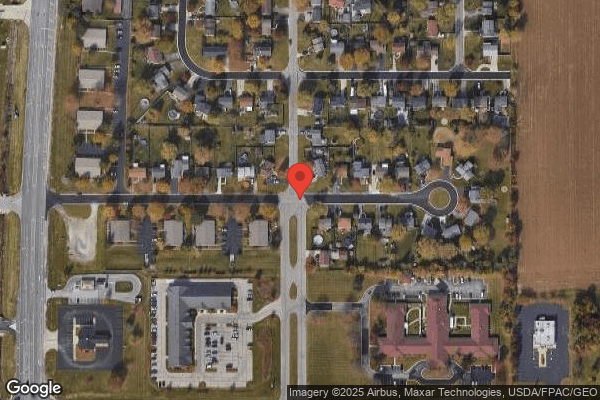

28546 STARBRIGHT BLVD, PERRYSBURG, OH 43551 (419) 666-0935
For profit - Corporation 75 Beds CERTUS HEALTHCARE Data: November 2025
Trust Grade
30/100
#723 of 913 in OH
Last Inspection: March 2024

Within standard 12-15 month inspection cycle. Federal law requires annual inspections.

Overview

Majestic Care of Perrysburg has received a Trust Grade of F, indicating significant concerns about the quality of care provided. It ranks #723 out of 913 nursing homes in Ohio, placing it in the bottom half of facilities in the state, and #8 out of 11 in Wood County, meaning there are only a few options available locally that are better. Although the facility's trend is improving, with the number of issues decreasing from 14 in 2024 to 2 in 2025, staffing remains a major weakness, as it has a poor 1/5 star rating and a high turnover rate of 62%, which is above the state average. Additionally, the facility has incurred $48,458 in fines, which is concerning and higher than 85% of Ohio facilities, suggesting ongoing compliance problems. Specific incidents of concern include a failure to monitor a resident's condition that led to a hospitalization for urosepsis, as well as a failure to complete an ordered urinalysis for that same resident, both resulting in actual harm. Overall, while there are areas of improvement, families should weigh these serious issues against the facility's strengths before making a decision.

Trust Score
F
30/100
In Ohio
#723/913
Bottom 21%
Safety Record
Moderate
Needs review
Inspections
Getting Better
14 → 2 violations
Staff Stability
⚠ Watch
62% turnover. Above average. Higher turnover means staff may not know residents' routines.
Penalties
✓ Good
$48,458 in fines. Lower than most Ohio facilities. Relatively clean record.
Skilled Nurses
⚠ Watch
Each resident gets only 23 minutes of Registered Nurse (RN) attention daily — below average for Ohio. Fewer RN minutes means fewer trained eyes watching for problems.
Violations
⚠ Watch
64 deficiencies on record. Higher than average. Multiple issues found across inspections.
★★☆☆☆
2.0
Overall Rating
★☆☆☆☆
1.0
Staff Levels
★★★★★
5.0
Care Quality
★☆☆☆☆
1.0
Inspection Score
Stable
2024: 14 issues
2025: 2 issues

The Good

  • 5-Star Quality Measures · Strong clinical quality outcomes
  • Full Sprinkler Coverage · Fire safety systems throughout facility
  • No fines on record

Facility shows strength in quality measures, fire safety.

The Bad

2-Star Overall Rating

Below Ohio average (3.2)

Below average - review inspection findings carefully

Staff Turnover: 62%

15pts above Ohio avg (46%)

Frequent staff changes - ask about care continuity

Federal Fines: $48,458

Above median ($33,413)

Moderate penalties - review what triggered them

Chain: CERTUS HEALTHCARE

Part of a multi-facility chain

Ask about local staffing decisions and management

Staff turnover is elevated (62%)

14 points above Ohio average of 48%

The Ugly 64 deficiencies on record

2 actual harm
Sept 2025 2 deficiencies
CONCERN (D) 📢 Someone Reported This

A family member, employee, or ombudsman was alarmed enough to file a formal complaint

Potential for Harm - no one hurt, but risky conditions existed

Quality of Care (Tag F0684)

Could have caused harm · This affected 1 resident

**NOTE- TERMS IN BRACKETS HAVE BEEN EDITED TO PROTECT CONFIDENTIALITY** Based on medical record review, staff interviews, wound clinic staff interview, and review of facility policy, the facility fail...

Read full inspector narrative →
**NOTE- TERMS IN BRACKETS HAVE BEEN EDITED TO PROTECT CONFIDENTIALITY** Based on medical record review, staff interviews, wound clinic staff interview, and review of facility policy, the facility failed to ensure wound care treatments and follow-up appointments were completed as ordered. This affected three (#127, #134, and #160) of four residents reviewed for wound care. The facility census was 58.Findings include:1. Review of the medical record for Resident #127 revealed he was admitted on [DATE] with diagnoses that included atherosclerotic heart disease, peripheral vascular disease, hypertension, and atherosclerosis of native arteries of the left leg with ulceration of the heel and midfoot. Review of the annual Minimum Data Set (MDS) assessment dated [DATE] revealed Resident #160 was cognitively intact and did not refuse care. Review of the current care plan for Resident #127 revealed Resident #127 had an open chest lesion. The interventions included treatment to chest per orders.Review of the physician orders and treatment administration records (TAR) for Resident #127 revealed active orders, beginning on 02/21/25, for daily wound care to his chest wound to cleanse with normal saline, pat dry and apply collagen with silver to the wound bed and cover with a boarder dressing. Further review of the TARs revealed wound care was not completed on 03/03/25, 04/23/35, 05/02/25, 05/10/25, 05/22/25, 06/03/25, 06/05/25, 06/07/25, 06/21/25, 06/22/25, 06/30/25, 07/31/25, 08/10/25, and 08/23/25. 2. Review of the medical record for Resident #134 revealed he was admitted on [DATE] with diagnoses that included disorder of lipoprotein, myelodysplastic syndrome (disorder affecting bone marrow), and non-pressure chronic ulcer of the right heel and midfoot with the fat layer exposed. Review of the admission Minimum Data Set (MDS) assessment dated [DATE] revealed Resident #160 was moderately cognitively impaired, and he did not refuse care.Review of the current care plan for Resident #134 revealed he had impaired skin integrity. The interventions included wound treatment as ordered.Review of the physician orders and TARs for Resident #134 revealed orders beginning on 08/21/25 for daily wound care to a diabetic foot ulcer on his right foot to cleanse with normal saline, pat dry, apply petroleum jelly, apply Xeroform (a petroleum infused dressing), and cover with boarder gauze. Further review of the TAR revealed wound care was not completed on 08/23/25, 08/24/25, and 08/28/25.Continued review of the physician orders and TARs for Resident #134 revealed orders beginning on 08/28/25 for daily wound care to a diabetic foot ulcer on his right foot to cleanse with normal saline, pat dry, apply hydrogel, apply Xeroform, and cover with a foam dressing. Further review of the TAR revealed wound care was not completed on 08/28/25.Interview on 09/11/25 at 4:10 P.M. and 5:20 P.M. with the Director of Nursing (DON) confirmed wound care was not completed for Resident #127 on 03/03/25, 04/23/35, 05/02/25, 05/10/25, 05/22/25, 06/03/25, 06/05/25, 06/07/25, 06/21/25, 06/22/25, 06/30/25, 07/31/25, 08/10/25, and 08/23/25 as ordered, and for Resident #134 on 08/23/25, 08/24/25, and 08/28/25 as ordered. 3. Review of the medical record for Resident #160 revealed he was admitted on [DATE] with diagnoses that included cerebral palsy, lymphedema, and cellulitis of bilateral lower extremities. Review of the admission MDS assessment dated [DATE] revealed Resident #160 was cognitively intact and did not refuse care.Review of the hospitalization after visit summary dated 07/17/25 for Resident #160 revealed wound care orders for Unna boots (wound dressing wraps) to bilateral lower extremities to be changed on Mondays, Wednesdays, and Fridays. Further review of the hospitalization after visit summary revealed he had a scheduled follow-up appointment at a wound clinic on 07/28/25.Review of the care plan dated 07/18/25 for Resident #160 revealed he had impaired skin integrity. The interventions included for staff to complete wound treatment as ordered.Review of physician orders and the July TAR for Resident #160 revealed wound care orders dated 07/25/25 for Unna boots to bilateral lower extremities to be changed on Mondays, Wednesday, and Fridays. Further review of the TAR revealed wound care was not completed on 07/21/25 and 07/23/25. Interview on 09/15/25 at 9:52 A.M. with the Administrator and Registered Nurse (RN) #101 confirmed Resident #160 was admitted with orders for Unna boots to his bilateral lower extremities to be changed on Mondays, Wednesdays, and Fridays. Further interview confirmed the Unna boots should have been changed on 07/21/25 and 07/23/25 but were not.Interview on 09/15/25 at 10:01 A.M. with Scheduling Personnel at the wound clinic confirmed Resident #160 was scheduled for a wound care follow-up appointment on 07/28/25 and was listed as being a no show for that appointment.Interview on 09/15/25 at 10:40 A.M. with the Administrator and RN #101 confirmed Resident #160's follow-up appointment at the wound clinic on 07/28/25 was not documented in the resident's electronic health record and the resident was not taken to the appointment. Review of facility policy titled, [NAME] Care Wound Management Policy, dated 05/20/24, revealed the facility would promote the treatment and healing of skin integrity impairment and optimize healing solutions. This deficiency represents non-compliance investigated under Complaint Number 2575262.
CONCERN (D) 📢 Someone Reported This

A family member, employee, or ombudsman was alarmed enough to file a formal complaint

Potential for Harm - no one hurt, but risky conditions existed

Pressure Ulcer Prevention (Tag F0686)

Could have caused harm · This affected 1 resident

**NOTE- TERMS IN BRACKETS HAVE BEEN EDITED TO PROTECT CONFIDENTIALITY** Based on medical record review, staff interview, and review of facility policy, the facility failed to ensure pressure ulcer tre...

Read full inspector narrative →
**NOTE- TERMS IN BRACKETS HAVE BEEN EDITED TO PROTECT CONFIDENTIALITY** Based on medical record review, staff interview, and review of facility policy, the facility failed to ensure pressure ulcer treatments were completed as ordered. This affected two (#134 and #140) of four residents reviewed for wound care. The facility census was 58.Findings include:1. Review of the medical record for Resident #134 revealed he was admitted on [DATE] with diagnoses that included disorder of lipoprotein, myelodysplastic syndrome (disorder affecting bone marrow), and non-pressure chronic ulcer of the right heel and midfoot with the fat layer exposed. Review of the admission Minimum Data Set (MDS) assessment dated [DATE] revealed Resident #160 was moderately cognitively impaired, and he did not refuse care.Review of the current care plan for Resident #134 revealed he had impaired skin integrity. The interventions included wound treatment as ordered.Review of the physician orders and treatment administration records (TAR) for Resident #134 revealed orders beginning on 06/21/25 for daily wound care to a pressure ulcer on his right foot to cleanse with normal saline, apply collagen, cover with an abdominal dressing, wrap with Kerlix (fluffy gauze), and secure with tape. Further review of the TARs revealed wound care was not completed on 06/06/25, 06/15/25, 06/16/25, 06/22/25, 06/23/25, 07/01/25, 07/12/25, 07/26/25, 08/01/25, 08/02/25, 08/05/25, and 08/11/25.2. Review of the medical record for Resident #140 revealed he was admitted on [DATE] with diagnoses that included traumatic brain injury, intracranial abscess and granuloma, tracheostomy, gastrostomy, and acquired absence of part of the head and neck.Review of the quarterly MDS assessment dated [DATE] revealed Resident #140 was unable to be assessed cognitively due to a traumatic brain injury, and he did not refuse care.Review of the care plan dated 03/19/25 for Resident #140 revealed he had a pressure injury to his right outer foot. The interventions included to administer treatments as ordered.Review of the current care plan for Resident #140 revealed he had a pressure injury to his left foot. The interventions included to provide wound care per treatment orders.Review of the physician orders and TARs for Resident #140 revealed orders beginning on 12/17/24 for daily wound care to his left foot to cleanse with normal saline, pat dry, apply skin prep (a protective barrier), and leave open to air. Further review of the TARs revealed wound care was not completed on 03/03/25, 03/04/25, or 03/22/25. Review of the physician orders and TARs for Resident #140 revealed orders beginning on 12/18/24 for daily wound care to his right outer foot to cleanse with normal saline, pat dry, apply Medihoney and calcium alginate, cover with abdominal dressing, and wrap with Kerlix. Further review of the TARs revealed wound care was not completed on 03/03/25.Review of the physician orders and TARs for Resident #140 revealed orders beginning on 03/21/25 for twice daily wound care to his right outer foot to cleanse with normal saline, pat dry, and apply skin prep. Further review of the TARs revealed wound care was not completed on 03/22/25 and 03/23/25. Review of the physician orders and TARs for Resident #140 revealed orders beginning on 09/11/25 for daily wound care to his left foot to cleanse with normal saline, pat dry, apply skin prep, and cover with border gauze. Further review of the TARs revealed wound care was not completed on 09/12/25. Interview on 09/11/25 at 4:10 P.M. and 5:20 P.M. with the Director of Nursing (DON) confirmed wound care was not completed for Resident #134's pressure ulcer on 06/06/25, 06/15/25, 06/16/25, 06/22/25, 06/23/25, 07/01/25, 07/12/25, 07/26/25, 08/01/25, 08/02/25, 08/05/25, and 08/11/25, and for Resident #140 on 03/03/25, 03/04/25, 03/22/25, 03/23/25, and 09/12/25.Review of facility policy titled, [NAME] Care Wound Management Policy, dated 05/20/24, revealed the facility would promote the treatment and healing of skin integrity impairment and optimize healing solutions. This deficiency represents non-compliance investigated under Complaint Number 2575262.
Dec 2024 3 deficiencies
CONCERN (D) 📢 Someone Reported This

A family member, employee, or ombudsman was alarmed enough to file a formal complaint

Potential for Harm - no one hurt, but risky conditions existed

Quality of Care (Tag F0684)

Could have caused harm · This affected 1 resident

**NOTE- TERMS IN BRACKETS HAVE BEEN EDITED TO PROTECT CONFIDENTIALITY** Based on review of a wound care treatment progress note, review of physician orders, observation, staff interview, and policy re...

Read full inspector narrative →
**NOTE- TERMS IN BRACKETS HAVE BEEN EDITED TO PROTECT CONFIDENTIALITY** Based on review of a wound care treatment progress note, review of physician orders, observation, staff interview, and policy review, the facility failed to correctly identify the type and location of a wound. Additionally, the facility failed to ensure wound care treatments were completed per physician orders. This affected one (#30) of three residents reviewed for wound care. The facility identified seven residents requiring wound care management. The facility census was 46. Findings include: Review of the medical record for Resident #30 revealed an admission date of 10/19/19. Diagnoses included multiple sclerosis, vascular dementia, hemiplegia and hemiparesis following cerebral infarction affecting left non-dominant side, chronic obstructive pulmonary disease, and hypertension. Review of the quarterly Minimum Data Set (MDS) assessment dated [DATE] revealed the resident had impaired cognition. The resident was dependent for toileting hygiene and personal hygiene. Review of a nurse's progress note dated 12/08/24 at 11:02 P.M. revealed the resident had an open area to the left ischium, barrier cream order in place and applied. The physician and resident representative were notified. The resident to be seen by wound care this week. Review of a nurse's progress note dated 12/08/24 at 11:05 P.M. revealed the resident had a stage two pressure ulcer to the left buttock measuring two centimeters (cm) in length by one cm in width, with a depth of 0.2 cm. There was no description of the wound bed. Review of the physician orders dated 01/28/24 revealed to apply barrier cream to buttocks and peri-area every shift and as needed after incontinent episodes. There were no new orders to apply the barrier cream to the newly identified area. Review of the treatment administration record (TAR) dated 12/08/24 through 12/12/24 revealed the barrier cream was applied to the buttocks and and peri-area every shift. This was no documentation the barrier cream was applied to the newly identified area. Review of a nurse practitioner (NP) wound care note dated 12/13/24 at 9:56 A.M. reveled the resident had a laceration to the left proximal posterior thigh. The wound was full thickness and measured three centimeters (cm) in length, 2.5 cm in width, with an undetermined depth. The wound was ten percent (%) granulation tissue and 90% slough with moderate serosanguinous drainage. The wound NP noted the resident was unable to tolerate debridement today. The wound was linear and may have been caused by the shower chair. The wound NP ordered to cleanse the wound with normal saline, apply silver alginate, and cover with a silicone super absorbent dressing daily and as needed. Review of the physician orders revealed the new wound care orders had not been entered into the electronic medical record until 12/17/24. Review of a physician order dated 12/17/24 at 12:50 P.M. revealed to cleanse area to left proximal posterior thigh with normal saline, pat dry, apply skin prep to peri wound allow to dry, apply silver alginate and cover with silicone superabsorbent dressing daily and as needed. Review of the treatment administration record revealed no documentation the wound dressing had been changed daily per physician orders on 12/14/24, 12/15/24, and 12/16/24. Observation on 12/17/24 at 11:50 A.M., during incontinence care for Resident #30 with Certified Nursing Assistant (CNA) #550 and the Director of Nursing (DON) revealed the resident had a wound dressing in place on his left posterior thigh dated 12/13/24. Interview on 12/17/24 at 12:04 P.M., the DON verified the dressing was dated 12/13/24. The DON stated the resident had an initial wound care visit on 12/13/24 and thought the wound care provider had entered the new wound care orders into the electronic medical record. Interview on 12/17/24 at 1:50 P.M., the DON revealed the wound care orders had not been entered into the electronic medical record. The DON verified the daily dressing change had not been completed as ordered. Continued interview with the DON revealed the resident had no skin impairment to his left ischium or left buttock. The DON revealed the nurse had incorrectly identified the type and location of the wound. The DON also verified there was no documentation the previously ordered barrier cream had been applied to the laceration on the posterior thigh. Observation on 12/17/24 at 2:28 P.M., of wound care for Resident #30 revealed the DON removed the wound dressing dated 12/13/24 from the left posterior thigh which was saturated with dark exudate. Resident #30 had no skin impairments to the left ischium or left buttock. The linear laceration on the left posterior thigh was approximately two centimeters in length, one cm in width, with an undetermined depth. The wound bed was 55% red granulation tissue and 45% yellow slough. The DON cleansed the wound and applied a new dressing per physician orders. Review of the policy Wound Care, last revised 10/2021, revealed staff would verify physician orders for wound care and provide wound care per physician orders to promote healing. This deficiency was an incidental finding discovered during the course of the complaint investigation.
CONCERN (D) 📢 Someone Reported This

A family member, employee, or ombudsman was alarmed enough to file a formal complaint

Potential for Harm - no one hurt, but risky conditions existed

Incontinence Care (Tag F0690)

Could have caused harm · This affected 1 resident

**NOTE- TERMS IN BRACKETS HAVE BEEN EDITED TO PROTECT CONFIDENTIALITY** Based on review of the medical record, observation, staff interview, and policy review, the facility failed to ensure incontinen...

Read full inspector narrative →
**NOTE- TERMS IN BRACKETS HAVE BEEN EDITED TO PROTECT CONFIDENTIALITY** Based on review of the medical record, observation, staff interview, and policy review, the facility failed to ensure incontinence care was provided timely. This affected one (#30) of three residents reviewed for incontinence care. The facility census was 46. Findings include: Review of the medical record for Resident #30 revealed an admission date of 10/19/19. Diagnoses included multiple sclerosis, vascular dementia, hemiplegia and hemiparesis following cerebral infarction affecting left non-dominant side, chronic obstructive pulmonary disease, and hypertension. Review of the quarterly Minimum Data Set (MDS) assessment dated [DATE] revealed the resident had impaired cognition. The resident was always incontinent of bladder and frequently incontinent of bowel. The resident was dependent on staff for toileting hygiene and personal hygiene. Review of the plan of care dated initiated 09/14/20 revealed the resident was incontinent related to multiple sclerosis and weakness. Interventions noted the resident was incontinent of bowel and bladder and was dependent on staff for toileting. Staff were to change the resident per protocol, preference, and as needed. Observation on 12/17/24 at 11:50 A.M. of incontinence care for Resident #30 with Certified Nursing Assistant (CNA) #550 and the Director of Nursing (DON) revealed the resident's pants were wet and had a urine odor. Further observation revealed the resident's incontinence brief was fully saturated with urine and had a strong urine odor. Interview on 12/17/24 at 11:50 A.M., CNA #550 revealed she had not provided incontinence care for Resident #30 since 7:50 A.M. CNA #550 revealed she was busy and had three showers to complete. CNA #550 verified the resident's pants were wet and his incontinence brief was saturated. Interview on 12/17/24 at 12:04 P.M., the DON verified incontinence care should be provided every two hours. The DON revealed she had been back to the secured unit a few times this morning and CNA #550 had not notified her of needing help with resident care. Review of the policy Incontinence Care, revised 02/2022, revealed no guidelines for the frequency of incontinence care and incontinence checks. This deficiency represents non-compliance investigated under Complaint Number OH00160294.
CONCERN (E) 📢 Someone Reported This

A family member, employee, or ombudsman was alarmed enough to file a formal complaint

Potential for Harm - no one hurt, but risky conditions existed

Deficiency F0925 (Tag F0925)

Could have caused harm · This affected multiple residents

Based on observation, staff interview, review of pest control service records, and policy review, the facility failed to ensure the facility was free of ants. This affected five residents (#20, #25, #...

Read full inspector narrative →
Based on observation, staff interview, review of pest control service records, and policy review, the facility failed to ensure the facility was free of ants. This affected five residents (#20, #25, #6, #41, #27) and the potential to affect an additional 13 residents (#2, #7, #8, #11, #13, #14, #18, #21, #22, #30, #32, #36, #47) residing on the 400 hall. The facility census was 46. Findings include: Review of the pest control service records revealed the facility had not received preventative pest control treatments since 08/21/24. No pest control services were provided in 09/2024, 10/2024, and 11/2024. Additionally, no pest control services were provided in the facility from 12/01/24 through 12/15/24. Observation on 12/16/24 at 8:04 A.M., in Resident #25's room revealed there approximately 12 ants on the floor near the wall. Observation on 12/16/24 at 8:06 A.M. in the shared room of Resident #27 and Resident #41 revealed there were approximately 15 ants on the floor near the wall. Observation on 12/16/24 at 8:07 A.M. in Resident #6's room revealed there was one ant on the floor near the wall. Interview on 12/16/24 beginning at 8:04 A.M., Environmental Services Staff (ESS) #145 verified the ants in the rooms of Resident #25, Resident #27, Resident #41, and Resident #6. ESS #145 revealed everyone was aware of the ants. ESS #145 revealed she would spray the ants with disinfectant. Observation on 12/16/24 at 8:25 A.M. in Resident #20's room revealed there were six ants on the floor in the resident's bathroom near the wall. Interview on 12/16/24 at 8:25 A.M., Resident #20 stated she frequently had ants in her bathroom. Interview on 12/16/24 at 8:25 A.M., Certified Nursing Assistant (CNA) #124 verified the ants in Resident #20's bathroom. Interview on 12/16/24 at 11:14 A.M., Resident #29 stated she saw two ants in her bathroom this morning. Interview on 12/16/24 at 1:09 P.M., Regional Director of Maintenance (RDM) #191 verified the facility had not received pest control services since 08/21/24. RDM #191 revealed today he requested the pest control company to provide services. Observation on 12/17/24 at 8:03 A.M. in Resident #20's bathroom revealed ants on the floor near the wall. Interview on 12/17/24 at 8:03 A.M., Registered Nurse (RN) #100 verified the ants in Resident #20's bathroom. Observation on 12/17/24 at 8:23 A.M. revealed there were nine ants in the hallway in the secured unit near Resident #6's room. Across the hall outside of Resident #2 and Resident #14's room were 12 more ants. Interview on 12/17/24 at 8:36 A.M., Licensed Practical Nurse (LPN) #134 verified the ants in the hallway. Observation on 12/19/24 at 10:13 A.M. revealed there were four ants in the hallway outside Resident #6's room. Interview on 12/19/24 at 10:13 A.M., the Director of Nursing (DON) verified the ants in the hallway. Review of the policy Pest Control, dated 2018, revealed the facility would maintain a routine pest control program including routine monthly visits including resident rooms. The Director of Maintenance or Executive Director would be notified if concerns of pests were discovered and the pest control company would be contacted for an additional visit if necessary. This deficiency represents non-compliance investigated under Complaint Number OH00160294.
Aug 2024 1 deficiency
CONCERN (D) 📢 Someone Reported This

A family member, employee, or ombudsman was alarmed enough to file a formal complaint

Potential for Harm - no one hurt, but risky conditions existed

Pharmacy Services (Tag F0755)

Could have caused harm · This affected 1 resident

**NOTE- TERMS IN BRACKETS HAVE BEEN EDITED TO PROTECT CONFIDENTIALITY** Based on review of physician orders, review of the medication administration record, review of a pharmacy invoice, review of con...

Read full inspector narrative →
**NOTE- TERMS IN BRACKETS HAVE BEEN EDITED TO PROTECT CONFIDENTIALITY** Based on review of physician orders, review of the medication administration record, review of a pharmacy invoice, review of contingency medication supply records, staff interview and policy review, the facility failed to timely clarify physician orders and ensure medications were administered per physician orders. This affected one resident (#50) of three residents reviewed for medication administration. The facility census was 49. Findings include: Review of the medical record for Resident #50 revealed an admission date of 06/30/24 and a discharge date d of 07/25/24. Diagnoses included cirrhosis of the liver, hepatic encephalopathy, hypertension, peripheral vascular disease, diabetes mellitus type two, fibromyalgia and bipolar disorder. Review of the admission Minimum Data Set (MDS) assessment dated [DATE] revealed the resident had cognitive impairment. Review of the hospital discharge medication orders dated 06/30/24 revealed Resident #50 was ordered pregabalin (Lyrica) 50 milligrams (mg) three times a day for pain and ezetimibe 10 mg daily for hyperlipidemia. The resident had orders for lactulose 20 milligrams for liver disease with no frequency listed. Review of the physician orders dated 06/30/24 revealed Resident #50 had orders for pregabalin 50 mg three times a day by mouth and ezetimibe 10 mg daily. The order for the lactulose was not clarified until 07/02/24, when the physician ordered lactulose 20 mg two times a day. Review of the medication administration record (MAR) from 06/30/24 through 07/25/24 revealed Resident #50 was not administered the lactulose and ezetimbe until 07/02/24. The resident was not administered the pregabalin on 06/30/24 and only administered pregabalin one time on 07/01/24. Review of the contingency medication supply list revealed the facility had pregabalin available for administration. Review of the pharmacy invoice dated 07/01/24 revealed the ezetimibe was received by the facility on 07/01/24. Interview on 08/12/24, beginning at 10:02 A.M., with the Director of Nursing (DON) and the Regional Clinical Nurse (RCN) #206 revealed Resident #50's physician orders for lactulose should have been clarified on admission. The DON and RCN #206 verified Resident #50 had not received the lactulose, ezetimibe, and pregabalin per physician orders. Review of the facility policy titled Nursing: Admission/re-admission and Day to Day Order Processing, revised March 2022, revealed the nurse would contact the physician and verify each order is accurate to include clarifications and/or changes to the admitting/readmitting orders. These changes would be reflected in the electronic healthcare record system. Review of the policy Administration and Documentation of Medications, revised 10/2022 revealed medications would be administered safely, properly, and in a timely manner as prescribed by a licensed physician. This deficiency represents non-compliance investigated under Complaint Number OH00156117.
Mar 2024 8 deficiencies
CONCERN (D)

Potential for Harm - no one hurt, but risky conditions existed

Deficiency F0569 (Tag F0569)

Could have caused harm · This affected 1 resident

Based on review of resident funds accounts, fund balance notification documents, medical record review, and staff interview, the facility failed to ensure notifications of funds in excess of the Medic...

Read full inspector narrative →
Based on review of resident funds accounts, fund balance notification documents, medical record review, and staff interview, the facility failed to ensure notifications of funds in excess of the Medicaid limit were followed up with timely notification and assistance to lower the fund balance. This affected three residents (#03, #24 and #27) of five reviewed for personal funds. The facility census was 50. Findings Include: 1. Review of Resident #03's personal funds account revealed a balance of $3,277.29 on 03/31/23, a balance of $3,349.38 on 06/30/23, a balance of $3,412.47 on 09/29/23, a balance of $3,502.56 on 12/29/23, and a balance of $3,529.60 on 03/26/24. Further review revealed the facility sent a document titled, Resident Fund Balance Notification, on 01/23/24 and 03/22/24 to the resident's representative indicating they were to notify the Social Worker within the next seven days to discuss ways to assure continuance of Medicaid benefits. There was no record of a discussion with the representative located in Resident #03's medical record. 2. Review of Resident #24's personal funds account revealed a balance of $2,263.62 on 03/31/23, a balance of $2,260.74 on 06/30/23, a balance of $2,029.51 on 09/29/23, a balance of $2,156.07 on 12/29/23, and a balance of $2,598.91 on 03/26/24. Further review revealed the facility sent a document titled, Resident Fund Balance Notification, on 05/19/23 and 05/22/24 to the resident's representative indicating they were to notify the Social Worker within the next seven days to discuss ways to assure continuance of Medicaid benefits. There was no record of a discussion with the representative located in Resident #24's medical record. 3. Review of Resident #27's personal funds account revealed a balance of $3,071.28 on 03/31/23, a balance of $6,141.34 on 06/30/23, a balance of $5,070.48 on 09/29/23, a balance of $7,195.48 on 12/29/23, and a balance of $6,016.62 on 03/26/24. Further review revealed the facility sent a document titled, Resident Fund Balance Notification, on 01/02/24 and 03/22/24 to the resident's representative indicating they were to notify the Social Worker within the next seven days to discuss ways to assure continuance of Medicaid benefits. There was no record of discussion with the representative located in Resident #27's medical record. Interview on 03/28/24 at 1:12 P.M. with Social Worker Designee (SWD) #195 revealed she was recently notified that Resident #24's account exceeded $2,000.00, but had not yet contacted Resident #24's family and/or representative about her account. Further interview revealed SWD #195 was not aware Resident #03's and Resident #27's accounts exceeded the Medicaid limit. SWD #195 understood residents covered under Medicaid, such as Resident #03, Resident #24, and Resident #27, were at risk of losing their benefits when their assets exceeded the Medicaid limit of $2,000.00.
CONCERN (D)

Potential for Harm - no one hurt, but risky conditions existed

Deficiency F0637 (Tag F0637)

Could have caused harm · This affected 1 resident

**NOTE- TERMS IN BRACKETS HAVE BEEN EDITED TO PROTECT CONFIDENTIALITY** Based on medical record review and staff interview, the facility failed to ensure a comprehensive assessment was completed timel...

Read full inspector narrative →
**NOTE- TERMS IN BRACKETS HAVE BEEN EDITED TO PROTECT CONFIDENTIALITY** Based on medical record review and staff interview, the facility failed to ensure a comprehensive assessment was completed timely after a significant change in a resident's status. This affected one (#47) of 14 residents reviewed for assessments. The facility census was 50. Findings include: Review of the medical record for Resident #47 revealed an admission date of 08/03/23 with diagnoses of congestive heart failure and hemiplegia and hemiparesis affecting the left non-dominant side. Review of Resident #47's physician orders revealed an order dated 09/07/23 to admit Resident #47 to hospice with a diagnoses of diastolic heart failure. Review of the Minimum Data Set (MDS) assessment dated [DATE] revealed a comprehensive assessment was completed due to a significant change in Resident #47's status. Interview on 03/27/24 at 4:05 P.M. with Regional Support Registered Nurse #90 confirmed Resident #47 was admitted to hospice on 09/07/23 and a significant change comprehensive MDS assessment was not completed until 10/11/23. Interview 03/28/24 at 12:34 P.M. with Regional Clinical #204 confirmed the significant change comprehensive MDS assessment should have been completed within 14 days of Resident #47's admission to hospice.
CONCERN (D)

Potential for Harm - no one hurt, but risky conditions existed

Deficiency F0655 (Tag F0655)

Could have caused harm · This affected 1 resident

**NOTE- TERMS IN BRACKETS HAVE BEEN EDITED TO PROTECT CONFIDENTIALITY** Based on medical record review, hospital documentation review, staff interview, and review of a facility policy, the facility fa...

Read full inspector narrative →
**NOTE- TERMS IN BRACKETS HAVE BEEN EDITED TO PROTECT CONFIDENTIALITY** Based on medical record review, hospital documentation review, staff interview, and review of a facility policy, the facility failed to develop a care plan with appropriate interventions when a resident was readmitted to the facility with a new diagnosis following a hospitalization. This affected one resident (#42) of 14 residents reviewed for care plans. The facility census was 50. Findings include: Review of the medical record for Resident #42 revealed an admission date of 05/05/22. Diagnoses included chronic obstructive pulmonary disease, major depressive disorder, hypertension, heart failure, and dementia. On 02/20/24 a diagnoses was added to include a subdural hematoma (a collection of blood between the brain and its outermost cover) when the resident was re-admitted to the facility from a hospitalization. Review of the quarterly Minimum Data Set (MDS) assessment dated [DATE] revealed Resident #42 was assessed with cognitive impairment and was dependent on staff for activities of daily living. Review of hospital documents between 02/17/24 and 02/20/24 revealed Resident #42 was admitted for pyelonephritis, hypotension, and a subdural hematoma in the frontal and high parietal region. A repeat computed tomography (CT) scan was completed on 02/18/24 and revealed a minimal increase in the subdural hematoma. Review of the hospital discharge record printed on 02/20/24 at 6:11 P.M. revealed Resident #42 was discharged in stable condition with orders to stop taking aspirin, have a basic metabolic panel (laboratory work) obtained around 02/27/24, have a CT scan completed by 03/08/24, and follow up with neurosurgery on 03/13/24 at 10:00 A.M. Review of the progress note dated 02/21/24 and timed 3:35 A.M. revealed Resident #42 returned to the facility at approximately 7:00 P.M. on 02/20/24 and was treated for an acute subdural hematoma, urinary tract infection, and pneumonia. Additional review of the medical record from 02/20/24 to 03/28/24 for Resident #42 revealed no care plan with interventions for monitoring a subdural hematoma was developed following Resident #42's readmission to the facility on [DATE]. Interview on 03/28/24 at 1:00 P.M. with Regional Clinical Director #204 verified the care plan for Resident #42 should have been updated to reflect a new diagnosis of a subdural hematoma on readmission and appropriate interventions for monitoring should have been implemented per the facility policy. Regional Clinical Director #204 stated staff knew the residents and completed assessments daily on each resident, however, the assessments are not always documented. Interview on 03/28/24 at 2:33 P.M. with the Medical Director (MD) stated he was aware of Resident #42's new diagnosis of a subdural hematoma and Resident #42 being followed by neurosurgery. The MD stated, at minimum, due to the subdural hematoma, Resident #42 should have neurological checks three times a day until cleared by neurosurgery. Review of the facility policy titled, Care Plans, dated 10/22, revealed overall care plans will address diagnoses, physician orders, medications, treatments, general care, devices and interventions, behaviors, and other needs specific to the resident. The care plan is generally updated as needed within seven business days of the time a change is identified or ordered.
CONCERN (D)

Potential for Harm - no one hurt, but risky conditions existed

Deficiency F0773 (Tag F0773)

Could have caused harm · This affected 1 resident

**NOTE- TERMS IN BRACKETS HAVE BEEN EDITED TO PROTECT CONFIDENTIALITY** Based on medical record review, staff interview, and review of a facility policy, the facility failed to ensure laboratory tests...

Read full inspector narrative →
**NOTE- TERMS IN BRACKETS HAVE BEEN EDITED TO PROTECT CONFIDENTIALITY** Based on medical record review, staff interview, and review of a facility policy, the facility failed to ensure laboratory tests were completed as ordered by the physician. This affected one (#42) of six residents reviewed for laboratory testing. The facility census was 50. Findings include: Review of the medical record for Resident #42 revealed an admission date of 05/05/22. Diagnoses included chronic obstructive pulmonary disease, major depressive disorder, hypertension, heart failure, and dementia A diagnosis of a subdural hematoma (a collection of blood between the brain and the outermost cover) was added on 02/20/24 when the resident was readmitted from a hospitalization. Review of the quarterly Minimum Data Set (MDS) assessment dated [DATE] revealed Resident #42 was assessed with cognitive impairment and was dependent on staff for activities of daily living. Review of the hospital discharge record for continuation of care printed on 02/20/24 at 6:11 P.M. revealed Resident #42 was discharged back to the facility in stable condition with orders to stop taking aspirin and to have a basic metabolic panel (laboratory work) completed around 02/27/24. Review of the physician orders for Resident #42 revealed no basic metabolic panel was ordered to be completed. Review of the medical record for Resident #42 revealed no results for a basic metabolic panel. Review of the laboratory draw log revealed no basic metabolic panel was scheduled to be drawn for Resident #42. Interview on 03/28/24 at 1:31 P.M. with Licensed Practical Nurse (LPN) #113 verified the basic metabolic laboratory test was not completed as the order was not entered upon Resident #42's return to the facility after hospitalization.
CONCERN (D)

Potential for Harm - no one hurt, but risky conditions existed

Deficiency F0777 (Tag F0777)

Could have caused harm · This affected 1 resident

**NOTE- TERMS IN BRACKETS HAVE BEEN EDITED TO PROTECT CONFIDENTIALITY** Based on medical record review, hospital documentation review, and staff interview, the facility failed to ensure diagnostic ser...

Read full inspector narrative →
**NOTE- TERMS IN BRACKETS HAVE BEEN EDITED TO PROTECT CONFIDENTIALITY** Based on medical record review, hospital documentation review, and staff interview, the facility failed to ensure diagnostic services were provided as ordered. This affected one resident (#42) of 14 residents reviewed for care and services. The facility census was 50. Findings include: Review of the medical record for Resident #42 revealed an admission date of 05/05/22. Diagnoses included chronic obstructive pulmonary disease, major depressive disorder, hypertension, heart failure, and dementia. On 02/20/24 a diagnoses was added to include a subdural hematoma (a collection of blood between the brain and its outermost cover) following a readmission to the facility from a hospitalization. Review of the quarterly Minimum Data Set (MDS) assessment dated [DATE] revealed Resident #42 was assessed with cognitive impairment and was dependent on staff for activities of daily living. Review of the progress notes dated 02/17/24 at 3:32 A.M. revealed Resident #42 was sweaty and difficult to arouse, so the physician was notified and orders were received to transport the resident to the hospital for further evaluation. Resident #42 left the faciity on [DATE] at 4:03 A.M. per emergency medical services. Further review of a progress note dated 02/17/24 at 9:13 A.M. revealed Resident #42 was admitted to the intensive care unit due to a brain bleed and urinary tract infection. Review of hospital documents between 02/17/24 and 02/20/24 revealed Resident #42 was admitted for pyelonephritis, hypotension, and a subdural hematoma in the frontal and high parietal region. A repeat computed tomography (CT) scan was completed on 02/18/24 and revealed a minimal increase in the subdural hematoma. Neurosurgery was consulted and no surgical intervention was required. Resident #42 was to follow-up with neurosurgery in three weeks. Review of the hospital discharge record printed on 02/20/24 at 6:11 P.M. revealed Resident #42 was discharged in stable condition with orders to stop taking aspirin, have a basic metabolic panel (laboratory work) obtained around 02/27/24, have a CT scan completed by 03/08/24, and follow up with neurosurgery on 03/13/24 at 10:00 A.M. Review of the progress note dated 02/21/24 and timed 3:35 A.M. revealed Resident #42 returned to the facility at approximately 7:00 P.M. on 02/20/24 and was treated for an acute subdural hematoma, urinary tract infection, and pneumonia. Additional review of the medical record from 02/20/24 to 03/28/24 for Resident #42 revealed no documentation of a repeat CT scan completed, and an order for a head CT scan to be completed on 04/01/24 which had been scheduled on 03/26/24 at 1:10 P.M. Review of the neurosurgery progress note dated 03/13/24 revealed Resident #42 presented for the follow up appointment of the recent hospitalization for altered mental status and subdural hematoma with a plan to review the repeat CT scan, but the repeat CT scan had not been completed. Further review of the assessment and plan of the visit revealed Resident #42 still needed the repeat CT scan to ensure resolution of the previous areas of bleeding, and an order and instructions were again provided to the facility. Instructions were to repeat the CT scan and to have Resident #42 return in about three weeks for follow-up. Interview on 03/27/24 at 3:41 P.M. with the Director of Nursing (DON) stated she was aware of Resident #42 needing a repeat CT scan after Resident #42 returned from the neurosurgery appointment on 03/13/24, and further verified the instructions on the continuation of care paperwork for the repeat CT scan were not followed. Interview on 03/27/24 at 4:30 P.M. with Regional Clinical Nurse #90 stated the facility nurse practitioner did not order a repeat CT scan when Resident #42 returned from the hospital on [DATE]. Interview on 03/28/24 at 8:25 A.M. with Nurse Practitioner (NP) #203 acknowledged Resident #42 had a subdural hematoma, was being followed by neurosurgery, and neurosurgery ordered a repeat head CT scan to check the status of the subdural hematoma. NP #203 stated the CT scan was ordered by the specialist, therefore she would not reorder it to ensure the results would be sent to neurosurgery. NP #203 would expect the facility to follow the continuation of care orders when a specialist was involved in the care of a resident. NP #203 stated questions regarding orders are usually clarified, and stated there were no questions nor was she asked for clarification of the repeat CT scan order. NP #203 further denied knowledge of the repeat CT scan for Resident #42 not being completed prior to the follow up neurosurgery appointment on 03/13/24. Interview on 03/28/24 at 1:31 P.M. with Licensed Practical Nurse (LPN) #113 verified the head CT scan was not completed for Resident #42 as the order was not entered upon Resident #42's return to the facility after hospitalization and should have been.
CONCERN (E)

Potential for Harm - no one hurt, but risky conditions existed

Resident Rights (Tag F0550)

Could have caused harm · This affected multiple residents

**NOTE- TERMS IN BRACKETS HAVE BEEN EDITED TO PROTECT CONFIDENTIALITY** Based on medical record review, observation, staff interviews, and review of facility policy, the facility failed to maintain re...

Read full inspector narrative →
**NOTE- TERMS IN BRACKETS HAVE BEEN EDITED TO PROTECT CONFIDENTIALITY** Based on medical record review, observation, staff interviews, and review of facility policy, the facility failed to maintain resident dignity when dining. This affected five (#9, #21, #30, #32, and #51) of 13 residents observed during meals. The census was 50. Findings Include: 1. Review of the medical record revealed Resident #32 was admitted on [DATE]. Diagnoses included hypercholesterolemia, hypotension, generalized anxiety disorder (GAD), muscle weakness, other abnormalities of gait and mobility, difficulty in walking, cognitive communication deficit, personal history of COVID-19, and pain. Review of the most recent quarterly Minimum Data Set (MDS) assessment, dated 03/06/24, for Resident #32 revealed the resident was severely cognitively impaired and required supervision or touching assistance with eating. Review of the most recent care plan revealed Resident #32 was identified to have behaviors of throwing non-disposable cutlery and dishes in the garbage. Interventions, dated 09/16/22 and resolved on 02/25/24, included all meals will be served on Styrofoam dishware. Interventions updated 03/26/24 included a new intervention to serve food on disposable dishware due to behavior. Further review of the medical record revealed no documentation related to behaviors at mealtimes. Review of behavior and monitoring interventions in the medical record for Resident #32 revealed four of 30 days documented for behaviors with no documentation of behaviors at mealtimes. Review of Resident #32's breakfast meal ticket dated 03/26/24 revealed a notation of All Paper and Plastic in the adaptive equipment section as well as PLASTIC SILVERWARE! in the special instructions section. Observation on 03/25/24 at approximately 11:50 A.M. revealed Resident #32 was provided a lunch meal in a disposable white clamshell Styrofoam container with plastic cutlery. No disruptive behaviors were witnessed, and the disposable white clamshell Styrofoam container remained on bedside table. Observation on 03/26/24 at 8:05 A.M. revealed Resident #32 was provided a breakfast tray on the bedside table in a disposable white clamshell Styrofoam container with disposable cutlery. No disruptive behaviors were witnessed, and the disposable white clamshell Styrofoam container remained on bedside table. Observation on 03/26/24 at 11:51 A.M. revealed Resident #32's lunch was served in a disposable white clamshell Styrofoam container with disposable cutlery. Interview on 03/27/24 at 8:28 A.M. with State Tested Nurse Aide (STNA) #93 revealed it was not standard practice for residents to be served meals on disposable dishware and with disposable cutlery. STNA #93 verified Resident #32 received all meals on disposable dishware and was did not know why. Observation on 03/27/24 at 8:04 A.M. of the breakfast service for Resident #32 revealed the resident was sitting up in a chair eating breakfast from his bedside table. The breakfast meal was served to Resident #32 in a disposable white clamshell Styrofoam container with disposable cutlery. The disposable white clamshell Styrofoam container remained on bedside table. Interview on 03/27/24 at 1:36 P.M. with the Director of Nursing (DON) verified Resident #32 was served meals on disposable containers with disposable cutlery. Further interview with the DON indicated she found the intervention inappropriate. 2. Observation on 03/25/24 at 11:49 A.M. of the memory care unit dining room revealed twelve residents were seated and eight resident meal trays had been served. Four residents (#9, #21, #30, and #51) had not received the lunch meal and were seated with residents who had begun eating. Resident #9 was observed to pick up a food item from Resident #46's meal tray whom she was seated with. Resident #25 completed the meal and left the dining room as tablemate (Resident #30) received the lunch meal. All residents received food by 12:12 P.M. Interview on 03/25/24 at 12:09 P.M. with Activities Staff #204 revealed there was a mix-up and staff were going to get the missed lunch meals. Activities Staff #204 verified residents seated at the same table had not been served at the same timeframe. Review of the policy titled, Resident's Rights, dated December 2020, verified each resident has a right to a dignified existence, self-determination, communication with and access to persons and services inside and outside the facility.
CONCERN (E)

Potential for Harm - no one hurt, but risky conditions existed

Safe Environment (Tag F0584)

Could have caused harm · This affected multiple residents

**NOTE- TERMS IN BRACKETS HAVE BEEN EDITED TO PROTECT CONFIDENTIALITY** Based on observation and staff interview, the facility failed to ensure resident wheelchairs were kept in a clean and sanitary m...

Read full inspector narrative →
**NOTE- TERMS IN BRACKETS HAVE BEEN EDITED TO PROTECT CONFIDENTIALITY** Based on observation and staff interview, the facility failed to ensure resident wheelchairs were kept in a clean and sanitary manner. This affected three (#25, #32 and #43) of three residents reviewed for wheelchairs. The census was 50. Findings include: 1. Review of the medical record revealed Resident #25 was admitted on [DATE] with a re-admission date of 02/16/23. Diagnoses included multiple sclerosis, vascular dementia severity with agitation, type two diabetes mellitus with diabetic neuropathy, hemiplegia and hemiparesis following cerebral infarction affecting the left non-dominant side, and other abnormalities of gait and mobility. Review of the Minimum Data Set (MDS) assessment, dated 01/19/24, revealed Resident #25 was assessed with moderate cognitive impaired and used a wheelchair. Observation on 03/25/24 at 9:42 A.M. with Resident #25 revealed the resident was in his wheelchair and the wheelchair had a thick build-up of dirt and debris along the outside. Observation on 03/27/24 at 3:53 P.M. revealed Resident #25's wheelchair continued to have a buildup of dirt and debris on the outside of the wheelchair. 2. Review of the medical record review revealed Resident #32 was admitted on [DATE]. Diagnoses included unspecified dementia, unspecified osteoarthritis, muscle weakness, other abnormalities in gait and mobility, and difficulty walking. Review of the MDS assessment, dated 03/07/24, revealed the resident was assessed as severely cognitively impaired and used a wheelchair or scooter. 3. Review of the medical record revealed Resident #43 was admitted on [DATE]. Diagnoses included bipolar disorder, difficulty in walking, unsteadiness on feet, dementia in other diseases, and unilateral post-traumatic osteoarthritis of the first carpometacarpal joint. Review of the MDS assessment, dated 02/05/24, revealed the resident was severely cognitively impaired and utilized a wheelchair. Interview on 03/27/24 at 4:00 P.M. with Licensed Practical Nurse (LPN) #117 revealed resident's wheelchairs should be cleaned by night shift staff in the shower room. LPN #117 verified Resident #25's wheelchair was dirty. Observation on 03/27/24 at 4:01 P.M. of Resident #32's and Resident #43's wheelchairs revealed the residents were sitting in their wheelchairs and the outside of the wheelchair wheels had a heavy buildup of dirt and debris. Continued interview with LPN #117 verified Resident #32's and Resident #43's wheelchairs were dirty and were in need of being clean.
CONCERN (E)

Potential for Harm - no one hurt, but risky conditions existed

Infection Control (Tag F0880)

Could have caused harm · This affected multiple residents

**NOTE- TERMS IN BRACKETS HAVE BEEN EDITED TO PROTECT CONFIDENTIALITY** Based on medical record review, observation, staff and resident interview, and facility policy review, the facility failed to ma...

Read full inspector narrative →
**NOTE- TERMS IN BRACKETS HAVE BEEN EDITED TO PROTECT CONFIDENTIALITY** Based on medical record review, observation, staff and resident interview, and facility policy review, the facility failed to maintain proper infection control practices when providing care and services. This affected four (#18, #26, #37, and #48) of 14 residents observed receiving care and services from staff. The facility census was 50. Findings include: 1. Review of the medical record for Resident #18 revealed an admission date of 09/29/20 with diagnoses of hypertension, gastroesophageal reflux, and chronic obstructive pulmonary disease. Review of the quarterly Minimum Data Set (MDS) assessment dated [DATE] revealed Resident #18 had intact cognition. Review of Resident #18's current physician orders upon entrance on 03/25/24 revealed an order for the antibiotic Augmentin every twelve hours from 03/04/24 to 03/11/24, and contact precautions for a urinary tract infection with extended spectrum beta lactamase (ESBL) and Escherichia coli (E-coli). Observation on 03/25/24 at 12:08 P.M. revealed as State Tested Nurse Aide (STNA) #144 exited Resident #18's room revealed, STNA #144 placed eye protection on top of the isolation bin outside the room, removed a blue isolation gown in the doorway of room, and rolled the gown into itself and held it in the left hand. STNA #144 continued to closed the door to the room with the right hand, used the right hand to pick up the eye protection, and placed them into left hand with gown. STNA #144 then proceeded down the hallway, approached the double doors to the secured unit, pushed buttons on the keypad to enter the secured unit, opened the left door with the right hand, entered the secured unit, and proceeded to the soiled utility room. STNA #144 then pressed buttons on the keypad of the soiled utility room, opened the door using the door handle, and entered placing the gown and eye protection in a covered trash bin. Interview with STNA #144 on 03/25/24 at 12:15 P.M. verified the gown was removed in the room at the door and the isolation gown and eye protection were carried out of Resident #18's room and disposed of in the soiled utility room away from Resident #18's room. STNA #144 stated this was done because Resident #18 did not have a receptacle for soiled personal protective equipment (PPE) in the room. STNA #144 verified two separate doors and two different keypads where touched in the process of disposing of the isolation gown and eye protection. 2. Review of the medical record for Resident #26 revealed an admission date of 11/14/23. Diagnoses included end stage renal disease with dependence on renal dialysis, type II diabetes mellitus, chronic congestive heart failure, hypertension, atrial fibrillation, morbid obesity, major depressive disorder, anxiety disorder, and vitamin D deficiency. On 03/08/24 Resident #26 was diagnosed with acute peritonitis and on 03/15/23 was diagnosed with methicillin resistant staphylococcus aureus (MRSA). Review of the comprehensive MDS assessment dated [DATE] revealed Resident #26 was cognitively intact. Review of the care plan dated 03/17/24 revealed Resident #26 was on antibiotic therapy for positive blood cultures. Interventions included for medications to be administered as ordered and contact precautions for MRSA. An additional care plan dated 03/25/24 revealed Resident #26 had MRSA at the dialysis port with a goal for the infection to resolve. Review of the physician order written on 03/15/24 revealed Resident #26 was placed on contact isolation for peritonitis and MRSA with precautions maintained throughout the shift. Observation on 03/25/24 at 10:00 A.M. revealed Resident #26 had no isolation precautions in place. Resident #26 had no signage or available PPE for the ordered precautions and Resident #26's room door was open. Observation on 03/25/24 at 3:26 P.M. revealed a contact isolation sign on Resident #26's closed door and a white three drawer bin with gowns, gloves, and hand sanitizer was to the left of the door. Observation of medication administration on 03/26/24 from 7:22 A.M. to 7:31 A.M. revealed Licensed Practical Nurse (LPN) #148 preparing the medications for Resident #26. LPN #148 removed supplemental vitamin D and the stool softener Colace from the multiple use medication container. LPN #148 poured the medications from the multiple use container into the left hand, and then placed the pill into the medication cup sitting on top of the medication administration cart. LPN #148 continued to remove the blood thinner Xarelto, the pain medication Gabapentin, the diuretic Lasix, and the blood pressure medications Metoprolol and Ditropan from pill packages with each medication pushed with the right thumb from the top of the pill package and LPN #148 grabbed the medication with the thumb and first finger of the left hand before placing the medications into the medication cup. At 7:31 A.M., LPN #148 entered Resident #26's room, sat the medication cup of pills on the over bed table, and Resident #26 took the medications with a cup of water. Interview on 03/26/24 at 7:45 A.M. with LPN #148 verified each medication was touched with hands and administered to Resident #26 without proper hand sanitation. Interview on 03/26/24 at 10:30 A.M. with Regional Support Registered Nurse (RSRN) #90 verified Resident #26 had an order for contact precautions written on 03/15/24 that had not been implemented until 03/25/24. Interview with Resident #26 on 03/26/24 at 4:30 P.M. revealed isolation precautions were implemented on Monday, 03/25/24. Resident #26 further verified staff members had not been wearing gowns and gloves when entering the room to assist with care prior to 03/25/24. Review of facility policy titled, Infection Control Practices, revised 03/24, revealed isolation precautions will be used throughout the facility to prevent the spread of infection. Transmission based precautions will be employed for known or suspected infections for which the route if transmission/prevention is known. The transmission-based precautions categories include airborne, droplet, and contact. Isolation precautions may be instituted by a physician, infection preventionist, the director of nursing, assistant director of nursing, or by a supervisor and may be discontinued only with a physician order. Signs instructing what type of personal protective equipment must be worn before entering the room will be placed at the doorway of the resident's room. Contact precautions are necessary when an illness is transmitted by direct contact. Recommendations include gloves, gown, private room. Designated dedicated items such as blood pressure cuff, stethoscope, thermometer for use only on that residents. Limited resident movement from the room to essential purposes only. If the resident must be transported, ensure that precautions are maintained to minimize the risk of transmission to other residents and environmental surfaces. 3. Review of the medical record for Resident #37 revealed an admission date of 09/23/24. Diagnoses included hypothyroidism, vitamin D deficiency, and type II diabetes mellitus. Observation of medication administration on 03/26/24 from 7:31 A.M. to 7:45 A.M. revealed LPN #148 prepared medications for Resident #37 including the supplement ascorbic acid, the pain medication aspirin, a multivitamin, and the supplement folic acid were removed from multiple use medication containers. With each medication, LPN #148 poured the medications from the multiple use container into the left hand, and then placed each pill into the medication cup sitting on top of the medication administration cart. Continued observation revealed more than one ascorbic acid tablet poured out of the container and LPN #148 used the lip of the pill container to scoop the extra tablet back into the bottle from her hand. LPN #148 removed the heart medication Coreg, the antidepressant Effexor, the anti-diabetic Januvia, the antiplatelet Plavix, and the psychotropic medication Rexulti from pill packages and each medication was pushed with the right thumb from the top of the pill package, grabbed by the thumb and first finger of the left hand, and placed into the medication cup. At 7:45 A.M. LPN #148 entered Resident #37's room, handed the medication cup of pills to Resident #37, and Resident #37 poured the cup of pills into his mouth taking a drink of water to swallow the medications. Interview on 03/26/24 at 7:45 A.M. with LPN #148 verified each of Resident #37's medications was touched with hands and administered to Resident #37 without proper hand sanitation. Interview on 03/26/24 at 7:48 A.M. with LPN #113 verified LPN #148 did not follow proper practices when administered medications to Resident #26 and Resident #37. Review of the facility policy titled, Administration and Documentation of Medications, dated 10/22, revealed every resident receives medications by a licensed nurse. Medication is prepared in the medication area of the nurses station or the medication cart. Following the general standards for medication administration, if there is a concern about the sterility or integrity of the drug, the drug should not be administered. 4. Review of the medical record for Resident #48 revealed an admission date of 11/29/23. Diagnoses included osteomyelitis, paraplegia, retention of urine, and urinary tract infections on 02/04/24 and 03/12/24. Review of the quarterly MDS assessment dated [DATE] revealed Resident #48 was cognitively intact, had a functional impairment to one upper extremity and both lower extremities, was dependent for toilet use, and had an indwelling suprapubic catheter. Observation on 03/26/24 at 2:25 P.M. revealed Resident #48's urinary catheter collection bag was hanging from the cross bar under the bed and was sitting directly on the floor. Interview on 03/26/24 at the time of the observation with Regional Support Registered Nurse #90 verified the urinary drainage bag was on the floor and should not be. Review of the facility policy titled, Insertion, Removal and Care of an Indwelling Foley Catheter, dated 04/21, revealed a sterile, continuously closed drainage system should be maintained. For the inpatient in the setting, position the bag hanger on the bed rail near the foot of the bed using the clip to secure the drainage tube to the sheet. Always keep the bag below the level of the bladder to prevent the backflow of urine and decrease the risk of infection. Do not leave the bag lying on the floor unless necessary due to patient positioning.
Mar 2024 2 deficiencies
CONCERN (D) 📢 Someone Reported This

A family member, employee, or ombudsman was alarmed enough to file a formal complaint

Potential for Harm - no one hurt, but risky conditions existed

Accident Prevention (Tag F0689)

Could have caused harm · This affected 1 resident

**NOTE- TERMS IN BRACKETS HAVE BEEN EDITED TO PROTECT CONFIDENTIALITY** Based on review of the medical record, review of a risk alert document, review of fall investigations, observation, interview, a...

Read full inspector narrative →
**NOTE- TERMS IN BRACKETS HAVE BEEN EDITED TO PROTECT CONFIDENTIALITY** Based on review of the medical record, review of a risk alert document, review of fall investigations, observation, interview, and policy review, the facility failed to ensure a thorough investigation was completed to determine how a resident exited the facility through a locked door in the memory care unit. This affected one (Resident #21) of three residents reviewed for elopement. The facility identified five residents (#21, #34, #40, #50 #51) at risk for elopement. Additionally, the facility failed to complete a thorough falls investigation and implement new fall prevention interventions to potentially prevent additional falls for one resident. This affected one (Resident #27) of three residents reviewed for falls. The facility census was 52. Findings include 1. Review of the medical record revealed Resident #21 had an admission date of 06/09/23. Diagnoses included Alzheimer's disease, chronic pain, and difficulty walking. Review of the quarterly Minimum Data Set (MDS) assessment dated [DATE] revealed the resident had severe cognitive impairment. Review of an elopement evaluation dated 12/09/23 revealed the resident was at risk for elopement. Review of a nurses note dated 01/17/24 at 8:02 P.M. revealed the nursing assistant reported Resident #21 had opened the back exit door in the memory care unit and was attempting to walk through the back parking lot. The resident remained in clear view of staff at all times and was redirected back to her room without incident. A head-to-toe assessment was completed and the resident denied pain. The resident was moved closer to the nursing station for closer monitoring. There was no documentation how the resident was able to open the locked exit door. Review of a facility Risk Alert document dated 01/18/24 revealed an elopement event occurred on 01/17/24 at 5:35 P.M. Nurses and nursing assistants were attending to a resident when the nursing assistants saw Resident #21 open the exit door at the end of the hall and walk outdoors. The nursing assistant took off towards the resident in the back parking lot to bring the resident back in the building. The resident was brought back inside immediately, witness statements obtained, a head to toe assessment was completed, and a pain assessment was completed. The Administrator, Resident #21's Power of Attorney (POA), and the physician were notified. The resident was moved to a room closer to nurses' station further from the exit door for closer supervision. Further review of the facility investigation and witness statements revealed no documentation how the resident was able to exit the facility through a door which should have been locked. Observation on 03/04/24 at 8:13 A.M., with the Director of Maintenance (DOM) #80 revealed there were four exit doors in the memory care unit. When the door handle was pushed on, the doors remained locked. Interview on 03/04/24 at 8:13 A.M., DOM #80 revealed the four exit doors in the memory care unit do not open when continually pushed on. DOM #80 revealed the doors remained locked unless the fire alarm was activated. Interview on 03/04/24 at 11:24 A.M., the Administrator revealed Resident #21 got through the locked exit door because when you continually push on the door, the door will unlock. Observation at the time of interview in the memory care unit of the back exit door revealed the Administrator pushed on the door release lever for over a minute and the door would not unlock. The Administrator was unaware the doors would not open when continually pushed upon. The Administrator was unaware how Resident #21 got through the locked exit door and revealed she was going to re-interview staff. Further interview with the Administrator on 03/04/24 at 12:06 P.M. revealed the exit door alarmed when Resident #21 went through the door. The Administrator assumed staff had used the door to go out to the parking lot and the door had not completely latched shut allowing Resident #21 to exit the facility. The Administrator revealed she just sent education out to the staff to not exit the facility through the memory care unit exit doors. The Administrator revealed when Resident #21 got out of the facility it was not considered an elopement because the resident remained in sight of staff. Interview on 03/05/24 at 9:25 A.M., State Tested Nursing Assistant (STNA) #112 revealed Resident #21 went out the back door of the facility. STNA #112 was unaware of how the resident got out of the locked door. STNA #112 revealed she had difficulty unlocking the exit door to go and get Resident #21. STNA #112 revealed she watched the resident in the parking lot until she was able to get the exit door unlocked. STNA #112 revealed the resident was then brought back in the building through the side exit door because there was no code box outside to get back in the back exit door. Review of the policy, Missing Resident/Elopement Policy, last revised 01/2022 revealed no guidelines for determining a root cause of a resident exiting the facility without supervision when the incident was not considered an elopement according to facility policy. 2. Review of the medical record for Resident #27 revealed an admission date of 08/07/23. Diagnoses included dementia, type two diabetes mellitus, atrial fibrillation, hypertension, chronic obstructive pulmonary disease, mood disorder, and anxiety. Review of the quarterly Minimum Data Set (MDS) assessment dated [DATE] revealed the resident had severe cognitive impairment. Review of a fall risk assessment dated [DATE] revealed the resident was at high risk for falls. Review of the activities of daily living care plan dated 11/20/23 revealed the resident required substantial/maximal assistance of one staff for toileting. Review of the care plan through 12/23/23 revealed the resident was at risk for falls related to poor balance and unsteady gait, confusion, incontinence, and psychoactive drug use. Interventions included non-skid footwear, non-slip strips in bathroom, a bathroom door alarm to alert staff when resident was taking self to the bathroom, anti-rollbacks to the wheelchair, a urinal at the bedside at bedtime, to anticipate and meet the resident's needs, to keep the call light in reach and encourage the resident to use it, to keep needed items in reach, and to offer toileting when rounding. Review of a nurses note dated 12/24/23 at 10:51 A.M. revealed at 10:32 A.M. the resident was found on the floor in the restroom. The resident was assessed with injuries noted as a bruise to the left side of the forehead and a scratch on the left arm near the elbow. The resident was assisted back to his wheelchair, elbow cleaned and bandage applied. The family and physician were notified. Review of a fall investigation dated 12/24/23 at 10:32 A.M. revealed Resident #27 was found on the bathroom floor in his room. There were no witness statements regarding the fall. There was no documentation if the resident's call light was within reach, if the resident had called for help or if the call light had been activated. There was no documentation when the resident was last toileted. Further review of the investigation revealed no documentation if previous interventions were in place at the time of the fall. No new intervention was implemented after the fall to prevent the resident from falling again. Review of a IDT (interdisciplinary team) note dated 12/26/23 at 10:16 A.M. revealed the resident's care plan was reviewed and all fall procedures in place and reviewed and will continue with all fall precautions. Review of a nurses note dated 01/08/24 at 11:08 A.M. revealed the resident fell next to his bed attempting to go to the restroom again. The resident was assessed with no injuries and vital signs were within normal limits. The physician and family were notified. A new intervention was implemented to offer to get the resident out of bed on first shift. Interview on 03/04/24 at 3:02 P.M., the Administrator verified no new interventions was initiated to prevent further falls after the resident sustained a fall on 12/24/23. The Administrator revealed staff offered the resident toileting all the time but he just wants to be independent with toileting. Further interview on 03/05/24 at 2:59 P.M., the Administrator revealed she could see where more investigation could have been done regarding Resident #27's fall on 12/24/23. Review of the policy, Fall Policy, last revised 04/2021 revealed an intervention would be put in place after a fall unless the IDT determine all appropriate interventions were in place. An intervention put in place after a fall would be reviewed by the IDT to determine if the intervention put in place was the most appropriate or it should be changed. This deficiency represents non-compliance investigated under Master Complaint Number OH00151286.
CONCERN (F) 📢 Someone Reported This

A family member, employee, or ombudsman was alarmed enough to file a formal complaint

Potential for Harm - no one hurt, but risky conditions existed

Deficiency F0727 (Tag F0727)

Could have caused harm · This affected most or all residents

Based on review of staffing schedules, review of daily posted staffing information, staff interview, and policy review, the facility failed to ensure a Registered Nurse (RN) was present in the facilit...

Read full inspector narrative →
Based on review of staffing schedules, review of daily posted staffing information, staff interview, and policy review, the facility failed to ensure a Registered Nurse (RN) was present in the facility eight hours per day, seven days per week. This had the potential to affect all residents. The facility census was 52. Findings include: Review of the daily staffing schedules and daily posted staffing documentation from 02/01/24 through 03/03/24 revealed there was no RN coverage in the facility on 02/04/24, 02/10/24, 02/17/24, 02/25/24, 03/02/24, and 03/03/24. Interview on 03/05/24 at 12:18 P.M., the Administrator revealed the only RN employed by the facility was the Director of Nursing. The Administrator verified there was no RN coverage in the building on 02/04/24, 02/10/24, 02/17/24, 02/25/24, 03/02/24, and 03/03/24. Review of the policy titled, Nursing Department Guidelines, last revised 11/2022 revealed the facility would staff a RN eight consecutive hours seven days a week. This deficiency represents non-compliance investigated under Master Complaint Number OH00151286.
Dec 2023 2 deficiencies
CONCERN (D) 📢 Someone Reported This

A family member, employee, or ombudsman was alarmed enough to file a formal complaint

Potential for Harm - no one hurt, but risky conditions existed

Deficiency F0887 (Tag F0887)

Could have caused harm · This affected 1 resident

**NOTE- TERMS IN BRACKETS HAVE BEEN EDITED TO PROTECT CONFIDENTIALITY** Based on medical record review, staff interview, review of facility policy, and review of a Centers for Disease Control and Prev...

Read full inspector narrative →
**NOTE- TERMS IN BRACKETS HAVE BEEN EDITED TO PROTECT CONFIDENTIALITY** Based on medical record review, staff interview, review of facility policy, and review of a Centers for Disease Control and Prevention (CDC) guidelines, the facility failed to ensure COVID-19 vaccination booster doses were offered to residents. This affected two (#11 and #51 ) of five residents reviewed for COVID-19 vaccination booster status. The facility census was 56. Findings include: 1. Review of the medical record for Resident #11 revealed an admission date of 09/20/22. Diagnoses included end stage renal disease and acquired absence of other organs. Review of the comprehensive Minimum Data Set (MDS) assessment dated [DATE] revealed Resident #11 had intact cognition. Review of the immunization record in the electronic medical record (EMR) revealed no evidence Resident #11 was offered the COVID-19 Bivalent Booster. 2. Review of the medical record for Resident #51 revealed an admission date of 01/25/21. Diagnoses included chronic obstructive pulmonary disease and type II diabetes mellitus. Review of the comprehensive MDS assessment dated [DATE] revealed Resident #51 had intact cognition. Review of the immunization record in the EMR revealed no evidence Resident #51 was offered the COVID-19 Bivalent Booster. Interview on 12/06/23 at 2:45 P.M. with the Administrator verified the facility had no evidence Resident #11 and Resident #51 were offered the COVID-19 bivalent booster. Review of the CDC guidelines titled Interim Recommendations for Use of Bivalent mRNA COVID-19 Vaccines, dated 06/16/23 and located at https://www.cdc.gov/mmwr/volumes/72/wr/mm7224a3.htm, revealed most persons over the age of 65 should received a single bivalent dose, with optional additional bivalent booster doses for those individuals over the age of 65 who were moderately or severely immunocompromised. Review of the policy Infection Control Prevention Program, revised 11/2022, revealed immunizations were offered as appropriate to residents to decrease incidents of preventable infectious diseases. This deficiency represents noncompliance investigated under Complaint Number OH00148381.
CONCERN (E) 📢 Someone Reported This

A family member, employee, or ombudsman was alarmed enough to file a formal complaint

Potential for Harm - no one hurt, but risky conditions existed

Deficiency F0883 (Tag F0883)

Could have caused harm · This affected multiple residents

**NOTE- TERMS IN BRACKETS HAVE BEEN EDITED TO PROTECT CONFIDENTIALITY** Based on medical record review, staff interview, review of facility policy, and review of the Centers for Disease Control and Pr...

Read full inspector narrative →
**NOTE- TERMS IN BRACKETS HAVE BEEN EDITED TO PROTECT CONFIDENTIALITY** Based on medical record review, staff interview, review of facility policy, and review of the Centers for Disease Control and Prevention (CDC) guidelines, the facility failed to ensure pneumococcal vaccines were offered to residents per CDC recommendations. This affected four (#40, #43, #51, and #54) of five residents reviewed for pneumococcal vaccination. Additionally, the facility failed to provide vaccination education to one (#11) of five residents reviewed for pneumococcal vaccinations. The facility census was 56. Findings include: 1. Review of the medical record for Resident #11 revealed an admission date of 09/20/22. Diagnoses included end stage renal disease and acquired absence of other organs. Review of the comprehensive Minimum Data Set (MDS) assessment, dated 10/08/23, revealed Resident #11 had intact cognition. Review of the immunization record in the electronic medical record (EMR) revealed Resident #11 refused the pneumococcal vaccine. No date of refusal was documented in the record and there was no evidence the facility provided education to Resident #11 on the risks and benefits of pneumococcal vaccination. 2. Review of the medical record for Resident #40 revealed an admission date of 08/07/23. Diagnoses included dementia and chronic obstructive pulmonary disease. Review of the quarterly MDS assessment, dated 11/17/23, revealed Resident #40 had impaired cognition. Review of the immunization record in the EMR revealed no documentation related to Resident #40's pneumococcal vaccination status. Review of CDC recommendations for pneumococcal vaccine timing for adults, dated 02/16/22, revealed, based on the resident's age, Resident #40 should have been offered one dose of the pneumococcal 15-valent conjugate vaccine (PCV 15) or PCV20 vaccine. 3. Review of the medical record for Resident #43 revealed an admission date of 11/03/23. Diagnoses included dementia and bipolar disorder. Review of the comprehensive MDS assessment, dated 11/10/23, revealed Resident #43 had impaired cognition. Review of the immunization record in the EMR revealed no documentation related to Resident #43's pneumococcal vaccination status. Review of CDC recommendations for pneumococcal vaccine timing for adults, dated 02/16/22, revealed, based on the resident's age, Resident #43 should have been offered one dose of the PCV 15 or PCV20 vaccine. 4. Review of the medical record for Resident #51 revealed an admission date of 01/25/21. Diagnoses included chronic obstructive pulmonary disease and type II diabetes mellitus. Review of the comprehensive MDS assessment dated [DATE] revealed Resident #51 had intact cognition. Review of the immunization record in the EMR revealed no documentation related to Resident #51's pneumococcal vaccination status. Review of CDC recommendations for pneumococcal vaccine timing for adults, dated 02/16/22, revealed, based on the resident's age and risk factors, Resident #51 should have been offered one dose of the PCV 15 or PCV20 vaccine. 5. Review of the medical record for Resident #54 revealed an admission date of 10/20/23. Diagnoses included emphysema and history of heart attack. Review of the comprehensive MDS assessment dated [DATE] revealed Resident #54 had intact cognition. Review of the immunization record in the EMR revealed Resident #54 received one pneumococcal vaccine (Prevnar 13) in 2014. Review of CDC recommendations for pneumococcal vaccine timing for adults, dated 02/16/22, revealed, based on the resident's age and date of last pneumococcal immunization, Resident #54 should have been offered one dose of PCV 20 or pneumococcal polysaccharide vaccine (PPSV23) one year after the Prevnar 13 immunization. Interview on 12/06/23 at 2:45 P.M. with the Administrator confirmed the facility was unable to provide evidence of a signed declination by Resident #11, or education was provided to Resident #11 regarding the pneumococcal vaccine. Additionally, the Administrator stated she was unable to provide evidence the facility offered the pneumococcal vaccine to Resident #40, Resident #43, Resident #51, and Resident #54. Review of the policy titled Pneumococcal Vaccine dated April 2018, revealed residents will be offered the vaccine series within 30 days of admission when appropriate. This deficiency represents noncompliance investigated under Complaint Number OH00148381.
Sept 2023 3 deficiencies
CONCERN (D) 📢 Someone Reported This

A family member, employee, or ombudsman was alarmed enough to file a formal complaint

Potential for Harm - no one hurt, but risky conditions existed

Unnecessary Medications (Tag F0759)

Could have caused harm · This affected 1 resident

Based on observation, staff interview, medical record review, and review of manufacturer instructions, the facility failed to ensure medications were administered per manufacturer instructions, result...

Read full inspector narrative →
Based on observation, staff interview, medical record review, and review of manufacturer instructions, the facility failed to ensure medications were administered per manufacturer instructions, resulting in a medication error rate of five percent (%) or greater. There were three medication errors out of 31 opportunities, resulting in a medication error rate of 9.68%. This affected two (Residents #11 and #48) of four residents reviewed for medication administration. The facility census was 53. Findings include: 1. Review of the physician orders dated 03/08/23 revealed Resident #48 had an order to obtain a fingerstick blood sugar before meals (AC) and at bedtime (HS). On 04/19/23, the physician order was to administer 34 units of insulin via Humalog Kwik Pen Solution Pen-injector subcutaneously before meals and at bedtime for diabetes; give 32 units along with sliding scale coverage with lunch and dinner and 14 additional units with nighttime snack. In addition, on 04/19/23, the physician ordered insulin sliding scale to include via Humalog Kwik Pen Solution Pen-injector subcutaneously before meals and at bedtime. Sliding scale dosages were as follows, if blood sugar between 151 - 200 give (=) two units; if between 201 - 250 = four units; if between 251 - 300 = six units; if between 301 - 350 = eight units; if between 351 - 400 = 10 units and Levemir FlexTouch Solution Pen-injector 50 units twice daily. Observation on 08/30/23 at 7:45 A.M. revealed Licensed Practical Nurse (LPN) #200 obtained Resident #48's finger stick blood sugar with a result to 179. LPN #200 returned to the medication cart and obtained an insulin pen from the medication cart for Resident #48. The insulin pen was identified as Humalog Kwik Pen Solution Pen-injector. LPN #200 proceeded to dial 36 units of Humalog on the Kwik pen and obtained a second insulin pen identified as Levemir FlexTouch Solution Pen-injector and dialed 50 units on the administration indicator. At 7:52 A.M., LPN #200 returned to Resident #48 and injected both insulin pens into the resident's right upper abdomen. At no time did LPN #200 prime either insulin flex pen. Interview on 08/30/23 at 8:28 A.M. with LPN #200 confirmed she did not prime the insulin pens before administration to Resident #48 and was not aware of the instruction related to the priming of the insulin pens before administration of insulin doses. Review of the Levemir FlexTouch Solution Pen-injector instructions for use, revised 12/2022, revealed the pen is to be primed before insulin dose administration. Instructions noted in Step Seven was to turn the dose selector to select two units and hold the Pen with the needle pointing up. Step Eight: Tap the top of the Pen gently a few times to let any air bubbles rise to the top. Step Nine: Hold the Pen with the needle pointing up. Press and hold in the dose button until the dose counter shows 0. The 0 must line up with the dose pointer. A drop of insulin should be seen at the needle tip. If you do not see a drop of insulin, repeat steps seven to nine, no more than six times. If you still do not see a drop of insulin, change the needle and repeat steps seven to nine. According to manufacturer instructions for Humalog Kwik Pen Solution Pen-injector dated 07/2023 revealed prior to administration, prime the pen turn the dose selector to select two units. Press and hold the dose button. Make sure a drop appears. 2. Review of the physician orders dated 08/29/23, revealed Resident #11 had an order for the administration of insulin via Insulin Glargine-yfgn Solution pen-injector and to inject 42 units subcutaneously two times a day. Observation on 08/30/23 at 8:15 A.M. revealed LPN #201 obtained a glargin-yfgn insulin injector pen from the medication cart and dial 42 units on the dosage indicator. At 8:18 A.M., LPN #201 injected the insulin into Resident #11's left upper extremity. LPN #201 did not prime the insulin injector pen prior to administration to Resident #11. Interview on 08/30/23 at 8:19 A.M. with LPN #201 verified the insulin pen was not primed or safety checked for operation prior to administering insulin via the pen to Resident #11. LPN #201 indicated she was unaware the pen required a prime or safety check. According to manufacturer instructions for use for Insulin Glargine-yfgn solution pen-injector, revised 05/2023, revealed a safety check to be completed with each use. Instructions were as follows: Select two units by turning the dose selector until the dose pointer is at the two mark. Press the injection button all the way in. When insulin comes out of the needle tip, your pen is working correctly. If no insulin appears: you may need to repeat this step up to three times before seeing insulin. If no insulin comes out after the third time, the needle may be blocked. If this happens: change the needle and then repeat the safety test. This was an incidental finding discovered during the course of this complaint investigation.
CONCERN (D) 📢 Someone Reported This

A family member, employee, or ombudsman was alarmed enough to file a formal complaint

Potential for Harm - no one hurt, but risky conditions existed

Deficiency F0760 (Tag F0760)

Could have caused harm · This affected 1 resident

Based on observations, staff interviews, medical record reviews, and review of manufacturer instructions, the facility failed to ensure the administration of insulin medications were provided in accor...

Read full inspector narrative →
Based on observations, staff interviews, medical record reviews, and review of manufacturer instructions, the facility failed to ensure the administration of insulin medications were provided in accordance with instructions for use which resulted significant medication errors and potential dosage errors. This affected two (Residents #11 and #48) of four residents reviewed for medication administration. The facility census was 53. Findings include: 1. Review of the physician orders dated 03/08/23 revealed Resident #48 had an order to obtain a fingerstick blood sugar before meals (AC) and at bedtime (HS). On 04/19/23, the physician order was to administer 34 units of insulin via Humalog Kwik Pen Solution Pen-injector subcutaneously before meals and at bedtime for diabetes; give 32 units along with sliding scale coverage with lunch and dinner and 14 additional units with nighttime snack. In addition, on 04/19/23, the physician ordered insulin sliding scale to include via Humalog Kwik Pen Solution Pen-injector subcutaneously before meals and at bedtime. Sliding scale dosages were as follows, if blood sugar between 151 - 200 give (=) two units; if between 201 - 250 = four units; if between 251 - 300 = six units; if between 301 - 350 = eight units; if between 351 - 400 = 10 units and Levemir FlexTouch Solution Pen-injector 50 units twice daily. Observation on 08/30/23 at 7:45 A.M. revealed Licensed Practical Nurse (LPN) #200 obtained Resident #48's finger stick blood sugar with a result to 179. LPN #200 returned to the medication cart and obtained an insulin pen from the medication cart for Resident #48. The insulin pen was identified as Humalog Kwik Pen Solution Pen-injector. LPN #200 proceeded to dial 36 units of Humalog on the Kwik pen and obtained a second insulin pen identified as Levemir FlexTouch Solution Pen-injector and dialed 50 units on the administration indicator. At 7:52 A.M., LPN #200 returned to Resident #48 and injected both insulin pens into the resident's right upper abdomen. At no time did LPN #200 prime either insulin flex pen. Interview on 08/30/23 at 8:28 A.M. with LPN #200 confirmed she did not prime the insulin pens before administration to Resident #48 and was not aware of the instruction related to the priming of the insulin pens before administration of insulin doses. Review of the Levemir FlexTouch Solution Pen-injector instructions for use, revised 12/2022, revealed the pen is to be primed before insulin dose administration. Instructions noted in Step Seven was to turn the dose selector to select two units and hold the Pen with the needle pointing up. Step Eight: Tap the top of the Pen gently a few times to let any air bubbles rise to the top. Step Nine: Hold the Pen with the needle pointing up. Press and hold in the dose button until the dose counter shows 0. The 0 must line up with the dose pointer. A drop of insulin should be seen at the needle tip. If you do not see a drop of insulin, repeat steps seven to nine, no more than six times. If you still do not see a drop of insulin, change the needle and repeat steps seven to nine. According to manufacturer instructions for Humalog Kwik Pen Solution Pen-injector dated 07/2023 revealed prior to administration, prime the pen turn the dose selector to select two units. Press and hold the dose button. Make sure a drop appears. 2. Review of the physician orders dated 08/29/23, revealed Resident #11 had an order for the administration of insulin via Insulin Glargine-yfgn Solution pen-injector and to inject 42 units subcutaneously two times a day. Observation on 08/30/23 at 8:15 A.M. revealed LPN #201 obtained a glargin-yfgn insulin injector pen from the medication cart and dial 42 units on the dosage indicator. At 8:18 A.M., LPN #201 injected the insulin into Resident #11's left upper extremity. LPN #201 did not prime the insulin injector pen prior to administration to Resident #11. Interview on 08/30/23 at 8:19 A.M. with LPN #201 verified the insulin pen was not primed or safety checked for operation prior to administering insulin via the pen to Resident #11. LPN #201 indicated she was unaware the pen required a prime or safety check. According to manufacturer instructions for use for Insulin Glargine-yfgn solution pen-injector, revised 05/2023, revealed a safety check to be completed with each use. Instructions were as follows: Select two units by turning the dose selector until the dose pointer is at the two mark. Press the injection button all the way in. When insulin comes out of the needle tip, your pen is working correctly. If no insulin appears: you may need to repeat this step up to three times before seeing insulin. If no insulin comes out after the third time, the needle may be blocked. If this happens: change the needle and then repeat the safety test. This was an incidental finding discovered during the course of this complaint investigation.
CONCERN (F) 📢 Someone Reported This

A family member, employee, or ombudsman was alarmed enough to file a formal complaint

Potential for Harm - no one hurt, but risky conditions existed

Deficiency F0727 (Tag F0727)

Could have caused harm · This affected most or all residents

Based on review of staff schedules, review of facility documentation, staff interview, and review of facility policy, the facility failed ensure registered nurse (RN) services were utilized at least e...

Read full inspector narrative →
Based on review of staff schedules, review of facility documentation, staff interview, and review of facility policy, the facility failed ensure registered nurse (RN) services were utilized at least eight consecutive hours a day, seven days a week as required. This had the potential to affect all 53 residents residing in the facility. Findings include: Review of the staffing schedule, dated 08/20/23 to 08/26/23, revealed all the nursing staff were licensed practical nurses (LPN) with the exception of RN #204, who was scheduled for orientation for six hours on 08/20/23. Review of the facility provided document revealed on a rotational basis a Corporate RN was utilized in the building Monday through Friday. There was no RN coverage on the weekend. Interview on 08/30/23 at 4:14 P.M. with Scheduler #202 revealed all nurses employed at the facility were LPN and did not have any RN to fill in the schedule resulting in no RN coverage on the weekend. Review of the facility policy titled Nursing Department Staffing Guidelines, revised November 2022, revealed the facility will staff a RN for eight consecutive hours seven days a week. This deficiency represents non-compliance investigated under Complaint Number OH00145273.
Mar 2023 4 deficiencies
CONCERN (D) 📢 Someone Reported This

A family member, employee, or ombudsman was alarmed enough to file a formal complaint

Potential for Harm - no one hurt, but risky conditions existed

ADL Care (Tag F0677)

Could have caused harm · This affected 1 resident

**NOTE- TERMS IN BRACKETS HAVE BEEN EDITED TO PROTECT CONFIDENTIALITY** Based on observation, staff interview, medical record review, and review of a facility policy, the facility failed to provide as...

Read full inspector narrative →
**NOTE- TERMS IN BRACKETS HAVE BEEN EDITED TO PROTECT CONFIDENTIALITY** Based on observation, staff interview, medical record review, and review of a facility policy, the facility failed to provide assistance with activities of daily living for residents who were dependent on staff to complete direct personal care. This affected three (#14, #27, and #48) of six residents reviewed for activities of daily living. The census was 54. Findings include: 1. Review of the medical record for Resident #14 revealed a readmission date of 03/23/22 with a diagnosis of hemiplegia and hemiparesis affecting the right dominant side. Review of the quarterly Minimum Data Set (MDS) assessment dated [DATE] revealed Resident #14 required extensive assistance of one staff for bed mobility. Review of a physician order dated 08/18/22 revealed Resident #14 should be turned and repositioned when rounding. Review of the care plan dated 03/8/23 revealed Resident #14 had an activities of daily living (ADLs) self-care performance deficit related to dementia, decreased mobility, negative behaviors, anxiety and depression, and hemiplegia to the right side. Interventions included checking Resident #14 every two hours and as required for incontinence. Observation on 03/23/23 at 8:24 A.M., revealed Resident #14 lying in bed on her on back with her shoulders flat. Resident #14 had her knees covered by a blanket but appeared elevated. Observation on 03/23/23 at 10:42 A.M., revealed Resident #14 lying in bed in the same position. Observation on 03/23/23 at 11:18 A.M., revealed Resident #14 lying in bed in the same position. Interview on 03/23/23 at 12:05 P.M., with the State Tested Nurse Aide (STNA) #104, who was assigned to Resident #14, confirmed she had not repositioned Resident #14 since before breakfast when Resident #14 received a shower. STNA #104 stated she was too busy with other residents to reposition Resident #14. Observation on 03/23/23 at 12:06 P.M., revealed STNA #104 and STNA #105 repositioning Resident #14 with no issues noted. Interview on 03/27/23 at 4:10 P.M., with STNA #104 stated she was again assigned to Resident #14, and had not repositioned her since approximately 8:00 A.M. STNA #104 stated there were only two nurse aides on the floor and she had been busy with other residents. 2. Review of the medical record revealed Resident #27 had an admission date of 11/23/21 and diagnoses of Parkinson's disease, pain, and weakness. Review of the quarterly MDS assessment dated [DATE] revealed Resident #27 had intact cognition, required extensive assistance of two staff for transfers, and was dependent on one staff for bathing. Review of the undated shower schedule revealed Resident #27 was scheduled to receive showers on second shift every Tuesday and Friday. Review of the March 2023 shower sheets for Resident #27 revealed she received four showers. Review of the shower schedule revealed Resident #27 should have received seven showers at the time of the review. Interview on 03/27/23 at 1:50 P.M., with Resident #27 stated she did not always get showers when she wanted them, and stated she received a shower on 03/24/23. Observation on 03/27/23 at 1:50 P.M., during interview with Resident #27 revealed the resident was clean and well groomed. 3. Review of the medical record for Resident #48 revealed an admission date of 09/17/21 with diagnoses of multiple sclerosis and polyneuropathy. Review of the quarterly MDS assessment dated [DATE] revealed Resident #48 had intact cognition, required supervision of one staff for transfers, and physical help of one staff for bathing. Review of the undated shower schedule revealed Resident #48 was scheduled showers on first shift every Tuesday and Friday. Review of the March 2023 shower sheets for Resident #48 revealed no shower sheets were completed. Interview on 03/23/23 at 11:38 A.M., with State Tested Nurse Aide (STNA) #105 stated she was the only STNA scheduled on the 100 and 200 halls on 03/11/23 and 03/12/23, and was unable to provide showers for residents on 03/11/23. STNA #105 reported no showers were scheduled on Sundays (03/12/23). Interview on 03/27/23 at 10:57 A.M., with STNA #103 stated she did not provide showers on the days she worked without another STNA on the 100 and 200 halls. STNA #103 further stated she worked without another STNA on 03/14/23 and on 03/20/23. Further interview with STNA #103 on 03/27/23 at 12:21 P.M., confirmed Resident #48 needed assistance with showers. Interview on 03/27/23 at 11:24 A.M., with Resident #48 stated she did not get showers or baths. Resident #48 stated the staff were too busy to assist her, and the only assistance she required was getting into the bath chair. Resident #48 could not recall the last shower she received. Observation on 03/27/23 at 11:24 A.M., during interview with Resident #48, revealed Resident #48's hair was not greasy and no odors were noted. Interview on 03/27/23 at 2:06 P.M., with the Administrator confirmed no shower sheets were available for Resident #27 or Resident #48 for 03/14/23 and 03/17/23. Further interview on 03/27/23 at 4:59 P.M., with the Administrator confirmed Resident #27 had four shower sheets for March 2023, dated 03/01/23, 03/10/23, 03/18/23, and 03/23/23, confirmed no shower sheets were available for Resident #48 for the month of March 2023. The Administrator stated a shower sheet should be completed each time a resident was offered a shower. Interview on 03/27/23 at 5:30 P.M., with Licensed Practical Nurse (LPN) #204 confirmed STNA #103 was the only STNA on the hallway on 03/17/23, but could not provide the amount of time she was the only STNA. LPN #204 stated STNA #103 was unable to get residents out of bed or provide showers during that time. Review of a facility policy titled Activities of Daily Living Policy, revised January 2022, revealed facility staff were expected to follow each resident's ADL care plan. This deficiency represents non-compliance investigated under Master Complaint Number OH00141429 and Complaint Number OH00141251.
CONCERN (D) 📢 Someone Reported This

A family member, employee, or ombudsman was alarmed enough to file a formal complaint

Potential for Harm - no one hurt, but risky conditions existed

Pressure Ulcer Prevention (Tag F0686)

Could have caused harm · This affected 1 resident

**NOTE- TERMS IN BRACKETS HAVE BEEN EDITED TO PROTECT CONFIDENTIALITY** Based on observation, staff interview, medical record review, and review of facility policies, the facility failed to ensure tre...

Read full inspector narrative →
**NOTE- TERMS IN BRACKETS HAVE BEEN EDITED TO PROTECT CONFIDENTIALITY** Based on observation, staff interview, medical record review, and review of facility policies, the facility failed to ensure treatment was provided to pressure ulcers as ordered. This affected two (#12 and #15) of three residents reviewed for wounds. The census was 54. Findings include: 1. Review of the medical record for Resident #12 revealed an admission date of 01/02/23 with diagnoses of pressure ulcer of the sacral region, quadriplegia C5-C7, pressure ulcer to the right heel, and pressure ulcer to another site. Review of the modified admission Minimum Data Set (MDS) assessment dated [DATE] revealed Resident #12 had intact cognition, was totally dependent on two people for bed mobility, transfers, and dressing, and was totally dependent on one person for bathing, toileting, and hygiene. Further review revealed Resident #12 had a stage three pressure ulcer (full-thickness skin loss) and two stage four pressure ulcers (full-thickness skin and tissue loss) present upon admission. Review of wound documents for Resident #12 dated 01/03/23 through 03/14/23 revealed Resident #12 had pressure ulcers to his left gluteal fold, right lateral calf, right heel, left heel, and coccyx. Review of a discontinued physician order dated 03/02/23 through 03/07/23 revealed staff were to cleanse Resident #12's left gluteal fold pressure ulcer with wound wash, pat dry, apply silver alginate, and cover with foam every day shift every other day. Review of the treatment administration record (TAR) for March 2023 revealed the treatment to Resident #12's left gluteal fold pressure ulcer was not completed on 03/05/23. Review of the current physician order dated 03/07/23 revealed staff were to cleanse Resident #12's left gluteal fold pressure ulcer with wound wash, pat dry, apply collagen, cover with silver alginate then cover with foam every day shift on Tuesdays, Thursdays, and Saturdays. Review of the March 2023 TAR revealed the treatment to Resident #12's left gluteal fold pressure ulcer was not completed on 03/09/23, 03/16/23, and 03/23/23. Review of a discontinued physician order dated 03/02/23 to 03/07/23 revealed staff were to cleanse Resident #12's right calf pressure ulcer with wound wash, pat dry, apply collagen, cover with alginate then cover with foam every day shift every other day. Review of the March 2023 TAR revealed the treatment to Resident #12's right calf pressure ulcer was not completed on 03/05/23. Review of a current physician order dated 03/07/23 revealed staff were to cleanse Resident #12's right calf pressure ulcer with wound wash, pat dry, apply collagen, cover with alginate then cover with foam every day shift every Tuesday, Thursday, and Saturday. Review of the March 2023 TAR revealed the treatment to Resident #12's right calf pressure ulcer was not completed on 03/09/23 and 03/16/23. Review of a current physician order dated 03/04/23 revealed for staff to cleanse Resident #12's right heel pressure ulcer with wound wash, pat dry, apply MeSalt fluff (wound healing treatment) to wound, cover with absorbent gauze, and wrap with Kerlix (gauze bandage roll) every shift. Review of the March 2023 TAR revealed the treatment to Resident #12's right heel pressure ulcer was not completed on day shift on 03/05/23 and 03/08/23. Review of a physician order dated 03/08/23 revealed staff were to cleanse the wound to Resident #12's right heel pressure ulcer with wound wash, pat dry, apply MeSalt fluff to the wound, cover with an absorbent pad, and wrap with Kerlix every day shift. Review of the March 2023 TAR revealed the treatment to Resident #12's right heel pressure ulcer was not completed on 03/09/23, 03/15/23, 03/16/23, and 03/20/23. Review of a physician order dated 03/04/23 revealed staff were to cleanse Resident #12's left heel pressure ulcer with wound wash, pat dry, apply MeSalt fluff to the heel, cover with an absorbent pad, and wrap with Kerlix every shift. Review of the March 2023 TAR revealed the treatment to Resident #12's left heel pressure ulcer was not completed on day shift on 03/05/23. Review of a discontinued physician order dated 03/02/23 through 03/07/23 revealed for staff to cleanse Resident #12's sacral pressure ulcer with wound wash, pat dry, pack with silver alginate, and cover with an absorbent pad every day shift every other day. Review of the March 2023 TAR revealed the treatment to Resident #12's sacral ulcer was not completed on 03/05/23. Review of a physician order dated 03/07/23 revealed for staff to cleanse Resident #12's sacral ulcer with wound wash, pat dry, apply skin prep to the peri-wound, then drape the peri-wound with a film dressing, then fill the wound with black foam and connect openings, cover and seal with film, then bridge to the hip, and apply the wound vacuum at 125 millimeters of mercury (mmHg) every day shift every Tuesday, Thursday, and Saturday. Review of the March 2023 TAR revealed the treatment to Resident #12's sacral pressure ulcer was not completed on 03/09/23, 03/16/23, and 03/18/23. Review of the wound physician's notes dated 03/21/23 revealed all five of Resident #12's pressure ulcers were healing. Interview on 03/23/23 at 5:42 P.M., with the Administrator confirmed the pressure ulcer treatments for Resident #12 were not documented on the March 2023 TAR and completion of the wound treatments could not be verified. 2. Review of the medical record for Resident #15 revealed an admission date of 09/26/17 with diagnoses of quadriplegia and neuromuscular dysfunction of bladder. Review of the quarterly MDS dated [DATE] revealed Resident #15 had impaired cognition. The resident required extensive assistant of two staff for bed mobility, was dependent on two staff for transfers, and required the extensive assistance of one staff for toileting. Resident #15 had one unhealed unstageable deep tissue injury (persistent non-blanchable deep red, maroon, purple discoloration). Review of the most recent wound assessment dated [DATE] revealed Resident #15 had an improved stage II pressure ulcer (partial-thickness skin loss with exposed dermis) to his left heel. Review of a physician order dated 03/17/23 revealed an order for staff to cleanse Resident #15's left heel pressure ulcer with normal saline, apply Medihoney and a dry dressing, and change every two days. Observation on 03/27/23 at 8:10 A.M., revealed Resident #15 had no treatment applied to the left heel. There were no open areas noted to Resident #15's left heel at that time. Interview on 03/27/23 at 8:10 A.M., during observation of Resident #15's left heel, with State Tested Nurse Aide (STNA) #104 confirmed Resident #15 had no wound dressing on his left heel. Interview on 03/27/23 at 11:40 A.M., with Licensed Practical Nurse (LPN) #204 confirmed Resident #15's wound treatment order remained active. Interview on 03/27/23 at approximately 12:00 P.M., with Regional Director of Clinical (RDC) #301 stated there was no reason Resident #15's wound dressing was not in place. Review of facility policy titled, Wound Care, revised October 2021, revealed physician orders should be followed when completing wound care procedures. Review of the facility policy titled, Documentation Guidelines: All Departments, revised December 2021, revealed documentation should reflect a true picture of the care and services provided. This deficiency represents non-compliance investigated under Master Complaint Number OH00141429 and Complaint Number OH00141251.
CONCERN (D) 📢 Someone Reported This

A family member, employee, or ombudsman was alarmed enough to file a formal complaint

Potential for Harm - no one hurt, but risky conditions existed

Respiratory Care (Tag F0695)

Could have caused harm · This affected 1 resident

**NOTE- TERMS IN BRACKETS HAVE BEEN EDITED TO PROTECT CONFIDENTIALITY** Based on staff interview and record review, the facility failed to ensure tracheostomy care was provided as ordered. This affect...

Read full inspector narrative →
**NOTE- TERMS IN BRACKETS HAVE BEEN EDITED TO PROTECT CONFIDENTIALITY** Based on staff interview and record review, the facility failed to ensure tracheostomy care was provided as ordered. This affected one (#11) of one resident reviewed for tracheostomy care. The census was 54. Findings include: Review of the medical record for Resident #11 revealed an admission date of 10/21/22 with diagnoses of acute and chronic respiratory failure with hypoxia and traumatic brain injury. Review of the quarterly Minimum Data Set (MDS) assessment dated [DATE] revealed Resident #11 was rarely or never understood, received oxygen, and tracheostomy care. Review of a physician order dated 12/19/22 revealed Resident #11 required tracheostomy care every shift. Review of the March 2023 treatment administration record (TAR) for Resident #11 revealed tracheostomy care was not documented as completed on 03/20/23 on day shift, on 03/23/23 on night shift, on 03/24/23 on day and night shift, on 03/25/23 on day shift, and on 03/26/23 on day shift. Interview on 03/27/23 at 4:59 P.M., with the Administrator verified the tracheostomy care for Resident #11 was not documented in the March 2023 TAR, and she could not verify tracheostomy care was completed daily on each shift as ordered by the physician. This deficiency represents non-compliance investigated under Mater Complaint Number OH00141251 and Complaint Number OH00141429.
CONCERN (E) 📢 Someone Reported This

A family member, employee, or ombudsman was alarmed enough to file a formal complaint

Potential for Harm - no one hurt, but risky conditions existed

Deficiency F0725 (Tag F0725)

Could have caused harm · This affected multiple residents

**NOTE- TERMS IN BRACKETS HAVE BEEN EDITED TO PROTECT CONFIDENTIALITY** Based on observation, resident and staff interview, medical record review, and review of a facility policy, the facility failed ...

Read full inspector narrative →
**NOTE- TERMS IN BRACKETS HAVE BEEN EDITED TO PROTECT CONFIDENTIALITY** Based on observation, resident and staff interview, medical record review, and review of a facility policy, the facility failed to ensure the facility was adequately staffed to provide timely resident care. This directly affected three (#14, #28, and #48) of six residents reviewed for activities of daily living, and had the potential to affect 27 (#11, #12, #13, #15, #20, #22, #23, #24, #25, #27, #33, #34, #35, #38, #40, #41, #44, #45, #46, #49, #50, #55, #57, #59, #64, #65, and #66) additional residents who reside on the 100 and 200 Hall. The census was 54. Findings include: 1. Review of the medical record for Resident #14 revealed a readmission date of 03/23/22 with a diagnosis of hemiplegia and hemiparesis affecting the right dominant side. Review of the quarterly Minimum Data Set (MDS) assessment dated [DATE] revealed Resident #14 required extensive assistance of one staff for bed mobility. Review of a physician order dated 08/18/22 revealed Resident #14 should be turned and repositioned when rounding. Review of the care plan dated 03/8/23 revealed Resident #14 had an activities of daily living (ADLs) self-care performance deficit related to dementia, decreased mobility, negative behaviors, anxiety and depression, and hemiplegia to the right side. Interventions included checking Resident #14 every two hours and as required for incontinence. Observation on 03/23/23 at 8:24 A.M., revealed Resident #14 lying in bed on her on back with her shoulders flat. Resident #14 had her knees covered by a blanket but appeared elevated. Observation on 03/23/23 at 10:42 A.M., revealed Resident #14 lying in bed in the same position. Observation on 03/23/23 at 11:18 A.M., revealed Resident #14 lying in bed in the same position. Interview on 03/23/23 at 12:05 P.M., with the State Tested Nurse Aide (STNA) #104, who was assigned to Resident #14, confirmed she had not repositioned Resident #14 since before breakfast when Resident #14 received a shower. STNA #104 stated she was too busy with other residents to reposition Resident #14. Observation on 03/23/23 at 12:06 P.M., revealed STNA #104 and STNA #105 repositioning Resident #14 with no issues noted. Interview on 03/27/23 at 4:10 P.M., with STNA #104 stated she was again assigned to Resident #14, and had not repositioned her since approximately 8:00 A.M. STNA #104 stated there were only two nurse aides on the floor and she had been busy with other residents. 2. Review of the medical record revealed Resident #27 had an admission date of 11/23/21 and diagnoses of Parkinson's disease, pain, and weakness. Review of the quarterly MDS assessment dated [DATE] revealed Resident #27 had intact cognition, required extensive assistance of two staff for transfers, and was dependent on one staff for bathing. Review of the undated shower schedule revealed Resident #27 was scheduled to receive showers on second shift every Tuesday and Friday. Review of the March 2023 shower sheets for Resident #27 revealed she received four showers. Review of the shower schedule revealed Resident #27 should have received seven showers at the time of the review. Interview on 03/27/23 at 1:50 P.M., with Resident #27 stated she did not always get showers when she wanted them, and stated she received a shower on 03/24/23. Observation on 03/27/23 at 1:50 P.M., during interview with Resident #27 revealed the resident was clean and well groomed. 3. Review of the medical record for Resident #48 revealed an admission date of 09/17/21 with diagnoses of multiple sclerosis and polyneuropathy. Review of the quarterly MDS assessment dated [DATE] revealed Resident #48 had intact cognition, required supervision of one staff for transfers, and physical help of one staff for bathing. Review of the undated shower schedule revealed Resident #48 was scheduled showers on first shift every Tuesday and Friday. Review of the March 2023 shower sheets for Resident #48 revealed no shower sheets were completed. Interview on 03/23/23 at 11:38 A.M., with State Tested Nurse Aide (STNA) #105 stated she was the only STNA scheduled on the 100 and 200 halls on 03/11/23 and 03/12/23, and was unable to provide showers for residents on 03/11/23. STNA #105 reported no showers were scheduled on Sundays (03/12/23). Interview on 03/27/23 at 10:57 A.M., with STNA #103 stated she did not provide showers on the days she worked without another STNA on the 100 and 200 halls. STNA #103 further stated she worked without another STNA on 03/14/23 and on 03/20/23. Further interview with STNA #103 on 03/27/23 at 12:21 P.M., confirmed Resident #48 needed assistance with showers. Interview on 03/27/23 at 11:24 A.M., with Resident #48 stated she did not get showers or baths. Resident #48 stated the staff were too busy to assist her, and the only assistance she required was getting into the bath chair. Resident #48 could not recall the last shower she received. Observation on 03/27/23 at 11:24 A.M., during interview with Resident #48, revealed Resident #48's hair was not greasy and no odors were noted. Interview on 03/27/23 at 2:06 P.M., with the Administrator confirmed no shower sheets were available for Resident #27 or Resident #48 for 03/14/23 and 03/17/23. Further interview on 03/27/23 at 4:59 P.M., with the Administrator confirmed Resident #27 had four shower sheets for March 2023, dated 03/01/23, 03/10/23, 03/18/23, and 03/23/23, confirmed no shower sheets were available for Resident #48 for the month of March 2023. The Administrator stated a shower sheet should be completed each time a resident was offered a shower. Interview on 03/27/23 at 5:30 P.M., with Licensed Practical Nurse (LPN) #204 confirmed STNA #103 was the only STNA on the hallway on 03/17/23, but could not provide the amount of time she was the only STNA. LPN #204 stated STNA #103 was unable to get residents out of bed or provide showers during that time. Review of a facility policy titled Activities of Daily Living Policy, revised January 2022, revealed facility staff were expected to follow each resident's ADL care plan. This deficiency represents non-compliance investigated under Master Complaint Number OH00141429 and Complaint Number OH00141251.
Mar 2023 2 deficiencies
CONCERN (D) 📢 Someone Reported This

A family member, employee, or ombudsman was alarmed enough to file a formal complaint

Potential for Harm - no one hurt, but risky conditions existed

Tube Feeding (Tag F0693)

Could have caused harm · This affected 1 resident

Based on medical record review, observation, staff interview, facility policy review, the facility failed to ensure water flushes were provided through a tube feeding pump as ordered. This affected on...

Read full inspector narrative →
Based on medical record review, observation, staff interview, facility policy review, the facility failed to ensure water flushes were provided through a tube feeding pump as ordered. This affected one resident (#10) out of six residents reviewed for hydration. The facility census was 54. Findings include: Review of the medical record for Resident #10 revealed an admission date of 10/21/22 with diagnoses including acute and chronic respiratory failure with hypoxia, moderate protein-calorie malnutrition, traumatic brain injury, and dysphagia. Review of the Nutrition Assessment, dated 11/29/22, revealed Resident #10 was estimated to need 1600 to 1800 ml of fluid daily. Review of Resident #10's physician order, dated 12/15/22, revealed Resident #10 received water flushes (via the tube feeding pump) of 30 ml every two hours. Review of Resident #10's physician order, dated 01/03/23, revealed Resident #10 received a vegetarian, dairy free, pureed diet with thin liquids. The order did not include guidance regarding the volume of beverage/fluids that was to be provided with meals. Review of the quarterly Minimum Data Set assessment, dated 01/26/23, revealed Resident #10 was rarely/never understood and was totally dependent on two staff for bed mobility, transfers, and toileting, required extensive assistance of two people for hygiene, and dressing, and was totally dependent on one person for eating. Further review of the assessment revealed Resident #10 received 51 percent (%) or more of nutrition from tube feeding and 501 milliliters (ml) or more per day of fluid. Review of the progress note, dated 02/03/23, revealed Resident #10 would receive 1734 ml of water from the tube feeding which was running at 85 ml per hour for 20 hours daily, and 360 ml daily from the water flush (totaling 2094 ml water daily). Review of a progress note, dated 03/05/23, revealed Resident #10's tube feeding duration was decreased from 20 hours per day to 12 hours per day in an attempt to increase Resident #10's oral intake at meals. Further review revealed the tube feeding would provide 824 ml of free water. The free water flushes would continue to provide 360 ml daily (totaling 1184 ml water daily). Review of Resident #10's physician order, dated 03/06/23, revealed Resident #10 received tube feeding at 85 ml per hour for 12 hours daily via tube feeding pump (scheduled from 6:00 P.M. to 6:00 A.M.). Review of Resident #10's fluid intake documentation from 03/06/23 through 03/09/23, revealed Resident #10 consumed an average of 240 ml of fluid with each meal. No increase in fluid intake with meals was noted after the Resident #10's tube feeding was decreased on 03/06/23. Interview on 03/09/23 at 10:55 A.M. with Licensed Practical Nurse (LPN) #205 confirmed Resident #10's tube feeding was off at the beginning of her shift at approximately 6:00 A.M. Observation on 03/09/23 at approximately 10:55 A.M. revealed the tube feeding pump supplied both tube feeding and water flushes, and Resident #10 was disconnected from the pump. Interview on 03/09/23 at 1:06 P.M. with Unit Manager (UM) #301 revealed Resident #10 was unhooked from the tube feeding pump during the day. Observation and interview on 03/09/23 at approximately 1:30 P.M., with UM #301 confirmed Resident #10 was disconnected from the tube feeding pump which also provided water flushes. Telephone interview on 03/09/23 at 2:08 P.M. with the Registered Dietitian (RD) #407 confirmed the tube feeding duration for Resident #10 was decreased to 12 hours at night in an attempt to promote oral intake at meals. Further interview revealed RD #407 intended for the water flushes of 30 ml every two hours to continue around the clock, and she did not alter the diet order to increase fluids provided with meals. Continued interview revealed laboratory tests were not routinely scheduled to monitor hydration of residents on tube feedings. Review of the policy titled Enteral Nutrition Therapy, (Tube Feeding), dated April 2018, revealed the purpose of a tube feeding was to provide nutrition and hydration through a tube inserted into the stomach. This deficiency represents non-compliance investigated under Complaint Number OH00140890.
CONCERN (F) 📢 Someone Reported This

A family member, employee, or ombudsman was alarmed enough to file a formal complaint

Potential for Harm - no one hurt, but risky conditions existed

Food Safety (Tag F0812)

Could have caused harm · This affected most or all residents

Based on observation and staff interview, the facility failed to ensure the walk-in refrigerator was maintained in a sanitary manner. This had the potential to affect all 52 residents in the facility ...

Read full inspector narrative →
Based on observation and staff interview, the facility failed to ensure the walk-in refrigerator was maintained in a sanitary manner. This had the potential to affect all 52 residents in the facility who received meals from the kitchen. The facility identified two residents (#2 and #30) who received no food by mouth. The facility census was 54. Findings include: Observation during the tour of the kitchen on 03/08/23 at 10:52 A.M. revealed a pile of chunky food items covered in a grey fuzzy growth with a hair like appearance which was approximately a quarter of an inch tall. The growth covered the entire surface of the approximately 10 inch in diameter pile. The pile of chunky food items was on the floor of the walk-in refrigerator underneath a metal rack of sealed food items. Interview on 03/08/23 at 10:52 A.M. with Dietary Manager (DM) #403 confirmed there was a moldy substance which was approximately ten inches in diameter and fully coated with grey mold on the floor of the walk-in refrigerator. The food was unidentifiable at that time. Interview on 03/08/23 at approximately 10:58 A.M. with DM #403 revealed he could not provide a current cleaning schedule, but stated the staff mop the floor of the walk-in refrigerator weekly. Interview on 03/09/23 at 1:12 P.M. with DM #403 revealed the moldy substance was two chicken breasts with some unidentifiable food item on top of it. Review of the facility policy Storage of Food in Refrigeration, dated September 2019, revealed no guidance regarding maintaining a sanitary food environment.
Feb 2023 4 deficiencies 2 Harm
SERIOUS (G) 📢 Someone Reported This

A family member, employee, or ombudsman was alarmed enough to file a formal complaint

Actual Harm - a resident was hurt due to facility failures

Quality of Care (Tag F0684)

A resident was harmed · This affected 1 resident

**NOTE- TERMS IN BRACKETS HAVE BEEN EDITED TO PROTECT CONFIDENTIALITY** Based on medical record review, review of hospital documentation, staff interview, and review of facility policy, the facility f...

Read full inspector narrative →
**NOTE- TERMS IN BRACKETS HAVE BEEN EDITED TO PROTECT CONFIDENTIALITY** Based on medical record review, review of hospital documentation, staff interview, and review of facility policy, the facility failed to complete on-going monitoring of a resident's condition to potentially prevent a decline. This resulted in actual harm when Resident #07 had a change in condition and was admitted to the hospital and subsequently diagnosed with urosepsis and required Intravenous (IV) intervention. This affected one (Resident #07) of three residents reviewed for monitoring. The facility census was 60. Findings include: Review of the closed medical record for Resident #07 revealed an admission date of 12/31/20. Diagnoses included cerebral infarction, dysphagia, type two diabetes mellitus, chronic diastolic heart failure, severe protein calorie malnutrition, dementia, anxiety, hypertension, fibromyalgia, and chronic pain. Review of the comprehensive Minimum Data Set (MDS) assessment dated [DATE] revealed Resident #07 had moderately impaired cognitive skills for daily decision making. The resident was rarely/never understood. Resident #07 required the extensive assistance of one staff for bed mobility and toileting and the extensive assistance of two staff for transfers. The resident was always incontinent of bowel and bladder. Review of the nurse's note dated 01/01/23 at 12:27 P.M. revealed the nurse was notified by an aide that Resident #07 was erratic and confused. The nurse went to assess the resident and found the resident sitting in bed, banging her remote on her tray table and shaking her head. When asked what her name was, she said her name and kept repeating it. When asked if she was in pain, the resident kept saying her name. Resident #07 had a fever of 102.4 Fahrenheit, blood pressure of 178/87 millimeters of mercury (mmHg), pulse of 82 beats per minute and oxygen saturation of 83-87 percent (%). Resident #07 was tested for Coronavirus 2019 (COVID-19) and was positive. The resident was moved to a private room for isolation purposes and two liters per minute of oxygen was initiated. The on-call physician was notified, and orders were received for Paxlovid (used for treatment of COVID-19) one time a day for five days, urinalysis with culture and sensitivity (UA C&S), complete blood count (CBC) with differential and a chest x-ray (CXR). The on-call manager and family were also notified. Review of the laboratory requisition slip dated 01/01/23 revealed Resident #07 was ordered a UA C&S for 01/02/23 due to altered mental status. Review of the medical practitioner progress note dated 01/05/23 at 11:30 A.M. revealed Resident #07 was seen for decreased respiratory status. The resident was noted as lethargic and reported increased weakness. Review of a nurse's note dated 01/18/23 at 12:34 P.M. revealed Resident #07 had a decline from her baseline (normal) status. The resident was sweating profusely and cool to the touch. Resident #07 was now requiring three liters per minute of oxygen to maintain normal oxygen saturation. Blood pressure was 96/53 mmHg. The on-call physician was notified of the change in condition and family chose to send the resident to the emergency room. Further review of Resident #07's medical record, including progress notes from 01/01/23 through 01/18/23 revealed there was no documented evidence staff were monitoring Resident #07's condition between 01/01/23 to 01/05/23, when Resident #07 was noted to be lethargic and complained of increased weakness. Additionally, there was no documented evidence staff monitored Resident #07's condition between 01/05/23 to 01/18/23 when Resident #07 was sent to the hospital. Additionally, Resident #07's vital signs, including temperature, were not monitored regularly. There was no evidence contained in the medical record showing Resident #07 was monitored for signs or symptoms of a urinary tract infection. Review of the transfer form dated 01/18/23 at 7:15 A.M. revealed Resident #07 was transferred to the hospital for altered mental status. Review of the hospital documentation dated 01/18/23 revealed while in the emergency department (ED), Resident #07 was found to be hypoxic (having too little of oxygen), hypotensive (low blood pressure), tachycardic (fast heart rate) and was diagnosed with urosepsis (an untreated urinary tract infection which spreads to the kidneys and causes sepsis [infection]). Resident #07 received a one-liter bolus (Intravenous Fluids [IV]) while in the ED. Resident #07's Lactate was not elevated, so she did not get full sepsis protocol fluid. The resident tested positive for Influenza A, had intermittent nonproductive cough, and a chest x-ray was completed and essentially unremarkable. The resident was on two liters of oxygen via nasal cannula with oxygenation rate of 94%. A urinalysis was completed showing a urinary tract infection (UTI) and the resident was started on Rocephin (antibiotic) two grams daily for urosepsis. Resident #07's white blood cell count was elevated at 21K (normal 4 to 10.6) with moderate abdominal pain during exam, CT (computerized tomography) pending. Also, troponin was elevated at 0.17, EKG (electrocardiogram) pending, she was not complaining of chest pain. This may be 2/2 sepsis. Interview on 02/09/23 at 11:07 A.M. with Nurse Practitioner (NP) #400 revealed an untreated UTI can cause sepsis. Interview on 02/16/23 at 9:07 A.M. with the DON revealed from 01/01/23 through 01/17/23 Resident #07 had a head-to-toe skin assessment, a quarterly nutritional assessment, a quarterly social service assessment and a pain assessment. The DON verified from 01/05/23 through 01/17/23 the resident had one blood pressure taken on 01/14/23. No other vital signs were obtained until 01/18/23. The DON verified there was no documentation from 01/02/23 through 01/18/23 staff were monitoring Resident #07 for signs and symptoms of a urinary tract infection. This deficiency represents non-compliance investigated under Complaint Number OH00139559.
SERIOUS (G) 📢 Someone Reported This

A family member, employee, or ombudsman was alarmed enough to file a formal complaint

Actual Harm - a resident was hurt due to facility failures

Laboratory Services (Tag F0770)

A resident was harmed · This affected 1 resident

**NOTE- TERMS IN BRACKETS HAVE BEEN EDITED TO PROTECT CONFIDENTIALITY** Based on medical record review, review of hospital documentation, staff interview, and review of facility policy, the facility f...

Read full inspector narrative →
**NOTE- TERMS IN BRACKETS HAVE BEEN EDITED TO PROTECT CONFIDENTIALITY** Based on medical record review, review of hospital documentation, staff interview, and review of facility policy, the facility failed to complete an ordered urinalysis for Resident #07. This resulted in actual harm when Resident #07 had a change in condition and was admitted to the hospital and subsequently diagnosed with urosepsis and required Intravenous (IV) intervention. This affected one (Resident #07) of three residents review for timely completion of laboratory (lab) orders. The facility census was 60. Findings include: Review of the closed medical record for Resident #07 revealed an admission date of 12/31/20. Diagnoses included cerebral infarction, dysphagia, type two diabetes mellitus, chronic diastolic heart failure, severe protein calorie malnutrition, dementia, anxiety, hypertension, fibromyalgia, and chronic pain. Review of the comprehensive Minimum Data Set (MDS) assessment dated [DATE] revealed Resident #07 had moderately impaired cognitive skills for daily decision making. The resident was rarely/never understood. Resident #07 required the extensive assistance of one staff for bed mobility and toileting and the extensive assistance of two staff for transfers. The resident was always incontinent of bowel and bladder. Review of the nurse's note dated 01/01/23 at 12:27 P.M. revealed the nurse was notified by an aide that Resident #07 was erratic and confused. The nurse went to assess the resident and found the resident sitting in bed, banging her remote on her tray table and shaking her head. When asked what her name was, she said her name and kept repeating it. When asked if she was in pain, the resident kept saying her name. Resident #07 had a fever of 102.4 Fahrenheit, blood pressure of 178/87 millimeters of mercury (mmHg), pulse of 82 beats per minute and oxygen saturation of 83-87 percent (%). Resident #07 was tested for Coronavirus 2019 (COVID-19) and was positive. The resident was moved to a private room for isolation purposes and two liters per minute of oxygen was initiated. The on-call physician was notified, and orders were received for Paxlovid (used for treatment of COVID-19) one time a day for five days, urinalysis with culture and sensitivity (UA C&S), complete blood count (CBC) with differential and a chest x-ray (CXR). The on-call manager and family were also notified. Review of the laboratory requisition slip dated 01/01/23 revealed Resident #07 was ordered a UA C&S for 01/02/23 due to altered mental status. Review of the medical practitioner progress note dated 01/05/23 at 11:30 A.M. revealed Resident #07 was seen for decreased respiratory status. The resident was noted as lethargic and reported increased weakness. Review of a nurse's note dated 01/18/23 at 12:34 P.M. revealed Resident #07 had a decline from her baseline (normal) status. The resident was sweating profusely and cool to the touch. Resident #07 was now requiring three liters per minute of oxygen to maintain normal oxygen saturation. Blood pressure was 96/53 mmHg. The on-call physician was notified of the change in condition and family chose to send the resident to the emergency room. Review of the transfer form dated 01/18/23 at 7:15 A.M. revealed Resident #07 was transferred to the hospital for altered mental status. Review of the hospital documentation dated 01/18/23 revealed while in the emergency department (ED), Resident #07 was found to be hypoxic (having too little of oxygen), hypotensive (low blood pressure), tachycardic (fast heart rate) and was diagnosed with urosepsis (an untreated urinary tract infection which spreads to the kidneys and causes sepsis [infection]). Resident #07 received a one-liter bolus (Intravenous Fluids [IV]) while in the ED. Resident #07's Lactate was not elevated, so she did not get full sepsis protocol fluid. The resident tested positive for Influenza A, had intermittent nonproductive cough, and a chest x-ray was completed and essentially unremarkable. The resident was on two liters of oxygen via nasal cannula with oxygenation rate of 94%. A urinalysis was completed showing a urinary tract infection (UTI) and the resident was started on Rocephin (antibiotic) two grams daily for urosepsis. Resident #07's white blood cell count was elevated at 21K (normal 4 to 10.6) with moderate abdominal pain during exam, CT (computerized tomography) pending. Also, troponin was elevated at 0.17, EKG (electrocardiogram) pending, she was not complaining of chest pain. This may be 2/2 sepsis. Further review of Resident #07's medical record from 01/01/23 through 01/18/23 revealed the UA C&S was never completed. Interview on 02/07/23 at 7:30 A.M., the Director of Nursing (DON) reported the verbal physician order on 01/01/23 for the urinalysis for Resident #07 was never entered into the system. The DON stated the nurse who filled out the laboratory requisition form should have also filled out an order for the UA. The DON verified the urinalysis did not get completed because the order did not get entered in the system as it should have. Interview on 02/09/23 at 11:07 A.M. with Nurse Practitioner (NP) #400 revealed a UA was usually ordered to rule out infection. NP #400 revealed the UA should have been completed in the first 24 hours as it can take another 24 hours to result. NP #400 revealed an untreated UTI can cause sepsis. Review of facility policy titled, Laboratory Order Processing, dated 06/2018, revealed it was the responsibility of the center nurse to process all laboratory orders for each resident in their care. The procedure included to receive the lab order from the physician, process lab order in the electronic medical record on the scheduled day and place the lab order in the lab portal and print the laboratory requisition. This deficiency represents non-compliance investigated under Complaint Number OH00139559.
CONCERN (D) 📢 Someone Reported This

A family member, employee, or ombudsman was alarmed enough to file a formal complaint

Potential for Harm - no one hurt, but risky conditions existed

Incontinence Care (Tag F0690)

Could have caused harm · This affected 1 resident

Based on observation, resident and staff interview, medical record review, and review of a facility policy, the facility failed to ensure residents were provided with timely incontinence care. This af...

Read full inspector narrative →
Based on observation, resident and staff interview, medical record review, and review of a facility policy, the facility failed to ensure residents were provided with timely incontinence care. This affected one (Resident #3) of four residents reviewed for incontinence. The facility identified 40 residents in the facility who were occasionally or frequently incontinent of bladder. The facility's census was 60. Findings include: Review of Resident #3's medical record revealed an admission date of 01/30/20. Diagnoses included hemiplagia, cerebral infarction, unspecified convulsions, diabetes mellitus type II, cognitive communication deficit, major depression, and schizoaffective disorder. Review of Resident #3's most recent Minimum Data Set (MDS) assessment completed 10/12/22 revealed Resident #3 was assessed with intact cognition, required extensive two-plus persons assistance with toilet use, and was always incontinent of bowel and bladder. Review of the care plan dated 10/10/22 revealed Resident #3 exhibited resistance to care including allowing his incontinence brief to be changed and incontinence care to be provided. Resident #3 had an intervention to, if possible, negotiate a time for activities of daily living (ADLs) so Resident #3 participated in the decision making process and staff should return at the agreed upon time. If Resident #3 was resistive to ADL care, staff should reassure Resident #3, ensure a safe environment, leave Resident #3 and return five to ten minutes later and try again. Review of the care plan dated 12/14/22 revealed Resident #3 had ADL self-care deficits with an intervention for staff to provide supportive care and assistance with daily care needs as needed and an intervention which indicated Resident #3 was totally dependent on two staff members for toilet use. Interview on 02/06/23 at 9:40 A.M. Resident #3 reported the day shift staff members did not assist him with incontinence care and, depending on the staff who worked on first shift, he may not get checked and changed at all. Observation on 02/06/23 at 9:40 A.M. during the interview with Resident #3, revealed Resident #3 was laying in bed with no urinary odors or wetness noted. Observation on 02/06/23 at 3:20 P.M. revealed Resident #3 remained in bed and State Tested Nurse Aide (STNA) #104 and STNA #567 entered his bedroom to perform care. STNA #140 removed Resident #3's flat bed sheet and revealed Resident #3's incontinence brief was bulging in the front and the pad under Resident #3's buttocks was noticeably wet. STNA #104 and STNA #567 rolled Resident #3 over and the fitted bed sheet was saturated under Resident #3 as well. STNA #104 and STNA #567 performed incontinence care for Resident #3, completed a bed linen change, and washed Resident #3's body with soap and water. Observation of Resident #3's buttocks and peri-area during this observation revealed no skin breakdown and blanchable redness. Interview on 02/06/23 at approximately 3:25 P.M. with Resident #3 stated no staff had checked or changed his incontinence brief since early that morning. Resident #3 stated no one on first shift even asked if he needed or wanted to be changed. Interview on 02/06/23 at 3:43 P.M. with STNA #104 stated she was not given any information about Resident #3's care during shift report and verified it appeared Resident #3 was provided no incontinence care the entire previous shift. STNA #104 verified Resident #3's incontinence brief was completely saturated with urine and Resident #3's pad, fitted sheet, and flat sheet needed to be changed because they were soaked with urine. Interview on 02/06/23 at approximately 3:45 P.M. with STNA #567 stated Resident #3 was frequently left incontinent without care on first shift and she would have to perform the care that was not provided. Interview on 02/06/23 at 3:47 P.M. with Licensed Practical Nurse (LPN) #202 verified she was the nurse who was assigned to Resident #3 on 02/06/23 during the first shift hours. LPN #202 stated the nurse aides who were assigned to Resident #3's care on 02/06/23 during the first shift reported to her Resident #3 refused care around 6:30 A.M. or 7:00 A.M., but received no further reports of Resident #3 refusing care during the first shift. Review of Resident #3's February 2023 Treatment Administration Record (TAR) revealed Resident #3 was documented as refusing care on the day shift on 02/06/23. Review of nurse aide documentation dated 02/06/23 revealed Resident #3 was totally dependent on staff using two-plus persons physical assistance with toileting, was assessed as incontinent of urine, and had no behaviors, including refusing care, documented on day shift on 02/06/23. All documentation was completed at 9:17 A.M. on 02/06/23 with no additional documentation completed for Resident #3's toilet use, incontinence status, or behaviors by the nurse aides for the first shift on 02/06/23. Review of nursing progress notes revealed no nursing notes were documented on 02/06/23 to indicate if staff attempted to re-approach Resident #3 after refusing care per LPN #202's interview or any attempt was made to provide other staff members to assist with Resident #3's care. Review of a facility policy titled, Activities of Daily Living Policy, revised January 2022, revealed it is the policy of the facility that each resident will have their ADL needs determined within seven days of admission, then will have an individualized plan of care to guide staff in delivering the necessary ADL support and care. The facility ADL goal is that a resident's abilities in activities of daily living do not diminish unless the circumstances of the individual's clinical condition demonstrate that decline was avoidable. This includes the resident's ability to bathe, dressing, groom, transfer and ambulate, toilet, and eat. Review of an incontinence care policy dated March 2015 provided a step by step guideline for providing incontinence care for male and female residents. This deficiency represents non-compliance investigated under Complaint Number OH00139559 and Complaint Number OH00139379.
CONCERN (D) 📢 Someone Reported This

A family member, employee, or ombudsman was alarmed enough to file a formal complaint

Potential for Harm - no one hurt, but risky conditions existed

Pharmacy Services (Tag F0755)

Could have caused harm · This affected 1 resident

Based on observation, resident and staff interview, medical record review, and review of a facility policy, the facility failed to ensure medications were taken by the resident as ordered at the time ...

Read full inspector narrative →
Based on observation, resident and staff interview, medical record review, and review of a facility policy, the facility failed to ensure medications were taken by the resident as ordered at the time the medications were administered. This affected one (Resident #59) of four residents reviewed for medication administration. The census was 60. Findings include: Review of Resident #59's medical record revealed an admission date of 01/17/23. Diagnoses included chronic obstructive pulmonary disease, heart failure, diabetes mellitus type II, and spondylosis without myelopathy or radiculopathy. Review of a physician order dated 01/17/23 revealed Resident #59 was ordered the chest pain medication, ranolazine extended release 1000 milligrams (mg) by mouth twice daily. Review of physician orders dated 01/18/23 revealed Resident #59 was ordered the blood pressure medications amlodipine besylate five (5) mg by mouth daily, lisinopril 20 mg daily, and metoprolol extended release 12.5 mg by mouth daily, the pain medication aspirin 81 mg by mouth daily, the supplement vitamin B12 500 micrograms (mcg) by mouth daily, the cholesterol lowering medications fenofibrate 145 mg by mouth daily and rosuvastatin 20 mg by mouth daily, the medication to treat chest pain isosorbide mononitrate extended release 30 mg by mouth daily, the diabetic medications metformin 1000 mg by mouth twice daily and Januvia 100 mg by mouth daily, the antidepressant Zoloft 25 mg by mouth daily, and a vitamin B complex one tablet by mouth daily. Review of physician orders dated 01/22/23 revealed Resident #59 was ordered the medication to treat diabetes Steglatro 5 mg by mouth daily and the acid reflux medication Priolosec 20 mg by mouth daily. Observation on 02/07/23 at 8:38 A.M. revealed Resident #59 sitting in his chair, in his room eating breakfast from a tray on his over bed table. Also observed on the over bed table was an empty, clear plastic water cup with a clear plastic medication cup inside that contained seven whole medication tablets and one halved medication tablet. Interview on 02/07/23 at 8:38 A.M. with Resident #59 stated the medications in the medication cup were part of his morning medications and he stated he did not take them all because he ran out of water. Resident #59 stated he needed someone to give him more water so he could take the rest of the pills. Resident #59 was asked how long the medications were sitting in his room and Resident #59 stated, A while. Observation on 02/07/23 at approximately 8:40 A.M. revealed Registered Nurse (RN) #138 standing at the medication cart in the door way of a resident's room down the hall from Resident #59's room preparing medications for administration to another resident. Interview on 02/07/23 at 8:41 A.M. with RN #138 verified she administered Resident #59 his morning medications, but was not aware he did not take all of them. RN #138 stated when she left Resident #59's room he was in the process of taking his medications. Observation on 02/07/23 at 8:42 A.M. revealed the medications remained on Resident #59's over bed table in his room and RN #138 confirmed the medications were Resident #59's. RN #138 asked Resident #59 why he did not take all of his medications and Resident #59 informed RN #138 he ran out of water. RN #138 pointed out Resident #59 had water in a Styrofoam cup near him and Resident #59 took the remainder of his medications. Interview on 02/07/23 at approximately 8:43 A.M. with RN #138 verified the medications left in Resident #59's bedroom were part of his morning medication regimen and RN #138 stated she usually stayed with the residents until all medications were ingested. Review of a facility policy titled, Administration and Documentation of Medications, revised October 2022, revealed it is the policy of the facility that every resident receives medications by a licensed nurse as prescribed by the licensed physician or other healthcare provider legally permitted to prescribe medications, safely, properly and in a timely manner, and that medications shall be accurately and completely documented. Nurses must give medications directly to each resident and may not leave them at the bedside or other location. Residents or other employees may never handle or dispense medications to residents. Nurses are responsible for ensuring residents take medications and do not keep or dispose of prescribed medications. This deficiency represents non-compliance investigated under Complaint Number OH00139379.
Dec 2022 4 deficiencies
CONCERN (D) 📢 Someone Reported This

A family member, employee, or ombudsman was alarmed enough to file a formal complaint

Potential for Harm - no one hurt, but risky conditions existed

Accident Prevention (Tag F0689)

Could have caused harm · This affected 1 resident

**NOTE- TERMS IN BRACKETS HAVE BEEN EDITED TO PROTECT CONFIDENTIALITY** Based on medical record review, observation, and staff interview, the facility failed to provide adequate supervision to ensure ...

Read full inspector narrative →
**NOTE- TERMS IN BRACKETS HAVE BEEN EDITED TO PROTECT CONFIDENTIALITY** Based on medical record review, observation, and staff interview, the facility failed to provide adequate supervision to ensure a resident did not fall asleep with food in their mouths to potentially prevent choking. This affected one (Resident #10) of one resident reviewed for accidents. The facility census was 52. Findings include: Review of the medical record for Resident #10 revealed an admission date of 10/01/12 with diagnoses of quadriplegia, type II diabetes mellitus, contracture of right hand, and oropharyngeal dysphagia. Review of the quarterly Minimum Data Set (MDS) assessment dated [DATE] revealed Resident #10 was rarely/never understood and required supervision with setup help only for eating, and extensive assistance of two people for hygiene, toileting, transfers and bed mobility. Review of the current physician orders for Resident #10 revealed a diet order for dysphagia pureed texture and nectar thick liquids. Review of Resident #10's care plan revealed he had a swallowing problem related to dysphagia. Interventions included following the prescribed diet, instructing/assisting and/or encouraging him to eat in an upright position, slowly, and to chew each bite thoroughly, and to monitor for choking, lung congestion, and other signs or symptoms of potential aspiration. Further review revealed Resident #10 had an Activities of Daily Living (ADL) self-care performance deficit. Interventions included applying a right hand split to his contracted right hand, and he was able to feed himself. Observation on 12/14/22 at 12:29 P.M. revealed lunch trays were delivered from the kitchen. Observation on 12/14/22 at 2:31 P.M. revealed Resident #10 sitting in a common area with the lunch meal in front of him, on an over-bed table. Pieces of food and liquid covered his shirt from neck to navel. His mouth was agape and filled about one-third with food. His head was leaning back against the head rest of his wheelchair, one eye was open and rolled back, the other eye was half closed. The resident appeared to be dead. A clothing protector was on the floor on his right-hand side. Interview at that time with State Tested Nurse Aide (STNA) #103 revealed she had begun her shift approximately 30 minutes prior and had not had a chance to check all her residents. When the surveyor identified Resident #10, STNA #103 stated he was not her assigned resident. However, she then stated if there was something the surveyor needed, she would assist. The surveyor asked her to observe Resident #10 at that time. Upon mentioning Resident #10's name, Licensed Practical Nurse (LPN) #201, who was sitting close enough to hear the conversation, revealed Resident #10 frequently fell asleep during his meals. She indicated the spillage down the front of his shirt was not vomit but was debris from him feeding himself. She repeated it was normal for Resident #10 to fall asleep while eating. Neither the LPN #201 nor the STNA #103 visually monitored Resident #10. At that time, Unit Manager (UM) #301 approached the area and was willing to observe Resident #10. UM #301 gently aroused Resident #10, who was asleep with food in his mouth. UM #301 asked him if he wanted to continue eating and Resident #10 indicated he did. The UM #301 provided a new clothing protector and encouraged Resident #10 to drink. He was able to drink independently with his left hand. Interview at that time with the UM #301 revealed Resident #10 frequently fell asleep during his meals. Interview on 12/14/22 at approximately 2:35 P.M. with UM #300 confirmed Resident #10 fell asleep with food in his mouth frequently. This deficiency represents non-compliance investigated under Complaint Number OH00137127.
CONCERN (D) 📢 Someone Reported This

A family member, employee, or ombudsman was alarmed enough to file a formal complaint

Potential for Harm - no one hurt, but risky conditions existed

Deficiency F0692 (Tag F0692)

Could have caused harm · This affected 1 resident

**NOTE- TERMS IN BRACKETS HAVE BEEN EDITED TO PROTECT CONFIDENTIALITY** Based on medical record review, resident interview, staff interview, and review of the facility policy, the failed to adequately...

Read full inspector narrative →
**NOTE- TERMS IN BRACKETS HAVE BEEN EDITED TO PROTECT CONFIDENTIALITY** Based on medical record review, resident interview, staff interview, and review of the facility policy, the failed to adequately monitor a resident's weight after admission and failed to put recommended supplements in place to potentially prevent weight loss. This affected one (Resident #18) of three residents reviewed for weight loss. The facility census was 52. Findings include: Review of the medical record for Resident #18 revealed an admission date of 11/11/22 and a readmission date of 11/20/22 with medical diagnoses of neck fracture, acute and chronic respiratory failure with hypoxia, and traumatic brain injury. Review of the Minimum Data Set (MDS) assessment dated [DATE] revealed Resident #18 had impaired cognition and required extensive assistance of two people for bed mobility, transfers, dressing, toileting, and hygiene, and total dependence of one for eating. Review of Resident #18's weight history revealed upon admission on [DATE], Resident #18 weighted 190.6 pounds. There were no additional weights taken until 12/02/22 where the resident weighed 181.0 pounds, indicating a five percent (%) weight loss in less than 30 days. Resident #18 continued to lose weight, with a weight of 176 pounds on 12/15/22. Review of the nutrition progress note dated 12/09/22 revealed a review of Resident #18's weight loss, potential causes, and recommendations to prevent further weight loss, including adding two oral nutrition supplements. Review of the physician orders for Resident #18 revealed he received tube feeding from 11/11/22 until 12/12/22. An oral diet order started 12/06/22. There were no ordered supplements as of 12/13/22. Interview on 12/13/22 at 9:48 A.M. with Resident #18 revealed he was concerned because he believed he lost 100 pounds since his original accident several weeks prior. Interview on 12/14/22 at 3:10 P.M. with Registered Dietitian (RD) #407 revealed on 12/09/22 she recommended discontinuing Resident #18's tube feeding due to frequent refusals of tube feedings and concurrent weight loss. RD #407 recommended the resident start an oral diet with oral supplements. RD #407 verified she was coordinating care with nursing staff before making these changes, and was awaiting a response to her inquiry. RD #407 confirmed the oral supplements were not ordered or started. Interview on 12/15/22 at 10:00 A.M. with Unit Manager (UM) #300 revealed the facility's process for weighing new residents was to weigh them weekly for four weeks. A list of residents who required weekly weights was communicated to staff through a written document. Continued interview confirmed Resident #18 was not weighed weekly and oral supplements were not ordered. Further interview confirmed Resident #18 had weight loss over 30 days. Review of the facility policy, Weight Policy, revised May 2021 revealed weights would be obtained within 72 hours of admission then weekly for four weeks. This deficiency represents non-compliance investigated under Complaint Number OH00137819.
CONCERN (D) 📢 Someone Reported This

A family member, employee, or ombudsman was alarmed enough to file a formal complaint

Potential for Harm - no one hurt, but risky conditions existed

Tube Feeding (Tag F0693)

Could have caused harm · This affected 1 resident

**NOTE- TERMS IN BRACKETS HAVE BEEN EDITED TO PROTECT CONFIDENTIALITY** Based on medical record review, observation, staff interview, and review of the facility policy, the facility failed to provide ...

Read full inspector narrative →
**NOTE- TERMS IN BRACKETS HAVE BEEN EDITED TO PROTECT CONFIDENTIALITY** Based on medical record review, observation, staff interview, and review of the facility policy, the facility failed to provide enteral (feeding tube) nutrition per physician orders. This affected one (Resident #17) of three residents reviewed for enteral nutrition. The facility census was 52. Findings include: Review of the medical record for Resident #17 revealed a readmission date of 03/23/22 with diagnoses of dysphagia following cerebral infarction, aphasia, hemiplegia and hemiparesis affecting right dominant side. Review of the quarterly Minimum Data Set (MDS) assessment dated [DATE] revealed Resident #17 was rarely/never understood and was totally dependent on two people for bed mobility, transfers, hygiene, and toileting extensive assistance of two people for dressing, total dependence on one person for eating. Review of Resident #17's physician order's revealed an order dated 04/19/22 for Isosource 1.5 at 60 milliliters (ml) per hour, and an order dated 03/23/22 for water flushes 50 ml every hour. Observation on 12/13/22 at 9:31 A.M. revealed Resident #17 receiving tube feeding through an electronic pump. The formula was Isosource 1.5, and the rate was 65 ml an hour, and the water flush was 50 ml every four hours. Interview and observation on 12/13/22 at 11:46 A.M. with Unit Manager #301 confirmed Resident #17's tube feeding pump was set to run at 65 ml per hour and the flushes were set at 50 ml every four hours. Observation on 12/13/22 at 3:34 P.M. revealed Resident #17 receiving tube feeding through an electronic pump. The formula was Isosource 1.5, and the rate was 65 ml an hour, and the water flush was 50 ml every hour. Interview on 12/14/22 at 4:58 P.M. with the Director of Nursing (DON) confirmed Resident #17's order for tube feeding was a rate of 60 ml per hour and water flushes were 50 ml every hour. Observation and interview on 12/14/22 at approximately 5:00 P.M. with Unit Manager (UM) #300 confirmed Resident #17's tube feeding pump was set to run at 65 ml per hour. Review of the facility policy, Enteral Tube Feeding via Continuous Pump, revised December 2021, revealed staff should verify the physician's order and check the order before administration, including rate of administration. This deficiency represents non-compliance investigated under Complaint Number OH00137974.
CONCERN (E) 📢 Someone Reported This

A family member, employee, or ombudsman was alarmed enough to file a formal complaint

Potential for Harm - no one hurt, but risky conditions existed

Deficiency F0805 (Tag F0805)

Could have caused harm · This affected multiple residents

Based on observation, staff interview, and review of the facility recipes, the facility failed to ensure meat and vegetables were pureed at the appropriate texture. This affected eight (Residents #10,...

Read full inspector narrative →
Based on observation, staff interview, and review of the facility recipes, the facility failed to ensure meat and vegetables were pureed at the appropriate texture. This affected eight (Residents #10, #13, #23, #31, #33, #35, #43, and #46) identified by the facility as receiving a pureed diet. The facility census was 52. Findings include: Observation on 12/14/22 at approximately 8:30 A.M. revealed the pureed sausage provided for breakfast had bits of grislte, and did not appear smooth. Interview at the time of observation with Dietary Manager (DM) #403 confirmed the pureed sausage provided for breakfast had bits of gristle. DM #403 confirmed the puree should be completely smooth. Observation and interview on 12/14/22 at 10:35 A.M. with Speech Therapist (ST) #405 revealed she had observed residents pocketing food because the puree was not made correctly. Observation of the breakfast meal tray at that time revealed the pureed sausage was too dry and the cream of wheat was inappropriate due to the grainy texture of the cereal. Continued interview at that time revealed ST #405 had taken food to the kitchen more than once to explain why the pureed foods were inappropriate. Further, ST #405 reported her concerns to her manager, Director of Rehab (DOR) #404. Interview on 12/14/22 at 10:41 A.M. with DOR #404 revealed she had explained her concerns with the pureed foods during morning and afternoon staff meetings. Attendees included the Administrator and the DM #403. Interview on 12/14/22 at 10:47 A.M. with the Administrator revealed no concerns were brought to her attention regarding the texture of pureed foods. Observation on 12/14/22 at approximately 12:35 P.M. revealed the pureed chicken had pieces of ground meat in it, the pureed green beans had hard bits in it, and the pureed gravy had distinct tapioca-size lumps in it. Interview at that time with ST #405 confirmed the pureed chicken, green beans, and gravy were inappropriate to serve to residents on a pureed diet. Interview on 12/14/22 at approximately 12:40 P.M. with DM #403 and [NAME] #408 confirmed the pureed chicken had ground meat in it, the pureed green beans had hard bits in them, and the gravy had lumps in it. DM #403 and [NAME] #408 confirmed the textures were inappropriate for a pureed texture. DM #403 reported he had not heard any concerns regarding texture of the pureed foods. [NAME] #408 reported she was trained nine years ago on how to make pureed foods. Review of the undated recipes for sausage puree, chicken breast puree, and green beans puree included the following guidance: Puree until the food is SMOOTH.
Mar 2022 21 deficiencies
CONCERN (D)

Potential for Harm - no one hurt, but risky conditions existed

Notification of Changes (Tag F0580)

Could have caused harm · This affected 1 resident

**NOTE- TERMS IN BRACKETS HAVE BEEN EDITED TO PROTECT CONFIDENTIALITY** Based on medical record review, family and staff interview, and review of facility policy, the facility failed to notify the phy...

Read full inspector narrative →
**NOTE- TERMS IN BRACKETS HAVE BEEN EDITED TO PROTECT CONFIDENTIALITY** Based on medical record review, family and staff interview, and review of facility policy, the facility failed to notify the physician when an ordered treatment could could not be provided. This affected one resident (#24) out of one resident reviewed for physician notification. The facility census was 47. Findings include: Review of the medical record for Resident #24 revealed an admission date of 07/03/21 and a readmission date of 11/11/21. Diagnoses included schizoaffective disorder, unspecified dementia, major depressive disorder, anxiety disorder, blindness right eye, and urinary tract infection (UTI). Review of the quarterly Minimum Data Set (MDS) assessment dated [DATE] revealed Resident #24 was severely cognitively impaired and received intermittent catherization (cath). Review of the plan of care revealed Resident #24 had bladder incontinence. Interventions included monitor for signs and symptoms of UTI, including pain, burning, blood tinged urine, cloudiness, no output, and altered mental status. Review of a urology progress note dated 09/10/21 revealed Resident #24 was to get up to bathroom or bladder scan every four hours or when she had the urge to void. Additionally, the resident's bladder was to be scanned after the resident voided or attempted to void. If bladder volume after voiding was over 200 milliliters (ml) then Resident #24 was to be straight cathed. If unable to void and volume over 200 ml then Resident #24 was to be straight cathed. Review of a physician order dated 02/21/22 and discontinued on 03/09/22, for Resident #24 revealed bladder scan post voiding, if more than 300 milliliters (ml) straight cath four times per day. Review of nursing progress notes dated 02/26/22, 02/27/22, 02/28/22, 03/01/22, 03/03/22, 03/04/22, 03/05/22, 03/06/22, 03/07/22, 03/08/22, and 03/09/22 revealed the bladder scanner was not working. Nursing progress notes were silent for physician notification and the facility was unable to provide bladder scans as ordered. Review of the Treatment Administration Record from 02/26/22 through 03/09/22 confirmed Resident #24 did not receive bladder scans as ordered. Review of a nursing progress note dated 03/09/22 revealed the physician assistant was contacted regarding the bladder scanner not working. A new order was received to straight cath Resident #24 twice daily. Resident #24's power of attorney (POA) was contacted. Interview on 03/28/22 at 9:36 A.M. Resident #24's family member reported Resident #24 had a history of urine retention and UTI's. The family member stated Resident #24 was supposed to have bladder scans four times per day to monitor for urine retention, but the facility's bladder scanner was broken and the scans were not completed as ordered. Interview on 03/29/22 at 9:35 A.M. Unit Manager (UM) #542 revealed he was new to the facility on [DATE]. UM #542 stated on 03/09/22 he learned through documentation in Resident #24's medical record, the bladder scanner was not working. At that time, UM #542 reached out to the attending physician and the order was changed to straight cath two times per day. UM #542 verified the physician order to scan Resident #24's bladder to monitor bladder volume was not able to be followed from 02/26/22 through 03/09/22, and the physician was not notified the facility being unable to complete the scans until 03/09/22. UM #542 stated he was unsure if Resident #24's urologist was notified for any further orders or instructions. Follow up interview on 03/29/22 at 10:04 A.M. of UM #542 revealed he notified Resident #24's urologist of the attending physician's order to discontinue bladder scans and to straight cath twice daily. UM #542 stated the urologist was fine with Resident #24's bladder not being scanned and discontinued the order to straight cath Resident #24 all together because Resident #24 had been voiding without catherization. UM #542 verified the urologist had not been notified of Resident #24's status or change in orders until 03/29/22 and stated he was unaware Resident #24 had been seeing a urologist until this surveyor had inquired about it. Review of facility policy titled, Change in Condition, reviewed November 2021, revealed the facility would consult with the resident's physician when there was a need to alter treatment, such as discontinue an existing form of treatment or to commence a new form of treatment.
CONCERN (D)

Potential for Harm - no one hurt, but risky conditions existed

Safe Environment (Tag F0584)

Could have caused harm · This affected 1 resident

**NOTE- TERMS IN BRACKETS HAVE BEEN EDITED TO PROTECT CONFIDENTIALITY** 2. Record review for Resident #24, revealed the resident was admitted on [DATE] and readmitted on [DATE]. Diagnoses included sch...

Read full inspector narrative →
**NOTE- TERMS IN BRACKETS HAVE BEEN EDITED TO PROTECT CONFIDENTIALITY** 2. Record review for Resident #24, revealed the resident was admitted on [DATE] and readmitted on [DATE]. Diagnoses included schizoaffective disorder, unspecified dementia, major depressive disorder, anxiety disorder, blindness right eye, and urinary tract infection (UTI). Additional review of the quarterly MDS assessment dated [DATE] revealed Resident #24 was severely cognitively impaired and required extensive assistance with transfers and locomotion. Interview on 03/28/22 at 9:36 A.M. Resident #24's family member reported the resident was unable to safely ambulate and utilized a wheelchair. The family member stated he told nursing staff Resident #24's wheelchair brakes did not lock. The family member was upset staff had not noticed the brakes not working. Once informed about the brakes, staff did remove the wheelchair from the resident's room and replaced it with another wheelchair is disrepair. The family member stated the vinyl covering the padding of the armrest of the chair was torn and the padding was exposed. Observation of the wheelchair at the time of the family interview revealed the vinyl on the right armrest was torn, exposing the padding and rough edges of vinyl. Interview on 03/29/22 at 7:48 A.M. Licensed Practical Nurse (LPN) #556 verified the damaged right armrest on Resident #24's wheelchair. LPN #556 stated she would typically tell maintenance of any concerns if she happened to see him, but stated she was an agency nurse and was not actually sure what the facility's process was to complete a work order. LPN #556 stated she worked at the facility fairly often and the facility utilized a number of agency staff. Observation on 03/30/22 at 8:31 A.M. of Resident #24 revealed staff assisted the resident out of bed and into her wheelchair. The right armrest of the wheelchair was observed to still have torn vinyl and exposed padding and rough edges. Resident #24 was assisted to the dining room for breakfast. Interview on 03/30/22 at 8:36 A.M. with Maintenance Supervisor (MS) #509 revealed he was responsible for making repairs to facility equipment, including wheelchairs. MS #509 stated written work orders were to be completed and left in the mailbox located on each unit, but noted staff would frequently tell him about any needs if they saw him in the halls. MS #509 stated he was unaware of the damage to Resident #24's wheelchair armrest, checked the work orders that were in the unit's mailbox, and verified he had not received any work orders to repair Resident #24's wheelchair armrest. Based on record review, observation, resident and family interviews and staff interview the facility failed to ensure resident equipment including, intravenous (IV) poles and wheelchairs, were in safe working order. This affected two (#45 and #24) residents, out of 28 residents reviewed for safe environment. The facility census was 47. Findings include: 1. Record review for Resident #45 revealed the resident was admitted to the facility on [DATE]. Diagnoses included osteomyelitis, chronic respiratory failure, infection in surgical wound, malnutrition, hernia, pressure ulcer of sacrum stage four, sepsis, and spinal stenosis. Review of the comprehensive Minimum Data Set (MDS) assessment dated [DATE] revealed Resident #45 had intact cognition, was a one person physical assist with Activities of Daily Living (ADLs), had one unstageable pressure ulcer, one stage III pressure ulcer, and two venous/arterial ulcers. Review of Resident #45's physician orders dated 03/16/22 revealed the resident was to receive Cefepime, (antibiotic) Solution, Use 1 gram intravenously, (IV), every 12 hours for infection. Review of Resident #45's progress notes dating 03/20/22 and 03/21/22 revealed the nurse documented the resident's IV pole was 'unsafe for patient use' and was leaned against the wall for support. Interview on 03/28/22 at 3:14 P.M. with Resident #45 revealed he was receiving IV medications and stated the IV pole had fallen on him while it was infusing medications. Resident #45 stated he was not injured by the pole falling on his head, but stated he requested the pole be changed after it fell. Resident #45 stated it took days for the staff to replace the pole. Interview on 03/30/22 at 3:30 P.M. with the Director of Nursing (DON) revealed Resident #45's IV pole was replaced on 03/22/22 and verified nurses requested a new IV pole on 03/20/22, which was replaced two days after the pole fell on the resident's head.
CONCERN (D)

Potential for Harm - no one hurt, but risky conditions existed

Transfer Requirements (Tag F0622)

Could have caused harm · This affected 1 resident

**NOTE- TERMS IN BRACKETS HAVE BEEN EDITED TO PROTECT CONFIDENTIALITY** Based on staff interview, record review, and review of facility policy, the facility failed to provide discharge documentation t...

Read full inspector narrative →
**NOTE- TERMS IN BRACKETS HAVE BEEN EDITED TO PROTECT CONFIDENTIALITY** Based on staff interview, record review, and review of facility policy, the facility failed to provide discharge documentation to another facility upon discharge of a resident. This affected one resident (#47) of one reviewed for discharge. The facility census was 47. Findings include: Review of the medical record for Resident #47 revealed he was admitted on [DATE] and discharged to another facility on 01/14/22. Diagnoses included vascular dementia with behavioral disturbance, schizophrenia, and type II diabetes mellitus. Review of the comprehensive Minimum Data Set (MDS) assessment dated [DATE] revealed Resident #47 had impaired cognition. He required limited assistance of one person for bed mobility, supervision of one person for transfers and walking, and required extensive assistance of two people for toileting and hygiene. Review of a nursing progress note dated 01/13/22 revealed the receiving facility requested paperwork to be completed before Resident #47's transfer on 01/14/22. The medical record for Resident #42 revealed no indication records were sent to the receiving facility. Interview on 03/31/22 at 11:16 A.M. with Social Services #536 revealed the facility could provide no proof discharge documentation for Resident #47 was sent to the receiving facility. Review of the facility policy, Transfer or Discharge Documentation, dated January 2018, revealed the facility would communicate a comprehensive summary of the resident's care and needs to the receiving facility.
CONCERN (D)

Potential for Harm - no one hurt, but risky conditions existed

Transfer Notice (Tag F0623)

Could have caused harm · This affected 1 resident

**NOTE- TERMS IN BRACKETS HAVE BEEN EDITED TO PROTECT CONFIDENTIALITY** 2. Review of the medical record for Resident #49 revealed she was admitted on [DATE] and discharged to the hospital on [DATE]. D...

Read full inspector narrative →
**NOTE- TERMS IN BRACKETS HAVE BEEN EDITED TO PROTECT CONFIDENTIALITY** 2. Review of the medical record for Resident #49 revealed she was admitted on [DATE] and discharged to the hospital on [DATE]. Diagnoses included acute on chronic congestive heart failure, chronic obstructive pulmonary disease, and type 2 diabetes mellitus. Review of the 5-day MDS assessment revealed Resident #49 had intact cognition and required extensive assistance of one person for transfers, walking, dressing, toileting, and hygiene. Review of the census confirmed Resident #49 was transferred to the hospital on [DATE]. Additional review of the medical record revealed no evidence written transfer notice was provided to the resident or resident representative. Interview on 03/31/22 at 9:01 A.M. the Administrator reported the facility provided transfer notice information in the admission packet. The Administrator stated the facility did not provide written transfer notices with each transfer from the facility and verified transfer notices were not provided to Residents #197 and #49. Based on medical record review and staff interview, the facility failed to provide written transfer notification to residents transferred to the hospital. This affected two (#197 and #49) of three residents reviewed for transfer notices. The facility census was 47. Findings include: 1. Review of the medical record for Resident #197 revealed an admission date of 08/17/21 and a readmission date of 03/23/22. Diagnoses included dysphagia following cerebral infarction (stroke), schizoaffective disorder, hemiplegia and hemiparesis, heart disease, major depressive disorder, pleural effusion, and dementia. Additional review of the quarterly Minimum Data Set (MDS) assessment dated [DATE], revealed Resident #197 was severely cognitively impaired. Review of the census revealed Resident #197 was transferred to the hospital on [DATE] and on 03/18/22. Additional review of the medical record revealed no evidence written transfer notices were provided to the resident or her power of attorney (POA) for the transfers on 03/11/22 or 03/18/22.
CONCERN (D)

Potential for Harm - no one hurt, but risky conditions existed

Deficiency F0625 (Tag F0625)

Could have caused harm · This affected 1 resident

**NOTE- TERMS IN BRACKETS HAVE BEEN EDITED TO PROTECT CONFIDENTIALITY** 3. Review of the medical record for Resident #49 revealed she was admitted on [DATE] and discharged to the hospital on [DATE]. D...

Read full inspector narrative →
**NOTE- TERMS IN BRACKETS HAVE BEEN EDITED TO PROTECT CONFIDENTIALITY** 3. Review of the medical record for Resident #49 revealed she was admitted on [DATE] and discharged to the hospital on [DATE]. Diagnoses included acute on chronic congestive heart failure, chronic obstructive pulmonary disease, and type II diabetes mellitus. Review of the 5-day MDS assessment revealed Resident #49 had intact cognition and required extensive assistance of one person for transfers, walking, dressing, toileting, and hygiene. Review of the census confirmed Resident #49 was transferred to the hospital on [DATE]. Additional review of the medical record revealed no evidence a written bed hold notice was provided to the resident or resident representative. Interview on 03/31/22 at 9:01 A.M. of the Administrator revealed the facility provided bed hold notice information in the admission packet. The Administrator stated the facility did not provide written bed hold notices with each transfer from the facility and verified bed hold notices were not provided to Residents #45, #197, and #49. Review of the facility's undated admission Agreement revealed the facility would provide notification to the resident or the resident's family representative of the bed-hold status upon the discharge of the resident. Review of facility policy titled, Notice of Bed Hold Policy, dated February 2018, revealed the document must be signed by the resident upon discharge to the hospital. If unable to sign, verbal notification from the resident or resident representative must be documented. 2. Review of the medical record for Resident #197 revealed an admission date of 08/17/21 and a readmission date of 03/23/22. Diagnoses included dysphagia following cerebral infarction (stroke), schizoaffective disorder, hemiplegia and hemiparesis, heart disease, major depressive disorder, pleural effusion (excessive fluid in the space surrounding the lungs), and dementia. Additional review of the quarterly Minimum Data Set (MDS) assessment dated [DATE], revealed Resident #197 was severely cognitively impaired. Review of the census revealed Resident #197 was transferred to the hospital on [DATE] and on 03/18/22. Additional review of the medical record revealed no evidence written bed hold notices were provided to the resident or her power of attorney (POA) for the transfers on 03/11/22 or 03/18/22. Based on resident interview, record review, staff interview, review of the admission agreement, and review of facility policy, the facility failed to provide written bed hold notices upon transfer from the facility. This affected three (#45, #49, and #197) of three residents reviewed for hospitalization. The facility census was 47. Findings include: 1. Record review of Resident #45 revealed the resident was admitted to the facility on [DATE]. Per the record the resident was discharged to the hospital on [DATE] and returned to the facility on [DATE]. Diagnoses for Resident #45 included osteomyelitis, chronic respiratory failure, infection in surgical wound, malnutrition, hernia, pressure ulcer of sacrum stage four, sepsis, and spinal stenosis. Review of the comprehensive Minimum Data Set (MDS) assessment dated [DATE] revealed Resident #45 had intact cognition, was a one person physical assist with Activities of Daily Living (ADLs), had one unstageable pressure ulcer, one stage III pressure ulcer, and two venous/arterial ulcers. Review of Resident #45's progress notes dated 02/23/22 revealed the resident had been transported to the wound clinic for a scheduled appointment. Per the note, the facility was notified the resident was admitted to the hospital for a change of condition. Further review of Resident #45's medical record revealed there was no notification of a bed hold sent to Resident #45 or to his family representative. Interview on 03/31/22 at 10:15 P.M. with Resident #45 revealed he knew he was transferred to the hospital on [DATE] and returned to the facility on [DATE]. Per Resident #45 he was not notified by letter or by phone from anyone at the facility regarding his bed hold status. Resident #45 denied any of his family being notified of the bed hold policy for his discharge to the hospital.
CONCERN (D)

Potential for Harm - no one hurt, but risky conditions existed

Comprehensive Care Plan (Tag F0656)

Could have caused harm · This affected 1 resident

**NOTE- TERMS IN BRACKETS HAVE BEEN EDITED TO PROTECT CONFIDENTIALITY** 2. Review of the medical record for Resident #25 revealed an admission date of 08/18/21. Diagnoses included Alzheimer's disease,...

Read full inspector narrative →
**NOTE- TERMS IN BRACKETS HAVE BEEN EDITED TO PROTECT CONFIDENTIALITY** 2. Review of the medical record for Resident #25 revealed an admission date of 08/18/21. Diagnoses included Alzheimer's disease, dementia, acute respiratory failure with hypoxia, and type II diabetes mellitus. Review of the quarterly Minimum Data Set (MDS) dated [DATE] revealed Resident #25 had impaired cognition and required extensive assistance of two people for bed mobility, dressing, and hygiene, and extensive assistance of one person for transfer and toileting. Review of the physician orders for Resident #25 revealed an order dated 12/06/21 for oxygen at two-four liters per minute via nasal cannula every shift. Review of the care plan for Resident #25 initiated 08/19/21 revealed no care plan for oxygen use. Interview on 03/29/22 at 11:12 A.M. with the LPN #542 confirmed Resident #25 had an active order to receive oxygen via nasal cannula at every shift. Interview on 03/31/22 at 10:43 A.M. with Regional MDS Coordinator #563 confirmed Resident #25 did not have a current care plan for oxygen use. Review of the facility policy titled, Care Plan Policy, revised April 2018, revealed comprehensive care plans would address the services needed with goals and time frames to meet the resident's medical, nursing, physical care, mental, and psychosocial needs and all residents would have personalized care plans to meet their care needs put in place within seven days of the comprehensive assessments. Based on record review, resident interview, staff interview, and review of facility policy, the facility failed to develop comprehensive care plans for ostomy wound care, pressure ulcers, and oxygen. This affected two residents (#25 and #45) out of 28 residents reviewed for care plans. The facility census was 47. Findings include: 1. Record review of Resident #45 revealed the resident was admitted to the facility on [DATE]. Diagnoses for Resident #45 included osteomyelitis, chronic respiratory failure, infection in surgical wound, malnutrition, hernia, pressure ulcer of sacrum stage four, sepsis, and spinal stenosis. Review of the comprehensive Minimum Data Set (MDS) assessment dated [DATE] revealed Resident #45 had intact cognition, was a one person physical assist with Activities of Daily Living (ADLs), had one unstageable pressure ulcer, one stage III pressure ulcer, an ostomy, and two venous/arterial ulcers. Review of Resident #45's admission assessment dated [DATE] revealed the resident had a pressure ulcer on left heel, pressure ulcer on right heel, surgical incision on abdomen, irritation from stoma, pressure ulcer on coccyx, and pressure ulcer on right toe. Review of Resident #45's care plans dated February 2022 revealed there was no comprehensive care plans for the care of the resident's colostomy, pressure ulcer on the coccyx, or the pressure ulcer on the right toe. Interview on 03/28/22 at 3:14 P.M. with Resident #45 revealed the resident was alert and oriented. Resident #45 stated he was capable of changing his colostomy bag daily when needed but had not received education on how to care for the stoma and which supplies were needed for the procedure. Resident #45 stated he reported to the nurse when he needs the bag emptied but the nurses have not shown him how to care for the bag himself. Resident #45 denied any care conferences with staff regarding care plans on his wound care and/or stoma care. Interview on 03/20/21 at 3:00 P.M. with Licensed Practical Nurse (LPN) #542 revealed the nurse is the unit manager for the hall Resident #45 resides. LPN #542 verified there were no care plans in Resident #45's record regarding the colostomy stoma and the pressure ulcers for the resident's right toes and coccyx.
CONCERN (D)

Potential for Harm - no one hurt, but risky conditions existed

Deficiency F0661 (Tag F0661)

Could have caused harm · This affected 1 resident

**NOTE- TERMS IN BRACKETS HAVE BEEN EDITED TO PROTECT CONFIDENTIALITY** Based on staff interview, record review, and review of the facility policy, the facility failed to have complete a discharge sum...

Read full inspector narrative →
**NOTE- TERMS IN BRACKETS HAVE BEEN EDITED TO PROTECT CONFIDENTIALITY** Based on staff interview, record review, and review of the facility policy, the facility failed to have complete a discharge summary upon discharge of a resident. This affected one resident (#47) out of one resident reviewed for discharge. The facility census was 47. Review of the medical record for Resident #47 revealed he was admitted on [DATE] and discharged to another facility on 01/14/22. Diagnoses included vascular dementia with behavioral disturbance, schizophrenia, and type 2 diabetes mellitus. Review of the comprehensive minimum data set (MDS) dated [DATE] revealed Resident #47 had impaired cognition. He required limited assistance of one person for bed mobility, supervision of one person for transfers and walking, and required extensive assistance of two people for toileting and hygiene. A review of the medical record for Resident #42 revealed no discharge summary. Interview on 03/31/22 at 10:29 A.M. with the Director of Nursing confirmed there was no discharge summary in Resident #47's record. Review of the facility policy, Transfer or Discharge Documentation, dated January 2018, revealed the facility would complete comprehensive documentation in the medical record regarding the resident's discharge.
CONCERN (D)

Potential for Harm - no one hurt, but risky conditions existed

ADL Care (Tag F0677)

Could have caused harm · This affected 1 resident

**NOTE- TERMS IN BRACKETS HAVE BEEN EDITED TO PROTECT CONFIDENTIALITY** Based on resident and staff interviews, medical record review, review of the facility's shower schedule, and review of policy fo...

Read full inspector narrative →
**NOTE- TERMS IN BRACKETS HAVE BEEN EDITED TO PROTECT CONFIDENTIALITY** Based on resident and staff interviews, medical record review, review of the facility's shower schedule, and review of policy for personal care, the facility failed to provide showers as scheduled for one resident (Resident #27) of one resident reviewed for activities of daily living (ADL). The facility census was 47. Findings include: Review of the medical record for Resident #27 revealed the resident was admitted [DATE] and with diagnoses including systemic lupus, generalized, bipolar disorder, peripheral vascular disease, chronic kidney disease, neuromuscular dysfunction of bladder, obesity, and major depressive disorder. Review of the annual Minimum Data Set (MDS) 3.0 assessment for Resident #27 dated 02/04/22, revealed the resident was cognitively intact and did not reject care. The assessment further revealed Resident #27 required extensive assistance with hygiene and was dependent for bathing. Review of the care plan for Resident #27 revealed an ADL self-care performance deficit related to limited mobility and range-of-motion. Interventions included extensive assistance with bathing/showering twice weekly and as needed. Review of the shower schedule revealed Resident #27 was scheduled for a shower on Tuesdays and Fridays, on second shift. Review of shower sheets for Resident #27 revealed that for the month of February 2022, the resident received a shower on 02/17/22, 02/24/22, and 02/24/22, and missed five showers. For the month of March 2022, Resident #27 received a shower on 03/01/22, 03/04/22, 03/08/22, 03/11/22, 03/15/22, 03/22/22, and 03/25/22, and missed one shower on 03/29/22. Interview on 03/28/22 at 12:52 P.M. with Resident #27 confirmed the resident was scheduled for a shower every Tuesday and Friday, second shift. The resident reported she missed some of her showers which were not rescheduled or provided in an alternate manner (i.e.: bed bath). Follow-up interview on 03/31/22 at 8:35 A.M. with Resident #27 confirmed the resident did not receive a shower or bed bath as scheduled on 03/29/22. Interview on 03/31/22 at 10:37 A.M. with the Director of Nursing (DON) confirmed Resident #27 did not received scheduled or alternate showers prior to 02/17/22 during that month and was not provided a shower as scheduled on 03/29/22. Review of a policy titled, Personal Care, revised January 2021, confirmed the facility shall provide care based on individual needs, including with bathing and showering. The policy stated showers are given twice weekly unless the resident requests additional showers, and on days a resident does not get a shower, a bed bath should be offered.
CONCERN (D)

Potential for Harm - no one hurt, but risky conditions existed

Pressure Ulcer Prevention (Tag F0686)

Could have caused harm · This affected 1 resident

**NOTE- TERMS IN BRACKETS HAVE BEEN EDITED TO PROTECT CONFIDENTIALITY** 2. Review of the medical record for Resident #18 revealed an admission date of 11/23/21 with diagnoses of Parkinson's disease, t...

Read full inspector narrative →
**NOTE- TERMS IN BRACKETS HAVE BEEN EDITED TO PROTECT CONFIDENTIALITY** 2. Review of the medical record for Resident #18 revealed an admission date of 11/23/21 with diagnoses of Parkinson's disease, type II diabetes mellitus, and unspecified dementia. Review of the quarterly MDS dated [DATE] revealed Resident #18 had moderately impaired cognition and required extensive assistance of two people for bed mobility, and extensive assistance of one person for dressing, eating, toileting, and hygiene. Review of a discontinued physician order dated 01/05/22 to 03/10/22 for Resident #18 revealed a once daily wound care treatment for her right heel to cleanse the area with wound wash, pat dry, apply mesalt (medicated gauze) to the wound bed, cover with calcium alginate, place foam dressing, and wrap with kerlix. Review of a current physician order dated 03/10/22 for Resident #18 revealed a once daily wound care treatment for her right heel to cleanse with wound wash, pat dry, apply medihoney to wound, and cover with dry dressing. Review of the nurses progress notes for Resident #18 revealed she had an unstageable pressure ulcer to the right heel first noted on 10/05/21. Review of Resident #18's Treatment Administration Record (TAR) for March 2022 revealed the wound treatment was not completed on 03/01/22, 03/06/22, 03/11/22, 03/13/22, 03/17/22, 03/19/22, 03/20/22, 03/23/22, and 03/25/22. Interview on 03/30/22 at 3:00 PM LPN #547 confirmed wound treatments for the left heel were not documented for Resident #18. LPN #547 could not provide any additional documentation to show the treatments were provided. Review of the facility policy titled, Wound Management Program, dated November 2021, revealed any resident with a wound would receive treatment and services consistent with the resident's goals of treatment. Based on record review, staff interview, and review of facility policy, the facility failed to complete wound assessments for one (Resident #45) and failed to provide pressure wound treatments for one (Resident #18) out of three residents reviewed for wound care. The facility census was 47. Findings include: 1. Record review of Resident #45 revealed the resident was admitted to the facility on [DATE]. Diagnoses for Resident #45 included osteomyelitis, chronic respiratory failure, infection in surgical wound, malnutrition, hernia, pressure ulcer of sacrum stage four, sepsis, and spinal stenosis. Review of the comprehensive Minimum Data Set (MDS) assessment dated [DATE] revealed Resident #45 had intact cognition, was a one person physical assist with Activities of Daily Living (ADLs), had one unstageable pressure ulcer, one stage III pressure ulcer, and two venous/arterial ulcers. Review of Resident #45's admission assessment dated [DATE] revealed the resident had a pressure ulcer on left heel, pressure ulcer on right heel, surgical incision in abdomen, irritation from stoma, pressure ulcer on coccyx, pressure ulcer on coccyx, pressure ulcer on right toe. Review of Resident #45's care plans dated 01/27/22 revealed a focus for left foot pressure ulcer development related to osteomyelitis. Interventions included administer medications, administer treatments per order, and assess/record/monitor wound healing as ordered, measure length width and depth were possible, assess and document the status of the wound perimeter, wound bed and healing process, and report improvements or declines to the physician. Further review of Resident #45's medical record including skin assessments, progress notes, wound documentation, and skin monitoring assessments dating from 02/02/22 to 02/23/22, there was no documentation regarding wound measurements or wound status. Interview on 03/28/22 at 3:14 P.M. with Resident #45 revealed the resident felt the facility staff were providing him care for his wounds and he was being seen at the wound clinic weekly as of his return on 03/01/22. Resident #45 did state he felt the wounds were improving since his re-admission. Interview on 03/30/22 at 3:00 P.M. with Licensed Practical Nurse (LPN) #542 verified during February 2022 the facility nurses' had been completing the dressing changes but not reporting or documenting the wound measurements or statuses per the care plan. LPN #542 verified the missing documentation in Resident #45's medical record.
CONCERN (D)

Potential for Harm - no one hurt, but risky conditions existed

Deficiency F0692 (Tag F0692)

Could have caused harm · This affected 1 resident

Based on medical record review, review of a dietary meal ticket, staff interview, and review of facility policy, the facility failed to ensure residents were provided with physician ordered diets. Thi...

Read full inspector narrative →
Based on medical record review, review of a dietary meal ticket, staff interview, and review of facility policy, the facility failed to ensure residents were provided with physician ordered diets. This affected one (#23) of one residents reviewed for nutrition. The facility census was 47. Findings include: Review of the medical record for Resident #23 revealed an admission date of 06/10/20 and a readmission date of 10/06/20. Diagnoses included end stage renal disease, hypertension, obstructive and reflux uropathy, dependence on renal dialysis, presence of urogenital implants, malignant neoplasm of prostate, and benign prostatic hyperplasia. Review of the quarterly Minimum Data Set (MDS) assessment, dated 01/13/22, revealed Resident #23 was cognitively intact and was on dialysis. Review of the plan of care, dated 10/19/20, revealed Resident #23 had a nutritional problem or potential nutritional problem related to dependence on hemodialysis, history of malnutrition, acute kidney failure, anemia, and therapeutic diet use. Interventions included serve diet as ordered. Review of current physician orders revealed Resident #23 was ordered a regular diet with double portions and no salt packet. Review of a quarterly Nutrition Assessment, dated 01/17/22, revealed Resident #23 remained on a regular diet with large entree portions and no salt packet diet. Review of a nutritional progress note dated 02/28/22 revealed Resident #23 was on a regular diet with large entree portions for increased protein and no salt packet. Review of a dietary meal ticket, dated 03/30/22, revealed Resident #23 was on a regular diet with no salt packet. The ticket did not indicate Resident #23 received double entree portions. Interview on 03/30/22 at 11:37 A.M. of Dietary Supervisor (DS) #516 revealed all resident diet orders were indicated on the dietary meal ticket and meals were served based on the diet order indicated on the meal ticket. DS #516 verified Resident #23's meal ticket did not indicate the Resident was on a double entree portion diet and she was not aware Resident #23 was to receive double portions. DS #516 stated the dietician usually notified the kitchen staff of resident diet orders. Review of facility policy titled Interdepartmental Diet Order and Related Changes, revised 09/08/21, revealed nursing services shall notify the culinary department of a resident's diet orders.
CONCERN (D)

Potential for Harm - no one hurt, but risky conditions existed

Drug Regimen Review (Tag F0756)

Could have caused harm · This affected 1 resident

**NOTE- TERMS IN BRACKETS HAVE BEEN EDITED TO PROTECT CONFIDENTIALITY** 2. Review of the medical record revealed Resident #24 was admitted on [DATE] and readmitted on [DATE]. Diagnoses included schizo...

Read full inspector narrative →
**NOTE- TERMS IN BRACKETS HAVE BEEN EDITED TO PROTECT CONFIDENTIALITY** 2. Review of the medical record revealed Resident #24 was admitted on [DATE] and readmitted on [DATE]. Diagnoses included schizoaffective disorder, unspecified dementia, major depressive disorder, anxiety disorder, blindness right eye, and urinary tract infection (UTI). Additional review of the quarterly MDS dated [DATE] revealed Resident #24 was severely cognitively impaired. Review of current physician orders revealed Resident #24 was ordered LidoPatch 5%, apply topically to left hip in the evening for chronic back pain and remove per schedule. Review of a Consultant Pharmacist's Medication Regimen Review, dated 11/05/21, revealed Resident #24 was ordered LidoPatch five percent (%), apply to left hip in the evening and remove per schedule. The medication review revealed the schedule would indicate to remove in the morning if applied in the evening and was being removed in the evening. The recommendation requested clarification of the order. There was no evidence the physician followed-up on the recommendation. Review of a Consultant Pharmacist's Medication Regimen Review, dated 12/21/21, revealed Resident #24 was ordered LidoPatch five %, apply to left hip in the evening and remove per schedule. The medication review reveled the schedule would indicate to remove in the morning if applied in the evening and was being removed in the evening. The recommendation requested clarification of the order. Additional review revealed there was no response to the recommendation. Interview on 03/30/22 at 2:36 P.M. of the DON revealed the facility was owned by a different corporation at the time of the pharmacy recommendations for Resident #24 and did not have evidence the recommendations were followed up on. 3. Review of the medical record for Resident #28 revealed an admission date of 01/21/21 and a readmission date of 02/01/21. Diagnoses included heart disease, dementia, anxiety disorder, major depressive disorder, Alzheimer's disease, and dysphagia. Review of the quarterly MDS assessment dated [DATE] revealed Resident #28 was severely cognitively impaired. Review of a consultant pharmacist note to attending physician dated 01/14/22 revealed Resident #28 had been prescribed melatonin five milligrams (mg) since 02/02/21. The recommendation was to consider decreasing melatonin to assess the lowest effective dosage. Additional review revealed the physician did not review the recommendation until 03/29/22. Interview on 03/30/22 at 2:36 P.M. of the DON verified the pharmacy recommendation dated 01/14/22 for Resident #28 was not followed up on until 03/29/22. The DON stated the facility had changed pharmacies and there was some confusion over which pharmacy had done what. The DON stated the facility contacted the pharmacy on 03/29/22 to get a copy of any recommendations and the facility immediately addressed the recommendation with the physician. Review of facility policy titled Medication Regimen Review, reviewed January 2021, revealed recommendations are acted upon and documented by the facility staff and or the prescriber. Additionally, the physician accepts and acts upon suggestion or rejects and provides an explanation for disagreeing within 30 days. The DON or designee is responsible for follow through of all medication regimen review. Based on medical record review, staff interview, and policy review, the facility failed to timely review pharmacy recommendations. This affected three (#15, #24, and #28) of five residents reviewed for unnecessary medications. The census was 47. Findings include: 1. Review of the medical record for Resident #15 revealed the resident was admitted [DATE] and had diagnoses that included Alzheimer's disease, adjustment disorder with depressed mood, insomnia, generalized anxiety disorder, delusional disorders, cognitive communication deficit, and sexual disorders. Review of the annual Minimum Data Set (MDS) 3.0 assessment for Resident #15 revealed the resident had severe cognitive impairment. The assessment indicated Resident #15 exhibited no behaviors. Review of physician orders for Resident #15 revealed they included an order dated 02/25/21, for Cimetidine (an antihistamine and antiacid) 400 milligrams twice daily for sexual behaviors. Review of monthly pharmacy reviews for Resident #15 revealed that on 02/10/22, the pharmacist recommended consideration of a decrease in the dose of Cimetidine to assess for the minimal effective dosage. At the time of the review on 03/30/22, the physician had yet to review the recommendation. Interview on 03/30/22 at 3:30 P.M. with the Director of Nursing (DON), confirmed the physician had not yet reviewed the pharmacy recommendation dated 02/10/22.
CONCERN (D)

Potential for Harm - no one hurt, but risky conditions existed

Medical Records (Tag F0842)

Could have caused harm · This affected 1 resident

**NOTE- TERMS IN BRACKETS HAVE BEEN EDITED TO PROTECT CONFIDENTIALITY** Based on medical record review, observation, resident and staff interview and review of the facility policy, the facility failed...

Read full inspector narrative →
**NOTE- TERMS IN BRACKETS HAVE BEEN EDITED TO PROTECT CONFIDENTIALITY** Based on medical record review, observation, resident and staff interview and review of the facility policy, the facility failed to accurately document the administration of oxygen. This affected one (#25) of one reviewed for oxygen use. The facility census was 47. Findings include: Review of the medical record for Resident #25 revealed an admission date of 08/18/21. Diagnoses included Alzheimer's disease, dementia, acute respiratory failure with hypoxia, and type 2 diabetes mellitus. Review of the quarterly Minimum Data Set (MDS) dated [DATE] revealed Resident #25 had impaired cognition and required extensive assistance of two people for bed mobility, dressing, and hygiene, and extensive assistance of one person for transfer and toileting. Review of the physician orders for Resident #25 revealed an order dated 12/06/21 for oxygen at two to four liters per minute via nasal cannula every shift. Review of the March 2022 Medication Administration Record (MAR) for Resident #25 revealed staff documented twice daily that Resident #25 received oxygen via nasal cannula. Observation and interview on 03/28/22 at 2:54 P.M. with Resident #25 revealed he was not receiving oxygen via nasal cannula and he denied needing it. Further observation revealed an oxygen concentrator in his room by the exit door that was not in use. Observation on 03/29/22 at 8:09 A.M. revealed Resident #25 in the dining room in his wheelchair without oxygen via nasal cannula. Interview on 03/29/22 at 11:12 A.M. with the Licensed Practical Nurse/Unit Coordinator (LPN/UC) #542 confirmed an oxygen concentrator was in Resident #25's room but was not in use. Further observation and interview confirmed Resident #25 was not receiving oxygen via nasal cannula at that time. LPN/UC #542 revealed he had not seen Resident #25 wear oxygen. Further interview at that time with the LPN/UC #542 confirmed Resident #25 had an active order to receive oxygen via nasal cannula at every shift and the MAR for March 2022 for Resident #25 indicated Resident #25 received oxygen every shift. Interview on 03/30/22 at 2:21 P.M. with the LPN/UC #542 revealed the documentation on Resident #25's MAR for March 2022 regarding receipt of oxygen via nasal cannula was in error. Review of the facility policy titled Documentation Guidelines: All Departments, revised December 2021, revealed documentation should reflect a true picture of the care and services provided.
CONCERN (E)

Potential for Harm - no one hurt, but risky conditions existed

Resident Rights (Tag F0550)

Could have caused harm · This affected multiple residents

Based on observation, resident interview, and staff interview, the facility failed to serve meals in a dignified manner by serving meals on disposable dishware and cutlery. This had the potential to a...

Read full inspector narrative →
Based on observation, resident interview, and staff interview, the facility failed to serve meals in a dignified manner by serving meals on disposable dishware and cutlery. This had the potential to affect all residents except for Residents #26, #27, #30, #36, #39, #40 who did not identify dignity concerns and Residents #197 and #198 identified by the facility as residents who did not receive food from the kitchen (did not eat by mouth). The facility census was 47. Findings include: Observation on 03/28/22 at 8:41 A.M. of the memory care unit dining room revealed residents eating breakfast. Breakfast was served in Styrofoam containers. Beverages, with the exception of coffee, was served in Styrofoam cups, and residents had plastic cutlery. Observation on 03/29/22 at 8:43 A.M. of the East Wing breakfast tray service revealed meals were served in Styrofoam containers, beverages were served in Styrofoam cups, and plastic cutlery was provided to residents. Observation on 03/29/22 at 12:00 P.M. of the East Wing lunch tray service revealed meals were served in Styrofoam containers, beverages were served in Styrofoam cups, and plastic cutlery was provided to residents. Interview with Dietary Supervisor (DS) #516 at the time of the observation, verified resident meals were served on disposable dishware and plastic cutlery was used. DS #516 stated the facility was trying to return to using regular dishes and utensils, but struggled with having enough dietary staff. DS #516 stated the plan was to start using regular dishware during dinner service on 03/28/22 for those residents who ate in the dining room and work their way up to serving all meals, served both in the dining room and resident rooms, on regular dishes. DS #516 stated no residents ate in the dining room for dinner service on 03/28/22. DS #516 stated she knew serving meals on Styrofoam was a dignity concern for residents. Interview on 03/29/22 at 3:19 P.M. with Resident #23 revealed all meals at the facility were served on disposable dishware, including Styrofoam containers, cups, and plastic cutlery. Resident #23 stated he preferred to eat on non-disposable dishware. Interview on 03/29/22 at 5:25 P.M. of the Administrator verified the facility was serving resident meals on disposable dishware. The Administrator stated she was aware this was a concern and was working toward addressing the issue.
CONCERN (E)

Potential for Harm - no one hurt, but risky conditions existed

Deficiency F0567 (Tag F0567)

Could have caused harm · This affected multiple residents

Based on review of Resident Trust Account Authorizations, facility policy, and staff interview, the facility failed to ensure residents had reasonable access to personal funds. This affected Residents...

Read full inspector narrative →
Based on review of Resident Trust Account Authorizations, facility policy, and staff interview, the facility failed to ensure residents had reasonable access to personal funds. This affected Residents #2, #3, #4, #7, #10, #11, #12, #13, #14, #15, #16, #17, #18, #20, #21, #22, #24, #25, #26, #27, #28, #29, #30, #31, #32, #33, #34, #35, #36, #37, #38, #39, #40, #41, #42, and #43 identified by the facility as having Resident Trust Accounts. In addition, the facility failed to have signed witnessed authorizations for two (#15 and #20) of five residents reviewed for personal funds. The facility census was 47. Findings include: 1. Interview on 03/31/22 at 1:40 P.M. Receptionist #550 reported the facility did not have a business office manager and she managed resident's personal funds at the facility. Receptionist #550 stated residents were able to come to her Monday through Thursday from 8:30 A.M. until 3:30 P.M. and on Fridays from 8:30 A.M. until 3:00 P.M. Receptionist #550 stated the facility did not have another designated person for residents to go to to get money. Receptionist #550 verified residents did not have access to personal funds in the late afternoon, evenings, weekends, or holidays when she did not work. In addition, Receptionist #550 stated each resident was able to access up to $50.00 each day, Monday through Friday, and there was no process in place for residents to request larger sums of their funds. Receptionist #550 stated residents did not usually request large sums of money and, one time, when a resident did want a large sum, he came to her and got $50.00 each day until he had enough to purchase the item he wanted. Interview on 03/31/22 at 1:51 P.M. of the Administrator revealed the facility's central office took over business office operations. While residents were able to access funds during weekdays, the facility did not have a definitive process in place for residents to access their personal funds outside of the currently established hours. 2. Review of the Resident Trust Fund Authorization for Resident #15, signed by a facility representative on 02/06/20, revealed the box indicating the resident declined to authorize the facility to hold, safeguard, manage, and account for resident funds was checked. A hand-written note at the bottom of page one of the document stated Refused to fill out and the resident or a responsible party did not sign the form. Additional review of Resident #15's Statement, printed 03/31/22, revealed Resident #15 had funds in a resident trust account. Review of of the Resident Trust Fund Authorization for Resident #20, signed 03/03/20, revealed Resident #20's power of attorney (POA) signed the document giving the facility authorization to establish a resident trust account. The authorization was not witnessed. Review of Resident #20's statement, printed 03/31/22, revealed Resident #20 had funds in a resident trust account. Interview on 03/31/22 at 3:33 P.M. Receptionist #550 verified the Resident Trust Fund Authorization for Resident #15 indicated a declination to authorize the facility to establish a resident trust account and was not signed by the resident or a responsible party. Receptionist #550 verified Resident #20's Resident Trust Fund Authorization was signed by the POA but was not witnessed by a non-facility staff witness. Additionally, Receptionist #550 verified Residents #15 and #20 both had resident trust accounts at the facility. Review of undated admission Agreement revealed a resident could choose to deposit personal funds with the facility. An authorization must be signed by the resident to initiate such a fund. Review of facility policy titled, Managing Resident Personal Funds, revised January 2021, revealed the operational details for compliance can be found in the state regulations.
CONCERN (E)

Potential for Harm - no one hurt, but risky conditions existed

Quality of Care (Tag F0684)

Could have caused harm · This affected multiple residents

**NOTE- TERMS IN BRACKETS HAVE BEEN EDITED TO PROTECT CONFIDENTIALITY** 4. Review of the medical record for Resident #42 revealed an admission date of 08/08/21 and diagnoses of hemiplegia and hemipare...

Read full inspector narrative →
**NOTE- TERMS IN BRACKETS HAVE BEEN EDITED TO PROTECT CONFIDENTIALITY** 4. Review of the medical record for Resident #42 revealed an admission date of 08/08/21 and diagnoses of hemiplegia and hemiparesis following cerebral infarct and unsteadiness on feet. Review of the quarterly MDS for Resident #42 dated 02/23/22 revealed he had impaired cognition and required extensive assistance of two people for bed mobility, transfers, dressing, toileting, and hygiene. Further review revealed a history of two falls since the previous assessment. Review of the care plan revealed Resident #42 was at risk for falls related to right sided weakness, confusion, and decreased safety awareness. Interventions included environmental measures to prevent falls. Review of the fall risk assessment for Resident #42 completed on 02/22/22 revealed he was at moderate risk for falls. No additional fall risk assessments were in the record. Review of an interdisciplinary team progress note dated 02/09/22 revealed Resident #42 was found on the floor on 02/06/22. Review of a nursing progress note dated 03/07/22 revealed Resident #42 was found lying on the floor in his room calling for help. Review of a document in Resident #42's record titled, Neurological Evaluation, revealed printed directions to complete neurological evaluations with vital signs initially every 15 minutes four times, then every 30 minutes two times, then every 60 minutes two times, then every four hours two times, then every eight hours two times and to use additional forms if necessary. Review of the document for Resident #42's fall on 02/06/22 revealed the first neurological check was performed on 02/06/22 at 6:15 P.M. Documentation indicated checks were then conducted on 02/06/22 at 6:30 P.M., 6:45 P.M., 7:00 P.M., 7:30 P.M., 8:00 P.M., 8:30 P.M., 9:00 P.M., 10:00 P.M., 11:00 P.M., and on 02/07/22 at 3:00 A.M. The documentation listed a hand-written time on 02/07/22 at 7:00 A.M. but the assessment documentation fields were blank, and the form did not indicate the resident refused the checks. Review of Resident #42's Neurological Evaluation for the fall on 03/07/22 revealed the first neurological check was performed on 03/07/22 at 3:00 P.M., and subsequent checks were conducted at 3:15 P.M., 3:30 P.M., 3:45 P.M., 4:00 P.M., 4:30 P.M., 5:00 P.M., 6:00 P.M., 7:00 P.M., 11:00 P.M., and on 03/08/22 at 3:00 A.M. and 11:00 A.M. No additional forms were used. Further review of progress notes for Resident #42 from 02/06/22 to 02/08/22 and 03/07/22 to 03/09/22 revealed no evidence Resident #42 refused any of the neurological checks. Interview on 03/30/22 at 2:21 PM, LPN #542 confirmed the neurological assessments were not conducted on Resident #42 as ordered following the falls on 02/06/22 and 03/07/22. Interview on 03/30/22 at 4:41 PM, LPN #542 confirmed no fall assessments were completed for Resident #42 after his falls on 02/06/22 and 03/07/22. Review of a policy titled Neurological Assessment, dated April 2018, revealed such assessments shall be performed in accordance with the frequency ordered, or per the falls protocol, following an unwitnessed fall. Additionally, the policy stated all assessment data shall be documented including refusals. Review of a policy titled, Fall Policy, last revised April 2021, revealed the facility shall conduct a fall risk assessment on admission, within 24-hours of a fall, and updated at least quarterly. The policy stated appropriate medical care shall be provided as needed. 2. Review of the medical record for Resident #15 revealed the resident was admitted [DATE] and had diagnoses including Alzheimer's disease, adjustment disorder with depressed mood, insomnia, generalized anxiety disorder, delusional disorders, cognitive communication deficit, abnormalities of gait and mobility, and unsteadiness on feet. Review of the annual Minimum Data Set (MDS) 3.0 assessment for Resident #15 revealed the resident had severe cognitive impairment and required limited assistance for mobility, transfers, walking, and locomotion. The assessment indicated the resident was not steady but was able to stabilize with staff assistance. The assessment further indicated Resident #15 used no assistive devices. Review of the care plan for Resident #15 revealed an identified risk for falls due to confusion and unawareness of safety needs, with a goal to be free from falls. Interventions included environmental measures to prevent falls. Review of a nursing progress note dated 01/07/22, revealed Resident #15 was discovered by housekeeping to have had an unwitnessed fall at approximately 11:45 A.M. The note indicated the physician ordered neurological checks to be conducted once every hour for four hours, then every four hours until tomorrow as long as vital signs were stable. Review of a document in Resident #15's record titled, Neurological Flow Sheet, revealed the first neurological check was performed on 01/07/22 at 11:45 A.M. Documentation indicated checks were then conducted on 01/07/22 at 12:45 P.M., 1:45 P.M., 2:45 P.M., 4:45 P.M., and 8:45 P.M., and then on 01/08/22 at 8:45 A.M., at 12:45 P.M., 4:45 P.M., and 8:45 A.M. before they were discontinued. The documentation listed hand-written times of 12:45 A.M. and 4:45 A.M. for 01/08/22, but the assessment documentation fields were blank, and the form did not indicate the resident refused the checks. Further review of progress notes for Resident #15 for 01/07/22 and 01/08/22, revealed there was no evidence the resident refused any neurological checks. Interview on 03/30/22 at 2:29 P.M. with LPN #542 confirmed the neurological assessments were not conducted on Resident #15 as ordered following the fall on 01/07/22. Interview on 03/30/22 at 2:44 P.M. the Director of Nursing (DON) further confirmed the neurological assessments were not conducted on Resident #15 as ordered. 3. Review of the medical record for Resident #27 revealed the resident was admitted [DATE] and had diagnoses including systemic lupus, generalized, bipolar disorder, peripheral vascular disease, obesity, and major depressive disorder. Review of the annual Minimum Data Set (MDS) 3.0 assessment for Resident #27 dated 02/04/22, revealed the resident was cognitively intact and did not reject care. The assessment further revealed Resident #27 received application of non-surgical dressings and had no pressure ulcers. Review of the care plan for Resident #27 revealed it identified a risk for alteration in skin integrity secondary to peripheral vascular disease and limited mobility, among other factors. The goal was for the resident to maintain intact skin, and interventions included protective dressings as ordered. The care plan further identified an abrasion to the left lateral foot, a callous and scabbed area to the left heel, and an abrasion of the right ankle. The plan identified a goal for the areas to resolve, and interventions included provision of treatments as ordered. Review of current physician orders for Resident #27 revealed they included an order to cleanse the left lateral foot with wound wash, pat it dry and cover it with bordered gauze once daily. An order to cleanse the right lateral ankle with wound wash, pat it dry, fill it with Medihoney, and cover it with a Duoderm every other night. In addition, there was an order discontinued on 03/10/22 to cleanse the left heel with wound wash, apply silversorb to the wound bed and cover with a foam dressing once daily, an order discontinued 03/17/22 to cleanse the left heel with would wash, pat it dry and cover it with bordered gauze, an order discontinued 03/10/22 to cleanse the left lateral foot with wound wash, apply skin prep and apply a hydrocolloid dressing every Tuesday and Friday, and an order discontinued 03/10/22 to cleanse the right outer ankle with wound wash, dry, apply silversorb, and cover with a foam dressing once daily. Review of the March 2022 Treatment Administration Record (TAR) for Resident #27, revealed the aforementioned wound treatments were not provided to the left heel on 03/04/22, 03/06/22, 03/11/22, 03/15/22, 03/16/22, 03/17/22, 03/18/22, 03/20/22, 03/25/22, or 03/30/22, to the left lateral foot on 03/04/22, 03/11/22, 03/15/22, 03/16/22, 03/17/22, 03/18/22, 03/20/22, 03/25/22, or 03/30/22, or to the right ankle on 03/04/22, 03/11/22, 03/15/22, 03/17/22, or 03/25/22. Interview on 03/31/22 at 10:37 A.M. the Director of Nursing (DON) confirmed the wound treatments were not provided as ordered on these dates. Review of a policy titled, Wound Management Program, dated November 2021, confirmed wound treatments shall be implemented as ordered and residents shall receive treatment consistent with his or her goals. Based on medical record review, staff interview, and review of policy for wound care, policy for falls, and policy for neurological assessments, the facility failed to provide non-pressure wound care as ordered for two (Residents #27 and #45) of three residents reviewed for wound care, failed to conduct neurological assessments for two (Residents #15 and #42) of three residents reviewed for falls, and failed to complete post fall assessments for one (Resident #42) of three residents reviewed for falls. The facility census was 47. Findings include: 1. Record review of Resident #45 revealed the resident was admitted to the facility on [DATE]. Diagnoses for Resident #45 included osteomyelitis, chronic respiratory failure, infection in surgical wound, malnutrition, hernia, stage IV pressure ulcer of sacrum, sepsis, and spinal stenosis. Review of the comprehensive Minimum Data Set (MDS) assessment dated [DATE] revealed Resident #45 had intact cognition, was a one person physical assist with ADLs, had one unstageable pressure ulcer, one stage III pressure ulcer, and two venous/arterial ulcers. Review of Resident #45's admission assessment dated [DATE] revealed the resident had a pressure ulcer on the left heel, a pressure ulcer on the right heel, surgical incision on abdomen, irritation from stoma, pressure ulcer on coccyx, and a pressure ulcer on right toe. Review of Resident #45's physician orders dating February 2022 revealed orders to apply foam dressings to bilateral heels for prevention, change weekly and as needed (PRN) for soiling one time a day every Wednesday for wound management/prevention. Change ostomy twice a week every Tuesday and Friday for wound care. Cleanse abdominal wound with normal saline solution, apply skin prep and Aquacel, cover with foam dressing, change daily and PRN. Cleanse sacrum wound with wound wash, pat dry, apply skin prep to wound edges, apply Medihoney to wound bed and cover with foam dressing, change every Monday, Wednesday, and Friday and PRN. Cleanse wound on right lateral foot with wound wash or normal saline, apply Medihoney to wound bed, cover with foam dressing, change every other day and PRN for soiling. Review of Resident #45's Treatment Administration Record, (TAR) dated February 2022 revealed there was no documentation on 02/16/22 for the bilateral wound treatment. No documentation was noted on 02/04/22 for the ostomy wound care. No documentation was noted on 02/04/22, 02/05/10, 02/10/22, and 02/15/22 for the abdominal dressing change. No documentation on 02/04/22 was noted for the sarum wound. No documentation was noted for the right lateral wound dressing on 02/06/22, 02/08/22, and 02/16/22. Interview on 03/30/22 at 3:00 P.M. with LPN #542 revealed the nurse was the newly hired wound nurse for the facility. Per LPN #542 all wound and dressing changes were to be documented in the resident's medical record upon completion of the treatments. LPN #542 verified the missing documentation in Resident #45's TARs for February 2022.
CONCERN (E)

Potential for Harm - no one hurt, but risky conditions existed

Accident Prevention (Tag F0689)

Could have caused harm · This affected multiple residents

2. Review of the medical record for Resident #42 revealed an admission date of 08/08/21 with diagnoses of hemiplegia and hemiparesis following cerebral infarct and unsteadiness on feet. Review of the...

Read full inspector narrative →
2. Review of the medical record for Resident #42 revealed an admission date of 08/08/21 with diagnoses of hemiplegia and hemiparesis following cerebral infarct and unsteadiness on feet. Review of the quarterly Minimum Data Set (MDS) assessment for Resident #42 dated 02/23/22 revealed he had impaired cognition and required extensive assistance of two people for bed mobility, transfers, dressing, toileting, and hygiene. Further review revealed a history of two falls since the previous assessment. Review of the care plan initiated 08/09/21 revealed Resident #42 was at risk for falls related to right sided weakness, confusion, and decreased safety awareness. Interventions included keeping the call light within reach and encouraging him to stay in common areas while out of bed Review of an interdisciplinary team progress note dated 02/09/22 revealed Resident #42 was found on the floor on 02/06/22 and Resident #42 stated the bed was not working properly. Review of a nursing progress note dated 03/07/22 revealed Resident #42 was found lying on the floor in his room calling for help. Review of the fall investigation for the fall on 02/06/22 revealed an interdisciplinary team progress note dated 02/09/22 stating Resident #42 was found on the floor and stated the bed was not working properly. The intervention was for maintenance to address the bed. Review of the fall investigation for the fall on 03/07/22 revealed Resident #42 had no pain at the time of the fall and an interdisciplinary note stated staff would encourage Resident #42 to stay in common areas while out of bed. Interview on 03/29/22 at 11:33 A.M. with the Director of Nursing (DON) regarding Resident #42's fall on 02/06/22 revealed Resident #42 had pushed two buttons on his electric bed controller at the same time which locked the bed in place. Resident #42 was educated to only press one button at a time, and no further incidents occurred. Observation on 03/29/22 at 3:20 P.M. revealed Resident #42 in bed with the cord for his call light over his headboard. The call light was not visible. When asked if he could reach his call light, Resident #42 raised his left arm over his head toward the headboard but was unable to locate the cord. Subsequent interview and observation at that time with State Tested Nurse Aide (STNA) #561 confirmed the call light was behind the headboard and not within reach. STNA #561 placed it on Resident #42's left side. Observation on 03/30/22 at 8:52 A.M. of Resident #42 revealed he was in bed, and his call light cord was hanging over the headboard. The call light was not visible. Subsequent interview and observation at that time with STNA #560 confirmed his call light was behind his headboard and not within reach. STNA #560 placed the call light on Resident #42's left side. Interview on 03/30/22 at 4:41 P.M. with Licensed Practical Nurse (LPN) #542 revealed the fall investigations for Resident #42's fall on 02/06/22 included a progress note, and on 03/07/22 included an assessment of pain and a progress note. Further interview confirmed the investigation did not include a description of the events at the time of the fall, any information regarding the interventions in place at the time of the fall, the time of the physical assessment completed by the nurse, or any notifications made to the resident's representative. Interview on 03/31/22 at 9:40 A.M. LPN #542 confirmed Resident #42's care plan included an intervention to keep his call light within reach. Review of the facility policy titled, Fall Policy, revised April 2021 revealed an interdisciplinary team would review each fall, including the efficacy of any current interventions. Based on observation, medical record review, staff interview, review of Safety Data Sheets, and review of facility policy, the facility failed to secure potentially hazardous chemicals on the secured memory care unit. This affected 12 (#1, #3, #4, #5, #10, #11, #15, #16, #17, #21, #37, and #43) residents identified by the facility as being cognitively impaired, independently mobile, and residing on the memory care unit. In addition, the facility failed to implement fall interventions as care planned for one (#42) resident of three residents reviewed for falls. The facility census was 47. Findings include: 1. Observation on 03/28/22 at 8:50 A.M. of Resident #4's room, located on the secured memory care unit, revealed a full 16 fluid ounce (fl. oz.) bottle of dry mouth rinse with a warning label to keep out of reach of children, and a half-full 7.5 fl. oz. bottle of shampoo and body wash with a warning label to keep out of reach of children on the resident's bedside table. Observation on 03/28/22 at 9:00 A.M. of Resident #28's room, located on the secured memory care unit, revealed a half-full 7.5 fl. oz. bottle of skin and hair cleanser with a warning label for external use only and keep out of reach of children, a three-quarter full 7.5 fl.oz. bottle of odor eliminator spray with warning label stating keep out of reach of children, and a half-full 12 fl.oz. spray can of hairspray with a warning label to avoid inhalation, avoid spraying in eyes, and keep out of reach of children sitting on the sink counter and back of the toilet in Resident #28's bathroom. Interview on 03/29/22 at 7:57 A.M. Licensed Practical Nurse (LPN) #543 verified the products sitting in Resident #4 and #28's rooms. LPN #543 stated she was unaware of any policy or procedure related to securing potentially hazardous chemicals on the secured memory care unit. Interview on 03/29/22 at 2:20 P.M. the Administrator reported the facility did not have a policy related to securing potentially hazardous chemicals. The Administrator stated her expectation would be for personal care items, such as soap, lotion, mouthwash, and hair spray to be secured and out of reach of residents who were cognitively impaired and independently mobile. Review of the Safety Data Sheet (SDS) for the skin and hair cleanser, dated 08/18/14, revealed if ingested drink large amounts of water and call a physician. Review of the SDS for the odor eliminator spray, dated 08/18/14, revealed ingestion could cause nausea, vomiting, and diarrhea. Review of the SDS for the shampoo and body wash, revised 05/08/14, revealed if ingested call a physician or poison control center immediately. Review of the SDS for dry mouth rinse, revised 09/23/16, revealed if ingestion of a large amount occurred, call a poison control center immediately, do not induce vomiting without advice from poison control. Review of the SDS for the hairspray, dated 03/01/02, revealed accidental ingestion was moderately toxic and to contact a physician or poison control center immediately.
CONCERN (E)

Potential for Harm - no one hurt, but risky conditions existed

Deficiency F0802 (Tag F0802)

Could have caused harm · This affected multiple residents

Based on observation and staff interview, the facility failed to have sufficient dietary staff to perform all dietary functions, including dish washing. This had the potential to affect 45 out of 47 r...

Read full inspector narrative →
Based on observation and staff interview, the facility failed to have sufficient dietary staff to perform all dietary functions, including dish washing. This had the potential to affect 45 out of 47 residents who receive meals from the kitchen, the facility identified two (#197 and #198) residents who receive no nutrition from the kitchen. The facility census was 47. Findings include: Observation on 03/28/22 at 7:37 A.M. of the kitchen revealed Dietary Supervisor (DS) #516 and one aide preparing breakfast for the residents. Observation on 03/28/22 at 8:41 A.M. of the memory care unit dining room revealed residents eating breakfast. Breakfast was served in Styrofoam containers. Beverages, with the exception of coffee, was served in Styrofoam cups, and residents had plastic cutlery. Observation on 03/29/22 at 8:43 A.M. of the East Wing breakfast tray service revealed the meals were served in Styrofoam containers, beverages were served in Styrofoam cups, and plastic cutlery was provided to residents. Observation on 03/29/22 at 12:00 P.M. of the East Wing lunch tray service revealed the meals were served in Styrofoam containers, beverages were served in Styrofoam cups, and plastic cutlery was provided to residents. Interview of DS #516 at the time of the observation verified resident meals were served on disposable dishware due to insufficient dietary staffing. DS #516 stated the facility was trying to return to using regular dishes and utensils, but struggled with having enough dietary staff to prepare meals and wash dishes. DS #516 stated there were currently two full-time cooks, one part-time cook, and one part-time dietary aide to perform all dietary functions, which included meal preparation, food storage, meal service, and dishwashing. As a result, DS #516 stated she was frequently taken away from her administrative duties to help ensure resident meals were prepared and served. Interview on 03/29/22 at 5:25 PM of the Administrator verified the facility was using disposable dishware and cutlery due to insufficient dietary staff. The Administrator stated the facility had a new administration team, including herself and DS #516. The Administrator stated she knew this was an issue and the team was working on addressing the concerns. The facility confirmed 45 out of 47 residents receive meals from the kitchen, the facility identified two (#197 and #198) residents who receive no nutrition from the kitchen.
CONCERN (E)

Potential for Harm - no one hurt, but risky conditions existed

Menu Adequacy (Tag F0803)

Could have caused harm · This affected multiple residents

**NOTE- TERMS IN BRACKETS HAVE BEEN EDITED TO PROTECT CONFIDENTIALITY** Based on review of the facility menu, review of facility documents, observations and resident and staff interview, the facility ...

Read full inspector narrative →
**NOTE- TERMS IN BRACKETS HAVE BEEN EDITED TO PROTECT CONFIDENTIALITY** Based on review of the facility menu, review of facility documents, observations and resident and staff interview, the facility failed to follow established menus, failed to post menus, substitutions, and alternative menu selections, and failed to maintain a substitution log. This had the potential to affect 45 out of 47 residents who receive meal trays, the facility identified two residents (#197 and #198) residents who receive no nutrition from the kitchen. The facility census was 47. Findings include: 1. Interview on 03/28/22 at 11:32 A.M. of Dietary Supervisor (DS) #516 revealed a substitution was made for the lunch meal. Instead of the listed menu item of oven fried chicken, DS #516 stated she had leftover corned beef and decided to make [NAME] sandwiches and believed the residents would enjoy them. DS #516 stated substitutions were communicated to residents during Coffee Club, which was facilitated by the activities department, and she believed they met each morning. Interview on 03/29/22 at 9:50 A.M. of DS #516 revealed the lunch meal for the day included beef tips and noodles. DS #516 stated no substitutions were made to the lunch meal. Observation on 03/29/22 at 12:00 P.M. of the lunch meal revealed lunch consisted of roast beef, mashed potatoes and California vegetable blend. Observation on 03/29/22 at 5:10 P.M. of the East Wing dinner service revealed residents were served chicken cavatappi, creamed corn, wheat dinner roll, and peaches. Observation on 03/29/22 at 5:11 P.M. of Resident #27's dinner meal revealed she was served chicken cavatappi, creamed corn, a wheat dinner roll, and peaches. Resident #27 stated she was unaware of any substitutions to the meal, but stated she would not have known either way. Observation of Resident #27's meal ticket, which was on her dinner tray, indicated the meal was corn chowder soup, crackers, char [NAME] (Chinese BBQ pork) garlic breadstick, oriental blend vegetables and mandarin oranges. Interview of Activities Director (AD) #536 at the time of the observation verified the meal served was not the meal indicated on the meal ticket. Interview on 03/31/22 at 8:15 A.M. of the Administrator verified the facility menu was not followed at times due to resident preference. For example, the Administrator stated [NAME] sandwiches were served on 03/28/22 because the residents had requested them. At other times, the Administrator stated the menu was altered because the facility did not have a sufficient supply of ingredients to prepare the meal on the menu. Review of the facility menu for 03/28/22 revealed the lunch meal was oven fried chicken, macaroni and cheese, green beans, and scalloped apples. Review of the menu for 03/29/22 revealed the lunch meal was beef tips, buttered noodles, and carrots. Review of the dinner menu for 03/29/22 revealed the dinner meal was corn chowder, char [NAME] (Chines BBQ pork), garlic bread stick, and mandarin oranges. 2. Interview on 03/28/22 at 11:32 A.M. of DS #516 revealed weekly menus were sent to each unit to be posted and the menu, along with available alternatives, were posted outside of the dining room. DS #516 stated the facility tried to always have grilled cheese and chef salads available for an alternative meal selection. While there were alternatives available, DS #516 stated she did not know if any staff asked residents about their menu selections or offered alternatives to meals they did not like, stating some of the residents just knew they could come and knock on the kitchen door to get something else. Interview on 03/29/22 at 7:59 A.M. of State Tested Nurse Aides (STNA) #557 and #558 revealed the facility menus used to be posted by the nurses station so they could tell residents what was coming up on the menu, but each stated there was no menu posted and they did not know what was being served until the meals arrived on the unit. STNA's #557 and #558 stated for residents who requested something different, the kitchen would provide them with an alternative and some residents would go to the kitchen themselves and ask for something different. However, each stated they were unaware of what the alternative menu items were and could not tell residents what was available until they called the kitchen. Both STNA #557 and #558 verified not all residents would speak up and ask for something different or go to the kitchen on their own to request an alternative meal. Observation on 03/29/22 from 8:00 A.M. through 8:10 A.M. of the East Wing and Homestead Wing revealed no visible menu was posted. Observation of the wall outside of the dining room revealed a board for menus to be posted. There was no menu posted and an alternative menu, dated the week of 03/06/22, revealed available alternatives included grilled cheese and chef salad. Interview on 03/29/22 at 9:50 A.M. of DS #516 revealed she sent menus to the units each week. DS #516 stated she did not know if they were posted or not. In addition, DS #516 stated the alternative menu was posted outside of the dining room. DS #516 verified residents were not asked about their menu preference prior to meal service, the menu was not posted outside of the dining room, and the alternative menu was dated the week of 03/06/22. 3. Interview on 03/28/22 at 11:32 A.M. of DS #516 revealed the facility did not maintain a log and/or did not have a record for substitutions to the menu. DS #516 stated kitchen staff made a notation on the daily production log if a substitution was made. Follow-up interview on 03/30/22 at 10:10 A.M. of DS #516 verified the facility did not have a substitution log. DS #516 stated the dietician told her it was sufficient to note any changes on the daily production sheet. DS #516 stated she reviewed substitutions with the dietician but did not have evidence of that. DS #516 stated her supervisor was starting a substitution log today. The facility confirmed 45 out of 47 residents receive meal trays from the kitchen, the facility identified two residents (#197 and #198) residents who receive no nutrition from the kitchen. Review of the daily production sheets from 03/19/22 through 03/28/22 revealed substituted menu items were identified on the daily production sheet. The production sheet did not indicate the serving size of the substituted item or review of the substitution with the dietician. 4. Record review of Resident #30 revealed the resident was admitted to the facility on [DATE]. Diagnoses include paraplegia, diabetes type two, obesity, asthma, spinal stenosis, pneumonia, streptococcus, and cellulitis. Review of Resident #30's comprehensive Minimum Data Set, (MDS) assessment dated [DATE] revealed the resident had intact cognition, is a two-person assist with transfers, and had no pressure ulcers at the time of the assessment. Review of Resident #30's diet order revealed the resident was to receive a carb consistent regular diet. Observation on 03/28/22 at 1:10 P.M. of the lunch meal hall tray service for the 200-hall revealed the hall trays arrived in the hall at 1:05 P.M. Staff were observed serving the trays to all residents residing in the 200-hall including Resident #30. Interview on 03/28/22 at 1:15 P.M. with Resident #30 revealed the resident complained lunch was over one hour late. Per Resident #30 she did not receive a menu due to her ordering substitutes because she doesn't like the regular options. Resident #30 stated she did not know she was having a sandwich for lunch and did not like her lunch meal. Resident #30 stated she did not feel the kitchen staff were serving her the proper meals relating to her diet order. Interview on 03/28/22 at 1:22 P.M. with Dietary Aide, (DA) #555 verified the lunch meal trays are scheduled to be served at 12:00 P.M. to the 200-hall. Per DA #555, the cook decided the change the menu and serve corned beef sandwiches. DA #555 verified the residents were not informed of the change in the lunch meal prior to it being served.
CONCERN (E)

Potential for Harm - no one hurt, but risky conditions existed

Deficiency F0804 (Tag F0804)

Could have caused harm · This affected multiple residents

**NOTE- TERMS IN BRACKETS HAVE BEEN EDITED TO PROTECT CONFIDENTIALITY** Based on observation, staff interview, and review of facility policy, the facility failed to serve meals at appropriate temperat...

Read full inspector narrative →
**NOTE- TERMS IN BRACKETS HAVE BEEN EDITED TO PROTECT CONFIDENTIALITY** Based on observation, staff interview, and review of facility policy, the facility failed to serve meals at appropriate temperatures. This had the potential to affect 45 out of 47 residents who received meal trays, the facility identified two (#197 and #198) residents who did not receive nutrition from the kitchen. The facility census was 47. Findings include: Observation on 03/28/22 at 11:52 A.M. of the kitchen revealed Dietary Supervisor (DS) #516 and Dietary [NAME] (DC) #528 preparing and plating lunch meals into Styrofoam containers for delivery to the Homestead (secured memory care) unit of the facility. The meal consisted of [NAME] sandwiches, macaroni and cheese, and green beans. As each Styrofoam container was prepared, it was placed on a tray on an open, uninsulated meal cart. Pureed meals were prepared and plated into the Styrofoam containers by DS #516 while DC #528 prepared regular textured [NAME] sandwiches on the grill. At 12:23 P.M., the Homestead meal cart was ready for delivery to the unit. The surveyor requested DS #516 check the temperature of a pureed meal prior to the cart leaving the kitchen. Observation of the temperatures revealed the pureed [NAME] was 91 degrees Fahrenheit (F) and the pureed macaroni and cheese was 105.4 degrees F. The meal was placed back on the uninsultated cart and taken from the kitchen for delivery to the Homestead unit. At the time of the observation, DS #516 verified the temperature of the pureed meals and the meals were taken from the kitchen to be delivered to the residents on the Homestead unit. Observation on 03/29/22 at 12:15 P.M. of a lunch test tray revealed the following temperatures: roast beef 117 degrees F, California blend vegetables 128 degrees F, and mashed potatoes 151 degrees F. Interview of DS #516 at the time of the observation revealed she believed the lower temperature of the roast beef was because it was thin and the primary issue with resident concerns related to food temperatures was because of how long it sometimes took for staff to distribute meal trays once they arrived to the unit. While the facility did have insulated carts for meals delivered to resident rooms, DS #516 verified open, uninsulated carts were utilized because the insulated carts were heavy. The facility confirmed 45 out of 47 residents receive meal trays from the kitchen, the facility identified two (#197 and #198) residents who did not receive nutrition from the kitchen. Review of facility policy titled Food Temperature Guideline, dated April 2018, revealed hot foods should be maintained at a minimum of 135 degrees F and hot foods should leave the kitchen above 140 degrees F.
CONCERN (E)

Potential for Harm - no one hurt, but risky conditions existed

Deficiency F0806 (Tag F0806)

Could have caused harm · This affected multiple residents

Based on observation of alternative menu options, resident and staff interview, and review of facility policy, the facility failed to offer residents preferred meal options. This had the potential to ...

Read full inspector narrative →
Based on observation of alternative menu options, resident and staff interview, and review of facility policy, the facility failed to offer residents preferred meal options. This had the potential to affect 45 out of 47 residents who received meal trays, the facility identified two (#197 and #198) residents who received no nutrition from the kitchen. The facility census was 47. Findings include: Interview on 03/28/22 at 2:10 P.M. with Resident #30 revealed the resident did not know she was having a sandwich for lunch and did not like her lunch meal. Resident #30 stated she was not provided with a menu and was unaware of what the lunch meal was. Interview on 03/29/22 at 7:59 A.M. of State Tested Nurse Aides (STNA) #557 and #558 revealed the facility staff did not ask residents about their menu selections. Both STNA's stated, under the previous ownership, residents completed a menu selection each day for their meal preferences, whether it was the main menu selection or an alternative, but that was no longer the practice at the facility. In addition, menus used to be posted by the nurses station so they could inform residents what was coming up on the menu, allowing residents to make alternative choices, but each stated there was no menu posted and they did not know what was being served until it was delivered to the unit. STNA's #557 and #558 stated they were unaware of alternative menu options were available until they called the kitchen to request an alternative for residents. Observation on 03/29/22 from 8:00 A.M. through 8:10 A.M. of the East Wing and Homestead Wing revealed no visible menu was posted. Observation of the wall outside of the dining room revealed a board for menus to be posted. There was no menu posted and an alternative menu, dated the week of 03/06/22, revealed available alternatives included grilled cheese and chef salad. Interview on 03/29/22 at 9:50 A.M. of Dietary Supervisor (DS) #516 revealed she sent menus to the units each week. DS #516 stated she did not know if they were posted or not. In addition, DS #516 stated the alternative menu was posted outside of the dining room. DS #516 verified residents were not asked about their menu preference prior to meal service, the menu was not posted outside of the dining room, and the alternative menu was dated the week of 03/06/22. DS #516 stated the dietary staff did not meet with residents to discuss their preferences and she believed either the dietician or nursing staff gathered that information to relay to dietary staff. The facility confirmed 45 out of 47 residents receive their meal trays from the kitchen, the facility identified two (#197 and #198) residents who received no nutrition from the kitchen. Interview on 03/29/22 at 3:19 P.M. of Resident #23 revealed the resident's only concern at the facility involved the kitchen. Resident #23 stated he had never been provided with a menu and never knew what was being served until it was served. Resident #23 stated this afternoon someone came to his room and asked him what he wanted for dinner. Resident #23 stated that had never happened before and had never been offered an alternative meal option until today, stating if you did not like what was served, you went hungry. Resident #23 stated he believed the only reason he was asked today about his preference for dinner was because the survey team was at the facility. Review of facility policy titled Interdepartmental Diet Order and Related Changes, revised 09/08/21, revealed nursing services shall notify the culinary department of a resident's food preferences.
CONCERN (E)

Potential for Harm - no one hurt, but risky conditions existed

Food Safety (Tag F0812)

Could have caused harm · This affected multiple residents

**NOTE- TERMS IN BRACKETS HAVE BEEN EDITED TO PROTECT CONFIDENTIALITY** Based on observation and staff interview, the facility failed to use appropriate hand hygiene when preparing meals. This had the...

Read full inspector narrative →
**NOTE- TERMS IN BRACKETS HAVE BEEN EDITED TO PROTECT CONFIDENTIALITY** Based on observation and staff interview, the facility failed to use appropriate hand hygiene when preparing meals. This had the potential to affect 45 out of 47 residents who receive meals from the kitchen, except for two (#197 and #198) residents, identified by the facility as receiving no food by mouth. The facility census was 47. Findings include: Observation on 03/28/22 at 11:52 A.M. of lunch preparation in the kitchen revealed Dietary Supervisor (DS) #516 preparing [NAME] sandwiches. DS #516, with the same gloved hands, touched her hairnet, picked up a can of non-stick spray, sprayed the grill, picked up a sealed package of Swiss cheese, picked up a knife and used it to open the pack of cheese, reached into the plastic bag of a loaf of bread and removed four slices of bread, picked up a brush and buttered the slices of bread, removed cheese slices from the package and placed on the bread, picked up the slices of bread with cheese and walked to the steam and picked up tongs to place corned beef on the slices of bread and cheese held in her hand, returned to the grill and placed the slices of bread with cheese and corned beef onto a prep table next to the grill, picked up tongs and added sauerkraut to the sandwiches, reached into the bread bag and removed four slices of bread, picked up a brush and buttered the bread, placed the buttered bread on top of the assembled sandwiches and placed on the grill. DA #516 did not change her gloves in between touching food and non-food items. Continued observations of the kitchen on 03/28/22 from 11:58 A.M. to 12:26 P.M. revealed Dietary [NAME] (DC) #528 arrived to assist with lunch preparation. DC #528, with gloved hands, removed the paper wrapping from butter, touching the butter with her gloved hands, picked up a pan and placed the butter in a pan. With the same gloved hands, DC #528 reached into the bread bag and removed three slices of bread, placed cheese slices on the bread, walked to the steam table, picked up tongs and used the tongs to place corned beef into a container, returned to the grill, used gloved hand to place corned beef on the bread on the grill, used same gloved hands to hold sandwich while flipping the sandwich on the grill, picked up a knife and cut the sandwiches. DC #528 wiped her face with back of her gloved hand, picked up strainer, placed the strainer in the sink, picked up the can of sauerkraut and dumped the sauerkraut into the strainer in the sink, and used the same gloved hands to squeeze liquid out of the sauerkraut. DC #528 removed her gloves, wiped her face with back of her hand, put on clean gloves, picked up a tray, placed the strainer holding sauerkraut on the tray, and returned to the grill. Using the same gloved hands, DC #528, picked up a scoop and added sauerkraut to the partially assembled sandwiches on the grill. During this observation, DS #516, with gloved hands, was observed to pick up a disposable food container, remove a pickle from the container, and toss the pickle back into the pickle jar. Continued observation revealed DC #528 used her same gloved hands to pick up sauerkraut from the strainer and placed the sauerkraut onto three slices of bread on the grill, picked up a bread bag and reached inside and removed additional slices of bread, picked up another bread bag, removed the tie, and reached in and removed bread slices. Interview on 03/28/22 at 12:26 P.M. of DS #516 verified gloves were not changed between touching food and non-food items and she would address this with dietary staff. The facility confirmed 45 out of 47 residents receive meals from the kitchen, and there are two (#197 and #198), who receive no food by mouth.
Jun 2019 8 deficiencies
CONCERN (D)

Potential for Harm - no one hurt, but risky conditions existed

Deficiency F0582 (Tag F0582)

Could have caused harm · This affected 1 resident

Based on review of documents provided to residents discharged from a Medicare covered Part A services and staff interview, the facility failed to issue the appropriate notices to residents upon discha...

Read full inspector narrative →
Based on review of documents provided to residents discharged from a Medicare covered Part A services and staff interview, the facility failed to issue the appropriate notices to residents upon discharge and in a timely manner. This affected two (Resident #58 and #59) of three residents reviewed for discharge from Medicare covered Part A. The census was 62. Findings include: 1. Review of Resident #59's medical record revealed an admission date of 02/23/19 with diagnoses including unspecified dementia with behavioral disturbances, delusional disorders, anxiety, and difficulty walking. Resident #58 was discharged from the facility on 03/26/19 Review of census information revealed Resident #58 was admitted to the facility with Medicare Part A services on 02/23/19, and was switched to private pay status on 03/20/19. There were no beneficiary notices provided to Resident #58. 2. Review of Resident #58's medical record revealed an admission date of 03/04/19 with diagnoses including schizophrenia, bipolar disorder, muscle weakness, and unsteadiness of feet. Resident #58 was discharged from the facility on 03/21/19. Review of census information revealed Resident #58 was admitted to the facility with Medicare Part A services on 03/04/19. Review of a Notice of Medicare Non-Coverage document revealed Resident #58's covered services would end on 03/20/19. Further review of the document revealed Resident #58 was provided the notice and signed the document on the day services were cut (03/20/19) and not provided a timely notice. Interview on 05/06/19 at 11:55 A.M. with Business Office Supervisor (BOS) #1 stated she had only been in her current position for about two months. BOS #1 verified Resident #59 was not provided a notice of covered services ending when her payer source changed, and Resident #59 should have received notice. BOS #1 also verified Resident #58 was not provided a timely notice of covered services being cut.
CONCERN (D)

Potential for Harm - no one hurt, but risky conditions existed

Transfer Notice (Tag F0623)

Could have caused harm · This affected 1 resident

**NOTE- TERMS IN BRACKETS HAVE BEEN EDITED TO PROTECT CONFIDENTIALITY** Based on medical record review, review of facility policy, staff and resident interview, the facility failed to provide resident...

Read full inspector narrative →
**NOTE- TERMS IN BRACKETS HAVE BEEN EDITED TO PROTECT CONFIDENTIALITY** Based on medical record review, review of facility policy, staff and resident interview, the facility failed to provide residents, family and Ombudsman a notice of transfer upon transfer of a resident from the facility. This affected one resident (#17) of three reviewed for hospitalization. The facility census was 62. Findings include: Review of the medical record for Resident #17 revealed the resident was admitted to the facility on [DATE]. Diagnoses included Parkinsonism, anxiety, repeated falls, muscle weakness, fractured left humerus, depression, joint pain and insomnia. Review of Resident #17's progress notes revealed the resident was transferred to the hospital on [DATE] for chest pain and was re-admitted to the facility on [DATE]. Review of a Nursing Home to hospital Transfer form dated 05/25/19 revealed Resident #17 was transferred to the hospital on [DATE] due to chest pain. Review of the electronic and physical medical record revealed no documentation was present regarding a notice of transfer being provided to the resident and family. Interview with Resident #17 on 06/03/19 at 10:55 A.M. revealed the facility did not provide any notices to him when he was discharged to the hospital on [DATE] or when he returned. Interview with Licensed Social Worker (LSW) #210 on 06/06/19 at 1:15 P.M., verified there were no notices sent to the Ombudsman regarding resident transfers or discharges from the facility. She further verified she did not provide residents and family members a copy of the notice of transfer upon transfer or discharge from the facility. She stated she was unaware the notices needed to be sent but they were informed over the phone. Interview with the Director of Nursing (DON) on 06/06/19 at 1:44 P.M., revealed she was unaware of any other staff person who would send a notice of transfer and it would be the social service department's role. Review of facility policy Discharge and Transfer dated 02/01/19 revealed residents transferred to a hospital for unplanned, acute transfers, where it was planned for the resident to return to the facility, the resident and/or resident representative were to be notified verbally followed by written notification using the Notice of Hospital transfer copies of emergency transfers must be sent to the Ombudsman when practicable, such as in a list on a monthly basis.
CONCERN (D)

Potential for Harm - no one hurt, but risky conditions existed

Quality of Care (Tag F0684)

Could have caused harm · This affected 1 resident

**NOTE- TERMS IN BRACKETS HAVE BEEN EDITED TO PROTECT CONFIDENTIALITY** Based on medical record review, review of facility policy, and staff interview, the facility failed to appropriately and timely ...

Read full inspector narrative →
**NOTE- TERMS IN BRACKETS HAVE BEEN EDITED TO PROTECT CONFIDENTIALITY** Based on medical record review, review of facility policy, and staff interview, the facility failed to appropriately and timely assess and document open wounds. This affected one resident (#10) of three residents reviewed for wounds. The facility identified one resident with non-pressure wounds. The facility census was 62. Findings include: Review of the medical record for Resident #10 revealed the resident was admitted to the facility on [DATE]. Diagnoses included Parkinson's disease, abnormal posture, osteoarthritis, pressure ulcer of the sacral region, dysphagia, let hand contractures, anxiety, chronic obstructive pulmonary disease, atrial fibrillation and gastro-esophageal reflux disease. Review of a quarterly Minimum Data Set (MDS) assessment dated [DATE] revealed the resident had no cognitive deficits but did have rejection of care daily. The resident was totally dependent on staff for activities of daily living and had frequent pain. The resident had a terminal condition. A pressure ulcer was present and pressure ulcer care had been provided. Review of the plan of care for Resident #10 dated 05/01/19 revealed Resident #10 did have refusals of care regarding her wound treatment. Review of a Skin integrity report dated 05/14/19 through 05/21/19 revealed the resident had two open areas classified as abscesses on her left lateral knee that had originated on 01/03/17. Assessment of the two wounds on 05/21/19 revealed heavy serous drainage was present to each wound. Weekly data collection was missing for 05/28/19 and 06/04/19. Review of progress notes and hospice notes revealed no documentation regarding wound measurements being refused or withheld on those days. Interview with the Director of Nursing (DON) on 06/06/19 at 11:25 A.M., verified wounds were to be assessed, measured and documented on a weekly basis. She verified the left knee wound for Resident #10 had not been measured and documented on 05/28/19 or 06/04/19. She stated the resident told her there was too much pain to allow staff to measure it. The DON verified there was no documentation of refusals of the resident on the skin integrity report or the nurses' progress notes. Interview with Resident #10 on 06/06/19 at 1:30 P.M. revealed she did not care if staff measured her wounds or not, as long as they did it when they did her actual dressing change at the time it was supposed to be done. She stated it did not cause her any more pain for the staff to measure the wound. No observations of the wound were permitted by Resident #10 during the survey dates of 06/03/19 to 06/06/19. Observations of the resident during that time did reveal pressure reduction devices were in place but the resident did not want staff to reposition her despite their attempts to do so. Review of facility policy Skin Integrity Management dated 11/28/16 revealed wound observations and measurements were to be performed and documented on the skin integrity Report upon initial identification of altered skin integrity, weekly and with anticipated decline of the wound.
CONCERN (D)

Potential for Harm - no one hurt, but risky conditions existed

Deficiency F0685 (Tag F0685)

Could have caused harm · This affected 1 resident

**NOTE- TERMS IN BRACKETS HAVE BEEN EDITED TO PROTECT CONFIDENTIALITY** Based on medical record review, observation, resident interview, staff interview, and review of facility policy, the facility fa...

Read full inspector narrative →
**NOTE- TERMS IN BRACKETS HAVE BEEN EDITED TO PROTECT CONFIDENTIALITY** Based on medical record review, observation, resident interview, staff interview, and review of facility policy, the facility failed to ensure residents with vision impairments had their glasses. This affected one resident (Resident #20) of two resident reviewed for vision services. The facility identified 18 residents who wore glasses. The facility census was 62. Findings Include: Review of Resident #20's medical record revealed an admission date of 08/09/13. Diagnoses included type II diabetes, anxiety disorder, schizoaffective disorder, pancreatic cancer, dementia, symbolic dysfunctions, lack of coordination, abnormal posture, contracture of right hand, chronic pain, heart disease, hypertension, and anemia. Review of Resident #20's social services notes revealed on 01/05/15, Resident #20 received new glasses and Resident #20 was very pleased with them. Review of Resident #20's consent for ancillary services revealed on 02/17/19 Resident #20 signed a consent for all ancillary services to be provided through the facility including vision care. Review of Resident #20's Minimum Data Set (MDS) assessment dated [DATE] revealed a Brief Interview for Mental Status (BIMS) of three indicating Resident #20 was severely cognitively impaired. Resident #20 was totally dependent for bed mobility, transfer, dressing, toilet use, and personal hygiene. Resident #20 had delusions and displayed verbal behavioral symptoms directed toward others one to three days during the review period. The MDS indicated Resident #20 had adequate vision and did not require corrective lenses at the time of the review. Review of Resident #20's admission MDS dated [DATE] and first Annual MDS dated [DATE] indicated Resident #20 had adequate vision with corrective lenses. Review of Resident #20's care plan revised 05/29/19 revealed supports and interventions for ancillary services including vision, long term care, self-care deficit, behaviors, resistant to care, decline in cognitive function, impaired communication, risk for falls, sleep pattern disturbances, nutrition and hydration risk, and chronic pain. Interview on 06/03/19 at 9:40 A.M. with Resident #20 revealed the resident was concerned she no longer had her glasses. Resident #20 reported she had glasses to be able to see and they have been missing for a while. Resident #20 reported she had let staff know they were missing but reported the staff had not looked for them that she knew of. Resident #20 reported she would get headaches some times and some of them could have been from not having her glasses. Resident #20 reported she was not able to see the television from her bed without her glasses. Resident #20 was observed not wearing her glasses. Observation on 06/04/19 at 7:31 A.M., of Resident #20 found the resident in bed with the head of the bed raised. Resident #20 was not wearing her glasses and her eyes were closed. Observation and interview on 06/04/19 at 1:31 P.M., with Resident #20 revealed the resident was in bed with the head of her bed raised. Resident #20 was not wearing glasses. Resident #20 had her breakfast on the tray table positioned in front of her over her lap. Resident #20 had her eyes closed. Resident #20 stated she was not sleeping and just had her eyes closed. Resident #20 stated without her glasses it was hard to see. Interview on 06/04/19 at 1:48 P.M., with State Tested Nursing Assistant (STNA) #100 verified Resident #20 was not wearing glasses and was able to make her needs known. STNA #100 reported Resident #20 had been on a kick about her glasses but as far as she was aware Resident #20 didn't have glasses. Interview on 06/05/19 at 8:57 A.M., with Licensed Practical Nurse (LPN) #200 verified Resident #20 did not have glasses. Interview on 06/05/19 at 9:13 A.M., with Licensed Social Worker (LSW) #210 revealed she had been on staff only a short time and was not aware if Resident #20 had glasses or not. Interview on 06/05/19 at 11:04 A.M. with LSW #210 revealed she contacted Resident #20's vision care provider and learned Resident #20 had glasses and Resident #20's last eye exam was completed 04/01/19. No new glasses were ordered at that time. Interview on 06/05/19 at 2:11 P.M. with the Director of Nursing (DON) revealed she could not remember seeing Resident #20 wear glasses. The DON stated she would check into Resident #20's glasses. Interview and observation on 06/06/19 at 9:49 A.M. with Resident #20 revealed the resident was dressed, up in her wheelchair, and wearing glasses. Resident #20 reported the glasses were not hers but she was trying them out while the staff tried to find hers. Resident #20 said they were not strong enough but they were better than nothing. Resident #20 reported with the glasses on and being up in her wheelchair she could actually see the television (TV). Resident #20 stated this was an improvement and she was happy for that. Resident #20 pointed out the glasses she was wearing were bifocals and stated she had not tried to read with them yet, but was happy the top part helped her see the TV. Review of the facility policy titled, Visual Impairment revised 01/02/14 revealed the facility was to evaluate a patient's visual needs and use the following equipment as appropriate: eye glasses, large print newspaper and books, and appropriate lighting.
CONCERN (D)

Potential for Harm - no one hurt, but risky conditions existed

Pressure Ulcer Prevention (Tag F0686)

Could have caused harm · This affected 1 resident

**NOTE- TERMS IN BRACKETS HAVE BEEN EDITED TO PROTECT CONFIDENTIALITY** Based on medical record review, observation, resident and staff interview, and review of a facility policy, the facility failed ...

Read full inspector narrative →
**NOTE- TERMS IN BRACKETS HAVE BEEN EDITED TO PROTECT CONFIDENTIALITY** Based on medical record review, observation, resident and staff interview, and review of a facility policy, the facility failed to ensure pressure relieving interventions were in place as ordered by the physician and failed to obtain weekly pressure ulcer measurements. This affected two (#159 and #10) of two residents reviewed for pressure ulcers. The facility identified three residents with pressure ulcers. The census was 62. Findings include: 1. Review of Resident #159's medical record revealed an admission date of 05/17/19 with diagnoses including syncope and collapse, spinal stenosis, difficulty walking, chronic kidney disease, diabetes mellitus type II, heart failure, and dependence on renal dialysis. Review of a pressure ulcer care plan dated 05/18/19 revealed Resident #159 had actual skin breakdown with noted pressure ulcers to bilateral heels with interventions to off load the heels while in bed with a pillow and encourage use of offloading boots. Review of a pressure ulcer assessment dated [DATE] revealed Resident #159 was admitted to the facility with unstageable (obscured full-thickness skin and tissue loss) pressure ulcers to the left and right heels. The left heel pressure ulcer measured three centimeters (cm) long by three and one-half cm wide, and the right heel pressure ulcer measured three cm long by two cm wide. Both pressure ulcers were assessed as intact with deep purple color. Wound measurements were obtained weekly thereafter, and showed no change in stage or significant worsening of size. Review of a physician order dated 05/21/19 revealed Resident #159 was ordered to wear bilateral air boots to protect the heels while in bed, as tolerated. Review of an admission Minimum Data Set (MDS) assessment dated [DATE] revealed Resident #159 was cognitively intact and required extensive two person plus assistance with bed mobility. Review of a care plan dated 05/30/19 revealed Resident #159 was resistive to care and refused to be turned and repositioned in bed and refused to get up out of bed. Review of the most recently completed assessment use to predict pressure ulcer development dated 06/01/19 revealed Resident #159 was a mild risk for pressure ulcer development. Observation on 06/03/19 at approximately 10:30 A.M., revealed Resident #159 laying on her back in bed with bilateral heels elevated off the bed with pillows but no air boots in place. Further observation revealed Resident #159's air boots for her heels were located on the top shelf in the closet in the bedroom. Interview on 06/03/19 at 10:43 A.M. with Resident #159 verified she had pressure ulcers on both of her heels and were not causing any pain. Resident #159 stated an incident occurred about a month ago prior to her admission to the facility where her right leg went completely numb and cause her to not be able to walk so she was unable to and does not want to move in or out of bed for fear of further damage. Observations on 06/04/19 at 7:16 A.M., 11:55 A.M., and 3:31 P.M. revealed Resident #159 remained in bed with her heels elevated but with no air boots on her feet. Observations during this time revealed the air boots remained in the closet. Observation on 06/05/19 at 10:45 A.M. revealed Resident #159 laying in bed with her heels elevated, however, no air boots were in place. Interview on 06/05/19 at 10:45 A.M. with Resident #159 verified staff had not been putting her air boots on her feet for at least the last five days. Resident #159 verified she never told anyone she wanted to have the air boots on, and denied refusing to have them place on, indicating no staff member ever asked if she wanted to wear them. Interview on 06/05/19 at 10:52 A.M. with Registered Nurse (RN) #400 verified Resident #159 did not have her air boots in place, and stated she was not aware Resident #159 was supposed to be wearing air boots while in bed. Interview on 06/05/19 at 10:55 A.M. with State Tested Nurse Aide (STNA) #115 stated she was assigned to care for Resident #159 on 06/05/19 and was not aware Resident #159 was supposed to wear air boots while in bed. Observation on 06/05/19 at 11:05 A.M. of Resident #159's bilateral heel pressure ulcer dressing changes, with RN #400, revealed both heels had intact skin with a dark purple color. The pressure ulcers were noted to have healthy surrounding tissue with no odors or drainage observed. RN #400 measured Resident #159's left heel pressure ulcer to be four cm long by three and one-half cm wide; and the right heel pressure ulcer to be three cm long by three cm wide. Review of a facility policy titled, Skin Integrity Management, revised 11/28/16, revealed the implementation of an individual resident's skin integrity management occurs within the care delivery process, and staff will continually observe and monitor residents for changes and implement revisions to the plan of care as needed. A complete comprehensive evaluation of the resident is completed on admission to identify skin integrity status and need for prevention intervention or treatment. Staff should implement pressure ulcer prevention for identified risk factors and determine the need for heel protectors and heel lift devices. 2. Review of the medical record for Resident #10 revealed the resident was admitted to the facility on [DATE]. Diagnoses include Parkinson's disease, abnormal posture, osteoarthritis, pressure ulcer of the sacral region, dysphagia, let hand contractures, anxiety, chronic obstructive pulmonary disease, atrial fibrillation and gastro-esophageal reflux disease. Review of a quarterly Minimum Data Set (MDS) dated [DATE] revealed the resident had no cognitive deficits but did have rejection of care daily. the resident was totally dependent on staff for activities of daily living and had frequent pain. The resident had a terminal condition. A pressure ulcer was present and pressure ulcer care had been provided. Review of a Skin integrity report dated 02/27/19 through 05/21/19 revealed the resident had a stage IV pressure ulcer to the coccyx that had originated on 11/16/14. Weekly data collection was missing for 03/15/19, 03/29/19, 04/12/19, 04/19/19, 04/26/19, 05/03/19, 05/10/19, 05/28/19 and 06/04/19. Review of progress notes and hospice notes revealed no documentation regarding wound measurements being refused on those days. Interview with the Director of Nursing (DON) on 06/06/19 at 11:25 A.M. verified wounds were to be assessed, measured and documented on a weekly basis. She verified the coccyx wound for Resident #10 had not been measured and documented on a weekly basis. She verified on the above-mentioned dates did not have a weekly assessment completed and documented. She stated the resident told her there was too much pain to stay on her side long enough to measure it. The DON verified there was no documentation of refusals of the resident on the skin integrity report or the nurses' progress notes. Interview with Resident #10 on 06/06/19 at 1:30 P.M. revealed she did not care if staff measured her wounds or not, as long as they did it when they did her actual dressing change at the time it was supposed to be done. She stated it did not cause her any more pain for the staff to measure the wound. No observations of the wound were permitted by Resident #10 during the survey dates of 06/03/19 to 06/06/19. Observations of the resident during that time did reveal pressure reduction devices were in place but the resident did not want staff to reposition her despite their attempts to do so. Review of facility policy Skin Integrity Management dated 11/28/16 revealed wound observations and measurements were to be performed and documented on the skin integrity Report upon initial identification of altered skin integrity, weekly and with anticipated decline of the wound.
CONCERN (D)

Potential for Harm - no one hurt, but risky conditions existed

Deficiency F0909 (Tag F0909)

Could have caused harm · This affected 1 resident

**NOTE- TERMS IN BRACKETS HAVE BEEN EDITED TO PROTECT CONFIDENTIALITY** Based on observation, staff interview, medical record review, and review of a Food and Drug Administration (FDA) document the fa...

Read full inspector narrative →
**NOTE- TERMS IN BRACKETS HAVE BEEN EDITED TO PROTECT CONFIDENTIALITY** Based on observation, staff interview, medical record review, and review of a Food and Drug Administration (FDA) document the facility failed to ensure bed rails were installed in a manner to prevent entrapment. This affected one (#23) of three reviewed for accidents. The facility identified six residents who have side rails on their beds. The census was 62. Findings include: Review of Resident #23's medical record revealed an admission date of 06/20/17 with diagnoses including Parkinson's disease, Alzheimer's disease, dementia with lewy bodies, muscle weakness, unspecified lack of coordination, anxiety, and major depression. Review of a physician order dated 12/05/17 revealed Resident #23 was ordered one half side rail for positioning and bed mobility. Review of the most recent bed rail evaluation dated 04/02/19 revealed Resident #23 did not have a gap between the bead or foot board and mattress. Resident #23 was evaluated to be able to turn side to side, up and down, and pull himself to a sitting position in bed independently, however, could not enter or exit the bed safely. Review of the most recent Minimum Data Set (MDS) assessment dated [DATE] revealed Resident #23 was severely cognitively impaired and was independent with bed mobility. Observation on 06/03/19 at 2:55 P.M. revealed Resident #23's bed was positioned in the bedroom with the right side against the wall and the left side equipped with a half side rail. There was no side rail up on the right side of the bed. When tested, the mattress was able to deviate from its location and was able to be pushed against the wall which created a gap between the side rails and the mattress. This gap was observed to be wider than this surveyor's hand. Further observation revealed between the mattress and the side rail were two soft pillows that were not affixed to the mattress, bed frame, or side rails and, when tested, could easily be removed from that location. Observation on 06/04/19 at 12:13 P.M. revealed Resident #23's half side rail remained in the up-right position with the mattress and bed frame in the same position as observed on 06/03/19. At this time, the mattress was able to be deviated to the right, the pillows were able to move freely, and the gap between the mattress and the side rail was measured to be greater than six inches at the side rail located near the head of the bed. Review of Resident #23's progress notes between 01/26/19 and 06/03/19 revealed no documentation of any body parts becoming entrapped between the side rail and the mattress. Observation on 06/05/19 at 2:00 P.M. with Maintenance Director #1 and Director of Nursing (DON) #1 verified Resident #23's mattress easily deviated against the wall and the gap created between the side rail and the mattress measured greater than six inches. Interview during the observation with Maintenance Director #1 and DON #1 stated Resident #23's bed was old and the facility would change out his bed for a new one. Review of a Food and Drug Administration (FDA) document titled, Hospital Bed System Dimensional and Assessment Guidance to Reduce Entrapment, dated March 10, 2006, revealed the dimensional limit for identified entrapment zones was divided into seven zones on the bed with zone three identified as the area between the rail and the mattress. For zone three, the FDA recommended a dimensional limit of less than 120 millimeters (4 3/4 inches) for the area between the inside surface of the rail and the compressed mattress.
CONCERN (E)

Potential for Harm - no one hurt, but risky conditions existed

Abuse Prevention Policies (Tag F0607)

Could have caused harm · This affected multiple residents

Based on self-reported incident (SRI) reviews, staff interview, and review of a facility policy, the facility failed to follow their established abuse policy and timely submit completed investigations...

Read full inspector narrative →
Based on self-reported incident (SRI) reviews, staff interview, and review of a facility policy, the facility failed to follow their established abuse policy and timely submit completed investigations related to allegations of abuse to the state agency. This affected six (Resident #25, #30, #47, #49, #61, and #158) of eight residents reviewed for SRIs. The census was 62. Findings include: 1. Review of an SRI dated 02/20/19 (Tracking Number 169050) revealed an allegation of resident to resident physical abuse was investigated. Further review revealed the facility did not submit a completed investigation to the state agency until 03/04/19. This affected Resident #47 and #49. 2. Review of an SRI dated 02/21/19 (Tracking Number 169078) revealed an allegation of resident to resident physical abuse was investigated. Further review revealed the facility did not submit a completed investigation to the state agency until 03/05/19. This affected Resident #25 and #30. 3. Review of an SRI dated 05/02/19 (Tracking Number 172867) revealed an allegation of resident to resident physical abuse was investigated. Further review revealed the facility did not submit a completed investigation to the state agency until 05/13/19. This affected Resident #25 and #61. 4. Review of an SRI dated 05/04/19 (Tracking Number 172949) revealed an allegation of resident to resident physical abuse was investigated. Further review revealed the facility did not submit a completed investigation to the state agency until 05/13/19. This affected Resident #61 and #158. Interview on 06/06/19 at 2:45 P.M., during review of facility SRIs with Director of Nursing (DON) #1, verified SRI Tracking Number 169050, 169078, 172867, and 172949 were not submitted to the state agency within five business days of reporting the incident. Review of a facility policy titled, Abuse Prohibition, revised 11/28/17, revealed the facility will prohibit abuse, mistreatment, neglect, misappropriation of resident property and exploitation for all residents. The facility will report findings of all completed investigations within five working days to the Department of Health using the state on-line reporting system or state-approved forms.
CONCERN (E)

Potential for Harm - no one hurt, but risky conditions existed

Report Alleged Abuse (Tag F0609)

Could have caused harm · This affected multiple residents

Based on self-reported incident (SRI) reviews, staff interview, and review of a facility policy, the facility failed to timely submit completed investigations related to allegations of abuse to the st...

Read full inspector narrative →
Based on self-reported incident (SRI) reviews, staff interview, and review of a facility policy, the facility failed to timely submit completed investigations related to allegations of abuse to the state agency. This affected six (Resident #25, #30, #47, #49, #61, and #158) of eight residents reviewed for SRIs. The census was 62. Findings include: 1. Review of an SRI dated 02/20/19 (Tracking Number 169050) revealed an allegation of resident to resident physical abuse was investigated. Further review revealed the facility did not submit a completed investigation to the state agency until 03/04/19. This affected Resident #47 and #49. 2. Review of an SRI dated 02/21/19 (Tracking Number 169078) revealed an allegation of resident to resident physical abuse was investigated. Further review revealed the facility did not submit a completed investigation to the state agency until 03/05/19. This affected Resident #25 and #30. 3. Review of an SRI dated 05/02/19 (Tracking Number 172867) revealed an allegation of resident to resident physical abuse was investigated. Further review revealed the facility did not submit a completed investigation to the state agency until 05/13/19. This affected Resident #25 and #61. 4. Review of an SRI dated 05/04/19 (Tracking Number 172949) revealed an allegation of resident to resident physical abuse was investigated. Further review revealed the facility did not submit a completed investigation to the state agency until 05/13/19. This affected Resident #61 and #158. Interview on 06/06/19 at 2:45 P.M., during review of facility SRIs with Director of Nursing (DON) #1, verified SRI Tracking Number 169050, 169078, 172867, and 172949 were not submitted to the state agency within five business days of reporting the incident. Review of a facility policy titled, Abuse Prohibition, revised 11/28/17, revealed the facility will prohibit abuse, mistreatment, neglect, misappropriation of resident property and exploitation for all residents. The facility will report findings of all completed investigations within five working days to the Department of Health using the state on-line reporting system or state-approved forms.
Understanding Severity Codes (click to expand)
Life-Threatening (Immediate Jeopardy)
J - Isolated K - Pattern L - Widespread
Actual Harm
G - Isolated H - Pattern I - Widespread
Potential for Harm
D - Isolated E - Pattern F - Widespread
No Harm (Minor)
A - Isolated B - Pattern C - Widespread

Questions to Ask on Your Visit

  • "Why is there high staff turnover? How do you retain staff?"
  • "Can I speak with families of current residents?"
  • "What's your RN coverage like on weekends and overnight?"

Our Honest Assessment

Strengths
  • • Licensed and certified facility. Meets minimum state requirements.
Concerns
  • • Multiple safety concerns identified: 2 harm violation(s), $48,458 in fines, Payment denial on record. Review inspection reports carefully.
  • • 64 deficiencies on record, including 2 serious (caused harm) violations. Ask about corrective actions taken.
  • • $48,458 in fines. Higher than 94% of Ohio facilities, suggesting repeated compliance issues.
  • • Grade F (30/100). Below average facility with significant concerns.
Bottom line: Trust Score of 30/100 indicates significant concerns. Thoroughly evaluate alternatives.

About This Facility

What is Majestic Care Of Perrysburg's CMS Rating?

CMS assigns MAJESTIC CARE OF PERRYSBURG an overall rating of 2 out of 5 stars, which is considered below average nationally. Within Ohio, this rating places the facility higher than 0% of the state's 100 nursing homes. A rating at this level reflects concerns identified through health inspections, staffing assessments, or quality measures that families should carefully consider.
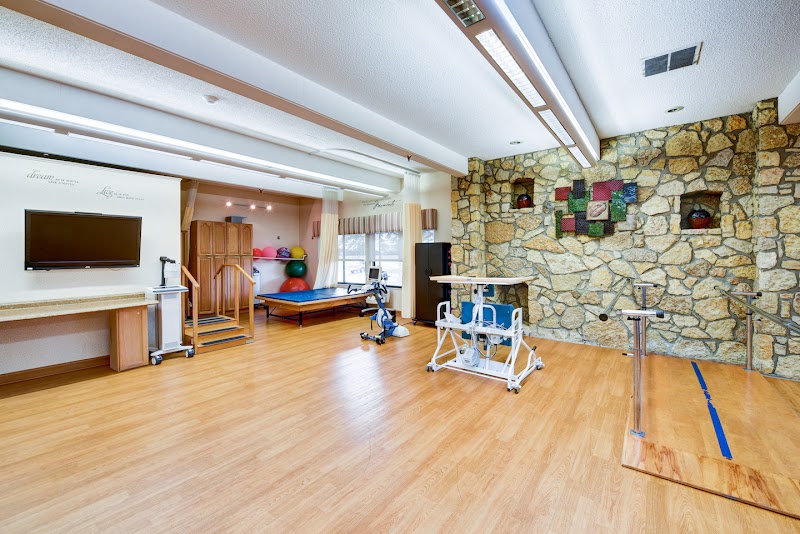
How is Majestic Care Of Perrysburg Staffed?

CMS rates MAJESTIC CARE OF PERRYSBURG's staffing level at 1 out of 5 stars, which is much below average compared to other nursing homes. Staff turnover is 62%, which is 15 percentage points above the Ohio average of 46%. High turnover can affect care consistency as new staff learn residents' individual needs.

What Have Inspectors Found at Majestic Care Of Perrysburg?

State health inspectors documented 64 deficiencies at MAJESTIC CARE OF PERRYSBURG during 2019 to 2025. These included: 2 that caused actual resident harm and 62 with potential for harm. Deficiencies causing actual harm indicate documented cases where residents experienced negative health consequences.
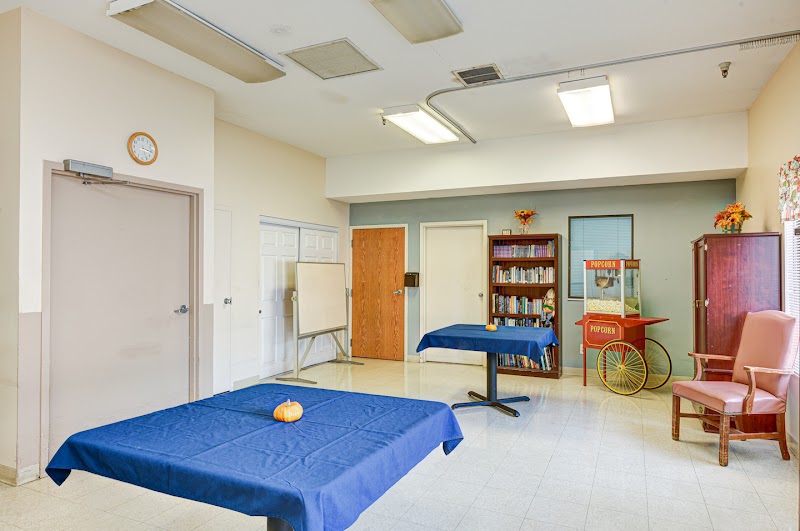
Who Owns and Operates Majestic Care Of Perrysburg?

MAJESTIC CARE OF PERRYSBURG is owned by a for-profit company. For-profit facilities operate as businesses with obligations to shareholders or private owners. The facility is operated by CERTUS HEALTHCARE, a chain that manages multiple nursing homes. With 75 certified beds and approximately 51 residents (about 68% occupancy), it is a smaller facility located in PERRYSBURG, Ohio.
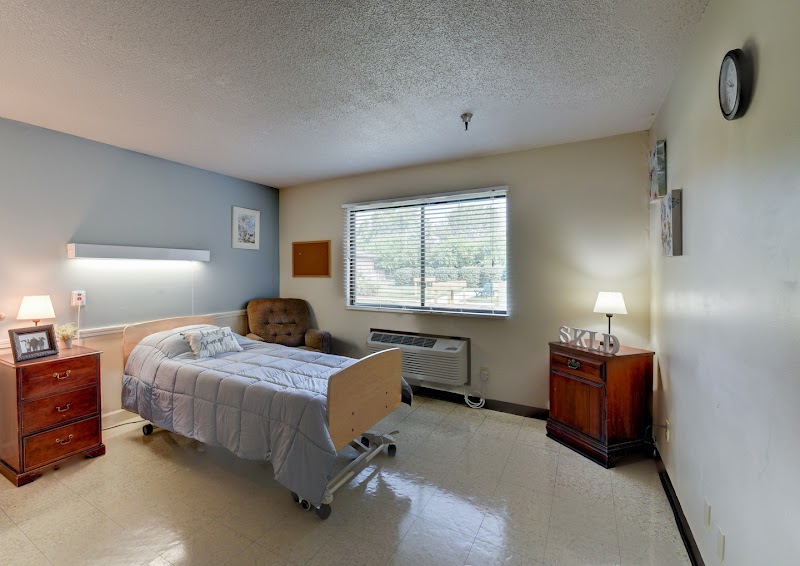
How Does Majestic Care Of Perrysburg Compare to Other Ohio Nursing Homes?

Compared to the 100 nursing homes in Ohio, MAJESTIC CARE OF PERRYSBURG's overall rating (2 stars) is below the state average of 3.2, staff turnover (62%) is significantly higher than the state average of 46%, and health inspection rating (1 stars) is much below the national benchmark.

What Should Families Ask When Visiting Majestic Care Of Perrysburg?

Based on this facility's data, families visiting should ask: "How do you ensure continuity of care given staff turnover, and what is your staff retention strategy?" "Can you walk me through typical staffing levels on day, evening, and night shifts?" "Can I visit during a mealtime to observe dining assistance and food quality?" "How do you handle medical emergencies, and what is your hospital transfer rate?" These questions are particularly relevant given the facility's high staff turnover rate and the below-average staffing rating.

Is Majestic Care Of Perrysburg Safe?

Based on CMS inspection data, MAJESTIC CARE OF PERRYSBURG has a clean safety record: no substantiated abuse findings (meaning no confirmed cases of resident harm), no Immediate Jeopardy citations (the most serious violation level indicating risk of serious injury or death), and is not on the Special Focus Facility watch list (a federal program monitoring the lowest-performing 1% of nursing homes). The facility has a 2-star overall rating and ranks #100 of 100 nursing homes in Ohio. While no facility is perfect, families should still ask about staff-to-resident ratios and recent inspection results during their visit.

Do Nurses at Majestic Care Of Perrysburg Stick Around?

Staff turnover at MAJESTIC CARE OF PERRYSBURG is high. At 62%, the facility is 15 percentage points above the Ohio average of 46%. High turnover means new staff may not know residents' individual needs, medications, or preferences. It can also be disorienting for residents, especially those with dementia who rely on familiar faces. Families should ask: What is causing the turnover? What retention programs are in place? How do you ensure care continuity during staff transitions?

Was Majestic Care Of Perrysburg Ever Fined?

MAJESTIC CARE OF PERRYSBURG has been fined $48,458 across 1 penalty action. The Ohio average is $33,563. While any fine indicates a compliance issue, fines under $50,000 are relatively common and typically reflect isolated problems that were subsequently corrected. Families should ask what specific issues led to these fines and confirm they've been resolved.

Is Majestic Care Of Perrysburg on Any Federal Watch List?

MAJESTIC CARE OF PERRYSBURG is not on any federal watch list. The most significant is the Special Focus Facility (SFF) program, which identifies the bottom 1% of nursing homes nationally based on persistent, serious quality problems. Not being on this list means the facility has avoided the pattern of deficiencies that triggers enhanced federal oversight. This is a positive indicator, though families should still review the facility's inspection history directly.