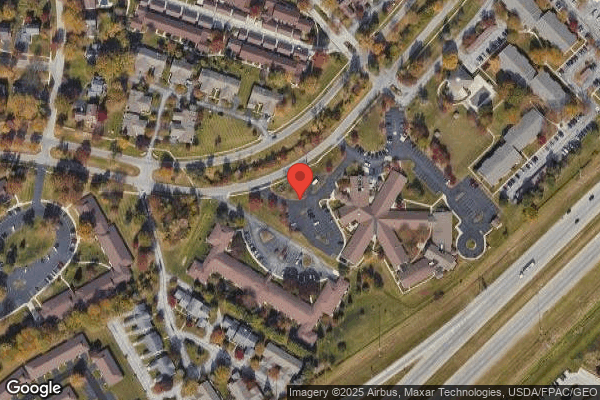
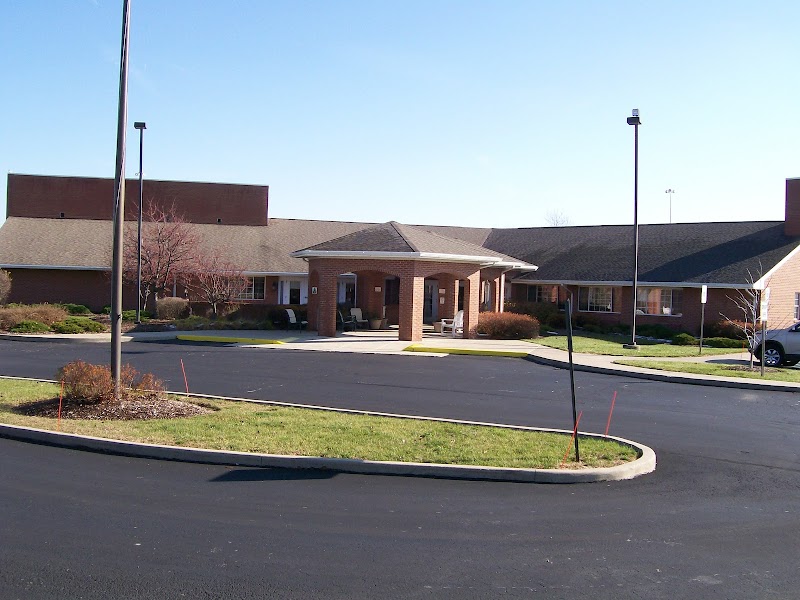
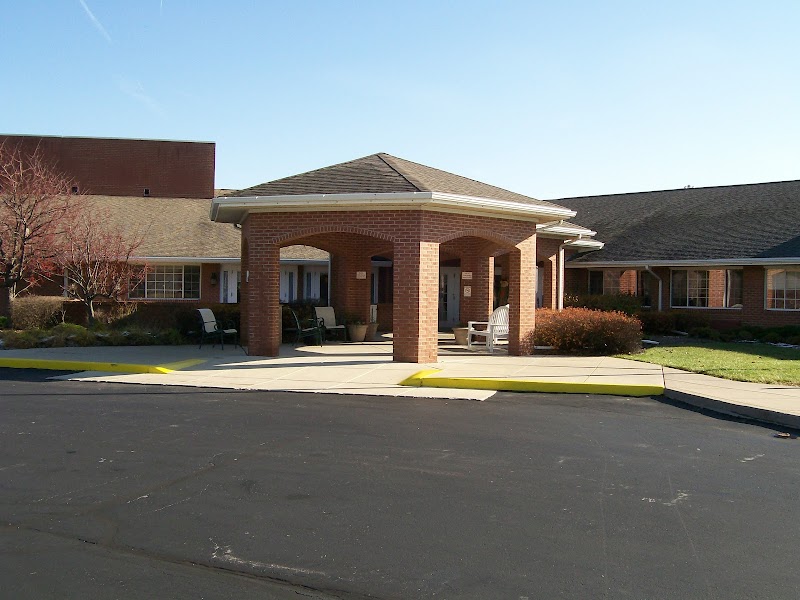
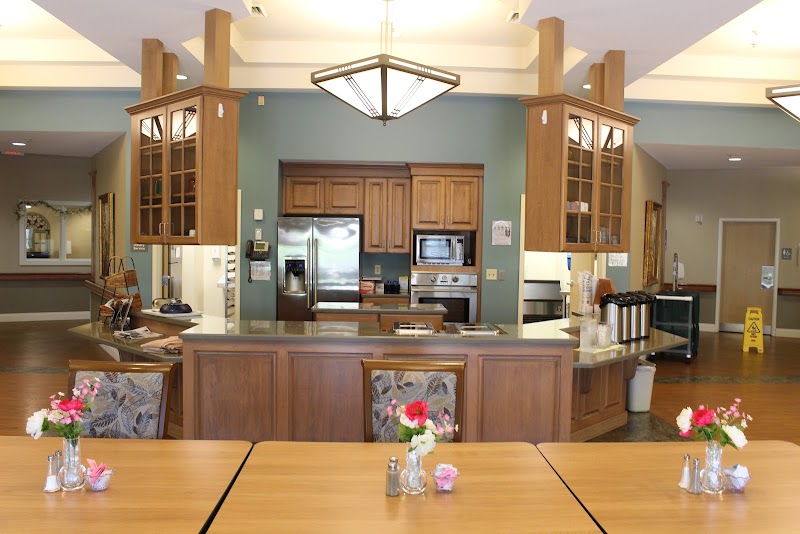
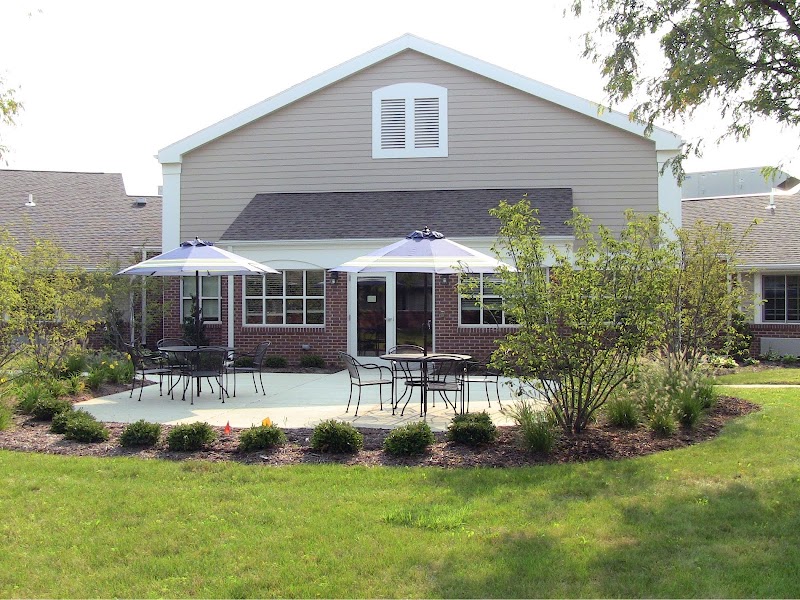
MANOR AT PERRYSBURG

250 MANOR DRIVE, PERRYSBURG, OH 43551 (419) 874-0306
For profit - Corporation 116 Beds HCF MANAGEMENT Data: November 2025
Trust Grade
50/100
#727 of 913 in OH
Last Inspection: November 2023

Within standard 12-15 month inspection cycle. Federal law requires annual inspections.

Overview

The Manor at Perrysburg has a Trust Grade of C, which means it is average and falls in the middle of the pack compared to other facilities. It ranks #727 out of 913 nursing homes in Ohio, placing it in the bottom half of the state, and #9 out of 11 in Wood County, indicating that there are only a couple of local options that are better. The facility's condition is worsening, with the number of issues increasing from 4 in 2024 to 9 in 2025. Staffing is a relative strength, with a 3/5 rating and a turnover rate of 46%, slightly below the state average, suggesting some staff stability. Although there have been no fines, which is a positive sign, there are concerning incidents, including failures to maintain safe laundry equipment, improper medication administration, and lapses in hand hygiene during meal services, all of which could affect residents' safety and well-being.

Trust Score
C
50/100
In Ohio
#727/913
Bottom 21%
Safety Record
Low Risk
No red flags
Inspections
Getting Worse
4 → 9 violations
Staff Stability
⚠ Watch
46% turnover. Above average. Higher turnover means staff may not know residents' routines.
Penalties
✓ Good
No fines on record. Clean compliance history, better than most Ohio facilities.
Skilled Nurses
✓ Good
Each resident gets 45 minutes of Registered Nurse (RN) attention daily — more than average for Ohio. RNs are trained to catch health problems early.
Violations
⚠ Watch
39 deficiencies on record. Higher than average. Multiple issues found across inspections.
★★☆☆☆
2.0
Overall Rating
★★★☆☆
3.0
Staff Levels
★★★★☆
4.0
Care Quality
★★☆☆☆
2.0
Inspection Score
Stable
2024: 4 issues
2025: 9 issues

The Good

  • 4-Star Quality Measures · Strong clinical quality outcomes
  • Full Sprinkler Coverage · Fire safety systems throughout facility
  • No fines on record

Facility shows strength in quality measures, fire safety.

The Bad

2-Star Overall Rating

Below Ohio average (3.2)

Below average - review inspection findings carefully

Staff Turnover: 46%

Near Ohio avg (46%)

Higher turnover may affect care consistency

Chain: HCF MANAGEMENT

Part of a multi-facility chain

Ask about local staffing decisions and management

The Ugly 39 deficiencies on record

Aug 2025 1 deficiency
CONCERN (D) 📢 Someone Reported This

A family member, employee, or ombudsman was alarmed enough to file a formal complaint

Potential for Harm - no one hurt, but risky conditions existed

Accident Prevention (Tag F0689)

Could have caused harm · This affected 1 resident

**NOTE- TERMS IN BRACKETS HAVE BEEN EDITED TO PROTECT CONFIDENTIALITY** Based on observation, staff interview, record review, and policy review, the facility failed to ensure post-fall assessments wer...

Read full inspector narrative →
**NOTE- TERMS IN BRACKETS HAVE BEEN EDITED TO PROTECT CONFIDENTIALITY** Based on observation, staff interview, record review, and policy review, the facility failed to ensure post-fall assessments were completed, including neurological assessments. This affected two (#30 and #78) of four residents reviewed for falls. Additionally, the facility failed to ensure fall prevention measures were in place for one (#12) of four residents reviewed for falls. The facility census was 96.Findings Include:1. Review of the medical record for Former Resident #53 revealed an admission date of 05/19/25 with diagnoses of type 1 diabetes mellitus, kidney transplant failure, and dependence on renal dialysis. Resident #53 discharged home with family on 08/08/25. Review of the 5-day Minimum Data Set (MDS) assessment, dated 07/31/25, revealed Resident #53 had intact cognition, had an impairment on one side of her lower extremity, and required partial/moderate assistance for toileting, bathing, dressing, bed mobility, sit-to-standing, and transfers. Further review revealed Resident #53 had one fall without injury since admission. Review of the incident log dated 05/18/25 through 08/18/25 revealed Resident #53 fell on [DATE], 06/25/25, and 07/30/25. Review of the facility investigations for the falls dated 06/22/25, 06/25/25, and 07/30/25 revealed the falls were unwitnessed. Resident #53 was assessed to have no injuries as a result of the falls. Further review of the record revealed no neurological assessments were completed after the falls on 06/22/25, 06/25/25 and 07/30/25. Additionally, the facility failed to complete post-fall assessments after the fall on 07/30/25. 2. Review of the medical record for Resident #68 revealed an admission date of 09/20/19 with diagnoses of Alzheimer's disease, chronic obstructive pulmonary disease, and depression. Review of the comprehensive annual MDS assessment, dated 07/02/25, revealed Resident #68 had intact cognition and required staff assistance for transfers. Further review revealed Resident #68 had one fall without injury since the previous assessment. Review of the incident log dated 05/18/25 through 08/18/25 revealed Resident #68 fell on [DATE] and 07/31/25. Review of the facility investigations for the falls dated 06/09/25 and 07/31/25 revealed the falls were unwitnessed. Resident #68 was assessed to have no injuries as a result of the falls. Further review of the record revealed no neurological assessments were completed after the falls on 06/09/25 and 07/31/25. Additionally, the facility failed to complete post-fall assessments after the fall on 07/31/25. Interview on 08/21/25 a 11:23 A.M. with Regional Director of Clinical Services (RDCS) #550 confirmed the facility protocol was to complete neurological assessments after unwitnessed falls. Interview on 08/21/25 at 1:52 P.M. with RDCS #550 confirmed no neurological assessments were completed after Resident #53’s falls on 06/22/25, 06/25/25, and 07/30/25. Further, RDCS #550 confirmed no neurological assessments were completed for Resident #68’s falls on 06/09/25 and 07/31/25. Interview on 08/21/25 at 2:42 P.M. with the Director of Nursing (DON) confirmed no post-fall assessments were completed for Resident #53’s fall on 07/30/25 or for Resident #68’s fall on 07/31/25. Review of the policy, “Head Injury Routine,” revised 03/2001, revealed no guidance regarding performing neurological assessments after an unwitnessed fall. Review of the policy, “Fall Reduction Policy,” revised 04/2016, revealed when a resident experienced a fall, follow-up documentation will be done each shift for a minimum of three days or longer if needed. This deficiency represents non-compliance investigated under Complaint Number 2579614. 3.Review of medical record for Resident #12 revealed an admission date of 02/28/25 with diagnoses including but not limited to Alzheimer’s disease, dementia with mood disturbance, hallucinations, major depressive disorder, and hypertension. Review of care plan dated 06/25/25 revealed the resident is at risk for falls related to potential adverse effects from prescribed medications and diagnosis of Alzheimer’s/dementia negatively impacting safety awareness. Interventions included encourage non-skid footwear, encourage to use walker, keep bed in lowest position, keep call light in reach, keep frequently used items in reach, encourage resident to wear non-skid socks at all times when shoes are not on, and keep room free from clutter. Review of fall investigation dated 04/16/25 at 3:15 A.M. revealed the staff heard the resident calling out for help. Resident #12 was observed sitting on the floor with back leaning against the bed with legs extended out in front of her. No non-skid footwear was on. The resident stated she slid off of the bed. Resident #12 was assessed with no injuries noted. New intervention was to encourage staff to apply non-skid socks at all times when shoes were not on. Review of fall investigation dated 07/12/25 at 10:35 P.M. revealed the resident was lying on her back on the bathroom floor with legs extended out in front of her with knees slightly flexed. The resident did not have her walker with her. Resident #12 was reoriented to walker and use for safety. Resident did not have shoes on. Non-skid socks were put on her feet and the resident was assessed with no injuries noted. New intervention was to place a reminder sign to use her walker. Interview on 08/20/25 at 2:36 P.M. with Regional Clinical Nurse (RCN #550) verified the resident did not have non-skid socks on when she had the fall on 07/12/25 which was the intervention put into place for the fall on 04/16/25. RCN #550 verified there was no documentation to support whether the resident was compliant with keeping the non-skid socks on.
May 2025 1 deficiency
CONCERN (D) 📢 Someone Reported This

A family member, employee, or ombudsman was alarmed enough to file a formal complaint

Potential for Harm - no one hurt, but risky conditions existed

Deficiency F0628 (Tag F0628)

Could have caused harm · This affected 1 resident

Based on review of facility electronic medical record (EMR), review of external provider documents, staff interview, interview with external provider staff, and policy review, the facility failed to e...

Read full inspector narrative →
Based on review of facility electronic medical record (EMR), review of external provider documents, staff interview, interview with external provider staff, and policy review, the facility failed to ensure a resident timely received medications upon discharge. Additionally, the facility failed to ensure timely notification of Social Security (SS) of discharge. This affected one (#110) of three residents (#110, #112, and #114) reviewed for discharge rights. Findings include: 1. Review of the EMR for Resident #110 revealed an admission date of 07/25/24 and a discharge date of 03/12/25 with diagnoses including frontotemporal neurocognitive disorder, type two diabetes mellitus (DM2), Vitamin D deficiency, hyperlipidemia, frontal lobe and executive dysfunction, retention of urine, dementia in other diseases classified elsewhere, gastroesophageal reflux disease (GERD), constipation, atrial fibrillation (a. fib), hereditary and idiopathic neuropathy, hypertension (HTN), and multiple myeloma not having received remission. Review of the most recent State Minimum Data Set (MDS) Assessment for Resident #110, dated 03/11/25, revealed a Brief Interview of Mental Status (BIMS) score of 15, indicating Resident #110 was relatively cognitively intact. Review of the EMR for Resident #110 revealed a discharge date of 03/12/25 to his personal home. a. Review of the Interdisciplinary Discharge Summary and Plan of Care (DC POC) revealed Resident #110 was discharged on 03/12/25 with a three-day supply of medication and prescriptions (Rx) were called to the external pharmacy by RSC #320 on 03/13/25. Prescriptions included with the DC POC included Eliquis Oral Tablet 5 mg (milligram), give 1 tablet by mouth two times a day for anticoagulant, a-fib related to essential hypertension; Cardizem CD Capsule Extended Release 24 Hour 120 mg , give 1 capsule by mouth one time a day for a-fib; Ropinirole Hydrochloride 1 mg, give 1 tablet by mouth one time a day for restless legs at HS (bedtime); Atorvastatin Calcium Tablet 10 mg (Atorvastatin Calcium), give 1 tablet by mouth one time a day for cholesterol related to hyperlipidemia; Lisinopril Oral Tablet 5 mg, give 1 tablet by mouth one time a day for heart related to hypertension; Isosorbide Mononitrate ER Tablet Extended Release 24 hour 30 mg, give 1 tablet by mouth one time a day for hypertension related to essential hypertension; Acyclovir Oral Tablet (Acyclovir), give 400 mg by mouth one time a day for prevention of herpes zoster secondary to above diagnosis related to multiple myeloma; Dutasteride Oral Capsule 0.5 mg, give 1 capsule by mouth one time a day related to urinary retention; Flomax Capsule 0.4 mg, give 1 capsule by mouth one time a day related urinary retention; Lyrica Oral Capsule 75 mg, give 1 capsule by mouth three times a day for neuropathy related to neuropathy; Cholecalciferol Tablet 1000 unit, give 1 tablet by mouth one time a day for Vitamin D3 deficiency; Artificial Tears Ophthalmic Solution 1-0.3% (Propylene Glycol-Glycerin), instill 1 drop in both eyes every 12 hours as needed for dry eyes; and Trulicity Subcutaneous Solution Pen-injector 0.75 mg/mL (milliliter), inject 1 dose subcutaneously one time a day every Fri (Friday) for Diabetes Mellitus. Review of external pharmacy records for Resident #110 revealed prescriptions for his discharge medications were not sent from the facility to the external pharmacy until 03/20/25. The following medications were sent to the pharmacy on 03/20/25: Eliquis 5 mg (milligrams), take 1 tablet by mouth twice daily for anticoagulant; Diltiazem ER 120 mg, take 1 tablet by mouth daily at bedtime for restless legs; Ropinirole HCL 1 mg, take 1 tablet by mouth daily at bedtime for restless legs; Atorvastatin 10 mg, take 1 tablet by mouth for hyperlipidemia; Lisinopril 5 mg, take 1 tablet by mouth daily; Isosorbide Mono ER 30 mg, take 1 tablet by mouth daily for hypertension; Acyclovir 400 mg, take 1 tablet by mouth daily; Dutasteride 0.5 mg, take 1 capsule by mouth daily for retention of urine; and Tamulosin HCL 0.4 mg, take 1 capsule by mouth daily for retention of urine. Interview on 04/28/25 at 12:57 P.M., with Resident Services Coordinator (RSC) #320 verified Resident #110 was discharged on 03/12/25 and revealed he was discharged with a three-day supply of medication. Interview on 04/28/25 at 1:56 P.M., with Certified Pharmacy Technician (CPT) #315 revealed the facility did not send prescriptions for Resident #110's medications until 03/20/25. CPT #315 stated the external pharmacy received the prescriptions electronically, filled, and delivered all ordered medications on 03/20/25. Further interview with CPT #315 revealed the external pharmacy had received no prescriptions for Resident #110 from the facility prior to 03/20/25. Interview on 04/28/25 at 3:23 P.M., with RSC #320 revealed she believed she sent Resident #110's discharge prescriptions via facsimile (fax) to the external pharmacy on 03/12/25 and did not call them in via telephone as stated on the DC POC. Interview on 04/28/25 at 4:24 P.M., with RSC #320 revealed she had no confirmation of sending Resident #110's discharge prescriptions via fax to the external pharmacy on 03/12/25. Interview on 05/14/25 at 11:29 A.M., with Resident #110's son revealed the facility discussed contacting Mobile Meals during the discharge conference with Resident #110 and his son, but Resident #110 refused. Resident #110 stated that he did not want that service as prior to his admission, he had Mobile Meals, and they discovered Resident #110 with altered mental status (AMS) and called 911. Concurrent interview with Resident #110's son revealed that the delay in receiving his medication did not cause any physical or psychosocial harm from the delay in receiving his medications. Further interview with Resident #110's son revealed Resident #110 wanted to be discharged from the facility and return to the home he was residing in prior to his admission to the facility. Further interview with Resident 110's son revealed Resident #110 has always had food available in his home since his discharge from the facility. Review of the facility policy titled, Discharge Summary, dated 11/02/16, revealed when the facility anticipates discharging a resident must have a discharge summary that includes reconciliation of all pre-discharge medications, with the resident's post-discharge medications (both prescription and over the counter). b. Interview on 04/28/25 at 3:36 P.M., with the Business Office Manager (BOM) #1 verified Resident #110 was discharged from the facility on 03/12/25 and she did not notify SS that Resident #110 discharged until 03/25/25. BOM #1 stated she was unable to send notification to SS as the fax machine was broken and the Administrator was on vacation, and she does not have access to the S-fax (a fax sent through the computer not a traditional fax machine). Further interview with the BOM #1 revealed she does not believe that this 13-day timeframe is timely notification of SS of Resident #110's discharge. Interview on 05/14/25 at 10:47 A.M., with Administrator revealed the facility has three free-standing fax machines located at various points. Interview on 05/14/25 at 12:37 P.M., with the BOM #1 revealed the facility does not have a written policy regarding the timely notification of SS of a resident discharge. BOM #1 stated that prior to 04/28/25, she was directed by her regional manager that she had 30 days to notify SS of a resident discharge. BOM #1 further stated that on or after 04/28/25, she was given direction by the facilities corporate office that SS was to be notified within three days of a resident's discharge from the facility. This deficiency represents non-compliance investigated under Complaint Number OH00164542.
Mar 2025 4 deficiencies
CONCERN (D) 📢 Someone Reported This

A family member, employee, or ombudsman was alarmed enough to file a formal complaint

Potential for Harm - no one hurt, but risky conditions existed

Tube Feeding (Tag F0693)

Could have caused harm · This affected 1 resident

**NOTE- TERMS IN BRACKETS HAVE BEEN EDITED TO PROTECT CONFIDENTIALITY** Based on observation, review of the facility policy, and staff interview, the facility failed to ensure medications were adminis...

Read full inspector narrative →
**NOTE- TERMS IN BRACKETS HAVE BEEN EDITED TO PROTECT CONFIDENTIALITY** Based on observation, review of the facility policy, and staff interview, the facility failed to ensure medications were administered via feeding tube per physician orders. This affected one resident (#15) out of 6 residents reviewed for medications. The census was 95. Findings include: Record review for Resident #15 revealed the resident was admitted to the facility on [DATE]. Diagnoses for Resident #15 include sick sinus syndrome, traumatic brain injury, dysphagia, and dementia. Review of Resident #15's Minimum Data Set (MDS) comprehensive assessment dated [DATE] revealed the resident had impaired cognition and was receiving nutrition through a feeding tube. Review of Resident #15's care plans dated 02/19/25 revealed a focus for alteration in gastro-intestinal status related to Percutaneous Endoscopic Gastronomy (PEG) tube for tube feeding and nothing per mouth due to dysphagia. Interventions include administering medications per order. Further review of the care plans dated 03/16/25 revealed a focus for nutrition and hydration relating to the PEG tube. Interventions include dietician to monitor and make diet changes as needed. Review of Resident #15's physician orders dating from 02/19/25 to 03/26/25 revealed the resident was ordered to receive Clopidogrel 75 milligrams (mg) by mouth, Enalapril Maleate 20 mg by mouth, Ferrous Sulfate 7.4 milliliters (ml) by mouth, Flomax 0.4 mg capsule by mouth, hydrochlorothiazide 12.5 mg by mouth, Vitamin D3 250 micrograms (mcg), Apixaban 5 mg, Metoprolol 25 mg by mouth, and Gabapentin 8 ml by mouth. Further review of Resident #15's physician orders revealed on 03/25/25 at 3:52 P.M. the resident's diet and medication orders were advanced to medications to be crushed in applesauce or pudding, upright for meals, no cream or wheat or coffee. 1500 ml fluid restriction document total intake of eternal. Observation on 03/25/25 at 9:59 A.M. Licensed Practical Nurse (LPN) #100 was observed preparing medications for Resident #15's morning administration. LPN #100 was observed preparing the Clopidogrel, Enalapril Maleate, Flomax, hydrochlorothiazide, Vitamin D3, Apixaban, and Metoprolol tablets and crushed them and placing the crushed pills in a medication cup, no applesauce or pudding was added. LPN #100 was observed pouring the Gabapentin and Ferrous Sulfate liquids into a medication cup. During the observation LPN #100 entered the resident's room and told Resident #15 she had his medications for his PEG tube. Resident #15 stated he has been eating recently and taking fluids by mouth. LPN #100 stated she knew his tube feedings were discontinued and stated 'I am so glad you can eat and swallow again'. Resident #15 asked about his medications and LPN #100 stated she planned to administer them through his PEG tube. During the observation LPN #100 was observed preparing the tube for the administration. LPN #100 washed her hands, retrieved a large syringe with no plunger, and retrieved a container of water in the bathroom. LPN #100 assessed the tube site by looking at the insertion site. LPN #100 began the administration of the medications by pouring the crushed pills into the tube without adding any water to the medication cup. The surveyor observed the tube becoming clogged with crushed pills. LPN #100 was observed taking the syringe with the crushed medications out of the PEG tube and shaking the pills into the container of water. LPN #100 was observed pouring the container of water into the PEG tube. LPN #100 was observed pouring the fluid medications into the tube and then pouring more of the water with the medications down the tube. Interview during the observation with LPN #100 verified she did not pour water into the crushed pill medication prior to administering them to the PEG tube which caused the tube to clog. LPN #100 stated she also pour the crushed medications into the water container which she intended to flush the tube after medication administration. LPN #100 stated she did review the physician orders prior to the medication administration and thought the resident did not have any tube flushes ordered and was unsure if he had any fluid restrictions. Interview and review of medication orders on 03/26/25 at 2:00 P.M. with the Director of Nursing (DON) verified there was an order on 03/25/26 to change the route of medication administration to oral instead of PEG tube in Resident #15's records. DON stated it was facility procedure to flush water through the PEG tube prior to administering crushed medications, crushed medications were to have water added prior to being poured into the tube, and the nurse should have reviewed the orders for route administration prior to giving the medications via the PEG tube. DON stated she was discussing Resident #15's condition with the primary physician and was awaiting the physician's guidance. Interview on 03/26/25 at 4:00 P.M. the DON produced a written signed physician order dated 03/26/25 for Resident #15's medications to be changed back to PEG tube administration. Review of the facility policy titled, 'Medication Administration,' dated 03/20/18 revealed if a resident is tube-fed medications are to be crushed finely and administered as to not clog the tube. Medications are to be administered in accordance with the physician's order. Medications are to be administered without unnecessary interruptions and are to be administered at the time they are prepared. This deficiency represents non-compliance investigated under Complaint Number OH00163556.
CONCERN (D) 📢 Someone Reported This

A family member, employee, or ombudsman was alarmed enough to file a formal complaint

Potential for Harm - no one hurt, but risky conditions existed

Deficiency F0726 (Tag F0726)

Could have caused harm · This affected 1 resident

**NOTE- TERMS IN BRACKETS HAVE BEEN EDITED TO PROTECT CONFIDENTIALITY** Based on observation, record review, review of the facility policies, and staff interview, the facility failed to ensure all nur...

Read full inspector narrative →
**NOTE- TERMS IN BRACKETS HAVE BEEN EDITED TO PROTECT CONFIDENTIALITY** Based on observation, record review, review of the facility policies, and staff interview, the facility failed to ensure all nursing care was provided in accordance with standards and practices. This affected three residents (#15, #16, and #18) of three residents observed for medication administration. The current census was 95. Findings include: 1. Record review for Resident #15 revealed the resident was admitted to the facility on [DATE]. Diagnoses for Resident #15 include sick sinus syndrome, traumatic brain injury, dysphagia, and dementia. Review of Resident #15's Minimum Data Set, (MDS) comprehensive assessment dated [DATE] revealed the resident had impaired cognition and was receiving nutrition through a feeding tube. Review of Resident #15's care plans dated 02/19/25 revealed a focus for alteration in gastro-intestinal status related to Percutaneous Endoscopic Gastronomy (PEG) tube for tube feeding and nothing per mouth due to dysphagia. Interventions include administering medications per order. Further review of the care plans dated 03/16/25 revealed a focus for nutrition and hydration relating to the PEG tube. Interventions include dietician to monitor and make diet changes as needed. Review of Resident #15's physician prescribed medication orders dating from 02/19/25 to 03/26/25 revealed the resident was ordered to receive Clopidogrel 75 milligrams (mg) by mouth, Enalapril Maleate 20 mg by mouth, Ferrous Sulfate 7.4 milliliters (ml) by mouth, Flomax 0.4 mg capsule by mouth, hydrochlorothiazide 12.5 mg by mouth, Vitamin D3 250 micrograms (mcg), Apixaban 5 mg, Metoprolol 25 mg by mouth, and Gabapentin 8 ml by mouth. Further review of Resident #15's physician orders revealed on 03/25/25 at 3:52 P.M. the resident's diet and medication orders were advanced to medications to be crushed in applesauce or pudding, upright for meals, no cream or wheat or coffee. 1500 ml fluid restriction document total intake of eternal. Observation on 03/25/25 at 9:59 A.M. Licensed Practical Nurse (LPN) #100 was observed preparing medications for Resident #15's morning administration. LPN #100 was observed preparing the Clopidogrel, Enalapril Maleate, Flomax, hydrochlorothiazide, Vitamin D3, Apixaban, and Metoprolol tablets and crushed them and placing the crushed pills in a medication cup, no applesauce or pudding was added. LPN #100 was observed pouring the Gabapentin and Ferrous Sulfate liquids into a medication cup. During the observation LPN #100 entered the resident's room and told Resident #15 she had his medications for his PEG tube. Resident #15 stated he has been eating recently and taking fluids by mouth. LPN #100 stated she knew his tube feedings were discontinued and stated 'I am so glad you can eat and swallow again'. Resident #15 asked about his medications and LPN #100 stated she planned to administer them through his PEG tube. During the observation LPN #100 was observed preparing the tube for the administration. LPN #100 washed her hands, retrieved a large syringe with no plunger, and retrieved a container of water in the bathroom. LPN #100 assessed the tube site by looking at the insertion site. LPN #100 began the administration of the medications by pouring the crushed pills into the tube without adding any water to the medication cup. The surveyor observed the tube becoming clogged with crushed pills. LPN #100 was observed taking the syringe with the crushed medications out of the PEG tube and shaking the pills into the container of water. LPN #100 was observed pouring the container of water into the PEG tube. LPN #100 was observed pouring the fluid medications into the tube and then pouring more of the water with the medications down the tube. Interview during the observation with LPN #100 verified she did not pour water into the crushed pill medication prior to administering them to the PEG tube which cause the tube to clog. LPN #100 stated she also pour the crushed medications into the water container which she intended to flush the tube after medication administration. LPN #100 stated she did review the physician orders prior to the medication administration and thought the resident did not have any tube flushes ordered and was unsure if he had any fluid restrictions. Interview and review of medications orders on 03/26/25 at 2:00 P.M. with the Director of Nursing (DON) verified there was an order on 03/25/26 to change the route of medication administration to oral instead of PEG tube in Resident #15's records. DON stated it was facility procedure to flush water through the PEG tube prior to administering crushed medications, crushed medications were to have water added prior to being poured into the tube, and the nurse should have reviewed the orders for route administration prior to giving the medications via the PEG tube. DON stated she was discussing Resident #15's condition with the primary physician and was awaiting the physician's guidance. Interview on 03/26/25 at 4:00 P.M. the DON produced a written signed physician order dated 03/26/25 for Resident #15's medications to be changed back to PEG tube administration. 2. Record review for Resident #16 revealed the resident was admitted to the facility on [DATE]. Diagnoses for Resident #16 include atrial fibrillation, heart failure, depression and anxiety. Review of the comprehensive MDS assessment for Resident #16 revealed the resident had intact cognition. Review of Resident #16's physician prescribed medications dated from 02/16/25 to 03/26/25 revealed the resident was to receive Amiodarone 200 mg, Biotin 1 mg, Cholecalciferol 2000 units, Metoprolol 60 mg, Miralax 17 grams, multi-vitamin tablet, Omeprazole 20 mg, Sertraline 100 mg, Wellbutrin 300 mg, Zinc 50 mg, Colace 100 mg, Eliquis 5 mg, and Gabapentin 300 mg. Observation on 03/26/25 from 9:15 A.M. to 9:30 A.M. LPN #100 was observed at the medication cart preparing Resident #15, Resident #16, and Resident #18's medications at the same time. LPN #100 verified multiple times she prepares more than one resident's medications during her medication pass. LPN #100 was observed reviewing the medication orders for Resident #16 and stated she would administer each resident's medications separately. LPN #100 was observed preparing the Amiodarone, Biotin, Cholecalciferol, Metoprolol, MiraLAX, Multi-Vitamin, Omeprazole, Sertraline, Wellbutrin, Zinc, Colace, Eliquis, and Gabapentin medications for Resident #16. During the same observation, LPN #100 was observed taking two medication cups, one with pills and one with liquids and placing them into the top drawer of the medication cart. LPN #100 stated those medications were for Resident #15 and she would have to prepare them for his tube so she couldn't bring those medications cups into the room. LPN #100 was observed taking three medication cups with pills and one eight ounce cup with MiraLAX 17 grams added to water, one eight ounce cup of water with glycol powder added, one insulin flex-pen and an alcohol swab with a pair of gloves into Resident #16's room. LPN #100 stated she had Resident #18's medications in her left hand and Resident #16's medications in her right hand so she did not confuse them. LPN #100 verified with the surveyor this is her usual procedure for medication administration. LPN #100 was observed giving Resident #16 her medications with the medications for Resident #18 on her left hand. Interview on 03/26/25 at 10:00 A.M. with LPN #100 verified she had taken another resident's medications into Resident #16's rooms during her medication. LPN #100 stated her usual duties were on nightshift and she passes medications as a charge nurse to all residents in the facility during her shifts. 3. Record review for Resident #18 revealed the resident was admitted to the facility on [DATE]. Diagnoses for Resident #18 include diabetes type two, chronic obstructive pulmonary disease, and obesity. Review of Resident #18's comprehensive MDS assessment dated [DATE] revealed the resident had intact cognition and was receiving insulin injections. Review of Resident #18's care plans dated 09/21/23 revealed a focus for diabetes mellitus. Interventions include checking blood glucose per physician order and to administer medications per order. Review of Resident #18's physician ordered medications dating from 09/30/23 to 03/25/25 revealed the resident was ordered to receive Amiodarone 200 mg, Bumetanide 2 mg, Cholecalciferol 1000 units, Ferrous Sulfate 325 mg, folic acid 1 mg, Januvia 100 mg, Jardiance 10 mg, Lisinopril 5 mg, oyster shell vitamin D 1 tab, glycol powder 17 grams, Trintellix 10 mg, Docusate 100 mg, Eliquis 5 mg, magnesium oxide 400 mg, Insulin Aspart Flex-Pen insulin on a sliding scale, and Metoprolol 100 mg. Review of Resident #18's Medication Administration Record (MAR) dated 03/2025 revealed LPN #100 documented the resident's blood glucose was 216 for the Insulin Aspart medication on 03/26/25 morning dose. Observation on 03/26/25 from 9:15 A.M. to 9:30 A.M. of LPN #100 revealed the nurse was observed preparing Resident #18's medications in a medication cup. The nurse prepared the Amiodarone, Bumetanide, Cholecalciferol, Ferrous sulfate, folic acid, Januvia, Jardiance, Lisinopril, oyster shell, Trintellix, Docusate, Eliquis, magnesium oxide, and Metoprolol pills into the cup and pouring the glycol powder into the 8-ounce water cup. LPN #100 stated Resident #18 had continuous blood glucose monitor and the resident will monitor the current blood glucose, and the nurse will know how much insulin to give her per the scale. Further observations revealed after LPN #100 entered Resident #16's room and administered the resident's medications she held Resident #18's medications in her left hand. LPN #100 was observed entering Resident #18's room and giving her the eight ounce cup and the medication cup with pills. LPN #100 asked the resident what her blood glucose was, and the resident took her phone and showed her blood glucose reading was 228. LPN #100 was observed washing her hands in the bathroom, applying gloves, swabbing the resident upper right bicep area, taking the insulin Flex-pen and drawing up 2 units, pushing the plunger, and then drawing up 4 units. LPN #100 stated the resident's sliding scale required 4 units for a blood glucose of 228. LPN #100 was observed placing the Flex-pen on Resident #18's upper bicep and pushing the plunger quickly and removing the pen from the resident. The surveyor asked if the nurse had held the pen and stated the injection went quickly. LPN #100 stated that's how she always gives injections, 'I'm very fast'. Interview on 03/26/25 at 2:00 P.M. with the DON and Regional Director of Nursing (RDON) revealed it was the facility's practice to only prepare one resident's medications at a time, to not enter a room with another resident's medications, and to hold the Flex-pen injections for insulin for a full 10 seconds per manufacturer's guidelines. DON verified LPN #100's medication administrations observed were not facility practice. Interview on 03/26/25 at 4:00 P.M. the DON verified LPN #100 documented in Resident #18's MAR dated 03/26/25 for the morning dose of the Insulin Aspart the resident's blood glucose as being 216, not 228 per the observation. The DON verified LPN #100 was a charge nurse for nightshift and the nurse administers medications to all of the residents in the facility. Review of the facility's policy titled, 'Insulin Pen Administration,' dated 08/31/16 revealed after the dose of the insulin is dialed into the pen the nurse shall leave the needle in the skin and hold for a count of at least 10 seconds. Review of the facility policy titled, 'Medication Administration,' dated 03/20/18 revealed if a resident is tube-fed medications are to be crushed finely and administered as to not clog the tube. Medications are to be administered in accordance with the physician's order. Medications are to be administered without unnecessary interruptions and are to be administered at the time they are prepared. This deficiency represents non-compliance investigated under Complaint Number OH00163556.
CONCERN (D) 📢 Someone Reported This

A family member, employee, or ombudsman was alarmed enough to file a formal complaint

Potential for Harm - no one hurt, but risky conditions existed

Unnecessary Medications (Tag F0759)

Could have caused harm · This affected 1 resident

**NOTE- TERMS IN BRACKETS HAVE BEEN EDITED TO PROTECT CONFIDENTIALITY** Based on observation, review of the facility policies, staff interview, and review of medical records, the facility failed to en...

Read full inspector narrative →
**NOTE- TERMS IN BRACKETS HAVE BEEN EDITED TO PROTECT CONFIDENTIALITY** Based on observation, review of the facility policies, staff interview, and review of medical records, the facility failed to ensure a medication error rate lower than 5%. The error rate on 03/26/24 was 19%, this affected three residents (#15, #17, and #18) of three residents observed for medication administration. The current census is 95. Findings include: Observation on 03/26/25 from 9:15 A.M. to 10:01 A.M. of Licensed Practical Nurse (LPN) #100 administering medications to the residents on the B-hall revealed there to be 11 medication errors noted during 3 medication administrations for Resident #15, Resident #17, and Resident #18. LPN #100 was observed administering 57 medications to four residents during the observation. 1. Review of Resident #15's care plans dated 02/19/25 revealed a focus for alteration in gastro-intestinal status related to Percutaneous Endoscopic Gastronomy tube, (PEG) for tube feeding and nothing per mouth due to dysphagia. Interventions include administering medications per order. Further review of the care plans dated 03/16/25 revealed a focus for nutrition and hydration relating to the PEG tube. Interventions include dietician to monitor and make diet changes as needed. Further review of Resident #15's physician orders revealed on 03/25/25 at 3:52 P.M. the resident's diet and medication orders were advanced to medications to be crushed in applesauce or pudding, upright for meals, no cream or wheat or coffee. 1500 ml fluid restriction document total intake of eternal. Review of Resident #15's physician prescribed medication orders dating from 02/19/25 to 03/26/25 revealed the resident was ordered to receive Clopidogrel 75 milligrams (mg) by mouth, Enalapril Maleate 20 mg by mouth, Ferrous Sulfate 7.4 milliliters (ml) by mouth, Flomax 0.4 mg capsule by mouth, hydrochlorothiazide 12.5 mg by mouth, Vitamin D3 250 micrograms (mcg), Apixaban 5 mg, Metoprolol 25 mg by mouth, and Gabapentin 8 ml by mouth. Observation on 03/25/25 at 9:59 A.M. Licensed Practical Nurse (LPN) #100 was observed preparing medications for Resident #15's morning administration. LPN #100 was observed preparing the Clopidogrel, Enalapril Maleate, Flomax, hydrochlorothiazide, Vitamin D3, Apixaban, and Metoprolol tablets and crushed them and placing the crushed pills in a medication cup. LPN #100 was observed pouring the Gabapentin and Ferrous Sulfate liquids into a medication cup. During the observation LPN #100 entered the resident's room and told Resident #15 she had his medications for his PEG tube. Resident #15 stated he has been eating recently and taking fluids by mouth. LPN #100 stated she knew his tube feedings were discontinued and stated 'I am so glad you can eat and swallow again'. Resident #15 asked about his medications and LPN #100 stated she planned to administer them through his PEG tube. During the observation LPN #100 was observed preparing the tube for the administration. LPN #100 washed her hands, retrieved a large syringe with no plunger, retrieved a container of water in the bathroom. LPN #100 assessed the tube site by looking at the insertion site. LPN #100 began the administration of the medications by pouring the crushed pills into the tube without adding any water to the medication cup. The surveyor observed the tube becoming clogged with crushed pills. LPN #100 was observed taking the syringe with the crushed medications out of the PEG tube and shaking the pills into the container of water. LPN #100 was observed pouring the container of water into the PEG tube. LPN #100 was observed pouring the fluid medications into the tube and then pouring more of the water with the medications down the tube. Interview during the observation with LPN #100 verified she did not pour water into the crushed pill medication prior to administering them to the PEG tube which cause the tube to clog. LPN #100 stated she also pour the crushed medications into the water container which she intended to flush the tube after medication administration. LPN #100 stated she did review the physician orders prior to the medication administration and thought the resident did not have any tube flushes ordered and was unsure if he had any fluid restrictions. Interview and review of medications orders on 03/26/25 at 2:00 P.M. with the Director of Nursing (DON) verified there was an order on 03/25/26 to change the route of medication administration to oral instead of PEG tube in Resident #15's records. DON stated it was facility procedure to flush water through the PEG tube prior to administering crushed medications, crushed medications were to have water added prior to being poured into the tube, and the nurse should have reviewed the orders for route administration prior to giving the medications via the PEG tube. DON stated she was discussing Resident #15's condition with the primary physician and was awaiting the physician's guidance. Interview on 03/26/25 at 4:00 P.M. the DON produced a written signed physician order dated 03/26/25 for Resident #15's medications to be changed back to PEG tube administration. 2. Record review for Resident #17 revealed the resident was admitted to the facility on [DATE]. Diagnoses for Resident #17 include chronic obstructive pulmonary disease, heart disease, and atrial fibrillation. Review of Resident #17's comprehensive MDS assessment dated [DATE] revealed the resident had intact cognition and received supplemental oxygen. Review of Resident #17's care plans dated 06/07/24 revealed a focus for oxygen therapy. Interventions include give medications per order and observe for side effects and effectiveness. Review of Resident #17's physician ordered medications dating from 06/2024 to 03/25/25 revealed the resident was ordered to receive Ipratropium-Albuterol inhalation solution 0.6-2.5 mg in 3 ml of solution, inhale every six hours for chronic obstructive pulmonary disease. Review of Resident #17's Medication Administration Record (MAR) dated 03/2025 revealed LPN #100 had documented the resident received the Ipratropium-Albuterol inhalation treatment. Observation on 03/26/25 at 9:50 A.M. LPN #100 was observed pouring the Ipratropium-Albuterol solution into Resident #17's nebulizer and placing the breathing mask back into the nebulizer holder. LPN #100 did not turn on the machine. LPN #100 did not as Resident #17 if she wanted to wait for her nebulizer treatment. LPN #100 administered the resident's pills and left the room. LPN #100 verified she did not observe Resident #17 start her nebulizer inhalation treatment. Interview on 03/26/25 at 2:00 P.M. with the DON revealed it was facility practice to observe the start of each nebulizer treatment prior to leaving the resident's room. DON verified LPN #100 had documented the resident received the treatment in the record. 3. Review of Resident #18's care plans dated 09/21/23 revealed a focus for diabetes mellitus. Interventions include checking blood glucose per physician order and to administer medications per order. Review of Resident #18's physician ordered medications dating from 09/30/23 to 03/25/25 revealed the resident was ordered to receive Amiodarone 200 mg, Bumetanide 2 mg, Cholecalciferol 1000 units, Ferrous Sulfate 325 mg, folic acid 1 mg, Januvia 100 mg, Jardiance 10 mg, Lisinopril 5 mg, oyster shell vitamin D 1 tab, glycol powder 17 grams, Trintellix 10 mg, Docusate 100 mg, Eliquis 5 mg, magnesium oxide 400 mg, Insulin Aspart Flex-Pen insulin on a sliding scale, and Metoprolol 100 mg. Review of Resident #18's Medication Administration Record (MAR) dated 03/2025 revealed LPN #100 documented the resident's blood glucose was 216 for the Insulin Aspart medication on 03/26/25 morning dose. Observation on 03/26/25 from 9:15 A.M. to 9:30 A.M. of LPN #100 the nurse was observed preparing Resident #18's medications in a medication cup. The nurse prepared the Amiodarone, Bumetanide, Cholecalciferol, Ferrous sulfate, folic acid, Januvia, Jardiance, Lisinopril, oyster shell, Trintellix, Docusate, Eliquis, magnesium oxide, and Metoprolol pills into the cup and pouring the glycol powder into the 8-ounce water cup. LPN #100 stated Resident #18 had continuous blood glucose monitor and the resident will monitor the current blood glucose, and the nurse will know how much insulin to give her per the scale. Further observations revealed after LPN #100 entered Resident #16's room and administered the resident's medications she held Resident #18's medications in her left hand. LPN #100 was observed entering Resident #18's room and giving her the 8-ounce cup and the medication cup with pills. LPN #100 asked the resident what her blood glucose was, and the resident took her phone and showed her blood glucose reading was 228. LPN #100 was observed washing her hands in the bathroom, applying gloves, swabbing the resident upper right bicep area, taking the insulin Flex-pen and drawing up 2 units, pushing the plunger, and then drawing up 4 units. LPN #100 stated the resident's sliding scale required 4 units for a blood glucose of 228. LPN #100 was observed placing the Flex-pen on Resident #18's upper bicep and pushing the plunger quickly and removing the pen from the resident. The surveyor asked if the nurse had held the pen and stated the injection went quickly. LPN #100 stated that's how she always gives injections, 'I'm very fast'. Interview on 03/26/25 at 2:00 P.M. with the DON and Regional Director of Nursing, (RDON) revealed it was the facility's practice to only prepare one resident's medications at a time, to not enter a room with another resident's medications, and to hold the Flex-pen injections for insulin for a full 10 seconds per manufacturer's guidelines. DON verified LPN #100's medication administrations observed were not facility practice. Interview on 03/26/25 at 4:00 P.M. the DON verified LPN #100 documented in Resident #18's MAR dated 03/26/25 for the morning dose of the Insulin Aspart the resident's blood glucose as being 216, not 228 per the observation. The DON verified LPN #100 was a charge nurse for nightshift and the nurse administers medications to all of the residents in the facility. Review of the facility's policy titled, 'Insulin Pen Administration,' dated 08/31/16 revealed after the dose of the insulin is dialed into the pen the nurse shall leave the needle in the skin and hold for a count of at least 10 seconds. Review of the facility policy titled, 'Medication Administration,' dated 03/20/18 revealed if a resident is tube-fed medications are to be crushed finely and administered as to not clog the tube. Medications are to be administered in accordance with the physician's order. Medications are to be administered without unnecessary interruptions and are to be administered at the time they are prepared. This deficiency represents non-compliance investigated under Complaint Number OH00163556.
CONCERN (D) 📢 Someone Reported This

A family member, employee, or ombudsman was alarmed enough to file a formal complaint

Potential for Harm - no one hurt, but risky conditions existed

Deficiency F0760 (Tag F0760)

Could have caused harm · This affected 1 resident

**NOTE- TERMS IN BRACKETS HAVE BEEN EDITED TO PROTECT CONFIDENTIALITY** Based on observation, record review, review of the facility policies, and staff interview, the facility staff failed to properly...

Read full inspector narrative →
**NOTE- TERMS IN BRACKETS HAVE BEEN EDITED TO PROTECT CONFIDENTIALITY** Based on observation, record review, review of the facility policies, and staff interview, the facility staff failed to properly administer insulin medications per the manufacturer's guidelines. This affected one resident (#18) out of five residents observed receiving medications. The current census was 95. Findings include: Record review for Resident #18 revealed the resident was admitted to the facility on [DATE]. Diagnoses for Resident #18 include diabetes type two, chronic obstructive pulmonary disease, and obesity. Review of Resident #18's comprehensive MDS assessment dated [DATE] revealed the resident had intact cognition and was receiving insulin injections. Review of Resident #18's care plans dated 09/21/23 revealed a focus for diabetes mellitus. Interventions include checking blood glucose per physician order and to administer medications per order. Review of Resident #18's physician ordered medications dating from 09/30/23 to 03/25/25 revealed the resident was ordered to receive Amiodarone 200 mg, Bumetanide 2 mg, Cholecalciferol 1000 units, Ferrous Sulfate 325 mg, folic acid 1 mg, Januvia 100 mg, Jardiance 10 mg, Lisinopril 5 mg, oyster shell vitamin D 1 tab, glycol powder 17 grams, Trintellix 10 mg, Docusate 100 mg, Eliquis 5 mg, magnesium oxide 400 mg, Insulin Aspart Flex-Pen insulin on a sliding scale, and Metoprolol 100 mg. Review of Resident #18's Medication Administration Record (MAR) dated 03/2025 revealed LPN #100 documented the resident's blood glucose was 216 for the Insulin Aspart medication on 03/26/25 morning dose. Observation on 03/26/25 from 9:15 A.M. to 9:30 A.M. of LPN #100 the nurse was observed preparing Resident #18's medications in a medication cup. The nurse prepared the Amiodarone, Bumetanide, Cholecalciferol, Ferrous sulfate, folic acid, Januvia, Jardiance, Lisinopril, oyster shell, Trintellix, Docusate, Eliquis, magnesium oxide, and Metoprolol pills into the cup and pouring the glycol powder into the 8-ounce water cup. LPN #100 stated Resident #18 had continuous blood glucose monitor and the resident will monitor the current blood glucose, and the nurse will know how much insulin to give her per the scale. Further observations revealed LPN #100 was observed entering Resident #18's room and giving her the 8-ounce cup and the medication cup with pills. LPN #100 asked the resident what her blood glucose was, and the resident took her phone and showed her blood glucose reading was 228. LPN #100 was observed washing her hands in the bathroom, applying gloves, swabbing with alcohol the resident upper right bicep area, taking the insulin Flex-pen and drawing up 2 units, pushing the plunger, and then drawing up 4 units. LPN #100 stated the resident's sliding scale required 4 units for a blood glucose of 228. LPN #100 was observed placing the Flex-pen on Resident #18's upper bicep and pushing the plunger quickly and immediately removing the pen from the resident. The surveyor asked if the nurse had held the pen long enough and stated the injection went quickly. LPN #100 stated that's how she always gives injections, 'I'm very fast'. Interview on 03/26/25 at 2:00 P.M. with the Director of Nursing, (DON), and Regional Director of Nursing, (RDON) revealed it was the facility's practice to hold the Flex-pen injections for insulin for a full 10 seconds per manufacturer's guidelines. DON verified LPN #100's medication administrations observed were not facility practice. Interview on 03/26/25 at 4:00 P.M. the DON verified LPN #100 documented in Resident #18's MAR dated 03/26/25 for the morning dose of the Insulin Aspart the resident's blood glucose as being 216, not 228 per the observation. The DON verified LPN #100 was a charge nurse for nightshift and the nurse administers medications to all of the residents in the facility. Review of the facility's policy titled, 'Insulin Pen Administration', dated 08/31/16 revealed after the dose of the insulin is dialed into the pen the nurse shall leave the needle in the skin and hold for a count of at least 10 seconds. This deficiency represents non-compliance investigated under Complaint Number OH00163556
Jan 2025 3 deficiencies
CONCERN (D) 📢 Someone Reported This

A family member, employee, or ombudsman was alarmed enough to file a formal complaint

Potential for Harm - no one hurt, but risky conditions existed

Pharmacy Services (Tag F0755)

Could have caused harm · This affected 1 resident

Based on review of medical record, staff interview, and review of facility policy, the facility failed to ensure physician ordered medications were available for administration. This affected two resi...

Read full inspector narrative →
Based on review of medical record, staff interview, and review of facility policy, the facility failed to ensure physician ordered medications were available for administration. This affected two residents (#26 and #80) of five (#26, #71, #80, #89, and #93) residents reviewed for accurate medical records. The Facility census was 92. Findings include: 1. Review of the medical record for Resident #26 revealed an admission date of 11/02/23. Diagnoses included hemiplegia and hemiparesis following cerebral infarction affecting right dominant side, type II diabetes mellitus, vascular dementia, hyperlipidemia, hypertension (HTN), symptomatic epilepsy and epileptic syndrome, bipolar disorder, gastroesophageal reflux disease (GERD), and aphasia following cerebral infarction. Review of the most recent quarterly Minimum Data Set (MDS) assessment, dated 11/22/24, revealed a Brief Interview of Mental Status (BIMS) score of 00, indicating Resident #26 was severely cognitively impaired. Review of the current physician orders for Resident #26 revealed an order dated 09/12/24 for Famotidine (a medication used to treat ulcers of the stomach and intestine and prevent ulcers from coming back after they have healed) oral suspension reconstituted 40 milligrams (mg) per 5 milliliters (ml). The order was to administer 5 ml via PEG (a percutaneous endoscopic gastrostomy (PEG) tube is a tube that is surgically placed into the stomach to allow a person to receive nutrition and medications when they are unable to swallow orally) tube at bedtime for acid reflux. Review of the medication administration record (MAR) for Resident #26 revealed the resident did not receive the ordered 5 ml dose of Famotidine on 12/15/24, 12/19/24, 12/21/24, 12/22/24, and 12/24/24. Review of the MAR for Resident #26 revealed the entry on 12/15/24 stated hold, see nurses note. Review of the nurse progress note dated 12/15/24 for Resident #26 revealed Famotidine 5 ml was on order. Review of the MAR for Resident #26 revealed the entry on 12/19/24 stated hold/see nurses note. Review of the nurse progress notes for Resident #26 dated 12/19/24 revealed Famotidine 5 ml was documented as not available. Review of the MAR for Resident #26 revealed the entry on 12/21/24 stated hold/see nurses note. Review of the nurse progress notes for Resident #26 dated 12/21/24 revealed Famotidine 5 ml was documented as on order. Review of the MAR for Resident #26 revealed the entry on 12/22/24 stated hold/see nurses note. Review of the nurse progress note for Resident #26 dated 12/22/24 revealed Famotidine 5 ml was documented as not available. Review of the MAR for Resident #26 revealed the entry on 12/24/24 stated hold/see nurses note. Review of the nurse progress notes for Resident #26 dated 12/24/24 revealed Famotidine 5 ml was documented as not available. An interview with the Director of Nursing (DON) verified Resident #26 had not received the physician ordered 5 ml dose of Famotidine on 12/15/24, 12/19/24, 12/21/24, 12/22/24, and 12/24/24 as the medication was not available. 2. Review of the medical record for Resident #80 revealed an admission date of 12/11/2. Diagnoses included hypothyroidism, diverticulitis of large intestine, hypokalemia, gastroesophageal reflux disease, and hyperlipidemia. Review of the MDS assessment, dated 12/29/24, revealed Resident #80 had a BIMS score of 11, indicating moderate cognitive impairment. Review of the current physician orders for Resident #80 revealed an order for Omeprazole (a medication used to treat certain stomach and esophagus problems, such as acid reflux and ulcers) Delayed Release 20 mg with one capsule to be administered by mouth each morning for acid indigestion related to GERD. Review of the medication administration record revealed Resident #80 had not receive the ordered dose of Omeprazole Delayed Release capsule 20 mg on 12/13/24, 12/16/24, 12/18/24, and 12/19/24. Review of the MAR for Resident #80 revealed the entry on 12/13/24 stated hold/see nurses note. Review of the nurse progress note dated 12/13/24 revealed Omeprazole Delayed Release capsule 20 mg was unavailable. Review of the MAR for Resident #80 revealed the entry on 12/16/24 stated not required. Review of the nurse progress notes for 12/16/24 revealed no documentation to support he documentation contained in the MAR. Review of the MAR for Resident #80 revealed the entry on 12/18/24 stated hold/see nurses note. Review of the nurse progress note dated 12/18/24 revealed Omeprazole Delayed Release capsule 20 mg was out of stock - on order. Review of the MAR for Resident #80 revealed the entry on 12/19/24 stated hold/see nurses note. Review of the nurse progress notes dated 12/19/24 revealed no note to support the documentation contained in the MAR. An interview with the DON verified Resident #80 had not received the physician ordered doses of the Omeprazole Delayed Release capsule, 20 mg on the dates of 12/13/24, 12/16/24, 12/18/24, and 12/19/24. Concurrent interview with the DON revealed there were no hold parameters outlined by the physician in the Omeprazole Delayed Release capsule order that would constitute the medication to be documented as not required on 12/16/24. Review of the facility policy titled, Medication Administration - General Guidelines, with a revision date of 03/20/18 revealed medications are administered as prescribed in accordance with good nursing practices. This deficiency represents non-compliance investigated under Complaint Number OH00161236.
CONCERN (D) 📢 Someone Reported This

A family member, employee, or ombudsman was alarmed enough to file a formal complaint

Potential for Harm - no one hurt, but risky conditions existed

Deficiency F0760 (Tag F0760)

Could have caused harm · This affected 1 resident

Based on review of facility medical record, review, staff interview, and review of facility policy, the facility failed to ensure that residents were free of significant mediation errors. This affecte...

Read full inspector narrative →
Based on review of facility medical record, review, staff interview, and review of facility policy, the facility failed to ensure that residents were free of significant mediation errors. This affected three residents (#26, #89, and #93) of five residents (#26, #71, #80, #89, and #93) reviewed for accurate medical records. The Facility census was 92. Findings include: 1. Review of the medical record for Resident #26 revealed an admission date of 11/02/23. Diagnoses included hemiplegia and hemiparesis following cerebral infarction affecting right dominant side, type II diabetes mellitus, vascular dementia, hyperlipidemia, hypertension (HTN), symptomatic epilepsy and epileptic syndrome, bipolar disorder, gastroesophageal reflux disease (GERD), and aphasia following cerebral infarction. Review of the most recent quarterly Minimum Data Set (MDS) assessment, dated 11/22/24, revealed a Brief Interview of Mental Status (BIMS) score of 00, indicating Resident #26 was severely cognitively impaired. Further review of the current physician orders for Resident #26 revealed a physician order written on 11/07/23 for Novolog insulin, 100 units per milliliter (u/ml) to be injected subcutaneously (under the skin) per a sliding scale every eight hours related to diabetes mellitus. Review of the medication administration record for Resident #26 revealed the resident did not receive the ordered sliding scale dose of Novolog on 12/02/24 at 10:00 P.M., on 12/03/24 at 6:00 A.M., and on 01/05/25 at 6:00 A.M. An interview with the DON verified Resident #26 did not receive the ordered sliding scale dose of Novolog on 12/02/24 at 10:00 P.M., on 12/03/24 at 6:00 A.M., and on 01/05/25 at 6:00 A.M. 2. Review of the medical record for Resident #89 revealed an admission date of 12/05/24. Diagnoses included of aphasia (inability to speak) following cerebral infarction (stroke), and type II diabetes mellitus. Review of the Medicare Five Day MDS assessment for Resident #89, dated 01/08/25 revealed a BIMS score of 00, indicating Resident #89 was severely cognitively impaired. Review of the current physician orders for Resident #89 revealed an order for 25 units of Lantus insulin 100 mg/ml to be injected subcutaneously two times a day for diabetes mellitus. Review of the medication administration record for Resident #89 revealed the resident had not received the ordered afternoon dose of 25 units of Lantus insulin, scheduled on 01/05/25 at 4:00 P.M. An interview with the DON verified Resident #89 had not receive the ordered afternoon dose of 25 units of Lantus on 01/05/25 at 4:00 P.M. 3. Review of the medical record for Resident #93 revealed an admission date of 09/30/23. Diagnoses included type II diabetes mellitus, morbid obesity, major depressive disorder, and hypertension. Review of the most recent quarterly MDS assessment for Resident #93, dated 10/18/24, revealed a BIMS score of 15, indicating Resident #93 had intact cognition. Review of the current physician orders for resident #93 revealed an order for 25 units of Insulin Glargine Solution 100 mg per ml to be injected subcutaneously twice a day for diabetes mellitus. Review of the MAR for Resident #93 revealed the resident had not receive the ordered morning dose of 25 units of Insulin Glargine on 12/22/24. An interview with the Director of Nursing on 01/05/25 at 4:00 P.M. verified Resident #93 had not received the ordered morning dose of 25 units of Insulin Glargine on 12/22/24. Review of the facility policy titled, Medication Administration - General Guidelines, with a revision date of 03/20/18 revealed medications are administered as prescribed in accordance with good nursing practices. This deficiency represents non-compliance investigated under Complaint Number OH00161236.
CONCERN (D) 📢 Someone Reported This

A family member, employee, or ombudsman was alarmed enough to file a formal complaint

Potential for Harm - no one hurt, but risky conditions existed

Infection Control (Tag F0880)

Could have caused harm · This affected 1 resident

Based on observation, staff interview, medical record review, and review of facility policy, the facility failed to ensure gloves were worn while administering subcutaneous insulin. This affected one ...

Read full inspector narrative →
Based on observation, staff interview, medical record review, and review of facility policy, the facility failed to ensure gloves were worn while administering subcutaneous insulin. This affected one resident (#71) of five (#26, #71, #80, #89, and #93) reviewed for medication administration. The facility identified 24 residents (#3, #4, #7, #8, #9, #10, #17, #26, #28, #29, #32, #39, #42, #50, #61, #65, #67, #69, #70, #71, #73, #79, #89, and #93) who were prescribed insulin. The facility census was 92. Findings include: Review of the medical record for Resident #71 revealed an admission date of 02/18/23 with diagnoses of hemiplegia and hemiparesis, and type two diabetes mellitus, type II. Review of the current physician orders for Resident #71 revealed an order, dated 05/03/22, for 16 units of Lantus SoloStar Solution Pen-injector 100 unit per milliliter (ml) to be administered subcutaneously (injected under the skin) (SQ) one time a day for diabetes mellitus, type II. Observation of medication administration to Resident #71 on 01/14/25 at 7:40 A.M. revealed Registered Nurse (RN) #147 did not wear gloves while administering 16 units of Lantus SoloStar Solution Pen-injector 100 unit per ml to Resident #71. Interview on 01/14/25 at 7:42 A.M. with RN #147 verified gloves were not worn when 16 units of Lantus SoloStar Solution Pen-injector 100 unit per ml was administered to Resident #71. Review of the facility policy titled, Gloves, with a revision date of 08/09/16, revealed all personnel must wear gloves while performing a task that involves the potential exposure to blood or body fluids. Gloves shall be worn when working with sharp items.
Oct 2024 2 deficiencies
CONCERN (D) 📢 Someone Reported This

A family member, employee, or ombudsman was alarmed enough to file a formal complaint

Potential for Harm - no one hurt, but risky conditions existed

Comprehensive Care Plan (Tag F0656)

Could have caused harm · This affected 1 resident

**NOTE- TERMS IN BRACKETS HAVE BEEN EDITED TO PROTECT CONFIDENTIALITY** Based on review of the medical record, staff interview, and policy review, the facility failed to ensure a comprehensive care pl...

Read full inspector narrative →
**NOTE- TERMS IN BRACKETS HAVE BEEN EDITED TO PROTECT CONFIDENTIALITY** Based on review of the medical record, staff interview, and policy review, the facility failed to ensure a comprehensive care plan was timely completed. This affected one (#100) of three residents reviewed for care planning. The facility census was 99. Findings include Review of the medical record for Resident #100 revealed an admission date of 09/30/24. Diagnoses included chronic obstructive pulmonary disease, chronic kidney disease, vascular dementia, and atrial fibrillation. Review of the admission Minimum Data Set (MDS) assessment dated [DATE] revealed the resident had impaired cognition. The resident was always incontinent of bowel and bladder. Review of the comprehensive care plan dated 10/01/24 and last revised on 10/12/24 revealed there was no care plan in place for incontinence care. Review of the continence task documentation from 09/30/24 through 10/22/24 revealed the resident was always incontinent of bowel and bladder. Interview on 10/22/24 at 7:23 A.M., Licensed Practical Nurse (LPN) #423 revealed Resident #100 was incontinent of bowel and bladder. LPN #423 revealed the resident was unaware of when she was incontinent. Interview on 10/23/24 at 2:48 P.M., MDS Coordinator #367 verified there was no incontinence care plan included in the comprehensive care plan for Resident #100. MDS Coordinator #367 revealed Resident #100's comprehensive care plan needed to be finished. MDS Coordinator #367 verified the comprehensive care plan should be completed within seven days of the comprehensive assessment. Review of the policy, Comprehensive Care Plan, last revised 11/2016 revealed the comprehensive care plan would include services that are to be furnished to attain or maintain the resident's highest practicable physical, mental and psychosocial well-being. A comprehensive care plan must be developed within seven days after the completion of the comprehensive assessment.
CONCERN (E) 📢 Someone Reported This

A family member, employee, or ombudsman was alarmed enough to file a formal complaint

Potential for Harm - no one hurt, but risky conditions existed

Pharmacy Services (Tag F0755)

Could have caused harm · This affected multiple residents

**NOTE- TERMS IN BRACKETS HAVE BEEN EDITED TO PROTECT CONFIDENTIALITY** Based on review of the medical record, staff interview, and policy review, the facility failed to ensure medications were admini...

Read full inspector narrative →
**NOTE- TERMS IN BRACKETS HAVE BEEN EDITED TO PROTECT CONFIDENTIALITY** Based on review of the medical record, staff interview, and policy review, the facility failed to ensure medications were administered per physician orders. Additionally, the facility failed to maintain controlled substance drug records. This affected four (#118. #24, #117, #84) of seven residents reviewed for medication administration. The facility census was 99. Findings include 1. Review of the medical record for Resident #118 revealed an admission date of 03/30/23 and a discharge date of 06/26/24. Diagnoses included Alzheimer's disease with late onset, chronic obstructive pulmonary disease, dementia, chronic kidney disease, hypertension, and chronic diastolic heart failure. Review of the quarterly Minimum Data Set (MDS) assessment dated [DATE] revealed the resident had severe cognitive impairment. Review of the physician orders dated 06/18/24 revealed the resident was ordered Ceftriaxone sodium injection solution reconstituted one gram, inject one gram intramuscularly one time only for infection for one day. There was no type of infection documented for indication of use. Review of the medication administration record for 06/18/24 revealed the resident was administered the incorrect antibiotic. The resident was administered cefazolin sodium injection solution reconstituted one gram. Review of a medication incident report dated 06/18/24 at 12:45 P.M. revealed Registered Nurse (RN) #341 administered the antibiotic cefazolin instead of the antibiotic ceftriaxone. RN #341 had signed out the incorrect medication out of the contingency supply. The resident had no allergies to the medication and no adverse effects were observed. The five medication rights was reviewed with the nurse. Review of a nurse's note dated 06/18/24 at 4:20 P.M. revealed cefazolin one gram for injection given instead of ceftriaxone one gram for injection. The nurse practitioner was notified. Will continue to monitor the resident. Interview on 10/24/24 at 7:35 A.M., the Director of Nursing (DON) revealed the newer nurse had pulled the wrong medication and was educated. The DON revealed the physician was contacted. The DON verified there was no documentation for the indication of use for the medication and the nurse was educated to include the type of infection in the order. 2. Review of the medical record for Resident #24 revealed an admission date of 05/26/23. Diagnoses included type two diabetes mellitus, lymphedema, heart failure, atrial fibrillation, and hypertension. Review of the quarterly MDS assessment dated [DATE] revealed the resident had intact cognition. Review of the physician orders dated 08/31/24 revealed an order for oxycodone-acetaminophen 10/325 milligrams (mg) by mouth every four hours as needed for pain. Review of the controlled substance scheduled drug record revealed 17 doses of the oxycodone acetaminophen were pulled from the medication cards for one dose on 09/10/24, two doses on 09/11/24, one dose on 09/12/24, one dose on 09/21/24, two doses on 09/22/24, one dose on 09/24/24, two doses on 09/26/24, one dose on 09/28/24, one dose on 09/29/24, one dose on 09/30/24, two dose on 10/01/24, one dose on 10/02/24 and one dose on 10/09/24. Review of the medication administration records from 09/01/24 through 10/09/24 revealed the 17 doses pulled from the medication card were not documented as administered on the medication administration record. Interview on 10/22/24 at 3:46 P.M. RN #399 revealed controlled substances should be signed out in the narcotic book when pulled and then documented on the medication administration record when administered. Interview on 10/22/24 at 3:53 P.M., Licensed Practical Nurse (LPN) #351 revealed controlled substances should be signed out in the narcotic book then signed out on the medication administration record. Interview on 10/23/24 at 11:40 A.M., the DON verified 17 doses of oxycodone/acetaminophen 10/325 mg were pulled from the medication card and were not documented as administered in the medication administration record. 3. Review of the medical record for Resident #84 revealed an admission date of 06/13/23. Diagnoses included type two diabetes mellitus, osteoarthritis, and chronic kidney disease. Review of the quarterly MDS assessment dated [DATE] revealed the resident had intact cognition. Review of the physician orders dated 06/21/24 revealed orders for oxycodone oral capsule five milligrams (mg) by mouth every six hours as needed for a pain level of eight to ten on a zero to ten scale. Review of the controlled substance scheduled drug record revealed oxycodone was removed from the medication card for one dose each on 09/17/24, 09/19/24, 09/23/24, 09/28/24, 10/16/24 and two doses on 09/26/24. Review of the medication administration record revealed the medication pulled on 09/17/24, 09/19/24, 09/23/24, 09/28/24, 10/16/24 and 09/26/24 were not documented as administered on the medication administration record. Interview on 10/23/24 at 11:50 A.M., the DON verified seven doses of oxycodone were pulled from Resident #84's medication card and never documented as administered in the medication administration record. 4. Review of the medical record revealed Resident #117 had an admission date of 06/27/24 and a discharge date of 07/17/24. Diagnoses include down syndrome, hydrocephalus, Barrett's esophagus, and scoliosis. Review of the five-day MDS assessment dated [DATE] revealed the resident had impaired cognition. Review of the physician orders dated 07/12/24 revealed an order for morphine sulfate 20 mg/milliliter (ml), give 0.3 ml by mouth every one hour as needed for shortness of breath/pain. Review of the medication administration record dated 07/01/24 through 07/17/24 revealed the resident was administered the morphine sulfate once on 07/13/24, three times on 07/14/24, three times on 07/15/24, six times on 07/16/24, and three times on 07/17/24. Review of the medical record revealed there was no controlled substance scheduled drug record for removal of the 16 doses of morphine sulfate. Interview on 10/23/24 at 1:49 P.M., the DON verified the facility was unable to locate the controlled substance record for morphine sulfate administered on 07/13/24 through 07/17/24 for Resident #117. Review of the policy, Medication Administration General Guidelines, revised 03/20/18, revealed medication were administered in accordance with written orders of the attending physician. Review of policy, Order Procedure and Accountability for Controlled Medications, last revised 11/30/18, revealed when a controlled medication dose was removed from control inventory, the licensed nurse immediately documents the date and time of removal for administration, amount to be removed for administration, signature of the nurse removing the medication dose on the proof-of-use sheet (Scheduled Drug Record Form). Administration of the dose is also documented on the medication administration record or the electronic medication record after the medication was administered. This deficiency represents non-compliance investigated under Complaint Number OH00158689 and Complaint Number OH00157665.
Apr 2024 1 deficiency
CONCERN (D) 📢 Someone Reported This

A family member, employee, or ombudsman was alarmed enough to file a formal complaint

Potential for Harm - no one hurt, but risky conditions existed

Deficiency F0810 (Tag F0810)

Could have caused harm · This affected 1 resident

Based on medical record review, observation, and staff interview, the facility failed to ensure residents were provided with assistive devices as ordered/care planned. This affected one (Resident #27)...

Read full inspector narrative →
Based on medical record review, observation, and staff interview, the facility failed to ensure residents were provided with assistive devices as ordered/care planned. This affected one (Resident #27) out of three residents reviewed for assistance with drinking. The facility census was 104. Findings include: Review of the medical record for Resident #27 revealed an admission date of 12/22/23 with diagnoses including but not limited to hemiplegia/hemiparesis following cerebral infarction affecting right dominant side, type two diabetes, cognitive communication deficit, vascular dementia, disorientation, delirium, essential tremor, and hypertension. Review of Resident #27's Medicare 5-day Minimum Data Set assessment, dated 12/28/23, revealed Resident #27 had a brief interview of mental status score of zero which indicated severe cognitive impairment. Resident #27 required supervision/touching to moderate assistance for activities of daily living. Resident #27 was dependent on staff for transfers. Review of the Nursing Interdisciplinary Meeting Note, dated 03/07/24, revealed nursing would write an order to provide Resident #27 with two handled cup with lid to increase the residents independence with drinking liquids. Review of Resident #27's Care Plan, dated 03/20/24, revealed Resident #27 had increased nutrition/hydration needs related to a recent stroke, vascular dementia, epilepsy, and significant weight change. Interventions included but were not limited to two handled cups with all meals and drinks. Review of Resident #27's physician order, dated 03/27/24, revealed Resident #27 was to have a two handled cup with lid for all drinks. Observation on 03/27/24 at 8:09 A.M. of Resident #27's room revealed there was a full cup of ice water with a lid, straw, and no handles located on the over the bed table across the room and out of reach of Resident #27. The breakfast tray was observed on the same table with drinks which were in smooth cups with lids and no handles. Observation on 03/27/24 at 10:57 A.M. of Resident #27's room revealed there was a full cup of ice water with a lid, straw, and no handles on the over the bed table across the room and out of reach of Resident #27. Observation on 03/27/24 at 1:00 P.M. of Resident #27's lunch tray revealed none of the residents drinks were in drink cups with handles. Observation on 03/28/24 at 1:01 P.M. of Resident #27's room revealed there was a full glass of water with a lid on the over the bed table. The glass of water was out of reach of the resident and did not have handles. Observation on 04/01/24 at 8:50 A.M. of Resident #27's breakfast tray revealed none of the residents drinks were in drink cups with handles or lids. Observation on 04/01/24 at approximately 9:12 A.M. of Resident #27's room revealed there was a full water cup with a lid and no handles on the over the bed table which was out of reach of the resident. Observation on 04/01/24 at 11:28 A.M. of Resident #27's room revealed there was a full cup of water with a lid, and no handles on the over the bed table which was out of reach of the resident. Interview on 04/01/24 at 1:49 P.M. with the Director of Nursing (DON) verified Resident #27 drinks were not in a two handled cup and the water in Resident #27's room was not within the reach of the resident. The DON stated the staff would offer the resident a drink when they came into the room. The DON stated the resident would sometimes throw her water across the room. The DON also revealed the over the bed table could not be placed by the resident's bed due to the mattresses on the floor for fall prevention. Interview on 04/01/24 at approximately 4:25 P.M. with Food Service Supervisor (FSS) #222 revealed she had used both a regular cup and a two handled cup to offer Resident #27 a drink. FSS #222 revealed nursing staff did not fill out a dietary slip for the kitchen to get the two handled cup added to Resident #27's meal ticket. This deficiency represents non-compliance investigated under Master Complaint Number OH00152085.
Mar 2024 1 deficiency
CONCERN (D) 📢 Someone Reported This

A family member, employee, or ombudsman was alarmed enough to file a formal complaint

Potential for Harm - no one hurt, but risky conditions existed

Pressure Ulcer Prevention (Tag F0686)

Could have caused harm · This affected 1 resident

**NOTE- TERMS IN BRACKETS HAVE BEEN EDITED TO PROTECT CONFIDENTIALITY** Based on observation, medical record review, staff interview, and review of facility policy, the facility failed to ensure wound...

Read full inspector narrative →
**NOTE- TERMS IN BRACKETS HAVE BEEN EDITED TO PROTECT CONFIDENTIALITY** Based on observation, medical record review, staff interview, and review of facility policy, the facility failed to ensure wound treatments were applied in accordance with physician orders and failed to ensure wound measurements were consistently and accurately maintained in the medical record. This affected one (#3) of three residents reviewed for pressure ulcer wound management and care. Facility census was 98. Findings include: Resident #3 admitted to the facility on [DATE] with the diagnosis including, heart failure, chronic vascular disorder of intestine, hypotension, malignant neoplasm of appendix, benign prostatic hyperplasia, obstructive and reflux uropathy, rhabdomyolysis, anxiety disorder, major depression, chronic embolism and thrombosis, lymphedema, stage 4 pressure ulcer to sacral region, unstageable pressure ulcer to right heel, urinary tract infection, and asthma. According to the most current minimum data set assessment dated [DATE] assessed Resident #3 with intact cognition, dependent on staff for activities of daily living, including bed mobility and transfer, utilized and indwelling urinary catheter, always incontinent of bowel, received pain as needed, no weight loss, admitted with a stage 4 and unstageable pressure ulcer. On 10/03/23 a nursing plan of care was revised to address Resident #3 risk for skin breakdown related to impaired mobility, cognition, moisture, pressure ulcer to right buttock and right heel. Interventions included; Keep right heel off bed, float both as tolerated. Float right calf as able. Observe skin for redness or open areas, notify the nurse. Offloading boots as tolerated. Pressure reducing/relieving air mattress. See wound care plan. Skin assessment as needed. Skin treatment (tx) as ordered. According to Resident Census documentation Resident #3 was hospitalized between 01/17/24 and 01/30/24. On 01/31/24 at 6:10 A.M. a nursing admission/readmission assessment documented Resident #3 with a coccyx wound to open and bleeding, measuring 6.0 centimeters (cm) long by (x) 6.5 cm wide. No depth as recorded. Additionally, a right heel wound was documented as bleeding. No measurements were documented in the medical record. No further wound measurements, monitoring or evaluation was recorded until 02/06/24. Review of nursing wound documentation dated 02/06/24 the sacrum wound was documented as located on the coccyx and to measure 0.8 cm x .06 cm x 1.5 cm with a moderate of serous drainage and classified as Stage III pressure. A right heel pressure wound was noted to measure 1.5 cm x 0.2 cm x 0.5 cm with a light amount of serosanguineous drainage. However, no staging was recorded or indicated. On 02/27/24 a physician order was obtained for the sacrum wound to include: cleanse with normal saline (NS), apply silver alginate, cover with border foam. Change three times a week and as needed (PRN) on day shift every Tuesday, Thursday, Saturday. According to treatment administration records the treatment was provided on scheduled days last applied on 03/02/24 during the 7:00 A.M. to 7:00 P.M. shift. No documentation contained in the medical record indicated a PRN application had been applied after 03/02/24. Further review of the medical record lacked documented wound measurements, monitoring or evaluation between 02/06/24 and 03/05/24. Review of nursing wound documentation on 03/05/24 at 2:57 P.M. recorded the sacrum wound as Stage III measuring .0.6 cm x 0.5 cm x NM with light serous drainage. The right heel wound was unstageable measuring 1.5 cm x 0.2 cm x 0.5 cm with light serous drainage. Observation on 03/05/24 at 11:18 A.M. with wound nurse Licensed Practical Nurse (LPN) #300 and State Tested Nurse Aide (STNA) #400 revealed Resident #3 was noted incontinent of a large amount of stool per adult brief. STNA #300 and LPN #300 removed the brief and positioned the resident on the left side exposing the sacral dressing. The dressing applied to the sacrum was heavily soiled with stool and was discovered under the dressing and in contact with the wound. Closer observation discovered the dressing applied to the sacrum included a abdominal dressing (ABD) with two pieces of tape securing the dressing to the resident. Interview with LPN #300 at the time confirmed the physician ordered dressing was not in place for Resident #3. LPN #300 proceeded to cleanse Resident #3's wound and obtain measurements of 6.0 cm x 5.5 cm with no depth assessed and described as a Stage 3 pressure ulcer. Interview with STNA #400 at the time stated the ABD dressing was applied when first checked at approximately 7:30 A.M. and 9:30 A.M. On 03/05/24 at 11:35 A.M. interview with LPN #302 revealed she assumed Resident #3 care at 7:00 A.M. LPN #302 stated she was not informed by the off going nurse Resident #3 sacrum dressing was not applied as ordered. On 03/06/24 at 8:35 A.M. interview with wound nurse LPN #300 during review of the medical record confirmed no accurate or weekly measurements obtained regarding Resident #3 sacral wound and heel wound since 01/30/24 when returned from the hospital. Wounds are to be measured and evaluated each Tuesday. Measurements with wound descriptions are to be obtained on admission and weekly according to policy. The medical record documented a nursing readmission assessment on 01/31/24. But did not record the sacrum wound description or depth, and right heel wound lacked measurements or wound description. No measurements or monitoring was recorded until 02/06/24. However, wound measurements were not accurately documented. The sacrum wound was documented to measure 0.8 x 0.6 x 1.5 cm and was to be recorded as 8.0 cm x 6.0 cm x 1.5 cm. Further review of the record lacked wound measurements or documentation until 03/05/24 with sacrum measurement inaccurately documented as 0.6 cm x 0.5 cm x NM (no measurement) stage III when the actual wound measurements were 6.0 cm x 5.5 cm x 0.1. Wound Nurse LPN #304 went on to state Resident #3 wounds were evaluated at the hospital on [DATE]. However, attempts to contact the hospital and obtain wound information was unsuccessful. Review of the facility Pressure Ulcer Policy revised 04/29/26 all residents will be assessed for pressure ulcer risk on admission, weekly and quarterly. A resident with a pressure ulcer will receive interventions and monitoring to promote healing, prevent infection, and prevent new ulcers from developing. Should a pressure area present either upon admission or in house, the wound will be monitored at least weekly and should have documentation including: 1. Location and Staging. 2. Size (perpendicular measurements of the greatest extent of length and width of the ulceration), depth; and the presence, location and extent of any undermining or tunneling/sinus tract. 3. Drainage, the amount and characteristics. 4. Pain if present and characteristics. 5. Wound bed and surrounding tissue. This deficiency represents non-compliance investigated under Complaint Number OH00150960.
Nov 2023 11 deficiencies
CONCERN (D)

Potential for Harm - no one hurt, but risky conditions existed

Deficiency F0558 (Tag F0558)

Could have caused harm · This affected 1 resident

**NOTE- TERMS IN BRACKETS HAVE BEEN EDITED TO PROTECT CONFIDENTIALITY** Based on observation, resident interview, staff interview, and review of the manufacturer specifications, the facility failed to...

Read full inspector narrative →
**NOTE- TERMS IN BRACKETS HAVE BEEN EDITED TO PROTECT CONFIDENTIALITY** Based on observation, resident interview, staff interview, and review of the manufacturer specifications, the facility failed to ensure residents were provided beds of the appropriate length. This affected one (Resident #101) of three reviewed for accommodation of needs. The facility census was 99. Findings Include: Review of Resident #101's medical record revealed an admission date of 10/18/23. Diagnoses included type II diabetes, hypertension, muscle weakness and encounter for orthopedic after care. Review of Resident #101's Minimum Data Set (MDS) dated [DATE] revealed a Brief Interview for Mental Status (BIMS) score of 15, indicating Resident #101 was cognitively intact. Resident #101 was independent with eating and oral care. Resident #101 required assistance from staff with dressing and mobility. Resident #101 was dependent on staff for toileting and bathing. Resident #101 displayed no behaviors during the review period. Review of Resident #101's care plan revised 11/11/23 revealed supports and interventions for a discharge plan of returning home, risk for pain, and self-care deficit. Review of Resident #101's height revealed on 10/18/23 Resident #101 was 79 inches (6 feet 7 inches) tall lying down. Resident #101 weighed 298 pounds on 11/14/23. Review of Resident #101's progress notes revealed on 10/19/23 Resident #101 requested a bariatric air mattress and one was placed on this date. Observation on 11/27/23 at 9:46 A.M. of Resident #101 found him to be lying on his right side with his legs bent. Resident #101's head was only approximately two inches from the headboard of the bed and his feet were at the very end of the bed. Interview on 11/27/23 at 9:58 A.M. with Resident #101 revealed he was 6 feet 7 inches and verified the bed he was provided by the facility was too small for him. Resident #101 reported he was promised a bigger, longer bed but had not been provided one. He stated they had the foot board removed so he had a little more room but the bed was still too short. Resident #101 stated he had continued to ask for a bigger bed but had not been provided one. Interview on 11/28/23 at 10:59 A.M. with Unit Case Manager (UCM) #528 confirmed Resident #101's bed was too short and not the right size. Interview on 11/28/23 at 11:09 A.M. with Maintenance Supervisor (MS) #537 revealed maintenance took care of the resident beds. MS #537 verified a bed extender (approximately four inch foam piece) was available for Resident #101's bed to make it longer but it was not applied. His current bed was out as far as it was able to extend. MS #537 reported the bed extender was applied when he was admitted with a standard bed. Resident #101 requested a bariatric air mattress because the regular mattress was bothering him. The air mattress was applied to Resident #101's bed and the extender was not applied with the new mattress. Interview on 11/28/23 at 2:30 P.M. with Clinical Education Specialist (CES) #538 revealed the standard facility bed was 36 inches to 42 inches wide and up to 84 inches (seven foot) length with a four inch extension applied. This standard bed was weight rated up to 500 pounds. The facility also had a larger bed which was between 36 inches to 42 inches wide and up to 87 inches in length (seven foot two inches). This mattress was weight rated up to 600 pounds. Review of Resident #101's bed frame manufacture's information revealed the standard bed length was 80 inches (six feet eight inches) with an optional four inch extender which would expand the bed to seven foot. The bed had a safe working load of 450 pounds with a maximum patient weight of 400 pounds.
CONCERN (D)

Potential for Harm - no one hurt, but risky conditions existed

Deficiency F0578 (Tag F0578)

Could have caused harm · This affected 1 resident

Based on medical record review, staff interview, and review of the facility policy, the facility failed to ensure advanced directives were consistent within the medical record. This affected two (Resi...

Read full inspector narrative →
Based on medical record review, staff interview, and review of the facility policy, the facility failed to ensure advanced directives were consistent within the medical record. This affected two (Residents #74 and #258) of two residents reviewed for advanced directives. The facility census was 99. Findings include: 1. Review of Resident #74's medical record revealed an admission date of 11/04/22. Diagnoses include frontal lobe and executive function deficit following cerebral infarction, morbid obesity, type 2 diabetes mellitus, psychotic disorder with hallucinations due to known physiological condition, chronic diastolic (congestive) heart failure, cardiomegaly, cerebral infarction, vascular dementia and metabolic encephalopathy. Review of Resident #74's paper medical record revealed a Do Not Resuscitate Comfort Care - Arrest (DNRCC-Arrest) form dated 11/20/23 revealing the resident's advanced directive was DNRCC - Arrest. Review of current physician order dated 08/19/23, located in the electronic medical record (EMR), revealed Resident #74's advanced directive was Do Not Resuscitate Comfort Care (DNRCC), meaning providers will conduct an initial assessment, perform basic medical care, clear airway of obstruction or suction, if necessary for comfort or to relieve distress, may administer oxygen, CPAP or BiPAP, if necessary, may obtain access for hydration or pain medication to relieve discomfort, but not to prolong death, if possible, may contact other appropriate health care providers. Review of Resident #74's care plan created on 08/21/23 revealed Resident #74 had DNRCC status, and that staff would follow physician's order for DNRCC. Interview on 11/27/23 at 2:21 P.M. with Licensed Practical Nurse (LPN) #475 verified Resident #74's advanced directive status was incorrect in the EMR and in the care plan. LPN #475 verified Resident #74's advanced directive should be DNRCC Arrest, not DNRCC as documented in the EMR and that she would take care of correcting it. 2. Review of the medical record for Resident #258 revealed an admission date of 11/21/23 with diagnoses of metabolic encephalopathy and dementia. Review of the Nursing admission Screener dated 11/21/23 revealed Resident #258 was alert and oriented to person and was verbally inappropriate. Review of the electronic medical record (EMR) for Resident #258 revealed a physician order initiated 11/22/23 and discontinued 11/27/23 identifying Resident #258 had a Full Code status. Additional review of the EMR revealed a physician order dated 11/22/23 identifying Resident #258 had a Do Not Resuscitate - Comfort Care status (DNR-CC). Review of an Advanced Directive document in Resident #258's paper chart revealed she chose a Do Not Resuscitate - Comfort Care status. The document was signed and dated on 11/22/23. Interview on 11/27/23 at 12:15 P.M. with Licensed Practical Nurse (LPN) #474 revealed the quickest way to confirm code status was to check the electronic medical record (EMR). Additionally, LPN #474 confirmed Resident #258 had two current orders for code status in the EMR: Full Code and DNR-CC. LPN #474 confirmed the two orders conflicted regarding Resident #258's Advanced Directive wishes. Review of the policy titled, DNR Orders and Requests, approved 11/02/16, revealed each resident's code status must be reviewed upon admission and may change their code status at any time.
CONCERN (D)

Potential for Harm - no one hurt, but risky conditions existed

Notification of Changes (Tag F0580)

Could have caused harm · This affected 1 resident

**NOTE- TERMS IN BRACKETS HAVE BEEN EDITED TO PROTECT CONFIDENTIALITY** 2. Review of Resident #101's medical record revealed an admission date of 10/18/23. Diagnoses include type 2 diabetes mellitus, ...

Read full inspector narrative →
**NOTE- TERMS IN BRACKETS HAVE BEEN EDITED TO PROTECT CONFIDENTIALITY** 2. Review of Resident #101's medical record revealed an admission date of 10/18/23. Diagnoses include type 2 diabetes mellitus, osteomyelitis, essential hypertension, anemia, essential hypertension, cauda equina syndrome, muscle weakness, insomnia and neuromuscular dysfunction of bladder. Review of the Minimum Data Set (MDS) assessment dated [DATE] identified Resident #101 was cognitively intact, was alert and oriented and was able to make his needs known. Review also revealed Resident #101 received scheduled and as needed pain medications. Review of the care plan for Resident #101 dated 10/19/23, revealed the resident had complaints or pain due to diagnoses of Cauda Equina Syndrome and presence of a pressure ulcer and / or was at risk for pain. Review of the physician's order summary for Resident #101 for the month of November 2023 revealed an order dated 10/18/23 for Oxycodone 5 milligrams (mg) tablet give one tablet for moderate pain as needed and Oxycodone 5 mg tablet give two tablets for severe pain as needed. Review of the Medication Administration Record for November 2023 revealed Resident #101 received Oxycodone 5 mg tablet one tablet for a pain level of 9 one time and received Oxycodone 5 mg tablet two tablets for a pain level of greater than five 57 times. Review of the nurse's progress notes for Resident #101 revealed no documentation related to pain not being controlled or the physician being notified concerning uncontrolled pain. Interview on 11/27/23 at 9:49 A.M. with Resident #101 revealed he had to wait long periods of time of his pain medication. Observation on 11/28/23 at 11:00 A.M. revealed Resident #101 was noted with furrowed forehead (sign of pain) when observed for pain symptoms. Interview on 11/28/23 at 11:00 A.M. with Resident #101 revealed pain medication was not effective and he has to wait long periods of time for pain medication. Observation on 11/30/23 at 10:26 A.M. revealed Resident #101 was overheard slightly moaning (sign of pain) when repositioning in bed. Interview on 11/30/23 at 7:54 A.M. with Case Manager (CM) #528 verified there were no non-pharmacological interventions in place for Resident #101. The resident was being following by the Pain Management Physician Assistant due to frequent pain complaints and use of as needed pain medication, but services were currently on hold. Interview on 11/30/23 at 8:27 A.M. with the Director of Nursing confirmed the Pain Management Physician Assistant was currently on hold due to the facility Medical Director putting services on hold indefinitely. Interview on 11/30/23 at 9:37 A.M. with Registered Nurse Clinical Education Specialist (CES) #538 verified expectations of staff when a resident is in pain would be to assess the resident, take vitals, try non-pharmacological interventions, and call the physician as needed. Interview further confirmed the facility did not have non-pharmacological interventions in place for Resident #101. Interview on 11/30/23 at 10:26 A.M. with Resident #101 confirmed he continued to complain about pain control. Resident #101 reported pain in his back and sacral area was constant, but most of the time, pain level is a 9. Resident #101 confirmed there has not been any follow up when pain is still elevated after receiving pain medication. Resident #101 reported it sometimes takes up to two hours to receive requested pain medications. Interview on 11/30/23 at 2:06 P.M. with LPN #502 verified she has not called the physician for Resident #101's pain management. Review of the Skills Competency Checklist - Pain Management dated 4/2008 revealed the facility utilizes a variety of non-pharmacological strategies to promote pain relief including: distraction, relaxation, and positioning. Review also revealed the facility Notifies the physician of new and or unchanged pain. Based on record review, resident interview, staff interview, and review of the facility policy, the facility failed to notify the physician when a wound treatment was not completed. This affected one (Resident #257) of two residents reviewed for wounds. Additionally, the facility failed to notify the physician regarding ongoing complaints of elevated pain. This affected one (Resident #101) of one resident reviewed for pain. The facility census was 99. Findings include: 1. Review of the medical record for Resident #257 revealed an admission date of 11/23/23 with diagnoses of infection and inflammatory reaction due to internal joint prosthesis. Review of the Nursing Admission/readmission Screener dated 11/23/23 revealed Resident #257 was alert and oriented to person, place, time, and situation. Further review revealed Resident #257 was admitted with a left hip open wound with a wet to dry dressing and expectation a negative pressure wound therapy (NPWT) (a method of drawing out fluid and infection from a wound to help it heal) would be applied after admission. Review of a physician order dated 11/23/23 revealed Resident #257 should receive NPWT applied the left hip every Monday, Wednesday, and Friday at 125 millimeters of mercury (mmHg), wound measured and document one time only. Review of the nursing progress notes from 11/23/23 revealed no documentation regarding inability to apply the NPWT or notification of the physician. Interview on 11/27/23 at 9:55 A.M. with Resident #257 revealed she felt the NPWT was not applied correctly after she arrived at the facility on 11/23/23 until a day shift nurse came in the following morning on 11/24/23 and applied the NPWT. Interview on 11/29/23 at 2:58 P.M. with Staff Development Coordinator (SDC) #545 revealed she assisted the nurse assigned to Resident #257 in applying the NPWT to Resident #257's surgical wound on the evening of 11/23/23. SDC #545 stated staff were able to get the NPWT to function properly at one point, but it malfunctioned later and Resident #257 was reluctant to allow it to be adjusted. Interview on 11/29/23 at 3:10 P.M. with Licensed Practical Nurse (LPN) #475 revealed she was assigned to Resident #257 on the night shift (7:00 P.M. until 7:00 A.M.) on 11/23/23. LPN #475 stated she requested assistance from SDC #545 in applying the NPWT to Resident #257. LPN #475 stated they were unsuccessful after three attempts to correctly apply the NPWT. LPN #475 stated she decided to leave the wound covered with the NPWT dressing, although it was not sealed or suctioning at the time, and wait for morning shift nurses to arrive to apply the treatment correctly. LPN #475 stated she did not notify the physician regarding the inability to correctly apply the NPWT, and stated she should have notified the physician. Follow up interview on 11/30/23 at 4:40 P.M. with SDC #545 stated she went back into Resident #257's room to re-attempt to adhere the NPWT correctly, and stated she was successful. SDC #545 stated she did not inform LPN #475 regarding SDC #545's reapplication of the treatment, but assumed LPN #475 knew. SDC #545 stated she believed the NPWT functioned properly for approximately 30 minutes. Additionally, SDC #545 stated she instructed LPN #475 to notify the on-call physician but could not verify whether LPN #475 did so. Review of the Notification of Changes policy dated 11/02/16 revealed the facility will inform the resident, the attending physician and the resident's representative or interested family member of changes which affect the resident. 1. The Manor must inform the resident immediately, the attending physician, the resident's representative or interested family member when there is: a. An accident involving the resident, which may or may not result in injury. b. A significant change in the resident's physical, mental or psychological status. c. A need to alter treatment significantly. d. A decision to transfer or discharge the resident from the Manor.
CONCERN (D)

Potential for Harm - no one hurt, but risky conditions existed

ADL Care (Tag F0677)

Could have caused harm · This affected 1 resident

**NOTE- TERMS IN BRACKETS HAVE BEEN EDITED TO PROTECT CONFIDENTIALITY** Based on review of the medical record, review of bathing documentation, staff interview, and policy review, the facility failed ...

Read full inspector narrative →
**NOTE- TERMS IN BRACKETS HAVE BEEN EDITED TO PROTECT CONFIDENTIALITY** Based on review of the medical record, review of bathing documentation, staff interview, and policy review, the facility failed to ensure resident showers were completed as scheduled. This affected one (Resident #64) of two residents reviewed for choices. The facility census was 99. Findings include Review of the medical record revealed Resident #64 had an admission date of 11/23/22. Diagnoses included chronic obstructive pulmonary disease, atrial fibrillation, and osteoarthritis. Review of the Minimum Data Set (MDS) assessment dated [DATE] revealed the resident had intact cognition. Review of the plan of care last revised 12/03/22 revealed the resident required staff participation with bathing. Review of the shower schedule revealed Resident #64 was scheduled for showers on Tuesdays and Fridays on day shift. Review of shower documentation for the last 30 days revealed no documentation Resident #64 received showers on 11/03/23, 11/14/23, and 11/24/23. Review of the nurse's notes dated 11/01/23 through 11/29/23 revealed no documentation the resident refused a shower. Observation on 11/27/23 at 3:10 P.M. revealed Resident #64's hair was not clean and unkept. Interview on 11/27/23 at 3:10 P.M. Resident #64 revealed she was upset she had not received a shower on Friday 11/24/23. Resident #64 revealed she would like two showers per week. Further interview with Resident #64 revealed she had not received at least two showers in November. Interview on 11/29/23 at 7:48 A.M. Registered Nurse (RN) #493 verified there was no documentation the resident received her showers on 11/03/23, 11/14/23, and 11/24/23. Interview on 11/29/23 at 9:47 A.M. Registered Nurse Clinical Education Specialist (CES) #538 revealed the facility had no policy specific to resident bathing and showers. Review of the policy, Activities of Daily Living, revised 04/29/16, revealed a resident who is unable to carryout activities of daily living receives the necessary services to maintain good nutrition, grooming, personal and oral hygiene.
CONCERN (D)

Potential for Harm - no one hurt, but risky conditions existed

Quality of Care (Tag F0684)

Could have caused harm · This affected 1 resident

Based on record review, resident interview, staff interview, and review of the facility policy, the facility failed to complete an initial wound assessment and failed to complete wound treatments as o...

Read full inspector narrative →
Based on record review, resident interview, staff interview, and review of the facility policy, the facility failed to complete an initial wound assessment and failed to complete wound treatments as ordered for one (Resident #257) of two residents reviewed for wound care. The facility census was 99. Findings include: Review of the medical record for Resident #257 revealed an admission date of 11/23/23 with diagnoses of infection and inflammatory reaction due to internal joint prosthesis. Review of the Nursing Admission/readmission Screener dated 11/23/23 revealed Resident #257 was alert and oriented to person, place, time, and situation. Further review revealed Resident #257 was admitted with a left hip open wound with a wet to dry dressing and expectation a Negative Pressure Wound Therapy (NPWT) (a method of drawing out fluid and infection from a wound to help it heal) would be applied after admission. Review of a physician order dated 11/23/23 revealed Resident #257 should receive NPWT applied the left hip every Monday, Wednesday, and Friday at 125 millimeters of mercury (mmHg), wound measured and document one time only. Review of a physician order dated 11/27/23 revealed Resident #257 should receive NPWT at 125 mmHg change to left hip, clean with normal saline pat dry with two four-by-fours (gauze pads), every Monday, Wednesday and Friday on day shift. Review of the skin assessments for Resident #257 revealed no measurements or documented observation of the left hip wound on 11/23/23 or 11/24/24 following admission. Review of Resident #257's Medication Administration Record (MAR) and Treatment Administration Record (TAR) for November 2023 revealed no documentation the NPWT was changed per physician order on 11/27/23. Interview on 11/29/23 at 2:58 P.M. with Staff Development Coordinator (SDC) #545 revealed she assisted the nurse assigned to Resident #257 in applying the NPWT to Resident #257's surgical wound on the evening of 11/23/23. SDC #545 stated staff were able to get the NPWT to function properly at one point, but it malfunctioned later and Resident #257 was reluctant to allow it to be adjusted. Interview on 11/29/23 at 3:10 P.M. with Licensed Practical Nurse (LPN) #475 revealed she was assigned to Resident #257 on the night shift (7:00 P.M. until 7:00 A.M.) on 11/23/23. LPN #475 stated she requested assistance from SDC #545 in applying the NPWT to Resident #257. LPN #475 stated they were unsuccessful after three attempts to correctly apply the NPWT. LPN #475 stated she decided to leave the wound covered with the NPWT dressing, although it was not sealed or suctioning at the time, and wait for morning shift nurses to arrive to apply the treatment correctly. Interview on 11/29/23 at 3:46 P.M. with Clinical Education Specialist (CES) #538 revealed standard of care for residents admitting with a wound, including surgical wounds, would include measurements and assessments of the wound bed. Further interview confirmed there was no initial assessment of Resident #257's surgical wound. Interview on 11/29/23 at 3:54 P.M. with Registered Nurse (RN) #502 revealed she applied the NPWT to Resident #257 on 11/24/23 after she arrived for her shift, beginning at approximately 7:00 A.M. RN #502 stated she did not measure or assess Resident #257's wound on 11/24/23. Telephone interview on 11/29/23 at 4:45 P.M. with RN #492 revealed she was assigned to Resident #257 for day shift on Monday, 11/27/23. RN #492 stated she did not change Resident #257's NPWT and was not aware of the order to change the NPWT on 11/27/23. RN #492 stated she also was assigned to Resident #257 on day shift 11/28/23 and did not change the NPWT on 11/28/23. Interview on 11/30/23 at 9:14 A.M. with CES #538 confirmed the MAR and TAR for Resident #257 indicate the NPWT was not changed on Monday, 11/27/23 per physician orders. Follow up interview on 11/30/23 at 4:40 P.M. with SDC #545 stated she went back into Resident #257's room during the overnight shift on 11/23/23 to 11/24/23 to re-attempt to adhere the NPWT correctly, and stated she was successful. SDC #545 stated she did not inform LPN #475 regarding SDC #545's reapplication of the treatment, but assumed LPN #475 knew. SDC #545 stated she believed the NPWT functioned properly for approximately 30 minutes. SDC #545 further stated she did not complete measurements or assessment of Resident #257's wound on 11/23/23 or 11/24/23. The facility was unable to provide a policy regarding NPWT or a policy regarding care for a surgical wound. Review of the Skills Competency Checklist - Negative Pressure Wound Therapy Dressing Change revealed step-by-step guidance for completion of the dressing change, including verifying the physician's order and documenting completion of the treatment in the resident's record.
CONCERN (D)

Potential for Harm - no one hurt, but risky conditions existed

Tube Feeding (Tag F0693)

Could have caused harm · This affected 1 resident

**NOTE- TERMS IN BRACKETS HAVE BEEN EDITED TO PROTECT CONFIDENTIALITY** Based on observations, staff interview, and facility policy review, the facility failed to appropriately check the placement of ...

Read full inspector narrative →
**NOTE- TERMS IN BRACKETS HAVE BEEN EDITED TO PROTECT CONFIDENTIALITY** Based on observations, staff interview, and facility policy review, the facility failed to appropriately check the placement of a Percutaneous Endoscopic Gastrostomy (PEG) tube prior to administering medications. This affected one (Resident #357) of three residents reviewed for PEG tube medication administration. The facility census was 99. Findings include: Review of the medical record for Resident #357 revealed an admission date of 11/16/23 with diagnoses of cerebral vascular accident (CVA) (stroke) and gastrostomy tube. Review of the five-day Minimum Data Set (MDS) dated [DATE] for Resident #357 revealed the resident was cognitively impaired. Review of Resident #357's physician orders for November 2023 revealed medications were to be administered via PEG tube, regular mechanical soft diet with nectar thickened liquids, and tropical liquid supplement to be administered via PEG tube if the resident ate less than 75% of a meal. Observation on 11/28/23 at 8:17 A.M. of Registered Nurse (RN) #492 checking for PEG tube placement for Resident #357 medication administration revealed RN #357 connected a 60 milliliter (ml) piston syringe to the PEG tube, opened the stop cock (valve to open and close the PEG tube), instilled approximately 10 milliliters (ml) of water into the syringe, placed the stethoscope to the abdomen of Resident #357, and instilled the water. Interview on 11/28/23 at 8:22 A.M. with RN #492 stated she was educated at the facility upon hire to check for PEG tube placement by looking for bubbles when the water is placed in the syringe connected to the PEG tube and listen to the water bolus auscultation (listening to sounds with stethoscope). RN #492 stated education from nursing school for checking gastrostomy tube placement was by x-ray or aspiration of gastric contents. RN #492 stated she did not know the facility policy for checking PEG tube placement. Interview on 11/28/23 at 12:49 PM with Clinical Education Specialist (CES) # 538 stated the facility does not educate nurses to check PEG tube placement by water bubbles in the syringe when connected to the PEG tube or by auscultating water going into the PEG tube. CES #538 stated standard nursing practice is to check placement prior to administration to a PEG tube by air bolus auscultation, gastric content aspiration, or x-ray. Review of the facility policy titled, Administration of Medications via Feeding Tube, revised 12/12 revealed prior to administration of medications via a feeding tube proper placement of the feeding tube is to be checked. Review of the facility procedure guide from [NAME] manual titled, Managing a Patient with a Feeding Tube, undated, revealed methods for checking placement of a feeding tube is by way of x-ray, gastric aspiration, gastric potential hydrogen (pH) level (acidity level of the gastric contents).
CONCERN (D)

Potential for Harm - no one hurt, but risky conditions existed

Deficiency F0697 (Tag F0697)

Could have caused harm · This affected 1 resident

**NOTE- TERMS IN BRACKETS HAVE BEEN EDITED TO PROTECT CONFIDENTIALITY** Based on medical record review, observation, resident interview, staff interview, and review of the facility policy, the facilit...

Read full inspector narrative →
**NOTE- TERMS IN BRACKETS HAVE BEEN EDITED TO PROTECT CONFIDENTIALITY** Based on medical record review, observation, resident interview, staff interview, and review of the facility policy, the facility failed ensure pain interventions were in place for a resident. This affected one (Resident #101) of one resident reviewed for pain management. The facility census was 99. Findings include: Review of Resident #101's medical record revealed an admission date of 10/18/23. Diagnoses included type 2 diabetes mellitus, osteomyelitis, essential hypertension, anemia, essential hypertension, cauda equina syndrome, muscle weakness, insomnia and neuromuscular dysfunction of bladder. Review of the Minimum Data Set (MDS) assessment dated [DATE] identified Resident #101 was cognitively intact, was alert and oriented and was able to make his needs known. Resident #101 received scheduled and as needed pain medications. Further review revealed the resident did not receive non-medication interventions for pain. Review of the care plan for Resident #101 dated 10/19/23 revealed the resident had complaints of pain due to diagnoses of Cauda Equina Syndrome and presence of a pressure ulcer and/or was at risk for pain. Interventions included the following: verbalize/demonstrate positive effect of pain medication or intervention within 45 minutes of delivery, resident to express when he has pain daily, establish resident pain goals, medication as ordered, and provide non pharmacological interventions. Review of Resident #101's physician's order summary for the month of November 2023, revealed an order dated 10/18/23 for Oxycodone (pain medication) 5 milligrams (mg) tablet, give one tablet for moderate pain as needed, and an order Oxycodone 5 mg tablet, give two tablets for severe pain as needed. Review of the Medication Administration Record (MAR) from 11/01/23 through 11/30/23 revealed Resident #101 was administered Oxycodone 5 mg two tablets 56 times between 11/01/23 and 11/29/23 for pain levels greater than five. Review also revealed Resident #101 was administered Oxycodone 5 mg one tablet one time on 11/19/23 for a pain level of nine. Review of order summary revealed no non-pharmacological interventions ordered. Interview on 11/27/23 at 9:49 A.M. with Resident #101 revealed he had to wait long periods of time of his pain medication. Observation on 11/28/23 at 11:00 A.M. revealed Resident #101 was noted with furrowed forehead (sign of pain) when observed for pain symptoms. Interview on 11/28/23 at 11:00 A.M. with Resident #101 revealed pain medication was not effective and he has to wait long periods of time for pain medication. Observation on 11/30/23 at 10:26 A.M. revealed Resident #101 was overheard slightly moaning (sign of pain) when repositioning in bed. Interview on 11/30/23 at 7:54 A.M. with Case Manager (CM) #528 verified there were no non-pharmacological interventions in place for Resident #101. The resident was being following by the Pain Management Physician Assistant due to frequent pain complaints and use of as needed pain medication, but services were currently on hold. Interview on 11/30/23 at 8:27 A.M. with the Director of Nursing confirmed the Pain Management Physician Assistant was currently on hold due to the facility Medical Director putting services on hold indefinitely. Interview on 11/30/23 at 9:37 A.M. with Registered Nurse Clinical Education Specialist (CES) #538 verified expectations of staff when a resident is in pain would be to assess the resident, take vitals, try non-pharmacological interventions, and call the physician as needed. Interview further confirmed the facility did not have non-pharmacological interventions in place for Resident #101. Interview on 11/30/23 at 10:26 A.M. with Resident #101 confirmed he continued to complain about pain control. Resident #101 reported pain in his back and sacral area was constant, but most of the time, pain level is a 9. Resident #101 confirmed there has not been any follow up when pain is still elevated after receiving pain medication. Resident #101 reported it sometimes takes up to two hours to receive requested pain medications. Review of the Skills Competency Checklist - Pain Management dated 4/2008 revealed the facility utilizes a variety of non-pharmacological strategies to promote pain relief including: distraction, relaxation, and positioning. Review also revealed the facility Notifies the physician of new and or unchanged pain.
CONCERN (D)

Potential for Harm - no one hurt, but risky conditions existed

Medical Records (Tag F0842)

Could have caused harm · This affected 1 resident

**NOTE- TERMS IN BRACKETS HAVE BEEN EDITED TO PROTECT CONFIDENTIALITY** Based on medical record review, staff interview and review of facility policy, the facility failed to ensure controlled pain med...

Read full inspector narrative →
**NOTE- TERMS IN BRACKETS HAVE BEEN EDITED TO PROTECT CONFIDENTIALITY** Based on medical record review, staff interview and review of facility policy, the facility failed to ensure controlled pain medication administration was accurately documented throughout the resident's medical record. This affected one (#101) of one resident reviewed for pain management. The facility census was 99. Findings include: Review of Resident #101's medical record revealed an admission date of 10/18/23. Diagnoses included type II diabetes mellitus, osteomyelitis (infection of the bone), hypertension, anemia, cauda equina syndrome (compressed nerve roots in the lumbar spine), muscle weakness, insomnia and neuromuscular dysfunction of the bladder. Review of the Minimum Data Set (MDS) assessment dated [DATE] revealed Resident #101 was cognitively intact. Review of Resident #101's Medication Administration Record (MAR) revealed the resident had orders for oxycodone HCI oral tablet, five milligrams (mg), one tablet every four hours as needed for moderate pain and oxycodone HCI oral tablet, five mg, two tablets every four hours as needed for severe pain. Reconciliation of the MAR and the Scheduled Drug Record (SDR) for November 2023 revealed the following discrepancies for oxycodone administration: • 11/01/23 the SDR revealed oxycodone was pulled for administration at 2:00 P.M. The MAR did not reflect the medication was administered. • 11/02/23 the MAR reflected oxycodone was administered at 2:37 A.M. and 11:42 A.M. The SDR did not reflect the medication was pulled for administration. Additionally, the SDR revealed oxycodone was pulled for administration at 2:00 P.M. and the MAR documentation did not reflect the medication was administered. • 11/08/23 the MAR revealed oxycodone was administered at 10:48 A.M., with no other doses administered on 11/08/23. The SDR revealed oxycodone doses were pulled at 12:30 P.M. and 10:45 P.M. • 11/09/23 the SDR revealed an oxycodone dose was pulled at 4:00 P.M. The MAR did not reflect the medication dose was administered. • 11/10/23 the SDR revealed oxycodone was pulled at 4:00 P.M. for administration. The MAR did not reflect the medication was administered. • 11/12/23 the SDR revealed oxycodone was pulled for administration at 2:00 P.M. The dose was not documented as administered on the MAR. • 11/13/23 the SDR revealed oxycodone was pulled at 11:03 P.M. for administration. The MAR did not reflect the medication was administered. • 11/15/23 the SDR revealed oxycodone was pulled for administration at 4:50 P.M. The MAR did not reflect the dose was administered. • 11/21/23 the SDR revealed oxycodone was pulled for administration at 8:00 A.M. The MAR did not reflect the medication was administered. • 11/25/23 the MAR revealed oxycodone was administered at 6:19 A.M. The SDR revealed oxycodone doses were pulled at 8:38 A.M., 1:38 P.M., and 6:19 P.M. The MAR did not reflect oxycodone administration after 6:19 A.M. Interview on 11/30/23 at 2:06 P.M. with Licensed Practical Nurse (LPN) #502 revealed when administering narcotic pain medication, after verifying the order, she would document on the MAR that she gave the medication, the sign the narcotic out on the SDR sheet. Follow-up interview at 2:10 P.M. with LPN #502 confirmed her initials on the MAR and her signature on the SDR for oxycodone administration on 11/09/23, 11/10/23, and 11/15/23. Additionally, LPN #502 verified the discrepancies between administration documentation on Resident #101's MAR and SDR. Review on 11/30/23 at 2:21 P.M., with Clinical Education Specialist (CES) #538, of each MAR and SDR discrepancy for November 2023, revealed 12 instances in which the SDR indicated oxycodone was pulled for administration but not documented on the MAR and three instances the MAR documentation revealed oxycodone was administered but not documented as being pulled for administration on the SDR. CES #538 verified the discrepancies between the MAR and the SDR. Review of facility policy titled Documentation Procedure for Controlled Substance Medication, dated 03/30/22, revealed when a controlled medication dose was is removed from control inventory, the licensed nurse immediately enters all of the following information on the proof-of-use sheet (SDR): date and time of removal for administration, amount to be removed for administration, signature of the nurse removing the medication dose, and administration of the dose is documented on the MAR or the electronic medication administration record after the medication is administered.
CONCERN (D)

Potential for Harm - no one hurt, but risky conditions existed

Infection Control (Tag F0880)

Could have caused harm · This affected 1 resident

**NOTE- TERMS IN BRACKETS HAVE BEEN EDITED TO PROTECT CONFIDENTIALITY** Based on observation, staff interview and policy review, the facility failed to wear appropriate Personal Protective Equipment (...

Read full inspector narrative →
**NOTE- TERMS IN BRACKETS HAVE BEEN EDITED TO PROTECT CONFIDENTIALITY** Based on observation, staff interview and policy review, the facility failed to wear appropriate Personal Protective Equipment (PPE) while providing direct care to a resident on Enhanced Barrier Precautions (EBP). This affected one (#357) of four residents reviewed for Transmission-Based Precautions (TBP). The facility census was 99. Findings include: Review of the medical record for Resident #357 revealed an admission date of 11/16/23 with diagnoses including Cerebral Vascular Accident (CVA - stroke) and gastrostomy tube. Review of Resident #357's current physician orders revealed the resident's medications were to be administered via Percutaneous Endoscopic Gastrostomy (PEG - tube feeding) tube, was on a regular mechanical soft diet with nectar thickened liquids, and received tropical liquid supplement, to be administered via PEG tube if the resident eats less than 75% of a meal. Review of the five-day Minimum Data Set (MDS) dated [DATE] for Resident #357 revealed the resident was cognitively impaired. Review of the care plan, dated 11/17/23, revealed Resident #357 was on EBP for PEG tube. Observation on 11/28/23 at 8:17 A.M. of Resident #357 revealed an isolation cart outside of the resident's room with a sign on the door indicating the resident was on EBP. Additionally, the sign indicated required PPE when providing care included gloves and a gown. Continued observation revealed Registered Nurse (RN) #492 donned gloves and administered Resident #357's medications via PEG tube. Interview on 11/28/23 at 8:22 A.M. with RN #492 verified Resident #357 was on EBP due to having a PEG tube. RN #492 confirmed the EBP sign indicated that any provider or staff should don gloves and a gown when providing high-contact resident care activities which included medication administration via PEG tube. RN #492 verified she did not don a gown prior to accessing Resident #357's PEG tube and administering medication. Review of the facility policy titled Infection Control Plan revised August 2022, revealed EBP is an infection control intervention designed to reduce transmission of multidrug-resistant organisms (MDRO) involving residents with known to be colonized or infected with an MDRO as well as those at increased risk of MDRO acquisition.
CONCERN (D)

Potential for Harm - no one hurt, but risky conditions existed

Deficiency F0883 (Tag F0883)

Could have caused harm · This affected 1 resident

Based on medical record review, staff interview, review of the Centers for Disease Control and Prevention (CDC) guidelines, and review of facility policy, the facility failed to ensure pneumococcal va...

Read full inspector narrative →
Based on medical record review, staff interview, review of the Centers for Disease Control and Prevention (CDC) guidelines, and review of facility policy, the facility failed to ensure pneumococcal vaccines were administered per CDC guidelines. This affected three (#11, #62, #64) of five residents reviewed for pneumococcal vaccinations. The facility census was 99. Findings include 1. Review of the medical record for Resident #11 revealed an admission date 03/23/21. Diagnoses included chronic obstructive pulmonary disease, hemiplegia and hemiparesis following cerebral infarction affecting left non-dominant side and chronic kidney disease. Review of the immunization records for Resident #11 revealed the resident last received a pneumococcal polysaccharide vaccine (PPSV23) on 01/05/22. Review of CDC recommendations for pneumococcal vaccine timing for adults, dated 02/16/22, revealed based on the resident's age and date of last pneumococcal immunization the resident should have been offered one dose of the pneumococcal 15-valent conjugate vaccine (PCV 15) or PCV20 one year after the PPSV23 immunization. 2. Review of the medical record for Resident #62 revealed an admission date of 07/16/21. Diagnoses included chronic obstructive pulmonary disease and type II diabetes mellitus. Review of the immunization records for Resident #62 revealed the resident received the PPSV23 immunization on 04/17/18. Review of CDC recommendations for pneumococcal vaccine timing for adults based on the resident's age, underlying medical conditions, and date of last immunization, the resident should have been offered the PCV15 or PCV20 immunization. 3. Review of the medical record revealed Resident #64 had an admission date of 11/23/22. Diagnoses included chronic obstructive pulmonary disease, cardiomyopathy, congestive heart failure and atherosclerotic heart disease of the native coronary artery. Review of immunization record for Resident #64 revealed no documentation the resident received any pneumococcal immunizations. There was no documentation the resident was offered or had refused a pneumococcal vaccination. Interview on 11/29/23 at 3:48 P.M. with Director of Quality Services (DQS) #539 verified Residents #11 and #62 had not been offered either the PCV15 or PCV20 immunization. Additionally, DQS #539 verified there was no documentation Resident #64 had been offered or refused a pneumococcal immunization. Review of the policy Resident Pneumococcal Vaccination, last revised 04/2022, revealed the facility would offer the pneumococcal vaccination (PCV 15, PCV20 and/or PPSV23) sequence, as recommended by the CDC, to all residents who meet the immunization criteria and who cannot provide documentation of a previous vaccination. Resident vaccination status would be determined upon admission and would be documented in the medical record. Current residents would have their medical record reviewed for immunization status yearly and as needed.
CONCERN (E)

Potential for Harm - no one hurt, but risky conditions existed

Food Safety (Tag F0812)

Could have caused harm · This affected multiple residents

Based on observation, staff interview, and review of the facility policy, the facility failed to ensure proper hand hygiene was practiced during meal services. This directly affected five (#30, #93, #...

Read full inspector narrative →
Based on observation, staff interview, and review of the facility policy, the facility failed to ensure proper hand hygiene was practiced during meal services. This directly affected five (#30, #93, #94, #100, and #307) residents and had the potential to affect all residents in the facility except one resident (#38) the facility stated did not receive food from the kitchen. The facility census was 99. Findings include: Observations on 11/28/23 beginning at 11:57 A.M. revealed [NAME] #503 wearing gloves and plating food for the noon meal. [NAME] #503 opened a drawer searching for a serving utensil, used a ladle to pour a bowl of soup, opened a plastic bag of hamburger buns, picked up a hamburger bun with his gloved hands, opened it on the plate and used a utensil to scoop mechanical soft bologna onto the sandwich then used the same gloved hand to close the sandwich. [NAME] #503 stated the meal he just plated was for Resident #30. [NAME] #503 continued to touch serving utensils for bologna slices, ground bologna, pureed bologna, wax beans, and soup with his gloved hands, and additionally touched the handle on the plate warmer to pull out more plates. [NAME] #503 used the same gloved hands to open the hamburger bun bag and pull out a hamburger bun with his gloved hands and serve additional residents. [NAME] #503 verified the meals he plated during these observations were for Resident #93, Resident #94, Resident #100 and Resident #307. Continued observation revealed the meals left the kitchen for delivery to the residents. Interview on 11/28/23 at 12:03 P.M. with [NAME] #503 confirmed he touched serving utensils, drawers, the plate warmer handle and ready-to-eat hamburger buns with the same gloved hands without performing hand hygiene. [NAME] #503 stated he was aware ready-to-eat foods, such as hamburger buns, should be touched with clean gloves. Interview on 11/28/23 at 12:24 P.M. with Food Services Supervisor #544 confirmed [NAME] #503 should not have touched ready-to-eat foods after touching serving utensils, drawers, and the plate warmer. Review of the policy titled, Handwashing, revised March 2017, revealed food handlers must wash their hands after touching anything that may contaminate their hands, including dirty equipment, work surfaces, or towels.
Jun 2021 8 deficiencies
CONCERN (D)

Potential for Harm - no one hurt, but risky conditions existed

Resident Rights (Tag F0550)

Could have caused harm · This affected 1 resident

Based on observation, review of medical record, staff interview and review of facility policy, the facility failed to treat residents with dignity by hanging a sign with resident care needs above the ...

Read full inspector narrative →
Based on observation, review of medical record, staff interview and review of facility policy, the facility failed to treat residents with dignity by hanging a sign with resident care needs above the resident's bed. This affected one (#100) of two residents reviewed for dignity. The facility census was 100. Findings include: Review of Resident #100's medical record revealed an admission date of 11/08/19 and a readmission date of 06/02/20. Diagnoses included hemiplegia and hemiparesis following cerebral infarction affecting right dominant side; schizoaffective disorder, unspecified; gastro-esophageal reflux disease (GERD) without esophagitis; and essential (primary) hypertension. Review of the Quarterly Minimum Data Set (MDS) assessment, dated 05/06/21, revealed Resident #100 was severely cognitively impaired and required extensive one person physical assistance with eating. Review of the care plan revealed Resident #100 had a self-care deficit and impaired mobility related to right sided weakness post cardiovascular accident (CVA). Interventions included eating assistance required, meal set up. In addition, Resident #100 had in increase in nutritional needs, had dysphagia related to recent CVA, received a mechanically altered diet and a gastronomy tube for water flushes only. Interventions included provide no straws at any time for liquids. Observation on 06/07/21 at 9:43 A.M., revealed a sign hanging on the wall above Resident #100's bed. The sign stated Resident to be upright to 90 degrees during all meals, with head of bed in highest position to promote safe swallowing, the Resident required assistance with self feeding, meal set up and no straws. Interview on 06/07/21 at 5:41 P.M., with Licensed Practical Nurse (LPN) #249 verified the sign hanging on the wall above Resident #100's bed. LPN #249 stated speech therapy put the sign over the bed but she did not know why. LPN #249 stated Resident #100 needed the care identified on the sign on the wall due to swallowing difficulty. Review of facility policy titled Resident Rights Policy, revised November 2016, revealed resident rights included a facility must treat each resident with respect and dignity and care for each resident in a manner and in an environment that promotes maintenance or enhancement of his or her quality of life.
CONCERN (D)

Potential for Harm - no one hurt, but risky conditions existed

Deficiency F0655 (Tag F0655)

Could have caused harm · This affected 1 resident

**NOTE- TERMS IN BRACKETS HAVE BEEN EDITED TO PROTECT CONFIDENTIALITY** Based on observation, staff interview, and medical record review, the facility failed to ensure a baseline or comprehensive care...

Read full inspector narrative →
**NOTE- TERMS IN BRACKETS HAVE BEEN EDITED TO PROTECT CONFIDENTIALITY** Based on observation, staff interview, and medical record review, the facility failed to ensure a baseline or comprehensive care plan was developed within 48 hours of admission for a resident admitted with a urinary catheter. This affected one (#208) of one residents reviewed with urinary catheters. The facility identified eight residents with urinary catheters. The census was 100. Findings include: Review of Resident #208's medical record revealed an admission date of 06/04/21. Diagnoses included encephalopathy, unspecified dementia with behavioral disturbances, hyperlipidemia, chlamydial pneumonia, and benign prostatic hyperplasia. Review of an admission nursing assessment dated [DATE] revealed Resident #208 was oriented to person only and was admitted to the facility with an indwelling urinary catheter. Review of a baseline care plan initiated on 06/04/21 and completed on 06/06/21, revealed no care plan was developed for Resident #208's urinary catheter care. Observation on 06/07/21 at 1:59 P.M. and 5:30 P.M., revealed Resident #208 was laying in bed with a urinary catheter collection bag affixed to the side of the bed and catheter tubing connected to Resident #208. Review of Resident #208's treatment administration record (TAR), nursing progress notes, and nurse aide documentation between 06/04/21 and 06/07/21 revealed no documentation of Resident #208's urinary catheter care being completed by staff. Review of physician orders dated between 06/04/21 and 06/07/21 revealed no order was initiated to determine frequency of Resident #208's catheter care. Observation on 06/08/21 at 7:28 A.M. and 8:05 A.M. revealed Resident #208 continued to have a urinary catheter in place. Interview on 06/08/21 at 10:19 A.M., with Registered Nurse (RN) #277 verified Resident #208 currently had an indwelling urinary catheter and was dependent on staff for catheter care. Interview on 06/08/21 at 10:38 A.M., with Licensed Practical Nurse (LPN) #269 verified no baseline care plan was created for Resident #208's urinary catheter care and the comprehensive care plan did not contain information about Resident #208's urinary catheter.
CONCERN (D)

Potential for Harm - no one hurt, but risky conditions existed

Deficiency F0657 (Tag F0657)

Could have caused harm · This affected 1 resident

Based on medical record review, resident and staff interviews, and review of facility policy, the facility failed to ensure resident participation in care conferences. This affected one (#5) of two re...

Read full inspector narrative →
Based on medical record review, resident and staff interviews, and review of facility policy, the facility failed to ensure resident participation in care conferences. This affected one (#5) of two residents reviewed for care conference participation. The facility census was 100. Findings include: Review of Resident #5's medical record revealed an admission date of 01/21/21. Diagnoses included chronic respiratory failure with hypoxia; unspecified atrial fibrillation; chronic obstructive pulmonary disease (COPD) unspecified; and type II diabetes mellitus without complications. Review of the quarterly Minimum Data Set (MDS) assessment, dated 05/14/21, revealed Resident #5 was cognitively intact. Review of a case management progress note dated 02/04/21 revealed a call was placed to Resident #5's daughter to schedule a care conference and was awaiting a return call. The medical record was silent for communication with the Resident regarding her care conference meetings or documentation of a care conference meeting until 04/14/21. Interview on 06/08/21 at 2:26 P.M., with the MDS Nurse #222 verified Resident #5 was not in attendance at her care conference on 04/14/21 and a letter was sent to Resident #5 and her family on 03/22/21, stating to call to schedule the care conference. MDS Nurse #222 stated she believed the letter did not give a date or time for a care conference meeting, it just offered the opportunity to call to schedule a meeting. If there was no response to the letter, the team held the meeting without the Resident. MDS Nurse #222 verified there was no further follow up with Resident #5 or her family on scheduling or attending her care conference. MDS Nurse #222 verified there was no evidence of a care conference meeting held prior to 04/14/21. Review of facility policy titled Resident Rights Policy, revised November 2016, revealed the resident has the right to be informed of, and participate in, his or her treatment, including the right to participate in the development and implementation of his or her person-centered plan of care. Additionally, the facility shall inform the resident of the right to participate in his or her treatment and shall support the resident in this right. The planning process must facilitate the inclusion of the resident and/or resident representative.
CONCERN (D)

Potential for Harm - no one hurt, but risky conditions existed

Quality of Care (Tag F0684)

Could have caused harm · This affected 1 resident

**NOTE- TERMS IN BRACKETS HAVE BEEN EDITED TO PROTECT CONFIDENTIALITY** Based on medical record review, resident and staff interviews, the facility failed to provide ongoing assistance with positionin...

Read full inspector narrative →
**NOTE- TERMS IN BRACKETS HAVE BEEN EDITED TO PROTECT CONFIDENTIALITY** Based on medical record review, resident and staff interviews, the facility failed to provide ongoing assistance with positioning in bed as indicated in the nursing plan of care. This deficient practice affected one (#11) of three residents reviewed for positioning. The facility census was 100. Findings include: Review of Resident #11's medical record revealed an admission date of 08/06/20, with diagnoses including: anemia, asthma, obstructive and reflux uropathy, chronic kidney disease, acute kidney failure, benign prostatic hyperplasia, acute embolism and thrombosis of lower bilateral extremities, polyneuropathy, malignant neoplasm of appendix, history of pressure ulcer to right heel, pressure ulcer to sacral region, hydronephrosis, hypotension, chronic vascular disorder of intestines, major depression, anxiety, and chronic congestive heart failure. Review of the most current minimum data set assessment dated [DATE] identified the resident as alert, able to make needs known, dependent on staff for the completion of activities of daily living including bed mobility and transfer, and utilized a wheelchair for mobility. The assessment also noted the resident with a range of motion impairment to the bilateral lower extremities. No therapy or restorative services were indicated as administered. Review of the nursing plan of care dated 05/29/21, revealed the resident was at risk for impaired mobility and self care deficit related to prolonged hospitalization. The plan of care goal indicated the resident would maintain/regain functional mobility as evidence by attaining therapy goals until next review. Interventions included, assist bars for bed mobility, encourage my participation, requires assistance with locomotion, requires one to two staff assistance with bed mobility, requires two person assist with transfers, physical therapy/occupational therapy/speech therapy as ordered. Observation on 06/07/21 at 5:33 P.M., revealed Resident #11 in bed positioned to the extreme left of the bed pressed against the bedrail. Observations on 06/08/21 at 8:40 A.M., revealed the resident was observed in bed with the left arm off side of the bed and their shoulder at edge of the mattress. Interview with Resident #11, at the time of the observation, revealed the resident's fingers were numb to the left hand. Licensed Practical Nurse (LPN) #200 was observed to enter the room, administered the resident's medications and left the room without offering or providing repositioning. Observations on 06/08/21 at 2:12 P.M., revealed the resident remained at the left edge of the mattress, with their head against the bedrail. Observations on 06/09/21 at 7:55 A.M., revealed the resident was observed in bed positioned to the left edge of the mattress with the left arm dangling over the side of the bed. At 11:55 A.M., Resident #11 was in bed positioned to left edge of the bed. Observations on 06/10/21 at 9:00 A.M., the resident was in bed with head of bed elevated at approximately 40 degrees. The resident had eyes closed and was positioned to the extreme left of the bed. The residents left arm was hanging over the side of the bed with their forehead pressed into the left bed rail. Interview on 06/10/21 at 9:02 A.M., with State Tested Nurse Aide (STNA) #321, verified Resident #11 was positioned to the extreme left of the bed and with their forehead pressing into the bedrail. STNA #321 indicated the resident frequently is found to the extreme left of the bed and awkwardly positioned. STNA #321 stated no interventions had been placed in use to prevent or assist with positioning the resident comfortably. Interview on 06/10/21 at 09:21 A.M., with Registered Nurse (RN) #263 during observation of Resident #11 verified the resident was positioned to the extreme left of the bed with their head pressed against the side rail. RN #263 verified no specified or individualized interventions had been established to promote Resident #11's positioning needs.
CONCERN (D)

Potential for Harm - no one hurt, but risky conditions existed

Deficiency F0688 (Tag F0688)

Could have caused harm · This affected 1 resident

**NOTE- TERMS IN BRACKETS HAVE BEEN EDITED TO PROTECT CONFIDENTIALITY** Based on medical record review, resident and and staff interviews, the facility failed to provide ongoing restorative nursing se...

Read full inspector narrative →
**NOTE- TERMS IN BRACKETS HAVE BEEN EDITED TO PROTECT CONFIDENTIALITY** Based on medical record review, resident and and staff interviews, the facility failed to provide ongoing restorative nursing services in accordance with physical therapy recommendations. This deficient practice affected one (#11) of 24 residents reviewed for range of motion and treatment. The facility census was 100. Findings include: Review of Resident #11's medical record revealed an admission date of 08/06/20, with diagnoses including: anemia, asthma, obstructive and reflux uropathy, chronic kidney disease, acute kidney failure, benign prostatic hyperplasia, acute embolism and thrombosis of lower bilateral extremities, polyneuropathy, malignant neoplasm of appendix, history of pressure ulcer to right heel, pressure ulcer to sacral region, hydronephrosis, hypotension, chronic vascular disorder of intestines, major depression, anxiety, and chronic congestive heart failure. Review of the most current minimum data set assessment dated [DATE] identified the resident as alert, able to make needs known, dependent on staff for the completion of activities of daily living including bed mobility and transfer, and utilized a wheelchair for mobility. The assessment also noted the resident with a range of motion impairment to the bilateral lower extremities. No therapy or restorative services were indicated as administered. Review of a Physical Therapy (PT) Discharge summary dated [DATE] revealed a restorative nursing plan to include supine therapeutic exercises and bed mobility. In addition, the recommendation of a mechanical (hoyer) lift for functional transfers. Further review of the record lacked documentation the restorative exercises were implemented. Review of the nursing plan of care dated 05/29/21, revealed the resident was at risk for impaired mobility and self care deficit related to prolonged hospitalization. The plan of care goal indicated the resident would maintain/regain functional mobility as evidence by attaining therapy goals until next review. Interventions included, assist bars for bed mobility, encourage my participation, requires assistance with locomotion, requires one to two staff assistance with bed mobility, requires two person assist with transfers, physical therapy/occupational therapy/speech therapy as ordered. Interview on 06/07/21 at 12:01 P.M., with Resident #11 revealed when discharged from therapy they were at 60% mobility in the lower extremities. Once therapy was discontinued no continued exercises or floor maintenance was provided. The resident stated they felt like they were loosing what was gained. Interview on 06/08/21 at 1:30 P.M., with the acting Director of Therapy (DOT), during a review of therapy records verified restorative services were recommended at the time therapy serviced were concluded. Interview on 06/08/21 at 2:02 P.M., with State Tested Nurse Aide (STNA) #200, identified to be assigned to provide care to Resident #11, revealed no knowledge the resident was to have restorative services provided. STNA #200 verified no exercises or mobility treatments were provided while caring for the resident. Interview on 06/08/21 at 2:12 P.M., with the Director of Nursing, during a review of residents receiving restorative nursing, verified Resident #11 was not listed as receiving restorative treatments.
CONCERN (D)

Potential for Harm - no one hurt, but risky conditions existed

Incontinence Care (Tag F0690)

Could have caused harm · This affected 1 resident

**NOTE- TERMS IN BRACKETS HAVE BEEN EDITED TO PROTECT CONFIDENTIALITY** Based on observation, staff interview, medical record review, and review of a facility policy, the facility failed to ensure a r...

Read full inspector narrative →
**NOTE- TERMS IN BRACKETS HAVE BEEN EDITED TO PROTECT CONFIDENTIALITY** Based on observation, staff interview, medical record review, and review of a facility policy, the facility failed to ensure a resident admitted with a urinary catheter had a physician order for use and failed to ensure care was provided for the urinary catheter. This affected one (#208) of one residents reviewed with urinary catheters. The facility identified eight residents with urinary catheters. The census was 100. Findings include: Review of Resident #208's medical record revealed an admission date of 06/04/21. Diagnoses included encephalopathy, unspecified dementia with behavioral disturbances, hyperlipidemia, chlamydial pneumonia, and benign prostatic hyperplasia. Review of a hospital after care summary revealed Resident #208 was treated in the hospital between 05/25/21 and 06/04/21 and revealed Resident #208 had a urinary catheter inserted on 06/02/21 for acute urinary retention and obstruction. Review of an admission nursing assessment dated [DATE] revealed Resident #208 was oriented to person only and was admitted to the facility with an indwelling urinary catheter. Review of physician orders dated between 06/04/21 and 06/07/21 revealed no physician order for Resident #208's urinary catheter and further review of the medical record revealed no indication for the catheter use after admission to the facility. Review of Resident #208's baseline care plan dated 06/04/21 contained no indication for the frequency and manner in which Resident #208's urinary catheter should be cared for. Observation on 06/07/21 at 1:59 P.M. and 5:30 P.M., revealed Resident #208 was laying in bed with a urinary catheter collection bag affixed to the side of the bed and catheter tubing connected to Resident #208. Review of Resident #208's treatment administration record (TAR), nursing progress notes, and nurse aide documentation between 06/04/21 and 06/07/21 revealed no documentation of Resident #208's urinary catheter care being completed by staff. Observation on 06/08/21 at 7:28 A.M. and 8:05 A.M., revealed Resident #208 continued to have a urinary catheter in place. Interview on 06/08/21 at 10:19 A.M., with Registered Nurse (RN) #277, verified Resident #208 currently had an indwelling urinary catheter and was dependent on staff for catheter care. RN #277 stated the nurse aides typically document when urinary catheter care was completed for any resident in the nurse aide task documentation. RN #277 verified there was no physician order created for Resident #208 to have a urinary catheter while in the facility. Interview on 06/08/21 at 10:38 A.M., with Licensed Practical Nurse (LPN) #269 verified Resident #208's medical record contained no evidence of urinary catheter care being performed and no physician order for use of the catheter. Review of a facility policy titled, Bowel/Bladder Incontinence Policy/Indwelling Catheter, dated 11/13/17, revealed justification for catheter use will be documented in the clinical record.
CONCERN (E)

Potential for Harm - no one hurt, but risky conditions existed

Safe Environment (Tag F0584)

Could have caused harm · This affected multiple residents

Based on observation and staff interview, the facility failed to ensure a homelike environment when residents were provided a meal in the dining room on a meal tray. This affected 13 (#18, #19, #34, #...

Read full inspector narrative →
Based on observation and staff interview, the facility failed to ensure a homelike environment when residents were provided a meal in the dining room on a meal tray. This affected 13 (#18, #19, #34, #38, #53, #54, #56, #61, #64 #89, #91, #92, and #96) of 13 residents observed in the dementia unit. The facility census was 100. Findings include: Observation on 06/07/21 at 12:30 P.M., revealed Resident #18, #19, #34, #38, #53, #54, #56, #61, #64, #89, #91, #92, and #96, in the dining room received their lunch meal on a tray and the tray was not removed while the resident ate. Interview on 06/07/21 at 12:51 P.M., with State Testing Nursing Assistant (STNA) #213 verified some of the residents in the dining room received their lunch meal on a tray and the tray remained in place while the resident ate. STNA #213 stated there was no specific reason this occurred.
CONCERN (E)

Potential for Harm - no one hurt, but risky conditions existed

Accident Prevention (Tag F0689)

Could have caused harm · This affected multiple residents

**NOTE- TERMS IN BRACKETS HAVE BEEN EDITED TO PROTECT CONFIDENTIALITY** 2. Observation on 06/07/21 at 12:15 P.M., on the locked dementia unit revealed an unlocked cabinet above the washer and dryer wi...

Read full inspector narrative →
**NOTE- TERMS IN BRACKETS HAVE BEEN EDITED TO PROTECT CONFIDENTIALITY** 2. Observation on 06/07/21 at 12:15 P.M., on the locked dementia unit revealed an unlocked cabinet above the washer and dryer with two boxes (120 capsules) of the medication Inbrija (dopaminergic antiparkinsonism agents) 42 milligram and a nearly empty bottle of Arm and Hammer sensitive skin laundry detergent. The precautionary label on the bottle stated: Skin Contact:-May cause skin irritation. May cause an allergic reaction in sensitive individuals. Eye Contact- Symptoms may include: Redness, pain, swelling, itching, burning, tearing, and blurred vision. Ingestion-Ingestion is likely to be harmful or have adverse effects. Interview on 06/07/21 at 12:19 P.M., with Licensed Practical Nurse (LPN) #262 ,verified the medication and laundry detergent bottle was in an unlocked cabinet. Review of facility policy titled, Medication Storage in the Facility, revised 10/05/07, revealed medications and biologicals are stored safely, securely, and properly following manufacturer's recommendation. Based on observation, staff interview, medical record review, review of precautionary label and review of facility policies, the facility failed to ensure fall interventions were appropriately implemented as care planned and failed to ensure medications and laundry detergent were maintained in a safe manner on the locked dementia unit. This deficient practice affected one (#204) resident reviewed for fall interventions and had the potential to affect ten (#16, #17, #18, #19, #26, #34, #53, #61, #91, and #93) residents the facility identified as independently mobile and cognitively impaired on the locked dementia unit. The facility census was 100. Findings include: 1. Review of Resident #204's medical record revealed an original admission date of 05/12/21 and a most recent admission date of 05/25/21. Diagnoses included: cerebral infarction, diabetes mellitus type II, muscle weakness, metabolic encephalopathy, hyperlipidemia, and unsteadiness on feet. Review of an admission Minimum Data Set (MDS) assessment dated [DATE] revealed Resident #204 was severely cognitively impaired, required an extensive two-plus person physical assist for transfers, and assessed with two or more falls with no injury since admission, entry, reentry, or prior assessment. Review of a fall risk assessments completed 05/12/21, 05/14/21, 05/17/21, 05/25/21, and 06/02/21 revealed Resident #204 was a moderate risk for falls. Review of a nursing progress note and a nursing fall review dated 05/17/21 revealed Resident #204 was found laying on the floor in his bedroom and indicated to staff he did not fall and wanted to be on the floor so he crawled off the bed and laid on the floor. Resident #204 denied any pain or discomfort and assisted to bed by staff. Review of a subsequent nursing progress note dated 05/17/21 revealed the interdisciplinary team met to discuss Resident #204's incident and will place non-skid strips to the floor next to the bed and care plan that Resident #204 placed himself on the floor willingly. Review of nursing progress notes dated 06/07/21 and 06/08/21 revealed Resident #204 had intermittent confusion and attempted to get out of bed without assistance. Review of a care plan dated 05/14/21 revealed Resident #204 was at risk for falls with an intervention for non-skid strips to be placed at the side of the bed. This intervention was added on 05/17/21. Observation on 06/07/21 at 10:35 A.M., 1:48 P.M., and 5:39 P.M., revealed Resident #204 was laying in bed in his room. Further observation of Resident #204's bedroom revealed no non-skid strips to the floor beside the bed; however, located directly under the bed was a white square pad measuring approximately 18 square inches. Observation on 06/08/21 at 7:32 A.M. and 8:12 A.M., revealed Resident #204 was laying in bed with the white square pad remaining directly under the bed with no non-skid strips on either side of the bed. Interview on 06/08/21 at 11:12 A.M., with Licensed Practical Nurse (LPN) #269 verified Resident #204 had a care plan intervention for non-skid strips to the side of the bed but was not aware of the location of the strips in his bedroom. An observation of Resident #204's bedroom was made on 06/08/21 at 11:15 A.M., with LPN #269 and she verified the white square pad located under Resident #204's bed was a non-skid pad. Interview at this time, with LPN #269, verified the non-skin pad was not appropriately placed on the floor in Resident #204's bedroom and should have been on the side of the bed instead of directly under it. Review of a facility policy titled, Accidents and Incidents Policy, revised April 2016, revealed the facility will ensure that the resident's environment remains as free of accident hazards as is possible and each resident receives adequate supervision and assistive devices to reduce accidents.
Mar 2019 7 deficiencies
CONCERN (D)

Potential for Harm - no one hurt, but risky conditions existed

Deficiency F0561 (Tag F0561)

Could have caused harm · This affected 1 resident

**NOTE- TERMS IN BRACKETS HAVE BEEN EDITED TO PROTECT CONFIDENTIALITY** Based on record review, review of the facility policy, staff and resident interviews and observation, the facility failed to hon...

Read full inspector narrative →
**NOTE- TERMS IN BRACKETS HAVE BEEN EDITED TO PROTECT CONFIDENTIALITY** Based on record review, review of the facility policy, staff and resident interviews and observation, the facility failed to honor one residents choice/preference regarding their care. This affected one (#18) of three residents reviewed for choices. The facility identified 16 residents who needed assistance with transfers on the A-hall. The facility census was 107. Findings include: Review of the record for Resident #18 revealed the resident was admitted to the facility on [DATE]. Diagnoses included hemiplegia, cerebrovascular disease, cognitive deficit, dysphagia, abnormal posture, muscle weakness, difficulty walking, pain, anxiety, constipation, major depression, obesity, hyperlipidemia, sleep apnea, neuropathy, hypertension, mitral valve disorder, heart failure, gastro-esophageal reflux disease, contractures, spinal stenosis, dizziness and cerebral infarction. Review of an annual comprehensive Minimum Data Set (MDS) assessment dated [DATE], revealed the resident had no cognitive deficits, no rejection of care but did have fluctuating periods of inattention. No other behaviors were present. The resident required extensive assistance with bed mobility, transfers, locomotion, dressing, toileting and personal hygiene and supervision for eating. The resident did not have any weight changes and was on a therapeutic diet. Interview with Resident #18 on 03/18/19 at 2:51 P.M., revealed the resident stated she had asked the State Tested Nursing Assistant (STNA) to lay her down after lunch and no one had helped her or gave her a reason as to why she could not lay down. She stated she was just told by the STNA she could not lay her down. Interview with STNA #300 on 03/19/19 at 12:05 P.M., verified Resident #18 asked her to lay her down after lunch on 03/18/19 and she did not do it. She stated she did not lay her down because she did not know if second shift would have time to get her back out of bed for supper. She verified she did not honor the resident's choice to lay down and the resident was unable to transfer herself into bed. Observation of Resident #18 on 03/18/19 at 12:00 P.M., 1:00 P.M., 2:00 P.M. and 2:50 P.M., revealed the resident was in her wheelchair each time. Review of the facility policy titled, Resident rights, dated 2016, revealed residents had the right to self-determination and the facility must protect and promote the rights of the resident.
CONCERN (D)

Potential for Harm - no one hurt, but risky conditions existed

Deficiency F0569 (Tag F0569)

Could have caused harm · This affected 1 resident

**NOTE- TERMS IN BRACKETS HAVE BEEN EDITED TO PROTECT CONFIDENTIALITY** Based on record review, resident fund account review and staff interview, the facility failed to provide written notification of...

Read full inspector narrative →
**NOTE- TERMS IN BRACKETS HAVE BEEN EDITED TO PROTECT CONFIDENTIALITY** Based on record review, resident fund account review and staff interview, the facility failed to provide written notification of a requirement of spenddown for one resident. This affected one of six residents reviewed for resident fund accounts. The facility census was 107. Findings include: Review of the record for Resident #33 revealed she was admitted to the facility on [DATE]. Diagnoses included multiple sclerosis and diabetes. Resident #33 was a Medicaid recipient since 11/01/16. Review of her facility funds account revealed on 10/03/18, she had a balance of $1907.07; on 12/03/18, she had a balance of $2009.53 and her balance on 03/18/19, was $1942.32. Interview with Business Office Manager (BOM) #450 on 03/21/19 at 2:12 P.M., stated she has never sent any notification of spenddown since she started this job about one year ago. BOM #450 verified Resident #33 had never received the notification of spenddown and verified the resident exceeded an $1800.00 balance since October 2018.
CONCERN (D)

Potential for Harm - no one hurt, but risky conditions existed

ADL Care (Tag F0677)

Could have caused harm · This affected 1 resident

**NOTE- TERMS IN BRACKETS HAVE BEEN EDITED TO PROTECT CONFIDENTIALITY** Based on record review, review of the facility policy, staff and resident interviews and observation, the facility failed to ens...

Read full inspector narrative →
**NOTE- TERMS IN BRACKETS HAVE BEEN EDITED TO PROTECT CONFIDENTIALITY** Based on record review, review of the facility policy, staff and resident interviews and observation, the facility failed to ensure oral care was provided for one resident. This affected one (#155) of one resident reviewed for Activities of Daily Living (ADL's). The facility identified 64 residents who required assistance with oral care. The facility census was 107. Findings include: Review of the record for Resident #155 revealed the resident was admitted to the facility on [DATE]. Diagnoses included fracture of the lower left femur, fracture of the lateral malleolus right fibula, atrial fibrillation (irregular heart rhythm) , atrial flutter (irregular heart rhythm), diabetes mellitus Type II, diarrhea, hyperlipidemia, hypertension, osteoarthritis, osteoporosis, chronic ischemic heart disease, ventricular tachycardia, cardiac defibrillator, rheumatoid arthritis and cardiomyopathy. Review of a nursing admission/readmission assessment dated [DATE], revealed the resident had no cognitive deficits, required extensive assistance with bed mobility and was totally dependent of staff for transfers. She had some of her own teeth and wore an upper partial plate which was only removed for cleaning. Review of a baseline plan of care dated 03/15/19, revealed the resident required assistance with personal hygiene. Review of the computerized daily tasks dated 03/15/19 through 03/19/19, revealed the resident had been provided with extensive assistance for personal hygiene each day. There was no specific category for oral hygiene. Interview with Resident #155 on 03/18/19 at 11:14 A.M., revealed she had not been able to brush her teeth since she arrived at the facility. She stated she had asked for a toothbrush but had not received anything yet. Further interview with Resident #155 on 03/19/19 at 12:15 P.M., revealed she had been moved to a different room and had still not received assistance to brush her teeth or receive a toothbrush. On 03/19/19 at 12:50 P.M., she stated she was unaware of there being a toothbrush in her bathroom and no one had offered to assist her with her teeth. Observation of the room for Resident #155 on 03/18/19 at 11:30 A.M., revealed no toothbrush, toothpaste or basin were present in the resident's room. Observation of the new room for Resident #155 on 03/19/19 at 12:50 P.M., revealed a toothbrush, toothpaste and basin were found in the resident's bathroom. The toothbrush and basis were dry and the tube of toothpaste had not been opened. Interview with State Tested Nursing Assistant (STNA) #300 on 03/19/19 at 12:25 P.M., revealed she had worked on the hall with the resident on 03/16/19 and 03/17/19, but had not assisted the resident with her teeth. Interview with STNA #370 on 03/19/19 at 12:30 P.M., verified Resident #155 did not have a toothbrush or toothpaste in her room this morning. She stated she obtained these items and when she took them to the resident's room, the resident was on the phone, so she sat them in the bathroom. She verified she had not been back in the room to provide mouth care or inform the resident she had brought in the items. She verified the resident was unable to get to the bathroom to get the items or provide oral care by herself. Interview with STNA #360 on 03/19/19 at 3:30 P.M., revealed she took care of Resident #155 last evening and assisted her with her bedtime care. She stated she did not look to see if the resident had a toothbrush and did not assist the resident with oral care, including brushing her teeth and dentures. She verified the resident was unable to get to the items and perform the oral care for herself. Review of the facility policy titled, Quality of Care Policy/Activities of Daily Living, revised 04/2016, revealed each resident was to receive the necessary care and services to attain or maintain the highest practicable physical, mental and psychosocial well-being, in accordance with the comprehensive assessment and plan of care. The policy also indicated a resident who was unable to carryout activities of daily living would receive necessary services to maintain good nutrition, grooming, personal and oral hygiene.
CONCERN (D)

Potential for Harm - no one hurt, but risky conditions existed

Quality of Care (Tag F0684)

Could have caused harm · This affected 1 resident

**NOTE- TERMS IN BRACKETS HAVE BEEN EDITED TO PROTECT CONFIDENTIALITY** Based on observations, record review, and staff interview, the facility failed to ensure resident's geriatric skin protecting sl...

Read full inspector narrative →
**NOTE- TERMS IN BRACKETS HAVE BEEN EDITED TO PROTECT CONFIDENTIALITY** Based on observations, record review, and staff interview, the facility failed to ensure resident's geriatric skin protecting sleeves were applied as ordered. This affected one (#48) of four residents reviewed for skin conditions. The facility identified 107 residents with preventative skin care interventions in place. The facility census was 107. Findings include: Review of Resident #48's record revealed an admission date of 08/08/18. Diagnoses included traumatic hemorrhage of cerebrum subsequent encounter, fracture of skull and facial bones subsequent encounter, abnormal posture, dysphagia, receptive expressive language disorder, cognitive communication deficit, contracture of right wrist and hand, foot drop left and right feet, non-traumatic subarachnoid hemorrhage, Alzheimer's Disease, Type II diabetes, Parkinson's disease, pseudo bulbar affect, restless leg syndrome, transient ischemic attack, contracture of right hand, and moderate protein calorie malnutrition. Review of Resident #48's Minimum Data Set (MDS) dated [DATE], revealed a Brief Interview for Mental Status (BIMS) score of zero indicating Resident #48 was rarely/never understood. A Staff Assessment for Mental Status was completed and revealed Resident #48 had short and long term memory problems. Resident #48 was not able to recall the current season, location of room, staff names or faces or that she was in a nursing home. Resident #48 required extensive assistance with bed mobility, locomotion on the unit, dressing, toilet use and personal hygiene. Resident #48 was totally dependent on staff for transfer, locomotion off the unit, and eating. Resident #48 displayed no behaviors during the review period. Resident #48 was on hospice and at risk for pressure ulcers. Review of Resident #48's care plan updated 01/24/19, revealed supports and interventions for self-care deficit, risk for falls, risk for pain related to a contracture, tube feeding, hospice care for terminal illness, communication problem related to head injury, impaired cognitive function, and risk for skin breakdown. Interventions for prevention of skin breakdown included the use of bilateral boots to feet for protection while in bed, encourage off loading heels while in bed, geriatric (geri) sleeves as tolerated, and palm protectors were to be worn on both left and right hands everyday as tolerated. Review of Resident #48's physician's orders revealed an order dated 01/07/19, for geriatric sleeves to be worn at all times every shift. Review of Resident #48's assessments revealed a full body skin assessment was completed on 03/14/19, with no new areas noted. Observation on 03/18/19 at 9:35 A.M. of Resident #48, revealed she was not able to be interviewed. Resident #48 was observed lying in bed partially covered by a blanket. Resident #48 was found not to be wearing geri sleeves, and had no palm protectors in place. Resident #48's pressure relieving boots were observed placed on a bedside table up against the wall. Resident #48 was not wearing pressure relieving boots while in bed. Observation on 03/18/19 at 10:46 A.M. of Resident #48, revealed she was in bed with no geri sleeves, palm protectors, or pressure relieving boots in place. Interview on 03/18/19 at 10:55 A.M. with State Tested Nursing Assistant (STNA) #180, verified Resident #48 was not wearing her geri sleeves, palm protectors, or pressure relieving boots. Interview on 03/19/19 at 11:10 A.M. with STNA #190, revealed Resident #48 was cooperative with care and required staff assistance for dressing and applying her geri sleeves, palm protectors, and pressure relieving boots. STNA #190 reported Resident #48 was able to kick her feet and flail her arms. At times, Resident #48 could kick off her boots and get her palm protectors off. STNA #190, reported the STNA's were instructed to reapply the devices if they were to come off. STNA #190 reported Resident #48 was not able to remove her geri sleeves. Observation on 03/21/19 at 8:27 A.M. of Resident #48, revealed she was awake in bed flailing her arms around. Resident #48 was not wearing her geri sleeves or palm protectors. Resident #48's geri sleeves were observed on the bedside table up against the wall. Interview on 03/20/19 with Licensed Practical Nurse (LPN) #200, revealed Resident #48 had no open areas or current skin issues. Interview on 03/21/19 at 10:25 A.M. with Regional Clinical Nurse #380, revealed there was no facility policy related to the application of geri sleeves.
CONCERN (D)

Potential for Harm - no one hurt, but risky conditions existed

Pressure Ulcer Prevention (Tag F0686)

Could have caused harm · This affected 1 resident

**NOTE- TERMS IN BRACKETS HAVE BEEN EDITED TO PROTECT CONFIDENTIALITY** Based on observation, record review, and staff interview, the facility failed to ensure resident's pressure relieving devices we...

Read full inspector narrative →
**NOTE- TERMS IN BRACKETS HAVE BEEN EDITED TO PROTECT CONFIDENTIALITY** Based on observation, record review, and staff interview, the facility failed to ensure resident's pressure relieving devices were applied as ordered to prevent the development of pressure ulcers. This affected one (#48) of five residents reviewed for pressure ulcers. The facility identified seven residents with pressure areas. The facility census was 107. Findings include: Review of Resident #48's record revealed an admission date of 08/08/18. Diagnoses included traumatic hemorrhage of cerebrum subsequent encounter, fracture of skull and facial bones subsequent encounter, abnormal posture, dysphagia, receptive expressive language disorder, cognitive communication deficit, contracture of right wrist and hand, foot drop left and right feet, non-traumatic subarachnoid hemorrhage, Alzheimer's Disease, Type II diabetes, Parkinson's disease, pseudo bulbar affect, restless leg syndrome, transient ischemic attack, contracture of right hand, and moderate protein calorie malnutrition. Review of Resident #48's Minimum Data Set (MDS) dated [DATE], revealed a Brief Interview for Mental Status (BIMS) score of zero indicating Resident #48 was rarely/never understood. A Staff Assessment for Mental Status was completed and revealed Resident #48 had short and long term memory problems. Resident #48 was not able to recall the current season, location of room, staff names or faces or that she was in a nursing home. Resident #48 required extensive assistance with bed mobility, locomotion on the unit, dressing, toilet use and personal hygiene. Resident #48 was totally dependent on staff for transfer, locomotion off the unit, and eating. Resident #48 displayed no behaviors during the review period. Resident #48 was on hospice and at risk for pressure ulcers. Review of Resident #48's care plan updated 01/24/19, revealed supports and interventions for self-care deficit, risk for falls, risk for pain related to a contracture, tube feeding, hospice care for terminal illness, communication problem related to head injury, impaired cognitive function, and risk for skin breakdown. Interventions for prevention of skin breakdown included the use of bilateral boots to feet for protection while in bed, encourage off loading heels while in bed, geriatric (geri) sleeves as tolerated, and palm protectors were to be worn on both left and right hands everyday as tolerated. Review of Resident #48's physician's orders revealed an order dated 12/13/18 for Resident #48 to have blue boots on while in bed to separate and offload feet every shift for preventative measures. Review of Resident #48's assessments revealed a full body skin assessment was completed on 03/14/19, with no new areas noted. Observation on 03/18/19 at 9:35 A.M. of Resident #48, revealed Resident #48 was not able to be interviewed. Resident #48 was observed lying in bed partially covered by a blanket. Resident #48 was found not to be wearing geri sleeves, and had no palm protectors in place. Resident #48's pressure relieving boots were observed placed on a bedside table up against the wall. Resident #48 was not wearing pressure relieving boots while in bed. Observation on 03/18/19 at 10:46 A.M. of Resident #48, revealed she continued to be in bed with no geri sleeves, palm protectors, or pressure relieving boots in place. Interview on 03/18/19 at 10:55 A.M. with State Tested Nursing Assistant (STNA) #180, verified Resident #48 was not wearing her geri sleeves, palm protectors, or pressure relieving boots. Interview on 03/19/19 at 11:10 A.M. with STNA #190, revealed Resident #48 was cooperative with care and required staff assistance for dressing and applying her geri sleeves, palm protectors, and pressure relieving boots. STNA #190 reported Resident #48 was able to kick her feet and flail her arms. At times Resident #48 could kick off her boots and get her palm protectors off. STNA #190 reported the aides were instructed to reapply the devices if they were to come off. STNA #190 reported Resident #48 was not able to remove her geri sleeves. Interview on 03/20/19 with Licensed Practical Nurse (LPN) #200, revealed Resident #48 had no open areas or current skin issues. Interview on 03/21/19 at 10:25 A.M. with Regional Clinical Nurse #380, revealed there was no facility policy related to the application of pressure relieving boots.
CONCERN (D)

Potential for Harm - no one hurt, but risky conditions existed

Deficiency F0688 (Tag F0688)

Could have caused harm · This affected 1 resident

**NOTE- TERMS IN BRACKETS HAVE BEEN EDITED TO PROTECT CONFIDENTIALITY** Based on record review, review of the facility policy, staff and resident interviews and observation, the facility failed to ens...

Read full inspector narrative →
**NOTE- TERMS IN BRACKETS HAVE BEEN EDITED TO PROTECT CONFIDENTIALITY** Based on record review, review of the facility policy, staff and resident interviews and observation, the facility failed to ensure residents received services to prevent contractures and skin breakdown. This affected two (#48, 60) of two residents reviewed for limited range of motion. The facility identified 69 residents with contractures. The facility census was 107. Findings include: 1. Review of the record for Resident #60 revealed the resident was admitted to the facility on [DATE]. Diagnoses included aphasia, cerebrovascular disease, delusional, anemia, symbolic dysfunction, muscle weakness, repeated falls, cerebral arthritis, gastro-esophageal reflux disease, hyperlipidemia, depression, anoxic brain damage, dementia, hypertension, hemiplegia, insomnia and sarcoidosis (inflammatory disease affecting multiple organs). Review of a quarterly Minimum Data Set (MDS) assessment dated [DATE], revealed the resident had no cognitive deficits, abnormal behaviors or rejection of care but did have fluctuating periods or inattention. The resident required extensive assistance with bed mobility, transfers, locomotion, dressing, toileting and personal hygiene. There was an impairment to one side of the upper and lower extremities and she did receive Occupational Therapy (OT). The resident received restorative programs for one day for active range of motion and bed mobility. Review of the physician orders dated 02/20/19, revealed the resident was to receive OT services for four weeks. Review of a therapy/restorative program dated 08/27/18, revealed the resident was to have range of motion (active) to bilateral upper extremities. The left upper extremity was to have strengthening to maintain function and the right upper extremity was to have strengthening to maintain and prevent loss on that side. Two pound weights were to be used for two sets of 20 repetitions for left upper extremity and the right upper extremity was to receive two sets of ten repetitions of active assist range of motion with one pound weights. The assessment further revealed the resident was to be on a restorative program for dressing and/or grooming to both the upper and lower extremities with the right upper extremity being used first. The resident was to be encouraged to assist with lower body dressing. The form revealed training was completed to staff on 08/31/18. Review of a plan of care for Resident #60 dated 09/13/18, revealed the resident had a decrease in range of motion due to a stroke and staff was to attempt to provide 15 minutes per day, six days per week as tolerated. Further review of the plan of care dated 06/05/18, revealed the resident had a self-care deficit and right sided weakness and was to have nursing rehabilitation provide active range of motion to bilateral upper extremities. The left upper extremity was to have two pound weights used and have two sets of 20 repetitions. The right upper extremity was to use one pound weights and have two sets of 10 repetitions. A second nursing rehabilitation service for bed mobility was to be provided by rolling side to side with the hand roll. Active range of motion was to be provided to the left lower extremity and the left upper extremity. Review of the computerized daily tasks dated 02/19/19 through 03/20/19, revealed staff documented range of motion was provided on one day (03/12/19) and bed mobility was only completed on 03/19/19. Review of OT progress notes dated 02/26/19, revealed the resident's last day of services was 02/26/19. Interview with Resident #60 on 03/18/19 at 2:47 P.M., revealed she had not received range of motion for her right hand or arm since she was out of therapy. She further stated she had been unable to use the arm much since her stroke and it was very weak. Interview with Registered Nurse (RN) #320, revealed she did not think the resident received range of motion at this time as the resident was on the OT caseload. Interview with State Tested Nursing Assistant (STNA) #300 on 03/19/19 at 12:30 P.M., revealed the resident was not on a restorative program and had not been provided range of motion services but did encourage her to use her right side. Interviews with STNA's #330 and #340 on 03/19/19 between 5:40 P.M. and 6:20 P.M., revealed they did not provide range of motion to the resident but did encourage her to assist with turning. Interview with Occupational Therapist #350 on 03/20/19 at 1:00 P.M., revealed the resident had been on therapy services caseload but had been discontinued 02/26/19. She stated the resident had been started on a restorative nursing program on 08/27/18, for range of motion and it should still be in place. She stated the restorative programs were only stopped if the resident received two separate therapy services and she had only received OT. Interview with MDS Nurse #310 on 03/20/19 at 1:15 P.M., verified the resident was to be on a floor restorative program for range of motion. She stated the resident had been on a restorative program by the restorative aides and when she plateaued, the range of motion was to be transferred to the staff working on the floor. She further stated this transition did not occur, so the range of motion program was not being done. She further revealed there was no documentation from staff the resident had received any range of motion services. MDS Nurse #310 revealed she had an education meeting scheduled for 03/26/19, to discuss the restorative program with staff as she had discovered there was an issue with residents not receiving restorative services. She further stated the facility did not obtain physician orders for restorative services as these were provided as a nursing intervention. Interview with Restorative Aide #390 on 03/21/19 at 1:00 P.M., revealed she completed the restorative programs for residents and once they reached a plateau, the program was turned over to nursing staff on the floor. She stated there was now a communication sheet for staff to look at to see who was supposed to receive restorative services from the floor STNA's, but Resident #60 was completed prior to this being implemented on 03/08/19, and the transition was missed. She stated prior to that time, it was not always clear which residents needed the services Observation of Resident #60 on 03/18/19 at 2:47 P.M., revealed she had weakness of her right side. She was able to lift her right arm up about 30 degrees and was able to slightly extend her fingers on her own. The right arm then gently fell back on the bed. 2. Review of Resident #48's record revealed an admission date of 08/08/18. Diagnoses included traumatic hemorrhage of cerebrum subsequent encounter, fracture of skull and facial bones subsequent encounter, abnormal posture, dysphagia, receptive - expressive language disorder, cognitive communication deficit, contracture of right wrist and hand, foot drop left and right feet, non-traumatic subarachnoid hemorrhage, Alzheimer's Disease, Type II diabetes, Parkinson's disease, pseudo bulbar affect, restless leg syndrome, transient ischemic attack, contracture of right hand, and moderate protein calorie malnutrition. Review of Resident #48's Minimum Data Set (MDS) dated [DATE], revealed a Brief Interview for Mental Status (BIMS) score of zero indicating Resident #48 was rarely/never understood. A Staff Assessment for Mental Status was completed and revealed Resident #48 had short and long term memory problems. Resident #48 was not able to recall the current season, location of room, staff names or faces or that Resident #48 was in a nursing home. Resident #48 required extensive assistance with bed mobility, locomotion on the unit, dressing, toilet use and personal hygiene. Resident #48 was totally dependent on staff for transfer, locomotion off the unit, and eating. Resident #48 displayed no behaviors during the review period. Resident #48 was on hospice and at risk for pressure ulcers. Review of Resident #48's care plan updated 01/24/19, revealed supports and interventions for self-care deficit, risk for falls, risk for pain related to a contracture, tube feeding, hospice care for terminal illness, communication problem related to head injury, impaired cognitive function, and risk for skin breakdown. Interventions for prevention of skin breakdown included the use of bilateral boots to feet for protection while in bed, encourage off loading heels while in bed, geriatric (geri) sleeves as tolerated, and palm protectors were to be worn on both left and right hands everyday as tolerated. Review of Resident #48's physician's orders revealed an order dated 01/24/19 for palm protector to be worn on both Resident #48's left and right hand every day as tolerated. Review of Resident #48's assessments revealed a full body skin assessment was completed on 03/14/19, with no new areas noted. Observation on 03/18/19 at 9:35 A.M. of Resident #48, revealed she was not able to be interviewed. Resident #48 was observed lying in bed partially covered by a blanket. Resident #48 was found not to be wearing geri sleeves, and had no palm protectors in place. Resident #48's pressure relieving boots were observed placed on a bedside table up against the wall. Resident #48 was not wearing pressure relieving boots while in bed. Observation on 03/18/19 at 10:46 A.M. of Resident #48, found her to be in bed with no geri sleeves, palm protectors, or pressure relieving boots in place. Interview on 03/18/19 at 10:55 A.M. with State Tested Nursing Assistant (STNA) #180, verified Resident #48 was not wearing her geri sleeves, palm protectors, or pressure relieving boots. Interview on 03/19/19 at 11:10 A.M. with STNA #190, revealed Resident #48 was cooperative with care and required staff assistance for dressing and applying her geri sleeves, palm protectors, and pressure relieving boots. STNA #190 reported Resident #48 was able to kick her feet and flail her arms. At times, Resident #48 could kick off her boots and get her palm protectors off. STNA #190 reported the STNA's were instructed to reapply the devices if they were to come off. STNA #190 reported Resident #48 was not able to remove her geri sleeves. Observation on 03/21/19 at 8:27 A.M. of Resident #48, found her awake in bed flailing her arms around. Resident #48 was not wearing her geri sleeves or palm protectors. Resident #48's geri sleeves were observed on the bedside table up against the wall. Interview on 03/20/19 with Licensed Practical Nurse (LPN) #200, revealed Resident #48 had no open areas or current skin issues. Interview on 03/21/19 at 10:25 A.M. with Regional Clinical Nurse #380, revealed there was no facility policy related to the application of palm protectors. Review of the facility policy titled, Specialized Rehabilitative/Restorative Services, revised March 2017 revealed the nursing personnel were trained in restorative nursing care and the facility an active program of restorative nursing care which was developed and coordinated through the residents plan of care. The program was designed to assist each resident to achieve and maintain their highest practicable physical, mental, and psychosocial well-being. Including assisting with range of motion exercises.
CONCERN (F)

Potential for Harm - no one hurt, but risky conditions existed

Safe Environment (Tag F0921)

Could have caused harm · This affected most or all residents

Based on observations, staff interview, and review of facility maintenance records, the facility failed to maintain the dryers in a safe manner. This had the potential to affect 107 of 107 residents w...

Read full inspector narrative →
Based on observations, staff interview, and review of facility maintenance records, the facility failed to maintain the dryers in a safe manner. This had the potential to affect 107 of 107 residents who reside in the facility. Findings include: Observations of the laundry rooms conducted on 03/21/19 at 10:49 A.M. with Laundry Supervisor (LS) #400 and Laundry Aid (LA) #410, revealed there were two industrial dryers in the laundry room. Observation of the lint trap area below the dryer on the left, revealed lint was built up on the top area above the lint screen. The built up lint was removed by LA #410 using a broom. LA #410 verified the broom was what the staff regularly used to remove lint from the dryers. The lint was approximately three inches thick and three inches wide by approximately eight inches long. After LA #410 removed the lint from the top area, it was noted that additional lint build up remained in the back, right, upper corner of the lint trap area. LA #410 stated that was because of the wires in that location and she was unable to remove the built up lint there because of the wires. Observation of the lint trap area below the dryer on the right revealed a large build up of lint on the top area above the lint screen, on the side walls and on the bottom below the lint screen, especially in the back and corners. Three compacted chunks of lint were removed from the top area above the lint screen, each approximately three inches deep and eight to ten inches long. After attempting to clean the entire lint trap area, it was noted the broom failed to thoroughly clean areas above the lint screen due to the location of the wires in the corners. Chunks of lint remained in the far back area above the lint screen and in the right upper corner in the back where the wires were. LA #410 swept the lint into a pile which was approximately 18 inches around and three to four inches deep. Interview with LA #410 at the time of the observation, stated the lint trap areas were cleaned at the end of each shift. LA #410 stated the lint traps had been clean when she stated her shift at 7:00 A.M. LA #410 also verified the broom they used to clean was ineffective at removing the lint build up on the tops of the lint screen area, around the wires and in the corners and verified there had been a large amount of built up lint in the dryers, especially in the dryer on the right. Interview with LS #400 at the time of the observation, also verified there was a large amount of built up lint in the dryers, especially in the dryer on the right. LS #400 stated the lint trap areas were to be cleaned by the laundry staff at the end of every shift. LS #400 denied having any documentation of the dryer cleaning. She stated she just checks to see if it was being done. LS #400 stated the maintenance staff come in to clean the lint trap areas using a shop vacuum once a month or when ever it needed to be done. LS #400 did not know when it had been done last. Interview with Maintenance Director (MD) #420 on 03/21/19 at 11:09 A.M., verified the maintenance staff clean the facility dryers once a month, using a shop vacuum, broom and/or a brush to remove built up lint from the lint trap areas as well as the back and drum areas of the dryers. Review of the maintenance documentation revealed the ductwork and lint traps were last cleaned on 02/07/19. MD #420 verified it was last completed by maintenance six weeks ago on 02/07/19, and has not yet been done in March 2019. MD #420 denied having a facility policy for cleaning the lint trap.
Understanding Severity Codes (click to expand)
Life-Threatening (Immediate Jeopardy)
J - Isolated K - Pattern L - Widespread
Actual Harm
G - Isolated H - Pattern I - Widespread
Potential for Harm
D - Isolated E - Pattern F - Widespread
No Harm (Minor)
A - Isolated B - Pattern C - Widespread

Questions to Ask on Your Visit

  • "Can I speak with families of current residents?"
  • "What's your RN coverage like on weekends and overnight?"

Our Honest Assessment

Strengths
  • • No major safety red flags. No abuse findings, life-threatening violations, or SFF status.
  • • No fines on record. Clean compliance history, better than most Ohio facilities.
Concerns
  • • 39 deficiencies on record. Higher than average. Multiple issues found across inspections.
  • • Grade C (50/100). Below average facility with significant concerns.
Bottom line: Mixed indicators with Trust Score of 50/100. Visit in person and ask pointed questions.

About This Facility

What is Manor At Perrysburg's CMS Rating?

CMS assigns MANOR AT PERRYSBURG an overall rating of 2 out of 5 stars, which is considered below average nationally. Within Ohio, this rating places the facility higher than 0% of the state's 100 nursing homes. A rating at this level reflects concerns identified through health inspections, staffing assessments, or quality measures that families should carefully consider.

How is Manor At Perrysburg Staffed?

CMS rates MANOR AT PERRYSBURG's staffing level at 3 out of 5 stars, which is average compared to other nursing homes. Staff turnover is 46%, compared to the Ohio average of 46%. This relatively stable workforce can support continuity of care.

What Have Inspectors Found at Manor At Perrysburg?

State health inspectors documented 39 deficiencies at MANOR AT PERRYSBURG during 2019 to 2025. These included: 39 with potential for harm.

Who Owns and Operates Manor At Perrysburg?

MANOR AT PERRYSBURG is owned by a for-profit company. For-profit facilities operate as businesses with obligations to shareholders or private owners. The facility is operated by HCF MANAGEMENT, a chain that manages multiple nursing homes. With 116 certified beds and approximately 100 residents (about 86% occupancy), it is a mid-sized facility located in PERRYSBURG, Ohio.

How Does Manor At Perrysburg Compare to Other Ohio Nursing Homes?

Compared to the 100 nursing homes in Ohio, MANOR AT PERRYSBURG's overall rating (2 stars) is below the state average of 3.2, staff turnover (46%) is near the state average of 46%, and health inspection rating (2 stars) is below the national benchmark.

What Should Families Ask When Visiting Manor At Perrysburg?

Based on this facility's data, families visiting should ask: "Can I visit during a mealtime to observe dining assistance and food quality?" "How do you handle medical emergencies, and what is your hospital transfer rate?" "Can I speak with family members of current residents about their experience?"

Is Manor At Perrysburg Safe?

Based on CMS inspection data, MANOR AT PERRYSBURG has a clean safety record: no substantiated abuse findings (meaning no confirmed cases of resident harm), no Immediate Jeopardy citations (the most serious violation level indicating risk of serious injury or death), and is not on the Special Focus Facility watch list (a federal program monitoring the lowest-performing 1% of nursing homes). The facility has a 2-star overall rating and ranks #100 of 100 nursing homes in Ohio. While no facility is perfect, families should still ask about staff-to-resident ratios and recent inspection results during their visit.

Do Nurses at Manor At Perrysburg Stick Around?

MANOR AT PERRYSBURG has a staff turnover rate of 46%, which is about average for Ohio nursing homes (state average: 46%). Moderate turnover is common in nursing homes, but families should still ask about staff tenure and how the facility maintains care continuity when employees leave.

Was Manor At Perrysburg Ever Fined?

MANOR AT PERRYSBURG has no federal fines on record. CMS issues fines when nursing homes fail to meet care standards or don't correct problems found during inspections. The absence of fines suggests the facility has either maintained compliance or corrected any issues before penalties were assessed. This is a positive indicator, though families should still review recent inspection reports for the full picture.

Is Manor At Perrysburg on Any Federal Watch List?

MANOR AT PERRYSBURG is not on any federal watch list. The most significant is the Special Focus Facility (SFF) program, which identifies the bottom 1% of nursing homes nationally based on persistent, serious quality problems. Not being on this list means the facility has avoided the pattern of deficiencies that triggers enhanced federal oversight. This is a positive indicator, though families should still review the facility's inspection history directly.