THREE MEADOWS POST ACUTE
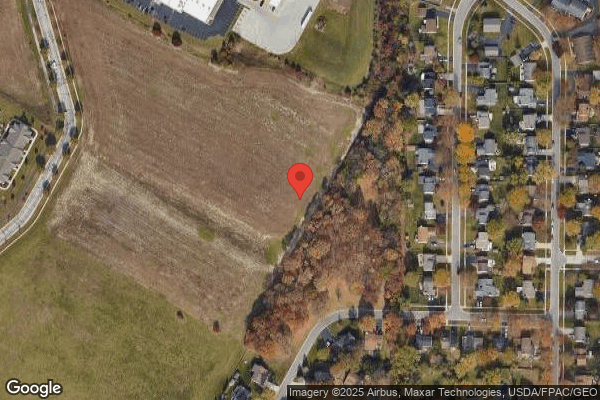
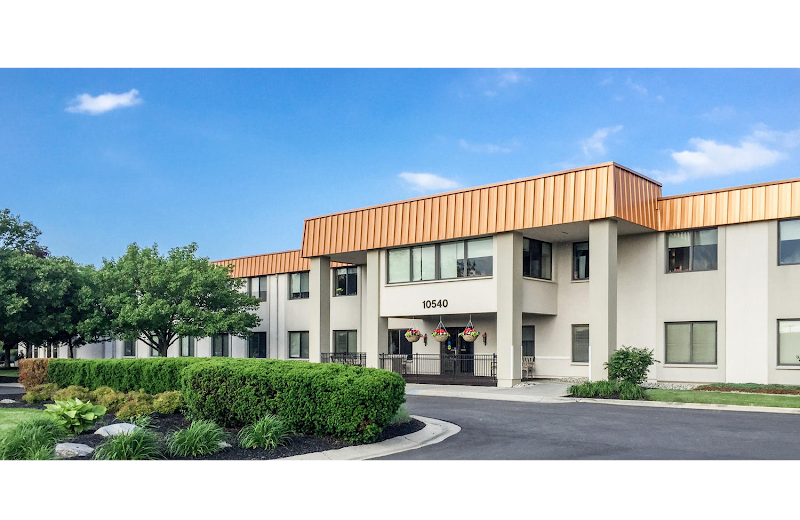
10540 FREMONT PIKE RD, PERRYSBURG, OH 43551 (419) 874-3578
For profit - Limited Liability company 120 Beds LEGACY HEALTH SERVICES Data: November 2025
Trust Grade
55/100
#561 of 913 in OH
Last Inspection: May 2025

Inspected within the last 6 months. Data reflects current conditions.

Overview

Three Meadows Post Acute in Perrysburg, Ohio has a Trust Grade of C, meaning it is average and ranks in the middle of the pack among nursing homes. It stands at #561 of 913 in Ohio, placing it in the bottom half, and #6 out of 11 in Wood County, indicating that only five local facilities are rated higher. The facility is currently experiencing a worsening trend, increasing from 7 issues in 2024 to 11 in 2025. Staffing is a concern with a rating of 2 out of 5 stars and a turnover rate of 49%, which is on par with the state average but still indicates instability. However, the absence of fines suggests compliance with regulations. Specific incidents noted by inspectors include a serious failure to monitor a resident at risk for pressure ulcers, which resulted in an unstageable pressure ulcer requiring surgical treatment. Additionally, the facility did not have its menu reviewed by a dietitian, which could impact residents' nutritional needs. Lastly, the dishwashing machine was not sanitizing properly, potentially affecting food safety for residents. While the quality measures are rated excellent, these weaknesses highlight significant areas for improvement.

Trust Score
C
55/100
In Ohio
#561/913
Bottom 39%
Safety Record
Moderate
Needs review
Inspections
Getting Worse
7 → 11 violations
Staff Stability
⚠ Watch
49% turnover. Above average. Higher turnover means staff may not know residents' routines.
Penalties
✓ Good
No fines on record. Clean compliance history, better than most Ohio facilities.
Skilled Nurses
○ Average
Each resident gets 32 minutes of Registered Nurse (RN) attention daily — about average for Ohio. RNs are the most trained staff who monitor for health changes.
Violations
⚠ Watch
54 deficiencies on record. Higher than average. Multiple issues found across inspections.
★★★☆☆
3.0
Overall Rating
★★☆☆☆
2.0
Staff Levels
★★★★★
5.0
Care Quality
★★☆☆☆
2.0
Inspection Score
Stable
2024: 7 issues
2025: 11 issues

The Good

  • 5-Star Quality Measures · Strong clinical quality outcomes
  • Full Sprinkler Coverage · Fire safety systems throughout facility
  • No fines on record

Facility shows strength in quality measures, fire safety.

The Bad

3-Star Overall Rating

Near Ohio average (3.2)

Meets federal standards, typical of most facilities

Staff Turnover: 49%

Near Ohio avg (46%)

Higher turnover may affect care consistency

Chain: LEGACY HEALTH SERVICES

Part of a multi-facility chain

Ask about local staffing decisions and management

The Ugly 54 deficiencies on record

1 actual harm
May 2025 11 deficiencies 1 Harm
SERIOUS (G)

Actual Harm - a resident was hurt due to facility failures

Pressure Ulcer Prevention (Tag F0686)

A resident was harmed · This affected 1 resident

**NOTE- TERMS IN BRACKETS HAVE BEEN EDITED TO PROTECT CONFIDENTIALITY** Based on observation, medical record review, review of wound center documentation, staff interview, and review of a facility cli...

Read full inspector narrative →
**NOTE- TERMS IN BRACKETS HAVE BEEN EDITED TO PROTECT CONFIDENTIALITY** Based on observation, medical record review, review of wound center documentation, staff interview, and review of a facility clinical protocol, the facility failed to provide timely assessment, monitoring, and interventions to prevent the development of a pressure ulcer. Actual harm occurred when Resident #56, who was assessed at moderate risk for pressure ulcer development, had care plan interventions for skin checks each shift with no documented evidence of the skin checks completed. Subsequently, the resident was discovered with a unstageable pressure ulcer (obscured full-thickness skin and tissue loss) to the left lateral heel and no ongoing assessments were completed to determine causative factors of the wound development or need to change pressure reduction interventions. Resident #56's wound required surgical debridement and ongoing treatment applications as a result. This affected one (#56) of two residents reviewed for pressure ulcers. The census was 81. Findings include: Review of the medical record revealed Resident #56 admitted to the facility on [DATE] with the diagnoses including, a stage four sacral pressure ulcer (full-thickness skin and tissue loss), atrial fibrillation, congestive heart failure, type II diabetes mellitus, tracheostomy, history of hemorrhage from a tracheostomy stoma, gastrostomy, colostomy, cerebral infarction, chronic respiratory failure, anemia, anxiety disorder, major depressive disorder, and a chronic non-pressure right lower leg ulcer. Review of the Minimum Data Set (MDS) assessments dated 01/22/25 and 04/03/25 revealed Resident #56 had intact cognition, was able to make needs known, was not assessed with any refusal of care, and had no range of motion impairments to bilateral upper and lower extremities. Resident #56 was dependent on staff for the completion of activities of daily living, utilized a motorized wheelchair independently, was incontinent of bladder, received nutrition via feeding tube, was assessed at risk for pressure ulcer development with one stage four pressure ulcer present on admission and three venous and arterial ulcers, and received antianxiety, antidepressant, anticoagulant, diuretic, and opioid medications. Review of a nursing plan of care dated 03/13/24 revealed the care plan was initiated due to Resident #56's potential for alteration in skin integrity related to immobility, diabetes mellitus type II, congestive heart failure, depression, and contractures. Interventions included to administer treatments as ordered and monitor effectiveness, apply moisturizing lotion as needed to dry skin, offload heels as tolerated, turn and reposition as needed, and use pillows/pads to support/position as appropriate. Additional interventions were implemented on 08/28/24 to include pressure redistribution mattress to the bed, heel lift suspension boots to be worn to bilateral feet at all times as tolerated and to be removed for bathing/hygiene and every shift skin checks. Review of a nursing plan of care dated 04/04/24 revealed the care plan was developed to address Resident #56's alteration in skin integrity related to a stage four pressure ulcer to the coccyx. Interventions included the application of a low air loss pressure redistribution mattress to bed and refer to a wound treatment specialist as needed. Review of Resident #56's physician order dated 11/23/24 revealed an order was initiated to off load heels while in bed as tolerated every shift for skin breakdown prevention. Review of a nursing plan of care dated 01/02/25 revealed the care plan was implemented to address Resident #56's venous stasis ulcer to the left foot and left first toe and indicated the resident was at risk for further breakdown and/or slow, delayed healing related to cardiovascular disease, decreased mobility, impaired circulation, and incontinence of bowel and bladder. Interventions included treatment as ordered and wound consultation as indicated. Review of assessments for predicting pressure sore risk dated 01/22/25 and 04/02/25 revealed Resident #56 was at moderate risk for pressure sore development. Review of Resident #56's treatment order dated 01/16/25 revealed treatment to the resident's vascular wounds to the left foot, great toe (hallux) to include for staff to cleanse with normal saline, pat dry, paint the wound bed with betadine and leave open to air daily and as needed. An order was implemented on 01/23/25 for the vascular wound to the top (dorsum) of the left foot and included to cleanse with normal saline, pat dry, and apply skin prep daily and as needed. An order was implemented on 01/30/25 for treatment of the vascular wound to the right lower extremity, anterior and posterior, to cleanse with normal saline, pat dry, apply adaptic, wrap the leg with an unna boot (compression dressing), abdominal dressing (ABD), wrap with Kerlix and change three times weekly and as needed. Additionally, on 01/30/25 the resident's coccyx wound was ordered a treatment to cleanse with normal saline, pat dry, apply hydrogel and packing strip to the wound bed, and cover with foam dressing three times weekly and as needed. Review of a nursing plan of care dated 02/10/25 revealed the care plan was initiated to address Resident #56's risk for pressure ulcers and other skin problems such as skin tears, bruising, bleeding, abrasions, rashes, and excoriation related to debility, immobility, and peripheral vascular disease. Interventions included to monitor skin daily with routine care. Further review of Resident #56's medical record revealed no documentation indicating the resident's skin was being assessed every shift as described in the nursing plans of care dated 03/13/24 and 02/10/25. Review of a skin and wound evaluation dated 02/12/25 noted, on the same date, Resident #56 was discovered with an intact pink or red blister to the left lateral heel that was in-house acquired measuring 0.7 centimeters (cm) long by (x) 1.0 cm wide. Additional care interventions included heel suspension/protection device, incontinence management, and a mattress with a pump. Further review revealed the notes documented a new wound to the left lateral heel had the appearance of a loose blister. Resident #56 had heel boots on and the nurse practitioner was notified. There was no documentation contained in the medical record which revealed the potential origin of the wound or additional mechanical interventions to promote healing. Review of Resident #56's physician treatment orders dated 02/12/25 revealed a treatment for wound care to the left lateral heel blister area. The order was to cleanse with normal saline, pat dry, apply foam dressing, and change every other day and as needed. Review of skin and wound evaluation dated 02/13/25 revealed Resident #56's left lateral heel wound measured 1.5 cm long x 1.3 cm wide x undetermined depth with a light amount of serosanguineous exudate (a fluid that contains both serum (clear, watery liquid) and blood cells). The wound seen by the wound nurse practitioner. Review of Resident #56's wound treatment orders revealed the orders were modified on 02/13/25 to include wound care to the left lateral heel blister area to include cleanse with normal saline, pat dry, apply skin prep, and cover with a foam dressing to be change three times a week and and as needed on day shift every Tuesday, Thursday, and Saturday. Review of wound specialist documentation dated 02/20/25 assessed Resident #56's left medial heel wound as a stage three acute pressure ulceration (full-thickness skin loss) that measured 1.4 cm long x 1.0 cm wide x 0.1 cm deep. The acute ulceration was debrided by sharp methods and devitalized tissue was removed to the level of healthy bleeding tissue which included biofilm and slough. The debridement area extended down to the level of soft tissue. All surrounding periwound hyperkeratotic skin was also removed. The post-debridement measurements of the left heel wound was 1.4 cm long x 1.0 cm wide x 0.2 cm deep. Review of out-patient wound center discharge instructions dated 05/06/25 assessed Resident #56's wound to the left heel as a stage three pressure wound. The wound measured 2.2 cm long x 2.0 cm wide x 0.1 cm deep with serosanguinous drainage. Review of a skin and wound evaluation dated 05/08/25 revealed Resident #56's left lateral heel blister was in-house acquired and developed on 02/12/25. The measurements were 1.1 cm long x 2.0 cm wide, no depth and a moderate amount of serosanguineous drainage present. Interventions included a heel suspension/protection device, incontinence management, and a mattress with a pump. Further review revealed the wound was improving with recommendation to keep heels elevated. Review of Resident #56's physician order on 05/08/25 noted the wound dressing to the left lateral heel was changed to include for staff to cleanse with antibacterial soap and water, rinse well, apply silver alginate to the wound, and cover with silicone border foam dressing. The treatment was to be changed daily and as ordered. Observation on 05/13/25 at 12:53 P.M. with Unit Manager Licensed Practical Nurse (LPN) #474 noted Resident #56 was in bed with an air mattress and bilateral heel protector boots in place. LPN #474 applied a prescribed treatment to Resident #56 stage four coccyx wound and proceeded to remove the left heel protector boot. Resident #56's left lower extremity was noted with a flexible-type tape wrapped around the ankle and upper foot. LPN #474 removed the tape and a padded dressing was observed to the heel. LPN #474 removed the dressing which resulted in a small to moderate amount of serosanguineous drainage. LPN #474 proceeded to cleanse the wound with a four inch long by four inch wide gauze and antibacterial soap and water, which resulted in a moderate amount of bleeding. LPN #474 then placed silver alginate to the wound and covered with a silicone border foam dressing. Interview on 05/14/25 at 1:55 P.M., with Unit Manager LPN #474, during review of the medical record, stated Resident #56 had heel protector boots in place at time of the left lateral heel pressure ulcer discovery and no further evaluation had occurred to determine the origin of the wound. Unit Manager LPN #474 verified there were no additional mechanical interventions implemented to prevent further deterioration or promote healing of the left lateral heel pressure ulcer. Unit Manager LPN #474 also confirmed there was no documented evidence to indicate Resident #56's heel protectors were removed each shift to assess skin integrity. On 05/15/25 at 10:20 A.M. interview with the Director of Nursing (DON), during review of Resident #56's medical record, confirmed no documentation contained in the medical record indicated Resident #56's skin under the offloading boots was assessed each shift as indicated in the nursing plan of care to monitor for pressure ulcer development. In addition, Resident #56 was assessed at moderate risk and not high risk for pressure ulcer development in spite of being admitted with a stage four pressure ulcer to the coccyx and vascular skin breakdown to the lower extremities. Review of facility pressure ulcers/skin breakdown clinical protocol, revised April 2018, revealed monitoring will include physician guidance of the care plan, especially when wounds are not healing or new wounds develop despite existing interventions.
CONCERN (D)

Potential for Harm - no one hurt, but risky conditions existed

Deficiency F0558 (Tag F0558)

Could have caused harm · This affected 1 resident

**NOTE- TERMS IN BRACKETS HAVE BEEN EDITED TO PROTECT CONFIDENTIALITY** Based on observation, medical record review, and staff interview, the facility failed to ensure call lights were within reach fo...

Read full inspector narrative →
**NOTE- TERMS IN BRACKETS HAVE BEEN EDITED TO PROTECT CONFIDENTIALITY** Based on observation, medical record review, and staff interview, the facility failed to ensure call lights were within reach for one (#43) of four residents reviewed for call light accessibility. The census was 81. Findings include: Review of the medical record for Resident #43 revealed an admission date of 06/14/24. Diagnoses included venous insufficiency, multiple sclerosis, and osteoporosis. Review of the quarterly Minimum Data Set (MDS) assessment dated [DATE] revealed Resident #43 was cognitively intact, dependent for toileting, showering/bathing, upper body dressing, lower body dressing, and required substantial/maximal assistance for personal hygiene. Observation on 05/12/25 at 10:26 A.M. revealed the call light laying on the floor beside Resident #43's bed. Interview with Certified Nurse Aide (CNA) #449 on 05/12/25 at 10:47 A.M. verified Resident #43's call light was lying on the floor out of the resident's reach. Observation on 05/12/25 at 10:48 A.M. revealed CNA #492 attached the call light to Resident #43's bed sheet near her right arm. Resident #43 attempted to grab the call light and could not reach it. Interview with CNA #492 on 05/12/25 at 10:58 A.M. verified she placed the call light on the bed sheet in an area that Resident #43 could not reach.
CONCERN (D)

Potential for Harm - no one hurt, but risky conditions existed

Safe Environment (Tag F0584)

Could have caused harm · This affected 1 resident

**NOTE- TERMS IN BRACKETS HAVE BEEN EDITED TO PROTECT CONFIDENTIALITY** Based on observation, medical record review, resident interview, and staff interview, the facility failed to maintain a clean en...

Read full inspector narrative →
**NOTE- TERMS IN BRACKETS HAVE BEEN EDITED TO PROTECT CONFIDENTIALITY** Based on observation, medical record review, resident interview, and staff interview, the facility failed to maintain a clean environment. This affected two (6 and #49) of four residents reviewed for physical environment. The facility census was 81. Findings include: 1. Review of the medical record for Resident #6 revealed an admission date of 04/14/25. Diagnoses included acute kidney failure, asthma, hypertensive heart and chronic kidney disease, type II diabetes, and anxiety. Review of the admission Minimum Data Set (MDS) assessment completed on 04/21/25 revealed Resident #6 was cognitively intact. Observation on 05/12/25 at 9:45 A.M. of Resident #6's room revealed a cup with popcorn coming out of it all over the floor. Observation and interview on 05/12/25 at 1:43 P.M. of Resident #6's room revealed the popcorn remained on the floor. Resident #6 stated the popcorn on the floor bothered her and she would like it to be cleaned up. Interview with Licensed Practical Nurse (LPN) Manager #475 on 05/12/25 at 1:52 P.M. verified the popcorn on the floor in Resident #6's room. 2. Review of the medical record for Resident #49 revealed an admission date of 09/04/21. Diagnoses include hypertensive chronic kidney disease, iron deficiency anemia secondary to blood loss, anxiety, major depressive disorder, and weakness. Review of the quarterly MDS assessment dated [DATE] revealed Resident #49 was cognitively intact. Observation on 05/12/25 at 12:04 P.M. revealed the floor in Resident #49's room was sticky. Observation on 05/12/25 at 1:46 P.M. revealed bloody tissues, a mustard packet, a cotton swab, and pieces of pretzels on the floor. The floor in Resident #49's room remained sticky. Concurrent interview with Resident #49 stated it bothered him that his guests would see the trash on the floor and feel the stickiness. Interview with LPN Manager #475 on 05/12/25 at 1:54 P.M. verified the trash on Resident #49's floor and verified the floor was also sticky.
CONCERN (D)

Potential for Harm - no one hurt, but risky conditions existed

Deficiency F0605 (Tag F0605)

Could have caused harm · This affected 1 resident

**NOTE- TERMS IN BRACKETS HAVE BEEN EDITED TO PROTECT CONFIDENTIALITY** Based on medical record review, staff interview, and policy review, the facility failed to ensure residents who received psychot...

Read full inspector narrative →
**NOTE- TERMS IN BRACKETS HAVE BEEN EDITED TO PROTECT CONFIDENTIALITY** Based on medical record review, staff interview, and policy review, the facility failed to ensure residents who received psychotropic medications were monitored for behaviors, adverse effects, and efficacy. This affected one (#24) of five residents reviewed for psychotropic medications. The facility census was 81. Findings include: Review of the medical record revealed Resident #24 was admitted to the facility on [DATE]. Diagnoses included anxiety, depression, and hypertension. Review of the plan of care dated 03/24/25 revealed Resident #24 received antidepressant medication. Interventions included monitoring and documenting side effects and effectiveness. Review of the plan of care dated 03/24/25 revealed Resident #24 received antianxiety medication. Interventions included monitoring and documenting side effects and effectiveness. Review of the quarterly Minimum Data Set (MDS) assessment dated [DATE] revealed Resident #24 was cognitively intact. The resident received antianxiety and antidepressant medication. Review of Resident #24's active physician orders for May 2025 identified an order for desvenlafaxine (antidepressant medication) extended-release oral tablet with instructions for one tablet by mouth one time per day for depression; and an order for buspirone (antianxiety medication) oral tablet with instructions for one tablet by mouth three times per day for anxiety. Review of Resident #24's medication administration records (MARs) for March, April, and May 2025 revealed the resident received buspirone three times per day from 03/06/25 through 04/06/25, 04/08/25 through 04/21/25, 04/23/25 through 04/27/25, and 05/01/25 through 05/11/25. In addition, the resident received desvenlafaxine daily from 03/06/25 through 04/21/25, 04/23/25 through 04/27/25, and 05/02/25 through 05/11/25. Review of the medical record revealed no evidence Resident #24 was monitored for behaviors between 03/06/25 through 04/03/25. In addition, there was no evidence the resident was ever monitored for efficacy and adverse consequences related to antidepressant and antianxiety medication. Interview on 05/15/25 at 11:14 A.M. with the Administrator verified Resident #24 received psychotropic medication and there was no evidence of monitoring for efficacy and adverse consequences. The Administrator also verified there was no evidence of monitoring for behaviors unit 04/03/25. Review of the facility policy titled, Psychotropic Medication Use, revised February 2025, revealed residents who received psychotropic medications would be monitored for adverse consequences. Review of the facility policy titled, Behavioral Assessment, Intervention, and Monitoring, revised February 2025, revealed if psychotropic medications were used to treat behavioral symptoms, the interdisciplinary team would monitor side effects and adverse consequences related to psychotropic medications.
CONCERN (D)

Potential for Harm - no one hurt, but risky conditions existed

Deficiency F0627 (Tag F0627)

Could have caused harm · This affected 1 resident

**NOTE- TERMS IN BRACKETS HAVE BEEN EDITED TO PROTECT CONFIDENTIALITY** Based on observation, medical record review, and staff interview, the facility failed to provide ongoing assistance and coordina...

Read full inspector narrative →
**NOTE- TERMS IN BRACKETS HAVE BEEN EDITED TO PROTECT CONFIDENTIALITY** Based on observation, medical record review, and staff interview, the facility failed to provide ongoing assistance and coordination, with resident involvement, in developing discharge goals and plans for discharge. This affected one (#62) of one residents reviewed for discharges in a facility census of 81. Findings include: Review of the medical record revealed Resident #62 admitted to the facility on [DATE] with diagnoses including atrial fibrillation, venous insufficiency, segmental and somatic dysfunction of the lower extremity, major depressive disorder, hypertension, dysphagia, and right artificial hip joint. Review of the Minimum Data Set (MDS) assessment dated [DATE] revealed Resident #62 was assessed with intact cognition, utilized a wheelchair for mobility, was independent with activities of daily living, was occasionally incontinent of bladder and was continent of bowel, and assessed at risk for pressure ulcer development with no skin breakdown. Review of Resident #62's social service admission assessment dated [DATE] revealed a documented discharge goal to return home. Review of Resident #62's interdisciplinary discharge planning update document dated 11/14/23 noted Resident #62 goal to return home. Review of the medical record revealed a nursing plan of care dated 02/02/24 which documented Resident #62 was anticipated to remain as permanent resident. Review of a social service quarterly assessment dated [DATE] noted Resident #62 planned to return to the community and listed an address. Review of Resident #62's physical therapy Discharge summary dated [DATE] noted the resident's discharge destination as long-term care setting due to his highest practical level achieved. Discharge recommendations included an assistive device for safe functional mobility and elevated toilet seat/three in one commode. The prognosis to maintain current level of function was determined as excellent with consistent staff support. There were no further instructions to staff documented and no documentation contained in the medical record included Resident #62 was informed long-term placement was recommended. On 05/13/25 at 10:04 A.M. interview with Resident #62, during observation, noted the resident in bed and alert. Resident #62 stated 06/01/25 was the last day he could return to his apartment and wanted to return home. Resident #62 stated he was never informed he was going to remain in the facility long-term and had limited contact with social services related to discharge planning. On 05/13/25 at 2:57 P.M. interview with Licensed Social Worker (LSW) #425 revealed, when assuming role of LSW in April 2024, she was told Resident #62 was staying in the facility under long-term care. Approximately two weeks prior (the end April 2025), LSW #425 was informed by Resident #62 he wanted to transition to the community and the resident had an apartment being held since admission to the facility. LSW #425 proceeded to refer Resident #62 to therapy services and confirmed the medical record lacked documentation indicating Resident #62 was involved or updated regarding potential discharge from the facility. Observation and interview on 05/14/25 at 12:15 P.M. noted Resident #62 independently seated in a wheelchair in his bathroom completing activities of daily living independently. The resident was dressed and groomed, and stated he was preparing for a therapy session and working to get stronger before discharge from facility.
CONCERN (D)

Potential for Harm - no one hurt, but risky conditions existed

Accident Prevention (Tag F0689)

Could have caused harm · This affected 1 resident

**NOTE- TERMS IN BRACKETS HAVE BEEN EDITED TO PROTECT CONFIDENTIALITY** Based on observation, medical record review, staff interview, and policy review, the facility failed to provide adequate staff a...

Read full inspector narrative →
**NOTE- TERMS IN BRACKETS HAVE BEEN EDITED TO PROTECT CONFIDENTIALITY** Based on observation, medical record review, staff interview, and policy review, the facility failed to provide adequate staff assistance and implement fall interventions during care to prevent falls. This affected one (#19) of two residents reviewed for falls. The facility census was 81. Findings include: 1. Review of the medical record for Resident #19 revealed an admission date of 02/26/24 with diagnoses of congestive heart failure, anxiety, and dementia, repeated falls. Resident #19 was under hospice care. Review of the modified quarterly Minimum Data Set (MDS) assessment, dated 10/31/24, revealed Resident #19 was dependent for toileting and required substantial/maximal assistance for bed mobility. Further review revealed Resident #19 did not have any falls since the previous assessment. Review of the current care plan, initiated 02/26/24, revealed Resident #19 was at risk for falls due to impaired balance, impaired mobility, and incontinence. Further review of the care plan revealed Resident #19 had an activities of daily life (ADL) self-care deficit related to impaired balance and limited mobility. An intervention was added on 04/01/24 and revealed Resident #19 required extensive assistance of two staff members for bed mobility, including rolling from left to right. Review of the quarterly fall review document, dated 10/31/24, revealed Resident #19 was at high risk for falls. Review of the nursing progress note dated 01/30/25 revealed Resident #19 had a witnessed fall while receiving care. Resident #19 received a skin tear to his left elbow that was cleaned with normal saline and dressed with bordered gauze. No additional injuries were noted during the nursing assessment after the fall. Review of the interdisciplinary progress note dated 01/31/25 revealed Resident #19 reported rolling off the bed during incontinence care. An intervention for two staff assistance for bed mobility was implemented. Review of the facility's fall investigation revealed a statement by Certified Nurse Assistant (CNA) #530 indicating Resident #19 turned to the left and CNA #530 provided care and got linens in place. Resident #19 then rolled to the right and kept rolling onto the floor. Interview on 05/12/25 at 3:47 P.M. with Resident #19 revealed he fell approximately four months ago when he rolled off the bed while staff was changing him. Resident #19 stated he sustained a skin tear but did not have any broken bones and was not taken to the hospital. Interview on 05/13/25 at approximately 3:15 P.M. with CNA #530 revealed she was providing incontinence care for Resident #19 at the time of his fall on 01/30/25. CNA #530 stated she had often previously provided incontinence care to Resident #19 and the resident was able to roll himself over in bed independently. CNA #530 stated she was walking around the foot of the bed while Resident #19 rolled himself over and rolled off the bed on 01/30/25. Interview on 05/14/25 at 9:32 A.M. with the Director of Nursing (DON), during concurrent review of Resident #19's medical record, confirmed Resident #19's MDS assessment dated [DATE] revealed the resident required substantial/maximal assistance for bed mobility. The DON stated substantial/maximal assistance meant staff would provide hands-on assistance as needed, and ensure the resident rolled toward the staff while he/she stood at the edge of the side of the bed. Review of the policy, Activities of Daily Living (ADL), Supporting, revised April 2025, defined substantial/maximal assistance - if the helper does MORE THAN HALF the effort. Helper lifts or holds trunk or limbs and provides more than half the effort. 2. Review of the comprehensive annual MDS assessment, dated 01/31/25, revealed Resident #19 had impaired cognition and was dependent for toileting, and required substantial/maximal assistance for bed mobility. Further review revealed Resident #19 had one fall with a non-major injury since the previous assessment. Review of the fall risk observation (assessment) document, completed 01/30/25, revealed Resident #19 was at high risk for falls. Review of the current care plan, initiated 02/26/24, revealed Resident #19 was at risk for falls due to impaired balance, impaired mobility, and incontinence. An intervention added on 01/31/25 revealed Resident #19 required two staff assistance for bed mobility. Further review of the care plan revealed Resident #19 had an ADL self-care deficit related to impaired balance and limited mobility. Review of an intervention added 01/31/25 revealed resident #19 required extensive assistance of two people for bed mobility, including rolling to left and right. An intervention added 05/12/25 revealed Resident #19 required assistance of two people for toileting. Observation on 05/12/25 at 3:51 P.M. revealed Resident #19's call light was on. Concurrent interview with Resident #19 revealed he needed to be changed. Observation on 05/12/25 at 3:56 P.M. revealed CNA #495 entered Resident #19's room alone and closed the door. Observation on 05/12/25 at approximately 4:02 P.M. revealed CNA #495 exited Resident #19's room with a bag of soiled items. Interview on 05/12/25 at 4:04 P.M. with CNA #495 confirmed she provided incontinence care to Resident #19 by herself. CNA #495 stated Resident #19 could roll himself over in bed and CNA #495 was not aware Resident #19 required two staff to be present during incontinence care. Interview on 05/12/25 at 4:11 P.M. with Licensed Practical Nurse Unit Manager (LPN UM) #475, during concurrent review of Resident #19's care plan, confirmed two staff members should assist Resident #19 while he received incontinence care. Review of the policy titled, Falls - Clinical Protocol, revised March 2018, revealed the facility will identify pertinent interventions to try to prevent subsequent falls.
CONCERN (D)

Potential for Harm - no one hurt, but risky conditions existed

Deficiency F0698 (Tag F0698)

Could have caused harm · This affected 1 resident

**NOTE- TERMS IN BRACKETS HAVE BEEN EDITED TO PROTECT CONFIDENTIALITY** Based on medical record review, staff interview, and review of the dialysis contract, the facility failed to ensure effective co...

Read full inspector narrative →
**NOTE- TERMS IN BRACKETS HAVE BEEN EDITED TO PROTECT CONFIDENTIALITY** Based on medical record review, staff interview, and review of the dialysis contract, the facility failed to ensure effective communication took place between the facility and the dialysis center. This affected one (#34) of one residents reviewed for dialysis. The facility census was 81. Findings include: Review of the medical record revealed Resident #34 was admitted to the facility on [DATE]. Diagnoses included end-stage renal disease, heart failure, type II diabetes mellitus, hypertension, and dependence on renal dialysis. Review of the quarterly Minimum Data Set (MDS) assessment dated [DATE] revealed Resident #34 was cognitively intact. The resident was assessed to receive dialysis. Review of Resident #34's active physician orders for May 2025 identified an order for dialysis on Mondays, Wednesdays, and Fridays. Review of Resident #34's dialysis communication forms for 03/01/25 through 05/08/25 revealed each form had three sections. The first section was to be completed by nursing staff prior to dialysis treatments, the second section was to be completed by the dialysis center during treatments, and the third section was to be completed by nursing staff upon the resident's return from dialysis. Further review revealed dialysis communication forms dated 03/03/25, 03/05/25, 03/07/25, 03/10/25, 03/19/25, 04/11/25, 04/23/25, and 05/07/25 had the first and third sections completed by the facility, but did not have the second section completed by the dialysis center. Review of the electronic and paper medical records for Resident #34 revealed there was no evidence the dialysis center was contacted on the aforementioned dates in attempt to have the form completed or to inquire about the status of the resident while at dialysis. Interview on 05/14/25 at 1:03 P.M. with the Director of Nursing (DON) verified the dialysis center had not completed their portion Resident #34's communication forms and there was no evidence facility staff attempted to communicate with the dialysis center on each occurrence. Review of the dialysis contract, dated 05/01/25, revealed the facility would ensure there was documented evidence of collaboration of care and communication between the nursing facility and end-stage renal disease dialysis unit.
CONCERN (D)

Potential for Harm - no one hurt, but risky conditions existed

Unnecessary Medications (Tag F0759)

Could have caused harm · This affected 1 resident

Based on observation, medical record review, staff interview, and facility policy review, the facility failed to ensure medications were provided as ordered by the physician and within prescribed time...

Read full inspector narrative →
Based on observation, medical record review, staff interview, and facility policy review, the facility failed to ensure medications were provided as ordered by the physician and within prescribed time frames. This resulted in 12 of 28 medications being administered in error with an error rate of 42.86 percent (%). This affected three (#53, #16, and #74) of four residents observed for medication administration in a facility census of 81. Findings include: 1. Observation on 05/13/25 at 10:21 A.M. noted Registered Nurse (RN) #482 preparing medications for Resident #53. The medications included the medication to treat symptoms of Parkinson's disease Carbidopa-Levodopa 25-100 milligrams (mg), the anticonvulsant medication divalproex delayed release 125 mg, the heart failure medication Sacubitril-Valsartan 24-26 mg, the antihypertensive medication Hydralazine 25 mg, and the pain medication Tylenol eight (8)-hour extended release 650 mg two tablets. Continued observation at 10:31 A.M., revealed RN #482 administered the medications to Resident #53 one-by-one using a spoon. Review of the medical record noted Resident #53's physician orders and prescribed time frames listed on the medication administration record (MAR) noted the following; the order dated 03/04/25 for Carbidopa-Levodopa 25-100 mg three times a day for Parkinson's disease, scheduled at 9:00 A.M., 1:00 P.M., and 9:00 P.M.; the order dated 03/04/25 for divalproex delayed release 125 mg two times a day for depression, scheduled at 9:00 A.M. and 9:00 P.M., the order dated 03/04/25 for Sacubitril-Valsartan 24-26 mg two times daily for hypertension, scheduled at 9:00 A.M. and 9:00 P.M.; the order dated 03/04/25 for Hydralazine 25 mg give three times daily for high blood pressure, scheduled at 9:00 A.M., 1:00 P.M., and 9:00 P.M., and the order dated 03/04/25 for Tylenol 8-hour extended release 650 mg give two tablets three times a day for arthritic pain. 2. Continued observation on 05/13/25 at 10:36 A.M. noted RN #482 preparing Resident #16 medications. The medications included the antihypertensive medication diltiazem 60 mg, the stool softener Docusil 100 mg, the anticoagulant apixaban five (5) mg, the cognitive-enhancing medication memantine 5 mg, the antipsychotic medication risperidone 0.5 mg, and the vasodilator medication Sildenafil 20 mg. RN #482 crushed the medication and placed them in chocolate pudding. Observation at 10:47 A.M. revealed RN #482 administered the medications to Resident #16. Review of the medical record noted Resident #16's physician orders and prescribed time frames listed on the MAR noted the following; the order dated 03/14/25 for diltiazem 60 mg three times daily for blood pressure, scheduled at 9:00 A.M., 1:00 P.M., and 9:00 P.M.; the order dated 03/14/25 for Docusil 100 mg two times daily for constipation, scheduled at 9:00 A.M. and 5:00 P.M.; the order dated 03/14/25 for apixaban 5 mg two times daily for anticoagulant, scheduled at 9:00 A.M. and 5:00 P.M.; the order dated 03/14/25 for memantine 5 mg two times daily for memory, scheduled at 9:00 A.M. and 5:00 P.M.; the order dated 03/14/25 for risperidone 0.5 mg two times daily for mood, scheduled at 9:00 A.M. and 5:00 P.M., and the order dated 03/14/25 for Sildenafil 20 mg two times daily for blood pressure, scheduled at 9:00 A.M. and 5:00 P.M. On 05/13/25 at 10:48 A.M. interview with RN #482 verified Resident #53 and Resident #16's medications not given within prescribed timeframes. 3. Observation and interview on 05/14/25 at 7:59 A.M. revealed Licensed Practical Nurse (LPN) #455 was preparing Resident #74's medications for administration. While placing medications into a medication cup, LPN #455 stated the resident's Sacubitril-Valsartan 97-103 mg oral tablet was not available and would be omitted during the administration. Continued observation at 8:08 A.M., revealed LPN #455 proceeded to provide Resident #74 with medications with the exception of the Sacubitril-Valsartan 97-103 mg oral tablet. Review of the medical record identified Resident #74 had a physician order for the administration of Sacubitril-Valsartan 97-103 mg two times daily for hypertension and was scheduled for 9:00 A.M. and 5:00 P.M. On 05/14/25 at 8:10 A.M., interview with LPN #455 verified Sacubitril-Valsartan 97-103 mg was not available for Resident #74 on 05/14/25 and needed reordered. Review of facility administering medications policy, revised April 2019, revealed medications are administered in accordance with prescriber orders, including any required time frame. Medications are administered within one (1) hour of their prescribed time, unless otherwise specified.
CONCERN (D)

Potential for Harm - no one hurt, but risky conditions existed

Deficiency F0760 (Tag F0760)

Could have caused harm · This affected 1 resident

Based on observation, medical record review, staff interview, and facility policy review, the facility failed to ensure medications were administered as ordered, and within ordered time frames, to pre...

Read full inspector narrative →
Based on observation, medical record review, staff interview, and facility policy review, the facility failed to ensure medications were administered as ordered, and within ordered time frames, to prevent significant medication errors. This affected three (#53, #16, #74) of four residents observed for the administration of medications in a facility census of 81. Findings include: 1. Observation on 05/13/25 at 10:21 A.M. noted Registered Nurse (RN) #482 preparing medications for Resident #53. The medications included the medication to treat symptoms of Parkinson's disease Carbidopa-Levodopa 25-100 milligrams (mg), the anticonvulsant medication divalproex delayed release 125 mg, the heart failure medication Sacubitril-Valsartan 24-26 mg, and the antihypertensive medication Hydralazine 25 mg. Continued observation at 10:31 A.M., revealed RN #482 administered the medications to Resident #53 one-by-one using a spoon. Review of the medical record noted Resident #53's physician orders and prescribed time frames listed on the medication administration record (MAR) noted the following; the order dated 03/04/25 for Carbidopa-Levodopa 25-100 mg three times a day for Parkinson's disease, scheduled at 9:00 A.M., 1:00 P.M., and 9:00 P.M.; the order dated 03/04/25 for divalproex delayed release 125 mg two times a day for depression, scheduled at 9:00 A.M. and 9:00 P.M., the order dated 03/04/25 for Sacubitril-Valsartan 24-26 mg two times daily for hypertension, scheduled at 9:00 A.M. and 9:00 P.M.; and the order dated 03/04/25 for Hydralazine 25 mg give three times daily for high blood pressure, scheduled at 9:00 A.M., 1:00 P.M., and 9:00 P.M. 2. Continued observation on 05/13/25 at 10:36 A.M. noted RN #482 preparing Resident #16 medications. The medications included the antihypertensive medication diltiazem 60 mg, the anticoagulant apixaban five (5) mg, and the antipsychotic medication risperidone 0.5 mg, and the vasodilator medication Sildenafil 20 mg. RN #482 crushed the medication and placed them in chocolate pudding. Observation at 10:47 A.M. revealed RN #482 administered the medications to Resident #16. Review of the medical record noted Resident #16's physician orders and prescribed time frames listed on the MAR noted the following; the order dated 03/14/25 for diltiazem 60 mg three times daily for blood pressure, scheduled at 9:00 A.M., 1:00 P.M., and 9:00 P.M.; the order dated 03/14/25 for apixaban 5 mg two times daily for anticoagulant, scheduled at 9:00 A.M. and 5:00 P.M.; the order dated 03/14/25 for risperidone 0.5 mg two times daily for mood, scheduled at 9:00 A.M. and 5:00 P.M.; and the order dated 03/14/25 for Sildenafil 20 mg two times daily for blood pressure, scheduled at 9:00 A.M. and 5:00 P.M. On 05/13/25 at 10:48 A.M. interview with RN #482 verified Resident #53 and Resident #16's medications not given within prescribed timeframes. 3. Observation and interview on 05/14/25 at 7:59 A.M. revealed Licensed Practical Nurse (LPN) #455 was preparing Resident #74's medications for administration. While placing medications into a medication cup, LPN #455 stated the resident's Sacubitril-Valsartan 97-103 mg oral tablet was not available and would be omitted during the administration. Continued observation at 8:08 A.M., revealed LPN #455 proceeded to provide Resident #74 with medications with the exception of the Sacubitril-Valsartan 97-103 mg oral tablet. Review of the medical record identified Resident #74 had a physician order for the administration of Sacubitril-Valsartan 97-103 mg two times daily for hypertension and was scheduled for 9:00 A.M. and 5:00 P.M. On 05/14/25 at 8:10 A.M., interview with LPN #455 verified Sacubitril-Valsartan 97-103 mg was not available for Resident #74 on 05/14/25 and needed reordered. Review of facility administering medications policy, revised April 2019, revealed medications are administered in accordance with prescriber orders, including any required time frame. Medications are administered within one (1) hour of their prescribed time, unless otherwise specified.
CONCERN (D)

Potential for Harm - no one hurt, but risky conditions existed

Deficiency F0805 (Tag F0805)

Could have caused harm · This affected 1 resident

**NOTE- TERMS IN BRACKETS HAVE BEEN EDITED TO PROTECT CONFIDENTIALITY** Based on observation, staff interview, and review of the diet manual guidance, the facility failed to ensure pureed food items h...

Read full inspector narrative →
**NOTE- TERMS IN BRACKETS HAVE BEEN EDITED TO PROTECT CONFIDENTIALITY** Based on observation, staff interview, and review of the diet manual guidance, the facility failed to ensure pureed food items had an appropriate texture. This had the potential to affect two (#51 and #231) of two residents on a pureed diet. The facility census was 81. Findings include: 1. Review of the medical record for Resident #51 revealed an admission date of 11/24/21 with diagnoses of dysphagia and anorexia. Review of the quarterly Minimum Data Set (MDS) assessment dated [DATE] revealed Resident #51 had severely impaired cognition and was able to feed himself with setup or clean-up assistance and received a mechanically altered diet. Review of the physician order dated 02/20/25 revealed Resident #51 received a regular diet with pureed consistency and thin liquids. 2. Review of the medical record for Resident #231 revealed an admission date of 05/12/25 with diagnosis of Alzheimer's disease. Review of the nursing admission evaluation, dated 05/12/25, revealed Resident #231 was in a coma/persistent vegetative state. Review of the care plan, initiated 05/12/25, revealed Resident #231 was dependent on staff for eating. Review of the physician order dated 05/12/25 revealed Resident #231 received a regular diet with pureed texture and nectar thickened liquids. Observation on 05/14/25 at 10:47 A.M. revealed Dietary Aide (DA) #387 making pureed pears for the noon meal. DA #387 used a food processor to puree the pears. Concurrent interview with DA #387 revealed he added an unmeasured amount of apple juice to the pears while processing them. Continued observation revealed DA #387 spooning the pureed pears into bowls. The pears appeared thin and watery. DA #387 stated the pears were not ask thick as he wanted. Further observation revealed DA #387 placing covers over the bowls, dating the covers, and placing the bowls of pears onto the serving tray to be taken to the serving line. Interview on 05/14/25 at 10:52 A.M. with Dietary Director (DD) #409, and concurrent observation of the pureed pears, revealed the texture of the liquid was too thin and chunks of pears were present in the puree. DD #409 confirmed the texture of the pears was inappropriate for residents on a pureed diet. Review of the facility's current Diet Manual revealed pureed foods should be smooth, cohesive, and homogenous. All pureed foods should be smooth and free of lumps.
CONCERN (D)

Potential for Harm - no one hurt, but risky conditions existed

Food Safety (Tag F0812)

Could have caused harm · This affected 1 resident

Based on observation and staff interview, the facility failed to ensure resident meal trays were served in a sanitary manner. This affected one (#62) of seven residents observed during dining services...

Read full inspector narrative →
Based on observation and staff interview, the facility failed to ensure resident meal trays were served in a sanitary manner. This affected one (#62) of seven residents observed during dining services. The facility census was 81. Findings include: Review of the medical record for Resident #62 revealed an admission date of 11/06/23 with diagnoses of anxiety, repeated falls, and need for assistance with personal care. Review of the quarterly Minimum Data Set (MDS) assessment, dated 04/14/25, revealed Resident #62 had intact cognition and was able to eat independently. Observation on 05/12/25 at 11:43 A.M. revealed Certified Nurse Aide (CNA) #550 was passing the noon meals trays. CNA #550 entered Resident #62's room and placed a meal tray on the resident's overbed table. Also present on the overbed table was a urinal with urine in it. Interview on 05/12/25 at 11:44 A.M. with CNA #550 confirmed Resident #62's urinal, containing urine, was on the overbed table and CNA #550 placed a meal tray on the same table. CNA #550 stated she did not realize the urinal was on the table. Subsequent observation on 05/12/25 at approximately 11:45 A.M. revealed CNA #550 re-entered Resident #62's room to remove the urinal from his overbed table and emptied the urinal in the toilet.
Sept 2024 1 deficiency
CONCERN (D) 📢 Someone Reported This

A family member, employee, or ombudsman was alarmed enough to file a formal complaint

Potential for Harm - no one hurt, but risky conditions existed

Deficiency F0761 (Tag F0761)

Could have caused harm · This affected 1 resident

**NOTE- TERMS IN BRACKETS HAVE BEEN EDITED TO PROTECT CONFIDENTIALITY** Based on observation, staff interview, and facility policy review, the facility failed to properly store medications. This affec...

Read full inspector narrative →
**NOTE- TERMS IN BRACKETS HAVE BEEN EDITED TO PROTECT CONFIDENTIALITY** Based on observation, staff interview, and facility policy review, the facility failed to properly store medications. This affected one resident (#78) reviewed for medications left at bedside. The facility census was 81. Findings include: Review of the medical record for Resident #78 revealed she was admitted on [DATE] with diagnoses of hyperlipidemia, polyneuropathy, and history of urinary tract infection (UTI). Review of the current physician orders dated 08/24 for Resident #78 revealed she was prescribed Cranberry 300 milligrams (mg) (used for UTI prevention), Atorvastatin 40 mg (used to control high cholesterol), and Gabapentin 600 mg (used for nerve pain). Review of Resident #78's medication administration record (MAR) reveaeld Cranberry 300 mg was scheduled to be administered at 9:00 A.M., 1:00 P.M., and 9:00 P.M. daily, Atorvastatin 40 mg was scheduled to be administered at 9:00 P.M. daily and Gabapentin 600 mg was scheduled to be administered at 9:00 A.M., 1:00 P.M., and 9:00 P.M. daily. Interview on 08/27/24 at 9:22 A.M. with Resident #78 stated sometimes the nurses will leave my medication on my table if I am sleeping and I take them when I wake up, this is usually the night nurse for my early morning medication. Observation on 08/28/24 at 7:55 A.M. of Resident #78 revealed the resident was sleeping and on her overbed table was a plastic medication cup containing three pills inside the cup, two of the pills were white and oblong and one was a pink capsule. And next to the plastic medication cup was a plastic medication cup with chocolate pudding and a spoon. Interview on 08/28/24 at 7:58 A.M. with the Administrator verified a plastic medication cup with medications was left on Resident #78's overbed table along with a plastic medication cup with chocolate pudding in it on the overbed table. Observation and interview on 08/28/24 at 8:06 A.M. with Licensed Practical Nurse (LPN) #255 compared the medications left at the bedside and those medications in the medication cart for Resident #78. These medications were identified as Atorvastatin, Cranberry, and Gabapentin. Interview on 08/28/24 at 11:12 A.M. with the Administrator stated the facility does not have any cognitively impaired, independently mobile residents residing on the first floor of the facility. Review of the facility policy titled Medication Storage in the Facility, revised 11/21 revealed medications and biological are stored safely, securely, and properly following manufacturers recommendations or those of the supplier. This deficiency represents non-compliance investigated under Complaint Number OH00156505.
Jun 2024 1 deficiency
CONCERN (D) 📢 Someone Reported This

A family member, employee, or ombudsman was alarmed enough to file a formal complaint

Potential for Harm - no one hurt, but risky conditions existed

Deficiency F0760 (Tag F0760)

Could have caused harm · This affected 1 resident

**NOTE- TERMS IN BRACKETS HAVE BEEN EDITED TO PROTECT CONFIDENTIALITY** Based on medical record review, staff and hospice staff interviews, review of medication information from Medscape and facility ...

Read full inspector narrative →
**NOTE- TERMS IN BRACKETS HAVE BEEN EDITED TO PROTECT CONFIDENTIALITY** Based on medical record review, staff and hospice staff interviews, review of medication information from Medscape and facility medication administration policy, the facility failed to ensure blood pressure medication was administered in accordance with physician orders. This resulted in a significant medication error when one resident received an anti-hypertensive blood pressure medication outside of physician prescribed administration parameters. This affected one (#1) of five sampled residents reviewed for the administration of medications. The facility census of 85. Findings include: Resident #1 admitted to the facility on [DATE] with the diagnosis including, cardiomyopathy, congestive heart failure, atrial fibrillation, coronary artery disease, ventricular tachycardia, cardiac pacemaker, seizure disorder, pulmonary hypertension, pleural effusion, left clavical fracture, and cerebral vascular accident affecting left non-dominant side with hemiplegia and hemiparesis. According to the minimum data set assessment dated [DATE] Resident #1 was assessed with intact cognition and dependent on staff for the completion of activities of daily living. Resident #1 was coded as receiving antibiotic and antiplatelet medications. Review of Resident #1 Hospice Patient Medication Profile dated 05/23/24 noted as Resident #1 admission physician orders revealed an order for Metoprolol Succinate 25 milligram tablet extended release (ER) ordered on 04/25/24 to be given by mouth as needed (PRN) for hypertension. Give one tablet once daily as needed for systolic blood pressure (SBP) above 130. Starting on 04/26/2024. According to Electronic Medical Record noted a physician order dated 05/26/24 for Metoprolol Succinate ER Oral Tablet Extended Release 24 Hour. Give one tablet by mouth at bedtime for hypertension. No documentation was provided indicating the physician order was obtained by the hospice physician. Review of Medication Administration Records (MAR) dated 05/26/24 and 05/27/24 at 9:00 P.M. noted the residents SBP readings as follows: 05/26/24- 115 and 05/27/24-119. The medication Metoprolol Succinate 25 mg documented to be administered. On 06/27/24 at 7:38 A.M. telephone interview with hospice Registered Nurse (RN) #201 during review of Resident #1's medication orders confirmed Metoprolol Succinate 25 milligram tablet extended release ordered on 04/25/24 to be given by mouth as needed (PRN) for hypertension. Give one tablet once daily as needed for systolic blood pressure (SBP) above 130. Starting on 04/26/2024. Hospice RN #201 confirmed the physician order was unchanged from the date of the initial order of 04/25/24 and the medication was not to be administered unless Resident #1 SBP was above 130. RN #201 also verified the hospice physician orders were to be followed by the facility while the resident was receiving Respite services between 05/26/24 and 05/28/24. On 06/27/24 at 10:02 A.M. interview with the Director of Nursing (DON) during a review of the medical record revealed Resident #1 physician orders were to be followed through hospice services. Upon admission to the facility Resident #1 hospice physician orders included the administration of Metoprolol Succinate 25 milligram (mg) tablet extended release ordered on 04/25/24 to be given by mouth as needed (PRN) for hypertension. Administration parameters included give one tablet once daily as needed for systolic blood pressure (SBP) above 130. Resident #1 SBP ranged between 115 and 119 during his stay at the facility between 05/26/24 and 05/28/24. The resident received two doses of the Metoprolol Succinate with one on 05/26/24 at 9:00 P.M. and one on 05/27/24 at 9:00 P.M. The DON confirmed the blood pressure medication Metoprolol Succinate should have been held and not administered. Review of medication information from Medscape at https://reference.medscape.com/drug/lopressor-toprol-xl-metoprolol-342360 revealed Metoprolol is a beta blocker used to treat hypertension, acute myocardial infarction, congestive heart failure and angina. Metoprolol works by blocking receptors which helps your heart beat more slowly. These effects can help your heart work better, lower blood pressure, and may reduce your risk for heart attack and stroke. Metoprolol should not be used in your blood pressure is too low (hypotension). According to facility Medication Administration General Guidelines Dated November 2021 revealed medications are administered in accordance with written orders of the prescriber. This deficiency represents non-compliance investigated under Complaint Number OH00154517.
Apr 2024 3 deficiencies
CONCERN (D) 📢 Someone Reported This

A family member, employee, or ombudsman was alarmed enough to file a formal complaint

Potential for Harm - no one hurt, but risky conditions existed

Accident Prevention (Tag F0689)

Could have caused harm · This affected 1 resident

**NOTE- TERMS IN BRACKETS HAVE BEEN EDITED TO PROTECT CONFIDENTIALITY** Based on observation, staff and resident interview, review of the medical record, and review of a facility policy, the facility ...

Read full inspector narrative →
**NOTE- TERMS IN BRACKETS HAVE BEEN EDITED TO PROTECT CONFIDENTIALITY** Based on observation, staff and resident interview, review of the medical record, and review of a facility policy, the facility failed to ensure a resident was safely transferred using a mechanical lift per the care plan and facility policy. This affected one (#48) of one residents observed for a mechanical lift transfer. The facility census was 79. Findings include: Review of the medical record for Resident #48 revealed an admission date of 06/30/22. Diagnoses included quadriplegia, polyneuropathy, epilepsy, and contractures. Review of the quarterly Minimum Data Set (MDS) assessment dated [DATE] revealed Resident #48 was cognitively intact and was dependent on staff for transfers. Review of the care plan dated 03/06/24 revealed Resident #48 had an activities of daily living (ADLs) self-care deficit with an intervention including mechanical transfers with the assistance of two staff. Continuous observation on 04/02/24 from 10:50 A.M. to 10:55 A.M. revealed State Tested Nurse Aide (STNA) #90 wheeled Resident #48 out of the resident's room while the resident was suspended in a sling attached to a mechanical lift approximately three and one-half to four feet from the floor. The base of the mechanical lift was closed as STNA #90 turned to the left, stopped, and backed up to straighten Resident #48 directly over the locked wheelchair sitting in the hallway. Once in front of the motorized wheelchair seat, STNA #90 opened the base of the mechanical lift to widen the legs to surround the base of the wheelchair. Resident #48 was then positioned above the seat of the motorized wheelchair, STNA #90 locked the wheels of the mechanical lift, and proceeded to lower Resident #48 into the wheelchair. Interview on 04/02/24 at 11:10 A.M. with STNA #90 verified Resident #48 required two staff member assistance for transfers using a mechanical lift. STNA #90 verified Resident #48 was transferred from the bed in the resident's room to the wheelchair in the hallway using a mechanical lift with only one staff member. Interview on 04/02/24 at 11:30 A.M. with Resident #48 verified STNA #90 transferred the resident from the bed to the wheelchair in the hallway using a mechanical lift and only one staff member. Interview on 04/02/24 at 2:00 P.M. with the Administrator verified there are to be two staff members present when transferring a resident using a mechanical device. Review of the facility policy titled, Mechanical Lift, dated 11/30/23, revealed to safely lift and transfer residents the transfer requires the assistance of two individuals. This deficiency is based on incidental findings discovered during the course of this complaint investigation.
CONCERN (D) 📢 Someone Reported This

A family member, employee, or ombudsman was alarmed enough to file a formal complaint

Potential for Harm - no one hurt, but risky conditions existed

Incontinence Care (Tag F0690)

Could have caused harm · This affected 1 resident

**NOTE- TERMS IN BRACKETS HAVE BEEN EDITED TO PROTECT CONFIDENTIALITY** Based on observation, medical record review, staff and resident interview, and review of a facility policy, the facility failed ...

Read full inspector narrative →
**NOTE- TERMS IN BRACKETS HAVE BEEN EDITED TO PROTECT CONFIDENTIALITY** Based on observation, medical record review, staff and resident interview, and review of a facility policy, the facility failed to ensure a dependent resident received timely incontinence care. This affected one (#41) of three residents reviewed for bowel and bladder incontinence. The census was 79. Findings include: Review of Resident #41's medical record revealed the resident was admitted to the facility on [DATE]. Diagnoses included hemiplegia and hemiparesis affecting the right side (dominant) after a cerebral infarct, compression of the brain, aphasia, rheumatoid arthritis, dementia, ulcerative colitis, and hypertension. Review of the Minimum Data Set (MDS) assessment dated [DATE] revealed Resident #41 was assessed with severely impaired cognition, dependent on staff for activities of daily living (ADLs) including transfers and repositioning. Resident #41 utilized a wheelchair propelled by staff for mobility, was incontinent of bowel and bladder, and was at risk for pressure ulcer development. Review of the care plan dated 02/14/24 addressed Resident #41's bowel and bladder incontinence related to impaired mobility and cognition. Interventions included to check as needed and as required for incontinence, wash, rinse, and dry the perineum, change clothing as needed after incontinence episodes, monitor for skin breakdown, and apply protective skin barrier after incontinence care. An additional care plan dated 02/14/24 addressed Resident #41's impaired mobility and ADLs deficits related to right-sided hemiparesis. An intervention included to provide extensive assistance in bed including mobility. Continuous observation on 04/02/24 at 11:10 A.M. to 11:23 A.M. of incontinence care completed by State Tested Nurse Aide (STNA) #90 revealed Resident #41 was incontinent of both urine and stool. Resident #41's incontinence brief was noted to be saturated with urine as STNA #90 pushed the brief between the resident's thighs and cleansed the perineum. Resident #41 was rolled to the right at which time STNA #90 explained to the resident a spray that may be cold was going to be used to ensure all the stool could be removed easily from the skin as some of the stool was dried to the skin. After wiping away the stool with the brief that STNA #90 could she sprayed Resident #41's buttocks and used four different wipes to clean between the resident's legs and buttocks. STNA #90 removed the brief from under the resident, threw it into the trash can, and placed a clean brief under Resident #41. Interview on 04/02/24 at 11:15 A.M. with Resident #41 stated it had been a long while since the last time the resident was checked and changed. Interview on 04/02/24 at 11:30 A.M. with STNA #90 revealed the shift started at 6:00 A.M. and Resident #41 was checked and changed right after she first arrived, and verified the resident had not been checked or changed for incontinence since. STNA #90 stated residents should be checked and changed every two hours, but could not get to every resident timely because there were five other residents needing assistance to get out of bed. Review of the facility policy titled, Activities of Daily Living, dated 06/08/22, revealed residents who require nursing intervention to maintain their current level of assistance in other bathing, dressing, or grooming skill will receive the support to preserve activities of daily living function, promote independence and increase self-esteem and dignity. This deficiency represents non-compliance investigated under Complaint Number OH00151587.
CONCERN (D) 📢 Someone Reported This

A family member, employee, or ombudsman was alarmed enough to file a formal complaint

Potential for Harm - no one hurt, but risky conditions existed

Deficiency F0725 (Tag F0725)

Could have caused harm · This affected 1 resident

**NOTE- TERMS IN BRACKETS HAVE BEEN EDITED TO PROTECT CONFIDENTIALITY** Based on observation, medical record review, staff and resident interview, and review of a facility policy, the facility failed ...

Read full inspector narrative →
**NOTE- TERMS IN BRACKETS HAVE BEEN EDITED TO PROTECT CONFIDENTIALITY** Based on observation, medical record review, staff and resident interview, and review of a facility policy, the facility failed to ensure the facility was adequately staffed to ensure a dependent resident received timely incontinence care. This affected one (#41) of three residents reviewed for bowel and bladder incontinence. The census was 79. Findings include: Review of Resident #41's medical record revealed the resident was admitted to the facility on [DATE]. Diagnoses included hemiplegia and hemiparesis affecting the right side (dominant) after a cerebral infarct, compression of the brain, aphasia, rheumatoid arthritis, dementia, ulcerative colitis, and hypertension. Review of the Minimum Data Set (MDS) assessment dated [DATE] revealed Resident #41 was assessed with severely impaired cognition, dependent on staff for activities of daily living (ADLs) including transfers and repositioning. Resident #41 utilized a wheelchair propelled by staff for mobility, was incontinent of bowel and bladder, and was at risk for pressure ulcer development. Review of the care plan dated 02/14/24 addressed Resident #41's bowel and bladder incontinence related to impaired mobility and cognition. Interventions included to check as needed and as required for incontinence, wash, rinse, and dry the perineum, change clothing as needed after incontinence episodes, monitor for skin breakdown, and apply protective skin barrier after incontinence care. An additional care plan dated 02/14/24 addressed Resident #41's impaired mobility and ADLs deficits related to right-sided hemiparesis. An intervention included to provide extensive assistance in bed including mobility. Continuous observation on 04/02/24 at 11:10 A.M. to 11:23 A.M. of incontinence care completed by State Tested Nurse Aide (STNA) #90 revealed Resident #41 was incontinent of both urine and stool. Resident #41's incontinence brief was noted to be saturated with urine as STNA #90 pushed the brief between the resident's thighs and cleansed the perineum. Resident #41 was rolled to the right at which time STNA #90 explained to the resident a spray that may be cold was going to be used to ensure all the stool could be removed easily from the skin as some of the stool was dried to the skin. After wiping away the stool with the brief that STNA #90 could she sprayed Resident #41's buttocks and used four different wipes to clean between the resident's legs and buttocks. STNA #90 removed the brief from under the resident, threw it into the trash can, and placed a clean brief under Resident #41. Interview on 04/02/24 at 11:15 A.M. with Resident #41 stated it had been a long while since the last time the resident was checked and changed. Interview on 04/02/24 at 11:30 A.M. with STNA #90 revealed the shift started at 6:00 A.M. and Resident #41 was checked and changed right after she first arrived, and verified the resident had not been checked or changed for incontinence since then. STNA #90 verified residents should be checked and changed every two hours, but she could not get to every resident timely because there were five other residents needing assistance to get out of bed that morning and there was not enough staff to timely assist everyone. Review of the facility policy titled, Activities of Daily Living, dated 06/08/22, revealed residents who require nursing intervention to maintain their current level of assistance in other bathing, dressing, or grooming skill will receive the support to preserve activities of daily living function, promote independence and increase self-esteem and dignity. This deficiency represents non-compliance investigated under Master Complaint Number OH00151730 and Complaint Number OH00151587.
Feb 2024 2 deficiencies
CONCERN (D) 📢 Someone Reported This

A family member, employee, or ombudsman was alarmed enough to file a formal complaint

Potential for Harm - no one hurt, but risky conditions existed

Notification of Changes (Tag F0580)

Could have caused harm · This affected 1 resident

**NOTE- TERMS IN BRACKETS HAVE BEEN EDITED TO PROTECT CONFIDENTIALITY** Based on staff interview, record review, and policy review, the facility failed to notify the physician of medication being unav...

Read full inspector narrative →
**NOTE- TERMS IN BRACKETS HAVE BEEN EDITED TO PROTECT CONFIDENTIALITY** Based on staff interview, record review, and policy review, the facility failed to notify the physician of medication being unavailable from the pharmacy for administration. This affected one (Resident #76) of three reviewed for medications. The facility census was 70. Findings include: Review of the medical record for Resident #76 revealed an admission date of 12/29/22 with diagnoses including but not limited to chronic kidney disease, hypertensive heart disease, congestive heart failure, type two diabetes, chronic obstructive pulmonary disease (COPD), and asthma. Review of the Minimum Data Set (MDS) assessment dated [DATE] for Resident #76 revealed the resident was cognitively intact and required extensive assistance for activities of daily living. Review of the care plan dated 11/15/22 for Resident #76 revealed the resident had altered respiratory status/difficulty breathing related to COPD. Interventions included administer medications as ordered. Review of physician orders for Resident #76 revealed an order for Dupixent (breathing medication) subcutaneous solution pen-injector 300 milligrams/2 milliliters (ml)- inject 2 ml subcutaneously at bedtime every 14 days. Review of the Medication Administration Record (MAR) for September 2023 revealed Resident #76 did not receive Dupixent on 09/21/23 due to being on order from the pharmacy. Review of the MAR for November 2023 revealed Resident #76 did not receive Dupixent on 11/02/23 and 11/16/23 due to being on order from the pharmacy. Review of progress notes from September 2023 and November 2023 revealed no documentation the physician was notified of medication not being available for administration. Interview on 01/29/24 with the Director of Nursing (DON) and Regional Nurse #710 verified Resident #76 did not receive Dupixent on 09/21/23, 11/02/23, and 11/16/23 and also verified there was no documentation in the resident's medical record regarding physician notification of the medication not being available. Review of policy titled, Medication Administration-General Guidelines, revised December 2019 revealed medications are administered as prescribed in accordance with good nursing principles and practices as only by persons legally authorized to do so. If a dose of regularly scheduled medication is withheld, refused, not available, or given at a time other than the scheduled time documentation of the unadministered dose is done as instructed by the procedures for use of the eMAR system. If three consecutive doses, or per facility protocol, of a vital medication are withheld, refused, or unavailable the physician is notified. Nursing documents the notification and physician response. This is an incidental finding found during the course of the complaint investigation.
CONCERN (D) 📢 Someone Reported This

A family member, employee, or ombudsman was alarmed enough to file a formal complaint

Potential for Harm - no one hurt, but risky conditions existed

Pharmacy Services (Tag F0755)

Could have caused harm · This affected 1 resident

**NOTE- TERMS IN BRACKETS HAVE BEEN EDITED TO PROTECT CONFIDENTIALITY** Based on record review, staff interview, and policy review, the facility failed to ensure medications were administered per phys...

Read full inspector narrative →
**NOTE- TERMS IN BRACKETS HAVE BEEN EDITED TO PROTECT CONFIDENTIALITY** Based on record review, staff interview, and policy review, the facility failed to ensure medications were administered per physician orders. This affected one Resident (#76) of three residents reviewed for medications. The facility census was 70. Findings include: Review of the medical record for Resident #76 revealed an admission date of 12/29/22 with diagnoses including but not limited to chronic kidney disease, hypertensive heart disease, congestive heart failure, type two diabetes, chronic obstructive pulmonary disease (COPD), and asthma. Review of the Minimum Data Set (MDS) assessment dated [DATE] for Resident #76 revealed the resident was cognitively intact and required extensive assistance for activities of daily living. Review of the care plan dated 11/15/22 for Resident #76 revealed the resident had altered respiratory status/difficulty breathing related to COPD. Interventions included administer medications as ordered. Review of physician orders for Resident #76 revealed an order for Dupixent (breathing medication) subcutaneous solution pen-injector 300 milligrams/2 milliliters (ml)- inject 2 ml subcutaneously at bedtime every 14 days. Review of the Medication Administration Record (MAR) for September 2023 revealed Resident #76 did not receive Dupixent on 09/21/23 due to being on order from the pharmacy. Review of the MAR for November 2023 revealed Resident #76 did not receive Dupixent on 11/02/23 and 11/16/23 due to being on order from the pharmacy. Interview on 01/29/24 with the Director of Nursing (DON) and Regional Nurse #710 verified Resident #76 did not receive Dupixent on 09/21/23, 11/02/23, and 11/16/23. Review of policy titled Medication Administration-General Guidelines revised December 2019 revealed medications are administered as prescribed in accordance with good nursing principles and practices as only by persons legally authorized to do so. If a dose of regularly scheduled medication is withheld, refused, not available, or given at a time other than the scheduled time documentation of the unadministered dose is done as instructed by the procedures for use of the eMAR system. If three consecutive doses, or per facility protocol, of a vital medication are withheld, refused, or unavailable the physician is notified. Nursing documents the notification and physician response. This is an example of non-compliance investigated under Complaint Number OH00150468.
Dec 2023 1 deficiency
CONCERN (D) 📢 Someone Reported This

A family member, employee, or ombudsman was alarmed enough to file a formal complaint

Potential for Harm - no one hurt, but risky conditions existed

Pressure Ulcer Prevention (Tag F0686)

Could have caused harm · This affected 1 resident

**NOTE- TERMS IN BRACKETS HAVE BEEN EDITED TO PROTECT CONFIDENTIALITY** Based on review of the medical record, staff interview, and policy review, the facility failed to ensure an admission skin asses...

Read full inspector narrative →
**NOTE- TERMS IN BRACKETS HAVE BEEN EDITED TO PROTECT CONFIDENTIALITY** Based on review of the medical record, staff interview, and policy review, the facility failed to ensure an admission skin assessment was completed, and failed to ensure wound treatments were entered into the electronic medical record and completed per physician orders. This affected one (Resident #79) of three residents reviewed for pressure ulcers. The facility census was 78. Findings include: Review of the medical record for Resident #79 revealed an admission date of 09/23/23 and a discharge date of 10/15/23. Diagnoses included sepsis, encephalitis and encephalomyelitis, enterocolitis due to clostridium difficile, acute kidney failure, type two diabetes mellitus, chronic systolic heart failure, chronic kidney disease stage three, atrial fibrillation, and atherosclerosis of coronary artery bypass graft. Review of the admission Minimum Data Set (MDS) assessment dated [DATE] revealed Resident #79 had intact cognition. The resident required the extensive assistance of two staff for bed mobility, transfers, and toileting. The resident had an unstageable pressure ulcer present on admission. The resident was at risk for skin breakdown. Review of hospital documentation dated 09/21/23 revealed Resident #79 had an unstageable pressure ulcer to the sacrum measuring 6.2 centimeters (cm) in length, 7.5 cm in width with a depth of 0.1 cm. Review of the admission physician orders revealed an order to apply Triad hydrophilic wound dressing paste daily and as needed to the sacral wound. Review of the admission assessment for skin dated 09/23/23 revealed Resident #79 had abnormal findings for the sacrum. There was no description of the wound and no wound staging. Review of a weekly wound note dated 09/25/23 at 3:00 P.M. revealed Resident #79 was admitted with a unstageable pressure ulcer to the coccyx. The wound measured six cm in length, five cm in width, with an undetermined depth. The wound base was not visible with 100% slough/necrosis present with a moderate amount of thin tan colored drainage. Review of a physician order dated 09/25/23 at 3:00 P.M. revealed a new order to cleanse the coccyx wound with normal saline, pat dry, apply foam dressing, change daily and as needed. Review of the Nurse Practitioner (NP) wound progress note dated 09/25/23 revealed Resident #79 was admitted from the hospital on [DATE] with an unstageable pressure injury of the coccyx. The resident was on a turning schedule and had a low air loss mattress in place. The NP noted honey gel and dry dressing was being utilized. The wound measured six cm in length, five cm in width and unable to determine depth. There was no undermining or tunneling, no odor and the periwound was normal. The wound bed was 100% soft yellow slough with light to moderate serosanguinous drainage. The NP ordered to cleanse the injury with normal saline, apply medical honey and dry dressing daily and as needed. Review of the NP wound progress note dated 10/05/23 revealed the wound status was improved. The wound measured six cm in length by four cm in width with an undetermined depth. The wound was 100% slough with light to moderate serosanguinous drainage. There was no undermining, no tunneling, no odor and the periwound was normal. The NP noted to cleanse injury with normal saline, apply medical grade honey and dry dressing daily and as needed. Review of the NP wound progress note dated 10/12/23 revealed the wound status was improved. The wound measured 5.5 cm in length by 4.5 cm in width, with an undetermined depth. The wound bed was 50% slough and 50% granulation tissue with light to moderate serosanguinous drainage. There was no tunneling, no undermining and no odor. The periwound was normal. The NP debrided the wound and post debridement measurement remained unchanged. Post debridement appearance was 75% red granulation tissue and 25% yellow adherent nonviable tissue. The NP noted to cleanse the injury with normal saline, apply medical honey and dry dressing daily and as needed. Review of the Treatment Administration Record (TAR) from 09/25/23 through 10/14/23 revealed the wound was cleansed with normal saline, patted dry, and a foam dressing was applied. There were no documentation treatments were completed on 10/01/23, 10/03/23 and 10/10/23. Further review of the TAR revealed the wound treatment ordered by the NP on 09/25/23 (cleanse the injury with normal saline, apply medical honey and dry dressing daily and as needed) was never entered as a treatment order and therefore was not completed from 09/28/23 through 10/14/23. Interview on 12/04/23 at 9:55 A.M. Unit Manager Licensed Practical Nurse (LPN) #113 verified no wound assessment was completed until 09/25/23 (two days after admission). LPN #113 revealed the nurses should measure the wound upon admission. Further interview on 12/04/23 at 11:01 A.M. LPN #113 verified there were no documented treatments on 10/01/23, 10/03/23 and 10/10/23. LPN #113 also verified the incorrect treatment was completed from 09/28/23 through 10/14/23. LPN #113 revealed she used the medihoney on the wound but never entered the correct order in the electronic medical record. Interview on 12/05/23 at 10:15 A.M. Registered Nurse (RN) #118 revealed she used medihoney for a treatment on the Resident #79's coccyx wound. Interview on 12/05/23 at 11:59 A.M. Nurse Practitioner (NP) #120 revealed the resident's wound had improved. NP #120 revealed staff were likely using the medihoney as something worked to soften the slough in order for her to debride the wound. NP #120 revealed the resident received the medihoney treatment after the three times she had assessed the wound. NP #120 revealed medihoney would not work fast but the wound was cleaning up nicely. Review of the policy Skin Care Management, last revised 06/08/22 revealed residents with identified skin breakdown would have a documented skin assessment weekly. There were no guidelines for documentation of a skin assessment upon admission. Further review of the policy revealed wound treatments would be completed as ordered. This deficiency is an example of non-compliance investigated under Complaint Number OH00148231.
Jun 2023 1 deficiency
CONCERN (D) 📢 Someone Reported This

A family member, employee, or ombudsman was alarmed enough to file a formal complaint

Potential for Harm - no one hurt, but risky conditions existed

Deficiency F0602 (Tag F0602)

Could have caused harm · This affected 1 resident

Based on medical record review, family and staff interview, police officer interview, review of the facility's Self-Reported Incident (SRI), review of the facility's investigation, and review of the f...

Read full inspector narrative →
Based on medical record review, family and staff interview, police officer interview, review of the facility's Self-Reported Incident (SRI), review of the facility's investigation, and review of the facility policy, the facility failed to ensure residents were free from misappropriation. This affected one (Resident #150) of three residents reviewed for misappropriation. The facility census was 67. Findings include: Review of the medical record for Resident #150 revealed an admission date of 03/17/23. Diagnoses included dementia, anxiety disorder, and depression. Review of the quarterly Minimum Data Set (MDS) assessment, dated 04/13/23, revealed Resident #150 had impaired cognition. Review of the police report dated 05/09/23 revealed the report was initiated at the request of Resident #150's Power of Attorney (POA). It was an allegation of Resident #150's Electronic Benefit Transfer (EBT) card was taken from Resident #150. On 05/31/23 at 1:47 P.M., an arrest was made of State Tested Nursing Aide (STNA) #400. Review of the Self-Reported Incident dated 05/31/23 revealed the local police department arrived at the facility on 05/31/23 at 11:45 A.M. requesting to speak with STNA #400. STNA #400 was questioned by the local police department regarding Resident #150's EBT card. STNA #400 admitted in front of the police officer of finding an EBT card on the floor, containing a resident's name (Resident #150), and proceeded to use the EBT card. The Administrator was then made aware of the admittance of misappropriation by STNA #400 regarding the use of the EBT card that belonged to Resident #150. The Administrator informed STNA #400 that she violated resident rights, misappropriated resident funds, and violated corporate policy. STNA #400 was suspended immediately and was escorted off the premises by the local police department to file charges. STNA #400 was terminated as a result of the investigation. Review of Resident #150's POA statement dated 05/31/23 revealed the POA reported Resident #150's EBT card and cell phone came up missing on 03/29/23. The POA tried to check the balance on the card and called the EBT hotline. The EBT hotline provided the transaction list and it showed $1,000 to $1,200 was spent by somebody. The POA took this transaction list, which included date and times and filed a police report. Interview on 06/08/23 at 3:30 P.M. with the Administrator verified STNA #400 misappropriated Resident #150's funds and was terminated from the facility because of her actions. The Administrator verified Resident #150 was arrested while at the facility for admittance of using Resident #150's EBT card without Resident #150's knowledge or consent. Interview on 06/13/23 at 9:58 A.M. with Police Officer #800 verified STNA #400 was arrested and charges were pending for misappropriating Resident #150's funds. Review of the facility's policy titled Abuse Policy Training, last revised on 10/24/22, revealed the definition of misappropriation of resident property was defined as the deliberate misplacement, exploitation, or wrongful temporary or permanent use of a resident's belongings or money without the resident's consent. Examples of misappropriation of resident property included unauthorized or coerced purchases on a resident's credit card and unauthorized or coerced purchases from resident's funds. This deficiency represents non-compliance investigated under Control Number OH00143567.
Jan 2023 1 deficiency
CONCERN (D) 📢 Someone Reported This

A family member, employee, or ombudsman was alarmed enough to file a formal complaint

Potential for Harm - no one hurt, but risky conditions existed

Deficiency F0624 (Tag F0624)

Could have caused harm · This affected 1 resident

**NOTE- TERMS IN BRACKETS HAVE BEEN EDITED TO PROTECT CONFIDENTIALITY** Based on record review, staff interviews, and policy review, the facility failed to ensure a resident received complete instruct...

Read full inspector narrative →
**NOTE- TERMS IN BRACKETS HAVE BEEN EDITED TO PROTECT CONFIDENTIALITY** Based on record review, staff interviews, and policy review, the facility failed to ensure a resident received complete instructions on medication administration upon discharge. This affected one (#101) of three residents reviewed for discharge. Facility census was 73. Findings include: Review of medical record for Resident #101 revealed an admission date 11/12/22 and discharge date of 12/08/22. Diagnoses for Resident #101 included cerebral infarction, type two diabetes, hypertension, hyperlipidemia, hypothyroidism, chronic kidney disease stage three, activated protein C resistance, and hereditary deficiency of other clotting factors. Review of Minimum Data Set (MDS) assessment dated [DATE], revealed the resident was assessed as having moderately impaired cognition and required required extensive assist for activities of daily living. Review of the physician orders for December 2022 revealed the resident was to received Bumex (water pill) 2 milligrams (mg) by mouth every 48 hours. Review of Resident #101 transition home instruction booklet dated 12/08/22 revealed medications were listed, however, no date and time when the medications were last administered. Interview on 01/03/23 at 2:38 P.M., with Licensed Practical Nurse (LPN) #546 stated residents get a full discharge packet which included what they did at the facility, and what they needed to follow up on. LPN #546 stated the packet included list of medications, instructions, and when they last took the medications and the resident receives scripts for medications. Interview on 01/04/23 at 1:55 P.M., with the Director of Nursing (DON) stated the admission/discharge planner completed most of the transition home instruction packet. DON stated the nurses on the floor fill out the medications, and appointments. The DON verified the last administration times for medications was not documented on Resident #101's forms. Interview on 01/04/23 at 2:04 P.M., with LPN #553 stated normally the nurses click on last administration and she was unaware that she was supposed to refresh to add last administered date and time. Stated she discussed with Resident #101's wife that he had his morning medications and what he was to take when he got home. LPN #553 stated they went over the medications the resident had that morning, so if Bumex was not stated then resident would have gotten it the next day. LPN #553 stated she did not specifically tell the resident's wife about Bumex, that she was aware of. LPN #553 stated she received education on discharge planning and filling out discharge paperwork after this discharge. Review of policy titled Discharge revised May 20, 2022, revealed upon discharge, the nurse should provide the patient with individualized written instructions for home care. All instructions should be at the patient's reading level and in the patient's preferred language and format. Should include discharge instructions, and discharge summary sheet. List of any prescribed drugs the patient is taking at the time of discharge on the discharge instruction sheet, including the dosage, prescribed time schedule, and adverse reactions to report to the practitioner. Provide the patient and family or caregiver with written information on the medications the patient should take after discharge. This deficiency represent non-compliance investigated under Complaint Number OH00138298.
Dec 2022 18 deficiencies
CONCERN (D)

Potential for Harm - no one hurt, but risky conditions existed

Deficiency F0558 (Tag F0558)

Could have caused harm · This affected 1 resident

Based on observation, resident interview and staff interview, the facility failed to ensure call lights were within reach of residents. This affected two (#184 and #188) of two residents reviewed for ...

Read full inspector narrative →
Based on observation, resident interview and staff interview, the facility failed to ensure call lights were within reach of residents. This affected two (#184 and #188) of two residents reviewed for call lights. The facility census was 85. Findings include: 1. Review of Resident #184's medical record revealed an admission date of 08/06/22 and a readmission date of 11/15/22. Diagnoses included hypo-osmolality, generalized anxiety disorder, sarcopenia, atrial fibrillation, hypertension, type II diabetes and major depressive disorder. Review of the admission Evaluation dated 11/15/22 revealed Resident #184 was alert and oriented. Observation on 11/28/22 at 10:06 A.M. revealed Resident #184 sitting in a chair, positioned to the right at the foot of the bed. The call light was clipped to the sheet on the left side of the bed near the head of the bed. Interview at the time of the observation with Resident #184 revealed she needed assistance reaching her walker, which was folded and leaning against the wall to her left. Resident #184 stated she was unable to reach her call light to request assistance. Interview on 11/28/22 at 10:09 A.M., Regional [NAME] President (RVP) #347 verified Resident #184's call light was not within reach. RVP #347 adjusted the call light and provided needed assistance to the resident. 2. Review of Resident #188's medical record revealed an admission date of 11/12/22. Diagnoses included cerebral infarction, type II diabetes, hypertension, muscle wasting, weakness, chronic kidney disease and need for assistance with personal care. Review of the admission Minimum Data Set (MDS) assessment revealed Resident #188 was moderately cognitively impaired. Observation on 11/28/22 at 10:18 A.M. revealed Resident #188 was laying in bed. Resident #188's call light was observed to be located on the floor behind the resident's bed. Interview at the time of the observation with Resident #188 revealed his brief had come undone and the resident requested assistance with fastening it. Interview on 11/28/22 at 10:21 A.M., State Tested Nurse Aide (STNA) #231 verified Resident #188's call light was on the floor behind the resident's bed and not within reach of Resident #188. STNA #231 stated Resident #188 liked to play with the call light and probably dropped it. STNA #231 assisted Resident #188 with the care he requested.
CONCERN (D)

Potential for Harm - no one hurt, but risky conditions existed

Deficiency F0561 (Tag F0561)

Could have caused harm · This affected 1 resident

**NOTE- TERMS IN BRACKETS HAVE BEEN EDITED TO PROTECT CONFIDENTIALITY** Based on record review, resident interview, staff interview, review of activity participation records, observation, and review o...

Read full inspector narrative →
**NOTE- TERMS IN BRACKETS HAVE BEEN EDITED TO PROTECT CONFIDENTIALITY** Based on record review, resident interview, staff interview, review of activity participation records, observation, and review of activity schedules, the facility failed to ensure residents choices were honored to be out of bed when desired and to attend activities of choice. This affected one (Resident #36) of two residents reviewed for choices. The facility census was 85. Findings include: Review of the medical record revealed Resident #36 was admitted to the facility on [DATE]. Diagnoses included diabetes mellitus type II, cognitive communication deficit, hemiplegia and hemiparesis following cerebral infarct affecting the left side, asthma, morbid obesity, major depressive disorder, atrial fibrillation, bipolar disorder, insomnia, chronic obstructive pulmonary disease, hypokalemia, pulmonary hypertension, post traumatic stress disorder, gastro-esophageal reflux disease, osteoarthritis, diverticulosis, and sarcopenia. Review of the quarterly Minimum Data Set (MDS) assessment, dated 11/04/22, revealed Resident #36 was had intact cognition. The resident required extensive assistance with bed mobility, locomotion, dressing, toilet use, and personal hygiene and was dependent on two person physical assist for transfers and bathing. Review of the care plan, dated 08/03/22, identified a self care deficit related to activities of daily living with the identified goal for Resident #36 to receive assistance necessary to meet activities of daily living. Interventions included assist daily hygiene, grooming, dressing, oral care and eating as needed. Additionally, the care plan identified Resident #36 required assistance for transfers, interventions included the use of a mechanical lift device for transfer. Review of progress note dated 11/26/22 revealed Resident #36 requested to get out of bed at 11:00 A.M. and requested again at 4:00 P.M. Resident #36's requests were denied. Review of the progress note dated 11/27/22 stated Resident #36 did not feel the resident could ask the first shift staff to get out of bed anymore. Interview with Resident #36 on 11/28/22 at 9:57 A.M. revealed staff had not provided assistance as requested to get Resident #36 out of bed and Resident #36 had been told directly by the staff they will not be getting Resident #36 out of bed. Interview on 11/30/22 at 4:32 P.M. with Licensed Practical Nurse (LPN) #301 verified Resident #36 had not been assisted out of bed on 11/26/22 as requested. Interview on 11/30/22 at 4:35 P.M. with Nurse Supervisor #312 verified knowledge of Resident #36 not being assisted to get out bed when Resident #36 requested. Nurse Supervisor #312 stated staff received education. Review of the second floor nursing huddle, dated 11/28/22, stated staff are to work to accommodate requests of getting resident's up when asked and ensure the request is being met in a timely manner. Additionally, an observation on 11/28/22 at 9:57 A.M. revealed a sign on the wall at the head of Resident #36's bed stated Resident #36 was to be up in chair to be able to participate in Bunco on 11/18/22 at 2:00 P.M. and to participate in Bingo on 11/23/22 at 11:00 A.M. Review of the activity participation report for Resident #36 revealed Resident #36 did not participate in a card or game activity on 11/18/22 or 11/23/22. Review of the activity schedule for the month of November verified Bunco was scheduled on 11/18/22 at 2:00 P.M. and Bingo on 11/23/22 at 11:00 A.M. Interview on 11/28/22 at 10:00 A.M. with Resident #36 verified Resident #36 did not get out bed on 11/18/22 and 11/23/22 and did not participate in Bunco on 11/18/22 and did not participate in Bingo on 11/23/22. Interview on 11/30/22 at 7:49 A.M. with State Tested Nursing Assistant (STNA) #338 verified the sign on the wall over the head of Resident #36's bed stated Resident #36 was to be out of bed for Bunco on 11/18/22 at 2:00 P.M. and Bingo on 11/23/22 at 11:00 A.M. Interview on 11/30/22 at 9:12 A.M. with the Activities Director (AT) #251 verified Bunco and Bingo would appear in the activity participation report under cards and games. AT #251 verified Resident #36 did not participate in Bunco on 11/18/22 or Bingo on 11/23/22.
CONCERN (D)

Potential for Harm - no one hurt, but risky conditions existed

Deficiency F0567 (Tag F0567)

Could have caused harm · This affected 1 resident

Based on resident interview, staff interview, review of facility records and review of the facility policy, the facility failed to ensure residents had access to personal funds. This affected one (#7)...

Read full inspector narrative →
Based on resident interview, staff interview, review of facility records and review of the facility policy, the facility failed to ensure residents had access to personal funds. This affected one (#7) of four residents reviewed for resident trust accounts. The facility census was 85. Findings include: Review of the medical record for Resident #7 revealed an admission date of 02/12/19 and a readmission date of 11/09/20. Diagnoses included of hemiplegia affecting right dominant side, obstructive sleep apnea, and anxiety. Review of the quarterly Minimum Data Set assessment, dated 10/03/22, revealed Resident #7 had intact cognition, Review of facility records revealed Resident #7 had a Resident Trust account. Interview on 11/27/22 at 11:56 A.M. with Resident #7 revealed the facility did not have money available for him when he requested it to purchase a pizza. Further interview revealed he was familiar with the hours during which money should be available. Interview on 11/30/22 at 1:57 P.M. with Receptionist #233 confirmed residents come to her to withdraw money from their accounts. She stated she had to advise residents she was out of cash for the day. She could not identify which residents she had to deny access to their funds. Interview on 12/01/22 at 10:23 A.M. with Administrative Assistant #330 revealed she did not always have enough cash to provide residents with their money. She recalled advising Resident #7 that she did not have any money to give him upon request. Review of the facility policy titled Resident Account Management, revised 06/21/22, revealed the facility must maintain a petty cash fund to meet a resident's request for cash withdrawal advances. Checks may be requested in any amount not to exceed the resident's balance.
CONCERN (D)

Potential for Harm - no one hurt, but risky conditions existed

Deficiency F0578 (Tag F0578)

Could have caused harm · This affected 1 resident

Based on observation, record review, and staff interview, the facility failed to ensure a code status was accurately portrayed in the resident's medical record. This affected one (Resident #2) of 28 r...

Read full inspector narrative →
Based on observation, record review, and staff interview, the facility failed to ensure a code status was accurately portrayed in the resident's medical record. This affected one (Resident #2) of 28 residents reviewed. The facility census was 85. Findings include: Review of the medical record for Resident #2 revealed an admission date of 10/20/21 with a readmission date of 10/29/21. Diagnoses included end stage renal disease, anemia, sarcopenia, venous insufficiency, obstructive sleep apnea, and insomnia, generalized anxiety disorder. Review of the comprehensive Minimum Data Set assessment, dated 10/24/22,revealed Resident #2 had intact cognition. Review of the current physician orders for Resident #2 revealed an order dated 04/21/22 for Full Code status. Review of the current care plan for Resident #2 revealed she had a Full Code status. Observation of the paper chart on 11/28/22 at 2:01 P.M. revealed Resident #2 had a red Do Not Resuscitate, Comfort Care-Arrest (DNRCCA) sign in her chart along with a Do Not Resuscitate (DNR) form signed by the nurse practitioner on 04/07/22. Interview on 11/28/22 at 4:47 P.M. with Licensed Practical Nurse (LPN) #206 revealed staff should check the paper chart first to determine code status in the event of an emergency. Further interview confirmed Resident #2's paper chart reflected a DNRCCA status while the electronic medical record reflected a Full Code status. Interview on 11/28/22 at 4:49 P.M. with LPN #289 revealed residents' code status can be checked on the nurses' reference sheet or in the paper chart. Interview on 11/28/22 at 4:56 P.M. with the Licensed Social Worker (LSW) #219 confirmed the paper chart indicated Resident #2 had a code status of DNRCCA while the electronic medical record indicated she had a code status of full code. Follow up interview on 11/28/22 at 5:16 P.M. with LSW #219 revealed she confirmed with Resident #2 she wanted to remain and Full Code and LSW #219 removed the DNRCCA paperwork from the paper chart.
CONCERN (D)

Potential for Harm - no one hurt, but risky conditions existed

Notification of Changes (Tag F0580)

Could have caused harm · This affected 1 resident

**NOTE- TERMS IN BRACKETS HAVE BEEN EDITED TO PROTECT CONFIDENTIALITY** Based on medical record review, staff interview and review of facility policy, the facility failed to notify the physician when ...

Read full inspector narrative →
**NOTE- TERMS IN BRACKETS HAVE BEEN EDITED TO PROTECT CONFIDENTIALITY** Based on medical record review, staff interview and review of facility policy, the facility failed to notify the physician when ordered medications were unavailable. This affected one (#193) of one resident reviewed for notification of change. The facility census was 85. Findings include: Review of Resident #193's medical record revealed and admission date of 11/23/22. Diagnoses included type II diabetes, muscle wasting and atrophy, anemia, hypertension and chronic lymphocytic leukemia of B-cell type not having achieved remission. Review of the admission Evaluation dated 11/23/22 revealed Resident #193 was alert and oriented. Review of the plan of care initiated 11/23/22 revealed Resident #193 had had insulin dependent diabetes. Interventions included administer medication per physician orders. Review of physician orders revealed Resident #193 had orders for the insulin Lyumjev KwikPen Subcutaneous Solution Pen-Injector 100 unit/milliliter (ml) inject 4 units subcutaneously two times daily only if sugar was over 200 at lunch and dinner, Lyumjev KwikPen Subcutaneous Solution Pen-Injector 100 unit/ml inject 2 units subcutaneously one time daily for blood sugar, and Nystatin external cream 100000 unit/gram (gm) apply to groin topically every six hours for yeast. Review of the Medication Administration Treatment Record (MAR) from 11/23/22 through 11/29/22 revealed the code 9, indicating to see nurses notes, was documented on 11/24/22, 11/25/22 and 11/27/22 and 5, also indicating see nurses notes, was documented on 11/26/22 and 11/28/22 for the administration of Lyumjev KwikPen Subcutaneous Solution 2 units daily. Review of the nurses notes for the above dates revealed Lyumjev KwikPen Subcutaneous Solution was unavailable for administration. Review of the MAR from 11/23/22 through 11/29/22 revealed Resident #193 had the following blood sugar levels: 221 on 11/24/22 before dinner, 316 on 11/25/22 before lunch, 212 on 11/26/22 before dinner and 228 on 11/29/22 before dinner. Further review revealed Lyumjev KwikPen Subcutaneous Solution 4 units subcutaneously for sugar over 200 at lunch and dinner was not administered on those dates, with 9 documented on the MAR on 11/24/22, 11/25/22, 11/26/22 and 5 documented on 11/29/22. Review of the nurses notes for the above administration times revealed the medication was unavailable administration. Review of the MAR from 11/23/22 through 11/29/22 revealed Nystatin external cream every six hours was documented as 9 for one administration on 11/23/22, two administrations on 11/24/22, two administrations on 11/25/22 and two administrations on 11/26/22. Review of the corresponding nurses notes revealed the medication was unavailable for administration. Review of nursing progress notes from 11/23/22 through 11/29/22 revealed no documentation the physician was notified ordered medications were unavailable for administration. Interview on 11/28/22 at 11:13 A.M. with Resident #193 revealed she admitted to the facility on [DATE]. Resident #193 stated she had not received her insulin because the facility lost it. She also had not been receiving a cream applied to her groin for a yeast infection because the facility did not have it available. Interview on 11/30/22 at 8:45 A.M., the Director of Nursing (DON) verified Resident #193 did not receive Lyumjev KwikPen Subcutaneous Solution or Nystatin external cream as ordered due to the medication being unavailable from the pharmacy. The DON stated there was some error with the delivery of Lyumjev KwikPen Subcutaneous Solution and Nurse Practitioner (NP) #348 was not notified Resident #193's medications were unavailable until 11/29/22. Interview on 11/30/22 at 9:13 A.M. with NP #348 confirmed the facility did not make her aware Lyumjev KwikPen Solution or Nystatin external cream were unavailable for administration from 11/23/22 through 11/29/22. NP #348 stated she became aware on 11/29/22 when she went to see Resident #193 and the resident informed her she had not been receiving her medication. After Resident #193 made her aware, NP #348 stated she spoke with several staff but nobody knew what was going on with the resident's medications. NP #348 verified she was not notified by the facility when Resident #193's blood sugars were over 200 for additional orders or instructions and the ordered insulin was unavailable for administration. Since there was an issue with the facility obtaining the ordered Lyumjev KwikPen Solution, on 11/29/22, NP #348 changed the insulin order to ensure Resident #193 had needed coverage. Review of facility policy titled Change in Status, Identifying and Communicating, revised 08/19/22, revealed a facility must inform the resident, consult with the resident's physician and notify, consistent with his or her authority, the resident representative when there was a need to alter treatment significantly (that is, a need to discontinue or change an existing form of treatment due to adverse consequences or to commence a new form of treatment). Additionally, immediate notification was recommended for any symptom, sign or apparent discomfort that was acute or sudden in onset and a marked change in relation to usual symptoms and signs or unrelieved by measures already prescribed.
CONCERN (D)

Potential for Harm - no one hurt, but risky conditions existed

Deficiency F0625 (Tag F0625)

Could have caused harm · This affected 1 resident

**NOTE- TERMS IN BRACKETS HAVE BEEN EDITED TO PROTECT CONFIDENTIALITY** Based on medical record review, review of the resident census, resident interview, staff interview and review of the facility ad...

Read full inspector narrative →
**NOTE- TERMS IN BRACKETS HAVE BEEN EDITED TO PROTECT CONFIDENTIALITY** Based on medical record review, review of the resident census, resident interview, staff interview and review of the facility admission packet, the facility failed to provide written bed hold notification to a resident upon transfer to the hospital. This affected one (#61) of two residents reviewed for hospitalization. The facility census was 85. Findings include: Review of Resident #61's medical record revealed an admission date of 05/24/22 and a readmission date of 11/15/22. Diagnoses included sepsis, muscle wasting and atrophy, altered mental status, osteoporosis, dysphagia, chronic obstructive pulmonary disease (COPD), asthma, morbid obesity, type II diabetes, congestive heart failure and chronic kidney disease. Review of the quarterly Minimum Data Set (MDS) assessment dated [DATE] revealed Resident #61 was cognitively intact. Review of Resident #61's census revealed the resident was transferred to the hospital on [DATE]. Further review of Resident #61's medical record revealed no documentation the resident was provided with a written bed hold notice when he was transferred to the hospital on [DATE]. Interview on 11/28/22 at 11:03 A.M. of Resident #61 revealed he had a recent hospitalization due to kidney stones and required surgery. Resident #61 stated he was sent to the hospital from the facility. Resident #61 denied the facility provided him with bed hold notification. Interview on 11/30/22 at 2:28 P.M. of Admissions Director (AD) #344 revealed as part of the admission packet, residents were provided with bed hold information. AD #344 stated she was unaware residents were to be provided with a bed hold notice each time they were transferred from the facility and stated the business office tracked bed hold days. Interview on 11/30/22 at 4:24 P.M. of Business Office Manager (BOM) #256 revealed she just started in her position on 11/07/22 and learned today she was responsible for tracking bed holds. BOM #256 stated prior to her starting on 11/07/22, the facility was without a BOM for some time. BOM #256 verified Resident #61's stay was covered by Medicaid and the resident was not provided with a bed hold notice when he admitted to the hospital on [DATE], stating she did not start until 11/07/22 and the regional person was not at the facility at the time to provide the notice. Review of the admission packet, undated, revealed if the admission was paid for by Medicaid, Medicaid would pay for a bed hold for a maximum of 30 days in any calendar year. If a temporary absence exceeds 30 days in any calendar year, arrangements must be made to pay for the bed hold privately. Additionally, to arrange for a bed hold, contact the center's business office manager.
CONCERN (D)

Potential for Harm - no one hurt, but risky conditions existed

ADL Care (Tag F0677)

Could have caused harm · This affected 1 resident

Based on medical record review, observation, resident and staff interview, the facility failed to ensure residents that required assistance with shaving were provided adequate care and services and fu...

Read full inspector narrative →
Based on medical record review, observation, resident and staff interview, the facility failed to ensure residents that required assistance with shaving were provided adequate care and services and further the facility failed to provide personal hygiene for a resident with dry skin. This affected two residents (#55 and #56) of six residents reviewed for activities of daily living. The census was 85. Findings include: 1. Review of Resident #55's medical record revealed an admission date of 01/22/20. Diagnoses included cerebral infarct due to a thrombosis of the right vertebral artery, contracture's left and right hands, pain in joints, memory deficit, dysphagia, pharyngeal phase, sarcopenia, hemiplegia and hemiparesis affecting left (non dominant), diabetes mellitus type II, major depressive disorder, anxiety disorder, hypertension and hyperlipidemia. Review of the quarterly Minimum Data Set (MDS) assessment, dated 10/14/22, revealed Resident #55 was cognitively intact, active and able to make decisions about care. Resident #55 required two person physical assistance with part of the bathing activity. The activities of daily living (ADLs) Care Area Assessment (CAA) as part of the quarterly MDS assessment revealed Resident #55 required extensive assistance with ADLs and the facility will proceed to a care plan to monitor ADLs and ensure the needs are met. Review of an ADLs self-care deficit care plan dated 02/25/20 revealed an intervention that Resident #55 required staff assistance with ADLS daily, grooming, dressing, and oral care. The care plan was revised on 09/17/20 and stated Resident #55 did not want to have facial hair removed via shaving, the intervention included facial hair to be removed with scissors per nursing per at the residents request. Observations of Resident #55 on 11/28/22 at 1:46 PM, on 11/29/22 at 10:29 A.M. and at 3:05 P.M. and on 11/30/22 at 7:39 A.M. revealed facial hair on chin and neck, roughly a 1/4 inch in length, and black and gray in color. Interview on 11/30/22 at 9:29 A.M. with Resident #55 revealed staff do assist her daily. Resident # 55 stated facial hair is not wanted and the only request was not to have the facial hair shaved but clipped. Interview on 11/30/22 at 10:53 A.M. with State Tested Nursing Assistant (STNA) #244 verified Resident #55 had facial hair. Interview on 11/30/22 at 11:07 A.M. with Licensed Practical Nurse (LPN) #274 verified Resident #55 had facial hair and stated the nursing assistants provide ADL care and Resident #55's facial hair should have been addressed during care. Review of facility policy titled Shaving, dated 05/20/22, stated facial hair can produce an unkept appearance and the removal of facial hair promotes resident comfort. 2. Review of Resident #56's medical record revealed an admission date of 07/17/20. Diagnoses included cerebral infarction, cognitive communication deficit, heart failure, muscle wasting and atrophy, diabetes mellitus type II, essential hypertension, hyperlipidemia, and need for assistance with personal care. Review of the most recently completed Minimum Data Set (MDS) assessment completed 09/06/22 revealed Resident #56 was assessed with intact cognition and required extensive one person physical assistance with personal hygiene. Review of an ADL) care plan dated 07/20/20 revealed an intervention to assist Resident #56 with daily hygiene, grooming, dressing, oral care, and eating as needed. Observation on 11/28/22 between 9:30 A.M. and 4:25 P.M. revealed Resident #56 had excessively dry skin on his scalp in his hair line. Resident #56's dry skin was white and flaky in appearance and noticeable from a distance of at least five feet away. Interview on 11/28/22 at 4:25 P.M. with Resident #56 stated he was aware of the dry skin on his scalp and needed the staff to help apply a moisturizer on it. Resident #56 stated the staff had not applied moisturizer on his dry skin for days. Observation on 11/29/22 at 1:21 P.M. revealed Resident #56 was sitting in his room in his chair and continued to have dry skin on his scalp in his hairline. Interview 11/29/22 at 1:27 P.M. with LPN #270 stated Resident #56 required staff assistance with almost all personal hygiene and the only personal hygiene he was able to do independently was sometimes brush his teeth. Observation on 11/29/22 at 1:36 P.M., with LPN #270, revealed Resident #56 continued sitting in his chair in his bedroom. LPN #270 confirmed the dry skin on Resident #56's scalp during this observation.
CONCERN (D)

Potential for Harm - no one hurt, but risky conditions existed

Deficiency F0688 (Tag F0688)

Could have caused harm · This affected 1 resident

Based on observation, resident and staff interview, medical record review, and policy review, the facility failed to ensure splint devices were applied as ordered by the physician. This affected one (...

Read full inspector narrative →
Based on observation, resident and staff interview, medical record review, and policy review, the facility failed to ensure splint devices were applied as ordered by the physician. This affected one (#56) of one residents reviewed for range of motion. The facility identified Resident #56 as the only resident in the facility with orders for a splint. The census was 85. Findings include: Review of Resident #56's medical record revealed an admission date of 07/17/20. Diagnoses included cerebral infarction, cognitive communication deficit, heart failure, muscle wasting and atrophy, diabetes mellitus type II, essential hypertension, hyperlipidemia, and need for assistance with personal care. Review of the Minimum Data Set (MDS) assessment completed 09/06/22 revealed Resident #56 was assessed with intact cognition, required extensive one person physical assistance with personal hygiene and dressing, and was assessed with functional limited range of motion affecting one side of Resident #56's upper extremities. Review of a physician order dated 08/11/22 revealed Resident #56 was ordered a splint to the left elbow to be put on in the morning and taken off at night for contractures. Review of an at risk for alteration in skin integrity care plan dated 07/09/21 revealed an intervention dated 09/08/22 to encourage Resident #56 to wear splint to left arm per orders. Review of Resident #56's November 2022 treatment administration record (TAR) revealed Resident #56's splint on the left elbow was applied at 7:15 A.M. and removed at 3:15 P.M. on 11/28/22 and 11/29/22. Observation on 11/28/22 at 12:28 P.M. and 2:22 P.M. revealed Resident #56 sitting in his chair in his room with no splint device on his left arm. Interview on 11/28/22 at 4:25 P.M. with Resident #56 stated he was supposed to have a splint on his left arm in the morning and taken off in the afternoon. Resident #56 stated he needed staff assistance to put the splint on and off, and no one put it on him today. Observation on 11/29/22 at 11:19 A.M. and at 1:21 P.M. revealed Resident #56 was sitting in his chair with no splint applied to his left arm. Interview 11/29/22 at 1:27 P.M. with Licensed Practical Nurse (LPN) #270 stated Resident #56 required staff assistance with dressing and personal hygiene. LPN #270 stated Resident #270 did not refuse any care from him today and none of the other nurses or nurse aide reported Resident #56 refused any care on 11/29/22. LPN #270 verified Resident #56 had a current order for a splint device to be applied to his left arm during the day. Observation on 11/29/22 at 1:36 P.M., with LPN #270, revealed Resident #56 continued sitting in his chair in his bedroom with no splint device on his left arm. LPN #270 verified Resident #56's should have on his left arm splint. Further observation revealed Resident #56's left arm splint was laying on the floor in Resident #56's bedroom in the corner behind a chair. Review of facility policy titled, Braces/Splints, dated 2022, reveled the purpose of the policy was to maintain functional range of motion, decrease muscle contractures and provide support and alignment for weakened limbs through use of braces and/or splints. Staff should verify the medical practitioner's order, assemble equipment, as follow wearing schedule as outlined by the practitioner's order as part of the procedure.
CONCERN (D)

Potential for Harm - no one hurt, but risky conditions existed

Unnecessary Medications (Tag F0759)

Could have caused harm · This affected 1 resident

Based on observation, staff interview, medical record review, review of drug manufacturer's instructions, and review of facility policies, the facility failed to ensure medications were administered a...

Read full inspector narrative →
Based on observation, staff interview, medical record review, review of drug manufacturer's instructions, and review of facility policies, the facility failed to ensure medications were administered as ordered. This resulted in three medication errors of 28 total opportunities for a medication error rate of 10.71%. This affected one (#133) of three residents observed during medication administration. The census was 85. Findings include: Review of Resident #133's medical record revealed an admission date of 11/25/22. Diagnoses included major depressive disorder, anxiety disorder, muscle wasting and atrophy, peripheral vascular disease, and diabetes mellitus type II. Review of a physician order dated 11/25/22 revealed Resident #133 was ordered the anti-anxiety medication Buspar 10 milligrams (mg) by mouth twice daily for anxiety. Review of a physician order dated 11/25/22 revealed Resident #133 was ordered insulin Glargine 56 units subcutaneously (SQ) every morning and at bedtime. Review of a physician order dated 11/25/22 revealed Resident #133 was ordered the supplement Vitamin D3 125 micrograms (mcg) one tablet by mouth daily. Observation on 11/29/22 at 8:37 A.M. revealed Licensed Practical Nurse (LPN) #288 prepared to administer Resident #133 her morning medications. LPN #288 removed Resident #133's insulin Glargine pen from the medication cart and immediately turned the dial to 56 units without affixing a needle or priming the pen. LPN #288 set the insulin pen aside and continued gathering Resident #133's medications. Resident #133's Vitamin D3 125 mcg tablets were not available in the medication cart as well as Buspar 10 mg tablets. Further observation on 11/29/22 at 8:49 A.M. revealed LPN #288 also looked in the emergency medication supply machine and there were no Buspar five mg or 10 mg tablets available. LPN #288 verified Resident #133's Buspar 10 mg was not available in the facility and she would contact the nurse practitioner. LPN #288 then went to the medication room on the first floor on 11/29/22 at 8:53 A.M. and retrieved a bottle of Vitamin D3 25 mcg tablets from a cupboard. LPN #288 returned to the medication cart and removed one Vitamin D3 25 mcg tablet from the new bottle and placed the tablet in the medication cup with Resident #133's other oral medications. Observation on 11/29/22 at 8:55 A.M. revealed LPN #288 entered Resident #133's bedroom to administer her medications. LPN #288 affixed a needed to the insulin Glargine pen and injected the 56 units into Resident #133's right lower abdomen without priming the needle. LPN #288 then gave Resident #133 her scheduled oral medications, excluding Buspar 10 mg,and Resident #133 took the medications with out concerns. Interview on 11/29/22 at 9:05 A.M. with LPN #288 verified she did not prime the insulin pen prior to selecting the ordered dose and administering it to Resident #133. LPN #288 stated she was aware insulin pens needed to be primed before use. LPN #288 also verified Resident #133's Buspar 10 mg was not administered because it was not available and verified she only administered one Vitamin D3 25 mcg tablet instead of a 125 mcg tablet. Review of a facility policy titled Using Insulin Pen Delivery Systems, dated 2022, revealed the user should scrub the rubber stopper and attached a new safety pen needle and before each injection, hold the pen upright and prime the pen to remove air bubbles and to ensure the needed is open and working. Review of a facility policy titled Medication and Treatment Administration Guidelines, Long-Term Care, dated 2022, revealed new medication orders are to be initiated by the time of the next scheduled routine dose unless otherwise indicated in the medical practitioner's order. Licensed nurse staff may utilized the center emergency drug kit (EDK) if needed to obtain ordered medications. Medications are administered in accordance with standards of practice and state specific and federal guidelines. Medications are administered in accordance with the following rights of medication administration or per state specific standards right patient, right medication, right dose, right route, right time, right documentation, right of patient to refuse, right clinical indication. Medications are stored in accordance with standards of practice. Review of a facility policy titled New Orders for Non-controlled Substances, dated August 2018, revealed if the medication is needed before the next scheduled delivery date, the nursing staff should utilize the emergency medication supplies. If medication is not available, staff should ensure the order has been faxed or transmitted to the pharmacy, notify the pharmacy via telephone as to when medication is needed, and nursing staff should ask the pharmacist to read the order back to assure accuracy if providing pharmacy with oral order. Review of insulin Glargine manufacturer's instructions, revised November 2018, revealed the user should always perform a safety test before each injection by selecting two units of insulin on the dosage selector and pressing the administration button all the way in to ensure insulin comes out of the needle tip. The safety test ensures the pen and the needle are working correctly and removes all air bubbles. This was a total of three medication errors out of 28 total opportunities for a medication error rate of 10.71%.
CONCERN (D)

Potential for Harm - no one hurt, but risky conditions existed

Deficiency F0760 (Tag F0760)

Could have caused harm · This affected 1 resident

**NOTE- TERMS IN BRACKETS HAVE BEEN EDITED TO PROTECT CONFIDENTIALITY** Based on observation, staff interview, medical record review, review of drug manufacturer's instructions, and review of facility...

Read full inspector narrative →
**NOTE- TERMS IN BRACKETS HAVE BEEN EDITED TO PROTECT CONFIDENTIALITY** Based on observation, staff interview, medical record review, review of drug manufacturer's instructions, and review of facility policies, the facility failed to ensure insulin was administered as ordered. This affected one (#133) of three residents observed during medication administration and one (#193) of one residents reviewed for insulin usage. The facility identified 25 residents in the facility with orders for insulin. The census was 85. Findings include: 1. Review of Resident #133's medical record revealed an admission date of 11/25/22. Diagnoses included major depressive disorder, anxiety disorder, muscle wasting and atrophy, peripheral vascular disease, and diabetes mellitus type II. Review of a physician order dated 11/25/22 revealed Resident #133 was ordered insulin Glargine 56 units subcutaneously (SQ) every morning and at bedtime. Observation on 11/29/22 at 8:37 A.M. revealed Licensed Practical Nurse (LPN) #288 prepared to administer Resident #133 her morning medications. LPN #288 removed Resident #133's insulin Glargine pen from the medication cart and immediately turned the dial to 56 units without affixing a needle or priming the pen. LPN #288 set the insulin pen aside and continued gathering Resident #133's medications. Observation on 11/29/22 at 8:55 A.M. revealed LPN #288 entered Resident #133's bedroom to administer her medications. LPN #288 affixed a needed to the insulin Glargine pen and injected the 56 units into Resident #133's right lower abdomen without priming the needle. Interview on 11/29/22 at 9:05 A.M. with LPN #288 verified she did not prime the insulin pen prior to selecting the ordered dose and administering it to Resident #133. LPN #288 stated she was aware insulin pens needed to be primed before use. Review of a facility policy titled Using Insulin Pen Delivery Systems, dated 2022, revealed the user should scrub the rubber stopper and attached a new safety pen needle and before each injection, hold the pen upright and prime the pen to remove air bubbles and to ensure the needed is open and working. Review of insulin Glargine manufacturer's instructions, revised November 2018, revealed the user should always perform a safety test before each injection by selecting two units of insulin on the dosage selector and pressing the administration button all the way in to ensure insulin comes out of the needle tip. The safety test ensures the pen and the needle are working correctly and removes all air bubbles. 2. Review of Resident #193's medical record revealed and admission date of 11/23/22. Diagnoses included type II diabetes, muscle wasting and atrophy, anemia, hypertension and chronic lymphocytic leukemia of B-cell type not having achieved remission. Review of the admission Evaluation dated 11/23/22 revealed Resident #193 was alert and oriented. Review of the plan of care initiated 11/23/22 revealed Resident #193 had had insulin dependent diabetes. Interventions included administer medication per physician orders. Review of physician orders revealed Resident #193 had orders for Lyumjev KwikPen Subcutaneous Solution Pen-Injector 100 unit/milliliter (ml) inject 4 units subcutaneously two times daily only if sugar was over 200 at lunch and dinner and Lyumjev KwikPen Subcutaneous Solution Pen-Injector 100 unit/ml inject 2 units subcutaneously one time daily for blood sugar. Review of the Medication Administration Treatment Record (MAR) from 11/23/22 through 11/29/22 revealed 9, indicating to see nurses notes, was documented on 11/24/22, 11/25/22 and 11/27/22 and 5, also indicating see nurses notes, was documented on 11/26/22 and 11/28/22 for the administration of Lyumjev KwikPen Subcutaneous Solution 2 units daily. Review of the nurses notes for the above dates revealed Lyumjev KwikPen Subcutaneous Solution was unavailable for administration. Additional review of the MAR from 11/23/22 through 11/29/22 revealed Resident #193 had the following blood sugar levels: 221 on 11/24/22 before dinner, 316 on 11/25/22 before lunch, 212 on 11/26/22 before dinner and 228 on 11/29/22 before dinner. Further review revealed Lyumjev KwikPen Subcutaneous Solution 4 units subcutaneously for sugar over 200 at lunch and dinner was not administered on those dates, with 9 documented on the MAR on 11/24/22, 11/25/22 and 11/26/22 and 5 documented on 11/29/22. Review of the nurses notes for the above administration times revealed the medication was unavailable administration. Interview on 11/28/22 at 11:13 A.M. with Resident #193 revealed she admitted to the facility on [DATE]. Resident #193 stated she had not received her insulin because the facility lost it. Interview on 11/30/22 at 8:45 A.M. with the Director of Nursing (DON) verified Resident #193 did not receive Lyumjev KwikPen Subcutaneous Solution as ordered due to the medication being unavailable from the pharmacy.
CONCERN (D)

Potential for Harm - no one hurt, but risky conditions existed

Deficiency F0761 (Tag F0761)

Could have caused harm · This affected 1 resident

Based on observation, staff interview, medical record review, and review of drug manufacturer's instructions, the facility failed to ensure insulin was stored in a safe manner. This affected two (#28 ...

Read full inspector narrative →
Based on observation, staff interview, medical record review, and review of drug manufacturer's instructions, the facility failed to ensure insulin was stored in a safe manner. This affected two (#28 and #40) of eight residents who had insulin stored in the North One, South Two, and Subacute Two medication carts. The facility identified 25 residents in the facility with orders for insulin. The census was 85. Findings include: 1. Review of Resident #28's medical record revealed an admission date of 03/26/22. Diagnoses included end stage renal disease, diabetes mellitus type II, peripheral vascular disease, anemia, sarcopenia, major depression, and anxiety. Review of a physician order dated 07/17/22 revealed Resident #28 was ordered insulin Lispro via sliding scale subcutaneously (SQ) before meals and at bedtime. Observation of the North One medication cart on 12/01/22 at 10:44 A.M., with Licensed Practical Nurse (LPN) #288, revealed an insulin Lispro administration pen with no resident name or open date written on the pen. LPN #288 identified the insulin Lispro administration pen belonged to Resident #28 and was used for her sliding scale insulin orders. LPN #288 verified the insulin pen was not labeled with Resident #28's name and did not have an opened date. Review of Resident #28's November 2022 medication administration record (MAR) revealed Resident #28 last received insulin Lispro two units on 11/30/22 at 9:00 P.M. 2. Review of Resident #40's medical record revealed an admission date of 02/02/22. Diagnoses included cognitive communication deficit, major depression, unspecified psychosis, unspecified dementia with other behavioral disturbance, and diabetes mellitus type II. Review of a physician order dated 09/22/22 revealed Resident #40 was ordered insulin Lispro via sliding scale SQ before meals and at bedtime. Observation of the South Two medication cart on 12/01/22 at 10:56 A.M. with LPN #321 revealed Resident #40's insulin Lispro administration pen in the medication drawer with an open date of 11/01/22. Interview with LPN #321 verified the insulin Lispro pen was used for Resident #40's sliding scale insulin and should have been removed from the medication cart after 11/28/22. Review of Resident #40's November 2022 MAR revealed Resident #40 received insulin Lispro four units SQ on 11/29/22 at 4:00 P.M. and two units on 11/29/22 at 9:00 P.M. Review of insulin Lispro manufacturer's instructions, dated 2012, revealed users should keep track of how long they use the insulin pen by writing the date the insulin is used and counting forward 28 days. Insulin Lispro should be thrown away after 28 days of use even if there is insulin left.
CONCERN (D)

Potential for Harm - no one hurt, but risky conditions existed

Deficiency F0805 (Tag F0805)

Could have caused harm · This affected 1 resident

Based on observation, staff interview, medical record review, and review of the facility policy, the facility failed to ensure pureed foods were prepared in a manner to maintain the nutritive value an...

Read full inspector narrative →
Based on observation, staff interview, medical record review, and review of the facility policy, the facility failed to ensure pureed foods were prepared in a manner to maintain the nutritive value and ensure proper portion size. This had the potential to affect two residents (#18 and #68) who were identified on a pureed diet. The facility census was 85. Findings include: Review of the medical record for Resident #18 revealed an admission date of 09/13/19 with medical diagnoses of or phase dysphagia and anorexia. Review of a physician order dated 04/14/22 revealed Resident #18 was on a pureed diet. Review of the medical record for Resident #68 revealed an admission date of 11/09/21 with diagnoses of weakness and type 2 diabetes mellitus. Review of the physician order dated 11/11/21 revealed Resident #68 received a pureed diet. Observations on 11/29/22 at 1:29 P.M. revealed [NAME] #285 preparing pureed ham in the food processor. Initial observation revealed [NAME] #285 placed an unmeasured quantity of ham in the food processor and blended it. [NAME] #285 added an unmeasured quantity of water to the ham and proceeded to blend. [NAME] #285 added additional water to the ham and continued to blend. Further observation revealed [NAME] #285 added thickener to the ham after it became too thin. Interview at that time with [NAME] #285 revealed she was preparing pureed ham for four residents on a pureed diet. Further interview with the [NAME] #285 confirmed she did not measure the amount of ham, the two quantities of water, or the thickener before adding it to the food processor. [NAME] #285 stated she wished there was a recipe. Interview on 11/29/22 at approximately 1:45 P.M. with the Food Service Director #272 confirmed more nutritive fluids, such as gravy or broth, or mayonnaise, should be used when preparing pureed foods. Review of the facility policy titled Consistency Modified Foods Section III - Production & Controls, revised June 2013, revealed no guidance regarding the type of fluid to be used when preparing pureed foods. The facility identified two residents (#18 and #68) who were identified on a pureed diet.
CONCERN (D)

Potential for Harm - no one hurt, but risky conditions existed

Antibiotic Stewardship (Tag F0881)

Could have caused harm · This affected 1 resident

**NOTE- TERMS IN BRACKETS HAVE BEEN EDITED TO PROTECT CONFIDENTIALITY** Based on staff interview, record review, review of the pharmacy recommendations, and review of the facility policy, the facility...

Read full inspector narrative →
**NOTE- TERMS IN BRACKETS HAVE BEEN EDITED TO PROTECT CONFIDENTIALITY** Based on staff interview, record review, review of the pharmacy recommendations, and review of the facility policy, the facility failed to follow up on pharmacy recommendations regarding the use of prophylactic antibiotics and physician recommendations for infectious disease consult. This affected one resident (#19) of three reviewed for prophylactic antibiotics. The facility census was 85. Findings include: Review of the medical record for Resident #19 revealed an admission date of 11/21/19. Diagnoses included multiple sclerosis, quadriplegia, reduced mobility, neuralgia and neuritis, and constipation. Review of the quarterly Minimum Data Set assessment, dated 08/17/22, revealed Resident #19 had intact cognition. Further review revealed he received an antibiotic. Review of Resident #19's current physician orders revealed an order dated 11/27/19 for the antibiotic cephalexin capsule 500 milligrams twice daily for prophylaxis. Review of Resident #19's current care plan revealed he received a prophylactic antibiotic with a goal of not developing an acute infection. Interventions included diagnostic tests and labs as ordered. Review of the Medication Regimen Review dated 03/29/21 revealed the pharmacy reviewed the order for cephalexin and recommended this order does not have a stop date. Please re-evaluate therapy and specify a stop date. If continued therapy is warranted, please document the rationale for ongoing use. Also recommend providing a supportive diagnosis. Further review revealed the provider's response patient diagnosed with cellulitis and to be on chronically. Needs follow-up appointment. Review of the Medication Regimen Review dated 05/28/21 revealed the pharmacy reviewed the order for cephalexin and recommended Based on McGeer criteria, this resident may not have an infection. Please re-evaluate and consider discontinuation of the above order. If ongoing use is warranted, please provide documentation in clinical record and required monitoring due to the use of this antibiotic. Further review revealed the provider declined the recommendation and indicated on for life. Please schedule with infectious disease. Review of the Medication Regimen Review dated 12/27/21 revealed the pharmacy reviewed the order for cephalexin and recommended Please add a supportive reason for use, or consider discontinuation/tapering with the goal of discontinuation as indicated below. Recommend providing a supportive diagnosis and ensure McGeer Criteria is met. If ongoing use is warranted, please provide documentation of clinical rationale and required monitoring. Further review revealed the provider declined the recommendation and did not provide a rationale. Review of the Medication Regimen Review dated 03/25/22 revealed the pharmacy reviewed the order for cephalexin and recommended To help determine if this resident meets McGeer criteria for infection, please consider the following: provide a supportive diagnosis and symptoms, stop date/documentation to support ongoing use, monitor laboratory tests. Further review revealed the provider accepted the recommendations, ordered the laboratory tests, and wrote needs to see infectious disease. Interview on 11/29/22 at 3:50 P.M. with Unit Manager (UM) #312 confirmed Resident #19's physician order for cephalexin did not include a diagnosis. Interview on 11/30/22 at 12:14 P.M. with the Director of Nursing (DON) revealed Resident #19 had not seen infectious disease since his admission [DATE]. Follow-up interview on 12/01/22 at 11:50 A.M. with the DON confirmed the pharmacy recommendations were not followed. Review of the facility's policy titled Antibiotic Stewardship, dated July 2021, revealed the consultant pharmacist job description identifies the responsibility of the pharmacist in partnering with the center Medical Director, Director of Nursing and Infection Preventionist in implementing and maintaining an effective Antibiotic Stewarding Program.
CONCERN (D)

Potential for Harm - no one hurt, but risky conditions existed

Deficiency F0919 (Tag F0919)

Could have caused harm · This affected 1 resident

**NOTE- TERMS IN BRACKETS HAVE BEEN EDITED TO PROTECT CONFIDENTIALITY** Based on observation, staff interview, and medical record review, the facility failed to ensure resident call systems in the bat...

Read full inspector narrative →
**NOTE- TERMS IN BRACKETS HAVE BEEN EDITED TO PROTECT CONFIDENTIALITY** Based on observation, staff interview, and medical record review, the facility failed to ensure resident call systems in the bathroom were maintained in working order. This affected one (#15) of 23 sampled resident's bathrooms observed for functioning call lights. The census was 85. Findings include: Review of Resident #15's medical record revealed an admission date of 02/23/19. Diagnoses included personal history of traumatic brain injury, mood affect disorder, unspecified psychosis, major depression, anxiety, pain, depression, and unspecified intracranial injury without loss of consciousness. Review of the most recently completed Minimum Data Set (MDS) assessment dated [DATE] revealed Resident #15 was assessed with intact cognition. Review of an activities of daily living (ADLs) self-care deficit care plan dated 02/25/19 revealed an intervention that Resident #15 required one person limited assistance with a gait belt for transfers. Observation on 11/28/22 at 2:46 P.M. revealed Resident #15 was in a bedroom with no roommate and her bathroom was equipped with a call light pull cord system affixed to the wall approximately five feet off the floor to the right of the toilet. Further observation of the call light system revealed the pull cord was completely missing from the activation box enabling the call light not operational. Subsequent observations on 11/29/22 at 1:36 P.M., at 4:27 P.M., and on 11/30/22 at 2:07 P.M. revealed the call light activation box in Resident #15's bathroom remained with out a pull cord and was not operational. Interview on 11/30/22 at 2:20 P.M., Licensed Practical Nurse (LPN) #274 stated Resident #15 was able to take herself to the bathroom by self-ambulating in her wheelchair but could not safely stand because Resident #15 had only one foot. LPN #274 stated Resident #15 would be able to pull the call light pull cord from a seated position. Observation of Resident #15's bathroom on 11/30/22 at 2:21 P.M., with LPN #274, verified the call light activation box pull cord was missing and Resident #15 would not be able to activate the call light in the bathroom. LPN #274 stated she was not aware the call light activation box Resident #15's bathroom was missing the pull cord and was not aware how long it was missing.
CONCERN (D)

Potential for Harm - no one hurt, but risky conditions existed

Safe Environment (Tag F0921)

Could have caused harm · This affected 1 resident

Based on record review, observation and staff interview, the facility failed to ensure a clean environment. This affected one (#26) of seven residents reviewed for environment. The facility census was...

Read full inspector narrative →
Based on record review, observation and staff interview, the facility failed to ensure a clean environment. This affected one (#26) of seven residents reviewed for environment. The facility census was 85. Findings include: Review of the medical record for Resident #26 revealed an admission date of 06/21/22 with medical diagnoses of heart failure, need for assistance with personal care, and type 2 diabetes mellitus. Observation on 11/28/22 at 9:57 A.M. revealed a cola can on the floor and a brown dried stain around it, approximately 18 inches in diameter next to Resident #26's bed. Observation on 11/28/22 at 1:55 P.M. revealed the cola can and dried brown stain remained on the floor next to Resident #26's bed. Observation on 11/29/22 at 11:19 A.M. revealed the brown stain remained on Resident #26's floor. Interview at that time with Licensed Practical Nurse (LPN) #299 confirmed the dried stain on the floor that appeared to be cola. Observation on 11/29/22 at 4:25 P.M. revealed the brown stain remained on Resident #26's floor next to her bed. Interview at that time with LPN #295 confirmed housekeeping was gone for the day and also confirmed a brown stain was on the floor next to Resident #26's bed.
CONCERN (E)

Potential for Harm - no one hurt, but risky conditions existed

Pharmacy Services (Tag F0755)

Could have caused harm · This affected multiple residents

**NOTE- TERMS IN BRACKETS HAVE BEEN EDITED TO PROTECT CONFIDENTIALITY** Based on medical record review, resident and staff interview, review of pharmacy receipts and review of facility policies, the f...

Read full inspector narrative →
**NOTE- TERMS IN BRACKETS HAVE BEEN EDITED TO PROTECT CONFIDENTIALITY** Based on medical record review, resident and staff interview, review of pharmacy receipts and review of facility policies, the facility failed to ensure medications were administered per physician order. This affected four (#13, #63, #133, and #193) of 23 residents reviewed for medication administration. The facility census was 85. Findings include: 1. Review of Resident #193's medical record revealed an admission date of 11/23/22. Diagnoses included urinary tract infection, type II diabetes, muscle wasting and atrophy, anemia, hypertension and chronic lymphocytic leukemia of B-cell type not having achieved remission. Review of the admission Evaluation dated 11/23/22 revealed Resident #193 was alert and oriented. Review of a plan of care focus area initiated 11/25/22 revealed Resident #193 had a bowel elimination alteration of diarrhea. Interventions included administer medications as ordered. Review of physician orders revealed Resident #193 had orders Nystatin external cream 100000 unit/gram (gm) apply to groin topically every six hours for yeast and diphenoxylate-atropine oral tablet 2.5 milligrams (mg) - 0.0.25 mg one tablet by mouth every 12 hours as needed for loose stools . Review of the Medication Administration Record (MAR) from 11/23/22 through 11/29/22 revealed Nystatin external cream every six hours administration was documented as 9, for one administration on 11/23/22, two administrations on 11/24/22, two administrations on 11/25/22 and two administrations on 11/26/22. Review of the corresponding nurses notes revealed the medication was unavailable for administration. Additional review of the MAR from 11/23/22 through 11/29/22 revealed diphenoxylate-atropine oral tablet 2.5 mg-0.0.25 mg one tablet by mouth every 12 hours as needed had not been administered to Resident #193. Interview on 11/28/22 at 11:13 A.M. with Resident #193 revealed she admitted to the facility on [DATE]. Resident #193 stated she had not been receiving a cream applied to her groin for a yeast infection because the facility did not have it available. Follow up interview on 11/30/22 at 8:22 A.M. with Resident #193 revealed she had diarrhea last night. Resident #193 stated she requested diphenoxylate-atropine for her loose stools but was informed by the nurse she could not locate the medication at the facility and the medication had not come in yet from the pharmacy. Interview on 11/30/22 at 8:39 A.M. with Licensed Practical Nurse (LPN) #288 confirmed Resident #193 had loose stools and the facility did not have diphenoxylate-atropine available for administration as ordered. LPN #193 stated she called the pharmacy and the medication was going to be delivered in today's drop. Additionally, LPN #288 verified Resident #193 was admitted with a yeast infection in her groin area and the facility did not initially have Nystatin external cream available for the treatment. LPN #288 stated it was available now and Resident #193 was receiving the needed treatment. LPN #288 verified Nystatin external cream and diphenoxylate-atropine were both ordered upon the Resident's admission to the facility on [DATE]. Interview on 11/30/22 at 8:45 A.M. with the Director of Nursing (DON) verified Resident #193 did not receive Nystatin external cream or diphenoxylate-atropine as ordered as it had not been delivered by the pharmacy. The DON stated Resident #193 admitted to the facility late in the day on 11/23/22, after the pharmacy had made the delivery to the facility, 11/24/22 was a holiday and the pharmacy was closed and the pharmacy was also closed on 11/26/22 and 11/27/22 because it was the weekend. Review of the pharmacy delivery receipt dated 11/28/22 confirmed Nystatin external cream was not delivered to the facility until 11/28/22. Additionally, the physician orders revealed Resident #193 had orders for Lyumjev KwikPen Subcutaneous Solution Pen-Injector 100 unit/milliliter (ml) inject 4 units subcutaneously two times daily only if sugar was over 200 at lunch and dinner and Lyumjev KwikPen Subcutaneous Solution Pen-Injector 100 unit/ml inject 2 units subcutaneously one time daily for blood sugar. Review of the MAR from 11/23/22 through 11/29/22 revealed 9, indicating to see nurses notes, was documented on 11/24/22, 11/25/22 and 11/27/22 and 5, also indicating see nurses notes, was documented on 11/26/22 and 11/28/22 for the administration of Lyumjev KwikPen Subcutaneous Solution 2 units daily. Review of the nurses notes for the above dates revealed Lyumjev KwikPen Subcutaneous Solution was unavailable for administration. Additional review of the MAR from 11/23/22 through 11/29/22 revealed Resident #193 had the following blood sugar levels: 221 on 11/24/22 before dinner, 316 on 11/25/22 before lunch, 212 on 11/26/22 before dinner and 228 on 11/29/22 before dinner. Further review revealed Lyumjev KwikPen Subcutaneous Solution 4 units subcutaneously for sugar over 200 at lunch and dinner was not administered on those dates, with 9 documented on the MAR on 11/24/22, 11/25/22 and 11/26/22 and 5 documented on 11/29/22. Review of the nurses notes for the above administration times revealed the medication was unavailable administration. Interview on 11/28/22 at 11:13 A.M. with Resident #193 revealed she admitted to the facility on [DATE]. Resident #193 stated she had not received her insulin because the facility lost it. Interview on 11/30/22 at 8:45 A.M. with the Director of Nursing (DON) verified Resident #193 did not receive Lyumjev KwikPen Subcutaneous Solution as ordered due to the medication being unavailable from the pharmacy. The DON stated the pharmacy receipt indicated the insulin was delivered from the pharmacy on 11/25/22. However, nursing staff did not follow the facility procedure of reconciling the pharmacy receipt with the medications delivered in the tote and there was no way of knowing whether the medication was delivered or not. On 11/28/22, the DON became aware Resident #193 did not have the Lyumjev KwikPen Subcutaneous Solution as ordered and contacted the pharmacy. The pharmacy indicated the medication was delivered on 11/25/22 and they were not able to provide another supply of the medication. The DON stated she completed a search of all medication carts and medication storage rooms and was unable to locate the medication. In addition, she spoke with the nurses who worked when the pharmacy delivered the medication totes on 11/25/22 and none of them could recall if they had seen the Lyumjev KwikPen Subcutaneous Solution or not. On 11/29/22, Nurse Practitioner (NP) #348 changed Resident #193's insulin order to a different medication so the resident could receive appropriate insulin coverage. Interview on 11/30/22 at 9:13 A.M. with NP #348 confirmed the facility did not have Lyumjev KwikPen Subcutaneous Solution available and she ordered a different insulin on 11/29/22 so the resident could get the needed insulin coverage. Review of a pharmacy delivery receipt dated 11/25/22 revealed Lyumjev KwikPen Subcutaneous Solution was delivered for Resident #193. Further review of the delivery receipt revealed no evidence nursing staff reconciled the delivery receipt with the medications that were delivered in the medication tote. Review of facility policy titled New Orders For Non-Controlled Substances, dated August 2018, revealed written medication orders should be communicated to the pharmacy and if the medication was needed before the next scheduled delivery, nursing should utilize emergency medical supplies and if not available, staff should ensure the order had been faxed or transmitted to the pharmacy and notify the pharmacy as to when the medications were needed. Review of facility policy titled Receipt of Routine Deliveries, revised August 2018, revealed regular pharmacy deliveries were made for medications dispensed according to cut off times. Upon delivery, by the pharmacy, the nurse should sign the delivery manifest and note the time of arrival. In addition, after receiving the delivery, the center assumed responsibility for the receipt, proper storage and distribution of the delivered medications. Finally, nursing center nurse would verify received items against the delivery manifest, inspect the package for errors and notify the pharmacy immediately upon identification of any damage or other discrepancies. After accepting deliver, nursing center should place medications in the appropriate location for use, deliver non-controlled substances to a nursing station for appropriate storage in a medication cart or other appropriate storage area and store refrigerated and frozen medications under proper temperature. 2. Review of the medical record for Resident #63 revealed an admission date of 12/03/21. Diagnoses included disorders of the brain, hypothyroidism, hypertension, hyperlipidemia, osteoarthritis, bradycardia, gastro-esophageal reflux disease, disc degeneration of the lumbar region, major depressive disorder, muscle wasting and atrophy multiple sites. Review of the quarterly MDS dated [DATE] revealed Resident #63 was cognitively intact, Resident #63 experienced pain frequently and the pain limited day-to-day activities. Resident #63 rated pain as a five on a zero (no pain) to a ten (worst pain) numeric pain scale. Review of the care plan dated 12/05/21 identified Resident #63 had generalized pain. The care plan was revised on 03/14/22 and expressed a goal of pain management. Interventions included assess for comfort in shoulders, to report non verbal expressions of pain and for pain medications to be administered as ordered. Review of current physician orders revealed Resident #63 was to be monitored daily for pain, and was to receive gabapentin 100 mg three times a day and a Bengay Ultra Strength Patch 5%, applied to topically to the neck once daily. Review of the MAR for October 2022 revealed the Bengay patch had not been applied on 10/04/22. The gabapentin had not been administered on 10/04/22 at 8:00 A.M. and 1:00 P.M., 10/07/22 at 1:00 P.M., 10/09/22 at 1:00 P.M., 10/12/22 at 9:00 P.M., 10/18/22 at 1:00 P.M., 10/19/22 at 1:00 P.M., 10/21/22 at 9:00 P.M., 10/29/22 at 1:00 P.M. and 10/30/22 at 1:00 P.M. Review of the MAR for November 2022 revealed Resident #63 had not received gabapentin on 11/09/22 at 9:00 P.M., 11/17/22 at 1:00 P.M. and 9:00 P.M., 11/23/22 at 1:00 P.M. and 11/27/22 at 1:00 P.M. as ordered. Interview with Resident #63 on 11/28/22 at 1:30 P.M. verified frequent pain in neck and shoulders. Interview with LPN Nurse Supervisor #312 on 11/30/22 at 2:50 P.M. verified Resident #63 had pain frequently and further verified medications to assist with pain management had not been administered as ordered. Review of the facility policy titled Pain Management, dated 11/2021, revealed the individualized comprehensive care plan addresses pain management and the goal for pain management is individualized interventions to address the resident's specific type of pain and the plan for reduction or elimination of the resident's pain. 3. Review of Resident #133's medical record revealed an admission date of 11/25/22. Diagnoses included major depressive disorder, anxiety disorder, muscle wasting and atrophy, peripheral vascular disease, and diabetes mellitus type II. Review of a physician order dated 11/25/22 revealed Resident #133 was order the anti-anxiety medication Buspar 10 mg by mouth twice daily for anxiety. Observation on 11/29/22 at 8:37 A.M. revealed LPN #288 prepared to administer Resident #133 her morning medications and the Buspar 10 mg tablets scheduled for 9:00 A.M. was not available in the medication cart. Further observation on 11/29/22 at 8:49 A.M. revealed LPN #288 also looked in the emergency medication supply machine and there were no Buspar five mg or 10 mg tablets available. LPN #288 verified Resident #133's Buspar 10 mg was not available in the facility and she would contact the nurse practitioner. Review of a nursing progress note dated 11/29/22 at 8:57 A.M. revealed Resident #133's Buspar 10 mg tablets was not available and the nurse practitioner was notified. Review of the November 2022 MAR revealed Resident #133's scheduled 9:00 A.M. dose of Buspar 10 mg was not available and not administered on 11/28/22, 11/29/22, and 11/30/22. Interview on 12/01/22 at 8:51 A.M. with LPN #288 verified Resident #133's Buspar 10 mg tablets were not available in the facility and Resident #133 did not received the scheduled 9:00 A.M. dose on 11/28/22, 11/29/22, and 11/30/22. 4. Review of the medical record for Resident #13 revealed an admission date of 05/30/21. Diagnoses included hypertensive heart and chronic kidney disease with heart failure and with stage 5 chronic kidney disease, or end stage renal disease, type 2 diabetes mellitus, depression, congestive heart failure, hypertension, vitamin D deficiency, hyperlipidemia, anemia, peripheral vascular disease, and anxiety. Review of the current physician orders revealed an order dated 05/24/22 and updated 09/20/22 for cyclobenzaprine hydrochloride (HCl) 10 mg twice daily for pain. Review of the MAR for November 2022 revealed the nighttime dose of cyclobenzaprine HCl was not administered as ordered on 11/02/22, 11/03/22, 11/04/22, 11/09/22, 11/16/22, 11/18/22, 11/19/22, 11/24/22, 11/25/22, and 11/28/22. Interview on 11/30/22 at approximately 4:00 P.M. with the Director of Nursing confirmed the cyclobenzaprine HCl for Resident #13 was not given as ordered on 11/02/22, 11/03/22, 11/04/22, 11/09/22, 11/16/22, 11/18/22, 11/19/22, 11/24/22, 11/25/22, and 11/28/22. Review of a facility policy titled Medication and Treatment Administration Guidelines, Long-Term Care, dated 2022, revealed new medication orders are to be initiated by the time of the next scheduled routine dose unless otherwise indicated in the medical practitioner's order. Licensed nurse staff may utilized the center emergency drug kit (EDK) if needed to obtain ordered medications. Medications are administered in accordance with standards of practice and state specific and federal guidelines. Review of a facility policy titled New Orders for Non-controlled Substances, dated August 2018, revealed if the medication is needed before the next scheduled delivery date, the nursing staff should utilize the emergency medication supplies. If Medication is not available, staff should ensure the order has been faxed or transmitted to the pharmacy, notify the pharmacy via telephone as to when medication is needed, and nursing staff should ask the pharmacist to read the order back to assure accuracy if providing pharmacy with oral order.
CONCERN (F)

Potential for Harm - no one hurt, but risky conditions existed

Menu Adequacy (Tag F0803)

Could have caused harm · This affected most or all residents

Based on observation and staff interview, the facility failed to ensure the menu was reviewed by the facility's dietitian. The had the potential to affect all residents who received food from the kitc...

Read full inspector narrative →
Based on observation and staff interview, the facility failed to ensure the menu was reviewed by the facility's dietitian. The had the potential to affect all residents who received food from the kitchen. The facility identified three residents who did not receive food from the kitchen (Resident #41, Resident #50, and Resident #189). The facility census was 85. Findings include: Observation of the menus on 11/29/22 at 10:32 A.M. revealed no dietitian's signature. Interview on 11/29/22 at approximately 1:31 P.M. with the Food Service Director (FSD) #272 revealed the menu was created by the previous Food Service Director and was not the menu provided by the corporation. Interview on 11/29/22 at 3:43 P.M. with the Registered Dietitian (RD) #333 revealed the previous Food Service Director modified the men, and the current menu was not reviewed by the RD #333.
CONCERN (F)

Potential for Harm - no one hurt, but risky conditions existed

Food Safety (Tag F0812)

Could have caused harm · This affected most or all residents

Based on observation, staff interview, and review of the facility policy, the facility failed to ensure the dishwashing machine was hot enough to sanitize the dishes. The had the potential to affect a...

Read full inspector narrative →
Based on observation, staff interview, and review of the facility policy, the facility failed to ensure the dishwashing machine was hot enough to sanitize the dishes. The had the potential to affect all residents who received food from the kitchen. The facility identified three residents who did not receive food from the kitchen (Resident #41, Resident #50, and Resident #189). The facility census was 85. Findings include: Observation on 11/29/22 at 1:29 P.M. revealed Dietary Aide #221 washing noon meal dishes. Observation of the dishwasher rinse temperature revealed it reached 115 degrees Fahrenheit (F). Interview on 11/29/22 at approximately 1:31 P.M. with the Food Service Director (FSD) #272 confirmed the dishwasher rinse temperature was 115 degrees F and was an inadequate temperature to sanitize the dishes properly. He stated the rinse temperature should be at least 180 degrees F. Further interview revealed the heat booster was turned off, and FSD #272 subsequently turned it back on. The FSD #272 was unable to specify how long the heat booster was turned off, stating it had to have been only since breakfast. Subsequent observation on 11/29/22 at approximately 1:37 P.M. revealed the dishmachine rinse temperature was 187 degrees F. Interview on 11/29/22 at approximately 1:45 P.M. with the Dietary Aide #221 revealed she did not rewash the dishes that had been rinsed below the required temperature. Review of the Dishwasher Temperature Log entry dated 11/29/22 revealed the breakfast rinse temperature was 184 degrees F. Review of the facility policy titled Dishwasher Temperature Checks, dated November 2020, revealed the minimum temperatures for wash and rinse cycles should be documented on the Dishwasher Temperature Log. Review of the Dishwasher Temperature Log for November 2022 revealed the rinse temperature should be 180 degrees F.
Jan 2020 15 deficiencies
CONCERN (D)

Potential for Harm - no one hurt, but risky conditions existed

Resident Rights (Tag F0550)

Could have caused harm · This affected 1 resident

Based on observation and staff interview, the facility failed to serve residents lunch at the same time who were sitting at the same table together. This affected one Resident (#36) of four observed d...

Read full inspector narrative →
Based on observation and staff interview, the facility failed to serve residents lunch at the same time who were sitting at the same table together. This affected one Resident (#36) of four observed during the lunch meal. The facility census was 114. Findings include: Observation on 01/07/20 at 12:02 P.M. revealed three residents (#9, #36, and #89) were seated at a table in the dining room for lunch. Resident #9 was served at 12:02 P.M., and was finished eating at 12:16 P.M. Resident #89 was served at 12:20 P.M. At 12:22 P.M. Resident #63 arrived to the table and was served immediately. Resident #36 still did not have lunch served. Resident #36 began eating Resident #63's pureed food. At 12:30 P.M. Resident #36 received a meal, 28 minutes after being seated at the table Interview on 01/07/20 at 12:30 P.M. with Activities Coordinator #405 verified Resident #36 had waited a long time while other residents at the table ate, and the resident ate some of Resident #63's food.
CONCERN (D)

Potential for Harm - no one hurt, but risky conditions existed

Abuse Prevention Policies (Tag F0607)

Could have caused harm · This affected 1 resident

**NOTE- TERMS IN BRACKETS HAVE BEEN EDITED TO PROTECT CONFIDENTIALITY** Based on medical record review, resident interview, staff interview, and facility policy review, the facility failed to implemen...

Read full inspector narrative →
**NOTE- TERMS IN BRACKETS HAVE BEEN EDITED TO PROTECT CONFIDENTIALITY** Based on medical record review, resident interview, staff interview, and facility policy review, the facility failed to implement their abuse policy to report and investigate when a resident reported her cell phone was missing. This affected one Resident (#37) of four reviewed for misappropriation. The facility census 114. Findings include: Medical record review for Resident #37 revealed an admission date of 02/01/12 with diagnoses including, multiple sclerosis (MS), paraplegia, and type two diabetes. Review of Resident #37's Minimum Data Set (MDS) Quarterly assessment dated [DATE] revealed the resident was cognitively intact. Interview on 01/06/20 at 2:44 P.M. with Resident #37 revealed her cell phone had been missing for three to four weeks, and she had informed the facility. The resident revealed staff did look in her room, however no further action was taken to her knowledge. Interview on 01/07/19 at 03:56 P.M. with the Licensed Social Worker (LSW) #409 revealed she was aware Resident #37's cell phone was missing. The LSW #409 revealed a hospice nurse had informed her the phone was missing a couple of weeks ago. The LSW #409 revealed she reported the missing phone to the administrative staff at the morning meeting, and was instructed to search the room for the phone. The LSW #409 confirmed the phone was not located when she searched the room. Interview on 01/08/20 at 04:27 P.M. with the Administrator confirmed Resident #37's missing cell phone was not reported to the State agency and a thorough investigation was not completed. The Administrator confirmed the facility was informed on 12/17/19 by hospice staff Resident #37's cell phone was missing. Review of the facility policy titled Patient Protection, Abuse, Neglect, Exploitation,, Mistreatment and Misappropriation, dated 11/2016, revealed the resident has a right to be free from abuse, neglect, misappropriation of resident property and exploitation. The policy further revealed any such allegations must be fully investigated and have evidence that all alleged violations are thoroughly investigated. The policy further revealed all investigations would be reported to the State Survey Agency within five working days of the incident.
CONCERN (D)

Potential for Harm - no one hurt, but risky conditions existed

Report Alleged Abuse (Tag F0609)

Could have caused harm · This affected 1 resident

**NOTE- TERMS IN BRACKETS HAVE BEEN EDITED TO PROTECT CONFIDENTIALITY** Based on medical record review, resident interview, staff interview, and facility policy review, the facility failed to report a...

Read full inspector narrative →
**NOTE- TERMS IN BRACKETS HAVE BEEN EDITED TO PROTECT CONFIDENTIALITY** Based on medical record review, resident interview, staff interview, and facility policy review, the facility failed to report an allegation of missing property. This affected one Resident (#37) of four reviewed for misappropriation. The facility census 114. Findings include: Medical record review for Resident #37 revealed an admission date of 02/01/12 with diagnoses including, multiple sclerosis (MS), paraplegia, and type two diabetes. Review of Resident #37's Minimum Data Set (MDS) Quarterly assessment dated [DATE] revealed the resident was cognitively intact. Interview on 01/06/20 at 2:44 P.M. with Resident #37 revealed her cell phone had been missing for three to four weeks, and she had informed the facility. The resident revealed staff did look in her room, however no further action was taken to her knowledge. Interview on 01/07/19 at 03:56 P.M. with the Licensed Social Worker (LSW) #409 revealed she was aware Resident #37's cell phone was missing. The LSW #409 revealed a hospice nurse had informed her the phone was missing a couple of weeks ago. The LSW #409 revealed she reported the missing phone to the administrative staff at the morning meeting, and was instructed to search the room for the phone. The LSW #409 confirmed the phone was not located when she searched the room. Interview on 01/08/20 at 04:27 P.M. with the Administrator confirmed Resident #37's missing cell phone was not reported to the State agency and a thorough investigation was not completed. The Administrator confirmed the facility was informed on 12/17/19 by hospice staff Resident #37's cell phone was missing. Review of the facility policy titled Patient Protection, Abuse, Neglect, Exploitation,, Mistreatment and Misappropriation, dated 11/2016, revealed the resident has a right to be free from abuse, neglect, misappropriation of resident property and exploitation. The policy further revealed any such allegations must be fully investigated and have evidence that all alleged violations are thoroughly investigated. The policy further revealed all investigations would be reported to the State Survey Agency within five working days of the incident.
CONCERN (D)

Potential for Harm - no one hurt, but risky conditions existed

Investigate Abuse (Tag F0610)

Could have caused harm · This affected 1 resident

**NOTE- TERMS IN BRACKETS HAVE BEEN EDITED TO PROTECT CONFIDENTIALITY** Based on medical record review, resident interview, staff interview, and facility policy review, the facility failed to fully in...

Read full inspector narrative →
**NOTE- TERMS IN BRACKETS HAVE BEEN EDITED TO PROTECT CONFIDENTIALITY** Based on medical record review, resident interview, staff interview, and facility policy review, the facility failed to fully investigate an allegation of missing property. This affected one Resident (#37) of four reviewed for misappropriation. The facility census 114. Findings include: Medical record review for Resident #37 revealed an admission date of 02/01/12 with diagnoses including, multiple sclerosis (MS), paraplegia, and type two diabetes. Review of Resident #37's Minimum Data Set (MDS) Quarterly assessment dated [DATE] revealed the resident was cognitively intact. Interview on 01/06/20 at 2:44 P.M. with Resident #37 revealed her cell phone had been missing for three to four weeks, and she had informed the facility. The resident revealed staff did look in her room, however no further action was taken to her knowledge. Interview on 01/07/19 at 03:56 P.M. with the Licensed Social Worker (LSW) #409 revealed she was aware Resident #37's cell phone was missing. The LSW #409 revealed a hospice nurse had informed her the phone was missing a couple of weeks ago. The LSW #409 revealed she reported the missing phone to the administrative staff at the morning meeting, and was instructed to search the room for the phone. The LSW #409 confirmed the phone was not located when she searched the room. Interview on 01/08/20 at 04:27 P.M. with the Administrator confirmed Resident #37's missing cell phone was not reported to the State agency and a thorough investigation was not completed. The Administrator confirmed the facility was informed on 12/17/19 by hospice staff Resident #37's cell phone was missing. Review of the facility policy titled Patient Protection, Abuse, Neglect, Exploitation,, Mistreatment and Misappropriation, dated 11/2016, revealed the resident has a right to be free from abuse, neglect, misappropriation of resident property and exploitation. The policy further revealed any such allegations must be fully investigated and have evidence that all alleged violations are thoroughly investigated. The policy further revealed all investigations would be reported to the State Survey Agency within five working days of the incident.
CONCERN (D)

Potential for Harm - no one hurt, but risky conditions existed

Deficiency F0657 (Tag F0657)

Could have caused harm · This affected 1 resident

**NOTE- TERMS IN BRACKETS HAVE BEEN EDITED TO PROTECT CONFIDENTIALITY** Based on medical record review, resident interview, and staff interview, the facility failed to offer quarterly care plan confer...

Read full inspector narrative →
**NOTE- TERMS IN BRACKETS HAVE BEEN EDITED TO PROTECT CONFIDENTIALITY** Based on medical record review, resident interview, and staff interview, the facility failed to offer quarterly care plan conferences for one Resident (#74) of one reviewed for care conferences. The facility census was 114. Findings include: Review of Resident #74's medical record revealed an initial admission date of 12/06/18 and readmission on [DATE]. Diagnoses included gangrene, multiple sclerosis (MS, and heart failure. Review of Resident #74's Minimum Data Set (MDS) assessment dated [DATE] revealed the resident was cognitively intact. Review of Resident #74's progress notes revealed a care conference was held on 12/19/18 with the resident present. Review of Resident #74's progress notes revealed a care conference was held on 03/12/19 and the resident declined to attend. Interview on 01/06/20 at 11:06 A.M. with Resident #74 revealed he had not been to a care conference in a year. Interview on 01/09/20 at 9:41 A.M. with Licensed Social Worker (LSW) #409 verified Resident #74 had not had a care conference since 03/12/19.
CONCERN (D)

Potential for Harm - no one hurt, but risky conditions existed

ADL Care (Tag F0677)

Could have caused harm · This affected 1 resident

**NOTE- TERMS IN BRACKETS HAVE BEEN EDITED TO PROTECT CONFIDENTIALITY** Based on medical record review, observation, family interview, staff interview, and review of facility nursing procedure, the fa...

Read full inspector narrative →
**NOTE- TERMS IN BRACKETS HAVE BEEN EDITED TO PROTECT CONFIDENTIALITY** Based on medical record review, observation, family interview, staff interview, and review of facility nursing procedure, the facility failed to ensure a dependent resident was provided with activities of daily living (ADLs). This affected one Resident (#82) of six reviewed for ADLs. The census was 114. Findings include: Review of Resident #82's medical record revealed an initial admission date of 03/02/17 and readmission on [DATE]. Diagnoses included hemiplegia affecting left nondominant side, muscle weakness, and contracture of muscle left lower leg. Review of Resident #82's Minimum Data Set (MDS) assessment dated [DATE] revealed the resident was severely cognitively impaired. Resident #82 was noted to require a one person assistance with personal hygiene. Review of Resident #82's care plan revealed an ADL care deficit related to physical limitations/history of contractures. The ADL care plan revealed to assist the resident with daily hygiene and grooming. Observation on 01/06/20 at 2:28 P.M. of Resident #82 revealed long facial hair along her upper lip and chin. Interview on 01/06/20 at 5:29 P.M. with Resident #82's spouse revealed Resident #82 had regularly groomed herself when she was able to, and would have wanted facial hair removed. Interview on 01/08/20 9:04 A.M. with Staff #407 verified nursing staff were responsible for resident's ADL care and verified Resident #82's facial hair should have been removed. Review of facility nursing procedures, morning care (AM), updated 10/2019 revealed AM care should be individualized to each resident's preferred morning hygiene habits and routine. Included in AM care is shaving, as applicable and as needed.
CONCERN (D)

Potential for Harm - no one hurt, but risky conditions existed

Pressure Ulcer Prevention (Tag F0686)

Could have caused harm · This affected 1 resident

**NOTE- TERMS IN BRACKETS HAVE BEEN EDITED TO PROTECT CONFIDENTIALITY** Based on medical record review, staff and resident interviews, and facility policy review, the facility failed to complete treat...

Read full inspector narrative →
**NOTE- TERMS IN BRACKETS HAVE BEEN EDITED TO PROTECT CONFIDENTIALITY** Based on medical record review, staff and resident interviews, and facility policy review, the facility failed to complete treatments as ordered and failed to complete a minimum of weekly non-pressure and pressure wound assessments for two Residents (#57 and #69) of five reviewed for pressure ulcers. The facility census was 114. Findings include: 1. Review of the medial record for Resident #57 revealed an admission date of 11/21/19 with diagnoses of chronic atrial fibrillation (irregular heartbeat), and acute hematogenous osteomyelitis (bone infection) left ankle and foot. Resident #57 was noted with two non-pressure wounds present upon admission to the facility. The first was noted as a left lateral foot surgical wound, and the second was noted as a left lateral foot open lesion. Review of the admission Minimum Data Set (MDS) assessment dated [DATE] revealed Resident #57 was admitted to the facility with one Stage III pressure wound and a surgical wound. Review of Resident #57's Plan of Care revealed three focus areas, risk for alteration in skin integrity, pressure ulcer to right heel, and left foot surgical wounds related to osteomyelitis and recent surgery. Intervention for all three areas included to administer treatment per physician orders. Review of Resident #57's physician order dated 11/21/19 revealed an order to cleanse the left foot wound with house wound cleanser, apply wet moist gauze to the wound, cover with an abdominal (ABD) dressing, then wrap with an ace wrap every day, and every evening shift. Review of Resident #57's Treatment Administrator Record (TAR) for November 2019 revealed the treatment was not documented as being completed at 7:15 A.M. on 11/27/19 and 11/28/19. Review of the December 2019's TAR revealed the treatment was no documented as completed at 7:15 A.M. on 12/02/19, 12/03/19, 12/04/19, 12/05/19, or 12/06/19. Review of Resident #57's December 2019 TAR revealed a physician order to cleanse the left foot surgical wound with normal saline, apply a thin layer of Iodasorb wound gel, apply 4x4, cover with an abdominal dressing and wrap with kerlix. Change daily and as needed every day shift ordered 12/07/19. The treatment was not documented as completed on 12/09/19 and was discontinued on 12/11/19. Review of a new order dated 12/11/19 revealed to cleanse the left foot surgical wound with normal saline, pat dry, apply wet to moist dressing, cover with an abdominal dressing and wrap with kerlix. Change daily, and as needed every day shift. There was no documentation the treatment was not completed as scheduled on 12/12/19, 12/16/19, 12/17/19 or 12/23/19. Review of assessments for Resident #57's left lateral foot surgical wound from 11/21/19 to 01/07/20, revealed assessments were only documented as completed on 12/18/19, 12/24/19 and 01/03/19. Partial assessments which included only wound measurements were noted on 11/27/19 and 12/11/9. A partial assessment dated [DATE] did not include all the wound measurements. There was no complete wound assessment documented for greater than one week from 11/21/19 to 12/18/19 and from 12/24/19 to 01/03/20. Review of assessments for Resident #56's left lateral foot open lesion from 11/21/19 to 01/07/20, revealed full assessments were only documented as completed on 12/11/19, 12/18/19 and 01/03/19. One partial assessment included only wound measurements was noted on 12/24/19. There were no complete assessment documentation for greater than one week from 11/21/19 to 12/11/19 and from 12/18/19 to 01/03/20. Interview on 01/08/20 at 7:40 A.M. with Director of Nursing (DON) verified Resident #57 had three wounds which included one right heel pressure wound, and two surgical wounds on the left lateral foot. All were present upon admission. The DON verified not all the treatments were documented completed as ordered. The DON further verified a minimum of weekly assessments were not completed. 2. Review of the medical record for Resident #69 revealed an admission date of 11/30/19 with diagnoses of altered mental status, pressure ulcer, and cerebral infarction (stroke). Review of Resident #69's Plan of Care revealed four focus areas, at risk for alteration in skin integrity, pressure ulcer to right heel, pressure ulcer to left heel, and vascular ulcer to left lateral calf related to venous insufficiency. Intervention for all four areas included to administer treatment per physician orders. Review of the admission Evaluation dated 12/01/19, revealed the left lateral calf vascular wound was not documented as being assessed upon admission to the facility Review of the admission MDS assessment dated [DATE] revealed Resident #69 was admitted to the facility with one Stage 3 pressure wound and one Venous/arterial ulcer. Review of Resident #69's medical record revealed wound assessments for her left lateral calf vascular wound were not documented as being completed at a minimum of weekly. Assessments documented were dated 12/02/19, 12/11/19, 12/24/19 and 01/02/20. Interview with the DON on 01/08/20 at 1:07 P.M. verified Resident #69's left lateral calf vascular wound was present upon admission. The DON verified no initial assessment was completed until 12/02/19 and weekly assessment were not documented as completed every seven days.
CONCERN (D)

Potential for Harm - no one hurt, but risky conditions existed

Deficiency F0691 (Tag F0691)

Could have caused harm · This affected 1 resident

**NOTE- TERMS IN BRACKETS HAVE BEEN EDITED TO PROTECT CONFIDENTIALITY** Based on medical record review, resident interview, staff interview, and review of facility policy, the facility failed to ensur...

Read full inspector narrative →
**NOTE- TERMS IN BRACKETS HAVE BEEN EDITED TO PROTECT CONFIDENTIALITY** Based on medical record review, resident interview, staff interview, and review of facility policy, the facility failed to ensure a resident with a colostomy received care and treatments as ordered. This affected one Resident (#8) of one reviewed for colostomy care. The facility census was 114. Findings include: Review of Resident #8's medical record revealed an admission date of 10/01/19 with diagnoses included myocardial infarction (heart attack), end stage renal disease, and colostomy. Review of Resident #8's Minimum Data Set (MDS) assessment dated [DATE] revealed the resident was moderately cognitively impaired. Resident #8 was noted with an abdominal feeding tube, and an colostomy. Review of Resident #8's physician's orders revealed an order dated 10/01/19 for colostomy care to be completed every three days, on day shift. Review of Resident #8's Treatment Administration Record (TAR) for November 2019, December 2019 and January 2020 revealed Resident #8's colostomy care was not completed as ordered on 11/05/19, 11/14/19, 11/20/19, 11/31/19, 12/05/19, 12/11/19, 12/20/19, 12/29/19, and 01/01/20. Interview and observation on 01/06/20 at 10:04 A.M. with Resident #8 revealed the resident had a colostomy. Resident #8 revealed staff didn't always provide him the help and care he needed. Resident #8 revealed he was not sure when his colostomy was changed last and he relied on staff to change it. Interview on 01/08/20 at 2:28 P.M. with Licensed Practical Nurse (LPN) #403 revealed Resident #8 was able to make his needs known and was cooperative with care and treatment. LPN #403 verified Resident #8 had a colostomy and care was to be provided every three days. LPN #403 reported colostomy care provided was documented in Resident #8's TAR. Interview on 01/08/20 at 9:46 A.M. with the Director of Nursing (DON) verified Resident #8's colostomy care was not completed as ordered. Review of the facility policy titled, Colostomy/Ileostomy: Care revised December 2012 revealed the purpose of the policy was to maintain cleanliness and good skin condition, to eliminate odors, and to monitor amount of fecal drainage through colostomy/ileostomy.
CONCERN (D)

Potential for Harm - no one hurt, but risky conditions existed

Deficiency F0697 (Tag F0697)

Could have caused harm · This affected 1 resident

**NOTE- TERMS IN BRACKETS HAVE BEEN EDITED TO PROTECT CONFIDENTIALITY** Based on medical record review, observation, resident interview, staff interview, and review of facility pain flow sheet, the fa...

Read full inspector narrative →
**NOTE- TERMS IN BRACKETS HAVE BEEN EDITED TO PROTECT CONFIDENTIALITY** Based on medical record review, observation, resident interview, staff interview, and review of facility pain flow sheet, the facility failed to ensure a resident's pain medications was administered in a timely manner. This affected one Resident (#50) of one reviewed for pain management. The facility census was 114. Findings include: Review of Resident #50's medical record revealed an admission date of 11/11/19. Diagnoses included muscle wasting, fibromyalgia (muscle pain), and insomnia. Review of Resident #50's Minimum Data Set (MDS) assessment dated [DATE] revealed the resident was cognitively intact. Review of Resident #50's physician orders revealed an order dated 12/21/19 for Oxycodone (narcotic) 5 milligrams (mg every four hours for pain. Review of Resident #50's care plan revised 01/03/19 revealed supports and interventions for pain. Supports and interventions included administer medications as ordered, and non-pharmacological pain interventions. Review of Resident #50's Medication Administration Record (MAR) revealed Resident #50's scheduled Oxycodone times were 12:00 A.M, 6:00 A.M., 12:00 P.M., and 6:00 P.M. Interview on 01/06/20 at 1:47 P.M. with Resident #50 revealed she was in pain and had not yet received her pain medication which was due at 12:00 P.M. Resident #50 stated her pain was managed pretty well as long as she received her scheduled pain medications on time. Resident #50 revealed her pain medications were two hours past due and her right leg and hip were really hurting. Observation on 01/06/19 at 1:55 P.M. revealed Licensed Practical Nurse (LPN) #403 entered Resident #50's room with her pain medication and told the resident she was sorry for being late with her medications. Interview on 01/06/19 at 1:58 P.M. with LPN #403 verified Resident #50's pain medication was due at 12:00 P.M. and it was 2:00 P.M. before the pain medications was administered. Review of the facility flow sheet for pain practices, dated 2011 revealed staff were to assess, plan, implement the plan and evaluate the pain plan.
CONCERN (D)

Potential for Harm - no one hurt, but risky conditions existed

Deficiency F0698 (Tag F0698)

Could have caused harm · This affected 1 resident

**NOTE- TERMS IN BRACKETS HAVE BEEN EDITED TO PROTECT CONFIDENTIALITY** Based on medical record review, resident interview, staff interview and review of facility policy, the facility failed to ensure...

Read full inspector narrative →
**NOTE- TERMS IN BRACKETS HAVE BEEN EDITED TO PROTECT CONFIDENTIALITY** Based on medical record review, resident interview, staff interview and review of facility policy, the facility failed to ensure residents who received hemodialysis had their fistulas monitored as ordered. This affected one Resident (#8) of one reviewed for dialysis. The facility census was 114. Findings include: Review of Resident #8's medical record revealed an admission date of 10/01/19. Diagnoses included myocardial infarction, type II diabetes, end stage renal disease, and dependence on renal dialysis. Review of Resident #8's physician's orders revealed an order dated 10/02/19 for Resident #8's arteriovenous (AV) fistula to be checked every day on day shift for thrill and bruit. Review of Resident #8's Minimum Data Set (MDS) assessment dated [DATE] revealed the resident was moderately cognitively impaired. The resident was noted to be receiving dialysis, had an abdominal feeding tube, and ostomy at the time of the review. Review of Resident #8's Treatment Administration Record (TAR) for November 2019, December 2019 and January 2020 revealed Resident #8's thrill and bruit was not monitored as ordered on 11/05/19, 11/11/06/19, 11/12/19/19, 11/14/19, 11/20/19, 11/25/19, 11/27/19, 12/05/19, 12/10/19, 12/11/19, 12/18/19, 12/19/19, 12/20/19, 12/29/19, 12/31/19, 01/01/20, or 01/02/20. Interview on 01/06/20 at 10:04 A.M. with Resident #8 revealed the resident had a fistula for in his left upper arm for dialysis treatments. Resident #8 revealed he was unaware if staff ever checked his fistula. Interview on 01/08/20 at 2:28 P.M. with Licensed Practical Nurse (LPN) #403 revealed Resident #8 was able to make his needs known and was cooperative with care and treatment. LPN #403 verified Resident #8 was on hemodialysis and had a fistula. LPN #403 reported fistula monitoring for thrill and bruit was documented in Resident #8's TAR. Interview on 01/08/20 at 9:46 A.M. with the Director of Nursing (DON) verified Resident #8's fistula monitoring was not documented as completed as ordered. Review of the facility policy titled, Assessment of Arteriovenous Shunts, Fistulas, and Grafts revised July 2017 revealed staff were to verify physician order and palpate for the presence of thrill (motion of blood flowing through the site) and use a stethoscope to listen for presence of bruit (a sound which may range from a whooshing noise to a whistle-like sound).
CONCERN (D)

Potential for Harm - no one hurt, but risky conditions existed

Deficiency F0760 (Tag F0760)

Could have caused harm · This affected 1 resident

**NOTE- TERMS IN BRACKETS HAVE BEEN EDITED TO PROTECT CONFIDENTIALITY** Based on medical record review, staff interviews, and facility policy review, the facility failed to administer multiple doses o...

Read full inspector narrative →
**NOTE- TERMS IN BRACKETS HAVE BEEN EDITED TO PROTECT CONFIDENTIALITY** Based on medical record review, staff interviews, and facility policy review, the facility failed to administer multiple doses of intravenous (IV) antibiotics per the physician orders for one resident (#57) of one reviewed for infections. The facility census was 114. Findings include: Review of the medial record for Resident #57 revealed an admission date of 11/21/19 with diagnoses of chronic atrial fibrillation (irregular heartbeat), and acute hematogenous osteomyelitis (bone infection), left ankle and foot. Resident #57 was admitted to the facility with a physician order for Cefepime (an antibiotic) two grams IV, three times a day for osteomyelitis. Review of the admission Minimum Data Set (MDS) assessment dated [DATE] revealed Resident #57 was admitted to the facility with physician orders for IV antibiotics. Review of the Medication Administration Record (MAR) for November 2019 revealed the IV antibiotic was not administered as scheduled on 11/22/19 at 6:00 A.M. The antibiotic order was renewed on 11/26/19 and Resident #57 continued on antibiotic therapy into the month of December 2019. Review of the MAR for December 2019 revealed the IV antibiotic was not administered as scheduled on 12/03/19 at 2:00 P.M., on 12/13/19 at 10:00 P.M., on 12/16/19 at 2:00 P.M., on 12/17/19 at 2:00 P.M. or on 12/23/19 at 2:00 P.M., for a total of six times. Interview on 01/08/20 at 7:40 A.M. with Director of Nursing (DON) she verified per the medical record documentation, Resident #57's IV antibiotic were not administered as ordered. Review of the facility policy titled Infusion of Intermittent Medication dated 01/09 revealed to verify the physician order, be sure you have the right resident, right route, right dose, right time and right medication. Infuse the medication as ordered. document medication administration on the Medication Administration Record.
CONCERN (D)

Potential for Harm - no one hurt, but risky conditions existed

Infection Control (Tag F0880)

Could have caused harm · This affected 1 resident

Based on observation, staff interview, and facility policy review, the facility failed to ensure a medication was disposed of to prevent a potential infection control incident. This affected one Resid...

Read full inspector narrative →
Based on observation, staff interview, and facility policy review, the facility failed to ensure a medication was disposed of to prevent a potential infection control incident. This affected one Resident (#65) of two residents reviewed for medication administration. The census was 114. Findings include: Observation on 01/08/20 at 8:21 A.M. of medication administration administration with Licensed Practical Nurse (LPN) #421 for Resident #65 revealed the LPN dropped an Amlodipine tablet on the medication cart, and then picked it up with bare hands and put the tablet in the medication cup. Interview with the LPN at the time of the observation revealed she always picked up medications that drop on the medication cart with bare hands. She further revealed it was normal practice for her, and she saw no issue regarding infection control. Observation on 01/08/20 at 8:27 A.M. revealed LPN 421 administered the dropped Amlodipine to Resident #65. Review of a facility policy titled Medication Disposal/Destruction, and dated 08/2018 revealed wasted medications are defined as a medication that is contaminated and would require disposal.
CONCERN (E)

Potential for Harm - no one hurt, but risky conditions existed

Deficiency F0625 (Tag F0625)

Could have caused harm · This affected multiple residents

**NOTE- TERMS IN BRACKETS HAVE BEEN EDITED TO PROTECT CONFIDENTIALITY** Based on medical record review, resident interview, staff interview, and review of facility policy, the facility failed to provi...

Read full inspector narrative →
**NOTE- TERMS IN BRACKETS HAVE BEEN EDITED TO PROTECT CONFIDENTIALITY** Based on medical record review, resident interview, staff interview, and review of facility policy, the facility failed to provide a bed hold notification to the resident, and or the resident's representative. This affected three Residents (#11, #45, #56) of four reviewed for hospitalization. The facility census was 114. Findings include: 1. Review of the medical record for Resident #11 revealed an admission date of 09/25/18. The resident was noted to have been transferred to the hospital on [DATE] and readmitted to the facility on [DATE]. The resident was transferred to the hospital again on 12/29/19 due to chest pain, and was readmitted to the facility on [DATE]. There was no evidence Resident #11, or her representative was given a bed hold notification, or any information on the bed hold policy regarding her two hospitalizations dated 11/13/19 and 12/29/19. Interview on 01/06/20 at 2:20 P.M. with Resident #11 revealed she was not given a bed hold notification either time she was transferred to the hospital. Interview on 01/09/20 at 09:05 A.M. with the Administrator confirmed a bed hold notification was not given to Resident #11 for the hospitalizations on 11/13/19 and 12/29/19. 2. Review of the medical record revealed Resident #56 was initially admitted to the facility on [DATE] with diagnoses including acquired absence of left leg below knee. Resident #56 was transferred to the hospital on [DATE] and readmitted to the facility on [DATE]. Resident #56 was again discharged to the hospital on [DATE] and readmitted to the facility on [DATE]. There was no evidence Resident #56, or her representative was given a bed hold notification, or any information on the bed hold policy regarding her two hospitalizations dated 10/12/19 and 11/19/19. Interview on 01/06/20 at 11:30 A.M. with Resident #56 denied receiving a bed hold notice for any of her hospital stays. Interview with the Administrator on 01/09/20 at 9:10 A.M. verified Resident #56 did not received a bed hold notification, nor was her representative provided a notification when she was hospitalized on [DATE] or on 11/19/19. 3. Review of the medical record revealed Resident #45 was admitted to the facility on [DATE] with diagnoses of diabetes and psychotic disorder. Resident #45 was noted to have been transferred to the hospital on [DATE] and readmitted to the facility on [DATE]. Resident #45 was again transferred to the hospital on [DATE] and readmitted to the facility on [DATE]. There was no evidence in the medical record Resident #45 or her representative was provided a bed hold notification regarding her two hospitalizations dated 10/16/19 and 10/22/19. Interview with Resident #45 on 01/09/20 at 10:18 A.M. verified she was discharged to the hospital on two occasions. Resident #45 denied receiving any notification of a bed hold. Resident #45 stated she was not informed she would be allowed to return to the facility after her hospitalization. Interview with Administrator on 01/09/20 at 9:10 A.M. verified there was no bed hold notification provided to Resident #45, or her representation when she was hospitalized on [DATE] or on 10/22/19.
CONCERN (E)

Potential for Harm - no one hurt, but risky conditions existed

Deficiency F0761 (Tag F0761)

Could have caused harm · This affected multiple residents

**NOTE- TERMS IN BRACKETS HAVE BEEN EDITED TO PROTECT CONFIDENTIALITY** Based on observation, interview, and medical record review the facility failed to ensure safe and effective medication administr...

Read full inspector narrative →
**NOTE- TERMS IN BRACKETS HAVE BEEN EDITED TO PROTECT CONFIDENTIALITY** Based on observation, interview, and medical record review the facility failed to ensure safe and effective medication administration assistance when medications were left at the bedside for one Resident (#68) of one observed for medications unattended. The facility further failed to appropriately store medications safely. This had the potential to effect 15 residents (#53, #52, #89, #24, #4, #68, #22, #66, #13, #36, #02, #12, #15, #63, and #70) who the facility identified as cognitively impaired and independently mobile on the second floor. The facility census was 114. Findings include: 1. Medical record review for the Resident # 68 revealed an admission date of 03/01/19. Diagnosis included cerebral infarction (stroke), acute kidney failure, anemia, muscle weakness and atrial fibrillation. Review of the Minimum Data Safety Set (MDS) assessment, dated 12/06/19 revealed the resident had impaired cognition. Observation on 01/06/20 at 10:24 A.M. revealed the Resident #68 in his room, sitting in his wheelchair, with his bedside table next to him. On the bedside table were five medication cups with medication in each cup. The Resident #68 was observed trying to remove a pill from one of the medication cups. The Resident #68 dropped a pill on the floor. Resident #68 was instructed the Resident #68 to turn on his call light for assistance. Licensed Practical Nurse (LPN) #411 responded to the call light and the resident told her he dropped a pill on the floor. The LPN #411 looked on the floor for the pill and said she found it and would replace it. The resident was again left unattended with his medications. Interview on 01/06/20 at 10:27 A.M. with LPN #411 revealed she always left Resident #68 alone to take his medications. She revealed he did not like to be observed taking his pills and he liked his medications in separate medication cups. The LPN #411 further revealed there were three other residents she left medications unattended because of resident preference. Review of facility policy titled Medication Administration Oral, and dated March 2010, revealed the nurse is required to stay with resident until the medication is swallowed. 2. Observation on 01/09/20 at 10:21 A.M. on the second floor of the facility revealed an unlocked and unattended mediation cart. Further observation revealed it remained and unattended until 01/09/20 at 10:26 A.M. when Registered Nurse (RN) #412 came out of room [ROOM NUMBER]. Interview on 01/09/20 at 10:27 A.M. with the RN #412 confirmed he had left the medication cart unlocked and unattended. Review of a resident list provided by the facility revealed 15 Residents (#53, #52, #89, #24, #4, #68, #22, #66, #13, #36, #02, #12, #15, #63, and #70) were cognitively impaired and independently mobile residing on the second floor of the facility. Review of a facility policy titled Medication and Treatment Administration, and dated July of 2006 and updated March of 2018 revealed medications and biological's are to stored securely in a locked cabinet, cart, or medication room.
CONCERN (E)

Potential for Harm - no one hurt, but risky conditions existed

Food Safety (Tag F0812)

Could have caused harm · This affected multiple residents

Based on observation, staff interview, and review of facility policy, the facility failed to cover food during transportation and distribution to residents. This had the potential to affect all 100 re...

Read full inspector narrative →
Based on observation, staff interview, and review of facility policy, the facility failed to cover food during transportation and distribution to residents. This had the potential to affect all 100 residents who received trays off the hall carts. Resident #93, #19, #4, #31, #42, #23, #68, #106, #29, #13, #33, and #46 received food in the main dining room and Resident #61 and #82 received no food by mouth. The facility census was 114. Findings include: Observation on 01/07/20 at 11:24 A.M. of the lunch meal service revealed Dietary Staff (DS) #401, DS #402 and DS #400 plating food and adding the trays to the meal service cart. DS #400 was adding diced fruit in bowls and spice cake dessert to the meal trays. It was noted the spice cake and diced fruit were not covered. Observation on 01/07/20 at 11:31 A.M. of the second floor delivery of meal trays revealed staff were removing the lunch trays from the food cart and transporting the spice cake and diced fruit uncovered down the halls to the residents. Resident #15 received an uncovered spice cake and Resident #62 received an uncovered diced fruit bowl. Interview on 01/07/20 at 11:40 A.M. with State Tested Nursing Assistant (STNA) #404 verified all the the spice cake and diced fruit were uncovered and were carried down the halls to serve residents in their rooms and in the second floor dining room. Interview on 01/07/20 at 11:59 A.M. with DS #401 and DS #402 verified the spice cake and diced fruit were being sent out to residents on the meal carts and the food items were uncovered. Review of the facility policy titled, Tray Service and Transport, dated September 2014 revealed trays were to be transported in enclosed carts and food, beverages, and eating utensils were to be covered with lids, plastic wrap or other suitable covering if the trays were carried through patient care and public areas.
Understanding Severity Codes (click to expand)
Life-Threatening (Immediate Jeopardy)
J - Isolated K - Pattern L - Widespread
Actual Harm
G - Isolated H - Pattern I - Widespread
Potential for Harm
D - Isolated E - Pattern F - Widespread
No Harm (Minor)
A - Isolated B - Pattern C - Widespread

Questions to Ask on Your Visit

  • "Can I speak with families of current residents?"
  • "What's your RN coverage like on weekends and overnight?"

Our Honest Assessment

Strengths
  • • No fines on record. Clean compliance history, better than most Ohio facilities.
Concerns
  • • 54 deficiencies on record, including 1 serious (caused harm) violation. Ask about corrective actions taken.
  • • Grade C (55/100). Below average facility with significant concerns.
Bottom line: Mixed indicators with Trust Score of 55/100. Visit in person and ask pointed questions.

About This Facility

What is Three Meadows Post Acute's CMS Rating?

CMS assigns THREE MEADOWS POST ACUTE an overall rating of 3 out of 5 stars, which is considered average nationally. Within Ohio, this rating places the facility higher than 0% of the state's 100 nursing homes. This mid-range rating indicates the facility meets federal standards but may have areas for improvement.
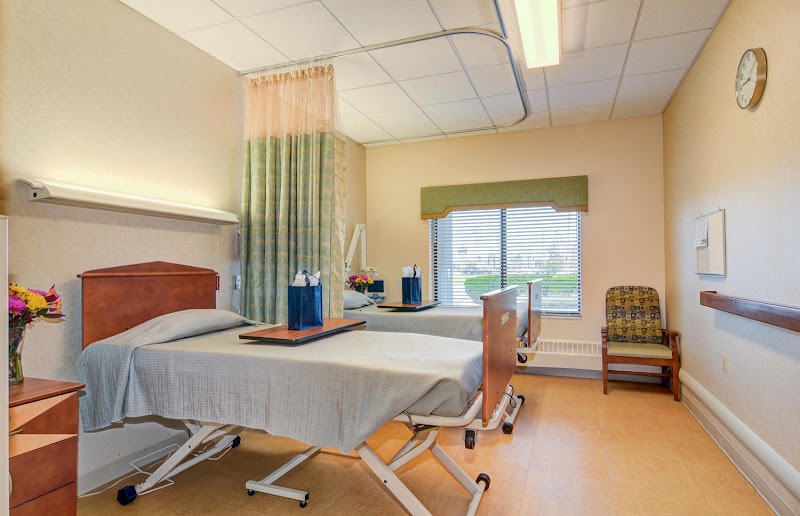
How is Three Meadows Post Acute Staffed?

CMS rates THREE MEADOWS POST ACUTE's staffing level at 2 out of 5 stars, which is below average compared to other nursing homes. Staff turnover is 49%, compared to the Ohio average of 46%.

What Have Inspectors Found at Three Meadows Post Acute?

State health inspectors documented 54 deficiencies at THREE MEADOWS POST ACUTE during 2020 to 2025. These included: 1 that caused actual resident harm and 53 with potential for harm. Deficiencies causing actual harm indicate documented cases where residents experienced negative health consequences.

Who Owns and Operates Three Meadows Post Acute?

THREE MEADOWS POST ACUTE is owned by a for-profit company. For-profit facilities operate as businesses with obligations to shareholders or private owners. The facility is operated by LEGACY HEALTH SERVICES, a chain that manages multiple nursing homes. With 120 certified beds and approximately 80 residents (about 67% occupancy), it is a mid-sized facility located in PERRYSBURG, Ohio.
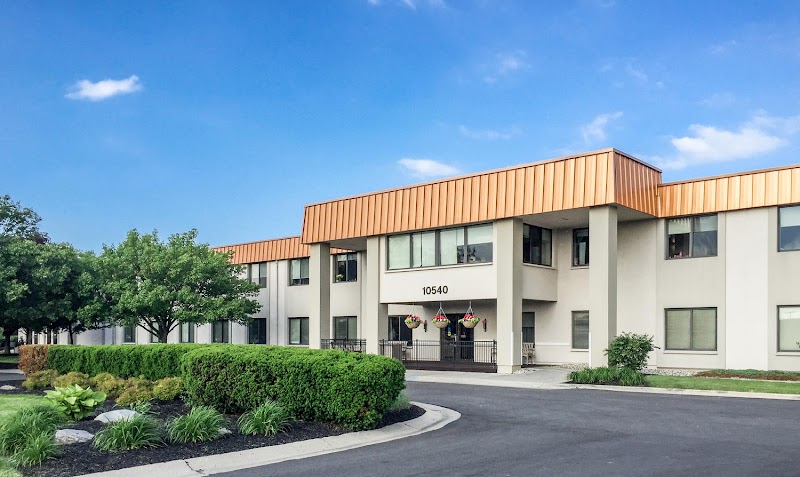
How Does Three Meadows Post Acute Compare to Other Ohio Nursing Homes?

Compared to the 100 nursing homes in Ohio, THREE MEADOWS POST ACUTE's overall rating (3 stars) is below the state average of 3.2, staff turnover (49%) is near the state average of 46%, and health inspection rating (2 stars) is below the national benchmark.

What Should Families Ask When Visiting Three Meadows Post Acute?

Based on this facility's data, families visiting should ask: "Can you walk me through typical staffing levels on day, evening, and night shifts?" "Can I visit during a mealtime to observe dining assistance and food quality?" "How do you handle medical emergencies, and what is your hospital transfer rate?" "Can I speak with family members of current residents about their experience?" These questions are particularly relevant given the below-average staffing rating.

Is Three Meadows Post Acute Safe?

Based on CMS inspection data, THREE MEADOWS POST ACUTE has a clean safety record: no substantiated abuse findings (meaning no confirmed cases of resident harm), no Immediate Jeopardy citations (the most serious violation level indicating risk of serious injury or death), and is not on the Special Focus Facility watch list (a federal program monitoring the lowest-performing 1% of nursing homes). The facility has a 3-star overall rating and ranks #100 of 100 nursing homes in Ohio. While no facility is perfect, families should still ask about staff-to-resident ratios and recent inspection results during their visit.

Do Nurses at Three Meadows Post Acute Stick Around?

THREE MEADOWS POST ACUTE has a staff turnover rate of 49%, which is about average for Ohio nursing homes (state average: 46%). Moderate turnover is common in nursing homes, but families should still ask about staff tenure and how the facility maintains care continuity when employees leave.

Was Three Meadows Post Acute Ever Fined?

THREE MEADOWS POST ACUTE has no federal fines on record. CMS issues fines when nursing homes fail to meet care standards or don't correct problems found during inspections. The absence of fines suggests the facility has either maintained compliance or corrected any issues before penalties were assessed. This is a positive indicator, though families should still review recent inspection reports for the full picture.

Is Three Meadows Post Acute on Any Federal Watch List?

THREE MEADOWS POST ACUTE is not on any federal watch list. The most significant is the Special Focus Facility (SFF) program, which identifies the bottom 1% of nursing homes nationally based on persistent, serious quality problems. Not being on this list means the facility has avoided the pattern of deficiencies that triggers enhanced federal oversight. This is a positive indicator, though families should still review the facility's inspection history directly.