REGINA HEALTH CENTER
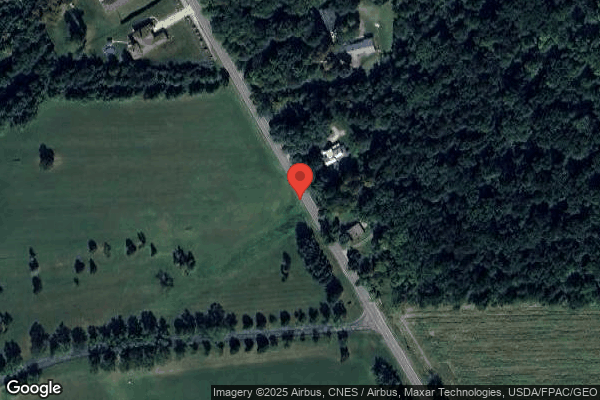
5232 BROADVIEW RD, RICHFIELD, OH 44286 (330) 659-4161
Non profit - Corporation 99 Beds Independent Data: November 2025
Trust Grade
80/100
#328 of 913 in OH
Last Inspection: May 2024

Within standard 12-15 month inspection cycle. Federal law requires annual inspections.

Overview

Regina Health Center has received a Trust Grade of B+, indicating it is above average and recommended for families considering care options. It ranks #328 out of 913 facilities in Ohio, placing it in the top half, and #15 out of 42 in Summit County, meaning there are only 14 local options considered better. The facility is improving, with issues decreasing from 5 in 2024 to 2 in 2025, and it has a solid staffing rating of 4 out of 5 stars, although turnover is around 50%, which is about average for the state. There have been no fines, which is a positive sign, and the RN coverage is average, meaning some RN oversight is present but not exceptional. Specific concerns noted include a nurse improperly handling medications without washing her hands, which raises infection risks, and failures in following dietary guidelines, potentially affecting multiple residents' nutrition. While there are strengths in the overall care quality, these incidents highlight areas needing attention.

Trust Score
B+
80/100
In Ohio
#328/913
Top 35%
Safety Record
Low Risk
No red flags
Inspections
Getting Better
5 → 2 violations
Staff Stability
⚠ Watch
50% turnover. Above average. Higher turnover means staff may not know residents' routines.
Penalties
✓ Good
No fines on record. Clean compliance history, better than most Ohio facilities.
Skilled Nurses
○ Average
Each resident gets 37 minutes of Registered Nurse (RN) attention daily — about average for Ohio. RNs are the most trained staff who monitor for health changes.
Violations
⚠ Watch
12 deficiencies on record. Higher than average. Multiple issues found across inspections.
★★★★☆
4.0
Overall Rating
★★★★☆
4.0
Staff Levels
★★★★☆
4.0
Care Quality
★★★★☆
4.0
Inspection Score
Stable
2024: 5 issues
2025: 2 issues

The Good

  • 4-Star Staffing Rating · Above-average nurse staffing levels
  • 4-Star Quality Measures · Strong clinical quality outcomes
  • Full Sprinkler Coverage · Fire safety systems throughout facility
  • No fines on record

Facility shows strength in staffing levels, quality measures, fire safety.

The Bad

Staff Turnover: 50%

Near Ohio avg (46%)

Higher turnover may affect care consistency

The Ugly 12 deficiencies on record

Jun 2025 1 deficiency
CONCERN (E) 📢 Someone Reported This

A family member, employee, or ombudsman was alarmed enough to file a formal complaint

Potential for Harm - no one hurt, but risky conditions existed

Menu Adequacy (Tag F0803)

Could have caused harm · This affected multiple residents

Based on observation, menu spreadsheet review, portion control chart review, diet order review, and interview, the facility failed to ensure the menu was followed for nutritional adequacy. This affect...

Read full inspector narrative →
Based on observation, menu spreadsheet review, portion control chart review, diet order review, and interview, the facility failed to ensure the menu was followed for nutritional adequacy. This affected four residents (Resident #61, #65, #71 and #33) and had the potential to affect all 54 residents (Resident #1, #2, #3, #4, #6, #8, #9, #10, #11, #12, #15, #17, #20, #22, #23, #25, #29, #31, #32, #33, #35, #36, #37, #40, #41, #42, #43, #45, #46, #47, #48, #49, #50, #52, #55, #56, #57, #60, #61, #62, #63, #65, #66, #69, #71, #72, #74, #76, #79, #80, #81, #83, #84, and #89) who were served food from the 2B kitchenette/dining. The census was 90. Findings include: Review of the Week Three Menu Spreadsheet for lunch for residents ordered a pureed texture diet revealed to use a four-ounce scoop for pureed chicken and a half of a cup scoop (four ounces) for pureed cauliflower. Review of the Week Three Menu Spreadsheet for lunch for residents ordered a regular diet revealed to use a half of a cup (four ounce) scoop for cheesy potato casserole. Review of the Week Three Menu Spreadsheet for lunch for residents ordered a ground texture diet revealed to use a four-ounce scoop for ground chicken. Review of the undated Portion Control Chart revealed a #16 scoop was two ounces, a #12 scoop was two and two-third ounces, a #10 scoop was three ounces, and a #8 scoop was four ounces (half of a cup). Interview on 06/11/25 at 9:00 A.M. with Registered Nurse (RN) #3 revealed Resident #19 was ordered a pureed diet and RN #3 had requested the resident receive double portions. Observation on 06/11/25 at 11:25 A.M. in the 2B kitchenette/dining room on the second floor revealed Dietary Aide (DA) #7 placed serving scoops in each individual food pan on the steamtable. At 11:36 A.M., DA #7 began serving food to Resident #61, Resident #71 and Resident #65's meal trays. DA #7 used a #16 scoop (two ounces) to serve the pureed cauliflower, a #16 scoop (two ounces) to serve the pureed chicken and partially filled the two-ounce scoop of country gravy for all three residents. DA #7 continued serving and used a #10 scoop (three ounces) to serve the scalloped potatoes. Lastly, DA #7 used a #12 scoop (two and two-third ounces) to serve the ground chicken to serve Resident #33's meal. Interview, during the observation, with DA #7 and DA #8 verified incorrect serving sizes were being served. Interview on 06/11/25 at 12:25 P.M. with Chef #2 verified residents received less food than the amount indicated on the menu spreadsheet. Interview on 06/11/25 at 12:45 P.M. with Registered Dietitian (RD) #6 verified it was the expectation for the dietary staff to follow the menu spreadsheet for serving scoop sizes. Review of the diet order report dated 06/11/25 revealed Residents #1, #2, #3, #4, #6, #8, #9, #10, #11, #12, #15, #17, #20, #22, #23, #25, #29, #31, #32, #33, #35, #36, #37, #40, #41, #42, #43, #45, #46, #47, #48, #49, #50, #52, #55, #56, #57, #60, #61, #62, #63, #65, #66, #69, #71, #72, #74, #76, #79, #80, #81, #83, #84, and #89 were ordered either a regular texture diet, ground texture diet or pureed texture diet. This deficiency represents non-compliance investigated under Complaint Number OH00165764.
Apr 2025 1 deficiency
CONCERN (D) 📢 Someone Reported This

A family member, employee, or ombudsman was alarmed enough to file a formal complaint

Potential for Harm - no one hurt, but risky conditions existed

Deficiency F0558 (Tag F0558)

Could have caused harm · This affected 1 resident

**NOTE- TERMS IN BRACKETS HAVE BEEN EDITED TO PROTECT CONFIDENTIALITY** Based on resident, family, and staff interview, observation, policy review, and record review, the facility failed to ensure Res...

Read full inspector narrative →
**NOTE- TERMS IN BRACKETS HAVE BEEN EDITED TO PROTECT CONFIDENTIALITY** Based on resident, family, and staff interview, observation, policy review, and record review, the facility failed to ensure Resident #40's bathing preferences were honored. This affected one (Resident #40) of one resident reviewed for bathing. The facility census was 85. Findings include: Review of the medical record for Resident #40 revealed an admission date of 01/24/25. Diagnoses included rheumatoid arthritis, dementia, ataxia following cerebral infarction, and aneurysm. Review of the comprehensive Minimum Data Set (MDS) assessment dated [DATE] revealed Resident #40 had intact cognition and required substantial assistance from staff for showering. Review of the shower documentation revealed Resident #40 often refused bathing. There was no evidence Resident #40 received a tub bath. The resident's medical record did not have evidence of finding out the reason behind why Resident #40 often refused bathing. Review of the care conference notes dated 04/21/25 revealed Resident #40 prefers tub baths instead of showers and tub baths were not always available. Review of Resident #40's [NAME] (a quick-reference guide that condenses resident information, including medical orders and preferences) revealed no preferences for tub baths were listed. Observation and interview on 04/29/25 at 9:32 A.M. with Resident #40 appeared to be appropriately dressed and groomed properly. Resident #40 stated she hates showers because of the spraying in the face. She stated she mentioned it to the facility and would prefer a tub bath. Resident #40 stated she will just stink because she cannot get a tub bath. Resident #40 stated the staff will bring her a washcloth and one towel to clean herself up. An interview on 04/29/25 at 10:29 A.M. with Licensed Social Worker (LSW) #203 revealed during a care conference, he was told that Resident #40 prefers tub baths instead of a shower. LSW #203 stated Resident #40 felt the staff do not give good showers. An interview on 04/29/25 at 11:22 A.M. with the Director of Nursing (DON) stated she was not informed Resident #40 wanted tub baths instead of showers. The DON said she was just informed Resident #40 refused showers. DON stated there were three bathtubs that were available for residents. The telephone interview on 04/29/25 at 11:24 A.M. with Resident #40's daughter revealed her mother does not take showers at the facility because of the shower sprayed her in the face. The daughter stated she had not given her mother a shower since she was admitted to the facility. The daughter stated she had spoken to the facility and stated that her mother prefers tub baths over showers. Her mother stated to her the nursing aides that showered her do not pay attention to her. The daughter stated two weeks ago, she had to cut her mother's hair because it was so [NAME] and dirty. Review of the facility's policy titled Bathing, dated 05/2015 revealed a bed bath, shower, or bath will be given as necessary.
Dec 2024 2 deficiencies
CONCERN (D) 📢 Someone Reported This

A family member, employee, or ombudsman was alarmed enough to file a formal complaint

Potential for Harm - no one hurt, but risky conditions existed

Deficiency F0602 (Tag F0602)

Could have caused harm · This affected 1 resident

**NOTE- TERMS IN BRACKETS HAVE BEEN EDITED TO PROTECT CONFIDENTIALITY** Based on record review, interview, and policy review, the facility failed to ensure Resident #10's narcotic pain medications wer...

Read full inspector narrative →
**NOTE- TERMS IN BRACKETS HAVE BEEN EDITED TO PROTECT CONFIDENTIALITY** Based on record review, interview, and policy review, the facility failed to ensure Resident #10's narcotic pain medications were not misappropriated. This finding affected one (Resident #10) of three residents reviewed for medication administration. Findings include: Review of Resident #10's medical record revealed the resident was admitted on [DATE] with diagnoses including pain in the right toes, muscle weakness, rheumatoid arthritis and unspecified dementia without behavioral disturbance. Review of Resident #10's Quarterly Minimum Data Set (MDS) 3.0 assessment dated [DATE] revealed the resident exhibited moderate cognitive impairment. Review of Resident #10's physician orders revealed an order dated 10/24/24 (discontinued 12/10/24) for oxycodone pain tablet 5 mg (milligrams) give one tablet by mouth every six hours as needed for pain; and a physician order dated 12/10/24 for oxycodone 5 mg give one tablet by mouth every six hours as needed for pain. Review of Resident #10's medication administration records from 10/01/24 to 12/21/24 revealed the last dose of Resident #10's oxycodone pain medication was administered on 10/30/24 at 8:00 P.M. Review of facility investigation dated 12/06/24 revealed Licensed Practical Nurse (LPN) Agency #809 misappropriated 14 oxycodone narcotic pain medications out of twenty-five oxycodone narcotic pain medications remaining on the narcotic card which were available for Resident #10's use as of 11/23/24. The narcotic card from Resident #10 was located on the 1C Hall medication administration cart in the locked narcotic drawer. This incident occurred when LPN Agency #809 worked 10:30 P.M. to 7:00 A.M. on 11/23/24. LPN Agency #809 worked a total of four shifts in the facility including 03/19/24, 07/19/24, 11/15/24 and 11/23/24. The investigation determined Resident #10's oxycodone narcotic pain medication card had the sides of the card slit open and the oxycodone narcotics were only taken from the edges and replaced with Topamax migraine medication. The Administration staff revealed LPN Agency #809 had left a bottle labeled amoxicillin with her name on it at the nursing station. Upon inspection of the bottle, an unknown amount of Topamax was in the bottle. On 12/06/24, LPN Agency #810 (second shift) and LPN Agency #808 were doing the end of shift narcotic counts and the nurses determined there was an issue with Resident #10's oxycodone narcotic card. The investigation and the pharmacy had determined the glue which was used to reseal Resident #10's oxycodone narcotic pain medication card after switching the oxycodone with Topamax had came undone on the tampered narcotic medications and that why LPN Agency #808 noticed the edges of the card pulling apart. When LPN Agency #808 inspected the card further it was determined 14 of the oxycodone tablets did not have the correct medications in the plastic bubble slots intended for the oxycodone. The oxycodone was replaced by Topamax migraine medication. The facility identified one resident in the facility who was administered Topamax which were a different brand that the Topamax found in the oxycodone card, but the same tablets which were found in LPN Agency #809's amoxicillin bottle she had left at the nursing station. Review of the Facility Theft or Loss Documentation form dated 12/06/24 revealed 14 tablets of Resident #10's oxycodone narcotic pain medications were missing with an unexplained theft or loss. The suspect's name was LPN Agency #809. The pharmacy, State Board of Nursing and Law Enforcement were notified. There was no mention of notification to the State Survey Agency. Interview on 12/21/24 at 7:20 A.M. with LPN #804 indicated the misappropriation happened on the 1C Hall medication cart. She stated the third shift agency nurse (LPN Agency #808) was counting with the second shift agency nurse (LPN Agency #809) when the third shift nurse noticed Resident #10's oxycodone pain medication card had been tampered with. Interview on 12/21/24 at 7:38 A.M. with RN Supervisor #803 indicated the oncoming nurse on 12/06/24 (LPN Agency #808) counted the narcotics with another staff member during shift change when a discrepancy was identified with Resident #10's oxycodone narcotic card. LPN Agency #808 flipped over Resident #10's oxycodone narcotic card and there was a slit on the back of some of the narcotic pain medications. When she examined the card, she found that some of the medications in the plastic bubbles of the narcotic card were different than other pills in the card. She reported these concerns to the administrative staff. Interview on 12/21/24 at 8:01 A.M. with RN Assistant Director of Nursing (ADON) #806 indicated LPN Agency #808 had noticed Resident #10's card looked tampered with when she was doing narcotic count on 12/06/24 with another staff member. She refused to take the keys and called the administrative staff. During the investigation, it was determined that Resident #10's oxycodone narcotic card had 14 oxycodone pain tablets replaced with Topamax (for seizures and migraine headaches). Further investigation revealed a bottle labeled amoxicillin was found at the nursing station with LPN Agency #809's name on the label. The bottle was filled with Topamax when reviewed by the pharmacy. RN ADON #806 stated the facility called the police, the Board of Nursing, their pharmacy and did audits but did not identify any other residents with missing narcotic pain medications. RN ADON #806 also indicated Resident #10 had not received oxycodone narcotic pain medications since 10/24 and no concerns were identified with the resident was assessed for pain. A telephone interview was attempted on 12/21/24 at 9:55 A.M. with LPN Agency #809 and was unsuccessful with no answer obtained. A message was left on the voicemail. No call back from LPN Agency #809 was received. Review of the facility's Narcotic Policy dated 07/05/24 revealed to not scratch off and scribble on mediation narcotic tracking sheets; sheets must remain legible at all times; all narcotics were to be signed off as they were removed from the cart and administered; shift to shift counts must be completed by all nurses when transferring keys and medication carts; narcotic cards were to be assessed for proper numerical count, card integrity, expiration date and signs of tampering; and two nurses were required for transferring narcotics in and out of each medication cart. This deficiency represents noncompliance investigated under Complaint Number OH00160593.
CONCERN (D) 📢 Someone Reported This

A family member, employee, or ombudsman was alarmed enough to file a formal complaint

Potential for Harm - no one hurt, but risky conditions existed

Report Alleged Abuse (Tag F0609)

Could have caused harm · This affected 1 resident

**NOTE- TERMS IN BRACKETS HAVE BEEN EDITED TO PROTECT CONFIDENTIALITY** Based on record review, interview, and policy review, the facility failed to report an allegation of misappropriation of Residen...

Read full inspector narrative →
**NOTE- TERMS IN BRACKETS HAVE BEEN EDITED TO PROTECT CONFIDENTIALITY** Based on record review, interview, and policy review, the facility failed to report an allegation of misappropriation of Resident #10's oxycodone narcotic pain medications to the State Survey Agency as required. This finding affected one (Resident #10) of three residents reviewed for misappropriation. Findings include: Review of Resident #10's medical record revealed the resident was admitted on [DATE] with diagnoses including pain in the right toes, muscle weakness, rheumatoid arthritis and unspecified dementia without behavioral disturbance. Review of Resident #10's physician orders revealed an order dated 10/24/24 (discontinued 12/10/24) for oxycodone pain tablet 5 mg (milligrams) give one tablet by mouth every six hours as needed for pain; and a physician order dated 12/10/24 for oxycodone 5 mg give one tablet by mouth every six hours as needed for pain. Review of Resident #10's Quarterly Minimum Data Set (MDS) 3.0 assessment dated [DATE] revealed the resident exhibited moderate cognitive impairment. Review of Resident #10's Medication Administration Records from 10/01/24 to 12/21/24 revealed the last dose of Resident #10's oxycodone pain medication was administered on 10/30/24 at 8:00 P.M. Review of facility investigation dated 12/06/24 revealed Licensed Practical Nurse (LPN) Agency #809 misappropriated 14 oxycodone narcotic pain medications out of twenty-five oxycodone narcotic pain medications remaining on the narcotic card which were available for Resident #10's use as of 11/23/24. The narcotic card from Resident #10 was located on the 1C Hall medication administration cart in the locked narcotic drawer. This incident occurred when LPN Agency #809 worked 10:30 P.M. to 7:00 A.M. on 11/23/24. LPN Agency #809 worked a total of four shifts in the facility including 03/19/24, 07/19/24, 11/15/24 and 11/23/24. The investigation determined Resident #10's oxycodone narcotic pain medication card had the sides of the card slit open and the oxycodone narcotics were only taken from the edges and replaced with Topamax migraine medication. The Administration staff revealed LPN Agency #809 had left a bottle labeled amoxicillin with her name on it at the nursing station. Upon inspection of the bottle, an unknown amount of Topamax was in the bottle. On 12/06/24, LPN Agency #810 (second shift) and LPN Agency #808 were doing the end of shift narcotic counts and the nurses determined there was an issue with Resident #10's oxycodone narcotic card. The investigation and the pharmacy had determined the glue which was used to reseal Resident #10's oxycodone narcotic pain medication card after switching the oxycodone with Topamax had came undone on the tampered narcotic medications and that why LPN Agency #808 noticed the edges of the card pulling apart. When LPN Agency #808 inspected the card further it was determined 14 of the oxycodone tablets did not have the correct medications in the plastic bubble slots intended for the oxycodone. The oxycodone was replaced by Topamax migraine medication. The facility identified one resident in the facility who was administered Topamax which were a different brand that the Topamax found in the oxycodone card, but the same tablets which were found in LPN Agency #809's amoxicillin bottle she had left at the nursing station. Review of the Facility Theft or Loss Documentation form dated 12/06/24 revealed 14 tablets of Resident #10's oxycodone narcotic pain medications were missing with an unexplained theft or loss. The suspect's name was LPN Agency #809. The pharmacy, State Board of Nursing and Law Enforcement were notified. There was no mention of notification to the State Survey Agency. Interview on 12/21/24 at 7:38 A.M. with RN Supervisor #803 indicated the oncoming nurse on 12/06/24 (LPN Agency #808) counted the narcotics with another staff member during shift change when a discrepancy was identified with Resident #10's oxycodone narcotic card. LPN Agency #808 flipped over Resident #10's oxycodone narcotic card and there was a slit on the back of some of the narcotic pain medications. When she examined the card, she found that some of the medications in the plastic bubbles of the narcotic card were different than other pills in the card. She reported these concerns to the administrative staff. Interview on 12/21/24 at 8:01 A.M. with Registered Nurse (RN) Assistant Director of Nursing (ADON) #806 confirmed Resident #10's oxycodone narcotic pain medications were misappropriated. Review of the facility Self-Reported Incidents (SRIs) did not reveal evidence Resident #10's misappropriation of oxycodone narcotic pain medications was reported to the State Survey Agency as required. Review of the policy Abuse, Neglect, and Misappropriation, revised 04/13/21, revealed all employees who know of or suspect abuse, neglect, or misappropriation are required to report to the Executive Director. The Executive Director or his/her designee will report all alleged violations to the Ohio Department of Health (ODH) through the ODH Application Gateway. The results of a thorough investigation must be included on the complete report within 5 working days of the incident. This deficiency represents an incidental finding of noncompliance identified while investigating Complaint Number OH00160593.
May 2024 3 deficiencies
CONCERN (D)

Potential for Harm - no one hurt, but risky conditions existed

Deficiency F0883 (Tag F0883)

Could have caused harm · This affected 1 resident

Based on interview, record review and policy review the facility failed to ensure Resident #9 was offered and received education regarding the influenza and pneumonia vaccines. This affected one of fi...

Read full inspector narrative →
Based on interview, record review and policy review the facility failed to ensure Resident #9 was offered and received education regarding the influenza and pneumonia vaccines. This affected one of five residents reviewed for immunizations (Residents #26, #32, #27, #79, and #9). The facility census was 88. Findings include: Review of the medical record for Resident #9 revealed an admission date of 03/12/21. Diagnoses included dementia, diabetes mellitus, and chronic kidney disease. The record indicated the resident had a responsible party. Review of the resident immunizations in the online medical record revealed refused next to both influenza and pneumonia vaccines. Further review of the medical record revealed no evidence that the facility offered the vaccines or provided education to the resident or her representative. Interview on 05/22/24 at 11:14 A.M. with Registered Nurse (RN) #52 revealed she was responsible for obtaining vaccine consents and providing education. RN #52 reported the facility did not obtain a written refusal for Resident #9's influenza and pneumonia vaccines or have evidence that education was provided to the resident or the resident's responsible party regarding the vaccines. Review of the facility policy, Resident Influenza/COVID 19/Pneumonia/RSV vaccination Program dated 09/2023 revealed vaccines were offered annually to all residents. The Infection Preventionist was responsible to coordinate the vaccination program.
CONCERN (D)

Potential for Harm - no one hurt, but risky conditions existed

Deficiency F0887 (Tag F0887)

Could have caused harm · This affected 1 resident

Based on interview, record review and policy review the facility failed to ensure Resident #9 was offered and received education on the Covid-19 vaccine. This affected one of five residents reviewed f...

Read full inspector narrative →
Based on interview, record review and policy review the facility failed to ensure Resident #9 was offered and received education on the Covid-19 vaccine. This affected one of five residents reviewed for immunizations (Residents #26, #32, #27, #79, and #9). The facility census was 88. Findings include: Review of the medical record for Resident #9 revealed an admission date of 03/12/21. Diagnoses included dementia, diabetes mellitus, and chronic kidney disease. The record indicated the resident had a responsible party. Review of the resident immunizations in the online medical record revealed refused the Covid-19 vaccine. Further review of the medical record revealed no evidence that the facility offered the vaccine or provided education to the resident or her representative. Interview on 05/22/24 at 11:14 A.M. with Registered Nurse (RN) #52 confirmed she was responsible for obtaining vaccine consents and providing education. RN #52 reported the facility did not obtain a written refusal for Resident #9's Covid-19 vaccine or have evidence that education was provided to the resident or the resident's responsible party regarding the vaccine. Review of the facility policy, Resident Influenza/COVID 19/Pneumonia/RSV vaccination Program dated 09/2023 revealed vaccines were offered annually to all residents. The Infection Preventionist was responsible to coordinate the vaccination program.
CONCERN (F)

Potential for Harm - no one hurt, but risky conditions existed

Infection Control (Tag F0880)

Could have caused harm · This affected most or all residents

**NOTE- TERMS IN BRACKETS HAVE BEEN EDITED TO PROTECT CONFIDENTIALITY** 3. An observation of on 05/21/24 at 8:10 A.M. revealed Registered Nurse (RN) #86 preparing medications for Resident #16. RN #86 ...

Read full inspector narrative →
**NOTE- TERMS IN BRACKETS HAVE BEEN EDITED TO PROTECT CONFIDENTIALITY** 3. An observation of on 05/21/24 at 8:10 A.M. revealed Registered Nurse (RN) #86 preparing medications for Resident #16. RN #86 removed losartan 25 milligram (mg) from its packaging and placed the medication into her hand. RN #86 then placed the losartan 25 mg tablet into a medication cup. RN #86 verified touching the medication directly with her hand and placing it in the medication cup. RN #86 then continued to prepare the medications for Resident #16 by removing them directly from the packaging and placing them in the cup without touching them. RN #86 then gave Resident #16 the medications she prepared including the losartan 25 mg touched with her hand. An observation on 05/21/24 at 8:25 A.M. revealed RN #86 preparing medications for Resident #72. RN #86 removed a docusate sodium 100 mg from a stock bottle and placed the medication into her hand. RN #86 then placed the docusate sodium 100 mg tablet into a medication cup. RN #86 verified touching the medication directly with her hand and placing it in the medication cup. RN #86 then continued to prepare the medications for Resident #72 by removing them directly from the packaging and placing them in the cup without touching them. RN #86 then gave Resident #72 the medications she prepared including the docusate sodium 100 mg touched with her hand. On 05/21/24 at 10:00 A.M. an interview RN #164 revealed RN #86 should not have touched the medications for Residents #16 and #72 with her hands. RN #164 also stated the medications for Residents #16 and #72 should have been discarded once they were contaminated with RN #86 hands. A review of the policy titled, Medication Administration Policy dated 01/03/23 revealed in point 5, Health care staff may administer medications consistent with applicable Ohio State law and the rules and regulations that apply to their profession, including Registered Nurses and Licensed Practical Nurses. Based on observation, interview, record review, and policy review the facility failed to ensure a comprehensive water management plan which had the potential to affect all residents; ensure staff were alerted Resident #5, #19, and #53 were on Enhanced Barrier Precautions (EBP), and failed to ensure appropriate infection control practices were maintained during medication administration affecting Residents #16 and #72. The facility census was 88. Findings include: 1. Review of the facility's undated policy Identifying Building at at an Increased Risk Assessment revealed the facility was to have a water management program in place. Review of the facility's policy Legionella Water Management Program Policy, dated 08/08/18 revealed the facility was to appoint a water program committee responsible for developing and implementing a risk management plan for water systems. Review of the facility's Legionella monitoring documentation revealed the facility did not a have comprehensive water management plan. The facility was assessing water temperatures in resident rooms and monitoring chorine levels. The facility had not established a water management team, developed a water system diagram identifying showers, ice machines, water fountains, or identified high risk area where Legionella could grow. Interview on 05/22/24 at 1:45 P.M. the facility's Administrator confirmed the facility did not have a comprehensive water management plan in place. The Administrator stated the facility recently had a change in the maintenance department possibly resulting in the loss of the plan. 2. Review of the medical record for Resident #5 revealed and admission date of 09/27/19 and diagnoses including but not limited to anxiety disorder, chronic kidney disease, and gastroparesis. Review of the Minimum Date Set (MDS) assessment dated [DATE] revealed Resident #5 had intact cognition and was dependent for activities of daily living. Review of the physician's orders for May 2024 revealed that EBP was ordered because the resident had a urinary catheter. A gown and gloves were to be worn for all high contact resident care activities. Review of the medical record for Resident #19 revealed and admission date of 11/13/20 and a readmission date of 12/11/20. Diagnoses included but were not limited to diabetes mellitus, syncope and collapse, depression, and dementia. Review of the Minimum Date Set (MDS) assessment dated [DATE] revealed Resident #19 was severely cognitively impaired and was dependent for activities of daily living. Review of the physician's orders for May 2024 revealed that EBP was ordered because the resident had a urinary catheter. A gown and gloves were to be worn for all high contact resident care activities. Review of the medical record for Resident #53 revealed and admission date of 02/08/24 and a readmission date of 03/13/24. Diagnoses included but were not limited to sepsis, unspecified psychosis not due to a known substance or known physiological condition, major depressive disorder, and bipolar disorder. Review of the Minimum Date Set (MDS) assessment dated [DATE] revealed Resident #53 was cognitively intact, required partial to moderate assistance activities of daily living and was receiving chemotherapy. Review of the physician's orders for May 2024 revealed that EBP was ordered because Resident #53 had to be straight cathed every six hours for urinary retention. A gown and gloves were to be worn for all high contact resident care activities. Observation on 05/19/24 from 3:00 through 3:30 P.M. revealed that Residents #5, #19, #53, who were ordered barrier precautions, had no signs on the door to alert staff and no personal protective equipment (PPE) was located near their rooms. This was verified by Infection Control Preventionist (ICP) #52 at time of observation. ICP #52 stated that she wasn't sure why PPE and the enhance barrier signs were not on the door of the first-floor residents when the second floor had signs and PPE. Review of the Center for Clinical Standards and Quality/Quality, Safety & Oversight Group reference QSO-24-08-NH revealed EBP recommendations included use of EBP for residents with chronic wounds or indwelling medical devices during high contact resident care activities regardless of their multidrug-resistant organism status. Review of the undated facility policy Enhanced Barrier Precautions, revealed the facility would identify residents with central lines, urinary catheters, feeding tubes, hemodialysis catheters and tracheotomy/ventilator status regardless of Multi drug-resistant Organisms (MDRO) colonization status. High contact resident care activities requiring gown and glove use included but were not limited to tracheotomy/ventilator care. Residents identified with MDRO, wound, and or indwelling medical devices would have an EBP sign noting the PPE needed and the high contact care activities placed on the door or wall outside of the resident room.
Apr 2023 1 deficiency
CONCERN (D) 📢 Someone Reported This

A family member, employee, or ombudsman was alarmed enough to file a formal complaint

Potential for Harm - no one hurt, but risky conditions existed

Accident Prevention (Tag F0689)

Could have caused harm · This affected 1 resident

**NOTE- TERMS IN BRACKETS HAVE BEEN EDITED TO PROTECT CONFIDENTIALITY** Based on record review and interview, the facility failed to conduct a thorough investigation of a fall for Resident #27. This a...

Read full inspector narrative →
**NOTE- TERMS IN BRACKETS HAVE BEEN EDITED TO PROTECT CONFIDENTIALITY** Based on record review and interview, the facility failed to conduct a thorough investigation of a fall for Resident #27. This affected one (#27) of four residents reviewed for falls. Findings include: Review of the open medical record for Resident #27 revealed an admission date of 03/06/19. Diagnoses included severe dementia with mood disturbance, recurrent depressive disorder, anxiety disorder, a history of fracture of the right patella, and disorders of bone density and structure. Review of the annual Minimum Data Set (MDS) assessment dated [DATE] revealed Resident #27 had moderate cognitive impairment and required extensive assistance or total dependence for activities of daily living (ADLs). Review of the progress note dated 02/27/23 at 9:53 A.M. revealed Resident #27 slid off the edge of her bed onto the floor. Review of the facility investigation into Resident #27's fall and injury revealed the investigation was lacking witness statements from staff and the incident report was not completed in its entirety. Interview on 04/11/23 at 11:00 A.M. with Resident #27 revealed she was not interviewable. Interview on 04/11/23 at 3:41 P.M. with the Director of Nursing (DON) verified the fall investigation for Resident #27 was incomplete because the incident report was not filled out in its entirety and there were not witness statements from all staff involved in the incident to help determine the root cause of the fall. Review of the facility policy titled, Fall Reduction Program, dated 01/04/21, revealed all residents would receive adequate supervision and assistance to aid in the prevention of falls, all falls would be investigated, and the facility would maintain a record that contains a list of all incidents and falls. The investigative guidelines included completing the incident report and obtaining detailed statements from all witnesses. This deficiency represents non-compliance investigated under Complaint Number OH00141478.
Apr 2022 1 deficiency
CONCERN (D)

Potential for Harm - no one hurt, but risky conditions existed

Pharmacy Services (Tag F0755)

Could have caused harm · This affected 1 resident

**NOTE- TERMS IN BRACKETS HAVE BEEN EDITED TO PROTECT CONFIDENTIALITY** Based on record review and interview, the facility failed to ensure one resident (Resident #322) received scheduled doses of ant...

Read full inspector narrative →
**NOTE- TERMS IN BRACKETS HAVE BEEN EDITED TO PROTECT CONFIDENTIALITY** Based on record review and interview, the facility failed to ensure one resident (Resident #322) received scheduled doses of anticoagulant (blood thinner) medication due to unavailability of the medication. This affected one (Resident #322) out of five (Resident #11, #12, #63, #69 #322) residents reviewed for unnecessary meds. The census was 79. Findings include: Medical record review revealed Resident #322 was admitted to the facility on [DATE] with diagnoses that included cerebral infarction, hypertension, hyperlipidemia, type II diabetes, acute kidney failure, protein-calorie malnutrition and depression. Review of physician's admission orders dated 04/07/22 indicated Resident #322 was prescribed the anticoagulant Heparin Sodium Solution 5,000 unit/ per milliliter (ml), inject one ml (5,000 units) subcutaneously two times a day for anticoagulation therapy. Review of the Medication Administration Record for April 2022 indicated two doses of Heparin 5,000 units was not given as scheduled on 04/15/22 at 8:00 A.M. and on 04/15/22 at 8:00 P.M. Review of nurse progress note dated 04/15/22 at 10:45 P.M. indicated medication was on its way from pharmacy and would be given by third shift. During interview on 04/20/22 at 3:40 P.M., the Director of Nursing (DON) confirmed that the Heparin was not administered to Resident #322 because it was not available from the pharmacy. The DON also indicated that the Pyxis Medstation (an automated medication dispensing machine) did not have Heparin Sodium Solution 5,000 unit/ml available at the time. The DON indicated pharmacy usually drop-ships medications but she was unsure what happened this time. Review of the facility's policy entitled Medication Administration - General Guidelines dated May 2020, indicated if a medication with a current, active order could not be located in the medication cart/drawer, other areas of the medication cart, medication room, and facility (i.e. other units) were to be searched, if possible. If the medication could not be located after further investigation, the pharmacy was to be contacted, or medication removed from the starter box. If a dose of regularly scheduled medication was withheld, refused, not available, or given at a time other than the scheduled time, that dosage administration was to be flagged and documented accordingly. An explanatory note was to be entered on the record. If a dose of a vital medication was withheld, refused, or not available, the prescriber was to be notified unless otherwise instructed by the prescriber. Nursing was to document the notification and prescriber response. Review of facility's policy entitled Policies and Procedures Pharmacy Services for Nursing Facilities dated May 2020, indicated the pharmacy agreed to perform the following pharmaceutical services, including but not limited to: providing routine and timely pharmacy service as contracted and emergency pharmacy service 24 hours per day, seven days a week.
Apr 2019 3 deficiencies
CONCERN (D)

Potential for Harm - no one hurt, but risky conditions existed

Deficiency F0582 (Tag F0582)

Could have caused harm · This affected 1 resident

Based on medical record review, staff interview, and facility policy review, the facility failed to provide evidence of written notification to the resident and/or representative regarding beneficiary...

Read full inspector narrative →
Based on medical record review, staff interview, and facility policy review, the facility failed to provide evidence of written notification to the resident and/or representative regarding beneficiary notices. This affected two residents (Residents #40 and #87) out of three residents (Residents #40, #87, and #88) reviewed for beneficiary notices. The facility census was 88. Findings include: 1. Resident #40 was admitted to Medicare part A services on 02/23/19 and issued a last covered day of 03/08/19. A Notice of Medicare Non-Coverage (NOMNC) form was issued on 03/05/19 by the Admissions Coordinator (AC) #501. The NOMNC form stated Resident #40's resident representative was notified by phone on 03/05/19 skilled Medicare part A services would end on 03/08/19 and financial liability would begin on 03/09/19. Review of Resident #40's medical record revealed it was silent as to documentation regarding resident representative notification of last covered day and AC #501 was unable to provide information of the NOMNC having been mailed to Resident #40's resident representative. According to Centers for Medicare and Medicaid Services (CMS) form, Form Instructions 10123-NOMNC, undated, if a provider is personally unable to deliver a NOMNC to a person acting on behalf of an enrollee, then the provider should telephone the representative to advise him or her when the enrollee's services are no longer covered. The date of the conversation is the date of the receipt of the notice and the facility needs to confirm the telephone contact by written notice mailed on the same date. The instructions further state if direct phone contact cannot be made, send the notice to the representative by certified mail, return receipt requested and the date someone at the representative's address signs (or refuses to sign) the receipt is the date of receipt. When notices are returned by the post office with no indication of a refusal date, then the resident's liability starts on the provider's mailing date. Staff interview with AC #501 on 04/22/19 at 3:17 P.M. confirmed Resident #40's NOMNC was not mailed, for written notice, to the resident representative after phone notification. Facility policy review revealed the facility did not previously have a NOMNC policy and only created a NOMNC policy dated 04/24/19 which stated if the resident representative is not present to sign the NOMNC, the NOMNC will be sent certified mail to the resident representative after verbal confirmation. 2. Resident #87 was admitted to Medicare part A services on 02/12/19 and issued a last covered day of 03/06/19. A NOMNC form was issued on 03/04/19 by AC #501. The NOMNC form stated Resident #87's resident representative was notified by phone on 03/04/19 skilled Medicare part A services would end on 03/06/19 and financial liability would begin on 03/07/19. Review of Resident #87's medical record revealed it was silent as to documentation regarding resident representative notification of last covered day and AC #501 was unable to provide information on the NOMNC having been mailed to Resident #87's resident representative. According to Centers for Medicare and Medicaid Services (CMS) form, Form Instructions 10123-NOMNC, undated, if a provider is personally unable to deliver a NOMNC to a person acting on behalf of an enrollee, then the provider should telephone the representative to advise him or her when the enrollee's services are no longer covered. The date of the conversation is the date of the receipt of the notice and the facility needs to confirm the telephone contact by written notice mailed on the same date. The instructions further state if direct phone contact cannot be made, send the notice to the representative by certified mail, return receipt requested and the date someone at the representative's address signs (or refuses to sign) the receipt is the date of receipt. When notices are returned by the post office with no indication of a refusal date, then the resident's liability starts on the provider's mailing date. Staff interview with AC #501 on 04/22/19 at 3:17 P.M. confirmed Resident #40's NOMNC was not mailed, for written notice, to the resident representative after phone notification. Facility policy review revealed the facility did not previously have a NOMNC policy and only created a NOMNC policy dated 04/24/19 which stated if the resident representative is not present to sign the NOMNC, the NOMNC will be sent certified mail to the resident representative after verbal confirmation.
CONCERN (D)

Potential for Harm - no one hurt, but risky conditions existed

Incontinence Care (Tag F0690)

Could have caused harm · This affected 1 resident

**NOTE- TERMS IN BRACKETS HAVE BEEN EDITED TO PROTECT CONFIDENTIALITY** Based on observation, record review, policy review and interview, the facility failed to ensure thorough catheter care was provi...

Read full inspector narrative →
**NOTE- TERMS IN BRACKETS HAVE BEEN EDITED TO PROTECT CONFIDENTIALITY** Based on observation, record review, policy review and interview, the facility failed to ensure thorough catheter care was provided for Resident #51, one of one resident reviewed for urinary catheter. The facility identified four residents with indwelling urinary catheters. The facility census was 88. Findings included: Record review for Resident #51 revealed the resident was admitted to the facility on [DATE] with diagnoses that included spinal stenosis, peripheral neuropathy, ataxic gait, Diabetes Mellitus, type II, chronic urinary incontinence, and with updated diagnosis 01/02/19 stage 4 pressure ulcer sacral region. Review of physician orders revealed 01/23/19 foley catheter care every day and evening shift for hygiene. An observation of catheter care for Resident #51 was conducted on 04/23/19 at 1:30 P.M. With the resident's permission State Tested Nursing Assistant (STNA) #503 provided catheter care for the resident assisted by Registered Nurse (RN) #502. Observations during the procedure revealed STNA #503 explained the procedure to the resident, gathered supplies, appropriately washed hands and donned gloves. Using premoistened cleansing wipes STNA #503 cleansed the resident's groin and pubic areas, obtained new wipes and cleansed the resident's perianal areas from front to back. Without cleansing the resident's labia that touched the catheter STNA #503 obtained new wipes and cleansed the resident's catheter approximately two inches from the catheter insertion site outward to the end of the catheter where it connected to the tubing of the urinary drainage bag. STNA #503 did not separate the resident's labia and clean skin surfaces that came in contact with the catheter or clean the catheter as close to the insertion site as possible. An interview was conducted with STNA #503 at 1:45 P.M. following the observation. During the interview STNA #503 stated the STNA thought thorough catheter care was provided for the resident. A follow up interview was conducted with RN #502 at 2:50 P.M. During the interview catheter care technique provide by STNA #503 was reviewed. RN #502 confirmed the STNA did not spread the resident's labia to cleanse labial skin surfaces that were in contact with the urinary catheter. Review of the facility Urinary Catheter Care policy with a revision date 2006 revealed procedure step 6 spread the labia and clean the perineal area from the front to the back. This concern was shared with the facility Director of Nursing (DON) during an interview on 04/23/19 at 3:45 P.M. During that interview the DON stated the STNA was very nervous and the DON confirmed thorough catheter care was not completed for Resident #51.
CONCERN (E)

Potential for Harm - no one hurt, but risky conditions existed

Food Safety (Tag F0812)

Could have caused harm · This affected multiple residents

**NOTE- TERMS IN BRACKETS HAVE BEEN EDITED TO PROTECT CONFIDENTIALITY** Based on observation, staff interview, and facility policy revealed the facility failed to maintain appropriate refrigerator tem...

Read full inspector narrative →
**NOTE- TERMS IN BRACKETS HAVE BEEN EDITED TO PROTECT CONFIDENTIALITY** Based on observation, staff interview, and facility policy revealed the facility failed to maintain appropriate refrigerator temperatures and date opened containers in the activity room refrigerators. This had the potential to affect 30 Residents who ate food stored in the activity room refrigerator. (Resident #63, #4, #76, #40, #16, #39, #48, #10, #67, #72, #187, #22, #74, #24, #18, #11, #20, #8, #79, #25, #44, #29, #41, #21, #19, #6, #23, #27, #58, #31). The facility census was 88. Findings include: An observation of the first-floor kitchenette (room [ROOM NUMBER]) refrigerator on 04/24/19 at 9:33 A.M. revealed no thermometer, one undated, opened container of cream cheese, an undated pitcher of an orange liquid, and numerous staff lunches. There was no sign indicating the refrigerator was for staff only. An interview at this time, Activity Director (AD) #507 indicated the staff placed items in the refrigerator and everything should be dated. She verified there was not a thermometer in the refrigerator and there were items not dated as to when opened. An observation of the first-floor kitchenette (room [ROOM NUMBER]) refrigerator on 04/25/19 at 10:50 A.M. revealed a thermometer was now in the refrigerator, however the thermometer was reading 45 degrees Fahrenheit (F). The refrigerator still had one undated opened container of cream cheese. There was also a large container of salad dressing dated and labeled activities and numerous staff lunches. There was not a sign on the refrigerator indicating for staff use only. An observation of the activity room refrigerator on 04/25/19 at 10:58 A.M. revealed a thermometer reading 46 degrees F and numerous undated, opened items; two Ready Whip containers, one container of strawberry jelly, one container of mustard, one container of ketchup and one container of ranch dressing. An interview on 04/25/19 at 11:00 A.M. AD #507 verified the temperature in the refrigerator was 46 degrees F. She indicated did not check the temperature of activity's refrigerator, but they should be putting a date on everything opened. She verified the items were opened and not dated. She stated she would throw the item out. An interview on 04/25/19 at 11:05 A.M. Dietary Manager #505 revealed everything should be dated as to when it was opened, and the dietary department did not check the temperatures of the refrigerators in the kitchenette or the activity room. Review of the facility policy dated 11/10, Food and Beverage Temperatures, revealed potentially hazardous cold foods and beverages were to be maintained and served at a temperature of 41 degrees Fahrenheit or below. Review of the facility policy dated 05/12, Safe Food Handling, revealed all foods were not stored in open cans, but rather in approved containers with tight-fitting lids. Any container, other than the original, was to be labeled with the name of the product and the date.
Understanding Severity Codes (click to expand)
Life-Threatening (Immediate Jeopardy)
J - Isolated K - Pattern L - Widespread
Actual Harm
G - Isolated H - Pattern I - Widespread
Potential for Harm
D - Isolated E - Pattern F - Widespread
No Harm (Minor)
A - Isolated B - Pattern C - Widespread

Questions to Ask on Your Visit

  • "Can I speak with families of current residents?"
  • "What's your RN coverage like on weekends and overnight?"

Our Honest Assessment

Strengths
  • • Grade B+ (80/100). Above average facility, better than most options in Ohio.
  • • No major safety red flags. No abuse findings, life-threatening violations, or SFF status.
  • • No fines on record. Clean compliance history, better than most Ohio facilities.
Concerns
  • • 12 deficiencies on record. Higher than average. Multiple issues found across inspections.
Bottom line: Generally positive indicators. Standard due diligence and a personal visit recommended.

About This Facility

What is Regina's CMS Rating?

CMS assigns REGINA HEALTH CENTER an overall rating of 4 out of 5 stars, which is considered above average nationally. Within Ohio, this rating places the facility higher than 99% of the state's 100 nursing homes. This rating reflects solid performance across the metrics CMS uses to evaluate nursing home quality.

How is Regina Staffed?

CMS rates REGINA HEALTH CENTER's staffing level at 4 out of 5 stars, which is above average compared to other nursing homes. Staff turnover is 50%, compared to the Ohio average of 46%.

What Have Inspectors Found at Regina?

State health inspectors documented 12 deficiencies at REGINA HEALTH CENTER during 2019 to 2025. These included: 12 with potential for harm.

Who Owns and Operates Regina?

REGINA HEALTH CENTER is owned by a non-profit organization. Non-profit facilities reinvest revenue into operations rather than distributing to shareholders. The facility operates independently rather than as part of a larger chain. With 99 certified beds and approximately 87 residents (about 88% occupancy), it is a smaller facility located in RICHFIELD, Ohio.

How Does Regina Compare to Other Ohio Nursing Homes?

Compared to the 100 nursing homes in Ohio, REGINA HEALTH CENTER's overall rating (4 stars) is above the state average of 3.2, staff turnover (50%) is near the state average of 46%, and health inspection rating (4 stars) is above the national benchmark.

What Should Families Ask When Visiting Regina?

Based on this facility's data, families visiting should ask: "Can I visit during a mealtime to observe dining assistance and food quality?" "How do you handle medical emergencies, and what is your hospital transfer rate?" "Can I speak with family members of current residents about their experience?"

Is Regina Safe?

Based on CMS inspection data, REGINA HEALTH CENTER has a clean safety record: no substantiated abuse findings (meaning no confirmed cases of resident harm), no Immediate Jeopardy citations (the most serious violation level indicating risk of serious injury or death), and is not on the Special Focus Facility watch list (a federal program monitoring the lowest-performing 1% of nursing homes). The facility has a 4-star overall rating and ranks #1 of 100 nursing homes in Ohio. While no facility is perfect, families should still ask about staff-to-resident ratios and recent inspection results during their visit.

Do Nurses at Regina Stick Around?

REGINA HEALTH CENTER has a staff turnover rate of 50%, which is about average for Ohio nursing homes (state average: 46%). Moderate turnover is common in nursing homes, but families should still ask about staff tenure and how the facility maintains care continuity when employees leave.

Was Regina Ever Fined?

REGINA HEALTH CENTER has no federal fines on record. CMS issues fines when nursing homes fail to meet care standards or don't correct problems found during inspections. The absence of fines suggests the facility has either maintained compliance or corrected any issues before penalties were assessed. This is a positive indicator, though families should still review recent inspection reports for the full picture.

Is Regina on Any Federal Watch List?

REGINA HEALTH CENTER is not on any federal watch list. The most significant is the Special Focus Facility (SFF) program, which identifies the bottom 1% of nursing homes nationally based on persistent, serious quality problems. Not being on this list means the facility has avoided the pattern of deficiencies that triggers enhanced federal oversight. This is a positive indicator, though families should still review the facility's inspection history directly.