APOSTOLIC CHRISTIAN HOME INC
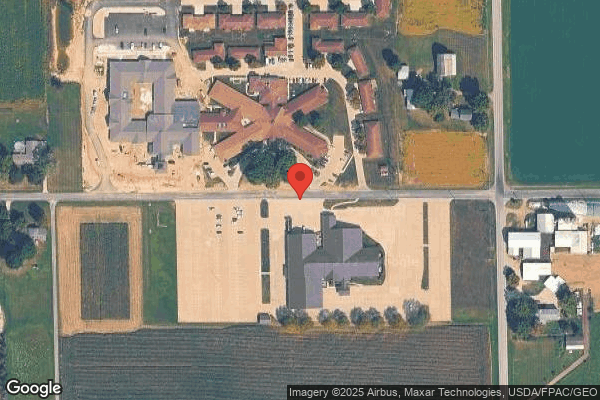
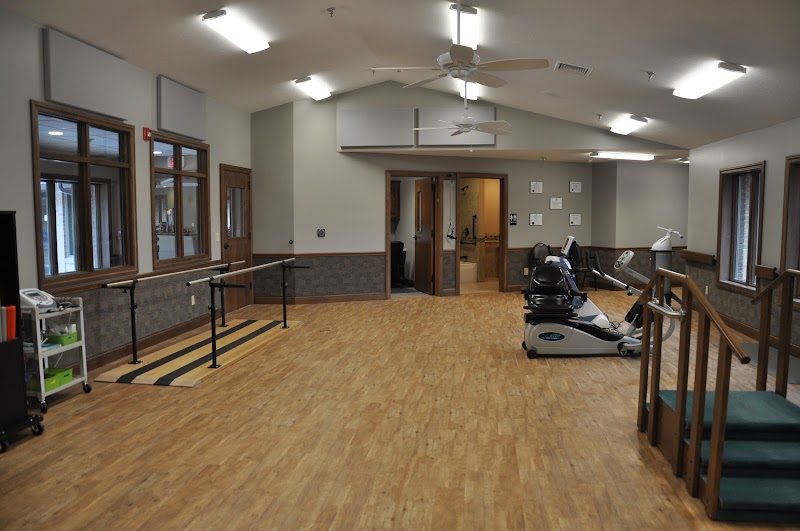
10680 STEINER ROAD, RITTMAN, OH 44270 (330) 927-1010
Non profit - Church related 75 Beds Independent Data: November 2025
Trust Grade
85/100
#15 of 913 in OH
Last Inspection: February 2025

Within standard 12-15 month inspection cycle. Federal law requires annual inspections.

Overview

Apostolic Christian Home Inc in Rittman, Ohio has a Trust Grade of B+, indicating it is above average and recommended for families considering care options. The facility ranks #15 out of 913 nursing homes in Ohio, placing it in the top half, and holds the top position in Wayne County, meaning it is the best option in the area. However, the trend is worsening, with reported issues increasing from 1 in 2024 to 4 in 2025, which is concerning. Staffing is a strength, with a 4/5 star rating and a turnover rate of 40%, lower than the state average, suggesting that employees are stable and familiar with residents' needs. On the downside, there have been serious incidents such as a failure to prevent a resident from unwanted sexual contact and concerns about food safety and monitoring, which could affect residents' health and safety.

Trust Score
B+
85/100
In Ohio
#15/913
Top 1%
Safety Record
Moderate
Needs review
Inspections
Getting Worse
1 → 4 violations
Staff Stability
○ Average
40% turnover. Near Ohio's 48% average. Typical for the industry.
Penalties
✓ Good
No fines on record. Clean compliance history, better than most Ohio facilities.
Skilled Nurses
○ Average
Each resident gets 33 minutes of Registered Nurse (RN) attention daily — about average for Ohio. RNs are the most trained staff who monitor for health changes.
Violations
○ Average
7 deficiencies on record. Average for a facility this size. Mostly minor or procedural issues.
★★★★★
5.0
Overall Rating
★★★★☆
4.0
Staff Levels
★★★★★
5.0
Care Quality
★★★★☆
4.0
Inspection Score
Stable
2024: 1 issues
2025: 4 issues

The Good

  • 4-Star Staffing Rating · Above-average nurse staffing levels
  • 5-Star Quality Measures · Strong clinical quality outcomes
  • Full Sprinkler Coverage · Fire safety systems throughout facility
  • No fines on record
  • Staff turnover below average (40%)

    8 points below Ohio average of 48%

Facility shows strength in staffing levels, quality measures, fire safety.

The Bad

Staff Turnover: 40%

Near Ohio avg (46%)

Typical for the industry

The Ugly 7 deficiencies on record

1 actual harm
Feb 2025 4 deficiencies
CONCERN (D)

Potential for Harm - no one hurt, but risky conditions existed

Deficiency F0692 (Tag F0692)

Could have caused harm · This affected 1 resident

**NOTE- TERMS IN BRACKETS HAVE BEEN EDITED TO PROTECT CONFIDENTIALITY** Based on record review, interview, and facility policy review, the facility failed to timely address a significant weight loss f...

Read full inspector narrative →
**NOTE- TERMS IN BRACKETS HAVE BEEN EDITED TO PROTECT CONFIDENTIALITY** Based on record review, interview, and facility policy review, the facility failed to timely address a significant weight loss for one resident (#43) out of three residents reviewed for weight loss. The facility census was 70. Findings include: Record review for Resident #43 revealed an admission date of 11/20/23. Diagnosis included stiff man syndrome, abnormalities of gait and mobility, and lack of coordination. Review of the Minimum Data Set (MDS) annual assessment dated [DATE] revealed Resident #43 was moderately cognitively impaired. Resident #43 had no impairment to the upper or lower extremities, used a walker or wheelchair for mobility, and required set up or clean up assistance for meals. Resident #43 had no or unknown weight loss or gain. Review of the care plan dated 12/05/24 revealed Resident #43 had potential for altered nutrition. Interventions included to provide alternatives of similar nutritive value for oral intake <50% at meals and provide and serve nutritional supplements as ordered. Review of the physician orders for Resident #43 revealed orders included a regular diet, regular texture, and regular/thin consistency. An additional order included sherbet with lunch and supper dated 11/22/23. Review of Resident #43's Nutrition Quarterly assessment dated [DATE] at 11:53 A.M. completed by Dietitian #635 revealed Resident #43's weight was stable overall for the last six months. The goal would be weight maintenance between 160 and 170 pound range. Review of the facility weight record for Resident #43 revealed on 11/13/24 Resident #43's recorded weight was 166 pounds. On 02/12/25 Resident #43's recorded weight was 149 pounds (reflecting a 10.24 % weight loss). On 02/19/24, Resident #43 weighed 147 pounds, a loss of an additional two pounds. Review of Resident #43's record revealed Resident #43 had weekly weights recorded. Weekly weights obtained and recorded between 11/27/24 and 02/19/25 revealed a steady and consistent loss of body weight. Resident #43's record reflected no evidence the continued weight decline was monitored or addressed by the Dietitian or physician after 11/22/24 for further interventions. Interview on 02/20/25 at 11:54 A.M. with Licensed Practical Nurse (LPN) #509 confirmed Resident #43 had been eating less. Interview on 02/20/25 at 12:21 P.M. with Dietitian #635 confirmed she did not address Resident #43's weight loss after 11/22/24. Review of the policy Weight Committee revised 11/13/23 revealed the purpose of the weight committee is to identify and monitor current weight issues in the facility and recommend solutions using an interdisciplinary approach. Resident's recording unplanned weight loss or gain will be followed by the weight committee until weight is determined to be stable. Significant weight change would be defined as a loss or gain of 5% within a 30-day time frame, a loss or gain of 7.5% within a 90-day time frame, and/or a loss or gain of 10% within a 180-day time frame.
CONCERN (D)

Potential for Harm - no one hurt, but risky conditions existed

Deficiency F0849 (Tag F0849)

Could have caused harm · This affected 1 resident

**NOTE- TERMS IN BRACKETS HAVE BEEN EDITED TO PROTECT CONFIDENTIALITY** Based on observation, interview, record review, and review of facility policy, the facility failed to ensure coordination of car...

Read full inspector narrative →
**NOTE- TERMS IN BRACKETS HAVE BEEN EDITED TO PROTECT CONFIDENTIALITY** Based on observation, interview, record review, and review of facility policy, the facility failed to ensure coordination of care between Resident #59's hospice provider and the facility. This affected one resident (#59) of two residents reviewed for hospice care. The facility census was 70. Findings include: Review of the medical record for Resident #59 revealed an admission date of 12/31/24. Diagnosis included but not limited to degenerative disease of the nervous system, multiple fractures, and history of falling. Review of the physician orders revealed an order dated 01/01/25 for Resident #59 to be admitted to hospice care effective 01/01/25. Resident #59's diagnosis for hospice care was recorded as of cerebral atrophy. Review of the Minimum Data Set (MDS) admission assessment dated [DATE] revealed Resident #59 had intact cognition. Resident #59 required set up assistance for eating and oral hygiene tasks. Resident #59 was dependent on staff for all other activities of daily living (ADL). Review of the care plan dated 12/31/24 revealed Resident #59 had a terminal prognosis and received hospice services. Interventions included comfort will be maintained, administer medications as ordered, and work cooperatively with hospice team to ensure the resident's spiritual, emotional, intellectual, physical, and social needs are met. The care plan listed a company name and phone number to call with any changes or concerns. Interview on 02/19/25 at 11:56 A.M. with ADON #623 revealed she is the point person for the different hospice providers who provide care to facility residents. ADON #623 reported hospice binders are kept at the nurse's station and the hospice nurses and aides record visits in the hospice binder. ADON #623 reported all the hospice notes are kept in the binder. Observation on 02/19/25 at 11:56 A.M. with ADON #623 of the facility hospice binder for Resident #59 revealed there were no hospice notes in the binder for Resident #59. ADON #623 confirmed there were no documentation of hospice notes in the Hospice binder and there should be notes from every hospice visit to facility. ADON #623 was not sure how hospice left or provided their notes to facility staff. Interview on 02/19/25 at 12:11 P.M. ADON #623 revealed she contacted the Hospice RN #637 regarding the hospice notes and she reported Hospice RN #637 had never left notes from her visits with Resident #59 at the facility. ADON #623 reported ensuring hospice collaboration with facility staff is a task she will have to add to her list of things to complete or monitor moving forward. Interview on 02/20/25 at 11:33 A.M. with Hospice RN #637 revealed she did not recall seeing any binder at the facility for the hospice notes. Hospice RN #637 reported Hospice LPN #634 was supposed to put electronic hospice notes in the binder during her visit to the facility. Hospice RN #637 reported she was not aware hospice notes were not being provided and she would be checking every time she is at the facility to make sure it is being done. Interview on 02/20/25 at 12:33 P.M. with DON revealed he wasn't sure how hospice worked and knows the facility has a binder, but ADON #637 takes care of it. Interview on 02/20/25 at 12:38 P.M. with Hospice LPN #638 revealed she brings the hospice electronic notes to the facility when she is scheduled. Hospice LPN #638 reported the last time she brought notes to the facility was around December 2024. Hospice LPN #638 estimated she only brought hospice electronic notes to the facility once every couple of months. Review of the facility policy, Hospice Services, revised 12/25/24 revealed the facility will coordinate and provide care in cooperation with hospice staff in order to promote the resident's highest practicable physical, mental, and psychosocial well-being.
CONCERN (D)

Potential for Harm - no one hurt, but risky conditions existed

Infection Control (Tag F0880)

Could have caused harm · This affected 1 resident

**NOTE- TERMS IN BRACKETS HAVE BEEN EDITED TO PROTECT CONFIDENTIALITY** Based on observation, interview, record review and review of the facility policy, the facility failed to ensure infection contro...

Read full inspector narrative →
**NOTE- TERMS IN BRACKETS HAVE BEEN EDITED TO PROTECT CONFIDENTIALITY** Based on observation, interview, record review and review of the facility policy, the facility failed to ensure infection control practices were maintained during incontinence care for two residents (#16 and #20) of three residents reviewed for incontinence care. The facility identified 25 residents who were noted to be incontinent of bowel and/or bladder. The facility census was 70. Findings include: 1. Record review for Resident #20 revealed an admission date of 12/27/24. Diagnosis included obstructive and reflux uropathy and age-related physical debility. Review of the Minimum Data Set (MDS) admission assessment dated [DATE] revealed Resident #20 was cognitively intact. Resident #20 had an indwelling catheter, was dependent for personal hygiene, and was always incontinent of bowel. Review of the care plan dated 01/06/25 revealed Resident #20 had an alteration in bowel and bladder status related to bowel incontinence. Interventions included for staff to perform post-bowel incontinence care every two hours and as needed. Observation on 02/19/25 at 9:20 A.M. with Certified Nursing Assistant (CNA) #578 revealed she provided incontinence care after a bowel movement for Resident #20. After cleaning Resident #20, CNA #578 assisted in dressing Resident #20. CNA #578 did not remove her gloves or wash her hands after providing the incontinence care and before dressing Resident #20. CNA #578 then removed her gloves, did not wash her hands, and exited the room to obtain a sit-to-stand lift. CNA #578 returned with the lift, did not wash her hands, and transferred Resident #20 to the chair using the sit-to-stand lift. CNA #578 then put gloves on (still never washed her hands) left the room again, (continued observation) went to the linen closet, obtained a pillow case and returned to Resident #20's room. CNA #578 placed the soiled linen, towels, washcloths, and the soiled brief in the pillow case. CNA #578 removed the gloves, (still never washed her hands or used hand sanitizer) put Resident #20's shoes on, and assisted Resident #20 to the bathroom sink. Resident #20 began combing his own hair. Observation revealed CNA #578 then removed the sit to stand lift and placed it in room [ROOM NUMBER]. CNA #578 revealed she was going to get the resident in room [ROOM NUMBER] up next using the lift. CNA #578 then returned to Resident #20's room, (still never washed her hands or used hand sanitizer) took the pillowcase with the soiled linen and brief to the soiled linen room, put gloves on, removed the soiled brief from the pillow case, placed it in a bin, then placed the pillow case with the soiled linen in a separate bin. CNA #578 confirmed she never washed her hands from the time she initiated incontinence care with Resident #20 until after separating the soiled brief and linen in the soiled linen room. CNA #578 confirmed during that time she left Resident #20's room several times to obtain or return items without washing her hands. Continuous observation during the care confirmed CNA #578 also never used hand sanitizer. Interview on 02/19/25 at 1:41 P.M. with the Director of Nursing (DON) revealed hand washing should be completed before and after care. 2. Review of the medical record for Resident #16 revealed an admission date of 02/21/24. Diagnosis included but not limited to hemiplegia and hemiparesis following cerebral vascular disease affecting left dominant side, dementia, anxiety disorder, history of falling, and Alzheimer's disease, Review of the MDS quarterly assessment dated [DATE] revealed Resident #16 had severely impaired cognition. Review of the bladder and bowel revealed Resident #16 was always incontinent of bladder and bowel. Review of the Care Plan dated 12/10/24 revealed Resident #16 had alteration in bowel and actual alteration in bladder related to urinary incontinence, impaired cognition and impaired mobility. Interventions included clean peri-area with each incontinence episode per facility policy, medications as ordered, and post bowel incontinence care every two hours and as needed (PRN). Observation on 02/19/25 at 12:35 P.M. of incontinence care for Resident #16 revealed CNA # 507 and CNA #582 gathered supplies, provided privacy, washed hands in the bathroom, and applied gloves. CNA #582 removed Resident #16's brief soiled with medium amount of urine and small amount of stool. CNA #582 began to clean his buttocks area first with wipes. CNA #582 completed cleaning the bowel movement and the proceeded to provide peri care to the resident's front area, wearing the same gloves. CNA #582 was then observed to touch a moisturizer container with same gloves and handed container to CNA #507 who placed the container in Resident #16's drawer. CNA #582 then applied a new brief. Before exiting the room CNA #507 and #582 removed their soiled gloves and washed their hands. Interview on 02/19/25 at 12:44 P.M. with CNA #582 verified she provided incontinence care incorrectly and she did not change gloves and perform hand hygiene during the procedure. Interview on 02/19/25 at 12:48 P.M. with CNA #507 verified incontinence care was performed incorrectly by CNA #582, and she did not change her gloves, did not perform hand hygiene, and touched the moisturizer container with same gloves she had worn while cleansing Resident #16's buttocks and peri area. Interview on 02/19/25 at 1:33 P.M. with the DON revealed CNA #582 performed incontinence care incorrectly and did not maintain infection control. DON reported incontinence care should consist of cleansing the perineal area first, then the buttocks, and gloves should be changed and hand hygiene performed. Review of facility policy, Incontinence Care - Bladder and Bowel, revised 10/02/2002, revealed a resident who is incontinent of bladder and/or bowel will receive the appropriate treatment and services to restore as much normal bladder and bowel function as possible. Review of the facility policy titled, Infection Prevention and Control Program revised 02/06/24 revealed the facility has established and maintains an infection prevention and control program designed to provide a safe, sanitary, and comfortable environment, and to help prevent the development and transmission of communicable diseases and infections as per accepted national standards and guidelines. All staff shall assume that all residents are potentially infected or colonized with an organism that could be transmitted during the course of providing resident care services. Hand hygiene shall be performed in accordance with the facility's established hand hygiene procedures. Review of the facility policy, Hand Hygiene for Healthcare Personnel, revised 01/23/24, revealed the use of gloves does not replace hand hygiene. If your task requires gloves, perform hand hygiene prior to donning gloves, and immediately after removing gloves. Hand hygiene is indicated and will be performed under the conditions listed in but not limited to the attached hand hygiene table to include after handling items potentially contaminated with blood, body fluids, secretions, or excretions, when during resident care, moving from a contaminated body site to a clean body site, after assistance with personal body functions eg. Elimination, and after handling contaminated objects.
CONCERN (F)

Potential for Harm - no one hurt, but risky conditions existed

Food Safety (Tag F0812)

Could have caused harm · This affected most or all residents

Based on observation, interview, and review of facility policy, the facility failed to ensure the resident refrigerator was consistently monitored, failed to ensure food items were appropriately label...

Read full inspector narrative →
Based on observation, interview, and review of facility policy, the facility failed to ensure the resident refrigerator was consistently monitored, failed to ensure food items were appropriately labeled, and failed to ensure food was discarded by the expiration date. This had the potential to affect 68 residents. The facility identified two residents (#29 and #30) who received nothing by mouth. The facility census was 70. Findings include: Observation on 02/19/25 at 1:50 P.M. of the resident refrigerator in the activity room (which was used to store residents' personal food items and containers) with Executive Chef #635 revealed the following: 1. An unlabeled and undated styrofoam container of soup with Resident #5's name on it. 2. An unlabeled and undated styrofoam container of soup with Resident #42's name on it. 3. A fast-food hamburger dated 01/23/25 with Resident #5's name on it. 4. An unlabeled and undated black container of leftover food for Resident #11. 5. An unlabeled and undated clear plastic container of what appeared to be soup for Resident #26. 6. A one-pound, clear plastic container of unlabeled liquid dated 10/26/24. 7. An unlabeled clear plastic container with an unidentified dessert dated 01/02/25. 8. A 36-ounce glass container of red-beet eggs with a use-by date of 11/24/24 for Resident #64. 9. A clear plastic container labeled beef broth with a date of 08/08/23 on the side of the container. At the time of observation Executive Chef #635 confirmed he was unaware there was a refrigerator for resident food in the facility and was unsure who was monitoring it. Executive Chef #635 confirmed the refrigerator should be monitored daily and the items should have been dated and labeled with the residents' name, open date, and use-by date. Review of the policy Food from Outside Sources revised 11/13/23 revealed the facility will provide safe and sanitary storage, handling and consumption of all food, including taking reasonable measures to ensure the same for food and beverages brought to residents by family and other visitors. The outside foods will include the resident name, resident room, common name of food, date of storage, the use by date and initials of the staff completing the storage label.
Apr 2024 1 deficiency 1 Harm
SERIOUS (G) 📢 Someone Reported This

A family member, employee, or ombudsman was alarmed enough to file a formal complaint

Actual Harm - a resident was hurt due to facility failures

Free from Abuse/Neglect (Tag F0600)

A resident was harmed · This affected 1 resident

**NOTE- TERMS IN BRACKETS HAVE BEEN EDITED TO PROTECT CONFIDENTIALITY** Based on observation, interviews, record review, review of facility staff statements, review of a facility self reported inciden...

Read full inspector narrative →
**NOTE- TERMS IN BRACKETS HAVE BEEN EDITED TO PROTECT CONFIDENTIALITY** Based on observation, interviews, record review, review of facility staff statements, review of a facility self reported incident, and review of the facility's Abuse policy and procedure, the facility failed to ensure Resident #263 was free from an incident of resident to resident sexual abuse when staff failed to prevent unwanted sexual contact. This affected one resident (#263) of three residents reviewed for abuse. The facility census was 74. Actual harm occurred on 03/30/24 at approximately 5:30 P.M. when Resident #264,who was severely cognitively impaired, was observed with his hands inside the pants of his roommate, Resident #263, who was also severely cognitively impaired and dependent on staff for mobility. The facility failed to implement effective safety measures to protect Resident #263 when Resident #264 began displaying sexual behaviors towards Resident #263 on 03/29/24. Resident #263's impaired cognition placed him at risk for actual physical and/or psychosocial harm as a result of the incident. The reasonable person concept also applies in this situation and involves the resident's ability to understand the potential consequences and choose a course of action for a given situation. Findings include: Review of the medical record for Resident #263 revealed an admission date of 03/23/22. Diagnoses included but were not limited to frontotemporal neurocognitive disorder, anxiety disorder, debility, peripheral vascular disease, and polyneuropathy. Review of Resident #263's care plan dated 03/26/22 revealed Resident #263 was non-ambulatory and dependent upon one to two staff for mobility and required a stand-up lift to move between surfaces. The care plan indicated Resident #263 was dependent on staff for meeting emotional, intellectual, physical and social needs related to cognitive deficits. Review of the quarterly Minimum Data Set (MDS) 3.0 assessment dated [DATE] revealed Resident #263 had severe cognitive impairment with disorganized thinking, was non-ambulatory, required one to two staff for mobility, required a mechanical lift to move between surfaces, and required the assistance of one to two staff for bed mobility. Review of the nursing progress note dated 03/29/24 timed at 8:45 P.M. revealed Resident #263 recalled his roommate, Resident #264, was next to his bed but he did not know what his roommate was doing. A head to toe assessment was completed with no observed concerns and Resident #263's bedding and clothing were clean and dry. Staff reported Resident #263 had his head covered with his blanket (which was normal behavior for him) when they entered the room. The note did not include information regarding why Resident #263 was asked about his roommate, why the assessment was completed, or why the bed linens and clothing were checked. Review of the nursing progress note dated 03/30/24 timed at 6:45 P.M. revealed a head to toe assessment which the Director of Nursing (DON) requested to be completed on Resident #263 revealed no sign of injury or distress. No soiling was noted on bed or clothing. The note did not indicate why the assessment was requested or why the bed linens and clothing were checked. Review of the medical record for Resident #264 revealed an admission date of 01/09/24. Diagnoses included but were not limited to myasthenia gravis with exacerbation, metabolic encephalopathy, nonpyrogenic thrombosis of intracranial venous system, Alzheimer's dementia, history of falls, vascular dementia with agitation and mood disturbance, spinal stenosis, and dementia with behavioral disturbances. Review of the discharge MDS 3.0 assessment dated [DATE] revealed Resident #264 had severe cognitive impairment, and was independent for toileting and walking 50 feet. Review of the care plan initiated on 01/10/24 revealed Resident #264 had impaired cognitive function/dementia related to diagnoses of Alzheimer's dementia, metabolic encephalopathy, and intracerebral hemorrhage with recent flare up of myasthenia gravis. Interventions included cue, reorient, and supervise as needed. The care plan was updated on 03/29/24 to included Resident #264 was noted to have agitation and sexually inappropriate behavior. Intervention included 15-minute checks. On 03/30/24 an intervention of one-on-one supervision was added following additional inappropriate behavior being observed. The care plan indicated Resident #264 was transferred to the hospital on [DATE] and remained on one-on-one supervision upon his return from the hospital on [DATE] until he was sent out for geriatric-psych evaluation on 04/01/24. Review of the nursing progress note dated 03/29/24 timed at 3:20 P.M. revealed Resident #264 was found by Environmental Aide (EA) #14 crouching next to Resident #263's bed. Registered Nurse (RN) #10 asked Resident #264 what he was doing, and he stated he was looking for coins. Resident #264 appeared short of breath, stated he had not fallen and was not in pain. RN #10 assessed Resident #264 and found no concerns and assisted him to lay down in his bed. No concerns were noted related to Resident #263 who was sleeping in his bed. Review of the nursing progress note dated 03/29/24 timed at 7:45 P.M. revealed Resident #264 was standing by Resident #263's bed with his pants down. Resident #264 left the side of the bed and walked to close the door when staff knocked at the door. When staff asked what he was doing, Resident #264 stated he was getting ready for bed and went over to Resident #263's bed to answer a question. The Director of Nursing (DON) was notified, and 15-minute checks were initiated. Review of the facility self reported incident (SRI) dated 03/29/24 and timed at 8:48 P.M. revealed two staff members observed Resident #264 standing by Resident #263's bed partially disrobed, and Resident #264 was touching his own penis. A head to toe assessment was completed on both residents and no evidence of injury was found and no bodily fluids or soiling was observed. The physician was contacted and 15-minute checks were initiated. There was no SRI from the touching incident on 03/30/24. Review of the nursing progress note dated 03/29/24 timed at 9:00 P.M. revealed the physician returned call, behaviors and medications were reviewed and Vistaril 25 milligram (mg) one half or one tablet was ordered every six hours as needed for restlessness or agitation. Review of the nursing progress note dated 03/30/24 timed at 3:51 P.M. revealed at 3:35 P.M. RN #10 observed Resident #264 disrobing next to the window by Resident #263's bed. Resident #264 stated he was looking out the window to see if it was snowing and rushed from the window to his chair. RN #10 assisted Resident #264 to lay down in his bed. At 3:40 P.M. RN #10 came back with RN #11 and found Resident #264 pulling on the covers covering Resident #263's head. Resident #264 was fully clothed and stated they wanted ice cream. The DON was notified at 3:48 P.M. Review of the nursing progress note dated 03/30/24 timed at 7:58 P.M. revealed Resident #264 went to the hospital for evaluation. Review of the nursing progress note dated 03/31/24 timed at 1:35 A.M. revealed the hospital staff stated since Resident #264 did not cause any physical harm they could not keep him and were sending him back to the facility. Review of the nursing progress note dated 03/31/24 timed at 2:17 A.M. revealed Resident #264 returned to the facility. The nurse placed a fall alarm mat next to Resident #264's bed and staff stayed outside the room for one-on-one monitoring of any attempts of getting out of bed. Review of the nursing progress noted dated 04/01/24 timed at 10:58 A.M. revealed Resident #264 was accepted for inpatient geriatric psychiatric evaluation and one-on-one monitoring continued. Review of the nursing progress note dated 04/01/24 timed at 6:00 P.M. revealed Resident #264 was sent to hospital for inpatient geriatric psychiatric evaluation. At time of survey Resident #264 remained in the hospital's geriatric psych unit. Interview on 04/02/24 at 8:30 A.M. with the DON revealed she received a call on 03/29/24 at 7:45 P.M. from RN #10 stating Resident #264 was standing by Resident #263's bed and Resident #264 had his hand on his own genitals. Resident #264 stated he was getting ready for bed and Resident #263 had asked a question, so he went over to his bed to answer him. Following assessment of Resident #263 they found no concerns and no noted bodily fluids or soiling. Resident #263 stated he recalled Resident #264 was near his bed but had his head covered with the sheet and did not know what Resident #264 was doing. It was also reported that earlier in the day, Resident #264 was found by a State Tested Nurse Aide (STNA) crouching down with his pants partially pulled down next to the window by Resident #263's bed. The STNA thought he may have fallen. Resident #264 stated he had not fallen and was looking out the window for snow and appeared confused. The DON stated she contacted the physician, obtained an order for an as needed medication for agitation/restlessness, initiated the self-reported incident investigation, and placed Resident #264 and every 15- minute checks. The DON received another call on 03/30/24 at 6:04 P.M. from RN #10 stating Resident #264 was observed next to Resident #263's bed with his hand on the inside of Resident #263's pants. The DON called the physician at 7:05 P.M. and obtained an order to send out Resident #264 for a psychiatric evaluation. The DON instructed the nurse to complete a head-to-toe assessment of both Resident #263 and #264. Resident #264 was kept one-on-one supervision with staff until he left for the hospital around 8:00 P.M. Resident #264 returned to the facility on [DATE] at 2:30 A.M. Staff placed an alarming fall mat next to Resident #264's bed to alert when he was getting out of bed and staff were stationed outside of the room until morning. Staff or family continued to sit one-on-one with Resident #264 until he was sent to the hospital's geriatric psych unit for inpatient evaluation on 04/01/24. Resident #264 had not returned to the facility. Interview on 04/02/24 at 10:00 A.M. with Deputy #15 revealed Deputy #15 was at the facility to investigate the allegation of sexual abuse which was called in by the DON. Deputy #15 said an investigation was not completed because Resident #263 could not provide a statement related to his cognitive impairment and Resident #264 could not be interviewed because he was currently in a geriatric psychiatric unit. A police report had not been completed at the time of the survey. Phone interview on 04/02/24 at 11:20 A.M. with RN #10 revealed on 03/29/24 around 3:30 P.M. two staff (STNA #12 and EA #14) reported to her that they observed Resident #264 crouched near Resident #263's bed. They reported they did not observe Resident #264 touching Resident #263. They thought Resident #264 had fallen but he said he did not fall, he seemed out of breath and they assisted him back to bed. RN #10 assessed Resident #264 immediately and no concerns were identified. On 03/29/24 around 7:30 P.M. STNA #10 reported she saw Resident #264 near Resident #263's bed and Resident #264 had his hand on his own penis but was not touching Resident #263. RN #10 performed a head-to-toe assessment of both residents, found no observed concerns, and then called the DON who instructed her to start 15-minute checks. On 03/30/24 around 2:45 P.M., RN #10 observed Resident #264 standing by the window near Resident #263's bed with his pants down and underwear in place; he was not touching Resident #263. RN #10 went to get RN #11 and they both re-entered the room to find Resident #264 lifting the covers off of Resident #263's head and Resident #263 pulling to keep the covers over his head. Resident #264 was fully clothed and was removed from the room to be monitored by staff. Around 5:20 P.M. on 03/30/24, STNA #13 reported to RN #10 that he observed Resident #264 by Resident #263's bed and Resident #264 had his hand inside of Resident #263's pants. RN #10 reported this immediately to the DON and obtained an order to send Resident #264 out for evaluation. Resident #264 was transferred out of the facility around 9:00 P.M. When RN #10 reported to work on 04/01/24, Resident #264 had been moved to another room, had an alarm mat next to his bed and one-on-one monitoring was completed by staff or his daughter until he was sent out again for psychiatric evaluation on 04/01/24 around 6:00 P.M. Interview on 04/02/24 at 11:42 A.M. with RN #11 revealed RN #10 asked her to come to Resident #264's room with her. When they entered the room, Resident #264 was observed on the far side of the room by the window standing over Resident #263's bed attempting to pull back the blanket covering Resident #263's face. Resident #264 appeared confused and when asked what he was doing, he stated they wanted ice cream. Resident #263 was observed pulling the blanket in an attempt to keep the blanket over his face. They removed Resident #264 from the room and continued to monitor Resident #264. Observation of Resident #263 on 04/02/24 at 11: 51 A.M. revealed he was sitting in the dining room with a blanket covering him up to his neck. An attempt to interview Resident #263 was unsuccessful related to cognitive impairment; he was unable to provide meaningful responses to questions that were asked. Phone interview on 04/02/24 at 11:55 A.M. with STNA #12 revealed on 03/29/24 around 7:30 P.M. she entered Resident #264's room and found the privacy curtain pulled. STNA #12 witnessed Resident #264 hovering over Resident #263's bed with his pants down to his ankles including his underwear. Resident #264 had his hand on his penis. STNA #12 asked him what he was doing, and he didn't respond but started to walk to his side of the room. Resident #264 took a couple steps and then pulled up his pants and walked to his recliner and sat down. STNA #12 reclined Resident #264 in his recliner and left to report her observation to RN #10. On 03/29/24 around 7:45 P.M., as EA #14 was exiting Resident #264's room EA #14 told STNA #12 she observed Resident #264 standing over Resident #263's bed with his pants down. EA #14 stated Resident #264 was not touching himself or Resident #263, he was just standing there. EA #14 and STNA #12 reported this observation to RN #10. Phone interview on 04/02/24 at 2:15 P.M. with EA #14 revealed on 03/29/24 at approximately 3:10 P.M. she opened the door to Resident #264's room and observed Resident #264 next to Resident #263's bed crouched with his pants unzipped and partially down with his underwear fully on. EA #14 thought he had fallen and appeared to be out of breath. Resident #264 stated he had not fallen. EA #14 told STNA #12, and they went to tell RN #10. RN #10 went to assess Resident #264. On 03/29/24 around 7:40 P.M., EA #14 was passing the room and observed Resident #264 with his pants down standing over Resident #263's bed but was not touching himself or Resident #263, he was just standing there. EA #14 and STNA #12 reported this to RN #10. Interview on 04/02/24 at 3:26 P.M. with STNA #13 revealed on 03/30/24 at approximately 5:20 P.M. he was doing 15-minute checks on Resident #264 and observed him at the side of Resident #263's bedside pulling at the covers of Resident #263. Resident #264 stated he was looking out the window. STNA #13 assisted Resident #264 back to his chair and left the room to assist another aide. When he returned less than 15-minutes later, he observed Resident #264 standing over Resident #263 with his hand inside of Resident #263's pants; it appeared he had his hand on Resident #263's genitals. When asked what he was doing, Resident #264 stated he was folding the blanket. STNA #13 walked Resident #264 down to the common area and staff monitored him until he left for the hospital on [DATE] at about 8:00 P.M. Follow up interview on 04/02/24 at 4:05 P.M. with the DON revealed she initiated the 15-minute checks upon becoming aware of concerns related to Resident #264 on 03/29/24 at about 8:00 P.M. One-on-one staff monitoring of Resident #264 was initiated after the second reported incident occurred with Resident #264 on 03/30/24 at around 5:30 P.M. and continued until he went to the hospital on [DATE] around 8:00 P.M. One-on-one monitoring continued when he returned from the hospital on [DATE] around 2:30 A.M. until he was sent back out for an inpatient geriatric psych evaluation on 04/01/24 around 5:30 P.M. The DON confirmed Resident #263 and #264 occupied the same room and 15-minute checks were not an effective intervention to protect Resident #263 from unwanted sexual contact. The DON confirmed Resident #263 was not capable of protecting himself. Review of the facility policy Abuse, Mistreatment, Neglect, Exploitation and Misappropriation of Resident Property with a revision date of the 01/01/23 revealed the residents had the right to be free from abuse including non-consensual sexual contact of any type with another resident. The facility would monitor residents with behaviors including inappropriate touching and care plan for appropriate interventions to ensure all residents safety. This deficiency represents non-compliance investigated under Control Number OH00152568.
Jul 2019 2 deficiencies
CONCERN (D)

Potential for Harm - no one hurt, but risky conditions existed

Accident Prevention (Tag F0689)

Could have caused harm · This affected 1 resident

**NOTE- TERMS IN BRACKETS HAVE BEEN EDITED TO PROTECT CONFIDENTIALITY** Based on observation, medical record review, staff interview the facility failed to have the appropriate fall interventions in p...

Read full inspector narrative →
**NOTE- TERMS IN BRACKETS HAVE BEEN EDITED TO PROTECT CONFIDENTIALITY** Based on observation, medical record review, staff interview the facility failed to have the appropriate fall interventions in place for Resident #69. This affected one (Resident #69 of six reviewed for accidents). The facility census was 68. Findings include: A medical record review revealed Resident #69 was admitted to the facility on [DATE] with the diagnoses of nocturia, poly arthritis, generalized anxiety disorder, major depression, heart failure, over-active bladder, intraocular lens, and osteoporosis. Review of the quarterly Minimum data Set 3.0 assessment dated [DATE] revealed Resident #69 had intact cognition, required extensive assistance with transfers and bed mobility, and had a fall with major injury. Observations on 07/03/19 at 8:30 A.M., 10:30 A.M. and 1:00 P.M. revealed Resident #69 was in bed and did not have the floor mat in place on the right side of the bed. A review of a plan of care dated 02/05/19 revealed Resident #69 was at risk for future falls. Interventions included; would encourage to ask for help, observe for unsteadiness, have the call light within reach, toilet in advance of need every two hours, the bed against the wall to create more space in the bedroom, bright orange tape to the call light, a floor mat next to the bed and non-skid footwear at all times. Review of physician's orders dated 06/18/19 revealed Resident #69 was to have a floor mat next to her bed for safety. An interview on 07/03/19 at 1:33 P.M. Registered Nurse #320 indicated the fall mat should be by the resident's bed while she was in bed. RN #320 verified the fall mat was not on the floor while the resident was in bed. An interview on 07/03/19 at 1:37 P.M. State Tested Nurse Aide #395 indicated she had not placed the fall mat on the floor beside Resident #69 bed when she put her to bed.
CONCERN (D)

Potential for Harm - no one hurt, but risky conditions existed

Drug Regimen Review (Tag F0756)

Could have caused harm · This affected 1 resident

**NOTE- TERMS IN BRACKETS HAVE BEEN EDITED TO PROTECT CONFIDENTIALITY** Based on medical record review and staff interviews the facility failed to provide a rationale for not attempting a gradual dose...

Read full inspector narrative →
**NOTE- TERMS IN BRACKETS HAVE BEEN EDITED TO PROTECT CONFIDENTIALITY** Based on medical record review and staff interviews the facility failed to provide a rationale for not attempting a gradual dose reduction for Resident #48. This affected one resident (Resident #48 of five residents) reviewed for unnecessary medications. The facility census was 68. Findings include: A medical record review revealed Resident #48 was admitted to the facility on [DATE] with the diagnoses of displaced fracture of the left femur, sarcoidosis of the lung, chronic respiratory failure, spondylopathy, generalized anxiety, depression, and schizophrenia. Review of the quarterly Minimum data Set 3.0 dated 05/21/19 revealed the resident had intact cognition, no behaviors, and received anti-depressants, anti-anxiety and anti-psychotic medication. Review of the physician's orders dated July 2019 revealed Resident #48 was receiving 0.5 milligrams of lorazepam (anti-anxiety) every 12 hours, 20 milligrams of paroxetine (anti-depressant) daily and 8 milligrams of perphenazine (anti-psychotic) twice daily. Review of a pharmacy recommendation dated 05/01/19 revealed Resident #48 was on paroxetine 20 milligrams daily, thiothixene 10 milligrams three times daily, lorazepam 0.5 milligrams every 12 hours, and perphenazine 8 milligrams three times daily for Schizophrenia and depressive disorders. The physician response was disagree and a largely written NO! but did not write a rational. Review of the Antipsychotoic Drug Protocol dated 07/23/13 revealed it was the policy of the facility to encourage multidisciplinary efforts to determine factors responsible for resident behaviors changes and recommends consideration of alternate (non-drug) means of treating those factors. When a resident received an antipsychotic medications, the physician should attempt a gradual dose reduction, unless clinically contraindicated in an effort to discontinue those drugs. An interview on 07/02/19 at 5:10 P.M. the Director of Nursing verified there was not an rational documented to address the 05/01/19 pharmacy recommendation due to the numerous psychiatric notes concerning her behavior and medications changes.
Understanding Severity Codes (click to expand)
Life-Threatening (Immediate Jeopardy)
J - Isolated K - Pattern L - Widespread
Actual Harm
G - Isolated H - Pattern I - Widespread
Potential for Harm
D - Isolated E - Pattern F - Widespread
No Harm (Minor)
A - Isolated B - Pattern C - Widespread

Questions to Ask on Your Visit

  • "Can I speak with families of current residents?"
  • "What's your RN coverage like on weekends and overnight?"

Our Honest Assessment

Strengths
  • • Grade B+ (85/100). Above average facility, better than most options in Ohio.
  • • No fines on record. Clean compliance history, better than most Ohio facilities.
  • • 40% turnover. Below Ohio's 48% average. Good staff retention means consistent care.
Concerns
  • • 7 deficiencies on record, including 1 serious (caused harm) violation. Ask about corrective actions taken.
Bottom line: Generally positive indicators. Standard due diligence and a personal visit recommended.

About This Facility

What is Apostolic Christian Home Inc's CMS Rating?

CMS assigns APOSTOLIC CHRISTIAN HOME INC an overall rating of 5 out of 5 stars, which is considered much above average nationally. Within Ohio, this rating places the facility higher than 99% of the state's 100 nursing homes. This rating reflects solid performance across the metrics CMS uses to evaluate nursing home quality.
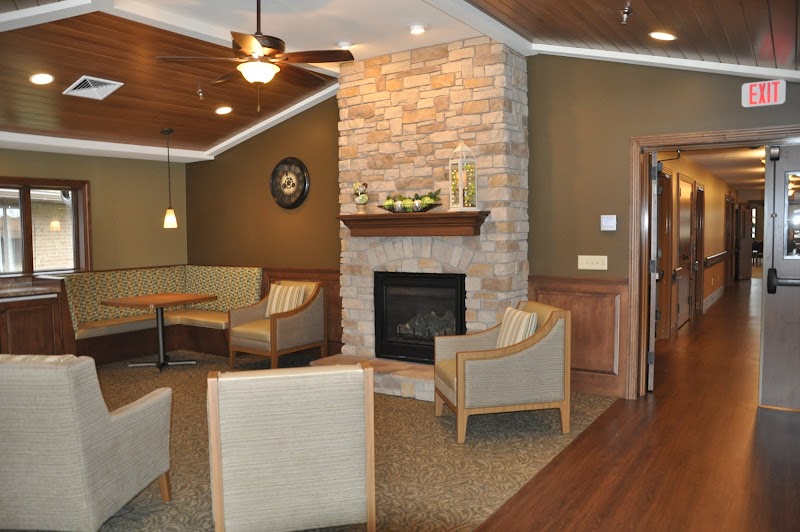
How is Apostolic Christian Home Inc Staffed?

CMS rates APOSTOLIC CHRISTIAN HOME INC's staffing level at 4 out of 5 stars, which is above average compared to other nursing homes. Staff turnover is 40%, compared to the Ohio average of 46%. This relatively stable workforce can support continuity of care.

What Have Inspectors Found at Apostolic Christian Home Inc?

State health inspectors documented 7 deficiencies at APOSTOLIC CHRISTIAN HOME INC during 2019 to 2025. These included: 1 that caused actual resident harm and 6 with potential for harm. Deficiencies causing actual harm indicate documented cases where residents experienced negative health consequences.
Who Owns and Operates Apostolic Christian Home Inc?

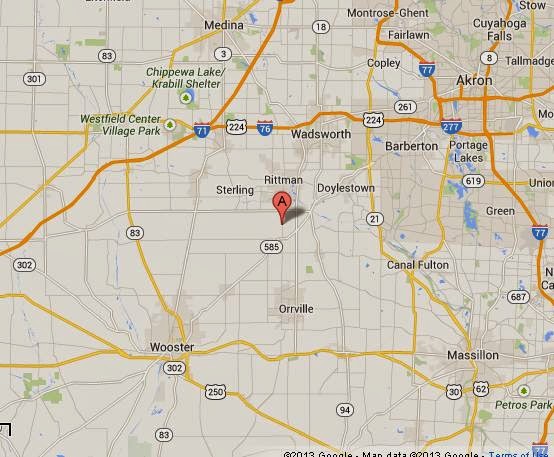
APOSTOLIC CHRISTIAN HOME INC is owned by a non-profit organization. Non-profit facilities reinvest revenue into operations rather than distributing to shareholders. The facility operates independently rather than as part of a larger chain. With 75 certified beds and approximately 69 residents (about 92% occupancy), it is a smaller facility located in RITTMAN, Ohio.
How Does Apostolic Christian Home Inc Compare to Other Ohio Nursing Homes?

Compared to the 100 nursing homes in Ohio, APOSTOLIC CHRISTIAN HOME INC's overall rating (5 stars) is above the state average of 3.2, staff turnover (40%) is near the state average of 46%, and health inspection rating (4 stars) is above the national benchmark.

What Should Families Ask When Visiting Apostolic Christian Home Inc?

Based on this facility's data, families visiting should ask: "Can I visit during a mealtime to observe dining assistance and food quality?" "How do you handle medical emergencies, and what is your hospital transfer rate?" "Can I speak with family members of current residents about their experience?"

Is Apostolic Christian Home Inc Safe?

Based on CMS inspection data, APOSTOLIC CHRISTIAN HOME INC has a clean safety record: no substantiated abuse findings (meaning no confirmed cases of resident harm), no Immediate Jeopardy citations (the most serious violation level indicating risk of serious injury or death), and is not on the Special Focus Facility watch list (a federal program monitoring the lowest-performing 1% of nursing homes). The facility has a 5-star overall rating and ranks #1 of 100 nursing homes in Ohio. While no facility is perfect, families should still ask about staff-to-resident ratios and recent inspection results during their visit.

Do Nurses at Apostolic Christian Home Inc Stick Around?

APOSTOLIC CHRISTIAN HOME INC has a staff turnover rate of 40%, which is about average for Ohio nursing homes (state average: 46%). Moderate turnover is common in nursing homes, but families should still ask about staff tenure and how the facility maintains care continuity when employees leave.

Was Apostolic Christian Home Inc Ever Fined?

APOSTOLIC CHRISTIAN HOME INC has no federal fines on record. CMS issues fines when nursing homes fail to meet care standards or don't correct problems found during inspections. The absence of fines suggests the facility has either maintained compliance or corrected any issues before penalties were assessed. This is a positive indicator, though families should still review recent inspection reports for the full picture.

Is Apostolic Christian Home Inc on Any Federal Watch List?

APOSTOLIC CHRISTIAN HOME INC is not on any federal watch list. The most significant is the Special Focus Facility (SFF) program, which identifies the bottom 1% of nursing homes nationally based on persistent, serious quality problems. Not being on this list means the facility has avoided the pattern of deficiencies that triggers enhanced federal oversight. This is a positive indicator, though families should still review the facility's inspection history directly.