WOOSTER COMMUNITY HOSPITAL SNF

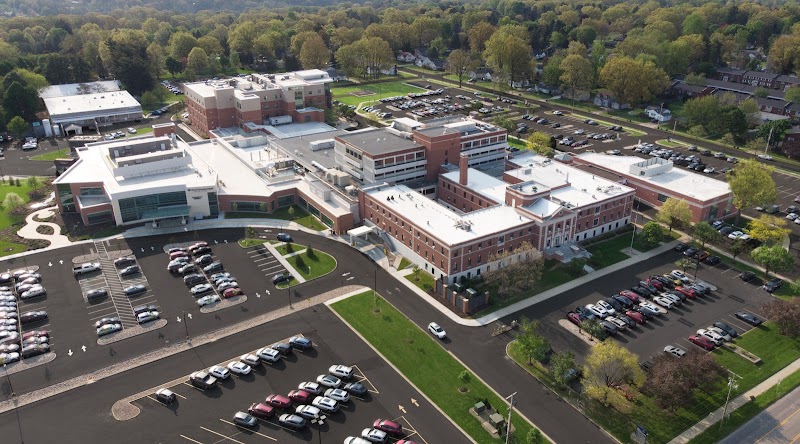
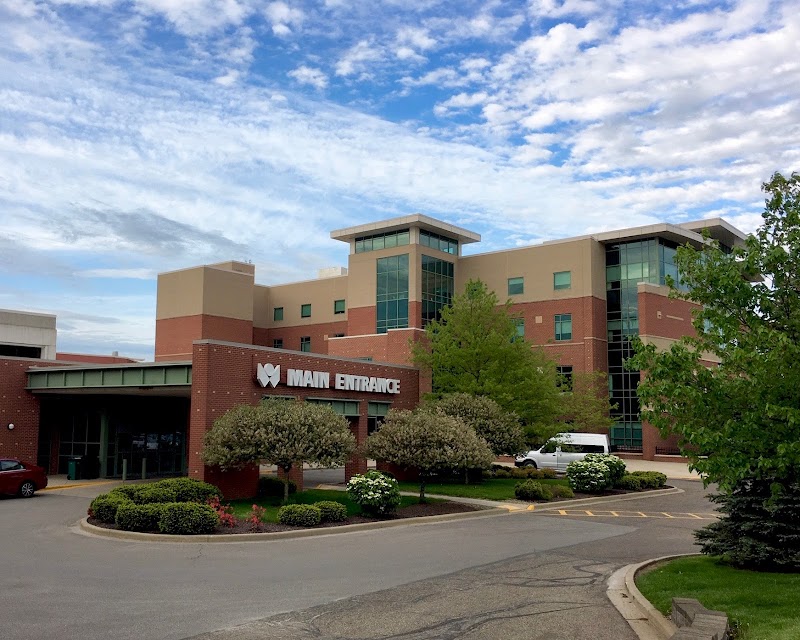
1761 BEALL AVENUE, WOOSTER, OH 44691 (330) 263-8100
Government - City 22 Beds Independent Data: November 2025
Trust Grade
93/100
#204 of 913 in OH
Last Inspection: January 2024

Within standard 12-15 month inspection cycle. Federal law requires annual inspections.

Overview

Wooster Community Hospital SNF has earned an impressive Trust Grade of A, which indicates that the facility is considered excellent and highly recommended. Ranking #204 out of 913 nursing homes in Ohio places it in the top half, and it is the #3 facility out of 14 in Wayne County, meaning there are only two better local options. However, the facility's trend is concerning as it has worsened, increasing from 1 issue in 2020 to 2 in 2024. Staffing is a strong point, with a perfect 5/5 star rating and a low turnover rate of 29%, which is significantly better than the Ohio average of 49%. On the downside, there have been some compliance concerns, including failure to adhere to isolation precautions for a resident with a respiratory virus and not properly dating oxygen tubing and sterile water containers, which could affect resident safety. Overall, while the facility has excellent staffing and a strong trust score, families should be aware of the recent compliance issues and the worsening trend in reported problems.

Trust Score
A
93/100
In Ohio
#204/913
Top 22%
Safety Record
Low Risk
No red flags
Inspections
Getting Worse
1 → 2 violations
Staff Stability
✓ Good
29% annual turnover. Excellent stability, 19 points below Ohio's 48% average. Staff who stay learn residents' needs.
Penalties
✓ Good
No fines on record. Clean compliance history, better than most Ohio facilities.
Skilled Nurses
✓ Good
Each resident gets 181 minutes of Registered Nurse (RN) attention daily — more than 97% of Ohio nursing homes. RNs are the most trained staff who catch health problems before they become serious.
Violations
✓ Good
Only 3 deficiencies on record. Cleaner than most facilities. Minor issues only.
★★★★★
5.0
Overall Rating
★★★★★
5.0
Staff Levels
★★★★★
5.0
Care Quality
★★★★★
5.0
Inspection Score
Stable
2020: 1 issues
2024: 2 issues

The Good

  • 5-Star Staffing Rating · Excellent nurse staffing levels
  • 5-Star Quality Measures · Strong clinical quality outcomes
  • Low Staff Turnover (29%) · Staff stability means consistent care
  • Full Sprinkler Coverage · Fire safety systems throughout facility
  • No fines on record
  • Staff turnover is low (29%)

    19 points below Ohio average of 48%

Facility shows strength in staffing levels, quality measures, staff retention, fire safety.

The Bad

No Significant Concerns Identified

This facility shows no red flags. Among Ohio's 100 nursing homes, only 1% achieve this.

The Ugly 3 deficiencies on record

Jan 2024 2 deficiencies
CONCERN (D)

Potential for Harm - no one hurt, but risky conditions existed

Respiratory Care (Tag F0695)

Could have caused harm · This affected 1 resident

**NOTE- TERMS IN BRACKETS HAVE BEEN EDITED TO PROTECT CONFIDENTIALITY** Based on observation, resident interview, staff interview, and facility policy review, the facility failed to ensure oxygen tubi...

Read full inspector narrative →
**NOTE- TERMS IN BRACKETS HAVE BEEN EDITED TO PROTECT CONFIDENTIALITY** Based on observation, resident interview, staff interview, and facility policy review, the facility failed to ensure oxygen tubing and sterile water containers were dated. This affected three residents (#7, #69, and #166) of three residents reviewed for oxygen. The facility census was 14. Findings include: 1. Review of the medical record for Resident #7 revealed an admission date of 12/22/23 with diagnosis including left hip revision, sleep apnea, and obesity. Review of the Social Work Admit (SWA) assessment dated [DATE], revealed Resident #7 had a Brief Interview for Mental Status (BIMS) score of 15 that indicated she was alert and oriented to person, place, and time. Review of the physician orders dated 01/01/24 revealed an order for oxygen therapy per protocol routinely. Observation and interview on 01/03/24 at 1:53 P.M. with Resident #7 revealed she was sitting in her room with her nasal canula, and oxygen tubing connected to a bottle of sterile water affixed to the wall. Resident #7's oxygen tubing and bottle of sterile water were undated. Resident #7 revealed she only wore her oxygen at night. 2. Review of the medical record for Resident #69 revealed an admission date of 12/24/23 with diagnoses including dehydration, hypertensive heart disease with heart failure, pulmonary hypertension, and dysphagia. Review of the SWA assessment dated [DATE], revealed Resident #69 had a BIMS score of 15 that indicated she was alert and oriented to person, place, and time. Review of the physician orders dated 12/26/23 revealed an order for oxygen therapy per protocol routinely. Observation on 01/03/24 at 1:50 P.M. revealed Resident #69 sitting in a recliner with her nasal canula in place with the oxygen tubing connected to a bottle of sterile water affixed to the wall. Resident #69's oxygen tubing and bottle of sterile water were undated. 3. Review of the medical record for Resident #166 revealed an admission date of 12/21/23 with diagnoses including pneumonia, hypertension, and acute respiratory failure with hypoxia. Review of the SWA assessment dated [DATE], revealed Resident #166 had a BIMS score of 13 that indicated she was alert and oriented to person, place, and time. Review of the plan of care dated 12/21/23 revealed Resident #166 was on two liters of oxygen. Review of the physician orders dated 12/24/23 revealed an order for oxygen therapy per protocol routinely. Review of the medical record, reflecting occupational therapy (OT), revealed Resident #166 was on two liters of oxygen but was increased to three liters during OT activity for safety and comfort. Resident #166 complained of being weak and winded. Observation and interview on 01/02/24 at 9:50 A.M. with Resident #166 revealed she had been in the facility for three weeks for therapy due to being out of breath. Observation revealed Resident #166 was sitting in a recliner with a nasal canula in place with the oxygen tubing connected to a bottle of sterile water affixed to the wall. Observation revealed the oxygen tubing and sterile water were undated. Resident #166 revealed she was unsure of when the oxygen tubing and sterile water was last changed. Interview with Registered Nurse (RN) #804 on 01/02/24 at 11:04 A.M. verified and confirmed Residents #7, #69, and #166 oxygen tubing and sterile water were undated. RN #804 revealed she was not sure when the tubing was changed out, but staff waited until the containers were empty. RN #804 revealed she could not indicate when the last time the oxygen tubing and sterile water were changed due to no documentation and no tracking system in place. Interview on 01/03/24 at 1:55 P.M. with State Tested Nurse Assistants (STNAs) #811 and #819 revealed Residents #7, #69, and #166 all wore oxygen during their stay in the hospital. STNAs #811 and #819 revealed Resident #7 wore her oxygen only at night. STNAs #811 and #819 were unaware when the oxygen tubing and sterile water were changed. Interview on 01/03/24 at 2:10 P.M. with the Administrator verified the above findings. Interview with the Administrator revealed oxygen tubing and sterile water were changed every Sunday, but staff did not document the changes, there were no physician orders to change the sterile water or oxygen tubing, and it was not in their policy to do so. Interview with the Administrator revealed there was a form to document and track the changing of oxygen tubing on Sundays, but staff did not utilize it and she was unable to provide any history of utilization. Interview with the Administrator revealed there was no way to verify the time and date oxygen and tubing was changed. Review of the facility document titled PCA task List revealed the facility had a form to document and track new oxygen tubing on Sundays. The form was blank. Review of the facility document titled Oxygen Administration, Long-Term Care, revised 12/11/23, revealed the facility had a policy in place for implementation of oxygen. Review of the policy revealed staff would verify the physician order, complete the administering protocol, and document the procedure. Review of the facility document revealed the facility did not implement the policy.
CONCERN (D)

Potential for Harm - no one hurt, but risky conditions existed

Medication Errors (Tag F0758)

Could have caused harm · This affected 1 resident

**NOTE- TERMS IN BRACKETS HAVE BEEN EDITED TO PROTECT CONFIDENTIALITY** Based on record review and interview the facility failed to provide an appropriate diagnosis for the use of an antipsychotic med...

Read full inspector narrative →
**NOTE- TERMS IN BRACKETS HAVE BEEN EDITED TO PROTECT CONFIDENTIALITY** Based on record review and interview the facility failed to provide an appropriate diagnosis for the use of an antipsychotic medication. This affected one resident (#67) out of five residents reviewed for unnecessary medications. The facility census was 14. Findings include: Review of Resident #67's medical record revealed the resident was admitted on [DATE] with diagnoses including encephalopathy, left hemiparesis, hemorrhagic stroke, and debility. Review of Resident #67's Minimum Data Set (MDS) 3.0 assessment dated [DATE] revealed the resident exhibited severe cognitive impairment, no behaviors were noted, and the resident was dependent for activities of daily living (ADL). Review of Resident #67's physician orders revealed an order dated 01/01/24 for quetiapine fumarate (antipsychotic medication) 25 milligrams (mg) give one tablet by mouth once a day. Review of the current resident diagnoses revealed this resident does not have an active diagnosis of psychosis in the medical chart. Interview on 01/02/23 at 3:50 P.M. with Administrator revealed that quetiapine fumarate was ordered for Resident #67 related to anxiety, and that quetiapine fumarate is not an antianxiety medication. The Administrator also verified that there was no documented evidence from the nursing staff that Resident #67 had signs or symptoms of anxiety or restlessness.
Feb 2020 1 deficiency
CONCERN (F)

Potential for Harm - no one hurt, but risky conditions existed

Infection Control (Tag F0880)

Could have caused harm · This affected most or all residents

**NOTE- TERMS IN BRACKETS HAVE BEEN EDITED TO PROTECT CONFIDENTIALITY** Based on observation, record review, policy review, personnel file review, review of Isolation guidelines from the Center for Di...

Read full inspector narrative →
**NOTE- TERMS IN BRACKETS HAVE BEEN EDITED TO PROTECT CONFIDENTIALITY** Based on observation, record review, policy review, personnel file review, review of Isolation guidelines from the Center for Disease Control (CDC), review of a self-learning orientation packet for volunteers, and interview, the facility failed to ensure isolation precautions were adhered to by a volunteer. This involved one (Resident #9) resident of two residents reviewed for respiratory care/infections. This had the potential to affect all 20 residents. Findings include: Review of Resident #9's medical record revealed an admission date of 02/04/20. Diagnoses included acute respiratory failure with hypoxia and acute bronchiolitis (inflammation of the bronchioles caused by a viral infection) due to respiratory syncytial virus (RSV). Laboratory results from the hospital dated 01/30/20 revealed Resident #9 tested positive for RSV prior to her admission to the nursing facility. A safety assessment dated [DATE] indicated Resident #9 was placed on contact and droplet isolation precautions. On 02/10/20 at 9:15 A.M., personal protective equipment (PPE) was observed hanging from Resident #9's door to the hallway with signs on the door frame indicating droplet precautions and contact precautions. The signs indicated visitors were to wear gowns, gloves, and masks. The signs instructed visitors to wash hands before entering the room and to wash hands before leaving the room. At the time of the observation, Registered Nurse (RN) #40 reported Resident #9 was on isolation for RSV-A and people entering her room needed to wear gown, gloves and mask. On 02/10/20 at 11:47 A.M., State Tested Nursing Assistant (STNA) #52 was observed taking a tray from the meal cart to the doorway of Resident #9's room and asking if she could hand the tray to Volunteer #210 who was already in the room. Volunteer #210 was observed standing in the room handling objects in the room (especially on the overbed table sitting in front of Resident #9), picking the food tray up off the bed and placing it on the over bed table. Volunteer #210 was not wearing PPE and left the room without washing her hands or using hand sanitizer. On 02/10/20 at 11:52 A.M., during interview,Volunteer #210 (who was wearing a smock with a name tag identifying her as a volunteer) verified she did not wear PPE while in Resident #9's room and stated she had never been told anything about PPE use. Volunteer #210 acknowledged the lack of hand hygiene being performed. Volunteer #210 stated she delivered mail throughout the facility and adjoining hospital. On 02/10/20 at 11:55 A.M., during interview, RN #40 stated volunteers should use the same isolation precautions as other staff and she was uncertain what kind of training volunteers received. On 02/10/20 at 11:58 A.M., during interview, STNA #52 verified she handed Resident #9's tray to Volunteer #210 who was in the room but stated she did not notice if Volunteer #210 was wearing PPE. On 02/10/20 at 12:00 P.M., during interview, RN #40 stated Volunteer #210 was in Resident #9's room as a friend at the time of the above observation. RN #40 stated sometimes there were visitors who refused to follow isolation precautions. Review of CDC Isolation Precautions Guidelines indicated: Provide job- or task-specific education and training on preventing transmission of infectious agents associated with healthcare during orientation to the healthcare facility; update information periodically during ongoing education programs. Target all healthcare personnel for education and training, including volunteers. Review of the policy Infection Control and Prevention: Standard and Transmission Based Precautions (revised 01/30/20) revealed for residents on contact precautions hand hygiene was to be performed upon room entry and before exit. Gowns and gloves were to be donned prior to entering a room and discarded with hand hygiene performed before leaving a room. Staff were to instruct visitors on Contact Precautions and the use of PPE to reduce the transmission of infectious organisms. Visitors should be encouraged to wear appropriate PPE. Visitors who were providing care to the resident was expected to wear appropriate PPE. For droplet precautions, hand hygiene was to be performed upon room entry and before exit. Surgical masks were to be worn on room entry and gloves were to be worn when handling items contaminated with respiratory secretions. PPE was to be removed and hand hygiene performed when leaving the resident's room. Staff were to instruct visitors on droplet precautions including cleaning hands on entering the room and when leaving the room. Visitors were to be encouraged to wear appropriate PPE. Visitors who were providing care to the resident were expected to wear appropriate PPE. The policy indicated for residents with RSV who were immunocompromised, standard and contact precautions were to be used for the duration of the illness. Masks were to be used in accordance with standard precautions. In immunocompromised residents, extent the duration of contact precautions due to prolonged shedding. On 02/11/20 at 1:03 P.M., RN #215 was interviewed regarding isolation policies. RN #215 stated volunteers receive training on infection control, including isolation. Nurses were responsible for educating family and visitors. When asked what the facility did in the case of visitors refusing to use PPE she stated education would be provided by nursing and she would also speak to the person. If the visitor continued to refuse to follow policies for isolation she was not sure what would happen. RN #215 verified if visitors refused to follow isolation precautions it could put other residents at risk. The facility had no policy/procedure and the infection control committee would probably have to meet to decide how to best handle the situation. RN #215 stated she had not noticed any patterns of infection. On 02/12/20 at 2:12 P.M., during interview,RN #215 stated volunteers received annual training on infection control and isolation. At 2:35 P.M., review of Volunteer #210's personnel file revealed she was absent for the 2019 training but received a refresher course in 2018. RN #215 stated the refresher course contained all the material provided to volunteers when they started and provided the packet of information. The packet was titled Self-Learning Orientation Packet for students, contracted staff, volunteers and patient safety observers. Pages 4 and 5 of the booklet addressed infection control. Page 5 instructed it was very important to read all precaution signs posted on the room door. It was the person's responsibility to follow the directions on the sign.
Understanding Severity Codes (click to expand)
Life-Threatening (Immediate Jeopardy)
J - Isolated K - Pattern L - Widespread
Actual Harm
G - Isolated H - Pattern I - Widespread
Potential for Harm
D - Isolated E - Pattern F - Widespread
No Harm (Minor)
A - Isolated B - Pattern C - Widespread

Questions to Ask on Your Visit

  • "Can I speak with families of current residents?"
  • "What's your RN coverage like on weekends and overnight?"

Our Honest Assessment

Strengths
  • • Grade A (93/100). Above average facility, better than most options in Ohio.
  • • No major safety red flags. No abuse findings, life-threatening violations, or SFF status.
  • • No fines on record. Clean compliance history, better than most Ohio facilities.
  • • Only 3 deficiencies on record. Cleaner than most facilities. Minor issues only.
Concerns
  • • No significant concerns identified. This facility shows no red flags across CMS ratings, staff turnover, or federal penalties.
Bottom line: Generally positive indicators. Standard due diligence and a personal visit recommended.

About This Facility

What is Wooster Community Hospital Snf's CMS Rating?

CMS assigns WOOSTER COMMUNITY HOSPITAL SNF an overall rating of 5 out of 5 stars, which is considered much above average nationally. Within Ohio, this rating places the facility higher than 99% of the state's 100 nursing homes. This rating reflects solid performance across the metrics CMS uses to evaluate nursing home quality.
How is Wooster Community Hospital Snf Staffed?

CMS rates WOOSTER COMMUNITY HOSPITAL SNF's staffing level at 5 out of 5 stars, which is much above average compared to other nursing homes. Staff turnover is 29%, compared to the Ohio average of 46%. This relatively stable workforce can support continuity of care.

What Have Inspectors Found at Wooster Community Hospital Snf?

State health inspectors documented 3 deficiencies at WOOSTER COMMUNITY HOSPITAL SNF during 2020 to 2024. These included: 3 with potential for harm.
Who Owns and Operates Wooster Community Hospital Snf?

WOOSTER COMMUNITY HOSPITAL SNF is owned by a government entity. Government-operated facilities are typically run by state, county, or municipal agencies. The facility operates independently rather than as part of a larger chain. With 22 certified beds and approximately 18 residents (about 82% occupancy), it is a smaller facility located in WOOSTER, Ohio.
How Does Wooster Community Hospital Snf Compare to Other Ohio Nursing Homes?

Compared to the 100 nursing homes in Ohio, WOOSTER COMMUNITY HOSPITAL SNF's overall rating (5 stars) is above the state average of 3.2, staff turnover (29%) is significantly lower than the state average of 46%, and health inspection rating (5 stars) is much above the national benchmark.

What Should Families Ask When Visiting Wooster Community Hospital Snf?

Based on this facility's data, families visiting should ask: "Can I visit during a mealtime to observe dining assistance and food quality?" "How do you handle medical emergencies, and what is your hospital transfer rate?" "Can I speak with family members of current residents about their experience?"

Is Wooster Community Hospital Snf Safe?

Based on CMS inspection data, WOOSTER COMMUNITY HOSPITAL SNF has a clean safety record: no substantiated abuse findings (meaning no confirmed cases of resident harm), no Immediate Jeopardy citations (the most serious violation level indicating risk of serious injury or death), and is not on the Special Focus Facility watch list (a federal program monitoring the lowest-performing 1% of nursing homes). The facility has a 5-star overall rating and ranks #1 of 100 nursing homes in Ohio. While no facility is perfect, families should still ask about staff-to-resident ratios and recent inspection results during their visit.

Do Nurses at Wooster Community Hospital Snf Stick Around?

Staff at WOOSTER COMMUNITY HOSPITAL SNF tend to stick around. With a turnover rate of 29%, the facility is 17 percentage points below the Ohio average of 46%. Low turnover is a positive sign. It means caregivers have time to learn each resident's needs, medications, and personal preferences. Consistent staff also notice subtle changes in a resident's condition more quickly. Registered Nurse turnover is also low at 8%, meaning experienced RNs are available to handle complex medical needs.

Was Wooster Community Hospital Snf Ever Fined?

WOOSTER COMMUNITY HOSPITAL SNF has no federal fines on record. CMS issues fines when nursing homes fail to meet care standards or don't correct problems found during inspections. The absence of fines suggests the facility has either maintained compliance or corrected any issues before penalties were assessed. This is a positive indicator, though families should still review recent inspection reports for the full picture.

Is Wooster Community Hospital Snf on Any Federal Watch List?

WOOSTER COMMUNITY HOSPITAL SNF is not on any federal watch list. The most significant is the Special Focus Facility (SFF) program, which identifies the bottom 1% of nursing homes nationally based on persistent, serious quality problems. Not being on this list means the facility has avoided the pattern of deficiencies that triggers enhanced federal oversight. This is a positive indicator, though families should still review the facility's inspection history directly.