CONTINUING HEALTHCARE OF SHADYSIDE
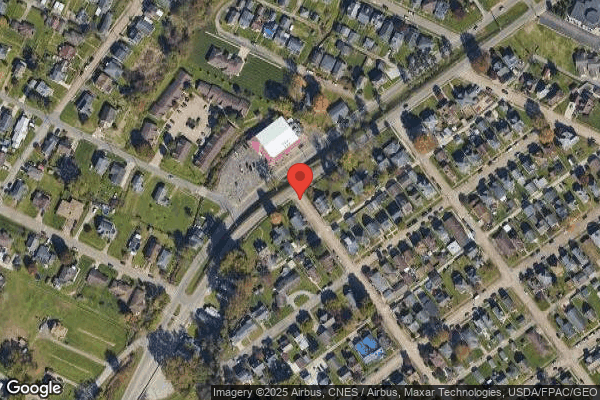
60583 STATE ROUTE 7, SHADYSIDE, OH 43947 (740) 676-8381
For profit - Corporation 88 Beds CERTUS HEALTHCARE Data: November 2025
Trust Grade
20/100
#644 of 913 in OH
Last Inspection: April 2025

Within standard 12-15 month inspection cycle. Federal law requires annual inspections.

Overview

Continuing Healthcare of Shadyside has received a Trust Grade of F, indicating significant concerns about the facility's quality of care. With a state rank of #644 out of 913 facilities in Ohio, they are in the bottom half and only rank #5 out of 10 within Belmont County, meaning there are only four local options that are better. While the facility is improving, as issues have decreased from 23 in 2023 to 9 in 2025, there are still serious concerns, including $31,354 in fines, which is higher than 80% of Ohio facilities, reflecting repeated compliance problems. Staffing is a relative strength with a turnover rate of 33%, which is lower than the state average, but the facility has faced serious incidents, such as failing to provide timely treatment for a resident after a fall and inadequate respiratory care that led to hospitalization for another resident. Overall, families should weigh these strengths against the significant weaknesses when considering this nursing home for their loved ones.

Trust Score
F
20/100
In Ohio
#644/913
Bottom 30%
Safety Record
High Risk
Review needed
Inspections
Getting Better
23 → 9 violations
Staff Stability
○ Average
33% turnover. Near Ohio's 48% average. Typical for the industry.
Penalties
⚠ Watch
$31,354 in fines. Higher than 80% of Ohio facilities, suggesting repeated compliance issues.
Skilled Nurses
⚠ Watch
Each resident gets only 26 minutes of Registered Nurse (RN) attention daily — below average for Ohio. Fewer RN minutes means fewer trained eyes watching for problems.
Violations
⚠ Watch
40 deficiencies on record. Higher than average. Multiple issues found across inspections.
★★☆☆☆
2.0
Overall Rating
★★☆☆☆
2.0
Staff Levels
★★★☆☆
3.0
Care Quality
★★☆☆☆
2.0
Inspection Score
Stable
2023: 23 issues
2025: 9 issues

The Good

  • Full Sprinkler Coverage · Fire safety systems throughout facility
  • No fines on record
  • Staff turnover below average (33%)

    15 points below Ohio average of 48%

Facility shows strength in fire safety.

The Bad

2-Star Overall Rating

Below Ohio average (3.2)

Below average - review inspection findings carefully

Staff Turnover: 33%

13pts below Ohio avg (46%)

Typical for the industry

Federal Fines: $31,354

Below median ($33,413)

Moderate penalties - review what triggered them

Chain: CERTUS HEALTHCARE

Part of a multi-facility chain

Ask about local staffing decisions and management

The Ugly 40 deficiencies on record

5 actual harm
Apr 2025 9 deficiencies 3 Harm
SERIOUS (G) 📢 Someone Reported This

A family member, employee, or ombudsman was alarmed enough to file a formal complaint

Actual Harm - a resident was hurt due to facility failures

Quality of Care (Tag F0684)

A resident was harmed · This affected 1 resident

**NOTE- TERMS IN BRACKETS HAVE BEEN EDITED TO PROTECT CONFIDENTIALITY** THE FOLLOWING DEFICIENCY REPRESENTS AN INCIDENT OF PAST NON-COMPLIANCE THAT WAS SUBSEQUENTLY CORRECTED PRIOR TO THIS SURVEY. Bas...

Read full inspector narrative →
**NOTE- TERMS IN BRACKETS HAVE BEEN EDITED TO PROTECT CONFIDENTIALITY** THE FOLLOWING DEFICIENCY REPRESENTS AN INCIDENT OF PAST NON-COMPLIANCE THAT WAS SUBSEQUENTLY CORRECTED PRIOR TO THIS SURVEY. Based on closed record review, facility policy review and interview, the facility failed to provide a timely assessment and necessary and timely treatment for Resident 3181 following an unwitnessed fall with injury. This affected one resident (#181) of two residents reviewed for accident hazards. Actual harm occurred on 02/07/25 at 7:30 P.M. when Certified Nursing Assistant (CNA) observed Resident #181 on the floor in front of her wheelchair. The CNA notified Registered Nurse (RN) #109 of the resident having an unwitnessed fall; however, the RN failed to assess and provide needed treatment to the resident thereby delaying necessary treatment including transfer to the hospital. Following the incident, the resident complained of pain to her hip and had a decrease in mobility. However, the resident was not transferred to the emergency room until 02/09/25 at which time she was admitted for treatment of an acute right hip fracture. Findings include: Review of the closed medical record for Resident #181 revealed the resident was admitted to the facility on [DATE] for a five-day hospice respite stay. Resident #181 was re-admitted to the facility on [DATE] receiving hospice services. The resident was discharged from the facility on 02/09/25 to the hospital and then discharged (from the hospital) to home. Resident #181 had diagnoses including senile degeneration of the brain, chronic obstructive pulmonary disease, dementia, Alzheimer's disease, malignant neoplasm of the bronchus or lung and repeated falls. Review of the resident's admission Packet dated 02/07/25 revealed the resident was oriented to self only, was confused, with short term memory loss with mild cognitive impairment. The resident was ambulatory and had scratches noted to right iliac crest with multiple falls within the last six months. The resident had no limitations in range of motion. Review of the facility's incident and accident investigation report dated 02/07/25 at 7:30 P.M. revealed Resident #181 had a fall in the hallway from her wheelchair. Review of the baseline care plan dated 02/08/25 revealed Resident #181 was at risk for elopement/wandering related to dementia, at risk for falls and potential injury related to history, and received psychoactive medication which was required due to alteration in mood and behavior related to anxiety and wandering without purpose. Interventions included commonly used articles within easy reach, maintain clear pathways, monitor for side effects of psychotropic medications, and a room close to nurses' station. Review of the medical record revealed a progress note on 02/07/25 at 3:30 P.M. that identified Hospice was contacted to confirm the resident's orders for respite admission. The orders were confirmed. There was nothing noted on this date in the medical record regarding an unwitnessed fall or an assessment of the resident for falls or injury. Review of the medical record revealed a progress note on 02/08/25 at 12:50 A.M. that identified the resident was administered Lorazepam 0.5 milligrams (orally) for anxiety, restlessness. Review of hospice visit note by Hospice Registered Nurse (RN) #102 on 02/09/25 at 5:57 P.M. revealed Resident #181 had facial grimacing and was unable to be consoled with touch and verbal communication. Facial pain scale denoted 8 out of 10 on a 1 to 10 pain scale. RN #109 administered Morphine (for moderate to severe pain), with little effect. RN #109 reported that Resident #181 normally walked with a shuffled gait and held onto the walls, rails or furniture, throughout the day. On 02/09/25, Resident #181 had not ambulated. RN #109 denied Resident #181 had any falls. Resident #181's daughter reported Resident #181 had several falls at home prior to being admitted (to the facility on [DATE]) but had no signs of injury. An assessment completed by Hospice RN #102 revealed Resident #181's left leg was notably longer than the right leg, RN #109 verified the findings during the 02/09/25 visit. New orders were received for Resident #181's bilateral hips, pelvis, and lumbar spine to be x-rayed. Review of the medical record revealed the next progress note dated 02/09/25 at 7:55 P.M. indicated the resident was administered Morphine sulfate 20 mg/5ml, liquid by mouth one ml for pain rated 9-10 or shortness of breath. There was no comprehensive assessment of the resident that identified what complaints of pain the resident was experiencing or the condition of the resident. Review of Resident #181's medication administration record (MAR) reflected the resident received Morphine Sulfate oral solution 20mg/5ml, one ml on 02/09/25 at 7:55 P.M. for a pain rating of nine (9). It was documented as effective. Review of the medical record revealed the next progress note dated 02/09/25 at 8:19 P.M. identified Morphine sulfate 20 mg/5 ml, every 1 hour as needed for pain 9-10 or shortness of breath. The PRN administration was identified as effective and the follow up pain scale was four (4). There was no comprehensive assessment of the resident that identified what complaints of pain the resident was experiencing or the condition of the resident. Review of Resident #181's medication administration record (MAR) reflected the resident received Morphine Sulfate oral solution 20mg/5ml, 0.75 ml by mouth on 02/09/25 at 9:19 P.M. for a pain rating of seven (7). It was documented as U unknown for effectiveness. Review of a progress note dated 02/09/25 at 11:22 P.M. revealed Resident #181's daughter came in to visit and asked if her mother had been in bed all day. The nurse explained that since Resident #181 had arrived, she would be active, get tired, and then go to her bed and rest. The daughter pointed out to the nurse that the resident was indicating that she was having pain when her right leg was moved. The progress note indicated that the Hospice Nurse also came in and assessment was collaborative. Morphine Sulfate liquid was given hourly as needed for pain. A call was placed to the resident's physician for orders for mobile x-rays stat. The x-rays were completed and identified a right hip fracture. The physician was notified of the x-ray results and ordered the resident to be transferred to the hospital for evaluation related to fracture of the right hip. The resident was transferred to the hospital (on 02/09/25) at 10:45 P.M. Review of the Emergency Department (ED) provider note dated 02/09/25 at 11:17 P.M. revealed Resident #181 presented to ED today by ambulance from the facility to be evaluated for right hip pain. The x-ray showed a minimally displaced and minimally angulated fracture of the distal femoral neck area. An orthopedic consultation was ordered, and Resident #181 was admitted to the hospital. Active hospital diagnoses include hip fracture, right distal femoral neck, acute hypoxia- patient required oxygen for desaturation likely related with sedation, Stage IV metastatic adenocarcinoma of the right lung to mediastinum, chronic obstructive pulmonary disease, presenile dementia, anxiety and depression. Review of the resident's facility medical record revealed a progress note titled General Note dated 02/10/25 at 11:54 A.M. indicating Resident #181 presented with new onset of pain on 02/09/25 to right lower extremity. As needed Morphine was given. The floor RN assessed the resident and provider was notified of clinical findings with orders given for hip x-ray. X-ray performed same day with findings of acute right hip fracture at the intertrochanteric region. The medical provider was notified of the findings with order to send to the ED that evening for evaluation and continued treatment. The resident's daughter was aware of the findings. The resident was admitted to the hospital for orthopedic management. Upon facility investigation, the resident had a fall on 02/07/25, found sitting in the hallway in from of room [ROOM NUMBER]. The note included the resident continued to ambulate that night per baseline with no reports of pain present until 02/09/25. The facility was to assess root cause of the fall and implement fall intervention pending the resident's return to the facility. Review of a hand written statement from CNA #152 dated 02/09/25 (from the incident dated 02/07/25) revealed Resident #181 was sitting in her wheelchair outside of room [ROOM NUMBER] when CNA #152 came on shift at 7:00 P.M. Around the time of the incident, the CNA was assisting another resident and RN #109 was standing at the nurse's cart. When CNA #152 came around the corner she saw Resident #181 was sitting on the floor next to her wheelchair. The CNA informed the nurse (RN #109) that the resident was on the floor and it was unwitnessed. CNA #152 walked back to the resident and the nurse never came to assess the resident. So, CNA #152 then helped the resident up off of the floor and back into her wheelchair and pushed her into the day room. Review of a handwritten statement from RN #109 dated 02/09/25 for an incident dated 02/09/25 (note- this date is in error and should reflect the incident date 02/07/25) revealed she didn't remember seeing a resident on the floor Friday (02/07/25). RN #109's statement identified that she was not aware of Resident #181 being on the floor Friday (02/07/25). Review of a typed statement dated 02/11/25 at 2:50 P.M. by the Administrator revealed he had called and spoken with Resident #181's daughter regarding the resident being transferred to the emergency room on [DATE]. The daughter stated the resident had been admitted to the hospital on [DATE] with a diagnosis of right hip fracture. Review of a document titled personal witness statement, revealed a hand written statement signed by the Director of Nursing (DON) dated 02/18/25 that identified the DON had spoken with CNA #152 and made her aware if a situation where a resident was on the floor and the nurse was not assessing them, the CNA should make another nurse on the floor aware or call the DON personally. The CNA was not to pick the resident up without being properly assessed. The CNA said she understood. The CNA stated she had helped her (Resident #181) off the floor only because the resident was already attempting to get up herself. The CNA did not want the resident to cause potential further injury. Interview on 04/16/25 at 2:50 P.M. with Regional Clinical RN #198 revealed the facility completed an investigation and determined Resident #181 had a fall on the evening of 02/07/25' however, there was no documentation of the fall in the resident's medical record or of a resident assessment being completed. Per Regional Clinical RN #198, CNA #152 had notified RN #109 that Resident #181 was sitting on the floor next to her wheelchair and the fall had been unwitnessed. Regional Clinical RN #198 verified that Resident #181 was not assessed by the nurse and the resident was assisted back into wheelchair by CNA #152. Interview on 04/17/25 at 6:29 A.M. with CNA #152 revealed around 7:30 P.M. (on 02/07/25) Resident #181 was sitting back by room [ROOM NUMBER] and attempted to ambulate multiple times. CNA #152 assisted Resident #181 back into her wheelchair and CNA #152 went to assist another resident. When CNA #152 came back out, Resident #181 was observed sitting on the floor in front of the wheelchair. CNA #152 told RN #109 that Resident #181 was on the floor. CNA #152 stated she waited with Resident #181 for at least five minutes and the nurse did not come to assess Resident #181. Prior to the fall on 02/07/25, the resident was ambulating on the unit, with no signs of pain observed. Review of the Fall Policy dated 02/2018 revealed the facility was to assure proper review of resident fall risk and implementation of interventions to attempt to prevent or reduce falls/accidents and injuries related to falls. Section Two: Assessments and Notification, appropriate medical care would be provided as needed, including calling for emergency transport to the emergency room if needed. The physician would be notified of the fall and outcome. The resident representative would be notified of a fall. The DON/Designee would be notified of each fall. The deficiency was corrected on 02/10/25 after the facility implemented the following corrective actions: • On 02/09/25 Resident #181 was assessed by nursing staff, x-rays completed on this date, and the resident was transferred to the hospital for care and treatment including surgical correction of a fractured hip. • On 02/10/25 the Director of Nursing (DON)/designee completed audits of all current residents in the facility for pain and new skin alterations to ensure no incidents had occurred to cause any of the same. There were no negative findings upon assessment of all residents. • On 02/10/25 the DON completed all staff education regarding the facility Fall policy to ensure staff know what to do when a resident was seen on the floor. The DON ensured that 100% of all staff were educated. • On 02/10/25 the DON completed all nurses education on the facility Fall policy and proper assessment, fall investigation, provider and family notification, and documentation of falls. The DON ensured that 100% of all staff were educated. • On 02/10/25 an Ad Hoc QAPI meeting was conducted with the Medical Director, Executive Director, DON, Assistant DON, and RN Unit Manager. The meeting was convened to thoroughly review the Self-Imposed Action Plan developed in response to the incident involving Resident #181 on 02/07/25. Key areas discussed included analysis of the circumstances surrounding the fall, review of current safety protocols and identification of potential gaps, proposed modifications to existing procedures to enhance resident safety, and assignment of responsibilities for implementing the Action Plan. • Beginning on 02/10/25 the DON/designee completed audits 3-4 times per week of of 5-10 random residents for four (4) weeks for new onsets of pain and new skin alterations and if any falls occurred to ensure a note was entered into the resident electronic health record (EHR), immediate interventions were put into place, care plan updated, and fall follow-up was accurate. • During the survey timeframe of 04/14/25 through 04/22/25 surveyor review of facility education records, completed audits, and resident record reviews revealed the facility corrective action steps were completed. This deficiency represents non-compliance investigated under Complaint Number OH00162774.
SERIOUS (G) 📢 Someone Reported This

A family member, employee, or ombudsman was alarmed enough to file a formal complaint

Actual Harm - a resident was hurt due to facility failures

Accident Prevention (Tag F0689)

A resident was harmed · This affected 1 resident

**NOTE- TERMS IN BRACKETS HAVE BEEN EDITED TO PROTECT CONFIDENTIALITY** Based on medical record review and interview, the facility failed to ensure Resident #8's bedroom furniture was maintained in a ...

Read full inspector narrative →
**NOTE- TERMS IN BRACKETS HAVE BEEN EDITED TO PROTECT CONFIDENTIALITY** Based on medical record review and interview, the facility failed to ensure Resident #8's bedroom furniture was maintained in a safe manner to prevent the resident from sustaining an injury when her foot hit the board as she was attempting to sit up. This affected one resident (#8) of two residents reviewed for edema. Actual harm occurred on 05/21/24 when Resident #8 required seven sutures to the top of her right foot as a result of her foot being cut on the footboard of her bed. Following the incident, the facility identified the footboard was in need of repair as it was torn and rough in texture. Findings Include: Record review revealed Resident #8 was admitted to the facility on [DATE] with diagnoses including respiratory failure, chronic obstructive pulmonary disease, and type II diabetes. Review of a nursing note dated 05/21/24 at 3:48 A.M. revealed Resident #8 had cut her right foot on her footboard. Resident #8 reported she was trying to sit up and used her foot to push. The footboard was torn on the left side of the bed. A Certified Nursing Assistant (CNA) applied pressure to the wound which was four centimeters (cm) by 0.5 cm with an unknown depth. A Registered Nurse (RN) came to see the wound and was unsuccessful at approximating the wound. The wound stopped bleeding, a dry dressing was applied and Resident #8 was transferred to the hospital. Review of a nursing note dated 05/21/24 at 7:30 A.M. revealed Resident #8 returned from the hospital with seven sutures on top of her right foot. Resident #8's family and the physician were notified. Review of an interdisciplinary team note dated 05/21/24 at 11:44 A.M. and authored by Licensed Practical Nurse (LPN) #195 revealed Resident #8 received a skin laceration to her right foot while trying to swing her legs around to the side of the bed so she could sit up. Resident #8 bumped her foot on the footboard causing the laceration and was sent to the emergency department where she received six sutures. The maintenance department smoothed out the rough edges on the footboard and it was then padded with a pool noodle. Interview on 04/16/25 at 5:04 P.M. with Maintenance Technician (MT) #132 revealed he sanded Resident #8's footboard after she cut her foot on it. MT #132 verified there was a rough patch on the foot board. There was no evidence provided to ensure the facility had a system in place to provide for the ongoing maintenance and timely repairs of resident equipment to prevent resident injury. Interview on 04/16/25 at 5:06 P.M. with LPN #195 verified Resident #8 cut her foot (on 05/21/24) at approximately 3:00 A.M. The LPN revealed Resident #8 had a lot of swelling in her legs, so her skin was fragile. The LPN recalled Resident #8's wound looked like a clean cut and was not jagged. LPN #195 stated Resident #8 had a new bed with a different footboard now. Interview on 04/17/25 at 9:44 A.M. with Resident #8 revealed she recalled the incident where she had to get sutures on her right foot. The resident reported the injury had been caused from the foot board of her bed. The resident indicated she had been able to feel when her foot was sliced, but was not able to visualize the appearance of the footboard to determine why the injury occurred.
SERIOUS (G) 📢 Someone Reported This

A family member, employee, or ombudsman was alarmed enough to file a formal complaint

Actual Harm - a resident was hurt due to facility failures

Respiratory Care (Tag F0695)

A resident was harmed · This affected 1 resident

**NOTE- TERMS IN BRACKETS HAVE BEEN EDITED TO PROTECT CONFIDENTIALITY** Based on record review, hospital record review and interview, the facility failed to provide adequate and timely respiratory car...

Read full inspector narrative →
**NOTE- TERMS IN BRACKETS HAVE BEEN EDITED TO PROTECT CONFIDENTIALITY** Based on record review, hospital record review and interview, the facility failed to provide adequate and timely respiratory care and treatment for Resident #2, related to a decline in the resident's respiratory status and need for oxygen use. This affected one resident (#2) of one resident reviewed for edema. Actual harm occurred beginning on 03/10/25 when the facility failed to adequately and timely treat respiratory complications exhibited by Resident #2 which included shortness of breath, abnormal lung sounds and decreased oxygen saturation. On 03/11/25 staff had increased the resident's oxygen to seven liters (the resident had an order for oxygen at one to five liters at that time) with no additional intervention noted. On 03/14/25 at 11:45 P.M. Resident #2 was transferred to the hospital and admitted for a six day hospitalization for treatment of acute respiratory failure with hypoxia, acute exacerbation of chronic obstructive pulmonary disease (COPD), and pneumonia requiring intravenous antibiotics. Findings Include: Record review revealed Resident #2 was admitted to the facility on [DATE] with diagnoses including hemiplegia and hemiparesis following a cerebral infarction, non-displaced fracture of lateral malleolus of left fibula, subsequent encounter for closed fracture with routine healing, aphasia, pneumonia, morbid obesity, anemia, hemorrhoids, reduced mobility, allergic rhinitis, weakness, COVID-19, chronic obstructive pulmonary disorder (COPD), asthma, anemia, hypertension (HTN) , hyperlipidemia, gastrointestinal reflux disease (GERD), seizures, diaphragmatic hernia. Review of Resident #2's care plan dated 08/09/24 revealed the resident had COPD. Goals included the resident would display optimal breathing patterns daily through review date. Interventions include giving aerosol or bronchodilators as ordered. Monitor/document any side effects and effectiveness. Head of bed elevated to prevent shortness of breath. Identify and eliminate sources of respiratory irritation such as cigarette smoke, pollen, perfumes, etc. Monitor for difficulty breathing (dyspnea) on exertion. Remind resident not to push beyond endurance. Monitor for signs and symptoms (s/sx) of acute respiratory insufficiency: anxiety, confusion, restlessness, shortness of breath (SOB) at rest, cyanosis, somnolence. Monitor/document for anxiety. Offer support, encourage resident to vent frustrations and fears. Reassure. Give as needed (PRN) medications for anxiety as ordered. Monitor/document/report PRN any s/sx of respiratory infection: fever, chills, increase in sputum (document the amount, color and consistency), chest pain, increased difficulty breathing (dyspnea), increased coughing and wheezing. Record review of the Minimum Data Set (MDS) assessment completed 02/14/25 revealed a Brief Interview For Mental Status (BIMS) score of 00 indicating the resident had cognitive impairment. The MDS did not reflect the resident utilized oxygen. Review of a progress note dated 03/08/25 at 8:56 P.M. and authored by Licensed Practical Nurse (LPN) #180 revealed the resident presented with a productive cough and redness noted to face. Vital signs included blood pressure (BP) 122/74, temperature 99.8 Fahrenheit (F), heart rate (HR) 95, respiratory rate 18 and oxygen saturation (Sp02) 90% on room air (RA). The resident was noted to have swelling to left side of face. An order was received from Nurse Practitioner (NP) #999 to transfer resident to the emergency room (ER) for evaluation. Review of a progress note dated 03/08/25 at 11:58 P.M. and authored by Licensed Practical Nurse (LPN) #195 revealed on 03/08/25 at 11:17 P.M. the resident's temperature was 99.5 Fahrenheit (F), lung sounds were congested and the resident had nasal congestion. Oxygen saturation was 93% on room air. The resident had complaints of feeling chilled. The LPN notified Nurse Practitioner (NP) #888 who ordered a chest x-ray (CXR) and Tamiflu. Record review revealed a chest x-ray completed 03/08/25 with findings of bibasilar atelectasis on Resident #2. Record review revealed an order obtained on 03/09/25 from NP #999 for oxygen at 1-5 liters per minute (LPM) via nasal cannula (N/C). May titrate. May remove for care, treatment and activities as needed every shift. This order was discontinued on 03/18/25. Review of a progress note dated 03/09/25 at 12:33 P.M. and authored by LPN #180 revealed this nurse called the hospital for an update on the resident. The resident tested positive for Influenza A. The resident would be discharging back to the facility when transportation was available. A progress note dated 03/10/25 at 10:21 A.M. by LPN #160 revealed the resident had labored breathing with a pulse ox of 79% with the resident wearing three liters of oxygen. The oxygen was increased to five liters with no change in pulse ox reading. High flow concentrator obtained, resident placed on seven liters of oxygen with a saturation of 95%. The note indicated NP #999 was aware of all, care on going at this time. A progress note dated 03/11/25 at 00:00 A.M. by NP #999 revealed the resident was seen to assess comfort and dyspnea (shortness of breath). The note revealed the resident had been sent out on Saturday (03/08/25) for dyspnea and diagnosed with Influenza A. O2 saturation was 91% with O2 flow rate of seven liters. Respiratory status noted the resident had scattered rhonchi. The resident had influenza due to identified novel influenza A virus with other respiratory manifestations. The plan was to continue Tamiflu through 03/14/25. No other treatments or orders were provided at that time. Record review revealed no documented evidence of assessment or monitoring from 03/12/25 through 03/13/25 of Resident #2's respiratory or neurological status. Record review revealed no documentation of Resident #2's plan of care reflecting use of oxygen. Record review revealed a progress note dated 03/14/25 at 11:58 P.M. and authored by LPN #180 that indicated Resident #2 presented with (new) onset shortness of breath (SOB) and chest pain. Vital signs include blood pressure (BP) 146/74, heart rate (HR) 75, respiratory rate (RR) 22, oxygen saturation 92% on seven liters (L). The resident was noted to have two plus pitting edema to right lower extremity (RLE). Respirations were abnormal and included inspiratory and expiratory wheezing and rhonchi noted bilaterally. The nurse called 911 at 11:35 P.M. The resident was transferred out of facility at 11:45 P.M. to the hospital via stretcher and two attendants. Report was called to the hospital at 11:50 P.M. Record review revealed a progress note dated 03/15/25 at 4:25 A.M. authored by LPN #180 that indicated the hospital was called to get a report on the resident's status. The facility was informed the resident was being admitted to the hospital with a diagnosis of hypoxia. Record review revealed a progress note dated 03/19/25 at 1:47 P.M. authored by LPN #206 which indicated the resident was admitted to the hospital with a diagnosis of pneumonia. Review of the March 2025 medication administration record (MAR) treatment administration record (TAR) for Resident #2 revealed documentation of oxygen in use and on resident from 03/10/25 through 03/14/25 on day and night shift over the ordered 1-5 LPM. Documentation revealed five days oxygen was administered to Resident #2 at seven liters per minute via nasal cannula. Record review revealed no new orders or documentation of new orders being implemented for assessments, interventions, or medications by NP #999 on 03/10/25 or 03/11/25 for Resident #2 following the identification of labored breathing, scattered rhonchi, increased swelling, and increased oxygen demand. Review of hospital documentation for Resident #2 revealed the resident was admitted for acute respiratory failure with hypoxia, acute exacerbation of COPD, and pneumonia. Resident #2 was prescribed Vancomycin and Zosyn while hospitalized from [DATE] through 03/19/25. Interview on 04/16/25 at 6:51 A.M. with LPN #180 revealed she did not work for a few days prior to Resident #2 being transferred to the hospital (on 03/14/25). She said when she got to the facility on this date and went in to see Resident #2 she realized something was not right and began to assess the resident and then subsequently had her transferred out of the facility (to the hospital) for more treatment. Interview on 04/16/25 at 8:58 A.M. with LPN #160 revealed staff were concerned about Resident #2's status on 03/11/25 as the resident was having ongoing issues. The LPN stated she saw Resident #2 that day and knew something wasn't right with the resident; the resident was having labored breathing. LPN #160 revealed she called NP #999 who instructed her to keep Resident #2 at the facility as long as her oxygen level stayed up. LPN #160 revealed she was unsure if NP #999 came in that day but believed she did; however, no new orders were provided. LPN #160 stated she continually went into the room to check on Resident #2 and looped the CNA staff in as well.
CONCERN (D) 📢 Someone Reported This

A family member, employee, or ombudsman was alarmed enough to file a formal complaint

Potential for Harm - no one hurt, but risky conditions existed

Notification of Changes (Tag F0580)

Could have caused harm · This affected 1 resident

**NOTE- TERMS IN BRACKETS HAVE BEEN EDITED TO PROTECT CONFIDENTIALITY** Based on medical record review and interview the facility failed to notify the resident representative of an unwitnessed fall th...

Read full inspector narrative →
**NOTE- TERMS IN BRACKETS HAVE BEEN EDITED TO PROTECT CONFIDENTIALITY** Based on medical record review and interview the facility failed to notify the resident representative of an unwitnessed fall that resulted in the resident's injury. This affected one resident (#181) of four residents reviewed for accidents. The facility census was 75. Findings include: Review of the medical record for Resident #181 revealed the resident was admitted on [DATE] on hospice services with a facility discharge date of 02/09/25. The resident's diagnoses included senile degeneration of the brain, chronic obstructive pulmonary disease, dementia, Alzheimer's disease, malignant neoplasm of the bronchus or lung and repeated falls. Review of the baseline care plan dated 02/08/25 revealed Resident #181 was at risk for elopement/wandering related to dementia, at risk for falls and potential injury related to history, psychoactive medication required due to alteration in mood and behavior related to anxiety and wandering without purpose. Interventions included to have commonly used articles within easy reach, maintain clear pathways, monitor for side effects of psychotropic medications, room close to nurses' station. Review of facility investigation dated 02/10/25 revealed Resident #181 was found on the floor on 02/07/25 at 7:30 P.M. Review of Resident #181's medical record revealed no documented evidence the resident had fallen on 02/07/25, nor was there documented evidence the resident's representative or physician was notified of the fall. Interview on 04/17/25 at 11:33 A.M. with Regional Clinical RN #198 confirmed Resident #181 had fallen on 02/07/25, however the fall was not documented in the medical record nor was the responsible party or physician notified until 02/10/25 after the resident was hospitalized on [DATE]. Review of the facility Fall policy (dated 02/2018) revealed the facility was to assure proper review of resident fall risk and implementation of interventions to attempt to prevent or reduce falls/accidents and injuries related to falls. Section Two identified Assessments and Notification revealed appropriate medical care will be provided as needed, including calling for emergency transport to the emergency room if needed. The physician will be notified of the fall and outcome. The resident representative will be notified of a fall. The DON/Designee will be notified of each fall. This deficiency represents non-compliance investigated under Complaint Number OH00162774.
CONCERN (D) 📢 Someone Reported This

A family member, employee, or ombudsman was alarmed enough to file a formal complaint

Potential for Harm - no one hurt, but risky conditions existed

Pressure Ulcer Prevention (Tag F0686)

Could have caused harm · This affected 1 resident

Deficiency Text Not Available

Read full inspector narrative →
Deficiency Text Not Available
CONCERN (D)

Potential for Harm - no one hurt, but risky conditions existed

Deficiency F0692 (Tag F0692)

Could have caused harm · This affected 1 resident

**NOTE- TERMS IN BRACKETS HAVE BEEN EDITED TO PROTECT CONFIDENTIALITY** Based on observation, medical record review, interview, and policy review the facility failed to ensure dialysis dietary recomme...

Read full inspector narrative →
**NOTE- TERMS IN BRACKETS HAVE BEEN EDITED TO PROTECT CONFIDENTIALITY** Based on observation, medical record review, interview, and policy review the facility failed to ensure dialysis dietary recommendation to administer protein snack at night was implemented and failed to ensure meal intakes were adequately monitored and documented. This affected two residents (#44 and #51) of three residents reviewed for nutrition. Findings included: 1. Medical record review revealed Resident #51 was admitted to the facility on [DATE] with end stage renal disease, protein-calorie malnutrition, heart failure, diabetes, and liver disease. Review of Resident #51's dialysis plan of care dated 02/21/25 and revised 03/20/25 revealed the resident dialysis days were Monday, Wednesday, and Friday at 10:30 A.M. There was no evidence to provide a protein snack at night. Review of Resident #51's plan of care for compromised nutritional status dated 02/21/25 revealed to offer increased protein in the diet. There was no evidence to offer a protein snack at night. Review of dialysis nutrition note dated 03/24/25 (re-faxed 04/16/25) revealed the Dialysis Dietician (DD) #303 had faxed the dietary note to the facility originally on 03/24/25. The DD #303 had recommended high-protein snacks at night. The resident's albumin was 3.2 and goal range was greater than 4.0. The DD #303 indicated the resident's albumin may be low if she was not eating enough protein. Review of the facility's dietary notes dated 03/26/25 and 04/16/25 revealed no evidence of a protein snack at night. Review of Resident #51's orders dated 03/2025 and 04/2025 revealed no evidence of an order for high-protein snack at night. Review of the resident supplement orders list dated 04/17/25 revealed no evidence Resident#51 was receiving a supplement at night. Interview on 04/16/25 at 1:06 P.M., via phone with the DD #303 revealed she had recently started faxing over her assessments to the facility's dietician in the last month. Prior, they had spoken on the phone monthly. DD #303 reported the facility's dietician had reached out to her today per the surveyor's request for dietary notes and she had to remind the facility's dietician that she had faxed her recommendation over last month. The facility's dietician reported to DD#303 she had misplaced them. The Dialysis Dietician reported she did not have access to the resident medical record at the time of the phone interview, however she had made some adjustments in the resident diet due to her labs. Interview on 04/17/25 at 7:30 A.M. with Dietary Manger (DM) #170 confirmed the kitchen prepares nighttime snacks and there was no resident currently with a special order, such as a high protein snack. The DM reported she usually put peanut butter and jelly sandwiches, ham or chicken salad sandwiches, chips, cookies, pudding, or leftover snacks (cakes/pies) on the snack cart. The dietary staff or floor staff would help distribute the snacks around 6:30 P.M. to 6:45 P.M. nightly. Interview on 04/17/25 at 7:40 A.M., with Resident #51 revealed she doesn't receive a snack at night unless she asks for one. She has never received a protein snack at night from the facility, however occasionally she will not eat the one the dialysis center gives her, a protein bar, and she will bring it back to the facility for a snack. Interview on 04/17/25 at 7:55 A.M., with the Director of Nursing (DON) confirmed Resident #51 was not ordered a protein snack at night per the dialysis dietician recommendation. The DON reported the facility's dietician was contracted and was not in the facility full time, however the number on the fax cover sheet was the facility's fax number the dialysis dietician had faxed to on 03/24/25. 2. Record review revealed Resident #44 was admitted to the facility 07/19/23 with diagnoses including dementia, anemia, HLD, HTN, depression, protein - calorie malnutrition, anxiety, overactive bladder, cognitive communication deficit, difficulty walking, weakness, dorsalgia, gastroesophageal reflux disease (GERD), major depressive disorder. Review of a quarterly minimum data set (MDS) completed 02/22/25, section C revealed a brief interview for mental status (BIMS) score of 00 indicating cognitive impairment. Section D revealed the resident was feeling down, depressed, or hopeless, and had a poor appetite or overeating for a total severity score of 06 and often feels socially isolated. Section GG functional abilities revealed for eating the resident's had the ability to use suitable utensils to bring food and/or liquid to the mouth and swallow food and/or liquid once the meal is placed before the resident. Resident #44 required set up or clean up assistance. Review of care plan completed 09/02/21, revised 02/04/25 revealed resident #44 was at nutrition/hydration risk due to diagnoses of left hip fracture with surgical repair, urinary tract infection, diabetic therapeutic diet, body mass index (BMI) low, history of edema, diuretic use, psychoactive medication use, non-significant weight loss. Resident desired to eat meals in room, malnutrition, poor intakes/appetite, refused alternate foods/fluids, dementia, and tube feedings declined. Goals included Resident #44 will consume more than 75% of most meals, resident will maintain weight without unplanned significant weight changes. Interventions included to assess and report signs of edema to Medical Director, assess for signs and symptoms of aspiration, assist with meals as needed, encourage compliance with diet guide lines, ,encourage resident to dine in dining room as is appropriate, encourage resident to make healthful diet choices, honor food preferences as able, administer medications as ordered, monitor blood glucose levels per order and PRN, monitor consistency of diet served, monitor for signs and symptoms of dehydration, monitor labs as ordered, obtain food preferences, offer meal alternate if resident refuses meal, oral care as needed, occupational therapy referral as needed, provide assistance with meals and snacks as necessary, provide diet as ordered, provide supplements as ordered, registered dietician referral as needed, speech therapy referral as needed, weights as ordered. Review of Resident weights revealed the following: 04/14/25 Resident #44 weighed 80.0 pounds (Lbs) 04/07/25 78.0 Lbs, 03/31/25 81.0 Lbs, 03/24/25 81.0 Lbs, 03/24/25 81.0 Lbs, 03/11/25 76.0 Lbs, 03/03/25 80.0 Lbs, 02/24/25 80.0 Lbs, 02/17/25 80.0 Lbs, 02/10/25 77.0 Lbs, 02/03/25 80.0 Lbs, 01/27/25 77.0 Lbs, 01/20/25 79.0 Lbs, 01/13/25 78.0 Lbs, and 01/06/25 75.0 Lbs. Record review for the task of what percentage of the meal was eaten, revealed no documentation for any meal on 03/20/25, 03/22/25, 03/27/25 (Resident #44 was out of the facility for lunch and breakfast meals and returned to the facility on [DATE] at 3:44 P.M.) , 03/30/25, 04/04/25, 04/05/25, 04/12/25, 04/15/25. Record review for the task of what percentage of the meal was eaten for Resident #44 revealed 57 documented meals in the past 30 days (03/18/25 through 04/16/25) Resident #44 consumed 25% of one meal, 25-50% of five meals, 51-75% of 31 meals, and 76-100% of 20 meals. Interview on 04/16/25 at 8:20 A.M. with Certified Nursing Assistant (CNA) #184 revealed Resident #44's appetite can fluctuate day by day. CNA #184 stated Resident #44 really likes sweets, she snacks with activities when she goes. CNA #184 stated she is not sure if Resident #44 receives a snack at bedtime because she does not work night shift but the cart typically goes around 6:45 P.M. to 7:00 P.M CNA #184 stated for each meal they are to document how much the residents eat and drink. They used the computer to document intakes for every meal and if there was any meals they receive outside of the scheduled meals. CNA #184 stated if a resident refused a meal they were to document it as refused, if the resident was out of the facility they were to document resident not available, and if they set up the residents tray and they ate nothing but do not refuse it is a 0% intake. Observation on 04/16/25 at 8:38 A.M. revealed Resident #44 eating cream of wheat with two 3/4 cup of orange juice, 1/2 cup of vanilla ice cream, 8 fluid ounces of water, 2 scrambled eggs, and 2 slices of bacon. Resident #44 was sitting up, tray was set up by staff, and the resident was feeding herself. At this time, 25% of meal consumed.
CONCERN (D)

Potential for Harm - no one hurt, but risky conditions existed

Deficiency F0698 (Tag F0698)

Could have caused harm · This affected 1 resident

**NOTE- TERMS IN BRACKETS HAVE BEEN EDITED TO PROTECT CONFIDENTIALITY** Based on medical record review, interview, and policy review the facility failed to ensure dialysis orders to hold medications w...

Read full inspector narrative →
**NOTE- TERMS IN BRACKETS HAVE BEEN EDITED TO PROTECT CONFIDENTIALITY** Based on medical record review, interview, and policy review the facility failed to ensure dialysis orders to hold medications were clarified and implemented. This affected one resident (#51) of one resident reviewed for dialysis. Findings included: Medical record review revealed Resident #51 was admitted to the facility on [DATE] with end stage renal disease, protein-calorie malnutrition, heart failure, diabetes, and liver disease. The resident was hospitalized from [DATE] to 02/20/25. Review of Resident #51's dialysis plan of care dated 02/21/25 and revised 03/20/25 revealed the resident dialysis days were Monday, Wednesday, and Friday at 10:30 A.M. There was no evidence to hold medication on dialysis days. Review of Resident #51's orders dated 02/08/25 to 04/16/25 revealed no evidence to hold medication on dialysis days. Review of Resident #51's medication administration record (MAR) dated 02/08/25 to 04/16/25 revealed in February (2025) staff held A.M. medication on dialysis three of four days, in March (2025) 11 out of 13 dialysis days, and six out of seven dialysis days in April (2025) without a physician order. Further review of April (2025) MAR revealed the resident's A.M. medication included: Allegra 180 milligrams (mg) in the morning for allergies, Aspirin 81 mg in the morning for clot prevention, Budesonide 9 mg in the morning for colitis, Cardizem (blood pressure) 180 mg in the morning, Miralax in the morning for constipation, Singular 10 mg in the morning for allergies, Omeprazole (proton-pump inhibitor) 40 mg in the morning, Vitamin B-12 (supplement) injection once every Monday, Colace (stool softener) 100 mg twice daily, Lactulose 30 milliliters (ml) twice a day for constipation, Prostat (supplement) 30 ml twice daily, Senna Plus twice daily for constipation, Calcium Acetate 667 three times daily before meals, and Levoalbuterol nebulizer three times daily. Interview on 04/16/25 at 8:42 A.M. and 12:42 P.M. with the Director of Nursing (DON) revealed the resident was discharged home on [DATE] and was re-admitted on [DATE]. The resident had an order from a previous admission to hold medications on dialysis days. The DON confirmed in February, March, and April (2025) staff continued to hold all A.M. medication without a physician order on dialysis days. The DON reported she had updated the resident physician and dialysis of the medication errors. Interview on 04/16/25 at 1:21 P.M. interview with the DON revealed dialysis sent over a new order and dialysis only wanted the resident blood pressure medication to be held on dialysis days not all A.M. medications. Review of the facility policy titled Dialysis dated 01/01/25 revealed to coordinate with dialysis center and provider regarding medication administration times.
CONCERN (D)

Potential for Harm - no one hurt, but risky conditions existed

Deficiency F0757 (Tag F0757)

Could have caused harm · This affected 1 resident

**NOTE- TERMS IN BRACKETS HAVE BEEN EDITED TO PROTECT CONFIDENTIALITY** Based on medical record review and interview the facility failed to ensure medications were reconciled correctly on admission. T...

Read full inspector narrative →
**NOTE- TERMS IN BRACKETS HAVE BEEN EDITED TO PROTECT CONFIDENTIALITY** Based on medical record review and interview the facility failed to ensure medications were reconciled correctly on admission. This affected one resident (#181) of one resident reviewed for psych/opioid medication review. The census was 75. Findings include: Review of the closed medical record review for Resident #181 revealed the resident was admitted on [DATE] under hospice services and discharged to the hospital on [DATE]. The resident's diagnoses include senile degeneration of the brain, chronic obstructive pulmonary disease, dementia, Alzheimer's disease, malignant neoplasm of the bronchus or lung and repeated falls. Review of the baseline care plan dated 02/08/25 revealed Resident #181 was at risk of injury related to smoking, at risk for elopement/wandering related to dementia, at risk for falls and potential injury related to history, psychoactive medication required due to alteration in mood and behavior related to anxiety and wandering without purpose. Intervention included to have commonly used articles within easy reach, maintain clear pathways, monitor for side effects of psychotropic medications, room close to nurses' station. Review of Resident #181's hospice medication list dated 01/24/25 revealed Resident #181 was receiving Lorazepam Oral Tablet 0.5 milligram (MG) give 1 tablet by mouth every four hours for anxiety and/or restlessness. Morphine Sulfate Oral Solution 20 milligrams (MG)/5 milliliters (ML) give 0.25 ml by mouth every 1 hours as needed for pain 1-3 or shortness of breath, Morphine Sulfate Oral Solution 20 MG/5ML give 0.5 ml by mouth every 1 hours as needed for pain 4-6 or shortness of breath for 14 Days, Morphine Sulfate Oral Solution 20 MG/5ML give 0.75 ml by mouth every 1 hours as needed for pain 7-8 or shortness of breath, Morphine Sulfate Oral Solution 20 MG/5ML give 1 ml by mouth every 1 hours as needed for pain 9-10 or shortness of breath. Review of a progress note dated 02/07/25 at 11:55 PM revealed RN #109 contacted hospice to confirm Resident #181's medication orders on admission. Review of physician orders dated 02/07/25 revealed Lorazepam Oral Tablet 0.5 milligram (MG) give 1 tablet by mouth four times a day for anxiety/restlessness (not every four hours per hospice order). Review of the Medication Administration Record (MAR) for February 2025 revealed Lorazepam Oral Tablet 0.5 milligram (MG) give 1 tablet was administered four times a day. Further review of the February 2025 MAR revealed 0.75 milliliter (ml) of Morphine Sulfate Oral Solution 20 milligram (MG)/5 milliliter (ML) was administrated on 02/09/25 at 7:55 P.M. and 1.0 milliter (ml) administrated at 9:19 P.M. Review of the Narcotic count sheet (undated) revealed the Morphine Sulfate Oral Solution 20 MG/5ML 0.5 milliter (ml) was administered at 5:30 P.M. and 6:40 P.M. which did not match the MAR. Interview on 04/17/25 at 2:10 P.M. with Regional Clinical RN #198 confirmed the Ativan order was not correctly entered on admission due to the hospice order was for Ativan 0.5 mg every four hours and staff entered it as four times a day. RN #198 also confirmed the Morphine Sulfate Oral Solution 20 MG/5ML administered on 02/09/25 was not accurately documented on the narcotic count sheet.
CONCERN (E)

Potential for Harm - no one hurt, but risky conditions existed

Antibiotic Stewardship (Tag F0881)

Could have caused harm · This affected multiple residents

**NOTE- TERMS IN BRACKETS HAVE BEEN EDITED TO PROTECT CONFIDENTIALITY** Based on medical record review, interview, and policy review the facility failed to ensure antibiotics usage met criteria. This ...

Read full inspector narrative →
**NOTE- TERMS IN BRACKETS HAVE BEEN EDITED TO PROTECT CONFIDENTIALITY** Based on medical record review, interview, and policy review the facility failed to ensure antibiotics usage met criteria. This affected four residents (#7, #28, #51, and #54) of four residents reviewed for antibiotic use. Findings include: 1. Medical record review revealed Resident #51 was admitted to the facility on [DATE] with diagnoses including chronic respiratory failure with hypoxia, heart failure, and liver disease. On 04/05/25 the resident reported having pain in upper left side ribcage area. The physician was notified and ordered a chest x-ray. The x-ray result indicated an increase in left basilar infiltrates (from previous x-ray completed 01/14/25) and pleural effusion was noted. On 04/07/25 the physician was notified of x-ray results and ordered Omnicef (antibiotic) 300 milligrams (mg) twice daily for seven days as well as DuoNeb four times daily for seven days. The physician was aware the resident didn't meet McGeer's criteria and no new orders given. There was no documented evidence of why the resident needed Omnicef when she didn't meet the criteria. Review of Resident #51's medication administration record (MAR) dated 04/2025 revealed the resident was ordered and received Omnicef 300 mg from 04/07/25 to 04/14/25 for pneumonia. Review of McGeer's Criteria for Infection Surveillance Checklist dated 04/07/25 revealed Resident #51 did not meet any criteria to receive an antibiotic for pneumonia. Interview on 04/16/25 at 11:55 A.M. with Infection Preventionist (IP) #161 confirmed there was no documented evidence Resident #51 met criteria for antibiotic treatment due to the x-ray did not show pneumonia and the resident had respiratory symptoms. The IP confirmed the physician did not provide an explanation why the antibiotic was warranted. 2. Medical record review revealed Resident #28 was admitted to the facility on [DATE] with diagnoses including heart failure, diabetes, and benign prostatic hyperplasia with lower urinary tract symptoms. Review of Resident #28's progress note dated 04/12/25 revealed the resident returned back to facility after the hospital re-inserted a foley catheter. Per the nurse the resident had some minor bleeding and a few clots, however after irrigating the foley the urine was pale yellow. The resident will return with new orders for Bactrim twice daily for seven days for a urinary tract infection. Review of the infection control log dated 04/2025 revealed no evidence the resident was listed on the infection control log nor was there McGeer papers completed for the resident. Review of Resident #28's medication administration record dated 04/2025 revealed the resident had started the Bactrim on 04/12/25 and continued to receive the medication twice daily as of 04/16/25. Interview on 04/16/25 at 12:44 P.M., with IP #165 confirmed Resident #28 did not have McGeer criteria completed nor was the resident list on the infection control log. Interview on 04/16/25 at 1:21 P.M., with the Director of Nursing (DON) and Registered Nurse (RN) #301 confirmed Resident #28 did not meet criteria for antibiotic treatment due to the urine growing less than 10,000 mixed flora. The DON confirmed that the IP nurse didn't notify the physician until today the resident did not meet criteria. 3. Medical record review revealed Resident #7 was admitted to the facility on [DATE] with diagnoses including dementia, diabetes, and anxiety. Review of Resident #7's progress note dated 04/03/25 revealed the physician reviewed urine results and a culture was not completed. New order to obtain another urine with reflex and then to start Keflex 500 mg three times a day for five days. Orders placed in chart and urine collected without complications. Review of Resident #7's progress note dated 04/04/25 revealed the Nurse Practitioner visited and reviewed urine results and wanted Keflex continued until sensitivity was available. Review of Resident #7's MAR dated 04/2025 revealed the resident received Keflex for five days (04/03/25 to 04/08/25). Review of McGeer's Criteria for Infection Surveillance Checklist dated 04/03/25 revealed the form was not completed. Interview on 04/16/25 at 2:14 P.M., with IP #165 confirmed Resident #7 did not meet criteria for antibiotic treatment due to there was no culture performed with either urine collected. The IP nurse confirmed there was no evidence the physician was notified there was no culture with the second urine that was collected on 04/03/25. Review of the facility policy titled Antibiotic Stewardship dated 09/25/24 revealed the facility has the potential to limit antibiotic resistance in the post-acute care setting, while improving treatment efficacy and resident safety, and reducing treatment-related costs. The Centers for Disease Control (CDC) has reported that antibiotic resistance was one of the major threats of human health, especially because some bacteria have developed resistance to all known classes of antibodies. According to the CDC, improving the use of antibiotics in healthcare to protect patients and reduce the threat of antibiotic resistance as national priority. Diseases caused by these bacteria and increasing in long-term care facilities and contributing to higher rates of morbidity and mortality. The IP would be responsible for infection surveillance and MSRO tracking, The IP would collect and review data as such. The IP would collect and review data such as whether appropriate tests such as cultures would obtain before ordering antibiotics. 4. Record review revealed Resident #54 was admitted to the facility on [DATE] with diagnoses including dementia, ileus, and dysphagia. Review of a nursing note dated 01/25/25 at 4:06 P.M. revealed Resident #54 was having behaviors including opening doors and being combative towards an aide. A call was placed to a medical provider and awaiting further instructions. Review of a nursing note dated 01/25/25 at 8:26 P.M. revealed Resident #54 was in the emergency room and had no significant behaviors. Resident #54 would be treated for a urinary tract infection (UTI) and sent back to the facility. Review of a nursing note dated 01/25/25 at 7:58 P.M. revealed Resident #54 readmitted to the facility with a new order for Keflex (antibiotic) 250 mg by mouth four times a day for seven days. Family and provider were updated. Review of a urinalysis completed on 01/25/25 at the hospital revealed Resident #54's urine had no significant growth over 48 hours. Review of McGeer's Criteria for Infection Surveillance Checklist dated 01/26/25 revealed Resident #54 did not meet any criteria to receive an antibiotic for a UTI. Review of a nursing note dated 01/28/25 at 8:18 A.M. by Director of Nursing (DON) revealed Resident #54 was started on antibiotics in the emergency room for a UTI but he did not meet McGeer's criteria for an antibiotic. The DON made the medical provider aware who gave an order to continue the medication related to change in condition, agitation and increased confusion. Review of a policy titled Antibiotic Stewardship dated 12/01/23 revealed it is the facility's policy to implement an antibiotic stewardship program which will promote the appropriate use of antibiotics while optimizing the treatment of infections at the same time reducing the possible adverse events associated with antibiotic use.
Sept 2023 9 deficiencies
CONCERN (D)

Potential for Harm - no one hurt, but risky conditions existed

Deficiency F0582 (Tag F0582)

Could have caused harm · This affected 1 resident

**NOTE- TERMS IN BRACKETS HAVE BEEN EDITED TO PROTECT CONFIDENTIALITY** Based on record review, review of liability notices, and staff interview, the facility failed to ensure a resident received appr...

Read full inspector narrative →
**NOTE- TERMS IN BRACKETS HAVE BEEN EDITED TO PROTECT CONFIDENTIALITY** Based on record review, review of liability notices, and staff interview, the facility failed to ensure a resident received appropriate notice prior to the end of their Medicare (MCR) Part A services and residents that opted to receive those services continued to receive them while MCR was billed for an official decision on payment. This affected two residents (#1 and #48) of three residents reviewed for liability notices. Findings include: 1. A review of Resident #1's medical record revealed she was admitted to the facility on [DATE]. She was readmitted to the facility on [DATE]. Her diagnoses included end stage renal disease, dependence on renal dialysis, dementia with a mood disturbance, congestive heart failure and chronic obstructive pulmonary disease. Her diagnoses list was updated n 05/01/23 to reflect she had a below the knee amputation of the right leg. A review of Resident #1's Notice of MCR Non-Coverage (NOMNC) revealed her skilled services ended on 05/24/23. The resident received the notice on 05/22/23 providing her with at least a 48 hour notice as required. In addition to the NOMNC, the resident received a skilled nursing facility advance beneficiary notice of non-coverage (SNFABN) that informed her beginning on 05/24/23 she may have to start paying out of pocket for her care, if she did not have any other insurance that may cover those costs. The care specified was occupational therapy, physical therapy, speech therapy, and nursing care. The reason MCR was indicated that they may not pay was due to the resident meeting her maximum potential. The estimated cost of those services was $200.00. The resident chose option 1 on the SNFABN indicating she wanted to continue to receive the care above and wanted MCR to be billed for an official decision on payment. She acknowledged that if MCR did not pay, she would be responsible for paying for those services, but could appeal to MCR by following the directions on the Medicare Summary Notice (MSN). Resident #1's medical record was absent for any evidence of her to continue to receive the care that she elected to continue to receive pending a MCR decision on payment. Findings were verified by Registered Nurse (RN) #488. On 09/21/23 at 9:16 A.M., an interview with RN #488 revealed she could not find any evidence of Resident #1 continuing to receive her skilled service, after 05/24/23, as elected by the resident pending a MCR decision. She suspected the form may have been marked incorrectly by the staff member completing it. 2. A review of Resident #48's medical record revealed she was originally admitted to the facility on [DATE] and most recently readmitted to the facility on [DATE]. Her diagnoses included unspecified dementia with agitation and atrial fibrillation. Her diagnoses list was updated on 04/20/23 to include the diagnoses of an atrioventricular block- second degree, syncope and collapse, and placement of a cardiac pacemaker. A review of Resident #48's annual Minimum Data Set (MDS) assessment dated [DATE] revealed the resident did not have any communication issues. Her cognition was assessed as being severely impaired. A review of Resident #48's NOMNC revealed her last covered day for MCR Part A services was on 07/13/23. The resident was informed of her last covered day of MCR Part A services on 07/13/23 (day of her last covered day) and was not provided a 48 hour notice as required. The resident signed the NOMNC acknowledging her skilled service would end on 07/13/23, despite her cognition being severely impaired. The notice was not signed by her resident representative (daughter). A review of Resident #48's SNFABN revealed the facility provided a SNFABN for an end of service beginning on 05/11/23. They did not provide a SNFABN for her end of service on 07/13/23. There was no evidence provided of a SNFABN being provided to the resident when her skilled service ended on 07/13/23. On 09/16/23 at 9:16 A.M., an interview with RN #488 confirmed Resident #48 was not given timely notice of her MCR Part A services ending on 07/13/23. She acknowledged the resident/ resident representative should have received at least a 48 hour notice before her skilled service ended. The facility denied they had a policy specific to liability notices. They contacted the regional office who told them they just followed Centers for Medicare and Medicaid Services (CMS) regulations.
CONCERN (D)

Potential for Harm - no one hurt, but risky conditions existed

Deficiency F0625 (Tag F0625)

Could have caused harm · This affected 1 resident

**NOTE- TERMS IN BRACKETS HAVE BEEN EDITED TO PROTECT CONFIDENTIALITY** Based on resident record review, interview, and facility policy review, the facility failed to ensure residents who were being t...

Read full inspector narrative →
**NOTE- TERMS IN BRACKETS HAVE BEEN EDITED TO PROTECT CONFIDENTIALITY** Based on resident record review, interview, and facility policy review, the facility failed to ensure residents who were being transferred to the local emergency room for care received a copy of the bed hold notice. This affected two residents (#24 and #66) of two residents reviewed for hospitalization. The facility census was 69. Findings included: 1. Review of Resident #24's medical record revealed she was admitted to the facility on [DATE] with diagnoses including chronic kidney disease, stage three, acute and chronic combined systolic and diastolic heart failure, neuromuscular dysfunction of the bladder, weakness, and essential hypertension. Review of Resident #24's admission Minimum Data Set (MDS) 3.0 assessment, dated 07/25/23, revealed she was cognitively intact and had active diseases of chronic kidney disease, stage three and heart failure. Review of Resident #24's progress note dated, 08/01/23 at 1:30 P.M., revealed her daughter was called and updated on her mother being sent to the emergency room for evaluation of increasing edema to her legs and blistering skin to left lower limb with an open wound to her left medial lower leg draining a large amount of clear fluid. Review of Resident #24's medical record revealed no documentation to support the facility provided the resident and/or the resident's representative information regarding the facility policy for bed hold on 08/01/23. Interview on 09/20/23 at 10:47 A.M. with Business Office Manager (BOM) #447 verified there was no bed hold notice for Resident #24 due to her stay being covered by insurance. BOM #447 revealed she was not aware that residents with pay sources other than Medicaid were to be offered a bed hold notice. 2. Review of Resident #66's medical record revealed she was admitted to the facility on [DATE] with diagnoses including encephalopathy, malignant melanoma of skin, urinary tract infection, and morbid obesity. Review of Resident #66's quarterly Minimum Data Set (MDS) 3.0 assessment, dated 07/21/23, revealed she was cognitively intact and had a multidrug resistant organism (MDRO). Review of Resident #66's progress note, dated 07/05/23, revealed she was transferred from the facility on 07/05/23 via emergency medical services to a local emergency room. Review of Resident #66's medical record revealed no documentation to support the facility provided the resident and/or the resident's representative information regarding the facility policy for bed hold on 07/05/23. Interview on 09/20/23 at 10:47 A.M. with BOM #447 verified there was no bed hold notice for Resident #66 due to her being skilled care. BOM #447 revealed she was not aware that residents with pay sources other than Medicaid were to be offered a bed hold notice. Review of the facility policy titled, Notice of Bed Hold Policy, dated 02/18, revealed the document must be signed by the patient upon discharge to the hospital or therapeutic leave. Further review revealed the top section was to be completed upon admission and the bottom section was to be completed if the resident leaves the center for a hospitalization or therapeutic leave to reflect the resident's decision to hold or not hold the resident's bed, subsequent to any State required bed hold period.
CONCERN (D)

Potential for Harm - no one hurt, but risky conditions existed

PASARR Coordination (Tag F0644)

Could have caused harm · This affected 1 resident

**NOTE- TERMS IN BRACKETS HAVE BEEN EDITED TO PROTECT CONFIDENTIALITY** 2. Review of Resident #9's medical record revealed she was initially admitted to the facility on [DATE] and readmitted on [DATE]...

Read full inspector narrative →
**NOTE- TERMS IN BRACKETS HAVE BEEN EDITED TO PROTECT CONFIDENTIALITY** 2. Review of Resident #9's medical record revealed she was initially admitted to the facility on [DATE] and readmitted on [DATE] with diagnoses including major depressive disorder (entered 09/26/23), anxiety disorder (entered 09/26/18), other psychotic disorder not due to a substance of known physiological condition (entered 05/29/15), and dysthymic disorder (entered 05/29/15). Review of Resident #9's quarterly Minimum Data Set (MDS) 3.0 assessment, dated 06/26/23, revealed she was rarely/never understood, and had short-term and long-term memory problems. Further review revealed she had active diagnoses of anxiety disorder, depression, and psychotic disorder. Review of Resident #9's most recent PASARR, dated 12/13/07, revealed under Section D: Indications of Serious Mental Illness, the boxes beside mood disorder, panic or other severe anxiety disorder, and personality disorder were marked with an X. Interview on 09/19/23 at 7:48 A.M. with Social Services Designee #452 verified Resident #9's most recent PASARR was not accurate and up to date. She verified the PASARR had documented Resident #9 had a personality disorder when none was noted in her medical record and the PASARR did not have documented a psychotic disorder, which was an active diagnosis. She verified Resident #9 could be eligible for mental health services if the PASARR was completed accurately. 3. Review of Resident #15's medical record revealed she was admitted to the facility on [DATE] with diagnoses including bipolar disorder, current episode depressed (entered 07/18/23), major depressive disorder, recurrent, moderate (entered 08/11/22), generalized anxiety disorder (entered 08/11/22), and post-traumatic stress disorder (PTSD) (entered 08/11/22). Review of Resident #15's annual Minimum Data Set (MDS) 3.0 assessment, dated 07/21/23, revealed she was cognitively intact. Further review revealed her active diagnoses included anxiety disorder, depression, and PTSD. Review of Resident #15's psychiatric progress note, dated 05/16/23, revealed mental health diagnoses of bipolar, panic disorder, general anxiety disorder and PTSD. There was no diagnosis of psychosis. Review of Resident #15's psychiatric progress note, dated 08/08/23, revealed mental health diagnoses of bipolar, panic disorder, general anxiety disorder and PTSD. There was no diagnosis of psychosis. Review of Resident #15's most recent PASARR, dated 07/28/23, revealed under Section E: Indications of Serious Mental Illness, the boxes beside mood disorder, panic or other severe anxiety disorder and other psychotic disorder marked with an X. Interview on 09/19/23 at 7:55 A.M. with Social Services Designee #452 verified Resident #15's most recent PASARR was not accurate and up to date. She verified the PASARR revealed a psychosis disorder and there was none documented in the diagnoses. She verified Resident #15 could be eligible for mental health services if the PASARR was completed accurately. Interview on 09/19/23 at 8:17 A.M. with Regional Registered Nurse (RN) #488 revealed she coded Resident #15's PASARR with a psychosis diagnosis due to her diagnosis of PTSD. She presented this surveyor with a website which revealed PTSD was a psychiatric condition. RN #488 verified that PTSD was a psychiatric condition but fell under an anxiety disorder and not a psychosis disorder. Based on medical record review and staff interview, the facility failed to ensure all resident Pre-admission Screening and Resident Review (PASARR) documents were accurate to resident current conditions and diagnoses. This affected three residents (#44, Resident #9, and Resident #15) of three residents reviewed for PASARR documents. The census was 69. Findings Include: 1. Medical record review revealed Resident #44 was admitted to the facility on [DATE] with diagnoses including hemiplegia and hemiparesis, osteomyelitis, major depressive disorder, bipolar disorder, and dementia. Review of the Minimum Data Set (MDS) 3.0 assessment, dated 09/01/23, revealed the resident was cognitively intact, and had diagnoses of dementia, depression and bipolar disorder. Review of Resident #44's PASARR document, dated 10/27/22, revealed under Section E, there were no diagnoses listed. Review of the resident's diagnoses list revealed bipolar disorder and major depressive disorder were added on 01/24/20. During interview on 09/20/23 at 8:37 A.M., Regional Registered Nurse (RN) #488 confirmed the resident's PASARR document did not indicate any mood disorders and should have been updated with the diagnoses of depression and bipolar disorder.
CONCERN (D)

Potential for Harm - no one hurt, but risky conditions existed

ADL Care (Tag F0677)

Could have caused harm · This affected 1 resident

**NOTE- TERMS IN BRACKETS HAVE BEEN EDITED TO PROTECT CONFIDENTIALITY** Based on record review, observation, and staff interview, the facility failed to ensure a resident who was dependent on staff fo...

Read full inspector narrative →
**NOTE- TERMS IN BRACKETS HAVE BEEN EDITED TO PROTECT CONFIDENTIALITY** Based on record review, observation, and staff interview, the facility failed to ensure a resident who was dependent on staff for personal care received the assistance needed with the removal of unwanted facial hair. This affected one resident (#48) of three residents reviewed for activities of daily living (ADL's). Findings include: A review of Resident #48's medical record revealed she was admitted to the facility on [DATE]. Her diagnoses included cognitive communication deficit, dementia with agitation, depression, anxiety disorder, difficulty walking, weakness, and abnormalities of gait and mobility. A review of Resident #48's annual Minimum Data Set (MDS) assessment dated [DATE] revealed the resident's cognition was severely impaired. She was not known to have rejected any care during the seven days of the assessment period. She required an extensive assist of one for transfers and personal hygiene and was totally dependent on one for bathing. A review of Resident #48's care plans revealed she had a care plan in place for being at risk for a decline in ADL function related to an alteration in ADL performance/participation related to impaired mobility, impaired balance, decreased range of motion to her right elbow, and dementia. Her goal was for the resident's needs to be met with regard to ADL's. Her interventions included encouraging her participation while performing ADL's, staff to anticipate her needs and assist as needed, and to try to make her ADL routine consistent to foster recognition of necessary tasks. A review of Resident #48's bathing activity documented under the task tab of the electronic health record revealed she had been receiving bed baths as her bathing activity. The last bed bath was documented as having been received on 09/19/23. She required an extensive assist with the physical assist of one for personal hygiene which included shaving. On 09/18/23 at 1:54 P.M., an observation of Resident #48 noted her to have a few long, white hairs on her chin. Follow up observations on 09/19/23 at 10:18 A.M. revealed the resident continued to have a few long, white hairs on her chin that had not been removed. On 09/19/23 at 1:05 P.M., an interview with State Tested Nursing Assistant (STNA) #404 revealed Resident #48 required an extensive assist of one for personal hygiene. She was asked what the facility staff did for female residents who was noted to have facial hair. She stated they would use a straight razor to shave it. She reported the resident was compliant with the removal of unwanted facial hair when that was needed. She was asked to check Resident #48 to see if she had any facial hair that needed to be removed. She confirmed the resident had several long white hairs on her chin and they had been growing a little while to get to the length they were. She asked the resident if she wanted her to shave the long hairs she had on her chin. The resident replied that would be fine with her.
CONCERN (D)

Potential for Harm - no one hurt, but risky conditions existed

Quality of Care (Tag F0684)

Could have caused harm · This affected 1 resident

**NOTE- TERMS IN BRACKETS HAVE BEEN EDITED TO PROTECT CONFIDENTIALITY** Based on record review, interview, and policy review, the facility failed to ensure Resident #32's constipation was treated time...

Read full inspector narrative →
**NOTE- TERMS IN BRACKETS HAVE BEEN EDITED TO PROTECT CONFIDENTIALITY** Based on record review, interview, and policy review, the facility failed to ensure Resident #32's constipation was treated timely. This affected one resident (#32) of two residents reviewed for constipation. Findings include: Medical record review revealed Resident #32 was admitted to the facility on [DATE] with diagnoses including fracture of the cervical vertebra, fracture of the right femur, dementia, and interstitial pulmonary disease. Review of the quarterly Minimum Data Set (MDS) 3.0 assessment, dated 06/08/23, indicated the resident was severely cognitively impaired. The MDS assessment revealed the resident required extensive, two-person assistance with bed mobility, transfers, and toileting. Review of the Care Plan, dated 03/13/23, revealed the resident was at risk for pain with interventions including to monitor/document for side effects of pain medications and to observe for constipation and to report occurrences to the physician. Review of a physician order, dated 03/01/23, revealed the order for Docusate Sodium 100 milligrams (mg), to give one capsule every 12 hours as needed for constipation. Review of Resident #32's Medication Administration Record (MAR), dated August 2023, revealed Docusate Sodium 100 mg as needed for constipation was not administered during the month. Review of Resident #32's Bowel Control/Frequency Log, revealed there was no bowel movement on 08/26/23, 08/27/23, 08/28/23, 08/29/23, 08/30/23, or 08/31/23. Review of the nursing progress notes revealed no evidence of intervention or physician notification. The resident did have a bowel movement on 09/01/23. During interview on 09/19/23 at 2:38 P.M., Regional Registered Nurse (RN) #448 confirmed Resident #32 did not have a bowel movement between 08/26/23 through 08/31/23 and Docusate Sodium 100 mg was not administered for constipation as ordered by the physician. Review of the facility's policy titled, Bowel Habit Guidelines, dated 2018, revealed normal bowel habit is clinically defined as at least every three to five days and can be different for each individual person. After appropriate nursing interventions are found to be unsuccessful and as needed medications are unsuccessful, the charge nurse will notify the physician for further orders.
CONCERN (D)

Potential for Harm - no one hurt, but risky conditions existed

Respiratory Care (Tag F0695)

Could have caused harm · This affected 1 resident

**NOTE- TERMS IN BRACKETS HAVE BEEN EDITED TO PROTECT CONFIDENTIALITY** 2. Review of Resident #31's medical record revealed he was initially admitted on [DATE] and readmitted on [DATE] with diagnoses ...

Read full inspector narrative →
**NOTE- TERMS IN BRACKETS HAVE BEEN EDITED TO PROTECT CONFIDENTIALITY** 2. Review of Resident #31's medical record revealed he was initially admitted on [DATE] and readmitted on [DATE] with diagnoses including fracture unspecified of the neck of the left femur, anxiety disorder, retention of urine, unspecified, neuromuscular dysfunction of the bladder, and acute respiratory failure with hypoxia. Review of Resident #31's significant change Minimum Data Set (MDS) 3.0 assessment, dated 07/25/23, revealed he was cognitively intact. Further review revealed he received oxygen while a resident. Review of Resident #31's plan of care, dated 07/26/23, revealed he had oxygen therapy related to ineffective gas exchange. An intervention included oxygen settings: oxygen via nasal cannula per orders, humidified. Review of Resident #31's physician order, dated 07/09/23, identified he was to have oxygen at 3 to 5 liters(L)/minute (min) per nasal cannula to maintain an oxygen saturation above 92%. He was to have oxygen every day and night shift. Review of Resident #31's medication administration record (MAR), dated September 2023, revealed he was receiving his oxygen at 3 L/min. Observation on 09/18/23 at 10:05 A.M. revealed Resident #31 lying in bed with a nasal cannula in his nose. Observation of his oxygen concentrator revealed his oxygen was running at 2 L/min. Observation on 09/19/23 at 7:11 A.M. revealed Resident #31 lying in bed, his nasal cannula in his nose, and his oxygen being administered at 2.5 L/min per his oxygen concentrator. Observation on 09/19/23 at 10:17 A.M. revealed Resident #31 lying in bed, his nasal cannula in his nose, and his oxygen being administered at just above 2 L/min per his oxygen concentrator. At the time of the observation, Assistant Director of Nursing (ADON) #433 verified Resident #31's oxygen was running at 2 L/min or just above 2 L/min. ADON #433 reviewed Resident #31's medical orders and verified his oxygen was not running at the correct dosage. Review of the facility policy titled, Oxygen Handling, undated, revealed a physician's order is required for routine and PRN (as needed) use of oxygen. Based on record review, observation, interview, and policy review, the facility failed to properly store Resident #19's nebulizer machine, tubing, and mouthpiece and failed to ensure Resident #31 received the correct dosage of oxygen as ordered by the physician. This affected two residents (#19 and #31) of two residents reviewed for respiratory care. Findings include: 1. Medical record review revealed Resident #19 was admitted to the facility on [DATE] with diagnoses including myocardial infarction, dementia, obesity, and weakness. Review of Resident #19's physician orders, dated 02/27/23, revealed the order for ipratropium-albuterol solution 0.5-2.5 milligrams (mg)/2 milliliters (ml), inhale orally every four hours as needed for shortness of breath via nebulizer. Review of the Medication Administration Record (MAR) dated September 2023, revealed the resident was administered the nebulizer treatment on 09/16/23. Observation on 09/18/23 at 12:26 P.M., revealed Resident #19 lying in bed with her eyes closed. Resident #19's nebulizer machine, tubing, and mouthpiece were lying on the floor, near the side of the resident's bed. A subsequent observation on 09/18/23 at 12:25 P.M. revealed Resident #19 was not in her room. The nebulizer machine, tubing, and mouthpiece were still lying on the floor in the same area as previously observed. During interview and observation on 09/18/23 at 12:26 P.M., Licensed Practical Nurse (LPN) #444 removed the nebulizer machine, tubing, and mouthpiece from the floor and confirmed that it should not be on the floor and should have been stored properly. During interview on 09/19/23 at 2:26 P.M., Regional Registered Nurse (RN) #448 confirmed the nebulizer machine, tubing, and mouthpiece should not have been on the floor. Review of the facility's policy titled, Oxygen Handling, January 2021, revealed it is the policy to administer and handle oxygen in a safe and responsible manner at all times.
CONCERN (D)

Potential for Harm - no one hurt, but risky conditions existed

Deficiency F0698 (Tag F0698)

Could have caused harm · This affected 1 resident

**NOTE- TERMS IN BRACKETS HAVE BEEN EDITED TO PROTECT CONFIDENTIALITY** Based on record review, review of the dialysis contract, and staff interview, the facility failed to ensure dialysis communicati...

Read full inspector narrative →
**NOTE- TERMS IN BRACKETS HAVE BEEN EDITED TO PROTECT CONFIDENTIALITY** Based on record review, review of the dialysis contract, and staff interview, the facility failed to ensure dialysis communication forms were completed by the facility and the dialysis center to maintain good communication of the resident's condition and services rendered during dialysis treatments. This affected one resident (#1) of one resident reviewed for hemodialysis treatments. Findings include: A review of Resident #1's medical record revealed she was admitted to the facility on [DATE]. Her diagnoses included end stage renal disease (ESRD) and dependence on renal dialysis. A review of Resident #1's physician's orders revealed she received dialysis treatments every Tuesday, Thursday, and Saturday. That order had been in place since 05/09/23. A review of Resident #1's care plans revealed she had a care plan in place for receiving dialysis every Tuesday, Thursday, and Saturday related to ESRD. The interventions included checking for new orders upon the resident's return from dialysis and maintaining communication with dialysis staff and physician. A review of the weekly hemodialysis communication sheets revealed the facility staff and the dialysis center's staff were not consistently completing their sections of the weekly hemodialysis communication sheets when the resident was sent out for her dialysis treatments. The facility's nurses were to document any concerns or problems that have occurred with the resident since her last dialysis treatment. They were also to communicate any new medications or changes in medications since her last treatment. The dialysis center's staff was to complete pre and post-dialysis weights and vital signs, medications given, complications if occurred, and any new orders given that the facility staff should be made aware of. The weekly dialysis communication sheets were maintained in a binder that was sent with the resident for each dialysis treatment. A review of the weekly hemodialysis communication sheets from 07/19/23 through 09/19/23 revealed the facility's nurses failed to complete their required documentation eight times during that two month period. Missing pre-dialysis documentation was noted for 07/18/23, 07/20/23, 07/22/23, 08/05/23, 08/08/23, 08/10/23, 08/22/23 and 08/24/23. The dialysis center's staff failed to provide any documentation of the resident's pre and post dialysis weights and vital signs, medications given, complications, and new orders five times during that same two month period. Missing documentation was noted for 07/29/23, 08/03/23, 08/26/23, 08/29/23, and 09/14/23. On 09/20/23 at 10:20 A.M., an interview with Licensed Practical Nurse (LPN) #484 revealed communication between the facility and the dialysis center was maintained by completing the weekly hemodialysis communication sheets. He confirmed the facility's nurse was supposed to complete the top section of the form and the dialysis center's staff was supposed to fill out the bottom half for each dialysis treatment the resident went out for. The facility's nurse was supposed to review the communication form to make sure there were no changes in the resident's condition or for new orders that may have been received as a result of that dialysis visit. On 09/20/23 at 10:30 A.M., findings were confirmed with Registered Nurse (RN) #488 that Resident #1's dialysis communication sheets were not consistently being completed by the facility's nurses or the dialysis center's staff with each dialysis treatment the resident received. She confirmed documentation should be completed by both when the resident was sent out for her dialysis treatments. A review of the facility's dialysis contract with the dialysis provider revealed the facility should ensure that all appropriate medical information accompany the resident at the time of transfer to the dialysis center. That information should include any information that would facilitate the adequate coordination of care, as reasonably determined by the dialysis center.
CONCERN (D)

Potential for Harm - no one hurt, but risky conditions existed

Deficiency F0757 (Tag F0757)

Could have caused harm · This affected 1 resident

**NOTE- TERMS IN BRACKETS HAVE BEEN EDITED TO PROTECT CONFIDENTIALITY** Based on medical record review and interview the facility failed to ensure residents were free from unnecessary medications. Thi...

Read full inspector narrative →
**NOTE- TERMS IN BRACKETS HAVE BEEN EDITED TO PROTECT CONFIDENTIALITY** Based on medical record review and interview the facility failed to ensure residents were free from unnecessary medications. This affected two residents (#11 and #15) of seven residents reviewed for unnecessary medication. The facility census was 69. Findings include: 1. Record review revealed Resident #11 was admitted on [DATE] with diagnoses including traumatic subdural hemorrhage without loss of consciousness, sepsis due to Escherichia coli, extended spectrum beta lactamase (ESBL) resistance, diffuse large b-cell lymphoma, intra-abdominal lymph nodes, essential (primary) hypertension, gastro-esophageal reflux disease without esophagitis, benign prostatic hyperplasia with lower urinary tract symptoms, sleep apnea, insomnia, and overactive bladder. Review of the Minimum Data Set (MDS) assessment from 08/21/23 also revealed Resident #11 had a Stage 3 pressure ulcer to the coccyx present on admission and experienced frequent bowel incontinence. Review of Resident #11's medical record revealed an order dated 09/03/23 for senna-plus 8.6-50 milligrams (mg) tablets (Sennosides-Docusate Sodium) with directions to give two tablets by mouth two times a day for constipation, with directions to hold when the resident has loose stools. Further review of the medical record revealed Resident #11 had loose stools or diarrhea documented at 3:23 P.M. and 11:00 P.M. on 09/04/23, at 2:50 P.M. on 09/05/23, at 12:20 A.M. and 4:09 A.M. on 09/15/23, and at 4:20 P.M. on 09/16/23. The medication administration record for the month of September 2023 revealed senna-plus was given twice per day and was not held as directed per the physician order. Interview on 09/18/23 at 1:22 P.M. with Resident #11 revealed a history of bowel blockage when he was admitted to the facility which turned into frequent bowel movements, then regular bowel movements, and back to diarrhea. Resident #11 stated he has had diarrhea again for a couple days and he had an incontinent episode of a large diarrhea through the night after passing gas. Interview on 09/20/23 at 8:30 AM with Resident #11 revealed he was feeling ill this morning and started with diarrhea through the night. Resident #11 stated yesterday was the only day this week without diarrhea. He verbalized he was so tired of having diarrhea and was frustrated it returned. He was uncertain if the facility was doing anything to address his diarrhea. Interview on 09/20/23 at 10:22 A.M. with Regional Registered Nurse (RN) #490 confirmed the medical record indicated Resident #11 had a loose bowel movement on 09/15/23 at 12:20 A.M. and 4:09 A.M. and again on 09/16/23 at 4:20 P.M. Regional RN #490 further confirmed Resident #11 received Senna-Plus 8.6-50mg, 2 tablets in the morning and at bedtime on both 09/15/23 and 09/16/23. Interview on 09/21/23 at 8:48 AM with Regional RN #488 confirmed Senna-Plus was not held on 09/04/23 or 09/05/23 for loose stools. Regional RN #488 stated the facility would not hold the senna-plus for just one episode of diarrhea. Regional RN #488 then acknowledged there were three consecutive diarrheic episodes documented between 09/04/23 and 09/05/23 and added that the medication was not held per nursing judgement, citing no pattern of loose bowels. Regional RN #488 confirmed there is no written policy or procedure indicating how many loose bowel movements should be documented before holding medication for loose stools. 2. Review of Resident #15's medical record revealed she was admitted on [DATE] with diagnoses including chronic respiratory failure, morbid obesity, type two diabetes, and chronic obstructive pulmonary disease. Review of Resident #15's annual MDS 3.0 assessment revealed she was cognitively intact and always incontinent of bowel and bladder. Review of Resident #15's physician order, dated 09/20/23, identified she was to receive Senna-Plus tablet (a laxative) 8.6-50 milligram (mg) one tablet by mouth every 12 hours as needed for constipation. Further review revealed she was to receive Loperamide HCL (an antidiarrheal agent) 2 mg by mouth every 4 hours as needed for diarrhea. Review or Resident #15's State Tested Nursing Assistants' (STNA) documentation in tasks for the past 30 days revealed her bowel consistency on the following dates were loose/diarrhea: 08/24/23, 08/26/23, 08/27/23, 08/29/23, 08/30/23, 09/01/23, 09/02/23, 09/03/23, 09/04/23, 09/05/23, 09/06/23, 09/10/23, 09/12/23, 09/13/23, 09/14/23, 09/16/23, 09/17/23, 09/18/23, and 09/19/23. Review of Resident #15's medication administration record (MAR) dated for August 2023, revealed she received Senna-Plus tablet 8.6-50 mg one tablet by mouth two times a day for constipation for all 31 days the month of August. Review of Resident #15's MAR, dated September 2023, revealed she received Senna-Plus tablet 8.6-50 mg one tablet by mouth two times a day for constipation from 09/01/23 to 09/19/23. Further review revealed she received Loperamide HCL tablet 2 mg by mouth on 09/17/23 for diarrhea. Interview on 09/21/23 at 9:00 A.M. with Licensed Practical Nurse (LPN) #492 verified Resident #15 had mostly loose/diarrhea stools for the past 30 days. She also verified that the Senna-Plus tablet should not have been given if the resident was having loose stools and it was contradictory to give the Senna-Plus tablet and Loperamide on the same day. LPN #492 revealed she had never been informed by the STNAs that Resident #15 had loose/diarrhea stools.
CONCERN (F)

Potential for Harm - no one hurt, but risky conditions existed

Infection Control (Tag F0880)

Could have caused harm · This affected most or all residents

**NOTE- TERMS IN BRACKETS HAVE BEEN EDITED TO PROTECT CONFIDENTIALITY** Based on observation, interview, facility document review and facility policy review the facility failed to ensure staff wore th...

Read full inspector narrative →
**NOTE- TERMS IN BRACKETS HAVE BEEN EDITED TO PROTECT CONFIDENTIALITY** Based on observation, interview, facility document review and facility policy review the facility failed to ensure staff wore the appropriate personal protective equipment (PPE) when caring for COVID-19 positive residents, performed hand hygiene and disposed of sharps appropriately, and failed to ensure the disinfectant wipes outside of COVID-19 isolation rooms was not expired. Staff not wearing the appropriate PPE and the expired disinfectant wipes had the potential to affect all 56 residents residing in the facility who had not tested positive for COVID-19. The hand hygiene concern affected Resident #233 and the improper disposal of sharps had the potential to affect all residents residing in the facility. The facility census was 69. Findings included: 1. Observation on [DATE] at 9:00 A.M. upon entrance into the facility revealed signage on the entrance door reading Please be aware that (Facility Name) is currently in Outbreak due to Positive staff/residents which informed those who enter the building that the facility was in an active state of COVID-19 outbreak. Review of the facility order listing report, dated [DATE], revealed there were 13 Residents (#2, #8, #11, #12, #15, #22, #29, #62, #66, #72, #74, #223, #236) in the facility which were positive for the COVID-19. Observation on [DATE] at 8:54 A.M. of State Tested Nurse Aide (STNA) #491 standing in the open doorway of Resident #8 and #74's shared room who were on COVID isolation due to testing positive for the COVID-19 virus. She had an isolation gown on and a surgical mask. She had her regular eyeglasses on but no goggles or a face shield and she was not wearing gloves. She received a tray from STNA #427. Interview on [DATE] at 8:56 A.M. with STNA #491, after she exited Resident #8 and #74's room, verified while in the room she was wearing an isolation gown and surgical mask as her PPE. She verified she was not wearing a N-95 mask and should have been, she verified she was wearing her vision glasses but no appropriate eye protection (face shield or protective goggles) and should have been , and she verified she was not wearing any gloves and should have been. She reported she usually worked in the memory care unit, and she was not used to wearing PPE when caring for residents who had tested positive for COVID-19. This surveyor did not observe STNA #491 enter any other resident rooms after exiting Resident #8 and #74's room. STNA #427 donned (put on) the appropriate PPE to enter the next isolation room. Interview on [DATE] at 9:30 A.M. with Regional RN #490 verified STNA #491 had been sent home from work due to her potential exposure to COVID-19 secondary to not wearing the appropriate PPE while in the room with residents who had tested positive for COVID-19 . Interview on [DATE] at 12:27 P.M. with STNA #427 verified she was handing breakfast trays to STNA #491. STNA #427 verified since STNA #491 was not wearing the appropriate PPE to care for residents who had tested positive for COVID-19, she donned the appropriate PPE and went into the next isolation room and had STNA #491 stay in the hallway and hand her trays. She reported STNA #491 was then sent home. Review of the facility policy titled Infection Control Prevention Program, revised 11/22, revealed it was the policy of the facility to provide resident centered care that meets the psychosocial, physical, and emotional needs and concerns of the residents. Residents have the right to reside in a safe environment that promotes health and reduces the risk of acquiring infections. Further review revealed the goals of the facility infection prevention program are to reduce the spread of infectious disease within the facility, decrease the risk of infections within the facility through standard and transmission-based precautions, and monitor for occurrence of infection and implement appropriate control measures. Review of the Post Public Health Emergency (PHE) Guidance, dated 05/23, revealed when entering a transmission-based isolation room appropriate PPE is required (mask, protective eyewear, gloves, gown). 2. Observation on [DATE] at 1:45 P.M. of Licensed Practical Nurse (LPN) #492 administering an intravenous antibiotic to Resident #233. She donned (put on) the appropriate PPE due to the resident being on COVID-19 isolation. LPN #492 entered the room and disconnected and discarded the intravenous antibiotic bag which had been administered earlier in the day from the intravenous tubing. LPN #492 then doffed (removed) her gloves and donned new gloves. She did not perform any hand hygiene between doffing of the old and donning of the new gloves. LPN #492 then proceeded to connect the intravenous tubing to the antibiotic bag being administered. Interview on [DATE] at 2:00 P.M. with LPN #492 verified she did not perform hand hygiene between doffing and donning of gloves and should have. Review of the facility policy titled, Hand Hygiene, undated, revealed hands should be washed for at least twenty (20) seconds using soapy and water under the following conditions: L. before putting on gloves and M. after removing gloves. 3. Observation on [DATE] at 8:10 A.M. of the Dispatch Hospital Cleaner Disinfectant Towels with Bleach outside of Resident #15 and #66's room in the bottom drawer of the isolation cart. These were the disinfectant wipes to be used for cleaning protective eyewear after exiting a room with COVID-19 positive residents. Observation of the container revealed the Dispatch Hospital Cleaner Disinfectant Towels with Bleach had expired on [DATE] and even though it had bleach in it, Coronavirus was not listed as one of the viruses the disinfectant killed. Review of documentation from the internet revealed the Dispatch Hospital Cleaner Disinfectant Towels with Bleach did kill the Coronavirus. Interview on [DATE] at 8:13 A.M. with Regional RN #490 verified the wipes were expired. An assessment of all isolation carts by the Regional RN #490 revealed the Dispatch disinfectant wipes outside of Resident #22's and Resident #72's rooms were also expired. Regional RN #490 revealed the facility was pulling all the disinfectant towels from the isolation carts and will only use disposable face shields. Telephone interview on [DATE] at 9:17 A.M. with customer service personnel for the manufacturer of Dispatch disinfectant wipes revealed the Dispatch Hospital Cleaner Disinfectant Towels with Bleach did not have an extended shelf life beyond the expiration date and the efficacy could not be guaranteed for any pathogen, including COVID-19, beyond the expiration date. 4. Observation on [DATE] at 11:05 A.M. of LPN #456 obtaining a finger stick blood sugar (FSBS) from Resident #44. LPN #456 gathered her supplies which included two lancets (a needle device to prick the finger for a drop of blood for FSBS testing), performed hand hygiene, donned gloves and informed the resident what would be happening. She obtained the FSBS, and the reading was 343. LPN #456 informed Resident #44 she would return with his insulin to cover his elevated blood sugar. She exited the room and placed the used lancet and unused lancet in the trash can connected to the medication cart. Interview on [DATE] at 11:14 A.M. with LPN #456 verified she discarded one used lancet and one unused lancet in the trash can connected to the medication cart. She verified that was not appropriate disposal of a lancet, especially one which had been used and had blood on it. Review of the facility policy titled, Sharps Disposal, revised 01/12, revealed the facility shall discard contaminated sharps into designated containers. Whoever uses contaminated sharps will discard them immediately or as soon as feasible into designated containers. Further review revealed contaminated sharps will be discarded into containers that are: closable, puncture resistant, leakproof on sides and bottom, labeled or color-coded in accordance with our established labeling system, and impermeable and capable of maintain impermeability through final waste disposal.
Sept 2023 4 deficiencies
CONCERN (D) 📢 Someone Reported This

A family member, employee, or ombudsman was alarmed enough to file a formal complaint

Potential for Harm - no one hurt, but risky conditions existed

Free from Abuse/Neglect (Tag F0600)

Could have caused harm · This affected 1 resident

**NOTE- TERMS IN BRACKETS HAVE BEEN EDITED TO PROTECT CONFIDENTIALITY** Based on observation, record review, staff interview, facility self-reported incident (SRI) review, and policy review, the facil...

Read full inspector narrative →
**NOTE- TERMS IN BRACKETS HAVE BEEN EDITED TO PROTECT CONFIDENTIALITY** Based on observation, record review, staff interview, facility self-reported incident (SRI) review, and policy review, the facility failed to ensure residents were free from abuse by Resident #73, a resident with a known history of aggressive behaviors. In addition, the facility failed to ensure residents were free from verbal abuse from State Tested Nurse Aide (STNA) #300. This affected six residents (#44, #53, #75, #76, #77, and #78) of eight residents reviewed for abuse. The facility census was 73. Findings included: 1. Review of Resident #73's medical record revealed an initial admission on [DATE] and a readmission on [DATE]. The resident had diagnoses including Alzheimer's disease, dementia in other diseases classified elsewhere, major depressive disorder, anxiety disorder, hallucinations, and unspecified psychosis not due to a substance of known physiological condition, manic disorder, insomnia, cognitive disorder. On 05/12/23 intermittent explosive disorder diagnosis was added. Review of Resident #73's Minimum Data Set (MDS) 3.0 assessment dated [DATE] revealed the resident had severe cognition impairment and was rarely/never understood. His cognitive skills for daily decision making were moderately impaired and his decisions were poor and he required supervision and cues. He had disorganized thinking and inattention. He was short tempered, easily annoyed. He had physical behavioral symptoms directed toward others four to six days a week and verbal symptoms directed towards others one to three days a week. He put others at significant risk for physical injury and significantly disrupted care or living environment. When asked if he had pain, he was not to be unable to answer. He had taken antipsychotics, anti-anxiety, antidepressants, and opioids in the last seven days. Review of Resident #73's plan of care dated 08/05/22 and revised on 09/23/22 revealed the resident required a room on the secured memory care unit related to unaware of safety needs and to promote psycho-social wellbeing due to dementia and wandering. Review of Resident #73's situational/coping problem areas plan of care dated 03/21/23 revealed the resident has mood and behavioral issues that could affect others related to cognitive deficits (poor reasoning, poor judgement), mood distress, anger, anxiety, sadness, and insomnia. The resident's interventions included to attempt diversional activities to alleviate anger/depression symptoms such as allow the resident to wander in safe areas, one on one visits, music, offer food and snack. Intervene on an incidental or episodic basis to re-direct behavior symptoms that impact others. Complete objective documentation showing an increase in functional ability and or decrease in maladaptive behaviors. Review of Resident #73's behavior plan of care dated 03/27/23 revealed the resident had behaviors related to dementia with behavioral disturbance, psychosis, anxiety, and hallucinations. His interventions included to anticipate his needs, offer comfort item to hold, and when redirecting the resident, approach with a calm, quiet voice. Review of Resident #73's nursing progress notes dated 04/01/23 to 09/01/23 revealed: • 04/06/23 Resident #73 was attempting to hit and kiss other resident and staff (resident and staff not identified) • 04/10/23 Resident attempting to grab at residents and pulled his fist back at two different residents (residents not identified). As needed Xanax and Depakote administered and was ineffective. Resident #73 still acting aggressively and grabbing at other residents. New orders to send to emergency room. • 04/15/23, Resident #53 noted to be sitting at table in day room, Resident #73 noted to have hand on resident's (#53) back of neck, witnessed by activity aide. Redirected by staff. Resident #73 noted to become aggressive with staff while being redirected, grabbing onto staff members arms. • 04/19/23 Resident #73 observed pushing a female resident in her wheelchair throughout the unit. The female resident (unidentified) was yelling stop it and the more she yelled stop it, the faster he would push her chair. The writer approached the residents and attempted to get Resident #73 to stop pushing, which he would not. The writer stopped the wheelchair from moving and attempted to redirect Resident #73, which took several tries. Resident #73 began to get agitated and threw his hands into the air. The writer removed the female resident from the situation to an area out of sight and then Resident #73 wandered down the back hall. • 04/26/23 Staff reported the resident was in the day room on the memory care unit and approached a female resident (Resident #44) and grabbed her right arm and was yelling. Staff intervened and redirected Resident #73 away for Resident #44 and reported the incident to the nurse. Five minutes later Resident #73 was walking next to a female resident (Former Resident #75) as she was sitting in the day room and his hands were around her wrist and he was holding her arms above her head. Staff separated and took Resident #73 to his room and reported incident to the nurse. Resident #73 was given Xanax prior to the incident for agitation. Resident #73's medical provider was updated and new orders to send to the emergency room. • 06/26/23 Resident #73 was up and ambulating throughout memory care unit, passing by activity room door when another female resident (Former Resident #75) was exiting the activity room. Resident #73 reached his hand out and grabbed a hold of Resident #75's side, as if he were trying to hold onto something, just below her armpit and then used his other hand and placed it on the female resident's right wrist area. STNA approached and Resident #73 was redirected/relocated. Resident #73 continued to pace the unit. Review of Resident #53's medical record revealed the resident was admitted to the facility on [DATE] with diagnoses including nontraumatic subdural hemorrhage, psychosis, vascular dementia, anxiety, depression, and cerebrovascular disease. The resident resided on the secured memory care unit. Review of Resident #53's MDS 3.0 dated 07/21/23 revealed the resident had severe cognition impairment. Review of Resident #53's progress note dated 4/15/23 revealed a male resident (Resident #73) was noted to have his hand on the back of the resident's neck while she was sitting in day room. No injuries noted. Closed record review revealed Resident #75 resided on the secured memory care unit. She was admitted to the facility on [DATE] with diagnoses including unspecified dementia without behavioral disturbances, psychotic disturbances, mood disturbances and anxiety, depression, and anxiety disorder. Review of Resident #75's MDS 3.0 dated 07/13/23 revealed the resident cognition was intact. Review of Resident #75's progress note dated 06/26/23 revealed the resident was exiting the activity room when male resident (Resident #73) was passing by. The male resident reached out and grabbed at the resident and with one hand and then placed his other hand on her right wrist area. Resident #75 yelled out get away from me. STNA intervened and redirected the male resident. Resident #75 had three very small linear light red areas on left armpit. No physical, mental, or emotional distress noted. Interview on 09/01/23 at 6:50 A.M., with Licensed Practical Nurse (LPN) #153 reported the residents on the secured memory care were non- interviewable due to impaired cognition. Interview on 09/01/23 1:55 P.M., with the Director of Nursing (DON) revealed he was a floor nurse and had just taken the DON role in August 2023. The DON verified the resident to resident abuse from Resident #73. 2. Review of the facility SRI form (236951) dated 07/11/23 revealed the interim Director of Nursing (DON) was notified on 07/11/23 at 3:30 P.M., of an allegation of verbal abuse. All three residents (#76, #77, and #78) were interviewed and felt STNA #300 was verbally rude and felt it could be abuse. STNA #300 was placed on administrative leave. All alert and oriented residents on the unit where STNA #300 worked were interviewed and only one additional resident reported the STNA said mean things but denied abuse. The facility felt the allegation should be substantiated due to the statements of the three residents and they felt STNA #300 was verbally abusive. Review of a concern form dated 07/11/23 revealed Registered Nurse (RN)/Assistant Director of Nursing (ADON) #130 completed a concern from Resident #77 regarding Resident #76 and #78. The nature of the concern was a pink haired girl had been disrespectful to her roommate (Resident #76). Telling her that her urine stunk and telling her she should mind your own business when Resident #76 told her that she knew eight people had bowel movements today. It was reported that STNA #300 comes in the room with her arms crossed asking us what do you need now. The resident reported she overheard the girl with pink hair tell another resident to shut up when he rang out to tell her that his roommate Resident #78 needed help to the bathroom. Review of Former Resident #77's typed, unsigned statement dated 07/11/23 revealed Registered Nurse (RN) #189 and RN #130 had spoken to Resident #77 with her husband present. Resident #77 stated that last night around 11:00 P.M. or so that the aide with the pink hair (STNA #300) was on the warpath. The aide was rude and yells at them (indicating her and her roommate). Resident #77 further stated that she also overheard her yelling shut up, I'm not talking to you, stay out of this to the male resident that lives across the hall. Resident #77 said she (STNA #300) comes in and says terrible things to her and her roommate like we don't need your input and told her roommate that she wouldn't help her to the bathroom because she has stinky urine. She said her roommate asked for coffee last night and she (STNA #300) told her that the kitchen doesn't open until 5:30-6:00 A.M. The aide then stated if you want it, you can go get it yourself. The resident reported she felt the aide was very abusive, and you never know what will set her off. If you say one thing she doesn't like, she turns. Resident #77 reported the aide will throw bags around when she is in the mood and is intimidating. Review of Former Resident #76's typed, unsigned statement dated 07/11/23 revealed RN #189 and RN #130 had spoken to Resident #76 and confirmed the aide with pink hair told her she had stinky urine and she never heard of anyone having that problem. Th aide told her Your urine stinks and I've never smelled anything so bad in my life. Resident #76 reported she overheard STNA #300 talking about someone having eight bowl movements and told the aide she might want to let the nurse know. The aide responded, We don't need your information; we are experienced, and we don't need to hear from you. Resident #76 further stated the aide treated the men up the hall terrible. The resident confirmed the aide will throw bags around all night when she's wound up. Resident #76 felt the aide was verbally abusive. Review of Former Resident #78's typed, unsigned statement dated 07/11/23 revealed RN #189 and RN #130 had spoken to Resident #78 and confirmed last night, the aide with the pink hair (STNA #300) told him to shut up a couple of times. He was just trying to get help of his roommate. He stated that she comes in and tells us what you're going to do and how to do it. Per Resident #78's statement, she will tell him if you don't do it my way, I'll leave you here. The resident reported she did leave him during providing care once during turning because he wasn't doing it the way she wanted. She did come back. Resident #78 denied anything physical in her abuse and stated he feels she was verbally abusive. Review of STNA #166's written signed statement dated 07/11/23 revealed last night during report she heard Resident #76 say to let the nurse know she pooped. STNA #300 replied rudely to the resident we know how to do our jobs; we don't need resident's help. The STNA walked away saying I get so sick and tired of her butting in when I'm trying to do my job. STNA #166 identified that she reported this to the nurse. An addendum was handwritten on the bottom of STNA #166's statement from RN #189 that indicated upon speaking to STNA #166, she stated that the nurse was at the medication cart with her back to her when she had mentioned STNA #300 was rude to a female resident and maybe the nurse didn't hear her. Staff was educated to get verification from the nurse that the information was received, and it was also ok to report to the Director of Nursing (DON) and ADON. Review of RN #189 and RN #130 written statements dated 07/11/23 revealed STNA #300 was called in and was advised she was on administrative leave pending an investigation. STNA #300 stated she has never verbally abused a resident. STNA #300 was advised that she couldn't enter the building or be on the campus until the resolution of the investigation. Interview on 09/01/23 at 1:35 P.M., with the Administrator and RN #189 confirmed the facility was able to substantiate the resident's allegation of verbal abuse (by STNA #300) due to the residents were reliable and a staff interview. The STNA was terminated. Review of the facility policy titled Abuse, Neglect, and Exploitation (dated 2019 and revised 06/2021) revealed abuse was the willful infliction of injury, unreasonable confinement, intimidation, or punishment with resulting in physical harm, pain, or mental anguish. Verbal abuse was the use of oral, written, or gestured language that willfully includes despairing and derogatory term to residents or their families, or within hearing distance, to describe residents, regardless of age disability, or ability to comprehend. The accurate and timely reporting of the incidents, both alleged and substantiated, will be sent to the official in accordance with the state law. If the alleged violation was verified, appropriate corrective action would be taken by the facility. In the event of alleged abuse involves a resident-to-resident altercation, the resident would be placed in separate area by staff and the appropriate physical assessment would be completed on each resident. Documentation of the facts and findings would be completed in each resident medical record. Aggressive residents may be placed in a quiet area to reduce stimulation. The physician would be notified of each resident as well as the representative. Update the care plan and complete any appropriate referrals for the physician that may include mental health assessment. This deficiency is cited as an incidental finding to Complaint Number OH00145693.
CONCERN (D) 📢 Someone Reported This

A family member, employee, or ombudsman was alarmed enough to file a formal complaint

Potential for Harm - no one hurt, but risky conditions existed

Report Alleged Abuse (Tag F0609)

Could have caused harm · This affected 1 resident

**NOTE- TERMS IN BRACKETS HAVE BEEN EDITED TO PROTECT CONFIDENTIALITY** Based on record review, staff interview, facility self-reported incident (SRI) review, and policy review, the facility failed to...

Read full inspector narrative →
**NOTE- TERMS IN BRACKETS HAVE BEEN EDITED TO PROTECT CONFIDENTIALITY** Based on record review, staff interview, facility self-reported incident (SRI) review, and policy review, the facility failed to report physical abuse to the state agency. This affected four residents (#44, #53, #73, #75). Findings included: Review of Resident #73's medical record revealed an initial admission on [DATE] and a readmission on [DATE]. The resident had diagnoses including Alzheimer's disease, dementia in other diseases classified elsewhere, major depressive disorder, anxiety disorder, hallucinations, and unspecified psychosis not due to a substance of known physiological condition, manic disorder, insomnia, cognitive disorder. On 05/12/23 intermittent explosive disorder diagnosis was added. Review of Resident #73's Minimum Data Set (MDS) 3.0 assessment dated [DATE] revealed the resident had severe cognition impairment and was rarely/never understood. His cognitive skills for daily decision making were moderately impaired and his decisions were poor and he required supervision and cues. He had disorganized thinking and inattention. He was short tempered, easily annoyed. He had physical behavioral symptoms directed toward others four to six days a week and verbal symptoms directed towards others one to three days a week. He put others at significant risk for physical injury and significantly disrupted care or living environment. When asked if he had pain, he was not to be unable to answer. He had taken antipsychotics, anti-anxiety, antidepressants, and opioids in the last seven days. Review of Resident #73's plan of care dated 08/05/22 and revised on 09/23/22 revealed the resident required a room on the secured memory care unit related to unaware of safety needs and to promote psycho-social wellbeing due to dementia and wandering. Review of Resident #73's situational/coping problem areas plan of care dated 03/21/23 revealed the resident has mood and behavioral issues that could affect others related to cognitive deficits (poor reasoning, poor judgement), mood distress, anger, anxiety, sadness, and insomnia. The resident's interventions included to attempt diversional activities to alleviate anger/depression symptoms such as allow the resident to wander in safe areas, one on one visits, music, offer food and snack. Intervene on an incidental or episodic basis to re-direct behavior symptoms that impact others. Complete objective documentation showing an increase in functional ability and or decrease in maladaptive behaviors. Review of Resident #73's behavior plan of care dated 03/27/23 revealed the resident had behaviors related to dementia with behavioral disturbance, psychosis, anxiety, and hallucinations. His interventions included to anticipate his needs, offer comfort item to hold, and when redirecting the resident, approach with a calm, quiet voice. Review of Resident #73's nursing progress notes dated 04/01/23 to 09/01/23 revealed: • 04/06/23 Resident #73 was attempting to hit and kiss other resident and staff (resident and staff not identified). • 04/10/23 Resident #73 attempting to grab at residents and pulled his fist back at two different residents (residents not identified). As needed Xanax and Depakote administered and was ineffective. Resident #73 still acting aggressively and grabbing at other residents. New orders to send to emergency room. • 04/15/23, Resident #53 noted to be sitting at table in day room, Resident #73 noted to have hand on resident's (#53) back of neck, witnessed by activity aide. Redirected by staff. Resident #73 noted to become aggressive with staff while being redirected, grabbing onto staff members arms. • 04/19/23 Resident #73 observed pushing a female resident in her wheelchair throughout the unit. The female resident (unidentified) was yelling stop it and the more she yelled stop it, the faster he would push her chair. The writer approached the residents and attempted to get Resident #73 to stop pushing, which he would not. The writer stopped the wheelchair from moving and attempted to redirect Resident #73, which took several tries. Resident #73 began to get agitated and threw his hands into the air. The writer removed the female resident from the situation to an area out of sight and then Resident #73 wandered down the back hall. • 04/26/23 Staff reported the resident was in the day room on the memory care unit and approached a female resident (Resident #44) and grabbed her right arm and was yelling. Staff intervened and redirected Resident #73 away for Resident #44 and reported the incident to the nurse. Five minutes later Resident #73 was walking next to a female resident (Former Resident #75) as she was sitting in the day room and his hands were around her wrist and he was holding her arms above her head. Staff separated and took Resident #73 to his room and reported incident to the nurse. Resident #73 was given Xanax prior to the incident for agitation. Resident #73's medical provider was updated and new orders to send to the emergency room. • 06/26/23 Resident #73 was up and ambulating throughout memory care unit, passing by activity room door when another female resident (Former Resident #75) was exiting the activity room. Resident #73 reached his hand out and grabbed a hold of Resident #75's side, as if he were trying to hold onto something, just below her armpit and then used his other hand and placed it on the female resident's right wrist area. STNA approached and Resident #73 was redirected/relocated. Resident #73 continued to pace the unit. Review of Resident #53's medical record revealed the resident was admitted to the facility on [DATE] with diagnoses including nontraumatic subdural hemorrhage, psychosis, vascular dementia, anxiety, depression, and cerebrovascular disease. The resident resided on the secured memory care unit. Review of Resident #53's MDS 3.0 dated 07/21/23 revealed the resident had severe cognition impairment. Review of Resident #53's progress note dated 4/15/23 revealed a male resident (Resident #73) was noted to have his hand on the back of the resident's neck while she was sitting in day room. No injuries noted. Closed record review revealed Resident #75 resided on the secured memory care unit. She was admitted to the facility on [DATE] with diagnoses including unspecified dementia without behavioral disturbances, psychotic disturbances, mood disturbances and anxiety, depression, and anxiety disorder. Review of Resident #75's MDS 3.0 dated 07/13/23 revealed the resident cognition was intact. Review of Resident #75's progress note dated 06/26/23 revealed the resident was exiting the activity room when male resident (Resident #73) was passing by. The male resident reached out and grabbed at the resident and with one hand and then placed his other hand on her right wrist area. Resident #75 yelled out get away from me. STNA intervened and redirected the male resident. Resident #75 had three very small linear light red areas on left armpit. No physical, mental, or emotional distress noted. Interview on 09/01/23 1:55 P.M., with the Director of Nursing (DON) verified the resident to resident abuse by Resident #73 was not reported to the state survey agency. The DON revealed he was a floor nurse and just had taken the DON role over in August 2023. He stated he thought the previous DON did not report the resident-to-resident altercations due to there was no physical harm to the residents. Review of the facility policy titled Abuse, Neglect, and Exploitation (dated 2019 and revised 06/2021) revealed abuse was the willful infliction of injury, unreasonable confinement, intimidation, or punishment with resulting in physical harm, pain, or mental anguish. The accurate and timely reporting of the incidents, both alleged and substantiated, will be sent to the officials in accordance with the state law. If the alleged violation was verified, appropriate corrective action would be taken by the facility. In the event of alleged abuse involves a resident-to-resident altercation, the resident would be placed in separate area by staff and the appropriate physical assessment would be completed on each resident. Documentation of the facts and findings would be completed in each resident medical record. Aggressive residents may be placed in a quiet area to reduce stimulation. The physician would be notified of each resident as well as the representative. Update the care plan and complete any appropriate referrals for the physician that may include mental health assessment. This deficiency is cited as an incidental finding to Complaint Number OH00145693.
CONCERN (D) 📢 Someone Reported This

A family member, employee, or ombudsman was alarmed enough to file a formal complaint

Potential for Harm - no one hurt, but risky conditions existed

Investigate Abuse (Tag F0610)

Could have caused harm · This affected 1 resident

**NOTE- TERMS IN BRACKETS HAVE BEEN EDITED TO PROTECT CONFIDENTIALITY** Based on record review, staff interview, facility self-reported incident (SRI) review, and policy review, the facility failed to...

Read full inspector narrative →
**NOTE- TERMS IN BRACKETS HAVE BEEN EDITED TO PROTECT CONFIDENTIALITY** Based on record review, staff interview, facility self-reported incident (SRI) review, and policy review, the facility failed to have evidence that allegations of physical abuse was thoroughly investigated. This affected four residents (#44, #53, #73, #75). Findings included: Review of Resident #73's medical record revealed an initial admission on [DATE] and a readmission on [DATE]. The resident had diagnoses including Alzheimer's disease, dementia in other diseases classified elsewhere, major depressive disorder, anxiety disorder, hallucinations, and unspecified psychosis not due to a substance of known physiological condition, manic disorder, insomnia, cognitive disorder. On 05/12/23 intermittent explosive disorder diagnosis was added. Review of Resident #73's Minimum Data Set (MDS) 3.0 assessment dated [DATE] revealed the resident had severe cognition impairment and was rarely/never understood. His cognitive skills for daily decision making were moderately impaired and his decisions were poor and he required supervision and cues. He had disorganized thinking and inattention. He was short tempered, easily annoyed. He had physical behavioral symptoms directed toward others four to six days a week and verbal symptoms directed towards others one to three days a week. He put others at significant risk for physical injury and significantly disrupted care or living environment. When asked if he had pain, he was not to be unable to answer. He had taken antipsychotics, anti-anxiety, antidepressants, and opioids in the last seven days. Review of Resident #73's plan of care dated 08/05/22 and revised on 09/23/22 revealed the resident required a room on the secured memory care unit related to unaware of safety needs and to promote psycho-social wellbeing due to dementia and wandering. Review of Resident #73's situational/coping problem areas plan of care dated 03/21/23 revealed the resident has mood and behavioral issues that could affect others related to cognitive deficits (poor reasoning, poor judgement), mood distress, anger, anxiety, sadness, and insomnia. The resident's interventions included to attempt diversional activities to alleviate anger/depression symptoms such as allow the resident to wander in safe areas, one on one visits, music, offer food and snack. Intervene on an incidental or episodic basis to re-direct behavior symptoms that impact others. Complete objective documentation showing an increase in functional ability and or decrease in maladaptive behaviors. Review of Resident #73's behavior plan of care dated 03/27/23 revealed the resident had behaviors related to dementia with behavioral disturbance, psychosis, anxiety, and hallucinations. His interventions included to anticipate his needs, offer comfort item to hold, and when redirecting the resident, approach with a calm, quiet voice. Review of Resident #73's nursing progress notes dated 04/01/23 to 09/01/23 revealed: • 04/06/23 Resident #73 was attempting to hit and kiss other resident and staff (resident and staff not identified). • 04/10/23 Resident #73 attempting to grab at residents and pulled his fist back at two different residents (residents not identified). As needed Xanax and Depakote administered and was ineffective. Resident #73 still acting aggressively and grabbing at other residents. New orders to send to emergency room. • 04/15/23, Resident #53 noted to be sitting at table in day room, Resident #73 noted to have hand on resident's (#53) back of neck, witnessed by activity aide. Redirected by staff. Resident #73 noted to become aggressive with staff while being redirected, grabbing onto staff members arms. • 04/19/23 Resident #73 observed pushing a female resident in her wheelchair throughout the unit. The female resident (unidentified) was yelling stop it and the more she yelled stop it, the faster he would push her chair. The writer approached the residents and attempted to get Resident #73 to stop pushing, which he would not. The writer stopped the wheelchair from moving and attempted to redirect Resident #73, which took several tries. Resident #73 began to get agitated and threw his hands into the air. The writer removed the female resident from the situation to an area out of sight and then Resident #73 wandered down the back hall. • 04/26/23 Staff reported the resident was in the day room on the memory care unit and approached a female resident (Resident #44) and grabbed her right arm and was yelling. Staff intervened and redirected Resident #73 away for Resident #44 and reported the incident to the nurse. Five minutes later Resident #73 was walking next to a female resident (Former Resident #75) as she was sitting in the day room and his hands were around her wrist and he was holding her arms above her head. Staff separated and took Resident #73 to his room and reported incident to the nurse. Resident #73 was given Xanax prior to the incident for agitation. Resident #73's medical provider was updated and new orders to send to the emergency room. • 06/26/23 Resident #73 was up and ambulating throughout memory care unit, passing by activity room door when another female resident (Former Resident #75) was exiting the activity room. Resident #73 reached his hand out and grabbed a hold of Resident #75's side, as if he were trying to hold onto something, just below her armpit and then used his other hand and placed it on the female resident's right wrist area. STNA approached and Resident #73 was redirected/relocated. Resident #73 continued to pace the unit. Review of Resident #53's medical record revealed the resident was admitted to the facility on [DATE] with diagnoses including nontraumatic subdural hemorrhage, psychosis, vascular dementia, anxiety, depression, and cerebrovascular disease. The resident resided on the secured memory care unit. Review of Resident #53's MDS 3.0 dated 07/21/23 revealed the resident had severe cognition impairment. Review of Resident #53's progress note dated 4/15/23 revealed a male resident (Resident #73) was noted to have his hand on the back of the resident's neck while she was sitting in day room. No injuries noted. Closed record review revealed Resident #75 resided on the secured memory care unit. She was admitted to the facility on [DATE] with diagnoses including unspecified dementia without behavioral disturbances, psychotic disturbances, mood disturbances and anxiety, depression, and anxiety disorder. Review of Resident #75's MDS 3.0 dated 07/13/23 revealed the resident cognition was intact. Review of Resident #75's progress note dated 06/26/23 revealed the resident was exiting the activity room when male resident (Resident #73) was passing by. The male resident reached out and grabbed at the resident and with one hand and then placed his other hand on her right wrist area. Resident #75 yelled out get away from me. STNA intervened and redirected the male resident. Resident #75 had three very small linear light red areas on left armpit. No physical, mental, or emotional distress noted. Interview on 09/01/23 1:55 P.M., with the Director of Nursing (DON) verified the resident to resident abuse by Resident #73 was not thoroughly investigated. The DON revealed he was a floor nurse and just had taken the DON role over in August 2023. He stated he thought the previous DON did not report the resident-to-resident altercations and investigate due to there was no physical harm to the residents. Review of the facility policy titled Abuse, Neglect, and Exploitation (dated 2019 and revised 06/2021) revealed abuse was the willful infliction of injury, unreasonable confinement, intimidation, or punishment with resulting in physical harm, pain, or mental anguish. The accurate and timely reporting of the incidents, both alleged and substantiated, will be sent to the officials in accordance with the state law. If the alleged violation was verified, appropriate corrective action would be taken by the facility. In the event of alleged abuse involves a resident-to-resident altercation, the resident would be placed in separate area by staff and the appropriate physical assessment would be completed on each resident. Documentation of the facts and findings would be completed in each resident medical record. Aggressive residents may be placed in a quiet area to reduce stimulation. The physician would be notified of each resident as well as the representative. Update the care plan and complete any appropriate referrals for the physician that may include mental health assessment. This deficiency is cited as an incidental finding to Complaint Number OH00145693.
CONCERN (D) 📢 Someone Reported This

A family member, employee, or ombudsman was alarmed enough to file a formal complaint

Potential for Harm - no one hurt, but risky conditions existed

Accident Prevention (Tag F0689)

Could have caused harm · This affected 1 resident

**NOTE- TERMS IN BRACKETS HAVE BEEN EDITED TO PROTECT CONFIDENTIALITY** Based on record review and interview the facility failed to ensure residents were adequately supervised to assist in the prevent...

Read full inspector narrative →
**NOTE- TERMS IN BRACKETS HAVE BEEN EDITED TO PROTECT CONFIDENTIALITY** Based on record review and interview the facility failed to ensure residents were adequately supervised to assist in the prevention of resident to resident altercations. This affected one resident (#73) of three residents reviewed for resident-to-resident abuse. Findings include: Review of Resident #73's medical record revealed an initial admission on [DATE] and a readmission on [DATE] with diagnoses including Alzheimer's disease, dementia in other diseases classified elsewhere, major depressive disorder, anxiety disorder, hallucinations, and unspecified psychosis not due to a substance of known physiological condition, manic disorder, insomnia, cognitive disorder. On 05/12/23 the diagnosis of intermittent explosive disorder was added. Review of Resident #73's Minimum Data Set (MDS) 3.0 dated 08/13/23 revealed the resident had severe cognition impairment and was rarely/never understood. His cognitive skills for daily decision making was moderately impaired and his decisions were poor and required supervision and cues. He had disorganized thinking and inattention. He was short tempered, easily annoyed. He had physical behavioral symptoms directed toward others four to six days a week and verbal symptoms directed towards others one to three days a week. He put others at significant risk for physical injury and significantly disrupted care or living environment. When asked if he had pain, he was not to be unable to answer. He had taken antipsychotics, anti-anxiety, antidepressants, and opioids in the last seven days. Review of Resident #73's plan of care dated 08/05/22 and revised on 09/23/22 revealed the resident required a room on the secured memory care unit related to unaware of safety needs and to promote psycho-social wellbeing due to dementia and wandering. Review of Resident #73's situational/coping problem areas plan of care dated 03/21/23 revealed the resident has mood and behavioral issues that could affect others related to cognitive deficits (poor reasoning, poor judgement), mood distress, anger, anxiety, sadness, and insomnia. The residents' interventions included to attempt diversional activities to alleviate anger/depression symptoms such as allow the resident to wander in safe areas, one on one visits, music, offer food and snack. Intervene on an incidental or episodic basis to re-direct behavior symptoms that impact others. Complete objective documentation showing an increase in functional ability and or decrease in maladaptive behaviors. Review of Resident #73's behavior plan of care dated 03/27/23 revealed the resident had behaviors related to dementia with behavioral disturbance, psychosis, anxiety, and hallucinations. His interventions included to anticipate his needs, offer comfort item to hold, and when redirecting the resident, approach with a calm, quiet voice. Review of Resident #73's nursing progress notes dated 04/01/23 to 09/01/23 revealed multiple incidents where Resident #73 had physically aggressive behaviors towards residents and staff On 04/27/23 Resident #73 was placed on one to one supervision. There was no documentation Resident #73 received one to one supervision on 05/01/23, 05/02/23, 05/06/23, 05/09/23, 05/10/23, and 05/11/23. On 05/19/23 one to one supervision was discontinued and Resident #73 was placed on 15-minute check supervision by nursing. Review of Resident #73's hourly one on one supervision documentation reports dated 04/27/23 to 05/19/23 revealed the direction for staff to initial next to each hour and indicate what Resident #73 was doing. The facility provided the surveyor with documentation of hourly sheets for 05/17/23, 05/18/23, and 05/19/23 due to they had been scanned in the electronic medical records. Review of the documentation dated 05/19/23 revealed staff had signed name only at noon, 1:00 P.M., 2:00 P.M., and 3:00 P.M. and then scratched their name out. Interview on 09/01/23 at 1:55 P.M., with the Director of Nursing (DON) revealed he was a floor nurse and just had taken the DON role over in August 2023. The DON revealed the facility did not have a policy regarding one to one supervision, however ,staff are required to fill out an hour by hour sheet with their initials and what the resident was doing. The only sign in sheets he could find for the one on one for Resident #73 was 05/17/23 to 05/19/23. Per the DON, the nurses charted in the nursing progress notes almost daily that one on one continued, however he could not find sheets for 04/27/23 to 05/16/23 that the task was completed. This deficiency represents non-compliance investigated under Complaint Number OH00145693.
Aug 2023 1 deficiency
CONCERN (D) 📢 Someone Reported This

A family member, employee, or ombudsman was alarmed enough to file a formal complaint

Potential for Harm - no one hurt, but risky conditions existed

Deficiency F0569 (Tag F0569)

Could have caused harm · This affected 1 resident

**NOTE- TERMS IN BRACKETS HAVE BEEN EDITED TO PROTECT CONFIDENTIALITY** Based on record review, interview, and facility policy review the facility failed to reimburse Resident #70 's funds to her fami...

Read full inspector narrative →
**NOTE- TERMS IN BRACKETS HAVE BEEN EDITED TO PROTECT CONFIDENTIALITY** Based on record review, interview, and facility policy review the facility failed to reimburse Resident #70 's funds to her family within 30 days of her death. This affected one resident (#70) out of three residents reviewed for resident funds. The facility census was 66. Findings include: Review of the medical record revealed Resident #70 was admitted into the memory care unit at the facility on [DATE] with diagnoses including unspecified dementia, right arm fracture, weakness, depression, and high blood pressure. Resident #70 expired at the facility on [DATE]. Review of Resident #70's invoice for services and room and board dated [DATE] revealed balance due of $2,400.00. Review of Resident #70's credit card statement from Capital One dated [DATE] revealed a credit card payment made to the facility dated [DATE] for $2,400.00. Review of Resident #70 accounts receivable adjustment request dated [DATE] revealed the facility requested a pro-rated patient liability adjustment due to Resident #70 expiring on [DATE]. The requested amount to be reimbursed to Resident #70 totaled $2,246.00. Interview on [DATE] at 9:04 A.M. with Resident #70's son revealed he understood the facility had done everything they could do to assist in the reimbursement of Resident #70's account. Interview on [DATE] at 10:30 A.M. with the Administrator revealed Resident #70's son had been calling the facility inquiring about the reimbursement for Resident #70's [DATE] invoice. The Administrator stated, We have done everything we can on the facility level to address this reimbursement for Resident #70's family. We have emailed and called the cooperate offices to follow up with this situation. Interview on [DATE] at 12:10 P.M. with facility Business Office Manager (BOM) #1 revealed the facility had been communicating with the cooperate financial operations department monthly since Resident #70 had expired on [DATE]. Review of facility email dated [DATE] revealed, the facility BOM on behalf of Resident #70's son had inquired about the disposition of the reimbursement requested on [DATE]. Further review revealed the returned email from the cooperate [NAME] President of Financial Operations stated, Thank you, this will go out next week. Review of the facility policy titled Managing Resident Personal Funds, dated 01/2021, revealed In the event of discharge to home or death, the final report and a check should be prepared as soon as possible. This deficiency represents non-compliance investigated under Master Complaint Number OH00145245.
May 2023 3 deficiencies 1 Harm
SERIOUS (G) 📢 Someone Reported This

A family member, employee, or ombudsman was alarmed enough to file a formal complaint

Actual Harm - a resident was hurt due to facility failures

Quality of Care (Tag F0684)

A resident was harmed · This affected 1 resident

**NOTE- TERMS IN BRACKETS HAVE BEEN EDITED TO PROTECT CONFIDENTIALITY** Based on record review, interview, and policy review, the facility failed to ensure Resident #28 was provided prompt and necessa...

Read full inspector narrative →
**NOTE- TERMS IN BRACKETS HAVE BEEN EDITED TO PROTECT CONFIDENTIALITY** Based on record review, interview, and policy review, the facility failed to ensure Resident #28 was provided prompt and necessary medical treatment following an unwitnessed fall with serious injury. Actual Harm occurred on 05/02/23 when Resident #28, who was severely cognitively impaired, did not receive timely treatment and services following a fall. The resident complained of pain (initially beginning on 05/02/23 at 12:00 P.M.) and continued to complain of pain in the right hip throughout 05/03/23. The resident had limited weight bearing and a decrease in range of motion (ROM) to the right lower extremity (RLE). The resident was not transferred to the hospital until 05/03/23 at 4:04 P.M. where he was treated for a fractured right femur. This affected one resident (#28) of three residents reviewed for falls. Findings include: Review of Resident #28's medical record revealed the resident was admitted to the facility on [DATE] with diagnoses including Alzheimer's disease, dementia, difficulty in walking, convulsions, hearing loss, tricuspid valve disorder, major depressive disorder, and anxiety. The resident resided in the secured dementia care unit. Review of the plan of care, dated 06/27/22, revealed Resident #28 was at risk for falls related to dementia, difficulty walking, hypertension, advanced age, and medications. Interventions included to ensure the call light was within reach and to encourage the resident to use it for assistance, and to encourage and assist as needed to reapply appropriate footwear. Further review of the plan of care, dated 07/11/22, revealed the resident had pain related to generalized discomfort. Interventions included to evaluate the effectiveness of pain interventions, to review for compliance, alleviation of symptoms, and to notify the physician if interventions were unsuccessful or if current complaint is a significant change from resident's past experience. Review of the quarterly Minimum Data Set (MDS) 3.0 assessment, dated 04/25/23, revealed the resident had severely impaired cognition with no behaviors or rejection of care. The resident required extensive, one-person physical assistance for bed mobility, and supervision of one-person for walking in his room, transfers, dressing, personal hygiene, and toileting. The assessment indicated there were no falls since admission or the prior assessment. Review of a nursing progress note, authored by Licensed Practical Nurse (LPN) #195, dated 05/02/23 at 10:20 A.M., revealed staff reported they heard a loud sound and entered the room and observed the resident standing from the floor with his briefcase full of art supplies which had tipped over and spilled on the floor. Both arms were bleeding and the resident rubbed the right side of his head. Nurse Practitioner (NP) #300 was in the facility and assessed the resident. The resident denied pain and moved all extremities. There were skin tears noted to the right elbow and the left arm, steri-strips were applied. The resident was able to bear his own weight and neurological checks were within normal limits. The resident stated he got out of bed to walk over to the dresser, and became dizzy after standing up, and lost his balance. Orthostatic blood pressure monitoring was ordered for three days. Review of a nursing progress note, dated 05/02/23 at 12:00 P.M., revealed the resident complained of right hip discomfort. The DON and NP were notified and an order was received for an x-ray of the right hip and pelvis. Review of a nursing progress note, dated 05/02/23 at 2:31 P.M., revealed resident was wincing and yelling out while moving in bed. The resident stated he was not in enough pain to do something about it quite yet. The note indicated staff would continue to monitor. Review of the nursing progress note, dated 05/02/23 at 3:45 P.M., revealed staff reported the resident yelled out and when entering the room, resident was sitting on the floor, on the left side of his floor. The resident was wearing gripper socks and the call light was within reach. The note indicated the resident was moving all extremities without difficulty. Blood pressure was 146/80, temperature 98.1, pulse 76, and respirations were 22. The resident was assisted to a wheelchair for safety and brought out of the room to the dayroom for closer monitoring. The DON updated the NP and the resident's wife. Neurological checks were completed. The note also reflected an x-ray of the right hip/pelvis was negative earlier today. Review of a facility Fall Investigation, dated 05/02/23 at 3:45 P.M., revealed staff heard yelling and entered the room and found Resident #28 sitting on the floor beside the left side of bed. The resident stated he was getting out of bed from taking a nap and his legs gave out and he sat on floor. The fall investigation indicated the risk factors were impaired cognition, gait disturbance, functional loss, and unassisted transfer. The fall investigation indicated the resident refused his medications and the staff's last involvement with the resident was at 3:00 P.M. when an x-ray was obtained and at 3:15 P.M. when the resident used a urinal. A weekly review by the falls committee/administration, dated 05/03/23, indicated the cause was accurately identified. Further review of the fall investigation revealed that it did not include the name/names of the staff who observed the resident on the floor following the fall. Review of the nursing progress note, dated 05/02/23 at 4:41 P.M., revealed Resident #28 complained of right hip pain and received Tylenol 650 milligrams (mg). Review of a nursing progress note, dated 05/03/23 at 2:31 A.M., revealed the resident complained of pain in the right hip and stated, it only hurts when I move it and would not move the right leg without assistance. Review of a nursing progress note, dated 05/03/23 at 3:03 A.M., revealed the resident refused to have blood drawn for labs. Review of a nursing progress note, dated 05/03/23 at 8:21 A.M. revealed the resident refused medications, despite education and encouragement with multiple attempts. Review of a nursing progress note, dated 05/03/23 at 8:31 A.M., revealed the resident was lying in bed with the head of bed elevated to approximately 45 degrees. The resident was overheard talking to himself in the room stating at 9:00 o'clock, the doctor is going to fix my hip. Pain medication offered and refused. Encouragement and education provided. Resident stated he cannot get up due to the amount of pain in his right hip. Review of a nursing progress note, dated 05/03/23 at 8:35 A.M., revealed the resident refused to move from his current position to obtain orthostatic blood pressure (BP). BP obtained from a sitting position and was 156/64. Review of nursing progress note, dated 05/03/23, at 10:17 A.M., revealed yesterday (05/02/23), about one hour after second fall, the resident verbalized that he needed to use the bathroom to urinate and pointed that he wanted to go to the bathroom. The resident stood with two assist and used handrail to pull himself up in bathroom, however, before he could sit down on toilet, he was incontinent of urine. Peri-care was provided and the resident was assisted back to wheelchair and brought up to the day room to be closely monitored as he tried to stand up unassisted several times. Call light was within reach and urinal was provided as transferring to the toilet was difficult due to the weakness of legs. Today, the resident was still having pain to the right hip and staff reported the resident would not get out of bed due to pain, however, he was refusing Tylenol. The DON updated medical provider and received an order to repeat the x-ray of the right hip and obtain an x-ray of the left hip. Review of an Occupational Therapy (OT) evaluation and plan of treatment assessment, dated 05/03/23 at 11:23 A.M., revealed the resident resided in the dementia unit with two recent falls within 24 to 48-hour period with injuries of a skin tear and a head contusion. X-rays thus far had been negative of the pelvic and right hip. OT provided a wheelchair after the first fall. After the second fall, the resident was lying next to his bed and after the first fall, he was near the dresser. At the end of the evaluation and treatment, therapy recommended doing another x-ray as the resident was having pain and was non-weight bearing during transfers and mobility. The DON stated they were ordering more x-rays. Review of a Physical Therapy (PT) evaluation and plan of treatment assessment, dated 05/03/23 at 2:22 P.M., revealed the reason for referral due to new onset of decrease in functional mobility, decrease in strength, resident resides in the dementia unit, with two recent falls within 24 to 48-hour period. Right hip pain, skin tear to upper extremities, and head contusion. Pelvic and right hip x-rays both negative. Nursing reported additional x-rays were being ordered due to second fall and resident continuing to complain of pain and limited right, lower extremity weight bearing. Review of a nursing progress note, dated 05/03/23 at 3:07 P.M., revealed the resident had pain located in the right hip and was refusing to move, stating that he was in too much pain. Pain medication was offered numerous times, but the resident refused. Review of a nursing progress note, dated 05/03/23 at 3:48 P.M., revealed x-ray results received and order received from NP to send the resident to the emergency room. Review of a nursing progress note, dated 05/03/23 at 4:07 P.M., revealed 911 in facility and exited with the resident via stretcher at 4:04 P.M. Review of the x-ray report, dated 05/03/23, revealed the resident had limited ROM for positioning. The result revealed an acute fracture through the proximal right femur. Review of an Emergency Department After Visit Summary, dated 05/03/23, revealed the diagnosis was an accidental fall resulting in a closed, displaced subtrochanteric fracture of the right femur, leukocytosis, and hyponatremia. The resident was referred to orthopedics for a visit as soon as possible, or within three days. The resident was to remain non-weight bearing for the next several months. Hydrocodone-Acetaminophen 5-325 mg was ordered for severe pain. During interview on 05/24/23 at 1:34 P.M., OT #34 revealed she walked into Resident #28's room and there were four to five other staff members present. Resident #28 was lying flat on his back, near his bed. OT #34 suggested placing a pillow under the resident's head for support. The resident was assisted up from the floor and placed into a wheelchair. OT #34 stated that she anticipated the resident would be sent to the emergency room and suspected a fracture because he was yelling out and appeared to be in excruciating pain and was completely non-weight bearing on the right leg. During interview on 05/24/23 at 1:57 P.M., NP #300 revealed she was not notified of Resident #28's ongoing hip pain, refusal of medications and lab work, or his decreased range of motion following his second fall on 05/02/23. NP #300 stated she was not notified of the resident's continued complaints of right hip pain until 05/03/22, and at that time ordered another x-ray. During interview on 05/24/23 at 2:24 P.M., LPN #206 revealed she was Resident #28's nurse on 05/02/23. LPN #206 stated she heard someone call for the nurse and she responded and observed Resident #28 sitting next to his bed and she helped him up and placed him back into the bed. LPN #206 revealed she obtained vital signs and neurological checks which were within normal limits. LPN #206 confirmed the resident complained of pain, however, she didn't do a gait assessment or range of motion assessment because the first x-ray was still pending. LPN #206 confirmed that she did not notify the physician or NP of Resident #28's second fall because she assumed the DON did so. During interview on 05/24/23 at 5:10 P.M., LPN/CCC #195 confirmed she did not witness either of Resident #28's falls on 05/02/23, however, she completed the fall investigation and nursing progress notes regarding both falls. During interview on 05/24/23 at 5:15 P.M., the DON confirmed the NP should have been notified of the resident's continued complaints of pain and decreased range of motion following the second fall on 05/02/23. The DON confirmed she was informed of the resident's complaints of pain and decreased range of motion during morning report on 05/03/23 and notified NP #300, who then ordered another pelvic and hip x-ray for Resident #28. Review of the facility's policy titled, Fall Policy, revision date of 04/20/21, revealed it was the policy of the facility to assure proper review of resident fall risk and implementation of interventions to attempt to prevent or reduce falls/accidents and injuries related to falls. Assessment for fall risk would be updated quarterly or as needed. A fall assessment would be completed by a nurse as soon as possible after a fall with findings documented in the medical record. Appropriate medical care would be provided as needed, including emergency transport to the emergency room if indicated. This deficiency represents non-compliance investigated under Complaint Number OH00142701.
CONCERN (D) 📢 Someone Reported This

A family member, employee, or ombudsman was alarmed enough to file a formal complaint

Potential for Harm - no one hurt, but risky conditions existed

Accident Prevention (Tag F0689)

Could have caused harm · This affected 1 resident

**NOTE- TERMS IN BRACKETS HAVE BEEN EDITED TO PROTECT CONFIDENTIALITY** Based on record review, policy review, and interview, the facility failed to ensure fall risk assessments were completed at leas...

Read full inspector narrative →
**NOTE- TERMS IN BRACKETS HAVE BEEN EDITED TO PROTECT CONFIDENTIALITY** Based on record review, policy review, and interview, the facility failed to ensure fall risk assessments were completed at least quarterly for Resident #28. This affected one resident (#28) of three residents reviewed for falls. The facility census was 72. Findings include: Review of Resident #28's medical record revealed the resident was admitted to the facility on [DATE] with diagnoses including Alzheimer's disease, dementia, difficulty in walking, convulsions, hearing loss, tricuspid valve disorder, major depressive disorder, and anxiety. The resident resided in the secured dementia care unit. Review of the plan of care, dated 06/27/22, revealed Resident #28 was at risk for falls related to dementia, difficulty walking, hypertension, advanced age, and mediations. Review of the quarterly Minimum Data Set (MDS) 3.0 assessment, dated 04/25/23, revealed the resident had severely impaired cognition with no behaviors or rejection of care. The resident required extensive, one-person physical assistance for bed mobility, and supervision for walking in the room transfers, dressing, personal hygiene, and toileting. Review of Resident #28's medical record revealed a fall risk assessment was completed on 09/27/22. Further review revealed there was not another fall risk assessment completed again until 05/02/23, following the resident's fall with injury. Interview on 05/24/23 at 10:39 A.M., the DON confirmed Resident #28's fall risk assessment was not completed quarterly per the facility's policy. Review of the facility's policy titled, Fall Policy, revision date of 04/20/21, revealed it was the policy of the facility to assure proper review of resident fall risk and implementation of interventions to attempt to prevent or reduce falls/accidents and injuries related to falls. Assessment for fall risk would be updated quarterly and as needed. This deficiency is an incidental finding to Complaint Number OH00142701.
CONCERN (D) 📢 Someone Reported This

A family member, employee, or ombudsman was alarmed enough to file a formal complaint

Potential for Harm - no one hurt, but risky conditions existed

Medical Records (Tag F0842)

Could have caused harm · This affected 1 resident

**NOTE- TERMS IN BRACKETS HAVE BEEN EDITED TO PROTECT CONFIDENTIALITY** Based on medical record review and interview, the facility failed to ensure Resident #28's medical record was accurate related t...

Read full inspector narrative →
**NOTE- TERMS IN BRACKETS HAVE BEEN EDITED TO PROTECT CONFIDENTIALITY** Based on medical record review and interview, the facility failed to ensure Resident #28's medical record was accurate related to nurse practitioner (NP) progress notes. This affected one resident (#28) of three residents whose medical records were reviewed for falls. The facility census was 72. Findings include: Review of Resident #28's medical record revealed the resident was admitted to the facility on [DATE] with diagnoses including Alzheimer's disease, dementia, difficulty in walking, convulsions, hearing loss, tricuspid valve disorder, major depressive disorder, and anxiety. The resident resided in the secured dementia care unit. Review of the resident's medical record revealed the resident sustained a fall on 05/02/23 at 10:20 P.M. and the NP was in the facility and saw the resident at that time. The resident sustained a second fall on 05/02/23 at 3:45 P.M. Review of the NP progress note, revealed a note, dated 05/02/23 at 1:01 A.M. This was identified to be an incorrect time stamp. Review of a second NP progress note, revealed a note, dated 05/03/23 at 1:01 A.M This was identified to be an incorrect time stamp. During interview on 05/25/23 at 10:59 A.M., Corporate Registered Nurse (RN) #204 confirmed the NP progress notes, dated 05/02/23 and 05/03/23, were incorrectly time stamped at 1:01 A.M. Corporate RN #204 further confirmed all of the nurse practitioner progress notes defaulted to the 1:01 A.M. time and the facility would need to follow-up concerning this issue as it was not accurate to reflect the time of the note or care provided. During interview on 05/25/23 at 12:09 P.M., the Director of Nursing (DON) confirmed the NP progress notes related to Resident #28's falls, dated 05/02/23 and 05/03/23, were incorrectly time stamped at 1:01 A.M. This deficiency is an incidental finding to Complaint Number OH00142701.
Mar 2023 1 deficiency 1 Harm
SERIOUS (G) 📢 Someone Reported This

A family member, employee, or ombudsman was alarmed enough to file a formal complaint

Actual Harm - a resident was hurt due to facility failures

Free from Abuse/Neglect (Tag F0600)

A resident was harmed · This affected 1 resident

**NOTE- TERMS IN BRACKETS HAVE BEEN EDITED TO PROTECT CONFIDENTIALITY** Based on observation, record review, staff interview, facility self reported incident review, and policy review, the facility fa...

Read full inspector narrative →
**NOTE- TERMS IN BRACKETS HAVE BEEN EDITED TO PROTECT CONFIDENTIALITY** Based on observation, record review, staff interview, facility self reported incident review, and policy review, the facility failed to ensure Resident #39 was free from abuse by Resident #32, a resident with a known history of aggressive behaviors. This affected one resident (#39) of one residents reviewed for abuse. Actual Physical and Psychosocial Harm occurred, applying the reasonable person concept, on 02/06/23 to Resident #39, a resident with impaired cognition, when Resident #32 pinned Resident #39 by her wrists against the wall. Resident #39 was screaming for help and was found with a skin tear, reddened cheeks, and wrists. Findings include: Review of Resident #39's medical record revealed an admission on [DATE] with diagnoses including unspecified dementia, Alzheimer's disease, essential hypertension, and hyperlipidemia. Review of Resident #39's quarterly Minimum Data Set (MDS) 3.0 assessment, dated 12/31/22, revealed her cognition was severely impaired and she was not known to have any behaviors during the seven-day assessment period. Review of Resident #39's January 2023 Medication Administration Record (MAR) revealed she had presented with behaviors of delusions, yelling out and being demanding on 01/04/23, 01/06/23, 01/11/23, 01/17/23, 01/25/23, 01/28/23, and 01/29/23. Review of her February 2023 MAR, prior to the incident on 02/06/23, revealed she had not presented with any behaviors. A review of Resident #39's care plans revealed she had a care plan in place for behaviors and cognitive decline. Interventions included assisting the resident to develop more appropriate methods of coping and interacting and encourage the resident to express feelings appropriately. The facility was also to monitor behavior episodes and attempt to determine underlying cause considering location, time of day, persons involved, and situations. Review of Resident #39's progress notes dated 01/16/23 to 02/06/23 revealed she only presented with agitation on 02/05/23 toward staff regarding wanting extra Tylenol for pain. Review of Resident #39's progress note, dated 02/06/23 at 8:02 P.M., revealed Licensed Practical Nurse (LPN) #204 was called to Resident #39's room and upon arrival, Resident #39 was sitting on her toilet. Resident #39's lower arms, wrists, and hands were reddened. She had a reddened area to the left side of her face. She also had a very small area to the back of her hand that had a scant amount of blood on it. State Tested Nurse Aides (STNA)s #203 and #207 were present in the room and reported they had heard Resident #39 yelling for help and when they arrived to the room, Resident #32 was holding Resident #39 up against her bathroom door by her wrists. Resident #39 stated Resident #32 was squeezing her wrists and arms and scratched her. Review of Resident #32's medical record revealed an initial admission on [DATE] and a readmission on [DATE] with diagnoses including Alzheimer's disease, dementia in other diseases classified elsewhere, major depressive disorder, anxiety disorder, hallucinations, and unspecified psychosis not due to a substance of known physiological condition. Review of Resident #32's quarterly Minimum Data Set (MDS) 3.0 assessment, dated 12/30/22, revealed he was rarely or never understood, had a short-term and long-term memory problem, and was severely impaired for cognitive skills for daily decision making. Resident #32's cognition was severely impaired, and he was not known to have any behaviors during the seven-day assessment period. Review of Resident #32's physician orders revealed an order on 01/12/23 for Zyprexa (a second generation antipsychotic) 5 milligrams by mouth two times a day for hallucinations and an order on 01/17/23 to decrease his Xanax (an antianxiety medication) from 0.25 milligrams by mouth four times a day to three times a day for a gradual dose reduction. Review of Resident #32's January 2023 MAR revealed he had presented with behaviors of anxiety, pacing, paranoia, hallucinations and agitation on 01/05/23, 01/06/23, 01/10/23, 01/11/23, 01/13/23, and 01/14/23. The behaviors were not assessed after 01/17/23. Review of his February 2023 MAR prior to the incident on 02/06/23 revealed the behaviors were not assessed. Review of Resident #32's care plans revealed he did not have a care plan for any behaviors other than wondering. Review of Resident #32's progress note, dated 01/11/23 at 1:47 P.M., revealed Resident #32 was walking down hallway toward another resident. The other resident was yelling down hall and Resident #32 became agitated. While attempting to redirect Resident #32 he proceeded to punch the nurse in the back repeatedly. The nurse removed other residents out of the hallway. A State Tested Nursing Assistant (STNA) took Resident #32 to the restroom to redirect him. Review of Resident #32's progress note, dated 01/26/23 at 4:12 P.M., revealed he was sitting in a chair in the facility dining room and his right foot boot was halfway off and sideways. A STNA approached him and attempted to fix his boot when he leaned forward and swung at her. The STNA removed herself immediately from Resident #32. A nurse then approached the resident to inform him of his boot being on improperly and to attempt to fix it. Resident #32 leaned forward and verbalized to the nurse f*** it. The nurse was able to remove the boot in order to keep the resident safe when ambulating and was able to apply it after eating supper. Review of Resident #32's progress note, dated 01/28/23 at 12:11 P.M., revealed he was walking around the unit and swatted another resident's head. The other resident stated he only made light contact and Resident #32 was redirected by staff immediately. The other resident stated she was not injured and on inspection of her scalp there were no visible or palpable injuries. An intervention at that time was to place Resident #32 on 15 minutes checks for the shift. Review of Resident #32's progress note, dated 01/29/23 at 8:08 P.M., revealed he was very aggressive with staff. He was pulling his fist back during care. He scratched a STNA during care and redirection was effective for only a short period of time. Review of Resident #32's progress note, dated 01/31/23 at 8:47 A.M., revealed he was up pacing throughout the memory care unit. He was approaching doors and trying to open them. When the staff were attempting to redirect him, he was becoming combative and hitting staff. Review of Resident #32's progress note, dated 02/01/23 at 1:11 P.M., revealed an STNA was assisting the resident to the central bath to provide care and toileting. Resident #32 became agitated and combative and begun hitting the STNA. He then grabbed both of her wrists in an attempt to hold her hands back. Another STNA entered the area and Resident #32 calmed down. The second STNA assisted Resident #32 out of the bathroom. Review of Resident #32's progress note, dated 02/06/23 at 7:23 P.M., revealed a STNA reported to this nurse that while they were assisting another resident, they heard Resident #39 yelling for help from her room. When they entered the room (of Resident #39), Resident #32 had a hold of Resident #39's wrists. Resident #39's back was up against her bathroom door and Resident #32 was holding her hands against the door. Resident #32 was removed from Resident #39's room immediately. Observation on 03/07/23 at 3:55 P.M. revealed Resident #32 ambulating into the room across the hall from his room. There was one female resident lying in her bed. She did not communicate with Resident #32. He walked approximately ten feet into the room and then turned around and walked back out of the room and down the hallway. A review of facility self-reported incident (SRI), tracking number 231796 revealed an initial SRI was submitted on 02/06/23 for an allegation of physical abuse. The alleged perpetrator was Resident #32 and the resident/victim was not identified. No witnesses were identified in the SRI. The date of discovery was 02/06/23 and the brief description of the allegation/suspicion was the STNAs heard yelling from Resident #39's room. When the STNAs entered the room, she found Resident #32 holding Resident #39 against the door by her wrists. The initial source of the allegation was staff. Resident #39 was not able to provide meaningful information. Her diagnoses included dementia with behavioral disturbances, Alzheimer's, anxiety and depression. Resident #32 was not able to provide meaningful information. His diagnoses included Alzheimer's, dementia with behavioral disturbances, and cognitive communication deficit. The narrative summary of the incident revealed STNAs heard yelling coming from Resident #39's room. Upon entering the room, Resident #32 was noted to be standing in front of resident facing Resident #39 against door. Resident #32 was redirected out of the room. Resident #39 did state that Resident #32 hit her but was unable to state how he hit her or with what he may have hit her with. Resident #39 noted to have slightly reddened wrists, small skin tear to right hand and redness on cheeks. Resident #39 was slightly agitated immediately after Resident #32 was redirected out of the room. Resident #39 was calm within 15 minutes of incident and had no recall at that time. The facility unsubstantiated the allegation of physical abuse stating the evidence was inconclusive and abuse was not suspected. The facility indicated as a result of their investigation they did the following: Out of an abundance of caution, Resident #32 was placed under close supervision until medication changes were completed. New orders for routine Tylenol for Resident #32 as well as labs including a urinalysis were obtained. Resident #32 had a recent attempt for gradual dose reduction for medications for mood/behavior which failed and did receive orders to adjust medication dose post incident. Physician and families were notified of the incident and outcomes. No further incidents related to other residents have been reported. The facility's investigation file included a SRI Form for an initial report and two witness statements completed by STNA #203 and STNA #207. The facility investigation also contained a Resident -to- Resident assessment, dated 02/06/23 at 9:00 A.M., which revealed Resident #39 stated Resident #32 was squeezing her wrists and arms and scratched her. The investigation contained a Resident-to-Resident assessment, dated 02/06/23 at 9:00 A.M., which revealed Resident #32 was not able to give a description of the incident and he had a predisposing situation factor of being a wanderer. The investigation file did not contain any skin assessments for the other residents on the memory care unit who did not have the cognition for interview. Review of census documentation for the memory care unit, dated 02/07/23, revealed 19 residents resided in the memory care unit. Review of the skin assessment documentation dated 02/06/23 to 02/07/23 revealed only eight residents on the unit had skin assessments completed. A personal witness statement from STNA #203, dated 02/06/23 at 9:00 A.M., revealed she and STNA #207 heard screaming coming from one of the rooms down the hall. They ran down to see where it was coming from, and it was Resident #39. When they entered Resident #39's room, Resident #32 had Resident #39 pinned against the wall with her arms up and in Resident #32's hands. Resident #32 was squeezing Resident #39's wrists while she was screaming for help. The STNAs were able to redirect Resident #32 out of Resident #39's room. Resident #39 was extremely shaken up. A personal witness statement from STNA #207, dated 02/06/23 at 9:00 A.M., revealed she heard Resident #39 scream and she ran down to see what was wrong. She went through the cracked door to find Resident #32 holding Resident #39 against the door by her wrists. Interview on 03/07/23 at 2:55 P.M. with the Director of Nursing (DON) and Regional Registered Nurse (RN) #205 revealed they did not substantiate the abuse regarding SRI #231796 because they did not know what Resident #39 was doing prior to the incident that may have provoked Resident #32. The DON and Regional RN #205 did verify that without knowing what Resident #39 was doing prior to the incident, Resident #32 was discovered in the process of abusive behavior in Resident #39's room when the STNAs walked into the room. Both the DON and Regional RN #205 verified that no skin sweeps were completed on the remaining residents in the memory care unit to confirm no additional abuse had occurred to them since they were not interviewable due to cognition level. Review of the facility policy titled, Abuse, Mistreatment, Neglect, Exploitation and Misappropriation of Resident Property, dated 10/22, revealed residents have the right to be free from abuse, neglect, exploitation, and misappropriation of resident property. Further review of the policy revealed the definition of abuse was the willful infliction of injury, unreasonable confinement, intimidation, or punishment with resulting physical harm, pain or mental anguish. The policy further revealed the definition of willful means the individual must have acted deliberately, not that the individual must have intended to inflict injury or harm. This deficiency is cited as an incidental finding to Complaint Number OH00140612.
Jan 2023 5 deficiencies
CONCERN (D) 📢 Someone Reported This

A family member, employee, or ombudsman was alarmed enough to file a formal complaint

Potential for Harm - no one hurt, but risky conditions existed

Deficiency F0557 (Tag F0557)

Could have caused harm · This affected 1 resident

Based on record review, interview, and policy review the facility failed to ensure residents were treated with dignity and respect. This affected one Resident (#81) of five residents reviewed for dign...

Read full inspector narrative →
Based on record review, interview, and policy review the facility failed to ensure residents were treated with dignity and respect. This affected one Resident (#81) of five residents reviewed for dignity and respect. The facility census was 76. Findings included: Review of Resident #81's closed medical record revealed an admission date of 11/01/22 with diagnoses of unspecified dementia without behavioral disturbance, atrial fibrillation, essential hypertension, type two diabetes, and weakness. He was discharged on 12/29/22. Review of Resident #81's admission Minimum Data Set (MDS) 3.0 assessment, dated 11/08/22, revealed the resident was cognitively impaired. The assessment revealed the resident's behavior was verbal behavioral symptoms directed towards others which occurred one to three days and symptoms not directed towards others ( pacing, wandering, rummaging, public sexual acts, etc.) which also occurred for one to three days. The assessment also revealed these behaviors did not signify a risk of getting to a dangerous place and did not significantly intrude on the privacy or activities of others. Review of Resident #81's plan of care, dated 11/14/22, revealed resident needs to reside in the secure memory unit to meet the physical, mental, spiritual, and emotional well-being and safety needs of the resident with dementia. Interventions include identify stage of dementia and utilize communication strategies and motivation techniques. Review of the facility Self Reported Incident #228914 dated 11/07/22 revealed Resident #81's wife alerted the admission director that when she entered the memory care unit on 11/05/22 at 10:00 A.M., she saw State Tested Nurse Assistant (STNA) #290 with her hands behind her back leaning forward toward Resident #81 loudly telling him to be quiet. The wife stated that STNA #290 told Resident #81 he was disturbing the other residents. The wife stated she got her husband and assisted him back to this room. STNA #290 followed apologizing stating that she was just a loud person. The wife accepted STNA #290's apology at the time. The Manager on Duty, Medical Records #239, went and spoke to Resident #81's wife regarding the situation. Resident #81's wife stated she accepted the apology since she was woman enough to apologize. On 11/07/22 Resident #81's wife went to Admissions Director #263 to discuss what happened on 11/05/22 with STNA #290 and how she interacted with Resident #81 when he was in the lounge area exhibiting some behavior. The admission Director #263 reported this to the Former Administrator #292 and an investigation was implemented. STNA #290 was suspended pending the investigation. The Regional Director of Clinical, Registered Nurse #287 met with Resident #81's wife and the wife stated she did not feel STNA #290 was abusive, but she did not feel STNA #290 had the patience she needed. Review of STNA #290's personnel file revealed Record Corrective Action of a verbal warning on 11/04/19 for customer service, watch how you talk in front of residents, of a final formal warning on 09/08/22 for proper customer service, watch the tone of how you speak to residents, and of termination on 11/10/22 for customer service, how you speak to the residents. The Record Corrective Action dated 11/10/22 also revealed STNA #290 verifying she did apologize for her actions to Resident #81's wife which confirms her actions were not appropriate. Review of facility policy titled, Dignity, Respect and Privacy , undated, revealed the facility did not implement the policy regarding the allegation. The policy revealed care and treatment are to be delivered in a way to maintains their dignity at all times and when speaking to a Resident, staff should be at eye level with the resident. This deficiency represents non-compliance investigated under Complaint Number OH00138332.
CONCERN (D) 📢 Someone Reported This

A family member, employee, or ombudsman was alarmed enough to file a formal complaint

Potential for Harm - no one hurt, but risky conditions existed

Report Alleged Abuse (Tag F0609)

Could have caused harm · This affected 1 resident

Based on record review, interview, and policy review the facility failed to ensure allegations of abuse were reported timely. This affected two Residents (#51 and #81) of five residents reviewed for a...

Read full inspector narrative →
Based on record review, interview, and policy review the facility failed to ensure allegations of abuse were reported timely. This affected two Residents (#51 and #81) of five residents reviewed for abuse. The facility census was 76. Findings included: 1. Review of Resident #51's medical record revealed an admission dated of 12/06/21 with diagnoses of paraplegia, seizures, weakness, and essential hypertension. Review of Resident #51's quarterly Minimum Data Set (MDS) 3.0 assessment, dated 12/03/22, revealed the resident was rarely understood and had short and long-term memory problems. The assessment also revealed she did not present with any behaviors and did not reject evaluation or care. Review of Self Reported Incident (SRI) #226297, dated 09/04/22, revealed the investigation was not started timely. There was an incident of State Tested Nurse Assistant (STNA) #290 putting her hand on Resident #51's mouth and telling her to shut the f*** up on 09/04/22 at 5:00 A.M. Review of SRI #226297 further revealed the investigation did not initiate until 09/04/22 at approximately 9:00 P.M. when Registered Nurse (RN) #286 was informed of the incident that happened earlier in the day by Licensed Practical Nurse (LPN) #289. STNA #290 was working on the East Unit when RN #286 was informed of the allegation. RN #286 contacted the Former Administrator #292 and the Former Administrator #292 informed STNA #290 she was suspended and to write a statement. This was the time SRI #226297 was initiated. Review of the punch card for STNA #290 revealed she had returned to work the evening of 09/04/22 and worked from 6:52 P.M. until 9:37 P.M. An interview on 01/25/23 at 3:35 P.M. with RN #286 revealed the SRI #226297 was not initiated at the time of the incident because LPN #289 did not inform the administrative staff of the incident until later that day. 2. Review of Resident #81's closed medical record revealed an admission date of 11/01/22 with diagnoses of unspecified dementia without behavioral disturbance, atrial fibrillation, essential hypertension type two diabetes, and weakness. He was discharged on 12/29/22. Review of Resident #81's admission MDS 3.0 assessment, dated 11/08/22, revealed the resident was cognitively impaired. The assessment revealed the resident's behavior was verbal behavioral symptoms directed towards others which occurred one to three days and symptoms not directed towards others ( pacing, wandering, rummaging, public sexual acts, etc.) which also occurred for one to three days. The assessment also revealed these behaviors did not signify a risk of getting to a dangerous place and did not significantly intrude on the privacy or activities of others. Review of Self Reported Incident (SRI) #228914, dated 11/07/22, revealed the investigation was not started timely. The incident happened on 11/05/22 and the investigation did not initiate until 11/07/22. Review of Self Reported Incident #228914 revealed Resident #81's wife alerted the admission director that when she entered the memory care unit on 11/05/22 at 10:00 A.M. she saw STNA #290 with her hands behind her back leaning forward toward Resident #81 loudly telling him to be quit. The wife stated that STNA #290 told Resident #81 he was disturbing the other residents. The wife stated she got her husband and assisted him back to this room. STNA #290 followed apologizing stating that she was just a loud person. The wife accepted STNA #290's apology at the time. The Manager on Duty, Medical Records #239, went and spoke to Resident #81's wife regarding the situation. Resident #81's wife stated she accepted the apology since she was woman enough to apologize. On 11/07/22 Resident #81's wife went to Admissions Director #263 to discuss what happened on 11/05/22 with STNA #290 and how she interacted with Resident #81 when he was in the lounge area exhibiting some behavior. The admission Director #263 reported this to the Former Administrator #292 and an investigation was implemented. STNA #290 was suspended pending the investigation. The Regional Director of Clinical, RN #287 met with Resident #81's wife and the wife stated she did not feel STNA #290 was abusive, but she did not feel STNA #290 had the patience she needed. An interview on 01/23/23 at 10:15 A.M. with RN #287 verified the investigation did not start until 11/07/22 when the allegation of verbal abuse was made on 11/05/22. An interview on 01/23/23 at 10:19 A.M. with Medical Records #239 revealed she was made aware of a concern of Resident #81's wife on 11/05/22 at 10:05 A.M. by Admissions Director #263. Medical Records #239 reported Admissions Director #263 sent her a text regarding Resident #81's wife being upset. Medical Records #239 was Manager on Duty in the building and went up to speak with Resident #81's wife. Medical Records #239 revealed the wife was upset with how STNA #290 was speaking to Resident #81 upon her arrival to the facility. Medical Records #239 reported she reached out to the Former Administrator #292 at 11:00 A.M. and Medical Records #239 received no direction to initiate an investigation or send STNA #290 home. Medical Records #239 reported she felt an incident investigation should have been started for verbal abuse at that time and STNA #290 should have been sent home. Medical Records #239 reported she did not have the authority to send someone home. An interview on 01/23/23 at 10:30 A.M. with RN #287 revealed STNA #290 continued to work on 11/05/22 and 11/06/22. She reported STNA #290 was suspended on 11/07/22 for pending investigation and the Former Administrator #292 was suspended on 11/07/22 for not investigating an allegation of abuse timely. Review of facility policy titled Abuse, Mistreatment, Neglect, Exploitation and Misappropriate of Resident Property, dated 10/22, revealed staff are to report all incidents/allegations immediately to the Administrator or designee and if a staff member is accused or suspected, the facility should immediately remove that staff member from the facility and the schedule pending the outcome of the investigation. This deficiency represents an incidental finding investigated under Complaint Number OH00138332.
CONCERN (D) 📢 Someone Reported This

A family member, employee, or ombudsman was alarmed enough to file a formal complaint

Potential for Harm - no one hurt, but risky conditions existed

Investigate Abuse (Tag F0610)

Could have caused harm · This affected 1 resident

**NOTE- TERMS IN BRACKETS HAVE BEEN EDITED TO PROTECT CONFIDENTIALITY** Based on record review and interview the facility failed to ensure allegations of abuse were thoroughly investigated. This affec...

Read full inspector narrative →
**NOTE- TERMS IN BRACKETS HAVE BEEN EDITED TO PROTECT CONFIDENTIALITY** Based on record review and interview the facility failed to ensure allegations of abuse were thoroughly investigated. This affected one Resident (#3) of five residents reviewed for abuse. The facility census was 76. Findings included: Review of Resident #3's medical record revealed admission to the facility on [DATE] with the diagnoses of weakness, acute pulmonary edema, and type two diabetes. Review of Resident #3's quarterly Minimum Data Set (MDS) 3.0 assessment, dated 12/30/22, revealed she was cognitively independent. Review of Resident #3's medication administration record (MAR) dated 01/23 revealed she did not receive evening scheduled or sliding scale (dose of insulin given based on blood sugar result) insulin on 01/19/23. Review of Self Reported Incident (SRI) #231357 dated 01/23/23 revealed Resident #3 reported that Registered Nurse (RN) #201 administered her evening insulin against her will the last day RN #201 worked on 01/19/23. The facility did interviews with the residents who were alert and oriented. None reported they were forced or made to take medications they did not want, this included Resident #3's roommate Resident #73. However, there was no documented interview with Resident #73 who was the roommate to Resident #3 regarding what happened the evening of 01/19/23. Resident #73 was witness to Resident #3's medication administration of insulin. An interview on 01/25/23 at 1:47 P.M. with Resident #73 revealed no one had interviewed her regarding the happenings the evening of 01/19/23 with Resident #3. An interview on 01/25/23 at 2:30 P.M. with the Director of Nursing (DON) revealed she interviewed Resident #3 regarding the insulin administration incident and then questioned other residents regarding the concern. She did not think to interview Resident #73 as a witness to the event. Review of facility policy titled Abuse, Mistreatment, Neglect, Exploitation and Misappropriate of Resident Property, dated 10/22, revealed the person investigating the incident should generally take the following actions: interview the resident, the accused, and all witnesses. Witnesses generally include anyone who: witnessed or heard the incident. This deficiency represents an incidental finding investigated under Complaint Number OH00138332.
CONCERN (D) 📢 Someone Reported This

A family member, employee, or ombudsman was alarmed enough to file a formal complaint

Potential for Harm - no one hurt, but risky conditions existed

Deficiency F0692 (Tag F0692)

Could have caused harm · This affected 1 resident

Based on interview and record review the facility failed to ensure water pitchers were passed to ensure hydration to meet resident needs. This affected one Resident (#26) of four residents reviewed fo...

Read full inspector narrative →
Based on interview and record review the facility failed to ensure water pitchers were passed to ensure hydration to meet resident needs. This affected one Resident (#26) of four residents reviewed for hydration. The facility census was 76. Findings included: Review of Resident #26's medical record revealed an admission date of 01/15/20 with diagnoses of low back pain, weakness, essential hypertension, and pure hypercholesterolemia. Review of Resident #26's quarterly Minimum Data Set (MDS) 3.0 assessment, dated 10/11/22, revealed she was cognitively independent. Review of Resident #26's current physician orders revealed no fluid restrictions. An interview on 01/23/23 at 1:55 P.M. with Resident #26 revealed that water pitchers are not refilled as they should be . She reported her water pitcher is often empty and she must ask for a refill of fresh ice water. Review of Resident Council meeting minutes dated 10/27/22 revealed a review of the 09/22 meeting there was a concern regarding water pitchers still not getting passed. Review of the Resident Council meeting minutes dated 12/31/22 revealed a review of minutes and revealed a continued concern with water pitchers still not getting filled. This deficiency represents non-compliance investigated under Complaint Number OH00138332.
CONCERN (D) 📢 Someone Reported This

A family member, employee, or ombudsman was alarmed enough to file a formal complaint

Potential for Harm - no one hurt, but risky conditions existed

Infection Control (Tag F0880)

Could have caused harm · This affected 1 resident

Based on observation, interview, and facility policy review the facility failed to ensure used lancets were disposed of properly and glucometers were cleaned and disinfected between residents. This af...

Read full inspector narrative →
Based on observation, interview, and facility policy review the facility failed to ensure used lancets were disposed of properly and glucometers were cleaned and disinfected between residents. This affected two Residents (#37 and #59) of three residents observed for medication administration. The facility census was 76. Findings included: 1. Observation on 01/24/23 at 7:45 A.M. of Registered Nurse (RN) #257 obtaining a finger stick blood sugar for Resident #37. After RN #257 obtained the blood sugar, she placed the used lancet in her left gloved hand and removed the glove over the lancet, then placed the used lancet and left glove in her right hand and removed the glove over the lancet and glove. She then proceeded to dispose of everything in the regular trash can in the resident's room. Observation on 01/24/23 at 8:51 A.M. of RN #257 obtaining a finger stick blood sugar for Resident #59. After RN #257 obtained the blood sugar, she placed the used lancet in her left gloved hand and removed the glove over the lancet, then placed the used lancet and left glove in her right hand and removed the glove over the lancet and glove. She then proceeded to dispose of everything in the regular trash can in the resident's room. An interview on 01/24/23 at 9:40 A.M. with RN #257 verified she disposed of the used lancets for Residents #37 and #59 in the trash cans in the residents' rooms. She verified she should have disposed of the lancets in the sharp's container. Review of the facility policy titled, Medication Dispensing System, undated, revealed all medications will be prepared and administered in manner consistent with the general requirements outline in this policy. After medication administration, discard any used medication supplies. Dispose syringes/needles in sharps container. 2. Observation on 01/24/23 at 7:45 A.M. of RN #257 obtaining a finger stick blood sugar on Resident #37. After RN #257 obtained the blood sugar, she did not clean and disinfect the glucometer. She proceeded to place the glucometer, which previously had a test strip with a drop of Resident #37's blood on it, on the surface of the medication cart. Observation on 01/24/23 at 8:51 A.M. of RN #257 obtaining a finger stick blood sugar on Resident #59. After RN #257 obtained the blood sugar, she did not clean and disinfect the glucometer. She proceeded to place the glucometer, which previously had a test strip with a drop of Resident #59's blood on it, on the surface of the medication cart. An interview on 01/24/23 at 12:48 P.M. with RN #257 verified she did not clean and disinfect the glucometer after using it on Residents #37 and #59. She reported she does have disinfectant wipes to use and should have used them. Review of the facility policy titled, Cleaning and Disinfecting Glucose Meter, undated, revealed glucose monitors are to be cleaned and disinfected after each use. Shared glucometers must undergo cleaning and disinfection after each resident use. This deficiency represents an incidental finding investigated under Complaint Number OH00138332.
Oct 2021 8 deficiencies
CONCERN (D)

Potential for Harm - no one hurt, but risky conditions existed

Safe Environment (Tag F0584)

Could have caused harm · This affected 1 resident

**NOTE- TERMS IN BRACKETS HAVE BEEN EDITED TO PROTECT CONFIDENTIALITY** Based on record review, review of facility policy and procedure and interview the facility failed to exercise reasonable care fo...

Read full inspector narrative →
**NOTE- TERMS IN BRACKETS HAVE BEEN EDITED TO PROTECT CONFIDENTIALITY** Based on record review, review of facility policy and procedure and interview the facility failed to exercise reasonable care for the protection of Resident #55's property from loss or theft and ensure timely follow up regarding missing/lost items. This affected one resident (#55) of two residents reviewed for missing property. Findings include: Review of Resident #55's medical record revealed the resident was admitted to the facility on [DATE] with diagnoses including osteoarthritis, anxiety disorder and depression. Review of the 10/08/21 annual Minimum Data Set Assessment (MDS) 3.0 assessment revealed the resident was moderately impaired for daily decision making, required supervision for toilet use and personal hygiene, required one person assist for bed mobility, transfers and dressings, required supervision set up for eating and was dependent on one staff for bathing. Interview on 10/18/21 at 4:07 P.M. with Resident #55 revealed she had lost a white furry jacket (date not provided) with her name in it. The resident indicated she had reported this to an aide and a laundry person. Laundry staff told the resident it probably got lost in the blankets. The resident revealed no one seemed to care about the missing item. There was no evidence the jacket was found or replaced by the facility. Interview on 10/19/21 at 5:44 P.M. with Social Service Designee (SSD) #163 revealed anyone could fill out a concern form for a missing item. SSD #163 denied having a missing concern form for Resident #55's missing jacket. SSD #163 revealed when she gets a form she would file it and follow up with the resident. SSD #163 revealed there had been no follow up as she was not given a form for the missing item. Interview on 10/19/21 at 5:55 P.M. with Housekeeping/Laundry #157 revealed she did not know anything about Resident #55's missing jacket and none of her staff had mentioned this to her. Housekeeping/Laundry #157 revealed she thought staff would know to fill out a concern form but she would do an in-service for them. She indicated she had three laundry staff she would ask about the jacket. Interview on 10/19/21 at 6:36 P.M. with Housekeeping/Laundry #157 revealed Housekeeping/Laundry #149 knew about the missing jacket but did not fill out a concern form for the missing item. Housekeeping/Laundry #157 verified the form needed filled out for social service staff to timely follow up. Interview on 10/20/21 at 1:02 P.M. with Housekeeping/Laundry #157 revealed she did speak to her other two employees and they also knew the resident's white jacket was missing but did not fill the missing item sheet out. She verified one of the staff did tell the resident the jacket was probably lost in the blankets. She indicated her staff did not realize they were to fill out the forms. Housekeeping/Laundry #157 proceeded to look through the laundry, the supply rooms and all the residents closets and did not find the jacket. Review of the facility Missing Items policy revealed all missing items would be reported to social services and/or the Administrator. Social Services would be responsible for tracking. Social Services would communicate the item description to the interdisciplinary team. A missing item form would be completed. A thorough investigation would be conducted. Results of the investigation would be reviewed with resident and/or with resident representative.
CONCERN (D)

Potential for Harm - no one hurt, but risky conditions existed

Deficiency F0657 (Tag F0657)

Could have caused harm · This affected 1 resident

**NOTE- TERMS IN BRACKETS HAVE BEEN EDITED TO PROTECT CONFIDENTIALITY** Based on record review and interview the facility failed to ensure Resident #53 and Resident #55 and/or their responsible partie...

Read full inspector narrative →
**NOTE- TERMS IN BRACKETS HAVE BEEN EDITED TO PROTECT CONFIDENTIALITY** Based on record review and interview the facility failed to ensure Resident #53 and Resident #55 and/or their responsible parties were notified timely and invited to participate in quarterly care conferences. This affected two residents (#53 and #55) of four residents reviewed for care planning conferences. Findings include: 1. Review of Resident #55's medical record revealed the resident was admitted [DATE] with diagnoses including osteoarthritis, anxiety disorder and depression. Record review revealed the resident had a court appointed guardian. Review of the 10/08/21 annual Minimum Data Set (MDS) 3.0 assessment revealed the resident was moderately impaired for daily decision making, required supervision for toilet use and personal hygiene, required one person assist for bed mobility, transfers and dressings, and required supervision set up for eating and was dependent on one staff for bathing. On 10/18/21 at 4:10 P.M. interview with the resident revealed the resident did not recall being in a meeting discussing her care with facility staff (social services and other disciplines from the facility). Review of the multidisciplinary care conferences documentation included a conference dated 09/23/20 and then no additional conference until 06/15/21. There was a conference on 07/15/21. The annual MDS 3.0 assessment was completed on 10/08/21. There was no evidence of a fourth quarter care conference in 2020 or first quarter care conference in 2021. There was no evidence of a care conference completed with the 10/08/21 annual MDS. Interview on 10/20/21 at 4:26 P.M. with Social Service Designee (SSD) #163 verified there was a care conference 09/23/20 and no other until 06/15/21. SSD #163 revealed with so many residents in and out and the room changes with COVID from December 2020 through March 2021 she must have missed the conferences. SSD #163 revealed residents were switching to skilled care with COVID respiratory assessments creating more MDS assessments being completed. SSD #163 revealed the facility was sending out care conference cards for care conferences via phone during the COVID pandemic and families were calling in. SSD #163 revealed she is triggered by the MDS list to do a care conference. SSD #163 revealed she did not find any notes for Resident #55 related to care conferences or evidence one was done following the annual MDS completed on 10/08/21. SSD #163 revealed she had Resident #55's friend on care conferences per phone once that she could remember. Interview on 10/20/21 at 4:52 P.M. with the Director of Nursing revealed the facility did not have a Care Plan Conference policy. 2. Record review revealed Resident #53 was admitted to the facility on [DATE] with a diagnosis which included dementia. Review of the 07/03/21 quarterly MDS 3.0 assessment revealed Resident #53 was cognitively impaired and not able to make his needs known. The resident was able to ambulate with a walker. Review of the most recent care conferences for the resident revealed a conference was held on 10/28/20 and not again until 06/28/21. The resident's responsible party (RP) was sent a post card as the invitation but there was no indication of Resident #53's RP being part of the conferences. Further review revealed there was no evidence the interdisciplinary team (IDT) conferences discussed the resident's behaviors or interventions in an attempt to deter those behaviors. On 10/19/21 at 4:40 P.M., interview with SSD #163 revealed she either called the RP or sent a postcard the week prior to the care conference. SSD #163 revealed she thought she had sent post cards for the last two conferences to Resident #53's RP. SSD #163 indicated the delay in care conferences was due to COVID-19. SSD #163 verified Resident #53 was not able to participate in care conferences and the only other person in his life was the responsible party. However, there was no evidence the RP had participated in the care conferences. Further interview with SSD #163 related to the resident's behaviors verified there was no indication the IDT talked about the behaviors in an attempt to provide non-pharmacological interviews but rather the IDT left the behaviors up to the psychiatrist.
CONCERN (D)

Potential for Harm - no one hurt, but risky conditions existed

Respiratory Care (Tag F0695)

Could have caused harm · This affected 1 resident

**NOTE- TERMS IN BRACKETS HAVE BEEN EDITED TO PROTECT CONFIDENTIALITY** Based on observation, record review, facility policy and procedure review and interview the facility failed to ensure Resident #...

Read full inspector narrative →
**NOTE- TERMS IN BRACKETS HAVE BEEN EDITED TO PROTECT CONFIDENTIALITY** Based on observation, record review, facility policy and procedure review and interview the facility failed to ensure Resident #25 received oxygen therapy as ordered. This affected one resident (#25) of three residents reviewed who had orders for oxygen. Findings include: Record review revealed Resident #25 was admitted to the facility on [DATE] with diagnoses including a stroke which affected his speech and swallowing receiving feeding through a tube in his stomach, chronic obstructive pulmonary disease (COPD) and hypoxia due to aspiration. Review of the physician's orders revealed an order, dated 08/05/21 to provide two liters of oxygen as needed when short of breath (SOB). Review of the 09/08/21 Minimum Data Set (MDS) 3.0 assessment revealed Resident #25 was alert and oriented, required extensive assistance with activities of daily living (ADL) care and was transferred utilizing a mechanical lift. On 10/18/21 at 11:00 A.M. Resident #25 was observed receiving oxygen set at five liters via nasal cannula. On 10/18/21 at 3:12 P.M. Resident #25 was observed receiving oxygen set at five liters. On 10/19/21 at 9:02 A.M. Resident #25 was observed receiving oxygen set at five liters. On 10/19/21 at 9:15 A.M. interview with Registered Nurse (RN) #100 verified Resident #25 was receiving oxygen set at five liters with a current physician order for oxygen at two liters. RN #100 revealed only the nurses adjusted the oxygen liters and oxygen level checks were done daily while the resident was receiving oxygen not on room air. On 10/19/21 at 2:40 P.M. Resident #25 was observed receiving oxygen at five liters but the nasal cannula was out of his nares. On 10/19/21 at 2:41 P.M. interview with Resident #25 revealed he had no current complaints of shortness of breath. The resident did not appear in respiratory distress at that time. On 10/19/21 at 2:45 P.M. interview with RN #100 verified he had not change the resident's oxygen or assessed the resident following the interview at 9:15 A.M. The resident remained on five liters of oxygen at this time. On 10/19/21 at 3:30 P.M. Resident #25 was observed receiving oxygen at five liters but the nasal cannula was out of his nares. On 10/19/21 at 3:40 PM. RN #100 checked Resident #25's blood oxygen level without the use of oxygen which revealed the resident's oxygen saturation was between 89 and 91 percent. RN #100 verified a desirable level was at least 92 percent and indicated five liters would be a lot and changed the oxygen liters to two at that time. On 10/19/21 at 5:20 P.M. interview with Corporate Registered Nurse #101 verified the above findings. Review of the facility undated oxygen administration policy revealed a physician's order was required prior to the administration of oxygen including the liter flow and/or oxygen concentration.
CONCERN (D)

Potential for Harm - no one hurt, but risky conditions existed

Antibiotic Stewardship (Tag F0881)

Could have caused harm · This affected 1 resident

**NOTE- TERMS IN BRACKETS HAVE BEEN EDITED TO PROTECT CONFIDENTIALITY** Based on medical record review and staff interview the facility failed to ensure antibiotics were prescribed based on culture an...

Read full inspector narrative →
**NOTE- TERMS IN BRACKETS HAVE BEEN EDITED TO PROTECT CONFIDENTIALITY** Based on medical record review and staff interview the facility failed to ensure antibiotics were prescribed based on culture and sensitivity results to ensure appropriate antibiotic use. This affected two residents (#6 and #47) of five residents reviewed for unnecessary medication use. Findings include: 1. Review of Resident #6's medical record revealed an admission date of 08/20/20 with a diagnosis that included neuromuscular dysfunction of bladder. A nurse's progress note, dated 01/10/21 revealed staff identified foul smelling urine and informed the physician who ordered a urinalysis with culture and sensitivity (lab test to determine urinary tract infection (UTI) and appropriate medication to treat). The urinalysis was obtained on 01/14/21 and culture and sensitivity results were completed and returned to the facility on [DATE], which indicated Resident #6 had a UTI with morganella morganii as the organism and to avoid 1st, 2nd and 3rd generation cephalosporins. Review of physician's orders indicated on 01/15/21 Resident #6 was prescribed Cephalexin (1st generation cephalosporin oral antibiotic) 500 milligrams (mg) every day for a UTI, prior to the results of the culture and sensitivity being available to determine appropriate antibiotic use. An additional physician's order, on 01/25/21 indicated Resident #6 was prescribed Cefepime (intravenous 4th generation cephalosporin antibiotic) 2 grams (gm) intravenously twice daily for seven days for UTI, which was an effective treatment for the UTI based on culture and sensitivity results. Interview with the Director of Nursing on 10/21/21 at 1:25 P.M. verified Resident #6 had antibiotics initiated prior to results of the urinalysis with culture and sensitivity and the antibiotics initiated were not effective based upon the culture and sensitivity results. 2. Review of Resident #47's medical record revealed an admission date of 12/19/20 with a diagnosis that included dementia. A urinalysis with culture and sensitivity was completed on 07/02/21. On 07/06/21 the urinalysis with culture and sensitivity identified a UTI with Escherichia Coli as the organism. Culture and sensitivity indicated Cephalexin was resistant against the organism. Review of a physician's order, dated 07/03/21 indicated Resident #47 was prescribed Cephalexin (oral antibiotic) 500 mg three times daily for five days. The antibiotic was prescribed prior to the results of the urinalysis with culture and sensitivity. On 07/06/21 after receiving the results of the urinalysis with culture and sensitivity, the physician was informed and the Cephalexin was discontinued and Nitrofurantoin (antibiotic) initiated appropriately based on the culture and sensitivity results. Interview with the Director of Nursing on 10/21/21 at 1:25 P.M. verified Resident #47 had antibiotics initiated prior to results of the urinalysis with culture and sensitivity and the antibiotics initiated were not effective based upon the culture and sensitivity results.
CONCERN (E)

Potential for Harm - no one hurt, but risky conditions existed

Deficiency F0561 (Tag F0561)

Could have caused harm · This affected multiple residents

**NOTE- TERMS IN BRACKETS HAVE BEEN EDITED TO PROTECT CONFIDENTIALITY** 5. Review of Resident #14's medical record revealed the resident had diagnoses including end stage renal disease with hemodialys...

Read full inspector narrative →
**NOTE- TERMS IN BRACKETS HAVE BEEN EDITED TO PROTECT CONFIDENTIALITY** 5. Review of Resident #14's medical record revealed the resident had diagnoses including end stage renal disease with hemodialysis, legal blindness, macular degeneration and diabetes. Review of the 11/01/19 Personal and Cultural preferences plan of care revised 04/09/21 revealed the resident requested showers and whirlpool baths every Tuesday, Thursday, Saturday and as needed. Review of a 09/10/21 annual MDS 3.0 assessment revealed the resident was independent for daily decision making, had little energy, it was very important to choose type of bath, snack availability and very important to engage in religious services. The resident required extensive assist of one staff for bed mobility, transfers and toileting and was independent with set up for eating. The resident required limited assist of one for personal hygiene, and physical help of one for bathing with no functional impairment. The resident had a weight gain. Resident #14 had no natural teeth or tooth fragment(s) (edentulous). Medications included antidepressant, anticoagulant, and opioids for four days. Interview on 10/18/21 at 11:27 A.M. with Resident #14 revealed he was to get a whirlpool bath every Tuesday, Thursday and Saturday. The resident reported sometimes he goes a week without being bathed. Review of the bathing TASK State Tested Nursing Assistant documentation, for the last five weeks revealed there was not a whirlpool bath provided Tuesday 09/21/23, Thursday 09/23/21, Saturday 09/25/21, Thursday 09/30/21, Saturday 10/02/21, Tuesday 10/05/21 or Saturday 10/16/21. The resident had eight bathes or showers and missed seven whirlpool bathes or showers in the five week period. Interview on 10/20/21 at 12:04 P.M. with the DON verified the facility did not provide whirlpool baths per the resident's preference. Review of the Showering policy, revised 11/2018 revealed the purpose was to provide cleanliness and comfort, stimulate circulation and observe condition of a resident according to resident preferences. 6. Review of Resident #55's medical record revealed the resident was admitted [DATE] with diagnoses including osteoarthritis, anxiety disorder and depression. Review of the 04/29/21 bathing preference plan of care revealed the resident preferred a whirlpool bath every Tuesday and Saturday and as needed. Review of the 10/08/21 annual MDS 3.0 assessment revealed the resident was moderately impaired for daily decision making, required supervision for toilet use and personal hygiene, required one person assist for bed mobility, transfers, dressings, required supervision set up for eating and was dependent of one staff for bathing. It was very important to the resident to choose bathing preferences. Interview on 10/18/21 at 4:03 P.M. with Resident #55 revealed she used to get whirlpools twice a week but sometimes they do not have staff and she doesn't get them. Review of the STNA TASK shower/whirlpool bath revealed the resident had four whirlpool baths in the last month from 09/19/21 through 10/19/21. The resident missed baths on 09/25/21, 10/02/21, 10/05/21 and 10/23/21. On 10/20/21 at 12:52 P.M. the DON verified the lack of whirlpool baths provided as per the resident's preference. There was no evidence of a bath of any kind between 09/29/21 and 10/09/21. Based on observation, record review and interview the facility failed to ensure resident preferences for bathing and/or rising time were honored. This affected five residents (#13, #14, #50, #55 and #165) of 11 residents interviewed regarding choices and one additional resident (Resident #48). The facility census was 68. Findings include: 1. Review of Resident #13's medical record revealed diagnoses including paralysis and weakness on one side of the body following a stroke, chronic obstructive pulmonary disease (COPD), morbid obesity, generalized muscle weakness, rheumatoid arthritis, and osteoarthritis. A care plan initiated 10/10/19 indicated Resident #13 had an alteration in performance of activities of daily living related to impaired mobility, obesity, rheumatoid arthritis, osteoarthritis and COPD. Interventions included use of a Hoyer lift for transfers and indicated Resident #13 preferred three showers a week (Monday, Wednesday, Friday) and as necessary. A quarterly Minimum Data Set (MDS) 3.0 assessment, dated 09/17/21 indicated Resident #13 was able to understand others and was moderately cognitively impaired. Resident #13 was dependent on staff for transfers and bathing. On 10/18/21 at 3:24 P.M. interview with Resident #13 revealed she was supposed to get showers three days a week but did not consistently receive them. Review of Resident #13's shower records revealed over the prior 30 days showers were provided 09/21/21, 09/27/21, 09/29/21, 10/06/21 and 10/16/21. On 10/20/21 at 12:06 P.M., Resident #13's shower records were reviewed with the Director of Nursing (DON) who verified the records did not reflect showers were provided in accordance with the care plan/resident preferences. The DON revealed residents had identified problems with getting showers in the past. The facility initiated a shower aide program in the beginning of October 2021. However, this week the scheduled shower aide was moved to work an assignment due to another aide being off work. 2. Review of Resident #48's medical record revealed diagnoses including right sided paralysis and weakness, aphasia (a disorder that results from damage to portions of the brain that are responsible for language), type 2 diabetes mellitus, and anxiety. A care plan initiated 04/07/21 indicated Resident #48 preferred a shower on Monday and as necessary. A quarterly MDS 3.0 assessment, dated 10/04/21 indicated Resident #48 was dependent on staff for transfers and required extensive assistance from staff for personal hygiene. Bathing did not occur. On 10/18/21 at 3:25 P.M., Resident #48 shook her head no when asked if she got showers according to her preference but the resident was unable to explain her response. On 10/20/21 at 11:00 A.M., the DON verified bathing records did not indicate Resident #48 received showers according to her preferences. The DON verified showers were recorded 09/27/21 and 10/10/21. At 11:42 A.M., the DON verified she was unable to find evidence of a shower being offered/provided during the time frame in question. 3. Review of Resident #50's medical record revealed diagnoses including low back pain, anxiety disorder, and generalized muscle weakness. A care plan initiated 01/21/20 addressed Resident #50's personal preferences. Interventions included honoring Resident #50's activity of daily living preferences as able and indicated Resident #50's preferred time to rise was 6:30 A.M. A quarterly MDS 3.0 assessment dated [DATE] indicated Resident #50 was cognitively intact. Resident #50 required extensive assistance from staff for transfers, walking in the room, personal hygiene and dressing. On 10/18/21 at 2:42 P.M. interview with Resident #50 revealed she preferred to rise on night shift but sometimes she was unable to get up until dayshift staff arrived to assist her. On 10/20/21 at 3:07 P.M. interview with State Tested Nursing Assistant (STNA) #123 verified there were some days Resident #50 was unable to be assisted to get up and get ready for the day at her preferred time. 4. Review of Resident #165's medical record revealed an admission date of 10/13/21. Diagnoses included malignant neoplasm (a new and abnormal growth of tissue in some part of the body, especially as a characteristic of cancer) of the supraglottis (the part of the larynx above the true vocal cords), hypertension, acute respiratory failure with hypoxia, tracheostomy status, and anemia. An admission nursing assessment dated [DATE] indicated Resident #165 was alert and oriented to person, place and time. The assessment indicated Resident #165 preferred to receive a shower in the afternoon 3-4 days a week and he needed assistance with activities of daily living. Documentation did not reveal any showers documented as of 10/19/21. A bed/towel bath was documented 10/14/21 as being done independently. On 10/18/21 at 4:00 P.M. interview with Resident #165 indicated when he was first admitted baths were mentioned but none had been offered as of that time. On 10/19/21 at 1:46 P.M. interview with Licensed Practical Nurse (LPN) #158 revealed she spoke to Resident #165 when she placed information on the shower schedule and the resident indicated two showers a week would be fine. LPN #158 stated she was not sure why a shower scheduled 10/16/21 would not have been provided but Resident #165 was scheduled for a shower on afternoon shift on 10/19/21. On 10/19/21 at 1:50 P.M., two staff were observed at the doorway of Resident #165's room asking if the resident would like a shower. At 2:05 P.M. Resident #165 was observed to ambulate to the shower room accompanied by STNA #116 and STNA #164. At 2:22 P.M., Resident #165 exited the shower room with one of the aides overheard asking Resident #165 if he felt better after receiving a shower to which he gave a thumbs up sign. At 2:29 P.M., STNA #116 reported Resident #165 was so tickled to get a shower. On 10/19/21 at 2:16 P.M., Temporary Nursing Assistant #170 reported she worked on 10/16/21 when Resident #165 was scheduled to have a shower. After visiting with family, he requested assistance to lie down. Temporary Nursing Assistant #170 verified she did not offer Resident #165 a shower on this date.
CONCERN (E)

Potential for Harm - no one hurt, but risky conditions existed

Infection Control (Tag F0880)

Could have caused harm · This affected multiple residents

**NOTE- TERMS IN BRACKETS HAVE BEEN EDITED TO PROTECT CONFIDENTIALITY** Based on observation, record review, facility admission Guidance review and interview the facility failed to maintain acceptable...

Read full inspector narrative →
**NOTE- TERMS IN BRACKETS HAVE BEEN EDITED TO PROTECT CONFIDENTIALITY** Based on observation, record review, facility admission Guidance review and interview the facility failed to maintain acceptable infection control practices, including the proper use, cleaning and disposal of personal protective equipment when entering the room of a resident (Resident #214) who was in quarantine for COVID-19 precautions to prevent the potential spread of COVID-19. This had the potential to affect all 36 residents (#3, #4, #7, #12, #13, #14, #15, #16, #17, #18, #20, #21, #22, #23, #24, #28, #35, #36, #39, #42, #43, #48, #49, #50, #54, #55, #57, #58, #162, #163, #164, #165, #166, #213, #214 and #215) who resided on the East Hall. The facility census was 68 Findings include: Review of Resident #214's medical record revealed the resident was admitted on [DATE] and was on droplet precautions, designed to reduce the risk of droplet transmission of infectious agents, for 14 days related to COVID -19 precautions due to the resident not being vaccinated. On 10/19/21 at 4:30 P.M. observation of Resident #214's room revealed there was an isolation bin outside the door. Physician #172 was observed to come out of the room into the hall wearing gloves, an N95 mask and a face shield. Physician #172 asked Registered Nurse (RN) #112 for scissors and then walked back into the resident's isolation room. RN #112 applied an isolation gown, gloves and placed a surgical mask over her N95 mask. She had a face shield on. She took the resident in her supper tray and took in scissors. She assisted the physician in removing a dressing from the resident's hand by cutting the bandage off and cleaning the scissors. The physician held the resident's hand, examined it and said the stitches could come out in a few days. RN #112 removed her gloves and gown, exited the room and returned to the medication cart. RN #112 did not remove the surgical mask covering her N95 mask and did not clean her face shield. Physician #172 removed his gloves and exited the room into the hall. He walked down the hall to the medication cart. He did not clean his shield and did not change his N95 mask. Interview on 10/19/21 at 4:38 P.M. with Physician #172 revealed he was following hospital protocol when asked why he had not put an isolation gown on to cover his clothing. He also did not know to cover his N95 mask with a surgical mask or clean his face shield because he stated he did not do that in the hospital. The surveyor informed the physician an annual survey was currently being conducted. Physician #172 asked how the facility was doing and was told isolation protocols were not followed for Resident #214 who was in quarantine for COVID precautions. The physician walked to the East nurse's station and wrote a progress note on Resident #214's paper chart. He also signed papers that were in a yellow plastic folder for him to review. Interview on 10/19/21 at 4:51 P.M. with RN #112 verified she exited the resident's isolation room and went to the medication cart with out first cleaning her face shield or removing the surgical mask covering her N95 mask. She indicated the physician had her flustered. RN #112 revealed Physician #172 bypasses every sign and stated he must do the same thing at the hospital. The facility identified 36 residents, Resident #3, #4, #7, #12, #13, #14, #15, #16, #17, #18, #20, #21, #22, #23, #24, #28, #35, #36, #39, #42, #43, #48, #49, #50, #54, #55, #57, #58, #162, #163, #164, #165, #166, #213, #214 and #215 who resided on the East Hall. A review of the undated admission Guidance revealed residents would be placed in droplet isolation with full personal protective equipment (PPE) utilized including N95 mask, face shield or eyewear, gown and gloves for fourteen days upon admission/re-admission unless they were fully vaccinated AND had NOT had prolonged close contact with someone with SARS-CoV-2 infection in the prior 14 days or they had a known status of past COVID positive with a full recovery within the past 90 days.
CONCERN (F)

Potential for Harm - no one hurt, but risky conditions existed

Deficiency F0725 (Tag F0725)

Could have caused harm · This affected most or all residents

**NOTE- TERMS IN BRACKETS HAVE BEEN EDITED TO PROTECT CONFIDENTIALITY** 7. Review of Resident #14's medical record revealed the resident was admitted [DATE] with diagnoses including end stage renal di...

Read full inspector narrative →
**NOTE- TERMS IN BRACKETS HAVE BEEN EDITED TO PROTECT CONFIDENTIALITY** 7. Review of Resident #14's medical record revealed the resident was admitted [DATE] with diagnoses including end stage renal disease with hemodialysis, legal blindness, macular degeneration and diabetes. Review of the 11/01/19 Personal and Cultural preferences plan of care revised 04/09/21 revealed the resident requested showers and whirlpool baths every Tuesday, Thursday, Saturday and as needed. Review of a 09/10/21 annual MDS 3.0 assessment revealed the resident was independent for daily decision making, had little energy, it was very important to choose type of bath, snack availability and very important to engage in religious services. The resident required extensive assist of one staff for bed mobility, transfers, toileting and was independent set up for eating. The resident required limited assist of one for personal hygiene, and physical help of one for bathing with no functional impairment. Interview on 10/18/21 at 11:27 A.M. with Resident #14 revealed the resident was to get a whirlpool bath every Tuesday, Thursday and Saturday. The resident revealed staff sometimes reported they were working by themselves and he might go a week without being bathed. During the interview the resident voiced additional staffing concerns stating, he did not believe there were sufficient staff because residents were unable to get out of bed to go to church. The aides did not have time to get resident's up and dressed. Also, no one came around to asked what residents wanted for meals when they were short staff so you were stuck at the mercy of what the meal special was. The resident reported no one had come this past Friday, Saturday or Sunday to ask what he wanted. Review of the bathing TASK State Tested Nurse Aide documentation for the previous five weeks revealed the resident was not provided a whirlpool bath on Tuesday 09/21/23, Thursday 09/23/21, Saturday 09/25/21, Thursday 09/30/21, Saturday 10/02/21, Tuesday 10/05/21 or Saturday 10/16/21. The resident had eight bathes or showers and missed seven whirlpool baths or showers in a five week period reviewed. The resident attributed the lack of bathing to a lack of staff. 8. Review of Resident #55's medical record revealed the resident was admitted to the facility on [DATE] with diagnoses including osteoarthritis, anxiety disorder and depression. Review of the 04/29/21 bathing preference plan of care revealed the resident preferred a whirlpool bath every Tuesday and Saturday and as needed. Review of the 10/08/21 annual MDS 3.0 assessment revealed the resident was moderately impaired for daily decision making, required supervision for toilet use and personal hygiene, one person assist for bed mobility, transfers, dressings, supervision set up for eating and was dependent on one staff for bathing. It was very important to her to choose bathing preference. Interview on 10/18/21 at 4:03 P.M. with the resident revealed she used to get whirlpools twice a week but sometimes they do not have staff and she doesn't get them. Review of the STNA TASK shower/whirlpool bath revealed the resident had four whirlpool baths in the last month from 09/19/21 until 10/19/21. The resident missed baths on 09/25/21, 10/02/21, 10/05/21 and 10/23/21 which was attributed to a lack of staff. Based on observation, record review and interview the facility failed to maintain sufficient levels of nursing staff to meet the total care needs of all residents. This affected seven residents (#13, #14, #50, #162, #48, #55 and #165) and had the potential to affect all 68 residents residing in the facility. Findings include: 1. Review of Resident #50's medical record revealed diagnoses including low back pain, anxiety disorder, and generalized muscle weakness. A care plan initiated 01/21/20 addressed Resident #50's personal preferences. Interventions included honoring Resident #50's activity of daily living preferences as able and indicated Resident #50's preferred time to rise was 6:30 A.M. A quarterly Minimum Data Set (MDS) 3.0 assessment, dated 10/10/21 indicated Resident #50 was cognitively intact. Resident #50 required extensive assistance from staff for transfers, walking in the room, personal hygiene and dressing. On 10/18/21 at 2:42 P.M. interview with Resident #50 revealed she preferred to rise on night shift but sometimes she was unable to get up until day shift arrived to assist her. Resident #50 stated when night shift staff were unable to assist her in getting up and ready for the day they explained it was due to staffing. On 10/20/21 at 3:07 P.M. interview with State Tested Nursing Assistant (STNA) #123 verified there were some days Resident #50 was unable to be assisted to get up and get ready for the day at her preferred time. This was attributed to staffing and usually occurred when there were report offs. Review of schedules for October 2021 revealed there were two aides for midnight shift after 3:00 A.M. 2. Review of Resident #13's medical record revealed diagnoses including paralysis and weakness on one side of the body following a stroke, chronic obstructive pulmonary disease (COPD), morbid obesity, generalized muscle weakness, rheumatoid arthritis, and osteoarthritis. A care plan initiated 10/10/19 indicated Resident #13 had an alteration in performance of activities of daily living related to impaired mobility, obesity, rheumatoid arthritis, osteoarthritis, and chronic obstructive pulmonary disease (COPD). Interventions included use of a Hoyer lift for transfers and indicated Resident #13 preferred three showers a week (Monday, Wednesday, Friday and as necessary. A quarterly MDS 3.0 assessment dated [DATE] indicated Resident #13 was able to understand others and was moderately cognitively impaired. Resident #13 was dependent on staff for transfers and bathing. On 10/18/21 at 3:24 P.M. interview with Resident #13 revealed she was supposed to get showers three days a week but did not consistently receive them. Resident #13 reported staff told her there were not enough staff to assist her in getting up for a shower because she transferred with a Hoyer lift. Review of Resident #13's shower records revealed over the prior 30 days showers were provided 09/21/21, 09/27/21, 09/29/21, 10/06/21 and 10/16/21. On 10/20/21 at 12:06 P.M. Resident #13's shower records were reviewed with the Director of Nursing (DON) who verified the records did not reflect showers were provided in accordance with the care plan/resident preferences. The DON stated residents had identified problems with getting showers in the past. The facility initiated a shower aide program in the beginning of October 2021. However, this week the scheduled shower aide was moved to work an assignment due to another aide being off work. 3. Review of Resident #48's medical record revealed diagnoses including right sided paralysis and weakness, aphasia (a disorder that results from damage to portions of the brain that are responsible for language), type 2 diabetes mellitus, and anxiety. A care plan initiated 04/07/21 indicated Resident #48 preferred a shower on Monday and as necessary. A quarterly MDS 3.0 assessment, dated 10/04/21 indicated Resident #48 was dependent for transfers and required extensive assistance for personal hygiene. Bathing did not occur. On 10/18/21 at 3:25 P.M. Resident #48 shook her head no when asked if she got showers according to her preference but was unable to explain her response. On 10/20/21 at 11:00 A.M. interview with the DON verified bathing records did not indicate Resident #48 received showers according to her preferences. The DON verified showers were recorded 09/27/21 and 10/10/21. At 11:42 A.M., the DON revealed she was unable to find evidence of a shower being offered/provided during the time frame in question. 4. Review of Resident #165's medical record revealed an admission date of 10/13/21. Diagnoses included malignant neoplasm (a new and abnormal growth of tissue in some part of the body, especially as a characteristic of cancer) of the supraglottis (the part of the larynx above the true vocal cords), hypertension, acute respiratory failure with hypoxia, tracheostomy status, and anemia. An admission nursing assessment, dated 10/13/21 indicated Resident #165 was alert and oriented to person, place and time. The assessment indicated Resident #165 preferred to receive a shower in the afternoon 3-4 days a week and he needed assistance with activities of daily living. Documentation did not reveal any showers documented as of 10/19/21. A bed/towel bath was documented 10/14/21 as being done independently. On 10/18/21 at 4:00 P.M. interview with Resident #165 indicated when he was first admitted baths were mentioned but none had been offered as of that time. On 10/19/21 at 1:46 P.M. interview with Licensed Practical Nurse (LPN) #158 revealed she spoke to Resident #165 when she placed information on the shower schedule and the resident indicated two showers a week would be fine. LPN #158 revealed she was not sure why a shower scheduled 10/16/21 would not have been provided but Resident #165 was scheduled for a shower on afternoon shift on 10/19/21. 5. The following staff interviews were obtained with concerns related to staffing identified: a. Interview of a staff member who requested anonymity (name and time not indicated to promote anonymity) revealed at times there was not sufficient staff to provide showers. b. Interview of a staff member who requested anonymity (name and time not indicated to promote anonymity) revealed some days there was insufficient staff to provide showers. c. Interview of a staff member who requested anonymity (name and time not indicated to promote anonymity) revealed the facility did not have sufficient staff. For staff member provided the following example: There were two nursing assistants and a nurse on East wing with 39 residents on 10/17/21. One resident coded and care was unable to be provided in accordance with residents' needs. It was difficult to provide showers when there were two aides. d. Interview of a staff member who requested anonymity (name and time not indicated to promote anonymity) revealed there were two nurses and four aides for the facility the weekend of 10/16/21-10/17/21 which was not enough staff. The staff member revealed due to a lack of staff, resident showers were not provided. The staff member indicated turning and incontinence care could not get done every two hours. Staff were unable to get residents transferred by Hoyer lift out of bed. e. Interview of a staff member who requested anonymity (name and time not indicated to promote anonymity) revealed she was unable to get her medications administered within the allotted time frame. The staff member revealed morning medications (scheduled to be given between 7:00 A.M. and 10:30 A.M.) for Resident #23, #162, #163 and #166 had not been administered until after 10:30 A.M. The staff member revealed the med pass was not finished until around 11:30 A.M. The staff member revealed timing issues with the number of nurses working. When two nurses were working it was impossible to get medications administered in the assigned time frames. Medication administration took the entire shift and she stayed past the end of the shift to do treatments. The staff member revealed 17 or 18 of the 24 assigned residents were receiving skilled services and required assessments which she completed during medication administration. f. Interview of a staff member who requested anonymity (name and time not indicated to promote anonymity) revealed she sees residents not being turned and showers not being given due to a lack of staffing. Bed linens/sheets do not always get changed on shower days. Some staff ask a resident once to get a shower and if the resident is not ready at that time, they say the resident refused and do not try again because they are too busy. Some staff will just tell residents there are only two staff on duty and they can not shower them. Residents who need Hoyer/mechanical lifts to transfer were not out of bed on days there were only two aides working on the floor. g. Interview of a staff member who requested anonymity (name and time not indicated to promote anonymity) revealed on the weekend there were two nurses for the facility. Nurses administered medications and treatments and completed assessments and this was about all nurses had time to do. Responding to the front door bell on the weekends required a lot of time. Medication administration was often interrupted. When the doorbell rang she had to secure medications back in the cart, answer the door and screen (for COVID 19) whoever was at the door prior to entry into the facility, return to the medication cart to administer medication. Often, once she removed items from the cart the doorbell rang again. The staff member indicated she believed the frequent interruptions during medication administration was dangerous. There staff member revealed there were usually four aides for the facility on the weekends. The current census was 68. Review of the nursing schedule from 09/19/21 to 10/16/21 revealed two nurses were scheduled on dayshift for the weekend days on 09/25/21, 09/26/21, 10/02/21, 10/03/21 and 10/09/21. On 10/20/21 at 12:06 P.M., the Director of Nursing (DON) verified residents had voiced concerns about not receiving showers in the past. The facility initiated a shower aide program in the beginning of October 2021. The DON verified the shower aide was sometimes reassigned to cover an assigned unit. 6. On 10/18/21 at 2:09 P.M. during an interview with Resident #162, the resident revealed she did not believe there was sufficient staff because she sometimes waited an extended amount of time (would not quantify) while waiting for assistance for toileting.
CONCERN (F)

Potential for Harm - no one hurt, but risky conditions existed

Deficiency F0727 (Tag F0727)

Could have caused harm · This affected most or all residents

Based on review of department head schedules and interview the facility failed to ensure the Director of Nursing only served as a charge nurse when the census was 60 residents or fewer. This affected ...

Read full inspector narrative →
Based on review of department head schedules and interview the facility failed to ensure the Director of Nursing only served as a charge nurse when the census was 60 residents or fewer. This affected all 68 residents. Findings include: On 10/21/21 at 10:15 A.M. review of department head schedules from 09/19/21 to 10/21/21 with the Director of Nursing (DON) revealed the previous DON, (DON #171) was scheduled to work as a charge nurse on 09/19/21 from 7:00 P.M. to 7:00 A.M. The current DON revealed she took over the position of DON on 10/08/21. On 10/11/21 she worked as a charge nurse on day shift from 7:00 A.M. to 7:00 P.M. The census on 09/19/21 was 63. The census on 10/11/21 was 62.
Understanding Severity Codes (click to expand)
Life-Threatening (Immediate Jeopardy)
J - Isolated K - Pattern L - Widespread
Actual Harm
G - Isolated H - Pattern I - Widespread
Potential for Harm
D - Isolated E - Pattern F - Widespread
No Harm (Minor)
A - Isolated B - Pattern C - Widespread

Questions to Ask on Your Visit

  • "Can I speak with families of current residents?"
  • "What's your RN coverage like on weekends and overnight?"

Our Honest Assessment

Strengths
  • • 33% turnover. Below Ohio's 48% average. Good staff retention means consistent care.
Concerns
  • • Multiple safety concerns identified: 5 harm violation(s), $31,354 in fines. Review inspection reports carefully.
  • • 40 deficiencies on record, including 5 serious (caused harm) violations. Ask about corrective actions taken.
  • • $31,354 in fines. Higher than 94% of Ohio facilities, suggesting repeated compliance issues.
  • • Grade F (20/100). Below average facility with significant concerns.
Bottom line: Trust Score of 20/100 indicates significant concerns. Thoroughly evaluate alternatives.

About This Facility

What is Continuing Healthcare Of Shadyside's CMS Rating?

CMS assigns CONTINUING HEALTHCARE OF SHADYSIDE an overall rating of 2 out of 5 stars, which is considered below average nationally. Within Ohio, this rating places the facility higher than 0% of the state's 100 nursing homes. A rating at this level reflects concerns identified through health inspections, staffing assessments, or quality measures that families should carefully consider.

How is Continuing Healthcare Of Shadyside Staffed?

CMS rates CONTINUING HEALTHCARE OF SHADYSIDE's staffing level at 2 out of 5 stars, which is below average compared to other nursing homes. Staff turnover is 33%, compared to the Ohio average of 46%. This relatively stable workforce can support continuity of care.

What Have Inspectors Found at Continuing Healthcare Of Shadyside?

State health inspectors documented 40 deficiencies at CONTINUING HEALTHCARE OF SHADYSIDE during 2021 to 2025. These included: 5 that caused actual resident harm and 35 with potential for harm. Deficiencies causing actual harm indicate documented cases where residents experienced negative health consequences.

Who Owns and Operates Continuing Healthcare Of Shadyside?

CONTINUING HEALTHCARE OF SHADYSIDE is owned by a for-profit company. For-profit facilities operate as businesses with obligations to shareholders or private owners. The facility is operated by CERTUS HEALTHCARE, a chain that manages multiple nursing homes. With 88 certified beds and approximately 76 residents (about 86% occupancy), it is a smaller facility located in SHADYSIDE, Ohio.

How Does Continuing Healthcare Of Shadyside Compare to Other Ohio Nursing Homes?

Compared to the 100 nursing homes in Ohio, CONTINUING HEALTHCARE OF SHADYSIDE's overall rating (2 stars) is below the state average of 3.2, staff turnover (33%) is significantly lower than the state average of 46%, and health inspection rating (2 stars) is below the national benchmark.

What Should Families Ask When Visiting Continuing Healthcare Of Shadyside?

Based on this facility's data, families visiting should ask: "Can you walk me through typical staffing levels on day, evening, and night shifts?" "Can I visit during a mealtime to observe dining assistance and food quality?" "How do you handle medical emergencies, and what is your hospital transfer rate?" "Can I speak with family members of current residents about their experience?" These questions are particularly relevant given the below-average staffing rating.

Is Continuing Healthcare Of Shadyside Safe?

Based on CMS inspection data, CONTINUING HEALTHCARE OF SHADYSIDE has a clean safety record: no substantiated abuse findings (meaning no confirmed cases of resident harm), no Immediate Jeopardy citations (the most serious violation level indicating risk of serious injury or death), and is not on the Special Focus Facility watch list (a federal program monitoring the lowest-performing 1% of nursing homes). The facility has a 2-star overall rating and ranks #100 of 100 nursing homes in Ohio. While no facility is perfect, families should still ask about staff-to-resident ratios and recent inspection results during their visit.

Do Nurses at Continuing Healthcare Of Shadyside Stick Around?

CONTINUING HEALTHCARE OF SHADYSIDE has a staff turnover rate of 33%, which is about average for Ohio nursing homes (state average: 46%). Moderate turnover is common in nursing homes, but families should still ask about staff tenure and how the facility maintains care continuity when employees leave.

Was Continuing Healthcare Of Shadyside Ever Fined?

CONTINUING HEALTHCARE OF SHADYSIDE has been fined $31,354 across 2 penalty actions. This is below the Ohio average of $33,392. While any fine indicates a compliance issue, fines under $50,000 are relatively common and typically reflect isolated problems that were subsequently corrected. Families should ask what specific issues led to these fines and confirm they've been resolved.

Is Continuing Healthcare Of Shadyside on Any Federal Watch List?

CONTINUING HEALTHCARE OF SHADYSIDE is not on any federal watch list. The most significant is the Special Focus Facility (SFF) program, which identifies the bottom 1% of nursing homes nationally based on persistent, serious quality problems. Not being on this list means the facility has avoided the pattern of deficiencies that triggers enhanced federal oversight. This is a positive indicator, though families should still review the facility's inspection history directly.