HILLSPRING HEALTH CARE & REHAB
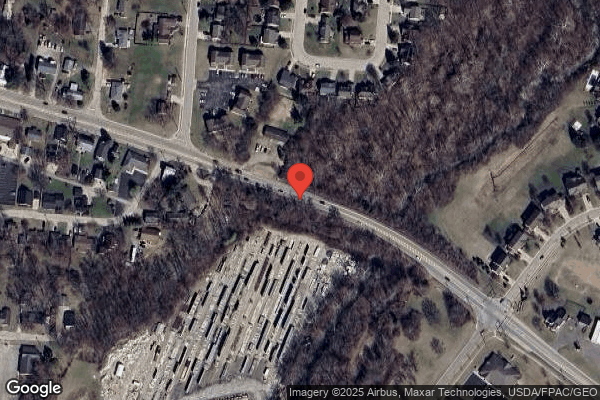
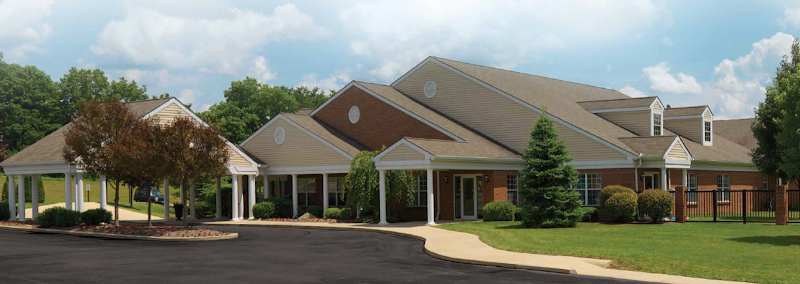
325 EAST CENTRAL AVENUE, SPRINGBORO, OH 45066 (937) 748-1100
For profit - Limited Liability company 140 Beds CARESPRING Data: November 2025
Trust Grade
80/100
#274 of 913 in OH
Last Inspection: November 2024

Within standard 12-15 month inspection cycle. Federal law requires annual inspections.

Overview

Hillspring Health Care & Rehab in Springboro, Ohio, has a Trust Grade of B+, which means it is above average and recommended for families considering care. It ranks #274 out of 913 nursing homes in Ohio, placing it in the top half of facilities statewide, and #6 out of 16 within Warren County, indicating only five local options are better. The facility's trend is improving, having reduced its issues from 2 in 2024 to 1 in 2025. Staffing is below average with a rating of 2 out of 5 stars and a turnover rate of 48%, which is slightly better than the state average. Notably, the facility has no fines reported, which is a positive sign. However, there are some weaknesses to consider. Recent inspections revealed concerns such as a resident not receiving medications as prescribed, and that care conferences did not include all necessary staff or resident participation. Additionally, there was a significant medication error involving the use of an insulin pen, indicating areas where staff performance needs improvement. Overall, while Hillspring has a solid reputation and some strengths, families should be aware of these specific concerns when making their decision.

Trust Score
B+
80/100
In Ohio
#274/913
Top 30%
Safety Record
Low Risk
No red flags
Inspections
Getting Better
2 → 1 violations
Staff Stability
⚠ Watch
48% turnover. Above average. Higher turnover means staff may not know residents' routines.
Penalties
✓ Good
No fines on record. Clean compliance history, better than most Ohio facilities.
Skilled Nurses
○ Average
Each resident gets 41 minutes of Registered Nurse (RN) attention daily — about average for Ohio. RNs are the most trained staff who monitor for health changes.
Violations
⚠ Watch
12 deficiencies on record. Higher than average. Multiple issues found across inspections.
★★★★☆
4.0
Overall Rating
★★☆☆☆
2.0
Staff Levels
★★★★☆
4.0
Care Quality
★★★★☆
4.0
Inspection Score
Stable
2024: 2 issues
2025: 1 issues

The Good

  • 4-Star Quality Measures · Strong clinical quality outcomes
  • Full Sprinkler Coverage · Fire safety systems throughout facility
  • No fines on record

Facility shows strength in quality measures, fire safety.

The Bad

Staff Turnover: 48%

Near Ohio avg (46%)

Higher turnover may affect care consistency

Chain: CARESPRING

Part of a multi-facility chain

Ask about local staffing decisions and management

The Ugly 12 deficiencies on record

May 2025 1 deficiency
CONCERN (D) 📢 Someone Reported This

A family member, employee, or ombudsman was alarmed enough to file a formal complaint

Potential for Harm - no one hurt, but risky conditions existed

Pharmacy Services (Tag F0755)

Could have caused harm · This affected 1 resident

Based on medical record reviews, staff and resident interviews, review of a facility medication error report, and facility policy review, the facility failed to administer medications as ordered. This...

Read full inspector narrative →
Based on medical record reviews, staff and resident interviews, review of a facility medication error report, and facility policy review, the facility failed to administer medications as ordered. This affected one( #15) resident out of three residents reviewed for medications administration. The facility census was 117. Findings include: Review of the medical record for Resident #15 revealed an admission date of 04/10/25 with medical diagnoses of pulmonary hypertension, disorder of the autonomic nervous system, left hemiplegia, and atrial fibrillation. Review of the medical record for Resident #15 revealed an admission MDS assessment, dated 04/16/25, which indicated Resident #15 was cognitively intact and required partial/moderate staff assistance for eating, was dependent upon staff for toilet hygiene, and bathing, and required substantial/maximum assistance with bed mobility. Review of the medical record for Resident #15 revealed a communication form, dated 05/16/25 at 12:00 A.M., which stated Resident #15 was administered Meclizine (antihistamine) via percutaneous endoscopic gastrostomy (peg) tube in error around 10:30 P.M. The form stated Resident #15 had no adverse reaction, vital signs were taken, and Nurse Practitioner (NP) and family were notified of the medication error. Orders were given to monitor Resident #15. Review of the medical record for Resident #15 revealed no documentation to support an order for Meclizine. Review of the facility Medication Error Report, dated 05/16/25, stated on 05/15/25 Resident #15's roommate, Resident #16, had requested his Meclizine. The report stated the nurse administered the Meclizine to Resident #15 instead of Resident #16 and that Resident #15 did not have an order for Meclizine. The report stated the NP was notified and an order to monitor Resident #15 was given. Interview on 05/28/25 at 1:44 P.M. with Resident #15 confirmed he was given Resident #16's Meclizine by mistakes a few weeks ago. Resident #15 stated he had some dizziness afterwards but no residual effects from the medication administration error. Interview on 05/28/25 at 2:21 P.M. with Administrator confirmed Resident #15 was given the wrong medication on 05/15/25 and that staff education was provided. Administrator stated Resident #15 did not have a negative outcome from medication error. Review of facility policy titled Medication Administration, revised November 2024 stated the facility would ensure patients are given medication as per physician orders. The policy stated to ensure administration accuracy, the nurse/medication aide cross check the following reference points: a) physician's order b) medication administration record-label on drug container c) label on drug container- physician order. This deficiency represents non-compliance investigated under Complaint Number OH00165897.
Nov 2024 2 deficiencies
CONCERN (D)

Potential for Harm - no one hurt, but risky conditions existed

Deficiency F0657 (Tag F0657)

Could have caused harm · This affected 1 resident

**NOTE- TERMS IN BRACKETS HAVE BEEN EDITED TO PROTECT CONFIDENTIALITY** Based on medical record review, resident and staff interview, and review of the facility policy, the facility failed to ensure t...

Read full inspector narrative →
**NOTE- TERMS IN BRACKETS HAVE BEEN EDITED TO PROTECT CONFIDENTIALITY** Based on medical record review, resident and staff interview, and review of the facility policy, the facility failed to ensure the interdisciplinary team members attended care conferences and failed to ensure the resident was invited to care conferences. This affected one (Resident #49) of one resident reviewed for care conferences. The facility census was 111. Findings include: Review of Resident #49's medical record revealed an admission date on 01/14/20. Diagnoses included skin cancer, anxiety, chronic obstructive pulmonary disease, and type two diabetes mellitus. Review of the quarterly Minimum Data Set (MDS) assessment dated [DATE] revealed Resident #49 was cognitively intact. Review of the care conference notes dated 08/09/24 revealed Social Service Designee (SSD) #388 was the only staff member in attendance. Resident #49 was documented as attending. The care conference notes dated 05/09/24 and 02/09/24 revealed Resident #49 or a representative/family member did not attend. SSD #388, Dietician #334, and Licensed Practical Nurse (LPN) #362 were documented as attending. Further review of Resident #49's medical record revealed no documentation of Resident #49 or representative/family member being notified of care conference dates. During an interview on 11/04/24 at 10:21 A.M., Resident #49 stated she had never had a care conference at the facility. During an interview on 11/06/24 at 10:40 A.M., SSD #388 confirmed he was the only staff member for a care conference with Resident #49 on 08/09/24. SSD #388 confirmed care team staff should be involved in resident care conferences. SSD #388 stated he informed residents of care conferences in person days before the care conference. SSD #388 stated representative/family members were invited through emails. SSD #388 was unable to provide any documentation informing Resident #49 of the care conferences on 02/09/24 and 05/09/24. Review of the facility's policy titled Care Conference dated revised August 2024 revealed the procedure during care conference is as follows, each discipline reviews the patients/responsible party problems, goals and interventions pertaining to their discipline. The interdisciplinary team discusses the progress of the patient in relation to the goals established. Patient/responsible party are part of the information exchange and decision making as to the patients care plan. Code status will be reviewed with the patient and/or the responsible party at each care conference. Those in attendance shall be documented in the attendance record in the note Social Services shall update the care conference schedule weekly to reflect significant changes and new admission reviews via the shared, facility specific calendar. If a team member cannot attend care conferences, she/he is responsible for finding a substitute to attend or providing notes prior to the conference to Social Services and/or documenting the care conference note.
CONCERN (D) 📢 Someone Reported This

A family member, employee, or ombudsman was alarmed enough to file a formal complaint

Potential for Harm - no one hurt, but risky conditions existed

Deficiency F0760 (Tag F0760)

Could have caused harm · This affected 1 resident

**NOTE- TERMS IN BRACKETS HAVE BEEN EDITED TO PROTECT CONFIDENTIALITY** Based on medical record review, observation, staff interview, review of medication manufacturer instructions, and review of faci...

Read full inspector narrative →
**NOTE- TERMS IN BRACKETS HAVE BEEN EDITED TO PROTECT CONFIDENTIALITY** Based on medical record review, observation, staff interview, review of medication manufacturer instructions, and review of facility policy, the facility failed to ensure a staff member primed (performed a safety test) when using an insulin pen-injector, resulting in a significant medication error. This affected one (Resident #34) of five residents observed for medication administration. The facility census was 111. Findings include: Review of Resident #34's medical record revealed an admission date of 09/04/24. Diagnoses included type one diabetes mellitus. Review of an admission Minimum Data Set (MDS) assessment dated [DATE] revealed Resident #34 was cognitively intact and received insulin injections. Review of the physician orders revealed an order dated 10/27/24 for Lantus SoloStar Subcutaneous Solution Pen-injector 100 unit per milliliter (long-acting insulin) inject 38 units subcutaneously two times a day for diabetes mellitus. Observation on 11/06/24 at 8:42 A.M. revealed Registered Nurse (RN) #313 removed Resident #34's Lantus SoloStar Subcutaneous Solution Pen-injector from the medication cart and applied a new needle. RN #313 then entered Resident #34's room. RN #313 dialed 38 units on the Lantus SoloStar Subcutaneous Solution Pen-injector. RN #313 did not prime the Lantus SoloStar Subcutaneous Solution Pen-injector needle before dialing the dose. RN #313 then administered the insulin into Resident #34's right upper arm. During an interview on 11/06/24 at 8:48 A.M., RN #313 confirmed she did not prime Resident #34's Lantus SoloStar Subcutaneous Solution Pen-injector needle before administering the ordered dose. Review of the manufacturer instructions for the Lantus SoloStar Subcutaneous Solution Pen-injector revealed after attaching a needle to the pen, a safety test must be performed. A safety test was completed by: · Dial a test dose of two units. · Hold pen with the needle pointing up and lightly tap the insulin reservoir so the air bubbles rise to the top of the needle. This will help you get the most accurate dose. · Press the injection button all the way in and check to see that insulin comes out of the needle. The dial will automatically go back to zero after you perform the test. · If no insulin comes out, repeat the test two more times. If there is still no insulin coming out, use a new needle and do the safety test again. · Always perform the safety test before each injection. · Never use the pen if no insulin comes out after using a second needle. Review of the facility's policy titled Administration of Insulin dated revised January 2023 revealed it is the policy of this facility to administer insulin to the resident in a safe, consistent manner, with the appropriate solution as prescribed per the physician. This deficiency represents non-compliance investigated under Complaint Number OH00159267.
Mar 2023 2 deficiencies
CONCERN (D) 📢 Someone Reported This

A family member, employee, or ombudsman was alarmed enough to file a formal complaint

Potential for Harm - no one hurt, but risky conditions existed

Report Alleged Abuse (Tag F0609)

Could have caused harm · This affected 1 resident

**NOTE- TERMS IN BRACKETS HAVE BEEN EDITED TO PROTECT CONFIDENTIALITY** Based on record review, staff interviews, review of Self-Reported Incidents (SRIs) and policy review, the facility failed to ens...

Read full inspector narrative →
**NOTE- TERMS IN BRACKETS HAVE BEEN EDITED TO PROTECT CONFIDENTIALITY** Based on record review, staff interviews, review of Self-Reported Incidents (SRIs) and policy review, the facility failed to ensure allegations of abuse were reported to the State Agency. This affected one resident (#150) out of three residents reviewed for abuse. The facility census was 119. Findings included: Review of the medical record for Resident #150 revealed the resident was admitted to the facility on [DATE] and was discharged on 02/25/23. Her diagnoses included, but not limited to, pathological fracture, protein-calorie malnutrition, history of falling, hypertension, anemia, legal blindness, personal history of diseases of the digestive system, personal history of venous thrombosis and embolism, age-related osteoporosis, and hearing loss. Review of the quarterly Minimum Data Set (MDS) assessment dated [DATE] for Resident #150, revealed the resident had a Brief Interview for Mental Status (BIMS) assessment score of 15 indicating she was cognitively intact. Assessment indicated resident did not walk, was totally dependent of two staff for bathing, and required extensive assist for other activities of daily living (ADLs). Review of the nurse's progress note dated 01/30/23 at 2:56 P.M. for Resident #150, revealed the Assistant Director of Nursing (ADON) #36 and the Director of Nursing (DON) went into the resident's room to give the resident a bed bath and to discuss some claims the resident had made. The note indicated Resident #150 stated that she was hit in the mouth with a glove while in the dining room on Friday (01/27/23) during lunch time when her friend was visiting. The note indicated Resident #150 was never in the dining hall at any time during that day and had not been to the dining hall since she arrived due to refusals. The note also indicated Resident #150 stated while DON was giving her a bed bath, the DON put her finger in the resident's eye while cleaning her face. The note indicated two nurses were present at that time and the resident's eye was wiped with a wet cloth to remove build up. The resident stated that her eye was hard and now it was soft and she did not like it. The resident licked her finger and wiped her eye with it and education was given to the resident on the importance of not doing that. The progress note indicated the ADON and DON also had a talk with the resident regarding her screaming, yelling and the degrading manner in which she speaks to staff. The resident noted she could not help it. Resident #150 was informed that respect was a choice. Interview on 03/15/23 at 4:49 P.M. with the DON, verified Resident #150 made allegations of being stuck in the eye on 01/30/23 while she and the ADON provided care. The DON verified the facility did not create a SRI for the allegations due to her and the ADON being the ones accused of the allegations of sticking a finger in Resident #150's eye. Additionally, the DON verified Resident #150 made allegations of being hit in the mouth with a glove on 01/27/23 while the resident was in the dining room. The DON verified no SRI was created because they did not believe the resident was in the dining room. A phone interview on 03/16/23 at 1:06 P.M. with the Administrator, revealed the facility was aware Resident #150 made allegations of being hit in the mouth with a glove while the resident was in the dining room on 01/27/23. The Administrator stated the facility did not create an SRI for allegations due to resident not being in the dining room on that date. Additionally, the Administrator stated the facility had an outbreak of Coronavirus (COVID-19) and the facility was not using the dining room. The Administrator also verified the facility was aware Resident #150 made allegations of being stuck in the eye during care by the DON on 01/30/23. The Administrator verified the facility did not create an SRI for the allegations. Review of facility policy titled Abuse/Neglect/Misappropriation of Property, dated 09/22, revealed the facility did not implement the policy in regards to the allegation. The policy stated if a staff member is accused or suspected of Abuse, Neglect, Exploitation, Mistreatment of a resident. or Misappropriation of Resident Property, the facility should immediately remove that staff member from the facility and the work schedule pending the outcome of the investigation. It also indicated all incidents and allegations of Abuse, Exploitation, Mistreatment of a resident, or Misappropriation of Resident Property and all Injuries of Unknown Source must be reported immediately to the Administrator or designee. The Administrator or his/her designee will notify the State Survey Agency of all alleged violations involving Abuse, Neglect, Exploitation, Mistreatment of a resident, or Misappropriation of Resident Property and Injuries of Unknown Source as soon as possible, but in no event later than twenty-four hours from the time the incident/allegation was made known to the staff member. Under the section entitled Investigation it stated Once the Administrator and the State Survey Agency are notified, an investigation of the allegation violation will be conducted. The investigation must be completed within five working days, unless there are special circumstances causing the investigation to continue beyond five working days.
CONCERN (D) 📢 Someone Reported This

A family member, employee, or ombudsman was alarmed enough to file a formal complaint

Potential for Harm - no one hurt, but risky conditions existed

Investigate Abuse (Tag F0610)

Could have caused harm · This affected 1 resident

**NOTE- TERMS IN BRACKETS HAVE BEEN EDITED TO PROTECT CONFIDENTIALITY** Based on record review, staff interviews, and policy review, the facility failed to ensure allegations of abuse by a resident wa...

Read full inspector narrative →
**NOTE- TERMS IN BRACKETS HAVE BEEN EDITED TO PROTECT CONFIDENTIALITY** Based on record review, staff interviews, and policy review, the facility failed to ensure allegations of abuse by a resident was thoroughly investigated. This affected one resident (#150) out of three residents reviewed for abuse. The facility census was 119. Findings included: Review of the medical record for Resident #150 revealed the resident was admitted to the facility on [DATE] and was discharged on 02/25/23. Her diagnoses included, but not limited to, pathological fracture, protein-calorie malnutrition, history of falling, hypertension, anemia, legal blindness, personal history of diseases of the digestive system, personal history of venous thrombosis and embolism, age-related osteoporosis, and hearing loss. Review of the quarterly Minimum Data Set (MDS) assessment dated [DATE] for Resident #150, revealed the resident had a Brief Interview for Mental Status (BIMS) assessment score of 15 indicating she was cognitively intact. Assessment indicated resident did not walk, was totally dependent of two staff for bathing, and required extensive assist for other activities of daily living (ADLs). Review of the nurse's progress note dated 01/30/23 at 2:56 P.M. for Resident #150, revealed the Assistant Director of Nursing (ADON) #36 and the Director of Nursing (DON) went into the resident's room to give the resident a bed bath and to discuss some claims the resident had made. The note indicated Resident #150 stated that she was hit in the mouth with a glove while in the dining room on Friday (01/27/23) during lunch time when her friend was visiting. The note indicated Resident #150 was never in the dining hall at any time during that day and had not been to the dining hall since she arrived due to refusals. The note also indicated Resident #150 stated while DON was giving her a bed bath, the DON put her finger in the resident's eye while cleaning her face. The note indicated two nurses were present at that time and the resident's eye was wiped with a wet cloth to remove build up. The resident stated that her eye was hard and now it was soft, and she did not like it. The resident licked her finger and wiped her eye with it and education was given to the resident on the importance of not doing that. The progress note indicated the ADON and the DON also had a talk with the resident regarding her screaming, yelling and the degrading manner in which she speaks to staff. The resident noted she could not help it. Resident #150 was informed that respect was a choice. Interview on 03/15/23 at 4:49 P.M. with the DON, verified Resident #150 made allegations of being stuck in the eye on 01/30/23 while her and the ADON provided care. DON verified there was no investigation completed because she and the ADON were the ones being accused of the allegations. Additionally, the DON verified Resident #150 made allegations of being hit in the mouth with a glove on 01/27/23 while the resident was in the dining room. The DON verified no investigation was completed because they did not believe the resident was in the dining room. A phone interview on 03/16/23 at 1:06 P.M. with the Administrator, revealed the facility was aware Resident #150 made allegations of being hit in the mouth with a glove while the resident was in the dining room on 01/27/23. Administrator stated the facility did not investigate the allegations due to resident not being in the dining room on that date. Additionally, the Administrator stated the facility had an outbreak of Coronavirus (COVID-19) and the facility was not using the dining room. The Administrator also verified the facility was aware Resident #150 made allegations of being stuck in the eye during care by the DON on 01/30/23. The Administrator verified the facility did not investigate the allegations. Review of facility policy titled Abuse/Neglect/Misappropriation of Property, dated 09/22, revealed the facility did not implement the policy in regards to the allegation. The policy stated if a staff member is accused or suspected of Abuse, Neglect, Exploitation, Mistreatment of a resident. or Misappropriation of Resident Property, the facility should immediately remove that staff member from the facility and the work schedule pending the outcome of the investigation. It also indicated all incidents and allegations of Abuse, Exploitation, Mistreatment of a resident, or Misappropriation of Resident Property and all Injuries of Unknown Source must be reported immediately to the Administrator or designee. The Administrator or his/her designee will notify the State Survey Agency of all alleged violations involving Abuse, Neglect, Exploitation, Mistreatment of a resident, or Misappropriation of Resident Property and Injuries of Unknown Source as soon as possible, but in no event later than twenty-four hours from the time the incident/allegation was made known to the staff member. Under the section entitled Investigation it stated Once the Administrator and the State Survey Agency are notified, an investigation of the allegation violation will be conducted. The investigation must be completed within five working days, unless there are special circumstances causing the investigation to continue beyond five working days.
Jan 2023 4 deficiencies
CONCERN (D) 📢 Someone Reported This

A family member, employee, or ombudsman was alarmed enough to file a formal complaint

Potential for Harm - no one hurt, but risky conditions existed

Deficiency F0558 (Tag F0558)

Could have caused harm · This affected 1 resident

**NOTE- TERMS IN BRACKETS HAVE BEEN EDITED TO PROTECT CONFIDENTIALITY** Based on observation, staff interview ,record review, and facilities policy review, the facility failed to ensure a resident's c...

Read full inspector narrative →
**NOTE- TERMS IN BRACKETS HAVE BEEN EDITED TO PROTECT CONFIDENTIALITY** Based on observation, staff interview ,record review, and facilities policy review, the facility failed to ensure a resident's call light was accessible to the resident. This affected one resident (Resident #25) of twelve residents call lights observed on the hall. The facility census was 127. Findings included: Review of Resident #25's medical record revealed an admission date 08/11/13. admission diagnoses included Alzheimer's disease, dementia, peripheral vascular disease, depression, presence of cardiac pacemaker, and constipation. Review of Resident #25's Minimum Data Set (MDS) dated [DATE] revealed resident had impaired cognition. The MDS revealed the resident required total dependence with two-person assistance for bed mobility, and transfer. The resident required total dependence with one-person assist for dressing, and personal hygiene. The resident required extensive two-person assistance for toileting. The resident required supervision with set-up for eating. Review of Resident #25's plan of care dated 12/13/22 revealed the resident was dependent on staff for meeting the emotional, intellectual, physical, and social needs related to cognitive deficits. The care plan revealed the resident had a self-care deficit related to Alzheimer's disease, dementia, and advanced age. The plan of care included the intervention to keep the resident's call light within reach while the resident was in the room. Observation on 01/05/23 at 7:48 A.M. of Resident #25 revealed she was lying on her right side in bed with her eyes closed. The resident did not open her eyes upon greeting the resident. The resident's hair appeared to have been recently combed. The resident appeared to have been recently bathed. Observation revealed the resident's call light was under the bed. The call light cord was tangled with the bed frame at the head of the bed. Observation on 01/05/23 at 8:15 A.M. revealed staff brought Resident #25's breakfast tray into the resident's room. The staff sat the resident up in bed and opened the resident's tray. The staff peeled the resident's banana halfway down and handed the resident the banana. Further observation revealed the call light remained on the floor under the resident's bed. Observation on 01/05/23 at 8:44 A.M. revealed the environmental staff entered the room to provide housekeeping services. Observation following the environmental staff leaving the resident's room and revealed the Resident #25's call light remained on the floor under the bed. Observation on 01/05/23 at 9:27 A.M. of Resident #25's room revealed the nurse entered the room, called out the resident's roommate's name and left the room. Observation revealed the call light remained on the floor under the bed. Observation and interview on 01/05/23 at 9:45 A.M. revealed Dietary Staff (DS) #599 went into the resident's room to pick up the breakfast tray. DS #599 revealed the resident drank all her milk and eaten one or two bites of her banana. Further observation after the tray was removed revealed the resident's call light remained on the floor under the resident's bed. Interview and observation on 01/05/23 at 10:38 A.M. with Registered Nurse (RN) #170 in Resident #25's room revealed she was working as an aide. The RN #170 confirmed Resident #25's call light was on the floor under the bed and not accessible to the resident. The RN #25 untangled the call light and clipped the call light to the resident's pillow. Review of policy titled Call Lights last revised 08/2016 revealed all staff were able to answer call light and call lights were answered in a timely manner with courtesy. It was the responsibility of each charge nurse to ensure call lights were within residents' reach for patients capable of using them. This deficiency represents non-compliance under complaint number OH00138457.
CONCERN (D) 📢 Someone Reported This

A family member, employee, or ombudsman was alarmed enough to file a formal complaint

Potential for Harm - no one hurt, but risky conditions existed

Quality of Care (Tag F0684)

Could have caused harm · This affected 1 resident

**NOTE- TERMS IN BRACKETS HAVE BEEN EDITED TO PROTECT CONFIDENTIALITY** Based on observation, interview, record review, and policy review the facility failed to provide adequate supervision in the din...

Read full inspector narrative →
**NOTE- TERMS IN BRACKETS HAVE BEEN EDITED TO PROTECT CONFIDENTIALITY** Based on observation, interview, record review, and policy review the facility failed to provide adequate supervision in the dining room for residents who required feeding assistance. This affected one (Resident #110) of three residents sampled for feeding assistance. The census was 127. Findings include: Review of the medical record for the Resident #110, specified, revealed an admission date of 06/18/21. Diagnoses included but were not limited to cerebral atherosclerosis, unspecified dementia with behavioral disturbance, unspecified schizoaffective disorder, and unspecified dysphagia. Review of the most recent Minimum Data Set (MDS) 3.0 assessment dated [DATE] revealed the resident had impaired cognition, had physical behaviors, did not reject care, and did not wander. Resident #110 was a two-person physical assist, required extensive assistance for bed mobility, transfers, dressing, toileting, personal hygiene, and eating, and total assistance for locomotion. Review of the care plan dated 12/26/22 revealed Resident #110 had an activities of daily living self-care performance deficit related to decreased mobility, gait/balance problems, weakness, cerebral atherosclerosis, impaired cognition, and dementia. Interventions included extensive one-staff assist with feeding, food in individual bowls, and regular soft diet with bite-sized pieces and slightly thickened liquids. Observation on 01/05/22 from 8:00 A.M. to 8:07 A.M. revealed Resident #110 sat in a tilt-and-space chair in the Healthcare-2 dining room unsupervised. Food in bowl in front of her contained crumbled bacon, scrambled eggs, and oatmeal. There were sliced bananas in her lap. Resident #110 was feeding herself the banana peel and mumbling to herself. During an interview on 01/05/22 at 8:07 A.M. State Tested Nurse Aide #230 verified Resident #110 required feeding assistance and supervision for eating. The aide verified the resident had been left unsupervised and was feeding herself a banana peel. Review of policy titled Activities of Daily Living (ADL Care) dated 04/2022 revealed staff ensured residents who were unable to carry out activities of daily living were provide services to maintain good nutrition, grooming, and personal/oral hygiene. This deficiency represents non-compliance investigated under Complaint Number OH00138919.
CONCERN (D) 📢 Someone Reported This

A family member, employee, or ombudsman was alarmed enough to file a formal complaint

Potential for Harm - no one hurt, but risky conditions existed

Incontinence Care (Tag F0690)

Could have caused harm · This affected 1 resident

Based on interview, observation, record review, and policy review, the facility failed to provide timely incontinence care for residents. This affected one (Resident #12) of three residents sampled fo...

Read full inspector narrative →
Based on interview, observation, record review, and policy review, the facility failed to provide timely incontinence care for residents. This affected one (Resident #12) of three residents sampled for incontinence. The facility census was 127. Findings include: Review of the medical record for the Resident #12 revealed an admission date of 12/29/22. Diagnoses included but were not limited to fracture of unspecified neck of the tight femur with routine healing, cerebral infarction, chronic obstructive pulmonary disease, unspecified protein calorie malnutrition, unspecified dementia, and chronic kidney disease stage III. Review of the most recent Minimum Data Set (MDS) 3.0 assessment, initiated on 01/04/23 but not yet completed/submitted, revealed the resident had impaired cognition, had no behaviors, did not reject care, and did not wander. Resident #12 was a two-person physical assist, required extensive assistance for bed mobility, transfers, dressing, toileting, personal hygiene, and locomotion, and supervision for eating. Resident #12 was frequently incontinent of bowel and bladder. Resident #10 had no care plan for incontinence on the baseline care plan dated 01/04/23. Observation on 01/05/2023 at 5:48 A.M. State Tested Nursing Assistants (STNA)'s #212 and #296 provided incontinence care to Resident #12 with no concerns noted. Observations made on 01/05/23 from 8:47 A.M. to 9:07 A.M. revealed at 8:47 A.M. Resident #12 activated her call light. At 8:53 A.M. Maintenance #380 entered the room and stated he needed to check the function of the overbed and bathroom lights. He did not acknowledge that Resident #2 call light was activated or offer to assist before leaving the room. At 9:05 A.M. STNA #230 entered the room and turned the call light off. At 9:07 A.M. Restorative STNA #227 and Physical Therapy Assistant #50 entered the room and assisted Resident #12 to toilet and dress while STNA #230 changed the bed linens. During an interview on 01/05/2023 at 9:12 A.M. STNA #230 stated she had not provided incontinence care to Resident #12 since she had started her shift. She had been busy with breakfast and was unaware Resident #12 had asked for assistance with incontinence care. During an interview on 01/05/2023 at 9:14 A.M. Restorative Aide #230 verified she had stopped in Resident #12's room earlier, time and told her she would be back to get her ready for therapy. She did not provide incontinence care before leaving the room. During an interview on 01/05/2023 at 9:16 A.M. Registered Nurse (RN) #231 verified Resident #12's husband told her Resident #12 needed incontinence care while breakfast trays were being passed, time not specified. RN #231 stated she told STNA #237 Resident #2 needed assistance with incontinence care. During an interview on 01/05/2023 at 9:25 A.M. STNA #237 stated she did not provide incontinence care to Resident #12. The STNA stated there was usually one staff member assigned to answer call lights on all three halls of the unit while other STNA's on the unit passed trays and fed residents. There was no additional staff that day to answer call lights. If a light was on, the aide would turn it off, continue to pass trays, and whatever the resident needed would be addressed after breakfast. The aide stated she completed two to three rounds per 12-hour shift. She began her shift at 7:00 A.M. and by the time she finished getting her shift report, it was time to pass breakfast trays. STNA #237 stated she did not start her first round of patient care, including incontinence rounds until after breakfast was completed. Review of policy titled Peri Care last revised 06/2021 revealed peri care was provided after each occurrence of bowel or bladder incontinence to promote good hygiene and prevent infection. Review of policy titled Activities of Daily Living (ADL Care) dated 04/2022 revealed staff ensured residents who were unable to carry out activities of daily living were provide services to maintain good nutrition, grooming, and personal/oral hygiene. This deficiency represents non-compliance investigated under Complaint Number OH00138919.
CONCERN (D) 📢 Someone Reported This

A family member, employee, or ombudsman was alarmed enough to file a formal complaint

Potential for Harm - no one hurt, but risky conditions existed

Deficiency F0810 (Tag F0810)

Could have caused harm · This affected 1 resident

**NOTE- TERMS IN BRACKETS HAVE BEEN EDITED TO PROTECT CONFIDENTIALITY** Based on observation, staff interview and record review the facility failed to ensure dietary assistive tableware was provided t...

Read full inspector narrative →
**NOTE- TERMS IN BRACKETS HAVE BEEN EDITED TO PROTECT CONFIDENTIALITY** Based on observation, staff interview and record review the facility failed to ensure dietary assistive tableware was provided to a resident. This affected one resident (Resident #25) of three residents (#25, #110 and #12) reviewed for nutrition. The facility census was 127. Findings included: Review of Resident #25's medical record revealed an admission date 08/11/13. admission diagnoses included Alzheimer's disease, dementia, peripheral vascular disease, depression, presence of cardiac pacemaker, and constipation. Review of Resident #25's Minimum Data Set (MDS) dated [DATE] revealed resident had impaired cognition. The MDS revealed the resident required total dependence with two-person assistance for bed mobility, and transfer. The resident required total dependence with one-person assist for dressing, and personal hygiene. The resident required extensive two-person assistance for toileting. The resident required supervision with set-up for eating. Review of Resident #25's plan of care dated 12/13/22 revealed the resident was dependent on staff for meeting the emotional, intellectual, physical, and social needs related to cognitive deficits. The care plan revealed the resident had a self-care deficit related to Alzheimer's disease, dementia, and advanced age. Interventions related to nutrition included set-up for eating then supervision, and the resident required handled cups with a lid and a straw. The plan of care revealed the resident had right hand contracture's. The care plan revealed the resident had potential for dehydration and fluid deficit related to dementia, advanced age, and suboptimal intake. Additional interventions included to encourage resident to drink fluids. The plan of care revealed the resident had a nutritional risk of malnutrition. The goal for the resident was to have sufficient intake to relieve hunger and thirst. Interventions included to monitor signs of malnutrition including cachexia, muscle wasting, significant weight loss and report to the medical doctor. Interventions included to provide high calorie, high protein supplements, monitor intake and record intake every meal. Observation on 01/05/23 at 7:49 A.M. of Resident #25 revealed she was lying on her right side with her eyes closed. The resident did not open her eyes or respond when this surveyor greeted her and called her name. The resident's hair appeared to have been recently combed and appeared to have been recently bathed. Observation revealed the resident's call light was under the bed, tangled in the bedframe at the head of the bed. The room was clean and there were no pervasive odors in the room. Observation on 01/05/23 at 8:15 A.M. revealed the staff brought Resident #25's breakfast tray into the resident's room. The staff sat the resident up in bed and opened the resident's tray. The staff peeled the resident's banana halfway down and handed the resident the banana. The resident also had juice in a clear-no handle glass, carton of milk, cheerios, Danish, bacon and two hard boiled eggs. The lid for the juice remained and was not removed by the therapist. After the staff left, the resident attempted to remove the lid, however, was not successful due to her contracture and inability to grasp. Observation and interview on 01/05/23 at 9:45 A.M. revealed Dietary Staff (DS) #599 went into the resident's room to pick up the tray. DS #599 confirmed the resident drank all her milk and eaten one or two bites of her banana. The DS #599 was not observed encouraging the resident to eat more prior to removing the resident's tray. Interview and observation on 01/05/23 at 9:46 A.M. with Dietary [NAME] (DC) #503 confirmed Resident #25's meal ticket identified the resident was to have a handled cup with a lid and a straw. The DC #503 confirmed the juice cup on Resident #25's tray did not have a handle as required in the resident's plan of care. Review of policy titled Activities of Daily Living (ADL Care) dated 04/2022 revealed staff ensured residents who were unable to carry out activities of daily living were provide services to maintain good nutrition, grooming, and personal/oral hygiene. This deficiency represents non-compliance investigated under Complaint Number OH00138457.
Oct 2021 2 deficiencies
CONCERN (D)

Potential for Harm - no one hurt, but risky conditions existed

Quality of Care (Tag F0684)

Could have caused harm · This affected 1 resident

**NOTE- TERMS IN BRACKETS HAVE BEEN EDITED TO PROTECT CONFIDENTIALITY** Based on observation, staff interview, review of the facility's policy, and record review, the facility failed to accurately ass...

Read full inspector narrative →
**NOTE- TERMS IN BRACKETS HAVE BEEN EDITED TO PROTECT CONFIDENTIALITY** Based on observation, staff interview, review of the facility's policy, and record review, the facility failed to accurately assess a resident on an anticoagulant for bruising. This affected one (#100) of four residents reviewed for skin integrity. The facility census was 110. Findings include: Medical record review revealed Resident #100 was admitted to the facility on [DATE] with diagnoses including end stage renal disease, peripheral vascular disease, and anemia in chronic kidney disease. Review of Resident #100's annual Minimum Data Set (MDS) assessment, dated 08/29/21, revealed the resident to be cognitively intact and the resident was on an anticoagulant. Review of Resident #100 physician orders revealed Resident #100 was ordered Apixaban (used to prevent serious blood clots) 2.5 milligrams (mg) one tablet by mouth two times a day related to paroxysmal atrial fibrillation on 06/30/21. Review of the resident's care plan, dated 08/31/21, revealed Resident #100 was at risk for bleeding due to Apixaban (Eliquis) related to atrial fibrillation. Interventions included to monitor signs and symptoms of bleeding including bruising. Review of Resident #100's bleeding potential assessments dated 10/18/21, 10/19/21, 10/20/21 and 10/21/21 revealed Resident #100 had no bruising. Review of Resident #100's progress note, dated 10/21/21 at 10:13 A.M., revealed Resident #100 had a bruise to her left wrist, five small areas on her left hand, right wrist and forearm and three on her right first finger. Resident #100 stated she had bruising all the time and has old scars on both forearms and hands. Resident #100 stated she bumps into things periodically. Resident #100 was on dialysis and received heparin during dialysis treatments. Observation and interview with Resident #100 on 10/18/21 at 11:26 A.M. revealed Resident #100 had multiple scattered bruises on her right and left arms and a large bruise approximately two inches long by one inch wide on her left arm near her wrist. Resident #100 stated she was on a blood thinner and that she had multiple bruises including the bruise to her left arm. Interview with the Director of Nursing (DON) on 10/21/21 at 12:15 P.M. verified Resident #100 had bruising on her left harm. The DON also verified Resident #100's bruising was not identified on the bleeding potential assessments dated 10/18/21, 10/19/21, 10/20/21, and 10/21/21. The DON stated that Resident #100 had a history of bruising due to her being on dialysis. Review of the facility's skin monitoring process policy, dated January 2016, revealed there will be weekly head to toe skin assessments completed by the unit manager or charge nurse. The nurse assistant will report any new or abnormal skin conditions to the charge nurse.
CONCERN (D)

Potential for Harm - no one hurt, but risky conditions existed

Respiratory Care (Tag F0695)

Could have caused harm · This affected 1 resident

**NOTE- TERMS IN BRACKETS HAVE BEEN EDITED TO PROTECT CONFIDENTIALITY** 2. Review of Resident #41's record review revealed an admission date of 06/15/20. His diagnoses included heart failure and respi...

Read full inspector narrative →
**NOTE- TERMS IN BRACKETS HAVE BEEN EDITED TO PROTECT CONFIDENTIALITY** 2. Review of Resident #41's record review revealed an admission date of 06/15/20. His diagnoses included heart failure and respiratory failure. Review of the Minimum Data Set (MDS) assessment for Resident #41, dated 08/28/21, revealed the resident had intact cognition. Review of Resident #41's care plans, dated 10/19/21, revealed the resident was receiving oxygen as ordered. Review of the physician orders, dated 10/19/21, revealed Resident #41 had an order for oxygen at two LPM via NC every day and night for hypoxia. There were no physician orders for administration of oxygen prior to 10/19/21 and there were no orders to replace the oxygen tubing. Observation and interview on 10/18/21 at 10:18 A.M. with Licensed Practical Nurse (LPN) #03 confirmed Resident #41 had unlabeled oxygen tubing. Interview on 10/21/21 at 11:14 A.M. with the Director of Nursing (DON) confirmed Resident #41 did not have an order regarding oxygen tubing. The DON verified Resident #41 did not have a physician order for administration of oxygen prior to 10/19/21. 3. Review of Resident #108's record review revealed an admission date of 08/06/15. Her diagnoses included congestive heart failure and chronic obstructive pulmonary disease. Review of the Minimum Data Set (MDS) assessment, dated 08/31/21, revealed Resident #108 had impaired cognition. Review of the physician orders, dated 09/10/21, revealed Resident #108 had an order for oxygen at two LPM via NC as needed for oxygen saturations below 90%. There was no physician order to change the oxygen tubing. Observation and interview on 10/18/21 at 10:15 A.M. with Registered Nurse (RN) #27 confirmed Resident #108 had oxygen tubing dated 09/16/21. RN #27 confirmed oxygen tubing was to be changed monthly and confirmed Resident #108 did not have any physician orders for the oxygen tubing to be changed monthly. Review of the facility's policy titled, Oxygen Administration, dated 03/2020, revealed the facility should obtain an order from the Physician for oxygen administration and replace the oxygen tubing every 30 days and as needed if it becomes soiled or if prongs become stiff. Based observation, staff interview, review of the facility's policy, and record review, the facility failed to ensure residents receiving oxygen had physician orders for oxygen and oxygen tubing was changed according physician orders. This affected three residents (#10, #41, and #108) of 12 residents receiving oxygen therapy. Findings include: 1. Review of Resident #10's medical record revealed the resident was admitted to the facility on [DATE] with diagnoses Alzheimer's disease. Review of the Minimum Data Set (MDS) assessment, dated 07/13/21, revealed Resident #10 had severe cognitive impairment. Review of the care plan, dated 05/26/20, revealed Resident #10 had altered cardiopulmonary status related to shortness of breath or trouble when lying flat. I interventions included medications as ordered, assist with activities of daily living (ADLs) as needed, position resident to facilitate breathing and comfort, oxygen as ordered, and respiratory evaluation as needed. Review of the physician orders, dated 01/15/21, revealed Resident #10 had an order to change oxygen tubing every night shift on the 15th of every month for oxygen therapy. On 10/19/21, Resident #10 had an order for oxygen at two liters per minute (LPM) via nasal cannula (NC) every day and night shift. Prior to 10/19/21, Resident #10 did not have any current orders for oxygen therapy. Observation on 10/18/21 at 10:12 A.M. revealed Resident #10 lay in bed with oxygen functioning and nasal cannula in place. Oxygen tubing was dated 09/16. Interview on 10/18/21 at 10:15 A.M. with Licensed Practical Nurse (LPN) #3 verified the label on Resident #10's oxygen tubing was dated 09/16 (no year). Interview on 10/19/21 at 1:19 P.M. with the Director of Nursing (DON) stated oxygen orders were listed under physician orders in the electronic medical record and verified Resident #10 had no current orders for oxygen therapy.
Feb 2019 1 deficiency
CONCERN (D)

Potential for Harm - no one hurt, but risky conditions existed

Pharmacy Services (Tag F0755)

Could have caused harm · This affected 1 resident

Based on observation, staff interview, medical record review and facility policy review, the facility failed to accurately administer medications. This affected one (Resident #63) of nine residents ob...

Read full inspector narrative →
Based on observation, staff interview, medical record review and facility policy review, the facility failed to accurately administer medications. This affected one (Resident #63) of nine residents observed for medication administration. The facility identified 123 residents in the facility receiving medications. The facility census was 124. Findings include: Review of Resident #63's medical record revealed an admission date of 11/08/16 with diagnoses including unspecified psychosis and obsessive-compulsive disorder. Review of the Minimum Data Set (MDS) assessment, dated 01/11/19, revealed the resident was cognitively intact. Review of Resident #63's plan of care, dated 01/11/19, revealed interventions related to psychotropic medications, paranoia, psychosis, obsessive compulsive disorder and depression. The plan of care stated to administer medications as ordered and to monitor and document side effects and effectiveness. Review of Resident #63's physician order, dated 02/22/18, revealed Gabapentin 300 mg., give two capsules by mouth three times a day related to polyneuropathy. Observation and interview of Resident #63 on 02/25/19 at 1:20 P.M. revealed Resident #63 walked up to Licensed Practical Nurse (LPN) #110. Resident #63 was holding in her hand a yellow capsule with SG 180 written on the capsule. Resident #63 stated she was not sure why she was taking this pill. Resident #63 stated the pill was not Gabapentin. LPN #110 was observed to go into the resident's room and Resident #63 picked up her tissue box and pulled an additional five yellow capsules from the tissue box. The resident handed LPN #110 all six capsules. Interview on 02/25/19 at 1:30 P.M. with LPN #110 confirmed Resident #63 had six capsules in Resident #63's room in the tissue box. LPN #110 confirmed the all six capsules were Gabapentin 300 milligram (mg.) capsules. LPN #110 confirmed Resident #63 had behaviors including paranoia. The LPN verified the pills should not have been left in her room. Review of facility policy, titled Administration Oral Medications, dated 06/2015, revealed the facility will ensure patients are given per the physician's order.
Understanding Severity Codes (click to expand)
Life-Threatening (Immediate Jeopardy)
J - Isolated K - Pattern L - Widespread
Actual Harm
G - Isolated H - Pattern I - Widespread
Potential for Harm
D - Isolated E - Pattern F - Widespread
No Harm (Minor)
A - Isolated B - Pattern C - Widespread

Questions to Ask on Your Visit

  • "Can I speak with families of current residents?"
  • "What's your RN coverage like on weekends and overnight?"

Our Honest Assessment

Strengths
  • • Grade B+ (80/100). Above average facility, better than most options in Ohio.
  • • No major safety red flags. No abuse findings, life-threatening violations, or SFF status.
  • • No fines on record. Clean compliance history, better than most Ohio facilities.
Concerns
  • • 12 deficiencies on record. Higher than average. Multiple issues found across inspections.
Bottom line: Generally positive indicators. Standard due diligence and a personal visit recommended.

About This Facility

What is Hillspring Health Care & Rehab's CMS Rating?

CMS assigns HILLSPRING HEALTH CARE & REHAB an overall rating of 4 out of 5 stars, which is considered above average nationally. Within Ohio, this rating places the facility higher than 99% of the state's 100 nursing homes. This rating reflects solid performance across the metrics CMS uses to evaluate nursing home quality.
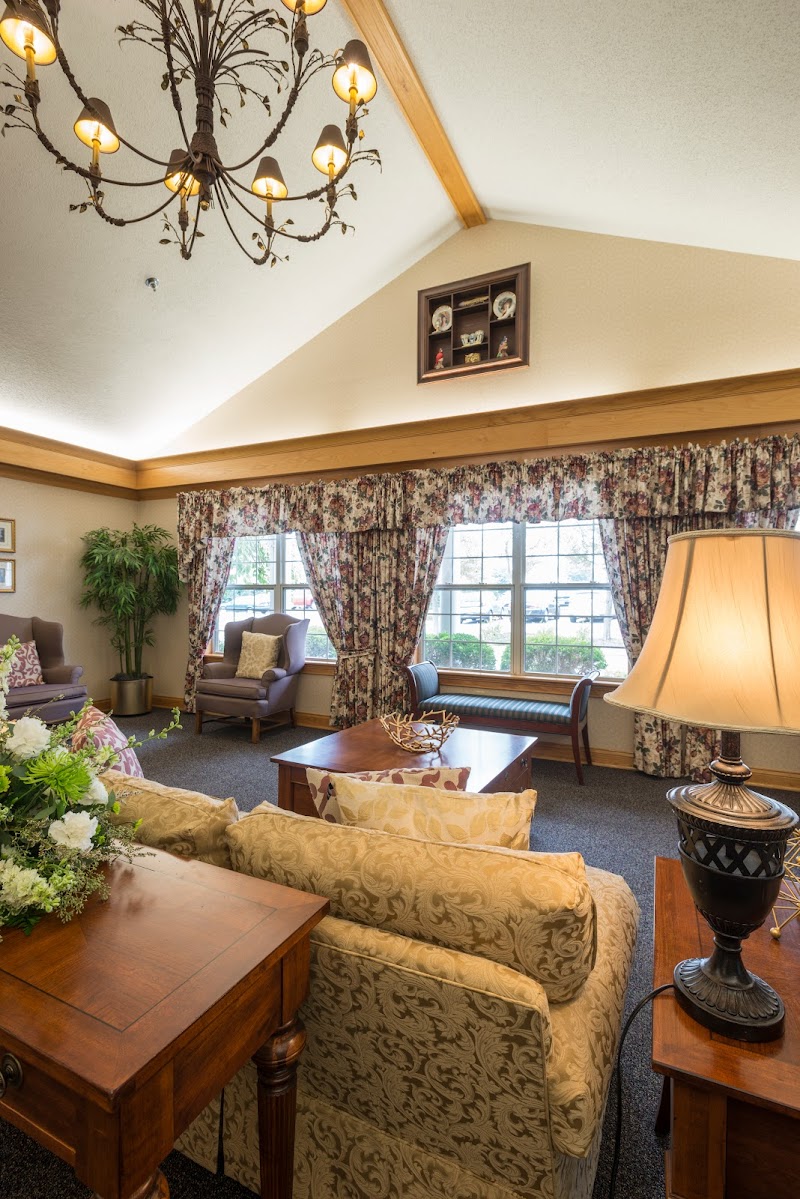
How is Hillspring Health Care & Rehab Staffed?

CMS rates HILLSPRING HEALTH CARE & REHAB's staffing level at 2 out of 5 stars, which is below average compared to other nursing homes. Staff turnover is 48%, compared to the Ohio average of 46%.

What Have Inspectors Found at Hillspring Health Care & Rehab?

State health inspectors documented 12 deficiencies at HILLSPRING HEALTH CARE & REHAB during 2019 to 2025. These included: 12 with potential for harm.
Who Owns and Operates Hillspring Health Care & Rehab?

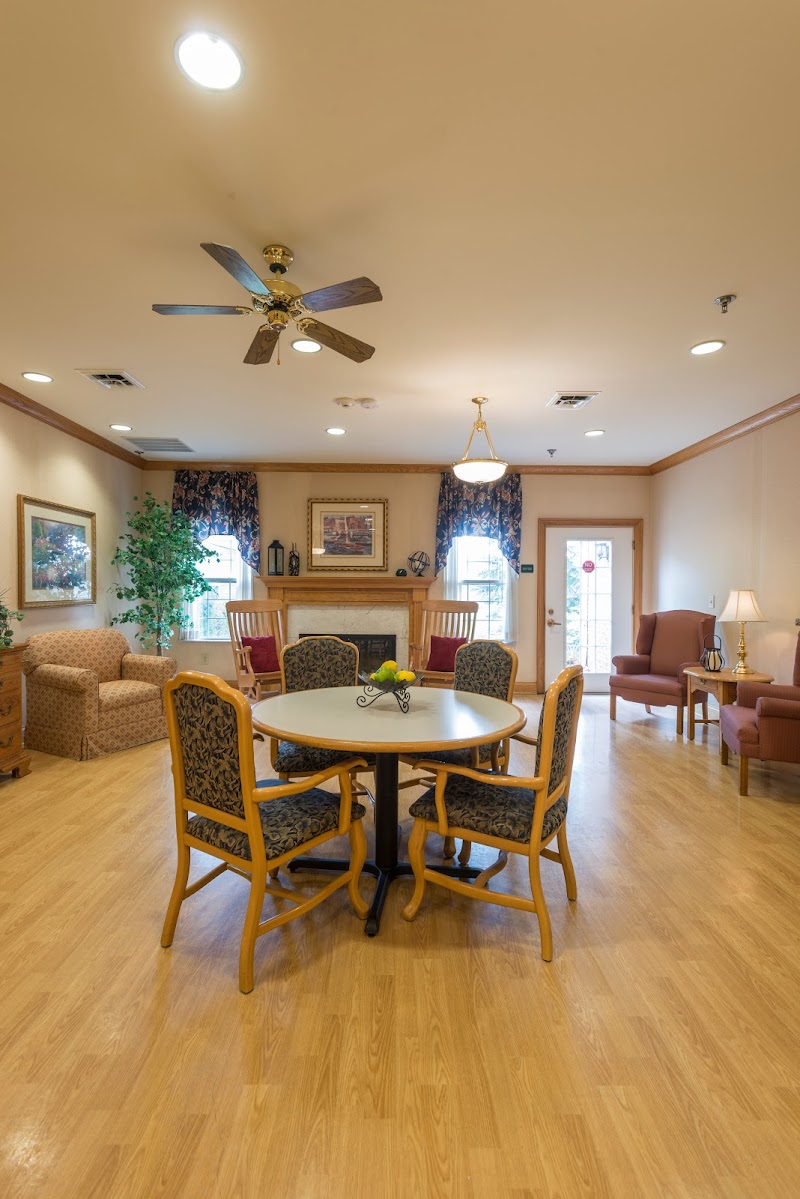
HILLSPRING HEALTH CARE & REHAB is owned by a for-profit company. For-profit facilities operate as businesses with obligations to shareholders or private owners. The facility is operated by CARESPRING, a chain that manages multiple nursing homes. With 140 certified beds and approximately 122 residents (about 87% occupancy), it is a mid-sized facility located in SPRINGBORO, Ohio.
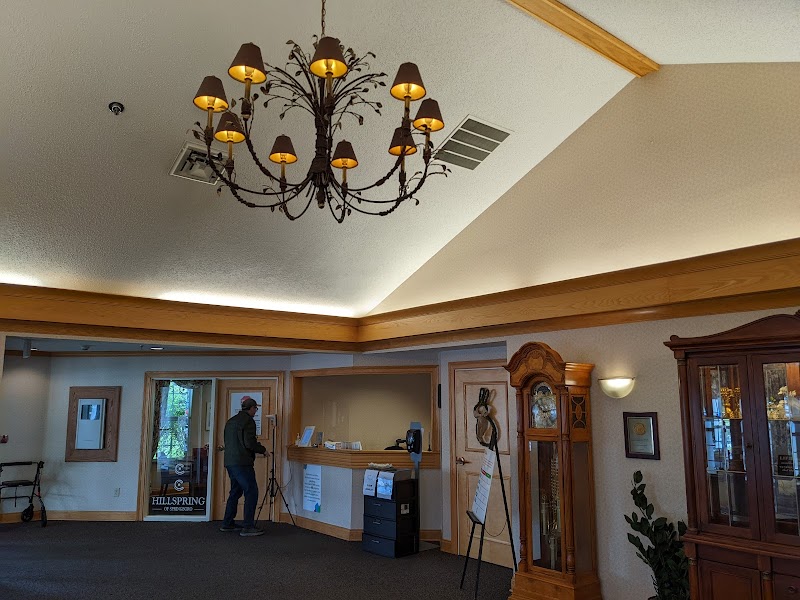
How Does Hillspring Health Care & Rehab Compare to Other Ohio Nursing Homes?

Compared to the 100 nursing homes in Ohio, HILLSPRING HEALTH CARE & REHAB's overall rating (4 stars) is above the state average of 3.2, staff turnover (48%) is near the state average of 46%, and health inspection rating (4 stars) is above the national benchmark.

What Should Families Ask When Visiting Hillspring Health Care & Rehab?

Based on this facility's data, families visiting should ask: "Can you walk me through typical staffing levels on day, evening, and night shifts?" "Can I visit during a mealtime to observe dining assistance and food quality?" "How do you handle medical emergencies, and what is your hospital transfer rate?" "Can I speak with family members of current residents about their experience?" These questions are particularly relevant given the below-average staffing rating.

Is Hillspring Health Care & Rehab Safe?

Based on CMS inspection data, HILLSPRING HEALTH CARE & REHAB has a clean safety record: no substantiated abuse findings (meaning no confirmed cases of resident harm), no Immediate Jeopardy citations (the most serious violation level indicating risk of serious injury or death), and is not on the Special Focus Facility watch list (a federal program monitoring the lowest-performing 1% of nursing homes). The facility has a 4-star overall rating and ranks #1 of 100 nursing homes in Ohio. While no facility is perfect, families should still ask about staff-to-resident ratios and recent inspection results during their visit.

Do Nurses at Hillspring Health Care & Rehab Stick Around?

HILLSPRING HEALTH CARE & REHAB has a staff turnover rate of 48%, which is about average for Ohio nursing homes (state average: 46%). Moderate turnover is common in nursing homes, but families should still ask about staff tenure and how the facility maintains care continuity when employees leave.

Was Hillspring Health Care & Rehab Ever Fined?

HILLSPRING HEALTH CARE & REHAB has no federal fines on record. CMS issues fines when nursing homes fail to meet care standards or don't correct problems found during inspections. The absence of fines suggests the facility has either maintained compliance or corrected any issues before penalties were assessed. This is a positive indicator, though families should still review recent inspection reports for the full picture.

Is Hillspring Health Care & Rehab on Any Federal Watch List?

HILLSPRING HEALTH CARE & REHAB is not on any federal watch list. The most significant is the Special Focus Facility (SFF) program, which identifies the bottom 1% of nursing homes nationally based on persistent, serious quality problems. Not being on this list means the facility has avoided the pattern of deficiencies that triggers enhanced federal oversight. This is a positive indicator, though families should still review the facility's inspection history directly.