CUMBERLAND POINTE CARE CENTER
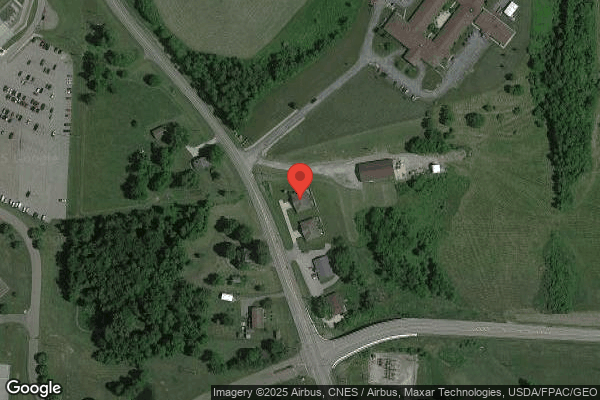

68637 BANNOCK ROAD, ST CLAIRSVILLE, OH 43950 (740) 695-2500
For profit - Individual 75 Beds FOUNDATIONS HEALTH SOLUTIONS Data: November 2025
Trust Grade
50/100
#654 of 913 in OH
Last Inspection: June 2024

Within standard 12-15 month inspection cycle. Federal law requires annual inspections.

Overview

Cumberland Pointe Care Center has a Trust Grade of C, meaning it is average and sits in the middle of the pack among nursing homes. In Ohio, it ranks #654 out of 913 facilities, placing it in the bottom half, and #6 out of 10 in Belmont County, indicating that there are only a few local options that are better. The facility is improving, as it reduced its issues from 17 in 2024 to just 1 in 2025. Staffing is a relative strength with a turnover rate of 34%, which is lower than the state average, and they have more RN coverage than 76% of Ohio facilities, ensuring that residents receive attentive care. However, there have been concerning incidents, such as failing to maintain sufficient staff levels to meet residents' care needs, which affected multiple residents, and not ensuring all staff had completed criminal background checks, raising safety concerns. Overall, while there are strengths in staffing and improvement trends, families should be aware of the facility's challenges in care and compliance.

Trust Score
C
50/100
In Ohio
#654/913
Bottom 29%
Safety Record
Low Risk
No red flags
Inspections
Getting Better
17 → 1 violations
Staff Stability
○ Average
34% turnover. Near Ohio's 48% average. Typical for the industry.
Penalties
✓ Good
No fines on record. Clean compliance history, better than most Ohio facilities.
Skilled Nurses
○ Average
Each resident gets 37 minutes of Registered Nurse (RN) attention daily — about average for Ohio. RNs are the most trained staff who monitor for health changes.
Violations
⚠ Watch
43 deficiencies on record. Higher than average. Multiple issues found across inspections.
★★☆☆☆
2.0
Overall Rating
★★☆☆☆
2.0
Staff Levels
★★★★☆
4.0
Care Quality
★★☆☆☆
2.0
Inspection Score
Stable
2024: 17 issues
2025: 1 issues

The Good

  • 4-Star Quality Measures · Strong clinical quality outcomes
  • Full Sprinkler Coverage · Fire safety systems throughout facility
  • No fines on record
  • Staff turnover below average (34%)

    14 points below Ohio average of 48%

Facility shows strength in quality measures, fire safety.

The Bad

2-Star Overall Rating

Below Ohio average (3.2)

Below average - review inspection findings carefully

Staff Turnover: 34%

12pts below Ohio avg (46%)

Typical for the industry

Chain: FOUNDATIONS HEALTH SOLUTIONS

Part of a multi-facility chain

Ask about local staffing decisions and management

The Ugly 43 deficiencies on record

Aug 2025 1 deficiency
CONCERN (D) 📢 Someone Reported This

A family member, employee, or ombudsman was alarmed enough to file a formal complaint

Potential for Harm - no one hurt, but risky conditions existed

Deficiency F0806 (Tag F0806)

Could have caused harm · This affected 1 resident

**NOTE- TERMS IN BRACKETS HAVE BEEN EDITED TO PROTECT CONFIDENTIALITY** Based on review of the medical record, review of the facility menus, review of incident logs, resident interviews and staff inte...

Read full inspector narrative →
**NOTE- TERMS IN BRACKETS HAVE BEEN EDITED TO PROTECT CONFIDENTIALITY** Based on review of the medical record, review of the facility menus, review of incident logs, resident interviews and staff interviews, the facility failed to ensure Resident #47 #53, and #57 were able to make meal choices which aligned with their preferences. This affected three residents (Resident #47, #53, #57) of five reviewed for residents rights with meal preferences.Findings include:1. Review of the medical record revealed Resident #53 was admitted to the facility on [DATE]. Diagnoses included respiratory failure, shortness of breath, chronic pain, dysphagia, major depressive disorder, anxiety disorder, osteoarthritis, presbyopia, hearing loss, insomnia, and osteoporosis.Review of the endoscopy results dated 01/14/25 revealed no observed deficits and recommended upgrading Resident #53's diet from mechanical soft to regular consistency and thin liquidsReview of the physician's orders revealed Resident #53 had a regular diet with regular texture and thin liquids dated 01/14/25. Review of the Quarterly Minimum Data Set assessment dated [DATE] revealed Resident #53 had intact cognition, was not on a mechanically altered diet, and the resident had no swallowing disorders.Review of the plan of care dated 03/25/25 revealed Resident #53 had alteration in chewing, swallowing related to dysphagia-oral phase, oropharyngeal phase dysphagia, and tracheal deviation. Interventions included educating the resident and family on chewing and swallowing precautions, encouraging the resident to eat slowly and chew thoroughly, follow up with an Ear, Nose and Throat Specialist, monitor weight loss, dehydration, and aspiration pneumonia, monitor for chewing or swallowing difficulties, place the resident in a sitting or upright position during meals, and speech therapy to evaluate and treat as indicated.Review of the progress notes from 02/12/25 to 08/12/25 revealed no documentation of Resident #53 choking on food. An interview on 08/12/25 at 9:45 A.M. with Resident #53 revealed about a year ago they stopped serving them hot dogs and kielbasa. She stated they were told they were a choking hazard. She stated any food item could be a choking hazard if that were the case. She stated she wanted hot dogs especially during the summer cook outs. She stated she was told she could have someone bring her one in, however she had no way of doing that. She stated she had asked numerous times for a hot dog and was always told no.2. Review of the medical record revealed Resident #47 was admitted to the facility on [DATE]. Diagnoses included end stage renal disease, renal dialysis, diabetes, decreased white blood count, neutropenia, cardiomyopathy, hypertension, and peripheral vascular diseases.Review of the physician's orders revealed Resident #47 had an order for a low concentrated sweet, no added salt, regular texture with thin liquid diet and a 1500 milliliter fluid restriction dated 11/17/23.Review of the Quarterly Minimum Data Set assessment dated [DATE] revealed Resident #47 had intact cognition and had no swallowing disorders.Review of the progress notes from 02/12/25 to 08/12/25 revealed no documentation of Resident #47 choking on food.An interview on 08/12/25 at 12:50 P.M. with Resident #47 revealed the facility had a lot of stuff he did not eat so he would order hot dogs instead, then he was told he could not have hot dogs anymore. He stated he had been ordering cheeseburgers and grilled chicken from the alternate menu, but it would be nice to have a hot dog occasionally.3. Review of the medical record revealed Resident #57 was admitted to the facility on [DATE]. Diagnoses included chronic respiratory failure, nontraumatic intracerebral hemorrhage, acute kidney disease, heart failure, major depressive disorder, intermittent explosive disorder, polyneuropathy, peripheral vascular disease, insomnia, anorexia, mood disorder, hypertension, benign prostatic hyperplasia, and edema.Review of the physician's orders revealed Resident #57 had an order for a regular diet with regular texture and thin liquids dated 05/20/23.Review of the Quarterly Minimum Data Set assessment revealed Resident #57 had intact cognition and had no swallowing disorders.Review of the progress notes from 02/12/25 to 08/12/25 revealed no documentation of Resident #57 choking on food.Review of the Always Offered Menu revealed there were no hot dogs listed on the menu.Review of the four-week menu rotation revealed no encased-link meat on the menu.Review of the incident log from 02/12/25 to 08/12/25 revealed no incidents of choking in the facility.An interview on 08/12/25 at 10:05 A.M. with Dietary Manager #300 revealed she received an email about a year ago stating they were to stop serving encased-meat links. She stated they were not given a reason except that it was corporate wide. She stated she was able to find no-casing sausage links for breakfast and bratwurst patties, but there was not a substitution for hot dogs. She stated several residents had asked for them at resident council. She stated she had to tell them that the facility could not serve them and they must pick something else as their meal of choice. She stated they had also complained to her about hot dogs not being on the alternate menu.An interview on 08/12/25 at 10:10 A.M. with the Administrator revealed the facility was not telling the residents they could not have hot dogs, the facility was just not serving them anymore. He stated the residents were more than welcome to have someone bring them in a hot dog or they could order one to be delivered. He stated they did not serve them filet [NAME] either so he did not understand why not serving them hot dogs would be any different. He stated they could use their monthly allowance to order a hot dog from the community if that was what they really wanted to do. An interview on 08/12/25 at 11:35 A.M. with the Administrator revealed they facility did not have a policy on not serving encased-meat links, however they stopped serving them on 01/01/25. He stated the residents were still able to choose something for the alternate menu, so they were not restricting their right to choose. He stated the facility was just not offering them a hot dog as an alternative. An interview on 08/12/25 at 12:00 P.M. with the Administrator revealed he did not know why they eliminated hot dogs and would assume it was due to them being a choking hazard or liability concern. He stated he did not believe they were violating any resident rights and did not know of any regulatory tags which stated they had to offer all foods to the residents. He stated they had offered the resident items in place of hot dogs on the menu and that was what the regulation stated. He stated Dietary Manager #300 has worked with the residents to provide alternatives to hot dogs. He verified they were previously on the menu prior to 01/01/25. An interview on 08/12/25 at 12:50 P.M. with Resident #57 revealed the facility had a lot of stuff he did not eat so he would order hot dogs instead, then he was told he could not have hot dogs anymore. He stated he had been ordering cheeseburgers and grilled chicken from the alternate menu, but it would be nice to have a hot dog occasionally.This deficiency represents non-compliance investigated under Complaint Number 2584123.
Oct 2024 1 deficiency
CONCERN (F) 📢 Someone Reported This

A family member, employee, or ombudsman was alarmed enough to file a formal complaint

Potential for Harm - no one hurt, but risky conditions existed

Deficiency F0725 (Tag F0725)

Could have caused harm · This affected most or all residents

**NOTE- TERMS IN BRACKETS HAVE BEEN EDITED TO PROTECT CONFIDENTIALITY** Based on review of the facility Payroll Based Journal (PBJ) submission data for the third quarter of 2024, review of the facilit...

Read full inspector narrative →
**NOTE- TERMS IN BRACKETS HAVE BEEN EDITED TO PROTECT CONFIDENTIALITY** Based on review of the facility Payroll Based Journal (PBJ) submission data for the third quarter of 2024, review of the facility assessment, review of medical records, review of shower sheets, and staff and resident interviews, the facility failed to maintain sufficient levels of direct care staff to meet the total care needs of all residents. This affected five residents (#16 , #25, #27, #31, and #52) and had the potential to affect all 62 residents residing in the facility. Findings include: 1a. Record review revealed Resident #27 was admitted to the facility on [DATE] with diagnoses including congestive heart failure, dysphagia, muscle weakness, dyspnea, contractures of right and left upper arm muscle, right and left foot drop, contractures of right and left knee, Ogilvie syndrome, dry mouth, quadriplegia, pain, and history of falling. Review of a social service note dated 09/25/24 revealed the resident can make his wants and needs known. He has a BIMS of 15. Review of Resident #27's minimum data set (MDS) assessment dated [DATE] revealed no behaviors including rejection of care. The resident was dependent on staff for self-care and had impairment of range of motion on both upper and lower extremity. Review of Resident #27's activities of daily living (ADL) plan of care dated 10/18/23 revealed the resident may require assistance with ADL's and may be at risk for developing complications associated with decreased ADL self-performance related to quadriplegia, chronic obstructive pulmonary disease, physical limitation, weakness, hard of hearing, congestive heart failure, contractors, and respiratory failure. The resident refuses showers at times. Review of the shower schedule revealed the resident was scheduled for shower on Monday, Wednesday, and Friday. Review of the paper shower sheets, and electronic medical record revealed no evidence the resident received a shower on 09/25/24. Review of Resident #27's progress notes dated 09/01/24 to 10/03/24 revealed no evidence of refusals of a shower/bath on 09/25/24. Interview on 10/03/24 2:36 P.M., with Resident #27 confirmed he did not get a shower one day last week and was told it was because a staff member had called off and there wasn't enough staff. The resident reported lately there hasn't been enough staff, and the facility keeps sending staff home due to low census. The resident also reported he required more assistance because he can't use his hands, so he has to call for assistance to even get a drink of water. The resident reported on Monday (09/30/24) he did refuse his shower because he was nauseated and sick, but he did not refuse last week. Interview on 10/03/24 at 2:55 P.M., with the Director of Nursing #101 and #102 confirmed there was no documented evidence Resident #27 had received a shower on 09/25/24, however it was not related to staffing shortage. The facility had a call off that day, but the call off was covered. The facility felt it was a communication issue and the aides were provided education. b. Medical record review revealed Resident #31 was admitted to the facility on [DATE] with diagnoses including heart failure, muscle weakness, dysphagia, need for assistance with personal care, adult failure to thrive, dementia, pain, anxiety, and shortness of breath. Review of Resident #31's Minimum Data Set (MDS) assessment dated [DATE] revealed no evidence the resident had behaviors including rejection of care. Review of Resident #31's assistance with activity of daily living plan (ADL) of care dated 04/18/22 and revised 07/17/22 revealed the resident may require assistance with ADL and may be at risk for developing complications associated with decrease ADL self-performance, weakness, unsteadiness, needs assist with personal care, adult failure to thrive, dementia, without behavioral disturbances, pain, shortness of breath, experiences behavioral episodes at times. Participation levels may vary day to day, time of day or situation. Refuses to get out of bed most days. Interventions included assist as needed for grooming (nails/shave/hair). Monitor decline in care and report to clinical staff as needed. Review of Resident #31's progress notes dated 07/01/24 to 10/03/24 revealed no evidence of refusal of care. Review of Resident #31's task for nail care dated 09/03/24 to 10/03/24 revealed the last time the resident received nail care was on 09/26/24, however the task did not include what type of nail care was provided. Review of Resident #31's paper shower sheets for the month of September 2024 revealed the resident had a bed bath and nail care on 09/06/24. There was no documented evidence the resident received nail care on the paper shower sheets after 09/06/24. Interview and observation on 10/03/24 at 9:55 A.M., revealed Resident #31 was sitting up in a wheelchair watching television. The resident's hair was not combed and was laid flat on the back of her head. The resident's nails were long and jagged and most of her fingernails had a brown substance under them. The resident reported her nails needed trimmed and cleaned because she didn't have anything long enough to clean under her nails since they were so long, and her hair needed fluffed. The resident reported she already had her bed bath this morning because she doesn't like showers. The resident reported the facility didn't have enough staff to meet her needs including assisting with ADL's (hair and nails) and answering call lights timely. Interview and observation on 10/03/24 at 10:15 A.M. of Resident #31 with Licensed Practical Nurse (LPN) #200 confirmed the resident's nails were long and had a dark substance under her nails and her hair needed combed/fluffed. The LPN stated she would have staff come in and trim and clean the resident's nails and fluff her hair. c. Medical record review revealed Resident #16 was admitted to the facility on [DATE] with diagnoses including Alzheimer's disease, bipolar, schizoaffective disorder, diabetes, drug-induced tremors, and atrial fibrillation. Review of Resident #16's ADL plan of care revealed the resident may require assistance with ADL's due to cognitive impairment, disease process/condition, mood/behavior problems, Alzheimer's disease, bipolar, diabetes, restlessness/agitation, tremors, pain, and anxiety. Participation levels may vary day to day, time of day, or situation related to cognitive deficit. Normal fluctuations in her mood/behavior may affect her participation levels and continence. Bathing assistance needed and dependent at times. The resident prefers a shower. Review of the shower schedule (undated) revealed the resident shower days were Thursday and Sunday. Record review revealed no evidence Resident #16 had refused showers the month of September 2024. Review of Resident #16's electronic medical record (bathing task) dated 09/03/24 to 10/03/24 revealed the resident did not receive a shower on 09/29/24. Review of paper shower sheets for September 2024 revealed no evidence Resident #16 received a shower/bed bath on 09/29/24. Observation of Resident #16 on 10/03/24 at 3:40 P.M., with Registered Nurse (RN) #134 at 3:40 P.M. confirmed the resident's fingers nails were clean but jagged. Interview on 10/03/24 at 3:46 P.M. and 4:24 P.M., with State Tested Nurse Aide (STNA) #200 confirmed on 09/29/24 she was not able to perform a shower for Resident #16 due she was the only STNA on the floor that day and there was a resident fall that day and she was still new and still wasn't comfortable to be on her own. She did wash the resident's face and hands (partial bath). The STNA reported she doesn't feel there is enough staff to provide ADL care such as showers and nail care. The STNA confirmed the facility has been sending staff home due to low census and she had been usually the one sent home since she was just hired. The STNA reported she feels there needs to more than one STNA on the secured unit. She had volunteered to stay and help to noon, however, was told no and sent home. The STNA confirmed the facility asked her to fill out a shower sheet today (10/03/24) for 09/26/24. Interview on 10/03/24 at 4:22 P.M. with DON #101 revealed the facility found a shower sheet for 09/29/24 that indicated the resident had a bed bath. The DON did not know where the ADON found the shower sheet due to it was not in the folder with September's shower sheets when the surveyor reviewed all the resident shower sheets for September. d. During the onsite investigation, interviews with additional residents revealed the following: Interview on 10/03/24 at 1:29 P.M., with Resident #52 revealed there was not enough staff at times. It takes staff 1/2 hour to answer call lights. The weekends were worse due to staff call offs. Interview on 10/03/24 at 1:45 P.M., with Resident #25 revealed there isn't enough staff at times. It takes staff 25-30 minutes to answer his call light. There was no particular shift. e. During the onsite investigation, interviews with staff from 7:05 A.M. to 4:29 P.M. revealed the following: Interview with Staff Member (SM) #154 confirmed there was not enough staff to meet the residents needs including providing showers and nail care. Staff were being sent home due to low census. Staff have volunteered to come in and help and are told no. Interview with SM #148 confirmed there was not enough staff to meet the resident needs. The SM reported residents were not provided incontinence care timely, screaming to get up, call lights not answered timely, and not enough staff to supervise residents to prevent falls. Interview with SM #138 confirmed there was not enough staff to meet the resident needs. The facility was pulling staff to work other buildings or sending them home due to low census. The SM reported showers were not being done, nail care not being performed, call lights were not answered timely, and there was not enough staff to supervise to prevent falls. Interview with SM #201 revealed yesterday and over the weekend there was not enough staff on the secure unit to meet the resident's needs. There was only one nurse and one STNA which was not enough staff to supervise the residents on the secure unit. There was two residents that have fallen and required increased supervision. The facility was sending staff home according to the census and not considering the acuity required to provide care to the residents. f. Review of the facility assessment (last updated 01/21/24) revealed the facility provided staffing levels based on resident acuity levels for each side of the facility. These acuity levels help determine the number of direct care and indirect care needed based on the residents' needs instead of raw number or residents. Interview on 10/03/24 at 8:34 A.M., with DON #101 confirmed the facility was sending staff home due to low census. Interview on 10/03/24 at 12:07 P.M., with the Administrator revealed the facility doesn't have a policy or procedure for staffing and the facility would follow the facility assessment. The Administrator reported she was not aware of PBJ results from last quarter. She was currently responsible for the schedule. The Administrator reported staffing levels depended on the census. She tries to schedule three nurses on dayshift and two on nightshift, four to five STNA's on day shift and four on night shift. On the schedule some days there are staff with Asterix (*) that indicate the staff member could be mandated for a certain number of hours to cover call off's if needed. The STNAs were union and in the contract if they call off in the past three months they can be put on the mandating list. If there was a call off, they try to replace the call off depending on the census if it needs replaced. If someone was mandating that day, they will stay over to cover the approved number of hours. If no one was on the mandating list or will come in management staff will come in and work. The facility has no open nursing shifts and two STNA day shifts just opened up in the last 2 weeks. One STNA went to as needed and one resigned. g. Review of the facility PBJ submission data (staffing data submitted to the Centers for Medicare and Medicaid) revealed the facility was identified to have excessively low weekend staffing during the third quarter (April through June 2024) of 2024. This deficiency represents non-compliance investigated under Complaint Number OH00157948.
Jun 2024 16 deficiencies
CONCERN (D)

Potential for Harm - no one hurt, but risky conditions existed

Resident Rights (Tag F0550)

Could have caused harm · This affected 1 resident

**NOTE- TERMS IN BRACKETS HAVE BEEN EDITED TO PROTECT CONFIDENTIALITY** Based on review of a facility investigation, review of personnel files, medical record review and interview, the facility failed...

Read full inspector narrative →
**NOTE- TERMS IN BRACKETS HAVE BEEN EDITED TO PROTECT CONFIDENTIALITY** Based on review of a facility investigation, review of personnel files, medical record review and interview, the facility failed to ensure all residents were treated with dignity and respect. This affected one (Resident #36) of five residents reviewed for dignity. The facility census was 65. Findings include: Review of Resident #36's medical record revealed diagnoses including vascular dementia, depression, and impulse disorder. A quarterly Minimum Data Set (MDS) assessment dated [DATE] revealed Resident #36 was able to make himself understood and was able to understand others. The MDS indicated Resident #36 was moderately cognitively impaired with a Brief Interview of Mental Status (BIMS) score of eight (out of 15 total). On 06/18/24 at 10:05 A.M., during the review of State Tested Nursing Assistant (STNA) #546's personnel file with Human Resource (HR) Director #500, disciplinary action indicated STNA #546 was found cursing in a resident room and not being professional to co-workers. The discipline form indicated STNA #546 was expected to act in a professional and respectful manner with residents. On 06/18/24 at 2:56 P.M., the Administrator stated when the disciplinary action for STNA #546 was written up on 05/06/24, it due to additional information obtained in the process of a facility investigation. The Administrator provided a packet of papers indicating concerns with professionalism and care. A typed statement dated 05/08/24 indicated STNA #537 reported about one week prior to the interview she asked STNA #546 to change Resident #36 for her and she overheard STNA #546 stating to Resident #36 she could not believe he would let someone else see his [NAME] besides her. STNA #537 reported Resident #36 laughed. STNA #537 reported she told STNA #546 she could not be making inappropriate comments like that to residents and STNA #546 became defensive and stormed off. STNA #537 stated she reported the incident to the nurses but did not know if there was any follow through regarding the inappropriate comments made by STNA #546. Another typed statement indicated the social worker was present during the interview of STNA #546 in which she admitted she might have cursed in front of residents before. There was no documentation regarding response to the allegation related to Resident #36. A typed statement dated 05/10/24 indicated Resident #36 was interviewed with social services present. Resident #36 verified he had heard the statement alleged about why he would let someone else see his [NAME] and he reported it was STNA #546 who said it. Resident #36 reported he just snickered and laughed it off. Resident #36 reported it did not bother him. On 06/20/24 at 10:43 A.M., Resident #36 was interviewed and was able to recount the statement made by STNA #546 regarding his private parts. Resident #36 indicated it did not upset him as he used to date STNA #546. On 06/20/24 at 12:15 P.M., STNA #546 was interviewed and stated she worked both day shift and night shift but was usually assigned to Resident #36's unit. STNA #546 stated she could have very possibly used foul language in front of residents and visitors. STNA #546 denied she ever dated Resident #36 but he was inappropriate and handsy with staff. STNA #546 did not directly respond to questions regarding any inappropriate comments she did or did not make to Resident #36 but stated she felt another employee was attempting to get her terminated. The employee she named was not the employee who reported the incident.
CONCERN (D)

Potential for Harm - no one hurt, but risky conditions existed

Safe Environment (Tag F0584)

Could have caused harm · This affected 1 resident

Based on observations and staff interviews the facility failed to ensure resident rooms on the secure unit were clean, safe, and a homelike environment was maintained. This affected three residents (#...

Read full inspector narrative →
Based on observations and staff interviews the facility failed to ensure resident rooms on the secure unit were clean, safe, and a homelike environment was maintained. This affected three residents (#47, #53, and #60) of six residents observed on the secure unit during the initial survey process. The census was 65. Findings included: 1. Observation on 06/17/24 at 10:15 A.M. of Resident #60's room revealed the electric outlet cover to the left of the resident's bed was noted to be missing. Observation on 06/24/24 at 4:15 P.M., of Resident #60's room with Housekeeping/Laundry Supervisor #525 revealed the electric outlet cover had been placed over the outlet, however the outlet cover did not cover the entire area cut out of the wall. The Supervisor reported the Life Safety Surveyor had already notified the facility of the concern regarding the missing cover; however, she would let the Administrator know the cover did not fit the entire electrical outlet properly. Interview on 06/25/24 at 7:52 A.M., with the Administrator confirmed the Housekeeping/Laundry Supervisor #525 notified her of the concern regarding the electrical outlet not fitting properly and she had sent staff out to purchase a cover that would fit the area. 2. Observation on 06/17/24 at 2:23 P.M. of Resident #47's room revealed the resident's room was not clean. There was an opened bag of chips on the floor beside her nightstand with crumbs on the floor. There was a roll of toilet paper on the floor. The bathroom smelled of feces and there was feces observed smeared on the floor and used toilet paper in her trash can. There were dirty clothes noted in her sink. Observation on 06/24/24 at 4:15 P.M., of Resident #47's room with Housekeeping/Laundry Supervisor #525 confirmed there was feces smeared all over the resident bathroom floor and on the toilet. The supervisor reported the resident places food on the floor to feed nonexistent animals and she uses the sink to wash out her dirty linens. 3. Observation on 06/17/24 at 2:41 P.M., of Resident #53's room revealed the wall beside the bed was gouged and in need of being repaired. The nightstand had the veneer coating peeling off the front of it. Observation on 06/25/24 at 7:52 A.M., of Resident #53's room with the Administrator confirmed there was an area approximately one foot by one foot area on the wall near the head of the bed that was gouged and in need of repair and the veneer coating on the nightstand was peeling off the front of the nightstand.
CONCERN (D)

Potential for Harm - no one hurt, but risky conditions existed

Grievances (Tag F0585)

Could have caused harm · This affected 1 resident

**NOTE- TERMS IN BRACKETS HAVE BEEN EDITED TO PROTECT CONFIDENTIALITY** Based on record review, review of missing item reports, review of dental appointment visit lists, family interview, staff interv...

Read full inspector narrative →
**NOTE- TERMS IN BRACKETS HAVE BEEN EDITED TO PROTECT CONFIDENTIALITY** Based on record review, review of missing item reports, review of dental appointment visit lists, family interview, staff interview, and policy review, the facility failed to ensure a resident and her resident representative's concerns of missing dentures were addressed by the facility. This affected one (Resident #47) of two reviewed for personal property. The facility census was 65. Findings include: Review of Resident #47's medical record revealed she was admitted to the facility on [DATE]. Her diagnoses included Alzheimer's disease, dementia with behavioral disturbances, anxiety disorder, intermittent explosive disorder, and major depressive disorder. Review of Resident #47's ancillary consent form revealed the resident's representative consented to have her receive dental services as a resident with Medicaid, while in the facility. The consent form was signed on 10/21/21, around the time of her original admission. Review of Resident #47's consultation reports revealed she was last seen by the dentist on 03/14/23. The dentist completed a comprehensive oral evaluation and indicated she was edentulous. The dentist indicated dentures were not applicable in his visit note and did not address whether she had them or not during that evaluation. Review of Resident #47's re-admission assessment dated [DATE] revealed the resident was assessed upon her return following a hospitalization. She was noted to be confused, disoriented, and agitated/ restless. An assessment of her oral status indicated she was edentulous and had full upper and lower dentures. Review of Resident #47's quarterly Minimum Data Set (MDS) assessment dated [DATE] revealed the resident had clear speech and was able to make herself understood and understood others. Her cognition was indicated to be moderately impaired. Her assessment did not indicate whether she had problems with her dentures, as it was only assessed as part of a comprehensive assessment (admission, annual, or significant change assessment). Review of Resident #47's care plans revealed the resident had impaired dentition and was at risk for oral problems (i.e. pain, infection, difficulty chewing/swallowing, poor self image) related to her being edentulous. She was identified on the care plan as having full upper and lower dentures and wore them as she desired. The interventions included the need to clean her dentures daily and to encourage her dentures to be worn for meals as she desired. On 06/18/24 at 8:10 A.M., an interview with Resident #47's resident representative revealed the resident was missing her dentures and had been for several months now. He stated he had informed the facility about the missing dentures and they were supposed to have her seen by the dentist. He stated the resident was known to refuse to be seen by the facility's visiting dentist and he wanted them to coordinate the dental visit with him so he could be there to ensure the resident complied with being seen. He felt if he was able to be present, the resident would be more likely to allow the dentist to see her and she could get new dentures. Review of the facility's missing item reports for the past 12 months revealed there was no evidence of Resident #47 being known to have missing dentures. She was not one of the residents that had a missing item report filled out for missing property, despite the resident's representative stating he had reported her dentures missing several months ago. The facility did not maintain a missing item log and only had individual reports for residents reporting missing property. Review of the facility's dental appointment lists for past and future appointments revealed the dentist had visited the facility on 04/19/24 and again on 06/11/24. Two residents had been seen by the dentist on those dates, but did not include Resident #47. There was a future appointment with the dental hygienist scheduled for 07/10/24, but no future appointments were scheduled for the dentist yet. On 06/25/24 at 9:43 A.M., an interview with the facility's Director of Nursing (DON) revealed the facility did not utilize a personal inventory sheet to record the residents' belongings that would show whether or not someone had dentures when they were first admitted or during the course of their stay. She thought Resident #47 had dentures at some point and she had talked with the resident's representative about that. She was not sure if she was confusing that with another resident or not. The facility's medical records employee was the one that coordinated ancillary services, such as dental. On 06/25/24 at 9:44 A.M., an interview with State Tested Nursing Assistant (STNA) #569 revealed she was not aware of Resident #47 having had dentures. She was asked to check the residents room for evidence of her having dentures. She searched her room and her bathroom and did not see any evidence of the resident having dentures in her possession. There were no denture cups for the storage of any dentures and she did not see any denture related supplies such as denture adhesive or cleaning tablets. On 06/25/24 at 9:45 A.M., an interview with STNA #557 revealed she was not aware of Resident #47 having dentures either. She had not seen her wear any and had not assisted her in the care of her dentures. She stated, if dentures were reported as missing, she would notify the nurse. On 06/27/24 at 9:48 A.M., an interview with Housekeeping/ Laundry Supervisor #525 revealed Resident #47 did mention to her that she was missing her dentures. She stated they looked around to see if they could find them in the resident's room or in other resident's room, but did not have any luck finding them. She recalled it was a month and a half to two months ago, when the resident reported them missing. She stated she thought she informed the facility's Administrator about it and sent a group text out about the reports of the missing dentures, when they could not be found. On 06/25/24 at 10:44 A.M., an interview with Social Service Director (SSD) #515 revealed she was not aware of Resident #47 having any reports of missing dentures. She thought the son may have been looking at getting her new ones, at one point, but she would need to double check to make sure that was accurate. The medical records employee coordinated ancillary service appointments and the facility's receptionist handled missing personal items. She confirmed Resident #47 had dentures in the past and was under Medicaid (MCD). On 06/25/24 at 10:50 A.M., an interview with Medical Records Employee #512 revealed she was the staff member that was responsible for the coordination of ancillary services to include dental. She reported the dentist was at the facility last in March 2024 and was due back sometime in September 2024. She was not aware of Resident #47 having any missing dentures. She knew they wanted her on the list to be seen, but may have misunderstood why she was needing to be seen. She stated, if she was aware of the resident having had misplaced her dentures, she would have sent an email to the dental company to get them to come in as soon as possible to get impressions made for new dentures. She stated she would go ahead and send an email over to the dental company to have them come in. The dental company would contact MCD to determine when the last time was that the resident had dentures made. If an item such as dentures were reported missing, they should fill out a paper for it. That would be done by the facility's Administrator or their receptionist, who handled missing personal items. She reported she would have been the one to address the need to replace missing dentures, but stated again she must have misunderstood. On 06/25/24 at 11:05 A.M., an interview with the facility's Administrator revealed she did not recall Resident #47 having had reports of missing dentures. She would have been covering for the receptionist at that time, as the receptionist was off work and had only recently come back. Reports of missing dentures would have required a missing item report to be completed and she denied that she completed one. The Administrator was informed the resident's son did say the resident had been missing her dentures for several months now and the housekeeping/laundry supervisor confirmed she had been informed about the missing dentures about a month and a half to two months ago. She was further informed the housekeeping/ laundry supervisor said she reported it to the Administrator and sent out the report of missing dentures over a group text, with no evidence any follow up was completed regarding the resident's and her resident representative's concerns of missing dentures. She was asked to provide the facility's policy on missing items. She denied they had a policy specific to missing personal items and was to follow the instructions on the missing item report. The directions at the top of the missing items policy/ report indicated when there was an allegation of misappropriation of resident property, a complete investigation would be completed and reported to the State Survey Agency. Review of the facility's policy on Grievances dated 11/22/16 revealed the facility recognized that residents had the right to voice grievances to the facility, or other agencies or entities that hear grievances, without discrimination or reprisal and without fear of discrimination or reprisal. Such grievances include those with respect to care and treatment that has been furnished, the behavior of staff and other residents and any other concern regarding the resident's stay. The facility will make available to all residents information of the right to file grievances orally or in writing; the right to file grievances anonymously; contact information for the Grievance Official; a reasonable time frame for completing the review of the grievance; the right to obtain a written decision regarding the grievance. The Grievance Committee / Grievance Official shall complete an investigation of the resident's grievance. This may include a review of facility processes, programs and policies, as well as interviews with staff, residents and visitors, as indicated, and any other review deemed necessary by the Grievance Committee. The grievance review will be completed in a reasonable time frame consistent with the type of grievance (e.g., a concern regarding resident conduct will be addressed more quickly than a concern that involves activity programming or meals), but in no event will the review exceed thirty (30) days. Upon completion of the review, the Grievance Official will complete a written grievance decision that includes the following: the date the grievance was received; a summary of the statement of the resident's grievance; the steps taken to investigate the grievance; a summary of the pertinent findings or conclusions regarding the resident's concern(s); a statement as to whether the grievance was confirmed or not confirmed; whether any corrective action was or will be taken; if corrective action was or will be taken, a summary of the corrective action. If corrective action will not be taken, then an explanation of why such action is not necessary; the date the written decision was issued. The Grievance Official will meet with the resident and inform the resident of the results of the investigation and how the resident's grievance was resolved or will be resolved, if applicable. A copy of the written grievance decision will be provided to the resident, upon request. The facility will keep evidence of the resolution of all grievances for a period of three (3) years from the date the grievance decision is issued.
CONCERN (D)

Potential for Harm - no one hurt, but risky conditions existed

PASARR Coordination (Tag F0644)

Could have caused harm · This affected 1 resident

Based on record review, staff interview, and policy review, the facility failed to ensure a resident had a new resident review completed after a newly diagnosed mental illness was added to their diagn...

Read full inspector narrative →
Based on record review, staff interview, and policy review, the facility failed to ensure a resident had a new resident review completed after a newly diagnosed mental illness was added to their diagnoses. This affected one (Resident #5) of one residents reviewed for Preadmission Screening and Resident Review (PASRR) assessments. Findings include: Review of Resident #5's medical record revealed she was admitted to the facility from another nursing facility on 04/12/24. Her diagnoses included unspecified psychosis (05/02/24), delusional disorder (05/02/24), anxiety disorder (04/11/24), and vascular dementia with behavioral disturbance (05/28/24). Review of Resident #5's Pre-admission Screening and Resident Review (PASRR) identification screen dated 05/05/23 (completed at prior nursing facility) revealed the resident was indicated to have the diagnosis of dementia under section (D.) Medical Diagnoses. The only mental illness (MI) diagnoses included under section (E.) Indications of a Serious Mental Illness was a mood disorder. Review of a Preadmission Screening and Resident Review Result Notice dated 05/05/23 revealed Resident #5 did not have any indications of a serious mental illness and/ or a developmental disability at the time that PASRR identification screen had been completed. Further review of another PASRR Identification Screen completed on 07/28/23 (prior to Resident #5's admission) revealed the resident was identified as having had the diagnosis of dementia under section D. and she was indicated to have mood disorder and panic or other severe anxiety disorder under section (E.). No other mental illness diagnoses were included as being a known diagnoses for the resident under section (E.). No PASRR Identification Screens had been completed upon or after Resident #5's admission to the facility. There was no evidence of a new PASRR being completed, after the resident was known to have the diagnosis of a delusional disorder on 05/02/24. On 06/24/24 at 10:10 A.M., an interview with Social Service Director (SSD) #515 revealed she was the facility's SSD at the time Resident #5 was given a new diagnosis of delusional disorder on 05/02/24. She confirmed she did not complete a new PASRR Identification Screen, after the diagnosis of delusional disorder was given. She denied they had any other PASRR Identification Screens that had been completed that were not the ones that had been completed while at the other nursing facility. She further confirmed a new PASRR Identification Screen should have been completed for the resident, after the diagnosis of delusional disorder was given. She stated she would have to submit a new PASRR to include the diagnosis of delusional disorder for the resident.
CONCERN (D)

Potential for Harm - no one hurt, but risky conditions existed

Quality of Care (Tag F0684)

Could have caused harm · This affected 1 resident

**NOTE- TERMS IN BRACKETS HAVE BEEN EDITED TO PROTECT CONFIDENTIALITY** Based on record review and staff interview, the facility failed to ensure residents bowel movements were properly monitored and ...

Read full inspector narrative →
**NOTE- TERMS IN BRACKETS HAVE BEEN EDITED TO PROTECT CONFIDENTIALITY** Based on record review and staff interview, the facility failed to ensure residents bowel movements were properly monitored and those residents who went without a bowel movement for greater than three days received appropriate intervention to promote a bowel movement to occur. This affected two (Resident #5 and #20) of five residents reviewed for unnecessary medications. Findings include: 1. Review of Resident #5's medical record revealed she was admitted to the facility on [DATE] with the diagnoses of vascular dementia with behavioral disturbances, unspecified psychosis, delusional disorder, anxiety disorder, cognitive communication deficit, difficulty walking, chronic pain, and constipation (passing less than three stools a week or having a difficult time passing stool). Review of Resident #5's admission Minimum Data Set (MDS) assessment dated [DATE] revealed the resident was able to make herself understood and was able to understand others. Her cognition was severely impaired. She was known to have delusions, hallucinations, physical behaviors directed at others, and other behaviors not directed at others. A substantial to maximum assist was needed with toileting. She was always incontinent of her bowel. Review of Resident #5's care plans revealed she had a care plan in place for an alteration in elimination as she was usually incontinent of her bowel and bladder. The care plan also indicated the resident was known to have constipation. She required assistance with bathroom location at times and rarely made needs known prior to incontinence. The goal was for the resident to have a bowel movement per her usual pattern. Interventions included assisting with the bathroom location as needed, monitor and record bowel movements every shift, and administer medications as ordered. Review of Resident #5's physician's orders revealed the resident had an order to receive Senna Plus (stool softener) 8.6 milligrams (mg)- 50 mg with instructions to give one tablet by mouth (po) one time a day related to constipation. There was not an order for the resident to receive any prn laxatives for constipation. Review of Resident #5's bowel movement report for the past 30 days (05/22/24- 06/20/24) revealed the resident was not noted to have had a bowel movement recorded between 05/22/24 and 06/05/24 (15 days). Findings were verified by Director of Nursing (DON) #514. On 06/20/24 at 2:10 P.M., an interview with State Tested Nursing Assistant (STNA) #557 revealed Resident #5 was an extensive assist with toileting. She indicated the resident's continence status just depended on the day. Bowel movements (BM's) were recorded on the computer when they occurred. She denied they wrote any of the resident's bowel movements on paper. She reported the resident was pretty regular when it came to her having bowel movements and she tended to go a lot. She would think it was a documentation error, if she was not documented as having had a BM in 15 days. She reported the resident's normal bowel pattern was for her bowels to move every other day. On 06/20/24 at 2:13 P.M., an interview with DON #514 revealed she was able to determine Resident #5 was out of the facility at the ER on [DATE] and again on 05/25/24. She was then hospitalized between 05/28/24 and 05/31/24, explaining why BM's were not recorded on those days. She was asked to provide any documented evidence of any BM's the resident had between 05/31/24 and 06/05/24 to show they were monitoring the resident's bowel movements and were intervening as needed, if she was without a BM for three or more days. She later returned at 3:15 P.M. and indicated that she was able to determine that the resident had a bowel movement on 05/31/24, as was indicated in the report they received from the hospital. She then stated they had a three day bowel and bladder tracking that showed the resident smeared on 06/02/24. She was not able to find evidence of a bowel movement of substance occurring between 06/01/24 and and 06/04/24 (four days). She acknowledged that was a four day period without documented evidence of the resident having had a substantial BM. She was asked what the facility's policy or protocol was regarding bowel movement tracking and when to intervene with a laxative to promote the resident to have a BM. She denied they had a bowel protocol and did not have any specific timeframe in which they intervened with a prn laxative. She indicated it would depend on how the resident was feeling. On 06/20/24 at 3:22 P.M., an interview with LPN #555 revealed it was on the dashboard in the computer where they received alerts regarding the resident's bowel movements and need for intervention. They received an alert at 48 hours and again at 72 hours. If the resident was without a BM at 72 hours, they would assess the resident and would review the resident's orders to see if they had a prn laxative. If not, they would call the physician to get an order. She confirmed the resident had an order for scheduled Senna Plus, but currently did not have an order to give a laxative as needed for constipation. 2. Review of Resident #20's medical record revealed the resident was admitted to the facility on [DATE]. Her diagnoses included Alzheimer's disease, dementia with anxiety and other behavioral disturbances, intermittent explosive disorder, restlessness and agitation, anxiety disorder, and constipation. Review of Resident #20's quarterly Minimum Data Set (MDS) assessment dated [DATE] revealed the resident did not have any communication issues. She was able to make herself understood and was able to understand others. Her cognition was severely impaired and she was not indicated to have displayed any behaviors nor was she known to reject care during the 7 days of the assessment period. Review of Resident #20's care plans revealed she had a care plan in place for an alteration in elimination. The care plan indicated she was usually continent of her bowel and was known to have constipation. She had episodes of incontinence with behaviors. The goal was for the resident to have soft bowel movements per her normal pattern. The interventions included the need to assist her with the location of the bathroom and toileting as needed. They were to monitor and record bowel movements every shift. Review of Resident #20's physician's orders revealed she had an order to receive Docusate Sodium (stool softener also known as Colace) 100 mg po once daily as needed (prn) for constipation. The order had been in place since 03/16/23. Review of Resident #20's BM record for the past 30 days (05/20/24-06/18) revealed she did not have a documented BM occurring between 05/27/24 and 06/02/24 (seven days). She was noted to have had a large BM on 05/26/24 and not further BM's were recorded until a medium sized BM on 06/03/24. Findings were verified by DON #506 and #514. On 06/18/24 at 3:08 P.M., an interview with DON #506 and #514 revealed residents' BM's were documented under the task tab of the EMR. They denied they would have documentation of a BM that occurred on a paper sheet to support Resident #20 had any other BM's that were not already noted under the task tab of the EMR. They could not provide any additional evidence of the resident having a bowel movement during that seven day period. They further confirmed there was no documented evidence to show the nurses had administered the resident a stool softener (Colace) as was ordered daily on an as needed basis for the resident between 05/27/24 and 06/02/24. DON #506 stated she did not feel the resident was likely to have went without a BM for seven days. She felt it was more likely the resident may have taken herself to the bathroom and had a BM, without the staff being aware. She reported she would check the shift report to see if they had any additional documentation of a BM occurring. On 06/18/24 at 4:10 P.M., a follow up interview with DON #506 revealed she had talked to a couple staff members who indicated Resident #20 had a BM on 06/01/24 that was not recorded. She obtained statements from the two employees with one claiming the resident had a large BM on 06/01/24 and the other indicated the resident had a medium sized BM on 06/01/24. She acknowledged even with a BM occurring on 06/01/24, the resident would have been five days without a recorded BM between 05/27/24 and 05/31/24. She confirmed the resident's MAR's for May 2024 did not reflect the resident was given Colace 100 mg po that was ordered on a daily basis as needed for constipation. DON #506 denied the facility had a policy for bowel movement monitoring, nor did they have a bowel protocol they followed.
CONCERN (D)

Potential for Harm - no one hurt, but risky conditions existed

Deficiency F0688 (Tag F0688)

Could have caused harm · This affected 1 resident

**NOTE- TERMS IN BRACKETS HAVE BEEN EDITED TO PROTECT CONFIDENTIALITY** Based on observation, record review, interview, and consult notes review the facility failed to ensure Resident #4 was provided ...

Read full inspector narrative →
**NOTE- TERMS IN BRACKETS HAVE BEEN EDITED TO PROTECT CONFIDENTIALITY** Based on observation, record review, interview, and consult notes review the facility failed to ensure Resident #4 was provided orthotic devices and/or restorative exercises for decreased range of motion (ROM) to the right lower extremity. This affected one (Resident #4) of two residents reviewed for positioning. The facility census was 65. Findings included: Record review revealed Resident #4 was admitted to the facility on [DATE] with diagnoses including history of falling, heart failure, sequelae of cerebral infarction, hemiplegia and hemiparesis following a cerebral infarction affecting right dominate side, muscle weakness, unsteadiness on feet, history of traumatic brain injury, osteoarthritis, dysphasia, need for assistance with personal care, epilepsy, and lack of coordination. Review of Resident #4's discontinued orders revealed on 08/16/18 an order was written that the resident may use a knee brace with ambulation at his request. The order was discontinued on 11/11/19. Further review of Resident #4's discontinued orders dated 03/06/20 and discontinued 04/28/20 revealed to refer for consult for ankle/foot orthotic (AFO) to the right lower extremity. Review of Resident #4's quarterly Minimum Data Set (MDS) dated [DATE] revealed the resident had limited ROM on one side of the lower extremities. Review of Resident #4's ROM assessment dated [DATE] revealed Occupational Therapy (OT) participated in the assessment and the staff and resident believe he (the resident) could do more. The resident had limited ROM on the right lower side and arm. To maintain strength and endurance, the resident was to perform active range of motion of the right upper extremity using the left upper extremity with a three-pound weight for 10 repetitions three times. Staff were to encourage slow controlled movements and verbal cues for proper pace/technique and task segmentation as needed. There was no documented evidence the limited ROM of the right lower side was addressed or a program was implemented. Review of Resident #4's current orders revealed no evidence of orders for restorative, knee braces, or ankle/foot orthotic (AFO). Review of Resident #4's current plan of care revealed no evidence of a comprehensive/individualized plan of care for range of motion or restorative services. Review of Resident #4's activity of daily living (ADL) plan of care dated 07/09/18 and revised on 05/03/24 revealed the resident required assistance with ADLs and may be at risk for developing complications associated with decreased ADL self-performance related to: behaviors, disease process, cognition problems, stroke, hemiplegia of the right side, chronic obstructive pulmonary disease (COPD), aphasia (difficulty speaking), weakness, and noncompliance. Intervention included assisting the resident with ADL's. Restorative nursing to evaluate and treat as needed. The resident was dependent at times with toileting and transfers Review of Resident #4's comprehensive plan of care including discontinued interventions revealed the intervention for an AFO to the right lower extremity was removed on 03/16/23. The intervention removed indicated to ensure the resident had a knee length sock to the AFO to the right lower extremity and to check the skin prior to application and after removing the AFO. Review of a therapy note dated 05/17/24 revealed active and passive range of motion would be completed to bilateral upper extremity in all planes as tolerated with weights to maintain strength. There was no evidence of a program/recommendation for the limited ROM of the lower extremities. Interview on 06/17/24 at 3:57 P.M. with Resident #4, revealed he lost his right leg brace and then reported therapy had taken his other brace (knee)). The resident reported staff were not providing ROM to his lower extremities and he needed exercise. The resident had difficulty communicating/expressing himself due to dysphasia (difficulty speaking). The resident was noted to propel in a wheelchair by using his left foot to propel himself in his room. Interview on 06/20/24 at 8:15 A.M. with Housekeeping/Supervisor #525, revealed the resident had reported his leg brace was missing over the weekend, however they were not missing because therapy had discontinued the brace. The staff member confirmed the resident had braces because she can recall moving the braces when she cleaned his room. Interview on 06/20/24 8:18 A.M., with Therapy Director (TD) #513 revealed the therapy department was newer in the last year and half and had limited access to previous medical records. TD #513 reported she was unaware the resident ever had an ankle-foot orthotic (AFO); however, the resident had seen an AFO in the therapy room and kept telling staff it was his, but it belonged to another resident. TD #513 reported the resident had an over-the-counter knee brace like you would buy at the drug store that was all stretched out and was not providing any support. The therapy department had bought him a new one, but he didn't like it and the knee brace was returned. Therapy did not try any other type of brace, nor could she recall why he didn't like it for sure. Observation on 06/20/24 at 9:30 A.M., with TD #513 revealed she had gone to follow up with Resident #4 regarding his concerns related to the AFO and braces. She was able to find one of the elastic/compression knee braces. Further observation revealed the resident had a second knee brace that was soft and had straps, however it had missing hardware in the bend of the knee. The TD reported she was not able to find the AFO. The resident kept reporting therapy took it (the AFO). TD reported to the resident that she took the compression knee brace they had bought in April because he kept refusing to wear it and she was not aware he had an AFO. The TD reported therapy had screened the resident, had picked him up for services as a result of the screen and referred him to orthotics to be fitted for a new AFO and knee braces. Interview on 06/20/24 at 9:55 A.M., with Restorative Aide (RA) #536 revealed the resident was receiving active range of motion through the restorative program, when he was compliant, to the upper extremity. RA #536 reported the resident used to wear a compression knee brace; however, it was stretched out and therapy had ordered a new knee brace, but it was too small due to the resident's legs being swollen. The resident's weights were changed to two pounds instead of three pounds as originally recommended due to the facility didn't have three-pound weights. Interview on 06/20/24 at 10:29 A.M., with Registered Nurse (RN) #520 confirmed Resident #4 did not have orders or a comprehensive plan of care for restorative. RN #520 revealed the facility doesn't write orders for restorative and they don't do an individualized plan of care for restorative programs. RN #520 reported staff were to refer to the task section of the medical record to see if residents were on a restorative program and to document participation with restorative programs in the electronic medical record. RN #520 reported she would have to do some investigating regarding the resident's past use of the AFO and knee braces and why he was no longer using them. Review of therapy screening notes dated 06/20/24 revealed the resident had a knee brace, however the lateral hinges had been removed. The resident would benefit from a consult for orthotics to address deficits, as needed, including possible right AFO and knee brace. Review of Resident #4's orthotics consult and order dated 06/20/24 revealed the resident was evaluated and ordered a right AFO to prevent drop foot and bilateral knee orthotics to stabilize his knees while standing and ambulating. Interview on 06/24/24 at 7:53 A.M., 8:05 A.M., and 8:26 A.M., with RN #520 confirmed the resident had an AFO and knee brace plan of care that was discontinued in 2023. The only thing she could determine was the resident had discharged and upon return the AFO and brace were not re-ordered or addressed upon re-admission. RN #520 reported therapy had screened the resident on 06/20/24 (after concern was identified) and picked the resident up for treatment. Therapy had also called an orthotic provider to evaluate the resident, which they had recommended an AFO and braces and were just waiting for insurance authorization.
CONCERN (D)

Potential for Harm - no one hurt, but risky conditions existed

Accident Prevention (Tag F0689)

Could have caused harm · This affected 1 resident

**NOTE- TERMS IN BRACKETS HAVE BEEN EDITED TO PROTECT CONFIDENTIALITY** Based on record review, observation, staff interview and policy review, the facility failed to ensure a resident who was at risk...

Read full inspector narrative →
**NOTE- TERMS IN BRACKETS HAVE BEEN EDITED TO PROTECT CONFIDENTIALITY** Based on record review, observation, staff interview and policy review, the facility failed to ensure a resident who was at risk for falls had fall prevention interventions implemented as per her plan of care. This affected one (Resident #47) of three residents reviewed for falls. The facility census was 65. Findings include: Review of Resident #47's medical record revealed the resident was admitted to the facility on [DATE]. The resident's diagnoses included Alzheimer's disease, dementia with behavioral disturbances, anxiety disorder, intermittent explosive disorder, and a history of falls. Review of Resident #47's quarterly Minimum Data Set (MDS) assessment dated [DATE] revealed the resident did not have any vision or hearing problems. Her speech was clear and she was able to make herself understood and was able to understand others. Her cognition was moderately impaired. Delusions were present and the resident was known to have verbal behaviors directed at others that occurred daily. She was also known to have other behaviors not directed at others and rejection of care that occurred 1-3 days of the assessment period. Review of Resident #47's care plans revealed she had a care plan in place for being at risk for falls related to Alzheimer's Disease, dementia, impaired cognition, use of psychotropic medications, ambulation being unsteady at times, history of episodes of incontinence, history of falls, poor safety awareness, unsteadiness, episodes of resisting accepting help when unsteady, becoming easily agitated and aggressive at times. Interventions included minimize potential risk factors related to falls and encouraging the resident to gripper socks while in bed and to encourage her to wear shoes when out of bed. Review of Resident #47's physician's orders revealed the resident had an order in place to encourage the resident to wear shoes when out of bed. That order had originated on 05/03/23. On 06/17/24 at 2:31 P.M., an observation of Resident #47 noted her to be up walking in the hall to the dining room where she was noted to sit at a table. She was not noted to be wearing any non-skid socks or shoes at the time of the observation. On 06/18/24 09:58 AM, an observation of Resident #47 noted her to be lying in bed with her feet at the head of the bed and her head at about the middle of the bed. She had her eyes closed and was noted to be bare footed without non-skid socks on. On 06/18/24 at 2:15 P.M., an observation of Resident #47 noted the resident to be sitting in the dining area at a table with another resident and a staff nurse. She was noted to be bare footed and was not wearing any shoes or non-skid socks. The bottoms of her feet were dirty. Another resident in the area was noted to comment on her feet being black and asked the resident why she did not go and get a pair of socks on. Staff in the areas were not noted to have intervened and did not attempt to get the resident to put proper footwear on. On 06/18/24 at 2:38 P.M., an observation noted State Tested Nursing Assistant (STNA) #557 approach the Resident #47 in the dining room and was overheard asking the resident if she would allow her to put socks on her. The resident had moved from one table to another (while in her bare feet) before the aide had approached her about putting socks on. The resident agreed to have socks put on and thanked the staff member for offering them as she reported her feet had been cold. STNA #557 was then heard asking the nurse what happened with the resident's slippers that she normally wore. On 06/18/24 at 2:54 P.M., an interview with STNA #557 revealed she did not consider Resident #557 to be at risk for falls. She claimed the resident did pretty good. She was not aware of the resident having had any falls while she was working. She could not speak to whether any falls had occurred on the evening shift. She was asked what fall prevention interventions were in place to prevent the resident from falling. She stated they tried to keep slipper socks (non-skid socks) on her. She sometimes refused everything and they had to catch her at the right time. She was asked what prompted her to approach the resident in the dining room and ask her to put non-skid socks on, after the resident had been observed ambulating in the hall and being in the dining room while in her bare feet. She stated the Director of Nursing (DON) had come by and asked where Resident #47's slippers were. It was then that she put the non-skid socks on the resident at that time. She acknowledged the resident was observed out in the dining room and in the hallway ambulating multiple times the past couple of days with no staff intervention to try to get her to have proper footwear on while out of bed or when ambulating in the hall as per the resident's plan of care. She claimed they tried to get her to put on socks yesterday, but the resident refused. She indicated she would report any refusals of care to the nurse, if it occurred. She was not sure what happened to the resident's slippers. It was believed (after talking with the nurse) that the slippers may have been in laundry after the resident had some sort of accident. Review of the facility's Fall Management policy dated 10/17/16 revealed with the understanding of the significance of mobility, movement, and the ingrained nature of walking, it was their intention to promote programs geared to improving mobility, stamina, and reduce the risk of falls through a comprehensive, interdisciplinary process of assessment, care plan development and implementation with ongoing monitoring and review. Each resident would be assessed throughout the course of treatment for different parameters such as cognition, safety awareness, fall history, mobility, medications, or predisposing health conditions that may contribute to fall risk. An interdisciplinary plan of care would be developed, implemented, reviewed and updated as necessary to reflect each resident's current safety needs and fall reduction interventions.
CONCERN (D)

Potential for Harm - no one hurt, but risky conditions existed

Antibiotic Stewardship (Tag F0881)

Could have caused harm · This affected 1 resident

**NOTE- TERMS IN BRACKETS HAVE BEEN EDITED TO PROTECT CONFIDENTIALITY** Based on record review, interview, and policy review the facility failed to ensure residents met criteria of antibiotic treatmen...

Read full inspector narrative →
**NOTE- TERMS IN BRACKETS HAVE BEEN EDITED TO PROTECT CONFIDENTIALITY** Based on record review, interview, and policy review the facility failed to ensure residents met criteria of antibiotic treatment. This affected one (Resident #17) of two reviewed for antibiotic stewardship. The facility census was 65. Findings included: Record review revealed Resident #17 was admitted to the facility on [DATE] with diagnosis including stage three kidney disease. Review of Resident #17's five-day Minimum Data Set (MDS) 3.0 Assessment revealed the resident was occasionally incontinent of bladder and frequently incontinent of bowel. Review of Resident #17's progress note dated 06/11/24 revealed the resident was having pain under the left breast that was not relieved with Tylenol. The resident agreed to go to the hospital to be checked out for peace of mind. Review of Resident #17's hospital note dated 06/12/24 revealed the facility sent resident to emergency room for chest/flank pain times for one week. The resident was alert and oriented times four and denies pain and reported he didn't know why he was there. He just had aches and pain from being old. The temperature was 98.6. The resident has chronic kidney disease. His urine showed large leukocytes, moderate bacteria, many white blood cell clumps, and was positive for nitrite and protein. The resident's troponin levels (laboratory test used to assess heart damage) were elevated. Rocephin (antibiotic) intravenous was started. The family requested the troponin level be rechecked to determine if they would like him sent back to the nursing home or admitted . The level remained elevated however the resident was sent back to the nursing home with an order for Keflex (antibiotic) 500 milligrams (mg) four times a day for seven days for a urinary tract infection (UTI). Review of Resident #17's orders and medication administration records (MAR) dated 06/2024 revealed the resident was ordered Keflex 500 mg four time daily for a UTI on 06/12/24. The resident received three doses on the 12 th, four doses on the 13 th, 14 th, 15 th, and 16 th and one dose on the 17 th and then it was discontinued, and new orders were received to start Cipro (antibiotic) 250 mg twice daily for UTI, however it was never administered. Review of Resident #17's progress notes dated 06/12/24 to 06/17/24 revealed the resident was receiving Keflex for a UTI and had no adverse effects and was asymptomatic (for the UTI). Review of Resident #17's progress note dated 06/17/24 revealed the emergency room called to report that Keflex was resistant to the bacteria organism found in the resident's urine specimen and recommended Cipro 250 milligrams twice daily for 10 days. The resident's physician was notified and was agreeable. Review of Resident #17's progress notes dated 06/18/24 revealed the resident's physician was notified the resident did not meet criteria for (treatment of a) UTI. Orders were received to discontinue the antibiotics and repeat a urine culture despite the resident already receiving antibiotics. Review of the infection control log dated 06/20/24 revealed the resident didn't meet criteria for treatment of the UTI and had greater than 100,000 colony forming units per milliliter of urine of the bacteria, Enterobacter cloacae. Keflex 500 mg four time a day for seven days was ordered from 06/12 to 06/17/24 and Cipro 250 mg twice a day for 10 days (06/17/24-06/27/24) with pain below the right breast. Review of the McGeer and Loeb's worksheets dated 06/12/24 revealed the resident did not meet criteria for treatment of the UTI. Review of Resident #17's culture results undated revealed no evidence of Keflex (Cephalosporins) sensitivity to the bacteria in the resident's urine. There was a note to avoid 3rd generation Cephalosporins for treatment due to inducible resistance despite demonstrated susceptibility on the initial report. Further review of the urine culture result notes revealed on 06/15/24 new orders from the hospital to discontinue Keflex as bacteria in the urine is resistant to that drug class. Start Cipro 250 mg twice a day for 10 days and Florastor (probiotic) 250 mg daily for 14 days. The hospital attempted to call the resident on 06/15/24 twice and once on 06/17/24. The hospital was able to locate the resident in the skilled nursing facility and gave new orders to the nurse. Interview on 06/20/24 from 2:28 P.M. to 3:16 P.M., with the Infection Preventionist (IP)/Co-Director of Nursing #514 revealed she was off last week, and the Director of Nursing (DON) was covering. The hospital was trying to contact the resident at home regarding the culture results. The IP confirmed the resident did not meet criteria for treatment and the provider was not notified until 06/17/24. The IP reported she just provided the DON with education regarding this matter. Review of the facility policy titled Antibiotic Stewardship dated 11/28/17 revealed the purpose of the policy was to optimize the treatment of infections while reducing events associated with antibiotic use. McGeer and Loeb criteria would be used to determine whether to treat an infection with antibiotics. Antibiotic orders obtained upon admission or readmission to the facility shall be reviewed for appropriateness, as well as those obtained from emergency providers.
CONCERN (D)

Potential for Harm - no one hurt, but risky conditions existed

Deficiency F0883 (Tag F0883)

Could have caused harm · This affected 1 resident

**NOTE- TERMS IN BRACKETS HAVE BEEN EDITED TO PROTECT CONFIDENTIALITY** Based on record review, interview, and policy review the facility failed to ensure residents received the pneumococcal vaccine p...

Read full inspector narrative →
**NOTE- TERMS IN BRACKETS HAVE BEEN EDITED TO PROTECT CONFIDENTIALITY** Based on record review, interview, and policy review the facility failed to ensure residents received the pneumococcal vaccine per recommendation. This affected one (#59) of five residents reviewed for immunizations. The facility census was 65. Findings included: Record review revealed Resident #59 was admitted to the facility on [DATE] with diagnoses including encephalopathy, dementia, hypertension, hyperlipidemia, hypothyroidism, and anxiety. Review of Resident #59's pneumococcal consent form dated 01/10/24 revealed the resident had already received the pneumococcal vaccine, however it was not checked which one was received or the date it was received. Review of Resident #59's immunization tab in the electronic medical record revealed the resident as not eligible for pneumococcal 13 or 20 vaccine. Interview on 06/18/24 at 11:03 A.M., and 2:28 P.M., with Infection Preventionist (IP)/Co-Director of Nursing (DON) #514 revealed she was not sure which vaccine the resident received and would need to call the family to follow up. The resident's family returned her call but were not sure and asked her to call the previous facility she resided at to verify The IP reported she called the Resident Care Facility where the resident previously resided and they only had documented the resident refused. DON #514 called the family back and they were sure she received a vaccine and then asked her to call the pharmacy. The IP called the pharmacy and the pharmacy reported on [DATE], the resident had the PPSV23 and prior to that on 10/17/2017 she had PCV13. The IP called the daughter back and she gave permission to give the Prevnar 20 since it had been more than 5 years since the resident had been vaccinated. The IP ordered the Prevnar, and it should arrive tonight. The IP reported she would provide education to the nursing staff. Review of the facility pneumonia vaccine policy and procedure dated 07/03/23 revealed the pneumonia vaccination would be offered unless it was medically contraindicated, or the resident had already been immunized. Each resident may be evaluated for pneumococcal immunization upon admission. Self-report of immunization shall be accepted. The type of pneumococcal vaccine offered would depend upon the recipient's age and susceptibility to pneumonia, in accordance with the current Centers for Disease Control (CDC) guidelines and recommendations.
CONCERN (E)

Potential for Harm - no one hurt, but risky conditions existed

Deficiency F0761 (Tag F0761)

Could have caused harm · This affected multiple residents

**NOTE- TERMS IN BRACKETS HAVE BEEN EDITED TO PROTECT CONFIDENTIALITY** Based on observation, facility worksheet review, interviews and policy review the facility failed to ensure medication was prope...

Read full inspector narrative →
**NOTE- TERMS IN BRACKETS HAVE BEEN EDITED TO PROTECT CONFIDENTIALITY** Based on observation, facility worksheet review, interviews and policy review the facility failed to ensure medication was properly secured and accessible only to authorized staff and failed to ensure insulin was dated upon opening and/or discarded after expiration. This affected five residents receiving insulin (Resident #23, #26, #29, #50, #63) but had the potential to affect all residents residing in the facility. The facility census was 65. Findings included: 1. Observation on [DATE] at 8:22 A.M., with Registered Nurse (RN) #563 revealed a ring of keys were hanging on the wall at the nurse's station, which was not a locked or secured area. The RN retrieved the keys off the wall and opened the medication room door and obtained insulin out of the refrigerator for a resident. The RN then hung the keys back on the wall at the nurse's station before she returned to the medication cart. The RN confirmed the keys were kept on the wall due to the A hall nurses had to share a key and there was only one medication storage room in the facility. A second observation of the medication room keys on [DATE] at 8:41 A.M., RN #562 confirmed the keys for the only mediation room in the building were hanging at the nurses' station and accessible to staff, residents, visitors, etc. The RN retrieved the keys from the wall and opened the medication room door for the surveyor. The RN confirmed there was a key on the keychain that also opened the emergency narcotic cabinet, which she demonstrated for the surveyor. 2. Observation on [DATE] at 9:13 A.M., when walking down A front hall with Therapy Director (TD) #513 revealed the medication cart for A front was unlocked and unattended. This observation was confirmed with TD #513 at time of observation and TD went to find the nurse. Licensed Practical Nurse (LPN) #535 confirmed she left the medication cart unattended and unlocked. Review of the medication carts and keys policy dated [DATE] revealed the facility would maintain and control access to medication carts for licensed and approved personnel. Review of the Medication Storage policy and procedure dated [DATE] revealed medications and biologicals are stored safely, securely and properly following manufacture's recommendations or those of the supplier. The medications supply was accessible only to licensed nursing personnel, pharmacy personnel, or staff members authorized to administer medications. Medication rooms and carts are locked or attended to by people with authorized access. 3. Observation on [DATE] at 8:07 A.M. of front A medication cart revealed Resident #23's Busuglar pen was 1/2 used and not dated, Resident #63's Humalog was opened and not dated, and Resident #26 Lantus was opened on [DATE]. Interview on [DATE] with Registered Nurse (RN) #563 confirmed Resident #23's and #63's insulins were opened and not dated. The RN reported she would discard the insulins and get new ones due to she had no evidence when they were open and according to the pharmacy, insulin expired usually 28-30 days after being opened. The RN also confirmed Resident #26 Lantus needed discarded due to it was open on [DATE] and it was past the 28 days and was expired. 4. Observation on [DATE] at 8:37 A.M. of medication cart A back revealed Resident #50's Fiasp flextouch insulin pen was dated [DATE] on the outside of the package and [DATE] on the actual pen. Interview on [DATE] at 8:37 A.M., RN #562 confirmed the insulin should have been discarded because she was not sure when it was open since the package and pen had two different dates and it was open greater than 28 days. 5. Observation on [DATE] at 8:46 A.M., of the secure unit medication cart revealed Resident #29's Deglude insulin pen had 200 units remaining and Euthalia Orend Lispro insulin had 120 units remaining were not dated when opened. Interview on [DATE] at 8:46 A.M., with RN #540 confirmed the insulins should have been discarded do she was not able to determine when the insulins were opened. Review of the facilities worksheet undated titled Medication with Shortened Expiration Dates revealed Fiasp, Basaglar, Lantus, Humalog, expired 28 days after opened. Review of the medication administration policy dated [DATE] revealed insulin is a high risk drug and warrants additional precautions for safe and effective administration. Follow the manufacture's instructions for storage and expiration. Ensure that the opened date is documented on the vial or pen. Refer to Policy 6.2 dating and discharging of multidose vials. Check the expiration date prior to administration to ensure it was within the usage date. Expired insulin should be immediately discarded. Vials and pens without an open dated recorded should be discarded.
CONCERN (F) 📢 Someone Reported This

A family member, employee, or ombudsman was alarmed enough to file a formal complaint

Potential for Harm - no one hurt, but risky conditions existed

Employment Screening (Tag F0606)

Could have caused harm · This affected most or all residents

Based on review of the criminal background check log, interview, and policy review, the facility failed to ensure all staff had a completed criminal background check. This had the potential to affect ...

Read full inspector narrative →
Based on review of the criminal background check log, interview, and policy review, the facility failed to ensure all staff had a completed criminal background check. This had the potential to affect all 65 residents. Findings include: Review of the facility's criminal background check log revealed notations beside entries for Registered Nurse (RN) #521 (hired 07/20/22), admission Director #526 (hired 04/20/23), and State Tested Nursing Assistant (STNA) #547 (hired 04/23/24) indicating fingerprint submissions to the Bureau of Criminal Investigations had been rejected. There was no evidence fingerprints had been re-submitted. On 06/18/24 at 3:55 P.M., Human Resources (HR) Director #500 verified there had been no completed criminal background checks for RN #521, admission Director (AD) #526, and STNA #547. Once the fingerprints were rejected, there was no evidence the facility attempted to re-submit fingerprints. HR Director #500 verified if results were not received within 30 days, employees were not supposed to continue to work. On 06/18/24 at 4:04 P.M., HR Director #500 stated after speaking with the Administrator, she was going to obtain and re-submit fingerprints for the three employees (RN #521, AD #526 and STNA #547) that day. On 06/20/24 at 6:36 A.M., the Administrator stated results had been received for the criminal background checks for AD #526 and STNA #547 on 06/18/24 and both employees were retained. Review of the updated criminal background log revealed the fingerprints for RN #521 were submitted 05/18/24 but no results were received. RN #521 continued to work. On 06/20/24, RN #521's fingerprints were resubmitted and results received. RN #521's employment was retained. On 06/20/24 at 8:50 A.M., HR #500 verified AD #526 also had resident contact as she greeted residents on admission and sometimes took them to their rooms. AD #526 also met with residents to complete paperwork, as appropriate and would pass ice at times. Review of the facility's Abuse, Neglect, Exploitation and Misappropriation of Resident Property policy(dated 11/21/16) revealed prior to hiring a new employee the facility would conduct a criminal background check in accordance with state law and the facility's policy. This deficiency represents non-compliance investigated under Complaint Number OH00153674.
CONCERN (F) 📢 Someone Reported This

A family member, employee, or ombudsman was alarmed enough to file a formal complaint

Potential for Harm - no one hurt, but risky conditions existed

Deficiency F0725 (Tag F0725)

Could have caused harm · This affected most or all residents

Based on review of the facility Payroll Based Journal (PBJ) submission data for the first quarter of 2024, review of the facility assessment, and staff and resident interviews, the facility failed to ...

Read full inspector narrative →
Based on review of the facility Payroll Based Journal (PBJ) submission data for the first quarter of 2024, review of the facility assessment, and staff and resident interviews, the facility failed to maintain sufficient levels of direct care staff to meet the total care needs of all residents. This affected six residents (#46, #44, #2, #39, #28 and #51) and had the potential to affect all 65 residents residing in the facility. Findings include: Review of the facility PBJ submission data (staffing data submitted to the Centers for Medicare and Medicaid) revealed the facility was identified to have low weekend staffing during the first quarter (October through December of 2023) of 2024. Review of the facility assessment (last updated 01/21/24) revealed the facility provided staffing levels based on resident acuity levels for each side of the facility. These acuity levels help determine the number of direct care and indirect care needed based on the residents' needs instead of raw number or residents. Nurse managers/Interdisciplinary Team (IDT) were responsible for reviewing/coordinating assignments as needed. The on-call manager functioned in this capacity when the IDT was off duty. a. During the onsite investigation, resident interviews revealed the following: Interview on 06/17/24 at 10:05 A.M., with Resident #46 and Resident #46's son revealed staffing concerns. The resident and son reported there were not enough staff on the weekends. The resident reported she must stay in bed until noon because it takes two staff to assist her with transfers and with insufficient staff, she had to stay in bed later than she preferred. Resident #46 stated her preference was to get out of bed early. Interview on 06/17/24 at 10:46 A.M., with Resident #44 revealed staffing concerns. The resident indicated (in general) the facility needed more aides. If the aides were super busy, she stated she had to wait 45 minutes for help. Interview on 06/17/24 at 10:57 A.M., with Resident #2 revealed staffing concerns. The resident indicated there was not adequate staffing on the midnight shift. The resident stated (in general) sometimes he had to wait one and half hours for someone to answer his call light. Interview on 06/17/24 at 11:03 A.M. with Resident #39 revealed concerns with the facility staffing. The resident indicated at times there were not enough staff and it takes 15-20 minutes for assistance. Interview on 06/17/24 at 11:13 A.M., with Resident #28 revealed staffing concerns. The resident stated the facility needed extra help on all shifts. Interview on 06/17/24 at 11:15 A.M., with Resident #51 revealed concerns related to the facility staffing. The resident indicated night shift staff didn't answer call lights timely and he usually had to wait until dayshift arrived before anyone came to answer his call light. b. During the onsite investigation, interviews with staff revealed the following: Interview on 06/17/24 at 11:40 A.M. with State Tested Nursing Assistant (STNA) #547 revealed there was not enough staff, and it takes longer than usual to get things done. The STNA reported there were supposed to be three aides on A unit; however, they often worked with only two. A follow-up interview on 06/18/24 at 6:49 A.M., STNA #547 revealed the STNA worked both day and night shift. The STNA reported there were not enough staff on night shift to provide proper supervision. Last night there were four resident falls (two on each unit) that occurred due to a lack of adequate staff to properly supervise the residents. In addition, the STNA indicated there were two male STNAs working last night and there were some residents who don't like males to provide care, so they pull a female staff member from B hall to help, leaving the other male by himself on the other unit. The STNA stated A wing staffing was worse due to the residents requiring more assistance and there were 10-11 showers required to be done on night shift leaving only one staff on the unit. The STNA revealed the facility had a mandating system for call offs, but the facility doesn't follow the system. Interview on 06/18/24 6:55 A.M., with night shift STNA #571 revealed there were not enough staff on night shift. The aide reported A hall needed at least three STNAs (one for each hall) and two on B hall and there was usually only three to four aides on night shift for the entire building. The STNA stated A hall was rough at night. Usually someone from B hall must go over to help A hall at night at night. This STNA also voiced concerns related to an increase in the number of resident falls on the night shift the previous night. On B hall one resident rolled out of bed, and one slipped on toilet paper in the bathroom. The STNA revealed dayshift staffing was no better. The facility was offering $25 an hour to pick up open shifts but stated there weren't enough staff to pick up due to the facility being short staffed and already working 12-hour shifts. Interview on 06/18/24 at 11:39 A.M. with Housekeeper #519 revealed staffing concerns. The housekeeper revealed there were not enough staff to answer call lights timely and sometimes it takes 20-25 minutes for staff to respond to call lights. Interview on 06/20/24 at 6:13 A.M., with Registered Nurse (RN) #541 revealed management was aware of staffing concerns and just keep saying they were trying to get five aides and three nurses at night. The RN indicated increased supervision/staffing could assist in reducing those falls. Interview on 06/20/24 at 6:25 A.M., with STNA #547 and STNA #568 revealed there was not adequate staffing. The STNA staff indicated extra staff were needed on night shift to give resident showers. When one of the STNAs were in the shower it left the other aide to monitor the hall by themselves and answer call lights. Some of the residents required two assistants (for care). And only a few nurses help. The STNAs voiced concerns related to the staffing on 06/17/24 when there were four falls with some of the falls occurring when staff were doing showers and only one staff was trying to monitor A and C hall. In addition, the secured unit had residents with behaviors who needed increased supervision, so it was difficult to monitor the residents at risk of falls, residents with behaviors, and other residents with one aide available. Interview on 06/20/24 7:02 A.M. STNA #536 and STNA #537 revealed concerns related to staffing and indicating there was not enough staff. The STNAs revealed staff run all shifts then try to document in a hurry at the end of the shift. Night shift had 8-12 resident showers to do with some of the residents requiring more than 45 minutes for a shower. That left the other aide to monitor A and C hall, respond to call lights. Multiple residents want to go to bed but require two assists. They must wait on the other side to get done in the shower, so residents were not able to be assisted to bed upon request and then they get angry. The STNAs reported management had told them they had been working on getting staff for more than two years. It was rare there were more than two aides per hall on night shift and staff were told there were no shifts to pick up on nights. These STNAs revealed they also felt insufficient staffing had contributed to falls for lack of supervision. On 06/24/24 at 4:05 P.M. interview with the Administrator revealed the facility had been attempting to schedule an additional nurse on night shift from 7:00 P.M. to 11:00 P.M. to assist with medication and treatment administration, however the facility did not have sufficient staff to schedule that position in a consistent manner. The Administrator revealed when nurses reported off for their shift and staff were unavailable to cover, nursing management were expected to cover the shift. On 06/25/24 at 7:22 A.M. an additional interview with the Administrator revealed the facility was trying to hire additional staff by posting positions through online ads and offering sign on bonuses. This deficieny represents non-compliance investigated under Complaint Number OH00153674.
CONCERN (F) 📢 Someone Reported This

A family member, employee, or ombudsman was alarmed enough to file a formal complaint

Potential for Harm - no one hurt, but risky conditions existed

Infection Control (Tag F0880)

Could have caused harm · This affected most or all residents

**NOTE- TERMS IN BRACKETS HAVE BEEN EDITED TO PROTECT CONFIDENTIALITY** Based on observations, review of personnel records, policy review, review of time punches, and interview, the facility failed to...

Read full inspector narrative →
**NOTE- TERMS IN BRACKETS HAVE BEEN EDITED TO PROTECT CONFIDENTIALITY** Based on observations, review of personnel records, policy review, review of time punches, and interview, the facility failed to ensure staff were adequately tested for signs of tuberculosis prior to resident contact and failed to maintain infection control protocols during medication administration and incontinence care. This affected Residents #10 and #15 and had the potential to affect all 65 residents. Findings include: 1. On 06/20/24 at 2:00 P.M., State Tested Nursing Assistant (STNA) #567 was observed providing incontinence care to Resident #15. After turning Resident #15 over to provide incontinence care to the buttocks, STNA #567 started cleaning from the top of the buttocks toward the vaginal area. After completing the care, multiple surfaces were touched including the bed remote and blankets while wearing the same gloves worn to provide incontinence care to the resident. On 06/20/24 at 2:13 P.M., STNA #567 verified she had not implemented appropriate incontinence care procedures when she cleaned Resident #15 (from the top of the buttocks toward the vagina). Review of the facility's Skin: Incontinence Care Protocol (revised September 2017) revealed no instruction regarding the proper method to cleanse the skin (front to back). The protocol did not address at what point gloves were to be removed and hand hygiene completed after incontinence care was provided. Review of the facility's Hand Hygiene policy (revised 11/28/17) revealed staff was to perform hand hygiene (even if gloves were used) before and after contact with a resident, after contact with body fluids or other objects and surfaces in the resident's environment, and after removing personal protective equipment such as gloves. 2. During review of personnel files on 06/18/24 starting at 10:05 A.M. with Human Resources (HR) #500, it was noted STNA #546 was rehired on 09/13/23. HR #500 verified there was no evidence a mantoux (tuberculosis) skin test was provided upon re-hire. HR #500 stated STNA #546 had worked at the facility between 03/03/22 to 02/04/23 with a two step mantoux completed upon hire in March 2022. Review of the facility's Tuberculosis Testing and Screening- Healthcare Workers policy (revised July 2016) revealed if a previous negative Tuberculosis Skin Test (TST) result was obtained greater than 12 months before new employment a two step baseline TST was to be administered. 3. During review of personnel files on 06/18/24 starting at 10:05 A.M. with Human Resources (HR) #500, it was noted STNA #547's hire date was 04/23/24. After reviewing time punches, HR #500 verified STNA #547 worked with resident contact made on 04/29/24. The first step mantoux was administered 05/02/24 with results read 05/04/24. HR #500 stated STNA #547 had been working at a hospital as a STNA but did not have the hospital mantoux results. On 06/25/24 at 11:10 A.M., Registered Nurse (RN) #573 provided employee post-offer procedure which indicated the initial mantoux test was required prior to resident contact. Review of the facility's Tuberculosis Testing and Screening- Healthcare Workers policy (revised July 2016) revealed if a prospective employee had a documented negative TST result 12 months or less before new employment a single TST was to be administered for baseline testing. The most recent TB (tuberculosis) risk assessment dated [DATE] indicated there was no incident of TB in the facility or surrounding community. 4. On 06/18/24 at 7:28 A.M., Registered Nurse (RN) #534 was observed entering Resident #13's room with medications including an insulin syringe. At 7:33 A.M., RN #534 left Resident #13's room with gloves on. After removing the gloves, RN #534 prepared and administered medications for Resident #10. On 06/18/24 at 7:51 A.M. , RN #534 verified she had not performed hand hygiene between residents. Review of the facility's Hand Hygiene policy (revised 11/28/17) revealed staff was to perform hand hygiene (even if gloves were used) before and after contact with a resident, after contact with body fluids or other objects and surfaces in the resident's environment, and after removing personal protective equipment such as gloves. This deficiency represents non-compliance investigated under Complaint Number OH00153674.
CONCERN (F)

Potential for Harm - no one hurt, but risky conditions existed

Deficiency F0922 (Tag F0922)

Could have caused harm · This affected most or all residents

Based on review of documents from the facility's food supplier and interview, the facility failed to ensure provisions were made to have water available in the event of an emergency. This had the pote...

Read full inspector narrative →
Based on review of documents from the facility's food supplier and interview, the facility failed to ensure provisions were made to have water available in the event of an emergency. This had the potential to affect all 65 residents. Findings include: During the entrance conference on 06/17/24, the Administrator was asked what provisions the facility had made to ensure the availability of water in the case of an emergency. A document from the facility's food service supplier dated 11/01/23 was provided. The agreement indicated in the event that an emergency affected the facility, the food supplier might not be able to provide the facility with the recommended amount of water needed during an emergency situation and recommended the facility ensure they had an alternate vendor set up. On 06/18/24 at 11:59 A.M., the Administrator verified the facility had not made alternate arrangements for the provision of water in the event of an emergency.
MINOR (B)

Minor Issue - procedural, no safety impact

Transfer Notice (Tag F0623)

Minor procedural issue · This affected multiple residents

**NOTE- TERMS IN BRACKETS HAVE BEEN EDITED TO PROTECT CONFIDENTIALITY** 2. Review of the medical record for Resident #68 revealed an admission date of 03/16/24 with diagnoses including cellulitis of t...

Read full inspector narrative →
**NOTE- TERMS IN BRACKETS HAVE BEEN EDITED TO PROTECT CONFIDENTIALITY** 2. Review of the medical record for Resident #68 revealed an admission date of 03/16/24 with diagnoses including cellulitis of the right lower limb, non-pressure chronic ulcer of the right lower leg, type two diabetes mellitus, obesity, chronic myelomonocytic leukemia, hypertension, hyperlipidemia, obstructive sleep apnea, chronic kidney disease, and muscle weakness. Resident #68 was discharged to the hospital on [DATE]. Review of the progress note dated 03/27/24 at 5:25 P.M. revealed Resident #68 was hard to arouse, oxygen saturation level was 87% on oxygen via nasal cannula at five liters per minute, jerking and twitching movements noted, feces noted draining from perineal fistula, blood pressure was elevated at 195 systolic and 89 diastolic, and the physician ordered for Resident #68 to be sent to the emergency room for evaluation. The note indicated Resident #68's wife was notified, but there was no indication of the method of notification. Review of the Transfer Out of Facility Form - V 4, dated 03/27/24, revealed Resident #68's wife was notified of the transfer and the form did not indicate the method of notification. On 06/24/24 at 11:00 A.M., an interview with Social Services Designee #515 stated Resident #68's wife was notified of the transfer via phone call and confirmed nothing was provided in writing regarding the transfer on 03/27/24. Review of the facility's policy on Transfer and Discharges revealed the facility's transfer/discharge notice would be provided to the resident and the resident's representative in a language and manner in which they can understand. The notice would include all of the following at the time it is provided: the specific reason and basis for transfer or discharge; the effective date of transfer or discharge; the specific location (such as the name of the new provider or description and/or address, if the location was a residence) to which the resident was to be transferred or discharged ; an explanation of the right to appeal the transfer or discharge to the State; the name, address (mailing and email) and telephone number of the State entity which receives such appeal hearing requests; information on how to obtain an appeal form; information on obtaining assistance in completing and submitting the appeal hearing request; the name, address (mailing and email), and phone number of the representative of the Office of the State Long-Term Care Ombudsman; for nursing facility residents with intellectual and developmental disabilities (or related disabilities) or with mental illness (or related disabilities), the notice will include the name, mailing and e-mail addresses and phone number of the state agency responsible for the protection and advocacy of these populations. Generally, the notice may be provided at least 30 days prior to a facility-initiated transfer or discharge of the resident. Exceptions to the 30-day requirement apply when the transfer or discharge is effected because an immediate transfer or discharge was required by the resident's urgent medical needs. In those exceptional cases, the notice may be provided to the resident, resident's representative if appropriate, and long term care (LTC) Ombudsman as soon as practicable before the transfer or discharge. Based on record review, staff interview, and policy review, the facility failed to ensure residents and/ or the resident representatives received written notice of the residents transfer to the hospital and the Ombudsman was notified of the residents' transfer to the hospital as required. This affected two (Resident #5 and #68) of two residents reviewed for hospitalization. The facility census was 65. Findings include: 1. Review of Resident #5's medical record revealed she was admitted to the facility on [DATE]. Her diagnoses included a urinary tract infection (UTI), Extended-spectrum beta-lactamase (enzymes that confer resistance to most beta-lactam antibiotics including penicillins, cephalosporins, and the monobactam aztreonam) resistance, unspecified psychosis, delusional disorder, vascular dementia with behavioral disturbance, and cognitive communication deficit. She had an attorney listed as her guardian under her emergency contact. Review of Resident #5's census list located in the electronic medical record (EMR) revealed she had hospitalizations that occurred on 04/18/24 and again on 05/28/24. She returned from her hospitalization from 04/18/24 on 05/02/24 and returned from her hospitalization on 05/28/24 on 05/31/24. Review of Resident #5's admission Minimum Data Set (MDS) assessment dated [DATE] revealed the resident had clear speech and was able to make herself understood and was able to understand others. Her cognition was indicated to have been severely impaired. She was noted to have hallucinations, delusions, physical behaviors directed at others, and other behaviors not directed at others that occurred. Review of Resident #5's progress notes reveled she was transferred out of the facility on 04/18/24 related to behaviors (restlessness, agitation, verbal aggression towards staff and other residents, ransacking her room, throwing items, and being difficult to redirect). She left the faciity on [DATE] at 11:45 P.M. She was re-admitted to the facility on [DATE]. Further review of Resident #5's progress notes revealed she was sent out to the emergency room on [DATE], following a fall, and was started on an antibiotic (Cipro) for the treatment of a UTI, while at the hospital. She was returned to the facility, after being evaluated in the emergency room. The hospital contacted the facility, after the resident's return, and wanted to her return to the hospital for intravenous (IV) antibiotics. She was identified as having ESBL resistance. She remained in the hospital until her return to the facility on [DATE]. The facility was asked to provide copies of the resident's transfer notice and evidence of Ombudsman's notification of Resident #5's transfers to the hospital on [DATE] and again on 05/28/24. A review of those requested notices revealed they only had a transfer notice for the resident's hospitalization on 04/18/24. There was no evidence of a copy of the transfer notice having been provided to the resident's guardian for the resident's hospitalization on 04/18/24 and the facility did not have a transfer notice at all for the resident's hospital transfer on 05/28/24. There was also no evidence of the Ombudsman having been notified of the resident's two hospital transfers that occurred on 04/18/24 and 05/28/24. On 06/24/24 at 4:20 P.M., an interview with Social Service Director (SSD) revealed she was the staff member responsible for completing the transfer notices when a resident was transferred to the hospital. She was also the one responsible for notifying the Ombudsman when a resident was transferred out of the facility. She denied she had evidence of Resident #5's guardian receiving a copy of the transfer notice that was completed for the resident's transfer on 04/18/24. She further confirmed she did not have any evidence of a transfer notice even being completed for the resident's transfer to the hospital on [DATE]. She denied she had notified the Ombudsman of either of the resident's hospital transfers and had not done so until 06/24/24, after she had been asked about it.
MINOR (B)

Minor Issue - procedural, no safety impact

Deficiency F0625 (Tag F0625)

Minor procedural issue · This affected multiple residents

**NOTE- TERMS IN BRACKETS HAVE BEEN EDITED TO PROTECT CONFIDENTIALITY** 2. Review of the medical record for Resident #68 revealed an admission date of 03/16/24 with diagnoses including cellulitis of t...

Read full inspector narrative →
**NOTE- TERMS IN BRACKETS HAVE BEEN EDITED TO PROTECT CONFIDENTIALITY** 2. Review of the medical record for Resident #68 revealed an admission date of 03/16/24 with diagnoses including cellulitis of the right lower limb, non-pressure chronic ulcer of the right lower leg, type two diabetes mellitus, obesity, chronic myelomonocytic leukemia, hypertension, hyperlipidemia, obstructive sleep apnea, chronic kidney disease, and muscle weakness. Resident #68 was discharged to the hospital on [DATE]. Review of the progress note dated 03/27/24 at 5:25 P.M. revealed Resident #68 was hard to arouse, oxygen saturation level was 87% on oxygen via nasal cannula at five liters per minute, jerking and twitching movements noted, feces noted draining from perineal fistula, blood pressure was elevated at 195 systolic and 89 diastolic, and the physician ordered for Resident #68 to be sent to the emergency room for evaluation. The note indicated Resident #68's wife was notified, but there was no indication of the method of notification. Review of the Transfer Out of Facility Form - V 4, dated 03/27/24, revealed Resident #68's wife was notified of the transfer and the form did not indicate the method of notification. On 06/24/24 at 11:00 A.M., an interview with Social Services Designee #515 stated the bed hold policy was provided to Resident #68 and his wife at the time of admission, at which time Resident #68's wife indicated she did not wish for the facility to hold a bed for him. She verified neither Resident #68 nor his wife were provided a bed hold policy at the time of transfer on 03/27/24. Review of the facility's Bed Hold Notice/ Policy revealed Medicaid (MCD) recipients were entitled to take leave days of up to 30 days in a calendar year. After 30 days, MCD would not pay to reserve the bed. If the usage of leave (bed hold) days extended beyond 30 days, arrangements for payment to reserve the bed must be made or the resident would be discharged . If usage days of leave would extend beyond 30 days for the year, authorization must be obtained from the resident (if legally competent), his/ her responsible party, or his/ her guardian to arrange payment to reserve the bed beyond 30 days. Based on record review, staff interview, and policy review, the facility failed to ensure residents and/ or the resident representatives received a bed hold notice when residents were transferred out to the hospital and was hospitalized as required. This affected two (Resident #5 and #68) of two residents reviewed for hospitalizations. Findings include: 1. Review of Resident #5's medical record revealed she was admitted to the facility on [DATE]. Her diagnoses included a urinary tract infection (UTI), Extended-spectrum beta-lactamase (enzymes that confer resistance to most beta-lactam antibiotics including penicillins, cephalosporins, and the monobactam aztreonam) resistance, unspecified psychosis, delusional disorder, vascular dementia with behavioral disturbance, and cognitive communication deficit. She had an attorney listed as her guardian under her emergency contact. Review of Resident #5's census list under the electronic medical record (EMR) revealed she had hospitalizations that occurred on 04/18/24 and again on 05/28/24. She returned from her hospitalization from 04/18/24 on 05/02/24 and returned from her hospitalization on 05/28/24 on 05/31/24. Review of Resident #5's admission Minimum Data Set (MDS) assessment dated [DATE] revealed the resident had clear speech and was able to make herself understood and was able to understand others. Her cognition was indicated to have been severely impaired. She was noted to have hallucinations, delusions, physical behaviors directed at others, and other behaviors not directed at others that occurred. Review of Resident #5's progress notes reveled she was transferred out of the facility on 04/18/24 related to behaviors (restlessness, agitation, verbal aggression towards staff and other residents, ransacking her room, throwing items, and being difficult to redirect). She left the faciity on [DATE] at 11:45 P.M. She was re-admitted to the facility on [DATE]. Further review of Resident #5's progress notes revealed she was sent out to the emergency room on [DATE], following a fall, and was started on an antibiotic (Cipro) for the treatment of a UTI, while at the hospital. She was returned to the facility, after being evaluated in the emergency room. The hospital contacted the facility, after the resident's return, and wanted to her return to the hospital for intravenous (IV) antibiotics. She was identified as having ESBL resistance. She remained in the hospital until her return to the facility on [DATE]. The facility was asked to provide copies of the resident's bed hold notice for Resident #5's hospitalizations on 04/18/24 and 05/28/24. There was no evidence of the resident's representative being provided a bed hold notice to inform them of how many bed hold days the resident had, if applicable, or to see if they wanted to hold a bed for the resident until her return from her hospitalizations on 04/18/24 and 05/28/24. Findings were reviewed with Social Service Director #515. On 06/24/24 at 4:20 P.M., an interview with Social Service Director (SSD) revealed she was the staff member responsible for providing bed hold notices to the residents and/ or their representatives, when a resident was admitted to the hospital. She denied she had provided Resident #5's guardian with a bed hold notice as required for either hospital admission the resident had on 04/18/24 and again on 05/28/24.
Sept 2023 1 deficiency
CONCERN (D) 📢 Someone Reported This

A family member, employee, or ombudsman was alarmed enough to file a formal complaint

Potential for Harm - no one hurt, but risky conditions existed

ADL Care (Tag F0677)

Could have caused harm · This affected 1 resident

**NOTE- TERMS IN BRACKETS HAVE BEEN EDITED TO PROTECT CONFIDENTIALITY** Based on record review and interview, facility failed to provide showers to dependent residents scheduled per resident preferenc...

Read full inspector narrative →
**NOTE- TERMS IN BRACKETS HAVE BEEN EDITED TO PROTECT CONFIDENTIALITY** Based on record review and interview, facility failed to provide showers to dependent residents scheduled per resident preference. This affected one resident (#73) of three residents reviewed for extensive activity of daily living (ADL) assistance. The facility census was 61. Findings included: Record review revealed Resident #73 was admitted to the facility on [DATE] with diagnoses including chronic obstructive pulmonary disease, atrial fibrillation, stage four chronic kidney disease, tachycardia, muscle weakness, need for assistance with personal care, heart failure, pain, and gout. Review of the minimum data set (MDS) completed on 07/25/23 revealed Resident #73's cognition remained intact, he required extensive assistance of two people for bed mobility, transfers, and toileting, and required extensive assistance of one for hygiene and bathing. Review of a shower preference form signed by Resident #73 on 06/19/23 revealed Resident #73 preferred to have a shower twice a week. Review of nursing assistant documentation for showers in Point of Care, shower logs, and shower sheets revealed Resident #73 was not offered and did not receive a shower on 07/08/23, 08/05/23, 08/10/23, 08/19/23, or 09/02/23. Interview on 09/13/23 at 10:51 A.M. with Resident #73 revealed he wanted to get a shower twice a week but was not offered a shower half the time. Resident #73 stated there were times he only received one shower per week. Interview on 09/13/23 at 1:26 P.M. with Registered Nurse (RN) #120 revealed she keeps track of the showers for the facility. All shower logs and shower sheets are turned in to RN #120 and then compared with the Point of Care documentation. RN #120 stated if she notices no being marked often for showers instead of yes or refused she will interview staff to determine if residents were offered showers. RN #120 stated often the aides mark no instead of refused and she feels residents are being offered showers per preference but it is not being documented correctly. RN #120 stated she does educate staff to mark the correct indicator for the bathing log. RN #120 was not able to provide any proof of education being provided or interviews being completed stating Resident #73 was offered showers but refused and was documented incorrectly. This deficiency represents non-compliance investigated under Complaint Number OH00146153.
Jul 2022 13 deficiencies
CONCERN (D)

Potential for Harm - no one hurt, but risky conditions existed

Deficiency F0561 (Tag F0561)

Could have caused harm · This affected 1 resident

Based on observation, record review, review of shower schedules and interview the facility failed to ensure Resident #15, #38 and #64 were provided baths/showers according to their preference. This af...

Read full inspector narrative →
Based on observation, record review, review of shower schedules and interview the facility failed to ensure Resident #15, #38 and #64 were provided baths/showers according to their preference. This affected three residents (#15, #38 and #64) of 13 residents interviewed regarding their ability to make choices for bath/shower preferences. Findings include: 1. Review of Resident #15's medical record revealed diagnoses including end stage renal disease, morbid obesity, type 2 diabetes mellitus, depression, and heart disease. A quarterly Minimum Data Set (MDS) 3.0 assessment, dated 07/12/22 revealed Resident #15 was moderately cognitively impaired, was able to make herself understood and was able to understand others. The assessment indicated no rejection of care and dependency on staff for bathing. On 07/18/22 at 3:01 P.M. interview with Resident #15 revealed she would like to be bathed every other day but stated she received one bath every week or two. Review of a shower preference sheet revealed Resident #15 wanted two bed baths a week on day shift with a preference for morning. Review of the shower schedule revealed Resident #15 was scheduled to receive a bed bath on the 7 P.M. to 7 A.M. shift on Monday, Wednesday and Friday. Review of bathing sheets revealed only two baths were offered/provided the week of 07/10/22 to 07/16/22. On 07/20/22 at 6:05 A.M. interview with Registered Nurse (RN) #115 revealed at times there was not enough staff on night shift. For example, at times there were two nursing assistants for the entire facility and staff were not able to provide showers/baths as scheduled. On 07/20/22 at 6:22 A.M. interview with State Tested Nursing Assistant (STNA) #108 revealed there were usually two to three nursing assistants working on night shift and staff could only do rounds to reposition residents, provide incontinence care and respond to call lights. There were times when showers/baths could not be provided. On 07/20/22 at 3:20 P.M. interview with STNA #165 verified Resident #15 was dependent on staff for bathing needs. On 07/21/22 at 1:59 P.M. interview with Director of Nursing (co-DON) #176 verified showers were not provided in accordance with shower sheets/schedules. 2. Review of Resident #38's medical record revealed diagnoses including chronic obstructive pulmonary disease, depression, heart disease, and chronic pain. A quarterly MDS 3.0 assessment, dated 05/24/22 indicated Resident #38 was cognitively intact, able to make himself understood and was dependent on staff for bathing. Review of an undated preference sheet revealed Resident #38 would like to receive three showers weekly in the evening. Review of shower schedules revealed Resident #38 was scheduled to receive a shower on 7 P.M. to 7 A.M. shift on Monday, Wednesday, and Friday. Review of shower documentation between 06/20/22 and 07/19/22 revealed documentation of only one shower being offered/provided the week of 07/10/22-07/16/22. The last shower recorded prior to the interview completed on 07/18/22 was a shower provided on night shift on 07/11/22. On 07/18/22 between 2:47 P.M. and 2:50 P.M. Resident #38 was observed sitting in his room. The resident appeared to be unshaven with facial hair present. At the time of the observation, interview with Resident #38 revealed he was scheduled to receive three showers a week but stated he was not receiving them, being told there was not enough staff. Resident #38 stated he was usually shaved during showers. On 07/21/22 at 1:59 P.M. interview with DON #176 verified showers were not provided in accordance with shower sheets/schedules for Resident #38. 3. Review of Resident #64's medical record revealed diagnoses including left side weakness and paralysis, morbid obesity, anorexia and edema. A quarterly MDS 3.0 assessment, dated 07/03/22 revealed Resident #64 was cognitively intact, able to make himself understood and was dependent on staff for bathing. On 07/18/22 at 2:20 P.M. interview with Resident #64 revealed he was supposed to get a shower every Tuesday and Saturday. However, he stated he usually only got one a week and was told it was because of staffing issues. Review of an undated resident preference sheet revealed Resident #64 would like to be offered more than two showers weekly. However, there was a notation for AM on Tuesday and Friday and the sheet was signed by Resident #64. Review of shower schedules revealed Resident #64 was scheduled for showers on day shift every Tuesday and Saturday. Review of shower documentation between 06/20/22 and 07/19/22 revealed no evidence of a shower being offered/provided 06/21/22, 06/28/22 or 07/19/22. On 07/20/22 at 3:20 P.M. interview with STNA #165 verified Resident #64 was dependent on staff for showers. On 07/21/22 at 1:59 P.M. interview with DON #176 verified showers were not provided in accordance with shower sheets/schedules for Resident #64.
CONCERN (D)

Potential for Harm - no one hurt, but risky conditions existed

Notification of Changes (Tag F0580)

Could have caused harm · This affected 1 resident

Based on observation, record review, facility policy and procedure review and interview the facility failed to ensure timely physician notification for Resident #54's related to significant weight cha...

Read full inspector narrative →
Based on observation, record review, facility policy and procedure review and interview the facility failed to ensure timely physician notification for Resident #54's related to significant weight changes and for Resident #14 related to a low blood glucose level. This affected two residents (#14 and #54) of two residents reviewed for physician notifications. Findings include: 1. Review of Resident #54's medical record revealed an admission date of 5/28/22 with diagnoses including congestive heart failure (CHF), chronic obstructive pulmonary disease (COPD) and hypertension. Review of Resident #54's plan of care, dated 06/24/22 revealed the resident had a potential for alteration in nutrition and hydration related to being overweight, diuretic use, diabetes mellitus, chronic kidney disease, hypertension and COPD. The resident goals included no significant weight changes and to maintain skin integrity. Interventions included assess and report signs of edema to physician, notify the physician/nurse practitioner/family/interdisciplinary team for weight changes and obtain weights as ordered. Review of Resident #54's physician's order, revealed an order, dated 07/01/22 to obtain daily weights and notify the physician if the resident had a greater than three pound weight change in a day or five pounds in a week. Review of Resident #54's admission Minimum Data Set (MDS) 3.0 assessment, dated 07/12/22 revealed the resident had impaired cognation. Review of Resident #54's weight record revealed on 07/04/22 the resident weighed 176 pounds (lbs), on 07/08/22 his weight was 157 lbs, on 07/13/22 his weight was 157.6 lbs, on 07/14/22 his weight was 183 lbs, and on 07/16/22 his weight was 163.2 lbs. On 07/20/22 at 8:36 A.M. Resident #54 was observed sitting in his wheelchair in his room. The resident had oxygen applied and slight edema was noted to his bilateral hands. Review of Resident #54's medical record revealed the physician was not notified of the weight fluctuations until 07/18/22. On 07/21/22 at 2:19 P.M. interview with Director of Nursing (DON) #176 revealed the facility did not notify the physician until 07/18/22 of Resident #54's weight fluctuations. She continued that when the physician was finally notified on 07/18/22 he ordered the diuretic, Lasix 40 milligrams (mg) to be injected intramuscularly in the morning for CHF for two days and then inject 40 mg intramuscularly in the evening for CHF for two days. He also ordered a basic metabolic panel (BMP) to be done 07/22/22. Review of the facility policy titled, Change in Condition, dated 10/18/2001 revealed emergence of an unstable condition would require a physician notification. The unit supervisor or charge nurse would notify the resident, the physician and guardian. The person doing the notification would document all notification in the medial record. 2. Review of Resident #14's medical record revealed an admission date of 11/19/21 with diagnoses including diabetes mellitus with diabetic neuropathy, chronic kidney disease and dependence on renal dialysis. Review of Resident #14's quarterly MDS 3.0 assessment, dated 07/12/22 revealed the resident had intact cognation. Review of Resident #14's July 2022 physician's orders revealed an order to obtain the resident's blood sugar four times a day and notify the medical director or nurse practitioner if the blood sugar level was less than 60 or greater than 400. On 07/25/22 at 1:55 P.M. interview with Resident #14 revealed on 07/10/22 he woke up very tired and covered in sweat. He stated the facility nurse checked his blood sugar and revealed it was very low. She provided him and crackers and orange juice which made him feel better. Review of Medication Administration Record revealed on 07/10/22 Resident #14 had a morning blood glucose level of 49. Review of Resident #14's nursing notes from 07/10/22 revealed there was not a note indicating the physician or nurse practitioner were notified of the low blood glucose reading, intervention provided to the resident, or when the resident's blood sugar was rechecked after the reading was obtained. On 07/25/22 at 2:04 P.M. interview with DON #176 confirmed there was no evidence where the physician was notified of Resident #14's low blood glucose level on 07/10/22 as the physician's order directed staff to do. Review of the facility policy titled, Change in Condition, dated 10/18/2001 revealed emergence of an unstable condition would require a physician notification. The unit supervisor or charge nurse would notify the resident, the physician and guardian. The person doing the notification would document all notification in the medial record.
CONCERN (D)

Potential for Harm - no one hurt, but risky conditions existed

Deficiency F0625 (Tag F0625)

Could have caused harm · This affected 1 resident

**NOTE- TERMS IN BRACKETS HAVE BEEN EDITED TO PROTECT CONFIDENTIALITY** Based on record review and interview the facility failed to provide a bed hold notification to Resident #17 as required. This af...

Read full inspector narrative →
**NOTE- TERMS IN BRACKETS HAVE BEEN EDITED TO PROTECT CONFIDENTIALITY** Based on record review and interview the facility failed to provide a bed hold notification to Resident #17 as required. This affected one resident (#17) of two residents reviewed for hospitalization. Findings include: Review of Resident #17's medical record revealed diagnoses including chronic obstructive pulmonary disease, bipolar disorder, insomnia, and right sided weakness and paralysis following a stroke. A nursing note, dated 04/03/22 at 12:22 A.M. revealed Resident #17 had reported having a stomach ache early in the evening and requested Phenergan (medication to prevent vomiting) without effect. While Resident #17 was being re-assessed she felt warm and had an axillary (under the arm) temperature of 104.0 degrees. Her pulse was 122 and oxygen saturation was 91% on room air. Resident #17 requested to go to the hospital and the physician gave an order to send her to the hospital. A nursing note, dated 04/03/22 at 10:28 A.M. revealed the hospital reported Resident #17 was being admitted to the hospital for an elevated white blood count and urinary tract infection. On 07/19/22 at 4:01 P.M. interview with Registered Nurse (RN) #200 verified no bed hold notice was provided when Resident #17 was sent to/admitted to the hospital on [DATE]. RN #200 revealed the receptionist used to provide the bed hold notices but after she quit the new receptionist was not aware she needed to do them.
CONCERN (D)

Potential for Harm - no one hurt, but risky conditions existed

Deficiency F0676 (Tag F0676)

Could have caused harm · This affected 1 resident

**NOTE- TERMS IN BRACKETS HAVE BEEN EDITED TO PROTECT CONFIDENTIALITY** Based on record review and interview the facility failed to provide timely restorative nursing services to maintain or improve t...

Read full inspector narrative →
**NOTE- TERMS IN BRACKETS HAVE BEEN EDITED TO PROTECT CONFIDENTIALITY** Based on record review and interview the facility failed to provide timely restorative nursing services to maintain or improve the ambulatory abilities of Resident #36 following the resident's discharge from physical therapy. This affected one resident (#36) of three residents reviewed for activities of daily living. Findings include: Review of Resident #36's medical record revealed diagnoses including type 2 diabetes mellitus, chronic obstructive pulmonary disease, morbid obesity, generalized muscle weakness and muscle wasting and atrophy. Review of a Physical Therapy (PT) evaluation, dated 04/06/22 revealed Resident #36 was referred due to experiencing a fall in the facility with a resultant decline in functional mobility. PT was to address balance, bed mobility, transfers, gait and strength to enable Resident #36 to return to his prior level of function and reduce the risk of falls. At the time of evaluation Resident #36 ambulated five feet with a front wheeled walker with contact guard assistance. A PT Discharge summary, dated [DATE] indicated Resident #36 was consistently able to ambulate 20-25 feet with a front wheeled walker with stand by assistance. Discharge recommendations were for 24 hour care, home exercise program and indicated there was no restorative program to refer Resident #36 to. On 07/18/22 at 4:15 P.M. interview with Resident #36 reported he had been on therapy and believed he was making progress. The resident believed therapy was discontinued due to insurance reasons. Resident #36 stated he needed restorative (nursing) services so he could maintain/improve his ambulatory status but stated it was not offered. On 07/20/22 at 10:18 A.M. interview with Therapy Director #126 revealed the facility had a period where they did not have a restorative program (since at least September 2021). On 05/01/22, the facility started with in-house therapy services with a goal to initiate a restorative program within four months. A restorative aide had been hired and was supposed to start 08/01/22. Therapy Director #126 revealed she believed Resident #36 would benefit from a restorative program but there was none to refer him to when he was discharged from PT. However, she did believe since he could benefit he would be added to a restorative case load when the new restorative aide began employment 08/01/22.
CONCERN (D)

Potential for Harm - no one hurt, but risky conditions existed

ADL Care (Tag F0677)

Could have caused harm · This affected 1 resident

Based on observation, record review, review of shower schedules and interview the facility failed to ensure Resident #15, #38 and #64, who were dependent on staff for bathing were provided baths/showe...

Read full inspector narrative →
Based on observation, record review, review of shower schedules and interview the facility failed to ensure Resident #15, #38 and #64, who were dependent on staff for bathing were provided baths/showers according to their preference and schedule. This affected three residents (#15, #38 and #64) of 13 residents interviewed regarding their ability to make choices for bath/shower preferences. Findings include: 1. Review of Resident #15's medical record revealed diagnoses including end stage renal disease, morbid obesity, type 2 diabetes mellitus, depression, and heart disease. A quarterly Minimum Data Set (MDS) 3.0 assessment, dated 07/12/22 revealed Resident #15 was moderately cognitively impaired, was able to make herself understood and was able to understand others. The assessment indicated no rejection of care and dependency on staff for bathing. On 07/18/22 at 3:01 P.M. interview with Resident #15 revealed she would like to be bathed every other day but stated she received one bath every week or two. Review of a shower preference sheet revealed Resident #15 wanted two bed baths a week on day shift with a preference for morning. Review of the shower schedule revealed Resident #15 was scheduled to receive a bed bath on the 7 P.M. to 7 A.M. shift on Monday, Wednesday and Friday. Review of bathing sheets revealed only two baths were offered/provided the week of 07/10/22 to 07/16/22. On 07/20/22 at 6:05 A.M. interview with Registered Nurse (RN) #115 revealed at times there was not enough staff on night shift. For example, at times there were two nursing assistants for the entire facility and staff were not able to provide showers/baths as scheduled. On 07/20/22 at 6:22 A.M. interview with State Tested Nursing Assistant (STNA) #108 revealed there were usually two to three nursing assistants working on night shift and staff could only do rounds to reposition residents, provide incontinence care and respond to call lights. There were times when showers/baths could not be provided. On 07/20/22 at 3:20 P.M. interview with STNA #165 verified Resident #15 was dependent on staff for bathing needs. On 07/21/22 at 1:59 P.M. interview with Director of Nursing (DON) #176 verified showers were not provided in accordance with shower sheets/schedules. 2. Review of Resident #38's medical record revealed diagnoses including chronic obstructive pulmonary disease, depression, heart disease, and chronic pain. A quarterly MDS 3.0 assessment, dated 05/24/22 indicated Resident #38 was cognitively intact, able to make himself understood and was dependent on staff for bathing. Review of an undated preference sheet revealed Resident #38 would like to receive three showers weekly in the evening. Review of shower schedules revealed Resident #38 was scheduled to receive a shower on 7 P.M. to 7 A.M. shift on Monday, Wednesday, and Friday. Review of shower documentation between 06/20/22 and 07/19/22 revealed documentation of only one shower being offered/provided the week of 07/10/22-07/16/22. The last shower recorded prior to the interview completed on 07/18/22 was a shower provided on night shift on 07/11/22. On 07/18/22 between 2:47 P.M. and 2:50 P.M. Resident #38 was observed sitting in his room. The resident appeared to be unshaven with facial hair present. At the time of the observation, interview with Resident #38 revealed he was scheduled to receive three showers a week but stated he was not receiving them, being told there was not enough staff. Resident #38 stated he was usually shaved during showers. On 07/21/22 at 1:59 P.M. interview with DON #176 verified showers were not provided in accordance with shower sheets/schedules for Resident #38. 3. Review of Resident #64's medical record revealed diagnoses including left side weakness and paralysis, morbid obesity, anorexia and edema. A quarterly MDS 3.0 assessment, dated 07/03/22 revealed Resident #64 was cognitively intact, able to make himself understood and was dependent on staff for bathing. On 07/18/22 at 2:20 P.M. interview with Resident #64 revealed he was supposed to get a shower every Tuesday and Saturday. However, he stated he usually only got one a week and was told it was because of staffing issues. Review of an undated resident preference sheet revealed Resident #64 would like to be offered more than two showers weekly. However, there was a notation for AM on Tuesday and Friday and the sheet was signed by Resident #64. Review of shower schedules revealed Resident #64 was scheduled for showers on day shift every Tuesday and Saturday. Review of shower documentation between 06/20/22 and 07/19/22 revealed no evidence of a shower being offered/provided 06/21/22, 06/28/22 or 07/19/22. On 07/20/22 at 3:20 P.M. interview with STNA #165 verified Resident #64 was dependent on staff for showers. On 07/21/22 at 1:59 P.M. interview with DON #176 verified showers were not provided in accordance with shower sheets/schedules for Resident #64.
CONCERN (D)

Potential for Harm - no one hurt, but risky conditions existed

Quality of Care (Tag F0684)

Could have caused harm · This affected 1 resident

**NOTE- TERMS IN BRACKETS HAVE BEEN EDITED TO PROTECT CONFIDENTIALITY** Based on observation, record review and interview the facility failed to ensure weight monitoring was completed as ordered for R...

Read full inspector narrative →
**NOTE- TERMS IN BRACKETS HAVE BEEN EDITED TO PROTECT CONFIDENTIALITY** Based on observation, record review and interview the facility failed to ensure weight monitoring was completed as ordered for Resident #54, who had a diagnosis of congestive heart failure and failed to ensure a comprehensive and individualized bowel regimen was implemented for Resident #17 as ordered. This affected two residents (#17 and #54) of five residents reviewed for quality of care and/or nutrition. Findings include: 1. Review of Resident #54's medical record revealed an admission date of 05/28/22 with diagnoses including congestive heart failure (CHF), chronic obstructive pulmonary disease (COPD) and hypertension. Review of Resident #54's recent weights revealed the resident had experienced a significant weight gain. On 06/16/22 the resident weighed 176 pounds and on 06/20/22 his weight was 191 pounds. Record review revealed an order, dated 07/01/22 to obtain daily weights. Record review revealed the facility failed to obtain weights for Resident #54 as ordered on 07/02/22, 07/05/22, 07/06/22, 07/07/22, 07/10/22, 07/11/22, 07/12/22 and 07/15/22. On 07/20/22 at 8:36 A.M. Resident #54 was observed sitting in his wheelchair in his room. The resident had oxygen applied, and slight edema was noted to his bilateral hands. On 07/21/22 at 2:19 P.M. interview with Director of Nursing (DON) #176 verified the resident, who had a diagnosis of CHF did not have a daily weight obtained as ordered on 07/02/22, 07/05/22, 07/06/22, 07/07/22, 07/10/22, 07/11/22, 07/12/22 and 07/15/22. 2. Review of Resident #17's medical record revealed diagnoses including [NAME] Syndrome (Ogilvie syndrome is a rare condition that affects the large intestines (colon). Although the signs and symptoms mimic those of an intestinal blockage, there is no physical obstruction. Instead, the symptoms are due to nerve or muscle problems that affect peristalsis (the involuntary, rhythmic muscular contractions that move food, fluid, and air through the intestines)), irritable bowel syndrome without diarrhea, and constipation. A plan of care, initiated 03/14/17 revealed Resident #17 was at risk for constipation related to decreased mobility, history of constipation, medication use, irritable bowel syndrome, Ogilvies Syndrome, history of obstruction and ileus (the inability of the intestine to contract normally leading to a build-up of food material), megacolon (abnormally enlarged colon) and abdominal distention. The care plan indicated Resident #17 received medications to ensure her stools were on the loose consistency related to diagnoses. The care plan indicated Resident #17 took medications to ensure her stools were on the loose consistency related to diagnoses. The care plan indicated Resident #17 refused laxatives at times. Interventions included administering medication as ordered. Review of bowel movement records from 06/21/22 to 07/19/22 revealed no bowel movement was recorded from 06/20/22 through 06/23/22, 07/01/22 to 07/04/22 or 07/13/22 to 07/18/22. Review of the July 2022 Medication Administration Record (MAR) revealed an order for milk of magnesia (MOM) every six hours as needed for constipation with no record of the MOM being offered or administered. An order for a fleet enema every 72 hours as needed for no bowel movement in three days revealed no evidence the fleet enema was offered after Resident #72 had no record of a bowel movement for 72 hours from 06/20/22 through 06/23/22, 07/01/22 to 07/04/22 or 07/13/22 to 07/18/22. On 07/20/22 at 1:12 P.M. interview with DON #176 verified there was no record of a bowel movement from 06/20/22 through 06/23/22, 07/01/22 to 07/04/22 or 07/13/22 to 07/18/22. DON #176 verified there was no indication MOM or enemas were offered as ordered during these time periods.
CONCERN (D)

Potential for Harm - no one hurt, but risky conditions existed

Accident Prevention (Tag F0689)

Could have caused harm · This affected 1 resident

**NOTE- TERMS IN BRACKETS HAVE BEEN EDITED TO PROTECT CONFIDENTIALITY** 2. Review of Resident #55's medical record revealed an admission date of 03/16/22 with diagnoses including Alzheimer's disease w...

Read full inspector narrative →
**NOTE- TERMS IN BRACKETS HAVE BEEN EDITED TO PROTECT CONFIDENTIALITY** 2. Review of Resident #55's medical record revealed an admission date of 03/16/22 with diagnoses including Alzheimer's disease with early onset, dementia, restless and agitation and a history of falling. Review of Resident #55 Fall Risk Assessment, dated 05/11/22 reveled the resident was at risk for falling. Review of Resident #55's nursing note, dated 05/17/2022 revealed a State Tested Nursing Assistance (STNA) called the nurse to the resident's room. The resident was found on his hands and knees on the floor of his room. The resident was assessed to have an abrasion to his right elbow. Review of a fall investigation, dated 05/17/22 revealed the resident was attempting to walk in his room and was found on the floor. A new intervention was initiated for the resident to wear elbow protectors. Review of Resident #55's quarterly Minimum Data Set (MDS) 3.0 assessment, dated 06/21/22, revealed the resident had impaired cognition. The assessment also indicated the resident required limited assistance with one personal physical assistance for locomotion on the unit. Review of Resident #55's care plan, dated 07/03/22 revealed the resident was at risk for impaired mobility with an intervention for elbow protectors to help prevent injury in case of a fall. On 07/18/22, 07/20/22, 07/21/22 and 07/25/22 random observations of Resident #55 at various times of the day revealed the resident was not wearing elbow protectors. In addition, the resident was observed to have a shuffling gait when walking and used the walls at times for guidance while ambulating down the halls. On 07/25/22 at 9:46 A.M. interview with STNA #145 revealed he was very familiar with Resident #55 and helped get him ready that morning. He revealed the resident had an unsteady gait and needed assistance with ambulating at times. He indicated he was unaware the resident was to have elbow protectors as he had never seen elbow protectors on the resident or in the resident's room. At this time, an observation was done of the resident's room with STNA #145 and elbow protectors could not be located. On 07/25/22 at 10:10 A.M. interview with Director of Nursing (DON) #148 and Registered Nurse #200 confirmed elbow protects were to be in place as a fall intervention for Resident #55. DON #148 confirmed they were not in place and stated she would obtain a pair and place them in the resident's room. Based on observation, record review and interview the facility failed to provide adequate supervision to Resident #63 to prevent the resident from leaving the facility unsupervised and failed to ensure fall safety interventions were in place for Resident #55 as planned to prevent injury associated with fall risk. This affected two residents (#55 and #63) of seven residents reviewed for accidents. Findings include: 1. Review of Resident #63's closed medical record revealed diagnoses including dementia with behavioral disturbance, type 2 diabetes mellitus, wandering, Alzheimer's disease, impulsiveness and anxiety disorder. Review of a hospital emergency department provider note, dated 06/21/22 revealed Resident #63 had fallen a couple days prior to the hospital visit while hiking along the road trying to get to North Carolina. Resident #63 was at a different nursing home with several attempts of leaving this nursing home. The nursing home was attempting to place Resident #63 in a more secure facility when Resident #63's daughter and ex-wife decided to try to take him home. As a result, Resident #63 jumped out of the window (of the home) and was found walking down the highway. The emergency department note indicated Resident #63 had also been evaluated at the hospital on [DATE] and was placed at a post-acute facility due to diagnosis of dementia. The note indicated Resident #63 escaped from that facility multiple times before his wife and daughter took him home. Overnight, he jumped out of a window and was found wandering. Review of hospital admission referral paper work, dated 06/22/22 indicated an emergency department note from 05/04/22 which indicated Resident #63's son reported the resident was trying to hitchhike to Virginia where his son lived. It indicated Resident #63 was escaping through the window. This was the second time in two days Resident #63 was picked up wandering the streets trying to hitchhike to Virginia. Resident #63 was unable to recall being at the hospital two days prior but indicated both times he was trying to get to Virginia where he believed he lived alone. In reality, Resident #63 had not been to Virginia in over 40 years. Resident #63 was admitted to this facility on 06/25/22. A hand written note (not dated but appeared to be a report sheet) revealed notations indicating Resident #63 was a flight and fall risk. Resident #63 had been housed in the emergency room for almost three days while the hospital looked for placement for him. Resident #63 was alert to himself. A nursing note, dated 06/25/22 at 3:00 P.M. revealed Resident #63 was admitted to a room on the facility secured behavioral unit. Resident #63 was introduced to staff and oriented to his room and the unit. An admission assessment, dated 06/25/22 (locked 6/30/22) revealed Resident #63 was alert, confused and wandering. Resident #63 was admitted to the secured behavior unit, was full weight bearing and transferred and ambulated independently. A progress note, dated 06/25/22 at 10:00 P.M. noted Resident #63 returned from the hospital via stretcher. There were no notes indicating the reason Resident #63 was sent to the hospital on or around 06/25/22. An elopement risk assessment dated [DATE] indicated Resident #63 was physically capable of leaving the facility. Other risk factors included restlessness, wandering, roaming, pacing, and exit seeking behaviors. Resident #63 had a history of elopement and lack of awareness of safety needs. A discharge plan of care, dated 07/15/22 indicated Resident #63 was admitted to the facility behavioral unit on 06/25/22 with diagnoses of altered mental status and dementia with behavioral disturbance. Within hours of admission, Resident #62 unscrewed the window and wandered down the hill. Resident #63 obtained a skin tear from briars, was sent to the emergency room for evaluation and returned. On 07/20/22 at 12:05 P.M. interview with Registered Nurse (RN) #200 revealed the incident occurred the day of admission shortly after Resident #63 had arrived. The investigation showed Resident #63 used a knife to get out of the window to manipulate the lock and he went down over the hill and was found by staff, sent to the hospital and was put on one on one supervision until the time of discharge. Resident #63 was discharged to an Alzheimer's facility. RN #200 indicated the activity director found Resident #63 down over the hill behind the facility. Resident #63 was sitting on the ground under a tree and had sustained a skin tear. On 07/20/22 at 12:52 P.M. interview with Activity Director #100 revealed she was not the person who found Resident #63 but was one of the first staff to reach him after he had been located. Activity Director #100 stated it was a pretty warm day and Resident #63 was sweaty when found. Staff convinced Resident #63 to return to the facility to get something to drink. Activity Director #100 stated the terrain down to where Resident #63 was located was a little rough and Resident #63 was wearing sandals. On 07/20/22 at 1:30 P.M. interview with the Administrator revealed the facility investigation showed Resident #63 arrived at the facility at 3:00 P.M. and nursing had started an assessment. The nurse had asked the aide to get Resident #63's weight. The nursing assistant was not able to find Resident #63 when he went to weigh him. The Administrator revealed the windows had been secure. The Administrator verified the resident had come from a nursing home with a history of exit seeking and that was why he was placed on the secure unit. Resident #63 had been provided a meal tray after his arrival. State Tested Nursing Assistant (STNA) #165 was the one who spotted Resident #63 because he had a white shirt on. An incident report and investigation were provided after the interview. Review of the Incident/Accident report revealed the incident occurred on 06/25/22 at 4:00 P.M. in the B hall activity room. Resident #63 was confused before the incident. Resident #63 was admitted at approximately 3:00 P.M. Around 4:00 P.M. Resident #63 was missing and staff noticed screws had been removed from the window and the window in the activity room was open. A skin tear was noted to the hand (not specified). Resident #63 was sent to the hospital for evaluation and was returned to the facility. The facility started a weekly audit for maintenance to check the windows in the behavior unit to ensure they were closed and could not be opened. Witness statements included: a. A witness statement by Registered Nurse (RN) #116 dated 06/28/22 indicated at approximately 3:45 P.M. Licensed Practical Nurse (LPN) #174 reported he could not find a resident so they immediately went out to the employee parking lot and the 300 hall and looked over the hill. Temporary Nursing Assistant (TNA) #141 was sent out in his car to check the surrounding roads. RN #116 returned to the facility and called the Administrator then went back to B hall and started searching rooms again. When RN #116 entered Resident #50's room he said he saw Resident #63 over by the window in the activity room. RN #116 indicated she went over to the window and noticed it was about 2-3 inches open and she notified LPN #174 on the walkie. At 4:00 P.M. she notified the Administrator Resident #63 could not be found. At approximately 4:10 P.M. the Administrator was notified Resident #63 was found but still over the hill and they were trying to bring him up. b. A witness statement by LPN #174 indicated TNA #141 notified him Resident #63 was missing as he was doing the admission. After searching it was noticed a window was partially open. The administrator and everyone in the building were notified to assist with the search and police were called. Resident #63 was found safely on the south end of the building 50 yards from the building. The county 911 was called. The statement indicated Resident #63 was last seen at 3:30 P.M. and found at 4:00 P.M. c. A witness statement by Activity Director #100 dated 06/28/22 indicated she was notified by a nursing assistant that a resident was missing. She went to get her car after originally not seeing him over the hill. STNA #165 yelled she thought it might be Resident #63 down under the tree so she started over the hill and a couple nurses had started down and thought maybe some aides. Activity Director #100 stated she got to him first and saw him get up on his hands and knees and start to crawl and she took off running toward him. Resident #63 had a knife and bag of chex mix with him. She asked where he was going and he replied he was trying to get home. Resident #63 refused to give her the butter knife stating he needed it for protection. Activity Director #100 encouraged Resident #63 to return to the facility to get a cold drink, helped him up off the ground and he handed her the knife so she threw it out of his reach. Resident #63 had a skin tear on his left hand. Resident #63 stated he fell but was not hurt. With the help of two other staff, Resident #63 was assisted back to the facility. Resident #63 had to stop for rest breaks. Staff sat with Resident #63 in the activity room until the ambulance arrived. On 07/20/22 at 2:17 P.M. interview with LPN #174 revealed he was assigned to Resident #63 when he was admitted and had started the admission assessment. He asked TNA #141 to get a weight. About 20 minutes later, TNA #141 reported he went to get the weight and was unable to locate Resident #63. LPN #174 stated he recalled being told when he received report about Resident #63 that he had to be watched because he had a history of elopement. The person who gave him report told him Resident #63 would seem fine one minute then the next minute would be jumping out the window. LPN #174 stated he had worked on the secure unit and didn't put much thought into what was said until he heard Resident #63 was missing. Staff checked each room and was unable to locate Resident #63 so he reported it to other staff. LPN #174 stated there was one aide on the unit the entire time. LPN #174 stated another resident on the unit who was alert and oriented told staff he had seen Resident #63 at the window. Resident #63 had jumped out a window at another facility and was found in the ditch. Staff started searching outside and a STNA found Resident #63 down in a ravine maybe 60 yards from the facility under a tree holding a butter knife and twizzlers. Law enforcement had been notified of Resident #63 missing. When the police arrived they refused to go down into the ravine stating it was too steep. On 07/20/22 at 3:04 P.M. interview with STNA #107 revealed she left at 3:00 P.M. the day Resident #63 was admitted and TNA #141 took over for her. (The Administrator had identified STNA #107 as working at the time Resident #63 eloped). On 07/20/22 at 3:20 P.M. interview with STNA #165 verified she was the person who originally located Resident #63. However, she had difficulty getting down the hill because of all the holes and tire tracks. Activity Director #100 reached Resident #63 first. STNA #165 indicated she did not stay because Resident #63 was getting agitated and did not want surrounded by people. STNA #165 stated there were a lot of briars going down into the ravine. On 07/21/22 at 2:22 P.M. interview with TNA #141 revealed he could not recall what time Resident #63 arrived at the facility on the day of admission. TNA #141 reported he and STNA #107 were at the desk before she left at 3:00 P.M. TNA #141 stated he recalled Resident #63 walking around in circles. Resident #63 started doing his rounds and he was the only nursing assistant on the secure unit at that time. LPN #174 was at the desk working on Resident #63's admission. When he got to Resident #63's room he realized he was not there and could not find him so he immediately notified the nurse and searched the unit. TNA #141 stated he had been made aware Resident #63 was a flight risk. When Resident #63 could not be located inside the facility he got his car and started driving down the highway because the resident had a history of wandering on the highway. When TNA #141 got the message Resident #63 had been found he returned to the facility and helped Activity Director #100 get Resident #63 back up the hill. Police refused to go down the hill. TNA #141 stated Resident #63 had to stop for frequent rest breaks because he was winded. The ground was rippled from ruts from tire tracks, had thorn bushes and the grass was high. Review of the facility's Elopement and Unsafe Wandering policy, revised 04/28/21 indicated the facility would utilize a systematic approach to monitoring and managing residents at risk for elopement or unsafe wandering, including identification and assessment of risk, implementing interventions to reduce hazards and risks, and monitoring for effectiveness and modifying interventions when necessary. Residents would be assessed for risk of elopement and unsafe wandering following admission, periodically throughout their stay and as determined as necessary by the interdisciplinary care plan team. The interdisciplinary team would evaluate the unique factors contributing to risk in order to develop a person-centered care plan. Adequate supervision would be provided to aide in preventing accidents or elopements to the extent possible.
CONCERN (D)

Potential for Harm - no one hurt, but risky conditions existed

Deficiency F0692 (Tag F0692)

Could have caused harm · This affected 1 resident

**NOTE- TERMS IN BRACKETS HAVE BEEN EDITED TO PROTECT CONFIDENTIALITY** Based on observation, record review, review of the dietitian job description, nutrition best practice review, facility policy an...

Read full inspector narrative →
**NOTE- TERMS IN BRACKETS HAVE BEEN EDITED TO PROTECT CONFIDENTIALITY** Based on observation, record review, review of the dietitian job description, nutrition best practice review, facility policy and procedure review and interview the facility failed to ensure the dietitian or qualified dietary employee timely assessed and addressed a significant weight gain for Resident #8. In addition, the facility failed to ensure weight changes were timely communicated to the resident's physician. This affected one resident (#8) of two residents reviewed for food choices. Findings include: Record review revealed Resident #8 was admitted to the facility on [DATE] with diagnoses including cerebral infarction, Crohn's disease, depression, gastro-esophageal reflux disease, hypokalemia, vitamin D deficiency, hypocalcemia and absence of other specified parts of the digestive tract. Review of Resident #8's potential for alteration in nutrition plan of care revealed interventions and goals included no unplanned significant weight changes and notify physician and family of weight changes. Review of Resident #8's dietary notes revealed on 04/05/22 the dietician completed an admission assessment which indicated the resident's current weight was 142 pounds (#) and her body mass index was 22.9 indicating normal weight. The intervention included to continue monitoring weights, intakes and laboratory results. Resident #8's goal included no unplanned significant weight changes Review of Resident #8's weights, dated 03/30/22 to 06/25/22 revealed the resident's weight on admission was 139 pounds (#). Resident #8's next weight was obtained on 05/06/22 and the resident had gained 11# and weighed 150#. The next weight was on 06/10/22 and resident gained an additional 24# and weighed 174#. The resident had gained 35# in two months. On 06/25/22 the resident had lost #16 and weighed #158 due to a hospitalization. There was no evidence the resident was weighed weekly for four weeks after her admission on [DATE] or re-weighed after the noted significant weight gains on 05/06/22 and 06/10/22 or significant weight loss on 06/25/22. There was no evidence of any dietary notes the month of May or June 2022 when the significant weight gain was noted both months. eview of Resident #8's progress notes and assessments tab revealed no evidence the resident had been assessed when there was a noted significant weight gain on 05/06/22 and 06/10/22 nor was there evidence the physician was notified of the significant weight gain on 05/06/22 or 06/10/22 or loss on 06/25/22. The next dietary note, dated 07/02/22 reflected the resident was a re-admission. Her current weight was 158# and body mass index were 25.5 which indicated normal weight. The resident had a significant weight loss of 16# in two weeks and significant weight gain of 16# in three months. New interventions included a night snack, boost breeze (supplement) twice daily and nutritional education as needed. On 07/18/22 at 2:46 P.M. interview with Resident #8 revealed the resident reported the food was terrible and her lunch meal tray was observed in her room untouched. The resident reported her, and her roommate bought snacks and food from Amazon and Sam's Club and had it delivered (due to the facility food being so bad). There were card board boxes of snacks observed in the room. On 07/19/22 at 12:06 P.M. and 1:31 P.M. interview with Registered Dietician (RD) #179 revealed she had never spoken to the resident regarding her nutritional needs during her assessments, nor had she completed a nutritional assessment on 05/06/22 or 06/10/22 when there was a noted significant weight gain. The RD reported the reason she did not complete an assessment was because it was a significant weight gain not a loss. The RD also verified there was no evidence the resident was re-weighed for accuracy with the noted significant weight changes or evidence the physician was notified of the weight changes. The RD reported in June 2022 the facility had noted concerns with weight loss and had implemented a plan of correction to monitor meal intakes and ensure staff were recording weights. There was nothing noted in the plan regarding weight gain or physician notification. On 07/19/22 at 2:24 P.M. interview with RD #179 revealed the facility did not have a nutritional policy and procedure and stated the facility followed the nutrition best practices, which she provided a copy of. Review of nutrition best practice, dated 09/2016 revealed obtain a weekly weight for the resident for four weeks following admission and obtain re-weigh for gain/loss equal to or greater than five pounds if over 100#. Residents who were identified to be at nutritional risk would be reviewed by the at-risk committee and the supervised dietary technician would refer resident and intervention discussed at this meeting to the registered dietician for oversight and review. This included residents with unplanned weight loss or gain of 5% in 30 days or 10% in 180 days. Review of facility policy titled Change of Condition, dated 04/2013 revealed a change of condition was defined as deterioration in health status related of a significant change in the resident's clinical condition or status. The unit supervisor or charge nurse would notify the resident, physician, and guardian of all changes. The person doing the notification may document all notifications. Review of undated Dietitian job description revealed responsibilities and major duties included to assess and document the nutritional needs of each resident in accordance with the resident's comprehensive assessment and care plan. Counsel resident regarding dietary likes and dislikes, appetite, for habits, and therapeutic menus.
CONCERN (D)

Potential for Harm - no one hurt, but risky conditions existed

Deficiency F0772 (Tag F0772)

Could have caused harm · This affected 1 resident

**NOTE- TERMS IN BRACKETS HAVE BEEN EDITED TO PROTECT CONFIDENTIALITY** Based on record review and interview the facility failed to ensure laboratory testing was obtained for Resident #57 as ordered b...

Read full inspector narrative →
**NOTE- TERMS IN BRACKETS HAVE BEEN EDITED TO PROTECT CONFIDENTIALITY** Based on record review and interview the facility failed to ensure laboratory testing was obtained for Resident #57 as ordered by the physician. This affected one resident (#57) of six residents reviewed for unnecessary medication use. Finding include: Record review revealed Resident #57 was admitted to the facility on [DATE] with diagnoses including osteomyelitis of vertebra, sacral, and sacrococcygeal region and stage four pressure ulcer of the sacral region. Review of Resident #57's physician's orders revealed an order, dated 07/01/22 for a Complete Blood Count (CBC) and Basic Metabolic Panel (BMP) every Friday related to antibiotic use until 08/12/22. The resident had an order for the antibiotic, Cefepime two grams intravenously every Tuesday, Thursday, and Saturday for osteomyelitis until 08/11/22. A plan of care revealed Resident #57 was at risk for alteration in skin integrity. Interventions included laboratory testing as ordered. Review of Resident #57's laboratory testing results revealed no evidence the CBC or BMP was obtained as ordered on 07/08/22 or 07/15/22. On 07/20/22 at 10:35 A.M. interview with Director of Nursing #176 verified the resident did not have a CBC or BMP completed on 07/08/22 or 07/15/22 as ordered.
CONCERN (E)

Potential for Harm - no one hurt, but risky conditions existed

Deficiency F0688 (Tag F0688)

Could have caused harm · This affected multiple residents

**NOTE- TERMS IN BRACKETS HAVE BEEN EDITED TO PROTECT CONFIDENTIALITY** Based on record review and interview the facility failed to ensure residents with limited range of motion (ROM) received restora...

Read full inspector narrative →
**NOTE- TERMS IN BRACKETS HAVE BEEN EDITED TO PROTECT CONFIDENTIALITY** Based on record review and interview the facility failed to ensure residents with limited range of motion (ROM) received restorative therapy to maintain function or prevent decline in ROM. This affected four residents (#4, #8, #12 and #57) of five residents reviewed for range of motion. Findings include: 1. Record review revealed Resident #8 was admitted to the facility on [DATE] with diagnoses including cerebral infarction, hemiplegia and hemiparesis following cerebral infarction affecting the left non-dominant side, history of falling, and need for continuous supervision. Further review of Resident #8's medical record revealed no evidence the resident was receiving restorative therapy. Review of Resident #8's activity of daily living (ADL) plan of care, initiated 03/30/22 revealed the resident was at risk for developing complications associated with decreased ADL self-performance. Interventions included to encourage resident to slow down and look before propelling wheelchair. The resident self-propelled wheelchair backwards. Review of Resident #8's therapy screen, dated 06/29/22 revealed Resident #8 had declined in bed mobility from independent to extensive assistance, locomotion from independent to limited assist, transfers from independent to limited assist, ambulation from limited assist to extensive assist, dressing from supervision to extensive assistance, toilet use from independent to limited assist, and personal hygiene from independent for extensive assist. An additional note indicated the resident discontinued from physical therapy on 04/28/22 and occupational therapy on 04/26/22. Review of Resident #8's quarterly Minimum Data Set (MDS) 3.0 assessment, dated 07/15/22 revealed the resident had limited ROM on one side of the upper extremity and impairment of both sides of the lower extremity. On 07/18/22 at 2:41 P.M. interview with Resident #8 revealed she had declined in ROM and she was just started on therapy. The resident reported she had not received any type of restorative ROM program to prevent decline. On 07/21/22 at 7:34 A.M. interview with Therapy Manager #126 revealed the resident would have benefited from a restorative program, however the facility did not have a restorative program to refer to, so it was not included on therapy discharge notes. The resident had OT and PT in April 2022 and currently had noted decline and was required to be picked back up for OT and PT this month. On 07/21/22 at 11:04 A.M. interview with Registered Nurse (RN) #200 revealed there had been a miscommunication with therapy and the facility had a restorative program. The RN reported the floor staff were responsible for restorative until 08/01/22 then it would be transferred to the therapy department. RN #200 revealed the Therapy Manager would write recommendation today. 2. Record review revealed Resident #12 was admitted to the facility on [DATE] with diagnoses including cerebral infarction, psychomotor deficit, hemiplegia and hemiparesis following cerebral infarction affecting left non-dominant side, lack of coordination, muscle weakness and unsteadiness on feet. Further review of Resident #12's medical record revealed no evidence the resident had received or was receiving restorative therapy. Review of Resident #12's MDS dated [DATE] revealed the resident had ROM impairment on one side of the upper and lower extremity. Review of Resident #12's ADL plan of care initiated on 08/22/20 revealed the resident was at risk for developing complications associated with decreased ADL self-performance. The resident required assistance with ADL's. On 07/18/22 at 2:48 P.M. interview with Resident #12 revealed she had limited ROM in the left arm. However, she had not received restorative therapy. The resident reported she would benefit for therapy and would participate if it was offered. On 07/21/22 at 7:34 A.M. interview with Therapy Manager #126 revealed Resident #12 would benefit from a restorative therapy program, however the facility did not have a restorative program to refer the resident to at this time. On 07/21/22 at 11:04 A.M. interview with Registered Nurse (RN) #200 revealed there had been a miscommunication with therapy and the facility had a restorative program. The RN reported the floor staff were responsible for restorative until 08/01/22 then it would be transferred to the therapy department. RN #200 revealed the Therapy Manager would write recommendation today. 3. Record review revealed Resident #57 was admitted to the facility on [DATE] with diagnoses including pressure ulcers, end stage renal disease, cerebral infarction, contracture of left and right ankle and muscle weakness. Further review of Resident #57's medical record revealed no evidence the resident had or was currently receiving restorative therapy. Review of Resident #57's ADL plan of care, initiated 12/18/19 revealed the resident was at risk for developing complications associated with decreased ADL self-performance. The resident required staff assistance with ADL care. Review of Resident #57's staff referral screen, dated 06/12/22 revealed the resident had pain in a body part, increased stiffness in lower and upper extremity and limited ROM. Review of Resident #57's therapy screen, dated 07/01/22 revealed the resident had noted decline in bed mobility and needed skilled therapy to address bed mobility and contracture management. Review of Resident #57 MDS 3.0 assessment, dated 07/08/22 revealed the resident had ROM impairment to bilateral lower extremities. Review of Resident #57 therapy notes dated 07/01/22 to 07/14/22 revealed no evidence the resident was referred to restorative therapy after discharge on [DATE]. On 07/20/22 at 10:35 A.M. interview with Therapy Manager #126 revealed Resident #57 would benefit from a restorative program, however it was not recommended on the therapy discharge as the facility did not have a restorative program to refer him to. On 07/21/22 at 11:04 A.M. interview with Registered Nurse (RN) #200 revealed there had been a miscommunication with therapy and the facility had a restorative program. The RN reported the floor staff were responsible for restorative until 08/01/22 then it would be transferred to the therapy department. RN #200 revealed the Therapy Manager would write recommendation today. 4. Record review revealed Resident #4 was admitted to the facility on [DATE] with diagnoses including palliative care, cerebral infarction, hemiplegia and hemiparesis, left foot drop and history of falls. Further review of Resident #4's medical record revealed no evidence the resident was receiving or had received restorative therapy. Review of Resident #4's ADL plan of care, initiated on 03/04/20 revealed the resident was at risk for developing complications associated with decreased ADL self-performance. The resident required staff assistance with ADL care Review of Resident #4's MDS 3.0 assessments, dated 04/05/22 and 07/05/22 revealed the resident had declined and required more staff assistance with bed mobility and transfers. The resident had ROM impairment to bilateral lower extremities. On 07/21/22 at 7:34 A.M. interview with Therapy Manager #126 revealed the resident had been on hospice for years and therapy did not screen hospice residents. The therapy manager also thought the resident could not be offered restorative services related to hospice. Therapy Manager #126 revealed the resident could benefit from restorative therapy. On 07/21/22 at 10:01 A.M. interview with Director of Nursing (DON) #176 revealed a hospice resident could participate in restorative therapy if it was recommended by therapy. On 07/21/22 at 11:04 A.M. interview with Registered Nurse (RN) #200 revealed there had been a miscommunication with therapy and the facility had a restorative program. The RN reported the floor staff were responsible for restorative until 08/01/22 then it would be transferred to the therapy department. RN #200 revealed the Therapy Manager would write recommendation today.
CONCERN (F)

Potential for Harm - no one hurt, but risky conditions existed

Deficiency F0725 (Tag F0725)

Could have caused harm · This affected most or all residents

**NOTE- TERMS IN BRACKETS HAVE BEEN EDITED TO PROTECT CONFIDENTIALITY** Based on record review, facility policy and procedure review and interview the facility failed to maintain adequate levels of st...

Read full inspector narrative →
**NOTE- TERMS IN BRACKETS HAVE BEEN EDITED TO PROTECT CONFIDENTIALITY** Based on record review, facility policy and procedure review and interview the facility failed to maintain adequate levels of staffing to ensure all residents received necessary care and treatment, including timely bathing/showers and/or supervision to prevent elopement. This affected five residents (#35, #15, #38, #64 and #63) and had the potential to affect all 63 residents residing in the facility. Findings include: 1. On 07/19/22 at 10:29 A.M. interview with Resident #35 revealed concerns with the facility staffing. The resident reported staff response to call lights was sometimes slow. The resident elaborated and indicated call light response was usually within 20-25 minutes but sometimes took longer on the evening shift. Resident #35 stated one night the prior week there was only one nursing assistant for the entire building. On 07/21/22 at 8:57 A.M. interview with Human Resources (HR) manager #130 verified on night shift on 07/15/22 Temporary Nursing Assistant (TNA) #122 had to leave early at 9:45 P.M. for an emergency to take her son to the hospital. That left two nursing assistants and two nurses working. At 5:09 A.M., one of those aides left resulting in only one nursing assistant being present for a census of 66 until another aide arrived at 6:14 A.M. HR manager #130 revealed the Administrator was present from 10:00 P.M. to 2:00 A.M. that night and helped answer call lights but verified the Administrator was not trained to provide direct resident care. HR manager #130 verified there were only two aides working between 7:14 P.M. and 8:52 P.M. the evening of 07/16/22 because she had two nursing assistants off work due to COVID-19 and one call off. The census was 66. On 07/21/22 at 10:05 A.M. interview with the Administrator revealed the facility had not activated their emergency staffing protocol related to the COVID outbreak. 2. Review of Resident #15's medical record revealed diagnoses including end stage renal disease, morbid obesity, type 2 diabetes mellitus, depression, and heart disease. A quarterly Minimum Data Set (MDS) 3.0 assessment, dated 07/12/22 revealed Resident #15 was moderately cognitively impaired, was able to make herself understood and was able to understand others. The assessment indicated no rejection of care and dependency on staff for bathing. On 07/18/22 at 3:01 P.M. interview with Resident #15 revealed she would like to be bathed every other day but stated she received one bath every week or two. Review of a shower preference sheet revealed Resident #15 wanted two bed baths a week on day shift with a preference for morning. Review of the shower schedule revealed Resident #15 was scheduled to receive a bed bath on the 7 P.M. to 7 A.M. shift on Monday, Wednesday and Friday. Review of bathing sheets revealed only two baths were offered/provided the week of 07/10/22 to 07/16/22. On 07/20/22 at 6:05 A.M. interview with Registered Nurse (RN) #115 revealed at times there was not enough staff on night shift. For example, at times there were two nursing assistants for the entire facility and staff were not able to provide showers/baths as scheduled. On 07/20/22 at 6:22 A.M. interview with State Tested Nursing Assistant (STNA) #108 revealed there were usually two to three nursing assistants working on night shift and staff could only do rounds to reposition residents, provide incontinence care and respond to call lights. There were times when showers/baths could not be provided. On 07/20/22 at 3:20 P.M. interview with STNA #165 verified Resident #15 was dependent on staff for bathing needs. On 07/21/22 at 1:59 P.M. interview with Director of Nursing (DON) #176 verified showers were not provided in accordance with shower sheets/schedules. 3. Review of Resident #38's medical record revealed diagnoses including chronic obstructive pulmonary disease, depression, heart disease, and chronic pain. A quarterly MDS 3.0 assessment, dated 05/24/22 indicated Resident #38 was cognitively intact, able to make himself understood and was dependent on staff for bathing. Review of an undated preference sheet revealed Resident #38 would like to receive three showers weekly in the evening. Review of shower schedules revealed Resident #38 was scheduled to receive a shower on 7 P.M. to 7 A.M. shift on Monday, Wednesday, and Friday. Review of shower documentation between 06/20/22 and 07/19/22 revealed documentation of only one shower being offered/provided the week of 07/10/22-07/16/22. The last shower recorded prior to the interview completed on 07/18/22 was a shower provided on night shift on 07/11/22. On 07/18/22 between 2:47 P.M. and 2:50 P.M. Resident #38 was observed sitting in his room. The resident appeared to be unshaven with facial hair present. At the time of the observation, interview with Resident #38 revealed he was scheduled to receive three showers a week but stated he was not receiving them, being told there was not enough staff. Resident #38 stated he was usually shaved during showers. On 07/21/22 at 1:59 P.M. interview with DON #176 verified showers were not provided in accordance with shower sheets/schedules for Resident #38. 4. Review of Resident #64's medical record revealed diagnoses including left side weakness and paralysis, morbid obesity, anorexia and edema. A quarterly MDS 3.0 assessment, dated 07/03/22 revealed Resident #64 was cognitively intact, able to make himself understood and was dependent on staff for bathing. On 07/18/22 at 2:20 P.M. interview with Resident #64 revealed he was supposed to get a shower every Tuesday and Saturday. However, he stated he usually only got one a week and was told it was because of staffing issues. Review of an undated resident preference sheet revealed Resident #64 would like to be offered more than two showers weekly. However, there was a notation for AM on Tuesday and Friday and the sheet was signed by Resident #64. Review of shower schedules revealed Resident #64 was scheduled for showers on day shift every Tuesday and Saturday. Review of shower documentation between 06/20/22 and 07/19/22 revealed no evidence of a shower being offered/provided 06/21/22, 06/28/22 or 07/19/22. On 07/20/22 at 3:20 P.M. interview with STNA #165 verified Resident #64 was dependent on staff for showers. On 07/21/22 at 1:59 P.M. interview with DON #176 verified showers were not provided in accordance with shower sheets/schedules for Resident #64. 5. On 07/20/22 at 6:05 A.M. during an interview with RN #115, the RN revealed she did not believe the facility was sufficiently staffed to monitor residents and deal with residents with behavior problems. As an example, RN #115 stated the facility had a resident who was able to leave the facility through a window and was found behind the facility. RN #115 could ot recall the resident's name at the time of the interview. On 07/20/22 at 6:22 A.M. interview with STNA #108 revealed the resident who left the facility through the window was Resident #63. Review of Resident #63's closed medical record revealed diagnoses including dementia with behavioral disturbance, type 2 diabetes mellitus, wandering, Alzheimer's disease, impulsiveness, and anxiety disorder. Review of a hospital emergency department provider note, dated 06/21/22 revealed Resident #63 had fallen a couple days prior to the hospital visit while hiking along the road trying to get to North Carolina. Resident #63 was at a different nursing home with several attempts of leaving the nursing home. The nursing home was attempting to place Resident #63 in a more secure facility when Resident #63's daughter and ex-wife decided to try to take him home. As a result, Resident #63 jumped out of the window and was found walking down the highway. The emergency department note indicated Resident #63 had also been evaluated at the hospital on [DATE] and was placed at a post-acute facility due to dementia. The note indicated Resident #63 escaped from that facility multiple times before his wife and daughter took him home. Overnight, he jumped out of a window and was found wandering. Review of hospital admission referral paper work, dated 06/22/22 indicated an emergency department note from 05/04/22 which indicated Resident #63's son reported the resident was trying to hitchhike to Virginia where his son lived. It indicated Resident #63 was escaping through the window. This was the second time in two days Resident #63 was picked up wandering the streets trying to hitchhike to Virginia. Resident #63 was unable to recall being at the hospital two days prior but indicated both times he was trying to get to Virginia where he believed he lived alone. In reality, Resident #63 had not been to Virginia in over 40 years. Resident #63 was admitted to this facility 06/25/22. A hand written note (not dated but appeared to be a report sheet) revealed notations indicating Resident #63 was a flight and fall risk. Resident #63 had been housed in the emergency room for almost three days while the hospital looked for placement for him. Resident #63 was alert to himself. A nursing note, dated 06/25/22 at 3:00 P.M. revealed Resident #63 was admitted to a room on the secured behavioral unit. Resident #63 was introduced to staff and oriented to his room and the unit. An admission assessment, dated 06/25/22 (locked 6/30/22) indicated Resident #63 was alert, confused and wandering. Resident #63 was admitted to the secured behavior unit, was full weight bearing, and transferred and ambulated independently. A progress note, dated 06/25/22 at 10:00 P.M. indicated Resident #63 returned from the hospital via stretcher. There were no notes indicating the reason Resident #63 was sent to the hospital on or around 06/25/22. An elopement risk assessment, dated 06/25/22 indicated Resident #63 was physically capable of leaving the facility. Other risk factors included restlessness, wandering, roaming, pacing, and exit seeking behaviors. Resident #63 had a history of elopement and lack of awareness of safety needs. A discharge plan of care, dated 07/15/22 revealed Resident #63 was admitted to the facility behavioral unit on 06/25/22 with diagnoses of altered mental status and dementia with behavioral disturbance. Within hours of admission, Resident #63 unscrewed the window and wandered down the hill. Resident #63 obtained a skin tear from briars, was sent to the emergency room for evaluation and returned. On 07/20/22 at 2:17 P.M. interview with Licensed Practical Nurse (LPN) #174 revealed he was assigned to Resident #63 when he was admitted and had started the admission assessment. LPN #174 stated Temporary Nursing Assistant (TNA) #141 was working with him on the behavior unit that night. Review of census information revealed there were 22 residents residing on the secure unit on 06/25/22. On 07/20/22 at 3:04 P.M. interview with STNA #107 revealed she left at 3:00 P.M. the day Resident #63 was admitted and TNA #141 took over for her. (The Administrator had identified STNA #107 as working at the time Resident #63 eloped). On 07/21/22 at 2:22 P.M. interview with TNA #141 revealed he could not recall what time Resident #63 arrived at the facility on the day of admission. TNA #141 verified after STNA #107 left at 3:00 P.M. he was the only nursing assistant working the secured unit. LPN #174 was at the desk and thought he was working on the admission paper work. TNA #141 stated he was doing rounds when he was unable to locate Resident #63. Review of the facility Elopement and Unsafe Wandering policy, revised 04/28/21 revealed adequate supervision would be provided to aide in preventing accidents or elopements to the extent possible.
CONCERN (F)

Potential for Harm - no one hurt, but risky conditions existed

Deficiency F0761 (Tag F0761)

Could have caused harm · This affected most or all residents

Based on observation, record review, facility policy and procedure review and interview the facility failed to properly store and/or date opened medications. This had the potential to affect all 63 re...

Read full inspector narrative →
Based on observation, record review, facility policy and procedure review and interview the facility failed to properly store and/or date opened medications. This had the potential to affect all 63 residents residing in the facility. Findings include: 1. On 07/20/22 at 7:49 A.M. observation of medication storage revealed six loose, unlabeled pills in the bottom of the second drawer of the A front medication cart. The six loose, unlabeled pills were in the compartment for Resident #58. An interview, at the time of the observation, with Registered Nurse (RN) #112 verified the six loose, unlabeled pills were not stored properly. On 07/20/22 at 10:22 A.M. interview with Director of Nursing (DON) #176 verified medications loose in the drawer of the medication cart were not an acceptable practice for properly storing medications. Review of the facility policy titled Medication Storage, dated 06/21/17 revealed medication and biologicals were to be stored safely, securely, and properly following manufacturer's recommendations or those of the supplier. Remedi dispenses medication in packaging/container that meet the regulatory requirements. Medication shall be kept in these packages/container. The policy also revealed outdated, contaminated, or deteriorated medications and those in containers that are cracked, soiled, or without secure closures are immediately removed from stock, disposed of according to procedures for medication destruction. 2. On 07/20/22 at 8:15 A.M. observation of medication storage revealed one undated open, multi-dose vial of tuberculin (biological used for tuberculosis skin testing). An interview, at the time of the observation, with DON #148 verified there was no date on the open vial of tuberculin. She also verified all multi-dose medications and biologicals should be dated when opened. She was unable to verify when the tuberculin solution was opened. Review of the facility document titled Tuberculin Purified Protein Derivative, PPD - Administration Information, revised 07/23/14 revealed after initial entry into the vial, the multi-dose vial may be stored at two-eight degree Celsius (35-46-degree Fahrenheit) for up to thirty days; protect from light and do not freeze. The document also revealed discard any multi-dose vial not used within the 30-day time period.
CONCERN (F)

Potential for Harm - no one hurt, but risky conditions existed

Infection Control (Tag F0880)

Could have caused harm · This affected most or all residents

**NOTE- TERMS IN BRACKETS HAVE BEEN EDITED TO PROTECT CONFIDENTIALITY** Based on the unprecedented global pandemic that resulted in the Presidential declaration of a State of National emergency dated ...

Read full inspector narrative →
**NOTE- TERMS IN BRACKETS HAVE BEEN EDITED TO PROTECT CONFIDENTIALITY** Based on the unprecedented global pandemic that resulted in the Presidential declaration of a State of National emergency dated 03/13/20, review of the Centers for Disease Control and Prevention (CDC) Interim Infection Prevention and Control Recommendations for Healthcare Personnel During the Coronavirus Disease 2019 (COVID-19) Pandemic, observation, record review, facility policy and procedure review and interview the facility failed to maintain proper infection control practices during resident care to prevent the spread of infection including COVID-19. This affected four residents (#36, #46, #117 and #218) and had the potential to affect all 63 residents residing in the facility. Findings include: 1. Review of Resident #218's medical record revealed an admission date of 07/08/22. The resident testing log for COVID-19 revealed the resident tested positive for COVID-19 on 07/14/22. Review of Resident #218's physician orders revealed an order, dated 07/14/22 for contact droplet (isolation)precautions every shift for COVID-19 for 10 days. On 07/21/22 at 12:43 P.M. Therapy Aide #159 was observed to exit Resident #218's room wearing a surgical mask. On the outside of the door revealed a sign indicating the resident was COVID-19 positive and was on contact/droplet precautions. Beside the door was an isolation cart with a box of surgical masks sitting on top. On 07/21/22 at 12:43 P.M. with Therapy Aide #159 revealed she entered Resident #218's room to provide care with a surgical mask, gown, gloves and goggles. She stated she did not know she was supposed to apply an NIOSH-approved N95 mask, and just grabbed a mask from on top of the isolation cart. She also confirmed she did not clean her goggles upon exiting the room. Review of the CDC Interim Infection Prevention and Control Recommendations for Healthcare Personnel During the Coronavirus Disease 2019 (COVID-19) Pandemic,dated 02/02/22 revealed a NIOSH-approved N95 or equivalent or higher-level respirator would be worn during the care of a patient with a SARS-CoV-2 infection or during care of a patient on droplet precautions. They should be removed and discarded after the patient care encounter and a new one should be applied/donned. Review of the facility policy titled Donning and Doffing PPE for COVID-19, dated 02/04/22 reveled the facility would implement the CDC guidelines for use of personal protective equipment when caring for residents with confirmed or suspected COVID-19. 4. On 07/18/22 beginning at 12:42 P.M. observation of the lunch meal service revealed STNA #177 was observed to ask STNA #104 to pull up her (STNA #177's) surgical mask as it was sliding down below her nose. The STNA was holding a meal tray and could not properly re-apply the mask at that time. STNA #104 used her bare hands and pulled STNA #177's mask above her nose. STNA #104 did not perform any type of hand hygiene after touching STNA #177 mask and continued to hand Resident #46 a clothing protector and then delivered a lunch tray to room [ROOM NUMBER]. On 07/18/22 at 12:43 P.M. interview with STNA #104 verified she had touched STNA #177's surgical mask, then handed Resident #46 a clothing protector and then delivered a meal tray to room [ROOM NUMBER] without performing any type of hand hygiene after she had touched STNA #177 contaminated mask. 2. Review of Resident #36's medical record revealed diagnoses including chronic obstructive pulmonary disease, type 2 diabetes mellitus and heart failure. Record review revealed Resident #36 had documentation of COVID vaccines/boosters administered 12/30/20, 01/26/21 and 11/22/21. A physician's order, dated 07/14/22 revealed Resident #36 was to be placed in contact and droplet precautions every shift for COVID-19 precautions for seven days. The order was discontinued 07/18/22 and a new order was written to start contact and droplet precautions every shift for possible exposure. On 07/18/22 at 10:44 A.M. Resident #36's call light was observed to be activated/on. Two staff (not identified at that time) were observed applying personal protective equipment (PPE) to enter the room. At 10:49 A.M. Director of Nursing #148 and State Tested Nursing Assistant (STNA) #177 exited the room with N95 masks on. The N95 masks were removed outside the room and disposed of. Without performing hand hygiene, both staff picked up new surgical masks and applied them. At the time of the observation, interview with DON #148 verified she and STNA #177 had not performed hand hygiene between removing the N95 masks and applying surgical masks. DON #148 revealed there should have been hand sanitizer in the cart outside Resident #36's room. After searching the cart, STNA #177 verified she was unable to find hand sanitizer. On 07/19/22 at 12:11 P.M., Therapy Director #126 was observed knocking on Resident #36's door and entering his room to deliver his meal tray. Therapy Director #126 was wearing goggles and a surgical mask. No gown, N95 mask or gloves were applied. Therapy Director #126 exited Resident #36's room at 12:15 P.M. and started up the hall. At the time of the observation, interview with Therapy Director #126 verified she had not applied/donned appropriate PPE and had not disinfected her goggles after leaving Resident #36's room. Therapy Director #126 indicated she did not realize Resident #36 was in isolation/quarantine. 3. Review of Resident #117's medical record revealed an admission date of 07/16/22. Documentation indicated Resident #117 received Pfizer COVID vaccines 11/07/21 and 12/22/21. A physician's order, dated 07/16/22 revealed Resident #117 was to be started on contact and droplet precautions every shift for COVID-19 admission precautions for ten days. The order was discontinued 07/18/22 and an order was written for contact and droplet precautions every shift for COVID-19 admission precautions until 07/23/22 at 11:59 P.M. On 07/18/22 at 10:31 A.M., interview with Registered Nurse (RN) #129 revealed she was uncertain why there were no signs posted at Resident #117's to indicate the resident was isolation or why there was no isolation cart/PPE outside Resident #117's room. At 12:00 P.M., Licensed Practical Nurse (LPN) #174 was observed preparing Resident #117's medications, applied PPE and entered the room. At 12:19 P.M., LPN #174 left Resident #117's room and removed his N95 mask touching the outside of mask to dispose of it. Without performing hand hygiene, LPN #174 applied a surgical mask. LPN #174 stated he had no hand sanitizer with him. Review of the facility Novel Coronavirus Prevention and Response, revised 04/13/22 revealed interventions to prevent the spread of COVID-19 within the facility included educating staff and visitors on proper use of personal protective equipment and application of standard, contact and droplet transmission precautions, including eye protection, posting applicable signage regarding transmission based precaution, making personal protective equipment available immediately outside of the resident's room where indicated, implementing procedures to identify, monitor and quarantine (where indicated) others who may have been exposed if COVID-19 disease was confirmed in accordance with Centers for Disease Control (CDC) guidelines. Managing a resident who had been treated for COVID-19 illness or vaccinated for COVID-19 included utilizing transmission-based precautions per CDC guidelines. Considerations for admitting residents with suspected or confirmed COVID-19 indicated residents admitted or re-admitted would be quarantined per CDC guidelines. The policy was not specific as to admitting a resident without confirmed or suspected COVID. Review of the CDC Interim Infection Prevention and Control Recommendations to Prevent SARS-CoV-2 Spread in Nursing Homes (updated Feb. 2, 2022) revealed empiric use of Transmission-Based Precautions (quarantine) was recommended for residents who were newly admitted to the facility and for residents who had close contact with someone with SARS-CoV-2 infection if they were not up to date with all recommended COVID-19 vaccine doses. In general, quarantine was not needed for asymptomatic residents who were up to date with all COVID-19 vaccine doses or who had recovered from SARS-CoV-2 infection in the prior 90 days. On 07/20/22 at 9:54 A.M. interview with RN #112 revealed the facility had been able to verify Resident #117 was up to date on COVID vaccines on 07/20/22 so isolation was discontinued at that time. RN #112 verified she worked when Resident #117 was admitted but did not do his admission which was when it was usually determined if residents required quarantine. RN #112 revealed she could not recall isolation being initiated but she didn't know if there was an order.
Oct 2019 11 deficiencies
CONCERN (D)

Potential for Harm - no one hurt, but risky conditions existed

Deficiency F0646 (Tag F0646)

Could have caused harm · This affected 1 resident

Based on record review and interview the facility failed to ensure Resident #8, who had indicators of serious mental illness had a pre-admission screening and resident review (PASARR) completed to det...

Read full inspector narrative →
Based on record review and interview the facility failed to ensure Resident #8, who had indicators of serious mental illness had a pre-admission screening and resident review (PASARR) completed to determine whether the resident qualified for Level II services. This affected one resident (#8) of one resident reviewed for PASARR. Findings include: Record review revealed Resident #8 had an original admission date of 02/12/04 and a latest readmission date of 01/21/14. The resident had diagnoses including bipolar disorder, major depression, brain disorder, insomnia, hallucination and altered mental status. On 02/02/16 a diagnosis of schizophrenia was added. Record review revealed a PASARR was completed for Resident #8 on 02/12/04. Review of Resident #8's PASARR form, dated 02/12/04 revealed it included a one-page results page. The review indicated the resident had no indications of serious mental illness. Review of Resident #8's current physician's orders, dated 10/2019 revealed an order for the antidepressant medication Prozac 40 milligrams (mg) daily for depression related to bipolar and major depression and the antipsychotic medication, Zyprexa 5 mg every night for a diagnosis of schizophrenia. Review of Resident #8's current 10/2019 care plans revealed the resident a plan of care related to diagnoses including bipolar disorder, schizophrenia, and major depression disorder. The care plan revealed at times the resident had sad/anxious appearance, negative self-deprecating statements, voiced sadness, was fearful, had recurrent statements, repetitive health concerns, did not easily adjust to change in routine, had reduced social interactions, insomnia, irritability/agitation, negative statements, trouble with concentration, hallucinations, paranoia, was accusatory, had delusional stories, was attention seeking, had occasional meal refusal, exhibited inattention, had disorganized thoughts, difficulty falling asleep, little energy, restlessness and psychomotor retardation. In addition, Resident #8 had a PASARR care plan which indicated recommendation reviewed by interdisciplinary team (IDT) and recommendation would be followed as able or applicable, one on one support from staff as needed, activity calendar displayed in resident room, all recommendations would be considered and applied as ordered by physician, psychiatrist, or therapist, and all medication would be reviewed by the physician and psychiatrist as needed. Interview on 10/01/19 at 4:30 P.M. and 5:02 P.M. with Social Services Designee (SSD) #117 verified Resident #8 had a serious mental health disorder and there was no evidence a PASARR had been completed to reflect his mental health disorders in order to determine whether the resident qualified for Level II services through the State mental health authority. SSD #117 verified the most current PASARR completed for the resident was dated 02/12/04 which only contained a one-page review results page that indicated the resident had no indications of serious mental illness. SSD #117 contacted the Area of Aging and they indicated they had no records of a more current PASARR for the resident and informed the SSD they only had the one-page review result page from the PASARR completed in 2004. The SSD confirmed the resident should have had a new PASARR completed as the resident had indicators of serious mental illness. During the interview, SSD #117 revealed Resident #8 was not currently receiving any type of psychiatric services although the resident had been seen by the facility psychiatric nurse practitioner (PNP) on 03/12/18. SSD #117 was unable to provide any additional information related to why the resident was not currently receiving services or why the resident had not been seen since 03/12/18.
CONCERN (D)

Potential for Harm - no one hurt, but risky conditions existed

Deficiency F0655 (Tag F0655)

Could have caused harm · This affected 1 resident

**NOTE- TERMS IN BRACKETS HAVE BEEN EDITED TO PROTECT CONFIDENTIALITY** Based on record review and staff interview the facility failed to provide each resident and their legal representative with a su...

Read full inspector narrative →
**NOTE- TERMS IN BRACKETS HAVE BEEN EDITED TO PROTECT CONFIDENTIALITY** Based on record review and staff interview the facility failed to provide each resident and their legal representative with a summary of the baseline care plan as required. This affected two residents (#52 and #125) 25 residents whose care plans were reviewed. Findings include: 1. Medical record review revealed Resident #52 was admitted to the facility on [DATE] with diagnoses including aortic stenosis and prostate cancer. Review of the My Baseline Care Plan dated 12/23/18 revealed the baseline care plan was implemented and was effective as of 12/23/18. The baseline care plan was signed by nurse; however, there was no documented evidence a written copy of was provided to the resident or representative. On 10/01/19 at 3:33 P.M., interview with the Director of Nursing verified there was no evidence a written copy of the baseline care plan was provided to the resident or representative. 2. Medical record review revealed Resident #125 was admitted to the facility on [DATE] with diagnoses including end stage renal disease, hemodialysis and anxiety. Review of the medical record revealed no documented evidence a baseline care plan was reviewed or provided to the resident. On 10/03/19 at 12:58 P.M., interview with Registered Nurse #200 verified there was no documented evidence the resident or representative received a written summary of the baseline care plan with 48 hours.
CONCERN (D)

Potential for Harm - no one hurt, but risky conditions existed

ADL Care (Tag F0677)

Could have caused harm · This affected 1 resident

**NOTE- TERMS IN BRACKETS HAVE BEEN EDITED TO PROTECT CONFIDENTIALITY** Based on observation, record review and interview the facility failed to ensure Resident #19, who required assistance from staff...

Read full inspector narrative →
**NOTE- TERMS IN BRACKETS HAVE BEEN EDITED TO PROTECT CONFIDENTIALITY** Based on observation, record review and interview the facility failed to ensure Resident #19, who required assistance from staff for activity of daily living care received timely and necessary nail care to maintain adequate hygiene/grooming. This affected one resident (#19) of two residents reviewed for activities of daily living (ADL). Findings include: Medical record review revealed Resident #19 was admitted to the facility on [DATE] with diagnoses including mood affective disorder, hemiplegia and dementia. Review of the care plan titled Assistance with ADL's due to decreased ADL self-performance, revised 04/16/19 revealed the resident required assistance with grooming including nail care. Review of the discharge return anticipated Minimum Data Set 3.0 assessment dated [DATE] revealed the resident required extensive assistance from staff for personal hygiene and was always incontinent of bowel. Review of the Task List: Bathing/Nail Care, dated 09/24/19 to 10/03/19 revealed nail care was documented as being completed on 09/28/19 and 10/02/19. On 09/30/19 at 2:40 P.M. Resident #19 was observed with brown debris under long jagged fingernails. Review of the social service assessment narrative dated 10/01/19 revealed Resident #19 was severely impaired for daily decision-making. On 10/03/19 at 4:05 P.M., Resident #19 was observed with black debris under the fingernails on both hands. On 10/03/19 at 4:05 P.M., interview with State Tested Nursing Assistant #179 verified Resident #19's fingernails were long with black debris and feces under his nails.
CONCERN (D)

Potential for Harm - no one hurt, but risky conditions existed

Deficiency F0679 (Tag F0679)

Could have caused harm · This affected 1 resident

**NOTE- TERMS IN BRACKETS HAVE BEEN EDITED TO PROTECT CONFIDENTIALITY** Based on observation, record review and interview the facility failed to develop and implement a comprehensive activities progra...

Read full inspector narrative →
**NOTE- TERMS IN BRACKETS HAVE BEEN EDITED TO PROTECT CONFIDENTIALITY** Based on observation, record review and interview the facility failed to develop and implement a comprehensive activities program designed to meet the total care needs of Resident #35 and Resident #67. This affected two residents (#35 and #67) of three residents reviewed for activities. Findings include: 1. Review of Resident #67's medical record revealed the resident was admitted to the facility on [DATE] with diagnoses that included encephalopathy, depression and dementia. Review of the activity assessment, dated 09/05/19 revealed Resident #67 was not interested in group activities at that time and seemed very anxious. The assessment revealed the resident walked the halls and had exit seeking behaviors. Activity staff redirect her and try activities with her, but she usually could not sit still and wanted to leave. Review of the current activity plan of care revealed staff would continue to encourage socialization and make the resident more comfortable in her surroundings. The care plan reflected the resident was withdrawn and isolated and may not participate in activities. The resident did not talk very much and did not want to be in a nursing home. The care plan revealed Resident #67 had dementia and had little or no interest in activity programs. Interventions included for activity staff to visit the resident at least two times per week, offer activities of her choice, assist with radio, television or what ever was needed, bring in newspaper, books and magazines to read and invite to music and religious related activities. Review of the significant change Minimum Data Set (MDS) 3.0 assessment dated [DATE] revealed the resident was cognitively impaired. The resident was assessed to require extensive assistance of two or more staff members for bed mobility, transfers and toileting, total assistance of on staff member for dressing and extensive assistance of one staff member for eating. Resident #67 was observed on 10/01/19 at 8:40 A.M., 12:45 P.M. and 2:58 P.M. in bed with no type of activity being provided or offered. There was no television or radio observed to be on. On 10/02/19 Resident #67 was observed in bed at 8:10 A.M., 10:24 A.M., 1:22 P.M. and 3:00 P.M. with no activities (including radio or television) being provided. The resident was also observed on 10/03/19 at 8:15 A.M. in bed with no activity occurring. On 10/03/19 at 3:55 P.M. interview with Activity Director (AD) #137 revealed she was new at the activity position and wasn't quite sure what to do. The AD revealed there were three staff who worked in the activity department but in addition to activities, the staff were responsible to go around and complete resident menus (for meals) and that took up a lot of time. During the interview, AD #137 verified the lack of comprehensive and individualized activities, including television and/or radio being provided for Resident #67. 2. Review of Resident #35's medical record revealed the resident was admitted to the facility on [DATE] with diagnoses including Alzheimer's dementia, restlessness and agitation. Review of Resident #35's current activity plan of care (initiated 11/08/18) revealed activity staff would visit one to two times a week and the resident would receive sensory stimuli during visits. The plan of care revealed the resident was interested in cards, pet visits, television and music. Review of the MDS 3.0 assessment, dated 08/14/19 revealed the resident was cognitively impaired. The assessment revealed the resident required extensive assistance of two or more staff members for bed mobility and toileting, and extensive assistance of one staff member for bed mobility, dressing and personal hygiene. Resident #35 was observed on 10/01/19 at 12:50 P.M., 3:00 P.M. and 4:20 P.M. in bed with no activities being provided or occurring. There was no radio or television observed to be on. Resident #35 was observed on 10/02/19 at 8:10 A.M., 12:45 P.M. and 3:16 P.M. and on 10/03/19 at 8:50 A.M. with no activities occurring or being offered (including no radio or television). On 10/03/19 at 3:55 P.M. interview with Activity Director (AD) #137 revealed she was new at the activity position and wasn't quite sure what to do. The AD revealed there were three staff who worked in the activity department but in addition to activities, the staff were responsible to go around and complete resident menus (for meals) and that took up a lot of time. During the interview, AD #137 verified the lack of comprehensive and individualized activities, including television and/or radio being provided for Resident #35.
CONCERN (D)

Potential for Harm - no one hurt, but risky conditions existed

Quality of Care (Tag F0684)

Could have caused harm · This affected 1 resident

**NOTE- TERMS IN BRACKETS HAVE BEEN EDITED TO PROTECT CONFIDENTIALITY** Based on record review and interview the facility failed to implement an effective bowel regimen to address Resident #12's const...

Read full inspector narrative →
**NOTE- TERMS IN BRACKETS HAVE BEEN EDITED TO PROTECT CONFIDENTIALITY** Based on record review and interview the facility failed to implement an effective bowel regimen to address Resident #12's constipation and failed to ensure a physician order for medication was initiated timely for the resident. In addition, the facility failed to ensure a physician ordered antibiotic was administered as ordered to treat an infection for Resident #52. This affected two residents (#12 and #52) of five residents reviewed for unnecessary medication use. Findings include: 1. Medical record review revealed Resident #12 was admitted on [DATE] with diagnoses including drug induced constipation. a. Review of the care plan titled At Risk for Constipation due to decreased mobility, history of constipation and medication-narcotic use dated 09/07/17 revealed interventions including to administer medication as ordered and to monitor for constipation. Review of the care plan titled Alteration in Elimination revised 05/19/19 revealed to monitor, record bowel movements every shift and give medications as ordered. Review of the physician orders, dated August 2019 and September 2019 revealed to administer Oxycontin extended release 20 milligrams (mg) twice a day (BID), Percocet (narcotic) 5/325 mg one tablet every six hours as needed (PRN) for pain, Gabapentin 100 mg two capsules BID, Docusate calcium (stool softener) 240 mg daily, Miralax (laxative) 17 grams every other day, Bisacodyl EC (enteric coated laxative) 5 mg every 12 hours as needed for constipation. Review of the Bowel and Bladder Task dated August 2019 revealed Resident #12 did not have a bowel movement (BM) between 08/05/19 and 08/12/19, and no BM between 08/14/19 and 08/22/19. Bisacodyl EC PRN medication was administered on 08/11/19 and 08/17/19; however, the medication was not effective. There was no evidence the resident received Bisacodyl every 12 hours PRN for constipation as ordered. Review of the Medication Administration Record (MAR) dated August 2019 revealed Bisacodyl EC PRN was administered and effective on 08/11/19, administered and ineffective on 08/17/19, and administered and unknown if effective on 08/23/19. Review of the Bowel and Bladder Task dated September 2019 revealed Resident #12 did not have a BM between 09/08/19 and 09/12/19, and no BM between 09/18/19 and 09/23/19. There was no evidence the resident received Bisacodyl every 12 hours PRN for constipation as ordered. Review of the MAR dated September 2019 revealed Percocet 5/325 mg was administered PRN for pain on 09/14/19 and Bisacodyl EC PRN was administered on 09/13/19. On 10/03/19 at 3:20 P.M., interview with the Executive Director verified the above findings. b. Review of the Lab Result: Lipid Panel dated 09/10/19 revealed a handwritten physician order dated 09/13/19 to start Lipitor (antihyperlipidemic) 20 milligrams (mg) daily for elevated triglycerides. Review of the Medication Administration Record (MAR) dated September 2019 revealed no evidence Lipitor was started. On 10/03/19 at 3:05 P.M., interview with Registered Nurse #200 revealed the lab result was faxed to the physician on 09/10/19 with no new order; however, on 09/13/19 the physician wrote an order for Lipitor without flagging the order and it was missed. 2. Medical record review revealed Resident #52 was admitted to the facility on [DATE] with diagnoses including memory loss, prostate cancer, bowel and bladder incontinence. Review of the progress note dated 08/25/19 revealed Resident #52 complained of penis pain and itching. On assessment, the resident had slight swelling to the area with gland tenderness, thick yellow discharge, and the foreskin could not be retracted. Received of the physician's orders, dated 08/25/19 revealed to administer Bactrim DS (antibiotic) 800-160 milligrams twice a day for seven days. Review of the MAR dated August 2019 revealed the resident received 13 doses of Bactrim DS. On 10/02/19 at 4:15 P.M., interview with the Director of Nursing verified only 13 of the 14 doses of Bactrim DS were administered as ordered.
CONCERN (D)

Potential for Harm - no one hurt, but risky conditions existed

Incontinence Care (Tag F0690)

Could have caused harm · This affected 1 resident

**NOTE- TERMS IN BRACKETS HAVE BEEN EDITED TO PROTECT CONFIDENTIALITY** Based on observation, record review and interview the facility failed to ensure indwelling urinary catheter care was completed i...

Read full inspector narrative →
**NOTE- TERMS IN BRACKETS HAVE BEEN EDITED TO PROTECT CONFIDENTIALITY** Based on observation, record review and interview the facility failed to ensure indwelling urinary catheter care was completed in a manner to decrease the risk of infection and consistent with the facility policy for catheter care. This affected one resident (#3) of three residents reviewed for indwelling urinary catheters. Findings include: Review of the Resident #3's medical record revealed the resident was admitted to the facility on [DATE] with diagnoses including neuromuscular dysfunction of the bladder, hemiplegia, hemiparesis and a history of urinary tract infection. Record review revealed Resident #3 had an indwelling urinary (Foley) catheter. Review of the Minimum Data Set (MDS) 3.0 assessment dated [DATE] revealed Resident #3 required extensive assistance of two or more staff members for bed mobility and transfer and total assistance of one or more staff member with toileting. On 10/02/19 at 1:52 P.M. the surveyor observed State Tested Nursing Assistant (STNA) #121 complete indwelling urinary catheter care. The STNA washed her hands, puts on gloves and obtained warm water in a basin. The STNA then obtained a wash cloth, applied cleanser to the wash cloth and washed down the catheter. The STNA obtained another wash cloth and washed down catheter again. Then with two clean washcloths, the STNA rinsed down the catheter and then dried down the catheter. STNA #121 removed her gloves, washed her hands and applied new gloves and then repositioned Resident #3 to her side. STNA #121 then obtained a washcloth, added cleanser and then washed the resident from front to back, twice with different wash cloths, then rinsed twice with two different wash cloths, from front to back. Then STNA #121 dried the resident's skin with a clean towel from front to back. On 10/02/19 at 2:11 P.M. interview with STNA #121 revealed she had not separated the resident's labia and did not wash around the urethral meatus during catheter care. Review of the facility policy and procedure Catheter Care/Urinary dated 10/18/01 and revised 07/2006 revealed for the female resident use a washcloth with warm water and soap to cleanse the labia, use one area of the washcloth for each downward, cleansing stroke. Next, change the position on the washcloth and cleanse around the meatus. With a clean washcloth, rinse with warm water., then using a clean washcloth with warm water and soap cleanse and rinse the catheter from the insertion site to approximately four inches outward.
CONCERN (D)

Potential for Harm - no one hurt, but risky conditions existed

Tube Feeding (Tag F0693)

Could have caused harm · This affected 1 resident

Based on observation, record review and interview the facility failed to check for proper gastrostomy tube placement prior to administering medications to Resident #44 to prevent complications and con...

Read full inspector narrative →
Based on observation, record review and interview the facility failed to check for proper gastrostomy tube placement prior to administering medications to Resident #44 to prevent complications and consistent with the facility policy for Medication Administration. This affected one resident (#44) of one resident observed during medication administration with a gastrostomy tube. Findings include: On 10/02/19 at 8:28 A.M. Licensed Practical Nurse (LPN) #170 was observed administering medications via gastrostomy tube to Resident #44. Prior to administering the medication, LPN #170 used a syringe to aspirate and obtain gastric contents through the gastrostomy tube. LPN #170 then flushed the resident's gastrostomy tube with 10 cubic centimeters (cc) of water before administering the resident's crushed dissolved medications. After the medication administration, the LPN flushed the resident's gastrostomy tube with 20 cc's of water. The LPN was not observed to check for proper gastrostomy tube placement by inserting a small amount of air in the tube with a syringe and listening with a stethoscope. On 10/02/19 at 10:56 A.M. interview with LPN #170 verified she did not check for proper gastrostomy tube placement by inserting a small amount of air in the tube with a syringe and listening with a stethoscope. Review of the Nursing policy/procedure for Medication Administration through an Enteral Tube, dated 01/22/13 revealed to check tube for placement by inserting a small amount of air in the tube with a syringe and listening with stethoscope for placement. The policy then indicated to insert syringe in tube and aspirate, pull back with plunger to aspirate gastric contents. Flush the tube with 30 cc's of warm water, pour medication into the syringe and flush with 30 cc's of warm water after the final dose of the medication. This deficiency is a recite to the complaint survey completed on 08/13/19.
CONCERN (D)

Potential for Harm - no one hurt, but risky conditions existed

Pharmacy Services (Tag F0755)

Could have caused harm · This affected 1 resident

**NOTE- TERMS IN BRACKETS HAVE BEEN EDITED TO PROTECT CONFIDENTIALITY** Based on record review and interview the facility failed to administer sliding scale insulin medication to Resident #59 as order...

Read full inspector narrative →
**NOTE- TERMS IN BRACKETS HAVE BEEN EDITED TO PROTECT CONFIDENTIALITY** Based on record review and interview the facility failed to administer sliding scale insulin medication to Resident #59 as ordered by the physician. This affected one resident (#59) of five residents reviewed for unnecessary medication use. Finding include: Record review revealed Resident #59 was admitted to the facility on [DATE] with diagnoses including type two diabetes mellitus with hyperglycemia, neuropathy and foot ulcer. Review of Resident #59's physician orders and medication administration records (MAR) dated 09/2019 revealed orders for Novolog (insulin) flex pen subcutaneously before meals and bedtime for blood sugars 201-400. The order indicated to divide the resident's blood sugar by 30 and subtract three to determine the number of units of Novolog to administer. Further review of the MAR revealed on 09/04/19 at 11:00 A.M. the resident's blood glucose level was 231 and she only received 4 units of Novolog and she should have received five units per the sliding scale order. At 6:00 P.M. the resident's blood glucose level was 256 and she received five units of insulin and she should have received six units per the sliding scale order. On 09/06/19 at 11:00 A.M. the resident's blood glucose level was 230 and she only received four units of Novolog and should have received five units per orders. At 9:00 P.M. the resident's blood glucose was 230 and she received six units of Novolog and should have only received five units per orders. On 09/15/19 at 11:00 A.M. the resident's blood glucose level was 211 and she received five units of Novolog and should have only received four units per the sliding scale order. Interview on 10/03/19 at 8:56 A.M., with Registered Nurse (RN) #200 verified the resident had received the incorrect dose of Novolog per the sliding scale orders on the above dates.
CONCERN (D)

Potential for Harm - no one hurt, but risky conditions existed

Deficiency F0757 (Tag F0757)

Could have caused harm · This affected 1 resident

**NOTE- TERMS IN BRACKETS HAVE BEEN EDITED TO PROTECT CONFIDENTIALITY** Based on observation, record review and interview the facility failed to ensure Resident #29's drug regimen was free from unnece...

Read full inspector narrative →
**NOTE- TERMS IN BRACKETS HAVE BEEN EDITED TO PROTECT CONFIDENTIALITY** Based on observation, record review and interview the facility failed to ensure Resident #29's drug regimen was free from unnecessary antibiotic use and failed to ensure the appropriate use of an antibiotic to treat the resident's infection. This affected one resident (#29) of five residents reviewed for unnecessary medication use. Findings include: Medical record review revealed Resident #29 was admitted on [DATE] with diagnoses including Alzheimer's disease, urinary retention, chronic indwelling urinary catheter, urinary stent's and urinary tract infections. Review of the urine culture dated 03/03/19 revealed greater than 100,000 CFU/mL escherichia coli (bacteria). Review of the medication administration record (MAR) dated March 2019 revealed Zyvox was not administered to Resident #29 until the evening of 03/06/19 and the resident was receiving the antibiotic, Macrodantin 50 milligrams (mg) daily. Review of the physician's orders and MAR dated 02/02/19 through 04/03/19 and 06/30/19 through 09/20/19 revealed Resident #29 was administered Macrodantin (antibiotic) 50 mg daily for UTI prevention. Review of Resident #29's hospital Discharge summary dated [DATE] revealed a urine culture was positive greater than 100,000 CPU/mL Enterococcus faecium group D. Review of the July 2019 MAR revealed Resident #29 continued to receive Macrodantin while receiving Zyvox 600 mg twice a day. Review of the urine culture microbiology results dated 08/16/19 revealed greater than 100,000 CFU/mL proteus mirabilis. The physician ordered the antibiotic, Macrobid 100 mg twice a day for seven days; however, proteus mirabilis was resistant to Nitrofurantoin (Macrobid). Also, the August 2019 MAR revealed Resident #29 continued to receive Macrodantin the entire month, as well as, being administered Zyvox from 08/01/19 through 08/05/19, Macrobid 08/17/19 through 08/23/19, and Cipro (an antibiotic) 08/21/19 through 08/23/19. Review of the Antibiotic Surveillance log and Infection Control Tracking dated March 2019 through September 2019 revealed no evidence the antibiotic stewardship program was implemented to ensure the proper use of antibiotics for Resident #29. Review of the care plan titled At Risk for Infection, revised 08/19/19 revealed the resident had a history of UTI and ureter stent changes approximately every 90 days with post procedure antibiotics. Interventions included to administer medications as ordered. On 09/30/19 at 5:47 P.M. Resident #29 was observed laying in bed with a covered indwelling urinary catheter observed hanging from the bed frame. Interview with Resident #29 at the time of the observation revealed the resident stated she hurt down there pointing to her lower abdomen and revealed she did not know if she had an infection. On 10/03/19 at 8:40 A.M., interview with the Director of Nursing (DON) verified Resident #29 received multiple unnecessary and resistant antibiotics to treat the UTI's as noted above. The DON verified antibiotic criteria was not met, the resident continued to receive multiple antibiotics and the antibiotic stewardship program did not identify or intervene. Review of the US National Library of Medicine dated 2011 revealed Nitrofurantoin was active against most common uropathogens, but most Proteus species, Serratia marcescens, and Pseudomonas aeruginosa were naturally resistant. Review of the policy titled Medication Administration dated 06/21/17 revealed medications were to be administered and consistent with accepted standards of practice.
CONCERN (D)

Potential for Harm - no one hurt, but risky conditions existed

Unnecessary Medications (Tag F0759)

Could have caused harm · This affected 1 resident

Based on observation, record review and interview the facility failed to maintain a medication error rate of less than five percent (%). The medication error rate was calculated to be 17.14% and inclu...

Read full inspector narrative →
Based on observation, record review and interview the facility failed to maintain a medication error rate of less than five percent (%). The medication error rate was calculated to be 17.14% and included six medication errors of 35 medication administration opportunities. This affected three residents (#27, #44 and #59) of four residents observed during medication administration. Findings include: 1. On 10/02/19 at 8:28 A.M. Licensed Practical Nurse (LPN) #170 was observed administering medications to Resident #44 via gastrostomy tube. At the time of the observation, LPN #170 administered Synthroid 112 micrograms (mcg) and Robinul 1 milligram (mg). Immediately following the medication administration, LPN #170 administered the resident's enteral tube feeding, Compleat. Record review revealed the Synthroid and Robinul were to be administered on an empty stomach. Interview with LPN #170 on 10/02/19 at 10:56 A.M. verified she had not administered the medication on an empty stomach. 2. On 10/02/19 at 11:05 A.M. LPN #151 was observed administering medications to Resident #27. At the time of the administration the LPN was observed to administer three units of Novolog using a dial up pen which was ordered for the resident. However, the LPN did not prime the insulin pen to ensure Resident #151 received the total/correct amount of insulin. Interview with LPN #151 on 10/02/19 at 11:19 A.M. verified she had not primed the insulin pen. 3. On 10/03/19 at 8:36 A.M. Registered Nurse (RN) #126 was observed to administer medication to Resident #59. At the time of the observation, the RN administered Flonase 50 mcg nasal spray and Synthroid 175 mcg and Synthroid 200 mcg (for a total of 375 mcg). Review of Resident #59's physician medication orders revealed the resident's Flonase had been discontinued and should not have been administered. The resident had an order for Lactobacillus to be administered, however it was omitted at the time of the observation. In addition, the Synthroid medication was to be administered on an empty stomach. On 10/03/19 at 9:00 A.M. interview with RN #126 verified the Flonase should not have been administered, the Lactobacillus was omitted and the Synthroid was not administered on an empty stomach.
CONCERN (D)

Potential for Harm - no one hurt, but risky conditions existed

Antibiotic Stewardship (Tag F0881)

Could have caused harm · This affected 1 resident

**NOTE- TERMS IN BRACKETS HAVE BEEN EDITED TO PROTECT CONFIDENTIALITY** Based on record review and interview the facility failed to implement a comprehensive antibiotic stewardship program to monitor ...

Read full inspector narrative →
**NOTE- TERMS IN BRACKETS HAVE BEEN EDITED TO PROTECT CONFIDENTIALITY** Based on record review and interview the facility failed to implement a comprehensive antibiotic stewardship program to monitor and prevent the unnecessary/inappropriate use of antibiotics. This had the potential to affect two residents (#29 and #33) of five residents reviewed for infections. Findings include: 1. Record review revealed Resident #33 was admitted to the facility on [DATE] with diagnoses including Methicillin resistant staphylococcus aureus (MRSA) of left foot wound. Review of Resident #33's hospital admission records and orders dated 08/09/19 revealed the resident had tested positive for MRSA on 07/30/19 in the wound and was ordered contact isolation on 08/05/19. The resident's discharge orders dated 08/0919 revealed an order for the antibiotic, Clindamycin 300 milligrams (mg) two capsules every eight hours. There was no evidence of a stop date on the Clindamycin or evidence of a culture result. Review of the antibiotic stewardship log dated 08/2019 revealed Resident #33 was admitted on [DATE] from an acute hospital with a community acquired infection in the wound. He was ordered Clindamycin 300 milligrams (mg) two capsules every eight hours until 08/14/19. The organism was sensitive to the medication and he was on contact isolation from 08/09/19 to 08/21/19. There was no evidence of the culture date or results. There was no evidence the resident had MRSA on the log or evidence of the culture results. Further review of Resident #33's McGeer criteria for infection control form revealed the form was blank except in the bottom corner of the first page was a hand-written note indicating Clindamycin 300 mg two capsules every eight hours until 08/14 for MRSA of wounds. At that top of the first page was hand written note that indicated community-MRSA wound. Interview on 10/02/19 at 8:39 A.M., with Registered Nurse (RN) #200 and the Director of Nursing (DON) confirmed there was not a copy of Resident #33's culture report in his medical record and they would call the hospital today to get the culture results. The DON confirmed she had checked the organism was sensitive to the Clindamycin on the antibiotic stewardship log without having the culture result and the log did not indicated the organism was MRSA. Interview on 10/02/19 at 1:08 P.M., with RN #200 and review of the culture report dated 08/02/19 revealed the Clindamycin was resistant (not effective) in treating the MRSA. Review of the culture reported the resident had MRSA in the left foot. The Clindamycin was resistant and confirmed by additional phenotypic inducible testing. Finding were verified with the RN #200. Review of the antibiotic stewardship program policy and procedure dated 11/28/17 revealed antibiotic orders obtained upon admission or readmission to the facility shall be reviewed for appropriateness. Reassessment of empiric antibiotics would be conducted for appropriateness and necessity, factoring in results of diagnostic testing, laboratory reports, and/or changes in the clinical status of the resident. 2. Medical record review revealed Resident #29 was admitted on [DATE] with diagnoses including Alzheimer's disease, urinary retention, chronic indwelling urinary catheter, urinary stent's and urinary tract infections. Review of the urine culture dated 03/03/19 revealed greater than 100,000 CFU/mL escherichia coli (bacteria). Review of the medication administration record (MAR) dated March 2019 revealed Zyvox was not administered to Resident #29 until the evening of 03/06/19 and the resident was receiving the antibiotic, Macrodantin 50 milligrams (mg) daily. Review of the physician's orders and MAR dated 02/02/19 through 04/03/19 and 06/30/19 through 09/20/19 revealed Resident #29 was administered Macrodantin (antibiotic) 50 mg daily for UTI prevention. Review of Resident #29's hospital Discharge summary dated [DATE] revealed a urine culture was positive greater than 100,000 CPU/mL Enterococcus faecium group D. Review of the July 2019 MAR revealed Resident #29 continued to receive Macrodantin while receiving Zyvox 600 mg twice a day. Review of the urine culture microbiology results dated 08/16/19 revealed greater than 100,000 CFU/mL proteus mirabilis. The physician ordered the antibiotic, Macrobid 100 mg twice a day for seven days; however, proteus mirabilis was resistant to Nitrofurantoin (Macrobid). Also, the August 2019 MAR revealed Resident #29 continued to receive Macrodantin the entire month, as well as, being administered Zyvox from 08/01/19 through 08/05/19, Macrobid 08/17/19 through 08/23/19, and Cipro (an antibiotic) 08/21/19 through 08/23/19. Review of the Antibiotic Surveillance log and Infection Control Tracking dated March 2019 through September 2019 revealed no evidence the antibiotic stewardship program was implemented to ensure the proper use of antibiotics for Resident #29. On 10/03/19 at 8:40 A.M., interview with the Director of Nursing (DON) verified Resident #29 received multiple unnecessary and resistant antibiotics to treat the UTI's as noted above. The DON verified antibiotic criteria was not met, the resident continued to receive multiple antibiotics and the antibiotic stewardship program did not identify or intervene. Review of the US National Library of Medicine dated 2011 revealed Nitrofurantoin was active against most common uropathogens, but most Proteus species, Serratia marcescens, and Pseudomonas aeruginosa were naturally resistant. Review of the policy titled Medication Administration dated 06/21/17 revealed medications were to be administered and consistent with accepted standards of practice.
Understanding Severity Codes (click to expand)
Life-Threatening (Immediate Jeopardy)
J - Isolated K - Pattern L - Widespread
Actual Harm
G - Isolated H - Pattern I - Widespread
Potential for Harm
D - Isolated E - Pattern F - Widespread
No Harm (Minor)
A - Isolated B - Pattern C - Widespread

Questions to Ask on Your Visit

  • "Can I speak with families of current residents?"
  • "What's your RN coverage like on weekends and overnight?"

Our Honest Assessment

Strengths
  • • No major safety red flags. No abuse findings, life-threatening violations, or SFF status.
  • • No fines on record. Clean compliance history, better than most Ohio facilities.
  • • 34% turnover. Below Ohio's 48% average. Good staff retention means consistent care.
Concerns
  • • 43 deficiencies on record. Higher than average. Multiple issues found across inspections.
  • • Grade C (50/100). Below average facility with significant concerns.
Bottom line: Mixed indicators with Trust Score of 50/100. Visit in person and ask pointed questions.

About This Facility

What is Cumberland Pointe's CMS Rating?

CMS assigns CUMBERLAND POINTE CARE CENTER an overall rating of 2 out of 5 stars, which is considered below average nationally. Within Ohio, this rating places the facility higher than 0% of the state's 100 nursing homes. A rating at this level reflects concerns identified through health inspections, staffing assessments, or quality measures that families should carefully consider.
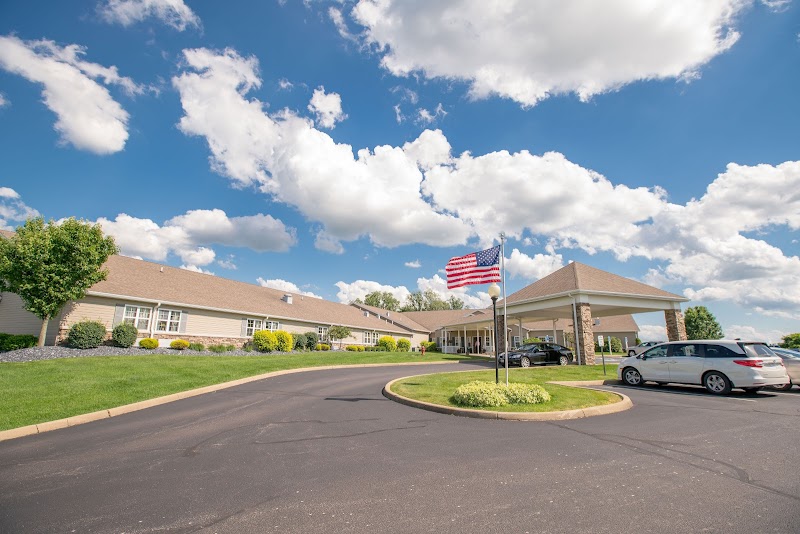
How is Cumberland Pointe Staffed?

CMS rates CUMBERLAND POINTE CARE CENTER's staffing level at 2 out of 5 stars, which is below average compared to other nursing homes. Staff turnover is 34%, compared to the Ohio average of 46%. This relatively stable workforce can support continuity of care.

What Have Inspectors Found at Cumberland Pointe?

State health inspectors documented 43 deficiencies at CUMBERLAND POINTE CARE CENTER during 2019 to 2025. These included: 41 with potential for harm and 2 minor or isolated issues.
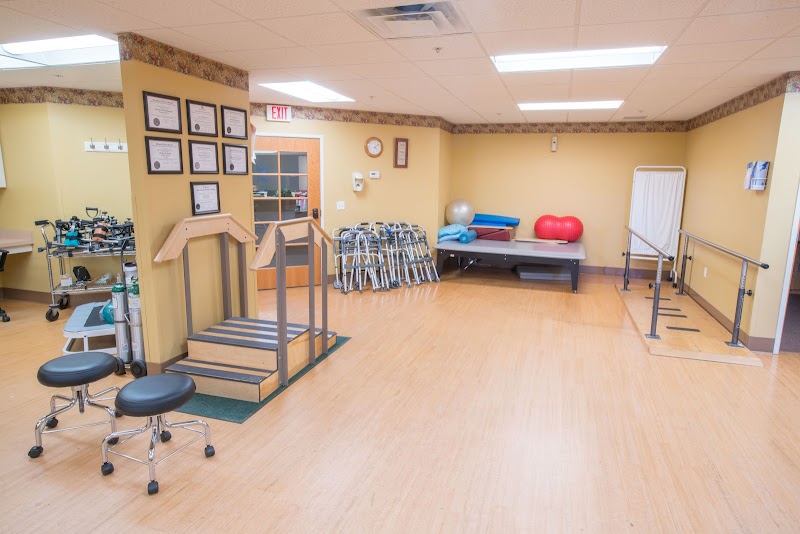
Who Owns and Operates Cumberland Pointe?

CUMBERLAND POINTE CARE CENTER is owned by a for-profit company. For-profit facilities operate as businesses with obligations to shareholders or private owners. The facility is operated by FOUNDATIONS HEALTH SOLUTIONS, a chain that manages multiple nursing homes. With 75 certified beds and approximately 69 residents (about 92% occupancy), it is a smaller facility located in ST CLAIRSVILLE, Ohio.

How Does Cumberland Pointe Compare to Other Ohio Nursing Homes?

Compared to the 100 nursing homes in Ohio, CUMBERLAND POINTE CARE CENTER's overall rating (2 stars) is below the state average of 3.2, staff turnover (34%) is significantly lower than the state average of 46%, and health inspection rating (2 stars) is below the national benchmark.

What Should Families Ask When Visiting Cumberland Pointe?

Based on this facility's data, families visiting should ask: "Can you walk me through typical staffing levels on day, evening, and night shifts?" "Can I visit during a mealtime to observe dining assistance and food quality?" "How do you handle medical emergencies, and what is your hospital transfer rate?" "Can I speak with family members of current residents about their experience?" These questions are particularly relevant given the below-average staffing rating.

Is Cumberland Pointe Safe?

Based on CMS inspection data, CUMBERLAND POINTE CARE CENTER has a clean safety record: no substantiated abuse findings (meaning no confirmed cases of resident harm), no Immediate Jeopardy citations (the most serious violation level indicating risk of serious injury or death), and is not on the Special Focus Facility watch list (a federal program monitoring the lowest-performing 1% of nursing homes). The facility has a 2-star overall rating and ranks #100 of 100 nursing homes in Ohio. While no facility is perfect, families should still ask about staff-to-resident ratios and recent inspection results during their visit.

Do Nurses at Cumberland Pointe Stick Around?

CUMBERLAND POINTE CARE CENTER has a staff turnover rate of 34%, which is about average for Ohio nursing homes (state average: 46%). Moderate turnover is common in nursing homes, but families should still ask about staff tenure and how the facility maintains care continuity when employees leave.

Was Cumberland Pointe Ever Fined?

CUMBERLAND POINTE CARE CENTER has no federal fines on record. CMS issues fines when nursing homes fail to meet care standards or don't correct problems found during inspections. The absence of fines suggests the facility has either maintained compliance or corrected any issues before penalties were assessed. This is a positive indicator, though families should still review recent inspection reports for the full picture.

Is Cumberland Pointe on Any Federal Watch List?

CUMBERLAND POINTE CARE CENTER is not on any federal watch list. The most significant is the Special Focus Facility (SFF) program, which identifies the bottom 1% of nursing homes nationally based on persistent, serious quality problems. Not being on this list means the facility has avoided the pattern of deficiencies that triggers enhanced federal oversight. This is a positive indicator, though families should still review the facility's inspection history directly.