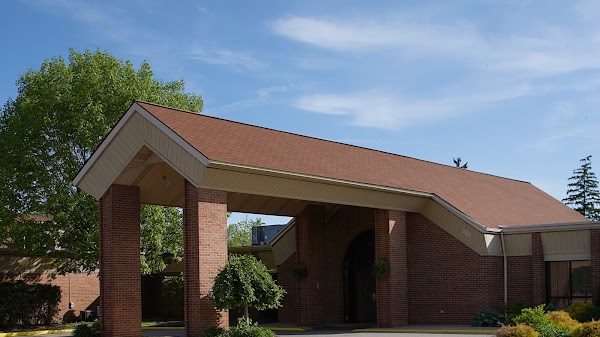
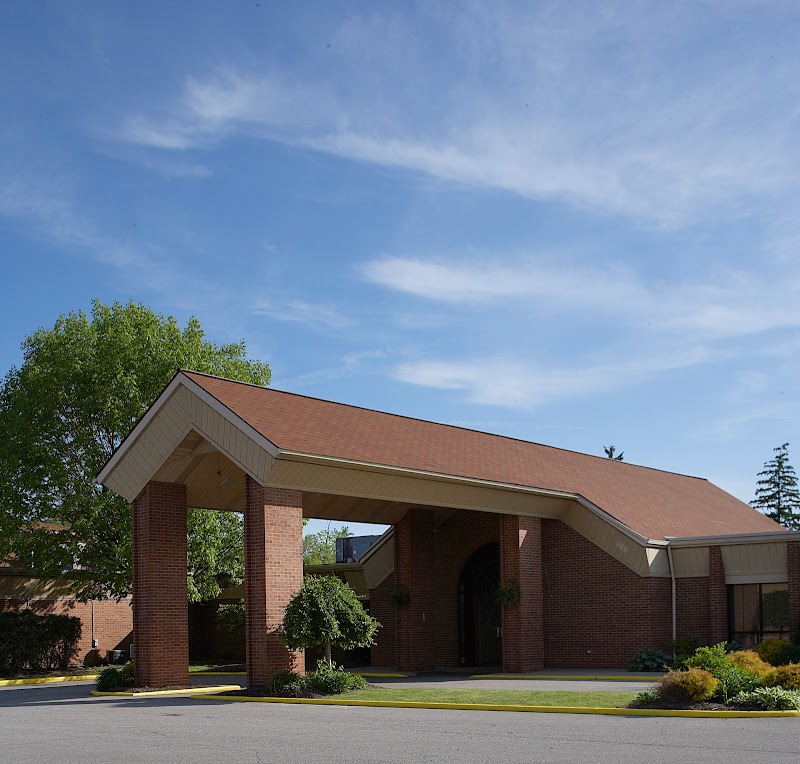
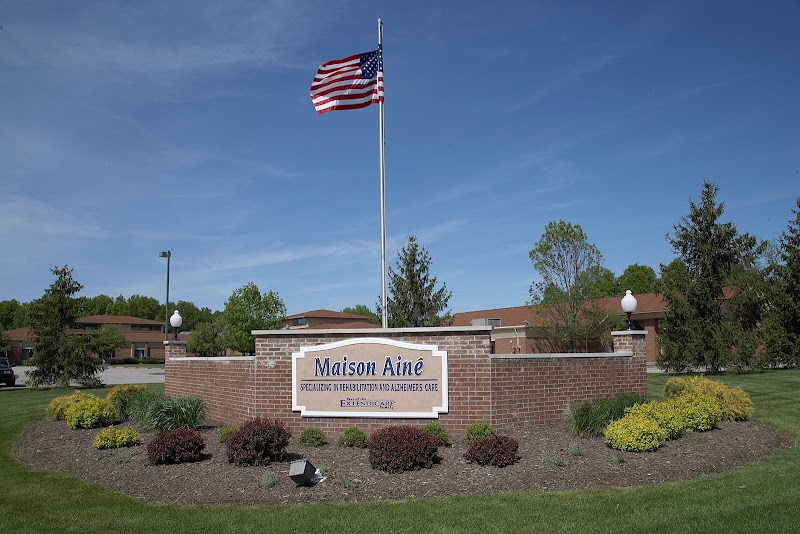
ARBORS AT STOW

2910 L'ERMITAGE PL, STOW, OH 44224 (330) 688-1188
For profit - Limited Liability company 145 Beds ARBORS AT OHIO Data: November 2025 3 Immediate Jeopardy citations
Trust Grade
0/100
#597 of 913 in OH
Last Inspection: January 2025

Within standard 12-15 month inspection cycle. Federal law requires annual inspections.

Overview

The Arbors at Stow has received a Trust Grade of F, indicating poor performance with significant concerns about care quality. It ranks #597 out of 913 facilities in Ohio, placing it in the bottom half of nursing homes in the state, and #28 out of 42 in Summit County, suggesting limited better options nearby. Unfortunately, the facility's situation is worsening, as the number of issues increased from 9 to 10 in just one year. Staffing is rated average at 3 out of 5 stars, with a turnover rate of 49%, which is concerning given the high turnover averages statewide, but they do have a 5 out of 5 rating for quality measures. However, the facility has faced alarming fines totaling $284,216, indicating repeated compliance issues. Specific incidents highlight serious care failures, including a recent case where a resident suffered a critical injury due to physical abuse from another resident, leading to hospitalization and severe pain. Another incident involved a resident not receiving critical medication for hypothyroidism, resulting in a deterioration of health and subsequent hospitalization. Lastly, there was an incident where staff physically harmed a resident during a confrontation, leading to serious injuries that required medical treatment. While the facility has some strengths, such as a high quality measure rating, the ongoing issues and incidents are significant red flags for families considering care for their loved ones.

Trust Score
F
0/100
In Ohio
#597/913
Bottom 35%
Safety Record
High Risk
Review needed
Inspections
Getting Worse
9 → 10 violations
Staff Stability
⚠ Watch
49% turnover. Above average. Higher turnover means staff may not know residents' routines.
Penalties
✓ Good
$284,216 in fines. Lower than most Ohio facilities. Relatively clean record.
Skilled Nurses
⚠ Watch
Each resident gets only 28 minutes of Registered Nurse (RN) attention daily — below average for Ohio. Fewer RN minutes means fewer trained eyes watching for problems.
Violations
⚠ Watch
43 deficiencies on record. Higher than average. Multiple issues found across inspections.
★★☆☆☆
2.0
Overall Rating
★★★☆☆
3.0
Staff Levels
★★★★★
5.0
Care Quality
★☆☆☆☆
1.0
Inspection Score
Stable
2024: 9 issues
2025: 10 issues

The Good

  • 5-Star Quality Measures · Strong clinical quality outcomes
  • Full Sprinkler Coverage · Fire safety systems throughout facility
  • No fines on record

Facility shows strength in quality measures, fire safety.

The Bad

2-Star Overall Rating

Below Ohio average (3.2)

Below average - review inspection findings carefully

Staff Turnover: 49%

Near Ohio avg (46%)

Higher turnover may affect care consistency

Federal Fines: $284,216

Well above median ($33,413)

Significant penalties indicating serious issues

Chain: ARBORS AT OHIO

Part of a multi-facility chain

Ask about local staffing decisions and management

The Ugly 43 deficiencies on record

3 life-threatening 3 actual harm
Jan 2025 10 deficiencies 1 Harm
SERIOUS (G) 📢 Someone Reported This

A family member, employee, or ombudsman was alarmed enough to file a formal complaint

Actual Harm - a resident was hurt due to facility failures

Deficiency F0692 (Tag F0692)

A resident was harmed · This affected 1 resident

**NOTE- TERMS IN BRACKETS HAVE BEEN EDITED TO PROTECT CONFIDENTIALITY** Based on observation, record review, policy review and interview the facility failed to ensure residents received adequate fluid...

Read full inspector narrative →
**NOTE- TERMS IN BRACKETS HAVE BEEN EDITED TO PROTECT CONFIDENTIALITY** Based on observation, record review, policy review and interview the facility failed to ensure residents received adequate fluids to prevent dehydration. This affected Resident #73 and had the potential to affect 17 residents (#19, #28, #36, #49, #59, #63, #67, #70, #71, #72, #81, #84, #87, #88, #91, #99, and #109) who resided on the C pod nursing unit and 19 residents (#5, #31, #33, #41, #44, #46, #64, #66, #73, #77, #90, #92, #94, #100, #101, #108, #112, #121 and #224) who resided on the D pod nursing unit. The facility also failed to ensure diets were followed as ordered. This affected one resident (Resident #93) of five reviewed for nutrition. The facility census was 125. Findings include: Actual harm occurred on 11/16/24 when Resident #73, who had severe cognitive impairment was noted to have an acute change in condition/altered mental status with slurring/mumbling words, an inability to perform hand grasps and equal but fixed pupils. The resident was transferred to the hospital and admitted with dehydration with elevated sodium, acute kidney injury which required intravenous fluids to treat. The resident returned to the facility on [DATE]. Findings include: 1. Clinical record review revealed Resident #73 was admitted on [DATE] with diagnoses including Alzheimer's disease, chronic kidney disease (stage 3), hyperlipidemia, atherosclerotic heart disease, anemia delusional disorders, dementia with behaviors, vitamin D deficiency, osteoarthritis, gastroesophageal reflux disease, depression, paranoid personality disorder, high blood pressure, cardiac murmur, benign prostatic hyperplasia with lower urinary tract symptoms, hyperosmolality, heart attack, mood disorder, irritable bowel syndrome, anxiety, and dysphagia (trouble swallowing). Review of Resident #73's plan of care dated 12/21/23 revealed Resident #73 was at risk for fluid volume deficit related to cognitive impairment. Interventions on the plan of care included to encourage Resident #73 to drink fluids of choice unless contraindicated (i.e., fluid restriction) and assist as needed; offer fluids during activities; offer fluids of choice; ensure all beverages offered complied with diet/fluid restrictions and consistency requirements, and review and report to physician/certified nurse practitioner abnormal laboratory results and any signs of dehydration. Review of the change of condition nursing progress note dated 11/16/24 indicated the nurse was on another nursing unit when an unnamed certified nursing assistant (CNA) notified the nurse that Resident #73 was previously alert at baseline and then was observed sitting at common area table slumped forward and unresponsive for a few seconds. The nurse immediately went to the unit and assessed Resident #73 and obtained his vital signs. The nurse obtained a blood pressure of 176/56, heart rate of 74 beats per minute, respirations 18 per minute, oxygenation level was 97 percent on room air, and temperature was 97.2 degrees Fahrenheit (F). Resident #73 appeared to have a decrease in alertness, was observed slurring/mumbling words, and unable to grasp hands. Resident #73's pupils appeared equal but fixed. The nurse called emergency medical services (911) and waited with Resident #73 until emergency medical personnel arrived. Resident #73 was transported to the hospital for evaluation and treatment. A review of Resident #73's fluid intake documentation dated 11/01/24 to 11/30/24 revealed Resident #73 had consumed only between 850 milliliters (ml) and 900 ml of fluid on 11/14/24 and 11/15/24 prior to his hospitalization on 11/16/24 for a diagnosis of dehydration. Review of the nursing progress note dated 11/17/24 revealed the nurse contacted the hospital and was informed Resident #73 was admitted with a diagnosis of altered mental status. Review of the nursing progress note dated 11/19/24 revealed Resident #73 was re-admitted to the facility from the hospital. A review of Resident #73's discharge summary from the hospital dated 11/19/24 indicated Resident #73 was discharged from the hospital in fair condition. The reason for Resident #73's admission to the hospital was altered mental status, dehydration, and high blood pressure. The discharge summary indicated Resident #73 who had a history of Alzheimer's disease, and hypertension (high blood pressure) presented with concern of altered mental status, decreased arousability from the (facility) memory care unit. Upon arrival his mentation slowly improved and Resident #73 was found to be dehydrated with elevated sodium, acute kidney injury and was started on intravenous fluids. Neurology was consulted and found Resident #73 was negative for seizure but demonstrated encephalopathy. Neurology did not feel encephalopathy was central neurologic in nature and signed off the case. Review of the Minimum Data Set (MDS) assessment dated [DATE] revealed Resident #73's had severe cognitive impairment. An interview on 01/08/25 at 7:30 A.M. with Licensed Practical Nurse (LPN) #494 revealed when a resident returned from the hospital LPN #494 completed a head to toe assessment and obtained vital signs and reviewed the medication list. LPN #494 verified the medication list and obtained other orders from the physician. LPN #494 stated he re-admitted Resident #73 back to the facility on [DATE] and had received report by phone from the nurse at the the hospital prior to Resident #73's arrival to the facility. LPN #494 did not document what the nurse had told him during the report and was unable to remember what the nurse had told him during the phone call. LPN #494 did not remember the hospital's diagnoses during Resident #73's admission to the hospital and could not state what was being done to prevent Resident #73 from being re-admitted to the hospital (related to concerns with dehydration). LPN #494 was unable to state where information from the hospital could be located in Resident #73's clinical record. LPN #494 did not know what care planned interventions were in place to prevent Resident #73 from returning to the hospital for the altered mental status symptoms/dehydration. LPN #494 verified most of the residents on the D pod nursing unit were cognitively impaired which made them at risk for dehydration but was unable to state where he would need to look on the residents' plan of care for interventions to implement to ensure the residents had adequate hydration. An interview with CNA #509 on 01/08/25 at 8:31 A.M. revealed CNA #509 was unaware Resident #73 was at risk for dehydration or had been admitted to the hospital recently for a diagnosis of dehydration. CNA #509 stated the residents (including Resident #73) were not provided water unless they asked for water and could request water from the staff. An interview with the Director of Nursing on 01/09/25 at 10:25 A.M. verified Resident #73 was hospitalized with a diagnosis of dehydration as noted on the hospital Discharge summary dated [DATE]. An interview with Registered Dietitian (RD) #902 on 01/09/25 at 10:45 A.M. revealed Resident #73's calculated fluid need was 1, 650 ml of fluid per day to prevent dehydration. RD #902 stated residents (including Resident #73) should be offered two cold beverages and one hot beverage of choice with each meal. Review of facility policy Hydration, revised 10/26/23, revealed the facility would offer each resident sufficient needs and preferences to maintain proper hydration and health. 2. An observation on 01/07/25 at 9:00 A.M. revealed there was no cup of water present in the residents' rooms on the D pod. An interview with CNA #509 revealed the residents could request water and the staff would provide them water upon request. CNA #509 verified the residents did not have water within their reach at all times and needed to make a request for water which would be provided. There were 19 residents, Resident #5, #31, #33, #41, #44, #46, #64, #66, #73, #77, #90, #92, #94, #100, #101, #108, #112, #121 and #224 who resided on the D pod nursing unit. An observation of the breakfast meal on 01/08/25 between 7:30 A.M. and 9:00 A.M. on the D pod nursing unit revealed the meal cart arrived with a one gallon pitcher of orange juice, one gallon pitcher of water and a carafe of hot coffee. The residents were seated in the dining room and encouraged to get out of bed to eat their breakfast. All the residents were served one cup of orange juice filled 2/3 to 3/4 full. There were three more meal trays to be served when the gallon of orange juice was empty. The staff had to return to the kitchen to obtain additional orange juice to finish serving all the residents a beverage. An interview with CNA #509 on 01/08/25 at 8:31 A.M. revealed one resident (name not provided) out of the 19 residents residing on the D pod nursing unit were at risk for dehydration. CNA #509 stated the activity personnel brought fluids and a snack to the unit daily but was unable to state where the activity staff documented the amount of fluid the residents consumed to ensure they were well hydrated. CNA #509 stated the residents were not provided water unless they asked for water and could request water from the staff. Review of the facility's Week at a Glance for the facility's four week 2024-2025 menus revealed for breakfast eight ounces milk, six ounces of coffee or tea, and four ounces of juice would be offered, for lunch six ounces of coffee or hot tea would be offered, and for dinner eight ounces of milk and six ounces of coffee or hot tea would be offered. Review of facility policy Hydration, revised 10/26/23, revealed the facility would offer each resident sufficient needs and preferences to maintain proper hydration and health. 4. Review of the medical record revealed Resident #93 was admitted to the facility on [DATE]. Diagnoses included diabetes, vascular dementia, traumatic brain injury (TBI). major depression disorder, hypertension, anxiety, sexual dysfunction, osteoarthritis, magnesium deficiency, atherosclerotic heart disease, hyperlipidemia, mild cognitive impairment, insomnia, hypothyroidism, persistent mood disorder, low back pain, and dementia. Review of the Dietary Progress note dated 02/20/24 timed 12:34 P.M. revealed the family of Resident #93 requested he have double portions. Review of the physician's orders revealed Resident #93 had an order for regular diet with double entrees dated 03/15/24. Review of The Dietary Progress note dated 09/13/24 timed 11:13 A.M. revealed the staff informed the dietician Resident #93 was still hungry after meals so double portions were added. However, he already had an order for double portions. Review of the Quarterly Minimum Data Set assessment dated [DATE] revealed Resident #93 had severely impaired cognition and was independent with eating. Resident #93 weighed 261 pounds, had no swallowing concerns and did not have a weight loss or gain. Review of the Dietary Progress note dated 12/10/24 timed 3:58 P.M. revealed Resident #93 triggered for a significant weight loss of 10.9 percent in 180 days. His current body weight was 247.2 pounds and the weight loss was desirable. Resident #93 was on a regular diet with double portions. Review of the plan of care with a revision date of 12/13/24 revealed Resident #93 was at risk for nutrition/hydration related to advanced age, history of significant weight changes, diabetes, dementia, TBI, depression, hypertension, anxiety, vitamin D deficiency, hypothyroidism, low mobility, mood disorder, and magnesium deficiency. Interventions included to provide diet as ordered, regular diet, regular fluids, regular texture, thin consistency with double entrees per his request dated 02/19/24. Observation of dining on the 200 unit on 01/06/25 at 11:55 A.M. revealed the residents were having chicken gravy over biscuits (the facility called the meal chicken pot pie) and fruit salad. Further observation revealed Resident #93 only received one serving of chicken gravy and one biscuit on his plate. On 01/06/25 at 12:11 P.M. an interview with Certified Nursing Assistant #432 verified Resident #93 only received one serving of his entree. Review of the facility policy titled, Resident Food Preferences, dated 01/01/22 revealed the nutritional assessment would include an evaluation of individual's food preferences. When admitted the Dietary Manager or designee would identify a resident's food preferences. The Dietary Manger or designee would visit residents periodically to determine if revisions were needed regarding food preferences. The nursing staff would inform the kitchen about resident's requests. This deficiency represents non-compliance investigated under Complaint Number OH00161030 and OH00160414. 3. Observation on 01/08/25 at 8:38 A.M. of the residents in the common area of the C Pod revealed the residents had a half glass full (four ounces or 120 milliliters) of orange juice on their breakfast tray. A gallon pitcher of juice on the beverage cart was empty. Interview on 01/08/25 at 8:36 A.M. and on 01/09/25 at 10:07 A.M. with Certified Nursing Assistant #444 revealed the residents on C Pod preferred juice over water, but there was not enough juice to provide a full glass for each resident. The CNA stated when they would call down to the kitchen to get more juice, it would take too long for the kitchen to bring the extra juice, and by the time the kitchen brought the extra juice to the pod, the residents no longer wanted the juice. Interview on 01/09/25 at 10:07 A.M. with Registered Nurse #488 revealed residents were receiving 120 milliliters (four ounces) of fluid for each meal. Interview on 01/08/25 at 4:22 P.M. with Dietitian #902 confirmed that residents were not receiving enough fluids with meals per her observations, and the aides had been provided a lot of education on the importance of providing adequate fluids. She went on to state there should be multiple pitchers of each of the cold fluids on the beverage carts, so they didn't run out. There were 17 residents, Resident #19, #28, #36, #49, #59, #63, #67, #70,#71, #72, #81, #84, #87, #88, #91, #99, and #109 who resided on the C pod nursing unit. Review of the facility's Week at a Glance for the facility's four week 2024-2025 menus revealed for breakfast eight ounces milk, six ounces of coffee or tea, and four ounces of juice would be offered, for lunch six ounces of coffee or hot tea would be offered, and for dinner eight ounces of milk and six ounces of coffee or hot tea would be offered. Review of undated facility document C Pod revealed the beverage cart for C Pod, which housed 19 residents, would consist of one hot water carafe, two coffee carafes, one gallon (128 ounces) pitcher of juice, one gallon pitcher of water and one-half gallon of milk. Twelve coffee cups and nineteen regular cups were to be sent on each cart. Review of facility policy Hydration, revised 10/26/23, revealed the facility would offer each resident sufficient needs and preferences to maintain proper hydration and health.
CONCERN (D) 📢 Someone Reported This

A family member, employee, or ombudsman was alarmed enough to file a formal complaint

Potential for Harm - no one hurt, but risky conditions existed

ADL Care (Tag F0677)

Could have caused harm · This affected 1 resident

**NOTE- TERMS IN BRACKETS HAVE BEEN EDITED TO PROTECT CONFIDENTIALITY** Based on observation, review of the medical record, review of the facility policy and interview with staff the facility failed t...

Read full inspector narrative →
**NOTE- TERMS IN BRACKETS HAVE BEEN EDITED TO PROTECT CONFIDENTIALITY** Based on observation, review of the medical record, review of the facility policy and interview with staff the facility failed to ensure hair care was provided to Resident #35 and Resident #40. This affected two residents ( Resident #35 and #40) out of five reviewed for activities of daily living (ADL). The facility census was 125. Findings include: 1. Review of the medical record revealed Resident #35 was admitted to the facility on [DATE]. Diagnoses included dementia, diabetes, aphasia, cerebral infarction, atrial fibrillation, intracerebral hemorrhage, psychosis, peripheral vascular disease, congestion heart failure, osteoarthritis, allergic rhinitis, insomnia, hyperlipidemia, major depressive disorder, generalized anxiety disorder, over active bladder, and vitamin D deficiency. Review of the plan of care dated 08/29/23 revealed Resident #35 had an ADL self care performance deficit related to anxiety, cognitive impairment, congestive heart failure, cerebral vascular accident, pain, dementia, depression, and lack of coordination. Interventions indicated Resident #35 required one person assistance for personal hygiene. Review of the quarterly Minimum Data Set assessment dated [DATE] revealed Resident #35 had severely impaired cognation and was dependent for personal hygiene. Observations on 01/06/25 at 9:30 A.M., 11:56 A.M. and 2:30 P.M. revealed Resident #35 was sitting out in the lounge area in a chair and his hair was sticking up everywhere. On 01/07/25 at 2:30 P.M. an interview with Certified Nursing Assistant (CNA) #452 verified Resident #35 had not had his hair combed. Observation on 01/07/25 at 10:11 A.M. revealed Resident #35 was being walked out of the central bathing room after his shower with CNA #454. CNA #454 sat him down in a recliner with his hair not combed. CNA #454 went back into the central bathing room, came back out with her jacket and took her jacket into the janitor's closet. CNA #454 never attempted to comb the hair of Resident #35. On 01/07/25 at 10:14 A.M. an interview with CNA #454 confirmed she had not combed/brushed the hair of Resident #35. Observation on 01/09/25 at 8:40 A.M. revealed Resident #35 was sitting out in the lounge and his hair was not combed and was sticking up everywhere. An interview at this time with Licensed Practical Nurse #443 confirmed the hair of Resident #35 had not been combed and she instructed a CNA to comb his hair. Review of the facility policy titled, Activities of Daily Living, dated 12/28/23 revealed the facility took measures to minimize the loss of residents' functional abilities including ADLs. ADLs included the ability to bathe, dress, groom, transfer, ambulate, toilet, and eat. A resident who was unable to carry out ADLs was to receive the necessary services to maintain good nutrition, grooming, and personal and oral hygiene. 2. Review of the medical record revealed Resident #40 was admitted to the facility on [DATE]. Diagnoses included chronic obstructive pulmonary disease (COPD), vascular dementia, moderate protein-calorie disturbance, emphysema, adult failure tot thrive, history of adult neglect, sexual disorders, atherosclerotic heart disease, psychosis, transient ischemic attack, anemia, osteoarthritis, insomnia, major depressive disorder, atopic dermatitis, anxiety disorder, hydrocele, dysphagia, and dermatophytosis. Review of the plan of care dated 02/02/24 revealed Resident #40 had an ADL self-care performance deficit related to anxiety, dementia, depression, COPD, fluctuating ADLs, and a history of falls. Interventions indicated Resident #40 required one person assistance for personal hygiene. Review of the Annual MDS assessment dated [DATE] revealed Resident #40 had severely impaired cognation and was dependent on staff for persona hygiene. Observation on 01/06/25 at 11:59 P.M. and 2:33 P.M. revealed Resident #40 was sitting in the lounge area in his wheelchair. His hair was not combed. On 01/06/25 at 2:33 P.M. an interview with CNA #454 confirmed she had not combed the hair of Resident #40. Review of the facility policy titled, Activities of Daily Living, dated 12/28/23 revealed the facility took measures to minimize the loss of residents' functional abilities including ADLs. ADLs included the ability to bathe, dress, groom, transfer, ambulate, toilet, and eat. A resident who was unable to carry out ADLs was to receive the necessary services to maintain good nutrition, grooming, and personal and oral hygiene. This deficiency represents non-compliance investigated under Complaint Number OH00160433.
CONCERN (D) 📢 Someone Reported This

A family member, employee, or ombudsman was alarmed enough to file a formal complaint

Potential for Harm - no one hurt, but risky conditions existed

Accident Prevention (Tag F0689)

Could have caused harm · This affected 1 resident

**NOTE- TERMS IN BRACKETS HAVE BEEN EDITED TO PROTECT CONFIDENTIALITY** THE FOLLOWING DEFICIENCY REPRESENTS AN INCIDENT OF PAST NON-COMPLIANCE THAT WAS SUBSEQUENTLY CORRECTED PRIOR TO THIS SURVEY. Bas...

Read full inspector narrative →
**NOTE- TERMS IN BRACKETS HAVE BEEN EDITED TO PROTECT CONFIDENTIALITY** THE FOLLOWING DEFICIENCY REPRESENTS AN INCIDENT OF PAST NON-COMPLIANCE THAT WAS SUBSEQUENTLY CORRECTED PRIOR TO THIS SURVEY. Based on record review and interview the facility failed to provide adequate supervision to Resident #7 to prevent Resident #7 from obtaining an over-the-counter medication and possible ingestion of the medication. This affected one out of three residents reviewed for accidents. Findings include: Clinical record review revealed Resident #7 was re-admitted on [DATE] with diagnoses including dementia, malnutrition, stage three kidney failure, high blood pressure, atherosclerotic heart disease, anxiety, disorientation, heart disease with heart failure, irritable bowel syndrome, auditory hallucinations, hypothyroidism, chronic inflammation of the gallbladder, depression, insomnia, viral hepatitis, bipolar disorder with psychotic features, old heart attack, gastroesophageal reflux disease, obsessive compulsive disorder, borderline personality disorder, dependent personality disorder, post-traumatic stress disorder, vitamin D deficiency, iron deficiency, trouble swallowing, schizoaffective disorder, and schizophrenia. Review of Resident #7's nursing progress note dated 09/10/24 indicated staff had found a container of Tylenol medication under her pillow on her bed. Resident #7 informed the staff she had found the Tylenol container with Tylenol medication on the desk and no staff had seen her take the medication off the desk. The container of Tylenol was inspected and pills were counted. Resident #7's vital signs were obtained and were within normal limits and at baseline for Resident #7. Poison control was notified. Resident #7's vital signs were monitored and no acetaminophen (Tylenol) based products were to be administered for 24 hours. An interview with Regional Director of Clinical Services (RDCS) #606 on 01/09/25 at 12:54 P.M. verified the above finding and stated the facility was unable to determine if Resident #7 had consumed any of the Tylenol medication. The facility had contacted the poison control center and followed the guidance provided by the poison control center. There were eight Tylenol 325 milligram (mg) tablets missing from the container of Tylenol found under Resident #7's pillow. The facility was able to watch Resident #7 obtain the Tylenol from the top of the medication cart located in the common area of the E pod nursing unit on the facility's video camera. RDCS #606 stated the incident was discussed during the quality assurance and performance improvement committee and a plan of correction was developed and implemented. A full house search for medication was conducted of all residents in the facility. All nursing staff and medication technicians were educated regarding medication storage. All nursing staff and technicians completed a quiz twice a week for four weeks to verify their knowledge of medications storage and securing medications. Medication carts were observed weekly to ensure compliance with the storage and security of medications in the facility. Random resident room sweeps were conducted three to four times a week for four weeks to ensure no medications were in resident possession. On 01/09/25 at 2:33 P.M. and interview with Licensed Practical Nurse (LPN) #607 revealed she was assigned to care for Resident #7 at the time of the incident on 09/10/24. LPN #607 stated she had inadvertently left a container of Tylenol 325 mg pills on top of her cart. Resident #7 saw the Tylenol container on top of her cart and took the container and hid the container of Tylenol pills under her pillow in her room. During the early morning hours on 09/10/24 an unnamed certified nursing assistant (cna) found the container of Tylenol under Resident #7's pillow in her room. LPN #607 notified the Administrator, Director of Nursing (DON), poison control center and Resident #7's family of the incident. LPN #607 stated she was in charge of two nursing units and was on the other nursing unit when Resident #7 took the container of Tylenol tablets off her medication cart. LPN #607 indicated the staff did not supervise Resident #7 closely to prevent her from obtaining the container of Tylenol medication. Review of the facility policy Medication Storage implemented on 10/30/20 indicated the policy of the facility was to ensure all medications housed on the premises would be stored according to the manufacturer's recommendations and sufficient to ensure proper sanitation, temperature, light, ventilation, moisture control, segregation, and security. The guidelines for storage of medications included: a. All drugs and biologicals would be stored in locked compartments (i.e., medication carts, cabinets, drawers, refrigerators, medication rooms) under proper temperature controls. b. Only authorized personnel would have access to the keys to locked compartments (see attached listing). c. During a medication pass, medications must be under the direct observation of the person administering medications or locked in the medication storage area/cart. The deficient practice was corrected on 10/18/24 when the facility implemented the following corrective actions: • On 09/10/24 the poison control center was contacted by LPN #607 for guidance for how to proceed. • On 09/10/24 the Quality Assessment and Process Improvement committee met and discussed the plan to correct the deficient practice. • On 09/10/24 the DON in-serviced the licensed nurses and medication technicians on the facility medication administration and medication storage policy. This was confirmed by review of sign in sheets. • On 09/10/24 all residents' rooms were searched by the Administrator and DON to ensure no medications were stored in their room and residents had no medications in their possession. • On 09/10/25 the licensed nursing staff and medication technicians completed a medication storage quiz to determine knowledge of medication administration and storage policy. Licensed nursing staff and medication technicians completed a medication storage quiz twice a week for four weeks ending on 10/18/24. • On 09/10/25 resident room sweeps were initiated three to four times a week to be completed by unit managers and the DON to ensure no medications were in the residents' possession. The room sweeps were discontinued on 10/18/25 with no concerns identified. • On 09/10/25 bi-weekly random observations of the medication carts by the unit managers and DON were initiated to ensure the carts were locked and secured appropriately. The bi-weekly observations of the medication carts were discontinued on 10/18/25 with no concerns identified. • Observations from 01/02/15 through 01/09/25 on all shifts revealed no unsecured medications.
CONCERN (D)

Potential for Harm - no one hurt, but risky conditions existed

Drug Regimen Review (Tag F0756)

Could have caused harm · This affected 1 resident

**NOTE- TERMS IN BRACKETS HAVE BEEN EDITED TO PROTECT CONFIDENTIALITY** 3. Resident #90 was admitted on [DATE] with diagnoses including neurocognitive disorder, dementia,. pancytopenia (a blood disord...

Read full inspector narrative →
**NOTE- TERMS IN BRACKETS HAVE BEEN EDITED TO PROTECT CONFIDENTIALITY** 3. Resident #90 was admitted on [DATE] with diagnoses including neurocognitive disorder, dementia,. pancytopenia (a blood disorder that occurs when the body has abnormally low levels of red blood cells, white blood cells, and platelets), depression, psychosis, traumatic brain injury, anemia, anxiety, low magnesium level, post-traumatic stress disorder, vitamin D deficiency, delirium, high cholesterol, urinary retention, metabolic encephalopathy, urea cycle disorder, high blood pressure, and thrombocytopenia (low platelet count). A review of Resident #90's pharmacy review recommendation dated 10/02/24 indicated Resident #90 was recently admitted with an order for an antipsychotic, Quetiapine 50 milligrams (mg) four times a day. The recommendation further indicated Federal guidelines for long-term care facilities required an evaluation of antipsychotic usage within two weeks of admission. Please consider a trial dose reduction to assess continued need for treatment and check one of the following: ( ) Reduce the current order to ______. ( ) Medication to be continued as ordered. Discontinuation of therapy likely will be harmful to resident and/or others or it will interfere significantly with the provision of care for others. There was no documentation from the physician on the pharmacy recommendation form or in Resident #90's clinical record to indicate the physician was aware of the pharmacist's recommendation. An interview on 01/08/25 at 3:43 P.M. with the Director of Nursing verified the pharmacy recommendations for Resident #90 were not communicated to the physician/provider and the DON was unable to provide documentation of a follow-up to the recommendation. Based on review of the medical record, review of pharmacy recommendation, and interview the facility failed to address pharmacy recommendation timely for Residents #7, #35, and #90. This affected three residents (#7, #35, and #90) of five reviewed for unnecessary medications. The facility census was 125. Findings include: 1. Review of medical record revealed Resident #7 was admitted to the facility on [DATE]. Diagnoses included dementia, chronic kidney disease, anxiety disorder, disorientation, altered mental status, hypertensive heart disease, irritable bowel syndrome, auditory hallucinations, hypothyroidism, cholecystitis, major depressive disorder, insomnia, bipolar disorder, obsessive compulsive disorder, borderline personality disorder, post-traumatic stress disorder, and schizophrenia. Review of the physician's orders revealed Resident #7 had an order for aripiprazole 20 milligrams every morning for bipolar disorder dated 11/16/24. Review of the Annual Minimum Data Set (MDS) assessment dated [DATE] revealed Resident #7 had severely impaired cognition and was on an antipsychotic. Review of the pharmacy recommendation dated 12/02/24 revealed Resident #7 received an atypical antipsychotic aripiprazole which carried a risk to cause adverse metabolic effects. The recommendation indicated to please consider checking a fasting lipid panel (cholesterol levels) and a hemoglobin A1C (average blood sugar level over the past three months) now then annually. The recommendation was not addressed until 01/07/25. Further review of the physician's orders revealed Resident #7 had an order for a lipid panel and Hemoglobin A1C to be obtained for 01/08/25 dated 01/07/25. Review of the laboratory results collected on 01/08/25 and reported 01/09/25 revealed Resident #7's high-density lipoprotien cholesterol level was low at 47 (normal greater than 50) and the Hemoglobin A1C was still pending. On 01/09/25 at 11:04 A.M. an interview with the Director of Nursing (DON) confirmed the pharmacy recommendation for Resident #7 was never addressed. The DON reached out to the nurse practitioner (NP) to address the pharmacy recommendation, the NP agreed, and the lab was drawn yesterday (01/08/25). Review of the facility policy titled, Addressing Medication Regimen Review Irregularities, dated 12/28/23 revealed it was the policy of the facility to provide a Medication Regimen Review (MMR) for each resident to identify irregularities and respond in a timely manner to prevent the occurrence of an adverse drug event. The MMR of each resident must be reviewed by a licensed pharmacist at least once a month. 2. Review of the medical record revealed Resident #35 was admitted to the facility on [DATE]. Diagnoses included dementia, diabetes, aphasia, cerebral infarction, atrial fibrillation, intracerebral hemorrhage, psychosis, peripheral vascular disease, congestion heart failure, osteoarthritis, allergic rhinitis, insomnia, hyperlipidemia, major depressive disorder, generalized anxiety disorder, over active bladder, and vitamin D deficiency. Review of the laboratory results dated [DATE] revealed Resident #35 had a vitamin D level of 80 (normal 30-100). Review of the physician's orders revealed Resident #35 had an order for cholecalciferal (vitamin D3) 50,000 units every Friday morning dated 08/16/24. Review of the pharmacy recommendation dated 09/03/24 revealed Resident #35 was ordered Vitamin D 50,000 units every week and his Vitamin D level was 80 on 08/12/24. The recommendation indicated to please evaluate need for current dosing and consider a dose reduction to every other week. Review of the Quarterly MDS assessment dated [DATE] revealed Resident #35 had severely impaired cognition. On 01/08/25 at 3:42 P.M. an interview with the Director of Nursing confirmed there was no documentation the physician addressed the pharmacy recommendation from 09/03/24 nor could documentation of a rationale for not implementing the recommendation be found. Review of the facility policy titled, Addressing Medication Regimen Review Irregularities, dated 12/28/23 revealed it was the policy of the facility to provide a Medication Regimen Review (MMR) for each resident to identify irregularities and respond in a timely manner to prevent the occurrence of an adverse drug event. The MMR of each resident must be reviewed by a licensed pharmacist at least once a month.
CONCERN (D)

Potential for Harm - no one hurt, but risky conditions existed

Deficiency F0761 (Tag F0761)

Could have caused harm · This affected 1 resident

**NOTE- TERMS IN BRACKETS HAVE BEEN EDITED TO PROTECT CONFIDENTIALITY** Based on observation, staff interview, and record review, the facility failed to ensure expired medications and supplies were di...

Read full inspector narrative →
**NOTE- TERMS IN BRACKETS HAVE BEEN EDITED TO PROTECT CONFIDENTIALITY** Based on observation, staff interview, and record review, the facility failed to ensure expired medications and supplies were discarded appropriately. This affected one resident (Resident #3) of eight residents reviewed for medication administration. The census was 125. Findings include: Clinical record review revealed Resident #3 was admitted to the facility on [DATE] with diagnosis of Alzheimer's disease, vascular dementia, multiple sclerosis, severe protein calorie malnutrition, hypothyroidism, major depressive disorder, spinal stenosis, mononeuropathy, fibromyalgia, anemia, vitamin D deficiency, obesity, and anxiety disorder. Review of Resident #3's physician order dated 10/23/24 revealed staff were to administer cholecalciferol (vitamin D3) oral capsule 125 milligrams (mg) 5000 unit (UT) orally in the morning related to vitamin D deficiency. Observation on the medication cart on nursing unit D on 01/07/25 at 7:55 A.M. revealed a container of cholecalciferol oral capsule 125 mg 5000 UT tablets with an expiration date of 11/21/24. The container of cholecalciferol contained 100 tablets and there were 37 tablets missing. Interview with Licensed Practical Nurse (LPN) #422 verified the above findings. LPN #422 stated that Resident #3 received 37 doses of the cholecalciferol after the expiration date of 11/21/24. Review of the medication administration record (MAR) dated 11/22/24 to 01/07/25 revealed Resident #3 received the routine ordered cholecalciferol 125 mg in the morning between 7:00 A.M. and 10:00 A.M. Review of the facility policy Medication Storage implemented on 10/30/20 indicated the pharmacy and all medication rooms were to be routinely inspected by the consultant pharmacist for discontinued, outdated, defective, or deteriorated medications with worn, illegible, or missing labels. Those medications were to be destroyed in accordance with the Destruction of Unused Drugs Policy. Review of the facility policy Medication Administration implemented on 10/30/20 indicated medications were to be administered by a licensed nurse, or other staff legally authorized to do so in the state, as ordered by the physician and in accordance with professional standards of practice, in a manner to prevent contamination or infection. The compliance guidelines included for staff to identify expiration date and if the medication was expired to notify the nurse manager.
CONCERN (D) 📢 Someone Reported This

A family member, employee, or ombudsman was alarmed enough to file a formal complaint

Potential for Harm - no one hurt, but risky conditions existed

Deficiency F0825 (Tag F0825)

Could have caused harm · This affected 1 resident

**NOTE- TERMS IN BRACKETS HAVE BEEN EDITED TO PROTECT CONFIDENTIALITY** Based on observation, review of the medical record and interview the facility failed to ensure Resident #34 received speech ther...

Read full inspector narrative →
**NOTE- TERMS IN BRACKETS HAVE BEEN EDITED TO PROTECT CONFIDENTIALITY** Based on observation, review of the medical record and interview the facility failed to ensure Resident #34 received speech therapy as ordered. This affected one resident ( Resident #34) of one reviewed for therapy services. Finding include: Review of the medical record revealed Resident #34 was admitted to the facility on [DATE]. Diagnoses included dementia, chronic obstructive pulmonary disease, protein calorie malnutrition, iron deficiency anemia, atherosclerotic heart disease, major depressive disorder, benign prostatic hyperplasia, hypokalemia, anemia, hyperlipidemia, anxiety disorder, spinal stenosis, vitamin D deficiency, insomnia, dysphagia, and heart failure. Review of the physician's orders revealed Resident #34 had an order for Speech Therapy to evaluate and treat for dysphagia three to five days a week for 30 days dated 11/20/24. Review of the quarterly Minimum Date Set assessment dated [DATE] revealed Resident #34 had no swallowing concern, and was independent with eating. Observation of meal service on 01/06/25 from 11:55 A.M. through 12:30 P.M. revealed meal trays came out to the 200 unit at 11:55 A.M. Speech Therapist (ST) #605 was leaning up against the pillar in the dining area with his head down and his eyes closed. He stood like that for 15 minutes while the residents ate their food . ST #605 was asked who he was seeing and he stated Resident #34. ST #605 never went over to Resident #34's table, he never spoke to him or cued him to eat and he left the unit at 12:30 P.M. On 01/06/25 at 12:15 P.M. an interview with Certified Nursing Assistant #452 confirmed ST #605 had his eye closed while leaning up against the pillar in the dining room during the meal services when he should have been watching Resident #34 eating his meal. Review of the Speech Therapy note dated 01/06/25 revealed Speech Therapist # 605 saw Resident #34 at lunch. ST #605 monitored resident's mastication during meal and the resident had no difficulty. The resident showed no signs or symptoms for aspiration. On 01/08/25 at 11:34 A.M. an interview with Therapy Director #610 revealed ST #605 had been employed with the company since September 2024. Therapy Director #610 stated she had no concerns with his treatments and she had not had any complaints of him being on drugs or sleeping on the units. Therapy Director #610 stated ST #605 had been suspended until further notice however he denied sleeping on the unit. This deficiency represents non-compliance investigated under Complaint Number OH00160780.
CONCERN (D)

Potential for Harm - no one hurt, but risky conditions existed

Medical Records (Tag F0842)

Could have caused harm · This affected 1 resident

**NOTE- TERMS IN BRACKETS HAVE BEEN EDITED TO PROTECT CONFIDENTIALITY** Based on record review, interview, and policy review, the facility failed to ensure documentation was complete and accurate for ...

Read full inspector narrative →
**NOTE- TERMS IN BRACKETS HAVE BEEN EDITED TO PROTECT CONFIDENTIALITY** Based on record review, interview, and policy review, the facility failed to ensure documentation was complete and accurate for two residents (Residents #106 and #123) of 28 residents reviewed for accuracy of documentation. The facility census was 125. Findings include: 1. Medical record review revealed Resident #106 was admitted to the facility on [DATE] with diagnoses including diabetes, chronic obstructive pulmonary disease (COPD), major depressive disorder, high blood pressure, peripheral vascular disease, congestive heart failure, schizophrenia, and multiple areas of arthritis. Review of the admission comprehensive Minimum Data Set (MDS) 3.0 assessment, dated [DATE], revealed Resident #106 was cognitively intact but had delusions. Resident #106 was able to perform all personal care independently. Review of the nursing progress dated [DATE] timed 5:35 A.M. authored by Licensed Practical Nurse (LPN) #496 revealed LPN #496 found Resident #106 sitting on the floor on her buttocks with her legs extended in front of her. LPN #496 assessed Resident #106 and the resident said she fell while trying to go to the bathroom. Resident #106 complained of right sided rib pain and difficulty breathing. Resident #106's nurse practitioner was notified and gave an order to transfer Resident #106 to the local emergency room (ER) for evaluation. Prior to transfer LPN #519, (the nurse assigned to Resident #106's unit) administered Tylenol 325 milligrams (mg) two tablets at 5:37 A.M. for a complaint of pain. Review of a progress note dated [DATE] timed 6:38 A.M., authored by LPN #519 revealed Resident #106 had right hip pain. Review of a progress note dated [DATE] timed 11:41 A.M. revealed Unit Manager LPN #481 contacted the ER and was informed Resident #106 was being admitted with a right hip fracture. Review of the initial fall assessment for Resident #106 completed on [DATE] by LPN #496 revealed the Resident #106 complained of right rib pain and difficulty breathing. Resident #106 had decreased range of motion in her right arm but there was no change in her gait. Review of the fall investigation for Resident #106 revealed LPN #519 provided a witness statement regarding the resident's fall. There was no witness statement from LPN #496 (the nurse who found Resident #106 on the floor). Phone interview with LPN #519 on [DATE] at 1:52 P.M. revealed he did remember Resident #106 falling in the common area. The resident fell while he was completing his morning medication administration. When he exited a resident's room he saw Resident #106 on the floor. LPN #519 went over to the resident and he and an aide got the resident up and moved her to a nearby recliner. LPN #519 did not remember which aide helped him. LPN #519 then assessed the resident who was complaining of right leg pain when he tested for range of motion. Resident #106 did not complain of rib pain or difficulty breathing as documented by LPN #496. LPN #519 said he wrote a progress note indicating Resident #106's pain was to her right leg and not the right ribs as previously noted by LPN #496. Interview with the Director of Nursing (DON) on [DATE] at 9:45 A.M. regarding the differing nursing documentation from LPN #496 and LPN #519 revealed she was unsure why the two assessments were different. Review of the facility's Fall Prevention Program policy, last revised [DATE], revealed when a resident falls the facility was to obtain witness statements in the case of injury. 2. Review of the medical record for Resident #123 revealed an admission date of [DATE] with diagnoses including Alzheimer's disease, hypertension, major depressive disorder, and repeated falls. Resident #123 expired on [DATE]. Review of the quarterly Minimum Data Set (MDS) assessment, dated [DATE], revealed Resident #123 was rarely/never understood and had severely impaired cognition for daily decision making. Review of the fall investigation, dated [DATE] timed 6:20 P.M., indicated Resident #123 experienced an unwitnessed fall. The assessment indicated Resident #123 had a pain score of two out of 10 based on negative vocalization (occasional moan or groan, low level of speech with a negative quality) and negative body language (tensed, distressed pacing). Review of the progress note, dated [DATE] timed 7:18 P.M., indicated Resident #123 experienced a fall, was assessed for injury which identified a large hematoma to the left forehead which was red in color with a dark purple center, swelling which extended into the resident's hairline, and a pain level of two out of 10. Review of the assessment titled Fall - Initial - V 2, dated [DATE] at 7:23 P.M., indicated Resident #123 experienced a fall with a pain level of zero (which contradicted the pain level reported in the fall investigation and the progress note related to the fall), no suspected head injury, and no other suspected injury. Review of the assessment titled Fall - Follow-up, dated [DATE] at 8:24 A.M. indicated Resident #123 did have a decreased level of consciousness or suspected head injury and there was a noted or suspected injury related to the incident on the resident's head. Review of the assessment titled Fall - Follow-up, dated [DATE] at 5:00 A.M. indicated Resident #123 did not have a suspected head injury or other suspected injury. Review of the assessment titled Fall - Follow-up, dated [DATE] at 8:35 P.M. indicated Resident #123 did have a decreased level of consciousness or suspected head injury and there was a noted or suspected injury related to the incident described as a hematoma to the face. Review of the assessment titled Fall - Follow-up, dated [DATE] at 9:40 A.M. indicated Resident #123 did have a decreased level of consciousness or suspected head injury and there was a noted or suspected injury related to the incident described as a hematoma to the face. Review of the assessment titled Fall - Follow-up, dated [DATE] at 11:36 P.M. indicated Resident #123 did not have a suspected head injury or other suspected injury. On [DATE] at 9:25 A.M., an interview with the Director of Nursing (DON) verified Resident #123 had a hematoma to the left forehead with swelling and not all of the fall assessments indicated that injury. She further stated that Resident #123's admission to hospice was related to a steady decline and was not a result of the fall on [DATE]. On [DATE] at 2:02 P.M., an interview with the DON revealed Resident #123 was having increased behaviors, decreased mental status, decreased participation in activities and care prior to the fall which contributed to the hospice decision. The DON verified there was no documentation in the medical record regarding Resident #123's declining status prior to the fall.
CONCERN (E) 📢 Someone Reported This

A family member, employee, or ombudsman was alarmed enough to file a formal complaint

Potential for Harm - no one hurt, but risky conditions existed

Safe Environment (Tag F0584)

Could have caused harm · This affected multiple residents

**NOTE- TERMS IN BRACKETS HAVE BEEN EDITED TO PROTECT CONFIDENTIALITY** Based on observation, review of the facility policy, and interview with staff the facility failed to ensure the water temperatur...

Read full inspector narrative →
**NOTE- TERMS IN BRACKETS HAVE BEEN EDITED TO PROTECT CONFIDENTIALITY** Based on observation, review of the facility policy, and interview with staff the facility failed to ensure the water temperature on the 200 unit was maintained at a comfortable temperature. This affected seven residents (Resident #17, #29, #40, #51, #74, #83, and #110) who resided on the 200 hall and had the potential to affect all 23 residents on the 200 unit ( #17, #29, #30, #34, #35, #40, #45, #47, #50, #51, #54, #58, #65, #74, #79, #83, #93, #86 #97, #98, #103, #110, #117). The facility census was 125. Findings include: On 01/07/25 at 9:30 A.M. an interview with Certified Nursing Assistant #520 revealed the 200 unit never had enough hot water for showers and the water never really got hot. Observation on 01/07/25 at 10:00 A.M. revealed the hot water temperature in the central bathing room on the 200 unit was 105 degrees Fahrenheit (F), the hot water in Resident #17 and 51's room was 98 degrees F, and the hot water in Resident 40 and 83's Room was 88 degrees F. Observation of water temperatures with Maintenance Director #472 on the 200 unit on 01/07/25 at 11:40 A.M. revealed the hot water temperature in the central bathing room was 114.1 degrees F, the hot water in Resident #17 and #51's room was 104.1 degrees F, the hot water in Resident #40 and #83's room was 95.4 degrees F, and in Resident #29 and #110's room the water temperate was 99.1 degrees F. Maintenance Director #472 verified the water temperatures were below 105 degrees F. Review of the facility water temperature log from 10/01/24 to 01/01/25 revealed the proper water temperature was 105 degrees Fahrenheit (F) to 120 degrees F. The temperatures documented for the 200 Unit were 111-112 degrees F. On 01/09/25 at 11:40 A.M. an interview with Resident #74 revealed there was never enough hot water for showers. He stated he usually received his shower around 11:00 A.M. and the water was cold. On 01/09/25 at 11:45 A.M. an interview with Resident #110 revealed the hot water was not very hot and he did not like to get a shower because it was too cold. He stated the water in his room never got hot. Review of the facility policy titled, Safe Water Temperatures, dated 01/01/22 revealed it was the policy of the facility to maintain appropriate water temperatures in resident care areas. Review of the medical record revealed Resident #17 was admitted to the facility on [DATE]. Diagnoses included severe dementia, hypertension, osteoarthritis, hallucinogen use, anxiety disorder, dysphagia, major depressive disorder, and peripheral vascular disease. Review of the Quarterly Minimum Data Set (MDS) assessment dated [DATE] revealed Resident # 17 had severely impaired cognition and required maximum assistance with bathing. Review of the medical record revealed Resident #29 was admitted to the facility on [DATE]. Diagnoses included severe dementia, diabetes, heart failure, anxiety disorder, major depressive disorder, chronic pain, dysphagia, osteo arthritis, hypertension, gout, and alcohol abuse. Review of the Quarterly MDS assessment dated [DATE] revealed Resident #29 had severely impaired cognition and required moderate assistant for bathing. Review of the medical record revealed Resident #40 was admitted to the facility on [DATE]. Diagnoses included chronic obstructive pulmonary disease, vascular dementia, moderate protein-calorie disturbance, emphysema, adult failure tot thrive, history of adult neglect, sexual disorders, atherosclerotic heart disease, psychosis, transient ischemic attack, anemia, osteoarthritis, insomnia, major depressive disorder, atopic dermatitis, anxiety disorder, hydrocele, dysphagia, and dermatophytosis. Review of the medical record revealed Resident #51 was admitted to the facility on [DATE]. Diagnoses included severe dementia, diabetes, benign prostatic hyperplasia, delusional disorder, aortic aneurysm, emphysema, psychosis, congestive heart failure, anxiety disorder, insomnia. major depressive disorder, and amnesia. Review of the Modification to the Annual MDS assessment dated [DATE] revealed Resident #51 had severely impaired cognition and required supervision for bathing. Review of the medical record revealed Resident #74 was admitted to the facility on [DATE]. Diagnoses included right side hemiplegia, extended-spectrum beta-lactamases, chronic obstructive pulmonary disease, asthma, diabetes, protein-calorie malnutrition, anemia, dysphagia, benign prostate hyperplasia, malignant neoplasm of the prostate, restless leg syndrome, hypertension, obstructive sleep apnea, dementia, anxiety disorder, cerebral infarction, gout, insomnia, major depressive disorder, and osteoarthritis. Review of the Quarterly MDS assessment dated [DATE] revealed Resident #74 had severely impaired cognition. Review of the medical record revealed Resident #83 was admitted to the facility on [DATE]. Diagnoses included dementia, hypertension, celiac disease, polyneuropathy, generalized anxiety disorder, and depression. Review of the Quarterly MDS assessment dated [DATE] revealed Resident #83 had severely impaired cognition and required moderate assistant for bathing. Review of the medical record revealed Resident #110 was admitted to the facility on [DATE], Diagnoses included dementia, chronic obstructive pulmonary disease, diabetes, moderate protein-calorie malnutrition, major depressive disorder, hypertension, traumatic brain injury, anxiety disorder, insomnia, benign prostatic hyperplasia, and chronic kidney disease. Review of the admission MDS dated [DATE] revealed Resident #110 had intact cognition and he refused bathing. This deficiency represents non-compliance investigated under Complaint Number OH00160780, OH00160433, and OH00160414.
CONCERN (E) 📢 Someone Reported This

A family member, employee, or ombudsman was alarmed enough to file a formal complaint

Potential for Harm - no one hurt, but risky conditions existed

Infection Control (Tag F0880)

Could have caused harm · This affected multiple residents

**NOTE- TERMS IN BRACKETS HAVE BEEN EDITED TO PROTECT CONFIDENTIALITY** Based on observation, record review and interview the facility failed to maintain acceptable infection control practices to prev...

Read full inspector narrative →
**NOTE- TERMS IN BRACKETS HAVE BEEN EDITED TO PROTECT CONFIDENTIALITY** Based on observation, record review and interview the facility failed to maintain acceptable infection control practices to prevent the spread of infection during wound care for Resident #37 and failed to ensure staff performed hand hygiene to prevent cross contamination of germs during Resident #2's, Resident #9's, Resident #87's and Resident #120's medication administration. This affected one resident (#37) out of three residents (Resident #37,#27,#49) reviewed for wound care and four out of ten residents observed for medication administration. The facility census was 125 residents. Findings include: 1. Clinical record review revealed Resident #2 was admitted on [DATE] with diagnoses including respiratory, cerebral and heart disease, bipolar disorder with psychotic features, depression, diabetes mellitus and gastroesophageal reflux disease. A review of Resident #2's physician orders indicated to administer the following medications orally between 7:00 A.M. and 11:00 A.M.: - Tagamet 200 milligrams (mg) 200 mg administer two tablets. - Divalproex 125 mg, administer four capsules. - Eliquis 5 mg - escitalopram 10 mg - Metoprolol 25 mg administer one half a tablet. - mag-oxide 400 mg An observation of Registered Nurse (RN) #405 on 01/07/25 at 7:10 A.M. revealed RN #405 obtained a cup and picked up the cup by placing her bare finger inside of the cup lip and then filled the cup of water to administer the above listed medications to Resident #2. While dispensing the Divalproex 125 mg medication from the punch card packaging, one capsule dropped on the cart. RN #405 picked up the capsule with her bare hand and placed the Divalproex 125 mg capsule in the medications cup with the other medications. Interview on 01/07/25 at 7:43 A.M. with RN #405 verified the above findings. 2. Clinical record review revealed Resident #9 was admitted on [DATE] with diagnoses including cerebral palsy, diabetes mellitus, chronic obstructive pulmonary disease, morbid obesity, and hypothyroidism. A review of Resident #9's physician orders dated 01/01/25 to 01/31/25 indicated to administer two tablets of acetaminophen 325 mg orally every four hours as needed for pain. An observation on 01/07/25 at 7:29 A.M. of RN #405 administer two 325 mg acetaminophen tablets orally to Resident #9 revealed she dispensed the acetaminophen tablets in a medication cup. RN #405 proceeded to obtain a cup by touching the inside of the cup with her bare hand. RN #405 then filled the cup with water and carried the cup of water to Resident #9 who consumed the water to swallow the acetaminophen tablets. Interview on 01/07/25 at 7:43 A.M. with RN #405 verified the above findings. 3. Clinical record review revealed Resident #87 was admitted on [DATE] with diagnoses including dementia with behaviors, atherosclerotic heart disease, hyperlipidemia, high blood pressure, gastroesophageal reflux disease, anemia, vitamin D deficiency, psychosis, depression, anxiety, and insomnia. Resident #87's physician orders dated 01/01/25 to 01/31/25 indicated to administer the following medications orally between 7:00 A.M. and 11:00 A.M. every day: - senna 8.6 mg by mouth - rivastigmine 3 mg by mouth - quetiapine fumerate 12.5 mg by mouth - sertraline 25 mg by mouth - sertraline 50 mg by mouth An observation on 01/07/25 at 8:13 A.M. of RN #504 administer the above listed medications to Resident #87 revealed a failure to perform hand hygiene prior to dispensing the above listed medications in a medication cup and then RN #504 proceeded to administer the medications to Resident #87. While dispensing the above listed medications for Resident #87, RN #504 obtained the sertraline 25 mg and sertraline 50 mg capsules and pulled each capsule apart with her bare hands and emptied the contents of the capsules with the rest of Resident #87's crushed medications in the medication cup. RN #53 failed to perform hand hygiene after administering the medications to Resident #87. An interview with RN #504 on 01/07/25 at 8:20 A.M. verified the above findings. 4. Resident #120 was admitted on [DATE] with diagnoses including dementia with behaviors, neurocognitive disorder, chronic bronchitis, post-traumatic stress disorder, atherosclerotic heart disease, high blood pressure, depression, anxiety, osteoporosis, and diverticulosis of intestine. A review of Resident #120's physician orders dated 01/01/25 to 01/31/25 indicated to administer the following medication orally between 7:00 A.M. to 11:00 A.M. every day: - clopidigrel 75 mg - donepizil 10 mg - memantidine 5 mg - metoprolol 50 mg - sertraline 50 mg An observation on 01/07/25 at 7:49 A.M. of Medication Technician (MT) #522 administer the above listed medications to Resident #120 revealed she obtained a cup by touching the inside lip of the cup with her bare hand. MT #522 then proceeded to fill the cup with water and handed the cup of water to Resident #120. Resident #120 drank the water to assist her with swallowing the medications. Interview on 01/07/25 at 7:55 A.M. MT #522 and Licensed Practical Nurse (LPN) #422 verified the above finding. The facility policy and procedure titled Hand Hygiene revised 12/13/23 indicated all staff would perform proper hand hygiene procedures to prevent the spread of infection to other personnel, residents, and visitors. This applied to all staff working in all locations within the facility. The policy indicated staff should perform hand hygiene before preparing or handling medications and between resident contacts and listed additional guidance for performing had hygiene during other circumstances. The facility policy and procedure titled Medication Administration revised on 01/17/23 indicated the policy explanation and compliance guidelines included: 1. Keep medication cart clean, organized, and stocked with adequate supplies. 2. Cover and date fluids and food. 3. Identify resident by photo in the medication administration record. 4. Wash hands prior to administering medication per facility protocol and product. 5. Knock or announce presence. 6. Explain purpose of visit. 7. Provide privacy. 8. Obtain and record vital signs, when applicable or per physician orders. When applicable, hold medication for those vital signs outside the physician's prescribed parameters. 9. Position resident to accommodate administration of medication. 10. Review medication administration record to identify medication to be administered. a. Refer to drug reference material if unfamiliar with the medication, including its mechanism of action or common side effects. b. Administer within 60 minutes prior to or after scheduled time unless otherwise ordered by physician. c. If other than by moth route, administer in accordance with facility policy for the relevant route of administration (i.e., injection, eye, ear, rectal, etc.). 12. Identify expiration date. If expired, notify nurse manager. 13. Remove medication from source, taking care not to touch medication with bare hand. 14. Administer medication as ordered in accordance with manufacturer specifications. a. Provide appropriate amount of food and fluid. b. Shake well to mix suspensions. c. Crush medications as ordered. Do not crush medications with do not crush instructions. 15. Observe resident consumption of medication. 16. Wash hands using facility protocol and product. 17. Sign medication administration record after administered. For those medications requiring vital signs, record the vital signs onto the Medication Administration Record (MAR). 18. If medication is a controlled substance, sign narcotic book. 19. Report and document any adverse side effects or refusals. 20. Correct any discrepancies and report to nurse manager. 5. Review of Resident #37's medical record revealed the resident was admitted to the facility on [DATE] with primary diagnosis of Alzheimer's disease. Resident #37 developed an in-house unstageable area to his left heel on 01/06/24 and a treatment order at that time, dated 01/06/24, indicated to cleanse left heel with Normal Saline, and apply foam dressing every day. Review of the most recent wound measurements dated 06/07/24 revealed the wound to Resident #37's left heel measured 0.22 centimeters squared (cm2) x 0.4 centimeters (cm) in length x 0.65 cm in width. There was no exudate, the wound edges were attached, the tissue surrounding the wound was dry and flaky, and the wound was 100 percent eschar (dead tissue) and no slough. On 01/08/24 at 10:29 A.M., an observation of a dressing change for Resident #37, with Licensed Practical Nurse (LPN) #403 and LPN #481, revealed LPN #403 opened the foam dressing, removed it from its packaging, dated and initialed the dressing, and then the dressing on the bed sheet next to Resident #37. After cleansing the wound, LPN #403 retrieved the foam dressing from the bed sheet and applied the dressing to Resident #37's left heel. Interview at the time of observation with LPN #403 verified she placed the foam dressing on the bed sheet without a barrier. LPN #403 also verified a barrier was not placed under the resident's wound prior to the wound care. LPN #403 stated that was how she always did it. When asked if LPN #403 ever used a barrier between the bed sheet and the foam dressing or the wound, LPN #403 replied I can. Review of the facility Clean Dressing Change policy, revised on 12/28/23, revealed staff were to place a barrier cloth or pad next to the resident, under the wound to protect the bed linen and other body sites. This deficiency represents non-compliance investigated under Complaint Number OH00160414.
CONCERN (F) 📢 Someone Reported This

A family member, employee, or ombudsman was alarmed enough to file a formal complaint

Potential for Harm - no one hurt, but risky conditions existed

Food Safety (Tag F0812)

Could have caused harm · This affected most or all residents

**NOTE- TERMS IN BRACKETS HAVE BEEN EDITED TO PROTECT CONFIDENTIALITY** Based on observation, interview, review of completed cleaning schedules, and review of facility policies, the facility failed to...

Read full inspector narrative →
**NOTE- TERMS IN BRACKETS HAVE BEEN EDITED TO PROTECT CONFIDENTIALITY** Based on observation, interview, review of completed cleaning schedules, and review of facility policies, the facility failed to ensure the kitchen was clean and sanitary and food items were properly stored, which had the potential to affect all residents who received food from the kitchen. The facility identified no residents as receiving nothing by mouth. The facility census was 125. Findings include: Observation of the kitchen on 01/06/25 from 8:40 A.M. to 9:20 A.M. with Dietary Manager (DM) #900 revealed the following concerns: -The wall mounted fan, which was off but pointed toward the tray line, had a visible buildup of black dirt and dust on the blades and on the front and back of the metal guards. -The vents in the commercial hood had an accumulation of black dirt and debris. -The six gas burner cooktop had dried food and debris around the burners. -The left side of the double convection oven, which was next to the six burner cooktop, had dried food splatters on the outside of the unit. -The base of the bottom oven of the double convection oven had six large black areas of burnt on food residue. -The square clear plastic storage container located on the stainless steel work station next to the toaster, which was storing stainless [NAME] lids, had a buildup of food crumbs throughout the bottom of the container, and three of the lids being stored in the container had dried food particles on them. -The white tiled wall next to the plate warmer and a trash can had numerous food splatter marks. -The plate warmer had numerous food spattered marks down the side of the unit. -The proofing pan bun rack, sitting next to the three-compartment sink, had a build up of dried food particles on the tiers. -The dry storage area had debris around the perimeter of the floor which included eight single serve packets of graham crackers, one individual saltine packet, two single serve ketchup packets, one single serve jelly packet, and one single serve sugar packet. -The walk-in freezer had one box with a factory bag of 13 sausage patties open to air, one box with a factory bag of 13 vegetable patties open to air, and one box with a factory bag one fourth full of cinnamon rolls open to air. -The trash can next to the three-compartment sink had a buildup of food splatter marks down the outside of the trash can. At the time of observation, DM #900 confirmed the areas of concern. Review on 01/07/25 at 9:46 A.M. of the kitchen's completed cleaning schedules from 12/01/24 to 01/06/25 with District Manager (DM) of Healthcare Services Group (HSG) #901 on 01/17/25 revealed there was no completed day shift cleaning schedules, and Sunday 12/08/24 was the only night shift cleaning schedule completed. At the time of observation, DM of HSG #901 confirmed the cleaning schedules were not consistently being filled out. Additional observation on 01/07/25 at 10:41 A.M. of the kitchen revealed a wall mounted fan, which was on and blowing towards the dish machine, had an accumulation of visible black dirt and dust on the front and back guards and the blades. At the time of observation DM #900 confirmed the fan was dirty and was potentially blowing dirt toward the dish machine. Review of facility policy Environment, revised September 2017, revealed all food preparation and service areas would be maintained in a clean and sanitary condition. Review of facility policy Equipment, revised September 2017, revealed all foodservice equipment would be clean and sanitary. Review of facility policy Food Storage: Cold Foods, revised February 2023, revealed all foods would be stored wrapped or in covered containers to prevent cross contamination. This deficiency represents non-compliance investigated under Complaint Number OH00160433.
Nov 2024 2 deficiencies 1 Harm
SERIOUS (G) 📢 Someone Reported This

A family member, employee, or ombudsman was alarmed enough to file a formal complaint

Actual Harm - a resident was hurt due to facility failures

Pressure Ulcer Prevention (Tag F0686)

A resident was harmed · This affected 1 resident

**NOTE- TERMS IN BRACKETS HAVE BEEN EDITED TO PROTECT CONFIDENTIALITY** Based on observation, record review, facility policy and procedure review and interview, the facility failed to develop and impl...

Read full inspector narrative →
**NOTE- TERMS IN BRACKETS HAVE BEEN EDITED TO PROTECT CONFIDENTIALITY** Based on observation, record review, facility policy and procedure review and interview, the facility failed to develop and implement a comprehensive and individualized pressure ulcer prevention and treatment program for Resident #44 to prevent the development of in-house pressure ulcers within 30 days of admission. Actual harm occurred on 11/01/24 when Resident #44, who was cognitively impaired, had a history of skin impairment, was at risk pressure ulcer development, and dependent upon staff for bed mobility, was assessed by facility staff to have deep tissue injury (DTI) (persistent non-blanchable deep red, maroon or purple discoloration due to underlying damage to soft tissue) pressure ulcers to the left heel and sacrum. The resident reported pain associated with the pressure ulcers. Prior to the development, there was no evidence comprehensive skin monitoring and/or effective interventions were in place to prevent the development of these ulcers. This affected one resident (#44) of three residents reviewed for pressure ulcers. Findings included: Review of the medical record revealed Resident #44 was admitted to the facility on [DATE]. Diagnoses included chronic kidney disease, dementia, right femur fracture, diabetes, transient ischemic attack, cerebral infarction, Alzheimer's dementia, hypothyroidism, major depressive disorder, post-traumatic stress disorder, adjustment disorder, heart failure, and pulmonary embolism. Review of the admission Skin Assessment, dated 10/03/24, revealed Resident #44 had Moisture Associated Skin damage (MASD) to the coccyx and four stitches to the right upper leg. Review of the admission Braden Scale (a tool used to assess a resident's risk for developing pressure ulcers), dated 10/03/24, revealed Resident #44 was assessed as being at moderate risk for pressure injuries. Review of the progress note dated 10/03/24 timed 1:56 P.M. revealed Resident #44 had two MASD areas noted to the coccyx with one being 1.0 centimeters (cm) and the other being 1.5 cm. Zinc oxide was applied as ordered by the nurse practitioner. Resident #44 had four steri-strips to the surgical incision on the right upper leg. Review of the admission physician's orders dated 10/03/24 revealed Resident #44 had orders for a pressure redistribution mattress to the bed (discontinued on 11/05/24), a redistribution cushion in the wheelchair, weekly skin assessments every Thursday, weight bearing as tolerated to the right hip, monitor the area to sacrum twice a day until healed (discontinued on 10/09/24), monitor MASD to the sacrum twice daily until healed (discontinued on 10/09/24), and apply zinc oxide ointment to the sacrum twice daily and as needed (discontinued on 10/18/24). Review of the plan of care, dated 10/03/24, with a revision date of 10/17/24, revealed Resident #44 was as risk for impaired skin integrity related to Alzheimer's disease, dementia, depression, diabetes, impaired cognition, incontinence of bladder and bowel and the need for assistance with activities of daily living. Interventions included apply protective barrier cream after each incontinent episode, assist the resident in turning and repositioning, complete Braden Scales, complete weekly skin assessment, encourage the resident to reposition self, and encourage and assist as needed to elevate the resident's heel off the mattress as tolerated (dated 10/18/24). Review of the Skin and Wound Evaluation, dated 10/09/24, revealed the MASD to the sacrum for Resident #44 was healed. Review of the Weekly Skin assessment dated [DATE] revealed Resident #44 had no new skin issues. However, the assessment included the resident had existing MASD to the sacrum as of this time even though the skin and wound evaluation dated 10/09/24 noted the area had healed. Review of the admission Minimum Data Set assessment dated [DATE] revealed Resident #44 had moderately impaired cognition, required substantial (staff) assistance for turning side to side, was at risk for pressure injuries and did not have any unhealed pressure injury. The assessment included Resident #44 did have MASD. Review of the Weekly Skin assessment dated [DATE] revealed Resident #44 had no new skin issues, but had existing MASD to the sacrum. Review of the plan of care dated 10/18/24 revealed Resident #44 had impaired musculoskeletal status related to a fracture of the neck of the right femur. Interventions included to provide assistance with turning and repositioning as the resident would allow. Review of the physician's orders revealed Resident #44 had an order to apply house moisture barrier cream to the buttocks twice daily for prophylaxis, dated 10/18/24. Review of the Weekly Skin assessment dated [DATE] revealed Resident #44 had no new skin issues, but had existing MASD to the sacrum. Review of the October 2024 Nursing Assistant Task documentation revealed there was no documentation of Resident #44's heels being floated on 10/04/24 on the evening shift, on 10/06/24 on the evening shift, on 10/07/24 on the evening and night shifts, on 10/09/24 on the evening shift, on 10/11/24 on the day shift, on 10/14/24 on the evening shift and night shifts, and on 10/21/24 on the night shift. Review of the October 2024 Nursing Assistant Task documentation revealed there was no documentation of Resident #44 being turned or repositioned from 10/03/24 to 10/27/24. Review of the wound measurements and comprehensive wound assessments revealed there was no documentation from 10/10/24 to 11/01/24 of the MASD to the sacrum of Resident #44, though the nurses were documenting on the Weekly Skin Assessments the resident still had MASD to the sacrum. Review of a progress note dated 11/01/24 at 5:06 P.M. revealed Resident #44 had new skin areas. She had reddish discoloration to the left heel and sacrum. New orders were received for Skin prep (topical barrier), abdominal dressing (ABD), and Kerlix to the left heel daily, and to clean and apply a border foam dressing to the sacrum daily. Review of the Skin and Wound Evaluation, dated 11/01/24, revealed Resident #44 had an in-house acquired DTI to the left heel which measured 1.6 cm in length, by 2.1 cm in width, by an undetermined depth. The wound was described as an intact blister. A new order was received to cleanse the heel with normal saline, apply Skin prep, allow it to air dry, then pad and protect it with an ABD and Kerlix. The care plan was reviewed and updated for frequent turning and repositioning, and floating the heels. Review of the Skin and Wound Evaluation, dated 11/01/24, revealed Resident #44 had an in-house acquired DTI to the sacrum which measured 8.8 cm in length, by 6.1 cm in width, by no depth. The wound was described as maroon/purple in the center and the surrounding area was noted with erythema and non-blanchable. A new order was received to cleanse the sacrum with normal saline and pad and protect with border foam daily. Review of the plan of care dated 11/01/24 revealed Resident #44 had impaired skin integrity as evidenced by the deep tissue injury (DTI) to the sacrum and left heel. Interventions included administer treatments as ordered, barrier cream after incontinence episodes, staff assistance with turning and repositioning as needed, dietitian consultation, encourage good nutrition and hydration, encourage/assist as needed to elevate the residents heels off of the mattress as tolerated, hospice services, notify the nurse of any new skin impairment noted during care, an air mattress ordered on 11/05/24, and Prevalon (pressure relieving) boots as tolerated ordered on 11/04/24. Review of the physician's orders revealed Resident #44 had an order for Prevalon boots to be worn as tolerated, dated 11/04/24 and an order for an air mattress to her bed, dated 11/05/24. Review of the Skin and Wound Evaluation, dated 11/08/24, revealed Resident #44 had an in-house acquired DTI to the left heel which was measuring larger at 3.3 cm in length, by 3.7 cm in width, by an undetermined depth. The heel was described as soft/mushy/boggy and with an intact blister. The physician ordered staff to continue the treatments as ordered. Review of the Skin and Wound Evaluation, dated 11/08/24, revealed Resident #44 had an in-house acquired DTI to the sacrum which measured 0.8 cm in length, by 0.7 cm in width, by no depth. The staff described the wound as improving. Review of the Skin and Wound Evaluation, dated 11/13/24, revealed Resident #44 had an in-house acquired DTI to the left heel which measured 2.9 cm in length, by 3.6 cm in width, by an undetermined depth. The heel was described as an intact blister, it was less soft/boggy, and it was dark reddish-brown in color. The note indicated the wound was improving. Review of the Skin and Wound Evaluation, dated 11/13/24, revealed Resident #44 had an in-house acquired DTI to the sacrum which measured 0.4 cm in length, by 0.3 cm in width, by no depth. The skin was noted as intact and normal in color. Observations of the pressure ulcers to Resident #44 on 11/19/24 at 8:45 A.M. with Registered Nurse (RN) #307 revealed the coccyx wound was a small open area the size of a pencil eraser with 100 percent (%) granulation tissue present and the would bed was pink. The left heel was a very large blister that covered the whole heel. The blister was still partially fluid filled and the wound was soft/boggy. The outer edge of the blister was dark purple in color and the blister was white/light pink in color. Resident #44 was wearing Prevalon boots and an air mattress was on the bed at the time of the observation. During interview on 11/19/24 at 8:45 A.M. with Resident #44, at the time of the wound observation, Resident #44 stated it (insinuating the wound) hurt her badly and she did not know why. On 11/19/24 at 11:15 A.M. an interview with RN #307 verified Resident #44's current pressure injuries were in-house acquired. On 11/19/24 at 2:27 P.M. an interview with the Director of Nursing (DON) confirmed both of Resident #44's pressure wounds were in-house acquired. During the interview, the DON stated she was not sure why the Prevalon boots were not ordered until 11/04/24 and the air mattress until 11/05/24 (after the ulcers were identified). The DON revealed the Prevalon boots had to be ordered because they were not kept in stock. On 11/19/24 at 3:12 P.M. a second interview with the DON revealed she was mistaken, staff had implemented the air mattress and Prevalon boots on 11/01/24 (the day the DTI ulcers were identified); the DON stated she did not know why the physician order was not written until days later. The DON confirmed the measurements showed a decline in the left heel wound from 11/01/24 to 11/08/24 however she did not believe the floor nurse assessed it properly on 11/08/24 when she noted the wound as stable. On 11/20/24 at 4:38 P.M. an interview with the Administrator confirmed the nurses were not measuring/assessing the affected areas to Resident #44's sacrum once the skin was intact. Staff continued to reflect the MASD to sacrum on the Weekly Skin assessments, but confirmed there were no measurements of the area documented (and staff had noted the MASD had healed on 10/09/24). On 11/20/24 at 4:50 P.M. an interview with the Administrator verified direct care/nursing assistant staff did not include written evidence of turning and repositioning as per the resident's plan of care until 10/27/24. Review of the facility policy titled, Pressure Injury Prevention Guidelines, dated 03/20/24, revealed the facility would prevent the formation of avoidable pressure injuries and promote healing of existing pressure injuries. It was the policy of the facility to implement evidence-based interventions for residents who were assessed as being at risk or for residents who had a pressure injury present. This deficiency represents non-compliance investigated under Complaint Number OH00159238.
CONCERN (D) 📢 Someone Reported This

A family member, employee, or ombudsman was alarmed enough to file a formal complaint

Potential for Harm - no one hurt, but risky conditions existed

Accident Prevention (Tag F0689)

Could have caused harm · This affected 1 resident

**NOTE- TERMS IN BRACKETS HAVE BEEN EDITED TO PROTECT CONFIDENTIALITY** THE FOLLOWING DEFICIENCY REPRESENTS AN INCIDENT OF PAST NON-COMPLIANCE THAT WAS SUBSEQUENTLY CORRECTED PRIOR TO THIS SURVEY. Bas...

Read full inspector narrative →
**NOTE- TERMS IN BRACKETS HAVE BEEN EDITED TO PROTECT CONFIDENTIALITY** THE FOLLOWING DEFICIENCY REPRESENTS AN INCIDENT OF PAST NON-COMPLIANCE THAT WAS SUBSEQUENTLY CORRECTED PRIOR TO THIS SURVEY. Based on review of the medical record, review of the facility's investigation, interviews with facility staff, and review of the facility policy on elopement, the facility failed to ensure staff provided adequate supervision to prevent Resident #33 from leaving the facility unsupervised. This affected one resident (#33) of three residents reviewed for elopement/exit seeking behaviors. Findings included: Review of the medical record revealed Resident #33 was admitted to the facility on [DATE]. Diagnoses included Alzheimer's disease, cerebral infarction, atherosclerotic heart disease, peripheral vascular disease, alcohol abuse, insomnia, hypertension, osteoarthritis, vascular dementia, psychosis, major depressive disorder, and generalized anxiety disorder. Review of the physician's order, dated 03/06/24, revealed Resident #33 had an order to reside on the secure unit for safety, secondary to dementia. Review of the plan of care, dated 03/07/24, revealed Resident #33 was at risk for elopement related to a history of elopement at another facility and the resident would verbalize wanting to leave the facility. Interventions included to calmly redirect, divert the residents attention, distract the resident when wandering or when he was insistent on leaving facility by offering pleasant diversions, structure activities, food, conversations, television, and books, promptly check when the alarm system went off to ensure the resident was safe and remained in the facility, refer to a psychiatrist or psychologist as needed. The care plan was updated on 08/10/24 to include one on one supervision. Review of the of Elopement assessment, dated 05/19/24, revealed Resident #33 attempted to open the window in his room that went outside to the courtyard. Review of the progress note, dated 05/19/24 at 11:20 P.M., revealed Resident #33 had attempted to open the window in his room that went out into the courtyard. The resident was unhappy with his living situation. The attempted interventions were to block the window with a tray table, lower the window blinds, and the door to the room was to be left open. Review of the progress note, dated 06/03/24 at 1:15 P.M., revealed Resident #33 was watching the staff leave the unit to obtain the door code. The door code had to be changed. Review of the progress note, dated 07/24/24 at 4:32 P.M., revealed Resident #33 had exhibiting exit seeking behaviors, verbal aggression and he was resisting care. Review of a signed handwritten witness statement from Certified Nursing Assistant (CNA) #303, dated 08/10/24 at 9:00 A.M., revealed she was doing rounds at around 7:00 A.M. when Resident #33 came out of his room for a glass of water. He was given a glass of water and he sat down beside her while she was charting. She went into the shower room to get supplies and clean up her mess and the breakfast meal trays came out around 7:45 A.M. Staff passed out the trays. Resident #33 did not come out for breakfast like he usually did, so the other nursing assistant took Resident #33 his tray and CNA #303 went into another room to feed a dependent resident. The other nursing assistant and the nurse stated Resident#33 was missing, so all three of staff began searching the rooms and bathrooms, then the rest of the building. She stated she left at around 8:30 A.M. to drive the perimeter to see if she could locate him. When she could not find him she was asked to go back into the building while the remaining staff continued to search for him. She noted that the resident had a history of exit seeking behaviors. Review of a signed handwritten witness statement from Licensed Practical Nurse (LPN) #301, dated 08/10/24 at 9:00 A.M., revealed at around 7:00 A.M., Resident #33 came to the nurse's station, asked for a cup of water which she gave him and he sat down in the common area. She went to another unit to pass morning medications and then she returned to unit Resident #33 was on. LPN #301 stated she began to pass medications and when she got to Resident #33's room around 8:15 A.M., she noticed he was not in his room. The nursing assistant had his breakfast and stated she did not know were Resident #33 was. They immediately began searching the entire unit and could not find Resident #33. They began to search the hallways, lobby areas, and the perimeter. She stated she notified the Administrator and Director of Nursing and then called 911 to notify the police. She stated staff members then began driving to surrounding areas looking for Resident #33 and remaining staff continued to search the building. Review of a signed handwritten witness statement from CNA #302, dated 08/10/24 at 9:00 A.M., revealed around 7:00 A.M. Resident #33 came out to the nurse's station asking for a glass of water and came over and sat down by her. CNA #303 called CNA #302 into another room to help with another resident, then the breakfast trays came out and they started passing the trays. LPN #301 went to give Resident #33 his medications and realized he was not in his room. The staff searched the unit, lobby, and hallways. Management was notified and some of the staff drove around looking for him. Review of a signed handwritten witness statement from LPN #300, dated 08/10/24 with no time documented, revealed she was notified by the floor nurse that the staff could not locate Resident #33 after checking the pods, hallways, and facility perimeter. A Code Yellow (the facility notification system regarding a missing person) was called immediately and she took the initiative to drive around the community searching for him. The resident was located by a Country Club on [NAME] Road. She asked the resident if he needed a ride and the resident stated no. She proceeded to park her vehicle and attempted to converse with the resident, when he crossed the street and ran into the woods. She contacted 911 to inform the dispatcher that Resident #33 was found and she was following him into the woods and she needed assistance. She continued to follow the resident into the woods when she received a call from 911 stating she needed to move her vehicle immediately and to get out of the woods. She attempted to explain to the dispatcher that she had eyes on the resident and she was actively following him. The dispatcher insisted she needed to come out of the woods and move her vehicle immediately. She proceeded to walk back up the main road and move her vehicle. She asked the police officer what was on the other side of the woods and the police officer told her a lake. LPN #300 got in her vehicle and continued to search for the resident in the lake area until the unit manager called her and stated the police had the resident. Review of the late entry progress note, dated 08/10/24 at 10:00 A.M., revealed the police department called the facility and had Resident #33 in custody and they were sending him to the hospital for an evaluation. Review of the late entry progress note, dated 08/10/24 at 11:56 A.M., revealed at around 8:30 A.M. the staff noticed Resident #33 was missing. The Director of Nursing and the weekend supervisor were notified at around 8:40 A.M. after staff searched for the resident. The police were contacted at around 8:45 A.M. and the residents guardian was notified around 10:00 A.M., then the physician was notified. Review of the progress note, dated 08/10/24 at 2:51 P.M., revealed upon entering Resident #33's room to administer morning medications, it was noted that the resident was not in the room. The nurse immediately checked the bathroom, common areas, all other rooms and bathrooms on the unit. The nursing assistants also helped check the rooms. The nurse checked the lobby, hallways, and bathrooms outside the unit. The supervisor was notified of the elopement and a Code Yellow was called over the facility intercom. The perimeter was checked by the staff and the staff checked the surrounding streets via car. 911 was phoned to notify the police of the resident's elopement. Review of the progress note, dated 08/10/24 at 4:39 P.M., revealed Resident #33 returned to the facility from the hospital via a transport service. He was very agitated and was not allowing staff to help him. Skin checks were completed and he had a skin tear to the right forearm. The area was cleaned with normal saline, triple antibiotic was applied and a border gauze dressing was applied. The nurse practitioner was notified of his return and of his laboratory results from the hospital. He was oriented to his room and call light and one on one supervision was put into place. He had no complaints of pain or discomfort. Resident #33 stated he did not have a plan as to where he wanted to go, he just wanted to leave the facility. Review of the typed statement from Resident #33, dated 08/12/24 at 2:50 P.M., revealed he had left the facility to stop his friend from getting rid of his boat that he has had since January. The resident indicated the boat was located near portage lakes and he was going to walk there. He stated he received a skin tear to his right arm from walking in the woods, but he was fine because he was an avid deer [NAME]. He indicated he typed in the code and would not indicate how he got the code. He stated after he exited the pod, he exited out the front doors and started walking. He stated he never informed the staff of his desire to leave prior to his exit. Review of the police report, dated 08/10/24 at 8:43 P.M., revealed LPN #301 had called and reported a missing person (Resident #33). The shift was dispatched to the area of the facility address for a dementia resident who had walked away from the facility. The caller stated Resident #33 had left the facility at 7:30 A.M., but the police department was not notified until 8:43 A.M. While in route to the area, the caller stated they were with a male at the golf course, and then they hung up on the call taker for the police department. The caller stated she was at the Country Club and the male was in the woods. The police arrived on scene and was unable to locate any of the parties. The initial caller was told to return to her car and they obtained more information. The nurse following him stated he walked into the woods behind the insurance company and was headed southbound. Due to multiple staff members walking the woods, the canine unit would not be able to be utilized. All Officers began checking the lake area for Resident #33. After an extensive foot search of the area, a drone team was called for further assistance in locating Resident #33. A short time later the drone team arrived and began an aerial search of the area, just south of the property of the insurance company. Resident #33 was found by the lake and had a laceration to his hand. The facility was notified and Resident #33 was taken to the hospital for further evaluation. Review of the fire department report, dated 08/10/24 at 9:19 A.M., revealed they received a call from the police department for a [AGE] year-old male who walked away from his nursing home. Resident #33 stated he was sick of being there. His court appointed guardian asked for him to be taken to be evaluated. She stated he had a history of attempting to leave care facilities and refused to take his medications. He was alert and oriented, warm and dry and speaking in complete sentences. Review of the video surveillance timeline revealed on 08/10/24 at 6:56 A.M. Resident #33 was given a glass of water then another glass of water at 6:58 A.M. At 7:04 A.M. he returned the glass of water. At 7:14 A.M. he walked by the exit door. At 7:21 A.M. Resident #33 was fully dressed in an orange sweatshirt, black hoodie, dark jeans, and black tennis shoes, he was seen entering the code and walking off of the unit. Review of the facility investigation revealed on 08/10/24 at 8:30 A.M. the nurse went to give Resident #33 his medication and noticed he was missing, so a Code Yellow was called. The entire facility was searched by all staff. At 8:40 A.M., the Administrator was notified by the weekend supervisor that the resident was found by the Country Club, 911 was called for assistance, and the supervisor had eyes on the resident. At 8:50 A.M. the Administrator and Weekend Supervisor were on scene and the police advised them to get out of the woods so they did not mess up the residents scent. At 9:15 A.M. the cameras were reviewed. At 9:30 A.M. the police arrived at the facility. At 10:00 A.M. the resident was located by the police and transported to the hospital. At 10:05 A.M. the guardian was notified. Review of Google Maps revealed the Country Club was 3.7 miles from the facility via city roads. Review of the quarterly Minimum Data Set assessment dated [DATE] revealed Resident #33 had severely impaired cognition, disorganized thinking, delusions, verbal behaviors, rejected care, and wandering. On 11/18/24 at 10:55 A.M. an interview with LPN #301 revealed she was the nurse working the morning Resident #33 eloped. She stated she and the nursing assistants were in rooms with other residents when Resident #33 left. She stated the cameras showed him going into his room to get his jacket, then he came out, put in the door code, and left the unit. She stated she did not know how long he was gone, but the police found him and took him to the hospital. On 11/18/24 at 2:50 P.M. an interview with Maintenance Director #305 revealed he was changing the door codes all the time because Resident #33 kept figuring the codes out. He stated he normally just changed them once a month. He stated all the staff had the code and they were not to give the codes out to family members, but it did happen at times. He stated after Resident #33 got out of the building, he put the covers on the door code boxes. Review of the facility policy titled, Unsafe Wandering and Elopement Prevention, dated 01/10/22, revealed every effort would be made to prevent unsafe wandering and elopement episodes, while maintaining the least restrictive environment for residents who were at risk for elopement. Nursing personnel must report and investigate all reports of missing residents. The deficient practice was corrected on 08/12/24 when the facility implemented the following corrective actions: • Facility staff completed a facility head count immediately on 08/10/2024 with all other residents accounted for. • Facility staff completed a whole facility audit of windows to validate all security measures were in place on 08/10/2024. Security measures consisted of securing windows to ensure residents did not have the ability to access the courtyard from their bedroom windows. • Maintenance Director #305 and the Administrator completed a whole facility audit of all doors to validate the alarm systems were in working order with no discrepancies identified, on 08/10/2024. • Maintenance Director #305 and the Administrator changed the security codes on all doors on 08/10/2024. • Maintenance Director #305 placed a cover over the B Unit keypad, to hinder the ability to view the code punches, on 08/10/2024. • All staff were educated on the facility policy for elopement and missing residents, by 08/10/2024, by the nursing administration staff/Administrator. • All staff were educated on using discretion when entering codes on secured doors and sharing security codes only with staff. The education was completed by the Administrator/nursing administration staff by 08/10/2024. • All non-direct care staff were educated by the Staff Development Coordinator (SDC) #400 on not assisting residents off the units, by 08/12/2024. • All nurses were educated by the SDC #400 regarding accuracy of risk assessments for elopement, when to complete the assessment, and care planning accuracy, by 08/12/24. • All nurses were educated by the SDC #400 regarding documentation accuracy and indication of an incident time in the progress notes, if it was not documented when it occurred, by 08/12/24. • All nurses were educated by 08/12/24 by the SDC #400 regarding: implementing timely interventions when a resident was displaying exit seeking behavior, revising the care plan, and notifying the DON/Administrator and Medical Director. • The facility reviewed residents residing at the facility who were at risk for elopement, to validate that the elopement assessments and care plans were current and accurate. The review was completed by the Director of Nursing (DON)/Designee by 08/12/2024. • The Facility Administrator/Designee would complete elopement drills two times a week for two weeks. Thereafter, facility would continue monthly elopement drills (one on each shift per quarter). • The Facility Administrator/Designee would complete staff interviews three times weekly for four weeks to validate staff had not shared door security codes with non-staff and they could identify how to access the code with discretion. Immediate education would be completed if discrepancies were identified. • The DON would review progress notes daily, Monday through Friday, for four weeks and any documentation of exit seeking behaviors would be reviewed to ensure care plan revision and intervention implementation. • The DON would review Risk for Elopement assessments and Nursing quarterly assessments completed to ensure they were accurate, Monday through Friday, for four weeks. • The DON would review progress notes to ensure incidents reflected accurate timing of events, Monday through Friday, for four weeks. • Maintenance Director #305/Designee would change all security codes monthly and as needed, ongoing. • The Quality Assessment and Process Improvement (QAPI) team met on 08/10/24 and 08/12/24 to discuss the Elopement Policy, discretion when utilizing the code to exit a unit, changing the unit codes, and review of the elopement binder to ensure current elopement assessments and care plans were appropriate. This deficiency represents non-compliance investigated under Complaint Number OH00159238.
Oct 2024 3 deficiencies
CONCERN (D) 📢 Someone Reported This

A family member, employee, or ombudsman was alarmed enough to file a formal complaint

Potential for Harm - no one hurt, but risky conditions existed

Free from Abuse/Neglect (Tag F0600)

Could have caused harm · This affected 1 resident

**NOTE- TERMS IN BRACKETS HAVE BEEN EDITED TO PROTECT CONFIDENTIALITY** Based on record review, review of a facility self-reported incident (SRI), facility policy review, and interview the facility fa...

Read full inspector narrative →
**NOTE- TERMS IN BRACKETS HAVE BEEN EDITED TO PROTECT CONFIDENTIALITY** Based on record review, review of a facility self-reported incident (SRI), facility policy review, and interview the facility failed to ensure a resident was free from an incident of resident to resident abuse. This affected one resident (#113) of three residents reviewed for abuse. The facility census was 131. Findings include: Record review revealed Resident #113 was admitted to the facility on [DATE] with diagnoses included Wernicke's encephalopathy, receptive language disorder, anxiety disorder, anemia, insomnia, dementia, neuropathy, peripheral vascular disease, psychosis, schizoaffective disorder. Review of Minimum Data Set (MDS) 3.0 quarterly assessment revealed Resident #113 had severe cognitive impairment, delusional behaviors were displayed and rejection of care. Resident #113 needed assistance to eat but was independent for oral hygiene. Resident #113 was independent to roll left and right in bed, sit on the side of the bed and lie back in bed. Resident #113 was independent to walk ten feet. Review of a plan of care dated 05/20/24 revealed Resident #113 had behaviors related to dementia and pushed other residents. Interventions included a stop sign was placed on the resident's door to deter wandering residents from entering his room. Administration of medication as ordered. Approach resident in a calm manner to avoid frustration and behavior escalation. Attempt to redirect. Keep resident safe during episodes of behaviors. Offer psychiatrist services. Review of a nurse's note dated 10/11/24 at 5:34 P.M. revealed Resident #113 attempted to intervene with co-resident (Resident #133) being aggressive toward staff. Co-resident hit Resident #113 with his hand causing bleeding and a laceration to Resident #113 nose due to impact from co-resident. Laceration was cleansed with normal saline, and Tylenol was provided. Review of a Skin assessment dated [DATE] revealed Resident #113 had a left side nose laceration to the left side of the nose, area was cleaned. Record review revealed Resident #133 was admitted to the facility on [DATE] and discharged on 10/14/24. Medical diagnoses included traumatic brain injury, epilepsy, altered mental status, impulse disorder, delusional, depression and heterophobia. Review of MDS 3.0 quarterly assessment dated [DATE] revealed Resident #133 had severe cognitive impairment and delusions were indicated. Resident #133 displayed verbal behaviors towards others and rejected care. Supervision was needed for bed mobility and transfers. Supervision was needed for toilet transfers. Review of a plan of care care updated 08/30/24 revealed Resident #133 had behaviors related to traumatic brain injury with a history of aggressive behaviors and assault. Assault to other residents and refused medications. Interventions included educated resident with risk and benefits of medication. Stop sign to room to deter wandering residents from entering room. Administer medication as ordered. Approach resident in a clam manner. Communicate care to resident before starting task. Re-approach later. Keep resident safe during episodes of behavior and attempt to redirect. Observe and document episodes, notify physician when behaviors persist or will not de-escalate. Observe and report any change in mental status caused by situational stressors. Offer psychiatric services. Offer choices. Camouflage phone at nurses station. Review of psychiatry progress note dated 10/11/24 signed at 10:56 A.M. revealed Resident #133 was visited for a chronic psych medication visit. Resident #133 reported skipping doses of Tegretol. Sleep was poor. Resident #133 expressed frustration over current situation, comparing it to being in jail indicating this caused him anxiety. Resident #133 refused to take medication for sleep, anxiety or depression. Resident #133's mood was irritable and frustrated with a focus on a perceived lack of control of current situation. Assessment plan was to have Resident #133 adhere to medication regime, monitor impulse control behaviors and engage in therapeutic activities and strategies to manage impulsive behaviors. Staff was made aware of plan of care, monitor for medication effectiveness and adverse reaction. Review of nurse's note dated 10/11/24 at 5:46 P.M. revealed at 4:00 P.M. Resident #133 pulled the nurse's station phone from the station and yelled and called staff names. A co-resident (Resident #113) attempted to calm Resident #133. Resident #133 hit co-resident in the face. Call was placed to 911. Resident #133 was sent to a local hospital for evaluation. Resident #133 was not struck by co-resident. Review of facility Self-Reported Incident (SRI) tracking number 252891 dated 10/11/24 revealed the facility reported an incident of physical abuse involving Resident #113. The SRI revealed a male resident (Resident #133) swung at another male resident (Resident #113) causing a scratch on the nose that bled. Resident #133 was transferred to the hospital due to the incident. As a result of the facility investigation, review of the SRI revealed the facility substantiated the incident of physical abuse. Interview on 10/23/24 at 10:00 A.M. with the Interim Corporate Director of Nursing ( DON) revealed Resident #133 had violent episodes and was transferred to the hospital on [DATE] following an incident of physical abuse against Resident #113. Interview on 10/23/24 at 1:17 P.M. with Social Worker # 417 revealed Resident #133 was sent to the hospital after a fight with another resident. Resident #133 was upset during the day and stated other residents were fearful of Resident #133. Resident #133 had a history of yelling and pounding on doors. Resident #133's cell phone had stopped working therefore he would use the portable phone. Resident #133 was frustrated while the portable phone was charging behind the nurse's desk. Interview on 10/23/24 at 2:45 P.M. Licensed Practical Nurse (LPN) #306 revealed Resident #133 was known to be combative if frustrated. Interview on 10/23/24 at 2:50 P.M. with Stated Tested Nursing Assistant (STNA) #357 revealed Resident #133 was aggressive with other residents and other residents were afraid of Resident #133. STNA #357 witnessed the incident of physical abuse involving Resident #113 and stated Resident #113 approached Resident #133 to calm him but Resident #133 was out of control that day and hit Resident #113. Interview on 10/24/24 at 12:13 P.M. with Unit Manager LPN #310 revealed Resident #133 was known to be aggressive and unpredictable. Interview on 10/24/24 at 12:15 P.M. with Unit Manager #309 revealed Resident #133 often yelled to use the phone daily and had been aggressive during the day before the incident with Resident #113. The unit manager revealed Resident #113 was not an aggressive resident. An attempt to interview Resident #113 on 10/23/24 at 2:24 P.M. was unsuccessful as the resident exhibited cognitive impairment. Review of facility policy titled Abuse , Neglect and Exploitation (dated 07/28/24), revealed abuse was defined as the willful infliction of injury resulting in physical harm. This deficiency represents incidental findings of non-compliance investigated under Complaint Number OH00158393.
CONCERN (D) 📢 Someone Reported This

A family member, employee, or ombudsman was alarmed enough to file a formal complaint

Potential for Harm - no one hurt, but risky conditions existed

Transfer Notice (Tag F0623)

Could have caused harm · This affected 1 resident

**NOTE- TERMS IN BRACKETS HAVE BEEN EDITED TO PROTECT CONFIDENTIALITY** Based on record review, policy review, and interview the facility failed to provide timely discharge notice as required related ...

Read full inspector narrative →
**NOTE- TERMS IN BRACKETS HAVE BEEN EDITED TO PROTECT CONFIDENTIALITY** Based on record review, policy review, and interview the facility failed to provide timely discharge notice as required related to a resident's transfer and discharge. This affected one resident (#133) of three residents reviewed for transfer/discharge. The facility census was 131. Findings include: Record review revealed Resident #133 was initially admitted to the facility on [DATE]. Medical diagnoses included traumatic brain injury, epilepsy, altered mental status, impulse control disorder, depression, insomnia, cocaine abuse, mood disorder, restlessness and agitation. Review of a nurse's note dated 10/11/24 at 5:46 P.M. revealed at 4:00 P.M. Resident #133 was at the nurse's station. Resident #133 was yelling and calling staff names when a co-resident tried to calm Resident #133 down. Resident #133 then hit the co-resident in the face. Call was placed to 911. Resident #133 was sent to the hospital for evaluation. Review of physician's orders dated 10/11/24 revealed a verbal order was given to send Resident #133 to emergency room for evaluation and treatment one time only for aggressive behaviors for one day. Review of Social Service Transfer Log dated October 2024 revealed Resident #133's transfer date was 10/11/24, return was expected, and an emergency transfer was needed for psychiatric health. Review of facility document titled Transfer Notice (Resident Expected Return) transfer (dated 10/11/24) revealed a signed Certified Mail Receipt was attached and Resident #133's name was signed. Review of Discharge Return Anticipated Minimum Data Set ( MDS) 3.0 assessment dated [DATE] revealed the assessment was in progress and Resident #133 had an unplanned discharge on [DATE] to an inpatient psychiatric facility. discharge date was 10/11/24. Discharge status was short term general hospital. The assessment reference date was 10/11/24 with no end date. No active planning occurred for the resident to return to the community. No referral to Local Contact Agency (referral was not wanted). Leave days for Medicaid (bed hold days) end was 10/14/24. Review of the electronic medical record dated 10/14/24 revealed Resident #133 was discharged , and billing was stopped Review of a nurse's note dated 10/14/24 at 8:00 A.M. revealed Resident #133's guardian was notified on transfer to the hospital. Interview on 10/23/24 at 10:00 A.M. with the Interim Corporate Director of Nursing (DON) revealed Resident #133 was emergently transferred to the hospital after a violent episode. [NAME] was stopped on 10/14/24 because Resident #133 was considered discharged into the community from the hospital. The facility did not send an Emergent Discharge Notification to Resident #133. Interview on 10/23/24 at 1:53 P.M. with the corporate interim DON verified the physician gave an order to transfer Resident #133 to the hospital but not to discharge Resident #133 from the facility. Interview on 10/24/24 at 9:00 A.M. with Ombudsman #420, who oversees the facility, revealed the facility had not notified her regarding Resident #133 emergent transfer or emergent discharge from the facility. Ombudsman #420 stated she needed to be notified to assist Resident #133 with appeals. The Ombudsman stated she had since had contact with Resident #133's guardian. Interview with Ombudsman #420 revealed Resident #133 was now past his ten-day appeal timeframe. Interview on 10/24/24 at 11:58 A.M. with Social Worker #417 revealed Resident #133's transfer and discharge was not traditional but an emergent transfer and discharge. The social worker revealed she presented a monthly report of traditional transfers and discharges to the Ombudsman at the end of each month. The Social Worker stated the transfer for Resident #133 was an emergent transfer and emergent discharge, therefore the Ombudsman should be notified sooner. The Social Worker verified an email was not sent to the Ombudsman regarding Resident #133. Resident #133 was not in the facility at the time of the survey. Review of facility policy titled Involuntary Transfer and Discharge (dated 4/12/18) revealed uniform guidelines related to involuntary transfer and discharge process was to ensure resident's rights were observed and proper notification to all interested. This deficiency represents incidental findings of non-compliance investigated under Complaint Number OH00158393.
CONCERN (D) 📢 Someone Reported This

A family member, employee, or ombudsman was alarmed enough to file a formal complaint

Potential for Harm - no one hurt, but risky conditions existed

Deficiency F0625 (Tag F0625)

Could have caused harm · This affected 1 resident

**NOTE- TERMS IN BRACKETS HAVE BEEN EDITED TO PROTECT CONFIDENTIALITY** Based on record review and interview the facility failed to provide a resident and the resident's guardian of the resident's bed...

Read full inspector narrative →
**NOTE- TERMS IN BRACKETS HAVE BEEN EDITED TO PROTECT CONFIDENTIALITY** Based on record review and interview the facility failed to provide a resident and the resident's guardian of the resident's bed hold. This affected one resident (#133) of three residents reviewed for transfer/discharge. The facility census was 131. Findings include: Record review revealed Resident #133 was initially admitted to the facility on [DATE]. Medical diagnoses included traumatic brain injury, epilepsy, altered mental status, impulse control disorder, depression, insomnia, cocaine abuse, mood disorder, restlessness and agitation. Review of a nurse's note dated 10/11/24 at 5:46 P.M. revealed at 4:00 P.M. Resident #133 was at the nurse's station. Resident #133 was yelling and calling staff names when a co-resident tried to calm Resident #133 down. Resident #133 then hit the co-resident in the face. Call was placed to 911. Resident #133 was sent to the hospital for evaluation. Review of physician's orders dated 10/11/24 revealed a verbal order was given to send Resident #133 to the emergency room for evaluation and treatment one time only for aggressive behaviors for one day. Review of Social Service Transfer Log dated October 2024 revealed Resident #133's transfer date of 10/11/24, return was expected, and an emergency transfer was needed for psychiatric health. Review of a facility document titled Bed Hold Notification dated 10/11/24 revealed Resident #133 had used 17 leave days and there were 11 leave days remaining during the calendar year. No documentation was provided to Resident #133, or his representative at the time of discharge. Review of Discharge Return Anticipated Minimum Data Set ( MDS) 3.0 assessment dated [DATE] revealed the assessment was in progress and Resident #133 had an unplanned discharge on [DATE] to an inpatient psychiatric facility. discharge date was 10/11/24. Discharge status was short term general hospital. The assessment reference date was 10/11/24 with no end date. No active planning occurred for the resident to return to the community. No referral to Local Contact Agency (referral was not wanted). Leave days for Medicaid (bed hold days) end was 10/14/24. Review of the electronic medical record dated 10/14/24 revealed Resident #133 was discharged , and billing was stopped Interview on 10/23/24 at 10:00 A.M. with the Interim Corporate Director of Nursing (DON) verified the facility did not send a Bed Hold Notification to Resident #133 or his guardian. Interview on 10/23/24 at 1:17 P.M. with Social Worker #417 revealed a Bed Hold notice was prepared but not sent to the resident or guardian. Interview on 10/23/24 at 1:53 P.M. with the corporate interim DON verified a Bed Hold Notice was not sent to the resident or guardian. This deficiency represents incidental findings of non-compliance investigated under Complaint Number OH00158393.
Sept 2024 1 deficiency 1 IJ
CRITICAL (J) 📢 Someone Reported This

A family member, employee, or ombudsman was alarmed enough to file a formal complaint

Immediate Jeopardy (IJ) - the most serious Medicare violation

Deficiency F0760 (Tag F0760)

Someone could have died · This affected 1 resident

**NOTE- TERMS IN BRACKETS HAVE BEEN EDITED TO PROTECT CONFIDENTIALITY** Based on closed medical record review, hospital record review, pharmacy regimen review, policy review, resident representative i...

Read full inspector narrative →
**NOTE- TERMS IN BRACKETS HAVE BEEN EDITED TO PROTECT CONFIDENTIALITY** Based on closed medical record review, hospital record review, pharmacy regimen review, policy review, resident representative interview and staff interviews, the facility failed to prevent a significant medication error for Resident #150. This resulted in Immediate Jeopardy and serious life-threatening harm when Resident #150, who had a known history of hypothyroidism and myxedema coma (a life-threatening condition caused when the level of thyroid hormones become very low or hypothyroidism which causes lethargy, confusion, weakness, and difficulty breathing) in 2021 and 2022, was not ordered or administered, Synthroid, used to treat hypothyroidism from admission on [DATE] through 04/20/24 when the resident was transferred to the hospital due to a deterioration in the resident's condition. On 04/20/24 the resident was transferred to the hospital with decreased consciousness, weakness, decreased appetite and trouble swallowing. The resident's heart rate was bradycardic at 46 beats per minute. The resident was admitted to the intensive care unit (ICU) for treatment of acute toxic metabolic encephalopathy likely myxedema coma and elevated thyroid stimulating hormone (TSH) of 59.9 (normal 0.5 and 5 microunits per milliliter). The hospital noted a concern for medication non-compliance at the nursing home due to no recent fill history and the medication/Synthroid not being listed on the resident's nursing home paperwork. Information obtained during the investigation revealed following the incident, the resident never walked again, developed a pulmonary embolism, and subsequently passed away on 07/24/24. This affected one resident (Resident #150) of five residents reviewed for medication errors. The census was 128. On 09/19/24 at 10:08 A.M., the Administrator, Director of Nursing (DON), Regional Nurse (RN) Regional #815, Administrator in Training (AIT) #816 and Licensed Practical Nurse (LPN) Unit Manager (UM) #860 were notified Immediate Jeopardy began on 04/20/24 when Resident #150 was transferred to the emergency room and subsequently diagnosed with acute toxic metabolic encephalopathy likely myxedema coma and elevated thyroid stimulating hormone (TSH). At the time of admission [DATE]) the resident's admission order for Synthroid was not transcribed accurately by the nursing staff and the resident's Synthroid (hypothyroidism medication) was not administered from 09/07/23 until the resident's discharge to the hospital on [DATE]. The facility failed to identify the lack of Synthroid medication for Resident #150 with a history of myxedema coma in 2021 and 2022. The Immediate Jeopardy was removed on 09/19/24 when the facility implemented the following corrective actions: • On 04/20/24 at 7:41 P.M. Resident #150 was transferred to the hospital and did not return to the facility. The resident was subsequently discharged to an alternate facility post-hospitalization. • On 09/18/24 from 12:30 P.M. to 12:40 P.M. the facility completed an ADHOC Quality Assurance and Performance Improvement (QAPI) meeting with the Administrator, Physician #825 (medical director), the DON, RN #937 (staff development coordinator), LPN UM #906, Admissions #969, LPN UM #860, Social Service Designee (SSD) #884, Licensed Social Worker (LSW) #820, LPN Minimum Data Set (MDS) #809, Human Resources (HR) #872 to discuss the survey concern and to develop an immediate plan of correction/action that was approved by the Medical Director. • On 09/18/24 at 12:30 P.M., RN Regional #815 educated the DON and RN #937 on a new Medication Reconciliation Addendum which included two nurse verification at the time of admission, speaking directly with the provider Certified Nurse Practitioner (CNP)/physician via phone (no texting, faxing or picture taking) and included orders that were discontinued (on admission) must be noted in the admission progress notes. • On 09/18/24 from 12:40 P.M. to 4:00 P.M., RN #937 educated 37 of 37 licensed nurses on a new Medication Reconciliation Addendum as well as transcribing physician orders and notifying the physician/CNP when a new admission/readmission entered the facility and verifying medications with two nurses and with the provider as well as entering a progress note reflecting verification of medications and any medications that were discontinued at the time of the verification. All nurses were educated prior to working their next shift. • On 09/18/24 from 2:00 P.M. to 3:15 P.M., RN MDS #982 conducted care plan audits for all residents with diagnoses of hypothyroidism and hyperthyroidism to ensure care plans were addressed for their specific health needs. Care plans were revised and updated as needed. • On 09/18/24 from 2:00 P.M. to 3:15 P.M., LPN UM #860 and LPN UM #906 audited all admissions/readmissions in the last two weeks to verify medications were transcribed correctly and verified with the physician/CNP timely. • On 09/18/24 from 2:00 P.M. to 3:00 P.M. the DON completed chart audits on all residents with a diagnosis of hypothyroidism and all residents receiving Synthroid (Levothyroxine) to ensure the orders were transcribed properly, and the medications was administered as ordered. • On 09/18/24 from 2:34 P.M. to 2:44 P.M., RN Regional #815 completed one-to one education for the two nurses who admitted Resident #150, LPN #822 and LPN #823, on medication reconciliation to include two nurse verification at the time of admission, speaking with the provider CNP/physician via telephone (no texting, no faxing and no picture taking) and any orders that were discontinued must be noted in the admission progress note. • On 09/19/24 from 1:45 P.M. to 1:50 P.M., Regional RN #815 educated CNP #824 and Physician #825 regarding progress notes and the need for a plan (of care) for diagnosis present in each resident's medical records. • On 09/19/24 from 1:50 P.M. to 1:55 P.M., Regional RN #815 educated Pharmacist #840 on ensuring pharmacy reviews included all diagnoses having an appropriate plan of care in place including medications administered to the residents. • Beginning 09/19/24 the facility implemented a plan for the DON/designee to review CNP and physician notes weekly for four weeks to ensure the diagnosis of hypothyroidism has an appropriate plan in place. • Beginning on 09/19/24 the facility implemented a plan for the DON/designee to review pharmacy recommendations monthly for three months to ensure residents with a diagnosis of hypothyroidism have been reviewed and have an appropriate plan of care in place to address the diagnosis of hypothyroidism. • Beginning 09/19/24, the DON/designee would complete daily chart audits, Monday through Sunday for three months on all new admissions/readmissions to ensure the orders were transcribed properly, medications were verified with two nurses and with the provider and the progress note entered in the medical record reflected verification of orders as well as any changes made during the verification progress. The audits would continue until compliance could be maintained for three consecutive months. • The facility would complete weekly QAPI meetings for four weeks to review all audits regarding this action plan. Although the Immediate Jeopardy was removed on 09/19/24, the facility remains out of compliance at a Severity Level 2 (no actual harm with potential for more than minimal harm that is not Immediate Jeopardy) as the facility was still in the process of implementing their corrective action plan and monitoring to ensure on-going compliance. Findings include: Review of Resident #150's previous skilled nursing facility (SNF) discharge paperwork (used for the resident's 09/07/23 facility admission) revealed the resident was receiving the thyroid medication, Synthroid 125 micrograms (mcg) one tablet by mouth one time a day for hypothyroidism. The medication order had been in place since 04/12/22. Review of Resident #150's closed medical record revealed the resident was admitted to the facility on [DATE] with diagnoses including unspecified dementia, anxiety and hypothyroidism. Resident #150 was transferred to the emergency room on [DATE] and did not return to the facility. Review of Resident #150's progress note dated 09/07/23 at 6:39 P.M. and authored by LPN #822 revealed the resident arrived at the facility from another SNF around 5:00 P.M. The resident was alert and oriented to self. Resident #150's medical record revealed Guardian/Conservator #801 was listed as the resident's responsible party and included responsibility for financial, clinical and legal needs. Review of Resident #150's History and Physical form dated 09/11/23 authored by CNP #824 indicated on 09/07/23, the resident was admitted to the SNF from another SNF for continuation of care. Per the previous facility records, the resident became increasingly agitated, exit-seeking, and was wandering in and out of other resident's rooms. At times, the resident would also become combative with staff and refuse care. The power-of-attorney (POA) requested the resident's transfer to a secured nursing facility. The resident's past medical problems included hypertension, anemia, dementia, psychosis, malnutrition, depression, anxiety, insomnia, hypothyroidism, myxedema coma. There was no plan or information related to treatment or monitoring of the resident's hypothyroidism/myxedema coma conditions contained in the history and physical. Review of Resident #150's lab work form dated 09/11/23 revealed the resident's TSH 3 (thyroid stimulating hormone) level was 4.98 (normal 0.340 to 5.50). (TSH levels below 0.4 indicate hyperthyroidism, while levels of about 4.0 and above indicate hypothyroidism.) Review of Resident #150's care plans dated 09/19/23 revealed the resident had impaired metabolic status related to hypothyroidism, malnutrition, hyperlipidemia and myxedema coma with an intervention (dated 09/19/23) to administer medications and treatments as ordered; and an intervention dated 09/19/23 to observe for and report to the physician, CNP changes in signs/symptoms of hypothyroidism (fatigue, increased sensitivity to cold, constipation, dry skin, unplanned weight gain, muscle weakness, elevated cholesterol levels, muscle aches/tenderness, stiffness, joint pain/swelling, thinning hair, slowed heart rate, depression, goiter, decline in memory). Encourage the resident to report onset of new or worsening symptoms to the nurse. A second plan of care related to activities of daily living (ADL) revealed the resident had ADL self-care performance deficits related to dementia, depression, fluctuating ADLs, generalized weakness and hypothyroidism with an intervention dated 09/19/23 to report changes in ADL abilities to the nurse, physician, CNP and/or therapy. Review of Resident #150's quarterly Minimum Data Set (MDS) 3.0 assessment dated [DATE] revealed the resident exhibited severe cognitive impairment. Review of Resident #150's medication administration records (MARS) and treatment administration records (TARS) from 09/07/23 through 05/03/24 revealed no evidence the resident's Synthroid medication for hypothyroidism was ordered or administered from admission [DATE]) through discharge (04/20/24). Review of Resident #150's monthly pharmacy reviews authored by Consultant Pharmacist #839 and completed from 10/01/23 to 04/20/24 revealed no evidence Consultant Pharmacist #839 identified the resident's hypothyroidism, addressed the resident's lack of medication to treat the hypothyroidism and/or addressed the lack of laboratory testing related to the resident's hypothyroidism during this time period. Review of Resident #150's progress note dated 04/20/24 at 7:41 P.M. and authored by LPN #826 revealed the resident was observed with a decreased heart rate and increased confusion. The resident had decreased consciousness, weakness, decreased appetite and trouble swallowing. The resident's vital signs included: 110/68 blood pressure, heart rate (HR) of 46 (bradycardic), oxygen level of 94% on room air. New orders were obtained to send the resident to the emergency room (ER). The resident's power of attorney (POA)/(guardian) was notified. The CNP gave new orders to send the resident out via emergency services squad (EMS) to the hospital and the EMS arrived and transferred the resident to the hospital via a cot at 7:40 P.M. Review of Resident #150's progress note dated 04/21/24 at 8:04 A.M. (interdisciplinary progress note or IDT) authored by LPN Unit Manager #827 indicated the resident was admitted to the intensive care unit (ICU) with hypotension and acute metabolic encephalopathy. The CNP and guardian were made aware. Review of Resident #150's hospital History and Physical Progress Note dated 04/21/24 at 12:29 A.M. revealed the resident had a past medical history (PMH) of hypothyroidism, history of myxedema coma in 2022, depression and recurrent admissions related to medication non-compliance. She presented from the SNF to the ER for changes in mental status and after being found on the floor. She had hypotension, hypothermia and multiple lab abnormalities. Review of Resident #150's hospital Initial Consult Endocrinology note dated 04/21/24 at 1:43 P.M. revealed the resident had a known history of hypothyroidism since 2016 according to prior records. The resident was not able to give any history herself. She was admitted on [DATE] for obtundation (state of mild to moderate alertness reduction), felt to be in part due to myxedema coma. She had two previous admissions for myxedema coma in 2021 and 2022. The resident's TSH level on 04/20/24 was 59.9 (normal range 0.270 to 4.200 mIU/L or milli-international units per liter), free T3 was less than 0.4 (normal 2.3 to 4.1 pg/ml or picograms per milliliter) and free T4 was less than 0.1 (normal 0.9 to 1.7 ng/dl or nanograms per deciliter). The assessment impression indicated the resident had myxedema coma because the labs appeared that she had not been receiving Levothyroxine (Synthroid) or it may have been administered incorrectly. Review of Resident #150's hospital Progress Note form dated 04/22/24 at 6:48 A.M. revealed the resident had a PMH of hypothyroidism and major depressive disorder presented from a SNF with altered mental status after being found on the floor. She was not alert or awake and would grimace to painful stimuli but could not arouse her fully to have a conversation. When she presented initially to the ED, she would say only her name but not answer any other questions. In the ED, her blood pressure was 95/60 (hypotensive) with a heart rate of 53 (bradycardic). The resident's TSH level was 59.9 with a T4 blood level of less than 0.1 and a T3 blood level of less than 0.4. She was administered intravenous (IV) Solumedrol 100 mg and 500 cc of dextrose 5% half normal saline (NS) and 200 mcg of IV Levothyroxine. The Assessment and Plan section of the form indicated the resident presented to the ER from the SNF with altered mental status after being found on the floor. She was found to have elevated TSH, low T3-T4 and a concern for central nervous system (CNS) infection given the resident's neck rigidity on presentation. The resident was admitted for treatment of acute toxic metabolic encephalopathy likely myxedema coma and elevated TSH of 59.9. The concern for medication non-compliance at the SNF was identified due to no recent fill history and (no Synthroid) being on the NH paperwork. On 09/18/24 at 12:01 P.M., LPN #822 was contacted by telephone by the Administrator, Regional RN #815 and surveyor and the nurse indicated she could barely remember admitting Resident #150 but felt the resident came at shift change so she probably started the admission, and the next nurse (LPN #823) would have finished the admission. On 09/18/24 at 12:07 P.M., LPN #823 was contacted by telephone by the Administrator, Regional RN #815 and surveyor and the nurse stated he was new to his nursing role when Resident #150 was admitted , and he felt he had faxed the admission orders to the physician or CNP for review and they would have text him back with any changes. He could not remember if Resident #150 was ordered Synthroid. He stated the morning manager would have helped him with this admission, and he could not remember the details. LPN #823 indicated he had deleted the messages from the physician from his phone. Telephone interview on 09/18/24 at 12:15 P.M. with CNP #824 revealed she did not have a fax machine, and the facility would have to call her for resident admission orders. CNP #824 revealed the standards of practice for new admissions was to draw labs upon admission including a comprehensive metabolic panel which indicates the sodium, potassium, creatinine, calcium and albumin levels; lipid profile which indicates the cholesterol and triglyceride levels; magnesium level; Vitamin B12 level; and TSH level. During the interview, CNP #824 stated she could not remember if she gave admission orders for Resident #150. Telephone interview on 08/18/24 at 12:32 P.M. with Physician #825 indicated the CNP usually handled admission orders, and he did not remember the specifics about Resident #150's admission. Physician #825 stated he would review the resident's chart and return the phone call. Interview on 09/18/24 at 12:54 P.M. with the DON revealed Resident #150's Synthroid was not transcribed accurately during the resident's admission from the previous SNF by the admitting nurse and the resident did not receive the Synthroid (hypothyroidism medication) as ordered (during her stay in the facility). Attempted interviews on 09/18/24 and 09/19/24 with Resident #150's guardian (Guardian #801) revealed the guardian was not available. Interview on 09/19/24 at 8:45 A.M. with the Administrator, DON and AIT #816 confirmed LPN #822 was the nurse who had admitted Resident #150, and the nurse did not transcribe the physician (medication) order (for the resident's Synthroid) correctly. The Administer revealed the facility revised their Medication Reconciliation policy on 09/18/24 (following surveyor investigation) to reflect new procedures on admission orders including the facility must speak to the physician or CNP on the phone (no texting, no faxing etc); two nurses must verify admission orders and any orders that were discontinued by the provider must be put in the admission progress note (spelling out each medication that was discontinued). A second telephone interview on 09/19/24 at 10:42 A.M. with Physician #825 revealed he remembered Resident #150 and stated her heart rate decreased, and she was sent to the hospital with a change in condition in 04/2024. At the time of the interview, Physician #825 stated he was under the impression two nurses always reviewed the resident medication list for accuracy and per the revised policy going forward, the facility would ensure two nurses verified resident orders on admission. Telephone interview on 09/19/24 at 2:37 P.M. with Client Services Manager #400 revealed he worked with Consultant Pharmacist #839, who was the facility pharmacist, but this pharmacist was on vacation. Client Services Manager #400 stated he was unsure how Resident #150's Synthroid hypothyroidism medication was missed for several months. Interview on 09/19/24 at 3:04 P.M. with RN Regional #815 revealed the consultant pharmacist should have caught during the monthly pharmacy reviews that Resident #150's Synthroid was not reordered per the prior facility's physician orders or identified the resident had a diagnosis of hypothyroidism and questioned where the medication was to correct the hypothyroidism. RN Regional #815 stated the facility reviewed the consultant pharmacist recommendations for several months following Resident #150's admission and no recommendations were made regarding the resident's diagnosis of hypothyroidism or the use of Synthroid medication for the hypothyroidism. Review of the Admissions to the Facility policy revised 02/01/22 revealed prior to or at the time of the admission, the resident's Attending Physician must provide the facility with information needed for the immediate care of the resident, including orders covering at least the type of diet; medication orders including a medical condition or problem associated with each medication; and care orders to maintain or improve the resident's function until the physician and care planning team can conduct a comprehensive assessment and develop a more detailed Interdisciplinary Care Plan. Review of the Medication Administration policy revised 01/17/23 revealed medications were administered by licensed nurses, or other staff who were legally authorized to do so in the state, as ordered by the physician and in accordance with professional standards of practice, in a manner to prevent contamination or infection. Review of the Medication Reconciliation policy revised 01/30/24 revealed medication reconciliation involved the collaboration with the resident/representative and multiple disciplines including admission liaisons, licensed nurses, physicians and pharmacy staff. Resident identifiers would be verified on all medication labels and documents containing medication information to verify the correct person and that the documents were placed in the correct resident's medical record. Review of the Medication Reconciliation policy revised 09/18/24 revealed the facility must speak to the physician or CNP on the phone (no texting, no faxing etc) for admission orders. Two nurses must verify admission orders and any orders that were discontinued by the provider must be put in the admission progress note (spell out each medication that was discontinued). This deficiency represents non-compliance investigated under Master Complaint Number OH00157684 and Complaint Number OH00157142.
Jun 2024 1 deficiency
MINOR (C) 📢 Someone Reported This

A family member, employee, or ombudsman was alarmed enough to file a formal complaint

Minor Issue - procedural, no safety impact

Abuse Prevention Policies (Tag F0607)

Minor procedural issue · This affected most or all residents

Based on record review and interview, and facility policy review the facility failed to ensure background checks were completed on all employees, specifically volunteers. This had the potential to aff...

Read full inspector narrative →
Based on record review and interview, and facility policy review the facility failed to ensure background checks were completed on all employees, specifically volunteers. This had the potential to affect all 130 residents residing in the facility. Findings included: Review of the facility Abuse, Neglect and Exploitation Policy dated 07/28/2020 revealed the facility will provide protections for the health, welfare, and rights of each resident by developing and implementing written policies and procedures that prohibit and prevent abuse, neglect, exploitation, and misappropriation of resident property. Staff was defined as including volunteers who provide care and services to residents on behalf of the facility. Potential employees will be screened for a history of abuse, neglect, exploitation, or misappropriation of resident property by background, reference, and credentials checks conducted on potential employees, including volunteers. Review of the employee file for Housekeeper (HK) #341 revealed no evidence a background check was completed on the housekeeper. Interview on 06/13/24 at 2:30 P.M. with Administrator verified HK #341, who was a volunteer, did not have a BCI completed. Administrator explained HK #341 was a volunteer, on a trial basis, at the facility. Administrator reported if he was hired, they would have done a BCI then.
May 2024 1 deficiency 1 Harm
SERIOUS (G) 📢 Someone Reported This

A family member, employee, or ombudsman was alarmed enough to file a formal complaint

Actual Harm - a resident was hurt due to facility failures

Accident Prevention (Tag F0689)

A resident was harmed · This affected 1 resident

**NOTE- TERMS IN BRACKETS HAVE BEEN EDITED TO PROTECT CONFIDENTIALITY** Based on record review, facility Self-Reported Incident (SRI) review, policy review, and interview, the facility failed to ensur...

Read full inspector narrative →
**NOTE- TERMS IN BRACKETS HAVE BEEN EDITED TO PROTECT CONFIDENTIALITY** Based on record review, facility Self-Reported Incident (SRI) review, policy review, and interview, the facility failed to ensure Resident #200 was transferred safely using a Hoyer mechanical lift to prevent an injury. Actual harm occurred on 05/14/24 when Resident #200, who required assistance of two people during transfers, was transferred with one staff member using a Hoyer mechanical lift and sustained a displaced fracture of the right distal humerus. This affected one resident (#200) of three residents reviewed for falls and accidents. The facility census was 129. Findings include: Review of Resident #200's medical record revealed the resident was readmitted on [DATE] and discharged on 05/20/24 with diagnoses including Alzheimer's disease, heart failure, osteoarthritis, and essential hypertension. Review of Resident #200's diagnoses list revealed the resident did not have a diagnosis of osteoporosis. Review of Resident #200's Activities of Daily Living (ADL) self-care care plan revealed an intervention, dated 10/12/23 to transfer the resident with a two person assist and the use of a Hoyer mechanical lift. Review of Resident #200's quarterly Minimum Data Set (MDS) 3.0 assessment dated [DATE] revealed the resident exhibited a memory problem. The MDS did not reflect Resident #200 had any type of impairment to either upper extremities and was not coded to have a diagnoses of osteoporosis. Review of Resident #200's progress note dated 05/14/24 at 10:47 A.M. revealed during resident care, the resident injured herself with a Hoyer mechanical lift bar. The State Tested Nursing Assistant (STNA) was getting ready to get the resident up when the incident happened. The nurse did an assessment and observed a minor skin tear above the resident's right eye lid. The area was cleansed with normal saline, pat dry and triple antibiotic ointment. A band aide was applied. The nurse practitioner (NP) and power-of-attorney (POA) were made aware. Review of Resident #200's progress note dated 05/14/24 at 3:30 P.M. revealed the resident's right arm was edematous compared to the left with red, raised area to the antecubital area and small purple discoloration to the back of the right hand. The note indicated the resident's arm was flaccid, and the resident showed signs of pain to the entire upper extremity. The NP, hospice and POA were notified. X-rays were ordered. Review of Resident #200's progress note dated 05/14/24 at 9:16 P.M. revealed the resident's x-ray results identified a displaced fracture of the right distal humerus. There was no evidence this was a chronic/old injury or that the fracture appeared pathological in nature (evidence of osteoporosis). The NP and POA were notified of the x-ray results. Record review revealed the facility submitted a self-reported incident (SRI), dated 05/14/24 and coded as unusual source involving Resident #200. The SRI noted Resident #200 was treated in house for a distal humerus fracture and continued under hospice care. The investigation revealed the resident was removed from the bed via a mechanical lift by STNA #702 at approximately 4:00 A.M. on 05/14/24. STNA #702 admitted to self-transferring the resident, who was slightly resistive to morning care. Evidence collected was inconclusive in determining a definitive cause of injury. However, the SRI noted it was suspected Resident #200 bumped her arm on the mechanical lift bar during the morning care. Review of Resident #200's Statement of Witness form dated 05/14/24 authored by STNA #702 indicated he was doing the last round and was preparing Resident #200 to get her ready for the Hoyer mechanical lift when the resident grabbed the Hoyer strap bar and hit herself above the right eye. The resident was resistant to care. Review of Resident #200's progress note dated 05/15/24 at 12:27 P.M. revealed new orders were obtained from the NP for a sling to the right arm for comfort measures. Interview on 05/21/24 at 8:35 A.M. with Licensed Practical Nurse (LPN) #813 revealed LPN #920 had reported to her during the shift report that Resident #200 sustained an injury to her right eyebrow during a Hoyer mechanical lift transfer. The nurse stated at around 3:30 P.M., STNA #703 told her that the resident complained of right arm pain. She said the resident's right arm was flaccid (different from baseline) and she called and obtained an x-ray which showed evidence of a fracture. Telephone interview on 05/21/24 at 9:10 A.M. with STNA #703 revealed she worked day shift on 05/14/24 and was told in report Resident #200 had bumped her face on the Hoyer mechanical lift bar and caused an injury. Interview on 05/21/24 at 9:29 A.M. with NP #807 revealed she was aware of Resident #200's right arm fracture and felt it was pathological in nature due to a diagnosis of osteoporosis. The NP indicated the osteoporosis diagnosis was within her NP records, but the facility did not provide evidence of this diagnosis upon request. Interview on 05/21/24 at 9:31 A.M. with STNA #702 indicated on 05/14/24 before the end of his shift, Resident #200 was in bed and he provided incontinence care to the resident. The Hoyer mechanical lift was over the resident. He stated that he had turned to throw the soiled incontinence brief into the trash when the resident had become antsy and had grabbed the bottom of the Hoyer mechanical lift and hit herself in the head with the lift causing an injury to the face above the right eye. He stated he proceeded to transfer the resident by himself using the Hoyer mechanical lift from the bed to the Broda chair. When questioned, he stated it was common practice to use a Hoyer mechanical lift with only one staff member even though he was provided education that Hoyer mechanical lifts required two staff members. He stated STNA #843 worked on the unit with him and was in the process of using a Hoyer mechanical lift to transfer his own people and he did not think to ask for assistance. Interview on 05/21/24 at 10:11 A.M. with STNA #843 stated he could not remember if he worked with STNA #702 on 05/14/24 but verified he did not assist STNA #702 in transferring Resident #200 from the bed to a wheelchair on this date. Telephone interview on 05/21/24 at 1:34 P.M. with LPN #920 indicated he was doing his morning medication administration when STNA #702 reported Resident #200 had an injury with a Hoyer mechanical lift bar. He stated he cleansed the resident's right eye but was unaware of a fracture to the right arm. He stated he was unaware STNA #702 had transferred the resident by himself using a Hoyer mechanical lift. During the onsite complaint investigation, the faciltiy was unable to provide any other explanation as to the cause of the resident's fracture that occurred on 05/14/24. The facility investigation/SRI documentation reflected while being transferred by only one staff member (instead of two as per care plan and policy) it was suspected Resident #200 bumped her arm on the mechanical lift bar during the morning care. The resident's injury/fracture was identified following this resident care interaction. Review of the Safe Lifting and Movement of Residents policy, revised 01/01/22 revealed each resident was assessed to determine lifting and movement assistance needs. At times, it was necessary to include the use of mechanical lifts to protect the safety and well-being of staff and residents, and to promote quality of care. Two staff shall be present to assist during all patient lifts utilizing a mechanical lift. This deficiency represents non-compliance investigated under Complaint Number OH00154089 and Complaint Number OH00154066.
Apr 2024 1 deficiency
CONCERN (D) 📢 Someone Reported This

A family member, employee, or ombudsman was alarmed enough to file a formal complaint

Potential for Harm - no one hurt, but risky conditions existed

Report Alleged Abuse (Tag F0609)

Could have caused harm · This affected 1 resident

**NOTE- TERMS IN BRACKETS HAVE BEEN EDITED TO PROTECT CONFIDENTIALITY** THE FOLLOWING DEFICIENCY REPRESENTS AN INCIDENT OF PAST NON-COMPLIANCE THAT WAS SUBSEQUENTLY CORRECTED PRIOR TO THIS SURVEY. Bas...

Read full inspector narrative →
**NOTE- TERMS IN BRACKETS HAVE BEEN EDITED TO PROTECT CONFIDENTIALITY** THE FOLLOWING DEFICIENCY REPRESENTS AN INCIDENT OF PAST NON-COMPLIANCE THAT WAS SUBSEQUENTLY CORRECTED PRIOR TO THIS SURVEY. Based on record review, review of a self-reported incident (SRI), facility investigation, review of an employee personnel file, review of a police report, facility policy review and interview, the facility failed to timely report an allegation of staff to resident abuse. This affected one resident (#92) of three residents reviewed for abuse. The facility census was 127 residents. Findings include: Review of Resident #92's medical record revealed an admission date of 09/07/23 and diagnoses including unspecified severe protein-calorie malnutrition, dementia without behavioral disturbance, major depressive disorder, history of COVID-19, dysphagia, cognitive communication deficit, and insomnia. Resident #92 had a guardian. Review of a quarterly minimum data set (MDS) 3.0 assessment dated [DATE] revealed Resident #92 was cognitively impaired and had inattention and disorganized thinking. Resident #92 wandered but did not reject care. Resident #92 required partial to moderate assistance with bathing, was independent with chair to bed transfers, independent with toilet transfers and was independent with ambulation. Review of an SRI dated 03/17/24 timed 8:53 P.M. revealed an allegation of physical abuse involving staff and Resident #92. State Tested Nursing Assistant (STNA) #202 alleged on 03/17/24 at 7:30 P.M. STNA #203 was assisting and holding Resident #92 by the biceps and seemed frustrated. Other witnesses stated nothing of concern on the unit and STNA #203 stated she held residents by the upper arm/bicep and held the hand of Resident #92 while guiding her to her room as a normal practice. Return demonstration to the Administrator and the Director of Nursing (DON) showed this was an acceptable approach. In addition to suspending STNA #203 while investigating the allegation, all residents on the C-pod had a physical assessment completed, the police were notified and Resident #92's responsible party and physician was notified. The facility educated staff on abuse as part of their investigation and determined the allegation of abuse to be unsubstantiated. Review of a witness statement for STNA #202 completed by the Administrator on 03/17/24 at 8:40 P.M. revealed identified the of the incident as 03/17/24 at (question mark), after dinner and before 8:00 P.M. and revealed the following information: Alleges that STNA #203 was holding residents by their biceps and pulling them and STNA #203 seemed frustrated when caring for the residents. When asked if she thought this appeared to be abuse, she stated 'I don't know, she seems frustrated.' Review of a witness statement for STNA #203 completed by the Administrator on 03/20/24 indicated the incident occurred on 03/17/24 after dinner and before 8:00 P.M. and revealed the following information: She noticed Resident #92 becoming sleepy and escorted her back to her room. She dressed Resident #92 for bed and then went to lunch. Her return demonstration in front of the DON and the Administrator revealed she did have resident by the bicep and her other hand was in the hand of Resident #92 as she guided her to her room. DON confirmed this approach was appropriate. Review of a witness statement for Licensed Practical Nurse (LPN) #210 completed by the Administrator on 03/17/24 at 9:00 P.M. revealed the following information: LPN #210 says she witnessed only good care during her shift. She has no issues with STNAs on the unit including STNA #203. Review of a witness statement for Registered Nurse (RN) #209 completed by the Administrator on 03/19/24 for an incident on 03/17/24 revealed the following information: RN #209 was at the nurses' station at 7:00 P.M. on C-pod and stated all aides were working diligently and appropriately. Review of a police report dated 03/18/24 revealed the Administrator wanted to report an allegation of possible elder abuse brought to her by one of the employees and stated STNA #202 reported STNA #203 was holding clients by the biceps and pulling them around during the shift. Only one client was named, Resident #92. The Administrator stated they take all allegations seriously regardless of how minor they appear to be due to the way the policy is written. STNA #203 was suspended per policy until their investigation was completed. The Administrator advised there appears to be no evidence to substantiate the allegations as of yet and the only concern as of now is STNA #202 waited two hours to report the incident if she felt abuse was taking place. Interview was attempted on 04/05/24 at 9:12 A.M. with Resident #92. Resident #92 stated things were alright and she was treated okay. Resident #92 was noted to be pleasantly confused and had cognitive impairment. Interview on 04/05/24 at 10:32 A.M. with STNA #202 revealed on 03/17/24 after dinner, approximately from 6:30 P.M. to 7:00 P.M. she saw STNA #203 have Resident #92 by her bicep coming out of the bathroom half pushing and half pulling her down to her room. STNA #202 stated STNA #203 then worked with one or two other residents and her own shift ended at 8:00 P.M. STNA #202 indicated she called the Administrator on her way home on [DATE] at 8:30 P.M. to let her know what she observed between STNA #203 and Resident #92. STNA #202 stated she was told you were supposed to call the Administrator immediately if you witnessed staff treating residents inappropriately. When asked how much time elapsed from the incident to when she called the Administrator to report the allegation, STNA #202 stated it was approximately 1.5 hours. Interview on 04/05/24 at 11:04 A.M. with STNA #203 revealed on 03/17/24, from 7:30 P.M. to 8:00 P.M. she recalled getting Resident #92 ready for bed. Resident #92 had been sitting in a chair and she held her hand and had another hand on her forearm and guided her to her room. STNA #203 stated Resident #92 did not resist or pull. Once in the room, Resident #92 went to sleep. STNA #203 stated she went to lunch and when she got back from lunch around 9:00 P.M. she was told by a staff member (name not given) she had to clock out and go home. STNA #203 verified she was suspended during the course of the investigation and was allowed to come back once it was determined the allegation was unsubstantiated. Interview on 04/05/24 at 12:40 P.M. with the Administrator and the DON revealed the Administrator received a call on 03/17/24 at 8:40 P.M. from STNA #202 who reported she saw STNA #203 pulling Resident #92 by the bicep. STNA #202 could not state when this happened but said it was after dinner but before she left, so sometime between 6:30 P.M. and 8:00 P.M. The Administrator stated she educated STNA #202 at this time all allegations of suspected or actual abuse were to be reported to her immediately and explained the facility expectation regarding abuse reporting started during orientation where each staff member was provided with the Administrator's cell phone number to facilitate timely reporting. The Administrator verified STNA #202 did not report the allegation of physical abuse timely, so STNA #203 was not removed from the facility in a timely manner. Review of STNA #202's personnel file revealed a date of hire of 07/19/23 and abuse training as well as appropriate background checks were noted. A discharge warning document dated 03/21/24 was in the file due to the delayed reporting of the allegation of abuse. Review of the facility policy, Abuse, Neglect and Exploitation, revised 01/10/24 revealed the facility would have written procedures that included reporting alleged violations to the Administrator, State Agency, and to all other required agencies (e.g. law enforcement when applicable) within specified time frames as required by state and federal regulations, immediately but not later than two hours after the allegation is made if the events that cause the allegation involve abuse. The facility will make efforts to ensure all residents are protected from physical and psychosocial harm, as well as additional abuse during and after the investigation by responding immediately to protect the alleged victim and the integrity of the investigation. The deficient practice was corrected on 03/18/24 when the facility implemented the following corrective actions: • On 03/17/24 at 8:40 P.M. STNA #202 was suspended. • On 03/17/24 at 8:53 P.M. STNA #203 was suspended and removed from the facility. • On 03/17/24 at 9:00 P.M. the Nurse Practitioner was notified of the allegation. • On 03/17/24 at 9:20 P.M. Resident #92's guardian was notified of the allegation. • On 03/17/24, LPN #210 completed a skin assessment on Resident #92 with no discolorations or new areas noted. • On 03/18/24 at 10:26 A.M. an ON-SHIFT message was sent to all nursing staff regarding the immediate reporting of suspected abuse to the Administrator and the immediate removal of an alleged perpetrator. • On 03/18/24, the police were notified of the allegation of physical abuse. • On 03/18/24, Licensed Social Worker (LSW) #208 interviewed all residents on C-pod regarding mistreatment with no negative findings. • From 03/18/24 to 03/21/24, Resident #92 was monitored for pain and bruising with no new findings. • On 03/18/24, the facility determined as STNA #203 worked on B-pod, C-pod and E-pod that those residents also had the potential to be affected. All residents on these units had skin assessments completed by unit nurses and LSW #208 also interviewed these residents regarding mistreatment with no negative findings. • On 03/18/24, the facility held an ad hoc quality assurance performance improvement (QAPI) meeting with the Medical Director in attendance. • On 03/18/24, all staff were educated on the facility abuse policy including immediate reporting and removal of alleged perpetrators as well as removing the abuse and stopping abuse. • Starting on 03/18/24, the Administrator/designee would interview five staff per week for four weeks on abuse reporting and removal of alleged perpetrator. • Starting on 03/18/24, the DON/designee would interview five staff daily Monday through Friday on abuse reporting and removal of alleged perpetrator across various shifts for four weeks. Audits will continue as determined by the QAPI committee. This deficiency represents non-compliance investigated under Complaint Number OH00152319.
Sept 2023 1 deficiency 1 IJ (1 affecting multiple)
CRITICAL (K) 📢 Someone Reported This

A family member, employee, or ombudsman was alarmed enough to file a formal complaint

Immediate Jeopardy (IJ) - the most serious Medicare violation

Free from Abuse/Neglect (Tag F0600)

Someone could have died · This affected multiple residents

**NOTE- TERMS IN BRACKETS HAVE BEEN EDITED TO PROTECT CONFIDENTIALITY** Based on observation, open and closed medical record review, hospital medical record review, Self-Reported Incident (SRI) review...

Read full inspector narrative →
**NOTE- TERMS IN BRACKETS HAVE BEEN EDITED TO PROTECT CONFIDENTIALITY** Based on observation, open and closed medical record review, hospital medical record review, Self-Reported Incident (SRI) review, facility incident report review, staff schedule review, review of the facility Abuse policy and interviews, the facility failed to ensure Resident #119 was free from an incident of resident-to-resident physical abuse. This resulted in Immediate Jeopardy, serious life-threating injuries, and subsequent death beginning on 08/15/23 when Resident #119, who was cognitively impaired and had a history of wandering, wandered into Resident #40's room and Resident #40, who had a history of physical aggression toward other residents when entering her room, willfully pushed Resident #119 causing Resident #119 to fall to the ground. Resident #119 was assessed to have a quarter-sized red bump to her upper right forehead, an acute right femoral neck fracture and was in severe pain (shaking and crying) requiring hospitalization as a result of the fall with injury. Resident #119 was transferred to the local hospital where she was admitted , diagnosed to have additional fractures to the superior and inferior pubic rami and a mild T11 compression deformity, underwent surgery for fixation of the right hip but subsequently expired four days after the resident-to-resident abuse incident. On 08/29/23 at 4:08 P.M., the Administrator, Director of Nursing (DON), and [NAME] President of Clinical Operations (VPCO) #11 were notified Immediate Jeopardy began on 08/15/23 at approximately 7:00 P.M. when Resident #119 was observed being physically abused/assaulted by Resident #40. Licensed Practical Nurse (LPN) #2 witnessed Resident #40 willfully push Resident #119 resulting in Resident #119 falling to the ground after Resident #119 wandered into Resident #40's room without staff knowledge or evidence of adequate and individualized interventions being in place as ordered. Resident #40 had a physician order and was care planned to have a stop sign across her private doorway entrance to deter other residents from wandering into her room which was not in place at the time of the incident. Resident #119 had a physician order and was care planned to have hand-held assistance during ambulation from one staff member which was not in place at the time of the incident. As a result of the incident, Resident #119 was transferred to the hospital for treatment of an acute right femoral neck fracture, superior and inferior pubic rami fractures and severe pain as evidenced by the resident shaking and crying. The resident underwent surgery for the right hip fracture but subsequently expired on 08/19/23 at 9:57 A.M. Resident #119's preliminary cause of death was respiratory failure after trauma. This affected one resident (#119) and had the potential to affect seven additional residents (#2, #28, #34, #39, #52, #54, #112 and #113) who the facility identified as residents who wandered and resided on C-Pod (the same pod as Resident #40). The facility census was 119. The Immediate Jeopardy was removed on 08/30/23 when the facility implemented the following corrective actions: • On 08/15/23 at approximately 7:00 P.M., LPN #2 immediately assessed Resident #119, administered pain medication, and an x-ray was ordered by Certified Nurse Practitioner (CNP) #10. Upon results of right hip fracture, Resident #119 was transferred to the local hospital for evaluation and treatment. The resident's responsible party and physician were notified post incident by LPN #2 on 08/15/23 at approximately at 7:00 P.M. • On 08/15/23 at approximately 7:00 P.M., Resident #40 was placed on one-to-one supervision post incident and was to remain with staff one-to-one supervision. The responsible party and physician were notified post incident on 08/15/23 by LPN #2 at approximately 7:00 P.M. • On 08/15/23 at 8:48 P.M., the DON notified the police department of the resident-to-resident abuse incident. • On 08/16/23 at 8:00 A.M., Staff Development Coordinator (SDC) #12 educated nursing staff on residents with orders for stop signs to ensure signs were in place at all times. • On 08/29/23 at 12:13 P.M., the DON educated all nursing staff to notify the DON or designee immediately if an assigned one-to-one staff member did not arrive for their shift. • On 08/29/23 at 12:54 P.M., Unit Managers (LPN #12, Registered Nurse (RN) #14 and LPN #15) audited resident orders to identify residents who wandered and needed assistance with ambulation. Resident orders, interventions, and care plans were reviewed and updated as needed. The facility implemented a plan to review audits at monthly Quality Assurance and Performance Improvement (QAPI) meetings. • On 08/29/23 at 2:00 P.M., Unit Managers (LPN #12, RN #14, and LPN #15) began auditing five residents daily, five times a week on various shifts for four weeks to ensure residents were receiving the appropriate assistance with ambulation, according to their plan of care. The audits would be reviewed at monthly QAPI meeting. • On 08/29/23 at 5:02 P.M., LPN #13, RN #14 and LPN #15 educated all in-house staff on the facility abuse policy and procedure and following resident plan of care interventions for ambulation. • On 08/29/23 at 5:27 P.M. an Ad-hoc QAPI meeting was held with the Administrator, DON, VPCO #11, Medical Director #16, RN #9, LPN #12, RN #14, Director of Maintenance (DOM) #17, LPN #18, Licensed Social Worker (LSW) #19, Social Services Assistant (SSA) #20 and Registered Dietitian (RD) #21. • On 08/29/23 at 7:00 P.M., residents known to have a history of aggression with other residents entering their room had a stop sign placed on their door to deter residents who wander from entering their room. • On 08/29/23 at 7:00 P.M., VPCO #11 educated the Administrator and DON on the facility abuse policy and procedure. • On 08/29/23 at 7:00 P.M., SDC #12, LPN #13, RN #14 and LPN #15 educated all staff on the facility abuse policy and following resident plan of care interventions for assistance with ambulation. The facility implemented a plan that no further staff would work until education was provided/completed. • On 08/29/23 at 7:00 P.M., Unit Managers (LPN #12, RN #14, and LPN #15) or designee began auditing five residents per day for four weeks with orders for stop signs in doorway to ensure placement. The audits would be reviewed at the monthly QAPI meeting. • On 08/30/23 at 8:00 A.M., the DON/designee began auditing/interviewing five staff members a week on various shifts for four weeks to ensure their knowledge of the process to location residents' ambulation plan of care. The audits will be reviewed at the monthly QAPI meeting. • On 08/30/23 at 11:15 A.M., Resident #40 was moved to another Pod where there weren't any residents who wander. Although the Immediate Jeopardy was removed on 08/30/23, the facility remained out of compliance at Severity Level 2 (no actual harm with potential for more than minimal harm that is not Immediate Jeopardy) as the facility was still in the process of implementing their corrective actions and monitoring to ensure on-going compliance. Findings include: Review of the closed medical record for Resident #119 revealed an admission date of 05/17/23 and a discharge date to the hospital on [DATE]. Resident #119 had diagnoses including Alzheimer's disease, conversion disorder with seizures or convulsions, and need for personal care. Resident #119 resided on C-Pod, a secured memory care unit. Review of the admission Minimum Data Set (MDS) 3.0 assessment dated [DATE] revealed Resident #119 had short and long-term memory problems, had severely impaired cognitive skills for daily decision making, had inattention and disorganized thinking, wandered that significantly intruded on the privacy and activities of others and received supervision of one-person physical assistance when walking in the corridor. Review of a wandering care plan dated 05/28/23 revealed Resident #119 was a wanderer related to disease process (Alzheimer's), was disoriented to place, and had impaired safety awareness. Resident #119 wandered aimlessly with eyes closed with an intervention to distract the resident from wandering by offering pleasant diversions, structured activities, food, conversation, and music. Review of the activities of daily living (ADL) care plan updated 06/01/23 revealed Resident #119 needed ADL assistance related to dementia, Alzheimer's disease and indicated ADL's might fluctuate day to day due to cognitive deficits with an intervention for the resident to transfer and ambulate with hand-held assistance of one staff. Review of the physical therapy Discharge summary dated [DATE] revealed Resident #119 was discharged from physical therapy services due to reaching maximum potential. Continued recommendations for Resident #119 included to transfer and ambulate with hand-held assistance (HHA). Resident #119's prognosis was good with consistent staff follow-through. Review of the August 2023 physician orders revealed an order (dated 08/03/23) for Resident #119 to transfer and ambulate with hand-held assist of one staff. Review of a facility SRI, tracking number 238142 dated 08/15/23 and created at 8:58 P.M. revealed the facility reported an incident of resident-to-resident physical abuse. The SRI revealed on 08/15/23 a nurse heard Resident #40 yelling, get out of my room then heard a loud noise. Upon entering the room, the nurse saw Resident #40 in her wheelchair and Resident #119 on the floor. Resident #119 was assessed to have a small bump on her head, was medicated with Tylenol for pain and was ordered a right hip x-ray. The final facility SRI investigation, reported to the State agency on 08/21/23 at 6:01 P.M. revealed the facility substantiated the physical abuse incident involving Resident #119. Review of a witness statement dated 08/15/23 and authored by State Tested Nursing Assistant (STNA) #3 included the following information: I stepped off the unit to use the restroom. When I came back, I was informed that the incident occurred. We were getting everyone ready for bed before this. I redirected Resident #119 away from Resident #40's room earlier. After everything happened, I was sitting with Resident #40. She said she didn't like anyone coming in her room. She told me that she didn't push her. She said she grabbed her hand and was trying to get her out of her room. I also heard her tell the nurse that she hated the resident that was in her room. Review of a witness statement dated 08/15/23 and authored by STNA #4 included the following information: during this incident, I was in another room with another resident when the nurse called for me and another aide. The nurse asked me to remove Resident #40 from her room. When Resident #40 was removed, she stated she didn't want anyone in her room. She wanted Resident #119 out of her room that she is not allowed. Review of a nursing note dated 08/15/23 at 8:20 P.M. revealed Resident #119's husband was notified of the resident's fall and interaction with another resident (Resident #40). The resident's husband was notified an x-ray was ordered of the right hip. Review of a radiology report, dated 08/15/23 revealed Resident #119 had an acute right femoral neck fracture with mild displacement. Review of a nursing note dated 08/15/23 at 10:06 P.M. revealed Resident #119's husband was notified of the x-ray results of an acute right femoral neck fracture with mild joint displacement. Resident #119 was to be sent to the local hospital. Review of a facility incident report for a physical incident involving Resident #119 (on 08/15/23) dated 08/16/23 at 2:58 A.M. and authored by LPN #2 revealed this nurse was at medication cart outside of Resident #40's room when she heard resident (Resident #40) yell, hey, get out of my room! This nurse turned to enter Resident #40's room and saw Resident #40 push Resident #119 to the ground. Resident #119 fell to her right side. Resident #40 rolled towards Resident #119 with her wheelchair. This nurse was unable to tell if Resident #40 made contact with Resident #119 with the wheelchair. Predisposing factors included on the incident report noted (Resident #119) was confused, gait imbalanced, had impaired memory, was ambulating without assistance, and was a wanderer. The incident report also indicated Resident #40 was to be placed on one-to-one supervision for aggressive behaviors (following the incident) and indicated a physician ordered stop sign to Resident #40's door was not in place at the time of the incident. Review of a nurse's note (for the incident that occurred on 08/15/23) dated 08/16/23 at 3:21 A.M. and authored by LPN #2 revealed this nurse was at medication cart outside of Resident #40's room when this nurse heard another resident (Resident #40) yell, hey, get out of my room, this nurse turned to enter the room and saw resident (Resident #40) push Resident #119 to the ground. Resident #119 fell to her right side. Resident #40 rolled towards Resident #119 with her wheelchair. This nurse was unable to tell if Resident #40 made contact with Resident #119 with the wheelchair. The residents were separated immediately. Resident #119 was assessed for injury. Resident #119 was guarding the right side of her head; a quarter-sized red bump was observed to the upper right forehead. Resident #119 winced upon palpation of the of the right hip. Resident #119 tolerated minimum range of motion of the right extremity. Resident #119 was shaking and crying. Resident #119 was assisted to the wheelchair via two staff assist then to bed. CNP #10 was notified. A new order was received for a two-view x-ray to the right hip STAT and an order to administer Vistaril 25 mg. As needed Tylenol was administered per order. During the x-ray, this nurse observed Resident #119's right hip beginning to swell and redden. The x-ray results were positive for an acute right femoral neck fracture. A new order was received to send Resident #119 to the local hospital via 911. Resident #119 was transported to the local hospital. Review of the nurse's note dated 08/16/23 at 3:21 A.M. revealed a call was placed to the hospital for follow-up. Resident #119 was admitted was a diagnosis of bilateral pubic rami fracture. Review of the hospital palliative nurse practitioner progress note dated 08/17/23 revealed Resident #119, a [AGE] year-old female with a past medical history of dementia (non-verbal at baseline) presented from nursing facility after being pushed by another resident. She presented as a Level 2 trauma. Computed tomography with arterial portography (CTAP) showed mild T11 compression deformity and subacute superior and inferior pubic rami fractures. She was taken to the operating room on 08/16/23 for open reduction and internal fixation (ORIF) of right femoral neck. Post-operative complications included bradycardia, altered mental status and acute hypoxic respiratory failure with CO2 (carbon dioxide) retention. Rapid Response Team (RRT) was called, and patient was transferred to the intensive care unit (ICU) for possible non-invasive ventilation. Husband presented with paperwork for patient's wishes. Palliative care had been consulted to assisted with goals of care. Discussed option to focus on Hospice with comfort as the main priority at this time. Given resident's current clinical status, resident could acutely decompensate to where she may pass quickly. Review of the hospital physician expiration summary dated 08/19/23 revealed Resident #119 was admitted (to the hospital) after fall with hip fracture. She underwent fixation of her hip the second day of her hospital stay. This was complicated by a delayed extubation in the post-anesthesia care unit (PACU), but patient returned to regular nursing floor (RNF). Then was transferred to surgical intensive care unit (SICU) for respiratory failure and hypotension, which improved with noninvasive care. Discussions with family at this time prompted change in code status to Do Not Resuscitate Comfort Care Arrest (DNR CCA) and they also talked to Hospice at this time. The resident transferred to a RNF but continued to decline. She returned to ICU for progressive respiratory failure and family opted to avoid escalating care. The resident passed away due to hypoxic respiratory failure at 9:57 A.M. Preliminary cause of death was respiratory failure after trauma. Interview on 08/28/23 at 3:03 P.M. with STNA #1 revealed Resident #119 passed away a week ago. STNA #1 stated Resident #40 wasn't normally aggressive; however, Resident #40 didn't like when people were in her room. STNA #1 was aware Resident #40 was to have one-to-one staff monitoring. Interview on 08/28/23 at 3:50 P.M. with LPN #2 revealed on 08/15/23 around 8:00 P.M., LPN #2 had completed Resident #40's skin assessment, taken her in the bathroom, got her ready for bed, administered her medications and then the resident was in bed. Resident #40 had then gotten out of bed, was in her wheelchair and was going in and out of her room retrieving towels and blankets. LPN #2 was outside of Resident #40's room at the medication cart doing medication pass when LPN #2 heard, hey, get her out of my room. LPN #2 stated there was stuff on top of the medication cart that LPN #2 had to put away since other residents were around, and LPN #2 stated, Hey [Resident #40], I'm on the way. There were two STNAs on the unit; one STNA was in the bathroom, and the other STNA was in another resident's room. LPN #2 saw Resident #40, was seated in a wheelchair, saw her reach up with her right hand and push Resident #119's left shoulder/arm while standing. Resident #119 fell to the ground, and LPN #2 heard a crack. LPN #2 attempted to get in-between the residents because Resident #40 was trying to wheel her wheelchair toward Resident #119. Resident #40 stated, Good, I'm glad she's hurt. LPN #2 assisted Resident #40 outside of the room, and one of the STNA staff then took Resident #40 to the common area to calm her down. LPN #2 stated Resident #119 was wearing her helmet and had hipsters on at the time of the incident. Resident #119 had a small red bump on her right temple below the helmet. LPN #2 touched Resident #119's hip and the resident winced. LPN #2 lifted the resident's right leg, and the leg didn't move well. Resident #119 was inconsolable, crying, shaking and in pain. The STNA staff transferred Resident #119 into a wheelchair which the LPN stated the resident tolerated well. LPN #2 administered Resident #119 Tylenol and Vistaril. During the x-ray, Resident #119's right hip was red and swollen. The x-ray results came back showing Resident #119 had a femoral neck fracture. Resident #119 was sent to the hospital. LPN #2 revealed she did not believe the Velcro stop sign was across Resident #40's doorway before Resident #119 wandered into Resident #40's room because Resident #40 was going in and out of her room. LPN #2 also revealed that Resident #119 was quiet, so Resident #119 likely wandered into Resident #40's room without LPN #2 seeing or hearing Resident #119 walking into the room. Observation on 08/28/23 at 4:25 P.M. revealed Resident #40 was sitting in the common area in a recliner with her feet propped up on a seat of a wheelchair. STNA #1 was sitting next to her. Interview, during the observation, with Resident #40 was attempted, however unsuccessful due to the resident's cognitive impairment. A follow-up interview with STNA #1 during the observation revealed Resident #40 did not have one-to-one monitoring from 6:00 A.M. to 10:00 A.M. that morning (08/28/23). STNA #1 stated she was the only STNA assigned to the unit from 6:00 A.M. to 10:00 A.M. so she was in and out of other resident rooms completing resident care and the nurse was covering another unit, so the nurse was on and off the unit. STNA #6 arrived at 10:00 A.M. for the one-to-one monitoring of Resident #40. Interview on 08/28/23 at 4:28 P.M. with LPN #2 verified there wasn't a staff member assigned to Resident #40 for one-to-one monitoring this morning (08/28/23). LPN #2 also revealed she was assigned two units (A-Pod and C-Pod) until 10:30 A.M. so LPN #2 was on and off the C-Pod unit. Interview on 08/28/23 at 4:40 P.M. with STNA #4 revealed on 08/15/23 around 8:00 P.M. or 9:00 P.M., Resident #119 walked into Resident #40's room and Resident #40 pushed Resident #119. STNA #4 did not observe the incident because of being in another resident's room; however, the nurse called STNA #4 to assist with the incident. When STNA #4 entered the room, Resident #119 was on the floor, and the nurse was trying to obtain the resident's vital signs. Observation on 08/29/23 at 8:15 A.M. revealed Resident #40 was sitting in the recliner in the common area. STNA #1 and STNA #8 had their backs turned away from Resident #40, and LPN #8 was standing at the medication cart at the nursing station looking at the computer screen. Resident #28 walked over to Resident #40 and sat beside Resident #40 in another chair. Resident #40 did not have one-to-one monitoring by staff during the observation. Interview on 08/29/23 at 8:32 A.M. with RN #9 revealed Resident #119's physician's order to transfer and ambulate with hand-held assistance by one staff member was a result of a recommendation from physical therapy. Interviews on 08/28/23 at 4:13 P.M. and 08/29/23 at 9:50 A.M. were attempted with STNA #3 (who worked the C-Pod on the evening of 08/15/23); however, unsuccessful via telephone. Interview on 08/29/23 at 8:45 A.M. and 10:25 A.M. with the DON revealed she requested Resident #40 have the one-to-one monitoring order after the resident-to-resident incident (with Resident #119) from CNP #10. The DON verified Resident #40 had a history of being aggressive towards other residents who entered her room, verified Resident #119 was known to wander and verified the incident of resident-to-resident abuse resulting in the injury to Resident #119. There were seven additional residents, Resident #2, #28, #34, #39, #52, #54, #112 and #113 who the facility identified as residents who wandered and resided on C-Pod (the same pod as Resident #40), placing these residents also at risk of a resident to resident altercation with Resident #40, should they have wandered into the resident's room. Interview on 08/29/23 at 8:48 A.M with Director of Rehabilitation #22 revealed when ambulating with Resident #119, it was the expectation for a staff member to hold one of Resident #119's hands while the other hand of the staff member was on Resident #119's gait balance. Interview on 08/29/23 at 8:50 A.M. with LPN #7 revealed Resident #119 had a known history of wandering into other resident's rooms. A follow-up interview on 08/29/23 at 12:30 P.M. with the DON verified Resident #40 was not monitored one-to-one by a staff member on 08/28/23 from 6:00 A.M. to 10:00 A.M. nor was a staff member scheduled for one-to-one monitoring of Resident #40 on 08/28/23 from 6:00 A.M. to 10:00 A.M. The DON also verified Resident #119 was ordered to have hand-held assistance by one staff member while ambulating which did not occur at the time of the resident-to-resident incident. Interview on 08/29/23 at 12:45 P.M. with Resident #119's husband/Power of Attorney revealed he received a call from the facility that a resident had pushed Resident #119 down. The nurse notified him Resident #119 sustained a knot to her head and a broken hip. At that point, he rushed to the hospital to meet Resident #119. Interview on 08/29/23 at 2:45 P.M. with CNP #10 revealed the nurse had called CNP #10 (on 08/15/23) stating a resident-to-resident altercation had occurred between Resident #40 and #119 when Resident #119 entered Resident #40's room, Resident #40 got mad and pushed Resident #119 causing Resident #119 to fall. Resident #119 was complaining of hip pain, so CNP #10 ordered an x-ray which was positive for an acute fracture. Resident #119 was sent to the hospital. CNP #10 also revealed Resident #119 was a known wanderer and had a history of taking items off the nurses' cart and taking other resident's food. Resident #40 was known to be very territorial over her room and would display verbally aggressive behaviors. CNP #10 verified she ordered the one-to-one staff monitoring of Resident #40 after the resident-to-resident altercation. Review of the nurse and STNA staff schedule from 08/28/23 revealed STNA #1 was scheduled to work on C-Pod from 6:00 A.M. to 2:00 P.M., LPN #2 was scheduled to work C-Pod from 6:00 A.M. to 2:00 P.M. There wasn't a nurse assigned to A-Pod from 6:00 A.M. to 2:00 P.M., and there wasn't a staff member assigned for one-to-one monitoring on C-Pod until 10:00 A.M. when STNA #6 was scheduled to arrive. Review of the medical record for Resident #40 revealed an admission date of 01/08/19 with diagnoses of paranoid schizophrenia, severe vascular dementia with behavioral and mood disturbance, delusional disorders, and anxiety. Resident #40 resided on C-Pod, a secured memory care unit. Review of a nurse's note dated 04/28/23 at 4:33 P.M. revealed the STNA notified this nurse Resident #52 was in Resident #40's room and Resident #40 punched Resident #52 in the stomach while staff was attempting to remove the resident from the area. Review of the interdisciplinary team (IDT) progress note dated 05/01/23 revealed the IDT team met to discuss the previous incident. Resident (Resident #52) was wandering and entered into resident (Resident #40's) room. Resident #40 hit Resident #52 in the stomach. A stop sign was placed on resident's door to deter coresidents from wandering. Review of the quarterly Minimum Data Set (MDS) 3.0 assessment dated [DATE] revealed Resident #40 was severely cognitively impaired, had disorganized thinking and inattention that fluctuated, displayed physical behaviors towards others during one to three days of the seven-day assessment reference period, displayed verbal behaviors towards others during four to six days of the seven-day assessment reference period, and displayed other behavioral symptoms not directed towards others during four to six days of the seven-day assessment reference period. Review of the physician's orders for August 2023 revealed Resident #40 had an order (dated 05/01/23) to have a stop sign on the door to her room to deter coresidents from entering the room. Review of a nurse's note dated 08/15/23 at 8:35 P.M. revealed Resident #40's daughter was notified of an altercation with Resident #119. Review of the nurse's note dated 08/16/2 at 4:08 A.M. (for the incident that occurred on 08/15/23) and authored by LPN #2 revealed this nurse was at medication cart outside of Resident #40's room when this nurse heard Resident #40 yell, hey, get out of my room. This nurse turned to enter room and saw resident push Resident #119 to the ground. Resident #119 fell to ground in front of Resident #40. Resident #40 rolled towards Resident #119 with the wheelchair. This nurse was unable to tell if Resident #40 made contact with Resident #119. The residents were separated immediately. Resident #40 was yelling, Good! I'm glad she's hurt. I hate her. Resident #40 was removed from the room until Resident #119 could be safely transferred and removed from the room. A new order for one dose of Vistaril 25 milligrams (mg), an antihistamine used to treat anxiety was noted. Resident #40 was to be placed on one-to-one supervision for aggressive behaviors and staff education regarding stop sign to door. Review of Resident #40's physical aggression care plan updated 08/16/23 revealed Resident #40 was physically aggressive or agitated related to anger and dementia. Resident #40 would strike staff when agitated. Resident #40 stuck coresident after wandering into her room on 04/29/23. Resident #40 pushed coresident, causing her to fall on 08/15/23. Interventions of a stop sign to the resident's door to deter coresidents wandering into her room, monitor and signs or symptoms of resident posing danger to self and/or others, and one-to-one supervision. Review of the facility's Abuse, Neglect and Exploitation policy, revised 10/24/22, revealed the facility would implement policies and procedures to prevent and prohibit all types of abuse, neglect, and misappropriation of resident property and exploitation that achieves identifying, correcting, and intervening in situations in which abuse, neglect, exploitation and/or misappropriation of resident property was more likely to occur with the deployment of trained and qualified, registered, licensed and certified staff on each shift in sufficient numbers to meet the needs of residents, and assure the staff assigned had the knowledge of the individual residents' care needs and behavioral symptoms and the identification, ongoing assessment, care planning for appropriate interventions, and monitoring of residents with needs and behaviors which might lead to conflict or neglect. The facility would make efforts to ensure all residents were protected from physical and psychosocial harm, as well as additional abuse, during and after investigation and increased supervision of the alleged victim and residents. This deficiency represents non-compliance investigated under Complaint Number OH00145778.
Aug 2023 8 deficiencies
CONCERN (D)

Potential for Harm - no one hurt, but risky conditions existed

Resident Rights (Tag F0550)

Could have caused harm · This affected 1 resident

**NOTE- TERMS IN BRACKETS HAVE BEEN EDITED TO PROTECT CONFIDENTIALITY** Based on observation, record review, and interview the facility failed to ensure Resident #110's urinary catheter bag had been c...

Read full inspector narrative →
**NOTE- TERMS IN BRACKETS HAVE BEEN EDITED TO PROTECT CONFIDENTIALITY** Based on observation, record review, and interview the facility failed to ensure Resident #110's urinary catheter bag had been covered. This affected one resident (#110) of one resident observed for urinary catheters. In addition, the facility failed to ensure staff knocked on a common bathroom door prior to entering. This affected Resident #88. The facility census was 124. Findings include: 1. Review of Resident #110's medical records revealed an admission date of 05/01/23. Diagnoses included dementia, altered mental status, need for personal care assistance, and muscle weakness. Review of the care plan dated 05/01/23 revealed Resident #110 had a urinary catheter for elimination. Interventions included position catheter bag and tubing below the level of the bladder and away from entrance room door. Review of the Minimum Data Set (MDS) assessment dated [DATE] revealed Resident #110 had impaired cognition. The resident had a urinary catheter and was incontinent of bowel. Observation on 08/14/23 at 10:05 A.M. revealed Resident #110 was resting in bed. The resident's urinary catheter bag was on the floor visible from the door and was without a privacy bag placed on the outside catheter bag. Interview with State Tested Nursing Assistant (STNA) #101 confirmed Resident #110's urinary catheter bag was supposed to be covered and should not have been on the floor. Observation on 08/14/23 at 2:55 P.M. revealed Resident #110 was resting in bed. The urinary catheter was not visible. Interview at time of observation with Licensed Practical Nurse (LPN) #49 confirmed Resident #110's catheter was not visible and she attempted to locate it. LPN #49 had located the urinary catheter on the opposite side of Resident #110's bed on the floor, wrapped in a sheet. LPN #49 stated the urinary catheter should not have been placed on the floor and should have had a privacy bag placed on the outside. Observation on 08/16/23 at 1:58 P.M. revealed Resident #110 was sleeping in bed. Resident #110's urinary catheter was observed to have been hanging on the resident's footboard and was wrapped in a sheet. Interview with STNA #101 at time of observation revealed he had been unable to locate a privacy bag and stated the facility had ordered some. 2. Observation on 08/15/23 at 7:54 A.M. revealed LPN #90 had escorted Resident #88 into a common area bathroom. At 7:57 A.M. observation revealed Housekeeping Manager (HM) #135 had entered the common area bathroom without knocking while Resident #88 was using the bathroom. HM #135 had not spoken and had left the common area bathroom and exited the unit. Interview with LPN #90 after he had exited the bathroom with Resident #88 confirmed HM #135 had entered the bathroom without knocking or speaking.
CONCERN (D)

Potential for Harm - no one hurt, but risky conditions existed

Deficiency F0578 (Tag F0578)

Could have caused harm · This affected 1 resident

**NOTE- TERMS IN BRACKETS HAVE BEEN EDITED TO PROTECT CONFIDENTIALITY** Based on medical record review and interview, the facility failed to ensure resident wishes regarding end-of-life measures were ...

Read full inspector narrative →
**NOTE- TERMS IN BRACKETS HAVE BEEN EDITED TO PROTECT CONFIDENTIALITY** Based on medical record review and interview, the facility failed to ensure resident wishes regarding end-of-life measures were clearly identified in the medical record. This affected three residents (#19, #37 and #116) of three residents reviewed for Advanced Directives. The facility census was 124. Findings include: 1. Record review revealed Resident #19 was admitted to the facility on [DATE] with diagnoses including Alzheimer's disease with late onset, severe dementia with psychotic disturbance and delusional disorders. Review of the quarterly Minimum Data Set (MDS) 3.0 assessment dated [DATE] revealed Resident #19 was severely cognitively impaired and required extensive assistive of one staff using physical assistance for activities of daily living (ADL). Review of the physician's orders for Resident #19 revealed an order dated 06/05/23 and 07/05/23 for a Do Not Resuscitate Comfort Care Arrest (DNR CCA) meaning only comfort measures would be initiated in the event of an arrest. Review of the progress notes revealed no information concerning advanced directives. Review of the hard medical chart for Resident #19 revealed no information concerning advanced directives. Review of the care plan dated 06/27/23 revealed Resident #19 revealed a full code advanced directive meaning provide all measure in the event of a medical emergency. Interview with Licensed Practical Nurse (LPN) #127 on 08/14/23 at 4:22 P.M. confirmed there was no advanced directives in the hard medical chart but a code book was finally found that had the code status of everyone. 2. Record review revealed Resident #37 was admitted to the facility on [DATE] with diagnoses including moderate dementia with behavioral disturbance, psychotic disturbance, mood disturbance, and anxiety. Review of the most recent MDS 3.0 quarterly assessment dated [DATE]revealed Resident #37 was severely cognitively impaired and required extensive assistance of one staff for all ADL. Review of the progress notes revealed no information concerning advanced directives. Review of the physician's orders for Resident #37 revealed an order dated 06/06/23 for a full resuscitation advanced directive. Review of the hard medical chart for Resident #37 revealed a DNR CCA dated 06/28/23. Review of the care plan dated 06/22/23 revealed Resident #37 had a Full Code advanced directive. Review of the code book revealed Resident #37 was a Full Code, no date. Interview with LPN #127 confirmed the discrepancy between the documents on 08/14/23 at 4:12 P.M. 3. Record review revealed Resident #116 was admitted to the facility on [DATE] with diagnoses including dementia, hallucinations, and unspecified psychosis. Review of the most recent quarterly MDS 3.0 assessment dated [DATE] revealed Resident #116 was moderately impaired cognition. She required limited assistance of one staff for ADL. Review of a Social Service note dated 07/25/23 at 3:02 P.M. revealed Resident #116's code status was changed to Do Not Resuscitate Comfort Care (DNR CC). Review of a nurses note dated 07/25/23 at 6:55 P.M. revealed Resident #116's code status was change to DNRCC today. Optum talked to the Power of Attorney (POA) who let her know his wishes for his mother and she signed this order. The chart was updated, and the Nurse Practitioner (NP) was made aware of the families wishes. Review of physician's orders for Resident #116 revealed an order dated 07/25/23 for DNRCC. Review of the hard medical chart for Resident #116 revealed a DNR CCA. Review of the code book revealed Resident #116 was a DNR CC. Interview with LPN #127 confirmed the discrepancy between the documents on 08/14/23 at 4:14 P.M.
CONCERN (D)

Potential for Harm - no one hurt, but risky conditions existed

Report Alleged Abuse (Tag F0609)

Could have caused harm · This affected 1 resident

**NOTE- TERMS IN BRACKETS HAVE BEEN EDITED TO PROTECT CONFIDENTIALITY** Based on observation, interview, record review, and facility policy review the facility failed to report an incident of elopemen...

Read full inspector narrative →
**NOTE- TERMS IN BRACKETS HAVE BEEN EDITED TO PROTECT CONFIDENTIALITY** Based on observation, interview, record review, and facility policy review the facility failed to report an incident of elopement to the state agency as required. This affected one resident (#272) of one resident reviewed for elopement and Self-Reported Incidents (SRI). The facility census was 124. Findings include: Review of Resident #272's medical record revealed an admission date of 09/08/22 with diagnoses including dementia and need for personal care assistance. Review of the care plan dated 05/30/23 revealed Resident #272 was at risk for elopement related to dementia and impaired safety awareness. Interventions included observe for wandering, cue, reorient, and supervise as needed. Review of the Minimum Data Set (MDS) assessment dated [DATE] revealed Resident #272 had impaired cognition. The resident had wandering behaviors and supervision with ambulation. Review of progress note dated 06/17/23 revealed Resident #272 exited a secured unit after a nurse had opened the door to the unit. Resident #272 was observed outside of the facility by a State Tested Nursing Assistant (STNA). The progress note stated the STNA and nurse had went outside and observed Resident #272 lying in the grass. Resident #272 was brought back inside the facility and was assessed for injuries with none noted. Resident #272 was asked how he had gotten in the grass, and resident stated he had fallen. The progress note stated Resident #272 was off the secured unit for ten minutes. Interview on 08/14/23 at 9:35 A.M. with STNAs #69 and #101 revealed Resident #272 got off the secured unit after a nurse had not made sure the door to the memory care was closed when she exited. STNAs #69 and #101 stated Resident #272 was located outside of the unit by an STNA. STNAs #69 and #101 were unable to state how long Resident #272 was off the unit and stated the resident had exit seeking behaviors and had attempted to open his window on numerous occasions, and his window screen was still out from a recent attempt to get it open. Observation of Resident #272's room at time of the interview with STNA #101 revealed Resident #272 was sleeping in bed and his window screen was not securely in the window, it was knocked out at the bottom. Interview on 08/17/23 at 8:36 A.M. with the Director of Nursing (DON) revealed Resident #272 had exited the secured unit after a nurse exited the unit. The DON stated the door to the memory care unit had malfunctioned and had not locked after the nurse left the unit. The DON stated an STNA had been providing care to another resident when he observed Resident #272 outside of the facility. The DON stated the STNA and a nurse went outside and observed Resident #272 lying in the grass. The DON stated no SRI was filed with the state agency due to Resident #272 was only off the unit for approximately ten minutes and did not have injuries. Review of the facility policy titled Abuse, Neglect and Exploitation, revised 10/24/22, revealed the facility was to report all alleged violations to the state agency within specified timeframes.
CONCERN (D)

Potential for Harm - no one hurt, but risky conditions existed

Accident Prevention (Tag F0689)

Could have caused harm · This affected 1 resident

**NOTE- TERMS IN BRACKETS HAVE BEEN EDITED TO PROTECT CONFIDENTIALITY** Based on observation, interview, and record review the facility failed to prevent an elopement of Resident #272. This affected o...

Read full inspector narrative →
**NOTE- TERMS IN BRACKETS HAVE BEEN EDITED TO PROTECT CONFIDENTIALITY** Based on observation, interview, and record review the facility failed to prevent an elopement of Resident #272. This affected one resident (#272) of one resident reviewed for elopement. The facility census was 124. Findings include: Review of Resident #272's medical records revealed an admission date of 09/08/22. Diagnoses included dementia and need for personal care assistance. Review of the care plan dated 05/30/23 revealed Resident #272 was at risk for elopement related to dementia and impaired safety awareness. Interventions included observe for wandering, cue, reorient, and supervise as needed. Review of the Minimum Data Set (MDS) assessment dated [DATE] revealed Resident #272 had impaired cognition. Resident #272 had wandering behaviors and required supervision with ambulation. Review of the progress note dated 06/17/23 revealed Resident #272 exited a secured unit after a nurse opened the door to the unit. Resident #272 was observed outside of the facility by a State Tested Nursing Assistant (STNA). The progress note stated the STNA and a nurse went outside and observed Resident #272 lying in the grass. Resident #272 was brought back inside the facility and was assessed for injuries with none noted. Resident #272 was asked how he had gotten in the grass, and the resident stated he had fallen. The progress note stated Resident #272 was off the secured unit for ten minutes. Review of the progress note dated 07/02/23 revealed Resident #272 had exit seeking behaviors and was observed pushing on exit doors. Review of the progress note dated 07/11/23 revealed Resident #272 was observed in another resident's room pushing the window into the stopper with force in an attempt to get the window open. Resident #272 was redirected into his own room and attempted to do the same thing. Review of the progress note dated 07/14/23 revealed Resident #272 was wandering around the unit saying I gotta get out of here. Review of the progress note dated 07/16/23 revealed Resident #272 was opening windows in rooms and pushing on exit doors. Review of the progress notes dated 07/19/23 and 07/20/23 revealed Resident #272 was pushing on exit doors. Interview on 08/14/23 at 9:35 A.M. with STNAs #69 and #101 revealed Resident #272 had gotten off the secured unit after a nurse had not made sure the door to the memory care was closed when she exited. STNAs #69 and #101 stated Resident #272 was located outside of the unit by an STNA. STNAs #69 and #101 were unable to state how long Resident #272 was off the unit and stated the resident had exit seeking behaviors and had attempted to open his window on numerous occasions, and his window screen was still out from a recent attempt to get it open. Observation of Resident #272's room at time of interview with STNA #101 revealed the resident was sleeping in bed and his window screen was not secured in the window, it was knocked out at the bottom. Interview on 08/17/23 at 8:36 A.M. with Director of Nursing (DON) revealed on 06/17/23 Resident #272 exited the secured unit after a nurse had exited the unit. The DON stated the door to the memory care unit had malfunctioned and had not locked after the nurse left the unit. The DON stated an STNA was providing care to another resident when he observed Resident #272 outside of the facility. The DON stated the STNA and a nurse had went outside and observed Resident #272 lying in the grass. The DON stated it had been determined the door to the secured unit had stayed unlocked for approximately seven seconds after the nurse exited the unit and Resident #272 was able to open the door. The DON denied being aware Resident #272 had other incidents or exit seeking behaviors. The DON was made aware of the progress notes that indicated Resident #272 had exit seeking behaviors and had attempted to open his window and knocked the screen out. At the time of the interview with the DON, Resident #272's window was visible from the conference room, and the DON confirmed Resident #272's screen was knocked out on the bottom. Observation from the conference room on 08/17/23 at 4:15 P.M. revealed Resident #272 was attempting to open the window in his room. Resident #272 was observed pushing open his window and was moving the dresser that was in front of the window to open the window. Resident #272 was observed with a hanger in his room and was using the hanger in an attempt to open the window. Resident #272 was observed to have completely removed the window screen and continued to attempt to open the window. At the time of the observation the DON and Administrator were asked to come to the conference room. The DON and Administrator arrived in the conference room at 4:25 P.M. and observed Resident #272 attempting to open his window and confirmed the screen was popped out of the window and was lying on the grass.
CONCERN (D)

Potential for Harm - no one hurt, but risky conditions existed

Incontinence Care (Tag F0690)

Could have caused harm · This affected 1 resident

**NOTE- TERMS IN BRACKETS HAVE BEEN EDITED TO PROTECT CONFIDENTIALITY** Based on interview, observation, and record review the facility failed to ensure proper positioning of Resident #110's urinary c...

Read full inspector narrative →
**NOTE- TERMS IN BRACKETS HAVE BEEN EDITED TO PROTECT CONFIDENTIALITY** Based on interview, observation, and record review the facility failed to ensure proper positioning of Resident #110's urinary catheter bag. This affected one resident (#110) of one resident observed for urinary catheters. The facility census was 124. Findings include: Review of Resident #110's medical record revealed an admission date of 05/01/23. Diagnoses included dementia, altered mental status, need for personal care assistance, and muscle weakness. Review of the care plan dated 05/01/23 revealed Resident #110 had a urinary catheter for elimination. Interventions included position catheter bag and tubing below the level of the bladder and away from entrance room door. Review of the Minimum Data Set (MDS) assessment dated [DATE] revealed Resident #110 had impaired cognition, had a urinary catheter, and was incontinent of bowel. Observation on 08/14/23 at 10:05 A.M. revealed Resident #110 was resting in bed. The resident's urinary catheter bag was on the floor visible from the door. Interview with State Tested Nursing Assistant (STNA) #101 confirmed Resident #110's urinary catheter bag should not have been on the floor. Observation on 08/14/23 at 2:55 P.M. revealed Resident #110 was resting in bed, and the urinary catheter was not visible. Interview at time of observation with Licensed Practical Nurse (LPN) #49 confirmed Resident #110's catheter was not visible, and she attempted to locate it. LPN #49 located the urinary catheter on the opposite side of Resident #110's bed on the floor, wrapped in a sheet. LPN #49 stated the urinary catheter should not have been placed on the floor. Observation on 08/16/23 at 1:58 P.M. revealed Resident #110 was sleeping in bed. Resident #110's urinary catheter was observed hanging on the resident's footboard above the level of the resident's bladder. Interview with STNA #101 at the time of the observation revealed the resident's urinary catheter should have been positioned below the resident's bladder. Interview on 08/17/23 at 12:05 P.M. with the Director of Nursing (DON) revealed the facility did not have a policy related to catheter care and stated the staff had performed annual competencies regarding care.
CONCERN (D)

Potential for Harm - no one hurt, but risky conditions existed

Deficiency F0697 (Tag F0697)

Could have caused harm · This affected 1 resident

**NOTE- TERMS IN BRACKETS HAVE BEEN EDITED TO PROTECT CONFIDENTIALITY** Based on interview, observation, and record review the facility failed to provide adequate pain management to Resident #110. Thi...

Read full inspector narrative →
**NOTE- TERMS IN BRACKETS HAVE BEEN EDITED TO PROTECT CONFIDENTIALITY** Based on interview, observation, and record review the facility failed to provide adequate pain management to Resident #110. This affected one resident (#110) of one resident reviewed for pain management. The facility census was 124. Findings include: Review of Resident #110's medical records revealed an admission date of 05/01/23. Diagnoses included dementia, muscle weakness, difficulty walking, and need for personal care assistance. Review of the care plan dated 05/01/23 (revised 07/11/23) revealed Resident #110 was at risk for pain related to a right femur fracture. Interventions included administer pain medications as ordered and give half an hour prior to treatment or care. Review of the Minimum Data Set (MDS) assessment dated [DATE] revealed Resident #110 had impaired cognition. Resident #110 required extensive assistance with bed mobility, transfers, toileting, and personal hygiene. Review of the physician orders dated 07/17/23 to 08/09/23 revealed Resident #110 was ordered Tramadol (pain medication) 50 milligrams (mg) every morning and at bedtime for a right femur fracture. Observation on 08/14/23 at 12:09 P.M. revealed Resident #110 was in his wheelchair in the common dining area with family. Resident #110 was not interviewable; however, observation revealed the resident had signs of facial grimacing and was not placing weight down on his left hip. Interview with Resident #110's family at time of observation revealed the resident had recently broken his hip (unable to recall which hip) and stated the resident was receiving pain medication. Resident #110's family stated they were unaware if he had received any pain medication recently and stated the resident appeared to be in more pain than usual. Interview on 08/14/23 at 12:18 P.M. with Licensed Practical Nurse (LPN) #49 revealed she had not administered any pain medication to Resident #110, and she stated she was unaware if the resident had any pain medication ordered. LPN #49 checked Resident #110's physician orders and confirmed the resident had no pain medication ordered; however, she was unable to state the reason for no pain medication. LPN #110 stated she would contact the physician to inform of the resident's pain and lack of pain medication. Review of Resident #110's physician orders dated 08/14/23 revealed an order for Tramadol 50 mg twice daily. Review of Resident #110's Medication Administration Record (MAR) revealed LPN #49 administered Tramadol on 08/14/23 at 1:25 P.M. for a pain level of 8/10. Review of the progress note dated 08/14/23 authored by LPN #49 revealed Resident #110's previously ordered Tramadol had not been renewed upon readmission to facility from the hospital. The progress note stated the physician had been contacted and had placed orders to resume Tramadol 50 mg twice daily.
CONCERN (D)

Potential for Harm - no one hurt, but risky conditions existed

Deficiency F0725 (Tag F0725)

Could have caused harm · This affected 1 resident

**NOTE- TERMS IN BRACKETS HAVE BEEN EDITED TO PROTECT CONFIDENTIALITY** Based on observation and interview the facility failed to ensure adequate amounts of staff to provide timely and adequate reside...

Read full inspector narrative →
**NOTE- TERMS IN BRACKETS HAVE BEEN EDITED TO PROTECT CONFIDENTIALITY** Based on observation and interview the facility failed to ensure adequate amounts of staff to provide timely and adequate resident care. This affected two residents (#14 and #46) of eight residents reviewed for staffing and had the potential to affect all 124 residents residing in the facility. Findings include: 1. Review of Resident #46's medical records revealed an admission date of 03/24/22. Diagnoses included dementia, muscle weakness, and difficulty walking. Review of the care plan dated 03/24/23 revealed Resident #46 required extensive assistance of one staff for toileting and personal hygiene. Review of the Minimum Data Set (MDS) assessment dated [DATE] revealed Resident #46 had impaired cognition. Resident #46 required extensive assistance with toileting and personal hygiene and was incontinent of bowel and bladder. Interview on 08/14/23 at 9:35 A.M. with State Tested Nursing Assistant (STNAs) #69 and #101 revealed concerns related to staffing. STNAs #69 and #101 stated there were times there was only one aide on the unit for approximately 23 residents. STNAs #69 and #101 stated there had not been enough staff to provide timely incontinence care or showers and both had observed residents who had been heavily soiled when they had arrived to start their shift at 6:00 A.M. Observation on 08/15/23 at 7:10 A.M. revealed Resident #46 was sitting in a wheelchair in a common dining area. Resident #46's incontinence brief appeared to be soiled, and Resident #46 was not interviewable. Interview with STNA #69 at time of the observation revealed she was the only STNA present on the unit and the assigned nurse had two units she was working on. STNA #69 confirmed Resident #69's brief appeared to be soiled and she proceeded to take the resident into the bathroom. Observation of incontinence care with STNA #69 revealed Resident #46's incontinence brief was soiled with urine and feces. STNA #69 stated she had not provided incontinence care for Resident #69 and the previous shift had stated incontinence rounds had been completed; however, she was unable to state at what time the rounds were completed. 2. Review of Resident #14's medical records revealed an admission date of 04/26/23. Diagnoses included schizophrenia, delusion, muscle weakness, and need for personal care assistance. Review of the MDS assessment dated [DATE] revealed Resident #14 had intact cognition. Resident #14 required extensive assist with bed mobility, transfers, toileting, personal hygiene, and ambulation. Review of the care plan dated 07/31/23 revealed Resident #14 required assistance with activities of daily living related to delusional disorder. Resident #14 required assistance of one staff with personal hygiene. Resident #14 was at risk for falls related to being unsteady at times. Observation on 08/17/23 at 11:14 A.M. revealed the Director of Nursing (DON) was applying pressure to Resident #14's nose. The DON stated Resident #14 had fallen out of her wheelchair and hit her face on the ground. Interview with Licensed Practical Nurse (LPN) #111 revealed she was not present on the unit when Resident #14 had fallen. Interview with STNA #82 revealed she was in the shower room with another resident, and she had not observed Resident #14's fall. STNA #82 further stated the nurse was off the unit and the other assigned STNA was on a break, and no staff had been present in the common area when Resident #14 had fallen. Observation of Resident #14 at time of interviews revealed the resident had a laceration to the bridge of her nose and both eyes appeared to have bruising, as well as a reddened area to the resident's forehead.
CONCERN (E)

Potential for Harm - no one hurt, but risky conditions existed

Safe Environment (Tag F0584)

Could have caused harm · This affected multiple residents

**NOTE- TERMS IN BRACKETS HAVE BEEN EDITED TO PROTECT CONFIDENTIALITY** 2. Review of the medical record for Resident #83 revealed an admission date of 07/12/21 with diagnoses including Alzheimer's dis...

Read full inspector narrative →
**NOTE- TERMS IN BRACKETS HAVE BEEN EDITED TO PROTECT CONFIDENTIALITY** 2. Review of the medical record for Resident #83 revealed an admission date of 07/12/21 with diagnoses including Alzheimer's disease with late onset, dementia with other behavioral disturbance, depression, and disturbances of salivary secretion. Review of the quarterly Minimum Data Set (MDS) assessment dated [DATE] revealed Resident #83 had severe cognitive impairment, required extensive assistance of one staff member for bed mobility, dressing, eating, toilet use, and personal hygiene and required total dependance of two staff members for transfers. Observation on 08/14/23 at 11:51 A.M. and 08/15/23 at 2:45 P.M. of Resident #83's room revealed the left side of bed was up against a wall that was covered with what appeared to be dried food and liquids. Observation of Resident #83 on 08/15/23 at 2:45 P.M. revealed resident was lying facing the dirty wall, and Resident #83 was observed touching the dirty wall. Environmental tour completed on 08/16/23 at 10:40 A.M. to 11:00 A.M. with HM #135. Observation and interview with HM #135 during environmental tour confirmed Resident #83's wall was covered in what appeared to be dried food and liquids. Interview with HM #135 on 08/16/23 at 10:45 A.M. revealed housekeepers were not able to clean Resident #83's wall because the resident had not been getting out of his bed. HM #135 further stated resident rooms were cleaned daily and deep cleaned monthly. Observation on 08/17/23 at 11:25 A.M. revealed Resident #83's wall next to the bed was clean. Review of daily patient room cleaning, revised on 09/05/17, revealed housekeepers were to spot clean with a cloth and disinfectant for all vertical surfaces. Review of the 08/23 deep cleaning calendar revealed Resident #83's room was scheduled to be deep cleaned on 08/11/23. Based on observation and interview, the facility failed to ensure the resident's environment was kept clean, neat, well lit, and homelike. This affected Resident #83 and had the potential to affect all the 59 residents (#1, #3, #6, #10, #12, #15, #16, #18, #19, #24, #25, #26, #27, #29, #31, #35, #37, #39, #41, #42, #43, #44, #45, #47, #49, #51, #53, #55, #57, #61, #63, #67, #71, #72, #74, #77, #81, #82, #83, #85, #87, #89, #91, #93, #94, #95, #98, #100, #101, #102, #106, #107, #112, #114, #116, #273, #274, #322 and #323) on the 300, 500, and 600 pods. The census was 124. Findings include: 1. During observation on the 600-pod on 08/15/23 at 3:00 P.M. revealed all four ceiling fans had excessive amounts of dust and debris buildup on the blades and hanging over the edge. Observation on 08/15/23 at 3:24 P.M. of the 500-pod revealed four fans with excessive amounts of dust and debris buildup on the blades and hanging over the edge. Observation of the air intake vent on the 500 and 600 pods also had an excessive amount of dust and debris buildup noted on the vent cover. Observation on 08/15/23 at 3:00 P.M. on the 600-pod revealed three of the eight pot lights had working light bulbs in them. Observation on 08/15/23 at 3:24 P.M. of the 500-pod revealed one of the 10 pot lights had a working light bulb, the rest were burned out. This observation was verified by Licensed Practical Nurse (LPN) #127 on 08/15/23 at 3:30 P.M. Observation of the carpeting from the front entrance and through the main halls leading to each pod on 08/16/23 at 9:23 A.M. with Housekeeping Manager (HM) #135 was very dark path down the wide center that included dried water stains. All the above was verified on 08/16/23 at 9:23 A.M. with Housekeeping Manager (HM) #135 who confirmed the light bulbs out, the dirty fan blades and black carpets. The above observations were verified on 08/16/23 at 12:15 P.M. with Maintenance Director #72.
May 2023 1 deficiency 1 IJ
CRITICAL (J) 📢 Someone Reported This

A family member, employee, or ombudsman was alarmed enough to file a formal complaint

Immediate Jeopardy (IJ) - the most serious Medicare violation

Free from Abuse/Neglect (Tag F0600)

Someone could have died · This affected 1 resident

**NOTE- TERMS IN BRACKETS HAVE BEEN EDITED TO PROTECT CONFIDENTIALITY** Based on observation, record review, review of a facility self-reported incident (SRI), review of a police report, review of the...

Read full inspector narrative →
**NOTE- TERMS IN BRACKETS HAVE BEEN EDITED TO PROTECT CONFIDENTIALITY** Based on observation, record review, review of a facility self-reported incident (SRI), review of a police report, review of the facility Abuse policy, and interviews with facility staff and Police Officer #642 the facility failed to ensure Resident #5 was free from an incident of staff to resident physical abuse. This resulted in Immediate Jeopardy on 04/22/23 at approximately 4:00 P.M. when Resident #5 was attempting to take the phone from the nurse's station to dial 911 and State Tested Nursing Assistant (STNA) #576 attempted to remove the phone from Resident #5's hands. Resident #5 became combative with STNA #576 and STNA #576 physically pushed Resident #5 and the resident fell to the floor and hit his head. This resulted in serious life-threatening harm and injury as Resident #5 experienced profuse bleeding from this left ear without loss of consciousness requiring medical intervention. The resident was assessed to have aphasia (difficulty speaking/communicating) and a subdural hematoma as a result of the incident. The resident was re-admitted to the facility on [DATE] following hospital intervention. This affected one resident (#5) of three residents reviewed for abuse and neglect. The facility census was 123. On 04/28/23 at 2:25 P.M. the Administrator, Director of Nursing (DON), Administrator in Training (AIT) #570, Regional Director of Clinical Operations #643, and Regional Director of Human Resources #644 were notified Immediate Jeopardy began on 04/22/22 at approximately 4:00 P.M. when STNA #576 physically abused Resident #5. The resident sustained an acute injury as a result of the incident requiring hospital intervention. The Immediate Jeopardy was removed on 04/28/23 when the facility implemented the following corrective actions. • On 04/22/23 following the incident STNA #576 was immediately suspended pending investigation. The STNA subsequently resigned his position (on 04/22/23). • On 04/22/23 the Administrator notified police an incident occurred between STNA #576 and Resident #5; police report number 23-07196. • On 04/22/23 at 4:50 P.M. Resident #5's physician and daughter were notified by the floor nurse and weekend nurse supervisor with new orders obtained to send Resident #5 to the hospital. The resident returned to the facility on [DATE] with additional interventions including Speech Therapy (ST), Occupational Therapy (OT), Physical Therapy (PT) evaluation and treat orders. A psychological services evaluation on 04/24/23 with medications reviewed with an increase in Depakote (mood stabilizer) to 250 milligrams (mg) three times daily (TID). On 04/24/23 the resident's behavior care plan was reviewed and updated by Minimum Data Set (MDS) Registered Nurse (RN) #542. • On 04/23/23 skin sweeps were completed for residents on B pod by LPN #523 and RN #627 with no negative findings. • On 04/23/23 LPN #591 conducted resident interviews for residents on the B pod with no negative findings. • On 04/23/23 LPN #591 and RN #622 conducted all staff education related to the facility Abuse policy and dealing with residents with behaviors. The staff educated included ten administrative staff, 23 LPNs, 65 certified nursing assistants (CNAs), two restorative aides, three facility support advocates, nine registered nurses (RNs), five activities staff, two social services staff; eight nursing administrative staff (three LPNs, three RNs, DON, scheduler), two maintenance staff, four hospitality aides, one Med Tech, one non-cert, one medical record staff, 16 dietary staff, and 11 housekeeping staff. • On 04/23/24 MDS RN #542 reviewed the care plans for B pod residents with behaviors for appropriate interventions. Residents #5, #7, #19, #20, #22, #24, #26, #44, #53, #54, #55, #61, #62, #71, #73, #79, #83, #93, #96, #100, #102, #103, #105, and #107 were reviewed. • On 4/24/23 9:30 A.M., the nursing station phone was placed out of resident sight/camouflaged under a monitor riser/platform. • On 04/24/23 Licensed Practical Nurse (LPN) #617 contacted Resident #5's daughter to inquire about different types of activities the resident might enjoy including, but not limited to, activities done prior to facility admission. Magazines were acquired and given to the resident on 04/25/23. • On 04/24/23 an Ad hoc Quality Assessment and Performance Improvement (QAPI) meeting was held with the Medical Director, Administrator, DON, Administrator in Training (AIT) #570, two LPN Unit Manager (LPN #528 and #617), Scheduler #606, Licensed Social Worker (LSW) #537, Social Service Assistant (SSA) #639, MDS LPN #622, Business Office Manager (BOM) #546, Registered Dietitian #646, Maintenance #583, Activities Director #604, Certified Nurse Practitioner (CNP) #647 and MDS RN #542. Topics discussed included but were not limited to alleged abuse, skin sweeps, interviews, education approach and abuse and the State agency SRI. • Beginning on 04/25/23, the facility implemented a plan to audit five staff/week by unit managers and/or night and weekend supervisor/manager regarding approach with residents with increased behaviors. • Beginning on 04/25/23, the facility implemented a plan for facility management staff (unit managers, MDS, DON, weekend and night nurse supervisor/manager) to observe the staff interaction on the unit with residents to ensure redirection is appropriate five times a week for four weeks on different shifts. • On 04/27/23 LPN #528, LPN #516 and LPN #622 completed skin assessments for all facility residents. As a result of the of the assessments new treatment orders were implemented for two residents, Resident #24 and #100. Resident #24 had area that was ordered Dimethicone (cream) and Resident #100 had healing scabbed area on shin. • On 04/27/23 the facility implemented a plan to discuss residents with new or increased behaviors during morning clinical meetings. Staff present for meetings would include the Administrator, DON, Unit Managers (LPNs #528, #615, and #622), Registered Dietitian (RD) #646, Activities #603, Social Services #637. • On 04/28/23 Regional Directors of Operations #645 and Clinical Services RN # 643 educated/reviewed with the DON and the Administrator the facility Abuse Neglect Policy to include having a proper investigation including conclusion/disposition. The facility SRI was updated with an addendum to change the disposition on 05/01/23 to a substantiated abuse. • On 04/28/23 an Ad hoc QAPI meeting was held with the Medical Director to discuss the facility Immediate Jeopardy Abatement Plan. Staff present included the Administrator, DON, Medical Director, CNP #647, Infection Control Preventionist (ICP) DON, Weekend Supervisor/Managers LPN #591, LPN Unit Managers #528 and #617, LPN MDS #622, LSW #537, SSA #639, RN MDS #642, AIT #570, Activity Director #604 and Scheduler #606. • Interviews on 05/01/23 from 8:40 A.M. to 8:50 A.M. with HA #619, STNA #605, and Registered Nurse (RN) #594 confirmed the facility had completed further training on abuse and neglect. They were also educated on resident behaviors and how to deescalate resident behaviors safely. Although the Immediate Jeopardy was removed on 04/28/23, the deficiency remained at a Severity Level 2 (no actual harm with potential for more than minimal harm that is not Immediate Jeopardy) as the facility was in the process of implementing their corrective action plan and were monitoring to ensure on-going compliance. Findings include: Review of the medical record for Resident #5 revealed an admission date of 03/16/23. Resident #5 had admission diagnoses including alcohol dependence with alcohol induced dementia, chronic obstructive pulmonary disease, type two diabetes mellitus, and hypertensive chronic kidney disease. The resident's diagnosis list was updated on 04/22/23 with a diagnosis of traumatic subdural hemorrhage without loss of consciousness. Review of the admission Minimum Data Set (MDS) 3.0 assessment, dated 03/23/23 revealed Resident #5 had mild cognitive impairment. The assessment revealed Resident #5 required supervision with (staff) set-up help only for bed mobility, transfers, eating, and toilet use, supervision with one person assistance for dressing, and limited one person assistance for personal hygiene. Review of the care plan, dated 04/03/23revealed Resident #5 was at risk for falls. Interventions included to anticipate the resident's needs, be sure his call light was in reach and encourage him to use it. The care plan also revealed a focus area indicating Resident #5 exhibited behaviors related to the diagnosis of dementia with psychosis. Interventions included to provide an opportunity for a positive interaction, intervene as necessary to protect the rights and safety of others and to divert the resident's attention. In addition, the care plan also had a focus indicating Resident #5 was an elopement wandering risk related to the resident stating he would call a cab and go home. Interventions included to distract resident by offering pleasant diversions such as structured activities, food, conversation, television, or a book. Review of nursing progress note, dated 04/22/23 at 4:29 P.M. revealed Resident #5 fell in the communal area in front of the nurse's station. The note indicated STNA #576 attempted to redirect Resident #5 away from the telephone. Resident #5 hit STNA #576. During the struggle Resident #5 lost his balance and fell. Resident #5 never lost consciousness. The note indicated before the fall Resident #5 was exit seeking and becoming increasingly agitated with staff and his surroundings by threatening to call the police. Resident #5 had socks and shoes on when he fell. Resident #5 was not incontinent during the fall. This nurse stayed with Resident #5 until the paramedics arrived. Resident #5 was assessed and found to have bleeding coming from his left ear. The area was cleaned, and no lacerations were found. Approximately five minutes after the fall Resident #5 showed symptoms of aphasia. Resident #5 was sent out to the hospital. Review of the facility hospital transfer form dated 04/22/23 revealed Resident #5 was being transferred after suffering a fall. Resident #5 was observed bleeding profusely from the left side of his ear. The family and the nurse practitioner were notified with an order to send Resident #5 to the hospital for evaluation. Review of the facility SRI, tracking number 234266 dated 04/22/23 revealed the facility reported an incident of alleged abuse involving Resident #5. A witness statement from HA #619 reported STNA #576 pushed Resident #5 after STNA #576 removed the phone from Resident #5's hands and Resident #5 had begun hitting STNA #576. The SRI also revealed a witness statement from LPN #591 stating STNA #576 informed her he had pushed Resident #5 after he had removed the nurse's station phone from the resident and Resident #5 began punching him. STNA #576 also informed her Resident #5 lost his footing after the push and fell on his back hitting his head. Review of nursing progress note dated 04/23/23 at 4:43 P.M. revealed Resident #5 returned to the facility at this time. Review of hospital discharge paperwork dated 04/23/23 for Resident #5 revealed the resident had been diagnosed with a subdural hematoma. Review of local police reported, dated 04/22/23 revealed Police Officer #642 returned to the facility to review video surveillance from the incident involving Resident #5. He saw Resident #5 approach the nurse's station and grab the phone from the desk. Hospitality Aide (HA) #619 then approached Resident #5 and began talking with him. STNA #576 then came to the desk a few moments later and took the phone from Resident #5. Immediately upon getting the phone from Resident #5 he was observed striking STNA #576 with his right hand and it did appear to be a clenched fist. STNA #576 was then observed pushing Resident #5 away from him. From being pushed backwards, Resident #5 fell with his right shoe falling off. Resident #5 landed backwards and hit his head on the floor. On 04/28/23 at 10:02 A.M. interview with HA #619 confirmed he did witness the incident with Resident #5 and STNA #576 on 04/22/23. He reported he was sitting at the nurse's station when Resident #5 approached the desk and grabbed the telephone and was attempting to dial 911. HA #619 reported he was requesting Resident #5 give him back the telephone when STNA #576 approached the desk on the side Resident #5 was standing and removed the phone from the resident's hands. HA #619 then reported Resident #5 began hitting STNA #576 and STNA #576 pushed Resident #5 causing him to lose his balance and fall. HA #619 confirmed Resident #5 fell on his back and hit his head. He confirmed seeing blood when STNA #576 informed him to get the nurse. HA #619 then proceeded to get the nurse. On 04/28/23 at 10:08 A.M. an attempted interview with Resident #5 revealed no additional information was provided by the resident. At the time of the interview, the resident was observed to be sleepy and stated he was OK when asked. The resident was unable to provide any additional information related to the incident that occurred on 04/22/23. On 04/28/23 at 10:28 A.M. information obtained via an email interview with Police Officer (PD) #642 revealed the police report was still being finalized and the case was referred to the local prosecutor's office. PD #642 denied charges being filed against STNA #576. On 04/28/23 at 10:43 A.M. interview with the Administrator revealed the facility did at one time have camera footage of the incident on 04/22/23 and it had been given to the police. The Administrator indicated the facility was no longer able to retrieve the video to provide to the surveyor for review. On 04/28/23 at 11:43 A.M. interview with Licensed Practical Nurse (LPN) #591 confirmed she was the nurse HA #619 came to get the day of the incident on 04/22/23 involving Resident #5. She reported when she arrived on the unit, Resident #5 was observed on the floor bleeding from his left ear. LPN #591 asked STNA #576 what happened, and he stated to her Resident #5 was attempting to get the phone to dial 911 when he removed it from the resident's hands. Resident #5 began hitting STNA #576 and STNA #576 pushed Resident #5 off him causing him to lose his footing and fall backwards hitting his head. LPN #591 reported Resident #5 did not lose consciousness while she was assessing him, but he did suffer from aphasia which was not his baseline. LPN #591 also reported she cleaned the resident's left ear to see where the bleeding was coming from, but she was unable to locate it. LPN #591 then called 911 and notified Resident #5's nurse practitioner and family. Resident #5 was sent to the hospital for evaluation. On 04/28/23 at 12:31 P.M. interview with the Administrator and AIT #570 revealed the Administrator was notified of the incident on 04/22/23 and she immediately came into the facility. The Administrator reported she was informed Resident #5 was attempting to take the phone from the nurse's station to dial 911 when STNA #576 came over and removed the phone from Resident #5's hands. She reported Resident #5 then began hitting STNA #576 and STNA #576 moved Resident #5 away from him causing him to lose his footing and fall backwards hitting his head. The Administrator confirmed STNA #576 was removed from the unit immediately and suspended pending an investigation. She reported the staff were educated on abuse and neglect and the police were notified. The Administrator revealed English was a second language to HA #619 and STNA #576 so they might have stated Resident #5 was pushed but they really intended on stating he was moved. The Administrator reported when the investigation first started, she informed STNA #576 she would be notifying the police and the State agency of the incident and if he returned to work, he would have to answer those investigations. STNA #576 immediately resigned his position. Review of the facility policy titled Abuse, Neglect, and Exploitation, revised 10/24/22, revealed abuse was defined as the willful inflection of injury, unreasonable confinement, intimidation, or punishment with resulting physical harm, pain, or mental anguish. Physical abuse was defined as including but was not limited to hitting, slapping, punching, biting, and kicking. It also included controlling behavior through corporal punishment. This deficiency represents non-compliance investigated under Complaint Number OH00142289.
Apr 2023 7 deficiencies
CONCERN (D) 📢 Someone Reported This

A family member, employee, or ombudsman was alarmed enough to file a formal complaint

Potential for Harm - no one hurt, but risky conditions existed

Accident Prevention (Tag F0689)

Could have caused harm · This affected 1 resident

**NOTE- TERMS IN BRACKETS HAVE BEEN EDITED TO PROTECT CONFIDENTIALITY** Based on interview and record review, the facility failed to ensure Resident #121 received adequate supervision when wandering t...

Read full inspector narrative →
**NOTE- TERMS IN BRACKETS HAVE BEEN EDITED TO PROTECT CONFIDENTIALITY** Based on interview and record review, the facility failed to ensure Resident #121 received adequate supervision when wandering to prevent falls. This affected one (Resident #121) of three residents reviewed for falls. Findings Include: Review of the medical record for Resident #121 revealed an admission date of 03/16/23. Resident #121 was sent out to hospital on [DATE]. Diagnoses included dementia, severe, with other behavioral disturbances and psychosis. Review of the comprehensive Minimum Data Set (MDS) assessment, dated 03/23/23, revealed the resident had impaired cognition. The resident required limited assistance of one staff for bed mobility, supervision for transfers and ambulation. Review of behavior and mood revealed Resident #121 had little interest or pleasure in doing things and had behaviors of hitting kicking, pushing, grabbing, and wandering. Review of fall risk assessment dated [DATE] revealed Resident #121 was high risk for falls. Review of the plan of care dated 03/16/23 stated is at risk for falls related to poor safety awareness. Intervention included anticipating and meeting the resident's needs based on nursing assessments, determining causative factors of fall and resolve or minimize, encourage rest periods as needed to avoid overtiring. Review of Resident #121's comprehensive care plan initiated 03/26/23 revealed a focus area indicating the resident was physically aggressive or agitated due to dementia; poor impulse control; and the resident wandered into another residents room, would not leave, and grabbed the resident on 03/25/23. Interventions to address this area included analyze times of day, placed, circumstances, triggers, and what de-escalated behavior and document; assess and anticipate resident's needs: food, thirst, toileting needs, comfort level, body position, pain, etc. Review of Resident #121's comprehensive care plan initiated 03/26/23 revealed a focus area indicating the resident was an elopement risk; a wanderer; wanted to go home due to impaired safety awareness. Resident #121 wandered aimlessly. Interventions to address this area included distract resident from wandering by offering pleasant diversions, structures activities, food, conversation, television, book, and to observe for acute process which may increase wandering. Review of the nurse's progress notes dated 04/08/23 at 7:04 A.M. Resident #33 came out of his room asking for help. When Licensed Practical Nurse (LPN) #304 entered the room Resident #121 was on the floor. Resident #33 stated Resident #121 came into my room, and I pushed him down. I didn't mean to knock the old man down. Resident #121 was assessed, and neuro's started, no injuries noted. At 5:48 P.M. revealed Resident #121 was ambulating around the common area when the LPN #304 heard a loud smack on the floor. The Resident #121 appeared to have lost his balance while ambulating. LPN #304 assessed Resident #121, and the resident had an abrasion and dent to back of head. Family and Nurse Practitioner (NP) #381 was notified and NP gave new orders to send Resident #121 out to the hospital. Review of Resident #121's Fall Investigation dated 04/08/23 at 6:57 A.M. revealed the nurse walked in the room and observed resident on the floor getting up. Resident #121 had an unwitnessed fall. Prior to the incident, the resident was wandering in and out of other resident rooms. There was no evidence the facility implemented new or immediate fall interventions as a result of this fall. Review of Resident #121's Fall Investigation dated 04/08/23 at 5:31 P.M. (for the second fall on 04/08/23) revealed Resident #121 had an unwitnessed fall while wandering in the dining area. Interview on 04/17/23 at 11:50 A.M. with LPN # 304 stated there was not enough staff to watch residents due to most of the residents wandering in the pod. LPN #304 stated she worked on the D-pod on 04/08/23. She was receiving a shift report when Resident #33 came up and stated he did not mean to push Resident #121 down. LPN #304 stated when she went to Resident #121, he was getting up off the floor, in Resident #33's room. She completed assessment and started neuro checks. Resident #121 had no injury, mental anguish, or pain at the time of the fall. LPN #304 revealed in the afternoon around 5:30 P.M. again Resident #121 was walking around the common area. She was behind the nurse's station when she heard a loud smack on the floor. When she got up, from behind the nurses station she seen Resident #121 was lying on the floor in the common area. LPN #304 stated Resident #121 had an abrasion and dent on the back of his head. The nurse practitioner gave new orders to send Resident #121 out to the hospital for evaluation. LPN #304 verified she did not know where the aide was but there was only one nurse and one aide on the unit and there should have been two aides and a nurse. Interview on 04/17/23 at 12:05 P.M. with State Tested Nurses Assistant (STNA) #313 stated he was working on the D-pod on 04/08/23 from 6:00 A.M. to 6:00 P.M. STNA #313 revealed he did not see Resident #121's fall at 5:30 P.M., stating he did not know Resident #121 had fallen. Interview on 04/17/23 at 3:13 P.M. with the Director of Nursing (DON) verified there was to be two aides and one nurse on the D-pod, due to resident behaviors and needing more supervision. DON verified on 04/08/23 there was only one aide and one nurse on the unit. Review of the incident log from January 2023 to April 11, 2023, revealed on 04/08/23 Resident #121 had two unwitnessed falls, with one fall causing injury when he fell in the common area, hitting his head and needed to be transferred to hospital. This deficiency represents non-compliance investigated under Complaint Number OH00141841, Complaint Number OH00141571 and Complaint Number OH00141492.
CONCERN (D) 📢 Someone Reported This

A family member, employee, or ombudsman was alarmed enough to file a formal complaint

Potential for Harm - no one hurt, but risky conditions existed

Deficiency F0744 (Tag F0744)

Could have caused harm · This affected 1 resident

**NOTE- TERMS IN BRACKETS HAVE BEEN EDITED TO PROTECT CONFIDENTIALITY** Based on record review and interview, the facility failed to ensure appropriate treatment was implemented to address Resident #1...

Read full inspector narrative →
**NOTE- TERMS IN BRACKETS HAVE BEEN EDITED TO PROTECT CONFIDENTIALITY** Based on record review and interview, the facility failed to ensure appropriate treatment was implemented to address Resident #121's wandering behavior. This affected one resident (Resident #121) of three residents reviewed for behavioral health services. Findings include: Review of the medical record for Resident #121 revealed an admission date of 03/16/23. Resident #121 was sent out to hospital on [DATE]. Diagnoses included dementia, severe, with other behavioral disturbances and psychosis. Review of the comprehensive Minimum Data Set (MDS) assessment, dated 03/23/23, revealed the resident had impaired cognition. The resident required limited assistance of one staff for bed mobility, supervision for transfers and ambulation. Review of behavior and mood revealed Resident #121 had little interest or pleasure in doing things and had behaviors of hitting kicking, pushing, grabbing, and wandering. Review of fall risk assessment dated [DATE] revealed Resident #121 was high risk for falls. Review of the plan of care dated 03/16/23 stated is at risk for falls related to poor safety awareness. Intervention included anticipating and meeting the resident's needs based on nursing assessments, determining causative factors of fall and resolve or minimize, encourage rest periods as needed to avoid overtiring. Review of Resident #121's comprehensive care plan initiated 03/26/23 revealed a focus area indicating the resident was physically aggressive or agitated due to dementia; poor impulse control; and the resident wandered into another residents room, would not leave, and grabbed the resident on 03/25/23. Interventions to address this area included analyze times of day, placed, circumstances, triggers, and what de-escalated behavior and document; assess and anticipate resident's needs: food, thirst, toileting needs, comfort level, body position, pain, etc. Review of Resident #121's comprehensive care plan initiated 03/26/23 revealed a focus area indicating the resident was an elopement risk; a wanderer; wanted to go home due to impaired safety awareness. Resident #121 wandered aimlessly. Interventions to address this area included distract resident from wandering by offering pleasant diversions, structures activities, food, conversation, television, book, and to observe for acute process which may increase wandering. Review of the nurse's progress notes dated 04/08/23 at 7:04 A.M. Resident #33 came out of his room asking for help. When Licensed Practical Nurse (LPN) #304 entered the room Resident #121 was on the floor. Resident #33 stated Resident #121 came into my room, and I pushed him down. I didn't mean to knock the old man down. Resident #121 was assessed, and neuro's started, no injuries noted. At 5:48 P.M. revealed Resident #121 was ambulating around the common area when the LPN #304 heard a loud smack on the floor. The Resident #121 appeared to have lost his balance while ambulating. LPN #304 assessed Resident #121, and the resident had an abrasion and dent to back of head. Family and Nurse Practitioner (NP) #381 was notified and NP gave new orders to send Resident #121 out to the hospital. Review of Resident #121's Fall Investigation dated 04/08/23 at 6:57 A.M. revealed the nurse walked in the room and observed resident on the floor getting up. Resident #121 had an unwitnessed fall. Prior to the incident, the resident was wandering in and out of other resident rooms. There was no evidence the facility implemented new or immediate fall interventions as a result of this fall. Review of Resident #121's Fall Investigation dated 04/08/23 at 5:31 P.M. (for the second fall on 04/08/23) revealed Resident #121 had an unwitnessed fall while wandering in the dining area. Interview on 04/17/23 at 11:50 A.M. with LPN # 304 stated there was not enough staff to watch residents due to most of the residents wandering in the pod. LPN #304 stated she worked on the D-pod on 04/08/23. She was receiving a shift report when Resident #33 came up and stated he did not mean to push Resident #121 down. LPN #304 stated when she went to Resident #121, he was getting up off the floor, in Resident #33's room. She completed assessment and started neuro checks. Resident #121 had no injury, mental anguish, or pain at the time of the fall. LPN #304 revealed in the afternoon around 5:30 P.M. again Resident #121 was walking around the common area. She was behind the nurse's station when she heard a loud smack on the floor. When she got up, from behind the nurses station she seen Resident #121 was lying on the floor in the common area. LPN #304 stated Resident #121 had an abrasion and dent on the back of his head. The nurse practitioner gave new orders to send Resident #121 out to the hospital for evaluation. LPN #304 verified she did not know where the aide was but there was only one nurse and one aide on the unit and there should have been two aides and a nurse. Interview on 04/17/23 at 12:05 P.M. with State Tested Nurses Assistant (STNA) #313 stated he was working on the D-pod on 04/08/23 from 6:00 A.M. to 6:00 P.M. STNA #313 revealed he did not see Resident #121's fall at 5:30 P.M., stating he did not know Resident #121 had fallen. Interview on 04/17/23 at 3:13 P.M. with the Director of Nursing (DON) verified there was to be two aides and one nurse on the D-pod, due to resident behaviors and needing more supervision. DON verified on 04/08/23 there was only one aide and one nurse on the unit.
CONCERN (E) 📢 Someone Reported This

A family member, employee, or ombudsman was alarmed enough to file a formal complaint

Potential for Harm - no one hurt, but risky conditions existed

Safe Environment (Tag F0584)

Could have caused harm · This affected multiple residents

Based on observation, staff interview and record review, the facility failed to handle lice infected laundry timely to ensure residents had access to clean personal clothing. This affected twenty resi...

Read full inspector narrative →
Based on observation, staff interview and record review, the facility failed to handle lice infected laundry timely to ensure residents had access to clean personal clothing. This affected twenty residents (#8, #12, #13, #20, #22, #30, #33, #38, #45, #48, #49, #58, #62, #75, #90, #97, #110, #115, #116 and #121) who resided on the D pod. Findings include: Review of the facility timeline of events regarding lice revealed the facility had another outbreak of lice on 04/03/23. Review of the Centers for Disease Control (CDC) guidelines dated 12/15/19, revealed during a lice outbreak, machine wash and dry clothing, bed linens and other items that the infested person wore or used during the two days before treatment using hot water (130 degrees Fahrenheit) laundry cycle and high heat drying cycle. Items that are not washable can be dry cleaned or sealed in a plastic bag and stored for two weeks. Interview on 04/13/23 at 7:59 A.M. with State Tested Nursing Assistant (STNA) #313 revealed staff dressed residents with clothes that were available and there were not enough clothes for the residents. STNA #313 stated the facility bagged all residents clothing when lice was found on D pod and put the bagged clothes in the hallway. STNA #313 revealed the clothing was still bagged and not available for resident use. Observation and interview on 04/13/23 at 8:23 A.M. revealed clothes were bagged near the emergency exit on D pod unit. Registered Nurse (RN) #406 verified bagged clothes, a broken recliner, a walker, and trash was near the emergency exit. RN #406 stated these items were here when lice was discovered on the unit. RN #406 believed laundry gets bagged for seven to ten days while the residents were infected with lice. Interview on 04/13/23 at 10:44 A.M. with Laundry Supervisor #553 revealed she started employment approximately two weeks ago and laundry was behind because Laundry Aide #552 had COVID. Some of the unlabeled clothing get placed in the shower rooms, so residents would have clothes available to them if theirs were not washed yet. Interview on 04/17/23 at 9:08 A.M. with Director of Nursing (DON) revealed their corporate office told them to bag the clothes for two weeks in accordance with CDC guidelines. DON revealed the facility let residents wear the extra clothes that laundry had with no names until their clothes were washed and ready to be returned from being bagged. Interview on 04/17/23 at 9:40 A.M. with Corporate Nurse # 600 revealed she sent the facility the CDC guidelines and they must have misinterpreted the guidelines. This deficiency represents non-compliance investigated under Complaint Number OH00141841 and Complaint Number OH00141755.
CONCERN (E) 📢 Someone Reported This

A family member, employee, or ombudsman was alarmed enough to file a formal complaint

Potential for Harm - no one hurt, but risky conditions existed

Deficiency F0725 (Tag F0725)

Could have caused harm · This affected multiple residents

**NOTE- TERMS IN BRACKETS HAVE BEEN EDITED TO PROTECT CONFIDENTIALITY** Based on observation, interview and record review, the facility failed to ensure sufficient staffing levels to provide supervisi...

Read full inspector narrative →
**NOTE- TERMS IN BRACKETS HAVE BEEN EDITED TO PROTECT CONFIDENTIALITY** Based on observation, interview and record review, the facility failed to ensure sufficient staffing levels to provide supervision and behavioral interventions for residents with dementia and behaviors. This affected one (Resident #121) of three residents reviewed for sufficient staffing, with the potential to affect 20 residents (#8, #12, #13, #20, #22, #30, #33, #38, #45, #48, #49, #58, #62, #75, #90, #97, #110, #115, #116 and #121) who resided on the facility D pod. Findings Include: Review of the incident log from January 2023 to April 11, 2023, revealed on 04/08/23 Resident #121 had two unwitnessed falls, with one fall causing injury when he fell in the common area, hitting his head and needed to be transferred to hospital. Review of the medical record for Resident #121 revealed an admission date of 03/16/23. Resident #121 was sent out to hospital on [DATE]. Diagnoses included dementia, severe, with other behavioral disturbances and psychosis. Resident #121 resided on D pod. Review of the comprehensive Minimum Data Set (MDS) assessment, dated 03/23/23, revealed the resident had impaired cognition. The resident required limited assistance of one staff for bed mobility, supervision for transfers and ambulation. Review of behavior and mood revealed Resident #121 had little interest or pleasure in doing things and had behaviors of hitting kicking, pushing, grabbing, and wandering. Review of fall risk assessment dated [DATE] revealed Resident #121 was high risk for falls. Review of the plan of care dated 03/16/23 stated is at risk for falls related to poor safety awareness. Intervention included anticipating and meeting the resident's needs based on nursing assessments, determining causative factors of fall and resolve or minimize, encourage rest periods as needed to avoid overtiring. Review of Resident #121's comprehensive care plan initiated 03/26/23 revealed a focus area indicating the resident was physically aggressive or agitated due to dementia; poor impulse control; and the resident wandered into another residents room, would not leave, and grabbed the resident on 03/25/23. Interventions to address this area included analyze times of day, placed, circumstances, triggers, and what de-escalated behavior and document; assess and anticipate resident's needs: food, thirst, toileting needs, comfort level, body position, pain, etc. Review of Resident #121's comprehensive care plan initiated 03/26/23 revealed a focus area indicating the resident was an elopement risk; a wanderer; wanted to go home due to impaired safety awareness. Resident #121 wandered aimlessly. Interventions to address this area included distract resident from wandering by offering pleasant diversions, structures activities, food, conversation, television, book, and to observe for acute process which may increase wandering. Review of the nurse's progress notes dated 04/08/23 at 7:04 A.M. Resident #33 came out of his room asking for help. When Licensed Practical Nurse (LPN) #304 entered the room Resident #121 was on the floor. Resident #33 stated Resident #121 came into my room, and I pushed him down. I didn't mean to knock the old man down. Resident #121 was assessed, and neuro's started, no injuries noted. At 5:48 P.M. revealed Resident #121 was ambulating around the common area when the LPN #304 heard a loud smack on the floor. The Resident #121 appeared to have lost his balance while ambulating. LPN #304 assessed Resident #121, and the resident had an abrasion and dent to back of head. Family and Nurse Practitioner (NP) #381 was notified and NP gave new orders to send Resident #121 out to the hospital. Review of Resident #121's Fall Investigation dated 04/08/23 at 6:57 A.M. revealed the nurse walked in the room and observed resident on the floor getting up. Resident #121 had an unwitnessed fall. Prior to the incident, the resident was wandering in and out of other resident rooms. There was no evidence the facility implemented new or immediate fall interventions as a result of this fall. Review of Resident #121's Fall Investigation dated 04/08/23 at 5:31 P.M. (for the second fall on 04/08/23) revealed Resident #121 had an unwitnessed fall while wandering in the dining area. Review of the facility census revealed 20 residents resided on D pod (Resident #8, #12, #13, #20, #22, #30, #33, #38, #45, #48, #49, #58, #62, #75, #90, #97, #110, #115, #116 and #121). Interview on 04/11/23 at 12:14 P.M. with Licensed Practical Nurse (LPN) # 304 revealed staffing was a concern. Sometimes she must oversee two units (pods). Interview on 04/11/23 at 12:25 P.M. with LPN #320 and 04/13/23 at 6:10 A.M. with LPN #322 revealed staffing was a concern. Sometimes they must oversee two pods and only one STNA is on a pod. Interview on 04/11/23 at 12:25 P.M. with LPN #388 revealed staffing was a concern. Sometimes she must oversee two pods and only one STNA for a pod is on the unit to monitor and assist residents that have behaviors. Interview on 04/17/23 at 11:50 A.M. with LPN # 304 stated there was not enough staff to watch residents due to most of the residents wandering in D pod. LPN #304 stated she worked on the D-pod on 04/08/23. She was receiving a shift report when Resident #33 came up and stated he did not mean to push Resident #121 down. LPN #304 stated when she went to Resident #121, he was getting up off the floor in Resident #33's room. Resident #121 had no injury, mental anguish, or pain at the time of the fall. LPN #304 revealed in the afternoon around 5:30 P.M. again Resident #121 was walking around the common area. She was behind the nurse's station when she heard a loud smack on the floor. When she got up, from behind the nurses station she seen Resident #121 was lying on the floor in the common area. LPN #304 stated Resident #121 had an abrasion and dent on the back of his head. The nurse practitioner gave new orders to send Resident #121 out to the hospital for evaluation. LPN #304 verified she did not know where the aide was but there was only one nurse and one aide on the unit and the were supposed to have two aides and one nurse. Observation and interview on 04/13/23 at 7:59 A.M. on D pod revealed State Tested Nurses Assistant (STNA) #313 was providing one on one supervision to Resident #62. STNA #313 stated staffing was a concern because with him supervising Resident #62, the other STNA must keep an eye on the entire pod. Interview on 04/17/23 at 12:05 P.M. with STNA #313 stated he was working on the D pod on 04/08/23 from 6:00 A.M. to 6:00 P.M. and verified he did not see Resident #121's fall at 5:30 P.M., stating he did not know Resident #121 had fallen. Interview on 04/17/23 at 3:13 P.M. with the Director of Nursing (DON) revealed when residents are first admitted to the facility, they look at their prior behavior to determine which pod would be best for them. Sometimes they had to move a resident to a different pod due to needing more supervision or increased behaviors. DON verified there was to be two aides and one nurse on the D pod, due to resident behaviors and needing more supervision. DON verified on 04/08/23 there was only one aide and one nurse on the unit. This deficiency represents non-compliance investigated under Complaint Number OH00141841, Complaint Number OH00141571 and Complaint Number OH00141492,
CONCERN (E) 📢 Someone Reported This

A family member, employee, or ombudsman was alarmed enough to file a formal complaint

Potential for Harm - no one hurt, but risky conditions existed

Safe Environment (Tag F0921)

Could have caused harm · This affected multiple residents

Based on observation and interviews, the facility failed to ensure the building was maintained in a clean and sanitary manner. This affected 10 residents (Resident #7, #30, #42, #49, #58, #79, #81, #8...

Read full inspector narrative →
Based on observation and interviews, the facility failed to ensure the building was maintained in a clean and sanitary manner. This affected 10 residents (Resident #7, #30, #42, #49, #58, #79, #81, #88, #96 and #108) out of #123 residents residing in the facility. Findings Included: Observation on 04/12/23 from 8:06 A.M. to 12:57 P.M. of the facility revealed Resident #42 and #88's room revealed dirty depends, one sock and napkins under the bed. Beside the recliner in the room there was trash and empty food wrappers. At 8:13 A.M. observation of Resident #79's wardrobe drawer broken and one drawer on the dresser was broken. Resident #81 and #108's wardrobe drawer was broken. Resident #7 and #96's room had popcorn all over the floor in front of the bed to door and the dresser drawer was broken. Resident #30 and #49's ceiling had a large area on the ceiling around a vent that was brown and paint peeling, approximately two feet by two feet, with multiply smaller areas the size of a soft ball. Interview on 04/13/22 at 9:37 A.M. with the Housekeeping Manager (HK manager) #430 revealed resident rooms were cleaned daily, which included sweeping, mopping, and wiping down high touch areas. All rooms were to be cleaned by the end of the day. Interview and observations during a walk through on 04/13/23 at 10:25 A.M. with Maintenance man #432 verified the drawers in Resident #79, #7, #96, #81, and #108's rooms were broken or off the track and unable to close properly. Resident #42 and #88's room still had dirty depends, one sock and napkins under the bed and beside the recliner in the room there was trash and empty food wrappers. Resident #7 and #96's room had not been swept. Resident #30 and #49's ceiling had large brown areas on it from a water leak. Maintenance #432 stated the ceiling leaked a while ago and he had not had the time to repair the ceiling. Maintenance #432 verified all physical environment concerns. This deficiency represents non-compliance investigated under Complaint Number OH00141571 and Complaint Number OH00141492.
CONCERN (F) 📢 Someone Reported This

A family member, employee, or ombudsman was alarmed enough to file a formal complaint

Potential for Harm - no one hurt, but risky conditions existed

Deficiency F0727 (Tag F0727)

Could have caused harm · This affected most or all residents

Based on record review and staff interview the facility failed to use the services of a registered nurse (RN) for at least eight consecutive hours a day, seven days a week as required. This had the po...

Read full inspector narrative →
Based on record review and staff interview the facility failed to use the services of a registered nurse (RN) for at least eight consecutive hours a day, seven days a week as required. This had the potential to affect all 123 residents residing in the facility. Findings include: Review of the posted nursing staff information, timecards and staff schedule revealed on Sunday 04/09/23 there was no RN present working in the facility. This was verified by Scheduler #399 and Licensed Practical Nurse (LPN) #324 on 04/12/23 at 9:50 A.M. Review of facility assessment dated 08/2021 and a revision date of 09/09/22 identified there should be approximately 0.35 per patient day cost (ppd) for RNs. This deficiency represents non-compliance investigated under Complaint Number OH00141841, Complaint Number OH00141571, and Complaint Number OH00141492.
CONCERN (F) 📢 Someone Reported This

A family member, employee, or ombudsman was alarmed enough to file a formal complaint

Potential for Harm - no one hurt, but risky conditions existed

Deficiency F0804 (Tag F0804)

Could have caused harm · This affected most or all residents

Based on record review, observation, and interviews, the facility failed to ensure food was served at palatable temperatures. This had the potential to affect all 123 residents that received meals fro...

Read full inspector narrative →
Based on record review, observation, and interviews, the facility failed to ensure food was served at palatable temperatures. This had the potential to affect all 123 residents that received meals from the facility and no residents were identified as nothing by mouth (NPO). Finding include: Observation of tray line on 04/13/23 from 11:30 A.M. through 12:00 P.M. revealed food was above 165 degrees Fahrenheit (F) on the tray line, preferences were honored, condiments were available, and every tray had appropriate silverware including adaptive equipment. Observation and interview on 04/13/23 at 11:45 A.M. with Dietary Manager #513 revealed the plate warmer was new, but it had no lights to indicate it was on and by touching the outside of the plate warmer revealed it was not hot. Dietary Manager #513 stated she knew it was working. Observation of test tray and interview on 04/13/23 at 1:05 P.M. with Dietary Manager (DM) #513 revealed the chicken breast was 106 degrees F and the plate rim was cold to the touch. DM #513 verified he chicken should have been hotter, and she was going to have maintenance check the plate warmer. Interview on 04/13/22 at 2:49 P.M. with Registered Dietitian (RD) #512 revealed he does kitchen sanitation and tray line audits monthly. RD #512 stated cold food was a problem, but they just got a new plate warmer. Review of the facility policies and procedures dated 07/31/20 with a revision date of 01/01/22 titled, Food Preparation and Service, revealed food service employees shall prepare and serve food in a manner that complies with safe food handling practices. This deficiency represents non-compliance investigated under Complaint Number OH00141036.
Dec 2022 2 deficiencies
CONCERN (D) 📢 Someone Reported This

A family member, employee, or ombudsman was alarmed enough to file a formal complaint

Potential for Harm - no one hurt, but risky conditions existed

Investigate Abuse (Tag F0610)

Could have caused harm · This affected 1 resident

**NOTE- TERMS IN BRACKETS HAVE BEEN EDITED TO PROTECT CONFIDENTIALITY** Based on closed record review, facility policy and procedure review and interview the facility failed to report and thoroughly i...

Read full inspector narrative →
**NOTE- TERMS IN BRACKETS HAVE BEEN EDITED TO PROTECT CONFIDENTIALITY** Based on closed record review, facility policy and procedure review and interview the facility failed to report and thoroughly investigate an injury of unknown origin for Resident #117 reported by the resident's family. This affected one resident (#117) of three residents reviewed for injuries of unknown origin. Findings include: Review of the closed medical record for Resident #117 revealed the resident was admitted to the facility on [DATE] and discharged on 10/17/22. The resident had diagnoses including unspecified dementia severe with behavioral disturbance, psychosis, hypertension, schizophrenia, bipolar and history of falling. Review of the progress note, dated 09/24/22 timed 7:45 P.M. revealed the daughter was assisting Resident #117 in the shower when she noted a skin tear below the knee. The resident was unable to describe how it happened or when it occurred. The nurse cleansed the skin tear and notified certified nurse practitioner (CNP) #219. Review of Other Skin Injury report dated 09/24/22 revealed Resident #117's daughter reported a skin tear below the knee. The resident and daughter were unable to describe how and when it happened. Review of the discharge-return not anticipated Minimum Data Set (MDS) assessment, dated 10/17/22 revealed Resident #117 was cognitively impaired and required supervision with all activities of daily living except she needed extensive assistance with dressing. Interviews on 12/12/22 from 10:21 A.M. through 1:34 P.M. with Licensed Practical Nurse (LPN) #208, State Tested Nursing Assistant (STNA) #202 and STNA #204 revealed all staff interviewed would report and investigate any injury of unknown origin. Interview on 12/13/22 1:34 P.M. with LPN #207 and #208 revealed a report/investigation for an injury of unknown origin was not completed for this incident with Resident #117. They stated the resident was known to ambulate on her own and move furniture which was what they attributed the injury to. However, both staff verified they did not know how the skin tear occurred. An attempted to interview CNP #219 on 12/14/22 at 2:40 P.M. was unsuccessful. Interview on 12/14/22 at 4:21 P.M. with the Administrator revealed she felt Resident 117's daughter had contacted the Ombudsman related to her concerns. Interview on 12/14/22 at 4:39 P.M. with the Director of Nursing (DON) revealed she had emailed the Ombudsman about the situation. The DON revealed Resident #117 was ambulatory and did move furniture which she thought could have contributed to the cause of the skin tear, although it was unknown. Review of the facility self-reported incidents to the State agency revealed no evidence this incident/injury had been reported. Review of the email thread initiated 09/28/22 by the DON to the Ombudsman revealed she did not know how Resident #117 received the skin tear as Resident #117 was up ad lib on the unit and it is not clear exactly how it happened. The thread failed to contain evidence of a thorough investigation into the incident being completed. Review of the facility policy titled Incidents and Accidents Reporting, dated 08/11/22 revealed incidents and accidents that should be reported included unobserved injuries. This deficiency represents non-compliance investigated under Complaint Number OH00136537.
CONCERN (D) 📢 Someone Reported This

A family member, employee, or ombudsman was alarmed enough to file a formal complaint

Potential for Harm - no one hurt, but risky conditions existed

Accident Prevention (Tag F0689)

Could have caused harm · This affected 1 resident

**NOTE- TERMS IN BRACKETS HAVE BEEN EDITED TO PROTECT CONFIDENTIALITY** Based on record review and interview the facility failed to ensure the environment was maintained in a safe manner to prevent a ...

Read full inspector narrative →
**NOTE- TERMS IN BRACKETS HAVE BEEN EDITED TO PROTECT CONFIDENTIALITY** Based on record review and interview the facility failed to ensure the environment was maintained in a safe manner to prevent a fall for Resident #54. This affected one resident (#54) of three residents reviewed for falls. Findings include: Review of the medical record for Resident #54 revealed an initial admission date of 11/09/18 and a readmission date of 01/10/21 with diagnoses including schizophrenia, bipolar disorder, type two diabetes mellitus, anemia and dementia. Review of the fall risk assessment, dated 05/07/22 revealed Resident #54 was at a high risk for falls. Review of the incident log revealed Resident #54 fell on [DATE], 10/03/22, 10/13/22 and 10/16/22. Review of the nursing note dated 10/16/22 and timed 8:36 P.M. revealed the state tested nursing assistant (STNA) was walking with Resident #54 to her room when the resident slipped and fell. A liquid was observed on the floor near a dining table. The floor was then dried. Review of the quarterly Minimum Data Set (MDS) 3.0 assessment, dated 11/17/22 revealed Resident #54 was cognitively impaired, required extensive assistance from staff for bed mobility, transfers and toilet use and supervision with locomotion. The MDS noted the resident had two falls since her last assessment. Interview on 12/15/22 at 10:04 A.M. with Licensed Practical Nurse (LPN) #200 revealed she was the nurse who assessed Resident #54 after the fall on 10/16/22. The LPN revealed there was liquid was a few feet from the table and not likely the resident spilled it at that time. The resident slipped and fell due to the floor being wet. Interview on 12/15/22 at 10:10 A.M. interview with State Tested Nursing Assistant (STNA) #201 revealed she was the staff person assisting Resident #54 when she slipped and fell on [DATE]. The STNA stated she had her arm in the resident's arm but the resident was slightly behind her when she felt her arm being pulled down as resident fell to the ground. She verified the liquid was a few feet from the table and not caused by Resident #54 at that time. This deficiency represents non-compliance investigated under Complaint Number OH00137862.
Aug 2021 5 deficiencies
CONCERN (D)

Potential for Harm - no one hurt, but risky conditions existed

Quality of Care (Tag F0684)

Could have caused harm · This affected 1 resident

**NOTE- TERMS IN BRACKETS HAVE BEEN EDITED TO PROTECT CONFIDENTIALITY** Based on observation, interview, and record review the facility failed to ensure physician orders were followed regarding the us...

Read full inspector narrative →
**NOTE- TERMS IN BRACKETS HAVE BEEN EDITED TO PROTECT CONFIDENTIALITY** Based on observation, interview, and record review the facility failed to ensure physician orders were followed regarding the use of a hand splint. This affected one resident (Resident #26) of one reviewed for hand splints. The facility census was 107. Findings include: Review of the medical record for Resident #26 revealed an admission date of 04/09/21 with diagnosis including right sided weakness, muscle weakness, and difficulty walking. Review of the most recent Minimum Data Set (MDS) 3.0 assessment dated [DATE] revealed the resident had impaired cognition and required extensive assistance with bed mobility, transfers, and personal hygiene. Review of the care plan dated 07/27/21 revealed the resident would benefit from a splint program for impaired physical mobility related to right hand. Interventions included encourage resident to wear brace as much as he will comply, reposition affected joint in correct alignment when applying or removing brace, and to be worn four to six hours per day. Review of the physician's orders for August 2021 included right upper extremity resting hand splint as tolerated, and skin assessment to the right upper extremity due to prolonged splint use. Review of the treatment administration record (TAR) for July and August 2021 revealed staff had been checking the resident's skin to right hand due to prolonged splint use; however, there was no documented evidence the splint had been applied. Observation on 08/24/21 at 10:31 A.M. with State Tested Nursing Assistant (STNA) #206 of Resident #26 revealed the resident did not have a splint applied to his right hand. Interview with the STNA at the time of the observation revealed she was not aware the resident was to wear a brace and stated she had not seen the resident wearing one. The STNA proceeded to check the resident's room for a brace and opened the top drawer of his dresser, and a hand brace was observed. She denied being aware of the brace or if it was supposed to be on the resident. Interview with the resident at the time of the observation revealed he was unaware of the brace and stated he would wear it if the staff had put it on. Interview with Licensed Practical Nurse (LPN) #207 on 08/24/21 at 12:45 P.M. revealed she was unaware the resident had a splint for his hand. Interview with LPN #208 on 08/25/21 at 6:39 A.M. revealed she was unable to state if the resident had an active order for the splint. She stated she thought the order had been discontinued. She further stated she had seen the resident wear the splint previously; however, the resident would remove it occasionally. Observation of the resident at the time of the interview revealed he had not been wearing a splint, and LPN #208 confirmed the splint was in his top dresser drawer. Interview with Director of Rehab #500 on 08/25/21 at 8:26 A.M., confirmed the resident had an active order for a splint to his right hand. She stated the resident was seen by occupational therapy (OT) services which ended on 07/28/21. She stated the resident had a stroke and had right sided weakness, and the splint was ordered to prevent the residents hand from becoming contracted. She denied being aware the resident had not been wearing the splint as ordered. She further reviewed the OT progress notes and stated on 07/26/21, OT trained nursing staff on donning and doffing the splint. Interview on 08/25/21 at 10:33 A.M. with OT #501 confirmed the order for the splint was still active and confirmed the staff had been educated on how to apply it. He denied being aware the resident had not been wearing the splint as ordered.
CONCERN (D)

Potential for Harm - no one hurt, but risky conditions existed

Incontinence Care (Tag F0690)

Could have caused harm · This affected 1 resident

**NOTE- TERMS IN BRACKETS HAVE BEEN EDITED TO PROTECT CONFIDENTIALITY** 2. Review of Resident #26's medical record revealed an admission date of 04/09/21 with diagnosis including bladder dysfunction a...

Read full inspector narrative →
**NOTE- TERMS IN BRACKETS HAVE BEEN EDITED TO PROTECT CONFIDENTIALITY** 2. Review of Resident #26's medical record revealed an admission date of 04/09/21 with diagnosis including bladder dysfunction and history of urinary tract infections. Review of the most recent MDS 3.0 assessment dated [DATE] revealed the resident had impaired cognition, an indwelling urinary catheter, and was incontinent of bowel. Review of the physician's orders for August 2021 revealed provide catheter care every shift, irrigate Foley with 10 milliliters of sterile water as needed for patency, Foley catheter anchor secured in place every day and night shift, change catheter drainage bag monthly and as needed, and label with date and urology appointment on 10/06/21. Review of the care plan dated 07/25/21 revealed the resident was at risk for urinary infection related to chronic indwelling catheter use. Interventions included maintain universal precautions when providing resident care, monitor, document, and report signs of infections that include foul smelling or cloudy urine to physician. Review of the Treatment Administration Record (TAR) July and August 2021 had no documented evidence the Foley catheter had been flushed with normal saline as needed for patency. Observation on 08/23/21 at 10:15 A.M. with STNA #200 for Resident #26 revealed the resident's urinary catheter had a large amount of cloudy urine with sediment in the tubing. STNA #200 stated she had informed the nurse on 08/22/21 and was unaware if any interventions were in place. The resident was not able to answer questions appropriately due to severe cognitive impairment Interview with Licensed Practical Nurse (LPN) #208 on 08/25/21 at 6:39 A.M. revealed the resident had an order to flush his catheter for patency, and the resident had chronic concerns related to patency. She further stated the resident had a urology appointment scheduled for October 2021 due to the chronic issues with his catheter. Observation of the resident's catheter with LPN #208 revealed a large amount of cloudy urine with sediment in the tubing. She denied she had flushed the resident's catheter recently and could not state if other nursing staff had flushed the catheter. Based on record review, interview, and observation the facility failed to ensure appropriate peri care was provided to a resident and failed to ensure patency of a urinary catheter was maintained per the physician's orders. This affected two residents (Resident #12 and Resident #26) of two residents reviewed for urinary tract infections and urinary catheters. This had the potential to affect six other female residents residing on the 400 unit (Resident 86, Resident #87, Resident #95, Resident #100, and Resident #356) and the potential to affect one other resident who had a urinary catheter (Resident #56). The facility census was 107. Findings include: 1. Resident #12 was admitted to this facility on 01/16/16. Her admitting diagnoses included Alzheimer's disease, major depressive disorder, personal history of COVID, blind in the right eye and generalized anxiety disorder. On 08/15/21 she was diagnosed with a urinary tract infection from Klebsiella Pneumoniae in the urine and Escherichia coli. Review of the quarterly Minimum Data Set (MDS) 3.0 assessment, dated 06/10/21, the resident had moderate cognitive impairment. Functionally, she required supervision of one person for bed mobility and eating. For transfers, dressing, toilet use, and personal hygiene she required extensive assistance of one staff. Observation of incontinence care on 08/25/21 at 11:20 A.M. for Resident #12 with State Tested Nurse Aide (STNA) #203 revealed The STNA assisted the resident in the bathroom. The resident was confused and complained of pain during urination. STNA #203 proceeded to use disposable cleansing wipes to the resident's buttocks and disposed of the wipes after use. STNA #203 obtained a fresh cleansing wipe and proceeded to wipe the residents from her buttocks to her vaginal area. Interview with STNA #203 at time of observation revealed she was supposed to clean from the resident's vaginal area to the buttock area.
CONCERN (D)

Potential for Harm - no one hurt, but risky conditions existed

Deficiency F0692 (Tag F0692)

Could have caused harm · This affected 1 resident

**NOTE- TERMS IN BRACKETS HAVE BEEN EDITED TO PROTECT CONFIDENTIALITY** Based on observation, interview and record review, the facility failed to ensure significant weight loss for Resident #72 was ad...

Read full inspector narrative →
**NOTE- TERMS IN BRACKETS HAVE BEEN EDITED TO PROTECT CONFIDENTIALITY** Based on observation, interview and record review, the facility failed to ensure significant weight loss for Resident #72 was addressed prior to a 13.75% weight loss within a six-month period. This affected one of three residents reviewed for weight loss. The facility census was 107. Findings include: Review of the medical record revealed Resident #72 was admitted to the facility on [DATE] with the diagnoses of feeding difficulty, psychosis, and gastro-esophageal reflux disease. The quarterly Minimum Data Set (MDS) 3.0 assessment dated [DATE] indicated the resident required set-up and supervision for eating. The resident was cognitively impaired. Observation of the noon meal on 08/23/21 starting at 12:25 P.M. revealed the meal was chicken teriyaki, California vegetables, and rice. The resident had puree vegetables, ground meat, and mashed potatoes. The resident sat at the table took one bite of her mixed vegetable and walked away. The resident was redirected back to the table; however, she ate nothing and within 40 seconds left the table. Review of the resident record revealed the resident's weights were 02/08/21 - 117.8; 03/08/21 - 115.6; 04/07/21 - 112.4; 05/05/21 - 107.2; 05/06/21 - 107.0 (re-weigh); 05/13/21 - 106.6; 05/20/21 - 107.4; 05/27/21 - 104.0. Review of the physician's orders revealed Med Pass nutritional supplement was ordered to be given four times a day on 05/28/21. Review of the care plan dated 08/05/21 stated the registered dietician (RD) was to evaluate and make diet change recommendations as needed (PRN). Interview on 08/26/21 at 12:09 P.M. with RD #209 revealed at the beginning of May 2021 she started weekly weights, then with the residents continued weight loss she increased the Med Pass nutritional supplement from three times a day to four times a day on 05/28/21. The surveyor asked if there were any dietary changes made between 02/08/21 and 05/27/21, and she stated she thought she may have been working with her during that time frame. Speech therapy was discontinued on 01/12/21. The resident was recorded as having a weight loss of 13.75 % within a six-month time frame with no intervention.
CONCERN (E)

Potential for Harm - no one hurt, but risky conditions existed

Safe Environment (Tag F0921)

Could have caused harm · This affected multiple residents

Based on observation and staff interview, the facility failed to maintain resident equipment (tube feed poles) in a clean and sanitary manner. This affected three (Resident's #24, #61 and #67) of thre...

Read full inspector narrative →
Based on observation and staff interview, the facility failed to maintain resident equipment (tube feed poles) in a clean and sanitary manner. This affected three (Resident's #24, #61 and #67) of three residents who required enteral feeding to meet nutritional needs. The facility census was 107. Findings include: Observation with Regional Housekeeping Supervisor (RHS) #999 on 08/26/21 between 11:00 A.M. and 11:15 A.M. revealed the following observations that were verified at the time of discovery: • The base of Resident #24's tube feed pole was covered in a significant amount of caked on tube feeding residue. • The base of Resident #61's tube feeding pole had a significant amount of caked on brown tube feeding residue. • The pole of Resident #67's tube feeding pole had a significant amount of dried tube feed down the pole. Interview with RHS #999 on 08/26/21 at 11:20 A.M. revealed it was the third shift nursing assistants responsibility to clean resident equipment, and she was unsure why the tube feeding poles and bases were not getting cleaned as expected.
CONCERN (F)

Potential for Harm - no one hurt, but risky conditions existed

Infection Control (Tag F0880)

Could have caused harm · This affected most or all residents

**NOTE- TERMS IN BRACKETS HAVE BEEN EDITED TO PROTECT CONFIDENTIALITY** Based on observation, record review, interview and policy review, the facility failed to maintain basic infection control measur...

Read full inspector narrative →
**NOTE- TERMS IN BRACKETS HAVE BEEN EDITED TO PROTECT CONFIDENTIALITY** Based on observation, record review, interview and policy review, the facility failed to maintain basic infection control measures. This affected two residents (Resident's #12 and #56) of three residents reviewed for infection control. This had the potential to affect all residents. The facility census was 107. Findings include: 1. Review of Resident #56 medical record revealed an admission date of 04/29/21 with diagnosis that included multiple sclerosis, urinary retention, and left sided weakness. Review of the most recent Minimum Data Set (MDS) 3.0 assessment dated [DATE] revealed the resident had intact cognition and required extensive assistance with transfers, toileting, and personal hygiene. Further review revealed the resident had a urinary catheter and was frequently incontinent of stool. Review of the lab results dated 08/09/21 revealed residents' stool was positive for Clostridium Difficile (C-Diff), a bacterial infection causing diarrhea. Review of the physician's orders dated 08/08/21 revealed resident was on contact precautions for C-Diff. Review of the care plan dated 08/14/21 revealed the resident had a C-Diff infection related to chronic antibiotic use. Interventions included wear gowns and masks when changing contaminated linens, disinfect all equipment used, and place the resident in private room with contact isolation precautions. Observation on 08/23/21 at 11:29 A.M. revealed an isolation bin that included gowns, gloves, and masks as well as signage that stated see nurse prior to entering. Further observation revealed State Tested Nursing Assistant (STNA) #200 entered the residents room wearing a gown, face shield, surgical mask, and gloves. STNA #200 exited the room at 11:33 A.M. and had not doffed her personal protective equipment (PPE). STNA #200 proceeded to walk down the hallway to a central shower room and doffed her PPE. Interview with STNA #200 at the time of observation revealed she was aware the resident was on isolation precautions; however, she was unable to state the type of infection the resident had. STNA #200 stated the residents room had a bin located inside the room for disposing of her PPE; however, she was unaware she was to doff the PPE prior to exiting the room. She stated she used hand sanitizer after she doffed the PPE, and she was unaware she was required to wash her hands with soap and water after contact with a resident who had C-Diff. Observation on 08/23/21 at 11:45 A.M. revealed STNA #201 and Unit Manager (UM) #202 entered Resident #56's room with proper PPE that included gown, gloves, face shields and mask. At 11:57 A.M. STNA #201 and UM #202 exited the resident's room and doffed PPE prior to exiting, UM #202 and STNA #201 were observed to use hand sanitizer after doffing PPE and exiting room. Interviews with STNA #201 and UM #202 at time of observation revealed they used hand sanitizer and had not washed hands after doffing PPE. STNA #201 stated he was not aware he was to wash his hands after exiting a room of a C-Diff resident. Review of facility policy titled Management of C. Difficile Infection, dated 01/01/21, revealed all staff are to wear gloves and gowns upon entry into the resident's room and while providing care and hand hygiene shall be performed by handwashing with soap and water. 2. Review of the medical record revealed Resident #12 was admitted to this facility on 01/16/16. Her admitting diagnoses included Alzheimer's disease, major depressive disorder, personal history of COVID, blindness in the right eye, and generalized anxiety disorder. On 08/15/21, she was diagnosed with a urinary tract infection from Klebsiella Pneumoniae in the urine and Escherichia coli. According to the resident's quarterly MDS 3.0 assessment, dated 06/10/21, the resident had moderate cognitive impairment. Functionally, she required supervision of one staff for bed mobility and eating. For transfers, dressing, toilet use, and personal hygiene she required extensive assistance of one staff. Review of the resident's physician's order dated 08/15/21 she was ordered to be on contact isolation for Klebsiella Pneumoniae in her urine. Observation of the resident's room on 08/24/21 revealed a sign posted on the resident's door stating to see the nurse prior to entering the resident's room. There was also a small cabinet outside her door which held PPE. Further observation of the resident's room revealed she was sharing her room with Resident #54, who was not on contact isolation. Interview with Registered Nurse (RN) #205 on 08/24/21 at 10:10 A.M. revealed the resident was both continent and incontinent and will at times use the bathroom in her room. When asked about the resident's roommate, she stated she also was continent and incontinent. She was supposed to use the bathroom in the shower room and not in her own room. Interview with STNA #204 on 08/25/21 at 8:35 A.M. revealed she works with Resident #12 and Resident #54. When asked about their bowel/bladder habits and assistance needed, she revealed both residents are continent and at times incontinent. She stated both Resident #12 and Resident #54 use the bathroom. When she was asked to verify, she stated she had taken both residents that morning to the bathroom in their room. She denied using any type of cleaning or sterilizing of the toilet or room after Resident #12 used it. Interview with Infectious Disease Nurse #202 on 08/25/21 at 10:30 A.M. verified the residents were sharing a room but stated that Resident #54 was to use the bathroom in the shower room. When she was informed that the residents are sharing the same bathroom verified by STNA #204, she stated she would check into it. Further interview with the Infectious Disease Nurse #202 on 08/25/21 at 12:10 P.M. verified the residents did share a bathroom and Resident #12 was then transferred to a private room. 3. Observation of incontinence care on 08/25/21 at 11:20 A.M. for Resident #12 with STNA #203 revealed the STNA assisted the resident in the bathroom. The resident was confused and had complained of pain during urination. The STNA proceeded to use disposable cleansing wipes to the resident's buttocks and had disposed of the wipes after use. STNA obtained a fresh cleansing wipe and had proceeded to wipe the residents from her buttocks to her vaginal area. Interview with STNA at time of observation revealed she was supposed to clean from the resident's vaginal area to the buttock area.
Understanding Severity Codes (click to expand)
Life-Threatening (Immediate Jeopardy)
J - Isolated K - Pattern L - Widespread
Actual Harm
G - Isolated H - Pattern I - Widespread
Potential for Harm
D - Isolated E - Pattern F - Widespread
No Harm (Minor)
A - Isolated B - Pattern C - Widespread

Questions to Ask on Your Visit

  • "What changes have you made since the serious inspection findings?"
  • "Can I speak with families of current residents?"
  • "What's your RN coverage like on weekends and overnight?"

Our Honest Assessment

Strengths
  • • Licensed and certified facility. Meets minimum state requirements.
Concerns
  • • Multiple safety concerns identified: 3 life-threatening violation(s), 3 harm violation(s), $284,216 in fines, Payment denial on record. Review inspection reports carefully.
  • • 43 deficiencies on record, including 3 critical (life-threatening) violations. These warrant careful review before choosing this facility.
  • • $284,216 in fines. Extremely high, among the most fined facilities in Ohio. Major compliance failures.
  • • Grade F (0/100). Below average facility with significant concerns.
Bottom line: This facility has 3 Immediate Jeopardy findings. Serious concerns require careful evaluation.

About This Facility

What is Arbors At Stow's CMS Rating?

CMS assigns ARBORS AT STOW an overall rating of 2 out of 5 stars, which is considered below average nationally. Within Ohio, this rating places the facility higher than 0% of the state's 100 nursing homes. A rating at this level reflects concerns identified through health inspections, staffing assessments, or quality measures that families should carefully consider.

How is Arbors At Stow Staffed?

CMS rates ARBORS AT STOW's staffing level at 3 out of 5 stars, which is average compared to other nursing homes. Staff turnover is 49%, compared to the Ohio average of 46%. RN turnover specifically is 57%, which is notably high. RNs provide skilled clinical oversight, so turnover in this role can affect medical care quality.

What Have Inspectors Found at Arbors At Stow?

State health inspectors documented 43 deficiencies at ARBORS AT STOW during 2021 to 2025. These included: 3 Immediate Jeopardy (the most serious level, indicating potential for serious harm or death), 3 that caused actual resident harm, 36 with potential for harm, and 1 minor or isolated issues. Immediate Jeopardy findings are rare and represent the most serious regulatory concerns. They require immediate corrective action.

Who Owns and Operates Arbors At Stow?

ARBORS AT STOW is owned by a for-profit company. For-profit facilities operate as businesses with obligations to shareholders or private owners. The facility is operated by ARBORS AT OHIO, a chain that manages multiple nursing homes. With 145 certified beds and approximately 120 residents (about 83% occupancy), it is a mid-sized facility located in STOW, Ohio.

How Does Arbors At Stow Compare to Other Ohio Nursing Homes?

Compared to the 100 nursing homes in Ohio, ARBORS AT STOW's overall rating (2 stars) is below the state average of 3.2, staff turnover (49%) is near the state average of 46%, and health inspection rating (1 stars) is much below the national benchmark.

What Should Families Ask When Visiting Arbors At Stow?

Based on this facility's data, families visiting should ask: "What changes have been made since the serious inspection findings, and how are you preventing similar issues?" "Can I visit during a mealtime to observe dining assistance and food quality?" "How do you handle medical emergencies, and what is your hospital transfer rate?" "Can I speak with family members of current residents about their experience?" These questions are particularly relevant given the facility's Immediate Jeopardy citations.

Is Arbors At Stow Safe?

Based on CMS inspection data, ARBORS AT STOW has documented safety concerns. Inspectors have issued 3 Immediate Jeopardy citations (the most serious violation level indicating risk of serious injury or death). The facility has a 2-star overall rating and ranks #100 of 100 nursing homes in Ohio. Families considering this facility should ask detailed questions about what corrective actions have been taken since these incidents.

Do Nurses at Arbors At Stow Stick Around?

ARBORS AT STOW has a staff turnover rate of 49%, which is about average for Ohio nursing homes (state average: 46%). Moderate turnover is common in nursing homes, but families should still ask about staff tenure and how the facility maintains care continuity when employees leave.

Was Arbors At Stow Ever Fined?

ARBORS AT STOW has been fined $284,216 across 5 penalty actions. This is 7.9x the Ohio average of $35,921. Fines at this level are uncommon and typically indicate a pattern of serious deficiencies, repeated violations, or failure to correct problems promptly. CMS reserves penalties of this magnitude for facilities that pose significant, documented risk to resident health or safety. Families should request specific documentation of what issues led to these fines and what systemic changes have been implemented.

Is Arbors At Stow on Any Federal Watch List?

ARBORS AT STOW is not on any federal watch list. The most significant is the Special Focus Facility (SFF) program, which identifies the bottom 1% of nursing homes nationally based on persistent, serious quality problems. Not being on this list means the facility has avoided the pattern of deficiencies that triggers enhanced federal oversight. This is a positive indicator, though families should still review the facility's inspection history directly.