HUDSON SPRINGS NURSING AND REHAB
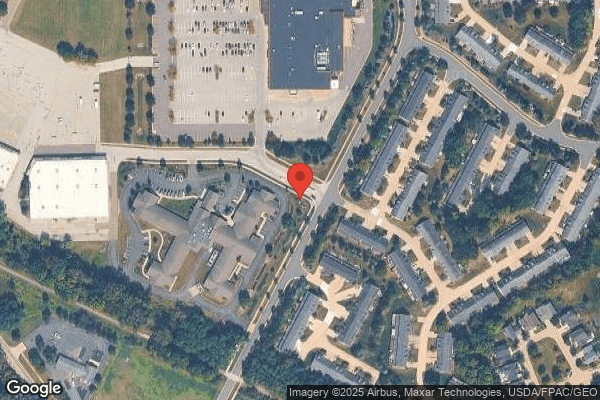

5000 SOWUL BOULEVARD, STOW, OH 44224 (330) 653-8722
For profit - Limited Liability company 80 Beds GARDEN SPRINGS HEALTHCARE Data: November 2025
Trust Grade
25/100
#869 of 913 in OH
Last Inspection: August 2024

Within standard 12-15 month inspection cycle. Federal law requires annual inspections.

Overview

Hudson Springs Nursing and Rehab has received a Trust Grade of F, indicating significant concerns about the facility's operations and care quality. It ranks #869 out of 913 nursing homes in Ohio, placing it in the bottom half, and #41 out of 42 in Summit County, meaning there is only one local option considered better. While the facility's trend is improving, with issues decreasing from 21 in 2024 to just 1 in 2025, the staffing turnover rate of 71% is alarming, significantly higher than the Ohio average of 49%. Although there have been no fines, which is a positive sign, recent inspections revealed serious concerns, including the failure to implement a pressure ulcer prevention program, leading to a resident developing a severe pressure ulcer. Additionally, there were issues with food storage and hand hygiene practices among staff, raising potential health risks for residents. Overall, while there are some strengths, such as RN coverage above 93% of Ohio facilities, the weaknesses are concerning and warrant careful consideration.

Trust Score
F
25/100
In Ohio
#869/913
Bottom 5%
Safety Record
Moderate
Needs review
Inspections
Getting Better
21 → 1 violations
Staff Stability
⚠ Watch
71% turnover. Very high, 23 points above average. Constant new faces learning your loved one's needs.
Penalties
✓ Good
No fines on record. Clean compliance history, better than most Ohio facilities.
Skilled Nurses
✓ Good
Each resident gets 68 minutes of Registered Nurse (RN) attention daily — more than 97% of Ohio nursing homes. RNs are the most trained staff who catch health problems before they become serious.
Violations
⚠ Watch
37 deficiencies on record. Higher than average. Multiple issues found across inspections.
★☆☆☆☆
1.0
Overall Rating
★★★☆☆
3.0
Staff Levels
★★★★☆
4.0
Care Quality
★☆☆☆☆
1.0
Inspection Score
Stable
2024: 21 issues
2025: 1 issues

The Good

  • 4-Star Quality Measures · Strong clinical quality outcomes
  • Full Sprinkler Coverage · Fire safety systems throughout facility
  • No fines on record

Facility shows strength in quality measures, fire safety.

The Bad

1-Star Overall Rating

Below Ohio average (3.2)

Significant quality concerns identified by CMS

Staff Turnover: 71%

25pts above Ohio avg (46%)

Frequent staff changes - ask about care continuity

Chain: GARDEN SPRINGS HEALTHCARE

Part of a multi-facility chain

Ask about local staffing decisions and management

Staff turnover is very high (71%)

23 points above Ohio average of 48%

The Ugly 37 deficiencies on record

1 actual harm
Feb 2025 1 deficiency
CONCERN (D) 📢 Someone Reported This

A family member, employee, or ombudsman was alarmed enough to file a formal complaint

Potential for Harm - no one hurt, but risky conditions existed

Respiratory Care (Tag F0695)

Could have caused harm · This affected 1 resident

Based on record review and interview, the facility failed to ensure respiratory treatments were administered and performed as ordered. This affected one (Resident #38) of three residents reviewed for ...

Read full inspector narrative →
Based on record review and interview, the facility failed to ensure respiratory treatments were administered and performed as ordered. This affected one (Resident #38) of three residents reviewed for respiratory care. The facility census was 74. Findings include: Review of the medical record for Resident #38 revealed an admission date of 11/29/24 with diagnoses including chronic respiratory failure with hypoxia, Rett's Syndrome (rare neurological genetic disorder that causes severe muscle movement disability), cerebral palsy (condition that affects movement and posture, epilepsy, tracheostomy status, ileostomy status and gastrostomy status. Review of the physician's orders for Resident #38 revealed he had an order dated 01/17/25 for a chest vest (used to help break the cycle of excess mucus, lung infections and lung damage) to be applied twice daily, every 12 hours, at 6:00 A.M. and 6:00 P.M. He also had an order for Albuterol Sulfate Inhalation Nebulization Solution 0.083% (medication that relaxes airway muscles and increases air flow to the lungs), 3 milliliters via trach every 12 hours for shortness of breath dated 01/17/25 to be done at 6:00 A.M. and 6:00 P.M. Review of the Respiratory Administration Record for January 2025 for Resident #38 revealed on 01/17/25 at 6:00 P.M. his chest vest and Albuterol Sulfate were not administered. Review of the nursing progress notes dated 01/17/25 at 8:58 P.M. revealed Respiratory Therapist (RT) #211 had not administered the chest vest because he was uncomfortable using the wrap over Resident a#38's tube sites as he was afraid it would dislodge them. RT #211 also did not administer the Albuterol as it was to be used in conjunction with the vest but he did not use the vest. On 01/18/25 at 5:57 A.M., RT #210 educated RT #211 on how to utilize the chest vest on Resident #38. There was no indication RT #211 updated the physician on not administering and performing the respiratory treatments on 01/17/25. Review of the facility investigation dated 01/18/25 revealed RT #211 was educated on 01/18/25 on the chest vest for Resident #38. It was noted Nurse Practitioner (NP) #212 was updated on 01/18/25 at 7:00 A.M. of the Albuterol and chest vest not being administered on 01/17/25 at 6:00 P.M. Interview on 02/20/25 at 10:31 A.M. with the Administrator verified Resident 38's chest vest and Albuterol were not administered and performed as ordered on 01/17/25 at 6:00 P.M. She also verified there was no indication the physician or nurse practitioner was updated until the following day. Review of the facility policy titled, Chest Vest, revised April 2023, revealed staff were to document and communicate the date and time, how resident tolerated the procedure, who performed the procedure and to collaborate with the clinical team significant or changes in resident's normal tolerance or complications with the procedure.
Dec 2024 1 deficiency
CONCERN (F) 📢 Someone Reported This

A family member, employee, or ombudsman was alarmed enough to file a formal complaint

Potential for Harm - no one hurt, but risky conditions existed

Food Safety (Tag F0812)

Could have caused harm · This affected most or all residents

Based on observation, policy review, diet order list review, and interview, the facility failed to store food in a sanitary manner. This had the potential to affect all residents who received food fro...

Read full inspector narrative →
Based on observation, policy review, diet order list review, and interview, the facility failed to store food in a sanitary manner. This had the potential to affect all residents who received food from the kitchen except Residents #19, #28 and #73 who were ordered nothing by mouth. The census was 75. Findings include: Observation on 12/10/24 at 12:45 P.M. during tour of the kitchen with Dietary Manager (DM) #1 revealed there was an opened 32-ounce cardboard jug of liquid eggs without an opened date, a two-quart plastic container of what appeared to be sausage links without a label or date and a two-quart plastic container of what appeared to be hash browns without a label or date in the walk-in refrigerator. There was an opened plastic bag of shredded cheese without an opened date, three opened and varying sizes bags of parmesan cheese without an opened date, an opened bag of hot dogs without an opened date, a plastic gallon bag of what appeared to be sliced deli meat without a label or date, an opened bag of tortillas without an open date, a sandwich plastic bag of what appeared to be Swiss cheese without a label or a date, a plastic wrapped item of what appeared to be sliced cheddar cheese without a label or a date, a plastic wrapped item of what appeared to be four hardboiled eggs without a label or a date, a plastic wrapped item of what appeared to be two hardboiled eggs without a label or a date, three opened and varying sizes of sticks of butter without a opened date, a 12-quart plastic container of chicken noodle soup dated 11/30/24 and a 12-quart plastic container of wilted shredded iceberg lettuce dated 11/23/24. Interview, during the observation, with DM #1 verified the above findings and verified all food should be labeled and dated. Interview on 12/10/24 at 2:50 P.M. with the Administrator revealed all food should be labeled and dated. Review of the facility's undated Food Storage policy revealed all products should be inspected for safety and quality and be dated upon receipt, when open, and when prepared. Use use by date on all food stored in refrigerators and use dates according to the timetable in the Storage of Food Guidelines. Review of the facility's undated Storage of Food guidelines revealed raw refrigerated salad should be kept one to two weeks and refrigerated soups should be kept for three to four days. Review of the diet order list dated 12/10/24 revealed all residents had a diet order except Residents #19, #28 and #73 who were ordered nothing by mouth. This deficiency represents non-compliance investigated under Complaint Number OH00159545.
Aug 2024 20 deficiencies 1 Harm
SERIOUS (G)

Actual Harm - a resident was hurt due to facility failures

Pressure Ulcer Prevention (Tag F0686)

A resident was harmed · This affected 1 resident

**NOTE- TERMS IN BRACKETS HAVE BEEN EDITED TO PROTECT CONFIDENTIALITY** Based on observation, medical record review, staff interview and review of facility policy, the facility failed to develop and i...

Read full inspector narrative →
**NOTE- TERMS IN BRACKETS HAVE BEEN EDITED TO PROTECT CONFIDENTIALITY** Based on observation, medical record review, staff interview and review of facility policy, the facility failed to develop and implement a comprehensive pressure ulcer program for Resident #40 to prevent the development of a pressure ulcer and to ensure timely and necessary treatment was implemented. Actual harm occurred on 07/29/24 when Resident #40, who was cognitively impaired and dependent on staff for activities of daily living was identified to have an in-house acquired unstageable pressure ulcer (occurs due to prolonged pressure on a specific area of the skin resulting in the lack of blood and the wound cannot be properly staged until the layers of dead skin are removed) to his right leg. Following the development, the unstageable pressure ulcer deteriorated, resulting in debridement (procedure to remove dead, damaged, or infected tissue from a wound to improve healing) and the pressure ulcer was subsequently reclassified as a Stage IV (full thickness skin and tissue loss) pressure ulcer. Prior to the development, there was no evidence comprehensive, individualized and/or effective interventions were in place to prevent the development and/or to identify the pressure ulcer prior to it being unstageable. This affected one resident (#40) of two residents reviewed for pressure ulcer prevention and care. The facility census was 65. Findings include: Review of Resident #40's medical record revealed an admission date of 04/06/22 with diagnoses including stroke with right sided weakness, right knee contracture, muscle weakness and aphasia (difficulty speaking). Review of Resident #40's care plan dated 07/16/24 revealed the resident was at risk for skin breakdown related to impaired mobility. Interventions included encourage soft heel protectors, dressing to area (area not identified) per orders, turn and reposition frequently when in bed and weekly wound management rounds. Further review revealed no interventions for pressure relieving devices, such as an air mattress or off-loading pressure points related to contractures. Review of the Minimum Data Set (MDS) assessment dated [DATE] revealed Resident #40 had no cognition score due to the resident being rarely understood. The assessment revealed Resident #40 required extensive assistance from two staff for bed mobility and toileting and total dependence (from staff) for transfers. Review of a skin assessment dated [DATE] revealed Resident #40 had an abrasion to his right upper back with no other skin impairments noted. Review of a wound physician note dated 07/29/24 revealed Resident #40 had an unstageable pressure ulcer to his right leg that measured 6.5 centimeters (cm) in length by 3.9 cm width with 0.1 cm in depth with moderate amounts of serous drainage (clear, watery fluid that comes from a wound after tissue damage) and 80% eschar (necrotic tissue). The note indicated treatment included to apply Santyl (topical enzymatic agent that removed dead tissue from a wound and helped to heal faster and reduce the risk of infection) daily for 30 days, cover with a gauze dressing and to off-load the wound and reposition (resident) per facility protocol. Review of a wound physician note dated 08/05/24 revealed Resident #40's unstageable pressure ulcer measured 6.0 cm in length by 4.0 cm width with 0.1 cm depth with heavy serous drainage. No change in treatments was recommended at this time. Review of Resident #40's physician orders, dated 08/08/24, revealed to cleanse right lower extremity with normal saline (NS), apply Santyl and cover with a foam dressing daily. Further review revealed no current physician orders related to turning and repositioning, off-loading or pressure reliving interventions. Lastly, Resident #40 had no physician ordered wound treatments for the right leg wound prior to 08/08/24. Review of a wound physician note dated 08/12/24 revealed Resident #40's unstageable pressure ulcer measured 5.9 cm in length by 3.2 cm width with 0.2 cm in depth with heavy serous drainage. No change in treatments was recommended at this time. Observation on 08/15/24 at 2:24 P.M. of Resident #40, with State Tested Nursing Assistant (STNA) #432 and Registered Nurse (RN) #407, revealed the resident was in bed on his right side. STNA #432 and RN #407 repositioned Resident #40 which revealed a large amount of greenish colored dried drainage on Resident #40's sheets, underneath his right leg. The foam dressing on Resident #40's right leg was dated 08/14/24. The dressing was saturated with a greenish and brownish colored drainage and a foul odor was detected. Concurrent interview with RN #407 confirmed the observations. RN #407 stated he was not aware of specific information regarding Resident #40's wound. RN #407 removed the soiled dressing, cleansed the area with NS and applied Santyl and a new foam dressing. Interview with STNA #432 at time of observation revealed she recalled Resident #40 having the wound a few weeks ago; however, she was unable to recall any specific information. Continued observation of Resident #40's wound revealed the outer area was reddened and had slough and eschar present. Resident #40 was not interviewable. Interview on 08/19/24 at 11:05 A.M. with Wound Physician (WP) #493 revealed she had only been treating Resident #40 for a few weeks. WP #493 stated she could not recall how she had been notified of Resident #40's wound to his right leg, but stated she had seen the resident and assessed the area on 07/29/24 during her wound rounds. WP #493 stated the wound was an unstageable pressure ulcer and she had ordered Santyl as a debridement agent. Observation on 08/19/24 at 11:20 A.M., with WP #493, Licensed Practical Nurse (LPN) #458 and RN #407 revealed Resident #40's foam dressing was dated 08/18/24 and was saturated with a brownish colored drainage and a foul odor was detected. There was dried drainage on Resident #40's sheets, underneath his right leg. Interview with WP #493 at time of observation confirmed the odor and stated the drainage appeared to be heavier than she previously observed. WP #493 proceeded to surgically debride Resident #40's wound and stated after debridement the resident's wound was to be classified as a Stage IV pressure ulcer that measured 5.3 cm in length by 4.0 cm in width with 0.5 cm in depth. WP #493 had informed LPN #458 to continue the current treatment and add silver alginate (absorbent, antibacterial dressing to promote wound healing). A telephone interview on 08/19/24 at 1:27 P.M. with STNA #426 revealed she only worked on the weekends. The STNA stated a few weeks ago, on a Sunday, she and STNA #432 prepared Resident #40 for a shower and removed a foam boot from his right leg. STNA #426 stated, upon removal of the boot, she observed a large black area to Resident #40's right leg as well as black skin that had stuck to the boot. STNA #426 stated she had immediately informed RN #407 and he had looked at the area. STNA #426 stated she had cared for Resident #40 the previous day but was unable to recall if she removed the boot. STNA #426 stated Resident #40 was supposed to be turned at least every two hours and stated she would place a pillow between the resident's legs due to his contracture. Interview on 08/19/24 at 1:40 P.M. with RN #407 revealed an STNA (unable to recall her name) informed him on the weekend a few weeks ago that Resident #40 had an area to his leg. RN #407 stated he went to Resident #40's room and the resident had a boot on his right leg. RN #407 stated he removed the boot and observed an open area to Resident #40's right leg. RN #407 stated the area appeared to be reddened and dark purple in some areas. RN #407 stated he cleansed the area and placed a bandage over the wound. RN #407 revealed he did not notify the physician at that time because he was scheduled to work the next day, which was a Monday, and he was going to tell the wound nurse (Licensed Practical Nurse (LPN) #458) when she arrived on Monday. Interview on 08/19/24 at 2:18 P.M. with LPN #458 revealed she did not recalled RN #407 notifying her of Resident #40's wound on 07/29/24; however, she had observed the area during wound rounds with WP #493. LPN #458 stated she observed the wound to be an open area that was reddened with slough present. LPN #458 stated she was unaware Resident #40 did not have physician orders in place for pressure relieving interventions and stated the facility had recently changed computer programs and the orders were placed into the new computer system manually and it may have been missed. LPN #458 stated she had recently reviewed Resident #40's current physician orders and discovered the orders for the Santyl had not been in place (initially ordered on 07/29/24) and stated she had added the orders on 08/08/24 (10 days after the treatment was recommended). LPN #458 verified there was no evidence Resident #40's wound care treatments were provided as recommended (beginning on 07/29/24) due to the lack of physician orders in place. Review of facility undated policy titled Pressure Ulcer Prevention and Risk Identification revealed the physician and responsible party would be notified by the licensed nurse promptly of a newly identified skin area and a treatment would be initiated according to the physician order. Interventions would be implemented as indicated by the physician and as determined by the Interdisciplinary Team.
CONCERN (D)

Potential for Harm - no one hurt, but risky conditions existed

Deficiency F0561 (Tag F0561)

Could have caused harm · This affected 1 resident

**NOTE- TERMS IN BRACKETS HAVE BEEN EDITED TO PROTECT CONFIDENTIALITY** Based on observation, resident interview and staff interview, the facility failed to ensure residents were not left in their roo...

Read full inspector narrative →
**NOTE- TERMS IN BRACKETS HAVE BEEN EDITED TO PROTECT CONFIDENTIALITY** Based on observation, resident interview and staff interview, the facility failed to ensure residents were not left in their rooms without visual or audio stimulation. This affected one resident (#62) of three residents reviewed for preferences. The facility census was 65. Findings include: Review of Resident #62's medical records revealed an admission date of 05/08/24. Diagnoses included stroke, muscle weakness and mobility abnormalities. Review of Minimum Data Set (MDS) assessment dated [DATE] revealed Resident #62 had intact cognition and required partial assistance with personal hygiene and grooming. Observation on 08/12/24 at 10:18 A.M. revealed Resident #62 was in bed facing a blank wall. A television was observed on the opposite side of Resident #62's room that was not on. Interview with Resident #62 at time of observation revealed he was unable to turn to his left side to look at the television and stated he would at least like the television on to listen to. Concurrent interview with State Tested Nursing Assistant (STNA) #404 confirmed the television was not in view of Resident #62 and was not turned on. STNA #404 stated he was unsure why the television was not on and, due to the placement of the bed, the television was not viewable for Resident #62. Observations on 08/13/24 at 8:18 A.M. and 08/14/24 at 9:36 A.M. revealed the television had not been turned on and Resident #62's bed was in the same position as previous observations. Resident #62 was observed in bed staring at a blank wall. Interview on 08/15/24 at 10:39 A.M. with Licensed Practical Nurse (LPN) #458 confirmed Resident #62's was in bed staring at a blank wall and the television was not on. LPN #458 stated she was unsure why the television was not on and stated Resident #62's bed should be able to be moved in order for Resident #62 to be able to view the television.
CONCERN (D)

Potential for Harm - no one hurt, but risky conditions existed

Deficiency F0582 (Tag F0582)

Could have caused harm · This affected 1 resident

**NOTE- TERMS IN BRACKETS HAVE BEEN EDITED TO PROTECT CONFIDENTIALITY** Based on review of beneficiary notices and staff interview, the facility failed to ensure the appropriate beneficiary notices we...

Read full inspector narrative →
**NOTE- TERMS IN BRACKETS HAVE BEEN EDITED TO PROTECT CONFIDENTIALITY** Based on review of beneficiary notices and staff interview, the facility failed to ensure the appropriate beneficiary notices were provided at the end of Medicare services and failed to ensure beneficiary notices were provided timely. This affected three residents (#1, #47, and #169) of three residents reviewed for beneficiary notices. The facility census was 65. Findings include: 1. Review of the beneficiary notice list revealed Resident #1 discharged from Medicare services on 06/09/24 and remained in the facility. Review of the notices provided to Resident #1 revealed a Notice of Medicare Non-Coverage (NOMNC) was provided on 06/06/24. There was no evidence Resident #1 was provided the Skilled Nursing Facility Advance Beneficiary Notice (SNFABN). 2. Review of the beneficiary notice list revealed Resident #47 discharged from Medicare services on 07/05/24 and remained in the facility. Review of the notices provided to Resident #47 revealed a NOMNC was provided on 07/02/24. The was no evidence Resident #47 was provided the SNFABN. 3. Review of the beneficiary notice list revealed Resident #169 discharged from Medicare services on 08/07/24 and discharged to home on [DATE]. Review of the notices provided to Resident #169 revealed the NOMNC indicated last covered date for Medicare services was 08/07/24. Further review of the NOMNC revealed Resident #169 signed and dated receipt of the notice on 08/06/24. Interview on 08/13/24 at 3:24 P.M. and at 3:59 P.M. with Licensed Social Worker (LSW) #429 confirmed Resident #1 and Resident #47 were only provided the NOMNC and not the SNFABN notice as required when residents discharged from Medicare services and remained in the facility. LSW #429 further verified the NOMNC provided to Resident #169 was dated 08/06/24, with the last covered day being 08/07/24. LSW #429 stated the notice was provided to Resident #169 on 08/05/24, but the resident wrote the wrong date on the document. LSW #429 stated she told Resident #169 the date was wrong but confirmed there was no evidence to support the NOMNC had been provided at least two days prior to the end of services.
CONCERN (D)

Potential for Harm - no one hurt, but risky conditions existed

Employment Screening (Tag F0606)

Could have caused harm · This affected 1 resident

Based on staff interview and review of personnel files, the facility failed to ensure Nurse Aide Registry (NAR) checks were completed on employees upon hire. This had the potential to affect all resid...

Read full inspector narrative →
Based on staff interview and review of personnel files, the facility failed to ensure Nurse Aide Registry (NAR) checks were completed on employees upon hire. This had the potential to affect all resident residing in the facility. The facility census was 65. Findings include: 1. Review of Dietary Manager (DM) #444's personnel file revealed a hire date of 02/01/24. Further review revealed no evidence a NAR check was completed. 2. Review of State Tested Nursing Assistant (STNA) #476's personnel file revealed a hire date of 07/30/24. Further review revealed no evidence a NAR check was completed. 3. Review of STNA # 478's personnel file revealed a hire date of 08/05/24. Further review revealed no evidence a NAR check was completed. Interview on 08/21/24 at 9:42 A.M. with Human Resources (HR) #403 revealed he had recently assumed the HR role. HR #403 stated he was unaware he was to check all employees against the NAR. HR #403 confirmed the facility had no evidence DM #444, STNA # 476 and STNA #478 had been checked on the NAR prior to employment.
CONCERN (D)

Potential for Harm - no one hurt, but risky conditions existed

Assessment Accuracy (Tag F0641)

Could have caused harm · This affected 1 resident

**NOTE- TERMS IN BRACKETS HAVE BEEN EDITED TO PROTECT CONFIDENTIALITY** 2. Review of the medical record for Resident #24 revealed an admission date of 03/29/23. Diagnoses included end stage renal dise...

Read full inspector narrative →
**NOTE- TERMS IN BRACKETS HAVE BEEN EDITED TO PROTECT CONFIDENTIALITY** 2. Review of the medical record for Resident #24 revealed an admission date of 03/29/23. Diagnoses included end stage renal disease, dependence on renal dialysis, and hypertensive heart and chronic kidney disease without heart failure with stage five chronic kidney disease or end stage renal disease. Review of Section O of the quarterly MDS assessment, dated 07/03/24, revealed the facility answered No to the resident receiving dialysis. Interview on 08/20/24 at 11:50 A.M. with MDS Nurse #423 confirmed Resident #24 received dialysis services. MDS Nurse #423 verified the MDS assessment had been coded incorrectly and should have been marked Yes in section O. 3. Review of the medical record for Resident #52 revealed an admission date of 12/22/22. Diagnoses included unspecified intellectual disabilities, mood disorder due to known physiological condition, impulse disorder, depression, unspecified abnormalities of gait and mobility and unsteadiness on feet. Review of an undated Incident Reassessment Summary revealed on 06/13/24 at 9:00 A.M. Resident #52 was agitated and went storming away with his walker and fell in the hallway. Review of Section J of the quarterly MDS assessment, dated 07/25/24, revealed the facility answered No to the question related to falls since admission or the prior assessment. Review of Resident #52's prior MDS assessments revealed an annual assessment was completed on 04/26/24. No further assessments had been completed between the annual assessment dated [DATE] and the quarterly assessment dated [DATE]. Interview on 08/20/24 at 12:45 P.M. with MDS Nurse #423 confirmed the MDS assessment, dated 07/25/24, had been inaccurately coded and further stated she had no access to the previous electronic medical record platform to determine if there had been any falls for Resident #52. Based on medical record review and staff interview, the facility failed to ensure Minimum Data Set (MDS) assessments were accurately completed. This affected three residents (#24, #52, and #66) of 23 residents reviewed for accuracy of assessments. The facility census was 65. Findings include: 1. Review of the closed medical record for Resident #66 revealed an admission date of 06/04/24 and a discharge date of 06/25/24. Diagnoses included Nontraumatic subacute subdural hemorrhage, dementia, hypertension, pelvic and spinal fracture, muscle weakness and abnormalities of gait and mobility. Review of the discharge return not anticipated MDS assessment, dated 06/25/24, revealed Resident #66 had intact cognition and had a planned discharge to a short term general hospital. Review of the discharge summary completed on 06/25/24 at 12:59 P.M. revealed Resident #66 discharged on to assisted living (AL), accompanied by his son. Interview on 08/14/24 at 8:29 A.M. with MDS Nurse #423 verified the discharge MDS assessment dated [DATE] was not accurately coded. MDS Nurse #423 stated Resident #66 was admitted for a short term stay from an AL and discharged back to that AL.
CONCERN (D)

Potential for Harm - no one hurt, but risky conditions existed

Deficiency F0657 (Tag F0657)

Could have caused harm · This affected 1 resident

2. Review of Resident #7's medical record revealed an admission date of 06/08/19. Diagnoses included hyperlipidemia, chronic kidney disease, unspecified dementia, moderate with mood disturbance, major...

Read full inspector narrative →
2. Review of Resident #7's medical record revealed an admission date of 06/08/19. Diagnoses included hyperlipidemia, chronic kidney disease, unspecified dementia, moderate with mood disturbance, major depressive disorder, type two diabetes with diabetic chronic kidney disease, bipolar disorder, anxiety disorder and cognitive communication deficit. Review of the quarterly MDS assessment, dated 07/03/24, revealed Resident #7 was moderately cognitively impaired and inattention was present and fluctuated. Resident #7 did not reject care. Interview on 08/12/24 at 10:27 A.M. with Resident #7 revealed the resident denied attending any care plan meetings. Further review of Resident #7's medical record from 09/01/23 through 08/20/24 revealed there was one documented care conference on 05/10/24, with nursing, the social worker and Resident #7's son present. Further review of the electronic medical record and the hard chart revealed no other documented care conferences in the medical record during the period reviewed. Interview on 08/29/24 at 3:22 P.M. with LSW #429 confirmed the only evidence of a care conference for Resident #7 from 09/01/23 though 08/20/24 was on 05/10/24. LSW #429 stated, according to her day planner, Resident #7 had care conferences on 11/03/23 and 02/02/24. A care conference, originally scheduled for 04/02/24, had been rescheduled for 05/10/24. LSW #429 stated a new care conference had not been scheduled for Resident #7. LSW #429 further stated she had yellowed out the care conferences scheduled in her day planner on 11/03/23 and 02/02/24 and assumed she documented them in the medical record. LSW #429 verified there was no evidence the care conferences occurred on 11/03/23 and 02/02/24. Review of the facility policy titled Care Planning-Interdisciplinary Team, revised September 2013, revealed a care plan was developed within seven days of the completion of the resident assessment (MDS). The resident, resident's family and/or the resident's legal representative/guardian or surrogate were encouraged to participate in the development of, and revision to, the resident's care plan. Based on medical record review, resident interview, staff interview and review of facility policy, the facility failed to ensure care plans were updated timely and care conferences were held. This affected two residents (#44 and #7) of two residents reviewed for care planning. The facility census was 65. Findings include: 1. Review of the medical record for Resident #44 revealed an admission date of 05/18/24. Diagnoses included acute and chronic respiratory failure with hypercapnia, chronic obstructive pulmonary disease (COPD), morbid (severe) obesity, major depressive disorder and anxiety disorder. Review of the quarterly Minimum Data Set (MDS) assessment, dated 07/02/24 revealed Resident #44 had intact cognition, had delusions, rejected care four to six days of the look back period and received antidepressants during the seven day look back period. Review of the physician orders for August 2024 revealed orders for Alprazolam (anti-anxiety) oral tablet 0.5 milligrams (mg), Trazodone HCl (antidepressant) oral tablet 50 mg and Duloxetine HCl (antidepressant) oral capsule delayed release particles 30 mg. Review of the care plan initiated on 07/25/24 revealed Resident #44 had a mood problem and anxiety was treated with Alprazolam. The goal section was incomplete. Further review revealed Resident #44 had a behavior problem related to. The care plan was incomplete, not indicating what the behavior problem was related to and the goal section was incomplete. Interview on 08/20/24 at 12:56 P.M. with MDS Nurse #423 revealed she completed some sections of the care plan, with Licensed Social Worker (LSW) #429 being responsible for other areas. MDS Nurse #423 stated she was not sure where LSW #429 was at with completing the care plan. Interview on 08/20/24 at 1:12 P.M. with LSW #429 revealed care plans were initiated by MDS Nurse #429. LSW #429 confirmed she was responsible for completing the sections related to mood/behaviors, code status and discharge planning. LSW #429 stated there was a change in the electronic medical records and the old care plans did not carry over to the new system. LSW #429 stated it was a lot for her to update all of the care plans and further stated she was behind. LSW #429 verified Resident #44's care plan was initiated on 07/25/24 but she had not updated it yet.
CONCERN (D)

Potential for Harm - no one hurt, but risky conditions existed

ADL Care (Tag F0677)

Could have caused harm · This affected 1 resident

**NOTE- TERMS IN BRACKETS HAVE BEEN EDITED TO PROTECT CONFIDENTIALITY** Based on medical record review, family interview, guardian interview, review of shower documentation and review of the facility ...

Read full inspector narrative →
**NOTE- TERMS IN BRACKETS HAVE BEEN EDITED TO PROTECT CONFIDENTIALITY** Based on medical record review, family interview, guardian interview, review of shower documentation and review of the facility policy and procedure, the facility failed to ensure showers were provided as scheduled for dependent residents. This affected two residents (#4 and #53) of seven residents reviewed for activities of daily living (ADLs). The facility census was 65. Findings include: 1. Review of the medical record for Resident #4 revealed an admission date of 03/08/24. Diagnoses included encephalopathy, Alzheimer's disease, and benign prostatic hyperplasia with lower urinary tract symptoms. Review of the quarterly Minimum Data Set (MDS) assessment dated [DATE] revealed Resident #4 had impaired cognition and was dependent on staff for showers and baths. Review of the care plan dated 08/08/24 revealed Resident #4 was at risk for self-care deficit for bathing, dressing, and feeding. Interventions included provide assistance with ADLs as needed. Review of shower sheet documentation revealed in June 2024, Resident #4 received showers on 06/14/24, 06/21/24 and 06/25/24. In July 2024, Resident #4 received showers on 07/09/24, 07/23/24, 07/24/24 and 07/30/24. In August 2024, Resident #4 received a shower on 08/06/24. A partial bed bath was documented on 08/09/24 and it was noted the resident refused a shower, partial bed bath was completed and would attempt again 08/10/24. Further review confirmed Resident #4 received a shower on 08/10/24. Interview on 08/12/24 at 4:30 P.M. with Resident #4's wife revealed the resident was to get showers every Tuesday and Friday but he was not getting them consistently. Resident #4's wife stated the resident preferred showers and his last shower was given after she complained. 2. Review of the medical record for Resident #53 revealed an admission dated of 04/24/24. Diagnoses included nontraumatic intracerebral hemorrhage, protein-calorie malnutrition, aphasia following nontraumatic intracerebral hemorrhage, quadriplegia, and anoxic brain damage. Review of the quarterly MDS assessment, dated 08/01/24, revealed Resident #53 had impaired cognition and was dependent on staff for all ADLs. Review of the care plan dated 08/08/24 revealed Resident #53 had an ADL self-care performance deficit related to disease process, quadriplegia, anoxic brain damage and traumatic brain injury. Interventions included the resident was totally dependent for showering/bathing with two staff assistance. Review of shower sheets documentation from 06/14/24 through 08/14/24 revealed Resident #53 received a shower on 06/14/24 and bed baths on 06/28/24, 07/24/24, 07/31/24 and 08/14/24. Interview on 08/12/24 at 1:36 P.M. with Resident #53's guardian revealed Resident #53 did not receive showers as scheduled. Resident #53's guardian stated he was told there were no records available regarding showers because the facility was fighting for records with the old company. Interview on 08/15/24 at 1:42 P.M. with State Tested Nurse Aide (STNA) #465 and STNA #487 verified showers were not provided as scheduled and further confirmed Resident #4 and Resident #53, who required total assistance with showers, had not received showers as scheduled. Review of facility policy titled Bath, Shower Room, revised February 2018, revealed the purpose of the procedure was to promote cleanliness, provide comfort to the resident and to observe the condition of the resident's skin. Documentation included date and person providing the shower/tub bath and to document if the resident refused. Further review revealed to notify the charge nurse if the resident refused the shower/tub bath.
CONCERN (D)

Potential for Harm - no one hurt, but risky conditions existed

Quality of Care (Tag F0684)

Could have caused harm · This affected 1 resident

Based on observation, resident interview, staff interview, medical record review and review of facility policy, the facility failed to ensure Intravenous (IV) dressings were changed per physician orde...

Read full inspector narrative →
Based on observation, resident interview, staff interview, medical record review and review of facility policy, the facility failed to ensure Intravenous (IV) dressings were changed per physician order and as needed. This affected one resident (#74) of one resident reviewed for IV dressings. The facility identified one resident with IV access. The facility census was 65. Findings include: Review of Resident #74's medical records revealed an admission date of 07/24/24. Diagnoses included osteomyelitis (bone infection) of the right ankle and foot and Methicillin Susceptible Staphylococcus Aureus (MRSA). Review of care plan dated 07/25/24 revealed Resident #74 was on IV medications related to osteomyelitis. Interventions included change IV dressing as ordered and indicated. Review of Resident #74's physician orders dated 08/06/24 revealed change IV dressing every seven days. Interview on 08/19/24 at 9:49 A.M. with Resident #74 revealed her IV dressing was to be changed every week and stated it was supposed to have been changed on 08/15/24. Resident #74 stated she has had IV lines in the past and was aware of the proper care of the line. Resident #74 stated she had asked the nurse (she believed was an agency nurse) to change the dressing on 08/15/24 and stated the nurse did not do it. Concurrent observation of Resident #74's IV line revealed the dressing was dated 08/17/24. The dressing was not intact and was rolled up on the top of the dressing near the insertion site, with a split gauze around the site. There was dried blood on the gauze. Continued observation revealed at 10:01 A.M., Licensed Practical Nurse (LPN) #492 entered Resident #74's room to administer her IV antibiotics. LPN #492 rolled down the top of the IV dressing and unclamped the IV line to administer the antibiotics, leaving the insertion site exposed. LPN #492 then exited Resident #74's room. Observation on 08/19/24 at 10:10 A.M. of Resident #74's IV dressing, with LPN #458, confirmed the IV dressing was not intact and the insertion site was exposed. LPN #458 stated the IV dressing was not appropriate for the IV and stated she would have the nurse change the IV dressing. Observation on 08/20/24 at 9:45 A.M. revealed Resident #74's dressing was the same as previous observation. LPN #458 confirmed the dressing was the same as the previous observation and stated the dressing was supposed to have been changed the previous day. LPN #458 stated she asked why the dressing had not been changed and was told the nurse was not sure how to change the dressing. Review of the facility policy titled Peripheral IV Dressing Changes, revised April 2016, revealed to change the IV dressing at least every 5-7 days and also if loosened or soiled.
CONCERN (D)

Potential for Harm - no one hurt, but risky conditions existed

Deficiency F0698 (Tag F0698)

Could have caused harm · This affected 1 resident

**NOTE- TERMS IN BRACKETS HAVE BEEN EDITED TO PROTECT CONFIDENTIALITY** Based on medical record review, staff interview, dialysis center staff interview and review of facility policy, the facility fai...

Read full inspector narrative →
**NOTE- TERMS IN BRACKETS HAVE BEEN EDITED TO PROTECT CONFIDENTIALITY** Based on medical record review, staff interview, dialysis center staff interview and review of facility policy, the facility failed to ensure ongoing communication and collaboration with the dialysis center. This affected one (#24) of one resident identified by the facility as receiving dialysis. The facility census was 65. Findings include: Review of the medical record for Resident #24 revealed an admission date of 03/29/23. Diagnoses included end-stage renal disease (ESRD) and dependence on dialysis, cognitive communication deficit and hypertensive heart and chronic kidney disease without heart failure, with stage five chronic kidney disease, or end stage renal disease. Review of the quarterly Minimum Data Set (MDS) assessment, dated 07/03/24, revealed Resident #24 was moderately cognitively impaired and exhibited disorganized behavior. Resident #24 was dependent on staff for toileting, showering and dressing and required substantial/maximal assistance from staff for mobility, including wheeling her manual wheelchair. Review of care plan dated 08/12/24 revealed Resident #24 received outpatient dialysis three times a week on Monday, Wednesday and Friday related to ESRD diagnosis. Interventions included to coordinate with dialysis regarding labs, diet, weight and medication as necessary; do not draw blood or take blood pressure in arm with graft; encourage resident to go for scheduled dialysis appointments; monitor/document/report to the physician any signs/symptoms of infection to access cite such as redness, swelling, warmth or drainage; monitor/document/report to the physician signs/symptoms of renal insufficiency such as changes in level of consciousness, changes in skin turgor, oral mucosa, changes in heart and lung sounds; and obtain vital signs and weight per protocol. Report significant changes in pulse, respirations and blood pressure immediately. Review of the medical record for Resident #24 from 05/29/24 to 08/14/24 revealed the dialysis center sent a communication form to the facility on [DATE], 05/31/24, 06/03/24, 06/05/24, 06/10/24 and 07/08/24. Further review revealed no additional communication forms during the reviewed period. Review of the communication form from the dialysis center revealed the form consisted of the following information: patient name; date; pre and post treatment blood pressure, temperature, and weight; the length of treatment; the length of post treatment bleed; lowest blood pressure during treatment and if symptomatic for the low blood pressure; highest blood pressure during treatment and if symptomatic for high blood pressure; if the resident was short of breath; if the resident had nausea or vomiting; if the resident was cramping; if the resident was complaining of pain and the location of the pain; medications administered during treatment; if the treatment had been completed without complications and any additional comments. Interview on 08/15/24 at 12:51 P.M. with Dialysis Social Worker (DSW) #496 revealed the facility had sent no communication forms on Resident #24's dialysis treatment days. DSW #496 stated the dialysis center always sent a communication form back to the facility post treatment, either a paper copy sent with the resident or faxed directly to the facility. DSW #496 indicated the pre and post treatment communication was important information to identify any potential complications. Interview on 08/15/24 at 1:37 P.M. with Registered Nurse Supervisor (RNS) #407 revealed communication from dialysis generally came to the facility over the fax machine. RNS #407 confirmed there were missing communication forms for Resident #24, stating faxes sometimes got lost since faxes were sent to a different nurse's station. RNS #407 stated he would let dialysis know if there was a concern. RNS #407 confirmed the facility did not send a communication form to dialysis with any pre treatment information. Review of the facility policy titled End-Stage Renal Disease, Care of a Resident with, revised September 2010, revealed residents with ESRD will be cared for according to currently recognized standards of care.
CONCERN (D)

Potential for Harm - no one hurt, but risky conditions existed

Deficiency F0699 (Tag F0699)

Could have caused harm · This affected 1 resident

**NOTE- TERMS IN BRACKETS HAVE BEEN EDITED TO PROTECT CONFIDENTIALITY** Based on medical record review, observation, resident interview, staff interview and review of facility policy, the facility fai...

Read full inspector narrative →
**NOTE- TERMS IN BRACKETS HAVE BEEN EDITED TO PROTECT CONFIDENTIALITY** Based on medical record review, observation, resident interview, staff interview and review of facility policy, the facility failed to ensure residents with a history of trauma were appropriately assessed to identify triggers to potentially minimize re-traumatization. This affected one resident (#48) of one resident reviewed for post-traumatic stress disorder (PTSD). The facility census was 65. Findings include: Review of medical record for Resident #48 revealed an admission date of [DATE]. Diagnoses included postconcussional syndrome, bipolar disorder, acute respiratory failure with hypoxia, acute kidney failure, type two diabetes and anxiety disorder. Review of modification of the quarterly Minimum Data Set (MDS) assessment, dated [DATE], revealed Resident #48 was cognitively intact and had not exhibited any signs or symptoms of delirium, psychosis, or rejection of care. Resident #48 was either was independent or required setup/clean up assistance with activities of daily living (ADLs). Review of a Trauma Informed Care Observation 2019.10.15, dated [DATE], revealed Resident #48's son died by suicide. When asked what triggers reminded her of the event, the resident replied seeing pictures of son and thinking about her grandchildren. When asked how she would react when she was reminded of the event, Resident #48 indicated she would cry. Review of a psychology note, dated [DATE], revealed Resident #48 had a history of trauma related to the loss of her son when he was 25. The note indicated her son's death was very traumatic for her. Review of the printed care plan, dated [DATE] and located in the hard chart, revealed Resident #48 had trauma related to her son dying by suicide. Approaches included to identify triggers and coping strategies for each trigger. Further review revealed no triggers or coping strategies had been identified on the care plan. Review of the care plan, initiated [DATE] and located in the electronic medical record (EMR), revealed Resident #48 had a history of trauma, with potential for re-traumatization, related to the loss of her son by suicide. Interventions included to allow the resident choices and encourage decision making, consult the psychologist/psychiatrist, involve family/physician as appropriate and involve in plan of care as resident is able. The care plan did not identify or address triggers to the event or coping strategies. Interview on [DATE] at 11:25 A.M. with Resident #48 revealed speaking about her son, or suicide in general, were triggers for her. Resident #48 was observed to have tears in her eyes while talking about her son's death. Resident #48 stated she did not typically tell people about her son's death and further stated losing a child before a parent was not in the scheme of things. Interview on [DATE] at 12:06 P.M. with State Tested Nursing Assistance (STNA) #551 revealed she was unaware of any residents who had a trauma history. STNA #551 stated she did not know where to go to find out if a resident had a history of trauma, what triggers the resident may have, or what coping strategies should be used to minimize re-traumatization. Interview on [DATE] at 12:08 P.M. with STNA #404 revealed he had no experience with residents who had a trauma history, did not know what residents had a trauma history or what strategies should be implemented to minimize re-traumatization. Interview on [DATE] at 12:30 P.M. Licensed Social Worker (LSW) #429 revealed a trauma assessment would be completed upon admission, and triggers/interventions would be care planned. LSW #429 stated she would verbally tell staff of any trauma, triggers and coping strategies. LSW #429 confirmed, since there were so many agency staff in the building, there likely were staff who did not know what residents had a trauma history, what may trigger a traumatic event, or coping strategies. LSW #429 confirmed Resident #48 had an identified traumatic event and her care plan did not address the resident's triggers. Interview on [DATE] at 1:04 P.M. with [NAME] President of Clinical Services (VPCS) #552 revealed the facility was transitioning from and old EMR platform to a new EMR platform. VPCS #552 stated the facility had a printed trauma informed care plan in Resident #48's hard chart. VPCS #552 further stated staff were to use both the printed care plan in the hard chart and the care plan in the EMR until the transition was complete. Upon review of the printed care plan in Resident #48's hard chart, VPCS #552 confirmed one of the approaches listed under the trauma informed care plan was to identity triggers. VPCS #552 verified no triggers were identified for Resident #48. Review of the facility policy titled Trauma Informed Care, revised [DATE], revealed the purpose of trauma informed care was to guide staff in appropriate and compassionate care specific to individuals who have experienced trauma, and trauma-informed care would be culturally sensitive and person-centered. The organization would develop an organizational culture that supported trauma-informed care.
CONCERN (D)

Potential for Harm - no one hurt, but risky conditions existed

Medication Errors (Tag F0758)

Could have caused harm · This affected 1 resident

Based on medical record review and staff interview, the facility failed to ensure non-pharmacological interventions were attempted prior to the administration of as needed (PRN) anti-anxiety medicatio...

Read full inspector narrative →
Based on medical record review and staff interview, the facility failed to ensure non-pharmacological interventions were attempted prior to the administration of as needed (PRN) anti-anxiety medication. The facility further failed to document the effectiveness of PRN medication use or the rationale for extended use past 14 days for the PRN anti-anxiety medication. This affected one resident (#44) of five residents reviewed for unnecessary medications. The facility census was 65. Findings include: Review of the medical record for Resident #44 revealed an admission date of 05/18/24. Diagnoses included acute and chronic respiratory failure with hypercapnia, chronic obstructive pulmonary disease (COPD), morbid (severe) obesity, major depressive disorder and anxiety disorder. Review of the quarterly Minimum Data Set (MDS) assessment, dated 07/02/24, revealed Resident #44 had intact cognition, had delusions, rejected care four to six days of the look back period and received antidepressants during the seven day look back period. Review of the physician orders revealed orders for Alprazolam (anti-anxiety) oral tablet 0.5 milligrams (mg), to give one tablet by mouth twice daily, as needed, for anxiety until 07/22/25. Review of the Medication Administration Record (MAR) for July 2024 revealed Resident #44 was administered PRN Alprazolam (anti-anxiety medication) on 07/05/24, 07/06/24, 07/17/24, 07/24/24 and 07/26/24. On 07/05/24 and 07/06/24, there was no documented evidence of the effectiveness of the Alprazolam administered. Further review revealed no evidence of non-pharmacological interventions attempted prior to the administration of the PRN Alprazolam, with 07/24/24 and 07/26/24 documented as not applicable. Further review of Resident #44's medical records, including physician progress notes and psychiatry notes, revealed no documentation regarding the extended use of extending the PRN Alprazolam greater than 14 days. Interviews on 08/20/24 at 3:25 P.M. and 4:21 P.M. with interim Director of Nursing (DON) verified there was no evidence of non-pharmacological interventions attempted or the effectiveness of Alprazolam administered on the dates identified in July 2024. Additionally, the DON confirmed there was no evidence in Resident #44's medical record documenting the rationale for extending the PRN Alprazolam greater than 14 days.
CONCERN (D)

Potential for Harm - no one hurt, but risky conditions existed

Deficiency F0760 (Tag F0760)

Could have caused harm · This affected 1 resident

Based on observation, staff interview, Power of Attorney (POA) interview and medical record review, the facility failed to ensure residents were free of significant medication errors. This affected tw...

Read full inspector narrative →
Based on observation, staff interview, Power of Attorney (POA) interview and medical record review, the facility failed to ensure residents were free of significant medication errors. This affected two residents (#17 and #28) of five residents reviewed for medication errors. The facility census was 65. Findings include: 1. Review of Resident #28's medical record revealed an admission date of 06/13/24. Diagnoses included seizures and muscle weakness. Review of Minimum Data Set (MDS) assessment, dated 06/20/24, revealed Resident #28 had intact cognition. Review of Resident #28's care plan, dated 06/21/24, revealed the resident was at risk for seizures. Interventions included administer medications as ordered. Review of the physician orders revealed Resident #28 was ordered Depakote (anti-seizure medication) 250 milligrams (mg) once a day and Depakote 500 mg once a day for a total of 750 mg in the morning, once a day. Review of progress note, dated 08/13/24 timed 10:45 A.M. and authored by the Director of Nursing (DON), revealed the nurse reported that Resident #28 received 1250 mg of Depakote during morning medication pass. The physician was updated, orders were clarified and blood work was ordered. Observation on 08/13/24 at 7:14 A.M. of medication administration with Licensed Practical Nurse (LPN) #488 revealed LPN #488 removed two 500 mg tablets of Depakote from the medication card and one 250 mg Depakote tablet. Continued observation revealed LPN #488 administered three Depakote tablets, totaling 1250 mg, to Resident #28. Observation of the Depakote medication cards had instructions that stated to administer a total of 750 mg. Interview with LPN #488 on 08/13/24 at 8:29 A.M. confirmed she had administered a total of 1250 mg of Depakote to Resident #28 and stated she had she thought the orders read to administer two 500 mg tablets and one 250 mg tablet of the Depakote. Interview on 08/15/24 at 11:12 A.M. with the DON revealed she had been made aware Resident #28 received an extra 500 mg of Depakote on 08/13/24. The DON stated she had informed the physician and received orders to monitor Resident #28 and obtain blood work as well as inform Resident #28's neurologist. 2. Review of Resident #17's medical record revealed an admission date of 04/30/21. Diagnoses included stoke, muscle weakness and aphasia (difficulty speaking). Review of MDS assessment, dated 07/18/24, revealed no cognition score due to the resident rarely being understood. Review of physician orders for July 2024 revealed Resident #17 was ordered Percocet (narcotic pain medication) 5-325 milligrams (mg) every six hours for pain. Review of a progress note, dated 08/12/24 at 6:10 P.M. and authored by agency LPN #600, revealed while performing morning medication pass at 8:10 A.M., she observed on the Medication Administration Record (MAR) Resident #17's ordered Percocet showed as needing to be administered. LPN #600 administered the Percocet, along with Resident #17's other ordered medications. Upon review of Resident #17's narcotic sheets, LPN #600 discovered Resident #17's Percocet had been signed out by the previous nurse as being administered, however it had not been signed off as administered on the MAR. LPN #600 notified the physician as well as the Assistant Director of Nursing (ADON) promptly. Review of a progress note, dated 08/13/24 at 7:00 A.M. and authored by Registered Nurse (RN) #601, revealed Resident #17's Power of Attorney (POA) had been updated on Resident #17's status and was monitored closely for the last 24 hours. A telephone interview on 08/14/24 at 1:01 P.M. with Resident #17's POA revealed she received a phone call on 08/13/24 to inform her Resident #17 had received a double dose of his Percocet. Interview on 08/15/24 at 11:12 A.M. with the DON revealed she had not been made aware Resident #17 had received a double dose of Percocet. Review of progress notes with DON at time of interview revealed RN #601 was a corporate nurse and had not informed her of the medication error.
CONCERN (D)

Potential for Harm - no one hurt, but risky conditions existed

Deficiency F0806 (Tag F0806)

Could have caused harm · This affected 1 resident

Based on resident interview, observation, review of the dietary meal ticket, staff interview and medical record review, the facility failed to ensure resident food preferences were honored. This affec...

Read full inspector narrative →
Based on resident interview, observation, review of the dietary meal ticket, staff interview and medical record review, the facility failed to ensure resident food preferences were honored. This affected one resident (#74) of two residents reviewed for food preferences. The facility census was 65. Findings include: Review of the medical record for Resident #74 revealed an admission date of 07/24/24. Diagnoses included acute osteomyelitis (bone infection) of the right ankle and foot, methicillin susceptible staphylococcus aureus (MRSA) infection, non-pressure chronic ulcer of right lower leg with fat layer exposed, hypertension, hyperlipidemia and heart failure. Review of the admission Minimum Data Set (MDS) assessment, dated 07/30/24, revealed Resident #74 had intact cognition and was independent with eating. Interview on 08/12/24 at 2:20 P.M. with Resident #74 revealed during her first week of admission, she spoke with the dietitian, the former Director of Nursing (DON) and Dietary Manager (DM) #444 regarding her diabetic diet and food preferences. Resident #74 stated she asked for oatmeal, eggs with cheese, yogurt and coffee for breakfast. Resident #74 stated these items were on her meal ticket, under preferences. Resident #74 stated dietary sent her whatever they had on the menu and did not honor her preferences. Observation on 08/14/24 at 9:08 A.M. of Resident #74's breakfast tray revealed the meal consisted of toast, egg quesadilla, oatmeal, mandarin oranges and coffee. Continued observation of Resident #74's meal ticket revealed preferences included add banana or other fresh fruit, add yogurt and scrambled eggs with cheese daily. Concurrent interview with Resident #74 revealed she felt the kitchen staff were not reading the preferences section of her meal ticket. Interview on 08/14/24 at 9:14 A.M. with DM #444 revealed she was familiar with Resident #74 and had visited her daily regarding her meals. DM #444 confirmed Resident #74's preferences could be accommodated and verified the resident's preferences were not honored.
CONCERN (D)

Potential for Harm - no one hurt, but risky conditions existed

Infection Control (Tag F0880)

Could have caused harm · This affected 1 resident

**NOTE- TERMS IN BRACKETS HAVE BEEN EDITED TO PROTECT CONFIDENTIALITY** Based on observation, staff interview, family interview, medical record review and review of facility policy, the facility faile...

Read full inspector narrative →
**NOTE- TERMS IN BRACKETS HAVE BEEN EDITED TO PROTECT CONFIDENTIALITY** Based on observation, staff interview, family interview, medical record review and review of facility policy, the facility failed to ensure appropriate personal protective equipment (PPE) was donned prior to providing care to a resident on Enhanced Barrier Precautions (EBP) and further failed to ensure contact precautions were implemented timely for a resident identified with a transmissable infection. This affected two resident (#4 and #74) of two residents reviewed for infection control. The facility census was 65. Findings include: 1. Review of Resident #74's medical records revealed an admission date of 07/24/24. Diagnoses included osteomyelitis (bone infection) of the right ankle and foot and Methicllin Susceptible Staphylococcus Aureus (MRSA). Review of the care plan dated 07/25/24 revealed Resident #74 required enhanced barrier precautions (EBP) related to risk for infections related to indwelling medical device and a wound. Interventions included to don appropriate personal protective equipment (PPE) prior to providing care activities, including wound care and device care. Review of the Minimum Data Set (MDS) assessment dated [DATE] revealed Resident #74 had intact cognition. Resident #74 required extensive assistance with transfers and toileting. Review of physician orders dated 08/08/24 revealed Resident #74 was on EBP every shift for wound and intravenous (IV) care. Observation on 08/19/24 at 9:49 A.M. revealed Resident #74 had a sign posted outside of her room that indicated EBP and included to wear gown and gloves prior to entering. Continued observation revealed Licensed Practical Nurse (LPN) #492 entered Resident #74's room at 10:01 A.M. and stated she was going to administer Resident #74's IV antibiotics. LPN #492 did not don PPE prior to entering Resident #74's room or administering IV medication. Concurrent interview with LPN #492 revealed she was unaware she was to don PPE prior to administering IV medications. Interview on 08/19/24 at 10:10 A.M. with LPN #458 confirmed Resident #74 was on EBP and PPE was to be worn prior to performing wound care or administering IV medications. Review of facility policy titled Enhanced Barrier Precautions, undated, revealed residents with indwelling medical devices required the use of gown and gloves during resident care activities. 2. Review of the medical record for Resident #4 revealed an admission date of 03/08/24. Diagnoses included encephalopathy, Alzheimer's disease and benign prostatic hyperplasia with lower urinary tract symptoms. Review of the quarterly MDS assessment, dated 07/29/24, revealed Resident #4 had impaired cognition, had no behaviors and was dependent on staff for toileting hygiene. Review of the care plan dated 08/08/24 revealed Resident #4 had a focus area for urinary tract infections (UTI). Interventions included administer antibiotic therapy as prescribed and monitor laboratory results. Review of the physician orders for August 2024 revealed orders for Cephalexin (antibiotic) capsule 500 milligrams (mg). Give one capsule by mouth every six hours for infection for seven days with a start date of 08/08/24 and an end date of 08/15/24. Interview on 08/12/24 at 4:30 P.M. with Resident #4's wife revealed the resident was being treated for a UTI; however, the facility had difficulties with getting laboratory (lab) results back and started the resident on antibiotics before the results were received. Review of a progress note dated 08/16/24 revealed Resident #4's urinalysis (UA) came back positive, waiting on the culture from the lab. Review of the lab results, reported on 08/18/24, revealed Resident #4's urinalysis culture was positive for vancomycin-resistant enterococci (VRE). Further review revealed patients with a positive test result should be placed in isolation or cohorted with other VRE carriers according to the institution's infection control practices. Review of a late entry progress note, dated 08/19/24, revealed Assisted Director of Nursing (ADON) #900 notified the physician of abnormal lab results. Awaiting instruction. Review of a the progress note dated 08/20/24 revealed Resident #4 was placed on contact precautions due to VRE in urine. Review of a physician order dated 08/20/24 revealed orders for contact precautions due to VRE, every shift. Interview on 08/20/24 at 3:44 P.M. with ADON #900 revealed Resident #4's lab results were received on 08/18/24. ADON #900 stated lab results were typically received via fax and nurses notify the physician for new orders, if needed. ADON #900 stated she was unsure who received the lab results when they were sent to the facility, but she was not made aware of them until 08/19/24. ADON #900 stated she called the physician, but he did not get back to her until today. ADON #900 stated a corporate nurse instructed her today to place Resident #4 in contact precautions due to being VRE positive. Interview on 08/20/24 at 4:05 P.M. with the interim Director of Nursing (DON) revealed the expectation would have been for staff to place Resident #4 in contact precautions when the lab results were reported and the resident was positive for VRE. Review of the facility policy titled Isolation-Categories of Transmission-Based Precautions, revised October 2018, revealed transmission based precautions are initiated when a resident develops signs and symptoms of a transmissible infection, arrives for admission with symptoms of an infection, has a laboratory confirmed infection and is at risk for transmitting the infection to other residents.
CONCERN (D)

Potential for Harm - no one hurt, but risky conditions existed

Deficiency F0883 (Tag F0883)

Could have caused harm · This affected 1 resident

Based on medical record review, staff interview and review of the facility policy, the facility failed to ensure influenza and pneumococcal vaccinations were offered to all residents. This affected on...

Read full inspector narrative →
Based on medical record review, staff interview and review of the facility policy, the facility failed to ensure influenza and pneumococcal vaccinations were offered to all residents. This affected one resident (#4) of five residents reviewed for immunizations. The facility census was 65. Findings include: Review of the medical record for Resident #4 revealed an admission date of 03/08/24. Diagnoses included encephalopathy, Alzheimer's disease and benign prostatic hyperplasia with lower urinary tract symptoms. Review of the quarterly MDS assessment, dated 07/29/24, revealed Resident #4 had impaired cognition, had no behaviors, and was dependent on staff for toileting hygiene. Further review of the medical record revealed no evidence Resident #4 was offered or received influenza or pneumococcal vaccinations. Interview on 08/20/24 at 3:42 P.M. with the interim Director of Nursing (DON) verified the facility had no evidence Resident #4 was offered or received influenza or pneumococcal vaccinations. Review of the facility policy titled Pneumococcal Vaccine, revised October 2019, revealed prior to, or upon admission, residents will be assessed for eligibility to receive the pneumococcal vaccine series and, when indicated, will be offered the vaccine series within thirty (30) days of admission to the facility unless medically contraindicated or the resident has already been vaccinated. Review of the facility policy titled Influenza, Prevention and Control of Seasonal, revised August 2020, revealed all residents and staff are offered the vaccine prior to the onset of the influenza season. All residents and staff are encouraged to receive the vaccine unless there is a medical contraindication.
CONCERN (E)

Potential for Harm - no one hurt, but risky conditions existed

Deficiency F0568 (Tag F0568)

Could have caused harm · This affected multiple residents

Based on resident interview, observation, review of resident fund account records, staff interview and review of facility policy, the facility failed to ensure residents who had a financial account wi...

Read full inspector narrative →
Based on resident interview, observation, review of resident fund account records, staff interview and review of facility policy, the facility failed to ensure residents who had a financial account with the facility received quarterly statements as required. This affected five residents (#7, #31, #40, #48, and #57) of five residents reviewed for personal funds. The facility census was 65. Findings include: Interview on 08/12/24 at 11:14 A.M. with Resident #48 revealed she had a resident funds account at the facility. Resident #48 stated she had not received quarterly statements from the facility to show her account activity. Review of resident fund account records for five residents (#7, #31, #40, #48, and #57) revealed no evidence quarterly statements had been given over the past year to the resident and/or resident representative. Interview on 08/14/24 at 2:16 P.M. with Administrative Assistant (AA) #409 confirmed there was no evidence quarterly statements for Residents #7, #31, #40, #48, and #57 had been given to the resident and/or resident representative. AA #409 stated the facility's previous owner took the computer, which housed the statements, and the new owner had no access to the previous quarterly statements. Interview on 08/15/24 at 8:25 A.M. with Resident #48 revealed she had received a quarterly financial statement the previous night, which was the first time ever. Resident #48 stated the facility had her sign for her statement and was told it's a little bit late when she was handed the statement. Observation at the time of interview revealed the resident had been given a document titled Patient Fund PNA Quarterly Statement from 04/01/24 thru 06/30/14. Interview on 08/15/24 at 8:45 A.M. with AA #409 revealed corporate staff reached out to staff from the previous owner and they were able to get the quarterly financial statements from last quarter. The quarterly statements were hand delivered the night before to residents by the evening receptionist. AA #409 confirmed the quarterly statements should have been delivered at the beginning of the quarter (July) and had not been delivered until the evening of 08/14/24. Review of facility policy Accounting and Records of Resident Funds, revised April 2017, revealed individual accounting records were to be made available to the resident through quarterly statements and upon request.
CONCERN (E)

Potential for Harm - no one hurt, but risky conditions existed

MDS Data Transmission (Tag F0640)

Could have caused harm · This affected multiple residents

**NOTE- TERMS IN BRACKETS HAVE BEEN EDITED TO PROTECT CONFIDENTIALITY** Based on review of the Internet Quality Improvement and Evaluation System (iQIES) Minimum Data Set (MDS) 3.0 Validation Report a...

Read full inspector narrative →
**NOTE- TERMS IN BRACKETS HAVE BEEN EDITED TO PROTECT CONFIDENTIALITY** Based on review of the Internet Quality Improvement and Evaluation System (iQIES) Minimum Data Set (MDS) 3.0 Validation Report and staff interview, the facility failed to ensure MDS assessments were submitted in a timely manner. This affected 11 residents (#7, #9, #13, #15, #21 #23, #24, #33, #39, #41, and #48) of 23 residents reviewed for MDS submission. The facility census was 65. Findings include: Review of the iQIES MDS Final Validation Report submitted on 08/09/24 at 2:22 P.M. revealed each of the following resident's MDS assessments were submitted more that 14 days late: • Resident #7's quarterly MDS assessment dated [DATE] • Resident #9's quarterly MDS assessment dated [DATE] • Resident #13's quarterly MDS assessment dated [DATE] • Resident #15's comprehensive MDS assessment dated [DATE] • Resident #21's quarterly MDS assessment dated [DATE] • Resident #23's quarterly MDS assessment dated [DATE] • Resident #24's quarterly MDS assessment dated [DATE] • Resident #33's quarterly MDS assessment dated [DATE] and discharge MDS assessment dated [DATE] • Resident #39's quarterly MDS assessment dated [DATE] • Resident #41's quarterly MDS assessment dated [DATE] • Resident #48's quarterly MDS assessment dated [DATE] Interview on 08/20/24 at 12:46 P.M. with MDS Nurse #423 verified the above MDS assessments were submitted on 08/09/24 and were late. MDS Nurse #423 stated she had issues with the electronic health record and accessing iQIES. MDS Nurse #423 stated she informed her corporate office well in advance, sometime in the beginning of July, that she had issues with accessing to iQIES to timely submit the MDS assessments.
CONCERN (E)

Potential for Harm - no one hurt, but risky conditions existed

Deficiency F0725 (Tag F0725)

Could have caused harm · This affected multiple residents

Based on observation, resident interviews, staff interviews, review of staff schedules and punch detail, review of Resident Council meeting minutes and review of the facility assessment, the facility ...

Read full inspector narrative →
Based on observation, resident interviews, staff interviews, review of staff schedules and punch detail, review of Resident Council meeting minutes and review of the facility assessment, the facility failed to have sufficient staff to meet the acuity needs of each resident. This affected two (#57 and #29) of two residents reviewed for staffing with the potential to affect all 41 residents residing on the 100 and 200 halls. The facility census was 65. Findings include 1. Interview on 08/14/24 at 9:20 A.M. with Registered Nurse Supervisor (RNS) #405 and State Tested Nursing Assistant (STNA) #424 revealed there was one aide for 19 residents on the 100 hall and one aide for 22 residents on the 200 hall. RNS #495 and STNA #424 stated a third, unidentified, aide was assigned to the 100/200 halls but had been sent out with a resident for an appointment. STNA #424 stated showers were not being completed as scheduled but did not provide any specific resident who had not received care. RNS #405 stated she had to deal with staffing for an hour before she could start her medication pass this morning. Observation on 08/14/24 at 4:48 P.M. of the call light screen at the 200 hall nurse's station, which displayed how long a call light had been on, revealed Resident #57's call light had been on for 54 minutes. Interview on 08/14/24 at 4:52 P.M. with STNA #440 confirmed Resident #57's call light had been on for a long time. STNA #440 stated the call light had not been answered because a number of residents, who required two-person assistance, required care and there were not enough staff to answer the call lights. Interview on 08/14/24 at 4:53 P.M. with Resident #57 confirmed he had been waiting a long time for his call light to be responded to and needed assistance to use the restroom. Interview on 08/15/24 at 1:32 P.M. with STNA #400 revealed, at times, there was only one aide on the 100 hall and one aide on the 200 hall. STNA #400 stated when each hall only had one aide, there was not enough staff to assist with the residents' care needs. 2. Observation on 08/19/24 at 7:39 A.M. of the call light system screen at the nurse's station revealed Resident #29's call light had been on for 51 minutes. Subsequent interview with Resident #29 revealed the call light had been on for a while and she needed incontinence care. Resident #29 stated it usually took a while for call lights to be answered, with typical wait times being 30 to 45 minutes. Review of Resident Council meeting minutes from 08/17/23 to 07/25/24 revealed on 10/26/23, 11/20/23, 02/29/24 and 05/30/24 residents voiced concerns regarding STNAs being short staffed and long wait times for care. Interview on 08/21/24 at 1:06 P.M., and concurrent review of the daily assignment and punch detail for 08/14/24, with Human Resources (HR) #403 revealed STNA #449 had been assigned to the 100 and 200 halls but had been sent out to an appointment with a resident. HR #403 verified until 10:38 A.M., when STNA #553 clocked in, there were only two STNAs to provide care for 41 residents on the 100 and 200 halls. Review of the Facility Assessment, dated 08/08/24, revealed the facility would provide adequate staff as evidence by the residents' needs being met and resident council review. The goal of staffing would be to meet resident needs and have happy residents.
CONCERN (E)

Potential for Harm - no one hurt, but risky conditions existed

Deficiency F0805 (Tag F0805)

Could have caused harm · This affected multiple residents

Based on observation, staff interviews, review of the facility menu, review of the dietary spreadsheet and review of facility policy, the facility failed to ensure the spreadsheet was followed for res...

Read full inspector narrative →
Based on observation, staff interviews, review of the facility menu, review of the dietary spreadsheet and review of facility policy, the facility failed to ensure the spreadsheet was followed for residents on a mechanically altered diet. This affected eight (#5, #7, #13, #29, #32, #46, #59 and #76) of eight residents identified by the facility as being on a mechanically altered diet. The facility census was 65. Findings include: Review of the menu for dinner service on 08/13/24 revealed the meal consisted of baked fish, tartar sauce, boiled red potatoes with parsley, creamed spinach and strawberry trifle. Review of dietary spreadsheet for dinner service on 08/13/24 revealed mechanical soft diets were to receive two ounces of baked fish with one ounce of broth or sauce, one tablespoon of mayonnaise (instead of tartar sauce), boiled white potatoes (in place of boiled red potatoes with parsley), creamed spinach and strawberry trifle. Observations on 08/13/24 between 4:25 P.M. and 5:43 P.M. revealed all residents received the same food items of fish with no broth, red potatoes with parsley, creamed spinach with long pieces of red onion (onion was approximately two inches long), two packets of tartar sauce and strawberry trifle. There was no observation of any broth or sauce for the fish, boiled potatoes with no parsley, creamed spinach without long pieces of red onion or mayonnaise on the tray line. Interview on 08/13/24 at 5:08 P.M. with Assistant Dietary Manager ADM #419, who plated the food during tray line, confirmed all residents received the same meal, regardless of diet texture. ADM #419 confirmed the meal served to residents on a mechanically altered diet included fish with no sauce or broth, red potatoes with parsley, tartar sauce and creamed spinach with onion. ADM #419 confirmed the pieces of onion were long and stated the recipe called for frozen onion but the facility did not have any so she cut up fresh white and red onion. Observation of a test tray on 08/13/24 at 5:51 P.M. with Registered Dietitian (RD) #481 revealed the creamed spinach had one, approximately two-inch slice, of red onion. RD #481 confirmed the fresh onion pieces were not appropriate for a resident on a mechanically altered diet. Upon review of the dietary spreadsheet, RD #481 verified the menu had not been followed for mechanically altered diets. Review of the facility policy titled Mechanically Altered Diet Explanation, revised 05/06/19, revealed fish must be very tender and moist and vegetables should be soft, well cooked, and chopped.
CONCERN (F)

Potential for Harm - no one hurt, but risky conditions existed

Food Safety (Tag F0812)

Could have caused harm · This affected most or all residents

Based on observation, staff interview and review of facility policy, the facility failed to ensure dietary staff performed hand hygiene prior to handling food and beverage items. This had the potentia...

Read full inspector narrative →
Based on observation, staff interview and review of facility policy, the facility failed to ensure dietary staff performed hand hygiene prior to handling food and beverage items. This had the potential to affect all residents who received food from the kitchen. The facility identified two residents (#53 and #63) as receiving nothing from the kitchen. The facility census was 65. Findings include: Observation on 08/13/24 from 4:25 P.M. to 5:43 P.M. of the dinner tray line revealed at 5:11 P.M., Dietary Aide (DA) #439 took the 200-hall cart out of the kitchen. DA #439 did not perform hand hygiene upon return to the kitchen at 5:13 P.M. DA #439 proceeded to restock a snack cart. Continued observation revealed at 5:27 P.M., [NAME] #447 took the 300-hall cart out of the kitchen. [NAME] #447 returned to the kitchen at 5:29 P.M., did not wash her hands, and proceeded to place plated food and beverages onto trays and then placed the trays into a food cart. Interview on 08/13/24 at 5:39 P.M. with Dietary Manager #444 confirmed DA #439 and [NAME] #447 should have washed their hands upon entry to kitchen. Review of the facility policy titled Handwashing/Hand Hygiene, revised August 2019, revealed all personnel shall follow the handwashing/hand hygiene procedures to help prevent the spread of infections to other personnel, residents, and visitors, Situations where handwashing/hand hygiene procedures were to be followed included before handling food.
Aug 2023 3 deficiencies
CONCERN (D) 📢 Someone Reported This

A family member, employee, or ombudsman was alarmed enough to file a formal complaint

Potential for Harm - no one hurt, but risky conditions existed

Pharmacy Services (Tag F0755)

Could have caused harm · This affected 1 resident

THE FOLLOWING DEFICIENCY REPRESENTS AN INCIDENT OF PAST NON-COMPLIANCE THAT WAS SUBSEQUENTLY CORRECTED PRIOR TO THIS SURVEY. Based on record review and interview, the facility failed to ensure medicat...

Read full inspector narrative →
THE FOLLOWING DEFICIENCY REPRESENTS AN INCIDENT OF PAST NON-COMPLIANCE THAT WAS SUBSEQUENTLY CORRECTED PRIOR TO THIS SURVEY. Based on record review and interview, the facility failed to ensure medications were administered timely according to physician orders. This affected one resident (#75) out of three residents reviewed for medication administration. The facility census was 72. Findings Include: Review of the closed medical record for Resident #75 revealed an admission date of 06/28/23 and a discharge date of 07/05/23. Diagnoses included seizures, bipolar disorder, asthma, urinary tract infection (UTI), chronic obstructive pulmonary disease (COPD), peripheral vascular disease (PVD), acute pyelonephritis, anxiety disorder, old myocardial infarction, history of transient ischemic attack (TIA), and tobacco use. Review of Resident #75's physician orders revealed an order for Atorvastatin 40 milligram (mg) (statin to treat high cholesterol) once a day at 7:00 P.M. to 11:00 P.M., Diphenoxylate-Atropine tablet 2.5 - 0.025 mg (medication to treat diarrhea) give two tablets four times a day (QID) at 7:00 A.M. to 11:00 A.M., 12:00 P.M., 2:30 P.M. and 4:00 P.M. to 6:30 P.M., and Meclizine 12.5 mg (medication to treat motion sickness) at 7:00 P.M. to 11:00 P.M. Review of Resident #75's medication administration records (MAR) for June 2023 revealed Atorvastatin 40 mg once a day at 7:00 P.M. to 11:00 P.M. Diphenoxylate-atropine tablet 2.5 - 0.025 mg between 4:00 P.M. to 6:30 P.M. and between 7:00 P.M. to 11:00 P.M., and Meclizine 12.5 mg tablet, and Meclizine 12.5 mg between 7:00 P.M. to 11:00 P.M. were not administered on 06/28/23 as ordered by the physician. Review of the documents titled, Prescription Order, revealed the orders were entered into the system on 06/28/23 at 11:25 A.M. by Registered Nurse (RN) #193. Review of Resident #75's progress notes dated 06/28/23 at 3:34 P.M. revealed RN #193 entered the mediation and vital signs orders in the matrix. Review of Resident #75's progress note dated 06/29/23 at 11:58 A.M. revealed the Director of Nursing (DON) contacted the physician to notify no medications were administered on 06/28/23 as ordered by the physician. Interview on 08/14/23 at 1:29 P.M. with the DON confirmed Resident #75 did not receive any medications as ordered by the physician on 06/28/23. Interview on 08/15/23 at 7:24 A.M. with Regional Nurse Consultant (RNC) #191 confirmed Resident #75 did not receive any medications as ordered by the physician on 06/28/23. Interview on 08/15/23 at 10:18 A.M. via phone with RN #193 revealed she had all the physician orders entered in the computer before Resident #75's arrival to facility at approximately 2:00 P.M. Interview on 08/15/23 at 10:45 A.M. with Physician #194 via phone revealed he couldn't remember Resident #75, and he would expect all medications to be administered according to his orders. Interview on 08/15/23 at 2:35 P.M. via phone with RN #192 confirmed she did not administer any of Resident #75's medications on 06/28/23 because they were not available. RN #192 confirmed she did not check and pull any medications from the Passport machine (machine with stock medications) or call the pharmacy. RN #192 said she just probably didn't think to check the Passport machine or call the pharmacy. Interview on 08/15/23 at 3:55 P.M. with Pharmacist #195 via phone revealed the facility has stock medications in the Passport machine and staff call pharmacy to have other medications delivered to the facility. Pharmacist #195 reported if a resident was admitted to the facility by 3:30 P.M. and staff contacted the pharmacy they would have the medication delivered to the facility by 7:00 P.M. to 8:00 P.M. This deficiency represents non-compliance investigated under Complaint Number OH00144221. The deficient practice was corrected on 06/30/23 when the facility implemented the following corrective actions: -On 06/29/23, all current residents' medications, including the medications of Resident #75, were reviewed by a Licensed Nurse (Director of Nursing) to ensure all ordered medications were available for administration. -On 06/29/23 an in-service was held for Licensed Nurses by the DNS on notifying the physician and documenting the notification in the clinical record when a medication is not available. -On 06/30/23, Resident #75 was included in a continuing audit which was part of the following plan: the Director of Nursing or designee would conduct audits of 5 Residents, 3 times a week x 4 weeks and then PRN to ensure that if a medication is unavailable there is documentation in the clinical record that the physician was notified.
CONCERN (D) 📢 Someone Reported This

A family member, employee, or ombudsman was alarmed enough to file a formal complaint

Potential for Harm - no one hurt, but risky conditions existed

Deficiency F0760 (Tag F0760)

Could have caused harm · This affected 1 resident

Based on record review and interview, the facility failed to ensure Resident #75 was free from significant medication errors when the resident did not receive seizure medications. This affected one re...

Read full inspector narrative →
Based on record review and interview, the facility failed to ensure Resident #75 was free from significant medication errors when the resident did not receive seizure medications. This affected one resident (#75) out of three residents reviewed for medication administration. The facility census was 72. Findings included: Review of the closed medical record for Resident #75 revealed an admission date of 06/28/23 and a discharge date of 07/05/23. Diagnoses included seizures, bipolar disorder, asthma urinary tract infection (UTI), chronic obstructive pulmonary disease (COPD), peripheral vascular disease (PVD), acute pyelonephritis, anxiety disorder, old myocardial infarction, history of transient ischemic attack (TIA), and tobacco use. Review of Resident #75's physician orders revealed an order for Carbamazepine extended release (ER) tablet 200 milligram (mg) to be given twice a day for seizures and Levetiracetam 205 mg to be given two times a day for seizures. Review of Resident #75's medication administration records (MAR) for June 2023 revealed Carbamazepine ER tablet 200 mg and Levetiracetam 205 mg were not administered on 06/28/23 between 7:00 P.M. to 11:00 P.M. as ordered by the physician. Review of the documents titled, Prescription Order, revealed the orders were entered into the system on 06/28/23 at 11:25 A.M. by Registered nurse (RN) #193. Review of Resident #75's progress notes dated 06/28/23 at 3:34 P.M. revealed RN #193 entered the mediation and vital signs orders in the matrix. Review of Resident #75's progress note dated 06/29/23 at 11:58 A.M. revealed the Director of Nursing (DON) contacted the physician to notify no medications were administered on 06/28/23 as ordered by the physician. Interview on 08/14/23 at 1:29 P.M. with the DON confirmed Resident #75 did not receive any of her medications as ordered by the physician on 06/28/23. Interview on 08/15/23 at 7:24 A.M. with Regional Nurse Consultant (RNC) #191 confirmed Resident #75 did not receive any of her medications as ordered by the physician on 06/28/23. Interview on 08/15/23 at 10:18 A.M. via phone with RN #193 revealed she had all the physician orders entered in the computer before Resident #75's arrival to the facility at approximately 2:00 P.M. Interview on 08/15/23 at 10:45 A.M. with Physician #194 via phone revealed he couldn't remember Resident #75, and he would expect all medications, especially seizure medications, to be administered per his orders. Interview on 08/15/23 at 2:35 P.M. via phone with RN #192 confirmed she did not administer any of Resident #75's medications on 06/28/23 because they were not available. RN #192 confirmed she did not check and pull any medications from the Passport machine (machine with stock medications) or call the pharmacy. RN #192 said she just probably didn't think to check the Passport machine or call the pharmacy. Interview on 08/15/23 at 3:55 P.M. with Pharmacist #195 via phone revealed facility had stock medications in the Passport machine and staff call pharmacy to have other medications delivered to the facility. Pharmacist #195 reported if a resident admitted to the facility by 3:30 P.M. and staff contacted the pharmacy they would have the medications delivered to the facility by 7:00 P.M. to 8:00 P.M. This deficiency represents non-compliance investigated under Complaint Number OH00144221.
CONCERN (F) 📢 Someone Reported This

A family member, employee, or ombudsman was alarmed enough to file a formal complaint

Potential for Harm - no one hurt, but risky conditions existed

Infection Control (Tag F0880)

Could have caused harm · This affected most or all residents

Based on record review, interview, and review of the Local Health Department (LHD) information, the facility failed to ensure proper screening and monitoring of infections were in place to prevent dev...

Read full inspector narrative →
Based on record review, interview, and review of the Local Health Department (LHD) information, the facility failed to ensure proper screening and monitoring of infections were in place to prevent development and transmission of Carbapenem Resistant Acinetobacter Baumanii (CRAB). This affected one resident (#47) of how four residents reviewed for infection control and had the potential to affect all 72 residents residing in the facility. Findings include: Review of the infection control log for May 2023, June 2023, and July 2023 revealed one case of Carbapenemase Producing Organisms (CPO). On 06/16/23 Resident #47 was noted to have CPO. Review of the medical record for Resident #47 revealed an admission date of 03/16/18 with diagnoses including sacral spina bifida without hydrocephalus, anxiety disorder, major depressive disorder, paraplegia, insomnia, anemia, neuromuscular dysfunction of bladder, history of coronavirus disease (COVID-19), pressure ulcer of right buttock, stage IV (full thickness tissue loss with exposed bone, tendon, or muscle), colostomy, and type II diabetes mellitus without complications. Review of Resident #47's progress notes dated 06/01/23 and 06/06/23 revealed Resident #47 continued antibiotic treatment for wound infection, CRAB. Review of Resident #47's progress note dated 06/14/23 revealed per the LHD contacted the facility, and Resident #47 was placed in contact isolation for infection. Resident #47 and the Power of Attorney) POA were notified. Review of Resident #47's physician orders for June 2023 revealed an order for Doxycycline Hyclate (antibiotic) 100 milligram (mg) tablet, administer twice a day (BID) between 7:00 A.M. and 11:00 A.M. and between 7:00 P.M. and 11:00 P.M. Interview on 08/14/23 at 9:07 A.M. with the LHD Registered Nurse (RN) #300 revealed Resident #47's wound culture was positive for CRAB. LHD RN #300 reported to date they had not received any screenings being done by the facility for residents who resided on the unit that Resident #47 resided on after many attempts with the facility. Review of the information obtained from the LHD on 08/14/23 revealed Resident #47 was confirmed by Ohio Department Health (ODH) to have a CRAB infection in the wound culture, and it was required to screen other residents on the same unit as the index case. Due to the high importance of monitoring these organisms, ODH would like for the facility to screen those on the same unit as the confirmed case. Interview on 08/14/23 at 1:29 P.M. with the Director of Nursing (DON) regarding CRAB revealed she ordered the swabs and then was on vacation. The DON couldn't remember the exact dates. The DON reported in her absence, when the swabs arrived, the screening was never completed. Interview on 08/14/23 at 1:45 P.M. with the Administrator regarding CRAB revealed the screening was delegated to Assistant Director of Nursing (ADON) #186 while the DON was on vacation, and it was never completed. Interview on 08/14/23 at 2:28 P.M. with ADON #186 revealed she received the email from the LHD but did not do any screening of residents as required. Interview on 08/15/23 at 6:47 A.M. with Regional Nurse Consultant (RNC) #191 confirmed the screening was not completed on residents who resided on the unit Resident #47 resided on. This deficiency represents non-compliance investigated under Master Complaint Number OH00145361.
Jun 2023 4 deficiencies
CONCERN (D) 📢 Someone Reported This

A family member, employee, or ombudsman was alarmed enough to file a formal complaint

Potential for Harm - no one hurt, but risky conditions existed

Deficiency F0559 (Tag F0559)

Could have caused harm · This affected 1 resident

**NOTE- TERMS IN BRACKETS HAVE BEEN EDITED TO PROTECT CONFIDENTIALITY** Based on observation, record review and interview, the facility failed to timely notify Resident #44's family and physician of a...

Read full inspector narrative →
**NOTE- TERMS IN BRACKETS HAVE BEEN EDITED TO PROTECT CONFIDENTIALITY** Based on observation, record review and interview, the facility failed to timely notify Resident #44's family and physician of an injury to the right lower leg. This finding affected one (Resident #44) of three residents reviewed for injuries. Findings include: Review of Resident #44's medical record revealed she was admitted to the facility on [DATE] with diagnoses including major depressive disorder, dementia and dysphagia oral phase. Review of Resident #44's Minimum Data Set (MDS) 3.0 assessment dated [DATE] revealed she exhibited a memory problem. Review of Resident #44's progress notes revealed a note dated 05/15/23 at 9:25 A.M. authored by Licensed Practical Nurse (LPN) #833 indicated she had a large lump on her right shin below her knee which was tender to the touch. The area was reported to hospice services and the DON. The son was notified of the right leg lump and was told she bumped her leg on the hoyer lift when going back to bed on Friday (05/12/23) night. Review of Resident #44's Witness Statement Form dated 05/21/23 authored by LPN #833 revealed on 05/15/23 she had received in report from the night nurse, RN (Registered Nurse) #881 at approximately 5:50 A.M., that Resident #44 had a bump on her right leg. The statement stated RN #881 reported Resident #44 bumped it on the Hoyer mechanical lift when the staff put her to bed and that she gave her a dose of morphine for pain. The area was assessed on her right inner calf below knee and the DON (Director of Nursing), physician and hospice were notified. X-rays were done to the area which was raised and tender with palpation. The son was made aware. Observation on 06/14/23 at 9:58 A.M. with LPN #833 of Resident #44's right lower leg revealed an egg sized lump on her inner right mid leg with yellow, green and purple bruising on the top, side and back of her leg. The resident was not interviewable. Interview on 06/14/23 at 2:21 P.M. with the Administrator confirmed RN #881 did not document in Resident #44's medical record on 05/12/23 about the injury to her right lower leg, did not call the physician and did not notify the family of the injury. Review of the Change in a Resident's Condition or Status policy dated 11/16 indicated it was the facility's policy to ensure the resident's attending physician and the resident's authorized representative or interested family member were notified of changes in the resident's physical, mental, or psychosocial status. The deficiency is an incidental finding discovered during the course of the complaint investigation.
CONCERN (D) 📢 Someone Reported This

A family member, employee, or ombudsman was alarmed enough to file a formal complaint

Potential for Harm - no one hurt, but risky conditions existed

Quality of Care (Tag F0684)

Could have caused harm · This affected 1 resident

**NOTE- TERMS IN BRACKETS HAVE BEEN EDITED TO PROTECT CONFIDENTIALITY** Based on observation, record review and interview, the facility failed to ensure Resident #73's vital signs were obtained per th...

Read full inspector narrative →
**NOTE- TERMS IN BRACKETS HAVE BEEN EDITED TO PROTECT CONFIDENTIALITY** Based on observation, record review and interview, the facility failed to ensure Resident #73's vital signs were obtained per the physician's order and failed to ensure Resident #44's injury to her right lower leg was assessed timely. This finding affected two (Residents #44 and #73) of three residents reviewed for injuries. Findings include: 1. Review of Resident #73's medical record revealed she was admitted on [DATE] and expired on [DATE] with diagnoses including encounter for other orthopedic aftercare, presence of left artificial knee joint and anxiety disorder. Review of Resident #73's Minimum Data Assessment (MDS) 3.0 assessment dated [DATE] revealed she exhibited intact cognition. Review of Resident #73's physician orders revealed an order dated [DATE] for vital signs once a day every shift and an order dated [DATE] to monitor the resident for signs of worsening heart failure every shift. Review of Resident #73's medical record revealed admission vital signs were obtained on [DATE] which included a temperature of 97 degrees Fahrenheit, a pulse of 61 beats per minute (BPM), respirations of 18 per minute, a blood pressure (BP) of 144/67 and oxygen saturation of 96% on room air. No other vital signs were obtained on [DATE] and [DATE]. She was transferred to the emergency room on [DATE] and expired at that time. Review of Resident #73's Physician Progress Note form dated [DATE] revealed the vital signs were documented as the BP 144/67, pulse 61, respirations 18 and oxygen level 96%. The documentation included the vital signs obtained from Resident #73's medical record on [DATE]. Interview on [DATE] at 2:44 P.M. with Registered Nurse (RN) Regional #884 confirmed Resident #73's vitals were not taken per physician orders and the physician progress note dated [DATE] contained the same vital signs obtained by the nurse dated [DATE]. 2. Review of Resident #44's medical record revealed she was admitted to the facility on [DATE] with diagnoses including major depressive disorder, dementia and dysphagia oral phase. Review of Resident #44's Minimum Data Set (MDS) 3.0 assessment dated [DATE] revealed she exhibited a memory problem. Review of Resident #44's undated Witness Statement Form authored by State Tested Nursing Assistant (STNA) #818 indicated on [DATE], STNA #819 and STNA #818 were putting the resident to bed. As the staff were trying to take her pants off, she sat straight up in bed and grabbed her right leg. When her pants were removed, her whole knee was swollen half way down her leg and it was reported to Registered Nurse (RN) #881. Review of Resident #44's undated Witness Statement Form authored by STNA #819 indicated on [DATE] the staff noticed a large lump on the resident's right lower leg and the nurse (RN #881) was notified. Interview on [DATE] at 9:52 A.M. with Licensed Practical Nurse (LPN) #833 indicated she worked dayshift on [DATE] and had observed a large lump on Resident #44's right lower leg with bruising. She stated she got in report from the nightshift nurse that the resident had bumped her leg on a Hoyer mechanical lift during a transfer. She could not remember the name of the nightshift nurse who gave her the report. Observation on [DATE] at 9:58 A.M. with LPN #833 of Resident #44's right lower leg revealed an egg sized lump on her inner right mid leg with yellow, green and purple bruising on the top, side and back of her leg. The resident was not interviewable. Interview on [DATE] at 2:21 P.M. with the Administrator confirmed Resident #44's medical record did not have evidence an assessment of the resident was completed timely following a report of an injury to her right lower leg on [DATE]. The medical record revealed the assessment for Resident #44's right lower leg injury was completed on [DATE]. This deficiency represents non-compliance investigated under Complaint Number OH00143277.
CONCERN (D) 📢 Someone Reported This

A family member, employee, or ombudsman was alarmed enough to file a formal complaint

Potential for Harm - no one hurt, but risky conditions existed

Accident Prevention (Tag F0689)

Could have caused harm · This affected 1 resident

**NOTE- TERMS IN BRACKETS HAVE BEEN EDITED TO PROTECT CONFIDENTIALITY** Based on observation, record review and interview, the facility failed to ensure a timely and thorough investigation was complet...

Read full inspector narrative →
**NOTE- TERMS IN BRACKETS HAVE BEEN EDITED TO PROTECT CONFIDENTIALITY** Based on observation, record review and interview, the facility failed to ensure a timely and thorough investigation was completed for Resident #44's injury to her right lower leg. This finding affected one (Resident #44) of three residents reviewed for injuries. Findings include: Review of Resident #44's medical record revealed she was admitted to the facility on [DATE] with diagnoses including major depressive disorder, dementia and dysphagia oral phase. Review of Resident #44's Minimum Data Set (MDS) 3.0 assessment dated [DATE] revealed she exhibited a memory problem. Review of Resident #44's physician orders revealed an order dated 07/24/20 which indicated she may be up in a wheelchair as tolerated, an order dated 11/13/21 to admit to hospice services and an order dated 10/04/22 which indicated she was a dependent assist of two with a mechanical lift/hoyer. Review of Resident #44's undated Witness Statement Form authored by State Tested Nursing Assistant (STNA) #818 indicated on 05/13/23, STNA #819 and STNA #818 were putting the resident to bed. As the staff were trying to take her pants off, she sat straight up in bed and grabbed her right leg. When her pants were removed, her whole knee was swollen half way down her leg and it was reported to Registered Nurse (RN) #881. Review of Resident #44's undated Witness Statement Form authored by STNA #819 indicated on 05/13/23 the staff noticed a large lump on the resident's right lower leg and the nurse (RN #881) was notified. Review of Resident #44's progress notes revealed a note dated 05/15/23 at 9:25 A.M. authored by Licensed Practical Nurse (LPN) #833 which indicated she had a large lump on her right shin below her knee which was tender to the touch. The area was reported to hospice services and the Director of Nursing (DON). The son was notified of the right leg lump and was told she bumped her leg on the hoyer lift when going back to bed on Friday (05/12/23) night. Review of Resident #44's Witness Statement Form dated 05/21/23 authored by LPN #833 revealed on 05/15/23 she had received in report from the night nurse (RN #881) at approximately 5:50 A.M. that Resident #44 had a bump on her right leg. The form stated RN #881 reported Resident #44 bumped it on the Hoyer mechanical lift when the staff put her to bed and that she gave her a dose of morphine for pain. The area was assessed on her right inner calf below knee and the DON, physician and hospice were notified. X-rays were done to the area which was raised and tender with palpation. The son was made aware. Interview on 06/14/23 at 9:52 A.M. with LPN #833 indicated she worked dayshift on 05/15/23 and had observed a large lump on Resident #44's right lower leg with bruising. She stated she got in report from the nightshift nurse that the resident had bumped her leg on a Hoyer mechanical lift during a transfer. She could not remember the name of the nightshift nurse who gave her the report. Observation on 06/14/23 at 9:58 A.M. with LPN #833 of Resident #44's right lower leg revealed an egg sized lump on her inner right mid leg with yellow, green and purple bruising on the top, side and back of her leg. The resident was not interviewable. Interview on 06/14/23 at 2:21 P.M. with the Administrator confirmed the injury investigation witness statements did not reflect evidence that Resident #44 actually bumped her leg on a Hoyer mechanical lift on 05/13/23 during a transfer and the investigation did not accurately determine the cause of resident #73's injury. He confirmed the dayshift nurse on 05/15/23 had documented that she received in report the resident had bumped her leg and morphine was administered for the pain. He also confirmed Resident #44 was not ordered morphine for pain. Review of the undated Abuse, Mistreatment, Neglect, Misappropriation of Resident Property and Exploitation policy indicated the facility would not tolerate abuse, neglect, misappropriation of resident property or exploitation of its residents. It would investigate all allegations, suspicion and incidents of abuse, neglect, misappropriation of resident property and exposition as well as injuries sustained by its residents. In addition such persons may file a grievance with the grievance official or with the State concerning any instance or suspicion of resident abuse. This deficiency represents non-compliance investigated under Complaint Number OH00143399.
CONCERN (D) 📢 Someone Reported This

A family member, employee, or ombudsman was alarmed enough to file a formal complaint

Potential for Harm - no one hurt, but risky conditions existed

Pharmacy Services (Tag F0755)

Could have caused harm · This affected 1 resident

**NOTE- TERMS IN BRACKETS HAVE BEEN EDITED TO PROTECT CONFIDENTIALITY** Based on record review and interview, the facility failed to ensure Resident #73 received medications as ordered. This finding a...

Read full inspector narrative →
**NOTE- TERMS IN BRACKETS HAVE BEEN EDITED TO PROTECT CONFIDENTIALITY** Based on record review and interview, the facility failed to ensure Resident #73 received medications as ordered. This finding affected one (Resident #73) of four residents reviewed for medication administration. Findings include: Review of Resident #73's medical record revealed she was admitted on [DATE] and expired on [DATE] with diagnoses including encounter for other orthopedic aftercare, presence of left artificial knee joint and anxiety disorder. Review of Resident #73's Minimum Data Assessment (MDS) 3.0 assessment dated [DATE] revealed she exhibited intact cognition. Review of Resident #73's Clinical admission Documentation dated [DATE] at 2:35 P.M. revealed she arrived via a wheelchair with transportation services. Vital signs were obtained and she was in bed with the call light in reach. Review of Resident #73's physician orders revealed an order dated [DATE] for Eliquis (blood thinner) 2.5 mg twice a day and an order dated [DATE] for Entresto (used to treat chronic heart failure) 97-103 mg twice a day. Review of Resident #73's medication administration records (MARS) and treatment administration records (TARS) from [DATE] to [DATE] revealed she did not receive her Eliquis blood thinner on [DATE] from 7:00 P.M. to 11:00 P.M. Resident #73 also did not receive her Entresto heart medications on [DATE] from 7:00 P.M. to 11:00 P.M., [DATE] from 7:00 A.M. to 11:00 A.M. and on [DATE] from 7:00 P.M. to 11:00 P.M. Interview on [DATE] at 2:44 P.M. with Registered Nurse (RN) Regional #884 confirmed the pharmacy did not ensure Resident #73's Entresto heart failure medication was available for resident use and the resident was not administered Entresto on [DATE] or [DATE]. Interview on [DATE] at 9:57 A.M. with Physician #885 stated Resident #73's missed medications, including one Eliquis blood thinner and three Entresto heart medications. This deficiency represents non-compliance investigated under Complaint Number OH00143277.
May 2023 2 deficiencies
CONCERN (D) 📢 Someone Reported This

A family member, employee, or ombudsman was alarmed enough to file a formal complaint

Potential for Harm - no one hurt, but risky conditions existed

Deficiency F0602 (Tag F0602)

Could have caused harm · This affected 1 resident

Based on record review, self-reported incident (SRI) review and interview, the facility failed to ensure Residents #9 and #19's narcotic pain medications were not misappropriated. This finding affecte...

Read full inspector narrative →
Based on record review, self-reported incident (SRI) review and interview, the facility failed to ensure Residents #9 and #19's narcotic pain medications were not misappropriated. This finding affected two (Residents #9 and #19) of three residents reviewed for abuse, neglect, and/or misappropriation. Findings include: Review of the Misappropriation SRI dated 02/04/23 revealed Licensed Practical Nurse (LPN) #985 was suspected of misappropriating 30 tablets of Resident #19's Oxycodone narcotic pain medication 10 mg (milligrams) tablets (one entire card with narcotic control sheet) which was found to be missing from the medication cart. Review of the Misappropriation SRI dated 02/09/23 indicate LPN #985 was suspected of misappropriating 30 tablets (one card with narcotic control sheet) of Resident #9's Oxycodone narcotic pain medication five mg tablets on 02/08/23 which was missing from the medication cart. Review of the Guide to the Ohio Board of Nursing's Complaint and Investigation Process form was an undated handwritten statement from Registered Nurse (RN) Director of Nursing (DON) #987. The statement indicated LPN #985 failed to sign in a narcotic to the narcotic book resulting in the count not changing. A few days later the inaccurate count was discovered along with a missing narcotic cards. The statement form indicated it happened twice in one week. Interview on 05/05/23 at 12:41 P.M. with RN #986 confirmed LPN #985 was an agency nurse and he was suspected of misappropriating Residents #9 and #19's Oxycodone narcotic medications. Review of the Abuse, Mistreatment, Neglect, Misappropriation of Resident Property and Exploitation dated 2016 indicated misappropriation was the deliberate misplacement, exploitation, or wrongful temporary or permanent use of a resident's belongings or money without the resident's consent. This is an incidental finding discovered during the course of the complaint investigation.
CONCERN (D) 📢 Someone Reported This

A family member, employee, or ombudsman was alarmed enough to file a formal complaint

Potential for Harm - no one hurt, but risky conditions existed

ADL Care (Tag F0677)

Could have caused harm · This affected 1 resident

**NOTE- TERMS IN BRACKETS HAVE BEEN EDITED TO PROTECT CONFIDENTIALITY** Based on interview and record review, the facility failed to ensure Resident #99's incontinence care was provided timely. This f...

Read full inspector narrative →
**NOTE- TERMS IN BRACKETS HAVE BEEN EDITED TO PROTECT CONFIDENTIALITY** Based on interview and record review, the facility failed to ensure Resident #99's incontinence care was provided timely. This finding affected one (Resident #99) of three residents reviewed for incontinence care. Findings include: Review of Resident #99's medical record revealed she was admitted on [DATE] with diagnoses including cerebrovascular accident and hospice services. Review of Resident #99's Minimum Data Set (MDS) 3.0 assessment dated [DATE] revealed she exhibited intact cognition and required extensive two person assist for bed mobility, dressing and toilet use. She required extensive one person assist with eating. She appeared to have a decline as she was not interviewable. Review of Resident #99's physician orders revealed an order dated 02/16/23 for every two hour checks for resident safety person. Review of the medication administration records (MARS) and treatment administration records (TARS) from 04/01/23 to 04/30/23 revealed the nursing staff documented that the safety checks were completed every two hours. Interview on 05/05/23 at 6:33 A.M. with State Tested Nursing Assistant (STNA) #804 indicated about a week ago STNA #805 had Resident #99 and she switched rooms with Agency STNA #806 to help another staff member. STNA #804 stated apparently Agency STNA #806 did not change Resident #99 all night and it was evident to dayshift staff. She stated STNA #807 who worked dayshift took a picture of the resident's bed linens and sent the picture to the resident's son. She confirmed STNA #805 was suspended for three days even though Agency STNA #806 actually had the resident. Telephone interview on 05/05/23 at 9:47 A.M. with STNA #807 indicated on a unknown date, she came in and provided care to Resident #99. She stated the residents on the entire hall were soaked with urine. She stated Resident #99's bed pad and clothing were saturated with urine. She felt the resident was not provided incontinent care the entire night. She stated she took a picture of the bedpad and showed it to her co-worker when Resident #99's son came up behind her and saw the picture on her phone. She stated he became upset because the resident was not provided timely incontinence care. Interview on 05/05/23 at 10:02 A.M. with the Administrator indicated it was brought to his attention that STNA #805 did not provide timely incontinence care to Resident #99 on 04/15/23. He stated it was also brought to his attention that STNA #807 took a picture of Resident #99's incontinence pad when she came in on the morning shift on 04/15/23 and then forwarded the picture to Resident #99's family member. He stated he educated STNA #805 on providing timely incontinence care and had her do return demonstrations with senior staff. He indicated he also educated STNA #807 who took the picture of Resident #99's pad which was against their policy. Telephone interview on 05/05/23 at 10:59 A.M. with STNA #805 indicated she worked on 04/15/23 from 7:00 P.M. to 7:00 A.M. and was on the split. She stated she switched Resident #99's room with Agency STNA #806 and that STNA was to provide her care. She stated the Administrator wrote her up for attendance and gave her education on providing resident care. She stated she was unaware of the incident with Resident #99 until another STNA told her that pictures of the resident's bed linens were sent to the resident's family member. Review of the Perineal Care policy revised 11/2019 indicated it was the facility policy to provide cleanliness and comfort to the resident, to prevent infections and skin irritation, and to observe the resident's skin condition. This deficiency represents non-compliance investigated under Complaint Number OH00142198.
Dec 2022 1 deficiency
CONCERN (D) 📢 Someone Reported This

A family member, employee, or ombudsman was alarmed enough to file a formal complaint

Potential for Harm - no one hurt, but risky conditions existed

Quality of Care (Tag F0684)

Could have caused harm · This affected 1 resident

Based on record review and interview the facility failed to follow the physician order to obtain daily weights and failed to accurately obtain and document weights. This affected two residents (Reside...

Read full inspector narrative →
Based on record review and interview the facility failed to follow the physician order to obtain daily weights and failed to accurately obtain and document weights. This affected two residents (Resident #27 and Resident #67) of three residents reviewed for weight loss. Findings Include: 1. Review of the medical record for Resident #27 revealed an admission date of 07/29/22. Diagnoses included malignant neoplasm of jejunum (small intestine), orthostatic hypotension (drop in blood pressure during change of positioning), and protein-calorie malnutrition. Review of the quarterly Minimum Data Set (MDS) assessment, dated 10/24/22, revealed Resident #27 had intact cognition, no weight loss, and a weight of 204 pounds (lbs). Review of Resident #27's plan of care dated 11/21/22 revealed Resident #27 had a cardiac impairment related to orthostatic hypotension. Interventions included to administer medications as ordered and to observe for edema (swelling) in the lower extremities. Review of the Resident #27's physician order dated 08/09/22 revealed to obtain a daily weight for a diagnosis of congestive hear failure (CHF); notify the physician if weight greater than three pounds in 24 hours or five pounds in seven days. There was discontinue date of 11/02/22. Review of Resident #27's weight log revealed weights were taken the following. 08/14/22 a weight of 247 lbs 08/15/22 a weight of 247 lbs. 08/18/22 a weight of 246 lbs. 08/25/22 a weight of 198 lbs. 08/31/22 a weight of 248 lbs. 09/01/22 a weight of 248.6 lbs. 09/26/22 a weight of 203.6 lbs. 10/02/22 a weight of 247.2 lbs. 11/01/22 a weight of 203.2 lbs. Interview on 12/14/22 at 1:30 P.M., with the Registered Dietitian (RD) confirmed the discrepancy with Resident #27's weights. The RD stated the discrepancy could be due to staff not subtracting the wheelchair weight; however, she was not sure if she requested a re-weigh. The RD stated she monitored Resident #27 for weight loss but did not follow up regarding the discrepancies; she assumed the weights were inaccurate. There was no re-education provided to staff regarding obtaining weights. Interview on 12/15/22 at 10:30 A.M. with Physician #259 revealed Resident #27 was a cardiac patient and he wanted the weights to monitor his heart condition. Physician #259 stated it was discerning Resident #27's weights were not taken daily as ordered but there was no way the resident lost 50 pounds as indicated by the documented weights. Interview on 12/19/22 at 8:30 A.M. with the Director of Nursing (DON) confirmed the weights as listed above. The DON confirmed the weights were not obtained daily as ordered and the weights were inconsistent. 2. Review of the medical record for Resident #67 revealed an admission date of 07/06/21. Diagnoses included type II diabetes, anxiety, dementia and chronic kidney disease, and a history of malignant neoplasm of the large intestine. Review of the quarterly Minimum Data Set (MDS) assessment, dated 01/05/21, revealed Resident #67 had impaired cognition, was independent with eating, had a weight of 93 lbs, and had no weight loss or weight gain. Review of Resident #67's weight records from 07/01/21 to 02/07/22 revealed an admission weight of 119. 6 lbs. on 07/01/21 and a final weight before discharge to the hospital of 88.0 pounds on 02/07/22. Further review of Resident #67's weights revealed the following. 08/07/21 a weight of 149.1 lbs. 09/27/21 a weight of 147.9 lbs. 10/04/21 a weight of 147.4 lbs. 11/29/21 a weight of 94.8 lbs. 12/04/21 a weight of 93.0 lbs. 12/06/21 a weight of 93 lbs. 12/13/21 a weight of 93.2 lbs. 12/20/21 a weight of 93.1 lbs. 01/23/22 a weight of 88.8 lbs. Interview on 12/14/22 at 1:30 P.M., with the RD confirmed the large weight discrepancies between 08/07/21 and 11/29/21. The RD stated the discrepancy could be due to staff not subtracting the wheelchair weight. The RD stated she monitored the resident for weight loss but could not remember if a re-weigh was requested. There was no re-education provided to staff on obtaining weights. Review of the policy titled Weight/Reweigh Policy, revised January 2022 revealed a re-weigh of a resident would occur when there was a plus/minus weight change of five pounds when the resident was over 100 lbs or with a weight change of three pounds when the resident was under 100 lbs. Residents would be weighed consistently on the same scale and per the resident's choice in the A.M. or P.M. This deficiency represents non-compliance investigated under Complaint Number OH001322363.
Apr 2022 1 deficiency
CONCERN (E)

Potential for Harm - no one hurt, but risky conditions existed

Deficiency F0761 (Tag F0761)

Could have caused harm · This affected multiple residents

Based on record review of the facility medication storage policy, the manufacturer's instructions for use for insulin, interviews and observations the facility failed to ensure medications were approp...

Read full inspector narrative →
Based on record review of the facility medication storage policy, the manufacturer's instructions for use for insulin, interviews and observations the facility failed to ensure medications were appropriately labeled and dated once opened. This affected nine residents (Residents #14, #21, #27, #47, #48, #49, #55, #256 and #257) on two of two medication carts observed in the facility. The facility census was 59. Findings included: Observation on 04/20/22 at 4:02 P.M. of the 300-hall medication storage cart revealed one Humalog (insulin ) pen for Resident #55 was opened without a date on it of when it was opened and there was no expiration date per manufacturer's guidelines on it. An Aprida (insulin) pen for Resident #256 was opened and without a date it was opened and without an expiration date per manufacturer's guidelines on it. One bottle of Dorzolamide HCL opthalmic solution and Timolol Maleate ophthalmic solution for Resident #257 were both open and without a date of when those were opened and without a use by date. At the time of the observation, LPN #520 confirmed the findings in the medication storage cart. Observation on 04/20/22 at 4:20 P.M. in the medication storage refrigerator revealed one bottle of liquid Pantoprazole ( a medication for stomach upset ) for Resident #49 was found open with an expiration date of 07/08/21. In the medication storage refridgerator was one open bottle of acidophilus probiotic without a resident name on it and with an expiration date of Jan. 2022. At the time of the observation, LPN #520 confirmed the findings in the medication storage room. Observation on 04/20/22 at 4:40 P.M. of the medication storage cart for the 100-hall revealed multiple medications without a date opened and expiration date marked on them. The findings were as followed: • one tube of Erythromycin ointment and one five milliliter bottle of Prednisolone suspension for Resident #14 • one tube of Diclofenac gel for Resident #21 • one bottle of Thera Tears opthalmic solution, one bottle of Latanoprost solution, and one bottle of Budesonide and Formoterol Fumarate Dihydrate inhalation aerosol for Resident #27. • one tube of Brimonidine Tartrate ophthalmic solution for Resident #47. • one tube of Diclofenac gel and one bottle of Moxifloxacin solution HCL for Resident #48. At the time of the above observations, Registered Nurse (RN) #503 confirmed all the findings. Review of the facility policy titled Medication Storage in The Facility Policy, dated 05/2020, revealed when the original containers of all medications were first opened, they shall be dated with the date opened by the nurse and an expiration date shall also be marked by the nurse. Certain medications such as multi-dose injectable vials, opthalmics (eye drops) once opened required an expiration date shorter than the manufacturers use by date to ensure purity and potency. For opthalmics a use by date of 60 days from the date opened or manufacturer's use by date if less than 60 days will be marked on the container by the nurse. For insulin the nurse should follow the manufacturer's instructions. For all other medications a use by date of 60 days from the date opened or manufacturer's use by date if less than 60 days will be marked on the container by the nurse. Review of the manufacturer's Instructions for Use of Humalog insulin pen as indicated at internet address pil.lilly.com indicated the Humalog pen must be discarded after 28 days of opening even if there is insulin left in it. Review of the manufacturer's Prescribing Information for Aprida insulin pen as indicated at internet address products.sanofi.us indicated the Aprida pen must be discarded after 28 days of first use.
May 2019 4 deficiencies
CONCERN (D)

Potential for Harm - no one hurt, but risky conditions existed

Comprehensive Care Plan (Tag F0656)

Could have caused harm · This affected 1 resident

**NOTE- TERMS IN BRACKETS HAVE BEEN EDITED TO PROTECT CONFIDENTIALITY** Based on record review and interview, the facility failed to ensure plans of care were person-centered and accurately depicted r...

Read full inspector narrative →
**NOTE- TERMS IN BRACKETS HAVE BEEN EDITED TO PROTECT CONFIDENTIALITY** Based on record review and interview, the facility failed to ensure plans of care were person-centered and accurately depicted refusal of weights. This affected one resident (Resident #32) of 21 residents reviewed for care planning. The facility census was 69 residents. Findings include: Review of Resident #32's medical record revealed an admission date of 03/09/19 and diagnoses including pneumonia, diabetes, hypertension (high blood pressure), depression and malignant neoplasm of right bronchus (lung cancer). An admission minimum data set (MDS) assessment dated [DATE] revealed the resident was cognitively intact, did not reject care and was not coded to have weight loss at the time of the assessment. Review of the electronic medical record (EMR) revealed weights for Resident #32 as follows: on 03/12/19 the resident weighed 190.2 pounds; on 03/14/19 the resident weighed 190 pounds; on 03/19/19, 04/09/19 and 04/15/19 the weight was noted to be not taken; on 04/29/19 the resident weighed 164.2 pounds; on 05/02/19 and 05/08/19 the resident's weight was not taken. Further detail regarding vital entry revealed on 03/19/19 Resident #32 was not available; on 04/09/19 the weight was deferred due to condition; on 04/15/19 Resident #32 was not available; on 05/02/19 and 05/08/19 Resident #32 refused the weight. Weight data available showed Resident #32 sustained a 14% significant weight loss (26 pounds) in one and a half months. Review of paper weight sheets provided to the surveyor revealed on 03/12/19 there was no weight recorded; on 03/19/19 the weight was marked as appointment and a re-weight was marked as refused; on 03/26/19 the weight was marked as refused; for monthly weights for April 2019 (no date) the weight was marked as refused; on 04/08/19 the weight was not obtained due to condition; on 04/15/19 the weight was marked as appointment and a re-weight was marked as refused; on 04/22/19 the weight was marked as refused; for monthly weights for May 2019 (no date) the weight was marked as refused. Review of nurses notes from 03/09/19 through 05/09/19 revealed no noted refusals or re-attempts to weight the resident. A dietary progress note dated 05/02/19 identified Resident #32's weight loss since admission, but did not detail the resident's consistent refusals of weights. A plan of care for Resident #32 dated 03/27/19 revealed the resident was noncompliant with showers, turning and repositioning and supplements. A nutritional care plan dated 03/14/19 revealed Resident #32 had significant weight loss. A care plan dated 03/19/19 for dehydration indicated to weigh the resident but lacked a frequency or further instruction. Interview on 05/09/19 at 9:08 A.M. with Regional Registered Dietitian (RRD) #102 revealed weights were collected on a paper worksheet by State Tested Nurse Aides (STNAs) then input into the EMR. RRD #102 stated STNAs would tell her if residents refused weights and confirmed she should have written a progress note regarding Resident #32's consistent refusals to be weighed. Interview on 05/09/19 at 11:59 A.M. with STNA #115 revealed she was one of the staff assigned to complete residents' weights. STNA #115 verified Resident #32 often refused weights, so she would reattempt several times and inform the nurse. Interview on 05/09/19 at 12:54 P.M. with the Director of Nursing (DON) verified Resident #32 was non-compliant with several aspects of his care and the care plan did not address Resident #32's consistent refusals to be weighed. The DON stated staff were to attempt to obtain a weight several times before marking refused on the paper weight sheets and shared nurses were not obligated to write progress notes detailing a resident's refusal to be weighed. Review of the facility's undated policy on weights revealed no guidance regarding weight refusals.
CONCERN (D)

Potential for Harm - no one hurt, but risky conditions existed

Quality of Care (Tag F0684)

Could have caused harm · This affected 1 resident

**NOTE- TERMS IN BRACKETS HAVE BEEN EDITED TO PROTECT CONFIDENTIALITY** Based on observation, medical record review, staff interviews, and pharmacist interviews the facility failed to administer Flona...

Read full inspector narrative →
**NOTE- TERMS IN BRACKETS HAVE BEEN EDITED TO PROTECT CONFIDENTIALITY** Based on observation, medical record review, staff interviews, and pharmacist interviews the facility failed to administer Flonase nasal spray to Resident #22 as ordered. This affected one ( Resident #22) of seven reviewed for unnecessary medications. The facility census was 69. Findings Include: A medical record review revealed Resident #22 was admitted to the facility on [DATE] with the diagnoses of dementia, traumatic subdural hemorrhage, Alzheimer's disease, cognitive communication deficit, dysphagia, atrial flutter, heart failure, pacemaker, major depressive disorder, aphasia, and gout. Review of the quarterly Minimum Data Set 3.0 assessment dated [DATE] revealed Resident #22 had moderately impaired cognition. Review of a physician's order dated 07/09/18 revealed Resident #22 had an order for 27.5 micrograms of Flonase Sensimist nasal spray for to be administered one spray in each nostril daily at bedtime. Review of the medication administration record from 12/18 to 05/19 revealed Resident #22 was administered her Flonase nasal spray every day except for 12 days in March 2019 and two days in May 2019; it was not administered/resident refused. Review of a Drug order Fill information slip from the pharmacy dated 05/08/19 revealed the only time Resident #22 Flonase was delivered was on 07/19/18. An observation of a medication administration on 05/06/19 at 8:32 P.M. revealed Registered Nurse(RN) # 109 was administering medication to Resident #22. The resident was to receive one spray of Flonase nasal spray in each nostril. The bottle had a date of opened as 07/18/19 and a delivery date from the pharmacy of 07/18/18, which was 292 days. An interview at this time, RN #109 verified if Resident #22 had been receiving her medication as ordered the bottle of Flonase should have been gone a while ago. An interview on 05/09/19 at 8:37 A.M., Pharmacist #111 indicated a bottle of Flonase nasal spray had 120 sprays in the bottle and if a resident was receiving one spray in each nostril daily the bottle should empty and need reordered in two months. He indicated Flonase was not a medication on he over the counter medication list, so the facility would have to reorder the medication for the resident. An interview on 05/09/19 at 11:45 A.M. Resident #22 indicated she did not receive her nasal spray every day. The deficiency substantiates Complaint Number OH00103897 investigated concurrently with the annual survey.
CONCERN (D)

Potential for Harm - no one hurt, but risky conditions existed

Deficiency F0804 (Tag F0804)

Could have caused harm · This affected 1 resident

**NOTE- TERMS IN BRACKETS HAVE BEEN EDITED TO PROTECT CONFIDENTIALITY** Based on observation of a test tray, interview and policy review, the facility failed to ensure food was served at palatable tem...

Read full inspector narrative →
**NOTE- TERMS IN BRACKETS HAVE BEEN EDITED TO PROTECT CONFIDENTIALITY** Based on observation of a test tray, interview and policy review, the facility failed to ensure food was served at palatable temperatures. This affected two residents (Residents #34 and Resident #47) of 69 residents receiving meals from the kitchen. The facility census was 69 residents. Findings include: 1. Observation of dinner trayline on 05/07/19 starting at 4:30 P.M. with Food Service Director (FSD) #100 and Regional Registered Dietitian (RRD) #102 revealed a meal consisting of mixed vegetables, breaded chicken, gravy, stuffing, rice and chilled mandarin oranges. Food temperatures were taken by [NAME] #105 at 4:30 P.M. and were as follows: mixed vegetable 198 degrees Fahrenheit (F), alternate vegetable 189 degrees F, gravy 162 degrees F, rice 189 degrees F, stuffing 139 degrees F, milk 38 degrees F and breaded chicken 188 degrees F. A test tray was requested to be included with the 300 unit trays. Trayline started at 4:43 P.M., the trays for the 300 unit began at 4:59 P.M. and were completed with the test tray at 5:16 P.M. The cart left the kitchen at 5:17 P.M., arrived on the unit 5:18 P.M. and staff started to pass meal trays at 5:20 P.M. A test tray was conducted on 05/07/19 at 5:34 P.M. with FSD #100 and RRD #102. Temperatures of the food audited were as follows: rice 120 degrees F; mixed vegetable 120 degrees F; breaded chicken with stuffing and gravy 132 degrees F; coffee 136 degrees F; milk 51 degrees F. Temperatures were obtained by FSD #100 with the facility's self-calibrating digital thermometer. The rice and vegetables did not taste warm enough to be palatable. Interview on 05/07/19 at 5:34 P.M. with RRD #102 revealed she looked for hot tray temperatures of 130 to 135 degrees F to be palatable. RRD #102 also reported she did test trays to assess food temperatures and palatability but had not done one at this facility for some time. Interview on 05/07/19 at 5:45 P.M. with FSD #100 revealed if meal trays could get passed more timely, temperatures would be more palatable. FSD #100 would prefer hot meals to be over 135 degrees F and stated the facility did test trays but had not done any lately. A follow-up interview on 05/08/19 at 9:26 A.M. with RRD #102 revealed there were no documented test tray audits available for review. Review of the undated facility policy on food temperature guidelines revealed all foods were to be held at proper temperature to ensure optimum palatability, assure food safety and prevent foodborne illness. Hot foods were to be over 135 degrees F. 2. A medical record review revealed Resident #34 was admitted to the facility on [DATE] with the diagnoses of diabetes, Parkinson's disease, chronic atrial fibrillation, hypertension, sciatica, muscle weakness, major depressive disorder, chest pain, enterocolitis, and history of influenza. Review of the quarterly Minimum Data Set 3.0 (MDS) assessment dated [DATE] revealed Resident #34 had intact cognition. An interview on 05/07/19 at 9:40 A.M. Resident #34 indicated the food was not hot at all. 3. A medical record review revealed Resident #47 was admitted to the facility on [DATE] with the diagnoses of acquired absence of his right and left leg, diabetes, bipolar disorder, iron deficiency anemia, gastro-esophageal reflux disease, and alcohol dependence. Review of the four-day MDS assessment date 04/0719 revealed Resident 347 had intact cognition. An interview on 05/07/19 at 10:26 A.M. Resident #47 indicated the food in the facility was always cold.
CONCERN (E)

Potential for Harm - no one hurt, but risky conditions existed

Infection Control (Tag F0880)

Could have caused harm · This affected multiple residents

**NOTE- TERMS IN BRACKETS HAVE BEEN EDITED TO PROTECT CONFIDENTIALITY** 2. A medical record review revealed Resident #2 was admitted to the facility on [DATE] with the diagnoses of pneumonia, hypoxemi...

Read full inspector narrative →
**NOTE- TERMS IN BRACKETS HAVE BEEN EDITED TO PROTECT CONFIDENTIALITY** 2. A medical record review revealed Resident #2 was admitted to the facility on [DATE] with the diagnoses of pneumonia, hypoxemia, atherosclerotic heart disease, hypertension, sick sinus syndrome, chronic kidney disease, diabetes, muscle weakness, cardiac pacemaker, coronary angioplasty implant and graft, bradycardia, chronic pain, osteoarthritis, depression, cervicalgia, edema, and cognitive communication deficit. No Minimum Data Set 3.0 information was available. A review of a physician's order dated 04/29/19 revealed an order dated 04/29/19 of wean Resident #2 off he oxygen. An observation on 05/06/19 at 8:05 P.M., the nasal cannula for Resident #2 was hanging directly over the oxygen concentrator. An interview on 05/06/19 at 8:31 P.M. Registered Nurse (RN) #109 indicated the nasal cannulas were to be stored in a plastic bag when not in use and she verifies at this time Resident #2 nasal cannula was not stored properly. An observation on 05/07/19 at 8:28 A.M. revealed the nasal cannula for Resident #2 was hanging directly over the oxygen concentrator. An interview at this time Licensed Practical Nurse (LPN) #108 verified Resident #2 oxygen cannula was not stored properly. 3. A medical record review revealed Resident #34 was admitted to the facility on [DATE] with the diagnoses of diabetes, Parkinson's disease, chronic atrial fibrillation, hypertension, sciatica, muscle weakness, major depressive disorder, chest pain, enterocolitis, and history of influenza. Review of the quarterly Minimum Data Set 3.0 (MDS) assessment dated [DATE] revealed Resident #34 had intact cognition. Review of the a physician's orders dated 04/01/19 revealed Resident #34 had an order 2.5 milligrams of albuterol sulfate solution every four hours while awake. An observation on 05/07/19 at 8:22 A.M. revealed the aerosol mask for Resident #34 was laying directly on the bedside stand. An interview on 05/07/19 at 8:24 A.M. LPN #108 verified the aerosol mask for Resident #34 was not stored properly. 4. A medical record review revealed Resident #51 was admitted to the facility on [DATE] with the diagnoses of cerebral ischemia, urinary tract infection, methicillin resistant Staphylococcus Aureus infection, muscle weakness, subluxation of the right and left ankle joints, enterocolitis, hypertension, gastro-esophageal reflux disease, contractures of both knees, dysphagia, diabetes, rheumatoid arthritis, and chronic obstructive pulmonary disease. Review of the significant change MDS dated [DATE] revealed Resident #51 had intact cognition and did not receive oxygen therapy. Review of a physician's telephone order dated 04/23/19 revealed an order indicating Resident #51's oxygen may be utilized for comfort and the resident did not have to wear it continuously. An observation on 05/06/19 at 7:39 P.M. revealed the oxygen nasal cannula for Resident #51 was laying on her bedside stand and her aerosol mask was laying directly on her bed. An interview on 05/06/19 at 8:31 P.M. Registered Nurse (RN) #109 indicated the nasal cannulas and aerosol masks were to be stored in a plastic bag when not in use and she verifies at this time Resident #51 nasal cannula and aerosol mask were not stored properly. 5. A medical record review revealed Resident #180 was admitted to the facility on [DATE] with the diagnoses of fracture of the right femur, chronic kidney disease, hypertension, muscle weakness, macular degeneration, cataracts, hypothyroidism seasonal allergic rhinitis, and asthma. There was no MDS information. Review of physician's order dated 05/07/19 revealed Resident # 180 had an order for 2.5 milligrams of albuterol sulfate solution via nebulizer twice a day and an order dated 04/29/19 for continuous oxygen via nasal cannula at two liters to keep oxygen saturation at 90 percent or above. An observation on 05/06/19 at 8:17 P.M. revealed the aerosol hand held mouthpiece for Resident #180 was laying directly on her bedside stand. Resident #180 indicated she has never had a plastic bag to place the mouthpiece in or had been educated on how to properly store it after use. An interview on 05/06/19 at 8:53 P.M. RN #107 verified the aerosol hand held mouth piece was not stored properly. An interview on 05/09/19 at 9:37 A.M. the Director of Nursing indicated an oxygen supply company comes in weekly to change out the oxygen tubing and aerosol tubing. She indicated all respiratory equipment was to be stored in a way it would not become soiled, either in a plastic bag or in the aerosol machine holder. An interview on 05/09/19 10:25 AM LPN #113 indicated respiratory equipment was to be stored in a plastic bag when not in use. Review of the facility policy, Oxygen Administration, dated 10/09 revealed it was the facility's policy to provide guidelines for safe oxygen administration. When not in use the oxygen cannula/mask and tubing should be stored in a way not to become soiled. Oxygen tubing and nebulizer equipment should be changed when it becomes visibly not in good repair or soiled. Based on policy review, observation and interview, the facility did not ensure isolation precautions were followed for one Resident (Resident #76) and failed to ensure respiratory equipment was stored in a sanitary manner for four Residents (Residents #2, #34, #51 and #180). This affected one resident (Resident #76) out of one resident reviewed for isolation precautions and affected four residents (Resident #2, Resident #34, Resident #51, and Resident #180) out of four residents reviewed for storage of respiratory equipment. The facility census was 69 Findings Include 1. Resident #76 was admitted to the facility on [DATE]. His admitting diagnoses included metabolic encephalopathy, hypertension, hypokalemia, hypothyroidism, anemia and malignant neoplasm of the prostate. Review of this resident's Minimum Data Set Assessment 3.0 (MDS) dated [DATE] showed that this resident was cognitively intact. He needed extensive assistive for bed mobility, transfers, toilet use and personal hygiene. Review of the medical record for this resident showed that on 05/05/19 the resident was diagnosed with Clostridium Difficile, also know as C-Diff. C Diff is a bacteria which infects humans. This bacteria usually causes inflammation in the colon leading to diarrhea. Review of the physician orders dated 05/06/19 showed that the resident was placed on isolation precautions due to this infection. Isolation precautions entail anyone entering the room to put on personal protective equipment if coming in contact the the resident, the resident's items or the resident's secretions. The personal protective equipment includes the a gown, a mask, gloves and shoe covers. Observation of the lunch meal being passed to this resident on 05/07/19 at 12:15 P.M. revealed State Tested Nurse Aide (STNA) #128 taking the resident's tray into his room. She proceeded to place the tray on the resident's bedside table and removed the food covers on the tray. She then repositioned the bedside table closer to the resident, moving it with her bare hands. This aide then proceeded to use hand sanitizer and then proceeded to leave this resident's room. Interview with STNA #128 on 05/07/19 at 12:30 P.M. verified that she did go into the residents room without personal protective equipment on and that she did touch the resident's bedside table with her ungloved hands. This aide also verified at this time that she used hand sanitizer to clean her hands when she should have washed them with soap and water.
Understanding Severity Codes (click to expand)
Life-Threatening (Immediate Jeopardy)
J - Isolated K - Pattern L - Widespread
Actual Harm
G - Isolated H - Pattern I - Widespread
Potential for Harm
D - Isolated E - Pattern F - Widespread
No Harm (Minor)
A - Isolated B - Pattern C - Widespread

Questions to Ask on Your Visit

  • "Why is there high staff turnover? How do you retain staff?"
  • "Can I speak with families of current residents?"
  • "What's your RN coverage like on weekends and overnight?"

Our Honest Assessment

Strengths
  • • No fines on record. Clean compliance history, better than most Ohio facilities.
Concerns
  • • 37 deficiencies on record, including 1 serious (caused harm) violation. Ask about corrective actions taken.
  • • Grade F (25/100). Below average facility with significant concerns.
  • • 71% turnover. Very high, 23 points above average. Constant new faces learning your loved one's needs.
Bottom line: Trust Score of 25/100 indicates significant concerns. Thoroughly evaluate alternatives.

About This Facility

What is Hudson Springs Nursing And Rehab's CMS Rating?

CMS assigns HUDSON SPRINGS NURSING AND REHAB an overall rating of 1 out of 5 stars, which is considered much below average nationally. Within Ohio, this rating places the facility higher than 0% of the state's 100 nursing homes. A rating at this level reflects concerns identified through health inspections, staffing assessments, or quality measures that families should carefully consider.
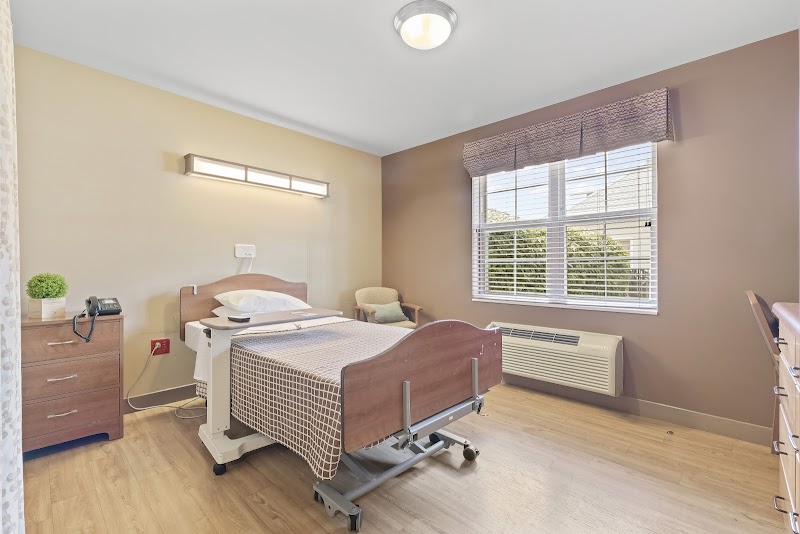
How is Hudson Springs Nursing And Rehab Staffed?

CMS rates HUDSON SPRINGS NURSING AND REHAB's staffing level at 3 out of 5 stars, which is average compared to other nursing homes. Staff turnover is 71%, which is 25 percentage points above the Ohio average of 46%. High turnover can affect care consistency as new staff learn residents' individual needs.

What Have Inspectors Found at Hudson Springs Nursing And Rehab?

State health inspectors documented 37 deficiencies at HUDSON SPRINGS NURSING AND REHAB during 2019 to 2025. These included: 1 that caused actual resident harm and 36 with potential for harm. Deficiencies causing actual harm indicate documented cases where residents experienced negative health consequences.
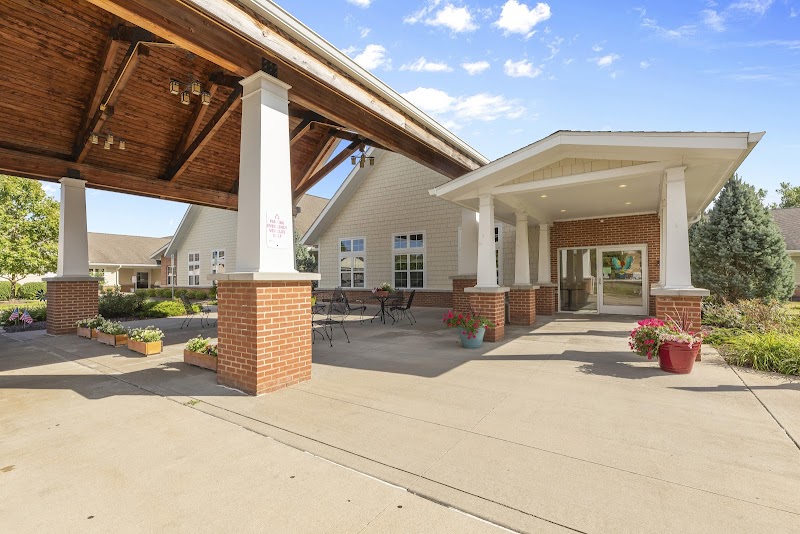
Who Owns and Operates Hudson Springs Nursing And Rehab?

HUDSON SPRINGS NURSING AND REHAB is owned by a for-profit company. For-profit facilities operate as businesses with obligations to shareholders or private owners. The facility is operated by GARDEN SPRINGS HEALTHCARE, a chain that manages multiple nursing homes. With 80 certified beds and approximately 70 residents (about 88% occupancy), it is a smaller facility located in STOW, Ohio.
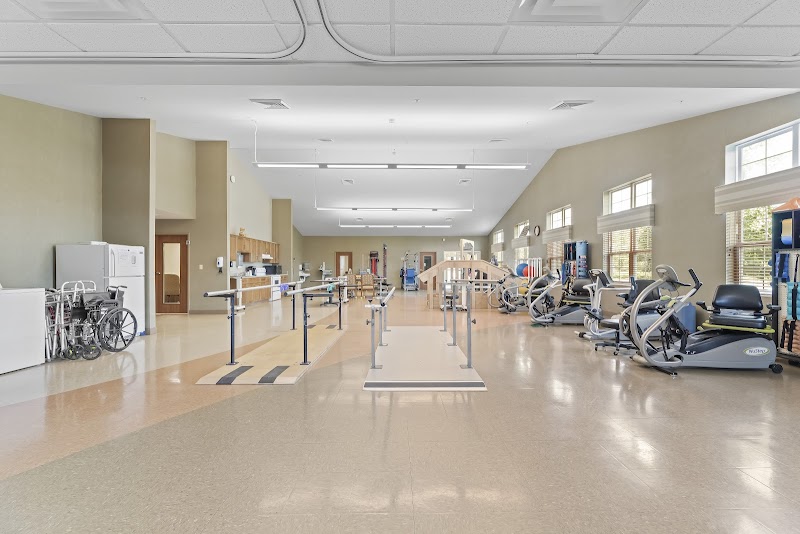
How Does Hudson Springs Nursing And Rehab Compare to Other Ohio Nursing Homes?

Compared to the 100 nursing homes in Ohio, HUDSON SPRINGS NURSING AND REHAB's overall rating (1 stars) is below the state average of 3.2, staff turnover (71%) is significantly higher than the state average of 46%, and health inspection rating (1 stars) is much below the national benchmark.

What Should Families Ask When Visiting Hudson Springs Nursing And Rehab?

Based on this facility's data, families visiting should ask: "How do you ensure continuity of care given staff turnover, and what is your staff retention strategy?" "Can I visit during a mealtime to observe dining assistance and food quality?" "How do you handle medical emergencies, and what is your hospital transfer rate?" "Can I speak with family members of current residents about their experience?" These questions are particularly relevant given the facility's high staff turnover rate.

Is Hudson Springs Nursing And Rehab Safe?

Based on CMS inspection data, HUDSON SPRINGS NURSING AND REHAB has a clean safety record: no substantiated abuse findings (meaning no confirmed cases of resident harm), no Immediate Jeopardy citations (the most serious violation level indicating risk of serious injury or death), and is not on the Special Focus Facility watch list (a federal program monitoring the lowest-performing 1% of nursing homes). The facility has a 1-star overall rating and ranks #100 of 100 nursing homes in Ohio. While no facility is perfect, families should still ask about staff-to-resident ratios and recent inspection results during their visit.

Do Nurses at Hudson Springs Nursing And Rehab Stick Around?

Staff turnover at HUDSON SPRINGS NURSING AND REHAB is high. At 71%, the facility is 25 percentage points above the Ohio average of 46%. High turnover means new staff may not know residents' individual needs, medications, or preferences. It can also be disorienting for residents, especially those with dementia who rely on familiar faces. Families should ask: What is causing the turnover? What retention programs are in place? How do you ensure care continuity during staff transitions?

Was Hudson Springs Nursing And Rehab Ever Fined?

HUDSON SPRINGS NURSING AND REHAB has no federal fines on record. CMS issues fines when nursing homes fail to meet care standards or don't correct problems found during inspections. The absence of fines suggests the facility has either maintained compliance or corrected any issues before penalties were assessed. This is a positive indicator, though families should still review recent inspection reports for the full picture.

Is Hudson Springs Nursing And Rehab on Any Federal Watch List?

HUDSON SPRINGS NURSING AND REHAB is not on any federal watch list. The most significant is the Special Focus Facility (SFF) program, which identifies the bottom 1% of nursing homes nationally based on persistent, serious quality problems. Not being on this list means the facility has avoided the pattern of deficiencies that triggers enhanced federal oversight. This is a positive indicator, though families should still review the facility's inspection history directly.