SEASONS NURSING AND REHAB
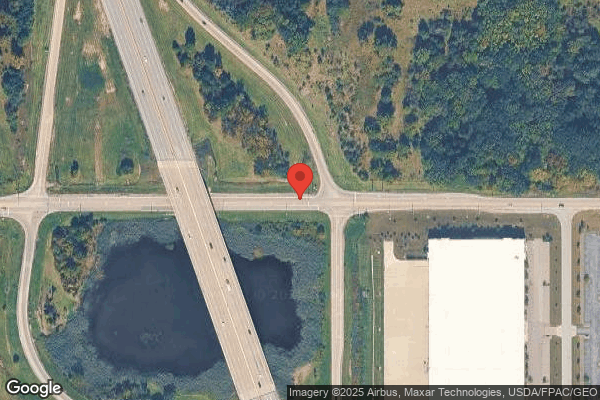
456 SEASONS RD, STOW, OH 44224 (330) 688-5553
For profit - Corporation 50 Beds EMBASSY HEALTHCARE Data: November 2025
Trust Grade
53/100
#773 of 913 in OH
Last Inspection: May 2023

Over 2 years since last inspection. Current conditions may differ from available data.

Overview

Seasons Nursing and Rehab has a Trust Grade of C, which means they are average and fall in the middle of the pack among nursing homes. They rank #773 out of 913 facilities in Ohio, putting them in the bottom half, and #35 out of 42 in Summit County, indicating limited local options that are better. The facility is showing improvement, with issues decreasing from 15 in 2023 to just 3 in 2025. Staffing is a relative strength, with a turnover rate of only 30%, which is well below the state average, though they have less RN coverage than 79% of Ohio facilities, which is concerning. Notably, there have been recent incidents, including residents receiving food that was not served at a warm temperature and the failure to maintain a safe and sanitary environment in a resident's room, highlighting both strengths and weaknesses in care quality.

Trust Score
C
53/100
In Ohio
#773/913
Bottom 16%
Safety Record
Low Risk
No red flags
Inspections
Getting Better
15 → 3 violations
Staff Stability
✓ Good
30% annual turnover. Excellent stability, 18 points below Ohio's 48% average. Staff who stay learn residents' needs.
Penalties
✓ Good
No fines on record. Clean compliance history, better than most Ohio facilities.
Skilled Nurses
⚠ Watch
Each resident gets only 22 minutes of Registered Nurse (RN) attention daily — below average for Ohio. Fewer RN minutes means fewer trained eyes watching for problems.
Violations
⚠ Watch
27 deficiencies on record. Higher than average. Multiple issues found across inspections.
★★☆☆☆
2.0
Overall Rating
★★☆☆☆
2.0
Staff Levels
★★★★★
5.0
Care Quality
★☆☆☆☆
1.0
Inspection Score
Stable
2023: 15 issues
2025: 3 issues

The Good

  • 5-Star Quality Measures · Strong clinical quality outcomes
  • Low Staff Turnover (30%) · Staff stability means consistent care
  • Full Sprinkler Coverage · Fire safety systems throughout facility
  • No fines on record
  • Staff turnover is low (30%)

    18 points below Ohio average of 48%

Facility shows strength in quality measures, staff retention, fire safety.

The Bad

2-Star Overall Rating

Below Ohio average (3.2)

Below average - review inspection findings carefully

Chain: EMBASSY HEALTHCARE

Part of a multi-facility chain

Ask about local staffing decisions and management

The Ugly 27 deficiencies on record

Mar 2025 3 deficiencies
CONCERN (F) 📢 Someone Reported This

A family member, employee, or ombudsman was alarmed enough to file a formal complaint

Potential for Harm - no one hurt, but risky conditions existed

Deficiency F0804 (Tag F0804)

Could have caused harm · This affected most or all residents

Based on observation, resident and staff interview, taste of a test tray, and review of the facility policy, the facility failed to ensure meals were served at a palatable temperature. This affected n...

Read full inspector narrative →
Based on observation, resident and staff interview, taste of a test tray, and review of the facility policy, the facility failed to ensure meals were served at a palatable temperature. This affected nine residents (#3, #6, #12, #13, #23, #27, #33, #40, and #45) and had the potential to affect all 47 residents residing at the facility who receive food from the kitchen. Findings include: Interviews on 03/03/25 between 10:07 A.M. and 11:00 A.M. with Resident #3, #6, #12, #23, #40 and #45 revealed their food was not warm enough when served. Observation and interview on 03/03/25 at 12:11 P.M. of the food/tray service in the dining room revealed the steam table sat in the dining room in front of the kitchen entrance door. Dietary Manager #221 and Dietary Assistant #232 were plating the residents food from the steam table. The meal included meatball subs with mozzarella cheese, French fries and strawberries and bananas mixed with cottage cheese. There was no steam coming from the steam table and the plug to the steam table was lying on the floor and not plugged in. Dietary Manager #221 stated there was no outlet within reach that supported the cord. The steam table was purchased approximately six months ago, and was used to serve all the residents meals since purchased but was never plugged in. Dietary Assistant #232 stated she poured hot water in the pans to keep the food warm prior to putting the food on the table. Observation revealed Dietary Assistant #232 lifted the pan the french fries were in and confirmed the water in the pan below it was chilled to touch. Interview in the dining room on 03/03/25 between 12:16 P.M. and 12:24 P.M. with Residents #45, #23, #13, and #27 stated their food was cold and was often served cold. Observation on 03/03/25 at 12:35 P.M. revealed six resident trays were served to resident rooms on a food cart. The last tray was a test tray. Observation on 03/03/25 at 12:40 P.M. with Dietary Manager #221 confirmed all residents trays were passed. Dietary Manager #221 observed, obtained food temperatures and tasted the food on the test tray with the surveyor. The cheese on the meatball sub appeared stiff and translucent. It was not appealing to the eye. The temperature of the french fries were 79 degrees Fahrenheit (F), the meatballs were 82 degrees F and the cottage cheese with strawberries and bananas were 59 degrees F. The meatballs tasted nearly room temperature; the french fries tasted cold/chilled inside. Dietary Manager #221 also tasted the food and confirmed the french fries tasted cold and the meatballs were not warm enough to taste palatable. Dietary Manager #221 stated the temperatures of the food were obtained after cooking it on the stove. Dietary Manager #221 confirmed the food temperatures were never obtained after placing it on the steam table and before serving it. Interview on 03/03/25 at 2:45 P.M. with Resident #33 stated his food was not hot enough when served. Review of the facility's undated policy titled Food Temperature Logs revealed to maintain a high level of quality assurance and to monitor potentially hazardous food temperatures as per state and federal health regulations thus ensuring that foods are provided in a safe, palatable manner. Food temperatures must be recorded on hot and cold foods prior to service. All employees are responsible for notifying their supervisor of any food items that are not in the regulated safe acceptable service ranges (below 41 degrees F or above 135 F). This deficiency represents non-compliance investigated under Complaint Number OH00161296.
CONCERN (F) 📢 Someone Reported This

A family member, employee, or ombudsman was alarmed enough to file a formal complaint

Potential for Harm - no one hurt, but risky conditions existed

Room Equipment (Tag F0908)

Could have caused harm · This affected most or all residents

Based on observation and resident and staff interview, the facility failed to ensure equipment used for storing and serving residents hot foods from was in good, working condition. This affected nine ...

Read full inspector narrative →
Based on observation and resident and staff interview, the facility failed to ensure equipment used for storing and serving residents hot foods from was in good, working condition. This affected nine residents (#3, #6, #12, #13, #23, #27, #33, #40, and #45) and had the potential to affect all 47 residents residing at the facility who receive food from the kitchen. Findings include: Interview on 03/03/25 between 10:07 A.M. and 11:00 A.M. with Residents #3, #6, #12, #23, #40 and #45 stated their food was not warm enough when served. Observation and interview on 03/03/25 at 12:11 P.M. of the food/tray service in the dining room revealed the steam table sat in the dining room in front of the kitchen entrance door. Dietary Manager #221 and Dietary Assistant #232 were plating the residents' food from the steam table. There was no steam coming from the steam table and the plug to the steam table was lying on the floor and not plugged in. Dietary Manager #221 stated there was no outlet within reach that supported the cord. The steam table was purchased approximately six months ago, and was used to serve all the residents since purchased but was never plugged in. Dietary Assistant #232 revealed she poured hot water in the pans to keep the food warm prior to putting the food on the table. Observation revealed Dietary Assistant #232 lifted the pan the french fries were in and confirmed the water in the pan below it was chilled to touch. Additional interviews in the dining room on 03/03/25 between 12:16 P.M. and 12:24 P.M. with Residents #45, #23, #13, and #27 stated their food was cold and was often served cold. Interview on 03/03/25 at 2:45 P.M. with Resident #33 stated his food was not hot enough when served. This was an incidental finding during the complaint survey.
CONCERN (F) 📢 Someone Reported This

A family member, employee, or ombudsman was alarmed enough to file a formal complaint

Potential for Harm - no one hurt, but risky conditions existed

Safe Environment (Tag F0921)

Could have caused harm · This affected most or all residents

**NOTE- TERMS IN BRACKETS HAVE BEEN EDITED TO PROTECT CONFIDENTIALITY** Based on observation, resident and staff interview, record review and review of the facility policy, the facility failed to ensu...

Read full inspector narrative →
**NOTE- TERMS IN BRACKETS HAVE BEEN EDITED TO PROTECT CONFIDENTIALITY** Based on observation, resident and staff interview, record review and review of the facility policy, the facility failed to ensure the resident's environment was maintained in a safe, sanitary. and comfortable environment. This affected one resident (#40) and had the potential to affect all 47 residents residing at the facility. Findings include: Record review for Resident #40 revealed an admission date of 03/02/21. Diagnoses included bipolar disorder, seizures, and anxiety disorder. Review of the quarterly Minimum Data Set (MDS) assessment dated [DATE] revealed Resident #40 was cognitively intact. Observation on 03/03/25 at 10:24 A.M. of Resident #40's room revealed the walls had several deep gouges (make (a groove, hole, or indentation) with or as with a sharp tool or blade), in all of the walls. The walls were also dirty. There was a vent on the floor next to Resident #40's bed that was not secured to the floor and was approximately two to three inches shorter than the hole made for a floor vent. The bottom cove base was torn and partially removed from the walls. There was embedded dirt in all corners and base of the floor. Resident #40 stated it was always like that and he doesn't like it. Observation and interview on 03/03/25 at 10:35 A.M. with the Director of Nursing (DON) of Resident #40's room confirmed the walls with several long deep gouges, the missing and broken cove bases, the corroded dirt on the floors, and the unsecured vent on the floor that did not cover the entire hole. The DON confirmed the walls in the hallways of the facility had multiple chips, gouges and dirt on the walls, the cove bases had multiple areas throughout the facility that was beveled out and or missing pieces. The doorways leading to the shower room and entrances to additional hallways had multiple chips throughout the facility, large areas of missing and scraped paint and large gouges and indentations on both sides of the doorway frames. A vent located on the floor in the hall in front of room eight was indented in, not secured, beveled up on both sides and when stepped on, it lifted from the floor revealing the hole underneath. The DON confirmed all the above. Review of the facility policy titled Resident Environmental Quality dated 11/29/22 revealed it is the policy of this facility to be designed, constructed, equipped, and maintained to provide a safe, functional, sanitary and comfortable environment for residents, staff and public. This was an incidental finding discovered during the complaint survey.
May 2023 15 deficiencies
CONCERN (D)

Potential for Harm - no one hurt, but risky conditions existed

Notification of Changes (Tag F0580)

Could have caused harm · This affected 1 resident

**NOTE- TERMS IN BRACKETS HAVE BEEN EDITED TO PROTECT CONFIDENTIALITY** 3. Review of the medical record for Resident #30 revealed an admission date of 08/25/21 with diagnoses including personal histor...

Read full inspector narrative →
**NOTE- TERMS IN BRACKETS HAVE BEEN EDITED TO PROTECT CONFIDENTIALITY** 3. Review of the medical record for Resident #30 revealed an admission date of 08/25/21 with diagnoses including personal history of traumatic brain injury and cerebral infarction (stroke). Review of the nursing progress notes dated from 05/20/22 through 05/17/23 for Resident #30 revealed staff had not documented on any open areas of skin to his left hand. Review of the weekly skin observations for 05/06/23, 05/13/23 and 05/19/22, revealed Resident #30's skin to be intact. Observation on 05/21/23 at 9:17 A.M. revealed Resident #30 had an open area of skin to the top of his left hand. His left hand was noted to have an outline of where a band-aid had been around an area that had a scabbed area and open area of skin which was not bleeding. Resident #30 stated he was unsure of how he had obtained the open area of skin. He stated he had picked part of the scab off of the area. Interview on 05/21/23 at 1:01 P.M. with the Director of Nursing (DON) revealed she was unaware of Resident #30 having an open area of skin on the top of his left hand. On 05/21/23 at 4:10 P.M. the DON stated staff had told her that Resident #30 was attempting to get past the therapy gate and his hand got scratched. She was unsure of the date that this had occurred. The DON verified it was not in Resident #30's medical record including assessment, notification to the physician or the resident's representative. Review of the facility policy titled, Wound Care, revised November 2018, revealed the facility would notify the physician upon discovery of a new skin area, obtain orders for treatment, notify the resident representative of the skin area as well as to document the assessment, care, treatment and notifications made. Review of the facility policy titled, Notification of Changes, revised 04/15/21, revealed the facility must inform the resident, consult with the resident's physician and/or notify the resident's family member or legal representative when there is a change requiring such a notification including accidents resulting in injury or a new treatment. 2. Review of medical record for Resident #5 revealed an admission date of 04/03/15 with diagnoses including but not limited to Huntington's disease, anxiety disorder, chronic pain syndrome, unspecified dementia, and peripheral vascular disease. Review of the quarterly Minimum Data Set (MDS) 3.0 assessment, dated 04/04/23, revealed Resident #5 had severely impaired cognition. The resident required extensive assistance of one staff for activities of daily living except for transfer which required extensive assistance with two staff for transfers. The MDS did not indicate use of restraints. Review of physician's orders for Resident #5 revealed an order dated 05/21/23 for a chest harness restraint to wheelchair for safety, tremors, check skin and tightness every shift. There was no previous order that was completed or discontinued for a chest harness restraint. Interview on 05/21/23 at 3:33 P.M. with Assistant Director of Nursing (ADON) #807 revealed therapy initiated the chest harness restraint. ADON #807 verified the chest restraint order was put in on this date. Review of progress notes from 03/01/23 through 05/21/23 revealed no documentation the family or physician was notified about the chest harness. Observation and interview on 05/21/23 at 8:48 A.M. with State Tested Nursing Assistant (STNA) #900 revealed Resident #5 was wearing chest harness restraint. STNA #900 stated that Resident #5 was ordered a chest harness approximately two months. Interview on 05/22/23 at 8:08 A.M. with Director of Rehabilitation #844 revealed that initially Resident # 5's body was [NAME] so much that they tried tilting her tilt-in space wheelchair back further and limiting the amount of time in the wheelchair. Director of Rehabilitation #844 stated that Resident # 5 would get her legs caught on the side of the wheelchair with or without her seatbelt on. The therapy department evaluated her for the chest harness restraint and talked with the Director of Nursing (DON). Director of Rehabilitation #844 stated that she did not notify the doctor or the family, just the DON. Director of Rehabilitation #844 stated that a larger zipper loop was put on the harness so that Resident # 5 could undo the harness. A phone interview on 05/22/23 at 3:58 P.M. with Physician #849 revealed he stated he gets updates on a daily basis. He stated he was aware of the chest harness restraint due to Huntington's. He stated last time he was in she jerked so hard she kicked the bottom of the table even with the chest harness restraint on, it is more of a safety thing with her. They notify him when things occur but could not state a date he was notified of the restraint.Based on observation, record review and interview, the facility failed to notify Resident #2's guardian of a new reddened chapped area on her chin, failed to notify Resident #5's guardian and physician of a new restraint order and failed to notify Resident #30's guardian of an open area on the back of his left hand. This finding affected three (Residents #2, #5 and #30) of three residents reviewed for notification of changes. Findings include: 1. Review of Resident #2's medical record revealed she was readmitted on [DATE] with diagnoses including cerebral palsy, unspecified intellectual disabilities and bipolar disorder. Review of Resident #2's Minimum Data Set (MDS) 3.0 assessment dated [DATE] revealed she exhibited moderate cognitive impairment. Review of Resident #2's medical record revealed she had a legal guardian who was her responsible party. Observation on 05/21/23 at 11:29 A.M. revealed Resident #2 had a rash under her chin area. Interview on 05/21/23 at 11:40 A.M. with Registered Nurse (RN) #809 confirmed the rash under her chin area was new and a treatment would be applied. Review of Resident #2's progress note dated 05/21/23 at 5:26 P.M. indicated she was noted to have a chapped area under her lower lip. A&D ointment was applied earlier in the morning. A chap stick was given for her to apply as she wants. The physician was aware and agreeable. The progress note did not have evidence the guardian was notified of the new skin area under her lip (on her chin area). Interview on 05/22/23 at 9:30 A.M. with the Administrator confirmed the staff did not notify Resident #2's guardian of the new chapped area (rash) on her chin area because they considered it a behavior instead of a new skin condition. He stated the guardian would be notified immediately.
CONCERN (D)

Potential for Harm - no one hurt, but risky conditions existed

Deficiency F0604 (Tag F0604)

Could have caused harm · This affected 1 resident

**NOTE- TERMS IN BRACKETS HAVE BEEN EDITED TO PROTECT CONFIDENTIALITY** Based on medical record review, observation, staff and resident interview and policy review, the facility failed to ensure resid...

Read full inspector narrative →
**NOTE- TERMS IN BRACKETS HAVE BEEN EDITED TO PROTECT CONFIDENTIALITY** Based on medical record review, observation, staff and resident interview and policy review, the facility failed to ensure residents were free from physical restraints. This affected one (#5) of one resident reviewed for physical restraints. Findings include: Review of the medical record for Resident #5 revealed an admission date of 04/03/15 with diagnoses including but not limited to Huntington's disease, anxiety disorder, chronic pain syndrome, unspecified dementia, and peripheral vascular disease. Review of the restraint decision assessment dated [DATE] revealed Resident #5 had Huntington's Disease. She was constant motion and will twist in the chair or pitch forward. She enjoyed being up in wheelchair watching the comings and goings in the building. She can remove the chest harness restraint on demand. Review of the quarterly Minimum Data Set (MDS) 3.0 assessment, dated 04/04/23, revealed Resident #5 had severely impaired cognition. The resident required extensive assistance of one staff for activities of daily living except for transfer which required extensive assistance with two staff for transfers. The MDS did not indicate the use of restraints. Review of the therapy notes dated from 03/26/23 through 04/04/23 revealed Resident #5 was evaluated for chest harness; resident was educated on chest harness restraint and staff was educated on chest harness regarding safety. Review of physician's orders for Resident #5 revealed an order dated 05/21/23 for a chest harness restraint to wheelchair for safety, tremors, check skin and tightness every shift. There was no previous order that was completed or discontinued for a chest harness. Observation and interview on 05/21/23 at 8:48 A.M. with State Tested Nursing Assistant (STNA) #900 revealed Resident #5 was wearing a chest harness restraint. STNA #900 stated that Resident #5 was ordered a chest harness approximately two months. Interview on 05/21/23 at 3:33 P.M. with Assistant Director of Nursing (ADON) #807 revealed that therapy initiated a chest harness restraint. ADON #807 verified the chest harness restraint order was put in today. Interview on 05/22/23 at 8:08 A.M. with Director of Rehabilitation #844 revealed initially Resident # 5's body was [NAME] so much that they tried tilting her tilt-in space wheelchair back further and limiting the amount of time in the wheelchair. Director of Rehabilitation #844 stated that Resident # 5 would get her legs caught on the side of the wheelchair with or without her seatbelt on. The therapy department evaluated her for the chest harness restraint and talked with the Director of Nursing (DON). Director of Rehabilitation #844 stated that she did not notify the doctor or the family, just the DON. Director of Rehabilitation #844 stated that a larger zipper loop was put on the harness so that Resident # 5 could undo the harness. Observation and interview on 05/22/23 at 8:18 A.M. with Director of Rehabilitation #844 revealed Resident #5's harness did not have a large zipper loop on it. Director of Rehabilitation #844 stated that Resident # 5 would not be able to undo the chest harness restraint without the larger zipper loop. Review of the facility policy titled, Restraint Use, dated 07/2018 revealed restraints shall only be used for the safety and well-being of the resident and only after other alternatives have been tried unsuccessfully. Prior to placing a resident in restraints there shall be a pre-restraining assessment and review to determine the need for restraints. The assessment shall be used to determine possible underlying causes of the problematic medical symptoms and to determine if there are less restrictive interventions that may improve the symptoms.
CONCERN (D)

Potential for Harm - no one hurt, but risky conditions existed

Comprehensive Assessments (Tag F0636)

Could have caused harm · This affected 1 resident

**NOTE- TERMS IN BRACKETS HAVE BEEN EDITED TO PROTECT CONFIDENTIALITY** Based on record review and interview, the facility failed to ensure Resident #11's annual comprehensive assessment was completed...

Read full inspector narrative →
**NOTE- TERMS IN BRACKETS HAVE BEEN EDITED TO PROTECT CONFIDENTIALITY** Based on record review and interview, the facility failed to ensure Resident #11's annual comprehensive assessment was completed timely. This finding affected one (Resident #11) of twenty-four residents reviewed for comprehensive assessments. Findings include: Review of Resident #11's medical record revealed he was admitted on [DATE] with diagnoses including antisocial personality disorder, major depressive disorder and chronic obstructive pulmonary disease. Review of Resident #11's annual Minimum Data Set (MDS) 3.0 comprehensive assessment dated [DATE] indicated the assessment was in progress. Interview on 05/21/23 with Licensed Practical Nurse (LPN) Assistant Director of Nursing (ADON) #807 confirmed Resident #11's annual MDS 3.0 comprehensive assessment dated [DATE] was not completed as required and it should have been completed by 05/06/23.
CONCERN (D)

Potential for Harm - no one hurt, but risky conditions existed

Deficiency F0638 (Tag F0638)

Could have caused harm · This affected 1 resident

**NOTE- TERMS IN BRACKETS HAVE BEEN EDITED TO PROTECT CONFIDENTIALITY** Based on interview and record review, the facility failed to ensure resident assessments were completed timely. This affected on...

Read full inspector narrative →
**NOTE- TERMS IN BRACKETS HAVE BEEN EDITED TO PROTECT CONFIDENTIALITY** Based on interview and record review, the facility failed to ensure resident assessments were completed timely. This affected one (Resident #10) of 24 residents reviewed for resident assessments. The facility had a census of 50 residents. Findings include: Review of the medical record revealed Resident #10 was admitted on [DATE] with diagnoses including depression, anxiety and borderline personality disorder. Review of the quarterly Minimum Data Set (MDS) 3.0 assessment dated [DATE] was noted to be in progress and had not been completed. Resident #10's last MDS quarterly assessment was dated 01/30/23. Interview on 05/21/23 at 3:24 P.M. with Licensed Practical Nurse (LPN) #807 verified Resident #10's MDS was not completed timely and should have been completed by 05/02/23. LPN #807 stated she had not completed the MDS as she still had some information to enter into the assessment.
CONCERN (D)

Potential for Harm - no one hurt, but risky conditions existed

Quality of Care (Tag F0684)

Could have caused harm · This affected 1 resident

Based on observation, interview and record review, the facility failed to ensure skin conditions were assessed and treated. This affected one (Resident #30) of one resident reviewed for skin condition...

Read full inspector narrative →
Based on observation, interview and record review, the facility failed to ensure skin conditions were assessed and treated. This affected one (Resident #30) of one resident reviewed for skin conditions. Findings include: Review of the medical record for Resident #30 revealed an admission date of 08/25/21 with diagnoses including personal history of traumatic brain injury and cerebral infarction (stroke). Review of the care plan dated 08/25/21 and last revised on 04/18/23 for Resident #30 revealed he had the potential for alteration in skin integrity. There were no indications he had an open area to his left hand or that he picked at his skin. Review of the nursing progress notes dated from 05/20/22 through 05/17/23 for Resident #30 revealed staff had not documented on any open areas of skin to his left hand. Review of the weekly skin observations for 05/06/23, 05/13/23 and 05/19/22, revealed Resident #30's skin to be intact. Observation on 05/21/23 at 9:17 A.M. revealed Resident #30 had an open area of skin to the top of his left hand. His left hand was noted to have an outline of where a band-aid had been around an area that had a scabbed area and open area of skin which was not bleeding. Resident #30 stated he was unsure of how he had obtained the open area of skin. He stated he had picked part of the scab off of the area. Interview on 05/21/23 at 1:01 P.M. with the Director of Nursing (DON) revealed she was unaware of Resident #30 having an open area of skin on the top of his left hand. On 05/21/23 at 4:10 P.M. the DON stated staff stated Resident #30 was attempting to get past the therapy gate and his hand got scratched. She was unsure of the date that this had occurred. The DON verified it was not in Resident #30's medical record including assessment, notification to the physician or the resident's representative. Review of the facility policy titled, Wound Care, revised November 2018, revealed the facility would notify the physician upon discovery of a new skin area, obtain orders for treatment, notify the resident representative of the skin area as well as to document the assessment, care, treatment and notifications made.
CONCERN (D)

Potential for Harm - no one hurt, but risky conditions existed

Accident Prevention (Tag F0689)

Could have caused harm · This affected 1 resident

**NOTE- TERMS IN BRACKETS HAVE BEEN EDITED TO PROTECT CONFIDENTIALITY** 2. Review of the medical record revealed Resident #30 was admitted on [DATE] with diagnoses including personal history of trauma...

Read full inspector narrative →
**NOTE- TERMS IN BRACKETS HAVE BEEN EDITED TO PROTECT CONFIDENTIALITY** 2. Review of the medical record revealed Resident #30 was admitted on [DATE] with diagnoses including personal history of traumatic brain injury and cerebral infarction (stroke). Review of the nursing progress note dated 05/21/23 at 5:48 P.M. revealed Resident #30 had an unwitnessed fall in the courtyard. Resident #30 was then started on neurological assessments (which include the residents blood pressure, pulse, respirations, temperature, how their pupils react and if the resident was alert and oriented). Review of the First 24 Hour Neurological Evaluation Flow Record dated 05/21/23 revealed staff were to assess Resident #30 at different time intervals listed on the form. The times listed by staff did not follow the correct intervals per the form's instructions as well as having three timed assessments not completed by staff. Interview on 05/23/23 at 8:57 A.M. with Licensed Practical Nurse (LPN) #812 verified the Neurological Evaluation Flow Sheet for Resident #30's fall on 05/21/23 was not correctly filled out as the times listed to assess the resident were incorrect and did not follow the directions as well as three neurological assessments at the every four hour checkpoints were not performed by nursing staff. 3. Review of Resident #36's medical record revealed she was readmitted on [DATE] with diagnoses including Huntington's disease, major depressive disorder, and unspecified dementia. Review of Resident #36's Minimum Data Set (MDS) 3.0 assessment dated [DATE] revealed she exhibited a memory problem. Review of Resident #36's progress note dated 12/21/22 timed 2:34 A.M. revealed at 2:07 A.M. a loud noise was heard from the resident's room. Upon entering, she was found on the floor next to her bed and was bleeding from her head. She was found to have a laceration on her forehead. The resident was transported to the hospital. Review of Resident #36's progress note dated 12/21/22 indicated she returned from the hospital and her head and neck cat scan were negative. The wound on her head was glued with a small amount of drainage noted. Neurological checks began upon the resident's return. Review of Resident #36's medical record revealed neurological checks did not begin upon the resident's return from the hospital. Interview on 05/24/23 at 10:55 A.M. with the Director of Nursing (DON) indicated the facility did not complete neurological checks as required. Review of the facility policy titled, Fall Prevention Program, revised 08/01/22, revealed when any resident experiences a fall, the facility will start neuro checks for any unwitnessed fall or fall that involves the resident hitting their head. Based on record review and interview, the facility failed to ensure Resident #6 received adequate supervision to prevent the resident from eloping from the secured facility and failed to complete neurological assessments for Residents #30 and #36 after a fall. This finding affected one (Resident #6) of one resident reviewed for elopement and two (Residents #30 and #36) of three residents reviewed for falls. Findings include: 1. Review of Resident #6's medical record revealed he was admitted on [DATE] with diagnoses including schizoaffective disorder bipolar type, anxiety disorder, paranoid schizophrenia, and suicidal ideations. Review of Resident #6's Minimum Data Set (MDS) 3.0 assessment dated [DATE] revealed he exhibited intact cognition. Resident #6 had a guardian of person. Review of Resident #6's Police Report form dated 03/17/22 at 12:13 A.M. indicated a caller reported a male wearing all black was sitting on the curb near a main intersection. He was located walking southbound on the road and the male was identified as Resident #6. Resident #6 stated he was homeless and was out walking. He was returned to the facility. Review of Resident #6's Wander/Elopement Assessment form dated 03/20/23 indicated he was at risk for elopement. Review of Resident #6's Police Report form dated 04/29/23 at 5:36 P.M. indicated the police were dispatched to the facility after Registered Nurse (RN) #809 reported the resident was missing from the facility. He was located on another road and was transferred back to the facility with no further issues. Review of Resident #6's progress note dated 04/29/23 at 3:24 P.M. (documented as a late entry for 05/05/23) authored by Licensed Practical Nurse (LPN) #812 indicated the resident returned to the building at approximately 6:30 P.M. He remained anxious at the time and stated he left because the walls were closing in on him. He stated he hitchhiked to the gas station and the driver gave him $20.00 (twenty dollars) which he used to purchase cigarettes, a lighter and soda. No injuries were noted and the guardian was made aware. Interview on 05/22/23 at 11:31 A.M. with LPN #812 indicated she worked on 04/29/23 and she was told by RN #809 that the therapy door alarmed. She stated she did a head count and determined Resident #6 was missing. LPN #812 stated they immediately called the police and then did a sweep of the grounds looking for the resident. She confirmed the resident was not on the grounds. LPN #812 indicated he left around dinner time on 04/29/23 at approximately 5:30 P.M. and returned to the facility on [DATE] at approximately 6:30 P.M. She stated he had went to the road and then hitchhiked to the gas station with money he borrowed from the driver and purchased items from the store. LPN #812 stated she documented the late progress note dated 04/29/23 on 05/05/23 per the request of the administrative staff. Interview on 05/22/23 at 11:40 A.M. with RN #809 confirmed he had heard the 15 second alarm for the therapy door go off and he looked outside and did not see any residents on the lawn. He stated sometimes the wind would make the door alarm go off but he told LPN #812 just in case. He confirmed the facility was searched and they had identified Resident #6 was missing. RN #809 stated the staff searched the grounds and called the police. He confirmed Resident #6 returned to the facility approximately one hour later and no injuries were noted. Interview on 05/22/23 at 11:57 A.M. with the Director of Nursing (DON) indicated she received a call from the facility (she was at home) informing her that Resident #6 was missing. She stated by the time she had arrived in the facility, Resident #6 had been returned. The DON stated Resident #6 knew each exit and when the exits would be unsupervised. She stated Resident #6 went out the secured therapy exit door when he pushed the 15 second alarm and staff were either in the dining room or providing care to other residents and would not hear the alarm. The DON confirmed Resident #6 left the facility unsupervised and had the potential to be a danger to himself while out of the secured facility. Review of the Elopement policy revised 07/25/18 indicated the facility would identify residents with potential and/or actual risk factors for elopement and protect the resident through development and implementation of safety interventions. In the event of a resident elopement, the facility would implement its policies and procedures immediately to locate the resident in a timely manner.
CONCERN (D)

Potential for Harm - no one hurt, but risky conditions existed

Incontinence Care (Tag F0690)

Could have caused harm · This affected 1 resident

**NOTE- TERMS IN BRACKETS HAVE BEEN EDITED TO PROTECT CONFIDENTIALITY** Based on observation, record review and interview, the facility failed to ensure Resident #45's catheter care was completed as o...

Read full inspector narrative →
**NOTE- TERMS IN BRACKETS HAVE BEEN EDITED TO PROTECT CONFIDENTIALITY** Based on observation, record review and interview, the facility failed to ensure Resident #45's catheter care was completed as ordered. This finding affected one (Resident #45) of one resident reviewed for catheter care. Findings include: Review of Resident #45's medical record revealed he was admitted on [DATE] with diagnoses including hereditary spastic paraplegia, adjustment disorder with mixed anxiety and depressed mood and neuromuscular dysfunction of the bladder. Review of Resident #45's Minimum Data Set (MDS) 3.0 assessment dated [DATE] revealed he exhibited intact cognition and had an indwelling urinary catheter. Review of Resident #45's physician orders revealed an order dated 11/17/22 to flush the suprapubic catheter (a catheter inserted a couple of inches below the navel, or belly button, directly into the bladder, just above the pubic bone which allows urine to be drained without having a tube going through the genital area) with 30 cc (cubic centimeters) of 0.25% (percent) acetic acid solution every shift for suprapubic irrigation; an order dated 11/30/22 to use a 18 French five cc silicone catheter to the suprapubic for urinary retention; and an order dated 01/06/22 to cleanse the area around the suprapubic catheter site with normal saline solution or wound cleanser, pat dry, apply a cover using a split bordered dressing. The suprapubic catheter dressing was to be changed every nightshift and as needed. Review of Resident #45's medication administration records (MARS) and treatment administration records (TARS) from 04/01/23 to 05/22/23 revealed the suprapubic catheter dressing was to be changed once daily from 7:00 P.M. to 7:00 A.M. The MARS and TARS did not reveal evidence the dressing around the suprapubic catheter was completed as ordered on 04/02/23, 04/07/23, 04/14/23, 04/16/23, 04/29/23, 04/30/23 and 05/13/23. Review of Resident #45's MARS and TARS from 04/01/23 to 05/22/23 revealed the acetic acid solution was to be completed twice daily from 7:00 A.M. to 7:00 P.M. and 7:00 P.M. to 7:00 A.M. The MARS and TARS did not reveal evidence the suprapubic catheter was irrigated with acetic acid on 04/02/23 on the 7:00 A.M. to 7:00 P.M. shift; 04/06/23 on the 7:00 A.M. to 7:00 P.M. shift; 04/07/23 on the 7:00 P.M. to 7:00 A.M. shift; 04/14/23 on the 7:00 P.M. to 7:00 A.M. shift; 04/16/23 on the 7:00 P.M. to 7:00 A.M. shift; 04/20/23 on the 7:00 A.M. to 7:00 P.M. shift; 04/29/23 on the 7:00 A.M. to 7:00 P.M. shift; 04/30/23 on the 7:00 P.M. to 7:00 A.M. shift; 05/13/23 on the 7:00 P.M. to 7:00 A.M. shift; 05/17/23 on the 7:00 A.M. to 7:00 P.M. shift; and 05/18/23 on the 7:00 A.M. to 7:00 P.M. shift. Observation on 05/21/23 at 3:20 P.M. with Licensed Practical Nurse (LPN) #826 of Resident #45's suprapubic site revealed he was sitting up in his chair and he had an adult incontinence brief in place. His suprapubic catheter was located in the abdominal fold and it did not have a supra pubic dressing in place at the time of the observation. Interview on 05/21/23 at 3:30 P.M. with LPN #826 confirmed Resident #45's suprapubic dressing was not in place per the physician's order nor was the suprapubic dressings completed per the MARS and TARS from 04/10/23 to 05/22/23 for seven days per the physician orders. LPN #826 also confirmed Resident #45's MARS and TARS did not reveal evidence the acetic acid irrigation was not implemented for eleven treatments per the physician orders. Review of the undated Personal Care Procedure policy indicated the facility would provide/assist resident care and hygiene to each resident based on their individual status and needs. This includes such things as baths/showers, oral care, resident grooming and peri-care/catheter care.
CONCERN (D)

Potential for Harm - no one hurt, but risky conditions existed

Infection Control (Tag F0880)

Could have caused harm · This affected 1 resident

**NOTE- TERMS IN BRACKETS HAVE BEEN EDITED TO PROTECT CONFIDENTIALITY** Based on observation, record review and interview the facility failed to provide appropriate hand hygiene during incontinence ca...

Read full inspector narrative →
**NOTE- TERMS IN BRACKETS HAVE BEEN EDITED TO PROTECT CONFIDENTIALITY** Based on observation, record review and interview the facility failed to provide appropriate hand hygiene during incontinence care. This deficient practice affected one resident (Resident #5) out of one resident reviewed for incontinence care. The facility census was 50. Findings include: Review of Resident #5 medical record revealed resident was admitted to the facility on [DATE], with admission diagnoses including Huntington's Disease, anxiety disorder, seborrheic dermatitis, major depressive disorder, type 2 Diabetes Mellitus. Review of Resident #5 quarterly Minimum Data Set (MDS) dated [DATE] revealed Resident #5 required extensive assistance of one staff member for toileting, which included cleaning resident following incontinence episodes. Further review of the quarterly MDS revealed Resident #5 has a functional limitation in range of motion due to impairment on one side of her body. Review of Resident #5 Activities of Daily Living care plan revised date 04/26/23 revealed Resident #5 required assistance of staff for personal care tasks and personal cleaning following incontinence episodes. Review of Resident #5 Point of Care (POC) staff documentation for the past 30 days revealed Resident #5 was marked as being dependent on staff for personal care. Further review of POC staff documentation revealed Resident #5 was marked as being incontinent of bladder and bowel for the past 30 days of staff documentation. During observation of incontinence care on 05/23/23 at 10:37 A.M. State Tested Nursing Assistant (STNA) #900 was observed washing hands and donning (putting on) gloves. STNA #900 removed Resident #5 soiled brief and then cleansed Resident #5 peri-area with Peri Cleanser and wet wash clothes. Further observation revealed STNA #900 then dried Resident #5 peri-area with a clean towel and placed a clean brief on Resident #5 without doffing (taking off) soiled gloves, washing hands, and donning clean gloves to complete the task. Continuing to wear soiled gloves, STNA #900 assisted Resident #5 with a transfer from her bed to the wheelchair. Once Resident #5 was positioned in the wheelchair and located in front of her television, STNA #900 removed the soiled gloves and used hand sanitizer to cleanse hands. Interview on 05/23/23 at 10:50 A.M. with State Tested Nursing Assistant (STNA) #900 confirmed appropriate hand hygiene, including removal of soiled gloves, washing hands, and donning clean gloves, was not completed during Resident #5 incontinence care. Review of facility policy titled, Hand Washing Guidelines revised 01/2019, reveals hands should be washed with soap and water or an antiseptic agent before and after providing routine care, after contact with bodily fluids, if moving from a contaminated body site to a clean body site during care and when a procedure calls for changing gloves hands should be washed after removing the dirty gloves and before putting on the clean gloves.
CONCERN (E)

Potential for Harm - no one hurt, but risky conditions existed

Resident Rights (Tag F0550)

Could have caused harm · This affected multiple residents

**NOTE- TERMS IN BRACKETS HAVE BEEN EDITED TO PROTECT CONFIDENTIALITY** Based on observations, interviews and record review, the facility failed to ensure residents were able to exercise their rights ...

Read full inspector narrative →
**NOTE- TERMS IN BRACKETS HAVE BEEN EDITED TO PROTECT CONFIDENTIALITY** Based on observations, interviews and record review, the facility failed to ensure residents were able to exercise their rights without coercion related to smoking. This affected four (Residents #12, #24, #30 and #34) of the 19 residents who smoked but had the potential to affect all residents (Residents #4, #6, #10, #11, #12, #19, #20, #21, #23, #24, #26, #28, #29, #30, #31, #34, #35, #38 and #43) who smoked. The facility census was 50. Findings include: 1. Review of the medical record revealed Resident #12 was admitted on [DATE] with diagnoses including schizophrenia (a mental disorder having delusions, hallucinations, disorganized thoughts, speech and behavior), dementia and anxiety. His mother was his legal guardian. Review of the admission packet and agreement dated 05/16/13 revealed Resident #12's legal guardian signed for resident rights including that the center must ensure the resident can exercise his or her rights without interference, coercion, discrimination, or reprisal from the center. There was no mention of behavior modification use with taking away smoke breaks or the use of facility equipment, rooms, and activities being considered privileges that could be modified or revoked in order to dis-incentivize inappropriate behaviors. Review of the Nursing Smoking assessment dated [DATE] revealed Resident #12 smoked five to ten times per day, could not light his own cigarette and needed supervision. Review of the quarterly Minimum Data Set (MDS) 3.0 assessment dated [DATE] revealed Resident #12 had impaired cognition and had inattention that fluctuated, had delusions and hallucinations. Review of the facility designated smoking times revealed residents could smoke at 8:30 A.M, 10:30 A.M., 1:30 P.M., 3:30 P.M., 6:30 P.M., 8:30 P.M. and 10:30 P.M. The designated smoking location was in the covered area in the courtyard. Observations on 05/23/23 for designated smoking breaks revealed smoke breaks were late due to staff not providing smoking materials timely for the break at 10:30 A.M. (arrived at 10:39 A.M.). Interview on 05/21/23 at 9:23 A.M. with Resident #12 revealed staff would take away his smoke breaks if they felt he did something wrong. He stated he did not feel like staff were respecting his rights. Interview on 05/21/23 at 1:01 P.M. with the Director of Nursing (DON) stated the facility did behavior modification for smoking privileges. She stated everything at the facility was a privilege for the residents and if the residents did not shower, change their clothes, eat their meals, etcetera, then they withhold their smoke break times. She stated this was the standard of practice in the building and the facility did not have the residents or guardians sign anything related to this upon admission to the facility. Interview on 05/21/23 at 2:45 P.M. with the Administrator stated the staff adhere to the designated smoke times and if residents were not there exactly at the designated time, they did not get a cigarette. The Administrator stated residents were allowed to have one cigarette and the facility did not bend the rules for anyone on the designated smoke break times. Interview on 05/22/23 at 1:15 P.M. with Registered Nurse (RN) #809 verified he allowed residents to be up to seven minutes late for smoke break. He stated the staff do not update residents when smoke-breaks are during the day as residents know when their smoke breaks happened. Interview on 05/23/23 at 8:57 A.M. with Licensed Practical Nurse (LPN) #812 stated she provided smoking materials to residents at smoke breaks at times. She stated she would allow two extra minutes for residents to get to smoke breaks before she would not provide them cigarettes. She stated if a resident had behaviors they did not get to smoke. Interview on 05/24/23 at 7:10 A.M. with State Tested Nurse Aide (STNA) #834 verified she was the STNA who assisted residents at their 10:30 A.M. smoke break on 05/23/23 and was nine minutes late. She stated each team member is assigned a specific smoke break for the residents. She stated the other STNA was late with the break so she went to the courtyard to assist with the residents smoking time. She stated she would provide cigarettes to residents up to ten minutes after the smoke break starts to ensure residents get to have a cigarette. She stated she does not alert residents it is time to smoke prior to the break starting. She stated the staff are late at times for the smoke breaks but if another staff member notices this, another staff member will do the smoke break. 2. Review of the medical record revealed Resident #24 was admitted on [DATE] with diagnoses including personal history of traumatic brain injury, dementia and schizoaffective disorder (a mental disorder that has symptoms of both schizophrenia and bipolar). Resident #24 did have a legal guardian. Review of the admission packet and agreement dated 09/14/20 revealed Resident #24's legal guardian signed for resident rights including that the center must ensure the resident can exercise his or her rights without interference, coercion, discrimination, or reprisal from the center. There was no mention of behavior modification use with taking away smoke breaks or the use of facility equipment, rooms, and activities being considered privileges that could be modified or revoked in order to dis-incentivize inappropriate behaviors. Review of the nursing progress notes dated from 06/13/22 through 05/17/23 for Resident #24 revealed staff would withhold smoke breaks during the allotted smoke break times. Nursing progress note dated 10/29/22 at 6:34 P.M. stated Resident #24 had asked nursing about smoking. He was told nothing was to be decided until after he ate dinner. He began yelling and attempting to kick the nurse. Resident #24 refused to eat dinner related to not being able to smoke. Review of the quarterly Minimum Data Set (MDS) 3.0 assessment dated [DATE] revealed Resident #24 had intact cognition and no behaviors. Review of the Nursing Smoking assessment dated [DATE] revealed Resident #24 smoked five to ten times per day, could not light his own cigarette and needed supervision. Review of the facility designated smoking times revealed residents could smoke at 8:30 A.M, 10:30 A.M., 1:30 P.M., 3:30 P.M., 6:30 P.M., 8:30 P.M. and 10:30 P.M. The designated smoking location was in the covered area in the courtyard. Observations on 05/23/23 for designated smoking breaks revealed smoke breaks were late due to staff not providing smoking materials timely for the break at 10:30 A.M. (arrived at 10:39 A.M.). Interview on 05/21/23 at 1:01 P.M. with the DON stated the facility did behavior modification for smoking privileges. She stated everything at the facility was a privilege for the residents and if the residents did not shower, change their clothes, eat their meals, etcetera, then they withhold their smoke break times. She stated this was the standard of practice in the building and the facility did not have the residents or guardians sign anything related to this upon admission to the facility. Interview on 05/21/23 at 2:45 P.M. with the Administrator stated the staff adhere to the designated smoke times and if residents were not there exactly at the designated time, they did not get a cigarette. The Administrator stated residents were allowed to have one cigarette and the facility did not bend the rules for anyone on the designated smoke break times. Interview on 05/22/23 at 1:15 P.M. with RN #809 verified he allowed residents to be up to seven minutes late for smoke break. He stated the staff do not update residents when smoke-breaks are during the day as residents know when their smoke breaks happened. Interview on 05/23/23 at 8:57 A.M. with LPN #812 stated she provided smoking materials to residents at smoke breaks at times. She stated she would allow two extra minutes for residents to get to smoke breaks before she would not provide them cigarettes. She stated if a resident had behaviors they did not get to smoke. Interview on 05/24/23 at 7:10 A.M. with STNA #834 verified she was the STNA who assisted residents at their 10:30 A.M. smoke break on 05/23/23 and was nine minutes late. She stated each team member is assigned a specific smoke break for the residents. She stated the other STNA was late with the break so she went to the courtyard to assist with the residents smoking time. She stated she would provide cigarettes to residents up to ten minutes after the smoke break starts to ensure residents get to have a cigarette. She stated she does not alert residents it is time to smoke prior to the break starting. She stated the staff are late at times for the smoke breaks but if another staff member notices this, another staff member will do the smoke break. 3. Review of the medical record revealed Resident #30 was admitted on [DATE] with diagnoses including personal history of traumatic brain injury and cerebral infarction (stroke). Resident #30 did have a legal guardian. Review of the admission packet and agreement dated 08/25/21 revealed Resident #30's legal guardian signed for resident rights including that the center must ensure the resident can exercise his or her rights without interference, coercion, discrimination, or reprisal from the center. There was no mention of behavior modification use with taking away smoke breaks or the use of facility equipment, rooms, and activities being considered privileges that could be modified or revoked in order to dis-incentivize inappropriate behaviors. Review of the nursing progress notes dated from 05/20/22 through 05/17/23 for Resident #30 revealed staff would withhold smoke breaks during the allotted smoke break times. Nursing progress note dated 04/19/23 at 9:21 P.M. stated Resident #30 went to the nurse's station at 8:38 P.M. (eight minutes after designated smoke break) demanding to be given a cigarette. He was observed to be screaming and cursing at staff. Resident #30 was advised that he needed to step away from the nurse's station and go to a common area or his room. He was told by the nurse that he was not smoking as he was not listening and was screaming at other residents. Resident #30 was observed in the hallway for 35 minutes punching himself in his head with a closed fist. After the nurse's failed attempt to intervene a new physician order for Ativan (anti-anxiety medication) was provided by the physician to calm Resident #30. Review of the quarterly Minimum Data Set (MDS) 3.0 assessment dated [DATE] revealed Resident #30 had intact cognition though did have inattention continuously. Review of Resident #30's care plan dated 01/20/23 revealed he had a potential for safety hazard or injury related to smoking. Intervention dated 03/31/23 related staff were to remind him when it was time for him to smoke. Review of the Nursing Smoking assessment dated [DATE] revealed Resident #30 smoked five to ten times per day, was an independent smoker, could light his own cigarette and needed supervision. Review of the facility designated smoking times revealed residents could smoke at 8:30 A.M, 10:30 A.M., 1:30 P.M., 3:30 P.M., 6:30 P.M., 8:30 P.M. and 10:30 P.M. The designated smoking location was in the covered area in the courtyard. Observations on 05/23/23 for designated smoking breaks revealed smoke breaks were late due to staff not providing smoking materials timely for the break at 10:30 A.M. (arrived at 10:39 A.M.). Interview on 05/21/23 at 1:01 P.M. with the DON stated the facility did behavior modification for smoking privileges. She stated everything at the facility was a privilege for the residents and if the residents did not shower, change their clothes, eat their meals, etcetera, then they withhold their smoke break times. She stated this was the standard of practice in the building and the facility did not have the residents or guardians sign anything related to this upon admission to the facility. Interview on 05/21/23 at 1:18 P.M. with Resident #30 revealed if he was bad he would not get to smoke. He stated if he was late, he would also not be able to smoke. Interview on 05/21/23 at 2:45 P.M. with the Administrator stated the staff adhere to the designated smoke times and if residents were not there exactly at the designated time, they did not get a cigarette. The Administrator stated residents were allowed to have one cigarette and the facility did not bend the rules for anyone on the designated smoke break times. Interview on 05/22/23 at 1:15 P.M. with RN #809 verified he allowed residents to be up to seven minutes late for smoke break. He stated the staff do not update residents when smoke-breaks are during the day as residents know when their smoke breaks happened. Interview on 05/23/23 at 8:57 A.M. with LPN #812 stated she provided smoking materials to residents at smoke breaks at times. She stated she would allow two extra minutes for residents to get to smoke breaks before she would not provide them cigarettes. She stated if a resident had behaviors they did not get to smoke. Interview on 05/24/23 at 7:10 A.M. with STNA #834 verified she was the STNA who assisted residents at their 10:30 A.M. smoke break on 05/23/23 and was nine minutes late. She stated each team member is assigned a specific smoke break for the residents. She stated the other STNA was late with the break so she went to the courtyard to assist with the residents smoking time. She stated she would provide cigarettes to residents up to ten minutes after the smoke break starts to ensure residents get to have a cigarette. She stated she does not alert residents it is time to smoke prior to the break starting. She stated the staff are late at times for the smoke breaks but if another staff member notices this, another staff member will do the smoke break. 4. Review of the medical record revealed Resident #34 was admitted on [DATE] with diagnoses including anxiety, personality disorder, anti-social personality disorder and dementia. Resident #34 did have a legal guardian. Review of the admission packet and agreement dated 05/22/15 revealed Resident #34's legal guardian signed for resident rights including that the center must ensure the resident can exercise his or her rights without interference, coercion, discrimination, or reprisal from the center. There was no mention of behavior modification use with taking away smoke breaks or the use of facility equipment, rooms, and activities being considered privileges that could be modified or revoked in order to dis-incentivize inappropriate behaviors. Review of the Nursing Smoking assessment dated [DATE] revealed Resident #34 smoked five to ten times per day, could light his own smoker and was an independent smoker. Review of the quarterly Minimum Data Set (MDS) 3.0 assessment dated [DATE] revealed Resident #34 had intact cognition though did have inattention and disorganized thinking that fluctuates. Review of the facility designated smoking times revealed residents could smoke at 8:30 A.M, 10:30 A.M., 1:30 P.M., 3:30 P.M., 6:30 P.M., 8:30 P.M. and 10:30 P.M. The designated smoking location was in the covered area in the courtyard. Observations on 05/23/23 for designated smoking breaks revealed smoke breaks were late due to staff not providing smoking materials timely for the break at 10:30 A.M. (arrived at 10:39 A.M.). Interview on 05/21/23 at 8:57 A.M. with Resident #34 revealed he was told that he had to eat in order to smoke. He also stated if he said bad words the staff automatically took his smoke breaks away. Interview on 05/21/23 at 1:01 P.M. with the DON stated the facility did behavior modification for smoking privileges. She stated everything at the facility was a privilege for the residents and if the residents did not shower, change their clothes, eat their meals, etcetera, then they withhold their smoke break times. She stated this was the standard of practice in the building and the facility did not have the residents or guardians sign anything related to this upon admission to the facility. Interview on 05/21/23 at 2:45 P.M. with the Administrator stated the staff adhere to the designated smoke times and if residents were not there exactly at the designated time, they did not get a cigarette. The Administrator stated residents were allowed to have one cigarette and the facility did not bend the rules for anyone on the designated smoke break times. Interview on 05/22/23 at 1:15 P.M. with RN #809 verified he allowed residents to be up to seven minutes late for smoke break. He stated the staff do not update residents when smoke-breaks are during the day as residents know when their smoke breaks happened. Interview on 05/23/23 at 8:57 A.M. with LPN #812 stated she provided smoking materials to residents at smoke breaks at times. She stated she would allow two extra minutes for residents to get to smoke breaks before she would not provide them cigarettes. She stated if a resident had behaviors they did not get to smoke. Interview on 05/24/23 at 7:10 A.M. with STNA #834 verified she was the STNA who assisted residents at their 10:30 A.M. smoke break on 05/23/23 and was nine minutes late. She stated each team member is assigned a specific smoke break for the residents. She stated the other STNA was late with the break so she went to the courtyard to assist with the residents smoking time. She stated she would provide cigarettes to residents up to ten minutes after the smoke break starts to ensure residents get to have a cigarette. She stated she does not alert residents it is time to smoke prior to the break starting. She stated the staff are late at times for the smoke breaks but if another staff member notices this, another staff member will do the smoke break. Review of the facility list of smokers, revealed there were 19 residents (Residents #4, #6, #10, #11, #12, #19, #20, #21, #23, #24, #26, #28, #29, #30, #31, #34, #35, #38 and #43) who smoked. Review of the facility policy titled, Resident Smoking, revised 12/13/21, revealed that any resident who was deemed safe to smoke would be allowed to smoke in designated smoking areas at designated times with supervision. Review of the new facility policy provided by the Administrator titled, Behavior Modification Policy, dated May 2023, revealed that residents, guardians, and staff at Seasons were under the understanding that the use of the facility's equipment, rooms and activities were considered privileges for the purpose of behavior modification and may be modified or revoked in order to dis-incentivize inappropriate behavior. The examples listed were if a resident became disruptive in the dining room during meal times they may no longer be permitted to eat meals in the dining room as well as if a resident was inappropriate with peers or staff may lose his/her next smoking privilege.
CONCERN (E)

Potential for Harm - no one hurt, but risky conditions existed

MDS Data Transmission (Tag F0640)

Could have caused harm · This affected multiple residents

**NOTE- TERMS IN BRACKETS HAVE BEEN EDITED TO PROTECT CONFIDENTIALITY** Based on interviews and record review, the facility failed to ensure resident assessments were timely completed and transmitted ...

Read full inspector narrative →
**NOTE- TERMS IN BRACKETS HAVE BEEN EDITED TO PROTECT CONFIDENTIALITY** Based on interviews and record review, the facility failed to ensure resident assessments were timely completed and transmitted to the Centers for Medicare and Medicaid Services (CMS) System. This affected four (Residents #18, #30, #37 and #42) of 24 residents reviewed for resident assessments. The facility had a census of 50 residents. Findings include: 1. Review of the medical record for Resident #18 revealed an admission date of 02/14/11 with diagnoses including schizoaffective disorder (a mental disorder that has symptoms of both schizophrenia and bipolar) and personal history of traumatic brain injury. Review of the Minimum Data Set (MDS) 3.0 Assessments for Resident #18 revealed he had a quarterly assessment dated for 04/12/23. The assessment was completed on 04/26/23 and stated export ready, however, had not been transmitted to the CMS system within 14 days. Interview on 05/21/23 at 3:24 P.M. with Licensed Practical Nurse (LPN) #807 verified Resident #18's quarterly MDS assessment dated [DATE] was not transmitted to the CMS system within the 14 days after completion. She stated it should have been submitted by 05/10/23. 2. Review of the medical record revealed Resident #30 was admitted on [DATE] with diagnoses including personal history of traumatic brain injury and cerebral infarction (stroke). Review of the Minimum Data Set (MDS) 3.0 Assessments for Resident #30 revealed he had a quarterly assessment dated for 04/14/23. The assessment was completed on 04/28/23 and stated export ready, however, had not been transmitted to the CMS system within 14 days. Interview on 05/21/23 at 3:24 P.M. with LPN #807 verified Resident #30's quarterly MDS assessment dated [DATE] was not transmitted to the CMS system within the 14 days after completion. She stated it should have been submitted by 05/12/23. 3. Review of the medical record revealed Resident #37 was admitted on [DATE] with diagnoses including diabetes mellitus and bipolar disorder. Review of the Minimum Data Set (MDS) 3.0 Assessments for Resident #37 revealed she had a quarterly assessment dated for 04/14/23. The assessment was completed on 04/28/23 and stated export ready, however, had not been transmitted to the CMS system within 14 days. Interview on 05/21/23 at 3:24 P.M. with LPN #807 verified Resident #37's quarterly MDS assessment dated [DATE] was not transmitted to the CMS system within the 14 days after completion. She stated it should have been submitted by 05/12/23. 4. Review of the medical record revealed Resident #42 was admitted on [DATE] with diagnoses including diabetes mellitus and anxiety. Review of the Minimum Data Set (MDS) 3.0 Assessments for Resident #42 revealed he had a quarterly assessment dated for 04/12/23. The assessment was completed on 04/26/23 and stated export ready, however, had not been transmitted to the CMS system within 14 days. Interview on 05/21/23 at 3:24 P.M. with LPN #807 verified Resident #42's quarterly MDS assessment dated [DATE] was not transmitted to the CMS system within the 14 days after completion. She stated it should have been submitted by 05/10/23.
CONCERN (E)

Potential for Harm - no one hurt, but risky conditions existed

ADL Care (Tag F0677)

Could have caused harm · This affected multiple residents

**NOTE- TERMS IN BRACKETS HAVE BEEN EDITED TO PROTECT CONFIDENTIALITY** Based on observations, interviews and record review, the facility failed to ensure staff assisted residents with grooming and pr...

Read full inspector narrative →
**NOTE- TERMS IN BRACKETS HAVE BEEN EDITED TO PROTECT CONFIDENTIALITY** Based on observations, interviews and record review, the facility failed to ensure staff assisted residents with grooming and provide showers per resident preference and schedule. This affected four (Residents #12, #24, #30 and #34) of four reviewed for activities of daily living. The facility had a census of 50 residents. Findings include: 1. Review of the medical record for Resident #12 revealed an admission date of 05/16/13 with diagnoses including Schizophrenia, diabetes mellitus, depression and dementia. Review of the quarterly Minimum Data Set (MDS) 3.0 assessment dated [DATE] for Resident #12 revealed he had impaired cognition. He needed extensive assistance of one staff member for toileting, limited assistance of one staff member for personal hygiene and physical help of one staff member during bathing. Review of the facility shower schedule, undated, revealed Resident #12 was to have showers on Mondays and Thursdays on dayshift. Review of the State Tested Nurse Aide (STNA) Point of Care (POC) documentation and shower sheets dated from 04/24/23 through 05/18/23, revealed Resident #12 did not receive showers on 05/11/23 and 05/15/23. There were no refusals of showers noted. Interview on 05/21/23 at 9:04 A.M. with Resident #12 revealed he didn't get his showers as scheduled. Observations of Resident #12 on 05/21/23 through 05/23/23 revealed he was in the same clothing each day. Interview on 05/22/23 at 11:24 A.M. with Licensed Practical Nurse (LPN) #807 revealed there was no further documentation related to Resident #12's showers. She verified he did not receive his showers as scheduled. 2. Review of the medical record for Resident #24 revealed an admission date of 09/30/20 with diagnoses including paraplegia and personal history of traumatic brain injury. Review of the quarterly Minimum Data Set (MDS) 3.0 assessment dated [DATE] for Resident #24 revealed he had intact cognition. He needed extensive assistance of one staff member for transfers, dressing, toileting and personal hygiene. For bathing he was totally dependent on one staff member. Review of the facility shower schedule, undated, revealed Resident #24 was to have showers on Tuesday and Friday on dayshift. Review of the State Tested Nurse Aide (STNA) Point of Care (POC) documentation and shower sheets dated from 04/24/23 through 05/22/23, revealed Resident #24 did not receive showers on 05/05/23, 05/09/23, 05/16/23 and 05/19/23. There were no refusals of showers noted. Interview on 05/21/23 at 8:50 A.M. with Resident #24 revealed he didn't get his showers as scheduled. He was observed to have food debris on his shirt during the interview on 05/21/23 at 8:50 A.M. and on 05/23/23 at 9:45 A.M. Interview on 05/22/23 at 11:24 A.M. with Licensed Practical Nurse (LPN) #807 revealed there was no further documentation related to Resident #24's showers. She verified he did not receive his showers as scheduled. 3. Review of the medical record revealed Resident #30 was admitted on [DATE] with diagnoses including personal history of traumatic brain injury and cerebral infarction (stroke). Review of the quarterly Minimum Data Set (MDS) 3.0 assessment dated [DATE] for Resident #30 revealed he had intact cognition. He did have inattention that was continuous. He needed extensive assistance from one staff member for toileting and limited assistance of one staff member for personal hygiene. Review of Resident #30's care plan dated 11/24/21 and last updated on 04/18/23 revealed he needed assistance with activities of daily living related to cognitive impairment and hemiparesis. Gait was unstable at times. The care plan stated he would ask staff to assist him in tasks he was capable of doing for attention stating he could not do them. Interventions including for staff to assist as needed with daily hygiene. Review of the nursing progress note dated 04/13/23 at 1:53 A.M. revealed Resident #30 had put on his call light to have his bedding changed and asked for another pull-up (brief). The State Tested Nurse Aide (STNA) provided him with the pull-up and assisted him with getting cleaned up. While the STNA was changing his bedding, he began screaming at her for her to put his pull-up on him. The nurse then approached him and he stated for the nurse to put his pull-up on him if the STNA would not. He was noted to be cursing during the interaction. The nurse was noted to instruct the resident to put his pull-up on so he could get back to bed. Resident #30 was noted to become increasingly agitated due to staff not assisting him with care. Interview on 05/21/23 at 3:24 P.M. with Licensed Practical Nurse (LPN) #807 verified staff should have assisted Resident #30 with pulling up his brief after an incontinent episode on 04/13/23. She stated he usually does not become aggressive during care and his behaviors potentially increased as the staff did not assist him with care. 4. Review of the medical record for Resident #34 revealed an admission date of 05/12/15 with diagnoses including anti-social personality disorder, anxiety and dementia. Review of the quarterly Minimum Data Set (MDS) 3.0 assessment dated [DATE] for Resident #34 revealed he had impaired cognition. He needed extensive assistance of one staff member for transfers, toileting and personal hygiene. For bathing he needed physical assistance of one staff member. Review of the facility shower schedule, undated, revealed Resident #34 was to have showers on Tuesday and Friday on nightshift. Review of the State Tested Nurse Aide (STNA) Point of Care (POC) documentation and shower sheets dated from 04/24/23 through 05/19/23, revealed Resident #34 did not receive showers on 05/05/23, 05/08/23, 05/12/23, 05/15/23 and 05/19/23. There were no refusals of showers noted. Interview on 05/21/23 at 8:55 A.M. with Resident #34 revealed he didn't get his showers as scheduled. Interview on 05/22/23 at 11:24 A.M. with Licensed Practical Nurse (LPN) #807 revealed there was no further documentation related to Resident #34's showers. She verified he did not receive his showers as scheduled. Review of the facility policy titled, Personal Care Procedure, revised July 2018, revealed the facility would provide and assist resident care and hygiene to each resident based on their individual status and needs. Residents who needed assist would be assisted with as much help as needed. The staff may need to provide total resident care to residents when they are too ill, too confused or physically unable to do it themselves. Bath/shows may be given at any time the resident chooses. Staff were to document care given in STNA POC or nursing progress notes. Staff were to complete shower sheets for scheduled and as needed showers that were given or refused.
CONCERN (E)

Potential for Harm - no one hurt, but risky conditions existed

Safe Environment (Tag F0921)

Could have caused harm · This affected multiple residents

**NOTE- TERMS IN BRACKETS HAVE BEEN EDITED TO PROTECT CONFIDENTIALITY** Based on observation and staff interview, the facility failed to ensure a clean and well-maintained environment. This affected s...

Read full inspector narrative →
**NOTE- TERMS IN BRACKETS HAVE BEEN EDITED TO PROTECT CONFIDENTIALITY** Based on observation and staff interview, the facility failed to ensure a clean and well-maintained environment. This affected six residents (Resident #3, #5, #12, #23, #27, and #45) with the potential to affect all 50 residents residing in the facility. Findings include: 1. Observation on 05/21/23 at 8:45 A. M. revealed Resident #3's wheelchair was dirty with dust and dried food on it. Observation verified by Registered Nurse (RN) #843 at time of observation was dirty. 2. Observation on 05/21/23 at 8:48 A.M. revealed Resident #5's chest harness restraint and wheelchair was dirty with dust and dried food on it. Interview at time of observation with State Tested Nursing Assistant (STNA) #900 stated she was not sure how to clean the chest harness restraint. 3. An environmental tour was conducted on 05/22/23 from 09:40 AM to 10:05 AM with confirmation from Maintenance Director #808 and Housekeeping Supervisor #847 of the following concerns: a. liquid splatter on hallway walls in the dining room and outside of Resident #3's room. b. Resident #12's dresser had missing handles on two of the drawers and there was dried liquid splatter on the dresser. c. Resident #27 and Resident #45's privacy curtains were dirty. Interview on 05/22/23 at 9:50 A.M. with Maintenance Director #808 revealed he was in the process of painting the facility. Interview on 05/22/23 at 10:00 A.M. with Housekeeping#847 revealed the housekeeping department was short staffed. Review of the facility policy titled, Resident Environmental Quality, dated 11/29/22 revealed it was the policy of this facility to make every effort to design, construct, equip, and maintain areas to provide a safe, functional, sanitary and comfortable environment for residents, staff and the public.4. Review of Resident #23's medical record revealed he was readmitted on [DATE] with diagnoses including chronic obstructive pulmonary disease, peripheral vascular disease and schizophrenia. Review of Resident #23's Minimum Data Set (MDS) 3.0 assessment dated [DATE] revealed he exhibited moderate cognitive impairment and was always incontinent of bowel and bladder. Review of Resident #23's Skin Integrity Care Plan indicated he had multiple amputations and scarring areas from burns. He used a motorized wheelchair that he had in constant motion which caused him to bump his leg on things he was unaware of. Observation on 05/21/23 at 8:54 A.M. revealed Resident #23 was in his room in his motorized wheelchair. The motorized wheelchair appeared to have a soiled seat cushion and the chair smelled of urine. Observation on 05/22/23 at 8:20 A.M. with Rehab Director #844 of Resident #23's wheelchair revealed the chair was in the hall and the resident was in bed. The chair appeared to have a slit in the left lateral arm area approximately three inches long with the hard plastic sticking out of the hole. Rehab Director #844 confirmed the chair smelled of urine and was not maintained in a clean and sanitary manner. She also stated she was unaware Resident #23's motorized wheelchair had damage to the left lateral arm and she would have the damage repaired.
CONCERN (F)

Potential for Harm - no one hurt, but risky conditions existed

Employment Screening (Tag F0606)

Could have caused harm · This affected most or all residents

Based on record review, policy review, and interview, the facility failed to ensure all staff were checked against the Nurse Aide Registry (NAR) prior to employment to ensure the employee did not have...

Read full inspector narrative →
Based on record review, policy review, and interview, the facility failed to ensure all staff were checked against the Nurse Aide Registry (NAR) prior to employment to ensure the employee did not have a finding entered into the State Nurse Aide Registry concerning abuse, neglect, exploitation, mistreatment of residents or misappropriation of property. This had the potential to affect all 50 residents in the facility. Findings include: Review of the Employee Changes form revealed the facility hired fifteen new employees from 05/23/22 to 05/23/23. Of those fifteen new employees, the facility did not check seven new employees against the nurse aide registry (NAR) for indications of abuse including Registered Nurse (RN) #820 hired 10/13/22; Licensed Practical Nurse (LPN) #822 hired 10/19/22; Dietary Aide #831 hired 11/01/22; RN #815 hired 12/05/22; RN #809 hired 02/03/23; RN #837 hired 03/08/23; and [NAME] #830 hired 04/05/23. Interview on 05/23/23 at 10:55 A.M. with Business Office Manager(BOM)/Human Resources (HR) #805 confirmed all new hires were not checked against the nurse aide registry and she only checked the State Tested Nursing Assistants (STNA's). Review of the facility policy titled, Abuse, Neglect and Exploitation, dated 10/01/22, revealed potential employees will be screened for a history of abuse, neglect, exploitation, or misappropriation of resident property.
CONCERN (F)

Potential for Harm - no one hurt, but risky conditions existed

Food Safety (Tag F0812)

Could have caused harm · This affected most or all residents

Based on observations, interview and record review, the facility failed to ensure that leftovers and food out of its original container were labeled and dated properly. This had the potential to affec...

Read full inspector narrative →
Based on observations, interview and record review, the facility failed to ensure that leftovers and food out of its original container were labeled and dated properly. This had the potential to affect all 50 residents receiving food from the kitchen. Findings include: A tour of the kitchen on 05/21/23 from 8:00 A.M. through 8:20 A.M. with [NAME] #828 revealed the following was not labeled or dated in the walk-in refrigerator: one half wrapped watermelon, a pan of cooked cheeseburgers, an opened bag with wilted salad mix, and a pan of fruited gelatin. In the freezer there was chicken and corn wrapped with no label or date on the bags. [NAME] #828 verified the findings and stated that everything that was opened must be labeled and dated. Interview on 05/22/23 at 2:30 P.M. with Registered Dietitian (RD) #901 revealed she audits the kitchen monthly and her concerns that have been addressed was labeling and dating of food. Review of the updated facility policy titled; Date Marking revealed an established procedure for date marking shall be utilized by the facility. Two options for date marking systems include: Use by date and Date of preparation/opening.
MINOR (C)

Minor Issue - procedural, no safety impact

Staffing Information (Tag F0732)

Minor procedural issue · This affected most or all residents

Based on observation and interview, the facility failed to ensure accurate posted nurse staffing. This finding had the potential to affect all 50 residents currently residing in the facility. Findings...

Read full inspector narrative →
Based on observation and interview, the facility failed to ensure accurate posted nurse staffing. This finding had the potential to affect all 50 residents currently residing in the facility. Findings include: Observation on 05/21/23 at 8:00 A.M. revealed the posted nurse staffing information was dated 03/15/23. Interview on 05/21/23 at 8:15 A.M. with Licensed Practical Nurse (LPN) Assistant Director of Nursing (ADON) #807 confirmed the facility did not appropriately display the accurate nursing staff information.
Mar 2020 5 deficiencies
CONCERN (D)

Potential for Harm - no one hurt, but risky conditions existed

Quality of Care (Tag F0684)

Could have caused harm · This affected 1 resident

**NOTE- TERMS IN BRACKETS HAVE BEEN EDITED TO PROTECT CONFIDENTIALITY** Based on record review and interview the facility failed to provide dressing changes for Resident #6's right knee abscess accord...

Read full inspector narrative →
**NOTE- TERMS IN BRACKETS HAVE BEEN EDITED TO PROTECT CONFIDENTIALITY** Based on record review and interview the facility failed to provide dressing changes for Resident #6's right knee abscess according to physician orders. This affected one of resident reviewed for skin conditions. Findings include: Resident #6 was admitted on [DATE] with diagnoses including but not limited to polyosteoarthritis, type two diabetes, peripheral vascular disease, psoriasis, and presence of artificial knee joint. Review of Resident #6's annual Minimum Data Set (MDS) assessment dated [DATE] revealed he was alert, oriented and had intact cognition. This assessment indicated he also had an open lesion. Resident #6's non-pressure ulcer skin report dated 03/06/20 revealed he had an abscess to his right knee. Review of Resident #6's physician orders from 03/03/20 through 03/10/20 revealed orders to apply sodium chloride solution, nine percent, to the right inner knee topically every day shift for a knee abscess, cleanse with normal saline, pay dry, apply Mesalt, a special type of dressing, cover with dry dressing daily and as needed. Staff were to use moisturizer to the surrounding skin for dryness and leave scabbed area open to air. Review of Resident #6's March 2020 Treatment Administration Record (TAR) revealed his treatment was signed as completed on 03/07/20 (Saturday) and 03/08/20 (Sunday). Interview on 03/09/20 at 10:54 A.M. with Resident #6 revealed the resident's dressing to his right knee was not completed over the weekend, 03/07/20 and 03/08/20. Interview on 03/09/20 at 12:46 P.M. with Licensed Practical Nurse (LPN) #330 confirmed when she changed Resident #6's dressing to his right knee on 03/09/20, the old dressing was dated Friday 03/06/20.
CONCERN (D)

Potential for Harm - no one hurt, but risky conditions existed

Deficiency F0883 (Tag F0883)

Could have caused harm · This affected 1 resident

**NOTE- TERMS IN BRACKETS HAVE BEEN EDITED TO PROTECT CONFIDENTIALITY** Based on interview and record review, the facility failed to ensure Resident #17 was offered Prevnar 13 pneumococcal vaccination...

Read full inspector narrative →
**NOTE- TERMS IN BRACKETS HAVE BEEN EDITED TO PROTECT CONFIDENTIALITY** Based on interview and record review, the facility failed to ensure Resident #17 was offered Prevnar 13 pneumococcal vaccination. This affected one (Resident #17) of five residents reviewed for immunizations. Findings include: Resident #17 was admitted on [DATE] with diagnoses including but not limited to major depressive disorder, psychosis, and Alzheimer's disease. Resident #17 was [AGE] years old. Review of Resident #17's immunization history revealed she received the Pneumovax vaccine on 03/18/18. There was no evidence Resident #17 was offered the Prevnar 13 pneumococcal vaccine, a vaccine effective against 13 different strains of pneumonia. Interview on 03/10/20 at 2:51 P.M. with the Director of Nursing revealed the facility had not been offering Prevnar 13 vaccines, and confirmed Resident #17 specifically had not been offered the Prevnar 13. Review of the facility policy titled,Pneumococcal Vaccine, undated, revealed the Centers for Disease Control and Prevention recommends vaccination with the pneumococcal conjugate vaccine (Prevnar 13) for all adults 65 years or older.
CONCERN (F)

Potential for Harm - no one hurt, but risky conditions existed

Deficiency F0761 (Tag F0761)

Could have caused harm · This affected most or all residents

Based on observation, interview, and record review revealed the facility failed to ensure Tuberculin solution, solution used to test for tuberculosis (TB), was properly dated, used and disposed of acc...

Read full inspector narrative →
Based on observation, interview, and record review revealed the facility failed to ensure Tuberculin solution, solution used to test for tuberculosis (TB), was properly dated, used and disposed of according to manufacture guidelines. This affected nine residents, Residents #3, #11, #14, #19, #28, #33, #37, #39 and #47 and 26 new employees, State Tested Nurse Assistants (STNAs) #303, #304, #305, #307, #310, #311, #315, #316, #317, #319, #320, #321, #322, #324, #325, #326, #327, #328 and #329, Dietary Aides (DAs) #306, #308, #314, #318, Registered Nurse (RN) #309, Licensed Practical Nurse (LPN) #313, and the Administrator and had the potential to affect all 48 residents residing in the facility. Findings included: On 03/11/20 at 8:40 A.M. an observation of medication storage revealed the medication storage refrigerators had Tuberculin, Purified Protein Derivative (TB) solution, multi-vials received by pharmacy on 06/07/19. There were three open vials. One vial was not labeled with the open date, one vial was labeled with an open dated of 01/22/20 and one vial was labeled with an open date of 01/23/20. Review of the pharmacy delivery records revealed the Tuberculin vials were delivered to the faciliy on 06/07/19. On 03/11/20 at 8:44 A.M., interview with Registered Nurse (RN) #302 verified when opening a Tuberculin vial, it should be dated with the date opened and then discarded after 30 days. RN #302 verified one vial was not dated and two vials were outdated. On 03/11/20 at 9:00 A.M., interview with the Director of Nursing (DON) verified all opened Tuberculin vials were to be dated when opened and discarded after 30 days. The DON was unable to say which employees or residents received a TB test from which vial, as all the vials had the same lot number. Review of the list of employees hired from 06/07/19 through 03/12/20 revealed there were 26 new employees, State Tested Nurse Assistants (STNAs) #303, #304, #305, #307, #310, #311, #315, #316, #317, #319, #320, #321, #322, #324, #325, #326, #327, #328 and #329, Dietary Aides (DAs) #306, #308, #314, #318, Registered Nurse (RN) #309, Licensed Practical Nurse (LPN) #313 and the Administrator were all hired and received TB testing using these vials during this time frame. Review of the list of residents admitted /readmitted that received a TB test from these vials from, 06/07/19 through 03/12/20 revealed there were nine residents, Residents #3, #11, #14, #19, #28, #33, #37, #39 and #47. Review of the manufacture recommendations for TB solution revealed vials in use more than 30 days should be discarded due to deterioration. Review of the facility policy, Storage of Medications, dated April 2007, revealed the facility shall not use discontinued, outdated or deteriorated drugs and they should be disposed of appropriately.
CONCERN (F)

Potential for Harm - no one hurt, but risky conditions existed

Infection Control (Tag F0880)

Could have caused harm · This affected most or all residents

Based on observation, interview, and infection control guidelines, the facility failed to ensure bodily fluids were cleaned properly. This had the potential to affect all 48 of 48 residents that resid...

Read full inspector narrative →
Based on observation, interview, and infection control guidelines, the facility failed to ensure bodily fluids were cleaned properly. This had the potential to affect all 48 of 48 residents that resided at the facility. Findings include: Observation 03/09/20 at 8:20 A.M. revealed Maintenance Director #331 was cleaning feces off the social services door with a towel, without wearing gloves. Interview with Maintenance Director #331 at that time confirmed the observation and concern. Review of the Centers for Disease Control and Prevention for Environmental Infection Control Guidelines, reviewed 05/14/19, revealed recommended cleaning strategies for spills of body fluids included for the worker assigned to clean up bodily fluids to wear gloves. Interview on 03/12/20 at 9:12 A.M. with the Director of Nursing confirmed staff should wear gloves while cleaning feces.
CONCERN (F)

Potential for Harm - no one hurt, but risky conditions existed

Safe Environment (Tag F0921)

Could have caused harm · This affected most or all residents

**NOTE- TERMS IN BRACKETS HAVE BEEN EDITED TO PROTECT CONFIDENTIALITY** Based on observation, interview, and record review the facility failed to ensure the environment was clean, sanitary, and in goo...

Read full inspector narrative →
**NOTE- TERMS IN BRACKETS HAVE BEEN EDITED TO PROTECT CONFIDENTIALITY** Based on observation, interview, and record review the facility failed to ensure the environment was clean, sanitary, and in good repair. This affected Residents #4, #6 and #24 and had the potential to affect all 48 residents residing in the facility. Findings include: 1. Observation on 03/09/20 at 9:13 A.M. of Resident #4's room revealed a long, thin brown area with peeling white paint extending from the top of the wall to the middle of the ceiling. The brown area had two holes, one approximately 3 inches in diameter, and one approximately 2 inches in diameter. Interview on 03/09/20 at 11:22 A.M. with Resident #4 confirmed the ceiling had a brown area with peeling white paint and holes. Resident #4 stated the ceiling leaked water when it rained or snowed, and staff placed buckets in his room to collect the dripping water. He stated the buckets had been removed that morning. Interview on 03/09/20 at 11:30 A.M. with the Administrator revealed he was aware the ceiling leaked and needed repaired in Resident #4's room. 2. Interview on 03/09/20 at 11:44 A.M. with Resident #24 revealed the shower room across from his room was filthy. He said there was a resident that goes in there and gets feces on the toilet and shower room floor all the time and housekeeping doesn't clean it up. Observation on 03/09/20 at 1:58 P.M. of this shower room revealed a dirty dry wash cloth on the shower floor and a dirty towel on a chair in the shower. The shower room floor and bathroom floor appeared to have a dried brown substance in the grout. Observation on 03/10/20 at 10:00 A.M. of this shower room revealed floor was still dirty with a brown substance on the tile and the grout in the shower and by the room door. Later that day at 2:01 P.M., observation revealed the shower room floor to still be dirty as previously noted. Interview on 03/10/20 at 2:13 P.M. with Account Manager #300 verified the shower/bathroom had a dried brown substance on the shower floor and verified the floor needed scrubbed. Interview on 03/10/20 at 2:36 P.M. with Housekeeper (HK) #301 revealed he said he had already cleaned this shower room in the morning. 3. Observation on 03/09/20 at 8:30 A.M. and on 03/09/20 at 6:36 A.M. revealed the conference room and the library had a strong urine smell. Interview on 03/10/20 at 6:36 A.M. with the Director of Nursing (DON) confirmed the strong urine smell in the conference room and indicated a resident urinates in the area. 4. During an environmental tour on 03/12/20 from 2:00 P.M. to 2:26 P.M. the following findings were observed and confirmed through interview with Maintenance Director #331: a. The door to the therapy room had significant black markings on it. b. The conference room door frame had significant chipping, black marks, and was scrapped. c. The wallpaper in the hall between the social services office and conference room was peeling off. Maintenance Director #331 revealed this was due to the ceiling leaking above the wall. d. The door frames leading to the library and lobby area were scrapped and had black markings. e. The urine smell in the lobby was still present. f. The floor in the lobby area near a couch leg had a dried substance that had been there since 03/09/20 at 8:30 A.M. g. The carpet near the nurse's station had a large bleach spot on it, with stains on the edges of the carpet. h. The living room ceiling had significant patching and a blind on the window was stained. Maintenance Director #331 revealed the ceiling leaks and he has to repair it. Maintenance Director #331 revealed the stain on the blind was due to the leaks. Maintenance Director #331 revealed the rubber on the roof was pulling away from the flashing causing the leaks. i. The living room couch had multiple stains. j. The floor was not swept under the table in the living room. k. A chair in the living room had cobwebs underneath it near the legs of the chair. l. The common shower room did not have a threshold in the door frame. m. The railing near room [ROOM NUMBER] was chipped. n. Resident #6 did not have a threshold in his door frame. o. There were significant amount of cigarette butts all throughout the courtyard. p. While outside, the roof was visibly caving in above the dining room, with multiple shingles displaced across the roof. q. The sidewalks in the courtyard were not in good repair, as evidence by uneven ground. Interview on 03/12/20 at 2:27 P.M. with the DON confirmed the ground was uneven in the courtyard.
Feb 2019 4 deficiencies
CONCERN (D)

Potential for Harm - no one hurt, but risky conditions existed

Deficiency F0578 (Tag F0578)

Could have caused harm · This affected 1 resident

Based on record review and staff interview the facility failed to comply with Resident #51's code status This affected one of 19 sampled residents. Findings include: Review of the closed record for R...

Read full inspector narrative →
Based on record review and staff interview the facility failed to comply with Resident #51's code status This affected one of 19 sampled residents. Findings include: Review of the closed record for Resident #51 revealed a re-admission date of 03/26/18. Diagnoses included paranoid schizophrenia, idiopathic epilepsy, and peripheral vascular disease. Physician orders for December 2018 revealed a code status of Do Not Resuscitate Comfort Care Arrest (DNRCC- Arrest) dated 07/18/18. DNRCC- Arrest indicated the resident did not wish to receive cardiopulmonary resuscitation (CPR) in the event of cardiac or respiratory arrest. Review of the DNRCC form signed by both the physician and Resident #51's responsible party dated 07/19/18 revealed Resident #51's code status was DNRCC-Arrest. Review of the care plan dated 07/31/18 revealed Resident #51 and family had chosen a DNR status and CPR measures would not be attempted during a cardiac arrest. Review of nursing notes dated 12/18/18 at 7:07 P.M. revealed at 6:25 P.M. Licensed Practical Nurse (LPN) #11 was notified Resident #51 was leaning in his chair and something was wrong. LPN #11 observed Resident #51 leaning to the right in his chair, unresponsive and absent of all vital signs. CPR was started and emergency medical services ( 911) was called. LPN #11 and another nurse continued CPR until emergency medical services (EMS) arrived and took over. Review of the facility's investigation dated 12/19/18 revealed on 12/18/19 at 6:15 P.M. Resident #51 was found slumped over in the chair seated at the table, leaning over the right arm rest. Resident #51 was found to have food in his mouth and LPN #11 suctioned out some liquid, and noted the resident had pieces of bread in his mouth. Resident #51 did not have a pulse and was removed from his chair by staff members and placed on the ground. CPR was initiated and 911 was called. EMS arrived and they took over care of Resident #51 and indicated that there was nothing more they could do. The coroner was called, visited the facility and released the body to the funeral home. Interview on 02/12/19 at 9:18 A.M. with LPN #11 revealed she was aware Resident #51 had orders for DNRCC-Arrest but performed CPR on the resident anyway. Review of the facility policy titled, Advanced Care Planning, revised July 2018 revealed the resident's preference for advanced directives would be recorded in their medical record and further used in the development of the resident's plan of care.
CONCERN (D)

Potential for Harm - no one hurt, but risky conditions existed

Infection Control (Tag F0880)

Could have caused harm · This affected 1 resident

Based on observation and interview the facility failed to ensure proper infection prevention while passing meal trays to residents who ate in their rooms. This affected two of six residents whose meal...

Read full inspector narrative →
Based on observation and interview the facility failed to ensure proper infection prevention while passing meal trays to residents who ate in their rooms. This affected two of six residents whose meals trays were delivered to their room, Residents #26 and #18. Findings include: Observation on 02/10/19 at 1:06 P.M. revealed State Tested Nursing Assistant (STNA) #38 remove a lunch tray from the transport cart, walk into Resident #43's room, set the lunch tray on the bedside table, rub Resident's #43 chest to wake him up, and walk out of the room with out washing or sanitizing her hands. STNA #38 picked up another tray from the transport cart, walked into Resident #26's room, set up the lunch tray, put a clothing protector on Resident #26 and walked out of the room without washing or sanitizing her hands. STNA #38 proceeded back to cart and removed another tray, walked into Resident #18's room, set the lunch tray on the bedside table and walked out of the room without washing or sanitizing her hands. Interview with STNA #38 on 02/10/19 at 1:14 P.M. confirmed she did not wash or sanitize her hands between delivering trays to Resident #43, #26 and #18. Interview with the Director of Nursing on 02/10/18 at 5:50 P.M. verified STNA #38 did not follow the facility's hand washing guidelines to prevent the spread of infection. Review of the facility's hand Washing Guidelines dated 07/18 revealed hands should be washed/sanitized after contact with residents and after direct contact with inanimate objects.
CONCERN (F)

Potential for Harm - no one hurt, but risky conditions existed

Food Safety (Tag F0812)

Could have caused harm · This affected most or all residents

Based on observation, staff interview, and record review, the facility failed to prepare and distribute food in a sanitary manner This had the potential to affect all 50 residents residing in the faci...

Read full inspector narrative →
Based on observation, staff interview, and record review, the facility failed to prepare and distribute food in a sanitary manner This had the potential to affect all 50 residents residing in the facility. Findings include: Observations during the initial tour of the kitchen on 02/10/19 from 9:30 A.M. to 9:49 A.M. with Dietary Manager (DM) #55 revealed two plastic dish racks sitting on the clean side of the dish machine. The dish racks were empty, slightly frayed, and appeared dirty, with tannish, brown buildup. The microwave appeared old and in the inside back bottom corners there where quarter sized rust stains. The industrial sized can opener had a dried, reddish substance on the blade. Interview on 02/10/19 at 9:39 A.M. and 9:49 A.M. with DM #55 confirmed the above observations. DM #55 stated the tannish brown buildup on the dish racks was possibly lime buildup from the hard water. DM #55 stated the dish racks and the microwave needed to replaced and that the can opener blade needed to be cleaned. Review of the facility's policy titled, Environment revised September 2017 revealed all food preparation areas, food service areas, and dining areas would be maintained in a clean and sanitary condition.
CONCERN (F)

Potential for Harm - no one hurt, but risky conditions existed

Safe Environment (Tag F0921)

Could have caused harm · This affected most or all residents

**NOTE- TERMS IN BRACKETS HAVE BEEN EDITED TO PROTECT CONFIDENTIALITY** Based on observation, interviews, and record review, the facility failed to maintain a clean, sanitary, and homelike environment...

Read full inspector narrative →
**NOTE- TERMS IN BRACKETS HAVE BEEN EDITED TO PROTECT CONFIDENTIALITY** Based on observation, interviews, and record review, the facility failed to maintain a clean, sanitary, and homelike environment. This had the potential to affect all 50 residents. Findings include: Upon entering the facility on 02/10/19 at 8:00 A.M. a strong odor of stale urine was noted. This odor was noted in the lobby and hallways to the conference room and in the conference room which was located between the library and physical therapy department. The conference room had cloth chairs which were dry and odor free. The origination of the odor was not determined. A tour of the facility on 02/10/19 between 9:00 A.M. to 9:30 A.M. revealed residents in various stages of activities of daily living. Staff were assisting residents with care. The facility had a strong, pervasive odor of stale urine. Interview on 02/10/19 at 9:30 A.M. with Resident #101 revealed it smelled like urine and bowel and the building needed to be torn down. Interview on 02/10/19 at 10:21 A.M. with Resident #6 revealed there was a strong odor of urine in the hallway. Interview on 02/10/19 at 1:26 P.M. with a visiting family revealed they visited often and there was an overpowering smell of urine in the facility. Upon entering the facility on 02/11/19 at 8:42 P.M. the odor of stale urine was again noted. The urine odor was also present in the conference room. Interview on 02/12/19 at 6:15 P.M. with the Administrator confirmed an odor of stale urine in the conference room. An environmental tour on 02/13/19 from 10:40 A.M. to 11:20 A.M. revealed a telephone outlet located on the wall near the television in the library had exposed wires. Multiple dark colored stains were noted on the carpet in the library and lobby. In the dayroom where the vending machine was located, there were two windows, one facing the courtyard that had missing pieces of molding on the bottom of the window and one near the couch on the back wall that was missing all the molding on the bottom of the window. The bathroom across from room [ROOM NUMBER] had missing floor tile in various places and a capped PVC pipe protruding from the floor approximately three to four inches above the ground. The shower area was missing molding along the wall and appeared dirty. On the opposite wall the molding was warped and dirty. Scattered areas of the laminate flooring in the conference room, day room and corridors in the resident room areas were cracked and lifting from the subflooring. Interview on 02/13/19 at 11:30 A.M. with Housekeeping Manager (HM) #56 revealed the carpet was cleaned twice weekly or as needed. The couches and cloth seat cushions were cleaned as needed. HM #56 did not know where the urine odor originated. Observations on 02/13/19 from 12:39 P.M. to 1:01 P.M. with Maintenance Director (MD) #46 and MD #47 confirmed the observations made during the environmental tour from 10:40 A.M. to 11:20 A.M. Interview at the time of the observations with MD #46 and MD #47 revealed the exposed telephone wire was a low voltage and would not hurt anyone. Interview on 02/13/19 at 2:12 P.M. with HM #56 revealed the various dark stains in the carpet in the lobby area was from oil spilled from the popcorn machine two months ago. Review of the facility's undated cleaning procedures revealed staff were to enter the facility through the front door approaching and viewing the facility as a resident, family member, and guest. Tour the entire facility and immediately address any housekeeping issues.
Understanding Severity Codes (click to expand)
Life-Threatening (Immediate Jeopardy)
J - Isolated K - Pattern L - Widespread
Actual Harm
G - Isolated H - Pattern I - Widespread
Potential for Harm
D - Isolated E - Pattern F - Widespread
No Harm (Minor)
A - Isolated B - Pattern C - Widespread

Questions to Ask on Your Visit

  • "Can I speak with families of current residents?"
  • "What's your RN coverage like on weekends and overnight?"

Our Honest Assessment

Strengths
  • • No major safety red flags. No abuse findings, life-threatening violations, or SFF status.
  • • No fines on record. Clean compliance history, better than most Ohio facilities.
  • • 30% annual turnover. Excellent stability, 18 points below Ohio's 48% average. Staff who stay learn residents' needs.
Concerns
  • • 27 deficiencies on record. Higher than average. Multiple issues found across inspections.
  • • Grade C (53/100). Below average facility with significant concerns.
Bottom line: Mixed indicators with Trust Score of 53/100. Visit in person and ask pointed questions.

About This Facility

What is Seasons Nursing And Rehab's CMS Rating?

CMS assigns SEASONS NURSING AND REHAB an overall rating of 2 out of 5 stars, which is considered below average nationally. Within Ohio, this rating places the facility higher than 0% of the state's 100 nursing homes. A rating at this level reflects concerns identified through health inspections, staffing assessments, or quality measures that families should carefully consider.
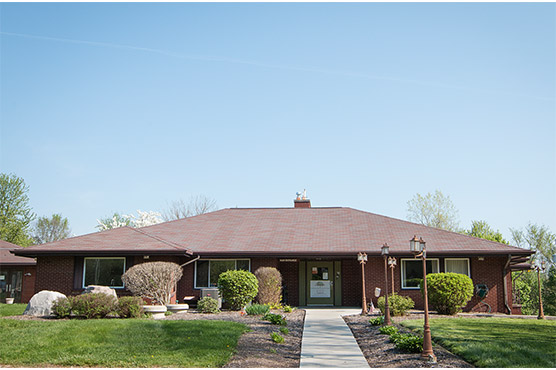
How is Seasons Nursing And Rehab Staffed?

CMS rates SEASONS NURSING AND REHAB's staffing level at 2 out of 5 stars, which is below average compared to other nursing homes. Staff turnover is 30%, compared to the Ohio average of 46%. This relatively stable workforce can support continuity of care.

What Have Inspectors Found at Seasons Nursing And Rehab?

State health inspectors documented 27 deficiencies at SEASONS NURSING AND REHAB during 2019 to 2025. These included: 26 with potential for harm and 1 minor or isolated issues.
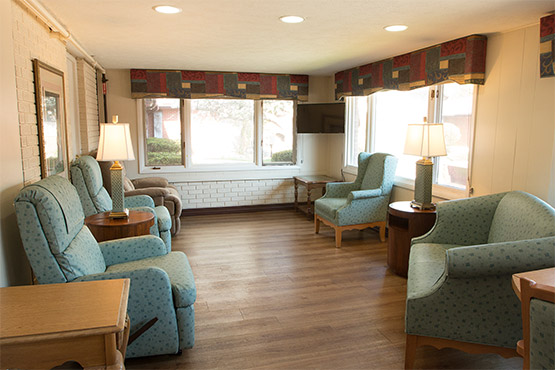
Who Owns and Operates Seasons Nursing And Rehab?

SEASONS NURSING AND REHAB is owned by a for-profit company. For-profit facilities operate as businesses with obligations to shareholders or private owners. The facility is operated by EMBASSY HEALTHCARE, a chain that manages multiple nursing homes. With 50 certified beds and approximately 48 residents (about 96% occupancy), it is a smaller facility located in STOW, Ohio.
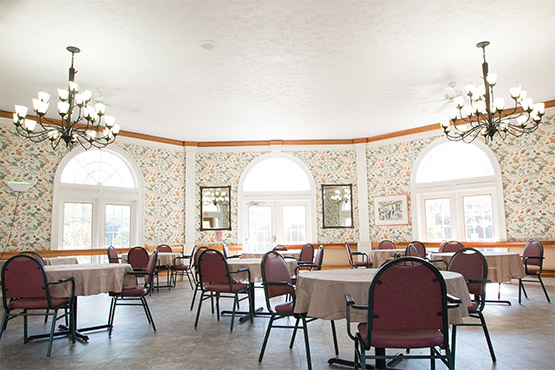
How Does Seasons Nursing And Rehab Compare to Other Ohio Nursing Homes?

Compared to the 100 nursing homes in Ohio, SEASONS NURSING AND REHAB's overall rating (2 stars) is below the state average of 3.2, staff turnover (30%) is significantly lower than the state average of 46%, and health inspection rating (1 stars) is much below the national benchmark.

What Should Families Ask When Visiting Seasons Nursing And Rehab?

Based on this facility's data, families visiting should ask: "Can you walk me through typical staffing levels on day, evening, and night shifts?" "Can I visit during a mealtime to observe dining assistance and food quality?" "How do you handle medical emergencies, and what is your hospital transfer rate?" "Can I speak with family members of current residents about their experience?" These questions are particularly relevant given the below-average staffing rating.

Is Seasons Nursing And Rehab Safe?

Based on CMS inspection data, SEASONS NURSING AND REHAB has a clean safety record: no substantiated abuse findings (meaning no confirmed cases of resident harm), no Immediate Jeopardy citations (the most serious violation level indicating risk of serious injury or death), and is not on the Special Focus Facility watch list (a federal program monitoring the lowest-performing 1% of nursing homes). The facility has a 2-star overall rating and ranks #100 of 100 nursing homes in Ohio. While no facility is perfect, families should still ask about staff-to-resident ratios and recent inspection results during their visit.

Do Nurses at Seasons Nursing And Rehab Stick Around?

Staff at SEASONS NURSING AND REHAB tend to stick around. With a turnover rate of 30%, the facility is 16 percentage points below the Ohio average of 46%. Low turnover is a positive sign. It means caregivers have time to learn each resident's needs, medications, and personal preferences. Consistent staff also notice subtle changes in a resident's condition more quickly.

Was Seasons Nursing And Rehab Ever Fined?

SEASONS NURSING AND REHAB has no federal fines on record. CMS issues fines when nursing homes fail to meet care standards or don't correct problems found during inspections. The absence of fines suggests the facility has either maintained compliance or corrected any issues before penalties were assessed. This is a positive indicator, though families should still review recent inspection reports for the full picture.

Is Seasons Nursing And Rehab on Any Federal Watch List?

SEASONS NURSING AND REHAB is not on any federal watch list. The most significant is the Special Focus Facility (SFF) program, which identifies the bottom 1% of nursing homes nationally based on persistent, serious quality problems. Not being on this list means the facility has avoided the pattern of deficiencies that triggers enhanced federal oversight. This is a positive indicator, though families should still review the facility's inspection history directly.