THE PAVILION AT STOW FOR NURSING AND REHABILITATIO
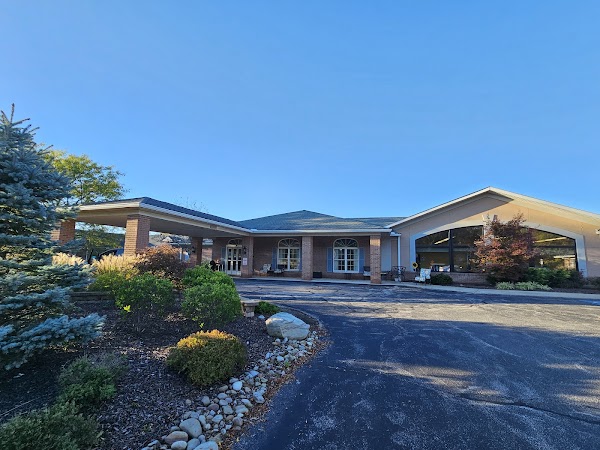
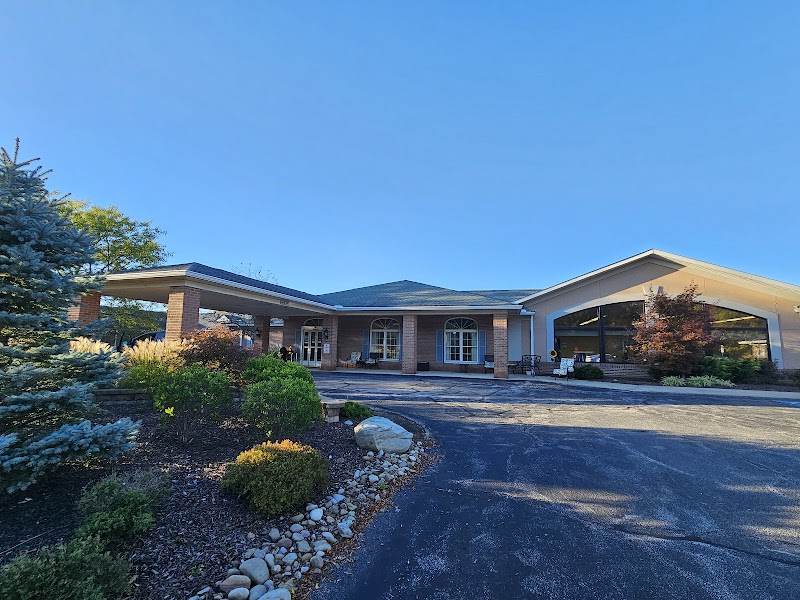
3700 ENGLEWOOD DRIVE, STOW, OH 44224 (330) 688-1828
For profit - Corporation 51 Beds THE PAVILION GROUP Data: November 2025
Trust Grade
50/100
#560 of 913 in OH
Last Inspection: August 2023

Over 2 years since last inspection. Current conditions may differ from available data.

Overview

The Pavilion at Stow for Nursing and Rehabilitation has a Trust Grade of C, which means it is average and sits in the middle of the pack compared to other facilities. It ranks #560 out of 913 in Ohio, placing it in the bottom half of the state, and #24 out of 42 in Summit County, indicating that only a few local options are better. The facility is showing an improving trend, with issues decreasing from 8 in 2023 to 7 in 2024. Staffing is a significant concern here, with a low rating of 1 out of 5 stars and a high turnover rate of 70%, which is above the Ohio average. However, the facility has no fines on record, which is a positive sign, and it offers more RN coverage than 78% of other Ohio facilities, meaning that registered nurses are available to address potential issues that might be overlooked by other staff. Some specific incidents noted during inspections include a lack of sufficient staffing to meet residents' needs, which could potentially affect multiple residents. Additionally, the kitchen was found unsanitary, with frozen meat thawed improperly and uncovered food items, posing a risk to resident health. Lastly, the kitchen equipment was not safe for operation, with missing knobs on the stove and evidence of malfunctioning equipment, which could affect meal preparation for residents. Overall, while there are strengths in nursing coverage and the absence of fines, the facility faces significant challenges in staffing and kitchen safety.

Trust Score
C
50/100
In Ohio
#560/913
Bottom 39%
Safety Record
Low Risk
No red flags
Inspections
Getting Better
8 → 7 violations
Staff Stability
⚠ Watch
70% turnover. Very high, 22 points above average. Constant new faces learning your loved one's needs.
Penalties
✓ Good
No fines on record. Clean compliance history, better than most Ohio facilities.
Skilled Nurses
○ Average
Each resident gets 38 minutes of Registered Nurse (RN) attention daily — about average for Ohio. RNs are the most trained staff who monitor for health changes.
Violations
⚠ Watch
30 deficiencies on record. Higher than average. Multiple issues found across inspections.
★★★☆☆
3.0
Overall Rating
★☆☆☆☆
1.0
Staff Levels
★★★★★
5.0
Care Quality
★★★☆☆
3.0
Inspection Score
Stable
2023: 8 issues
2024: 7 issues

The Good

  • 5-Star Quality Measures · Strong clinical quality outcomes
  • Full Sprinkler Coverage · Fire safety systems throughout facility
  • No fines on record

Facility shows strength in quality measures, fire safety.

The Bad

3-Star Overall Rating

Near Ohio average (3.2)

Meets federal standards, typical of most facilities

Staff Turnover: 70%

24pts above Ohio avg (46%)

Frequent staff changes - ask about care continuity

Chain: THE PAVILION GROUP

Part of a multi-facility chain

Ask about local staffing decisions and management

Staff turnover is very high (70%)

22 points above Ohio average of 48%

The Ugly 30 deficiencies on record

Nov 2024 1 deficiency
CONCERN (D) 📢 Someone Reported This

A family member, employee, or ombudsman was alarmed enough to file a formal complaint

Potential for Harm - no one hurt, but risky conditions existed

Deficiency F0558 (Tag F0558)

Could have caused harm · This affected 1 resident

Based on observation, staff interview, medical record review and review of facility policy, the facility failed to ensure call lights were within reach and accessible to residents. This affected three...

Read full inspector narrative →
Based on observation, staff interview, medical record review and review of facility policy, the facility failed to ensure call lights were within reach and accessible to residents. This affected three residents (#11, #12, and #36) of six residents reviewed for call light placement. The facility census was 44. Findings include: 1. Review of Resident #11's medical record revealed an admission date of 08/09/24 with diagnoses that included, but not limited to, cerebral infarction, muscle weakness, difficulty in walking and glaucoma. Review of the most recent Minimum Data Set (MDS) 3.0 assessment, dated 09/04/24, revealed Resident #11 was cognitively intact and required staff assistance for all activities of daily living (ADLs). Observation on 11/06/24 at 8:32 A.M. revealed Resident #11 was lying in bed. The call light was on the floor and not within the resident's reach. 2. Review of Resident #12's medical record revealed an admission date of 08/30/24 with diagnoses that included, but not limited to, muscle weakness, difficulty in walking and amaurosis fugax (a painless temporary loss of vision in one or both eyes). Review of the most recent MDS 3.0 assessment, dated 09/06/24, revealed Resident #12 was cognitively intact and required staff assistance for all ADLs. Observation on 11/06/24 at 8:32 A.M. revealed Resident #12 was lying in bed. The call light was on the floor and not within the resident's reach. Interview on 11/06/24 at 8:35 A.M. with Licensed Practical Nurse (LPN) #134 verified Resident #11 and Resident #12's call lights were out of reach of the residents. 3. Review of Resident #36's medical record revealed and admission date of 09/03/19 and a readmission date of 12/06/20. Diagnoses included, but not limited to, abnormal posture, muscle weakness, unspecified fracture of the lower end of the right femur, morbid (severe) obesity due to excess calories, age-related physical debility, unspecified osteoarthritis, difficulty in walking and need for assistance with personal care. Review of the most recent MDS 3.0 assessment, dated 10/03/24, revealed Resident #36 was moderately cognitively impaired and required staff assistance for all ADLs. Observation on 11/06/24 at 8:15 A.M. revealed Resident #36 was lying in bed. The resident's call light was hanging on the call light electrical box, located on the wall behind the bed, and not within Resident #36's reach. Interview on 11/06/24 at 8:16 A.M. with Registered Nurse (RN) #143 verified Resident #36's call light was not within the resident's reach. Review of the facility policy titled Call System, Residents, dated September 2022, revealed each resident is provided with a means to call staff directly for assistance from his/her bed, toileting/bathing facilities and from the floor. This deficiency represents non-compliance investigated under Complaint Number OH00159079.
Apr 2024 6 deficiencies
CONCERN (D) 📢 Someone Reported This

A family member, employee, or ombudsman was alarmed enough to file a formal complaint

Potential for Harm - no one hurt, but risky conditions existed

Safe Environment (Tag F0584)

Could have caused harm · This affected 1 resident

**NOTE- TERMS IN BRACKETS HAVE BEEN EDITED TO PROTECT CONFIDENTIALITY** Based on observation, interview, record review and review of the facility policy the facility failed to ensure Resident #6's roo...

Read full inspector narrative →
**NOTE- TERMS IN BRACKETS HAVE BEEN EDITED TO PROTECT CONFIDENTIALITY** Based on observation, interview, record review and review of the facility policy the facility failed to ensure Resident #6's room was sanitary. This affected one resident (Resident #6) out of three residents reviewed for sanitary environment. The facility census was 36. Findings include: Review of Resident #6's medical record revealed an admission date of 01/10/20 and diagnoses included hemiplegia and hemiparesis following cerebral infarction affecting left non-dominant side, anxiety disorder, and vascular dementia, unspecified severity with other behavioral disturbances. Review of Resident #6's Quarterly Minimum Data Set (MDS) 3.0 assessment dated [DATE] revealed Resident #6 had moderate cognitive impairment. Resident #6 was always incontinent of urine and bowel. Resident #6's upper and lower extremities had impairment on both sides, Resident #6 used a wheelchair, and Resident #6 was dependent for toileting hygiene. Review of Resident #6's care plan with a target date of 05/28/24 included Resident #6 had episodes of bladder and bowel incontinence related to diagnoses and impaired mobility. Resident #6 would be at a reduced risk for complications through the next review and Resident #6 would be comfortable, clean, dry and free from skin breakdown through the next review. Interventions included to assist Resident #6 with toileting needs. Observation on 04/15/24 at 5:26 A.M. revealed State Tested Nursing Assistant's (STNA)'s #105 and #112 entered Resident #6's room to provide incontinence care. Resident #6's bathroom did not have a trash can in it and a dirty incontinence brief was lying on the bathroom floor. STNA #105 stated the dirty incontinence brief was lying on the floor in the bathroom when they arrived for work on 04/14/24 at 6:30 P.M. STNA #105 stated an STNA called off work and that left only STNA #105 and #112 to care for 36 residents. STNA #105 indicated only having two STNA's working made it hard to properly do their job, and the incontinence brief should not have been left on the bathroom floor. STNA's #105 and #112 confirmed there was no trash can in Resident #6's bathroom. STNA's #105 and #112 proceeded to provide incontinence care for Resident #6 and observation revealed Resident #6 was wearing an incontinence brief, a liner, and two reusable draw sheets were underneath her. Resident #6's incontinence brief and liner were very wet. STNA #112 stated Resident #6 needed an incontinence brief, a liner and two draw sheets because she was a heavy wetter. STNA #112 removed Resident #6's soiled incontinence brief, liner and the two draw sheets underneath her and laid them directly on the floor next to her bed. After Resident #6's incontinence care was completed STNA #112 picked up the soiled incontinence brief and draw sheets off the floor next to her bed and picked up the soiled incontinence brief from the bathroom floor and placed them in a plastic bag and took them to the utility room. STNA #112 washed his hands after placing the soiled items in the utility room. STNA #112 confirmed he placed Resident #6's soiled incontinence brief and draw sheets directly on the floor next to her bed, and he should not have done that. Interview on 04/15/24 at 7:45 A.M. revealed the Director of Nursing (DON) was made aware Resident #6's soiled incontinence brief, liner and draw sheets were placed on the floor during incontinence care and the DON confirmed the items should not have been put on the floor. The DON was made aware a soiled incontinence brief was observed on the floor in Resident #6's bathroom and there was no trash can. The DON confirmed the soiled incontinence brief should not have been left on the bathroom floor. Review of the facility policy titled Perineal Care revised 02/2018 included the purpose of the procedure was to provide cleanliness and comfort to the resident, to prevent infections and skin irritation and to observe the resident's skin condition. The policy stated to discard disposable items into designated containers.
CONCERN (D) 📢 Someone Reported This

A family member, employee, or ombudsman was alarmed enough to file a formal complaint

Potential for Harm - no one hurt, but risky conditions existed

Quality of Care (Tag F0684)

Could have caused harm · This affected 1 resident

**NOTE- TERMS IN BRACKETS HAVE BEEN EDITED TO PROTECT CONFIDENTIALITY** Based on observation, interview, record review the facility failed to ensure Resident #10's physician ordered diagnostic test wa...

Read full inspector narrative →
**NOTE- TERMS IN BRACKETS HAVE BEEN EDITED TO PROTECT CONFIDENTIALITY** Based on observation, interview, record review the facility failed to ensure Resident #10's physician ordered diagnostic test was scheduled timely. This affected one resident (Resident #10) out of three residents reviewed for appointments. The facility census was 36. Findings include: Review of Resident #10's medical record revealed an admission date of 06/24/23 and diagnoses included chronic kidney disease, stage four, morbid obesity, major depressive disorder and type two diabetes mellitus with diabetic polyneuropathy. Review of Resident #10's physician orders dated 07/25/23 revealed Resident #10 would have a sleep study done on 07/27/23 at 8:30 P.M. at a sleep study location. Resident #10 needed to have a shower and be free of any lotions, oils, no caffeine or chocolate after 12:00 P.M. on 07/25/23. No OTC (over the counter) medication, no nail polish. Resident #10 could bring a pillow and wear loose, comfortable clothing. Review of Resident #10's progress notes dated 07/28/23 at 5:39 A.M. revealed Resident #10 was scheduled for a sleep study. Transportation did not pick her up. Resident #10 was aware that the facility would reschedule her appointment and transportation. Review of Resident #10's progress notes dated 07/28/23 at 10:49 A.M. revealed the local hospital was contacted to reschedule Resident #10's sleep study and was informed that Resident #10 had to be accompanied by an aide to the appointment for liability reasons. Review of Resident #10's progress notes and physician orders from 07/28/23 through 04/15/24 did not reveal evidence Resident #10's sleep study diagnostic test was rescheduled. Review of Resident #10's hospital admission paperwork and After Visit Summary from 09/24/23 through 09/29/24 revealed Resident #10 was hospitalized and the paperwork did not reveal evidence the hospital was aware a sleep study needed to be completed while Resident #10 was admitted to the hospital. Review of Resident #10's Quarterly MDS 3.0 assessment dated [DATE] revealed Resident #10 had moderate cognitive impairment. Resident #10 was always incontinent of urine and bowel. Resident #10 used a wheelchair, and required partial to moderate assistance to roll right and left. Review of Resident #10's care plan with a target date of 06/18/24 included Resident #10 had impaired respiratory status related to anxiety, chronic obstructive pulmonary disease, emphysema. Resident #10 would be free of complications related to altered respiratory status through the next review. Interventions included for labs and diagnostic testing to be completed as ordered. Interview on 04/15/24 at 10:48 A.M. with Ombudsman #128 revealed about six or seven months ago Resident #10 was supposed to have a sleep study diagnostic test, but it was not done. Ombudsman #128 stated Resident #10 talked to the Director of Nursing (DON) about the sleep study not being done, and it still has not been done. Interview on 04/15/24 at 2:49 P.M. with the DON confirmed Resident #10's sleep study diagnostic test ordered months ago had not been completed. The DON stated the facility tried multiple times to schedule the sleep study, and it was challenging because the sleep study needed to be done at the facility because the sleep study provider told the facility Resident #10 had to be accompanied by an aide for the appointment, and the facility had to send a mechanical lift with Resident #10. The DON stated they finally found a provider who could do the sleep study at the facility, and before they could schedule the sleep study appointment Resident #10 was admitted to the hospital for a few days. The DON stated the hospital said they could do the sleep study while she was admitted , but it was not done. The DON indicated readmission orders from the hospital did not have orders for a sleep study, and the facility did not realize it was not done. The DON stated Resident #10 did not tell her the sleep study was not completed. Observation on 04/16/24 at 11:36 A.M. of Resident #10 revealed she was lying in bed with the head of the bed elevated. Interview on 04/16/24 at 11:36 A.M. with Resident #10 revealed she was told by her pulmonologist about six or seven months ago she needed a sleep study diagnostic test completed, but it fell by the wayside. Resident #10 stated too many people handle the appointments and her appointment was lost in the shuffle. Resident #10 stated she was not aware the sleep study was supposed to be done while she was admitted to the hospital last year. Resident #10 indicated she told Licensed Practical Nurse (LPN) #129 and the Director of Nursing (DON) her sleep study was not done, they said they were going to make sure it was scheduled, but so much was going on, a lot of staff were quitting, the facility was trying to care for the residents and the sleep study did not get scheduled. Interview on 04/16/24 at 12:06 P.M. with LPN #129 revealed Resident #10 had an appointment with her pulmonologist last year around July and came back with an order for a sleep study. LPN #129 stated she found a provider who would come to the facility and complete Resident #10's sleep study test, but before she could get the sleep study scheduled Resident #10 was admitted to the hospital for a couple days, and she had quite a few appointments for different things like a mammogram, an appointment to discuss an arteriovenous fistula for dialysis. LPN #129 stated transportation was also an issue and Resident #10's sleep study never got scheduled, and now it had been too long and the facility needed a new order to have the sleep study completed. LPN #129 confirmed Resident #10 told her the sleep study was not completed but LPN #129 could not remember when she was told. Interview on 04/16/24 at 4:20 P.M. with Social Services Designee (SSD) #130 revealed she first was involved with Resident #10's sleep study in 09/2023. SSD #130 stated Resident #10's oxygen saturation levels were dropping at night and the sleep study needed to be scheduled. SSD #130 indicated Resident #10 wanted to be discharged home, a care conference was scheduled for 09/2023 but was postponed when Resident #10 was admitted to the hospital. Resident #10's care conference was held in 10/2023 and Resident #10 wanted to got home and have all her appointments and tests done from home. SSD #130 indicated Resident #10 did not go home because she was having problems with edema and had become agitated about all her issues. SSD #130 stated she was working on a safe discharge for Resident #10 and Resident #10 was not able to leave the facility. SSD #130 stated she did not know anything more about Resident #10's sleep study. Review of the facility policy titled Resident Rights revised 02/2021 included resident's had the right for communication with and access to people and services, both inside and outside the facility.
CONCERN (D) 📢 Someone Reported This

A family member, employee, or ombudsman was alarmed enough to file a formal complaint

Potential for Harm - no one hurt, but risky conditions existed

Incontinence Care (Tag F0690)

Could have caused harm · This affected 1 resident

**NOTE- TERMS IN BRACKETS HAVE BEEN EDITED TO PROTECT CONFIDENTIALITY** Based on observation, interview, record review and review of the facility policy the facility failed to ensure Resident's #1 and...

Read full inspector narrative →
**NOTE- TERMS IN BRACKETS HAVE BEEN EDITED TO PROTECT CONFIDENTIALITY** Based on observation, interview, record review and review of the facility policy the facility failed to ensure Resident's #1 and #10 received incontinence care timely. This affected two residents (Resident's #1 and #10) out of three resident's reviewed for incontinence care. The facility census was 36. Findings include: 1. Review of Resident #1's medical record revealed an admission date of 08/30/18 and diagnoses included dementia without behavioral, psychotic, mood disturbance and anxiety, type two diabetes mellitus with hyperglycemia, and major depressive disorder. Review of Resident #1's Quarterly Minimum Data Set (MDS) 3.0 assessment dated [DATE] revealed Resident #1 had severe cognitive impairment. Resident #1 was frequently incontinent of urine and bowel. Resident #1 was dependent on staff for toileting hygiene. Review of Resident #1's care plan with a target date of 07/11/24 included Resident #1 had episodes of bladder and bowel incontinence related to the need for assistance with ADL's (Activity of Daily Living) and diagnoses. Resident #1 would be comfortable, clean, dry and free from skin breakdown through the next review. Interventions included to assist Resident #1 with toileting needs, monitor peri-area for redness, irritation, skin excoriation and breakdown, and provide peri-care after each incontinent episode and apply house barrier after incontinence care. Resident #1 had behaviors including refusal to allow incontinence care when incontinent. Interventions included to approach Resident #1 in a calm manner to avoid frustration and behavior escalation. If Resident #1 became agitated and showed signs of escalation, reapproach later. Review of Resident #1's Skin Inspection dated 04/11/24 revealed no new observed skin issues. Review of Resident #1's progress notes from 04/11/24 through 04/15/24 did not reveal notes regarding redness to Resident #1's buttocks, perineal area or groin area. Observation on 04/15/24 at 5:43 A.M. revealed State Tested Nursing Assistant's (STNA)'s #105 and #112 were preparing to provide incontinence care for Resident #1. STNA's #105 and #112 proceeded to provide Resident #1's incontinence care and when her incontinence brief was removed it was saturated with urine and she was also wearing a liner which was saturated with urine. Resident #1's reusable draw sheet which was underneath her was wet with urine. Observation of Resident #1's buttocks, labia, and the crease of both her thighs and groin area revealed chafing and redness. STNA #112 confirmed Resident #1's buttocks, labia, and the crease of both her thighs and groin area were chafed and red, and her incontinence brief, liner and draw sheet were saturated with urine. STNA #112 stated he knew Resident #1 needed changed, but he was not able to provide incontinence care because there were only two STNA's working the night shift and he was too busy to provide incontinence care until now. STNA #112 stated he thought the last time he provided Resident #1's incontinence care was around 2:30 A.M. After Resident #1's incontinence care was completed STNA #105 did not apply barrier cream, but sprinkled baby powder on her perineal area and buttocks. STNA #105 stated the baby powder helped soak up the wetness in Resident #1's perineal area. Observation of Resident #1 during the incontinence care did not reveal she refused to have her incontinence brief changed. Interview on 04/15/24 at 7:45 A.M. with the Director of Nursing (DON) revealed she was informed by the surveyor Resident #1's buttocks, labia, the creases of her thighs and [NAME] area were red and chafed. The DON stated in the past Resident #1 had MASD (moisture associated skin damage), a fungal infection in her groin area, and had nystatin powder ordered to treat the fungal infection. The DON indicated she did not know Resident #1 had redness and chafing to her buttocks, groin, labia and creases of her thighs at this time. The DON stated Resident #1 refused to have her incontinence brief changed at times. Interview on 04/16/24 at 10:33 A.M. with STNA #126 revealed Resident #1 was alright to take care of, she was a little stubborn, but with a little encouragement the aides were able to change her incontinence brief. STNA #126 stated if Resident #1 refused to have her brief changed she would give her a little time, return to the room and Resident #1 would usually let her change her soiled brief. Sometimes STNA #126 brought a nurse with her and Resident #1 always allowed her brief to be changed if there were two staff changing her. STNA #126 stated Resident #1 was more likely to refuse to have her brief changed in the afternoon toward evening, and that was when two staff was helpful. Review of the facility policy titled Perineal Care revised 02/2018 included the purpose of the procedure was to provide cleanliness and comfort to the resident, to prevent infections and skin irritation and to observe the resident's skin condition. 2. Review of Resident #10's medical record revealed an admission date of 06/24/23 and diagnoses included chronic kidney disease, stage four, morbid obesity, major depressive disorder and type two diabetes mellitus with diabetic polyneuropathy. Review of Resident #10's Quarterly MDS 3.0 assessment dated [DATE] revealed Resident #10 had moderate cognitive impairment. Resident #10 was always incontinent of urine and bowel. Resident #10 used a wheelchair, and required partial to moderate assistance to roll right and left. Review of Resident #10's care plan with a target date of 06/18/24 included Resident #10 had episodes of bladder and bowel incontinence related to her diagnoses. Resident #10 would be a reduced risk for complications from incontinence through the next review. Resident #10 would be comfortable, clean, dry, and free from skin breakdown through the next review. Interventions included to assist Resident #10 with toileting needs, to provide peri-care after each incontinent episode, apply house barrier after incontinence care. Further review of Resident #10's care plan did not reveal a care plan for providing incontinence care during the night and when she was sleeping. Observation on 04/15/24 at 6:03 A.M. of STNA #105 and Licensed Practical Nurse (LPN) #118 revealed they were preparing to provide incontinence care for Resident #10. STNA #105 stated the last time Resident #10 was provided incontinence care was on 04/14/24 at around 10:30 P.M. to 11:00 P.M. STNA #105 stated Resident #10 let them know when she wanted her incontinence brief changed. STNA #105 and LPN #118 proceeded to provide Resident #10's incontinence care and when Resident #10's brief was removed it was observed to be saturated with urine, and the reusable draw sheet underneath Resident #10 was soaked with urine and dried urine could be seen around the edges of the wet urine. Resident #10 stated she had been awake since 4:30 A.M. waiting for STNA #105 to change her, and she did not put her call light on because she knew there were only two STNA's working and she was waiting for them to get to her. Interview on 04/15/24 at 11:36 A.M. with Resident #10 revealed if she was awake it was uncomfortable for her to lay in a wet brief. Resident #10 stated when there were only two aides working like on 04/15/24 it made it hard for the aides to change residents timely. Resident #10 confirmed she was awake on 04/15/24 at 4:30 A.M., was laying in a wet brief waiting to be changed and it was uncomfortable. Resident #10 stated it was not fair to the residents to only have two STNA's working because it was hard to get changed timely on those days. Resident #10 stated she was the Resident Council President and heard stories about residents being left wet and not changed timely, but she could not provide names of the residents. Review of the facility policy titled Perineal Care revised 02/2018 included the purpose of the procedure was to provide cleanliness and comfort to the resident, to prevent infections and skin irritation and to observe the resident's skin condition. Interview on 04/15/24 at 2:49 P.M. with the Director of Nursing (DON) revealed Resident #10 told her if she was asleep not to wake her up to change her because she is a light sleeper and would rather sleep than be changed. This deficiency represents non-compliance investigated under Complaint Number OH00152225.
CONCERN (E) 📢 Someone Reported This

A family member, employee, or ombudsman was alarmed enough to file a formal complaint

Potential for Harm - no one hurt, but risky conditions existed

Deficiency F0807 (Tag F0807)

Could have caused harm · This affected multiple residents

**NOTE- TERMS IN BRACKETS HAVE BEEN EDITED TO PROTECT CONFIDENTIALITY** Based on observation, interview, record review and review of the facility policy, the facility failed to ensure Resident's #21 a...

Read full inspector narrative →
**NOTE- TERMS IN BRACKETS HAVE BEEN EDITED TO PROTECT CONFIDENTIALITY** Based on observation, interview, record review and review of the facility policy, the facility failed to ensure Resident's #21 and #23 received water timely and per their preference. This affected two residents (Resident #21 and #23) out of three residents reviewed for receiving water timely and had the potential to affect 12 residents (Resident's #1, #2, #3, #6, #8, #13, #17, #21, #23, #26, #27, #30) residing on the 200 nursing unit. The facility census was 36. Findings include: 1. Review of Resident #21's medical record revealed an admission date of 04/01/21 and diagnoses included chronic respiratory failure with hypoxia, type two diabetes mellitus with diabetic nephropathy, and a personal history of urinary tract infections. Review of Resident #21's Quarterly Nutrition Evaluation dated 07/17/23 included Resident #21's diet order was low concentrated sweets, no added salt. Resident #21 was at risk for dehydration. Further review revealed to encourate fluids with and between meals for Resident #21, and might need to prompt, remind, cue and, or present fluids to Resident #21 to assure adequate fluid intake and hydration status. Review of Resident #21's Quarterly Minimum Data Set (MDS) 3.0 assessment dated [DATE] revealed Resident #21 had moderate cognitive impairment. Resident #21 required partial to moderate assistance to roll left and right, required supervision or touching assistance to walk ten feet, and was dependent to walk fifty feet with two turns. Review of Resident #21's care plan with a review date of 06/09/24 included Resident #21 prefered two cups of ice water at times. Resident #21's preferences would be honored. Interventions did not include an intervention for Resident #21's preference of having two cups of ice water. Observation on 04/15/24 at 1:41 P.M. of Resident #21 revealed she was lying in her bed with the head of her bed elevated. There was a styrofoam cup in front of Resident #21 on the bedside table, and there was no date written on the cup. Interview on 04/15/24 at 1:41 P.M. with Resident #21 revealed she did not get water today, and the nurse brought her water after she asked and Resident #21 pointed to the styrofoam cup in front of her. Resident #21 stated she wanted two cups of ice water on day shift, one cup of ice water with breakfast, then one cup of ice water between breakfast and lunch. Resident #21 indicated she did not get two cups of ice water at the times she preferred, and did not get any water at all until she asked the nurse to provide it. Resident #21 indicated she would be happy if she received two cups of ice water at breakfast and between breakfast and lunch. Resident #21 stated bedtime was horrible, I like to have water at night and I do not get it. Resident #21 indicated there were not enough State Tested Nursing Assistants (STNA)s to take care of the residents. Resident #21 stated she often did not get ice water in the morning as she preferred and requested. Interview on 04/15/24 at 1:41 P.M. with STNA #110 revealed she did not pass water to the residents in her assignment today and Resident #21 was part of her resident assignment. STNA #110 confirmed Resident #21 did not receive ice water today since she arrived for work at 6:30 A.M. STNA #110 stated she had 14 or 15 residents to take care of today, over half of them required total care, and she was behind all day. STNA #110 said she made sure the residents who needed their incontinence briefs changed had that completed first and she did not always get water passed. STNA #110 stated sometimes she was just running from resident to resident trying to take care of them. Interview on 04/15/24 at 2:25 P.M. with Ombudsman #128 revealed in the past couple weeks she brought the problem of ice water not getting passed to the residents to the attention of the Administrator and the Director of Nursing (DON) more than one time. Ombudsman #128 stated both the Administrator and the DON walked to the resident rooms with her, including Resident #21, and verified with the resident no water was passed that day. Ombudsman #128 stated the DON told her she was going to have an in-service soon and include ice water distribution in the in-service education and have staff sign off they were aware ice water needed to be passed to the residents. Interview on 04/16/24 at 2:30 P.M. with the Administrator revealed water might not get passed in the morning, but the STNA's shift was not over yet and water would be passed before the STNA's left for the day at 6:30 P.M. The Administrator stated he was aware Resident #21 often did not have ice water given to her in the morning per her preference. Interview on 04/16/24 at 1:55 P.M. with the Director of Nursing (DON) confirmed she was aware Resident #21 often did not receive ice water and had talked to the STNA's about it, and had called to remind the aides to give ice water to Resident #21. The DON stated she was aware Resident #21 did not receive ice water today. The DON indicated the aides shift was not over yet and Resident #21 could ask the aides to give her ice water. Review of the 200 nursing unit census STNA #110 was assigned to revealed 12 residents (Resident's #1, #2, #3, #6, #8, #13, #17, #21, #23, #26, #27, #30) resided on the unit. Review of the facility policy titled Encouraging Fluids revised 10/2010 included the purpose of the procedure was to provide the resident with amount of fluids necessary to maintain optimum health. This might include encouraging fluids. Take the fluid container in the resident's room, inform the resident you have brought him or her a drink and encourage the resident to drink the fluid. 2. Review of Resident #23's medical record revealed an admission date of 10/26/20 and diagnoses included unspecified psychosis not due to a substance or known physiological condition, dementia with other behavioral disturbance, psychotic disorder with delusions due to known physiological condition. Review of Resident #23's Annual MDS 3.0 assessment dated [DATE] revealed Resident #23 had moderate cognitive impairment. Resident #23 used a wheelchair and required partial to moderate assistance to roll right and left and Resident #23 was not able to walk. Review of Resident #23's care plan with a target date of 06/28/24 included Resident #23 was at increased risk for altered nutritional status including Resident #21 needed alternate fluid consistency and was on a diuretic. Resident #23 would be free of signs and symptoms of dehydration. Interventions included to encourage and provide intake of fluids throughout the day, and might need to prompt, remind, cue, and or present fluids to Resident #23 to help assure adequate fluid intake and hydration status. Review of Resident #23's Comprehensive Nutritional Evaluation dated 03/19/24 included Resident #23 was on a regular diet, regular consistency. Resident #23 was at risk for dehydration, and Resident #23's estimated fluids were 2525 cc's (cubic centimeters) per day. Continued on diuretic therapy, fluids to be encouraged with and between meals. Might need to prompt, remind, cue, and, or present fluids to Resident #23 to help assure adequate fluid intake and hydration status. Observation on 04/15/24 at 1:08 P.M. of Resident #23 revealed she was lying in bed with the head of the bed elevated. A styrofoam cup, undated was sitting on a bedside table in front of Resident #23. Interview on 04/15/24 at 1:08 P.M. with Resident #23 revealed she did not have water passed to her by the aides today. Resident #23 stated the styrofoam cup was from last night, no aides had given her water including ice water today, and she would like to have some ice water. Interview on 04/15/24 at 1:41 P.M. with STNA #110 revealed she did not pass water to the residents in her assignment today and Resident #23 was part of her resident assignment. STNA #110 confirmed Resident #23 did not receive ice water today since she arrived for work at 6:30 A.M. STNA #110 stated she had 14 or 15 residents to take care of today, over half of them required total care, and she was behind all day. STNA #110 said she made sure the residents who needed their incontinence briefs changed had that completed first and she did not always get water passed. STNA #110 stated sometimes she was just running from resident to resident trying to take care of them. Interview on 04/16/24 at 2:30 P.M. with Administrator revealed water might not get passed in the morning, but the STNA's shift was not over yet and water would be passed before the STNA's left for the day at 6:30 P.M. Interview on 04/16/24 at 1:55 P.M. with Director of Nursing (DON) confirmed she was aware the residents often did not receive ice water and had talked to the STNA's about it, and had called to remind the aides to distribute ice water to the residents. The DON stated the residents could ask for ice water to be brought to them instead of waiting for the aides to bring the water. Review of the 200 nursing unit census STNA #110 was assigned to revealed 12 residents (Resident's #1, #2, #3, #6, #8, #13, #17, #21, #23, #26, #27, #30) resided on the unit. Review of the facility policy titled Encouraging Fluids revised 10/2010 included the purpose of the procedure was to provide the resident with amount of fluids necessary to maintain optimum health. This might include encouraging fluids. Take the fluid container in the resident's room, inform the resident you have brought him or her a drink and encourage the resident to drink the fluid.
CONCERN (F) 📢 Someone Reported This

A family member, employee, or ombudsman was alarmed enough to file a formal complaint

Potential for Harm - no one hurt, but risky conditions existed

Deficiency F0725 (Tag F0725)

Could have caused harm · This affected most or all residents

**NOTE- TERMS IN BRACKETS HAVE BEEN EDITED TO PROTECT CONFIDENTIALITY** Based on observation, interview, record review and review of the facility policy the facility failed to ensure sufficient staffi...

Read full inspector narrative →
**NOTE- TERMS IN BRACKETS HAVE BEEN EDITED TO PROTECT CONFIDENTIALITY** Based on observation, interview, record review and review of the facility policy the facility failed to ensure sufficient staffing to meet the needs of the residents. This affected Resident's #1, #6, #10, #21, #23 and had the potential to affect all the residents residing in the facility. The facility census was 36. Findings include: 1. Review of Resident #21's medical record revealed an admission date of 04/01/21 and diagnoses included chronic respiratory failure with hypoxia, type two diabetes mellitus with diabetic nephropathy, and a personal history of urinary tract infections. Review of Resident #21's Quarterly Nutrition Evaluation dated 07/17/23 included Resident #21's diet order was low concentrated sweets, no added salt. Resident #21 was at risk for dehydration. Further review revealed to encourage fluids with and between meals for Resident #21, and might need to prompt, remind, cue and, or present fluids to Resident #21 to assure adequate fluid intake and hydration status. Review of Resident #21's Quarterly Minimum Data Set (MDS) 3.0 assessment dated [DATE] revealed Resident #21 had moderate cognitive impairment. Resident #21 required partial to moderate assistance to roll left and right, required supervision or touching assistance to walk ten feet, and was dependent to walk fifty feet with two turns. Review of Resident #21's care plan with a review date of 06/09/24 included Resident #21 preferred two cups of ice water at times. Resident #21's preferences would be honored. Interventions did not include an intervention for Resident #21's preference of having two cups of ice water. Observation on 04/15/24 at 1:41 P.M. of Resident #21 revealed she was lying in her bed with the head of her bed elevated. There was a styrofoam cup in front of Resident #21 on the bedside table, and there was no date written on the cup. The cup was nearly empty with no ice. Interview on 04/15/24 at 1:41 P.M. with Resident #21 revealed she did not get water today, and the nurse brought her water after she asked and Resident #21 pointed to the styrofoam cup in front of her. Resident #21 stated she wanted two cups of ice water on day shift, one cup of ice water with breakfast, then one cup of ice water between breakfast and lunch. Resident #21 indicated she did not get two cups of ice water at the times she preferred, and did not get any water at all until she asked the nurse to provide it. Resident #21 indicated she would be happy if she received two cups of ice water at breakfast and between breakfast and lunch. Resident #21 stated bedtime was horrible, I like to have water at night and I do not get it. Resident #21 indicated there were not enough State Tested Nursing Assistants (STNA)s to take care of the residents. Resident #21 stated she often did not get ice water in the morning as she preferred and requested. Interview on 04/15/24 at 1:41 P.M. with STNA #110 revealed she did not pass water to the residents in her assignment today and Resident #21 was part of her resident assignment. STNA #110 confirmed Resident #21 did not receive ice water today since she arrived for work at 6:30 A.M. STNA #110 stated she had 14 or 15 residents to take care of today, over half of them required total care, and she was behind all day. STNA #110 said she made sure the residents who needed their incontinence briefs changed had that completed first and she did not always have time to get water passed. STNA #110 stated sometimes she was just running from resident to resident trying to take care of them. Interview on 04/16/24 at 2:30 P.M. with the Administrator revealed water might not get passed in the morning, but the STNA's shift was not over yet and water would be passed before the STNA's left for the day at 6:30 P.M. The Administrator stated he was aware Resident #21 often did not have ice water given to her in the morning per her preference. Interview on 04/16/24 at 1:55 P.M. with the Director of Nursing (DON) confirmed she was aware Resident #21 often did not receive ice water and had talked to the STNA's about it, and had called to remind the aides to give ice water to Resident #21. The DON stated she was aware Resident #21 did not receive ice water today. The DON indicated the aides shift was not over yet and Resident #21 could ask the aides to give her ice water. 2. Review of Resident #23's medical record revealed an admission date of 10/26/20 and diagnoses included unspecified psychosis not due to a substance or known physiological condition, dementia with other behavioral disturbance, psychotic disorder with delusions due to known physiological condition. Review of Resident #23's Annual MDS 3.0 assessment dated [DATE] revealed Resident #23 had moderate cognitive impairment. Resident #23 used a wheelchair and required partial to moderate assistance to roll right and left and Resident #23 was not able to walk. Review of Resident #23's care plan with a target date of 06/28/24 included Resident #23 was at increased risk for altered nutritional status including Resident #21 needed alternate fluid consistency and was on a diuretic. Resident #23 would be free of signs and symptoms of dehydration. Interventions included to encourage and provide intake of fluids throughout the day, and might need to prompt, remind, cue, and or present fluids to Resident #23 to help assure adequate fluid intake and hydration status. Review of Resident #23's Comprehensive Nutritional Evaluation dated 03/19/24 included Resident #23 was on a regular diet, regular consistency. Resident #23 was at risk for dehydration, and Resident #23's estimated fluids were 2525 cc's (cubic centimeters) per day. Continued on diuretic therapy, fluids to be encouraged with and between meals. Might need to prompt, remind, cue, and, or present fluids to Resident #23 to help assure adequate fluid intake and hydration status. Observation on 04/15/24 at 1:08 P.M. of Resident #23 revealed she was lying in bed with the head of the bed elevated. A styrofoam cup, undated was sitting on a bedside table in front of Resident #23. The cup was nearly empty with no ice. Interview on 04/15/24 at 1:08 P.M. with Resident #23 revealed she did not have water passed to her by the aides today. Resident #23 stated the styrofoam cup was from last night, no aides had given her water including ice water today, and she would like to have some ice water. Interview on 04/15/24 at 1:41 P.M. with STNA #110 revealed she did not pass water to the residents in her assignment today and Resident #23 was part of her resident assignment. STNA #110 confirmed Resident #23 did not receive ice water today since she arrived for work at 6:30 A.M. STNA #110 stated she had 14 or 15 residents to take care of today, over half of them required total care, and she was behind all day. STNA #110 said she made sure the residents who needed their incontinence briefs changed had that completed first and she did not always get water passed. STNA #110 stated sometimes she was just running from resident to resident trying to take care of them. 3. Review of Resident #1's medical record revealed an admission date of 08/30/18 and diagnoses included dementia without behavioral, psychotic, mood disturbance and anxiety, type two diabetes mellitus with hyperglycemia, and major depressive disorder. Review of Resident #1's Quarterly Minimum Data Set (MDS) 3.0 assessment dated [DATE] revealed Resident #1 had severe cognitive impairment. Resident #1 was frequently incontinent of urine and bowel. Resident #1 was dependent on staff for toileting hygiene. Review of Resident #1's care plan with a target date of 07/11/24 included Resident #1 had episodes of bladder and bowel incontinence related to the need for assistance with ADL's (Activity of Daily Living) and diagnoses. Resident #1 would be comfortable, clean, dry and free from skin breakdown through the next review. Interventions included to assist Resident #1 with toileting needs, monitor peri-area for redness, irritation, skin excoriation and breakdown, and provide peri-care after each incontinent episode and apply house barrier after incontinence care. Observation on 04/15/24 at 5:43 A.M. revealed State Tested Nursing Assistant's (STNA)'s #105 and #112 were preparing to provide incontinence care for Resident #1. STNA's #105 and #112 proceeded to provide Resident #1's incontinence care and when her incontinence brief was removed it was saturated with urine and she was also wearing a liner which was saturated with urine. Resident #1's reusable draw sheet which was underneath her was wet with urine. Observation of Resident #1's buttocks, labia, and the crease of both her thighs and groin area revealed chafing and redness. STNA #112 confirmed Resident #1's buttocks, labia, and the crease of both her thighs and groin area were chafed and red, and her incontinence brief, liner and draw sheet were saturated with urine. STNA #112 stated he knew Resident #1 needed changed, but he was not able to provide incontinence care because there were only two STNA's working the night shift and he was too busy to provide incontinence care until now. 4. Review of Resident #10's medical record revealed an admission date of 06/24/23 and diagnoses included chronic kidney disease, stage four, morbid obesity, major depressive disorder and type two diabetes mellitus with diabetic polyneuropathy. Review of Resident #10's Quarterly MDS 3.0 assessment dated [DATE] revealed Resident #10 had moderate cognitive impairment. Resident #10 was always incontinent of urine and bowel. Resident #10 used a wheelchair, and required partial to moderate assistance to roll right and left. Review of Resident #10's care plan with a target date of 06/18/24 included Resident #10 had episodes of bladder and bowel incontinence related to her diagnoses. Resident #10 would be a reduced risk for complications from incontinence through the next review. Resident #10 would be comfortable, clean, dry, and free from skin breakdown through the next review. Interventions included to assist Resident #10 with toileting needs, to provide peri-care after each incontinent episode, apply house barrier after incontinence care. Review of the facility nursing staff assignment sheets dated 04/12/24 revealed LPN #100 worked from 6:00 P.M. until 6:00 A.M. Further review revealed LPN #119 had a line drawn through her name and LPN #115's name was hand written by LPN #119's name. Further review revealed STNA #105 called off and STNA's #103 and #112 were scheduled to work night shift. Observation on 04/15/24 at 6:03 A.M. of STNA #105 and Licensed Practical Nurse (LPN) #118 revealed they were preparing to provide incontinence care for Resident #10. STNA #105 stated the last time Resident #10 was provided incontinence care was on 04/14/24 at around 10:30 P.M. to 11:00 P.M. STNA #105 stated Resident #10 let them know when she wanted her incontinence brief changed. STNA #105 and LPN #118 proceeded to provide Resident #10's incontinence care and when Resident #10's brief was removed it was observed to be saturated with urine, and the reusable draw sheet underneath Resident #10 was soaked with urine and dried urine could be seen around the edges of the wet urine. Resident #10 stated she had been awake since 4:30 A.M. waiting for STNA #105 to change her, and she did not put her call light on because she knew there were only two STNA's working and she was waiting for them to get to her. Interview on 04/16/24 at 11:36 A.M. with Resident #10 revealed if she was awake it was uncomfortable for her to lay in a wet brief. Resident #10 stated when there were only two aides working like on 04/15/24 it made it hard for the aides to change residents timely. Resident #10 confirmed she was awake on 04/15/24 at 4:30 A.M., was laying in a wet brief waiting to be changed and it was uncomfortable. Resident #10 stated it was not fair to the residents to only have two STNA's working because it was hard to get changed timely on those days. Resident #10 stated she was the Resident Council President and heard stories about residents being left wet and not changed timely, but she could not provide names of the residents. Resident #10 stated on 04/12/24 there was only one nurse and two aides working in the facility and the residents had to wait a long time for their care. Interview on 04/16/24 at 1:55 P.M. of the DON revealed on 04/12/24 night shift from 10:00 P.M. until 6:00 A.M. the nurse scheduled for the Assisted Living came to the nursing home side of the facility to work because the Assisted Living did not require a nurse to work night shift. The DON stated there were two nurses working on 04/12/24 from 10:00 P.M. until 6:00 A.M. Interview on 04/17/24 at 10:20 A.M. with LPN #100 confirmed on 04/12/24 on night shift he was the only nurse working in the facility. LPN #100 stated LPN #119 called off for the night shift and she was not replaced with another nurse. LPN #100 stated LPN #115 who worked the day shift stayed until 9:00 P.M. to help out, but he was the only nurse on 04/12/24 at 9:00 P.M. until 04/13/24 at 6:00 A.M. LPN #100 stated it was hard to be the only nurse in the facility because when there were 38 residents and an emergency situation happened it would put him in a bad situation. LPN #100 stated he worked as the only nurse on several Friday nights recently because the nurse that used to work on Friday nights quit and had not been replaced. LPN #100 stated the nurse assigned on 04/12/24 for night shift in the Assisted Living did not come to the nursing home side of the facility to work and help out. LPN #100 stated on 04/12/24 an STNA also called off work and that only left two aides in the facility working night shift from 10:30 P.M. until 6:30 A.M. LPN #100 stated on 04/12/24 there was one nurse and two aides working night shift. 5. Review of Resident #6's medical record revealed an admission date of 01/10/20 and diagnoses included hemiplegia and hemiparesis following cerebral infarction affecting left non-dominant side, anxiety disorder, and vascular dementia, unspecified severity with other behavioral disturbances. Review of Resident #6's Quarterly Minimum Data Set (MDS) 3.0 assessment dated [DATE] revealed Resident #6 had moderate cognitive impairment. Resident #6 was always incontinent of urine and bowel. Resident #6's upper and lower extremities had impairment on both sides, Resident #6 used a wheelchair, and Resident #6 was dependent for toileting hygiene. Review of Resident #6's care plan with a target date of 05/28/24 included Resident #6 had episodes of bladder and bowel incontinence related to diagnoses and impaired mobility. Resident #6 would be at a reduced risk for complications through the next review and Resident #6 would be comfortable, clean, dry and free from skin breakdown through the next review. Interventions included to assist Resident #6 with toileting needs. Observation on 04/15/24 at 5:26 A.M. revealed State Tested Nursing Assistant's (STNA)'s #105 and #112 entered Resident #6's room to provide incontinence care. Resident #6's bathroom did not have a trash can in it and a dirty incontinence brief was lying on the bathroom floor. STNA #105 stated the dirty incontinence brief was lying on the floor in the bathroom when they arrived for work on 04/14/24 at 6:30 P.M. STNA #105 stated an STNA called off work and that left only STNA #105 and #112 to care for 36 residents. STNA #105 indicated only having two STNA's working made it hard to properly do their job, they were busy taking care of residents and did not have time to clean up the dirty incontinence brief. STNA #105 stated the incontinence brief should not have been left on the bathroom floor. Review of the facility policy titled Resident Rights revised 02/2021 included resident's had the right for communication with and access to people and services, both inside and outside the facility. This deficiency represents non-compliance investigated under Complaint Number OH00152225.
CONCERN (F) 📢 Someone Reported This

A family member, employee, or ombudsman was alarmed enough to file a formal complaint

Potential for Harm - no one hurt, but risky conditions existed

Food Safety (Tag F0812)

Could have caused harm · This affected most or all residents

Based on observation, interview, record review and review of the facility policy the facility failed to ensure a sanitary kitchen. This had the potential to affect all 36 of 36 residents residing in t...

Read full inspector narrative →
Based on observation, interview, record review and review of the facility policy the facility failed to ensure a sanitary kitchen. This had the potential to affect all 36 of 36 residents residing in the facility. Findings include: Observation on 04/15/24 at 7:05 A.M. of the kitchen with Dietary Director (DD) #131 revealed two large packages of frozen ground meat were placed in a large sink full of cold water. There was no observation of running water used to thaw the frozen meat. DD #131 confirmed the frozen meat was in the sink of cold water and no water was running into the sink where the frozen meat was. Observation on 04/15/24 at 7:10 A.M. with [NAME] #132 of the cooler in the kitchen revealed a metal rack was placed in the middle of the cooler and a tray on the metal rack full of small plastic containers with pears in most of the cups and cottage cheese in a smaller amount of cups revealed none of the small plastic containers had lids or plastic wrap covering them. Further observation revealed the small plastic containers were undated. [NAME] #132 confirmed the food in the small plastic containers was undated and not covered because the facility ran out of lids. [NAME] #132 stated something like plastic wrap should have been used to cover the pears and cottage cheese and she would discard all the food in the undated and uncovered containers of food. Observation on 04/15/24 at 7:20 A.M. with Dietary Aide #133 of the frozen meat in the large sink with cold water confirmed there was no running water used to thaw the meat while it was in the sink full of water. When asked if this was how frozen meat was usually thawed out Dietary Aide #133 stated yes Observation on 04/15/24 at 7:46 A.M. of the breakfast meal tray line revealed Dietary Aide (DA) #133 repeatedly touching her face and rubbing her eyes then picking up a resident meal tray and placing it on the metal delivery cart. There was no observation of DA #133 washing her hands or using hand sanitizer during the breakfast tray line. DA #133 confirmed she kept touching her face then picking resident trays up and placing the trays on the metal cart, and stated I try really hard not to do that. DA #133 stated her eyes were itching because she forgot to take her eye make-up off last night. DA #133 confirmed she did not use hand sanitizer or wash her hands during the breakfast tray line. Observation on 04/15/24 at 8:10 A.M. of State Tested Nursing Assistant (STNA) #104 revealed she picked up a breakfast meal tray off the metal cart and took it into Resident #15's room and assisted with meal tray set-up, left the room and without using hand sanitizer or washing her hands she picked up Resident #24's meal tray and took it into Resident #24's room and assisted Resident #24 with meal set-up. Without using hand sanitizer or washing her hands STNA #104 walked out of Resident #24's room, over to the metal cart and picked up Resident #18's meal tray and took it in Resident #18's room and assisted her with meal set-up. Without using hand sanitizer or washing her hands STNA #104 walked out of Resident #18's room and over to the metal cart and was preparing to pick up another resident meal tray when the surveyor stopped her. STNA #104 confirmed she did not use hand sanitizer or wash her hands between delivering Resident #15, #24 and #18's meal trays. STNA #104 stated I did not think I had to use hand sanitizer when I was passing out meal trays. Interview on 04/15/24 at 9:12 A.M. with Registered Dietician (RD) #134 revealed it was not the correct procedure to thaw meat in a sink full of water without having running water in the sink where the meat was. RD #134 stated the STNA's should use hand sanitizer between every resident when serving meal trays, and should wash their hands after every third tray. Review of the facility policy titled Food Preparation and Service revised 04/2019 included food and nutrition services employees prepare and serve food in a manner that complied with safe food handling practices. Food preparation staff adhere to proper hygiene and sanitary practices to prevent the spread of food-borne illness. Thawing procedures included to completely submerge the item in cold running water. Food and nutrition services staff, including nursing services personnel, wash their hands before serving food to residents. Review of the 2019 Food Code Chapter 3717-1-03 Reference Guide Food included frozen food must be thawed under refrigeration at 41 degrees Fahrenheit or less, under running water of 70 degrees Fahrenheit or less, or during the cooking process. This deficiency represents non-compliance investigated under Complaint Number OH00152225.
Aug 2023 5 deficiencies
CONCERN (D)

Potential for Harm - no one hurt, but risky conditions existed

Safe Environment (Tag F0584)

Could have caused harm · This affected 1 resident

**NOTE- TERMS IN BRACKETS HAVE BEEN EDITED TO PROTECT CONFIDENTIALITY** Based on observations and interviews, the facility failed to ensure residents were provided clean, intact linens for their bed. ...

Read full inspector narrative →
**NOTE- TERMS IN BRACKETS HAVE BEEN EDITED TO PROTECT CONFIDENTIALITY** Based on observations and interviews, the facility failed to ensure residents were provided clean, intact linens for their bed. This affected one resident (Resident #30) of one residents reviewed for linens. The facility census was 39. Findings include: Record review for Resident #30 revealed an admission date of 07/20/23. Diagnosis included pneumonia, pleural effusion, retention of urine, muscle weakness, and need for assistants with personal care. Review of the admission Minimum Data Set (MDS) dated [DATE] revealed Resident #30 had moderate cognitive impairment and required extensive assistance of two for bed mobility, transfers, dressing, and toilet use. Resident #30 used a wheelchair for mobility, had an indwelling catheter, and was frequently incontinent of bowel. Observation and interview on 08/14/23 at 10:01 A.M. with Resident #30 revealed he had been asking for clean linen. Resident #30 stated that sometimes at night his catheter would leak and his sheets and blankets would get wet with urine. Resident #30 shared when he asked the staff for clean linen, including nurses and State Tested Nursing Assistants (STNA), they would not do it and would cover the soiled linen with blankets. The resident stated he had to continue sleeping on soiled sheets. Observation revealed Resident #30 had a urinary catheter. The resident's bed was made. Per Resident #30's request, the surveyor pulled Resident #30's blanket back exposing the fitted sheet and bed protective pad (to prevent frequent linen changes as the pad is waterproof). There was no top sheet present. Further observation revealed the fitted sheet had a large tear on the left corner where the sheet secured to the corner of the mattress. The entire left corner of the mattress was exposed. The fitted sheet had a bed pad in the center of the bed. The bed pad and fitted sheet had a large circular area of dried urine and the bed pad still appeared wet. Observation on 08/14/23 at 10:05 A.M. with Licensed Practical Nurse (LPN) Unit Manager (UM) #102 confirmed Resident #30's fitted sheet was torn at the entire corner and LPN UM #102 also verified the fitted sheet and bed pad had a large circular dried urine stain with the pad still wet which had been covered with his blanket. LPN UM #102 revealed the sheets should be changed if soiled prior to making the bed.
CONCERN (D)

Potential for Harm - no one hurt, but risky conditions existed

Deficiency F0645 (Tag F0645)

Could have caused harm · This affected 1 resident

**NOTE- TERMS IN BRACKETS HAVE BEEN EDITED TO PROTECT CONFIDENTIALITY** Based on interview, record review, and review of the facility policy, the facility failed to ensure Preadmission Screening and R...

Read full inspector narrative →
**NOTE- TERMS IN BRACKETS HAVE BEEN EDITED TO PROTECT CONFIDENTIALITY** Based on interview, record review, and review of the facility policy, the facility failed to ensure Preadmission Screening and Resident Review (PASARR) Identification Screens were accurate and timely upon admission. This affected one resident (Resident #35) of three residents reviewed for PASARR. The facility census was 39. Findings included: 1. Review of Resident #35's medical record revealed she was admitted to the facility on [DATE] with diagnoses including bipolar disorder (entered 06/07/23), and major depressive disorder (entered 06/07/23). Review of Resident #35's admission Medicare Five Day Minimum Data Set (MDS) 3.0 assessment dated [DATE] revealed Resident #35 was moderately cognitively impaired. Resident #35 had no behaviors exhibited. Resident #35 required limited assist of one for bed mobility, transfers, independent with eating, and extensive assist for toilet use. Record review of the admission Medicare five-day Minimum Data Set, dated [DATE] for Resident #35 revealed Resident #35 was moderately cognitively impaired. Record review of Resident #35's physician orders for August 2023 revealed Resident #35 received escitalopram oxalate oral tablet 10 milligrams (mg) one tablet by mouth at bedtime for depression and aripiprazole oral tablet, 10 mg one tablet by mouth at bedtime for bipolar. Record review revealed there was no PASARR available in Resident #35's medical records. Interview on 08/15/23 9:24 A.M. with Administrator revealed the PASARR for Resident #35 was not completed on admission. Administrator revealed the PASARR was completed the previous evening after the surveyor requested it. Administrator revealed Social Service Designee (SSD) was to complete the PASARR on admission. Interview on 08/15/23 at 9:29 A.M. with SSD #122 revealed she was probably out of the building when Resident #35's PASARR was to be completed. SSD #122 confirmed Resident #35 did not have a PASARR completed until after the surveyor requested one on 08/14/23.
CONCERN (D)

Potential for Harm - no one hurt, but risky conditions existed

Deficiency F0692 (Tag F0692)

Could have caused harm · This affected 1 resident

**NOTE- TERMS IN BRACKETS HAVE BEEN EDITED TO PROTECT CONFIDENTIALITY** Based on medical record review, staff interview, and review of the facility policy, the facility failed to re-assess nutritional...

Read full inspector narrative →
**NOTE- TERMS IN BRACKETS HAVE BEEN EDITED TO PROTECT CONFIDENTIALITY** Based on medical record review, staff interview, and review of the facility policy, the facility failed to re-assess nutritional status and implement interventions to prevent further significant weight loss. This affected one resident (Resident #29) of three residents reviewed for nutrition. The facility census was 39. Findings include: Record review for Resident #29 revealed an admission date of 06/13/23. Resident #29 had a hospital readmission on [DATE] and returned to the facility on [DATE]. An additional hospital readmission occurred on 07/17/23 and the resident returned to the facility on [DATE]. Diagnosis included enterocolitis due to clostridium difficile (c-diff), unspecified protein calorie malnutrition, cerebral infarction (stroke), dysphagia (difficulty or discomfort when swallowing), need for assistance with personal care and muscle weakness. Record review of the physician progress note dated 06/16/23 completed by Primary Care Physician #165 revealed Resident #29 had severe malnutrition. Record review of the admission Minimum Data Set (MDS) dated [DATE] revealed Resident #29 was rarely or never understood. Resident #29 required extensive assistance of two persons for bed mobility, total dependence of two persons with transfers, and supervision with eating. Lastly, the resident had a weight loss of 5% or more in the last month or 10% or more in six months. Record review of the care plan dated 07/09/23 revealed Resident #29 was at risk for altered nutritional status related to diagnosis of protein-calorie malnutrition, recent lack of appetite; abnormal labs. Interventions included to administer medication and/or vitamin/mineral supplements per physician order. Monitor meal percentage intake for changes in eating habits. Periodically obtain resident's weight, evaluate, and report to Registered Dietitian (RD) and physician of significant weight changes. Record review of the physician orders revealed Resident #29 received a no added salt, regular texture, thin consistency diet dated 07/24/23. Further review revealed no nutritional supplements were ordered. Review of Resident #29's weight history revealed four weights recorded in Resident #29's medical record: 06/13/23 145 pounds (lbs) per hoyer (mechanical lift) 07/03/23 124.2 lbs per mechanical lift 08/05/23 102.4 lbs 08/08/23 102 lbs Record review revealed only one Dietary Evaluation note in Resident #29's medical record. The note was dated 07/25/23 at 8:44 A.M. and completed by Dietician #110. The Dietary Evaluation note indicated a Comprehensive Nutritional Evaluation was completed. Documentation included Resident #29 presented as a significant, unplanned and undesirable weight loss related to recent hospitalization. The resident received a therapeutic no added salt (NAS) diet related to cardiac status. The Plan of Care was updated 07/24/23 with a no added salt diet, regular texture, thin consistency (diet). Review of the physician progress note dated 08/10/23 completed by Primary Care Physician #165 revealed Resident #29 had poor po (by mouth) intake, on supplements (however there were no physician orders or documentation to support the use of nutritional supplements). Review of Resident #29's meal intake records for August 2023 revealed intake for each meal, breakfast, lunch, and dinner varied from 25% to 100% consumption. Interview on 08/17/23 at 3:46 P.M. with Dietician #110 revealed she had completed an admission note for Resident #29 on 06/19/23 and made no recommendations at that time. Since then, there had been one Dietary Evaluation note in Resident #29's medical record. Dietician #110 revealed Resident #29 returned from the hospital on [DATE] and the RD's next visit was on 07/25/23. Dietician #110 revealed there was no readmission weight completed for Resident #29 because the hoyer scale was broken. Dietitian #110 confirmed the documented admission weight on 06/13/23 of 145 lbs. and the weight on 07/03/23 of 124.2 lbs was not addressed in the medical record and no interventions were implemented for Resident #29's significant, unplanned weight loss during that time. Dietician #110 verified the weight obtained on 08/08/23 confirmed a weight of 102 lbs, an additional 22 lb weight loss from 07/03/23. Dietician #110 confirmed no interventions had been implemented for the resident's significant, unplanned weight loss as of 08/17/23 at 3:46 P.M. however, Dietitian #110 verified nutritional interventions should have been implemented to prevent the resident's significant weight loss. Dietician #110 verified she had no recollection of the facility notifying her of Resident #29's continued significant weight loss. Interview on 08/21/23 at 8:20 A.M. with the Administrator revealed the dietitian visited the facility once a week but the staff were able to notify her at any time for concerns with weight loss. The Administrator confirmed the record demonstrated a 43 pound weight loss with no evidence of re-evaluation related to the resident's weight loss or implementation of interventions until brought forward by the surveyor. The Administrator verified the facility should have identified the resident's significant weight loss. Record review of the facility policy titled, Weight Assessment and Intervention revised September 2008 revealed any weight change of five % or more since the last weight assessment shall be retaken for confirmation. If the weight is verified, nursing will notify the Dietician. The Dietician will review the weight to follow individual weight trends.
CONCERN (E)

Potential for Harm - no one hurt, but risky conditions existed

Safe Environment (Tag F0921)

Could have caused harm · This affected multiple residents

Based on observations, resident and staff interviews, and review of the facility policy, the facility failed to provide a clean home like environment for 27 residents (Resident #1, #2, #3, #4, #8, #9,...

Read full inspector narrative →
Based on observations, resident and staff interviews, and review of the facility policy, the facility failed to provide a clean home like environment for 27 residents (Resident #1, #2, #3, #4, #8, #9, #10, #11, #12, #14, #16, #17, #18, #19, #20, #22, #24, #25, #27, #28, #29, #30, #31, #33, #34, #35, and #140) of 39 residents who participated in meals and/or activities outside of their rooms. The facility census was 39. Findings include: Observation on 08/14/23 from 9:30 A.M. through 11:30 A.M. revealed there were four halls where residents resided and traveled on throughout the facility. The nursing station was located in the center leading to each hall. All halls were carpeted including surrounding the nursing station. The carpeting in all halls including surrounding the nurses station was embedded with black dirt, grime, food, and red fluid spills. The carpeting was soiled from the beginning of each carpeted area through the end. Many areas on each hall had large black areas that were so embedded with dirt or other substances, that the fibers of the carpet were no longer visible. Interview on 08/14/23 at 10:01 A.M. with Resident #30 revealed he was upset regarding the condition of the carpet in the halls outside his room which were so terribly dirty. Observation and interview on 08/14/23 at 11:57 A.M. with the Administrator and Housekeeping Manager #120, of the four residential halls and nursing station, confirmed the carpet was embedded with black dirt, grime, food, and red fluid spills from the beginning of each carpeted area through the end. The Administrator and Housekeeping Manager #120 confirmed many areas on each hall had large black areas that were so embedded with dirt or other substances, that the fibers of the carpet were no longer visible. Housekeeping Manager #120 shared he asked about cleaning the carpet for the previous six months. Housekeeping Manager #120 said he told the Administrator what he needed to clean it, and the Administrator said she would talk to corporate. Housekeeping Manager #120 also shared that over the previous four months, he submitted quotes for new carpet scrubbers and even suggested a company coming in to clean it but he received no response. The Administrator was present during the interview with Housekeeping Manager #120 and revealed she had been asking corporate for the past six to eight weeks for a professional floor cleaning company to come into the facility and to purchase a new carpet scrubber but she has not heard nothing back yet. An observation of the laundry room on 08/16/23 at 12:30 P.M. revealed the floor tiles were dull, scuffed and had a thick buildup of dirt and grime in the two laundry rooms. Some of the floor tiles were missing and chipped. A large square section of tiles were missing in front of the dryers with a black substance covering the subfloor. An interview with Laundry Aide #100 on 08/16/23 at 12:33 P.M. stated the floor needed replaced and the floor had not been stripped or thoroughly cleaned in a very long time. An interview with Director of Nursing (DON) on 08/17/23 at 12:30 P.M. verified the above observation and verified the floor needed cleaned and waxed. Record review of the facility policy titled, Cleaning and Disinfection of Environmental Surfaces, revised August 2019, revealed housekeeping surfaces (e.g., floors, tabletops) will be cleaned on a regular basis, when spills occur, and when these surfaces are visibly soiled.
CONCERN (F)

Potential for Harm - no one hurt, but risky conditions existed

Room Equipment (Tag F0908)

Could have caused harm · This affected most or all residents

Based on observation and interview, the facility failed to maintain the kitchen stove/oven in a safe operating manner. This had the potential to affect all 38 residents receiving food from the kitchen...

Read full inspector narrative →
Based on observation and interview, the facility failed to maintain the kitchen stove/oven in a safe operating manner. This had the potential to affect all 38 residents receiving food from the kitchen. The facility identified one resident (Resident #139) who received enteral nutrition. The census was 39. Findings include: Observation of the kitchen on 08/14/23 at 10:14 A.M. revealed the facility's primary stove/oven was a six burner flat top with all but one temperature control knob for the stove's top burners missing and one of the oven temperature control knobs was missing. There was a rust-like substance on the oven doors and sides of the stove/oven. Interview on 08/14/23 at 10:15 A.M. with Kitchen Manager #108 confirmed the stove /oven control knobs were missing because the oven had malfunctioned and melted most of the oven control knobs off the stove. Kitchen Manager #108 produced one of the stove control handles that was melted on the bottom half. The Kitchen Manager stated the oven had been malfunctioning so the temperature in the oven would randomly shoot up to 500 degrees Fahrenheit, burning the food and causing the kitchen staff to have to improvise quickly to feed the residents. He stated the kitchen staff had tried to maintain the ovens temperature by testing the temperature every 10 to 15 minutes and adjusting the temperature to make sure it wasn't too high or low, but was inexact and resulted in burned food. The Kitchen Manager stated he made sure the food was cooked to safe temperatures by taking temperatures with a digital thermometer after cooking; but he had to throw the burned foods away. The Kitchen Manager #108 stated the facility had priced some new stoves but there were no specific purchase dates from the facility owners and he was told the facility may purchase a new stove in the next month or two.
Apr 2023 2 deficiencies
CONCERN (D) 📢 Someone Reported This

A family member, employee, or ombudsman was alarmed enough to file a formal complaint

Potential for Harm - no one hurt, but risky conditions existed

Report Alleged Abuse (Tag F0609)

Could have caused harm · This affected 1 resident

**NOTE- TERMS IN BRACKETS HAVE BEEN EDITED TO PROTECT CONFIDENTIALITY** Based on record review and interview, the facility failed to ensure an allegation of verbal abuse was reported timely to the Sta...

Read full inspector narrative →
**NOTE- TERMS IN BRACKETS HAVE BEEN EDITED TO PROTECT CONFIDENTIALITY** Based on record review and interview, the facility failed to ensure an allegation of verbal abuse was reported timely to the State agency. This finding affected one (Resident #4) of three residents reviewed for potential abuse. Findings include: Review of Resident #4's medical record revealed she was admitted on [DATE] with diagnoses including alcohol dependence with alcohol-induced persisting dementia, unsteadiness on her feet and unspecified lack of coordination. Review of Resident #4's Minimum Data Set (MDS) 3.0 assessment dated [DATE] revealed she exhibited moderate cognitive impairment. Review of Resident #4's undated Witness Statement form authored by State Tested Nursing Assistant (STNA) #805 indicated she was on her way down the hall when she heard Registered Nurse (RN) #803 told the resident your going to lay there and die. The nurse then told the STNA while standing in Resident #4's doorway, she was white trash and she hated white trash. She hated all trash but she hated white trash and she was a (explicit). She had a [AGE] year old child who wanted nothing to do with her because she was a junky who was doing heroin. Review of the facility Self Reported Incident (SRI) history revealed no evidence the facility reported what STNA #805 had witnesses as an allegation of verbal abuse to the State Agency. Interview on 04/10/23 at 6:53 A.M. with the Administrator indicated an STNA reported an allegation of verbal abuse and both staff were in the resident's doorway during the incident. She indicated Resident #4 did not report any concerns when interviewed. She confirmed a SRI on abuse was not reported to the State. Review of the Abuse, Neglect, Exploitation and Misappropriation Prevention policy revised 04/21 indicated residents had the right to be free from abuse, neglect, misappropriation of resident property and exploitation.
CONCERN (D) 📢 Someone Reported This

A family member, employee, or ombudsman was alarmed enough to file a formal complaint

Potential for Harm - no one hurt, but risky conditions existed

Quality of Care (Tag F0684)

Could have caused harm · This affected 1 resident

**NOTE- TERMS IN BRACKETS HAVE BEEN EDITED TO PROTECT CONFIDENTIALITY** Based on observation, record review and interview, the facility failed to ensure wound care was completed as ordered. This findi...

Read full inspector narrative →
**NOTE- TERMS IN BRACKETS HAVE BEEN EDITED TO PROTECT CONFIDENTIALITY** Based on observation, record review and interview, the facility failed to ensure wound care was completed as ordered. This finding affected one resident (Residents #39) of three residents reviewed for wounds. Findings include: Review of Resident #39's medical record revealed she was admitted on [DATE] with diagnoses including infection and inflammatory reaction due to an internal left hip prosthesis, presence of left artificial hip joint and Alzheimer's disease with late onset. Review of Resident #39's Minimum Data Set (MDS) 3.0 assessment dated [DATE] revealed she exhibited severe cognitive impairment. Review of Resident #39's Wound Certified Nurse Practitioner (CNP) Note dated 02/08/23 indicated a new (initial encounter) diabetic ulcer to the left heel measured 0.6 cm (centimeters) length by 1.5 cm width by 0.2 cm depth with moderate sero-sanguineous drainage with no odors and no signs or symptoms of an infection. A new physician order for the left heel to be cleaned with normal saline, patted dry, triad paste applied and covered with a bordered foam dressing to be changed three times a week and as needed. Review of Resident #39's medication administration records (MARS) and treatment administration records (TARS) from 02/08/23 to 02/21/23 did not reveal wound treatments were completed to the left diabetic heel wound. Interview on 04/11/23 at 9:47 A.M. with the Administrator, RN Regional Director of Clinical Operations and Interim Director of Nursing (DON) #832 and [NAME] President of Clinical Operations #999 confirmed Resident #38's medical record did not have evidence the left heel diabetic wound care was completed from 02/08/23 to 02/21/23. Review of the Prevention of Pressure Injuries policy revised 04/20 indicated to evaluate, report and document potential changes in the skin. This deficiency represents non-compliance investigated under Complaint Number OH00141895.
Jan 2023 1 deficiency
CONCERN (D) 📢 Someone Reported This

A family member, employee, or ombudsman was alarmed enough to file a formal complaint

Potential for Harm - no one hurt, but risky conditions existed

Deficiency F0557 (Tag F0557)

Could have caused harm · This affected 1 resident

Based on record review, observation and interview the facility failed to ensure residents had a dignified dining experience. This affected two (Resident #2, #3) of five residents observed for dining. ...

Read full inspector narrative →
Based on record review, observation and interview the facility failed to ensure residents had a dignified dining experience. This affected two (Resident #2, #3) of five residents observed for dining. The census was 41 residents. Findings Include: Review of the medical record for Resident #2 revealed an admission date of 01/10/19. Diagnoses included unspecified dementia, need for assistance with personal care and dysphagia (difficulty swallowing). Review of the quarterly Minimum Data Set (MDS) assessment, dated 12/02/22, revealed Resident #2 had impaired cognition and was independent with eating. Review of the medical record for Resident #3 revealed an admission date of 12/31/22. Diagnoses included vascular dementia and chronic obstructive pulmonary disease. Review of the initial MDS assessment, dated 01/07/23, revealed Resident #3 had impaired cognition and required extensive assist for bed mobility and limited assistance with eating. Observations on 01/13/23 at 7:50 A.M. revealed Resident #2 seated in a wheelchair at the dining room table. Resident #2 was tilted back in the wheelchair to the point that her knees were even with the top of the table. Resident #2's breakfast included a cup of hot chocolate, the chocolate powder was not stirred and sitting on top of the water, waffles that were cut up and a bowl of cold cereal with milk in it. There was chocolate powder and water spilled on the breakfast tray. Resident #2 was unable to reach the breakfast tray. Interview on 01/13/23 at 7:56 A.M. with the Assistant Director of Nursing (ADON) verified Resident #2 was unable to reach her tray due to the position of the wheelchair and verified that water and chocolate powder were spilled on the breakfast tray. The ADON stated the tray was a mess and needed to be replaced. Observation on 01/13/23 at 8:00 A.M. revealed Resident #3 lying down in bed, with a breakfast tray on a bedside table which was set over Resident#3's lap. The food on the plate included waffles that were not cut up and dry ground mea. Resident #3 was holding a cup of coffee in hand while lying on his back, the bed was not in an upward seated position. Interview on 01/13/23 at 8:02 A.M. with Licensed Practical Nurse (LPN) #100 verified the observations and stated she would get staff to assist Resident #3. Resident #3 was not interviewed due to impaired cognition.
Oct 2021 3 deficiencies
CONCERN (D)

Potential for Harm - no one hurt, but risky conditions existed

Transfer Notice (Tag F0623)

Could have caused harm · This affected 1 resident

**NOTE- TERMS IN BRACKETS HAVE BEEN EDITED TO PROTECT CONFIDENTIALITY** Based on record review and interview, the facility failed to ensure Resident #35 received the appropriate discharge notices. Thi...

Read full inspector narrative →
**NOTE- TERMS IN BRACKETS HAVE BEEN EDITED TO PROTECT CONFIDENTIALITY** Based on record review and interview, the facility failed to ensure Resident #35 received the appropriate discharge notices. This finding affected one (Resident #35) of one resident reviewed for hospitalization. The facility census was 31. Findings include: Review of Resident #35's medical record revealed the resident was admitted on [DATE] and discharged to the hospital on [DATE] with diagnoses including anxiety disorder, heart failure and atherosclerotic heart disease. Review of Resident #35's medical record did not reveal evidence the resident or the resident's representative was notified in writing the reason for the discharge in an easily understood language. The medical record also did not reveal evidence the ombudsman was notified of the resident's discharge to the hospital. Interview on 10/13/21 at 1:31 P.M. with Business Office Manager (BOM) #802 confirmed Resident #35 and/or the resident's representative were not notified of the reason for the discharge in an easily understood language. BOM #802 also confirmed the ombudsman was not notified of the resident's discharge in a timely manner.
CONCERN (E)

Potential for Harm - no one hurt, but risky conditions existed

Room Equipment (Tag F0908)

Could have caused harm · This affected multiple residents

Based on observation and interview, the facility failed to maintain the ice machine in a clean and sanitary manner. This finding had the potential to affect thirty of thirty-one residents (except Resi...

Read full inspector narrative →
Based on observation and interview, the facility failed to maintain the ice machine in a clean and sanitary manner. This finding had the potential to affect thirty of thirty-one residents (except Resident #18) who receive fluids in the facility. The facility census was 31. Findings include: Observation on 10/12/21 at 12:34 P.M. revealed that when the ice ejector inside the ice machine was wiped off by Kitchen Manager #801, the paper towel had black debris on the towel. Interview on 10/12/21 at 12:40 P.M. with Kitchen Manager #801 confirmed the ice machine had not cleaned since 03/2021 and it was not maintained in a sanitary manner.
MINOR (C)

Minor Issue - procedural, no safety impact

Safe Environment (Tag F0584)

Minor procedural issue · This affected most or all residents

**NOTE- TERMS IN BRACKETS HAVE BEEN EDITED TO PROTECT CONFIDENTIALITY** Based on staff interview, observation and facility record review, the facility failed to maintain a clean and safe environment i...

Read full inspector narrative →
**NOTE- TERMS IN BRACKETS HAVE BEEN EDITED TO PROTECT CONFIDENTIALITY** Based on staff interview, observation and facility record review, the facility failed to maintain a clean and safe environment in resident care areas with stained carpet and unstable dining room tables. This had the ability to affect all residents residing in the facility. Facility census was 31. Findings Include: Observation of the resident hallways revealed the carpeting in the entire area had numerous carpet stains in the areas where the residents live. This was observed throughout the survey process from 10/12/21 through 10/14/21. Interview with the Director of Nursing (DON) on 10/13/21 at 2:50 P.M. revealed the facility had the carpets steam cleaned approximately six weeks earlier and Housekeeping would spot clean when necessary. Interview with the Administrator on 10/14/21 at 11:33 A.M. revealed on 07/22/21 invoice #6200 revealed a local carpet cleaning company came to the facility on [DATE] and 07/22/21 to deep clean the facility's carpeting. The carpet was pre-sprayed, then steam cleaned and deodorized throughout the entire building. The Administrator said Housekeeping then spot cleans with a machine if something spills on the floor but they were never able to get the stains out of the carpet. Observation of the dining room throughout the survey process on 10/12/21 through 10/12/21 revealed numerous tables had cardboard pieces or paper folded up and placed under the table feet because the tables were very wobbly. Interview with the DON on 10/13/21 at 2:50 P.M. revealed there were currently no plans to fix the wobbly tables because the residents are eating in their rooms. Interview with the Administrator on 10/14/21 at 9:23 A.M. revealed nothing had been done about the dining room tables but she was planning on entering a large work order to have all the tables looked at. The Administrator confirmed that the tables are potential dangerous due to their instability. This deficiency substantiates Complaint Number OH00114597.
Feb 2019 12 deficiencies
CONCERN (D)

Potential for Harm - no one hurt, but risky conditions existed

Deficiency F0558 (Tag F0558)

Could have caused harm · This affected 1 resident

Based on observation, interview and record review, the facility failed to accommodate a proper fitting mattress for Resident #42. This affected one resident out of the 48 residents that were screened ...

Read full inspector narrative →
Based on observation, interview and record review, the facility failed to accommodate a proper fitting mattress for Resident #42. This affected one resident out of the 48 residents that were screened during Phase I of the annual survey. Findings include: Review of Resident #42's medical record revealed an admission date of 03/31/17 and a readmission date of 01/09/18. Diagnoses included heart failure, chronic kidney disease, diabetes mellitus, hypertension, and peripheral vascular disease. An admission height was obtained on 01/09/18 of 74.0 inches. Review of Resident #42's Minimum Data Set (MDS) 3.0 assessment, dated 01/20/19, revealed the resident exhibited moderate cognitive impairment. Observation on 02/10/19 at 9:40 A.M. Resident #42 was lying in bed with his heels resting on the footboard of the bed and stated he was uncomfortable. Licensed Practical Nurse (LPN) #113 verified that Resident #42 had his heels resting on the foot board of the bed and stated that she had told them Resident #42 needed a bigger bed before. Observation on 2/11/19 at 1:21 P.M. Social Worker (SW) #143 with this surveyor observed Resident #42 lying in bed with his heels resting on the footboard of the bed. SW #143 asked Resident #42 if he wanted a bigger bed, and he stated yes. Interview on 2/11/19 at 1:47 P.M. with Executive Director (ED) revealed that the bed was the correct height, but the mattress was not, and a new mattress had been ordered. He stated that the mattress currently on Resident #42's bed was 76 inches and the new one would be 80 inches. On 2/12/19 at 12:30 P.M. interview and record review with ED revealed that an extra-large mattress was ordered and delivered on 02/11/19 at 4:08 P.M. to Resident #42's room. Interview and observation on 2/12/19 at 1:15 P.M. with Resident #42 revealed that his feet were not resting on the foot board of the bed. Resident #42 stated that he liked his new mattress.
CONCERN (D)

Potential for Harm - no one hurt, but risky conditions existed

Safe Environment (Tag F0584)

Could have caused harm · This affected 1 resident

Based on observations, interviews, policy review, and review of the wheelchair cleaning schedule, the facility failed to ensure resident care equipment was maintained in a clean and sanitary manner. T...

Read full inspector narrative →
Based on observations, interviews, policy review, and review of the wheelchair cleaning schedule, the facility failed to ensure resident care equipment was maintained in a clean and sanitary manner. This affected Resident #22 and Resident #43. The facility census was 48. Findings include: On 02/12/19 at 9:45 A.M. observation revealed dried food items on the bars and seat of a black electric wheelchair in the hallway and on Resident #43's wheelchair. On 02/12/19 at 9:45 A.M. Minimum Data Set Nurse (MDS Nurse) #154 verified a black electric wheelchair in the hallway and the wheelchair of Resident #43 had dried food on the bars and seat of the chairs. On 02/12/19 at 9:49 A.M. an interview with Licensed Practical Nurse (LPN) #113 verified dried food on the bars and seat of Resident #43's wheelchairs. On 02/12/19 at 11:07 A.M. observation of Resident #22's tube feeding equipment revealed the pole holding the tube feeding pump and the tube feeding bag with solution had a moderate amount of dried tan material (same color as the tube feeding solution infusing) on the base of the pole. On 02/12/19 at 11:19 A.M. an interview with the Director of Nursing (DON) verified dried tube feeding solution on the base of the resident's tube feeding pole. Review of the Cleaning and Disinfection of Resident - Care Items and Equipment policy, dated 07/2014, revealed that non-critical and reusable resident care equipment such as wheelchairs and tube feeding poles are to be cleaned. Review of the Wheelchair Cleaning Schedule, undated, revealed all resident wheelchairs are scheduled to be cleaned on specific days of the week based on the resident's room number. The schedule revealed the wheelchairs were to be wiped down after the resident goes to bed, if the wheelchair is dirty or has developed an odor.
CONCERN (D)

Potential for Harm - no one hurt, but risky conditions existed

Investigate Abuse (Tag F0610)

Could have caused harm · This affected 1 resident

Based on record review and interview, the facility failed to ensure a thorough investigation was completed for Self-Reported Incident (SRI), tracking number 162350. This affected one of two SRI's revi...

Read full inspector narrative →
Based on record review and interview, the facility failed to ensure a thorough investigation was completed for Self-Reported Incident (SRI), tracking number 162350. This affected one of two SRI's reviewed during the annual survey. The facility census was 48. Findings revealed: Review of the facility investigation for SRI tracking number 162350 revealed only the comments and information sent to the State of Ohio on 10/14/18. There were no interviews of facility staff and residents, and no resident assessments. On 02/13/19 at 2:55 P.M. an interview with the Director of Nursing (DON) verified the lack of investigation for SRI tracking number 162350. The DON verbalized he was not employed at this facility at the time of the incident on 10/14/18 and verbalized attempts to reach the previous DON by phone were unsuccessful. The DON verbalized there was no additional information regarding the incident on 10/14/18 other than what is noted in the self-reported incident report submitted to the State of Ohio. On 02/14/19 at 11:20 A.M. Social Worker (SW) #143 verified the Weekend Manager on Duty notes for 10/14/18 revealed no investigation was completed for SRI tracking number 162350. Review of the Weekend Manager on Duty notes for 10/14/18 revealed no interviews or investigation was completed for SRI tracking number 162350.
CONCERN (D)

Potential for Harm - no one hurt, but risky conditions existed

Accident Prevention (Tag F0689)

Could have caused harm · This affected 1 resident

Based on record review and interview, the facility failed to properly transfer a resident resulting in a fall with fracture. This affected one (Resident #21) of five residents reviewed for falls. The ...

Read full inspector narrative →
Based on record review and interview, the facility failed to properly transfer a resident resulting in a fall with fracture. This affected one (Resident #21) of five residents reviewed for falls. The facility census was 48. Findings Include: Review of the medical record revealed Resident #21 was admitted to this facility on 06/16/18. His admitting diagnoses included presence of cardiac pacemaker, history of falling, paroxysmal atrial fibrillation, hypertension, and Alzheimer's disease. Review of the Fall Risk Assessment, dated 06/16/18, revealed the resident was a high risk for falls. Review of the resident's care plan, dated 06/18/18, revealed the resident was at risk for falls related to impaired mobility, unsteady gait, and history of falls. An intervention dated 06/18/18 stated the resident should be transferred with the use of a gait belt and assist of one. Review of the nurse's note dated 07/31/18 at 8:10 P.M. revealed an unknown state tested nursing assistant (STNA) #900 was getting the resident out of his chair. She stood him up with the walker and no gait belt. She needed help from another STNA to get him cleaned up, so she stepped away from the resident and stepped to the door, approximately four feet away, to call for another STNA. Resident #21 lost his balance and fell to the floor. He landed laying on his back, beside his chair with his head resting on his trash can. The nurse stated she was walking down the hall and she was asked to come into the resident's room. The resident was lying on the floor beside his recliner chair with his head resting on his trash can. There were two STNAs in the room at that time. When the resident was asked if he was in any pain, he said that his right ribs hurt. He also stated that the rib pain did not hurt when he breathes but hurt when he moved. Resident #21 also sustained a bruise on the posterior portion of his elbow that partly extended up the back of his arm. Resident #21 had a superficial abrasion to the posterior portion of his neck. When the nurse asked STNA #900 what happened, she stated that she stood him up out of his chair with his walker and she stepped to the door for a moment to call for the other STNA to come and help her. The resident lost his balance and fell to the floor. The physician was notified of the fall. On 08/01/18 at 10:36 A.M. a chest x-ray was obtained for the resident's continued complaint of right rib pain. The results of the x-ray showed that the resident sustained a right sixth and seventh rib fracture. Review of the resident's progress notes dated 07/31/18 to 08/02/18 indicated the resident would yell out in pain during turning and repositioning. On 08/02/18, Clinical Nurse Practitioner (CNP) was emailed for resident's increase of pain. The resident rated his pain a 10 out of 10 (10 being the worst) that was unrelieved by Percocet (a narcotic pain medication) 5 milligrams (mg). A new order was received to increase his from Percocet 5/325 mg every six hours as needed to Percocet to 10/325 mg every four hours as needed for pain. Review of the Minimum Data Set (MDS) 3.0 assessment, dated 07/05/18, prior to the fall revealed the resident had severe cognitive impairment. He required extensive assistance of two staff for toilet use and transfers. He was non-ambulatory. Interview with Physical Therapist (PT) #604 on 02/12/18 at 4:30 P.M. revealed at the time of the resident's fall on 07/31/18, the resident was being seen by physical therapy. He stated that as of 07/30/18 the resident required contact guard assist with transfers, contact guard assist is described as staff required to have one or two hands on the resident's body but provides no other assistance. The contact was made to help with balance. Interview with Director of Nursing (DON) #200 on 02/13/18 at 10:30 A.M. revealed that he was not there at the time of the fall but verified the nursing documentation of the fall. DON #200 stated that he would contact former DON #201 to see if she was able to give additional information regarding this fall. DON #201 did email current DON #200 and verified STNA #900 did not use a gait belt during the transfer and left the resident unattended to walk to the door to call for assistance resulting in a fall with injury for Resident #21.
CONCERN (D)

Potential for Harm - no one hurt, but risky conditions existed

Incontinence Care (Tag F0690)

Could have caused harm · This affected 1 resident

Based on record review and interview, the facility failed to ensure urinary catheter changes were completed per the physician's order. This affected one resident (Resident #35) out of one resident rev...

Read full inspector narrative →
Based on record review and interview, the facility failed to ensure urinary catheter changes were completed per the physician's order. This affected one resident (Resident #35) out of one resident reviewed for urinary catheters. The facility census was 48. Findings Include: Review of the medical record revealed Resident #35 was admitted to this facility on 01/06/18. His admitting diagnoses included obstructive sleep apnea, neurogenic bladder, cardiac pacemaker, quadriplegia, and stage IV pressure ulcers on the left and right buttocks (full thickness skin and tissue loss with exposed or directly palpable fascia, muscle, tendon, ligament, cartilage or bone in the ulcer). Review of the Minimum Data Set (MDS) 3.0 assessment, dated 01/10/19, the resident was alert and oriented with no cognitive impairment. Functionally, he required extensive assistance for most of his activities of daily living. The bowel and bladder section of this MDS showed that the resident did have an indwelling urinary catheter. Review of the physician's orders revealed on 07/12/18 the physician ordered a 16 French Coude (type of catheter) to gravity drainage daily. The physician also ordered the catheter change needed to be done by the urologist or at the hospital, and call the physician for orders. The resident's Treatment Administration Record (TAR) also showed the same order with no documentation showing that this was completed as ordered. Further review of the urologist's record showed that on 11/13/18, the resident was seen by urology and the catheter was changed. Attached to this record was an additional order from the Certified Nurse Practitioner (CNP) dated 11/13/18 which stated the foley catheter changes were to be done by the facility using a 16 French Coude catheter every four weeks and as needed. This order was not listed on the physician orders or on the TAR. Interview with MDS Nurse #154, on 02/13/19 at 3:30 P.M. revealed that she could only provide paperwork showing that the catheter was changed in the physician's office on 11/13/18. When asked about changing the resident's catheter every four weeks per the order, she stated that they do not change the catheters according to their policy. They would change the catheter as needed. She further stated that the resident does not get his catheter changed at the facility but at the physician's office. Interview with the Director of Nursing (DON) on 02/13/19 at 4:00 P.M. revealed that he was unaware of the order from the CNP to change the foley catheter at the facility. When asked what was the most recent order from the urologist, he was unable to accurately state which order was valid. Interview with Medical Aide (MA) #800 at the urologist's office on 02/14/18 at 10:55 A.M. revealed that the most recent order for this resident was the order written on 11/13/18. MA #800 further stated that the CNP did document in her notes on that day that she talked to the DON at the facility to inform him the catheter changes were now to be done by the facility. She also wrote in her note that the DON verified that the facility did have Coude catheters. Further interview with the DON on 02/14/19 at 11:15 A.M. revealed that he did not remember the CNP telling him that the facility would now assume catheter changes. He stated he did remember telling her that the facility did have Coude catheters in stock. Further review of the TAR showed no documentation for the months of December 2018 and January 2019 that the catheter was changed per the physician's orders.
CONCERN (D)

Potential for Harm - no one hurt, but risky conditions existed

Medical Records (Tag F0842)

Could have caused harm · This affected 1 resident

Based on interview and record review, the facility failed to ensure bowel and bladder tracking was consistently documented for Resident # 5 and Resident #197. This affected two residents reviewed for ...

Read full inspector narrative →
Based on interview and record review, the facility failed to ensure bowel and bladder tracking was consistently documented for Resident # 5 and Resident #197. This affected two residents reviewed for incontinence. The facility census was 48. Findings include: 1. Review of the medical record for Resident #5 revealed an admission date of 07/30/18. Diagnoses included constipation, dysphagia, anxiety disorder, major depressive disorder, insomnia, encounter for attention to gastrostomy, cognitive communication deficit, and spastic quadriplegic cerebral palsy. Review of Resident #5's Minimum Data Set (MDS) 3.0 assessment, dated 11/09/18, revealed the resident was rarely understood and required extensive assistance with Activities of Daily Living (ADL). Resident #5 was always incontinent of bowel and bladder. Review of the bowel and bladder tracking revealed Resident #5 did not have a bowel movement for five days from 02/08/19 to 02/12/19. The Director of Nursing (DON) verified the lack of documented evidence of a bowel movement. Observation and interview on 2/13/19 at 1:15 P.M. with Resident #5 revealed that she has had daily bowel movements. Resident #5 pointed on a communication board as the Director of Nursing (DON) asked her yes or no questions. 2. Review of the medical record for Resident #197 revealed an admission date of 02/06/19. Diagnoses included dementia with behavioral disturbance, insomnia, hallucinations, peripheral vascular disease, dysphagia, and dementia with Lewy bodies. Review of Resident #197's baseline care plan dated 02/06/19 revealed that the resident required extensive assistance of one person for most ADL. Observation on 02/10/19 at 9:30 A.M. revealed that Resident #197 had an odor of urine. On 02/10/19 at 9:51 A.M. State Tested Nursing Assistant (STNA) #182 stated she took Resident #197 to the toilet at 7:30 A.M. STNA #182 verified that Resident #197 was on two-hour checks. Record review of physician's order and a comprehensive care plan, initiated on 02/08/19, revealed that Resident #197 was on two hour checks due to incontinence. Review of the bowel and bladder tracking revealed Resident #197 did not have bladder tracking for four days from 02/08/19 to 02/12/19. Interview on 02/12/19 at 3:00 P.M., MDS Nurse #154 brought copies of Resident #197 's bowel and bladder tracking. MDS Nurse #154 stated that she got the bowel and bladder tracking from the electronic medical record. This surveyor showed MDS Nurse #154 the screen shot that was taken on 02/11/19 at 12:15 P.M. which did not include the documentation she provided. MDS Nurse #154 stated that she called all the STNAs and asked about Resident #197's bowel and bladder tracking, and she added the information. Review of the STNA Job Description revealed that STNA's were required to document as assigned.
CONCERN (D)

Potential for Harm - no one hurt, but risky conditions existed

Infection Control (Tag F0880)

Could have caused harm · This affected 1 resident

**NOTE- TERMS IN BRACKETS HAVE BEEN EDITED TO PROTECT CONFIDENTIALITY** Based on record review, observation and interview, the facility failed to ensure proper hand hygiene protocol was maintained dur...

Read full inspector narrative →
**NOTE- TERMS IN BRACKETS HAVE BEEN EDITED TO PROTECT CONFIDENTIALITY** Based on record review, observation and interview, the facility failed to ensure proper hand hygiene protocol was maintained during dressing changes of pressure ulcers. This affected one resident (Resident #35) out of five residents reviewed for pressure ulcers. There was a total of eight residents in the facility who received dressing changes. The facility census was 48. Findings Include: Review of the medical record revealed Resident #35 was admitted to the facility on [DATE]. His admitting diagnoses included obstructive sleep apnea, neurogenic bladder, cardiac pacemaker, quadriplegia, and stage IV pressure ulcers on the left and right buttocks (full thickness skin and tissue loss with exposed or directly palpable fascia, muscle, tendon, ligament, cartilage or bone in the ulcer). Review of the Minimum Data Set (MDS) 3.0 assessment, dated 01/10/19, the resident was alert and oriented with no cognitive impairment. Functionally, he required extensive assistance for most of his activities of daily living. This MDS also revealed the resident was at risk for pressure ulcers, and he had two stage IV pressure ulcers on his buttocks. Review of the physician orders dated 12/2018, revealed an order for cleanse both wounds with normal saline, pat dry, then apply anasept gel (an antimicrobial skin and wound gel) and pack with alginate (an absorbent dressing), then cover with a foam dressing every night shift. Observation of a dressing change on 02/14/19 at 11:00 A.M. by Registered Nurse (RN) #142, she washed her hands and put on clean gloves and proceeded to lift the resident's skin with her left hand and clean both the left and right buttocks wounds. She then discarded the dirty pad used to clean and dry the wounds, and then proceeded to apply new dressings to the wounds. She did not remove her gloves used to the clean the wounds, wash her hands and apply clean gloves to dress the wound. Interview with RN #142 at 02/14/19 at 11:45 A.M. verified that she did not remove her dirty gloves from cleaning the wound, wash her hands or apply a clean set of gloves before dressing the wound.
CONCERN (E)

Potential for Harm - no one hurt, but risky conditions existed

Resident Rights (Tag F0550)

Could have caused harm · This affected multiple residents

Based on observation, policy review and interview, the facility failed to ensure a dignified dining experience for residents that ate in the main dining room. Residents (#2, #3, #8, #11, #12, #14, #15...

Read full inspector narrative →
Based on observation, policy review and interview, the facility failed to ensure a dignified dining experience for residents that ate in the main dining room. Residents (#2, #3, #8, #11, #12, #14, #15, #16, #17, #19, #24, #28, #29, #30, #31, #33, #38, #40, #41, #43, #46, #152, #199, and #247) ate meals in the dining room sitting at three long tables. State Tested Nursing Assistants (STNA) served entrees to the residents by tickets switching from table to table with not all residents served by table. This affected all 24 residents that ate in the main dining room. Findings include: Observations during meal service for lunch in the main dining room on 02/10/19 from 11:35 A.M. through 12:50 P.M. revealed that residents were served by STNAs by tickets switching from table to table with not all residents served by table. This was verified by Registered Dietitian #148 at 12:50 P.M. Interview with Registered Dietitian on 02/10/19 at 12:50 P.M. verified that all residents should be served table to table. Review of policy entitled, The Briarwood Dining Room Meal Service, dated 11/18, revealed that each resident at a table should be served before moving to a new table.
CONCERN (E)

Potential for Harm - no one hurt, but risky conditions existed

Assessment Accuracy (Tag F0641)

Could have caused harm · This affected multiple residents

**NOTE- TERMS IN BRACKETS HAVE BEEN EDITED TO PROTECT CONFIDENTIALITY** Based on record review and interview, the facility failed to ensure comprehensive assessments were accurate. This finding affect...

Read full inspector narrative →
**NOTE- TERMS IN BRACKETS HAVE BEEN EDITED TO PROTECT CONFIDENTIALITY** Based on record review and interview, the facility failed to ensure comprehensive assessments were accurate. This finding affected four (Residents #5, Resident #21, Resident #27 and Resident #42's) of twenty-three resident records reviewed for comprehensive assessments. The facility census was 48. Findings include: 1. Review of Resident #5's medical record revealed the resident was admitted to the facility on [DATE] with diagnoses including chronic obstructive pulmonary disease (COPD), spastic quadriplegia, major depressive disorder, and anxiety. The record further revealed the resident took nothing by mouth. Review of Resident #5's medical record revealed the Minimum Data Set (MDS) 3.0 assessment, dated 11/09/18, revealed the resident was assessed as needing extensive assistance of one person for feeding. Further record review revealed the resident received all nutrition through a tube feeding and was totally dependent on staff for tube feedings. On 02/12/19 at 4:57 P.M. an interview with MDS Nurse #154 verified the comprehensive assessment completed on 11/09/18 did not accurately reflect Resident #5 was totally dependent on staff for tube feedings. 2. Review of Resident #21's medical record revealed the resident was admitted on [DATE] with diagnoses including atrial fibrillation, high blood pressure, diabetes, Alzheimer's disease, depression, and seizures. Review of Resident #21's MDS 3.0 comprehensive assessment, dated 12/28/18, revealed the resident was not receiving hospice services. Review of Resident's medical record revealed a physician order dated 11/28/18 indicated the resident was admitted to hospice with a life expectancy of six months or less. On 02/13/19 at 4:12 P.M. an interview with MDS Nurse #154 verified Resident #21's comprehensive assessment completed on 12/28/18 did not accurately reflect the resident was admitted to hospice services, and the resident's life expectancy was six months or less. 3. Review of Resident #27's medical record revealed the resident was admitted to the facility on [DATE] with diagnoses including altered mental status, Alzheimer's disease, severe protein calorie malnutrition, and dementia. Review of Resident #27's MDS 3.0 assessment, dated 01/04/19, revealed the resident did not have a prognosis of less than six months and was not receiving hospice services. Review of Resident #27's medical record revealed a physician order from 11/02/18 for admission to hospice services for severe protein calorie malnutrition. On 12/14/19 at 8:23 A.M. an interview with MDS Nurse #154 confirmed Resident #96's comprehensive assessment completed on 01/04/19 was inaccurate, and the resident was receiving hospice services with a life expectancy of less than six months. 4. Review of Resident #42's medical record revealed an admission date of 03/31/17 and a readmission date of 01/09/18. Diagnoses included heart failure, chronic kidney disease, diabetes mellitus, hypertension, and peripheral vascular disease. Review of Resident #42's MDS 3.0 assessment, dated 01/20/19, revealed the resident received injections seven-days of the seven-day assessment reference period. The assessment did not reflect that Resident #42 received injections of insulin. On 02/13/19 at 9:20 A.M. an interview with MDS Nurse #154 verified the comprehensive assessment completed on 01/20/18 did not accurately reflect Resident #42 was receiving injections of insulin.
CONCERN (E)

Potential for Harm - no one hurt, but risky conditions existed

Comprehensive Care Plan (Tag F0656)

Could have caused harm · This affected multiple residents

**NOTE- TERMS IN BRACKETS HAVE BEEN EDITED TO PROTECT CONFIDENTIALITY** Based on interviews and record reviews, the facility failed to ensure care plans reflected resident needs regarding medications ...

Read full inspector narrative →
**NOTE- TERMS IN BRACKETS HAVE BEEN EDITED TO PROTECT CONFIDENTIALITY** Based on interviews and record reviews, the facility failed to ensure care plans reflected resident needs regarding medications and diagnoses. This affected four (Resident #28, Resident #32, Resident #34, and Resident #38) of twenty-three resident records reviewed. The facility census was 48. Findings include: 1. Review of Resident #28's medical record revealed the resident was admitted to the facility on [DATE] with diagnoses including congestive heart failure, osteoporosis, chronic kidney disease, obesity, sleep apnea, repeated falls, diabetes, atrial fibrillation, high blood pressure, and major depressive disorder. Review of Resident #28's physician orders and medication administration records revealed the resident received Novolog, Levemir, and Humalog (insulin's) in addition to Eliquis (an anticoagulant) and Hydrochlorothiazide (a diuretic). Review of Resident #28's care plan revealed no focus areas, goals, or interventions for the anticoagulant, diuretic, and insulin medications the resident was receiving. On 02/13/19 at 2:30 P.M. an interview with the Director of Nursing (DON) confirmed Resident #28's care plan did not reflect the insulin, anticoagulant, and diuretic medications the resident was receiving. 2. Review of Resident #32's medical record revealed the resident was admitted to the facility on [DATE] with diagnoses of atrial fibrillation, dementia with behavioral disturbances, chronic obstructive pulmonary disease, depression, and fluid retention. Review of Resident #32's physician orders and medication administration records revealed the resident received Aripiprazole (an antipsychotic), Lexapro (an antidepressant), Eliquis (an anticoagulant), and Lasix (a diuretic). Review of Resident #32's intermediate care plan dated 12/24/18 (from the paper record) revealed no focus areas, goals, or interventions for dementia with behaviors, anticoagulant medication, antipsychotic medication, diuretic medication, or antidepressant medication. Review of Resident #32's electronic record revealed the care plan had no focus areas, goals, or interventions for diuretic medications or dementia with behaviors. On 02/14/19 at 10:38 A.M. MDS Nurse #154 verified the intermediate care plan and electronic care plan did not reflect the resident's diagnosis of dementia with behaviors and medications administered. 3. Review of Resident #34's medical records revealed the resident was admitted to the facility on [DATE] with diagnoses of anxiety, atrial fibrillation, peripheral vascular disease, major depressive disorder, high blood pressure, and diabetes. Review of Resident #34's physician orders and medication administration record revealed the resident received insulin, Buspirone for anxiety, Trazodone for depression, Lasix (a diuretic) and Tramadol (an opioid pain medication). Review of Resident #34's electronic record revealed the care plan had no focus areas, goals, or interventions for insulin, antianxiety medication, antidepressant medication, diuretic medication, and pain medication. On 02/13/19 at 4:15 P.M. an interview with the DON verified the resident's care plan did not reflect the insulin, antianxiety, antidepressant, diuretic, and pain medications the resident was receiving. 4. Review of Resident #38's medical record revealed the resident was admitted to the facility on [DATE] and readmitted on [DATE] with diagnoses of dysphagia, high blood pressure, dementia, peripheral vascular disease, and major depressive disorder. Review of Resident #38's physician orders and medication administration record revealed the resident received Buspirone (an antianxiety medication), Paroxetine and Mirtazapine (antidepressants), and Lasix (a diuretic). Review of Resident #38's care plan revealed no focus areas, goals, or interventions for antianxiety medication, antidepressant medication, and diuretic medications the resident was receiving. On 02/13/19 at 4:11 P.M. an interview with the DON verified the resident's care plan did not reflect the antianxiety, antidepressant, and diuretic medications the resident was receiving.
CONCERN (F)

Potential for Harm - no one hurt, but risky conditions existed

Drug Regimen Review (Tag F0756)

Could have caused harm · This affected most or all residents

Based on record review, interview and policy review, the facility failed to ensure a licensed pharmacist did monthly pharmacy reviews for the month of January 2019. This had the potential to affect al...

Read full inspector narrative →
Based on record review, interview and policy review, the facility failed to ensure a licensed pharmacist did monthly pharmacy reviews for the month of January 2019. This had the potential to affect all 48 residents in the facility. Findings include: Review of Residents #28, #32, #33, #34, #35, and #38 records revealed no monthly pharmacy reviews were completed for the month of January 2019. Interview on 02/12/19 at 1:41 P.M. the Director of Nursing (DON) revealed the facility changed pharmacies 01/01/19. The DON verbalized he had called the pharmacy requesting a consulting pharmacist to come to the facility. The DON verified the facility has not had a consulting pharmacist review resident medications since 01/01/19. Telephone interview on 02/12/19 at 2:20 P.M. with Chief Executive Officer (CEO) for the facilities pharmacy revealed that a pharmacist resigned, and a consultant pharmacist was not sent to the facility in January 2019. He verified that the monthly medication review for January 2019 was not completed and would send someone to come out to do the monthly reviews. An interview on 2/13/19 at 2:46 P.M. with Consulting Pharmacist #701 revealed that she got her assignment with the facility at the beginning of February 2019. A review of the policy entitled Consultant Pharmacist Provider Requirements revealed that a pharmacist will establish a system whereby the consultant pharmacist observations and recommendations regarding customer's drug therapy are communicated to those with authority in an appropriate and timely fashion.
CONCERN (F)

Potential for Harm - no one hurt, but risky conditions existed

Food Safety (Tag F0812)

Could have caused harm · This affected most or all residents

Based on observation, policy review and interview, the facility failed to ensure the kitchen was maintained in a clean and sanitary manner. This had the potential to affect 45 out of 48 residents who ...

Read full inspector narrative →
Based on observation, policy review and interview, the facility failed to ensure the kitchen was maintained in a clean and sanitary manner. This had the potential to affect 45 out of 48 residents who ate meals in the facility's kitchen. Three residents (Residents #4, #5, and #22) received enteral nutrition and did not receive meals from the kitchen. Findings include: Observations during the initial tour of the kitchen on 02/10/19 from 8:14 A.M. through 8:30 A.M. revealed one case of nectar thickened dairy drink, one container of nectar apple juice, one case of honey tea and one case of Styrofoam containers on the floor in the dry storeroom. Two bakers' racks were dirty with dried food, one rack had fruit pies on sheet trays for the upcoming meal and the other had a sheet tray with sliced apples portioned in dessert cups, five salads with diced chicken, and one plain salad. Storage bins of sugar and rice had food splatter on the outside. The side of the six burner stove had grease running down the side. The table the steamer was placed had dried food and crumbs on it. The microwave had food splatter inside. The walls had splatter on them, and the drain board where clean dishes come out of the dish washing machine had food residue and black streaks on it. This was verified on 02/10/19 with [NAME] #166 at 8:30 A.M. Interview with Registered Dietitian on 02/11/19 at 6:21 A.M. verified the observations above and he said the kitchen could be cleaner, and she does sanitation inspections monthly. Review of sanitation policy entitled Dietetic Services Standards of Practice- Basic Sanitation Rules revealed that sanitary conditions will be maintained to prevent contamination of food.
Understanding Severity Codes (click to expand)
Life-Threatening (Immediate Jeopardy)
J - Isolated K - Pattern L - Widespread
Actual Harm
G - Isolated H - Pattern I - Widespread
Potential for Harm
D - Isolated E - Pattern F - Widespread
No Harm (Minor)
A - Isolated B - Pattern C - Widespread

Questions to Ask on Your Visit

  • "Why is there high staff turnover? How do you retain staff?"
  • "Can I speak with families of current residents?"
  • "What's your RN coverage like on weekends and overnight?"

Our Honest Assessment

Strengths
  • • No major safety red flags. No abuse findings, life-threatening violations, or SFF status.
  • • No fines on record. Clean compliance history, better than most Ohio facilities.
Concerns
  • • 30 deficiencies on record. Higher than average. Multiple issues found across inspections.
  • • Grade C (50/100). Below average facility with significant concerns.
  • • 70% turnover. Very high, 22 points above average. Constant new faces learning your loved one's needs.
Bottom line: Mixed indicators with Trust Score of 50/100. Visit in person and ask pointed questions.

About This Facility

What is The Pavilion At Stow For Nursing And Rehabilitatio's CMS Rating?

CMS assigns THE PAVILION AT STOW FOR NURSING AND REHABILITATIO an overall rating of 3 out of 5 stars, which is considered average nationally. Within Ohio, this rating places the facility higher than 0% of the state's 100 nursing homes. This mid-range rating indicates the facility meets federal standards but may have areas for improvement.
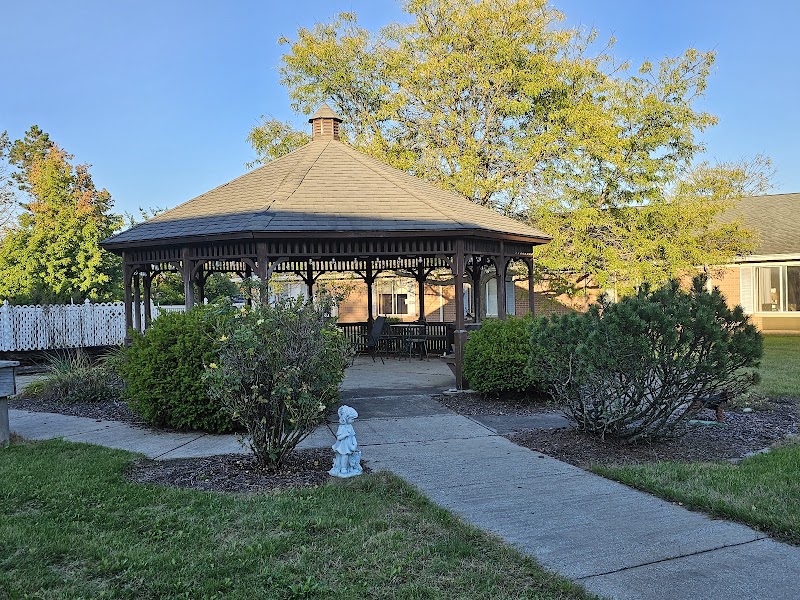
How is The Pavilion At Stow For Nursing And Rehabilitatio Staffed?

CMS rates THE PAVILION AT STOW FOR NURSING AND REHABILITATIO's staffing level at 1 out of 5 stars, which is much below average compared to other nursing homes. Staff turnover is 70%, which is 24 percentage points above the Ohio average of 46%. High turnover can affect care consistency as new staff learn residents' individual needs. RN turnover specifically is 75%, which is notably high. RNs provide skilled clinical oversight, so turnover in this role can affect medical care quality.

What Have Inspectors Found at The Pavilion At Stow For Nursing And Rehabilitatio?

State health inspectors documented 30 deficiencies at THE PAVILION AT STOW FOR NURSING AND REHABILITATIO during 2019 to 2024. These included: 29 with potential for harm and 1 minor or isolated issues.
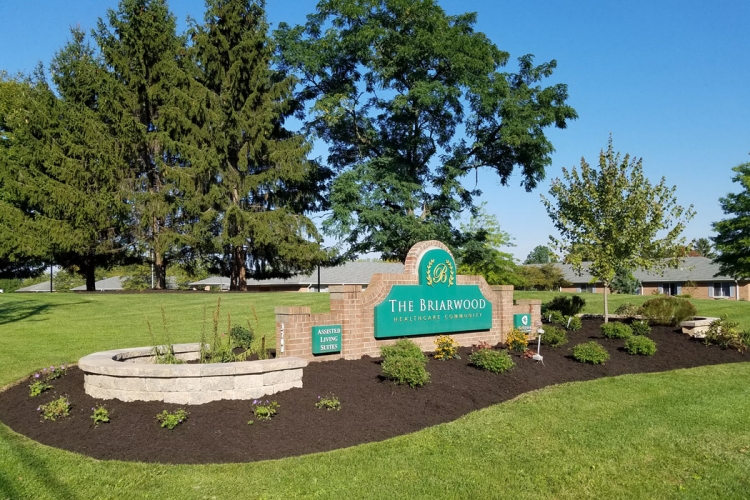
Who Owns and Operates The Pavilion At Stow For Nursing And Rehabilitatio?

THE PAVILION AT STOW FOR NURSING AND REHABILITATIO is owned by a for-profit company. For-profit facilities operate as businesses with obligations to shareholders or private owners. The facility is operated by THE PAVILION GROUP, a chain that manages multiple nursing homes. With 51 certified beds and approximately 45 residents (about 88% occupancy), it is a smaller facility located in STOW, Ohio.
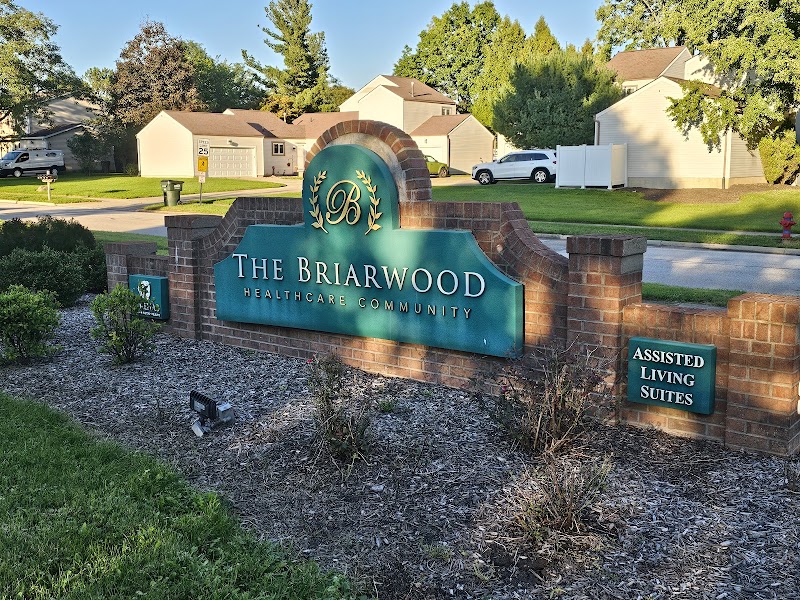
How Does The Pavilion At Stow For Nursing And Rehabilitatio Compare to Other Ohio Nursing Homes?

Compared to the 100 nursing homes in Ohio, THE PAVILION AT STOW FOR NURSING AND REHABILITATIO's overall rating (3 stars) is below the state average of 3.2, staff turnover (70%) is significantly higher than the state average of 46%, and health inspection rating (3 stars) is at the national benchmark.

What Should Families Ask When Visiting The Pavilion At Stow For Nursing And Rehabilitatio?

Based on this facility's data, families visiting should ask: "How do you ensure continuity of care given staff turnover, and what is your staff retention strategy?" "Can you walk me through typical staffing levels on day, evening, and night shifts?" "Can I visit during a mealtime to observe dining assistance and food quality?" "How do you handle medical emergencies, and what is your hospital transfer rate?" These questions are particularly relevant given the facility's high staff turnover rate and the below-average staffing rating.

Is The Pavilion At Stow For Nursing And Rehabilitatio Safe?

Based on CMS inspection data, THE PAVILION AT STOW FOR NURSING AND REHABILITATIO has a clean safety record: no substantiated abuse findings (meaning no confirmed cases of resident harm), no Immediate Jeopardy citations (the most serious violation level indicating risk of serious injury or death), and is not on the Special Focus Facility watch list (a federal program monitoring the lowest-performing 1% of nursing homes). The facility has a 3-star overall rating and ranks #100 of 100 nursing homes in Ohio. While no facility is perfect, families should still ask about staff-to-resident ratios and recent inspection results during their visit.

Do Nurses at The Pavilion At Stow For Nursing And Rehabilitatio Stick Around?

Staff turnover at THE PAVILION AT STOW FOR NURSING AND REHABILITATIO is high. At 70%, the facility is 24 percentage points above the Ohio average of 46%. Registered Nurse turnover is particularly concerning at 75%. RNs handle complex medical decisions and coordinate care — frequent RN changes can directly impact care quality. High turnover means new staff may not know residents' individual needs, medications, or preferences. It can also be disorienting for residents, especially those with dementia who rely on familiar faces. Families should ask: What is causing the turnover? What retention programs are in place? How do you ensure care continuity during staff transitions?

Was The Pavilion At Stow For Nursing And Rehabilitatio Ever Fined?

THE PAVILION AT STOW FOR NURSING AND REHABILITATIO has no federal fines on record. CMS issues fines when nursing homes fail to meet care standards or don't correct problems found during inspections. The absence of fines suggests the facility has either maintained compliance or corrected any issues before penalties were assessed. This is a positive indicator, though families should still review recent inspection reports for the full picture.

Is The Pavilion At Stow For Nursing And Rehabilitatio on Any Federal Watch List?

THE PAVILION AT STOW FOR NURSING AND REHABILITATIO is not on any federal watch list. The most significant is the Special Focus Facility (SFF) program, which identifies the bottom 1% of nursing homes nationally based on persistent, serious quality problems. Not being on this list means the facility has avoided the pattern of deficiencies that triggers enhanced federal oversight. This is a positive indicator, though families should still review the facility's inspection history directly.