KINGSTON CARE CENTER OF SYLVANIA
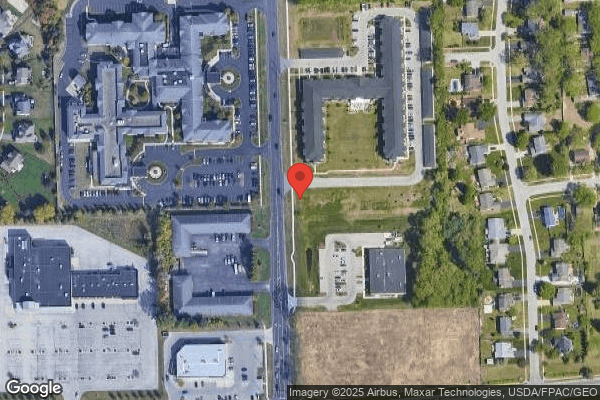
4121 KING ROAD, SYLVANIA, OH 43560 (419) 517-4666
For profit - Corporation 127 Beds KINGSTON HEALTHCARE Data: November 2025
Trust Grade
75/100
#93 of 913 in OH
Last Inspection: June 2023

Over 2 years since last inspection. Current conditions may differ from available data.

Overview

Kingston Care Center of Sylvania has a Trust Grade of B, indicating it is a good choice among nursing homes, though there is room for improvement. It ranks #93 out of 913 facilities in Ohio, placing it in the top half, and #2 out of 33 in Lucas County, meaning only one other local option is rated higher. The facility is improving, with the number of issues found decreasing from 2 in 2024 to 1 in 2025. Staffing is rated as average at 3 out of 5 stars, with a turnover rate of 48%, which is slightly below the state average. While there have been no fines recorded, which is a positive sign, there are some concerning incidents to note. For example, a resident suffered a fall due to improper use of a mechanical lift, resulting in a serious injury that required hospitalization. Additionally, there have been issues with a non-functional call light system that could affect the responsiveness of staff, and multiple residents were found in unsanitary conditions, highlighting areas that need attention. Overall, while the facility has strengths, these specific incidents indicate that there are important areas that require improvement.

Trust Score
B
75/100
In Ohio
#93/913
Top 10%
Safety Record
Moderate
Needs review
Inspections
Getting Better
2 → 1 violations
Staff Stability
⚠ Watch
48% turnover. Above average. Higher turnover means staff may not know residents' routines.
Penalties
✓ Good
No fines on record. Clean compliance history, better than most Ohio facilities.
Skilled Nurses
✓ Good
Each resident gets 45 minutes of Registered Nurse (RN) attention daily — more than average for Ohio. RNs are trained to catch health problems early.
Violations
⚠ Watch
24 deficiencies on record. Higher than average. Multiple issues found across inspections.
★★★★★
5.0
Overall Rating
★★★☆☆
3.0
Staff Levels
★★★★★
5.0
Care Quality
★★★★☆
4.0
Inspection Score
Stable
2024: 2 issues
2025: 1 issues

The Good

  • 5-Star Quality Measures · Strong clinical quality outcomes
  • Full Sprinkler Coverage · Fire safety systems throughout facility
  • No fines on record

Facility shows strength in quality measures, fire safety.

The Bad

Staff Turnover: 48%

Near Ohio avg (46%)

Higher turnover may affect care consistency

Chain: KINGSTON HEALTHCARE

Part of a multi-facility chain

Ask about local staffing decisions and management

The Ugly 24 deficiencies on record

1 actual harm
Mar 2025 1 deficiency
CONCERN (E) 📢 Someone Reported This

A family member, employee, or ombudsman was alarmed enough to file a formal complaint

Potential for Harm - no one hurt, but risky conditions existed

Safe Environment (Tag F0921)

Could have caused harm · This affected multiple residents

**NOTE- TERMS IN BRACKETS HAVE BEEN EDITED TO PROTECT CONFIDENTIALITY** Based on medical record review, observation, resident interview, staff interview, and review of facility policy, the facility fa...

Read full inspector narrative →
**NOTE- TERMS IN BRACKETS HAVE BEEN EDITED TO PROTECT CONFIDENTIALITY** Based on medical record review, observation, resident interview, staff interview, and review of facility policy, the facility failed to ensure a sanitary and comfortable environment. This affected 18 (Residents #75, #1, #7, #47, #53, #54, #55, #60, #65, #66, #69, #74, #78, #102, #104, #109, #114, and #115) of 18 residents reviewed. The facility census was 126. Findings include: 1. Review of the medical record for Resident #75 revealed an admission date of 02/12/25 with diagnoses including displaced fracture of neck of right radius, fracture of left pubis, fracture of right pubis, Parkinson's disease, depression, osteoporosis, and urge incontinence. Review of the Minimum Data Set (MDS) assessment dated [DATE] revealed a Brief Interview for Mental Status (BIMS) score of 14, indicating Resident #75 was cognitively intact. Observation on 03/10/25 at 9:57 A.M. of Resident #75's room revealed there were three spots on the floor that were sticky and scattered debris on the floor. Interview on 03/10/25 at 10:00 A.M. with Resident #75 revealed there were three spots on the floor that were sticky and the unidentified sticky substance gets caught in the sleds of her walker. Resident #75 revealed the facility was aware. Further interview with Resident #75 revealed scattered debris on the floor in her room. She stated she did not feel the facility does an adequate job keeping the floor in her room clean. Interview on 03/10/25 at 10:12 A.M. with Registered Nurse (RN) #336 verified the sticky spots, as well as the scattered debris on the floor in Resident #75's room. 2. Observation on 03/10/25 at 7:15 A.M. of a medication cart revealed all four castors contained large amounts of hair and various debris wrapped throughout them. Observation on 03/10/25 at 7:16 A.M. of the wall outside of Resident #60's room revealed a splatter of an unidentified brown substance. Interview on 03/10/25 with Licensed Practical Nurse (LPN) #415 verified all four castors on the medication cart used for 17 residents (#1, #7, #47, #53, #54, #55, #60, #65, #66, #69, #74, #78, #102, #104, #109, #114, and #115) contained large amounts of hair and various debris wrapped throughout them as well as the unidentified brown substance splattered on the wall outside Resident #60's room. Review of the facility policy titled Homelike Environment, reviewed march 2025, revealed residents are provided with a safe, clean, comfortable and homelike environment and encouraged to use their personal belongings to the extent possible. This deficiency represents non-compliance investigated under Complaint Number OH00163026.
Oct 2024 1 deficiency
CONCERN (F) 📢 Someone Reported This

A family member, employee, or ombudsman was alarmed enough to file a formal complaint

Potential for Harm - no one hurt, but risky conditions existed

Deficiency F0919 (Tag F0919)

Could have caused harm · This affected most or all residents

**NOTE- TERMS IN BRACKETS HAVE BEEN EDITED TO PROTECT CONFIDENTIALITY** Based on observation, staff interview, review of maintenance work orders, review of call light logs and review of policy, the fa...

Read full inspector narrative →
**NOTE- TERMS IN BRACKETS HAVE BEEN EDITED TO PROTECT CONFIDENTIALITY** Based on observation, staff interview, review of maintenance work orders, review of call light logs and review of policy, the facility failed to maintain a functional call light system. This affected six (#37, #38, #44, #59, #78, and #108) with the potential to affect all 105 residents in a facility. The total facility census was 105. Findings include: Observation on 10/24/24 at 4:20 A.M., revealed the green light above Resident #38's room was illuminated. Interview on 10/24/24 at 4:20 A.M., with Licensed Practical Nurse (LPN) #207 revealed the green light above each resident room is intended to illuminate when a member of therapy staff is in the room with the resident. Observation on 10/24/24 at 4:22 A.M., revealed Resident #38 was asleep in her room with no therapy staff present. Interview on 10/24/24 at 4:23 A.M., with LPN #207 verified the light was green above the door but no staff were in the room. Observation on 10/24/24 at 5:27 A.M., revealed the green light above Resident #38's room continued to be illuminated. Interview on 10/24/24 at 5:28 A.M., with LPN #207 verified the green light has remained on. Observation on 10/24/24 at 4:35 A.M., revealed Resident #37, #44, #59, #78, and #108's call light to be alarming. Interview on 10/24/24 at 4:49 A.M., with LPN #303 revealed the call lights utilize are called Versus and in order for the call light to be shut off, a staff member must enter the room wearing a badge and there is no other way to shut the call light off. LPN #303 revealed all nursing staff do not have a Versus badge, as a contracted agency staff member took it with them. LPN #303 revealed that staff members who respond to a call light and do not have a Versus badge to use will use the Versus badge from another staff member. Interview on 10/24/24 at 5:02 A.M., with LPN #303 verified the call light for Residents #37, #44, #59, and #108 are still alarming despite staff members entering and exiting the rooms. Interview on 10/24/24 at 5:07 A.M., with the Director of Nursing (DON) revealed a staff member must wear a Versus badge when responding to a call light, but the facility is short on badges due to agency staff not returning them at the conclusion of their shift. Observation on 10/24/24 at 5:12 A.M., revealed State Tested Nursing Assistant (STNA) #436 enter the room of Resident #37 while the call light was alarming, while wearing a Versus badge, and the call light ceased to alarm. When STNA #436 exited Resident #37's room, the call light instantly turned back on. This occurred multiple times as STNA #436 entered and exited Resident #37's room. Interview on 10/24/24 at 5:15 A.M., with STNA #436 and LPN #330 revealed the call light in Resident #37's room will malfunction if pulled too hard and it gets pulled out from the wall slightly. The wall unit for Resident #37's call light has to be adjusted back to the appropriate position on the wall to function properly. Review of maintenance work orders for the previous month revealed eight documented instances of malfunctioning call lights in the facility. A work order was placed on 10/07/24 when the call light in 115-A was not working and this was resolved on 10/09/24. A work order was placed on 10/08/24 when room [ROOM NUMBER] was having call light issues and this was resolved on 10/10/24. A work order was placed on 10/09/24 for room [ROOM NUMBER]-A that the call light was beeping and flashing. A work order was placed on 10/13/24 for room [ROOM NUMBER]-B because the call light was not working, and this was resolved on 10/14/24. A work order was placed on 10/14/24 for room [ROOM NUMBER] so that the call light was not working, and this was resolved on 10/14/24. A work order was placed on 10/16/24 for room [ROOM NUMBER] that the call light in the wall was beeping and this was resolved on 10/16/24. A work order was placed on 10/81/24 for room [ROOM NUMBER] and the call light stopped working and this was resolved on 10/21/24. A work order was placed on 10/22/24 for room [ROOM NUMBER] that the call light was stuck, and this was resolved on 10/22/24. Review of the facility provided call light log for 10/17/24-10/23/24, showed a location (room number), number of call lights for the day (12:00 A.M. - 11:59 P.M.), and average response time. On 10/17/24, the call light for unoccupied room [ROOM NUMBER] was on for 3 hours and one minute. On 10/18/24, the call light for room [ROOM NUMBER], was on for 14 hours and 31 minutes. room [ROOM NUMBER] was unoccupied on these dates. There is a work order documented as placed on 10/22/24 for room [ROOM NUMBER] that was documented as resolved on the same day. Interview on 10/24/24 at 7:05 A.M., with the Administrator revealed the facility staff are to let the charge nurse know when the Versus badge is not functioning appropriately or it needs new badges. The Administrator revealed she is unsure of the maintenance schedule for the facility call light system but will discuss this with the facility Director of Maintenance. The Administrator revealed that if the call light system is not functioning appropriately, the facility provides the affected residents with bells for them to manually ring. Interviews with the Administrator revealed the facility has 189 badges. The Administrator stated the facility is implementing a process where the Versus badges will have a Wander Guard attached to them so the agency staff will not be able to remove them from the facility. Interview on 10/24/24 at 7:20 A.M., with the DON revealed there are no residents who currently reside in the facility who are physically or cognitively unable to utilize the call light system either with the traditional call light or a modified call light pad. Interview on 10/24/24 at 9:00 A.M., with the Regional Manager revealed the facility does not maintain a call light log, but the call lights are monitored by Versus System in Traverse City, Michigan. The Regional Manager revealed the Director of Maintenance was unable to be contacted regarding the call light system as his position was terminated on 10/23/24. Review of the policy titled, Answering the Call Light, dated February 2023, revealed staff are to report all defective call lights to the nurse supervisor promptly.
Jun 2024 1 deficiency
CONCERN (D) 📢 Someone Reported This

A family member, employee, or ombudsman was alarmed enough to file a formal complaint

Potential for Harm - no one hurt, but risky conditions existed

Accident Prevention (Tag F0689)

Could have caused harm · This affected 1 resident

**NOTE- TERMS IN BRACKETS HAVE BEEN EDITED TO PROTECT CONFIDENTIALITY** Based on record review, staff interview, resident interview, and review of the facility policy, the facility failed to provide a...

Read full inspector narrative →
**NOTE- TERMS IN BRACKETS HAVE BEEN EDITED TO PROTECT CONFIDENTIALITY** Based on record review, staff interview, resident interview, and review of the facility policy, the facility failed to provide adequate supervision and assistance during resident care, resulting in the resident falling out of bed. This affected one (Resident #87) of three residents reviewed for falls. The facility census was 112. Findings include: Review of the medical record for Resident #87 revealed an admission date of 11/13/23. Diagnoses included quadriplegia and left lower leg amputation. Review of the quarterly Minimum Data Set (MDS) assessment dated [DATE] revealed Resident #87 was cognitively intake and dependent on staff for all care. The resident suffered impairment to bilateral sides of his upper and lower body. Review of Resident #87's most recent care plan revealed the resident was at risk for falls due to quadriplegia. Review of Resident #87's Fall Risk Evaluation dated 06/01/24 revealed he was at a high risk for falls. Review of the nurse's note dated 06/01/24 revealed Resident #87 fell out of bed and hit his head. He had a raised area to the forehead and skin tear to the right upper arm. The resident complained of a headache and raised area was noted on his forehead. The physician was notified and ordered the resident be transferred to a local hospital. The wife, clinical director and the Director of Nursing (DON) were notified. State Tested Nursing Aide (STNA) #229 stated she left the resident on his side and went into the bathroom. When she returned, Resident #87 was on the floor. Review of Resident #87's emergency room report dated 06/01/24 revealed he was a bed-bound male, left above the knee amputation, indwelling catheter, chronic sacral decubitus ulcers, residing in the nursing home over over one year. He was status post fall from his bed while getting changed and onto the floor. He felt diffusely achy but nothing tender, but wife stated he had diminished sensation globally. X-rays and testing found no new fractures or further injuries. Review of Resident #87's Fall Review/Investigation dated 06/01/24 revealed during morning care while in bed, Resident #87 requested STNA #229 to roll him on his left side to facilitate a bowel movement. STNA #229 stepped away from the bed to retrieve items from the bathroom and the resident apparently had rolled off the side of the bed onto the floor. Resident #87's perception of how the incident happened revealed he fell out of the bed. The conclusion was loss of trunk control. Interview and observation with Resident #87 on 06/20/24 at 11:02 A.M. revealed on 06/01/24, STNA #229 had positioned him on his left side and stepped away and he rolled off bed. The resident verified there were no injuries. Resident #87 was sitting in his wheelchair in the book lounge. The resident revealed he had no control or use of his body from the chest down. Resident #87 was able to use his left hand to control his motorized wheelchair, but there was no movement in the lower extremities nor trunk. The resident's left lower extremity was amputated above the knee. Interview with STNA #229 on 06/20/24 at 11:14 A.M. revealed Resident #87 was in bed and she asked him if he would like to receive morning care and he shook his head yes. The resident was unsure if he had had a bowel movement and asked to get placed on his side. The STNA positioned the resident on his side so he could complete his bowel movement and went into the bathroom to retrieve towels. When she returned, he had rolled off of the bed and onto the floor. She stated the bed rail had been in the up position. STNA #229 immediately called for assistance. Review of the facility policy titled Managing Fall and Fall Risks, dated June 2023, revealed based on assessments, previous evaluations and current date, the staff will identify interventions related to the resident's specific risks and causes to try to prevent the resident from falling and to try to minimize complications from falling. This deficiency represents non-compliance investigated under Complaint Number OH00154549.
Sept 2023 2 deficiencies 1 Harm
SERIOUS (G) 📢 Someone Reported This

A family member, employee, or ombudsman was alarmed enough to file a formal complaint

Actual Harm - a resident was hurt due to facility failures

Accident Prevention (Tag F0689)

A resident was harmed · This affected 1 resident

**NOTE- TERMS IN BRACKETS HAVE BEEN EDITED TO PROTECT CONFIDENTIALITY** THIS DEFICIENCY REPRESENTS AN EXAMPLE OF PAST NON-COMPLIANCE. Based on medical record review, staff interview, review of facili...

Read full inspector narrative →
**NOTE- TERMS IN BRACKETS HAVE BEEN EDITED TO PROTECT CONFIDENTIALITY** THIS DEFICIENCY REPRESENTS AN EXAMPLE OF PAST NON-COMPLIANCE. Based on medical record review, staff interview, review of facility policy, review of facility investigation documentation, and review of facility corrective action documentation, the facility failed to ensure staff utilized a mechanical lift safely during transfer of Resident #1. Actual harm occurred when two state tested nurse aides lifted Resident #1 with a mechanical lift from a wheelchair and one lift sling strap became dislodged causing Resident #1 to fall to the floor. As a result of the fall Resident #1 sustained subdural hematoma and required hospitalization. This affected one (#1) of three residents reviewed for mechanical lift transfers in a facility census of 112. Findings include: Review of the medical record revealed Resident #1 admitted to the facility on [DATE]. Diagnoses included dementia, acute respiratory distress, type II diabetes mellitus, peripheral vascular disease, major depression, vitamin D deficiency, hypertension, anemia, spinal stenosis, heart failure, urinary incontinence, anxiety disorder, right hand contracture, and dysphagia. The resident no longer resides at the facility. Review of the Minimum Data Set assessment, dated 07/06/23, Resident #1 was assessed with severely impaired cognition, dependent on staff for activities of daily living, required two plus staff for transfer and bed mobility, and utilized a wheelchair for mobility. Review of the plan of care dated 01/10/17 revealed Resident #1 needed assistance with activities of daily living due to diagnoses of dementia, osteoarthritis, diabetes mellitus and spinal stenosis. Interventions initiated on 06/09/17 included the use of a mechanical full lift with two assist for transfers and and an intervention dated 12/14/17 identified to use two assist for care. Review of nursing progress notes on 07/30/23 at 12:30 P.M. revealed Resident #1 was being lifted back to bed using a mechanical (Hoyer). The nurse (Licensed Practical Nurse (LPN) #300) heard a thunk at the nurses station and was about to go down to see what happened when state tested nurse aide (STNA) #200 came out of the resident's door and yelled for help. LPN #300 went to assess situation and found Resident #1 was laying on the floor on her stomach and face forward. Resident #1 had a goose egg on the right side of her head. Vital signs included a blood pressure of 169/101, pulse of 84, and respirations of 18. A pain review noted Resident #1 with verbal/non-verbal signs/symptoms revealing the resident was in pain to the head. Resident #1 rated her pain as a six on a scale of zero to ten. Faces pain scale revealed Hurts even more. Emergency Medical Services (EMS/911) was called. Resident #1 was unable to describe what happened, just stating Get me off the floor. At 12:38 P.M. EMS arrived and at 12:50 P.M. Resident #1 was transported to the hospital. On 07/30/23 at 4:50 P.M. LPN #300 documented Resident #1 was being admitted to the hospital with the diagnosis subdural hematoma. Review of a witness statement on 07/30/23 by STNA #200 revealed STNA #200 and STNA #201 entered Resident #1's room and brought in the Hoyer lift. The STNAs pushed the lift up to the resident and hooked the black sling (pad) loops on top and the green loops on the bottom with the sling legs criss crossed. They then raised the resident all the way up until the lift stopped. STNA #201 was holding onto the Hoyer as STNA #200 pulled the resident's chair out of the was to allow STNA #201 to push the resident over to her bed. As soon as the chair was moved back, the Hoyer pad came loose and dropped the resident. STNA #201 went to get a nurse while STNA #200 stayed with the resident. STNA #200 stated the Hoyer pad was observed with no obvious rips or tears. Review of a witness statement on 07/30/23 by STNA #201 revealed STNA #200 and STNA #201 were getting Resident #1 from her chair to bed. They hooked the resident to the Hoyer pad, which had no rips,and crossed the pad between her legs and supported her. The STNAs hooked the black loops on top and green loops on the bottom. Resident #1 was stable going up and did not move the Hoyer. Then as she was lifted up all the way, STNA #200 moved the chair back. Resident #1 was not touching on the chair any longer and the top of the Hoyer pad came loose and Resident #1 fell. The STNAs immediately got the nurse and STNA #201 stayed with Resident #1 as nurse came to assess and Emergency Medical Technicians came. Review of LPN #300's statement dated 07/30/23 noted LPN #300 to respond to Resident #1's room after STNA #201 yelled for her. Resident #1 was observed laying on the floor. Resident #1 mumbled something and Registered Nurse (RN) #400 also arrived in the room. LPN #300 called 911. RN #400 had assessed Resident #1 for injuries and measured her scalp wound with no open areas discovered. Resident #1 still had a wig on and EMS removed the wig to see goose egg which RN #400 had measured. Review of of RN #400's witness statement on 07/31/23 revealed the STNAs called out for a nurse. LPN #300 and RN #400 responded to Resident #1's room. RN #400 looked into the room and the mechanical (Hoyer) lift was there with three of four straps (loops) in place. Resident #1 was on the floor on her stomach. Resident #1 was turned onto her right side. RN #400 assessed the resident with Resident #1 stating the only pain was to her head. Upon looking under the resident's wig a 9.5 centimeter (cm) by 9.0 cm raised area was discovered. EMS arrived, assessed the resident, and transported her to the hospital. Interview on 09/07/23 at 2:12 P.M. via telephone with STNA #201 revealed on 07/30/23 she was transferring Resident #1 using the mechanical lift with assistance from STNA #200. Resident #1 was propelled in a tilt style wheelchair into her room. The mechanical lift sling was already in place under the resident. STNA#201 placed the lift over the resident from the direction of the resident's feet and was utilizing the controls. STNA #201 opened the legs of the lift to place the lift mechanism over the resident. STNA #200 hooked the sling to the lift with the black loops on the lift hooks which extended behind the residents shoulders. STNA #201 took the lower sling straps and placed the black loops to the lift hooks by criss crossing the sling under the residents thighs and hooking the left side to the right hook and right loop to the left hook. STNA #201 lifted the resident using the electronic control to the highest point. STNA #200 then pulled the chair out from under the resident. At that time the left or right upper loop disconnected from the lift and Resident #1 fell to the floor. STNA #201 pushed the lift to the side and called for help. STNA #200 went to the door and also called for help. RN #400 and LPN #300 responded and initiated an assessment of the resident, followed by calling 911. STNA #201 was unable to verbalize how the resident fell from the lift or verify all lift sling loops were in place. Review of the facility policy titled Mechanical Lift Transfer Policy, revised August 2023, revealed attaching the sling to lift. Attach the loops nearest the residents shoulders, to the hanger bar hooks of the lift nearest each shoulder using the same length and color of loop strap on each side. Take the sling leg lying over the left leg, cross it over and attach it on the hook of the hanger bar located on the right side of the resident. Next take the sling leg lying over the right leg, cross it over and attach it on the hook of the hanger bar located on the left side of the resident using the same length and color of loop strap on each sling leg. Make a final check of all four loop attachment points to ensure each loop is sufficiently attached to the respective hook hanger bars. Resident is now ready to be lifted. Interview on 09/11/23 at 7:15 A.M. the Director of Nursing (DON) confirmed Resident #1 sustained a subdural hematoma due to falling from a Hoyer lift. STNA #200 and STNA #201 did not ensure the Hoyer lift sling remained in place with all sling straps affixed to the lift throughout the transfer. As a result of the incident the facility implemented corrective action to prevent further mechanical lift related occupancies. As a result of the deficient practice, the facility has implemented corrective action, which was completed as of 08/30/23, as follows: • On 07/30/23 the DON, Administrator, and Quality Assurance Nurse were notified of the incident. The lift and sling was pulled from service by RN #400. • On 07/30/23 starting at the next shift change, a review of safe transfer practice was initiated by RN #400 for current shift nursing staff and oncoming shift nursing staff. Staff Development Registered Nurse (SDRN) continued education with oncoming shifts. The education to all nursing staff was completed on 08/08/23. • On 07/31/23 SDRN and designee completed mechanical lift transfer education and return demonstration competency check off for all nursing and therapy staff. • On 07/31/23 the Interdisciplinary Team (IDT) fall and risk review was completed for Resident #1. • On 07/31/23 the mechanical lift slings were inspected and found to be free of rips, tears, or fraying by Central Supply Manager, State Tested Nurse Aide (STNA) #209. Maintenance Manager #1 inspected all lifts for proper function and found no lifts not working properly. • On 07/31/23 Quality Assurance (QA) Audits were established. • On 08/08/23 fall information was introduced to monthly QA meetings, reviewed the incident and equipment reviewed the education of nursing and therapy staff regarding safe transfers with the mechanical lift. The facility continued random demonstration competencies with staff by SDRN and designee. • Random total lift audits by the nurse management staff continued on 08/09/23 twice, 08/11/23 twice, 08/21/23 twice, 08/24/23 twice, and 08/30/23 once. • On 09/06/23 at 9:05 A.M. observation of Resident #5 during a mechanical lift transfer by STNA #210 and LPN #315 noted appropriate and safe transfer provided in accordance with facility policy. • On 09/11/23 interview with STNA #205, STNA #206, LPN #301, and RN #401 confirmed education on 07/30/23 of the mechanical lift. This deficiency represents an episode of non-compliance investigated under Complaint Number OH00145861.
CONCERN (D) 📢 Someone Reported This

A family member, employee, or ombudsman was alarmed enough to file a formal complaint

Potential for Harm - no one hurt, but risky conditions existed

Deficiency F0760 (Tag F0760)

Could have caused harm · This affected 1 resident

**NOTE- TERMS IN BRACKETS HAVE BEEN EDITED TO PROTECT CONFIDENTIALITY** Based on medical record review, staff interview, and review of facility policy, the facility failed to ensure the facility was f...

Read full inspector narrative →
**NOTE- TERMS IN BRACKETS HAVE BEEN EDITED TO PROTECT CONFIDENTIALITY** Based on medical record review, staff interview, and review of facility policy, the facility failed to ensure the facility was free from significant medication errors when an antibiotic was not administered as ordered for one (#3) of five residents reviewed for medication administration in a facility census of 112. Findings include: Review of the medical record revealed Resident #3 admitted to the facility on [DATE]. Diagnoses included hypotension, chronic kidney disease, atrial fibrillation, coronary artery disease, dementia, benign prostatic hyperplasia, congestive heart failure, and ischemic cardiomyopathy. Review of the physician order dated 07/12/23 revealed an order for the administration the antibiotic cephalexin 500 milligrams (mg) every morning and at bedtime for cellulitis to the toe for 10 days. Review of the medication administration record noted the cephalexin 500 mg to be documented as administered twice on 07/13/23 twice and once in the morning on 07/14/23. Beginning with the 07/14/23 evening dose through 07/18/23 the cephalexin was recorded as held. There was no documentation contained in the medical record the physician was informed of the medication being held. Interview on 09/06/23 at 1:40 P.M. interview with Certified Nurse Practitioner (CNP) #1 revealed she was not informed Resident #3 did not receive the antibiotic from 07/14/23 at 7:00 P.M. through 07/18/23 when he discharged . CNP#1 stated nursing was holding the medication due to a potential allergy. CNP #1 stated the resident was assess and no signs or symptoms of infection were noted and the medication was extended out until 07/22/23 to ensure the resident received the full antibiotic dose. Review of the facility policy titled Administering of Medications, approved February 2023, medications must be administered in accordance with orders, including any required time frames. If a dosage is believed to be inappropriate or excessive for a resident, or a medication has been identified as having potential adverse consequences for the resident or is suspected of being associated with adverse consequences, the person preparing or administering the medication shall contact the residents attending physician or the facility's medical director to discuss the concerns. This deficiency represents non-compliance investigated under Complaint Number OH00145325.
Jun 2023 4 deficiencies
CONCERN (D)

Potential for Harm - no one hurt, but risky conditions existed

Safe Environment (Tag F0584)

Could have caused harm · This affected 1 resident

**NOTE- TERMS IN BRACKETS HAVE BEEN EDITED TO PROTECT CONFIDENTIALITY** Based on medical record review, observation, resident interview, and staff interview, the facility failed to ensure residents we...

Read full inspector narrative →
**NOTE- TERMS IN BRACKETS HAVE BEEN EDITED TO PROTECT CONFIDENTIALITY** Based on medical record review, observation, resident interview, and staff interview, the facility failed to ensure residents were provided with clean linen. This affected one (Resident #70) of three residents reviewed for a clean and sanitary environment. The facility census was 113. Findings include: Review of the medical record revealed Resident #70 was admitted on [DATE]. Diagnoses included localization related symptomatic epilepsy and epileptic syndromes with complex partial seizures, atherosclerotic heart disease of native coronary artery without angina pectoris, chronic obstructive pulmonary disease, major depressive disorder, and hyperlipidemia. Review of the Minimum Data Set (MDS) assessment dated [DATE] revealed Resident #70 was cognitively intact. Review of the progress note dated 06/01/23, revealed Resident #70 had a mole noted to his back area. There was bloody drainage coming from under the mole. The physician provided a one time treatment ordered and advised the mole would be removed the next day. Review of progress note dated 06/02/23, revealed Resident #70 had the mole removed from back. Interview on 06/06/23 at 11:34 A.M. with Resident #70 revealed a mole was removed from his back last Friday (06/02/23), which had caused a bloody drainage stain on his bed linens. Resident #70 stated he had asked twice over the weekend for his bed sheets to be changed due to the stains. Observation on 06/06/23 at 11:35 A.M. revealed Resident #70's white bed linen had four obvious pink colored stains. Observation on 06/07/23 at 11:45 A.M. revealed Resident #70's white bed linen had four obvious pink colored stains with no change from the day prior. Interview on 06/07/23 at 11:55 A.M. with State Tested Nursing Assistant (STNA) #438 verified Resident #70's bed sheets had apparent blood stains and were in need of being changed.
CONCERN (D)

Potential for Harm - no one hurt, but risky conditions existed

ADL Care (Tag F0677)

Could have caused harm · This affected 1 resident

**NOTE- TERMS IN BRACKETS HAVE BEEN EDITED TO PROTECT CONFIDENTIALITY** Based on medical record review, observation, resident interview, staff interview and review of facility policy, the facility fai...

Read full inspector narrative →
**NOTE- TERMS IN BRACKETS HAVE BEEN EDITED TO PROTECT CONFIDENTIALITY** Based on medical record review, observation, resident interview, staff interview and review of facility policy, the facility failed to ensure a resident's personal hygiene needs were met. This affected one (Resident #58) of one resident reviewed for activities of daily living. The facility census was 113. Findings include: Review of the medical record revealed Resident #58 was admitted on [DATE]. Diagnoses included peripheral vascular disease, dementia in other diseases classified elsewhere, type two diabetes mellitus with diabetic chronic kidney disease, Parkinson's disease, hyperlipidemia, and anxiety disorder. Review of the Minimum Data Set (MDS) assessment dated [DATE], revealed Resident #58 was moderately cognitively impaired and required extensive one person assistance with dressing and personally hygiene and extensive two person assistance with bed mobility, dressing, and toilet use. Resident #58 required two person total dependence for transfers and total dependence one person for locomotion on and off unit. Review of the care plan dated 10/18/22 and updated 06/08/23, revealed Resident #58 required assistance with Activities of Daily Living (ADLs) with interventions including the resident often refuses oral care and/or gets tired while completing tasks and to encourage the resident to complete to the highest level of ability. Staff were to offer assistance as needed, including applying toothpaste, holding toothbrush, and brushing teeth. Review of personal hygiene: self performance tracking documentation dated 05/10/23 to 06/08/23, revealed Resident #58 required extensive assistance to total dependence with personal hygiene. Interview on 06/05/23 at 11:54 A.M. Resident #58 reported his teeth had not been brushed for one to two months, and would like his teeth brushed. Subsequent observations revealed Resident #58 had yellow built-up film covering his teeth. Interview on 06/07/23 at 1:43 P.M. with Resident #58 revealed his teeth had not yet been brushed. Subsequent observation revealed Resident #58 had yellow built-up film covering his teeth. Interview on 06/07/23 at 1:47 P.M. with State Tested Nursing Assistant (STNA) #319 verified she provided care to Resident #58 and did not brush his teeth that day. Observation on 06/07/23 at 1:55 P.M. revealed STNA #319 in Resident #58's room preparing supplied to brush the resident's teeth. STNA #319 was able to locate his toothbrush but not toothpaste. STNA #319 obtained a new bottle of toothpaste and placed the toothbrush with toothpaste in Resident #58's hand. Resident #58 was observed to have difficulty holding and positioning the toothbrush at a comfortable angle. STNA #319 offered Resident #58 assistance in brushing his teeth and Resident #58 readily agreed. STNA #319 was observed to brush Resident #58's teeth. Review of the facility's policy, Teeth Brushing, approved September 2021 revealed a resident should be assisted with brushing his or her teeth based on individual needs.
CONCERN (D)

Potential for Harm - no one hurt, but risky conditions existed

Accident Prevention (Tag F0689)

Could have caused harm · This affected 1 resident

**NOTE- TERMS IN BRACKETS HAVE BEEN EDITED TO PROTECT CONFIDENTIALITY** Based on medical record review, observation, staff interview, and review of the facility policy, the facility failed to ensure a...

Read full inspector narrative →
**NOTE- TERMS IN BRACKETS HAVE BEEN EDITED TO PROTECT CONFIDENTIALITY** Based on medical record review, observation, staff interview, and review of the facility policy, the facility failed to ensure auto-lock brakes were applied to a resident's wheelchair as ordered to potentially prevent falls. This affected one (Resident #41) of three residents reviewed for falls. The facility census was 113. Findings include: Review of Resident #41's medical record revealed an admission date of 08/13/20. Diagnoses included Alzheimer's disease, respiratory failure, type II diabetes mellitus, heart disease, heart failure, history of falling, and dysphagia. Review of Resident #41's quarterly Minimum Data Set (MDS) 3.0 assessment dated [DATE], revealed the resident was cognitively impaired. The resident required extensive assistance of two staff for the majority of activities of daily living. Review of Resident #41's active physician orders identified an order dated 01/03/23 for auto-lock brakes to wheelchair. Review of Resident #41's plan of care dated 09/05/20 and revised 03/21/23, revealed the resident was at risk for falls related to a history of falls and confusion. The goal was for the resident, responsible party, and staff to develop and implement strategies to promote safety, mitigate injuries, and reduce the potential for falls. Interventions included auto-lock brakes to wheelchair, which was initiated on 02/06/23. Observation on 06/06/23 at 10:42 A.M. of Resident #41 revealed the resident was sitting in her wheelchair in her room. There were no auto-lock brakes in place on the resident's wheelchair Observation and interview on 06/06/23 at approximately 10:55 A.M. with Registered Nurse #450 and Licensed Practical Nurse #284 verified Resident #41 did not have auto-lock brakes on her wheelchair. At the time of interview, staff reported the brakes may have been taken off previously when an intravenous therapy pole was placed on the resident's wheelchair. Review of the facility policy titled, Managing Fall and Fall Risk, dated November 2019, revealed based on assessments, previous evaluations and current data, the staff will identify intervention related to the resident's specific risks and causes to try to prevent the resident from falling and to try to minimize complications from falling.
CONCERN (D)

Potential for Harm - no one hurt, but risky conditions existed

Deficiency F0697 (Tag F0697)

Could have caused harm · This affected 1 resident

**NOTE- TERMS IN BRACKETS HAVE BEEN EDITED TO PROTECT CONFIDENTIALITY** Based on observation, medical record review, staff interview, facility pain clinical protocol and manufacture owners manual, the...

Read full inspector narrative →
**NOTE- TERMS IN BRACKETS HAVE BEEN EDITED TO PROTECT CONFIDENTIALITY** Based on observation, medical record review, staff interview, facility pain clinical protocol and manufacture owners manual, the facility failed to ensure pain control interventions were monitored for effectiveness. This affected one resident (#52) reviewed for pain control interventions. Facility census 113. Findings include: Medical record review revealed Resident #52 admitted to the facility on [DATE] with diagnoses including, cerebral infarction with hemiplegia and hemiparesis affecting left non-dominant side, hypertension, anxiety, osteoporosis, and depression. Review of the Minimum Data Set (MDS) assessment dated [DATE] revealed Resident #52 was cognitively intact, dependent on staff for the completion of activities of daily living, dependent on staff for bed mobility and transfer, and received as needed pain medications. Further review of the medical record revealed on 05/08/23, a nursing plan of care was implemented to address Resident #52's pain related to osteoporosis. Interventions included the following; assess pain at least daily, attempt non-pharmacologic interventions for pain management as indicated or appropriate (distraction, repositioning, massage, cryotherapy), evaluate effectiveness of pain interventions, and monitor response to pain prevention/interventions and document as indicated. Review of Resident #52's physician orders revealed an order dated 05/23/23 for morphine sulfate (pain medication) five milligrams by mouth every six hours as needed for pain. On the following days and times the resident was noted to receive the medication: 06/02/23 at 4:36 P.M. for a pain level of 9 (on a scale of 1 [no pain] to 10 [extreme pain]), 06/03/23 at 8:10 P.M. pain scale of 6, 06/04/23 at 8:32 P.M. pain scale of 4, 06/05/23 at 3:00 A.M. pain scale of 10, 06/05/23 at 8:25 P.M. pain scale of 8, and 06/06/23 at 6:59 P.M. pain scale of 8. Further review of physician orders revealed an order dated 05/24/23 for an air mattress due to the resident being bedbound. Review of the Treatment Administrator Record revealed the air mattress was documented in place at 7:00 A.M. each day. Further review of the medical record revealed no identification of settings. Observation on 06/05/23 at 10:57 A.M. noted Resident #52 in bed with an air mattress in place. Resident #52 stated the air mattress was not inflated and she was not comfortable. The resident indicated the air mattress had not been operational for an undetermined amount of time, possibly days. Further observation noted the air lines kinked between the bed frame and lift mechanism. The air mattress power control unit was affixed to the foot board and equipped with audible and visual alarm indicators. However, the alarm indicators were not illuminated or indicating the air mattress was malfunctioning. At 11:02 A.M. interview and observation with Registered Nurse (RN) #416 confirmed the air mattress was not operational or inflating as designed with the air hose supply and return hoses kinked in the bed frame. Observation on 06/07/23 at 8:35 A.M. revealed Resident #52 in bed with the air mattress operational. Resident #52 verbalized discomfort and indicated she was positioned in a hole. The resident also stated nursing staff was unaware how to utilize the air mattress effectively. On 06/07/23 at 8:38 A.M. interview with Licensed Practical Nurse (LPN) #437 revealed being responsible for Resident #52's medication delivery. LPN #437 stated this was their first day working at facility as an agency nurse and was unaware of Resident #52's pain interventions including air mattress application or settings. At 8:45 A.M. interview with Unit Manager Licensed Practical Nurse (LPN) #290 revealed residents on air mattresses are checked each shift to ensure they are in place. However, the air mattresses are set up by a durable medical equipment company most times and no instruction was given on how to ensure they are operated in accordance with manufacturer instructions. LPN #290 went on to indicate physician orders many times do not indicate specific settings for their intended use. On 06/08/23 at 9:30 A.M. interview with the Director of Nursing verified there was no documentation contained in Resident #52's medical record indicating the operation and effective adjustments to address the comfort level for the air mattress. Additionally, no education was provided to the resident to ensure optimal comfort and assistance with pain relief. Review of the undated air mattress owners manual revealed air lines are not to be threaded through mechanical parts and check to be sure the motion of the bed does not interfere with the air lines. Comfort level selection allows selection of air cylinder firmness. Begin in softest setting, then adjust for comfort as desired. Review of the facility pain clinical protocol revised April 2007 revealed the physician will order appropriate non-pharmacologic and medication interventions to address the individuals pain. Staff will provide elements of a comforting environment and appropriate physical and complimentary interventions; for example local heat or ice, repositioning, massage, and opportunity to talk about chronic pain. The staff will discuss significant changes in levels of comfort with the physician and may include medication adjustments or possible addition of non-pharmacologic interventions.
Feb 2023 2 deficiencies
CONCERN (D) 📢 Someone Reported This

A family member, employee, or ombudsman was alarmed enough to file a formal complaint

Potential for Harm - no one hurt, but risky conditions existed

Quality of Care (Tag F0684)

Could have caused harm · This affected 1 resident

Based on medical record review, observation, staff interview, and policy review, the facility failed to follow physician orders to notify of blood pressure readings out of set parameters. This affecte...

Read full inspector narrative →
Based on medical record review, observation, staff interview, and policy review, the facility failed to follow physician orders to notify of blood pressure readings out of set parameters. This affected one resident (#114) out of two residents reviewed for physician notification. In addition, the facility failed to follow physician orders to administer medications for one resident (#33) out of four residents reviewed for medication administration. The facility census was 113. Findings include: 1. Review of the medical record of Resident #114 revealed an admission dated of 02/24/22. Diagnoses included central cord syndrome at C4 level of the cervical spinal cord, quadriplegia, hydronephrosis, and essential hypertension. Review of the physician order dated 12/11/22 revealed to monitor blood pressure two times daily and report any systolic reading above 160 millimeters of mercury (mmHg) or diastolic reading above 90 mm/Hg. Review of the vital sign recordings for Resident #114 revealed on 01/07/23 at 8:57 A.M. the resident's blood pressure was recorded at 169/93 mmHg and no documentation was found indicating the physician was notified. On 02/05/23 at 9:08 P.M. the resident's blood pressure was recorded at 148/92 mmHg and no documentation was found indicating the physician was notified. 2. Review of the medical record of Resident #33 revealed an admission date of 11/31/21. Diagnoses included anorexia, essential hypertension, anxiety disorder, and major depressive disorder. Review of the physician orders revealed an order dated 05/03/22 for Lopressor 50 milligrams by mouth two times daily for hypertension, hold if systolic (blood pressure) less than 100 mmHg or pulse rate (heart rate) of less than 60 beats per minute. Review of the medication administration record for February 2023 revealed Licensed Practical Nurse (LPN) #556 held Resident #33's Lopressor 50 mg on 02/08/23 for the 6:00 A.M. to 11:00 A.M. time with an indication of held related to vital sign outside of parameters with no documentation what the vital signs were. The medication was held by LPN #881 on 02/09/23 at the 7:00 P.M. to 12:00 A.M. time with an indication of held related to vital sign outside parameters with no documentation what the heart rate was but the blood pressure was within limits to administer at 117/55 mmHg. The medication was held by LPN #556 on 02/13/23 at the 6:00 A.M. to 11:00 A.M. time with the indication of held related to vital sign outside parameters with no documentation what the vital signs were. Observation and interview on 02/14/23 at 7:20 A.M. revealed LPN #800 prepared Effexor (antidepressant medication) 75 milligrams (mg) and famotidine (a medication for the stomach) 20 mg in a plastic medication cup and placed Lopressor (for hypertension) 50 mg into a separate medication cup. She obtained Resident #33's blood pressure 127/56 mmHg and heart rate of 79 beats per minute and held the Lopressor. LPN #800 stated she held the medication related to the bottom blood pressure reading (diastolic) being too low. Interview on 02/14/23 at 10:05 A.M., with Director of Nursing provided verification of the above findings and the nurses had not followed the ordered parameters to hold medication, notified the physician, or recorded vital signs to indicate why the medication was held. Review of the policy titled Medication Administration, dated April 2014 revealed medications shall be administered in a safe and timely manner, and as prescribed. This deficiency demonstrates non-compliance related to allegations in Complaint Number OH00135640.
CONCERN (D) 📢 Someone Reported This

A family member, employee, or ombudsman was alarmed enough to file a formal complaint

Potential for Harm - no one hurt, but risky conditions existed

Deficiency F0760 (Tag F0760)

Could have caused harm · This affected 1 resident

Based on observation, medical record review, staff interview, and policy review, the facility failed to ensure blood pressure medication was administered as ordered by the physician. This affected one...

Read full inspector narrative →
Based on observation, medical record review, staff interview, and policy review, the facility failed to ensure blood pressure medication was administered as ordered by the physician. This affected one resident (#33) out of four residents observed for medication administration. The facility census was 113. Findings include: Review of the medical record of Resident #33 revealed an admission date of 11/31/21. Diagnoses included anorexia, essential hypertension, anxiety disorder, and major depressive disorder. Review of the physician orders revealed an order dated 05/03/22 for Lopressor 50 milligram (mg) by mouth two times daily for hypertension, hold if systolic (blood pressure) less than 100 millimeters of mercury (mmHg) or a pulse rate (heart rate) of less than 60 beats per minute. Review of the medication administration record for February 2023 revealed Licensed Practical Nurse (LPN) #556 held Resident #33's Lopressor 50 mg on 02/08/23 for the 6:00 A.M. to 11:00 A.M. time with an indication of held related to vital sign outside of parameters with no documentation what the vital signs were. The medication was held by LPN #881 on 02/09/23 at the 7:00 P.M. to 12:00 A.M. time with an indication of held related to vital sign outside parameters with no documentation what the heart rate was but the blood pressure was within limits to administer at 117/55 mmHg. The medication was held by LPN #556 on 02/13/23 at the 6:00 A.M. to 11:00 A.M. time with the indication of held related to vital sign outside parameters with no documentation what the vital signs were. Observation and interview on 02/14/23 at 7:20 A.M. revealed LPN #800 prepared Effexor (antidepressant medication) 75 milligrams (mg) and famotidine (a medication for the stomach) 20 mg in a plastic medication cup and placed Lopressor (for hypertension) 50 mg into a separate medication cup. She obtained Resident #33's blood pressure 127/56 mmHg and heart rate of 79 beats per minute LPN #800 held the Lopressor. LPN #800 stated she held the medication related to the bottom blood pressure reading (diastolic) being too low. Interview on 02/14/23 at 10:05 A.M., with Director of Nursing provided verification of the above findings and the nurses had not followed the ordered parameters to hold medication, notified the physician, or recorded vital signs to indicate why the medication was held. Review of the policy titled Medication Administration, dated April 2014 revealed medications shall be administered in a safe and timely manner, and as prescribed. This deficiency demonstrates non-compliance related to allegations in Complaint Number OH00135640.
Feb 2020 8 deficiencies
CONCERN (D)

Potential for Harm - no one hurt, but risky conditions existed

Report Alleged Abuse (Tag F0609)

Could have caused harm · This affected 1 resident

**NOTE- TERMS IN BRACKETS HAVE BEEN EDITED TO PROTECT CONFIDENTIALITY** Based on medical record review, staff interview, and review of facility policy, the facility failed to ensure an allegation of s...

Read full inspector narrative →
**NOTE- TERMS IN BRACKETS HAVE BEEN EDITED TO PROTECT CONFIDENTIALITY** Based on medical record review, staff interview, and review of facility policy, the facility failed to ensure an allegation of staff to resident verbal abuse was reported to the State Agency. This affected one Resident (#39) of one reviewed for abuse. The facility census was 123. Findings include: Medical record review revealed Resident #39 was admitted to the facility on [DATE] with diagnoses including acute kidney failure, quadriplegia, and chronic diastolic congestive heart failure. Review of Resident #39's progress note dated 02/16/20 revealed Resident #39 reported to his brother a State Tested Nursing Assistant (STNA) threatened to harm him. Resident #39's brother called the facility and reported the allegation to Registered Nurse (RN) #625. There was no evidence RN #625 reported the allegation to the Administrator. There was no evidence the facilty reported the allegation to the state agency. Interview on 02/26/20 at 6:11 P.M. with the Administrator verified he was not aware an allegation of staff to resident verbal abuse had been made by Resident #39. The Administrator reviewed Resident #39's progress note dated 02/16/20 and confirmed Resident #39 had made an allegation of abuse. The Administrator further verified the allegation had not been investigated or reported to the State Agency. On 02/26/20 the Administrator submitted a self-reported incident (SRI) and began an investigation of the staff to resident verbal abuse. Review of facility policy titled, Abuse Reporting- Staff Treatment of Residents, with an approval date of 02/15/18, revealed all allegations or suspected cases of abuse would be reported to the Administrator immediately and to the Ohio Department of Health. The Administrator would immediately suspend the employee alleged to be involved in the incident to prevent further potential abuse. Further review revealed an investigation would be completed within 24 hours of the allegation.
CONCERN (D)

Potential for Harm - no one hurt, but risky conditions existed

Investigate Abuse (Tag F0610)

Could have caused harm · This affected 1 resident

**NOTE- TERMS IN BRACKETS HAVE BEEN EDITED TO PROTECT CONFIDENTIALITY** Based on medical record review, staff interview, and review of facility policy, the facility failed to ensure an allegation of s...

Read full inspector narrative →
**NOTE- TERMS IN BRACKETS HAVE BEEN EDITED TO PROTECT CONFIDENTIALITY** Based on medical record review, staff interview, and review of facility policy, the facility failed to ensure an allegation of staff to resident verbal abuse was thoroughly investigated. This affected one Resident (#39) of one reviewed for abuse. The facility census was 123. Findings include: Medical record review revealed Resident #39 was admitted to the facility on [DATE] with diagnoses including acute kidney failure, quadriplegia, and chronic diastolic congestive heart failure. Review of Resident #39's progress note dated 02/16/20 revealed Resident #39 reported to his brother a State Tested Nursing Assistant (STNA) threatened to harm him. Resident #39's brother called the facility and reported the allegation to Registered Nurse (RN) #625. There was no evidence RN #625 reported the allegation to the Administrator. There was no evidence the facilty reported the allegation to the state agency. Interview on 02/26/20 at 6:11 P.M. with the Administrator verified he was not aware an allegation of staff to resident verbal abuse had been made by Resident #39. The Administrator reviewed Resident #39's progress note dated 02/16/20 and confirmed Resident #39 had made an allegation of abuse. The Administrator further verified the allegation had not been investigated or reported to the State Agency. On 02/26/20 the Administrator submitted a self-reported incident (SRI) and began an investigation of the staff to resident verbal abuse. Review of facility policy titled, Abuse Reporting- Staff Treatment of Residents, with an approval date of 02/15/18, revealed all allegations or suspected cases of abuse would be investigated thoroughly, and reported to the Administrator immediately, as well as to the Ohio Department of Health. The Administrator would immediately suspend the employee alleged to be involved in the incident to prevent further potential abuse. Further review revealed an investigation would be completed within 24 hours of the allegation.
CONCERN (D)

Potential for Harm - no one hurt, but risky conditions existed

Deficiency F0625 (Tag F0625)

Could have caused harm · This affected 1 resident

**NOTE- TERMS IN BRACKETS HAVE BEEN EDITED TO PROTECT CONFIDENTIALITY** 3. Medical record review revealed Resident #78 was admitted to the facility on [DATE]. Review of Resident #78's MDS assessment ...

Read full inspector narrative →
**NOTE- TERMS IN BRACKETS HAVE BEEN EDITED TO PROTECT CONFIDENTIALITY** 3. Medical record review revealed Resident #78 was admitted to the facility on [DATE]. Review of Resident #78's MDS assessment dated [DATE] revealed the resident was cognitively intact. Continued review of Resident #78's medical record revealed the resident was transferred to the local hospital on [DATE] and was readmitted to the facility on [DATE]. There was no evidence the resident received a copy of the facility's bed hold policy. Interview on 02/27/20 at 8:32 A.M. with the Director of Nursing (DON) verified there was no evidence Resident #78 was provided a copy of the facility's bed hold policy. Review of the facility policy titled, Bed Hold, Transfer, and Discharge Notice, approval date of September 2018 revealed at the time of transfer to an acute care facility (hospital) or as soon as practicable the resident and their representative will be issued transfer notice for Ohio facilities, or the notice of transfer discharge. A bed hold notice was required at the time of transfer or in the case of emergency within 24 hours. Based on medical record review, staff interview, resident interview, and review of facility policy, the facility failed to provide written documentation to the resident and/or responsible party of the bed hold policy upon transfer from the facility to the hospital. This affected three residents (#64, #90, and #78,) of six residents reviewed for discharges. The facility census was 123. Findings include: 1. Review of the medical record revealed Resident #64 was admitted to the facility on [DATE]. Review of the quarterly Minimum Data Set (MDS) assessment dated [DATE] revealed the resident had no cognitive deficits. Review of Resident #64's progress note dated 12/26/19 revealed the resident was transferred to a local hospital. There was no evidence the resident or resident representative was provided with a notice of the bed hold policy. The resident was re-admitted to the facility on [DATE]. Interview with Resident #64 on 02/24/20 at 11:00 A.M. verified he did not receive a copy of the bed hold policy at the time of his transfer to the hospital, or at any time while he was in the hospital, or upon return to the facility. Interview with the Administrator on 02/26/20 at 4:30 P.M. verified there was no documentation the resident and/or responsible party was provided with a copy of the bed hold policy. 2. Review of the medical record for Resident #90 revealed the resident was admitted to the facility on [DATE]. Review of a quarterly MDS assessment dated [DATE] revealed Resident #90 had no cognitive deficits. Review of progress note dated 12/20/20 at 3:56 P.M. revealed Resident #90 was transferred to the local hospital. There was no evidence the resident received a copy of the bed hold policy. Interview with the Administrator on 02/26/20 at 4:25 P.M. verified there was no documentation the facility provided the bed hold policy to Resident #90.
CONCERN (D)

Potential for Harm - no one hurt, but risky conditions existed

Comprehensive Care Plan (Tag F0656)

Could have caused harm · This affected 1 resident

**NOTE- TERMS IN BRACKETS HAVE BEEN EDITED TO PROTECT CONFIDENTIALITY** Based on medical record review, staff interview, and facility policy review, the facility failed to develop a plan of care for t...

Read full inspector narrative →
**NOTE- TERMS IN BRACKETS HAVE BEEN EDITED TO PROTECT CONFIDENTIALITY** Based on medical record review, staff interview, and facility policy review, the facility failed to develop a plan of care for the use of a Foley catheter for one Resident (#105) of 24 reviewed for care plans. The facility census was 123. Findings include: Medical record review revealed Resident #105 was admitted to the facility on [DATE] with diagnoses of congestive heart failure (CHF), and chronic obstructive pulmonary disease (COPD). The resident was noted to be admitted to the facility with an indwelling Foley catheter in place. Review of the comprehensive plan of care revealed revealed there was no care plan in place for catheter care for Resident #105. Review of the physician orders revealed the Foley catheter was discontinued for Resident #105 on 02/11/20, and to check post-void residual every eight hours, for 72 hours. On 02/14/20 a physician order revealed to restart the Foley catheter. Interview with the Director of Nursing (DON) on 02/26/20 at 10:30 A.M. verified Resident #105 had a Foley Catheter in place upon admission to the facility. The DON verified the Foley Catheter was discontinued on 02/11/20, however was restarted on 02/14/20. The DON verified there was no care in place for Resident #105's Foley catheter care until 02/26/20. Review of the facility policy titled Care Plans- Comprehensive approved November 2019 revealed an individualized comprehensive care plan shall be developed by a interdisciplinary team to include the resident and/or their representative that incorporates the resident's medical and physical care needs and is periodically re-evaluated and revised as applicable.
CONCERN (D)

Potential for Harm - no one hurt, but risky conditions existed

Deficiency F0679 (Tag F0679)

Could have caused harm · This affected 1 resident

**NOTE- TERMS IN BRACKETS HAVE BEEN EDITED TO PROTECT CONFIDENTIALITY** Based on medical record review, observation and staff interview, resident interview, and facility policy review, the facility fa...

Read full inspector narrative →
**NOTE- TERMS IN BRACKETS HAVE BEEN EDITED TO PROTECT CONFIDENTIALITY** Based on medical record review, observation and staff interview, resident interview, and facility policy review, the facility failed to provide an individualized activity program designed to meet the interests and social needs of nonverbal residents. This affected one Resident (#63) of one reviewed for activities. The facility census was 123. Findings include: Medical record review revealed Resident #63 was admitted to the facility on [DATE] with diagnoses including hemiplegia and hemiparesis, aphasia, and dementia. Review of Resident #63's Minimum Data Set (MDS) assessment dated [DATE] revealed the resident was rarely or never understood. Resident #63 was totally dependent on staff for transfer, and locomotion. Review of Resident #63's care plan revised 01/22/20 revealed supports and interventions included to pursue independent activity daily, such as television, radio, visits, and reading (large print as needed). In addition Resident #63 was to attend group activities of interest, such as, church services, bingo, bands, and socials. Resident #63 would accept friendly room-to-room activities as they were available, such as, church, music, and pet visits for added social stimulation. Staff were to supply items for independent activities as needed, offer room activities as available, assist as needed, and monitor and record progress. Review of Resident #63's State Tested Nursing Assistant (STNA) tasks for the last 30 days revealed no documented activities. Review of Resident #63's one on one activity list revealed Resident #63 had Bible reading on 12/09/19, 12/12/19, 12/24/19, 01/02/20, 01/09/20, 01/13/20, 01/15/20, 02/04/20, 02/11/20, 02/14/20, 02/18/20, and 02/24/20. Resident #63 was documented to have had 12 one on one interactions in the last 77 days. Observation on 02/24/20 at 1:32 P.M. revealed Resident #63 was in bed with his eyes open. His television was not on, and no music was playing. The resident was unable to be interviewed. Interview on 02/24/20 at 1:36 P.M. with Resident #63's roommate, Resident #44, revealed staff never did any activities with Resident #63. Resident #44 revealed Resident #63 was mostly just left in the bed. Observation on 02/25/20 at 1:22 P.M. revealed Resident #63 was in bed with his television off, and no music was playing. Observation on 02/26/20 at 8:49 A.M. revealed Resident #63 as in bed with his eyes open. There was no television or music on. Observation on 02/26/20 at 9:48 A.M. of the common lounge area found an activity staff person interacting with six residents using a [NAME]-hoop. Resident #63 was observed in his bed in his room. Interview on 02/26/20 at 11:20 A.M. with State Tested Nursing Assistant (STNA) #533 verified Resident #63 relied totally on staff for all care and activities, and he enjoyed music as it helped soothe him. Interview on 02/27/20 at 9:35 A.M. with Activities Director (AD) #505 verified Resident #63 was not taken out of his room for activities. Review of the facility policy titled, Activities General, dated 06/20/14 revealed the facility must provide for ongoing program of activities designed to meet in accordance with the comprehensive assessment, the interests and the physical, mental, and psychosocial well-being of each resident and the facility shall have a plan of activities appropriate to the needs of the residents of the facility.
CONCERN (D)

Potential for Harm - no one hurt, but risky conditions existed

Deficiency F0804 (Tag F0804)

Could have caused harm · This affected 1 resident

Based on test tray tasting, staff interview, resident interview, and review of facility policy, the facility failed to serve food that was palatable and appealing. This affected one Resident (#215) of...

Read full inspector narrative →
Based on test tray tasting, staff interview, resident interview, and review of facility policy, the facility failed to serve food that was palatable and appealing. This affected one Resident (#215) of six reviewed for food quality. The facility census was 123. Findings include: A test tray completed on 02/26/20 at 5:54 P.M. revealed the dinner meal consisted of chicken stir fry over rice with snap peas. The stir fry vegetables were unidentifiable and mushy. The snap peas were mushy and gray. The presentation was unappealing, grayish, and brownish in color. The temperature of the food was warm, not hot. The snap peas tasted bland with no seasoning, and the consistency was mushy. The chicken stir fry was salty. The test tray was sampled by two state surveyors and the Assistant Director of Nursing (ADON) #707. The ADON verified the snap peas were bland and mushy. Interview with Resident #215 on 02/27/20 at 10:16 A.M. verified she had the chicken stir fry with rice and snap peas for the dinner meal on 02/26/20. Resident #215 stated the snap peas were not good and she did not eat them. She also revealed the chicken stir fry and rice was not good either. Review of facility policy titled, Dietary/Nutritional Care Services/Meal Service, revealed the dietary manager will perform meal rounds daily to determine if meals are attractive and meet the needs of the residents. The dietary manager will observe meals for preferences, temperature, and flavor.
CONCERN (D)

Potential for Harm - no one hurt, but risky conditions existed

Infection Control (Tag F0880)

Could have caused harm · This affected 1 resident

Based on medical record review, observation, staff interview, and review of facility policy, the facility failed to maintain infection control practices during a dressing change. This affected one Res...

Read full inspector narrative →
Based on medical record review, observation, staff interview, and review of facility policy, the facility failed to maintain infection control practices during a dressing change. This affected one Resident (#214) of three reviewed for pressure ulcers. The facility census was 123. Findings include: Review of the medical record for the Resident #214 revealed an admission dated of 02/06/20 with diagnoses including acute kidney failure, congestive heart failure, type two diabetes, dependence on renal dialysis, and peripheral vascular disease (PVD). Review Resident #214's pressure injury review dated 02/06/20 revealed an unavoidable stage two pressure ulcer of the right lateral heel. Observation on 02/26/20 at 12:15 P.M. with the Assistant Director of Nursing (ADON) of the right lateral heel dressing change for Resident #214 revealed after removing the old dressing and cleaning the wound, the ADON placed the Resident #214's uncovered right heel on the bed. The ADON left the room to check the dressing change order, returned to the room, completed hand hygiene, and paced a dressing over the wound. Interview on 02/26/20 at 12:29 P.M. with the ADON confirmed she had laid Resident #214's right heel directly on the bed and the wound was contaminated. Review of a facility policy titled, Infection Control, dated August 2019, revealed the facility objective is to prevent, detect, and maintain a sanitary and comfortable environment for residents, staff, and visitors. The policy further revealed all staff would be trained on all infection control practices upon hire and periodically. The depth of employees training would depend on the degree of direct resident contact and job responsibilities.
CONCERN (E)

Potential for Harm - no one hurt, but risky conditions existed

Food Safety (Tag F0812)

Could have caused harm · This affected multiple residents

**NOTE- TERMS IN BRACKETS HAVE BEEN EDITED TO PROTECT CONFIDENTIALITY** Based on observation, interview, and review of facility policy, the facility failed to ensure food was stored in a sanitary mann...

Read full inspector narrative →
**NOTE- TERMS IN BRACKETS HAVE BEEN EDITED TO PROTECT CONFIDENTIALITY** Based on observation, interview, and review of facility policy, the facility failed to ensure food was stored in a sanitary manner. This had the potential to affect 118 residents of 123 residents of the facility. Residents' #221, #63, #24, #104, and #265 received no food by mouth, and no food from the kitchen. Findings include: 1. Observations on 02/24/20 from 10:17 A.M. to 10:34 A.M. revealed two 24 packs of pita bread with green spots, eight butternut squash with black spots and white fuzz, and were soft to the touch, three tomatoes with white fuzz and brown spots, and soft to the touch. Observation of the freezer revealed there was a bag of biscuits, open to the air with white, frost, and ice crystals. Interview at the time of the observation with the Dietary Manager (DM) #500 verified the above observations. Review of policy titled, Dietary/Nutritional Care Services/Sanitation and Infection Control, with an approval date of April 2014, under the section food storage, food was to be protected from contamination and growth of any pathogenic organisms. 3. Observation on 02/24/20 at 12:29 P.M. of hall trays being served by State Tested Nursing Assistant (STNA) #587 to room [ROOM NUMBER] revealed she assisted the resident with set up of her food tray with bare hands touching several surfaces on, and around the tray. The STNA touched several personal items of the resident in assisting the resident to reposition to eat more comfortably. STNA #587 did not do any hand hygiene before leaving room [ROOM NUMBER]. The STNA #587 went into room [ROOM NUMBER] who had just received their lunch tray. The STNA #587 entered the room and did not do hand hygiene, assisted the resident with set up of her food items on the tray with bare hands, and left the room without doing hand hygiene. The STNA #587 was requested to assist STNA #508 with the roommate in room [ROOM NUMBER]. The STNA #587 did not do hand hygiene and assisted in transfer and incontinence care. STNA #587 left the room [ROOM NUMBER] and did not do any hand hygiene. Interview on 02/24/20 at 12:50 P.M. with the STNA #587 confirmed during food service and personal care she had not performed hand hygiene. The STNA #587 confirmed she should have either washed her hands or used hand sanitizer. Review of a facility policy titled, Infection Control, dated August 2019, revealed the facility objective is to prevent, detect, and maintain a sanitary and comfortable environment for residents, staff, and visitors. The policy further revealed all staff would be trained on all infection control practices upon hire and periodically. The depth of employees training would depend on the degree of direct resident contact and job responsibilities. 2. Observation on 02/26/20 at 5:18 P.M. revealed DM #500 was in the kitchen cooking at the stove, and plating food for hall trays. DM #500 had a hair net on, however did not have her bangs and approximately two inches of the front of her hair covered. Interview with DM #500 at the time of the observation verified the hair nets were required in the kitchen and her hair was not fully covered. Review of the facility policy titled Dietary Infection Control approval date April 2014 revealed hair restraints are required and should cover all hair.
Dec 2018 5 deficiencies
CONCERN (D)

Potential for Harm - no one hurt, but risky conditions existed

Deficiency F0569 (Tag F0569)

Could have caused harm · This affected 1 resident

**NOTE- TERMS IN BRACKETS HAVE BEEN EDITED TO PROTECT CONFIDENTIALITY** Based on medical record review, resident funds review, staff interview, and facility policy review, the facility failed to conve...

Read full inspector narrative →
**NOTE- TERMS IN BRACKETS HAVE BEEN EDITED TO PROTECT CONFIDENTIALITY** Based on medical record review, resident funds review, staff interview, and facility policy review, the facility failed to convey resident's personal funds to the Treasurer of the State of Ohio as required by law. This affected two residents (#118 and #119) of seven residents reviewed for personal funds. The facility census was 119. Findings include: 1. Review of the medical record for Resident #118 revealed the resident was admitted to the facility on [DATE] with diagnoses including dementia, depression and hypertension. She passes away on 09/05/18. Further review of the medical record revealed the resident was a Medicaid recipient. Review of the Trust Statement for Resident #118 revealed the balance of her personal fund account, after completion of all debits and credits on 08/31/18 was $39.95. Review of the check written to close Resident #118's account dated 10/04/18 in the amount of $39.95, revealed it was paid to the order of Resident #118's daughter. 2. Review of the medical record for Resident #119 revealed the resident was admitted to the facility on [DATE] with diagnoses including vascular dementia, chronic obstructive pulmonary disease and hypertension. It was noted the resident was a Medicaid recipient. The resident passed away on 04/07/18. Review of the Trust Statement for Resident #119 revealed the balance of her personal fund account, after completion of all debits and credits on 04/06/18 was $1,970.38. Review of the check dated 04/10/18 revealed the check was written to the funeral home in the amount of $1920.38, leaving a balance of $50.00 in the account. The account was closed on 10/12/18 when the facility issued a check to the Treasurer of the State of Ohio. Interview with Regional Manager #520 on 12/13/18 at 11:05 A.M., verified both Residents #118 and #119 were Medicaid recipients and the balance of the fund accounts should have been returned to the Treasurer of the State of Ohio within 30 days. Regional Manager #520 verified Resident #118's balance was paid to the order of Resident #118's daughter. She further verified it was greater than seven months before Resident #119's balance was returned to the Treasurer of the State of Ohio. Review of the facility policy titled SNF Resident Trust dated April 2014, revealed the facility would close the resident's personal fund account within 30 days of death. If the resident was a Medicaid recipient, payment would be made to either the funeral home or the Office of the State Attorney General as applicable, and pursuant to the State regulations.
CONCERN (D)

Potential for Harm - no one hurt, but risky conditions existed

Comprehensive Care Plan (Tag F0656)

Could have caused harm · This affected 1 resident

**NOTE- TERMS IN BRACKETS HAVE BEEN EDITED TO PROTECT CONFIDENTIALITY** Based on medical record review, resident interview, staff interview, and facility policy review, the facility failed to impleme...

Read full inspector narrative →
**NOTE- TERMS IN BRACKETS HAVE BEEN EDITED TO PROTECT CONFIDENTIALITY** Based on medical record review, resident interview, staff interview, and facility policy review, the facility failed to implement a plan of care for pain for one resident (#70) of 27 reviewed for care planning. The facility census was 119. Findings include: Review of the medical record for Resident #70 revealed she was admitted to the facility on [DATE] with diagnoses of pneumonia, cellulitis, acute and chronic kidney failure, diabetes, scoliosis and low back pain. Review of the admission Minimum Data Set (MDS) assessment dated [DATE] revealed Resident #70 was cognitively intact. She was coded positive for scheduled and as needed pain medications. She had frequent pain of six on a scale of zero to ten, with zero being no pain, and ten being severe pain. Review of Resident #70's Plan of Care (POC) revealed no evidence there was a plan of care for the resident's chronic and acute pain. Review of Resident #70's physician orders revealed the resident had Ultram (pain medication) 50 milligrams (mg) by mouth, every six hours, as needed, for pain dated 11/02/18. The Ultram was changed to 50 mg by mouth every six hours, scheduled on 11/28/18. Review of the Physician Progress note dated 11/28/2018 at 3:02 P.M., revealed Resident #70 voiced concerns about her pain medication and the time it takes to get it. Nurse reports Resident #70 was asking for it every six hours routinely. She has chronic generalized pain and stated if she didn't get her pain medication in time her pain is out of control. Her pain level was stated as a seven. The physician changed her Ultram to be given routine. Interview with Registered Nurse (RN) #300 and Licensed Practical Nurse (LPN) #310 on 12/13/18 at 9:08 A.M., confirmed every resident should have a baseline care plan for pain upon admission and Resident #70 did not. She verified physician orders and the medical record were routinely reviewed and any new concerns such as pain should be added or updated in the POC. Interview with Resident #70 on 12/10/18 at 2:47 P.M., revealed she had chronic pain in her back. Resident #70 verified she took pain medication for her back pain. Review of the facility policy titled Care Plans- Comprehensive dated November 2017 revealed, the facility Care Planning Team in coordination with the resident and resident representative develops and maintains an individualized comprehensive care plan for each resident that identifies the highest level of functioning the resident may be expected to attain. The POC is based on a thorough assessment, including the MDS.
CONCERN (D)

Potential for Harm - no one hurt, but risky conditions existed

Quality of Care (Tag F0684)

Could have caused harm · This affected 1 resident

**NOTE- TERMS IN BRACKETS HAVE BEEN EDITED TO PROTECT CONFIDENTIALITY** Based on medical record review, staff interview and facility policy review, the facility failed to routinely monitor and assess ...

Read full inspector narrative →
**NOTE- TERMS IN BRACKETS HAVE BEEN EDITED TO PROTECT CONFIDENTIALITY** Based on medical record review, staff interview and facility policy review, the facility failed to routinely monitor and assess a wound for one resident (#18) of 30 identified by the facility with impaired skin integrity not identified as pressure wounds. The facility census was 119. Findings include: Review of the medical record for Resident #18 revealed the resident was admitted to the facility on [DATE] with diagnoses of multiple sclerosis, neuromuscular dysfunction of the bladder, depression and diabetes. Review of the Non-pressure Injury Review dated 12/01/18 revealed Resident #18 had a wound on her left posterior calf first noted on 12/01/18 as an abrasion measuring 3 centimeters (cm) by 1.5 cm by 0.1 cm. Further review of the medical record from 12/01/18 to 12/12/18 revealed there were no subsequent wound assessments completed for Resident #18's abrasion on her left calf. Review of Resident #18's physician order dated 12/01/18, revealed an order to cleanse the abrasion to the left posterior calf with normal saline, pat dry and apply Allevyn until healed, every day shift, every three days. Interview with Licensed Practical Nurse (LPN) on 12/12/18 at 3:24 P.M., confirmed Resident#18 had an abrasion to her left calf and it was not healed. Interview with Director of Nursing (DON) on 12/12/18 at 6:38 P.M., confirmed Resident #18 had an abrasion on her left posterior calf which resulted from the leg rest of her wheelchair. The DON verified wound assessments were to be completed at least weekly. The DON confirmed the only wound assessment completed for Resident #18's abrasion was done on 12/01/18, 11 days ago. Review of the facility policy titled Wound and Skin Management Protocol dated July 2016, revealed the charge nurse or staff nurse was to complete non-pressure skin assessments every week.
CONCERN (D)

Potential for Harm - no one hurt, but risky conditions existed

Deficiency F0688 (Tag F0688)

Could have caused harm · This affected 1 resident

**NOTE- TERMS IN BRACKETS HAVE BEEN EDITED TO PROTECT CONFIDENTIALITY** Based on medical record review, observation, and staff interview, the facility failed to ensure a brace used for a dislocated h...

Read full inspector narrative →
**NOTE- TERMS IN BRACKETS HAVE BEEN EDITED TO PROTECT CONFIDENTIALITY** Based on medical record review, observation, and staff interview, the facility failed to ensure a brace used for a dislocated hip was in place as ordered by a physician. This affected one (#277) of one residents reviewed for positioning and mobility. The facility census was 119. Findings include: Review of Resident #277's medical record revealed an admission date of 11/30/18 with diagnoses including unspecified dislocation of the right hip, unspecified fracture of the lumbar spine, chronic obstructive pulmonary disease, and atrial fibrillation. Review of an admission Minimum Data Set (MDS) assessment dated [DATE] revealed Resident #277 had severely impaired cognition. Review of a physician order dated 12/10/18 revealed Resident #277 was ordered an abductor brace to his right hip with the brace kept on at all times except for bathing. The order further revealed the brace may be removed while Resident #277 was in bed for bathing only, or while standing for bathing only. Review of nurse aide documentation revealed Resident #277 received a bed bath on 12/12/18 at 1:39 P.M. Observation on 12/12/18 at 2:16 P.M., revealed Resident #277 laying in bed on his back. Resident #277 was completely clothed and covered with a bed sheet from his chest down. There were no staff members in the room with Resident #277 during this observation. Further observation revealed Resident #277's right hip abductor brace laying in a chair in the corner of his bedroom. Interview on 12/12/18 at 2:20 P.M. with Licensed Practical Nurse (LPN) #500 stated Resident #277 had an order to wear a brace to his right hip because it was previously dislocated. LPN #500 stated Resident #277's right hip brace was to be worn at all times including while he was in bed. Observation on 12/12/18 at 2:24 P.M., with LPN #500, revealed Resident #277 still laying in bed with his abductor brace remaining in the chair in the corner of his room. LPN #500 verified Resident #277 should have had his abductor brace on to his right hip while laying in bed, and stated Resident #277 would not have been capable of taking the brace off himself.
CONCERN (E)

Potential for Harm - no one hurt, but risky conditions existed

Food Safety (Tag F0812)

Could have caused harm · This affected multiple residents

Based on observation, staff interview, and review of facility policy, the facility failed to serve food at the appropriate temperatures. This had the potential to affect 38 (#1, #2, #3, #25, #74, #78,...

Read full inspector narrative →
Based on observation, staff interview, and review of facility policy, the facility failed to serve food at the appropriate temperatures. This had the potential to affect 38 (#1, #2, #3, #25, #74, #78, #79, #80 #81, #85, #89, #92, #93, #97, #101, #102, #105, #107, #108, #111, #112, #263 #264, #265, #266, #267, #268, #271, #272, #273, #274, #275, #276, #277, #279, #280, #281, and #282) residents identified by the facility who received food from the first floor kitchen. The facility census was 120. Findings include: Observation on 12/10/18 at 11:05 A.M., revealed a steam tray of chicken pieces uncovered on the steam table. At 11:13 A.M., observation with Dietary Staff (DS) #400 obtained the temperature of the chicken and noted the temperature of the chicken pieces were 126 degrees Fahrenheit (F). At the time of the observation DS #400 verified the chicken was 126 degrees F and below the required holding temperature of 135 degrees F. DS #400 further revealed the chicken was brought down from upstairs and was uncovered in the steam table since 11:00 A.M. DS #400 was then observed putting a piece of chicken on a plate for the State Tested Nursing Assistant (STNA) to give to a resident in the dining room. The DS confirmed the chicken was provided to a resident. DS was unsure of what should be done when food items were not up to the proper holding temperatures. The DS called Dietary Technician #510 and was advised to not serve the chicken and to return it to the main kitchen. Review of facility policy titled, Food Temperatures revised April 2017 revealed hot food items may not fall below 140 degrees (F) after cooking, unless it was an item which was rapidly cooled to below 40 degrees (F) and reheated to at least 165 degrees (F) prior to serving.
Understanding Severity Codes (click to expand)
Life-Threatening (Immediate Jeopardy)
J - Isolated K - Pattern L - Widespread
Actual Harm
G - Isolated H - Pattern I - Widespread
Potential for Harm
D - Isolated E - Pattern F - Widespread
No Harm (Minor)
A - Isolated B - Pattern C - Widespread

Questions to Ask on Your Visit

  • "Can I speak with families of current residents?"
  • "What's your RN coverage like on weekends and overnight?"

Our Honest Assessment

Strengths
  • • No fines on record. Clean compliance history, better than most Ohio facilities.
Concerns
  • • 24 deficiencies on record, including 1 serious (caused harm) violation. Ask about corrective actions taken.
Bottom line: Generally positive indicators. Standard due diligence and a personal visit recommended.

About This Facility

What is Kingston Of Sylvania's CMS Rating?

CMS assigns KINGSTON CARE CENTER OF SYLVANIA an overall rating of 5 out of 5 stars, which is considered much above average nationally. Within Ohio, this rating places the facility higher than 99% of the state's 100 nursing homes. This rating reflects solid performance across the metrics CMS uses to evaluate nursing home quality.
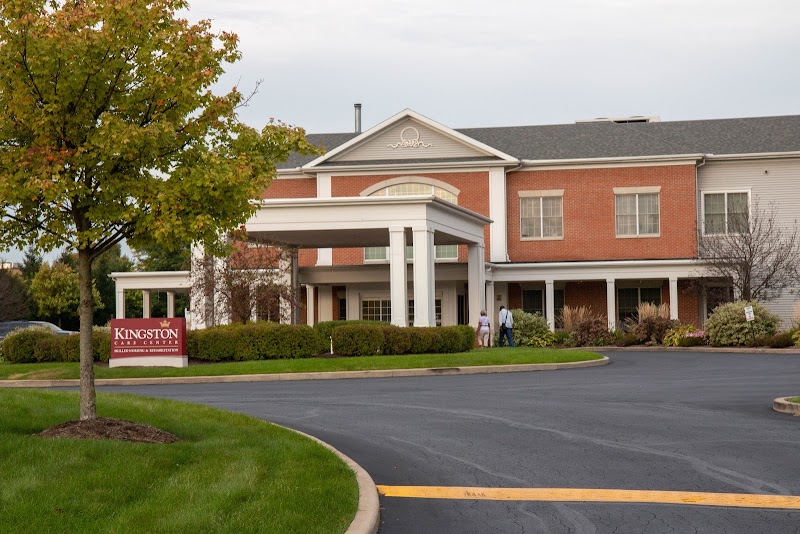
How is Kingston Of Sylvania Staffed?

CMS rates KINGSTON CARE CENTER OF SYLVANIA's staffing level at 3 out of 5 stars, which is average compared to other nursing homes. Staff turnover is 48%, compared to the Ohio average of 46%.

What Have Inspectors Found at Kingston Of Sylvania?

State health inspectors documented 24 deficiencies at KINGSTON CARE CENTER OF SYLVANIA during 2018 to 2025. These included: 1 that caused actual resident harm and 23 with potential for harm. Deficiencies causing actual harm indicate documented cases where residents experienced negative health consequences.
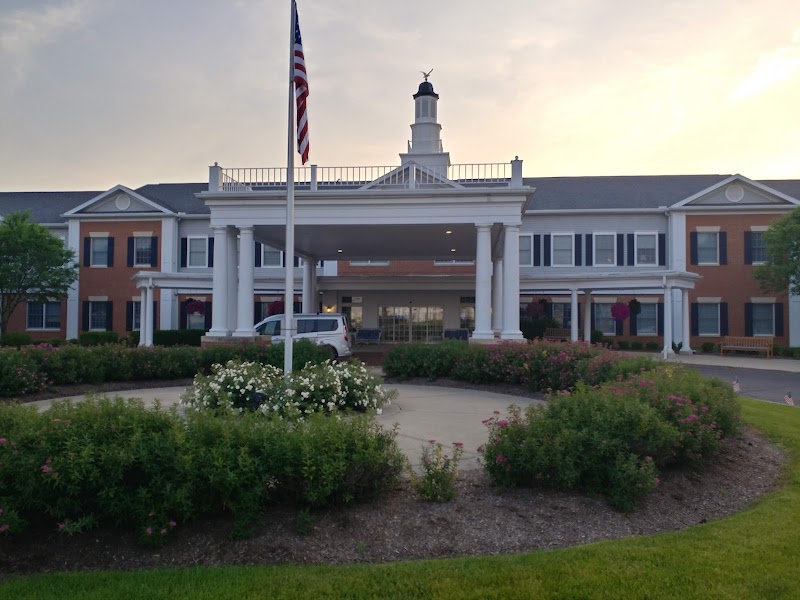
Who Owns and Operates Kingston Of Sylvania?

KINGSTON CARE CENTER OF SYLVANIA is owned by a for-profit company. For-profit facilities operate as businesses with obligations to shareholders or private owners. The facility is operated by KINGSTON HEALTHCARE, a chain that manages multiple nursing homes. With 127 certified beds and approximately 110 residents (about 87% occupancy), it is a mid-sized facility located in SYLVANIA, Ohio.
How Does Kingston Of Sylvania Compare to Other Ohio Nursing Homes?

Compared to the 100 nursing homes in Ohio, KINGSTON CARE CENTER OF SYLVANIA's overall rating (5 stars) is above the state average of 3.2, staff turnover (48%) is near the state average of 46%, and health inspection rating (4 stars) is above the national benchmark.

What Should Families Ask When Visiting Kingston Of Sylvania?

Based on this facility's data, families visiting should ask: "Can I visit during a mealtime to observe dining assistance and food quality?" "How do you handle medical emergencies, and what is your hospital transfer rate?" "Can I speak with family members of current residents about their experience?"

Is Kingston Of Sylvania Safe?

Based on CMS inspection data, KINGSTON CARE CENTER OF SYLVANIA has a clean safety record: no substantiated abuse findings (meaning no confirmed cases of resident harm), no Immediate Jeopardy citations (the most serious violation level indicating risk of serious injury or death), and is not on the Special Focus Facility watch list (a federal program monitoring the lowest-performing 1% of nursing homes). The facility has a 5-star overall rating and ranks #1 of 100 nursing homes in Ohio. While no facility is perfect, families should still ask about staff-to-resident ratios and recent inspection results during their visit.

Do Nurses at Kingston Of Sylvania Stick Around?

KINGSTON CARE CENTER OF SYLVANIA has a staff turnover rate of 48%, which is about average for Ohio nursing homes (state average: 46%). Moderate turnover is common in nursing homes, but families should still ask about staff tenure and how the facility maintains care continuity when employees leave.

Was Kingston Of Sylvania Ever Fined?

KINGSTON CARE CENTER OF SYLVANIA has no federal fines on record. CMS issues fines when nursing homes fail to meet care standards or don't correct problems found during inspections. The absence of fines suggests the facility has either maintained compliance or corrected any issues before penalties were assessed. This is a positive indicator, though families should still review recent inspection reports for the full picture.

Is Kingston Of Sylvania on Any Federal Watch List?

KINGSTON CARE CENTER OF SYLVANIA is not on any federal watch list. The most significant is the Special Focus Facility (SFF) program, which identifies the bottom 1% of nursing homes nationally based on persistent, serious quality problems. Not being on this list means the facility has avoided the pattern of deficiencies that triggers enhanced federal oversight. This is a positive indicator, though families should still review the facility's inspection history directly.