THE COLONY HEALTHCARE CENTER
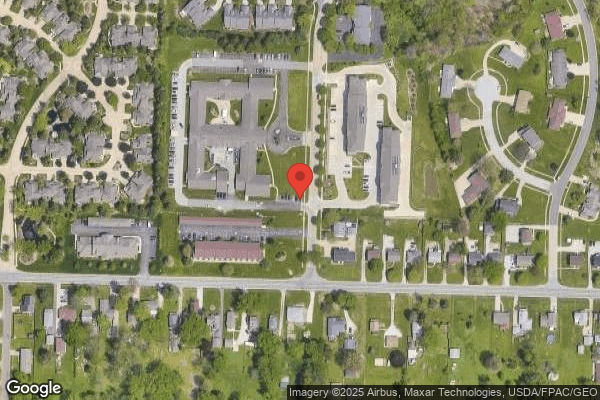

563 COLONY PARK DRIVE, TALLMADGE, OH 44278 (330) 630-9780
For profit - Corporation 117 Beds COMMUNICARE HEALTH Data: November 2025
Trust Grade
50/100
#794 of 913 in OH
Last Inspection: November 2023

Within standard 12-15 month inspection cycle. Federal law requires annual inspections.

Overview

The Colony Healthcare Center has a Trust Grade of C, which means it is average and sits in the middle of the pack regarding quality. It ranks #794 out of 913 facilities in Ohio, placing it in the bottom half, and #36 out of 42 in Summit County, indicating limited local options that are better. The facility is showing improvement, with reported issues decreasing from 4 in 2024 to just 1 in 2025. Staffing is a concern, with only 2 out of 5 stars, and RN coverage is lower than 84% of state facilities, which could impact the level of care. Specific incidents of concern include inadequate training for dietary staff, leading to improper food storage practices, which could potentially affect all residents receiving meals. While there are no fines on record and staffing turnover is slightly below average, the overall health inspection score is poor, so families should weigh these strengths and weaknesses when considering this facility.

Trust Score
C
50/100
In Ohio
#794/913
Bottom 14%
Safety Record
Low Risk
No red flags
Inspections
Getting Better
4 → 1 violations
Staff Stability
⚠ Watch
46% turnover. Above average. Higher turnover means staff may not know residents' routines.
Penalties
✓ Good
No fines on record. Clean compliance history, better than most Ohio facilities.
Skilled Nurses
⚠ Watch
Each resident gets only 22 minutes of Registered Nurse (RN) attention daily — below average for Ohio. Fewer RN minutes means fewer trained eyes watching for problems.
Violations
⚠ Watch
47 deficiencies on record. Higher than average. Multiple issues found across inspections.
★★☆☆☆
2.0
Overall Rating
★★☆☆☆
2.0
Staff Levels
★★★★★
5.0
Care Quality
★☆☆☆☆
1.0
Inspection Score
Stable
2024: 4 issues
2025: 1 issues

The Good

  • 5-Star Quality Measures · Strong clinical quality outcomes
  • Full Sprinkler Coverage · Fire safety systems throughout facility
  • No fines on record

Facility shows strength in quality measures, fire safety.

The Bad

2-Star Overall Rating

Below Ohio average (3.2)

Below average - review inspection findings carefully

Staff Turnover: 46%

Near Ohio avg (46%)

Higher turnover may affect care consistency

Chain: COMMUNICARE HEALTH

Part of a multi-facility chain

Ask about local staffing decisions and management

The Ugly 47 deficiencies on record

Aug 2025 1 deficiency
CONCERN (E) 📢 Someone Reported This

A family member, employee, or ombudsman was alarmed enough to file a formal complaint

Potential for Harm - no one hurt, but risky conditions existed

Safe Environment (Tag F0584)

Could have caused harm · This affected multiple residents

Based on observation, staff interview and facility policy review, the facility failed to maintain a clean and sanitary environment. This affected six (Residents #2, #38, #67, #94, #102, and #116) of 1...

Read full inspector narrative →
Based on observation, staff interview and facility policy review, the facility failed to maintain a clean and sanitary environment. This affected six (Residents #2, #38, #67, #94, #102, and #116) of 108 residents reviewed for environment. The facility census was 108. Findings include:1. Observation and interview on 07/31/25 at 11:31 A.M. in Residents #94 and #67's room revealed an unknown liquid on the bathroom floor around the toilet. The bathroom had a strong odor of urine. The flooring around toilet had a black stain around seal of toilet. The walls and ceiling of the bathroom had visible dirt and debris. The toilet was continuously running. Resident #94 stated the toilet was always running and the bathroom always smelled. Interview on 07/31/25 at 11:45 A.M. with Certified Nurse Aide (CNA) #583 confirmed unknown liquid on the floor and she stated Resident #67 urinates on the floor in the bathroom. Interview and observation on 07/31/25 at 12:10 P.M. with Maintenance Director #539 revealed Resident #67 urinates on the bathroom floor. He stated they have new tiles for the bathroom, but they have to shut down the bathroom in the room and have not done that yet. He wiped up the unknown liquid with a white washcloth which revealed a brown yellowish tint but could not confirm if this was dirt from the floor or urine. Observation on 08/04/25 at 9:40 A.M. of Residents #94 and #67's room revealed a strong smell of urine in the bathroom. Interview and observation on 08/05/25 at 9:03 A.M. with CNA #576 in Residents #94 and #67's bathroom revealed a strong smell or urine with urine of the floor in front of the toilet and an unknown brown liquid dripping down the side of the toilet. CNA #576 confirmed observation and cleaned bathroom. 2. Observation on 07/31/25 at 4:41 P.M. of Residents #2 and 102's bathroom revealed unknown liquid on the floor in front and behind the toilet and on the toilet seat with a very strong odor of urine. Interview and observation on 07/31/25 at 4:45 P.M. with Maintenance Director #539 in Residents #2 and 102's bathroom confirmed above finding. He used a white washcloth to wipe up the liquid which was yellow and confirmed it was urine. He had checked the toilets for leaks as well and did not find any. 3. Observation and interview on 08/05/25 at 3:15 P.M. with Resident #38 revealed floor trim unattached to floor and in middle of the bathroom floor. The toilet was running and Resident #38 said it constantly runs. Observation and interview on 08/04/25 at 4:33 P.M. with Licensed Practical Nurse (LPN) #545 of Resident #38 bathroom and confirmed unattached trim and running toilet. 4. Observation and interview on 08/05/25 at 4:04 P.M. of Resident #116 room revealed an extremely strong odor of garbage and stale cigarettes that could be smelled from the hallway. Resident #116 was not aware of what the smell was. Observation and interview on 08/06/25 at 4:04 P.M. with Resident #116 revealed a plastic clear garbage bag filled with clothes on the floor. Resident #116 stated he thinks someone brought them into his room yesterday and they were clean clothes. At this time LPN #581 came into room and confirmed observation of bag of clothes. LPN #581 stated they were dirty clothes and removed them from the room. Review of the facility policy titled Laundry Handling & Processing Policy, last reviewed date of 02/01/25, revealed Employees should collect soiled linens from resident/patient rooms throughout the day. This deficiency represents noncompliance investigated under Complaint Number 1358203 (OH00163378).
Jun 2024 2 deficiencies
CONCERN (D) 📢 Someone Reported This

A family member, employee, or ombudsman was alarmed enough to file a formal complaint

Potential for Harm - no one hurt, but risky conditions existed

Resident Rights (Tag F0550)

Could have caused harm · This affected 1 resident

**NOTE- TERMS IN BRACKETS HAVE BEEN EDITED TO PROTECT CONFIDENTIALITY** Based on record review, interview, self-reported incident (SRI) review, and facility policy review the facility failed to ensure...

Read full inspector narrative →
**NOTE- TERMS IN BRACKETS HAVE BEEN EDITED TO PROTECT CONFIDENTIALITY** Based on record review, interview, self-reported incident (SRI) review, and facility policy review the facility failed to ensure staff treated Resident #109 with dignity and respect. This affected one resident (#109) out of three residents reviewed for abusive treatment in the facility. The facility census was 108. Findings include: Review of the medical record revealed Resident #109 was admitted to the facility on [DATE] with diagnoses including Alzheimer's disease, dementia, anxiety, restlessness, depression, insomnia, malnutrition, asthma, anorexia, high blood pressure, kidney failure, spondylosis, and cognitive communication deficit. Review of the Minimum Data Set (MDS) assessment dated [DATE] revealed Resident #109 had severe cognitive impairment, had behaviors including wandering and refusing care, and was independent with transfers and ambulation. Resident #109's plan of care initiated on 05/03/24 indicated a risk for falls related to impaired cognition related to diagnosis of Alzheimer's disease, behavioral symptoms, incontinence, restlessness/agitation, hearing loss, history of left pubis fracture and recent admission to the facility. Review of the nursing progress note dated 05/26/24 stated Resident #109's family alerted the staff that while Resident #109 was seated in the dining room, State Tested Nursing Assistant (STNA) #115 was telling her to sit down in her chair and assisted Resident #109 to sit down. STNA #115 was removed from the situation. Resident #109 was assessed and found no injuries and denied complaints of pain or discomfort. A review of SRI tracking number 247958 indicated Resident #109's family approached Assistant Director of Nursing (ADON) #119 on 05/26/24 and reported when the family entered the dining room, they saw STNA #115 speaking loudly and sternly to Resident #109. STNA #115 was telling Resident #109 to sit down in her wheelchair and attempted to reposition Resident #109. Resident #109's family intervened and then left the dining room to report the incident to ADON #119. STNA #115 was asked to leave the dining room and sent home pending an investigation of the incident. Resident #109 was interviewed but was unable to recount what happened. Resident #109 was assessed and found no injuries and was not exhibiting signs of anxiety or distress. STNA #115 was interviewed and stated Resident #109 was constantly attempting to stand up out of her wheelchair, and STNA #115 asked her multiple times to sit down in a stern tone. STNA #115 stated she attempted to reposition Resident #109 in her wheelchair and was worried Resident #109 might fall. Resident #109's family confronted STNA #115 about the way she was interacting with Resident #115 and words were exchanged between STNA #115 and Resident #109's family. An interview with Licensed Practical Nurse (LPN) #116 indicated STNA #115 was involved in an altercation with Resident #109 in which STNA #115 grabbed the back of Resident #115's pants to force her to sit down and prevent her from falling. An interview on 05/30/24 at 8:24 A.M. with ADON #119 revealed she was present in the facility on 05/26/24 when the incident between Resident #109 and STNA #115 occurred. ADON #119 stated Resident #109's family walked in the dining room and heard STNA #115 yelling at Resident #109 asking her to sit down and grabbing the back of Resident #109's pants to forcefully make her sit down. ADON #119 stated when the family intervened, STNA #115 became defensive and told the family to not tell her how to do her job. ADON #119 stated she removed STNA #115 from dining room and conducted an interview with STNA #115. ADON #119 indicated STNA #115 was frustrated because Resident #109 kept trying to stand and walk out of the dining room during the meal service. STNA #115 reported the family was aggressive towards her, and she felt defensive. ADON #119 stated she had STNA #115 write a statement regarding the incident before sending her home pending the outcome of the investigation. ADON #119 stated she conducted an interview with STNA #117 who was in the dining room at the time of the incident between Resident #109, STNA #115, and Resident #109's family. STNA #117 reported STNA #115 aggressively pulled Resident #109 down in her chair and was yelling at Resident #109 in a loud voice. An interview with STNA #117 on 05/30/24 at 11:14 A.M. indicated she witnessed the interaction between Resident #109 and STNA #115. STNA #115 was yelling at Resident #109 to sit down and forcefully pulled Resident #109 down by the back of her pants to make her sit down. When the family intervened, STNA #115 started to argue with them and told them to not tell her how to do her job. STNA #117 stated she thought STNA #115 could have handled the situation differently without becoming angry. An interview with STNA #115 on 05/30/21 at 11:21 A.M. indicated Resident #109 was constantly attempting to get up and walk away from her wheelchair. She was worried Resident #109 would fall and held the back of Resident #109's waistband on her pants and assisted her to sit down in the wheelchair. She did not use a gait belt and tugged on Resident #109's belt loop to pull her down to a seated position. She was yelling at Resident #109 to sit down because Resident #109 was very hard of hearing. Resident #109 was resisting her efforts to guide her back to a seated position and may have appeared aggressive, but this was not her intention. An interview with Resident #36 on 06/03/24 at 8:30 A.M. revealed she was present in the dining room during the incident between Resident #109 and STNA #115. Resident #36 stated Resident #109 was trying to stand up and walk away from her wheelchair and STNA #115 had to keep directing her to sit down so she wouldn't fall. Resident #36 stated STNA #115 was trying to assist Resident #109 her own way and could have interacted with Resident #109 in a different manner while helping Resident #109. An interview with the Director of Nursing (DON) on 06/03/24 at 11:30 A.M. verified the above findings. A review of the undated facility policy titled Resident Rights indicated it was the facility's policy to provide resident centered care that meets the psychological, physical, and emotional needs/concerns of residents. Safety of residents, visitors and employees was the top priority of care. Care for residents would be performed in a safe and respectful manner. Residents have the right to voice how they want to be treated. Employees would notify their immediate supervisor when care or treatment was refused. The procedure included when providing care to speak respectfully to residents. This deficiency is an incidental finding identified during the complaint investigation.
CONCERN (D) 📢 Someone Reported This

A family member, employee, or ombudsman was alarmed enough to file a formal complaint

Potential for Harm - no one hurt, but risky conditions existed

Notification of Changes (Tag F0580)

Could have caused harm · This affected 1 resident

**NOTE- TERMS IN BRACKETS HAVE BEEN EDITED TO PROTECT CONFIDENTIALITY** Based on record review, interview, and facility policy review the facility failed to ensure Resident #83's sponsor was notified ...

Read full inspector narrative →
**NOTE- TERMS IN BRACKETS HAVE BEEN EDITED TO PROTECT CONFIDENTIALITY** Based on record review, interview, and facility policy review the facility failed to ensure Resident #83's sponsor was notified of significant changes in Resident #83's condition. This affected one resident (#83) out of three residents reviewed for changes in condition. The facility census was 108. Findings include: Review of the medical record revealed Resident #83 was admitted on [DATE] with diagnoses including cerebral vascular disease, vascular dementia pulmonary disease, high blood pressure, atherosclerotic heart disease, hyperlipidemia, iron deficiency anemia major depressive disorder, insomnia, osteoporosis, diaphragmatic hernia, gastroesophageal reflux disease with esophageal obstruction. Review of the Minimum Data Set (MDS) assessment dated [DATE] revealed Resident #83 had a significant change in her ability to sit up from a lying down position and from sitting to standing. The MDS assessment dated [DATE] indicated she was independent in the ability to sit up from a lying down position and from sitting to standing. The MDS assessment dated [DATE] indicated Resident #83 needed maximum assistance of one staff member to assist her to sit up from a lying down position and from sitting to standing. Resident #83's MDS assessment dated [DATE] indicated she was severely cognitively impaired. A review of Resident #83's physician order dated 04/16/24 revealed an order to administer cephalexin (antibiotic) 500 milligrams three times a day orally for the treatment of a wound infection. There was no documented evidence in the medical record that Resident #83's family/responsible party were notified of the significant change in condition or the wound infection. An interview with Minimum Data Set Registered Nurse (MDS RN) #118 on 06/03/24 at 11:30 A.M. revealed she was responsible for attending the interdisciplinary plan meetings to discuss significant changes in a resident's condition. MDS RN #118 stated the licensed nurses were responsible for notification of a resident's representative and/or power of attorney. An interview with Director of Nursing (DON) on 06/03/24 at 12:00 P.M. verified the above findings. A review of the facility's undated policy titled Notification of Change in Condition indicated circumstances requiring notification included but was not limited to: • Accidents • Significant change in resident's physical, mental, or psychological condition such as deterioration in health, mental or psychological status. • New treatment • Transfer or discharge of resident from center. • Change in roommate assignment. When a change in condition was noted, the nursing staff would contact the resident's representative, notify the physician, and the resident if they were their own responsible party. This deficiency represents non-compliance investigated under Complaint Number OH00154257.
Mar 2024 2 deficiencies
CONCERN (D) 📢 Someone Reported This

A family member, employee, or ombudsman was alarmed enough to file a formal complaint

Potential for Harm - no one hurt, but risky conditions existed

Deficiency F0761 (Tag F0761)

Could have caused harm · This affected 1 resident

Based on observation, interview, and policy review, the facility failed to ensure all medications were stored and labeled as required. This affected five (Residents #47, #48, #49, #50, #51) of 10 resi...

Read full inspector narrative →
Based on observation, interview, and policy review, the facility failed to ensure all medications were stored and labeled as required. This affected five (Residents #47, #48, #49, #50, #51) of 10 residents reviewed. Findings include: Observation on 03/14/24 at 7:37 A.M. revealed Licensed Practical Nurse (LPN) #216 had pre-poured medications for Residents #47, #48, #49, #50, #51. A drawer within the medication cart contained five medication cups each containing medications with the resident's name. There was no information regarding the names or strength of the medications in the cups. Interview with LPN #216, at the time of the observation, revealed the medications were pre-poured because he was required to be in the dining room from 7:30 A.M. to 9:00 A.M. to observe residents during breakfast and he had more than 30 residents to administer medications to after breakfast service was finished. Review of the facility's undated policy titled Medication Administration revealed medications were to be poured just prior to administrating to the resident.
CONCERN (D) 📢 Someone Reported This

A family member, employee, or ombudsman was alarmed enough to file a formal complaint

Potential for Harm - no one hurt, but risky conditions existed

Infection Control (Tag F0880)

Could have caused harm · This affected 1 resident

Based on observation, interview, and policy and procedure review, the facility failed to ensure staff maintained infection control standards when administering medications. This affected one (Resident...

Read full inspector narrative →
Based on observation, interview, and policy and procedure review, the facility failed to ensure staff maintained infection control standards when administering medications. This affected one (Resident #47) of five residents observed for medication administration. Findings include: Observation on 03/14/24 at 8:13 A.M. revealed Licensed Practical Nurse (LPN) #216 preparing medications to administer to Resident #47. LPN #216 popped medications from blister packs into his bare hand and then picked up medications that were dropped and put them into a medication cup to administer to Resident #47. An interview with LPN #216 at the time of the observation confirmed the observations. Review of the facility's undated policy titled Medication Administration revealed medications were not to be touched, either when opening a liquid or dose pack. Dropped medications were to be discarded.
Nov 2023 21 deficiencies
CONCERN (D)

Potential for Harm - no one hurt, but risky conditions existed

Notification of Changes (Tag F0580)

Could have caused harm · This affected 1 resident

**NOTE- TERMS IN BRACKETS HAVE BEEN EDITED TO PROTECT CONFIDENTIALITY** Based on interview, record review, and policy review, the facility did not ensure the authorized parties were notified of change...

Read full inspector narrative →
**NOTE- TERMS IN BRACKETS HAVE BEEN EDITED TO PROTECT CONFIDENTIALITY** Based on interview, record review, and policy review, the facility did not ensure the authorized parties were notified of changes in the resident's treatment for Resident #15 and Resident #19. This affected two residents (Residents #15 and #91) of 26 residents reviewed for notification of change. The facility census was 110. Findings Include: 1. Resident #15 was admitted to the facility on [DATE] with diagnoses of dementia with anxiety, chronic obstructive pulmonary disease, atrial fibrillation, high blood pressure, and macular degeneration of the left eye. Resident #15's family member was listed as the authorized primary contact. Review of the quarterly comprehensive Minimum Data Set (MDS) assessment dated [DATE] revealed the resident was moderately cognitively impaired. Review of the physician's orders revealed on 09/11/23 Resident #15 was started on Macrobid (an antibiotic) 100 milligrams (mg) twice a day for a urinary tract infection (UTI). Review of the nursing progress notes revealed no documentation the resident's authorized primary contact was notified of an antibiotic being started. 2. Resident #91 was admitted to the facility on [DATE] with diagnoses including diabetes, restlessness and agitation, heart disease, congestive heart failure, major depression, and vascular dementia with mood disturbance. Resident #91's wife was listed as the authorized primary contact. Review of physician orders dated 10/02/23 revealed an order was written to give Seroquel 25 mg orally every afternoon for anxiety. Review of the physician's orders for Resident #91 revealed on 10/04/23 an order was written to give Seroquel (an antipsychotic medication) 25 mg give a half tablet orally every evening for major depression. On 10/13/23 an order was written for Depakote Sprinkles 125 mg give two capsules by mouth three times a day for dementia with agitation. Review of the progress notes from August through October 2023 revealed no documentation regarding the authorized primary contact being notified of the medication changes. Interview with Licensed Practical Nurse (LPN) #804 on 10/25/23 at 8:45 A.M. confirmed the authorized primary contact should have been notified for Resident #15 and #91 as soon as possible with any change in treatment or condition. In an emergent situation it may take a little longer until the situation is stabilized before they are notified. Notification should always be documented. Interview with LPN #846 on 10/25/23 at 8:55 A.M. confirmed the responsible party should be notified as soon as possible about a change in condition but she sometimes waits until the end of her shift to make her calls. Review of the facility's undated Notification of Change in Condition policy,undated, revealed the facility must inform the responsible party or authorized family member or legal power of attorney or guardian when circumstances require a need to alter a resident's treatment. Review of the facility's undated Clinical Documentation Standards revealed documentation should include resident changes.
CONCERN (D)

Potential for Harm - no one hurt, but risky conditions existed

Assessment Accuracy (Tag F0641)

Could have caused harm · This affected 1 resident

**NOTE- TERMS IN BRACKETS HAVE BEEN EDITED TO PROTECT CONFIDENTIALITY** Based on staff interview and record review the facility failed to ensure resident assessments were accurate. This affected two r...

Read full inspector narrative →
**NOTE- TERMS IN BRACKETS HAVE BEEN EDITED TO PROTECT CONFIDENTIALITY** Based on staff interview and record review the facility failed to ensure resident assessments were accurate. This affected two residents (Residents #15 and #40) of 26 residents reviewed for resident assessments. The facility census was 110. Findings Include: 1. Review of the medical records revealed Resident #15 was admitted to the facility on [DATE] with diagnoses of dementia with anxiety, chronic obstructive pulmonary disease, atrial fibrillation, high blood pressure, and macular degeneration of the left eye. Review of the nursing progress notes for Resident #15 from admission through the present revealed on 09/06/23 the resident had increased confusion, wandering, exit seeking, agitation, and believed others were stealing her belongings. No other behaviors were documented. Review of the quarterly comprehensive Minimum Data Set (MDS) assessment dated [DATE] revealed Resident #15 was moderately cognitively impaired and exhibited the behavior of wandering for one to three days during the assessment period. Review of the Medication Administration Record (MAR) for August, September, and October 2023 for Resident #15 regarding behavior monitoring revealed the resident exhibited no behaviors. Review of the nurse aide documentation for the previous 30 days prior to 10/19/23 revealed Resident #15 exhibited no behaviors. Review of the quarterly comprehensive MDS assessment dated [DATE] revealed Resident #15 was moderately cognitively impaired and had hallucinations and delusions. Other behaviors included physical and verbal behaviors directed towards others and other behaviors not directed towards others. She also rejected care and wandered one to three days of the assessment. Interview with Social Services Designee (SSD) #802 on 10/19/23 at 10:33 A.M. revealed she was the one who completed the behaviors section of the MDS assessment. She obtained her behavior coding from the nursing assistants documentation in the electronic health record. She also spoke with Licensed Practical Nurse (LPN) #851 who was the primary nurse on the secured unit where Resident #15 resided. SSD #802 confirmed there was a major change in behaviors from the 09/11/23 assessment and the 09/19/23 assessment which did not match the documentation on the MAR behavior tracking and the nurse aide documentation. 2. Resident #40 was admitted to the facility on [DATE] with diagnoses including a left femur fracture, a left radius fracture, cirrhosis of the liver, end stage renal disease dependent on dialysis, congestive heart failure, diabetes, bipolar disorder, delusional disorder, depression, anxiety, and chronic pain. Review of the comprehensive quarterly MDS assessment dated [DATE] revealed the resident was severely cognitively impaired and received no special treatments such as hemodialysis. Interview with Registered Nurse (RN) #807 on 10/23/23 at 3:00 P.M. confirmed Resident #40 should have had hemodialysis marked in the Special Treatments evaluation of the quarterly MDS assessment dated [DATE] and she would correct it.
CONCERN (D)

Potential for Harm - no one hurt, but risky conditions existed

ADL Care (Tag F0677)

Could have caused harm · This affected 1 resident

**NOTE- TERMS IN BRACKETS HAVE BEEN EDITED TO PROTECT CONFIDENTIALITY** Based on record review, observation, resident interview, staff interview, and policy review, the facility failed to ensure a res...

Read full inspector narrative →
**NOTE- TERMS IN BRACKETS HAVE BEEN EDITED TO PROTECT CONFIDENTIALITY** Based on record review, observation, resident interview, staff interview, and policy review, the facility failed to ensure a resident who was dependant on staff for assistance with activities of daily living (ADLs) received the assistance needed with bathing and personal hygiene. This affected one resident (Resident #68) of two residents reviewed for ADLs. The facility census was 110. Findings include: Review of the medical record for Resident #68 revealed he was admitted on [DATE] with diagnoses including alcohol-induced dementia, myoclonus, anorexia, osteoarthritis, and lack of coordination. Review of Resident #68's quarterly Minimum Data Set (MDS) assessment dated [DATE] revealed moderately impaired cognition with no signs or symptoms of delirium. Further review of the MDS revealed Resident #68 was dependent for bathing and required one person assistance with locomotion, dressing, eating, toileting, personal hygiene. The MDS further revealed Resident #68 had no instances of rejecting care. Review of Resident #68's last annual MDS assessment dated [DATE] listed his preference to choose between a tub bath, shower, bed bath, or sponge bath as very important. Review of Resident #68's care plan revealed he had a deficit in the ability to perform self-care and required assistance with ADLs. Interventions included providing extensive to total assistance with bathing and extensive assistance with personal hygiene, dressing, and transfers. His bathing preferences were not indicated on the care plan. Review of Resident #68's electronic medical record plan of care (POC) response history for type of bath received over the last 30 days (09/25/23 to 10/24/23) had zero responses indicating a bath of any type was given. There was no documentation of Resident #68 refusing a bath during this time. Review of Resident #68's electronic medical record POC response history for 30 days (09/20/23 to 10/19/23) regarding his ability to perform the tasks of washing, rinsing, and drying himself revealed Resident #68 required supervision, touching assist and helper cues on 09/28/23 and was totally dependent on 09/29/23, 10/02/23, 10/04/23, and 10/06/23. Further review revealed no attempts of washing Resident #68 were made since 10/06/23 and on 10/13/23 and 10/18/23 it was noted attempts were not made due to the resident's medical condition. A review of the POC response history for change in condition showed there was no change in condition between 09/20/23 and 10/18/23. There was no documentation of resident refusals on the bathing ability task sheet. Review of Resident #68's electronic medical record POC personal hygiene response history for 30 days (09/25/23 to 10/24/23) revealed personal care tasks including combing hair, shaving, and washing/drying face and hands. Further review of the personal hygiene response history revealed Resident #68 received no assistance with personal hygiene on 09/25/23, 09/26/23, 09/27/23, 09/30/23, and 10/19/23 and there is no documentation Resident #68 was unavailable or refused care on these dates. Review of paper shower sheets for residents on Resident #68's unit for September 2023 and October 2023 revealed there were zero shower sheets for Resident #68. Observation on 10/16/23 at 10:59 A.M. revealed Resident #68 with his hair appearing greasy, sticking up, and containing multiple white particles throughout. Further observation at that time revealed Resident #68's mustache had grown over his lower lip and was curling into his mouth with mustache hairs pointing in several directions. Observation on 10/17/23 at 4:25 P.M. revealed Resident #68 lying in bed with his hair sticking up, long mustache hairs curing into his mouth, and slight smell of body odor. Observation on 10/18/23 at 1:08 P.M. revealed Resident #68 lying in bed, hair uncombed, white flakes in hair, mustache hairs hanging over his top lip and mashed potatoes and gravy clumped on his mustache. Interview on 10/18/23 at 1:08 P.M. with Resident #68 confirmed he could feel the mustache hairs hanging over his top lip and he didn't know when it was last trimmed. He then proceeded to make a hand motion with his right pointer and middle fingers opening and closing like scissors moving from right to left across the front of his mustache stating he needs some one to trim it and then he said he was going to do it himself. Observation and interview on 10/23/23 at 12:15 P.M. revealed Resident #68 in bed with his mustache hanging over his top lip and small amount of white substance clumped left of center in his mustache. During this observation, Resident #68 stated he had not received a shower or washed today. Interview on 10/23/23 at 12:27 P.M. with state tested nursing assistant (STNA) #853 confirmed she was the aide caring for Resident #68 this date. Further interview with STNA #853 confirmed Resident #68 was supposed to shower twice per week and verified in the shower book his scheduled shower days were Tuesdays and Thursdays on third shift, which she confirmed meant 11:00 P.M. to 7:00 A.M. STNA #853 further confirmed Resident #68's mustache hairs were folding over his top lip into the mouth and the hairs were clumped together by a small amount of whitish substance. During the interview, STNA #853 stated it was not uncommon for Resident #68 to sit with food in his mustache after meals. At this time, Resident #68 stated he needed to shave and was going to trim his mustache. STNA #853 told Resident #68 staff would have to help him. Interview on 10/23/23 at 4:55 P.M. with STNA #892 confirmed she typically worked 3rd shift and has performed bed baths on Resident #68 but does not know when she last bathed him. When asked if Resident #68 prefers bed baths or showers, STNA #892 stated she gives him bed baths because it is probably easier when she is in a rush and realized around the end of her shift that he had not been bathed by the previous shift between 7:00 P.M. and 11:00 P.M. STNA #892 observed Resident #68 with surveyor at this time and verified his mustache had gotten long. STNA #892 then stated she had never shaved Resident #892 but thinks someone on another shift would need to shave him and provide mustache trimming and grooming since she typically worked third shift. Review of facility policy titled Daily Skin Care, effective 07/01/2016, stated it is policy that residents receive skin care daily. Further review of the policy revealed residents should be monitored for their ability to perform self-care and staff must assist or provide care as needed.
CONCERN (D) 📢 Someone Reported This

A family member, employee, or ombudsman was alarmed enough to file a formal complaint

Potential for Harm - no one hurt, but risky conditions existed

Quality of Care (Tag F0684)

Could have caused harm · This affected 1 resident

**NOTE- TERMS IN BRACKETS HAVE BEEN EDITED TO PROTECT CONFIDENTIALITY** Based on closed medical record review and interview, the facility failed to properly assess and document skin concerns for Resid...

Read full inspector narrative →
**NOTE- TERMS IN BRACKETS HAVE BEEN EDITED TO PROTECT CONFIDENTIALITY** Based on closed medical record review and interview, the facility failed to properly assess and document skin concerns for Resident #363. This affected one resident (#363) out of five residents reviewed for skin concerns. The facility census was 110. Findings include: Review of the hospital discharge reconciliation report dated 12/12/22 revealed Resident #363 was ordered collagenase (removes damaged tissue from skin ulcers) to left planter foot daily and as needed with last administered date of 12/11/22 at 9:10 A.M. Review of the medical record revealed Resident #363 was admitted on [DATE] and discharged on 12/23/22 with diagnoses including chronic kidney disease, fracture of cervical vertebras, type two diabetes mellitus, chronic obstructive pulmonary disease, methicillin susceptible staphylococcus aureus, end stage renal disease, sarcoidosis, neuromuscular dysfunction of bladder, and neurogenic bowel. A nurse note dated 12/16/22 at 6:11 P.M. revealed Resident #363 was admitted with no open skin areas and his buttocks were red. Review of physician orders dated 12/16/22 at 7:47 P.M. revealed Resident #363 was ordered collagenase ointment to the left plantar foot topically in the morning and as needed. A nurse note dated 12/16/22 at 8:49 P.M. revealed Resident #363 had granulated (new connective tissue and microscopic blood vessels that form on the surface of a wound during the healing process) skin to right heel. Review of the plan of care dated 12/19/22 revealed Resident #363 had impaired skin integrity of reddened buttocks and a left plantar foot diabetic ulcer. Interventions included to administer medications as ordered, administer treatments as ordered by medical provider, complete skin at risk assessment upon admission/readmission, quarterly, and as needed, complete weekly skin checks, evaluate existing wound daily for changes, and notify resident/resident representative, medical provider of any decline in wound healing. Review of the discharge Minimum Data Set (MDS) assessment dated [DATE] revealed Resident #363 required extensive assistance for bed mobility, transfers, and toilet use. Resident #363 had no skin impairments. Review of the medication administration record (MAR) revealed a treatment was completed to Resident #363's left foot as ordered from 12/17/22 to 12/23/22. Further review of the medical record for Resident #363 revealed no evidence of documentation including skin assessments of red buttocks, granulated tissue to right heel, or the area to the left foot where treatment was completed from 12/17/22 to 12/23/22. Email correspondence on 10/17/23 at 2:30 P.M. Registered Nurse (RN) #911 verified there was documentation of an order for treatment to Resident #363's left foot and the treatment being completed without any assessment of the wound to Resident #363's left foot. This deficiency represented non-compliance identified during the investigation of Complaint Number OH00146430.
CONCERN (D)

Potential for Harm - no one hurt, but risky conditions existed

Deficiency F0685 (Tag F0685)

Could have caused harm · This affected 1 resident

**NOTE- TERMS IN BRACKETS HAVE BEEN EDITED TO PROTECT CONFIDENTIALITY** Based on medical record review and interviews, the facility failed to ensure residents received hearing supports and devices in ...

Read full inspector narrative →
**NOTE- TERMS IN BRACKETS HAVE BEEN EDITED TO PROTECT CONFIDENTIALITY** Based on medical record review and interviews, the facility failed to ensure residents received hearing supports and devices in a timely manner. This affected one resident (#24) of one resident reviewed for hearing ancillary services. The census was 110. Findings include: Review of the medical record for Resident #24 revealed an admission date of 04/19/21 with diagnoses including alcohol dependence, schizoaffective disorder, emphysema, and post-traumatic osteoarthritis of his right hip. Review of Resident #24's quarterly Minimum Data Set (MDS) 3.0 assessment dated [DATE] revealed he was cognitively intact with minimum hearing difficulty. No hearing appliance was used in the conduction of this assessment. Further review of the MDS revealed Resident #24 exhibited no behaviors and had no rejection of care. Review of Resident #24's care plan revealed he had difficulty hearing, had hearing aids, and did not always choose to wear his hearing aids. Interventions included ensuring hearing aids were in place, observing effectiveness of communication and hearing devices, and refer to audiology for consults as needed. Review of physician orders revealed no current or past orders related to Resident #24's hearing aids. Review of the audiologist visit report dated 03/01/23 revealed the provider was unable to test Resident #24's hearing aids due to bilaterally occluded ear canals. Further review of the report revealed the audiologist recommended cerumen management (CM, or the removal of earwax from the ear canal) and follow-up audiometric testing after CM had been completed per recommendation. According to this report, Resident #24's degree of hearing loss was unable to be determined secondary to occlusion of both ear canals. This report also contained recommendations to the attending medical doctor and/or nursing staff for Resident #24 to continue daily hearing aid use, to be seen post CM for further hearing aid testing, and to contact Michigan Ear Care to coordinate services. Review of social services progress notes for Resident #24 dated between 03/01/23 through 10/25/23 revealed no mention of arrangements or attempts to make follow-up appointments for Resident #24's CM management or re-evaluation of audiometric and hearing aid testing upon completion of cerumen removal. Interview on 10/16/23 at 12:05 P.M. with Resident #24 revealed he had had hearing aids for a few years but had only had one appointment since he had been a resident of the facility. Resident #24 added testing was unable to be completed at the time of that appointment because he needed to have his ears cleaned out first and the audiologist's office did not provide that service. Resident #24 further stated he had experienced hearing problems for a long time, he was unable to hear any better with his hearing aids now, and nobody had addressed his ears needing cleaned since that appointment, so he sees no point to wear his hearing aids. He stated he had tried cleaning the hearing aids himself and even took a woman's [NAME]-pin and tried to clean out his ears himself, but he still cannot hear well with his current hearing aids. Interview on 10/19/23 at 10:39 A.M. with Social Services Designee (SSD) #802 confirmed she was responsible for making ancillary appointments for residents and was aware Resident #24 was unable to have his audiology appointment fully completed on 03/01/23 due to his blocked ear canals, resulting in a recommendation for referral to Michigan Ear Care for cleaning. Further interview with SSD #802 verified Michigan Ear Care will not come to the facility unless there are at least 30 residents with needs and the facility was not contracted with any other company that providing this service. No other arrangements had been made at this time. SSD #802 was unable to confirm whether the certified nurse practitioner (CNP), CNP #917, who visited the facility was made aware of the audiologist's recommendations made for Resident #24 during his appointment on 03/01/23.
CONCERN (D) 📢 Someone Reported This

A family member, employee, or ombudsman was alarmed enough to file a formal complaint

Potential for Harm - no one hurt, but risky conditions existed

Accident Prevention (Tag F0689)

Could have caused harm · This affected 1 resident

**NOTE- TERMS IN BRACKETS HAVE BEEN EDITED TO PROTECT CONFIDENTIALITY** 3. Review of the medical record for Resident #102 revealed an admission date of 04/14/23 and re-admission date of 08/06/23 with ...

Read full inspector narrative →
**NOTE- TERMS IN BRACKETS HAVE BEEN EDITED TO PROTECT CONFIDENTIALITY** 3. Review of the medical record for Resident #102 revealed an admission date of 04/14/23 and re-admission date of 08/06/23 with diagnoses including a wedge compression fracture of the second and fifth lumbar vertebrae, type two diabetes, vascular dementia, end-stage renal disease, dependence on renal dialysis, congestive heart failure, age-related physical debility, chronic pain syndrome, anxiety, depression, polyneuropathy, muscle weakness, age-related osteoporosis, osteoarthritis, and convulsions. Review of the admission initial assessment, dated 04/15/23, revealed Resident #102 was not at risk for falls and required extensive assistance for activities of daily living (ADLs). Review of the care plan, dated 04/27/23, revealed Resident #102 was at risk for falls due to observed balance problems during transitions, history of falling in six months prior to admission, bowel and bladder incontinence, impaired mobility, opioid use, and pain. Interventions included bed against wall with mat to floor on open side of bed, bed in lowest position, bolsters to bed, non-skid footwear, adequate lighting, and call light within reach. Review of the progress note dated 07/09/23 at 7:19 A.M. indicated Resident #102 was seen at the bedside on the floor lying on her back. Resident #102 was assisted to bed via a mechanical (hoyer) lift and had been witnessed in bed by the nurse 10 minutes prior to the fall. All vital signs were normal, skin was normal for the resident and Resident #102 was moving all four extremities with good range of motion (ROM). Resident #102 did state to the nurse during the shift that she was trying to get up and was told by the nurse she was immobile. Resident #102 acted as if she was unaware of this. The responsible parties were notified and the medical doctor was made aware. The nurse would continue to monitor Resident #102. Review of the fall investigation provided by the facility for the fall incident on 07/09/23 revealed the fall investigation notes were time-stamped 10/24/23 from 10:54 A.M. to 11:03 A.M. and provided a conclusion statement entered by the Director of Nursing (DON) on 10/24/23 at 11:03 A.M. The conclusion statement referencing the fall incident on 07/09/23 but dated 10/24/23 said Resident #102 was noted to be lying on her back on the floor. Resident #102 was asked what she had been attempting to do and Resident #102 stated she was trying to get up around 3:00 A.M. Resident #102 was noted to be wearing non skid slippers, the area was clean and dry, well lighted and clutter free. A head to toe assessment was completed with no visible signs of injury. ROM completed without difficulty. Vital signs were within normal limits. The call light was in reach, fully functional and not used by Resident #102. The incident was not witnessed. Neurological checks were initiated and at baseline with normally reactive pupils. The resident was assisted up to her bed by two staff members via mechanical lift. Resident #102's Brief Interview for Mental Status was 13 (cognitively intact). The resident was last seen awake in bed 10 minutes prior. The responsible party and medical doctor were notified. The bed was placed against the wall for positioning purposes with a mat next to the bed. Review of the quarterly Minimum Data Set (MDS) Assessment, dated 08/15/23, revealed Resident #102 had intact cognition. Resident #102 required extensive assistance for ADLs, was not steady, and was only able to stabilize with staff assistance. Review of the facility's incident log from October 2022 through October 2023 indicated Resident #102 experienced one fall on 09/22/23. No other fall incidents were identified on the incident log for Resident #102. On 10/16/23 at 11:18 A.M., observation of Resident #102's room revealed the fall mat in the floor was positioned at a 45-degree angle from the bed. On 10/16/23 at 11:21 A.M., interview with LPN #804 verified Resident #102's fall mat was not positioned appropriately. On 10/16/23 at 11:22 A.M., interview with Physical Therapy Assistant (PTA) #918 stated Resident #102 had bolsters to mattress, bed low, and fall mat on floor because she would try to get herself up without assistance. He said the interventions were in place to try to prevent injury if a fall occurred. On 10/17/23 at 10:40 A.M., interview with Resident #102 stated she had fallen two or three times since she arrived at the facility. She did not like having the bolsters on her bed. On 10/23/23 at 10:48 A.M., observation of Resident #102's room revealed the bolster on the open side of her bed was hanging off the edge of the bed and touching on the floor. On 10/23/23 at 10:51 A.M., interview with STNA #829, who also served as transportation staff, confirmed Resident #102's bolster was not in the correct position on the bed. She stated Resident #102 had kicked the bolster off the bed. On 10/24/23 at 8:36 A.M., observation of Resident #102's room revealed the bolster on the open side of her bed was on the floor. Interview at the time of observation with STNA #868 verified the bolster was not in the appropriate position on the bed. On 10/24/23 at 10:15 A.M., interview with Registered Nurse (RN) #911 verified the facility's incident log did not include Resident #102's fall that occurred on 07/09/23. She also stated the nurse's notes and post-fall assessment contained all the information pertaining to the incident and no additional details would be included in a fall investigation. On 10/24/23 at 4:20 P.M., interview with the DON stated all information included in the fall investigation conclusion dated 10/24/23 was obtained from the nurses note and a post-fall evaluation. On 10/24/23 at 4:28 P.M., interview with the DON verified she could not locate the information included in her fall investigation conclusion anywhere in Resident #102's medical record of the fall that occured on 07/09/23. She then stated the information was obtained during an interview with the nurse who was working at the time of the fall (which contradicted her previous statement on 10/24/23 at 4:20 P.M. indicating the information was found in the nurse's note and post-fall assessment). The DON also confirmed the fall investigation contained no witness statement from the nurse and the DON could not provide any evidence or witness statement regarding her interview with the nurse. This deficiency represents non-compliance identified during the investigation of Complaint Number OH00147820. 2. Review of the medical record for Resident #94 revealed an admission date of 09/19/22 with diagnoses including a displaced fracture of the left femur, Alzheimer's, dementia, type two diabetes mellitus, moderate protein calorie malnutrition, and hypertension. Review of the quarterly MDS dated [DATE] revealed Resident #94 had severely impaired cognition, required extensive assist by two staff members for all ADLs including bathing, eating, repositioning, and required assistance by two staff members and the use of a mechanical lift for all transfers. Review of the care plan dated 09/04/23 revealed Resident #94 was at risk for falls related to wandering, observed balanced problems, history of falling, and psychotropic medication use. Additional risk factors included diagnoses of Alzheimer's dementia with agitation, exit-seeking behaviors, incontinence, and use of antihypertensive medications. Interventions included anti-rollbacks to wheelchair, assess risk for falls on admission/readmission, quarterly and as needed, bed in lowest position, dycem to wheelchair cushion, encourage resident to be in a common area while awake, encourage to wear appropriate footwear, ensure bed locks are engaged, non-skid strips next to the bed, and observe for medication side effects that may increase the risk for falls. Review of a facility fall investigation report for Resident #94 revealed on 09/25/23 at approximately 8:00 P.M. the nurse on duty was called to residents room by an STNA. The resident was observed on the floor in his room near his wheelchair. The resident was lying on his left side and complaining of pain in his left hip. The roommate stated Resident #94 was in his wheelchair and stood up and fell down. The wheelchair was not locked, and the roommate was unsure if he hit his head. Neurological checks were initiated. The resident was not able to roll to his back without difficulty or assistance and was yelling out in pain. The resident was assisted into his bed on a blanket lift with staff assistance. The resident was unable to move his leg when asked to do so. The Nurse Practitioner (NP) was notified and gave an order to send the resident to the hospital for evaluation and treatment. The Assistant Director of Nursing (ADON) and the residents daughter were notified. Review of progress notes from 09/25/23 to 10/24/23 revealed there was no documentation to evidence the IDT met and had a discussion related to the residents fall and what interventions were put in place, and if they were effective. Interviews conducted on 10/24/23 from 4:01 P.M. to 4:20 P.M. with Licensed Practical Nurse (LPN) #800, LPN #843, LPN #846, LPN #851, STNA #859, STNA #868, STNA #882, STNA #890, the Administrator, the DON and the ADON revealed it would not have been appropriate to transfer Resident #94 off the floor post-fall if he was unable to roll on to his back and was complaining of back pain, and would not transfer any resident who was a mechanical lift off the floor after a fall with a blanket. They stated they would of tried to make the resident as comfortable as possible on the floor and call 911 for assistance to move the resident. Review of the facility's Fall Prevention and Management policy, last revised 06/01//22, revealed an investigation into each fall should be conducted. An intervention should be put in place after each fall. All interventions and notifications should be documented in the electronic health record. The care plan should be updated with the new interventions put in place. The IDT should review all information for all falls at the next Daily Clinical Meeting. The fall should be discussed, what the potential causes of the fall were, what interventions were put in place and if they are effective. A progress note should be documented in the electronic health record of the IDT discussion. Based on record review, interview, and policy review, the facility failed to ensure a thorough investigation to identify and analyze hazards and risk factors for falls was conducted regarding falls for Resident #15, #94 and #102. This affected three residents (Resident #15, #94, and #102) of five residents reviewed for falls. The facility census was 110. Findings include: 1. Resident #15 was admitted to the facility on [DATE] with diagnoses of dementia with anxiety, chronic obstructive pulmonary disease, atrial fibrillation, high blood pressure, and macular degeneration of the left eye. Review of the quarterly comprehensive Minimum Data Set (MDS) assessment dated [DATE] revealed Resident #15 was moderately cognitively impaired and had hallucinations and delusions. The resident was identified as having a fall with major injury. Review of the care plans for Resident #15 revealed the falls care plan was initiated on 08/28/23. The interventions implemented at that time included to assess fall risk on admission, ensure the resident was wearing appropriate non-skid footwear, ensure the bed locks were engaged, and place the call light in reach and remind the resident to call for assistance. Additional interventions were added on 09/01/23 to initiate neurological checks if a fall was unwitnessed or the resident hits their head and to observe for medication side effects. Review of the nursing progress notes for Resident #15 revealed on 09/10/23 at 6:00 A.M. the resident was found on the floor of her bathroom sitting on her bottom. The residents legs were in front of her and her arms were at her side and she was attempting to stand up. The resident said she had to urinate and it came on too fast. The floor was wet from urine and she slipped in it. Resident #15 denied hitting her head. Bruising was noted to the back of her left upper arm. The on-call physician was notified and had no new orders. At 7:50 A.M. the resident complained of pain in her left upper/mid back area and the nurse found the area was bruised. The physician was notified and STAT x-rays were ordered of the lumbar and thoracic spine and ribs. Tylenol was provided for pain. The x-ray results came back later that evening and Resident #15 had posterior lateral left ninth and tenth rib fractures. Review of the facility's related fall investigation for Resident #15 revealed State Tested Nursing Assistant (STNA) #884 found the resident on the floor of her bathroom. The resident was wearing slippers at the time of the fall and not the non-skid footwear as care planned. The new interventions put in place were to complete a three day bowel and bladder tracker and to implement non-skid footwear. Review of the nursing documentation revealed no information regarding the Interdisciplinary Team (IDT) review, what conclusion the IDT determined or if the interventions in place were successful, and the results of the three day bowel and bladder tracker were not reviewed. Interview with Registered Nurse (RN) #911 on 10/19/23 at 9:30 A.M. revealed she did not know where the information from the IDT regarding Resident #15's fall was and what permanent intervention was put in place to prevent further falls. RN #911 also did not know where the three day bowel and bladder tracking information was but thought it would be located in the STNA documentation. RN #911 confirmed the STNA documentation may not be accurate. Review of the facility's Fall Prevention and Management policy, last revised 06/01//22, revealed an investigation into each fall should be conducted. An intervention should be put in place after each fall. All interventions and notifications should be documented in the electronic health record. The care plan should be updated with the new interventions put in place. The IDT should review all information for all falls at the next Daily Clinical Meeting. The fall should be discussed, what the potential causes of the fall were, what interventions were put in place and if they are effective. A progress note should be documented in the electronic health record of the IDT discussion.
CONCERN (D)

Potential for Harm - no one hurt, but risky conditions existed

Respiratory Care (Tag F0695)

Could have caused harm · This affected 1 resident

**NOTE- TERMS IN BRACKETS HAVE BEEN EDITED TO PROTECT CONFIDENTIALITY** Based on observation, interview and record review, the facility failed to ensure a physician's order was obtained for oxygen adm...

Read full inspector narrative →
**NOTE- TERMS IN BRACKETS HAVE BEEN EDITED TO PROTECT CONFIDENTIALITY** Based on observation, interview and record review, the facility failed to ensure a physician's order was obtained for oxygen administration. This affected one resident (Resident #54) of three residents reviewed for oxygen therapy. The facility identified six other residents (Residents #13, #17, #34 #57, #67 and #79) identified by the facility as using oxygen therapy. The facility census was 110. Findings include: Review of the medical record for Resident #54 revealed an admission date of 05/10/22 with diagnoses including end stage kidney disease, diabetes, chronic obstructive pulmonary disease (COPD) and arthritis. Review of the quarterly Minimum Data Set (MDS) assessment dated [DATE] revealed the resident was cognitively intact. Resident #54 was totally dependent on two people for transfers, required extensive assistance of two people for bed mobility, dressing and toilet use and extensive assistance of one person for hygiene. She did not receive oxygen therapy. Review of the physician's orders for October 2023 revealed no evidence of an order for oxygen. Review of the care plan dated 10/11/23 revealed the resident had shortness of breath while lying flat due to COPD. Interventions included administering medications as ordered, keeping the head of the bed elevated while lying flat and oxygen therapy as ordered. Observation on 10/17/23 at 8:14 A.M. of Resident #54 revealed she was using oxygen with a setting at two liters at the time of the interview. She confirmed she had been on oxygen for a long time and always wore it when she was in bed. Interview on 10/17/23 at 1:40 P.M. with the Assistant Director of Nursing (ADON) confirmed Resident #54 was on oxygen therapy and a physician's order was not obtained. Review of the facility policy titled Oxygen-Medical Gas Use, undated, revealed oxygen would be ordered by a physician.
CONCERN (D)

Potential for Harm - no one hurt, but risky conditions existed

Deficiency F0698 (Tag F0698)

Could have caused harm · This affected 1 resident

**NOTE- TERMS IN BRACKETS HAVE BEEN EDITED TO PROTECT CONFIDENTIALITY** 3. Review of the medical record for Resident #102 revealed an admission date of 04/14/23 and re-admission date of 08/06/23 with ...

Read full inspector narrative →
**NOTE- TERMS IN BRACKETS HAVE BEEN EDITED TO PROTECT CONFIDENTIALITY** 3. Review of the medical record for Resident #102 revealed an admission date of 04/14/23 and re-admission date of 08/06/23 with diagnoses including end-stage renal disease, and dependence on renal dialysis. Review of the quarterly MDS assessment, dated 08/15/23, revealed Resident #102 had intact cognition. The assessment indicated Resident #102 received dialysis treatments. Review of the care plan, revised 06/16/23, revealed Resident #102 required dialysis therapy three times weekly on Monday, Wednesday, and Friday. Interventions included provide medications as ordered, monitor vital signs, monitor the dialysis port site for bleeding, and evaluate the resident following dialysis treatments. Review of the dialysis assessments for August 2023 through October 2023 for Resident #102 revealed no pre-dialysis assessment was completed on 08/11/23, 08/14/23, 08/23/23, 08/28/23, 08/30/23, 09/08/23, 09/20/23, 10/04/23, 10/06/23, 10/09/23, 10/13/23, 10/18/23, and 10/20/23. Further review of the dialysis assessments for August 2023 through October 2023 for Resident #102 revealed no post-dialysis assessment was completed on 08/07/23, 08/09/23, 08/11/23, 09/01/23, 09/20/23, 09/25/23, 10/02/23, and 10/09/23. Review of the physician's orders for October 2023 identified no orders for Resident #102 to receive dialysis treatments. Further review of the orders revealed the most recent order for dialysis treatments was discontinued on 07/27/23. There were no physician's orders for dialysis treatments in August 2023, September 2023, or October 2023. On 10/23/23 at 4:49 P.M., interview with Regional Registered Nurse (RRN) #920 verified Resident #102's order for dialysis was discontinued at the time of her last hospitalization (07/27/23) and was not re-ordered upon her return to the facility (08/06/23). She stated a physician's order for dialysis was added on 10/23/23. On 10/24/23 at 2:01 P.M., interview with the ADON verified Resident #102 did not have both a pre-dialysis and post-dialysis assessment completed on every dialysis day. Review of the facility's undated Hemodialysis Care and Monitoring revealed pre and post dialysis assessments were to be completed on each treatment day and residents would be evaluated for appropriateness by the physician. Residents would be assessed by a physician to determine the need for dialysis, the ordering physician would establish medication administration orders for dialysis days, residents would be evaluated within four hours prior to being transported to dialysis and evaluated immediately upon returning from dialysis. Based on record review, staff interview, and policy review, the facility failed to ensure a physician's order was obtained for dialysis treatment for two residents (Residents #51 and #102) and that pre and post dialysis assessments were completed for Residents #40, #51 and #102. This affected three residents (#40, #51 and #102) of three residents reviewed for dialysis treatment. The facility census was 110. Findings include: 1. Review of the medical record revealed resident #40 was admitted to the facility on [DATE] with diagnoses including end stage renal disease dependent on dialysis. Review of the comprehensive quarterly Minimum Data Set (MDS) assessment dated [DATE] revealed the resident was severely cognitively impaired. Review of the physician's orders for October 2023 revealed Resident #40 received dialysis three days a week. Review of the pre and post dialysis assessments since admission revealed no pre-dialysis assessments were completed on 08/07/23, 08/11/23, 08/16/23, 08/21/23, 08/23/23, 08/28/23, 09/04/23, 10/11/23, or 10/13/23. No post dialysis assessments were completed on 09/01/23 or 09/27/23. Interview on 10/17/23 at 1:40 P.M. with the Assistant Director of Nursing (ADON) confirmed the above findings for Resident #40. 2. Review of the medical record revealed Resident #51 was admitted to the facility on [DATE] with diagnoses including end stage renal failure dependent on renal dialysis. Review of the comprehensive quarterly MDS assessment dated [DATE] for Resident #51 revealed the resident had moderately impaired cognition and required the special treatment of dialysis. Review of the physician's orders for Resident #51 for October 2023 revealed no evidence of an order for dialysis treatment. Review of Resident #51's care plan dated 10/13/23 revealed the resident would be free from signs and symptoms of complications from dialysis. Interventions included administering medications per physician's orders, communicating with the dialysis center and monitoring vital signs. Review of the pre and post dialysis assessments for Resident #51 revealed no pre-dialysis assessments were completed on 06/05/23, 07/10/23, 07/21/23, 07/28/23, 07/31/23, and 08/09/23. No post-dialysis assessments were completed on 07/19/23, 07/21/23, 08/04/23, and 09/01/23. Interview on 10/17/23 at 1:40 P.M. with the Assistant Director of Nursing (ADON) confirmed Resident #51 did not have an order for dialysis.
CONCERN (D) 📢 Someone Reported This

A family member, employee, or ombudsman was alarmed enough to file a formal complaint

Potential for Harm - no one hurt, but risky conditions existed

Pharmacy Services (Tag F0755)

Could have caused harm · This affected 1 resident

**NOTE- TERMS IN BRACKETS HAVE BEEN EDITED TO PROTECT CONFIDENTIALITY** Based on closed record review and interview, the facility failed to provide medication as ordered for Resident #363. This affect...

Read full inspector narrative →
**NOTE- TERMS IN BRACKETS HAVE BEEN EDITED TO PROTECT CONFIDENTIALITY** Based on closed record review and interview, the facility failed to provide medication as ordered for Resident #363. This affected one (Resident #363) out of five residents reviewed for medications. The facility census was 110. Findings include: Review of the medical record revealed Resident #363 was admitted on [DATE] and discharged on 12/23/22 with diagnoses including chronic kidney disease, fracture of cervical vertebras, type two diabetes mellitus, chronic obstructive pulmonary disease, methicillin susceptible staphylococcus aureus, end stage renal disease, sarcoidosis, neuromuscular dysfunction of bladder, and neurogenic bowel. Review of physician orders dated 12/16/23 at 8:20 P.M. revealed Resident #363 was ordered Oxycodone (narcotic for moderate to severe pain) 20 milligrams (mg) every six hours for pain and Oxycodone 20 mg every three hours as needed for pain. Review of medication administration note dated 12/17/22 at 2:59 P.M. revealed Oxycodone was not administered due to waiting on prescription for pharmacy delivery. On 12/17/22 at 5:01 P.M. a medication administration note revealed the facility was awaiting pharmacy delivery. A medication administration note dated 12/18/22 at 12:00 A.M. and 6:23 A.M. revealed Oxycodone was on order. On 12/18/22 at 12:14 P.M. the doctor was notified a prescription was needed for Oxycodone for Resident #363. Medication administration notes dated 12/19/22 at 12:10 A.M., 6:38 A.M., and 1:03 P.M. revealed Oxycodone was marked as on order. The plan of care dated 12/19/22 revealed Resident #363 had the potential for complaints of pain. Interventions included to administer non-pharmacological interventions, complete pain assessment on admission/readmission, quarterly, significant change, and as needed, observe for pain every shift, and provide medication as ordered. Review of medication administration note dated 12/20/22 at 1:25 A.M. revealed Oxycodone was on order. Oxycodone was administered the first time as scheduled to Resident #363 on 12/20/22 at 6:00 A.M. with Resident #363 rating pain a five on a scale of zero to ten with ten being the worse pain. Review of the discharge Minimum Data Set (MDS) dated [DATE] revealed Resident #363 required extensive assistance for bed mobility, transfers, and toilet use. Email communication on 10/17/23 at 2:30 P.M. revealed Registered Nurse (RN) #911 communicated the order for Resident #363's Oxycodone that was transcribed on 12/16/22 to be started on 12/17/22. RN #911 verified pharmacy was unable to obtain a valid prescription until 12/19/22 and the Oxycodone was received on 12/20/22 at 6:51 A.M. Interview on 10/17/23 at 3:20 P.M. RN #911 verified Resident #363 was ordered Oxycodone on 12/16/22 and Oxycodone was not available to be administered until 12/20/22.
CONCERN (D)

Potential for Harm - no one hurt, but risky conditions existed

Deficiency F0760 (Tag F0760)

Could have caused harm · This affected 1 resident

**NOTE- TERMS IN BRACKETS HAVE BEEN EDITED TO PROTECT CONFIDENTIALITY** Based on record review, observation, and interview the facility failed to ensure insulin was given per physician's orders. This ...

Read full inspector narrative →
**NOTE- TERMS IN BRACKETS HAVE BEEN EDITED TO PROTECT CONFIDENTIALITY** Based on record review, observation, and interview the facility failed to ensure insulin was given per physician's orders. This affected one resident (Resident #362) of six residents reviewed for medication administration. The facility census was 110. Findings include: Medical record review for Resident #362 revealed an admission date of 10/05/23 with diagnoses including type two diabetes mellitus with hyperglycemia and diabetic neuropathy, morbid obesity with alveolar hypoventilation, pulmonary hypertension, depression, and cerebrovascular disease. Review of Resident #362's admission Minimum Data Set (MDS) 3.0 assessment dated [DATE] revealed she had moderately impaired cognition. She was independent with eating and personal hygiene and required set-up or clean-up assistance with bathing and dressing her lower body. Mobility devices included a wheelchair and a walker, and she required supervision with transfers. Review of physician orders for Resident #362 revealed an order dated 10/06/23 for five units of Humalog to be administered subcutaneously before meals for diabetes mellitus using a Humalog KwikPen 100 units/milliliter pen-injector. Observation on 10/19/23 at 12:00 P.M. of medication administration to Resident #362 by Licensed Practical Nurse (LPN) #800 revealed LPN #800 did not prime the insulin needle by dialing and wasting two units prior to setting the dose in the insulin pen to the ordered five units. Interview on 10/19/23 at 12:04 PM with LPN #800 confirmed she did not prime Resident #362's insulin needle with two units prior to setting the ordered dose of five units on the Humalog pen per the manufacturer's direction and administering the medication. LPN #800 further confirmed she was unaware of the manufacturer's instructions to prime the needle with two units prior to Humalog administration. Review of manufacturer instructions titled Instructions for Use HUMALOG KwikPen insulin lispro injection (rDNA origin) directs the user to prime before each injection. Further review revealed failure to prime prior to administration may cause too little or too much insulin to be administered. Step five directs the user to turn the knob to two units after placing the needle on the pen. Step seven directs the user to push the dose knob until it stops on zero and a stream of insulin is seen coming from the needle prior to dialing the ordered insulin dose. Review of the facility policy titled Medication Administration revised on 04/20/17 revealed medications should be given as ordered and full attention should be maintained while preparing medications.
CONCERN (D)

Potential for Harm - no one hurt, but risky conditions existed

Deficiency F0761 (Tag F0761)

Could have caused harm · This affected 1 resident

**NOTE- TERMS IN BRACKETS HAVE BEEN EDITED TO PROTECT CONFIDENTIALITY** Based on record review, observation, and interview the facility failed to ensure medications were stored and labeled in a manner...

Read full inspector narrative →
**NOTE- TERMS IN BRACKETS HAVE BEEN EDITED TO PROTECT CONFIDENTIALITY** Based on record review, observation, and interview the facility failed to ensure medications were stored and labeled in a manner that prevented the risk of residents receiving insulin that belonged to another resident. This affected one resident (Resident #362) of six residents reviewed for medication administration. The facility census was 110. Findings include: Medical record review for Resident #362 revealed an admission date of 10/05/23 with diagnoses including type two diabetes mellitus with hyperglycemia and diabetic neuropathy, morbid obesity with alveolar hypoventilation, pulmonary hypertension, depression, and cerebrovascular disease. Review of Resident #362's admission Minimum Data Set (MDS) 3.0 assessment dated [DATE] revealed she had moderately impaired cognition. She was independent with eating and personal hygiene and required set-up or clean-up assistance with bathing and dressing her lower body. Mobility devices included a wheelchair and a walker, and she required supervision with transfers. Review of physician orders for Resident #362 revealed an order dated 10/06/23 for five units of Humalog to be administered subcutaneously before meals for diabetes mellitus using a Humalog KwikPen 100 units/milliliter (units/ml) pen-injector. Observation on 10/19/23 at 12:00 P.M. of medication administration to Resident #362 by Licensed Practical Nurse (LPN) #800 revealed LPN #800 removed an insulin pen from a brown tinted plastic bag labeled with information including Resident #362's name, ordered drug (Humalog KwikPen 100 units/ml), and ordered dose and frequency (five units Humalog subcutaneously before meals for diabetes mellitus). Further observation revealed the insulin pen removed from the bag was labeled as insulin Lispro 100 units/ml for Resident # 46. Interview on 10/19/23 at 12:04 PM with LPN #800 confirmed the insulin Lispro for Resident #46 had been stored in the brown tinted plastic bag labeled with information for Resident #362. Review of the Food and Drug Administration (FDA) patient information sheet for Humalog (revised 2023) provides instructions to check the insulin label each time insulin is administered to ensure it is correct. Review of the facility policy titled Medication Administration last revised on 04/20/17 revealed nurses must observe the five rights for medication administration (right resident, right time, right medicine, right dose, right method of administration). Further examination of the policy revealed staff must review labels multiple times and compare them to the medication administration record (MAR). The policy also states not to give a medication labeled for another resident. Review of pharmacy policy titled GENERAL GUIDELINES FOR MEDICATION STORAGE, effective 08/01/09, revealed Remedi dispenses medications in packaging or containers that meet legal requirements, all medications are to be kept stored in this packaging, and transfer of medications into other packaging or containers is not permitted, unless by a licensed pharmacist or as necessary if a resident goes on an unplanned leave of absence from the facility for less than 24 hours.
CONCERN (E)

Potential for Harm - no one hurt, but risky conditions existed

Deficiency F0572 (Tag F0572)

Could have caused harm · This affected multiple residents

Based on review of the resident council meeting minutes and resident and staff interviews, the facility failed to ensure ongoing communication to residents about their various rights at the resident c...

Read full inspector narrative →
Based on review of the resident council meeting minutes and resident and staff interviews, the facility failed to ensure ongoing communication to residents about their various rights at the resident council meetings. This affected 15 residents (Residents #12, #17, #23, #51, #58, #62, #67, #70, #71, #76, #79, #85, #87, #103, and #362) of 15 residents present at the resident council meeting. The facility census was 110. Findings include: Review of the facility Resident Council Meeting minutes from January 2023 to October 2023 revealed there was not a new resident right reviewed at each meeting. Meetings conducted on 01/30/23 revealed they reviewed smoking rights. Meetings conducted on 02/24/23, 04/13/23, 05/18/23, 06/15/23, and 07/20/23 revealed they reviewed the right to have resident council meetings. Meetings conducted on 08/17/23, 09/21/23 and 10/05/23 revealed they did not review any resident rights during the council meetings. Interview on 10/17/23 at 4:15 P.M. with Activities Director (AD) #805 revealed she was unaware she was to review a different resident right at each resident council meeting. AD #805 confirmed she only spoke to the residents regarding the right to smoke and the right to have a resident council meeting and there were several months she did not review any resident rights at the resident council meetings. Interviews conducted on 10/23/23 at 2:00 P.M. with Residents #12, #17, #23, #51, #58, #62, #67, #70, #71, #76, #79, #85, #87 #103, and #362 during the resident council meeting conducted by the state surveyor as part of the annual survey process revealed all residents were alert and oriented, actively participated in the meeting and expressed the staff did not go over a resident right at each meeting. They stated they only review the right to have a resident council meeting and the facility smoking policy. They stated there were meetings where they did not go over any rights at all.
CONCERN (E) 📢 Someone Reported This

A family member, employee, or ombudsman was alarmed enough to file a formal complaint

Potential for Harm - no one hurt, but risky conditions existed

Deficiency F0679 (Tag F0679)

Could have caused harm · This affected multiple residents

Based on record review, observations and interviews the facility failed to provide therapeutic activities as scheduled on the activity calendar and failed to provide evening activities to meet the nee...

Read full inspector narrative →
Based on record review, observations and interviews the facility failed to provide therapeutic activities as scheduled on the activity calendar and failed to provide evening activities to meet the needs and preferences of all the residents in the facility. This affected 15 residents (#12, #17, #23, #51, #58, #62, #67, #70, #71, #76, #79, #85, #87, #103, and #362) residing on the A,B and C units and had the potential to affect all residents residing on the A, B, C units excluding Residents #16, #41, #264, #80, #2, #77, #45, #39, #66, #15, #42, #74, #89, #38, #86, #35, #37, #90, #91, #69, #93, #92, #75, #97 and #6 who resided on the secured unit D. The facility census was 110. Findings include: Review of the facility activity calendars for October 2023 for the A, B, and C units, revealed on all 31 days in October 2023, the last activity was scheduled at 4:00 P.M., and no evening activities were offered during the month. The scheduled activities for 9:30 A.M. included coffee and chit chat. On Sunday the activity was listening to gospel music at 10:30 A.M. and church service and music in the dining room with one-to-one at 4:00 P.M On Monday the activities included coffee and chit chat, 10:30 A.M. was listen to the oldies and color, and at 2:00 P.M. trivia fun. Tuesday's activities consisted of coffee and chit chat, craft time and bingo with the last activity at 4:00 P.M. Wednesday's activities included coffee and chit chat, fun with yarn craft and a movie with the last activity at 2:00 P.M. Thursday's activities included coffee and chit chat, 10:30 A.M. travel the world, 2:00 P.M. bingo and on some Thursdays 1:1's was offered. Fridays activities included at 10:30 A.M. listen to classical music and color, 2:00 P.M. movie and on some Fridays 1:1 was offered. Review of the activity staff schedule for 10/01/23 revealed there was only one Activity Aide (AA) from 9:00 A.M. to 5:00 P.M. and one AA 1:00 P.M. to 8:00 P.M. On 10/07/23 from 9:00 A.M. to 5:00 P.M. there were only two AA's, on 10/09/23 from 9:00 A.M. to 5:00 P.M. there was one AA scheduled, and on 10/14/23 there were two AAs from 9:00 A.M. 5:00 P.M. and one AA from 1:00 P.M. to 8:00 P.M On 10/21/23,10/22/23 and 10/28/23 there was only one AA from 9:00 A.M. to 5:00 P.M. scheduled with activities on the calendar for 6:00 P.M. and 7:00 P.M. Interview conducted on 10/17/23 at 4:15 P.M. with Activity Director (AD) #805 who revealed she did not have the proper education to hold the role of Activity Director. The facility did not send her to receive any of the proper education required by law although they stated they would. AD #805 verified there were no therapeutic activities provided after 4:00 P.M. on the A, B, and C units. Observation and interview were conducted on 10/23/23 at 10:30 A.M. with the AD #805 regarding the pumpkin painting activity that was to occur at 10:30 A.M. AD #805 revealed she could not find any pumpkins for the activity, she did not inform the Administrator so she changed the activity to coloring a black and white printed paper pumpkin. The residents were upset and left the activity. Interviews were conducted on 10/23/23 from 2:00 P.M. to 3:15 P.M. with Residents #12, #17, #23, #51, #58, #62, #67, #70, #71, #76, #79, #85, #87, #103, and #362 present at the resident council meeting. The residents were alert and oriented to person, place, time, and situation. All residents present at the meeting stated the activity calendar listed more activities than what was actually provided in the facility. For example, they were supposed to paint actual pumpkins on 10/23/23 at 10:30 A.M. however they were told by the AD #805 she was unable to find any pumpkins available to paint so she printed black pumpkins on white paper and handed them out. All residents in attendance left and did not participate. All residents who participated in the resident council meeting revealed they were tired of coloring or crafts with yarn. They felt these activities did not meet their intellectual needs or wants. The residents in attendance at the meeting were mobile throughout the facility and agreed they do not see the activities being done at the scheduled times, and when they go to the activity room to see what was going on the activity aide (AA) #812, AA #813, AA #814, AA #815, AA #816, and AA #817 are sitting in the office on their cell phones. The residents in attendance at the resident council meeting revealed they have brought these issues up in the meeting many times, but nothing is ever done about it. The residents have asked for more activities on the weekends and at night and it was just not being addressed as requested. This deficiency represents non-compliance identified during the investigation of Complaint Number OH00147820.
CONCERN (E)

Potential for Harm - no one hurt, but risky conditions existed

Medication Errors (Tag F0758)

Could have caused harm · This affected multiple residents

**NOTE- TERMS IN BRACKETS HAVE BEEN EDITED TO PROTECT CONFIDENTIALITY** 5. Review of the medical record for Resident #34 revealed an admission date of 06/14/15 with diagnoses including dementia, anxie...

Read full inspector narrative →
**NOTE- TERMS IN BRACKETS HAVE BEEN EDITED TO PROTECT CONFIDENTIALITY** 5. Review of the medical record for Resident #34 revealed an admission date of 06/14/15 with diagnoses including dementia, anxiety, psychotic disorder with delusions, chronic obstructive pulmonary disease (COPD), major depressive disorder, and type II diabetes mellitus. Review of Resident #34's quarterly Minimum Data Set (MDS) 3.0 dated 07/13/23 revealed no indicators of psychosis and the presence of inattention, disorganized thinking, and memory issues. Further review of the MDS 3.0 revealed Resident #34 was dependent with bed mobility, locomotion, personal hygiene, and toileting. Review of the care plan revealed Resident #34 had behavior issues including tearfulness, delusions, withdrawal from daily activities, and yelling out. Interventions included approaching and speaking with Resident #34 in a calm manner, monitoring behavior episodes to determine underlying cause, and non-pharmacological interventions, including one to one interaction, emotional support, diversional activities, and offering food and drinks. Review of the physician orders revealed an order dated 09/05/23 to administer 0.5 milligrams (mg) of Ativan (an anti-anxiety medication) by mouth every eight hours as needed for anxiety. This order did not contain a stop date and was listed as Indefinite. Interview on 10/17/23 at 01:06 P.M. with the assistant director of nursing (ADON) verified the Ativan 0.5mg every eight hours as needed order dated 09/05/23 contained no stop date. Further interview with the ADON confirmed the as needed antianxiety medication orders should be limited to 14 days. Interview on 10/18/23 at 12:25 P.M. with Psychiatric Nurse Practitioner #910 confirmed Ativan being used on an as needed basis is typically ordered for 14 to 30 days at a time and not ordered indefinitely. She further verified supportive documentation for any duration greater than 14 days would be in her visit progress notes. Based on record review and interview, the facility failed to ensure anti-psychotics were used to treat appropriate diagnoses. This affected five (#34, #80, #89, #91, and #264) of seven residents reviewed for unnecessary medications. The census was 110. Findings include: 1. Review of the medical record for Resident #89 revealed an admission date of 06/03/21 with diagnoses including Alzheimer's disease, dementia with behavioral disturbance, restlessness, agitation, major depressive disorder, insomnia, soft tissue disorders, glaucoma, and muscle weakness. Review of the care plan, dated 09/29/23, revealed Resident #89 used an anti-psychotic medication for restlessness and agitation. Interventions included consult with pharmacy and medical provider to consider dosage reduction when clinically appropriate, educate resident representative or risks and benefits as well as side effects of medication use, observe behaviors, observe for side effects of anti-psychotic medications, provide anti-psychotic medications per physician's orders, and consult psychiatric services as needed. Review of the physician's orders for October 2023 identified orders for Olanzapine (an anti-psychotic) five milligrams (mg) by mouth twice daily for restlessness or agitation (ordered 10/04/23). On 10/16/23 at 4:59 P.M., interview with the Director of Nursing (DON) verified Resident #89 was ordered an anti-psychotic medication without an appropriate diagnosis. The DON also stated that Registered Nurse (RN) #911 was currently auditing anti-psychotic orders for all residents to ensure appropriate diagnoses were reflected on the orders. On 10/18/23 at 12:30 P.M., interview with Psychiatric Nurse Practitioner (NP) #910 confirmed Resident #89 was ordered an anti-psychotic related to his agitation. She stated she did not use the facility's behavior tracking documentation because she could not trust that it was accurate. Review of the facility policy titled Antipsychotic Second Clinical Review, dated 10/17/23, indicated antipsychotics were not appropriate nor approved for treatment of residents with dementia-related psychosis, residents would not receive antipsychotic medications which were not clinically indicated to treat a specific condition, and nursing staff was required to document supporting symptoms. 2. Review of the medical record for Resident #264 revealed an admission date of 10/11/23 with diagnoses including wedge compression fracture of the T11 and T12 vertebra, muscle weakness, abnormalities of gait and mobility, cognitive communication deficit, Alzheimer's disease, subsequent encounter for fall, and personal history of venous thrombosis and embolism. Review of the physician's orders for October 2023 identified orders for Quetiapine Fumarate (an antipsychotic) 25 milligrams (mg) half a tablet twice daily and one tablet once daily for mental/mood health (ordered 10/11/23). Review of the Hospital Exemption from Preadmission Screening Notification, dated 10/11/23, revealed Resident #264 did not have a diagnosis of schizophrenia, mood disorder, delusional disorder, panic or severe anxiety disorder, somatic symptom disorder, personality disorder, other psychotic disorder, or another mental disorder that may lead to a chronic disability. Review of the care plan, dated 10/24/23, revealed Resident #264 used anti-psychotic medication related to Alzheimer's dementia with agitation. Interventions included consult with pharmacy and medical provider to consider dosage reduction when clinically appropriate, educate resident representative or risks and benefits as well as side effects of medication use, observe behaviors, observe for side effects of anti-psychotic medications, provide anti-psychotic medications per physician's orders, and consult psychiatric services as needed. On 10/16/23 at 4:59 P.M., interview with the Director of Nursing (DON) verified Resident #264 was ordered an anti-psychotic medication without an appropriate diagnosis. The DON also stated that Registered Nurse (RN) #911 was currently auditing anti-psychotic orders for all residents to ensure appropriate diagnoses were reflected on the orders. On 10/18/23 at 12:30 P.M., interview with Psychiatric Nurse Practitioner (NP) #910 confirmed Resident #264 was ordered an anti-psychotic related to her dementia with psychotic behaviors. She stated she did not use the facility's behavior tracking documentation because she could not trust that it was accurate. Review of the facility policy titled Antipsychotic Second Clinical Review, dated 10/17/23, indicated antipsychotics were not appropriate nor approved for treatment of residents with dementia-related psychosis, residents would not receive antipsychotic medications which were not clinically indicated to treat a specific condition, and nursing staff was required to document supporting symptoms. 3. Resident #80 was admitted to the facility on [DATE] with diagnoses including Alzheimer's disease, delusional disorder, anxiety, congestive heart failure, chronic obstructive pulmonary disease, and major depression. Review of the quarterly comprehensive Minimum Data Set (MDS) assessment, dated 10/04/23, revealed the resident was moderately cognitively impaired and exhibited no behaviors. Review of the physician's orders revealed Resident #80 was receiving an antipsychotic medication for a diagnosis of delusional disorder. Review of the August, September and October 2023 Medication Administration Record (MAR) for Resident #80 for behavior monitoring revealed the resident had four days with behaviors in October, and no behaviors were exhibited in September or August. Review of the State Tested Nursing Assistants (STNA) behavior monitoring for Resident #80 for the past 30 days revealed the resident exhibited no behaviors. Review of the nursing progress notes revealed no behaviors were observed from August through October 2023. Interview with the Director of Nursing (DON) on 10/16/23 at 4:59 P.M. revealed Resident #80 did not have an appropriate diagnosis for use of an antipsychotic. The DON confirmed Registered Nurse (RN) #911 was currently updating the resident's diagnosis to reflect use of an appropriate diagnosis for the use of the antipsychotic. Interview with Psychiatric Nurse Practitioner (PNP) #910 on 10/18/23 at 12:03 P.M. revealed an attempt was made recently to decrease Resident #80's use of Seroquel (an antipsychotic medication) and she did not do well on the decreased dose. She had increased aggression and delusions which became progressively worse. PNP #910 confirmed she did not rely on nursing's documentation of behaviors but instead would interview the nurse for more reliable information. Review of the facility's undated Antipsychotic Second Clinical Review policy revealed there should be documentation to support use of antipsychotic medication including staff documentation of supporting systems. 4.Resident #91 was admitted to the facility on [DATE] with diagnoses including diabetes, major depression, congestive heart failure, restlessness and agitation, peripheral vascular disease, and a stroke. Review of the quarterly comprehensive MDS assessment dated [DATE] revealed Resident #91 was severely cognitively impaired, had delusions, and other behavioral symptoms not directed towards others for one to three days of the assessment period. Review of the MAR for August, September, and October 2023 revealed Resident #91 had two days with behaviors in August, one day of behaviors in September, and no exhibited behaviors in October. Review of the STNA behavior monitoring for Resident #91 revealed the resident had exhibited no behaviors in the previous 30 days. Review of the nursing progress notes for Resident #91 revealed no documentation of the resident exhibiting behaviors since August 2023. Interview with PNP #910 on 10/18/23 at 12:03 P.M. revealed she ordered Depakote for Resident #91 to treat his aggressive behaviors which have been showing improvement since starting it. PNP #910 confirmed she did not rely on nursing's documentation of behaviors but instead would interview the nurse for more reliable information. Review of the facility's undated Antipsychotic Second Clinical Review policy revealed there should be documentation to support use of antipsychotic medication including staff documentation of supporting systems.
CONCERN (E)

Potential for Harm - no one hurt, but risky conditions existed

Deficiency F0806 (Tag F0806)

Could have caused harm · This affected multiple residents

Based on observation, interview, record review, and review of facility policy, the facility failed to ensure resident food preferences were honored. This affected three residents (#14, #24, and #94) o...

Read full inspector narrative →
Based on observation, interview, record review, and review of facility policy, the facility failed to ensure resident food preferences were honored. This affected three residents (#14, #24, and #94) of five residents reviewed for food and nutrition. The census was 110. Findings include: 1. Review of the medical record for Resident #14 revealed an admission date of 05/18/23 with diagnoses including type two diabetes, chronic kidney disease, congestive heart failure, and chronic obstructive pulmonary disease. Review of the nutrition care plan, revised 08/10/23, revealed Resident #14 had the potential for altered nutrition status due to type two diabetes, chronic kidney disease, hypertension, lymphedema, chronic obstructive pulmonary disease, altered skin integrity, and therapeutic diet. Interventions included identify resident food and beverage preferences, and monitor meal intake, Review of the physician's orders for October 2023 identified orders for a controlled carbohydrate diet with regular texture and thin liquid consistency. Review of the quarterly Minimum Data Set (MDS) Assessment, dated 10/10/23, revealed Resident #14 had no cognitive impairment. Review of the dietary dislikes for Resident #14 revealed dislikes for beef group, fish group, seafood group, shellfish group, baked fish, tuna, Italian sausage, Italian sausage filling for sub, Italian sausage for sub, and mashed potatoes. On 10/16/23 at 11:32 A.M., interview with Resident #14 stated preferences were not followed and the only alternate provided to her was a peanut butter and jelly sandwich. On 10/18/23 at 5:44 P.M., observation revealed Resident #14 had eaten most of her dinner meal and had an Italian sausage on her plate. Observation of her meal ticket on her tray indicated she was to receive an Italian sausage substitute with peppers and onions. Interview at the time of the observation with Resident #14 stated she had told the facility she did not like Italian sausage and that she just ate the bread with the peppers and onions. On 10/18/23 at 6:30 P.M., interview with Registered Dietitian (RD) #909 verified Resident #14 had dislikes for Italian sausage, Italian sausage filling for sub, and Italian sausage for sub. She also verified Resident #14's meal ticket for dinner included Italian sausage sub with peppers and onions. RD #909 stated the menu and meal ticket system utilized resident likes and dislikes to create their meal tickets. She stated in this instance, Resident #14 had three dislikes for Italian sausage products and verified the Italian sausage sub with peppers and onions was not marked as a dislike in the system, stating that was why it was included on her meal ticket. 2. Review of the medical record for Resident #24 revealed an admission date of 04/19/21 with diagnoses including hypertension, schizoaffective disorder, epilepsy, major depressive disorder, dementia, and Wernicke's encephalopathy. Review of the nutrition care plan, revised 04/03/23, revealed Resident #24 had a potential for alteration in nutritional status due to schizoaffective disorder, dementia, hypertension, depression, dysphagia, and psychosis. Interventions included provide meals per diet orders, monitor meal intake, and offer substitutions if provided meal was declined. Review of the quarterly MDS assessment, dated 08/21/23, revealed Resident #24 had no cognitive impairment. Review of the physician's orders for October 2023 identified orders for a regular diet with regular texture and thin liquids. On 10/18/23 at 12:50 P.M., observation of Resident #24's lunch tray revealed he received a hamburger, au gratin potatoes, peas, and a piece of cake. Observation of the meal ticket included on his tray revealed Resident #24 was ordered meatloaf, au gratin potatoes, peas, dinner roll, and caramel apple upside down cake. Interview at the time of observation with Resident #24 stated he wanted meatloaf and he did not know why he was given a plain hamburger instead of meatloaf. On 10/18/23 at 6:28 P.M., observation of Resident #24's dinner tray revealed he did not receive tropical fruit salad or a dinner roll, both of which were included on the meal ticket on his tray. Interview at the time of the observation with Licensed Practical Nurse (LPN) #804 verified Resident #24 did not receive tropical fruit salad or a dinner roll and both were printed on the dinner meal ticket included on his tray. On 10/18/23 at 5:55 P.M., interview with State Tested Nurse Aide (STNA) #867 said it was a frequent occurrence for the meals served to not match what was printed on the meal ticket. 3. Review of the medical record for Resident #94 revealed an admission date of 09/19/22 with diagnoses including Alzheimer's disease, dementia, type two diabetes, moderate protein-calorie malnutrition, chronic kidney disease, coronary artery disease, anemia, and adult failure to thrive. Review of the nutrition care plan, revised 04/07/23, revealed Resident #94 had the potential for alteration in nutritional status due to Alzheimer's disease, dementia, hypertension, chronic kidney disease, coronary artery disease, hyperlipidemia, depression, failure to thrive, type two diabetes, anemia, protein-calorie malnutrition, and abnormal weight loss. Interventions included monitor meal intake, provide meals per diet ordered, and provide assistance with meals as needed. Review of the physician's orders for October 2023 identified orders for regular diet with regular texture and thin liquids. Review of the comprehensive MDS assessment, dated 10/04/23, revealed Resident #94 had severe cognitive impairment. Review of the dietary dislikes for Resident #94 revealed dislikes for fish group, ham group, pork group, seafood group, shellfish group, and baked fish. On 10/18/23 at 5:55 P.M., observation of Resident #94's dinner tray revealed he was served an Italian sausage sub with peppers and onions. Observation of the meal ticket included on his tray revealed the ticket indicated Resident #94 was to get a breaded chicken on a bun. The meal ticket did not include an Italian sausage sub with peppers and onions. On 10/18/23 at 5:55 P.M., interview with State Tested Nurse Aide (STNA) #867 confirmed Resident #94's meal ticket indicated he was to receive breaded chicken on a bun. She verified his tray had an Italian sausage sub with peppers and onions and there was no chicken sandwich. She said it was a frequent occurrence for the meals served to not match what was printed on the meal ticket. On 10/18/23 at 6:30 P.M., interview with Registered Dietitian (RD) #909 stated there was a lot of turnover with staff in the kitchen and no permanent dietary manager to ensure new staff received adequate training. She stated additional training for tray accuracy needed to be completed with all kitchen staff. On 10/19/23 at 2:16 P.M., during the Resident Council Meeting, interview with Residents #12, #17, #23, #51, #58, #62, #67, #70, #71, #76, #79, #85, #103, and #362 stated food preferences were not followed and no other options were provided, so they had food delivered from outside the facility. Review of the facility policy titled Dining and Food Preferences, dated 09/2017, revealed residents would complete a food preferences interview within 48 hours of admission, food preferences would be entered into the medical record and the menu management system, the tray ticket would identify all food items appropriate food items for residents based on their allergies or preferences and their diet order, and residents would be able to select an alternate meal of comparable nutritional value.
CONCERN (E)

Potential for Harm - no one hurt, but risky conditions existed

Deficiency F0809 (Tag F0809)

Could have caused harm · This affected multiple residents

Based on record review, interview, and review of facility policy, the facility failed to provide snacks per resident preferences and the plan of care. This affected seven (#12, #51, #62, #67, #71, #79...

Read full inspector narrative →
Based on record review, interview, and review of facility policy, the facility failed to provide snacks per resident preferences and the plan of care. This affected seven (#12, #51, #62, #67, #71, #79, and #85) of seven residents reviewed for snacks and had the potential to affect all residents (except Resident #98) residing in the facility. The census was 110. Findings include: 1. Review of the medical record for Resident #12 revealed an admission date of 05/05/23 with diagnoses including end stage renal disease, dependence on renal dialysis, congestive heart failure, major depressive disorder, type two diabetes, and gastroesophageal reflux disease. Review of the quarterly Minimum Data Set (MDS) Assessment, dated 08/31/23, revealed Resident #12 had intact cognition. Review of the nutrition care plan, revised 08/04/23, revealed Resident #12 had the potential for altered nutritional status due to end stage renal disease dependent on hemodialysis, type two diabetes, gastroesophageal reflux disease, hypertension, fatty liver, congestive heart failure, obesity, anemia, diverticulosis, and depression. Interventions included provide snacks per the facility protocol. Review of the snacks tracking for the last 30 days revealed no bedtime snacks were provided to Resident #12 on 09/28/23, 09/30/23, 10/03/23, 10/05/23, 10/10/23, 10/12/23, 10/17/23, 10/19/23, and 10/24/23. 2. Review of the medical record for Resident #51 revealed an admission date of 06/17/16 with diagnoses including alcohol induced dementia, type two diabetes, major depressive disorder, gastroesophageal reflux disease, and cognitive communication deficit. Review of the quarterly Minimum Data Set (MDS) Assessment, dated 10/06/23, revealed Resident #51 had intact cognition. Review of the nutrition care plan, revised 03/08/23, revealed Resident #51 had a nutritional problem due to dementia and high body mass index (BMI). Interventions included provide snacks per the facility protocol. Review of the snacks tracking for the last 30 days revealed no bedtime snacks were provided to Resident #51 on 09/28/23, 09/30/23, 10/05/23, 10/10/23, 10/12/23, and 10/24/23. 3. Review of the medical record for Resident #62 revealed an admission date of 05/04/18 with diagnoses including Parkinson's disease, psychotic disorder, chronic kidney disease, hyperlipidemia, dementia, chronic obstructive pulmonary disease, major depressive disorder, and anxiety. Review of the quarterly Minimum Data Set (MDS) Assessment, dated 09/29/23, revealed Resident #62 had intact cognition. Review of the nutrition care plan, revised 09/21/23, revealed Resident #62 had the potential for altered nutritional status due to Parkinson's disease, psychotic disorder, anxiety, major depressive disorder, dementia, hypertension, dysphagia, chronic obstructive pulmonary disease, cognitive communication deficit, and hyperlipidemia. Interventions included provide snacks per the facility protocol. Review of the snacks tracking for the last 30 days revealed no bedtime snacks were provided to Resident #62 on 09/28/23, 09/30/23, 10/06/23, 10/10/23, 10/12/23, and 10/24/23. 4. Review of the medical record for Resident #67 revealed an admission date of 12/15/22 with diagnoses including end stage renal disease, dependence on renal dialysis, severe protein-calorie malnutrition, congestive heart failure, chronic obstructive pulmonary disease, type two diabetes, and major depressive disorder. Review of the quarterly Minimum Data Set (MDS) Assessment, dated 07/19/23, revealed Resident #67 had intact cognition. Review of the nutrition care plan, revised 10/23/23, revealed Resident #67 had the potential for altered nutritional status due to end stage renal disease on hemodialysis, hypertension, diabetes, heart failure, hyperlipidemia, gastroesophageal reflux disease, and major depressive disorder. Interventions included provide snacks per the facility protocol. Review of the snacks tracking for the last 30 days revealed no bedtime snacks were provided to Resident #67 on 09/27/23, 09/30/23, 10/06/23, 10/09/23, and 10/22/23. 5. Review of the medical record for Resident #71 revealed an admission date of 05/24/21 with diagnoses including type two diabetes, chronic kidney disease, dementia, major depressive disorder, gastroesophageal reflux disease, hypertension, and anemia. Review of the quarterly Minimum Data Set (MDS) Assessment, dated 09/08/23, revealed Resident #71 had intact cognition. Review of the nutrition care plan, revised 08/25/23, revealed Resident #71 had the potential for a nutritional problem due to diabetes, hypertension, psychosis, anemia, chronic kidney disease, gastroesophageal reflux disease, depression, and anxiety. Interventions included provide snacks per the facility protocol. Review of the snacks tracking for the last 30 days revealed no bedtime snacks were provided to Resident #71 on 09/28/23, 09/30/23, 10/08/23, 10/11/23, 10/14/23, 10/15/23, 10/19/23, 10/20/23, and 10/23/23. 6. Review of the medical record for Resident #79 revealed an admission date of 12/14/21 with diagnoses including congestive heart failure, chronic obstructive pulmonary disease, type two diabetes, bipolar disorder, depression, anxiety, and borderline personality disorder. Review of the quarterly Minimum Data Set (MDS) Assessment, dated 08/19/23, revealed Resident #79 had intact cognition. Review of the nutrition care plan, revised 07/28/23, revealed Resident #79 had the potential for nutritional problems due to congestive heart failure, bipolar disorder, depression, anxiety, hyperlipidemia, obesity, diabetes, and anemia. Interventions included provide snacks per the facility protocol. Review of the snacks tracking for the last 30 days revealed no bedtime snacks were provided to Resident #79 on 09/29/23, 09/30/23, 10/03/23, 10/06/23, 10/09/23, 10/16/23, and 10/22/23. 7. Review of the medical record for Resident #85 revealed an admission date of 04/30/21 with diagnoses including type two diabetes, congestive heart failure, chronic obstructive pulmonary disease, chronic kidney disease, anemia, skin cancer, anxiety, and major depressive disorder. Review of the quarterly Minimum Data Set (MDS) Assessment, dated 10/06/23, revealed Resident #85 had intact cognition. Review of the nutrition care plan, revised 10/02/23, revealed Resident #85 had nutritional risk due to diabetes, coronary artery disease, anxiety, anemia, chronic obstructive pulmonary disease, hyperlipidemia, and gastroesophageal reflux disease. Interventions included provide snacks per the facility protocol. Review of the snacks tracking for the last 30 days revealed no bedtime snacks were provided to Resident #85 on 09/28/23, 09/30/23, 10/06/23, 10/08/23, 10/12/23, 10/14/23, 10/15/23, 10/17/23, 10/19/23, 10/20/23, and 10/23/23. On 10/19/23 at 2:16 P.M., during the Resident Council Meeting, interview with Residents #12, #17, #23, #51, #58, #62, #67, #70, #71, #76, #79, #85, #103, and #362 stated snacks after dinner and at bedtime were not always provided. On 10/24/23 at 12:21 P.M., interview with State Tested Nurse Aide (STNA) #868 verified snacks were not passed routinely and said snacks were given to residents if they requested them. On 10/24/23 at 12:25 P.M., interview with STNA #916 confirmed snacks were only provided to residents upon request. Review of the facility policy titled Snacks, dated 09/2017, revealed bedtime snacks would be provided for all residents and additional snacks would be available upon request for all residents.
CONCERN (F) 📢 Someone Reported This

A family member, employee, or ombudsman was alarmed enough to file a formal complaint

Potential for Harm - no one hurt, but risky conditions existed

Deficiency F0680 (Tag F0680)

Could have caused harm · This affected most or all residents

Based on record review and interview the facility did not ensure the activity director was qualified to establish and provide a therapeutic activity program to meet the needs and interests of the resi...

Read full inspector narrative →
Based on record review and interview the facility did not ensure the activity director was qualified to establish and provide a therapeutic activity program to meet the needs and interests of the resident population in the facility. This affected all 110 residents living in the facility. Findings include: Review of the employee file for Activity Director (AD) #805 revealed a hire date of 03/28/23 with a signed job description dated for 03/28/23. As stated in the Purpose/Belief statement the position of the AD establishes an activity program of wide variety for the residents, enhancing the resident's wellness, in harmony with the overall plan of care set forth by the health care team, and in accordance with state and federal regulations. This position plans, implements, supervises and supports all operations of the activities department. While focusing on delivery of quality care, the position must also manage the assigned resources. As listed in the Qualifications/Knowledge/Skills and Abilities section, the AD role requires either a bachelor's degree in therapeutic recreation or related field or 90 hour course for activity professionals and continuing education, prior management, supervisory, leadership experience preferably in a health care environment, prior work/life experiences, preferably in a healthcare setting, they must be knowledgeable of activity practices, standards of practice, state practice acts and procedures, as well as laws, regulations, and guidelines that pertain to long-term care. They must be able to plan, organize, and conduct a variety of activities and must be willing to seek out new methods and principles and be willing to incorporate them into existing activity practices. There was no evidence found in the employee file for AD #805 to indicate she met requirements in the job description. Interview on 10/17/23 at 4:15 P.M. with AD #805 revealed she did not have a bachelor's degree in therapeutic recreation or related field, she did not complete the 90-hour course for activity professionals and had no continuing education. She stated Social Service Director (SSD) # 802 had her activity qualification so the facility had her working under that certification but SSD #802 did not over see any of the activity department functions or programs. AD #805 stated she developed all the activity calendars herself and did all the scheduling of the activity aides working in the activity department. Interview on 10/19/23 at 11:35 A.M. with the Administrator revealed she sent AD #805 to activities boot camp which was a 13.5 hour training. She stated AD #805 did not have any of the requirements described in the job description for the Activities Director. She stated SSD #802 had her qualifications which the Administrator felt was sufficient to meet the requirement. This deficiency respresents non-compliance identified during the investigation of Complaint Number OH00147820.
CONCERN (F)

Potential for Harm - no one hurt, but risky conditions existed

Deficiency F0802 (Tag F0802)

Could have caused harm · This affected most or all residents

Based on observation and interview, the facility failed to ensure dietary staff were competent to complete their duties. This had the potential to affect all 109 residents who received meals from the ...

Read full inspector narrative →
Based on observation and interview, the facility failed to ensure dietary staff were competent to complete their duties. This had the potential to affect all 109 residents who received meals from the kitchen except one resident (Resident #98) who the facility identified as eating nothing by mouth. The census was 110. Findings include: Review of the staff on-boarding packets for all dietary staff hired within the last six months revealed three staff (Cook #818, Dietary Aide #819, and State Tested Nurse Aide [STNA] #869) answered the on-boarding quiz questions incorrectly despite the correct answers being listed immediately following the questions. On 10/16/23 at 8:42 A.M., observation of the kitchen revealed food was stored on the floor in the walk-in refrigerator, walk-in freezer, and dry storage. On 10/16/23 at 8:58 A.M., interview with Dietary Aide #824 stated new staff did not get the appropriate training to know how to put away food items after they were delivered to the facility. On 10/18/23 at 11:20 A.M., observation of the lunch meal tray line revealed four residents (#6, #14, #73, and #105) did not have an entree listed on their meal tickets. [NAME] #820 put one serving of potatoes and one serving of peas on each of those four plates. Dietary Aide #824 checked the meal tickets, confirmed what was on the plate matched the meal ticket, and covered each of those four plates for service. At the time of the observation, interview with [NAME] #820 and Dietary Aide #824 both verified there was no main entree on the meal tickets for Residents #6, #14, #73, and #105, and confirmed that the trays would be served with just one serving of potatoes, one serving of peas, and no entree or protein. [NAME] #820 stated he only provided what was listed on the meal tickets and if there was no entree listed, then no entree was served on that tray. On 10/18/23 at 6:30 P.M., interview with Registered Dietitian (RD) #909 stated there was a lot of turnover with staff in the kitchen and there was no permanent dietary manager to ensure new staff received adequate training. She stated kitchen staff probably needed training on problem solving due to not recognizing an issue when some lunch tickets only included the potatoes and peas with no protein. She said staff were trained to read the tickets to ensure accuracy, but they should have recognized that something was wrong when there was no protein (main entree) on those trays.
CONCERN (F)

Potential for Harm - no one hurt, but risky conditions existed

Food Safety (Tag F0812)

Could have caused harm · This affected most or all residents

Based on observation, interview, review of facility policy, and review of the Ohio Uniform Food Safety Code, the facility failed to ensure food items were stored at least six inches off the floor. Thi...

Read full inspector narrative →
Based on observation, interview, review of facility policy, and review of the Ohio Uniform Food Safety Code, the facility failed to ensure food items were stored at least six inches off the floor. This had the potential to affect all 109 residents who received food from the kitchen and excluded Resident #98 who received nothing by mouth. The census was 110. Findings include: On 10/16/23 at 8:42 A.M., observation of the kitchen revealed a crate containing 12 cartons of milk was on the floor of the walk-in refrigerator, one box of chopped spinach was on the floor of the walk-in freezer, and the following items were observed on the floor of the dry storage room: one box of pasta, one case containing 12 cans of tomato juice, one box of cranberry juice, one box containing 150 packets of hot cocoa mix, and one box containing three gallons of pancake and waffle syrup. On 10/16/23 at 8:58 A.M., interview with Dietary Aide #824 verified the multiple boxes of food items that were on the floor of the dry storage room. Dietary Aide #824 stated new staff did not get the appropriate training to know how to put away food items after they were delivered to the facility. On 10/16/23 at 9:15 A.M., interview with Human Resources (HR) Manager #808 verified there was a crate containing 12 cartons of milk on the floor of the walk-in refrigerator. HR Manager #808 stated there was no dietary manager and the corporate dietary manager was out sick. She stated the facility management team took turns overseeing the kitchen and she was overseeing the kitchen on this day. HR Manager #808 said she did not know all the rules of the kitchen and did not know food could not be stored on the floor. On 10/16/23 at 9:17 A.M., interview with [NAME] #826 verified there was a box of spinach on the floor of the walk-in freezer. Review of the facility policy titled Receiving and Storage of Food, not dated, revealed foods must be stored at least six inches off the floor. Review of the State of Ohio Uniform Food Safety Code indicated food should be stored at least six inches above the floor to protect from contamination.
CONCERN (F)

Potential for Harm - no one hurt, but risky conditions existed

Administration (Tag F0835)

Could have caused harm · This affected most or all residents

Based on observation, record review and interviews, the facility administrator did not ensure a qualified activity director was hired to administer a therapeutic activity program to meet the needs and...

Read full inspector narrative →
Based on observation, record review and interviews, the facility administrator did not ensure a qualified activity director was hired to administer a therapeutic activity program to meet the needs and interests of the residents. This had the potential to affect all 110 residents living in the facility. Findings include: Review of the position description for the executive director, signed by the Administrator on 11/23/2020, revealed it was the Administrator's responsibility to provide leadership to all staff to ensure care standards were met in accordance with state and federal regulations and the highest degree of quality resident care was provided at all times. Review of the employee file for the Activity Director (AD) #805 revealed a hire date of 03/28/23 with a signed job description dated for 03/28/23. It was stated in the AD job description her direct report was the Administrator. As listed in the Qualifications/Knowledge/Skills and Abilities section the AD role required either a bachelor's degree in therapeutic recreation or related field or 90 hour course for activity professionals and continuing education, prior management, supervisory, leadership experience preferably in a health care environment, prior work/life experiences, preferably in a healthcare setting, they must be knowledgeable of activity practices, standards of practice, state practice acts and procedures, as well as laws, regulations, and guidelines that pertain to long-term care. They must be able to plan, organize, and conduct a variety of activities and must be willing to seek out new methods and principles and be willing to incorporate then into existing activity practices. There was no evidence found in the employee file for AD #805 to verify AD #805 had any of the qualifications in the job description. Interview on 10/17/23 at 4:15 P.M. with AD #805 revealed she did not have a bachelor's degree in therapeutic recreation or related field, she did not complete the 90-hour course for activity professionals and had no continuing exudation. She stated Social Service Director (SSD) # 802 had her activity qualification and the facility had her working under that certification but SSD #802 did not over see any of the activity department. AD #805 stated she made all the activity calendars, and scheduled all of the activity department staff. AD #805 stated she attended the Quality Assurance Performance Improvement (QAPI) meetings as the AD. AD #805 stated she did not receive over-site by SSD #802 and received very little over-site by the Administrator. Observations made throughout the survey from 10/16/23 to 10/25/23 revealed there was no over site by the Administrator or by SSD # 802 over the activity department. Interview on 10/19/23 at 11:35 A.M. with the Administrator revealed she sent AD #805 to activities boot camp which was a 13.5 hour training. The Administrator stated AD #805 did not have any of the requirements described in the job description for the Activities Director, but SSD #802 had the qualifications so the Administrator felt this was sufficient.
MINOR (C)

Minor Issue - procedural, no safety impact

Staffing Data (Tag F0851)

Minor procedural issue · This affected most or all residents

**NOTE- TERMS IN BRACKETS HAVE BEEN EDITED TO PROTECT CONFIDENTIALITY** Based on review of the Payroll Based Journal (PBJ) report, review of staffing schedules, review of the facility assessment and i...

Read full inspector narrative →
**NOTE- TERMS IN BRACKETS HAVE BEEN EDITED TO PROTECT CONFIDENTIALITY** Based on review of the Payroll Based Journal (PBJ) report, review of staffing schedules, review of the facility assessment and interview, the facility failed to ensure accurate PBJ reporting. This had the potential to affect all 110 residents residing in the facility. Findings include: Review of the Payroll Based Journal (PBJ) staffing information for the second quarter of Fiscal Year 2023 (01/01/23 to 03/31/23) revealed the facility had excessively low weekend staffing and a one-star staff rating. Review of the facility assessment dated [DATE] through 10/30/23 revealed the facility would provide six to nine direct care nurses per day and 20 to 28 nurse aides per day. Review of the facility schedules for February and March 2023 revealed the following dates had less than 20 aides working: 02/10/23, 02/18/23, 03/24/23 and 03/25/23. Review of the daily posted staffing information for 02/01/23 through 03/31/23 revealed the following dates had less than 20 aides working: 03/19/23, 03/24/23 and 03/26/23. The daily posted staffing information also revealed two Licensed Practical Nurses (LPN)'s working and one Registered Nurse (RN) working on 03/19/23 and five LPN's working on 03/26/23. Interview on 10/24/23 at 1:56 P.M. with the Administrator revealed the facility process for reporting staffing information had changed in the past year and that change may have led to inaccurate payroll reporting for fiscal year quarter two of 2023. The Administrator revealed staff who were no longer employed with the facility but had been employed with the facility during 01/01/23 to 03/31/23 did not show up on the schedules provided for review for February 2023 and March 2023. The Administrator said two separate systems were used to report PBJ information, which did not always have the same information leaving room for inaccurate reporting.
Jul 2023 3 deficiencies
CONCERN (D) 📢 Someone Reported This

A family member, employee, or ombudsman was alarmed enough to file a formal complaint

Potential for Harm - no one hurt, but risky conditions existed

Deficiency F0697 (Tag F0697)

Could have caused harm · This affected 1 resident

Based on observation, interviews and record review, the facility failed to ensure Resident #49's pain medication was administered as ordered. This affected one (Resident #49) of three residents review...

Read full inspector narrative →
Based on observation, interviews and record review, the facility failed to ensure Resident #49's pain medication was administered as ordered. This affected one (Resident #49) of three residents reviewed for receiving medications as ordered. The facility census was 107. Findings include: Review of the medical record for Resident #49 revealed an admission date of 02/18/14 with diagnoses including cellulitis (a skin infection that becomes swollen and inflamed) to the right lower limb, heart failure, diabetes mellitus and chronic pain. Review of the physician's orders for Resident #49 revealed she had an order dated 07/09/23 for Lidocaine Patch to be applied to the right side topically at 9:00 A.M. This was to be left on the resident for 12 hours. Review of the Medication Administration Record (MAR) for July 2023, revealed a nurse had signed off the Lidocaine Patch as administered to Resident #49 at 9:00 A.M. on 07/10/23. Interview and observation on 07/10/23 at 4:33 P.M. with Resident #49 and Resident #49's daughter revealed she did not have the Lidocaine Patch applied to her right side for pain. Resident #49 stated the nursing staff had not applied it to her right hip. Interview on 07/10/23 at 4:38 P.M. with Licensed Practical Nurse (LPN) #202 verified she had not administered the Lidocaine Patch as ordered by the physician. LPN #202 also verified she marked on the MAR that she had applied the patch as she got click happy while checking off her medications. She stated she must have missed the order. Review of the facility policy titled, Medication Administration, undated, revealed staff should administer the medications within the time frame of one hour before and up to one hour after the time ordered. Staff should also chart when the medications were given. This deficiency represents non-compliance investigated under Complaint Number OH00144152.
CONCERN (D) 📢 Someone Reported This

A family member, employee, or ombudsman was alarmed enough to file a formal complaint

Potential for Harm - no one hurt, but risky conditions existed

Deficiency F0761 (Tag F0761)

Could have caused harm · This affected 1 resident

Based on observation, interview and record review, the facility failed to ensure medications were properly stored and secured. This affected one (Resident #55) of one resident reviewed for medication ...

Read full inspector narrative →
Based on observation, interview and record review, the facility failed to ensure medications were properly stored and secured. This affected one (Resident #55) of one resident reviewed for medication storage. The facility census was 107. Findings include: Review of the medical record for Resident #55 revealed an admission date of 12/04/20 with diagnoses including bipolar disorder, lack of coordination and cognitive communication deficit. Review of the physician's orders for Resident #55 revealed he had no orders for an antifungal powder. Observation on 07/10/23 at 2:30 P.M. of Resident #55 revealed he was sitting in his doorway in his wheelchair. He was holding a bottle of Tolnaftate Antifungal Powder in his hands. He was noted to have the medicated powder on his hands and pants. He stated he was supposed to put it on his hands. He was unable to state what the medicated powder was for or where he had found it. Interview on 07/10/23 at 2:38 P.M. with Licensed Practical Nurse #202 verified Resident #55 should not have had the Tolnaftate Powder in his room as he did not have an order for that medication. Review of the facility policy titled, Medication Administration, undated, revealed staff should never leave medications unattended or at the bedside.
CONCERN (E) 📢 Someone Reported This

A family member, employee, or ombudsman was alarmed enough to file a formal complaint

Potential for Harm - no one hurt, but risky conditions existed

Food Safety (Tag F0812)

Could have caused harm · This affected multiple residents

Based on observation and interview, the facility failed to maintain a clean and sanitary kitchen area. This had the potential to affect 106 residents who received meals in the facility. The facility i...

Read full inspector narrative →
Based on observation and interview, the facility failed to maintain a clean and sanitary kitchen area. This had the potential to affect 106 residents who received meals in the facility. The facility identified Resident #47 as receiving no food from the kitchen. The facility census was 107. Findings include: Observation of the kitchen on 07/11/23 at 10:26 A.M. with Dietary District Manager (DDS) #213 revealed the previous dietary manager had quit without notice approximately two weeks prior. Observation revealed the beverage counter to have coffee grounds spread out on the counter and coffee spilled on the floor. The backsplash behind the beverage counter had a red dried substance which DDS #213 stated was juice. There was food debris, dried spills and brown dirt build-up in the corners and behind the counters in the kitchen. The clean dish area was noted to have dirty plates, pens, staff items including coffee cups and gloves. DDS #213 stated the clean dish cart had become a catch all for staff. Observation of the dry storage pantry revealed food debris including cereal in the corners behind shelves. There were dirty gloves and towels laying on the floors throughout the kitchen. The floor was noted to be sticky with food smashed on it. The gas stove and griddle area showed the last professional cleaning was on 01/30/23. There was a thick layer of dust on the vents and the metal section on the underside of the hood. DDS #213 stated staff was supposed to clean the vents and underside of the hood weekly but he did not think it had been done for a while. Interview on 07/11/23 at 10:38 A.M. with DDS #213 verified all observations and stated staff had not been cleaning the kitchen as they should have been. Review of the facility checklist titled, Dietary Daily Cleaning Assignments, undated, revealed staff should be cleaning the kitchen daily. This deficiency represents non-compliance investigated under Complaint Number OH00144419.
Feb 2023 2 deficiencies
CONCERN (F) 📢 Someone Reported This

A family member, employee, or ombudsman was alarmed enough to file a formal complaint

Potential for Harm - no one hurt, but risky conditions existed

Deficiency F0802 (Tag F0802)

Could have caused harm · This affected most or all residents

Based on observation, interview, and policy review, the facility failed to ensure there was sufficient staff in the dietary department to ensure the sanitation of the kitchen and proper training of it...

Read full inspector narrative →
Based on observation, interview, and policy review, the facility failed to ensure there was sufficient staff in the dietary department to ensure the sanitation of the kitchen and proper training of its staff. This had the potential to affect 108 of 108 residents. Findings include: 1. During an initial tour of the kitchen on 02/13/23 between 9:09 A.M. and 9:40 A.M., the below concerns were identified. a. Dietary Aide #200 was preparing to operate the dishwasher. The plate on the dishwasher indicated a wash and rinse cycle of 120 degrees was designated. The first cycle had a wash temperature of 80 degrees and rinse temperature of 90 degrees. The second cycle had a wash temperature of 90 degrees and a rinse temperature of 100 degrees. The third cycle had a wash temperature of 100 degrees and a rinse temperature of 110 degrees. The fourth cycle had a wash temperature of 111 degrees and a rinse temperature of 120 degrees. The bucket of detergent appeared empty with a dark pink ring around the bottom of the bucket and no dish detergent/suds were noted in the water discharged after any of the wash cycles. There was discoloration of the wall under the counter by the dishwasher. Dietary Aide #200 stated she did not generally operate the dishwasher. She believed the target temperature was 100 degrees. Dietary Aide #200 stated she thought there was a little detergent in the bottom of the bucket but replaced the bucket. Four staff (one cook and three dietary aides) were in the kitchen along with Dietitian #210. None of the employees were able to locate/provide strips to monitor the disinfection level of the dishwasher. On 02/14/23 at 8:27 A.M., EcoLab Representative #240 stated he just recently took over the facility's account. The facility's dish machine was an ES2000. It was a low temp dump machine with no heating element. It was fed by the water in the facility. The temperature should either reach 120 degrees and/or the chlorine should reach 75 to 100 parts per million. b. One staff member was scraping food from dishes into two uncovered barrels at the end of the counter by the dishwasher. No lids were observed for covering the trash cans when they were not in use. c. Another uncovered trash barrel was observed by the three compartment sink. There was splatter of food and discoloration of the wall near the trash barrel and above the counter by the three compartment sink. d. There was a cart by the stove which had a steamer on it with a silver pan underneath of it. The pan had charred substance in it and the cart had food debris on it. e. There were seven undated covered bowls in the reach in cooler. Two sandwiches were in baggies and not dated. An orange colored liquid was pooled in the bottom of the reach in cooler. This was verified by [NAME] #220 and again by Dietitian #210. [NAME] #220 stated the sandwiches were prepared the day before but he didn't know about the other items. Dietitian #210 also verified there was a bag that appeared to be an employee lunch bag in the reach in cooler. Dietitian #210 verified employee lunches should not be stored in the dietary cooler but in the employee refrigerator. f. The ice machine interior shield had black residue which was able to be wiped off. Dietitian #210 verified this at the time of the observation. g. The walk in cooler had inappropriately stored food. There was raw bacon on top of containers labeled shrimp alfredo. Dietitian #210 verified raw meat should not be stored on top of cooked food. There was an uncovered and unlabeled bin of food which appeared to be applesauce or pears. Dietitian #210 verified the container should have been labeled with what the food was and the date documented. There was a container of pork chops dated 02/05/23. Dietitian #210 stated the facility used a standard of disposing of left overs within five days but no longer than seven days. There was another container of unidentified food which was not labeled or dated. Dietitian #210 stated the food would need to be disposed of. There was a container of pureed fish labeled 02/06/23 - 02/12/23. Dietitian #210 verified the pureed fish was no longer able to be used. There was a container of sweet and sour meatballs dated 02/02/23. Dietitian #210 verified the meatballs were beyond the date they could be used. There was a cart with milk in crates in the center of the walk in cooler. Dietitian #210 informed [NAME] #220 the old expired and undated food items needed to be thrown out. [NAME] #220 responded he knew there was a pot of food in the back right hand corner of the walk in cooler he needed to throw away also which was not able to be observed. [NAME] #220 got a cart and had both shelves loaded with food to throw away from the walk in cooler. Review of the Food Storage: Cold Foods policy, revised April 2018, revealed all foods would be stored wrapped or in covered containers, labeled and dated, and arranged in a manner to prevent cross contamination. h. Observations of the wall of the walk in cooler revealed a black streaked substance down the left front corner. This extended down the wall to the base of the wall at the floor. i. Dietitian #210 verified there were seven large sealed barrels of chemicals in the dry food storage area. Dietitian #210 stated she visited the facility three days a week and did monthly sanitation reviews. Dietitian #210 stated she addressed the chemicals stored in the dry food storage area during her reviews because there was a place asking if chemicals were stored in food areas. 2. Observations on 02/14/23 at 5:38 A.M. revealed the black substance on the wall to the floor of the walk in cooler was still noted. [NAME] #220 verified the presence of the black substance and stated he was told it was mold and rubbed his finger on it with a black substance appearing on his finger. [NAME] #220 verified the food debris on the cart by the steamer with the black charred appearance of the metal tray under it. [NAME] #220 stated he agreed the kitchen needed a good cleaning. 3. During observations on 02/14/23 between 7:15 A.M. and 7:28 A.M., the Administrator verified the black substance in the walk in cooler and general uncleanliness and splatters on walls. The Administrator verified the presence of the barrels of chemicals in the dry food storage area. The Administrator stated she had worked at the facility for two years and chemicals had always been stored in the dry food storage area because they were kept in a designated corner between shelves which contained dry food items. The Administrator acknowledged the trash can by the three compartment sink and the two by the dishwasher remained uncovered and were not in use. Review of the Food Storage: Dry Goods policy, revised September 2017, revealed toxic materials were not to be stored with food. 4. On 02/14/23 at 9:30 A.M., Dietary Aide #250 walked over to the two uncovered trash cans near the dishwasher and stated she had not seen any lids for those two trash cans since she started working at the facility in December 2022. She was unable to state why the trash can near the three compartment sink was not covered because there was a lid available. 5. On 02/14/23 at 10:18 A.M., the dishwasher was not reaching 120 degrees. The staff member who was operating the machine did not know where sanitation strips were. Regional Dietary Manager #260 retrieved sanitation testing strips from a shelf in the area and it tested at 100 parts per million. Regional Dietary Manager #260 verified one of the cutting boards hanging for use near the three compartment sink had food debris and appeared dirty. Regional Dietary Manager #260 verified the walls remained dirty and the trash can was uncovered by the three compartment sink. She also verified the black substance remained on the walk in cooler wall. 6. On 02/15/23 at 9:53 A.M., Dietary Aide #270 stated he had worked at the facility one month. Dietary Aide #270 stated he did not receive much training. Dietary Aide #270 stated he was never trained to monitor dishwasher temperatures or check sanitation with test strips. He stated maintenance went to the kitchen two to three times a day on the days he worked to monitor those things. On the days maintenance did not work he did not believe anybody monitored those things, stating they could tell if the water was getting hot. If it wasn't they notified maintenance. He had been assigned to operate the dishwasher on 02/15/23. Dietary Aide #270 stated he used the sanitation bucket to clean counters but was never trained to test the sanitation level. 7. On 02/15/23 at 10:36 A.M. [NAME] #220 stated he had worked at the facility about three weeks. He had experience as a cook but not in long term care. [NAME] #220 stated there was not enough dietary staff. There were staff that reported off and were not able to be replaced. The staffing issues contributed to the unsanitary conditions in the kitchen. 8. On 02/15/23 at 2:48 P.M. Dietitian #210 was interviewed regarding if the facility had attempted to identify the root cause of the kitchen issues. She stated staffing definitely played a part of it. Many of the staff were new and did not have a routine down yet and a need for some education for those staff. This deficiency represents non-compliance investigated under Complaint Number OH00139756.
CONCERN (F) 📢 Someone Reported This

A family member, employee, or ombudsman was alarmed enough to file a formal complaint

Potential for Harm - no one hurt, but risky conditions existed

Food Safety (Tag F0812)

Could have caused harm · This affected most or all residents

Based on observation, interview, and policy review, the facility failed to ensure the proper storage of food, cleanliness of the kitchen, and knowledge of the dietary staff. This had the potential to ...

Read full inspector narrative →
Based on observation, interview, and policy review, the facility failed to ensure the proper storage of food, cleanliness of the kitchen, and knowledge of the dietary staff. This had the potential to affect 108 of 108 residents. Findings include: 1. During an initial tour of the kitchen on 02/13/23 between 9:09 A.M. and 9:40 A.M., the below concerns were identified. a. Dietary Aide #200 was preparing to operate the dishwasher. The plate on the dishwasher indicated a wash and rinse cycle of 120 degrees was designated. The first cycle had a wash temperature of 80 degrees and rinse temperature of 90 degrees. The second cycle had a wash temperature of 90 degrees and a rinse temperature of 100 degrees. The third cycle had a wash temperature of 100 degrees and a rinse temperature of 110 degrees. The fourth cycle had a wash temperature of 111 degrees and a rinse temperature of 120 degrees. The bucket of detergent appeared empty with a dark pink ring around the bottom of the bucket and no dish detergent/suds were noted in the water discharged after any of the wash cycles. There was discoloration of the wall under the counter by the dishwasher. Dietary Aide #200 stated she did not generally operate the dishwasher. She believed the target temperature was 100 degrees. Dietary Aide #200 stated she thought there was a little detergent in the bottom of the bucket but replaced the bucket. Four staff (one cook and three dietary aides) were in the kitchen along with Dietitian #210. None of the employees were able to locate/provide strips to monitor the disinfection level of the dishwasher. On 02/14/23 at 8:27 A.M., EcoLab Representative #240 stated he just recently took over the facility's account. The facility's dish machine was an ES2000. It was a low temp dump machine with no heating element. It was fed by the water in the facility. The temperature should either reach 120 degrees and/or the chlorine should reach 75 to 100 parts per million. b. One staff member was scraping food from dishes into two uncovered barrels at the end of the counter by the dishwasher. No lids were observed for covering the trash cans when they were not in use. c. Another uncovered trash barrel was observed by the three compartment sink. There was splatter of food and discoloration of the wall near the trash barrel and above the counter by the three compartment sink. d. There was a cart by the stove which had a steamer on it with a silver pan underneath of it. The pan had charred substance in it and the cart had food debris on it. e. There were seven undated covered bowls in the reach in cooler. Two sandwiches were in baggies and not dated. An orange colored liquid was pooled in the bottom of the reach in cooler. This was verified by [NAME] #220 and again by Dietitian #210. [NAME] #220 stated the sandwiches were prepared the day before but he didn't know about the other items. Dietitian #210 also verified there was a bag that appeared to be an employee lunch bag in the reach in cooler. Dietitian #210 verified employee lunches should not be stored in the dietary cooler but in the employee refrigerator. f. The ice machine interior shield had black residue which was able to be wiped off. Dietitian #210 verified this at the time of the observation. g. The walk in cooler had inappropriately stored food. There was raw bacon on top of containers labeled shrimp alfredo. Dietitian #210 verified raw meat should not be stored on top of cooked food. There was an uncovered and unlabeled bin of food which appeared to be applesauce or pears. Dietitian #210 verified the container should have been labeled with what the food was and the date documented. There was a container of pork chops dated 02/05/23. Dietitian #210 stated the facility used a standard of disposing of left overs within five days but no longer than seven days. There was another container of unidentified food which was not labeled or dated. Dietitian #210 stated the food would need to be disposed of. There was a container of pureed fish labeled 02/06/23 - 02/12/23. Dietitian #210 verified the pureed fish was no longer able to be used. There was a container of sweet and sour meatballs dated 02/02/23. Dietitian #210 verified the meatballs were beyond the date they could be used. There was a cart with milk in crates in the center of the walk in cooler. Dietitian #210 informed [NAME] #220 the old expired and undated food items needed to be thrown out. [NAME] #220 responded he knew there was a pot of food in the back right hand corner of the walk in cooler he needed to throw away also which was not able to be observed. [NAME] #220 got a cart and had both shelves loaded with food to throw away from the walk in cooler. Review of the Food Storage: Cold Foods policy, revised April 2018, revealed all foods would be stored wrapped or in covered containers, labeled and dated, and arranged in a manner to prevent cross contamination. h. Observations of the wall of the walk in cooler revealed a black streaked substance down the left front corner. This extended down the wall to the base of the wall at the floor. i. Dietitian #210 verified there were seven large sealed barrels of chemicals in the dry food storage area. Dietitian #210 stated she visited the facility three days a week and did monthly sanitation reviews. Dietitian #210 stated she addressed the chemicals stored in the dry food storage area during her reviews because there was a place asking if chemicals were stored in food areas. 2. Observations on 02/14/23 at 5:38 A.M. revealed the black substance on the wall to the floor of the walk in cooler was still noted. [NAME] #220 verified the presence of the black substance and stated he was told it was mold and rubbed his finger on it with a black substance appearing on his finger. [NAME] #220 verified the food debris on the cart by the steamer with the black charred appearance of the metal tray under it. [NAME] #220 stated he agreed the kitchen needed a good cleaning. 3. During observations on 02/14/23 between 7:15 A.M. and 7:28 A.M., the Administrator verified the black substance in the walk in cooler and general uncleanliness and splatters on walls. The Administrator verified the presence of the barrels of chemicals in the dry food storage area. The Administrator stated she had worked at the facility for two years and chemicals had always been stored in the dry food storage area because they were kept in a designated corner between shelves which contained dry food items. The Administrator acknowledged the trash can by the three compartment sink and the two by the dishwasher remained uncovered and were not in use. Review of the Food Storage: Dry Goods policy, revised September 2017, revealed toxic materials were not to be stored with food. 4. On 02/14/23 at 9:30 A.M., Dietary Aide #250 walked over to the two uncovered trash cans near the dishwasher and stated she had not seen any lids for those two trash cans since she started working at the facility in December 2022. She was unable to state why the trash can near the three compartment sink was not covered because there was a lid available. 5. On 02/14/23 at 10:18 A.M., the dishwasher was not reaching 120 degrees. The staff member who was operating the machine did not know where sanitation strips were. Regional Dietary Manager #260 retrieved sanitation testing strips from a shelf in the area and it tested at 100 parts per million. Regional Dietary Manager #260 verified one of the cutting boards hanging for use near the three compartment sink had food debris and appeared dirty. Regional Dietary Manager #260 verified the walls remained dirty and the trash can was uncovered by the three compartment sink. She also verified the black substance remained on the walk in cooler wall. 6. On 02/15/23 at 9:53 A.M., Dietary Aide #270 stated he had worked at the facility one month. Dietary Aide #270 stated he did not receive much training. Dietary Aide #270 stated he was never trained to monitor dishwasher temperatures or check sanitation with test strips. He stated maintenance went to the kitchen two to three times a day on the days he worked to monitor those things. On the days maintenance did not work he did not believe anybody monitored those things, stating they could tell if the water was getting hot. If it wasn't they notified maintenance. He had been assigned to operate the dishwasher on 02/15/23. Dietary Aide #270 stated he used the sanitation bucket to clean counters but was never trained to test the sanitation level. This deficiency represents non-compliance investigated under Complaint Number OH00139756.
Jun 2021 11 deficiencies
CONCERN (D)

Potential for Harm - no one hurt, but risky conditions existed

Comprehensive Care Plan (Tag F0656)

Could have caused harm · This affected 1 resident

**NOTE- TERMS IN BRACKETS HAVE BEEN EDITED TO PROTECT CONFIDENTIALITY** Based on record review, observation, and interview, the facility failed to update the plan of care for Resident #50 to establish...

Read full inspector narrative →
**NOTE- TERMS IN BRACKETS HAVE BEEN EDITED TO PROTECT CONFIDENTIALITY** Based on record review, observation, and interview, the facility failed to update the plan of care for Resident #50 to establish an objective, measurable weight goal for a physician prescribed weight loss diet. This affected one (Resident #50) of seven residents reviewed for nutrition. Findings included: Record review was conducted for Resident #50 who was admitted to the facility on [DATE] with diagnoses including hemiplegia following a stroke, unspecified convulsions, neuromuscular dysfunction, panic disorder, major depression, anxiety disorder and oropharyngeal dysphagia. Review of Resident#50's Minimum Data Set assessment dated [DATE] revealed she had intact cognition and required extensive assistance of two staff for bed mobility and transfers, total dependence of one person for toileting, set up only and supervision for eating and extensive assistance of one staff for hygiene. Resident #50's medical record showed an active physician order dated 12/22/2020 for a weekly weight. Review of the weight records revealed her weight on 11/01/2020 had been 168.2 pounds. On 02/04/2021 she weighed 156.0 pounds. On 04/04/2021 her weight was 150 pounds. Record review of Resident #50's annual Nutritional assessment dated [DATE] and authored by Registered Dietitian (RD) #793 indicated the resident should have no unintentional weight changes, had lost 9.5% body weight in six months and the resident expressed an interest in losing weight. She was educated on the importance of gradual weight loss. There were no measurable, objective weight goal set in the assessment for the weight loss. Record review was conducted of the plan of care for Resident #50 with a date initiated of 04/20/2021. It indicated Resident #50 had nutritional problems related to history of dysphagia, history of COVID 19, expressed an interest of losing weight and had poor intake at times. The goal was to maintain adequate nutritional status through target date of 07/18/2021. There was no objective weight goal. Interventions included identify food/beverage preferences, monitor meal intake, nutritional consult on admission, quarterly and as needed, observe for signs of aspiration and dysphagia, obtain labs per orders, offer substitutes if meal is declined, position resident properly for eating, provide meal assistance as needed, provide a regular diet and snacks three times a day and have the speech or occupational therapist see the resident as needed. Review of Resident #50's weight record revealed she was not weighed since 04/04/21 until the surveyor asked for a weight on 05/24/2021 which was 136.2 pounds. On 05/26/2021 a physician order for Resident #50 was activated for a physician prescribed weight loss regimen. Review of Resident #50's weight record on 05/27/2021 revealed the resident again weighed 136.2 pounds. Interview was conducted on 05/27/2021 at 10:51 A.M. with MDS RN #733 who verified there was no measurable, objective weight goal added to the nutritional plan of care. Interview was conducted on 05/27/2021 at 10:55 A.M. with Licensed Practical Nurse (LPN) #770 who revealed she had known the resident for a long time, she had put on a lot of weight over the years due to inactivity and probably did want to lose some weight but not sure she would want to lose as much weight as she had lost. She said she was not able to make good decisions for herself since having a stroke. LPN #770 verified there had been no weight obtained in May until 05/24/2021. When the LPN was asked by the surveyor if the resident would be able determine a healthy weight she said no due to her cognition varying day to day related to a stroke. Interview was conducted on 05/27/2021 at 11:01 A.M. with Resident #50 who was laying in bed with her eyes open and covered with a blanket to her waist line. She appeared to be a normal weight for her frame and there was evidence of muscle wasting in the chest, arms and clavicle region with lack of muscle tone in those areas. She made eye contact with the surveyor but would not respond to simple nor open ended questions. When the surveyor asked her if she was trying to lose weight she did not respond. When asked if she knew how much she weighed she did not respond. When asked if she knew what a healthy weight was for her she did not respond.
CONCERN (D)

Potential for Harm - no one hurt, but risky conditions existed

Deficiency F0676 (Tag F0676)

Could have caused harm · This affected 1 resident

**NOTE- TERMS IN BRACKETS HAVE BEEN EDITED TO PROTECT CONFIDENTIALITY** Based on observation, interview, and record review, the facility failed to ensure a bladder program was implement to restore Res...

Read full inspector narrative →
**NOTE- TERMS IN BRACKETS HAVE BEEN EDITED TO PROTECT CONFIDENTIALITY** Based on observation, interview, and record review, the facility failed to ensure a bladder program was implement to restore Resident #1 bladder function to his base line. This affected one (Resident #1) of two residents reviewed for decline in activities of daily living (ADL). Findings include: Resident #1 was admitted to the facility on [DATE] with diagnosis of chronic obstructive pulmonary disease, benign prostatic hyperplasia without lower urinary tract symptoms, and dementia with behavior disturbance. Resident #1's quarterly comprehensive Minimum Data Set (MDS) assessment, dated 10/29/20, revealed the resident required minimal assistance with toileting. Resident #1's annual comprehensive MDS assessment, dated 05/27/21, indicated the resident was severely cognitively impaired, and required extensive assistance with toileting. Interview on 05/19/2021 at 8:12 A.M. with State Tested Nursing Assistant (STNA) #711 revealed the resident was incontinent of urine, and would urinate inappropriately on the floor. Interview on 05/24/2021 at 5:35 P.M. with Therapy #788 revealed Resident #1 had a toileting program they were working on prior to discharge from therapy and Therapy #765 know more about what the toileting program was. Interview on 05/25/2021 at 8:49 A.M. with Therapy #765 revealed therapy worked with Resident #1 on safely getting on and off toilet, managing his clothing, and hygiene after using the bathroom, but no actual bowel or bladder retraining. Interview on 05/26/2021 at 3:10 P.M. Administration revealed the facility had no restorative programs at this time, confirming Resident #1 had a decline in bladder function without any intervention to improve or maintain bladder function. Observation on 05/26/201 at 4:35 P.M. of Resident #1's room revealed the room was noted to have a urine smell.
CONCERN (D)

Potential for Harm - no one hurt, but risky conditions existed

ADL Care (Tag F0677)

Could have caused harm · This affected 1 resident

**NOTE- TERMS IN BRACKETS HAVE BEEN EDITED TO PROTECT CONFIDENTIALITY** Based on observation, interview, and record review, the facility failed to provide sufficient eating assistance to Resident #37....

Read full inspector narrative →
**NOTE- TERMS IN BRACKETS HAVE BEEN EDITED TO PROTECT CONFIDENTIALITY** Based on observation, interview, and record review, the facility failed to provide sufficient eating assistance to Resident #37. This affected one (Resident #37) of eight residents reviewed for activities of daily living. Findings include: Resident #37 was admitted on [DATE] with diagnoses including dementia with behaviors, visual function, psychotic disorder, depression, anxiety, anemia, incontinence, hypertension, and hyperlipidemia. Observation on 05/17/21 from 11:40 A.M. to 12:45 P.M. revealed Resident #37's meal was in a divided plate with a dinner roll in one of the smaller compartments, carrots and green peas in the other small compartment, and the main entrée of pork and mashed potatoes were in the large compartment. The resident ate everything on the right side of her plate and left everything on the left side uneaten. Resident #37 was scraping the bottom of the empty right side of the plate, totally ignoring the food on the left side as if it did not exist. She consumed 100% coffee which was also on the right side. Upon surveyor intervention, Licensed Practical Nurse (LPN) #746 observed the resident's actions and as LPN #746 observed Resident #37 eat she revealed the only visual issues she was aware that the resident had was needed glasses and did not have them on. Surveyor asked the nurse to reposition the residents plate so that the food that was on the left was now on the right. The nurse turned the plate 180 degrees. The resident immediately stated oh, became excited and picked up her spoon and began to eat. The nurse also moved the residents cake from the left to the right. The resident became excited about the cake but kept eating the pork and the mashed potatoes. As the resident ate, the plate slid across the table and away from the right side of vision. Resident #37 stopped eating. STNA #711 who had finished feeding Resident #54, came over and moved the residents cake back to the left side, and was unaware the nurse had moved the cake to the right and within the residents line of sight. Resident #37 seemed to no longer acknowledge that the dessert was to her left and did not eat any of it. During these observations the resident was not noted to use her left arm and the staff were unaware her food had to be on the right side of Resident #37's to be in line with her vision. Interview on 05/17/2021 at 4:17 P.M. with Therapy #765, Therapy #780, and Therapy #787 revealed they were unaware Resident #37 may require an anti-slip material under her plate to prevent it from traveling across the table. Therapy #765 stated the resident does have the use of her left arm, but forgets the arm is there. She stated if you were to tap her arm and raise it into her line of vision she will say oh as if she had just grown the arm. She stated the resident doesn't recognize the left side of her body (Hemineglect), confirming staff need to be aware that items should be on the ride side of Resident #37 in her line of vision.
CONCERN (D)

Potential for Harm - no one hurt, but risky conditions existed

Accident Prevention (Tag F0689)

Could have caused harm · This affected 1 resident

**NOTE- TERMS IN BRACKETS HAVE BEEN EDITED TO PROTECT CONFIDENTIALITY** Based on observation, interview, and record review, the facility failed to ensure Resident #43 smoked safely. This affected one ...

Read full inspector narrative →
**NOTE- TERMS IN BRACKETS HAVE BEEN EDITED TO PROTECT CONFIDENTIALITY** Based on observation, interview, and record review, the facility failed to ensure Resident #43 smoked safely. This affected one (Resident #43) of three residents reviewed for accident hazards. Findings include: Resident #43 was admitted to the facility on [DATE] with diagnoses including Alzheimer's disease, vascular dementia, and chronic obstructive pulmonary disease. Review of Resident #43's signed smoking contract, revealed on 12/15/20 the resident's son signed the facility's smoking policy. The resident smoking policy and standard procedures dated 04/01/16 revealed a supervised smoker is a resident that is unable to demonstrate safe smoking habits including smoking materials management, lighting, controlling cigarette ash and extinguishing smoking materials and requires staff supervision when smoking. Also, sharing, bartering, or selling smoking materials with others, including other residents is not permitted; non-compliance may result in a change to smoking status and/or discharged from the facility. Facility staff will: secure smoking materials in a locked area when not in use by the resident for both independent and supervised smokers. Smoking safety instructions for all smokers will include supervised smoking will be performed by a staff member. Review of the Resident #43's quarterly Minimum Data Set (MDS) 3.0 dated 04/02/21 revealed Resident #43 was cognitively impaired and required supervision ambulating in her room and in the hall. Resident #43's care plan dated 04/02/21 revealed she wished to smoke and had been assessed as a supervised smoker. Interventions included being oriented/reminded where the smoking area was and the posted times for supervised smoking, focusing on her hands during weekly skin checks to ensure there were no burns, monitor her safety during smoking, provide protective equipment of a smoking apron, and ensure smoking materials were secured. Observation on 05/24/21 at 2:06 P.M. revealed Resident #43 was sitting on the side of her bed with a lit cigarette in her right hand and a strong smell of the lit cigarette permeated the room and hall. Upon immediate surveyor intervention, Licensed Practical Nurse (LPN) #706, who was standing at the medication cart located at the nurse's station, rushed to Resident $43's room. Resident #43 no longer had the lit cigarette in her hand but there were ashes on the floor by the bed where she was sitting. LPN #706 asked where the cigarette was and began looking in the bathroom. The extinguished cigarette was found in the trash can near the resident. The trash can was lined with a new clear trash bag and no other contents were in the trash can. Observation on 05/24/21 at 2:07 P.M. revealed LPN #706 was in the hall by the door that leads outside to the smoking area and another residents stated a resident gave Resident #43 a cigarette but did not know who the resident was. Interview on 05/24/21 at 2:10 P.M. with Resident #43 revealed she was very remorseful and begged to not tell her son. She could not remember if she was supervised during her smoke break when she begged a cigarette from another resident whom she could not identify. Review of the resident supervised smoking schedule updated 10/29/19 revealed smoking breaks will be available for residents at 6:00 A.M., 10:00 A.M. 2:00 P.M. and 6:00 P.M. Nurses/State Tested Nursing Assistants (STNA) must remain with residents during the smoke break, smoke breaks are 15 minutes which allows for two cigarettes, smoking aprons must be worn during smoke time and smoking articles, (lighters and cigarettes) must be kept in the designated locked area and the key is to be kept at the nurses station. The schedule indicated no oxygen should be worn or in the designated smoking area at any time.
CONCERN (D)

Potential for Harm - no one hurt, but risky conditions existed

Deficiency F0810 (Tag F0810)

Could have caused harm · This affected 1 resident

**NOTE- TERMS IN BRACKETS HAVE BEEN EDITED TO PROTECT CONFIDENTIALITY** Based on observation, interview, and record review the facility failed to ensure Resident #32 had bowls for all meals to assist ...

Read full inspector narrative →
**NOTE- TERMS IN BRACKETS HAVE BEEN EDITED TO PROTECT CONFIDENTIALITY** Based on observation, interview, and record review the facility failed to ensure Resident #32 had bowls for all meals to assist with eating. This affected one resident (Resident #32) of seven residents reviewed for nutrition. Findings include: Resident #32 was admitted to the facility on [DATE] with the diagnosis of Alzheimer's disease type 2 diabetes and dysphagia. Resident #32's quarterly comprehensive Minimum Data Set (MDS) assessment dated [DATE] indicated the resident required extensive assistance with eating, that he held food in his mouth/cheeks or residual food in his mouth after meals. Review of Resident #32's physician orders dated 03/04/2021 revealed Patient needs food in individual bowls for every meal. Observation on 05/17/2021 at 11:40 A.M. and 4:10 P.M. Resident #32 was observed eating his lunch and his dinner meals off of a plate. Interview on 05/17/2021 at 4:17 P.M. with Therapy #765, Therapy #780, and Therapy #787 confirmed Resident #32 should have bowls with all of his meals. Interview on 05/18/2021 at 11:46 A.M. with Registered Dietician (RD) #793, and Director of Nursing (DON) confirmed the resident should have bowls for his meals.
CONCERN (E)

Potential for Harm - no one hurt, but risky conditions existed

Quality of Care (Tag F0684)

Could have caused harm · This affected multiple residents

**NOTE- TERMS IN BRACKETS HAVE BEEN EDITED TO PROTECT CONFIDENTIALITY** 1. Resident #14 was admitted to the facility on [DATE] with diagnoses including unspecified abnormalities of gait and mobility a...

Read full inspector narrative →
**NOTE- TERMS IN BRACKETS HAVE BEEN EDITED TO PROTECT CONFIDENTIALITY** 1. Resident #14 was admitted to the facility on [DATE] with diagnoses including unspecified abnormalities of gait and mobility and other intellectual disabilities. Resident #14's physician order dated 12/09/2020 revealed the resident was to receive skilled physical therapy (PT) services five times a week for four weeks, focusing on therapeutic exercise, therapeutic activity, mobility, transfers, gait, activity tolerance, safety awareness, falls prevention, and patient education. Review of Resident #14's Physical Therapy Discharge summary dated [DATE] revealed the resident had a good prognosis to maintain his current level of function with staff follow through. The discharge recommendation was for a restorative nursing program (RNP) for contact guard assist (CGA) to minimal assistance for all transfers. Review of the Therapy Referral to Restorative document, undated, revealed the goal for Resident #14 was to walk with a front wheeled walker once around the facility once a day, seven times a week with stand by assistance by staff. Further review of the medical records revealed RNP services had not been provided to Resident #14 throughout the duration of the survey nor prior since discharged from therapy on 12/17/20. Review of the Interdisciplinary Therapy Screen form dated 05/25/2021 authored by Therapy Manager (TM) #765 indicated he was still appropriate for the same restorative nursing program that was recommended on 12/17/2020. Interview was conducted on 05/25/2021 at 9:06 A.M. with Certified Nursing Assistant (CNA) #745 who revealed there were no RNP's being done in the facility, no restorative nurse nor restorative aides. She said there use to be a book at the nurses stations so the aides knew who was getting restorative but she had not seen the book for some time. Interview was conducted on 05/25/2021 at 9:27 A.M. with CNA #768 who said she thought the physical therapists did the RNP. Interview was conducted on 05/25/2021 at 9:40 A.M. with CNA #749 who said she was not aware of any residents receiving a RNP. Interview was conducted on 05/25/2021 at 3:56 P.M. with the Administrator, Director of Nursing (DON) and Assistant Director of Nursing (ADON) revealed there were no RNP's being implemented in the facility. The Administrator shared she started in the facility in November 2020 and the RNP was initiated as a quality improvement project in April 2021, but nothing had been started since she was waiting for the hire of the DON so he could give input on how to proceed with implementing the RNP. The Administrator shared there had been interim DON's in the facility prior to the hire of the current DON on 04/27/2021. Interview was conducted on 05/26/2021 at 12:00 P.M. with Minimum Data Set Registered Nurse (MDS RN) #733 who revealed she was the only MDS RN for the entire facility since the second MDS nurse quit in December 2019. MDS RN #733 identified herself as the person responsible for implementing the RNP upon referral from therapy. MDS RN #733 continued to explain since COVID 19 pandemic started she would take the RNP referrals from the therapists, put them into a folder and not do anything further with the referrals because she did not have time. She verified Resident #14 had not been provided RNP services prior to 05/25/2021 when the program was questioned by the surveyor. 2. Resident #37 was admitted to the facility on [DATE] with diagnoses including osteoarthritis, difficulty walking, other lack of coordination and Alzheimer's dementia. Resident #37's physician order dated 02/15/2021 revealed she was recertified to get physical therapy three times a week for one week for transfers, therapeutic exercise and activity, fall prevention and patient education. Review of the PT Discharge summary dated [DATE] revealed the resident had a good prognosis to maintain current level of function with staff follow-through. Review of the Therapy Referral to Restorative document, undated, revealed the goal for Resident #37 was to do sit-to-stand transfers five times a day and twice a day with stand by assistance and contact guard assistance by staff. Further review of the medical records revealed RNP services had not been provided to Resident #37 throughout the duration of the survey nor prior since discharged from therapy on 02/23/21. Review of the Interdisciplinary Therapy Screen form dated 05/25/2021 authored by Therapy Manager (TM) #765 indicated he was still appropriate for the same restorative nursing program that was recommended on 12/17/2020. Interview was conducted on 05/25/2021 at 9:06 A.M. with CNA #745 who revealed there were no RNP's being done in the facility, no restorative nurse nor restorative aides. She said there use to be a book at the nurses stations so the aides knew who was getting restorative but she had not seen the book for some time. Interview was conducted on 05/25/2021 at 9:27 A.M. with CNA #768 who said she thought the physical therapists did the RNP. Interview was conducted on 05/25/2021 at 9:40 A.M. with CNA #749 who said she was not aware of any residents receiving a RNP. Interview was conducted on 05/25/2021 at 3:56 P.M. with the Administrator, DON and ADON revealed there were no RNP's being implemented in the facility. The Administrator shared she started in the facility in November 2020 and the RNP was initiated as a quality improvement project in April 2021, but nothing had been started since she was waiting for the hire of the DON so he could give input on how to proceed with implementing the RNP. The Administrator shared there had been interim DON's in the facility prior to the hire of the current DON on 04/27/2021. Interview was conducted on 05/26/2021 at 12:00 P.M. with MDS RN #733 who revealed she was the only MDS RN for the entire facility since the second MDS nurse quit in December 2019. MDS RN #733 identified herself as the person responsible for implementing the RNP upon referral from therapy. MDS RN #733 continued to explain since COVID 19 pandemic started she would take the RNP referrals from the therapists, put them into a folder and not do anything further with the referrals because she did not have time. She verified Resident #37 had not been provided RNP services prior to 05/25/2021 when the program was questioned by the surveyor. 3. Resident #38 was admitted to the facility on [DATE] with diagnoses including Alzheimer's dementia, unsteadiness on feet, difficulty walking and other lack of coordination. Resident #38's physician order dated 09/20/2020 revealed she was to get skilled PT services three times a week for four weeks, focusing on therapeutic exercises and activity, transfers, gait, falls prevention, safety awareness, and patient education. Resident #38's PT Discharge summary dated [DATE] referred her to the RNP for her to be up ad lib in her room in a wheelchair, with one person staff assistance for walking with a front wheeled walker (FWW), as well as seated therapeutic exercises to her bilateral extremities. Further review of the medical records revealed RNP services had not been provided to Resident #38 throughout the duration of the survey nor prior since discharged from PT on 01/10/20. Review of the Therapy Referral to Restorative form, undated, indicated a goal to walk to dining with supervision 200 feet with FWW and seated therapeutic exercises. Review of the Interdisciplinary Therapy Screen form dated 05/25/21 authored by TM #765 indicated she had no decline and was still appropriate for the restorative program set upon discharge from PT on 01/10/2020. Interview was conducted on 05/25/2021 at 9:06 A.M. with CNA #745 who revealed there were no RNP's being done in the facility, no restorative nurse nor restorative aides. She said there use to be a book at the nurses stations so the aides knew who was getting restorative but she had not seen the book for some time. Interview was conducted on 05/25/2021 at 9:27 A.M. with CNA #768 who said she thought the physical therapists did the RNP. Interview was conducted on 05/25/2021 at 9:40 A.M. with CNA #749 who said she was not aware of any residents receiving a RNP. Interview was conducted on 05/25/2021 at 3:56 P.M. with the Administrator, DON and ADON revealed there were no RNP's being implemented in the facility. The Administrator shared she started in the facility in November 2020 and the RNP was initiated as a quality improvement project in April 2021, but nothing had been started since she was waiting for the hire of the DON so he could give input on how to proceed with implementing the RNP. The Administrator shared there had been interim DON's in the facility prior to the hire of the current DON on 04/27/2021. Interview was conducted on 05/26/2021 at 12:00 P.M. with MDS RN #733 who revealed she was the only MDS RN for the entire facility since the second MDS nurse quit in December 2019. MDS RN #733 identified herself as the person responsible for implementing the RNP upon referral from therapy. MDS RN #733 continued to explain since COVID 19 pandemic started she would take the RNP referrals from the therapists, put them into a folder and not do anything further with the referrals because she did not have time. She verified Resident #38 had not been provided RNP services prior to 05/25/2021 when the program was questioned by the surveyor. 4. Resident #47 was admitted to the facility on [DATE] and readmitted [DATE]. The resident had diagnosis of difficulty walking, other abnormalities of gait and mobility, generalized muscle weakness, morbid obesity, and heart failure. Resident #47's physician order dated 02/15/2021 for physical therapy revealed she was receiving treatment for overall strengthening. Review of the PT Discharge summary dated [DATE] revealed Resident #47 had reached her maximum potential on PT and was being referred to the RNP for static stance for one to five minutes at a time, two to three times a day. Review of the Therapy Referral to Restorative, undated, indicated she was to have a range of motion program with the goal of completing static stance twice a day, five times a week for one to five minutes at a time with stand by assistance and verbal cues by staff for safety. Further review of the medical records revealed RNP services had not been provided to Resident #47 throughout the duration of the survey nor prior since discharged from therapy on 02/19/21. Review of the Interdisciplinary Therapy Screen dated 05/25/2021 by TM #765 revealed Resident #47's restorative program should not be started due to a blister on her right lower extremity and therapy would reassess her after her blister healed. Interview was conducted on 05/25/2021 at 9:06 A.M. with CNA #745 who revealed there were no RNP's being done in the facility, no restorative nurse nor restorative aides. She said there use to be a book at the nurses stations so the aides knew who was getting restorative but she had not seen the book for some time. Interview was conducted on 05/25/2021 at 9:27 A.M. with CNA #768 who said she thought the physical therapists did the RNP. Interview was conducted on 05/25/2021 at 9:40 A.M. with CNA #749 who said she was not aware of any residents receiving a RNP. Interview was conducted on 05/25/2021 at 3:56 P.M. with the Administrator, DON and ADON revealed there were no RNP's being implemented in the facility. The Administrator shared she started in the facility in November 2020 and the RNP was initiated as a quality improvement project in April 2021, but nothing had been started since she was waiting for the hire of the DON so he could give input on how to proceed with implementing the RNP. The Administrator shared there had been interim DON's in the facility prior to the hire of the current DON on 04/27/2021. Interview was conducted on 05/26/2021 at 12:00 P.M. with MDS RN #733 who revealed she was the only MDS RN for the entire facility since the second MDS nurse quit in December 2019. MDS RN #733 identified herself as the person responsible for implementing the RNP upon referral from therapy. MDS RN #733 continued to explain since COVID 19 pandemic started she would take the RNP referrals from the therapists, put them into a folder and not do anything further with the referrals because she did not have time. She verified Resident #47 had not been provided RNP services prior to 05/25/2021 when the program was questioned by the surveyor. 5. Resident #57 was admitted to the facility on [DATE] with diagnoses including chronic obstructive pulmonary disease, chronic pain, generalized muscle weakness and lack of coordination. Resident #57's physician order dated 08/11/2020 revealed she was to start PT for strengthening of gait, mobility, transfers, safety awareness, fall prevention and education. Review of Resident #57's PT Discharge summary dated 0922/2020 revealed she was being discharged due to refusing the care. Review of the Therapy Referral to Restorative, undated, indicated she was to have a RNP for ambulating to and from the bathroom with the use of a FWW and contact guard assistance by one staff. Further review of the medical records revealed RNP services had not been provided to Resident #57 throughout the duration of the survey nor prior since discharged from therapy on 09/22/20. Review of the Interdisciplinary Therapy Screen dated 05/26/2021 by TM #765 revealed she was refusing any RNP as she did not want to ambulate distance at this time. She was also refusing any therapy preferring to lay in bed. Interview was conducted on 05/25/2021 at 9:27 A.M. with CNA #768 who said she thought the physical therapists did the RNP. Interview was conducted on 05/25/2021 at 9:40 A.M. with CNA #749 who said she was not aware of any residents receiving a RNP. Interview was conducted on 05/25/2021 at 3:56 P.M. with the Administrator, DON and ADON revealed there were no RNP's being implemented in the facility. The Administrator shared she started in the facility in November 2020 and the RNP was initiated as a quality improvement project in April 2021, but nothing had been started since she was waiting for the hire of the DON so he could give input on how to proceed with implementing the RNP. The Administrator shared there had been interim DON's in the facility prior to the hire of the current DON on 04/27/2021. Interview was conducted on 05/26/2021 at 12:00 P.M. with MDS RN #733 who revealed she was the only MDS RN for the entire facility since the second MDS nurse quit in December 2019. MDS RN #733 identified herself as the person responsible for implementing the RNP upon referral from therapy. MDS RN #733 continued to explain since COVID 19 pandemic started she would take the RNP referrals from the therapists, put them into a folder and not do anything further with the referrals because she did not have time. She verified Resident #57 had not been provided RNP services prior to 05/25/2021 when the program was questioned by the surveyor. 6. Resident #50 was admitted to the facility on [DATE] with diagnoses including stroke and hemiplegia. Resident #50's physician order dated 01/27/2021 for occupation therapy (OT) services revealed Resident #50 was to have OT five times a week to help improve her activities of daily living skills. Review of Resident #50's OT Discharge summary dated [DATE] revealed she was to be discharged to a RNP to maintain her current level of function in order to prevent a decline in dressing, eating/self-feeding and transfers. Review of the Therapy Referral to Restorative form, undated, indicated a goal of feeding at set-up level, upper body dressing with moderate cues by staff for participation and transfers with minimal assistance by staff. Further review of the medical records revealed RNP services had not been provided to Resident #50 throughout the duration of the survey nor prior since discharged from therapy on 04/16/21. Review of the Interdisciplinary Therapy Screen dated 05/27/2021 revealed the goal for RNP remained appropriate. Interview was conducted on 05/25/2021 at 9:06 A.M. with CNA #745 who revealed there were no RNP's being done in the facility, no restorative nurse nor restorative aides. She said there use to be a book at the nurses stations so the aides knew who was getting restorative but she had not seen the book for some time. Interview was conducted on 05/25/2021 at 9:27 A.M. with CNA #768 who said she thought the physical therapists did the RNP. Interview was conducted on 05/25/2021 at 9:40 A.M. with CNA #749 who said she was not aware of any residents receiving a RNP. Interview was conducted on 05/25/2021 at 3:56 P.M. with the Administrator, DON and ADON who revealed there was no RNP being implemented in the facility. The Administrator shared she started in the facility in November 2020 and the RNP was initiated as a quality improvement project in April 2021, but nothing had been started since she was waiting for the hire of the DON so he could give input on how to proceed with implementing the RNP. The Administrator shared there had been interim DON's in the facility prior to the hire of the current DON on 04/27/2021. Interview was conducted on 05/26/2021 at 12:00 P.M. with MDS RN #733 who revealed she was the only MDS RN for the entire facility since the second MDS nurse quit in December 2019. MDS RN #733 identified herself as the person responsible for implementing the RNP upon referral from therapy. MDS RN #733 continued to explain since COVID 19 pandemic started she would take the RNP referrals from the therapists, put them into a folder and not do anything further with the referrals because she did not have time. She verified Resident #50 had not been provided RNP services prior to 05/25/2021 when the program was questioned by the surveyor. Based on record review, observations, and interviews the facility failed to provide restorative nursing services to Resident #14, Resident #37, Resident #38, Resident #37, Resident #50, and Resident #57. This affected six (Resident #14, Resident #37, Resident #38, Resident #37, Resident #50, and Resident #) of six residents reviewed for restorative nursing programs. Findings include:
CONCERN (E)

Potential for Harm - no one hurt, but risky conditions existed

Deficiency F0692 (Tag F0692)

Could have caused harm · This affected multiple residents

**NOTE- TERMS IN BRACKETS HAVE BEEN EDITED TO PROTECT CONFIDENTIALITY** 2. Resident #22 was admitted to the facility on [DATE] with diagnoses including cellulitis of right lower limb, chronic venous i...

Read full inspector narrative →
**NOTE- TERMS IN BRACKETS HAVE BEEN EDITED TO PROTECT CONFIDENTIALITY** 2. Resident #22 was admitted to the facility on [DATE] with diagnoses including cellulitis of right lower limb, chronic venous insufficiency, morbid obesity, hypertensive heart disease, obstructive sleep apnea. Resident #22's physician order on 04/17/2021 was for tubigrips to right lower legs for swelling and on 05/19/2021 wrap bilateral extremities to the knee for swelling; Resident #22's weight history revealed weights were as followed: 05/26/2021 323.0 Lbs 05/01/2021 308.0 Lbs 04/23/2021 279.4 Lbs 04/16/2021 278.0 Lbs 04/14/2021 278.0 Lbs 04/02/2021 279.4 Lbs 04/01/2021 279.4 Lbs 03/27/2021 279.2 Lbs 03/27/2021 279.2 Lbs 03/26/2021 279.2 Lbs Review of the Dietary Nutritional assessment dated [DATE] revealed he was to receive a two gram sodium diet and nutritional monitoring would include monitoring of the weights. Review of a Weight Change Note dated 05/04/2021 authored by RD #793 revealed Resident #22 was showing a significant weight gain of over 10% over the last 30 days. The RD wrote request reweight and will follow prn (as needed). No further weights were obtained by the facility until the surveyor asked why a reweigh was not done. The reweigh on 05/26/2021 revealed he had gained another 15 pounds in 25 days. Interview on 05/25/2021 at 3:15 P.M. to 3:56 P.M. with RD #793 and the Director of Nursing (DON) verified a re-weigh had not been completed after her weight change note on 05/04/2021 so she had not assessed the significant weight change. Observation of Resident #22 on 05/26/2021 at approximately 3:00 P.M. showed him self-ambulating in his wheelchair. Both lower legs were wrapped in beige bandages and appeared very swollen. His feet were bare and appeared red and abnormally large and swollen. The resident said he had gained fluid in his legs which was not comfortable but he dealt with it. The resident said he was hoping to go home soon and would most likely not follow a low sodium diet. 3. Resident #30 was admitted to the facility on [DATE] with diagnoses including chronic obstructive lung disease, paraplegia, chronic pain and anxiety disorder. Review of a Dietary Progress Note dated 02/04/2021 by RD #793 revealed she recommended adding him to weekly weights and she would follow up as needed. Resident #40's physician ordered dated 02/11/2021 indicated the was to be weighed weekly. Review of the facility document titled Dietary Nutritional Review V2 dated 03/25/2021 authored by RD #793 revealed he was receiving medical food supplements (Health Shake twice a day and Juven protein support supplement twice a day), had skin impairment, and was on weekly weights. Review of Resident #40's weight history revealed weights were as followed: 04/23/2021 05:24 169.2 Lbs 04/01/2021 14:59 168.5 Lbs 04/01/2021 11:27 168.5 Lbs 03/25/2021 10:39 168.8 Lbs 03/18/2021 09:28 170.2 Lbs 03/11/2021 11:44 173.0 Lbs 02/25/2021 12:54 165.0 Lbs 02/18/2021 09:20 165.2 Lbs 02/10/2021 10:34 169.4 Lbs 01/25/2021 13:20 161.2 Lbs 01/11/2021 14:59 160.0 Lbs 01/01/2021 14:22 162.0 Lbs Interview on 05/25/2021 at 3:15 P.M. to 3:56 P.M. with the RD #793 and the DON verified Resident #40's weekly weights were not completed as ordered nor was any weight measured for May 2021 until mentioned by the surveyor. An interview and record review was conducted on 05/27/21 at 10:55 A.M. with LPN #770 who informed the surveyor the nursing aides weighed Resident #40 the morning of 05/27/2021 and he was 156.2# which showed a significant weight loss. LPN #770 said she would ask the staff to get a reweigh to confirm the change. Review of the medical record on 06/03/2021 revealed there had been no nutritional follow up by RD #793 after the staff obtained the weight on 05/27/2021. 4. Resident #50 was admitted to the facility on [DATE] with diagnoses including stroke and hemiplegia. Resident #50's physician order dated 02/22/20 revealed the resident should be weighed monthly. Review of the Nutritional assessment dated [DATE] and authored by RD #793 revealed Resident #50 had poor food intake at times, should have no unintentional weight loss and required a regular diet with snacks three times a day due to varied meal intakes. The assessment also noted the resident expressed an interest in losing weight, eating less and more nutritious. Review of Resident #50's weight history revealed weights were as followed: 05/24/2021 136.2 Lbs 04/4/2021 150.0 Lbs 03/24/2021 150.8 Lbs 03/9/2021 151.2 Lbs 02/23/2021 152.2 Lbs 02/15/2021 154.0 Lbs 02/4/2021 156.0 Lbs 01/1/2021 152.0 Lbs 11/4/2020 168.2 Lbs 11/1/2020 168.2 Lbs 11/1/2020 166.0 Lbs 10/4/2020 165.8 Lbs Interview was conducted on 05/24/21 at 12:54 P.M. with LPN #722 who verified Resident #50 had a weight taken on 05/24/21 and it was 136.2 pounds which was a 13.8 pound loss since the last weight on 04/04/21. Review of a Weight Change Note dated 05/25/21 by RD #793 revealed the RD requested a reweight due to the weight on 05/24/21 being 136.2 pounds showing a significant weight loss. Review of a physician order dated 05/26/21 indicated the resident was prescribed a weight loss diet. Interview was conducted on 05/27/21 at 10:55 A.M. with LPN #770 who revealed Resident #50 would not be able to determine a safe weight loss goal on her own due to her level of cognition and understanding fluctuating since her stroke. LPN #770 said she was surprised at how much weight the resident had lost and did not think she needed to lose any more weight. Observation and interview of the resident was conducted on 05/27/21 at 11:00 A.M. The surveyor asked the resident if she wanted to lose weight and she did not reply. The resident was also asked if she knew how much she should weigh and she did not reply. The resident appeared to be a normal weight for her frame, was alert with questionable cognitive processing due to her lack of reply. 5. Resident #58 was admitted to the facility on [DATE] with diagnoses include severe protein calorie malnutrition and unspecified dementia with behavioral disturbance. Review of Resident #58's Nutritional assessment dated [DATE] by RD #793 revealed the resident was underweight, had protein calorie malnutrition with evidence of muscle wasting in the clavicle region, shoulder region and fat wasting around the eyes and upper arms. RD #793 recommended adding snacks three times a day and Health Shakes three times a day with a goal of gradual weight gain. Resident #58's weight review raised concerns regarding accuracy of weights, obtaining reweight's in a timely manner and assessment of any weight changes. The weight findings were as followed: 6/3/2021 92.0 Lbs 5/27/2021 91.8 Lbs 5/24/2021 91.8 Lbs 5/20/2021 88.2 Lbs 5/20/2021 86.0 Lbs 05/3/2021 133.0 Lbs 05/01/2021 932.0 Lbs (5/6/2021 by RD #793 Incorrect documentation) 04/13/2021 91.4 Lbs 04/01/2021 95.2 Lbs 03/25/2021 102.0 Lbs 03/01/2021 102.0 Lbs 02/25/2021 106.7 Lbs 02/19/2021 106.8 Lbs 02/18/2021 106.8 Lbs 02/18/2021 106.8 Lbs 02/17/2021 103.0 Lbs 02/15/2021 103.4 Lbs 02/11/2021 103.2 Lbs 02/04/2021 103.0 Lbs Record review of a weight change note 04/22/2021 by RD #793 revealed a weight of 91.4 pounds and noted the resident as underweight and weights would be monitored. Record review of a weight change note 05/11/2021 by RD #793 revealed she suspected an inaccurate weight of 133 Lbs and wrote request reweigh. The reweight was not done until 05/20/2021 when the surveyor brought the issue to the attention of the RD#793. Interview was conducted on 05/20/2021 at 11:06 A.M. with RD #793 who verified she had asked for a reweight on 05/11/2021 in her weight change note but it was not done until 05/20/2021. Interview on 05/20/2021 at 12:43 P.M. RD#793 verified an 18.6 pound (17.4%) weight loss in 3 months from 02/19/2021 to 05/20/2021 and lack of significant weight change assessment as a consequence of not obtaining the reweigh in a timely manner. When asked how she communicated the request she said she would verbally ask the nurses for a reweigh and had not followed up to see if it was done. Observation and interview were conducted on 05/20/2021 at 12:43 P.M. of Resident #58 sitting in her wheelchair with her meal in front of her on a tray table. She presented as alert and oriented to person, place and conversation. She appeared very underweight for her frame, frail and spoke in a soft voice. On her tray was beef in gravy, mashed potato, tossed salad in a cup and a chocolate nutritional shake. When asked how her appetite was she replied she was sometimes hungry but I can not get the food to go down or everything goes right through me. The Resident pointed to her mashed potato and said she ate a couple bites. She said she would not eat the meat and wanted to eat the salad but couldn't eat it. When asked if she had lost weight she replied they weighed me today and I was in the 80's, yes I lost weight. I am trying to drink this here shake they gave me. The resident put her head down, sat expressionless as she shook her head from side to side looking despondent after talking about her weight loss. Record review and interviews were conducted on 05/25/2021 at 3:15 P.M. with the Administrator, DON, ADON and RD #793 to review the concerns as stated above in the citation. The DON verified the weights not being done consistently each month and/or as ordered and shared he was going to educate the staff on the issue. RD #793 verified lack of timely nutritional follow-up and assessments due to weights not being done as requested of the staff. Based on observation, interview and record review the facility failed to accurately obtain, monitor and assess weight changes for Residents #22, #30, #44, #50 and #58. This affected five residents (Residents #22, #30, #44, #50 and #58) of seven residents reviewed for nutrition. Findings included: 1. Resident #44 was admitted to the facility on [DATE] with diagnosis of psychosis, type II diabetes, and dysphagia. Review of Resident #44's quarterly comprehensive Minimum Data Set (MDS) assessment dated [DATE] indicated the resident had severe cognitive impairment, had a mechanically altered diet, needed setup for eating, and had a weight loss of 5% or more in the last month or weight loss of 10% or more in last six months, and was on an unprescribed weight loss regimen. Review of Resident #44's weights revealed the resident sustained a weight loss between 01/01/2021 (179.5) and 02/01/2021 (148.2) of 31 pounds. This triggered a weight warning in the computerized charting and a re-weigh was request on 02/02/2021. There was no evidence the re-weigh was completed. Interview on 05/25/2021 at 3:15 P.M. through 3:56 P.M. with the Registered Dietician (RD) #793 verified the re-weigh had not been completed. RD #793 revealed after the weight loss was identified on 02/01/21 additional nutrition interventions were not implemented until 04/12/21 which included weekly weights.
CONCERN (E)

Potential for Harm - no one hurt, but risky conditions existed

Pharmacy Services (Tag F0755)

Could have caused harm · This affected multiple residents

**NOTE- TERMS IN BRACKETS HAVE BEEN EDITED TO PROTECT CONFIDENTIALITY** Based on observation, interview, and record review, the facility failed to ensure the resident narcotics on the controlled drug ...

Read full inspector narrative →
**NOTE- TERMS IN BRACKETS HAVE BEEN EDITED TO PROTECT CONFIDENTIALITY** Based on observation, interview, and record review, the facility failed to ensure the resident narcotics on the controlled drug administration records were signed off in a timely manner for Resident #3, #22, #30, #50, #51, #63 and #68 and failed to ensure Resident #47 received diuretic medication as ordered. This affected seven residents (Resident #3, #22, #30, #50, #51, #63 and #68) of seven residents reviewed on the facility B hall for medication storage, and one resident (Resident #47) of five residents reviewed for medication. Findings include: 1. Resident #3 was admitted on [DATE] with diagnoses including heart failure, cerebral infarction and diabetes mellitus II with diabetic nephropathy. Resident #3's quarterly Minimum Data Set (MDS) dated [DATE] revealed Resident #3 required supervision for all activities of daily living (ADL) and his cognition was intact. Resident #3's May 2021 physician orders revealed an order for Percocet tablet 10-325 milligram (mg), a pain medication every four hours for pain. Review of the controlled drug administration record revealed Licensed Practical Nurse (LPN) #748 did not document on the narcotic count record that the Percocet tablet 10-325 mg (narcotic used for pain) had been pulled from the card and administered on 05/20/21 at 2:00 P.M. in a timely manner. An interview with LPN #748 on 05/20/21 at 3:16 P.M. verified she had administered the medication but did not sign it off on the narcotic count record following administration. 2. Resident #22 was admitted on [DATE] with diagnoses including morbid (severe) obesity, acquired absence of left toe(s) and venous insufficiency. Resident #22's May 2021 physician orders revealed orders for Oxycodone 5 mg, a pain medication every six hours for pain. Resident #22's admission MDS dated [DATE] revealed Resident #22 required extensive assistance of two or more, with physical assist, for bed mobility, transfers and toilet use. His cognition was intact. Review of the controlled drug administration record revealed LPN #748 did not document on the narcotic count record that the Oxycodone 5 mg (narcotic used for pain) had been pulled from the card and administered on 05/20/21 at 12:44 P.M. in a timely manner. An interview with LPN #748 on 05/20/21 at 3:16 P.M. verified she had administered the medication but did not sign it off on the narcotic count record following administration. 3. Resident #30 was admitted on [DATE] with diagnoses including paraplegia, chronic obstructive pulmonary disease and chronic pain syndrome. Resident #30's physician orders revealed an order Oxycodone 10 mg, a pain medication every four hours for pain. Resident #30's MDS dated [DATE] revealed Resident #30 required extensive assistance of one or more staff, with physical assist, for bed mobility, transfers, dressing and personal hygiene. Resident #30's cognition was intact. Review of the controlled drug administration record revealed LPN #748 did not document on the narcotic count record that the Oxycodone 10 mg (narcotic used for pain) had been pulled from the card and administered on 05/20/21 at 12:44 P.M. in a timely manner. An interview with LPN #748 on 05/20/21 at 3:16 P.M. verified she had administered the medication but did not sign it off on the narcotic count record following administration. 4. Resident #50 was admitted on [DATE] with diagnoses including hemiplegia and hemiparesis following a cerebral infarction affecting the left non-dominant side, convulsions and chronic pain. Resident #50's May 2021 physician orders revealed an order for Alprazolam 0.5 mg, an anti-anxiety medication ordered for twice a day at 10:00 A.M. and 4:00 P.M. Resident #50's MDS dated [DATE] revealed Resident #50 cognition was intact. Review of the controlled drug administration record revealed LPN #748 did not document on the narcotic count record that the Alprazolam 0.5 mg (narcotic used for anxiety) had been pulled from the card and administered on 05/20/21 at 11:33 P.M. in a timely manner. An interview with LPN #748 on 05/20/21 at 3:16 P.M. verified she had administered the medication but did not sign it off on the narcotic count record following administration. 5. Resident #51 was admitted on [DATE] with diagnoses including diabetes mellitus with diabetic polyneuropathy, surgical amputation and acquired absence of the right great toe and other right toes. Resident #52's May 2021 physician orders revealed orders for Oxycodone IR 5 mg, a pain medication ordered for every four hours for pain. Resident #52's MDS dated [DATE] revealed Resident #51 was independent or required supervision for all ADL's and his cognition was fully intact. Review of the controlled drug administration record revealed LPN #748 did not document on the narcotic count record that the Oxycodone IR 5 mg (narcotic used for pain) had been pulled from the card and administered on 05/20/21 at 11:30 A.M. in a timely manner. An interview with LPN #748 on 05/20/21 at 3:16 P.M. verified she had administered the medication but did not sign it off on the narcotic count record following administration. 6. Resident #63 was admitted [DATE] with diagnoses including chronic kidney disease stage three, thoracic, thoracolumbar and lumbosacral intervertebral disc disorder and acquired absence of right hip joint. Resident #63's May 2021 physician orders revealed orders for Belbuca Film 600 micrograms (mcg). a pain medication ordered for every 12 hours for pain ,and Lyrica 50 mg once a day for pain. Resident #63's MDS dated [DATE] revealed Resident #63 cognition was intact and required extensive assistance of two or more staff for bed mobility, transfers, dressing and toileting. Review of the controlled drug administration record revealed LPN #748 did not document on the narcotic count record that the Belbuca Film 600 mcg and Lyrica 50 mg (narcotics used for pain) had been pulled from the card and administered on 05/20/21 at 11:21 A.M. and 11:19 A.M. respectively, in a timely manner. An interview with LPN #748 on 05/20/21 at 3:16 P.M. verified she had administered the medication but did not sign it off on the narcotic count record following administration. 7. Resident #68 was admitted on [DATE] with diagnoses including heart failure, chronic gout of ankle and foot and a thoracic aortic aneurysm without rupture. Resident #68's physician orders revealed orders Tramadol 50 mg, a pain medication ordered for every six hours for pain. Resident #68's MDS dated [DATE] revealed Resident #68's cognition was intact and required extensive assistance of one staff, physical assist for all ADL's. Review of the controlled drug administration record revealed LPN #748 did not document on the narcotic count record that the Tramadol 50 mg (narcotic used for pain) had been pulled from the card and administered on 05/20/21 at 8:31 A.M. in a timely manner. An interview with LPN #748 on 05/20/21 at 3:16 P.M. verified she had administered the medication but did not sign it off on the narcotic count record following administration. Review of the medication administration, dated 04/20/17 revealed to sign out narcotic controlled substances from the narcotic count card when removed. 8. Resident #47 was admitted to the facility on [DATE] and readmitted [DATE]. The resident had diagnosis of schizoaffective disorder, malignant neoplasm of lung, morbid obesity, and heart failure. Review of Resident #47's quarterly MDS assessment dated [DATE] revealed the resident did not have a diuretic within the last seven days. Review of Resident #47's physician orders dated 05/07/2020, revealed a diuretic, Bumex, was ordered to be given as 1 MG twice a day for congestive heart failure. Review of Resident #47's April and May 2021 Medical Administration Record (MAR) revealed there was omitted documentation the medication was given 13 times in April, and five times in May. Observation on 05/25/2021 at 12:12 P.M. revealed Resident #47 was motorizing her wheelchair to the nurses station and requested medication. The resident had her bilateral legs elevated, and they appeared swollen and tight and shiny. The resident right leg was wrapped in a tan color elastic wrapping. Interview on 05/26/2021 at 1:38 P.M. with the ADON verified the missing documentation that Resident #47's diuretic medication was administered as ordered.
CONCERN (E)

Potential for Harm - no one hurt, but risky conditions existed

QAPI Program (Tag F0867)

Could have caused harm · This affected multiple residents

Based on record review and interview, the facility failed to implement a restorative nursing program after reviewing it as a systemic problem at the Quality Assurance and Assessment meeting. This affe...

Read full inspector narrative →
Based on record review and interview, the facility failed to implement a restorative nursing program after reviewing it as a systemic problem at the Quality Assurance and Assessment meeting. This affected six residents (#14, #37, #38, #47, #50 and #57) of six residents who were identified by the facility as needing a restorative nursing program. Findings included: Record review was conducted of the facility document titled Quality Assessment and Performance Improvement Team Documentation, dated 04/14/2021. The identified problem was the restorative program. The goal was to develop a functional restorative program. The root causes for the lack of a restorative program were listed as COVID 19, not utilizing a process to enter restorative orders and write a restorative program, staffing challenges and not having a steady Director of Nursing since 12/25/2020. Interview was conducted on 05/25/2021 at 12:36 P.M. with Therapy Manager (TM) #765 who revealed there were currently six residents who were referred for restorative nursing programs (RNP) between 01/10/2020 and 04/16/2021 but there was currently no RNP. The therapy director said she had screened all six of them the morning of 05/25/2021 and they all remained appropriate for the same RNP and were without declines in there level of functioning. Interview was conducted on 05/27/2021 at 12:03 P.M. with the Administrator who revealed there had been interim Directors of Nursing (DON) filling in at the facility since the last DON resigned in December 2020 and prior to the current DON starting at the facility on 04/27/2021. The Administrator wanted to wait for input from the new DON before restarting the restorative nursing program. The Administrator verified there were six residents needing an RNP but were not getting it.
CONCERN (E)

Potential for Harm - no one hurt, but risky conditions existed

Infection Control (Tag F0880)

Could have caused harm · This affected multiple residents

**NOTE- TERMS IN BRACKETS HAVE BEEN EDITED TO PROTECT CONFIDENTIALITY** 2. Observation of the laundry area on 05/20/21 at 10:35 A.M. revealed 10 clean Hoyer pads hanging on the wall had their straps l...

Read full inspector narrative →
**NOTE- TERMS IN BRACKETS HAVE BEEN EDITED TO PROTECT CONFIDENTIALITY** 2. Observation of the laundry area on 05/20/21 at 10:35 A.M. revealed 10 clean Hoyer pads hanging on the wall had their straps lying on the dirty floor next to the dusty broom and dust pan that was used to clean lint from under the dryers. Interviews on 05/20/21 at 10:35 A.M. Laundry Aide #795 and Account Manager #796 verified 10 clean Hoyer pad hanging on the wall were lying on the dirty floor next to a dusty broom and dust pan that was used to clean lint from under the dryers. Review of a facility provided list of residents who use Hoyer pads revealed the following residents used Hoyer pads: Resident 7, #13, #29, #32, #53, #55,#54,#61, #62, #63, #67, #180, #181, #182, and #184. Review of the infection control practices for laundry/linens policy, dated 10/25/18 revealed clean linen storage areas/carts will be covered when not in use. Based on record review, observation, and interview the facility failed to ensure a family member visiting Resident #182 adhered to the proper use of personal protective equipment in a quarantine room for droplet isolation for potential COVID 19, and also failed to ensure clean hoyer pad straps were stored without the straps sitting on the floor. This affected one resident (Resident #182) of three residents reviewed for transmission based precautions and had the potential to affect all 15 of 15 residents (Resident #7, #13, #29, #32, #53, #55,#54,#61, #62, #63, #67, #180, #181, #182, and #184) who used hoyer pads. Findings included: 1. Record review was conducted for Resident #182 who was admitted to the facility on [DATE] with diagnoses including Alzheimer dementia and unspecified psychosis. The resident resided on the A unit which the facility identified as the isolation unit for newly admitted or readmitted residents. An observation and interview was conducted on 05/18/2021 at 11:48 A.M. of Resident #182 sitting in her room right beside a female visitor who was dressed in street clothing and wore a cloth face mask. On the door were posted signs indicating the resident was in droplet isolation and anyone entering the room should first put on a gown, gloves, eye protection and a medical grade face mask. The visitor identified herself as the resident's daughter and said she was never told by the staff she had to put on anything but her cloth face mask before entering her mom's room. Interview was conducted on 05/18/2021 at 11:49 A.M. with Licensed Practical Nurse (LPN) #722 who was the assigned nurse on the A unit. He verified the visitor in Resident #182's room needed to be in full personal protective equipment (PPE) for droplet isolation and was in the room in only a cloth mask. LPN #722 said he was unaware the visitor was on the unit and he did not see her enter the room. Interview was conducted on 05/18/2021 at 12:08 P.M. with the Director of Nursing (DON) who verified the isolation rooms on the A unit were not to have visitors in the room without being in full PPE because the resident's on that unit did not have their COVID 19 vaccines.
CONCERN (E)

Potential for Harm - no one hurt, but risky conditions existed

Room Equipment (Tag F0908)

Could have caused harm · This affected multiple residents

Based on record review, observation and interviews, the facility failed to maintain a food processor, used to make pureed foods, in proper working order. This had the potential to affect all 10 reside...

Read full inspector narrative →
Based on record review, observation and interviews, the facility failed to maintain a food processor, used to make pureed foods, in proper working order. This had the potential to affect all 10 residents (#8, #10, #19, #20, #27, #40, #53, #54, #62 and #184) on a pureed diet. Findings included: Record review was conducted of the facility dinner menu for 05/19/2021. The main entree selection for the pureed diets included BBQ pork. A review of the pureed BBQ pork recipe showed a portion size was a half cup and the final product should be smooth. An observation was conducted with Culinary Director (CD) #704, District Manager (DM) #794 and [NAME] #738 on 05/19/21 from 2:49 P.M. to 3:47 P.M. of [NAME] #738 demonstrating how she prepared pureed BBQ pork for the dinner meal. [NAME] #738 used a seven quart Robo Coup R602Y Series E food processor to puree a premeasured amount of pork pieces in BBQ sauce she identified as being 13 half-cup portions. She dumped the entire amount into the Robo Coup and began blending the pork at 2:51 P.M. When asked by the surveyor what consistency she wanted the pureed pork, [NAME] #738 replied the consistency of smooth mashed potato. From 2:49 P.M. to 3:47 P.M. she stopped the processor eight times to sample the texture of the pureed pork along with DM #794. DM #794 gave directives each time to continue to process the pork because it still had small pieces of pork instead of a smooth consistency. The cook expressed agreement that it needed to process more. The surveyor asked the cook and DM #794 if the Robo Coup being used was what they usually used to make the pureed food. [NAME] #738 replied she had been using a different food processor that morning but it had been removed from the kitchen by DM #794 because it kept shutting off while using it. DM #794 explained he had taken it out of the kitchen for repairs because he wanted it looked at to make sure it was not shorting out. DM #794 added the food processor in use for the demonstration was passed around to any facility in his district in need of a back up. [NAME] #738 said DM #794 brought it into the kitchen that morning so the other could go out for repair. The surveyor was given a sample of the pureed pork at 3:47 P.M. and it was not the appropriate consistency for pureed as it had multiple rice sized pieces of intact pork within the pureed mixture. [NAME] #738 interjected she had used the other robot coupe that was sent out for repairs to prepare non BBQ pureed pork chops that morning and the consistency had come out like smooth pudding consistency. She pointed to CD#704 who was observed setting up the steam table and putting the pan of pureed, non-BBQ pork onto the steam table. The surveyor asked for a sample of it and the consistency was appropriate for the pureed diets. [NAME] #738 verified she had used the kitchen's usual food processor to make that pureed pork, but it was removed from the kitchen because it would spontaneously shut off and she thought it may have an electrical problem. [NAME] #738 verified she should not have to puree any food item for almost an hour, as it typically took her just minutes to puree any food if the processor was in proper working order. Interview on 05/20/2021 at 10:40 A.M. with DM #794 verified the facility kitchen did not have a properly working food processor and the plan was to purchase a new one.
Mar 2019 5 deficiencies
CONCERN (D)

Potential for Harm - no one hurt, but risky conditions existed

Deficiency F0558 (Tag F0558)

Could have caused harm · This affected 1 resident

**NOTE- TERMS IN BRACKETS HAVE BEEN EDITED TO PROTECT CONFIDENTIALITY** Based on observation, interview and document review, the facility failed to provide a bed which accommodated Resident #92's size...

Read full inspector narrative →
**NOTE- TERMS IN BRACKETS HAVE BEEN EDITED TO PROTECT CONFIDENTIALITY** Based on observation, interview and document review, the facility failed to provide a bed which accommodated Resident #92's size. This affected one of two residents reviewed for dignity (Resident #92). Findings include: Review of the medical record revealed Resident #92 was admitted to the facility on [DATE] with diagnoses including acute and chronic respiratory failure with hypoxia, cellulitis of left lower limb, non-compliance with other medical treatment and regimen, right above knee amputation, cardiomegaly, chronic systolic congestive heart failure, major depressive disorder, diabetes, chronic peripheral venous insufficiency, chronic pain syndrome, lymphedema, obesity and obstructive sleep apnea. Review of the comprehensive minimum data set (MDS) assessment dated [DATE] indicated he was independent in daily decision-making ability. No psychosis or behavioral symptoms were identified. He required the extensive assistance of two plus staff for bed mobility. He was 72 inches tall and weighed 402 pounds. Resident #92 was observed in bed on 03/19/19 at 2:21 P.M. His body filled out the mattress from top to bottom and side to side. He had two hand lengths on either side of his body when laying on his back. He used the 1/2 side rail to turn himself to the right side. His large rotund stomach hung over edge of the bed. He said he was fearful of falling off the bed. He was not able to physically readjust himself into the center of the bed. He said his bed was too small and not comfortable. He said he was six feet tall. He said he complained of his bed to staff and they provided another mattress that was not comfortable. He admitted to staying up as long as he could in his wheelchair because he hated his bed. No adjustment was made in the frame. Resident #92 said he had a larger bariatric bed when he resided on the A unit but he broke the side rail when he tried to turn himself in bed. Interview with State Tested Nurse Aide (STNA) #55 on 03/19/19 at 2:27 P.M. said Resident #92 was not going to be happy with any bed. She felt he had plenty of room in the bed. She said they got him a new air mattress but he still complained. She said he gained weight since he was admitted to the facility. Review of the Prime Plus Bed Model P1752 specification indicated the base width was 37 with a built-in width expansion to 39, 42 and 48, the sleep surface was 80-84 with a weight capacity of 750 pounds. Review of the Med Aire Plus 10 alternative pressure and low air loss bariatric mattress indicated the dimension were 42 wide by 80 long by 10 high with a 600-pound capacity. Review of his weights revealed he was 391 pounds on admission [DATE] and by 03/14/19 he weighed 417 pound (a 6.65% weight gain). Review of the nutritional assessment dated [DATE] indicated his body mass index was 64.3 (adjusted for his amputation) Class III obesity. His weight was stable but fluctuated due to diuretic treatment. Review of the certified nurse practitioner (CNP #58) note dated 02/05/19 at 1:45 P.M. indicated Resident #92 was non compliant with returning to bed or maintaining his left leg in an elevated position. Review of the nurses note dated 02/06/19 at 12:22 P.M. indicated he was spoke to regarding his continuing non compliance. He was refusing to sleep in his bed or take periods of rest to elevate his left leg. Resident #92 was noted to have continued episodes of uncontrolled swelling and cellulitis due to his non compliance. He was offered a recliner and declined. Interview with Licensed Practical Nurse (LPN) #56 on 03/20/19 at 10:19 A.M. said she was very aware Resident #92 hated his bed. She confirmed his body hung over the side of the mattress. She said he reported it was not comfortable. She said she would speak to maintenance about a larger bed. Further interview with LPN #56 on 03/20/19 at 12:26 P.M. reported she spoke with maintenance regarding a larger mattress for Resident #92 because he did not fit on the bed. She said maintenance told her it was the largest mattress they had and no other alternative were offered and no indication they would try to accommodate his size. Interview with CNP #58 on 03/20/19 at 1:40 P.M. said much of his weight gain was fluid. She said he recently got a new mattress and was not surprised he was not happy with it
CONCERN (D)

Potential for Harm - no one hurt, but risky conditions existed

Deficiency F0561 (Tag F0561)

Could have caused harm · This affected 1 resident

Based on record review, interview and policy review the facility failed to provide shower preferences per residents request. This affected two of four residents (Resident #23 and #63) reviewed for sho...

Read full inspector narrative →
Based on record review, interview and policy review the facility failed to provide shower preferences per residents request. This affected two of four residents (Resident #23 and #63) reviewed for shower preferences. Findings Included: 1. Review of medical record for Resident #23 revealed an admission date of 12/26/18 with diagnoses including muscle weakness, anxiety and chronic kidney disease. The resident required limited one staff assistance for bathing and shower preferences were very important. Review of the shower log from 02/22/19 through 03/21/19 revealed the resident received showers on 03/08/19 and 03/19/19. Resident #23 refused showers on 03/12/19 and 03/15/19. Documentation revealed Resident #23 received bed baths nine times throughout the month with no evidence of reapproach or refusal of showers on these days. Interview on 03/18/19 at 10:44 A.M. with Resident #23 revealed she does not get a shower twice a week per her preference. Resident #23 stated she had not received a shower in a week because there was not enough staff to give her the showers. Interview on 03/20/19 at 3:33 P.M. with State Tested Nurses Aide (STNA) #305 stated Resident #23 receives showers two days a week and if the resident is not available will receive her showers when she comes back to the facility. Interview on 03/21/19 at 9:53 A.M. with the Director of Nursing verified there was no other documentation that Resident #23 received her showers twice a week, per her preference. Review of facility policy titled Personal Bathing and Shower, dated 04/25/18, revealed the residents have the right to choose their schedule for showers/bathing, per their preference. 2. Review of the medical record for Resident #63 revealed an admission date of 06/05/17 with diagnoses including muscle weakness, chronic kidney disease and morbid obesity. The resident required limited one staff assist for bathing and shower preferences were very important. Review of shower sheets from 02/22/19 through 03/21/19 revealed the resident received a shower on 02/25/19, 03/04/19, 03/11/19, 03/18/19 and refused on 03/14/19. Resident #63 was receiving a shower once a week, not three times a week, per his preference. Interview on 03/18/19 at 11:37 A.M. with Resident #63 stated he does not receive his showers like he would like. Resident #63 stated he would like his showers three times a week but the staff don't have time to give him the showers. Interview on 03/20/19 at 3:33 P.M. with STNA #305 stated Resident #63 is supposed to receive showers three days a week (Monday, Wednesday and Friday) in the evenings. STNA #305 stated Resident #63 does not refuse showers unless he is sick. Interview on 03/21/19 at :53 A.M. with the Director of Nursing verified there was no other documentation that Resident #63 received his showers three times a week, per his preference. Review of facility policy titled Personal Bathing and Shower, dated 04/25/18, revealed the residents have the right to choose their schedule for showers/bathing, per their preference.
CONCERN (D)

Potential for Harm - no one hurt, but risky conditions existed

Deficiency F0806 (Tag F0806)

Could have caused harm · This affected 1 resident

Based on observation, resident and family interview, and staff interview the facility failed to ensure resident food preferences were honored when the items on resident meal tickets did not match item...

Read full inspector narrative →
Based on observation, resident and family interview, and staff interview the facility failed to ensure resident food preferences were honored when the items on resident meal tickets did not match items provided on the meal trays. This affected three residents ( Resident #31, Resident #50 and Resident #79) of five residents reviewed for dining preferences. Findings Included: 1. Observation on 03/18/19 at 11:45 A.M. of hall trays for C-Hall revealed Resident #31 did not have milk on her lunch tray. Observation of Resident #31's meal ticket revealed that Resident #31 was to have milk on her tray. Interview on 03/18/19 at 11:46 A.M. with Resident #31 stated she does not always get what is on her meal ticket and the food and drink that she prefers. 2. Observation on 03/18/19 at 11:50 A.M. of Resident #50's meal tray and meal ticket revealed Resident #50 was to have nectar thickened cranberry juice on her tray and there was no juice on her tray. 3. Observation on 03/18/19 at 11:52 A.M. of Resident #79's meal tray and meal ticket revealed Resident #79 did not receive ground deluxe fruit salad on her meal tray, which she was to have. Interview on 03/18/19 at 12:00 P.M. with Licensed Practical Nurse (LPN) #306 verified Resident #31, Resident #50 and Resident #79 did not receive all items on their meal tray that was identified on their meal tickets. Interview on 03/18/19 at 12:05 P.M. Dietary Manager (DM) #308 verified that items on resident trays should match their meal tickets and the food and drinks the residents prefer Interview with a resident's family member (who wished to remain anonymous) on 03/20/19 at 5:00 P.M. said the facility was not following the menus or items marked on the tickets did not match what was on the tray and per the resident's food preferences.
CONCERN (E)

Potential for Harm - no one hurt, but risky conditions existed

ADL Care (Tag F0677)

Could have caused harm · This affected multiple residents

**NOTE- TERMS IN BRACKETS HAVE BEEN EDITED TO PROTECT CONFIDENTIALITY** Based on record review, observations and interviews the facility failed to provide eating assistance for residents who required ...

Read full inspector narrative →
**NOTE- TERMS IN BRACKETS HAVE BEEN EDITED TO PROTECT CONFIDENTIALITY** Based on record review, observations and interviews the facility failed to provide eating assistance for residents who required staff assistance with eating. This affected five of thirteen residents (Residents #3, #26, #47, #71, #93) observed during dining on the secure unit. The census was 104. Findings Include: 1. Medical review for Resident #3 revealed an admission dated of 11/29/18 with diagnoses including unspecified protein-calorie malnutrition, unspecified psychosis, vascular dementia with behavioral disturbance, adult failure to thrive and alzheimers disease. Review of the quarterly Minimum Data Set (MDS) assessment dated [DATE] revealed a Brief Interview for Mental Status (BIMS) of 0. The resident required extensive assist, one-person physical assist with eating Review of the care plan dated 12/02/18 revealed a deficit in activities of daily living (ADL's) for eating. An intervention dated 12/07/18 revealed the resident required set up, supervision with staff participation to eat. Review of the nutritional assessment dated [DATE] revealed Resident #3 had unintended weight loss with a 15% loss since admission. Resident #3 was on a regular diet, mechanical soft with thin consistency. Review of resident weights from 11/29/18 through 02/19/19 revealed a 17-pound weight loss. Observations on 03/18/19 from 12:00 P.M. to 1:40 P.M. revealed Resident #3 seated at the dining table sleeping for 40 minutes before staff assisted the resident with eating. 2. Review of the medical review for Resident #26 revealed an admission dated of 06/20/18 with diagnoses including unspecified psychosis, unspecified dementia with behavioral disturbances and eating difficulties. Review of quarterly Minimum Data Set (MDS) dated [DATE] revealed a Brief Interview for Mental Status (BIMS) of 0. Resident #26 required extensive assist, one-person physical assist with eating. Review of the care plan dated 10/10/18 revealed an ADL deficit due to dementia, confusion and declining ability to make decisions. Review of nutritional assessment dated [DATE] revealed variable oral intake. Review of resident weights from 01/21/19 to 03/01/19 revealed a weight of 145 pounds on 01/21/19 and 129 pounds on 03/01/19. Observations on 03/18/19 from 4:00 P.M. to 5:40 P.M. revealed Resident #26 seated at the dining table with a plate of food in front of her, but not eating. Resident #26 sat for 35 minutes before staff assisted her in eating. Interview on 03/18/19 at 5:05 P.M. with STNA #52 revealed that it is very difficult to feed residents. STNA #52 was asked if Resident #26's food was still hot, STNA stated that the plate was warm, so the food must be warm. 3. Review of the medical record for Resident #47 revealed an admission dated of 10/10/03 with diagnoses including age-related cognitive decline, vascular dementia with behavioral disturbance. Review of the quarterly Minimum Data Set (MDS) dated [DATE] revealed a Brief Interview for Mental Status (BIMS) of 0. The resident required extensive assist, one-person physical assist with eating. Review of care plan dated 07/26/18 revealed an ADL deficit due to dementia. No interventions were in place for assistance with eating. Observations on 03/18/19 from 12:00 P.M. to 1:40 P.M. revealed the resident seated at the table for 20 minutes before getting a tray. Interview on 03/18/19 at 12:20 P.M. with STNA #54, as the STNA sat down with Resident #47 to assist with eating. STNA #54 was asked if the resident's food was hot enough and the STNA could not verify if the food was hot enough. 4. Review of the medical record for Resident #71 revealed an admission dated of 04/01/16 with diagnoses including alzheimers disease, and unspecified abnormalities of gait and mobility. Review of the quarterly Minimum Data Set (MDS) dated [DATE] revealed a Brief Interview for Mental Status (BIMS) of 0. The resident required extensive assist, one-person physical assist with eating. Review of care plan dated 04/25/18 revealed a deficit in ADL's due to dementia. An intervention dated 04/25/18 revealed the resident required extensive assist, one staff participation to eat. Review of a nutritional assessment dated [DATE] revealed an ADL deficit due to dementia, limited mobility. An intervention dated 04/25/18 revealed that Resident #71 required extensive assist, one staff participation to eat. Observations on 03/18/19 from 12:00 P.M. to 1:40 P.M. revealed resident sleeping in a broda chair with head down. At 12:30 P.M., STNA #54 placed a bowl of spaghetti in the resident's hand and placed a spoon in between the residents' fingers. Resident #71 was not aware of these actions; the resident was sleeping with head down for 25 minutes before waking and starting to eat. Continued observations revealed the resident consumed one of four bowels of puree food placed in front of her, this took 1.5 hours. Interview on 03/18/19 at 1:00 P.M. with STNA #54 revealed that Resident #71 will feed herself if staff put a bowl in her hands. 5. Review of the medical record for Resident #93 revealed an admission date of 08/15/16 with diagnoses including unspecified dementia with behavioral disturbance, mild cognitive impairment and unspecified psychosis. Review of care plan dated 06/13/18 revealed an ADL deficit due to dementia and impaired cognition. An intervention identifying the resident requires one staff participation to eat was written in the care plan. Review of the quarterly Minimum Data Set (MDS) dated [DATE] revealed a Brief Interview for Mental Status (BIMS) of 0. The resident required extensive assist, one-person physical assist with eating. Review of the nutritional assessment dated [DATE] revealed the resident was on a regular diet, pureed texture, nectar consistency liquids. Review of resident weights from 11/13/18 to 03/02/19 revealed a weight loss of 29 pounds. 6. Observations on 03/18/19 from 12:00 P.M. to 1: 30 P.M. of dining on the secure unit revealed 13 residents seated at tables in the dining room. Continued observations revealed one STNA, STNA #53, feeding two unidentified residents at the same time. Observations revealed Resident #3, #26, #47, #71 and Resident #93 seated at tables alone, all residents had severe cognitive impairments and required extensive assist, one physical person for eating. The residents were seated alone from 30 minutes to 1.5 hours. Interview on 03/18/19 at 12:15 P.M. with STNA #53 revealed that staffing is terrible at the facility and it was very hard to feed all residents requiring assistance with only one staff in the dining room. Observations on 03/18/19 from 4:00 P.M. to 5:40 P.M. revealed STNA #51 sitting at the dining table feeding two residents, Resident #3 and Resident #71. STNA #51 was observed to be frustrated during dinner due to the behaviors of the residents seated in the dining room. STNA #51 was the only STNA in the dining which had 11 residents. STNA #51 was seated at the table between both residents, struggling to feed both because Resident #3 was placing her feet on the table, pushing off the table and kicking the STNA. Resident #3 continued these behaviors for one hour. STNA #51 was observed alternating bites between residents at a rapid pace, this continued for 30 minutes. Then STNA #51 left the table because another resident left her table and began grabbing food off other resident plates. STNA #51 was observed at 5:30 P.M. leaving the table again to tend to another resident wandering the dining room grabbing food with bare hands. The STNA removed the food from the resident, grabbed the food tray and returned it back to the meal cart located outside the dining room. An interview on 03/18/19 at 5:40 P.M. with STNA #51 revealed that it was rough trying to feed two residents and keep residents safe from wandering. STNA #51 had food on his hands, was sweating profusely from forehead. STNA #51 verified that he was frustrated. Interview on 03/20/19 at 2:19 P.M. with Registered Nurse (RN) #50, verified that most of the residents on the secure unit required extensive assist with eating. RN #50 stated that staff must sit with the resident during the entire meal and either feed the resident or assist the resident with eating. Interviews on 03/21/19 between 10:50 A.M. and 11:12 A.M. with STNAs #57, #59, #60, and Licensed Practical Nurses (LPN) #58 and #306, verified that when a resident required extensive assist with eating, staff must sit with them throughout the whole meal and assist or que the resident.
CONCERN (F)

Potential for Harm - no one hurt, but risky conditions existed

Deficiency F0725 (Tag F0725)

Could have caused harm · This affected most or all residents

**NOTE- TERMS IN BRACKETS HAVE BEEN EDITED TO PROTECT CONFIDENTIALITY** 7. Review of the medical record for Resident #23 revealed an admission date of 12/26/18 with diagnoses including muscle weakness...

Read full inspector narrative →
**NOTE- TERMS IN BRACKETS HAVE BEEN EDITED TO PROTECT CONFIDENTIALITY** 7. Review of the medical record for Resident #23 revealed an admission date of 12/26/18 with diagnoses including muscle weakness, anxiety and chronic kidney disease. The resident required limited one staff assistance for bathing. Shower preferences were very important. Review of the shower log from 02/22/19 through 03/21/19 revealed the resident received showers on 03/08/19 and 03/19/19. Resident #23 refused showers on 03/12/19 and 03/15/19. Documentation revealed Resident #23 received bed baths nine times throughout the month with no evidence of reapproach or refusal of showers on these days. Interview on 03/18/19 at 10:44 A.M. with Resident #23 revealed she had not received a shower in a week because there was not enough staff to give her the showers. 8. Review of the medical record for Resident #63 revealed an admission date of 06/05/17 with diagnoses including muscle weakness, chronic kidney disease and morbid obesity. The resident required limited one staff assistance for bathing. Shower preferences were very important. Review of shower sheets from 02/22/19 through 03/21/19 revealed the resident received a shower on 02/25/19, 03/04/19, 03/11/19, 03/18/19 and refused on 03/14/19. Resident #63 was receiving a shower once a week, not three times a week, per his preference. Interview on 03/18/19 at 11:37 A.M. with Resident #63 stated he does not receive his showers like he would like. Resident #63 stated he would like his showers three times a week but the staff don't have time to give him the showers. Interview on 03/20/19 at 3:33 P.M. with STNA #305 verified there was not enough staff to complete daily work load and staff will not complete showers when working short. Based on observation, record review and interview the facility failed to ensure adequate staffing levels during meal times to ensure residents needs were met timely. This affected six of thirteen residents (Residents #3, #26, #30, #47, #71, #93) seated in the dining room. In addition, the facility failed to provide adequate to ensure residents received showers as needed. This affected two of four residents reviewed for shower preferences (Residents #23 and #63). This had the potential to affect all 104 residents residing in the facility. Findings Include: 1. Medical review for Resident #3 revealed an admission dated of 11/29/18 with diagnoses including unspecified protein-calorie malnutrition, unspecified psychosis, vascular dementia with behavioral disturbance, adult failure to thrive and alzheimers disease. Review of the quarterly Minimum Data Set (MDS) assessment dated [DATE] revealed a Brief Interview for Mental Status (BIMS) of 0. The resident required extensive assist, one-person physical assist with eating Review of the care plan dated 12/02/18 revealed a deficit in activities of daily living (ADL's) for eating. An intervention dated 12/07/18 revealed the resident required set up, supervision with staff participation to eat. Review of the nutritional assessment dated [DATE] revealed Resident #3 had unintended weight loss with a 15% loss since admission. Resident #3 was on a regular diet, mechanical soft with thin consistency. Review of resident weights from 11/29/18 through 02/19/19 revealed a 17-pound weight loss. Observations on 03/18/19 from 12:00 P.M. to 1:40 P.M. revealed Resident #3 seated at the dining table sleeping for 40 minutes before staff assisted the resident with eating. 2. Review of the medical review for Resident #26 revealed an admission dated of 06/20/18 with diagnoses including unspecified psychosis, unspecified dementia with behavioral disturbances and eating difficulties. Review of quarterly Minimum Data Set (MDS) dated [DATE] revealed a Brief Interview for Mental Status (BIMS) of 0. Resident #26 required extensive assist, one-person physical assist with eating. Review of the care plan dated 10/10/18 revealed an ADL deficit due to dementia, confusion and declining ability to make decisions. Review of nutritional assessment dated [DATE] revealed variable oral intake. Review of resident weights from 01/21/19 to 03/01/19 revealed a weight of 145 pounds on 01/21/19 and 129 pounds on 03/01/19. Observations on 03/18/19 from 4:00 P.M. to 5:40 P.M. revealed Resident #26 seated at the dining table with a plate of food in front of her, but not eating. Resident #26 sat for 35 minutes before staff assisted her in eating. Interview on 03/18/19 at 5:05 P.M. with STNA #52 revealed that it is very difficult to feed residents. STNA #52 was asked if Resident #26's food was still hot, STNA stated that the plate was warm, so the food must be warm. 3. Review of the medical record for Resident #47 revealed an admission dated of 10/10/03 with diagnoses including age-related cognitive decline, vascular dementia with behavioral disturbance. Review of the quarterly Minimum Data Set (MDS) dated [DATE] revealed a Brief Interview for Mental Status (BIMS) of 0. The resident required extensive assist, one-person physical assist with eating. Review of care plan dated 07/26/18 revealed an ADL deficit due to dementia. No interventions were in place for assistance with eating. Observations on 03/18/19 from 12:00 P.M. to 1:40 P.M. revealed the resident seated at the table for 20 minutes before getting a tray. Interview on 03/18/19 at 12:20 P.M. with STNA #54, as the STNA sat down with Resident #47 to assist with eating. STNA #54 was asked if the resident's food was hot enough and the STNA could not verify if the food was hot enough. 4. Review of the medical record for Resident #71 revealed an admission dated of 04/01/16 with diagnoses including alzheimers disease, and unspecified abnormalities of gait and mobility. Review of the quarterly Minimum Data Set (MDS) dated [DATE] revealed a Brief Interview for Mental Status (BIMS) of 0. The resident required extensive assist, one-person physical assist with eating. Review of care plan dated 04/25/18 revealed a deficit in ADL's due to dementia. An intervention dated 04/25/18 revealed the resident required extensive assist, one staff participation to eat. Review of a nutritional assessment dated [DATE] revealed an ADL deficit due to dementia, limited mobility. An intervention dated 04/25/18 revealed that Resident #71 required extensive assist, one staff participation to eat. Observations on 03/18/19 from 12:00 P.M. to 1:40 P.M. revealed resident sleeping in a broda chair with head down. At 12:30 P.M., STNA #54 placed a bowl of spaghetti in the resident's hand and placed a spoon in between the residents' fingers. Resident #71 was not aware of these actions; the resident was sleeping with head down for 25 minutes before waking and starting to eat. Continued observations revealed the resident consumed one of four bowels of puree food placed in front of her, this took 1.5 hours. Interview on 03/18/19 at 1:00 P.M. with STNA #54 revealed that Resident #71 will feed herself if staff put a bowl in her hands. 5. Review of the medical record for Resident #93 revealed an admission date of 08/15/16 with diagnoses including unspecified dementia with behavioral disturbance, mild cognitive impairment and unspecified psychosis. Review of care plan dated 06/13/18 revealed an ADL deficit due to dementia and impaired cognition. An intervention identifying the resident requires one staff participation to eat was written in the care plan. Review of the quarterly Minimum Data Set (MDS) dated [DATE] revealed a Brief Interview for Mental Status (BIMS) of 0. The resident required extensive assist, one-person physical assist with eating. Review of the nutritional assessment dated [DATE] revealed the resident was on a regular diet, pureed texture, nectar consistency liquids. The resident was receiving supplements as ordered. Review of resident weights from 11/13/18 to 03/02/19 revealed a weight loss of 29 pounds. 6. Observations on 03/18/19 from 12:00 P.M. to 1: 30 P.M. of dining on the secure unit revealed 13 residents seated at tables in the dining room. Continued observations revealed one STNA, STNA #53, feeding two unidentified residents at the same time. The STNA was observed to be frustrated due to the actions of Resident #30. Resident #30 was observed at 12:00 P.M. standing up, grabbing food off other residents' plates. Resident #30 was also observed walking around the dining room grabbing plates and bowls of other residents. Observations revealed Resident #3, #26, #47, #71 and Resident #93 seated at tables alone, all residents had severe cognitive impairments and required extensive assist, one physical person for eating. The residents were seated alone from 30 minutes to 1.5 hours. Interview on 03/18/19 at 12:15 P.M. with STNA #53 revealed that staffing is terrible at the facility and it was very hard to feed all residents requiring assistance with only one staff in the dining room. Observations on 03/18/19 from 4:00 P.M. to 5:40 P.M. revealed STNA #51 sitting at the dining table feeding two residents, Resident #3 and Resident #71. STNA #51 was observed to be frustrated during dinner due to the behaviors of the residents seated in the dining room. STNA #51 was the only STNA in the dining which had 11 residents. STNA #51 was seated at the table between both residents, struggling to feed both because Resident #3 was placing her feet on the table, pushing off the table and kicking the STNA. Resident #3 continued these behaviors for one hour. STNA #51 was observed alternating bites between residents at a rapid pace, this continued for 30 minutes. Then STNA #51 left the table because another resident left her table and began grabbing food off other resident plates. STNA #51 was observed at 5:30 P.M. leaving the table again to tend to another resident wandering the dining room grabbing food with bare hands. The STNA removed the food from the resident, grabbed the food tray and returned it back to the meal cart located outside the dining room. An interview on 03/18/19 at 5:40 P.M. with STNA #51 revealed that it was rough trying to feed two residents and keep residents safe from wandering. STNA #51 had food on his hands, was sweating profusely from forehead. STNA #51 verified that he was frustrated. Interview on 03/20/19 at 2:19 P.M. with Registered Nurse (RN) #50, verified that most of the residents on the secure unit required extensive assist with eating. RN #50 stated that staff must sit with the resident during the entire meal and either feed the resident or assist the resident with eating. Interviews on 03/21/19 between 10:50 A.M. and 11:12 A.M. with STNAs #57, #59, #60, and Licensed Practical Nurses (LPN) #58 and #306, verified that when a resident required extensive assist with eating, staff must sit with them throughout the whole meal and assist or que the resident.
Understanding Severity Codes (click to expand)
Life-Threatening (Immediate Jeopardy)
J - Isolated K - Pattern L - Widespread
Actual Harm
G - Isolated H - Pattern I - Widespread
Potential for Harm
D - Isolated E - Pattern F - Widespread
No Harm (Minor)
A - Isolated B - Pattern C - Widespread

Questions to Ask on Your Visit

  • "Can I speak with families of current residents?"
  • "What's your RN coverage like on weekends and overnight?"

Our Honest Assessment

Strengths
  • • No major safety red flags. No abuse findings, life-threatening violations, or SFF status.
  • • No fines on record. Clean compliance history, better than most Ohio facilities.
Concerns
  • • 47 deficiencies on record. Higher than average. Multiple issues found across inspections.
  • • Grade C (50/100). Below average facility with significant concerns.
Bottom line: Mixed indicators with Trust Score of 50/100. Visit in person and ask pointed questions.

About This Facility

What is The Colony Healthcare Center's CMS Rating?

CMS assigns THE COLONY HEALTHCARE CENTER an overall rating of 2 out of 5 stars, which is considered below average nationally. Within Ohio, this rating places the facility higher than 0% of the state's 100 nursing homes. A rating at this level reflects concerns identified through health inspections, staffing assessments, or quality measures that families should carefully consider.
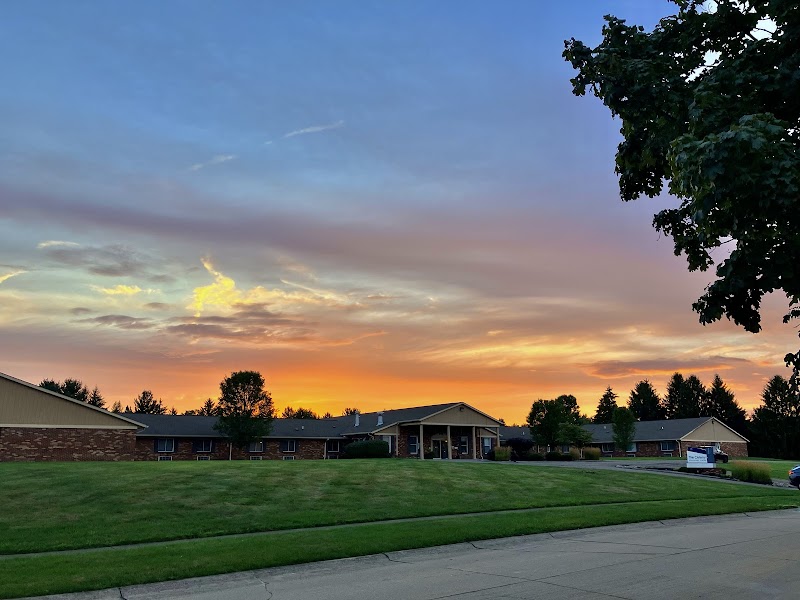
How is The Colony Healthcare Center Staffed?

CMS rates THE COLONY HEALTHCARE CENTER's staffing level at 2 out of 5 stars, which is below average compared to other nursing homes. Staff turnover is 46%, compared to the Ohio average of 46%. This relatively stable workforce can support continuity of care.

What Have Inspectors Found at The Colony Healthcare Center?

State health inspectors documented 47 deficiencies at THE COLONY HEALTHCARE CENTER during 2019 to 2025. These included: 46 with potential for harm and 1 minor or isolated issues.
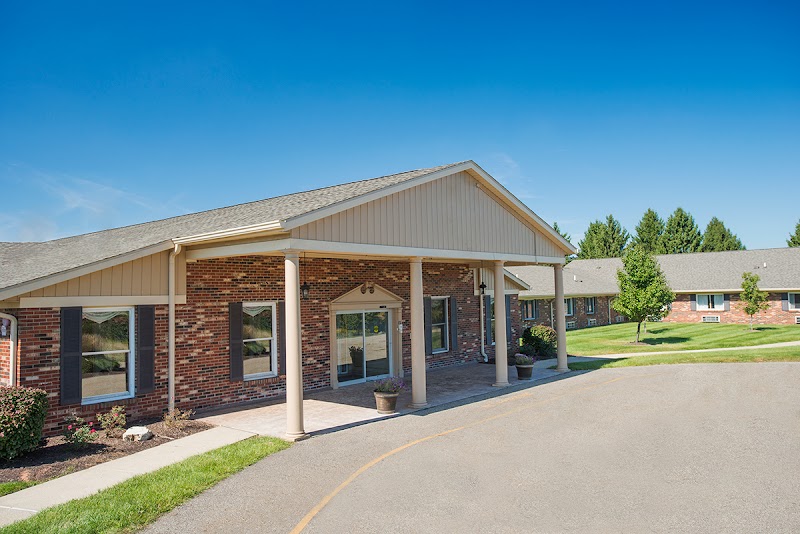
Who Owns and Operates The Colony Healthcare Center?

THE COLONY HEALTHCARE CENTER is owned by a for-profit company. For-profit facilities operate as businesses with obligations to shareholders or private owners. The facility is operated by COMMUNICARE HEALTH, a chain that manages multiple nursing homes. With 117 certified beds and approximately 111 residents (about 95% occupancy), it is a mid-sized facility located in TALLMADGE, Ohio.
How Does The Colony Healthcare Center Compare to Other Ohio Nursing Homes?

Compared to the 100 nursing homes in Ohio, THE COLONY HEALTHCARE CENTER's overall rating (2 stars) is below the state average of 3.2, staff turnover (46%) is near the state average of 46%, and health inspection rating (1 stars) is much below the national benchmark.

What Should Families Ask When Visiting The Colony Healthcare Center?

Based on this facility's data, families visiting should ask: "Can you walk me through typical staffing levels on day, evening, and night shifts?" "Can I visit during a mealtime to observe dining assistance and food quality?" "How do you handle medical emergencies, and what is your hospital transfer rate?" "Can I speak with family members of current residents about their experience?" These questions are particularly relevant given the below-average staffing rating.

Is The Colony Healthcare Center Safe?

Based on CMS inspection data, THE COLONY HEALTHCARE CENTER has a clean safety record: no substantiated abuse findings (meaning no confirmed cases of resident harm), no Immediate Jeopardy citations (the most serious violation level indicating risk of serious injury or death), and is not on the Special Focus Facility watch list (a federal program monitoring the lowest-performing 1% of nursing homes). The facility has a 2-star overall rating and ranks #100 of 100 nursing homes in Ohio. While no facility is perfect, families should still ask about staff-to-resident ratios and recent inspection results during their visit.

Do Nurses at The Colony Healthcare Center Stick Around?

THE COLONY HEALTHCARE CENTER has a staff turnover rate of 46%, which is about average for Ohio nursing homes (state average: 46%). Moderate turnover is common in nursing homes, but families should still ask about staff tenure and how the facility maintains care continuity when employees leave.

Was The Colony Healthcare Center Ever Fined?

THE COLONY HEALTHCARE CENTER has no federal fines on record. CMS issues fines when nursing homes fail to meet care standards or don't correct problems found during inspections. The absence of fines suggests the facility has either maintained compliance or corrected any issues before penalties were assessed. This is a positive indicator, though families should still review recent inspection reports for the full picture.

Is The Colony Healthcare Center on Any Federal Watch List?

THE COLONY HEALTHCARE CENTER is not on any federal watch list. The most significant is the Special Focus Facility (SFF) program, which identifies the bottom 1% of nursing homes nationally based on persistent, serious quality problems. Not being on this list means the facility has avoided the pattern of deficiencies that triggers enhanced federal oversight. This is a positive indicator, though families should still review the facility's inspection history directly.