THE PINNACLE REHABILITATION AND NURSING CENTER
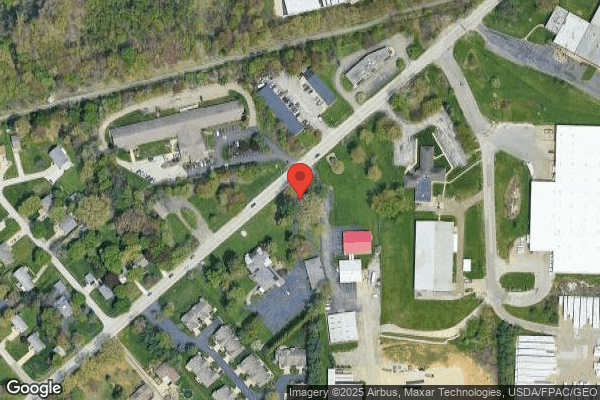
330 SOUTHWEST AVE, TALLMADGE, OH 44278 (330) 633-0555
For profit - Corporation 75 Beds NORTHWOOD HEALTHCARE GROUP Data: November 2025
Trust Grade
75/100
#352 of 913 in OH
Last Inspection: March 2023

Over 2 years since last inspection. Current conditions may differ from available data.

Overview

The Pinnacle Rehabilitation and Nursing Center has received a Trust Grade of B, indicating it is a good choice among nursing homes, though not the best. It ranks #352 out of 913 facilities in Ohio, placing it in the top half, and #17 out of 42 in Summit County, meaning only 16 local options are better. The facility is on an improving trend, with issues decreasing from 2 in 2024 to 1 in 2025. However, staffing is a concern, rated only 1 out of 5 stars, with a turnover rate of 56%, which is average for the state. On the positive side, there have been no fines reported, which is reassuring, and the facility has good health inspection ratings. However, there are specific incidents of concern, such as a failure to properly clean high-touch surfaces, which could lead to infection risks for all residents, and there were cleanliness issues noted in the kitchen that could affect food safety. Additionally, a resident's legal guardian was not notified of a refusal for a planned procedure, highlighting gaps in communication. Overall, while there are strengths like no fines and good health ratings, families should be aware of cleanliness and staffing issues as they consider this facility.

Trust Score
B
75/100
In Ohio
#352/913
Top 38%
Safety Record
Low Risk
No red flags
Inspections
Getting Better
2 → 1 violations
Staff Stability
⚠ Watch
56% turnover. Above average. Higher turnover means staff may not know residents' routines.
Penalties
✓ Good
No fines on record. Clean compliance history, better than most Ohio facilities.
Skilled Nurses
⚠ Watch
Each resident gets only 26 minutes of Registered Nurse (RN) attention daily — below average for Ohio. Fewer RN minutes means fewer trained eyes watching for problems.
Violations
○ Average
7 deficiencies on record. Average for a facility this size. Mostly minor or procedural issues.
★★★★☆
4.0
Overall Rating
★☆☆☆☆
1.0
Staff Levels
★★★★☆
4.0
Care Quality
★★★★★
5.0
Inspection Score
Stable
2024: 2 issues
2025: 1 issues

The Good

  • 4-Star Quality Measures · Strong clinical quality outcomes
  • Full Sprinkler Coverage · Fire safety systems throughout facility
  • No fines on record

Facility shows strength in quality measures, fire safety.

The Bad

Staff Turnover: 56%

Near Ohio avg (46%)

Frequent staff changes - ask about care continuity

Chain: NORTHWOOD HEALTHCARE GROUP

Part of a multi-facility chain

Ask about local staffing decisions and management

Staff turnover is elevated (56%)

8 points above Ohio average of 48%

The Ugly 7 deficiencies on record

Apr 2025 1 deficiency
CONCERN (D) 📢 Someone Reported This

A family member, employee, or ombudsman was alarmed enough to file a formal complaint

Potential for Harm - no one hurt, but risky conditions existed

Notification of Changes (Tag F0580)

Could have caused harm · This affected 1 resident

**NOTE- TERMS IN BRACKETS HAVE BEEN EDITED TO PROTECT CONFIDENTIALITY** Based on record review and interview, the facility failed to ensure Resident #53's legal guardian was notified of the resident's...

Read full inspector narrative →
**NOTE- TERMS IN BRACKETS HAVE BEEN EDITED TO PROTECT CONFIDENTIALITY** Based on record review and interview, the facility failed to ensure Resident #53's legal guardian was notified of the resident's refusal of a planned procedure. This finding affected one (Resident #53) of three residents reviewed for changes in condition. Findings include: Review of Resident #53's medical record revealed the resident was admitted on [DATE] with diagnoses including unspecified dementia, depression and gastrostomy status. Review of Resident #53's Minimum Data Set (MDS) 3.0 assessment dated [DATE] revealed the resident exhibited a memory problem. Review of the Summit County Probate court form dated 10/11/24 revealed the resident's daughter was the guardian of person and estate. Review of the Probate Division Court Document dated 10/24/24 revealed Attorney #815 was appointed Guardian Ad Litem (individual appointed by the court to represent the best interests of someone unable to take care of themselves). Review of Resident #53's progress note dated 04/04/25 at 5:13 P.M. revealed the resident went out for an abdominal CAT (medical imaging test that allows doctors to see inside body) scan with the Certified Nursing Assistant (CNA) accompanying and assisting. Per the CNA, the resident would not transfer onto the exam table for the exam/procedure and repeatedly refused. The test was canceled. Telephone interview on 04/07/25 at 10:36 A.M. with Probate #816 indicated the facility should be calling Resident #53's guardian (daughter) for any changes in the resident's condition. Probate #816 confirmed the facility had appointed a Guardian Ad Litem to make an independent report on the resident's condition and determine if the current guardian (daughter) was in the best interests of the resident. She stated this hearing would be conducted on 04/22/25 but at the current time, the daughter was the valid guardian. Interview on 04/07/25 at 10:47 A.M. with the Director of Nursing (DON) and the Administrator confirmed Resident #53's current legal guardian was not notified of the resident's refusal of her test on 04/04/25. Review of the Notification of Change policy revised 12/2016 revealed the facility shall promptly notify the resident, his or her attending physician, and representative (sponsor) of changes in the resident's medical/mental condition and/or status.
Oct 2024 1 deficiency
CONCERN (F) 📢 Someone Reported This

A family member, employee, or ombudsman was alarmed enough to file a formal complaint

Potential for Harm - no one hurt, but risky conditions existed

Safe Environment (Tag F0921)

Could have caused harm · This affected most or all residents

Based on observation, interview, and review of manufacturer's safety data sheet , the facility failed to ensure that high touch surfaces were cleaned and disinfected to prevent the spread of infection...

Read full inspector narrative →
Based on observation, interview, and review of manufacturer's safety data sheet , the facility failed to ensure that high touch surfaces were cleaned and disinfected to prevent the spread of infections in the facility. This affected all the residents in the facility. The facility census was 66. Findings include: An observation of the Housekeeper #75 on 10/02/24 at 10:00 A.M. revealed she was had a housekeeping cart with a bucket of water and cleaning solution on the top of the cart and a large bucket of cleaning solution on the bottom shelf of the housekeeping cart with a floor mop in the bucket. An interview with Housekeeping Manager (HM) #76 on 10/02/24 at 3:40 P.M. revealed she had two different types of cleaning products used to clean the facility. HM #76 stated she prepared the laundry carts in the facility and mixed the cleaning solution in the two buckets on each of the four housekeeping carts everyday prior to the housekeepers starting their shift. HM #76 stated she used the all purpose cleaning solution to prepare the bucket located on the top of the laundry cart used for cleaning the high touch surfaces in the resident rooms, bathrooms and in the common areas of the facility. The mop bucket was used to clean the floors in all areas of the facility. HM #76 stated she used the neutralizer and disinfecting cleaning solution for the mop bucket. An observation on 10/02/24 at 3:50 P.M. with HM #76 of the labeling of two different cleaning solutions used to clean the residents' rooms and common areas of the facility revealed the all purpose cleaner did not disinfect the surfaces cleaned. HM #76 verified she had used the all purpose cleaning solution to prepare the bucket used to clean the high touch surfaces including the bathroom sink and the residents' over-the-bed table. An observation of the housekeeping room with the HM #76 on 10/02/24 at 4:00 P.M. revealed there was an automatic dispensing system that was used by the staff to prepare the cleaning solutions in the facility. The system was used by the staff turning the dial to the appropriate solution desired. There were three different compartments. Each compartment was labeled with one of the following solutions : disinfecting, all purpose cleaner, or glass cleaner. The dispenser had the all purpose solution in the compartment labeled disinfecting solution. HM #76 stated the disinfecting solution should have been placed in the disinfecting compartment and not the all purpose solution. An interview with Housekeeper #81 on 10/03/24 at 5:45 A.M. revealed she performed both laundry and housekeeping duties in the facility. Housekeeper #81 stated when the cleaning solution needed changed on the housekeeping cart she emptied the dirty solution down the drain and replaced the cleaning solution in each of the buckets used on the cart. Housekeeper #81 stated she used the all purpose solution to prepare the cleaning solution for the bucket on the top of the cart used to clean the high touch surfaces. Housekeeper #81 stated she used the neutralizer/disinfecting solution for the bucket used to mop the floor in the facility. Housekeeper #81 stated the bucket located on top of the cart was used to clean the high touch surfaces in the residents' room including the bathroom sink and room furniture. A review of the manufacturer's safety data sheet for the concentrated citrus all purpose cleaner revealed the recommended use was for an all purpose cleaner with citrus scent. The safety data sheet indicated no documentation the solution should be used to disinfect surfaces. This deficiency represents non-compliance investigated under Master Complaint Number OH00158482, Complaint Number and OH00158209.
Feb 2024 1 deficiency
CONCERN (D) 📢 Someone Reported This

A family member, employee, or ombudsman was alarmed enough to file a formal complaint

Potential for Harm - no one hurt, but risky conditions existed

Resident Rights (Tag F0550)

Could have caused harm · This affected 1 resident

**NOTE- TERMS IN BRACKETS HAVE BEEN EDITED TO PROTECT CONFIDENTIALITY** Based on record review, interview, and facility policy review the facility failed to ensure Residents #31, #32, and #55 were tre...

Read full inspector narrative →
**NOTE- TERMS IN BRACKETS HAVE BEEN EDITED TO PROTECT CONFIDENTIALITY** Based on record review, interview, and facility policy review the facility failed to ensure Residents #31, #32, and #55 were treated with dignity and respect. This affected three residents (#31, #32 and #55) of six residents reviewed for dignity and respect and had the potential to affect all residents. The facility census was 67. Findings Include: 1. Review of the medical record for Resident #31 revealed an admission date of 02/16/24. Diagnoses included chronic obstructive pulmonary disease (COPD), asthma, adult failure to thrive, sleep apnea, and high cholesterol. Review of the comprehensive Minimum Data Set (MDS) assessment dated [DATE] revealed Resident #31 was cognitively intact. Resident #31 required substantial or maximum assistance for showering or bathing, partial or moderate assistance for toileting and personal hygiene, and set up help for eating and oral hygiene. 2. Review of the medical record for Resident #32 revealed an admission date of 02/13/24. Diagnosis included acute respiratory failure, Parkinson's disease, shortness of breath, muscle atrophy, and prostate cancer. Review of the comprehensive MDS assessment dated [DATE] revealed Resident #32 was cognitively intact. He was totally dependent on staff for toileting and required substantial or maximum assistance for showering or bathing and personal hygiene. 3. Review of the medical record for Resident #55 revealed an admission date of 01/12/24. Diagnosis included arthritis, diabetes, pancreatitis, pain and swelling of the left knee, and asthma. Review of the comprehensive MDS assessment dated [DATE] revealed Resident #55 was totally dependent on staff for toileting and showering or bathing, required partial or moderate assistance for personal hygiene, and setup help for eating and oral hygiene. Interview on 02/28/24 at 9:07 A.M. with Resident #55 revealed she felt like State Tested Nurse's Aide (STNA) #204 was constantly picking on her and demeaning her. STNA #204 told her they promoted independence in the facility and did not consider Resident #55's limitations due to her knee immobility and pain. STNA #204 referred to her as honey or baby which was inappropriate. Interview on 02/28/24 at 9:15 A.M. with Resident's #31 and #32 as well as Resident #32's wife, revealed staff working on the night shift were especially rude. Staff came in at night and turned off the call light without addressing concerns. Resident #32's wife reported she had an issue with one employee who made a nasty comment to her husband. She reported the incident to the Director of Nursing (DON), and it was handled. Interview on 02/28/24 at 9:42 A.M. with the Administrator and DON revealed they were aware of Resident #55's concerns regarding STNA #204. They revealed they had provided verbal counseling to STNA #204. They confirmed they were aware of the concerns with Resident #32 and his wife; they did not have knowledge of Resident #31's concerns. Interview on 02/28/24 at 11:53 A.M., STNA #204 denied Resident #55 reported any concerns to her about disrespect or mistreatment. Review of the personnel file for STNA #204 revealed a hire date of 11/09/15. The file contained an annual employee evaluation dated 10/27/23 with an action plan to work on her attitude and anger. The date of completion for the action plan was 11/30/23. The file contained verbal education dated 04/02/19 for a resident who felt his bath was not completed in an appropriate amount of time, a written warning dated 04/14/19 for arguing with another STNA in the hallway, and a written warning dated 07/31/15 for threatening a fellow employee with bodily harm. The progressive discipline policy was reviewed with STNA #204 on 10/09/23, highlighting behavior that was offensive to residents, visitors, or fellow employees, arguing or engaging in disruptive behavior with fellow employees in resident care areas, using foul or abusive language, threatening a fellow employee, resident, or visitor, or instigating a physical confrontation with a fellow employee, resident, or visitor. Review of the facility policy titled Resident Rights, dated December 2016, revealed residents have the right to be treated with kindness, respect, and dignity. Review of the facility policy titled Quality of Life-Dignity, dated August 2009, revealed residents would be treated with dignity and respect at all times, enhancing their self-esteem and self-worth. Staff would speak respectfully to residents and all the times including addressing resident by name. This deficiency represents noncompliance investigated under Complaint Number OH00150977.
Dec 2023 1 deficiency
CONCERN (D) 📢 Someone Reported This

A family member, employee, or ombudsman was alarmed enough to file a formal complaint

Potential for Harm - no one hurt, but risky conditions existed

Tube Feeding (Tag F0693)

Could have caused harm · This affected 1 resident

**NOTE- TERMS IN BRACKETS HAVE BEEN EDITED TO PROTECT CONFIDENTIALITY** Based on observation, record review and interview, the facility failed to ensure the abdominal binder used to secure Resident #9...

Read full inspector narrative →
**NOTE- TERMS IN BRACKETS HAVE BEEN EDITED TO PROTECT CONFIDENTIALITY** Based on observation, record review and interview, the facility failed to ensure the abdominal binder used to secure Resident #99's percutaneous endoscopic gastrostomy (PEG) tube was in place at all times. This finding affected one (Resident #99) of three residents reviewed for care. Findings include: Review of Resident #99's hospital documentation dated 06/15/23 revealed the resident was admitted for a urinary tract infection (UTI) and presented from the facility for a PEG tube (tube through the stomach for fluids and nutrition) removal which was replaced in the emergency room (pre admission to the skilled nursing facility). Review of Resident #99's medical record revealed the resident was admitted to the facility on [DATE] with diagnoses including atherosclerotic heart disease, altered mental status and vascular dementia. Review of Resident #99's hospital documentation dated 07/13/23 revealed the resident underwent replacement of a PEG tube on 07/12/23. An abdominal binder was ordered to prevent further PEG tube dislodgement in the future. Review of Resident #99's physician orders revealed an order dated 08/08/23 for an abdominal binder to be in place to protect the PEG tube every shift. Review of Resident #99's Minimum Data Set (MDS) 3.0 assessment dated [DATE] revealed the resident exhibited severe cognitive impairment. Review of Resident #99's nursing progress note dated 12/21/23 at 2:00 A.M. authored by Licensed Practical Nurse (LPN) #804 indicated the resident's PEG tube fell out and was lying next to her. An order was obtained to send the resident to the hospital for a PEG tube replacement. Review of Resident #99's hospital discharge paperwork dated 12/21/23 revealed the PEG tube was reinserted. Observation on 12/22/23 of Resident #99's PEG tube binder revealed the binder was secured and in place. Telephone interview on 12/22/23 at 10:24 A.M. with LPN #804 with the Administrator and Director of Nursing (DON) present revealed she found Resident #99's PEG tube out and lying on the bed. LPN #804 stated the resident did not have a PEG tube binder in place the time of the observation and she was unaware of where the binder went. Review of the Enteral Nutrition policy revised 01/14 indicated if the resident had a feeding tube placed prior to admission or returning to the facility, the Physician and the interdisciplinary team will review the rationale for the placement of the feeding tube, the resident's current clinical and nutritional status, and the treatment goals and wishes of the resident. This deficiency represents non-compliance investigated under Complaint Number OH00148986.
Sept 2019 2 deficiencies
CONCERN (D)

Potential for Harm - no one hurt, but risky conditions existed

Deficiency F0692 (Tag F0692)

Could have caused harm · This affected 1 resident

**NOTE- TERMS IN BRACKETS HAVE BEEN EDITED TO PROTECT CONFIDENTIALITY** Based on record review and interview the facility failed to implement nutritional recommendations for a dietary supplement for R...

Read full inspector narrative →
**NOTE- TERMS IN BRACKETS HAVE BEEN EDITED TO PROTECT CONFIDENTIALITY** Based on record review and interview the facility failed to implement nutritional recommendations for a dietary supplement for Resident #9 in a timely manner. This affected one resident (#9) of four residents reviewed for nutrition. Findings include: Medical record review revealed Resident #9 was admitted to the facility on [DATE] and a most recent re-admission on [DATE]. The resident had diagnoses including Alzheimer's disease, dementia with behavioral disturbance, traumatic subarachnoid hemorrhage, anemia, hypertension, muscle wasting, hyperlipidemia, depression and delusional disorders. A physician order, dated 02/20/19 revealed the resident received a regular diet, regular texture with thin liquid consistency. Review of the comprehensive Minimum Data Set (MDS) 3.0 assessment dated [DATE] revealed the resident exhibited mild cognitive impairment. The resident was assessed to require set up assistance with meals and able to feed herself. Review of resident's weights revealed the following weights for 2019: 09/04/2019 - 128.2 pounds (#) 07/05/2019 - 134.2 # 06/01/2019 - 136.2 # 05/31/2019 - 136.2 # 05/03/2019 - 135.6 # 04/05/2019 - 130.2 # 03/05/2019 - 129.6 # 03/01/2019 - 129.6 # 02/01/2019 - 144.4 # 01/03/2019 - 140.4 # Review of the progress notes and dietary note dated 01/29/19 revealed Resident #9 was able to feed herself, had a good appetite and was consuming most of her meals and fluids. Resident #9's skin was noted to be intact but she had cellulitis noted on her upper right shoulder. The medical records stated that the resident had maintained a stable weight and no significant weight changes were noted. The documented weight was 140 # on 01/03/19 and this reflected a body mass index (BMI) at 23.4. The dietitian stated the resident continued to be in good nutrition and hydration status and remained at low risk. Review of a dietary note dated 03/03/19 revealed Resident #9 had been recently hospitalized on [DATE] and returned on 02/20/19 secondary to an infection on the right upper arm. Resident #9 was readmitted to the facility on a regular diet with thin liquids and the resident's appetite was noted to be fair since the readmission. Resident #9 had refused some meals and would often eat in her room versus the dining room. Laboratory values were obtained and included in the dietary assessment, dated 03/03/19 and revealed the dietitian had recommended Resident #9 receive a nutritional supplement to support and better meet her nutritional needs. Dietitian #300 recommended the supplement Med +2.0, four ounces, twice a day as this would've provided an additional 480 calories and 20 grams of protein. A nursing note dated 03/05/19 revealed Resident #9 had been identified for a significant weight change of 10.2% loss as the current body weight was 129.6 #. The ideal body weight was documented at 125 # and the usual body weight was noted to be 135 # to 144 # with a BMI of 21.6 at the time. The document stated under the supplements section, recommending Med pass 2.0, 120 milliliters (ml), three times a day to provide 240 kcal and 10 g of protein per serving. The note was authored by Dietician #400. The dietary note dated 03/27/19 revealed Resident #9 had been assessed by Certified Dietary M(CDM) #475. The assessment stated Dietician #400 had agreed with the previous is dietician's recommendation for Resident #9 to receive nutritional support to better meet her needs. Med pass 2.0, four ounces, twice a day for increased protein related to her decreased appetite and increased needs related to infection and wound to the right upper arm. The dietary assessment or quarterly nutrition assessment dated [DATE] revealed the resident had a current body weight of 136 # and the BMI was at 22.7. This was within normal range. The resident remained on regular diet with regular texture, thin consistency diet. The supplements section had no dietary supplements stated. Review of the current care plan for Resident #9 revealed a focus area of altered nutrition had been initiated on 12/13/18. This document revealed Resident #9 was to receive Med pass 2.0, four ounces, twice a day related to poor intake and possible weight loss and was placed on the care plan on 03/27/19. Review of the medication administration record (MAR) and treatment administration record (TAR) for Resident #9 was completed for the period 03/01/19 through 04/30/19. Nutritional supplements would have been recorded in the TAR. These records were void of any evidence of a nutritional supplement having been provided to Resident #9. An interview was completed on 09/17/19 at 3:55 P.M. with the Administrator and Director of Nursing and no documentation was provided to evidence the facility staff had followed through with the recommendations to add nutritional supplements to the diet regimen of Resident #9. An interview was completed on 09/19/19 at 8:50 AM with Registered Dietician, (RD) #500. During the interview the dietitian stated any nutritional supplements or recommendations made by the dietitian would have been placed in a log and presented to the physician for approval. Once approval was made these orders would be placed back in the log. The registered dietitian would verify the orders and ensure follow-through was completed upon her next visit into the facility. The registered dietitian stated she had visited the facility every Tuesday and Thursday.
CONCERN (F)

Potential for Harm - no one hurt, but risky conditions existed

Food Safety (Tag F0812)

Could have caused harm · This affected most or all residents

Based on observation and interview the facility failed to prepare, store and maintain the kitchen in a clean and sanitary manner to prevent contamination and food borne illness. This had the potential...

Read full inspector narrative →
Based on observation and interview the facility failed to prepare, store and maintain the kitchen in a clean and sanitary manner to prevent contamination and food borne illness. This had the potential to affect all 63 of 65 residents who received meals from the dietary department (Resident #27 and #57 received nothing by mouth (NPO)). The facility census was 65. Findings include: A tour of the kitchen was conducted on 09/16/19 at 8:59 A.M. and 09/18/19 at 9:30 A.M. with the Dietary [NAME] (DC) #200 which revealed the following which were verified with the cook at the time of the observations: Observation of the kitchen revealed white plastic pipes under a two-compartment sink had a heavy build up of a brown unidentifiable substance. Heavy dust build-up was on the juice machine filters. There was a heavy buildup of a brown unidentifiable substance under a two-compartment sink. One small bowl of oatmeal was observed unwrapped and undated sitting on top of the metal plate warmer lid. One metal plate had a brown crust substance on the rim of the plate. The convection oven contained heavy amounts of burnt spillage on the bottom. The drawer containing scoop ladles had multiple food crumbs on the bottom. The ice machine contained dust build up on the vents and outside door. The steamer had dirt and food particle build up underneath of it. The walk-in cooler had a pack of cheese properly wrapped but not dated. Three large metal food storage bins were stored with free standing water. Interview with Food Service Manager (FSM) #207 on 09/18/19 at 10:30 A.M. confirmed the above findings.
Aug 2018 1 deficiency
CONCERN (D)

Potential for Harm - no one hurt, but risky conditions existed

Deficiency F0757 (Tag F0757)

Could have caused harm · This affected 1 resident

**NOTE- TERMS IN BRACKETS HAVE BEEN EDITED TO PROTECT CONFIDENTIALITY** Based on record review and interview the facility failed to ensure laboratory tests were obtained to monitor Resident #58's iron...

Read full inspector narrative →
**NOTE- TERMS IN BRACKETS HAVE BEEN EDITED TO PROTECT CONFIDENTIALITY** Based on record review and interview the facility failed to ensure laboratory tests were obtained to monitor Resident #58's iron and vitamin D blood levels. This affected one resident (Resident #58) of five residents reviewed for unnecessary medications. Findings include: Record review revealed Resident #58 was initially admitted to the facility on [DATE] and readmitted on [DATE] with diagnoses including iron deficiency anemia, spina bifida, paraplegia, schizophrenia, kidney/heart disease and diabetes mellitus. Resident #58 had multiple admissions to the hospital for various reasons since her initial admission on [DATE]. A review of Resident #58's clinical record upon her readmission on [DATE] indicated a physician order dated 06/19/18 for Ferrous sulfate 325 milligrams and Vitamin D3 supplement 1000 units to administer orally once a day. Resident #58's nutrition evaluation progress notes dated 06/21/18 indicated Vitamin D3 was administered to assist in the absorption of calcium. The iron supplement was consistent with treatment for the diagnosis of iron deficiency anemia. A review of Resident #58's laboratory results dated 07/2017 to 08/2018 indicated no evidence the blood iron level or Vitamin D level was obtained during the past 12 months in the facility or hospital setting. An interview with Resident #58's physician on 08/15/18 at 11:30 A.M. indicated the iron level and Vitamin D blood level should be checked every six months when receiving the supplementation. The physician indicated she had continued the medications the hospital had administered as indicated on the hospital transfer forms when readmitted to the facility on [DATE]. The physician assumed the hospital had obtained an iron level and Vitamin D level while in the hospital. An interview with Director of Nursing and Administrator on 08/15/18 at 2:00 P.M. verified the above findings.
Understanding Severity Codes (click to expand)
Life-Threatening (Immediate Jeopardy)
J - Isolated K - Pattern L - Widespread
Actual Harm
G - Isolated H - Pattern I - Widespread
Potential for Harm
D - Isolated E - Pattern F - Widespread
No Harm (Minor)
A - Isolated B - Pattern C - Widespread

Questions to Ask on Your Visit

  • "Why is there high staff turnover? How do you retain staff?"
  • "Can I speak with families of current residents?"
  • "What's your RN coverage like on weekends and overnight?"

Our Honest Assessment

Strengths
  • • No major safety red flags. No abuse findings, life-threatening violations, or SFF status.
  • • No fines on record. Clean compliance history, better than most Ohio facilities.
Concerns
  • • 56% turnover. Above average. Higher turnover means staff may not know residents' routines.
Bottom line: Generally positive indicators. Standard due diligence and a personal visit recommended.

About This Facility

What is The Pinnacle Rehabilitation And Nursing Center's CMS Rating?

CMS assigns THE PINNACLE REHABILITATION AND NURSING CENTER an overall rating of 4 out of 5 stars, which is considered above average nationally. Within Ohio, this rating places the facility higher than 99% of the state's 100 nursing homes. This rating reflects solid performance across the metrics CMS uses to evaluate nursing home quality.

How is The Pinnacle Rehabilitation And Nursing Center Staffed?

CMS rates THE PINNACLE REHABILITATION AND NURSING CENTER's staffing level at 1 out of 5 stars, which is much below average compared to other nursing homes. Staff turnover is 56%, which is 10 percentage points above the Ohio average of 46%. High turnover can affect care consistency as new staff learn residents' individual needs.

What Have Inspectors Found at The Pinnacle Rehabilitation And Nursing Center?

State health inspectors documented 7 deficiencies at THE PINNACLE REHABILITATION AND NURSING CENTER during 2018 to 2025. These included: 7 with potential for harm.

Who Owns and Operates The Pinnacle Rehabilitation And Nursing Center?

THE PINNACLE REHABILITATION AND NURSING CENTER is owned by a for-profit company. For-profit facilities operate as businesses with obligations to shareholders or private owners. The facility is operated by NORTHWOOD HEALTHCARE GROUP, a chain that manages multiple nursing homes. With 75 certified beds and approximately 66 residents (about 88% occupancy), it is a smaller facility located in TALLMADGE, Ohio.

How Does The Pinnacle Rehabilitation And Nursing Center Compare to Other Ohio Nursing Homes?

Compared to the 100 nursing homes in Ohio, THE PINNACLE REHABILITATION AND NURSING CENTER's overall rating (4 stars) is above the state average of 3.2, staff turnover (56%) is near the state average of 46%, and health inspection rating (5 stars) is much above the national benchmark.

What Should Families Ask When Visiting The Pinnacle Rehabilitation And Nursing Center?

Based on this facility's data, families visiting should ask: "How do you ensure continuity of care given staff turnover, and what is your staff retention strategy?" "Can you walk me through typical staffing levels on day, evening, and night shifts?" "Can I visit during a mealtime to observe dining assistance and food quality?" "How do you handle medical emergencies, and what is your hospital transfer rate?" These questions are particularly relevant given the facility's high staff turnover rate and the below-average staffing rating.

Is The Pinnacle Rehabilitation And Nursing Center Safe?

Based on CMS inspection data, THE PINNACLE REHABILITATION AND NURSING CENTER has a clean safety record: no substantiated abuse findings (meaning no confirmed cases of resident harm), no Immediate Jeopardy citations (the most serious violation level indicating risk of serious injury or death), and is not on the Special Focus Facility watch list (a federal program monitoring the lowest-performing 1% of nursing homes). The facility has a 4-star overall rating and ranks #1 of 100 nursing homes in Ohio. While no facility is perfect, families should still ask about staff-to-resident ratios and recent inspection results during their visit.

Do Nurses at The Pinnacle Rehabilitation And Nursing Center Stick Around?

Staff turnover at THE PINNACLE REHABILITATION AND NURSING CENTER is high. At 56%, the facility is 10 percentage points above the Ohio average of 46%. High turnover means new staff may not know residents' individual needs, medications, or preferences. It can also be disorienting for residents, especially those with dementia who rely on familiar faces. Families should ask: What is causing the turnover? What retention programs are in place? How do you ensure care continuity during staff transitions?

Was The Pinnacle Rehabilitation And Nursing Center Ever Fined?

THE PINNACLE REHABILITATION AND NURSING CENTER has no federal fines on record. CMS issues fines when nursing homes fail to meet care standards or don't correct problems found during inspections. The absence of fines suggests the facility has either maintained compliance or corrected any issues before penalties were assessed. This is a positive indicator, though families should still review recent inspection reports for the full picture.

Is The Pinnacle Rehabilitation And Nursing Center on Any Federal Watch List?

THE PINNACLE REHABILITATION AND NURSING CENTER is not on any federal watch list. The most significant is the Special Focus Facility (SFF) program, which identifies the bottom 1% of nursing homes nationally based on persistent, serious quality problems. Not being on this list means the facility has avoided the pattern of deficiencies that triggers enhanced federal oversight. This is a positive indicator, though families should still review the facility's inspection history directly.