MANOR OF GRANDE VILLAGE
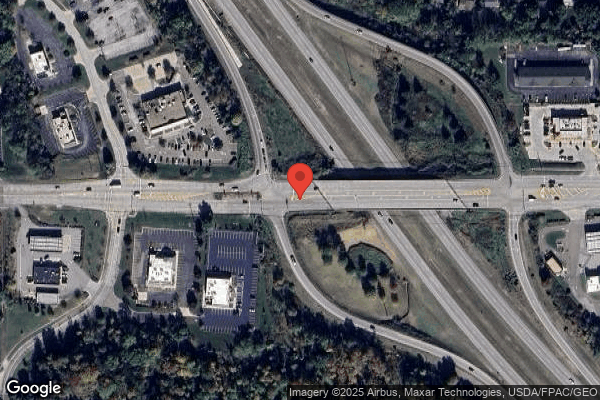
2610 EAST AURORA ROAD, TWINSBURG, OH 44087 (330) 963-3600
For profit - Corporation 96 Beds SPRENGER HEALTH CARE SYSTEMS Data: November 2025
Trust Grade
70/100
#290 of 913 in OH
Last Inspection: July 2024

Within standard 12-15 month inspection cycle. Federal law requires annual inspections.

Overview

Manor of Grande Village in Twinsburg, Ohio, has a Trust Grade of B, which means it is considered a solid choice for families looking for a nursing home. It ranks #290 out of 913 facilities in Ohio, placing it in the top half, and #11 out of 42 in Summit County, indicating that there are only a few local options that are better. However, the facility is facing a worsening trend, with reported issues increasing from 2 in 2023 to 6 in 2024. Staffing is rated average with a 43% turnover rate, which is slightly below the state average, but the facility has no fines on record, which is a positive sign. Specific incidents of concern include a kitchen that was found to be unsanitary, with food not properly labeled or stored, and instances where no registered nurses were present on certain days, potentially affecting resident care. Overall, while there are strengths such as a solid Trust Grade and decent staffing levels, the facility's recent trend in issues and specific concerns around cleanliness and RN coverage should be carefully considered by families.

Trust Score
B
70/100
In Ohio
#290/913
Top 31%
Safety Record
Low Risk
No red flags
Inspections
Getting Worse
2 → 6 violations
Staff Stability
○ Average
43% turnover. Near Ohio's 48% average. Typical for the industry.
Penalties
✓ Good
No fines on record. Clean compliance history, better than most Ohio facilities.
Skilled Nurses
⚠ Watch
Each resident gets only 29 minutes of Registered Nurse (RN) attention daily — below average for Ohio. Fewer RN minutes means fewer trained eyes watching for problems.
Violations
⚠ Watch
31 deficiencies on record. Higher than average. Multiple issues found across inspections.
★★★★☆
4.0
Overall Rating
★★★☆☆
3.0
Staff Levels
★★★★★
5.0
Care Quality
★★★☆☆
3.0
Inspection Score
Stable
2023: 2 issues
2024: 6 issues

The Good

  • 5-Star Quality Measures · Strong clinical quality outcomes
  • Full Sprinkler Coverage · Fire safety systems throughout facility
  • No fines on record
  • Staff turnover below average (43%)

    5 points below Ohio average of 48%

Facility shows strength in quality measures, fire safety.

The Bad

Staff Turnover: 43%

Near Ohio avg (46%)

Typical for the industry

Chain: SPRENGER HEALTH CARE SYSTEMS

Part of a multi-facility chain

Ask about local staffing decisions and management

The Ugly 31 deficiencies on record

Jul 2024 5 deficiencies
CONCERN (D)

Potential for Harm - no one hurt, but risky conditions existed

Deficiency F0558 (Tag F0558)

Could have caused harm · This affected 1 resident

**NOTE- TERMS IN BRACKETS HAVE BEEN EDITED TO PROTECT CONFIDENTIALITY** Based on record review, observation, and interview the facility failed to ensure call lights were within reach of Residents #37 ...

Read full inspector narrative →
**NOTE- TERMS IN BRACKETS HAVE BEEN EDITED TO PROTECT CONFIDENTIALITY** Based on record review, observation, and interview the facility failed to ensure call lights were within reach of Residents #37 and #176. This affected two residents (#37 and #176) of 73 residents residing at the facility. Findings include: 1. Review of the medical record for Resident #37 revealed an admission date of 02/20/21 with diagnoses including multiple sclerosis, heart failure, dementia, depressive disorder, acute kidney failure, Parkinson's, and difficulty walking. Review of the quarterly Minimum Data Set (MDS) 3.0 assessment dated [DATE] revealed Resident #37 had intact cognition and required moderate assistance of staff for eating, bed mobility, transfers, and hygiene. Review of the care plan dated 04/26/24 revealed Resident #37 had a history of falls related to Parkinson's, weakness, and dementia. Intervention included keeping the call light within reach. Observation on 06/30/24 at 9:45 A.M. of Resident #37 revealed she was lying in bed, and her call light was lying on the floor next to her bed. Interview at this time with Certified Nursing Assistant (CNA) #508 verified the call light was out of reach and stated the resident was able to use her call light. CNA #508 stated Resident #37 was not on her assignment. 2. Review of the medical record for Resident #176 revealed an admission date of 04/18/17 with diagnoses including Parkinson's, schizoaffective, epilepsy, dementia, obesity, and anxiety. Review of the quarterly MDS 3.0 assessment dated [DATE] revealed Resident #176 had intact cognition and impairment to one side. The resident required set up with eating and was dependent for transfers and bed mobility. The resident was dependent on staff for toileting and showers. Review of the care plan dated 06/20/24 revealed Resident #176 was at risk for falls related to weakness and seizures. Intervention included using call light for assistance. Observation on 06/25/24 at 11:49 A.M. of Resident #176 revealed she was lying in bed, and her call light was lying on the nightstand next to her bed on top of several stuffed animals. The call light was out of her reach. Interview with Resident #176 stated CNA #508 and State Tested Nurse Aide (STNA) #586 changed her earlier today. The call light was placed on the nightstand by staff during care. Staff forgot to put it back within reach prior to leaving. Interview on 06/25/24 at 12:06 A.M. with STNA #586 verified Resident #176's call light was out of reach and sitting on her nightstand. STNA #586 stated Resident #176 and was not on her assignment.
CONCERN (D)

Potential for Harm - no one hurt, but risky conditions existed

Deficiency F0578 (Tag F0578)

Could have caused harm · This affected 1 resident

**NOTE- TERMS IN BRACKETS HAVE BEEN EDITED TO PROTECT CONFIDENTIALITY** Based on record review and interview, the facility failed to ensure Resident #29's code status was accurately reflected in both ...

Read full inspector narrative →
**NOTE- TERMS IN BRACKETS HAVE BEEN EDITED TO PROTECT CONFIDENTIALITY** Based on record review and interview, the facility failed to ensure Resident #29's code status was accurately reflected in both the hard medical chart and the electronic medical record. This affected one resident (#29) of 73 residents reviewed for advanced directives. The facility census was 73. Findings include: A review of Resident #29's hard medical chart revealed he was admitted to the facility on [DATE] with diagnoses of heart failure, end stage renal disease, and hypothyroidism. A document with the words, Full Code, was located on the face sheet in the electronic chart. A full code status means all emergency life saving measures will be provided in the event of respiratory arrest or cardiac arrest. Review of Resident #29's medical record dated 01/03/24 located in the hard chart revealed a code status of Do Not Resuscitate-Comfort Care Arrest (DNR-CCA). A DNR-CCA means a person would receive all emergency and medical care up until the time he or she experiences a cardiac or respiratory arrest, then all lifesaving measures would be stopped. Interview on 06/30/24 at 2:21 P.M. with Licensed Practical Nurse (LPN) #546 verified that the electronic chart showed Resident #29 as a Full Code, and the hard chart showed Resident #29 had a DNR-CCA.
CONCERN (D)

Potential for Harm - no one hurt, but risky conditions existed

Deficiency F0761 (Tag F0761)

Could have caused harm · This affected 1 resident

Based on observation and interview, the facility failed to ensure Insulin KwikPens and insulin vials were dated when opened. This affected three residents (#3, #7, and #226) of twelve residents who we...

Read full inspector narrative →
Based on observation and interview, the facility failed to ensure Insulin KwikPens and insulin vials were dated when opened. This affected three residents (#3, #7, and #226) of twelve residents who were identified by the facility as receiving insulin. The facility census was 73. Findings include: Observation on 06/30/24 at 11:19 A.M. of a medication cart revealed two KwikPens not dated when opened, for Residents #3 and #7, and one used insulin vial not dated when opened for Resident #226. Interview at the time of the observation, Registered Nurse (RN) #530 stated all insulin pens should be dated when initially opened during the observation. Review of the facilities policies and procedures revealed no policy for insulin storage. This was verified by the Director of Nursing on 07/01/24 at 3:35 P.M.
CONCERN (E)

Potential for Harm - no one hurt, but risky conditions existed

Deficiency F0805 (Tag F0805)

Could have caused harm · This affected multiple residents

Based on observation, interview, taste test and pureed/mechanical soft guidelines review, the facility failed to serve pureed foods at a smooth consistency for safe swallowing. This had the potential ...

Read full inspector narrative →
Based on observation, interview, taste test and pureed/mechanical soft guidelines review, the facility failed to serve pureed foods at a smooth consistency for safe swallowing. This had the potential to affect four residents (#1, #22, #46, and #58) who were prescribed pureed diets of 73 residents who consumed meals from the facility's kitchen. The facility census was 73. Findings include: Observation and interview on 07/01/24 at 10:45 A.M. revealed [NAME] #566 pureed hamburgers, and they were the proper consistency. [NAME] #566 then pureed the French fries and portioned a sample into a monkey dish for the taste test. The French fries were contained lumps and were not a smooth consistency. Regional Dietary Manager #600 verified on 07/01/24 at 11:00 A.M. and stated [NAME] #566 should puree the French fries more. The French fries were pureed correctly prior to service. The facility identified four residents (#1, #22, #46, and #58) who were prescribed pureed diets. Review of the facility's pureed/mechanical soft guidelines revealed pureed foods should be pureed until smooth.
CONCERN (F)

Potential for Harm - no one hurt, but risky conditions existed

Food Safety (Tag F0812)

Could have caused harm · This affected most or all residents

Based on observations, interview, and facility policy review the facility failed to ensure the kitchen was clean and sanitary. This had the potential to affect all 73 residents that received meals fro...

Read full inspector narrative →
Based on observations, interview, and facility policy review the facility failed to ensure the kitchen was clean and sanitary. This had the potential to affect all 73 residents that received meals from the facility. No residents were identified as receiving nothing by mouth. The facility census was 73. Findings include: Observation during a tour of the kitchen on 06/30/24 from 8:10 A.M. to 8:30 A.M. with [NAME] #566 revealed Dietary Aide (DA) #601 had a full beard with no beard net on while in the kitchen. DA #601 stated on 06/30/24 at 8:10 A.M. that he should have been wearing a beard net. Observation of the walk-in refrigerator revealed salad mix not labeled or dated, meatballs in a pan with a ripped foil cover, and a half of an undated cucumber. The door to the dining room and plate warmer had food splatter and food residue on it. The identified findings were verified at the time of observations with [NAME] #566. A revisit to the kitchen for tray line observation on 07/01/24 revealed that one food cart was dirty with food splatter on the door and inside. This was verified by Regional Dietary Manager #600 at 11:40 A.M. Further observation on 07/01/24 at 11:45 A.M. revealed the ceiling had grease and mold on it near the fan. This was verified by Regional Dietary Manager #600 during observation. Review of the undated facility policy titled, Sanitation and Food Handling, revealed that sanitary conditions will be maintained, and personnel will observe cleanliness and exercise food handling techniques.
Jun 2024 1 deficiency
CONCERN (D) 📢 Someone Reported This

A family member, employee, or ombudsman was alarmed enough to file a formal complaint

Potential for Harm - no one hurt, but risky conditions existed

Free from Abuse/Neglect (Tag F0600)

Could have caused harm · This affected 1 resident

**NOTE- TERMS IN BRACKETS HAVE BEEN EDITED TO PROTECT CONFIDENTIALITY** Based on record reviews, review of three self-reported incidents (SRIs) and interviews the facility failed to ensure Resident #5...

Read full inspector narrative →
**NOTE- TERMS IN BRACKETS HAVE BEEN EDITED TO PROTECT CONFIDENTIALITY** Based on record reviews, review of three self-reported incidents (SRIs) and interviews the facility failed to ensure Resident #52 was free from physical abuse by Resident #54. This affected one resident (Resident #52) of five residents reviewed for abuse. The census was 76. Findings include: Review of SRI #244843 started on 03/05/24 and timed at 6:36 P.M. and completed on 03/11/24 and timed at 3:33 P.M. revealed Resident #54 struck Resident #52 several times on the left eye and left side of face. Staff separated immediately, assessed, completed skin checks and vitals. Immediate interventions put in place were one-on-one supervision, then every 15-minute checks for two days, deep-breathing and distraction. Review of progress noted dated 03/05/24 revealed Resident #54 had a new order for Ativan as needed for 14 days. Physician assistant and psychiatry consultations were ordered. Review of progress note on 03/08/24 revealed a care conference was held with the responsible party where the abuse policy was reviewed and alternate placement was discussed but no decision was made at that time. Review of SRI #245441 started on 03/20/24 and timed at 12:08 P.M. and completed on 03/25/24 and timed at 2:01 P.M. revealed Resident #54 struck Resident #52 on his left side. Staff separated the residents. Resident #54 was being aggressive and refused vitals. Resident #54 was sent to the emergency room at 12:44 A.M. and returned at 5:16 A.M. with no new orders. The facility was attempting to find alternate placement. The resident had one-on-one supervision until she was sent to psychiatric hospital on [DATE] at 7:36 P.M. Progress notes revealed Resident #54 returned to the facility on [DATE]. Review of progress note on 04/18/24 revealed social service spoke with responsible party about alternative placement. Review of SRI # 247879 started on 05/23/24 and timed at 9:13 P.M. and completed on 05/30/24 and timed at 4:38 P.M. revealed Resident #54 was witnessed holding Resident #52 against the wall then they began to strike one another across the face. They were separated and assessed. Resident #54 was placed on one-on-one observations. The intervention was Resident #54 was sent to the emergency room however she returned the same day with no new orders. Prior interventions for Resident #54 included hospitalization and medication review and every 15-minute checks for two days after incidents. a. Record review of Resident #54 revealed an admission date of 10/16/23 with diagnoses including Wernicke's encephalopathy, unspecified psychosis not due to a substance or known physiological condition, anxiety disorder, unspecified disorder of adult personality and behavior, major depressive disorder and depression. Review of Resident #54's care plan dated 11/27/23 revealed a goal for monitoring her behaviors. Interventions included medicating as prescribed and monitoring effectiveness, praising positive behaviors and removing from public area when behavior was unacceptable. The care plan was not revised since initiated or after each incident Resident #54 displayed aggressive, abusive behavior. Review of Resident #54's progress note dated 05/23/24 at 8:15 P.M. revealed a state tested nursing assistant (STNA) saw Resident #54 with her hands around the neck of Resident #52. The note stated they began to strike one another back and forth on the face. The residents were separated and assessed. A skin check was performed, vitals were stable, one-on-one supervision was initiated, and all parties were notified. b. Record review of Resident #52 revealed an initial admission date of 01/14/23 and re-admission date of 11/07/23 with diagnoses including cerebral infarction, dementia in other diseases classified elsewhere without behavioral disturbance, psychotic disturbance, mood disturbance and anxiety and Alzheimer's Disease. Review of Resident #52's progress note dated 05/23/24 at 8:10 P.M. revealed a STNA saw Resident #52 being held against the wall by another resident with a hand around his neck. The residents began to strike each other back and forth on the face. The residents were separated and assessed. A skin assessment was completed. Resident #52 had an abrasion to the left side of his neck and right side of his face. He denied pain. It stated he would be sent to the hospital when transportation was available. Interviews on 06/03/24 from 3:20 P.M. to 5:00 P.M. with STNA #201 revealed Resident #54 was upset about missing money and it escalated. She believed Resident #54 knew what she was doing at the time though she did not recall later. Licensed Practical Nurse (LPN) #203 revealed she had seen her be accusatory before. She stated the resident was forgetful. STNA #209 revealed what Resident #52's nickname was which was how Resident #54 identified him as when questioned. STNA #201, STNA #202 and STNA #209 did not mention specific interventions attempted when asked. Review of the record revealed no evidence of non-pharmacological interventions attempted. Interview and observation on 06/03/24 at 5:14 P.M. revealed Resident #54 was sitting in the dining room outside of the nursing station window talking to LPN #203. Resident denied being aware of any incidents with other residents and looked surprised but said if someone said it happened, it must have. She said the only person she could think of having an issue with was Resident #52, calling him by his nickname, unbeknownst to the surveyor at the time. Interview and observation on 06/03/24 at 5:18 P.M. revealed Resident #52 was sitting in the common area on the couch beside a female resident watching TV. When we caught each other's eyes, he smiled but did not initially respond to his nickname when called. When asked how he was he said good. He did not answer further questions. Interview on 06/04/24 at 10:59 A.M. with Social Service Designee (SSD) #211 revealed she was attempting to find alternative placement for Resident #54 since March because of behaviors. She stated the responsible party was not initially receptive. She verified there were three SRIs involving allegations of abuse with Resident #54 as the aggressor against Resident #52. Interview on 06/04/24 at 11:45 A.M. with LPN #210 revealed there were three SRIs involving allegations of abuse between Resident #52 and Resident #54. Resident #54 had some medication changes since March. She verified the care plan did not reflect any revisions to Resident #54's interventions, especially non-pharmacological ones. She reviewed the progress notes with the surveyor revealing Resident #54 was sent to the hospital ER on [DATE] but returned the same day with no new orders. There were no additional medication changes until 05/29/24. She stated the STNAs may be the ones doing interventions but there was no evidence of what interventions were attempted. LPN #210 stated the resident did not normally have behaviors. LPN #210 stated Resident #52 and #54 seek each other out and hang out together. She stated Resident #54 does not flinch or try to hide from her. Interview on 06/04/24 at 2:00 P.M. with the Administrator revealed the facility has been actively seeking alternate placement for Resident #54 and an Emergency discharge notice was given. He stated the Ombudsman was aware. He stated the past interventions have been medication changes and hospitalizations. He verified the care plan did not have any revisions to the interventions for Resident #54's behaviors. He stated Resident #52 and Resident #54 have the right to interact with one another and the facility could not stop them from doing so. Review of the facility policy titled Abuse, Neglect, Exploitation and Misappropriation of Resident Property, dated 10/2022 revealed the facility prevention and identification was to include the assessment, care planning and monitoring of residents with history of aggressive behaviors. The interdisciplinary team was to determine proper interventions for resident to resident cases. This deficiency represents non-compliance investigated under Complaint Number OH00154414.
Nov 2023 1 deficiency
CONCERN (D) 📢 Someone Reported This

A family member, employee, or ombudsman was alarmed enough to file a formal complaint

Potential for Harm - no one hurt, but risky conditions existed

Accident Prevention (Tag F0689)

Could have caused harm · This affected 1 resident

**NOTE- TERMS IN BRACKETS HAVE BEEN EDITED TO PROTECT CONFIDENTIALITY** THE FOLLOWING DEFICIENCY REPRESENTS AN INCIDENT OF PAST NON-COMPLIANCE THAT WAS SUBSEQUENTLY CORRECTED PRIOR TO THIS SURVEY. Bas...

Read full inspector narrative →
**NOTE- TERMS IN BRACKETS HAVE BEEN EDITED TO PROTECT CONFIDENTIALITY** THE FOLLOWING DEFICIENCY REPRESENTS AN INCIDENT OF PAST NON-COMPLIANCE THAT WAS SUBSEQUENTLY CORRECTED PRIOR TO THIS SURVEY. Based on medical record review, staff interview, review of safety data sheets, review of job descriptions, and review of facility policy, the facility failed to ensure corrosive toilet cleaning products were securely stored on the memory care unit. This affected one resident (Resident #50) of three residents reviewed for accident hazards and had the potential to affect the 11 other residents (#1, #18, #19, #38, #40, #44, #46, #47, #54, #68, and #70) the facility identified as being independently ambulatory, cognitively impaired, and resided on the memory care unit. The facility census was 73. Findings include: Review of the medical record for Resident #50 revealed an admission date of 01/14/23. Diagnoses included cerebral infarction (stroke), dementia, Alzheimer's disease, and unspecified disorientation. Review of the quarterly Minimum Data Set (MDS) assessment dated [DATE] revealed Resident #50 was severely impaired cognitively, rejected care and wandered daily, and could walk ten feet in a room, corridor, or similar space independently. Review of the care plan dated 08/11/23 revealed Resident #50 had a potential for injury related to wandering, Alzheimer's, dementia, and confusion with a goal Resident #50 would wander in safe locations and would have safety maintained. Interventions included observe for wandering, know the resident's whereabouts, determine pattern to wandering, provide one on one visits as needed, and complete safety checks as needed. Review of Resident #50's progress note, authored by License Practical Nurse (LPN) #328 and dated 11/05/23 at 10:47 A.M., revealed the author was alerted by an unidentified resident who stated no don't drink that referring to Resident #50 who was immediately observed by LPN #328 with a bottle of cleaning solution sitting next to the Resident #50 on the floor. LPN #328 asked the resident if he had drank the cleaning solution and Resident #50 responded in an expletive and stated why won't you let me die but did not indicate if he had drank it or not. LPN #328 called the physician assistant who ordered Resident #50 to be sent out to the hospital for an evaluation. Review of the hospital records for Resident #50 dated 11/05/23 revealed the physician noted it was unclear if the resident ingested a caustic substance, he was hemodynamically stable, not ill appearing or sweating, no abnormality noted to his mucus membranes or throat upon exam. The staff from the facility had reported to the hospital staff Resident #50 had a history of suicidal ideation so the resident was admitted for monitoring and a psychiatric evaluation. Further review of progress notes for Resident #50 revealed he was admitted back to the facility on [DATE]. Review of Safety Data Sheet, dated 04/15/15, identified Cling Bowl Cleaner (toilet cleaner) as having a hazardous identification of corrosive, serious eye damage, and skin corrosion. Review of the job description for the position of housekeeping aide which was signed by Housekeeping #323 on 02/17/23, revealed essential job duties included making sure all safety measures were used when housekeeping duties were being performed, which included securing chemicals. Interview on 11/08/23 at 8:11 A.M. with Housekeeping #323 revealed as she was getting the cleaning products out of the locked cabinet in the housekeeping cart on 11/05/23, she placed them temporarily on the ledge of the housekeeping cart where the mop bucket was stored until she had gotten all the products she needed. Housekeeping #323 stated when she grabbed all the cleaning products from the ledge of the housekeeping cart, she must have forgotten the toilet bowl cleaner, which was left sitting on the ledge where the mop bucket was stored. Housekeeping #323 confirmed she had left the toilet bowl cleaner unsecured on the dementia unit on 11/05/23 and chemicals needed to be secure and locked when not in use. Interview on 11/08/23 at 10:30 A.M. with State Tested Nursing Assistant (STNA) #363 revealed on 11/05/23, Resident #50 was found sitting in a chair with a bottle of toilet bowl cleaner sitting on the floor next to him but had not seen him drink it. Interview on 11/08/23 at 10:39 A.M. with LPN #328 revealed on 11/05/23 she had seen a bottle of cleaner next to Resident #50 but had not seen him drink it. Interview on 11/13/23 at 8:26 A.M. with STNA #342 revealed on 11/05/23 she saw a bottle of toilet bowl cleaner sitting on the floor next to Resident #50 but had not seen him drink it. Review of facility policy Dementia Care Policy, revised March 2022, revealed the facility would provide the necessary care and services to any resident who displayed or was diagnosed with dementia which would be person-centered and would reflect the resident's goals while maximizing the resident's dignity, autonomy, privacy, socializations, independence, choice, and safety. The deficient practice was corrected on 11/06/23 when the facility implemented the following corrective actions: • On 11/05/23 all residents on the memory care unit were assessed by staff as free from exposure to accident hazards. • On 11/05/23, the entire building was swept by the Housekeeping Director (HD) #324 for any unsecured chemicals, with none found. • On 11/05/23, the entire housekeeping department, which consisted of seven employees, was educated on securing chemicals by the Director of Nursing (DON). • On 11/05/23, both housekeeping carts were inspected by the HD #324 to ensure locking mechanisms and all parts were in working order, with no concerns found. • On 11/06/23, all 67 facility staff were educated by the DON or designee on safety and securing of chemicals. • Starting on 11/06/23, the Administrator of designee began randomly auditing two housekeepers each business day for safety and security of chemicals for two weeks and randomly thereafter. • Starting on 11/06/23, HD #324 or designee began auditing chemicals on the housekeeping cart at the beginning and the end of the shift, each business day for two weeks and randomly thereafter. • The results of the audits would be reviewed by the Quality Assurance Committee. There were no further incidents of non-compliance related to residents being exposed to accident hazards through the date of this survey completed on 11/13/23. This deficiency represents non-compliance investigated under Complaint Number OH00148127.
Jun 2023 1 deficiency
CONCERN (E) 📢 Someone Reported This

A family member, employee, or ombudsman was alarmed enough to file a formal complaint

Potential for Harm - no one hurt, but risky conditions existed

Deficiency F0761 (Tag F0761)

Could have caused harm · This affected multiple residents

**NOTE- TERMS IN BRACKETS HAVE BEEN EDITED TO PROTECT CONFIDENTIALITY** Based on observations, facility policy review and staff interviews, the facility failed to ensure two of four medication carts w...

Read full inspector narrative →
**NOTE- TERMS IN BRACKETS HAVE BEEN EDITED TO PROTECT CONFIDENTIALITY** Based on observations, facility policy review and staff interviews, the facility failed to ensure two of four medication carts were maintained locked when not in use. This had the potential to affect all residents on the 200 and 400 hallways (Residents #25 through #47 and Residents #67 through #80). The facility census was 79. Findings include: 1. Observation upon entering the 400 hallway on 06/16/23 at 6:27 A.M. revealed an unlocked medication cart with an insulin pen sitting on top of the cart. No staff were close to or around the unsecured medication cart. Interview with Licensed Practical Nurse (LPN) #140 on 06/16/23 at 6:31 A.M. revealed LPN #140 was inside a resident room, with the door closed. LPN #140 confirmed she left the medication cart unlocked with an insulin pen sitting on top of the cart. 2. Observation of the 200 hallway on 06/16/23 at 9:31 A.M. revealed an unlocked medication cart across from room [ROOM NUMBER]. LPN #170 was located by the facility Administrator at 9:35 A.M. and returned to the medication cart and confirmed the cart was unlocked. LPN #170 identified she worked for a staffing agency. Review of the facility medication storage policy dated August 2021 identified medication card and other supplies are to be stored in a lock medication cart.
Dec 2022 3 deficiencies
CONCERN (D) 📢 Someone Reported This

A family member, employee, or ombudsman was alarmed enough to file a formal complaint

Potential for Harm - no one hurt, but risky conditions existed

Notification of Changes (Tag F0580)

Could have caused harm · This affected 1 resident

**NOTE- TERMS IN BRACKETS HAVE BEEN EDITED TO PROTECT CONFIDENTIALITY** Based on record review, interview, and review of the facility policy the facility failed to notify the resident representatives ...

Read full inspector narrative →
**NOTE- TERMS IN BRACKETS HAVE BEEN EDITED TO PROTECT CONFIDENTIALITY** Based on record review, interview, and review of the facility policy the facility failed to notify the resident representatives of a room change for two Residents (#37 and #61). This affected two Residents (#37 and #61) of three residents reviewed for notification of room change. The facility census was 78. Findings include: 1. Review of the medical record for Resident #37 revealed an admission date of 10/26/22. Diagnoses included end stage renal disease, diabetes, depression, and sleep apnea. Review of the comprehensive Minimum Data Set (MDS) 3.0 assessment dated [DATE] revealed Resident #37 had intact cognition. Review of the medical record revealed Resident #37 was moved to a semiprivate room on 12/07/22 and to a private room on 12/11/22. Review of the nurses' notes dated 12/07/22 through 12/11/22 revealed no documented evidence Resident #37 or her representative were notified of the need to change rooms. 2. Review of the medical record for Resident #61 revealed an admission date of 09/08/22. Diagnoses included lymphoma, hypertension, arthritis, and hyperlipidemia. Review of the quarterly MDS 3.0 assessment dated [DATE] revealed Resident #61 had intact cognition. Review of the medical record revealed Resident #61 was moved to a semiprivate room on 12/07/22. Review of the nurses' notes dated 12/07/22 through 12/11/22 revealed no evidence Resident #61 or her representative were notified of the need to change rooms. Interview on 12/20/22 at 8:20 A.M. with Resident #37 revealed no knowledge of a room change. Interview on 12/20/22 at 11:45 A.M. with Social Service Designee (SSD) #203 revealed she documented room changes in the electronic medical record, to include contact with the residents' representative. Interview on 12/20/22 at 12:36 P.M. with Resident #61 revealed her sister/representative was not notified prior to either move. Interview on 12/20/22 at 12:46 P.M. with SSD #203 revealed she notified both Residents #37 and #61's representatives of the room changes but did not document the contact. Interview on 12/20/22 at 12:49 P.M. with Resident #61's sister/representative confirmed she was not notified of the room changes. Review of the facility policy titled Notification of Change in Resident Condition, dated January 2022, revealed the facility would notify the resident's representative in the event of a room change. This deficiency represents non-compliance investigated under Master Complaint Number OH00138328.
CONCERN (D) 📢 Someone Reported This

A family member, employee, or ombudsman was alarmed enough to file a formal complaint

Potential for Harm - no one hurt, but risky conditions existed

Abuse Prevention Policies (Tag F0607)

Could have caused harm · This affected 1 resident

**NOTE- TERMS IN BRACKETS HAVE BEEN EDITED TO PROTECT CONFIDENTIALITY** Based on record review, interview, policy review, and review of facility Self-Reported Incidents (SRI)'s the facility failed fol...

Read full inspector narrative →
**NOTE- TERMS IN BRACKETS HAVE BEEN EDITED TO PROTECT CONFIDENTIALITY** Based on record review, interview, policy review, and review of facility Self-Reported Incidents (SRI)'s the facility failed follow their policy for abuse when they did not thoroughly investigate one incident of neglect and one incident of verbal abuse. This affected two Residents (#13 and #31) of seven residents reviewed for abuse. The facility census was 78. Findings include: 1. Review of the medical record for Resident #31 revealed an admission date of 04/12/22. Diagnoses included depression, diabetes, insomnia, and hypertension. Review of the quarterly Minimum Data Set (MDS) 3.0 assessment dated [DATE] revealed Resident #31 had moderately impaired cognition. She required extensive assistance of one staff for most activities of daily living (ADL). Review of the facility SRI dated 05/04/22 revealed Resident #31 reported State Tested Nurse Aide (STNA) #212 was allegedly emotionally abusive. The investigation revealed witness statements were obtained from staff, and STNA #212 was provided an in-service on abuse. Upon review of the investigative file, there was no documented evidence of staff interviews or an in-service for STNA #212. 2. Review of the medical record for Resident #13 revealed an admission date of 07/25/18. Diagnoses included diabetes, Alzheimer's, anxiety, and hypertension. Review of the comprehensive MDS 3.0 assessment dated [DATE] revealed Resident #13 had a memory problem and required extensive assistance of two staff for most ADL. Review of the facility SRI dated 08/25/22 revealed Resident #13's family had various concerns regarding her care. The investigation revealed staff were educated on neglect but revealed no documented evidence other residents or families were interviewed about their care. Interview on 12/20/22 at 3:55 P.M. with the Administrator confirmed there were no statements from staff and no in-service for the SRI involving Resident #31, and there were no documented evidence of interviews or assessments of other residents for the SRI involving Resident #13. He confirmed the investigations could have been more thorough. Review of the facility policy for abuse, revised October 2022, revealed staff would be trained as needed on abuse and neglect and witness statements would be obtained.
CONCERN (D) 📢 Someone Reported This

A family member, employee, or ombudsman was alarmed enough to file a formal complaint

Potential for Harm - no one hurt, but risky conditions existed

Investigate Abuse (Tag F0610)

Could have caused harm · This affected 1 resident

**NOTE- TERMS IN BRACKETS HAVE BEEN EDITED TO PROTECT CONFIDENTIALITY** Based on record review, interview, policy review, and review of the facility Self-Reported Incidents (SRI)'s the facility failed...

Read full inspector narrative →
**NOTE- TERMS IN BRACKETS HAVE BEEN EDITED TO PROTECT CONFIDENTIALITY** Based on record review, interview, policy review, and review of the facility Self-Reported Incidents (SRI)'s the facility failed to thoroughly investigate one incident of neglect and one incident of verbal abuse. This affected two (Residents #13 and #31) of seven residents reviewed for abuse. The facility census was 78. Findings include: 1. Review of the medical record for Resident #31 revealed an admission date of 04/12/22. Diagnoses included depression, diabetes, insomnia, and hypertension. Review of the quarterly Minimum Data Set (MDS) 3.0 assessment dated [DATE] revealed Resident #31 had moderately impaired cognition. She required extensive assistance of one staff for most activities of daily living (ADL). Review of the facility SRI dated 05/04/22 revealed Resident #31 reported State Tested Nurse Aide (STNA) #212 was allegedly emotionally abusive. The investigation revealed witness statements were obtained from staff, and STNA #212 was provided an in-service on abuse. Upon review of the investigative file, there was no documented evidence of staff interviews or an in-service for STNA #212. 2. Review of the medical record for Resident #13 revealed an admission date of 07/25/18. Diagnoses included diabetes, Alzheimer's, anxiety, and hypertension. Review of the comprehensive MDS 3.0 assessment dated [DATE] revealed Resident #13 had a memory problem and required extensive assistance of two staff for most ADL. Review of the facility SRI dated 08/25/22 revealed Resident #13's family had various concerns regarding her care. The investigation revealed staff were educated on neglect but revealed no documented evidence other residents or families were interviewed about their care. Interview on 12/20/22 at 3:55 P.M. with the Administrator confirmed there were no statements from staff and no in-service for the SRI involving Resident #31, and there were no documented evidence of interviews or assessments of other residents for the SRI involving Resident #13. He confirmed the investigations could have been more thorough. Review of the facility policy for abuse, revised October 2022, revealed staff would be trained as needed on abuse and neglect and witness statements would be obtained.
Apr 2022 16 deficiencies
CONCERN (D)

Potential for Harm - no one hurt, but risky conditions existed

Deficiency F0578 (Tag F0578)

Could have caused harm · This affected 1 resident

**NOTE- TERMS IN BRACKETS HAVE BEEN EDITED TO PROTECT CONFIDENTIALITY** Based on interview, record review and review of the facility policy, the facility failed to ensure advance directives (level of ...

Read full inspector narrative →
**NOTE- TERMS IN BRACKETS HAVE BEEN EDITED TO PROTECT CONFIDENTIALITY** Based on interview, record review and review of the facility policy, the facility failed to ensure advance directives (level of medical interventions a resident wishes to have performed in the event they experience an absence of a heartbeat or breathing) were located in the medical record. This affected two (Residents #32 and #66) of two residents reviewed for advanced directives. The facility census was 76. Findings include: 1. Review of the medical record for Resident #32 revealed an admission date of 02/04/22 with diagnoses that included Alzheimer's Disease, hypertension, osteoarthritis and glaucoma. Review of the physician's orders dated 12/24/21 revealed an order for do not resuscitate, comfort care only, arrest (DNRCC-A). This meant the resident was to receive standard medical care until her heart stopped beating or she stopped breathing. Review of the physical chart for Resident #32 revealed no evidence of the State of Ohio DNR form. Interview on 04/20/22 at 8:57 A.M. with Licensed Practical Nurse (LPN) #520 confirmed the DNR form was not in the chart and should have been. Interview on 04/20/22 at 1:49 P.M. with the Director of Nursing (DON) revealed the DNR form should be kept in the resident's physical chart. Review of the facility's policy for advanced directives revised January 2022 revealed a copy of the advanced directive should be placed in the resident's chart in the event the directive should need to be implemented. 2. Review of Resident #66's medical record revealed the resident was admitted to the facility on [DATE]. Diagnoses included diabetes mellitus type II, malnutrition, anxiety, hypertension, cardiogenic shock, respiratory failure, and kidney failure. Review of the physician orders revealed Resident #66 had an order dated 03/17/22 for Do Not Resuscitate Comfort Care Arrest (DNRCC-A). Review of the electronic and paper medical charts for Resident #66 revealed there was no DNR paperwork present for Resident #66. Review of Resident #66's care plan dated 03/31/22 revealed there was no care plan in place regarding the resident's advanced directive. Interview on 04/20/22 at 4:14 P.M. with the Regional Administrator confirmed there was no Ohio Comfort Care Do Not Resuscitate order form or paperwork contained in the resident's medical record prior to 04/20/22.
CONCERN (D)

Potential for Harm - no one hurt, but risky conditions existed

Report Alleged Abuse (Tag F0609)

Could have caused harm · This affected 1 resident

**NOTE- TERMS IN BRACKETS HAVE BEEN EDITED TO PROTECT CONFIDENTIALITY** Based on interview and record review, the facility failed to report suspicion of abuse to the State agency within the required t...

Read full inspector narrative →
**NOTE- TERMS IN BRACKETS HAVE BEEN EDITED TO PROTECT CONFIDENTIALITY** Based on interview and record review, the facility failed to report suspicion of abuse to the State agency within the required time frame. This affected two residents (#5, and #15) of four residents reviewed regarding submitted Self-Reported Incidents (SRIs). Facility census was 76. Findings include: Review of the medical record for Resident #5 revealed an admission date of 11/16/20. Diagnosis included dementia without behavioral disturbance. Review of the significant change Minimum Data Set (MDS) assessment dated [DATE] revealed Resident #5's cognition was not assessed and the resident was independent with bed mobility, required limited assistance of one staff for transfers, and supervision of one staff for ambulation. Review of the progress note dated 03/30/22 at 5:33 P.M. revealed a state tested nurse aide (STNA) notified the nurse Resident #5 attempted an inappropriate sexual act with another resident (Resident #15). Both residents were placed on 15 minute checks for 24 hours. The Unit Manager and Administrator were notified to notify physician and family. Review of the medical record for Resident #15 revealed an admission date of 07/19/21. Diagnosis included dementia with behavioral disturbances. Review of the quarterly MDS assessment dated [DATE] revealed Resident #15 had severely impaired cognition and required supervision of one staff for bed mobility, and supervision with set up help for transfers, and ambulation. Review of the progress note dated 03/30/22 at 5:33 P.M. revealed the STNA notified the nurse Resident #15 attempted an inappropriate sexual act with another resident (Resident #5). Both residents were placed on 15 minute checks for 24 hours. The Unit manager and Administrator were notified to notify physician and family. Review of Self Reported Incident (SRI) number 219744 dated 03/31/22 timed 2:54 P.M. revealed an allegation or suspicion of sexual abuse with a date of discovery as 03/30/22 at 9:35 A.M. involving Residents #5 and #15. Interview on 04/21/22 at 9:27 A.M. with the Director of Nursing (DON) revealed they were made aware of the incident involving Residents #5 and #15 the morning of 03/30/22 as staff were coming into work. The DON stated the Administrator handled the SRI. Interview on 04/21/22 at 6:35 P.M. with the Administrator revealed the incident involving Resident #5 and #15 was reported the following day because he wavered because the incident involved residents with dementia. The Administrator stated he wanted to talk with the residents' families and was looking for guidance regarding abuse reporting. The Administrator stated looking back he should had reported the incident the day it occurred.
CONCERN (D)

Potential for Harm - no one hurt, but risky conditions existed

Investigate Abuse (Tag F0610)

Could have caused harm · This affected 1 resident

Based on review of a facility Self-Reported Incident (SRI) and investigation, and staff interview, the facility failed to thoroughly investigate an allegation of sexual abuse for two residents (Reside...

Read full inspector narrative →
Based on review of a facility Self-Reported Incident (SRI) and investigation, and staff interview, the facility failed to thoroughly investigate an allegation of sexual abuse for two residents (Residents #5 and #15). This affected two residents (Resident's #5 and #15) out of four residents reviewed for abuse. The facility census was 76. Findings include: Review of the SRI dated 03/31/22 for alleged sexual abuse involving Residents #5 and #15 revealed Resident #5 and Resident #15 were witnessed by a State Tested Nurse Aide (STNA) attempting to engage in a sexual act. The witness statements in the investigative file included typed phone interviews completed by the Administrator. The witness statements were from Housekeeping Aide (HA) #580, STNA #586 and Agency Nurse #588. All three statements confirmed it looked like Residents #5 and #15 were attempting to engage in a sexual act. The statements were not signed and did not contain details regarding what was actually witnessed. Agency Nurse #588's typed statement indicated both residents were placed on 15 minute checks, skin checks were completed for both Resident #5 and #15 with no concerns, and family, physician and management were notified. Interview on 04/20/22 at 1:49 P.M. with the Director of Nursing (DON) revealed she became aware of an incident between Resident #5 and Resident #15 when she came to work 03/30/22. She was told both residents attempted to pull their pants down. The DON did not have any more specific details about the encounter. The DON indicated the Administrator was notified and began an investigation on 03/30/22. Interview on 04/21/22 at 9:00 A.M. with HA #580 revealed he walked past Resident #15's room and witnessed Resident #15 with his hands down Resident #5's pants. Resident #15 was sitting in a wheelchair and Resident #5 was standing in front of him with her pants pulled down to her upper thighs. HA #580 told STNA #586 what he witnessed. Interview on 04/21/22 at 9:53 A.M. with STNA #586 revealed she was in the nurses' station when HA #580 told her two residents (Resident #5 and Resident #15) were in a room kissing. She went to the room and asked both residents to come to the common area. She then asked another unidentified STNA to keep an eye on Resident #5 and #15 while she cared for another resident in a different area. When STNA #586 returned to the common area Residents #5 and #15 were no longer in the common area and had gone to Resident #5's room. Resident #5 had her pants down and she bent down to kiss Resident #15 who was sitting in a wheelchair. STNA #586 reported the situation to Agency Nurse #588. Review of the facility policy for abuse revised July 2021 revealed the Administrator would interview the resident, obtain a statement and review the resident's record. In the case of resident to resident abuse, the Administrator would refer to the interdisciplinary team to determine appropriate follow up interventions.
CONCERN (D)

Potential for Harm - no one hurt, but risky conditions existed

Deficiency F0635 (Tag F0635)

Could have caused harm · This affected 1 resident

**NOTE- TERMS IN BRACKETS HAVE BEEN EDITED TO PROTECT CONFIDENTIALITY** Based on record review and staff interview, the facility failed to obtain an order for dialysis upon admission for one (#279) ou...

Read full inspector narrative →
**NOTE- TERMS IN BRACKETS HAVE BEEN EDITED TO PROTECT CONFIDENTIALITY** Based on record review and staff interview, the facility failed to obtain an order for dialysis upon admission for one (#279) out of one resident reviewed for dialysis services. The facility identified two current residents who received dialysis services. The facility census was 76. Findings include: Review of the medical record for Resident #279 revealed the resident was admitted to the facility on [DATE]. Diagnoses included end stage renal disease, hypothyroidism, and anemia. Resident #279 was receiving dialysis services prior to admission. Further medical record review revealed documentation of Resident #279 receiving dialysis on 04/08/22, 04/11/22, 04/13/22, 04/15/22, 04/18/22, and 04/20/22. Review of Resident #279's admission physician orders and subsequent orders revealed an order for Resident #279 to receive dialysis every Monday, Wednesday, and Friday beginning on 04/13/22. There was no order for the resident to receive dialysis services prior to 04/13/22. Interview on 04/21/22 at 1:17 P.M. with the Director of Nursing verified Resident #279's medical record did not contain a physician's orders for dialysis prior to the resident receiving dialysis services on 04/08/22 and 04/11/22.
CONCERN (D)

Potential for Harm - no one hurt, but risky conditions existed

Accident Prevention (Tag F0689)

Could have caused harm · This affected 1 resident

**NOTE- TERMS IN BRACKETS HAVE BEEN EDITED TO PROTECT CONFIDENTIALITY** Based on observation, interview, record review, and review of facility policy the facility failed to ensure care planned interve...

Read full inspector narrative →
**NOTE- TERMS IN BRACKETS HAVE BEEN EDITED TO PROTECT CONFIDENTIALITY** Based on observation, interview, record review, and review of facility policy the facility failed to ensure care planned interventions were implemented to prevent one resident (Resident #7) from obtaining the code and entering a secured area on the nursing unit she resided on. This affected one resident (Resident #7) out of three residents reviewed for supervision. The facility census was 76. Findings include: Review of Resident #7's medical record revealed an admission date of 12/30/20 and diagnoses including dementia, type two diabetes mellitus, and macular degeneration. Review of Resident #7's care plan dated, 02/11/21 revealed Resident #7 had the potential for injury and was an identified wanderer related to Alzheimer's disease, dementia, confusion, and desire to go home. The goal indicated Resident #7 would wander in safe locations and would have safety maintained. Interventions included to know Resident #7's whereabouts, attempt to divert, determine pattern to wandering, report episodes, exit door alarms on and safety checks as needed. Review of Resident #7's Quarterly Minimum Data Set (MDS) 3.0 assessment dated [DATE], revealed Resident #7 was rarely or never understood. Resident #7 was independent for bed mobility, transfers, and toilet use. Resident #7 was always continent of urine and bowel, was steady at all times while walking, and required supervision for locomotion. Observation on 04/18/22 at 8:22 P.M. revealed Resident #7 sitting in the common area near the nurses station. Ongoing observation revealed Resident #7 standing up, walking to a door with the word SPA on it across from the nurses station, entering a code, opening the door, walking through the door and closing the door. Licensed Practical Nurse (LPN) #583 and State Tested Nursing Assistant (STNA) #584 were sitting in the nurses station talking to each other and did not observe Resident #7 using a code to open the door to the Spa room and enter. Resident #7 was in the Spa room five minutes then came out of the room and stated there were no paper towels in the bathroom to dry her hands. There were no staff members present in the SPA room. Interview on 04/18/22 at 8:26 P.M. with Business Office Manager (BOM) #518 confirmed Resident #7 was in the Spa room by herself, used a code to get in and was going to the bathroom. Interview on 04/18/22 at 8:41 P.M. with STNA #584 revealed this was her first time working in the facility, she didn't know the residents, but the residents were not supposed to know the code to the SPA room. Interview on 04/18/22 at 10:08 P.M. with the Director of Nursing (DON) revealed the residents should not know the code to the SPA room and she would get the code changed immediately. Interview on 04/18/22 at 10:10 P.M. of LPN #583 revealed BOM #518 informed her Resident #7 knew the code to the SPA room and was in the room unsupervised. LPN #583 stated she did not know Resident #7 entered the SPA room and the residents should be supervised when they were in the SPA room. Observation on 04/19/22 at 3:13 P.M. of the SPA bathroom revealed there was a large tub in the center of the room, a room with a toilet, and a door which opened to a common area outside of the secured unit. The door opening to the common area outside the secured unit required a code to open. Review of the facility policy titled Dementia Care Policy, revised 03/2022, revealed it was the policy of the facility to provide competent care to any resident who displayed or was diagnosed with dementia. Appropriate treatment and services would be provided to attain or maintain the resident's highest practicable physical, mental, and psychosocial well-being.
CONCERN (D)

Potential for Harm - no one hurt, but risky conditions existed

Incontinence Care (Tag F0690)

Could have caused harm · This affected 1 resident

Based on observation, interview, record review, and review of the facility policy the facility failed to implement care planned interventions to ensure one resident's (Resident #46) incontinence care ...

Read full inspector narrative →
Based on observation, interview, record review, and review of the facility policy the facility failed to implement care planned interventions to ensure one resident's (Resident #46) incontinence care was completed timely. This affected one resident (Resident #46) out of three residents reviewed for incontinence care. The facility census was 76. Findings include: Review of Resident #46's medical record revealed an admission date of 08/13/16 and diagnoses including Alzheimer's disease, anxiety, dementia and restlessness, and agitation. Review of Resident #46's Quarterly Minimum Data Set (MDS) 3.0 assessment dated , 03/09/22, revealed Resident #46 was rarely or never understood. Resident #46 required the extensive assistance of two staff members for bed mobility, transfers, toilet use, and was always incontinent of urine and bowel. Resident #46 had little interest or pleasure in doing things, was feeling down, had trouble falling or staying asleep, was short tempered and easily annoyed. Review of Resident #46's care plan dated, 03/23/22 revealed Resident #46 was incontinent with the potential for decreased episodes of incontinence. Resident #46 had decreased mobility and functional incontinence and would have decreased episodes of incontinence. Interventions included to check and change every two hours and as needed. Resident #46 had a need for behavior to be monitored. Resident #46 had the potential for altered behavior patterns, disruptive interactions, disruptive verbally, yelling, resistive to care, violence, anger, agitation or anxiety. Resident #46 would cope with routine and occurrences of behaviors would be minimized. Interventions included to administer prescribed medication, observe for side effects, monitor effectiveness, assess for internal and external contributors, and consult with psychiatry if needed, requested per resident, family, physician. Resident #46 received psychotropic medications with the potential for falls, injury, potential for harmful side effects. Resident #46's symptoms would be controlled reduced with current medication with no adverse side effects to resident. Interventions included one to one visit as needed, involve family, make referrals, refer to psych services as needed, administer medications as ordered, monitor for side effects to medication and provide notification per facility protocol and follow up as ordered, monitor AIMS test per protocol and as needed, provide psychological care if symptoms become worse and medication was ineffective with families permission. Observations on 04/18/22 at 8:30 P.M., 9:30 P.M., 10:30 P.M. and 11:00 P.M. revealed Resident #46 sitting in her wheelchair continually propelling herself up and down the hallway and around the common area. Observation on 04/18/22 at 9:11 P.M. revealed Resident #46 sitting in her wheelchair propelling herself in the hall and urine was seen dripping off the bottom of the wheelchair onto the floor. Wet spots of urine could be seen on the floor trailing behind Resident #46. State Tested Nursing Assistant (STNA) #584 indicated Resident #46 was wet and a fighter, and she needed assistance to change her incontinence brief. STNA #584 stated she told Licensed Practical Nurse (LPN) #583 Resident #46 was wet and had urine dripping off the wheelchair onto the floor and she needed assistance. Resident #16 wearing non-skid socks, was following Resident #46's wheelchair and wiping the urine up with her socked foot. STNA #584 confirmed Resident #16 was wiping the urine up with her sock and stated she would change Resident #16's footwear soon. Observation on 04/18/22 at 9:18 P.M. of Resident #46 revealed LPN #583 and STNA #584 walked across the common area, made one attempt to push Resident #46's wheelchair, Resident #46 resisted and LPN #583 and STNA #584 walked away from Resident #46. LPN #583 stated Resident #46 did not want to lay down, STNA #584 was pregnant and she did not want her to get hurt so they were going to wait to change Resident #46. LPN #584 stated she administered Ativan (anti-anxiety) to Resident #46 and was going to wait a bit, then try to change her. LPN #584 verified Resident #46's incontinence brief was saturated with urine and dripping on the floor off the bottom of the wheelchair. LPN #584 and STNA #583 walked away from Resident #46. Observation on 04/18/22 at 9:44 P.M. of Resident #46 revealed LPN #583 and STNA #584 pushed Resident #46 in her room and attempted to put Resident #46 into bed to change her incontinence brief. Resident #46 was combative and spit on STNA #584's forehead. STNA #584 revealed this was the first night she worked in the facility and LPN #583 stated this was her second night working in the facility and both confirmed they did not know the residents and wished there was another STNA working who was familiar with the residents. Observation on 04/18/22 at 10:16 P.M. of LPN #583 revealed she walked out of the secured nursing unit to find the Director of Nursing (DON). LPN #583 stated she needed the assistance of the DON with Resident #46's care. The DON arrived at the secured unit, thought Resident #16 was Resident #46 and approached Resident #16 to provide incontinence care. After intervention of the surveyor the DON enlisted the assistance of LPN/Unit Manager/Restorative Nurse (LPN/UM/RN) #569 to provide care for Resident #46. The DON and LPN/UM/RN #569 stayed in the unit approximately 15 minutes then left the unit without providing incontinence care for Resident #46. Interview on 04/18/22 at 10:20 P.M. with LPN #583 indicated the DON told her to leave the resident alone for now and not attempt to provide incontinence care. Observation on 04/19/22 at 6:28 A.M. of Resident #46 revealed she was sitting in her wheelchair and continually propelling herself up and down the hallway and around the common area. Interview on 04/19/22 at 6:30 A.M. with LPN #583, STNA #584 and STNA #585 revealed Resident #46 did not sleep all night and continually propelled herself up and down the hallway and around the common areas. STNAs #584 and #585 stated if they attempted to provide care for Resident #46 during the night she was combative and tried to spit on them. LPN #583 stated she did not call Resident #46's physician, physician assistant, or responsible party regarding Resident #46's combativeness and refusal to allow incontinence care for nine hours. LPN #583 stated Resident #46 was in the same saturated incontinence brief all night, dripping urine from her wheelchair until 5:30 A.M. when she was changed. LPN #583 stated the DON did not call or return to the secured nursing unit after she left around 10:30 P.M. Observation on 04/19/22 at 2:39 P.M. of Resident #46 revealed STNA #586 and LPN #516 provided incontinence care. Resident #46 did not have redness or skin breakdown to her bottom. LPN #516 stated Resident #46 was lucky and had really good skin and didn't have skin breakdown even when she sat in a wet incontinence brief for a long time. Interview on 04/20/22 at 4:25 P.M. with the DON revealed Resident #46 was very combative and at those times she needed to be left alone until she calmed down. The DON stated Resident #46's physician should have been called and notified of her behaviors. The DON indicated Resident #46 was administered three medications on a regular schedule for her behaviors, and it was hard balancing her medications with her behaviors and not have her overmedicated. The DON stated LPN #583 and STNA #584 were from an agency and were not used to working in a memory care unit. Interview on 04/20/22 at 4:57 P.M. with LPN/UM/RN #569 revealed Resident #46 was typically good with staff she knew, but she still could be combative. LPN/UM/RN #569 stated she told the DON staff must know how to approach Resident #46, and she felt like the approach LPN #583 and STNA #584 used was not conducive to her responding and allowing care. LPN/UM/RN #569 stated she didn't know Resident #46 had a urine saturated incontinence brief, or was not changed until 04/19/22 at 5:30 A.M. LPN/UM/RN #569 indicated she felt like Resident #46 could have been changed, and didn't know the staff was trying to provide incontinence care when she was on the unit on 04/18/22 at around 10:30 P.M. LPN/UM/RN #569 stated she worked so many hours on 04/18/22, she didn't know what was going on and that was why she did not take the lead for Resident #46's incontinence care. LPN/UM/RN #569 revealed LPN #583 should have called Resident #46's physician. Interview on 04/21/22 at 11:16 A.M. with the DON revealed she instructed LPN/UM/RN #569 and LPN #583 to call Resident #46's physician and notify him about the situation, thought the physician was called, and did not know why the physician was not called. The DON stated she felt bad about the way the situation was handled. Review of Resident #46's progress notes from 04/18/22 at 7:00 P.M. through 04/19/22 at 7:00 A.M. revealed a note written on 04/19/22 at 3:34 A.M. included Resident #46 was hitting, kicking and spitting at staff and refused to allow staff to change her incontinence brief. Resident #46 wandered and her behaviors significantly disrupted her care. Further review of Resident #46's progress notes did not reveal documentation the physician or responsible party was notified of the behaviors or resistance to care. Review of the facility policy titled Incontinence Care Protocol, revised 03/2022, revealed it was the policy of the facility to outline appropriate management for all residents with incontinence, to prevent loss of skin integrity.
CONCERN (D)

Potential for Harm - no one hurt, but risky conditions existed

Deficiency F0692 (Tag F0692)

Could have caused harm · This affected 1 resident

**NOTE- TERMS IN BRACKETS HAVE BEEN EDITED TO PROTECT CONFIDENTIALITY** Based on interview, record review and review of the facility policy the facility failed to implement care planned interventions ...

Read full inspector narrative →
**NOTE- TERMS IN BRACKETS HAVE BEEN EDITED TO PROTECT CONFIDENTIALITY** Based on interview, record review and review of the facility policy the facility failed to implement care planned interventions to timely identify a significant weight loss for Resident #75 and notify the dietitian. This affected one resident (Resident #75) out of one resident reviewed for weight loss. The facility census was 76. Findings include: Review of the medical record for Resident #75 revealed an admission date of 01/28/22 with diagnoses of severe protein calorie malnutrition, acute cystitis with hematuria, muscle weakness, hypothyroidism, and hypertension. Review of the comprehensive Minimum Data Set (MDS) 3.0 assessment dated [DATE] revealed the resident had a Brief Interview for Mental Status (BIMS) score of 12 out of 15 which indicated she was moderately cognitively impaired. The MDS also indicated the resident was malnourished. Review of Resident #75's admission weight on 01/28/22 revealed a weight of 120.0 pounds. Review of the care plan dated 01/31/22 revealed Resident #75 was at risk for decreased nutritional status and had a body mass index below normal limits. The goals were to be free from significant weight changes and maintain nutritional through comfort food and fluid preferences of choice until the next care plan review. The interventions were to monitor weight per protocol, monitor diet tolerance, meal intake and assist with meals and feeding as needed. Review of Resident #75's weight dated 02/17/22 revealed a weight of 97.3 pounds, indicating a 18.92 percent weight loss in 20 days. Review of the progress notes dated 02/18/22 revealed Resident #75 and family discussed their concerns about nutrition with the nurse and agreed nutrition played a big part in planning for the Resident 75's discharge. Resident #75 asked for a feeding tube and arrangements were initiated to transfer Resident #75 to the hospital for feeding tube insertion. It was ultimately decided by the family they would take Resident #75 to the hospital to have a total parenteral nutrition (TPN) line which would provide hydration and nutrition. Interview on 04/20/22 at 2:03 P.M. with the Director of Nursing (DON) revealed weights were to be obtained weekly for the first month for all new admissions. If a problem with weights was identified the dietitian and nurse practitioner were notified. After the dietitian and nurse practitioner were notified, documentation of the notification was completed in the resident's medical record. Interview with Dietitian #587 on 04/20/22 at 2:27 P.M. revealed she was told by the DON on 04/20/22 Resident #75 was refusing weights. Prior to this notification, she was not aware of Resident #75 having a weight loss.
CONCERN (D)

Potential for Harm - no one hurt, but risky conditions existed

Deficiency F0744 (Tag F0744)

Could have caused harm · This affected 1 resident

**NOTE- TERMS IN BRACKETS HAVE BEEN EDITED TO PROTECT CONFIDENTIALITY** Based on observation, interview, record review and review of the facility policy the facility failed to ensure appropriate super...

Read full inspector narrative →
**NOTE- TERMS IN BRACKETS HAVE BEEN EDITED TO PROTECT CONFIDENTIALITY** Based on observation, interview, record review and review of the facility policy the facility failed to ensure appropriate supervision was provided Residents #5 and #15, and failed to ensure staff were knoweldgable regarding how to approach Resident #46 to ensure timely provision of incontinence care. This affected three of 25 residents residing on the secured dementia unit. The facility census was 76. Findings include: 1. Review of the medical record for Resident #5 revealed an admission date of 11/16/20 with diagnoses of major depressive disorder, dementia, muscle weakness and hypoxemia. Review of the quarterly Minimum Data Set (MDS) 3.0 assessment dated [DATE] revealed Resident #5 was rarely or never understood when communicating and needed substantial assistance in almost all activities of daily living (ADLs). Review of the care plan dated 04/19/22 for Resident #5 revealed a problem with disruptive sexual interaction and dementia with a goal to interact with others and staff appropriately. The interventions included to monitor behaviors and intervene when appropriate. Observation on 04/20/22 at 8:03 A.M. revealed Resident #5 sitting on the couch in the common area within view of staff. Interview on 04/21/22 at 9:00 A.M. with Housekeeping Aide #580 revealed he walked past Resident #15's room on 03/30/21 and witnessed Resident #15 with his hands down Resident #5's pants. Resident #15 was sitting in a wheelchair and Resident #5 was standing in front of him with her pants pulled down to her upper thighs. HA #580 immediately told StateTested Nurse Aide (STNA) #586 what he witnessed. Interview on 04/21/22 at 9:53 A.M. with STNA #586 revealed she was in the nurses' station on 03/30/22 when Housekeeping Aide (HA) #580 told her two residents (Resident #5 and Resident #15) were in a room kissing. She went to the room and asked both residents to come to the common area. She then asked another unidentified STNA to keep an eye on Resident #5 and #15 while she cared for another resident in a different area. When STNA #580 returned to the common area Residents #5 and #15 were no longer in the common area and had gone to Resident #5's room. Resident #5 had her pants down and she bent down to kiss Resident #15 who was sitting in a wheelchair. STNA #586 reported the situation to the nurse. STNA #586 revealed the other STNA working had never worked in the facility before and worked for a contracted agency. She said she had difficulty working with agency staff at times because they did not like to listen to other staff when asked to do something. Review of the facility policy for dementia care revised March 2022 revealed the facility would provide the necessary care and services for residents with dementia to include ensuring their dignity and safety. 2. Review of Resident #46's medical record revealed an admission date of 08/13/16 and diagnoses including Alzheimer's disease, anxiety, dementia and restlessness, and agitation. Review of Resident #46's Quarterly Minimum Data Set (MDS) 3.0 assessment dated , 03/09/22, revealed Resident #46 was rarely or never understood. Resident #46 required the extensive assistance of two staff members for bed mobility, transfers, toilet use, and was always incontinent of urine and bowel. Resident #46 had little interest or pleasure in doing things, was feeling down, had trouble falling or staying asleep, was short tempered and easily annoyed. Review of Resident #46's care plan dated, 03/23/22 revealed Resident #46 was incontinent with the potential for decreased episodes of incontinence. Resident #46 had decreased mobility and functional incontinence and would have decreased episodes of incontinence. Interventions included to check and change every two hours and as needed. Resident #46 had a need for behavior to be monitored. Resident #46 had the potential for altered behavior patterns, disruptive interactions, disruptive verbally, yelling, resistive to care, violence, anger, agitation or anxiety. Resident #46 would cope with routine and occurrences of behaviors would be minimized. Interventions included to administer prescribed medication, observe for side effects, monitor effectiveness, assess for internal and external contributors, and consult with psychiatry if needed, requested per resident, family, physician. Resident #46 received psychotropic medications with the potential for falls, injury, potential for harmful side effects. Resident #46's symptoms would be controlled reduced with current medication with no adverse side effects to resident. Interventions included one to one visit as needed, involve family, make referrals, refer to psych services as needed, administer medications as ordered, monitor for side effects to medication and provide notification per facility protocol and follow up as ordered, monitor AIMS test per protocol and as needed, provide psychological care if symptoms become worse and medication was ineffective with families permission. Observations on 04/18/22 at 8:30 P.M., 9:30 P.M., 10:30 P.M. and 11:00 P.M. revealed Resident #46 sitting in her wheelchair continually propelling herself up and down the hallway and around the common area. Observation on 04/18/22 at 9:11 P.M. revealed Resident #46 sitting in her wheelchair propelling herself in the hall and urine was seen dripping off the bottom of the wheelchair onto the floor. Wet spots of urine could be seen on the floor trailing behind Resident #46. State Tested Nursing Assistant (STNA) #584 indicated Resident #46 was wet and a fighter, and she needed assistance to change her incontinence brief. STNA #584 stated she told Licensed Practical Nurse (LPN) #583 Resident #46 was wet and had urine dripping off the wheelchair onto the floor and she needed assistance. Resident #16 wearing non-skid socks, was following Resident #46's wheelchair and wiping the urine up with her socked foot. STNA #584 confirmed Resident #16 was wiping the urine up with her sock and stated she would change Resident #16's footwear soon. Observation on 04/18/22 at 9:18 P.M. of Resident #46 revealed LPN #583 and STNA #584 walked across the common area, made one attempt to push Resident #46's wheelchair, Resident #46 resisted and LPN #583 and STNA #584 walked away from Resident #46. LPN #583 stated Resident #46 did not want to lay down, STNA #584 was pregnant and she did not want her to get hurt so they were going to wait to change Resident #46. LPN #584 stated she administered Ativan (anti-anxiety) to Resident #46 and was going to wait a bit, then try to change her. LPN #584 verified Resident #46's incontinence brief was saturated with urine and dripping on the floor off the bottom of the wheelchair. LPN #584 and STNA #583 walked away from Resident #46. Observation on 04/18/22 at 9:44 P.M. of Resident #46 revealed LPN #583 and STNA #584 pushed Resident #46 in her room and attempted to put Resident #46 into bed to change her incontinence brief. Resident #46 was combative and spit on STNA #584's forehead. STNA #584 revealed this was the first night she worked in the facility and LPN #583 stated this was her second night working in the facility and both confirmed they did not know the residents and wished there was another STNA working who was familiar with the residents. Observation on 04/18/22 at 10:16 P.M. of LPN #583 revealed she walked out of the secured nursing unit to find the Director of Nursing (DON). LPN #583 stated she needed the assistance of the DON with Resident #46's care. The DON arrived at the secured unit, thought Resident #16 was Resident #46 and approached Resident #16 to provide incontinence care. After intervention of the surveyor the DON enlisted the assistance of LPN/Unit Manager/Restorative Nurse (LPN/UM/RN) #569 to provide care for Resident #46. The DON and LPN/UM/RN #569 stayed in the unit approximately 15 minutes then left the unit without providing incontinence care for Resident #46. Interview on 04/18/22 at 10:20 P.M. with LPN #583 indicated the DON told her to leave the resident alone for now and not attempt to provide incontinence care. Observation on 04/19/22 at 6:28 A.M. of Resident #46 revealed she was sitting in her wheelchair and continually propelling herself up and down the hallway and around the common area. Interview on 04/19/22 at 6:30 A.M. with LPN #583, STNA #584 and STNA #585 revealed Resident #46 did not sleep all night and continually propelled herself up and down the hallway and around the common areas. STNAs #584 and #585 stated if they attempted to provide care for Resident #46 during the night she was combative and tried to spit on them. LPN #583 stated she did not call Resident #46's physician, physician assistant, or responsible party regarding Resident #46's combativeness and refusal to allow incontinence care for nine hours. LPN #583 stated Resident #46 was in the same saturated incontinence brief all night, dripping urine from her wheelchair until 5:30 A.M. when she was changed. LPN #583 stated the DON did not call or return to the secured nursing unit after she left around 10:30 P.M. Observation on 04/19/22 at 2:39 P.M. of Resident #46 revealed STNA #586 and LPN #516 provided incontinence care. Resident #46 did not have redness or skin breakdown to her bottom. LPN #516 stated Resident #46 was lucky and had really good skin and didn't have skin breakdown even when she sat in a wet incontinence brief for a long time. Interview on 04/20/22 at 4:25 P.M. with the DON revealed Resident #46 was very combative and at those times she needed to be left alone until she calmed down. The DON stated Resident #46's physician should have been called and notified of her behaviors. The DON indicated Resident #46 was administered three medications on a regular schedule for her behaviors, and it was hard balancing her medications with her behaviors and not have her overmedicated. The DON stated LPN #583 and STNA #584 were from an agency and were not used to working in a memory care unit. Interview on 04/20/22 at 4:57 P.M. with LPN/UM/RN #569 revealed Resident #46 was typically good with staff she knew, but she still could be combative. LPN/UM/RN #569 stated she told the DON staff must know how to approach Resident #46, and she felt like the approach LPN #583 and STNA #584 used was not conducive to her responding and allowing care. LPN/UM/RN #569 stated she didn't know Resident #46 had a urine saturated incontinence brief, or was not changed until 04/19/22 at 5:30 A.M. LPN/UM/RN #569 indicated she felt like Resident #46 could have been changed, and didn't know the staff was trying to provide incontinence care when she was on the unit on 04/18/22 at around 10:30 P.M. LPN/UM/RN #569 stated she worked so many hours on 04/18/22, she didn't know what was going on and that was why she did not take the lead for Resident #46's incontinence care. LPN/UM/RN #569 revealed LPN #583 should have called Resident #46's physician. Interview on 04/21/22 at 11:16 A.M. with the DON revealed she instructed LPN/UM/RN #569 and LPN #583 to call Resident #46's physician and notify him about the situation, thought the physician was called, and did not know why the physician was not called. The DON stated she felt bad about the way the situation was handled. Review of Resident #46's progress notes from 04/18/22 at 7:00 P.M. through 04/19/22 at 7:00 A.M. revealed a note written on 04/19/22 at 3:34 A.M. included Resident #46 was hitting, kicking and spitting at staff and refused to allow staff to change her incontinence brief. Resident #46 wandered and her behaviors significantly disrupted her care. Further review of Resident #46's progress notes did not reveal documentation the physician or responsible party was notified of the behaviors or resistance to care.
CONCERN (D)

Potential for Harm - no one hurt, but risky conditions existed

Drug Regimen Review (Tag F0756)

Could have caused harm · This affected 1 resident

**NOTE- TERMS IN BRACKETS HAVE BEEN EDITED TO PROTECT CONFIDENTIALITY** 2. Review of the medical record for Resident #33 revealed an admission date of 02/10/22 with diagnoses of dementia, osteoarthrit...

Read full inspector narrative →
**NOTE- TERMS IN BRACKETS HAVE BEEN EDITED TO PROTECT CONFIDENTIALITY** 2. Review of the medical record for Resident #33 revealed an admission date of 02/10/22 with diagnoses of dementia, osteoarthritis, major depression and heart disease. Review of the quarterly Minimum Data Set (MDS) 3.0 assessment dated [DATE] revealed Resident #33 was rarely or never understood when communicating. Review of the care plan dated 03/12/22 for Resident #33 revealed ineffective coping due to depression with interventions that included involvement with family, appropriate referrals, emotional support and psychiatry services as needed. Review of a Gradual Dose Reduction (GDR) request to the physician dated 07/24/21 revealed Pharmacist #589 asked the physician to consider a decrease in Sertraline (a medication used to treat depression) from 25 milligram (mg) every day to 25 mg every other day. A response from the physician dated 08/09/21 revealed Resident #33 had anxiety at times and referred to a note. Review of a GDR request to the physician dated 12/22/21 revealed Pharmacist #589 asked the physician to consider reducing Resident #33's Sertraline from 25 mg in the morning to 12.5 mg in the morning. There was no documentation from the physician the GRD had been addressed. Interview on 04/21/22 at 9:23 A.M. with the Director of Nursing confirmed there was no evidence the physician addressed the GDRs. Based on record review and staff interview, the facility failed to ensure the attending physician documented in the resident's medical record that the pharmacist's drug reviews were reviewed and what, if any, action was taken to address the recommendations. This affected two residents (#25 and #33) of five residents (#25, #30, #31, #33, and #44) reviewed for unnecessary medications. The facility census was 76. Findings include: 1. Review of the medical record for Resident #25 revealed an admission date of 05/08/21. Diagnoses included Guillain-Barre syndrome, muscle weakness, and difficulty in walking, diastolic (congestive) heart failure. Review of the quarterly Minimum Data Set (MDS) assessment dated [DATE] revealed Resident #25's cognition was not assessed and the resident required extensive assistance of two staff for bed mobility, extensive assistance of two staff for transfers, and total dependence of one staff for toilet use. Review of the pharmacy recommendation dated 12/22/21 revealed Resident #25 had an order for midodrine and the last administration time was after the evening meal. The recommendation indicated the manufacturer recommended avoiding dosing after the evening meal or within four hours of bedtime to prevent supine hypertension. In order to mitigate risk please adjust administration times accordingly. The recommendation indicated agreed and was signed but the signature was not dated. Review of the pharmacy recommendation dated 01/26/22 revealed the resident was receiving as needed pain therapy with tramadol on a regular daily basis (averaging more than two times per day). Unless drug-seeking behavior was noted, to enhance management of resident's pain please evaluate the need for scheduling this resident's pain medication and leave the as needed order for breakthrough pain. The pharmacy recommendation had a handwritten note that read verbal order (v.o.) not desired changed. This had been adjusted recently on 11/21/21. Review of the physician orders for April 2022 revealed orders for tramadol 50 milligrams (mg) by mouth every six hours as needed for pain and midodrine give five mg tablet by mouth three times a day for low blood pressure. Review of the Medication Administration Record (MAR) for April 2022 revealed Resident #25 received midodrine three times daily including at bedtime. The MAR also revealed the Resident #25 received tramadol one to three times daily between 04/01/22 and 04/21/22 except on 04/01/22, 04/09/22, and 04/16/22. Review of Resident #25's chart revealed no documentation from the resident's physician or nurse practitioner addressing the pharmacy recommendations dated 12/22/21 and 01/26/22. Interview on 04/21/22 at 1:19 P.M. with the Director of Nursing (DON) revealed she could not find any documentation from Resident #25' physician or the nurse practitioner addressing the pharmacy recommendations. The DON stated she did not know who signed the pharmacy recommendation dated 12/22/21 regarding the midodrine. The DON stated the resident laid in bed all the time and was not sure why they would have agreed to the pharmacy recommendation. The DON stated there had not been no issues with the resident taking the medication.
CONCERN (D)

Potential for Harm - no one hurt, but risky conditions existed

Deficiency F0760 (Tag F0760)

Could have caused harm · This affected 1 resident

**NOTE- TERMS IN BRACKETS HAVE BEEN EDITED TO PROTECT CONFIDENTIALITY** Based on record review, resident interview, and staff interview, the facility failed to ensure Resident #279 received medication...

Read full inspector narrative →
**NOTE- TERMS IN BRACKETS HAVE BEEN EDITED TO PROTECT CONFIDENTIALITY** Based on record review, resident interview, and staff interview, the facility failed to ensure Resident #279 received medication per physician's order upon returning from dialysis. This affected one (Resident #279) of one resident reviewed for dialysis. The facility identified two current residents receiving dialysis. The facility census was 76. Findings include: Review of the medical record for Resident #279 revealed the resident was admitted to the facility on [DATE]. Diagnoses included end stage renal disease, hypothyroidism, and anemia. Resident #279 was receiving dialysis services prior to admission. Review of the admission assessment dated [DATE] revealed Resident #279 was cognitively intact. Review of the physician orders for Resident #279 revealed an order dated 04/07/22 for two 800 milligram (mg) tablets of Sevelamer (phosphate binder) three times per day for chronic kidney disease. Further review of the medical record revealed Resident #279 received dialysis on 04/08/22, 04/11/22, 04/13/22, 04/15/22, 04/18/22, and 04/20/22 Review of the physician orders for Resident #279 revealed the previous order for Sevelamer was discontinued and a new order was started on 04/14/22 for two 800 mg tablets of Sevelamer to be given three times per day with the lunch dose to be given upon return from dialysis. Review of the Medication Administration Record (MAR) and corresponding nurses progress notes revealed Resident #279 did not receive the lunch dose of Sevelamer on 04/11/22, 04/13/22, 04/15/22, 04/18/22, or 04/20/22 upon returning from dialysis. Interview on 04/21/22 at 10:41 A.M. with Resident #279 revealed the resident was supposed to receive Sevelamer three times per day with meals and he did not receive it on Mondays, Wednesdays, or Fridays when returning from dialysis. Resident #279 stated they just don't bring it to me. Interview on 04/21/22 at 1:17 P.M. with the Director of Nursing verified there was no evidence Resident #279 received the medication (lunch dose) per physician order on 04/11/22, 04/13/22, 04/15/22, 04/18/22, or 04/20/22.
CONCERN (D)

Potential for Harm - no one hurt, but risky conditions existed

Deficiency F0919 (Tag F0919)

Could have caused harm · This affected 1 resident

Based on observations and staff interviews, the facility failed to ensure call lights were in good repair and accessible to the resident. This affected one resident (#49) of one resident reviewed for ...

Read full inspector narrative →
Based on observations and staff interviews, the facility failed to ensure call lights were in good repair and accessible to the resident. This affected one resident (#49) of one resident reviewed for physical environment. Facility census was 76. Findings include: Observation on 04/19/22 at 8:58 A.M. revealed Resident #49's call light was on the floor and not accessible to the resident. Observation on 04/20/22 at 9:16 A.M. revealed Resident #49's call light cover was hanging off the wall and the call light cord was not accessible to the resident. Interview 04/20/22 at 9:19 A.M. with State Tested Nurse Aide (STNA) #584 verified the above observation. STNA #584 said she worked on Monday night, and the it was like that then. Observation on 04/20/22 at 9:23 A.M. with Maintenance Director (MD) #557 verified the call light cover was hanging off the wall and the call light cord was not accessible to the resident. MD #557 stated he was not made aware Resident #49's call light was not in working order. MD #557 immediately fixed Resident #49's call light and handed him the call light after testing it to see it was working.
CONCERN (E)

Potential for Harm - no one hurt, but risky conditions existed

Transfer Notice (Tag F0623)

Could have caused harm · This affected multiple residents

**NOTE- TERMS IN BRACKETS HAVE BEEN EDITED TO PROTECT CONFIDENTIALITY** 3. Review of the medical record for Resident #33 revealed an admission date of 02/10/22 with diagnoses of dementia, osteoarthrit...

Read full inspector narrative →
**NOTE- TERMS IN BRACKETS HAVE BEEN EDITED TO PROTECT CONFIDENTIALITY** 3. Review of the medical record for Resident #33 revealed an admission date of 02/10/22 with diagnoses of dementia, osteoarthritis and heart disease. Review of a progress note dated 02/03/22 revealed an X-ray ordered by the physician's assistant revealed a hip fracture and an order to send Resident #33 to the hospital. Review of a progress note dated 02/06/22 revealed Resident #33 was sent to the hospital because she was unable to bear weight on the right side of her body and appeared to be in pain when she moved. Resident #33 was admitted to the hospital for a right hip fracture. Review of the transfer and discharge notices from the facility for the month of February 2022 revealed there was no reason provided to Resident #33 for the transfer on 02/03/22 and there was no evidence of a transfer and discharge notice being provided to Resident #33 on 02/06/22. Based on staff interview and record review, the facility failed to ensure a resident received notice of discharge in a timely manner. This affected one resident ( Resident #20) of one resident reviewed for discharge from facility. The facility also failed to ensure written notice of hospital transfers including the reason for the transfer were given to the resident or their representative and were provided to the long term care (LTC) Ombudsman in a timely manner. This affected three residents (#30, #33, and #50) of three residents reviewed for hospitalization. The facility census was 76. Findings include: 1. Review of the medical record for Resident #20 revealed an admission date of 12/23/21. Diagnoses included dysphasia, schizophrenia, anxiety, and depression. Review of the accounting notes dated 03/17/22 revealed Resident #20 was provided with a 30-day discharge letter on 03/17/22. Review of the undated 30-day discharge notice, revealed Resident #20 would be discharged on 04/16/22 due to the resident being cut by insurance. Review of the discharge records for Resident #20, revealed the resident was discharged on 04/12/22. Interview on 04/20/22 at 12:31 P.M. with Business Office Manager (BOM) #518 verified the 30-day discharge notice was undated. BOM #518 said the discharge notice was given to Resident #20 on 03/17/22, which was not 30 days prior to the resident's discharge. 4. Review of the medical record for Resident #50 revealed an admission date of 11/28/20. Diagnoses included metabolic encephalopathy, type 2 diabetes mellitus, seizures, protein-calorie malnutrition, and right and left leg below knee amputation. Review of the medical record for Resident #5 revealed an admission date of 11/16/20 with diagnoses of major depressive disorder, dementia, muscle weakness and hypoxemia. Review of the list of hospital transfers and discharges dated December 2021 through April 2022 revealed Resident #50 transferred to the hospital on [DATE], 12/22/21, and 03/01/22. Review of the Transfer/Discharge Notice forms dated 12/02/21, 12/22/21, and 03/01/22 revealed the form was reviewed with Resident #50's Power of Attorney (POA) via phone and did not list the reason for the hospital transfers. Interview on 04/21/22 at 8:22 A.M. with Admissions Staff (AS) #541 revealed she emailed the LTC Ombudsman the hospital transfers and discharges for December 2021, January 2022, and February 2022 on 04/20/22. AS #541 stated she usually emailed the list in the first couple days of the following month and could not find evidence that those months were sent prior to 04/20/22. AS #541 verified the hospital transfer notices did not provide the reason for the transfer and that she did not provide written notices to the residents' or their representatives. AS #541 stated she usually asked them if they wanted a copy and believed they had all declined. Reviewed the facility policy titled Transfer Discharge Notice Protocol, dated October 2018, revealed it was the policy of the facility for staff to complete the Transfer/Discharge Notice at the time of discharge or transfer. The notice should be signed by the resident (if able) at the time of discharge or transfer. If the discharge or transfer was emergent in nature, staff were to follow up with the family via phone and review the Transfer Discharge Notice. The tracker was to include the following information: Date of Discharge, Resident's Name, Discharge Destination, Date Written Notification Provided to Resident and or Resident Representative, Date of Re-admission, and, if applicable, Location of Alternate Discharge Location. At the beginning of each month, last month's tracker was to be submitted to the Ombudsman's office and the local state department of health, if so directed. 2. Review of the medical record for Resident #30 revealed an admission date of 05/09/21. Diagnoses included cerebral infarction, dementia, Parkinson's disease, diabetes, and chronic atrial fibrillation. Resident #30 was transferred to the hospital on [DATE] and 02/23/22. Review of the annual Minimum Data Set (MDS) assessment, dated 03/30/22, revealed Resident #30 had moderately impaired cognition, required the extensive assistance of two people for bed mobility, transfers, and toileting, and extensive assistance of one was needed for locomotion, dressing and personal hygiene. Review of the Transfer/Discharge form dated 01/21/22 revealed Resident #30's daughter/ power of attorney (POA) was notified by phone, a written notice was not provided. Review of the Transfer/Discharge form from 02/23/22 revealed the Resident #30's daughter/ POA was notified by phone, a written notice was not provided.
CONCERN (F)

Potential for Harm - no one hurt, but risky conditions existed

Deficiency F0727 (Tag F0727)

Could have caused harm · This affected most or all residents

Based on record review and staff interview the facility failed to maintain the services of a registered nurse for at least eight consecutive hours a day, seven days a week. This had the potential to a...

Read full inspector narrative →
Based on record review and staff interview the facility failed to maintain the services of a registered nurse for at least eight consecutive hours a day, seven days a week. This had the potential to affect all 76 residents currently residing in the facility. Findings include: Review of the staffing schedules from 04/14/22 through 04/17/22 revealed no registered nurses (RNs) were working in the facility on 04/17/22. Review of the posted nursing staff information for 04/17/22 revealed no RNs were present in the facility on this date. Interview on 04/21/22 at 6:46 P.M. with Human Resources #511 verified there were no RNs working in the facility on 04/17/22.
CONCERN (F)

Potential for Harm - no one hurt, but risky conditions existed

Deficiency F0761 (Tag F0761)

Could have caused harm · This affected most or all residents

Based on observation, interview and review of facility policy the facility failed to date and store opened medications properly and failed to dispose of expired medications. This had the potential to ...

Read full inspector narrative →
Based on observation, interview and review of facility policy the facility failed to date and store opened medications properly and failed to dispose of expired medications. This had the potential to affect all 76 residents residing in the facility. Findings include: Observation on 04/20/22 at 9:32 A.M. on the secured nursing unit revealed one five milliliter (ml) bottle of Sanofi brand influenza vaccine opened and undated in the refrigerator and one tuberculin (TB) purified protein derivative 0.1 ml bottle opened and undated. Interview with Licensed Practical Nurse (LPN) #659 at the time of the observation verified the influenza and TB vaccine bottles did not have an opened date. LPN #659 indicated the refrigerator was shared between the secured nursing unit and another nursing unit. Observation on 04/20/22 at 9:55 A.M. of the medication cart for the secured nursing unit revealed two one calcitonin nasal spray opened and undated, one fluticasone propionate for Resident #7 opened and undated, albuterol sulfate inhalation aerosol for Resident #3 opened and undated and a bottle of Nymic topical powder for Resident #36 opened and undated. The locked controlled medication box contained two cards of lorazapam 0.25 milligram (mg) for Resident #71, one card contained 30 pills and expired 11/18/21 and the other contained five pills and expired 01/07/22. Interview at the time of the observation with LPN #659 confirmed the expired medication, LPN #659 indicated the expired medication should have been sent back to the pharmacy since the residents were no longer residing on that hall. Two bottles of valproic acid 250 mg per 5 ml, one for Resident #71 and one for Resident #49 were opened and undated in the drawer of the medication cart. Observation on 04/20/22 at 10:31 A.M. of the refrigerator for Nursing Unit #1. The refrigerator had four vials of acetylcysteine 30 ml for Resident #2. Interview at the time of the observation with LPN #590 revealed Resident #2 was no longer at the facility. One bottle of Novolog insulin aspart injection 10 units per ml for Resident #55 was opened and undated, one Humulin Kwik pen for Resident #1 was opened and undated. Observation on 04/20/22 at 11:55 A.M. of the medicine cart for Nursing Unit #1 revealed omeprazole 20 mg had an expiration date which had been rubbed off and was not visible. One bottle of insulin Lispro was opened and undated as well as a Lantus pen for Resident #50 which was opened and undated. Interview on 04/20/22 with the Director of Nursing confirmed all opened medications should have an open date and expired medications should be discarded.
CONCERN (F)

Potential for Harm - no one hurt, but risky conditions existed

Infection Control (Tag F0880)

Could have caused harm · This affected most or all residents

2. Interview on 04/21/22 at 1:04 P.M. with Housekeeping Director #517 revealed laundry received from an isolation room entered the laundry room in a yellow bag and should be washed on level three of t...

Read full inspector narrative →
2. Interview on 04/21/22 at 1:04 P.M. with Housekeeping Director #517 revealed laundry received from an isolation room entered the laundry room in a yellow bag and should be washed on level three of the washing machine. Interview on 04/21/22 at 2:12 P.M. with Housekeeping Aide #506 revealed she did not separate isolation laundry from other soiled laundry. Yellow bagged laundry was emptied into the regular laundry and all was placed in the washing machine at the same time, on cycle one. Housekeeping Aide #506 indicated she did not use bleach with any of the laundry and did not wear gloves, eye protection or any other personal protective equipment (PPE) when doing laundry. Review of the facility policy for laundry, undated, revealed all laundry staff were to wear appropriate (PPE) at all times. Review of the facility policy on yellow bagged linen, undated, revealed staff would be in-serviced on washing contaminated linen and using the correct wash cycle. Based on observation, interview, record review, review of facility policy, and review of the Centers for Disease Control and Prevention (CDC) guidance, the facility failed to ensure appropriate use of personal protective equipment (PPE) for one resident (Resident #278) on Transmission Based Precautions (TBP), failed to enusre reusable non-critical care equipment was disinfected after each resident use, and failed to ensure linens for residents on TBP were processed appropriately in the laundry area. This had the potential to affect all residents residing in the facility. The facility census was 76. Findings include: 1. Review of Resident #278's medical record revealed an admission date of 04/12/22 and diagnoses including diabetes mellitus, Bell's Palsy and hyperlipidemia. Resident #278 was on transmission based precautions due to being an unvaccinated new admission. Observation on 04/20/22 at 7:34 A.M. revealed a plastic cart with personal protective equipment (PPE) outside of Resident #278's room, a door covering with PPE, and a sign on the door for Transmission Based Precautions (TBP). Observation of Registered Nurse (RN) #535 revealed she walked out of Resident #278's room and was not wearing an N95 respirator, an isolation gown, gloves, or a face shield. RN #535 was wearing a surgical mask and confirmed she was not wearing PPE as indicated for TBP. RN #535 stated Resident #278 needed something and she went in the room without donning appropriate PPE. Observation on 04/20/22 at 7:39 A.M. of RN #535 revealed she did not change her surgical mask after walking out of Resident #278's room. Further observation revaled RN #535 prepared for the next resident and walked into Resident #44's room carrying a blood pressure cuff, thermometer, and a pulse oximeter. RN #535 took Resident #44's blood pressure, temperature and measured her oxygen saturation with the pulse oximeter, walked out of the room, placed them on top the medication cart and did not disinfect the the blood pressure cuff, thermometer, or pulse oximeter before using them on the next resident. RN #535 changed her sugical mask after exiting Resident #44's room and stated she forgot to change it after leaving Resident #278's room. Observation on 04/20/22 at 8:00 A.M. of RN #535 revealed she picked up the blood pressure cuff used for Resident #44, did not disinfect it, walked into Resident #275's room and took his blood pressure. RN #535 did not disinfect the blood pressure cuff after taking Resident #275's blood pressure and placed the cuff on the medication cart. Observation on 04/20/22 at 8:23 A.M. of RN #535 revealed she did not disinfect the blood pressure cuff, thermometer, and pulse oximeter, picked them up off the medication cart, carried them into Resident #276's room and took his blood pressure, temperature, and measured his oxygen saturation levels with the pulse oximeter. RN #535 did not disinfect the blood pressure cuff, thermometer, and pulse oximeter before placing them on the medication cart. RN #535 confirmed she did not disinfect the blood pressure cuff, thermometer, and pulse oximeter after using on Resident's #44, #275 and #276. Observation on 04/20/22 at 8:55 A.M. of Licensed Practical Nurse (LPN) #591 revealed she picked up a blood pressure cuff and pulse oximeter off the medication cart, walked into Resident #125's room, took her blood pressure and measured her oxygen saturation with the pulse oximeter, walked to the medication cart, did not disinfect the blood pressure cuff and pulse oximeter before or after placing them on the medication cart. LPN #591 began preparing for the next resident and confirmed she did not disinfect the blood pressure cuff or pulse oximeter after using for Resident #125. Review of the CDC guidelines titled Interim Infection Prevention and Control Recommendations to Prevent SARS-CoV-2 Spread in Nursing Homes, updated 02/02/22, included empiric use of Transmission-Based Precautions (quarantine) was recommended for residents who were newly admitted to the facility and for residents who have had close contact with someone with SARS CoV-2 infection if they were not up to date with all recommended COVID-19 vaccine doses.
MINOR (C)

Minor Issue - procedural, no safety impact

Staffing Information (Tag F0732)

Minor procedural issue · This affected most or all residents

Based on observation and staff interview the facility failed to ensure daily posted nursing staff information was posted and timely updated. This had the potential to affect all 76 residents residing ...

Read full inspector narrative →
Based on observation and staff interview the facility failed to ensure daily posted nursing staff information was posted and timely updated. This had the potential to affect all 76 residents residing in the facility. Findings include: Observation on 04/18/22 at 8:33 P.M. revealed the daily posted nursing staff information was not posted. Interview at this time with the Administrator revealed the information was usually at the receptionist desk. The Administrator pointed to an empty plastic holder posted on wall behind the receptionist desk. Interview on 04/18/22 at 8:36 P.M. with the Administrator verified the daily posted nursing staff information was not posted. Observation on 04/19/22 at 9:49 A.M. revealed the daily posted nursing staff information was dated 04/18/22. Interview at this time with the Administrator and Receptionist #533 verified the daily posted nursing staff information was dated 04/18/22 and the information for 04/19/22 was not yet posted.
Mar 2019 4 deficiencies
CONCERN (D)

Potential for Harm - no one hurt, but risky conditions existed

Assessment Accuracy (Tag F0641)

Could have caused harm · This affected 1 resident

**NOTE- TERMS IN BRACKETS HAVE BEEN EDITED TO PROTECT CONFIDENTIALITY** Based on record review and interview, the facility failed to ensure Minimum Data Set (MDS) assessments were completed accurately...

Read full inspector narrative →
**NOTE- TERMS IN BRACKETS HAVE BEEN EDITED TO PROTECT CONFIDENTIALITY** Based on record review and interview, the facility failed to ensure Minimum Data Set (MDS) assessments were completed accurately for Residents #19, Resident #33, and Resident #41. This affected three of 17 residents reviewed for accurate MDS assessments. Findings include: 1. Resident #19 was initially admitted to the facility on [DATE] with diagnoses including obsessive compulsive disorder, anxiety disorder, major depressive disorder, and mood disorder. Review of the Medication Administration Record (MAR) for March 2018 Resident #19 received the following MDS monitored medications: Abilify (an antipsychotic) 10 milligrams (mg) every morning, Basaglar (an insulin) injection of 10 units at bedtime, and Clomipramine (an antidepressant) 100 mg at bedtime. Resident #19's quarterly MDS assessment with an assessment reference date (ARD) of 03/24/18 stated Resident #19 did not receive any insulin injections, any antipsychotic medication, or any antidepressant medications during the assessment reference period. Review of Resident #19's medical record revealed a pharmacy recommendation dated 03/19/18 which requested a gradual dose reduction (GDR) of Resident #19's Abilify (an antipsychotic). Resident #19's physician responded on 05/21/18 indicating a GDR was clinically contraindicated secondary to prior reduction attempts had failed. Review of Resident #19's quarterly MDS with an ARD of 06/24/18 revealed Resident #19 received seven days of an antipsychotic medication during the reference period. However, this MDS did not reflect the GDR was clinically contraindicated by the physician. The MAR for December 2018 revealed Resident #19 received Abilify (an antipsychotic) 10 mg every morning. Resident #19's medical record also revealed a pharmacy recommendation dated 12/04/18 which requested a GDR of Resident #19's Abilify (an antipsychotic) and Clomipramine (an antidepressant). Resident #19's physician responded on 12/06/18 indicating a GDR was clinically contraindicated due to risks of symptoms worsening on 12/06/18. Review of Resident #19's annual MDS with an ARD of 12/19/18 stated Resident #19 received seven days of antipsychotic medications during the reference period, however under clarification of whether or not antipsychotics were received, the MDS was marked antipsychotics were not received and a GDR attempt was not documented as clinically contraindicated by the physician. The above findings were reviewed and verified with the Administrator and Licensed Practical Nurse (LPN) #504 on 03/07/19 at 11:45 A.M. 2. Resident #33 was initially admitted on [DATE] and readmitted on [DATE] with diagnoses of Alzheimer's disease, anxiety disorder, restlessness and agitation, and sepsis. The significant change MDS assessment with an ARD of 10/22/18, and a quarterly MDS assessment with an ARD of 01/08/19 indicated interviews with Resident #33 should be completed for the cognitive and mood assessments. However, the dashes were listed in place of the answers. For both of these MDS assessments, the facility staff completed the assessments for cognition and mood. The significant change MDS with the ARD of 10/22/18 was marked as completed on 10/25/18 and the quarterly MDS with the ARD of 01/08/19 was marked as completed on 01/14/19. Review of the Resident Assessment Instrument (RAI) Manual stated if the resident interview was not conducted within the look-back period (preferably the day before or the day of) the ARD, item C0100 (should the resident interview be conducted) must be coded yes, and the standard no information code which is a dash would be entered in the resident interview items. The RAI Manual also stated do not complete the Staff Assessment for Mental Status items if the resident interview should have been conducted, but was not done. The above findings were reviewed and verified with the Administrator and LPN #504 on 03/07/19 at 11:45 A.M. 3. Resident #41 was initially admitted to the facility on [DATE] with diagnoses including dementia with behavioral disturbance, psychosis, major depressive disorder, delirium, and Alzheimer's disease. Resident #41's medical record revealed a pharmacy recommendation dated 11/19/18 which requested a GDR of Resident #41's Risperdal (an antipsychotic). Resident #41's physician responded on 12/06/18 indicating the GDR was clinically contraindicated secondary to Resident #41's combative and paranoid behaviors. Review of Resident #41's quarterly MDS with an ARD of 01/16/19 revealed Resident #41 received seven days of the antipsychotic medications during the reference period, however this MDS did not reflect the GDR was clinically contraindicated by the physician. Resident #41's quarterly MDS with an ARD of 01/16/19 also revealed Resident #41 to have adequate hearing, clear speech, to be usually understood and able to understand others, and to have adequate vision. Resident #41 was marked as severely cognitively impaired having scored a zero on the Brief Interview for Mental Status (BIMS) with fluctuating inattention and disorganized thinking. However, under the mood section, the mood interview was marked as should not be conducted because the resident was rarely/ never understood. Review of the RAI manual stated staff were to attempt to conduct the interview with ALL residents. Staff are to code zero for no, if the interview should not be conducted because the resident is rarely/ never understood or cannot respond verbally, in writing, or using another method, or an interpreter is needed but not available, then skip to staff assessment. Code one for yes if the resident interview should be conducted because the resident is at least sometimes understood verbally, in writing, or using another method, and if an interpreter is needed, one is available, they continue to resident mood interview. The RAI manual further stated do not complete the staff assessment of resident mood items if the resident interview should have been conducted. The above findings were reviewed and verified with the Administrator and LPN #504 on 03/07/19 at 11:45 A.M.
CONCERN (D)

Potential for Harm - no one hurt, but risky conditions existed

Unnecessary Medications (Tag F0759)

Could have caused harm · This affected 1 resident

Based on observation, record review and interview, the facility failed to administer medications with an error rate of 5% or less. This affected Resident #20 and Resident #28, two of six residents obs...

Read full inspector narrative →
Based on observation, record review and interview, the facility failed to administer medications with an error rate of 5% or less. This affected Resident #20 and Resident #28, two of six residents observed receiving medications. There were two errors out of 26 opportunities resulting in an error rate of 7.69%. Findings include: 1. Observation on 03/07/19 at 8:02 A.M. revealed Licensed Practical Nurse (LPN) #502 was administering medications to Resident #20. LPN #502 administered cholecalciferol tablet, a vitamin D supplement, 1,000 units orally. Record review for Resident #20 revealed a physician order written on 12/14/18 for a cholecalciferol tablet, 10,000 units daily. Review of the physician order summary report dated 03/01/19 revealed there continued to be an active physician order for cholecalciferol tablet, 10,000 units daily. Interview with LPN #502 on 03/07/19 at approximately 8:50 A.M. verified the incorrect dose of cholecalciferol had been administered to Resident #20. 2. Observation on 03/07/19 at 8:27 A.M. revealed LPN #503 administered two chewable calcium carbonate tablets, 750 milligrams (mg) each, by mouth to Resident #28. Record review for Resident #28 revealed a physician order was written on 10/11/18 for chewable calcium carbonate tablets, 500 mg, two tablets by mouth in the morning for gastroesophageal reflux disease. Review of the physician order summary report dated 03/01/19 revealed there continued to be an active physician order for chewable calcium carbonate tablets, 500 mg, two tablets by mouth in the morning. Interview with LPN #502 on 03/07/19 at approximately 8:55 A.M. verified the incorrect dose of chewable calcium carbonate tablets had been administered to Resident #28. There were 26 opportunities with two identified medication errors resulting in an error rate of 7.69% This concern was reviewed and verified with the Director of Nursing on 03/07/19 at 9:00 A.M.
CONCERN (F)

Potential for Harm - no one hurt, but risky conditions existed

Food Safety (Tag F0812)

Could have caused harm · This affected most or all residents

Based on observation and interview, the facility failed to appropriately store, label and date bread items and frozen items in the reach in freezer. This had the potential to affect 63 residents in th...

Read full inspector narrative →
Based on observation and interview, the facility failed to appropriately store, label and date bread items and frozen items in the reach in freezer. This had the potential to affect 63 residents in the facility who receive food from the kitchen. The facility identified one resident, Resident #267, who was ordered nothing by mouth. The facility census was 64. Findings include: During the initial kitchen tour on 03/04/19 at 9:00 A.M. with Dietary Manager (DM) #500, a bread cart was observed with six and a half loaves of white bread, fourteen loaves of wheat bread, thirteen packages of white dinner rolls, and four packages of white sandwich buns which were all undated and did not have a good if used by date. DM #500 and Dietary Technician (DT) #501 verified on 03/04/19 at 9:00 A.M. these bread items did not have dates. DM #500 stated the facility received the bread frozen from the supplier twice a week and the facility would then remove the bread from the freezer as needed. DM #500 verified the bread should have been dated when removed from the box from the freezer. Observation of the reach in freezer on 03/04/19 at 9:19 A.M. with DM #500 and DT #501 revealed two and a half bags of frozen french fries and a half bag of frozen chicken fingers which were opened or had slices in the packaging and were undated. DM #500 and DT #501 verified this observation. DT #501 stated the items should have been dated when opened and said the sliced bags must have happened when the boxes were initially opened.
CONCERN (F)

Potential for Harm - no one hurt, but risky conditions existed

Garbage Disposal (Tag F0814)

Could have caused harm · This affected most or all residents

Based on observation and interviews, the facility failed to keep the trash dumpster area free from debris. This had the potential to affect all of the 64 residents residing in the facility. Findings i...

Read full inspector narrative →
Based on observation and interviews, the facility failed to keep the trash dumpster area free from debris. This had the potential to affect all of the 64 residents residing in the facility. Findings include: During the initial kitchen tour on 03/04/19 at 9:00 A.M. with Dietary Manager (DM) #500, the facility trash dumpster, located outside, was observed. There were 10 large trash bags filled with trash laying on the ground around the bottom of the dumpster. DM #500 verified this observation and concern at 9:14 A.M.
Understanding Severity Codes (click to expand)
Life-Threatening (Immediate Jeopardy)
J - Isolated K - Pattern L - Widespread
Actual Harm
G - Isolated H - Pattern I - Widespread
Potential for Harm
D - Isolated E - Pattern F - Widespread
No Harm (Minor)
A - Isolated B - Pattern C - Widespread

Questions to Ask on Your Visit

  • "Can I speak with families of current residents?"
  • "What's your RN coverage like on weekends and overnight?"

Our Honest Assessment

Strengths
  • • No major safety red flags. No abuse findings, life-threatening violations, or SFF status.
  • • No fines on record. Clean compliance history, better than most Ohio facilities.
  • • 43% turnover. Below Ohio's 48% average. Good staff retention means consistent care.
Concerns
  • • 31 deficiencies on record. Higher than average. Multiple issues found across inspections.
Bottom line: Mixed indicators with Trust Score of 70/100. Visit in person and ask pointed questions.

About This Facility

What is Manor Of Grande Village's CMS Rating?

CMS assigns MANOR OF GRANDE VILLAGE an overall rating of 4 out of 5 stars, which is considered above average nationally. Within Ohio, this rating places the facility higher than 99% of the state's 100 nursing homes. This rating reflects solid performance across the metrics CMS uses to evaluate nursing home quality.
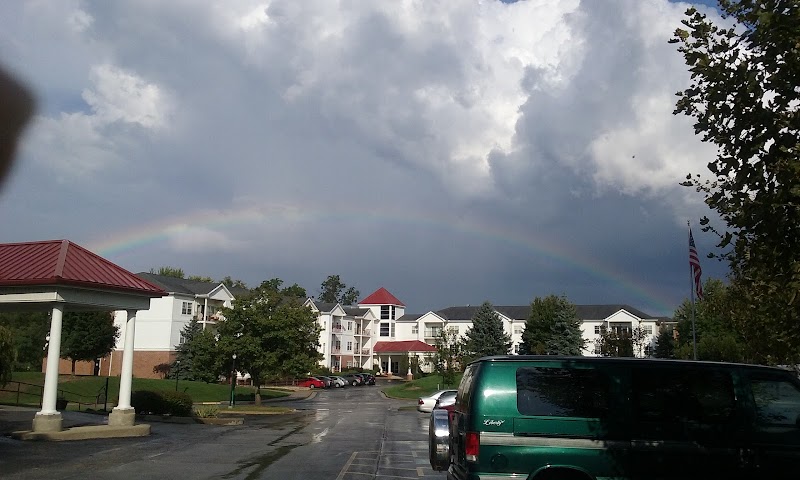
How is Manor Of Grande Village Staffed?

CMS rates MANOR OF GRANDE VILLAGE's staffing level at 3 out of 5 stars, which is average compared to other nursing homes. Staff turnover is 43%, compared to the Ohio average of 46%. This relatively stable workforce can support continuity of care.

What Have Inspectors Found at Manor Of Grande Village?

State health inspectors documented 31 deficiencies at MANOR OF GRANDE VILLAGE during 2019 to 2024. These included: 30 with potential for harm and 1 minor or isolated issues.
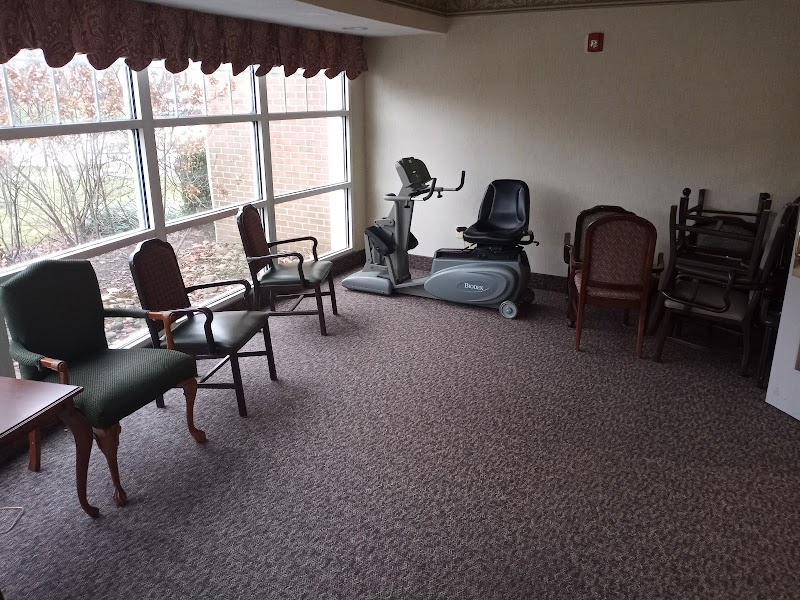
Who Owns and Operates Manor Of Grande Village?

MANOR OF GRANDE VILLAGE is owned by a for-profit company. For-profit facilities operate as businesses with obligations to shareholders or private owners. The facility is operated by SPRENGER HEALTH CARE SYSTEMS, a chain that manages multiple nursing homes. With 96 certified beds and approximately 78 residents (about 81% occupancy), it is a smaller facility located in TWINSBURG, Ohio.
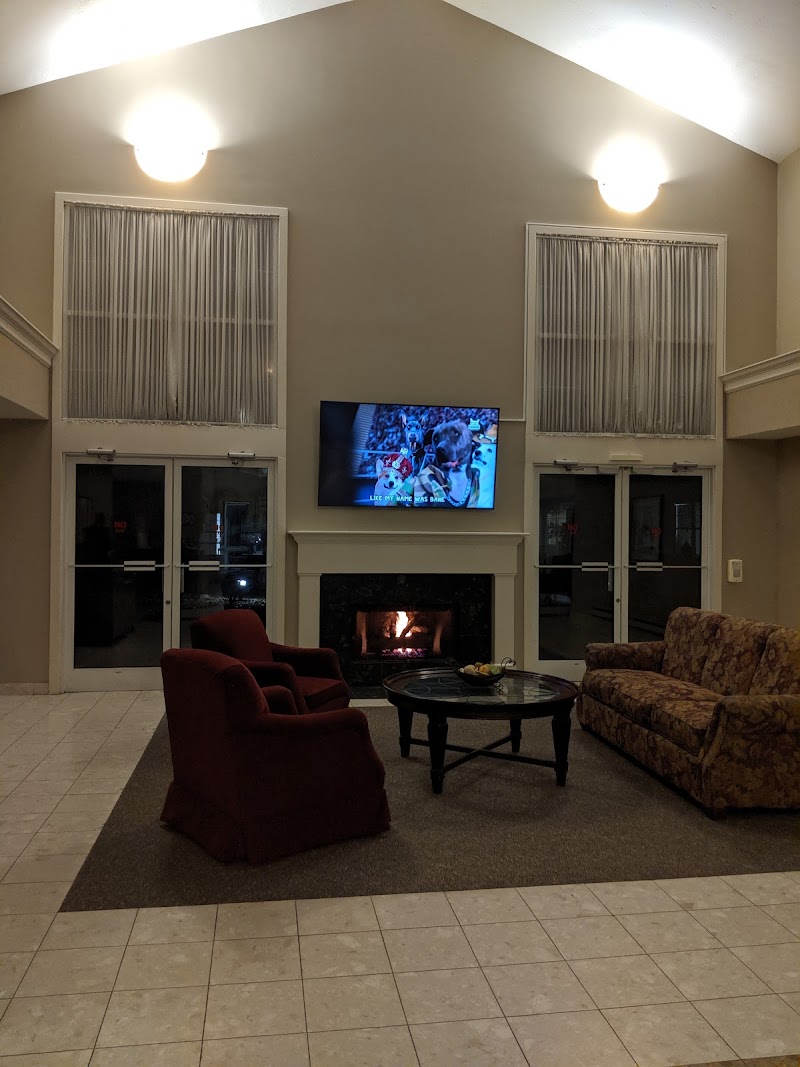
How Does Manor Of Grande Village Compare to Other Ohio Nursing Homes?

Compared to the 100 nursing homes in Ohio, MANOR OF GRANDE VILLAGE's overall rating (4 stars) is above the state average of 3.2, staff turnover (43%) is near the state average of 46%, and health inspection rating (3 stars) is at the national benchmark.

What Should Families Ask When Visiting Manor Of Grande Village?

Based on this facility's data, families visiting should ask: "Can I visit during a mealtime to observe dining assistance and food quality?" "How do you handle medical emergencies, and what is your hospital transfer rate?" "Can I speak with family members of current residents about their experience?"

Is Manor Of Grande Village Safe?

Based on CMS inspection data, MANOR OF GRANDE VILLAGE has a clean safety record: no substantiated abuse findings (meaning no confirmed cases of resident harm), no Immediate Jeopardy citations (the most serious violation level indicating risk of serious injury or death), and is not on the Special Focus Facility watch list (a federal program monitoring the lowest-performing 1% of nursing homes). The facility has a 4-star overall rating and ranks #1 of 100 nursing homes in Ohio. While no facility is perfect, families should still ask about staff-to-resident ratios and recent inspection results during their visit.

Do Nurses at Manor Of Grande Village Stick Around?

MANOR OF GRANDE VILLAGE has a staff turnover rate of 43%, which is about average for Ohio nursing homes (state average: 46%). Moderate turnover is common in nursing homes, but families should still ask about staff tenure and how the facility maintains care continuity when employees leave.

Was Manor Of Grande Village Ever Fined?

MANOR OF GRANDE VILLAGE has no federal fines on record. CMS issues fines when nursing homes fail to meet care standards or don't correct problems found during inspections. The absence of fines suggests the facility has either maintained compliance or corrected any issues before penalties were assessed. This is a positive indicator, though families should still review recent inspection reports for the full picture.

Is Manor Of Grande Village on Any Federal Watch List?

MANOR OF GRANDE VILLAGE is not on any federal watch list. The most significant is the Special Focus Facility (SFF) program, which identifies the bottom 1% of nursing homes nationally based on persistent, serious quality problems. Not being on this list means the facility has avoided the pattern of deficiencies that triggers enhanced federal oversight. This is a positive indicator, though families should still review the facility's inspection history directly.