CLAYMONT HEALTH AND REHABILITATION
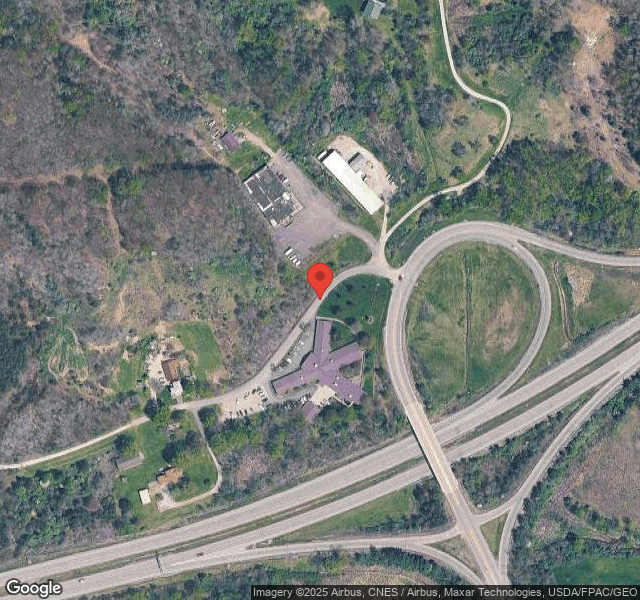
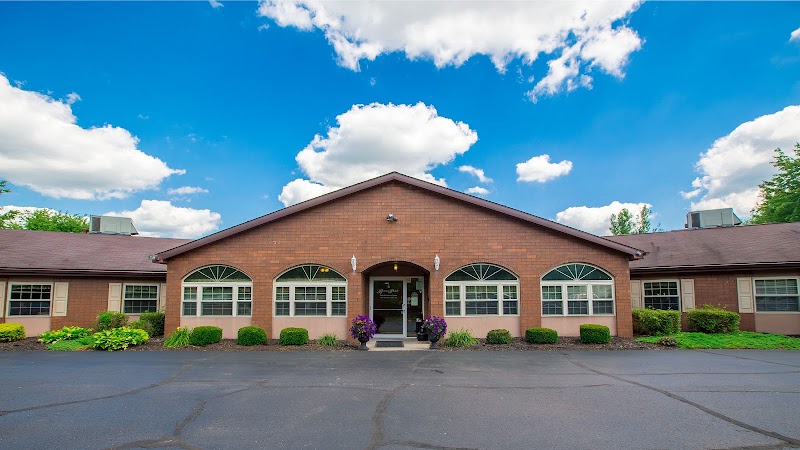
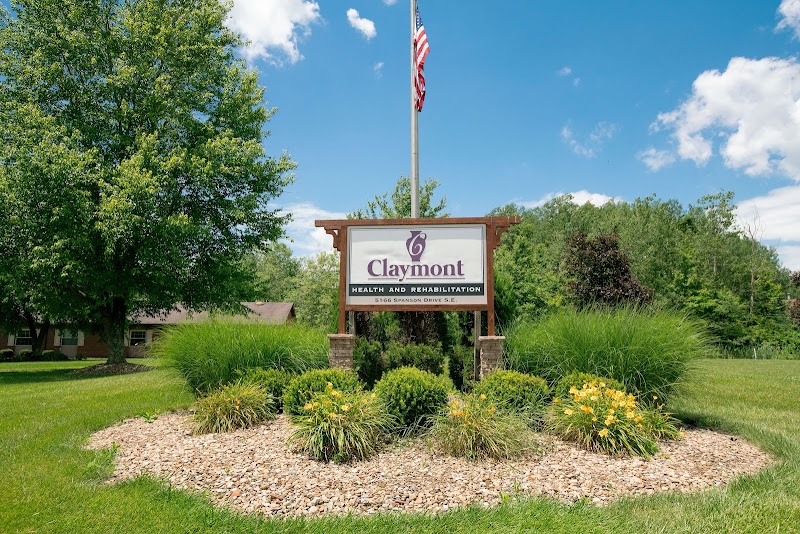
5166 SPANSON DRIVE SE, UHRICHSVILLE, OH 44683 (740) 922-2208
For profit - Corporation 55 Beds FOUNDATIONS HEALTH SOLUTIONS Data: November 2025
Trust Grade
85/100
#42 of 913 in OH
Last Inspection: December 2024

Within standard 12-15 month inspection cycle. Federal law requires annual inspections.

Overview

Claymont Health and Rehabilitation in Uhrichsville, Ohio, has a Trust Grade of B+, which means it is above average and recommended for families considering care options. It ranks #42 out of 913 facilities in Ohio, placing it in the top half, and is the top facility among 10 in Tuscarawas County. The facility is trending positively, with issues decreasing from 6 in 2023 to 5 in 2024. Staffing is a weak point, rated at 2 out of 5 stars with a turnover rate of 46%, slightly below the state average. While the facility has no fines on record, which is a good sign, there have been some concerning incidents. For example, food items were not properly dated or removed when expired, which could affect residents’ health. Additionally, there were failures to follow protocols for residents with chronic wounds and to investigate unexplained bruises, indicating potential gaps in care. Overall, while there are strengths in its rankings and no fines, the staffing and specific care issues are areas that families should carefully consider.

Trust Score
B+
85/100
In Ohio
#42/913
Top 4%
Safety Record
Low Risk
No red flags
Inspections
Getting Better
6 → 5 violations
Staff Stability
⚠ Watch
46% turnover. Above average. Higher turnover means staff may not know residents' routines.
Penalties
✓ Good
No fines on record. Clean compliance history, better than most Ohio facilities.
Skilled Nurses
○ Average
Each resident gets 40 minutes of Registered Nurse (RN) attention daily — about average for Ohio. RNs are the most trained staff who monitor for health changes.
Violations
⚠ Watch
16 deficiencies on record. Higher than average. Multiple issues found across inspections.
★★★★★
5.0
Overall Rating
★★☆☆☆
2.0
Staff Levels
★★★★★
5.0
Care Quality
★★★★☆
4.0
Inspection Score
Stable
2023: 6 issues
2024: 5 issues

The Good

  • 5-Star Quality Measures · Strong clinical quality outcomes
  • Full Sprinkler Coverage · Fire safety systems throughout facility
  • No fines on record

Facility shows strength in quality measures, fire safety.

The Bad

Staff Turnover: 46%

Near Ohio avg (46%)

Higher turnover may affect care consistency

Chain: FOUNDATIONS HEALTH SOLUTIONS

Part of a multi-facility chain

Ask about local staffing decisions and management

The Ugly 16 deficiencies on record

Dec 2024 5 deficiencies
CONCERN (D)

Potential for Harm - no one hurt, but risky conditions existed

Quality of Care (Tag F0684)

Could have caused harm · This affected 1 resident

**NOTE- TERMS IN BRACKETS HAVE BEEN EDITED TO PROTECT CONFIDENTIALITY** Based on medical record review, observation, interview, and policy review the facility failed to identify and timely investigate...

Read full inspector narrative →
**NOTE- TERMS IN BRACKETS HAVE BEEN EDITED TO PROTECT CONFIDENTIALITY** Based on medical record review, observation, interview, and policy review the facility failed to identify and timely investigate bruises of unknown origin and failed to ensure communication occurred with hospice services regarding medications not being administered per orders. This affected one (Resident #46) of one residents reviewed for hospice. Findings included: Medial record review revealed Resident #46 was admitted to the facility on [DATE] with diagnoses including Alzheimer's disease, anxiety disorder, malignant neoplasm of female breast, osteoarthritis, insomnia, and major depressive disorder. Review of Resident #46's current orders dated 12/2024 revealed no evidence of orders for hospice. Review of Resident #46's Minimum Data Set (MDS) dated [DATE] revealed the resident was on hospice services and had severe cognition impairment. The resident was dependent for all activities of daily living (ADL) care and substantial/maximal assistance with rolling left to right (in bed), sit to lying, lying to sitting. The resident was dependent for chair to bed to chair transfer. The resident used a wheelchair and/or scooter and was dependent on staff for wheelchair/scooter mobility. Review of Resident #46's current plan of care revealed the resident receives hospice service for end stage Alzheimer's disease. The interventions included to follow physician's orders and hospice services as ordered. Hospice would collaborate care with the facility staff. Contact hospice for changes in the resident's condition. Nursing and Certified Nursing Assistants (CNA) to inspect the resident skin during care, administer medication as ordered. a. Review of Resident #46's hospice binder revealed a visit communication note dated 11/29/24 that indicated the resident had a large healing bruise on the base of their left hand of unknown injury. Register Nurse (RN) from the facility signed the hospice note along with hospice RN #300. Review of Resident #46's treatment administration record for November 2024 revealed a skin assessment was completed on 11/30/24. No negative findings were noted under assessment or in the progress notes regarding bruising on the left hand. Review of Resident #46's electronic medical record and paper medical record dated 11/01/24 to 12/03/24 revealed no documentation regarding the bruise on the left hand. Interview on 12/03/24 at 3:50 P.M. with Licensed Practical Nurse (LPN)/Assistant Director of Nursing (ADON) #117 revealed she was just notified yesterday (12/02/24) by hospice of the bruising on the resident's left hand, however she had not had time to document the assessment she completed yesterday (12/02/24). The bruise on the left hand measured 3.0 centimeters (cm) by 4.0 cm and was brownish yellow in color. She believed the resident received the bruise from trying to get out of her wheelchair over the weekend. Interview on 12/05/24 at 9:45 A.M., with Resident #46's husband revealed he had noticed the bruise on his wife's hand was last week, however he was not sure how she got it. The resident's husband reported he had observed her pick at her skin, or she may have hit it against the wall. b. Review of hospice aide (#302) progress note dated 12/02/24 at 11:04 A.M. revealed the resident had a big purple bruise on the top of her left hand and inner left leg, by vaginal area, and down the other leg. LPN #112, Director of Nursing (DON), and hospice LPN #301 were notified of the bruising. Review of Resident #46's hospice visit communication note dated 12/02/24 at 11:22 A.M. revealed the hospice RN #303 noted the resident had unexplained ecchymosis area to the left hand and inner thighs that appeared older. ADON #117 had signed the communication note. Review of Hospice RN #303's progress note revealed upon arrival, this nurse spoke with the facility nurse who did not know anything about ecchymotic areas to the left hand and inner thighs, close to the vaginal area. The nurse declined any recent falls and stated that there was no recent documentation about the ecchymotic areas. The facility aide stated that over the weekend the resident had been restless while up in her tilt chair and was observed swinging her legs over the side of the chair and at one point, having her feet on the floor. The ecchymotic areas appeared to be older due to color and appearance. The resident was bedbound and unable to reposition self. Review of Resident #46's paper and electronic medical record dated 11/01/24 to 12/03/24 revealed no evidence of skin assessments to the ecchymotic areas to the left hand, inner thighs or any other areas. Interview and observation on 12/03/24 at 3:50 with Licensed Practical Nurse (LPN)/Assistant Director of Nursing (ADON) #117 revealed she was just notified yesterday (12/02/24) by hospice of the bruising to the left hand and left thigh, however she had not had time to document her assessment she completed yesterday. The ADON rolled the resident over and there was bruise noted on the back of the left leg above the bend of the knee that was purplish yellow. A bruise was also observed at the bottom of the resident's incontinence brief, which was removed by the ADON. The resident had a dark purple bruise noted from the crease of the buttocks to the anus area. The ADON reported she was not aware of the bruise on the buttocks area, nor did she assess or measure that area yesterday. She was only aware of the hand and the area on the back of the leg. The ADON reported she thought the area were caused by the resident attempting to get out of her wheelchair over the weekend. Review of the facility's investigation dated 12/02/24 and skin assessments dated 12/03/24 revealed the resident had an area on the left hand and inner thigh. LPN #112 and CNA #142 were interviewed. Resident was noted to be restless and increase anxiety and was trying to get out of the chair. Resident was laid down in bed and was given Ativan (ordered from 11/29/24). Review of LPN #112's written statement dated 12/02/24 revealed the resident was in the lounge trying to get out of the chair and had her leg over the arm of chair with her hand hanging down. Took resident back to room and laid her down. Ativan given. Review of CNA #141's written statement dated 12/02/24 revealed the staff member had laid the resident down with the nurse's help due to increased anxiety. Resident climbing out of chair. Review of a nursing progress note dated 12/03/24 at 3:56 P.M., revealed a general investigation was done for the bruises on the left hand/posterior left thigh/posterior left buttocks. Resident was climbing out of her wheelchair, left leg was over the arm of the chair and left hand was hanging down. Resident was seen to have increased anxiety; intervention was to put resident into bed so she could relax with increased anxiety. Hospice and family updated. Review of a wound skin grid #1 dated 12/03/24 of the left hand revealed the wound was acquired 12/02/24 revealed the bruise noted to left thigh bruise 3.0 cm by 4.0 cm by 0.0 cm. Bruise to left hand yellow brown fading. All other skin intact, no s/s of infection. Resident was two people assist and was dependent for bed mobility. Review of a wound skin grid #2 dated 12/03/24 of the left thigh revealed the wound was acquired 12/02/24 and revealed the bruise noted to left thigh measured 3.0 cm by 5.0 cm by 0.0 cm. Bruise to left inner thigh, skin intact, no s/s of infection. Review of wound skin grid #3 dated 12/03/24 of left posterior buttocks revealed the wound was acquired 12/02/24. The area measured 3.0 cm by 2.0 cm by 0.0. The bruise noted to left posterior buttocks, skin intact, no s/s of infection noted. The physician, family, and dietician notified. Review of skin assessment policy dated 03/15/24 revealed staff remains alert to potential changes in skin condition and monitor skin integrity during routine care. 2. Observation on 12/02/24 at 3:20 P.M. 12/03/24 at 1:41 P.M., 12/04/24 at 10:40 A.M. and 1:52 P.M., and 12/05/24 at 8:30 A.M., the resident was lying in bed with eyes closed. Interview on 12/03/24 at 1:59 P.M., with Licensed Practical Nurse (LPN) #112 confirmed Resident #46 was receiving hospice services. The LPN reported staff usually get the resident up for breakfast and lunch to eat but she usually sleeps a lot in the evenings and doesn't eat as well. Review of Resident #46's medication records and current orders dated 12/2024 revealed the resident was ordered Ativan 0.5 milligrams (mg) every six hours (Midnight, 6:00 A.M., noon, and 6:00 P.M.) and one milligram at bedtime (7:00 P.M. to 10:00 P.M.) for restlessness/agitation. On 12/01/24 the resident didn't receive the 0.5 mg at midnight or noon due to sleeping. The 6:00 P.M. dose was not given however no indication as to why it was not administered. On 12/02/24 the midnight and noon dose were not administered due to sleeping. On 12/03/24 the 6:00 P.M. dose was not administered. On 12/04/24 the resident did not receive any doses of the 0.5 mg. Review of the hospice note authored by LPN #304 revealed the ADON had called requesting a medication review due to the resident intakes at supper had decreased. The ADON wanted to make sure the resident was not getting too much of anything (medication). The resident intakes at meals can range from 25-75% per the ADON. The facility has noticed a change since the increase of Ativan. Review of hospice note authored by LPN #301 dated 12/04/24 revealed the facility had requested a review of medications and bruising. The resident's husband was present and reported the resident was more alert today then Sunday. Stating she slept during his visit and didn't eat that day. The resident's Ativan was given as scheduled. No medication changes currently as the patient appears comfortable. Interview on 12/04/24 at 9:53 A.M., with the DON and RN #200 confirmed the resident did not have an order for hospice, however the resident was receiving hospice prior to admission and the physician had mentioned hospice services in his history and physical. Interview on 12/05/24 at 8:55 A.M., with Hospice LPN #301 revealed he did not have access to the facility's electronic medical records and was not aware the resident had not been receiving the Ativan as ordered when he did his medication review on 12/04/24. The facility did not communicate 10 doses of the Ativan from 12/01/24 to 12/04/24 were not administered. Lastly, Hospice received most of their information from staff and the family since they don't have access to the facility's records. Interview on 12/05/24 at 10:22 A.M., with the DON revealed the facility had no documented evidence hospice was notified of 10 doses of Ativan not being administered. The DON reported the hospice nurse was present during lunch on 12/02/24 and was aware the resident didn't receive her noon dose of Ativan, however there was no evidence hospice was aware of the doses not administered on the other days and she was going to have staff call hospice today.
CONCERN (D)

Potential for Harm - no one hurt, but risky conditions existed

Deficiency F0688 (Tag F0688)

Could have caused harm · This affected 1 resident

Based on observation, medical record review and staff interview, the facility failed to ensure restorative nursing services were provided as indicated. This affected one (Resident #5) of one residents...

Read full inspector narrative →
Based on observation, medical record review and staff interview, the facility failed to ensure restorative nursing services were provided as indicated. This affected one (Resident #5) of one residents reviewed for restorative nursing services. The facility census was 47. Findings include: Review of Resident #5's medical record revealed an admission date of 01/08/21 with diagnoses that included cerebrovascular accident, chronic obstructive pulmonary disease and diabetes mellitus. Further review of the medical record revealed physician's orders from 02/27/24 to 10/31/24 which indicated the resident is recommended to wear a left hand splint as tolerated to decrease risk of worsening contracture, requires assistance to don (apply), monitor for skin irritation and encourage Passive Range of Motion (PROM) to left upper extremity (LUE) prior to donning and post doffing (removing) due to limited Range of Motion (ROM) and tone. An additional physician's orders from 12/14/23 to 01/15/24 also indicated the use of a soft rolled hand splint with digit separators to the left hand/forearm for up to four hours as tolerated to decrease risk of worsening contracture. Review of the medical record revealed Resident #5 was provided occupational therapy (OT) for contracture management services for the periods of 02/08/24 to 03/08/24, 05/21/24 to 06/17/24, 10/03/24 to 10/30/24 and 11/05/24 to 12/23/24. Review of Restorative Nursing Services (RNS) revealed no evidence of any documentation of RNS including splint device use of PROM exercises completed as ordered by the physician. Review of Resident #5's care plans revealed a self-care deficit care plan in place which included an intervention that the resident is recommended to wear left hand splint as tolerated to decrease risk of worsening contracture. The resident requires assistance to don, monitor for skin irritation and encourage PROM to LUE prior to donning and post doffing due to limited ROM and tone. Observation of Resident #5 on 12/02/24 at 9:15 A.M. revealed a left hand contracture with no evidence of a splint device in use. On 12/03/24 at 2:00 P.M., interview with Occupation Therapist (OTR/L) #205 revealed Resident #5 has been and is currently on the OT caseload several times this year for contracture management. Therapy staff apply the splint device five times per week and provide PROM exercises. OTR/L further indicated when Resident #5 is not on the OT caseload RNS is to provide the splint device and PROM daily. On 12/04/24 at 11:02 A.M. interview with the Director of Nursing verified there was no evidence of splint device use or PROM for Resident #5 provided by RNS when not on the therapy caseload.
CONCERN (D)

Potential for Harm - no one hurt, but risky conditions existed

Respiratory Care (Tag F0695)

Could have caused harm · This affected 1 resident

Based on observation, record review, policy review and interview, the facility failed to ensure nebulizer masks and tubing were disposed during weekly oxygen and breathing treatment supply change. The...

Read full inspector narrative →
Based on observation, record review, policy review and interview, the facility failed to ensure nebulizer masks and tubing were disposed during weekly oxygen and breathing treatment supply change. The deficient practice affected two residents (#35 and #26) of three residents reviewed for respiratory care. The facility census was 47. Findings include: 1. Review of medical record for Resident #35 reveals an admission date of 06/14/23. Diagnoses include Type two diabetes mellitus, intellectual disabilities, chronic obstructive pulmonary disease (COPD), atrial fibrillation, essential hypertension, anxiety disorder, major depressive disorder and seizures. Review of the most recent Minimum Data Set (MDS) 3.0 reveals a Brief Interview for Mental Status (BIMS) of 9 out of 15 indicating cognitive impairment. The resident was assessed to require assistance and is dependent for all Activities of Daily Living (ADL's). Review of the plan of care dated 11/26/24 reveals the interventions: respiratory assessments, nebulizer treatments, Medications as ordered, monitor for s/s of distress & report to doctor - respiratory symptoms- dyspnea, cyanosis, cough, restlessness, confusion, anxiety, abnormal lung sounds, fatigue, fever, use of accessory muscle. Review of the physician orders for Resident #35 reveals order dated 08/30/24 for respiratory assessments three times a day and Albuterol Sulfate Nebulization Solution (2.5 milligrams per three milliliters) 0.083% every two hours as needed. Further review of the treatment administration record reveals that no treatments were provided for the month of November. On 12/03/24 at 8:55 A.M. observation of Resident #35's room revealed a nebulizer machine was located on the over bed table. The tubing was attached to the machine and a nebulizer mask was observed in a bag and hanging on the wall by the foot of the resident's bed. A second nebulizer mask and tubing was observed hanging on the wall, beside the window and a third nebulizer mask with tubing in bag laying on the chair in the corner of the room. On 12/03/24 at 9:05 A.M. interview with Licensed Practical Nurse (LPN) #123 verified there were three nebulizer masks with tubing in the resident's room, there were no orders for changing the tubing or evidence of the tubing and mask being changed and the resident had not received any breathing treatments during the month of November or December 2024. 2. Review of Resident #26's physician orders dated 11/22/24 revealed an order for ipratropium-albuterol 0.5-2.5 milligrams per three milliters (for inhalation) every eight hours for ten days. There was no order to change the breathing treatment mask or tubing every week and the last breathing treatment was administered on 12/03/24 at 2:00 P.M. On 12/04/24 at 9:50 A.M. observation of Resident #26's room revealed a nebulizer mask and tubing was noted to be hanging on the wall near the head of the resident's bed and a nebulizer machine was sitting on the resident's over bed table. On 12/04/24 at 9:54 A.M. interview with Registered Nurse (RN) #102 verified the nebulizer machine with mask and tubing remained in the resident's room despite the completion of the order. On 12/04/24 at 8:56 A.M. interview with Regional Clinical Nurse #200 revealed it was no longer facility policy to date oxygen treatment supplies but an order is entered into the electronic medical record to trigger an entry on the treatment administration record (TAR) to change the oxygen supplies every Sunday on night shift. The nurse verified there was no order to change the tbing weekly. Review of policy and procedure titled Respiratory Equipment Cleaning and Disinfecting dated January 26, 2006, Revised July 30, 2024, revealed Section 5. a) clean the external surface as needed. b) Tubing and medication cups are changed weekly or as needed and are stored clean and dry. c) Upon discontinuation of therapy, remove tubing, wipe machine with a disinfectant, placed in a bag and return to storage area.
CONCERN (E)

Potential for Harm - no one hurt, but risky conditions existed

Infection Control (Tag F0880)

Could have caused harm · This affected multiple residents

**NOTE- TERMS IN BRACKETS HAVE BEEN EDITED TO PROTECT CONFIDENTIALITY** Based on medical record review, observation, interview, and policy review, the facility failed to ensure residents with chronic ...

Read full inspector narrative →
**NOTE- TERMS IN BRACKETS HAVE BEEN EDITED TO PROTECT CONFIDENTIALITY** Based on medical record review, observation, interview, and policy review, the facility failed to ensure residents with chronic wounds (pressure ulcers) were placed under enhanced barrier precautions (EBP) and failed to ensure personal protective equipment (PPE) was available on the 300 Hall. This affected three residents (#19, #38 and #44) and had the potential to affect an additional 27 residents who resided on the same halls as the affected residents. Findings included: 1. Medical record review revealed Resident #19 was admitted to the facility on [DATE] with diagnoses including fracture of left humerus, severe protein-calorie malnutrition, heart disease, chronic kidney disease, anemia, need for assistance with personal care, cirrhosis, and diabetes. Review of Resident #19's admission skin assessment dated [DATE] revealed the resident had an unstageable pressure ulcer (full-thickness skin and tissue loss in which the extent of tissue damage within the ulcer cannot be confirmed because it was obscured by slough or eschar) on the right elbow measuring 4.0 centimeters (cm) by 4.0 cm. Review of the visiting wound nurse practitioner note dated 11/12/24 revealed the resident had an unstageable pressure ulcer on the right elbow measuring 0.9 cm by 1.1 cm and depth undetermined due to the wound bed was covered with 100% scabbed/crusted. Review of the visiting wound nurse practitioner note dated 11/19/24 revealed the resident an unstageable pressure ulcer on the right elbow measuring 0.7 cm by 0.8 cm and depth undetermined due to the wound bed was covered with 80% slough. Review of the visiting wound nurse practitioner note dated 11/26/24 revealed the resident an unstageable pressure ulcer on the right elbow measuring 0.6 cm by 0.6 cm by 0.2 cm due to the wound bed was covered with 10% slough. Review of the visiting wound nurse practitioner note dated 12/03/24 revealed the residents unstageable pressure ulcer on the right elbow was now a stage III pressure ulcer (full-thickness loss of skin, in which adipose (fat) was visible in the ulcer and granulation tissue and rolled wound edges) are often present. Slough and/or eschar may be visible) measuring 0.5 cm by 0.5 cm by 0.0 cm. The wound base was 100% scabbed/crusted. Review of Resident #19's medical record revealed no evidence the resident was on EBP. Observation on 12/02/24 at 10:20 A.M., revealed no evidence the resident was on EBP. Interview on 12/05/24 at 10:17 A.M., with the Director of Nursing (DON) confirmed Resident #19 was not placed on EBP because she didn't feel the pressure ulcer was a chronic wound because the resident was admitted with the pressure ulcer. 2. Review of Resident #38's medical record revealed an admission date of 03/05/24 with admission diagnoses that included paraplegia, neuromuscular dysfunction of bladder and decubitus ulcer. Further review of the medical record revealed current use of an indwelling urinary catheter since admission and wound treatment for a chronic decubitus ulcer. Review of Resident #38's care plans revealed a care plan in place for alteration in elimination with the use of an indwelling urinary catheter with interventions including EBP. An additional care plan for impaired skin integrity also indicated an intervention of EBP. Observation of the 300 hallway on 12/02/24 revealed two residents (Resident's #38 and #44) currently on EBP. Signs were posted under the resident's name next to the door indicating EBP in place. No PPE for staff use was observed near the rooms or in the hallway. 3. Review of Resident #44's medical record revealed an admission date of 03/29/24 with admission diagnoses that included spina bifida, paraplegia, neuromuscular dysfunction of bladder and decubitus ulcer. Further review of the medical record revealed current use of an indwelling urinary catheter since admission and wound treatment for a chronic decubitus ulcer. Review of Resident #44's care plans revealed a care plan in place for alteration in elimination with the use of an indwelling urinary catheter with interventions including EBP. An additional care plan for impaired skin integrity also indicated an intervention of EBP. On 12/02/24 at 11:38 A.M. interview with the Director of Nursing verified there was no PPE located on the 300 hall for staff use for residents on EBP. The Director of Nursing indicated the facility normally has one cart of PPE for each hallway for residents with EBP in place. Review of the facility policy Enhanced Barrier Precautions Best Practice dated 03/2024 indicated: EBP refers to the use of gown and gloves during high-contact care activities for residents with any of the following: infection or colonization with a Centers for Disease Control (CDC) targeted Multi Drug Resident Organism (MDRO) when contact precautions do not apply, chronic wound (ie pressure ulcer, diabetic foot ulcer, non-healing surgical wound, venous stasis ulcer), indwelling medical devices (ie central line, hemodialysis catheter, urinary catheter, feeding tube, tracheostomy/ventilator). PPE shall be located in the general vicinity of the resident's room and readily accessible to staff.
CONCERN (F) 📢 Someone Reported This

A family member, employee, or ombudsman was alarmed enough to file a formal complaint

Potential for Harm - no one hurt, but risky conditions existed

Food Safety (Tag F0812)

Could have caused harm · This affected most or all residents

Based on observation, record review, facility policy review, and interviews, the facility failed to date and label food items removed from the original packaging in the kitchen freezer, failed to date...

Read full inspector narrative →
Based on observation, record review, facility policy review, and interviews, the facility failed to date and label food items removed from the original packaging in the kitchen freezer, failed to date and remove expired food items from the resident's nourishment room refrigerator, and failed to have clean air returns and heater vents in the ceiling of the kitchen. This deficient practice had the potential to affect all residents residing in the facility and affected one resident (#38) having food items stored in the nourishment room refrigerator. The facility's census was 47. Findings Include: 1. Observation on 12/02/24 from 8:15 A.M. to 8:35 A.M. revealed in the kitchen freezer a small personal pizza in an undated zip lock bag on the top shelf of the freezer. Further observation revealed an undated large zip lock bag which contained ten frozen hot dogs located on the third shelf of the freezer. Interview on 12/02/24 at 8:40 A.M. with Dietary Manager #132 confirmed the undated zip lock bag containing the small personal pizza and the undated zip lock bag containing ten hot dogs. Dietary Manager #132 stated food items are to be labeled and dated prior to storage in the cooler and/or freezer. Review of the facility's policy titled, Food Storage - Labeling and Dating revised 09/18 revealed, All food must have a date that includes Month/Day/Year on the package indicating the date in which it entered the facility. All items removed from its original packaging must be dated 2. Observation on 12/03/24 at 2:21 P.M. revealed a refrigerator located in the medication storage room. On the top shelf of the refrigerator was a red plastic bag with a paper label listing the store's name, a list of items within the bag and Resident #38's name. Inside the red bag was a small unopened container of red grapes with a best used by date of 11/14/24, an opened package of half-eaten yellow and orange cheese with a best used by date of 01/03/25, and an un-opened package of the same type of cheese with a best used by date of 01/03/25. Interview on 12/03/24 at 2:26 P.M. with Licensed Practical Nurse (LPN) #123 confirmed the red plastic bag with a paper label listing the store's name, a list of items within the bag and Resident #38's name. Inside the red bag was the small unopened container of red grapes with a best used by date of 11/14/24, an opened package of half-eaten yellow and orange cheese with a best used by date of 01/03/25, and an un-opened package of the same type of cheese with a best used by date of 01/03/25. LPN #123 stated the staff should be checking the dates of the residents' food items daily and remove expired food as needed. Review of the facility's policy titled, Use and Storage of Food Brought in by Family and Visitors revision date 08/01/23 revealed, The facility staff may assist residents n accessing and consuming food that is brought in by resident and family or visitors, if the resident is not able to do so on their own. 3. Observation on 12/03/24 at 11:40 A.M. revealed a large square white air return vent above the hand wash sink with a moderate amount of built up dark colored substance on the levers of the vent. There was one round heater vent located over the prep table and beside the cook hood with moderate amount of built of a dark colored substance, with the substance extending on the ceiling several inches from the vent towards the cook hood. There was another round heater vent located by the cooler and drink station near the door leading out to the dining room with a moderate amount of built up dark colored substance on the vent and extending out from the vent in a circular pattern on the ceiling. Review of the kitchen vent quarterly cleaning logs revealed the last vent cleaning was completed on 08/21/24. Interview on 12/04/24 at 11:45 A.M. with the Dietary Manager #132 confirmed the dark colored substance built up on the large square air return vent, and the two round heater vents located in the ceiling of the kitchen. The Dietary Manager #132 stated the maintenance department has a quarterly cleaning schedule for the ceiling vents located in the kitchen This deficiency represents non-compliance investigated under Complaint Number OH00159314.
May 2023 2 deficiencies
CONCERN (D) 📢 Someone Reported This

A family member, employee, or ombudsman was alarmed enough to file a formal complaint

Potential for Harm - no one hurt, but risky conditions existed

Quality of Care (Tag F0684)

Could have caused harm · This affected 1 resident

**NOTE- TERMS IN BRACKETS HAVE BEEN EDITED TO PROTECT CONFIDENTIALITY** Based on record review, observation, and staff interview, the facility failed to ensure speech therapy recommendations were foll...

Read full inspector narrative →
**NOTE- TERMS IN BRACKETS HAVE BEEN EDITED TO PROTECT CONFIDENTIALITY** Based on record review, observation, and staff interview, the facility failed to ensure speech therapy recommendations were followed for a resident who was known to pocket her food and was at risk for aspiration. This affected one (#33) of three residents reviewed for aspiration risk. Findings include: A review of Resident #33's medical record revealed she was admitted to the facility on [DATE]. Her diagnoses included dementia with behavioral disturbances and generalized anxiety disorder. A review of Resident #33's physician's orders revealed she was on a smooth, pureed textured diet. The diet order specified she was to receive lemon ice with every meal and every bite. The order originated on 04/28/23. A diet clarification order dated 04/28/23 revealed the resident was to have a smooth pureed diet. They were instructed to place lemon ice on the tip of the spoon for every bite of solid food to stimulate swallow and decrease pocketing/ holding of bolus. Speech therapy services ended on 05/04/23. A review of Resident #33's speech therapy discharge summary report for a date of service between 04/21/23 and 05/04/23 revealed the resident's diagnoses included dysphagia (difficulty swallowing). The discharge recommendations under strategies revealed the strategies were recommended to facilitate safety and efficiency. It was recommended the resident use the following strategies during oral intake: lemon ice as antecedent (a thing or event that existed before or logically proceeds another), rate modification, bolus size modifications, and alternation of liquids/ solids. On 05/11/23 at 11:48 A.M., an observation of the lunch meal service revealed Resident #33 was served her meal in the dining room. State Tested Nursing Assistant (STNA) #12 was observed to sit next to the resident and assist her and another resident with their meal. Resident #33 was noted to receive a pureed diet with a cup of frozen lemon ice on her tray. STNA #12 spoon fed the resident offering her the pureed vegetables and the pureed meat that was served on her tray. The STNA would alternate bites of food with drinks of the beverage that was served with her meal. She was not noted to use the lemon ice with each bite of food as directed by the speech therapist in the resident's physician's orders/ diet order clarification given on 04/28/23. Several bites were observed of the resident just being given bites of her food without the lemon ice as ordered. On 05/11/23 at 1:45 P.M., an interview with STNA #12 revealed Resident #33 was supposed to be on a pureed diet and received regular liquids with her meals. They had lemon ice on her tray for her and the resident had a tendency not to want to swallow. She stated the lemon ice was to be used if they noticed the resident was not swallowing her food. The resident was known to pocket her food a lot. On that day, the resident was very alert and they only had to tell her to swallow her food several times. She claimed she did give the resident bites of the lemon ice to help her swallow, but was giving it to her in between bites of food and only to try to keep her routine consistent. She denied she put the lemon ice on the tip of the spoon with every bite as was ordered per the speech therapist's recommendations. She was not aware they were instructed to do that. It was passed to her on how to use the lemon ice by another aide. She was only told to give the lemon ice to the resident after each bite and not a little with each bite as was specified in her physician's orders. She denied she received any instruction from the speech therapist herself. On 05/11/23 at 2:01 P.M., an interview with Licensed Practical Nurse (LPN) #17 revealed she was familiar with Resident #33 and her diet order. The resident was known to pocket food and had her good days and bad days. The resident was to receive a pureed diet with thin liquids and was also to get lemon ice with her meals to encourage her to swallow. The resident had to be fed by the staff and she thought the lemon ice was to be given after the food was given. The speech therapist would be the one to instruct them on how to properly feed the resident. She personally was not instructed on how to feed the resident and was only recently told by the aides that lemon ice was to be used during the meal. She was not aware the resident's orders specified that they were to place lemon ice on the tip of the spoon with every bite of solid to stimulate swallow and decrease pocketing/ holding bolus (food). This deficiency represents non-compliance investigated under Complaint Number OH00142689.
CONCERN (D) 📢 Someone Reported This

A family member, employee, or ombudsman was alarmed enough to file a formal complaint

Potential for Harm - no one hurt, but risky conditions existed

Deficiency F0805 (Tag F0805)

Could have caused harm · This affected 1 resident

**NOTE- TERMS IN BRACKETS HAVE BEEN EDITED TO PROTECT CONFIDENTIALITY** Based on record review, observation, and staff interview, the facility failed to ensure a resident received food in the form tha...

Read full inspector narrative →
**NOTE- TERMS IN BRACKETS HAVE BEEN EDITED TO PROTECT CONFIDENTIALITY** Based on record review, observation, and staff interview, the facility failed to ensure a resident received food in the form that she required for swallowing difficulties. This affected one (#33) of three residents reviewed for aspiration risk. Findings include: A review of Resident #33's medical record revealed she was admitted to the facility on [DATE]. Her diagnoses included dementia with behavioral disturbances and generalized anxiety disorder. A review of Resident #33's physician's orders revealed she was to receive a smooth, pureed textured diet. The order originated on 04/28/23. A diet clarification order dated 04/28/23 revealed, in addition to the smooth, pureed diet, no lumps or textures were to present in the pureed foods. On 05/11/23 at 11:48 A.M., an observation of the lunch meal service revealed Resident #33 was served her meal in the dining room. State Tested Nursing Assistant (STNA) #12 was observed to sit next to the resident and assist her and another resident with their meal. Resident #33 was noted to receive a pureed diet but the pureed meat (pork chop) that was served was lumpy and not smooth as ordered. STNA #12 fed the resident the lumpy pureed food as it was sent on her meal tray. On 05/11/23 at 1:45 P.M., an interview with STNA #12 revealed Resident #33 was supposed to be on a pureed diet and received regular liquids with her meals. She reported her pureed food was to be smooth. She was asked if she considered what the resident received as being smooth and she replied no. She stated the pureed pork chop was chunky and she could tell that it was a meat form. She indicated the smooth pureed texture should have had more liquid in it and be more the consistency of baby food. She denied she returned the pureed pork chop to the kitchen and fed it to the resident as served. She knew the resident had a tendency to pocket her food and she had to tell her several times to swallow her food. She indicated that day was a good day for the resident and she was very alert during her meal. On 05/11/23 at 2:18 P.M., an interview with Dietary Aide #24 revealed Resident #33 was supposed to be on a pureed diet and the pureed food she received was supposed to be smooth. She denied she looked closely enough at the resident's meal (after the dietary cook placed it on the plate) before she put it on the cart to be delivered to the resident in the dining room to see if the pureed food was smooth or not. She indicated their pureed food processor had been acting up for a while and the dietary manager had been talking to someone about getting a new one. On 05/11/23 at 2:25 P.M., an interview with Dietary Manager #40 revealed Resident #33 was supposed to be on a pureed diet. Her pureed diet was supposed to be really smooth like pudding. She confirmed they were having issues with their food processor and she was in the process of checking with their corporate chef to get a couple new bowls. The one they had now had been used so much that the bowl got worn out. The blades to the processor did not quite reach the edge of the bowl allowing the food to not be pureed as well as it should be. This deficiency represents non-compliance investigated under Complaint Number OH00142689.
Feb 2023 4 deficiencies
CONCERN (D)

Potential for Harm - no one hurt, but risky conditions existed

Assessment Accuracy (Tag F0641)

Could have caused harm · This affected 1 resident

**NOTE- TERMS IN BRACKETS HAVE BEEN EDITED TO PROTECT CONFIDENTIALITY** Based on record review and interviews, the facility failed to ensure resident assessments were accurately completed. This affect...

Read full inspector narrative →
**NOTE- TERMS IN BRACKETS HAVE BEEN EDITED TO PROTECT CONFIDENTIALITY** Based on record review and interviews, the facility failed to ensure resident assessments were accurately completed. This affected two (Residents #6 and #48) of four residents reviewed for Minimum Data Set (MDS) 3.0 assessments recorded for pain. Findings include: 1. Review of the medical record for Resident #6 revealed an admission date of 09/06/22 with diagnoses including diabetes mellitus and pain in the right shoulder. Review of the pain assessment dated [DATE] revealed Resident #6 had pain in the previous five days to her lower extremities rating it as a six on a scale of zero to ten. Review of the quarterly MDS 3.0 assessment dated [DATE] revealed Resident #6 had intact cognition. Review of section J revealed the question, should staff attempt to conduct an interview with the resident, was marked yes. However, the pain assessment interview was answered not assessed. The assessment was signed by Licensed Practical Nurse (LPN) #821, dated 12/10/22. Interview on 02/07/23 at 10:40 A.M. with LPN #821 verified the pain assessment on the quarterly MDS 3.0 assessment was not completed and she had answered not assessed as she believed it had to be done on the Assessment Reference Date (ARD) as it had a look-back period of five days. LPN #821 stated she used the information from the pain assessments that the nursing staff completed in the medical record. Interview on 02/07/23 at 11:38 A.M. with the Director of Nursing (DON) revealed pain assessments are done weekly but don't always coincide with the resident's MDS assessment as she does not know when the MDS assessments are scheduled. Interview on 02/07/23 at 2:13 P.M. with LPN #821 verified the RAI manual stated the look-back period on section J of the MDS 3.0 assessment is five days and the assessment should be conducted close to the end of the five day look-back period, preferably on the day before or the day of the ARD. She verified there was a pain assessment dated [DATE] and the MDS was dated 12/07/22. 2. Review of the medical record for Resident #48 revealed an admission date of 09/27/22 with diagnoses including hypertension, dementia, difficulty in walking, anxiety and depression. Review of the pain assessment dated [DATE] revealed Resident #48 had pain over the previous five days to her bilateral lower extremities rating it as happening occasionally and at a seven on a scale of zero to ten. Review of the modified quarterly MDS 3.0 assessment dated [DATE] revealed Resident #48 had impaired cognition. Review of section J revealed the question, should staff attempt to conduct an interview with the resident, was marked yes. However, the pain assessment interview was answered not assessed. The assessment was signed by Licensed Practical Nurse (LPN) #821, dated 10/06/22. Interview on 02/07/23 at 10:40 A.M. with LPN #821 verified the pain assessment on the quarterly MDS 3.0 assessment was not completed and she had answered not assessed as she believed it had to be done on the ARD as it had a look-back period of five days. LPN #821 stated she used the information from the pain assessments that the nursing staff completed in the medical record. Interview on 02/07/23 at 11:38 A.M. with the DON revealed pain assessments are done weekly but don't always coincide with the resident's MDS assessment as she does not know when the MDS assessments are scheduled. Interview on 02/07/23 at 2:13 P.M. with LPN #821 verified the RAI manual stated the look-back period on section J of the MDS 3.0 assessment is five days and the assessment should be conducted close to the end of the five-day look-back period, preferably on the day before or the day of the ARD. She verified there was a pain assessment dated [DATE] and the MDS was dated 10/05/22.
CONCERN (D)

Potential for Harm - no one hurt, but risky conditions existed

Respiratory Care (Tag F0695)

Could have caused harm · This affected 1 resident

Based on observations, interviews, and record review, the facility failed to obtain a physician order for oxygen administrations and to document weekly oxygen tubing changes for Resident #24. This aff...

Read full inspector narrative →
Based on observations, interviews, and record review, the facility failed to obtain a physician order for oxygen administrations and to document weekly oxygen tubing changes for Resident #24. This affected one resident (Resident #24) of two residents reviewed for oxygen administration. The facility census was 48. Findings include: Review of medical records for Resident #24 revealed an admission date of 08/21/20 and diagnosis of malignant neoplasm (cancer) of the bronchus or lung, chronic obstructive pulmonary disease (COPD), and acute bronchitis. Review of the physician's orders for February 2023 revealed Resident #24 did not have an order for oxygen administration or for nursing staff to change her nasal cannula and oxygen tubing once a week. Nursing progress dated 02/01/23 at 09:14 P.M. written by Registered Nurse (RN) #845 revealed resident's respirations were easy and non-labored on oxygen at two liters via nasal cannula. Observation and interview on 02/06/23 at 11:33 A.M. with Resident #24 revealed she was on oxygen via nasal cannula all the time except when going out to smoke. The nasal cannula was not dated to indicate when the tubing was last changed. Resident #24 stated they change her tubing on Sundays. Interview on 02/08/23 at 08:37 A.M. with Licensed Practical Nurse (LPN) #829 verified Resident #24 has no order for oxygen or to have her nasal cannula and oxygen tubing changed weekly. Review of the facility policy titled, Respiratory: Oxygen Administration via Nasal Cannula, revision on 08/25/12, revealed staff were to verify the physician's order, label the nasal cannula with date and to document the date, time, and service rendered in the medical record.
CONCERN (D)

Potential for Harm - no one hurt, but risky conditions existed

Food Safety (Tag F0812)

Could have caused harm · This affected 1 resident

3. Observation on 02/06/23 at 12:37 P.M. of the lunch meal service revealed State Tested Nurse Aide (STNA) #835 to go to Resident #6's room with her lunch tray, place it on the tray table, open the fo...

Read full inspector narrative →
3. Observation on 02/06/23 at 12:37 P.M. of the lunch meal service revealed State Tested Nurse Aide (STNA) #835 to go to Resident #6's room with her lunch tray, place it on the tray table, open the food containers for the resident and then walk back to the tray cart. STNA #835 then took Resident #10's tray out of the tray cart, go into Resident #10's room, place it on her tray table, open the food containers for the resident and then walk back to the tray cart. She was not observed to use hand hygiene in between residents. Interview on 02/06/23 at 12:44 P.M. of STNA #835 verified she did not perform hand hygiene in between delivering trays to Residents #6 and #10. Based on observation, interview, and policy review, the facility failed to ensure food was properly covered and dated, and failed to ensure staff delivered residents' trays in a sanitary manner. This had the potential to affect 42 of 42 residents on a regular diet, and four (Residents #1, #6, #10 and #34) of 20 residents residing on the 300 hall that were observed during the lunch meal service. Findings include: 1. Observation of the kitchen on 02/06/23 at 8:15 A.M. with the Dietary Manager (DM) revealed, in the refrigerator, 19 cups of fruit cocktail and 19 cups of gelatin with fruit, all uncovered, undated, and open to air. Interview on 02/06/23 at 8:20 A.M., the DM confirmed the food was not properly covered and dated. Review of the facility policy, Food Storage-Labeling and Dating, dated July 2018, revealed all foods should be securely closed to avoid being exposed to the air. 2. During observation of the lunch tray delivery on 02/06/23 at 12:43 P.M., Registered Nurse (RN) #32 did not perform hand hygiene before or after providing tray delivery and set-up assistance to two (Resident #1 and Resident #34). Interview on 02/06/23 at 12:48 P.M., RN # 32 confirmed that she did not perform any hand hygiene during the delivery of the lunch trays. Review of policy titled, Foundations Health Solutions Infection Control Policy/Procedure Manual, dated 08/18/10, revealed all staff shall perform hand hygiene before and after performing resident care procedures and per our facility's established hand hygiene procedure.
CONCERN (D)

Potential for Harm - no one hurt, but risky conditions existed

Infection Control (Tag F0880)

Could have caused harm · This affected 1 resident

**NOTE- TERMS IN BRACKETS HAVE BEEN EDITED TO PROTECT CONFIDENTIALITY** Based on observations, interviews and record review, the facility failed to implement proper infection control policies and proc...

Read full inspector narrative →
**NOTE- TERMS IN BRACKETS HAVE BEEN EDITED TO PROTECT CONFIDENTIALITY** Based on observations, interviews and record review, the facility failed to implement proper infection control policies and procedures to ensure staff followed contact isolation precautions (wearing gown and gloves) and having trash and linen barrels available for Resident #19. This affected one (Resident #19) of two resident reviewed for contact isolation. The facility census was 48. Findings include: Review of the medical record for Resident #19 revealed he was admitted on [DATE] with diagnoses including hypertension and dementia. He was diagnosed on [DATE] with Clostridium Difficile (a contagious bacteria that causes diarrhea and inflammation of the colon). Review of the physician's orders dated 02/01/23 revealed Resident #19 was on contact precautions for Clostridium Difficile until 02/15/23. Observation on 02/06/23 at 11:25 A.M. of Resident #19 with State Tested Nurse Aide (STNA) #835 revealed he was on contact precautions. The sign stated everyone must clean their hands before entering and leaving the room, put on gloves before room entry and discard gloves before room exit, and to put on a gown before room entry and discard gown before room exit. An isolation cart was observed outside of Resident #19's room with adequate personal protective equipment (PPE). There was no laundry hamper with a biohazard liner nor a waste container with a red liner noted in his room or bathroom. STNA #835 verified a laundry hamper or waste container was not available in the room and that they should be present in the room. She stated staff had been disposing of Resident #19's incontinence brief, trash and PPE in the trash. Observation on 02/08/23 at 7:38 A.M. revealed Licensed Practical Nurse (LPN) #829 went into Resident #19's room to administer medications. LPN #829 was observed to go to Resident #19's bed, bend down on her knees where they touched the bed and her feet were on his fall mat. She then utilized the bed remote to place him in a sitting position. She was observed to touch the resident and his bedding while giving him his medications. Resident #19 was noted to refuse medications and fluids. LPN #829 then sat on the side of his bed while she was encouraging him to take his medications. During the observation, LPN #810, who is also the Assistant Director of Nursing (ADON) was in the hall and verified Resident #19 was still on contact precautions for Clostridium Difficile. She stated LPN #829 should have been wearing a gown and gloves. LPN #829 was observed wearing a surgical mask and face shield. LPN #829 verified she had forgot to put gown and gloves on before caring for Resident #19. Review of the facility policy titled, Infection Control-Isolation, Initiating, revised July 2006, revealed when isolation precautions are implemented, the unit manager, infection control coordinator or designee shall be sure a laundry hamper with melt-away bag or biohazard liner and waste containers with a red liner are placed in the isolation room. Review of the facility policy titled, Clostridium Difficile, revised May 2017, revealed staff are to wear appropriate personal protective equipment to prevent exposure to spills or splashes of potentially infectious materials and to maintain contact precautions as indicated.
Apr 2021 5 deficiencies
CONCERN (D)

Potential for Harm - no one hurt, but risky conditions existed

Deficiency F0604 (Tag F0604)

Could have caused harm · This affected 1 resident

**NOTE- TERMS IN BRACKETS HAVE BEEN EDITED TO PROTECT CONFIDENTIALITY** Based on record review, observation, and interviews, the facility failed to ensure Resident #16 was free from a physical restrai...

Read full inspector narrative →
**NOTE- TERMS IN BRACKETS HAVE BEEN EDITED TO PROTECT CONFIDENTIALITY** Based on record review, observation, and interviews, the facility failed to ensure Resident #16 was free from a physical restraint. This affected one of two residents reviewed for physical restraints. Findings included: Medical record review revealed Resident #16 was admitted to the facility on [DATE] with diagnoses including Alzheimer's disease, dementia, anxiety, major depression disorder, arthritis, chronic kidney disease, and heart disease. Review of Resident #16's fall investigation dated 01/30/21 revealed the resident was found sitting on the floor at the end of her bed by the closet. The night light was on, the call light was on the bed, the floor was dry, she was wearing non-skid socks. Resident #16 reported she was unsure why she was up or where she was going. Her current fall prevention interventions were for staff to encourage use of her walker, defined perimeter mattress, low bed, have commonly used articles in reach, and not allow to recline in recliner without supervision. The new intervention implemented with this fall was a pull tab alarm to be placed on her bed. Review of Resident #16's nursing notes dated 01/30/21 revealed she sustained a fall with injuries. A pull tab alarm was place on resident while in bed as a new intervention. Review of Resident #16's assessments dated 01/2021 to 04/14/21 revealed no evidence a physical restraint assessment was completed for the pull tab alarm. Review of Resident #16's current orders dated 04/2021 revealed the resident was ordered a pull tab alarm on while in bed on 01/30/21. There was no physician order for a pull tab alarm on while in chair. Review of Resident #16's fall plan of care revealed on 01/30/21 the pull tab alarm on while in bed was added as a fall intervention. Further review revealed no evidence of pull tab alarm on while in chair. Review of Resident #16's Minimum Data Set (MDS) 3.0 dated 04/04/21 revealed the resident used a bed alarm daily and a chair alarm was not used. Observation of Resident #16 on 04/14/21 at 10:33 A.M., revealed Resident #16 was sitting her recliner in her room. There was a pull tab alarm was noted attached to the resident's shirt. Licensed Practical Nurse (LPN) #21 confirmed this observation and reported she would have to check the resident's orders and care plan to verify if the resident was to have the alarm while in the recliner. LPN #21 and Assistant Director of Nursing (ADON) #18 confirmed the tab alarm was only ordered and care planned for when the resident was in bed. The ADON reported she would remove alarm and educate staff. Interview on 04/14/21 at 1:15 P.M. with the Director of Nursing (DON) verified there was no restraint assessment completed for the resident's tab alarm. The DON reported she felt the pull tab alarm was appropriate at the time of the fall for the resident's safety, however not all interventions were exhausted prior to using the tab alarm. On 04/14/21 at 2:40 P.M., Resident #16 was sitting in a wheelchair in the common area near the nurse's station. The resident had a pull tab alarm fastened to the back of her shirt. The resident asked the surveyor if she could take her to the bathroom because she could not stand up alone with that thing, referring to the pull tab alarm. ADON #18 was observed in the hallway and the surveyor reported the resident's needs to the ADON. The ADON assisted the resident back to her room. Interview on 04/15/21 at 10:10 A.M., with the DON and ADON #18 revealed Resident #16 did not have an order, plan of care, or assessment for the tab alarm to the chair. The order and care plan were only to have a tab alarm in place in bed. The ADON confirmed Resident #16 had the tab alarm on while she was up in her wheelchair yesterday even after it was identified earlier in the day as a concern. The DON reported she did not realize the staff were still utilizing the tab alarm in the chair after it was addressed earlier in the day yesterday. The DON was not aware the tab alarm was preventing the resident was standing while she was in a chair, however the tab alarm was never ordered or assessed to be used while the resident was in a chair. Review of the facility policy, Restraint use, dated 06/20/15, revealed the facility creates and maintains an environment that fosters minimal use of restraints. Alternatives to restraints to be used may include scheduled ambulation, diversional activities, scheduled exercise, use of a lounge chair, or positioning devices. No restraint would be used without a physician's order unless it was an extreme emergency to protect the resident from injury. The least restrictive restraint device would be used. A restraint assessment shall be used for the initial and ongoing assessment.
CONCERN (D)

Potential for Harm - no one hurt, but risky conditions existed

Deficiency F0688 (Tag F0688)

Could have caused harm · This affected 1 resident

Based on interview and record review the facility failed to ensure all residents with decreased range of motion received appropriate services and equipment to improve mobility. This affected one (Resi...

Read full inspector narrative →
Based on interview and record review the facility failed to ensure all residents with decreased range of motion received appropriate services and equipment to improve mobility. This affected one (Resident #23) of two residents reviewed for special equipment. The census was 38. Findings included: Review of the medical record for Resident #23 revealed an admission date of 02/16/21. Diagnoses included cerebral infarction (stroke) due to venous thrombosis, left side hemiplegia (paralysis on one side of the body), obesity and anxiety. Review of the comprehensive Minimum Data Set (MDS) assessment, dated 02/23/21, revealed the resident was alert, oriented and had intact cognition and used a wheelchair for locomotion. The Occupational Therapy (OT) evaluation and Plan of Treatment dated 03/05/21 indicated Resident #23 would demonstrate good postural and joint alignment and would not have signs and symptoms of decreased skin integrity or discomfort. Under the assessment summary, it indicated there was a functional limitation as result of posture related to left side hemiplegia. Under the wheelchair and equipment section it indicated the resident used a power wheelchair. Review of the therapy note dated 03/10/21 revealed they spoke with the wheelchair representative and he would be in tomorrow to assess Resident #23. Interview on 04/13/21 at 8:22 A.M. with Resident #23 revealed she wanted the facility to help assist her in getting an electric (power) wheelchair. Resident #23 stated therapy was going to have a wheelchair representative come in and fit her for a wheelchair but then was told she did not qualify for an electric wheelchair and she would have to wait until she went home. Resident #23 stated she did not understand why the facility could not assist in getting her an electric wheelchair prior to her going home to improve and assist with her mobility in the facility. Interview on 04/14/21 at 10:37 A.M. with Certified Occupational Therapy Assistant (COTA) #42 stated Resident #23 had requested an electric wheelchair on 03/05/21. COTA #42 stated she had started the process for Resident #23 to be fitted and receive an electric wheelchair. COTA #42 stated the paperwork was started and an appointment to see the wheelchair representative was scheduled for 03/11/21. COTA #42 stated after talking with the administration, Resident #23 was unable to get a electric wheelchair due to being respite and not going to be in the facility long term, she would have to wait to get a wheelchair until she was back out in the community. COTA #42 stated she had to tell Resident #23 that she did not qualify for an electric wheelchair and cancel the wheelchair representative. COTA #42 stated Resident #42 was upset with not being able to get an electric wheelchair. Interview on 04/14/21 at 11:01 A.M. with the Administrator stated it was not their policy to assist residents with motorize wheelchairs if they were leaving the facility after a short stay. Later at 12:36 P.M. the Administrator stated she did not realize Resident #23 was so upset about not getting assistance with getting a motorized wheelchair.
CONCERN (D)

Potential for Harm - no one hurt, but risky conditions existed

Deficiency F0692 (Tag F0692)

Could have caused harm · This affected 1 resident

**NOTE- TERMS IN BRACKETS HAVE BEEN EDITED TO PROTECT CONFIDENTIALITY** 2. Review of the medical record for Resident #14 revealed an admission date of 03/27/13. Diagnoses included pyloric stenosis (a ...

Read full inspector narrative →
**NOTE- TERMS IN BRACKETS HAVE BEEN EDITED TO PROTECT CONFIDENTIALITY** 2. Review of the medical record for Resident #14 revealed an admission date of 03/27/13. Diagnoses included pyloric stenosis (a narrowing of esophagus) and dementia. Review of the quarterly Minimum Data Set (MDS) assessment, dated 02/09/21, revealed the resident had impaired cognition and was on a mechanically altered diet. Review of the quarterly dietary assessment note dated 02/09/21 revealed Resident #14 received a pureed diet and per the gastrointestinal (GI) doctor orders. Resident #14 was to have six small meals due to Resident #14 having a history of intermittent emesis at times and requiring frequent dilation procedures of the espohagus. Review of physician's orders for April 2021 revealed Resident #14 was ordered a regular diet, pureed texture, thin consistency liquids and six small meals per day (hot foods at breakfast, lunch and dinner and cold foods at 10:00 A.M., 2:00 P.M. and at bedtime). Observation on 04/12/21 at 11:45 A.M. of Resident #14's meal ticket revealed the resident was to have six small meals with hot foods at breakfast, lunch and dinner and cold foods at 10:00 A.M., 2:00 P.M. and at bedtime. Her lunch meal tray was observed with a bowl of puree chicken dumplings, a bowl of puree peas and a bowl of puree peaches. Resident #14 stated she did not receive meals between the regular meals and verified she did not get six small meals a day. Observation on 04/14/21 at 10:10 A.M. revealed Resident #14 sitting in her room. She was not eating and had no meal or food served to her. Observations on 04/14/21 at 1:39 P.M. and 2:43 P.M. revealed Resident #14 in her room without a small meal or evidence a meal had been served. Interview on 04/14/21 at 2:44 P.M. with State Tested Nurses Assistant (STNA) #22 stated the kitchen was to bring the extra meal trays to the nurse's station between regular meals for Resident #14. STNA #22 stated the kitchen does not always bring out a meal tray for Resident #14 and she would get her a pudding off the snack cart. STNA #22 verified the kitchen did not bring a meal tray to Resident #14 at 10:00 A.M. or 2:00 P.M. this day. Interview on 04/14/21 at 2:53 P.M. with Registered Dietitian (RD) #43 verified Resident #14's hot items should be given at meals and at 10:00 A.M., 2:00 P.M. and 6:00 P.M. Resident #14 should be served her cold items and she should receive two to three items. RD #43 verified a pudding cup is not enough for an extra meal. RD #43 said the extra meal tray were to be brought out to the nurses, so they can alert the aides the meal had arrived. Interview on 04/14/21 at 4:00 P.M. with Dietary Manager #7 verified she was the cook for the week and said she had not sent out any extra meals for Resident #14. Dietary Manager #7 verified Resident #14 was to have six small meals a day. Based on medical record review, observation, and interview the facility failed to ensure meals were offered per orders. This affected two (Resident #14 and #15) of three reviewed for nutrition. The census was 38. Findings include: 1. Resident #15 was originally admitted on [DATE] and re-admitted to the facility on [DATE] with diagnoses including end stage renal (kidney) disease, type two diabetes mellitus, and anemia. Review of Resident #15's current nutritional plan of care revealed on 03/26/20 double portion entrees were added and a sack lunch was to be sent with Resident #15 on dialysis days. Interventions included to provide his diet per orders. Review of Resident #15's current physician orders dated 04/2021 revealed the resident was ordered a regular, no added salt diet with double portions for all meals. Review of Resident #15's dietary note dated 04/07/21 revealed the resident was recently readmitted to the facility after a hospital admission. The note said the resident continued with hemodialysis three times a week at 5:30 A.M. and a sack lunch was sent by dietary. Resident #15 was ordered a regular, no salt added diet with double portions. The note said Resident #15 had a 12.5 pound weight loss in 30 days, however suspected the weight loss was related to fluid volume changes and decreased caloric intakes during previous inpatient hospital stay. This dietary note indicated dialysis staff agreed with these diet orders. Observation on 04/15/21 at 12:15 P.M. of Resident #15 revealed the resident did not receive double portions. Assisted Director of Nursing (ADON) #18 confirmed this observation and reported the kitchen usually sends two meal trays. ADON #18 checked the meal cart and verified there was no second meal tray for Resident #15. Interview on 04/19/21 at 10:46 A.M. with Resident #15 revealed he doesn't always get double portions with each meal. He reported on dialysis days he usually asks for two trays because when he returns, he was usually hungry. He said the facility forgets to send his sack lunch to dialysis or the lunch was not palatable. He said the water and pudding were usually warm, and the peanut butter and jelly sandwiches were soggy. He had requested a ham sandwich because he was tired of eating cheese sandwiches, however they never sent him ham. He had also requested the facility not to send crackers because he can't open the crackers, however they continue to send crackers in his packed lunch. Interview on 04/20/21 at 9:35 A.M., with the Director of Nursing (DON) revealed she was aware of Resident #15's concerns with staff not sending his packed lunch to dialysis and the issue with the crackers, however she thought those issues had been resolved. She said she was not aware of the soggy sandwiches and him not receiving double portions for all meals.
CONCERN (D)

Potential for Harm - no one hurt, but risky conditions existed

Deficiency F0757 (Tag F0757)

Could have caused harm · This affected 1 resident

**NOTE- TERMS IN BRACKETS HAVE BEEN EDITED TO PROTECT CONFIDENTIALITY** Based on record review and interview the facility failed to ensure blood pressure medications were administered per physician or...

Read full inspector narrative →
**NOTE- TERMS IN BRACKETS HAVE BEEN EDITED TO PROTECT CONFIDENTIALITY** Based on record review and interview the facility failed to ensure blood pressure medications were administered per physician ordered parameters. This affected two (Resident #10 and Resident #15) of five residents reviewed for unnecessary medication. The census was 38. Findings included: 1. Medical record review revealed Resident #10 was admitted to the facility on [DATE] with diagnoses including chronic kidney disease, heart failure, hypertension (high blood pressure), and coronary artery disease. Review of medication administration records (MAR) and physician orders dated 03/01/21 to 04/15/21 revealed Resident #10 was ordered hydralazine 25 milligrams (mg) twice daily for hypertension. There was an additional order directing nursing staff to hold the medication if the systolic blood pressure (SBP) was less than 140. The MAR revealed Resident #10 received hydralazine in error 12 times when her SBP was less than 140. On 03/04/21 the SBP was 132, on 04/06/21 the SBP was 135, on 03/08/21 the SBP was 131, on 03/12/21 the SBP was 130, on 03/17/21 the SBP was 126, on 03/26/21 the SBP 131, on 03/30/21 the SBP was written incompletely as 12, on 04/10/21 the morning SBP was 112, on 04/10/21 the evening SBP was 118, on 04/11/21 the morning SBP was 122, on 04/11/21 the evening SBP was 122, and on 04/15/21 the SBP was 138. Interview on 04/20/21 at 9:35 A.M. with the Director of Nursing (DON) verified the above findings. The DON reported she could not find any documentation to verify the hydralazine was held on the dates noted above when the SBP was less than 140. 2. Resident #15 was originally admitted on [DATE] and re-admitted to the facility on [DATE] with diagnoses including end stage renal (kidney) disease, hypertension, chronic combined systolic and diastolic heart failure, and coronary artery disease. Review of Resident #15's MAR's, blood pressure readings, and physician orders dated 03/15/21 to 04/15/21 with Registered Nurse (RN) #26 on 04/20/21 at 12:14 P.M. revealed the following: A. Resident #15 was ordered hydralazine 50 mg one tablet three times daily for hypertension. The medication was to be held if the BP was less than 120/80. On 03/15/21 the BP was less than 120/80 for the upon rising dose (145/78), lunch dose (140/59), and bedtime (128/68) and the medication was administered. On 03/16/21, Resident #15's blood pressure was less than 120/80 for the lunch dose (155/73) and bedtime dose (120/59) and the medication was documented as administered. On 03/17/21 the bedtime medication was administered and there was no evidence the blood pressure was checked. On 03/18/21 the bedtime blood pressure (130/75) was less than 120/80 and the medication was documented as administered. On 03/19/21 the resident's upon rising blood pressure (121/61) was less than 120/80 and the medication was documented as administered. On 04/07/21 the parameters were changed to hold the hydralazine medication if the SBP (top number of blood pressure reading) was less than 100. There was no evidence the resident's blood pressure was checked prior to administration of the hydralazine medication on 04/08/21, 04/09/21, and 04/11/21 for the lunch dose and on 04/10/21 for the bedtime dose. B. On 04/07/21, Resident #15 was ordered clonidine 0.2 mg one tablet twice daily for hypertension and nurses were directed to hold the medication if the SBP was less than 140. The MAR indicated Resident #15 received the clonidine at bedtime on 04/10/21 when his SBP was 128, the upon rising dose was administered on 04/11/21 when the SBP was 134 and the betimes dose was administered on 04/11/21 when the SBP was 124. C. Resident #15 was ordered Norvasc 10 mg one tablet daily for hypertension and it was to be held if the BP was less than 120/80. Resident #15 received the Norvasc on 03/15/21 when the blood pressure was 140/59 and on 03/18/21 when the blood pressure was 130/75. RN #26 confirmed the blood pressure medications were given at times when it should have been held according to the parameters ordered by the physician and medications were administered with checking the BP first to ensure the BP met the parameters prior to the medication administration.
CONCERN (D)

Potential for Harm - no one hurt, but risky conditions existed

Deficiency F0883 (Tag F0883)

Could have caused harm · This affected 1 resident

**NOTE- TERMS IN BRACKETS HAVE BEEN EDITED TO PROTECT CONFIDENTIALITY** Based on record review and staff interview the facility failed to ensure Resident #16 received the pneumococcal immunization per...

Read full inspector narrative →
**NOTE- TERMS IN BRACKETS HAVE BEEN EDITED TO PROTECT CONFIDENTIALITY** Based on record review and staff interview the facility failed to ensure Resident #16 received the pneumococcal immunization per request. This affected one of four residents reviewed for immunizations. The census was 38. Findings included: Medical record review revealed Resident #16 was admitted to the facility on [DATE] with diagnoses including Alzheimer's disease, dementia, anxiety, major depression disorder, arthritis, chronic kidney disease, and heart disease. Review of Resident #16 pneumococcal immunization consent dated 03/27/20 revealed Resident #16's daughter had signed consents for both the pneumococcal 13 and 23 vaccines to be administered. Review of Resident #16's immunization records revealed on 08/21/20 the resident's daughter had called and stated the resident had received the Prevnar 13 vaccine at her doctor's office on 01/16/17. Further review revealed no evidence the pneumococcal 23 was administered. Interview on 04/20/21 at 9:35 A.M., Assistant Director of Nursing (ADON) #18 reported Resident #18's pneumococcal 23 vaccine was missed. She verified the daughter had originally signed both consents and then contacted the doctor's office to make sure her mother had not already had the vaccines. ADON #18 said the daughter called back and spoke to another nurse; however, the message was not forwarded to her. The ADON reported she called Resident #16's daughter last night (04/19/21) and the physician and they both wanted the resident to have the pneumococcal 23. The vaccine was ordered and would be administered as soon as it arrived.
Understanding Severity Codes (click to expand)
Life-Threatening (Immediate Jeopardy)
J - Isolated K - Pattern L - Widespread
Actual Harm
G - Isolated H - Pattern I - Widespread
Potential for Harm
D - Isolated E - Pattern F - Widespread
No Harm (Minor)
A - Isolated B - Pattern C - Widespread

Questions to Ask on Your Visit

  • "Can I speak with families of current residents?"
  • "What's your RN coverage like on weekends and overnight?"

Our Honest Assessment

Strengths
  • • Grade B+ (85/100). Above average facility, better than most options in Ohio.
  • • No major safety red flags. No abuse findings, life-threatening violations, or SFF status.
  • • No fines on record. Clean compliance history, better than most Ohio facilities.
Concerns
  • • 16 deficiencies on record. Higher than average. Multiple issues found across inspections.
Bottom line: Generally positive indicators. Standard due diligence and a personal visit recommended.

About This Facility

What is Claymont's CMS Rating?

CMS assigns CLAYMONT HEALTH AND REHABILITATION an overall rating of 5 out of 5 stars, which is considered much above average nationally. Within Ohio, this rating places the facility higher than 99% of the state's 100 nursing homes. This rating reflects solid performance across the metrics CMS uses to evaluate nursing home quality.
How is Claymont Staffed?

CMS rates CLAYMONT HEALTH AND REHABILITATION's staffing level at 2 out of 5 stars, which is below average compared to other nursing homes. Staff turnover is 46%, compared to the Ohio average of 46%. This relatively stable workforce can support continuity of care.

What Have Inspectors Found at Claymont?

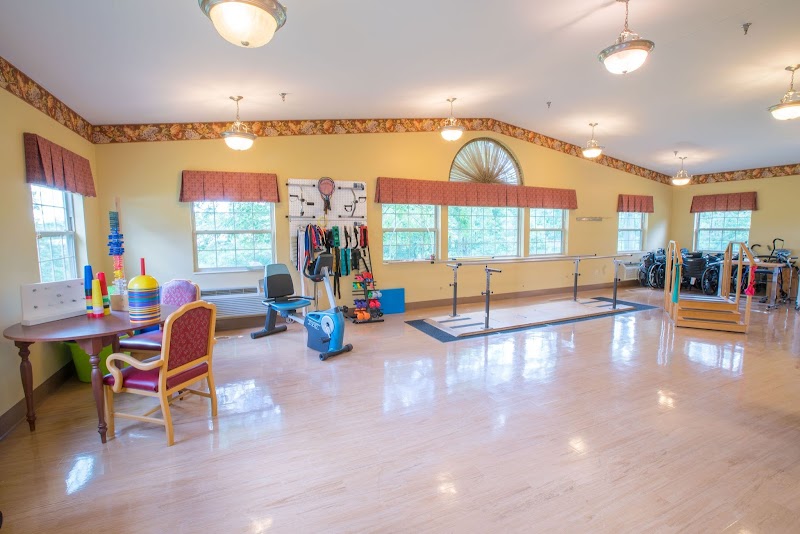
State health inspectors documented 16 deficiencies at CLAYMONT HEALTH AND REHABILITATION during 2021 to 2024. These included: 16 with potential for harm.
Who Owns and Operates Claymont?

CLAYMONT HEALTH AND REHABILITATION is owned by a for-profit company. For-profit facilities operate as businesses with obligations to shareholders or private owners. The facility is operated by FOUNDATIONS HEALTH SOLUTIONS, a chain that manages multiple nursing homes. With 55 certified beds and approximately 53 residents (about 96% occupancy), it is a smaller facility located in UHRICHSVILLE, Ohio.
How Does Claymont Compare to Other Ohio Nursing Homes?

Compared to the 100 nursing homes in Ohio, CLAYMONT HEALTH AND REHABILITATION's overall rating (5 stars) is above the state average of 3.2, staff turnover (46%) is near the state average of 46%, and health inspection rating (4 stars) is above the national benchmark.

What Should Families Ask When Visiting Claymont?

Based on this facility's data, families visiting should ask: "Can you walk me through typical staffing levels on day, evening, and night shifts?" "Can I visit during a mealtime to observe dining assistance and food quality?" "How do you handle medical emergencies, and what is your hospital transfer rate?" "Can I speak with family members of current residents about their experience?" These questions are particularly relevant given the below-average staffing rating.

Is Claymont Safe?

Based on CMS inspection data, CLAYMONT HEALTH AND REHABILITATION has a clean safety record: no substantiated abuse findings (meaning no confirmed cases of resident harm), no Immediate Jeopardy citations (the most serious violation level indicating risk of serious injury or death), and is not on the Special Focus Facility watch list (a federal program monitoring the lowest-performing 1% of nursing homes). The facility has a 5-star overall rating and ranks #1 of 100 nursing homes in Ohio. While no facility is perfect, families should still ask about staff-to-resident ratios and recent inspection results during their visit.

Do Nurses at Claymont Stick Around?

CLAYMONT HEALTH AND REHABILITATION has a staff turnover rate of 46%, which is about average for Ohio nursing homes (state average: 46%). Moderate turnover is common in nursing homes, but families should still ask about staff tenure and how the facility maintains care continuity when employees leave.

Was Claymont Ever Fined?

CLAYMONT HEALTH AND REHABILITATION has no federal fines on record. CMS issues fines when nursing homes fail to meet care standards or don't correct problems found during inspections. The absence of fines suggests the facility has either maintained compliance or corrected any issues before penalties were assessed. This is a positive indicator, though families should still review recent inspection reports for the full picture.

Is Claymont on Any Federal Watch List?

CLAYMONT HEALTH AND REHABILITATION is not on any federal watch list. The most significant is the Special Focus Facility (SFF) program, which identifies the bottom 1% of nursing homes nationally based on persistent, serious quality problems. Not being on this list means the facility has avoided the pattern of deficiencies that triggers enhanced federal oversight. This is a positive indicator, though families should still review the facility's inspection history directly.