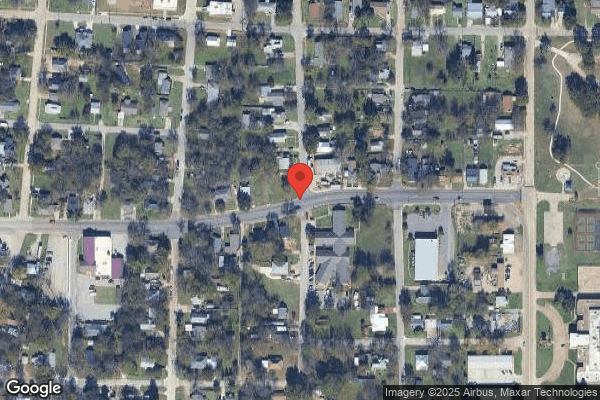
LAKELAND MANOR, INC

604 LAKE MURRAY DRIVE, ARDMORE, OK 73401 (580) 223-4501
For profit - Corporation 62 Beds Independent Data: November 2025
Trust Grade
63/100
#60 of 282 in OK
Last Inspection: February 2025

Within standard 12-15 month inspection cycle. Federal law requires annual inspections.

Overview

Lakeland Manor, Inc. has a Trust Grade of C+, indicating it is slightly above average but still has room for improvement. It ranks #60 out of 282 facilities in Oklahoma, placing it in the top half, and #3 out of 4 in Carter County, meaning there is only one nearby option that is better. The facility is currently improving, having reduced its issues from three in 2024 to two in 2025. Staffing is a concern with a rating of 2 out of 5 stars and a high turnover rate of 84%, significantly above the state average of 55%. There are also $17,063 in fines, higher than 76% of Oklahoma facilities, suggesting ongoing compliance issues. On the positive side, the facility provides average RN coverage, which is important for monitoring residents’ health. However, there have been serious incidents that raise concerns. For example, food was served at an unsafe temperature, risking burns for a resident, and there was a failure to fully investigate an allegation of abuse involving another resident. Additionally, after a resident experienced a fall, there was no documentation that their physician or family was notified, which is critical for ensuring proper care. Overall, while there are strengths in certain areas, families should be cautious and consider these weaknesses when choosing a nursing home.

Trust Score
C+
63/100
In Oklahoma
#60/282
Top 21%
Safety Record
Moderate
Needs review
Inspections
Getting Better
3 → 2 violations
Staff Stability
⚠ Watch
84% turnover. Very high, 36 points above average. Constant new faces learning your loved one's needs.
Penalties
✓ Good
$17,063 in fines. Lower than most Oklahoma facilities. Relatively clean record.
Skilled Nurses
⚠ Watch
Each resident gets only 20 minutes of Registered Nurse (RN) attention daily — below average for Oklahoma. Fewer RN minutes means fewer trained eyes watching for problems.
Violations
○ Average
10 deficiencies on record. Average for a facility this size. Mostly minor or procedural issues.
★★★★☆
4.0
Overall Rating
★★☆☆☆
2.0
Staff Levels
★★☆☆☆
2.0
Care Quality
★★★★☆
4.0
Inspection Score
Stable
2024: 3 issues
2025: 2 issues

The Good

  • Full Sprinkler Coverage · Fire safety systems throughout facility
  • No fines on record

Facility shows strength in fire safety.

The Bad

Staff Turnover: 84%

38pts above Oklahoma avg (46%)

Frequent staff changes - ask about care continuity

Federal Fines: $17,063

Below median ($33,413)

Minor penalties assessed

Staff turnover is very high (84%)

36 points above Oklahoma average of 48%

The Ugly 10 deficiencies on record

1 actual harm
Feb 2025 2 deficiencies 1 Harm
SERIOUS (G) 📢 Someone Reported This

A family member, employee, or ombudsman was alarmed enough to file a formal complaint

Actual Harm - a resident was hurt due to facility failures

Deficiency F0804 (Tag F0804)

A resident was harmed · This affected 1 resident

Based on observation, record review, and interview, the facility failed to ensure food was served at a safe temperature to prevent a burn for 1 (#10) of 1 resident sampled for food related burns. The...

Read full inspector narrative →
Based on observation, record review, and interview, the facility failed to ensure food was served at a safe temperature to prevent a burn for 1 (#10) of 1 resident sampled for food related burns. The DON reported 51 residents received food from the facility kitchen. Findings: On 02/25/25 at 12:09 p.m., Resident #10 was observed sitting in the dining room eating lunch. The resident was observed to eat independently with set-up supervision. An Assistance with Meals policy, dated July 2017, read in part, Residents shall receive assistance with meals in a manner that meets the individual needs of each resident .Residents who cannot feed themselves will be fed with attention to safety, comfort and dignity. A Hospitality Aide Qualifications and Training Requirements policy, dated May 2019, read in part, Hospitality aides must undergo a state-approved training program .Applicants who meet the qualifications for a hospitality aide and are in training will have a minimum of 16 hours of training in the following areas prior to direct contact with residents .Assisting with eating and hydration .Proper feeding techniques. Resident #10 had diagnoses which included encephalopathy, chronic obstructive pulmonary disease, atrial fibrillation, protein-calorie malnutrition, dysphagia, and adult failure to thrive. An minimum data set admission assessment, dated 01/11/25, showed the resident was moderately cognitively impaired. The assessment showed the resident required supervision with eating. An incident progress note, dated 01/11/25 at 10:00 a.m., showed CNA #1 reported to LPN #1 they entered Resident #10's room to assist with feeding the resident. CNA #1 reported they observed another unidentified aide feeding the resident oatmeal with a spoon and steam was observed coming off the oatmeal. CNA #1 reported they attempted to stop the aide from feeding the resident the hot oatmeal but it was too late and the resident already had it in their mouth. CNA #1 reported the resident made a crying noise and was visibly in pain. The note documented LPN #1 went in and observed the resident sitting in bed with blankets up to their mouth. The resident was hesitant for the nurse to look in their mouth but after a few moments opened their mouth and the nurse noted two white blisters on the top of the resident's mouth. The note showed LPN #1 reported the incident to the resident's nurse, LPN #2, and the DON. The note showed LPN #1 provided education to the unidentified aide on proper feeding techniques and safety protocol. A progress note, dated 01/11/25 at 10:24 a.m., showed Resident #10's physician was notified of the incident which caused two white blisters in the back, soft portion of the resident's oral cavity. The note showed the resident's family member was notified concerning the incident during which the resident had a bite of oatmeal that was too hot, causing blisters in the back of their oral cavity. An incident report to the Oklahoma State Department of Health, dated 01/11/25, showed an incident in which an unidentified aide was feeding Resident #10 hot oatmeal and caused two blisters in the resident's mouth. The report showed CNA #1 saw the other aide starting to put a steaming spoon of oatmeal in the resident's mouth and could not stop them before it was in the resident's mouth. The report showed the nurse assessed the resident and found two white blisters in the resident's mouth. An All Nursing Staff in-service training, dated 01/11/25, showed the DON gave an in-service over hot foods and liquids. The in-service sign-in sheets included kitchen staff. A care plan for Resident #10, dated 01/14/25, showed the resident had a potential for nutritional problems related to adult failure to thrive and protein calorie malnutrition. The care plan showed the resident required a mechanical soft diet. On 02/25/25 at 4:22 p.m., CNA #1 was interviewed regarding the incident with Resident #10. CNA #1 reported they heard the resident holler and when they walked into the room to see what was wrong, they could see steam coming off the oatmeal another aide was feeding the resident. CNA #1 reported they did not know the other aide's name. CNA #1 stated they did not know how the oatmeal stayed so hot from the kitchen to the resident's room and did not know if the oatmeal had been reheated. On 02/25/25 at 4:30 p.m., CNA #1 reported they could not remember who the aide was that was observed feeding Resident #10. CNA #1 reported the DON immediately gave a detailed in-service following the incident. On 02/26/25 at 11:06 a.m., the DON provided the employee file for aide #1, and reported this was the aide who was feeding Resident #10 when they got burned. The DON reported the aide no longer worked in the facility. A copy of the aide's Long Term Aide certification showed the certification had expired 08/31/17. On 02/26/25 at 11:13 a.m., the BOM reported aide #1 had worked in the facility about a week and a half. The BOM reported the aide came from a sister facility where they had been in the hospitality aide program, and they had planned to have the aide continue the training at this facility. The BOM stated the aide worked for a short period of time and then did not show up one day. On 02/26/25 at 1:14 p.m., CNA #2 reported any aide that was not certified was used as a hospitality aide while waiting to go through CNA training. CNA #2 reported aides in training do not provide direct resident care. On 02/26/25 at 2:15 p.m., CNA #4 reported hospitality aides provide only non-direct care and do not feed residents. On 02/26/25 at 2:23 p.m., CNA #3 reported they had worked at the facility a little over 2 weeks. The CNA reported they had not been in-serviced on hot liquids/hot foods. CNA #3 was asked if they went through an orientation period and stated, no, they went straight to the floor. On 02/26/25 at 2:36 p.m., Resident #10's physician reported they saw the resident a few days after the incident when the resident was burned. The incident happened on 01/11/25 and the physician saw the resident on 01/15/25. The physician reported they saw no blisters or redness in the resident's mouth at that time. On 02/26/25 at 3:06 p.m., the DM reported they were not aware of an incident with Resident #10 in which the resident was burned from hot oatmeal. The DM reported if they send something out of the kitchen they temp it beforehand. On 02/26/25 at 4:43 p.m., the BOM reported it was their understanding, after talking to OSDH, that nurse aides in training were the same as a hospitality aide in what they can and cannot do. The BOM stated basically they should be shadowing a CNA and not providing direct care to residents. On 02/27/25 at 9:58 a.m., LPN #1 was interviewed by phone. LPN #1 reported they had worked at the facility as needed and was no longer working at the facility. LPN #1 reported they did not think they were working Resident #10's hall at the time of the incident, but responded when the aide asked for help. LPN #1 reported it took them a few minutes to calm the resident, but was eventually able to coax the resident to open their mouth. LPN #1 reported the blisters were easily seen when the resident opened their mouth. LPN #1 stated they reported the information to LPN #2 since they were the charge nurse for that hall. On 02/27/25 at 10:38 a.m., LPN #2 was interviewed by phone and reported they were the charge nurse the day of the incident with Resident #10. The LPN reported they returned from lunch and was told the resident's mouth was burned and the physician had been notified. LPN #2 reported LPN #1 told them there were two blisters in the resident's mouth and it might be hard for the resident to eat for awhile, and reported they had left the resident with cool liquids to drink. On 02/27/25 at 11:23 a.m., the DON reported the incident happened on a Saturday and they came to the facility to in-service all staff that same day. The DON was asked if they interviewed the aide who was feeding the resident and they stated, yes, but was not sure if they had any documentation of the interview.
CONCERN (D) 📢 Someone Reported This

A family member, employee, or ombudsman was alarmed enough to file a formal complaint

Potential for Harm - no one hurt, but risky conditions existed

Transfer Notice (Tag F0623)

Could have caused harm · This affected 1 resident

Based on record review and interview, the facility failed to ensure a resident's representative was issued a written discharge form for 1 (#152) of 1 sampled resident reviewed for involuntary discharg...

Read full inspector narrative →
Based on record review and interview, the facility failed to ensure a resident's representative was issued a written discharge form for 1 (#152) of 1 sampled resident reviewed for involuntary discharge. The DON reported 52 residents resided in the facility. Findings: The facility's Transfer or Discharge Notice policy, dated 12/01/16, read in part, A resident, and/or [their] representative, will be given a thirty day advance written notice of an impending transfer or discharge from our facility .Under the following circumstances, the notice will be given as soon as it is practicable but before the transfer or discharge: The safety of individual in the facility endangered .The resident and/or resident representative will be notified in writing. Resident #152 had diagnoses which included chronic obstructive pulmonary disease, diabetes, Alzheimer's dementia, and cognitive communication deficit. Progress notes for Resident #152, dated October through November 2024, showed multiple behaviors in which the resident was aggressive and abusive toward staff members, as well as being disruptive around other residents. A progress note, dated 11/08/24 at 10:08 a.m., showed facility staff spoke with the resident's family to discuss the resident's behaviors and possible plans moving forward. The note showed there was discussion regarding long term facilities which specialized in geri psych services. The note documented a referral was made to another facility at the family's request. A progress note, dated 11/08/24 at 3:20 p.m., showed Resident #152 was found in another resident's room tearing up belongings and yelling. The note showed multiple episodes of outbursts and combativeness. The note showed staff attempted to deescalate the situation and calm the resident without success. The note showed the resident was sent to the hospital for medical clearance and the resident had already been accepted to a behavioral unit once medically cleared. The note showed there had been multiple conversations with the resident's family regarding not being able to keep the resident at this facility and the need to find appropriate placement for the resident. The note showed family would be picking up the resident's belongings and the resident would be going to a geri psych facility better equipped to meet the resident's needs. A progress note, dated 11/20/24 at 11:23 a.m., showed staff members from the hospital/behavior health phoned the facility stating the resident was now ready for discharge and they had been unsuccessful in finding a facility that would accept the resident. The note showed they were informed the family had picked up the resident's belongings and the resident was discharged after belongings had been picked up. It was explained that the facility's last communication with family was that the resident would be transported to [name withheld] when discharged from the hospital. On 02/26/25 at 5:00 p.m., the administrator reported it was an emergency discharge and they believed it was in agreement with the resident's family member that they were taking the resident to another facility after the resident was checked out in the emergency room. The administrator reported the resident was aggressive, even with emergency medical services staff, while on the gurney being transferred. The administrator reported 9-1-1 was called because the resident was ripping down items in a resident's room and being aggressive towards other residents and staff. On 02/27/25 at 1:15 p.m., the ombudsman reported although the discharge was an emergency situation, the administrator should have had the family sign a discharge form when they picked up the resident's belongings.
Aug 2024 1 deficiency
CONCERN (E) 📢 Someone Reported This

A family member, employee, or ombudsman was alarmed enough to file a formal complaint

Potential for Harm - no one hurt, but risky conditions existed

Investigate Abuse (Tag F0610)

Could have caused harm · This affected multiple residents

Based on record review and interview, the facility failed to: a. ensure an allegation of abuse was fully investigated for one (#1); and b. prevent the potential for further abuse while an investigatio...

Read full inspector narrative →
Based on record review and interview, the facility failed to: a. ensure an allegation of abuse was fully investigated for one (#1); and b. prevent the potential for further abuse while an investigation was in progress for one (#1) of three sampled residents reviewed for abuse. The DON identified 47 resided in the facility. Findings: An Abuse Policy, dated 10/01/2020, read in part, Begin taking written statements from the person reporting the allegation or suspicion and any witnessess including staff, family, and/or residents/patients. The policy also read, Assess all residents/patients who may have been affected by the allegation or suspicion of abuse. An Abuse Prevention Program policy, revised 12/2016, read in part, Protect residents during abuse investigations. Resident #1 had diagnoses which included Adult failure to thrive, dementia, heart failure. A care plan dated 6/2024 documented Resident #1 had dementia and required extensive assistance with ADL's. A nurse note dated 07/30/24 at 8:12 a.m. documented CNA #2 stated Resident #1 bit their arm when getting them dressed for breakfast and again at lunch. CNA #2 was moved to a different hall and the physician was called. An Initial Incident Report Form sent to OSDH, for incident date of 7/30/24 documented, CNA (#1) reported that CNA (#2) was being rough with resident while trying to get (them) up and dressed for breakfast. Minutes later CNA (#1) reported (they) were at the nurses station and heard CNA (#2) screaming, (they) went to (Resident #1) room and CNA (#2) stated the resident bit (them) and that (they) was done with her. Resident #1 was found to be scared and appeared to be crying and stated (they) did not want CNA (#2) assisting (them). CNA (#2) was suspended immediately upon Owner/admin hearing of allegations. There were no interviews or statements included from residents or staff in the investigation. On 08/28/24 at 2:30 p.m., Resident # 1 was observed in their room in bed, unable to answer orientation questions and had nonsensical responses to questions. On 08/29/24 at 3:34 p.m., the DON stated they were unable to locate the safe surveys or any statements for the incident on 07/30/24. On 08/29/24 at 4:12 p.m., the DON stated the abuse policy was not followed on the 07/30/24 investigation because no safe surveys were completed. On 08/30/24 at 8:17 a.m., CNA #1 stated that they were aware of an abuse incident that the police were called on not too long ago. They stated it occurred on hall 200 with Resident #1. They stated they heard CNA #2 screaming, saw the resident was crying and upset and telling CNA #2 to stop pulling them. They stated CNA #2 was forcing Resident #1 to get out of bed. CNA #1 stated they stepped in as both the CNA #2 and Resident #1 were upset and CNA #1 tried to relieve CNA #2; who stated, No. CNA #1 stated they went to get the charge nurse then heard a scream and CNA #2 yelled their name. CNA #1 and the charge nurse got there and CNA #2 started cussing, saying the resident bit them, and that they were done with the resident and stormed out of he room. CNA # 1 stated they calmed Resident #1 down as they were shaking and crying. They took over the residents care. The police were called and CNA #2 no longer worked there anymore. On 08/30/24 at 9:37 a.m., the DON stated again they did not have any statements and they should have done safe surveys and stated it was cut and dry that it took 20 minutes as they admitted and were terminated. There were no safe surveys to ensure no other residents were at risk or harmed and there were no interviews conducted to provide a thorough investigation.
Jul 2024 2 deficiencies
CONCERN (D) 📢 Someone Reported This

A family member, employee, or ombudsman was alarmed enough to file a formal complaint

Potential for Harm - no one hurt, but risky conditions existed

Quality of Care (Tag F0684)

Could have caused harm · This affected 1 resident

Based on record review and interview, the facility failed to assess and monitor a resident after an unwitnessed fall for one (#1) of three sampled residents reviewed for accident hazards. The DON ide...

Read full inspector narrative →
Based on record review and interview, the facility failed to assess and monitor a resident after an unwitnessed fall for one (#1) of three sampled residents reviewed for accident hazards. The DON identified 42 residents resided in the facility. Findings: Res #1 had diagnoses which included Alzheimer's disease and psychosis. An annual assessment, dated 05/17/24, documented the resident's cognition was severely impaired. It was documented the resident required supervision or touching assistance with transfers and was independent with walking. An incident note, dated 07/02/24 at 5:28 a.m., documented the aide was going to get Res #1's roommate up. It was documented Res #1 appeared to have fallen going to the restroom. It was documented the resident had a small laceration to their upper left brow area. It was documented the fall was not witnessed by staff. It was documented neurological checks were to be started. There was no documentation neurological checks began at the time of the resident's fall. An incident note, dated 07/02/24 at 5:37 a.m., documented the laceration was over the resident's right brow area and not the left. A health status note, dated 07/02/24 at 7:36 a.m., documented the nurse received report the resident had fallen and had a laceration to their eyebrow. It was documented when the nurse entered the room the resident had significant bleeding from the laceration. It was documented blood was present on the resident's forehead where they had been wiping the blood. It was documented vitals were obtained, the resident's forehead was cleaned, gauze applied over the laceration, wrapped, and taped. There was no documentation the resident was assessed after they had fallen until report had been provided to the oncoming nurse. A neurological flow sheet, initiated 07/02/24, documented neurological checks began at 7:36 a.m. On 07/17/24 at 11:14 a.m., the COO was asked to provide documentation the resident was assessed after they had fallen. On 07/17/24 at 12:51 p.m., Corporate Nurse Consultant #1 stated neurological checks were not started until 7:36 a.m. They stated neurological checks should have been started at the time of the resident's fall. They stated neurological checks were to be conducted every 15 minutes X one hour, every 30 minutes X one hour, every one hour X four hours, then every four hours X 24 hours. On 07/17/24 at 1:09 p.m., Corporate Nurse Consultant #1 stated there was no documentation the resident was assessed by the nurse until 7:36 a.m.
CONCERN (E) 📢 Someone Reported This

A family member, employee, or ombudsman was alarmed enough to file a formal complaint

Potential for Harm - no one hurt, but risky conditions existed

Notification of Changes (Tag F0580)

Could have caused harm · This affected multiple residents

Based on record review and interview, the facility failed to ensure the physician and/or the resident's representative were notified after a change in the resident's condition for one (#1) of three sa...

Read full inspector narrative →
Based on record review and interview, the facility failed to ensure the physician and/or the resident's representative were notified after a change in the resident's condition for one (#1) of three sampled residents reviewed for notification. The DON identified 42 residents resided in the facility. Findings: An Assessing Falls and Their Causes policy, dated 11/23/20, documented to notify the resident's attending physician and family in an appropriate time frame after a fall. Res #1 had diagnoses which included Alzheimer's disease and psychosis. A witnessed fall report, dated 06/25/24, documented the resident was walking and grabbed onto the nurses' station, slid down the wall, and went to the ground. It was documented the resident was assessed and there were no injuries. There was no documentation the resident's representative was notified. An incident note, dated 07/02/24 at 5:28 a.m., documented the aide was going to get Res #1's roommate up. It was documented Res #1 appeared to have fallen going to the restroom. It was documented the resident had a small laceration to their upper left brow area. It was documented the fall was not witnessed by staff. An incident note, dated 07/02/24 at 5:37 a.m., documented the laceration was over the resident's right brow area and not the left. A health status note, dated 07/02/24 at 7:36 a.m., documented the nurse received report the resident had fallen and had a laceration to their eyebrow. It was documented when the nurse entered the room the resident had significant bleeding from the laceration. It was documented blood was present on the resident's forehead where they had been wiping the blood. It was documented vitals were obtained, the resident's forehead was cleaned, gauze applied over the laceration, wrapped, and taped. It was documented the physician and resident's representative was notified. There was no documentation the physician and the resident's representative were notified of the incident until report had been provided to the oncoming nurse. On 07/17/24 at 1:09 p.m., Corporate Nurse Consultant #1 was asked to locate documentation the resident's representative was notified of their fall on 06/25/24. They were asked when was the physician and resident's representative notified of their fall on 07/02/24. They stated they should have been notified at the time of the fall. On 07/17/24 at 1:35 p.m., Corporate Nurse Consultant #1 stated there was no documentation the resident's representative was notified regarding the incident on 06/25/24.
Sept 2022 5 deficiencies
CONCERN (D)

Potential for Harm - no one hurt, but risky conditions existed

Assessment Accuracy (Tag F0641)

Could have caused harm · This affected 1 resident

**NOTE- TERMS IN BRACKETS HAVE BEEN EDITED TO PROTECT CONFIDENTIALITY** Based on observation, record review, and interviewed, the facility failed to ensure assessments accurately reflected the residen...

Read full inspector narrative →
**NOTE- TERMS IN BRACKETS HAVE BEEN EDITED TO PROTECT CONFIDENTIALITY** Based on observation, record review, and interviewed, the facility failed to ensure assessments accurately reflected the resident's use of oxygen for one (#4) of five residents reviewed for therapy. The Resident Census and Conditions of Residents, dated 09-12-22, documented 7 residents received respiratory treatment. Findings: Resident #4 was admitted to the facility on [DATE] with a diagnoses of COPD. A Physician Telephone Order, dated 07/03/21, documented O2 at 2-3 LPM via NC, may remove for ADLs. The resident's MDS Assessment, dated 05/26/22, documented no oxygen therapy. On 09/14/22 at 2:51 p.m., the DON reported .resident #4 had received oxygen since July 2021 but she had failed to transfer the telephone order to the resident's monthly physician orders and treatment administration record. The DON agreed the oxygen therapy was not reflected on the resident's assessment.
CONCERN (D)

Potential for Harm - no one hurt, but risky conditions existed

Comprehensive Care Plan (Tag F0656)

Could have caused harm · This affected 1 resident

**NOTE- TERMS IN BRACKETS HAVE BEEN EDITED TO PROTECT CONFIDENTIALITY** Based on record review, observation, and interview, the facility failed to develop a comprehensive person-centered care plan for...

Read full inspector narrative →
**NOTE- TERMS IN BRACKETS HAVE BEEN EDITED TO PROTECT CONFIDENTIALITY** Based on record review, observation, and interview, the facility failed to develop a comprehensive person-centered care plan for one (#4) of 13 residents whose care plans were reviewed. The Resident Census and Conditions of Residents, dated 09-12-22, documented 39 residents resided in the facility. Findings: Resident #4 was admitted to the facility on [DATE] with a diagnoses of COPD. A Physician Telephone Order, dated 07/03/21, documented O2 at 2-3 LPM via NC, may remove for ADLs. The resident's MDS Assessment, dated 05/26/22, documented the resident's cognition to be intact. The resident's Comprehensive Care Plan was reviewed and contained no documentation related to COPD or oxygen therapy. On 09/12/22 at 2:18 p.m., the resident was observed in her room, up in recliner, and wearing oxygen tubing via NC. On 09/14/22 at 2:51 p.m., the DON reported .resident #4 had received oxygen since July 2021 but she had failed to transfer the telephone order to the resident's monthly physician orders and treatment administration record. The DON agreed the diagnoses of COPD and oxygen therapy should have been added to the resident's care plan.
CONCERN (D)

Potential for Harm - no one hurt, but risky conditions existed

Respiratory Care (Tag F0695)

Could have caused harm · This affected 1 resident

**NOTE- TERMS IN BRACKETS HAVE BEEN EDITED TO PROTECT CONFIDENTIALITY** Based on record review, observation, and interview, the facility failed to ensure: a. oxygen therapy was provided per professio...

Read full inspector narrative →
**NOTE- TERMS IN BRACKETS HAVE BEEN EDITED TO PROTECT CONFIDENTIALITY** Based on record review, observation, and interview, the facility failed to ensure: a. oxygen therapy was provided per professional standards of care for one (#4), and b. oxygen tubing and humidifier bottles were labeled and dated per professional standards of care for two (#4 and #34) of five residents reviewed for respiratory services. The Resident Census and Conditions of Residents, dated 09/12/22, documented, 7 residents received respiratory treatment. Findings: The facility's oxygen administration policy, dated 10/2010, read in parts, .After completing the oxygen setup or adjustment, the following information should be recorded in the resident's medical record .The date and time that the procedure was performed .The name and title of the individual who performed the procedure .The rate of oxygen flow, route and rationale .The frequency and duration of the treatment . Resident #4 was admitted to the facility on [DATE] with a diagnoses of chronic obstructive pulmonary disease. A Physician Telephone Order, dated 07/03/21, documented, O2 at 2-3 LPM via NC, may remove for ADLs. The resident's MDS Assessment, dated 05/26/22, documented, cognition intact, moderate assistance with most ADL's, and no oxygen therapy. The resident's Comprehensive Care Plan, documented, no chronic obstructive pulmonary disease or oxygen therapy. The resident's Treatment Administration Record, reviewed for July 2022, August 2022, and September 2022, contained no documentation related to oxygen therapy. The resident's Monthly Physician Orders, were reviewed for August 2021 through September 2022, documented no orders for oxygen. On 09/12/22 at 2:18 p.m., the resident was observed in her room, up in recliner, and wearing oxygen via NC at 2 LPM. On 09/13/22 at 3:37 p.m., the DON reported the resident #4 had a order written in the hard chart for oxygen, dated 07/03/21, but they had recently switched to electronic medical records on 08/01/22 and the oxygen order did not get added. The DON reported since the physician order for oxygen was not added to the electronic medical record it prevented the task from being added to the resident's treatment administration record. The DON reported oxygen tubing and humidifier bottles are changed by the night shift nurse one time a month, usually on the 7th day of the month. The DON reported the oxygen tubing and humidifier bottle should be labeled with the date it was changed on piece of tape and also documented on the treatment administration record. On 09/13/22 at 3:40 p.m., the DON checked the resident's with this surveyor and verified the tubing and no label present with the date it had been changed and the date written on the humidifier bottle was warn off and not readable. She reported the nurse working the night shift had reported to her that all oxygen tubing and humidifier bottles had been changed this month, but it was not documented on this resident. She reported the nurses knew this resident well and what her order for oxygen was but failed to document it had been monitored. On 09/14/22 at 2:51 p.m., the DON reported .resident #4 had received oxygen since July 2021 but she had failed to transfer the telephone order to the resident's monthly physician orders and causing it to not be put on the the treatment administration record dating back to August 2021, which resulted in no documentation related to oxygen for this resident .An in-service training was conducted last night for all nursing staff related to documenting in the electronic medical record related to oxygen therapy and labeling oxygen tubing and humidifier bottles when changed with a piece of tape. The DON reported labeling the tubing and humidifier with tape with be made part of the facility's oxygen policy. Resident #34 was readmitted to the facility on [DATE] with COVID-19 , congestive heart failure and chronic obstructive pulmonary disease. The resident's Monthly Physician Orders', dated 09/01/22, documented .Change O2 tubing monthly on the 7th .O2 @ 3 LPM per NC continuously maybe off for ADLS. A MDS Assessment,, dated 09/06/22, documented, moderately impaired cognition, totally dependant of staff with most ADLs, and oxygen therapy. On 09/12/22 at 4:00 p.m., the resident was in bed with O2 at 3 LPM via NC. No label with a date was present on the resident's O2 tubing or on the humidifier bottle. On 09/13/22 at 03:40 p.m., the DON checked resident #34's oxygen tubing and humidifier bottle with surveyor and verified it was not labeled with the date it was last changed. The DON reported the residents tubing and the humidifier bottle was last changed when the resident had recovered from COVID-19 and came out of isolation on 09/09/22. The DON reported the oxygen tubing and humidifier bottle should have been labeled with the date it was changed on a piece of tape and also documented on the treatment administration
CONCERN (E)

Potential for Harm - no one hurt, but risky conditions existed

Food Safety (Tag F0812)

Could have caused harm · This affected multiple residents

Based on observation, record review, and interview, the facility failed to store and serve food to ensure food service safety. The Resident Census and Condition of Residents documented a census of 39...

Read full inspector narrative →
Based on observation, record review, and interview, the facility failed to store and serve food to ensure food service safety. The Resident Census and Condition of Residents documented a census of 39 residents. Findings: On 09/12/22 at 9:56 a.m., a tour of the kitchen facility was conducted with the dietary manager (DM). Personal staff items, including an employee's purse and drink, were observed on the preparation counter. The DM reported staff were allowed to store personal items in her office if needed. The DM reported a designated area would be established for storage of personal items. The microwave and toaster were observed to have food debris build-up. The DM reported she did not currently have a cleaning schedule and equipment was cleaned as needed. The food storage area was observed and a bowl, being used as a scoop, remained in the flour bulk container. The DM reported staff had just used the flour that morning and scoops should not be left in the bulk food items. A refrigerator was observed to have a watery liquid in the bottom of the cooler. Eggs in a cardboard carton were observed to be approximately one inch from the watery liquid. A folded towel was observed behind the cardboard carton of eggs and noted to be saturated with liquid. The DM removed the eggs and placed them in a large bowl. The DM reported Administration was aware and a plan in place to repair the refrigerator. On 09/12/22 at 10:30 a.m., the DM unlocked the employee lounge where the ice machine was stored. The ice machine was observed to have white build-up on the lid with water dripping in the ice tray when opened. The ice guard dispenser was observed to have a thick brown, black, and gray slimy residue build-up. The DM reported she thought dietary staff was responsible for cleaning the ice machine but stated she did not know when it was last cleaned. On 09/12/22 at 10:40 a.m., a three-compartment sink was observed with thawing meats submerged in water. Staff reported the meat products were for the evening meal and the following day. No water was observed to be running over the thawing meats. The DM instructed the staff that the water was to be left running while thawing meats. The DM reported the meats had been in the sink full of water approximately an hour before she noticed the water was not running. The meats had not fully thawed and were observed to still be partially frozen. On 09/13/22 9:33 a.m., dietary staff #1 was interviewed regarding handling beverages by touching and gripping the tops of glasses when serving residents. She stated she understood she was improperly handling the glasses and would serve them by holding the bottom of the glass instead of the surface of the drinking rim. On 09/13/22 at 11:01 a.m., the vice president of Clinical Services reported there was no cleaning schedule for the maintenance of the ice machine and a new policy and procedure would be implemented.
CONCERN (E)

Potential for Harm - no one hurt, but risky conditions existed

Infection Control (Tag F0880)

Could have caused harm · This affected multiple residents

Based on observation, record review, and interview, the facility failed to maintain their infection control program. The facility failed to label and date a solution used to sanitize a glucometer for ...

Read full inspector narrative →
Based on observation, record review, and interview, the facility failed to maintain their infection control program. The facility failed to label and date a solution used to sanitize a glucometer for one (#25) of one sampled resident for finger stick blood sugar (FSBS) monitoring. The DON identified eight residents who required FSBS monitoring. Findings: A policy titled, Finger Stick Blood Sampling, not dated, read in parts, .It is the policy of this facility to use lancets to obtain finger stick blood samples in a safe manner for residents and staff .Procedure .Clean the Glucometer with germicidal wipes/or bleach/h2o solution diluted with a 1 to 10 ratio before initial use, after final use and between each resident following manufacturer recommendations . A Physician Order, for resident (Res) #25, dated 08/20/22, read in parts, .check finger stick AC & HS before meals and at bedtime for DM (Diabetes Mellitus) . On 09/14/22 at 11:30 a.m., LPN #1 was observed to perform a FSBS for Res #25. LPN #1 was asked if the glucometer was shared between residents and she stated, yes. After the FSBS was performed, and before cleaning the glucometer, the LPN removed a bottle from the treatment cart, labeled shampoo and body wash apple strawberry. The LPN was observed to smell the contents of the bottle and stated she was checking to see if it was bleach. She reported the solution should be 10% bleach water. The LPN was asked if she mixed the solution and she stated, yes, we do. She was asked how the solution was mixed and the LPN stated, I always have to ask. On 09/14/22 at 1:30 p.m., the DON was asked about the facility's policy for sanitizing the glucometer. The DON reported they used a 1:10 bleach solution or germicidal wipes. The DON confirmed the same glucometer was shared between residents. On 09/14/22 at 1:30 p.m., the DON was asked if she was aware the cleaning solution was mixed in a shampoo and bodywash bottle on the treatment cart. She reported the facility previously used a spray bottle with an appropriate label and date to indicate when the solution was mixed. The DON removed the shampoo and bodywash bottle from the treatment cart and stated, it needs a label. The DON reported staff were expected to mix the solution daily, label the bottle, and date it appropriately.
Understanding Severity Codes (click to expand)
Life-Threatening (Immediate Jeopardy)
J - Isolated K - Pattern L - Widespread
Actual Harm
G - Isolated H - Pattern I - Widespread
Potential for Harm
D - Isolated E - Pattern F - Widespread
No Harm (Minor)
A - Isolated B - Pattern C - Widespread

Questions to Ask on Your Visit

  • "Why is there high staff turnover? How do you retain staff?"
  • "Can I speak with families of current residents?"
  • "What's your RN coverage like on weekends and overnight?"

Our Honest Assessment

Strengths
  • • Licensed and certified facility. Meets minimum state requirements.
Concerns
  • • 10 deficiencies on record, including 1 serious (caused harm) violation. Ask about corrective actions taken.
  • • $17,063 in fines. Above average for Oklahoma. Some compliance problems on record.
  • • 84% turnover. Very high, 36 points above average. Constant new faces learning your loved one's needs.
Bottom line: Mixed indicators with Trust Score of 63/100. Visit in person and ask pointed questions.

About This Facility

What is Lakeland Manor, Inc's CMS Rating?

CMS assigns LAKELAND MANOR, INC an overall rating of 4 out of 5 stars, which is considered above average nationally. Within Oklahoma, this rating places the facility higher than 99% of the state's 100 nursing homes. This rating reflects solid performance across the metrics CMS uses to evaluate nursing home quality.

How is Lakeland Manor, Inc Staffed?

CMS rates LAKELAND MANOR, INC's staffing level at 2 out of 5 stars, which is below average compared to other nursing homes. Staff turnover is 84%, which is 38 percentage points above the Oklahoma average of 46%. High turnover can affect care consistency as new staff learn residents' individual needs. RN turnover specifically is 86%, which is notably high. RNs provide skilled clinical oversight, so turnover in this role can affect medical care quality.

What Have Inspectors Found at Lakeland Manor, Inc?

State health inspectors documented 10 deficiencies at LAKELAND MANOR, INC during 2022 to 2025. These included: 1 that caused actual resident harm and 9 with potential for harm. Deficiencies causing actual harm indicate documented cases where residents experienced negative health consequences.

Who Owns and Operates Lakeland Manor, Inc?

LAKELAND MANOR, INC is owned by a for-profit company. For-profit facilities operate as businesses with obligations to shareholders or private owners. The facility operates independently rather than as part of a larger chain. With 62 certified beds and approximately 47 residents (about 76% occupancy), it is a smaller facility located in ARDMORE, Oklahoma.

How Does Lakeland Manor, Inc Compare to Other Oklahoma Nursing Homes?

Compared to the 100 nursing homes in Oklahoma, LAKELAND MANOR, INC's overall rating (4 stars) is above the state average of 2.6, staff turnover (84%) is significantly higher than the state average of 46%, and health inspection rating (4 stars) is above the national benchmark.

What Should Families Ask When Visiting Lakeland Manor, Inc?

Based on this facility's data, families visiting should ask: "How do you ensure continuity of care given staff turnover, and what is your staff retention strategy?" "Can you walk me through typical staffing levels on day, evening, and night shifts?" "Can I visit during a mealtime to observe dining assistance and food quality?" "How do you handle medical emergencies, and what is your hospital transfer rate?" These questions are particularly relevant given the facility's high staff turnover rate and the below-average staffing rating.

Is Lakeland Manor, Inc Safe?

Based on CMS inspection data, LAKELAND MANOR, INC has a clean safety record: no substantiated abuse findings (meaning no confirmed cases of resident harm), no Immediate Jeopardy citations (the most serious violation level indicating risk of serious injury or death), and is not on the Special Focus Facility watch list (a federal program monitoring the lowest-performing 1% of nursing homes). The facility has a 4-star overall rating and ranks #1 of 100 nursing homes in Oklahoma. While no facility is perfect, families should still ask about staff-to-resident ratios and recent inspection results during their visit.

Do Nurses at Lakeland Manor, Inc Stick Around?

Staff turnover at LAKELAND MANOR, INC is high. At 84%, the facility is 38 percentage points above the Oklahoma average of 46%. Registered Nurse turnover is particularly concerning at 86%. RNs handle complex medical decisions and coordinate care — frequent RN changes can directly impact care quality. High turnover means new staff may not know residents' individual needs, medications, or preferences. It can also be disorienting for residents, especially those with dementia who rely on familiar faces. Families should ask: What is causing the turnover? What retention programs are in place? How do you ensure care continuity during staff transitions?

Was Lakeland Manor, Inc Ever Fined?

LAKELAND MANOR, INC has been fined $17,063 across 2 penalty actions. This is below the Oklahoma average of $33,250. While any fine indicates a compliance issue, fines under $50,000 are relatively common and typically reflect isolated problems that were subsequently corrected. Families should ask what specific issues led to these fines and confirm they've been resolved.

Is Lakeland Manor, Inc on Any Federal Watch List?

LAKELAND MANOR, INC is not on any federal watch list. The most significant is the Special Focus Facility (SFF) program, which identifies the bottom 1% of nursing homes nationally based on persistent, serious quality problems. Not being on this list means the facility has avoided the pattern of deficiencies that triggers enhanced federal oversight. This is a positive indicator, though families should still review the facility's inspection history directly.