SOUTHBROOK HEALTHCARE, INC
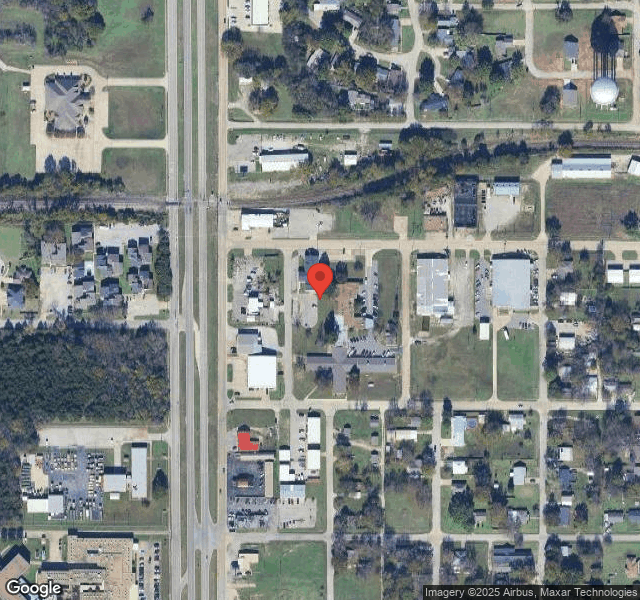
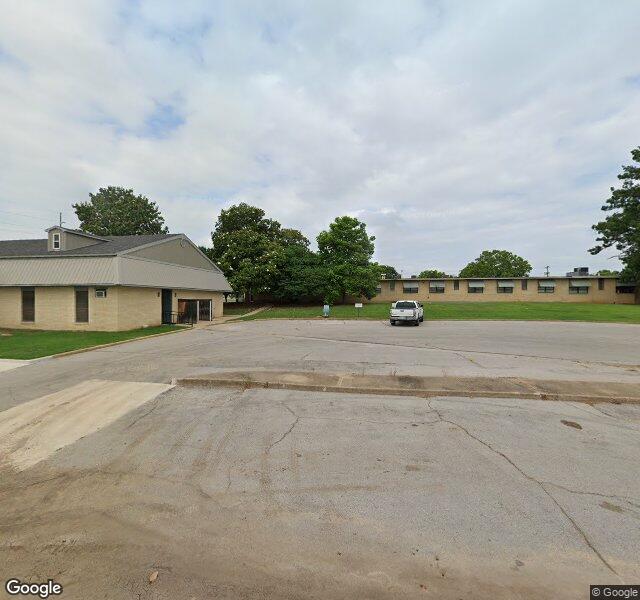
832 ISABEL SOUTHWEST, ARDMORE, OK 73401 (580) 223-5901
For profit - Corporation 114 Beds ELMBROOK MANAGEMENT COMPANY Data: November 2025
Trust Grade
90/100
#27 of 282 in OK
Last Inspection: January 2025

Within standard 12-15 month inspection cycle. Federal law requires annual inspections.

Overview

Southbrook Healthcare, Inc. in Ardmore, Oklahoma has an impressive Trust Grade of A, indicating it is highly recommended and provides excellent care. Ranking #27 out of 282 facilities in the state places it in the top half, and it is the best option among four local homes in Carter County. The facility's performance is stable, showing consistent results with only one issue reported in both 2024 and 2025. Staffing is a strong point, rated 5 out of 5 stars with a 35% turnover rate, which is significantly lower than the state average, and there is more RN coverage than 99% of Oklahoma facilities, ensuring better oversight of resident care. However, there are some concerns, such as staff failing to perform hand hygiene while serving meals, and not following physician orders for wound care, resulting in hospital admissions for some residents. Additionally, broken floor tiles were noted, impacting the home's overall appearance and comfort. Overall, while there are a few weaknesses, Southbrook Healthcare maintains a strong reputation for quality care.

Trust Score
A
90/100
In Oklahoma
#27/282
Top 9%
Safety Record
Low Risk
No red flags
Inspections
Holding Steady
1 → 1 violations
Staff Stability
○ Average
35% turnover. Near Oklahoma's 48% average. Typical for the industry.
Penalties
✓ Good
No fines on record. Clean compliance history, better than most Oklahoma facilities.
Skilled Nurses
○ Average
Each resident gets 41 minutes of Registered Nurse (RN) attention daily — about average for Oklahoma. RNs are the most trained staff who monitor for health changes.
Violations
○ Average
10 deficiencies on record. Average for a facility this size. Mostly minor or procedural issues.
★★★★★
5.0
Overall Rating
★★★★★
5.0
Staff Levels
★★★★☆
4.0
Care Quality
★★★★★
5.0
Inspection Score
Stable
2024: 1 issues
2025: 1 issues

The Good

  • 5-Star Staffing Rating · Excellent nurse staffing levels
  • 4-Star Quality Measures · Strong clinical quality outcomes
  • Full Sprinkler Coverage · Fire safety systems throughout facility
  • No fines on record
  • Staff turnover below average (35%)

    13 points below Oklahoma average of 48%

Facility shows strength in staffing levels, quality measures, fire safety.

The Bad

Staff Turnover: 35%

11pts below Oklahoma avg (46%)

Typical for the industry

Chain: ELMBROOK MANAGEMENT COMPANY

Part of a multi-facility chain

Ask about local staffing decisions and management

The Ugly 10 deficiencies on record

Jan 2025 1 deficiency
CONCERN (D)

Potential for Harm - no one hurt, but risky conditions existed

Deficiency F0554 (Tag F0554)

Could have caused harm · This affected 1 resident

**NOTE- TERMS IN BRACKETS HAVE BEEN EDITED TO PROTECT CONFIDENTIALITY** Based on observation, record review, and interview, the facility failed to obtain physician orders and evaluate one (#18) of one...

Read full inspector narrative →
**NOTE- TERMS IN BRACKETS HAVE BEEN EDITED TO PROTECT CONFIDENTIALITY** Based on observation, record review, and interview, the facility failed to obtain physician orders and evaluate one (#18) of one sampled resident reviewed for self-administration of medications. Findings: The DON/RN identified 63 residents resided in the facility. An Administering Medications policy, dated [DATE], read in part, Medications are administered in a safe and timely manner, and as prescribed. The policy also read, Residents may self-administer their own medications if the Attending Physician, in conjunction with the Interdisciplinary Care Planning Team, has determined that they have the decision-making capacity to do so safely. A physician's order, dated [DATE], documented to apply Lantiseptic ointment to bilateral buttocks every shift. A quarterly assessment, dated [DATE], documented Resident #18 had moderate cognitive impairment and was independent with activities of daily living. A care plan, dated [DATE], documented the resident was at risk for pressure ulcers due to moisture. The plan of care did not include self-administration of medications. On [DATE] at 3:51 p.m., a bottle of clears eyes (expired), nasal spray, and a medication cup with Lantiseptic was observed on Resident #18's bedside table. On [DATE] at 2:26 p.m., a bottle of clear eyes, nasal spray, and a medication cup with Lantiseptic was observed on Resident #18's bedside table. On [DATE] at 8:52 a.m., RN #1 was asked about Resident #18's bedside medications. They reported they did not think the resident had medications at the bedside. They reported the family must have brought the medication into the facility. Resident #18 stated they used the nasal spray only as needed and used the eye drops every morning and every night. On [DATE] at 11:31 a.m., the DON/RN reported they notified the physician to keep the medications at bedside and to monitor it every Thursday.
May 2024 1 deficiency
CONCERN (E) 📢 Someone Reported This

A family member, employee, or ombudsman was alarmed enough to file a formal complaint

Potential for Harm - no one hurt, but risky conditions existed

Quality of Care (Tag F0684)

Could have caused harm · This affected multiple residents

**NOTE- TERMS IN BRACKETS HAVE BEEN EDITED TO PROTECT CONFIDENTIALITY** Based on observation, record review, and interview, the facility failed to follow physician orders for wound care for one (#1) o...

Read full inspector narrative →
**NOTE- TERMS IN BRACKETS HAVE BEEN EDITED TO PROTECT CONFIDENTIALITY** Based on observation, record review, and interview, the facility failed to follow physician orders for wound care for one (#1) of three sampled residents who were reviewed for wound care. Resident #1 was admitted to the hospital for wound dehiscence, cellulitis, and sepsis. The facility reported seven residents in the facility required wound care. The DON reported 61 residents resided in the facility. Findings: The facility's Wound Care policy, dated 10/01/10, read in part, .The purpose of this procedure is to provide guidelines for the care of wounds to promote healing .The following information should be recorded in the resident's medical record: All assessment data (i.e., wound bed color, size, drainage, etc.) obtained when inspecting the wound . Resident #1 had diagnoses which included diabetes mellitus, atherosclerotic heart disease, and hemiplegia. An admission assessment, dated 03/08/24, documented resident #1's cognition was intact, no behaviors, and was dependent on staff for most activities of daily living. A care plan, dated 04/05/24, read in part, .Surgical incision located to left [error] lower leg related to hematoma .Address c/o pain promptly .Administer medication per physician's orders .Administer wound care per physician's orders .Notify physician of changes in condition .Observe incision site for odor, drainage . A progress note, dated 04/05/24 at 3:45 p.m., documented in part, .readmitted to skilled services status post hospitalization for right lower leg hematoma evacuation .Right lower leg incision covered with a dressing and wrapped with large ace wrap as pressure dressing applied today at the hospital. It is clean, dry, and intact . A physician order, dated 04/05/24, documented, Triad wound dressing paste; apply to affected area three times a day; 8:00 a.m., 12:00 p.m., 5:00 p.m.; Diagnoses: nontraumatic hematoma of soft tissue. A progress note, dated 04/06/24 at 6:21 p.m., documented Resident #3 also had a dressing to their right lower extremity from a hematoma that was evacuated at [name removed] during their recent hospitalization. A progress note, dated 04/07/24 at 3:07 a.m., documented in part, .Hydrocodone-acetaminophen 10-325 mg tablet given at 4:33 p.m. for complaints 8 of 10 right leg pain was effective .Has a dressing to her right lower extremity . A physician order, dated 04/07/24, documented to cleanse the wound on left [error] lower leg with normal saline solution and pat dry. Adaptic touch non-adhering dressing to wound bed, cover with 4x4 gauze and wrap with Kerlix. Apply ace bandage to cover. Elevate leg. Once a day 7:00 a.m. - 3:00 p.m. Diagnoses: Nontraumatic hematoma of soft tissue. A progress note, dated 04/08/24 at 2:59 a.m., documented in part, .Upon chart review, dressing to lower [error] left leg from hematoma evacuation is to be hanged daily .Area is to be cleansed with NSS, pat dry, apply adaptic touch dressing to wound bed, cover with 4x4 gauze, wrap with Kerlix and cover with ace bandage .Leg is to be elevated when possible .Dressing changed this morning .Stitches still in place .Res has small areas of fluid retention under the skin .Moderate amount of serous drainage noted .Res stated that she was having pain the area .PRN Norco given and was effective . A progress note, dated 04/08/24, documented in part, .at 10:12 a.m.I came into room to get bandage off of right lower extremity for a bath .The bandage was stuck to the wound .Applied wound cleaner to soak the bandage .Went to get the resident a pain pill as this was painful .When med aide brought her the pain pill in 2 minutes later, there was a puddle of blood coming out of the right lower extremity .Firm continuous pressure was immediately applied by another nurse .Called Dr. [NAME] and received order to sent to ER to eval and treat .Ambulance called and resident transferred to the hospital . An Administration History report, dated 03/02/24 through 05/02/24, documented the following administration history for wound care: (Cleanse wound on left [error] lower leg with normal saline solution, pat dry. Adaptic touch non-adhering dressing to wound bed, cover with 4x4 gauze and wrap with Kerlix. Apply ace bandage to cover. Elevate leg. Once a day 7:00 a.m. - 3:00 p.m. Diagnoses: Nontraumatic hematoma of soft tissue.) 04/07/24 at 12:06 p.m., 04/08/24 - missed (sent to hospital). An Administration History report, dated 04/02/24 through 05/02/24, documented the following administration history for triad wound dressing ordered three times a day: 04/06/24 at 8:00 a.m. - missed .04/06/24 at 12:00 p.m. - Late, 04/06/24 at 5:00 p.m. - missed .04/07/24 at 8:00 a.m. - Late. The report contained no documentation of wound care on 04/05/24. The report documented three missed wound care administrations if physician's orders would have been followed. A emergency department report, dated 04/08/24 at 10:30 a.m., documented in part, .presents to the ED with chief complaint of wound check .Patient was sent her for further evaluation of the right lower extremity wound .Physical exam - post surgical changes to lower extremity with dry excoriations moderate amount of cellulitis .The patient is pale .Hemoglobin down to 7.9 from the 8.4 she had at hospital discharge several days ago .Given her hypotension with a recent source of bleeding decision was made to transfer as her until 1 unit packed red blood cells .Blood pressure improved .Blood cultures obtained and antibiotics given .Hospital admission warranted, patient admitted in stable condition . An orthopedic consult, dated 04/08/24 at 1:12 p.m., documented in part, .Right lower extremity: large area of necrotic skin over the anterior leg; fluctuance over the lateral aspect of the leg; leg is TTP; grossly NV intact to the foot .Diagnoses of acute kidney injury, sepsis, and cellulitis .Recommendation if for operative treatment for debridement of the skin on the right leg with irrigation/debridement . A hospital Discharge summary, dated [DATE], documented in part, .Patient was admitted on [DATE] with right lower extremity hematoma status post evacuation that developed wound dehiscence and infection .Patient was treated with broad spectrum antibiotics and underwent excisional debridement on 04/12/24 with orthopedics .Patient was discharged back to [name removed] skilled nursing facility .Discharge instructions: Continue wound vac for an additional 2 weeks .Referred to orthopedic surgery for follow up of cellulitis and wound vac maintenance . A progress note, dated 04/18/24 at 4:35 p.m., documented in part, .Resident readmitted to skilled services status post hospitalization on right lower extremity that developed wound dehiscence and infection and required hospitalization for diagnoses of cellulitis of right lower extremity, wound dehiscence, and bladder mass .Resident was treated with broad spectrum antibiotics and had excisional debridement .Resident has a right lower leg wound vac on at this time due to the dehisced wound . On 05/02/24 at 11:25 a.m., Resident # 1 was observed in bed. The resident reported they had not been getting up for meals or getting physical therapy due to the wound vac to their right leg and it being painful. The resident's right lower extremity was wrapped with ace bandage and had a wound vac present. On 05/03/24 at 11:20 a.m., the DON reported no skin assessments were available in resident #1's medical record from 04/05/24 through 04/08/24. The DON reported no assessment of the right lower extremity wound site was documented until 04/07/24. The DON reported the Triad wound dressing ordered on 04/05/24 for three times a day, should have been for the coccyx. The DON reported the nurse that entered the readmission orders on 04/05/24 should have called to get a clarification order for wound care for the surgical site to the right lower extremity. The DON reported the order should have been checked and the wound site assessed before 04/07/24. The DON reported the resident did not get wound care as it was documented on the physician orders, due to that type of wound would not have Triad ordered three times a day. The DON was asked why wound care was not done on 04/05/24 as scheduled at 5:00 p.m., and the DON reported resident #1 had just left the hospital and they would have done the wound care before discharge, but was unable to provide proof of the time the wound care was last done in the hospital. The DON reported they did not believe the wound dehiscence or cellulitis was caused by Triad not being administered three times a day per the documented physician order. The DON reported the resident had only missed two treatments before the new wound care order was received and started on 04/07/24.
Nov 2023 1 deficiency
CONCERN (D)

Potential for Harm - no one hurt, but risky conditions existed

Laboratory Services (Tag F0770)

Could have caused harm · This affected 1 resident

Based on record review and interview, the facility failed to obtain laboratory tests per physician orders for one (#9) of five sampled residents reviewed for laboratory results. The administrator repo...

Read full inspector narrative →
Based on record review and interview, the facility failed to obtain laboratory tests per physician orders for one (#9) of five sampled residents reviewed for laboratory results. The administrator reported 47 residents resided in the facility. Findings: A Lab and Diagnostic Test Results clinical protocol, revised November 2018, read in part, .When test results are reported to the facility, a nurse will first review the results . Resident #9 was admitted with diagnoses which included cerebrovascular disease, bipolar disorder, autism, diabetes mellitus, and long term use of insulin. A physician order, dated 01/23/23, with a start date of 04/23/23, documented to obtain a hemoglobin A1C and lithium level on the 23rd of January, April, July, and October. On 10/31/23 at 2:07 p.m., the DON reported they did not obtain labs for April or July and was still working on getting October labs. The DON stated they just missed them in April and July. The DON provided an action plan regarding labs. On 10/31/23 at 2:25 p.m., the regional nurse consultant was asked about the lithium levels for April and July and reported they could not find the lab results. The resident's clinical record documented lab results were received on 10/31/23 for the hemoglobin A1C and lithium level. No other labs had been obtained for April or July and no results were documented.
Sept 2022 7 deficiencies
CONCERN (D)

Potential for Harm - no one hurt, but risky conditions existed

Resident Rights (Tag F0550)

Could have caused harm · This affected 1 resident

Based on observation and interview, the facility failed to ensure a dignity bag was utilized on one (#10) of one resident reviewed with an indwelling urinary catheter. The Resident Census and Conditio...

Read full inspector narrative →
Based on observation and interview, the facility failed to ensure a dignity bag was utilized on one (#10) of one resident reviewed with an indwelling urinary catheter. The Resident Census and Conditions of Residents, dated 09/12/22, documented one resident with an indwelling urinary catheter resided in the facility. Findings: Res #10 was admitted to the facility with diagnoses which included urogenital implants, history of urinary tract infection, and neuromuscular dysfunction of the bladder. On 09/13/22 at 8:30 a.m., Res #10 was observed in the dining room with an indwelling urinary catheter without a dignity bag cover. On 09/13/22 at 12:30 p.m., Res #10 was observed lying in their bed with the door open and an indwelling urinary catheter bag was observed without a dignity bag cover. On 09/14/22 at 3:00 p.m., the DON reported there should have been a dignity bag covering the indwelling urinary catheter for Res #10.
CONCERN (D)

Potential for Harm - no one hurt, but risky conditions existed

Assessment Accuracy (Tag F0641)

Could have caused harm · This affected 1 resident

Based on record review and interview, the facility failed to ensure resident assessments were completed accurately for one (#35) of four residents whose assessments were reviewed for accuracy. The Res...

Read full inspector narrative →
Based on record review and interview, the facility failed to ensure resident assessments were completed accurately for one (#35) of four residents whose assessments were reviewed for accuracy. The Resident Census and Conditions of Residents dated, 09/12/22, documented 51 residents resided in the facility. Findings: Res #34 was admitted with diagnoses which included vascular dementia with behavioral disturbance. A Medication Regime Review dated, 11/04/21, documented in part, . on 10/20/21 Duloxetine (an anti-depressant), Trazadone (an anti-depressant), Quetiapine (an antipsychotic) and Buspirone (an anxiolytic) were discontinued and Lexapro (an antidepressant) 20mg daily and Vraylar (an antipsychotic) 3mg daily were started . An admission MDS dated , 10/30/21, did not document a GDR had been attempted. The MDS should have reflected a GDR date of 10/20/21. A quarterly MDS dated , 01/30/22, documented in error a GDR had been attempted on 11/03/21. The MDS should have reflected a GDR date of 10/20/21. A quarterly MDS dated , 05/02/22, did not document a GDR had been attempted. The MDS should have reflected a GDR date of 10/20/21. A quarterly MDS dated , 05/02/22, showed the physician documented a GDR was clinically contraindicated on 11/03/21. There was no documentation in the EHR of a GDR being clinically contraindicated. An Event Report dated, 07/18/22, documented in part, .decrease Vraylar to 1.5mg Q Day . A quarterly MDS dated , 08/02/22, did not document a GDR had been attempted. The MDS should have reflected a GDR date of 07/18/22. A quarterly MDS dated , 08/02/22, showed the physician documented a GDR was clinically contraindicated on 07/18/22. There was no documentation in the EHR of a GDR being clinically contraindicated. On 9/14/22 at 10:25 a.m., the MDS Coordinator reported the MDS was not coded correctly regarding the GDR. On 09/14/22 at 10:45 a.m., the DON reported the GDR should have been coded properly on the MDS.
CONCERN (D)

Potential for Harm - no one hurt, but risky conditions existed

Respiratory Care (Tag F0695)

Could have caused harm · This affected 1 resident

Based on observation, record review, and interview, the facility failed to obtain a physician's order for one (#20) of three residents reviewed for oxygen therapy. On 09/12/22, the DON reported there...

Read full inspector narrative →
Based on observation, record review, and interview, the facility failed to obtain a physician's order for one (#20) of three residents reviewed for oxygen therapy. On 09/12/22, the DON reported there were three residents with oxygen therapy. Findings: Res #20 was admitted with diagnoses which included asthma and chronic obstructive pulmonary disease. A review of Res #20's EHR failed to show a physician's order for oxygen therapy. An admission note, dated 07/07/22, documented in part, . is O2 dependent at 3 lpm via nasal cannula, humidifier in place due to her stating that it felt like the oxygen was burning her nose. A care plan, dated 07/11/22, documented in part, . resident is At Risk for Impaired Respiratory Status AEB: shortness of breath, requires use of O2 per MD orders. A progress note, dated 08/27/22, documented in part, . Resident stated that she had gotten short of breath and panicked while in bathroom, instructed resident not to take off her oxygen when she goes to the restroom or moves about room if she is becoming short of breath like that upon exertion, resident verbalized understanding. A progress note dated 09/12/22 documented in part, . long enough tubing for her to be able to toilet with oxygen on. On 09/12/22 at 10:32 a.m., Res #20 was observed in bed with oxygen at three liters per nasal cannula. On 09/13/22 at 9:59 a.m., Res #20 was observed in bed with oxygen at three liters per nasal cannula. On 09/13/22 at 3:44 p.m., after reviewing Res #20's EHR, the DON reported there were no physician's order for oxygen therapy.
CONCERN (E)

Potential for Harm - no one hurt, but risky conditions existed

Safe Environment (Tag F0584)

Could have caused harm · This affected multiple residents

**NOTE- TERMS IN BRACKETS HAVE BEEN EDITED TO PROTECT CONFIDENTIALITY** Based on observation and interview, the facility failed to provide a home like environment by not maintaining floor tiles. The R...

Read full inspector narrative →
**NOTE- TERMS IN BRACKETS HAVE BEEN EDITED TO PROTECT CONFIDENTIALITY** Based on observation and interview, the facility failed to provide a home like environment by not maintaining floor tiles. The Resident Census and Conditions of Residents, dated 09/12/22, documented a census of 51 residents. Findings: On 09/12/22 at 10:07 a.m., three broken floor tiles were observed in the center hallway. On 09/12/22 at 10:23 a.m., two broken floor tiles were observed in the dining area. On 09/12/22 at 10:32 a.m., four broken floor tiles were observed in resident room [ROOM NUMBER]. On 09/13/22 at 3:29 p.m., the DON reported the broken floor tiles should have been replaced. On 09/13/22 at 3:30 p.m., the administrator reported the broken floor tiles should have been replaced.
CONCERN (E)

Potential for Harm - no one hurt, but risky conditions existed

Deficiency F0761 (Tag F0761)

Could have caused harm · This affected multiple residents

Based on observation and interview, the facility failed to ensure narcotics were stored in a permanently affixed compartment. The Resident Census and Conditions of Residents dated 09/12/22, documented...

Read full inspector narrative →
Based on observation and interview, the facility failed to ensure narcotics were stored in a permanently affixed compartment. The Resident Census and Conditions of Residents dated 09/12/22, documented 51 residents resided in the facility. Findings: On 09/13/22 at 9:00 a.m., in the medication room refrigerator, narcotic medications were in three plastic sealed bags on refrigerator shelves and inner door shelves. The three plastic sealed bags were not in a locked or secured container, the bags contained: a.16 syringes of lorazepam (an anti-anxiety medication) gel b. 45 syringes of morphine (a pain relieving medication) gel c. two vials of diazepam (an anti-anxiety medication) gel. On 09/13/22 at 9:20 a.m., the administrator, DON and Corporate Nurse Consultant #2 were informed that narcotics were not stored within a secure permanently affixed compartment in the medication room refrigerator. They stated they were unaware the narcotics should have been stored in a permanently affixed compartment.
CONCERN (E)

Potential for Harm - no one hurt, but risky conditions existed

Food Safety (Tag F0812)

Could have caused harm · This affected multiple residents

Based on observation and interview, the facility failed to prepare pureed food in a sanitary manner by failing to: a. sanitize blender bowl between each food preparation. b. perform hand hygiene. The ...

Read full inspector narrative →
Based on observation and interview, the facility failed to prepare pureed food in a sanitary manner by failing to: a. sanitize blender bowl between each food preparation. b. perform hand hygiene. The DON reported three residents received pureed diets. Findings: a. On 09/13/22 at 10:45 a.m., cook #2 was observed preparing pureed meals. [NAME] #2 placed beans into the blender bowl. On 09/13/22 at 10:48 a.m., cook #2 was observed to rinse the blender bowl with running water. On 09/13/22 at 10:49 a.m., the blender bowl was observed to contain bean juice. [NAME] #2 proceeded to place okra into the unsanitized blender bowl. On 09/13/22 at 10:53 a.m., cook #2 rinsed the blender bowl with running water and proceeded to place corn bread into the unsanitized blender bowl. [NAME] #1 informed cook #2 the blender bowl should have been sanitized. b. On 09/13/22 at 10:45 a.m., cook #2 was observed preparing pureed meals without performing hand hygiene. On 09/13/22 at 11:02 a.m., cook #2 stated they should have performed hand hygiene prior to meal preparation, between each dish prepared, and anytime hands were soiled. [NAME] #2 also reported the blender bowl should have been sanitized between each use. On 09/13/22 at 11:15 a.m., the DM reported the blender bowl should have been sanitized between each use and hand hygiene should have been performed.
CONCERN (F)

Potential for Harm - no one hurt, but risky conditions existed

Infection Control (Tag F0880)

Could have caused harm · This affected most or all residents

Based on observation and interview, the facility failed to ensure staff performed hand hygiene during the meal pass. The DON reported 49 residents received meals from the kitchen. Findings: On 09/12/2...

Read full inspector narrative →
Based on observation and interview, the facility failed to ensure staff performed hand hygiene during the meal pass. The DON reported 49 residents received meals from the kitchen. Findings: On 09/12/22 at 11:45 a.m., CNA #1 was observed in the front dining room, they re- positioned a resident's wheelchair, touched the resident's hand, and served the resident's meal tray without performing hand hygiene. CNA #1 continued to serve multiple meal trays without performing hand hygeine. On 09/12/22 at 11:55 a.m., CNA #1 stated they should have performed hand hygiene prior to each meal tray being served. On 09/13/22 at 10:37 a.m., the DON stated all employees had been inserviced on hand hygiene and CNA #1 should have performed hand hygiene during meal service.
Understanding Severity Codes (click to expand)
Life-Threatening (Immediate Jeopardy)
J - Isolated K - Pattern L - Widespread
Actual Harm
G - Isolated H - Pattern I - Widespread
Potential for Harm
D - Isolated E - Pattern F - Widespread
No Harm (Minor)
A - Isolated B - Pattern C - Widespread

Questions to Ask on Your Visit

  • "Can I speak with families of current residents?"
  • "What's your RN coverage like on weekends and overnight?"

Our Honest Assessment

Strengths
  • • Grade A (90/100). Above average facility, better than most options in Oklahoma.
  • • No major safety red flags. No abuse findings, life-threatening violations, or SFF status.
  • • No fines on record. Clean compliance history, better than most Oklahoma facilities.
  • • 35% turnover. Below Oklahoma's 48% average. Good staff retention means consistent care.
Concerns
  • • No significant concerns identified. This facility shows no red flags across CMS ratings, staff turnover, or federal penalties.
Bottom line: Generally positive indicators. Standard due diligence and a personal visit recommended.

About This Facility

What is Southbrook Healthcare, Inc's CMS Rating?

CMS assigns SOUTHBROOK HEALTHCARE, INC an overall rating of 5 out of 5 stars, which is considered much above average nationally. Within Oklahoma, this rating places the facility higher than 99% of the state's 100 nursing homes. This rating reflects solid performance across the metrics CMS uses to evaluate nursing home quality.

How is Southbrook Healthcare, Inc Staffed?

CMS rates SOUTHBROOK HEALTHCARE, INC's staffing level at 5 out of 5 stars, which is much above average compared to other nursing homes. Staff turnover is 35%, compared to the Oklahoma average of 46%. This relatively stable workforce can support continuity of care.

What Have Inspectors Found at Southbrook Healthcare, Inc?

State health inspectors documented 10 deficiencies at SOUTHBROOK HEALTHCARE, INC during 2022 to 2025. These included: 10 with potential for harm.

Who Owns and Operates Southbrook Healthcare, Inc?

SOUTHBROOK HEALTHCARE, INC is owned by a for-profit company. For-profit facilities operate as businesses with obligations to shareholders or private owners. The facility is operated by ELMBROOK MANAGEMENT COMPANY, a chain that manages multiple nursing homes. With 114 certified beds and approximately 60 residents (about 53% occupancy), it is a mid-sized facility located in ARDMORE, Oklahoma.

How Does Southbrook Healthcare, Inc Compare to Other Oklahoma Nursing Homes?

Compared to the 100 nursing homes in Oklahoma, SOUTHBROOK HEALTHCARE, INC's overall rating (5 stars) is above the state average of 2.7, staff turnover (35%) is significantly lower than the state average of 46%, and health inspection rating (5 stars) is much above the national benchmark.

What Should Families Ask When Visiting Southbrook Healthcare, Inc?

Based on this facility's data, families visiting should ask: "Can I visit during a mealtime to observe dining assistance and food quality?" "How do you handle medical emergencies, and what is your hospital transfer rate?" "Can I speak with family members of current residents about their experience?"

Is Southbrook Healthcare, Inc Safe?

Based on CMS inspection data, SOUTHBROOK HEALTHCARE, INC has a clean safety record: no substantiated abuse findings (meaning no confirmed cases of resident harm), no Immediate Jeopardy citations (the most serious violation level indicating risk of serious injury or death), and is not on the Special Focus Facility watch list (a federal program monitoring the lowest-performing 1% of nursing homes). The facility has a 5-star overall rating and ranks #1 of 100 nursing homes in Oklahoma. While no facility is perfect, families should still ask about staff-to-resident ratios and recent inspection results during their visit.

Do Nurses at Southbrook Healthcare, Inc Stick Around?

SOUTHBROOK HEALTHCARE, INC has a staff turnover rate of 35%, which is about average for Oklahoma nursing homes (state average: 46%). Moderate turnover is common in nursing homes, but families should still ask about staff tenure and how the facility maintains care continuity when employees leave.

Was Southbrook Healthcare, Inc Ever Fined?

SOUTHBROOK HEALTHCARE, INC has no federal fines on record. CMS issues fines when nursing homes fail to meet care standards or don't correct problems found during inspections. The absence of fines suggests the facility has either maintained compliance or corrected any issues before penalties were assessed. This is a positive indicator, though families should still review recent inspection reports for the full picture.

Is Southbrook Healthcare, Inc on Any Federal Watch List?

SOUTHBROOK HEALTHCARE, INC is not on any federal watch list. The most significant is the Special Focus Facility (SFF) program, which identifies the bottom 1% of nursing homes nationally based on persistent, serious quality problems. Not being on this list means the facility has avoided the pattern of deficiencies that triggers enhanced federal oversight. This is a positive indicator, though families should still review the facility's inspection history directly.