SENIOR VILLAGE HEALTHCARE
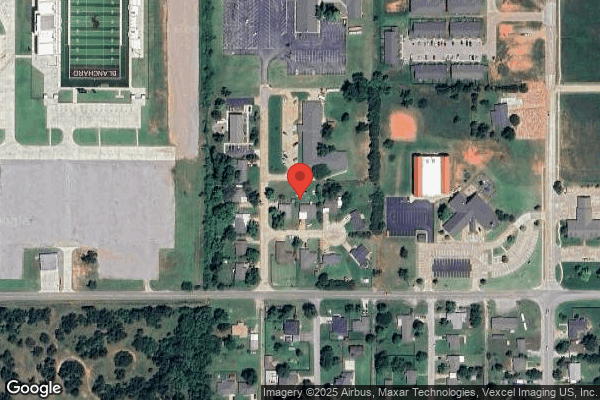

1104 NORTH MADISON, BLANCHARD, OK 73010 (405) 485-3315
For profit - Partnership 50 Beds BRIDGES HEALTH Data: November 2025
Trust Grade
75/100
#69 of 282 in OK
Last Inspection: August 2024

Within standard 12-15 month inspection cycle. Federal law requires annual inspections.

Overview

Senior Village Healthcare in Blanchard, Oklahoma, has a Trust Grade of B, indicating it is a good choice among nursing homes, but not without some concerns. It ranks #69 out of 282 facilities in the state, placing it in the top half, and #1 out of 3 in McClain County, meaning it is the best option locally. The facility is improving, having reduced its issues from 11 in 2022 to 5 in 2024. Staffing is a strength, with a rating of 4 out of 5 stars, a turnover rate of 45% that is lower than the state average, and excellent RN coverage that exceeds 94% of other facilities in Oklahoma. However, there have been some concerning incidents, such as a resident not receiving the correct oxygen settings as per physician orders, three staff members failing to complete required nursing skills assessments since 2022, and a medication error where a resident received another's medication, highlighting areas that need attention. Overall, while the facility shows positive attributes, families should be aware of these weaknesses as they consider their options.

Trust Score
B
75/100
In Oklahoma
#69/282
Top 24%
Safety Record
Low Risk
No red flags
Inspections
Getting Better
11 → 5 violations
Staff Stability
⚠ Watch
45% turnover. Above average. Higher turnover means staff may not know residents' routines.
Penalties
✓ Good
No fines on record. Clean compliance history, better than most Oklahoma facilities.
Skilled Nurses
○ Average
Each resident gets 31 minutes of Registered Nurse (RN) attention daily — about average for Oklahoma. RNs are the most trained staff who monitor for health changes.
Violations
⚠ Watch
16 deficiencies on record. Higher than average. Multiple issues found across inspections.
★★★★☆
4.0
Overall Rating
★★★★☆
4.0
Staff Levels
★★☆☆☆
2.0
Care Quality
★★★★☆
4.0
Inspection Score
Stable
2022: 11 issues
2024: 5 issues

The Good

  • 4-Star Staffing Rating · Above-average nurse staffing levels
  • Full Sprinkler Coverage · Fire safety systems throughout facility
  • No fines on record

Facility shows strength in staffing levels, fire safety.

The Bad

Staff Turnover: 45%

Near Oklahoma avg (46%)

Higher turnover may affect care consistency

Chain: BRIDGES HEALTH

Part of a multi-facility chain

Ask about local staffing decisions and management

The Ugly 16 deficiencies on record

Aug 2024 5 deficiencies
CONCERN (D)

Potential for Harm - no one hurt, but risky conditions existed

PASARR Coordination (Tag F0644)

Could have caused harm · This affected 1 resident

Based on record review and interview, the facility failed to refer a resident with a new mental health diagnosis to OHCA for a PASRR level II evaluation for one (#3) of one sampled residents reviewed ...

Read full inspector narrative →
Based on record review and interview, the facility failed to refer a resident with a new mental health diagnosis to OHCA for a PASRR level II evaluation for one (#3) of one sampled residents reviewed for PASRR. The Administrator reported 44 residents resided in the facility. Findings: Res #3 admitted to the facility with diagnoses of atherosclerotic heart disease, diabetes, dementia, depression, and hypothyroidism. A review of the resident's record documented a PASRR level I was completed on 04/27/23. On 12/26/23, the resident received a new diagnosis of psychosis. The resident's record contained no documentation that OHCA was notified of the new mental health diagnosis. On 08/01/24 at 9:58 a.m., the DON reported that OHCA was not notified of the new mental health diagnosis.
CONCERN (E)

Potential for Harm - no one hurt, but risky conditions existed

Quality of Care (Tag F0684)

Could have caused harm · This affected multiple residents

Based on observation, record review, and interview, the facility failed to ensure physicain's orders were followed as ordered for one (#32) of one resident reviewed for respiratory care. The Administr...

Read full inspector narrative →
Based on observation, record review, and interview, the facility failed to ensure physicain's orders were followed as ordered for one (#32) of one resident reviewed for respiratory care. The Administrator reported 44 residents resided in the facility. Findings: Res #32 admitted to the facility with diagnoses of COPD, depression, and diabetes. A physician's order, dated 06/28/24, documented Oxygen 5 liters via NC if O2 sats are less than 90%. On 07/29/24 at 9:27 a.m., the resident was observed resting in bed with eyes closed. Oxygen settings were observd at 7 L/M with a nasal canula. On 07/30/24 at 12:25 p.m., the resident was observed wearing their oxygen. Oxygen settings were at 7 L/M via NC. On 07/31/24 at 9:32 a.m., the resident was observed sitting in their room watching tv. The resident was observed wearing oxygen with the setting at 7L/M via NC. On 08/01/24 at 10:00 a.m., the DON was made aware of the observations. The DON reported the physician's orders were not being followed.
CONCERN (E)

Potential for Harm - no one hurt, but risky conditions existed

Deficiency F0726 (Tag F0726)

Could have caused harm · This affected multiple residents

Based on record review andinterview, the facility failed to ensure yearly nursing skill and competencies were completed for three (LPN #1, LPN #2, and RN #1) of the seven employees reviewed. The Admin...

Read full inspector narrative →
Based on record review andinterview, the facility failed to ensure yearly nursing skill and competencies were completed for three (LPN #1, LPN #2, and RN #1) of the seven employees reviewed. The Adminstrator reported 44 residents resided in the facility. Findings: On 08/01/24 at 9:21 a.m., the skills and competencies for licensed nurses were reviewed. Three licensed nurse skills review had not been completed for , LPN #1, LPN #2, and RN #1, since 2022. On 08/01/24 at 11:44 a.m., the DON reported she did not realize the yearly skills and competencies had not been completed for the three licensed nurses.
CONCERN (E) 📢 Someone Reported This

A family member, employee, or ombudsman was alarmed enough to file a formal complaint

Potential for Harm - no one hurt, but risky conditions existed

Pharmacy Services (Tag F0755)

Could have caused harm · This affected multiple residents

Based on record review and interview, the facilty failed to follow/implement the Preparation for Medication Administration policy for one (#2) of four sampled residents reviewed for accidents. The Adm...

Read full inspector narrative →
Based on record review and interview, the facilty failed to follow/implement the Preparation for Medication Administration policy for one (#2) of four sampled residents reviewed for accidents. The Administrator reported 44 residents resided in the facility. Findings: Res #2 admitted to the facility with diagnoses of hypertension, diabetes, anxiety, and depression. An Incident Report, dated 04/04/24, documented the resident received another resident's medication. On 07/31/24 at 10:46 a.m., the facility's policy for Preparation for Medication Administration was reviewed. The Preparation for Medication Administration Policy, last revised 12/01/12, documented, Preparation- Prior to administration, the medication and dosage schedule on the resident's MAR is compared with the medication label. Administration- Residents are identified before medication is administered. The medication nurse or certified medication aide will turn to that resident's medication sheet, compare photo with resident and positively identify the resident. Each resident must have a completed Resident Information Sheet or similar form, with their photo attached at the appropriate location on the form. This form is included in the medication administration record and in the treatment administration record. Methods of identification include. - Checking identification band. -Checking photograph attached to medical record. -Calling resident by name. - If necessary, verifying resident identification with other facility personnel. On 08/01/24 at 09:47 a.m., the DON reported the resident wanted to wait on taking their medication so the DON put the resident's medications in the drawer of the medication cart. The DON reported they started getting another residents medications ready and the hospice staff and asked about a chart they couldn't find. The DON reported they put the medication cup of the resident they was working on in the drawer of the medication cart and went to get the chart for hospice. The DON reported when they returned to the medication cart that resident #2 came to the cart and wanted to take their medications at that time. The DON reported they retrieved the medication cup from the cart and administered the resident's medication. The DON reported they realized they had administered the resident the wrong medications by accident. The DON was asked if they had followed the facility policy and if resident #2's medication cup should have been placed in the drawer unlabeled when they refused the medications at the time they went to administer them. They reported no. On 08/01/24 at 10:51 a.m., the corporate nurse reported the DON did not follow the facility's policy
CONCERN (E)

Potential for Harm - no one hurt, but risky conditions existed

Medication Errors (Tag F0758)

Could have caused harm · This affected multiple residents

Based on record review and interview, the facility failed to ensure a PRN order for an antianxiety had a 14 day stop date for one (#3) of five sampled residents reviewed for unnecessary medications. T...

Read full inspector narrative →
Based on record review and interview, the facility failed to ensure a PRN order for an antianxiety had a 14 day stop date for one (#3) of five sampled residents reviewed for unnecessary medications. The Administrator reported 44 residents resided in the facility. Findings: Res #3 admitted to the facility with diagnoses of dementia in other diseases with mild anxiety. A physician's order, dated 6/24/24, documented, Lorazepam Oral Concentrate 2 MG/ML (Lorazepam) *Controlled Drug* Give 0.25 ml by mouth every 2 hours as needed for ANXIETY/RESTLESSNESS, no stop date provided on the order. A Medication Regimen Review, dated 1/18/24, documented a request for physician to add a stop date. The physician signed the request with no response documented and no stop date was added to the Lorazepam. On 08/01/24 at 9:56 a.m., the DON reported the medication should have had a stop date added.
Apr 2022 11 deficiencies
CONCERN (D)

Potential for Harm - no one hurt, but risky conditions existed

Deficiency F0637 (Tag F0637)

Could have caused harm · This affected 1 resident

Based on record review, observation, and interview, the facility failed to conduct a significant change assessment after a decline in two or more areas for one (#28) of eleven sampled residents whose ...

Read full inspector narrative →
Based on record review, observation, and interview, the facility failed to conduct a significant change assessment after a decline in two or more areas for one (#28) of eleven sampled residents whose MDS assessments were reviewed. The ''Resident Census and Conditions of Residents report documented 39 residents resided in the facility. Findings: Res #28's quarterly MDS assessment, dated 12/15/21, documented the resident walked with limited assistance, was frequently incontinent, weighed 214 lbs, was not on a physician prescribed weight loss program. The assessment documented the resident had no wounds, no pain, and no pain medication administered. A quarterly MDS assessment, dated 04/01/22, documented the resident did not walk, was always incontinent, weighed 159 lbs, had a significant weight loss, was not on a physician prescribed weight loss program. The assessment documented the resident had a surgical wound, occasional moderate pain, and received opioid medication seven days of seven day look-back period. On 04/26/22 at 10:36 a.m., the MDS coordinator stated the resident should have had a significant change assessment completed related to the decline in walking, incontinence, and weight loss.
CONCERN (D)

Potential for Harm - no one hurt, but risky conditions existed

Assessment Accuracy (Tag F0641)

Could have caused harm · This affected 1 resident

Based on record review and interview, the facility failed to accurately assess a resident's status related to anticoagulant use for one (#28) of five sampled residents whose medications were reviewed....

Read full inspector narrative →
Based on record review and interview, the facility failed to accurately assess a resident's status related to anticoagulant use for one (#28) of five sampled residents whose medications were reviewed. The administrator identified four residents who received anticoagulant medication. Findings: Res #28's quarterly MDS assessment, dated 04/01/22, documented the resident had a surgical wound and received an anticoagulant one time during the seven day look-back period. A physician order, dated 03/26/22, documented to administer Xarelto (an anticoagulant medication) 10 mg one time a day for a diagnosis of atrial fibrillation. The March and April 2022 MARs documented the resident received Xarelto six days of the seven day look-back period. On 04/26/22 at 10:38 a.m., the MDS coordinator stated the MDS should have read the resident received an anticoagulant six times instead of one.
CONCERN (D)

Potential for Harm - no one hurt, but risky conditions existed

PASARR Coordination (Tag F0644)

Could have caused harm · This affected 1 resident

**NOTE- TERMS IN BRACKETS HAVE BEEN EDITED TO PROTECT CONFIDENTIALITY** Based on record review and interview, the facility failed to reevaluate for preadmission screening and resident review (PASRR) l...

Read full inspector narrative →
**NOTE- TERMS IN BRACKETS HAVE BEEN EDITED TO PROTECT CONFIDENTIALITY** Based on record review and interview, the facility failed to reevaluate for preadmission screening and resident review (PASRR) level I after a change in mental health diagnosis for one (#11) of two residents reviewed for PASRR services. The Census and Conditions of Residents form documented 39 residents lived in the facility. Findings: 1. Res #11 was admitted to the facility on [DATE] with diagnoses which included chronic pain syndrome, unspecified convulsions, and major depressive disorder single episode. A PASRR I assessment, dated 11/09/17, documented No to all questions regarding the resident having a serious mental illness. A PASRR I assessment, undated, documented No to all questions regarding the resident having a serious mental illness. The EHR documented Res #11 received a new diagnosis of bipolar disorder on 07/31/18. The EHR documented Res #11 received a new diagnosis of generalized anxiety disorder on 07/25/19. The medical record revealed no documentation the OHCA was notified of the new diagnoses. The resident currently takes Abilify (an antipsychotic medication) for bipolar disorder; Lexapro (an antidepressant medication) daily for major depression single episode; and buspirone and clonazepam (antianxiety medication) for anxiety. On 04/21/22 at 10:30 a.m., the administrator stated they have been completing the PASRR's correctly and if a resident gets a new diagnosis of a serious mental illness they call the the healthcare authority.
CONCERN (D)

Potential for Harm - no one hurt, but risky conditions existed

Comprehensive Care Plan (Tag F0656)

Could have caused harm · This affected 1 resident

Based on record review, observation, and interview, the facility failed to develop a comprehensive person-centered care plan related to weight loss for one (#28) of three residents reviewed for nutrit...

Read full inspector narrative →
Based on record review, observation, and interview, the facility failed to develop a comprehensive person-centered care plan related to weight loss for one (#28) of three residents reviewed for nutrition. The administrator identified three residents with significant weight loss in the last six months. Findings: Res #28's quarterly MDS assessment, dated 12/15/21, documented the resident was moderately cognitively impaired; was independent and required setup help with eating; and was 65'' and weighed 214 lbs. A quarterly MDS assessment, dated 04/01/22, documented the resident was moderately cognitively impaired; required supervision/oversight and encouragement/cueing and set-up help with eating; weighed 159 lbs; had a significant weight loss; and was not on a physician prescribed weight loss program. On 04/26/22 at 2:38 a.m., the MDS coordinator stated the resident's weight loss was not care planned.
CONCERN (D)

Potential for Harm - no one hurt, but risky conditions existed

Deficiency F0661 (Tag F0661)

Could have caused harm · This affected 1 resident

Based on record review and interview, the facility failed to ensure a discharge summary was completed for one (#40) of one resident reviewed for discharge. The Census and Conditions of Residents form...

Read full inspector narrative →
Based on record review and interview, the facility failed to ensure a discharge summary was completed for one (#40) of one resident reviewed for discharge. The Census and Conditions of Residents form documented 39 residents lived in the facility. Findings: Res #40 had diagnoses which included osteoarthritis, hypertension, and arteriosclerotic heart disease. A nurse note, dated 02/15/22 at 7:30 p.m., documented late entry, the resident transferred to another facility via wheelchair, belongings, and copy of MAR's, TAR's, and orders sent with resident. The clinical record contained no discharge summary. On 04/26/22 at 1:47 p.m., the DON stated she would have to look in the resident's record for a discharge summary. She stated she did not see a discharge summary in the resident record.
CONCERN (D)

Potential for Harm - no one hurt, but risky conditions existed

Drug Regimen Review (Tag F0756)

Could have caused harm · This affected 1 resident

Based on record review and interview, the facility failed to ensure the physician responded to a pharmacy recommendation for one (#11) of five sampled residents whose medications where reviewed. The ...

Read full inspector narrative →
Based on record review and interview, the facility failed to ensure the physician responded to a pharmacy recommendation for one (#11) of five sampled residents whose medications where reviewed. The Census and Conditions of Residents form documented 39 residents lived in the facility. Findings: Res #11 was admitted to the facility with diagnoses which included anxiety disorder, major depressive disorder, and bipolar disorder. A Medication Regimen Review, dated 11/15/21, documented the pharmacist requested a reduction in any of the following listed medications: Abilify (an antipsychotic medication) buspirone (an antianxiety medication), clonazepam (an antianxiety medication), Lamictal (a anticonvulsant medication), or Lexapro (an antidepressant medication). The review was not signed by the physician or dated. The form documented the following: a recent decrease in Lamictal to 25 mg, history failed GDR times two of Abilify, and mental health declines GDR at this time. The documentation was not signed or dated. On 04/21/22 at 5:15 p.m., the administrator stated the she did not see a signature or date on the MRR for 11/15/21. The administrator stated the DON talked to the PA by phone and the DON was the one who had documented on the MRR for 11/15/21.
CONCERN (D)

Potential for Harm - no one hurt, but risky conditions existed

Antibiotic Stewardship (Tag F0881)

Could have caused harm · This affected 1 resident

Based on record review and interview, the facility failed to follow their antibiotic stewardship program for one (#1) of one residents reviewed for infections. The Resident Census and Conditions of R...

Read full inspector narrative →
Based on record review and interview, the facility failed to follow their antibiotic stewardship program for one (#1) of one residents reviewed for infections. The Resident Census and Conditions of Residents report documented 39 residents resided in the facility. Findings: A facility policy, Antibiotic Stewardship, dated 12/20/17, documented in parts: .1. When the nurse suspects the resident has an infection, the nurse should perform the following: a. Complete a set of Vital Signs b. Interview the resident for symptoms c. Complete an assessment of the resident d. Complete the Loeb Minimum Criteria for Initiation of Antibiotics UDA [User Defined Assessment] e. Notify physician/practitioner of the resident change in condition and the above evaluation information. f. Notify lab if diagnostics are ordered and communicate diagnostic results to the physician when received . 4. The clinical team will track antibiotic use in the Q2 meeting to ensure appropriate use of antibiotics. The following will be included in Q2: a. Antibiotics will be reviewed for appropriate diagnosis, dose, route, and duration. b. Nursing documentation on progress notes or UDAs will be reviewed for appropriate initiation and follow-up for antibiotic use. c. A facility floor plan will be highlighted to show tracking and trending of antibiotic use and side effects of antibiotic use such as C-difficile or Antibiotic Resistance . e. Infection control forms (GLC-249 & GLC-734) will be reviewed to trend the use of antibiotics, and side effects from antibiotics (C-diff or Resistance) and the effectiveness of antibiotic stewardship program and/or any needed ongoing education. f. Education will be provided to the staff if indicated by the infection control tracking and trending . Res #1 was admitted with diagnoses which included hip fracture, hypertensive heart failure, and chronic obstructive pulmonary disease. A physician order, dated 04/14/22, documented a urinalysis with culture and sensitivity was ordered for collection. A nurse progress note, dated 04/15/22 at 5:38 p.m., documented the urinalysis results were received and sent to the physician. The note documented new order was received to start the resident on antibiotics for seven days for a urinary tract infection. A quarterly MDS assessment, dated 04/16/22, documented the resident required extensive assistance with most ADLs, and was frequently incontinent of bowel and bladder. A nurse progress note, dated 04/21/22, at 3:13 p.m., documented a clarification requested for the current antibiotic due to lab result not showing sensitivity. A new order was placed for a different antibiotic. On 04/26/22 at 9:39 a.m., the DON stated staff were educated on antibiotic stewardship during orientation, and the information was communicated between shifts on a nurses shift report sheet. She stated the staff are periodically re-trained via in-services and their in-house annual training program. She stated she pulled orders in the mornings so any issues could be communicated, and she reviewed documentation for issues to be addressed. On 04/26/22, at 9:50 a.m., the DON was unable to state if antibiotic stewardship was followed on Res #1. On 04/26/22, at 10:07 a.m., RN #1 stated she did not document the signs and symptoms to indicate the reason for the UA being ordered. She was able to recall Res #1 had complained of pain with urination prior to the order, but it was not documented in the chart. On 04/26/22, at 1:36 p.m., the DON stated during Q2 meetings, staff did not take the infection prevention book to review. She stated the forms listed in the Antibiotic Stewardship policy were not kept in the infection prevention book and she was unable to locate these forms. She was unaware of how to track and trend antibiotics for a resident. On 04/26/22, at 1:52 p.m., the Infection Preventionist stated tracking and trending was kept on the computer, reviewed in Q2 meetings, and during QAPI. She stated Res #1's antibiotic use during April was not tracked or trended. She stated the facility did not follow antibiotic stewardship for Resident #1 as outlined in the policy.
CONCERN (E)

Potential for Harm - no one hurt, but risky conditions existed

Deficiency F0757 (Tag F0757)

Could have caused harm · This affected multiple residents

Based on record review, observation, and interview, the facility failed to ensure residents were were free from unnecessary drugs related to inadequate monitoring for three (#2, #3, and #28) of seven ...

Read full inspector narrative →
Based on record review, observation, and interview, the facility failed to ensure residents were were free from unnecessary drugs related to inadequate monitoring for three (#2, #3, and #28) of seven residents whose medications were reviewed. The ''Resident Census and Conditions of Residents report documented 39 residents resided in the facility. Findings: 1. Res #3's physician order, dated 12/21/21, documented to administer lisinopril 10 mg in the afternoon for a diagnosis of hypertension. The order documented to hold the medication if the resident's SBP was less than 100 or the DBP was less than 60. Physician orders, dated 01/15/22, documented to administer hydralazine 25 mg two times a day and metoprolol tartrate 12.5 mg two times a day for a diagnosis of hypertension. The order documented to hold the medications if the resident's SBP was less than 100 or the DBP was less than 60. On 04/21/22 at 4:08 p.m., CMA #1 was observed, during medication pass, to administer the blood pressure medications, lisinopril, metoprolol, and hydralazine, without obtaining a blood pressure reading. On 04/25/22 at 8:12 a.m., the CMA was asked why she did not take the resident's blood pressure. The CMA stated the computer did not prompt her to do so. On 04/25/22 at 8:24 a.m., the DON was notified the resident's blood pressure was not taken before the administration of the blood pressure medications. The DON stated it was in the orders to obtain the blood pressure before administering the medication. She stated the information to prompt the CMA to take the blood pressure had not been added to the program. 2. Res #2's physician orders, dated 10/27/21, documented to administer metoprolol tartrate 50 mg two times a day and hydralazine 10 mg two times a day for a diagnosis of hypertension. The order documented to hold the medications if the resident's SBP was less than 110 or the DBP was less than 60. On 04/25/22 at 7:16 a.m., CMA #1 was observed, during medication pass, to administer the blood pressure medications, metoprolol and hydralazine, without obtaining a blood pressure reading. On 04/25/22 at 8:12 a.m., the CMA was asked why she did not take the resident's blood pressure. The CMA stated the computer did not prompt her to do so. On 04/25/22 at 8:24 a.m., the DON was notified the resident's blood pressure was not taken before the administration of the blood pressure medications. The DON stated it was in the orders to obtain the blood pressure before administering the medication. She stated the information to prompt the CMA to take the blood pressure had not been added to the program. 3. Res #28's physician order, dated 03/26/22, documented to administer Xarelto (an anticoagulant medication) 10 mg one time a day for a diagnosis of atrial fibrillation. There was no documentation of side effect monitoring for the anticoagulant. A physician order, dated 03/26/22, documented Lasix 40 mg one time a day for a diagnosis of edema. There was no assessment of the resident's edema provided. A physician order, dated 03/30/22, documented Digoxin 125 mcg one time a day for a diagnosis of atrial fibrillation. The order documented to hold the medication if the resident's heart rate was less than 60 BPM. The March and April 2022 MARs documented the resident's pulse was only obtained for 2 of 27 opportunities before the Digoxin medication was administered. A quarterly MDS assessment, dated 04/01/22, documented the resident was moderately cognitively impaired, required extensive assistance of two people, received anticoagulant and diuretic medications. The current care plan documented the resident had cardiovascular problems. The care plan documented to administer Digoxin, Lasix, and Xarelto as ordered. The care plan documented to monitor and document any edema and abnormalities of urinary output. The care plan documented to monitor/record medication side effects and report to the physician as necessary. On 04/26/22 at 9:02 a.m., the DON stated the resident's pulse rate should have been obtained before administering the Digoxin medication. The DON stated there was no documentation of monitoring for the side effects of the anticoagulant Xarelto. On 04/26/22 at 10:13 a.m., the resident was observed sitting in her wheelchair in front of the nurse station. The resident's right foot had edema, enough for her gripper sock to fit tautly unlike the left one. On 04/26/22 at 10:14 a.m., RN #1 stated she had not been monitoring the resident's edema and there was no documentation in the record pertaining to an assessment of the edema. The RN attempted to assess the edema at that time and the resident refused.
CONCERN (E)

Potential for Harm - no one hurt, but risky conditions existed

Unnecessary Medications (Tag F0759)

Could have caused harm · This affected multiple residents

Based on record review, observation, and interview, the facility failed to ensure the medication error rate was less than 5% for two residents (#2 and #3) of six residents observed during medication p...

Read full inspector narrative →
Based on record review, observation, and interview, the facility failed to ensure the medication error rate was less than 5% for two residents (#2 and #3) of six residents observed during medication pass. A total of 25 opportunities were observed with two errors. Total error rate was 8%. The ''Resident Census and Conditions of Residents report documented 39 residents resided in the facility. Findings: 1. Res #3's physician order, dated 12/21/21, documented to administer lisinopril 10 mg in the afternoon for a diagnosis of hypertension. The order documented to hold the medication if the resident's SBP was less than 100 or the DBP was less than 60. Physician orders, dated 01/15/22, documented to administer hydralazine 25 mg two times a day and metoprolol tartrate 12.5 mg two times a day for a diagnosis of hypertension. The order documented to hold the medications if the resident's SBP was less than 100 or the DBP was less than 60. On 04/21/22 at 4:08 p.m., CMA #1 was observed, during medication pass, to administer the blood pressure medications, lisinopril, metoprolol, and hydralazine, without obtaining a blood pressure reading. On 04/25/22 at 8:12 a.m., the CMA was asked why she did not take the resident's blood pressure. The CMA stated the computer did not prompt her to do so. On 04/25/22 at 8:24 a.m., the DON was notified the resident's blood pressure was not taken before the administration of the blood pressure medications. The DON stated it was in the orders to obtain the blood pressure before administering the medication. She stated the information to prompt the CMA to take the blood pressure had not been added to the program. 2. Res #2's physician orders, dated 10/27/21, documented to administer metoprolol tartrate 50 mg two times a day and hydralazine 10 mg two times a day for a diagnosis of hypertension. The order documented to hold the medications if the resident's SBP was less than 110 or the DBP was less than 60. On 04/25/22 at 7:16 a.m., CMA #1 was observed, during medication pass, to administer the blood pressure medications, metoprolol and hydralazine, without obtaining a blood pressure reading. On 04/25/22 at 8:12 a.m., the CMA was asked why she did not take the resident's blood pressure. The CMA stated the computer did not prompt her to do so. On 04/25/22 at 8:24 a.m., the DON was notified the resident's blood pressure was not taken before the administration of the blood pressure medications. The DON stated it was in the orders to obtain the blood pressure before administering the medication. She stated the information to prompt the CMA to take the blood pressure had not been added to the program.
CONCERN (E)

Potential for Harm - no one hurt, but risky conditions existed

Laboratory Services (Tag F0770)

Could have caused harm · This affected multiple residents

Based on record review, observation, and interview, the facility failed to ensure physician ordered lab services were obtained for one (#19) of five residents sampled for unnecessary medications. The...

Read full inspector narrative →
Based on record review, observation, and interview, the facility failed to ensure physician ordered lab services were obtained for one (#19) of five residents sampled for unnecessary medications. The Census and Conditions of Residents form documented 39 residents lived in the facility. Findings: Res #19 was admitted to the facility with diagnoses which included acute kidney failure, hyperlipidemia, hyperkalemia, atherosclerotic heart disease, and hyperglycemia. A physician order, dated 2/15/22, documented the facility was to obtain a CBC, CMP, BNP, TSH, and T4. A care plan, dated 3/18/22, documented the facility was to obtain labs and x-rays as ordered and report significant findings to the physician. The care plan documented the labs required for the resident were CBC, CMP, TSH, and T4, every six months in March and September. A physician order, dated 3/28/22, documented the facility was to obtain a CBC, CMP, TSH, and T4 every six months starting on the 28th. On 4/25/22 at 11:55 a.m., the DON stated the procedure for lab draws was the nurses who received the orders would place them into the lab company's computer program used for the phlebotomist to see the orders. She stated the lab company sent someone to the facility Sunday through Thursday to do the lab draws. The DON stated she was unable to locate the lab results for February and March 2022. On 4/25/22 at 3:31 p.m., the administrator stated that the orders did not get placed into the laboratory software so it was not drawn as ordered.
CONCERN (E)

Potential for Harm - no one hurt, but risky conditions existed

Food Safety (Tag F0812)

Could have caused harm · This affected multiple residents

Based on observation and interview, the facility failed to ensure food was stored, prepared, and served in a sanitary manner. The Census and Conditions of Residents form documented 39 residents lived ...

Read full inspector narrative →
Based on observation and interview, the facility failed to ensure food was stored, prepared, and served in a sanitary manner. The Census and Conditions of Residents form documented 39 residents lived in the facility. Findings: 1. On 04/20/22 at between 4:18 p.m. and 4:23 p.m., observations of the evening meal service in the dining room was made. CNA #1 sat down to assist a resident to eat and did not perform hand hygiene. Another resident was feeding herself at the table and was using a butter knife to eat. CNA #1 replaced the butter knife with a spoon and returned to assisting the first resident to eat without performing hand hygiene. On 04/20/22 at 4:24 p.m., CNA #2 was observed to move a chair between two residents and assisted both residents with their meal without using hand hygiene between residents. On 04/20/22 at 4:25 p.m., CNA #1 touched a resident's fork, put some meat on it, and gave the fork to the resident, then continued to assist another resident she was helping eat. Hand hygiene was not observed. CNA #1 was observed to take a dirty napkin from one resident, assisted her with a bite of food, and then returned to assist another she was assisting to eat. Hand hygiene was not observed. On 04/20/22 at 4:31 p.m., CNA #1 held a resident's hat in her hand while assisting a resident to eat. CNA #1 did not perform hand hygiene after touching the hat. On 04/20/22 at 04:32 p.m., LPN #1 used hand gel and sat down to assist a resident with a shake. LPN #1 then touched another resident's cup and assisted them with eating. The LPN then assisted the first resident again. Hand hygiene was not observed between residents while assisting with the meals. On 04/20/22 at 5:09 p.m., CNA #1 stated hand hygiene should be performed before you touch a resident or go from clean to dirty, also you should perform hand hygiene between residents while assisting to eat. On 04/21/22 at 5:29 p.m., the DON stated hand hygiene should be performed before and after feeding residents and in-between residents. The DON stated the staff should have hand sanitizer available during dining. 2. On 04/20/22 1:21 p.m., an initial tour of the kitchen was conducted. On 04/20/22 at 1:30 p.m., the inside of the lid of freezer #3 was observed broken all across the lid. Tape was observed to have been used in some areas on the inside of the lid. On 04/20/22 at 1:44 p.m., the DM stated she had reported the broken lid to the administrator and corporate. On 04/20/22 at 2:05 p.m., the ice machine was wiped with a clean white cloth on the inside. A dark black substance was on the cloth. The DM was standing there and saw the black substance. She stated she was not sure what it was but she would throw the ice out and clean the machine. She stated the ice machine was cleaned by a DA and herself. She stated it had not been cleaned in April. On 04/26/22 at 10:23 a.m., packages of ham was observed in the sink thawing and was not under running water. The dietitian was observed to turn the water on over the ham at 10:26 a.m. On 04/26/22 at 10:27 a.m., the DM stated the ham had been under running water. She said she must have turned off the water. On 04/26/22 at 10:35 a.m., the DM was observed to touch her mask several times while making the meat puree. She touched spoons for tasting the puree and then placed her mask back over her nose and mouth. At 10:38 a.m., DM was observed to obtain a spatula from the utensil holder on a rack, she touched the wide flat part (working end) of the spatula and scrapped the puree into the holding container. On 04/26/22 at 10:40 a.m., the DM stated she grabbed the spatula by the wrong end because that end was up.
Understanding Severity Codes (click to expand)
Life-Threatening (Immediate Jeopardy)
J - Isolated K - Pattern L - Widespread
Actual Harm
G - Isolated H - Pattern I - Widespread
Potential for Harm
D - Isolated E - Pattern F - Widespread
No Harm (Minor)
A - Isolated B - Pattern C - Widespread

Questions to Ask on Your Visit

  • "Can I speak with families of current residents?"
  • "What's your RN coverage like on weekends and overnight?"

Our Honest Assessment

Strengths
  • • No major safety red flags. No abuse findings, life-threatening violations, or SFF status.
  • • No fines on record. Clean compliance history, better than most Oklahoma facilities.
Concerns
  • • 16 deficiencies on record. Higher than average. Multiple issues found across inspections.
Bottom line: Generally positive indicators. Standard due diligence and a personal visit recommended.

About This Facility

What is Senior Village Healthcare's CMS Rating?

CMS assigns SENIOR VILLAGE HEALTHCARE an overall rating of 4 out of 5 stars, which is considered above average nationally. Within Oklahoma, this rating places the facility higher than 99% of the state's 100 nursing homes. This rating reflects solid performance across the metrics CMS uses to evaluate nursing home quality.

How is Senior Village Healthcare Staffed?

CMS rates SENIOR VILLAGE HEALTHCARE's staffing level at 4 out of 5 stars, which is above average compared to other nursing homes. Staff turnover is 45%, compared to the Oklahoma average of 46%. This relatively stable workforce can support continuity of care.

What Have Inspectors Found at Senior Village Healthcare?

State health inspectors documented 16 deficiencies at SENIOR VILLAGE HEALTHCARE during 2022 to 2024. These included: 16 with potential for harm.

Who Owns and Operates Senior Village Healthcare?

SENIOR VILLAGE HEALTHCARE is owned by a for-profit company. For-profit facilities operate as businesses with obligations to shareholders or private owners. The facility is operated by BRIDGES HEALTH, a chain that manages multiple nursing homes. With 50 certified beds and approximately 44 residents (about 88% occupancy), it is a smaller facility located in BLANCHARD, Oklahoma.

How Does Senior Village Healthcare Compare to Other Oklahoma Nursing Homes?

Compared to the 100 nursing homes in Oklahoma, SENIOR VILLAGE HEALTHCARE's overall rating (4 stars) is above the state average of 2.6, staff turnover (45%) is near the state average of 46%, and health inspection rating (4 stars) is above the national benchmark.

What Should Families Ask When Visiting Senior Village Healthcare?

Based on this facility's data, families visiting should ask: "Can I visit during a mealtime to observe dining assistance and food quality?" "How do you handle medical emergencies, and what is your hospital transfer rate?" "Can I speak with family members of current residents about their experience?"

Is Senior Village Healthcare Safe?

Based on CMS inspection data, SENIOR VILLAGE HEALTHCARE has a clean safety record: no substantiated abuse findings (meaning no confirmed cases of resident harm), no Immediate Jeopardy citations (the most serious violation level indicating risk of serious injury or death), and is not on the Special Focus Facility watch list (a federal program monitoring the lowest-performing 1% of nursing homes). The facility has a 4-star overall rating and ranks #1 of 100 nursing homes in Oklahoma. While no facility is perfect, families should still ask about staff-to-resident ratios and recent inspection results during their visit.

Do Nurses at Senior Village Healthcare Stick Around?

SENIOR VILLAGE HEALTHCARE has a staff turnover rate of 45%, which is about average for Oklahoma nursing homes (state average: 46%). Moderate turnover is common in nursing homes, but families should still ask about staff tenure and how the facility maintains care continuity when employees leave.

Was Senior Village Healthcare Ever Fined?

SENIOR VILLAGE HEALTHCARE has no federal fines on record. CMS issues fines when nursing homes fail to meet care standards or don't correct problems found during inspections. The absence of fines suggests the facility has either maintained compliance or corrected any issues before penalties were assessed. This is a positive indicator, though families should still review recent inspection reports for the full picture.

Is Senior Village Healthcare on Any Federal Watch List?

SENIOR VILLAGE HEALTHCARE is not on any federal watch list. The most significant is the Special Focus Facility (SFF) program, which identifies the bottom 1% of nursing homes nationally based on persistent, serious quality problems. Not being on this list means the facility has avoided the pattern of deficiencies that triggers enhanced federal oversight. This is a positive indicator, though families should still review the facility's inspection history directly.