ROLLING HILLS CARE CENTER
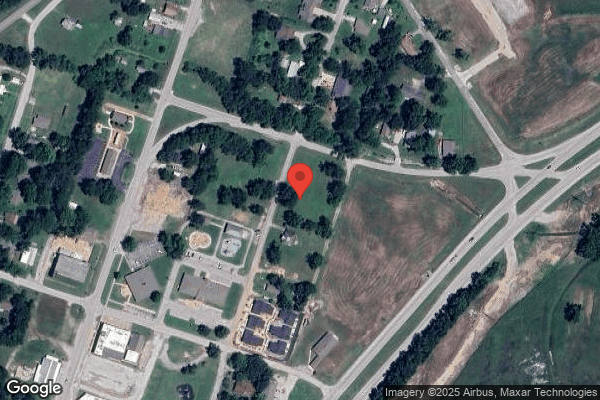
801 NORTH 193 EAST AVENUE, CATOOSA, OK 74015 (918) 266-5500
For profit - Corporation 126 Beds CONHOLD Data: November 2025
Trust Grade
75/100
#24 of 282 in OK
Last Inspection: May 2024

Within standard 12-15 month inspection cycle. Federal law requires annual inspections.

Overview

Rolling Hills Care Center in Catoosa, Oklahoma, has a Trust Grade of B, indicating it is a good choice, though not without its challenges. It ranks #24 out of 282 facilities in Oklahoma, placing it in the top half, and #1 out of 5 in Rogers County, meaning it is the best local option available. The facility's overall performance has been stable, with 4 issues reported in both 2023 and 2024. While staffing is a concern with a rating of 2 out of 5 stars and a turnover rate of 62%, the center has no fines, which is a positive sign. However, there have been specific incidents, such as failing to prevent pressure ulcers for some residents and not properly managing trust accounts for discharged residents, signaling areas for improvement despite strong quality measures in other aspects.

Trust Score
B
75/100
In Oklahoma
#24/282
Top 8%
Safety Record
Moderate
Needs review
Inspections
Holding Steady
4 → 4 violations
Staff Stability
⚠ Watch
62% turnover. Above average. Higher turnover means staff may not know residents' routines.
Penalties
✓ Good
No fines on record. Clean compliance history, better than most Oklahoma facilities.
Skilled Nurses
⚠ Watch
Each resident gets only 9 minutes of Registered Nurse (RN) attention daily — below average for Oklahoma. Fewer RN minutes means fewer trained eyes watching for problems.
Violations
⚠ Watch
14 deficiencies on record. Higher than average. Multiple issues found across inspections.
★★★★★
5.0
Overall Rating
★★☆☆☆
2.0
Staff Levels
★★★★★
5.0
Care Quality
★★★★☆
4.0
Inspection Score
Stable
2023: 4 issues
2024: 4 issues

The Good

  • 5-Star Quality Measures · Strong clinical quality outcomes
  • Full Sprinkler Coverage · Fire safety systems throughout facility
  • No fines on record

Facility shows strength in quality measures, fire safety.

The Bad

Staff Turnover: 62%

16pts above Oklahoma avg (46%)

Frequent staff changes - ask about care continuity

Chain: CONHOLD

Part of a multi-facility chain

Ask about local staffing decisions and management

Staff turnover is elevated (62%)

14 points above Oklahoma average of 48%

The Ugly 14 deficiencies on record

1 actual harm
May 2024 4 deficiencies
CONCERN (D)

Potential for Harm - no one hurt, but risky conditions existed

Deficiency F0645 (Tag F0645)

Could have caused harm · This affected 1 resident

**NOTE- TERMS IN BRACKETS HAVE BEEN EDITED TO PROTECT CONFIDENTIALITY** Based on record review and interview, the facility failed to document on a preadmission screening and resident review a mental h...

Read full inspector narrative →
**NOTE- TERMS IN BRACKETS HAVE BEEN EDITED TO PROTECT CONFIDENTIALITY** Based on record review and interview, the facility failed to document on a preadmission screening and resident review a mental health illness for one (#51) of one resident reviewed for the need of a level two screening. The director of nursing identified seven residents who had an active diagnosis of bipolar disorder. Findings: Resident #51 was admitted to the facility on [DATE] with an active diagnosis of bipolar disorder, a mental health illness. The admission base line care plan, dated 02/22/24, documented Resident #51 received an antidepressant medication to treat bipolar disorder. An admission assessment, dated 02/28/24, documented the resident had an active diagnosis of bipolar disorder. A level one preadmission screening and resident review, dated 02/27/24, documented the resident had a diagnosis of bipolar. The assessment question two under level was checked as no to indicate Resident #51 did not have a mental health illness. On 05/09/24 at 8:50 a.m., the assistant director of nursing stated Resident #51 did not have a mental health illness. They reviewed Resident #51 diagnosis and stated Resident #51 did have a diagnosis of bipolar which was a mental health illness. The assistant director of nursing then stated they would need to call due to the level one preadmission screening and resident review being filled out wrong.
CONCERN (E)

Potential for Harm - no one hurt, but risky conditions existed

Deficiency F0569 (Tag F0569)

Could have caused harm · This affected multiple residents

Based on record review and interview, the facility failed to close out trust accounts and convey funds within 30 days for three (#115, #116, and #18) of three residents reviewed for open trust account...

Read full inspector narrative →
Based on record review and interview, the facility failed to close out trust accounts and convey funds within 30 days for three (#115, #116, and #18) of three residents reviewed for open trust accounts and had been discharged from the facility over 30 days. The Business Office Director identified five residents who no longer resided in the facilty and trust accounts were not closed out within 30 days. Findings: 1. Resident #115 discharge summary documented the resident had been discharged from the facility on 10/11/23. Resident #115 trust account ledgers, dated 05/07/23, documented the resident had an open trust account balance of $3,577.07. 2. Resident #116 discharge summary documented the resident had been discharged from the facility on 08/02/23. Resident #116 trust account ledgers, dated 05/07/23, documented the resident had an open trust account balance of $2,617.85. 3. Resident #118 discharge summary documented the resident had been discharged from the facility on 07/14/23. Resident #118 trust account ledgers, dated 05/07/23, documented the resident had an open trust account balance of $93.41. On 05/09/24 at 9:30 a.m., the businesss office manager stated Resident #115, Resident #116 and Resident #118 were no longer in the facility and had open trust accounts. The business office manager then stated the home office was responsible for making sure the trust accounts were closed out within 30 days. On 05/09/24 at 10:17 a.m., the administrator stated Resident #115, Resident #116 and Resident #118 trust accounts had not been closed within 30 days.
CONCERN (E)

Potential for Harm - no one hurt, but risky conditions existed

Deficiency F0582 (Tag F0582)

Could have caused harm · This affected multiple residents

Based on record review and interview, the facility failed to ensure residents who received medicaid and had money in the trust account were notified of balances within $200 of the social security reso...

Read full inspector narrative →
Based on record review and interview, the facility failed to ensure residents who received medicaid and had money in the trust account were notified of balances within $200 of the social security resource limit of $2,000 for three (#9, #13 and #45) of three sampled residents reviewed for trust account balances. The business office manager identified 33 residents who had a payer source as medicaid and had money in the resident trust account. Findings: An undated Accounting of Resident Funds policy, read in part, .a representative of the business office informs the resident if the balance in personal funds account reached $200 less than the .resource limit . 1. Resident #9 trust account ledger, documented they had a current balance of $2,063.56 on 05/07/24. The admission summary documented Resident #9 had a payer source of medicaid. 2. Resident #13 trust account ledger,documented they had a current balance of $2,650.20 on 05/07/24. The admission summary documented Resident #13 had a payer source of medicaid. 3. Resident #45 trust account ledger, dated 05/07/24, had a current balance of $4,694.08 on 05/07/24. The admission summary documented Resident #45 had a payer source of medicaid. There was no documentation in the trust account records of the clinical record Resident #9, Resident #13, and Resident #45 had received notices when they were within $200 of the resource limit for medicaid residents in the trust account. On 05/09/24 at 9:30 a.m., the business office manger stated Resident #9, Resident #13, and Resident #45 all had a payer source of medicaid. They further stated their was no documentation the facility had provided notices to Resident #9, Resident #13, and Resident #45 when they were within $200 of the $2,000 resource limit. On 05/09/24 at 10:17 a.m., the administrator stated the facility did not provide notices to Resident #9, Resident #13, and Resident #45 when they were within $200 of the $2,000 resource limit.
CONCERN (E)

Potential for Harm - no one hurt, but risky conditions existed

Deficiency F0655 (Tag F0655)

Could have caused harm · This affected multiple residents

**NOTE- TERMS IN BRACKETS HAVE BEEN EDITED TO PROTECT CONFIDENTIALITY** Based on record review and interview, the facility failed to ensure summaries of the admission care plan was provided to residen...

Read full inspector narrative →
**NOTE- TERMS IN BRACKETS HAVE BEEN EDITED TO PROTECT CONFIDENTIALITY** Based on record review and interview, the facility failed to ensure summaries of the admission care plan was provided to residents for three (#35, #51 and #114) of three newly admitted residents reviewed for base line care plans. The facility form 802 matrix identified four residents who had been admitted to the facility in the past 30 days. Findings: 1. Resident #35 admission summary documented they were admitted to the facility on [DATE]. Resident #35 base line care plan was completed on 02/22/24. There was no documentation on the base line care plan or in the clinical record to indicate Resident #35 received a summary of their care plan. 2. Resident #51 admission summary documented they were admitted to the facility on [DATE]. Resident #51 base line care plan was completed on 02/21/24 There was no documentation on the base line care plan or in the clinical record to indicate Resident #51 received a summary of their care plan. 3. Resident #114 admission summary documented they were admitted to the facility on [DATE]. Resident #114 base line care plan was completed on 04/24/24. There was no documentation on the base line care plan or in the clinical record to indicate Resident #114 received a summary of their care plan. On 05/06/24 at 10:12 a.m., Resident #114 stated they did not receive a summary or a copy of the care plan completed on admission. On 05/06/24 at 10:42 a.m., Resident #51 stated they had not participated or received a copy or summary of their care plans. On 05/06/24 at 1:56 p.m., Resident #35 stated they did not receive a summary or a copy of the care plan completed on admission. On 05/08/24 at 9:19 a.m., the director of nursing stated the social service director was responsible for providing copies of or the summary of the care plans. On 05/08/24 at 10:01 a.m., the social service director stated summaries and copies of the base line care plan was not provided unless the family or resident requested it.
Mar 2023 4 deficiencies
CONCERN (D)

Potential for Harm - no one hurt, but risky conditions existed

Deficiency F0583 (Tag F0583)

Could have caused harm · This affected 1 resident

Based on record review, observation, and interview, the facility failed to provide a privacy curtain for one (#145) of 12 sampled residents who required a privacy curtain. The Resident Census and Cond...

Read full inspector narrative →
Based on record review, observation, and interview, the facility failed to provide a privacy curtain for one (#145) of 12 sampled residents who required a privacy curtain. The Resident Census and Conditions of Residents report, dated 03/29/23, documented 45 residents resided in the facility. Findings: Resident #145 had diagnoses of dementia and anxiety disorder. A Care Plan, dated 03/11/23, documented the resident was at risk for incontinence. An admission MDS Assessment, dated 03/18/23, documented the resident had severe cognitive impairment and required supervision with toileting. On 03/27/23 at 1:05 p.m., resident #145's room was observed to have only one privacy curtain for two residents who resided in the room. On 03/28/23 at 10:55 a.m., CNA #1 reported two curtains were to be hung in a room with two residents to provide privacy. The CNA observed resident #145's room and stated there should have been two privacy curtains in the room. The CNA stated she had not noticed the missing curtain and had not reported it to maintenance. On 03/28/23 at 11:02 a.m., LPN #1 reported there should be two curtains hung in a room with two residents to provide privacy. The LPN stated she had not noticed a missing privacy curtain in resident #145's room and had not reported the missing curtain. On 03/28/23 at 11:08 a.m., the maintenance director stated the missing privacy curtain in resident #145's room had not been reported to her. She stated the curtains were used to provide privacy and there should be two curtains hung in each room where two residents resided. She stated she would get housekeeping to hang the privacy curtain. On 03/28/23 at 4:11 p.m., the DON reported if there were two residents who resided in the room there should be two privacy curtains. The DON indicated the curtains were to help create privacy for the residents during care or visitation. On 03/30/23 at 10:34 a.m., the Administrator reported two privacy curtains should be hung in a room with two residents who reside in the same room. The Administrator was made aware of the observations during the survey and reported the facility did not have a policy related to privacy curtains.
CONCERN (D)

Potential for Harm - no one hurt, but risky conditions existed

Food Safety (Tag F0812)

Could have caused harm · This affected 1 resident

Based on record review, observation, and interview, the facility failed to maintain the kitchen with professional standards to ensure a clean, sanitary environment. The Resident Census and Conditions...

Read full inspector narrative →
Based on record review, observation, and interview, the facility failed to maintain the kitchen with professional standards to ensure a clean, sanitary environment. The Resident Census and Conditions of Residents report, dated 03/27/23, identified 44 residents who received nutrition from the facility's kitchen and one resident received enteral nutrition. Findings: A Cooks Cleaning List, dated 3/20/23 through 03/26/23, documented cleaning was to be performed on Monday, Tuesday, Wednesday, and Thursday. This list did not include cleaning for air conditioning vents or the dishwasher area. On 03/28/23 at 11:13 a.m., a kitchen tour was conducted. A six-foot area of wet towels was observed on the floor along the wall behind the dishwashing machine. Dietary aide #1 was asked about the towels underneath the dishwasher. The aide removed several wet towels with black spots on them that were on the floor tucked in behind the dishwasher. The area behind the dish machine was approximately a six- foot area along the back of the wall with a black scum-like substance extending up the wall tiles behind the dish machine. The dietary supervisor was asked about the towels. She stated, There was a leak in the pipes and they had an issue with the garbage disposal. She stated, There should not be a leak now, it was fixed. The dietary supervisor reported the maintenance director fixed the leak about two weeks previous and the garbage disposal was repaired as well. The dietary supervisor was asked why the towels were behind the dishwasher and stated, I'm not sure why they keep throwing the towels behind there. The dietary supervisor got a cleaning bucket and began to clean the scum (black thick substance) off the wall tiles behind the dishwasher. On 03/28/23 at 11:30 a.m., air conditioning vents in the kitchen above the sink were observed to be covered with a brownish, greasy substance. The dietary supervisor was asked when the air conditioning vents were last cleaned and they reported they weren't sure when the maintenance director had cleaned them. They were asked to describe the substance on the air conditioning vents and described it as a greasy, brown-colored substance. They stated they mixed cool aid at the sink located beneath the vents and thought that might have splattered on the vents. On 03/28/23 at 11:48 a.m., the maintenance director was asked about the air conditioning vents. They stated they cleaned the air conditioning vents about six months ago. They were asked about a leak under the dishwasher and reported they had repaired it a couple of weeks ago. They reported the garbage disposal had an issue and they fixed that as well. On 03/28/23 at 12:41 p.m., the maintenance director submitted documentation the air conditioner filters were changed in the kitchen for January, February, and March 2023. An invoice, dated 03/17/23, indicated the garbage disposal had been repaired.
CONCERN (E)

Potential for Harm - no one hurt, but risky conditions existed

Safe Environment (Tag F0584)

Could have caused harm · This affected multiple residents

Based on observation and interview, the facility failed to provide a clean and safe environment for two (#1 and #145) of 16 residents who resided on hall E in the facility. The Resident Census and Co...

Read full inspector narrative →
Based on observation and interview, the facility failed to provide a clean and safe environment for two (#1 and #145) of 16 residents who resided on hall E in the facility. The Resident Census and Conditions of Residents report, dated 03/29/23, documented 45 residents resided in the facility. Findings: A Cleaning and Disinfecting of Residents' Rooms policy, revision date August 2013, documented .The purpose of this procedure is to provide guidelines for cleaning and disinfecting residents' rooms . Walls, blinds, and window curtains in resident areas will be cleaned when these surfaces are visibly contaminated or soiled . 1. Resident #1 had diagnoses which included dementia and anxiety disorder. A Care Plan, dated 04/19/18, documented the resident was at risk for incontinence. A Quarterly MDS Assessment, dated 01/07/23, documented the resident had severe cognitive impairment and required extensive assistance with toileting. The assessment documented the resident was always incontinent. 2. Resident #145 had diagnoses dementia and anxiety disorder. A Care Plan, dated 03/11/23, documented the resident was at risk for incontinence. An admission MDS Assessment, dated 03/18/23, documented the resident had severe cognitive impairment and required supervision with toileting. The assessment documented the resident was occasionally incontinent of bladder and frequently incontinent of bowel. On 03/27/23 at 12:35 p.m., resident #1 and #145's shared restroom in room E4 was observed to have a brown/ black substance on the wall and rubber base. The resident's room was observed with a hole where a television cable was coming out of the wall and there was not a secure faceplate covering. On 03/28/23 at 11:13 a.m., the maintenance director observed the brown/black substance on the resident's restroom wall. She obtained cleaner to try to get the substance off the wall and some of the substance came off the wall with the cleaner. She stated housekeeping staff should have scrubbed/cleaned the wall and applied some paint to the wall. The maintenance director stated all cables should have a faceplate covering. She stated she was not aware of any unsecured faceplates in the resident's room E4. She observed the unsecured faceplate in room E4 and stated the faceplate must have just come loose from the wall and she indicated she would get some screws and secure the faceplate. On 03/28/23 at 11:17 a.m., the housekeeping supervisor stated resident rooms were cleaned daily. She stated if a brown/black substance was on the wall, housekeeping staff should have cleaned the substance off the wall. She stated room E4 was down for a deep clean at the beginning of each month on the 7th. She stated all plugs and cords should have faceplates. She stated she was unaware of any unsecured faceplates in the resident's room E4. On 03/28/23 at 12:13 p.m., two housekeeping staff members were observed to take cleaning supplies to room E4 and scrubbed the walls and rubber bases. The substance was removed from the walls and the rubber bases. On 03/28/23 at 4:15 p.m., the DON stated housekeeping had a schedule to clean the rooms and deep clean the rooms. She stated if a resident was able to independently use the restroom, the housekeeping staff should be checking the cleanliness of the restroom and the walls daily. She stated she would expect a faceplate to be on all cords or open areas. On 03/30/23 at 10:36 a.m., the Administrator stated she would expect the resident restrooms to be cleaned daily, and if there was a brown substance on the wall she would expect it to be cleaned off the wall. She stated she would expect all outlets and cords coming out of the wall to have face plates.
CONCERN (E)

Potential for Harm - no one hurt, but risky conditions existed

Quality of Care (Tag F0684)

Could have caused harm · This affected multiple residents

Based on record review, observation, and interview, the facility failed to obtain and follow the physician's order for Tubigrip stockings for one (#29) of one sampled resident reviewed for Tubigrip st...

Read full inspector narrative →
Based on record review, observation, and interview, the facility failed to obtain and follow the physician's order for Tubigrip stockings for one (#29) of one sampled resident reviewed for Tubigrip stockings. The Resident Census and Conditions of Residents report, dated 03/27/23, identified 45 residents who resided in the facility. Findings: A policy, Telephone Orders, dated February 2014, read in parts, .Verbal telephone orders may only be received by licensed personnel (e.g., RN, LPN/LVN, pharmacist, physician, etc.) .The entry must contain the instructions from the physician, date, time, and the signature and title of the person transcribing the information . A Quarterly MDS Assessment, dated 02/10/23, documented the resident was cognitively intact and required extensive two person assist with bed mobility, transfers, and dressing. A Plan of Care, dated 02/11/23, read in parts, .Infection: I have an infection of the bone Osteomyelitis (left knee), I will remain free from discomfort, complications, or s/s related to my infection through the review date, administer medications and/or treatments per orders, monitor for adverse side effects and notify Dr as needed, encourage me to consume fluids, monitor for c/o pain, monitor for s/sx of adverse reaction to medication . A Physician Progress Note, dated 03/17/23, documented chronic joint infection and the resident would benefit from PT/OT. A Nurse Progress Note, dated 03/17/23, documented the resident returned from [name deleted-clinic] with recommendations for PT/OT. WBAT for L leg. Continue with Tubigrip on BLE. On 03/27/23 at 3:13 p.m., resident #29 was observed without stockings on BLE. The resident stated, I was supposed to be wearing stockings because I have a history of knee surgery. On 03/28/23 at 9:17 a.m., resident #29 was observed without stockings to the BLE. A Physician Order, dated 03/29/23, (on the day of survey), read in parts, .Tubigrip on at all times except for bath time. May take off at bedtime if resident request . On 03/29/23 at 12:35 p.m., LPN #2 was asked about resident #29's stockings. The LPN stated the resident had their stockings on today. LPN #2 stated they were not here on Monday (03/27/23) and when they realized the resident was not wearing the stockings on Tuesday (03/28/23) they put them on. On 03/29/23 at 12:38 p.m., resident #29 was observed in the dining room with Tubigrip stockings to BLE. The resident stated, The stockings really help my legs feel better. On 03/29/23 at 12:57 p.m., LPN #2 reported they ordered resident #29's Tubigrip stockings on Friday, 03/17/23, and the stockings arrived by Tuesday, 03/21/23. On 03/29/23 at 1:22 p.m., the DON was asked about resident #29's stockings. The DON reported LPN #2 forgot to put the order in the computer. The DON stated the resident was asking the LPN about the stockings, the LPN contacted the physician to get the order, and the communication was documented in the nurse progress note dated 03/17/23.
Apr 2019 6 deficiencies 1 Harm
SERIOUS (H)

Actual Harm - a resident was hurt due to facility failures

Pressure Ulcer Prevention (Tag F0686)

A resident was harmed · This affected multiple residents

**NOTE- TERMS IN BRACKETS HAVE BEEN EDITED TO PROTECT CONFIDENTIALITY** Based on observation, interview, and record review, it was determined the facility failed to ensure a resident received care and...

Read full inspector narrative →
**NOTE- TERMS IN BRACKETS HAVE BEEN EDITED TO PROTECT CONFIDENTIALITY** Based on observation, interview, and record review, it was determined the facility failed to ensure a resident received care and services to prevent the development of a stage three pressure ulcer and/or to promote healing of an existing pressure ulcer for two (#79 and #84) of three sampled residents who were reviewed for pressure ulcers. The facility identifed five residents who had pressure ulcers. Findings: A pressure ulcer policy, revised 07/2017, documented, .A pressure ulcer will present as an open ulcer .Prevention Moisture .Keep the skin clean and free of exposure to urine and fecal matter .Mobility/Repositioning. Choose a frequency for repositioning based on the resident's mobility .At least every hour, reposition residents who are chair-bound, or bed-bound with the head of the bed elevated 30 degrees or more .At least every two hours, reposition residents who are reclining and dependent on staff for repositioning. Reposition more frequently as needed, based on the condition of the skin and the resident's comfort . 1. Resident #79 was admitted to the facility on [DATE] with diagnoses that included cerebral infarction, paralysis, diabetes, and muscle weakness. An admit screener form, dated 02/26/19, documented the resident had no pressure ulcers. An admission assessment, dated 03/11/19, documented the resident was moderately impaired with cognitive skills. The assessment documented the resident required extensive assistance and two plus person physical assist with bed mobility/transfers, had limited range of motion in one upper and one lower extremity, was always incontinent of bladder/bowel, was at risk for the development of pressure ulcers, and had no pressure ulcer. A care plan, dated 03/11/19, documented, .Focus: I have potential for pressure ulcer development r/t [related to] immobility. Interventions: Causes of skin breakdown; including transfer/positioning requirements .frequent repositioning .I need assistance to turn/reposition at least every two hours, more often as needed or requested .If I refused treatment, confer with me, IDT [interdisciplinary team] and family to determine why and try alternative methods to gain compliance. A Braden scale assessment for predicting pressure sore risk, dated 03/12/19, documented the resident's skin was kept constantly moist by perspiration/urine, dampness was detected each time the resident was moved/turned, and the resident required moderate to maximum assistance in moving. The assessment documented the resident had a Braden score of 14, which indicated the resident was at moderate risk for the development of a pressure ulcer. A weekly wound sheet, dated 03/13/19, documented the resident acquired a stage three pressure ulcer to her coccyx which measured 2.0 centimeters in length, X (times) .6 centimeters in width, X .1 centimeters in depth. A nurse's note, dated 03/13/19, documented, Healogics wound nurse in evaluated resident. Stage 3 wound noted to coccyx. Minimal exudate present. 100% granulation noted. New orders received Silver Alginate, cover with dry drsg twice daily. Supplements in place. PreAlbumin ordered for 3-14-2019. Cushion placed in wheel chair. Son's notified. A physician's order, dated 03/13/19, documented, .Cleanse stage 3 Coccyx wound with normal saline, pat dry, Apply Silver Alginate, cover with dry drsg [dressing] every day and evening shift for stage 3 coccyx wound until resolved . A care plan, updated 03/13/19, documented, .Focus: .I have a stage III pressure ulcer to my coccyx. Goal: My stage III pressure ulcer will show signs of healing and remain free from infection .Interventions: Assess/record/monitor wound healing. Measure length, width, and depth where possible .Administer treatments as ordered and monitor for effectiveness .Assess and document status of wound perimeter, wound bed, and healing progress .Report improvements and declines to the MD [medical doctor] .Gel cushion to my wheelchair .Healogics to follow and assist with my wound care . An ADL (activities of daily living) sheet, dated March 2019 documented 24 blanks where no documentation was completed regarding turning/repositioning and 24 blanks where no documentation was completed regarding bladder and bowel continence from 03/01/19 through 03/13/19. A 14-day assessment, dated 03/18/19, documented the resident was cognitively intact. The assessment documented the resident required extensive assistance and two plus person physical assist with bed mobility/transfers, had limited range of motion in one upper and one lower extremity, was always incontinent of bladder/bowel, was at risk for the development of pressure ulcers, and had one stage three pressure ulcer. On 03/28/19 at 3:05 p.m., licensed practical nurse (LPN) #3 was observed to perform wound care on the resident. She stated the resident was incontinent when she went to check on her and she had called the CNAs (certified nurse aides) to provide care. The LPN and the surveyor waited outside the room as the CNAs finished providing care. During the wound care observation, the resident was assisted to her right side by CNA #3. There was no dressing observed on the resident's coccyx pressure ulcer wound. Wound care was provided to the open wound on the resident's coccyx by the LPN and a dressing was put in place. After the wound care observation, the LPN was asked why there was not a dressing on the resident's coccyx wound. She stated, I don't know, it may have came off during incontinent care. She was asked if anyone had informed her the dressing was not there. She stated no. On 04/01/19 at 2:47 p.m., the LPN/care plan coordinator was asked about the blanks in the ADL care sheets. He stated the sheets should be completed and the blanks indicated the care was not done. He was asked why it was not done. He stated he did not know. He was asked if anyone monitored to ensure the resident was being turned/repositioned and incontinent care was completed as needed. He stated the charge nurses were supposed to look at the tasks in the ehr (electronic health record) and monitor if care was being completed and documented by the CNAs. He was asked if anyone monitored the nurses to ensure they monitored care and care was being provided as needed. He stated they talked about residents and care/interventions in the IDT meetings. The LPN/care plan coordinator was asked if he was aware if anyone had addressed the blanks in the documentation or if care had been provided as needed. He stated he did not know. He was asked if he knew why the resident developed the pressure ulcer. He stated he was not sure how well the interventions on the care plan had been done. He stated they should have been implemented and documented regarding turning, repositioning, and incontinent care being done every two hours and as needed. He stated the resident was a larger lady and did not like to move. He stated she had a history of a stroke and needed two person assist. He was asked if the pressure ulcer was a stage three when discovered. After he reviewed the ehr, he stated the first assessment that mentioned the pressure ulcer was the one on 03/13/19 that documented it as a stage three. At 3:43 p.m., the resident was asked about her care at the facility and the pressure ulcer. She stated, I think it [the pressure ulcer] happened when I was lying there in bed, wet. I was wet and waiting to be changed by staff. She stated she had been incontinent since her stroke in January 2019. She stated, You wait to be changed. I'm not changed every two or three hours like I'm supposed to be. She was asked if she had to wait a long period to be changed recently. She stated yes. She stated she had issues being changed on all three shifts. She stated on 6 to 2 shift, it could be 10:30 a.m. before staff came down to her room, on 2 to 10 shift, it could be 2:30 p.m. to 6:30 p.m. before staff would come and check on her, and on 10 to 6 shift it could be four to five hours before staff would come in. She stated she usually always woke up wet in the early morning. She stated it was still happening and had happened last night and again early this am. The resident was asked if she needed assistance to turn and reposition. She stated yes. She stated she could move her upper body a little but could not shift her hips. She was asked if staff came in every two hours or more often if needed to turn and reposition her. She stated, No, I have to call them. On 04/02/19 at 9:30 a.m., the resident was asked if she had been incontinent this am. She stated she was dry at this time. She stated staff had been in at six a.m. to provide incontinent care and turn her, but had not come back since. She was asked if she refused care at times. She stated she usually needed care when they came in and did not refuse because sometimes it would be four or five hours before they came in again. At 9:40 a.m., CNA #2 was asked when she had been to the resident's room to provide care. She stated she had went down to her room after shift change at six a.m., and provided care and had not been back since then. She was asked about the blanks in the ADL documentation. She stated that meant it was not done. At 9:50 a.m. , LPN #1 was asked about the pressure ulcer. She stated the resident was alert/interviewable and could communicate her needs. The LPN stated she was not aware the resident refused care and was not sure why the resident had developed a pressure ulcer. At 2:15 p.m., the LPN/care plan coordinator was asked why the care plan interventions were not consistently implemented regarding turning/repositioning and incontinent care. He stated he did not have an answer. At 2:40 p.m., the wound care nurse was asked about the resident's pressure ulcer. She stated a CNA had told her the resident had a sore. She stated she went and assessed the wound and it was a stage three pressure ulcer. She stated she was not sure how long the pressure ulcer had been there before she was made aware of it. 2. Resident #84 was admitted to the facility on [DATE]. The resident had diagnoses which included type 2 diabetes mellitus, stage three kidney disease, and hemiplegia and hemiparesis following a cerebral infarction. An admit/readmit screener form, dated 03/08/19 at 9:52 p.m., documented the resident had a stage two sheer to the left buttock. The form documented calazyme ointment was in place to the left buttock. There was no documentation of a physician's order for the calazyme ointment or treatment to the resident's left buttock upon admission. A physician's order, dated 03/14/19, documented to apply calazime cream every eight hours to a left buttock shear until resolved. The admission assessment, dated 03/15/19, documented the resident was cognitively intact; required extensive assistance with bed mobility, transfers, and personal hygiene; was at risk for pressure ulcers; and had one stage two pressure ulcer. The resident's 03/2019 treatment administration record had four undocumented blank spaces for the calazime cream. The cream was discontinued on 03/26/19. On 04/02/19 at 2:14 p.m., the wound nurse stated there was no order upon admission for the use of the calazime cream. She stated it was house stock and was used as a preventative wound treatment. She did not have a reason why the treatment had not been done those four shifts.
CONCERN (E)

Potential for Harm - no one hurt, but risky conditions existed

Comprehensive Care Plan (Tag F0656)

Could have caused harm · This affected multiple residents

**NOTE- TERMS IN BRACKETS HAVE BEEN EDITED TO PROTECT CONFIDENTIALITY** Based on interview and record review, it was determined the facility failed to implement interventions to prevent the developmen...

Read full inspector narrative →
**NOTE- TERMS IN BRACKETS HAVE BEEN EDITED TO PROTECT CONFIDENTIALITY** Based on interview and record review, it was determined the facility failed to implement interventions to prevent the development of a pressure ulcer for one (#79) of three sampled residents who were reviewed for pressure ulcers. The facility identified five residents with pressure ulcers. Findings: Resident #79 was admitted to the facility on [DATE] with diagnoses that included cerebral infarction, paralysis, diabetes, and muscle weakness. An admission assessment, dated 03/11/19, documented the resident was moderately impaired with cognitive skills. The assessment documented the resident required extensive assistance and two plus person physical assist with bed mobility/transfers, had limited range of motion in one upper and one lower extremity, was always incontinent of bladder/bowel, was at risk for the development of pressure ulcers, and had no pressure ulcers. A care plan, dated 03/11/19, documented, .Focus: I have potential for pressure ulcer development r/t [related to] immobility. Interventions: Causes of skin breakdown; including transfer/positioning requirements .frequent repositioning .I need assistance to turn/reposition at least every two hours, more often as needed or requested .If I refused treatment, confer with me, IDT [interdisciplinary team] and family to determine why and try alternative methods to gain compliance . A weekly wound sheet, dated 03/13/19, documented the resident acquired a stage three pressure ulcer to her coccyx which measured 2.0 centimeters in length, X (times) 0.6 centimeters in width, X 0.1 centimeters in depth. A nurse's note, dated 03/13/19, documented, Healogics wound nurse in evaluated resident. Stage 3 wound noted to coccyx. Minimal exudate present. 100% granulation noted. New orders received Silver Alginate, cover with dry drsg [dressing] twice daily. Supplements in place. PreAlbumin ordered for 3-14-2019. Cushion placed in wheel chair. Son's notified. A care plan, updated 03/13/19, documented, .Focus: .I have a stage III pressure ulcer to my coccyx. Goal: My stage III pressure ulcer will show signs of healing and remain free from infection .Interventions: Assess/record/monitor wound healing. Measure length, width, and depth where possible .Administer treatments as ordered and monitor for effectiveness .Assess and document status of wound perimeter, wound bed, and healing progress .Report improvements and declines to the MD [medical doctor] .Gel cushion to my wheelchair .Healogics to follow and assist with my wound care . An activities of daily living (ADL) sheet, dated March 2019, documented 24 blanks where no documentation was completed regarding turning/repositioning and 24 blanks where no documentation was completed regarding bladder and bowel continence from 03/01/19 through 03/13/19. A 14-day assessment, dated 03/18/19, documented the resident was cognitively intact. The assessment documented the resident required extensive assistance and two plus person physical assist with bed mobility/transfers, had limited range of motion in one upper and one lower extremity, was always incontinent of bladder/bowel, was at risk for the development of pressure ulcers, and had one stage three pressure ulcer. On 04/01/19 at 2:47 p.m., the care plan coordinator was asked about the blanks in the ADL care sheets. He stated the sheets should be completed and the blanks indicated the care was not done. He was asked why it was not done. He stated he did not know. He was asked if anyone monitored to ensure the resident was being turned/repositioned and incontinent care was completed as needed. He stated the charge nurses were supposed to look at the tasks in the ehr (electronic health record) and monitor if care was completed and documented by the certified nurse aides (CNAs). He was asked if anyone monitored the nurses to ensure they were monitoring care and care was being provided as needed. He stated they talked about residents and care/interventions in the IDT meetings. The care plan coordinator was asked if he was aware if anyone had addressed the blanks in the documentation or if the care had been provided as needed. He stated he did not know. He was asked if he knew why the resident developed the pressure ulcer. He stated he was not sure how well the interventions on the care plan had been done. He stated they should have been implemented and documented regarding turning, repositioning, and incontinent care being provided every two hours and as needed. He stated the resident was a larger lady and did not like to move. He stated she had a history of a stroke and needed two person assist. He was asked if the pressure ulcer was a stage three when discovered. After he reviewed the ehr, he stated the first assessment that mentioned the pressure ulcer was the one on 03/13/19 that documented it as a stage three. At 3:43 p.m., the resident was asked about her care at the facility and the pressure ulcer. She stated, I think it [the pressure ulcer] happened when I was lying there in bed, wet. I was wet and waiting to be changed by staff. She stated she had been incontinent since her stroke in January 2019. She stated, You wait to be changed. I'm not changed every two or three hours like I'm supposed to be. She was asked if she had to wait a long period to be changed recently. She stated yes. She stated she had issues being changed on all three shifts. She stated on 6 to 2 shift, it could be 10:30 a.m. before staff came down to her room, on 2 to 10 shift, it could be 2:30 p.m. to 6:30 p.m. before staff would come and check on her, and on 10 to 6 shift it could be four to five hours before staff would come in. She stated she usually always woke up wet in the early morning. She stated it was still happening and had happened last night and again this morning. The resident was asked if she needed assistance to turn and reposition. She stated yes. She stated she could move her upper body a little but could not shift her hips. She was asked if staff came in every two hours or more often if needed to turn and reposition her. She stated, No, I have to call them. On 04/02/19 at 9:30 a.m., the resident was asked if she had been incontinent this am. She stated she was dry at the present time. She stated staff had been in at six a.m. to provide incontinent care and turn her, but had not come back since. She was asked if she refused care at times. She stated she usually needed care when they came in and did not refuse because sometimes it would be four or five hours before they came in again. At 9:40 a.m., CNA #2 was asked when she had been to the resident's room to provide care. She stated she had went down to her room after shift change at six a.m., and provided care and had not been back since then. She was asked about the blanks in the ADL documentation. She stated that meant it wasn't done. At 2:15 p.m., the care plan coordinator was asked why the care plan interventions were not consistently implemented regarding turning/repositioning and incontinent care. He stated he did not have an answer.
CONCERN (E)

Potential for Harm - no one hurt, but risky conditions existed

Deficiency F0761 (Tag F0761)

Could have caused harm · This affected multiple residents

Based on observation, interview, and record review, it was determined the facility failed to ensure a multi-use vial of eye solution was dated when opened for one (#186) of one sampled residents obser...

Read full inspector narrative →
Based on observation, interview, and record review, it was determined the facility failed to ensure a multi-use vial of eye solution was dated when opened for one (#186) of one sampled residents observed to receive eye drops. The facility identified 82 residents who received medications. Findings: Resident #186 had diagnoses which included glaucoma. A physician order, dated 03/13/19, documented, .Latanoprost Solution 0.005% instill 1 drop in both eyes every evening shift for glaucoma . On 03/27/19 at 4:25 p.m., during the medication pass, resident #186's Latanoprost Solutions medication label documented, .Discard 6 weeks after opening . There was no date of when the bottle was opened noted on the bottle. On 4/2/19 at 1:40 p.m., certified medication aide (CMA) #1 was asked what the process was regarding a multi-use medication. She stated a multi-use vial was to be dated when opened. She was asked what was the date resident #186's multi-use Latanoprost Solution was opened. She stated it was not dated.
CONCERN (E)

Potential for Harm - no one hurt, but risky conditions existed

Food Safety (Tag F0812)

Could have caused harm · This affected multiple residents

Based on observation and interview, it was determined the facility failed to ensure hall meal trays were passed in a sanitary manner for one (noon meal on 03/26/19) of three meals that were observed. ...

Read full inspector narrative →
Based on observation and interview, it was determined the facility failed to ensure hall meal trays were passed in a sanitary manner for one (noon meal on 03/26/19) of three meals that were observed. The facility identified 82 residents resided in the facility. Findings: On 03/26/19 at 12:20 p.m., certified nurse aide (CNA #4) was observed to carry two meal trays into the room of resident #81 and served her meal tray. The CNA then took the second meal tray into the room of resident #80 and served her meal tray. On 03/26/19 at 12:25 p.m., CNA #4 took two uncovered mugs from the kitchen to hall F. The CNA took both cups into the room of resident #81. She then took the cup into the room of resident #80. Resident #80 stated she did not want the tea in the cup. The CNA then took the same cup into the room of resident #48 and gave the cup of tea to the resident. On 03/26/19 at 12:28 p.m., CNA #4 took one uncovered mug and a Styrofoam cup into the room of resident #81 and gave the resident her drink. The CNA then took the cup with coffee to the room of resident #80. At 12:33 p.m., CNA #4 took two hall trays into the room of resident #28 and served her meal tray. The CNA then took the second meal tray into the room of resident #185 and served his meal tray. On 04/02/19 at 4:00 p.m., the above observations were discussed with the director of nursing. She stated they had identified a concern with that CNA had been providing additional education to the CNA.
CONCERN (E)

Potential for Harm - no one hurt, but risky conditions existed

Infection Control (Tag F0880)

Could have caused harm · This affected multiple residents

Based on observation, interview, and record review, it was determined the facility failed to: ~ Perform subcutaneous injections in accordance with professional standards for one (#12) of one resident ...

Read full inspector narrative →
Based on observation, interview, and record review, it was determined the facility failed to: ~ Perform subcutaneous injections in accordance with professional standards for one (#12) of one resident reviewed for subcutaneous injections. The facility identified 18 residents who received injections. ~ Practice infection control and proper hand sanitizing during assistance with meal service for one (#77) of five residents reviewed during meal service. ~ Practice infection control during the passing of meal trays for one (noon meal on 03/26/19) of three meals that were observed. The facility identified 82 residents who received meals from the kitchen. Findings: 1. Resident #12 had diagnoses which included diabetes mellitus. A physician order, dated 09/24/18, documented, .Novolog .inject 16 unit subcutaneously before meals related to type 2 diabetes mellitus . On 03/28/19 at 11:30 a.m., during the medication pass, licensed practical nurse (LPN) #2 was observed to administer a subcutaneous injection to resident #12 without cleaning the injection site. On 03/28/19 at 11:38 a.m., LPN #2 was asked what the process was to ensure infection control during an injection. She stated to wipe the site down with alcohol before giving the injection, but I knew as soon as I gave it that I did not do that. 2. On 03/26/19, during observation of the noon meal, certified nurse assistant (CNA) #1 was observed feeding resident #77. She was observed to wipe the resident's mouth, cut up another resident's meat, and return to feeding resident #77 without sanitizing her hands. She was observed to remove the other resident's dirty dishes from the table, dispose of the leftover food, and return to feeding resident #77 without sanitizing her hands. On 04/02/19 at 2:40 p.m., LPN #1 was asked what staff did to ensure infection control during meal service. She stated hand washing and wearing gloves. She was asked when she would expect staff to sanitize their hands during meal service. She stated that it depended on what activity they were doing. She stated she wore gloves but depending on the activity, this could be considered a dignity issue. She was informed of the surveyor's observation of the CNA disposing of dirty dishes then feeding a resident. She stated that was not acceptable, they need education. 3. On 03/26/19 at 12:20 p.m., certified nurse aide (CNA #4) was observed to carry two meal trays into the room of resident #81 and served her meal tray. The CNA then took the second meal tray into the room of resident #80 and served her meal tray. On 03/26/19 at 12:25 p.m., CNA #4 took two uncovered mugs from the kitchen to hall F. The CNA took both cups into the room of resident #81. She then took the cup into the room of resident #80. Resident #80 stated she did not want the tea in the cup. The CNA then took the same cup into the room of resident #48 and gave the cup of tea to the resident. On 03/26/19 at 12:28 p.m., CNA #4 took one uncovered mug and a Styrofoam cup into the room of resident #81 and gave the resident her drink. The CNA then took the cup with coffee to the room of resident #80. At 12:33 p.m., CNA #4 took two hall trays into the room of resident #28 and served her meal tray. The CNA then took the second meal tray into the room of resident #185 and served his meal tray. On 04/02/19 at 4:00 p.m., the above observations were discussed with the director of nursing. She stated they had identified a concern with that CNA had been providing additional education to the CNA.
CONCERN (E)

Potential for Harm - no one hurt, but risky conditions existed

Deficiency F0883 (Tag F0883)

Could have caused harm · This affected multiple residents

Based on record review and interview, it was determined the facility failed to document the education that was provided related to the benefits and possible side effects of the influenza/pneumococcal ...

Read full inspector narrative →
Based on record review and interview, it was determined the facility failed to document the education that was provided related to the benefits and possible side effects of the influenza/pneumococcal vaccination for three (#27, #35, and #44) of five residents who were reviewed for the administration of the influenza/pneumococccal vaccination. The resident census and conditions form documented 74 residents had received the influenza immunizations. Findings: 1. Review of the clinical records for resident #44 revealed the resident had received the influenza and pneumococcal vaccine on 03/28/19. The clinical records revealed no documentation the staff had provided education on the benefits and possible side effects of the influenza and pneumococcal vaccine. 2. The progress note for resident #27 documented the resident was administered the influenza vaccination on 10/26/18. There was no documentation in the resident's clinical records that education was provided prior to administering the vaccination. 3. The progress note for resident #35 documented the resident was administered the influenza vaccination on 10/05/18. There was no documentation in the resident's clinical records that education was provided prior to administering the vaccination. On 04/02/19 at 03:25 p.m., the assistant director of nursing was asked if education was provided prior to administering the residents' influenza vaccinations. She stated education was provided prior to administering each vaccination. She stated the education provided was not documented in the resident's clinical records.
Understanding Severity Codes (click to expand)
Life-Threatening (Immediate Jeopardy)
J - Isolated K - Pattern L - Widespread
Actual Harm
G - Isolated H - Pattern I - Widespread
Potential for Harm
D - Isolated E - Pattern F - Widespread
No Harm (Minor)
A - Isolated B - Pattern C - Widespread

Questions to Ask on Your Visit

  • "Why is there high staff turnover? How do you retain staff?"
  • "Can I speak with families of current residents?"
  • "What's your RN coverage like on weekends and overnight?"

Our Honest Assessment

Strengths
  • • No fines on record. Clean compliance history, better than most Oklahoma facilities.
Concerns
  • • 14 deficiencies on record, including 1 serious (caused harm) violation. Ask about corrective actions taken.
  • • 62% turnover. Above average. Higher turnover means staff may not know residents' routines.
Bottom line: Generally positive indicators. Standard due diligence and a personal visit recommended.

About This Facility

What is Rolling Hills's CMS Rating?

CMS assigns ROLLING HILLS CARE CENTER an overall rating of 5 out of 5 stars, which is considered much above average nationally. Within Oklahoma, this rating places the facility higher than 99% of the state's 100 nursing homes. This rating reflects solid performance across the metrics CMS uses to evaluate nursing home quality.

How is Rolling Hills Staffed?

CMS rates ROLLING HILLS CARE CENTER's staffing level at 2 out of 5 stars, which is below average compared to other nursing homes. Staff turnover is 62%, which is 16 percentage points above the Oklahoma average of 46%. High turnover can affect care consistency as new staff learn residents' individual needs.

What Have Inspectors Found at Rolling Hills?

State health inspectors documented 14 deficiencies at ROLLING HILLS CARE CENTER during 2019 to 2024. These included: 1 that caused actual resident harm and 13 with potential for harm. Deficiencies causing actual harm indicate documented cases where residents experienced negative health consequences.

Who Owns and Operates Rolling Hills?

ROLLING HILLS CARE CENTER is owned by a for-profit company. For-profit facilities operate as businesses with obligations to shareholders or private owners. The facility is operated by CONHOLD, a chain that manages multiple nursing homes. With 126 certified beds and approximately 57 residents (about 45% occupancy), it is a mid-sized facility located in CATOOSA, Oklahoma.

How Does Rolling Hills Compare to Other Oklahoma Nursing Homes?

Compared to the 100 nursing homes in Oklahoma, ROLLING HILLS CARE CENTER's overall rating (5 stars) is above the state average of 2.7, staff turnover (62%) is significantly higher than the state average of 46%, and health inspection rating (4 stars) is above the national benchmark.

What Should Families Ask When Visiting Rolling Hills?

Based on this facility's data, families visiting should ask: "How do you ensure continuity of care given staff turnover, and what is your staff retention strategy?" "Can you walk me through typical staffing levels on day, evening, and night shifts?" "Can I visit during a mealtime to observe dining assistance and food quality?" "How do you handle medical emergencies, and what is your hospital transfer rate?" These questions are particularly relevant given the facility's high staff turnover rate and the below-average staffing rating.

Is Rolling Hills Safe?

Based on CMS inspection data, ROLLING HILLS CARE CENTER has a clean safety record: no substantiated abuse findings (meaning no confirmed cases of resident harm), no Immediate Jeopardy citations (the most serious violation level indicating risk of serious injury or death), and is not on the Special Focus Facility watch list (a federal program monitoring the lowest-performing 1% of nursing homes). The facility has a 5-star overall rating and ranks #1 of 100 nursing homes in Oklahoma. While no facility is perfect, families should still ask about staff-to-resident ratios and recent inspection results during their visit.

Do Nurses at Rolling Hills Stick Around?

Staff turnover at ROLLING HILLS CARE CENTER is high. At 62%, the facility is 16 percentage points above the Oklahoma average of 46%. High turnover means new staff may not know residents' individual needs, medications, or preferences. It can also be disorienting for residents, especially those with dementia who rely on familiar faces. Families should ask: What is causing the turnover? What retention programs are in place? How do you ensure care continuity during staff transitions?

Was Rolling Hills Ever Fined?

ROLLING HILLS CARE CENTER has no federal fines on record. CMS issues fines when nursing homes fail to meet care standards or don't correct problems found during inspections. The absence of fines suggests the facility has either maintained compliance or corrected any issues before penalties were assessed. This is a positive indicator, though families should still review recent inspection reports for the full picture.

Is Rolling Hills on Any Federal Watch List?

ROLLING HILLS CARE CENTER is not on any federal watch list. The most significant is the Special Focus Facility (SFF) program, which identifies the bottom 1% of nursing homes nationally based on persistent, serious quality problems. Not being on this list means the facility has avoided the pattern of deficiencies that triggers enhanced federal oversight. This is a positive indicator, though families should still review the facility's inspection history directly.