QUAIL RIDGE LIVING CENTER, INC
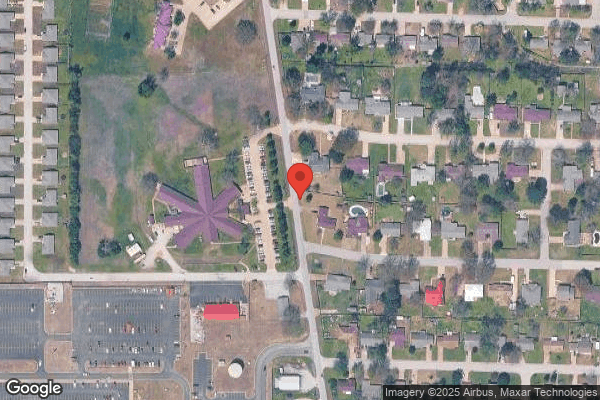

564 STATE LINE ROAD, COLCORD, OK 74338 (918) 422-5138
For profit - Corporation 120 Beds STEIN LTC Data: November 2025
Trust Grade
65/100
#126 of 282 in OK
Last Inspection: August 2024

Within standard 12-15 month inspection cycle. Federal law requires annual inspections.

Overview

Quail Ridge Living Center, located in Colcord, Oklahoma, has a Trust Grade of C+, indicating it is slightly above average but not outstanding. It ranks #126 out of 282 facilities in Oklahoma, placing it in the top half, and #3 out of 5 in Delaware County, meaning there are only two local options rated higher. However, the facility is experiencing a worsening trend, with reported issues increasing from 6 in 2023 to 9 in 2024. Staffing is a relative strength, with a turnover rate of 38%, which is well below the state average, suggesting that staff are more likely to stay and build relationships with residents. While there are no fines recorded, the facility has faced concerns, such as failing to notify residents of their rights regarding arbitration agreements and not providing written notices prior to transfers or discharges for some residents. Additionally, there were days without RN coverage, which is concerning as it may affect the quality of care. Overall, families should weigh these strengths and weaknesses when considering this facility for their loved ones.

Trust Score
C+
65/100
In Oklahoma
#126/282
Top 44%
Safety Record
Low Risk
No red flags
Inspections
Getting Worse
6 → 9 violations
Staff Stability
○ Average
38% turnover. Near Oklahoma's 48% average. Typical for the industry.
Penalties
✓ Good
No fines on record. Clean compliance history, better than most Oklahoma facilities.
Skilled Nurses
⚠ Watch
Each resident gets only 20 minutes of Registered Nurse (RN) attention daily — below average for Oklahoma. Fewer RN minutes means fewer trained eyes watching for problems.
Violations
⚠ Watch
19 deficiencies on record. Higher than average. Multiple issues found across inspections.
★★★☆☆
3.0
Overall Rating
★★★☆☆
3.0
Staff Levels
★★★☆☆
3.0
Care Quality
★★★☆☆
3.0
Inspection Score
Stable
2023: 6 issues
2024: 9 issues

The Good

  • Full Sprinkler Coverage · Fire safety systems throughout facility
  • No fines on record
  • Staff turnover below average (38%)

    10 points below Oklahoma average of 48%

Facility shows strength in fire safety.

The Bad

3-Star Overall Rating

Near Oklahoma average (2.6)

Meets federal standards, typical of most facilities

Staff Turnover: 38%

Near Oklahoma avg (46%)

Typical for the industry

Chain: STEIN LTC

Part of a multi-facility chain

Ask about local staffing decisions and management

The Ugly 19 deficiencies on record

Aug 2024 9 deficiencies
CONCERN (D)

Potential for Harm - no one hurt, but risky conditions existed

MDS Data Transmission (Tag F0640)

Could have caused harm · This affected 1 resident

**NOTE- TERMS IN BRACKETS HAVE BEEN EDITED TO PROTECT CONFIDENTIALITY** Based on record review and interview, the facility failed to ensure resident assessments were submitted to CMS for one (#69) of ...

Read full inspector narrative →
**NOTE- TERMS IN BRACKETS HAVE BEEN EDITED TO PROTECT CONFIDENTIALITY** Based on record review and interview, the facility failed to ensure resident assessments were submitted to CMS for one (#69) of one resident reviewed for assessments. The administrator reported the census was 84. Findings: An undated facility policy titled MDS Completion and Submission Timeframes read in part, Our facility will conduct and submit resident assessments in accordance with current federal and state submission time frames . Resident #69 had diagnoses which included acute respiratory failure and diabetes mellitus. A review of Resident #69's medical record indicated the 5-day assessment dated [DATE] and the discharge assessment dated [DATE] were completed but never transmitted to CMS. On 08/21/24 at 1:47 pm, the MDS coordinator stated they were not sure why the assessments had not been sent to CMS.
CONCERN (D)

Potential for Harm - no one hurt, but risky conditions existed

Comprehensive Care Plan (Tag F0656)

Could have caused harm · This affected 1 resident

Based on observation, record review, and interview, the facility facile to ensue staff implemented interventions in a resident care plan for one (#9) of 18 sampled residents reviewed for care plans. T...

Read full inspector narrative →
Based on observation, record review, and interview, the facility facile to ensue staff implemented interventions in a resident care plan for one (#9) of 18 sampled residents reviewed for care plans. The DON reported 84 resident resided at the facility. Findings: Resident #9 had diagnoses which included hemiplegia and hemiparesis of the right dominant side, muscle weakness, and tremors. Resident #9's comprehensive care plan, revised date 06/24/24, documented Resident #9 had a care plan intervention for the resident was to wear a smoking apron while smoking. The intervention had a initiated date of 07/09/19. On 08/21/24 at 11:20 a.m., Resident #9 was observed smoking in the designated smoking area outside of the facility dining hall. The resident was not wearing a smoking apron. The resident was supervised by CNA #1. On 08/21/24 at 1:18 p.m., CNA #1 stated Resident #9 had not worn a smoking apron during the smoking session because they were unaware the resident was suppose to wear one. When asked where someone would find the care needs of each resident they stated they could ask the DON. When asked about the care plans CNA #1 stated they were unaware of the smoking apron intervention in the care plan. They stated they did not know where to find the resident's care plan. On 08/21/24 at 1:37 p.m., DON stated CNA #1 had not been following policy and procedure and would educate the CNA about the care plan.
CONCERN (D)

Potential for Harm - no one hurt, but risky conditions existed

Accident Prevention (Tag F0689)

Could have caused harm · This affected 1 resident

Based on observation, record review, and interview, the facility failed to ensure a resident who required a non-flammable apron to be worn during smoking was wearing one when smoking for one (#9) of t...

Read full inspector narrative →
Based on observation, record review, and interview, the facility failed to ensure a resident who required a non-flammable apron to be worn during smoking was wearing one when smoking for one (#9) of three residents reviewed for accident hazards. The DON identified 15 resident that required supervision while smoking who resided at the facility. Findings: A facility policy titled Smoking Policy, undated, read in part, Resident who smoke will be further assessed, using the Resident Safe Smoking Assessment, to determine whether supervision is required for smoking, or if the resident is safe to smoke at all. Resident #9 had diagnoses which included hemiplegia and hemiparesis of the right dominant side, muscle weakness, and tremors. Resident #9's comprehensive care plan, revised date 06/24/24, documented a care plan focus of smoking with a corresponding intervention that the resident was to wear a smoking apron while smoking. A facility Smoking - Safety Screen document, dated 08/01/24, documented the resident was to be supervise during smoking and they were to wear a smoking apron. On 08/21/24 at 11:20 a.m., Resident #9 was observed smoking in the designated smoking area outside of the facility dining hall. The resident was not wearing a smoking apron. They were using their left hand to hold a cigarette. Twice during the smoking session Resident #9's left hand was observed to shake violently for approximately 10 to 15 seconds. The resident was not holding the cigarette during the time of the hand movements. CNA #1 was observed supervising the residents during the entire smoking sessions. When Resident #9 reentered the facility there were no burn marks on the resident's clothing or exposed skin. On 08/21/24 at 11:40 a.m. Resident #9 stated they usually work a smoking apron and did not know why they did not that day. On 08/21/24 at 1:18 p.m., CNA #1 stated they were unaware Resident #9 had not worn a smoking apron earlier during the smoke break. They stated they were unaware the resident required one. On 08/21/24 at 1:37 p.m., DON stated CNA #1 was a PRN employee and new to the facility. They stated by not providing the smoking apron to Resident #9 the CNA had not been following facility policy.
CONCERN (D)

Potential for Harm - no one hurt, but risky conditions existed

Drug Regimen Review (Tag F0756)

Could have caused harm · This affected 1 resident

Based on record review and interview, the facility failed to ensure the physician documented a rationale for not implementing a GDR for one #63 of five residents reviewed for unnecessary medications. ...

Read full inspector narrative →
Based on record review and interview, the facility failed to ensure the physician documented a rationale for not implementing a GDR for one #63 of five residents reviewed for unnecessary medications. The DON reported five residents were on antipsychotic medication. Findings: An undated policy titled Unnecessary Drugs and Psychotropic Drugs read in part, .Dose reductions will occur in modest increments over adequate periods of time .Approved clinical contraindications include but are not limited to .Physician has documented clinical rationale why any additional attempted dose reduction at that time would likely impair resident's function or increase distressed behavior . Resident #63 had diagnoses which included Alzheimer's disease and major depressive disorder. A Note to Attending Physician/Prescriber, dated 04/18/24, documented Resident #63 was receiving Mirtazapine (an antidepressant medication) 15 mg at bedtime and Trazadone (an antidepressant medication) 50 mg at bedtime. The pharmacist indicated this was possibly a duplicate therapy and asked the physician to consider using only one of the medications, changing the medication administration time or providing a risk/benefit statement. The physician did not order any changes and did not provide a rationale. On 08/21/24 at 1:31 p.m., The DON stated the physician did not provide a rationale, they also stated a rationale should have been provided.
CONCERN (D)

Potential for Harm - no one hurt, but risky conditions existed

Medication Errors (Tag F0758)

Could have caused harm · This affected 1 resident

Based on record review and interview, the facility failed to ensure a resident who received an antipsychotic medication had an appropriate diagnosis/indication for the use of the medication for one (#...

Read full inspector narrative →
Based on record review and interview, the facility failed to ensure a resident who received an antipsychotic medication had an appropriate diagnosis/indication for the use of the medication for one (#63) of five residents sampled for unnecessary medications. The DON identified five residents who received antipsychotic medications. Findings: An undated policy titled Unnecessary Drugs and Psychotropic Drugs read in part, .Antipsychotic medications will not be given to residents who have not previously used the drugs unless antipsychotic drug therapy is necessary to treat a specific condition as diagnosed and documented in the clinical record . Resident #63 had diagnoses which included Alzheimer's disease and major depressive disorder. A physician's order dated 03/26/24, documented Resident #63 was to receive quetiapine fumarate ER (an antipsychotic medication) 200 mg by mouth once a day for Alzheimer's disease. On 08/21/24 at 1:31 p.m., the DON stated Alzheimer's disease is not an appropriate diagnosis for an antipsychotic medication.
CONCERN (E)

Potential for Harm - no one hurt, but risky conditions existed

Transfer Notice (Tag F0623)

Could have caused harm · This affected multiple residents

Based on record review and interview, the facility failed to provide written notices of transfer or discharge prior to residents being transfer or discharged from the facility for three (#2, #9, and #...

Read full inspector narrative →
Based on record review and interview, the facility failed to provide written notices of transfer or discharge prior to residents being transfer or discharged from the facility for three (#2, #9, and #228) of four sampled residents reviewed for hospitalizations. The DON denitrified 71 residents who had been discharged or transferred to from the facility to a hospital in the previous six months. Findings: A facility policy titled Transfer or Discharge, Facility Initiated, dated 2001, documented under the subheading Notice of Transfer or Discharge (Emergent or Therapeutic Leave that the resident would be given the notice as soon as practicable but before the transfer or discharge. 1. Resident #2 had diagnoses which included bipolar disorder. A progress note dated 12/12/23 at 10:05 a.m., documented facility staff transferred the resident to a hospital for behaviors on that date. A review of the resident's records did not find a written notice of transfer or discharge had been given to the resident. 2. Resident #9 had diagnoses which included type 2 diabetes mellitus. A progress note dated 06/02/24 at 10:15 p.m., documented the facility staff transferred the resident to a hospital for a medical emergency on that date. A review of the resident's records did not find a written notice of transfer or discharge had been given to the resident. 3. Resident #228 had diagnoses which included atherosclerotic heart disease. A progress note, dated 8/3/2024 at 5:33 p.m., documented facility staff had transferred the resident to the hospital for a medical emergency on that date. A review of the resident's records did not find a written notice of transfer or discharge had been given to the resident. 08/22/24 at 9:38 a.m. The DON stated residents #2, #9, and #228 had not been given written notices of transfer or discharge prior to being sent from the facility because they were unaware it was required.
CONCERN (E)

Potential for Harm - no one hurt, but risky conditions existed

Deficiency F0727 (Tag F0727)

Could have caused harm · This affected multiple residents

Based on record review and interview, the facility failed to have RN coverage for two days, 01/22/24 and 01/26/24. The administrator identified 84 residents living in the facility. Findings: Based o...

Read full inspector narrative →
Based on record review and interview, the facility failed to have RN coverage for two days, 01/22/24 and 01/26/24. The administrator identified 84 residents living in the facility. Findings: Based on record review, and interview the facility failed to submit accurate direct care staffing payroll data for the PBJ report for 01/01/24 to 03/31/24 (Quarter 2). The Administrator identified 84 residents resided in the facility. Findings: On 08/22/24 at 1:37 p.m., HR#1 was asked about the five dates listed on the PBJ report (01/20/24, 01/22/24. 01/25/24. 01/27/24 and 02/25/24 . HR#1 stated they were unsure of why there was no RN coverage listed on those reports. HR#1 then provided punch detail for scheduled RN coverage for three of the five dates listed on the PBJ report. HR#1 provided punch detail for RN coverage for 1/20, 1/27 and 2/25 but not for 1/22/24, or 1/26/24. When asked why there was no RN coverage for the dates listed, HR#1 stated they based the PBJ report on punch detail and did not have records for the scheduled RN . On 08/22/24 at 8:37 a.m., the administrator stated they did not know why there was no RN data for those dates.
CONCERN (E)

Potential for Harm - no one hurt, but risky conditions existed

Staffing Data (Tag F0851)

Could have caused harm · This affected multiple residents

Based on record review and interview, the facility failed to submit accurate direct care staffing payroll data for the PBJ report for 01/01/24 to 03/31/24 (Quarter 2). The Administrator identified 84 ...

Read full inspector narrative →
Based on record review and interview, the facility failed to submit accurate direct care staffing payroll data for the PBJ report for 01/01/24 to 03/31/24 (Quarter 2). The Administrator identified 84 residents resided in the facility. Findings: The PBJ Staffing Data Report, dated 01/01/24 through 03/31/24, for Quarter 2 read in part Four or More Days Within the Quarter with no RN. Hours. On 08/22/24 at 1:37 p.m., HR#1 was asked about the five dates listed on the report (01/20/24, 01/22/24. 01/25/24. 01/27/24 and 02/25/24 . HR#1 stated they were unsure of why there was no RN coverage listed on those reports. They stated the PBJ report is based on the facility punch detail. HR#1 then provided punch detail for scheduled RN coverage for three of the five dates listed on the PBJ report. The HR was able to provide punch detail for RN coverage for 1/20, 1/27 and 2/25 but not for 1/22/24, or 1/26/24. When asked if the data submitted for the PBJ was correct, HR#1 stated no. On 08/22/24 at 8:37 a.m., the administrator stated they did not know why the inaccurate data was submitted. .
CONCERN (F)

Potential for Harm - no one hurt, but risky conditions existed

Deficiency F0847 (Tag F0847)

Could have caused harm · This affected most or all residents

Based on record review and interview, the facility failed to inform the residents and their representatives of their right to rescind an arbitration agreement within 30 calendar days of signing it. Th...

Read full inspector narrative →
Based on record review and interview, the facility failed to inform the residents and their representatives of their right to rescind an arbitration agreement within 30 calendar days of signing it. The administrator reported the census was 84 and all the residents had signed an arbitration agreement. Findings: An undated excerpt from the facility admission packet, titled Arbitration read in part, .this Arbitration Provision may be rescinded by written notice to the facility from the resident within 3 business days of signature. If not rescinded within 3 business days, this Arbitration Provision shall remain in effect . On 08/23/24 at 8:11 a.m., the Administrator stated residents had not given 30 days to rescind the arbitration agreement after it was signed.
Jul 2023 6 deficiencies
CONCERN (D)

Potential for Harm - no one hurt, but risky conditions existed

Deficiency F0645 (Tag F0645)

Could have caused harm · This affected 1 resident

**NOTE- TERMS IN BRACKETS HAVE BEEN EDITED TO PROTECT CONFIDENTIALITY** Based on record review and interview, the facility failed to ensure a PASRR level I assessment included the resident had a serio...

Read full inspector narrative →
**NOTE- TERMS IN BRACKETS HAVE BEEN EDITED TO PROTECT CONFIDENTIALITY** Based on record review and interview, the facility failed to ensure a PASRR level I assessment included the resident had a serious mental illness for one (#54) of four sampled residents reviewed for PASRR assessments. The Resident Census and Census and Conditions of Residents report, dated 07/13/23, documented 82 residents resided in the facility. Findings: Res #54 was admitted to the facility on [DATE] with diagnoses which included unspecified affective mood disorder. A level I PASRR, dated 12/02/21, documented the resident had a primary diagnosis of PTSD and a secondary diagnosis of type II DM. It was documented there was no evidence or diagnosis of a serious mental illness. On 07/17/23 at 4:02 p.m., the DON was made aware the resident's level I PASRR did not document the resident had evidence or diagnosis of a serious mental illness, and the resident was admitted to the facility with unspecified affective mood disorder. They stated they would look into the reason why it was not documented. On 07/18/23 at 9:04 a.m., the DON stated the PASRR should have documented the resident had diagnosis of a serious mental illness.
CONCERN (D)

Potential for Harm - no one hurt, but risky conditions existed

Accident Prevention (Tag F0689)

Could have caused harm · This affected 1 resident

Based on observation, record review, and interview, the facility failed to ensure a physician order was followed to prevent a resident from elopement for one (#42) of one sampled resident reviewed for...

Read full inspector narrative →
Based on observation, record review, and interview, the facility failed to ensure a physician order was followed to prevent a resident from elopement for one (#42) of one sampled resident reviewed for wandering. The Resident Census and Conditions of Residents report, dated 07/13/23, documented 82 residents resided in the facility. The DON identified eight residents who had wander guards. Findings: Res #42 had diagnoses which included unspecified dementia without behavioral disturbance. A physician order, dated 06/08/23, documented the resident was to wear a wander guard on left wrist every shift. On 07/17/23 at 1:35 p.m., Res #42 was observed walking up and down the hall, and wandering in and out of residents' rooms. There was no wander guard observed on their left wrist. On 07/17/23 at 1:43 p.m., CNA #1 was asked if the resident had a wander guard. They stated they did not think so. On 07/17/23 at 1:145 p.m., CNA #2 was asked if the resident had a wander guard. They stated if they did it would be on their ankle. CNA #2 checked both of the resident's ankles and stated they did not see a wander guard. They were asked if the resident had orders to wear a wander guard. They stated they did not know. On 07/17/23 at 1:52 p.m., LPN #1 was asked if the resident had a wander guard. They stated they had orders for the resident to wear a wander guard on their left wrist. LPN #1 checked the resident's wrists and ankles and stated they did not see where they were wearing a wander guard.
CONCERN (E)

Potential for Harm - no one hurt, but risky conditions existed

Deficiency F0637 (Tag F0637)

Could have caused harm · This affected multiple residents

Based on record review and interview, the facility failed to complete a significant change assessment after a resident started hospice services for two (#15 and #48) of 18 sampled residents whose asse...

Read full inspector narrative →
Based on record review and interview, the facility failed to complete a significant change assessment after a resident started hospice services for two (#15 and #48) of 18 sampled residents whose assessments were reviewed. The Resident Census and Conditions of Residents form, dated 07/13/23, documented 82 residents resided in the facility. Findings: 1. Res #15 had diagnoses which included CHF. A physician order, dated 04/19/23, documented to admit Res #15 to hospice for CHF. An annual assessment, dated 06/10/23, documented Res #15 was receiving hospice services. On 07/19/23 at 8:29 a.m., MDS coordinator #1 stated a significant change should be completed when a resident starts hospice. The MDS coordinator reviewed Res #15's chart and stated they did not complete a significant change assessment but should have. 2. Res #48 had diagnoses which included diabetes, HTN, and hemiplegia. A nurse progress note, dated 01/27/23 documented Res #48 was admitted to hospice services. An quarterly assessment, dated 06/14/23, documented Res #48 was receiving hospice services. On 07/19/23 at 8:27 a.m., MDS coordinator #1 stated a significant change should be completed when a resident starts hospice. The MDS coordinator reviewed Res #48's chart and stated they did not complete a significant change assessment but should have.
CONCERN (E)

Potential for Harm - no one hurt, but risky conditions existed

PASARR Coordination (Tag F0644)

Could have caused harm · This affected multiple residents

Based on record review and interview, the facility failed to complete a new PASRR level I assessment when a new diagnosis was received for two (#1 and #43) of four sampled residents reviewed for PASRR...

Read full inspector narrative →
Based on record review and interview, the facility failed to complete a new PASRR level I assessment when a new diagnosis was received for two (#1 and #43) of four sampled residents reviewed for PASRR assessments. The Resident Census and Census and Conditions of Residents report, dated 07/13/23, documented 82 residents resided in the facility. 1. A level I PASRR, dated 04/12/22, documented Res #1 did not have a serious mental illness. On 03/29/23, the resident had a new diagnosis of bipolar disorder. There was no documentation the OHCA had been contacted to see if a level II PASRR was required. On 07/17/23 at 3:07 p.m., the DON was asked to provide documentation the OHCA was notified when the resident had a new diagnosis of bipolar disorder to see if a level II PASSAR was required. On 07/17/23 at 3:28 p.m., the DON stated they did not reach out to the OHCA. 2. A level I PASRR, dated 07/13/22, documented Res #43 did not have a serious mental illness. On 09/22/22, the resident had a new diagnosis of psychotic disorder with hallucinations due to known physiological condition. On 07/17/23 at 3:48 p.m., the DON was asked to provide documentation the OHCA was notified when the resident had a new diagnosis of psychotic disorder with hallucinations due to known physiological condition to see if a level II PASSAR was required. On 07/17/23 at 4:01 p.m., the DON stated they did not reach out to the OHCA.
CONCERN (E)

Potential for Harm - no one hurt, but risky conditions existed

Drug Regimen Review (Tag F0756)

Could have caused harm · This affected multiple residents

Based on record review and interview, the facility failed to ensure the physician responded to a MRR in a timely manner for one (#29) of five sampled residents reviewed for unnecessary medications. T...

Read full inspector narrative →
Based on record review and interview, the facility failed to ensure the physician responded to a MRR in a timely manner for one (#29) of five sampled residents reviewed for unnecessary medications. The Resident Census and Conditions of Residents form, dated 07/13/23, documented 82 residents resided in the facility. Findings: Res #29 had diagnoses which included depression. A Consultant Pharmacist Reports policy, dated 06/25/18, documented in part .If the prescriber does not respond to recommendation directed to him/her within 30 days the Director of Nursing and/or the consultant pharmacist may contact the Medical Director . A physician order, dated 08/11/22, documented to administer Lexapro 10 mg at bedtime for depression. A physician order, dated 09/23/22, documented to administer Remeron 15 mg at bedtime for depression. A MRR, dated 01/20/23, documented a request for a GDR on the resident's Lexapro. A MRR, dated 03/22/23, documented a request for a GDR on the resident's Remeron. The physician documented a declination of the GDR on 05/15/23. There was no documented response to the 01/20/23 GDR request. On 07/17/23 at 4:00 p.m., the DON stated there was no response to the January 2023 GDR request. They stated the response to the March 2023 request was received late. They stated the physician should have responded within 30 days, and if the facility was unable to reach the physician they should have contacted the medical director.
CONCERN (E)

Potential for Harm - no one hurt, but risky conditions existed

Food Safety (Tag F0812)

Could have caused harm · This affected multiple residents

Based on observation and interview, the facility failed to ensure the kitchen was maintained to promote food safety and sanitation. The Resident Census and Conditions of Residents report, dated 07/13...

Read full inspector narrative →
Based on observation and interview, the facility failed to ensure the kitchen was maintained to promote food safety and sanitation. The Resident Census and Conditions of Residents report, dated 07/13/23, documented 82 residents resided in the facility. The DON identified one resident who received nutrition and hydration solely through a feeding tube. Findings: On 07/18/23 at 7:03 a.m., a tour of the kitchen was conducted. The following observations were made: a. there was an accumulation of lint on the heat/air and return vents, b. there was an accumulation of brown and black residue on the floor in the chemical storage room, c. there were floor tiles missing in front of the chemical storage room, d. water was leaking from the neck of the faucet on the three compartment sink, e. there was lint on the oven hood filters, f. there were ceiling lights burned out and/or not working, g. the wall around the serve out window was not sealed. The wood was bare, h. there were two spray bottles of a clear and yellow liquid not labeled in the dish wash area, i. material was peeling off of the walls and the sheetrock was exposed in the dish wash area. There was black residue on the wall, j. there was an accumulation of white residue on the dish machine, k. base board tiles were missing in the dish wash area, l. there were no test strips available for the hot water mechanical warewashing machine to measure the utensil surface temperature of the water, m. there were three perforated baskets of clean clothes stored on the floor in the dish wash area, n. there was lint on the fan guards in the walk in cooler, and o. there was food and carpeted rugs on the floor in the walk in cooler and the walk in freezer. On 07/18/23 at 2:16 p.m., the DM was asked how staff ensured the kitchen was kept clean and maintained in good repair. They stated they cleaned every day and reported maintenance concerns to the maintenance department for repairs. They were asked what was the protocol when liquids were taken out of their original container and placed in spray bottles. They stated they should be labeled. The DM was asked how clean cloths were to be stored. They stated they were currently stored on the floor in containers. They were asked what was used to measure the utensil surface temperature of the water in the high temperature warewashing machine. They stated they used the gauges on the warewashing machine. The DM was made aware of the above observations.
Jan 2020 4 deficiencies
CONCERN (D)

Potential for Harm - no one hurt, but risky conditions existed

Deficiency F0582 (Tag F0582)

Could have caused harm · This affected 1 resident

Based on record review and interviews, it was determined the facility failed to provide complete and informed advance notice of discharge from Medicare skilled services for two (#51 and #126) of three...

Read full inspector narrative →
Based on record review and interviews, it was determined the facility failed to provide complete and informed advance notice of discharge from Medicare skilled services for two (#51 and #126) of three sampled residents who were reviewed for beneficiary protection notification. The facility identified 30 residents in the last six months who had been discharged from Medicare skilled services with days remaining. Findings: 1. Resident #51 was admitted to Medicare Part A skilled services on 08/22/19. The resident was discharged from skilled services on 10/30/19. The resident was provided notice of non-coverage on 10/28/19 with her rights to appeal. It was documented the facility did not provide information regarding the resident's financial responsibility should she decide to continue services. 2. Resident #126 was admitted to Medicare Part A skilled services on 09/17/19. The resident was discharged from skilled services on 10/30/19. The resident was provided notice of non-coverage on 10/28/19 with her rights to appeal. It was documented the facility did not provide information regarding the resident's financial responsibility should she decide to continue services. On 01/09/20 at 8:29 a.m., the SSD was asked if the residents were provided information regarding their potential liability for payment so they could decide if they wanted to continue receiving skilled services. She stated they were provided notice their coverage was ending and she verbally provided the financial information. The SSD stated she did not complete the financial responsibility section of the form because she did not think it was necessary.
CONCERN (E)

Potential for Harm - no one hurt, but risky conditions existed

Deficiency F0568 (Tag F0568)

Could have caused harm · This affected multiple residents

Based on record review and interview, it was determined the facility failed to ensure quarterly statements were provided to residents who had trust accounts with the facility. The facility identified...

Read full inspector narrative →
Based on record review and interview, it was determined the facility failed to ensure quarterly statements were provided to residents who had trust accounts with the facility. The facility identified 16 residents who had trust accounts with the facility. Findings: On 01/08/20, the facility's trust account records were reviewed. There was no documentation to indicate quarterly statements had been provided to the 16 residents who had trust accounts with the facility. At 12:28 p.m., the administrator was asked if the facility provided a quarterly statement of the resident's funds to the 16 residents or their representatives. She stated, No.
CONCERN (E)

Potential for Harm - no one hurt, but risky conditions existed

Deficiency F0578 (Tag F0578)

Could have caused harm · This affected multiple residents

Based on record review and interviews, it was determined the facility failed to ensure three (#26, 41 and #47) of 18 sampled residents were provided with written information regarding advance directiv...

Read full inspector narrative →
Based on record review and interviews, it was determined the facility failed to ensure three (#26, 41 and #47) of 18 sampled residents were provided with written information regarding advance directives. The facility identified 70 residents who resided in the facility. Findings: On 01/07/20 at 8:13 a.m., the record of resident #47 was reviewed. There was no documentation of the resident having an advance directive. There was no documentation that information regarding an advance directive had been discussed with the resident or of their acceptance and/or refusal of an advance directive. At 10:51 a.m., the record of resident #26 was reviewed. There was no documentation of the resident having an advance directive. There was no documentation that information regarding an advance directive had been discussed with the resident or of their acceptance and/or refusal of an advance directive. At 1:20 p.m., the record of resident #41 was reviewed. There was no documentation of the resident having an advance directive. There was no documentation that information regarding an advance directive had been discussed with the resident or of their acceptance and/or refusal of an advance directive. At 4:47 p.m., the DON was asked what the process was for determining if a resident had an advance directive. She stated the information might come with the resident on admission. She stated if the resident did not have an advance directive the social services director would provide them information regarding advance directives. At 4:49 p.m., the SSD was asked what the process was for determining if a resident had an advance directive. She stated when residents were admitted they were asked if they had an advance directive. She stated they would also look at any hospital records they brought with them. The SSD stated if the resident did not have an advance directive, she would offer to assist them with completing one. She was asked if she documented when advance directive information had been provided to the resident. She stated, I have not.
CONCERN (E)

Potential for Harm - no one hurt, but risky conditions existed

Deficiency F0761 (Tag F0761)

Could have caused harm · This affected multiple residents

Based on observation and interviews, it was determined the facility failed to ensure: ~ expired medications were discarded from two medication carts ( hall C/D medication cart and hall F medication ca...

Read full inspector narrative →
Based on observation and interviews, it was determined the facility failed to ensure: ~ expired medications were discarded from two medication carts ( hall C/D medication cart and hall F medication cart) of two medication carts and one of one medication storage rooms reviewed; and ~ medications were appropriately labeled with an expiration date for two (hall C/D medication cart and hall F medication cart) of two medication carts reviewed. The Resident Census and Conditions of Residents report identified 70 residents who resided in the facility. Findings: On 01/18/20 at 10:01 a.m., the medication room was observed with the assistant director of nursing (ADON). The following medications were observed: ~ one bottle of Levothyroxine Sodium tab 150 mcg, with an expiration date of 12/19; and ~ one bag of Lorazepam cream 2 mg syringes with an expiration date of 11/24/19. The ADON was asked if the medications should have been in the active stock. She stated, No. At 3:28 p.m., the hall C/D medication cart was observed with CMA #1. The following medications were observed: ~ two bottles of Lorazepam 1 mg/ml concentrate with an expiration dates of 11/15/19; ~ one bottle of Morphine 40 mg/ml tablets with an expiration date of 11/15/19; and ~ one bottle of Saxagliptin-Metformin 2.5 -1000 mg tablets with no expiration date on the bottle. CMA #1 was asked how you would know the expiration date on the undated bottle. He stated, You wouldn't. He was asked if the expired and undated medications should have been on the cart. He stated, No. At 3:54 p.m., the hall F medication cart was observed with CMA #1. The following medications were observed: ~ one bottle of FeroSul 325 mg tablets with no legible expiration date on bottle; and ~ one bottle of Nitroglycerin 0.4 mg tablets with an expiration date of 11/09/19. CMA #1 was asked how you would know the expiration date on the undated bottle. He stated, You wouldn't. He was asked if the expired and undated medications should have been on the cart. He stated, No.
Understanding Severity Codes (click to expand)
Life-Threatening (Immediate Jeopardy)
J - Isolated K - Pattern L - Widespread
Actual Harm
G - Isolated H - Pattern I - Widespread
Potential for Harm
D - Isolated E - Pattern F - Widespread
No Harm (Minor)
A - Isolated B - Pattern C - Widespread

Questions to Ask on Your Visit

  • "Can I speak with families of current residents?"
  • "What's your RN coverage like on weekends and overnight?"

Our Honest Assessment

Strengths
  • • No major safety red flags. No abuse findings, life-threatening violations, or SFF status.
  • • No fines on record. Clean compliance history, better than most Oklahoma facilities.
  • • 38% turnover. Below Oklahoma's 48% average. Good staff retention means consistent care.
Concerns
  • • 19 deficiencies on record. Higher than average. Multiple issues found across inspections.
Bottom line: Mixed indicators with Trust Score of 65/100. Visit in person and ask pointed questions.

About This Facility

What is Quail Ridge Living Center, Inc's CMS Rating?

CMS assigns QUAIL RIDGE LIVING CENTER, INC an overall rating of 3 out of 5 stars, which is considered average nationally. Within Oklahoma, this rating places the facility higher than 99% of the state's 100 nursing homes. This mid-range rating indicates the facility meets federal standards but may have areas for improvement.

How is Quail Ridge Living Center, Inc Staffed?

CMS rates QUAIL RIDGE LIVING CENTER, INC's staffing level at 3 out of 5 stars, which is average compared to other nursing homes. Staff turnover is 38%, compared to the Oklahoma average of 46%. This relatively stable workforce can support continuity of care.

What Have Inspectors Found at Quail Ridge Living Center, Inc?

State health inspectors documented 19 deficiencies at QUAIL RIDGE LIVING CENTER, INC during 2020 to 2024. These included: 19 with potential for harm.
Who Owns and Operates Quail Ridge Living Center, Inc?

QUAIL RIDGE LIVING CENTER, INC is owned by a for-profit company. For-profit facilities operate as businesses with obligations to shareholders or private owners. The facility is operated by STEIN LTC, a chain that manages multiple nursing homes. With 120 certified beds and approximately 91 residents (about 76% occupancy), it is a mid-sized facility located in COLCORD, Oklahoma.
How Does Quail Ridge Living Center, Inc Compare to Other Oklahoma Nursing Homes?

Compared to the 100 nursing homes in Oklahoma, QUAIL RIDGE LIVING CENTER, INC's overall rating (3 stars) is above the state average of 2.6, staff turnover (38%) is near the state average of 46%, and health inspection rating (3 stars) is at the national benchmark.

What Should Families Ask When Visiting Quail Ridge Living Center, Inc?

Based on this facility's data, families visiting should ask: "Can I visit during a mealtime to observe dining assistance and food quality?" "How do you handle medical emergencies, and what is your hospital transfer rate?" "Can I speak with family members of current residents about their experience?"

Is Quail Ridge Living Center, Inc Safe?

Based on CMS inspection data, QUAIL RIDGE LIVING CENTER, INC has a clean safety record: no substantiated abuse findings (meaning no confirmed cases of resident harm), no Immediate Jeopardy citations (the most serious violation level indicating risk of serious injury or death), and is not on the Special Focus Facility watch list (a federal program monitoring the lowest-performing 1% of nursing homes). The facility has a 3-star overall rating and ranks #1 of 100 nursing homes in Oklahoma. While no facility is perfect, families should still ask about staff-to-resident ratios and recent inspection results during their visit.

Do Nurses at Quail Ridge Living Center, Inc Stick Around?

QUAIL RIDGE LIVING CENTER, INC has a staff turnover rate of 38%, which is about average for Oklahoma nursing homes (state average: 46%). Moderate turnover is common in nursing homes, but families should still ask about staff tenure and how the facility maintains care continuity when employees leave.

Was Quail Ridge Living Center, Inc Ever Fined?

QUAIL RIDGE LIVING CENTER, INC has no federal fines on record. CMS issues fines when nursing homes fail to meet care standards or don't correct problems found during inspections. The absence of fines suggests the facility has either maintained compliance or corrected any issues before penalties were assessed. This is a positive indicator, though families should still review recent inspection reports for the full picture.

Is Quail Ridge Living Center, Inc on Any Federal Watch List?

QUAIL RIDGE LIVING CENTER, INC is not on any federal watch list. The most significant is the Special Focus Facility (SFF) program, which identifies the bottom 1% of nursing homes nationally based on persistent, serious quality problems. Not being on this list means the facility has avoided the pattern of deficiencies that triggers enhanced federal oversight. This is a positive indicator, though families should still review the facility's inspection history directly.