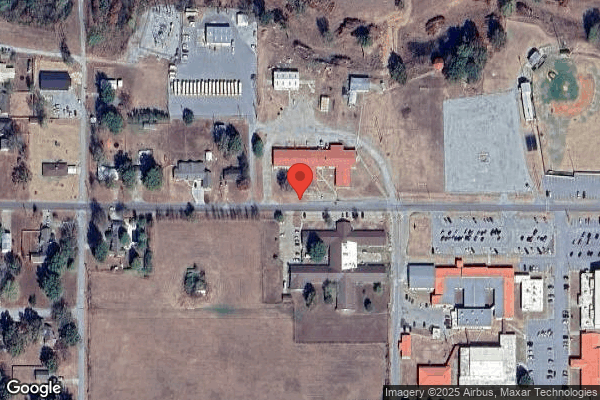
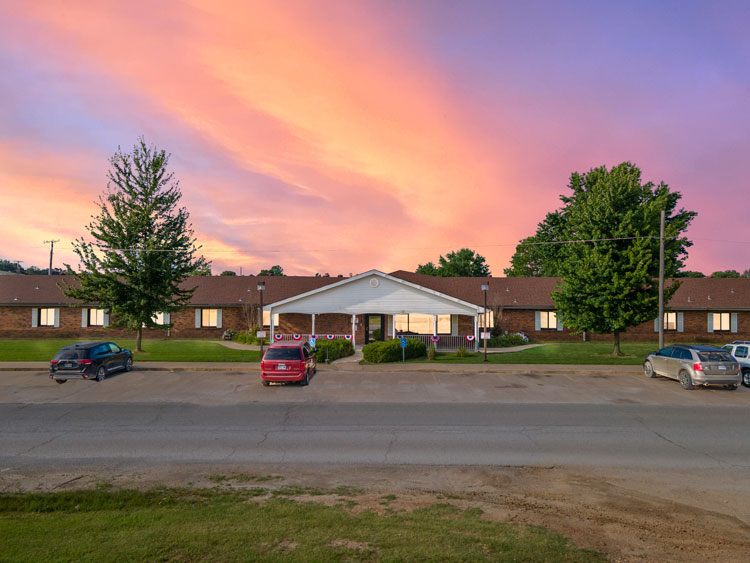
MONROE MANOR

226 E MONROE STREET, JAY, OK 74346 (918) 919-3276
For profit - Limited Liability company 98 Beds GLOBAL HEALTHCARE REIT Data: November 2025 1 Immediate Jeopardy citation
Trust Grade
8/100
#246 of 282 in OK
Last Inspection: August 2024

Within standard 12-15 month inspection cycle. Federal law requires annual inspections.

Overview

Monroe Manor in Jay, Oklahoma has received a Trust Grade of F, indicating poor performance with significant concerns regarding care. Ranked #246 out of 282 facilities in Oklahoma, it falls in the bottom half, and is the lowest-ranked option in Delaware County. The facility's situation is worsening, with issues increasing from 2 in 2023 to 15 in 2024, and staffing is a major concern with a turnover rate of 74%, much higher than the state average of 55%. Additionally, the facility has incurred $31,773 in fines, which is higher than 80% of Oklahoma facilities, signaling ongoing compliance issues. Specific incidents include a critical failure to provide appropriate tracheostomy care, resulting in a life-threatening situation, and serious lapses in monitoring and treating a resident's pain after a fall, as well as inadequate diabetic care for another resident. While the RN coverage is average, the overall high level of fines and low staffing ratings raise red flags for families considering this facility.

Trust Score
F
8/100
In Oklahoma
#246/282
Bottom 13%
Safety Record
High Risk
Review needed
Inspections
Getting Worse
2 → 15 violations
Staff Stability
⚠ Watch
74% turnover. Very high, 26 points above average. Constant new faces learning your loved one's needs.
Penalties
○ Average
$31,773 in fines. Higher than 53% of Oklahoma facilities. Some compliance issues.
Skilled Nurses
⚠ Watch
Each resident gets only 19 minutes of Registered Nurse (RN) attention daily — below average for Oklahoma. Fewer RN minutes means fewer trained eyes watching for problems.
Violations
⚠ Watch
18 deficiencies on record. Higher than average. Multiple issues found across inspections.
★☆☆☆☆
1.0
Overall Rating
★☆☆☆☆
1.0
Staff Levels
★★☆☆☆
2.0
Care Quality
★★☆☆☆
2.0
Inspection Score
Stable
2023: 2 issues
2024: 15 issues

The Good

  • Full Sprinkler Coverage · Fire safety systems throughout facility
  • No fines on record

Facility shows strength in fire safety.

The Bad

1-Star Overall Rating

Below Oklahoma average (2.6)

Significant quality concerns identified by CMS

Staff Turnover: 74%

28pts above Oklahoma avg (46%)

Frequent staff changes - ask about care continuity

Federal Fines: $31,773

Below median ($33,413)

Moderate penalties - review what triggered them

Chain: GLOBAL HEALTHCARE REIT

Part of a multi-facility chain

Ask about local staffing decisions and management

Staff turnover is very high (74%)

26 points above Oklahoma average of 48%

The Ugly 18 deficiencies on record

1 life-threatening 2 actual harm
Sept 2024 3 deficiencies 1 IJ
CRITICAL (J) 📢 Someone Reported This

A family member, employee, or ombudsman was alarmed enough to file a formal complaint

Immediate Jeopardy (IJ) - the most serious Medicare violation

Respiratory Care (Tag F0695)

Someone could have died · This affected 1 resident

**NOTE- TERMS IN BRACKETS HAVE BEEN EDITED TO PROTECT CONFIDENTIALITY** On [DATE] an Immediate Jeopardy (IJ) was determined to exist related to the facilities failure to provide appropriate tracheosto...

Read full inspector narrative →
**NOTE- TERMS IN BRACKETS HAVE BEEN EDITED TO PROTECT CONFIDENTIALITY** On [DATE] an Immediate Jeopardy (IJ) was determined to exist related to the facilities failure to provide appropriate tracheostomy care to include replacing a dislodged tracheostomy cannula. On [DATE] at approximately 5:30 a.m., agency nurse #1 entered Resident #1's room and discovered Resident #1's inner cannula had become dislodged and they were bleeding from the tracheostomy site. Agency nurse #1 failed to attempt to reinsert the inner cannula, provide oxygen, address the bleeding, and remain with the resident. On [DATE] at 12:13 p.m., the OSDH was notified and verified the existence of the IJ situation. On [DATE] at 12:23 p.m., the facility administrator was notified of the IJ situation. On [DATE] at 4:06 p.m., an acceptable plan of removal was submitted to the OSDH. The plan of removal documented: 1. Resident (name removed) expired, report sent to Oklahoma State Department of Health and Adult Protective Services. 2. Residents (names removed) tracheostomies were assessed by DON, (name removed) tracheostomy in place and vital signs within comfort zones. 3. DON in-serviced our core staff nurses regarding tracheostomy care and emergency situations on [DATE]. DON oriented agency nurse to facility as well as tracheostomy policy and emergency transportation [DATE]. Core nurses were in-serviced on [DATE] over tracheostomy policy and emergency transportation. 4. All agency nurses will be oriented on facility, tracheostomy policy and emergency situations before beginning shift [DATE]. Tracheostomy observation task placed in PCC per shift to ensure tracheostomy is in place, if not policy will be followed. All items on POR will be completed as of 1600. On [DATE], staff were interviewed regarding recent training/updates related to tracheostomy care and emergency procedure. On [DATE] at 11:17 a.m., the IJ was removed when all components of the plan of removal had been verified. The deficiency remained as an isolated event at a level of potential for harm. Based on record review and interview, the facility failed to provide appropriate tracheostomy care to include replacing a dislodged tracheostomy cannula for one (#1) of three sampled residents reviewed for tracheostomy care. The DON identified two residents in the facility with tracheostomies. Findings: An undated facility policy titled Tracheostomy Care, read in part, .Accidental Decannulation .In the event of accidental decannulation, call for help .Attempt to quickly re-insert a new sterile tracheostomy of same size .If this is not possible, insert end of a sterile suction catheter into stoma to help maintain opening .If unable to reinsert, use a bag-valve mask (BVM) resuscitation device (or pocket mask) to ventilate the elder by mouth while covering the tracheostomy stoma with a gloved finger . Resident #1 had diagnoses which included malignant neoplasm of supraglottis and tracheostomy status. A care plan intervention, initiated [DATE], documented Tube out procedures: keep extra trach tube and obturator at bedside. If tube is coughed out, open stoma with hemostat. If tube cannot be reinserted, monitor/document for signs of respiratory distress. If able to breathe spontaneously, elevate HOB 45 degrees and stay with resident. Obtain medical help immediately . A physician's order, dated [DATE] at 3:00 p.m., documented if the trach came out and could not be replaced due to the tumor, give 0.5 ml of morphine concentrate (narcotic medication) immediately and call the hospice provider for an emergency morphine order. A nurse's note, dated [DATE] at 6:53 a.m., documented, This nurse was notified by CNA that resident was asking for this nurse. This nurse entered the resident's room a few minutes later and the resident was laying in [his/her] bed with [his/her] trach pulled out in [his/her] left hand and [his/her] right hand in [his/her] throat while bleeding profusely from throat. This nurse asked if resident could re-insert trach and resident shook [his/her] head no, this nurse stated I'm calling the ambulance, and resident shook [his/her] head yes. This nurse immediately called 911 and asked CNA to see if resident was still bleeding profusely from throat and was told yes from CNA. This nurse hung up with 911 and was told by a CNA that resident was no longer breathing. This nurse immediately checked on resident and resident was taking a breath every 4-5 seconds and this nurse could not feel a pulse. This nurse immediately called 911 to report the new findings. EMS arrived and resident was no longer breathing and had no pulse. This nurse provided a signed DNR to EMS and resident passed away at 5:48 am. This nurse notified [hospice name withheld] and nurse arrived. This nurse attempted to contact [family member] via phone but [his/her] phone would not connect a call. This nurse attempted to contact [family member] via phone and this nurse left a voicemail. Hospice nurse is here and the body will be discharged to [name withheld] Funeral Home. DON notified by this nurse. On [DATE] at 1:13 p.m., the DON stated agency nurse #1 failed to attempt to reinsert the inner cannula, provide oxygen, address the bleeding, and remain with the resident. On [DATE] at 7:54 a.m., agency nurse #2 stated they had not had training to deal with an emergency decannulation either from their staffing agency or the facility. They stated in the event of an emergency they would get help from the another nurse. They stated there was no orientation for agency staff at the facility. They stated they came to work, received report, and started providing care. On [DATE] at 8:50 a.m., the administrator stated they did not have any documentation of skills check offs for trach care. On [DATE] at 9:25 a.m., the DON stated there was no formal orientation procedure for agency nurses.
SERIOUS (G) 📢 Someone Reported This

A family member, employee, or ombudsman was alarmed enough to file a formal complaint

Actual Harm - a resident was hurt due to facility failures

Quality of Care (Tag F0684)

A resident was harmed · This affected 1 resident

**NOTE- TERMS IN BRACKETS HAVE BEEN EDITED TO PROTECT CONFIDENTIALITY** Based on record review and interview, the facility failed to assess, monitor, and intervene for a resident who had increased pai...

Read full inspector narrative →
**NOTE- TERMS IN BRACKETS HAVE BEEN EDITED TO PROTECT CONFIDENTIALITY** Based on record review and interview, the facility failed to assess, monitor, and intervene for a resident who had increased pain from a fall resulting in a fracture of one (#2) of three sampled residents reviewed for falls. The DON identified the facility census was 38. Findings: An undated facility document titled Fall Prevention Policy, read in part, .If a resident experiences a fall, the charge nurse will complete an Incident Report and document the fall in the resident's record, as well as the 24-hour report. Daily entries regarding the status of the resident's condition will occur each shift for 72 hours following the incident . Resident #2 had diagnoses which included emphysema and muscle weakness. An admission assessment, dated 07/10/24, documented the resident was independent for daily decision making and required moderate assistance from staff with ADLs. It was documented the resident had not experienced pain during the look back period. A physician's order, dated 07/12/24, documented Resident #2 was to receive morphine sulfate concentrate solution (narcotic medication) 20 MG/ML. Give 0.25 ml by mouth every 4 hours as needed for pain. On 08/27/24, the TAR documented Resident #2 received one dose of the as needed morphine for a pain level of 2 out of 10. On 08/28/24, the TAR documented Resident #2 received two doses of the as needed morphine for a pain level rated 7 out of 10. On 08/29/24, the TAR documented Resident #2 received one dose of the as needed morphine for a pain level rated 7 out of 10. On 08/30/24, the TAR did not document the resident received a dose of the as needed morphine. On 08/31/24, the TAR documented Resident #2 received one dose of the as needed morphine for a pain level rated 8 out of 10. On 09/01/24, the TAR documented Resident #2 received three doses of the as needed morphine for pain levels of 6, 10, and 8 out of ten. On 09/02/24, the TAR documented Resident #2 received one dose of the as needed morphine for pain rated at 7 out of 10. A nurse's note, dated 09/02/24 at 12:54 p.m., documented the resident was sent to the ER for shortness of breath, confusion, and right-side pain. A late entry nurse's note, dated 09/02/24 at 4:28 p.m., documented the DON spoke with the ER physician and the physician stated the resident was complaining of pain related to a fall. The DON informed the physician they were unaware of the resident falling and they would investigate. A late entry nurse's note, dated 09/03/24 at 3:42 p.m., documented the resident had reported a fall to CNA #5 on 08/28/24 at 5:30 a.m. It was further documented CNA #5 reported the fall to RN #1 and that Resident #2 was currently at the hospital awaiting surgery for a hip fracture. An admission assessment, dated 09/18/24, documented Resident #2 had limited daily activities occasionally during the look back period due to pain. It was documented they rated their worst pain in the look back period at an 8 on a scale of 1-10. On 09/19/24 at 7:54 a.m., agency nurse #2 stated if a staff member reported a resident had fallen, they should be assessed, and the physician and family should be notified. On 09/19/24 at 8:02 a.m., LPN #1 stated if a resident had a fall the physician should be notified and the resident should be assessed. On 09/19/24 at 8:44 a.m., LPN #2 stated the physician should be notified and the resident should be assessed immediately. On 09/19/24 at 9:27 a.m., the DON stated if a resident had a fall the expectation was the physician be notified immediately and the resident assessed. On 09/23/24 at 10:10 a.m., the DON stated Resident #2 was sent to the hospital on [DATE] for shortness of breath and pain. They stated they called the hospital later to check on the resident and the ER physician stated the resident reported that they had fallen. The DON stated they were unaware of a fall and began an investigation. They stated they determined Resident #2 had reported the fall to a CNA on 08/28/24 around 5:30 a.m. They stated the CNA reported they advised the nurse that Resident #2 had fallen. They stated there was no documentation the nurse assessed the resident, notified the physician/DON, or completed an incident report. The DON stated the hospital determined the resident had a broken hip. They stated from 08/28/24 until Resident #2 went to the hospital on [DATE], the resident was asking for pain medications more often than they usually did. On 09/23/24 at 10:58 a.m., LPN #3 stated they had worked the day shift on 08/28/24 and RN #1 did not report to them Resident #2 had fallen. They stated RN #1 did report the resident had complained of hip pain and may have needed an order for an analgesic cream. LPN #3 stated Resident #2 did not complain of pain during their shift. On 09/23/24 at 11:27 a.m., CNA #5 stated on 08/28/24 around 5:30 a.m., Resident #2 reported to them they had fallen hard and broke their hip. CNA #5 stated they informed RN #1 and RN #1 went down to check on Resident #2.
CONCERN (D) 📢 Someone Reported This

A family member, employee, or ombudsman was alarmed enough to file a formal complaint

Potential for Harm - no one hurt, but risky conditions existed

Tube Feeding (Tag F0693)

Could have caused harm · This affected 1 resident

Based on record review and interview, the facility failed to perform an assessment and notify the physician of a dislodged PEG tube for one (#5) of three sampled residents reviewed for feeding tubes. ...

Read full inspector narrative →
Based on record review and interview, the facility failed to perform an assessment and notify the physician of a dislodged PEG tube for one (#5) of three sampled residents reviewed for feeding tubes. The DON identified three residents in the facility with feeding tubes. Findings: Resident #5 had diagnoses which included dysphagia and dementia. A care plan intervention, initiated 01/09/24, documented to monitor document and report any signs or symptoms of the tube becoming dislodged, infection, or malfunction of the feeding tube. A nurse's note, dated 01/12/24 at 7:55 p.m., documented Resident #5 pulled the PEG tube out approximately 2 inches and the nurse was unable to replace the PEG tube. It was documented they passed the information to the night nurse to report it to the day nurse. There was no documentation Resident #5 five was assessed or the physician notified. A nurse's note, dated 01/13/24 at 7:29 a.m., documented the nurse assessed Resident #5 and sent them to the hospital for evaluation and treatment. On 09/19/24 at 7:54 a.m., agency nurse #2 stated if a resident dislodged their PEG tube they should be assessed, and the physician should be notified. On 09/19/24 at 8:02 a.m., LPN #1 stated if a resident pulled out their PEG tube the physician should be notified, and the resident should be assessed. On 09/19/24 at 8:44 a.m., LPN #2 stated the physician should be notified and the resident should be assessed immediately. They stated it was not appropriate to just pass it on to the next shift to take care of. On 09/19/24 at 9:27 a.m., the DON stated if a PEG tube was pulled out the expectation was the physician would be notified immediately, and the resident assessed.
Aug 2024 5 deficiencies
CONCERN (D)

Potential for Harm - no one hurt, but risky conditions existed

Deficiency F0657 (Tag F0657)

Could have caused harm · This affected 1 resident

Based on record review and interview, the facility failed to ensure a care plan was revised after a resident with a history of elopement attempts was observed by staff opening the facility's locked lo...

Read full inspector narrative →
Based on record review and interview, the facility failed to ensure a care plan was revised after a resident with a history of elopement attempts was observed by staff opening the facility's locked lobby door for one (#25) of twelve residents reviewed for care plan accuracy. A facility Midnight Census Report, dated 08/10/24, documented 39 residents resided at the facility. Findings: An undated facility policy Monroe Manor Care Plan Policy, read in part, A comprehensive care plan must be developed within 7 days after the completion the comprehensive assessment and is periodically reviewed and revised by a team of qualified persons after each assessment. Resident #25 had diagnoses which included dementia. A care plan focus located in Resident #25's care plan, dated 05/20/24, read in part, I am an elopement/wanderer (SPECIFY) risk r/t History of attempts to leave facility unattended. The goal connected to the elopement focus was for the resident to remain safe through the next review date and was dated 05/20/24 with a revision date of 08/08/24. There were two interventions attached to the focus. One intervention to assess the resident for falls and a second intervention to attempt to identify the reason the resident attempted to elope. Each intervention was dated 05/20/24. A progress note, dated 06/29/24, documented the resident had been observed by staff attempting to depart the facility through the locked front door. On 08/12/24 at 10:10 a.m., MDS Coordinator #1 stated they did not see how the elopement intervention to assess the resident for falls had any usefulness regarding elopement. They stated the care plan focus for elopement had not been revised following the resident opening the locked door on 06/29/24. On 08/12/24 at 1:19 p.m., CNA #3 stated they had been sitting outside the facility on the date Resident #25 opened the front lobby door. They stated they had heard the alarm for the front lobby door go off and the door open. They stated they could see Resident #25 open the door and then a staff member inside the facility pull their wheelchair back into the lobby. They stated the resident did not exit the building and staff were nearby the resident and responded to the alarm. On 08/14/24 at 10:02 a.m., the DON stated the facility had done interventions following the attempted elopement but had not documented them. They stated they need to do a better job of care planning.
CONCERN (D)

Potential for Harm - no one hurt, but risky conditions existed

Deficiency F0883 (Tag F0883)

Could have caused harm · This affected 1 resident

Based on record review and interview, the facility failed to ensure influenza vaccinations were offered for two (#32 and #34) of five residents reviewed for immunizations. The administrator reported t...

Read full inspector narrative →
Based on record review and interview, the facility failed to ensure influenza vaccinations were offered for two (#32 and #34) of five residents reviewed for immunizations. The administrator reported the census was 39. Findings: An undated Influenza and Pneumonia Immunization Policy read in part, .All residents, staff and volunteers will be offered the influenza vaccine annually .For resident immunizations, documentation of the administration of the vaccine, including education, type of vaccine, lot number and injection site will be documented in the residents' clinical record . 1. Resident #32 had diagnoses which included diabetes mellitus and hypertension. A review of Res #32's immunization record did not document the resident had received or been offered a flu vaccination. 2. Resident #34 had diagnosis which included cerebral palsy and hypertension. A review of Res #34's immunization record did not document the resident had received or been offered a flu vaccination. On 08/14/24 at 9:56 am, the infection preventionist stated no documentation regarding Res #32 or Res #34's vaccination status had been located.
CONCERN (E)

Potential for Harm - no one hurt, but risky conditions existed

Medication Errors (Tag F0758)

Could have caused harm · This affected multiple residents

Based on record review and interview, the facility failed to: a) Ensure side effect monitoring was in place for one (#20) of five residents reviewed for unnecessary medications. b) Ensure PRN psychotr...

Read full inspector narrative →
Based on record review and interview, the facility failed to: a) Ensure side effect monitoring was in place for one (#20) of five residents reviewed for unnecessary medications. b) Ensure PRN psychotropic medication orders are limited to 14 days for one (#26) of five residents reviewed for unnecessary medications. c) Ensure a gradual dose reduction recommendation was addressed by the physician for one (#9) of five residents reviewed for unnecessary medications. The DON identified 29 residents in the facility receiving psychotropic medications. Findings: 1. Resident #20 had diagnoses which included major depressive disorder and insomnia. A care plan intervention, implemented 04/08/22, documented Res #20 was to be given psychotropic medications as ordered and monitored for side effects every shift. A care plan intervention, implemented 11/28/23, documented Res #20 was to be given antidepressant medications as ordered and monitored for side effects every shift. An annual assessment, dated 05/25/24, documented the resident routinely received antipsychotic medication and an antidepressant medication. A review of Res #20's medical records did not document they were being monitored every shift for side effects. On 08/13/24 at 11:32 am, LPN #1 stated side effect monitoring should be documented in the TAR. On 08/13/24 at 12:27 pm, the DON stated they would update Res #20's medical record to include the appropriate side effect monitoring every shift. On 08/14/24 at 8:00 am, LPN #2 stated side effect monitoring for antidepressants and psychotropics should be documented in the TAR. 2. Resident #26 had diagnoses which included anxiety disorder and depression. A quarterly assessment, dated 06/27/24, indicated Res #26 received an antianxiety medication. A physician's order, dated 05/17/23, documented the resident was to receive diazepam (an antianxiety medication) 5mg by mouth PRN every 24 hours. The order did not have a stop date. On 08/13/24 at 11:32 am, the DON stated they were unsure why the order was PRN or why it was ordered for more than 14 days. 3. Resident #9 had diagnoses which included major depressive disorder. An active medication order, dated 11/08/24, documented Resident #9 was to be administered Latuda [an antipsychotic medication] 60 mg once each day at bedtime. A document from the facility's contracted pharmacy, titled Consultant Pharmacist's Medication Regimen Review Active Recommendations Lacking a Final Response, dated 01/29/24, documented Resident #9 had been taking Latuda 60 mg at bedtime since May of 2023. It further documented a pharmacist recommended the resident's physician evaluate the current dose and consider a dose reduction to 40 mg at bedtime. The document further stated there had been no response from the physician. On 08/13/24 at 2:39 p.m., the administrator stated they had called the pharmacy and reviewed their documentation at the facility in regards to the pharmacist's dose reduction recommendation of 01/29/24. They stated they had found no documentation the physician had responded. On 08/14/24 at 10:00 a.m., the DON stated the physician had not followed policy regarding responding to pharmacy recommendations. They stated if a resident did not get a proper dose it could effect them negatively.
CONCERN (E)

Potential for Harm - no one hurt, but risky conditions existed

Food Safety (Tag F0812)

Could have caused harm · This affected multiple residents

Based on observation and interview, the facility failed to ensure an unlocked container of ice was not utilized by residents and visitors. A facility Midnight Census Report, dated 08/10/24, documented...

Read full inspector narrative →
Based on observation and interview, the facility failed to ensure an unlocked container of ice was not utilized by residents and visitors. A facility Midnight Census Report, dated 08/10/24, documented 39 residents resided at the facility. Findings: An undated facility Ice Machine / Ice Chest Safety policy, read in part, All employees will use sanitary methods to obtain ice for themselves and for elders and visitors from any ice machine or ice chest. the policy further read in part, Only employees may obtain ice if the use of an ice scoop is needed. On 08/11/24 at 9:51 a.m. a ice chest was observed in the hallway across from the nurses station. The container was full of ice, had an ice scoop located next to it, and there was no lock on the container. On 08/13/24 at 7:33 a.m. a ice chest was observed in the hallway across from the nurses station. The container was full of ice, had an ice scoop located next to it, and there was no lock on the container. On 08/13/24 at 7:35 a.m., CNA #1 stated the ice in the chest was for anyone who needed it. They stated the residents can get their own ice it they want it. On 08/13/24 at 7:42 a.m. CNA #4 stated the ice chest was for staff to give to residents but there was nothing stopping residents or visitors from getting the ice themselves. On 08/13/24 at 7:45 a.m., CNA #3 stated the ice chest was for residents. They stated they had seen family members and resident get ice out of the container. On 08/13/24 at 7:48 a.m., a resident was observed getting ice from the ice chest and putting it into a cup. They stated they always get ice from the container. The resident used the ice scoop but their hand did touch the ice repeatedly. On 08/13/24 at 10:14 a.m., the dietary manager stated they place the ice in the container for the staff to pass out to resident. They stated the residents should not be getting their own ice from the container. On 08/13/24 at 10:14 a.m., the DON stated it was an infection control issue for residents and visitors to get ice from the cooler. On 08/14/24 at 9:41 a.m., the DON stated the staff allowing resident and visitors to get ice from the ice chest were not following infection control standards or facility policy.
CONCERN (E)

Potential for Harm - no one hurt, but risky conditions existed

Infection Control (Tag F0880)

Could have caused harm · This affected multiple residents

Based on observation, interview and record review, the facility failed to: a) Have a system of surveillance and monitoring designed to identify and prevent Legionnaire's disease. b) Implement a policy...

Read full inspector narrative →
Based on observation, interview and record review, the facility failed to: a) Have a system of surveillance and monitoring designed to identify and prevent Legionnaire's disease. b) Implement a policy and procedure related to enhanced barrier precautions. C) Ensure that infection control practices were followed during wound care for two (#32 and #15) of two residents reviewed for wound care. The administrator reported the census was 39. Findings: 1. On 08/13/24 at 11:40 am, the maintenance supervisor stated they were not aware of any monitoring of the water system related to Legionnaire's disease. On 08/14/24 at 9:56 am, the infection preventionist stated they did not have a program in place to prevent Legionnaire's disease. On 08/14/24 at 10:07 am, the DON stated they needed to implement a water management program at the facility. 2. Resident #32 had diagnoses which included pressure ulcer of the sacral region and diabetes mellitus. On 08/13/24 at 1:20 pm, CNA #1 was observed providing catheter care for Res #32, CNA #1 was not wearing a gown. On 08/13/24 at 2:40 pm, the DON was observed providing wound care for Res #32, the DON was not wearing a gown. On 08/13/24 at 2:40 pm, the DON was observed providing wound care for Res #32. During the procedure, the DON was observed to remove soiled gloves and don clean gloves seven times. On all seven occasions, the DON failed to perform hand hygiene before donning the clean gloves. On 08/14/24 at 7:30 am, RN #1 stated the facility did not use enhanced barrier precautions, and hygiene should be performed before putting on gloves and after removing gloves. On 08/14/24 at 8:00 am, LPN #2 stated they were not familiar with enhanced barrier precautions. On 08/14/24 at 10:07 am, the DON stated they were not using enhanced barrier precautions. On 08/14/24 at 8:00 am, CNA #2 stated hand hygiene should be performed when changing gloves. On 08/14/24 at 10:07 am the DON stated hand hygiene should be performed when changing gloves. 3. Resident #15 had diagnoses which included a stage four pressure ulcer of the sacral region [area of the lower back at the bottom of the spine]. A facility Skin Observation Tool, dated 07/27/24, documented Resident #15 had a stage four pressure ulcer located at the sacral region of their back. On 08/11/24 at 1:09 p.m., Resident #15 stated they did not think the staff changed the bandages on their pressure ulcers as ordered. On 08/12/24 at 2:58 p.m., LPN #1 was observed as they provided wound care to Resident #15. LPN #2 assisted LPN #1 by providing support to the resident during the care. During the wound care Resident #15 required a break and was resting on their back. After the break LPN #1 was observed to grasp the bed pad, that was under the resident's back and buttock, with their gloved hands to assist the resident back onto their side. After the resident was positioned LPN #1 obtained the packing materiel to be used in the sacral pressure wound without first cleaning their hands and changing their gloves. LPN #1 then proceed to pack the material into the wound. On 08/13/24 at 11:37 a.m., LPN #1 stated they had not been 100% confident about the wound care on 08/12/. They stated they believed they should have changed gloves more often. She stated she should have change gloves after touching the bed pad. On 08/14/24 at 10:05 a.m., the DON stated LPN #1 should have change their gloves between making contact with the bed pad and then handling the packing material. They stated LPN #1 had not been following standards of care and facility policy.
Jul 2024 1 deficiency
CONCERN (D) 📢 Someone Reported This

A family member, employee, or ombudsman was alarmed enough to file a formal complaint

Potential for Harm - no one hurt, but risky conditions existed

Deficiency F0697 (Tag F0697)

Could have caused harm · This affected 1 resident

Based on record review and interview, the facility failed to ensure a resident experiencing pain received treatment for pain for one (# 1) of four residents reviewed for pain. The administrator report...

Read full inspector narrative →
Based on record review and interview, the facility failed to ensure a resident experiencing pain received treatment for pain for one (# 1) of four residents reviewed for pain. The administrator reported the census was 38. Findings: Resident #1 had diagnoses which included aftercare following joint replacement surgery and osteoarthritis. A baseline care plan, dated 06/27/24 at 12:34 pm, documented the residents pain level was an eight. A nurse note, dated 06/27/24 at 1:08 pm, documented Resident #1's left knee was swollen, and the resident rated their pain at an eight out of ten. A physician's order, dated 06/27/24 at 1:45 pm, documented Resident #1 could have oxycodone-acetaminophen (a pain medication) 7.5/325mg every six hours as needed for pain. The treatment administration record for June documented the resident received pain medication on 06/28/24 at 3:30 am. A review of the clinical record did not document the physician was contacted regarding the resident's pain level, or that any non-pharmacological interventions had been attempted. On 07/23/24 at 1:00 pm, RN #1 stated the physician should have been contacted or the pharmacy should have been contacted to expedite the medications. On 07/23/24 at 1:05 pm MDS Coordinator #1 stated that the physician should have been contacted or nursing interventions like positioning or ice packs should have been attempted. On 07/23/24 at 1:25 pm, the Administrator stated they were unable to locate a policy related to pharmacy services or pain management. They also stated the medication was not available until the pharmacy company delivered it around 3:00 am.
May 2024 2 deficiencies
CONCERN (D) 📢 Someone Reported This

A family member, employee, or ombudsman was alarmed enough to file a formal complaint

Potential for Harm - no one hurt, but risky conditions existed

Report Alleged Abuse (Tag F0609)

Could have caused harm · This affected 1 resident

Based on record review and interview, the facility failed to report an allegation of abuse to the Oklahoma State Department of Health within the mandated time frame for one (#1) of three sampled resid...

Read full inspector narrative →
Based on record review and interview, the facility failed to report an allegation of abuse to the Oklahoma State Department of Health within the mandated time frame for one (#1) of three sampled resident reviewed for abuse. The DON reported the facility had a census of 39 residents. Findings: A facility policy titled, Prevention and Reporting of Abuse, Neglect, and Misappropriation of Resident Property, read in part, When possible the facility shall notify the State Department of Health within 12 hours of the incident. An incident report fax cover sheet documented a combined initial and final incident report regarding an allegation of verbal abuse by Resident #1 was faxed to OSDH on 05/20/24. The incident report documented the incident had occurred on 05/09/24. On 05/28/24 at 11:59 a.m., the DON stated they had witnessed a verbal interaction between Resident #1 and CMA #1 on 05/09/24. They stated the resident did not report feeling abused at that time and they did not believe what they had seen was abuse. They stated on 05/10/24 they received a phone call from the BOM who informed them that Resident #1 had reported they had been verbally abused. The DON stated they were on leave and informed the BOM the administrator would need to be informed and something needed to be done about the situation. They stated they reported back to work on 05/13/24. On 05/28/24 at 1:30 p.m. the Administrator stated that on 05/10/24, Resident #1 had informed them that they had been verbally abused by staff on 05/09/24. They stated they did not report the allegation to OSDH at that time as they believed the DON would do so when they returned from leave on 05/13/24. They stated they did not meet the 24-hour time limit for reporting. On 05/28/24 at 1:33 p.m. DON stated they sent an incident report to OSDH about the incident of 05/09/24 on 05/20/24.
CONCERN (D) 📢 Someone Reported This

A family member, employee, or ombudsman was alarmed enough to file a formal complaint

Potential for Harm - no one hurt, but risky conditions existed

Investigate Abuse (Tag F0610)

Could have caused harm · This affected 1 resident

**NOTE- TERMS IN BRACKETS HAVE BEEN EDITED TO PROTECT CONFIDENTIALITY** Based on record review and interview, the facility failed to investigate an allegation of abuse and suspend an alleged perpetrat...

Read full inspector narrative →
**NOTE- TERMS IN BRACKETS HAVE BEEN EDITED TO PROTECT CONFIDENTIALITY** Based on record review and interview, the facility failed to investigate an allegation of abuse and suspend an alleged perpetrator during the time of an investigation into the alleged abuse, for one (#1) of three sampled resident reviewed for abuse. The DON reported the facility had a census of 39 residents. Findings: A facility policy titled, Prevention and Reporting of Abuse, Neglect, and Misappropriation of Resident Property, read in part, It is the policy of [NAME] Manor to thoroughly investigate all allegations concerning resident abuse, neglect, and misappropriation of resident property, and to prevent further potential abuse, neglect, and misappropriation pending an investigation. An incident report, dated 05/20/24, documented an allegation of abuse by Resident #1 that allegedly occurred on 05/09/24. On 05/28/24 at 11:59 a.m., the DON stated they had witnessed a verbal interaction between Resident #1 and CMA #1 on 05/09/24. They stated the resident did not report feeling abused at that time and they did not believe what they had seen was abuse. They stated they did instruct CMA #1 and the nurse on duty that CMA #1 was not to work with Resident #1 after that day. They stated CMA #1 continued to work with other residents as usual and had not been suspended at any point since the incident. They stated on 05/10/24 they received a phone call from the BOM who informed them that Resident #1 had reported they had been verbally abused. The DON stated they were on leave and informed the BOM the administrator would need to be informed and something needed to be done about the situation. They stated they reported back to work on 05/13/24. They stated they believed an investigation had never been done. On 05/28/24 at 1:30 p.m., the Administrator stated that on 05/10/24 they and the BOM had visited with Resident #1 and the resident stated they had been verbally abused by staff. They stated they did perform an investigation at that time because they believed DON would do so when they returned from leave. They stated CMA #1 had not been suspended because the DON had previously instructed CMA #1 not to work with Resident #1 and after speaking with staff believed the CMA had followed those instructions. On 05/28/24 Aa 1:33 p.m. DON stated they sent an incident report to OSDH about the incident of 05/09/24 on 05/20/24. They stated they had not interviewed other residents about their interactions with CMA #1 or knowledge of the reported incident of 05/09/24. They stated an investigation should be conducted and the CMA should have been suspended during an investigation.
Jan 2024 1 deficiency
CONCERN (D) 📢 Someone Reported This

A family member, employee, or ombudsman was alarmed enough to file a formal complaint

Potential for Harm - no one hurt, but risky conditions existed

Notification of Changes (Tag F0580)

Could have caused harm · This affected 1 resident

Based on observation, record review, and interview, the facility failed to notify a resident's physician after a significant loss of weight for one (#2) of three sampled residents reviewed for weight ...

Read full inspector narrative →
Based on observation, record review, and interview, the facility failed to notify a resident's physician after a significant loss of weight for one (#2) of three sampled residents reviewed for weight loss. A Resident Listing Report documented 39 residents resided in the facility. Findings: A facility weight policy, undated, documented a resident's weights were to be taken according to the physicians' orders. Resident #2 had diagnoses with included Alzheimer's dementia, nutritional anemia, acquired absence of parts of the digestive tract. A care plan focus, dated 08/22/23, documented the resident had unplanned weight loss related to poor food intake. The care plan had related interventions, dated 08/22/23, that if weight loss continued staff were to contact the physician and dietitian immediately, and if poor consumption over a 48-hour period, the nutritionist would be alerted. A Weights and Vitals Summary document for Resident #2 documented the resident weights 120 lbs. on 12/28/23, 114 lbs. on 01/16/24, 104 lbs. on 01/23/24, and 107 lbs. on 01/25/24. On 01/30/24 at 1:31 p.m., Resident #2 stated they were not aware of weight loss but would appreciate help eating. At 2:59 p.m., the DON stated the physician had not been made aware of the resident's significant weight loss in January 2024. They stated the physician should have been notified.
Jan 2024 3 deficiencies 1 Harm
SERIOUS (G) 📢 Someone Reported This

A family member, employee, or ombudsman was alarmed enough to file a formal complaint

Actual Harm - a resident was hurt due to facility failures

Quality of Care (Tag F0684)

A resident was harmed · This affected 1 resident

**NOTE- TERMS IN BRACKETS HAVE BEEN EDITED TO PROTECT CONFIDENTIALITY** Based on record review and interview, the facility failed to ensure a resident with diabetes mellitus received necessary treatme...

Read full inspector narrative →
**NOTE- TERMS IN BRACKETS HAVE BEEN EDITED TO PROTECT CONFIDENTIALITY** Based on record review and interview, the facility failed to ensure a resident with diabetes mellitus received necessary treatment and services that were consistent with the standards of practice for one (#1) of three residents reviewed for diabetic care. The administrator reported the census was 38. Findings: Resident #1 had diagnoses which included diabetes mellitus and cysts of the pancreas. A baseline care plan, dated 11/25/23, did not document the resident was diabetic. A physician order, dated 11/26/23, documented the resident was to be given glimepiride (a diabetic medication) 4 mg by mouth once a day. An admission MDS, dated [DATE], did not document the resident was diabetic. A review of the resident's medical record did not document the residents blood sugar was being monitored upon admission. A review of the resident's medical record did not document the resident's A1c was being monitored upon admission. An unwitnessed fall report, dated 12/13/23, documented the resident was found on the floor in his room. The fall report document read in part .resident was lying on floor acting like he was trying to get up by grabbing his left leg and then he would start dropping his head back and hitting the back of his head on the floor. This nurse tried several times to get his attention and get him to focus, which he could not. Checked head to toe even when he was throwing his arms and legs. Resident does have knot on the back of his head .resident did not respond to neuro checks .by the time the ambulance arrived resident was in bed snoring like breathing but still not waking and responding to commands and physical or verbal stimuli . A physician order, dated 12/13/23, documented the resident was to start getting FSBS four times a day. A hospital Discharge summary, dated [DATE], documented upon Resident #1's admission to the emergency room their serum glucose level was less than five. On 01/17/24 at 10:00 a.m., the DON stated the facility knew the resident was diabetic upon admission on [DATE] and they didn't know why they weren't monitoring Resident #1's blood sugar. On 01/18/24 at 6:24 p.m., the DON stated that the nurses should be following the physician orders and also monitoring the residents for signs and symptoms of hypoglycemia and hyperglycemia. They tell me that it is not unusual for a resident on oral diabetic medicine to not have routine FSBS ordered but it was unusual for a diabetic resident not to have an A1c ordered on admit and quarterly. On 01/23/24 at 4:15 p.m., the DON stated the baseline care plan and admission MDS probably did not document Resident #1 was diabetic because the documents were rushed.
CONCERN (D) 📢 Someone Reported This

A family member, employee, or ombudsman was alarmed enough to file a formal complaint

Potential for Harm - no one hurt, but risky conditions existed

Deficiency F0557 (Tag F0557)

Could have caused harm · This affected 1 resident

Based on observation and interview, the facility failed to ensure the dignity of a resident was protected for one (#1) of three residents sampled for dignity. The administrator reported the census was...

Read full inspector narrative →
Based on observation and interview, the facility failed to ensure the dignity of a resident was protected for one (#1) of three residents sampled for dignity. The administrator reported the census was 38. Findings: An undated policy titled Resident Rights Policy read in part, .Each resident has a right to a dignified existence, self-determination and exercise of his/her rights .The right to reside in and receive services of the facility with reasonable accommodation of individual needs, maintain quality of life, enhance dignity . Resident #1 had diagnoses which included cirrhosis of the liver and frequent falls. On 01/17/24 at 8:30 a.m., the resident was observed laying on the floor in his room, naked on a fall mat. The door to his room was open and Resident #1 was clearly visible from the hallway. Staff and other residents were observed walking up and down the hallway. On 01/17/24 at 12:32 p.m., Resident #1 was observed laying on the floor in his room, naked on a fall mat. The door to his room was open and Resident #1 was clearly visible from the hallway. Staff and other residents were observed walking up and down the hallway. On 01/17/24 at 2:22 p.m., the resident was observed laying on the floor in his room, naked on a fall mat. The door to his room was open and Resident #1 was clearly visible from the hallway. Staff and other residents were observed walking up and down the hallway. On 1/18/24 at 1:30 p.m., CNA #6 stated the resident should not have been exposed like that. On 1/18/24 at 1:35 p.m., CNA #3 stated the resident was noncompliant, but they should do better protecting the resident's dignity. On 1/23/24 at 4:15 p.m., the DON stated steps should have been taken to protect the resident's dignity.
CONCERN (E) 📢 Someone Reported This

A family member, employee, or ombudsman was alarmed enough to file a formal complaint

Potential for Harm - no one hurt, but risky conditions existed

Accident Prevention (Tag F0689)

Could have caused harm · This affected multiple residents

**NOTE- TERMS IN BRACKETS HAVE BEEN EDITED TO PROTECT CONFIDENTIALITY** Based on observation, record review and interview, the facility failed to implement interventions to prevent falls/ minimize inj...

Read full inspector narrative →
**NOTE- TERMS IN BRACKETS HAVE BEEN EDITED TO PROTECT CONFIDENTIALITY** Based on observation, record review and interview, the facility failed to implement interventions to prevent falls/ minimize injuries for one resident (#1) of three sampled residents reviewed for falls. Resident #1 had 15 falls over 50 days. The last fall resulted in Resident #1 sustaining a facial laceration, hematoma, and their second subdural hematoma related to falls. The administrator reported the facility census was 38. Findings: An undated Fall Prevention Policy read in part, .The care plan will state the goals, interventions and approaches for every resident who is identified as being at risk for falls .The falls prevention approaches will be evaluated by the QA committee to determine the effectiveness of the approaches. With the recommendations of the committee, changes will be implemented to reduce fall risk in the facility. Resident #1 had diagnoses which included history of falls and depression. A Morse Fall Scale, dated 11/25/23, documented a score of 80 which indicates a high risk for falling. An admission MDS, dated [DATE], documented the resident had a history of falls prior to admission. A fall note, dated 11/29/23 at 7:33 p.m., documented the resident was found on the floor near the bed. The note also documented that the resident was reminded to use his call light and that an assessment was conducted, and the resident was without injuries. A fall note, dated 11/30/23 at 9:33 a.m., documented the resident was found on the floor and the resident reported weakness in his legs. No interventions we documented. A fall note, dated 11/30/23 at 2:44 p.m., documented Resident #1 one was found in the floor, it further documented they were trying to go to the bathroom and that Resident #1 was reminded to use the call light. A fall note, dated 12/03/23 at 10:30 p.m., documented the resident was found on floor in bathroom and found to have a large hematoma to top of head, neuro checks were started. The note further documented the resident was educated to wear non-slip socks and use the call light. A fall note, dated 12/07/23 at 11:00 p.m., documented the resident was found on the floor, an assessment was conducted, and the resident was instructed to use the call light for assistance. A fall note, dated 12/11/23 at 12:46 p.m., documented the resident was found on the floor by the bed. The note also documented redness to left side and mid back was noted and the resident was reminded to use the call light for assistance. An unwitnessed fall report, dated 12/13/23, documented the resident was found on the floor in his room. The fall report document read in part .resident was lying on floor acting like he was trying to get up by grabbing his left leg and then he would start dropping his head back and hitting the back of his head on the floor. This nurse tried several times to get his attention and get him to focus, which he could not. Checked head to toe even when he was throwing his arms and legs. Resident does have knot on the back of his head .resident did not respond to neuro checks .by the time the ambulance arrived resident was in bed snoring like breathing but still not waking and responding to commands and physical or verbal stimuli . No new interventions were documented. A physician order, dated 01/06/24, documented Resident #1's bed was to be in the lowest position. A fall note, dated 01/06/24 at 10:47 a.m., documented the resident was found on the floor and the resident was encouraged to use call light. The note also documented staff were to visit often, no documentation of frequent visits was provided. A fall note, dated 01/07/24 at 9:27 p.m., documented the resident was found on the floor in the bathroom with a large knot noted to back of the resident's head. The note also documented that the resident was reminded to use the call light. A fall note, dated 01/09/24 at 9:24 p.m., documented the resident was found on the floor and was in extreme pain. The note further documents the resident was sent to the emergency room for treatment. No interventions were documented. A nurse note, dated 01/09/24 at 9:35 p.m., documented the resident's family had called and stated the resident had been sent to the hospital with a brain bleed. A nurse note, dated 01/12/24 at 5:50 p.m., documented the resident was readmitted to the facility with a diagnosis of a subdural hematoma. The note further documented the resident was intermittently confused and reminded to use the call light. A fall note, dated 01/14/24 at 00:00 a.m., documented the resident was lying in front of the bathroom door, with scattered bruising to both arms and legs and a new abrasion on the left side. The note further documents that Resident #1 refused to go the ER and that the resident was reminded to use the call light. A fall note, dated 01/15/24 at 9:40 a.m., documented the resident had fallen and was lying on the floor. The note also documented the resident was reminded to use the call light and wear nonslip footwear. A fall note, dated 01/15/24 at 3:30 p.m., documented the resident was found on the floor with no injury. The note further documented the resident would receive frequent visits from staff. Documentation of frequent visits was requested but not received. A fall note, dated 01/15/24 at 11:15 p.m., documented the resident fell with no injuries. No interventions were documented. A care plan updated 01/17/24, documented to refer to the at-risk plan for interventions. On 01/17/24 at 10:00 a.m., the DON stated the resident was too noncompliant for an at-risk plan. On 01/17/24 at 10:30 a.m., The MDS coordinator stated that Resident #1 does not have an at-risk plan and the facility no longer uses them. They also stated they should stop putting them in the care plan. On 01/17/24 at 1:21 p.m., the DON stated none of the interventions they have put in place for Resident #1 were effective. They also stated that the resident is declining rapidly and does not understand how to use a call light. A fall note, dated 01/18/24 at 5:57 a.m., documented the resident was found on the floor with a hematoma and a cut above the right eyebrow. The note further documented EMS was notified to transfer resident to the ER. A nurse note, dated 01/18/24 at 10:33 a.m., documented the resident was being sent from the ER to another hospital due to a second brain bleed.
Jul 2023 2 deficiencies
CONCERN (D) 📢 Someone Reported This

A family member, employee, or ombudsman was alarmed enough to file a formal complaint

Potential for Harm - no one hurt, but risky conditions existed

ADL Care (Tag F0677)

Could have caused harm · This affected 1 resident

Based on record review and interview, the facility failed to ensure a dependent resident received baths for one (#37) of three sampled residents for bathing. The Resident Census and Conditions of Resi...

Read full inspector narrative →
Based on record review and interview, the facility failed to ensure a dependent resident received baths for one (#37) of three sampled residents for bathing. The Resident Census and Conditions of Residents, dated 07/11/23, documented 39 residents required assistance with showers/baths. Findings: Res #37 was admitted with diagnoses which included Parkinson's disease and dementia. A care plan, dated 05/24/23, documented Res #37 required the assistance of one for bathing. An MDS assessment, dated 06/05/23, documented Res #37 had impaired cognition and required assistance with bathing. A TAR, dated 05/24/23 through 07/13/23, documented 12 missed opportunities for baths. On 07/13/23 at 1:39 p.m., CNA #3 was asked how often Res #37 should have received baths. They stated, every other day. CNA #3 was asked if there was documentation of the resident refusing baths or a reason Res #37 did not receive baths as scheduled. They stated, Not that I'm aware of. On 07/13/23 at 1:48 p.m., the DON was asked about the schedule for bathing Res #37. The DON stated Res #37 was scheduled for baths on Mondays, Thursdays, Saturdays, and PRN. The DON was asked how many baths Res #37 had received from 05/24/23 through 07/13/23. The DON stated baths were documented on 5/24/23, 05/29/23, 06/07/23, 06/29/23, 07/03/23, 07/06/23, and 07/13/23. The DON was asked if Res #37 had received baths as scheduled and stated, by the documentation, no. The DON was asked how many missed opportunities there were for baths since 05/24/23. The DON stated there were 12 missed baths and no refusals were documented. The DON was asked if the bathing schedule for Res #37 had been followed. The DON stated, No.
CONCERN (E) 📢 Someone Reported This

A family member, employee, or ombudsman was alarmed enough to file a formal complaint

Potential for Harm - no one hurt, but risky conditions existed

Accident Prevention (Tag F0689)

Could have caused harm · This affected multiple residents

**NOTE- TERMS IN BRACKETS HAVE BEEN EDITED TO PROTECT CONFIDENTIALITY** Based on observation, interview, and record review, the facility failed to ensure interventions were implemented to prevent: a. ...

Read full inspector narrative →
**NOTE- TERMS IN BRACKETS HAVE BEEN EDITED TO PROTECT CONFIDENTIALITY** Based on observation, interview, and record review, the facility failed to ensure interventions were implemented to prevent: a. burns from hot coffee for two (#13 and #17) and b. falls for one (#37) of four residents reviewed for accidents. The Matrix for Providers documented 14 residents had fallen in the past 12 months and DON identified two residents had been burned from hot coffee within the past 12 months. Findings: 1. Res #13 was admitted with diagnoses which included chronic pain and obesity. A quarterly assessment, dated 05/17/23, documented Res #13 was cognitively intact and able to eat independently. An Incident Report Form, dated 06/02/23, documented Res #13 had a hot coffee burn to the right anterior and posterior thigh. The form documented redness was noted at the the time of the incident and later in the day blisters had formed. A blister on the posterior thigh measured 14 cm x 1.5 cm and a blister on the anterior thigh measured 15 cm x 2 cm. The form documented Res #13 was instructed to ask for assistance when obtaining coffee. On 07/11/23 at 1:58 p.m., Res #13 reported they had spilled coffee on their lap on 06/02/23. The resident reported later in the day, a blister had formed on the back of their thigh. Res #13 also reported the burn was painful and staff continued wound care. The resident reported another resident was burned with coffee several months prior. Res #13 reported they no longer drank coffee due to the burn. Res #13 also reported they were not aware of any changes made by the staff to prevent burns from hot coffee. 2. Res #17 was admitted with diagnoses which included dementia. A quarterly assessment, dated 04/04/23, documented Res #17 was severely impaired with cognition and required setup assistance with feeding. A progress note, dated 04/04/23, documented Res #17 burnt self with hot coffee. The note documented ice was applied to the resident's hands which the resident tolerated for a small time, then refused. The progress note documented the resident was taken back to the dining room for coffee at the resident's request. On 07/12/23 at 7:25 am, the CDM was asked about the policy for serving hot coffee to dependent residents. The CDM stated, Usually if it's a dependent residence we cool it and serve it with a lid. All other residents get it however they ask. The CDM stated they were not sure about the policy. On 07/12/23 at 8:30 a.m., Res #17 was observed drinking coffee from a cup without a lid in the dining room. On 07/12/23 at 10:00 a.m., the DM reported the vendor had adjusted the temperature of the coffee after Res #17 was burned. The DM also reported there was no documentation to show the coffee temperature had been adjusted. On 07/12/23 at 1:30 p.m., the DON reported the progress note, dated 04/04/23, was the only documentation available for Res #17's incident with coffee. The DON reported they were not aware of interventions implemented to prevent coffee burns. On 07/12/23 at 2:00 p.m., the administrator reported they were not aware of interventions implemented to prevent burns from hot coffee. The administrator also reported the facility did not have a policy for hot liquids and did not conduct hot liquid safety assessments. 3. A facility fall prevention policy, undated, read in part, .It is the policy of [NAME] Manor to identify residents at risk for falls, and to implement a fall prevention approach to reduce the risk of falls and possible injury .Staff will be trained to be alert to risk and hazards for fall in the environment . Res #37 was admitted with impaired cognition and diagnoses which included Parkinson's and dementia. A care plan, dated 05/24/23, read in part, .I am a high risk for falls r/t Gait/balance problems. Unaware of safety needs .Be sure my call light is within reach and encourage me to use it .Educate me/my family about safety reminders . A resident assessment, dated 06/05/23, documented Res #37 had a history of falling, required one person physical assistance with transfers and ambulated with a walker or a wheel chair. A review of records documented Res #37 had fallen nine times without injury, from 05/26/23 to 07/13/23, (06/01/23, 06/10/23, 06/16/23, 06/17/23, 06/21/23, 07/06/23, and 07/13/23) and once with injury on 06/23/23. A review of the care plan and physician's orders did not document new fall prevention interventions since 05/24/23. On 07/12/23 at 2:35 p.m., LPN #2 was asked about Res #37's falls. LPN #2 stated Res #37 fell because they transferred without asking for assistance. The LPN stated, We can't redirect and remind or re-educate because of memory issues because they won't remember. On 07/13/23 at 7:13 a.m., LPN #1 was asked why Res #37 had frequent falls. LPN #1 stated Res #37 was very independent. They also stated Res #37 would try to sit up, scooted too far, and slid onto the floor. LPN #1 was asked what interventions were in place to prevent falls for Res #37. The LPN stated they would remind the resident to use the call light and wait for assistance. On 07/13/23 at 2:11 p.m., the DON was asked how many times Res #37 had fallen since 05/24/23. The DON stated Res #37 had fallen ten times. The DON was asked to review the care plan for documentation of new fall prevention interventions since 05/24/23. The DON stated there were no new fall prevention interventions documented in the care plan. The DON was asked what interventions had been implemented to prevent falls. The DON stated Res #37 should have had a fall mat. The DON was asked to review the care plan for a fall mat. The DON stated there was not a care plan intervention for a fall mat. The DON was asked how staff would know to use a fall mat if it wasn't care planned. The DON stated, They would not know. The DON was asked about the root cause of Res #37's frequent falls. The [NAME] stated Res #37 would forget to use their special walker and wheel chair, and try to walk. The DON was asked if redirecting and re-educating the resident about call lights were effective interventions. The DON stated, they wouldn't remember. On 07/13/23 at 2:29 p.m., the DON walked to Resident #37's room with the surveyor. The bed was observed in the highest position and no fall mat was present. The DON stated a fall mat should have been in place and the bed should have been in the lowest position. The DON stated there was no documentation in the EHR, therefore staff would not know to lower the bed or use the fall mat.
Apr 2021 1 deficiency
CONCERN (E)

Potential for Harm - no one hurt, but risky conditions existed

Deficiency F0688 (Tag F0688)

Could have caused harm · This affected multiple residents

2. Resident #34 had diagnoses which included Parkinson's disease and muscle weakness. A physician order, dated 07/18/20, documented the resident was to have restorative nursing for splint placement on...

Read full inspector narrative →
2. Resident #34 had diagnoses which included Parkinson's disease and muscle weakness. A physician order, dated 07/18/20, documented the resident was to have restorative nursing for splint placement on his right hand daily, range of motion 3-5 times a week, and ambulation 3-5 times a week with the walk to dine program. A physician progress note, dated 10/23/20, documented the resident needed range of motion of bilateral arms and shoulders and restorative services. Review of the ADL sheets and progress notes in the electronic record for February 2021 did not reveal documentation for restorative services. A quarterly assessment, dated 03/20/21, documented the resident was severely impaired in cognition, had not received restorative nursing services or utilized a splint/device during the look back period. A care plan, updated 03/22/21, documented the resident had Parkinson's disease. An intervention documented, .Encourage/provide gentle range of motion as tolerated with daily care . Review of the ADL sheets and progress notes in the electronic record for March 2021 did not reveal documentation for restorative services/range of motion. On 04/06/21 at 10:04 a.m., the resident was observed in his room sitting in his chair. His right hand was observed to not have full range of motion. A splint or device was not observed to be in use. On 04/07/21 at 8:46 a.m., the resident was observed in the TV room. A splint or device was not observed to be in use for his right hand. On 04/08/21 at 11:14 a.m., the DON was asked for documentation the resident had received restorative nursing services as ordered by the physician. She stated the order was placed in the electronic medical record but there was not documentation to support restorative services had been completed as ordered. She stated they had just updated the care plan. She stated the resident refused the splint at times. She was asked where refusal of the splint was documented. She stated she would look for documentation. On 04/08/21 at 1:34 p.m., the restorative aide was asked what restorative services were provided for resident #34. She stated the resident had a splint for his right hand, but he would not use it much and at times refused it. She was asked where she had documented the resident had refused the splint. She stated she had not documented the refusal of the splint because she had worked the floor as a CNA several times recently. A care plan, updated 04/09/21, documented the resident required restorative therapy. An intervention documented, .Restorative nursing for splint placement on right hand daily, ROM 3-5x weekly . On 04/09/21 at 9:05 a.m., the DON stated the restorative aid kept restorative notes in a notebook. She stated she would review the restorative sheets. On 04/09/21 at 11:02 a.m., the MDS coordinator stated an order for restorative was in the electronic medical record but had not been implemented with a schedule for documentation. She stated they had no documentation restorative services had been provided. By the end of the survey, documentation had not been provided regarding completion of restorative services for the resident. Based on observation, interview, and record review, it was determined the facility failed to ensure restorative therapy was performed for two (#27 and #34) of two sampled residents whose records were reviewed for restorative therapy. 1. Resident #27 had a diagnosis of quadriplegia. The March 2021 order summary report was reviewed. A physician's order designated as active, dated 08/13/18, documented the resident was to have restorative nursing perform range of motion therapy for both upper and both lower extremities 3 (to) 5 times each week. A review of the March 2021 MAR and TAR found no documentation that restorative therapy had occurred that month. A review of a documentation survey report for March 2021 found no documentation that restorative therapy had occurred that month. It did document the initials NA for the term non applicable had been entered on four dates that month. An annual assessment, dated 03/06/21, documented the resident's cognition was intact, required total assistance for activities of daily living, had impairment to all extremities, and had received restorative therapy on one day of the seven day look back period. The April 2021 order summary report was reviewed. A physician's order designated as active, dated 08/13/18, documented the resident was to have restorative nursing perform range of motion therapy for bilateral upper and lower extremities 3 - 5 times each week. A review of the April 2021 MAR and TAR from the date of 04/01/21 to 04/09/21 found no documentation that restorative therapy had occurred during that time period. A review of a documentation survey report for April 2021 from the date of 04/01/21 to 04/09/21 found documentation that restorative therapy had been offered on two of those nine dates. It also documented the initials NA for the term non applicable had been entered on one date during that time period. On 04/07/21 at 10:11 a.m. the resident was observed in a resident common area in the company of family and staff. The resident's arms were visible and had appeared to have possible contractures at the elbows, wrists, and hands. On 04/08/21 at 9:23 a.m., the resident was observed in his assigned room in bed. Observations of the resident's extremities found them bent at the joints but able to be easily extended by the staff. No skin issues were observed. At 9:27 a.m. RN #1 was asked if the resident had been receiving any therapy related to his condition. He stated the resident had received passive ROM. He was asked who performed that task. He stated it was a task the nurse aides did when they provided the resident care. He further stated that the facility did have a designated restorative aide but that person had been working mostly on other duties related to general care. At 10:30 a.m. CNA #2 was asked what care the resident received. She stated he received passive ROM. She was asked who performed that task. She stated it was the nurse aids and that she had done so earlier in the day. She was asked where that was documented. She stated the nurses document that as the aides did not have a place to do so in the EMR. She was asked to show this surveyor the nurse aide screen in the EMR. She did so and a place to document ROM was on the screen. She appeared surprised and then acknowledged that it was possible for the aides to chart ROM but she had not done so. At 10:53 a.m. RN #1 was asked who documented the ROM when it had been done. He stated it was the person who did it and that would have been a CNA. He was informed of the lack of documentation and then stated he had been unaware it was not being done. He was asked who was responsible for ensure the CNA's work was done and documented. He stated the nurses who supervise them. At 11:23 a.m. the DON was shown the lack of documentation in the the resident's EMR related to ROM. She acknowledged documentation of ROM having been performed was not present it the chart but should have been.
Understanding Severity Codes (click to expand)
Life-Threatening (Immediate Jeopardy)
J - Isolated K - Pattern L - Widespread
Actual Harm
G - Isolated H - Pattern I - Widespread
Potential for Harm
D - Isolated E - Pattern F - Widespread
No Harm (Minor)
A - Isolated B - Pattern C - Widespread

Questions to Ask on Your Visit

  • "What changes have you made since the serious inspection findings?"
  • "Why is there high staff turnover? How do you retain staff?"
  • "Can I speak with families of current residents?"
  • "What's your RN coverage like on weekends and overnight?"

Our Honest Assessment

Strengths
  • • Licensed and certified facility. Meets minimum state requirements.
Concerns
  • • Multiple safety concerns identified: 1 life-threatening violation(s), 2 harm violation(s), $31,773 in fines, Payment denial on record. Review inspection reports carefully.
  • • 18 deficiencies on record, including 1 critical (life-threatening) violation. These warrant careful review before choosing this facility.
  • • $31,773 in fines. Higher than 94% of Oklahoma facilities, suggesting repeated compliance issues.
  • • Grade F (8/100). Below average facility with significant concerns.
Bottom line: Trust Score of 8/100 indicates significant concerns. Thoroughly evaluate alternatives.

About This Facility

What is Monroe Manor's CMS Rating?

CMS assigns MONROE MANOR an overall rating of 1 out of 5 stars, which is considered much below average nationally. Within Oklahoma, this rating places the facility higher than 0% of the state's 100 nursing homes. A rating at this level reflects concerns identified through health inspections, staffing assessments, or quality measures that families should carefully consider.

How is Monroe Manor Staffed?

CMS rates MONROE MANOR's staffing level at 1 out of 5 stars, which is much below average compared to other nursing homes. Staff turnover is 74%, which is 28 percentage points above the Oklahoma average of 46%. High turnover can affect care consistency as new staff learn residents' individual needs.

What Have Inspectors Found at Monroe Manor?

State health inspectors documented 18 deficiencies at MONROE MANOR during 2021 to 2024. These included: 1 Immediate Jeopardy (the most serious level, indicating potential for serious harm or death), 2 that caused actual resident harm, and 15 with potential for harm. Immediate Jeopardy findings are rare and represent the most serious regulatory concerns. They require immediate corrective action.

Who Owns and Operates Monroe Manor?

MONROE MANOR is owned by a for-profit company. For-profit facilities operate as businesses with obligations to shareholders or private owners. The facility is operated by GLOBAL HEALTHCARE REIT, a chain that manages multiple nursing homes. With 98 certified beds and approximately 38 residents (about 39% occupancy), it is a smaller facility located in JAY, Oklahoma.

How Does Monroe Manor Compare to Other Oklahoma Nursing Homes?

Compared to the 100 nursing homes in Oklahoma, MONROE MANOR's overall rating (1 stars) is below the state average of 2.6, staff turnover (74%) is significantly higher than the state average of 46%, and health inspection rating (2 stars) is below the national benchmark.

What Should Families Ask When Visiting Monroe Manor?

Based on this facility's data, families visiting should ask: "What changes have been made since the serious inspection findings, and how are you preventing similar issues?" "How do you ensure continuity of care given staff turnover, and what is your staff retention strategy?" "Can you walk me through typical staffing levels on day, evening, and night shifts?" "Can I visit during a mealtime to observe dining assistance and food quality?" These questions are particularly relevant given the facility's Immediate Jeopardy citations, the facility's high staff turnover rate, and the below-average staffing rating.

Is Monroe Manor Safe?

Based on CMS inspection data, MONROE MANOR has documented safety concerns. Inspectors have issued 1 Immediate Jeopardy citation (the most serious violation level indicating risk of serious injury or death). The facility has a 1-star overall rating and ranks #100 of 100 nursing homes in Oklahoma. Families considering this facility should ask detailed questions about what corrective actions have been taken since these incidents.

Do Nurses at Monroe Manor Stick Around?

Staff turnover at MONROE MANOR is high. At 74%, the facility is 28 percentage points above the Oklahoma average of 46%. High turnover means new staff may not know residents' individual needs, medications, or preferences. It can also be disorienting for residents, especially those with dementia who rely on familiar faces. Families should ask: What is causing the turnover? What retention programs are in place? How do you ensure care continuity during staff transitions?

Was Monroe Manor Ever Fined?

MONROE MANOR has been fined $31,773 across 2 penalty actions. This is below the Oklahoma average of $33,397. While any fine indicates a compliance issue, fines under $50,000 are relatively common and typically reflect isolated problems that were subsequently corrected. Families should ask what specific issues led to these fines and confirm they've been resolved.

Is Monroe Manor on Any Federal Watch List?

MONROE MANOR is not on any federal watch list. The most significant is the Special Focus Facility (SFF) program, which identifies the bottom 1% of nursing homes nationally based on persistent, serious quality problems. Not being on this list means the facility has avoided the pattern of deficiencies that triggers enhanced federal oversight. This is a positive indicator, though families should still review the facility's inspection history directly.