GROVE NURSING CENTER
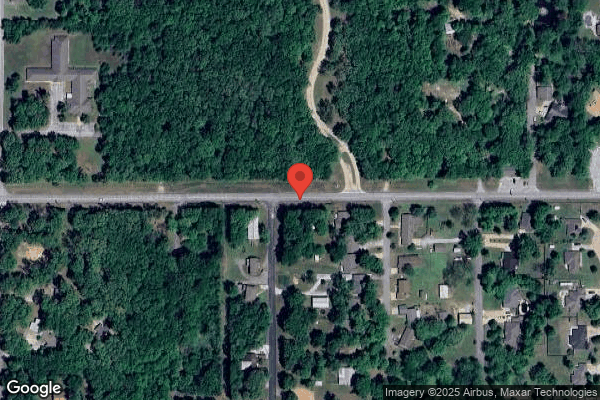
1503 WEST HAR-BER ROAD, GROVE, OK 74344 (918) 786-3223
For profit - Limited Liability company 133 Beds PHOENIX HEALTHCARE Data: November 2025
Trust Grade
85/100
#12 of 282 in OK
Last Inspection: July 2024

Within standard 12-15 month inspection cycle. Federal law requires annual inspections.

Overview

Grove Nursing Center has a Trust Grade of B+, indicating it is above average and recommended for families considering care options. It ranks #12 out of 282 facilities in Oklahoma, placing it well within the top half, and holds the top spot among five local options in Delaware County. The facility’s trend is stable, with the same number of issues reported in both 2023 and 2024. Staffing is a clear strength, rated 5 out of 5 stars, with a turnover rate of 38%, which is significantly lower than the state average of 55%. On the downside, there are some concerns highlighted by inspectors, such as the failure to provide written notices of transfer or discharge to residents prior to their departure and inadequate supervision to prevent falls for certain residents. Additionally, the facility did not ensure residents were informed about the risks of using bed rails before they were applied. However, there have been no fines reported, and the RN coverage is better than 88% of state facilities, which is a positive sign for resident care.

Trust Score
B+
85/100
In Oklahoma
#12/282
Top 4%
Safety Record
Low Risk
No red flags
Inspections
Holding Steady
5 → 5 violations
Staff Stability
○ Average
38% turnover. Near Oklahoma's 48% average. Typical for the industry.
Penalties
✓ Good
No fines on record. Clean compliance history, better than most Oklahoma facilities.
Skilled Nurses
○ Average
Each resident gets 38 minutes of Registered Nurse (RN) attention daily — about average for Oklahoma. RNs are the most trained staff who monitor for health changes.
Violations
⚠ Watch
16 deficiencies on record. Higher than average. Multiple issues found across inspections.
★★★★★
5.0
Overall Rating
★★★★★
5.0
Staff Levels
★★★☆☆
3.0
Care Quality
★★★★☆
4.0
Inspection Score
Stable
2023: 5 issues
2024: 5 issues

The Good

  • 5-Star Staffing Rating · Excellent nurse staffing levels
  • Full Sprinkler Coverage · Fire safety systems throughout facility
  • No fines on record
  • Staff turnover below average (38%)

    10 points below Oklahoma average of 48%

Facility shows strength in staffing levels, fire safety.

The Bad

Staff Turnover: 38%

Near Oklahoma avg (46%)

Typical for the industry

Chain: PHOENIX HEALTHCARE

Part of a multi-facility chain

Ask about local staffing decisions and management

The Ugly 16 deficiencies on record

Jul 2024 5 deficiencies
CONCERN (D)

Potential for Harm - no one hurt, but risky conditions existed

Comprehensive Care Plan (Tag F0656)

Could have caused harm · This affected 1 resident

Based on record review and interview, the facility failed to implement a comprehensive care plan for one (#53) of five sampled residents reviewed for unnecessary medications. The [NAME] reported the c...

Read full inspector narrative →
Based on record review and interview, the facility failed to implement a comprehensive care plan for one (#53) of five sampled residents reviewed for unnecessary medications. The [NAME] reported the census was 57. Findings: Resident #53 had diagnoses which included paroxysmal atrial fibrillation and hypertension. A physician order, dated 04/16/24, documented the resident was to receive 2.5 mg of apixaban (an anticoagulant) twice every day. An admission assessment, dated 04/23/24, documented Resident #53 had received an anticoagulant medication during the look back period. A review of Resident #53's care plan did not address the use of an anticoagulant. On 07/16/24 at 9:20 am, LPN #1 stated anticoagulants should be included in a resident's care plan. At 9:35 am, LPN #2 stated the use of anticoagulant should be included on the care plan and the resident should be observed for signs of bleeding and bruising. At 9:50 am, the DON stated the use of an anticoagulant should be addressed on the care plan.
CONCERN (D)

Potential for Harm - no one hurt, but risky conditions existed

Deficiency F0757 (Tag F0757)

Could have caused harm · This affected 1 resident

**NOTE- TERMS IN BRACKETS HAVE BEEN EDITED TO PROTECT CONFIDENTIALITY** Based on record review and interview, the facility failed to ensure a resident being administered Furosemide (a diuretic medicat...

Read full inspector narrative →
**NOTE- TERMS IN BRACKETS HAVE BEEN EDITED TO PROTECT CONFIDENTIALITY** Based on record review and interview, the facility failed to ensure a resident being administered Furosemide (a diuretic medication) was monitored for electrolyte levels for one (#28) of five sampled resident reviewed for unnecessary medications. The DON stated 12 residents residing at the facilty had been prescribed diuretics. Findings: A review of Resident #28's medical records did not find the resident's electrolyte levels had been assessed or reviewed by a facility healthcare professional prior to or since admission to the facility. Further, no order for lab work to obtain those levels were found in the medical record. Resident #28 was admitted to the facility on [DATE] and readmitted on [DATE]. They had diagnoses which included chronic systolic congestive heart failure. An admission Minimum Data Set assessment, dated 03/14/24, documented in Section N that the resident had been administered diuretic medication. A Quarterly Minimum Data Set assessment, dated 06/14/24, documented in Section N that the resident had been administered diuretic medication. A physician order dated, 07/05/24, documented Resident #28 had been ordered Furosemide (a diuretic medication) 20 mg once daily for congestive heart failure. On 07/16/24 at 9:50 a.m., DON stated they had reviewed the resident medical record and did not find documentation of electrolyte level having been ordered by a physician. They stated there was no documentation electrolyte levels had been assessed prior to or since admission. They stated the facility did not use routine orders for lab work but instead defer to the physicians to order labs as they see fit. They stated they did not find a facility policy regarding lab work when administering diuretic medications.
CONCERN (D)

Potential for Harm - no one hurt, but risky conditions existed

Infection Control (Tag F0880)

Could have caused harm · This affected 1 resident

Based on observation, record review, and interview the facility failed to ensure a CNA (certified nurse aide) changed gloves and cleaned their hand between dirty and clean surfaces for one (#19) of on...

Read full inspector narrative →
Based on observation, record review, and interview the facility failed to ensure a CNA (certified nurse aide) changed gloves and cleaned their hand between dirty and clean surfaces for one (#19) of one resident reviewed for pressure ulcers. Findings: A facility Handwashing/Hand Hygiene policy, dated 09/2015, read in part The facility considers hand hygiene the primary means to prevent the spread of infections. On 07/15/24 at 1:41 p.m., LPN #3 and CNA #1 were observed providing wound care and perineal care to Resident #19. Prior to wound care the resident's disposable undergarment was found to be soiled and CNA #1 was observed to provide perineal care. CNA #1 was gloved when they began the care making contact with the soiled undergarment then cleaning the peri area without changing gloves or cleaning hands. Following perineal care CNA was observed placing their hands on the resident's skin, clothing, repeatedly without changes gloves or washing their hands. They were observed moving the resident's television remote control with the dirty gloves and placing it closer to the resident. At 2:15 p.m., following completion of wound care LPN #3 was asked how they felt the care had gone. They stated they believed it went well. They were asked how they felt CNA #1 had performed perineal care. They stated CNA had not changed their gloves during the care and that everything they had touched was considered dirty. At 2:40 p.m. CNA #1 stated they had been nervous and forgotten to change gloves and clean their hands after perineal care. On 07/16/24 at 11:59 a.m., DON stated CNA #1 should have changed gloves and cleaned their hands between steps of the perineal care and after it was over. They stated they give staff training on hand hygiene several times during the year. They stated CNA #1 had not followed facility policy.
CONCERN (E)

Potential for Harm - no one hurt, but risky conditions existed

Transfer Notice (Tag F0623)

Could have caused harm · This affected multiple residents

Based on record review and interview, the facility failed provide residents or their representatives a written notice of transfer or discharge prior to residents departing the facility for two (#28 an...

Read full inspector narrative →
Based on record review and interview, the facility failed provide residents or their representatives a written notice of transfer or discharge prior to residents departing the facility for two (#28 and #49) of three sampled resident reviewed for transfer and discharges. A Long Term Care Facility Application for Medicare and Medicaid form, dated 07/14/24, documented 58 resident resided in the facility. Findings: A facility Transfer or Discharge Documentation policy, dated 12/2016, was reviewed. The policy did not contain a requirement to provide a written notice of transfer or discharge to a resident or their legal representative prior to the resident departing the facility. A review of the facility's Transfer or Discharge Documentation policy found the document did not include instructions to provide written notices of transfer or discharge to residents or their representatives prior to facility initiated transfers and discharges. 1. Resident #28 had diagnoses which included diabetes mellitus. A progress note, dated 06/04/24 at 5:36 p.m., documented the resident was transferred by facility staff to a community emergency room following a fall. 2. Resident #49 had diagnoses which included diabetes mellitus. A progress note, dated 03/22/24 at 10:25 a.m., documented the resident was transferred to an acute care hospital by facility staff for behaviors. On 07/16/25 at 1:15 p.m., the DON stated the residents were not given written notices of tranfers before being sent to other facilities for treatment.
CONCERN (E)

Potential for Harm - no one hurt, but risky conditions existed

Deficiency F0700 (Tag F0700)

Could have caused harm · This affected multiple residents

Based on observation, record review, and interview, the facility failed to ensure: a. alternatives to the use of bed rails were attempted prior to the use of bed rails; b. bed rails were inspected fo...

Read full inspector narrative →
Based on observation, record review, and interview, the facility failed to ensure: a. alternatives to the use of bed rails were attempted prior to the use of bed rails; b. bed rails were inspected for proper fit and condition prior to use of the bed rails; c. residents and their representatives were educated on the risks and benefits of bed rails prior to the use of bed rails; and d. informed consent from the resident or their legal representative was obtained prior to attaching a bed rails to the bed for three (#19, 28, and #49) of four sampled resident reviewed for accident hazards. The Administrator identified 25 resident that had bed rails attached to their beds. Findings: The facility's Proper Use of Side Rails policy, dated 12/2016, documented consent would be obtained from the resident or legal reprentative after being informed of the benefits and risks of the use of bed rails. It further documented that specific alternatives to bed rails would be care planned and gave a list of the six interventions that would be used. The facility's Bed Safety policy, dated 12/2007, documented the facility would ensure bed rails were properly installed according to the manufacturer's instructions and pertinent safety guidance to ensure they fid correctly. 1. Resident #19 had diagnoses which included Alzheimer's Disease and abnormalities of gait and resided on the 200 hall. 2. Resident #28 had diagnoses which included weakness and abnormalities of gait and resided on 200 hall. 3. Resident #111 had diagnoses which included anthropathy (a joint disease) and repeated falls and resided on 300 hall. On 07/14/24 at 11:27 a.m. Resident #11 was observed to have bed rails attached to their bed. On 07/15/24 at 8:57 a.m., Resident #19 was observed to have bed rails attached to their bed. At 9:02 a.m., Resident #28 was observed to have bed rails attached to their bed. A review of Residents #19, 28, and #111 did not find signed consents for the use of bed rails, documentation that bed inspections were conducted prior to the use of bed rails, or documentation that alternatives to the use of bed rails had been attempted prior to the use of bed rails. At 10:51 a.m., DON stated they had not attempted alternatives to the use of bed rails prior the use of the bed rails for any of the residents. They stated they had not obtained written consent from the residents or their representatives prior to the use of bed rails for any of the residents. At 11:11 a.m., the Maintenance Supervisor stated they inspect and repair resident beds if housekeeping or nursing staff find an issue. They stated otherwise the company that sold them the beds perform an annual inspection of each bed. They stated the beds and bed rails were not inspected prior to first use by residents. At 11:14 a.m., the Administrator stated the staff did not inspect bed rails to see if they were the proper type for each bed as they purchase all beds and accessories from the same retail company and they assumed they were compatible . They stated they had not inspected the beds and bed rails prior to use by the residents.
Jun 2023 5 deficiencies
CONCERN (D)

Potential for Harm - no one hurt, but risky conditions existed

Deficiency F0655 (Tag F0655)

Could have caused harm · This affected 1 resident

**NOTE- TERMS IN BRACKETS HAVE BEEN EDITED TO PROTECT CONFIDENTIALITY** Based on record review and interview, the facility failed to ensure baseline care plans were completed within 48 hours for one (...

Read full inspector narrative →
**NOTE- TERMS IN BRACKETS HAVE BEEN EDITED TO PROTECT CONFIDENTIALITY** Based on record review and interview, the facility failed to ensure baseline care plans were completed within 48 hours for one (#47) of 12 sampled residents. The Resident Census and Conditions of Residents form documented 45 residents resided in the facility. Findings: Res #47 was admitted to the facility on [DATE] with diagnoses of hypertension, displaced fracture of right ulna, fracture of nasal bones, and abnormalities of gait and mobility. On 06/21/23 at 10:01 a.m., a review of the resident's record documented the baseline care plan was not completed until 06/14/23. On 06/22/23 at 12:31 p.m., the ADON reported the resident's baseline care plan should have been completed within 48 hours.
CONCERN (D)

Potential for Harm - no one hurt, but risky conditions existed

ADL Care (Tag F0677)

Could have caused harm · This affected 1 resident

**NOTE- TERMS IN BRACKETS HAVE BEEN EDITED TO PROTECT CONFIDENTIALITY** Based on observation, record review, and interview, the facility failed to provide baths/showers as scheduled for one (#47) of t...

Read full inspector narrative →
**NOTE- TERMS IN BRACKETS HAVE BEEN EDITED TO PROTECT CONFIDENTIALITY** Based on observation, record review, and interview, the facility failed to provide baths/showers as scheduled for one (#47) of twelve sampled residents. The Resident Census and Conditions of Residents form documented 45 residents resided in the facility. Findings: Res #47 was admitted to the facility on [DATE] with diagnoses of hypertension, displaced fracture of right ulna, fracture of nasal bones, and abnormalities of gait and mobility. An admission assessment, dated 06/19/23, documented the resident was cognitively intact and required one person physical assist for bathing. The resident's record documented the resident had one bath/shower since admission. On 06/22/23 at 12:31 p.m., the ADON was asked which days are designated shower days for the resident. The ADON reported the resident's showers are scheduled for Tuesdays and Saturday evenings. The ADON was asked what the process is if the resident refused a shower. They reported the CNAs are supposed to fill out the refusal form and turn it in to the charge nurse. The ADON was shown the shower log for the resident. The ADON reported the resident should have had more than one shower since admission.
CONCERN (D)

Potential for Harm - no one hurt, but risky conditions existed

Pharmacy Services (Tag F0755)

Could have caused harm · This affected 1 resident

Based on observation, record review, and interview, the facility failed to administer medications per physician order for one (#25) of five residents sampled for medication administration. The Residen...

Read full inspector narrative →
Based on observation, record review, and interview, the facility failed to administer medications per physician order for one (#25) of five residents sampled for medication administration. The Resident Census and Conditions of Resident report documented 45 residents resided in the facility. Findings: Res #25 had diagnoses which included traumatic subdural hemorrhage, oropharyngeal dysphagia, encounter for attention to gastrostomy, and general anxiety disorder. A physician order, dated 12/30/21, documented hydrocodone solution 20 mg/ml; give 0.5 ml sublingually (under the tongue) every six hours related to chronic pain. A physician order, dated 04/13/22, documented lorazepam concentrate 2 mg/ml; give 1 mg sublingually every six hours related to generalized anxiety disorder. An annual assessment, dated 06/11/23, documented the resident was severely cognitively impaired and required total two-person assistance with activities of daily living. On 06/21/23 at 12:07 p.m., ACMA #1 was observed during medication pass. The ACMA was observed administering hydrocodone and lorazepam to Res #25. The ACMA was observed to have administered the medications into Res #25's PEG tube. On 06/21/23 at 12:20 p.m., ACMA #1 was asked why the medications documented by the physician to be administered sublingual were administered through the PEG tube. The ACMA stated sometimes the resident clenched their mouth shut when attempting to administer the medications sublingual and the PEG tube was an easier route to use. ACMA #1 stated having been aware the physician order documented both medications were to be administered sublingual and having used the PEG tube anyway. The ACMA stated they should have notified the charge nurse of the resident's resistance to the sublingual route with the possibility of getting the physician to change the route in which these medications were to be administered. On 06/21/23 at 12:30 p.m., the DON was made aware of the medication errors. The DON stated the ACMA administered the medications through the wrong route which would be considered a medication error by not having followed physician orders. The DON stated the ACMA should not have given sublingual medications through the peg tube.
CONCERN (E)

Potential for Harm - no one hurt, but risky conditions existed

Accident Prevention (Tag F0689)

Could have caused harm · This affected multiple residents

Based on observation, record review, and interview, the facility failed to ensure a resident received adequate supervision and assistance to prevent falls for one (#3) of three residents sampled for f...

Read full inspector narrative →
Based on observation, record review, and interview, the facility failed to ensure a resident received adequate supervision and assistance to prevent falls for one (#3) of three residents sampled for falls. The facility failed to conduct a root cause analysis, consistently implement interventions to prevent recurrence, and evaluate interventions for effectiveness for a resident who had frequent falls. The Resident Census and Conditions of Resident report documented 45 residents resided in the facility. A Managing Falls and Fall Risk policy, revised December 2007, read in part, .based on previous evaluations and current data, the staff will identify interventions related to the resident's specific risks and causes to try to prevent the resident from falling and to try to minimize complications from falling. If falling recurs despite initial interventions, staff will implement additional or different interventions, or indicate why the current approach remains relevant. If underlying causes cannot be readily identified or corrected, staff will try various interventions, assessment of the nature or category of falling, until falling is reduced or stopped .If the resident continues to fall, staff will re-evaluate the situation and whether it is appropriate to continue or change current interventions . Findings: Res #3 had diagnoses which included dysarthria following cerebral infarction, idiopathic progressive neuropathy, dementia, chronic pain, and anxiety disorder. A care plan, with initiation date of 06/13/22, documented the resident was at risk for falls and was non-adherent to safety measures and at times refused fall interventions. These were some of the interventions included: a. wear non-skid socks, b. a non-skid material was to be added to the recliner, c. resident to ask for assistance with all transfers, d. encourage to use call light to ask for assistance, The resident had 20 falls from 07/04/22 through 05/13/23. The resident had no major injuries from the falls. An incident report, dated 10/04/22, documented the resident had a fall when transferring self from W/C to the recliner. The incident report documented no fall prevention intervention. The care plan was not updated with an intervention to prevent recurrence. An incident report, dated 11/03/22, documented the resident received a small red spot on the mid spine from a fall from her bed. The care plan, updated on 11/04/22, documented offered a bolster mattress and resident refused. No new intervention was added. An incident report, dated 11/30/22, documented the resident slipped from the bed with no injury from the fall. The incident report documented an intervention of non-skid socks were placed on the resident's feet. The intervention was a repeat intervention. The care plan was not updated with a new intervention. A care plan entry, dated 01/25/23, documented the resident slid out of the wheelchair. The care plan was not updated to reflect any new interventions to prevent falls. A care plan entry, dated 03/08/23, documented the resident slid from wheelchair but did not document any updated interventions to prevent falls. The care plan, updated on 03/13/23, documented the resident fell transferring self from wheelchair to chair. The care plan documented to add non-skid material to the W/C. An incident report, dated 03/16/23, documented the resident was on their back beside the recliner. The incident report had no fall prevention intervention documented. The care plan was not updated to reflect any new interventions to prevent falls. An incident report, 04/15/23, documented the resident fell in room during transfer from the W/C. The resident had on regular socks. The incident report had no fall prevention intervention documented. The care plan was not updated to reflect any new interventions to prevent falls. An incident report, dated 04/25/23, documented the resident slid from recliner and documented to remind the resident to use the call light. The care plan was not updated to reflect any new interventions to prevent falls. An incident report, dated 05/13/23, documented the resident had an unwitnessed fall from her bed and sustained a hematoma to the right forearm and the back of the right hand. The incident report had no fall prevention intervention documented to prevent future falls. The care plan was not updated to reflect any new interventions to prevent falls. An annual assessment, dated 06/04/23, documented the resident was cognitively intact, required limited one person assistance with ADLs, and had two or more falls with no injuries. On 06/22/23 at 7:30 a.m., Res #3 was observed sitting in a recliner in their room. The resident was observed to have bare feet. The call light was observed sitting on the arm of the recliner. The resident was asked how they would call for help if needed. Res #3 stated, I don't know, I guess I would holler. The resident stated having known how to use the call light but not being able to locate it most of the time. Res #3 stated they seldom needed assistance from the staff because they dressed, transferred, and went to the bathroom independently. The resident denied falling the last few weeks and stated they had never been seriously hurt from any of the falls. Res #3 was asked if shoes or non-skid footwear were available for use. The resident stated they owned some non-skid socks but unable to find them most of the time. A pair of tennis shoes was observed under the resident's bed. Non-skid socks were not observed within the resident's reach. The resident stated they were able to put on their own socks most of the time but usually needed help from the staff. A wheelchair was observed beside the recliner and a non-skid device was not observed in the seat of the wheelchair or in the seat of the recliner. On 06/22/23 at 7:50 a.m., CNA #1 was asked how the staff had tried to prevent Res #3 from falls. CNA #1 stated they have been educated to check on the resident frequently and report their whereabouts to the nurse for care tracker purposes. CNA#1 stated the staff always placed non-skid footwear or shoes on the resident but the resident removed them frequently. The CNA stated the resident was able to push the bedside call light for help but used the bathroom call light more frequently than the bedside call light. On 06/22/23 at 8:26 a.m., the DON was asked to observe Res #3's care plan. The DON was asked about the lack of interventions after specific falls and the duplication of fall interventions after falls on the care plan. The DON stated an incident report is completed after every fall and an intervention is documented if possible. The DON stated the fall is discussed in daily stand-up meetings held Monday thru Friday and the new intervention is then added to the care plan. The DON stated having had difficulty coming up with new interventions for Res #3 after numerous falls. The DON stated the resident had been non-compliant with the use of non-skid socks/footwear and this intervention should not have been documented repeatedly after falls. The DON stated each fall should have had a new intervention documented on the care plan and the interventions should not have been duplicated according to facility policy. On 06/22/23 at 9:41 a.m., the DON was made aware the resident was observed with bare feet and of the lack of a non-skid device to the wheelchair and recliner in Res #3's room. The DON stated these interventions should have been in place at all times and would be addressed immediately. The DON was asked if fall interventions were evaluated for effectiveness or if a root cause analysis of falls was conducted for Res #3. The DON stated the resident was discussed frequently in meetings but no specific documentation was maintained to be provided to the surveyor. On 06/22/23 at 10:35 a.m., the DON was asked if all the steps of the facility's fall policy had been followed for Res #3. The DON stated they were not able to provide additional documentation to indicate the fall policy steps had been followed.
CONCERN (E)

Potential for Harm - no one hurt, but risky conditions existed

Unnecessary Medications (Tag F0759)

Could have caused harm · This affected multiple residents

Based on observation, record review, and interview, the facility failed to ensure the medication error rate was less than 5% for one (#25) of five residents observed during medication pass. A total of...

Read full inspector narrative →
Based on observation, record review, and interview, the facility failed to ensure the medication error rate was less than 5% for one (#25) of five residents observed during medication pass. A total of 25 opportunities were observed with two errors. Total error rate was 8%. The Resident Census and Conditions of Residents form documented 45 residents resided in the facility. Findings: A physician order for Res #25, dated 12/30/21, documented hydrocodone solution 20 mg/ml; give 0.5 ml sublingually (under the tongue) every six hours related to other chronic pain. A physician order for Res #25, dated 04/13/22, documented lorazepam concentrate 2 mg/ml; give 1 mg sublingually (under the tongue) every 6 hours related to generalized anxiety disorder. On 06/21/23 at 12:07 p.m., ACMA #1 was observed during medication pass. The ACMA was observed administering hydrocodone and lorazepam to Res #25. The ACMA was observed to have administered the medications into Res #25's PEG tube. On 06/21/23 at 12:20 p.m., ACMA #1 was asked why the medications documented by the physician to be administered sublingually were administered through the PEG tube. The ACMA stated sometimes the resident clenched their mouth shut when attempting to administer the medications sublingual and the PEG tube was an easier route to use. ACMA #1 stated having been aware the physician order documented both medications were to be administered sublingual and having used the PEG tube anyway. The ACMA stated they should have notified the charge nurse of the resident's resistance to the sublingual route with the possibility of getting the physician to change the route in which these medications were to be administered. On 06/21/23 at 12:30 p.m., the DON was made aware the medication error rate was 8%. The DON stated the ACMA administered the hyrodcodone and lorazepam through the wrong route which would be considered a medication error. The DON stated the ACMA should not have given sublingual medications through the peg tube. The DON stated the ACMA would be reprimanded and re-educated immediately.
Jan 2020 6 deficiencies
CONCERN (D)

Potential for Harm - no one hurt, but risky conditions existed

Deficiency F0625 (Tag F0625)

Could have caused harm · This affected 1 resident

**NOTE- TERMS IN BRACKETS HAVE BEEN EDITED TO PROTECT CONFIDENTIALITY** Based on interview and record review, it was determined the facility failed to provide a resident's responsible party a bed hold...

Read full inspector narrative →
**NOTE- TERMS IN BRACKETS HAVE BEEN EDITED TO PROTECT CONFIDENTIALITY** Based on interview and record review, it was determined the facility failed to provide a resident's responsible party a bed hold notice when a resident was transferred to the hospital for one (#69) of three sampled residents who were reviewed for hospitalizations. The facility identified 17 residents who had been transferred to the hospital in the last two months. Findings: A Discharge summary dated [DATE], documented the resident was a long term care resident that received dialysis three times a week. The resident was unresponsive the morning of 12/11/19 and transferred by emergency medical services to the hospital. On 01/28/20 at 4:11 p.m., the Director of Nursing (DON) was asked if the resident was informed of the bed hold policy. She stated residents were informed on admission and transfer. She was asked how that was documented. She stated the nurse should have done a transfer note when a resident was sent to the emergency room. The DON reviewed the documentation and stated the transfer note/bed hold was not done. The DON was asked if the resident or family were notified of the bed hold policy upon transfer. She stated there was no documentation in the resident's record.
CONCERN (D)

Potential for Harm - no one hurt, but risky conditions existed

ADL Care (Tag F0677)

Could have caused harm · This affected 1 resident

**NOTE- TERMS IN BRACKETS HAVE BEEN EDITED TO PROTECT CONFIDENTIALITY** Based on observation, interview, and record review, it was determined the facility failed to provide the necessary care and serv...

Read full inspector narrative →
**NOTE- TERMS IN BRACKETS HAVE BEEN EDITED TO PROTECT CONFIDENTIALITY** Based on observation, interview, and record review, it was determined the facility failed to provide the necessary care and services to maintain personal hygiene for one (#64) of two residents reviewed for ADL (activities of daily living) care. The facility identified 10 residents who had a diagnosis of diabetes and were seen by a podiatrist for foot care. Findings: Resident #64 was admitted to the facility on [DATE] with diagnoses which included diabetes. On 01/27/20 at 3:32 p.m., the resident stated she was not able to get anyone to cut her toenails. The toenails on her right foot were observed to be long, jagged, and curling. On 01/29/20 at 4:20 p.m., The DON (director of nursing) reviewed the resident's record and stated she had not seen the podiatrist since admission, but was scheduled to see him in February. She was asked why she had not had her long toenails addressed. She stated no other arrangements had been made and they were waiting for the podiatrist.
CONCERN (E)

Potential for Harm - no one hurt, but risky conditions existed

Deficiency F0565 (Tag F0565)

Could have caused harm · This affected multiple residents

Based on interview and record review, it was determined the facility failed to provide a response with rationale to grievances from the resident council. This had the potential to affect all 69 reside...

Read full inspector narrative →
Based on interview and record review, it was determined the facility failed to provide a response with rationale to grievances from the resident council. This had the potential to affect all 69 residents who resided in the facility. Findings: Resident council meeting notes and responses were reviewed. The months of October 2019 and December 2019 documented no responses to resident concerns regarding fresh fruit. On 01/29/20 at 5:30 p.m., the administrator was asked if he had knowledge of any concerns from the resident council. He stated no. He was asked if the current process was effective. He stated no. On 01/30/20 at 8:49 a.m., the dietary manager was asked what fresh fruit he had. He stated bananas. He was asked if he was aware the residents were requesting more fresh fruit. He stated yes. He was asked how he responded to the request. He stated he had spoken to the resident council regarding fresh fruit. He stated he had not documented his response to the council.
CONCERN (E)

Potential for Harm - no one hurt, but risky conditions existed

Deficiency F0655 (Tag F0655)

Could have caused harm · This affected multiple residents

**NOTE- TERMS IN BRACKETS HAVE BEEN EDITED TO PROTECT CONFIDENTIALITY** Based on interview and record review, it was determined the facility failed to complete baseline care plans for three (#2, #20, ...

Read full inspector narrative →
**NOTE- TERMS IN BRACKETS HAVE BEEN EDITED TO PROTECT CONFIDENTIALITY** Based on interview and record review, it was determined the facility failed to complete baseline care plans for three (#2, #20, and #26) of 11 residents reviewed for baseline care plans. The facility identified 55 residents were admitted in the last three months. Findings: 1. Resident #2 was admitted to the facility on [DATE]. There was no documentation in the resident's clinical record that a baseline care plan had been completed within 48 hours. On 01/30/20 at 9:46 a.m., the minimum data set (MDS)/care plan (CP) coordinator was asked for the resident's baseline care plan. She reviewed the resident's record and stated she did not see that the baseline care plan had been completed. 2. Resident #20 was admitted to the facility on [DATE]. The resident's baseline care plan was dated 12/10/19. On 01/30/20 at 9:49 a.m., the MDS/CP coordinator was asked for the resident's baseline care plan. She reviewed the resident's record and stated the baseline care plan had been completed on 12/10/19. The MDS/CP coordinator stated the resident was admitted on [DATE]. The MDS/CP coordinator stated his baseline CP was not completed within the 48 hours as required. 3. Resident #26 was admitted on [DATE]. There was no documentation in the resident's clinical record that a baseline care plan had been completed within 48 hours. On 01/30/20 at 09:43 a.m., the MDS/CP coordinator was asked for the resident's baseline care plan. She reviewed the resident's record and stated she did not see that the baseline care plan had been completed.
CONCERN (E)

Potential for Harm - no one hurt, but risky conditions existed

Deficiency F0657 (Tag F0657)

Could have caused harm · This affected multiple residents

**NOTE- TERMS IN BRACKETS HAVE BEEN EDITED TO PROTECT CONFIDENTIALITY** 2. Resident #47 stated on 01/28/20 at 11:42 a.m., stated she had not been invited to care plan meetings. There was no documenta...

Read full inspector narrative →
**NOTE- TERMS IN BRACKETS HAVE BEEN EDITED TO PROTECT CONFIDENTIALITY** 2. Resident #47 stated on 01/28/20 at 11:42 a.m., stated she had not been invited to care plan meetings. There was no documentation in the resident's clinical record the resident had attended care plan meetings. On 01/30/20 at 12:10 p.m., the MDS/CP coordinator stated the resident participated in all the care plan meetings when she wanted to. The MDS/CP coordinator reviewed the sign in sheets of the attendance for the care plan meetings for the last year. She stated she did not see where the resident had participated. Based on interview and record review, the facility failed to invite residents/resident representatives to attend care plan meetings for two (#41 and #47) of two residents whose records were reviewed regarding care plans. This had the potential to affect all 69 residents who resided in the facility. Findings: 1. Resident #41 was admitted to the facility on [DATE] with diagnoses which included altered mental status and dementia without behavioral disturbance. On 01/27/20 at 12:24 p.m., the resident's representative was asked if she attended the resident's care plan meetings. She stated she had not been invited to any meetings where the resident's care was discussed. On 01/29/20 at 2:58 p.m., the minimum data set (MDS)/care plan (CP) coordinator stated there had not been a care plan meeting completed for the resident. She looked for a letter of invitation that should have been provided and could not locate one. She stated prior staff who were helping her were not having the meetings quarterly as they should.
CONCERN (E)

Potential for Harm - no one hurt, but risky conditions existed

Medication Errors (Tag F0758)

Could have caused harm · This affected multiple residents

**NOTE- TERMS IN BRACKETS HAVE BEEN EDITED TO PROTECT CONFIDENTIALITY** Based on interview and record review, it was determined the facility failed to ensure residents were free from unnecessary psych...

Read full inspector narrative →
**NOTE- TERMS IN BRACKETS HAVE BEEN EDITED TO PROTECT CONFIDENTIALITY** Based on interview and record review, it was determined the facility failed to ensure residents were free from unnecessary psychotropic medications by failing to attempt gradual dose reductions (GDR) for two (#19 and #61) of five residents sampled for unnecessary medications. The facility identified 47 residents who were prescribed a psychotropic medication. Findings: 1. Resident #19 was admitted to the facility on [DATE]. The resident had a diagnosis of insomnia. A monthly pharmacist drug regimen review (DRR), dated 10/29/19, had a recommendation to decrease the resident's temazepam from 15 milligrams (mg) nightly to 7.5 mg nightly. The physician agreed with the recommendation. The order was noted on 01/07/20. This order was discontinued on 01/09/20. A physician's order, dated 01/09/20, documented to administer temazepam 15 mg nightly. The resident did not receive the 7.5 mg of the temazepam as the physician had ordered. The 01/2020 medication administration record did not document the resident received the 7.5 mg doses of the temazepam. A GDR was not completed on the resident's temazepam as the physician had ordered. On 01/30/20 at 11:40 a.m., during an interview with the director of nursing (DON) and corporate registered nurse. The DON stated this was same thing the physician did with the other medication. She stated the physician ordered for the medication to be changed and then rounded and changed medications back. The DON stated the decrease dose was not administered as the physician had not provided a hard script for the medications. 2. Resident #61 was admitted to the facility on [DATE]. The resident had diagnoses of dementia without behavioral disturbance and disruptive mood dysregulation disorder. The resident had a physician's order from 11/28/18 through 11/07/19 for Ativan 0.5 milligram (mg) three times a day (TID) to be administered. There was a physician's order on 01/07/20 to decrease the resident's ativan to 0.25 mg TID. The order was discontinued the same day. The resident was returned to the ativan 0.5 mg TID order on 01/08/20. On 01/09/20 a physician's order was received to decrease the resident's ativan to 0.25 mg to TID. The order was discontinued the same day. The resident was returned to the ativan 0.5 mg dose TID on 01/09/20. The resident never received the 0.25 mg dose of the ativan. A physician's progress note, dated 01/09/20, documented the resident had a failed GDR and to continue the 0.5 mg dose of the ativan. The 01/2020 medication administration record did not document the resident received the 0.25 mg doses of the ativan. A GDR was not completed on the resident's ativan as the physician had ordered.
Understanding Severity Codes (click to expand)
Life-Threatening (Immediate Jeopardy)
J - Isolated K - Pattern L - Widespread
Actual Harm
G - Isolated H - Pattern I - Widespread
Potential for Harm
D - Isolated E - Pattern F - Widespread
No Harm (Minor)
A - Isolated B - Pattern C - Widespread

Questions to Ask on Your Visit

  • "Can I speak with families of current residents?"
  • "What's your RN coverage like on weekends and overnight?"

Our Honest Assessment

Strengths
  • • Grade B+ (85/100). Above average facility, better than most options in Oklahoma.
  • • No major safety red flags. No abuse findings, life-threatening violations, or SFF status.
  • • No fines on record. Clean compliance history, better than most Oklahoma facilities.
  • • 38% turnover. Below Oklahoma's 48% average. Good staff retention means consistent care.
Concerns
  • • 16 deficiencies on record. Higher than average. Multiple issues found across inspections.
Bottom line: Generally positive indicators. Standard due diligence and a personal visit recommended.

About This Facility

What is Grove Nursing Center's CMS Rating?

CMS assigns GROVE NURSING CENTER an overall rating of 5 out of 5 stars, which is considered much above average nationally. Within Oklahoma, this rating places the facility higher than 99% of the state's 100 nursing homes. This rating reflects solid performance across the metrics CMS uses to evaluate nursing home quality.

How is Grove Nursing Center Staffed?

CMS rates GROVE NURSING CENTER's staffing level at 5 out of 5 stars, which is much above average compared to other nursing homes. Staff turnover is 38%, compared to the Oklahoma average of 46%. This relatively stable workforce can support continuity of care.

What Have Inspectors Found at Grove Nursing Center?

State health inspectors documented 16 deficiencies at GROVE NURSING CENTER during 2020 to 2024. These included: 16 with potential for harm.

Who Owns and Operates Grove Nursing Center?

GROVE NURSING CENTER is owned by a for-profit company. For-profit facilities operate as businesses with obligations to shareholders or private owners. The facility is operated by PHOENIX HEALTHCARE, a chain that manages multiple nursing homes. With 133 certified beds and approximately 49 residents (about 37% occupancy), it is a mid-sized facility located in GROVE, Oklahoma.

How Does Grove Nursing Center Compare to Other Oklahoma Nursing Homes?

Compared to the 100 nursing homes in Oklahoma, GROVE NURSING CENTER's overall rating (5 stars) is above the state average of 2.7, staff turnover (38%) is near the state average of 46%, and health inspection rating (4 stars) is above the national benchmark.

What Should Families Ask When Visiting Grove Nursing Center?

Based on this facility's data, families visiting should ask: "Can I visit during a mealtime to observe dining assistance and food quality?" "How do you handle medical emergencies, and what is your hospital transfer rate?" "Can I speak with family members of current residents about their experience?"

Is Grove Nursing Center Safe?

Based on CMS inspection data, GROVE NURSING CENTER has a clean safety record: no substantiated abuse findings (meaning no confirmed cases of resident harm), no Immediate Jeopardy citations (the most serious violation level indicating risk of serious injury or death), and is not on the Special Focus Facility watch list (a federal program monitoring the lowest-performing 1% of nursing homes). The facility has a 5-star overall rating and ranks #1 of 100 nursing homes in Oklahoma. While no facility is perfect, families should still ask about staff-to-resident ratios and recent inspection results during their visit.

Do Nurses at Grove Nursing Center Stick Around?

GROVE NURSING CENTER has a staff turnover rate of 38%, which is about average for Oklahoma nursing homes (state average: 46%). Moderate turnover is common in nursing homes, but families should still ask about staff tenure and how the facility maintains care continuity when employees leave.

Was Grove Nursing Center Ever Fined?

GROVE NURSING CENTER has no federal fines on record. CMS issues fines when nursing homes fail to meet care standards or don't correct problems found during inspections. The absence of fines suggests the facility has either maintained compliance or corrected any issues before penalties were assessed. This is a positive indicator, though families should still review recent inspection reports for the full picture.

Is Grove Nursing Center on Any Federal Watch List?

GROVE NURSING CENTER is not on any federal watch list. The most significant is the Special Focus Facility (SFF) program, which identifies the bottom 1% of nursing homes nationally based on persistent, serious quality problems. Not being on this list means the facility has avoided the pattern of deficiencies that triggers enhanced federal oversight. This is a positive indicator, though families should still review the facility's inspection history directly.