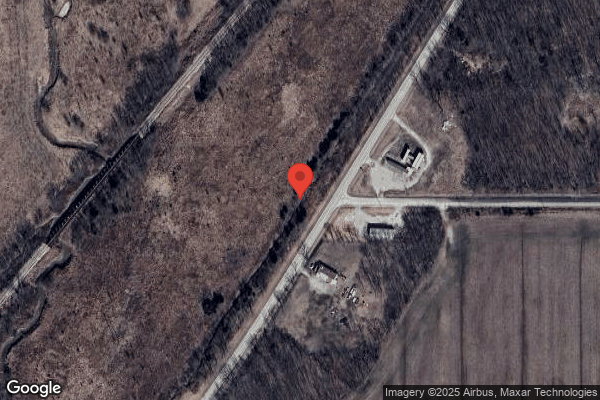
MEDICALODGES DEWEY

430 BARTLES ROAD, DEWEY, OK 74029 (918) 534-2848
For profit - Corporation 58 Beds MEDICALODGES, INC. Data: November 2025
Trust Grade
80/100
#19 of 282 in OK
Last Inspection: November 2024

Within standard 12-15 month inspection cycle. Federal law requires annual inspections.

Overview

Medicalodges Dewey has a Trust Grade of B+, indicating it is above average and recommended for families considering care options. The facility ranks #19 out of 282 in Oklahoma, placing it in the top half of state facilities, and #2 out of 5 in Washington County, meaning only one local option is better. The trend is improving, with a decrease in issues from 6 in 2023 to 2 in 2024, which is a positive sign. Staffing is a strong point, with a perfect 5/5 star rating and a turnover rate of 30%, significantly lower than the state average of 55%, ensuring consistent care. There have been no fines reported, which suggests good compliance with regulations. However, there are some concerns. Recent inspections found that staff did not perform proper hand hygiene during eye-drop administration and catheter care for several residents, which can increase infection risk. Additionally, the facility failed to reconcile controlled medications for some residents, raising potential issues with medication management. Lastly, there was a lack of written notice provided to residents and their representatives prior to hospital transfers, which could lead to confusion for families. Overall, while Medicalodges Dewey has many strengths, there are areas that need attention to ensure the highest standard of care.

Trust Score
B+
80/100
In Oklahoma
#19/282
Top 6%
Safety Record
Low Risk
No red flags
Inspections
Getting Better
6 → 2 violations
Staff Stability
○ Average
30% turnover. Near Oklahoma's 48% average. Typical for the industry.
Penalties
✓ Good
No fines on record. Clean compliance history, better than most Oklahoma facilities.
Skilled Nurses
○ Average
Each resident gets 33 minutes of Registered Nurse (RN) attention daily — about average for Oklahoma. RNs are the most trained staff who monitor for health changes.
Violations
⚠ Watch
22 deficiencies on record. Higher than average. Multiple issues found across inspections.
★★★★★
5.0
Overall Rating
★★★★★
5.0
Staff Levels
★★★★☆
4.0
Care Quality
★★★★☆
4.0
Inspection Score
Stable
2023: 6 issues
2024: 2 issues

The Good

  • 5-Star Staffing Rating · Excellent nurse staffing levels
  • 4-Star Quality Measures · Strong clinical quality outcomes
  • Full Sprinkler Coverage · Fire safety systems throughout facility
  • No fines on record
  • Staff turnover below average (30%)

    18 points below Oklahoma average of 48%

Facility shows strength in staffing levels, quality measures, fire safety.

The Bad

Staff Turnover: 30%

15pts below Oklahoma avg (46%)

Typical for the industry

Chain: MEDICALODGES, INC.

Part of a multi-facility chain

Ask about local staffing decisions and management

The Ugly 22 deficiencies on record

Nov 2024 2 deficiencies
CONCERN (D)

Potential for Harm - no one hurt, but risky conditions existed

Deficiency F0757 (Tag F0757)

Could have caused harm · This affected 1 resident

Based on record review and interview, the facility failed to ensure a resident's wound was cultured prior to prescribing and administering an antibiotic medication to one (#11) of six sampled resident...

Read full inspector narrative →
Based on record review and interview, the facility failed to ensure a resident's wound was cultured prior to prescribing and administering an antibiotic medication to one (#11) of six sampled residents who were reviewed for unnecessary medications. The MDS Coordinator identified four residents who were prescribed antibiotic medications. Findings: A facility policy titled Infection Control Surveillance, dated 03/207, read in part, The antibiotic initiated is to be based on the specific organism identified on lab results and per the physician orders. A review of Resident #11's medical records did not find any lab orders or results for a wound culture prior to the use of the antibiotic clindamycin. Resident #11 had diagnoses which included cellulitis and chronic venous hypertension with ulcer of bilateral lower extremity. A physician's order, dated 10/23/24/, documented Resident #11 was to be administered Clindamycin HCL 300 mg by mouth every six hours for 14 days for a wound infection. A medication administration record, dated 10/01/24 through 10/31/24, documented Resident #11 had been administered 34 doses of Clindamycin HCL 300mg by mouth on and between 10/23/24 and 10/31/24. A medication administration record, dated 11/01/24 through 11/30/24, documented Resident #11 had been administered 18 doses of Clindamycin HCL 300mg by mouth on and between 11/01/24 and 11/05/24. On 11/03/24 at 9:02 a.m., Resident #11 stated they were prescribed antibiotics for the wounds on their legs. On 11/05/24 at 11:13 a.m., MDS Coordinator, stated Resident #11 had an order of clindamycin for their infected leg wound that was made by the hospice physician. They stated there was no order to culture the wound prior to the use of the clindamycin and there was not one done since the medication had been started. On 11/05/24 at 11:30 a.m., MDS Coordinator stated the physician had been contacted and a order to culture the wound has been received. They stated it is best practice to culture wounds and other infections to provide the correct antibiotic to the resident. They stated that is their policy.
CONCERN (E)

Potential for Harm - no one hurt, but risky conditions existed

Infection Control (Tag F0880)

Could have caused harm · This affected multiple residents

Based on observation and interview, the facility failed to ensure appropriate hand hygiene was performed during eye-drop administration and catheter care for three (#33, 1 and 9) of six residents revi...

Read full inspector narrative →
Based on observation and interview, the facility failed to ensure appropriate hand hygiene was performed during eye-drop administration and catheter care for three (#33, 1 and 9) of six residents reviewed for infection control. The MDS Coordinator identified seven residents receiving eye-drops and five residents with catheters. Findings: A facility policy titled Eye Drops dated 01/23, read in part, .Procedures .Perform hand hygiene .With a gloved finger, gently pull down lower eyelid . A facility policy titled Hand Hygiene dated 05/17, read in part, .Hand hygiene to be completed by staff .Before and after direct resident contact .Between glove changes during care or procedures . 1. Resident #33 had diagnoses which included glaucoma and hypertension. A Physician order dated 12/14/23, documented Resident #33 was to receive brimonidine tartate-timolol ophthalmic solution 0.2-0.5 % one drop in each eye twice a day. On 11/04/24 at 7:45 a.m., CMA #2 was observed administering eye-drops to Resident #33. CMA #2 did not perform hand hygiene prior to administration. 2. Resident #1 had diagnoses which included macular degeneration and diabetes mellitus. A physician order, dated 10/02/24, documented Resident #1 was to receive Refresh eye-drops, one drop in both eyes three times a day. On 11/04/24 at 7:55 a.m., CMA #2 was observed administering eye-drops to Resident #1. CMA #2 did not perform hand hygiene or don gloves prior to administration. 3. Resident #9 had diagnoses which included neuromuscular disfunction of the bladder and diabetes mellitus. On 11/05/24 at 8:10 a.m., RA #1 and CNA #1 were observed providing catheter care for Resident #9. RA #1 was observed changing gloves without performing hand hygiene. On 11/05/24 at 8:25 a.m., RA #1 stated they should have performed hand hygiene when changing gloves. On 11/05/24 at 9:41 a.m., CMA #1 stated hand hygiene should be performed, and gloves should be donned prior to administering eye-drops. CMA #1 also stated hand hygiene should be performed when gloves are changed. On 11/05/24 at 9:45 a.m., LPN #1 stated gloves should be applied for eye-drop administration and hand hygiene should be performed prior to direct contact with a resident and when changing gloves. On 11/05/24 at 10:26 a.m., the MDS Coordinator stated hand hygiene should be performed and gloves donned before eye-drop administration and hand hygiene should be performed when changing gloves.
Aug 2023 6 deficiencies
CONCERN (D)

Potential for Harm - no one hurt, but risky conditions existed

Deficiency F0660 (Tag F0660)

Could have caused harm · This affected 1 resident

**NOTE- TERMS IN BRACKETS HAVE BEEN EDITED TO PROTECT CONFIDENTIALITY** Based on record review and interview, the facility failed to implement an effective discharge planning process and provide resid...

Read full inspector narrative →
**NOTE- TERMS IN BRACKETS HAVE BEEN EDITED TO PROTECT CONFIDENTIALITY** Based on record review and interview, the facility failed to implement an effective discharge planning process and provide residents a discharge plan summary to one (# 40) of one resident who was reviewed for discharge. The BOM identified nine residents who had discharged between 01/01/23 and 08/10/23. Findings: Resident #40 had diagnoses which included dementia and atherosclerotic heart disease. An admissions record, undated, documented resident #40 was admitted to the facility on [DATE] and discharged on 05/17/23. On 08/11/23 at 11:41 a.m., the BOM was asked to supply a copy of the resident's discharge plan. At 11:52 a.m., the BOM stated there was not a discharge summary for resident #40. They were asked if discharge planning was conducted for the residents. They stated they believed it was done. At 11:55 a.m., the Administrator was asked if the facility had a discharge plan process and discharge plans were given to the residents when they discharged . They stated they put that information in the residents' care plans but do not supply a discharge plan summary when they discharge. At 12:00 p.m., the DON was asked if discharge plans were developed for residents and a summary of the plan given to the residents upon discharge from the facility. They stated that was not done.
CONCERN (D)

Potential for Harm - no one hurt, but risky conditions existed

Deficiency F0661 (Tag F0661)

Could have caused harm · This affected 1 resident

**NOTE- TERMS IN BRACKETS HAVE BEEN EDITED TO PROTECT CONFIDENTIALITY** Based on record review and interview, the facility failed to reconcile pre and post discharge medications for one (#40) of one r...

Read full inspector narrative →
**NOTE- TERMS IN BRACKETS HAVE BEEN EDITED TO PROTECT CONFIDENTIALITY** Based on record review and interview, the facility failed to reconcile pre and post discharge medications for one (#40) of one resident reviewed for discharges. The BOM identified nine resident who had discharged from the facility between 01/01/23 and 08/11/23. Resident #40 had diagnoses which included dementia and atherosclerotic heart disease. An admissions record, undated, documented resident #40 was admitted to the facility on [DATE] and discharged on 05/17/23. On 08/11/23 at 11:41 a.m., the BOM was asked to supply a copy of the resident's discharge plan. At 11:52 the BOM stated there was not a discharge summary for the resident. At 12:00 p.m., the DON was asked if discharge plans were developed for residents and a summary of the plan given when residents discharge from the facility. They stated they did not do that. They were asked if the resident's medications were reconciled, and a copy given to the resident when they discharge. They stated they had not been doing that.
CONCERN (D) 📢 Someone Reported This

A family member, employee, or ombudsman was alarmed enough to file a formal complaint

Potential for Harm - no one hurt, but risky conditions existed

Infection Control (Tag F0880)

Could have caused harm · This affected 1 resident

Based on record review, observation, and interview, the facility staff failed to follow accepted infection control precautions to prevent cross contamination during catheter care for one (#6) of one r...

Read full inspector narrative →
Based on record review, observation, and interview, the facility staff failed to follow accepted infection control precautions to prevent cross contamination during catheter care for one (#6) of one resident reviewed for catheter care. The Resident Census and Conditions of Residents form, dated 08/08/23, documented nine residents had indwelling catheters. Findings: Resident #6 had diagnoses which included neuromuscular dysfunction of bladder. The facility's Hand Hygiene policy, dated 05/2017, read in part, .to help prevent the development and transmission of communicable diseases and infections . The policy further documented staff was to perform hand hygiene between glove changes during resident care and procedures. A care plan, review dated 07/23/23, documented the resident had an indwelling cathe-ter related to neuromuscular dysfunction of the bladder and a goal to remain free of infection through the next review period. The plan further documented an interven-tion that catheter care would be performed every shift and as needed each day. On 08/08/23 at 12:16 p.m., the resident was observed in the dining area eating a meal. Resident #6 was observed to have an indwelling catheter. On 08/09/23 at 1:31 p.m., CNA #1 was observed performing catheter care for resident #6. After starting the care and cleaning around the penis of the resident, CNA #1 stat-ed they had not brought a waste receptacle. They then noticed a trash can in the room and walked over, grabbed the receptacle and moved it close to the resident. Without changing gloves and performing hand hygiene CNA #1 returned to the resident and began cleaning the penis. CNA #1 was asked to critique their performance and stated it had gone as usual. CNA #1 was asked to go over each step they had taken during the care and then stated they had not changed gloves after moving the trash can. On 08/11/23 at 1:51 p.m., the DON was asked to describe the training given to the staff regarding infection control. They stated the training is given annual and as needed throughout the year. They stated the staff know how to perform the tasks properly. They were asked if it was done properly in the catheter care of resident #6. They stated it was not.
CONCERN (E) 📢 Someone Reported This

A family member, employee, or ombudsman was alarmed enough to file a formal complaint

Potential for Harm - no one hurt, but risky conditions existed

Deficiency F0602 (Tag F0602)

Could have caused harm · This affected multiple residents

Based on record review, observation, and interview, the facility failed to routinely reconcile controlled drugs for three (#19, 26, and #142) of three residents reviewed for misappropriation. The Resi...

Read full inspector narrative →
Based on record review, observation, and interview, the facility failed to routinely reconcile controlled drugs for three (#19, 26, and #142) of three residents reviewed for misappropriation. The Resident Census and Conditions of Residents report, dated 08/08/23, documented 41 residents resided in the facility. Findings: A controlled medication reconciliation policy, undated, read in part, .Controlled medications will be stored in accordance with state and federal requirements. Controlled medications will be reconciled at each sift change or with a change in licensed nurse responsibility for controlled medications. A Controlled Medication Inventory sheet will be utilized to deter diversion . 1. Resident #19 had diagnoses which included chronic respiratory failure with hypoxia, pain, and anxiety. A physician's medication order, dated 04/01/23, documented morphine sulfate concentrate oral solution 100mg/5ml give 0.25 ml by mouth every four hours as needed for shortness of air or pain. A physician's medication order, dated 06/30/23, documented lorazepam oral concentrate 2mg/ml give 0.25 ml by mouth every two hours as needed for anxiety. A Controlled Drug Record sheet documented 30 syringes of morphine sulfate solution 20mg/ml was received on 04/01/23 for use by resident #19. It further documented the last dose was removed from the stock on 07/06/23 at 10:30 p.m. and 19 syringes remained. A Controlled Drug Record sheet, documented 30 syringes of lorazepam 2mg/ml was received on 05/25 (no year documented) for use by resident #19. It further documented the last dose was removed from the stock on 08/09/23 at 2:31 a.m. and 18 syringes remained. A medication administration record dated, 08/01/23 through 08/31/23, documented morphine sulfate solution had not been administered. It further documented one dose of lorazepam oral concentrate had been administered on 08/09/23 at 1:21 a.m. On 08/09/23 at 8:26 a.m., the DON was observed performing a count of resident #19 controlled medications. A narcotic count sheet documented a beginning dose count of 30 syringes of lorazepam 2mg/ml. The sheet documented the last dose had been administered on 08/09/23 at 2:31 a.m., leaving a total of 18 syringes. The DON counted 17 syringes in the corresponding bag of syringes. They stated one syringe was missing. At 9:16 a.m. the DON was observed performing a count of resident #19 controlled medications. A narcotic count sheet documented a beginning dose count of 30 syringes of morphine sulfate solution 20mg/ml. The count sheet documented the last dose was administered on 07/06/23 at 10:30 p.m., leaving a total of 19 syringes. The DON counted 18 syringes in the corresponding bag of syringes. They stated one syringe was missing. 2. Resident #26 had diagnoses which included chronic obstructive pulmonary disease and anxiety. A physician's medication order, dated 02/22/23, documented morphine sulfate concentrate solution 20mg/ml give 0.5 ml sublingually every four hours as needed for shortness of air and/or pain. A Controlled Drug Record sheet, documented 30 syringes of morphine sulfate solution 20mg/ml was received on 04/11/23 for use by resident #26. It further documented the last dose was removed from the stock on 07/17/23 at 10:00 p.m. and 14 syringes remained. A medication administration record dated, 08/01/23 through 08/31/23, documented morphine sulfate solution had not been administered. 08/09/23 07:32 a.m., RN #1 reconciled the resident's narcotic medications with the narcotic count sheets. One count sheet documented an original count 30 syringes of Morphine 20mg/ml. The sheet documented the last dose was given 07/17/23 at 10:00 p.m., leaving a total of 14 syringes. RN #1 counted the syringes and found 13 syringes of the medication. They stated one syringe was missing. 3. Resident #142 had diagnoses which included chronic obstructive pulmonary disease and anxiety. A physician's medication order, dated 07/30/23, documented lorazepam oral concentrate 2mg/ml give 0.25 ml by mouth every 4 hours as needed for restlessness and agitation. A Controlled Drug Record sheet, documented 30 syringes of lorazepam 2mg/ml 0.25mg was received on 07/30/23. The sheet had no documentation of any of the 30 syringes having been removed. A medication administration record dated, 08/01/23 through 08/31/23, documented lorazepam oral concentrate had not been administered. 08/09/23 08:32 a.m., the DON reconciled the resident's narcotic medications with the narcotic count sheets from the medication room. A count sheet documented 30 syringes of Lorazepam 2mg/ml. The DON counted 29 syringes on hand. They stated one was missing. On 08/09/23 at 1:01 p.m., the DON was asked to explain the procedure for ensuring medications were properly secured. They stated the narcotics were to be signed out when a dose was removed from its package and noted in the medication administration record after administration. Also all the narcotics were to be reconciled at shift change or change in nurses. They were asked what could have been the reason the count was off at multiple carts and the medication room. They stated the nurses had not taken their time and focused on the task. On 08/10/23 at 6:24 a.m., LPN #1 was asked to explain the process of reconciling controlled medications. They stated those medications were to be counted at the beginning and end of a shift. They were asked if they had counted the narcotics each time they had worked in July and August of 2023. They stated, Usually, yes. They were asked it they had counted during that time frame why so many of the count sheets were inaccurate. They stated, I can't recall that far back. I missed them. They were informed the DON had stated that they [LPN #1] had administered resident #142 a dose of lorazepam but had forgotten to document it was done. They replied, the dose had been given the previous Sunday, 08/06/23 at 4:00 a.m. but they had gotten busy and forgot to sign it out on the narcotic sheet. At 3:04 p.m., LPN #2 was asked to explain the process of reconciling controlled medications. They stated when controlled medications are removed from the packaging for administration it should be noted on the narcotic sign out sheet. They stated the controlled medications were also counted coming on and going of shift. They were asked if they had worked in the months of July and August of the current year. They stated yes. They were asked if they had counted and documented narcotic medications during that time. They stated yes. They were asked if they knew how the count was off for the medication they were in charge of during that time. They stated they had administered medications to resident #19 and #26 but had not signed them out. They stated they also failed to correctly perform a reconciliation of the medication when coming on and off duty the previous week.
CONCERN (E)

Potential for Harm - no one hurt, but risky conditions existed

Transfer Notice (Tag F0623)

Could have caused harm · This affected multiple residents

Based on record review and interview the facility failed to provide resident and resident representatives a written notice of transfer prior to transfer to acute hospitals for two (#4 and #6) of three...

Read full inspector narrative →
Based on record review and interview the facility failed to provide resident and resident representatives a written notice of transfer prior to transfer to acute hospitals for two (#4 and #6) of three residents reviewed for hospitalizations. The BOM reported 45 residents had transferred from the facility to a hospital between 01/01/23 and 08/11/23. Findings: 1. Resident #4 had diagnoses which included peripheral vascular disease. A nurses note, dated 04/01/23, documented the resident was transferred to an acute care hospital on that date. 2. Resident #6 had diagnoses which included neuromuscular dysfunction of bladder. A nurses note, dated 06/03/23, documented the resident was transferred to an acute care hospital on that date. A nurses note, dated 06/15/23, documented the resident was transferred to an acute care hospital on that date. On 08/10/23 08:45 a.m., the BOM was asked to provide documentation that residents #4, #6, and their representatives were given written notice of transfers prior to the residents' transfers to a hospital. They stated the written notices had not been given and they had not been aware such notices were required. They stated what they had been doing is having the nurses inform the representatives and documenting that exchange in a nurses note. On 08/11/23 at 11:55 a.m., the administrator was asked if written notices of transfer were provided to the resident and their representative when the resident was transferred to a hospital. They stated, no. At 12:00 p.m., the DON was asked if written notices of transfer were provided to the resident and their representative when the resident was transferred to a hospital. They stated, they did not believe so.
CONCERN (E) 📢 Someone Reported This

A family member, employee, or ombudsman was alarmed enough to file a formal complaint

Potential for Harm - no one hurt, but risky conditions existed

Pharmacy Services (Tag F0755)

Could have caused harm · This affected multiple residents

Based on record review, observation, and interview the facility failed to ensure a resident's prescribed medication was available for administration for one (#15) of six residents reviewed for medicat...

Read full inspector narrative →
Based on record review, observation, and interview the facility failed to ensure a resident's prescribed medication was available for administration for one (#15) of six residents reviewed for medication administration. The Resident Census and Conditions of Residents's form, documented 41 residents resided in the facility. Findings: Resident #15 had diagnoses which included diabetes mellitus with diabetic neuropathy. On 08/10/23 at 10:37 a.m., LPN #3 was observed during a medication pass for resident #15. LPN #3 was heard to tell the resident that their medication, gabapentin (a oral medication used for nerve pain) had not come in from the pharmacy and could not be given at that time. Resident #15 stated they were not happy about not having that particular medication. At 10:42 a.m. LPN #3 was asked why the medication was not available. They stated it had been ordered but had not arrived. They were asked when it had been ordered. They stated the computer system only documented it had been ordered but not when it had been ordered. They were asked when medications were suppose to be ordered. They stated it should be ordered one week prior to the current supply being depleted. They were asked when the resident had the last dose of the medication. They stated the previous evening. He was asked if the medication could be sourced from another pharmacy. They stated they were not sure. At 10:45 a.m., RN #1 was asked when medications should be reordered. They stated it should be ordered on week from being depleted. She was asked what could be done if the medication did not arrive prior to depletion of the current stock. She stated they check the emergency supply from the pharmacy that was kept in the medication room and if not in the supply, alert the physician for orders. They were asked when resident #15's medication would arrive. They stated about 6:00 p.m. that evening. They stated they had been having trouble with the ordering system for the current contracted pharmacy. They were asked if others medications had arrived late. They stated they had. On 08/11/23 at 9:35 a.m., the DON was asked the procedure for ensuring medications were always available to the residents. They stated medications were ordered one week prior to running out through the online pharmacy ordering software. They were asked what happens when medication did not arrive on time. They stated the person who discovered the situation would call the pharmacy to determine the arrival time, check the pharmacy emergency supply kept in the medication room if it would not arrive on time, and call the physician for orders. They were asked if resident #15's gabapentin arrived in time for the evening dose the previous day. They stated it had. They were asked if other medications had arrived late. They stated they had and the quality improvement team was working on the problem.
Apr 2021 14 deficiencies
CONCERN (E)

Potential for Harm - no one hurt, but risky conditions existed

Resident Rights (Tag F0550)

Could have caused harm · This affected multiple residents

Based on observation, interview and record review, it was determined the facility failed to ensure privacy while providing resident care for one (#26) of five sampled residents who were observed while...

Read full inspector narrative →
Based on observation, interview and record review, it was determined the facility failed to ensure privacy while providing resident care for one (#26) of five sampled residents who were observed while staff provided care. The facility census and condition identified 28 residents who were bedfast or in a chair all or most of the time and dependent on staff for care. This had the potential to affect all 32 residents who resided in the facility. Findings: 1. Resident #26 had diagnoses which included, urinary tract infection, sepsis, Alzheimer's disease, cachexia, anemia, dietary Vit B12 deficiency, and severe protein calorie malnutrition. An admission assessment, dated 03/19/21, documented cognition severely impaired, required extensive assistance for personal hygiene and bathing. Always incontinent of bowel and bladder. On 04/14/21 at 10:30 a.m., resident #26 was observed being assisted out of bed by two staff members. The door to the room had not been closed and the curtain had not been pulled. The resident was observed unclothed from the hallway. On 04/22/21 at 2:02 p.m., CNA #1 was asked how staff are instructed to provide privacy for residents. She stated, Make sure you close the door. She was asked how a residents' privacy was provided when a CNA provided personal care. She stated, Speak to them, close the door, pick out clothes, and start assisting them to get ready for their day. At 2:14 p.m., LPN #1 was asked how staff were instructed to provide privacy for residents. She stated, Make sure they are covered. Pull the curtain or shut doors. At 4:08 p.m., the administrator was asked how staff were instructed to provide privacy for residents. She stated, They are instructed to pull curtains and shut the door. At 3:13 p.m., the DON was asked how staff were instructed to provide privacy for residents when providing care. She stated, They should be shutting the door and curtain, and covering during care. At 4:08 p.m., the administrator was asked how staff were instructed to provide privacy for residents. She stated, They are instructed to pull curtains and shut the door.
CONCERN (E)

Potential for Harm - no one hurt, but risky conditions existed

Deficiency F0564 (Tag F0564)

Could have caused harm · This affected multiple residents

Based on interview and record review, it was determined the facility failed to ensure a resident's family was notified of visitation rights for one (#20) of three sampled residents whose records were ...

Read full inspector narrative →
Based on interview and record review, it was determined the facility failed to ensure a resident's family was notified of visitation rights for one (#20) of three sampled residents whose records were reviewed for visitation. This had the potential to affect all 32 residents who resided in the facility. Findings: A facility letter addressed to residents and family members, dated 07/21/20, documented, .Having had positive cases of COVID-19 in our facility unfortunately delays our ability to start the reopening process . A facility letter addressed to residents, families, and friends, dated 11/13/20, documented, .We were hoping to have more options for visiting in our locations however our surrounding communities and the entire Midwest have experienced a surge in cases of COVID . The Centers for Medicare and Medicaid Services (CMS) guidance titled, Nursing Home Visitation - COVID-19 (Revised), dated 03/10/21, documented, .Facilities shall not restrict visitation without a reasonable clinical or safety cause .A nursing home must facilitate in-person visitation consistent with applicable CMS regulations .Facilities should allow indoor visitation at all times and for all residents (regardless of vaccination status), except for a few circumstances when visitation should be limited due to a high risk of COVID-19 transmission .These scenarios include limiting indoor visitation for: Unvaccinated residents, if the nursing home's COVID-19 county positivity rate is > (greater than) 10% and < (less than) 70% of residents in the facility are fully vaccinated; Residents with confirmed COVID-19 infection, whether vaccinated or unvaccinated until they have met the criteria to discontinue Transmission-Based Precautions; or Residents in quarantine, whether vaccinated or unvaccinated, until they have met criteria for release from quarantine . A facility document titled, Urgent-QSO Revised Visitation Guidance, dated 03/11/21, documented, .If the resident is fully vaccinated, they may choose to have close contact with visitors with a well-fitting face mask in place and hand hygiene before and after contact .Visitors are not required to be tested or vaccinated or show proof of such as a condition of visitation . A facility document titled, Coronavirus 2019 (COVID-19) Instructions & Acknowledgement Visiting Protocol, dated 03/24/21, documented visitation instructions for indoor, outdoor, and compassionate care visitation which was being allowed by appointment. Resident #20 had diagnoses which included anxiety, chronic post-traumatic stress disorder, and depression. A review of the medical record revealed the resident had been fully vaccinated for COVID-19. He had received his second dose on 01/28/21. An annual assessment, dated 03/05/21, documented the resident was cognitively intact and required supervision with most ADLs. On 04/22/21, the administrator stated the county color coded risk level for their facility was yellow. She stated the last resident to test positive for COVID-19 was on 07/06/20, the last staff member to test positive was on 10/23/20, and they were not currently in outbreak testing. On 04/22/21 at 11:00 a.m., the administrator was asked how residents, families, and representatives were notified of visitation revisions and guidelines. She stated residents were told verbally and families and representatives were sent letters and contacted by telephone. She was asked if the resident's families and representatives had been notified of the visitation revisions, dated March 2021. She stated yes, families are always notified. She was asked why there was no letter dated more recent than 11/13/20 regarding visitation revisions and guidance. She stated she was unable to locate the letter that had been sent out following the March 2021 revisions. She was asked for documentation to support resident families and representatives had been contacted by telephone regarding visitation revisions dated March 2021. The administrator stated they had no documentation to support the resident families or representatives had been contacted by telephone.
CONCERN (E)

Potential for Harm - no one hurt, but risky conditions existed

Deficiency F0578 (Tag F0578)

Could have caused harm · This affected multiple residents

Based on interview and record review, it was determined the facility failed to ensure residents code status was determined and documented in the medical record for two (#1 and #35) of 22 sampled resid...

Read full inspector narrative →
Based on interview and record review, it was determined the facility failed to ensure residents code status was determined and documented in the medical record for two (#1 and #35) of 22 sampled residents whose records were reviewed for code status. This had the potential to affect all 32 residents who resided in the facility. Findings: A facility policy titled, Advance Directives - Code Status, dated 07/2016, documented: .Residents are to be provided at the time of admission with written information regarding their right to formulate an advance directive .A physician order is to be obtained for any resident who requests to be a Do Not Resuscitate [DNR] .Resident advance directives and preference for code status are to be reviewed quarterly, with significant change and upon the resident's request. Reviews are to be documented in the clinical record . 1. Resident #1 had diagnoses which included chronic obstructive pulmonary disease and chronic congestive heart failure. A review of the medical record revealed documentation of a signed Do-Not-Resuscitate (DNR) consent form, dated 04/26/18. Documentation on the dashboard section of the resident's electronic medical record documented the resident was a Full Code. A review of the physician orders, dated April 2021, documented an order for Full Code, dated 10/05/20. The resident's care plan documented the resident's code status was Full Code. On 04/22/21 at 2:10 p.m., LPN #1 was asked what the resident's code status was. She stated full code. She was asked what code status was documented in the resident's medical record. She stated, there is a DNR. She was asked who was responsible to ensure all documentation reflected a resident's current code status. She stated whoever received the order should have updated the status but medical records was responsible. On 04/22/21 at 2:45 p.m., the DON was asked what the resident's code status was. She stated full code. She was what the resident's code status was in the resident's medical chart. She stated DNR. She was asked who was responsible to ensure all documentation reflected a resident's current code status. She stated she was ultimately responsible. 2. Resident #35 was admitted to the facility with diagnoses which included atrial fibrillation, type 2 diabetes, malignant neoplasm of uterus, and morbid obesity. A review of the resident's electronic medical record revealed, on the dashboard portion of the record, the resident's code status was documented as a DNR (Do Not Resuscitate), dated 03/05/21. A review of the physician orders, dated April, 2021, documented an order for a DNR, dated 03/05/21. A review of the resident's care plan revealed the resident's code status was Full Code. On 04/22/21 at 2:45 p.m., the DON was asked who was responsible for updating the residents' code status. She stated the code status was obtained when the resident was admitted . She was asked what the procedure was if the resident changed their mind or their condition changed. She stated there would be a changes alert notice on the record. She was asked why the medical record had a discrepancy with the resident's code status. She could not answer as to why the code status had not been updated.
CONCERN (E)

Potential for Harm - no one hurt, but risky conditions existed

Abuse Prevention Policies (Tag F0607)

Could have caused harm · This affected multiple residents

Based on interview and record review, it was determined the facility failed to implement their abuse policy and procedure to ensure an allegation of abuse was investigated for one (#84) of four sample...

Read full inspector narrative →
Based on interview and record review, it was determined the facility failed to implement their abuse policy and procedure to ensure an allegation of abuse was investigated for one (#84) of four sampled residents whose records were reviewed for allegations of abuse. This had the potential to affect all 32 residents who resided in the facility. Findings: A facility policy titled, Abuse, Neglect and Exploitation, dated September 2017, documented: .It is the responsibility of every employee of the facility to report any abuse and/or neglect. The Administrator and director of Nursing are responsible for the investigation of alleged violations and reporting the results of the investigation to the proper authorities. All reported and/or suspected incidents of abuse, neglect or exploitation of personal property .Maintain a file for review by the State during their investigation of all information gathered . Resident #84 was admitted with diagnoses which included sepsis due to pseudomonas, dementia with behavior disturbances, and multiple fractures. A quarterly assessment, dated 11/27/21, documented the resident's cognition was severely impaired, no behaviors documented, supervision with one person assist with dressing and bed mobility and limited assistance with one person assist with personal hygiene. The assessment documented the resident was occasionally incontinent of urine and always continent of bowel. He was high risk for elopement and he utilized a wheelchair for mobility. An incident report, incident date 11/17/20, marked as the combined initial and final report, documented, the morning of 11/17/29 the resident was observed in the lobby exposing himself. No other residents were in the lobby at the time. The resident was redirected back to his room. At 1:35 p.m., a female resident reported to the charge nurse that resident #84 had entered her room and exposed himself and masturbated in front of her. The resident had stated he had not touched her. She had informed the charge nurse that this was the first time this had happened. The charge nurse had informed the DON of the incident. The facility care plan, dated 11/24/20, documented .Focus .I choose to meet my sexual needs/wants by self pleasure .Interventions .I am on Q [every] 15 minutes checks .Please remind me that I need to self pleasure in private [close blinds, pull privacy curtain, shut door etc.] . Several times throughout the survey the administrator was asked for the investigation of the incident that had occurred on 11/24/20. She assured the surveyor she would provide the investigation. On 04/21/21 at 3:00 p.m., the administrator was asked for the investigation she had completed related to the incident with resident #84 on 11/24/20. She stated she had not completed an investigation. She was asked why she had not completed an investigation. She never provided an answer as to why she had not.
CONCERN (E)

Potential for Harm - no one hurt, but risky conditions existed

Investigate Abuse (Tag F0610)

Could have caused harm · This affected multiple residents

Based on interview and record review, it was determined the facility failed to complete an investigation for an allegation of abuse for one (#84) of four sampled residents whose records were reviewed ...

Read full inspector narrative →
Based on interview and record review, it was determined the facility failed to complete an investigation for an allegation of abuse for one (#84) of four sampled residents whose records were reviewed for allegations of abuse. This had the potential to affect all 32 residents who resided in the facility. Findings: A facility policy titled, Abuse, Neglect and Exploitation, dated September 2017, documented, .It is the responsibility of every employee of the facility to report any abuse and/or netleect. The Administrator and director of Nursing are responsible for the investigation of alleged violations and reporting the results of the investigation to the proper authorities. All reported and/or suspected incidents of abuse, neglect or exploitation of personal property .Maintain a file for review by the State during their investigation of all information gathered . The resident has the right to be free from verbal, sexual, physical and mental abuse and involuntary seclusion. It is the policy of Medicalodges, Inc, to treat each resident with respect, kindness, dignity and care, to keep them free from abuse and neglect and to take swift and immediate action to investigate and adjudicate alleged resident abuse and neglect . Resident #84 was admitted with diagnoses which included sepsis due to pseudomonas, dementia with behavior disturbances, and multiple fractures. A quarterly assessment, dated 11/27/21, documented the resident's cognition was severely impaired, no behaviors documented, supervision with one person assist with dressing and bed mobility and limited assistance with one person assist with personal hygiene. The assessment documented the resident was occasionally incontinent of urine and always continent of bowel. He was high risk for elopement and he utilized a wheelchair for mobility. An incident report, incident date 11/17/20, marked as the combined initial and final report, documented, the morning of 11/17/29 the resident was observed in the lobby exposing himself. No other residents were in the lobby at the time. The resident was redirected back to his room. At 1:35 p.m., a female resident reported to the charge nurse that resident #84 had entered her room and exposed himself and masturbated in front of her. The resident had stated he had not touched her. She had informed the charge nurse that this was the first time this had happened. The charge nurse had informed the DON of the incident. The facility care plan, dated 11/24/20, documented .Focus .I choose to meet my sexual needs/wants by self pleasure .Interventions .I am on Q [every] 15 minutes checks .Please remind me that I need to self pleasure in private [close blinds, pull privacy curtain, shut door etc.] . Several times throughout the survey the administrator was asked for the investigation of the incident that had occurred on 11/24/20. She assured the surveyor she would provide the investigation. On 04/21/21 at 3:00 p.m., the administrator was asked for the investigation she had completed related to the incident with resident #84 on 11/24/20. She stated she had not completed an investigation. She was asked why she had not completed an investigation. She never provided an answer as to why she had not.
CONCERN (E)

Potential for Harm - no one hurt, but risky conditions existed

Comprehensive Care Plan (Tag F0656)

Could have caused harm · This affected multiple residents

Based on interview and record review, it was determined the facility failed to complete a comprehensive care plan by not completing a focus, measurable goal and interventions for use of an antipsychot...

Read full inspector narrative →
Based on interview and record review, it was determined the facility failed to complete a comprehensive care plan by not completing a focus, measurable goal and interventions for use of an antipsychotic medication for one (#84) of 22 sampled residents whose comprehensive care plans were reviewed. The facility identified nine residents who received an antipsychotic medication. Findings: A physician order, dated 04/21, documented the following: ~Seroquel Tablet 25 mg Give 0.5 tablet by mouth one time a day; and ~Seroquel Tablet 25 mg Give 1 tablet by mouth at bedtime. A review of the resident's comprehensive care plan revealed the use of Seroquel had not been care planned. No Focus, measurable goal or interventions had been documented on the use of an antipsychotic medication. On 04/22/21 at 2:20 p.m., the MDS (minimum data set) coordinator was asked who was responsible for developing the comprehensive care plan. She stated she was responsible. She was ask why the use of an antipsychotic medication was not care planned. She stated it should have been. At 3:24 p.m., the DON was asked why the use of an antipsychotic medication was not care planned. She stated it should have been care planned.
CONCERN (E)

Potential for Harm - no one hurt, but risky conditions existed

Deficiency F0657 (Tag F0657)

Could have caused harm · This affected multiple residents

Based on interview and record review, it was determined the facility failed to review and revise residents care plans to reflect the residents current status related to: ~psychotropic medications for ...

Read full inspector narrative →
Based on interview and record review, it was determined the facility failed to review and revise residents care plans to reflect the residents current status related to: ~psychotropic medications for two (#18 and #21) of five sampled residents whose care plans were reviewed for unnecessary medications. The facility identified 28 residents who received a psychotropic medications; and ~falls for one (#1) of two sampled residents whose records were reviewed for falls. This had the potential to affect all 32 residents who resided in the facility. Findings: A facility policy titled, A Behavior Management & Psychotropic Medications Policy, dated 12/2017, documented: .The plan of care will address individualized focus, goals, and interventions, directed towards managing the resident's target behaviors, non-pharmacological interventions, psychotropic medication use, and gradual dose reductions and/or supporting documentation for continued use .Procedure .Residents utilizing psychotropic medications are to have target behaviors, name of medication(s), adverse effects, black box warnings and non-pharmacological interventions identified on the care plan . A facility policy titled, Falls Management, dated December 2017, documented: .After a fall occurs the licensed nurse is to initiate the risk management event reporting process. The process is to include: .The resident plan of care is to be reviewed and revised with each fall occurrence and new intervention(s) implemented . Findings: 1. Resident #1 had diagnoses which included difficulty in walking, muscle weakness, unspecified abnormalities of gait and mobility, and presence of left artificial knee joint. A review of facility incident reports revealed documentation resident #1 sustained a fall on 12/16/20 and 12/24/20. A quarterly assessment, dated 01/08/21, documented the resident was cognitively intact, required extensive assistance with bed mobility, transfers, and toileting, utilized a walker and wheelchair for mobility, and had history of falls. A care plan, last updated 03/18/20, documented, .Focus: I am at risk for falls due to history of falls .Interventions .Minor injury fall Intervention to prevent future occurrence is residents call light removed from the string it was previously placed on, and placed on her bed within her reach at all times . On 04/22/21 at 2:10 p.m., LPN #1 was asked what the procedure was when a resident sustained a fall. She stated the nurse would conduct a full assessment prior to the resident being moved, contact ambulance if needed, implement neuro checks, implement fall monitoring, develop fall interventions, and educate CNAs on fall interventions. She was asked if the resident's care plan had been updated following the documented falls in December 2020. She stated No, not even an intervention completed. She was asked why the care plan had not been updated. She stated I don't know. She was asked who was responsible for updating the care plan after a fall. She stated the nurse who completed the fall risk assessment was responsible. At 3:10 p.m., the DON was asked why the resident's care plan had not been updated following the documented falls in December 2020. She stated, It should have been. She was asked who was responsible for updating the care plan after a fall. She stated the DON or MDS coordinator were responsible. 2. Resident #18 was admitted to the facility with diagnoses which included, cerebral infarction, delusional disorders, major depressive disorder, cervicalgia, restlessness and agitation, and chronic pain. An annual assessment, dated 11/20/2020, documented the resident's cognition was intact and antipsychotic medications were received on a routine basis only. Monthly physician orders, dated April 2021, documented, .Risperdal Tab 0.5 mg (risperidone) 1 tablet two times a day related to Delusional disorder .Neurontin Capsule 100 mg (Gabapentin) 1 cap two times a day related to restlessness and agitation .Valproic Acid Capsule 250 mg 1 cap two times a day related to delusional disorder .Trazodone HCL Tablet 50 mg 1 tab at bedtime for difficulty sleeping related to delusional disorder . A review of the resident's care plan, dated 02/08/21, revealed no focus, measurable goal, or interventions for any of the psychotropic medications administered to the resident. 3. Resident #21 had diagnoses which included Alzheimer's disease, dementia with behavior disturbances, low back pain, restlessness and agitation, anxiety disorder and major depressive disorder. A review of the resident's care plan, dated 03/01/21, revealed no focus, measurable goal, or interventions for psychotropic medications administered to the resident. A quarterly assessment, dated 03/05/21, documented the resident's cognition was intact. The resident had behavioral symptoms of verbal behaviors one to three days during the look back period. Physician orders, dated 04/15/21, documented the following: .Ziprasidone HCL Capsule 40 mg give 1 capsule by mouth two times a day .Trazodone HCL tablet 150 mg give 1 tablet by mouth at bedtime .Paroxetine HCL Tablet 20 mg give 1 tablet by mouth one time a day . On 04/22/21 at 3:13 p.m., the DON was asked who was responsible for updating care plans. She stated when the nurse identified a change had occurred or a new order was received, they should notify the Minimum Data Set (MDS) coordinator or the DON. She was informed that none of the psychotropic medications were care planned with a focus, measurable goal, and interventions. She stated they should have been.
CONCERN (E)

Potential for Harm - no one hurt, but risky conditions existed

Quality of Care (Tag F0684)

Could have caused harm · This affected multiple residents

Based on observation, interview, and record review, it was determined the facility failed to: a. ensure an anticoagulant had been administered as ordered by the physician for one (#20) of one sampled ...

Read full inspector narrative →
Based on observation, interview, and record review, it was determined the facility failed to: a. ensure an anticoagulant had been administered as ordered by the physician for one (#20) of one sampled residents whose records were reviewed for anticoagulant medications. The facility identified five residents who received an anticoagulant; and b. ensure resident care was coordinated with hospice services for one (#28) of one sampled residents whose records were reviewed for hospice services. The facility census and condition identified four residents who received hospice services. The facility identified 32 residents resided in the facility. Findings: 1. Resident #20 was admitted to the facility with diagnoses which included chronic atrial fibrillation. A physician progress note, dated 12/10/20, documented, .Physician's orders: .Cardiology to manage INR . Laboratory results, dated 02/12/21, documented, .PT 25.5 .INR 2.3 .Noted .2/13/21 .2/15/21 - 9 mg today then resume regular dose of 6 mg Mon [Monday], Thur [Thursday], Sat [Saturday], 9 mg Sun [Sunday], Tue [Tuesday], Wed [Wednesday], Fri [Friday] . A nurse progress note, dated 02/13/21, documented, .PT/INR results received .noncritical .results faxed to [name withheld] cardiology . The resident's MAR, dated February 2021, did not document that Coumadin 9 mg had been administered 02/15/21, as ordered. The MAR documented Coumadin 6 mg had been administered on 02/15/21. An annual assessment, dated 03/05/21, documented the resident was cognitively intact and received an anticoagulant medication seven days of the seven day look back period. On 04/22/21 at 2:10 p.m., LPN #1 was asked who was responsible for resident #20's PT/INR/Coumadin therapy. She stated [name withheld] cardiology. She was asked what orders had been provided by [name withheld] cardiology on 02/15/21 regarding the resident's Coumadin administration. She stated the resident received 9 mg of Coumadin on 02/15/21. She was asked what the procedure was when laboratory results were received from [name withheld] cardiology with a notation regarding Coumadin administration. She stated a nurse would update the Coumadin order in the electronic record. She was asked if Coumadin 9 mg was administered on 02/15/21, as ordered. She stated No. She was asked who was responsible to ensure medication orders were entered and updated in all the appropriate places. She stated the nurse who received the order was responsible. At 3:10 p.m., the DON was asked who was responsible to ensure medication orders were entered on the MAR and completed. She stated the nurse who received the order was responsible. 2. Resident #28 was admitted to the facility with diagnoses which included transient ischemic attack and cerebral infarction without residual deficits, chronic viral hepatitis c, and vascular dementia with behavioral disturbance. A physician order, dated 03/09/21, documented, .Skin prep spray .Apply to bilateral heels topically every day shift .Cleanse with wound wash, gently pat dry, apply skin prep, cover with gauze and secure with kerlix . Physician orders, dated April 2021, documented an order for the resident to receive hospice services dated 03/07/21. An admission assessment, dated 03/14/21, documented the resident was severely impaired in cognition, required extensive assistance with ADLs, had two unhealed pressure ulcers, and received hospice care. A care plan, dated 04/21, documented, .Focus: I am on hospice related to my terminal illness .Interventions: .Please communicate with my hospice care for ongoing treatment plans to provide optimum care to meet my needs . A fax cover sheet, from [name withheld] hospice, dated 04/09/21, documented, .right heel wound care-place non adhesive dressing on heel, wrap in gauze, change dressing daily . A physician order, dated 04/13/21, documented, .Discontinue .Hospice doing daily visits and doing their own tx regimen . A medication order, from [name withheld] hospice, dated 04/17/21, with a fax stamp date of 04/20/21 at 4:55 p.m., documented, .hospice to continue treatment to right heel as tolerated by resident . A review of the hospice chart did not reveal documentation of daily visits or dressing changes. On 04/22/21 at 2:10 p.m., LPN #1 was asked who was responsible for coordination of resident care with hospice. She stated the nurse accompanied hospice to the resident's room. She was asked how often hospice visited the resident. She stated daily. She was asked why there was no documentation of daily hospice visits in the resident's hospice record. She stated hospice usually typed their notes and faxed them to the facility. She was asked how long resident #28 had been receiving hospice care. She stated about three months. At 3:10 p.m., the DON was asked why there was no documentation of daily hospice visits in the resident's hospice record. She stated I don't know. She was asked who was responsible to ensure hospice records of all visits and treatments were placed in the hospice record. She stated the DON and administrator were responsible.
CONCERN (E)

Potential for Harm - no one hurt, but risky conditions existed

Staffing Information (Tag F0732)

Could have caused harm · This affected multiple residents

Based on observation, interview, and record review, it was determined the facility failed to post nurse staffing information daily in a prominent place readily accessible to residents and visitors. T...

Read full inspector narrative →
Based on observation, interview, and record review, it was determined the facility failed to post nurse staffing information daily in a prominent place readily accessible to residents and visitors. This had the potential to affect all 32 residents who resided in the facility. Findings: The nurse staffing information was not visibly posted daily, accessible to residents and visitors. After searching for the nurse staffing information it was revealed the information was posted on a standard sheet of white paper stuck on the wall with a piece of tape behind the nurses desk. It could not be seen or read unless you knew the information was there. On 04/22/21 at 2:20 p.m., LPN #1 was asked who was responsible for posting nurse staffing daily. She stated the charge nurse was responsible but it was not posted daily. At 2:45 p.m., the DON was asked if nurse staffing was posted daily and easily seen by residents and visitors. She stated it was posted daily but not easily accessible to residents and staff. She was asked if she knew what needed to be posted. She stated yes.
CONCERN (E)

Potential for Harm - no one hurt, but risky conditions existed

Drug Regimen Review (Tag F0756)

Could have caused harm · This affected multiple residents

Based on interview and record review, it was determined the facility failed to ensure the consultant pharmacist completed a monthly medication regimen review for four (#1, #14, #18, and #29) of five s...

Read full inspector narrative →
Based on interview and record review, it was determined the facility failed to ensure the consultant pharmacist completed a monthly medication regimen review for four (#1, #14, #18, and #29) of five sampled residents whose records were reviewed for unnecessary medications. This had the potential to affect all 32 residents who resided in the facility. Findings: A facility policy titled, Medication Regimen Review and Reporting, dated 2007, documented, .'Medication Regimen Review (MRR)' or Drug Regimen Review is a thorough evaluation of the medication regimen of a resident, with the goal of promoting positive outcomes and minimizing adverse consequences and potential risks associated with medication .The consultant pharmacist reviews the medication regimen and medical chart of each resident at least monthly to appropriately monitor the medication regimen and ensure that the medications each resident receives are clinically indicated .More frequent medication regimen reviews may be deemed necessary .The findings are communicated to the director of nursing or designee and the medical director. These findings are documented and filed with other consultant pharmacist recommendations in the resident's chart .The nursing care center follows up on the recommendations to verify that appropriat action has been taken. Recommendations shall be acted upon within 30 calendar days . 1. Resident #1 was admitted to the facility with diagnoses which included depression. An annual assessment, dated 01/08/21, documented the resident was cognitively intact, required extensive assistance with bed mobility, transfers, and toileting. The resident utilized a walker and wheelchair for mobility, had no behaviors, and received an antianxiety and antidepressant medication seven days of the seven day look back period. Physician orders, dated April 2021, documented, .Citalopram Hydrobromide Tablet 10 MG Give 1 tablet by mouth one time a day .order date 10/05/2020 . A review of the medical record revealed the original start date for Citalopram was 05/24/18. During the survey, the DON was asked to provide the resident's medication regimen reviews for the last 12 months. Surveyors were provided medication regimen reviews for August 2020 through December 2020. On 04/22/21 at 3:10 p.m., the DON was asked what the procedure was for monthly medication regimen reviews. She stated the pharmacist conducted the monthly medication reviews and emailed the documents to the DON. She stated she forwarded the documents to medical records who forwarded them to the resident's physician for review. If physician orders were received, the DON or medical records would enter the information into the electronic record and update the MAR. She was asked what the timeframe was for the monthly medication reviews to be received from the pharmacist, forwarded to the physician, received from the physician, entered into the electronic medical record, and updated in the MAR. She stated there were some still out from last month. She was asked who was responsible for following up on pending medication reviews. She stated medical records was responsible. She was asked who was responsible to ensure monthly medication regimen reviews were completed. She stated the DON was responsible. 2. Resident #14 was admitted to the facility with diagnoses which included, dementia without behavioral disturbance and recurrent depressive disorders. A quarterly assessment, dated 02/05/21, documented the resident's cognition was intact, rejected care at times, required extensive assistance for activities of daily living, and utilized a wheelchair for mobility. Physicians orders, dated April 2021, documented the following: ~Oxycodone HCl 15 mg 0.5 tablet every four hours as needed for pain ~Citalopram Hydrobromide 20 mg 1 tab daily for depression Monthly medication reviews included: ~ 07/05/20 Normal MRR ~ 08/06/20 Normal MRR No medication regimen reviews were provided for September, October or December 2020 A gradual dose reduction, dated 11/20/20, documented, .Recommendation: This resident has been taking the antidepressant CITALOPRAM 20 mg QD since 05/11/20. Please evaluate the current dose and consider a dose reduction. The Physician's response had not been provided by end of survey. Monthly medication regimen reviews completed by the consulting pharmacist were requested but had not been provided by end of survey. 3. Resident #18 was admitted to the facility with diagnoses which included, cerebral infarction, Type 2 Diabetes with diabetic neuropathy, Delusional disorders, chronic kidney disease stage 3, major depressive disorder, recurrent, cervicalgia, restlessness and agitation, and chronic pain. Physician's orders, dated April 2021, documented the following: ~ Risperdal Tab 0.5 mg (risperidone) 1 tablets two times a day related to delusional disorder, ~ Neurontin capsule 100 mg (Gabapentin) 1 cap two times a day related to restlessness and agitation, ~ Valproic Acid capsule 250 mg 1 cap two times a day related to delusional disorder, ~ Trazodone HCL tablet 50 mg 1 tab at bedtime for difficulty sleeping related to delusional disorder. A quarterly assessment, dated 02/12/21, documented, the resident's cognition was intact, and no behavior symptoms. The resident required supervision with one person assist for bed mobility, transfers, and personal hygiene. Antipsychotics were received on a routine basis. A PsycDoc progress note, dated 12/02/2020, documented the following: ~Increase Risperdal 1 mg BID; and ~Increase Neurontin 100 mg to TID. The progress note documented the resident had increased aggression, was combative, and paranoid. A PsycDoc progress note, dated 01/04/21, documented the following: ~Decrease Risperdal 0.5 mg BID. The progress note documented there had been a decreased in psychotic symptoms but had some drooling. No monthly medication regimen review had been provided for October, November or December 2020. A monthly medication regimen review, dated 02/23/21, documented the resident had been taking Valproic acid 250 mg BID since Sept. 2020. Please evaluate the current dose and consider a dose reduction. No physician response had been provided in regards to the consultant pharmacist recommendation On 04/22/21 at 3:13 p.m., the DON was asked who was responsible for monitoring gradual dose reductions from the monthly pharmacy reviews. She stated, Me. The DON was asked how the facility received the monthly medication reviews, she stated, The pharmacist emails them to me. She was asked what happens to them when she received them. She stated they were forwarded to the medical records department to be entered into the electronic medical record if there were new orders or filed in the resident's chart if no new orders were recieved. She was asked why the medication regimen reviews were not in the residents' records. She stated the facility physician still had some in his office he had not returned. And added, We do follow-up with him. Monthly medication regimen reviews completed by the consulting pharmacist were requested but had not been provided by end of survey. 4. Resident #29 was admitted to the facility with diagnoses which included Alzheimer's Disease, depression, and dementia with behavioral disturbances. A quarterly assessment, dated 03/19/21, documented the resident's cognition was severely impaired with disorganized thinking, extensive assistance with two plus persons physical assist with dressing, toilet use, and personal hygiene. The resident required a wheelchair for mobility. Physician orders, dated April 2021, documented the following medications were prescribed which required an attempt for a gradual dose reduction if not contraindicated: ~Rispercal Tablet 0.5 Mg (Milligram) Give 0.25 Mg tablet by mouth three times a day; and ~Prozac Capsule 10 Mg Give one capsule by mouth one time a day every other day. Monthly medication regimen review from the consulting pharmacist was requested. The following was provided by the facility: ~A pharmacist consultant note, dated 08/05/20, documented to attempt a dose reduction to Prozac 10 Mg every day. The recommendation status was pending. There was no documentation that the physician had been notified of the recommendation. ~A psyciatric progress note, dated 10/26/20, documented the plan was to decrease Prozac 10 mg every other day. ~A psychiatrist progress note, dated 01/04/21, documented the plan was to decrease Risperdal to 0.25 Mg three times a day; ~A Nurse Practitioner note, dated 01/19/21, documented to decrease Risperidone to 0.25 Mg twice daily; and ~A Nurse practitioner note, dated 03/04/21, documented to continue Risperidone 0.25 Mg three times a day; No response from the physician had been provided by the facility regarding recommended changes to medications from the consultant pharmacist. Monthly medication reviews completed by the consulting pharmacist had been requested but not provided by end of survey.
CONCERN (E)

Potential for Harm - no one hurt, but risky conditions existed

Medication Errors (Tag F0758)

Could have caused harm · This affected multiple residents

Based on observation, interview, and record review, it was determined the facility failed to ensure: ~A gradual dose reduction of a psychotropic drug was attempted for one (#1) of five sampled residen...

Read full inspector narrative →
Based on observation, interview, and record review, it was determined the facility failed to ensure: ~A gradual dose reduction of a psychotropic drug was attempted for one (#1) of five sampled residents who were reviewed for unnecessary medications: and ~ An acceptable clinical rationale was documented for use of an antipsychotic medication for one (#21) of five sampled residents whose antipsychotic medications were reviewed for clinical rationales. The facility identified 28 residents who received psychotropic medications. Findings: 1. Resident #1 has diagnoses which included depression. An annual assessment, dated 01/08/21, documented the resident was cognitively intact, required extensive assistance with bed mobility, transfers, and toileting, utilized a walker and wheelchair for mobility, had no behaviors, and received an antianxiety and antidepressant medication seven days of the seven day look back period. Physician orders, dated April 2021, documented, .Citalopram Hydrobromide Tablet 10 MG Give 1 tablet by mouth one time a day .order date 10/05/2020 . A review of the medical record revealed the original start date for Citalopram was 05/24/18. During the survey, the DON was asked to provide documentation of the resident's gradual dose reduction attempts for Citalopram made in the last 12 months. Surveyors were provided medication regimen reviews for August 2020 through December 2020 and physician psychiatric progress notes dated January and February 2021. A review of the medication regimen reviews and the physician psychiatric progress notes did not reveal documentation of an annual gradual dose reduction attempt for Citalopram. On 04/22/21 at 3:10 p.m., the DON was asked what the procedure was for review of psychotropic medications and gradual dose reduction attempts. She stated the pharmacist conducted the monthly medication reviews and emailed the documents to the DON. She stated she forwarded the documents to medical records who forwarded them to the resident's physician for review. If physician orders are received, the DON or medical records would be entered in the electronic record and updated in the MAR. She was asked what the timeframe was for the monthly medication reviews to be received from the pharmacist, forwarded to the physician, received from the physician, entered into the electronic medical record, and updated in the MAR. She stated there were some still out from last month. She was asked who was responsible for following up on pending medication reviews. She stated medical records was responsible. She was asked who was responsible to ensure residents on psychotropic medications received gradual dose reduction attempts. She stated the DON was responsible. 2. Resident #21 was admitted with diagnoses which included, Alzheimer's disease, dementia with behavioral disturbances, restlessness and agitation, anxiety disorder, major depressive disorders. Physician orders, dated April 2021, documented the following: ~Amantadine HCL Capsule 100 MG Give 1 capsule by mouth two times a day for Health Maintenance; ~Depakote ER Tablet Extended Release 24 hour 250 MG (Divalproex Sodium ER) Give 3 tablet by mouth at bedtime for Health Maintenance, ~Diltiazem HCL Bead Capsule Extended Release 24 Hour 360 MG Give 1 capsule by mouth one time a day for Health Maintenance, ~Paroxetine HCL Tablet 20 MG Give 1 tablet by mouth one time a day for Health Maintenance, ~Ziprasidone HCL Capsule 40 MG Give 1 capsule by mouth two times a day for Health Maintenance. On 04/22/21 at 3:45 p.m., the administrator was informed that health maintenance was not an appropriate diagnosis for use of an antipsychotic. She stated, Ok.
CONCERN (E)

Potential for Harm - no one hurt, but risky conditions existed

Deficiency F0773 (Tag F0773)

Could have caused harm · This affected multiple residents

Based on interview and record review, it was determined the facility failed to complete laboratory orders written by the physician for one (#20) of 16 sampled residents whose records were reviewed for...

Read full inspector narrative →
Based on interview and record review, it was determined the facility failed to complete laboratory orders written by the physician for one (#20) of 16 sampled residents whose records were reviewed for laboratory services. This had the potential to affect all 32 residents who resided in the facility. Findings: Resident #20 had diagnoses which included ventricular premature depolarization, chronic atrial fibrillation, atherosclerosis of coronary artery bypass graft(s) without angina pectoris, and hypertension. An annual assessment, dated 03/05/21, documented the resident was cognitively intact. Physician orders, dated April 2021, documented a laboratory order for a digoxin level every six months (April and October). The resident's laboratory results, dated 04/22/21, documented a digoxin level. On 04/22/21 at 2:10 p.m., LPN #1 was asked what the procedure was for routine laboratory services ordered by the physician. She stated when the physician order for lab was entered in the computer, it would automatically generate on the TAR. She was asked when the resident was ordered to receive a digoxin level laboratory test. She stated April and October. She was asked when the resident's last digoxin level had been obtained. She stated April 2020. She was asked why a digoxin level had not been obtained in October 2020. She stated she did not know. She was asked who was responsible to ensure laboratory services were completed as ordered by the physician. She stated medical records was responsible. On 04/22/21 at 3:10 p.m., the DON was asked what the procedure was for routine laboratory services ordered by the physician. She stated the order for laboratory services would be entered into the computer. She was asked why the resident's digoxin level had not been obtained in October. She stated it got missed. She was asked who was responsible to ensure laboratory services were completed as ordered by the physician. She stated the nurses were responsible.
CONCERN (E)

Potential for Harm - no one hurt, but risky conditions existed

Medical Records (Tag F0842)

Could have caused harm · This affected multiple residents

Based on interview and record review, it was determined the facility failed to ensure resident record were complete and accessible for three (#28, #29, and #84) of 22 sampled residents whose medical r...

Read full inspector narrative →
Based on interview and record review, it was determined the facility failed to ensure resident record were complete and accessible for three (#28, #29, and #84) of 22 sampled residents whose medical records were reviewed. The had the potential to affect all 32 residents who resided in the facility. Findings: 1. Resident #28 was admitted to the facility with diagnoses which included transient ischemic attack and cerebral infarction without residual deficits, chronic viral hepatitis c, and vascular dementia with behavioral disturbance. A physician order, dated 03/09/21, documented, .Skin prep spray .Apply to bilateral heels topically every day shift .Cleanse with wound wash, gently pat dry, apply skin prep, cover with gauze and secure with kerlix . Physician orders, dated April 2021, documented an order for the resident to receive hospice services dated 03/07/21. An admission assessment, dated 03/14/21, documented the resident was severely impaired in cognition, required extensive assistance with ADLs, had two unhealed pressure ulcers, and received hospice care. A care plan, dated 04/21, documented, .Focus: I am on hospice related to my terminal illness .Interventions: .Please communicate with my hospice care for ongoing treatment plans to provide optimum care to meet my needs . A fax cover sheet, from [name withheld] hospice, dated 04/09/21, documented, .right heel wound care-place non adhesive dressing on heel, wrap in gauze, change dressing daily . A physician order, dated 04/13/21, documented, .Discontinue .Hospice doing daily visits and doing their own tx regimen . A medication order, from [name withheld] hospice, dated 04/17/21, with a fax stamp date of 04/20/21 at 4:55 p.m., documented, .hospice to continue treatment to right heel as tolerated by resident . A review of the hospice chart did not reveal documentation of daily visits or dressing changes. On 04/22/21 at 2:10 p.m., LPN #1 was asked who was responsible for coordination of resident care with hospice. She stated the nurse accompanied hospice to the resident's room. She was asked how often hospice visited the resident. She stated daily. She was asked why there was no documentation of daily hospice visits in the resident's hospice record. She stated hospice usually typed their notes and faxed them to the facility. She was asked how long resident #28 had been receiving hospice care. She stated about three months. At 3:10 p.m., the DON was asked why there was no documentation of daily hospice visits in the resident's hospice record. She stated I don't know. She was asked who was responsible to ensure hospice records of all visits and treatments were placed in the hospice record. She stated the DON and administrator were responsible. 2. Resident #29 was admitted to the facility with diagnoses which included Alzheimer's Disease, depression, and dementia with behavioral disturbances. A quarterly assessment, dated 03/19/21, documented the resident's cognition was severely impaired with disorganized thinking and extensive assistance with two plus persons physical assist with dressing, toilet use, and personal hygiene. The resident required a wheelchair for mobility. Physician orders, dated April 2021, documented the following medications were prescribed which required an attempt for a gradual dose reduction if not contraindicated: ~Rispercal Tablet 0.5 Mg (Milligram) Give 0.25 Mg tablet by mouth three times a day; and ~Prozac Capsule 10 Mg Give one capsule by mouth one time a day every other day. Monthly medication regimen review from the consulting pharmacist was requested. The following was provided by the facility: ~A pharmacist consultant note, dated 08/05/20, Attempt dose reduction to Prozac 10 Mg every day. The recommendation status was pending. No documentation that the physician was given the recommendation. ~A psychiatrist progress note, dated 01/04/21, documented plan, to decrease Risperdal to 0.25 Mg three times a day; ~A Nurse Practitioner visit, dated 01/19/21, decrease Risperidone to 0.25 Mg twice daily; and ~A Nurse practitioner visit, dated 03/04/21, Continue Risperidone 0.25 Mg three times a day. On 04/22/21 at 3:24 p.m., the DON was asked who was responsible to ensure monthly regimen reviews were completed. She stated she was. She was asked why the consultant pharmacist's monthly reviews were not in the resident records. She stated the pharmacist sends her an email. The monthly reviews were not found in the resident record. The copies provided to the surveyors for monthly medication regimen reviews were incomplete. Monthly medication review completed by the consulting pharmacist had not been provided by end of survey. 3. Resident #84 was admitted with diagnoses which included sepsis due to pseudomonas, dementia with behavior disturbances, and multiple fractures. A quarterly assessment, dated 11/27/21, documented the resident's cognition was severely impaired, no behaviors documented, supervision with one person assist with dressing and bed mobility and limited assistance with one person assist with personal hygiene. The assessment documented the resident was occasionally incontinent of urine and always continent of bowel. He was high risk for elopement and he utilized a wheelchair for mobility. An incident report, incident date 11/17/20, marked as the combined initial and final report, documented, the morning of 11/17/29 the resident was observed in the lobby exposing himself. No other residents were in the lobby at the time. The resident was redirected back to his room. At 1:35 p.m., a female resident reported to the charge nurse that resident #84 had entered her room and exposed himself and masturbated in front of her. The resident had stated he had not touched her. She had informed the charge nurse that this was the first time this had happened. The charge nurse had informed the DON of the incident. The facility care plan, dated 11/24/20, documented .Focus .I choose to meet my sexual needs/wants by self pleasure .Interventions .I am on Q [every] 15 minutes checks .Please remind me that I need to self pleasure in private [close blinds, pull privacy curtain, shut door etc.] . Several times throughout the survey the administrator was asked for the investigation of the incident that had occurred on 11/24/20. She assured the surveyor she would provide the investigation. On 04/21/21 at 3:00 p.m., the administrator was asked for the investigation she had completed related to the incident with resident #84 on 11/24/20. She stated she had not completed an investigation. She was asked why she had not completed an investigation. She never provided an answer as to why she had not.
CONCERN (E)

Potential for Harm - no one hurt, but risky conditions existed

Infection Control (Tag F0880)

Could have caused harm · This affected multiple residents

Based on observation, interview, and record review, it was determined the facility failed to maintain an infection control program and implement measures to provide a safe environment to help prevent ...

Read full inspector narrative →
Based on observation, interview, and record review, it was determined the facility failed to maintain an infection control program and implement measures to provide a safe environment to help prevent the development and transmission of COVID-19 and/or other infections by ensuring signage was posted indicating transmission based precautions for three (#86, 87, and #184) of three sampled residents who were in quarantine. The facility identified 32 residents resided in the facility with nine residents in quarantine. Findings: A facility document titled, Checklist for Controlling COVID-19 in LTC Facility, dated 05/21/20, documented, .Residents newly admitted or readmitted to the facility are to be placed in droplet precautions for 14 days .Gloves, gowns, face masks and eye protection are to be used when providing care to residents in droplet precautions due to symptoms, pending testing, or COVID-19 positive . On 04/21/21, the administrator was asked how many residents were in quarantine. She stated nine, three new admits and four returns from the hospital. She stated two residents roomed with spouses. She stated both residents and their spouses chose to be quarantined together. During the survey, resident #86 and #87 were admitted to the facility and resident #184 was transferred to the hospital and returned to the facility. No signage regarding transmission based precautions were observed to be posted on the resident rooms. A record review of the nine residents in quarantine revealed documentation that five of the nine quarantined residents had been fully vaccinated. The fully vaccinated residents did not include resident #86, #87, or #184. On 04/22/21 at 8:20 a.m., the restorative aide was asked how many residents were in quarantine. She stated seven. She was asked how she knew which residents were in quarantine. She stated communication and the red biohazard boxes in the resident's room. She was asked what precautions were used when caring for a resident in quarantine. She stated she would wear a mask, gown, gloves, and place everything in red biohazard bags. At 8:30 a.m., LPN#1 was asked how many residents were in quarantine. She stated nine. She was asked how staff would know which residents were in quarantine. She stated communication and the red biohazard boxes in the resident's room. She was asked how contract staff such as therapy and hospice would know which residents were in quarantine. She stated hospice entered the facility in full PPE. She stated therapy was provided in the resident's room, if at all possible, with all equipment sanitized. She stated if therapy could not be provided in the resident's room, the resident would wear a mask while out of their room. She was asked what precautions were used when caring for a resident in quarantine. She stated she would wear a mask, gown, gloves, and place everything in red biohazard bags. On 04/22/21 at 2:10 p.m., LPN #1 was asked what the procedure was when a resident was placed in quarantine. She stated new admissions were a standing 14 day quarantine, the resident would be informed of the quarantine, biohazard bags would be placed in the resident's room, and all equipment used on admission would be sanitized. She was asked why there was no signage posted on a quarantined residents' room regarding transmission based precautions. She stated I can't answer that. At 3:10 p.m., the DON was asked how staff would know which residents were in quarantine. She stated she conducted staff huddles. She was asked how staff would know what precautions to use when caring for a resident in quarantine. She stated it was common knowledge to use biohazard boxes. She stated they would not need to wear gowns if the resident was admitted from the hospital because they would have a negative COVID test prior to admit. She was asked why there was no signage posted on a quarantined residents' room regarding transmission based precautions. She stated that is a good question, something we failed at.
Understanding Severity Codes (click to expand)
Life-Threatening (Immediate Jeopardy)
J - Isolated K - Pattern L - Widespread
Actual Harm
G - Isolated H - Pattern I - Widespread
Potential for Harm
D - Isolated E - Pattern F - Widespread
No Harm (Minor)
A - Isolated B - Pattern C - Widespread

Questions to Ask on Your Visit

  • "Can I speak with families of current residents?"
  • "What's your RN coverage like on weekends and overnight?"

Our Honest Assessment

Strengths
  • • Grade B+ (80/100). Above average facility, better than most options in Oklahoma.
  • • No major safety red flags. No abuse findings, life-threatening violations, or SFF status.
  • • No fines on record. Clean compliance history, better than most Oklahoma facilities.
  • • 30% turnover. Below Oklahoma's 48% average. Good staff retention means consistent care.
Concerns
  • • 22 deficiencies on record. Higher than average. Multiple issues found across inspections.
Bottom line: Generally positive indicators. Standard due diligence and a personal visit recommended.

About This Facility

What is Medicalodges Dewey's CMS Rating?

CMS assigns MEDICALODGES DEWEY an overall rating of 5 out of 5 stars, which is considered much above average nationally. Within Oklahoma, this rating places the facility higher than 99% of the state's 100 nursing homes. This rating reflects solid performance across the metrics CMS uses to evaluate nursing home quality.

How is Medicalodges Dewey Staffed?

CMS rates MEDICALODGES DEWEY's staffing level at 5 out of 5 stars, which is much above average compared to other nursing homes. Staff turnover is 30%, compared to the Oklahoma average of 46%. This relatively stable workforce can support continuity of care.

What Have Inspectors Found at Medicalodges Dewey?

State health inspectors documented 22 deficiencies at MEDICALODGES DEWEY during 2021 to 2024. These included: 22 with potential for harm.

Who Owns and Operates Medicalodges Dewey?

MEDICALODGES DEWEY is owned by a for-profit company. For-profit facilities operate as businesses with obligations to shareholders or private owners. The facility is operated by MEDICALODGES, INC., a chain that manages multiple nursing homes. With 58 certified beds and approximately 32 residents (about 55% occupancy), it is a smaller facility located in DEWEY, Oklahoma.

How Does Medicalodges Dewey Compare to Other Oklahoma Nursing Homes?

Compared to the 100 nursing homes in Oklahoma, MEDICALODGES DEWEY's overall rating (5 stars) is above the state average of 2.7, staff turnover (30%) is significantly lower than the state average of 46%, and health inspection rating (4 stars) is above the national benchmark.

What Should Families Ask When Visiting Medicalodges Dewey?

Based on this facility's data, families visiting should ask: "Can I visit during a mealtime to observe dining assistance and food quality?" "How do you handle medical emergencies, and what is your hospital transfer rate?" "Can I speak with family members of current residents about their experience?"

Is Medicalodges Dewey Safe?

Based on CMS inspection data, MEDICALODGES DEWEY has a clean safety record: no substantiated abuse findings (meaning no confirmed cases of resident harm), no Immediate Jeopardy citations (the most serious violation level indicating risk of serious injury or death), and is not on the Special Focus Facility watch list (a federal program monitoring the lowest-performing 1% of nursing homes). The facility has a 5-star overall rating and ranks #1 of 100 nursing homes in Oklahoma. While no facility is perfect, families should still ask about staff-to-resident ratios and recent inspection results during their visit.

Do Nurses at Medicalodges Dewey Stick Around?

MEDICALODGES DEWEY has a staff turnover rate of 30%, which is about average for Oklahoma nursing homes (state average: 46%). Moderate turnover is common in nursing homes, but families should still ask about staff tenure and how the facility maintains care continuity when employees leave.

Was Medicalodges Dewey Ever Fined?

MEDICALODGES DEWEY has no federal fines on record. CMS issues fines when nursing homes fail to meet care standards or don't correct problems found during inspections. The absence of fines suggests the facility has either maintained compliance or corrected any issues before penalties were assessed. This is a positive indicator, though families should still review recent inspection reports for the full picture.

Is Medicalodges Dewey on Any Federal Watch List?

MEDICALODGES DEWEY is not on any federal watch list. The most significant is the Special Focus Facility (SFF) program, which identifies the bottom 1% of nursing homes nationally based on persistent, serious quality problems. Not being on this list means the facility has avoided the pattern of deficiencies that triggers enhanced federal oversight. This is a positive indicator, though families should still review the facility's inspection history directly.