MAPLE HEALTHCARE AND REHAB
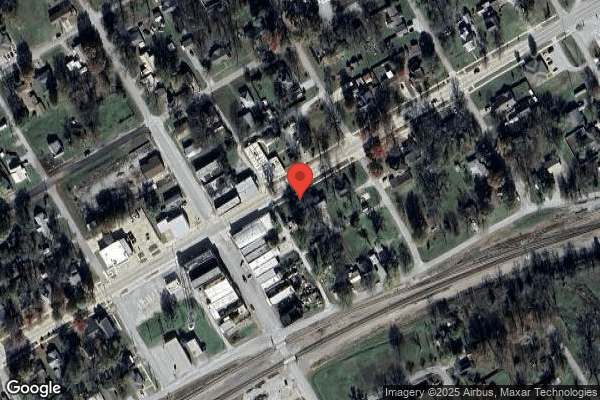
12 EAST CONNER, FAIRLAND, OK 74343 (918) 676-3685
For profit - Corporation 29 Beds GLOBAL HEALTHCARE REIT Data: November 2025
Trust Grade
50/100
#120 of 282 in OK
Last Inspection: January 2025

Within standard 12-15 month inspection cycle. Federal law requires annual inspections.

Overview

Maple Healthcare and Rehab in Fairland, Oklahoma, has a Trust Grade of C, which means it is average compared to other facilities. It ranks #120 out of 282 in the state, placing it in the top half, and #2 out of 5 in Ottawa County, indicating that only one nearby facility is rated higher. The facility is improving, with the number of issues found decreasing from 19 in 2023 to 7 in 2025. Staffing is a relative strength, rated 4 out of 5 stars, but the turnover rate of 70% is concerning compared to the state average of 55%. There have been no fines, which is a positive indicator of compliance, and they have more RN coverage than 98% of Oklahoma facilities, which is crucial for catching potential issues. However, there are some weaknesses to consider. Recent inspections found that the facility failed to ensure proper food sanitation practices, such as not testing the dish machine's sanitation levels or labeling opened food products, which could affect resident safety. Additionally, they did not adequately educate residents about advance directives, with two residents not being offered the opportunity to create one. Lastly, there was a failure to develop a comprehensive care plan that included hospice services for a resident in need, highlighting gaps in care planning.

Trust Score
C
50/100
In Oklahoma
#120/282
Top 42%
Safety Record
Low Risk
No red flags
Inspections
Getting Better
19 → 7 violations
Staff Stability
⚠ Watch
70% turnover. Very high, 22 points above average. Constant new faces learning your loved one's needs.
Penalties
✓ Good
No fines on record. Clean compliance history, better than most Oklahoma facilities.
Skilled Nurses
✓ Good
Each resident gets 44 minutes of Registered Nurse (RN) attention daily — more than average for Oklahoma. RNs are trained to catch health problems early.
Violations
⚠ Watch
50 deficiencies on record. Higher than average. Multiple issues found across inspections.
★★★☆☆
3.0
Overall Rating
★★★★☆
4.0
Staff Levels
★★☆☆☆
2.0
Care Quality
★★★☆☆
3.0
Inspection Score
Stable
2023: 19 issues
2025: 7 issues

The Good

  • 4-Star Staffing Rating · Above-average nurse staffing levels
  • Full Sprinkler Coverage · Fire safety systems throughout facility
  • No fines on record

Facility shows strength in staffing levels, fire safety.

The Bad

3-Star Overall Rating

Near Oklahoma average (2.6)

Meets federal standards, typical of most facilities

Staff Turnover: 70%

24pts above Oklahoma avg (46%)

Frequent staff changes - ask about care continuity

Chain: GLOBAL HEALTHCARE REIT

Part of a multi-facility chain

Ask about local staffing decisions and management

Staff turnover is very high (70%)

22 points above Oklahoma average of 48%

The Ugly 50 deficiencies on record

Jan 2025 7 deficiencies
CONCERN (D)

Potential for Harm - no one hurt, but risky conditions existed

Deficiency F0637 (Tag F0637)

Could have caused harm · This affected 1 resident

Based on record review and interview, the facility failed to ensure a significant change assessment was completed after a resident was admitted to hospice for one (#26) of one sampled resident reviewe...

Read full inspector narrative →
Based on record review and interview, the facility failed to ensure a significant change assessment was completed after a resident was admitted to hospice for one (#26) of one sampled resident reviewed for hospice. The DON reported the census was 24. Findings: Resident #24 had diagnoses which included parkinsonism and hypertension. A verbal order form, dated 09/11/24, documented Resident #24 was admitted to hospice on 09/11/24. The resident's medical record was reviewed and did not document a significant change assessment had been completed. On 12/31/24 at 10:11 a.m., the corporate nurse stated a significant change assessment should have been completed within 14 days of the resident being admitted to hospice.
CONCERN (D)

Potential for Harm - no one hurt, but risky conditions existed

Accident Prevention (Tag F0689)

Could have caused harm · This affected 1 resident

Based on observation, record review, and interview, the facility failed to implement a comprehensive care plan intervention regarding falls for one (#21) of three sampled residents reviewed for accide...

Read full inspector narrative →
Based on observation, record review, and interview, the facility failed to implement a comprehensive care plan intervention regarding falls for one (#21) of three sampled residents reviewed for accident hazards. A Detail Census Report, dated 12/30/24, documented 24 residents resided at the facility. Findings: A facility policy titles Fall Prevention Program, read in part, High Risk Protocol: a. The resident will be place on the facility's Fall Prevention Program. i. Indicate fall risk on the care plan. ii. Place Fall Prevention indicator (such as star, color coded sticker) on the name plate to the resident's room. A fall risk focus in Resident #21's care plan, dated 10/20/24, read in part, Follow facility fall protocol. A fall risk assessment, dated 11/16/24, documented Resident #21 was scored as a high risk for falls. On 12/31/24 at 1:11 p.m., Resident #21's room door was inspected for an indication they were on the fall protocol. No indicator on the resident's door or walker was observed. On 01/02/25 at 9:38 a.m., LPN #1 stated there was no indicator on the door or in the room of Resident #21 that indicated they were a high risk for falls. They stated they received annual training on the fall protocol, but was unaware of the need for markers on the doors. On 01/02/25 at 9:49 a.m., DON stated the facility had not been able to start the fall protocol yet, but were in the process. They stated they are going to use an apple sticker to indicate high fall risk. They stated they dropped the ball on not starting the program.
CONCERN (D)

Potential for Harm - no one hurt, but risky conditions existed

Medication Errors (Tag F0758)

Could have caused harm · This affected 1 resident

Based on record review and interview, the facility failed to ensure a gradual dose reduction was addressed by the physician and residents did not receive psychotropic medications on an as needed basis...

Read full inspector narrative →
Based on record review and interview, the facility failed to ensure a gradual dose reduction was addressed by the physician and residents did not receive psychotropic medications on an as needed basis for more than 14 days for one (#16) of five sampled residents reviewed for unnecessary medications. The DON reported 21 residents received psychotropic medications. Findings: Resident #16 had diagnoses which included generalized anxiety disorder and major depressive disorder. A physician's order, dated 09/11/23, documented the resident was to receive alprazolam (an antianxiety medication) 0.5 mg as needed every 8 hours. The order did not have an end date. A GDR, dated 04/02/24, read in parts, This resident is currently on PRN alprazolam 0.5mg q8h with the following diagnosis: anxiety .Please evaluate current diagnosis, behaviors and usage patterns and evaluate continued need. PRN psychotropic orders cannot exceed 14 days with the exception that the prescriber documents their rationale in the resident's medical record and indicate the duration for the PRN order . The GDR was not signed by the physician and no rationale was provided. A review of Resident #16's medical record did not document a rationale from the physician as to why the medication was indicated for more than 14 days. On 01/02/25 at 9:55 a.m., the DON stated as needed psychotropics should only be prescribed for 14 days unless a rationale was provided by the physician. They also stated the GDR dated 04/02/24 had not been addressed by the physician.
CONCERN (E)

Potential for Harm - no one hurt, but risky conditions existed

Deficiency F0578 (Tag F0578)

Could have caused harm · This affected multiple residents

**NOTE- TERMS IN BRACKETS HAVE BEEN EDITED TO PROTECT CONFIDENTIALITY** Based on record review and interview, the facility failed to ensure residents were educated and offered the opportunity to creat...

Read full inspector narrative →
**NOTE- TERMS IN BRACKETS HAVE BEEN EDITED TO PROTECT CONFIDENTIALITY** Based on record review and interview, the facility failed to ensure residents were educated and offered the opportunity to create advance directive for two (#21 and #23) of 17 sampled residents reviewed for advance directives. A Detail Census Report, dated 12/30/24, documented 24 residents resided at the facility. Findings: 1. Resident #21 was admitted to the facility on [DATE]. A review of Resident #21's electronic health records found no advance directive. 2. Resident #23 was admitted to the facility on [DATE]. A review of Resident #23's electronic health records found no advance directive. On 12/30/24 at 12:00 p.m., Resident #23's representative stated they did not recall talking to the facility staff about advance directives. On 12/31/24 at 8:17 a.m., Resident #21 stated they were unaware of speaking to a staff member about advance directives. On 01/02/25 at 10:21 a.m., the MDS coordinator stated they had not been documenting they offered and educated residents regarding advance directives. They stated there was no documentation in Resident #21 or Resident #23's records of their desire to create an advance directive or if the resident or their POA had declined. They stated they were unaware of when or how often they were supposed to attempt to offer and educate residents about advance directives.
CONCERN (E)

Potential for Harm - no one hurt, but risky conditions existed

Comprehensive Care Plan (Tag F0656)

Could have caused harm · This affected multiple residents

Based on record review and interview, the facility failed to ensure a comprehensive care plan was developed for one (#26) of 17 sampled residents whose care plans were reviewed. The DON reported the c...

Read full inspector narrative →
Based on record review and interview, the facility failed to ensure a comprehensive care plan was developed for one (#26) of 17 sampled residents whose care plans were reviewed. The DON reported the census was 24. Findings: Resident #26 had diagnoses which included parkinsonism and hypertension. A verbal order form, dated 09/11/24, documented resident #26 was admitted hospice on 09/11/24. Resident #26's care plan was reviewed and the care plan did not incorporate hospice services into the plan of care. On 12/31/24 at 10:11 a.m., the corporate nurse stated hospice services should have been included on the care plan.
CONCERN (E)

Potential for Harm - no one hurt, but risky conditions existed

Food Safety (Tag F0812)

Could have caused harm · This affected multiple residents

Based on observation, record review, and interview, the facility failed to store and prepare food in accordance with professional standards for food service safety. The DON reported 24 residents recei...

Read full inspector narrative →
Based on observation, record review, and interview, the facility failed to store and prepare food in accordance with professional standards for food service safety. The DON reported 24 residents receive meals from the kitchen. Findings: An undated facility policy titled food Safety Requirements, read in parts, Dry food storage- keep foods/beverages in a clean dry area off the floor .Holding- staff shall monitor food temperature while holding for delivery to ensure proper hot and cold holding temperatures are maintained .All equipment used in the handling of food shall be cleaned and sanitized, and handled in a manner to prevent contamination. An initial tour of the kitchen was conducted on 12/30/24 at 8:13 a.m. The following observations were made: a. the paper towel dispenser at the handwashing sink was out of paper towels, b. the Low Temperature Dish Machine Temperature Form had no documented temperatures or chemical concentrations since 10/21/24, c. there was an open gallon container of milk without documentation of the date it was opened, d. there was an open container of sliced cheese without documentation of the date it was opened, and e. a case of canned pineapple tidbits and red kidney beans were sitting directly on the floor. On 12/30/24 at 8:30 a.m., the DM stated the chemical concentration and temperature of the dish machine were tested daily, but they were not documented. They also stated all opened items should have the date they were opened documented and food items should not be stored on the floor. On 12/30/24 at 12:55 a.m., a case of cucumbers was observed sitting on top of the hand washing sink. A cardboard box was also observed sitting on top of the lid to the trash can. The box contained trash. On 12/30/24 at 1:15 p.m., the DM stated nothing should be placed on top of the trash can lid or the handwashing sink. On 12/31/24 at 10:04 a.m., the DM was asked to provide documentation of the meal holding temperatures. The DM stated they did not have documentation related to the holding temperatures of meals served in the facility.
CONCERN (E)

Potential for Harm - no one hurt, but risky conditions existed

Infection Control (Tag F0880)

Could have caused harm · This affected multiple residents

Based on observation and interview, the facility failed to implement an enhanced barrier precaution policy to prevent the spread of MRDO's in the facility. The DON reported the census in the facility ...

Read full inspector narrative →
Based on observation and interview, the facility failed to implement an enhanced barrier precaution policy to prevent the spread of MRDO's in the facility. The DON reported the census in the facility was 24. Findings: On 12/30/24 at 8:45 a.m., a tour of the facility was conducted. No signage was noted indicating enhanced barrier precautions were in place to protect at risk residents. On 01/02/25 at 10:26 a.m., CNA #1 stated the facility did not use EBP. On 01/02/25 at 10:28 a.m., CNA #2 stated they were not familiar with EBP. On 01/02/25 at 10:31 a.m., LPN #1 stated to their knowledge the facility was not using EBP. On 01/02/25 at 10:35 a.m., the DON stated they are currently not using EBP. ' ' ' ''''''''''''''''''''''''''''''''''''
Aug 2023 19 deficiencies
CONCERN (D)

Potential for Harm - no one hurt, but risky conditions existed

Deficiency F0578 (Tag F0578)

Could have caused harm · This affected 1 resident

Based on record review and interview, the facility failed to ensure code status was accurate for one (#8) of 16 sampled residents who were reviewed for advance directives. The Resident Census and Con...

Read full inspector narrative →
Based on record review and interview, the facility failed to ensure code status was accurate for one (#8) of 16 sampled residents who were reviewed for advance directives. The Resident Census and Conditions of Residents form, dated 08/29/23, documented 23 residents resided in the facility. Findings: The Advance Directives policy, dated December 2016, read in part, .Information about whether or not the resident has executed an advance directive shall be displayed prominently in the medical record . Resident #8 had diagnoses which included unspecified dementia. The admission Record form documented the resident had a DNR. A physician order, dated 08/05/22, documented the resident was a full code. Review of the electronic clinical record revealed an undated, signed DNR had been uploaded on 08/09/22. On 08/30/23 at 10:11 a.m., LPN #1 was asked what the code status was for Resident #8. They reviewed the electronic clinical record and stated the resident was a full code. They were asked what the signed DNR was dated. They reviewed the DNR and stated the form was not dated. On 08/30/23 at 10:16 a.m., the DON was asked how staff were made aware of a resident's code status. They stated it was in the electronic clinical record and if they had a signed DNR it would be uploaded. The DON was asked what the code status was for Resident #8. They reviewed the electronic clinical record and stated the resident was a full code. They were asked what the signed DNR was dated. They stated the DNR was not dated and only half of the document was available. The DON was asked why the electronic clinical record had conflicting information regarding the code status for Resident #8. They stated they did not know.
CONCERN (D)

Potential for Harm - no one hurt, but risky conditions existed

Notification of Changes (Tag F0580)

Could have caused harm · This affected 1 resident

Based on record review and interview it was determined the facility failed to notify a resident representative of changes in condition and treatment for one (#15) of two residents reviewed for notific...

Read full inspector narrative →
Based on record review and interview it was determined the facility failed to notify a resident representative of changes in condition and treatment for one (#15) of two residents reviewed for notification of change. The Residents Census and Condition of Residents report, dated 08/29/23, documented 23 residents resided at the facility. Findings: A Change in Resident's Condition or Status policy, revised date 2017, read in part .Our facility will promptly notify the resident, his or her Attending Physician, and representative (sponsor) of changes in the resident's medical/mental condition and/or status (e.g. changes in level of care, billing/payments, resident rights, etc.) . A medication order, dated 07/30/23, documented resident #15 was to be administered Tylenol #3 [acetaminophen with codeine] 300-30 mg every six hours as needed for pain. A progress noted, dated 07/30/23, documented a new order for Tylenol #3 had triggered a drug interaction alert. The alert stated the medication Tylenol #3 could interact with the resident's prescribed medication Mirtazapine [an oral antidepressant medication]. On 08/30/23 at 8:02 a.m., resident #15's family member reported that a medication change had occurred in July 2023 and no one notified them of the change. They stated the medication caused resident #15 to hallucinate more than usual. On 08/31/23 at 2:00 p.m., the LPN #1 was asked to explain the process of receiving a medication order. They included in their explanation that the resident and their representative would be contacted. They were asked if that was always done. They stated it was not but it was suppose to happen. At 2:23 p.m., the DON was asked to describe the process when new medication orders were received. They included in their explanation that the resident and their representative would be notified about the medication order. They were asked if that was the required process at the facility. They stated it was. They were asked if their expectation was the process would be followed each time. They stated yes. They were asked to check resident #15's Tylenol #3 order of 07/30/23 and see if the resident's family had been contacted. At 2:38 p.m., the DON was asked if resident #15's family had been contacted in regards to the Tylenol #3 order dated 07/30/23. They stated that looking at the resident's medical records there was not documentation of the family having been contacted.
CONCERN (D)

Potential for Harm - no one hurt, but risky conditions existed

Deficiency F0582 (Tag F0582)

Could have caused harm · This affected 1 resident

**NOTE- TERMS IN BRACKETS HAVE BEEN EDITED TO PROTECT CONFIDENTIALITY** Based on record review, and interview the facility failed to provide an Advance Beneficiary Notice of Non-coverage to one (#14) ...

Read full inspector narrative →
**NOTE- TERMS IN BRACKETS HAVE BEEN EDITED TO PROTECT CONFIDENTIALITY** Based on record review, and interview the facility failed to provide an Advance Beneficiary Notice of Non-coverage to one (#14) of three residents reviewed for beneficiary notifications. The Entrance Conference Worksheet Beneficiary Notice - Resident discharged Within the Last Six Months form, documented three residents, who had discharged in the previous six months prior to the survey, had remained in the facility after a discharge from a Medicare Part A stay. Findings: Resident #14 had diagnosis which included bipolar disorder and anxiety disorder. A progress note written by the SSD, dated 07/26/23, documented the resident was transferred to an acute care hospital on that date. A progress note written by LPN #3, dated 08/03/23, documented resident #14 was readmitted to the facility on that date. On 08/31/21 the Administrator returned a completed SNF Beneficiary Notification Review form which documented resident #14 was not given a Skilled Nursing Facility Advanced Beneficiary Notice of Non-coverage (SNF ABN) form related to the transfer to an acute care hospital on [DATE]. At 9:27 a.m., the Administrator was asked why the resident had not received the SNF ABN. They stated it was because of their misunderstanding of the regulations.
CONCERN (D)

Potential for Harm - no one hurt, but risky conditions existed

Report Alleged Abuse (Tag F0609)

Could have caused harm · This affected 1 resident

Based on record review and interview the facility failed to ensure an incident of physical assault on a resident was reported to the facility administration and state agency for one (#24) of 16 reside...

Read full inspector narrative →
Based on record review and interview the facility failed to ensure an incident of physical assault on a resident was reported to the facility administration and state agency for one (#24) of 16 residents assessed for abuse. The Resident Census and Conditions of Residents form, dated 08/29/23, documented 23 residents resided at the facility. Findings: Resident #24 had diagnosis which included cognitive communication disorder and pneumonia. An abuse investigation and reporting policy, revised date July 2017, read in part, . All reports of resident abuse, neglect, exploitation, misappropriation of resident property, mistreatment and/or injuries of unknown source (abuse) shall be reported to local, state, and federal agencies (as defined by current regulations) and thoroughly investigated by facility management. Findings of abuse investigations will also be reported . A nursing note, dated 05/31/23 at 7:08 p.m., documented a resident's family member had attempted to force the resident from their bed. The note read in part, .[they] yanked the blankets off, pulled [their] heel protectors off, pulled on [their] upper body after shaking [them] rigorously yelling wake up . The noted further documented LPN #4 was able to get the family member to put the resident back down and educated them on the resident's condition. There was no documentation the facility administrator or any government agency was notified of the assault. 08/31/23 12:08 p.m., the administrator was asked if the assault described in LPN #4's nursing note, dated 05/31/23, was reported to them. They reported having no knowledge of the incident but would look into it and report back. At 12:38 p.m., the administrator stated today was the first he heard about the assault so had not investigated or reported it. They were asked if LPN #4 was still employed at the facilty. They stated they were no longer an employee. At 12:53 p.m., the administrator attempted to contact the weekend registered nurse, RN#1, to see if the assault incident was reported to them. At 1:02 p.m., RN #1 was interviewed via telephone. RN #1 was asked what they knew about an assault on a resident in May 2023. RN #1 said no one had informed them of such an incident. RN #1 was given the name of the resident, date of the incident, the name of the nurse involved, and that the accused was a family member. They stated no one told them or they would have immediately reported it to state.
CONCERN (D)

Potential for Harm - no one hurt, but risky conditions existed

Transfer Notice (Tag F0623)

Could have caused harm · This affected 1 resident

**NOTE- TERMS IN BRACKETS HAVE BEEN EDITED TO PROTECT CONFIDENTIALITY** Based on record review and interview the facility failed to provide a written notice of transfer to one (#24) of one resident re...

Read full inspector narrative →
**NOTE- TERMS IN BRACKETS HAVE BEEN EDITED TO PROTECT CONFIDENTIALITY** Based on record review and interview the facility failed to provide a written notice of transfer to one (#24) of one resident reviewed for hospitalizations. The Resident Census and Conditions of Residents form, dated 08/29/23, documented 23 residents resided at the facility. Findings: Resident #24 had diagnosis which included cognitive communication disorder and pneumonia. A nursing noted, dated 05/31/23 at 9:08 p.m., documented the resident was transferred to an acute care hospital related to low blood pressure. On 08/31/23 at 12:08 p.m., the administrator was asked if resident #24 was given a written notice of transfer and the bed hold policy prior to being sent to a hospital on [DATE] as indicated by a nurse note of the same date. They stated they would need to check in the resident's records. At 12:38 p.m., the administrator was asked about the written notice of transfers prior to hospitalization for resident #24. They stated they were aware of the regulation but had not found a copy or documentation that the letter was given in the residents records.
CONCERN (D)

Potential for Harm - no one hurt, but risky conditions existed

Deficiency F0645 (Tag F0645)

Could have caused harm · This affected 1 resident

**NOTE- TERMS IN BRACKETS HAVE BEEN EDITED TO PROTECT CONFIDENTIALITY** Based on observation, record review, and interview the facility failed to ensure a PASRR level one assessment form had been comp...

Read full inspector narrative →
**NOTE- TERMS IN BRACKETS HAVE BEEN EDITED TO PROTECT CONFIDENTIALITY** Based on observation, record review, and interview the facility failed to ensure a PASRR level one assessment form had been completed for one (#1) of one residents reviewed for preadmission screening. The Resident Census and Conditions of Residents form, dated 08/29/23, documented 23 residents resided in the facility. Findings: Resident #1 had diagnoses which included paranoid schizophrenia and major depressive disorder with severe psychotic symptoms. An admission record, print date 08/29/23, documented the resident was admitted to the facility on [DATE]. On 08/29/23, resident #1's medical records were reviewed for the presence of a Preadmission Screening and Resident Review (PASRR) form. None was located in the electronic medical record or paper chart. At 12:10 p.m., resident #1 was observed in their room and an attempt to question them was made. The resident was not interviewable. On 08/30/23 an Oklahoma Healthcare Authority Nursing Facility Level of Care Assessment form, dated 08/30/23, was observed in the resident's electronic medical record. The form documented the resident had been admitted in the year 2020 and the PASRR for the resident had not been found. It further documented a representative of the Oklahoma Healthcare Authority had been notified of the situation. On 08/31/23 at 7:35 a.m., the DON was asked if resident #1 had a PASRR level one or two. They stated a thorough search of the resident's medical records did not result in either of those documents being found. They stated they had contacted they had contacted the Oklahoma Healthcare Authority on 08/30/23 about the missing document. The DON was asked if the resident had entered the facility with a severe psychiatric diagnosis. They stated they did enter with the diagnoses of paranoid schizophrenia and major depression with psychosis. They were asked if the PASRR should have been completed as part of the admission process. They stated, yes.
CONCERN (D)

Potential for Harm - no one hurt, but risky conditions existed

Deficiency F0657 (Tag F0657)

Could have caused harm · This affected 1 resident

Based on record review and interview the facility failed to conduct care plan meetings for one (#15) of six residents reviewed for care plans. The Resident Census and Conditions of Residents form, dat...

Read full inspector narrative →
Based on record review and interview the facility failed to conduct care plan meetings for one (#15) of six residents reviewed for care plans. The Resident Census and Conditions of Residents form, dated 08/29/23, documented 23 residents resided in the facility. Findings: The Care Plans, Comprehensive Person-Centered policy, revised date December 2016, read in part . A comprehensive, person-centered care plan that includes measurable objectives and timetables to meet the residents physical, psychosocial and functional needs is developed and implemented for each resident .The Interdisciplinary Team (IDT), in conjunction with the resident and his/her family or legal representative, develops and implements a comprehensive, person-centered care plan for each resident . Resident #15 had diagnoses which included vascular dementia. On 08/30/23 at 8:02 a.m., a resident representative reported they had not been invited to or attended an interdisciplinary treatment team meeting since resident #15 had resided at the facility. On 08/31/23 at 1:25 p.m., the DON was asked to describe the process for developing a comprehensive care plan. They stated a baseline care plan was created upon admit and a comprehensive within seven days. They stated the care plan would be reviewed quarterly and revised as necessary. They were asked who participated in the comprehensive care plan meeting. They stated the DON, SSD, the resident, the residents representative, nurses, and nurse aides. They were asked if the medical director attended the meetings. They stated, no as they come in a review the care plan during their visits. They were asked if he resident and/or representative participate in the meeting. They stated the resident and family would give information on particular wants of the resident. They stated there were no formal meetings but they take advantage of when representatives come by to visit and go over the care plan then. They were asked if formal meeting which included the IDT in attendance with the resident and/or representative had taken place. They stated yes and presented a binder which included documentation of care plan meetings from 2022. They were asked if any care plan meeting had occurred with the legal representative of resident #15 and if so was it documented. The SSD answered and stated they recalled having meetings with the representative but there was no documentation those meeting occurred. The SSD also reported a former DON had shredded the 2023 care plan documents. At 1:42 p.m., the Administrator was asked to describe their expectations as to how care plan meeting would occur. They stated the SSD had been instructed previously they could no longer conduct informal care plan meetings and formal meetings were required with the interdisciplinary treatment team in attendance. They were asked if they were aware of a former DON having destroyed all the 2023 care plan meeting documentation. They stated they were unaware of that.
CONCERN (D)

Potential for Harm - no one hurt, but risky conditions existed

ADL Care (Tag F0677)

Could have caused harm · This affected 1 resident

Based on observation, record review, and interview, the facility failed to ensure ADL care was provided for dependent residents for two (#7 and #16) of two sampled residents who were reviewed for ADL ...

Read full inspector narrative →
Based on observation, record review, and interview, the facility failed to ensure ADL care was provided for dependent residents for two (#7 and #16) of two sampled residents who were reviewed for ADL care. The DON identified 20 residents who were dependent on staff for ADL care. Findings: The Care of Fingernails/Toenails policy, dated April 2007, read in parts, The purposes of this procedure are to clean the nail bed .Nail care includes daily cleaning . The Shaving the Resident policy, dated December 2007, read in parts, .The purpose of this procedure is to promote cleanliness and to provide skin care .The following information should be recorded in the resident's medical record .The date and time the procedure was performed . 1. Resident #7 had diagnoses which included major depressive disorder. The Care Plan, revised 04/02/23, documented the resident had an ADL self care performance deficit. The quarterly assessment, dated 06/15/23, documented the resident was moderately impaired in cognition for daily decision making and required limited one person physical assistance for personal hygiene. Review of the July 2023 and August 2023 ADL documentation, including shower sheets, did not reveal documentation the resident had been assisted with shaving. On 08/29/23 at 11:31 a.m., Resident #7 was observed to have full facial hair stubble. The resident was asked how often the resident was shaven. Resident #7 stated they preferred to be clean shaven. They stated the last time they were shaved was approximately one month ago. Resident #7 stated, I bet it looks pretty bad. On 08/31/23 at 11:18 a.m., CNA #1 was asked how often Resident #7 was shaved. They stated they shaved them on their shower days but the resident had been changed to evening shift for their showers. On 08/31/23 at 12:04 p.m., the DON was asked how often residents were shaved. They stated they were to be shaved on their shower days. On 08/31/23 at 2:20 p.m., the DON was asked how they monitored to ensure residents were assisted with shaving as needed and per their preference. They stated they observed the residents. They were asked why Resident #7 had full facial hair growth. They stated they did not know but needed to observe residents for ADL assistance, including shaving needs/preferences. On 08/31/23 at 2:27 p.m., the DON stated they had spoken with Resident #7 and the resident stated they preferred to be clean shaven. 2. Resident #16 had diagnoses which included diabetes mellitus. A quarterly assessment, dated 07/07/23, documented the resident was intact in cognition for daily decision making and required supervision/set up for personal hygiene. The Care Plan, dated 08/18/23, documented the resident had ADL self-care performance deficit related to weakness, unsteady gait, and a history of polio. On 08/29/23 at 11:08 a.m., the resident's fingernails on the left hand were observed to have a buildup of a dark colored substance underneath them. On 08/30/23 at 4:38 p.m., the resident's bilateral fingernails were observed to have a dark colored buildup underneath them. On 08/31/23 at 11:15 a.m., CNA #1 was asked when fingernail cleaning was performed. They stated they had soaked the resident's fingernails one day but at times the resident refused. They were asked how long ago had they soaked/cleaned the resident's fingernails. They stated they did not know. They were asked where they documented nail care. They stated they did not know. On 08/31/23 at 11:20 a.m., Resident #16 was asked when staff had last cleaned their fingernails. They stated they did not remember. Resident #16 stated they did not prefer to have their nails cut but they would like the staff to clean them. On 08/31/23 at 12:06 a.m., the DON was asked when nail care was provided. They stated when the residents received their showers the CNAs were to clean the residents' nails. The DON was asked why the fingernails for Resident #16 had a dark colored buildup underneath them. The DON stated they would need to check. On 08/31/23 at 2:21 p.m., the DON stated the resident's fingernails needed to be soaked and cleaned. They were asked how they monitored to ensure residents received ADL care assistance including nail care. They stated they needed to do visual inspections and they had not been monitoring to ensure residents received nail care.
CONCERN (D)

Potential for Harm - no one hurt, but risky conditions existed

Deficiency F0698 (Tag F0698)

Could have caused harm · This affected 1 resident

Based on observation, record review, and interview the facility failed to provide pre and post dialysis assessments for one (#12) of one resident reviewed for dialysis care. The Resident Census and C...

Read full inspector narrative →
Based on observation, record review, and interview the facility failed to provide pre and post dialysis assessments for one (#12) of one resident reviewed for dialysis care. The Resident Census and Conditions of Residents form, dated 08/29/23, documented one resident at the facility attended off-site dialysis treatments. Findings: A hemodialysis policy, undated, read in part, .The nurse will ensure that the dialysis access site (e.g. AV shunt or graft) is checked before and after dialysis treatments and every shift for patency by auscultating for a bruit [an abnormal vascular sound] and palpitating for a thrill [an abnormal vibration] . Resident #12 had diagnoses which included end stage renal disease. A care plan focus for hemodialysis, revised date 05/04/22, documented the resident required dialysis three times weekly. A review of the interventions related to the focus did not include pre and post dialysis checks of the access site nor presence of bruit and thrill. On 08/29/23 at 12:44 p.m., resident #12 was observed in their room. They were asked if the nurses had been checking the access site for their dialysis treatments. They stated they could not recall that. The resident was also a demonstration on what that may look like as their English proficiency was questionable. They stated they were not sure. They were asked if they had any concerns with their overall care. They stated, no. On 08/30/23 at 9:02 a.m. LPN #1 was asked what days resident #12 was scheduled to go out for dialysis treatments. They replied three days a week on Monday, Wednesday, and Friday. They were asked to describe the procedure for preparing the resident for the appointment. Their description included a check for bruit, thrill, and a visual inspection of the skin at the access site. They were asked where those checks were documented. They replied they tried to document in the progress notes but does not always do so. They were asked if they received any training on the subject of caring for a resident who received dialysis treatment. She stated she did not. At 10:02 a.m., LPN #1 was observed providing the resident care prior to them departing for dialysis treatment. The care included a check for bruit and thrill. The fistula site was also looked at. At 11:40 a.m., the DON was asked for copies of the August 2023 nurse notes. Upon review, the progress notes had one documented instance of the resident being assessed prior to going and upon return from dialysis treatments. At 11:51 a.m., LPN #1 was asked where it was documented when the resident departs for dialysis. They stated it was in the progress notes and in a dialysis communication binder that goes with the resident to the dialysis center. They were asked if the resident had taken the binder to dialysis that day. LPN #1 found the binder in a bookcase in the nurses station. Inside the binder was one completed communication record, dated 07/07/23 and one form, dated 04/17/23, which was otherwise blank except for the name and telephone numbers of this facility. All other dialysis communication forms were blank. They were asked if the forms had been filled out in the past. They stated, not always. At 12:06 p.m., the DON was asked to describe the procedure for preparing resident #12 for dialysis treatment. They stated LPN #1 goes in and checks the fistula site for bruit and thrill then gives any medication the resident was suppose to have prior to leaving. They were asked if LPN #1 documented their work. The DON stated they did and it was generally in the progress notes. They were asked if the charting had been done routinely. They responded that when they had printed off the August notes they clearly did not. They were asked how they could be sure the required checks had routinely been performed. They stated they could not. They were asked if they could say the checks had been done this month. They replied, No. They were asked if they had an opportunity to check the nurses pre and post dialysis checks in the past. They stated they had not yet as they had only been the DON for 3 weeks. They were asked if they had an opportunity to do any training or competency check offs with any of your staff. They stated, not yet. They were asked if they were able to say the resident has received any of their care related to dialysis. They stated, based on documentation they could not but they believed it had been done. At 1:00 p.m., the DON identified the dates in August 2023 when resident #12 went to dialysis treatments. The dates identified were the 2nd, 4th, 7th, 16th, 18th, 21st, 23rd, 25th, 28th, and 30th. A review of progress notes for the time period of 08/01/23 through 08/30/23 found seven notes that documented a check of the resident for bruit and thrill. Those dates were the 30th [once at 10:20 a.m. and once at 10:37 a.m.], 25th, 24th, 23rd, 22nd, and 16th. The pre and post dialysis checks were documented as done on 3 of 20 opportunities.
CONCERN (D)

Potential for Harm - no one hurt, but risky conditions existed

Drug Regimen Review (Tag F0756)

Could have caused harm · This affected 1 resident

**NOTE- TERMS IN BRACKETS HAVE BEEN EDITED TO PROTECT CONFIDENTIALITY** Based on record review and interview, the facility failed to ensure pharmacy recommendations were addressed by the physician for...

Read full inspector narrative →
**NOTE- TERMS IN BRACKETS HAVE BEEN EDITED TO PROTECT CONFIDENTIALITY** Based on record review and interview, the facility failed to ensure pharmacy recommendations were addressed by the physician for ** of five sampled residents who were reviewed for unnecessary medications. The Resident Census and Conditions of Residents form, dated 08/29/23, identified 23 residents who resided in the facility. Findings: The Medication Regimen Reviews policy, dated April 2007, read in parts, .The Consultant Pharmacist will provide a written report to physicians for each resident with an identified irregularity .Copies of drug/medication drug regimen review reports, including physician responses, will be maintained as part of the permanent medical record . 1. Resident #8 had diagnoses which included schizoaffective disorder. The Recommendation Summary for DON and Medical Director report from the Consultant Pharmacist, dated 11/03/22, read in part, .This resident has been taking the antipsychotic Aripiprazole 5mg qam since [DATE]. Please evaluate the current dose and consider a dose reduction . The pharmacy recommendation was not addressed by the physician. The Recommendation Summary for DON and Medical Director report from the Consultant Pharmacist, dated 01/04/23, read in part, .This resident has been taking the antidepressant Venlafaxine ER 75mg qam since [DATE]. Please evaluate the current dose and consider a dose reduction . The pharmacy recommendation was not addressed by the physician. The Recommendation Summary for DON and Medical Director report from the Consultant Pharmacist, dated 02/04/23, read in part, .This resident has been taking the antipsychotic Aripiprazole 5mg qam since [DATE]. Please evaluate the current dose and consider a dose reduction . The pharmacy recommendation was not addressed by the physician. The Recommendation Summary for DON and Medical Director report from the Consultant Pharmacist, dated 04/07/23, read in part, .This resident has been taking the antidepressant Venlafaxine ER 75mg qam since [DATE]. Please evaluate the current dose and consider a dose reduction . The pharmacy recommendation was not addressed by the physician. The annual assessment, dated 08/19/23, documented the resident was cognitively intact for daily decision making, received an antipsychotic, antianxiety, and antidepressant medication for seven of seven days during the look back period, a gradual dose reduction had not been attempted, and the physician had not documented a gradual dose reduction was clinically contraindicated. 2. Resident #10 had diagnoses which included unspecified dementia. The Note to Attending Physician/Prescriber report from the Consultant Pharmacist, dated 02/04/23, read in part, .This resident is currently on PRN Lorazepam 0.5mg q12h with the following diagnoses: anxiety. Please .evaluate continued need . The pharmacy recommendation was not addressed by the physician. The Consultant Pharmacist's Medication Regimen Review Active Recommendations Lacking a Final Response report from the Consultant Pharmacist, dated 04/07/23, read in part, .This resident is currently on PRN Lorazepam 0.5mg q12h with the following diagnoses: anxiety. Please .evaluate continued need . The pharmacy recommendation was not addressed by the physician. The quarterly assessment, dated 07/31/23, documented the resident was moderately impaired in cognition for daily decision making, received an antipsychotic, antianxiety, antidepressant, and hypnotic medication for seven of seven days during the look back period, a gradual dose reduction had not been attempted, and the physician had not documented a gradual dose reduction was clinically contraindicated. On 08/31/23 at 1:43 p.m., the DON was asked who was responsible to ensure pharmacy recommendations were addressed by the physician. They stated they were responsible. They were asked why pharmacy recommendations were not addressed by the physician. They stated they did not know. On 08/31/23 at 1:45 p.m., the administrator was asked who was responsible to ensure pharmacy recommendations were addressed by the physician. They stated the DON was responsible. They were asked why pharmacy recommendations had not been addressed by the physician. They stated they had changed medical directors and DONs. They stated the pharmacist emailed the recommendations to the DON and themselves and they could have sent them to the physician. The administrator was asked who was responsible to provide oversight to ensure pharmacy recommendations were addressed by the physician. The administrator stated they were to audit pharmacy recommendations. They were asked when their last audit had been conducted. The administrator stated they had not conducted an audit in a while and were not aware the recommendations from the consultant pharmacist were not being addressed by the physician.
CONCERN (D)

Potential for Harm - no one hurt, but risky conditions existed

Deficiency F0805 (Tag F0805)

Could have caused harm · This affected 1 resident

Based on observation and interview, the facility failed to ensure pureed foods were prepared in the proper consistency for one (the noon meal) of one meal observed. The DON identified two residents wh...

Read full inspector narrative →
Based on observation and interview, the facility failed to ensure pureed foods were prepared in the proper consistency for one (the noon meal) of one meal observed. The DON identified two residents who were ordered a puree diet. Findings: On 08/29/23 at 1:08 p.m., the dietary manager was observed to puree kielbasa and fried potatoes. On 08/29/23 at 1:17 p.m., the dietary manager stated they had pureed the food to the consistency in which they would serve it and provided the surveyor a sample of the kielbasa and fried potatoes. The kielbasa was observed to not be smooth, had pieces of meat still visible, and required chewing upon tasting. The fried potatoes were observed to not be smooth, had pieces of potato with the skin on which required chewing upon tasting. On 08/29/23 at 1:27 p.m., the dietary manager plated the pureed foods and handed the tray to the administrator to serve the resident. The administrator was asked to return the tray to the kitchen before it was served to the resident. The dietary manager was asked how they ensured pureed foods were the correct consistency. They stated they stated they observed to determine if it was smooth. On 08/29/23 at 1:57 p.m., the administrator was asked what consistency pureed foods were to be served. They stated there should not be pieces of food still remaining. They stated they thought the consistency was nectar thick but would need to check. On 08/29/23 at 2:02 p.m., the administrator stated pureed foods were to not be lumpy, not require chewing, and were to be spoon thick. The administrator was asked how they monitored to ensure residents who were ordered a pureed diet received the foods of the correct consistency. They stated they observed the food but had probably not observed the pureed foods as much as they should.
CONCERN (D)

Potential for Harm - no one hurt, but risky conditions existed

Food Safety (Tag F0812)

Could have caused harm · This affected 1 resident

Based on observation, record review, and interview, the facility failed to: a. ensure opened foods were dated, food with signs of freezer burn was discarded, and scoops were not stored in bulk food bi...

Read full inspector narrative →
Based on observation, record review, and interview, the facility failed to: a. ensure opened foods were dated, food with signs of freezer burn was discarded, and scoops were not stored in bulk food bins, b. ensure equipment was maintained in a sanitary manner, c. ensure hair restraints were utilized by staff while in the kitchen for two (the dietary manager and [NAME] #1) of two staff observed during meal preparation and service, and d. maintain proper hand hygiene during meal service for one of one meal services observed. The DON identified 22 residents who received nourishment from the kitchen. Findings: The Sanitization policy, dated October 2008, read in part, .Kitchen .surfaces not in contact with food shall be cleaned on a regular schedule and frequently enough to prevent accumulation of grime . The Refrigerators and Freezers policy, dated December 2014, read in part, .Refrigerators and freezers will be kept clean, free of debris, and mopped with a sanitizing solution on a scheduled basis and more often as necessary . The Preventing Foodborne Illness - Employee Hygiene and Sanitary Practices policy, dated October 2017, read in parts, .Gloves are considered single-use items and must be discarded after completing the task for which they are used .Hair nets or caps and/or beard restraints must be worn to keep hair from contacting exposed food, clean equipment, utensils and linens . 1. On 08/29/23 at 9:30 a.m., during a tour of the kitchen, the refrigerator was observed to contain two, undated, opened packages of deli ham and one undated, large bowl of cut watermelon. A large, open, undated plastic bag of corn on the cob was observed in the freezer. The corn was observed to be dry and have frost on the ends. A large bin of flour, sugar, and cornmeal were all observed to have scoops stored inside them. On 08/29/23 at 9:32 a.m., the dietary manager was asked how they monitored to ensure scoops were not stored inside bulk food items. They stated they had left the scoop in the sugar but was did not know why scoops were in the cornmeal or flour. The dietary manager stated they observed the bulk food items daily to ensure scoops were not stored in them. On 08/29/23 at 9:37 a.m., the dietary manager was asked what the facility protocol was for labeling of opened foods/leftovers. They stated they had not been labeling open food items and had been notified last week by the Registered Dietician they were supposed to label opened items and leftovers. On 08/30/23 at 12:52 p.m., the dietary manager was shown the bag of corn in the freezer and was asked when it had been opened. They stated they did not know but it was probably last week when the food supply was delivered. They observed the corn and stated they should have closed the bag. The dietary manager stated, Some of these don't look good. 2. On 08/29/23 at 9:35 a.m., the refrigerator was observed to have debris and a brown substance on the shelves. Two hairs were observed on the shelves. Nine deceased flies were observed on the shelves in the door of the refrigerator. The side of the refrigerator was observed to have a brown buildup of residue on the side which was by the stove. The six stove burners and stove top was observed to have a thick, black substance on them. On 08/29/23 at 9:37 a.m., the dietary manager was asked how often the inside of the refrigerator was cleaned. They stated they cleaned it a month ago but needed to start a weekly cleaning schedule. They were asked why there were deceased flies, two hairs, and a brown substance on the shelves in the refrigerator. They stated there was no excuse for the condition of the refrigerator. On 08/30/23 at 12:28 p.m., the dietary manager was asked how the outside of the refrigerator and the stove was cleaned. They stated they were cleaned weekly but they had not yet cleaned it this week. 3. On 08/29/23 at 9:30 a.m., the dietary manager was observed in the kitchen. They were not observed to wear a facial hair restraint. On 08/29/23 at 9:45 a.m., the dietary manager was asked what the policy was regarding hair restraint use in the kitchen. They stated they utilized hair nets and beard hair restraints. They were asked why they were not wearing a facial hair restraint. They stated, That's a good question, I guess I just forgot to put one on. On 08/29/23 at 1:09 p.m., cook #1 was observed in the kitchen with a facial hair restraint partially on, not covering their facial hair. On 08/29/23 at 1:54 p.m., cook #1 was observed to wear the facial hair restraint just below the chin. The hair restraint was not observed to cover their facial hair. On 08/29/23 at 2:32 p.m., cook #1 was asked what the facility protocol was for facial hair restraints. They stated they did not know but knew they had to have one on. [NAME] #1 then pulled the facial hair restraint to fully cover their facial hair. 4. On 08/30/23 at 12:20 p.m., cook #1 was observed to don gloves and touch plates, plate covers, the food cart and with the same gloved hands, place dinner rolls onto the residents' plates. On 08/30/23 at 12:50 p.m., cook #1 was asked what the protocol was for glove usage during meal service. They stated they utilized gloves to prevent cross contamination. They were asked how they prevented cross contamination when they had touched the plates, plate covers, the food cart, and with the same gloved hands plated dinner rolls. They stated they did not know. On 08/30/23 at 12:52 p.m., the dietary manager was asked what the protocol was for glove usage during meal service. They stated the gloved hand to used to plate food was not to be utilized for other tasks.
CONCERN (D)

Potential for Harm - no one hurt, but risky conditions existed

Deficiency F0838 (Tag F0838)

Could have caused harm · This affected 1 resident

**NOTE- TERMS IN BRACKETS HAVE BEEN EDITED TO PROTECT CONFIDENTIALITY** Based on record review and interview, the facility failed to ensure the facility assessment was updated annually. The Resident C...

Read full inspector narrative →
**NOTE- TERMS IN BRACKETS HAVE BEEN EDITED TO PROTECT CONFIDENTIALITY** Based on record review and interview, the facility failed to ensure the facility assessment was updated annually. The Resident Census and Conditions of Residents form, dated 08/29/23, documented 23 residents resided in the facility. Findings: The Facility Assessment policy, dated July 2017, read in parts, .A facility assessment is conducted annually .Once a year, and as needed, a designated team conducts a facility-wide assessment to ensure that the resources are available to meet the specific needs of our residents . The Facility Assessment document, provided by the facility, read in part, .Resident Population Profile - [DATE] - [DATE] . On 08/31/23 at 12:08 p.m., the administrator was asked how often the facility assessment was updated. They stated they were to update it at least annually. They were asked why it had not been updated after 03/14/23. They stated they did not know. They stated the information obtained from 03/15/22 through 03/14/23 was the last time the facility assessment had been updated.
CONCERN (D)

Potential for Harm - no one hurt, but risky conditions existed

Deficiency F0887 (Tag F0887)

Could have caused harm · This affected 1 resident

Based on record review and interview the facility failed to assess the need for education and influenza, pneumonia, or COVID-19 vaccinations for one (#19) of three residents reviewed for immunizations...

Read full inspector narrative →
Based on record review and interview the facility failed to assess the need for education and influenza, pneumonia, or COVID-19 vaccinations for one (#19) of three residents reviewed for immunizations. The Resident Census and Conditions of Residents form, dated 08/29/23, documented 23 residents resided in the facility. Findings: Resident #19 had diagnoses which included atherosclerotic heart disease. A review of resident #19's medical records found no documentation of the resident or their representative having been assessed for the need of influenza, pneumonia, and COVID-19 immunizations. There was no documentation of the resident or their representative having been educated or offered the opportunity to receive immunizations for the three diseases. On 08/31/23 at 4:33 p.m., the Administrator and DON reported they had been unable to find any documentation the resident or their representative have been question regarding the resident's immunization status or that they had been given the opportunity for education and immunization while at the facility.
CONCERN (D)

Potential for Harm - no one hurt, but risky conditions existed

Deficiency F0943 (Tag F0943)

Could have caused harm · This affected 1 resident

Based on record review and interview, the facility failed to ensure training was provided regarding activities that constitute abuse/neglect, procedures for reporting incidents of abuse/neglect, and d...

Read full inspector narrative →
Based on record review and interview, the facility failed to ensure training was provided regarding activities that constitute abuse/neglect, procedures for reporting incidents of abuse/neglect, and dementia management/resident abuse prevention. The Resident Census and Conditions of Residents form, dated 08/29/23, documented 23 residents resided in the facility. Findings: The Abuse Prevention Policy and Procedure, dated 02/26/19, read in parts, .Training .All facility personnel will be trained at Orientation and annually thereafter on; The facility policy and procedures relative to abuse and neglect .Appropriate interventions to deal with aggressive reactions of residents . On 08/31/23 at 8:00 a.m., the inservices/training related to abuse/neglect, procedures for reporting abuse/neglect, and dementia management/resident abuse prevention were requested from the administrator. The administrator stated they were unable to locate the inservice book to show evidence of training. They stated they had the book in the DONs office on 08/28/23 but was afraid someone had thrown the binder away. On 08/31/23 at 1:26 p.m., CNA #2 was asked how often they received inservices/training. They stated they had not received any inservices/training since January 2023. They stated at times there was a paper for the staff to review and sign. They were asked how often they had received inservice/training regarding abuse/neglect and caring for residents with dementia. They stated they had not received inservices from the facility on those topics. On 08/31/23 at 1:29 p.m., CNA #1 was asked how often they received inservices/training. They stated when they first began employment over a year ago, they had received inservices all the time but the last inservice was held approximately five to six months ago. CNA #1 was asked how often they had received inservices/training regarding abuse/neglect and caring for residents with dementia. CNA #1 stated they had not received any training outside of orientation upon hire. On 08/31/23 at 1:31 p.m., CMA #2 was asked how often they received inservices/training. They stated the last inservice they had in person was in December 2022. CMA #2 stated they had one inservice since then but it was a piece of paper they were to read and sign. They stated they did not recall what the topic was that was covered. CMA #2 was asked how often they received inservice/training about abuse/neglect and caring for residents with dementia. They stated they had not had inservices/training so far in 2023. On 08/31/23 at 1:34 p.m., LPN #1 was asked how often they received inservices/training. They stated they used to have a book by the time clock of inservices they were to review once a week. They stated there had not been anything new put in the book since March 2023. They stated they had not had inservice/training where they could ask questions and participate in the training since 2022. They were asked how often they received inservice/training about abuse/neglect and caring for residents with dementia. LPN #1 stated, We had a fire drill once a month, that's as close to inservice as we get. On 08/31/23 at 1:37 p.m., the administrator was asked how often staff were provided inservices/training. They stated at least once per month. They were asked what recent inservice/training topics had covered. They stated, I cannot remember. I would say fire drill and I don't know what else. The administrator was asked how often staff received inservice/training on abuse/neglect and caring for residents with dementia. They stated upon hire and at least once annually. They stated they knew they had provided inservice/training on abuse/neglect and caring for residents with dementia this year. The administrator was asked when that inservice/training had been provided. They stated approximately February 2023. By the end of the survey, documentation of inservice/training had not been provided to the survey team.
CONCERN (D)

Potential for Harm - no one hurt, but risky conditions existed

Deficiency F0947 (Tag F0947)

Could have caused harm · This affected 1 resident

Based on record review and interview, the facility failed to provide 12 hours of nurse aide inservice training for 12 of 12 months of inservice training records requested. The Resident Census and Cond...

Read full inspector narrative →
Based on record review and interview, the facility failed to provide 12 hours of nurse aide inservice training for 12 of 12 months of inservice training records requested. The Resident Census and Conditions of Residents form, dated 08/29/23, documented 23 residents resided in the facility. Findings: The Staff Development Program policy, dated December 2009, read in part, .All personnel must participate in .regularly scheduled in-service training classes . On 08/31/23 at 8:00 a.m., the facility's nurse aide inservice training documentation was requested from the administrator. The administrator stated they were unable to locate the inservice documentation for the past 12 months. They stated they had the book in the DONs office on 08/28/23 but was afraid someone had thrown the binder away. On 08/31/23 at 1:26 p.m., CNA #2 was asked how often they received inservice training. They stated they had not received any inservices/training since January 2023. They stated at times there was a paper for the staff to review and sign. On 08/31/23 at 1:29 p.m., CNA #1 was asked how often they received inservice training. They stated when they first began employment over a year ago, they had received inservices all the time but the last inservice was held approximately five to six months ago. On 08/31/23 at 1:31 p.m., CMA #2 was asked how often they received inservice training. They stated the last inservice they had in person was in December 2022. CMA #2 stated they had one inservice since then but it was a piece of paper they were to read and sign. They stated they did not recall what the topic was that was covered. On 08/31/23 at 1:37 p.m., the administrator was asked how often staff were provided inservice training. They stated at least once per month. They were asked what recent inservice training topics had covered. They stated, I cannot remember. I would say fire drill and I don't know what else. The administrator was asked how often staff received inservice training on abuse/neglect and caring for residents with dementia. They stated upon hire and at least once annually. They stated they knew they had provided inservice training on abuse/neglect and caring for residents with dementia this year. The administrator was asked when that inservice training had been provided. They stated approximately February 2023. By the end of the survey, documentation of inservice/training for nurse aides had not been provided to the survey team.
CONCERN (E)

Potential for Harm - no one hurt, but risky conditions existed

Comprehensive Care Plan (Tag F0656)

Could have caused harm · This affected multiple residents

**NOTE- TERMS IN BRACKETS HAVE BEEN EDITED TO PROTECT CONFIDENTIALITY** Based on record review and interview, the facility failed to develop a comprehensive care plan for three (#5, 10, and #16) of 14...

Read full inspector narrative →
**NOTE- TERMS IN BRACKETS HAVE BEEN EDITED TO PROTECT CONFIDENTIALITY** Based on record review and interview, the facility failed to develop a comprehensive care plan for three (#5, 10, and #16) of 14 sampled residents whose care plans were reviewed. The Resident Census and Conditions of Residents report, dated 08/29/23, documented 23 residents resided in the facility. Findings: The Care Plans, Comprehensive Person Centered policy, dated December 2016, read in part, .The comprehensive person-centered care plan is developed within seven .days of the completion of the required comprehensive assessment . 1. Resident #10 had diagnoses which included unspecified dementia. An admission assessment, dated 01/28/23, documented the resident was severely impaired in cognition for daily decision making. The Care Plan documented it was initiated on 08/29/23. The electronic clinical record did not contain any other comprehensive care plans for Resident #10. 2. Resident #16 had diagnoses which included major depressive disorder. An admission assessment, dated 01/05/23, documented the resident was severely impaired in cognition for daily decision making. The Care Plan documented it was initiated on 08/18/23. The electronic clinical record did not contain any other comprehensive care plans for Resident #16. 3. Resident #5 had diagnoses which included schizophrenia and chronic obstructive pulmonary disease. An admission record documented resident #5 had been admitted to the facility on [DATE]. A review of the resident's medical records found the comprehensive care plan had been initiated on 08/28/23. On 08/30/23 at 11:03 a.m., the DON was asked why resident #5's comprehensive care plan had been initiated on 08/28/23 when they had been admitted on [DATE]. They stated when they had started as DON they had discovered the resident did not have a comprehensive care plan and they created one. On 08/30/23 at 11:51 a.m., the DON was asked why comprehensive care plans had not been developed until August 2023 for Resident #10 and Resident #16. They stated they did not know. They stated they had conducted an audit approximately three weeks ago upon employment and found four or five residents who had not had a comprehensive care plan developed.
CONCERN (E)

Potential for Harm - no one hurt, but risky conditions existed

Medication Errors (Tag F0758)

Could have caused harm · This affected multiple residents

Based on record review and interview, the facility failed to provide a clinical rationale for PRN antianxiety medication use past 14 days for one (#10) of five residents who were reviewed for unnecess...

Read full inspector narrative →
Based on record review and interview, the facility failed to provide a clinical rationale for PRN antianxiety medication use past 14 days for one (#10) of five residents who were reviewed for unnecessary medications. The DON identified five residents who were ordered PRN psychotropic medications. Findings: 1. Resident #10 had diagnoses which included unspecified dementia. A physician order, dated 01/15/23, documented the resident was ordered Lorazepam (an antianxiety medication) 0.5mg every 12 hours as needed for anxiety. The Note to Attending Physician/Prescriber report from the Consultant Pharmacist, dated 02/04/23, read in part, .This resident is currently on PRN Lorazepam 0.5mg q12h with the following diagnoses: anxiety. Please .evaluate continued need . The pharmacy recommendation was not addressed by the physician. Review of the February 2023 MAR revealed the resident was ordered Lorazepam 0.5mg every 12 hours as needed for anxiety. Review of the March 2023 MAR revealed the resident was ordered Lorazepam 0.5mg every 12 hours as needed for anxiety. The Consultant Pharmacist's Medication Regimen Review Active Recommendations Lacking a Final Response report from the Consultant Pharmacist, dated 04/07/23, read in part, .This resident is currently on PRN Lorazepam 0.5mg q12h with the following diagnoses: anxiety. Please .evaluate continued need . The pharmacy recommendation was not addressed by the physician. Review of the April 2023 MAR revealed the resident was ordered Lorazepam 0.5mg every 12 hours as needed for anxiety. Review of the May 2023 MAR revealed the resident was ordered Lorazepam 0.5mg every 12 hours as needed for anxiety. Review of the June 2023 MAR revealed the resident was ordered Lorazepam 0.5mg every 12 hours as needed for anxiety. The quarterly assessment, dated 07/31/23, documented the resident was moderately impaired in cognition for daily decision making, received an antianxiety medication for seven of seven days during the look back period, a gradual dose reduction had not been attempted, and the physician had not documented a gradual dose reduction was clinically contraindicated. Review of the July 2023 MAR revealed the resident was ordered Lorazepam 0.5mg every 12 hours as needed for anxiety. A physician order, dated 08/15/23, documented the resident's Lorazepam order was changed to 0.5mg every six hours as needed for anxiety. On 08/31/23 at 9:41 a.m., LPN #1 was asked why the resident's Lorazepam had been changed from every twelve hours as needed to every six hours as needed on 08/15/23. They stated they did not know. They were asked when the stop date was for the as needed Lorazepam. They reviewed the electronic clinical record and stated there was not a stop date documented. On 08/31/23 at 9:48 a.m., the DON was asked why the frequency of the as needed Lorazepam had been increased on 08/15/23. They stated the resident had experienced anxiety before it was time for the next dose. The DON was asked when the prn Lorazepam was scheduled to be discontinued. They stated there was not an end date but it should have been discontinued yesterday. They were asked what the facility's protocol was for as needed psychotropic medications. The DON stated they did not know. The DON was asked where clinical rationale for the continuation of the PRN Lorazepam had been documented since 01/14/23. They reviewed the electronic clinical record and stated there was not a documented clinical rationale.
CONCERN (E)

Potential for Harm - no one hurt, but risky conditions existed

Medical Records (Tag F0842)

Could have caused harm · This affected multiple residents

Based on record review and interview, the facility failed to ensure accurate and complete documentation for one (#10) of five sampled residents who were reviewed for unnecessary medications. The Resid...

Read full inspector narrative →
Based on record review and interview, the facility failed to ensure accurate and complete documentation for one (#10) of five sampled residents who were reviewed for unnecessary medications. The Resident Census and Conditions of Residents form, dated 08/29/23, documented 23 residents resided at the facility. Findings: Resident #10 had diagnoses which included unspecified dementia. A physician order, dated 01/15/23, documented the resident was ordered Lorazepam 0.5mg every 12 hours as needed for anxiety. A physician order, dated 08/15/23, documented the resident's Lorazepam order was changed to 0.5mg every six hours as needed for anxiety. Review of the August 2023 MAR revealed the resident had received an as needed dose of Lorazepam 0.5mg 18 times, including a one time order, from 08/10/23 through 08/30/23 The Controlled Drug Record, dated 08/10/23 through 08/30/23, documented Lorazepam 0.5mg tablet had been signed out 34 times. On 08/31/23 at 9:54 a.m., CMA #2 was asked what the facility protocol was for documentation of narcotic medications. They stated they signed the medication out on the controlled drug record and documented on the MAR in the electronic clinical record. On 08/31/23 at 9:56 a.m., the DON was asked how many doses of Lorazepam the resident had received in August 2023. They reviewed the electronic clinical record and stated 19 dosages had been administered. They were asked why 34 dosages had been signed out on the controlled drug record. They stated they did not know and would need to check. On 08/31/23 at 10:08 a.m., the DON stated after reviewing the electronic record and the controlled drug record they had determined CMA #2 signed the medication out on the controlled drug record but failed to document on the MAR. On 08/31/23 at 10:10 a.m., CMA #2 was asked why they had not documented the administration of the Lorazepam on the MAR. They stated they had forgotten to document on the MAR. On 08/31/23 at 10:19 a.m., the DON was asked how MARs and controlled drug records were monitored to ensure documentation was accurate and complete. The DON stated, I'm gonna have to start watching that.
Jul 2021 24 deficiencies
CONCERN (D)

Potential for Harm - no one hurt, but risky conditions existed

Abuse Prevention Policies (Tag F0607)

Could have caused harm · This affected 1 resident

Based on interview and record review, it was determined the facility failed to implement their abuse policy and procedure for screening of employees before hire for four (RN #1, LPN #2 and #3, and CNA...

Read full inspector narrative →
Based on interview and record review, it was determined the facility failed to implement their abuse policy and procedure for screening of employees before hire for four (RN #1, LPN #2 and #3, and CNA #3) of five employee files that were reviewed. The facility identified eight residents who resided at the facility. Findings: The facility's abuse prevention policy and procedure, dated revised on 02/26/19, documented, .Criminal Background Check . In states where Criminal Background Checks are required; all employment candidates are required to authorize the facility to conduct a background check for conviction of crimes . Background screens are submitted after a conditional offer is extended and must be received within the appropriate timeframes per state requirements . Prior Employment Reference(s)- Reference check(s) of the candidate's prior employment must be conducted by the department director, or designee,prior to hiring the candidate . 1. LPN #2 had a hire date of 06/30/21. A time clock adjustment form for LPN #2, dated 07/01/21, documented the punch date was 06/30/21 and the LPN worked from 6:45 p.m. to 7:15 a.m. The form documented the reason for the punch add was the LPN was not in the time clock. On 07/13/21 the employee files were reviewed. The employee file for LPN #2 did not include a criminal back ground check or reference check. A final registry results form, dated 07/13/21 at 11:25 a.m., documented the LPN was cleared. On 07/13/21 at 11:10 a.m., the BOM was asked if LPN #2 had a criminal background check done before she started working. She stated she was told they had 30 days after hire to get it done. She was asked how they ensured they did not have a criminal background if it was not done. She stated she did not know. On 7/13/21 at 5:04 p.m., the DON was asked if she thought the facility abuse prevention policy and procedure was followed as they had hired and let LPN #2 work the day she was hired without a background check or the abuse education completed. She stated BOM usually took care of hiring. She was asked if the facility was following the abuse policy if a staff member was hired and worked a shift before their background check and abuse education was completed. She stated the policy read under pre-employment screening: criminal background check- background screens are submitted after a conditional offer was extended and must be received within the appropriate timeframes per state requirements. She stated she thought she had heard the BOM say we had 30 days to get it done. She stated, she did not really know what Oklahoma requirements were. 2. CNA #3 had a hire date of 05/10/21. The CNA's employee file had no reference check completed. 3. LPN #3 had a hire date of 06/10/21. The LPN's employee file had no reference check completed. 4. RN #1 had a hire date of 07/11/21. The RN's employee file had no reference check completed. On 07/13/21 at 11:10 a.m., the BOM was asked if she had reference checks on the above employees that did not have them in their files. She stated no.
CONCERN (D)

Potential for Harm - no one hurt, but risky conditions existed

Comprehensive Assessments (Tag F0636)

Could have caused harm · This affected 1 resident

**NOTE- TERMS IN BRACKETS HAVE BEEN EDITED TO PROTECT CONFIDENTIALITY** Based on interview and record review, it was determined the facility failed to complete comprehensive assessments for two (#8 an...

Read full inspector narrative →
**NOTE- TERMS IN BRACKETS HAVE BEEN EDITED TO PROTECT CONFIDENTIALITY** Based on interview and record review, it was determined the facility failed to complete comprehensive assessments for two (#8 and #63) of eight sampled residents whose comprehensive assessments were reviewed. The facility identified eight residents who resided at the facility. Findings: 1. Resident #63 had a re-admission date of 02/22/21. The resident had diagnoses which included cerebral palsy, epileptic seizures, and gastrostomy status. The resident's clinical record documented the resident's last full comprehensive assessment (annual) was dated 06/20/19. The resident's clinical record documented quarterly assessments were completed on 09/20/19, 12/21/19, 03/22/20, 09/20/20, and 05/22/21. There was no comprehensive annual assessment completed in 06/2020 and no comprehensive admission assessment completed after the resident's re-admission on [DATE]. On 07/13/21 at 3:27 p.m., it was revealed to the MDS #1 nurse the resident's last comprehensive assessment was completed on 06/20/19. She was asked why an annual assessment was not completed in 06/2020. She stated she had started doing the MDS assessment the end of 03/2021 or the beginning of 04/2021. She stated she could not see anything before 02/16/21 in the computer system. She stated when the new company took over the facility the new company took everyone out of the computer system. She stated there was a system populated assessment on 02/16/21. She stated she had completed the resident's quarterly assessment on 05/22/21. She stated she would call back the MDS department at OSDH to see how she needed to complete the missing comprehensive assessments. 2. Resident #8 was admitted to the facility on [DATE]. The resident's last comprehensive assessment was an annual assessment on 01/25/20. The resident's record contained a quarterly assessment dated [DATE]. On 07/13/21 at 03:35 p.m., during a phone interview with MDS #1 nurse was told the resident's last annual assessment was dated 01/25/20. She was asked why the 01/25/21 assessment had been done as a quarterly assessment. She stated what she could see in the computer was a system populated assessment on 01/25/21. She stated the quarterly assessment should have been an annual assessment. She stated the assessment was completed before she started at the facility. She stated she would need to call the MDS office at OSDH to see what should be done to correct the situation.
CONCERN (D)

Potential for Harm - no one hurt, but risky conditions existed

Deficiency F0637 (Tag F0637)

Could have caused harm · This affected 1 resident

Based on interview and record review, it was determined the facility failed to ensure a significant change assessment was completed when a resident elected hospice services for one (#5) of one residen...

Read full inspector narrative →
Based on interview and record review, it was determined the facility failed to ensure a significant change assessment was completed when a resident elected hospice services for one (#5) of one residents who was reviewed for hospice services. The facility identified one resident who received hospice services. Findings: Resident #5 had diagnoses which included COPD and pain. A hospice order, dated 06/11/21, documented, .I CERTIFY THAT THE PATIENT HAS A TERMINAL DIAGNOSIS OF COPD AND PROGNOSIS IS SIX MONTHS OR LESS IF THE DISEASE RUNS ITS NORMAL COURSE .PT admitted TO HOSPICE FOR COPD, END STAGE . Review of the assessments did not reveal a significant change assessment had been completed when the resident elected hospice services. On 07/13/21 at 4:03 p.m., the MDS coordinator was asked why a significant change assessment had not been completed when the resident elected hospice services on 06/11/21. She stated the resident should have had a significant change assessment completed. She stated she did not know the resident had been placed on hospice services.
CONCERN (D)

Potential for Harm - no one hurt, but risky conditions existed

Assessment Accuracy (Tag F0641)

Could have caused harm · This affected 1 resident

Based on interview and record review, it was determined the facility failed to ensure an admission assessment accurately reflected the resident's status for one (#112) of nine residents whose assessme...

Read full inspector narrative →
Based on interview and record review, it was determined the facility failed to ensure an admission assessment accurately reflected the resident's status for one (#112) of nine residents whose assessments were reviewed. The facility identified two residents who had been admitted in the past 30 days. Findings: Resident #112 had diagnoses which included paraplegia and diabetes mellitus. A skilled nurse note, dated 05/13/21, documented the resident had an indwelling urinary catheter and a colostomy. An admission assessment, dated 05/26/21, documented the resident had an indwelling urinary catheter and an ostomy. The assessment documented the resident was always continent of bowel and bladder. The assessment documented the resident received an antianxiety medication one day during the seven day look back period and had not received an antibiotic during the seven day look back period. Review of the May 2020 MARs revealed the resident had received an antianxiety medication and an antibiotic for seven of seven days of the look back period. On 07/13/21 at 3:28 p.m., the MDS coordinator was asked why the resident's continent status for bowel and bladder was coded as always continent when the resident had an indwelling urinary catheter and a colostomy. She stated she did not know the assessment was to be coded as 'not rated' if a resident had a urinary catheter or a colostomy. She stated she coded the resident as always continent because the bowel and urine were contained. She was asked how she determined how many days the resident had received antianxiety and antibiotic medications during the seven day look back period. She stated she reviewed the nurse notes and the MARs to determine how many days the resident received the medications. She was asked why antianxiety and antibiotic medications had not been coded as received for seven days of the seven day look back period. She stated she had not seen documentation the medications had been administered for seven days.
CONCERN (D)

Potential for Harm - no one hurt, but risky conditions existed

Comprehensive Care Plan (Tag F0656)

Could have caused harm · This affected 1 resident

Based on interview and record review, it was determined the facility failed to ensure comprehensive care plans were completed for one (#63) of eight sampled residents whose care plans were reviewed. T...

Read full inspector narrative →
Based on interview and record review, it was determined the facility failed to ensure comprehensive care plans were completed for one (#63) of eight sampled residents whose care plans were reviewed. The facility identified eight residents who resided at the facility. Findings: Resident #63 had a re-admission date of 02/22/21. The resident had diagnoses which included cerebral palsy, epileptic seizures, and gastrostomy status. The resident's clinical record did not include a comprehensive care plan. On 07/13/21 at 11:30 a.m., the DON was asked for the resident's care plan. The DON stated the MDS #1 nurse had three more care plans to complete.
CONCERN (D)

Potential for Harm - no one hurt, but risky conditions existed

Deficiency F0661 (Tag F0661)

Could have caused harm · This affected 1 resident

**NOTE- TERMS IN BRACKETS HAVE BEEN EDITED TO PROTECT CONFIDENTIALITY** 2. Resident #3 had diagnosis which included schizoaffective disorder. On 07/12/21 at 11:09 a.m., the discharged information was ...

Read full inspector narrative →
**NOTE- TERMS IN BRACKETS HAVE BEEN EDITED TO PROTECT CONFIDENTIALITY** 2. Resident #3 had diagnosis which included schizoaffective disorder. On 07/12/21 at 11:09 a.m., the discharged information was requested from the DON. The resident was discharged to another facility so his room could be remodeled. There was no nurse's note that spoke of his discharge. On 07/13/21 at 11:56 a.m., the administrator was asked where was the resident's discharge summary. She stated the previous owners used a different electronic system and she did not have access to it. Based on interview and record review, it was determined the facility failed to ensure discharge summaries were completed for two (#3 and #8) of three sampled discharged residents who were reviewed for discharge summaries. The facility identified two residents who discharged from the facility in the last month. Findings: 1. Resident #8 was admitted to the facility on [DATE]. He was discharged from the facility on 03/16/21. A nurse's note, dated 03/16/21 at 11:00 a.m., documented the resident discharged to his family. The resident's discharge summary was not in the resident's clinical record. On 07/13/21 at 11:50 a.m., the administrator was asked for the resident's discharge summary. The administrator stated the previous owners used 'Matrix' (a different electronic health record computer system). She stated they did not have access to 'Matrix' (where the resident's previous electronic record was located).
CONCERN (D)

Potential for Harm - no one hurt, but risky conditions existed

Quality of Care (Tag F0684)

Could have caused harm · This affected 1 resident

Based on interview and record review, it was determined the facility failed to ensure coordination of care for hospice for one (#5) of one sampled residents who was reviewed for hospice. The facility ...

Read full inspector narrative →
Based on interview and record review, it was determined the facility failed to ensure coordination of care for hospice for one (#5) of one sampled residents who was reviewed for hospice. The facility identified one resident who received hospice services. Findings: Resident #5 had diagnoses which included COPD and pain. A hospice order, dated 06/11/21, documented, .I CERTIFY THAT THE PATIENT HAS A TERMINAL DIAGNOSIS OF COPD AND PROGNOSIS IS SIX MONTHS OR LESS IF THE DISEASE RUNS ITS NORMAL COURSE .PT admitted TO HOSPICE FOR COPD, END STAGE . Review of the resident's care plan did not reveal a care plan had been developed for hospice services. On 07/13/21 at 3:13 p.m., the DON was asked how care was coordinated with hospice. She stated she communicated with the hospice nurses about showers provided and what medications the hospice would supply. She was asked who was responsible to develop a plan of care when a resident elected hospice services to ensure staff knew how care was coordinated between the hospice company and the facility. She stated the MDS coordinator had recently been told she was responsible to complete care plans. She stated the former DON was responsible to complete the care plans but they were not being done.
CONCERN (D)

Potential for Harm - no one hurt, but risky conditions existed

Deficiency F0726 (Tag F0726)

Could have caused harm · This affected 1 resident

Based on interview and record review, it was determined the facility failed to ensure a yearly NA competency review was completed yearly for one (CNA #4) of one CNAs who had worked at the facility for...

Read full inspector narrative →
Based on interview and record review, it was determined the facility failed to ensure a yearly NA competency review was completed yearly for one (CNA #4) of one CNAs who had worked at the facility for over one year. The facility identified eight residents resided at the facility. Findings: On 07/06/21 at 1:44 p.m., during entrance conference with the administrator the administrator was asked for a list of CNAs who have worked at the facility for over one year. Later a list was provided which documented CNA #4 was the only CNA who had worked at the facility for over one year. CNA #4 had a hire date of 10/15/18. On 07/13/21 at 11:10 a.m., the BOM was asked for the yearly NA competency review for CNA #4. The BOM stated CNA #4 had been hired as the SSD. She was asked if the SSD still worked as a CNA. She stated yes.
CONCERN (D)

Potential for Harm - no one hurt, but risky conditions existed

Deficiency F0773 (Tag F0773)

Could have caused harm · This affected 1 resident

Based on interview and record review, it was determined the facility failed to notify the physician of resident lab results for one (#112) of three sampled residents whose labs were reviewed. The fac...

Read full inspector narrative →
Based on interview and record review, it was determined the facility failed to notify the physician of resident lab results for one (#112) of three sampled residents whose labs were reviewed. The facility identified three residents who had routine lab orders. Findings: Resident #112 had diagnoses which included paraplegia and diabetes mellitus. Review of the clinical record revealed the following lab reports dated 06/24/21: ~ CBC; ~ CMP; ~ Lipid panel; ~ PreAlbumin; ~ TSH; ~ Hemoglobin A1C; and ~ A ferritin level. Review of the clinical record did not reveal the physician had been notified of the lab results. On 07/12/21 at 3:30 p.m., the DON was asked what the facility protocol was for notification of lab results to the physician. She stated the lab results were faxed to the physician for review. The physician signed the results and sent them back to the facility. She stated if the lab was critical they called the physician. She was asked if the physician had been notified of the lab results dated 06/24/21. She stated the notification should be documented in the nurse notes and she would look into it. On 07/13/21 at 9:00 a.m., the DON stated she discovered the night shift nurse had faxed the lab results to the physician but the fax had not gone through. She stated she re-faxed the labs and the physician for review.
CONCERN (D)

Potential for Harm - no one hurt, but risky conditions existed

Deficiency F0825 (Tag F0825)

Could have caused harm · This affected 1 resident

**NOTE- TERMS IN BRACKETS HAVE BEEN EDITED TO PROTECT CONFIDENTIALITY** Based on interview and record review, it was determined the facility failed to ensure residents were evaluated for physical ther...

Read full inspector narrative →
**NOTE- TERMS IN BRACKETS HAVE BEEN EDITED TO PROTECT CONFIDENTIALITY** Based on interview and record review, it was determined the facility failed to ensure residents were evaluated for physical therapy services as ordered by the physician for one (#112) of two sampled residents who were reviewed for therapy services. The facility identified five residents who had limited range of motion. Findings: Resident #112 was admitted on [DATE] and had diagnoses which included paraplegia and diabetes mellitus. A admission assessment, dated 05/26/21, documented the resident was cognitively intact for daily decision making, had limited range of motion on one side of the upper and lower extremities, utilized a wheelchair, required extensive assistance with most ADLs, and the resident's overall goal was to be discharged to the community. A care plan, dated 05/28/21, documented the resident had limited physical mobility related to paraplegia and staff were to provide gentle range of motion as tolerated with daily care. A physician order, dated 06/14/21, documented physical therapy was to evaluate and treat the resident. The order documented RSD to the right hand and range of motion to lower extremities. On 07/06/21 at 12:02 p.m., the resident was asked about her mobility and range of motion. She stated she had been set up to attend therapy but there was a mix up in paperwork. She stated she needed to be able to transfer to her motorized wheel chair and she would be able to return home. She stated she came to the facility to receive therapy and return home. Review of the clinical record did not reveal a therapy evaluation had been completed or range of motion had been performed. On 07/08/21 at 10:52 a.m., the administrator stated the facility did not have any restorative/range of motion documentation because they had not had a restorative aide since April 2021. On 07/08/21 at 11:58 a.m., the DON was asked where therapy notes were documented. She stated the resident was not receiving therapy and they did not have a restorative aide. On 07/12/21 at 3:23 p.m., the DON was asked why the resident had not been evaluated for physical therapy per the physician order dated 06/14/21. She stated she had spoken to the head of the therapy department and they stated they were not aware there had been an order for therapy to evaluate and treat. She was asked what the facility protocol was for therapy orders. She stated they called or emailed the order to the therapy department. She stated they had not sent the order for resident #112.
CONCERN (E)

Potential for Harm - no one hurt, but risky conditions existed

Deficiency F0577 (Tag F0577)

Could have caused harm · This affected multiple residents

Based on observation, interview, and record review, it was determined the facility failed to ensure survey results were accessible to residents/visitors. This had the potential to affect all eight res...

Read full inspector narrative →
Based on observation, interview, and record review, it was determined the facility failed to ensure survey results were accessible to residents/visitors. This had the potential to affect all eight residents who resided in the facility. Findings: On 07/08/21 at 10:08 a.m., a resident group meeting was conducted. The one resident in attendance was asked if he knew where survey results were located for their viewing if desired. He stated he did not know where the survey results were located. On 07/08/21 at 10:18 a.m., went to the nurse's station with resident #62. The survey book was not observed. CNA #1 stated the survey book was usually right here and pointed to the chart rack on the right hand side and stated it was usually right here. The DON came up and stated here it is. She stated it should be up on the desk so the residents do not have to ask for it. There were no other survey results after 02/2019 annual survey. The facility had a COVID survey that had been conducted on 06/29/20. On 07/08/21 at 10:55 a.m., showed the administrator the survey report book and told her that the book did not contain the last annual survey results and the COVID 06/2020 survey. She stated she had updated another survey book when she was here before in April.
CONCERN (E)

Potential for Harm - no one hurt, but risky conditions existed

Deficiency F0582 (Tag F0582)

Could have caused harm · This affected multiple residents

Based on interview and record review, it was determined the facility failed to provide iability and appeals notices as required for two (#64 and #65) of two sampled residents for liability and appeals...

Read full inspector narrative →
Based on interview and record review, it was determined the facility failed to provide iability and appeals notices as required for two (#64 and #65) of two sampled residents for liability and appeals notices. The BOM identified two residents who had skilled days remaining had been discharged from skilled services in the last six months. Findings: On 07/07/21 at 11:25 a.m., asked the BOM to complete the SNF beneficiary protection notification review form for the two sampled residents. The BOM was asked to provide the surveyor with the liability and appeals notices if provided for two residents. At 12:39 p.m., the administrator reported the forms were not completed for resident #65 and resident #64 had the signed original and they could not find their copy.
CONCERN (E)

Potential for Harm - no one hurt, but risky conditions existed

Deficiency F0655 (Tag F0655)

Could have caused harm · This affected multiple residents

**NOTE- TERMS IN BRACKETS HAVE BEEN EDITED TO PROTECT CONFIDENTIALITY** 3. Resident #112 was admitted on [DATE] and had diagnoses which included paraplegia and diabetes mellitus. Review of the clinica...

Read full inspector narrative →
**NOTE- TERMS IN BRACKETS HAVE BEEN EDITED TO PROTECT CONFIDENTIALITY** 3. Resident #112 was admitted on [DATE] and had diagnoses which included paraplegia and diabetes mellitus. Review of the clinical record did not reveal a baseline care plan had been developed. 4. Resident #113 was admitted on [DATE] and had diagnoses which included COPD and malignant neoplasm of the lung. Review of the clinical record did not reveal a baseline care plan had been developed. On 07/12/21 at 1:56 p.m., the DON was asked where baseline care plans were located. She stated they should be in the electronic medical records or the paper charts. She stated the former DON completed care plans prior to the MDS coordinator developing them last week. At 2:10 p.m., the DON stated she had checked with the administrator about the baseline care plans. She stated the administrator reported if the baseline care plans were not in the electronic or paper records they had not been completed. Based on interview and record review, it was determined the facility failed to complete baseline care plans for four (#62, #63, #112, and #113) of four sampled residents whose baseline care plan were reviewed. The facility identified eight residents who resided at the facility. Findings: 1. Resident #62 was admitted to the facility on [DATE]. The resident had diagnoses which included spastic quadriplegic, cerebral palsy, and functional quadriplegic. The resident's clinical record did not include a baseline care plan. 2. Resident #63 was re-admitted to the facility on [DATE]. The resident had diagnoses which included cerebral palsy, epileptic seizures, and gastrostomy status. The resident's clinical record did not include a baseline care plan.
CONCERN (E)

Potential for Harm - no one hurt, but risky conditions existed

Tube Feeding (Tag F0693)

Could have caused harm · This affected multiple residents

Based on observation, interview, and record review, it was determined the facility failed to ensure a resident with a gastrostomy tube received the appropriate treatment and services for one (#63) of ...

Read full inspector narrative →
Based on observation, interview, and record review, it was determined the facility failed to ensure a resident with a gastrostomy tube received the appropriate treatment and services for one (#63) of one sampled resident reviewed with a gastrostomy tube. The facility identified one resident who resided at the facility who had a gastrostomy tube. Findings: Resident #63 had a re-admission date of 02/22/21. The resident had diagnoses which included cerebral palsy, epileptic seizures, and gastrostomy status. A quarterly assessment, dated 05/22/21, documented the resident was severely cognitively impaired related to cognitive skills for daily decision making, required total care of ADLs, and had enteral tube for nutrition. The resident's clinical record did not include a comprehensive care plan. A physician's order, dated 06/12/21, documented to administer 165 ml/hr of Water Oral Liquid (Infant Foods) via peg tube two times a day related to gastrostomy status. A physician's order, dated 06/27/21, documented to administer 30 cc of Water Oral Liquid (Infant Foods) per peg tube four times a day for gastrostomy status. On 07/08/21 at 1:31 p.m., the LPN noticed the resident's peg tube was out. The LPN left the resident's room. At 1:38 p.m., she returned to the resident's room with supplies to re-insert a new peg tube. The LPN put on gloves without washing/sanitizing her hands. The LPN inserted the peg tube, checked placement of the tube, and instilled 10 cc of sterile water into the balloon. The LPN then went into the resident's bathroom to get water from the sink. The LPN then administered the water into peg tube via gravity using the large syringe. The LPN when asked stated she had put 10 cc of water in the tube. The LPN administered the physician ordered formula via the peg tube then administered water. She was asked how much water she had administered. She stated 30 cc. On 07/08/21 at 1:47 p.m., LPN #1 when asked verified the resident's flush order was for 30 cc. She was asked why 10 cc of water had been given before the formula had been administered. She stated it was a new peg tube and she wanted to make sure it worked. On 07/13/21 at 2:25 p.m., LPN #1 was asked what type of water she had used for the 30 cc water flush that had been observed on 07/08/21. She stated she had used bath water. The LPN was asked what the resident had ordered for the flush. She stated water. The 'water oral liquid (infant foods) order was reviewed with the LPN. The LPN was asked what was the water oral liquid (infant foods). She stated, she honestly did not know. The LPN was asked if the facility had any of the water oral liquid (infant foods). She stated she did not know what the liquid was so she used regular water. The LPN was asked when she was observed to re-insert a peg tube on 07/08/21 why she did not wash her hands before she put on her gloves after she came back into the resident's room. She stated, she did not know. She stated, she just tried to get the peg tube back in before she could not.
CONCERN (E)

Potential for Harm - no one hurt, but risky conditions existed

Drug Regimen Review (Tag F0756)

Could have caused harm · This affected multiple residents

**NOTE- TERMS IN BRACKETS HAVE BEEN EDITED TO PROTECT CONFIDENTIALITY** Based on interview and record review, it was determined the facility failed to ensure residents' monthly drug regimen reviews we...

Read full inspector narrative →
**NOTE- TERMS IN BRACKETS HAVE BEEN EDITED TO PROTECT CONFIDENTIALITY** Based on interview and record review, it was determined the facility failed to ensure residents' monthly drug regimen reviews were acted upon by the DON and physician for two (#62 and #63) of three sampled residents whose pharmacy DRRs were reviewed. The facility identified eight residents who received medications who resided at the facility. Findings: 1. Resident #63 had a re-admission date of 02/22/21. The resident had diagnoses which included cerebral palsy, epileptic seizures, and gastrostomy status. A physician's order, dated 03/31/21, documented to administer Guiatuss Syrup 100 mg/5 ml to give 30 cc via peg tube as needed for cough. A pharmacy DRR/MRR, dated 05/13/21, documented to clarify the Guiatuss order as the order did not include how often the medication could be given. A quarterly assessment, dated 05/22/21, documented the resident was severely cognitively impaired related to cognitive skills for daily decision making, required total care of ADLs, and had enteral tube for nutrition. On 07/13/21 at 02:06 p.m., the resident's 05/13/21 DRR was reviewed with the DON. She stated she would check with the resident's physician about the Guiatuss clarification order. 2. Resident #62 was admitted to the facility on [DATE]. The resident had diagnoses which included spastic quadriplegic, cerebral palsy, and functional quadriplegic. A physician's order, dated 04/06/21, documented, to administer three Ibuprofen tablets by mouth every six hours as needed for pain related to spastic quadriplegic cerebral palsy. The 05/13/21 pharmacy DRR/MRR documented the resident's Ibuprofen prn was best given with food, add give with snack. As of 07/12/21 the resident's Ibuprofen order related to give with snack had not been addressed in the physician order or the MARs. On 07/13/21 at 8:30 a.m., the consultant pharmacist was asked about the previous months DRRs as they had not been addressed. She stated the facility had several changes in DONs recently. On 07/13/21 at 01:55 p.m., the resident's Ibuprofen 05/13/21 pharmacy DRR was reviewed with the DON. She stated she had just found the DRR notebook and had not had time to read the DRRs she had found yet.
CONCERN (E)

Potential for Harm - no one hurt, but risky conditions existed

Medication Errors (Tag F0758)

Could have caused harm · This affected multiple residents

Based on interview and record review, it was determined the facility failed to ensure residents were not on prn antianxiety medications for greater than 14 days without physician rationale to extend t...

Read full inspector narrative →
Based on interview and record review, it was determined the facility failed to ensure residents were not on prn antianxiety medications for greater than 14 days without physician rationale to extend the use of the prn medication for one (#112) of three sampled residents who were reviewed for unnecessary medications. The facility identified one resident who was ordered prn antianxiety medications. Findings: Resident #112 had diagnoses which included paraplegia and diabetes mellitus. A telephone order, dated 05/26/21, documented the resident was ordered Clonazepam 0.5 mg as needed twice daily for anxiety Review of the order summary report, dated 07/12/21, revealed the prn Clonazepam was an active physician's order with a start date of 05/26/21. Review of the clinical record did not reveal documentation of a rationale to extend the duration of the prn antianxiety medication past 14 days. On 07/13/21 at 3:11 p.m., the DON was asked who monitored to ensure residents were not ordered prn psychotropic medication for greater than 14 days without physician rationale to extend the use. She stated she was going to implement a monitoring tool for psychotropic medications. She was asked why resident #112 had an active order for prn Clonzaepam since 05/26/21 without physician documentation to extend the use past 14 days. She stated she would need to ask. By the end of the survey, no further documentation had been provided regarding the ordered prn medication.
CONCERN (E)

Potential for Harm - no one hurt, but risky conditions existed

Deficiency F0838 (Tag F0838)

Could have caused harm · This affected multiple residents

Based on interview and record review, it was determined the facility failed to complete a facility assessment. The facility identified eight residents who resided in the facility. Findings: On 07/07/2...

Read full inspector narrative →
Based on interview and record review, it was determined the facility failed to complete a facility assessment. The facility identified eight residents who resided in the facility. Findings: On 07/07/21 at 10:50 a.m., the administrator was asked for the facility assessment. She stated she did not have access to the facility assessment. She stated the previous administrator had the access.
CONCERN (E)

Potential for Harm - no one hurt, but risky conditions existed

Medical Records (Tag F0842)

Could have caused harm · This affected multiple residents

**NOTE- TERMS IN BRACKETS HAVE BEEN EDITED TO PROTECT CONFIDENTIALITY** 4. Resident #3 had diagnosis which included schizoaffective disorder. Review of the closed record revealed three folders. The pa...

Read full inspector narrative →
**NOTE- TERMS IN BRACKETS HAVE BEEN EDITED TO PROTECT CONFIDENTIALITY** 4. Resident #3 had diagnosis which included schizoaffective disorder. Review of the closed record revealed three folders. The papers were observed to be upside down, backwards, and in no particular order. The record was not in order by date. The documents ranged in dates from 2018-2021. 5. During the survey the surveyors noticed in the current electronic health records, some of the residents in the facility, had 12/31/20 as their admission date when the residents had been at the facility longer. When asked the administrator reported 12/31/20 was the date of the new ownership. She stated when she had came as the interim administrator the first time in April 2020 someone had already changed the resident's (who were in the facility at the time) admission dates to 12/31/20, the date the new company had taken over. Based on interview and record review, it was determined the facility failed to ensure resident records were complete, accurate, and well organized for four (#3, #7, #8, and #63) of eleven sampled residents whose records were reviewed. The facility identified eight residents who resided in the facility. Findings: 1. On 07/13/21 at 3:27 p.m., it was revealed to the MDS #1 nurse the resident #63's last comprehensive assessment was completed on 06/20/19. She was asked why an annual assessment was not completed in 06/2020. She stated she had started doing the MDS assessment the end of 03/2021 or the beginning of 04/2021. She stated she could not see anything before 02/16/21 in the computer system. She stated when the new company took over the facility the new company took everyone out of the computer system. 2. Resident #8 was admitted to the facility on [DATE]. He was discharged from the facility on 03/16/21. A nurse's note, dated 03/16/21 at 11:00 a.m., documented the resident discharged to his family. The resident's discharge summary was not in the resident's clinical record. On 07/13/21 at 11:50 a.m., the administrator was asked for the resident's discharge summary. The administrator stated the previous owners used 'Matrix' (a different electronic health record computer system). She stated they did not have access to 'Matrix' (where the resident's previous electronic record was located). The resident's paper clinical record was not in a folder. The papers were rubber banded together. The papers were in no specific order. Papers were backwards, forwards, and upside down. 3. Resident #7 was re-admitted to the facility on [DATE]. There was no documentation in the resident's clinical record that the influenza immunization had been offered or was given. On 07/13/12 at 1:30 p.m., the DON was asked if there was any documentation for the resident's influenza immunization. She stated she could not find any documentation of the vaccinations, consents, or refusals in any of the charts she had available. She stated there was much of the residents' prior history that was not able to be accessed at that time.
CONCERN (E)

Potential for Harm - no one hurt, but risky conditions existed

QAPI Program (Tag F0867)

Could have caused harm · This affected multiple residents

Based on interview and record review, it was determined the facility failed to identify deficient practices and develop and implement plans of actions to correct identified concerns for seven (#3, #5,...

Read full inspector narrative →
Based on interview and record review, it was determined the facility failed to identify deficient practices and develop and implement plans of actions to correct identified concerns for seven (#3, #5, #8, #62, #63, #112, and #113) of eleven sampled residents who were reviewed during the survey. The facility identified eight residents who resided in the facility. Findings: See F636, F637, F641, F655, F656, F661, F756, F825, F842, and F883. On 07/13/21 at 04:28 p.m., the DON was asked if the facility had addressed any concerns in the QAA. She stated she did not know. She stated she had not since she had started working at the facility on 06/21/21. She stated there was nothing in the QA book since 10/16/20. The DON was asked prior to the survey did the facility staff identify and develop a QA plan r/t the RAI process. She stated no. She stated it was her understanding the medical director was going to come to facility in 07/2021 and would have a QA meeting. The DON was asked prior to the survey did the facility staff identify and develop a QA plan r/t the clinical records not being complete and organized. She stated it had not been QA'd yet. she stated she had brought it the previous administrator's attention. The DON was asked prior to the survey did the facility staff identify and develop a QA plan r/t the influenza vaccinations. She stated no. She stated she had brought it the medical director's attention and the facility was going to offer immunizations this year. The DON was asked prior to the survey did the facility staff identify and develop a QA plan r/t the therapy services. She stated the facility had not had a QA meeting yet. The DON was asked prior to the survey did the facility staff identify and develop a QA plan r/t the pharmacy DRRs. She stated before the survey she could not find them. She stated the previous administrator stated they should be laying around here. The facility failed to identify concerns and/or the concerns the facility did identify were not taken to QAA to develop and plan to correct the concerns.
CONCERN (E)

Potential for Harm - no one hurt, but risky conditions existed

Deficiency F0868 (Tag F0868)

Could have caused harm · This affected multiple residents

Based on interview and record review, it was determined the facility failed to ensure the QAA meeting was held quarterly for two (1st and 2nd quarters of 2021) of three quarters that were reviewed. Th...

Read full inspector narrative →
Based on interview and record review, it was determined the facility failed to ensure the QAA meeting was held quarterly for two (1st and 2nd quarters of 2021) of three quarters that were reviewed. The facility identified eight residents who resided at the facility. Findings: On 07/06/21 at 1:44 p.m., during the entrance conference with the administrator she was given a copy of the entrance conference worksheet. The worksheet asks for the frequency of the QAA meetings. On 07/06/21 at 02:54 p.m., the DON reported the last QAA meeting at the facility 10/16/20.
CONCERN (E)

Potential for Harm - no one hurt, but risky conditions existed

Infection Control (Tag F0880)

Could have caused harm · This affected multiple residents

**NOTE- TERMS IN BRACKETS HAVE BEEN EDITED TO PROTECT CONFIDENTIALITY** 3. Resident #7 was re-admitted to the facility on [DATE]. There was no documentation in the resident's clinical record that the ...

Read full inspector narrative →
**NOTE- TERMS IN BRACKETS HAVE BEEN EDITED TO PROTECT CONFIDENTIALITY** 3. Resident #7 was re-admitted to the facility on [DATE]. There was no documentation in the resident's clinical record that the influenza immunization had been offered or was given. On 07/13/12 at 1:30 p.m., the DON was asked if there was any documentation for the resident's influenza immunization. She stated she could not find any documentation of the vaccinations, consents, or refusals in any of the charts she had available. She stated there was much of the residents' prior history that was not able to be accessed at that time. 4. Resident #62 was admitted to the facility on [DATE]. The resident had diagnoses which included spastic quadriplegic, cerebral palsy, and functional quadriplegic. No immunization history, consents, or denials were located in the resident's clinical record for the COVID-19 vaccination. 5. Resident #112 was admitted on [DATE] and had diagnoses which included paraplegia and diabetes mellitus. No immunization history, consents, or denials were located in the resident's clinical record for the COVID-19 vaccination. On 07/13/21 at 1:30 p.m., the DON was asked if there was any documentation for above residents COVID-19 vaccinations. She stated she had asked residents #62 and #112 and they both refused. She was asked if there was documentation and the proper form for the refusal. She stated no, she did not have it documented yet. She stated she had received a copy of the consent but had not used it yet. 6. CNA #3 had a hire date of 05/10/21. The resident's employee file did not contain any COVID-19 vaccine documentation. 7. LPN #3 had a hire date of 06/10/21. The resident's employee file did not contain any COVID-19 vaccine documentation. 8. CNA #2 had a hire date of 06/26/21. The resident's employee file did not contain any COVID-19 vaccine documentation. 9. LPN #2 had a hire date of 06/30/21. The resident's employee file did not contain any COVID-19 vaccine documentation. 10. RN #2 had a hire date of 07/11/21. The resident's employee file did not contain any COVID-19 vaccine documentation. On 07/13/21 at 2:15 p.m., the administrator was asked if there was any documentation of COVID-19 vaccine documentation on the above staff members. She stated no. She stated they had not been having staff sign the denial and was not sure of the status of one new hire (LPN #2) that only had worked one day. Based on observation, interview, and record review, it was determined the facility failed to ensure infection control policy and procedures were implemented to prevent possible infections as evidenced by: -a resident with a gastrostomy tube received the appropriate treatment and services for one (#63) of one sampled resident reviewed who had a gastrostomy tube, ~hand washing was performed during a medication pass observation for one (#5) of five sampled residents observed during medication pass, ~a Influenza vaccination was offered to a resident for one (#7) of five sampled residents for influenza vaccination review, ~received education r/t COVID-19 vaccinations, were offered the COVID-19 vaccinations, and/or if the vaccinations were declined had the required documentation for two (#62 and #112) of five sampled residents and five (CNA #2 and #3, LPN #2 and #3, and RN #1) of five staff members employee files that were reviewed for the COVID-19 vaccinations. The facility identified one resident who resided at the facility who had a gastrostomy tube. The facility identified eight residents who resided at the facility. The facility identified 28 employees who worked at the facility. Findings: Guidance on the CDC website had a page titled 'Healthcare Providers Clean Hands Count for Health Providers' the page was last reviewed 01/08/21. The page documented, When and How to Perform Hand Hygiene .Multiple opportunities for hand hygiene may occur during a single care episode. Following are the clinical indications for hand hygiene: immediately before touching a patient .before performing an aseptic task (e.g., placing an indwelling device) or handling invasive medical devices .after touching a patient or the patient's immediate environment .immediately after glove removal. 1. Resident #63 had a re-admission date of 02/22/21. The resident had diagnoses which included cerebral palsy, epileptic seizures, and gastrostomy status. A quarterly assessment, dated 05/22/21, documented the resident was severely cognitively impaired related to cognitive skills for daily decision making, required total care of ADLs, and had enteral tube for nutrition. On 07/08/21 at 1:31 p.m., the LPN noticed the resident's peg tube was out. The LPN left the resident's room. At 1:38 p.m., she returned to the resident's room with supplies to re-insert a new peg tube. The LPN put on gloves without washing/sanitizing her hands. The LPN inserted the peg tube, checked placement of the tube, and instilled 10 cc of sterile water into the balloon. The LPN then went into the resident's bathroom to get water from the sink. The LPN then administered the water into peg tube via gravity using the large syringe. The LPN administered the physician ordered formula via the peg tube then administered water. She was asked how much water she had administered. She stated 30 cc. On 07/13/21 at 2:25 p.m., LPN #1 was asked when she was observed to re-insert a peg tube on 07/08/21 why she did not wash her hands before she put on her gloves after she came back into the resident's room. She stated, she did not know. She stated, she just tried to get the peg tube back in before she could not. 2. On 07/13/21 at 9:08 a.m., during a medication pass observation for resident #5 LPN #1 entered the resident's room with the resident's medications. The LPN had her gloves on. The LPN put the resident's medication cup, inhaler, and nasal spray on the resident's overbed table. She then lifted the nasal cannula from the resident's nares and administed a puff of the resident's inhaler. The resident's oxygen tubing was under one of the legs of the table and some of the tubing was touching the floor. The LPN with her gloved hands lifted the overbed table up a little removed the oxygen tubing from under the table leg and off the floor. Then the LPN with her gloved hands straightened the resident's oxygen tubing and nasal cannula by the resident's nares. She gave the resident thickened liquids using a spoon. Then with the same gloved hands the LPN administered the resident's crushed medications in applesauce using a spoon. She then gave the resident thickened water with the spoon. Then with the same gloved hands the LPN administered two puffs in each nare of the resident's nasal spray. Then with the same gloved hands the LPN administered one more puff of the resident's inhaler. After the observation the LPN was asked why she did not wash her hands after she lifted the overbed table up to get the resident's oxygen tubing. She stated, she did not know.
CONCERN (E)

Potential for Harm - no one hurt, but risky conditions existed

Deficiency F0883 (Tag F0883)

Could have caused harm · This affected multiple residents

**NOTE- TERMS IN BRACKETS HAVE BEEN EDITED TO PROTECT CONFIDENTIALITY** Based on interview and record review, it was determined the facility failed to ensure influenza immunization were offered to res...

Read full inspector narrative →
**NOTE- TERMS IN BRACKETS HAVE BEEN EDITED TO PROTECT CONFIDENTIALITY** Based on interview and record review, it was determined the facility failed to ensure influenza immunization were offered to residents for one (#7) of five sampled residents reviewed for influenza immunizations. The facility identified eight residents who resided at the facility. Findings: 1. Resident #7 was re-admitted to the facility on [DATE]. There was no documentation in the resident's clinical record that the influenza immunization had been offered or was given. On 07/13/12 at 1:30 p.m., the DON was asked if there was any documentation for the resident's influenza immunization. She stated she could not find any documentation of the vaccinations, consents, or refusals in any of the charts she had available. She stated there was much of the residents' prior history that was not able to be accessed at that time.
CONCERN (E)

Potential for Harm - no one hurt, but risky conditions existed

Deficiency F0887 (Tag F0887)

Could have caused harm · This affected multiple residents

**NOTE- TERMS IN BRACKETS HAVE BEEN EDITED TO PROTECT CONFIDENTIALITY** Based on interview and record review, it was determined the facility failed to ensure residents and family staff members receive...

Read full inspector narrative →
**NOTE- TERMS IN BRACKETS HAVE BEEN EDITED TO PROTECT CONFIDENTIALITY** Based on interview and record review, it was determined the facility failed to ensure residents and family staff members received education r/t COVID-19 vaccinations, were offered the COVID-19 vaccinations, and/or if the vaccinations were declined had the required documentation for: two (#62 and #112) of five sampled residents and, five (CNA #2 and #3, LPN #2 and #3, and RN #1) of five staff members employee files that were reviewed for the COVID-19 vaccinations. The facility identified eight residents who resided at the facility. Findings: 1. Resident #62 was admitted to the facility on [DATE]. The resident had diagnoses which included spastic quadriplegic, cerebral palsy, and functional quadriplegic. No immunization history, consents, or denials were located in the resident's clinical record for the COVID-19 vaccination. 2. Resident #112 was admitted on [DATE] and had diagnoses which included paraplegia and diabetes mellitus. No immunization history, consents, or denials were located in the resident's clinical record for the COVID-19 vaccination. On 07/13/21 at 1:30 p.m., the DON was asked if there was any documentation for above residents COVID-19 vaccinations. She stated she had asked residents #62 and #112 and they both refused. She was asked if there was documentation and the proper form for the refusal. She stated no, she did not have it documented yet. She stated she had received a copy of the consent but had not used it yet. 3. CNA #3 had a hire date of 05/10/21. The resident's employee file did not contain any COVID-19 vaccine documentation. 4. LPN #3 had a hire date of 06/10/21. The resident's employee file did not contain any COVID-19 vaccine documentation. 5. CNA #2 had a hire date of 06/26/21. The resident's employee file did not contain any COVID-19 vaccine documentation. 6. LPN #2 had a hire date of 06/30/21. The resident's employee file did not contain any COVID-19 vaccine documentation. 7. RN #2 had a hire date of 07/11/21. The resident's employee file did not contain any COVID-19 vaccine documentation. On 07/13/21 at 2:15 p.m., the administrator was asked if there was any documentation of COVID-19 vaccine documentation on the above staff members. She stated no. She stated they had not been having staff sign the denial and was not sure of the status of one new hire (LPN #2) that only had worked one day.
CONCERN (F)

Potential for Harm - no one hurt, but risky conditions existed

Food Safety (Tag F0812)

Could have caused harm · This affected most or all residents

Based on observation, interview, and record review, it was determined the facility failed to: ~ Ensure the dish machine reached the proper temperature/chemical sanitation level for one of one dish mac...

Read full inspector narrative →
Based on observation, interview, and record review, it was determined the facility failed to: ~ Ensure the dish machine reached the proper temperature/chemical sanitation level for one of one dish machines observed; ~ Ensure opened food products were labeled/dated and properly stored for two of two refrigerators and one of three freezers observed; and ~ Ensure food temperatures were obtained before serving to ensure proper holding temperature for one (noon meal) of one meals observed. The facility identified eight residents who received nourishment from the kitchen. Findings: 1. On 07/06/21 at 10:39 a.m., dietary aide #1 was asked if she would test the sanitation on the dish machine. She stated they had some test strips but did not know where they were located. The specifications on the dish machine documented the minimum wash/rinse temperature was 120 degrees Fahrenheit and the sanitization was 50 ppm. At 1:56 p.m., the dietary manager tested the dish machine. The sanitation strip was observed to test at 10 ppm, the wash temperature was 100 degrees Fahrenheit, and the rinse temperature was 120 degrees Fahrenheit. She observed the test strip and stated it tested within the parameters for sanitation. She was asked what the parameters were for sanitation. She stated she was trained it should test at 10 ppm. She was asked if the dish machine's specifications were used to determine the ppm and minimal temperature required for proper sanitization. She stated no. She read the specification on the dish machine and stated she would need to contact the dish machine company. On 07/06/21 at 3:10 p.m., the maintenance supervisor stated the dish machine did not have a circulating pump and was to be ran before putting dishes in it to get hot water through the pipes. He stated the dish machine had a wash/rinse temperature of 133 degrees Fahrenheit. At 07/06/21 at 3:14 p.m., the dietary manager stated the dish machine had 50 ppm sanitization level. She stated she had not tested the sanitation correctly before. On 07/07/21 at 11:30 a.m., dietary aide #2 tested the dish machine after she had obtained food temperatures. She stated it was a low temperature dish machine. She looked at the thermometer during the wash cycle and stated, looks like 80. The rinse cycle was observed to reach 105 degrees Fahrenheit. She documented the dish machine's temperatures on the log and stated they look good. She was asked what temperature the dish machine was to reach for proper sanitization. She stated no one had told her what the temperature was to be. She stated she was told it was a low temperature machine so it looked fine to her. At 11:40 a.m., the maintenance supervisor entered the kitchen and stated the hot water tank was too far from the kitchen and they needed to run some water through the lines before they ran the dish machine. He asked the DM to educate the kitchen staff. The dietary manager stated they were rewashing the dishes to ensure proper sanitation. 2. On 07/06/21 at 10:31 a.m., the following was observed in the refrigerator in the kitchen: ~ one cup dated 06/28/21 labeled 'jello' and dated 06/28/21; ~ two cups dated 06/29/21 labeled 'applesauce'; ~ one undated/opened jar of ice cream caramel sauce; ~ one undated/opened jar of ice cream hot fudge sauce; ~ one undated/opened jar of ice cream pineapple topping; ~ one undated/open jar of ice cream strawberry topping; ~ one undated/open jar of maraschino cherries; ~ one undated/open bottle of mustard; ~ one undated/open bottle of lemon juice; ~ one undated/open jar of pickles; and ~ one undated/open jar of pizza sauce. The freezer was observed to contain 16 undated/unlabeled, small dishes with lids. Dietary aide #1 identified nine of the dishes to be sherbet and seven of the dishes to be ice cream. She was asked what the date was for the sherbet and ice cream. She stated they documented the date of preparation on a sticker and placed it on the freezer rack the dishes were on. The sticker documented the date of 01/28/21. She stated the date must not have been updated on the sticker. A small refrigerator contained a plastic container of food. Dietary aide #1 was asked what the container was for. She stated it was someone's pizza. She was asked what the small refrigerator was utilized to hold. She stated the refrigerator was for milk but someone had put their personal food in it. She was asked if the food was for a resident or a staff member. She stated it was a staff member's. On 07/06/21 at 2:14 p.m., the dietary manager was asked how long food was kept once open and/or prepared. She stated a day or so. She was asked who monitored to ensure opened food was labeled and dated. She stated they all monitored. She was shown the undated/unlabeled foods in the freezer and was asked why the prepared items had not been labeled and dated. She stated the ice cream and sherbet had been prepared in the dishes on 07/05/21 but they forgot to label and date them. She was asked about the undated/open food in the refrigerator. She stated the pickles were from a party the residents had on 07/04/21. She stated she did not know when the other foods had been opened. She stated they were going to discard the food. She was asked what the small refrigerator was utilized for. She stated it was for milk. She was asked why staff's personal food was kept in the refrigerator. She stated the container of pizza was hers and she had just placed it in the refrigerator. She stated the dietary staff was allowed to utilize the small refrigerator for their personal food items so they did not have to keep it in the break room. 3. On 07/07/21 at 11:20 a.m., the dietary aide was observed to obtain and document food temperatures for the noon meal. The food was removed from the oven and warming oven and temperatures were obtained for the pork roast, stuffing, and green beans. The food was placed on the stove top (the burners were not on). At 12:08 p.m., the dietary manager began preparing the first plate. She was asked when temperatures were obtained to ensure the food was kept at a safe holding temperature. She stated they obtained the food temperatures when the food was removed from the oven and warming oven. The food was observed to sit on the stove top from 11:20 a.m. until 12:08 p.m. The dietician had entered the kitchen and stated food temperatures were to be obtained immediately before serving to ensure the food had been kept at a safe holding temperature. The dietary manager obtained the food temperatures and then began serving the residents the noon meal. The dietary aide removed a foil packet from the oven, began preparing a plate, and stated one resident requested 'riblets' for lunch. She was asked what the temperature of the 'riblet' was. She stated she had not obtained the temperature because it was a precooked item that only required heating up. She then obtained the temperature and stated they needed to cook longer.
Understanding Severity Codes (click to expand)
Life-Threatening (Immediate Jeopardy)
J - Isolated K - Pattern L - Widespread
Actual Harm
G - Isolated H - Pattern I - Widespread
Potential for Harm
D - Isolated E - Pattern F - Widespread
No Harm (Minor)
A - Isolated B - Pattern C - Widespread

Questions to Ask on Your Visit

  • "Why is there high staff turnover? How do you retain staff?"
  • "Can I speak with families of current residents?"
  • "What's your RN coverage like on weekends and overnight?"

Our Honest Assessment

Strengths
  • • No major safety red flags. No abuse findings, life-threatening violations, or SFF status.
  • • No fines on record. Clean compliance history, better than most Oklahoma facilities.
Concerns
  • • 50 deficiencies on record. Higher than average. Multiple issues found across inspections.
  • • Grade C (50/100). Below average facility with significant concerns.
  • • 70% turnover. Very high, 22 points above average. Constant new faces learning your loved one's needs.
Bottom line: Mixed indicators with Trust Score of 50/100. Visit in person and ask pointed questions.

About This Facility

What is Maple Healthcare And Rehab's CMS Rating?

CMS assigns MAPLE HEALTHCARE AND REHAB an overall rating of 3 out of 5 stars, which is considered average nationally. Within Oklahoma, this rating places the facility higher than 99% of the state's 100 nursing homes. This mid-range rating indicates the facility meets federal standards but may have areas for improvement.

How is Maple Healthcare And Rehab Staffed?

CMS rates MAPLE HEALTHCARE AND REHAB's staffing level at 4 out of 5 stars, which is above average compared to other nursing homes. Staff turnover is 70%, which is 24 percentage points above the Oklahoma average of 46%. High turnover can affect care consistency as new staff learn residents' individual needs. RN turnover specifically is 100%, which is notably high. RNs provide skilled clinical oversight, so turnover in this role can affect medical care quality.

What Have Inspectors Found at Maple Healthcare And Rehab?

State health inspectors documented 50 deficiencies at MAPLE HEALTHCARE AND REHAB during 2021 to 2025. These included: 50 with potential for harm.

Who Owns and Operates Maple Healthcare And Rehab?

MAPLE HEALTHCARE AND REHAB is owned by a for-profit company. For-profit facilities operate as businesses with obligations to shareholders or private owners. The facility is operated by GLOBAL HEALTHCARE REIT, a chain that manages multiple nursing homes. With 29 certified beds and approximately 25 residents (about 86% occupancy), it is a smaller facility located in FAIRLAND, Oklahoma.

How Does Maple Healthcare And Rehab Compare to Other Oklahoma Nursing Homes?

Compared to the 100 nursing homes in Oklahoma, MAPLE HEALTHCARE AND REHAB's overall rating (3 stars) is above the state average of 2.6, staff turnover (70%) is significantly higher than the state average of 46%, and health inspection rating (3 stars) is at the national benchmark.

What Should Families Ask When Visiting Maple Healthcare And Rehab?

Based on this facility's data, families visiting should ask: "How do you ensure continuity of care given staff turnover, and what is your staff retention strategy?" "Can I visit during a mealtime to observe dining assistance and food quality?" "How do you handle medical emergencies, and what is your hospital transfer rate?" "Can I speak with family members of current residents about their experience?" These questions are particularly relevant given the facility's high staff turnover rate.

Is Maple Healthcare And Rehab Safe?

Based on CMS inspection data, MAPLE HEALTHCARE AND REHAB has a clean safety record: no substantiated abuse findings (meaning no confirmed cases of resident harm), no Immediate Jeopardy citations (the most serious violation level indicating risk of serious injury or death), and is not on the Special Focus Facility watch list (a federal program monitoring the lowest-performing 1% of nursing homes). The facility has a 3-star overall rating and ranks #1 of 100 nursing homes in Oklahoma. While no facility is perfect, families should still ask about staff-to-resident ratios and recent inspection results during their visit.

Do Nurses at Maple Healthcare And Rehab Stick Around?

Staff turnover at MAPLE HEALTHCARE AND REHAB is high. At 70%, the facility is 24 percentage points above the Oklahoma average of 46%. Registered Nurse turnover is particularly concerning at 100%. RNs handle complex medical decisions and coordinate care — frequent RN changes can directly impact care quality. High turnover means new staff may not know residents' individual needs, medications, or preferences. It can also be disorienting for residents, especially those with dementia who rely on familiar faces. Families should ask: What is causing the turnover? What retention programs are in place? How do you ensure care continuity during staff transitions?

Was Maple Healthcare And Rehab Ever Fined?

MAPLE HEALTHCARE AND REHAB has no federal fines on record. CMS issues fines when nursing homes fail to meet care standards or don't correct problems found during inspections. The absence of fines suggests the facility has either maintained compliance or corrected any issues before penalties were assessed. This is a positive indicator, though families should still review recent inspection reports for the full picture.

Is Maple Healthcare And Rehab on Any Federal Watch List?

MAPLE HEALTHCARE AND REHAB is not on any federal watch list. The most significant is the Special Focus Facility (SFF) program, which identifies the bottom 1% of nursing homes nationally based on persistent, serious quality problems. Not being on this list means the facility has avoided the pattern of deficiencies that triggers enhanced federal oversight. This is a positive indicator, though families should still review the facility's inspection history directly.