BETTY ANN NURSING CENTER
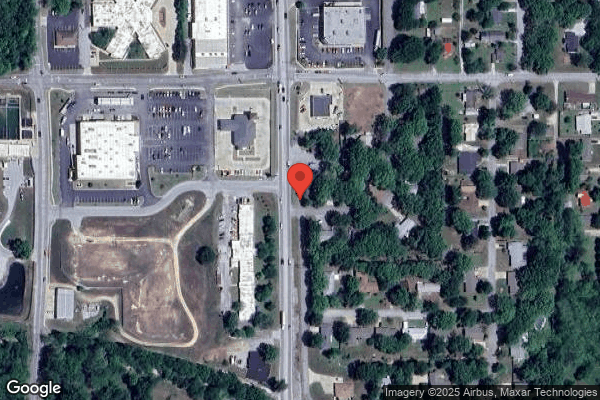
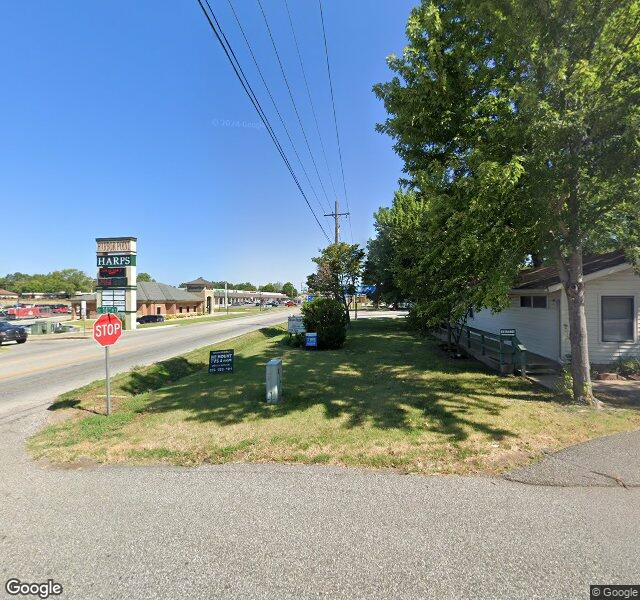
1400 SOUTH MAIN STREET, GROVE, OK 74344 (918) 786-2275
For profit - Individual 60 Beds MARSH POINTE MANAGEMENT Data: November 2025 1 Immediate Jeopardy citation
Trust Grade
3/100
#197 of 282 in OK
Last Inspection: October 2024

Within standard 12-15 month inspection cycle. Federal law requires annual inspections.

Overview

Betty Ann Nursing Center has received a Trust Grade of F, indicating significant concerns about the quality of care provided. It ranks #197 out of 282 nursing homes in Oklahoma, placing it in the bottom half of facilities in the state, and #4 out of 5 in Delaware County, meaning there is only one local option that is better. While the facility is improving, with the number of issues decreasing from 14 in 2024 to 3 in 2025, it still has a troubling history, including incidents of resident abuse where one resident assaulted eight others. Staffing is a strong point, with a rating of 4 out of 5 stars and a turnover rate of 40%, which is below the state average, indicating that staff remain long-term and are familiar with the residents. However, the facility has accrued $55,175 in fines, which is concerning as it is higher than 92% of Oklahoma facilities, suggesting repeated compliance problems. Additionally, while there is better RN coverage than 80% of state facilities, the existence of a critical incident raises serious questions about overall safety and care quality.

Trust Score
F
3/100
In Oklahoma
#197/282
Bottom 31%
Safety Record
High Risk
Review needed
Inspections
Getting Better
14 → 3 violations
Staff Stability
○ Average
40% turnover. Near Oklahoma's 48% average. Typical for the industry.
Penalties
○ Average
$55,175 in fines. Higher than 63% of Oklahoma facilities. Some compliance issues.
Skilled Nurses
⚠ Watch
Each resident gets only 25 minutes of Registered Nurse (RN) attention daily — below average for Oklahoma. Fewer RN minutes means fewer trained eyes watching for problems.
Violations
⚠ Watch
32 deficiencies on record. Higher than average. Multiple issues found across inspections.
★☆☆☆☆
1.0
Overall Rating
★★★★☆
4.0
Staff Levels
★☆☆☆☆
1.0
Care Quality
★☆☆☆☆
1.0
Inspection Score
Stable
2024: 14 issues
2025: 3 issues

The Good

  • 4-Star Staffing Rating · Above-average nurse staffing levels
  • Full Sprinkler Coverage · Fire safety systems throughout facility
  • No fines on record
  • Staff turnover below average (40%)

    8 points below Oklahoma average of 48%

Facility shows strength in staffing levels, fire safety.

The Bad

1-Star Overall Rating

Below Oklahoma average (2.6)

Significant quality concerns identified by CMS

Staff Turnover: 40%

Near Oklahoma avg (46%)

Typical for the industry

Federal Fines: $55,175

Above median ($33,413)

Moderate penalties - review what triggered them

Chain: MARSH POINTE MANAGEMENT

Part of a multi-facility chain

Ask about local staffing decisions and management

The Ugly 32 deficiencies on record

1 life-threatening
Sept 2025 1 deficiency
CONCERN (D) 📢 Someone Reported This

A family member, employee, or ombudsman was alarmed enough to file a formal complaint

Potential for Harm - no one hurt, but risky conditions existed

Report Alleged Abuse (Tag F0609)

Could have caused harm · This affected 1 resident

**NOTE- TERMS IN BRACKETS HAVE BEEN EDITED TO PROTECT CONFIDENTIALITY** Based on record review and interview, the facility failed to ensure an allegation of abuse was reported to the health department...

Read full inspector narrative →
**NOTE- TERMS IN BRACKETS HAVE BEEN EDITED TO PROTECT CONFIDENTIALITY** Based on record review and interview, the facility failed to ensure an allegation of abuse was reported to the health department within the required 2-hour timeframe for 1 (#1) of 4 sampled residents reviewed for abuse.The DON reported the facility census was 53.Findings:An admission record, dated 08/06/25, showed Res #1 had diagnoses which included aphasia and weakness.A social service note, dated 08/20/25 at 11:44 a.m., showed Res #1 had signed the room change agreement form and moved from room [ROOM NUMBER]-A to room [ROOM NUMBER]-B.An Incident Report Form, dated 08/20/25, showed Res #1 reported they had been sexually abused by another resident. The inbound notification notation on the report showed it had been received by the health department on 08/20/25 at 5:23 p.m. The report showed local law enforcement was notified of the allegation on 08/20/25 at 1:40 p.m., and the facility began an investigation. The incident report showed that Res #1 had been moved to a different room on another hall for safety. On 09/03/25 at 9:30 a.m., registered nurse #1 stated allegations of abuse should be reported to administration as soon as possible because they were required to make a report to the health department within two hours.On 09/03/25 at 10:55 a.m., the DON stated they were unsure what time the allegation was made, but agreed more than two hours had elapsed between the allegation and sending the initial report to the health department.
May 2025 2 deficiencies 1 IJ (1 affecting multiple)
CRITICAL (K) 📢 Someone Reported This

A family member, employee, or ombudsman was alarmed enough to file a formal complaint

Immediate Jeopardy (IJ) - the most serious Medicare violation

Free from Abuse/Neglect (Tag F0600)

Someone could have died · This affected multiple residents

**NOTE- TERMS IN BRACKETS HAVE BEEN EDITED TO PROTECT CONFIDENTIALITY** On 05/08/25, an Immediate Jeopardy (IJ) was determined to exist related to the facility's failure to protect residents from abus...

Read full inspector narrative →
**NOTE- TERMS IN BRACKETS HAVE BEEN EDITED TO PROTECT CONFIDENTIALITY** On 05/08/25, an Immediate Jeopardy (IJ) was determined to exist related to the facility's failure to protect residents from abuse. The failure resulted in nine physical assaults by Res #2 on eight other residents between 01/03/25 and 05/01/25. On 05/08/25 at 5:30 p.m., the Oklahoma State Department of Health was notified and verified the existence of an IJ situation. On 05/08/25 at 6:04 p.m., the administrator and DON were notified of the IJ situation and provided the IJ template. On 05/09/25 at 9:06 p.m., an acceptable plan of removal was approved by the Oklahoma State Department of Health. The plan of removal, read in part, 1. Resident # [2] is currently in inpatient psychiatric facility, [name withheld]. [NAME] Nursing Center is working with [name withheld] to find alternate placement for resident other than this facility. If alternative placement cannot be arranged prior to discharge, resident will return to [NAME] nursing center where [they] will remain under supervision of staff until other placement is found. Resident will have direct supervision when in close proximity to other residents and behaviors will be addressed immediately by staff for the safety of all residents. Date of Compliance: pending resident discharge to facility 2. Residents who have been or may have been affected include resident numbers 9, 2, 4, 5, 3, 6, 7, 8, 1, and other residents residing in the facility at the time of the incidents. DON/ADON/ADMIN [administrator]/Designee have reviewed resident records and care plans to identify residents with increased needs for monitoring, interventions or clinical follow up for new or increased behaviors. They will ensure care plans and assessments are updated to current resident status and follow up routinely. Date of Compliance: 5/10/25 12 noon 3.Training Administrator, Director of Nursing, Assistant Director of Nursing and nursing staff will be provided training by GeriPsych Nurse Practitioner on 5/9/25 over: Recognizing behavior changes and triggers Interventions for redirection and de-escalation of aggressive or inappropriate behaviors. Documentation of behaviors and interventions Date of Compliance: 5/9/25 11:59 pm Administrator, Director of Nursing, ADON, MDS will be inserviced on 5/9/25 Incident reporting process, including timeliness of reporting, notification of necessary parties, documentation of notifications, immediate on ongoing interventions. Routine review of daily documentation and risk management reports to ensure timely reporting and follow-up of incidents, behaviors or other resident concerns. Date of Compliance: 5/9/25 11:59 pm On 5/9/25 Facility staff, including nursing staff, and ancillary staff will be provided training on: Prompt and appropriate intervention for resident behaviors De escalation and redirection of residents exhibiting unsafe or inappropriate behaviors Recognizing and reporting incidents including resident to resident encounters Timely notifications to Administration, Director of Nursing, physician, Geri psych nurse practioner [sic], OSDH [Oklahoma State Department of Health], local law enforcement, if appropriate, responsible party, other third party providers Complete and detailed documentation of incident and interventions immediately following incident as well as follow up interventions and resident actions, reactions or behaviors. Date of Compliance: 5/9/25 11:59 pm Care Plan Administrator, Director of Nursing, MDS Nurse, ADON will be in serviced on 5/9/25 on timely updates of resident care plan after incident and implementation of appropriate interventions. Care plans will be reviewed by DON/ADON to ensure interventions are in place and if current interventions are not successful new interventions are put in place. New or existing residents exhibiting behaviors that could be harmful to themselves or other residents will be identified timely, assessments and interventions will be implemented in accordance with physician and geri psych recommendations. Complete documentation will be done and reviewed by DON/ADMIN/Designee to ensure compliance. Date of Compliance: 5/10/25 12:00 noon On 05/12/25, after interviewing facility staff, reviewing documentation of in-service trainings, communication between the facility and the hospital and care plan audits, the IJ was lifted effective 05/12/25 at 12:24 p.m. The deficient practice remained at a pattern level with the potential for more than minimal harm. Based on record review and interview, the facility failed to ensure residents were free from resident-to-resident abuse for 8 (#1, 3, 4, 5 ,6, 7, 8, and 9) of 9 sampled residents reviewed for abuse. The DON reported the facility census was 49. Findings: An undated facility policy titled Resident-to-Resident Altercations, read in part, Facility staff will monitor residents for aggressive/inappropriate behavior toward other resident, family members, visitors or to staff .If two residents are involved in an altercation, staff will: .Make any necessary changes in the care plan approaches any or all of the involved individuals; .If, after carefully evaluating the situation, it is determined that care cannot be readily given within the facility, transfer the resident; and report incidents, findings, and corrective measures to appropriate agencies as outlined in our facility's abuse reporting policy. An admission record, dated 12/29/22, showed Res #2 had diagnoses which included schizophrenia, anxiety disorder, depression, restlessness and agitation. A care plan, initiated 01/11/23, showed Res #2 had hit other residents on 01/03/25 and 04/10/25. No new interventions had been implemented since 01/11/23. An ODH form 283, dated 01/03/25, showed Res #9 yelled at Res #2 and Res #2 hit Res #9 in the side of the head. The form also showed they were separated and assessed for injuries and staff would monitor and intervene if behaviors were noted. An ODH form 283, dated 01/08/25, showed Res #2 was observed with one hand on the back of Res #4's head and was about to hit Res #4 again when a CNA intervened. Res #4 had a small amount of blood on their nose. The form showed neuro checks were initiated. An ODH form 283, dated 02/08/25, showed Res #2 hit Res #3 in the back and side of their head in the hallway. The form also showed the residents were separated and assessed for injuries and staff were to monitor and intervene if further behaviors were noted. An ODH form 283, dated 03/07/25, showed Res #5 wandered into Res #2's room and Res #2 grabbed Res #5. The form also showed the residents were assessed for injuries and separated, and staff were to monitor and intervene if further behaviors were noted. An ODH form 283, dated 03/13/25, showed Res #2 hit Res #6. The form showed the residents were separated and assessed for injuries and staff were to monitor and intervene if further behaviors were noted. An ODH form 283, dated 03/16/25, showed Res #2 approached Res #3 in the hallway and hit them in the nose. The form showed the residents were separated and staff were to monitor and intervene if further behaviors were noted. An ODH form 283, dated 03/28/25, showed Res #2 walked up to Res #7, who was seated in a wheelchair and hit Res #7 in the back of the head. The form showed the residents were separated and assessed for injuries and staff were to intervene if further behaviors were noted. An ODH form 283, dated 04/10/25, showed Res #2 entered Res #8's room Res #8 stated Res #2 hit them. The form showed the residents were separated and assessed for injuries. A quarterly assessment, dated 4/10/25, showed Res #2 had a BIMS summary score of 9, which was indicative of moderate impairment in cognition for daily decision making. An ODH form 283, dated 05/01/25, showed Res #2 wandered into Res #1's room, a CNA entered the room and observed Res #2 hit Res #1 in the head. The form showed the residents were separated and assessed for injury. A Written Notice of Transfer/Discharge, dated 05/02/25, showed Res #2 was transferred to an inpatient psychiatric hospital on [DATE]. On 05/08/25 at 1:40 p.m., Res #3 stated in March Res #2 hit them in the face for no reason. On 05/08/25 at 2:20 p.m., CNA #1 stated Res #2 was confused and required frequent redirection. They also stated they were not aware of any special monitoring for Res #2. On 05/08/25 at 2:30 p.m., CNA #2 stated they tried to keep an eye on Res #2, but they were not on any type of additional monitoring. On 05/08/25 at 2:35 p.m., licensed practical nurse # 1 stated they tried to keep Res #2 busy as much as possible, but they were not on any special monitoring or precautions. They also stated the facility was planning on taking Res #2 back when they were discharged from the hospital. On 05/08/25 at 2:45 p.m., the DON stated they had tried to find Res #2 placement at another facility, but they are unable to locate a facility that would accept the resident, The DON stated the resident was out of the facility at the hospital right now, but they had agreed to take the resident back. They also stated they had not updated Res #2's care plan and the interventions in the care plan have not been effective.
CONCERN (D) 📢 Someone Reported This

A family member, employee, or ombudsman was alarmed enough to file a formal complaint

Potential for Harm - no one hurt, but risky conditions existed

Deficiency F0657 (Tag F0657)

Could have caused harm · This affected 1 resident

Based on record review and interview, the facility failed to revise a resident's care plan for 1 (#2) of 9 sampled residents whose care plans were reviewed. The DON identified 49 residents resided in ...

Read full inspector narrative →
Based on record review and interview, the facility failed to revise a resident's care plan for 1 (#2) of 9 sampled residents whose care plans were reviewed. The DON identified 49 residents resided in the facility. Findings: An undated facility policy titled Care Plans, Comprehensive Person-Centered, read in part, Assessments of residents are ongoing, and care plans are revised as information about the resident and the residents' conditions change. An admission record, dated 12/29/22, showed Res #2 had diagnoses which included schizophrenia, anxiety disorder, depression, restlessness and agitation. A care plan, initiated 01/11/23, showed Res #2 had hit other residents on 01/03/25 and 04/10/25. No interventions have been added to this care plan since 01/11/23. An ODH form 283, dated 01/03/25, showed Res #9 yelled at Res #2 and Res #2 hit Res #9 in the side of the head. The form also showed the residents were separated and assessed for injuries and staff would monitor and intervene if behaviors were noted. An ODH form 283, dated 01/08/25, showed Res #2 was observed with one hand on the back of Res #4's head and was about to hit Res #4 again when a CNA intervened. Res #4 had a small amount of blood on their nose. The form showed neuro checks were initiated. An ODH form 283, dated 02/08/25, showed Res #2 hit Res #3 in the back and side of their head in the hallway. The form also showed the residents were separated and assessed for injuries and staff were to monitor and intervene if further behaviors were noted. An ODH form 283, dated 03/07/25, showed Res #5 wandered into Res #2's room and Res #2 grabbed Res #5. The form also showed the residents were assessed for injuries and separated and staff were to monitor and intervene if further behaviors were noted. An ODH form 283, dated 03/13/25, showed Res #2 hit Res #6. The form showed the residents were separated and assessed for injuries and staff were to monitor and intervene if further behaviors were noted. An ODH form 283, dated 03/16/25, showed Res #2 approached Res #3 in the hallway and hit them in the nose. The form showed the residents were separated and staff were to monitor and intervene if further behaviors were noted. An ODH form 283, dated 03/28/25, showed Res #2 walked up to Res #7, who was seated in a wheelchair and hit Res #7 in the back of the head. The form showed the residents were separated and assessed for injuries and staff were to intervene if further behaviors were noted. An ODH form 283, dated 04/10/25, showed Res #2 entered Res #8's room and Res #8 stated Res #2 hit them. The form showed the residents were separated and assessed for injuries. A quarterly assessment, dated 4/10/25, showed Res #2 had a BIMS summary score of 9, which was indicative of moderate impairment in cognition for daily decision making. An ODH form 283, dated 05/01/25, showed Res #2 wandered into Res #1's room, a CNA entered the room and observed Res #2 hit Res #1 in the head. The form showed the residents were separated and assessed for injury. On 05/08/25 at 2:45 p.m., the DON stated they had not updated Res #2's care plan and the interventions in the care plan had not been effective.
Dec 2024 1 deficiency
CONCERN (D) 📢 Someone Reported This

A family member, employee, or ombudsman was alarmed enough to file a formal complaint

Potential for Harm - no one hurt, but risky conditions existed

Investigate Abuse (Tag F0610)

Could have caused harm · This affected 1 resident

Based on record review and interview, the facility failed to thoroughly investigate an allegation of abuse for one (#1) of five sampled residents reviewed for abuse and neglect. The DON reported the c...

Read full inspector narrative →
Based on record review and interview, the facility failed to thoroughly investigate an allegation of abuse for one (#1) of five sampled residents reviewed for abuse and neglect. The DON reported the census was 51. Findings: An Abuse and Neglect policy, dated 03/01/14, read in part, The facility will thoroughly investigate any and all allegations of abuse .The facility administrator will be designated as the abuse coordinator and will conduct and/or facilitate interviews of the direct resident(s) involved in the allegation, any interviewable residents, any staff associated with the allegation, and any visitors that have knowledge of or witnessed the allegation .A written report or statement will be gathered and maintained on all interviews. Resident #1 had diagnoses which included schizophrenia and anxiety disorder. A quarterly assessment, dated 10/10/24, documented Resident #1 was severely impaired for daily decision making. An OSDH Incident Report Form, dated 12/15/24, documented an allegation of abuse involving Resident #1 and an LPN in the resident's room. The investigation consisted of a statement from the alleged abuser and a statement from the reporter of the alleged abuse. No interviews from residents, other staff members, or visitors were located. On 12/19/24 at 1:39 p.m., LPN #2 stated all allegations of abuse should be thoroughly investigated. On 12/19/24 at 2:16 p.m., the DON stated other residents were not interviewed because most of them were not cognitively intact. They also stated other staff members were not asked to provide statements because they were not in the area. They further stated that a more comprehensive investigation should have been completed.
Oct 2024 13 deficiencies
CONCERN (D)

Potential for Harm - no one hurt, but risky conditions existed

Assessment Accuracy (Tag F0641)

Could have caused harm · This affected 1 resident

Based on observation, record review, and interview, the facility failed to ensure resident mobility was included in the resident assessment and the plan of care for one (#29) of one sampled residents ...

Read full inspector narrative →
Based on observation, record review, and interview, the facility failed to ensure resident mobility was included in the resident assessment and the plan of care for one (#29) of one sampled residents who was reviewed for mobility and positioning. The DON identified seven residents with limited range of motion. Findings: Resident #29 had diagnoses which included cerebral vascular accident, osteoarthritis, and hemiplegia/hemiparesis. An admission assessment, dated 08/02/24, did not document the impairment to the left upper extremity. Review of the clinical record revealed the comprehensive care plan had not been developed. On 08/03/24 at 2:00 a.m., a Health Status Note, documented Resident #29 admitted to the facility with a noted weak left hand and did not have a grasp due to a CVA. A Functional Abilities and Goals Assessment, dated 08/03/24, documented Resident #29 had no impairment to the upper or lower body. A Functional Abilities and Goals Assessment, dated 09/23/24, documented Resident #29 had impairment to the upper and lower left side. On 09/30/24 at 10:32 a.m., the left hand of Resident #29 appeared to be contracted. The resident was able to open their left hand slightly, but no devices were in place and Resident #29 denied any restorative therapy. On 10/02/24 at 8:30 a.m., CNA #1 stated Resident #29 did not allow staff to do anything with the left hand. They stated they had not seen anything in the room for the left hand. CNA #1 stated the resident would pull their left hand away in the shower when asked to wash it. On 10/02/24 at 8:35 a.m., LPN #1 stated Resident #29 was new to them. They stated Resident #29 did not have any limitation in range of motion and did not have interventions for contractures. On 10/03/24 at 11:36 a.m., the DON stated the dominate hand of Resident #29 was functional, the left hand was not completely functional, but was not contracted. They stated it should be on the assessment and in the care plan. On 10/03/24 at 12:17 p.m., the DON stated the impairment to the left hand should have been added and was not captured. They stated they did not do the assessment and could not say the reason it was not done.
CONCERN (D)

Potential for Harm - no one hurt, but risky conditions existed

Comprehensive Care Plan (Tag F0656)

Could have caused harm · This affected 1 resident

Based on record review and interview, the facility failed to ensure a comprehensive care plan was developed for one (#29) of 23 sampled residents who were reviewed for comprehensive care plans. The ad...

Read full inspector narrative →
Based on record review and interview, the facility failed to ensure a comprehensive care plan was developed for one (#29) of 23 sampled residents who were reviewed for comprehensive care plans. The administrator identified 47 residents who resided at the facility. Findings: Resident #29 had diagnoses which included cerebral vascular accident, osteoarthritis, and hemiplegia/hemiparesis. A Care Plan, initiated 08/02/24, documented focus for DNR status and indwelling catheter. No other concerns were documented on the comprehensive care plan. An admission assessment for Resident #29, dated 08/15/24, documented ten areas of concern for care planning as follows: cognitive loss/dementia, ADL functional/rehabilitation potential, urinary incontinence and indwelling catheter, behavioral symptoms, falls, nutritional status, dehydration fluid maintenance, dental care, pressure ulcer, and psychotropic drug use. Only one of the concerns were included in the comprehensive care plan. On 10/03/24 at 8:47 a.m., the DON stated a comprehensive care plan should have been developed and did not know the reason it was not. They stated they had not been monitoring, but would start.
CONCERN (D)

Potential for Harm - no one hurt, but risky conditions existed

Deficiency F0657 (Tag F0657)

Could have caused harm · This affected 1 resident

Based on observation, record review and interview, the facility failed to ensure the care plan was revised and updated for one (#14) of 12 sampled residents whose care plans were reviewed. The adminis...

Read full inspector narrative →
Based on observation, record review and interview, the facility failed to ensure the care plan was revised and updated for one (#14) of 12 sampled residents whose care plans were reviewed. The administrator identified 47 residents who resided at the facility. Findings: Resident #14 had diagnoses which included pressure ulcer of left heel and diabetes type II. The care plan for Resident #14 documented a wound to the left heel was initiated 02/21/24 and resolved 04/24/24. The care plan did not document any further updates for pressure ulcers or deep tissue injuries. A Physician's Order, dated 09/06/24, documented to cleanse the wound with wound cleanser, pat dry then apply Santyl External Ointment 250 UNIT/GM (Collagenase) to the right heel topically one time a day for wound care, and cover with silicone border dressing daily until resolved. A quarterly assessment, dated 09/24/24, documented Resident #14 had no deep tissue injuries or pressure wounds. On 10/02/24 at 9:53 a.m., wound care was observed for Resident #14. The left heel wound was observed to be a closed wound, dark in color, and approximately the size of the tip of a finger. On 10/02/24 at 3:10 p.m., the DON stated the MDS coordinator was responsible to ensure the care plan was revised/updated. They stated the wound should have pulled over from the quarterly assessment. They reviewed the quarterly assessment and care plan and stated the care plan should have been updated.
CONCERN (D)

Potential for Harm - no one hurt, but risky conditions existed

Deficiency F0688 (Tag F0688)

Could have caused harm · This affected 1 resident

**NOTE- TERMS IN BRACKETS HAVE BEEN EDITED TO PROTECT CONFIDENTIALITY** Based on observation, record review and interview, the facility failed to ensure interventions were in place to prevent reductio...

Read full inspector narrative →
**NOTE- TERMS IN BRACKETS HAVE BEEN EDITED TO PROTECT CONFIDENTIALITY** Based on observation, record review and interview, the facility failed to ensure interventions were in place to prevent reduction in range of motion/mobility for one (#29) of one sampled residents who were reviewed for range of motion/mobility. The DON identified seven residents who had limited range of motion. Findings: Resident #29 had diagnoses which included hemiplegia and hemiparesis following a cerebral infarction. The admission assessment, dated 08/02/24, documented no impairments to the upper or lower body. A Progress Note, dated 08/03/24 at 2:00 a.m., documented Resident #29 admitted to the facility on [DATE] with noted left hand weakness and without grasp due to a cerebral vascular accident. On 10/02/24 at 8:30 a.m., CNA #1 stated Resident #29 did not allow them to do anything with their hand. They stated they had not seen anything in their room for the left hand. On 10/02/24 at 8:35 a.m., LPN #1 stated Resident #29 was new to them. They stated the resident had no limitation in range of motion and had no interventions for any impairments. On 10/03/24 at 11:36 a.m., the DON stated Resident #29 had a functional dominate right hand, the left hand was not completely functional, but was not contracted. They stated the impairment should be on the assessment and the care plan. On 10/03/24 at 12:17 p.m., the DON stated the impairment should have been added and was not captured. They stated they did not do the assessment so they could not say why it was not done.
CONCERN (D)

Potential for Harm - no one hurt, but risky conditions existed

Deficiency F0692 (Tag F0692)

Could have caused harm · This affected 1 resident

Based on record review and interview, the facility failed to ensure supplements were offered/documented for one (#29) of one sampled residents who was reviewed for nutrition. The dietary manager ident...

Read full inspector narrative →
Based on record review and interview, the facility failed to ensure supplements were offered/documented for one (#29) of one sampled residents who was reviewed for nutrition. The dietary manager identified 14 residents who was ordered supplements in the facility. Findings: Resident #29 had diagnoses which included moderate protein calorie malnutrition. The Dietician's Recommendation for Primary Care Providers form, dated 08/17/24, documented the resident was 26% below ideal body weight, had a diagnosis of protein calorie malnutrition, and recommended a supplement twice daily between meals. The physician agreed with the dietician recommendation. The electronic clinical record, dated 08/02/24, documented the resident's weight was 145 pounds. A Physician's Order, dated 08/20/24, documented the resident was ordered a dietary supplement between meals. A Physician's Order, dated 08/23/24, documented the resident was ordered Ensure three times per day. The electronic clinical record, dated 09/05/24, documented the resident's weight was 135.2 pounds, which indicated a 6.76 % weight loss in one month. Review of the Task-Nutrition, dated 09/02/24 through 10/01/24, revealed supplements were documented as provided/offered 36 times out of 72 opportunities. Some entries documented response not required. On 10/01/24 at 3:52 p.m., CMA #2 stated the dietary department provided supplements. On 10/01/24 at 3:54 p.m., Drink Aide #1 stated they provided supplements on the snack cart, but they did not document. On 10/01/24 at 3:57 p.m., the dietary manager stated the nursing department documented the amount of the supplements consumed. On 10/01/24 at 4:01 p.m., the DON stated the dietary department provided the supplements on the snack cart and the CNAs documented the amount consumed or refusals in the nutrition task. On 10/02/24 at 11:05 a.m., the DON stated response not required was documented on the task if the resident ate 76-100% of their meal. They stated the resident was offered a supplement between meals at snack time and if they ate less than 76%. On 10/02/24 at 12:28 p.m., Resident #29 stated they were offered snacks and shakes two to three times per day. The resident stated they refused snacks and supplements at times. On 10/03/24 at 8:41 a.m., the DON stated they changed the documentation requirements in tasks to document the supplements offered/provided for meal replacement and those offered/provided between meals, to monitor nutritional intake, for residents with significant weight loss who were ordered supplements as a nutritional intervention.
CONCERN (D)

Potential for Harm - no one hurt, but risky conditions existed

Laboratory Services (Tag F0770)

Could have caused harm · This affected 1 resident

Based on record review and interview, the facility failed to ensure labs were obtained as ordered by the physician for one (#36) of five sampled residents who were reviewed for unnecessary medications...

Read full inspector narrative →
Based on record review and interview, the facility failed to ensure labs were obtained as ordered by the physician for one (#36) of five sampled residents who were reviewed for unnecessary medications. The DON identified 47 residents who resided in the facility. Findings: Resident #36 had diagnoses which included dementia, mood disorder, and unspecified psychosis. The Physician's Order, dated 04/23/24, documented to obtain a lipid panel and PSA for annual labs. The Progress Note, dated 04/26/24, documented the resident had refused lab for three days. Review of the clinical record revealed the resident had complied with obtaining labs twice in June 2024 and three times in July 2024. The labs obtained did not include a PSA for annual labs per the physician's order. On 10/01/24 at 9:35 a.m., the ADON stated the lipid panel was completed in June 2024, but they would need to look for the lab results for the PSA. The ADON stated the resident would initially refuse labs, but after they talked to the resident and explained the lab to them they were compliant and agreeable to obtaining labs ordered by the physician. On 10/01/24 at 10:02 a.m., the DON stated when the resident complied with obtaining labs in June and July 2024 they had not obtained the PSA because it was no longer in the electronic clinical record. The DON stated they did not find documentation staff had spoken to the resident and explained the lab to the resident in April 2024. The DON stated they had not been monitoring to ensure labs, ordered by the physician, had been obtained or follow up had been done if the resident had a history of initially refusing labs until they were explained to them.
CONCERN (D)

Potential for Harm - no one hurt, but risky conditions existed

Deficiency F0804 (Tag F0804)

Could have caused harm · This affected 1 resident

Based on observation, record review, and interview, the facility failed to ensure hot foods were served at palatable temperatures for one (#29) of one sampled resident who was reviewed for food. The D...

Read full inspector narrative →
Based on observation, record review, and interview, the facility failed to ensure hot foods were served at palatable temperatures for one (#29) of one sampled resident who was reviewed for food. The DON identified 47 residents who received nourishment from the kitchen. Findings: The undated Food Temperatures policy, read in part, .Temperatures should be taken periodically to ensure hot foods stay above 140 [degrees] F and cold foods stay below 40 [degrees] F during the portioning, transporting and serving process until received by the resident . On 09/30/24 at 10:35 a.m., Resident #29 stated hot foods were served cold all the time. The resident stated they ate their meals in their room. On 10/02/24 at 11:51 a.m., the hall trays were observed to be prepared and ready for service on a metal cart with a plastic zippered cover. A test tray was placed on the hall cart. The noon meal consisted of penne pasta with chicken and alfredo sauce, green beans, bread, and spiced apples. On 10/02/24 at 12:04 p.m., CNA #2 was observed to obtain the hall cart from the dining room and begin delivering meal trays. On 10/02/24 at 12:15 p.m., CNA #2 had delivered the last meal tray on the hall cart to Resident #29 and the test tray was obtained. The penne pasta with chicken and alfredo and the green beans were observed to be slightly warm when tasted. On 10/02/24 at 12:31 p.m., the dietary manager stated they were to obtain food holding temperatures before serving, utilize insulated lids, and use insulated food carts to ensure foods were served at a palatable temperature. On 10/03/24 at 8:50 a.m., the DON stated they could not say if hot foods were served hot to residents who ate meals in their rooms.
CONCERN (E)

Potential for Harm - no one hurt, but risky conditions existed

Deficiency F0577 (Tag F0577)

Could have caused harm · This affected multiple residents

Based on observation and interview, the facility failed to ensure survey results were posted and accessible for residents and visitors. The DON identified 47 residents who resided in the facility. Fin...

Read full inspector narrative →
Based on observation and interview, the facility failed to ensure survey results were posted and accessible for residents and visitors. The DON identified 47 residents who resided in the facility. Findings: An undated Survey Results policy, read in parts, .survey results are in the front lobby of the facility. The location of the facility survey results is identified with a sign posted on the cabinet. Any resident and or visitor will have access to the results if desired . On 10/01/24 at 2:57 p.m., four residents in the resident council meeting stated they did not know where survey results were located. On 10/01/24 at 3:15 p.m., survey results, or signage on where survey results were located, was not observed in the facility. On 10/01/24 at 3:17 p.m., the activities director stated they did not know where survey results were located. On 10/01/24 at 3:18 p.m., the administrator stated the survey results were located in the lobby, which was a locked area, away from resident rooms and common areas. On 10/01/24 at 3:20 p.m., the administrator stated some survey results were in the DONs office for review, but they normally kept them in the front lobby. They stated if a resident from the locked units wanted access to the survey results they would need to knock on the door to the front lobby and staff would assist them. On 10/01/24 at 3:23 p.m., the DON stated the binders with the survey results had been on the book shelf in their office for approximately four months. They stated they were not aware the survey results were to be made accessible to residents and visitors. On 10/01/24 at 3:43 p.m., the administrator stated residents and visitors were made aware of the location of the survey results with posted signage, but the sign had been removed.
CONCERN (E)

Potential for Harm - no one hurt, but risky conditions existed

Deficiency F0655 (Tag F0655)

Could have caused harm · This affected multiple residents

Based on record review and interview, the facility failed to ensure baseline care plans were completed for one (#150) and failed to ensure residents and/or resident representatives were provided a sum...

Read full inspector narrative →
Based on record review and interview, the facility failed to ensure baseline care plans were completed for one (#150) and failed to ensure residents and/or resident representatives were provided a summary of the baseline care plan for one (#29) of 14 sampled residents whose care plans were reviewed. The DON identified 47 residents who resided in the facility. Findings: The Care Plans-Baseline policy, dated December 2016, read in part, .A baseline plan of care to meet the resident's immediate needs shall be developed for each resident within forty-eight (48) hours of admission .The resident and their representative will be provided a summary of the baseline care plan . 1. Resident #150 had diagnoses which included chronic obstructive pulmonary disease, congestive heart failure, and pressure ulcer. On 09/30/24 at 11:23 a.m., Resident #150 stated they had recently admitted to the facility. Resident #150 stated they had not had a care plan meeting or received a summary of their baseline/initial plan of care. Review of the clinical record did not reveal a baseline care plan had been completed. On 10/03/24 at 8:28 a.m., the DON stated the baseline care plan for Resident #150 should have been completed within 48 hours of admission to the facility. The DON stated they had reviewed the clinical record and did not know why a baseline care plan had not been completed. 2. Resident #29 had diagnoses which included diabetes, anxiety, and chronic pain. The baseline care plan, dated 08/03/24, was left blank on the resident/resident representative signature spaces. On 10/02/24 at 11:11 a.m., the DON stated they were not sure who was to receive a summary of the baseline care plan. They stated they contacted resident representatives 10-14 days after admission for a care plan meeting. On 10/03/24 at 8:47 a.m., the DON stated they had reviewed the clinical record, but had not found documentation a summary of the baseline care plan had been provided to the resident or the resident representative. On 10/03/24 at 9:36 a.m., Resident #29 stated staff had not discussed their baseline care plan with them upon admission.
CONCERN (E)

Potential for Harm - no one hurt, but risky conditions existed

Deficiency F0800 (Tag F0800)

Could have caused harm · This affected multiple residents

Based on observation, record review, and interview, the facility failed to ensure holding temperatures were obtained for one (noon meal) of one meal observed for meal service. The DON identified 47 re...

Read full inspector narrative →
Based on observation, record review, and interview, the facility failed to ensure holding temperatures were obtained for one (noon meal) of one meal observed for meal service. The DON identified 47 residents who received nourishment from the kitchen. Findings: The undated Food Temperatures policy, read in part, .The temperatures of the food items will be taken and properly recorded for each meal . On 10/01/24 at 11:20 a.m., the noon meal service was observed. The Daily Food Temperature Log, dated 10/01/24 at 11:30 a.m., documented the noon meal food temperatures had been obtained. On 10/01/24 at 11:49 a.m., cook #1 was observed to plate the noon meal. Holding temperatures were not observed to be obtained by dietary staff from 11:20 a.m. through 11:49 a.m. [NAME] #1 stated they had obtained the temperature of the foods when they removed the food from the oven. [NAME] #1 stated they did not obtain holding temperatures before serving foods. On 10/01/24 at 12:11 p.m., the dietary manager stated food temperatures were to be obtained before they served every meal and they were to document the food temperatures on the log. The dietary manager asked cook #1 when they had obtained the documented temperatures on the log. [NAME] #1 stated they obtained the temperatures when they removed the food from the oven. On 10/01/24 at 12:17 p.m., cook #1 stated they had removed the food from the oven at approximately 10:40 a.m. [NAME] #1 stated they could tell the food was still hot because of the steam from the steam table. On 10/01/24 at 1:25 p.m., the dietary manager stated they did not know the why cook #1 had not obtained holding temperatures for the noon meal or why they had documented they obtained them at 11:30 a.m. The dietary manager stated, You were in the kitchen at that time.
CONCERN (E)

Potential for Harm - no one hurt, but risky conditions existed

Deficiency F0805 (Tag F0805)

Could have caused harm · This affected multiple residents

Based on observation and interview, the facility failed to ensure pureed foods were a smooth consistency for one (noon meal) of one meal observed for pureed foods. The DON identified two residents who...

Read full inspector narrative →
Based on observation and interview, the facility failed to ensure pureed foods were a smooth consistency for one (noon meal) of one meal observed for pureed foods. The DON identified two residents who received pureed diets. Findings: On 10/01/24 at 11:20 a.m., cook #1 was observed to puree the noon meal which consisted of turkey with gravy, dressing, mixed vegetables, bread, and lemon pudding. On 10/01/24 at 11:22 a.m., cook #1 was observed to place turkey and gravy into a food processor. The turkey and gravy was observed to contain visible pieces of food. The turkey with gravy was not observed to be a smooth consistency. [NAME] #1 stated, This is how I will serve it. On 10/01/24 at 11:28 a.m., cook #1 was observed to place dressing with gravy into a food processor. The dressing was observed to contain visible pieces of food, some the size of a pencil eraser. The dressing was not observed to be a smooth consistency. [NAME] #1 placed the dressing onto the steam table. On 10/01/24 at 11:32 a.m., cook #1 was observed to place mixed vegetables (which consisted of green beans, carrots, green peas, and corn) with their juices, into the food processor. The mixed vegetables were observed to be of a thin, runny consistency with pieces of the vegetables remaining. [NAME] #1 placed the mixed vegetables on the steam table. On 10/01/24 at 11:50 a.m., cook #1 plated the noon meal for the two residents on a pureed diet and dietary aide #2 placed the trays on the meal cart. On 10/01/24 at 12:02 p.m., cook #1 stated the meal cart was ready to be delivered to the dining room for service. Dietary aide #2 began taking the cart to the dining room. [NAME] #1 was asked to remove the two trays that contained the pureed diets. [NAME] #1 stated they processed foods for residents on pureed diets until the food resembled something like baby food. They stated they ensured pureed meals were smooth by visually observing the food items after processing for any remaining food pieces. On 10/01/24 at 12:04 p.m., the dietary manager stated pureed foods were to be the consistency of smooth mashed potatoes. The dietary manager observed the two meals of pureed food and stated the turkey, dressing, and mixed vegetables were a little clumpy and the mixed vegetables were too thin. They stated they ensured pureed foods were served at a smooth consistency by having the cooks sample the foods after processing.
CONCERN (E)

Potential for Harm - no one hurt, but risky conditions existed

Food Safety (Tag F0812)

Could have caused harm · This affected multiple residents

**NOTE- TERMS IN BRACKETS HAVE BEEN EDITED TO PROTECT CONFIDENTIALITY** Based on observation, record review, and interview, the facility failed to ensure: a. foods were covered and dated in the refrig...

Read full inspector narrative →
**NOTE- TERMS IN BRACKETS HAVE BEEN EDITED TO PROTECT CONFIDENTIALITY** Based on observation, record review, and interview, the facility failed to ensure: a. foods were covered and dated in the refrigerator for one of three refrigerators observed in the kitchen; b. infection control was maintained during meal service for one (the noon meal) of one meal observed during meal service; c. infection control was maintained when meals were delivered to residents who ate in their rooms for one of two meals observed during dining; and d. the ice machine was maintained in a sanitary manner for one of one ice machines observed. The DON identified 47 residents who received nourishment from the kitchen. Findings: The undated Food Storage policy, read in parts, .Refrigeration .All foods should be covered, labeled, and dated . The undated, Cleaning Instructions Cleaning Ice Machine and Scoop policy, read in part, .The ice machine and equipment [scoops] will be cleaned on a regular basis to maintain a clean, sanitary condition . The Assisting the Resident with In-Room Meals policy, dated December 2013, read in part, .Employees must wash their hands before serving food to residents. It is not necessary to wash hands between each resident tray; however, if there is contact with soiled dishes, clothing or the resident's personal effects, the employee must wash his/her hands before serving food to the next resident . The Preventing Foodborne Illness - Food Handling policy, dated July 2014, read in part, .Gloves are considered single-use items and must be discarded after completing the task for which they are used. The use of disposable gloves does not substitute for proper handwashing . 1. On 09/30/24 at 9:23 a.m., eleven dessert dishes with sliced peaches were observed uncovered and not dated, on a tray, in the refrigerator. The dietary manager stated the dietary staff had prepared the peaches earlier, but had not covered or dated them. The dietary manager stated foods stored in the refrigerator were to be covered and dated. 2. On 10/01/24 at 11:52 a.m., cook #1 was observed to don gloves and touch plates, the counter top, plate covers, ladle handles, trays, meal tickets, and bagged sandwiches. [NAME] #1 was observed to obtain chips from a bag with the same gloved hands and place them on plates. [NAME] #1 was observed to obtain small bowls of dessert over the top of the bowl with the same gloved hands. On 10/01/24 at 12:13 p.m., cook #2 was observed to touch meal tickets, the counter top, ladle handles, plates, trays, plate covers and then obtain chips from a bag and plate them with their bare hands. [NAME] #2 was observed to don gloves and touch meal tickets, the counter top, ladle handles, plates, trays, plate covers and then obtain chips from a bag and plate them with the same gloved hands. [NAME] #2 was then observed to obtain a slice of turkey from the steam table and place on a plate with the same gloved hands. [NAME] #2 was observed to obtain small bowls of dessert with their thumb inside the bowl with the same gloved hands. On 10/01/24 at 1:19 p.m., cook #1 stated they were supposed to wash their hands and utilize gloves if they had to touch food. [NAME] #1 stated they should have changed their gloves before obtaining chips from the bag. [NAME] #1 stated they were supposed to transport dessert cups to meal trays by the sides, not over the top of the bowl. On 10/01/24 at 1:23 p.m., cook #2 stated they should have poured the chips from the bag. [NAME] #2 stated they were to plate bowls of dessert by picked them up on the sides. On 10/01/24 at 1:25 p.m., the dietary manager stated if staff touched food they were to don gloves to maintain infection control. They stated bowls of dessert should be transported by the sides of the bowls, not over the top or with fingers in the bowls. On 10/02/24 at 11:59 a.m., the dietary manager stated they had thought about plating chips and the staff should have utilized tongs or another utensil to plate them. 3. On 09/30/24 at 12:16 p.m., CNA #3 was observed to deliver meal trays to residents who ate in their rooms. CNA #3 was observed to enter room [ROOM NUMBER], obtained a soda pop from the resident's personal refrigerator, and poured it into their cup. CNA #3 was not observed to sanitize their hands. On 09/30/24 at 12:20 p.m., CNA #3 was observed to enter room [ROOM NUMBER], moved personal items from the bedside table, uncovered the resident, assisted the resident to sit up in bed, and moved the bedside table over the resident. CNA #3 was not observed to sanitize their hands. On 09/30/24 at 12:28 p.m., CNA #3 was observed to enter the code to the memory care unit and without sanitizing their hands delivered a meal tray to room [ROOM NUMBER]. CNA #3 was observed to move the bedside table and provide meal set up. CNA #3 was not observed to sanitize their hands. On 10/03/24 at 10:30 a.m., CNA #3 stated they were to sanitize their hands if they handled personal items during meal delivery. They stated they had not sanitized their hands on 09/30/24 and did not know why they forgot to sanitize after touching personal items and assisting a resident with positioning. On 10/03/24 at 10:55 a.m., the DON stated staff were to sanitize their hands between each resident when delivering meal trays. 4. The Bi-Monthly Ice Machine Cleaning Log, dated 2024, documented the ice machine had last been cleaned on 09/09/24. On 09/30/24 at 9:30 a.m., the ice machine was observed with the dietary manager. A slimy pink substance was observed on the lower deflector panel in the bin. The dietary manager stated they did not know what the substance was. They stated the ice machine was cleaned monthly. Around and on the deflector panel in the upper portion of the ice machine, brown, black, and yellow substances were observed. On 10/02/24 at 7:14 a.m., the maintenance supervisor stated they cleaned the ice machine with a chemical solution once a month and twice a month it was checked and wiped down.
CONCERN (E)

Potential for Harm - no one hurt, but risky conditions existed

Infection Control (Tag F0880)

Could have caused harm · This affected multiple residents

**NOTE- TERMS IN BRACKETS HAVE BEEN EDITED TO PROTECT CONFIDENTIALITY** Based on observation, record review, and interview, the facility failed to ensure infection control protocols for enhanced barri...

Read full inspector narrative →
**NOTE- TERMS IN BRACKETS HAVE BEEN EDITED TO PROTECT CONFIDENTIALITY** Based on observation, record review, and interview, the facility failed to ensure infection control protocols for enhanced barrier precautions were maintained during medication administration and wound care. The DON identified nine residents who were on enhanced barrier precautions. Findings: On 10/01/24 at 12:02 p.m., LPN #2 and LPN #3 were observed during medication administration for insulin and blood sugar monitoring. LPN #2 donned PPE for room [ROOM NUMBER], Resident A, who was on EBP. LPN #2 was given the supplies to check the blood sugar for Resident B. After LPN #2 obtained the blood sugar results, they handed the used supplies to LPN #3 who discarded them, donned new gloves, and provided LPN #2 with the supplies needed for checking the blood sugar for Resident A. LPN #2 did not remove their gloves, or sanitize their hands prior to checking the blood sugar of Resident A. The used supplies were then handed back to LPN #3. LPN #3 then provided supplies and drew up the insulin for LPN #2, who observed the insulin being drawn into the syringe. The amount was verified as correct. LPN #2 then administered the insulin to Resident A without changing their gloves or sanitizing their hands. On 10/02/24 at 7:15 a.m., CMA #1 was observed during medication administration for room [ROOM NUMBER] B. CMA #1 came out of a resident room, approached the medication cart, did not sanitize their hands, then began to prepare medications to administer for room [ROOM NUMBER] B. CMA #1 did not sanitize their hands prior to administering the medications. On 10/03/24 at 9:25 a.m., CMA #1 stated they were to sanitize/wash their hands between residents when administering medications. On 10/03/24 at 9:28 a.m., the DON and infection preventionist stated staff were expected to wash hands or sanitize their hands anytime a resident was touched and between residents. The infection preventionist stated LPN #2 should have washed/sanitized their hands. The DON stated the nurse who drew the insulin should have given the insulin. The DON stated the expectation was for staff to follow protocol and policy when providing wound care regarding infection control.
Jul 2023 10 deficiencies
CONCERN (D)

Potential for Harm - no one hurt, but risky conditions existed

Accident Prevention (Tag F0689)

Could have caused harm · This affected 1 resident

**NOTE- TERMS IN BRACKETS HAVE BEEN EDITED TO PROTECT CONFIDENTIALITY** Based on observation, record review, and interview, the facility failed to ensure transfers were performed safely for one (#46) ...

Read full inspector narrative →
**NOTE- TERMS IN BRACKETS HAVE BEEN EDITED TO PROTECT CONFIDENTIALITY** Based on observation, record review, and interview, the facility failed to ensure transfers were performed safely for one (#46) of three residents sampled for accidents. Findings 1. Res #46 had diagnoses which included cerebral palsy and physical debility. A quarterly MDS, dated [DATE], documented the resident was totally dependent on two staff for transfers. On 07/24/23 at 11:53 a.m., Res #46 was observed during a transfer from their bed to their wheelchair. The resident was observed being transferred via a full body lift. The staff were observed lifting the resident from the bed and moving the lift to rest above the resident's wheelchair. CNA #2 was observed tilting the empty wheelchair onto its back wheels and moving it under the lift. CNA #1 was observed lowering the resident into the wheelchair with the front wheels held off of the ground. CNA #2 lowered the wheelchair as the resident's weight shifted the front wheels to the ground. On 07/24/23 at 12:03 p.m., CNA #2 was asked about the procedure for transferring a resident using a full body lift. They stated the staff tilt the wheelchair for Res #46 to ensure the resident's bottom is at the back of the chair. They stated if they do not tilt the wheelchair when the resident was being lowered into the chair, the resident will have to be repositioned by staff to ensure they did not fall. They stated they had not received any instruction to perform the transfer in that manner. On 07/25/23 at 1:58 p.m., the DON stated they were not aware the staff were tilting Res #46's wheelchair onto the back wheels during transfer. They stated all of the wheels on the wheelchair should be on the ground during a transfer.
CONCERN (D)

Potential for Harm - no one hurt, but risky conditions existed

Pharmacy Services (Tag F0755)

Could have caused harm · This affected 1 resident

Based on observation, record review, and interview, the facility failed to ensure medications were administered according to physician orders for one (#16) of four residents sampled for medication pas...

Read full inspector narrative →
Based on observation, record review, and interview, the facility failed to ensure medications were administered according to physician orders for one (#16) of four residents sampled for medication pass. The Resident Census and Conditions of Residents report, dated 07/24/23, documented 51 residents resided in the facility. Findings: Res #16 had diagnoses which included dementia, stroke, benign brain tumor, and communication disorder. A physician order, dated 06/05/20, documented to administer tamsulosin 0.4 mg tablet daily for benign prostatic hyperplasia. A physician order, dated 06/05/20, documented to administer magnesium oxide 400 mg tablet twice daily for replacement. A physician order, dated 06/06/20, documented to administer clopidogrel 75 mg tablet daily for stroke. A physician order, dated 06/06/20, documented to administer finasteride 5 mg tablet daily for benign prostatic hyperplasia. A physician order, dated 06/06/20, documented to administer folic acid 1 mg tablet daily for anemia. A physician order, dated 06/06/20, documented to administer multivitamin tab daily for anemia. A physician order, dated 06/06/20, documented to administer pantoprazole 20 mg tablet in the morning daily for acid reflux. A physician order, dated 12/23/20, documented to administer B12 100 mcg tablet daily for vitamin deficiency. A physician order, dated 12/24/20, documented to administer Synthroid 25 mcg tablet daily for hypothyroidism. A physician order, dated 02/18/22, documented to administer ferrous sulfate 325 mg tablet for anemia. A physician order, dated 02/04/23, documented to administer Provera 10 mg twice tablet daily for sexual dysfunction. A physician order, dated 02/05/23, documented to administer Paxil 30 mg tab daily for depression. A physician order, dated 03/04/23, documented to administer memantine 5 mg twice tablet daily for dementia. A physician order, dated 03/04/23, documented to administer Tylenol 650 mg tablet every eight hours for pain. A physician order, dated 05/20/23, documented to administer vitamin C 500 mg tablet daily for stroke. A physician order, dated 05/20/23, documented to administer zinc 220 mg daily tablet daily for wound healing. On 07/25/23 at 6:54 a.m., CMA #1 was observed was observed to crush and administer the medications listed above for Res #16: Res #16's medical record was reviewed and there was no order to crush medications found in the EHR. On 07/25/23 at 8:50 a.m., the DON and ADON were asked if there was a physician order to crush Res #16's medications. The DON and the ADON reviewed Res #16's EHR and the DON stated there was no crush order for Res #16.
CONCERN (D)

Potential for Harm - no one hurt, but risky conditions existed

Unnecessary Medications (Tag F0759)

Could have caused harm · This affected 1 resident

Based on observation, record review, and interview, the facility failed to ensure medication error rate below five percent. A total of 41 opportunities were observed with 16 errors. Total medication e...

Read full inspector narrative →
Based on observation, record review, and interview, the facility failed to ensure medication error rate below five percent. A total of 41 opportunities were observed with 16 errors. Total medication error rate was 39.02%. The Resident Census and Conditions of Residents report, dated 07/24/23, documented 51 residents resided in the facility. Findings: Res #16 had diagnoses which included dementia, stroke, benign brain tumor, and communication disorder. A physician order, dated 06/05/2020, documented to administer tamsulosin 0.4 mg tablet daily for benign prostatic hyperplasia. A physician order, dated 06/05/2020, documented to administer magnesium oxide 400 mg tablet twice daily for replacement. A physician order, dated 06/06/2020, documented to administer clopidogrel 75 mg tablet daily for stroke. A physician order, dated 06/06/2020, documented to administer finasteride 5 mg tablet daily for benign prostatic hyperplasia. A physician order, dated 06/06/2020, documented to administer folic acid 1 mg tablet daily for anemia. A physician order, dated 06/06/2020, documented to administer multivitamin tab daily for anemia. A physician order, dated 06/06/2020, documented to administer pantoprazole 20 mg tablet in the morning daily for acid reflux. A physician order, dated 12/23/2020, documented to administer B12 100 mcg tablet daily for vitamin deficiency. A physician order, dated 12/24/2020, documented to administer Synthroid 25 mcg tablet daily for hypothyroidism. A physician order, dated 02/18/22, documented to administer ferrous sulfate 325 mg tablet for anemia. A physician order, dated 02/04/23, documented to administer Provera 10 mg twice tablet daily for sexual dysfunction. A physician order, dated 02/05/23, documented to administer Paxil 30 mg tab daily for depression. A physician order, dated 03/04/23, documented to administer memantine 5 mg twice tablet daily for dementia. A physician order, dated 03/04/23, documented to administer Tylenol 650 mg tablet every eight hours for pain. A physician order, dated 05/20/23, documented to administer vitamin c 500 mg tablet daily for stroke. A physician order, dated 05/20/23, documented to administer zinc 220 mg daily tablet daily for wound healing. On 07/25/23 at 6:54 a.m., CMA #1 was observed during medication pass to crush and administer the above medications for Res #16. Res #16's medical record was reviewed and there was no order to crush medications found in the EMR. On 07/25/23 at 8:50 a.m., the DON and ADON were asked if there was a physician order to crush Res #16's medications. The DON and the ADON reviewed Res #16's EHR and the DON stated there was no crush order for Res #16.
CONCERN (D)

Potential for Harm - no one hurt, but risky conditions existed

Laboratory Services (Tag F0770)

Could have caused harm · This affected 1 resident

Based on record review and interview, the facility failed to obtain labs as ordered by the physician for one (#39) of five sampled residents reviewed for lab services. The Resident Census and Conditio...

Read full inspector narrative →
Based on record review and interview, the facility failed to obtain labs as ordered by the physician for one (#39) of five sampled residents reviewed for lab services. The Resident Census and Conditions of Residents report, dated 07/24/23, documented 51 residents resided in the facility. Findings: Res #39 had diagnoses which included mood disorder. A physician order, dated 04/25/23, documented VPA level every two weeks, then monthly for therapeutic medication monitoring. There was no documentation the VPA level was obtained every two weeks. On 07/25/23 at 1:53 p.m., the DON was asked to locate documentation where the VPA level was collected every two weeks after the physician ordered the labs. On 07/25/23 at 4:58 p.m., the ADON stated they did not find documentation the labs were collected.
CONCERN (E)

Potential for Harm - no one hurt, but risky conditions existed

Deficiency F0578 (Tag F0578)

Could have caused harm · This affected multiple residents

**NOTE- TERMS IN BRACKETS HAVE BEEN EDITED TO PROTECT CONFIDENTIALITY** 2. Res #51 had diagnoses which included chronic obstructive pulmonary disease, heart failure, and hypertension. An admission ass...

Read full inspector narrative →
**NOTE- TERMS IN BRACKETS HAVE BEEN EDITED TO PROTECT CONFIDENTIALITY** 2. Res #51 had diagnoses which included chronic obstructive pulmonary disease, heart failure, and hypertension. An admission assessment, dated [DATE], documented the resident was mildly cognitively impaired. Res #51's EHR was reviewed and did not document a code status for the resident. On [DATE] at 08:17 a.m., the DON was asked if Res #51 had a code status. The DON stated Res #51 was a DNR, but it was not documented in their EHR. On [DATE] at 8:31 a.m., the ADON was asked if Res #51 had a code status. They stated the resident did not have a documented code status. They stated there should have been a code status documented in the resident's chart. Based on observation, record review, and interview, the facility failed to ensure code status orders were accurately documented for two (#23 and #51) of three residents sampled for advance directives. The Resident Census and Conditions of Residents form, dated [DATE], documented 51 residents resided in the facility. Findings: 1. Res #23 had diagnoses which included schizophrenia, bipolar disorder, and hypertension. A facility Advance Directive policy, dated [DATE], documented in part .Information about whether or not the resident has executed an advance directive shall be displayed prominent in the medical record .The director of nursing or designee will notify the attending physician of advance directives so that the appropriate orders can be documented in the resident's medical record and plan of care . A facility Do Not Resuscitate Order policy, dated [DATE], documented in part, .Do not resuscitate orders must be signed by the resident's Attending Physician on the physician's orders sheet maintained in the resident's medical record .Do not resuscitate (DNR) orders will remain in effect until the resident (or legal surrogate) provides the facility with a signed and dated request to end the DNR order . An Oklahoma Do-Not-Resuscitate (DNR) Consent Form, dated [DATE], documented the resident wished to be in DNR status. The resident's EHR did not document a code status. The care plan, last reviewed [DATE], documented the resident's code status as DNR. On [DATE] at 2:39 p.m., Res #23's name tag was observed on their door. The name was printed in red. LPN #1 stated the name tags were color coded according to code status. They stated the red names were for DNR residents and green signified the resident was a full code. On [DATE] at 8:09 a.m., the ADON stated Res #23 had revoked their DNR at the hospital for placement of a feeding tube in 2021 and was now a full code. They stated the resident should have an order to be full code. On [DATE] at 8:10 a.m., the social services director stated it was their responsibility to update the names on the door when a code status change occurred. They stated a red name meant the resident was a DNR. They were informed of the information provided by the ADON and stated they would get clarification. On [DATE] at 8:17 a.m., the ADON stated the facility was to follow the policy for code status. On [DATE] at 8:40 a.m., LPN #3 was asked if Res #23 was reported unresponsive, how would they determine code status. The LPN reviewed the resident's chart and at 8:45 a.m., stated the resident was a DNR. When asked what information was used to determine the code status, LPN #3 stated they saw the DNR form in the resident's EHR. The LPN stated CPR would not be initiated for Res #23 if they were reported unresponsive. The LPN stated they had not been informed to check the name tags or any other methods to determine code status for residents. A Resuscitation Designation Order form, received on [DATE] at 9:10 a.m., documented Res #23 wished CPR to be performed at the facility in the event of cardiac or respiratory arrest. On [DATE] at 9:30 a.m., the administrator provided documentation of Res #23's code status wishes. The administrator stated the revocation of DNR was effective as of the date of the document.
CONCERN (E)

Potential for Harm - no one hurt, but risky conditions existed

Notification of Changes (Tag F0580)

Could have caused harm · This affected multiple residents

Based on record review and interview, the facility failed to notify the physician of vital signs out of parameter per physician orders for two (#41 and #46) of five residents sampled for unnecessary m...

Read full inspector narrative →
Based on record review and interview, the facility failed to notify the physician of vital signs out of parameter per physician orders for two (#41 and #46) of five residents sampled for unnecessary medications. The Resident Census and Conditions of Residents form, dated 07/24/23, documented 51 residents resided in the facility. Findings: 1. Res #41 had diagnoses which included hypertension. A physician order, dated 06/29/23, documented to administer amlodipine 5 mg two times per day for hypertension. The order documented to hold the medication for systolic blood pressure less then 100 or diastolic blood pressure less than 60 and notify the primary care physician. A physician order, dated 06/29/23, documented to administer losartan 50 mg two times per day for hypertension. The order documented to hold the medication for systolic blood pressure less then 100 or diastolic blood pressure less than 60 and notify the primary care physician. The July 2023 MAR documented the amlodipine and losartan were held eight out of 50 opportunities for blood pressure parameters. A record review documented there were no progress notes to indicate the physician was notified for the held medications and/or low blood pressures. On 07/26/23 at 12:47 p.m., the DON stated there was no documentation the physician was notified for the held medications. They stated the nurse should have been notified the medications were held, so the physician could be contacted. 2. Res #46 had diagnoses which included diabetes mellitus. A physician order, dated 04/25/23, documented to administer Novolog (insulin aspart) solution per sliding scale before meals and at bedtime. The order documented for blood sugars from 401 to 600 to administer seven units and call the physician. The June 2023 MAR documented Res #46's blood sugar was above 401 for 10 of 120 opportunities. The July 2023 MAR documented Res #46's blood sugar was above 401 for five of 97 opportunities. On 07/25/23 at 11:01 a.m., LPN #2 was asked how physician notification for out of parameter vital signs, including blood sugar, were documented. They stated the documentation would be in a progress note. On 07/25/23 at 12:41 p.m., the DON stated the physician notification should be in a progress note. They stated they would review the chart for documentation of physician notification. On 07/26/23 at 7:43 a.m., the DON stated the insulin order was entered incorrectly so the staff were not triggered to document for out of parameter vital signs. They stated the physician was not contacted for the high blood sugars as far as they were aware.
CONCERN (E)

Potential for Harm - no one hurt, but risky conditions existed

Safe Environment (Tag F0584)

Could have caused harm · This affected multiple residents

**NOTE- TERMS IN BRACKETS HAVE BEEN EDITED TO PROTECT CONFIDENTIALITY** Based on observation and interview, the facility failed to ensure the physical environment of the facility was kept clean and ma...

Read full inspector narrative →
**NOTE- TERMS IN BRACKETS HAVE BEEN EDITED TO PROTECT CONFIDENTIALITY** Based on observation and interview, the facility failed to ensure the physical environment of the facility was kept clean and maintained in good repair. The Resident Census and Conditions of Residents report, dated 07/24/23, documented 51 residents resided in the facility. Findings: On 07/24/23 at 10:36 a.m., upon entrance to the facility the wood laminate floor was observed to be missing and buckled. On 07/25/23 at 9:11 a.m., a tour of the front shower room was conducted. The following observations were made: a. the base board was missing on the wall adjacent to the hand sink. There was an accumulation of black residue on the wall, b. material was peeling off of the hand sink cabinet and the cabinet was warped, and c. there was an accumulation of black residue on the floor around the hand sink cabinet. On 07/25/23 at 9:16 a.m., a tour of the shower room on the back hall was conducted. The following observations were made: a. material was peeling off of the floor, b. base board tiles were missing, and c. there was a hole in the wall around the shower head and the tile was missing. On 07/25/23 at 9:25 a.m., CNA #1 was asked how staff ensured the shower rooms were clean and maintained. They stated the aides disinfected the shower chairs before and after each use. They they stated housekeeping cleaned the shower rooms daily. They stated maintenance concerns were reported to the maintenance department for repairs. On 07/25/23 at 9:35 a.m., the housekeeping supervisor was asked how staff ensured the shower rooms were kept clean and maintained in good repair. They stated staff cleaned daily and reported maintenance concerns to the maintenance supervisor. On 07/25/23 at 3:50 p.m., a tour of the hallways and common areas were conducted. The following observations were made: a. the end cap was missing off the the handrail near the entrance to the solarium door and metal was exposed, b. floor tiles were cracked and/or missing in the solarium, c. plastic was missing off of the handrail between room [ROOM NUMBER] and the linen closet and the metal was exposed, d. the end cap was missing off of the handrail next to the laundry room and the metal was exposed, e. the end cap was missing off of the handrail next to room [ROOM NUMBER] and metal was exposed, f. there was a gap between the end cap and the handrail between room [ROOM NUMBER] and the therapy office and metal was exposed, g. material was peeling of off the wall and the wall paper was buckled in the lift storage area on the back hall, h. there were floor tiles missing in the lift storage area on the back hall, i. the end cap was missing off of the handrail next to room [ROOM NUMBER] and metal was exposed, j. there was a gap between the end cap and the handrail next to room [ROOM NUMBER] and metal was exposed, k. wall paper was peeling off of the wall between room [ROOM NUMBER] and the furnace room, l. the end cap was missing off of the handrail next to room [ROOM NUMBER] and metal was exposed, and m. there was a gap and daylight was visible under the back door to the smoking area. On 07/25/23 at 4:06 p.m., a tour of the laundry room was conducted. The following observations were made: a. there was an accumulation of lint on the floor and the wall behind the domestic washer and dryer, b. there was a gap and daylight was visible under the back door, and c. floor tiles were missing. On 07/25/23 at 4:12 p.m., the laundry supervisor was asked how staff ensured the laundry room was kept clean and maintained in good repair. They stated they cleaned daily and maintenance concerns were reported to maintenance. They were made aware of the laundry observations. On 07/26/23 at 9:10 a.m., the administrator and BOM were asked how staff ensured the facility was kept clean and maintained in good repair. They stated staff cleaned the facility on a daily basis. They stated there was a maintenance log for staff to document repairs needed. They were made aware of the above observations.
CONCERN (E)

Potential for Harm - no one hurt, but risky conditions existed

Deficiency F0657 (Tag F0657)

Could have caused harm · This affected multiple residents

Based on record review and interview, the facility failed to update care plans for changes in treatment for two (#23 and #27) of 13 sampled residents whose care plans were reviewed. The Resident Censu...

Read full inspector narrative →
Based on record review and interview, the facility failed to update care plans for changes in treatment for two (#23 and #27) of 13 sampled residents whose care plans were reviewed. The Resident Census and Conditions of Residents form, dated 07/24/23, documented 51 residents resided in the facility. Findings: 1. Res #23 had diagnoses which included hypertension and localized edema. A physician order, dated 04/18/23, documented to discontinue Lasix (a diuretic). A care plan, revised 05/11/23, documented the resident was at risk for alteration in cardiac function related to hypertension and use of diuretics. The care plan documented to administer medications for localized edema and to monitor for side effects of Lasix. On 07/25/23 at 12:37 p.m., the DON stated she had not noticed the diuretic was discontinued on the care plan review. 2. Res #27 had diagnoses which included Alzheimer's disease, C-diff, and gastrointestinal hemorrhage. A physician order, dated 07/18/23, documented to administer Vancomycin 125 mg by mouth every six hours for C-diff (contagious infection of the large intestine caused by the bacteria Clostridium difficile) for 10 days. On 07/25/23 at 12:39 p.m., the DON stated there should have been a care plan for the resident's treatment for C-diff.
CONCERN (E)

Potential for Harm - no one hurt, but risky conditions existed

Incontinence Care (Tag F0690)

Could have caused harm · This affected multiple residents

Based on observation, record review, and interview, the facility failed to: a. change a resident's catheter as ordered by the physician, b. obtain an order to change a resident's catheter, catheter ba...

Read full inspector narrative →
Based on observation, record review, and interview, the facility failed to: a. change a resident's catheter as ordered by the physician, b. obtain an order to change a resident's catheter, catheter bag, and tubing, and c. provide catheter care every shift for one (#39) of one sampled resident reviewed for catheters. The Resident Census and Conditions of Residents report, dated 07/24/23, documented five residents who had internal or external catheters. Findings: The Catheter Care, Urinary policy, revised 09/2014, read in parts, .The following information should be recorded in the resident's medical record .The date and time that catheter care was given .The name and title of the individual(s) giving the catheter care . Res #39 had diagnoses which included urinary retention. A physician order, dated 04/11/23, documented to change Foley catheter 16 Fr/10 cc bulb one time a day every 30 days. A care plan, dated 04/11/23, documented the resident had an urinary catheter. It documented to provide catheter care every shift per policy. There was no documentation catheter care was provided every shift for the month of April 2023. The May 2023 TAR was reviewed. On 05/11/23 it was documented other/see nurse notes where the catheter was to be changed. An administration note, dated 05/11/23, documented awaiting for proper size 16 Fr catheter. There was no documentation the proper size catheter was received and the resident's catheter was changed. An order note, dated 05/29/23, documented the nurse received in report the resident was having no output for the previous shift. It was documented the resident's catheter was changed by the day shift nurse. There was no documentation the physician was notified or order changed to read catheter change monthly and as needed. There was no documentation catheter care was provided for the month of May 2023. The June 2023 TAR was reviewed. On 06/10/23 there was a blank where the catheter was to be changed. There was no documentation the catheter was changed in June. There was no documentation catheter care was provided for the month of June 2023. Health status notes, dated 07/02/23, documented the resident pulled out their catheter while in bed and another catheter was placed. There was no physician order to change the catheter. The July 2023 TAR was reviewed. On 07/10/23 it was documented the resident was sleeping on the day the catheter was to be changed. Health status notes, dated 07/16/23, documented the resident's catheter was occluded. It was documented the resident's catheter, catheter bag and tubing were replaced. There was no documentation the physician was notified or order changed to read catheter change monthly and as needed. There was no documentation catheter care was provided for the month of July 2023. On 07/24/23 at 12:47 p.m., Res #39 was observed with a catheter. The resident stated he did not feel well and declined an interview. On 07/25/23 at 10:54 a.m., LPN #1 was asked what was the policy for providing catheter care. They stated catheter care was provided twice a day. They stated the nurses worked 12 hour shifts. They were asked where was it was documented when catheter care was provided. They stated there was not a place to document when catheter care was provided. LPN #1 was asked how often Res #39's catheter was to be changed. They stated every 30 days and it was supposed to be documented on the TAR. On 07/25/23 at 12:43 p.m., the DON and ADON were made aware LPN #1 stated there was not a place to document when catheter care was provided. They were made aware the resident had a physician order to change their catheter every 30 days. They were asked to review the resident's health status, order notes and TARs for when their catheter was changed. They were asked to provide documentation the resident's catheter was changed as scheduled in May, June, and July. They were asked to provide documentation there were orders to change the resident's catheter, catheter bag, and tubing when not scheduled and/or as needed. On 07/25/23 at 2:54 p.m., the ADON stated there was no documentation the resident's catheter was changed as ordered by the physician. They stated there were no orders to change the resident's catheter, catheter bag, and tubing as needed.
CONCERN (E) 📢 Someone Reported This

A family member, employee, or ombudsman was alarmed enough to file a formal complaint

Potential for Harm - no one hurt, but risky conditions existed

Infection Control (Tag F0880)

Could have caused harm · This affected multiple residents

4. A facility policy, revised August 2019, titled Handwashing/Hand Hygiene, read in part .Use an alcohol-based hand rub at least 62% alcohol; or, alternatively, soap and water for the following situat...

Read full inspector narrative →
4. A facility policy, revised August 2019, titled Handwashing/Hand Hygiene, read in part .Use an alcohol-based hand rub at least 62% alcohol; or, alternatively, soap and water for the following situations: a. before and after direct contact with residents. b. before preparing or handling medications. c. after contact with residents' skin. d. after contact with objects (e.g., medical equipment) in the immediate vicinity of the resident . On 07/25/23 at 6:39 a.m., CMA #1 was observed administering medications to Res #44. No hand hygiene was observed to be performed before or after administering the resident's medication. CMA #1 was observed handling a wrist blood pressure cuff, touching Res #44's arm and face, laptop, medication cart counter, keys, and the medication cart trash basket. Alcohol gel was observed sitting on top of the medication cart. On 07/25/23 at 6:54 a.m., CMA #1 was observed administering medications to Res #16. No hand hygiene was performed before or after administering the resident's medication. CMA #1 was observed handling a wrist blood pressure cuff, touching Res #16's face, the laptop, med cart counter, keys, pill crusher, spoons, straws, cups, and the med cart trash basket. Alcohol gel was observed sitting on top of the med cart. On 07/25/23 at 7:13 a.m., CMA #1 was asked how they ensured hand hygiene was performed between resident medication administration. They stated they use alcohol gel. CMA #1 was asked if they had used alcohol gel between resident #16 and #44 med administration. They stated, No. On 7/25/23 at 8:44 a.m., the DON and IP were made aware of the above stated deficiencies. The DON stated CMA #1 should have used hand hygiene before and after each resident medication pass. Based on observation, record review, and interview, the facility failed to: a. perform hand hygiene during medication pass for two (#16 and #44) of four sampled residents observed during medication pass, b. ensure a catheter bag was not in contact with the ground for one (#39) of two sampled residents reviewed for catheters and, c. ensure contact precautions and hand hygiene were followed for two (#23, and #27) of two sampled resident reviewed for transmission based precautions. The Resident Census and Conditions of Resident form, dated 07/24/23, documented 51 residents resided in the facility. Findings: 1. A facility Handwashing/Hand Hygiene policy, dated August 2019, documented in parts .Wash hands with soap (antimicrobial or non-antimicrobial) and water for the following situations: .After contact with a resident with infectious diarrhea including, but not limited to infections caused by .C. difficile . A facility Clostridium Difficile policy, dated October 2018, documented in parts .The primary reservoirs for C. difficile are infected people and surfaces. Spores care persist on resident-care items and surfaces for several months and are resistant to some common cleaning and disinfection methods .Residents with CDI are placed in a private room if available .staff is to maintain vigilant hand hygiene. Hand washing with soap and water is superior to ABHR . Res #23 had diagnoses which included sepsis, encephalopathy, depression, schizophrenia, and pressure ulcer. On 07/24/23 at 12:05 p.m., CNA #1 stated Res #23's roommate had C-diff. They stated Res #23 was allowed to come out of the room and go to the dining room. They stated they were not informed of any precautions if Res #23 were to come out of the room. They stated they were wearing gloves during care. On 07/24/23 at 12:07 p.m., LPN #1 stated they did not believe Res #23 had any restrictions related to being on contact isolation. They stated the resident was on isolation because the roommate had C-diff. The LPN stated Res #23 was allowed to leave the room as they pleased. They stated Res #23 was wheelchair bound and required the use of a lift for transfers. They stated the staff were to wear a gown and gloves while providing care for the resident and were to do hand hygiene with soap and water prior to leaving the room. On 07/24/23 at 12:15 p.m., the isolation cart by the resident's room was observed. There were no gowns in the isolation cart. On 07/24/23 at 12:29 p.m., the IP stated Res #23's roommate had tested positive for C-diff so the room was put on contact precautions. The IP stated Res #23 was not moved because the facility did not always have anywhere to put them. They stated there was no attempt to move Res #23. They stated it was acceptable to keep the residents together because they do not touch each other and both residents required assist with transfers. They stated Res #23 was allowed to leave the room as desired, but had not asked to do so. On 07/24/23 at 1:15 p.m., the IP and CNA #2 were observed entering Res #23's room holding red biohazard bags. Neither staff were observed donning PPE before entering the room. The door was left open and the IP was observed placing the red biohazard bags into boxes in the room. On 07/24/23 at 1:17 p.m., CNA #2 was observed seated at resident's bedside assisting the resident with a meal. The CNA was not wearing gloves or a gown. On 07/24/23 at 1:19 p.m., the IP was observed leaving the room without washing their hands. On 07/25/23 at 11:20 a.m., LPN #1 and CNA #3 were observed in Res #23's room. The nurse was asking the resident for permission to perform wound care. The LPN was observed touching the resident's bedding, bedside table, and bed controls. CNA #3 was observed touching the bed controls, biohazard bag, and dresser. The resident refused wound care and both staff removed PPE. The LPN and CNA were not observed to wash their hands before leaving the room. Both staff utilized alcohol based hand rub after leaving the room. 2. Res #27 had diagnoses which included C-diff. On 07/24/23 at 12:05 p.m., CNA #1 stated Res #27 had C-diff. They stated the resident was incontinent and could transfer with some help from staff. When asked what precautions were to be taken during care they stated they were wearing gloves. On 07/24/23 at 12:07 p.m., LPN #1 stated the staff were to wear a gown and gloves while providing care for the resident and were to perform hand hygiene with soap and water prior to leaving the room. On 07/24/23 at 12:15 p.m., the isolation cart by the residents room was observed. There were no gowns in the isolation cart. On 07/24/23 at 12:29 p.m., the IP stated Res #27 had tested positive for C-diff so the room was put on contact precautions. On 07/24/23 at 1:05 p.m., the IP was observed opening the door to Res #27's room and stepping across the threshold. The IP was not wearing gloves or a gown. The IP was not observed performing hand hygiene after closing the door. On 07/24/23 01:15 p.m., the IP and CNA #2 were observed entering Res #27's room holding red biohazard bags. Neither staff were observed donning PPE before entering the room. The door was left open and the IP was observed placing the red biohazard bags into boxes in the room. On 07/24/23 at 1:19 p.m., the IP was observed leaving the room without washing their hands. The IP was asked what PPE was required for contact isolation. They stated gloves and gowns were required. The IP was asked if there were gowns available to the staff. They opened the isolation cart and noted there were no gowns and stated they would go get some. On 07/24/23 at 1:22 p.m., the IP was asked what special precautions needed to be taken for a resident with C-diff. They were unable to verbalize specific methods for decontamination after exposure to C-diff.3. The Catheter Care, Urinary policy, revised 09/2014, read in parts, .Infection Control .Be sure the catheter tubing and drainage bag are kept off the floor . Res #39 had diagnoses which included urinary retention. A physician order, dated 04/11/23, documented to change Foley catheter 16 Fr/10 cc bulb one time a day every 30 days. On 07/24/23 at 12:16 p.m., Res #39 was observed in their wheelchair in the dining room. Their catheter bag below their wheelchair and was resting on the floor. On 07/24/23 at 12:47 p.m., Res #39 was observed propelling themselves in their wheelchair down the hall from the dining room to their room. Their catheter bag below their wheelchair was dragging the floor. On 07/25/23 at 9:19 a.m., Res #39 was in their bed. Their catheter bag was observed resting on the floor on the side of their bed. On 07/25/23 at 9:25 a.m., CNA #1 was asked how residents' catheter bags were to be stored. They stated they should be stored off of the floor. They were asked if Res #39's catheter was off of the floor. CNA #1 looked at the resident's catheter and stated they forgot to raise the resident's bed. On 07/25/23 at 9:37 a.m., LPN #1 was asked how residents' catheter bags were to be stored. They stated they should be stored off of the floor. They were made aware of the above observations.
Jan 2020 5 deficiencies
CONCERN (E)

Potential for Harm - no one hurt, but risky conditions existed

Quality of Care (Tag F0684)

Could have caused harm · This affected multiple residents

Based on interview and record review, it was determined the facility failed to provide care and services according to the resident's plan of care for one (#39) of ten residents sampled for care provis...

Read full inspector narrative →
Based on interview and record review, it was determined the facility failed to provide care and services according to the resident's plan of care for one (#39) of ten residents sampled for care provision. The facility failed to notify a resident's physician of results of low finger stick blood sugars (FSBS). The facility identified 12 residents who had orders for FSBS. Findings: Resident #39 had a diagnosis of type two diabetes mellitus and vascular dementia. A physician's order, dated 11/20/19, documented the resident was to have his finger stick blood sugar obtained before meals and at bedtime. The order documented to notify the physician if the resident's FSBS was below 70. The resident's 12/2019 injection administration records documented the resident's FSBSs were below 70 three times that month. There was no documentation in the resident's clinical record the resident's physician was notified of the FSBS results. The resident's 01/2020 injection administration records documented the resident's FSBSs were below 70 four times that month. There was no documentation in the resident's clinical record that the physician was notified of the FSBS results. On 01/14/20 at 11:02 a.m., the resident's FSBS order was reviewed with the director of nursing (DON). The DON was asked if the physician was notified of the four times the resident's FSBS result was below 70 during 01/2020. She stated she would have to check. She returned to the surveyor and stated she could not find documentation that the physician had been notified of the below 70 FSBS results. On 01/14/20 at 12:30 p.m., the DON was asked if the physician was notified of the three times the resident's FSBS was below 70 during the month of 12/2019. At 01:20 p.m., the DON returned to the surveyor and stated she could not find documentation that the physician had been made notified of the FSBS results below 70. At 1:30 p.m., licensed practical nurse #2 stated he worked on 12/27/19. He stated that he had contacted the resident's physician on 12/27/19 with the resident's low FSBS below 70. He stated he had not documented he notified the physician.
CONCERN (E)

Potential for Harm - no one hurt, but risky conditions existed

Infection Control (Tag F0880)

Could have caused harm · This affected multiple residents

Based on observation, interview, and record review, it was determined the facility failed to implement an infection control program to prevent potential infections for eight (#8, #27, #36, #48, #50, #...

Read full inspector narrative →
Based on observation, interview, and record review, it was determined the facility failed to implement an infection control program to prevent potential infections for eight (#8, #27, #36, #48, #50, #53, #54, and #106) of 22 residents reviewed for infection control. The facility failed to: a. provide treatment of a pressure ulcer in a manner to prevent infection for resident (#36), b. failed to perform hand hygiene in a manner to prevent cross contamination during the medication pass for seven (#8, #27, #48, #50, #53, #54, and #106). The facility identified 53 residents resided in the facility. Findings: 1. Resident #36 had diagnoses which included pressure ulcer to the right inner ankle and idiopathic peripheral autonomic neuropathy. A physician's order, dated 01/05/20, documented, .Clean right inner ankle with SNS [sterile normal saline] and pat dry with gauze sponges. Using a sterile cotton tipped applicator apply thin layer of gentamicin ointment into wound bed, then using a sterile cotton tipped applicator apply nickel sized about [sic] of santyl into wound bed, cover with calcium Alginate and secure with bordered foam dressing daily and PRN [as needed] dislodgement . On 01/12/20 at 10:06 a.m., licensed practical nurse (LPN) #2 was observed to provide wound care for the resident. He gathered the resident's wound supplies bag from the cart, entered the room, and donned gloves. He did not wash or sanitize his hands. He stated he did not obtain all supplies, he wrapped up the supplies, and returned to the cart. He removed his gloves and threw them in the trash. He did not wash or sanitize his hands. He gathered his supplies again, entered the room, and donned gloves. He did not wash or sanitize his hands. He performed the dressing change to the resident's right inner ankle and removed his gloves. He did not wash or sanitize his hands. He left the room and placed the dressing bag back in the cart. He then documented on the computer on the treatment cart. On 01/14/20 at 1:26 p.m., LPN #2 was asked what was the policy for infection prevention during a dressing change. He stated to wash hands or use hand sanitizer before and after performing a dressing change. He was asked if he washed or used hand sanitizer before and after the dressing change for resident #36. He stated no, he should have. He was asked if he performed the dressing change in a manner that prevented infection. He stated no. 2. On 01/09/20 at 1:04 p.m., licensed practical nurse (LPN) #2 was observed to administer a respiratory treatment to resident #8. He was observed to enter the resident's room, place the albuterol medication in the nebulizer, and place the mask on the resident. After the treatment was completed, he was observed to wash the resident's mask with water, place it on a paper towel to dry, and exit the room. He was not observed to wash or sanitize his hands before or after the treatment. On 01/14/20 at 01:00 p.m. LPN #2 was informed of the observation and asked why he did not wash or sanitize his hands before or after the treatment. He stated he thought he had and should have. 3. On 01/09/20 at 4:05 p.m. LPN #3 was observed to perform finger stick blood sugars on residents #54 and #106. She was observed to wash her hands, don gloves, and perform the finger stick blood sugar on resident #54. She exited the room and without washing or sanitizing her hands she cleaned the glucometer, removed her gloves, and donned new gloves. She entered another resident room and performed a finger stick blood sugar on resident #106. The LPN did not wash or sanitize her hands after she removed her gloves and exited the resident's room. On 01/14/20 at 1:06 p.m., the director of nursing (DON) was informed of the observation. She stated the LPN should be washing/sanitizing her hands before and after contact with each resident. She was asked if the observations regarding handwashing/sanitizing not being completed were infection control issues. She stated yes. 4. On 01/09/20 at 12:57 p.m., certified medication aide (CMA) #1 was observed to prepare medications for resident #48. The CMA was observed to open a stock medication bottle of acetaminophen 325 milligram tablets. She used her finger to break the foil seal and pushed her finger down inside the bottle to create an opening in which to remove medication from the bottle. The CMA placed her left index finger inside the medication cup as she held it and then placed the resident's acetaminophen medication inside the cup and administered it to the resident. On 01/13/20 at 11:37 a.m., CMA #1 was observed on the medication pass. She was observed to administer medications to residents #27, #50, and #53 without washing or sanitizing her hands before, in between, or after she administered the medications. On 01/14/20 at 12:53 p.m., CMA #1 was informed of the observations. She stated she was probably going too fast and just did not take the time to perform handwashing/sanitizing between residents. She stated she did not realize she used her fingers to open the new stock medication bottle or put her finger inside the resident's medication cup. On 01/14/20 at 1:06 p.m., the director of nursing (DON) was informed of the observations. She stated those were infection control issues and should not have occurred.
CONCERN (E)

Potential for Harm - no one hurt, but risky conditions existed

Deficiency F0919 (Tag F0919)

Could have caused harm · This affected multiple residents

**NOTE- TERMS IN BRACKETS HAVE BEEN EDITED TO PROTECT CONFIDENTIALITY** Based on observation and interview, it was determined the facility failed to ensure call lights in resident rooms and bathrooms ...

Read full inspector narrative →
**NOTE- TERMS IN BRACKETS HAVE BEEN EDITED TO PROTECT CONFIDENTIALITY** Based on observation and interview, it was determined the facility failed to ensure call lights in resident rooms and bathrooms were functional for six (#2, #18, #25, #32, #42, and #51) of the 24 residents whose call lights were checked. This had the potential to affect all 53 residents who resided in the facility. Findings: On 01/08/20 at 10:44 a.m., the call light in room [ROOM NUMBER] for resident #32 was observed. The call light in the room was not in working order. The resident was asked about the call light. She stated it had stopped working the night before. She was asked what she would do if she needed help. She stated she could get up and she would yell for help. At 11:03 a.m., the call light in room [ROOM NUMBER] for resident #2 was observed. The call light in both the room and bathroom were not working. The resident was asked what she would do if she needed help. She stated she would yell for help. At 11:20 a.m., the call light in room [ROOM NUMBER] for resident #25 was observed. The call light in both the room and bathroom were not working. At 11:42 a.m., the call lights for residents' #18, #51, and #42 were observed. The call light in the bathroom of room [ROOM NUMBER] (#18) was not working. The call light in resident room [ROOM NUMBER] (#51) was not working. The call light in room [ROOM NUMBER] (#42) was not working in both the room and bathroom. Resident #18, who resided in room [ROOM NUMBER] was in the room when the call light was observed and stated she was not aware it was not working. At 11:48 a.m., maintenance #1 was shown the non-functional call lights. He was asked if there was a system to ensure call lights were functioning. He stated he did not routinely check call lights. He stated he was not aware the call lights were not in working order. He was asked how he was made aware of call lights in need of repair. He stated staff usually would tell him or write it on a log sheet if he was not there. On 01/14/20 at 11:54 a.m., the administrator was asked about the non functional call lights. She stated usually staff would tell maintenance or write it down on a work order sheet. She was asked why the identified call lights were not working. She stated she did not know. She stated they had been out of call light replacement cords and that could be why they had not been repaired.
CONCERN (F)

Potential for Harm - no one hurt, but risky conditions existed

Deficiency F0570 (Tag F0570)

Could have caused harm · This affected most or all residents

Based on interview and record review, it was determined the facility failed to ensure the surety bond was at an amount to cover the total amount of monies in the trust account for 53 of 53 residents w...

Read full inspector narrative →
Based on interview and record review, it was determined the facility failed to ensure the surety bond was at an amount to cover the total amount of monies in the trust account for 53 of 53 residents who were identified as having a personal funds account with the facility. Findings: The daily balance for resident funds was reviewed for 11/2019, 12/2019, and 01/2020. The highest balance documented was $58,100. The bank statements documented the facility trust account was more than the surety bond every day from 11/15/19 to present. On 01/14/20 at 12:07 p.m., the business office manager (BOM) was asked for documentation of a surety bond. The BOM provided a copy of a surety bond dated 05/04/16 with no documented expiration date. The attached surety rider documented the bond was decreased to $30,000. The BOM asked how much money was in the account at this time. She stated $38,000. She was asked if it should cover the entire amount in the account. She stated yes. She was asked if the $30,000 covered the monies in the trust account. She stated no. She stated she checked the balance amounts daily. She was asked why the bond amount did not cover the monies in the account. She stated she did not know.
CONCERN (F)

Potential for Harm - no one hurt, but risky conditions existed

Food Safety (Tag F0812)

Could have caused harm · This affected most or all residents

Based on observation, interview, and record review, it was determined the facility failed to maintain a clean ice machine. The facility identified 53 residents who obtained ice from the ice machine. F...

Read full inspector narrative →
Based on observation, interview, and record review, it was determined the facility failed to maintain a clean ice machine. The facility identified 53 residents who obtained ice from the ice machine. Findings: On 01/08/20 at 3:45 p.m., the dietary manager was asked to open the top portion of the ice machine. She stated maintenance was responsible for cleaning the top. She was asked to have maintenance open the top. At 4:00 p.m., maintenance #1 opened the top of the ice machine. Upon inspection a white cloth was used to wipe the inside of the water reservoir. A slimy substance of black, yellow, and brown colors were observed on the water reservoir wall. He was shown the cloth. He stated that it was soiled and he would clean it. On 01/08/20 at 4:15 p.m., maintenance #1 was asked how he cleaned the machine. He stated he followed the manufacturer's recommendation. He stated the only thing he cleaned it with was water and a de-scaler. He was asked if he used the de-scaler that time. He provided no response. He began cleaning the ice machine again. The maintenance log for monthly ice machine cleaning was reviewed. It documented the ice machine was cleaned monthly. On 01/09/20 at 8:00 a.m., maintenance #1 was asked if the ice machine was cleaned often enough to maintain a clean machine. He stated no.
Understanding Severity Codes (click to expand)
Life-Threatening (Immediate Jeopardy)
J - Isolated K - Pattern L - Widespread
Actual Harm
G - Isolated H - Pattern I - Widespread
Potential for Harm
D - Isolated E - Pattern F - Widespread
No Harm (Minor)
A - Isolated B - Pattern C - Widespread

Questions to Ask on Your Visit

  • "What changes have you made since the serious inspection findings?"
  • "What safeguards are in place to prevent abuse and neglect?"
  • "Can I speak with families of current residents?"
  • "What's your RN coverage like on weekends and overnight?"

Our Honest Assessment

Strengths
  • • 40% turnover. Below Oklahoma's 48% average. Good staff retention means consistent care.
Concerns
  • • Multiple safety concerns identified: Federal abuse finding, 1 life-threatening violation(s), $55,175 in fines. Review inspection reports carefully.
  • • 32 deficiencies on record, including 1 critical (life-threatening) violation. These warrant careful review before choosing this facility.
  • • $55,175 in fines. Extremely high, among the most fined facilities in Oklahoma. Major compliance failures.
  • • Grade F (3/100). Below average facility with significant concerns.
Bottom line: This facility has a substantiated abuse finding. Extreme caution advised. Explore alternatives.

About This Facility

What is Betty Ann Nursing Center's CMS Rating?

CMS assigns BETTY ANN NURSING CENTER an overall rating of 1 out of 5 stars, which is considered much below average nationally. Within Oklahoma, this rating places the facility higher than 0% of the state's 100 nursing homes. A rating at this level reflects concerns identified through health inspections, staffing assessments, or quality measures that families should carefully consider.

How is Betty Ann Nursing Center Staffed?

CMS rates BETTY ANN NURSING CENTER's staffing level at 4 out of 5 stars, which is above average compared to other nursing homes. Staff turnover is 40%, compared to the Oklahoma average of 46%. This relatively stable workforce can support continuity of care.

What Have Inspectors Found at Betty Ann Nursing Center?

State health inspectors documented 32 deficiencies at BETTY ANN NURSING CENTER during 2020 to 2025. These included: 1 Immediate Jeopardy (the most serious level, indicating potential for serious harm or death) and 31 with potential for harm. Immediate Jeopardy findings are rare and represent the most serious regulatory concerns. They require immediate corrective action.

Who Owns and Operates Betty Ann Nursing Center?

BETTY ANN NURSING CENTER is owned by a for-profit company. For-profit facilities operate as businesses with obligations to shareholders or private owners. The facility is operated by MARSH POINTE MANAGEMENT, a chain that manages multiple nursing homes. With 60 certified beds and approximately 50 residents (about 83% occupancy), it is a smaller facility located in GROVE, Oklahoma.

How Does Betty Ann Nursing Center Compare to Other Oklahoma Nursing Homes?

Compared to the 100 nursing homes in Oklahoma, BETTY ANN NURSING CENTER's overall rating (1 stars) is below the state average of 2.6, staff turnover (40%) is near the state average of 46%, and health inspection rating (1 stars) is much below the national benchmark.

What Should Families Ask When Visiting Betty Ann Nursing Center?

Based on this facility's data, families visiting should ask: "What changes have been made since the serious inspection findings, and how are you preventing similar issues?" "What safeguards and monitoring systems are in place to protect residents from abuse or neglect?" "Can I visit during a mealtime to observe dining assistance and food quality?" "How do you handle medical emergencies, and what is your hospital transfer rate?" These questions are particularly relevant given the facility's Immediate Jeopardy citations and the substantiated abuse finding on record.

Is Betty Ann Nursing Center Safe?

Based on CMS inspection data, BETTY ANN NURSING CENTER has documented safety concerns. The facility has 1 substantiated abuse finding (meaning confirmed case of resident harm by staff or other residents). Inspectors have issued 1 Immediate Jeopardy citation (the most serious violation level indicating risk of serious injury or death). The facility has a 1-star overall rating and ranks #100 of 100 nursing homes in Oklahoma. Families considering this facility should ask detailed questions about what corrective actions have been taken since these incidents.

Do Nurses at Betty Ann Nursing Center Stick Around?

BETTY ANN NURSING CENTER has a staff turnover rate of 40%, which is about average for Oklahoma nursing homes (state average: 46%). Moderate turnover is common in nursing homes, but families should still ask about staff tenure and how the facility maintains care continuity when employees leave.

Was Betty Ann Nursing Center Ever Fined?

BETTY ANN NURSING CENTER has been fined $55,175 across 1 penalty action. This is above the Oklahoma average of $33,631. Fines in this range indicate compliance issues significant enough for CMS to impose meaningful financial consequences. Common causes include delayed correction of deficiencies, repeat violations, or care failures affecting resident safety. Families should ask facility leadership what changes have been made since these penalties.

Is Betty Ann Nursing Center on Any Federal Watch List?

BETTY ANN NURSING CENTER is not on any federal watch list. The most significant is the Special Focus Facility (SFF) program, which identifies the bottom 1% of nursing homes nationally based on persistent, serious quality problems. Not being on this list means the facility has avoided the pattern of deficiencies that triggers enhanced federal oversight. This is a positive indicator, though families should still review the facility's inspection history directly.