HENNESSEY NURSING & REHAB
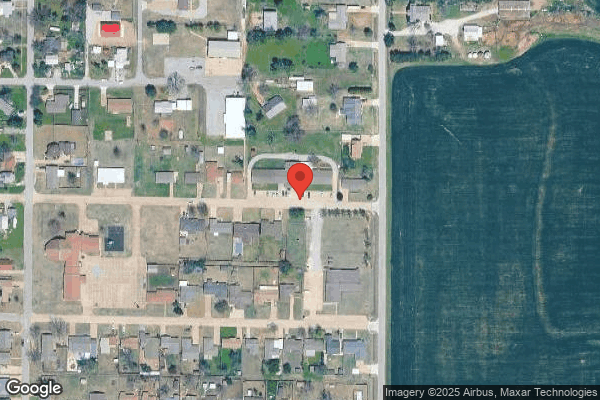
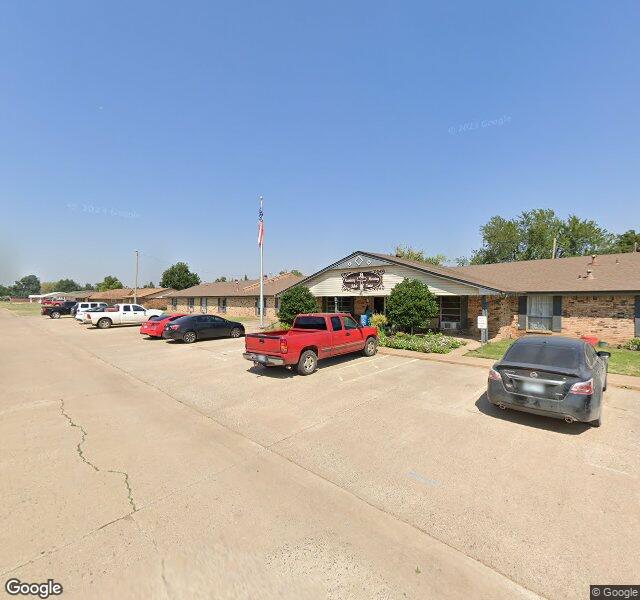
705 EAST 3RD STREET, HENNESSEY, OK 73742 (405) 853-4390
For profit - Individual 50 Beds BRADFORD MONTGOMERY Data: November 2025 1 Immediate Jeopardy citation
Trust Grade
23/100
#164 of 282 in OK
Last Inspection: August 2024

Within standard 12-15 month inspection cycle. Federal law requires annual inspections.

Overview

Hennessey Nursing & Rehab has a Trust Grade of F, indicating significant concerns about care quality and safety. Ranked #164 out of 282 facilities in Oklahoma, they are in the bottom half, and #2 out of 3 in Kingfisher County, meaning only one local option is better. Unfortunately, the facility is worsening, with issues increasing from 9 in 2023 to 17 in 2024. Staffing is a concern with a high turnover rate of 69%, above the state average, although their RN coverage is average. The facility has also incurred $33,924 in fines, which is higher than 89% of other Oklahoma facilities, reflecting ongoing compliance issues. Recent inspector findings revealed critical lapses, including a failure to ensure a resident received necessary antibiotic treatment for pneumonia, and inadequate assessments for pressure ulcer risk, highlighting serious care deficiencies. Overall, while there are some strengths in quality measures, the significant weaknesses in staffing, critical incidents, and compliance raise considerable red flags for potential residents and their families.

Trust Score
F
23/100
In Oklahoma
#164/282
Bottom 42%
Safety Record
High Risk
Review needed
Inspections
Getting Worse
9 → 17 violations
Staff Stability
⚠ Watch
69% turnover. Above average. Higher turnover means staff may not know residents' routines.
Penalties
○ Average
$33,924 in fines. Higher than 71% of Oklahoma facilities. Some compliance issues.
Skilled Nurses
⚠ Watch
Each resident gets only 27 minutes of Registered Nurse (RN) attention daily — below average for Oklahoma. Fewer RN minutes means fewer trained eyes watching for problems.
Violations
⚠ Watch
28 deficiencies on record. Higher than average. Multiple issues found across inspections.
★★☆☆☆
2.0
Overall Rating
★★★☆☆
3.0
Staff Levels
★★★★☆
4.0
Care Quality
★★☆☆☆
2.0
Inspection Score
Stable
2023: 9 issues
2024: 17 issues

The Good

  • 4-Star Quality Measures · Strong clinical quality outcomes
  • Full Sprinkler Coverage · Fire safety systems throughout facility
  • No fines on record

Facility shows strength in quality measures, fire safety.

The Bad

2-Star Overall Rating

Below Oklahoma average (2.6)

Below average - review inspection findings carefully

Staff Turnover: 69%

23pts above Oklahoma avg (46%)

Frequent staff changes - ask about care continuity

Federal Fines: $33,924

Above median ($33,413)

Moderate penalties - review what triggered them

Chain: BRADFORD MONTGOMERY

Part of a multi-facility chain

Ask about local staffing decisions and management

Staff turnover is elevated (69%)

21 points above Oklahoma average of 48%

The Ugly 28 deficiencies on record

1 life-threatening 1 actual harm
Aug 2024 13 deficiencies
CONCERN (D)

Potential for Harm - no one hurt, but risky conditions existed

Transfer Requirements (Tag F0622)

Could have caused harm · This affected 1 resident

**NOTE- TERMS IN BRACKETS HAVE BEEN EDITED TO PROTECT CONFIDENTIALITY** Based on record review and interview, the facility failed to ensure residents were not involuntarily discharged for one (#30) of...

Read full inspector narrative →
**NOTE- TERMS IN BRACKETS HAVE BEEN EDITED TO PROTECT CONFIDENTIALITY** Based on record review and interview, the facility failed to ensure residents were not involuntarily discharged for one (#30) of three sampled discharged residents. The DON identified 33 residents resided in the facility. Findings: Resident #30 was admitted on [DATE] with diagnoses that included anxiety disorder, bipolar disorder, psychotic disorder, schizophrenia, and PTSD. A physician's order, dated 06/25/24 at 7:48 p.m., read in parts, .Transfer to VA hosp ER D/T behaviors . There was no documentation in the clinical record that the facility followed-up on Resident #30's status after he was transferred to the VA hospital ER and no documentation stating the resident had been discharged . On 08/06/24 at 9:33 a.m., the DON stated Resident #30 did not return to the facility because they were a danger to self and others due to their behaviors. They stated they could not meet Resident #30's needs at the facility. On 08/06/24 at 11:50 a.m., Nurse Consult. #1, who completed the transfer MDS for Resident #30, was asked how they determined Resident #30's return was not anticipated. Nurse Consult. #1 stated, Probably by the time I put the MDS in on 06/28/24 we must have known we weren't taking him back. There was no documentation in Resident #30's clinical record indicating the facility would not be able to meet the needs of the resident upon their return from the VA hospital and there was no physician's order in the clinical record to discharge resident #30.
CONCERN (D)

Potential for Harm - no one hurt, but risky conditions existed

Transfer Notice (Tag F0623)

Could have caused harm · This affected 1 resident

**NOTE- TERMS IN BRACKETS HAVE BEEN EDITED TO PROTECT CONFIDENTIALITY** Based on record review and interview, the facility failed to provide notice of a facility initiated discharged for one (#30) of ...

Read full inspector narrative →
**NOTE- TERMS IN BRACKETS HAVE BEEN EDITED TO PROTECT CONFIDENTIALITY** Based on record review and interview, the facility failed to provide notice of a facility initiated discharged for one (#30) of three sampled discharged residents. The DON identified 33 residents resided in the facility. Findings: Resident #30 was admitted on [DATE] with diagnoses that included anxiety disorder, bipolar disorder, psychotic disorder, schizophrenia, and PTSD. A nurse's note, dated 06/25/24 at 8:10 p.m., documented Resident #30 was transferred to the VA hosp ER D/T behaviors. A Discharge summary, dated [DATE], documented Resident #30 had been discharged from the facility on 06/25/24. There was no documentation in the clinical record that the facility notified, or attempted to notify, Resident #30 or their family of their discharge from the facility. On 08/06/24 at 9:33 a.m., the DON acknowledged neither Resident #30 nor their family had been notified of their discharge from the facility.
CONCERN (D)

Potential for Harm - no one hurt, but risky conditions existed

Comprehensive Assessments (Tag F0636)

Could have caused harm · This affected 1 resident

**NOTE- TERMS IN BRACKETS HAVE BEEN EDITED TO PROTECT CONFIDENTIALITY** Based on record review and interview, the facility failed to ensure a discharge MDS assessment was completed within the required...

Read full inspector narrative →
**NOTE- TERMS IN BRACKETS HAVE BEEN EDITED TO PROTECT CONFIDENTIALITY** Based on record review and interview, the facility failed to ensure a discharge MDS assessment was completed within the required timeframe for one (#11) of three sampled residents whose discharge assessments were reviewed. The DON identified 33 residents resided in the facility. Findings: Resident #11 was admitted to the facility on [DATE] and discharged at the end of their skilled days on 04/12/24. The EHR did not document a discharge MDS assessment had been completed. On 08/06/24 at 11:40 a.m., Nurse Consult. #1 acknowledged the discharge MDS assessment for Resident #11 had not been completed.
CONCERN (D)

Potential for Harm - no one hurt, but risky conditions existed

Deficiency F0655 (Tag F0655)

Could have caused harm · This affected 1 resident

**NOTE- TERMS IN BRACKETS HAVE BEEN EDITED TO PROTECT CONFIDENTIALITY** Based on record review and interview, the facility failed to ensure a baseline care plan was completed in a timely manner for on...

Read full inspector narrative →
**NOTE- TERMS IN BRACKETS HAVE BEEN EDITED TO PROTECT CONFIDENTIALITY** Based on record review and interview, the facility failed to ensure a baseline care plan was completed in a timely manner for one (#131) of 12 sampled residents reviewed for baseline care plans. The DON identified 33 residents resided in the facility. Findings: Resident #131 was admitted on [DATE]. Resident #131's baseline care plan documented a completion date of 07/27/24. On 08/06/24 at 8:16 a.m., Nurse Consult. #1 stated Resident #131's baseline care plan was not completed in a timely manner. They stated a baseline care plan was to be completed within 48 hours of admission.
CONCERN (D)

Potential for Harm - no one hurt, but risky conditions existed

Comprehensive Care Plan (Tag F0656)

Could have caused harm · This affected 1 resident

**NOTE- TERMS IN BRACKETS HAVE BEEN EDITED TO PROTECT CONFIDENTIALITY** Based on observation, record review, and interview, the facility failed to implement a comprehensive care plan for one (#132) of...

Read full inspector narrative →
**NOTE- TERMS IN BRACKETS HAVE BEEN EDITED TO PROTECT CONFIDENTIALITY** Based on observation, record review, and interview, the facility failed to implement a comprehensive care plan for one (#132) of one sampled resident reviewed for the use of a urinary catheter. The DON identified 33 residents resided in the facility. Three residents had urinary catheters in the facility. Findings: Resident #132 was admitted on [DATE] with diagnoses which included neuromuscular dysfunction of bladder and hydronephrosis. A physician order, dated 07/05/24, documented to change foley catheter every 30 days on the 1st of the month on night shift. Resident #132's admission resident assessment, dated 07/11/24, documented the Resident had an indwelling catheter. On 08/04/24 at 10:31 a.m., Resident #132 was observed to have an indwelling urinary catheter. Review of Resident #132's baseline care plan did not document the use of an indwelling urinary catheter. There was no record of the completion of a comprehensive care plan for Resident #132. On 08/07/24 at 9:18 a.m., Nurse Consult. #1 stated Resident #132 did not have a comprehensive care plan. They stated they were working on completing one.
CONCERN (D)

Potential for Harm - no one hurt, but risky conditions existed

Deficiency F0661 (Tag F0661)

Could have caused harm · This affected 1 resident

**NOTE- TERMS IN BRACKETS HAVE BEEN EDITED TO PROTECT CONFIDENTIALITY** Based on record review and interview, the facility failed to ensure a discharge summary and discharge instructions were complete...

Read full inspector narrative →
**NOTE- TERMS IN BRACKETS HAVE BEEN EDITED TO PROTECT CONFIDENTIALITY** Based on record review and interview, the facility failed to ensure a discharge summary and discharge instructions were completed upon discharge for one (#11) of three sampled residents whose discharge paperwork was reviewed. The DON identified 33 residents resided in the facility. Findings: Resident #11 was admitted to the facility on [DATE] and discharged at the end of their skilled days on 04/12/24. A 'Discharge Summary' form for Resident #11, dated 02/28/24, was located in their clinical record, but it had not been completed. A Discharge Instructions form for Resident #11, was located in their clinical record undated and not completed. On 08/06/24 at 9:27 a.m., the DON acknowledged the discharge summary and discharge instructions for Resident #11 had not been completed.
CONCERN (D)

Potential for Harm - no one hurt, but risky conditions existed

Deficiency F0678 (Tag F0678)

Could have caused harm · This affected 1 resident

**NOTE- TERMS IN BRACKETS HAVE BEEN EDITED TO PROTECT CONFIDENTIALITY** Based on record review and interview, the facility failed to have a process in place to identify a resident's code status for on...

Read full inspector narrative →
**NOTE- TERMS IN BRACKETS HAVE BEEN EDITED TO PROTECT CONFIDENTIALITY** Based on record review and interview, the facility failed to have a process in place to identify a resident's code status for one (#131) of three sampled residents reviewed for advanced directives. Findings: Resident #131 was admitted on [DATE]. A physician's order, dated 07/23/24, documented DNR. A care plan, dated 07/27/24, documented Resident #131 preferred to be a DNR. There was no documentation of a completed Oklahoma DNR consent form in Resident #131's record. On 08/05/24 at 10:47 a.m., the DON stated Resident #131 did not have a DNR consent form in their health record. They stated residents should have a physician's order and a DNR form in their chart upon admission or remain a full code until a DNR consent form was obtained. On 08/05/24 at 11:36 a.m., LPN #1 stated residents code status were found in their health record and resident roster at the nurse's station.
CONCERN (D)

Potential for Harm - no one hurt, but risky conditions existed

Respiratory Care (Tag F0695)

Could have caused harm · This affected 1 resident

Based on observation, record review, and interview, the facility failed to ensure oxygen was administered as ordered by the physician and oxygen tubing was changed for one (#27) of one sampled residen...

Read full inspector narrative →
Based on observation, record review, and interview, the facility failed to ensure oxygen was administered as ordered by the physician and oxygen tubing was changed for one (#27) of one sampled resident reviewed for respiratory care. The DON identified two residents who received continuous oxygen therapy in the facility. Findings: The Oxygen Administration policy, revised 10/10, read in part, Review the physician's orders or facility protocol for oxygen administration. Resident #27 had diagnoses which included COPD and acute and chronic respiratory failure with hypoxia. A physician's order, dated 02/05/24, documented oxygen at 3 liters per nasal cannula to keep oxygen saturation at 90% or above. On 08/04/24 at 1:29 p.m., Resident #27 was observed receiving oxygen. The concentrator was set at 3.5 LPM. The oxygen tubing was dated 07/22. On 08/04/24 at 1:42 p.m., RN #1 stated Resident #27's oxygen order was 3 liters via nasal cannula. On 08/04/24 at 1:43 p.m., RN #1 stated oxygen tubing were to be changed weekly on Sundays. On 08/04/24 at 1:46 p.m., RN #1 observed the Resident's concentrator. They stated the oxygen delivery was set at 3.5 LPM. RN #1 stated the physician's order was not followed. On 08/04/24 at 1:47 p.m., RN #1 stated the date on the Resident's oxygen tubing was 07/22. They stated the oxygen tubing should have been changed per facility policy.
CONCERN (D)

Potential for Harm - no one hurt, but risky conditions existed

Deficiency F0730 (Tag F0730)

Could have caused harm · This affected 1 resident

Based on record review and interview, the facility failed to complete a nurse aide performance review once every 12 months for two (CNA #1 and CNA #2) of five employee files reviewed. The DON identifi...

Read full inspector narrative →
Based on record review and interview, the facility failed to complete a nurse aide performance review once every 12 months for two (CNA #1 and CNA #2) of five employee files reviewed. The DON identified 33 residents resided in the facility. Findings: The Competency of Nursing Staff policy, revised 10/17, read in part, All nursing staff must meet the specific competency requirements of their respective licensure and certification requirements defined by State law. CNA #2 had a hire date of 04/28/22. There was no CNA annual competency review located in the employee's file. CNA #1 had a hire date of 05/12/23. There was no CNA annual competency review located in the employee's file. On 08/06/24 at 7:59 a.m., the BOM stated there was no CNA annual competency review for CNA #1 and CNA #2.
CONCERN (D)

Potential for Harm - no one hurt, but risky conditions existed

Medication Errors (Tag F0758)

Could have caused harm · This affected 1 resident

Based on record review and interview, the facility failed to: a. implement a physician order for a gradual dose reduction for one (#26); b. have a physician response to a gradual dose reduction recomm...

Read full inspector narrative →
Based on record review and interview, the facility failed to: a. implement a physician order for a gradual dose reduction for one (#26); b. have a physician response to a gradual dose reduction recommendation for one (#6) of five sampled residents reviewed for unnecessary medications. The DON identified 33 residents resided in the facility. 18 residents received psychotropic's in the facility. Findings: 1. Resident #26 had diagnoses which included insomnia and anxiety. An MRR, dated 05/28/24, documented a GDR recommendation for 150 mg trazodone (an antidepressant) reduction to 100 mg at bedtime. A physician's response, dated 06/11/24, documented agreement to the trazodone reduction. A nurse's acknowledgement, dated 06/14/24, was documented on the MRR. There was no physician's order corresponding to the nurse's acknowledgement on 06/14/24 for Resident #26. A nurse's acknowledgement, dated 06/21/24, was documented on the MRR. A physician's telephone order, dated 06/21/24, documented 100 mg trazodone one tablet by mouth at bedtime per pharmacy recommendation. The June 2024 MAR documented 150 mg trazodone was given till 06/21/24. The June 2024 MAR documented 100 mg trazodone was first given on 06/22/24. On 08/06/24 at 1:54 p.m., the DON reviewed Resident #27's June 2024 MAR, MRR, and physician orders. They stated the physician's response to the GDR was implemented on 06/21/24. They stated the Resident received the first dose of the 100 mg trazodone on 06/22/24. 2. Resident #26 had diagnoses which included schizophrenia, anxiety, insomnia, and depression. A physician's order, dated 05/30/23, documented 10 mg Abilify (an antipsychotic) give one tablet by mouth once daily at bedtime for schizophrenia. A physician's order, dated 07/13/23, documented 5 mg buspirone (an antianxiety) give one tablet by mouth twice daily for anxiety. A physician's order, dated 07/27/23, documented HCL 60 mg duloxetine (an antidepressant) give one capsule by mouth twice daily for depressive disorder. A physician's order, dated 04/02/24, documented 50 mg trazodone (an antidepressant) give two tablets by mouth every evening for insomnia. An MRR, dated 02/13/24, documented a GDR recommendation for buspirone 5mg to half tablet twice daily. An MRR dated 03/19/24, documented a GDR recommendation for Abilify from 10 mg to 7.5 mg at bedtime. An MRR, dated 04/15/24, documented a GDR recommendation for duloxetine from 60 mg twice daily to 30 mg in the morning and 60 mg at bedtime. There was no documentation of a physician's response to the above three GDRs. On 08/07/24 at 9:27 a.m., the DON reviewed the above MRRs with the GDR recommendations. They stated there was no physician response to the above GDRs.
CONCERN (D)

Potential for Harm - no one hurt, but risky conditions existed

Infection Control (Tag F0880)

Could have caused harm · This affected 1 resident

Based on observation, record review, and interview, the facility failed to ensure proper infection control practices were followed during the administration of medication for one (#13) of seven sample...

Read full inspector narrative →
Based on observation, record review, and interview, the facility failed to ensure proper infection control practices were followed during the administration of medication for one (#13) of seven sampled residents observed during medication administration. The DON identified 33 residents resided in the facility. Findings: An 'Administration Set/Tubing Changes' policy, revised February 2023, read in parts, General Guidelines .4. Label tubing with date, time, and initials .5. Any tubing that is found not labeled must be changed and then labeled accordingly .6. Any tubing that is suspected to have been contaminated or compromised is changed immediately . Resident #13 was receiving intravenous antibiotic therapy via a PICC line in place to left upper arm. On 08/05/24 at 8:45 a.m., this surveyor observed LPN #1 during IV medication administration for Resident #13. Upon entering the resident's room, I observed there was no date on the tubing that was hanging in the previously used IV bag. LPN #1 used the hanging IV tubing to spike the new IV bag, primed the line and laid the end of the IV tubing on the resident's pillow. During the process of flushing the 3 PICC line lumens, the end of the IV tubing that you connect to the lumen slid to the floor. After flushing the lumens, LPN #1 picked the tubing up from the floor, removed the cap, connected it to the PICC line lumen, and started the IV. LPN #1 was asked if a new IV tubing should have been used. They stated the night nurse probably changed it. When asked if the IV tubing should have been placed on the resident's pillow or used after it had fallen to the floor, LPN #1 stated it had a cap on it. On 08/06/24 at 10:49 a.m., the DON reported facility policy dictated IV tubing should be changed every 24 hours and labeled with the date, time, and initials. The DON was informed of the above observations and acknowledged that proper infection control practices were not observed and facility policy had not been followed.
CONCERN (E)

Potential for Harm - no one hurt, but risky conditions existed

Deficiency F0700 (Tag F0700)

Could have caused harm · This affected multiple residents

Based on observation, record review, and interview, the facility failed to complete bed rail safety assessments, review the risks and benefits of bed rails with the resident or resident representative...

Read full inspector narrative →
Based on observation, record review, and interview, the facility failed to complete bed rail safety assessments, review the risks and benefits of bed rails with the resident or resident representative, and obtain informed consent prior to installation of bed rails for three (#13, #15, and #82) of three sampled residents with bed rails in use. The DON identified 33 residents resided in the facility. Findings: A Bed Safety and Bed Rails' policy, revised August 2022, read in parts, .3. The use of bed rails or side rails .is prohibited unless the criteria for use of bed rails have been met, including .interdisciplinary evaluation, resident assessment, and informed consent . 1. On 08/04/24 at 12:25 p.m., Resident #13 was observed in bed with two upper bed rails raised. 2. On 08/04/24 at 2:05 p.m., Resident #15 was observed in bed with two upper bed rails raised. 3. On 08/05/24 at 12:58 p.m., Resident #82 was observed in bed with two upper bed rails raised. There was no documentation in the clinical records of Resident #13, #15, nor #82 that bed rail safety assessments had been completed, risks and benefits of bed rails had been reviewed with the resident or resident representative, nor that informed consent had been obtained. On 08/06/24 at 10:10 a.m., the DON acknowledged the necessary paperwork that needed to be completed before bed rails were used had not been completed according to facility policy for the Residents listed above.
CONCERN (E)

Potential for Harm - no one hurt, but risky conditions existed

Deficiency F0883 (Tag F0883)

Could have caused harm · This affected multiple residents

Based on record review and interview, the facility failed to ensure influenza and pneumococcal vaccinations were offered for four (#15, 18, 22, and #82) of five residents reviewed for immunizations. T...

Read full inspector narrative →
Based on record review and interview, the facility failed to ensure influenza and pneumococcal vaccinations were offered for four (#15, 18, 22, and #82) of five residents reviewed for immunizations. The DON identified 33 residents resided in the facility. Findings: Immunization records for Residents #15, #18, #22, and #82 were reviewed. There was no documentation in their record the residents, nor their representatives had been offered or received an influenza or pneumonia immunization. On 08/07/24 at 9:41 a.m., the DON was asked if residents were offered influenza and pneumonia vaccines. They stated immunizations should be offered during admission process and annually. The DON acknowledged neither Resident #15, #18, #22, nor #82 or their representative had documentation in their clinical record showing they were offered nor received the influenza or pneumococcal vaccines.
Apr 2024 4 deficiencies 1 IJ
CRITICAL (J) 📢 Someone Reported This

A family member, employee, or ombudsman was alarmed enough to file a formal complaint

Immediate Jeopardy (IJ) - the most serious Medicare violation

Quality of Care (Tag F0684)

Someone could have died · This affected 1 resident

**NOTE- TERMS IN BRACKETS HAVE BEEN EDITED TO PROTECT CONFIDENTIALITY** On 04/11/24 an Immediate Jeopardy (IJ) situation was determined to exist related to the facility's failure to assess, monitor, a...

Read full inspector narrative →
**NOTE- TERMS IN BRACKETS HAVE BEEN EDITED TO PROTECT CONFIDENTIALITY** On 04/11/24 an Immediate Jeopardy (IJ) situation was determined to exist related to the facility's failure to assess, monitor, and intervene for a resident experiencing a significant change in condition and ensure a resident received prescribed antibiotic therapy to treat pneumonia. 03/08/24 Resident #1 had acute change of condition, very weak, unable to stand/sit, 3-4 person assist to transfer, irregular HR, O2 sats 80%, incontinent B&B, and decline in mental status. MD notified. Not sent to ER. 03/19/24 Resident #1's condition deteriorates and they requested to be sent to ER. Returned from ER same day with DX: pneumonia and orders for Augmentin 875mg-125mg tab- 1 tab oral q12hrs x7days. Their physician was not notified of new order, the medication order was not submitted to the pharmacy, and the medication was not placed on the MAR. There was no documentation that Augmentin was ever ordered, received from the pharmacy, or given to the resident between 03/19/24 and 04/08/24. 03/26/24 Nursing staff documented further decline in residents condition including cannot sit or stand without support, cannot bear weight, requires full body lift, brown urine, poor food/fluid intake, and decreased mental status. 04/08/24 Resident #1 was sent to ER with low B/P, labored breathing, erratic pulse, and altered mental status. Resident was admitted and is currently in the hospital. On 04/11/24 at 10:40 a.m., the Oklahoma State Department of Health was notified and verified the existence of the IJ situation. On 04/11/24 at 4:15 p.m., the administrator was notified of the IJ situation. On 04/15/24 at 2:38 p.m., an acceptable plan of removal was submitted to the Oklahoma State Department of Health. The plan of removal documented: Plan of Removal On 04/11/2024, All Licensed RN/LPN staff educated on how to recognize acute changes in resident baseline condition\ orientation and\or change in vital signs with documentation of notification to the physician and family. 1. All newly hired Licensed RN/LPN staff will be educated on how to recognize change in resident baseline condition\ orientation and\or change in vital signs with documentation of notification to the physician and family. 2. All direct care nursing staff educated on how to recognize acute changes in resident baseline condition/orientation and/or change in vital signs and report to charge nurse immediately. 3. DON/Designee will review all new hire packets to ensure all training is completed. 4. DON/Designee will report any negative findings monthly to the QAPI team. Completed by 8:00 p.m. 04/11/2024. On 04/11/2024, all licensed RN/LPN In-serviced on Facility Policy and Procedure properly assessing, monitoring, and intervening effectively and timely in the event of change in resident condition, and following physician orders for antibiotics/medications as prescribed. 1. All licensed new hires will be educated on Facility Policy and Procedure on properly assessing, monitoring, intervening effectively and timely in the event of change in resident condition, and following physician orders for antibiotics/medications as prescribed. 2. DON/designee will review all new hire packets to ensure all training is completed. 3. DON/designee will report any negative findings quarterly to QAPI Completed by 8 p.m. 04/11/2024. 1. DON/Designee will compare physician orders on all new admissions to MAR and verify all medications are on hand. 2. Any staff that are on leave will be educated prior to being placed on the schedule. 3. DON/ADON in-serviced on reviewing all physicians' orders to include hospital discharges/doctor's appointment daily during clinical meeting to ensure orders are not missed. 4. DON/ADON will review all physicians' orders to include hospital discharges/doctor's appointment daily during clinical meeting to ensure orders are not missed. Any negative findings will be corrected immediately. Completed by 1030 a.m. 04/12/2024. 1. All Licensed nurses educated on comparing new orders/hospital discharge orders with the MAR and updating MAR to reflect any new orders. Completed by 3:00 p.m. 04/15/2024. The immediacy was lifted, effective 04/15/24 at 3:30 p.m., when all components of the plan of removal had been completed. The deficient practice remained as isolated with potential for harm to the residents. Based on record review and interview, the facility failed to: a. assess, monitor, and intervene for a resident experiencing a significant change in condition for one (#1) of two sampled residents reviewed for change in condition, and b. ensure a resident received prescribed antibiotic therapy to treat pneumonia for one (#1) of two sampled residents reviewed for receiving medications as ordered. The Administrator identified 31 residents resided in the facility. Findings: a. Resident #1 had diagnoses that included s/p amputation of left toes and PICC line in upper right arm. A 'Skilled Daily Nurses Note', written 03/8/24 at 7:50 p.m., documented Resident #1 experienced episode of being very weak, unable to stand or sit up, unable to follow direction, irregular pulse, and low O2 saturation. MD was notified and advised staff to monitor resident. A 'Skilled Daily Nurses Note', written 03/8/24 at 9:00 p.m., documented Resident #1 required the assistance of three staff to transfer them from bed to wheelchair and the assistance of four staff to transfer them back to bed. 'Skilled Daily Nurses Notes', written 03/9/24 through 03/15/24, document Resident #1's persistent weakness, inability to stand/sit, need for assistance to transfer, incontinence of B&B, and decline in mental status. No MD notification was documented throughout this time period. A 'Skilled Daily Nurses Note', written 03/19/24 at 6:30 p.m., documented Resident #1 was transported to the emergency room per their request. On 04/10/24 at 10:05 a.m., CNA #1 reported, on admission, Resident #1 was able to get out of bed and use the walker with minimal assistance to go to the bathroom. When asked if they had noticed a change in Resident #1's condition, CNA #1 stated, Yes, [they] were a lot weaker. After a while, we had to use a full body lift to get [them] up. [They] were still verbal but not all there. On 04/10/24 at 4:50 p.m., the DON was asked to review the 'Skilled Daily Nurse Notes' for Resident #1 from 03/8/24 through 03/19/24. When asked if Resident #1 had experienced an acute change of condition, the DON stated yes. The DON acknowledged Resident #1 had not been assessed, monitored, nor received necessary interventions according to facility policy, after they experienced a significant change of condition. b. Resident #1 returned to facility from the emergency room on [DATE]. emergency room diagnoses included pleural effusion with evidence of possible pneumonia. An 'ED Physician Record' for Resident #1, dated 03/20/24, read in parts, .Impression and Plan .we will plan to treat for possible early pneumonia including use of antibiotics .Augmentin 875 mg-125 mg oral tablet (Prescribe): 1 Tabs, Oral, q12H, for 7 Days . A 'Skilled Daily Nurses Note', written 03/20/24 at 1:30 a.m., documented Resident #1 had returned from the emergency room with no new orders. There was no documentation in Resident #1's clinical record their physician was notified of the ER diagnoses nor the order for Augmentin stated in the 'ED Physician Record'. Resident #1's March 2024 and April 2024 MAR's did not include documentation that Augmentin had been given to the resident between 03/19/24 and 04/08/24. On 04/10/24 at 4:45 p.m., the DON was asked to review the above records. After reviewing the records, the DON acknowledged Resident #1 had not received the prescribed antibiotic therapy to treat pneumonia.
SERIOUS (G) 📢 Someone Reported This

A family member, employee, or ombudsman was alarmed enough to file a formal complaint

Actual Harm - a resident was hurt due to facility failures

Pressure Ulcer Prevention (Tag F0686)

A resident was harmed · This affected 1 resident

Based on record review and interview, the facility failed to accurately assess residents' risk for and initiate dietary measures to aide in the prevention of avoidable pressure ulcers for one (#1) of ...

Read full inspector narrative →
Based on record review and interview, the facility failed to accurately assess residents' risk for and initiate dietary measures to aide in the prevention of avoidable pressure ulcers for one (#1) of two sampled residents reviewed for pressure ulcers. The Administrator identified 31 residents resided in the facility. Findings: Resident #1 had diagnoses that included s/p amputation of left toes and PICC line in upper right arm. Resident #1's Care Plan documents, on 03/15/24, resident was at risk of nutritional decline and had lost 12 lbs. in a month. The RD completed a 'Nutrition Risk Assessment' for Resident #1, dated 03/18/24, with a risk score of NO/LOW RISK, and no interventions for prevention of pressure ulcers were put into place. Discrepancies in the RD assessment included: 1. RD documented no weight loss/gain- weight record documented a weight loss of <5% since admission. Resident #1's documented weights include 176 lbs. on 02/28/24, 172 lbs. on 03/11/24, 168 lbs. on 03/22/24, 164 lbs. on 03/27/24, and 160.5 lbs. on 04/05/24. 2. RD documented oral/nutrition intake meets 76-100% of estimated needs- 'Skilled Daily Nurses Notes' documented appetite poor-to-very poor with significant change in condition after 03/08/24 3. RD documented resident was ambulatory and able to feed self- 'Skilled Daily Nurses Notes' document decreased activity and need for extensive assistance with mobility and transfers and some assist with eating after significant change in condition on 03/08/24 4. RD documented lab values were WNL- Chem Profile done 03/13/24 documented Albumin less than 3.0 g/dL (2.5g/dL) and 3 other nutrition-related labs were abnormal (Potassium 3.4 mEq/L, Calcium 8.0 mg/dL, Protein 5.7 g/dL) 5. RD documented skin was intact- resident had become incontinent of bowel after change in condition on 03/08/24. Physicians' orders on Resident #1's April 2024 MAR, read in parts, .04/03/24 .Clean coccyx open areas with NS, pat dry apply Triad cream and cover with foam drg q3 days . A 'Skilled Daily Nurse Note', written 04/04/24, read in parts, .Skin (cont'd.) .Pressure Injury(ies) .Coccyx . No date of development, measurements, nor description of the pressure injury to the coccyx was documented anywhere in Resident #1's clinical record. There were no assessments for risks of skin breakdown documented in Resident #1's clinical record following their change in mobility and continence status that occurred on 03/08/24 through 04/08/24. No updates were made to Resident #1's Care Plan addressing interventions to prevent skin breakdown following their change of condition on 03/08/24. On 04/10/24 at 4:20 p.m., the DON was asked to review the RD's 'Nutrition Risk Assessment', the Care Plan, the Physician's Orders, and the Skilled Daily Nurse Notes for Resident #1 referenced above. After reviewing the documents, the DON acknowledged the RD's assessment was not accurate, dietary measures should have been initiated, and interventions should have been care planned to aid in preventing Resident #1's development of pressure ulcers.
CONCERN (D) 📢 Someone Reported This

A family member, employee, or ombudsman was alarmed enough to file a formal complaint

Potential for Harm - no one hurt, but risky conditions existed

Deficiency F0694 (Tag F0694)

Could have caused harm · This affected 1 resident

Based on record review and interview, the facility failed to ensure care of a peripheral intravenous central catheter in accordance with professional standards of practice for one (#1) of one sampled ...

Read full inspector narrative →
Based on record review and interview, the facility failed to ensure care of a peripheral intravenous central catheter in accordance with professional standards of practice for one (#1) of one sampled resident reviewed for treatment of an intravenous catheter. The Administrator identified 31 residents resided in the facility. Findings: A 'Peripheral and Midline IV Dressing Changes' policy, revised March 2022, read in parts, 4. Change the dressing if it becomes damp, loosened or visibly soiled and: a. at least every 7 days for TSM dressing; b. at least every 2 days for sterile gauze dressing .unless site is not obscured; or c. immediately if the dressing or site appears compromised .The following should be documented in the resident's medical record: a. Date, time, type of dressing, and reason for dressing change . Resident #1 had diagnoses that included s/p amputation of toes on left foot and PICC line in upper right arm. A 'Physician's Order', dated March 2024, read in parts, .Daptomycin 500 mg vial 500 mg via IV every 24 hours *Stop date: 03/11/24* .Cefepime 2 GM injection 2 g via IVPB twice daily *Stop date: 03/11/24* .Flush PICC line with 10cc N.S. before and after medication administration . The March and April 2024 TAR's documented Resident #1 completed their IV ABT on 03/11/24 and continued to receive PICC line flushes twice a day from 03/12/24 through 04/06/24 without a physician's order. A 'Skilled Daily Nurse Note', written 03/11/24 2 p.m.-10 p.m., documented dressing to Resident #1's PICC line site was coming loose and was reinforced with gauze. There was no documentation between 03/11/24 and 04/08/24 Resident #1's PICC line dressing was changed. There was no documentation in Resident #1's clinical record their physician had been contacted to obtain orders for PICC line flushes, IV site dressing changes, nor removal of IV access after Resident #1's IV antibiotic therapy was completed on 03/11/24 and through 04/08/24. On 04/10/24 at 8:45 a.m., LPN #1 was asked if the physician was notified for an order to continue PICC line flushes or to remove Resident #1's PICC line when their ABT was completed. They stated no. LPN #1 was asked if Resident #1's PICC line dressing had been changed between 03/11/24 through 04/08/24. They stated, Not by me. On 04/10/24 at 4:06 p.m., the DON was asked the facility policy regarding care of intravenous access sites. They stated site dressing changes were done every 3-7 days and as needed if soiled or dislodged and flushes were done according to the physicians' order. The DON was asked if Resident #1's PICC line dressing had been changed or if they had an order for flushes between 03/11/24 and 04/08/24 and they stated no. The DON was asked to review the physicians' orders, TAR's, and the clinical record for Resident #1 referenced above. After reviewing the documents, the DON acknowledged facility policy nor professional standards of practice had been followed.
CONCERN (D) 📢 Someone Reported This

A family member, employee, or ombudsman was alarmed enough to file a formal complaint

Potential for Harm - no one hurt, but risky conditions existed

Pharmacy Services (Tag F0755)

Could have caused harm · This affected 1 resident

Based on record review and interview, the facility failed to ensure medication was administered as ordered for one (#3) of one resident reviewed for medications being given as ordered. The administrat...

Read full inspector narrative →
Based on record review and interview, the facility failed to ensure medication was administered as ordered for one (#3) of one resident reviewed for medications being given as ordered. The administrator identified 31 residents resided in the facility. Findings: An 'Administering Medications' policy, revised December 2022, read in parts, .3. Medications must be administered in accordance with orders . Resident #3 had diagnoses that included multiple sclerosis, insomnia, and abnormal weight loss. A 'Hospital Discharge Summary', dated 04/07/24 - 04/12/24, read in parts, .temazepam 15 MG capsule .take 1 capsule (15 mg) by mouth nightly as needed for sleep . An April 2024 MAR, read in part, temazepam 15 mg capsule give 1 capsule by mouth every hs ., and documented medication was given at 12 a.m. on 04/12/24, 04/13/24, 04/14/24, and 04/15/24. On 04/15/24 at 12:00 p.m., LPN #1 was asked to review the order for temazepam on Resident #3's hospital discharge paperwork and on their April 2024 MAR. After reviewing the documents LPN #1 stated they had transcribed the order incorrectly. On 04/15/24 at 12:12 p.m., the ADON reviewed the documents for Resident #3 referenced above and acknowledged the medication had not been given according to the physicians' order.
Jul 2023 8 deficiencies
CONCERN (D)

Potential for Harm - no one hurt, but risky conditions existed

Deficiency F0558 (Tag F0558)

Could have caused harm · This affected 1 resident

Based on observation, record review, and interview, the facility failed to provide a resident call system that would allow the resident to call for staff assistance for one (#5) of 24 sampled resident...

Read full inspector narrative →
Based on observation, record review, and interview, the facility failed to provide a resident call system that would allow the resident to call for staff assistance for one (#5) of 24 sampled residents reviewed for accessibility of call lights. The Resident Census and Conditions of Residents report, dated 07/03/23, documented 30 residents resided in the facility. Findings: A Bedrooms policy, revised May 2022, read in part, .All resident rooms are equipped with a resident call system that allows residents to call staff for staff assistance . On 07/03/23 at 10:21 a.m., Res #5 was observed lying on their bed. No call light button was observed within their reach. The call light system hub with two attachment ports was noted on the wall between beds A and B. One port contained a cord that extended over to bed A. It was draped around bed A's bedrail with a call button at the end. There was no cord connected to the second port. Res #5 was asked how they would call the nurse if they needed assistance. They stated they would pull the string. Res #5 was asked where their call light button was. After sitting up in their bed and looking around the bed and on the bedside table, they stated, It must be around here somewhere. No disconnected call light cord was noted in Res #5's room. On 07/06/23 at 9:38 a.m., LPN #1 was asked about the facility call light policy. They stated all bedrooms have call lights, residents should have call lights in reach at all times, and any problems with call lights should be reported directly to maintenance. LPN #1 was asked if there was a call light available to Res #5 when in their bedroom. LPN #1 stated, no they do not have one. LPN #1 was asked if Res #5 was able to call for staff assistance if needed when in their bedroom. They stated no.
CONCERN (D)

Potential for Harm - no one hurt, but risky conditions existed

Deficiency F0645 (Tag F0645)

Could have caused harm · This affected 1 resident

Based on record review and interview, the facility failed to ensure a resident with evidence of mental illness was referred to OHCA for evaluation and determination of specialized services for one (#2...

Read full inspector narrative →
Based on record review and interview, the facility failed to ensure a resident with evidence of mental illness was referred to OHCA for evaluation and determination of specialized services for one (#24) of four sampled residents reviewed for PASRR. The Resident Census and Conditions of Residents report, dated 07/03/23, documented 15 residents with psychiatric diagnoses. Findings: A Department of Human Services Office of Legislative Relations policy, dated 11/14/07, documented the nursing facility's routine resident assessment will identify those individuals previously undiagnosed with mental illness which must be referred to the LOCEU. Resident #24 had diagnoses which included post-traumatic stress disorder. A level I PASRR screen, dated 08/04/21, documented Resident #24 had evidence of serious mental illness. There was no documentation in Resident #24's medical record a referral was made to OHCA for a level II PASRR for diagnoses of mental illness nor that a level II PASRR had been completed. On 07/05/23 at 10:30 a.m., the DON confirmed that, on admission, a resident who answered yes to any item on the level I PASRR screen would be referred for a level II PASRR. On 07/05/23 at 1:44 p.m., the DON was asked to review the level I PASRR for Res #24 and tell if a level II PASRR referral should have been made. The DON acknowledged a level II PASRR should have been completed for Resident #24 and it had not been done.
CONCERN (D)

Potential for Harm - no one hurt, but risky conditions existed

Deficiency F0657 (Tag F0657)

Could have caused harm · This affected 1 resident

Based on record review and interview, the facility failed to update the person-centered care plan for existing and newly developed wounds for one (#13) of 12 sampled residents whose care plans were re...

Read full inspector narrative →
Based on record review and interview, the facility failed to update the person-centered care plan for existing and newly developed wounds for one (#13) of 12 sampled residents whose care plans were reviewed. The Resident Census and Conditions of Residents form, dated 07/03/23, documented 30 residents resided in the facility. Findings: A Care Plans, Comprehensive Person-Centered policy, revised December 2016, read in part, .Assessments of residents are ongoing and care plans are revised as information about the residents and the residents' conditions change . Resident #13 had diagnoses that included paraplegia and diabetes type 2. Wound/Skin notes, dated 01/11/23 through 03/13/23, documented Resident #13 had two stage 2 wounds on their right buttock. No documentation of these wounds were present on Res #13's Care Plan. Wound/Skin note, dated 03/21/23, documented the two stage 2 wounds on Resident #13's right buttock had merged together into one wound. No update was made to Resident #13's Care Plan. Wound/Skin note, dated 05/30/23, documented Resident #13 had developed a new, unstageable pressure ulcer to their right hip. No update was made to Resident #13's Care Plan. Wound/Skin note, dated 06/08/23, documented the development of an area of DTI to Resident #13's left hip. No update was made to Resident #13's Care Plan. On 07/05/23 at 9:39 a.m., LPN #1 was asked how often resident's care plans were updated. They stated whenever there is a change in a resident's condition or in their plan of care. LPN #1 was asked to review Resident #13's Care Plan. They acknowledged no updates had been made concerning their existing nor their newly developed wounds. On 07/05/23 at 10:30 a.m., the DON acknowledged Resident #13's care plan had not been updated according to facility policy.
CONCERN (D)

Potential for Harm - no one hurt, but risky conditions existed

Deficiency F0700 (Tag F0700)

Could have caused harm · This affected 1 resident

Based on record review, observation, and interview, the facility failed to assess residents for the use of bed rails, educate residents and/or representatives on the risks and benefits of bed rails, a...

Read full inspector narrative →
Based on record review, observation, and interview, the facility failed to assess residents for the use of bed rails, educate residents and/or representatives on the risks and benefits of bed rails, and obtain an informed consent prior to the installation of bed rails for one (#28) of one sampled resident reviewed for bed rails. The DON identified one resident had bed rails at the top and bottom of their bed. Findings: A Bed Safety and Bed Rails policy, dated August 2022, read in part, .The use of bed rails is prohibited unless the criteria for use of bed rails have been met .The resident's sleeping environment is evaluated by the interdisciplinary team .Consideration is given to the resident's safety, medical conditions, comfort, and freedom of movement, as well as input from the resident and family regarding previous sleeping habits and bed environment .The use of bed rails .is prohibited unless the criteria for use of bed rails have been met, including attempts to use alternatives, interdisciplinary evaluation, resident assessment, and informed consent . Resident #28 was admitted with diagnosis which included Alzheimer's, and altered mental status. A Resident Data Collection report, dated 04/12/23, documented Resident #28 was orient to self, and disoriented to place and time. It documented Resident #28 was orientated to side rails. A Nurse's Note, dated 04/14/23 at 4:30 a.m., documented the resident was very restless and had slept on and off. A Fall Risk Evaluation, dated 04/15/23, documented the resident's score was a 10. It documented a total score of 10 or more represented high risk. A Resident Assessment, dated 04/19/23, documented Resident #28 was moderately impaired with daily decision making, and was total dependent on staff for bed mobility. No documentation was located in the resident's medical record of an assessment, consent, physician order obtained for side rails. On 07/05/23 at 8:30 a.m., Resident #28 was observed laying in bed with one side rail observed up at the head of bed and one side rail observed up at the foot of the bed. There was an approximate 12 inch gap observed between the side rails. Resident #28 was observed rolled towards wall and away from side rails. On 07/05/23 at 11:04 a.m., CNA #1 stated the resident fidgets while in bed. They stated the resident was able to stand but would fall without staff assistance. CNA #1 stated the resident can sit on the side of the bed between the side rails. CNA #1 stated the resident had the side rails since admission. CNA #1 stated they weren't aware of the resident having a fall, or trying tried to climb over the side rails. On 07/05/23 at 11:15 a.m., the DON stated the resident's primary diagnosis was dementia, and the resident required full assistance for all ADLs. The DON was asked what the policy was for determining when side rails were used on a resident's bed. She stated they use the quarter rails for residents who can reposition themselves. The DON stated the side rails at the foot of the bed shouldn't be used. The DON was asked to provide an assessment, physician order, and consent form for the side rails. She stated, I will see what we can find. On 07/06/23 at 8:57 a.m., the DON was asked for documentation for Resident #28's side rails. The DON stated they hadn't located anything. The DON was asked what interventions had been attempted prior to the side rails. The DON stated the resident's bed had came from home. She stated it slipped through the cracks. She stated the staff weren't using the foot side rails but then someone put them up. The DON was asked for an assessment, physician order, consent, and risk verse benefits documentation for the side rails used on Resident #28. On 07/06/23 at 10:45 a.m., the administrator was asked for documentation related to the side rails used on Resident #28's bed. No documentation was provided prior to end of survey.
CONCERN (D)

Potential for Harm - no one hurt, but risky conditions existed

Laboratory Services (Tag F0770)

Could have caused harm · This affected 1 resident

Based on record review and interview,the facility failed to ensure physician orders lab was collected for one (#6) of five sampled residents reviewed for labs. The Resident Census and Conditions of Re...

Read full inspector narrative →
Based on record review and interview,the facility failed to ensure physician orders lab was collected for one (#6) of five sampled residents reviewed for labs. The Resident Census and Conditions of Residents report, dated 07/03/23, documented 30 residents resided in the facility. Findings: An undated Lab and Diagnostic Test policy, documented the physician would order diagnostic testing based on the resident's monitoring needs and staff would process and arrange for the tests. Resident #6 had diagnoses which included DM. A physician's order, dated 10/04/22, documented to collect a HGBA1C every three months in February, May, August, and November. There was no HGBA1C located in Resident #6's medical records. On 07/05/23 at 8:44 a.m., the DON was asked to provide the May HGBA1C lab. On 07/06/23 at 8:03 a.m., the DON stated the May HGBQ1C lab had been missed.
CONCERN (D)

Potential for Harm - no one hurt, but risky conditions existed

Infection Control (Tag F0880)

Could have caused harm · This affected 1 resident

Based on record review, observation, and interview, the facility failed to ensure staff wore gloves when administrating insulin injection to one (#27) of one resident observed for insulin administrati...

Read full inspector narrative →
Based on record review, observation, and interview, the facility failed to ensure staff wore gloves when administrating insulin injection to one (#27) of one resident observed for insulin administration. The Resident Census and Conditions of Residents report, dated 07/03/23, documented 30 residents resided in the facility and five residents received injections. Findings: Resident #27 had diagnosis which included type two diabetes mellitus. A Physician Orders, dated 08/31/23 documented Resident #27 was to receive nine units of Novolin R subcutaneously before meals, and 14 units of Levemir subcutaneously every morning. On 07/05/23 at 6:27 a.m., LPN #1 was observed to administer two insulin injections to Resident #27's left abdomen. The LPN was not observed to wear gloves during administration. On 07/05/23 at 6:29 a.m., LPN was asked when staff were to wear gloves. They stated, Anytime touching bodily fluids. They were asked when staff were to wear gloves during insulin injections. They stated they don't wear gloves because they weren't touching bodily fluids. On 07/05/23 at 7:39 a.m., the DON was asked when staff were to wear gloves. She stated when they were giving resident care, when there was potential for contact for bodily fluids, and an infection control risk. The DON was asked when were staff to wear gloves when administering injections. She stated it's their policy for staff to wear gloves.
CONCERN (E)

Potential for Harm - no one hurt, but risky conditions existed

PASARR Coordination (Tag F0644)

Could have caused harm · This affected multiple residents

3. Resident #10's level I PASRR screen, dated 09/20/21, documented no mental illness. A re-admission face sheet for Resident #10, dated 01/05/23, documented a new diagnosis of schizoaffective disorder...

Read full inspector narrative →
3. Resident #10's level I PASRR screen, dated 09/20/21, documented no mental illness. A re-admission face sheet for Resident #10, dated 01/05/23, documented a new diagnosis of schizoaffective disorder. There was no documentation in Resident #10's medical record a referral was made to OHCA after the new diagnoses of mental illness. On 07/05/23 at 10:30 a.m., the DON was asked who completed the level I PASRR screen for new admissions. They stated it was their responsibility. The DON reported residents that scored a yes on items listed in the level I screen or were newly diagnosed with a MD, ID, or related condition were required to be referred for a level II PASRR. On 07/05/23 at 1:44 p.m., the DON was asked to review the re-admission face sheet for Resident #10. They were asked if Resident #10 had been referred for a level II PASRR with their new diagnosis. The DON stated no, they had missed making the referral. Based on record review and interview, the facility failed to ensure a resident with a new diagnosis of mental illness was referred to OHCA for evaluation and determination of specialized services for three (#6, 10, and #14) of three sampled residents reviewed for PASARR. The Resident Census and Conditions of Residents report, dated 07/03/23, documented 15 residents with psychiatric diagnoses. Findings: A Department of Human Services Office of Legislative Relations policy, dated 11/14/07, documented the nursing facility's routine resident assessment will identify those individuals previously undiagnosed with mental illness which must be referred to the LOCEU. 1. Resident #6 had diagnoses which included schizophrenia. A Level I PASRR screen, dated 02/21/22, documented Resident #6 had no mental illness. A MRR, dated 03/21/23, documented Resident #6 had a new diagnoses of schizophrenia. There was no documentation in Resident #6's medical record a referral was made to OHCA after the new diagnoses of mental illness. 2. Resident #14 level I screen, dated 01/29/21, documented no mental illness. A physician's order, dated 09/16/22, documented a new diagnosis of schizophrenia. There was no documentation in Resident #14's medical record a referral was made to OHCA after the new diagnoses of mental illness. On 07/03/23 at 11:40 a.m., the DON was asked if Resident #6 and Resident #14 had level II passar with diagnoses. They stated they didn't think so. The DON stated they thought both residents had the diagnoses on admission. They stated they would look for the level II consults. On 07/05/23 at 8:40 a.m., the DON was asked if they located level II consults for Resident #6 and Resident #14. They stated, No. The DON was asked when they would inquire about a level II consult. They stated if they answered yes to questions on the bottom of the level I screen. The DON stated both residents had the diagnosis of schizophrenia on admit. On 07/05/23 at 12:50 p.m., the administrator was asked when they would refer a resident to the OHCA for a level II consult. They stated before admission, if there was a significant change, or a new diagnosis of mental illness or ID.
CONCERN (E)

Potential for Harm - no one hurt, but risky conditions existed

Medical Records (Tag F0842)

Could have caused harm · This affected multiple residents

Based on record review and interview, the facility failed to ensure accurate records medication allergies for two (#6 and #14) of five sampled residents reviewed for medications. The Resident Census ...

Read full inspector narrative →
Based on record review and interview, the facility failed to ensure accurate records medication allergies for two (#6 and #14) of five sampled residents reviewed for medications. The Resident Census and Conditions of Residents report, dated 07/03/23, documented 30 residents resided in the facility. Findings: A Charting and Documentation policy, revised July 2017, read in part, .Documentation in the medical record will be .accurate . 1. Resident #6's chart was observed to have a red Allergies sticker on the front of it. The sticker documented penicillin and Lortab. A care plan, start date 03/13/23, documented Resident #6 had allergies to hydrocodone/acetaminophen and penicillin. Resident #6's physician orders, dated 06/09/23, documented no allergies. On 07/05/23 at 8:27 a.m., the DON was asked how they determined the residents' medication allergies. They stated by admission physician orders. The DON was asked if Resident #6 had any allergies. They were observed to look at his allergies sticker and stated lortab and penicillin. The DON was asked what Resident #6's physician's orders documented for allergies. They stated there were no allergies entered. The DON stated the allergies should be on the physician orders and that it had been missed. 2. Resident #14's chart was observed to have a red Allergies sticker on the front of it. The sticker documented Ropinirole and Codeine. A care plan, start date 12/21/22, documented Resident #14 had allergies to Ropinirole and Codeine which caused rashes, hives, and nausea. Resident #14's physician orders, dated 06/09/23, documented no allergies. On 07/05/23 at 12:47 p.m., the DON was asked how they ensured allergies were captured. They stated they get them from the physician orders. The DON was shown Resident #14's chart and physician orders. They stated they just missed getting them on the physician orders. On 07/06/23 at 8:05 a.m., the DON was asked how they ensured medical records were accurate. They stated allergies should be documented on the MARs, TARs, and physician orders.
May 2023 1 deficiency
CONCERN (E) 📢 Someone Reported This

A family member, employee, or ombudsman was alarmed enough to file a formal complaint

Potential for Harm - no one hurt, but risky conditions existed

Report Alleged Abuse (Tag F0609)

Could have caused harm · This affected multiple residents

**NOTE- TERMS IN BRACKETS HAVE BEEN EDITED TO PROTECT CONFIDENTIALITY** Based on record review and interview, the facility failed to report a burn injury to the OSDH in a timely manner for one (#3) of...

Read full inspector narrative →
**NOTE- TERMS IN BRACKETS HAVE BEEN EDITED TO PROTECT CONFIDENTIALITY** Based on record review and interview, the facility failed to report a burn injury to the OSDH in a timely manner for one (#3) of three sampled residents reviewed for reporting. The Resident Census of Conditions of Residents report, dated 05/08/23 documented the census was 31. Findings: An Accidents and Incidents-Investigating and Reporting policy, dated July 2022, read in parts, .All accidents or incidents involving residents .occurring on our premises shall be investigated and reported to the Administrator . An undated, Abuse Policy and Procedure, read in parts, .All allegations of resident maltreatment, including neglect .injuries of unknown origin .shall be promptly reported to Administrator and investigated by Facility management. Administrator will immediately report the allegation to the Oklahoma State Department of health and Local Police . Resident #3 had diagnoses which included, acute pain, right sided hemiplegia, and depression. A nurse Progress Note, dated 12/28/22 at 12:00 p.m., read in parts, .Resident c/o severe [right lower] back pain. Moist heat applied [and] Norco 7.5 mg [one] po given . A nurse Progress Note, dated 12/28/22 at 5:00 p.m., read in parts, .Called to residents room by CNA. Resident has 18 cm x 14 cm Red, blistered area to [right lower] back Blisters weeping in several areas. DON notified [and] Dr .notified . An Incident/Accident Report, dated 12/28/22 at 5:40 p.m., read in parts, .This DON and charge nurse were called to room to look at Resident's [right] flank area, [the resident] had a large 18 cm x 14 cm red blistered area. The CNA's stood [the resident] up on the lift and it was easily visible .[Resident #3] had been wincing in pain in that area earlier in the AM and the charge nurse had applied a warm moist compress to the area .when the resident was assisted to stand [with] the sit to stand lift a towel wrapped blue oval shaped compress from the therapy department fell out .Resident stated [they did not realize it had been left there [because they] could not feel it . A nurse Progress Note, dated 12/29/22 at 9:00 a.m., read in parts, .n/o to clean blisters/open areas with wc. Pat dry then apply thin layer of Silvadene. Cover with ABD pads daily until healed . A hospital Assessments and Treatments Note, dated 01/02/23 at 5:45 p.m., read in parts, .Spoke with .[LPN #1] at [Name] NH this morning .Asked about the blisters on [Resident #3] right upper back and [LPN #1] reported that the staff at the nursing home accidentally got a hot pack too hot and the patient received a burn that is now blistering . A hospital Assessments and Treatments Note, dated 01/04/23, at 6:15 p.m., read in parts, .Right Flank Lower Present on admission .Incision,Wound Description: - Open wound bed, Slough .Incision,Wound Surrounding Tissue: - Dry/scaly, Erythema .Incision,Wound Care: - Other: Silvadene cream to site Type of Burn - Second Degree .Incision,Wound Overall Condition: - Improving .Incision,Wound Edge Description: - Poorly defined . Incision,Wound Type: - Burn . A Quarterly Assessment, dated 01/05/23, documented the resident had no cognitive impairment and needed extensive assistance of one staff for bed mobility, eating and toilet use, and needed extensive assistance of two staff for dressing and transfers. A hospital Assessments and Treatments Note, dated 01/05/23 at 7:15 a.m., read in parts, .Right Flank Lower Present on admission . Incision,Wound Description: - Open wound bed .Incision,Wound Surrounding Tissue: - Dry/scaly .Incision,Wound Care: - Other: SILVER CRAM TO SITE Type of Burn - Second Degree .Incision,Wound Overall Condition: - Improving .Incision,Wound Edge Description: - Poorly defined . Incision,Wound Type: - Burn . Resident #3's TAR, dated January 2023, read in parts, .Clean blisters to open areas to right lower back [with] normal saline, pat dry, then apply thin layer of silvadene, cover [with] ABD pads daily until healed . A Discharge Summary, dated 01/05/23, read in parts, .Hospital Course .[Resident #3] had blister lesions on his right flank and silvadene cream was used .discharge medications .silver sulfADIAZINE topical (Silvadene 1% topical cream) 1 application Topical Daily apply to lower right back area . An OSDH initial Incident Report Form, dated 01/05/23, read in parts, .Resident's [family member] called administrator on 1/5/23 to make allegation of neglect .[they] stated [Resident #3] has wounds that [they] feels resulted from neglect. Resident is currently receiving wound care at the facility . Fax confirmation documented the facility sent the report on 01/05/23 at 3:44 p.m. to OSDH. An OSDH final Incident Report Form, dated 01/05/23, read in parts, .Resident's [family member] called Administrator on 1/5/23 to make allegation of neglect .when visiting with the resident's [family member], it was also alleged that the facility caused a burn to resident's back on approximately 12/28/22 . A Physician Order, dated 01/20/23, read in parts, .Cleanse wound to right lower back with wound cleanser, pat dry, apply thin layer of Santyl to wound bed then cover with ABD pad, secure with tape change daily per wound clinic . On 05/05/23 at 1:21 p.m., LPN #1 was asked to describe the incident involving Resident #3. They stated the resident was complaining of severe lower back pain, they got the resident a pain pill, and the therapist gave them a heating pad. They were asked to describe the heat source that had been applied. They stated it was one that was put in the microwave, they had felt it then wrapped it in a towel and put it on the residents back. LPN #1 stated they failed to go back and check on it. They were asked if they had a physicians order for the heat treatment. They stated, Yes. They were asked if an incident report had been filed after the redness and blisters had been discovered. They stated, they were unsure. On 05/08/23 at 11:56 a.m., the DON was asked if they had filed a state report when they were notified of the incident. They stated, No.
Dec 2021 2 deficiencies
CONCERN (E)

Potential for Harm - no one hurt, but risky conditions existed

Notification of Changes (Tag F0580)

Could have caused harm · This affected multiple residents

Based on record review and staff interview, the facility failed to ensure family/legal representative was notified with a change in condition for one (#78) of seven sampled residents reviewed for chan...

Read full inspector narrative →
Based on record review and staff interview, the facility failed to ensure family/legal representative was notified with a change in condition for one (#78) of seven sampled residents reviewed for changes in condition. The ADM identified 29 residents resided in the facility. Findings: Resident #78 had diagnoses which included congestive heart failure. A nurse's note, dated 04/10/21 at 9:00 a.m., read in part, .Resident was lethargic this am FSBS 130 v/s B/P 94/63, P 88, T 97.3, O2 sat 88, R 14 Resident was assisted with feeding [and] breathing tx. Dr notified new order for oxygen 2 Liters, Hold metoprolol [and] Lasix for 2 days until Monday Also to push fluids . There was no documentation resident #78's family/legal representative was notified of the change in condition. On 12/06/21 at 11:14 a.m., the corporate administrator was asked if resident #78's family/legal representative was notified of the resident's change in condition. She was observed to review the record and stated, They should have documented they notified the family with a change in condition.
CONCERN (E)

Potential for Harm - no one hurt, but risky conditions existed

Drug Regimen Review (Tag F0756)

Could have caused harm · This affected multiple residents

Based on record review and staff interview, the facility failed to ensure physician ordered labs were collected for two (#12 and #10) of five sampled residents reviewed for labs. The ADM identified 29...

Read full inspector narrative →
Based on record review and staff interview, the facility failed to ensure physician ordered labs were collected for two (#12 and #10) of five sampled residents reviewed for labs. The ADM identified 29 residents resided in the facility. Findings: 1. Resident #12 had diagnoses which included hyperlipidemia. A physician's order, dated 09/23/21, read in part, .SIMVASTATIN 20 MG TABLET 1 TAB PO AT BEDTIME . A pharmacy note, dated 10/19/21, read in part, .Resident receives Atorvastatin [Simvastatin]. May we obtain an annual FLP to monitor current statin therapy .yes . The note was signed by the physician on 10/28/21. There was no FLP results located in the resident's clinical record. On 12/06/21 at 12:54 p.m., LPN #1 was asked for lab. She was observed to look in the resident's chart and stated, It's not in here. Let me call the lab. She called the lab and stated, They don't have anything on him since March of 2020. She was shown the order and was asked if the lab should have been collected. She stated, Yes. 2. Resident # 10 had diagnoses which included hyperlipidemia. A pharmacy note, dated 10/19/21, read in part, .Resident receives Lopid. May we add a lipid profile every 6 months to his routine labs? .agree . The note was signed by the physician on 10/28/21. There was no lipid profile results located in the resident's clinical record. On 12/07/21 at 9:03 a.m., LPN #1 was asked for lab. She was observed to review the resident's chart and stated she would call pharmacy. At 9:23 a.m., LPN stated, Pharmacy consult was not addressed and the lab had not been drawn.
Understanding Severity Codes (click to expand)
Life-Threatening (Immediate Jeopardy)
J - Isolated K - Pattern L - Widespread
Actual Harm
G - Isolated H - Pattern I - Widespread
Potential for Harm
D - Isolated E - Pattern F - Widespread
No Harm (Minor)
A - Isolated B - Pattern C - Widespread

Questions to Ask on Your Visit

  • "What changes have you made since the serious inspection findings?"
  • "Why is there high staff turnover? How do you retain staff?"
  • "Can I speak with families of current residents?"
  • "What's your RN coverage like on weekends and overnight?"

Our Honest Assessment

Strengths
  • • Licensed and certified facility. Meets minimum state requirements.
Concerns
  • • Multiple safety concerns identified: 1 life-threatening violation(s), 1 harm violation(s), $33,924 in fines. Review inspection reports carefully.
  • • 28 deficiencies on record, including 1 critical (life-threatening) violation. These warrant careful review before choosing this facility.
  • • $33,924 in fines. Higher than 94% of Oklahoma facilities, suggesting repeated compliance issues.
  • • Grade F (23/100). Below average facility with significant concerns.
Bottom line: Trust Score of 23/100 indicates significant concerns. Thoroughly evaluate alternatives.

About This Facility

What is Hennessey Nursing & Rehab's CMS Rating?

CMS assigns HENNESSEY NURSING & REHAB an overall rating of 2 out of 5 stars, which is considered below average nationally. Within Oklahoma, this rating places the facility higher than 0% of the state's 100 nursing homes. A rating at this level reflects concerns identified through health inspections, staffing assessments, or quality measures that families should carefully consider.

How is Hennessey Nursing & Rehab Staffed?

CMS rates HENNESSEY NURSING & REHAB's staffing level at 3 out of 5 stars, which is average compared to other nursing homes. Staff turnover is 69%, which is 23 percentage points above the Oklahoma average of 46%. High turnover can affect care consistency as new staff learn residents' individual needs. RN turnover specifically is 83%, which is notably high. RNs provide skilled clinical oversight, so turnover in this role can affect medical care quality.

What Have Inspectors Found at Hennessey Nursing & Rehab?

State health inspectors documented 28 deficiencies at HENNESSEY NURSING & REHAB during 2021 to 2024. These included: 1 Immediate Jeopardy (the most serious level, indicating potential for serious harm or death), 1 that caused actual resident harm, and 26 with potential for harm. Immediate Jeopardy findings are rare and represent the most serious regulatory concerns. They require immediate corrective action.

Who Owns and Operates Hennessey Nursing & Rehab?

HENNESSEY NURSING & REHAB is owned by a for-profit company. For-profit facilities operate as businesses with obligations to shareholders or private owners. The facility is operated by BRADFORD MONTGOMERY, a chain that manages multiple nursing homes. With 50 certified beds and approximately 31 residents (about 62% occupancy), it is a smaller facility located in HENNESSEY, Oklahoma.

How Does Hennessey Nursing & Rehab Compare to Other Oklahoma Nursing Homes?

Compared to the 100 nursing homes in Oklahoma, HENNESSEY NURSING & REHAB's overall rating (2 stars) is below the state average of 2.6, staff turnover (69%) is significantly higher than the state average of 46%, and health inspection rating (2 stars) is below the national benchmark.

What Should Families Ask When Visiting Hennessey Nursing & Rehab?

Based on this facility's data, families visiting should ask: "What changes have been made since the serious inspection findings, and how are you preventing similar issues?" "How do you ensure continuity of care given staff turnover, and what is your staff retention strategy?" "Can I visit during a mealtime to observe dining assistance and food quality?" "How do you handle medical emergencies, and what is your hospital transfer rate?" These questions are particularly relevant given the facility's Immediate Jeopardy citations and the facility's high staff turnover rate.

Is Hennessey Nursing & Rehab Safe?

Based on CMS inspection data, HENNESSEY NURSING & REHAB has documented safety concerns. Inspectors have issued 1 Immediate Jeopardy citation (the most serious violation level indicating risk of serious injury or death). The facility has a 2-star overall rating and ranks #100 of 100 nursing homes in Oklahoma. Families considering this facility should ask detailed questions about what corrective actions have been taken since these incidents.

Do Nurses at Hennessey Nursing & Rehab Stick Around?

Staff turnover at HENNESSEY NURSING & REHAB is high. At 69%, the facility is 23 percentage points above the Oklahoma average of 46%. Registered Nurse turnover is particularly concerning at 83%. RNs handle complex medical decisions and coordinate care — frequent RN changes can directly impact care quality. High turnover means new staff may not know residents' individual needs, medications, or preferences. It can also be disorienting for residents, especially those with dementia who rely on familiar faces. Families should ask: What is causing the turnover? What retention programs are in place? How do you ensure care continuity during staff transitions?

Was Hennessey Nursing & Rehab Ever Fined?

HENNESSEY NURSING & REHAB has been fined $33,924 across 1 penalty action. The Oklahoma average is $33,418. While any fine indicates a compliance issue, fines under $50,000 are relatively common and typically reflect isolated problems that were subsequently corrected. Families should ask what specific issues led to these fines and confirm they've been resolved.

Is Hennessey Nursing & Rehab on Any Federal Watch List?

HENNESSEY NURSING & REHAB is not on any federal watch list. The most significant is the Special Focus Facility (SFF) program, which identifies the bottom 1% of nursing homes nationally based on persistent, serious quality problems. Not being on this list means the facility has avoided the pattern of deficiencies that triggers enhanced federal oversight. This is a positive indicator, though families should still review the facility's inspection history directly.