LANE NURSING & VENTILATOR CARE
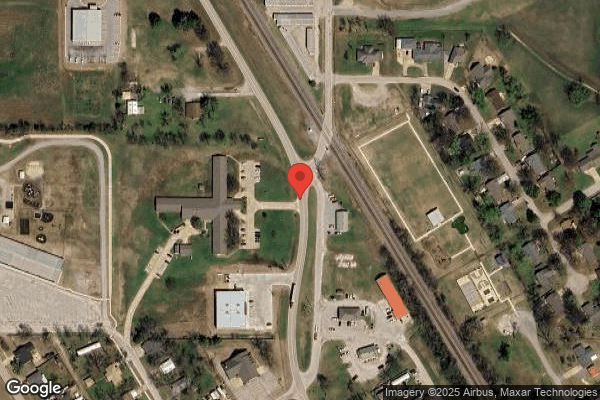
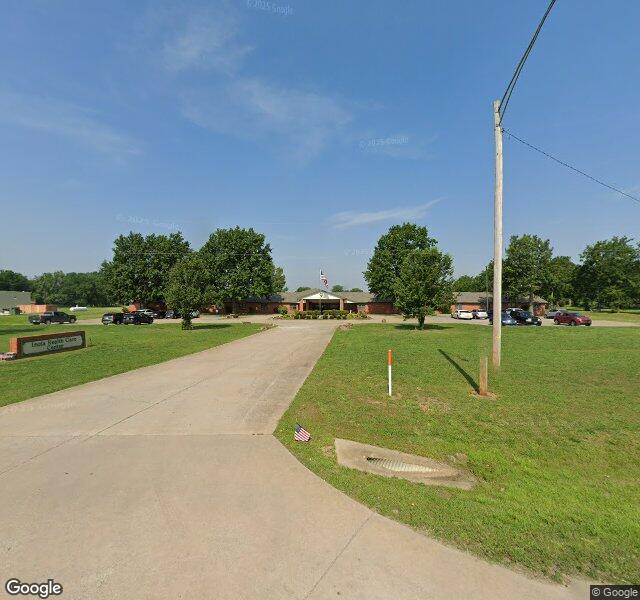
400 NORTH BROADWAY, INOLA, OK 74036 (918) 543-8800
For profit - Limited Liability company 65 Beds Independent Data: November 2025
Trust Grade
50/100
#170 of 282 in OK
Last Inspection: October 2024

Within standard 12-15 month inspection cycle. Federal law requires annual inspections.

Overview

Lane Nursing & Ventilator Care has received a Trust Grade of C, indicating an average performance, placing it in the middle of the pack among nursing homes. In Oklahoma, it ranks #170 out of 282, which means it is in the bottom half of facilities, but is #3 out of 5 in Rogers County, suggesting only two local options are better. The facility is improving, with issues decreasing from 10 in 2024 to just 2 in 2025. Staffing is a concern, as it has less RN coverage than 81% of Oklahoma facilities, despite a decent staff turnover rate of 55%, which is on par with the state average. While there are no fines on record, which is a positive sign, some specific incidents raised concern, including a failure to use proper protective equipment during tracheostomy care and inadequate RN coverage on multiple days, which could jeopardize resident safety. Overall, while there are strengths in the absence of fines and a stabilizing trend in issues, families may want to carefully consider the staffing levels and recent inspection findings when evaluating this facility.

Trust Score
C
50/100
In Oklahoma
#170/282
Bottom 40%
Safety Record
Low Risk
No red flags
Inspections
Getting Better
10 → 2 violations
Staff Stability
⚠ Watch
55% turnover. Above average. Higher turnover means staff may not know residents' routines.
Penalties
✓ Good
No fines on record. Clean compliance history, better than most Oklahoma facilities.
Skilled Nurses
⚠ Watch
Each resident gets only 15 minutes of Registered Nurse (RN) attention daily — below average for Oklahoma. Fewer RN minutes means fewer trained eyes watching for problems.
Violations
⚠ Watch
30 deficiencies on record. Higher than average. Multiple issues found across inspections.
★★☆☆☆
2.0
Overall Rating
★★☆☆☆
2.0
Staff Levels
★★★☆☆
3.0
Care Quality
★★☆☆☆
2.0
Inspection Score
Stable
2024: 10 issues
2025: 2 issues

The Good

  • Full Sprinkler Coverage · Fire safety systems throughout facility
  • No fines on record

Facility shows strength in fire safety.

The Bad

2-Star Overall Rating

Below Oklahoma average (2.6)

Below average - review inspection findings carefully

Staff Turnover: 55%

Near Oklahoma avg (46%)

Higher turnover may affect care consistency

The Ugly 30 deficiencies on record

Mar 2025 2 deficiencies
CONCERN (E) 📢 Someone Reported This

A family member, employee, or ombudsman was alarmed enough to file a formal complaint

Potential for Harm - no one hurt, but risky conditions existed

Accident Prevention (Tag F0689)

Could have caused harm · This affected multiple residents

Based on observation, record review, and interview, the facility failed to ensure power strips were not used to supply power to medical devices for 3 (#17, 21, and #24) of 17 sampled residents reviewe...

Read full inspector narrative →
Based on observation, record review, and interview, the facility failed to ensure power strips were not used to supply power to medical devices for 3 (#17, 21, and #24) of 17 sampled residents reviewed for tracheostomy care. The ADON identified 23 residents had tracheotomies at the facility. Findings: 1. On 03/25/25 at 12:25 p.m., Res #17 was observed in bed. Their flowby machine and suctioning machine were observed to be plugged into a gray power strip. Res #17's admission record, dated 09/22/22, showed the resident had diagnosis which included encounter for attention to tracheostomy. On 03/25/25 at 12:26 p.m., the MDS coordinator stated Res #17's flowby and suctioning machine were plugged into the gray power strip. 2. On 03/25/25 at 12:29 p.m., Res #21 was observed in bed. Their nebulizer and suctioning machine were plugged into a gray power strip. Res #21's admission record, dated 08/19/22, showed the resident had diagnosis which included encounter for attention to tracheostomy. On 03/25/25 at 12:31 p.m., the MDS coordinator stated Res #21's nebulizer and suctioning machine were plugged into a gray power strip. 3. On 03/25/25 at 12:30 p.m., Res #24 was observed in bed. Their ventilator was observed operating and plugged into a black power strip. Res #24's admission record, dated 01/31/25, showed the resident had diagnoses which included muscular dystrophy and acute respiratory failure. On 03/25/25 at 12:31 p.m., the MDS coordinator stated Res #24's ventilator was plugged into a black power strip. On 03/27/25 at 3:20 p.m., the DON stated they did not have a policy for the use of power chords. They stated the medical devices should have been plugged in directly to the outlets on the wall.
CONCERN (F) 📢 Someone Reported This

A family member, employee, or ombudsman was alarmed enough to file a formal complaint

Potential for Harm - no one hurt, but risky conditions existed

Infection Control (Tag F0880)

Could have caused harm · This affected most or all residents

**NOTE- TERMS IN BRACKETS HAVE BEEN EDITED TO PROTECT CONFIDENTIALITY** Based on observation, record review, and interview, the facility failed to ensure: a. residents with indwelling medical devices...

Read full inspector narrative →
**NOTE- TERMS IN BRACKETS HAVE BEEN EDITED TO PROTECT CONFIDENTIALITY** Based on observation, record review, and interview, the facility failed to ensure: a. residents with indwelling medical devices were placed on EBP for 17 (#4, 9, 10, 11, 13, 15, 16, 17, 18, 19, 20, 21, 26, 28, 29, 30, and #31) of 25 sampled resident reviewed for EBP; and b. required PPE was worn by staff while providing tracheostomy care for 3 (#10, 11, and #12) of 3 sampled residents reviewed for tracheostomy care. The ADON identified 21 residents that had tracheostomy tubes in place at the facility and 19 residents that had PEG tubes in place at the facility. Findings: A. On 03/05/25 at 2:32 p.m., a tour of the facility was conducted and 10 rooms (#23, 28, 29, 30, 31, 32, 33, 40, 41, and #43) that were occupied by residents with either a tracheostomy, and PEG tube or both. None of the 10 rooms had a sign or other indicator that the occupants of the room were on EPB. On 03/06/25 at 10:24 a.m., a tour of the facility was conducted. Ten resident rooms (#23, 28, 29, 30, 31, 32, 33, 40, 41, and #43) previously identified as those whose occupants had indwelling medical devices, but and continued to lack EBP indicators. On 03/11/25 at 1:45 p.m., a tour of the facility was conducted. The same 10 rooms (#23, 28, 29, 30, 31, 32, 33, 40, 41, and #43) were occupied by residents with indwelling medical devices and the rooms did not have any type of indicator the residents were on EBP. A document titled Escalation to LTC [Long Term Care] regarding Candida auris at Lane Nursing and Ventilator Care, showed on 05/30/24 the Oklahoma State Department of Health's Healthcare-associated Infections and Antimicrobial Resistance (HAI/AR) program had contacted the facility's DON/IP and conducted a telephone infection control assessment which identified the facility's lack of use of EBP. The document further showed the HAI/AR team conducted an onsite visit to the facility on [DATE] and the team found EBP had not been initiated. An undated document titled Lane Nursing and Vent Infection Control Program Overview, read in part, The goals of the infection control program are to: a. Decrease the risk of infection to residents and personnel b. Monitor for occurrence of infection and implement appropriate control measures c. Identify and correct problems relating to infection control practices d. Insure compliance with state and federal regulations relating to infection control. An undated resident room roster showed which residents had tracheostomies and the room where they resided. The roster showed the ADON wrote on the document Res [ the letter c with a slash above it to stand for the word with] trach[tracheostomy], to identify purpose of the document. The roster identified the following room assignments: a. room [ROOM NUMBER] was occupied by Res #9 and Res #28; b. room [ROOM NUMBER] was occupied by Res #29 and Res #30; c. room [ROOM NUMBER] was occupied by Res #10 and Res #11; d. room [ROOM NUMBER] was occupied by Res #16 and Res #17; e. room [ROOM NUMBER] was occupied by Res #18 and Res #19; f. room [ROOM NUMBER] was occupied by Res #20 and Res #21; g. room [ROOM NUMBER] was occupied by Res #25; h. room [ROOM NUMBER] was occupied by Res #26; and i. room [ROOM NUMBER] was occupied by Res #13 and Res #14. An undated resident room roster showed which residents had PEG tubes and the room where they resided. The roster showed the ADON wrote on the document, Res [ the letter c with a slash above it to stand for the word with] PEG, to identify the purpose of the document. The roster identified the following room assignments: a. room [ROOM NUMBER] was occupied by Res #31; b. room [ROOM NUMBER] was occupied by Res #4; c. room [ROOM NUMBER] was occupied by Res #10 and Res #11; d. room [ROOM NUMBER] was occupied by Res #12; e. room [ROOM NUMBER] was occupied by Res #16 and Res #17; f. room [ROOM NUMBER] was occupied by Res #18 and Res #19; g. room [ROOM NUMBER] was occupied by Res #20 and Res #21; h. room [ROOM NUMBER] was occupied by Res #25; and i. room [ROOM NUMBER] was occupied by Res #26. On 03/11/25 at 2:05 p.m., LPN #1 stated residents on EBP all had a sign on their door and a container of the required PPE outside their door. LPN #1 stated residents were placed on EBP because they had certain types of infections. LPN #1 stated they were unaware of any other reason a person would be on EBP. They stated they had not used EBP PPE for any resident other that those with the EBP signs. On 03/11/25 at 2:08 p.m., LPN #2 stated they can identify residents on EBP by the sign and PPE outside their door. LPN #2 stated they had used standard precautions for the residents without the EBP signs. On 03/11/25 at 2:10 p.m., CMA #1 stated they had used the EBP required PPE for residents with the EBP signs and standard precautions for the other residents. On 03/11/25 at 2:12 p.m., CMA #2 stated they had used EBP PPE only for the residents with the EBP signs. CMA #2 stated they use standard precautions for the other residents. On 03/11/25 at 2:15 p.m., CNA #1 stated residents with certain types of infections were placed on EPB and that required extra PPE. CNA #1 stated they had used standard precautions on the other residents. CNA #1 stated Res #10, 11, and #12 were not on EBP so they had been using standard precautions with them. B. 1. On 03/12/25 at 7:45 a.m., RRT #1 was observed providing tracheostomy care to Res #10. Res #10's assigned room did not have an EBP sign or container of PPE outside of the door. RRT #1 was observed providing the care which included suctioning the resident and replacing the inner cannula. They performed the care with only the use of treatment gloves and cleaning of their hands as infection control measures. Res #10 had diagnoses which included encounter for attention to tracheostomy and encounter for attention to gastrostomy. A document titled Doctor's Orders V2 3 Hole, dated March 2025, showed Res #10 was to receive PEG tube care daily and tracheostomy care twice daily. A document titled Routine/PRN Treatments, dated March 2025, showed Res #10 had received PEG tube care daily on 03/01/25 and 03/11/25. A document titled Respiratory Report, dated March 2025, showed Res #10 had received tracheostomy care on 03/01/25 and 03/11/25. 2. On 03/12/25 at 7:50 a.m., RRT #1 was observed providing tracheostomy care to Res #11. The resident's assigned room did not have an EBP sign or a container of PPE outside of the door. During the care RRT #1 suctioned the resident and replaced the inner cannula. The only infection prevention methods used during the care was the use of treatment gloves and hand washing. Res #11 had diagnoses which included encounter for attention to tracheostomy and encounter for attention to gastrostomy. A document titled Doctor's Orders V2 3 Hole, dated March 2025, showed Res #11 was to receive PEG tube care daily, and tracheostomy care twice daily. A document titled Routine/PRN Treatments, dated March 2025, showed Res #11 had received PEG tube care daily on 03/01/25 through 03/11/25. A document titled Respiratory Report, dated March 2025, showed Res #11 had received tracheostomy care on 03/01/25 through 03/11/25. 3. Res. #12 had diagnoses which included encounter for attention to tracheostomy and encounter for attention to gastrostomy. A document titled Doctor's Orders V2 3 Hole, dated March 2025, showed Res #12 was to receive PEG tube care daily, and tracheostomy care twice daily. A document titled Routine/PRN Treatments, dated March 2025, showed Res #12 had received PEG tube care daily and tracheostomy care twice daily on 03/01/25 through 03/11/25. On 03/12/25 at 7:56 a.m., RRT #1 was observed providing tracheostomy care to Res #12. The resident's assigned room did not have an EBP sign or a container of PPE outside the door. RRT #1 was observed providing the care which included replacing the resident's inner cannula and suctioning. RRT #1 was observed providing the care using only treatment gloves and hand washing as their only protective measures. On 03/12/25 at 8:00 a.m., RRT #1 stated they provide tracheostomy care to residents using gloves and hand washing unless they are on EBP and then they add the use of masks and gowns. RRT #1 stated they had never used gowns and masks unless a resident was on EBP or another type of precaution that would require it. RRT #1 stated they know if a resident was on EBP because of the signs. RRT #1 stated Res #10, 11, and #12 did not have the EBP signs because they did not have the infections that would require them. RRT #1 stated they did know any other reason a person would be put on EBP. On 03/12/25 at 12:45 p.m., the ADON stated Res #10, 11, and #12 had required PEG tube and tracheostomy care at the facility since their admission. On 03/12/25 at 1:15 p.m., the ADON stated they were the infection preventionist at the facility. They stated they understood that EBP was used for residents with certain types of infections and that the use of EBP for residents with PEG tubes and tracheostomies was recommended but not required. They stated they had not used EBP for residents just because they had thracheostomy tubes or PEG tubes. They stated they thought EBP use for those residents was not mandatory.
Oct 2024 7 deficiencies
CONCERN (D)

Potential for Harm - no one hurt, but risky conditions existed

Quality of Care (Tag F0684)

Could have caused harm · This affected 1 resident

Based on interview and record review, the facility failed to ensure weekly skin assessments were completed for one (#7) of five sampled residents reviewed for unnecessary medications. The ADON identif...

Read full inspector narrative →
Based on interview and record review, the facility failed to ensure weekly skin assessments were completed for one (#7) of five sampled residents reviewed for unnecessary medications. The ADON identified 43 residents resided in the facility. Findings: A Pressure Ulcer Risk Assessment policy, revised 10/10, read in part .Skin Assessment. Skin will be assessed for the presence of developing pressure ulcers on a weekly basis or more frequently if indicated .Nurses will conduct skin assessments at least weekly to identify changes . Resident #7 had diagnoses which included paraplegia and pressure ulcer of the sacral region. A physician's order, dated 11/18/19, documented skin assessments were to be completed every week on Thursday. A review of Resident #7's EHR documented weekly skin assessments 08/29/24 through 10/10/24. On 10/22/24 at 10:10 a.m., the ADON stated skin assessments for Resident #7 that were completed prior to 08/29/24 could not be located.
CONCERN (D)

Potential for Harm - no one hurt, but risky conditions existed

Medication Errors (Tag F0758)

Could have caused harm · This affected 1 resident

Based on record review and interview, the facility failed to ensure AIMS assessments were completed for a resident receiving an antipsychotic medication for one (#7) of five sampled residents reviewed...

Read full inspector narrative →
Based on record review and interview, the facility failed to ensure AIMS assessments were completed for a resident receiving an antipsychotic medication for one (#7) of five sampled residents reviewed for unnecessary medications. The ADON identified two residents received antipsychotic medications. Findings: An undated facility policy titled Monitoring of Anti-Psychotics read in part, .Upon initiation of antipsychotic medication therapy .and every three months thereafter, the Abnormal Involuntary Movement Scale (AIMS) or similar test is administered to the resident. The results, and actions taken in response to the results, are recorded in the resident's medical record . Resident #7 had diagnoses which included unspecified psychosis and anxiety disorder. A physician's order, dated 03/25/24, documented Resident #7 was to receive quetiapine fumarate (an antipsychotic medication) 12.5 mg by mouth every evening. A care plan, dated 09/13/24, documented Resident #7 was receiving an antipsychotic medication and AIMS assessments should be completed according to the facility protocol. A review of Resident #7's EHR indicated an AIMS assessment had been completed on 08/28/24. On 10/22/24 at 11:45 am, the ADON stated no other AIMS assessments could be located for Resident #7.
CONCERN (E) 📢 Someone Reported This

A family member, employee, or ombudsman was alarmed enough to file a formal complaint

Potential for Harm - no one hurt, but risky conditions existed

Resident Rights (Tag F0550)

Could have caused harm · This affected multiple residents

Based on observation and interview, the facility failed to ensure residents' dignity was maintained when they received care for two (#8 and #38) of three sampled resident reviewed for dignity. The ADO...

Read full inspector narrative →
Based on observation and interview, the facility failed to ensure residents' dignity was maintained when they received care for two (#8 and #38) of three sampled resident reviewed for dignity. The ADON identified there were 43 residents who resided in the facility. Findings: 1. Resident #8 had diagnoses which included anoxic brain damage and chronic respiratory failure. On 10/21/24 at 11:44 a.m., RT #1 was observed providing vent care to Resident #8. During the care RT #1 did not close the door, the curtain blocking the doorway, or the curtain between Resident #8 and their roommate Resident #29. After completion of the care RT #1 stated they always left the door open so they could hear if someone called them. They stated they left the curtain open because the resident's roommate liked to have it opened. On 10/21/24 at 1:25 p.m., Resident #29 stated it would not bother them at all if the curtain was closed while Resident #8 received care. 2. Resident #38 had diagnoses which included encephalopathy and pressure ulcer of the sacral region, stage four. On 10/22/24 at 8:03 a.m, LPN #2 was observed providing peri-care to Resident #38. During the care the curtain between Resident #38 and their roommate was left open. On 10/22/24 at 8:20 a.m., LPN #2 was asked if anything could have been done different during the care. They stated they should have closed the curtain to maintain Resident #38's dignity. On 10/22/24 at 11:24 a.m., the ADON stated the resident's dignity should always be considered during any type of care. RT #1 and LPN #2 should have closed the doors and curtains.
CONCERN (E) 📢 Someone Reported This

A family member, employee, or ombudsman was alarmed enough to file a formal complaint

Potential for Harm - no one hurt, but risky conditions existed

Deficiency F0638 (Tag F0638)

Could have caused harm · This affected multiple residents

Based on record review and interview, the facility failed to ensure quarterly MDS assessments were completed for three (#13, 37, and #39) of fourteen sampled residents reviewed for MDS assessments. Th...

Read full inspector narrative →
Based on record review and interview, the facility failed to ensure quarterly MDS assessments were completed for three (#13, 37, and #39) of fourteen sampled residents reviewed for MDS assessments. The ADON stated 43 residents resided at the facility. Findings: A facility policy MDS Completion and Submission Timeframe's, dated October 2010, read in part, Our facility will conduct and submit resident assessments in accordance with current federal and state submission time frame. A review of resident records for quarterly MDS assessments found that Residents #13, 37, and #39 assessments were past the creation and submission dates. On 10/22/24 at 12:48 p.m., MDS Coordinator #1 stated they had reviewed the records and found the quarterly MDS assessments for the three residents were indeed late. They stated the quarterly assessments had not been started and that was their mistake. On 10/22/23 at 1:53 p.m., the ADON stated all the MDS assessments needed to be done timely and the assessments not having been started was a violation of their policy.
CONCERN (E) 📢 Someone Reported This

A family member, employee, or ombudsman was alarmed enough to file a formal complaint

Potential for Harm - no one hurt, but risky conditions existed

Comprehensive Care Plan (Tag F0656)

Could have caused harm · This affected multiple residents

Based on observation, record reviewed, and interview, the facility failed to ensure a resident's use of devices for contractures to prevent worsening was care planned for one (#8) of two sampled resid...

Read full inspector narrative →
Based on observation, record reviewed, and interview, the facility failed to ensure a resident's use of devices for contractures to prevent worsening was care planned for one (#8) of two sampled residents reviewed for positioning. The ADON stated 43 residents resided at the facilty. Findings: Resident #8 had diagnoses which included contracture and unspecified hand and coma. A review of Resident #8's care plan, dated 08/14/24, found no documentation regarding the presence or care for hand contractures. On 10/20/24 at 10:46 a.m., Resident #8's hands were observed to be contracted. No devices to protect the hands or prevent further worsening of contractures were observed. On 10/22/24 at 8:21 a.m., Resident #8 was observed to have rolled cloth inside both contracted hands. On 10/22/24 at 1:21 p.m., CNA #6 stated they do keep rolled cloths or carrots (term for a device to place in a persons contacted hand) in the hands of those with contractures. They stated they have to be removed periodically to prevent pain and prevent damage from moisture. They stated they did not know if the use of the devices were care planned. On 10/22/24 at 1:30 p.m., CMA #1 stated they do use carrots or rolled cloth to put in contracted hands. They stated they had taken out some over the weekend before the survey. They were not sure they were in the care plan and just did it from experience. On 10/22/24 at 2:05 p.m., the ADON stated they had reviewed the resident's care plan and physician orders and had found no documentation of the use of carrots for the contractures. They stated the staff did put them in to prevent progression and injury. They stated they are put in and taken out at intervals. They stated the care of the contracture should have been care planned.
CONCERN (E) 📢 Someone Reported This

A family member, employee, or ombudsman was alarmed enough to file a formal complaint

Potential for Harm - no one hurt, but risky conditions existed

Infection Control (Tag F0880)

Could have caused harm · This affected multiple residents

Based on observation and interview, the facility failed to: a. ensure a LPN washed or disinfected their hands while providing wound care to one (#38) of two sampled residents reviewed for wound care; ...

Read full inspector narrative →
Based on observation and interview, the facility failed to: a. ensure a LPN washed or disinfected their hands while providing wound care to one (#38) of two sampled residents reviewed for wound care; and b. have a waterborne pathogen plan. The ADON identified 43 residents resided in the facility. Findings: Resident #38 had diagnoses which included, pressure ulcer of the sacrum, stage four. On 10/22/24 at 8:03 a.m., LPN #2 was observed providing wound care to Resident #38. During wound care LPN #2 was observed repeatedly changing gloves after each step of the process, but failed to wash or disinfect their hands between dirty and clean steps. This resulted in LPN #2 potentially contaminating each set of new gloves after removing the old gloves that came into contact with the resident's body, the wound, and each contaminated wound care product they had used. On 10/22/24 at 9:17 a.m., LPN #2 was asked how often they had washed or disinfected their hands during Resident #38's wound care. They stated, Not one time. On 10/22/24 at 11:53 a.m., the ADON stated during any type of care the staff member must remove their gloves, clean their hands, and replace their gloves before proceeding to the next step. They stated stated LPN #2 had not provided care properly and risked spreading infections. They stated that was not good practice. On 10/23/24 at 9:51 a.m., the administrator stated after searching records they did not believe there was a working waterborne pathogen plan in place. They stated they would contact the maintaince supervisor to be sure. On 10/23/24 at 10:13 a.m., the ADON stated there was no waterborne pathogen plan in place.
CONCERN (F)

Potential for Harm - no one hurt, but risky conditions existed

Deficiency F0727 (Tag F0727)

Could have caused harm · This affected most or all residents

Based on record review and interview, the facility failed to ensure RN coverage for eight consecutive hours, seven days per week. The ADON identified 43 residents resided in the facility. Findings: A...

Read full inspector narrative →
Based on record review and interview, the facility failed to ensure RN coverage for eight consecutive hours, seven days per week. The ADON identified 43 residents resided in the facility. Findings: A PBJ Staffing Report, dated 04/01/24 through 06/30/24, did not document any RN hours for 04/06/24, 04/07/24, 04/20/24, 04/27/24, 04/28/24, 05/05/24, 05/11/24, 05/12/24, 05/18/24, 05/19/24, 05/26/24, 05/27/24, 06/01/24, 06/02/24, 06/08/24, 06/09/24, and 06/16/24. On 10/22/24 at 8:25 a.m., the interim administrator stated they did not have documentation of RN coverage for those dates.
May 2024 1 deficiency
CONCERN (D) 📢 Someone Reported This

A family member, employee, or ombudsman was alarmed enough to file a formal complaint

Potential for Harm - no one hurt, but risky conditions existed

Free from Abuse/Neglect (Tag F0600)

Could have caused harm · This affected 1 resident

Based on record review and interview, the facility failed to ensure residents were free from abuse for one (#3) of three residents sampled for abuse. The director of nursing identified 41 residents r...

Read full inspector narrative →
Based on record review and interview, the facility failed to ensure residents were free from abuse for one (#3) of three residents sampled for abuse. The director of nursing identified 41 residents resided in the facility. An undated facility policy, titled Abuse Prohibition Policy and Procedure , documented in parts . Procedure: Inola Healthcare and Rehab is committed to protecting our residents from abuse by anyone including, but not limited to: facility staff, other residents, consultants, volunteers, staff, and other agencies providing services Resident #3 had diagnoses which included epilepsy, anxiety, and stroke. Resident #1 had diagnoses which included hypertension, encephalopathy, and chronic pain. An incident report, dated 05/01/24, documented that while Resident #3 was trying to sleep, Resident #1 had their cell phone playing loud music and was singing loudly up and down the hallway. When Resident #3 asked Resident #1 to turn the music down and to not sing loudly Resident #1 called Resident #3 fat and a bitch. A care plan for Resident #1, dated 05/18/23, documented the resident demonstrates impulsive behavior. The care plan documented a goal that the resident would be redirected and educated when impulsive behavior occurs and would follow the policy and procedures of the facility. On 05/28/24, at 10:15 a.m., CNA #3 stated Resident #1 calls residents and staff vulgar names. On 05/28/24, at 10:20 a.m., LPN #2 stated Resident #1 yells and curses at residents and staff. The Resident #1 is very confrontational. On 05/28/24, at 11:15 a.m., LPN #1 stated Resident #1 intentionally antagonizes other residents. The police have been called to the facility several times due to the residents behaviors. On 05/28/24, at 2:30 p.m., the social services director stated, when Resident #1 has behavioral outbursts he does it affront of other residents and it causes the residents fear and anxiety. On 05/29/24, at 1:15 p.m., the administrator stated Resident #1 is causing fear and anxiety among other residents to the point that some of them cry. To stop recurrence the medical director has written an order for discharge and they have given the resident a 30 day discharge notice. The Resident #1 is appealing the 30 day discharge and they have a hearing on 06/04/24. The administrator stated they try to redirect the resident when they become belligerent and separate him from other residents. The police have been called to the facility several times due to Resident #1's behavior.
Mar 2024 1 deficiency
CONCERN (D) 📢 Someone Reported This

A family member, employee, or ombudsman was alarmed enough to file a formal complaint

Potential for Harm - no one hurt, but risky conditions existed

Accident Prevention (Tag F0689)

Could have caused harm · This affected 1 resident

Based on record review and interview, the facility failed to ensure the required number of staff were present when the mechanical lifts were operated for one (#1) of one resident reviewed for mechanic...

Read full inspector narrative →
Based on record review and interview, the facility failed to ensure the required number of staff were present when the mechanical lifts were operated for one (#1) of one resident reviewed for mechanical lifts. Findings: Resident #1 had diagnoses which included chronic pain, anxiety, and pulmonary edema A care plan, dated 08/11/23, documented the resident required two person assist with transfers using a Hoyer lift. An Incident Report, dated 03/05/24, read in part, .Staff attempted to put resident in his wheel chair using the Hoyer Lift. While trying to put resident back in .chair resident slid off the chair into the floor. Staff was educated on Hoyer use and the importance of two staff members when using lifts. On 03/11/24 at 2:00 p.m., CNA #4 was asked if they had received an in-service regarding the use of a mechanical lift. They stated, No. On 03/11/24 at 2:05 p.m., CNA #1 and CNA #2 were asked if they had received an in service regarding the use of a mechanical lift. They stated no. On 03/11/24 at 2:10 p.m., CNA #3 and CNA #5 were asked if they had received an in service regarding the use of a mechanical lift. They stated no. On 03/11/24 at 2:15 p.m., CNA #6 was asked if they had received an in service regarding the use of a mechanical lift. They stated no. ON 03/11/24 at 3:15 p.m., the DON stated two people were required to utilize a mechanical lift.
Feb 2024 1 deficiency
CONCERN (D) 📢 Someone Reported This

A family member, employee, or ombudsman was alarmed enough to file a formal complaint

Potential for Harm - no one hurt, but risky conditions existed

Report Alleged Abuse (Tag F0609)

Could have caused harm · This affected 1 resident

Based on record review and interview, the facility failed to ensure an alleged violation of resident to resident abuse was reported to the state agency for two (#1 and #3) of three sampled residents r...

Read full inspector narrative →
Based on record review and interview, the facility failed to ensure an alleged violation of resident to resident abuse was reported to the state agency for two (#1 and #3) of three sampled residents reviewed for abuse. The administrator identified 41 residents resided in the facility. Findings: An Abuse Prohibition Policy and Procedure, revised 10/30/23, read in parts, .All suspected violations and all substantiated incidents of abuse will be immediately reported to appropriate state agencies and other entities or individuals as may be required by law .Should a suspected violation or substantiated incident of .abuse (including resident to resident) be reported, the Administrator, or his/her designee, will promptly notify .The State licensing/certification agency responsible for surveying/licensing the facility . 1. Res #1 had diagnoses which included depression. A quarterly resident assessment, dated 11/20/23, documented the resident's cognition was intact. A social service note, dated 02/01/24, documented Res #1 was approached before breakfast time by another resident in an electric wheelchair. It was documented the other resident was hollering and screaming at the nurses' station about Res #1. It was documented Res #1 was coming in from being outside and the other resident started cussing and threatening Res #1. It was documented the other resident tried to run over Res #1 with their electric wheelchair. It was documented the facility administrator was called. On 02/06/24 at 11:27 a.m., Res #1 was interviewed about facility abuse and stated they had a problem with Res #3. They stated Res #3 tried to run them over in their electric wheelchair last week. They stated Res #3 ran into staff instead. They stated Res #3's call light was on the day before and they asked Res #3 if they needed help. They stated Res #3 told them they did not work at the facility and to get out of their room. They stated they were not afraid of Res #3. 2. Res #3 had diagnoses which included depression and pain. A quarterly resident assessment, dated 01/15/24, documented the resident's cognition was intact. On 02/06/24 at 12:44 p.m., Res #3 was interviewed about abuse. They stated Res #1 was a pedophile and they were sick. They stated they had there was an incident where they had their call light on and Res #1 came into their room and they were told to get out. On 02/06/24 at 4:45 p.m., the administrator provided documentation they had on file in their records for an incident involving Res #1 and Res #3. It was documented on 02/01/24 they were called about an incident that was occurring between two residents and employees. It was documented they arrived at the building and started an investigation. It was documented on 01/31/24 Res #1 knocked on Res #3 door because their call light was on. It was documented Res #1 asked Res #3 if they needed help because their call light was on. It was documented Res #3 stated they did not need Res #1's help. It was documented Res #3 yelled at Res #1 telling them they did not work there and to get out of their room. It was documented on 02/01/24 Res #1 was coming in the building from feeding the outside cat. It was documented Res #3 approached Res #1 in their motorized scooter and started yelling and cursing at them. It was documented staff intervened and had Res #1 go behind the nurses desk in an attempt to separate them from Res #3. It was documented Res #3 became agitated at staff and pushed one of them up against the nurses desk with their scooter. It was documented Res #1 called the police to come intervene. There was no documentation the incident was reported to the state agency. On 02/07/24 at 11:30 a.m., the administrator was asked if the incident which occurred on 02/01/24 between Res #1 and Res #3 was reported to the state agency. They stated, No. They stated they did not consider the yelling and cussing to be abusive.
Oct 2023 1 deficiency
CONCERN (D) 📢 Someone Reported This

A family member, employee, or ombudsman was alarmed enough to file a formal complaint

Potential for Harm - no one hurt, but risky conditions existed

Abuse Prevention Policies (Tag F0607)

Could have caused harm · This affected 1 resident

**NOTE- TERMS IN BRACKETS HAVE BEEN EDITED TO PROTECT CONFIDENTIALITY** Based on record review and interview, the facility failed to implement their abuse policy to investigate an injury of unknown or...

Read full inspector narrative →
**NOTE- TERMS IN BRACKETS HAVE BEEN EDITED TO PROTECT CONFIDENTIALITY** Based on record review and interview, the facility failed to implement their abuse policy to investigate an injury of unknown origin for one (#1) of one sampled resident reviewed for injuries of unknown origin. The administrator reported the census was 47. Findings: An undated policy titled Abuse Prohibition Policy and Procedure, read in part, .all staff are to carefully observe unexplained bruises or abrasions. Upon identification of such a change, the staff member should report the findings immediately to his/her immediate supervisor or the Abuse Coordinator (Administrator). If unable to reach the Abuse Coordinator the Director of Nurses should be notified .Signs of/ Actual Physical Abuse .Fractures, dislocations or sprains of questionable origin .All suspected violations and all substantiated incidents of abuse will be immediately reported to appropriate state agencies and other entities or individuals as may be required by law . Resident #1 had diagnoses which included acute respiratory failure and dysphagia. A quarterly assessment, dated 08/07/23, documented the resident was in a persistent vegetative state and was totally dependent on staff for care. A nurse note, dated 09/17/23 at 2:27 p.m., documented on 09/16/23 at 8:00 a.m., the nurse noticed Resident #1's wrist looked swollen and was warm to the touch and that the nurse contacted the physician to get an order for an X-ray. The note further documented the results from the X-ray were returned to the facility on [DATE] around 7:00 a.m. and the results were inconclusive. The physician was notified, and they ordered another X-ray. The note further documented the second X-ray was taken around 1:00 p.m., and the nurse viewed on the monitor that the wrist looked dislocated. The note documented the family and physician were notified, and the resident was sent to the hospital for treatment. An Incident/Accident Report, dated 09/17/23, documented Resident #1's left wrist was possibly dislocated, and the incident was unwitnessed. A nurse note, dated 9/17/23 at 9:00 p.m., documented the hospital called the facility to let them know Resident #1 had a slight dislocation and a hairline fracture of the left wrist and would be returned to the facility. On 10/10/23 at 2:50 p.m., LPN #3 stated on 09/16/23 the resident's wrist was swollen, warm, and looked funny. They stated they thought it might have been dislocated. LPN #3 stated they notified the physician and then contacted the ADON. They reported they were unsure if an investigation took place or why the administrator was not notified until 09/17/23. At 3:30 p.m., the owner, who was functioning as the administrator at the time of the incident, stated that they were notified of the incident on 09/17/23 at 2:40 p.m., and they filed an OSDH form 283 with the Oklahoma State Department of Health within two hours of them being notified. They also stated that the nurse that noticed the injury on 09/16/23 should have notified them so they could have filed the OSDH form 283 at that time. At 3:53 p.m., the DON stated no cognitive residents were interviewed, no staff members were interviewed, and no other residents were assessed related to this incident. They stated no investigation was done because the injury was not acute due to the resident being diagnosed with osteopenia at the hospital on [DATE].
Aug 2023 10 deficiencies
CONCERN (D)

Potential for Harm - no one hurt, but risky conditions existed

Assessment Accuracy (Tag F0641)

Could have caused harm · This affected 1 resident

Based on record review and interview, the facility failed to ensure accurate coding of MDS assessments for anticoagulant use for one (#35) and for antipsychotic use for one (#25) of 13 sampled residen...

Read full inspector narrative →
Based on record review and interview, the facility failed to ensure accurate coding of MDS assessments for anticoagulant use for one (#35) and for antipsychotic use for one (#25) of 13 sampled residents whose MDS assessments were reviewed. The Resident Census and Conditions of Residents form documented 47 residents resided in the facility. Findings: 1. Res #35 admitted to the facility with diagnoses which included respiratory failure, atrial fibrillation, and hypertension. A quarterly assessment, dated 05/23/23, documented Res #35 received an anticoagulant seven out of seven days of the look back period. Res #35's records were reviewed and did not document an order for an anticoagulant during the review period. 2. Res #25 admitted to the facility with diagnoses which included anxiety. A quarterly assessment, dated 06/20/23, documented the resident had received an antipsychotic seven out of seven days of the look back period. Res #25's records were reviewed and did not document an order for an antipsychotic during the review period. On 08/22/23 at 10:23 a.m., the MDS Coordinator #1 stated the MDS assessments were coded incorrectly.
CONCERN (D)

Potential for Harm - no one hurt, but risky conditions existed

PASARR Coordination (Tag F0644)

Could have caused harm · This affected 1 resident

Based on record review and interview, the facility failed to complete a new PASARR Level I assessment when a new serious mental illness diagnosis was received for one (#1) of one sampled resident revi...

Read full inspector narrative →
Based on record review and interview, the facility failed to complete a new PASARR Level I assessment when a new serious mental illness diagnosis was received for one (#1) of one sampled resident reviewed for PASARR assessments. The Resident Census and Census and Conditions of Residents report, dated 08/20/23, documented 47 residents resided in the facility. Findings: A Level I PASARR, dated 05/12/17, documented Res #1 did not have a serious mental illness. On 04/12/21, Res #1 had new diagnosis of delusional disorder. There was no documentation the OHCA had been contacted to see if a Level II PASARR was required. On 08/21/23 at 7:27 a.m., the MDS coordinator was asked to provide documentation the OHCA was notified when Res #1 had new diagnosis of delusional disorder to see if a Level II PASARR was required. On 08/22/23 at 10:42 a.m., the MDS coordinator stated the facility did not contact the OHCA.
CONCERN (E)

Potential for Harm - no one hurt, but risky conditions existed

Deficiency F0657 (Tag F0657)

Could have caused harm · This affected multiple residents

Based on record review and interview, the facility failed to ensure care plans were reviewed and revised after a quarterly assessment for three (#14, 25, and #33) of 13 sampled residents whose care pl...

Read full inspector narrative →
Based on record review and interview, the facility failed to ensure care plans were reviewed and revised after a quarterly assessment for three (#14, 25, and #33) of 13 sampled residents whose care plans were reviewed. The Resident Census and Conditions of Residents form documented 47 residents resided in the facility. Findings: 1. Res #33 admitted to the facility with diagnoses of chronic respiratory failure, attention to tracheostomy, chronic atrial fibrillation, and attention to gastrostomy. Review of the clinical record revealed the care plan for Res #33 was last revised on 04/20/23. A review of the clinical record for Res #33 revealed a quarterly assessment was completed on 08/07/23. 2. Res #14 admitted to the facility with diagnoses of attention to tracheostomy, anoxic brain damage, anxiety disorder, and attention to gastrostomy. Review of the clinical record revealed the care plan for Res #14 was last revised on 02/03/23. A review of the clinical record for Res #14 revealed a quarterly assessment was completed on 05/23/23. 3. Res #25 admitted to the facility with diagnoses of anxiety, generalized edema, congestive heart failure, dyspnea, and hyperlipidemia. Review of the clinical record revealed the care plan for Res #25 was last revised on 12/22/22. Review of the clinical record for Res #25 revealed a quarterly assessment was completed on 06/20/23. On 08/28/23 at 12:14 a.m., MDS Coordinator #1 reported the care plans should have been reviewed/revised with the quarterly assessments.
CONCERN (E) 📢 Someone Reported This

A family member, employee, or ombudsman was alarmed enough to file a formal complaint

Potential for Harm - no one hurt, but risky conditions existed

ADL Care (Tag F0677)

Could have caused harm · This affected multiple residents

Based on record review and interview, the facility failed to ensure four (#14, 33, 36, and #46) of 13 sampled residents were turned and repositioned based on professional standards of practice. The Re...

Read full inspector narrative →
Based on record review and interview, the facility failed to ensure four (#14, 33, 36, and #46) of 13 sampled residents were turned and repositioned based on professional standards of practice. The Resident Census and Census and Conditions of Residents report, dated 08/20/23, documented 47 residents resided in the facility. Findings: A Repositioning policy, dated October 2010 documented residents who are in bed should be on an every two hour turning program. 1. Res #14 admitted to the facility with diagnoses of anoxic brain damage, attention to tracheostomy, attention to gastrostomy, contracture- unspecified knee, hand, and hip. A quarterly assessment, dated 05/23/23, documented the resident's cognition was severely impaired and required total assistance with all ADL's. An ADL log, dated August 2023, documented 13 missed opportunities to turn and reposition the resident. 2. Res #33 admitted to the facility with diagnoses of chronic respiratory failure, attention to tracheosotomy, attention to gastrostomy, and pain unspecified. A quarterly assessment, dated 08/07/23, documented the resident's cognition was severely impaired and required total assistance with all ADL's. An ADL log, dated August 2023, documented 13 missed opportunities to turn and reposition the resident. 3. Res #36 admitted to the facility with diagnoses of attention to tracheostomy, attention to gastrostomy, unsprcified convulsions, and other muscle spasms. A quarterly assessment, dated 05/15/23, documented the resident's cognition was severely impaired and required total assistance with all ADL's. An ADL log, dated August 2023, documented 12 missed opportunities to turn and reposition the resident. 4. Res #46 admitted to the facility with diagnoses of respiratory failure, attention to tracheostomy, attention to gastrostomy, and cerebral vascular accident. An admission assessment, dated 07/15/23, documented the resident's cognition was severely impaired and required total assistance with all ADL's. An ADL log, dated August 2023, documented 13 missed opportunities to turn and reposition the resident. On 08/28/23 at 2:40 p.m., the ADON was shown the ADL logs and stated the residents should have been turned and repositioned every two hours.
CONCERN (E) 📢 Someone Reported This

A family member, employee, or ombudsman was alarmed enough to file a formal complaint

Potential for Harm - no one hurt, but risky conditions existed

Quality of Care (Tag F0684)

Could have caused harm · This affected multiple residents

Based on record review and interview, the facility failed to ensure physician orders were followed for obtaining monthly vital signs for three (#1, 7, and #30) of 13 sampled residents whose medical re...

Read full inspector narrative →
Based on record review and interview, the facility failed to ensure physician orders were followed for obtaining monthly vital signs for three (#1, 7, and #30) of 13 sampled residents whose medical records were reviewed. The Resident Census and Census and Conditions of Residents report, dated 08/20/23, documented 47 residents resided in the facility. Findings: A Charting and Documentation policy, revised April 2008, documented all observations, medications administered, and services performed must be documented in the resident's clinical record. 1. Res #1 had diagnoses which included paraplegia, hypertension, and hyperlipidemia. A physician order, dated 04/24/19, documented to record vitals monthly. A care plan, revised 08/11/23, documented to monitor vital signs per orders. There were no vital signs documented for June 2023 or July 2023 in Res #1's clinical record. 2. Res #7 had diagnoses which included multiple sclerosis, hypertension, and acute kidney failure. A physician order, dated 01/26/23, documented to record vitals monthly. A care plan, dated 02/03/23, documented to monitor vital signs per orders. There were no vital signs documented for June 2023 or July 2023 in Res #7's clinical record. 3. Res #30 had diagnoses which included respiratory failure, hypertension, and paroxysmal atrial fibrillation. A physician order, dated 06/23/19, documented to record vitals monthly. A care plan, revised 08/11/23, documented to monitor vital signs per orders. There were no vital signs documented for June 2023 or July 2023 in Res #30's clinical record. On 08/21/23 at 8:33 a.m., LPN #1 stated nurses are responsible for obtaining and documenting monthly vital signs in the residents' TAR. On 08/21/23 at 3:32 p.m., the ADON stated monthly vital signs should have been documented in the residents' TAR.
CONCERN (E)

Potential for Harm - no one hurt, but risky conditions existed

Deficiency F0700 (Tag F0700)

Could have caused harm · This affected multiple residents

**NOTE- TERMS IN BRACKETS HAVE BEEN EDITED TO PROTECT CONFIDENTIALITY** Based on observation, record review, and interview, the facility failed to ensure residents were assessed for the need of bed ra...

Read full inspector narrative →
**NOTE- TERMS IN BRACKETS HAVE BEEN EDITED TO PROTECT CONFIDENTIALITY** Based on observation, record review, and interview, the facility failed to ensure residents were assessed for the need of bed rails and informed consent was obtained prior to the use of bed rails for one (#5) of three residents reviewed for accident hazards. The ADON identified 19 residents whose beds were equipped with a bed rail of any type. Findings: A Proper Use of Side Rails policy, revised October 2010, read in part, .An assessment will be made to determine the resident's symptoms or reason for using side rails .Documentation will indicate if less restrictive approaches are not successful, prior to considering use of side rails .Consent for using restrictive devices will be obtained from the resident or legal representative, after presenting potential benefits and risks .While the resident or family (representative) may request a restraint, the facility is responsible for evaluating the appropriateness of that request .The resident will be checked periodically for safety relative to side rail use . Res #5 was admitted [DATE] with diagnoses which included diffuse traumatic brain injury with loss of consciousness, myalgia, and weakness. A physician order, dated 01/10/17, documented full padded rails while in bed. An annual assessment, dated 03/01/23, documented the resident was severely cognitively impaired; required total assistance with bed mobility and transfers; and used bed rails daily. A care plan, dated 03/31/23, documented the resident was dependent on staff for transfers with an intervention of full padded side rails times two for safety. There was no documentation of an assessment for bed rails or informed consent for bed rails found in the clinical record. On 08/20/23 at 11:15 a.m., Res #5 was observed lying in bed with a full padded side rail in the up position on each side of the bed. The resident was observed awake and alert but non-verbal. On 08/22/23 at 12:00 p.m., the ADON was asked to provide documentation of a bed rail assessment and informed consent of bed rail use with explanation of alternatives for Res #5. On 08/22/23 at 3:52 p.m., the ADON stated no current assessment for the use of bed rails, documentation of alternatives, or informed consent of use for Res #5 could be located. The ADON stated the resident had utilized full bed rails since 2017 per family request but documentation of consent had not been maintained.
CONCERN (E)

Potential for Harm - no one hurt, but risky conditions existed

Deficiency F0730 (Tag F0730)

Could have caused harm · This affected multiple residents

Based on record review and interview, the facility failed to perform annual nurse aide performance reviews. The Resident Census and Conditions of Residents form documented 47 residents resided in the ...

Read full inspector narrative →
Based on record review and interview, the facility failed to perform annual nurse aide performance reviews. The Resident Census and Conditions of Residents form documented 47 residents resided in the facility. Findings: On 08/22/23 at 2:00 p.m., the annual nurse aid performance reviews were requested. On 08/22/23 at 3:19 p.m., the ADON stated she could not locate the annual nurse aid performance reviews.
CONCERN (E)

Potential for Harm - no one hurt, but risky conditions existed

Deficiency F0847 (Tag F0847)

Could have caused harm · This affected multiple residents

Based on record review and interview, the facility failed to explicitly inform the resident or his or her representative of their right not to sign an arbitration agreement and explicitly grant the re...

Read full inspector narrative →
Based on record review and interview, the facility failed to explicitly inform the resident or his or her representative of their right not to sign an arbitration agreement and explicitly grant the resident or their representative the right to rescind an arbitration agreement within 30 calendar days of signing it. The administrator documented 35 residents had entered into binding arbitration agreements. Findings: A Mandatory Arbitration excerpt, undated, was reviewed for explicit language documenting the resident's right to not sign and/or the right to rescind the agreement within 30 days of signing. The document did not contain the explicit statements. On 08/21/23 at 9:47 a.m., the administrator was asked to review the mandatory arbitration excerpt from the admission packet. The administrator stated they were unaware of the required explicit statements and would probably remove the arbitration agreement from the facility's admission packet going forward. On 08/28/23 at 10:58 a.m., the social services director was asked how the arbitration agreement was presented to residents. They stated it was part of the admission packet and they explained it during admission on how to file a complaint or grievance. They stated they were not aware if the arbitration agreement documented it was optional, not a requirement of admission, or could be rescinded within 30 days of signing.
CONCERN (E)

Potential for Harm - no one hurt, but risky conditions existed

Deficiency F0848 (Tag F0848)

Could have caused harm · This affected multiple residents

Based on record review and interview, the facility failed to ensure arbitration agreements provided for the selection of a venue that was convenient to both parties and the selection of a neutral arbi...

Read full inspector narrative →
Based on record review and interview, the facility failed to ensure arbitration agreements provided for the selection of a venue that was convenient to both parties and the selection of a neutral arbitrator agreed upon by both parties. The administrator documented 35 residents had entered into binding arbitration agreements. Findings: The arbitration agreement was reviewed and did not reveal a statement which provided for the selection of a neutral arbitrator agreed upon by both parties or venue which was convenient for both parties. On 08/21/23 at 9:47 a.m., the administrator was asked to review the mandatory arbitration excerpt from the admission packet. The administrator stated they were unaware of the required explicit statements and would probably remove the arbitration agreement from the facility's admission packet going forward. On 08/28/23 at 10:58 a.m., the social services director was asked how the arbitration agreement was presented to residents. They stated it was part of the admission packet and they explained the agreement during admission on how to file a complaint or grievance. They stated they were unaware of the requirements which pertained to the selection of a convenient venue or neutral arbitrator agreed upon by both parties.
CONCERN (E)

Potential for Harm - no one hurt, but risky conditions existed

Deficiency F0909 (Tag F0909)

Could have caused harm · This affected multiple residents

**NOTE- TERMS IN BRACKETS HAVE BEEN EDITED TO PROTECT CONFIDENTIALITY** Based on observation, record review, and interview, the facility failed to conduct regular inspections of all bed frames, mattre...

Read full inspector narrative →
**NOTE- TERMS IN BRACKETS HAVE BEEN EDITED TO PROTECT CONFIDENTIALITY** Based on observation, record review, and interview, the facility failed to conduct regular inspections of all bed frames, mattresses, and bed rails as part of a regular maintenance program to identify areas of possible entrapment for one (#5) of three residents reviewed for accident hazards. The ADON identified 19 residents whose beds were equipped with a bed rail of any type. Findings: A Bed Safety policy, revised December 2007, read in parts, .To try to prevent death/injuries from the beds and related equipment (including the frame, mattress, side rails, headboard, footboard, and bed accessories), the facility shall promote the following approaches: inspection by maintenance staff of all beds and related equipment as part of our regular bed safety program to identify risks and problems including potential entrapment risks .The maintenance department shall provide a copy of inspections to the administrator and report results to the QA committee for appropriate action. Copies of the inspection results and QA committee recommendations shall be maintained by the administrator and/or safety committee . Res #5 was admitted [DATE] with diagnoses which included diffuse traumatic brain injury with loss of consciousness, myalgia, and weakness. A physician order, dated 01/10/17, documented full padded rails while in bed. An annual assessment, dated 03/01/23, documented the resident was severely cognitively impaired, required total assistance with bed mobility and transfer, and used bed rails daily. A care plan, dated 03/31/23, documented the resident was dependent on staff for transfers with an intervention of full padded side rails times two for safety. On 08/20/23 at 11:15 a.m., Res #5 was observed lying in bed with a full padded side rail in the up position on each side of the bed. The resident was observed awake and alert but non-verbal. On 08/22/23 at 12:00 p.m., the ADON was asked to provide documentation of regular bed rail inspections for Res #5. On 08/22/23 at 3:52 p.m., the ADON stated the resident had utilized full bed rails since 2017 per family request but documentation of regular bed rail inspections had not been maintained. On 08/22/23 at 4:05 p.m., the maintenance director stated documentation of regular bed rail inspections or maintenance for Res #5 had not been maintained.
Mar 2023 1 deficiency
CONCERN (D) 📢 Someone Reported This

A family member, employee, or ombudsman was alarmed enough to file a formal complaint

Potential for Harm - no one hurt, but risky conditions existed

Abuse Prevention Policies (Tag F0607)

Could have caused harm · This affected 1 resident

Based on record review and interview the facility failed to implement their abuse policy to investigate an allegation of misappropriation for one of one residents reviewed for misappropriation. The R...

Read full inspector narrative →
Based on record review and interview the facility failed to implement their abuse policy to investigate an allegation of misappropriation for one of one residents reviewed for misappropriation. The Resident Census and Conditions of Residents form, documented 48 residents residing in the facility. Findings: An undated policy titled Abuse Prohibition Policy and Procedure, read in part .all suspected violations and all substantiated incidents of abuse will be immediately reported to appropriate state agencies and other entities or individuals as may be required by law. Review of the facility's incident and investigations did not document an investigation for misappropriation of resident medication. On 03/22/23 at 5:00 p.m., the DON was asked the policy for an alleged medication diversion. They stated, there would be an investigation started, and the physician would be notified. The CMA would be counseled, written up, and possibly terminated. The DON was asked if there had recently been an allegation of a drug diversion reported. The DON stated yes, a nurse, who had been terminated, came to the DON's office and stated they had been asked by another nurse to give a resident's Morphine to another resident because they were in pain and didn't have an order for pain medication, and the family had declined hospice care. The DON asked if a report had been made to the OSDH. They answered, No, I did my own investigation and determined it wasn't true. The investigation notes were requested. They replied, I didn't keep my notes because I felt it wasn't true. On 03/22/23 at 5:30 p.m., the Administrator was asked if she was aware of allegations made regarding medication misappropriation. She state no and that it should be reported and investigated.
Oct 2021 6 deficiencies
CONCERN (D)

Potential for Harm - no one hurt, but risky conditions existed

Assessment Accuracy (Tag F0641)

Could have caused harm · This affected 1 resident

**NOTE- TERMS IN BRACKETS HAVE BEEN EDITED TO PROTECT CONFIDENTIALITY** Based on interview and record review, the facility failed to ensure Minimum Data Set (MDS) (a resident assessment tool used to i...

Read full inspector narrative →
**NOTE- TERMS IN BRACKETS HAVE BEEN EDITED TO PROTECT CONFIDENTIALITY** Based on interview and record review, the facility failed to ensure Minimum Data Set (MDS) (a resident assessment tool used to identify resident care needs) accurately reflected the resident's current status for one (#40) of 15 sampled residents whose MDSs were reviewed. The DON identified 39 residents who resided in the facility. Findings: Resident #40 had diagnoses which included cerebral palsy. The Functional Maintenance Plan, dated 06/01/20, documented the resident was to receive bilateral upper and lower active/passive range of motion from the CNA's to help maintain her current level of functioning two to three times per week. An annual MDS, dated [DATE], documented the resident had no limitation in range of motion for the upper or lower extremities. On 10/26/21 at 11:54 a.m., the resident was observed in bed with her eyes closed. Her right arm/hand was observed to be bent at the elbow/wrist. During random observations throughout the survey the resident was observed to utilize her left arm/hand at times but the right arm/hand remained bent at the elbow/wrist. On 10/28/21 at 3:22 p.m., CNA #1 was asked about the resident's range of motion. She stated her arms were a little contracted. She stated she could move her left arm fairly easily but her right arm was pretty contracted. On 10/28/21 at 3:26 p.m., RN #1 was asked about the resident's range of motion. She stated she kept her right arm bent at the elbow but still had some strength because she propelled her wheelchair at times. She was asked if she utilized both arms to propel herself in the wheelchair. She stated she only used her left arm. On 10/29/21 at 10:13 a.m., the MDS/CP coordinator was asked if the resident had limited range of motion. She stated her right arm had limited range of motion. She was asked why the limited range of motion had not been identified on the annual MDS, dated [DATE], to accurately reflect the resident's current status. She stated an impairment to one side of the resident's upper extremity should have been coded.
CONCERN (D)

Potential for Harm - no one hurt, but risky conditions existed

Comprehensive Care Plan (Tag F0656)

Could have caused harm · This affected 1 resident

Based on observation, interview and record review, the facility failed to ensure a care plan had been developed for residents with limited range of motion for one (#40) of two sampled residents who we...

Read full inspector narrative →
Based on observation, interview and record review, the facility failed to ensure a care plan had been developed for residents with limited range of motion for one (#40) of two sampled residents who were reviewed for position/mobility. The DON identified 16 residents who were on a functional maintenance plan for limited range of motion. Findings: Resident #40 had diagnoses which included cerebral palsy. The Functional Maintenance Plan, dated 06/01/20, documented the resident was to receive bilateral upper and lower active/passive range of motion from the CNA's to help maintain her current level of functioning two to three times per week. Review of the resident's care plan, updated 04/22/21, did not reveal a care plan, goals, or interventions had been implemented regarding the resident's limited range of motion or the functional maintenance plan. On 10/26/21 at 11:54 a.m., the resident was observed in bed with her eyes closed. Her right arm/hand was observed bent at the elbow/wrist. During random observations throughout the survey the resident was observed to utilize her left arm/hand at times but the right arm/hand remained bent at the elbow/wrist. On 10/28/21 at 3:22 p.m., CNA #1 was asked about the resident's range of motion. She stated her arms were a little contracted. She stated the resident could move her left arm fairly easily but her right arm was pretty contracted. She was asked what interventions were in place for the resident's limited range of motion. She stated they tried to perform range of motion exercises when the resident was repositioned in bed. On 10/28/21 at 3:26 p.m., RN #1 was asked about the resident's range of motion. She stated she kept her right arm bent at the elbow but still had some strength because she propelled her wheelchair at times. She was asked if she utilized both arms to propel her self. She stated she only used her left arm. She was asked what interventions had been implemented to prevent a decline/maintain the resident's range of motion. She stated the CNAs provided some range of motion during incontinent care. On 10/29/21 at 10:13 a.m., the MDS/CP coordinator was asked if the resident had limited range of motion. She stated her right arm had limited range of motion. She was asked why the care plan did not reflect the limited range of motion with goals and interventions. She stated the care plan should have addressed the limited range of motion. She stated she had missed developing a care area for the range of motion.
CONCERN (D)

Potential for Harm - no one hurt, but risky conditions existed

Deficiency F0661 (Tag F0661)

Could have caused harm · This affected 1 resident

**NOTE- TERMS IN BRACKETS HAVE BEEN EDITED TO PROTECT CONFIDENTIALITY** Based on interview and record review it was determined the facility failed to provide a written reconciliation of medications up...

Read full inspector narrative →
**NOTE- TERMS IN BRACKETS HAVE BEEN EDITED TO PROTECT CONFIDENTIALITY** Based on interview and record review it was determined the facility failed to provide a written reconciliation of medications upon discharge for one (#42) of three resident reviewed for discharges. The director of nursing identified three residents who discharged from the facility to the community during the past 12 months. Findings: Resident #42 was admitted on [DATE] with diagnoses which included cellulitis and hypertension. A Discharge summary, dated [DATE], documented in the area provided for medication instructions, the resident would discharge to home and medications were sent home with the resident. The summary did not include a reconciliation of medications (a document which compares a resident's admission medications with the medications she would take at home after discharge). On 10/28/21 at 3:56 p.m., the Director of Nursing (DON) was asked if the resident had been given a written reconciliation of medications. She stated they had not been doing that for resident's who discharged to home. She stated they had done so few of those type of discharges it was not yet included in their discharge process. She stated it would be added immediately .
CONCERN (D)

Potential for Harm - no one hurt, but risky conditions existed

Deficiency F0688 (Tag F0688)

Could have caused harm · This affected 1 resident

Based on observation, interview, and record review, the facility failed to ensure residents with limited range of motion received services on their functional maintenance plan to prevent further limit...

Read full inspector narrative →
Based on observation, interview, and record review, the facility failed to ensure residents with limited range of motion received services on their functional maintenance plan to prevent further limitation for one (#40) of two sampled residents who were reviewed for position/mobility. The DON identified 16 residents who were on a functional maintenance plan for limited range of motion. Findings: Resident #40 had diagnoses which included cerebral palsy. The Functional Maintenance Plan, dated 06/01/20, documented the resident was to receive bilateral upper and lower active/passive range of motion from the CNAs to help maintain her current level of functioning two to three times per week. Review of the resident's care plan, updated 04/22/21, did not reveal a care plan, goals, or interventions had been implemented regarding the resident's limited range of motion or the functional maintenance plan. Review of the October 2021 ADL sheets did not reveal the resident had received range of motion services from 10/01/21 through 10/19/21. An annual Minimum Data Set (MDS) (a resident assessment tool used to identify resident care needs), dated 10/20/21, documented the resident had no limitation in range of motion for the upper or lower extremities. On 10/26/21 at 11:54 a.m., the resident was observed in bed with her eyes closed. Her right arm/hand was observed bent at the elbow/wrist. During random observations throughout the survey the resident was observed to utilize her left arm/hand at times but the right arm/hand remained bent at the elbow/wrist. On 10/28/21 at 3:22 p.m., CNA #1 was asked about the resident's range of motion. She stated her arms were a little contracted. She stated she could move her left arm fairly easily but her right arm was pretty contracted. She was asked what interventions were in place for the resident's limited range of motion. She stated they tried to perform range of motion exercises when the resident was repositioned in bed. She was asked if the resident was on a functional maintenance plan for her limited range of motion. She stated she did not know. On 10/28/21 at 3:26 p.m., RN #1 was asked about the resident's range of motion. She stated she kept her right arm bent at the elbow but still had some strength because she propelled her wheelchair at times. She was asked if she utilized both arms to propel her self. She stated she only used her left arm. She was asked what interventions had been implemented to prevent a decline/maintain the resident's range of motion. She stated the CNAs provided some range of motion during incontinent care. On 10/29/21 at 10:37 a.m., LPN #1 was asked how the CNAs were monitored to ensure the functional maintenance plan was implemented and completed. She stated she went into the room with the CNAs to provide range of motion services. She was asked why there was no documentation from 10/01/21 through 10/19/21 for resident #40's functional maintenance plan. She stated she did not know. On 10/29/21 at 10:41 a.m., the DON was asked how the functional maintenance plan was monitored to ensure residents were provided the planned services. She stated the charge nurses went with the CNAs to perform the range of motion. She was asked why range of motion had not been documented as provided from 10/01/21 through 10/19/21. She stated she monitored the ADL books to ensure services had been provided approximately twice per month. She stated she must had missed the lack of documentation for resident #40.
CONCERN (D)

Potential for Harm - no one hurt, but risky conditions existed

Deficiency F0757 (Tag F0757)

Could have caused harm · This affected 1 resident

Based on interview and record review, it was determined the facility failed to ensure residents who were ordered levothyroxine were monitored per the physician's order for one (#32) of five sampled re...

Read full inspector narrative →
Based on interview and record review, it was determined the facility failed to ensure residents who were ordered levothyroxine were monitored per the physician's order for one (#32) of five sampled residents who were reviewed for unnecessary medications. The DON identified seven residents who were ordered levothyroxine. Findings: Resident #32 had diagnoses which included hypothyroidism. Review of the October 2021 physician orders documented the following: A. Levothyroxine 25mcg every morning for hypothyroidism on 07/17/12; and B. Lab orders for TSH every six months on 07/29/19. Review of the clinical record revealed a TSH lab test had been completed on 12/10/20. On 10/29/21 at 10:07 a.m., the MDS/CP coordinator was asked how residents who were ordered Levothyroxine were monitored to ensure therapeutic medication levels. She stated all residents who were ordered Levothyroxine were also ordered annual TSH lab testing. She was asked why resident #32's TSH had not been completed per the physician's order since 12/10/20. She reviewed the clinical record and stated she had not realized the resident was to receive TSH lab monitoring every six months. On 10/29/21 at 10:21 a.m., the DON was asked how residents who were ordered Levothyroxine were monitored to ensure therapeutic medication levels. She stated they monitored the residents TSH lab levels once per year unless the physician felt more frequent monitoring was necessary. She was asked why resident #32's TSH had not been completed per the physician's order since 12/10/20. She stated she did not know.
CONCERN (E)

Potential for Harm - no one hurt, but risky conditions existed

Deficiency F0885 (Tag F0885)

Could have caused harm · This affected multiple residents

Based on interview and record review, the facility failed to ensure residents/resident representatives were notified of positive COVID-19 cases in the facility for five of six opportunities in August ...

Read full inspector narrative →
Based on interview and record review, the facility failed to ensure residents/resident representatives were notified of positive COVID-19 cases in the facility for five of six opportunities in August and September 2021. The DON identified 39 residents who resided in the facility. Findings: An undated policy, titled Infection Control for COVID-19 Suspected or Confirmed in Facility, read in part, .Any confirmation of a positive COVID 19 [sic] shall be communicated to residents who are their own person or POA/Family members by5 [sic] pm the next calendar day . A list of COVID-19 test results documented an employee had tested positive for COVID-19 on 08/05/21, 08/12/21, 08/22/21, 08/23/21, 08/24/21, and 09/05/21. Review of letters the facility had provided residents/responsible parties revealed they had been notified of the positive COVID-19 case on 08/05/21. No documentation had been provided residents/responsible parties had been notified of the other dates employees had tested positive for COVID-19. On 10/29/21 at 10:47 a.m., the administrator was asked who was responsible to notify residents/resident representatives of positive COVID-19 cases in the facility. She stated she and the activity director sent letters, called, or notified the residents/resident representative in person. She was asked why residents/resident representatives had not been notified by 5:00 p.m. the next calendar day when the facility had a positive COVID-19 case. She stated the residents/resident representative had not been notified of the positive cases on 08/12/21, 08/22/21, 08/23/21, 08/24/21, or 09/05/21 because the facility was still in outbreak testing. She stated she did not think they were to be notified of new COVID-19 cases if the facility was in outbreak.
Understanding Severity Codes (click to expand)
Life-Threatening (Immediate Jeopardy)
J - Isolated K - Pattern L - Widespread
Actual Harm
G - Isolated H - Pattern I - Widespread
Potential for Harm
D - Isolated E - Pattern F - Widespread
No Harm (Minor)
A - Isolated B - Pattern C - Widespread

Questions to Ask on Your Visit

  • "Can I speak with families of current residents?"
  • "What's your RN coverage like on weekends and overnight?"

Our Honest Assessment

Strengths
  • • No major safety red flags. No abuse findings, life-threatening violations, or SFF status.
  • • No fines on record. Clean compliance history, better than most Oklahoma facilities.
Concerns
  • • 30 deficiencies on record. Higher than average. Multiple issues found across inspections.
  • • Grade C (50/100). Below average facility with significant concerns.
Bottom line: Mixed indicators with Trust Score of 50/100. Visit in person and ask pointed questions.

About This Facility

What is Lane Nursing & Ventilator Care's CMS Rating?

CMS assigns LANE NURSING & VENTILATOR CARE an overall rating of 2 out of 5 stars, which is considered below average nationally. Within Oklahoma, this rating places the facility higher than 0% of the state's 100 nursing homes. A rating at this level reflects concerns identified through health inspections, staffing assessments, or quality measures that families should carefully consider.

How is Lane Nursing & Ventilator Care Staffed?

CMS rates LANE NURSING & VENTILATOR CARE's staffing level at 2 out of 5 stars, which is below average compared to other nursing homes. Staff turnover is 55%, compared to the Oklahoma average of 46%.

What Have Inspectors Found at Lane Nursing & Ventilator Care?

State health inspectors documented 30 deficiencies at LANE NURSING & VENTILATOR CARE during 2021 to 2025. These included: 30 with potential for harm.

Who Owns and Operates Lane Nursing & Ventilator Care?

LANE NURSING & VENTILATOR CARE is owned by a for-profit company. For-profit facilities operate as businesses with obligations to shareholders or private owners. The facility operates independently rather than as part of a larger chain. With 65 certified beds and approximately 36 residents (about 55% occupancy), it is a smaller facility located in INOLA, Oklahoma.

How Does Lane Nursing & Ventilator Care Compare to Other Oklahoma Nursing Homes?

Compared to the 100 nursing homes in Oklahoma, LANE NURSING & VENTILATOR CARE's overall rating (2 stars) is below the state average of 2.6, staff turnover (55%) is near the state average of 46%, and health inspection rating (2 stars) is below the national benchmark.

What Should Families Ask When Visiting Lane Nursing & Ventilator Care?

Based on this facility's data, families visiting should ask: "Can you walk me through typical staffing levels on day, evening, and night shifts?" "Can I visit during a mealtime to observe dining assistance and food quality?" "How do you handle medical emergencies, and what is your hospital transfer rate?" "Can I speak with family members of current residents about their experience?" These questions are particularly relevant given the below-average staffing rating.

Is Lane Nursing & Ventilator Care Safe?

Based on CMS inspection data, LANE NURSING & VENTILATOR CARE has a clean safety record: no substantiated abuse findings (meaning no confirmed cases of resident harm), no Immediate Jeopardy citations (the most serious violation level indicating risk of serious injury or death), and is not on the Special Focus Facility watch list (a federal program monitoring the lowest-performing 1% of nursing homes). The facility has a 2-star overall rating and ranks #100 of 100 nursing homes in Oklahoma. While no facility is perfect, families should still ask about staff-to-resident ratios and recent inspection results during their visit.

Do Nurses at Lane Nursing & Ventilator Care Stick Around?

LANE NURSING & VENTILATOR CARE has a staff turnover rate of 55%, which is 9 percentage points above the Oklahoma average of 46%. Moderate turnover is common in nursing homes, but families should still ask about staff tenure and how the facility maintains care continuity when employees leave.

Was Lane Nursing & Ventilator Care Ever Fined?

LANE NURSING & VENTILATOR CARE has no federal fines on record. CMS issues fines when nursing homes fail to meet care standards or don't correct problems found during inspections. The absence of fines suggests the facility has either maintained compliance or corrected any issues before penalties were assessed. This is a positive indicator, though families should still review recent inspection reports for the full picture.

Is Lane Nursing & Ventilator Care on Any Federal Watch List?

LANE NURSING & VENTILATOR CARE is not on any federal watch list. The most significant is the Special Focus Facility (SFF) program, which identifies the bottom 1% of nursing homes nationally based on persistent, serious quality problems. Not being on this list means the facility has avoided the pattern of deficiencies that triggers enhanced federal oversight. This is a positive indicator, though families should still review the facility's inspection history directly.