MCLOUD NURSING CENTER
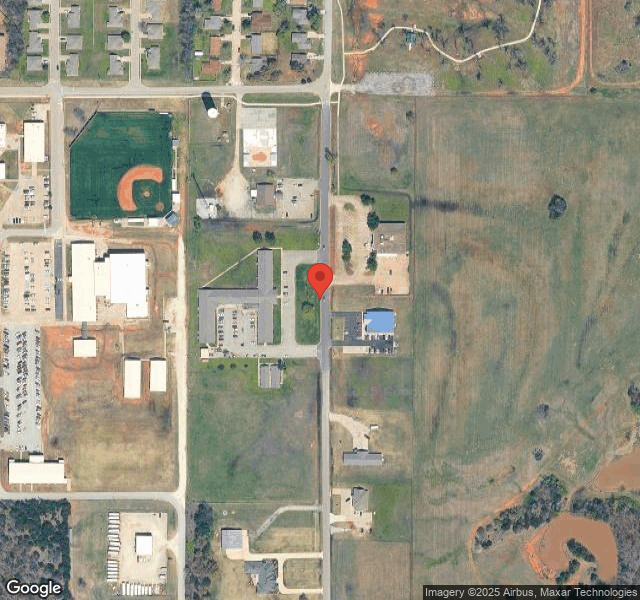
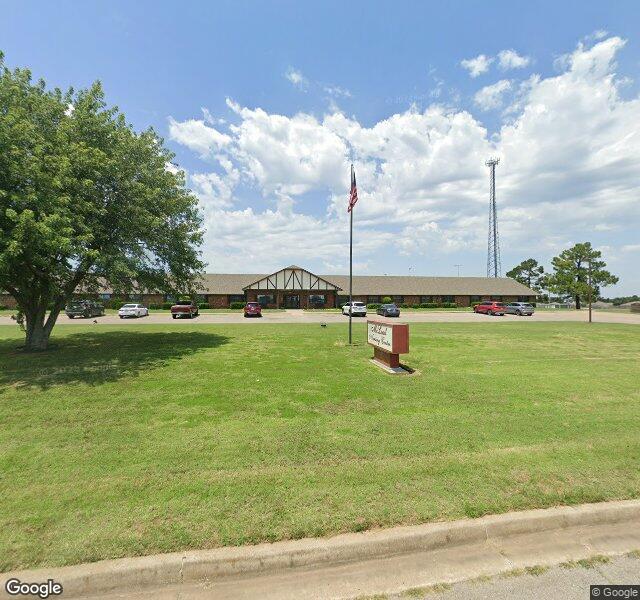
701 SOUTH 8TH STREET, MCLOUD, OK 74851 (405) 964-2961
For profit - Individual 80 Beds Independent Data: November 2025
Trust Grade
50/100
#171 of 282 in OK
Last Inspection: June 2024

Within standard 12-15 month inspection cycle. Federal law requires annual inspections.

Overview

McLoud Nursing Center has a Trust Grade of C, indicating it is average and located in the middle of the pack among nursing homes. It ranks #171 out of 282 facilities in Oklahoma, placing it in the bottom half, and #3 out of 6 in Pottawatomie County, indicating only two local homes are better. Unfortunately, the facility's trend is worsening, with issues increasing from 4 in 2023 to 16 in 2024. Staffing is a strength here, rated at 4 out of 5 stars with a turnover rate of 49%, which is below the state average. However, there were concerning findings, including a lack of RN coverage on specific days, improper food service sanitation, and failure to complete essential documentation for discharged residents, highlighting both strengths and weaknesses in care.

Trust Score
C
50/100
In Oklahoma
#171/282
Bottom 40%
Safety Record
Low Risk
No red flags
Inspections
Getting Worse
4 → 16 violations
Staff Stability
⚠ Watch
49% turnover. Above average. Higher turnover means staff may not know residents' routines.
Penalties
✓ Good
No fines on record. Clean compliance history, better than most Oklahoma facilities.
Skilled Nurses
⚠ Watch
Each resident gets only 16 minutes of Registered Nurse (RN) attention daily — below average for Oklahoma. Fewer RN minutes means fewer trained eyes watching for problems.
Violations
⚠ Watch
26 deficiencies on record. Higher than average. Multiple issues found across inspections.
★★☆☆☆
2.0
Overall Rating
★★★★☆
4.0
Staff Levels
★★☆☆☆
2.0
Care Quality
★★☆☆☆
2.0
Inspection Score
Stable
2023: 4 issues
2024: 16 issues

The Good

  • 4-Star Staffing Rating · Above-average nurse staffing levels
  • Full Sprinkler Coverage · Fire safety systems throughout facility
  • No fines on record

Facility shows strength in staffing levels, fire safety.

The Bad

2-Star Overall Rating

Below Oklahoma average (2.6)

Below average - review inspection findings carefully

Staff Turnover: 49%

Near Oklahoma avg (46%)

Higher turnover may affect care consistency

The Ugly 26 deficiencies on record

Jun 2024 15 deficiencies
CONCERN (D)

Potential for Harm - no one hurt, but risky conditions existed

Safe Environment (Tag F0584)

Could have caused harm · This affected 1 resident

Based on observation, record review, and interview, the facility failed to ensure the hot water was at a comfortable temperature for one (#12) of one sampled resident who was observed for hot water te...

Read full inspector narrative →
Based on observation, record review, and interview, the facility failed to ensure the hot water was at a comfortable temperature for one (#12) of one sampled resident who was observed for hot water temperatures. The administrator identified 43 residents who resided in the facility. Findings: The facility's Water Temperatures, Safety of policy, revised 12/2009, read in part, Maintenance staff shall conduct periodic tap water temperature checks. The temperature logs were reviewed and revealed Resident #12's water temperatures had not been monitored in May and June 2024. On 06/09/24 at 11:49 a.m., Res #12's family member stated the resident did not have hot water at their sink faucet. On 06/09/24 at 11:49 a.m., the hot water was turned on the water felt cool and was not warm. On 06/12/24 at 12:50 p.m., the hot water temperature in Res #12's room was 71.2 degrees F. On 06/12/24 at 1:09 p.m., the maintenance supervisor obtained the hot water temperature in Res #12's room; the temperature was 68 degrees F. They stated they could adjust the water temperature. On 06/12/24 at 1:11 p.m., Res #12 stated their hot water had never been warm and they would like it to be warmer. On 06/13/24 from 10:10 a.m. through 10:13 a.m., the hot water was turned on in Res #12's sink faucet in their room. The hot water temperature was 73.9 F after it had been turned on for three minutes and did not feel warm.
CONCERN (D)

Potential for Harm - no one hurt, but risky conditions existed

Deficiency F0658 (Tag F0658)

Could have caused harm · This affected 1 resident

Based on record review and interview, the facility failed to ensure professional accepted standards of quality were met related to a mental health diagnoses given to one (#42) of five sampled resident...

Read full inspector narrative →
Based on record review and interview, the facility failed to ensure professional accepted standards of quality were met related to a mental health diagnoses given to one (#42) of five sampled residents reviewed for unnecessary medication and diagnoses. The administrator identified 43 residents who resided in the facility. Findings: Res #42 had diagnoses which included myocardial infarction, acute respiratory distress, muscle weakness, lack of coordination, acute on chronic systolic heart failure, chronic obstructive pulmonary disease, cognitive communication deficit, age-related physical debility, essential hypertension, and hyperlipidemia. A physician order, dated 05/11/24, documented the resident received Lexapro (a antidepressant medication) 20 mg by mouth one time a day for depression and anxiety. A physician order, dated 05/11/24, documented the resident received Buspirone (a antianxiety medication) 5mg by mouth three times a day for anxiety. An admission assessment, dated 05/15/24, documented the resident was cognitively intact and had no behaviors or potential indications of psychosis. The assessment documented the resident did not have a diagnosis of an anxiety disorder, depression, or a psychotic disorder. The care plan, dated 05/20/24, documented the resident received Lexapro for depression and Buspar for anxiety. The care plan also documented the resident received Seroquel (a antipsychotic medication). A physician order, dated 05/23/24, documented the resident received Seroquel 25 mg by mouth at bedtime for sleep. The order documented the medication had been discontinued on 05/24/24. A physician progress note, dated 05/24/24, documented the resident was pleasant and cooperative. The note documented the resident stated the initiation of Seroquel had helped and they had a good night sleep. A physician order, dated 05/24/24, documented the resident received Seroquel 25 mg by mouth at bedtime for psychosis. On 06/09/24 at 10:47 a.m., the resident was lying in bed. The resident was pleasant and calm during the interview. The resident verbalized no concerns at this time. On 06/13/24 at 9:32 a.m., the DON reviewed the residents clinical records and stated there was no diagnosis for the use of an antidepressant, antianxiety, or the antipsychotic medication.
CONCERN (D)

Potential for Harm - no one hurt, but risky conditions existed

Deficiency F0661 (Tag F0661)

Could have caused harm · This affected 1 resident

Based on record review and interview, the facility failed to complete a discharge summary with a recapitulation of stay for one (#47) of one sampled resident reviewed. The administrator identified 49...

Read full inspector narrative →
Based on record review and interview, the facility failed to complete a discharge summary with a recapitulation of stay for one (#47) of one sampled resident reviewed. The administrator identified 49 residents who had been discharged in the last six months. Findings: Res #47 A review of the progress notes, documented Res #47 was discharged home with medication and belongings on home health via family transport on 03/28/24. There was no documentation in the clinical record the facility completed a discharge summary for Res #47 with a recapitulation of their stay. On 06/11/24 at 2:35 p.m., the DON stated there was not a discharge summary for Res #47.
CONCERN (D)

Potential for Harm - no one hurt, but risky conditions existed

Incontinence Care (Tag F0690)

Could have caused harm · This affected 1 resident

Based on observation, record review, and interview, the facility failed to ensure an indwelling urinary catheter was anchored to prevent dislodgement and injury for one (#14) of three sampled resident...

Read full inspector narrative →
Based on observation, record review, and interview, the facility failed to ensure an indwelling urinary catheter was anchored to prevent dislodgement and injury for one (#14) of three sampled residents who had a urinary catheter. The administrator identified four residents who had urinary catheters. Findings: The facility's policy titled, Catheter Care, Urinary, revised 09/2014, read in part, Ensure that the catheter remains secured with a leg strap to reduce friction and movement at the insertion site. (Note: Catheter tubing should be strapped to the resident's inner thigh.) Res #14 had diagnoses of urinary retention. Res #14's ADL care plan, dated 11/24/23, documented to provide catheter care every shift. Res #14's annual assessment, dated 04/20/24, documented they had an indwelling catheter. On 06/09/24 at 10:15 a.m., Res #14 was observed in bed, the catheter bag was hanging off the bed below the bladder. On 06/13/24 at 10:22 a.m., LPN #3 was observed providing pericare to Res #14. Res #14's catheter tubing was not anchored. The resident had small amount of dark reddish colored dried drainage on their vulva area. On 06/13/24 at 10:34 a.m., LPN #3 stated it looked liked the catheter had pulled and the tubing was in the crease of Res #14's leg and may have caused the drainage that looked like old blood.
CONCERN (D)

Potential for Harm - no one hurt, but risky conditions existed

Deficiency F0757 (Tag F0757)

Could have caused harm · This affected 1 resident

Based on record review and interview, the facility failed to ensure a medication had a diagnosis for use for one (#3) of five sampled residents reviewed for unnecessary medications. The DON identifie...

Read full inspector narrative →
Based on record review and interview, the facility failed to ensure a medication had a diagnosis for use for one (#3) of five sampled residents reviewed for unnecessary medications. The DON identified 43 residents who resided in the facility. Findings: Res #3 had diagnoses which included MDD, dementia, and psychotic disorder with hallucinations. The DON identified 43 residents who resided in the facility. Findings: A physician's order, dated 05/14/24, documented to administer Lamictal 25 mg two times a day. There was not a diagnosis for the medication. On 06/13/24 at 9:10 a.m., the DON stated there was not a diagnosis for the Lamictal. They stated the nurse practitioner's note documented based on last week's assessment.
CONCERN (E)

Potential for Harm - no one hurt, but risky conditions existed

Deficiency F0582 (Tag F0582)

Could have caused harm · This affected multiple residents

Based on record review and interview, the facility failed to complete a SNF ABN for two (#1 and #42) of three sampled residents reviewed for beneficiary notices. The administrator reported 43 resident...

Read full inspector narrative →
Based on record review and interview, the facility failed to complete a SNF ABN for two (#1 and #42) of three sampled residents reviewed for beneficiary notices. The administrator reported 43 residents resided in the facility. Findings: The DON identified 17 residents who had been discharged from a Medicare Part A covered stay with benefit days remaining in the past six months. 1. Res #1 admitted to Part A skilled services on 03/26/24 and discharged from skilled services on 05/30/24. There was no documentation a SNF ABN was provided to Res #1 or their representative. 2. Res #42 admitted to Part A skilled services on 05/08/24 and discharged from skilled services on 06/06/24. There was no documentation a SNF ABN was provided to Res #42 or their representative. On 06/12/24 at 9:28 a.m. the social service director stated they were not aware the form SNF ABN needed to be completed for residents discharged from Part A services. The director stated the SNF ABN form had not been completed for resident #1 and #42.
CONCERN (E)

Potential for Harm - no one hurt, but risky conditions existed

PASARR Coordination (Tag F0644)

Could have caused harm · This affected multiple residents

Based on record review and interview, the facility failed to ensure a new PASARR Level I screening was conducted when a new serious mental illness diagnosis was received for one (#13) and the PASARR l...

Read full inspector narrative →
Based on record review and interview, the facility failed to ensure a new PASARR Level I screening was conducted when a new serious mental illness diagnosis was received for one (#13) and the PASARR level I included the mental health diagnoses for one (#14) of two sampled residents reviewed for PASARR assessments. The administrator identified 43 residents who resided in the facility. Findings: 1. Res #13 had diagnoses, dated 06/02/23, which included unspecified psychosis not due to a substance or known physiological condition. On 06/11/24 at 1:46 p.m., the MDS coordinator stated they were unaware they needed to submit a PASARR level I for a new diagnosis of serious mental illness. 2. Res #14 had diagnoses which included major depressive disorder single episode on 04/23/15 and psychotic disorder with delusions due to known physiological condition on 07/27/15. A PASARR Level I Screening, submitted on 08/17/15, documented Res #14 did not have a diagnosis of a serious mental illness. On 06/13/24 at 11:36 a.m., the DON stated Res #14 had diagnoses of depression and serious mental illness on admission. The DON stated the PASARR Level I screening had not been filled out correctly and they did not have any documentation another PASARR Level I with the correct information had been submitted.
CONCERN (E)

Potential for Harm - no one hurt, but risky conditions existed

Deficiency F0657 (Tag F0657)

Could have caused harm · This affected multiple residents

Based on observation, record review, and interview, the facility failed to ensure a care plan was updated to include oxygen therapy and enhanced barrier precautions for one (#14) of eight residents re...

Read full inspector narrative →
Based on observation, record review, and interview, the facility failed to ensure a care plan was updated to include oxygen therapy and enhanced barrier precautions for one (#14) of eight residents reviewed for care plans. The DON identified four residents who had catheters, two residents who had wounds, and seven residents who utilized oxygen. Findings: The facility's Care Plans, Comprehensive Person-Centered policy, revised 12/2016, read in part, A comprehensive, person-centered care plan that includes measurable objectives and timetables to meet the resident's physical, psychosocial and functional needs is developed and implemented for each resident. The care plan also read, The comprehensive, person-centered care plan will .Describe the services that are to be furnished to attain or maintain the resident's highest practicable physical, mental, and psychosocial well-being .Incorporate identified problem areas. Res #14 had diagnoses which included asthma, urinary retention, and stage four pressure ulcer. A physician's order, dated 04/07/23, documented to administer oxygen at 3 liters nasal cannula as needed for shortness of breath. An ADL care plan for Res #14, documented a catheter was placed on 11/23/23 for urinary retention; interventions included to provide catheter care every shift. The care plan also documented Res #14 had a stage four pressure ulcer. The care plan was not updated with the EBP to include when and what PPE to wear. The care plan was reviewed and did not document Res #14 utilized oxygen. Res #14's annual assessment, dated 04/20/24, documented they had severe cognitive impairment, required substantial/maximal assistance for toileting, showering, dressing, and bed mobility, was dependent on staff for transfers, had an indwelling catheter, and had one stage four pressure ulcer which required a dressing. On 06/09/24 at 10:05 a.m., Res #14 stated they had a pressure ulcer on their bottom. They stated the staff performed the wound care. On 06/09/24 at 10:05 a.m., Res #14 was observed in their bed, they had a catheter and had an oxygen concentrator in their room and was utilizing oxygen. On 06/12/24 at 10:16 a.m., the MDS coordinator stated since the resident had an open wound and a catheter they would need to be on EBP. They stated the use of EBP was not on the care plan. The MDS coordinator stated the care plan should document the flow rate of the oxygen and monitoring for shortness of breath. The MDS coordinator stated Res #14's care plan had not been updated to include the oxygen therapy.
CONCERN (E)

Potential for Harm - no one hurt, but risky conditions existed

Accident Prevention (Tag F0689)

Could have caused harm · This affected multiple residents

Based on observation, record review, and interview, the facility failed to ensure a portable electric space heater was not utilized in resident rooms for one (#3) of one sampled resident observed with...

Read full inspector narrative →
Based on observation, record review, and interview, the facility failed to ensure a portable electric space heater was not utilized in resident rooms for one (#3) of one sampled resident observed with a portable electric space heater in their room. The DON identified 43 residents who resided in the facility and two residents who utilized electric space heater in their rooms. Findings: The facility's undated, Electrical Safety for Residents policy, read in part, The resident will be protected from injury associated with the use of electrical devices, including electrocution, burns and fire. The policy also read, Portable space heaters are not permitted in the facility. Res #3 had diagnoses which included psychotic disorder with hallucinations and dementia. On 06/10/24 at 9:15 a.m., Res #3 was asked why they were using a portable electric space heater. They stated because they were cold. Res #3 stated they covered the heat and air vent because it blew out cold air. On 06/10/24 at 11:03 a.m., a portable electric space heater was observed plugged in and turned on in Res #3's room. On 06/12/24 at 12:54 p.m., the administrator observed the portable electric space heater in Res #3's room. On 06/12/24 at 12:55 the administrator stated the space heater in Res #3's room did not meet safety guidelines. The administrator stated the facility's policy prohibited space heaters.
CONCERN (E)

Potential for Harm - no one hurt, but risky conditions existed

Staffing Information (Tag F0732)

Could have caused harm · This affected multiple residents

Based on observation, record review, and interview, the facility failed to post the required staffing information. The DON identified 43 residents who resided in the facility. Findings: On 06/09/24 a...

Read full inspector narrative →
Based on observation, record review, and interview, the facility failed to post the required staffing information. The DON identified 43 residents who resided in the facility. Findings: On 06/09/24 at 8:00 a.m., a white dry erase board was observed hanging on the wall at the nurses' station. The white dry erase board was not filled out. A schedule was observed in a book at the nurses' station. The schedule did not document the current census. On 06/10/24, 06/12/24, and 06/13/24 the white dry erase board was observed on the wall at the nurses' station. The dry erase board did not document the name of the facility, census or the hours worked for each staff member. On 06/13/24 at 3:04 p.m., the DON stated the required information was not documented on the dry erase board at the nurses' station.
CONCERN (E)

Potential for Harm - no one hurt, but risky conditions existed

Medication Errors (Tag F0758)

Could have caused harm · This affected multiple residents

2. Res #3 had diagnoses which included psychotic disorder with hallucinations. A physician's order, dated 05/26/23, documented to administer Seroquel 50 mg every evening for psychosis. A gradual dose ...

Read full inspector narrative →
2. Res #3 had diagnoses which included psychotic disorder with hallucinations. A physician's order, dated 05/26/23, documented to administer Seroquel 50 mg every evening for psychosis. A gradual dose reduction request for Seroquel from the pharmacist, dated 04/15/24, documented a request to consider reducing Seroquel. The physician's response to the request documented they disagreed. The physician did not document a rationale for not decreasing the Seroquel. On 06/13/24 at 9:13 a.m., the DON stated the physician did not document a rationale for disagreeing with the pharmacist request for the gradual dose reduction of the Seroquel for Res #3. Based on observation, record review, and interview, the facility failed to ensure medication was necessary to treat a specific condition indicated in the clinical record for one (#42) and failed to ensure a rationale was documented for declining a gradual dose reduction for one (#3) of five sampled residents reviewed for unnecessary medications. The DON identified 30 residents who received psychotropic medication. Findings: The facility's Consultant Pharmacist Reports policy, dated 04/2018, read in part, Recommendations are acted upon and documented by the facility staff and/or the prescriber .Prescriber accepts and acts upon suggestions or rejects and provides an explanation for disagreeing. 1. Res #42 had diagnoses which included myocardial infarction, acute respiratory distress, muscle weakness, lack of coordination, acute on chronic systolic heart failure, chronic obstructive pulmonary disease, cognitive communication deficit, age-related physical debility, essential hypertension, and hyperlipidemia. A physician order, dated 05/11/24, documented the resident received Lexapro (a antidepressant medication) 20 mg by mouth one time a day for depression and anxiety. A physician order, dated 05/11/24, documented the resident received Buspirone (a antianxiety medication) 5mg by mouth three times a day for anxiety. An admission assessment, dated 05/15/24, documented the resident was cognitively intact and had no behaviors or potential indications of psychosis. The assessment documented the resident did not have a diagnosis of an anxiety disorder, depression, or a psychotic disorder. The care plan, dated 05/20/24, documented the Res #42 received Lexapro for depression and Buspar for anxiety. The care plan also documented the resident received Seroquel (a antipsychotic medication). A physician order, dated 05/23/24, documented the resident received Seroquel 25 mg by mouth at bedtime for sleep. The order documented the medication had been discontinued on 05/24/24. A physician progress note, dated 05/24/24, documented the resident was pleasant and cooperative. The note documented the Res #42 stated the initiation of Seroquel had helped and they had a good night sleep. A physician order, dated 05/24/24, documented the Res #42 received Seroquel 25 mg by mouth at bedtime for psychosis. On 06/09/24 at 10:47 a.m., the resident was lying in bed. The Res #42 was pleasant and calm during the interview. The Res #42 verbalized no concerns at this time. On 06/13/24 at 9:32 a.m., the DON reviewed the Res #42's clinical records and stated there was no diagnosis for the use of an antidepressant, antianxiety, or a antipsychotic medication.
CONCERN (E)

Potential for Harm - no one hurt, but risky conditions existed

Deficiency F0801 (Tag F0801)

Could have caused harm · This affected multiple residents

Based on record review and interview, the facility failed to guarantee the person designated to serve as the DM met the State requirement for DM. The administrator identified all 43 residents received...

Read full inspector narrative →
Based on record review and interview, the facility failed to guarantee the person designated to serve as the DM met the State requirement for DM. The administrator identified all 43 residents received their meals from the kitchen. Findings: The dietary manager was transferred to the kitchen on 11/16/20. There was no documentation provided the dietary manager had obtained their certification for dietary manager. On 06/12/24 at 12:41 p.m., the DON stated the dietary manager had finished their training and was waiting to take the test. On 06/12/24 at 4:57 p.m., the dietary manager stated they were not certified. The dietary manager stated they needed to take the test.
CONCERN (E)

Potential for Harm - no one hurt, but risky conditions existed

Infection Control (Tag F0880)

Could have caused harm · This affected multiple residents

Based on observation, record review, and interview, the facility failed to ensure: a. nebulizer masks were stored in a manner to prevent cross contamination for two (#12 and #32) of two sampled reside...

Read full inspector narrative →
Based on observation, record review, and interview, the facility failed to ensure: a. nebulizer masks were stored in a manner to prevent cross contamination for two (#12 and #32) of two sampled residents observed for infection control with breathing treatments; b. staff wore appropriate PPE and performed hand hygiene during wound care for one (#14) of two sampled residents who were observed during wound care. c. staff wore appropriate PPE during provision of care for two , (#17, and #38) of three sampled residents reviewed for enhanced barrier precautions; and d. IV tubing was changed per facility policy for intermittent use for one(#17) of one sampled resident who was reviewed for IV therapy. The DON identified seven residents who were placed on enhanced barrier precautions, five residents who received nebulizer treatments, and one resident who received IV medication. Findings: The facility's, Departmental (Respiratory Therapy)-Prevention of Infection, revised 11/2011, documented to remove nebulizer container after completion of therapy, rinse the container with fresh tap water, dry on a clean paper towel or gauze sponge, reconnect to the administration set-up when air dried, reconnect tubing, and store the circuit in plastic bag, marked with date and resident's name, between uses and discard every seven days. A policy titled Guidelines for Preventing Intravenous Catheter-Related Infections read in part .change intermittent sets every 24 hours, immediately upon suspected contamination, or when integrity of product or system has been compromised. Once a secondary administration set (piggyback) is detached from the primary set, it is considered an intermittent set . There was no policy for enhanced barrier precautions. An in-service record, dated 04/03/24, read in part .EPB expands the use of personal protective equipment (PPE) to donning gown an gloves during high-contact care .residents for whom EBP is employed when performing the following high-contact resident care activities: .device care or use: central line urinary catheter, feeding tube, tracheostomy/ventilator, wound care: any skin opening requiring a dressing . 1. Res #12 On 06/09/24 at 11:53 a.m., a nebulizer mask was observed sitting on the nightstand. The nebulizer mask was dated 05/26/24 and was not stored in a bag. 2. Res #32 On 06/10/24 at 9:55 a.m., the nebulizer mask was sitting on the counter next to the sink. The tubing was not stored in a bag and was labeled 05/26/24. On 06/12/24 at 8:41 a.m., the DON observed the pictures of the nebulizer masks and stated they were not stored correctly. The DON stated the nebulizer masks should be changed weekly and were supposed to be stored in a bag after being cleaned and air dried. 3. Res #14 had diagnoses which included urinary retention and stage four pressure ulcer. An ADL care plan for Res #14, documented a catheter was placed on 11/23/23 for urinary retention; interventions included to provide catheter care every shift. The care plan also documented Res #14 had a stage four pressure ulcer. Res #14's annual assessment, dated 04/20/24, documented they had severe cognitive impairment, required substantial/maximal assistance for toileting, showering, dressing, and bed mobility, was dependent on staff for transfers, had an indwelling catheter, and had one stage four pressure ulcer which required a dressing. On 06/09/24 at 10:05 a.m., Res #14 stated they had a pressure ulcer on their bottom. They stated the staff performed the wound care. On 06/09/24 at 10:31 a.m., Res #14 stated the staff did not wear an isolation gown when they were providing care unless they had an infection. On 06/11/24 at 11:12 a.m., LPN #3 was observed performing wound care. The LPN donned gloves and removed Res #14's dressing. LPN #3 removed their gloves disposed of the soiled dressing and left the room. LPN #3 was not observed to clean their hands prior to leaving the room after removing their gloves. LPN #3 returned to the room washed their hands donned gloves and cleaned the wound removed their gloves and donned a new pair of gloves without cleaning their hands. LPN #3 applied medicated ointment to the wound as ordered, and covered with dressing. LPN #3 did not wear a gown while they performed wound care. There were no signs indicating the resident was on enhanced barrier precautions. On 06/11/24 at 11:25 a.m., LPN #3 stated they were nervous and should have performed hand hygiene each time they removed their gloves. LPN #3 stated they had not performed hand hygiene. The LPN stated they had not been provided education on enhanced barrier precautions and did not know which residents required enhanced barrier precautions. 4. Res #17 had diagnoses which included encephalopathy, muscle weakness, and sepsis. A physician order, dated 06/06/24, documented the resident was to receive wound care two times a day for a wound to the left buttock. A physician order, dated 06/11/24, documented the resident was to receive Meropenem Solution (a antibiotic medication) 1 gram intravenously every eight hours for UTI for 14 days. The order documented the staff was to change the IV tubing every 24 hours and label. On 06/09/24 at 10:04 a.m., the resident was lying in bed. The resident had an IV access to the right upper arm and a catheter bag was hanging from the side of the bed. There was no signage regarding enhanced barrier precautions or PPE by the residents door. On 06/11/24 at 10:32 a.m., RN #1 performed wound care to the residents buttock. There was no signage posted or PPE available for advance barrier precautions when entering the resident's room. The RN did not wear a gown when providing care. The RN stated they were not aware of any residents requiring special contact precautions or enhance barrier precautions in the facility at this time. On 06/11/24 at 10:38 a.m., RN #1 disconnected the IV tubing from a used bag of IV fluid and connected it to a new IV bag of fluid. The RN stated the tubing should be changed every 24 hours. The RN noted the tubing used was not dated and stated they needed to get new tubing because the tubing was not dated. On 06/11/24 at 12:14 p.m., the DON stated the facility currently does not have a policy for enhanced barrier precautions at this time. The DON stated information was provided by the corporate office and an in-service was held for the staff, but no policy had been developed. The DON stated there should be signage and PPE for enhanced barrier precautions by the door for residents with IV access or residents with infections to wounds or urine. The DON stated resident #17 should have enhanced barrier precautions in place due to having IV access and infection in the urine. On 06/11/24 at 2:39 p.m., the DON stated they misunderstood the guidance regarding enhanced barrier precautions the resident had to have an IV or an infection. Upon review of the information provided by the corporate office the DON stated anyone with an IV, wound, or catheter the staff needed to do enhanced barrier precautions with their care. The DON stated they would need to re-educate staff. 5. Res #38 had diagnoses which included malignant neoplasm, unilateral inguinal hernia, and retention of urine. A physician order, dated 05/31/24, documented the resident had wound care one time a day for an abscess to the right buttock. On 06/11/24 at 2:14 p.m., LPN #3 performed wound care for the resident. There was no signage posted or PPE available for advance barrier precautions when entering the resident's room. The LPN did not wear a gown when providing care.
CONCERN (F)

Potential for Harm - no one hurt, but risky conditions existed

Deficiency F0727 (Tag F0727)

Could have caused harm · This affected most or all residents

Based on record review and interview, the facility failed to ensure RN coverage for eight consecutive hours a day, seven days a week. The administrator identified 43 residents who resided in the faci...

Read full inspector narrative →
Based on record review and interview, the facility failed to ensure RN coverage for eight consecutive hours a day, seven days a week. The administrator identified 43 residents who resided in the facility. Findings: A document titled, Nursing Department Schedule as Worked, dated 06/08/24, documented there was not an RN who had worked on the day, evening, or night shift. On 06/13/24 at 1:52 p.m., the administrator stated they did not have an RN scheduled to work on 06/08/24 and 06/09/24. They stated an RN had not worked on 06/08/24. The administrator stated they did not utilize staffing agencies.
CONCERN (F)

Potential for Harm - no one hurt, but risky conditions existed

Food Safety (Tag F0812)

Could have caused harm · This affected most or all residents

Based on observation and interview, the facility failed to ensure proper food service sanitation and storage requirements were followed. The DON identified 43 residents who received their meals from ...

Read full inspector narrative →
Based on observation and interview, the facility failed to ensure proper food service sanitation and storage requirements were followed. The DON identified 43 residents who received their meals from the kitchen. Findings: The facility's undated, Food Storage policy, read in part, It is the policy .to follow all state and federal guidelines on food storage. The policy also read, Plastic containers with tight fitting covers must be used for storing .flour .Scoops must be provided for .flour .Scoops are not to be stored in food. The policy also read, Perishable food such as meat .fruits, vegetables and frozen products must be refrigerated immediately to ensure nutritive value and quality. Refrigeration temperatures should be thermostatically controlled to maintain food temperatures at or below 40 degrees F. The policy also read, Leftover food is used within 24 hours or discarded. The policy also read, Temperatures for refrigerators should be between 35-39 degrees Fahrenheit. Thermometers should be checked at least three times a day .Frozen meat .should be defrosted in a refrigerator for 24 to 48 hours, and should be used immediately after thawing. The facility's undated, General Food Preparation and Handling policy, read in part, The kitchen and equipment are clean .The food is kept refrigerated except when being handled .All meats are to be heated to a safe minimum internal temperature. The policy also read, If a fridge .running at unacceptable temperature the staff is to clear the food items from the fridge .and place in alternate appropriate storage. Any foods without proper temperature from fridge .will be disposed of immediately. Non operational equipment with be locked if applicable and out of order sign placed until equipment is either fixed or replaced. The refrigerator temperature log, dated 06/01/24 through 06/09/24, documented the following temperatures: 06/01/24 morning temperature: 50 degrees F/evening temperature was documented; 06/02/24 morning temperature: not documented/evening temperature 51 degrees F; 06/03/24 morning temperature: 51 degrees F/evening temperature 49 degrees F; 06/04/24 morning temperature: 54 degrees F/evening temperature 53 degrees F; 06/05/24 morning temperature: 53 degrees F/evening temperature not documented; 06/06/24 morning temperature: 46 degrees F/evening temperature not documented; 06/07/24 morning temperature: 49 degrees F/evening temperature 46 degrees F; 06/08/24 morning temperature: 49 degrees F/evening temperature 51 degrees F; and 06/09/24 morning temperature: not documented. The refrigerator temperatures were above 41 degrees F for nine out of nine days. On 06/09/24 at 8:09 a.m., dietary aide #1 was asked about the wet blankets by the ice machine. The dietary aide stated the drain leaked and pointed to the pipe behind the ice machine. On 06/09/24 at 8:10 a.m., an initial tour of the kitchen was done with cook #1. The cook stated the refrigerator was not working and several companies had been out to look at it. On 06/09/24 at 8:10 a.m., the following was observed: a. the refrigerator temperature reading was 44.4 degrees F., the following was observed in the refrigerator: cut up cantaloupe, water melon, pineapple, and whole grape fruit platters x2, three pitchers of tea, whole blueberries and strawberries, mixed vegetables in a storage container was dated 06/08/24, barbeque meat thawing in the bottom of the refrigerator. whole intact seedless cucumbers and a box of uncrustables. The refrigerator had a foul odor; b. the ice machine had multiple areas of calcification, debris under and behind the ice machine; c. the oven and stove had black build up of food, food splatters and debris; d. debris under and behind the ice machine and wet blankets on the floor in front of and on the side of the ice machine. On 06/09/24 at 8:31 a.m., the housekeeper #2 stated the debris under and behind the ice machine was coming from what leaked out of the pipe behind the ice machine. On 06/09/24 at 9:11 a.m., cook #1 stated the meat in the refrigerator was shredded beef for lunch and had been in the refrigerator overnight (temperature of refrigerator was 44.4 degrees F.). [NAME] #1 stated they had put the meat in the oven to cook for lunch. [NAME] #1 obtained the temperature of the items in the refrigerator: vegetable mixture: 45.6 degrees F, cut up cantaloupe: 47.3 F, cut up pineapple: 46.5 F, grapes: 47.1, whole red grape not sealed: 47.1 F, and, whole green grape not sealed: 55.0 F. On 06/09/24 at 9:20 a.m., cook #1 was asked what temperature cold food should be stored. They stated 36- 45 degrees F. [NAME] #1 was asked about the odor in the refrigerator. They stated they had just thrown out some cabbage and did not know what was causing the odor. On 06/09/24 at 9:33 a.m., the administrator was made aware of the food stored in the refrigerator and the meat that was placed in the oven after being thawed in the non working refrigerator. They stated they were going to throw the meat out and cook the residents something else. The administrator stated they ordered a new refrigerator and the staff were not supposed to be using that refrigerator. On 06/12/24 at 6:25 a.m. a follow up observation was made in the kitchen. The vent above the door to the kitchen was observed to be dirty, white build up on the dish machine and dish machine baskets, dirty wash cloth was on top of a yellow barrel. On 06/12/24 at 6:25 a.m., cook #2 stated the ice machine was cleaned monthly by maintenance. On 06/12/24 at 6:50 a.m., the temperature of the food on the steam table was obtained by cook #2. The following foods were not held at a temperature at or above 135.0 degrees F: a. pureed eggs: 132.0 degrees F; b. pureed sausage: 118.9 degrees F; and c. sausage links: 131.5 degrees F. On 06/12/24 at 7:06 a.m., cook #2 was observed serving the pureed eggs and sausage. They did not heat the food to the correct holding temperature prior to serving. On 06/12/24 at 7:14 a.m., cook #2 was asked what temperature the food should be held at on the steam table. They stated no lower than 130 degrees F. The cook was asked if the sausage links, pureed eggs and pureed sausage had been held at or above 135 degrees F. They stated, No. [NAME] #2 was asked if there was anything they could have done to ensure the food was heated to the correct temperature. They stated they could have reheated it in the microwave. On 06/12/24 at 7:26 a.m., cook #2 continued to serve the pureed eggs, sausage and sausage links. On 06/12/24 at 7:28 a.m., a bin of flour was observed in the dry storage area with a styrofoam cup inside the flour container. A clear plastic container with a blue lid contained thickner for thickening food. The container and lid were cracked and a styrofoam cup was observed inside the container. On 06/12/24 at 7:34 a.m., the dietary manager stated the meat was not thawed correctly, they stated it should have been thawed in a working refrigerator, under cold running water, or microwave. The dietary manager stated the staff were aware they should not use the refrigerator. They stated it had not been working since the past week. The dietary manager stated the pipes were backing up and debris was flowing out the pipe behind the ice machine in the dining room. The dietary manager stated the food was not held at the appropriate temperature on the steam table. The dietary manager was shown the pictures of the oven from 06/09/24. They stated the cleaning schedule was weekly and the oven did not look like it had been cleaned weekly and they could not tell by the schedule when it had been cleaned. The dietary manager stated the bins should have been tightly closed and the styrofoam cups should not have been stored in the bins, and the dirty washcloth should not have been stored on top of the yellow barrel. On 06/12/24 at 1:00 p.m., the ice machine was observed with maintenance supervisor. The ice machine had white build up on the inside and outside of the ice machine.
Feb 2024 1 deficiency
CONCERN (E) 📢 Someone Reported This

A family member, employee, or ombudsman was alarmed enough to file a formal complaint

Potential for Harm - no one hurt, but risky conditions existed

Deficiency F0569 (Tag F0569)

Could have caused harm · This affected multiple residents

**NOTE- TERMS IN BRACKETS HAVE BEEN EDITED TO PROTECT CONFIDENTIALITY** Based on record review and interview, the facility failed to convey remaining funds to the legal representatives of deceased res...

Read full inspector narrative →
**NOTE- TERMS IN BRACKETS HAVE BEEN EDITED TO PROTECT CONFIDENTIALITY** Based on record review and interview, the facility failed to convey remaining funds to the legal representatives of deceased residents within 30 days for two (#1 and #2) three sampled residents reviewed for finances. The assistant administrator identified 10 residents who had discharged from the facility with funds remaining. Finds: A policy titled Conveyance of Resident Funds documented .The resident's personal funds and a final accounting of funds are returned to the resident, the resident's representative or to the resident's estate (individual or probate jurisdiction per state law), as applicable, within thirty (30) days from the date of the resident's discharge or eviction from the facility, or death . 1) Res #1 was admitted to facility on [DATE] and discharged on [DATE]. A form documented invoice search with a check request date identified as [DATE]. The form documented an invoice amount of $1,010.62 and a check was sent on [DATE]. 2) Res #2 was admitted to the facility on [DATE] and discharged on [DATE]. A form documented invoice search with a check request date identified as [DATE]. The form documented an invoice amount of $1,649.00 and a check was mailed on [DATE]. On [DATE] at 10:05 a.m., a telephone interview was conducted with the corporate BOM. The BOM stated the remaining funds for the residents were late being processed. The BOM stated no excuse, they just fell between the cracks.
May 2023 4 deficiencies
CONCERN (D)

Potential for Harm - no one hurt, but risky conditions existed

Deficiency F0577 (Tag F0577)

Could have caused harm · This affected 1 resident

Based on observation and interview, the facility failed to ensure survey results were readily accessible/available to residents and visitors. The Resident Census and Conditions of Residents report, d...

Read full inspector narrative →
Based on observation and interview, the facility failed to ensure survey results were readily accessible/available to residents and visitors. The Resident Census and Conditions of Residents report, dated 05/04/23, documented 38 residents resided in the facility. Findings: On 05/04/23 at 5:34 a.m., a sign was observed posted at the nurses' station on the front hall. The sign documented, Past Survey Results Can be Found By Asking The Charge Nurse At The Front Desk. On 05/04/23 at 6:04 a.m., LPN #1 was asked how someone would access survey results without asking for them. They stated the results were suppose to be in a binder somewhere at the nurses' station. LPN #1 pointed to the sign. They were asked if someone had to ask for the results. LPN #1 shook their head yes. LPN #1 stated the binder was usually located on the top shelf, but they didn't see them up there at this time. On 05/04/23 at 6:31 a.m., the Administrator was asked how someone would access survey results without asking for them. She stated the binder was located by the coke machine, around the corner from the nurses' station, on the center hall. The Administrator showed the location of the binder. There was no signage to indicate the survey result binder. The Administrator was asked how someone would know the binder was located there without having to ask. She pointed to the sign at the nurses' station. The Administrator was notified a charge nurse didn't know where the results were. The Administrator shrugged her shoulders.
CONCERN (D)

Potential for Harm - no one hurt, but risky conditions existed

Pharmacy Services (Tag F0755)

Could have caused harm · This affected 1 resident

Based on record review and interview, the facility failed to ensure insulin was administered as ordered for one (#6) of six sampled residents reviewed for medication administration. The DON identifie...

Read full inspector narrative →
Based on record review and interview, the facility failed to ensure insulin was administered as ordered for one (#6) of six sampled residents reviewed for medication administration. The DON identified six residents received insulin. Findings: An Administering Medications policy, dated April 2019, read in part, Medications are administered .as prescribed . Resident #6 had diagnoses which included Type 2 diabetes mellitus. A Physician's Order, dated 02/08/23, documented to administer 30 units of Levemir insulin subcutaneously in the morning, hold if FSBS was less than 150. A March 2023 Insulin Administration Record, documented Levemir 30 units had been administered when the FSBS was less than 150 on the following dates: a. 03/18/23, FSBS 135, b. 03/24/23, FSBS 143, and c. 03/30/23, FSBS 144. An April 2023 Insulin Administration Record, documented Levemir 30 units had been administered when the FSBS was less than 150 on the 04/04/23, FSBS 114. A Physician's Order, dated 04/08/23, documented to administer 30 units of Levemir insulin subcutaneously in the morning, hold if FSBS is less than 150. A May 2023 Insulin Administration Record, documented Levemir 30 units had been administered when the FSBS was less than 150 on 05/04/23, FSBS 144. On 05/05/23 at 11:31 a.m., LPN #2 was asked what the policy was for administering insulin. They stated they were to administer insulin per physicians' orders. LPN #2 was asked to review the March, April, and May 2023 insulin administration records for Levemir. They were asked when the Levemir was to be held. LPN #2 stated it should be held when the FSBS was less than 150.
CONCERN (E)

Potential for Harm - no one hurt, but risky conditions existed

Accident Prevention (Tag F0689)

Could have caused harm · This affected multiple residents

Based on observation, record review, and interview, the facility failed to ensure mechanical lifts were completed with two staff members for two (#25 and #26) of two sampled residents reviewed for acc...

Read full inspector narrative →
Based on observation, record review, and interview, the facility failed to ensure mechanical lifts were completed with two staff members for two (#25 and #26) of two sampled residents reviewed for accidents. The Resident Census and Conditions of Residents report, dated 05/04/23, documented 38 residents resided in facility. The DON identified 16 residents used a mechanical lift for transfers. Findings: A Using a Mechanical Lift policy, undated, read in part, .Two (staff members) are to be used when a mechanical lift is in use to ensure resident's safety . 1. Resident #25 had diagnoses which included unsteadiness on feet and other lack of coordination. A Care Plan, dated 12/20/21, read in part, .I require limited to extensive assist with ADL care .[two] person assist with Hoyer [mechanical] lift for transfer . A Resident Assessment, dated 02/19/23, documented Resident #25 was total dependent with two or more staff assistance for transfers. On 05/03/23 at 6:30 a.m., CNA #1 was observed to respond to Resident #25's call light. Resident #25 requested to get out of bed. CNA #1 was observed to position the lift sling under Resident #25 and connected the sling to the mechanical lift. On 05/03/23 at 6:36 a.m., CNA #1 was observed to use the remote control to the mechanical lift and lift the resident up into the air, maneuvered the resident in the lift sling over to the wheelchair, and lowered the the resident into the wheelchair. One staff member was observed in the room during the transfer. 2. Resident #26 had diagnoses which included muscle weakness. A Resident Assessment, dated 02/06/23, documented Resident #26 was total dependent with two or more staff assistance for transfers. On 05/03/23 at 6:47 a.m., CNA #1 was observed to take the mechanical lift into Resident #26's room. Resident #26 was observed laying in bed with the lift sling under them. On 05/03/23 at 6:50 a.m., CNA #1 was observed to position the mechanical lift over Resident #26 and connected the lift sheet to the mechanical lift. CNA #1 was observed to use the remote control of the mechanical lift to lift the resident up into the air, maneuvered the resident in the lift sling over the wheelchair, and lower the resident into the wheelchair. One staff member was observed in room during transfer. On 05/04/23 at 6:14 a.m., CNA #1 was asked how many staff members were needed to complete a transfer of a resident using a mechanical lift. They stated, Suppose to be two. They were asked why they were the only one present during yesterday's transfers. CNA #1 stated there wasn't any other help available. On 05/05/23 at 2:20 p.m., the DON was asked to describe the procedure for using a mechanical lift for transfers. She stated it was the facility's policy to have two people.
CONCERN (E) 📢 Someone Reported This

A family member, employee, or ombudsman was alarmed enough to file a formal complaint

Potential for Harm - no one hurt, but risky conditions existed

Deficiency F0725 (Tag F0725)

Could have caused harm · This affected multiple residents

Based on observation, record review, and interview, the facility failed to ensure sufficient staff to complete mechanical lift transfers for two (#25 and #26) of two residents reviewed for staffing. T...

Read full inspector narrative →
Based on observation, record review, and interview, the facility failed to ensure sufficient staff to complete mechanical lift transfers for two (#25 and #26) of two residents reviewed for staffing. The Resident Census and Conditions of Residents report, dated 05/04/23, documented 38 residents resided in facility. The DON identified 16 residents used mechanical lifts for transfers. Findings: A Using a Mechanical Lift policy, undated, read in part, .Two (staff members) are to be used when a mechanical lift is in use to ensure resident's safety . A Staffing policy, dated October 2017, read in part, .Our facility provides sufficient numbers of staff .to provide care and services for all residents in accordance with resident care plans . Resident #25's Care Plan, dated 12/20/21, read in part, .I require limited to extensive assist with ADL care .[two] person assist with Hoyer [mechanical] lift for transfer . On 05/03/23 at 6:30 a.m., CNA #1 was observed to transfer Resident #25 by using a mechanical lift. CNA #1 was the only staff member observed in the room during the transfer. On 05/03/23 at 6:47 a.m., CNA #1 was observed to transfer Resident #26 by using a mechanical lift. CNA #1 was the only staff member observed in the room during the transfer. On 05/04/23 at 6:14 a.m., CNA #1 was asked how many staff members were needed to complete transferring a resident using a mechanical lift. They stated, Suppose to be two. They were asked why they were the only one present during yesterday's transfers. CNA #1 stated there wasn't any other help available. On 05/05/23 at 2:20 p.m., the DON was asked to describe the procedure for using a mechanical lift for transfers. She stated it was the facility's policy to have two people. The DON was asked how they ensured sufficient staff to complete safe transfers. She stated, We have educated them to come get someone if the other aide is busy.
Feb 2020 6 deficiencies
CONCERN (D)

Potential for Harm - no one hurt, but risky conditions existed

Abuse Prevention Policies (Tag F0607)

Could have caused harm · This affected 1 resident

Based on record reviews and interviews, it was determined the facility failed to ensure: a. reference checks were conducted for potential employees for five (CNA [certified nurse aide] #1, 2, and #4 a...

Read full inspector narrative →
Based on record reviews and interviews, it was determined the facility failed to ensure: a. reference checks were conducted for potential employees for five (CNA [certified nurse aide] #1, 2, and #4 and LPN [licensed practical nurse] #2) of five employee files reviewed; b. allegations of resident to resident abuse were reported and reported timely to the OSDH (Oklahoma State Department of Health) for one (#21) of one sampled resident reviewed with an allegation of abuse; c. allegations of resident to resident abuse were investigated and thoroughly investigated and documentation of a thorough investigation was maintained for one (#21) of one sampled resident reviewed with an allegation of abuse; and d. residents were protected from further potential abuse by one (#21) of one sampled resident reviewed with an allegation of resident to resident abuse. The DON (director of nurses) identified one resident who had behaviors towards other residents. The Resident Census and Conditions of Residents, form, dated 02/19/20, identified 60 residents who resided in the facility. Findings: A facility policy titled, Abuse and Neglect, documented: .The facility will implement the following seven steps for abuse prevention and investigation . Screening .The facility will conduct pre-employment screenings on all employees applying for positions. Screening will include but is not limited to .The facility will obtain, through phone calls or electronic means, at least two professional and/or personal references. The reference check information will be maintained in the employee file . Prevention .The facility will implement policy and procedures to prevent abuse .of our residents .The facility will provide protection of residents in the case of any allegations of abuse .The facility will conduct any investigation in a timely manner . Investigate .The facility will thoroughly investigate any and all allegations of abuse .The facility will act immediately when being notified of an allegation .The facility Administrator will be designated as the Abuse Coordinator and will conduct and/or facilitate interviews of the direct resident(s) involved in the allegation, any interviewable residents, any staff associated with the allegation .A written report or statement will be gathered and maintained on all interviews . Protect .The facility will act immediately to protect the resident when being notified of an allegation .The facility will separate any residents as necessary if the allegation is a resident to resident abuse. The facility will take measure as appropriate to protect one resident from another resident, on a case by case basis . Reporting .The facility will send a report to all reporting agencies as required by OSDH guidelines .The facility will send a report to the Oklahoma State Department of Health on form 2873 within 24 hours of being notified of any allegation . 1. On 02/19/20, the following employee health files were reviewed: LPN #2 was hired 12/19/19. There were no completed reference checks documented with previous employers for the staff member. CNA #1 was hired 11/20/19. There were no completed reference checks documented with previous employers for the staff member. CNA#2 was hired 01/04/20. There were no completed reference checks documented with previous employers for the staff member. CNA #3 was hired 01/22/20. There were no completed reference checks documented with previous employers for the staff member. CNA #4 was hired 02/01/20. There were no completed reference checks documented with previous employers for the staff member. On 02/19/20 at 1:38 p.m., the DON was asked who conducted reference checks for potential new employees. She said, Who ever does the interview. She was asked if reference checks should have been completed. She said, Yes. At 2:05 p.m., the administrator was asked if reference checks should have been completed. She said, Yes. 2. Resident #21 had diagnoses which included encephalopathy, depression, hydrocephalus, traumatic brain injury, and a cognitive communication deficit. A care plan, dated 10/28/19, documented the resident had behaviors of yelling and cursing at others. Identified interventions included: ensure others feel safe when around me and intervene as necessary to protect the rights and safety of others. A nurse's progress note, dated 11/29/19 at 12:18 p.m., documented, .Resident in dining room arguing with another resident this afternoon. Resident cursing and pulled metal bar from side of her chair and raised it [at] resident .redirected resident out of the dining room . An OSDH combined initial and final incident report, incident date 11/29/19, documented the incident type reported was certain injuries. The incident report documented the resident propelled herself into the dining room for lunch and took the spot at the table that another male resident had just vacated to refill his coffee. The male resident returned to the table and informed resident #21 that she was in his seat. Resident #21 became visibly agitated and her mood escalated. She pulled a metal bar from her wheelchair while threatening the other resident. Staff members standing nearby intervened and convinced resident #21 to leave the area and she complied. The incident report documented the male resident was not injured and denied emotional trauma. Resident #21's mood changes rapidly at times and she becomes angry for trivial things, but usually calms quickly. The incident report documented the resident yells at persons at times, but had never displayed physical aggression in the past. The incident report further documented the physician was contacted in regards to the episode, staff will continue with the usual methods that have worked in the past (distraction, redirection, allowing personal space and time to regain control of her emotions), and continue with charting all unwanted behaviors and physician and family notification. A statement by the administrator, dated 11/29/19, documented the resident to resident altercation which occurred during lunch between resident #21 and a male resident. The statement included an interview with the male resident. The male resident laughed and stated he really didn't know what was going on until the other residents at the table started saying that was his seat. A facsimile report, dated 11/30/19 at 3:19 p.m., documented the facility submitted the report to the OSDH. This was over 24 hours since the incident occurred. The incident report submitted to the OSDH was not submitted as an allegation of abuse. The incident report was not submitted to the OSDH within two hours of receipt of the allegation of abuse. There was no other documentation available and provided by the facility related to this incident of resident to resident abuse. The facility documentation did not include a thorough investigation which included interviews with nearby staff who intervened and staff who were routinely assigned to care for resident #21 and interviews with resident #21 and other residents to determine the details of the incident and whether residents were afraid of resident #21 or if residents had experienced any other altercations with resident #21. A nurse's progress note, dated 12/01/19, documented, .Resident was by nurse's station when another resident came by, started talking to [Named resident], and then patted [Named resident] on the shoulder. [Named resident] then appeared to be agitated and lightly shoved resident on the shoulder. This nurse intervened and pushed other resident away from [Named resident] and instructed [Named resident] not to touch other residents like that and that the other resident did not hit her maliciously. [Named resident] stated that she did not hit resident hard. This nurse explained that it did not matter she did not need to shove other resident . A statement by the DON, dated 12/01/19, documented resident #21 became irritated with another resident and lightly pushed the resident's arm/shoulder away. The statement documented the nurse spoke with resident #21 about the incident and the resident stated she did not hit the resident, but did not want to be touched. The statement documented the resident who was shoved was not aware of any issues and exhibited no signs of distress or intimidation from the incident. The statement documented resident #21 calmed almost immediately and no further incidents were displayed. A quarterly assessment, dated 12/09/19, documented the resident was cognitively alert in skills for daily decision making. On 02/18/20, the administrator and DON were asked to provide documentation that the resident to resident altercation on 12/01/19 was reported to the OSDH and documentation of a thorough investigation. The DON provided only her statement from 12/01/19. There was no documentation the resident to resident altercation on 12/01/19 was reported to the OSDH, residents were protected from potential further abuse, and an investigation was conducted. At 1:20 p.m., the administrator and the DON were asked when should allegations of abuse be reported to the OSDH. The administrator stated allegations of abuse were reported within 24 hours of receipt of the allegation. The administrator and DON were notified if an allegation included potential abuse the facility was required to report the allegation to the OSDH within two hours of receipt of the allegation. They stated they needed to update their current abuse policy to the two hour requirement. The administrator and DON were asked to review the resident to resident altercation on 11/29/19. They acknowledged the allegation was not reported to the OSDH in a timely manner. They were asked how the allegation of resident to resident abuse was investigated and if they had documentation of the investigation. The administrator stated the incident was an observed incident which occurred in the dining room. She stated she observed the incident. The DON stated the physician and family were contacted immediately and notified of the incident. She stated the resident calmed quickly. The DON stated they interviewed residents and staff in the the dining room to determine what happened and find out if residents were upset or hurt. She stated the facility documents a thorough investigation. She stated she would locate the documentation and provide it to the surveyor. They were asked to review the nurse's progress note, dated 12/01/19 when the resident shoved another resident in the arm/shoulder. They were asked if the incident of resident to resident abuse had been reported to the OSDH, if residents were protected from potential further abuse, and if they had documentation of an investigation. The DON stated she would check to see if the incident was reported and investigated. At 2:20 p.m., the DON provided documentation for the incident of resident to resident abuse on 11/29/19. The documentation included a typed statement from the administrator which included a notation related to an interview with the male resident involved. She stated there was no other documentation related to this incident of abuse. She provided one typed statement from 12/01/19 authored by herself. She stated there was no report made to the OSDH. She stated it was decided it was not an allegation of abuse because resident #21 did not shove the other resident in a forceful manner. She acknowledged the statement documented resident #21 lightly pushed the other resident's arm/shoulder. She was notified the incident of resident to resident abuse should have been reported to the OSDH within two hours of receipt of the allegation. She was notified there should have been documentation of how residents would be protected from potential further abuse during the investigation. She was notified the facility should have completed and documented a thorough investigation. She stated she understood. On 02/19/20 at 9:10 a.m., resident #21 was asked if she had ever yelled, cursed at or threatened other residents. She said, Not really. I have in the dining room. She stated the staff intervened when she exhibited these behaviors.
CONCERN (D)

Potential for Harm - no one hurt, but risky conditions existed

Report Alleged Abuse (Tag F0609)

Could have caused harm · This affected 1 resident

Based on record reviews and interviews, it was determined the facility failed to ensure allegations of resident to resident abuse were reported and reported timely to the OSDH (Oklahoma State Departme...

Read full inspector narrative →
Based on record reviews and interviews, it was determined the facility failed to ensure allegations of resident to resident abuse were reported and reported timely to the OSDH (Oklahoma State Department of Health) for one (#21) of one sampled resident reviewed with an allegation of resident to resident abuse. The DON (director of nurses) identified one resident who had behaviors directed toward others. The Resident Census and Conditions of Residents, form, dated 02/19/20, identified 60 residents who resided in the facility. Findings: A facility policy titled, Abuse and Neglect, documented: .The facility will implement the following seven steps for abuse prevention and investigation . Reporting .The facility will send a report to all reporting agencies as required by OSDH guidelines .The facility will send a report to the Oklahoma State Department of Health on form 2873 within 24 hours of being notified of any allegation . Resident #21 had diagnoses which included encephalopathy, depression, hydrocephalus, traumatic brain injury, and a cognitive communication deficit. A care plan, dated 10/28/19, documented the resident had behaviors of yelling and cursing at others. Identified interventions included: ensure others feel safe when around me and intervene as necessary to protect the rights and safety of others. A nurse's progress note, dated 11/29/19 at 12:18 p.m., documented, .Resident in dining room arguing with another resident this afternoon. Resident cursing and pulled metal bar from side of her chair and raised it [at] resident .redirected resident out of the dining room . An OSDH combined initial and final incident report, incident date 11/29/19, documented the incident type reported was certain injuries. The incident report documented the resident propelled herself into the dining room for lunch and took the spot at the table that another male resident had just vacated to refill his coffee. The male resident returned to the table and informed resident #21 that she was in his seat. Resident #21 became visibly agitated and her mood escalated. She pulled a metal bar from her wheelchair while threatening the other resident. Staff members standing nearby intervened and convinced resident #21 to leave the area and she complied. The incident report documented the male resident was not injured and denied emotional trauma. Resident #21's mood changes rapidly at times and she becomes angry for trivial things, but usually calms quickly. The incident report documented the resident yells at persons at times, but had never displayed physical aggression in the past. A facsimile report, dated 11/30/19 at 3:19 p.m., documented the facility submitted the report to the OSDH. This was over 24 hours since the incident occurred. The incident report submitted to the OSDH was not submitted as an allegation of abuse. The incident report was not submitted to the OSDH within two hours of receipt of the allegation of abuse. A nurse's progress note, dated 12/01/19, documented, .Resident was by nurse's station when another resident came by, started talking to [Named resident], and then patted [Named resident] on the shoulder. [Named resident] then appeared to be agitated and lightly shoved resident on the shoulder. This nurse intervened and pushed other resident away from [Named resident] and instructed [Named resident] not to touch other residents like that and that the other resident did not hit her maliciously. [Named resident] stated that she did not hit resident hard. This nurse explained that it did not matter she did not need to shove other resident . There was no documentation the incident of resident to resident abuse on 12/01/19 was reported to the OSDH. A quarterly assessment, dated 12/09/19, documented the resident was cognitively alert in skills for daily decision making. On 02/18/20 at 1:20 p.m., the administrator and the DON were asked when should allegations of abuse be reported to the OSDH. The administrator stated allegations of abuse were reported within 24 hours of receipt of the allegation. The administrator and DON were notified if an allegation included potential abuse the facility was required to report the allegation to the OSDH within two hours of receipt of the allegation. They stated they needed to update their current abuse policy to the two hour requirement. The administrator and DON were asked to review the resident to resident altercation on 11/29/19. They acknowledged the allegation was not reported to the OSDH in a timely manner. They were asked to review the nurse's progress note, dated 12/01/19 when the resident shoved another resident in the arm/shoulder. They were asked if the incident of resident to resident abuse had been reported to the OSDH. The DON stated she would check to see if the incident was reported to the OSDH. At 2:20 p.m., the DON provided one typed statement from 12/01/19 authored by herself. She stated there was no report made to the OSDH for the incident of resident to resident abuse. She stated it was decided it was not an allegation of abuse because resident #21 did not shove the other resident in a forceful manner. She acknowledged the statement documented resident #21 lightly pushed the other resident's arm/shoulder. She was notified the incident of resident to resident abuse should have been reported to the OSDH within two hours of receipt of the allegation. She stated she understood. On 02/19/20 at 9:10 a.m., resident #21 was asked if she had ever yelled, cursed at or threatened other residents. She said, Not really. I have in the dining room. She stated the staff intervened when she exhibited these behaviors.
CONCERN (D)

Potential for Harm - no one hurt, but risky conditions existed

Investigate Abuse (Tag F0610)

Could have caused harm · This affected 1 resident

Based on record reviews and interviews, it was determined the facility failed to ensure: a. allegations of resident to resident abuse were investigated and thoroughly investigated and documentation of...

Read full inspector narrative →
Based on record reviews and interviews, it was determined the facility failed to ensure: a. allegations of resident to resident abuse were investigated and thoroughly investigated and documentation of a thorough investigation was maintained for one (#21) of one sampled resident reviewed with an allegation of resident to resident abuse; and b. residents were protected from further potential abuse by one (#21) of one sampled resident reviewed with an allegation of resident to resident abuse. The DON (director of nurses) identified one resident who had behaviors towards other residents. The Resident Census and Conditions of Residents, form, dated 02/19/20, identified 60 residents who resided in the facility. Findings: A facility policy titled, Abuse and Neglect, documented: .The facility will implement the following seven steps for abuse prevention and investigation . Prevention .The facility will implement policy and procedures to prevent abuse .of our residents .The facility will provide protection of residents in the case of any allegations of abuse .The facility will conduct any investigation in a timely manner . Investigate .The facility will thoroughly investigate any and all allegations of abuse .The facility will act immediately when being notified of an allegation .The facility Administrator will be designated as the Abuse Coordinator and will conduct and/or facilitate interviews of the direct resident(s) involved in the allegation, any interviewable residents, any staff associated with the allegation .A written report or statement will be gathered and maintained on all interviews . Protect .The facility will act immediately to protect the resident when being notified of an allegation .The facility will separate any residents as necessary if the allegation is a resident to resident abuse. The facility will take measure as appropriate to protect one resident from another resident, on a case by case basis . Resident #21 had diagnoses which included encephalopathy, depression, hydrocephalus, traumatic brain injury, and a cognitive communication deficit. A care plan, dated 10/28/19, documented the resident had behaviors of yelling and cursing at others. Identified interventions included: ensure others feel safe when around me and intervene as necessary to protect the rights and safety of others. A nurse's progress note, dated 11/29/19 at 12:18 p.m., documented, .Resident in dining room arguing with another resident this afternoon. Resident cursing and pulled metal bar from side of her chair and raised it [at] resident .redirected resident out of the dining room . An OSDH combined initial and final incident report, incident date 11/29/19, documented the incident type reported was certain injuries. The incident report documented the resident propelled herself into the dining room for lunch and took the spot at the table that another male resident had just vacated to refill his coffee. The male resident returned to the table and informed resident #21 that she was in his seat. Resident #21 became visibly agitated and her mood escalated. She pulled a metal bar from her wheelchair while threatening the other resident. Staff members standing nearby intervened and convinced resident #21 to leave the area and she complied. The incident report documented the male resident was not injured and denied emotional trauma. Resident #21's mood changes rapidly at times and she becomes angry for trivial things, but usually calms quickly. The incident report documented the resident yells at persons at times, but had never displayed physical aggression in the past. The incident report further documented the physician was contacted in regards to the episode, staff will continue with the usual methods that have worked in the past (distraction, redirection, allowing personal space and time to regain control of her emotions), and continue with charting all unwanted behaviors and physician and family notification. A statement by the administrator, dated 11/29/19, documented the resident to resident altercation which occurred during lunch between resident #21 and a male resident. The statement included an interview with the male resident. The male resident laughed and stated he really didn't know what was going on until the other residents at the table started saying that was his seat. There was no other documentation available and provided by the facility related to this incident of resident to resident altercation. The facility documentation did not include a thorough investigation which included interviews with nearby staff who intervened and staff who were routinely assigned to care for resident #21 and interviews with resident #21 and other residents to determine the details of the incident and whether residents were afraid of resident #21 or if residents had experienced any other altercations with resident #21. A nurse's progress note, dated 12/01/19, documented, .Resident was by nurse's station when another resident came by, started talking to [Named resident], and then patted [Named resident] on the shoulder. [Named resident] then appeared to be agitated and lightly shoved resident on the shoulder. This nurse intervened and pushed other resident away from [Named resident] and instructed [Named resident] not to touch other residents like that and that the other resident did not hit her maliciously. [Named resident] stated that she did not hit resident hard. This nurse explained that it did not matter she did not need to shove other resident . A statement by the DON, dated 12/01/19, documented resident #21 became irritated with another resident and lightly pushed the resident's arm/shoulder away. The statement documented the nurse spoke with resident #21 about the incident and the resident stated she did not hit the resident, but did not want to be touched. The statement documented the resident who was shoved was not aware of any issues and exhibited no signs of distress or intimidation from the incident. The statement documented resident #21 calmed almost immediately and no further incidents were displayed. A quarterly assessment, dated 12/09/19, documented the resident was cognitively alert in skills for daily decision making. On 02/18/20 at 1:20 p.m., the administrator and the DON were asked to review the resident to resident altercation on 11/29/19. They were asked how the allegation of resident to resident abuse was investigated and if they had documentation of the investigation. The administrator stated the incident was an observed incident which occurred in the dining room. She stated she observed the incident. The DON stated the physician and family were contacted immediately and notified of the incident. She stated the resident calmed quickly. The DON stated they interviewed residents and staff in the the dining room to determine what happened and find out if residents were upset or hurt. She stated the facility documents a thorough investigation. She stated she would locate the documentation and provide it to the surveyor. They were asked to review the nurse's progress note, dated 12/01/19 when the resident shoved another resident in the arm/shoulder. They were asked if residents were protected from potential further abuse and if they had documentation of a thorough investigation. The DON stated she would check to see if the incident was investigated. At 2:20 p.m., the DON provided documentation for the incident of resident to resident abuse on 11/29/19. The documentation included a typed statement from the administrator which included a notation related to an interview with the male resident involved. She stated there was no other documentation related to this incident of abuse. She provided one typed statement from 12/01/19 authored by herself. She stated it was decided it was not an allegation of abuse because resident #21 did not shove the other resident in a forceful manner. She acknowledged the statement documented resident #21 lightly pushed the other resident's arm/shoulder. She was notified there should have been documentation of how residents would be protected from potential further abuse during the investigation. She was notified the facility should have completed and documented a thorough investigation. She stated she understood. On 02/19/20 at 9:10 a.m., resident #21 was asked if she had ever yelled, cursed at or threatened other residents. She said, Not really. I have in the dining room. She stated the staff intervened when she exhibited these behaviors.
CONCERN (D)

Potential for Harm - no one hurt, but risky conditions existed

Infection Control (Tag F0880)

Could have caused harm · This affected 1 resident

Based on observation, record reviews, and interviews, it was determined the facility failed to ensure proper hand hygiene was conducted during the provision of wound care for one (#59) of two sampled ...

Read full inspector narrative →
Based on observation, record reviews, and interviews, it was determined the facility failed to ensure proper hand hygiene was conducted during the provision of wound care for one (#59) of two sampled residents observed during the provision of wound care. The DON (director of nurses) identified two residents with physician's orders for pressure ulcer wound care treatments. Findings: A facility policy titled, Wound Care, documented: .The purpose of this procedure is to provide guidelines for the care of wounds to promote healing .Wash and dry your hands thoroughly .Pull glove over dressing and discard into appropriate receptacle. Wash and dry your hands thoroughly .Put on gloves .Use .applicators to remove ointments and creams from their containers .Wear sterile gloves when physically touching the wound or holding a moist surface over the wound .Dress wound .Remove the disposable cloth next to the resident and discard into the designated container .Wash and dry your hands thoroughly . Resident #59 had diagnoses which included acute kideny failure, abnormalities of gait and mobility, a cognitive communication deficit and sepsis. A care plan, dated 05/03/19, documented the resident had compromised skin integrity related to incontinence, decreased mobility and diabetes. Identified goals were, .wounds will show signs of healing and remain free from infection . Identified interventions were, .follow facility policies/protocols for the prevention/treatment of skin breakdown . A physician's order, dated 02/13/20, documented a wound care treatment order for a stage four pressure ulcer to the left inferior ischial tuberosity. The order documented the wound should be cleansed with normal saline, pat dry, then apply a gauze pad with Santyl (an antibiotic) to the wound and pack the wound with the gauze pad using a cotton tipped applicator. The wound care was ordered every day shift. On 02/16/20 at 11:00 a.m., RN (registered nurse) #1 was observed during the provision of wound care. RN #1 washed her hands, gathered supplies and entered the resident's room. She washed her hands inside the resident's room and donned clean gloves. RN #1 removed the soiled dressing from the resident's left hip. The dressing was observed soiled with a scant amount of yellow discharge. The skin surrounding the wound was pink in color. The wound had a moderate amount of yellow slough and the depth of the wound was not visible. She then discarded her gloves and donned clean gloves. She did not wash or sanitize her hands between glove changes. She then obtained sterile gauze pads soaked with normal saline from her supplies. She utilized her gloved hands to cleanse the wound. She then discarded her gloves and donned clean gloves. She did not wash or sanitize her hands between glove changes. She then obtained dry sterile gauze pads and utilized her gloved hands to dry to wound. She then obtained a sterile gauze pad with Santyl and a cotton tipped applicator. She placed the gauze pad with Santyl at the opening of the wound and used the cotton tipped applicator to pack the wound with the gauze. Without changing her gloves and washing or sanitizing her hands, she obtained a bordered gauze dressing from her supplies and covered the resident's wound. She then gathered and disposed of her trash and removed her gloves. She then washed her hands with soap and water. At 11:25 a.m., RN #1 was asked when should she wash or sanitize her hands during the provision of wound care. She said, Should be after glove changes. She was asked if she should wash or sanitize her hands after removing a soiled dressing. She said, Yes. She was asked why washing her hands between glove changes and after removing soiled dressings was important. She said, Infection control. On 02/19/20 at 10:25 a.m., the DON was asked when should staff wash or sanitze their hands during the provision of wound care. She stated upon entering the room, after every glove change, after removing soiled dressings and before leaving the resident's room. The DON was notified of the observations made during the provision of wound care. The DON acknowledged the concerns.
CONCERN (E)

Potential for Harm - no one hurt, but risky conditions existed

Pressure Ulcer Prevention (Tag F0686)

Could have caused harm · This affected multiple residents

**NOTE- TERMS IN BRACKETS HAVE BEEN EDITED TO PROTECT CONFIDENTIALITY** Based on observation, record reviews, and staff interviews, it was determined the facility failed to ensure physician's orders h...

Read full inspector narrative →
**NOTE- TERMS IN BRACKETS HAVE BEEN EDITED TO PROTECT CONFIDENTIALITY** Based on observation, record reviews, and staff interviews, it was determined the facility failed to ensure physician's orders had been obtained and/or implemented for a stage three pressure ulcer for one (#45) of two sampled residents reviewed who had pressure ulcers. The Resident Census and Conditions of Residents, form, dated 02/19/20, identified two residents who had pressure ulcers. Findings: Resident #45 was admitted to the facility on [DATE] with a stage three pressure ulcer of the left heel. An initial wound progress note, dated 01/09/20, documented, .Wound [number] 3 status is Open. Original cause of wound was Pressure Injury. The wound has etiology of Pressure Ulcer and is located on the Left Calcaneous [heel]. The wound measures 0.5 cm [centimeters] length [by] 1 cm width [by] 0.1 cm depth .Plan .Cleanse wound with Saline- Cleanse daily and pat dry. Apply iodosorb to wound bed daily and PRN [as needed]. cover with border gauze . The wound note had been noted by facility staff on 01/13/20. A physician's order, dated 01/13/20, documented, .Wound 3: left calcaneus, pressure ulcer, cleanse with normal saline, pat dry, apply Iodosorb to wound bed, cover with bordered dressing every shift . A TAR (treatment administration record), dated January 2020, did not include the physician's order for the stage three pressure ulcer to the resident's left heel until 01/23/20. The TAR further documented the wound treatment order was not initiated until 01/23/20. On 02/19/20 at 8:35 a.m., the ADON (assistant director of nursing) was shown the wound progress note dated 01/09/20, the physician's order dated 01/13/20, and the January 2020 TAR. She was asked when the treatment had been initiated. She stated the order from the wound progress note had been written on 01/13/20. She stated she thought it had been initiated on 01/09/20. At 9:06 a.m., the DON (director of nurses) was shown the initial wound progress note, dated 01/09/20, and was asked if a treatment should have been initiated when the wound had been discovered. She stated, Yes.
CONCERN (E)

Potential for Harm - no one hurt, but risky conditions existed

Accident Prevention (Tag F0689)

Could have caused harm · This affected multiple residents

**NOTE- TERMS IN BRACKETS HAVE BEEN EDITED TO PROTECT CONFIDENTIALITY** Based on observations, record reviews and interviews, it was determined the facility failed to maintain safe water temperatures ...

Read full inspector narrative →
**NOTE- TERMS IN BRACKETS HAVE BEEN EDITED TO PROTECT CONFIDENTIALITY** Based on observations, record reviews and interviews, it was determined the facility failed to maintain safe water temperatures in residents' rooms for 13 (#13, 17, 20, 24, 27, 30, 33, 44, 50, 55, 56, 110, and #111) of 14 residents whose rooms were observed for safe water temperatures. The DON (director of nurses) identified 30 residents who were able to utilize the sinks in their rooms. Findings: A facility policy untitled, documented: .In accordance with Oklahoma State Regulations, it is the policy of this facility that water temperatures in the facility follow the same guideline .Temperatures in resident rooms will not exceed 115 degrees . On 02/16/20, the follow water temperatures were obtained in residents' room sinks: At 9:45 a.m., the water temperature in resident room [ROOM NUMBER] for residents #30 and #33 was measured at 123 F (degrees Fahrenheit). The water temperature in resident room [ROOM NUMBER] for resident #27 was measured at 122 F. The water temperature in resident room [ROOM NUMBER] for residents #13 and #56 was measured at 122 F. At 9:48 a.m., the water temperature in resident room [ROOM NUMBER] for residents #17 and #20 was measured at 123 F. The water temperature in resident room [ROOM NUMBER] for resident #55 was measured at 122 F. At 9:50 a.m., the water temperature in resident room [ROOM NUMBER] for resident #24 was measured at 128 F. The water temperature in resident room [ROOM NUMBER] for resident #111 was measured at 125 F. The water temperature in resident room [ROOM NUMBER] for resident #110 was measured at 122 F. At 9:52 a.m., the water temperature in resident room [ROOM NUMBER] for resident #50 was measured at 120 F. The water temperature for resident room [ROOM NUMBER] for resident #44 was measured at 123 F. On 02/18/20 at 2:10 p.m., the administrator stated water temperatures in residents' rooms should not exceed 110 F. She was asked if she had been notified of any recent concerns related to hot water temperatures in residents' rooms. She stated she had not been notified of any concerns. She stated the facility had recently installed two new hot water heaters. She was notified of multiple hot water temperatures in residents' rooms over 120 F. She said, That's too hot.
Understanding Severity Codes (click to expand)
Life-Threatening (Immediate Jeopardy)
J - Isolated K - Pattern L - Widespread
Actual Harm
G - Isolated H - Pattern I - Widespread
Potential for Harm
D - Isolated E - Pattern F - Widespread
No Harm (Minor)
A - Isolated B - Pattern C - Widespread

Questions to Ask on Your Visit

  • "Can I speak with families of current residents?"
  • "What's your RN coverage like on weekends and overnight?"

Our Honest Assessment

Strengths
  • • No major safety red flags. No abuse findings, life-threatening violations, or SFF status.
  • • No fines on record. Clean compliance history, better than most Oklahoma facilities.
Concerns
  • • 26 deficiencies on record. Higher than average. Multiple issues found across inspections.
  • • Grade C (50/100). Below average facility with significant concerns.
Bottom line: Mixed indicators with Trust Score of 50/100. Visit in person and ask pointed questions.

About This Facility

What is Mcloud Nursing Center's CMS Rating?

CMS assigns MCLOUD NURSING CENTER an overall rating of 2 out of 5 stars, which is considered below average nationally. Within Oklahoma, this rating places the facility higher than 0% of the state's 100 nursing homes. A rating at this level reflects concerns identified through health inspections, staffing assessments, or quality measures that families should carefully consider.

How is Mcloud Nursing Center Staffed?

CMS rates MCLOUD NURSING CENTER's staffing level at 4 out of 5 stars, which is above average compared to other nursing homes. Staff turnover is 49%, compared to the Oklahoma average of 46%.

What Have Inspectors Found at Mcloud Nursing Center?

State health inspectors documented 26 deficiencies at MCLOUD NURSING CENTER during 2020 to 2024. These included: 26 with potential for harm.

Who Owns and Operates Mcloud Nursing Center?

MCLOUD NURSING CENTER is owned by a for-profit company. For-profit facilities operate as businesses with obligations to shareholders or private owners. The facility operates independently rather than as part of a larger chain. With 80 certified beds and approximately 53 residents (about 66% occupancy), it is a smaller facility located in MCLOUD, Oklahoma.

How Does Mcloud Nursing Center Compare to Other Oklahoma Nursing Homes?

Compared to the 100 nursing homes in Oklahoma, MCLOUD NURSING CENTER's overall rating (2 stars) is below the state average of 2.6, staff turnover (49%) is near the state average of 46%, and health inspection rating (2 stars) is below the national benchmark.

What Should Families Ask When Visiting Mcloud Nursing Center?

Based on this facility's data, families visiting should ask: "Can I visit during a mealtime to observe dining assistance and food quality?" "How do you handle medical emergencies, and what is your hospital transfer rate?" "Can I speak with family members of current residents about their experience?"

Is Mcloud Nursing Center Safe?

Based on CMS inspection data, MCLOUD NURSING CENTER has a clean safety record: no substantiated abuse findings (meaning no confirmed cases of resident harm), no Immediate Jeopardy citations (the most serious violation level indicating risk of serious injury or death), and is not on the Special Focus Facility watch list (a federal program monitoring the lowest-performing 1% of nursing homes). The facility has a 2-star overall rating and ranks #100 of 100 nursing homes in Oklahoma. While no facility is perfect, families should still ask about staff-to-resident ratios and recent inspection results during their visit.

Do Nurses at Mcloud Nursing Center Stick Around?

MCLOUD NURSING CENTER has a staff turnover rate of 49%, which is about average for Oklahoma nursing homes (state average: 46%). Moderate turnover is common in nursing homes, but families should still ask about staff tenure and how the facility maintains care continuity when employees leave.

Was Mcloud Nursing Center Ever Fined?

MCLOUD NURSING CENTER has no federal fines on record. CMS issues fines when nursing homes fail to meet care standards or don't correct problems found during inspections. The absence of fines suggests the facility has either maintained compliance or corrected any issues before penalties were assessed. This is a positive indicator, though families should still review recent inspection reports for the full picture.

Is Mcloud Nursing Center on Any Federal Watch List?

MCLOUD NURSING CENTER is not on any federal watch list. The most significant is the Special Focus Facility (SFF) program, which identifies the bottom 1% of nursing homes nationally based on persistent, serious quality problems. Not being on this list means the facility has avoided the pattern of deficiencies that triggers enhanced federal oversight. This is a positive indicator, though families should still review the facility's inspection history directly.