THE REGENCY SKILLED NURSING AND THERAPY
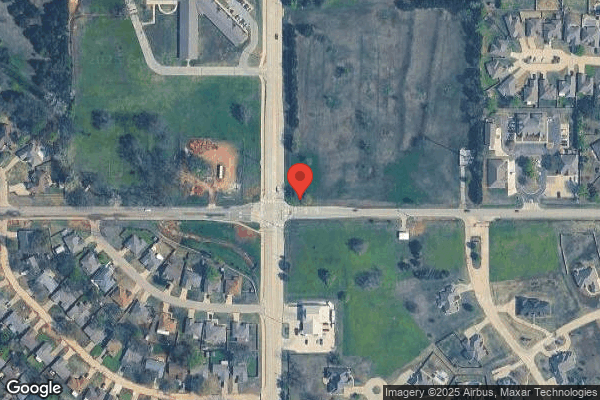
1610 NORTH BRYAN AVENUE, SHAWNEE, OK 74804 (405) 275-9004
For profit - Partnership 110 Beds BRIDGES HEALTH Data: November 2025
Trust Grade
85/100
#32 of 282 in OK
Last Inspection: May 2025

Inspected within the last 6 months. Data reflects current conditions.

Overview

The Regency Skilled Nursing and Therapy in Shawnee, Oklahoma, has a Trust Grade of B+, indicating it is above average and recommended for families seeking care. It ranks #32 out of 282 facilities in Oklahoma, placing it in the top half, and is the best option among the six facilities in Pottawatomie County. The facility is showing improvement, with concerns decreasing from 2 in 2024 to 1 in 2025. Staffing is rated average, with a turnover rate of 43%, which is better than the state average, suggesting that many staff members stay long-term. Notably, the nursing home has no fines on record, which is a positive indicator of compliance. However, there are some areas of concern. Recent inspector findings revealed that the facility failed to properly implement infection control measures for two residents, leading to the spread of C. diff. Additionally, food quality has been an issue, with reports of meals being served cold and unappetizing. Lastly, the kitchen has maintenance problems, including cleanliness issues and equipment repairs that need attention. Overall, while there are notable strengths, families should be aware of these weaknesses when considering this facility for their loved ones.

Trust Score
B+
85/100
In Oklahoma
#32/282
Top 11%
Safety Record
Low Risk
No red flags
Inspections
Getting Better
2 → 1 violations
Staff Stability
○ Average
43% turnover. Near Oklahoma's 48% average. Typical for the industry.
Penalties
✓ Good
No fines on record. Clean compliance history, better than most Oklahoma facilities.
Skilled Nurses
⚠ Watch
Each resident gets only 15 minutes of Registered Nurse (RN) attention daily — below average for Oklahoma. Fewer RN minutes means fewer trained eyes watching for problems.
Violations
⚠ Watch
16 deficiencies on record. Higher than average. Multiple issues found across inspections.
★★★★★
5.0
Overall Rating
★★★☆☆
3.0
Staff Levels
★★★☆☆
3.0
Care Quality
★★★★★
5.0
Inspection Score
Stable
2024: 2 issues
2025: 1 issues

The Good

  • Full Sprinkler Coverage · Fire safety systems throughout facility
  • No fines on record
  • Staff turnover below average (43%)

    5 points below Oklahoma average of 48%

Facility shows strength in fire safety.

The Bad

Staff Turnover: 43%

Near Oklahoma avg (46%)

Typical for the industry

Chain: BRIDGES HEALTH

Part of a multi-facility chain

Ask about local staffing decisions and management

The Ugly 16 deficiencies on record

May 2025 1 deficiency
CONCERN (E) 📢 Someone Reported This

A family member, employee, or ombudsman was alarmed enough to file a formal complaint

Potential for Harm - no one hurt, but risky conditions existed

Infection Control (Tag F0880)

Could have caused harm · This affected multiple residents

**NOTE- TERMS IN BRACKETS HAVE BEEN EDITED TO PROTECT CONFIDENTIALITY** Based on observation, record review, and interview, the facility failed to ensure infection control program guidelines were impl...

Read full inspector narrative →
**NOTE- TERMS IN BRACKETS HAVE BEEN EDITED TO PROTECT CONFIDENTIALITY** Based on observation, record review, and interview, the facility failed to ensure infection control program guidelines were implemented for 2 (#79 and #108) of 19 residents sampled for infection control. The regional nurse consultant reported five residents in the facility had C. diff. Findings: 1. On 04/30/25 at 2:18 p.m., Res # 79's door was observed to have personal protective equipment and a contact precaution sign on the door . The resident was observed resting in bed with eyes closed. A biohazard trashcan and a biohazard bed linen container were observed placed by the door upon entry. On 05/01/25 at 11:20 a.m., Res #79 was observed resting in bed watching television. A facility policy titled Infection Control Program Guidelines for Clostridium Difficile (C Diff), dated 06/14/06, read in part Contract Controls for C. Diff. 1. Contact precautions are recommended to prevent transmission of C. Difficile in the health care setting (CDC [Centers for Disease Control and Prevention] information for healthcare providers July 22, 2005). 2. Place residents with C Diff in private rooms or consolidate them together with other residents who have been diagnosed with C Diff. 3. Use gloves and gowns for all resident contact. 4. Use disposable items and equipment when possible. 5. Continue these precautions until the diarrhea ceases. An undated medical diagnoses list for Res #79's showed the resident admitted with acute cystitis with hematuria. A review of the Res #79 s progress notes, dated 04/19/25 through 05/01/25, showed the resident had been on precautions for c-diff since 04/19/25. On 04/30/25 at 2:18 p.m., Res #79 reported feeling better than they did three days ago. The resident reported their appetite was coming back and they were not having bowel movements as often. On 05/01/25 at 11:20 a.m., Res #79 reported they had four roommates since they admitted . The resident was asked about their last roommate. Res #79 stated they were not here for very long. Res #79 was asked how long it had been since their last roommate. Res #79 reported about a week. 2. A review of the facility's admissions in the last 30 days showed Res #108 admitted on [DATE]. An undated medical diagnoses list for Res #108 showed diagnoses of dementia, dysphagia, and sever protein-calorie malnutrition. A Grievance Form, dated 04/23/25, showed Res #108 was placed in the room with Res #79 upon admission. On 05/01/25 at 12:02 p.m., the IP was asked what the policy was on a resident with/or suspected c-diff and a roommate. They reported they did not cohort residents with C. diff with a negative resident, They stated they isolated the positive resident. The IP was made aware of Res #79 and Res #108 being placed in the same room on 04/23/25. The IP was asked why a negative resident was placed with a positive resident. The IP reported they would have to check with the DON. On 05/01/25 at 12:22 p.m., the DON was asked if any resident should have been put in the room with Res #79. The DON reported maybe if they had c-diff also.
Jan 2024 2 deficiencies
CONCERN (D)

Potential for Harm - no one hurt, but risky conditions existed

Assessment Accuracy (Tag F0641)

Could have caused harm · This affected 1 resident

Based on record review and interview, the facility failed to ensure a resident assessment was accurate for one (#58) of 24 sampled residents whose assessments were reviewed for accuracy. The DON repor...

Read full inspector narrative →
Based on record review and interview, the facility failed to ensure a resident assessment was accurate for one (#58) of 24 sampled residents whose assessments were reviewed for accuracy. The DON reported 94 residents resided in the facility. Findings: Res #58 admitted to the facility with a diagnosis of asthma. A physician order, dated 09/17/23, documented resident to wear oxygen vis nasal cannula at 2 liters per minute to maintain oxygen saturation above 90%. A quarterly assessment, dated 12/15/23, did not include the resident required oxygen therapy. On 01/04/24 at 1:34 p.m., MDS #1 reported the assessment should have documented oxygen therapy.
CONCERN (D)

Potential for Harm - no one hurt, but risky conditions existed

Pharmacy Services (Tag F0755)

Could have caused harm · This affected 1 resident

Based on record review and interview, the facility failed to ensure medications were administered as ordered by the physician for one (#46) of five sampled residents reviewed for medications. The DON ...

Read full inspector narrative →
Based on record review and interview, the facility failed to ensure medications were administered as ordered by the physician for one (#46) of five sampled residents reviewed for medications. The DON identified 94 residents resided in the facility. Findings: Res #46 had diagnoses which included COVID-19. Physician orders, dated 12/21/23, documented ascorbic acid (antioxidant medication) give one gram by mouth two times a day for 14 days and decrease to 500 mg PO BID if stools loose; dexamethasone (steroid medication) 6 mg tablet one time a day for five days; and molnupiravir (anti-infective medication) 200 mg, give four capsules by mouth every 12 hours for five days. The December 2023 MAR documented ascorbic acid was held 10 out of 22 opportunities, dexamethozone was held four out of five opportunities, and molnupiravir was held four out of eight opportunities. On 01/03/24 at 1:59 p.m., corporate nurse consultant #1 and the DON were shown the December 2023 MAR for the medications and asked to provide documentation for the reason the medications were held. On 01/04/24 at 9:59 a.m., the DON stated there was no documented reason for the medications being held. They stated the medications were not administered as ordered.
Aug 2023 2 deficiencies
CONCERN (D) 📢 Someone Reported This

A family member, employee, or ombudsman was alarmed enough to file a formal complaint

Potential for Harm - no one hurt, but risky conditions existed

Quality of Care (Tag F0684)

Could have caused harm · This affected 1 resident

**NOTE- TERMS IN BRACKETS HAVE BEEN EDITED TO PROTECT CONFIDENTIALITY** Based on record review and interview, the facility failed to ensure wound assessments were completed for one (#1) of four sample...

Read full inspector narrative →
**NOTE- TERMS IN BRACKETS HAVE BEEN EDITED TO PROTECT CONFIDENTIALITY** Based on record review and interview, the facility failed to ensure wound assessments were completed for one (#1) of four sampled residents reviewed for assessments. The Resident Census and Conditions of Residents report, dated 08/28/23, documented 98 residents resided in the facility. Findings: Res #1 was admitted to the facility on [DATE] with diagnoses which included displaced fracture of the lateral malleolus left fibula, history of falls, and pressure induced tissue damage of the back buttock and hip. The care plan, dated 01/09/23, documented the facility was to assess/record/monitor wound healing. The care plan documented to measure length, width, and depth of the wound where possible. The care plan documented to assess and document the status of the wound perimeter, wound bed, and healing progress. The plan documented to report improvements and declines to the physician. The admission assessment, dated 01/12/23, documented the resident was cognitively intact and had wounds. A skilled daily nurse note, dated 01/22/23, documented a focused assessment was completed for strengthening and monitoring related to the left ankle fracture and repair. The note documented moderate amount of edema, no open areas, appears scabbed, and red. The note did not document regarding drainage, measurements of surgical site/wound, or healing progress. The note was the only documentation found related to an assessment of the surgical wound. On 08/29/23, the DON reviewed the resident's clinical record. The DON stated the skilled note, dated 01/22/23, had the only wound assessment documentation regarding the resident's surgical site. The DON could not find a documented assessment regarding the staple removal from the surgical site. The DON stated the staff should have documented the procedure, appearance of the site, and how the resident tolerated the procedure. On 08/30/23, the DON stated the resident was in COVID isolation from 01/16/23 until the time she left the facility. The DON stated a wound assessment or a COVID assessment were completed, but not both. The DON reviewed the wound assessments completed and stated a surgical wound assessment was not present.
CONCERN (E) 📢 Someone Reported This

A family member, employee, or ombudsman was alarmed enough to file a formal complaint

Potential for Harm - no one hurt, but risky conditions existed

Deficiency F0804 (Tag F0804)

Could have caused harm · This affected multiple residents

Based on record review, observation, and interview, the facility failed to provide food that was palatable and at an appetizing temperature for the residents. The Resident Census and Conditions of Res...

Read full inspector narrative →
Based on record review, observation, and interview, the facility failed to provide food that was palatable and at an appetizing temperature for the residents. The Resident Census and Conditions of Residents report, dated 08/28/23, documented 98 residents resided in the facility. Findings: The Resident Council Report, dated 08/17/23, documented the food was still cold when served on the resident halls. The Daily Hot Food Table Temperature Chart, dated 08/30/23, did not document food temperatures obtained for the lunch meal prior to serving. On 08/30/23 at 12:20 p.m., the dietary manager stated there was not enough hot plates to serve all the residents who ate in their rooms. The dietary manager stated the plates without hot plates are covered with plastic wrap and served as quick as possible. On 08/30/23 at 12:55 p.m., a sample meal tray was obtained. The food was not palatable to taste or temperature. On 08/30/23 at 1:29 p.m., Res #4 stated they ate lunch in the dining room and the food was hot. The resident stated when they ate meals in their room the food was usually cold. On 08/30/23 at 3:00 p.m., the dietary manager stated about 75% of facility residents ate meals in their rooms.
Mar 2023 1 deficiency
CONCERN (D) 📢 Someone Reported This

A family member, employee, or ombudsman was alarmed enough to file a formal complaint

Potential for Harm - no one hurt, but risky conditions existed

Deficiency F0808 (Tag F0808)

Could have caused harm · This affected 1 resident

**NOTE- TERMS IN BRACKETS HAVE BEEN EDITED TO PROTECT CONFIDENTIALITY** Based on record review, observation, and interview, the facility failed to ensure residents received physician prescribed diets ...

Read full inspector narrative →
**NOTE- TERMS IN BRACKETS HAVE BEEN EDITED TO PROTECT CONFIDENTIALITY** Based on record review, observation, and interview, the facility failed to ensure residents received physician prescribed diets for one (#2) of three residents sampled for physician prescribed specialty diets. The DON identified five residents who had a prescribed renal diet. Findings: Res #2 had diagnoses which included chronic kidney disease stage III and dependence on renal dialysis. A physician order, dated 11/08/22, documented the resident required a renal diet. A quarterly MDS, dated [DATE], documented the resident was cognitively intact and received a therapeutic diet. A Diet Spreadsheet Short Name Format menu was provided by the dietary manager. The menu for 03/16/23 documented the lib renal lunch was Salisbury beef, rice/noodles, buttered broccoli, bread choice, and dessert of the day. On 03/16/23 at 12:00 p.m., Res #2 was observed in her room seated in a wheelchair with a meal tray in front of them. The resident's plate was observed to contain mashed potatoes with brown gravy, a ground beef patty covered in brown gravy, and a bowl of steamed broccoli. A slice of white bread was observed in a bag on the tray. The resident stated they had eaten the dessert. The resident stated they had requested a different meal because they could not eat what was served. On 03/16/23 at 4:09 p.m., the dietary manager stated mashed potatoes were not part of a renal diet. She stated Res #2 should have been served rice or noodles instead.
Feb 2023 10 deficiencies
CONCERN (D)

Potential for Harm - no one hurt, but risky conditions existed

Resident Rights (Tag F0550)

Could have caused harm · This affected 1 resident

Based on record review, observation, and interview, the facility failed to dress residents in their personal clothes per their wishes for one (#8) of one resident reviewed for dignity. The Resident Ce...

Read full inspector narrative →
Based on record review, observation, and interview, the facility failed to dress residents in their personal clothes per their wishes for one (#8) of one resident reviewed for dignity. The Resident Census and Conditions of Residents documented 86 residents resided in the facility. Findings: Res #8's care plan, dated 02/23/22, documented the resident has an ADL self-care deficit due to weakness and required two staff participation to dress. The resident's refusal to dress was not documented in the care plan. A quarterly assessment, dated 11/05/22, documented the resident had severe cognitive impairment, did not ambulate, and required extensive assistance with dressing. On 02/01/23 at 12:59 p.m., Res #8 was observed lying in bed wearing a cloth medical gown. The resident stated she would like to wear her own personal clothing but the staff always dressed her in a hospital gown because she spilt things a lot and the nurse aides don't want to change her clothes as often. Personal clothing with the resident's name printed on the labels was observed in Res #8's closet. On 02/02/23 at 12:09 p.m., Res #8 was observed lying in bed asleep wearing a cloth medical gown. On 02/03/23 at 10:30 a.m., Res #8 was observed lying in bed asleep wearing a cloth medical gown. On 02/03/23 at 10:31 a.m., CNA #1 stated the resident frequently refused to allow staff to dress her in personal clothes. She reported the resident's refusals were documented under tasks in the electronic health record. On 02/03/23 at 10:40 a.m., CNA #2 stated the resident refused to get dressed almost daily. She stated the resident's refusals were documented in the electronic health record. On 02/06/23 at 12:20 p.m., the ADON stated Res #8 refused to allow staff to assist with dressing often and the refusals should be documented in the electronic health record. She stated residents should always be dressed in their personal clothes per their wishes. No documentation of the resident's refusal to dress in personal clothes was found in the electronic health record. On 02/06/23 at 3:52 p.m., the DON stated there was no documentation of Res #8's refusals to dress in personal clothes in the electronic health record. She stated the resident had a tendency to refuse care but there was no proof of refusal documented in the care plan or the nurse aides' tasks in the electronic health record.
CONCERN (D)

Potential for Harm - no one hurt, but risky conditions existed

Deficiency F0578 (Tag F0578)

Could have caused harm · This affected 1 resident

**NOTE- TERMS IN BRACKETS HAVE BEEN EDITED TO PROTECT CONFIDENTIALITY** Based on record review and interview, the facility failed to ensure a current copy of a resident's Do-Not-Resuscitate (DNR) cons...

Read full inspector narrative →
**NOTE- TERMS IN BRACKETS HAVE BEEN EDITED TO PROTECT CONFIDENTIALITY** Based on record review and interview, the facility failed to ensure a current copy of a resident's Do-Not-Resuscitate (DNR) consent was in the resident's medical record for one (#39) of three residents sampled for advance directives. The DON reported 26 residents, who resided in the facility, have DNR consents. Findings: Res #39 was admitted to the facility on [DATE] with diagnoses of hemiplegia and hemiparesis following cerebral infarction, depressive disorders, and dysphasia. A care plan revision, dated 7/25/22, documented the resident had a DNR status. On 02/01/23 at 4:36 p.m., the resident's electronic health record was reviewed and documented the resident's status as DNR. The resident's paper chart was reviewed and no DNR consent form was located in resident's chart. On 02/03/23 at 11:20 a.m., the DON and administrator provided a signed DNR form, dated for 02/03/23. The DON reported that the resident had one but the facility was not able to find it so they had her sign another one.
CONCERN (D)

Potential for Harm - no one hurt, but risky conditions existed

Safe Environment (Tag F0584)

Could have caused harm · This affected 1 resident

Based on observation and interview, the facility failed to provide a clean environment for one (#17) of three residents observed for environment. The Resident Census and Conditions of Residents form ...

Read full inspector narrative →
Based on observation and interview, the facility failed to provide a clean environment for one (#17) of three residents observed for environment. The Resident Census and Conditions of Residents form documented 84 residents resided in the facility. Findings: On 02/01/23 at 11:13 p.m., the resident's carpet in the room was observed to have small pieces of paper and food and dirt particles on the floor. On 02/02/23 at 12:14 p.m., the resident's carpet in room was observed to have small pieces of paper and food and dirt particles on the floor. On 02/06/23 at 1:30 p.m., the resident's carpet in room was observed to still have small pieces of paper and food and dirt particles on the floor. On 02/07/23 at 10:41 a.m., the maintenance/housekeeping/laundry supervisor was asked how often resident rooms are to be cleaned and vacuumed? He stated daily. The housekeeping supervisor and the administrator was informed of the resident's room not being vacuumed since start of survey, same pieces of paper, small food particles and dirt on floor.
CONCERN (D)

Potential for Harm - no one hurt, but risky conditions existed

Deficiency F0657 (Tag F0657)

Could have caused harm · This affected 1 resident

Based on record review, observation, and interview, the facility failed to ensure resident care plans were reviewed and revised after falls for one (#23) of two residents reviewed for falls. The DON i...

Read full inspector narrative →
Based on record review, observation, and interview, the facility failed to ensure resident care plans were reviewed and revised after falls for one (#23) of two residents reviewed for falls. The DON identified 103 resident falls during the previous six months. Findings: A Fall Awareness Program Policy, revised 11/27/17, documented to consider factors regarding a fall and develop the care plan using appropriate interventions after a fall occurs. Res #23 had diagnoses which included Parkinson's disease, rheumatoid arthritis, and arthropathy. An admission assessment, dated 08/17/21, documented the resident was cognitively intact, required supervision with transfer and ambulation, and had not fell prior to admission. A care plan, dated 09/29/21, documented Res #23 had the potential to fall related to gait and balance problems, weakness, and a history of falls. The care plan documented a goal of staff to evaluate all falls and intervene as needed to reduce the potential of significant injury. An incident report, dated 10/04/21, documented Res #23 was found in the floor. The resident stated the fall occurred from getting dizzy during transfer to the bed while using the bedside table for support. The resident had a raised hematoma to right forehead and was transferred to the hospital for evaluation. The intervention was for the resident to use the call light and utilizing the grab bar on the bed frame for stability. The care plan did not document an evaluation or the intervention of the 10/04/21 fall. An incident report, dated 02/28/22, documented Res #23 was found on the floor. The resident stated the fall occurred while trying to transfer. The resident had a bump on the back of their head. The report did not include an intervention for the fall. The care plan did not document an evaluation or intervention for the 02/28/22 fall. An incident report, dated 03/29/22, documented Res #23 was found on the floor in front of the bed. The resident stated the fall occurred while getting out of bed. No injuries observed at time of incident. The intervention was for the resident to use the call light which was already used previouly. The care plan did not document an evaluation or intervention for the 03/29/22 fall. An incident report, dated 05/11/22, documented Res #23 was found sitting on the floor. The resident stated he slid out of motorized wheelchair. No injuries observed at time of incident. The incident report did not include an intervention for the fall. The care plan did not document an evaluation and intervention for the 05/11/22 fall. On 02/01/23 at 10:38 a.m., Res #23 was observed lying in bed. The resident stated he had fell several times in the last few months because he forgot to ask for help when getting up. On 02/06/23 at 1:59 p.m., the DON stated the falls that occurred on 10/04/21, 02/28/22, 03/29/22, and 05/11/22 did not have an evaluation and interventions documented on the care plan. She stated incident reports were completed but revision of the care plan was missed.
CONCERN (D)

Potential for Harm - no one hurt, but risky conditions existed

Accident Prevention (Tag F0689)

Could have caused harm · This affected 1 resident

Based on record review, observation, and interview, the facility failed to ensure resident care plans were reviewed and revised after falls for one (#23) of two residents reviewed for falls. The DON i...

Read full inspector narrative →
Based on record review, observation, and interview, the facility failed to ensure resident care plans were reviewed and revised after falls for one (#23) of two residents reviewed for falls. The DON identified 103 resident falls during the previous six months. Findings: A Fall Awareness Program Policy, revised 11/27/17, documented to consider factors regarding a fall and develop the care plan using appropriate interventions after a fall occurs. Res #23 had diagnoses which included Parkinson's disease, rheumatoid arthritis, and arthropathy. An admission assessment, dated 08/17/21, documented the resident was cognitively intact, required supervision with transfer and ambulation, and had not fell prior to admission. A care plan, dated 09/29/21, documented Res #23 had the potential to fall related to gait and balance problems, weakness, and a history of falls. The care plan documented a goal of staff to evaluate all falls and intervene as needed to reduce the potential of significant injury. An incident report, dated 10/04/21, documented Res #23 was found in the floor. The resident stated the fall occurred from getting dizzy during transfer to the bed while using the bedside table for support. The resident had a raised hematoma to right forehead and was transferred to the hospital for evaluation. The intervention was for the resident to use the call light and utilizing the grab bar on the bed frame for stability. The care plan did not document an evaluation or the intervention of the 10/04/21 fall. An incident report, dated 02/28/22, documented Res #23 was found on the floor. The resident stated the fall occurred while trying to transfer. The resident had a bump on the back of their head. The report did not include an intervention for the fall. The care plan did not document an evaluation or the intervention for the 02/28/22 fall. An incident report, dated 03/29/22, documented Res #23 was found on the floor in front of the bed. The resident stated the fall occurred while getting out of bed. No injuries observed at time of incident. The intervention was for the resident to use the call light which was already used previouly. The care plan did not document an evaluation or the intervention for the 03/29/22 fall. An incident report, dated 05/11/22, documented Res #23 was found sitting on the floor. The resident stated he slid out of motorized wheelchair. No injuries observed at time of incident. The incident report did not include an intervention for the fall. The care plan did not document an evaluation and the intervention for the 05/11/22 fall. On 02/01/23 at 10:38 a.m., Res #23 was observed lying in bed. The resident stated he had fell several times in the last few months because he forgot to ask for help when getting up. On 02/06/23 at 1:59 p.m., the DON stated the falls that occurred on 02/28/22, 03/29/22, and 05/11/22 did not have an evaluation and interventions documented.
CONCERN (D)

Potential for Harm - no one hurt, but risky conditions existed

Respiratory Care (Tag F0695)

Could have caused harm · This affected 1 resident

**NOTE- TERMS IN BRACKETS HAVE BEEN EDITED TO PROTECT CONFIDENTIALITY** Based on record review, observation, and interview, the facility failed to change nebulizer tubing as ordered by the physician f...

Read full inspector narrative →
**NOTE- TERMS IN BRACKETS HAVE BEEN EDITED TO PROTECT CONFIDENTIALITY** Based on record review, observation, and interview, the facility failed to change nebulizer tubing as ordered by the physician for one (#17) of one resident sampled for respiratory therapy. The Resident Census and Conditions of Residents documented 19 residents required respiratory therapy. Findings: Res #17 was admitted to the facility on [DATE] with diagnoses of morbid obesity, pulmonary heart disease, and hypertension. A quarterly assessment, dated 10/23/22, documented the resident had an intact cognition. A physician's order, dated 12/9/22 documented to change nebulizer tubing on the 1st and 15th of each month and as needed. On 02/01/23 at 11:13 a.m., a nebulizer machine was observed sitting on the residents table beside her recliner. The tubing for the nebulizer was dated 12/20/22. On 02/08/23 at 11:30 a.m., the DON was made aware of the date on the nebulizer tubing upon initial tour of the facility. The DON was asked if the tubing should have already been changed. She stated, Yes, we have trouble getting them to change the tubing like they are supposed to.
CONCERN (D)

Potential for Harm - no one hurt, but risky conditions existed

Pharmacy Services (Tag F0755)

Could have caused harm · This affected 1 resident

**NOTE- TERMS IN BRACKETS HAVE BEEN EDITED TO PROTECT CONFIDENTIALITY** Based on record review, observation, and interview, the facility failed to provide medications to residents per physician order ...

Read full inspector narrative →
**NOTE- TERMS IN BRACKETS HAVE BEEN EDITED TO PROTECT CONFIDENTIALITY** Based on record review, observation, and interview, the facility failed to provide medications to residents per physician order for one (#17) of six residents whose medications were reviewed. The Resident Census and Conditions of Residents form documented 84 residents resided in the facility. Findings: A Nebulizer Treatment Therapy policy, revised 08/31/10, read in parts, .All employees of nursing .shall adhere to the guidelines set forth herein, when using a Nebulizer Machine .Observe patient and obtain vitals including heart rate, respiratory rate and auscultate for breath sounds .Instruct patient to take slow, deep breaths and on every 4th breath, hold it to the count of 5. This will facilitate deeper particle disposition of the medication .The medications will sometimes increase the heart rate or cause the patient to tremble. This is normal. If the patient's heart rate increased greater than 20 beats per minute discontinue the treatment immediately. Notify the nurse and physician. Don't forget to take the heart rate, respiratory rate, and auscultate for breath sounds after treatment. Obtain pulse oximeter readings both before and after treatment. Turn the nebulizer machine off and empty medication cup of any residual medication. Place nebulizer equipment in bag for future use when treatment is complete. Ask the patient to cough and document the results . Res #17 was admitted to the facility on [DATE] with diagnoses of morbid obesity, pulmonary heart disease, and hypertension. A significant change assessment, dated 01/19/23, documented the resident's cognition was intact. On 02/01/23 at 3:54 p.m., the resident was observed sitting in her room in a recliner with a nebulizer mask on her face with a treatment being administered. No staff were present in the room or in front of resident's door. Two staff members were observed down on the end of the hall and the resident could be heard coughing from the hall. On 02/01/23 at 3:57 p.m., the resident was observed sitting in her recliner in her room. A nebulizer mask was in place with a treatment being administered. On 02/01/23 at 3:59 p.m., LPN #1 was observed knocking on the resident's door and stated, Are you done? On 02/02/23 at 3:11 p.m., Res #17 was observed sitting in her recliner with HHN treatment via mask. She reported the nurse just started it. No staff were in the room with the resident. The resident reported the nurse checked her oxygen saturation before and it was 97%. The resident stated it took about 10 minutes for breathing treatment to be completed. The resident was asked if staff ever stayed in the room with her while she received her HHN treatment. She stated, No, they just come in and start it, then come back to stop it. On 02/02/23 at 4:22 p.m., LPN #1 was asked what the protocol was for administering breathing treatments. LPN #1 stated he set the resident up with the treatment and set a timer so he knows when to come back. He was asked if he stayed in the room while the breathing treatment was being administered. He stated if he had time he would. He was asked if the facility was short of staff. He stated he didn't think so. On 02/02/23 at 4:25 p.m., the DON was asked what the protocol was for administering breathing treatments. She stated she needed to ask the corporate nurse consultant. On 02/02/23 at 4:40 p.m., the DON provided the nebulizer treatment therapy policy and stated it did not specify anything about self administration. She was informed it was not about self administration, it was about the resident being administered meds and staff not being present throughout the process. She was made aware of the observations with resident.
CONCERN (D)

Potential for Harm - no one hurt, but risky conditions existed

Medication Errors (Tag F0758)

Could have caused harm · This affected 1 resident

Based on record review, observation, and interview, the facility failed to monitor for side effects and behaviors of psychotropic medications for one (#23) of five residents reviewed for unnecessary m...

Read full inspector narrative →
Based on record review, observation, and interview, the facility failed to monitor for side effects and behaviors of psychotropic medications for one (#23) of five residents reviewed for unnecessary medications. The Resident Census and Conditions of Residents documented 51 residents received psychotropic medications. Findings: Res #23 had diagnoses which included Parkinson's disease, rheumatoid arthritis, anxiety, and recurrent depressive disorder. A care plan, dated 11/21/21, documented to monitor and document the effectiveness and side effects of antidepressants such as dry mouth, dry eyes, constipation, urinary retention, and suicidal ideations every shift. Monitor, document, and report to the physician signs and/or symptoms of depression unaltered by antidepressant medications such as sad, irritable, crying, negative comments, and anxiety. A physician order, dated 12/9/22, documented to administer mirtazapine (an antidepressant medication) 15 mg daily at bedtime for appetite. A physician order, dated 12/10/22, documented to administer fluoxetine (an antidepressant medication) 20 mg daily for recurrent depressive disorder. A quarterly assessment, dated 01/20/23, documented the resident was cognitively intact, required extensive assistance with most ADLs, and received antidepressants. The December 2022 TAR, January 2023 TAR, and February 2023 TAR had no documentation of side effect or behavior monitoring for antidepressants. On 02/06/23 at 12:18 p.m., the DON stated side effect and behavior monitoring had not been documented on Res #23 from 12/08/22 until present but should have been.
CONCERN (E)

Potential for Harm - no one hurt, but risky conditions existed

Food Safety (Tag F0812)

Could have caused harm · This affected multiple residents

Based on observation and interview, the facility failed to ensure the kitchen was maintained, clean, and in good repair. The Resident Census and Condition of Residents reported 84 residents resided in...

Read full inspector narrative →
Based on observation and interview, the facility failed to ensure the kitchen was maintained, clean, and in good repair. The Resident Census and Condition of Residents reported 84 residents resided in the facility. Findings: On 02/01/23 at 925 a.m., during a tour of the kitchen the following observations were made: a. Ceiling lights were burned out and/or not working, b. An accumulation of lint on the ceiling around heat/air vents, c. An accumulation of white and black residue inside of the ice machine, d. Caulking was missing with gaps between the wall and the hand sinks, e. A wooden rolling pin stored on a shelf in the dish wash area had splits in the wood, f. Water leaking from the piping onto the floor below the two compartment sink, g. Sheet rock was cut out and there was a hole in the ceiling around the fire sprinkler in the cold cereal area, h. An accumulation of grease and food on the floor under the fryer and stove, i. An accumulation of grease on the fryer and stove, j. An accumulation of black residue on the table mounted can opener, and k. Paint was peeling off of doors. On 02/07/23 at 8:59 a.m., the DM was asked how the kitchen is kept clean and in good repair. The DM reported she did routine walk-throughs in the kitchen and staff did walk-throughs at 5:30 every morning.
CONCERN (E)

Potential for Harm - no one hurt, but risky conditions existed

Infection Control (Tag F0880)

Could have caused harm · This affected multiple residents

Based on record review, observation, and interview, the facility failed to properly wear personal protective equipment to prevent the spread of infection. The Resident Census and Conditions of Residen...

Read full inspector narrative →
Based on record review, observation, and interview, the facility failed to properly wear personal protective equipment to prevent the spread of infection. The Resident Census and Conditions of Residents documented 86 residents resided in the facility. Findings: A COVID-19 Guidelines for Employees, dated 10/02/22, documented signage will be placed at the entrances of facilities advising visitors and staff on COVID-19 precautions. On 02/06/23 at 10:28 a.m., a COVID-19 information sign was observed on the facility front entry door. The sign documented Masks are required if this building is in outbreak protocol or the county has a high community transmission rate. The COVID Data Tracker on the Centers for Disease Control and Prevention website documented the community transmission rate as High for Pottawatomie County during the survey observation period. On 02/06/23 at 10:30 a.m., the front desk receptionist #1 was observed not wearing a mask. On 02/06/23 at 10:44 a.m., LPN #2 was observed standing at the nurses' station with a surgical mask pulled down around the chin. The mask did not cover the nose or mouth. On 02/06/23 at 10:45 a.m., the front desk receptionist #1 was observed not wearing a mask. On 02/06/23 at 3:20 p.m., the infection preventionist stated all staff are required to wear a mask properly while in the facility, especially during direct resident care. On 02/07/23 at 7:35 a.m., the front desk receptionist #1 was observed not wearing a mask. On 02/07/23 at 7:36 a.m., LPN #2 was observed standing at a treatment cart in front of the nurses' station with a surgical mask pulled down around the chin. The mask did not cover the nose or mouth. On 02/08/23 at 9:04 a.m., the activity director was observed within approximately one foot of residents wearing a surgical mask that had been pulled down around the chin. The mask did not cover the nose or mouth. On 02/08/23 at 10:32 a.m., the activity director stated the facility required masks at all times but occasionally she pulls her mask down to communicate with residents. The activity director stated it is the rule of the building that all personnel wear a mask properly at all times. On 02/08/23 at 10:35 a.m., the activity director was observed pushing a resident in a wheel chair into the activity room with her mask pulled down under the chin. The mask did not cover the nose or mouth. On 02/08/23 at 10:40 a.m., the front desk receptionist #2 stated it is the receptionist's responsibility to wear a mask and make sure all staff and visitors wear masks when entering the building. On 02/08/23 at 10:50 a.m., the DON stated all staff should wear a mask at all times while in the building. She stated the mask should cover the nose and mouth at all times, especially if the staff member is providing direct resident care.
Understanding Severity Codes (click to expand)
Life-Threatening (Immediate Jeopardy)
J - Isolated K - Pattern L - Widespread
Actual Harm
G - Isolated H - Pattern I - Widespread
Potential for Harm
D - Isolated E - Pattern F - Widespread
No Harm (Minor)
A - Isolated B - Pattern C - Widespread

Questions to Ask on Your Visit

  • "Can I speak with families of current residents?"
  • "What's your RN coverage like on weekends and overnight?"

Our Honest Assessment

Strengths
  • • Grade B+ (85/100). Above average facility, better than most options in Oklahoma.
  • • No major safety red flags. No abuse findings, life-threatening violations, or SFF status.
  • • No fines on record. Clean compliance history, better than most Oklahoma facilities.
  • • 43% turnover. Below Oklahoma's 48% average. Good staff retention means consistent care.
Concerns
  • • 16 deficiencies on record. Higher than average. Multiple issues found across inspections.
Bottom line: Generally positive indicators. Standard due diligence and a personal visit recommended.

About This Facility

What is The Regency Skilled Nursing And Therapy's CMS Rating?

CMS assigns THE REGENCY SKILLED NURSING AND THERAPY an overall rating of 5 out of 5 stars, which is considered much above average nationally. Within Oklahoma, this rating places the facility higher than 99% of the state's 100 nursing homes. This rating reflects solid performance across the metrics CMS uses to evaluate nursing home quality.
How is The Regency Skilled Nursing And Therapy Staffed?

CMS rates THE REGENCY SKILLED NURSING AND THERAPY's staffing level at 3 out of 5 stars, which is average compared to other nursing homes. Staff turnover is 43%, compared to the Oklahoma average of 46%. This relatively stable workforce can support continuity of care.

What Have Inspectors Found at The Regency Skilled Nursing And Therapy?

State health inspectors documented 16 deficiencies at THE REGENCY SKILLED NURSING AND THERAPY during 2023 to 2025. These included: 16 with potential for harm.
Who Owns and Operates The Regency Skilled Nursing And Therapy?

THE REGENCY SKILLED NURSING AND THERAPY is owned by a for-profit company. For-profit facilities operate as businesses with obligations to shareholders or private owners. The facility is operated by BRIDGES HEALTH, a chain that manages multiple nursing homes. With 110 certified beds and approximately 91 residents (about 83% occupancy), it is a mid-sized facility located in SHAWNEE, Oklahoma.
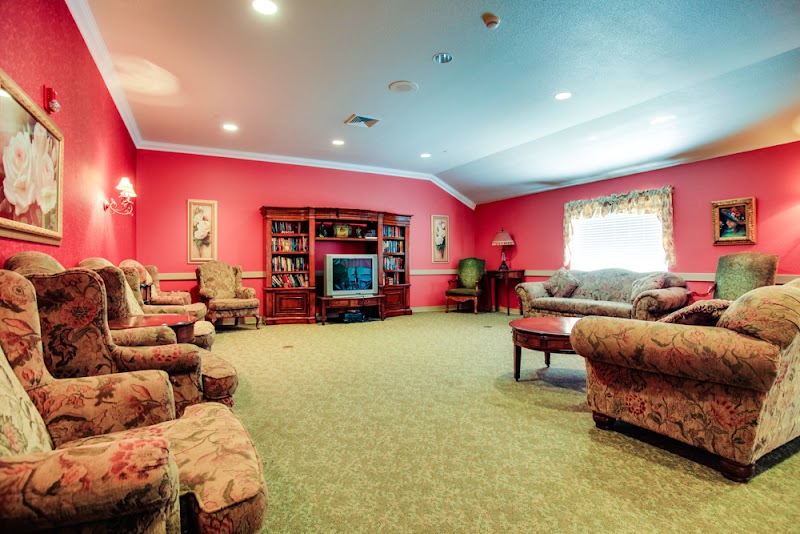
How Does The Regency Skilled Nursing And Therapy Compare to Other Oklahoma Nursing Homes?

Compared to the 100 nursing homes in Oklahoma, THE REGENCY SKILLED NURSING AND THERAPY's overall rating (5 stars) is above the state average of 2.7, staff turnover (43%) is near the state average of 46%, and health inspection rating (5 stars) is much above the national benchmark.

What Should Families Ask When Visiting The Regency Skilled Nursing And Therapy?

Based on this facility's data, families visiting should ask: "Can I visit during a mealtime to observe dining assistance and food quality?" "How do you handle medical emergencies, and what is your hospital transfer rate?" "Can I speak with family members of current residents about their experience?"

Is The Regency Skilled Nursing And Therapy Safe?

Based on CMS inspection data, THE REGENCY SKILLED NURSING AND THERAPY has a clean safety record: no substantiated abuse findings (meaning no confirmed cases of resident harm), no Immediate Jeopardy citations (the most serious violation level indicating risk of serious injury or death), and is not on the Special Focus Facility watch list (a federal program monitoring the lowest-performing 1% of nursing homes). The facility has a 5-star overall rating and ranks #1 of 100 nursing homes in Oklahoma. While no facility is perfect, families should still ask about staff-to-resident ratios and recent inspection results during their visit.

Do Nurses at The Regency Skilled Nursing And Therapy Stick Around?

THE REGENCY SKILLED NURSING AND THERAPY has a staff turnover rate of 43%, which is about average for Oklahoma nursing homes (state average: 46%). Moderate turnover is common in nursing homes, but families should still ask about staff tenure and how the facility maintains care continuity when employees leave.

Was The Regency Skilled Nursing And Therapy Ever Fined?

THE REGENCY SKILLED NURSING AND THERAPY has no federal fines on record. CMS issues fines when nursing homes fail to meet care standards or don't correct problems found during inspections. The absence of fines suggests the facility has either maintained compliance or corrected any issues before penalties were assessed. This is a positive indicator, though families should still review recent inspection reports for the full picture.

Is The Regency Skilled Nursing And Therapy on Any Federal Watch List?

THE REGENCY SKILLED NURSING AND THERAPY is not on any federal watch list. The most significant is the Special Focus Facility (SFF) program, which identifies the bottom 1% of nursing homes nationally based on persistent, serious quality problems. Not being on this list means the facility has avoided the pattern of deficiencies that triggers enhanced federal oversight. This is a positive indicator, though families should still review the facility's inspection history directly.