HERITAGE SKILLED NURSING AND THERAPY
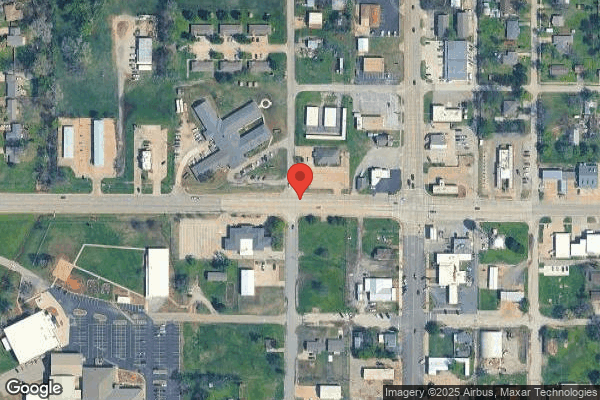

201 WEST WALNUT, TECUMSEH, OK 74873 (405) 598-2167
For profit - Limited Liability company 100 Beds BRIDGES HEALTH Data: November 2025
Trust Grade
60/100
#112 of 282 in OK
Last Inspection: March 2025

Within standard 12-15 month inspection cycle. Federal law requires annual inspections.

Overview

Heritage Skilled Nursing and Therapy in Tecumseh, Oklahoma, has a Trust Grade of C+, indicating it is slightly above average but not exceptional. It ranks #112 out of 282 facilities in Oklahoma, placing it in the top half, and #2 out of 6 in Pottawatomie County, meaning there is only one better local option. The facility is improving, with issues decreasing from 10 in 2023 to 6 in 2025. Staffing is average with a turnover rate of 54%, which is slightly better than the state average, and there have been no fines recorded, which is a positive sign. However, specific concerns include incomplete care plans for residents and cleanliness issues in the kitchen area, which could impact the overall safety and quality of care provided.

Trust Score
C+
60/100
In Oklahoma
#112/282
Top 39%
Safety Record
Low Risk
No red flags
Inspections
Getting Better
10 → 6 violations
Staff Stability
⚠ Watch
54% turnover. Above average. Higher turnover means staff may not know residents' routines.
Penalties
✓ Good
No fines on record. Clean compliance history, better than most Oklahoma facilities.
Skilled Nurses
⚠ Watch
Each resident gets only 21 minutes of Registered Nurse (RN) attention daily — below average for Oklahoma. Fewer RN minutes means fewer trained eyes watching for problems.
Violations
⚠ Watch
27 deficiencies on record. Higher than average. Multiple issues found across inspections.
★★★☆☆
3.0
Overall Rating
★★★☆☆
3.0
Staff Levels
★★★☆☆
3.0
Care Quality
★★★☆☆
3.0
Inspection Score
Stable
2023: 10 issues
2025: 6 issues

The Good

  • Full Sprinkler Coverage · Fire safety systems throughout facility
  • No fines on record

Facility shows strength in fire safety.

The Bad

3-Star Overall Rating

Near Oklahoma average (2.6)

Meets federal standards, typical of most facilities

Staff Turnover: 54%

Near Oklahoma avg (46%)

Higher turnover may affect care consistency

Chain: BRIDGES HEALTH

Part of a multi-facility chain

Ask about local staffing decisions and management

The Ugly 27 deficiencies on record

Mar 2025 6 deficiencies
CONCERN (D)

Potential for Harm - no one hurt, but risky conditions existed

Deficiency F0583 (Tag F0583)

Could have caused harm · This affected 1 resident

Based on observation, record review, and interview, the facility failed to ensure protected health information was secure for 1 (#66) of 65 residents receiving care in the facility. The administrator ...

Read full inspector narrative →
Based on observation, record review, and interview, the facility failed to ensure protected health information was secure for 1 (#66) of 65 residents receiving care in the facility. The administrator identified 65 residents resided in the facility. Findings: On 03/26/25 at 12:24 p.m., a computer on a cart by the nurses station for the North and Northeast halls was observed to be open and showed protected health information for Resident #66. There were no residents or staff around at that time. A Resident's Records policy in the admission agreement, dated 10/14/19, read in part, Information included in the resident's medical records is confidential. Unauthorized persons shall not be allowed to review these records without the Resident's written consent except as required or permitted by law. On 03/26/25 at 12:27 p.m., the ADON returned to the cart and stated they were busy collecting a Vanco trough (antibiotic lab draw) and had just forgotten to close the screen out. They stated they knew it was a violation of Health Insurance Portability and Accountability Act (HIPPA). On 03/27/25 at 8:40 a.m., the administrator stated the ADON knew not to leave protected health information unsecured.
CONCERN (D)

Potential for Harm - no one hurt, but risky conditions existed

Quality of Care (Tag F0684)

Could have caused harm · This affected 1 resident

**NOTE- TERMS IN BRACKETS HAVE BEEN EDITED TO PROTECT CONFIDENTIALITY** Based on observation, record review, and interview, the facility failed to monitor and intervene for a PICC line that required c...

Read full inspector narrative →
**NOTE- TERMS IN BRACKETS HAVE BEEN EDITED TO PROTECT CONFIDENTIALITY** Based on observation, record review, and interview, the facility failed to monitor and intervene for a PICC line that required care for 1 (#215 ) of 2 sampled residents with PICC lines. The administrator identified 65 residents resided in the facility and two residents had PICC lines. Findings: On 03/26/25 at 12:18 p.m., a PICC line to Resident #215's left shoulder was observed with a dressing that had a date of 03/16/25 on it. There was brown drainage noted under the clear dressing. Resident #215 was admitted on [DATE] with a diagnosis of encephalopathy and severe sepsis with septic shock. An IV [intravenous therapy] Nursing Policies and Procedures policy, dated 06/01/11, read in part, Sterile dressing changes will be performed every 7 days and immediately if the integrity of the dressing is compromised. On 03/26/25 at 12:27 p.m., the ADON stated they were trying to get orders to discontinue the PICC line. They stated the policy was to change the dressing within 24 hours after being placed and then every 72 hours. They stated the dressing had not been changed. They stated, There is no excuse for it to go this long in all honesty. On 03/27/25 at 8:31 a.m., the RN/administrator stated they were unaware the PICC line had not been taken care of. They stated they received the order to discontinue this morning and removed the PICC line.
CONCERN (D)

Potential for Harm - no one hurt, but risky conditions existed

Staffing Information (Tag F0732)

Could have caused harm · This affected 1 resident

Based on observation and interview, the facility failed to post nurse staffing in a prominent place accessible to residents and visitors. The administrator identified 65 residents who resided in the f...

Read full inspector narrative →
Based on observation and interview, the facility failed to post nurse staffing in a prominent place accessible to residents and visitors. The administrator identified 65 residents who resided in the facility. Findings: On 03/25/25 at 8:00 a.m., no staffing board was observed in the facility. On 03/26/25 at 9:15 a.m., no staffing board was observed in the facility. On 03/26/25 at 10:58 a.m., the director of nursing pointed out a schedule on a cork board behind the nurses desk. Only half of the schedule was seen.
CONCERN (D)

Potential for Harm - no one hurt, but risky conditions existed

Infection Control (Tag F0880)

Could have caused harm · This affected 1 resident

Based on observation, record review, and interview, the facility failed to ensure infection control practices were followed for glove usage. The administrator identified 65 residents resided at the fa...

Read full inspector narrative →
Based on observation, record review, and interview, the facility failed to ensure infection control practices were followed for glove usage. The administrator identified 65 residents resided at the facility. Findings: On 03/25/25 at 11:12 a.m., RN #1 was observed wearing gloves and getting a finger stick blood sugar of a resident. RN #1 then changed gloves and gave the resident their insulin. They did not sanitize their hands between glove changes. On 03/25/25 at 11:15 a.m., RN #1 was observed still wearing the same gloves out in the hall to get the sanitizing wipes from the nurses' cart. RN #1 cleaned the glucometer and then removed their gloves. A Personal Protective Equipment policy, dated 03/02/24, read in part, Gloves can protect both patients and healthcare personnel from exposure to infectious materials that may be carried on hands. During patient care, transmission of infectious organisms can be reduced by adhering to the principles of working from 'clean to dirty' and confining or limiting contamination to surfaces that are directly needed for patient care. On 03/25/25 at 11:18 a.m., RN #1 stated they should have sanitized their hands between glove changes, but they were unaware of the infection control issue when wearing gloves out in the hall after just giving insulin while wearing them. On 03/27/25 at 8:29 a.m., the administrator stated they do a lot of education on not wearing gloves in the halls.
CONCERN (E)

Potential for Harm - no one hurt, but risky conditions existed

Comprehensive Care Plan (Tag F0656)

Could have caused harm · This affected multiple residents

**NOTE- TERMS IN BRACKETS HAVE BEEN EDITED TO PROTECT CONFIDENTIALITY** Based on record review and interview, the facility failed to develop comprehensive care plans for 2 (#24 and #38 ) of 19 residen...

Read full inspector narrative →
**NOTE- TERMS IN BRACKETS HAVE BEEN EDITED TO PROTECT CONFIDENTIALITY** Based on record review and interview, the facility failed to develop comprehensive care plans for 2 (#24 and #38 ) of 19 resident care plans reviewed. The administrator identified 65 residents resided in the facility. Findings: 1. Resident #24 was admitted to the facility on [DATE] with diagnosis of displaced fracture of upper end of left humerus. The admission (comprehensive) assessment was completed on 02/28/25. Care areas that were triggered (potential areas of concern) during the comprehensive assessment included: cognitive loss/dementia, ADL function, urinary incontinence, and psychoactive drug use. The care plan did not include cognitive loss, ADL function, urinary incontinence, or psychoactive drug use when reviewed on 03/25/25. The care plan should have been completed by 03/07/25. The Resident Assessment Instrument (RAI) guidelines state the comprehensive care plan should be completed by admission assessment completion plus seven days, and no later than the admission date plus 21 days. On 03/25/25 at 1:04 p.m., the MDS coordinator stated the comprehensive care plan was incomplete and should have addressed the triggered care areas. They stated it was their responsibility to make sure everything was in the care plan. 2. Resident #38 was admitted to the facility with diagnosis of displaced intertrochanteric fracture of the left femur. An admission (comprehensive) assessment, dated 02/22/25, showed the resident required assist of one with all ADL's. A care plan, dated 03/03/25, did not contain ADL documentation. The care plan should have been completed by 03/01/25. On 03/27/25 at 7:51 a.m., the MDS coordinator reported ADL's should have been care planned. On 03/27/25 at 8:30 a.m., the administrator stated they were unaware comprehensive care plans were not being completed.
CONCERN (E)

Potential for Harm - no one hurt, but risky conditions existed

Tube Feeding (Tag F0693)

Could have caused harm · This affected multiple residents

Based on observation, record review, and interview, the facility failed to ensure bottles containing tube feeding were labeled and dated for 2 (#30 and #215 ) of 2 sampled residents observed for tube ...

Read full inspector narrative →
Based on observation, record review, and interview, the facility failed to ensure bottles containing tube feeding were labeled and dated for 2 (#30 and #215 ) of 2 sampled residents observed for tube feeding. The administrator identified three residents required tube feedings. 1. On 03/26/25 at 7:48 a.m., the tube feeding for Resident #30 was observed running at 60 ml/hr. The bottle was not labeled with the date or time opened, or who hung the bottle. A Tube Feeding policy, dated 06/24/10, read in part, Change and label (name of resident, date, and time) feeding set (tubing and appropriate syringe) every 24 hours. Resident #30 admitted to the facility with diagnoses which included dysphagia, diabetes mellitus, major depressive disorder, chronic pain, and cerebral infarction. A physician order, dated 10/14/24, read in part, one time a day Diabetisource AC 1250ml 60ml/hr x 21 hours flush at 35ml/hr over 21 hours AND one time a day turn feeding off at 9am on at noon AND every shift Diabetisource AC 60ml/hr x 21 hours document amount of formula only AND every shift flush 35ml/hr x 21 hours document amount of flush only. On 03/26/25 at 2:13 p.m., RN #1 was made aware of the observation this morning of the feeding tube bottle not having a date, time, or initials. RN #1 reported the bottle did not have any information on it. 2. On 03/26/25 at 8:10 a.m., the ADON stopped the tube feeding that was running at 60 ml/hr so wound care could be completed. The tube feeding was observed to have no label or date. Resident #215 was admitted to the facility with a diagnosis of cachexia (significant weight loss and muscle wasting). A physician order, dated 03/21/25, showed enteral feed order: every shift Diabetisource AC 60 ml/hr x 24 hours. On 03/26/25 at 8:21 a.m., the corporate nurse stated the tube feeding bottle should be labeled with the date and time it was opened and hung and by whom, but it was not. On 03/27/25 at 7:35 a.m., the administrator was made aware of the above observations. The administrator stated the tube feeding bottles should have been dated, timed, and initialed per facility policy.
Nov 2023 10 deficiencies
CONCERN (D)

Potential for Harm - no one hurt, but risky conditions existed

Deficiency F0568 (Tag F0568)

Could have caused harm · This affected 1 resident

**NOTE- TERMS IN BRACKETS HAVE BEEN EDITED TO PROTECT CONFIDENTIALITY** Based record review and interview, the facility failed to ensure quarterly financial statements were provided in writing to the ...

Read full inspector narrative →
**NOTE- TERMS IN BRACKETS HAVE BEEN EDITED TO PROTECT CONFIDENTIALITY** Based record review and interview, the facility failed to ensure quarterly financial statements were provided in writing to the resident and/or their representative for one (#61) of one sampled resident reviewed for personal funds. The BOM identified 34 residents who had trust accounts. Findings: Res #61 was admitted to the facility on [DATE] with diagnoses which included hemiplegia and hemiparesis following cerebral infarction effecting left side, and major depressive disorder. A court document, dated 11/07/22, documented the resident had a legal guardian. A quarterly resident assessment, dated 08/06/23, documented the resident's cognition was intact. On 11/13/23 at 9:29 a.m., Res #61 stated they had a trust account and did not know how much money they had. They stated staff did not tell them anything. They stated they had to ask how much money they had. A resident trust account legers, dated 11/14/23, documented the resident had a trust account. There was no documentation the resident and/or their legal representative had received quarterly statements. On 11/14/23 at 2:04 p.m., the BOM was asked how often financial statements were provided to residents and/or their representatives who had trust accounts. They stated residents would ask when they wanted to know how much money they had. They stated they had not provided quarterly statements to residents and/or their representatives since they had been the BOM.
CONCERN (D) 📢 Someone Reported This

A family member, employee, or ombudsman was alarmed enough to file a formal complaint

Potential for Harm - no one hurt, but risky conditions existed

Safe Environment (Tag F0584)

Could have caused harm · This affected 1 resident

Based on observation, record review, and interview, the facility failed to ensure resident care equipment was maintained in good repair for one (#61) of one sampled resident observed for resident care...

Read full inspector narrative →
Based on observation, record review, and interview, the facility failed to ensure resident care equipment was maintained in good repair for one (#61) of one sampled resident observed for resident care equipment. The DON identified 69 residents resided in the facility. Findings: Res #61 had diagnoses which included morbid obesity. A quarterly resident assessment, dated 08/06/23, documented the resident's cognition was intact. On 11/13/23 at 9:29 a.m., the resident stated their mattress was old and torn. They stated staff were aware. Their bed was made and the mattress could not be seen. On 11/15/23 at 10:16 a.m., the resident's mattress was observed with CNA #1. The bottom of the mattress had multiple large tears. The CNA was asked if they were aware the resident's mattress was torn. They stated they were not. They stated if a residents mattress was in bad repair they would report it to the charge nurse and maintenance. On 11/15/23 at 10:28 a.m., LPN #2 was asked if they were aware the resident's mattress was torn. They stated they were not aware. They were asked what was the protocol when resident equipment was in found to be in bad repair. They stated the aides were to report the issue to the charge nurse and/or maintenance. On 11/15/23 at 10:33 a.m., the maintenance supervisor was asked what was the protocol when resident care equipment was in bad repair. They stated staff were to report the concern to maintenance. They were asked if they had been notified Res #61 had a torn mattress. They stated they were not aware.
CONCERN (D)

Potential for Harm - no one hurt, but risky conditions existed

ADL Care (Tag F0677)

Could have caused harm · This affected 1 resident

Based on observation, record review, and interview, the facility failed to provide assistance with eating for a dependent resident for one (#30) of five sampled residents who were reviewed for activit...

Read full inspector narrative →
Based on observation, record review, and interview, the facility failed to provide assistance with eating for a dependent resident for one (#30) of five sampled residents who were reviewed for activities of daily living care. The DON identified four residents who required assistance with eating. Findings: Res #30 had diagnoses which included blindness right eye, anorexia nervosa, senile degeneration of brain, severe protein-calorie malnutrition, lack of coordination, muscle wasting, atrophy, stroke, and vitamin deficiency. An annual assessment, dated 12/07/22, documented the resident required moderate assistance with eating which included oversight, encouragement, or cueing, and was severely cognitively impaired. A quarterly assessment, dated 09/07/23, documented the resident required moderate assistance with eating which included oversight, encouragement, or cueing, and was severely cognitively impaired. On 11/13/23 at 7:38 a.m., the resident was observed in their bed asleep, with their breakfast plate on the over-the-bed table in front of them. The resident had not been adjusted to sit up. The plate appeared to be untouched. On 11/15/23 at 11:22 a.m., the resident was observed in their recliner with her lunch plate on the over-the-bed table in front of her. The resident was slumped over with their eyes closed. The plate appeared to be untouched. The silverware package was unopened. On 11/15/23 at 11:45 a.m., the resident was observed in her recliner with their lunch plate on the over-the-bed table in front of them. The resident was slumped over with their eyes closed. The plate appeared to be untouched. The silverware package was unopened. There was no staff assistance observed during the lunch meal. On 11/15/23 at 11:47 a.m., CNA #2 was asked if they had assisted Res #30 with eating. They stated they had not, the resident was not hungry. On 11/15/23 at 11:49 a.m., CNA #4 was asked if they had assisted Res #30 with eating. They stated they had not. On 11/15/23 at 11:51 a.m., the DON was informed Res #30 was observed on two separate occasions with their meal tray on the over-the-bed table in front of them. The meal appeared to be untouched. The silverware package was unopened and there was no staff assistance observed during either meal. The DON was asked if Res #30 required assistance with eating. They stated they did.
CONCERN (D) 📢 Someone Reported This

A family member, employee, or ombudsman was alarmed enough to file a formal complaint

Potential for Harm - no one hurt, but risky conditions existed

Deficiency F0688 (Tag F0688)

Could have caused harm · This affected 1 resident

**NOTE- TERMS IN BRACKETS HAVE BEEN EDITED TO PROTECT CONFIDENTIALITY** Based on observation, record review, and interview, the facility failed to ensure residents with limited range of motion receive...

Read full inspector narrative →
**NOTE- TERMS IN BRACKETS HAVE BEEN EDITED TO PROTECT CONFIDENTIALITY** Based on observation, record review, and interview, the facility failed to ensure residents with limited range of motion received restorative services and/or assistance to prevent further decrease in range of motion for two (#30 and #220) of two sampled residents reviewed for mobility. The DON identified 6 residents with impaired range of motion. Findings: A facility policy dated 10/01/2001, titled Range of Motion, read in part .Active or passive range of motion is done to reduce muscle wasting, weakening, and prevents or reduces the development of contractures. EQUIPMENT: Adaptive equipment or supportive devices as ordered by the physician and part of the plan of care . 1. Res #30 was admitted to the facility on [DATE] and had diagnoses which included blindness right eye, senile degeneration of brain, lack of coordination, muscle wasting, atrophy, and stroke. A baseline assessment and care plan, dated 11/06/19, documented Res #30's weight bearing ability as full weight bearing. An annual assessment, dated 12/07/22, documented the resident was severely cognitively impaired; required moderate assistance with most ADL's; and had impaired range of motion to the lower extremities. The assessment documented the resident was not steady without assistance. A quarterly assessment, dated 09/07/23, documented the resident was severely cognitively impaired; required extensive assistance with most ADL's; and had impaired range of motion to the lower extremities. The assessment documented the resident's balance during transition and walking did not occur. The restorative schedule documented the resident had received restorative up until 10/27/23. On 11/13/23 at 7:58 a.m., LPN #2 was observed to apply triad ointment on the resident's groin area. The resident's lower extremities were were observed to be severely contracted up toward their chest. The resident was unable to straighten their lower extremities. On 11/13/23 at 8:09 a.m., the DON was asked if the resident was receiving restorative therapy. They stated, Yes. The DON was asked when Res #30 last received restorative therapy. They reviewed the resident's EHR and stated on 10/27/23. They were asked what the physician order read for the restorative therapy. They stated three times per week. They were asked if the resident had received restorative therapy three times per week. They stated no but they should have been. 2. Res #220 was admitted to the facility on [DATE] and had diagnoses which included osteoarthritis, neuralgia and neuritis, sciatica, and epilepsy. A physician order, dated 11/02/23, documented place brace to left hand, monitor skin daily for s/s of breakdown, and to maintain skin integrity. A physician order, dated 11/02/23, documented to float the resident's heels with pillows while in bed. On 11/13/23 at 9:23 a.m., Res #220 was observed without their left-hand brace and their heels were not floated on pillows. The resident's feet were observed with bilateral foot drop. On 11/14/23 at 12:55 p.m., Res #220 was observed without their left-hand brace and their heels were not floated on pillows. There was a rolled wash cloth in the resident's left hand. On 11/14/23 at 1:05 p.m., LPN #2 was asked if the resident had orders for a left-hand brace and for their feet to be placed on pillows. They stated the resident did. They were made aware there was no hand brace on the resident's left hand and their feet were not floated on pillows. LPN #2 was observed to enter the resident's room and place the brace on and place their feet onto pillow. On 11/14/23 at 1:22 p.m., the DON was asked if the resident had orders for a left-hand brace and for their feet to be placed on pillows. They stated, Yes. They were made aware there was no hand brace on the resident's left hand and their feet were not floated on pillows. They stated it should had been done.
CONCERN (D)

Potential for Harm - no one hurt, but risky conditions existed

Deficiency F0698 (Tag F0698)

Could have caused harm · This affected 1 resident

Based on record review and interview, the facility failed to perform ongoing assessments and oversight of the resident prior to and after dialysis treatments for one (#56) of one sampled resident who ...

Read full inspector narrative →
Based on record review and interview, the facility failed to perform ongoing assessments and oversight of the resident prior to and after dialysis treatments for one (#56) of one sampled resident who received dialysis. The DON identified 69 residents resided in the facility. Findings: Res #56 had diagnoses which included end stage renal disease, diabetes with chronic kidney disease, hypertensive heart, chronic kidney disease with heart failure stage five, and dependence on renal dialysis. A physician order, dated 01/19/23, documented the resident was to receive dialysis treatments Tuesday, Thursday, and Saturday at 11:30 a.m. A physician order, dated 01/19/23, documented to remove AVF dressing four hours after dialysis treatment. If access is still bleeding after dressing removal, re-apply sterile gauze to area using slight pressure to stop bleeding. A physician order, dated 01/19/23, documented check AVF for thrill and bruit every shift. If absent notify physician. A physician order, dated 01/19/23, monitor AVF for signs and symptoms of trauma and/or infection every shift. A quarterly MDS assessment, dated 10/16/23, documented the resident was severely cognitively impaired and received renal dialysis. A dialysis communication form, dated 11/14/23, documented no information under Pre-Dialysis information (completed by nursing facility and sent with resident). The document had spaces to record the bruit/thrill, status of access graft/catheter, skin issues with the access site, peripheral pulses, and vital signs. The dialysis form was blank except for the vital signs, that were documented as being completed on 11-09-23 at 10:27 a.m. five days prior to the day of the dialysis treatment. The Post Dialysis section documented no information. The last dialysis communication form completed by the nursing staff was dated 07/18/2023. On 11/15/23 at 11:22 a.m., LPN # 1 was asked what the process was for completing dialysis pre and post assessments forms. They stated they had not been completing them. They were asked if 07/18/23 was the last time a dialysis communication form was completed for Res #56. They stated, Yes. On 11/15/23 at 11:31 a.m., the DON was asked what the process was for completing the dialysis pre and post assessment form. They stated the form was to be completed on the resident's dialysis days prior to departing from the facility and upon return to the facility. The DON was made aware there had been no dialysis communications forms completed for Res #56 since 07/18/23.
CONCERN (D)

Potential for Harm - no one hurt, but risky conditions existed

Pharmacy Services (Tag F0755)

Could have caused harm · This affected 1 resident

Based on record review and interview, the facility failed to ensure medications were administered as ordered for one (#15) of five sampled residents reviewed for medications. The DON identified 69 res...

Read full inspector narrative →
Based on record review and interview, the facility failed to ensure medications were administered as ordered for one (#15) of five sampled residents reviewed for medications. The DON identified 69 residents resided in the facility. Findings: Res #15 had diagnoses which included major depressive disorder. A physician order, dated 04/25/23, documented venlafaxine HCL (an antidepressant) 75 mg three times a day. The October 2023 MAR and order administration notes documented venlafaxine was not administered 17 out of 68 opportunities. It was documented the medication was not in the facility. On 11/16/23 at 10:45 a.m., CMA #3 was asked what was the protocol for reordering medications. They stated the medication card indicated when the medication was to be reordered. They stated they were to notify the nurse and call the pharmacy if medications had not been received. On 11/16/23 at 10:52 a.m., the DON was asked what was the protocol for reordering medications. They stated the medication card indicated when to reorder. They stated staff were to reorder seven days prior to the medication needing to be refilled. They were shown Res #15's MAR and made aware the order administration notes documented they did not receive their venlafaxine due to the medication not being in the facility.
CONCERN (D)

Potential for Harm - no one hurt, but risky conditions existed

Deficiency F0773 (Tag F0773)

Could have caused harm · This affected 1 resident

Based on record review and interview, the facility failed to ensure labs were not collected without a physician order for one (#55) of five sampled residents reviewed for lab services. The DON identif...

Read full inspector narrative →
Based on record review and interview, the facility failed to ensure labs were not collected without a physician order for one (#55) of five sampled residents reviewed for lab services. The DON identified 69 residents resided in the facility. Findings: Res #55 had diagnoses which included diabetes mellitus, deficiency of other vitamins, and HTN. A lab report, dated 07/05/23, documented a CBC, CMP, and HbA1c were collected. There was no physician order to collect the labs. On 11/15/23 at 2:22 p.m., the DON was asked if there was a physician order to collect the labs for the resident. On 11/15/23 at 2:30 p.m., the DON stated the physician order to collect the labs did not get reactivated when the resident returned from the hospital in February. They stated there were standing orders to collect the labs.
CONCERN (D)

Potential for Harm - no one hurt, but risky conditions existed

Infection Control (Tag F0880)

Could have caused harm · This affected 1 resident

Based on observation, record review, and interview, the facility failed to ensure wrist blood pressure monitors were cleaned in between residents for two (#50 and #57) of two residents observed during...

Read full inspector narrative →
Based on observation, record review, and interview, the facility failed to ensure wrist blood pressure monitors were cleaned in between residents for two (#50 and #57) of two residents observed during medication administration. The DON identified 69 residents who resided in the facility. The facility's Infection Control policy, dated 06/23/17, read in parts, .Medical equipment and instruments/devices must be cleaned and maintained according to the manufactures' instructions to prevent patient-to-patient transmission of infectious agents . On 11/15/23 at 8:02 a.m., CMA #3 obtained Res #57's blood pressure with a wrist blood pressure monitor, after obtaining the blood pressure, CMA #3 removed the device from the resident's wrist and placed the wrist blood pressure monitor on their wrist without cleaning the blood pressure cuff. On 11/15/23 at 8:15 a.m., CMA #3 removed the wrist blood pressure monitor from their wrist and placed it on Res #50's wrist, without cleaning the device, after the CMA obtained the resident's blood pressure, they placed the wrist blood pressure monitor on Res #50's nightstand. CMA #3 left Res #50's room and placed the wrist blood pressure monitor on their wrist without cleaning the blood pressure cuff. CMA #3 did not clean the device when they went back to the medication cart. On 11/15/23 at 8:18 a.m., CMA #3 stated they were supposed to clean the wrist blood pressure monitor between each resident. They stated they usually used the disinfectant wipes located in the bottom drawer of the medication cart. On 11/15/23 at 2:41 p.m., the IP was made aware of the observations during the medication administration pass. The IP stated the wrist blood pressure monitor should have been cleaned after each use with the disinfectant wipes.
CONCERN (E)

Potential for Harm - no one hurt, but risky conditions existed

Food Safety (Tag F0812)

Could have caused harm · This affected multiple residents

Based on observation and interview, the facility failed to ensure the kitchen and dining area were kept clean and maintained in good repair. The DM identified 67 residents received services from the ...

Read full inspector narrative →
Based on observation and interview, the facility failed to ensure the kitchen and dining area were kept clean and maintained in good repair. The DM identified 67 residents received services from the kitchen. Two residents received nutrition and hydration solely through a feeding tube. Findings: On 11/13/23 at 7:33 a.m., a tour of the kitchen was conducted. The following observations were made: a. there was a hole in the wall around the piping below the dish machine, b. ceiling lights were burned out and/or not working. End caps were missing on the light shields, c. there was an accumulation of black residue on the floor and the walls below and behind the dish machine and cook area, and d. there was food splatter on the ceiling above the three compartment sink. On 11/14/23 at 1:19 p.m., a tour of the kitchen and dining area was conducted. The following observations were made. a. there was black residue and multiple rodent droppings inside of the cabinets in the drink station area. There were holes, trim missing, and cabinet material was peeling off of the cabinets, and b. the shelving inside of the cabinets above the food preparation table were warped and wood pieces were chipping off of the shelving. The cabinet doors did not close properly and there was a gap between the ceiling and the cabinets. On 11/14/23 at 1:28 p.m., the DM was asked how staff ensured the kitchen and dining area were kept clean and maintained in good repair. They stated they had a cleaning schedule on when areas were to be cleaned. They stated they cleaned daily. They stated there was a maintenance log to report maintenance concerns. The DM was shown the above findings.
CONCERN (E)

Potential for Harm - no one hurt, but risky conditions existed

Deficiency F0883 (Tag F0883)

Could have caused harm · This affected multiple residents

**NOTE- TERMS IN BRACKETS HAVE BEEN EDITED TO PROTECT CONFIDENTIALITY** 2. Res #46 had diagnoses which included Alzheimer's disease, dementia, and anxiety. A consent for the influenza vaccination, dat...

Read full inspector narrative →
**NOTE- TERMS IN BRACKETS HAVE BEEN EDITED TO PROTECT CONFIDENTIALITY** 2. Res #46 had diagnoses which included Alzheimer's disease, dementia, and anxiety. A consent for the influenza vaccination, dated 11/09/21, documented the resident's partial signature and no signature from the resident's representative. A note attached to the consent form, documented Unable to consent. There were no consent for the 2023 flu season. A quarterly resident assessment, dated 08/04/23, documented the resident's cognition was severely impaired. The resident's EHR documented the resident had a case worker as their substitute decision maker. The record documented the resident was administered the influenza vaccination on 10/19/23. There was no documentation the resident's decision maker had been given education on the risks, benefits and/or consent was obtained prior to being administered the vaccine for the current 2023 flu season. On 11/15/23 at 3:02 p.m., the IP stated Res #46 was unable to make their own medical decisions and did not have a valid consent for the flu vaccine administered on 10/29/23. 3. Res #49 had diagnoses which included COPD and dementia. A consent for the influenza vaccination, dated 09/29/21, documented the resident's signature and no signature from the resident's representative. There was no consent for the 2023 flu season. A quarterly assessment, dated 08/18/23, documented the resident's cognition was severly impaired. The resident's EHR documented the resident had family members documented as their financial responsible party and clinical contact. The record documented the resident was administered the influenza vaccination on 10/19/23. There was no documentation the resident or their family members had been given education on the risks, benefits and/or a consent was obtained prior to being administered the vaccine for the current 2023 flu season. On 11/15/23 at 2:43 p.m., the IP stated Res #49 was not able to make their own medical decision. They stated they would not contact the family for a new consent if the resident had previously consented to receive the vaccination. They stated they had not contacted the resident's family prior to administering the influenza vaccination. The IP stated Res #49 received the influenza vaccination without the responsible party's consent. Based on record review and interview, the facility failed to ensure the resident or their legal representative received education regarding the benefits and potential side effects of the influenza immunization and obtain consents before administering the immunization for three (#46, 49, and #55) of five sampled residents reviewed for immunizations. The DON identified 69 residents resided in the facility. Findings: The facility's Influenza Vaccination Program policy, revised on 10/11/05, read in parts, .It is the policy of this facility to provide all residents .who do not have allergy to the vaccine, the influenza vaccination yearly .obtain consent forms .Provide education to residents or resident representative on the benefits and potential side effects of the influenza vaccine .before administering the vaccine . 1. Res #55 was admitted to the facility on [DATE] with diagnoses which included cerebral infarction, diabetes mellitus, GERD, hyperlipidemia, HTN, and chronic pain. A influenza immunization record, dated 12/07/22, documented the resident received an influenza immunization. There was an influenza vaccination consent/declination form, dated 12/07/22, which included documentation the resident or their legal representative received education regarding the benefits and potential side effects of the immunization. A influenza immunization record, dated 10/19/23, documented the resident received an influenza immunization. There was no influenza vaccination consent/declination form which included documentation the resident or their legal representative received education regarding the benefits and potential side effects of the immunization for the 10/01/22 through 03/31/23 flu season. On 11/15/23 at 3:08 p.m., the IP was asked if there was an influenza vaccination consent/declination form which included documentation the resident or their legal representative received education regarding the benefits and potential side effects of the immunization. They stated there was a form completed on 12/07/22. They stated the form would also cover 2023. They were asked how often the influenza immunization was offered. They stated it was offered every year. They stated flu season was October through March. They were made aware the resident was admitted on [DATE], the influenza vaccination consent/declination form which included documentation the resident or their legal representative received education regarding the benefits and potential side effects of the immunization was dated 12/07/22, and the EHR documented the resident received an influenza immunization on 12/07/22. They were made aware before offering the influenza immunization on 10/19/23 there was no influenza vaccination consent/declination form which included documentation the resident or their legal representative received education regarding the benefits and potential side effects of the immunization.
Nov 2022 11 deficiencies
CONCERN (D)

Potential for Harm - no one hurt, but risky conditions existed

Transfer Notice (Tag F0623)

Could have caused harm · This affected 1 resident

**NOTE- TERMS IN BRACKETS HAVE BEEN EDITED TO PROTECT CONFIDENTIALITY** Based on record review and interview, the facility failed to send notice of transfer or discharge to a representative of the Off...

Read full inspector narrative →
**NOTE- TERMS IN BRACKETS HAVE BEEN EDITED TO PROTECT CONFIDENTIALITY** Based on record review and interview, the facility failed to send notice of transfer or discharge to a representative of the Office of the State Long-Term Care Ombudsman for two (#22 and #161) of two residents reviewed for discharge to the hospital. The DON documented four residents had discharged to the hospital in the last 30 days. Findings: 1. Res #22 had diagnoses which included Alzheimer's disease, dementia, UTI, bipolar disorder, and hypertension. A quarterly MDS, dated [DATE], documented the resident was severely cognitively impaired, was independent with bed mobility; transfers; walking; and eating, required limited assistance from one staff with dressing; toilet use; and personal hygiene, required extensive assistance from two staff with bathing, and was frequently incontinent of bowel and bladder. A nurse progress note, dated 10/26/22 at 11:30 p.m., documented the resident was sent to the hospital. A nurse progress note, dated 10/27/22 at 1:57 a.m., documented the resident was being admitted . A nurse progress note, dated 10/28/22 at 8:56 p.m., documented the resident returned to the facility. On 11/16/22 at 3:45 p.m., the DON stated she was unaware of any transfer notification required to be sent to the ombudsman when a resident transfers to the hospital. On 11/16/22 at 3:50 p.m., corporate nurse #1 stated she was unaware the ombudsman had to be notified when a resident transferred to the hospital. On 11/16/22 at 3:53 p.m., the business office manager stated she was not responsible for sending out notices to the ombudsman, and was unaware there was a requirement. 2. Res #161 had diagnoses which included moderate intellectual disability, hypertension, diabetes, and COPD. A quarterly MDS, dated [DATE], documented Res #161 was moderately cognitively impaired, required extensive assistance of two staff for ADL's, had an indwelling catheter, was always incontinent of bowels, and received oxygen therapy. A nurse progress notes, dated 10/20/22 at 10:31 a.m., documented the resident requested to go to the hospital. A nurse progress note, dated 10/20/22 at 2:55 p.m., documented the resident returned to the facility. A nurse progress note, dated 10/21/22 at 4:15 a.m., documented the resident was sent to the hospital. A nurse progress note, dated 10/23/22 at 12:50 p.m., documented the resident returned to the facility. A nurse progress note, dated 10/27/22 at 12:30 p.m., documented the resident was sent to the hospital. On 11/16/22 at 3:45 p.m., the DON stated she was unaware of any transfer notification required to be sent to the ombudsman when a resident transfers to the hospital. On 11/16/22 at 3:50 p.m., corporate nurse #1 stated she was unaware the ombudsman had to be notified when a resident transferred to the hospital. On 11/16/22 at 3:53 p.m., the business office manager stated she was not responsible for sending out notices to the ombudsman, and was unaware there was a requirement.
CONCERN (D)

Potential for Harm - no one hurt, but risky conditions existed

Assessment Accuracy (Tag F0641)

Could have caused harm · This affected 1 resident

**NOTE- TERMS IN BRACKETS HAVE BEEN EDITED TO PROTECT CONFIDENTIALITY** Based on record review and interview, the facility failed to ensure MDS assessments accurately reflected the resident's status f...

Read full inspector narrative →
**NOTE- TERMS IN BRACKETS HAVE BEEN EDITED TO PROTECT CONFIDENTIALITY** Based on record review and interview, the facility failed to ensure MDS assessments accurately reflected the resident's status for two (#22 and #43) of 17 residents whose MDS's were reviewed. The Resident Census and Conditions of Residents form documented 61 residents resided in the facility. Findings: 1. The Long-Term Care Facility Resident Assessment Instrument 3.0 User's Manual documented in part .Record the number of days a hypnotic medication was received by the resident at any time during the 7-day look-back period (or since admission/entry or reentry if less than 7 days) . Res #22 had diagnoses which included Alzheimer's disease, dementia, insomnia, bipolar disorder, and anxiety. A physician order, dated 08/17/22, documented to administer Rozerem (a hypnotic medication) 4 mg by mouth at bed time for insomnia. A quarterly MDS, dated [DATE], documented the resident had received hypnotic medication zero out of seven days during the review period. The October 2022 MAR documented Res #22 received Rozerem as ordered on 10/01/22 through 10/26/22. On 11/17/22 at 12:28 p.m., the MDS coordinator stated the number of days recorded for hypnotic medication received for Res #22's quarterly MDS should have been seven. 2. The Long-Term Care Facility Resident Assessment Instrument 3.0 User's Manual documented in part .Record the number of days an antipsychotic medication was received by the resident at any time during the 7-day look-back period (or since admission/entry or reentry if less than 7 days) . Res #43 had diagnoses which included dementia, psychotic disturbance, anxiety, and mood disturbance. A physician order, dated 06/01/22, documented to administer Vraylar (an antipsychotic medication) 1.5 mg by mouth one time a day for mood. A quarterly MDS, dated [DATE], documented Res #43 received antipsychotics zero out of seven days during the review period. The August 2022 MAR documented Res #43 received Vraylar as ordered from 08/01/22 through 08/31/22. On 11/17/22 at 12:30 p.m., the MDS coordinator stated the number of days recorded for antipsychotic medication received for Res #43's quarterly MDS should have been seven.
CONCERN (D)

Potential for Harm - no one hurt, but risky conditions existed

PASARR Coordination (Tag F0644)

Could have caused harm · This affected 1 resident

**NOTE- TERMS IN BRACKETS HAVE BEEN EDITED TO PROTECT CONFIDENTIALITY** Based on record review and interview, the facility failed to refer a resident with a new diagnosis of serious mental disorder fo...

Read full inspector narrative →
**NOTE- TERMS IN BRACKETS HAVE BEEN EDITED TO PROTECT CONFIDENTIALITY** Based on record review and interview, the facility failed to refer a resident with a new diagnosis of serious mental disorder for a level II PASARR for one (#48) of one resident reviewed for PASARR level II. The Resident Census and Conditions of Residents form documented 61 residents resided in the facility. Findings: 1. Res #48 admitted [DATE] with diagnoses which included unspecified dementia without behavioral disturbance, anxiety disorder, and depressive disorders. On 02/08/22, Res #48 re-admitted the the facility with diagnoses which included schizoaffective disorder. A physician order, dated 02/09/22 documented to administer risperidone (an antipsychotic medication) 1 mg by mouth two times a day related to schizoaffective disorder. A quarterly MDS, dated [DATE], documented the resident was severely cognitively impaired, had rejection of care one to three days during the review period, had a diagnosis of schizophrenia, and received antipsychotic medication seven out of seven days during the review period. On 11/16/22 at 9:00 a.m., the MDS coordinator stated she was the one responsible for the PASRR assessments. She stated she was not aware Res #48 had a new diagnosis and referral for a PASRR level II had not been completed to her knowledge. She stated she knew she had not sent one for the resident since she had only been in the MDS coordinator position for five weeks. She stated at the time the new diagnosis was received a referral should have been made.
CONCERN (D)

Potential for Harm - no one hurt, but risky conditions existed

Quality of Care (Tag F0684)

Could have caused harm · This affected 1 resident

Based on record review, observation, and interview, the facility failed to ensure the resident's treatment and care was in accordance with the person centered care plan and in accordance with professi...

Read full inspector narrative →
Based on record review, observation, and interview, the facility failed to ensure the resident's treatment and care was in accordance with the person centered care plan and in accordance with professional standards for one (#29) of one resident reviewed. The Resident Census and Conditions of Residents form documented 61 residents resided in the facility. Findings: Res #29 had diagnoses which included parastomal hernia without obstruction or gangrene, major depressive disorder, gastro-esophageal reflux disease without esophagitis. A care plan, dated 08/24/22, documented Res #29 was a long term care resident. The care plan documented colostomy care as ordered. An admission assessment, dated 08/30/22, documented the resident was cognitively intact and required extensive assistance with ADLs. Physician's orders, dated November 2022, contained no orders for colostomy care. On 11/17/22 at 2:09 p.m., the MDS coordinator stated There should be have been orders for care and monitoring, output, and skin assessment.
CONCERN (D)

Potential for Harm - no one hurt, but risky conditions existed

Accident Prevention (Tag F0689)

Could have caused harm · This affected 1 resident

**NOTE- TERMS IN BRACKETS HAVE BEEN EDITED TO PROTECT CONFIDENTIALITY** Based on record review, observation, and interview, the facility failed to develop and implement interventions following a fall ...

Read full inspector narrative →
**NOTE- TERMS IN BRACKETS HAVE BEEN EDITED TO PROTECT CONFIDENTIALITY** Based on record review, observation, and interview, the facility failed to develop and implement interventions following a fall for one (#35) of three residents reviewed for accident hazards. The Resident Census and Conditions of Residents form documented 61 residents resided in the facility. Findings: 1. Resident #35 had diagnoses which included senile degeneration of brain, dementia, ventricular tachycardia, COPD, heart failure, and hypertension. A fall incident report, dated 06/28/2021 at 7:20 a.m., documented Res #35 had an unwitnessed fall without injury. The incident report documented the intervention was frequent visual checks by staff. A fall incident report, dated 09/15/2021 at 12:52 p.m., documented Res #35 had an unwitnessed fall without injury. The report did not document an intervention. A fall incident report, dated 05/2/2022 at 10:18 p.m., documented Res #35 had an unwitnessed fall without injury. The report documented the intervention was neuro-checks initiated. An annual MDS, dated [DATE], documented the resident was severely cognitively intact, required extensive assist of one staff with most ADL's, and was always incontinent of bowel and bladder. A fall incident report, dated 10/10/22 at 2:45 p.m., documented Res #35 had an unwitnessed fall without injury. The report documented the intervention was to toilet the resident before lying her down for bed. A fall care plan, revised on 11/14/22, did not document interventions for the falls on 06/28/21, 09/15/21, 05/02/22, or 10/10/22. On 11/14/22 at 10:29 a.m., Res #35 was observed in her wheelchair in the hallway propelling herself in her wheelchair. She was observed using the handrail in the hall to pull herself forward in the wheelchair. There was a cushion observed in the seat of the wheelchair. The resident was observed to be wearing socks on her feet. On 11/17/22 at 10:24 a.m., the DON was asked the post-fall process. She stated the staff were to perform a head to toe assessment to check for injuries. She stated the staff were to initiated neuro-checks for unwitnessed falls. She stated staff were to notify the doctor on call and the family of the resident. She stated the staff completing the incident report were responsible for initiating an intervention. She stated the interventions should be tailored to the cause of the fall to prevent it from happening again. She stated there is supposed to be an intervention for each fall and neuro-checks alone were not an intervention. On 11/17/22 at 10:41 a.m., the MDS coordinator stated her process for updating the care plan with fall interventions was to review the incident reports and progress notes. She stated there was a morning meeting in which the incident reports were reviewed. She stated she did not see that the intervention for the 10/10/22 fall was care planned and whoever was there that morning should have updated the care plan with the intervention.
CONCERN (D)

Potential for Harm - no one hurt, but risky conditions existed

Deficiency F0692 (Tag F0692)

Could have caused harm · This affected 1 resident

**NOTE- TERMS IN BRACKETS HAVE BEEN EDITED TO PROTECT CONFIDENTIALITY** Based on observation and interview, it was determined the facility failed to provide sufficient fluid intake to maintain proper ...

Read full inspector narrative →
**NOTE- TERMS IN BRACKETS HAVE BEEN EDITED TO PROTECT CONFIDENTIALITY** Based on observation and interview, it was determined the facility failed to provide sufficient fluid intake to maintain proper hydration status for one (#8) of one residents reviewed. The Census and Conditions of Residents form documented 61 residents resided in the facility. Findings: Resident #8 was admitted on [DATE] with diagnoses of type 2 diabetes mellitus, mental disorder, and vitamin deficiency. A care plan, dated 10/24/22, recommended a daily fluid intake of 2815 cc and to monitor for signs and symptoms of dehydration. On 11/14/22 at 10:19 a.m., the resident was observed resting in bed with eyes open. The resident stated he needed something to drink, no hydration was observed at bedside. The resident stated They took my cup and they didn't bring me another one. On 11/16/22 at 9:04 a.m., the resident was observed to be clean and free of odors. There was no hydration observed at bedside. On 11/16/22 at 3:45 p.m., the resident was observed resting in bed with his eyes closed. There was no hydration observed at his bedside. On 11/16/22 at 3:48 p.m., LPN #3 was asked how often ice and water was passed out during the day. LPN #3 reported ice and water was passed every shift. LPN #3 was informed of the observations of no hydration at the resident's bedside.
CONCERN (D) 📢 Someone Reported This

A family member, employee, or ombudsman was alarmed enough to file a formal complaint

Potential for Harm - no one hurt, but risky conditions existed

Laboratory Services (Tag F0770)

Could have caused harm · This affected 1 resident

Based on record review and interview, the facility failed to obtain a physician ordered CBC lab for one (#13) of five residents reviewed for unnecessary medications. The Resident Census and Conditions...

Read full inspector narrative →
Based on record review and interview, the facility failed to obtain a physician ordered CBC lab for one (#13) of five residents reviewed for unnecessary medications. The Resident Census and Conditions of Residents documented 61 residents resided in the facility. Findings: Res #13 had diagnoses which included nonrheumatic aortic valve disorder, hypertension, and kidney failure. A physician order, dated 07/28/22, documented to collect a CBC & Lipid panel yearly in July. A quarterly assessment, dated 10/15/22, documented the resident was moderately cognitively impaired, independent with most ADLs, and received anticoagulant medication. On 11/16/22 at 11:45 a.m., the corporate nurse consultant stated the CBC had not been collected in July 2022.
CONCERN (E)

Potential for Harm - no one hurt, but risky conditions existed

Deficiency F0657 (Tag F0657)

Could have caused harm · This affected multiple residents

**NOTE- TERMS IN BRACKETS HAVE BEEN EDITED TO PROTECT CONFIDENTIALITY** Based on observation, record review, and interview, the facility failed to: a. update the comprehensive care plan with an interv...

Read full inspector narrative →
**NOTE- TERMS IN BRACKETS HAVE BEEN EDITED TO PROTECT CONFIDENTIALITY** Based on observation, record review, and interview, the facility failed to: a. update the comprehensive care plan with an intervention following a fall for one (#35) of three residents reviewed for falls and b. invite the resident or resident's representative to participate in developing the care plan for one (#22) of 17 residents whose care plans were reviewed. The Resident Census and Conditions of Residents form documented 61 residents resided in the facility. Findings: 1. Res #35 had diagnoses which included senile degeneration of brain, dementia, ventricular tachycardia, COPD, heart failure, and hypertension. An annual MDS, dated [DATE], documented the resident was severely cognitively intact, required extensive assist of one staff with most ADL's, and was always incontinent of bowel and bladder. A fall incident report, dated 10/10/22 at 2:45 p.m., documented an intervention to toilet the resident before lying her down for bed. A fall care plan, revised on 11/14/22, did not document the intervention from the 10/10/22 fall. On 11/17/22 at 10:24 a.m., the DON was asked the post-fall process. She stated the staff were to perform a head to toe assessment to check for injuries. She stated the staff were to initiated neuro-checks for unwitnessed falls. She stated staff were to notify the doctor on call and the family of the resident. She stated the staff completing the incident report were responsible for initiating an intervention. She stated the interventions should be tailored to the cause of the fall to prevent it from happening again. On 11/17/22 at 10:41 a.m., the MDS coordinator stated her process for updating the care plan with fall interventions was to review the incident reports and progress notes. She stated there was a morning meeting in which the incident reports were reviewed. She stated she did not see that the intervention for the 10/10/22 fall was care planned and whoever was there that morning should have updated the care plan with the intervention. 2. Resident #22 had diagnoses which included Alzheimer's disease, bipolar disorder, sleep apnea, insomnia, restlessness and agitation, anxiety, and dementia. The comprehensive care plan for the resident was last reviewed on 08/24/22. A quarterly MDS, dated [DATE], documented the resident was severely cognitively impaired, had daily wandering, was independent with bed mobility; transfer; walking; and eating, required limited assistance of one staff for dressing; toilet use; and personal hygiene, required extensive assistance of one staff for bathing, and was frequently incontinent of bowel and bladder. On 11/14/22 at 3:49 p.m., Res #22 was observed ambulating in the halls and was observed to be offered a shower by staff. On 11/16/22 at 1:48 p.m., Res #22's representative stated he had not received a letter or phone call notifying him of a meeting to discuss Res 22's care. He stated he had never attended or participated in a care plan meeting for the resident. On 11/17/22 at 9:20 a.m., the MDS coordinator stated she has not had care plan meetings. She stated that it has been too hard trying to get people to attend since COVID and she did not currently send out invites or host a formal care plan meeting. She stated she was aware the requirement was to do them quarterly, but she had not been able to get the process started.
CONCERN (E) 📢 Someone Reported This

A family member, employee, or ombudsman was alarmed enough to file a formal complaint

Potential for Harm - no one hurt, but risky conditions existed

Deficiency F0688 (Tag F0688)

Could have caused harm · This affected multiple residents

Based on record review, observation, and interview, the facility failed to ensure a resident with limited range of motion received services to increase, maintain, or prevent further decline in range o...

Read full inspector narrative →
Based on record review, observation, and interview, the facility failed to ensure a resident with limited range of motion received services to increase, maintain, or prevent further decline in range of motion for two (#20 and #26) of two residents reviewed for limited range of motion. The Resident Census and Conditions of Residents documented 61 residents resided in the facility. Findings: 1. Res #20 had diagnoses which included multiple sclerosis, nutritional deficiency, and recurrent depressive disorders. An admission assessment, dated 07/28/22, documented the resident was moderately cognitively impaired, did not walk, required extensive assistance with most ADLs, and had range of motion impairment in the upper and lower extremities. A care plan, dated 08/24/22, documented nursing restorative to do active assistive ROM LUE in all planes 2 repetitions of 10 and passive ROM RUE within functional limits 2 repetitions of 10, three times weekly. A physician order, dated 08/24/22, documented nursing restorative: active assistive ROM LUE in all planes 2 repetitions of 10 and passive ROM RUE within functional limits 2 repetitions of 10, three times weekly. This order was documented as discontinued on 08/31/22 by the MDS Coordinator. The November 2022 TAR had no documentation the staff had provided Res #20 restorative care. On 11/14/22 at 10:51 a.m., the resident was observed lying in bed. Res #20 stated she is bed bound due to leg weakness and was not sure why she had not ever received any therapy. The resident stated she thought therapy would be beneficial. On 11/14/22 at 10:30 a.m., the MDS coordinator was unable to locate a current restorative care order for Res #20. The MDS coordinator stated the facility had not had restorative aide staff to provide these services since August 2022. She stated Res #20 would have benefited from restorative care but has not received restorative care since August 2022. On 11/16/22 at 12:40 p.m., CNA #1 was asked if Res #20 had been provided with restorative care. She stated there were no orders on the nurse aide task list to perform this task and it had not been done. CNA #1 stated she thought this task was a restorative aide's responsibility and that she was not a restorative aide. On 11/16/22 at 1:20 p.m., the DON reported Res #20 would have benefited from restorative therapy but the facility had not been able to keep restorative aides employed long enough to provide restorative care to residents. The DON stated the restorative order for Res #20 should not have been discontinued in August 2022. 2. Res #26 had diagnoses which included transient cerebral ischemic attack, acute myocardial infarction, and chronic pain. A physician order, dated 07/12/22, documented nursing rehab: ROM to all extremities. Get out of bed and into recliner in the am and afternoon, three days per week. A care plan, dated 07/13/22, documented ROM to all extremities, get out of bed and into recliner in the am and afternoon, three days per week. A quarterly assessment, dated 09/07/22, documented the resident was cognitively intact, did not walk, required extensive assistance with most ADLs, and had range of motion impairment in the lower extremities. The November 2022 TAR had no documentation the staff had provided Res #26 restorative care. On 11/14/22 at 1:52 p.m., the resident was observed lying in bed. Res #26 stated she had not received assistance with range of motion exercises from the staff. On 11/16/22 at 10:30 a.m., the MDS coordinator stated the TAR was blank for November 2022 and the care must not have been provided by nurse aides but it should have been. On 11/16/22 at 12:40 p.m., CNA #1 was asked if ROM documented on the TAR had been provided to Res #26. She stated she was not a restorative nurse aide. CNA #1 stated the task was entered as a restorative aide responsibility and she thought only a restorative nurse aide could perform this duty. On 11/16/22 at 1:14 p.m., the DON stated the facility had not had a consistent restorative aide since she began employment in August 2022. She stated the facility has struggled with trying to find and keep restorative aides employed. The DON stated Res #26 should have received restorative therapy but had not.
CONCERN (E)

Potential for Harm - no one hurt, but risky conditions existed

Deficiency F0757 (Tag F0757)

Could have caused harm · This affected multiple residents

**NOTE- TERMS IN BRACKETS HAVE BEEN EDITED TO PROTECT CONFIDENTIALITY** Based on record review, observation, and interview, the facility failed to perform monitoring for anticoagulant medications for ...

Read full inspector narrative →
**NOTE- TERMS IN BRACKETS HAVE BEEN EDITED TO PROTECT CONFIDENTIALITY** Based on record review, observation, and interview, the facility failed to perform monitoring for anticoagulant medications for two (#9 and #42) of five residents reviewed for unnecessary medications. The Resident Census and Conditions of Residents form documented 61 residents resided in the facility. Findings: 1. Resident #42 had diagnoses which included Alzheimer's disease, schizoaffective disorder, dementia, shortness of breath, and edema. A physician order, dated 11/10/21, documented to administer apixaban 5 mg by mouth two times a day for shortness of breath. A five day MDS assessment, dated 08/30/22, documented the resident was severely cognitively intact, wandered daily, required supervision with most ADLs, utilized a wheelchair, was frequently incontinent of bowel and bladder, and received anticoagulant medication. On 11/16/22 at 9:41 a.m., the DON stated the anticoagulant medication did not have monitoring. She stated the resident received general monitoring for change in status and if there was an incident, a more in-depth monitoring was initiated. On 11/16/22 at 9:01 a.m., the MDS coordinator stated the monitoring for anticoagulants should be in the care plan but were not. On 11/16/22 at 11:01 a.m., Res #42 was observed being pushed in a wheelchair by staff to the dining room. Res #9 was admitted on [DATE] with diagnoses of atrial fibrillation, congestive heart failure, and hypertensive heart disease with heart failure. A physician order, dated 11/01/22, documented resident #9 was to be administered Eliquis 5mg two times a day for blood thinner. The clinical record did not contain documentation of the side effects of the blood thinner. On 11/16/22 at 02:06 p.m., the MDS coordinator was asked to look at care plan for this resident on Eliquis. The MDS coordinator was asked if side effects to monitor Eliquis were care planned. The MDS coordinator stated Staff should be monitoring for abnormal bruising and bleeding, it is not being monitored.
CONCERN (E)

Potential for Harm - no one hurt, but risky conditions existed

Medication Errors (Tag F0758)

Could have caused harm · This affected multiple residents

**NOTE- TERMS IN BRACKETS HAVE BEEN EDITED TO PROTECT CONFIDENTIALITY** Based on record review, observation, and interview, the facility failed to ensure residents did not receive an as needed antianx...

Read full inspector narrative →
**NOTE- TERMS IN BRACKETS HAVE BEEN EDITED TO PROTECT CONFIDENTIALITY** Based on record review, observation, and interview, the facility failed to ensure residents did not receive an as needed antianxiety medication without justification for administration for one (#39) of five residents reviewed for unnecessary medications. The Resident Census and Conditions of Residents form documented 14 residents received antianxiety medications. Findings: 1. Resident #39 had diagnoses which included dementia, insomnia, depression, hypertension, and anxiety disorder. A quarterly MDS, dated [DATE], documented the resident was severely cognitively impaired, had no behaviors, required supervision with most ADLs, was occasionally incontinent of urine, and received anti-anxiety medications one out of seven days during the review period. A physician order, dated 09/14/22, documented to record behaviors and interventions every shift. A physician order, dated 10/03/22, documented to administer lorazepam (an antianxiety medication) 1 gm/1 ml gel topically to inner wrists every four hours as needed for anxiety for 14 days. An order administration note, dated 10/03/22 at 10:45 p.m., documented the lorazepam was administered. The reason for administration was documented as increased anxiety. Attempts at non-pharmacological interventions were not documented. The TAR documented 0 for every shift on the behavior monitoring. An order administration note, dated 10/06/22 at 9:37 a.m., documented the lorazepam was administered. The reason for administration was not documented. Attempts at non-pharmacological interventions were not documented. The TAR documented 0 for every shift on the behavior monitoring. An order administration note, dated 10/10/22 at 6:02 p.m., documented the lorazepam was administered. The reason for administration was not documented. Attempts at non-pharmacological interventions were not documented. The TAR documented 0 for every shift on the behavior monitoring. A physician order, dated 10/13/22, documented to administer lorazepam 1 gm/1 ml gel topically to inner wrists every four hours as needed for anxiety for 14 days. An order administration note, dated 10/19/22 at 7:37 a.m., documented the lorazepam was administered. The reason for administration was not documented. Attempts at non-pharmacological interventions were not documented. The TAR documented 0 for every shift on the behavior monitoring. An order administration note, dated 10/19/22 at 8:18 p.m., documented the lorazepam was administered. The reason for administration was not documented. Attempts at non-pharmacological interventions were not documented. The TAR documented 0 for every shift on the behavior monitoring. A physician order, dated 11/02/22, documented to administer lorazepam 1 gm/1 ml gel topically to inner wrists every four hours as needed for anxiety for 14 days. An order administration note, dated 11/02/22 at 8:30 a.m., documented the lorazepam was administered. The reason for administration and was not documented. Attempts at non-pharmacological interventions were not documented. The TAR documented 0 for every shift on the behavior monitoring. An order administration note, dated 11/02/22 at 6:06 p.m., documented the lorazepam was administered. The reason for administration was not documented. Attempts at non-pharmacological interventions were not documented. The TAR documented 0 for every shift on the behavior monitoring. An order administration note, dated 11/03/22 at 12:24 a.m., documented the lorazepam was administered. The reason for administration was not documented. Attempts at non-pharmacological interventions were not documented. The TAR documented 0 for every shift on the behavior monitoring. An order administration note, dated 11/03/22 at 7:03 a.m., documented the lorazepam was administered. The reason for administration was not documented. Attempts at non-pharmacological interventions were not documented. The TAR documented 0 for every shift on the behavior monitoring. An order administration note, dated 11/06/22 at 6:11 p.m., documented the lorazepam was administered. The reason for administration was not documented. Attempts at non-pharmacological interventions were not documented. The TAR documented 0 for every shift on the behavior monitoring. An order administration note, dated 11/14/22 at 11:29 a.m., documented the lorazepam was administered. The reason for administration was documented as increased anxiety. Attempts at non-pharmacological interventions were not documented. The TAR documented 0 for every shift on the behavior monitoring. On 11/16/22 at 10:55 a.m., CMA #1 stated she would use non-pharmacological interventions with the resident. She stated she would attempt redirection with walking, or talking to her. She stated she would attempt reminiscing or offering to assist the resident to lay down for a nap. She stated when these interventions do not work she would notify the nurse of what she has attempted. She stated she was not able to document the non-pharmacological interventions in the resident's records. On 11/16/22 at 10:57 a.m., LPN #1 stated staff will try to redirect the resident before administering an as needed medication. She stated it should be documented in a nurses note. She stated the EHR has a box that pops up when the medication is administered and non-pharmacological interventions attempted and the reason for the administration of the medication should be documented there. She stated she did not see that this was done in the resident's record. On 11/16/22 at 12:04 p.m., the DON stated staff should be documenting any anxiety behaviors prior to administering an as needed medication. She reviewed the behavior monitoring and stated the 0 coding on the resident's TAR indicated there were no behaviors. When asked if the reason for administration or non-pharmacological interventions were documented in the residents chart she shook her head no.
Understanding Severity Codes (click to expand)
Life-Threatening (Immediate Jeopardy)
J - Isolated K - Pattern L - Widespread
Actual Harm
G - Isolated H - Pattern I - Widespread
Potential for Harm
D - Isolated E - Pattern F - Widespread
No Harm (Minor)
A - Isolated B - Pattern C - Widespread

Questions to Ask on Your Visit

  • "Can I speak with families of current residents?"
  • "What's your RN coverage like on weekends and overnight?"

Our Honest Assessment

Strengths
  • • No major safety red flags. No abuse findings, life-threatening violations, or SFF status.
  • • No fines on record. Clean compliance history, better than most Oklahoma facilities.
Concerns
  • • 27 deficiencies on record. Higher than average. Multiple issues found across inspections.
Bottom line: Mixed indicators with Trust Score of 60/100. Visit in person and ask pointed questions.

About This Facility

What is Heritage Skilled Nursing And Therapy's CMS Rating?

CMS assigns HERITAGE SKILLED NURSING AND THERAPY an overall rating of 3 out of 5 stars, which is considered average nationally. Within Oklahoma, this rating places the facility higher than 99% of the state's 100 nursing homes. This mid-range rating indicates the facility meets federal standards but may have areas for improvement.

How is Heritage Skilled Nursing And Therapy Staffed?

CMS rates HERITAGE SKILLED NURSING AND THERAPY's staffing level at 3 out of 5 stars, which is average compared to other nursing homes. Staff turnover is 54%, compared to the Oklahoma average of 46%. RN turnover specifically is 83%, which is notably high. RNs provide skilled clinical oversight, so turnover in this role can affect medical care quality.

What Have Inspectors Found at Heritage Skilled Nursing And Therapy?

State health inspectors documented 27 deficiencies at HERITAGE SKILLED NURSING AND THERAPY during 2022 to 2025. These included: 27 with potential for harm.

Who Owns and Operates Heritage Skilled Nursing And Therapy?

HERITAGE SKILLED NURSING AND THERAPY is owned by a for-profit company. For-profit facilities operate as businesses with obligations to shareholders or private owners. The facility is operated by BRIDGES HEALTH, a chain that manages multiple nursing homes. With 100 certified beds and approximately 61 residents (about 61% occupancy), it is a mid-sized facility located in TECUMSEH, Oklahoma.

How Does Heritage Skilled Nursing And Therapy Compare to Other Oklahoma Nursing Homes?

Compared to the 100 nursing homes in Oklahoma, HERITAGE SKILLED NURSING AND THERAPY's overall rating (3 stars) is above the state average of 2.6, staff turnover (54%) is near the state average of 46%, and health inspection rating (3 stars) is at the national benchmark.

What Should Families Ask When Visiting Heritage Skilled Nursing And Therapy?

Based on this facility's data, families visiting should ask: "Can I visit during a mealtime to observe dining assistance and food quality?" "How do you handle medical emergencies, and what is your hospital transfer rate?" "Can I speak with family members of current residents about their experience?"

Is Heritage Skilled Nursing And Therapy Safe?

Based on CMS inspection data, HERITAGE SKILLED NURSING AND THERAPY has a clean safety record: no substantiated abuse findings (meaning no confirmed cases of resident harm), no Immediate Jeopardy citations (the most serious violation level indicating risk of serious injury or death), and is not on the Special Focus Facility watch list (a federal program monitoring the lowest-performing 1% of nursing homes). The facility has a 3-star overall rating and ranks #1 of 100 nursing homes in Oklahoma. While no facility is perfect, families should still ask about staff-to-resident ratios and recent inspection results during their visit.

Do Nurses at Heritage Skilled Nursing And Therapy Stick Around?

HERITAGE SKILLED NURSING AND THERAPY has a staff turnover rate of 54%, which is 8 percentage points above the Oklahoma average of 46%. Moderate turnover is common in nursing homes, but families should still ask about staff tenure and how the facility maintains care continuity when employees leave.

Was Heritage Skilled Nursing And Therapy Ever Fined?

HERITAGE SKILLED NURSING AND THERAPY has no federal fines on record. CMS issues fines when nursing homes fail to meet care standards or don't correct problems found during inspections. The absence of fines suggests the facility has either maintained compliance or corrected any issues before penalties were assessed. This is a positive indicator, though families should still review recent inspection reports for the full picture.

Is Heritage Skilled Nursing And Therapy on Any Federal Watch List?

HERITAGE SKILLED NURSING AND THERAPY is not on any federal watch list. The most significant is the Special Focus Facility (SFF) program, which identifies the bottom 1% of nursing homes nationally based on persistent, serious quality problems. Not being on this list means the facility has avoided the pattern of deficiencies that triggers enhanced federal oversight. This is a positive indicator, though families should still review the facility's inspection history directly.