WINDRIDGE NURSING AND REHABILITATION CENTER
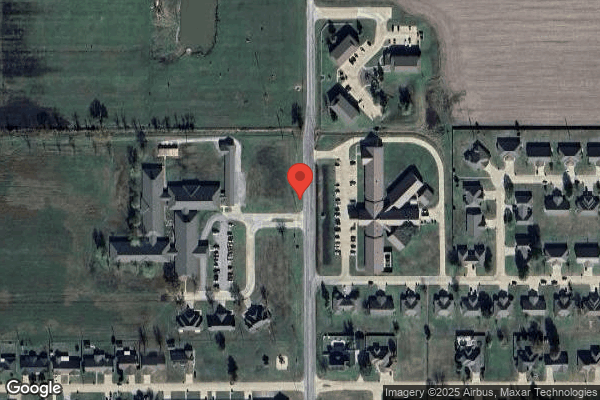

2530 NORTH ELM STREET, MIAMI, OK 74354 (918) 540-2300
For profit - Limited Liability company 100 Beds OKLAHOMA NURSING HOMES, LTD. Data: November 2025
Trust Grade
65/100
#83 of 282 in OK
Last Inspection: August 2024

Within standard 12-15 month inspection cycle. Federal law requires annual inspections.

Overview

Windridge Nursing and Rehabilitation Center in Miami, Oklahoma has a Trust Grade of C+, indicating it is slightly above average but not stellar. It ranks #83 out of 282 facilities in Oklahoma, placing it in the top half, and #1 out of 5 in Ottawa County, meaning it is the best option locally. The facility is improving, with issues decreasing from 12 in 2023 to 4 in 2024. However, staffing is a concern, rated at only 1 out of 5 stars, despite a low turnover rate of 0%. Notably, there have been no fines, which is a positive sign. On the downside, there were specific incidents that raised concerns. For example, one resident with a severe wound did not receive timely treatment or proper physician orders, and there were errors in coding medication assessments for residents, leading to potential misuse of anticoagulants. Additionally, the facility failed to ensure that physicians documented their rationale for not addressing unnecessary medications for several residents. Overall, while Windridge has strengths like low fines and an improving trend, families should weigh these against the staffing challenges and specific care incidents.

Trust Score
C+
65/100
In Oklahoma
#83/282
Top 29%
Safety Record
Moderate
Needs review
Inspections
Getting Better
12 → 4 violations
Staff Stability
○ Average
Turnover data not reported for this facility.
Penalties
✓ Good
No fines on record. Clean compliance history, better than most Oklahoma facilities.
Skilled Nurses
○ Average
RN staffing data not reported for this facility.
Violations
⚠ Watch
22 deficiencies on record. Higher than average. Multiple issues found across inspections.
★★★★☆
4.0
Overall Rating
★☆☆☆☆
1.0
Staff Levels
★★★★★
5.0
Care Quality
★★★★☆
4.0
Inspection Score
Stable
2023: 12 issues
2024: 4 issues

The Good

  • 5-Star Quality Measures · Strong clinical quality outcomes
  • Full Sprinkler Coverage · Fire safety systems throughout facility
  • No fines on record

Facility shows strength in quality measures, fire safety.

The Bad

Chain: OKLAHOMA NURSING HOMES, LTD.

Part of a multi-facility chain

Ask about local staffing decisions and management

The Ugly 22 deficiencies on record

1 actual harm
Aug 2024 4 deficiencies
CONCERN (D)

Potential for Harm - no one hurt, but risky conditions existed

Assessment Accuracy (Tag F0641)

Could have caused harm · This affected 1 resident

Based on record review and interview, the facility failed to ensure Resident Assessments were accurately coded for one (#13) of 12 residents reviewed for assessments. The Administrator identified 36 r...

Read full inspector narrative →
Based on record review and interview, the facility failed to ensure Resident Assessments were accurately coded for one (#13) of 12 residents reviewed for assessments. The Administrator identified 36 residents resided in the facility. Findings: An Assurance Of Professional Accuracy policy, undated, read in part, this facility will insure the accuracy of each resident's assessment. Resident #13 had diagnoses which included dementia, bipolar, depression, and anxiety. An Order Summary report, documented Resident #13 did not received the Antipsychotic medication Depakote and a review of discontinued orders documented Depakote was discontinued on 05/24/24. An Quarterly Resident Assessment, dated 07/12/24, document Resident #13 received a Antipsychotic medication daily. On 08/22/24 at 11:40 a.m., the ADON was asked to review the quarterly assessment for 07/12/24. The ADON reviewed and was then asked if Resident #13 received a Antipsychotic medication Depakote daily. They stated they mistook the Depakote level lab as the order for Depakote and marked the MDS inaccurately. On 08/22/24 at 12:01 p.m., the ADON was asked what the facility policy was for accuracy of resident assessments. They stated the assessments should be accurately completed.
CONCERN (D)

Potential for Harm - no one hurt, but risky conditions existed

Deficiency F0727 (Tag F0727)

Could have caused harm · This affected 1 resident

Based on record review and interview, the facility failed to ensure RN coverage for eight consecutive hours seven days per week. The Administrator identified 36 residents resided in the facility. Find...

Read full inspector narrative →
Based on record review and interview, the facility failed to ensure RN coverage for eight consecutive hours seven days per week. The Administrator identified 36 residents resided in the facility. Findings: On 08/22/24 at 1:52 p.m., Administrator, provided the requested RN hours for January, February, and March 2024. On 08/22/24 at 2:18 p.m., review of the RN time punch details and floor schedule for nurses documented, the facility did not have RN coverage for eight consecutive hours on the following dates: a. 01/06/24 - No RN hours worked, b. 01/07/24 - No RN hours worked, c. 01/20/24 - No RN hours worked, d. 01/21/24- No RN hours worked, e. 02/04/24- No RN hours worked, f. 02/20/24- No RN hours worked, and g. 02/27/24- No RN hours worked. On 08/22/24 at 2:52 p.m., Administrator was asked what the facility policy is for RN coverage 7 days a week. They stated the facility needed RN coverage 7 days a week. They were then asked were the dates above covered by RN's, they stated No.
CONCERN (D)

Potential for Harm - no one hurt, but risky conditions existed

Food Safety (Tag F0812)

Could have caused harm · This affected 1 resident

Based on observation and interview, the facility failed to ensure equipment was maintained in a manner to prevent growth and equipment was not left in food bins. The administrator identified 36 reside...

Read full inspector narrative →
Based on observation and interview, the facility failed to ensure equipment was maintained in a manner to prevent growth and equipment was not left in food bins. The administrator identified 36 residents who ate from the kitchen. Findings: On 08/20/24 at 10:39 a.m., scoops were observed in food bins of cake mix, sugar, flour, brown sugar and pinto beans. On 08/02/24 at 10:50 a.m., the ice machine was observed to have pink and black substances on the deflector plate which ice was observed to touch. The maintenance supervisor was asked to open the top of the ice machine. The area where ice was formed was observed to have a dark substance scattered across the plastic and along the sides of the machine. Observation of the ice revealed dark specks frozen inside of the ice. The maintenance supervisor stated the ice machine was cleaned by a contracted company every six months. On 08/21/24 at 12:46 p.m., the holding temperature of beef roast was 135.9 degrees Fahrenheit. DA #1 stated the holding temperature should be 170 degrees Fahrenheit. On 08/22/24 at 2:06 p.m., the DM stated the holding temperature of meat was to be 140 degrees Fahrenheit or higher and the food should have been reheated until it reached the proper temperature. They stated no resident had signs or symptoms of food borne illness. The DM stated the scoops should have been placed on the hook inside of the bins to prevent them from touching the food products/ingredients.
CONCERN (D)

Potential for Harm - no one hurt, but risky conditions existed

Infection Control (Tag F0880)

Could have caused harm · This affected 1 resident

Based on observation, record review, and interview the facility failed to ensure proper infection control techniques when providing catheter care for one (#1) of one sampled residents who were reviewe...

Read full inspector narrative →
Based on observation, record review, and interview the facility failed to ensure proper infection control techniques when providing catheter care for one (#1) of one sampled residents who were reviewed for catheter care and failed to ensure enhanced barrier precautions were utilized for PEG tube care for one (#20) of one sampled residents who were reviewed for PEG tubes. The ADON identified one resident resided in the facility with a urinary catheter and one resident in the facility with a peg tube. Findings: An undated Catheter Care policy, read in part, use gloves, basin of warm water, soap or peri wash, washcloth, towel .Routine to be followed unless specific orders direct otherwise. An Enhanced Barrier Precautions policy, undated, read in part, the expanded use of PPE and refer to the use of gown and gloves during high-contact care activities that provide opportunities for transfer of Multi-Drug Resistant Organisms (MDRO) to or from staff hands or clothing or indirectly transferred. 1. Resident #1 had diagnoses which included urinary retention, neuropathy, and cellulitis. An Order Summary report documented catheter care was to be completed every shift. On 08/22/24 at 9:15 a.m., CNA #1 was observed to obtain wash cloths from a handrail in the hallway outside the room of Resident #1 to provide peri care. CNA #1 wet the wash cloths in the sink, a hospice aide assisted CNA #1 to remove the incontinent brief of Resident #1. CNA #1, using same gloves, re-wet the wash cloths in the sink. CNA #1 was observed to wipe the peri area of Resident #1 multiple times with the same wash cloth. CNA #1 returned to sink, wearing the same gloves and re-wet another cloth, returned to Resident #1 then wiped the catheter tube multiple times with the same cloth, doffed their gloves, and was not observed to sanitize their hands. On 08/22/24 at 9:43 a.m., the ADON was asked what the facility policy was on peri care with or without a catheter. They stated to use soap and water, wipe from front to back, rinse well, and clean around catheter. They were then asked if wash cloths hanging off of handrails in the hallway were considered clean. They state No. 2. Resident #20 had diagnoses which included brain cancer, dysphagia, and seizures. A physician order, dated 12/15/23, documented to change PEG tube PRN for obstruction or displacement only. A physician order, dated 12/15/23, documented to cleanse PEG tube stoma and around area with wound cleanser, pat dry with 4x4's, then secure a spilt sponge dressing daily and prn. On 08/22/24 at 9:30 a.m., no signage was posted for EBP precautions, no PPE was observed near Resident #20's or Resident #1 door. On 08/22/24 at 9:36 a.m., the administrator was asked what the facility policy was regarding Enhanced Barrier precautions. They stated the policy was included with the infection control policy and procedure. On 08/22/24 at 9:41 a.m. the ADON was asked what residents in the facility were on EBP. They stated no residents were on EBP at this time.
Aug 2023 12 deficiencies
CONCERN (D)

Potential for Harm - no one hurt, but risky conditions existed

Resident Rights (Tag F0550)

Could have caused harm · This affected 1 resident

Based on observation, record review, and interview, the facility failed to ensure residents were not dressed in a hospital gown instead of their own personal clothing for one (#7) of one sampled resid...

Read full inspector narrative →
Based on observation, record review, and interview, the facility failed to ensure residents were not dressed in a hospital gown instead of their own personal clothing for one (#7) of one sampled resident reviewed for dignity. The Resident Census and Conditions of Residents report, documented 23 residents required assistance with dressing. Findings: Res #7 had diagnoses which included cerebral infarction, aphasia, and anxiety disorder. A care plan, dated 09/18/20, documented the resident had an ADL self-care performance deficit related to stroke and limited mobility with an intervention of total dependence of two staff for dressing. An annual assessment, dated 09/17/22, documented the resident was severely cognitively impaired, totally dependent with dressing, and preferred to choose daily clothing to wear. On 07/31/23 at 1:13 p.m., Res #7 was observed lying in bed wearing a hospital gown. The resident stated they preferred to wear their own personal clothes but the staff never dressed them in anything other than a hospital gown. Res #7 stated they had a closet full of their own personal clothing. The resident stated the staff had never offered or asked them if they preferred to wear their own clothing. On 08/01/23 at 8:04 a.m., Res #7 was observed lying in bed wearing a hospital gown. On 08/01/23 at 4:55 p.m., Res #7 was observed lying in bed wearing a hospital gown. Res #7 stated none of the staff had offered to dress them in their own personal clothing today. On 08/01/23 at 5:00 p.m., CNA #1 stated they had worked at the facility for a couple of months and had never observed the resident in their own personal clothing. The CNA stated the staff dressed Res #7 in a hospital gown to make bed baths and incontinent care easier for the staff and the resident. CNA #1 stated they had never asked the resident if they preferred to wear their own personal clothes because the resident had never complained about having worn hospital gowns. On 08/02/23 at 7:43 a.m., LPN #1 stated the resident preferred to wear a hospital gown most of the time for ease of positioning and baths. LPN #1 stated the resident had personal clothing but refused to get dressed often. They stated all resident refusals to dress would be documented in the progress notes or under the ADL tasks in the clinical record. LPN #1 stated they had never personally documented the resident's refusal to dress but probably should have. No documentation of Res #7's refusal to dress in personal clothing was found in the clinical record. On 08/02/23 at 9:35 a.m., the DON stated the staff should have dressed or at least offered to dress the resident in their own personal clothing daily. They stated the staff should have documented refusals in the clinical record and have not done so appropriately.
CONCERN (D)

Potential for Harm - no one hurt, but risky conditions existed

Deficiency F0655 (Tag F0655)

Could have caused harm · This affected 1 resident

**NOTE- TERMS IN BRACKETS HAVE BEEN EDITED TO PROTECT CONFIDENTIALITY** Based on record review and interview, the facility failed to ensure baseline care plans were completed within 48 hours for one (...

Read full inspector narrative →
**NOTE- TERMS IN BRACKETS HAVE BEEN EDITED TO PROTECT CONFIDENTIALITY** Based on record review and interview, the facility failed to ensure baseline care plans were completed within 48 hours for one (26) of 13 sampled residents. The Resident Census and Conditions of Residents form documented 34 residents resided in the facility. Findings: Res #26 was admitted to the facility on [DATE] with diagnoses of heart failure, anxiety, diabetes mellitus, and hypertension. The resident's record did not document the baseline care plan was completed. On 08/02/23 at 9:18 a.m., the MDS coordinator #1 reported the baseline care plan should have been completed within 48 hours.
CONCERN (D)

Potential for Harm - no one hurt, but risky conditions existed

Comprehensive Care Plan (Tag F0656)

Could have caused harm · This affected 1 resident

**NOTE- TERMS IN BRACKETS HAVE BEEN EDITED TO PROTECT CONFIDENTIALITY** Based on record review and interview, the facility failed to ensure comprehensive care plans was developed for one (#26) of 13 s...

Read full inspector narrative →
**NOTE- TERMS IN BRACKETS HAVE BEEN EDITED TO PROTECT CONFIDENTIALITY** Based on record review and interview, the facility failed to ensure comprehensive care plans was developed for one (#26) of 13 sampled residents. The Resident Census and Conditions of Residents form documented 34 residents resided in the facility. Findings: Res #26 was admitted to the facility on [DATE] with diagnoses of heart failure, anxiety, diabetes mellitus, and hypertension. The resident's record did not document a comprehensive care plan was developed. On 08/02/23 at 9:18 a.m., the MDS coordinator #1 reported the comprehensive care plan should have been developed.
CONCERN (D)

Potential for Harm - no one hurt, but risky conditions existed

Incontinence Care (Tag F0690)

Could have caused harm · This affected 1 resident

Based on record review, observation, and interview, the facility failed to obtain an order to change a resident's catheter for one (#26) of one sampled residents. The Resident Census and Conditions of...

Read full inspector narrative →
Based on record review, observation, and interview, the facility failed to obtain an order to change a resident's catheter for one (#26) of one sampled residents. The Resident Census and Conditions of Residents form documented three residents who had internal or external catheters. Findings: Res #26 had diagnoses which benign prostatichyperplasia with lower urinary tract symptoms. Health status notes, dated 07/29/23, documented the resident's catheter was leaking. The note documented the catheter was attempted to be replaced two times and was unsuccessful. There was no physician order to change the catheter. On 08/02/23 at 9:16 a.m., the DON reported the catheter should not have been changed or attempted to be changed without a physician order.
CONCERN (D)

Potential for Harm - no one hurt, but risky conditions existed

Respiratory Care (Tag F0695)

Could have caused harm · This affected 1 resident

Based on record review and interview, the facility failed to ensure a physician order for oxygen contained a diagnosis for one (#26) and failed to follow physician orders for oxygen settings for one (...

Read full inspector narrative →
Based on record review and interview, the facility failed to ensure a physician order for oxygen contained a diagnosis for one (#26) and failed to follow physician orders for oxygen settings for one (#17) of two sampled residents reviewed for oxygen therapy. The Resident Census and Conditions of Residents form documented four residents required respiratory therapy. Findings: 1. Res #26 had diagnoses which included heart failure, anxiety, hypertension, and diabetes mellitus. A physician order, dated 07/13/23, documented may use oxygen at 2 LPM via NC continuously. The order did not document a diagnosis. On 08/02/23 at 9:14 a.m., the DON reported a diagnosis should be on all physician's orders. 2. Res #17 had diagnoses of pleural effusion, moderate persistent asthma, shortness of breath, and wheezing. A physician order, dated 04/03/23, documented oxygen at 3 lpm continuously every shift. On 08/01/23 at 8:41 a.m., the resident's oxygen was observed at 5 lpm via NC On 08/01/23 at 4:49 p.m., the resident's oxygen was observed at 5 lpm via NC. On 08/02/23 at 8:59 a.m., the resident's oxygen was at 5 lpm via NC. On 08/02/23 at 9:36 a.m., the DON was shown the physician order for the resident's oxygen. The DON was made aware of observations of the resident's oxygen set at 5 lpm. The DON reported the oxygen was at the wrong setting.
CONCERN (D)

Potential for Harm - no one hurt, but risky conditions existed

Deficiency F0726 (Tag F0726)

Could have caused harm · This affected 1 resident

Based on observation, record review, and interview, the facility failed to ensure that licensed nurses have the specific competencies and skill sets necessary to care and assure safety related to the ...

Read full inspector narrative →
Based on observation, record review, and interview, the facility failed to ensure that licensed nurses have the specific competencies and skill sets necessary to care and assure safety related to the administration of medications and enteral feedings via gastrostomy tubes for one (#22) of one resident reviewed for medication administration The Resident Census and Conditions of Residents form documented 1 resident received enteral feedings. Findings: A Technical and Nutritional Aspects of Gastrostomy/Feeding Tubes policy, dated 2011, read in parts, .draw 20 ml of air into the syringe and connect it to the tube. With a stethoscope, listen over stomach or small intestines. Inject air into the tube and listen for bubbling sound made when air is injected. The task is to be completed prior to administering formula, free water or medications . A RN/LPN Charge Nurse Orientation/Training checklist, dated 01/09/23, documented LPN #1 knew procedures for PEG or other gastrostomy tubes, including pump operation, bolus feedings, medication administration, fluid administration, verifying placement, checking residual, and changing tube if appropriate. Res #22 was admitted with diagnoses which included dysphagia, GERD, and functional dyspepsia. An admission assessment, dated 04/05/23, documented the resident was severely cognitively impaired, required extensive assistance with eating, and received 51% or more of total calories through parenteral or tube feedings. A physician order, dated 06/09/23, documented to administer Jevity 1.5 Cal via peg tube every 6 hours. Give 355.5 ml with first two feedings of the day. A physician order, dated 06/16/23, documented to administer tramadol 50 mg every 6 hours via peg tube related to pain. On 08/01/23 at 12:07 p.m., LPN #1 was observed during medication administration. LPN #1 was observed to have administered Res #22 tramadol 50 mg and Jevity 355.5ml bolus feeding via gastrostomy tube. LPN #1 did not verify placement of the gastrostomy tube with air prior to the administration of the medication or the bolus feeding. On 08/01/23 at 12:10 p.m., LPN #1 stated having verified placement of the gastrostomy tube prior to the administration of an earlier feeding of the day but having forgotten to verify placement prior to administration of the current medication and bolus feeding. LPN #1 stated they should have injected 5-10 mls of air and listened for a bubbling sound within the abdomen to verify placement prior to having administered both the medication and the enteral feeding. LPN #1 stated they had gotten into a bad habit of only verifying placement once daily but should have verified placement before every medication or enteral feeding was administered. On 08/01/23 at 12:20 p.m., the DON stated the nursing staff should verify correct placement of a gastrostomy tube before the administration of all medications or enteral feedings. The DON stated the nurse did not follow best standard practices.
CONCERN (D)

Potential for Harm - no one hurt, but risky conditions existed

Staffing Information (Tag F0732)

Could have caused harm · This affected 1 resident

Based on observation and interview, the facility failed to post nurse staffing information, which included all the required components, in an area where it could be reviewed by all residents and visit...

Read full inspector narrative →
Based on observation and interview, the facility failed to post nurse staffing information, which included all the required components, in an area where it could be reviewed by all residents and visitors. The Resident Census and Conditions of Residents form documented 34 residents resided in the facility. Findings: On 07/31/23 at 12:52 p.m., no nurse staffing information was posted. On 08/01/23 at 1:17 p.m., no nurse staffing information was posted. On 08/02/23 at 10:19 a.m., no nurse staffing information was posted. On 08/02/23 at 10:25 a.m., the administrator reported the daily nurse staffing information was not posted.
CONCERN (D)

Potential for Harm - no one hurt, but risky conditions existed

Pharmacy Services (Tag F0755)

Could have caused harm · This affected 1 resident

Based on observation, record review, and interview, the facility failed to administer medications according to physician ordered parameters for one (#14) of five sampled residents reviewed for unneces...

Read full inspector narrative →
Based on observation, record review, and interview, the facility failed to administer medications according to physician ordered parameters for one (#14) of five sampled residents reviewed for unnecessary medications. Findings: 1. Res #14 had diagnoses which included diabetes mellitus, hyperlipidemia, and hypertension secondary to other renal disorders. A physician order, dated 12/12/19, documented to administer propranolol 40 mg twice daily for hypertension secondary to other renal disorders. The order documented to hold the medication if the systolic blood pressure was less than 100 and/or the diastolic blood pressure was less than 60. An annual assessment, dated 02/12/23, documented the resident was cognitively intact and required limited assistance with ADLs. The May 2023 MAR documented propranolol was administered when the resident's blood pressure readings were out of the physician ordered parameters on 2 out of 62 opportunities. The June 2023 MAR documented propranolol was administered when the resident's blood pressure readings were out of the physician ordered parameters on 4 out of 60 opportunities. The July 2023 MAR documented propranolol was administered when the resident's blood pressure readings were out of the physician ordered parameters on 11 out of 62 opportunities. On 08/01/23 at 4:15 p.m., CMA #1 was observed during medication pass. CMA #1 obtained Res #14's blood pressure prior to the administration of propranolol 40 mg. The CMA documented the blood pressure reading as 107/60. CMA #1 stated the resident would be given propranolol because the blood pressure reading was within the physician ordered parameters. On 08/02/23 at 9:40 a.m., the DON was asked to review the May, June, and July 2023 MAR for Res #14. The DON stated the medication should not have been given on the administration opportunities when the blood pressure reading were outside of the ordered parameters. The DON stated the CMA staff had not followed physician orders.
CONCERN (D)

Potential for Harm - no one hurt, but risky conditions existed

Food Safety (Tag F0812)

Could have caused harm · This affected 1 resident

**NOTE- TERMS IN BRACKETS HAVE BEEN EDITED TO PROTECT CONFIDENTIALITY** Based on observation and interview, the facility failed to ensure food was distributed in a sanitary manner. The Resident Censu...

Read full inspector narrative →
**NOTE- TERMS IN BRACKETS HAVE BEEN EDITED TO PROTECT CONFIDENTIALITY** Based on observation and interview, the facility failed to ensure food was distributed in a sanitary manner. The Resident Census and Conditions of Residents form documented 34 residents resided in the facility. Findings: On 07/31/23 at 12:38 p.m., an unknown staff member was observed delivering a meal tray to room [ROOM NUMBER]. The dessert and drink were not covered. On 07/31/23 at 12:42 p.m., an unknown staff member was observed delivering a meal tray to room [ROOM NUMBER]. The drink and dessert were not covered. The staff member was observed removing the plate cover before entering the resident's room. On 07/31/23 at 12:45 p.m., an unknown staff member was observed delivering a meal tray to room [ROOM NUMBER]. None of the meal was covered. On 08/02/23 at 9:10 a.m., the DM was asked if everything on the meal tray should be covered when taking the meal from the kitchen to the resident's room. The DM reported everything should always be covered.
CONCERN (E)

Potential for Harm - no one hurt, but risky conditions existed

Assessment Accuracy (Tag F0641)

Could have caused harm · This affected multiple residents

Based on record review and interview, the facility failed to ensure accurate coding of MDS assessments for anticoagulant use for three (#6, 7, and #36) of 16 sampled residents whose MDS assessments we...

Read full inspector narrative →
Based on record review and interview, the facility failed to ensure accurate coding of MDS assessments for anticoagulant use for three (#6, 7, and #36) of 16 sampled residents whose MDS assessments were reviewed. The Resident Census and Conditions of Residents form documented 34 residents resided in the facility. Findings: 1. Res #7 had diagnoses which included cerebral infarction, aphasia, and anxiety disorder. A quarterly assessment, dated 06/20/23, documented the resident was severely cognitively impaired, required extensive assistance with most ADLs, and received an anticoagulant seven out of seven days during the review period. On 07/31/23 at 2:00 p.m., Res #7's records were reviewed and did not document an order for an anticoagulant during the review period. On 08/02/23 at 12:10 p.m., the MDS coordinator stated the MDS assessment was coded for an anticoagulant in error. They stated the resident received aspirin and they thought it was considered an anticoagulant. 2. Res #36 had diagnoses which included orthopedic aftercare, diabetes mellitus, angina, and long term use of antithombotics and antiplatelets. An admission assessment, dated 07/24/23, documented the resident received an anticoagulant 7 of 7 days of the look back period. A review of the resident's medication documented the resident had not received an anticoagulant medication during the assessment period. On 08/02/23 at 10:10 a.m., the MDS coordinator #1 reported the MDS was filled out incorrectly. 3. Res #6 had diagnoses which included acute and chronic respiratory failure, anxiety, and epilepsy. A quarterly assessment, dated 05/11/23, documented the resident received an anticoagulant 7 of 7 days of the look back period. A review of the resident's medication documented the resident had not received an anticoagulant medication during the assessment period. On 08/02/23 at 10:10 a.m., the MDS coordinator #1 reported the MDS was filled out incorrectly.
CONCERN (E)

Potential for Harm - no one hurt, but risky conditions existed

Drug Regimen Review (Tag F0756)

Could have caused harm · This affected multiple residents

Based on record review and interview, the facility failed to ensure the physician responded to pharmacist medication reviews related to the GDR requests with a clinical rationale for five (#4, 6, 14, ...

Read full inspector narrative →
Based on record review and interview, the facility failed to ensure the physician responded to pharmacist medication reviews related to the GDR requests with a clinical rationale for five (#4, 6, 14, 19, and #28) of five sampled residents reviewed for unnecessary medications. The Resident Census and Conditions of Residents form documented 34 residents resided in the facility. Findings: A Policy and Procedure for Drug Regimen Review form, dated 04/10/17, read in part, .The physician will document in the resident's medical record that the identified irregularity has been reviewed and what, if any action has been taken to address it. If there is no change in the medication, the physician will document his/her rationale for the decision in the resident's medical record . 1. Res #4 had diagnoses which schizoaffective disorder, major depressive disorder, and anxiety disorder. A physician order, dated 12/16/19, documented to administer trazadone 50 mg in the evening related to anxiety disorder due to known physiological condition. A physician order, dated 12/16/19, documented to administer Risperdal 2 mg twice daily related to schizoaffective disorder. A physician order, dated 12/16/19, documented to administer sertraline 50 mg daily related to major depressive disorder. A care plan, dated 11/27/20, documented the resident used psychotropic medications related to behavior management and a diagnosis of schizoaffective disorder with an intervention to consult with the pharmacy and physician to consider dose reduction when clinically appropriate at least quarterly. An annual assessment, dated 11/27/22, documented the resident had severe cognitive impairment, experienced hallucinations and delusions, and received antipsychotics and antidepressants during the review period. The assessment documented a gradual dose reduction had not been attempted and had not been clinically contraindicated. A MRR, dated 09/06/22, documented a request for a GDR on Res #4's Risperdal, trazadone, and sertraline. The MRR documented the chart indicated the resident's condition was stable and they had not received a gradual dose reduction previously for Risperidal since 02/13/18 and for trazadone and sertraline since 10/15/17. A physician response, dated 09/14/22, documented the physician did not wish to adjust the dosage of the Risperidal and trazadone. The physician documented the resident was stable with minimal or no side effects relating to chemical restraint. There was no documented response to the sertraline GDR request. A MRR, dated 06/29/23, documented a request for a GDR on Res #4's Risperdal, trazadone, and sertraline. The MRR documented a request for the physician to document clinical rationale for continued use if a dose reduction was not desired. A physician response, dated 07/03/23, documented the physician did not wish to adjust the dosage of the Risperidal, trazadone, and sertraline. The physician did not document clinical rationale for continued use. On 08/02/23 at 9:21 a.m., the DON stated the physician did not respond to the GDR requests with clinical rationale to support continued use. The DON stated a dose reduction had not been attempted for Res #4 but should have been per requirements. 2. Res #14 had diagnoses which included diabetes mellitus, dementia, bipolar disorder, and hypertension secondary to other renal disorders. A care plan, dated 12/12/20, documented the resident received psychotropic medications related to bipolar diagnosis with an intervention to consult with pharmacy and the physician to consider dose reduction when clinically appropriate at least quarterly. A MRR, dated 10/04/22, documented the resident currently had 30 medications ordered. The MRR requested a physician review of the resident's medication regime and documentation of clinical risks versus benefit analysis if current drug regimen is deemed necessary for the resident's need. A physician response, dated 10/19/22, documented the physician did not wish to make changes to the resident's drug regimen. The physician did not document clinical risks versus benefit analysis rationale for continued use. An annual assessment, dated 02/12/23, documented the resident was cognitively intact, required limited assistance with ADLs, and received antidepressants, diuretics, and opioids. On 08/02/23 at 9:10 a.m., the DON stated the physician did not respond to the MRR request for Res #14 with rationale for continued use but should have. 3. Res #6 had diagnoses which included anxiety and gastro-esophageal reflux disease without esophagitis. A physician order, dated 07/07/22, documented to administer Pepcid 40mg one time a day for gastro-esophageal reflux disease without esophagitis A physician order, date 07/07/22, documented to administer Carafate 1 gm two times a day for gastro-esophageal reflux disease without esophagitis A pharmacist monthly review request, dated 10/04/22, documented the resident has multiple orders for GERD (Carafate and Pepcid). The review documented to please review the orders for these medications and change, modify, or delete accordingly. The review documented if current drug regimen is deemed necessary for resident's needs, please document clinical risks versus benefit analysis. The review request was signed as declined on 10/19/22. The physician did not document a rationale for the declination on the GDR form. A rationale was not documented in the resident's clinical record. 4. Res #19 had a diagnosis which included hypertension. A physician order, dated 07/25/23, documented to administer amlodipine 10mg daily for hypertension. A physician order, dated 01/08/20, documented to administer metoprolol tartrate 50 mg twice daily for hypertension. A pharmacist monthly review request, dated 01/03/23, documented the resident has multiple orders for hypertension (metoprolol and amlodipine). The review documented please review the orders for these medications and change, modify, or delete accordingly. The review documented if current drug regimen is deemed necessary for resident's needs, please document clinical risks versus benefit analysis. The reguest form was signed as declined on 01/25/23. The physician did not document a rationale for the declination on the pharmacist review form. A rationale was not documented in the resident's clinical record. 5. Res #28 had a diagnosis which included anxiety. A physician order, dated 04/25/23, documented to administer alprazolam 0.5 mg five times a day for anxiety. A physician order, dated 04/26/23, documented to administer buspirone 15 mg three times a day for anxiety. A pharmacist monthly review request, dated 05/02/23, documented the resident has multiple orders for anxiety (alprazolam and buspirone). The review documented to please review the orders for these medications and change, modify, or delete accordingly. The review documented if current drug regimen is deemed necessary for resident's needs, please document clinical risks versus benefit analysis. The monthly review was signed as declined on 01/25/23. The physician did not document a rationale for the declination on the pharmicist review form. A rationale was not documented in the resident's clinical record. On 08/02/23 at 9:10 a.m., The DON stated it was a struggle to get the physician to respond to the GDR request with an appropriate rational. The DON stated the requests for review should have been done thoroughly but was not.
CONCERN (E)

Potential for Harm - no one hurt, but risky conditions existed

Medication Errors (Tag F0758)

Could have caused harm · This affected multiple residents

Based on record review and interview, the facility failed to ensure a resident who received psychotropic medications received a gradual dose reduction in a timely manner for one (#4) of five sampled r...

Read full inspector narrative →
Based on record review and interview, the facility failed to ensure a resident who received psychotropic medications received a gradual dose reduction in a timely manner for one (#4) of five sampled residents reviewed for unnecessary medications. The Resident Census and Conditions of Residents form, documented 19 residents received psychoactive medications. Findings: A Policy and Procedure for Drug Regimen Review form, dated 04/10/17, read in part, .The physician will document in the resident's medical record that the identified irregularity has been reviewed and what, if any action has been taken to address it. If there is no change in the medication, the physician will document his/her rationale for the decision in the resident's medical record . 1. Res #4 had diagnoses which schizoaffective disorder, major depressive disorder, and anxiety disorder. A physician order, dated 12/16/19, documented to administer trazadone 50 mg in the evening related to anxiety disorder due to known physiological condition. A physician order, dated 12/16/19, documented to administer Risperdal 2 mg twice daily related to schizoaffective disorder. A physician order, dated 12/16/19, documented to administer sertraline 50 mg daily related to major depressive disorder. A care plan, dated 11/27/20, documented the resident used psychotropic medications related to behavior management and a diagnosis of schizoaffective disorder with an intervention to consult with the pharmacy and physician to consider dose reduction when clinically appropriate at least quarterly. A MRR, dated 09/06/22, documented a request for a GDR on Res #4's Risperdal, trazadone, and sertraline. The MRR documented the chart indicated the resident's condition was stable and they had not received a gradual dose reduction previously for Risperdal since 02/13/18 and for trazadone and sertraline since 10/15/17. A physician response, dated 09/14/22, documented the physician did not wish to adjust the dosage of the Risperdal and trazadone. The physician documented the resident is stable with minimal or no side effects relating to chemical restraint. There was no documented response to the sertraline GDR request. An annual assessment, dated 11/27/22, documented the resident had severe cognitive impairment, experienced hallucinations and delusions, and received antipsychotics and antidepressants during the review period. The assessment documented a gradual dose reduction had not been attempted and had not been clinically contraindicated. A MRR, dated 03/06/23, documented a request for a GDR on Res #4's Risperdal, trazadone, and sertraline. The MRR documented the chart indicated the resident's condition was stable and they had not received a gradual dose reduction previously for Risperdal since 02/13/18 and for trazadone and sertraline since 10/15/17. A physician response, dated 03/30/23, documented the physician did not wish to adjust the dosage of the Risperdal, trazadone, and sertraline. The physician documented a previous dose reduction of the Risperdal, trazadone, and sertraline had been attempted and was not successful. Documentation of a gradual dose reduction of Risperdal, trazadone, and sertraline was not found in the clinical record. A MRR, dated 06/29/23, documented a request for a GDR on Res #4's Risperdal, trazadone, and sertraline. The MRR documented a request for the physician to document clinical rationale for continued use if a dose reduction was not desired. A physician response, dated 07/03/23, documented the physician did not wish to adjust the dosage of the Risperdal, trazadone, and sertraline. The physician did not document clinical rationale for continuance. On 08/02/23 at 9:21 a.m., the DON stated the physician did not respond to the GDR request in an appropriate manner. The DON stated a dose reduction had not been attempted for Res #4 but should have been per requirements. They stated the resident would be considered to have received unnecessary medications since no dose reduction had been attempted.
Oct 2019 6 deficiencies 1 Harm
SERIOUS (H)

Actual Harm - a resident was hurt due to facility failures

Pressure Ulcer Prevention (Tag F0686)

A resident was harmed · This affected multiple residents

Based on observation, interview, and record review, it was determined the facility failed to: ~ perform a thorough and timely initial wound assessment; ~ promptly obtain physician orders for wound car...

Read full inspector narrative →
Based on observation, interview, and record review, it was determined the facility failed to: ~ perform a thorough and timely initial wound assessment; ~ promptly obtain physician orders for wound care; and ~ ensure treatments administered for wound care were appropriate and ordered by the physician for one (#47) of two residents reviewed for pressure ulcers. Resident #47 had an unstageable wound that had increased in size and had necrotic tissue present. The wound was observed for five days before a thorough wound assessment was completed, the physician was notified and physician treatment orders were obtained. The DON identified two residents in the facility who had a pressure ulcer. Findings: A policy and procedure for the prevention and treatment of pressure ulcers, dated 08/28/09, documented: .The facility will notify the physician upon the onset of the ulcer and obtain treatment orders .Orders should be specific as to type of dressing and treatment and frequency of application. The facility will notify the physician if the ulcer appears to be deteriorating or if no improvement is noted in 2-4 weeks of the initial treatment orders. An ulcer that is necrotic or has eschar will generally require debridement in order for the area to begin healing. The physician will order the specific method of debridement . Resident #47 was admitted with a diagnosis of Alzheimer's. A quarterly assessment, dated 06/22/19, documented the resident was severely impaired cognitively, required extensive assistance of two staff for most ADL's, was frequently incontinent of bladder and occasionally incontinent of bowel, was at risk for pressure ulcers, had a pressure reducing device for chair and bed, was on a turning program and had nutrition or hydration intervention to manage skin problems. An annual assessment, dated 09/20/19, documented the resident was severely impaired cognitively, required extensive assistance of two staff for most ADL's, was occasionally incontinent of bladder and always continent of bowel, was at risk for pressure ulcers, had no unhealed pressure ulcers, had moisture associated skin damage, had a pressure reducing device for chair and bed, was on a turning/repositioning program, and had nutrition or hydration intervention to manage skin problems. A care plan, dated 09/24/19, documented: Problem onset: 09/24/19. Resident at risk for impaired skin integrity due to frequently incontinent of her bladder and bowels. Goal and target date: Skin would remain free from skin breakdown/irritation for 90 days through 12/24/19. Approaches: Appropriate footwear; use draw sheet for bed mobility to prevent friction and sheering; weekly skin checks; promote adequate nutrition and hygiene; incontinent care prn: adult briefs and barrier cream as indicated; therapy screen prn for positioning concerns; skin assessment quarterly and prn; notify physician, family, responsible party of changes as needed; podiatry consult and treatment as indicated; turn and reposition every 2 hours and as needed; pressure redistributing mattress and/or wheelchair cushioning. A physician's order, dated 08/31/19, documented, to monitor skin and report any skin issues to wound care nurse. A 24 hour report/change of condition, dated 10/01/19, documented under remarks/change of condition area for the night shift, open area at apex of right leg, need dressing orders. No assessment of the wound on 10/01/19 was documented. A nurse's note, dated 10/02/19 at 3:00 a.m., documented, During rounds aide noticed an open area on patients apex of thigh. Site measures 2 cm in length by 1 cm width. Site cleaned and triple antibiotic ointment with dressing applied. Will continue to monitor site. A thorough assessment of the wound was not documented. A review of the physician orders did not find documentation of the physician being notified of the resident's pressure ulcer. There was no order for triple antibiotic ointment. A 24 hour report/change of condition, dated 10/02/19, documented under remarks, change of condition for the evening shift, Calazine to right upper leg. No assessment of the wound was documented. A review of the EMAR did not show any documentation of the physician being notified nor wound care orders for calazine. A 24 hour report/change of condition report, dated 10/05/19, documented under remarks/change of condition for the night shift, [wound nurse] notified, open area to R gluteal fold, bag balm applied. A review of the physician orders did not show documentation of an order for bag balm. A nurse's note, dated 10/05/19 at 1:40 a.m., documented, During rounds aide reported an open area to her R gluteal fold that appears to be bigger in size and appearance to them, now with black tissue around one side of the area. Measurements 2 cm by 2 ½ cm. Area cleansed with wound cleanser, TAO applied. Resident turned/reposition to relief pressure from area and staff to offer toilet every 2 hours to try to keep resident dry. Will report to wound nurse to assess and TX as indicated. A physician's telephone order, dated 10/05/19 and untimed, documented, Clean right gluteal fold with wound cleanser, pat dry, apply TAO. A physician's telephone order, dated 10/06/19 and untimed, documented, Cleanse open area to right gluteal fold with wound cleanser, apply medihoney and cover with optifoam every 3 days until resolved. A 24 hour report/change of condition report, dated 10/07/19, documented under the day shift remarks/change of condition, [Wound care nurse] to address buttocks. A physician's telephone order, dated 10/07/19 at 11:00 a.m., documented, Cleanse Right gluteal fold with wound cleanser, pat dry, Apply Medihoney 100% paste, Every day Cover c ABD Pad tape to secure, until resolved. Discontinue previous order. A Wound Healing Progress Report, dated 10/07/19, documented a pressure ulcer to the right buttock first identified on 10/07/19 and measured 4.00 X 2.00 X 0.00 (unstageable due to slough/eschar). A Wound Assessment Note, dated 10/07/19 at 2:15 p.m., documented, .Pressure Ulcer//Right buttock// .Right Gluteal fold 4.00 cm x 2.00 cm x 0.002 cm 25% slough, 75% eschar unable to stage. No drainage, no edema, no redness, surrounding tissue intact. Placed cushion in wheelchair. Reposition every 2 hours when resident will allow. Continue with TX . A nurse's note, dated 10/09/19 at 2;31 a.m., documented, Wound noted on back of right leg next to gluteal sulcus. Measures 5.5 cm lenght [sic] by 2 cm wide. Center of wound black to dark grey in color. Subcutaneous fat visible. Slough noted in center of wound. Undermining noted on right side of wound. Site cleaned with wound cleanser .Will report findings to wound nurse . A Wound Assessment Note, dated 10/09/19 at 12:19 p.m., documented, .this nurse, and [nurse's name deleted] re-assessed resident's right gluteal fold. 4.00 cm x 2.00 cm x 0.00 cm unstageable, eschar present 75% - 25% epithelial tissue. The slough resolved from 10-7-19. No redness, no edema, no drainage noted. Has moist appearance, surrounding tissue intact, no undermining present . This note was signed by the wound nurse. A Wound Healing Progress Report, dated 10/14/19, documented the pressure ulcer to the right buttock measured 4.00 X 2.00 X 0.00 (unstageable due to slough/eschar). A physician's telephone order, dated 10/14/19 at 11:07 a.m., documented, Cleanse Right gluteal fold with wound cleanser, pat dry, Apply Medihoney 100% paste Cover c ABD pad PRN for soilage. A Wound Assessment Note, dated 10/14/19 at 2:55 p.m., documented, .Pressure Ulcer//Right Buttonck// .10-11-19 @1230 [p.m.] right gluteal fold 4.00 cm x 2.00 cm x 0.00 cm unstageable .slough 75% eschar 25% . small amount of serosang [serosanguinous] drainage, well defined. No redness, no edema, surrounding tissue intact. No tunneling noted . On 10/16/19 at 11:07 a.m., wound care was observed being done by LPN #2. The wound had black eschar in the center. The wound was cleaned with wound cleanser; Medihoney and dressing was applied. The LPN measured the wound and was noted as 2.5 cm X 5 cm. On 10/17/19 at 9:41 a.m., CNA #1 was interviewed. She stated she had worked at the facility for about 2 years and had worked on and off the hall the resident resided on. She stated she worked day shifts and the resident was showered in the p.m. She was asked when she first noticed the wound on the buttocks. She stated she had toileted the resident sometime early in October and a dressing had fallen off. She stated the wound looked like a small circle spot, but it was not opened. She was asked who she told. She stated she reported it to LPN #4. On 10/17/19 at 9:52 a.m., LPN #4 was interviewed about the resident's wound on her buttocks. She stated she looked at it after CNA #1 informed her. She stated the wound looked like a pinch mark at the time, but it was not opened. She stated she did not see a dressing on it at the time. She believed she let the wound care nurse know about it. She was asked how the facility would take care of the wound if the wound care nurse was not available. She stated she would call the physician for orders. She stated they had protocols they could do until they had more orders or the wound care nurse assessed the wound. She was asked if the calazine was in the protocol for wound treatment. She stated she thought it was in the MD orders. She looked at the chart, then stated she could not find any physician orders for calazine. She stated it was a verbal discussion from the wound care nurse on how to manage it. On 10/17/19 at 10:30 a.m., LPN #3 was interviewed by telephone. She was asked about the wound description. She stated she did not remember seeing the wound before the aides had told her about it. She stated the aide said she had noticed it and it seemed larger to her. She did not see any documentation about it. She was asked what the usual protocol was when a skin break was identified. She stated they used Calazine to an area if it just looked like a pressure area, if it was an open area, they could use bag balm. She was asked how she knew to use these treatments. She stated there was a protocol the wound nurse had told them about. She stated she was not sure where the protocol was located, she just remembered being told by the wound nurse about the protocol. She was asked what she did next after learning of the wound. She stated she passed the information on to the day shift to keep the resident dry and she thought the day shift called the physician, since it was too late at night for her to contact the MD. On 10/17/19 at 11:00 a.m., LPN #2 was asked what she remembered about the wound. She stated she had gotten a report of a small wound to the resident's buttocks. She stated she had passed the information on to the wound nurse. She was asked why they notified the wound nurse. She stated it made the wound nurse aware of a new wound if they were not doing the wound treatment she thought was adequate, the wound care nurse would call the MD and get the order changed. She was asked what she did for the wound. She stated she put triple antibiotic ointment and a dressing on it. She was asked how she decided what wound care to use. She stated they had certain treatments they could do without orders. She stated their previous DON, and the wound care nurse, had told us that at one time. She stated sometimes they would use Calazine. She was asked if she needed an order for Calazine. She stated no, it was a protocol. She stated she did not know where the protocol was located, just remembered what she was told. She was asked when the physician should have been notified. She stated the nurse who first saw the wound should have notified the physician. She was asked if they would have been expected to call the physician at 2:00 a.m. She stated a fax could have been sent with orders back by morning. She was asked how she knew what treatment to do that morning. She stated she used the ATB ointment. She stated she was pretty sure there was an order for the triple antibiotic ointment. She was asked where she would chart the treatment given. She stated if it was an open wound, it would be documented in the progress nursing notes. She stated she did not think the wound looked open when she first saw it. She stated the area appeared to be dry, red and looked like an abrasion that needed protection. On 10/17/19 at 11:22 a.m., the wound care nurse was interviewed. She stated she had been the wound care nurse for the past 2 or 3 years and only worked three days a week. She was asked when she was first told about the wound. She stated she was first notified on 10/07/19 about the wound, as she had been out of town the first week in October 2019. She stated when the nurses found an open area, they were to do the measurements. She was told of the interviews with several of the nurses who had stated they had been told by the wound nurse they could start treatments until the wound nurse could assess the resident. She was asked if there were standing orders for the nurses to use for wounds. She stated no. She stated she guessed she had recommended calazine or bag balm, as it was just a nursing intervention. She stated when there was an abrasion, they would use calazine if closed; if it was an open area, they would have to get an order from the MD. She was asked if it was on the wound care protocol. She stated she guessed it was, but would have to look at the protocol again. She was asked if Calazine would need an order. She stated it would. She stated it was the nurses responsibility to have obtained an order for it. She was asked how the nurses knew the information on wound care. She stated they covered wound care in their inservice's. She was asked if the nurses were to notify her if there was an open area. She stated yes. She stated the only time she would change the order would be if she found something on assessment that she thought the MD would not want. She stated if the nurses found an open area, they should call the MD, maybe put a cover over it. She was asked if she had ever told the nurses to apply a treatment on the wound before they called the MD for an order. She stated no, the MD had to give them the order. She was asked if she knew the resident had been given wound treatment without a physician's order. She stated she had talked to the nurses about what treatment was given. She was asked if she thought they should have called the physician. She stated yes, but I did not discuss it with them. She stated she knew one nurse had started triple antibiotic ointment on the wound, but was not sure if they had an order for it. On 10/17/19 at 12:53 p.m., the DON was interviewed. She was asked if a nurse identified a wound, what should have been done. She stated they should have assessed it, and depending on the type of wound, measured it, been able to describe it, then notified the physician to get an order to start treatment.
CONCERN (E)

Potential for Harm - no one hurt, but risky conditions existed

Deficiency F0625 (Tag F0625)

Could have caused harm · This affected multiple residents

**NOTE- TERMS IN BRACKETS HAVE BEEN EDITED TO PROTECT CONFIDENTIALITY** Based on observation, interview, and record review, it was determined the facility failed to ensure residents received a written...

Read full inspector narrative →
**NOTE- TERMS IN BRACKETS HAVE BEEN EDITED TO PROTECT CONFIDENTIALITY** Based on observation, interview, and record review, it was determined the facility failed to ensure residents received a written notice of the bed hold policy upon transfer to a hospital for two (#16 and #24) of three residents reviewed for transfer and discharge procedures. The administrator identified 22 residents who had transferred to an acute care hospital in the past four months. Findings: An undated, Notice of Bed Hold and readmission and Notice Before Transfer policy, documented, It will be the policy of this facility to provide information on any individual who is to be transferred to a hospital or to go on therapeutic leave to be provided the written information at the time of his/her admission . 1. Resident #16 was admitted to the facility on [DATE]. A nurse's note, dated 10/08/19 at 4:02 p.m., documented the resident was transported to an acute care hospital emergency room. A nurse's note, dated 10/08/19 at 8:39 p.m., documented the resident's family reported to the facility that the resident had been admitted to an acute care hospital. A discharge assessment - return anticipated, dated 10/08/19, documented a discharge date of 10/08/19 to an acute care hospital. A nurse's note, dated 10/15/19 at 6:06 p.m., documented the resident was returned to the facility from an acute care hospital. 2. Resident #24 was admitted to the facility on [DATE]. A nurse's note, dated 09/21/19 at 1:55 p.m., documented the resident was transported to an acute care hospital emergency room. A nurse's note, dated 09/21/19 at 6:43 p.m., documented the resident was admitted to an acute care hospital. A discharge assessment - return anticipated, dated 09/21/19, documented a discharge date of 09/21/19 to an acute care hospital. A nurse's note, dated 09/23/19 at 7:13 p.m., documented the resident had returned to the facility. On 10/16/19 at 12:00 p.m., the administrator was asked to provide documentation that resident #16 and #24 had received written copies of the bed hold policy upon their discharge to acute care facilities on 10/08/19 and 09/21/19 respectively. At 3:57 p.m., the administrator stated the two residents had not been provided those documents upon discharge and the facility had not been routinely supplying that document to any resident or resident representative. On 10/17/19 at 8:39 a.m., resident #24 was observed in his room. He was asked if he had been given a copy of the bed hold policy upon his previous discharge. He stated he did not recall having received that document.
CONCERN (E)

Potential for Harm - no one hurt, but risky conditions existed

Deficiency F0657 (Tag F0657)

Could have caused harm · This affected multiple residents

Based on observation, interview, and record review, it was determined the facility failed to update a care plan for a pressure ulcer for one (#47) of 18 sampled residents whose care plans were reviewe...

Read full inspector narrative →
Based on observation, interview, and record review, it was determined the facility failed to update a care plan for a pressure ulcer for one (#47) of 18 sampled residents whose care plans were reviewed. The administrator identified 58 residents in the facility. Findings: Resident #47 was admitted with a diagnosis of Alzheimer's. An annual assessment, dated 09/20/19, documented the resident was severely impaired cognitively, required extensive assistance of two staff for most ADL's, was occasionally incontinent of bladder and always continent of bowel, was at risk for pressure ulcers, had no unhealed pressure ulcers, had moisture associated skin damage, had a pressure reducing device for chair and bed, was on a turning/repositioning program, and had nutrition or hydration intervention to manage skin problems. A care plan, dated 09/24/19, documented: Problem onset: 09/24/19. Resident at risk for impaired skin integrity due to frequently incontinent of her bladder and bowels. Goal and target date: Skin would remain free from skin breakdown/irritation for 90 days through 12/24/19. Approaches: Appropriate footwear; use draw sheet for bed mobility to prevent friction and sheering; weekly skin checks; promote adequate nutrition and hygiene; incontinent care prn: adult briefs and barrier cream as indicated; therapy screen prn for positioning concerns; skin assessment quarterly and prn; notify physician, family, responsible party of changes as needed; podiatry consult and treatment as indicated; turn and reposition every 2 hours and as needed; pressure redistributing mattress and/or wheelchair cushioning. On 10/15/19 at 12:00 p.m., the resident was observed in a wheelchair in the dining room of the memory care unit. A 24 hour report/change of condition, dated 10/01/19, documented under remarks/change of condition area for the night shift, open area at apex of right leg, need dressing orders. A nurse's note, dated 10/02/19 at 3:00 a.m., documented, During rounds aide noticed an open area on patients apex of thigh. Site measures 2 cm in length by 1 cm width. Site cleaned and triple antibiotic ointment with dressing applied. Will continue to monitor site. A 24 hour report/change of condition, dated 10/02/19, documented under remarks, change of condition for the evening shift, Calazine to right upper leg. A 24 hour report/change of condition report, dated 10/05/19, documented under remarks/change of condition for the night shift, wound nurse notified, open area to right gluteal fold, bag balm applied. A nurse's note, dated 10/05/19 at 1:40 a.m., documented, during rounds, aide reported an open area to her right gluteal fold that appears to be bigger in size and appearance to them, now with black tissue around one side of the area. Measurements 2 cm by 2 ½ cm. Area cleansed with wound cleanser, triple antibiotic ointment applied. Resident turned/reposition to relief pressure from area and staff to offer toilet every 2 hrs to try to keep resident dry. Will report to wound nurse to assess and treat as indicated. A physician's telephone order, dated 10/05/19 and untimed, documented, clean right gluteal fold with wound cleanser, pat dry, apply triple antibiotic ointment. A physician's telephone order, dated 10/06/19 and untimed, documented, Cleanse open area to right gluteal fold with wound cleanser, apply medihoney and cover with optifoam every 3 days until resolved. A physician's telephone order, dated 10/07/19 at 11:00 a.m., documented, cleanse right gluteal fold with wound cleanser, pat dry, apply Medihoney 100% paste, every day, cover with ABD pad, tape to secure, until resolved. Discontinue previous order. A wound healing progress report, dated 10/07/19, documented a pressure ulcer to right buttock first identified on 10/07/19 and measured 4.00 X 2.00 X 0.00 (unstageable due to slough/eschar). A wound healing progress report, dated 10/14/19, documented the pressure ulcer to the right buttock measured 4.00 X 2.00 X 0.00 (unstageable due to slough/eschar). A physician's telephone order, dated 10/14/19 at 11:07 a.m., documented, cleanse right gluteal fold with wound cleanser, pat dry, apply Medihoney 100% paste, cover with ABD pad, prn for soilage. On 10/16/19, a review of the resident's care plan showed no documentation on the resident's wound or wound treatment. On 10/16/19, a review of the resident's daily care plan updates sheet showed no documentation on the resident's wound or wound treatment. On 10/16/19 at 10:55 a.m., the MDS nurse was asked how she ensured the care plan for the residents were reviewed for correctness and updates. She stated she had not had the MDS position for the past two years. She stated she had started the position again in March 2019. She stated that the care plans should have been updated every assessment period, along with any changes that occurred in between. She stated they did documentation on the daily care plan update sheet for the residents but the care plan itself had not been updated. She stated the wound and wound care was not on the care plan updates for this resident. On 10/17/19 at 9:00 a.m., the resident was observed sitting in her wheelchair with a cushion in her wheelchair.
CONCERN (E)

Potential for Harm - no one hurt, but risky conditions existed

Deficiency F0661 (Tag F0661)

Could have caused harm · This affected multiple residents

**NOTE- TERMS IN BRACKETS HAVE BEEN EDITED TO PROTECT CONFIDENTIALITY** Based on observation, interview, and record review, it was determined, the facility failed to ensure a discharge summary contain...

Read full inspector narrative →
**NOTE- TERMS IN BRACKETS HAVE BEEN EDITED TO PROTECT CONFIDENTIALITY** Based on observation, interview, and record review, it was determined, the facility failed to ensure a discharge summary contained a recapitulation of the resident's stay for two (#102 and #53) of two sampled residents reviewed for discharge summaries. The administrator identified 54 discharges had taken place in the last four months. Findings: 1. Resident #102 had diagnoses which included COPD and acute respiratory failure with hypoxia. An admission assessment, dated 06/14/19, documented the resident was cognitively intact, and required extensive assistance with activities of daily living. A discharge assessment, dated 06/26/19, documented the resident was discharged on 06/26/19. A Discharge summary, dated [DATE] at 2:03 p.m., was reviewed. The discharge summary did not contain a recapitulation of the resident's stay in the facility. 2. Resident # 53 had diagnoses which included acute pain and dementia without behaviors. An admission assessment, dated 07/22/19, documented the resident was moderately impaired cognitively and required extensive assistance with activities of daily living. A discharge assessment, dated 08/13/19, documented the resident was discharged on 08/13/19. A Discharge summary, dated [DATE] at 2:14 p.m., was reviewed. The discharge summary did not contain a recapitulation of the resident's stay in the facility. On 10/17/19 at 10:47 a.m., the administrator was asked about the discharge summary and what it was supposed to contain. She stated she knew the discharge summary was supposed to contain a recapitulation of the resident's stay and she thought the facilities discharge summaries contained the recapitulation. The administrator reviewed the discharge summaries and stated the discharge summaries did not contain a recapitulation of the resident's stay.
CONCERN (E)

Potential for Harm - no one hurt, but risky conditions existed

Drug Regimen Review (Tag F0756)

Could have caused harm · This affected multiple residents

Based on observation, interview, and record review, it was determined the facility failed to ensure: ~ a drug regimen review accurately identified the drug classification of an antipsychotic medicatio...

Read full inspector narrative →
Based on observation, interview, and record review, it was determined the facility failed to ensure: ~ a drug regimen review accurately identified the drug classification of an antipsychotic medication; and ~ the physician provided an appropriate rationale for prescribing an antipsychotic medicaation for one (#20) of five sampled residents reviewed for unnecessary medications. The administrator identified six residents at the facility who were prescribed antipsychotic medications. Findings: A drug regimen review policy, dated 11/28/17, documented a pharmacist would conduct a drug regimen review at least monthly. It documented the use of medications without adequate indications for use would be reported to the physician and the physician would document in the resident's medical record that identified irregularities had been reviewed and any action he or she had taken. Resident #20 had diagnoses which included unspecified dementia without behavioral disturbance. A physician's order, dated 04/15/19, documented the resident was to receive one tablet of Seroquel 50 mg, an antipsychotic medication, every evening to treat insomnia. A medication administration record, dated 04/01/19 through 04/30/19, documented the resident had been administered one tablet of Seroquel 50 mg every evening to treat insomnia on each of 15 days from 04/16/19 through 04/30/19 at 7:00 p.m. during that month. A quarterly assessment, dated 05/12/19, documented the resident was cognitively intact for daily decision making and did not have diagnoses of Huntington's disorder, Tourette's syndrome, psychotic disorder, or schizophrenia. The assessment documented the resident had not received an antipsychotic or hypnotic medication during the seven day look-back period. It documented the resident had not received an antipsychotic medication since the previous assessment. A Pharmacist's Consult to Physician, dated 05/13/19, documented: This Resident is currently taking Seroquel 50mg/Q PM for a diagnosis of INSOMNIA. This diagnosis does not meet the Guidelines: 483.25(l)(2)(i) for antipsychotic drug use Antipsychotic drugs should not be used unless the clinical record documentes that the resident has one or more of the following 'specific conditions': 1. Schizophrenia; 2. Tourette's disorder; 3. Huntington's disease: . Antipsychotics should not be used if one or more of the following is/are the only indication .Insomnia . Please review the FDA Black Box warning below. This resident is currently taking Seroquel with Aricept/Namenda indicating a diagnosis of Dementia. * Please advise! Black Box Warnings For Antipsychotic drug use in the elderly Dementia-Related Psychosis not approved for dementia-related psychosis; incr. [increased] mortality risk in elderly dementia pts on conventional or atypical antipsychotics . The consult documented the physician's response as, .followed by telepsych . A medication administration record, dated 05/01/19 through 05/31/19, documented a physician's order, dated 04/15/19, for one tablet of Seroquel 50 mg every evening to treat insomnia. The administration record documented the resident had received the dose on each of 15 days that month at 7:00 p.m. and the order was discontinued on 05/15/19. The administration record documented a physician's order, dated 05/16/19, for one tablet of Seroquel 50 mg every evening to treat insomnia and that the resident had been administered that dose on each of 16 days at 8:00 p.m. in May. A Pharmacist's Consult to Physician, dated 07/16/19, documented: Resident is currently receiving regular hypnotic therapy and has not had a a [sic] gradual dose reduction since initiated or admitted (05/16/2019). Please consider a gradual dose reduction of Seroquel 50mg/HS to ensure Resident is on lowest dose possible .Per long term care guidelines, new orders for hypnotics must be re-evaluated within 7 days of the new order .Definition of hypnotic drug class 1: any prescription medicaion or OTC product tending to produce sleep . The physician's response documented, .stable on current dose . A medication administration record, dated 08/01/19 through 08/31/19, documented the resident had been administered one tablet of Seroquel 50 mg every evening to treat insomnia on each of 31 days at 8:00 p.m. A quarterly assessment, dated 08/11/19, documented the resident was cognitively intact for daily decision making and did not have diagnoses of Huntington's disorder, Tourette's syndrome, psychotic disorder, or schizophrenia. The assessment documented the resident had not received an antipsychotic nor hypnotic medication during the seven day look-back period. It documented the resident had not received an antipsychotic medication since the previous assessment. A care plan focus, dated 08/16/19, documented the resident had a risk for complications related to the use of psycotropic medications and the intervention to attempt gradual dose reductions when clinically appropriate. A medication administration record, dated 09/01/19 through 09/30/19, documented the resident had been administered one tablet of Seroquel 50 mg every evening to treat insomnia on 10 days at 8:00 p.m. and 20 days at 7:00 p.m. A medication administration record, dated 10/01/19 through 10/15/19, documented the resident had been administered one tablet of Seroquel 50 mg every evening to treat insomnia on each of 15 days at 7:00 p.m. On 10/17/19 at 9:37 a.m., the DON was interviewed related to the use of the antipsychotic Seroquel to treat a diagnosis of insomnia. She was asked to describe the process of pharmacy reviews and recommendations at the facility. She stated the pharmacist would come to the facility monthly and review the residents' medication orders then would make recommendations to the prescriber based on what he or she found. She stated the recommendations were sent by herself to the prescriber and the follow-up was returned to the facility with replies to the recommendations plus any new orders. She was asked who ensured prescriber replies to the recommendations were appropriate or existed at all. She stated she reviewed the incoming replies and informed the prescriber if they were not satisfactory. She was asked if the reply to the pharmacists recommendation to identify the indication for the use of Seroquel, .followed by telepsych ., was an appropriate response. She stated it was not a suitable answer to the problem identified and their physician prescribed the residents' medication not a psychiatrist. She was asked if Seroquel was classified as a hypnotic medication. She stated it was not. She was asked if Seroquel had been approved to treat insomnia. She stated to her knowledge it was not. She was asked if she knew how the recommendations and misidentification of Seroquel as a hypnotic had not been properly addressed. She stated it must have just been missed.
CONCERN (E)

Potential for Harm - no one hurt, but risky conditions existed

Medication Errors (Tag F0758)

Could have caused harm · This affected multiple residents

Based on observation, interview, and record review, it was determined the facility failed to ensure a resident was free from unnecessary antipsychotic medications without an adequate indication for us...

Read full inspector narrative →
Based on observation, interview, and record review, it was determined the facility failed to ensure a resident was free from unnecessary antipsychotic medications without an adequate indication for use for one (#20) of five sampled residents reviewed for unnecessary medications. The administrator identified six resident in the facility who were prescribed antipsychotic medications. Findings: A drug regimen review policy, dated 11/28/17, documented a pharmacist would conduct a drug regimen review at least monthly. It documented the use of medications without adequate indications for use would be reported to the physician and the physician would document in the resident's medical record that identified irregularities had been reviewed and any action he or she had taken. If there was no change in the medication, the physician was to document his/her rationale for the decision. Resident #20 had diagnoses which included unspecified dementia without behavioral disturbance. A physician's order, dated 04/15/19, documented the resident was to receive one tablet of Seroquel 50 mg every evening to treat insomnia. A medication administration record, dated 04/01/19 through 04/30/19, documented the resident had been administered one tablet of Seroquel 50 mg every evening to treat insomnia on each of 15 days, from 04/16/19 through 04/30/19, at 7:00 p.m. during that month. A quarterly assessment, dated 05/12/19, documented the resident was cognitively intact for daily decision making and did not have diagnoses of Huntington's disorder, Tourette's syndrome, psychotic disorder, or schizophrenia. The assessment documented the resident had not received an antipsychotic or hypnotic medication during the seven day look-back period. It documented the resident had not received an antipsychotic medication since the previous assessment. A Pharmacist's Consult to Physician, dated 05/13/19, documented: This Resident is currently taking Seroquel 50mg/Q PM for a diagnosis of INSOMNIA. This diagnosis does not meet the Guidelines: 483.25(l)(2)(i) for antipsychotic drug use Antipsychotic drugs should not be used unless the clinical record documents that the resident has one or more of the following 'specific conditions': 1. Schizophrenia; 2. Tourette's disorder; 3. Huntington's disease: . Antipsychotics should not be used if one or more of the following is/are the only indication .Insomnia . Please review the FDA Black Box warning below. This resident is currently taking Seroquel with Aricept/Namenda indicating a diagnosis of Dementia. * Please advise! Black Box Warnings For Antipsychotic drug use in the elderly Dementia-Related Psychosis not approved for dementia-related psychosis; incr. [increased] mortality risk in elderly dementia pts on conventional or atypical antipsychotics . The consult documented the physician's response as, .followed by telepsych . A medication administration record, dated 05/01/19 through 05/31/19, documented a physician's order, dated 04/15/19, for one tablet of Seroquel 50 mg every evening to treat insomnia. The administration record documented the resident had received the dose on each of 15 days that month at 7:00 p.m. and the order was discontinued on 05/15/19. The administration record documented a physician's order, dated 05/16/19, for one tablet of Seroquel 50 mg every evening to treat insomnia and that the resident had been administered that dose on each of 16 days at 8:00 p.m. in May. A physician's order, dated 05/16/19, documented the resident was to receive one tablet of Seroquel 50 mg every evening to treat insomnia. A Pharmacist's Consult to Physician, dated 07/16/19, documented: Resident is currently receiving regular hypnotic therapy and has not had a a [sic] gradual dose reduction since initiated or admitted (05/16/2019). Please consider a gradual dose reduction of Seroquel 50mg/HS to ensure Resident is on lowest dose possible .Per long term care guidelines, new orders for hypnotics must be re-evaluated within 7 days of the new order .Definition of hypnotic drug class 1: any prescription medicaion or OTC product tending to produce sleep . The physician's response documented, .stable on current dose . A medication administration record, dated 08/01/19 through 08/31/19, documented the resident had been administered one tablet of Seroquel 50 mg every evening to treat insomnia on each of 31 days at 8:00 p.m. A quarterly assessment, dated 08/11/19, documented the resident was cognitively intact for daily decision making and did not have diagnoses of Huntington's disorder, Tourette's syndrome, psychotic disorder, or schizophrenia. The assessment documented the resident had not received an antipsychotic nor hypnotic medication during the seven day look-back period. It documented the resident had not received an antipsychotic medication since the previous assessment. A care plan focus, dated 08/16/19, documented the resident had a risk for complications related to the use of psycotropic medications and the intervention to attempt gradual dose reductions when clinically appropriate. A medication administration record, dated 09/01/19 through 09/30/19, documented the resident had been administered one tablet of Seroquel 50 mg every evening to treat insomnia on 10 days at 8:00 p.m. and 20 days at 7:00 p.m. A medication administration record, dated 10/01/19 through 10/15/19, documented the resident had been administered one tablet of Seroquel 50 mg every evening to treat insomnia on each of 15 days at 7:00 p.m. On 10/17/19 at 9:37 a.m., the DON was interviewed related to the use of the antipsychotic Seroquel to treat a diagnosis of insomnia. She was asked to describe the process of pharmacy reviews and recommendations at the facility. She stated the pharmacist would come to the facility monthly and review the residents' medication orders then would make recommendations to the prescriber based on what he or she found. She stated the recommendations were sent by herself to the prescriber and the follow-up was returned to the facility with replies to the recommendations plus any new orders. She was asked who ensured prescriber replies to the recommendations were appropriate or existed at all. She stated she reviewed the incoming replies and informed the prescriber if they were not satisfactory. She was asked if the reply to the pharmacists recommendation to identify the indication for the use of Seroquel, .followed by telepsych ., was an appropriate response. She stated it was not a suitable answer to the problem identified and their physician prescribed the residents' medication not a psychiatrist. She was asked if Seroquel was classified as a hypnotic medication. She stated it was not. She was asked if Seroquel had been approved to treat insomnia. She stated to her knowledge it was not. She was asked if she knew how the recommendations had not been properly addressed. She stated it must have just been missed.
Understanding Severity Codes (click to expand)
Life-Threatening (Immediate Jeopardy)
J - Isolated K - Pattern L - Widespread
Actual Harm
G - Isolated H - Pattern I - Widespread
Potential for Harm
D - Isolated E - Pattern F - Widespread
No Harm (Minor)
A - Isolated B - Pattern C - Widespread

Questions to Ask on Your Visit

  • "Can I speak with families of current residents?"
  • "What's your RN coverage like on weekends and overnight?"

Our Honest Assessment

Strengths
  • • No fines on record. Clean compliance history, better than most Oklahoma facilities.
Concerns
  • • 22 deficiencies on record, including 1 serious (caused harm) violation. Ask about corrective actions taken.
Bottom line: Mixed indicators with Trust Score of 65/100. Visit in person and ask pointed questions.

About This Facility

What is Windridge's CMS Rating?

CMS assigns WINDRIDGE NURSING AND REHABILITATION CENTER an overall rating of 4 out of 5 stars, which is considered above average nationally. Within Oklahoma, this rating places the facility higher than 99% of the state's 100 nursing homes. This rating reflects solid performance across the metrics CMS uses to evaluate nursing home quality.

How is Windridge Staffed?

CMS rates WINDRIDGE NURSING AND REHABILITATION CENTER's staffing level at 1 out of 5 stars, which is much below average compared to other nursing homes.

What Have Inspectors Found at Windridge?

State health inspectors documented 22 deficiencies at WINDRIDGE NURSING AND REHABILITATION CENTER during 2019 to 2024. These included: 1 that caused actual resident harm and 21 with potential for harm. Deficiencies causing actual harm indicate documented cases where residents experienced negative health consequences.

Who Owns and Operates Windridge?

WINDRIDGE NURSING AND REHABILITATION CENTER is owned by a for-profit company. For-profit facilities operate as businesses with obligations to shareholders or private owners. The facility is operated by OKLAHOMA NURSING HOMES, LTD., a chain that manages multiple nursing homes. With 100 certified beds and approximately 37 residents (about 37% occupancy), it is a mid-sized facility located in MIAMI, Oklahoma.

How Does Windridge Compare to Other Oklahoma Nursing Homes?

Compared to the 100 nursing homes in Oklahoma, WINDRIDGE NURSING AND REHABILITATION CENTER's overall rating (4 stars) is above the state average of 2.6 and health inspection rating (4 stars) is above the national benchmark.

What Should Families Ask When Visiting Windridge?

Based on this facility's data, families visiting should ask: "Can you walk me through typical staffing levels on day, evening, and night shifts?" "Can I visit during a mealtime to observe dining assistance and food quality?" "How do you handle medical emergencies, and what is your hospital transfer rate?" "Can I speak with family members of current residents about their experience?" These questions are particularly relevant given the below-average staffing rating.

Is Windridge Safe?

Based on CMS inspection data, WINDRIDGE NURSING AND REHABILITATION CENTER has a clean safety record: no substantiated abuse findings (meaning no confirmed cases of resident harm), no Immediate Jeopardy citations (the most serious violation level indicating risk of serious injury or death), and is not on the Special Focus Facility watch list (a federal program monitoring the lowest-performing 1% of nursing homes). The facility has a 4-star overall rating and ranks #1 of 100 nursing homes in Oklahoma. While no facility is perfect, families should still ask about staff-to-resident ratios and recent inspection results during their visit.

Do Nurses at Windridge Stick Around?

WINDRIDGE NURSING AND REHABILITATION CENTER has not reported staff turnover data to CMS. Staff turnover matters because consistent caregivers learn residents' individual needs, medications, and preferences. When staff frequently change, this institutional knowledge is lost. Families should ask the facility directly about their staff retention rates and average employee tenure.

Was Windridge Ever Fined?

WINDRIDGE NURSING AND REHABILITATION CENTER has no federal fines on record. CMS issues fines when nursing homes fail to meet care standards or don't correct problems found during inspections. The absence of fines suggests the facility has either maintained compliance or corrected any issues before penalties were assessed. This is a positive indicator, though families should still review recent inspection reports for the full picture.

Is Windridge on Any Federal Watch List?

WINDRIDGE NURSING AND REHABILITATION CENTER is not on any federal watch list. The most significant is the Special Focus Facility (SFF) program, which identifies the bottom 1% of nursing homes nationally based on persistent, serious quality problems. Not being on this list means the facility has avoided the pattern of deficiencies that triggers enhanced federal oversight. This is a positive indicator, though families should still review the facility's inspection history directly.