EASTGATE VILLAGE CARE & REHAB CENTER
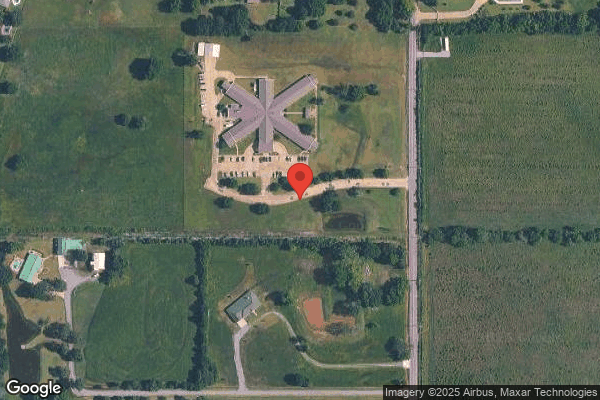

3500 HASKELL BLVD, MUSKOGEE, OK 74403 (918) 682-3191
For profit - Limited Liability company 110 Beds Independent Data: November 2025 1 Immediate Jeopardy citation
Trust Grade
43/100
#99 of 282 in OK
Last Inspection: February 2025

Within standard 12-15 month inspection cycle. Federal law requires annual inspections.

Overview

Eastgate Village Care & Rehab Center has received a Trust Grade of D, indicating below-average quality with some concerns about care. It ranks #99 out of 282 facilities in Oklahoma, placing it in the top half, and #2 out of 10 in Muskogee County, meaning it is one of the better local options. However, the facility is worsening, having increased from 8 issues in 2023 to 11 in 2025. Staffing is a weakness, with a rating of 2 out of 5 stars and a high turnover rate of 67%, significantly above the state average. While there have been no fines recorded, which is a positive sign, specific incidents raise concerns. For example, a resident at risk for elopement was able to leave the facility unsupervised, and staff failed to maintain proper hygiene practices while serving meals, risking infection. Overall, while Eastgate Village has some strengths, such as being in a decent location, families should carefully consider the significant weaknesses in safety and staffing before making a decision.

Trust Score
D
43/100
In Oklahoma
#99/282
Top 35%
Safety Record
High Risk
Review needed
Inspections
Getting Worse
8 → 11 violations
Staff Stability
⚠ Watch
67% turnover. Above average. Higher turnover means staff may not know residents' routines.
Penalties
✓ Good
No fines on record. Clean compliance history, better than most Oklahoma facilities.
Skilled Nurses
⚠ Watch
Each resident gets only 16 minutes of Registered Nurse (RN) attention daily — below average for Oklahoma. Fewer RN minutes means fewer trained eyes watching for problems.
Violations
⚠ Watch
24 deficiencies on record. Higher than average. Multiple issues found across inspections.
★★★☆☆
3.0
Overall Rating
★★☆☆☆
2.0
Staff Levels
★★★★★
5.0
Care Quality
★★☆☆☆
2.0
Inspection Score
Stable
2023: 8 issues
2025: 11 issues

The Good

  • 5-Star Quality Measures · Strong clinical quality outcomes
  • Full Sprinkler Coverage · Fire safety systems throughout facility
  • No fines on record

Facility shows strength in quality measures, fire safety.

The Bad

3-Star Overall Rating

Near Oklahoma average (2.6)

Meets federal standards, typical of most facilities

Staff Turnover: 67%

20pts above Oklahoma avg (46%)

Frequent staff changes - ask about care continuity

Staff turnover is elevated (67%)

19 points above Oklahoma average of 48%

The Ugly 24 deficiencies on record

1 life-threatening
Jul 2025 1 deficiency 1 IJ
CRITICAL (J) 📢 Someone Reported This

A family member, employee, or ombudsman was alarmed enough to file a formal complaint

Immediate Jeopardy (IJ) - the most serious Medicare violation

Accident Prevention (Tag F0689)

Someone could have died · This affected 1 resident

On 07/01/25, a past non-compliance immediate jeopardy (IJ) situation was determined to exist related to the facility's failure to ensure the safety of residents at risk for elopement. On 06/19/25, Res...

Read full inspector narrative →
On 07/01/25, a past non-compliance immediate jeopardy (IJ) situation was determined to exist related to the facility's failure to ensure the safety of residents at risk for elopement. On 06/19/25, Resident #1 eloped from the property through the front entrance at approximately 6:30 p.m. by following out a food delivery person. Resident #1 had a history of threatening to elope and wandering. The police found and returned Resident #1 to the facility at approximately 7:30 p.m. and reported Resident #1 was located in a field near the facility. Based on record review and interview, the facility failed to provide supervision to ensure the safety of a resident for 1 (#1) of 2 sampled residents reviewed with exit seeking behaviors. The DON identified one resident wandered. Findings: A care plan for Resident #1, initiated 08/06/24, showed a focus of the potential for elopement risk/wanderer with interventions which included: assess for elopement/wander risk, disguise exits, cover door knobs and handles, tape floor, distract from wandering by offering pleasant diversions, structured activities, food, conversation, television, books, observe for fatigue and weight loss, observe location frequently, document wandering behavior and attempt diversional interventions in behavior log, provide structured activities, toileting, waking inside and outside, reorientation strategies including signs, pictures, and memory boxes, and utilize wanderguard. A care plan for Resident #1, initiated 12/20/24, showed a focus of the risk for wandering/elopement was identified with interventions which included: clearly identify resident's room and bathroom, engage resident in purposeful activity, identify if there was a certain time of the day wandering/elopement attempts occurred, implement a scheduled toileting program, and implement a scheduled hydration. A progress note, dated 04/20/25, showed Resident #1 was verbally aggressive toward staff and had attempted and threatened to elope, and had kicked at windows and doors. A progress note, dated 04/27/25, showed Resident #1 walked up to the nurses station without their walker with a skin tear to their right forearm. The note showed the nurse went to the room of Resident #1 to find their wheelchair and observed the window open, blankets on the window sill, and the wheelchair was thrown out the window with the window screen on the ground next to the wheelchair. A progress note, dated 04/29/25, showed Resident #1 was at the front door with staff attempting to redirect the resident to turn around. A progress note, dated 05/03/25, showed Resident #1 was verbally aggressive and had stated they were leaving and no one could stop them. A re-admission after hospitalization elopement risk evaluation, dated 05/15/25, showed Resident #1 was at risk for elopement with a score of 4.0. A quarterly assessment, dated 05/21/25, showed Resident #1 had a brief interview for mental status score of 10 with diagnoses which included hypertension, heart failure, and dementia. A care plan for Resident #1, revised 06/20/25, showed a focus risk for wandering/elopement was identified with interventions which included: the resident would be transferred to a memory unit when the veterans administration sent the contract to the memory unit facility. Review of the facility elopement investigation, dated 06/20/25, showed an elopement risk audit for new admissions form, dated the week of 06/23/25 to 06/27/25. The audit form showed new admissions during the week and if an elopement risk audit was completed upon admission. The audit form showed four residents had admitted and an elopement risk evaluation was completed with scores of zero for all. The facility elopement investigation included the faxed ODH (Oklahoma Department of Health) Form 283, Incident Report Final and a word document which included the facility's investigation findings. The findings, read in part, Upon completion of investigation, the facility determined that the resident had eloped from the facility and was transferred to a veterans administration (VA) contract memory unit in [another city] for his safety. The investigation included an educational in-service record dated 06/20/25 and 06/22/25, titled elopement education. The in-service form showed signatures of all current staff. The investigation included a timeline of when and where Resident #1 was last seen. The timeline showed Resident #1 was last seen at 6:30 p.m. in the lobby. The investigation included elopement risk evaluations of all residents in the facility and a facility map indicating location of outside doors checked and the result. The facility investigation included a quality assurance and performance improvement (QAPI) meeting form dated 06/20/25 with signatures of meeting attendees and corrective action/steps taken immediately, process, systematic changes, ongoing monitoring, and date of compliance 06/20/25. On 07/01/25 at 11:20 a.m., the DON stated Resident #1 was gone approximately 35 to 40 minutes. They stated Resident #1 had walked across the dead end road in front of the facility, crossed over the loose fence to the neighbor's yard, and was sitting under their tree. The DON stated when Resident #1 returned they did a head-to-toe assessment and kept Resident #1 on one on one observation until they transferred to a memory care unit. The DON stated Resident #1 had a wanderguard on their wheelchair, but had taken their walker. The DON stated the representative of Resident #1 had recently brought in a walker and it did not have the wanderguard like the wheelchair.
Feb 2025 10 deficiencies
CONCERN (D)

Potential for Harm - no one hurt, but risky conditions existed

Notification of Changes (Tag F0580)

Could have caused harm · This affected 1 resident

Based on record review and interview, the facility failed to notify a resident's representative/legal representative for treatment of a UTI for 1 (#1) of 1 sampled resident reviewed for notification o...

Read full inspector narrative →
Based on record review and interview, the facility failed to notify a resident's representative/legal representative for treatment of a UTI for 1 (#1) of 1 sampled resident reviewed for notification of change. The administrator identified 73 residents resided in the facility with two in the hospital. Findings: Resident #1 had diagnoses which included cerebral palsy, ostomy status, and hyponatremia. On 02/03/25 at 3:11 p.m., Resident #1's legal representative stated they were not notified of the resident recently having a UTI until they called to check on the resident. A physician's order, dated 02/04/25, docuented Macrobid (an antibiotic) oral capsule 100 mg via peg-tube two times a day for UTI for 7 days. On 02/06/25 at 9:54 a.m., the ADON stated the process for a resident with a change in condition was to report to the proper parties (Medical director, family, DON, hospice if appropriate) and complete the form, and monitor for 72 hours or longer depending on doctor orders. They stated the form for change in condition was located in the electronic medical record under the forms tab. The ADON stated they were not able to produce documentation of notification for 02/04/24.
CONCERN (D)

Potential for Harm - no one hurt, but risky conditions existed

Deficiency F0582 (Tag F0582)

Could have caused harm · This affected 1 resident

Based on record review and interview, the facility failed to ensure advance beneficiary notices were provided for 2 (#10 and #18) of 3 sampled residents who were reviewed for beneficiary notices. The ...

Read full inspector narrative →
Based on record review and interview, the facility failed to ensure advance beneficiary notices were provided for 2 (#10 and #18) of 3 sampled residents who were reviewed for beneficiary notices. The Beneficiary Notice - Residents discharged Within the Last Six Months form documented four residents who were discharged to home with skilled days remaining in the last six months. Findings: 1. The form Beneficiary Notice-Residents discharged Within the Last Six Months showed Resident #10 was discharged from skilled services, had skilled days remaining, and stayed in the facility as a long term care resident after the discharge from skilled services. The SNF Beneficiary Protection Notification Review form showed Resident #10 was discharged from skilled services on 12/26/24 and the resident and/or resident representative had not been provided an ABN. 2. The form Beneficiary Notice-Residents discharged Within the Last Six Months showed Resident #18 was discharged from skilled services, had skilled days remaining, and stayed in the facility as a long term care resident after the discharge from skilled services. The SNF Beneficiary Protection Notification Review form showed Resident #18 was discharged from skilled services on 09/18/24 and the resident and/or resident representative had not been provided an ABN. On 02/06/25 at 10:27 a.m., the business office manager stated they were responsible to provide residents and/or resident representatives NOMNC and ABNs. They stated they typically provided an ABN for residents with Medicare and a NOMNC for residents who had an Health Maintenance Organization health plan. On 02/06/25 at 12:28 p.m., the administrator stated the business office manager was responsible to provide beneficiary notices upon discharge from skilled services.
CONCERN (D)

Potential for Harm - no one hurt, but risky conditions existed

Deficiency F0625 (Tag F0625)

Could have caused harm · This affected 1 resident

**NOTE- TERMS IN BRACKETS HAVE BEEN EDITED TO PROTECT CONFIDENTIALITY** Based on record review and interview, the facility failed to provide a notice of bed hold to 2 (#1 and #80) of 2 sampled residen...

Read full inspector narrative →
**NOTE- TERMS IN BRACKETS HAVE BEEN EDITED TO PROTECT CONFIDENTIALITY** Based on record review and interview, the facility failed to provide a notice of bed hold to 2 (#1 and #80) of 2 sampled residents who were transferred to the hospital. The administrator identified 75 residents who resided in the facility. Findings: The Resident Bed Hold policy, read in part, The Facility will provide written information to the Resident and/or the Resident Representative regarding Bed Hold Policy prior to transferring a Resident to the hospital or Therapeutic Leave as required by State/Federal Guidelines. 1. Resident #80 had diagnoses which included dementia. The electronic clinical record showed the resident was discharged to the hospital on [DATE] and 10/31/24. The electronic clinical record did not show the resident and/or the resident representative had been provided a bed hold notice upon transfer to the hospital. On 02/04/25 at 3:23 p.m., the infection preventionist/charge nurse stated the BOM or human resources employee provided the notice of bed hold to residents and/or resident representatives upon transfer to the hospital. On 02/04/25 at 3:25 p.m., the BOM stated they provided the notice for bed holds to residents and/or resident representatives when they admitted to the facility. On 02/04/25 at 3:29 p.m., LPN #2 stated the BOM was responsible to provide a notice of bed hold upon transfer to the hospital. On 02/04/25 at 3:32 p.m., the DON stated they did not know where it was documented a resident and/or resident representative had been provided a notice of bed hold when they were transferred to the hospital, but the BOM was the person responsible to provide them. On 02/04/25 at 4:11 p.m., the DON stated they had not been providing notices of bed holds to residents and/or representatives. They stated they had found out the nursing department was responsible to provide the notices upon transfer to the hospital. 2. Resident #1 had diagnoses which included cerebral palsy and ostomy status. A Discharge Summary, dated 12/31/24 at 3:50 p.m., showed the resident was sent to the hospital via ambulance. It showed the resident left the facility at 2:30 p.m. A nurses note, dated 01/04/25 at 4:24 p.m., showed Resident #1 re-admitted to the facility from the hospital. There was no documentation of a bed hold policy being provided. On 02/05/25 at 4:03 p.m., the ADON was asked where the documentation for the bed hold was for when Resident #1 went to the hospital on [DATE]. They stated they needed to ask as that was new to them and needed to ask someone. On 02/05/25 at 4:04 p.m., the DON stated they keep them in a folder at the nurses station. The DON provided a blank form and the arrived to the conversation. The DON stated they have them signed and put in the hard chart. The DON also stated, when residents were sent out they sent one copy with the emergency medical service and one copy to the hospital. When asked for Resident #1's bed hold provided, the DON stated, We do not have it and will from now on. The administrator was present and verified.
CONCERN (D)

Potential for Harm - no one hurt, but risky conditions existed

Comprehensive Care Plan (Tag F0656)

Could have caused harm · This affected 1 resident

Based on record review and interview, the facility failed to ensure a care plan intervention for the creation and implementation of a behavioral flow sheet had been implemented for 1 (#60) 5 sampled r...

Read full inspector narrative →
Based on record review and interview, the facility failed to ensure a care plan intervention for the creation and implementation of a behavioral flow sheet had been implemented for 1 (#60) 5 sampled residents who were reviewed for unnecessary medications. The DON identified 75 residents who resided in the facility. Findings: Resident #60 had diagnoses which included dementia, anxiety, and mood disorder. The Care Plan, dated 12/20/24, read in part, I am experiencing dementia, anxiety, and insomnia.BEHAVIOR MONITORING: Behavior monitoring is required for residents who take antipsychotic medications. Implement Behavior Monitoring Flowsheet. Review of the electronic clinical record did not show a behavior monitoring flowsheet had been implemented. On 02/06/25 at 10:04 a.m., LPN #2 stated they were unwarned of a behavioral flow sheet for Resident #60. On 02/06/25 at 11:48 a.m., the DON stated the behavioral monitoring for behaviors was documented on the nurses treatment record in the electronic clinical record. The DON reviewed the electronic clinical record for Resident #60 and stated they must have forgotten to put the behavioral monitoring on the treatment record.
CONCERN (D)

Potential for Harm - no one hurt, but risky conditions existed

Deficiency F0692 (Tag F0692)

Could have caused harm · This affected 1 resident

**NOTE- TERMS IN BRACKETS HAVE BEEN EDITED TO PROTECT CONFIDENTIALITY** Based on record review and interview, the facility failed to ensure residents were weighed weekly for four weeks upon admit for ...

Read full inspector narrative →
**NOTE- TERMS IN BRACKETS HAVE BEEN EDITED TO PROTECT CONFIDENTIALITY** Based on record review and interview, the facility failed to ensure residents were weighed weekly for four weeks upon admit for 1 (#78) of 3 sampled residents who were reviewed for nutrition. The DON identified 75 residents who resided in the facility. Findings: The Weight and Hydration Management Practice Guidelines policy, dated February 2016, read in part, Weigh all residents upon admission and readmission, weekly for four weeks and then monthly or as indicated by physician orders and/or the medical status of the resident. Resident #78 had diagnoses which included dementia. The Care Plan, revised 11/01/24, read in part, Monitor and evaluate any weight loss. Determine percentage lost and follow facility protocol for weight loss. Review of the clinical record showed the resident had been weighed on 11/04/24, 12/01/24, and 01/01/25. The electronic clinical record did not show weights had been obtained weekly for four weeks after admission on [DATE]. On 02/06/25 at 4:15 p.m., the DON reviewed the electronic clinical record for Resident #78 and stated there was not a physician's order for the frequency of obtaining weights, so they had weighed monthly since admission to the facility. The DON stated they needed to review the facility's policy for weight monitoring. On 02/06/25 at 4:33 p.m., the DON stated they had just reviewed the policy regarding weight monitoring and should have obtained weights weekly for four weeks after admission for Resident #78.
CONCERN (D)

Potential for Harm - no one hurt, but risky conditions existed

Deficiency F0761 (Tag F0761)

Could have caused harm · This affected 1 resident

Based on observation, record review, and interview, the facility failed to ensure medications were secured for 2 (E hall medication cart, and B/C hall treatment cart) of 6 medication/treatment carts o...

Read full inspector narrative →
Based on observation, record review, and interview, the facility failed to ensure medications were secured for 2 (E hall medication cart, and B/C hall treatment cart) of 6 medication/treatment carts observed. The DON identified six medication/treatment carts were utilized in the facility. A Medication Storage in the Facility policy, dated 2021, read in part, Medication rooms, carts, and medication supplies are locked. On 02/04/25 at 3:40 p.m., an observation was made of an unlocked and unattended cart on E hall across from room E1. Inside the cart were resident medications. There was no staff near the cart nor on E hall at the time of observation. On 02/04/25 at 3:44 p.m., CMA #1 came from around the corner by the dining room to the cart and locked it. They stated the policy for medication storage was to lock the cart. They stated they went to get a laptop and forgot to lock it. On 02/06/25 at 3:36 p.m., the B/C hall treatment cart was observed to be unlocked by the nurses station. Two nurses had their back to it and CMA #2 was facing it from the nurses station. On 02/06/25 at 3:38 p.m., CMA #2 was observed to lock the cart. LPN #1 stated the protocol for medication/treatment carts was to be locked when not in use. They stated they guessed they did not lock it after loaning out a glucometer. On 02/06/25 at 3:42 p.m., the DON stated the protocol for medication/treatment cart storage and safety was they were supposed to keep the carts locked if they were not with them.
CONCERN (D)

Potential for Harm - no one hurt, but risky conditions existed

Food Safety (Tag F0812)

Could have caused harm · This affected 1 resident

Based on observation, record review, and interview, the facility failed to ensure foods were dated when opened for 2 of 2 observations in the kitchen. The DON identified 72 residents who received nour...

Read full inspector narrative →
Based on observation, record review, and interview, the facility failed to ensure foods were dated when opened for 2 of 2 observations in the kitchen. The DON identified 72 residents who received nourishment from the kitchen. Findings: The Food Storage policy, dated 10/01/18, read in part, To ensure freshness, store opened and bulk items in tightly covered containers. All containers must be labeled and dated.Date, label and tightly seal all refrigerated foods using clean, nonabsorbent, covered containers that are approved for food storage. On 02/03/25 at 10:46 a.m., an uncovered and undated bowl of ice cream, was observed in the stand up freezer. Six cups of undated milk were observed in the refrigerator. On 02/06/25 at 11:04 a.m., six small, clear containers with a pink/yellow substance in them were observed in the refrigerator. The containers were not observed to be dated. Two foam cups were observed in the refrigerator to be undated and unlabeled. On 02/06/25 at 11:10 a.m., dietary aide #1 stated the clear containers were snacks for residents who required a puree diet. Dietary Aide #1 stated they had prepared the snacks in the clear container earlier in the morning. They stated one foam cup had milk in it and they thought the other one contained coffee after smelling it. They stated they had seen the foam cup that had coffee in it on 02/05/25. On 02/06/25 at 11:13 a.m., the dietary manager stated staff were to label and date foods before they were placed in the refrigerator.
CONCERN (E)

Potential for Harm - no one hurt, but risky conditions existed

Assessment Accuracy (Tag F0641)

Could have caused harm · This affected multiple residents

2. Resident #52 had diagnoses which included paroxysmal atrial fibrillation. The quarterly assessment, dated 01/15/25, showed Resident #52 had received an anticoagulant and antiplatelet medication dur...

Read full inspector narrative →
2. Resident #52 had diagnoses which included paroxysmal atrial fibrillation. The quarterly assessment, dated 01/15/25, showed Resident #52 had received an anticoagulant and antiplatelet medication during the seven day look back period. Review of the electronic clinical record did not show Resident #52 had received an anticoagulant or antiplatelet medication during the look back period. On 02/05/25 at 1:18 p.m., the regional MDS consultant reviewed the assessment and the electronic clinical record and stated Resident #52 was not on an anticoagulant or antiplatelet medication during the look back period for the assessment and the assessment was not accurately coded. 3. Resident #60 had diagnoses which included dementia. A physician's order, dated 08/19/24, showed the resident had an active order for Quetiapine (an antipsychotic medication) 200 mg at bedtime. The annual assessment, dated 12/18/24, showed the resident had not received an antipsychotic medication since the admission/entry/reentry, or the prior assessment, whichever was more recent. On 02/06/25 at 12:11 p.m., MDS coordinator #1 reviewed the electronic clinical record and stated the annual assessment did not accurately reflect Resident #60 had received an antipsychotic medication since the last admission/entry/reentry or prior assessment. Based on observation, record review, and interview, the facility failed to ensure resident assessments were accurate for 3 (#1, 52, and #60) of 18 sampled residents whose assessments were reviewed. The administrator identified 75 residents who resided in the facility. Findings: An MDS 3.0 policy, dated 04/2023, read in part, 2 The MDS Coordinator and/or IDT [interdisciplinary team] will use the following when completing the assessment as directed by the RAI User's Manual: Direct Observation, Communication with Residents, Family and Staff, Documentation in the Medical Record 3. MDS assessments will be completed per the 3.0 RAI User's Manual guidelines. 1. Resident #1 had diagnoses which included cerebral palsy, ostomy status, and UTI. A progress note, dated 12/23/24, at 10:09 p.m., showed the resident was alert, seemed to understand what was being said to them, and were laughing/smiling at jokes. A progress note, dated 12/25/24 at 2:47 p.m., showed the resident was pleasant, smiling, and nonverbal. A progress note, dated 12/26/24 at 7:39 p.m., showed the resident was able to communicate with their eyes. A progress note, dated 01/04/25 at 4:24 a.m., showed the resident was alert to stimuli. A progress note dated 01/05/25 at 3:05 a.m., documented resident was alert to stimuli but non verbal. A resident admission assessment, dated 01/05/25, had comatose marked as yes for B0100. On 02/03/25 at 11:44 a.m., Resident #1 was observed in bed, eyes open, and no verbal response. They were observed moving their right arm and heal only and did follow with their eyes. On 02/05/25 at 12:56 p.m., CNA #1 stated Resident #1 used their eyes to communicate by moving them left or right and up and down to say yes or no. They stated the resident laughed and they had heard them try to speak before. CNA #1 stated if the resident was awake they would respond. On 02/05/25 at 1:05 p.m., the regional MDS consultant stated in order to code comatose at B0100 on the MDS, the resident would have to not be reactive to painful stimuli or any stimuli. They stated B0100 was marked yes and they would have to look into it. The regional MDS consultant stated they were confident the coding of B0100 was a mistake.
CONCERN (E)

Potential for Harm - no one hurt, but risky conditions existed

Deficiency F0657 (Tag F0657)

Could have caused harm · This affected multiple residents

Based on observation, record review, and interview, the facility failed to ensure a care plan was updated/revised for 1 (#1) of 18 sampled residents whose care plans were reviewed. The administrator i...

Read full inspector narrative →
Based on observation, record review, and interview, the facility failed to ensure a care plan was updated/revised for 1 (#1) of 18 sampled residents whose care plans were reviewed. The administrator identified 73 residents resided in the facility with 2 in the hospital. Findings: A Comprehensive Person Centered Care Plan policy, dated 01/2019, read in part, Each resident will have a person centered care plan to identify problems, needs, strengths, preferences, and goals that will identify how the interdisciplinary team will provide care. Resident #1 had diagnoses which included cerebral palsy, ostomy status, and UTI. A care plan, revised 01/09/25, read in part, Potential for elopement risk/wander risk. An Elopement Evaluation, dated 12/23/24 at 11:18 p.m., showed an elopement score of 0.0. It showed no instance of elopement history and no wandering aimlessly. A nutrition note, dated 01/07/25 at 5:05 p.m., showed Resident #1 had noted history of cerebral palsy, quadriplegia with upper and lower extremity contractures. A progress note, dated 12/23/24 at 11:09 p.m., showed the resident arrived via ambulance to the facility and had cerebral palsy and quadriplegia with muscle contractures on all limbs. On 02/03/25 at 11:44 a.m., Resident #1 was observed in bed, eyes open, and no verbal response. They were observed moving their right arm and head only and did follow with their eyes. Their bilateral lower extremities were bent up towards their torso. On 02/05/25 at 2:00 p.m., the IP stated Resident #1 was not and had never been an elopement risk since being in the facility. On 02/05/25 at 2:02 p.m., the regional MDS consultant, ADON, and DON were present. The DON stated Resident #1 was bedbound and was not an elopement risk and used a mechanical lift with total care. They stated they received the resident with contractures, a catheter, a colostomy, and they were total care. The DON stated the care plan was not an accurate reflection of the resident.
CONCERN (E) 📢 Someone Reported This

A family member, employee, or ombudsman was alarmed enough to file a formal complaint

Potential for Harm - no one hurt, but risky conditions existed

Infection Control (Tag F0880)

Could have caused harm · This affected multiple residents

Based on observation, record review, and interview, the facility failed to ensure proper infection control practices were utilized during transportation of linen to the soiled closet for 1 observation...

Read full inspector narrative →
Based on observation, record review, and interview, the facility failed to ensure proper infection control practices were utilized during transportation of linen to the soiled closet for 1 observation during review of infection control practices. The administrator identified the census of 73 in house with 2 in the hospital. Findings: A Handling linen/laundry policy, dated 07/2024, read in part, Linen/Laundry includes resident's personal clothing, linens, (i.e., sheets, blankets, pillows), towels, washcloths .Linen and laundry should be handled, transported, and sorted to prevent the spread of infection .1. Handling soiled linen/laundry .a. Gloves should be worn, and standard precautions followed. b. Bag soiled linen/laundry at point of collection before transporting. c. Bagged linen shall be placed in a leak proof container for transport to laundry facilities. On 02/06/25 at 12:20 p.m., housekeeper #1 was observed to carry white linen with red substance on it to the soiled utility room without being in a bag and without wearing gloves. They were asked what the policy and procedure was for transporting soiled linen. They stated they probably should have taken the barrel to transport it. They stated it was not soiled. Housekeeper #1 was asked where they got the linen from. They stated it was on B hall on a pillow on the couch. They were asked what was on it. They stated nothing. They were asked how they knew nothing was on it and it was not soiled. They stated they did not know. They went down the hall then returned to the soiled utility room and looked at the linen. They stated it was ketchup on it. They were asked if it had been put in a bag for transport. They had no response. They were then asked how should the linen have been transported. They stated in a bag. On 02/06/25 at 2:02 p.m., the DON was aware of findings and stated the staff member was new and were to be educated. On 02/06/25 at 2:28 p.m., the infection preventionist was asked if they were aware of the infection control concern with the linen. They stated they were aware and would address it as soon as they could.
Nov 2023 8 deficiencies
CONCERN (D) 📢 Someone Reported This

A family member, employee, or ombudsman was alarmed enough to file a formal complaint

Potential for Harm - no one hurt, but risky conditions existed

Resident Rights (Tag F0550)

Could have caused harm · This affected 1 resident

Based on observation and interview, the facility failed to treat residents with dignity during meal service in the dining room. The administrator identified 50 residents who ate meals and were served ...

Read full inspector narrative →
Based on observation and interview, the facility failed to treat residents with dignity during meal service in the dining room. The administrator identified 50 residents who ate meals and were served in the dining room. Findings: On 10/31/23 at 11:33 a.m., a lunch service was observed in the dining room. Three residents were observed sitting at a table, two of the residents were served their meal, one resident was provided a drink, but not a meal. On 10/31/23 at 11:41 a.m., the resident who had not received a meal while sitting with the other residents was observed to have received their meal. One of the two residents who had received their meal prior was observed leaving the dining room. On 11/02/23 at 7:27 a.m., a breakfast service observed in the dining room. Two residents were observed sitting at a table together before the meal service had began and only one resident had received their meal. On 11/02/23 at 7:30 a.m., the resident who had not received their meal stated they were hungry. On 11/02/23 at 7:37 a.m., the resident who had not received their meal continued to wait for their meal to be received. On 11/03/23 at 11:10 a.m., Dietary [NAME] #1 stated they try to serve all residents sitting at the same table at the same time but does not always happen. The cook stated they should serve everyone sitting at the table at the same time.
CONCERN (D) 📢 Someone Reported This

A family member, employee, or ombudsman was alarmed enough to file a formal complaint

Potential for Harm - no one hurt, but risky conditions existed

Comprehensive Assessments (Tag F0636)

Could have caused harm · This affected 1 resident

Based on record review and interview, the facility failed to ensure comprehensive assessments were accurate for two (#35 and #75) of 19 sampled residents whose assessments were reviewed. The DON ident...

Read full inspector narrative →
Based on record review and interview, the facility failed to ensure comprehensive assessments were accurate for two (#35 and #75) of 19 sampled residents whose assessments were reviewed. The DON identified 82 residents who currently resided in the facility. Findings: Res #35 had diagnoses which included mild vascular dementia with other behavioral disturbances and Alzheimer's disease. A physician order, dated 06/27/23, documented the facility was to administer Seroquel (an antipsychotic medication) 25 mg two times a day for anxiety and yelling/screaming related to mild vascular dementia with other behavioral disturbances. A care plan, dated 06/27/23, documented the antipsychotic Seroquel was to have been administered for altered thought process. The care plan documented the resident experienced behaviors associated with dementia with behavioral outbursts such as yelling, screaming, repetitive verbalizations, and tearfulness. The care plan documented to administer medication as prescribed. A admission assessment, dated 07/04/23, documented the resident was severely impaired with cognition; had delirium of inattention and altered level of conscious; and required extensive to total assistance with ADLs. The assessment did not documented the resident was on an antipsychotic medication. The July 2023 MAR, documented the resident was to receive Seroquel twice a day and documented the resident received the Seroquel every morning and evening for the month of July. On 11/02/23 at 1:14 p.m., the DON stated Res #35 had been on an antipsychotic for a long time. On 11/03/23 at 9:42 a.m., the MDS coordinator stated the resident was on an antipsychotic medication and it had been missed on the assessment completed in July. 2. Res #75 had diagnoses which included end stage heart failure; acute kidney failure; and muscle wasting and atrophy. A physician order, dated 07/13/23, documented to admit Res #75 to hospice care. A significant change assessment, dated 07/13/23, documented the resident was severely impaired with cognition and required extensive to total assistance with ADLs. The assessment did not documented the resident life expectancy was six months or less and did not document the resident was to receive hospice care. A social service note, dated 07/27/23, documented the resident had a decline and was admitted to hospice care on 07/13/23. On 11/02/23 at 11:18 a.m., the MDS coordinator stated the resident had been admitted to hospice care. The MDS coordinator stated the significant change assessment did not document the resident's life expectancy and hospice care but should have.
CONCERN (D) 📢 Someone Reported This

A family member, employee, or ombudsman was alarmed enough to file a formal complaint

Potential for Harm - no one hurt, but risky conditions existed

Deficiency F0637 (Tag F0637)

Could have caused harm · This affected 1 resident

Based on record review and interview the facility failed to conduct a significant change assessment for one (#37) of 18 sampled residents whose MDS assessments were reviewed. The Resident Census and ...

Read full inspector narrative →
Based on record review and interview the facility failed to conduct a significant change assessment for one (#37) of 18 sampled residents whose MDS assessments were reviewed. The Resident Census and Conditions of Residents form documented 80 residents resided in the facility. Findings: 1. Res #37 had diagnoses which included post traumatic stress disorder, unspecified chronic kidney disease, vascular dementia with mood disturbance, Parkinson's disease with dyskinesia fluctuations, chronic obstructive pulmonary disease, and altered mental status. A annual assessment, dated 05/21/23, documented the resident was severely impaired with cognition and required moderate assistance with all ADLs. A quarterly assessment, dated 08/21/23, documented the resident was severly impaired with cognition and required extensive assistance with all ADLs. On 11/02/23 at 3:34 p.m., MDS Coordinator #1 stated there should have been a significant change on Res #37 instead of a quarterly assessment on 08/21/23.
CONCERN (D) 📢 Someone Reported This

A family member, employee, or ombudsman was alarmed enough to file a formal complaint

Potential for Harm - no one hurt, but risky conditions existed

Deficiency F0646 (Tag F0646)

Could have caused harm · This affected 1 resident

**NOTE- TERMS IN BRACKETS HAVE BEEN EDITED TO PROTECT CONFIDENTIALITY** Based on record review and interview, the facility failed to correctly complete a PASRR level l form and make a referral to the ...

Read full inspector narrative →
**NOTE- TERMS IN BRACKETS HAVE BEEN EDITED TO PROTECT CONFIDENTIALITY** Based on record review and interview, the facility failed to correctly complete a PASRR level l form and make a referral to the state mental health authority or state intellectual disability authority for one (#26) of three residents reviewed for PASRR. The administrator identified 82 residents resided in the facility. Findings: Res #26 was admitted on [DATE] with diagnoses which included post-traumatic stress disorder and psychotic disorder with delusion. A PASRR level l form, dated 07/26/19, did not document the resident had a diagnosis of serious mental illness. The form did not document a referral to the state mental health authority or state intellectual disability authority for the diagnosis of serious mental illness. A care plan, dated 07/28/21, documented the resident had a disturbed thought process. The care plan documented the resident was experiencing changes in sleep habits, loss of appetite, and inability to concentrate. On 11/06/23 at 1:39 p.m., the MDS coordinator reviewed the PASRR level l form for the resident. The coordinator stated the PASRR level l dated 07/26/19 was not correct. The coordinator stated the resident had a diagnosis of mental illness on admission and referral should have been made to the state mental health authority or state intellectual disability authority.
CONCERN (D) 📢 Someone Reported This

A family member, employee, or ombudsman was alarmed enough to file a formal complaint

Potential for Harm - no one hurt, but risky conditions existed

ADL Care (Tag F0677)

Could have caused harm · This affected 1 resident

Based on observation, record review, and interview, the facility failed to provide the necessary ADL assistance to residents who were unable to carry out their own for one (#37) of four residents samp...

Read full inspector narrative →
Based on observation, record review, and interview, the facility failed to provide the necessary ADL assistance to residents who were unable to carry out their own for one (#37) of four residents sampled for ADL assistance. The DON identified 82 residents who currently resided in the facility. Findings: Res #37 had diagnoses which included post traumatic stress disorder, unspecified chronic kidney disease, vascular dementia with mood disturbance, Parkinson's disease with dyskinesia with fluctuations, chronic obstructive pulmonary disease, and altered mental status. A annual assessment, dated 05/21/23, documented the resident was severely impaired with cognition and required moderate assistance with all ADLs. The assessment documented Res #37 was always incontinent of bladder and bowel. A quarterly assessment, dated 08/21/23, documented the resident was severely impaired with cognition and required extensive assistance with all ADLs. The assessment documented Res #37 was always incontinent of bladder and bowel. On 11/01/23 at 10:35 a.m., a blood stain was observed on the bed sheets of Res #37. On 11/02/23 at 10:34 a.m., the same blood stain was observed on the bed sheets of Res #37. A clean pad covering a wet brown ring with the odor of urine was observed on the bed of Res #37. On 11/02/23 at 12:47 p.m., CNA #1 stated they did not know how long the blood stain had been on the sheets of Res #37 and they did not know the resident's bed was wet and had a brown ring stain. They stated they only checked the pad and since it was not wet they did not check the bed linens. On 11/02/23 at 12:47 p.m., CNA #2 stated they only checked the pad and since the pad was dry they did not check under the pad where the bed was wet with urine. On 11/02/23 at 12:47 p.m., LPN #1 stated the bed checks were to have been completed every two hours. They stated the staff should have checked the resident and the bed sheets should have been changed.
CONCERN (D)

Potential for Harm - no one hurt, but risky conditions existed

Deficiency F0692 (Tag F0692)

Could have caused harm · This affected 1 resident

Based on interview and record review, the facility failed to ensure residents' nutritional issues were supervised by a physician for one (#39) of one resident sampled for weight loss. The Resident Ce...

Read full inspector narrative →
Based on interview and record review, the facility failed to ensure residents' nutritional issues were supervised by a physician for one (#39) of one resident sampled for weight loss. The Resident Census and Conditions of Residents form documented 80 residents resided in the facility. Findings: Res #39 was admitted to the facility with diagnoses of metabolic encephalopathy, diabetes mellitus, cerebral infarction, and age-related physical debility. An EHR entry, dated 06/12/23, documented Res #39 had a weight of 178.6 lbs. A quarterly assessment, dated 08/03/23, documented the resident was moderately impaired with cognition and required minimal assistance with ADLs. The assessment documented the resident had experienced a significant weight loss. An EHR entry, dated 09/13/23, documented Res #39 had a weight of 166.0 lbs representing a 7% weight loss over three months. On 11/06/23 at 10:30 a.m., the DM stated Res #39 tried to take other residents' food and stated the resident was always hungry. On 11/06/23 at 10:44 a.m., the DON stated the physician was not notified of the significant weight loss but they would contact the physician.
CONCERN (D) 📢 Someone Reported This

A family member, employee, or ombudsman was alarmed enough to file a formal complaint

Potential for Harm - no one hurt, but risky conditions existed

Deficiency F0804 (Tag F0804)

Could have caused harm · This affected 1 resident

2. Res #38 had diagnoses which included major depressive disorder, diabetes mellitus, chronic obstructive pulmonary disease, and abnormal weight loss. An annual assessment, dated 09/28/23, documented...

Read full inspector narrative →
2. Res #38 had diagnoses which included major depressive disorder, diabetes mellitus, chronic obstructive pulmonary disease, and abnormal weight loss. An annual assessment, dated 09/28/23, documented Res #38 was moderately impaired with cognition and required minimal assistance with ADLs. On 10/31/23 at 12:19 p.m., Res #38 stated the pancakes and eggs were always cold when they received them. 3. Res #70 was admitted to the facility with diagnoses of diabetes mellitus type II, depression, anxiety, and metabolic encephalopathy. An admission assessment, dated 10/10/23, documented Res #70 was cognitively intact and required minimal assistance with ADLs. On 10/31/23 at 12:33 p.m., Res #70 stated the food was always cold. Based on observation and interview, the facility failed to serve food at an appetizing temperature for the residents. The administrator identified 82 residents who resided in the facility. Findings: 1. Res #55 was admitted with diagnoses which included fractured femur and pressure-induced deep tissue damage. The physician orders documented the resident was on a healthy heart diet and was encouraged to get out of bed for meals and activities. On 10/31/23 at 1:40 p.m., the resident stated the food was always cold. On 11/02/23 at 7:45 a.m., a sample tray was obtained. The eggs were 123 degrees Fahrenheit, the pancake was 99.7 degrees Fahrenheit, and the bacon was 96.5 degrees Fahrenheit. The food was observed to not have been warm to taste. On 11/02/23 at 11:20 a.m., the DM stated the hall trays were not served using hot plates or a hot box to transport the meals to the halls.
CONCERN (F) 📢 Someone Reported This

A family member, employee, or ombudsman was alarmed enough to file a formal complaint

Potential for Harm - no one hurt, but risky conditions existed

Food Safety (Tag F0812)

Could have caused harm · This affected most or all residents

Based on record review, observation, and interview, the facility failed to prepare and serve food for the residents in a sanitary manner. The administrator identified 82 residents who resided in the f...

Read full inspector narrative →
Based on record review, observation, and interview, the facility failed to prepare and serve food for the residents in a sanitary manner. The administrator identified 82 residents who resided in the facility. Findings: A policy titled, PERSONAL ALLOWED IN THE DIETARY DEPARTMENT, read in part, .All unauthorized persons are to be discouraged from entering the Dietary Department .Everyone that enters the Dietary Department must wash their hands and wear a hair net. On 10/31/23 at 11:37 a.m., CNA #1 was observed assisting in the dining room with meal service. The CNA was observed assisting residents with positioning in their chairs and setting up three residents' meals without washing/sanitizing their hands. On 10/31/23 at 11:41 a.m., CNA #1 stated they did not wash/sanitize their hands between assisting each resident. The CNA state they should have wash/sanitized their hands between each resident assistance. On 10/31/23 at 11:46 a.m., CNA #2 was observed entering the kitchen area to obtain a glass of tea. The CNA was observed to not wash their hands and was not wearing a hair restraint. On 10/31/23 at 11:49 a.m., CNA #2 stated staff were allowed to enter the kitchen far enough to obtain glasses and tea. On 10/31/23 at 12:03 p.m., the DM stated staff have been allowed to obtain glasses and tea from the kitchen area. The dietary manager stated a chain should have been in place marking the areas of the kitchen were the staff were not allowed to pass. The dietary manager stated the area was part of the kitchen.
Apr 2022 5 deficiencies
CONCERN (D)

Potential for Harm - no one hurt, but risky conditions existed

Deficiency F0637 (Tag F0637)

Could have caused harm · This affected 1 resident

Based on record review, observation, and interview, the facility failed to ensure a major decline in the residents status was assessed for one (#42) of five residents reviewed for unnecessary medicati...

Read full inspector narrative →
Based on record review, observation, and interview, the facility failed to ensure a major decline in the residents status was assessed for one (#42) of five residents reviewed for unnecessary medications. The Resident Census and Conditions of Residents form documented 70 residents resided in the facility. Findings: Resident (Res) #42 had diagnoses which included chronic kidney disease, rheumatoid arthritis, and dementia. A quarterly resident assessment, dated 12/30/22, documented Res #42 was severely impaired in cognition; required supervision with transfer, walking, locomotion, and eating; limited assistance with bed mobility, hygiene, and bathing; and extensive assistance with toileting. A physician order, dated 03/10/22, documented to admit Res #42 to [name deleted] hospice for a diagnosis of sarcopenia, symptom management, and pain control. An annual resident assessment, dated 03/29/22, documented the resident was severely impaired in cognition and had rejection of care one to three days of the assessment period. The assessment documented Res #42 required supervision with walking and locomotion; limited assistance with eating; extensive assistance with bed mobility, transfers, dressing, and toilet use; and total assistance with bathing activity. The assessment documented Res #42 was receiving hospice services. On 04/19/22 at 12:16 p.m., Res #42 was observed sleeping at the nurses station with a family member at their side. At that time the family member reported Res #42 was very confused and hollered out frequently. On 04/20/22 at 1:38 p.m., the MDS assessment nurse reported they look on the dashboard of the EMR to find out any changes a resident had experienced. The MDS nurse reported Res #42's decline and recent hospice admission had been missed and a significant change assessment should have been completed. On 04/20/22 at 2:41 p.m., the DON stated Res #42 had experienced a huge decline over the past few months and recently went on hospice care. The DON stated a significant change assessment should have been completed.
CONCERN (D)

Potential for Harm - no one hurt, but risky conditions existed

Deficiency F0700 (Tag F0700)

Could have caused harm · This affected 1 resident

Based on record review, observation, and interview, the facility failed to ensure alternatives were attempted, an assessment was conducted, an informed consent and a physician's order was obtained, pr...

Read full inspector narrative →
Based on record review, observation, and interview, the facility failed to ensure alternatives were attempted, an assessment was conducted, an informed consent and a physician's order was obtained, prior to installing side rails for one (#46) of one resident reviewed for accident hazards. The Resident Census and Conditions of Residents form documented 70 residents resided in the facility. Findings: Resident (Res) #46 had diagnoses which included sarcopenia, atrial fibrillation, and kidney failure. An annual resident assessment, dated 12/23/21, documented Res #46 was moderately impaired with cognition, and required supervision to extensive assistance with activities of daily living. The assessment documented side rails were not used. A quarterly resident assessment, dated 03/25/22, documented Res #46 was moderately impaired with daily decision making, and required extensive to total assistance with most activities of daily living needs. The assessment documented side rails were not used. On 04/19/22 at 1:23 p.m., Res #46's bed was observed to have full side rails with one in the up position on the left side. The bed for Res #46 was equipped with a low air loss mattress. On 04/21/22 at 1:23 p.m., Res #46's medical records were reviewed and did not document an assessment for the use of side rails, an order for side rails, an informed consent for the use of side rails, or a care plan for the use of side rails. The medical records did not document alternatives had been attempted prior to the side rails being provided for the resident's bed. On 04/21/22 at 2:31 p.m., the DON stated side rails were not installed on Res #46's bed as Res #46 would get hurt. The DON stated only quarter rails were used and the facility did not have any beds equipped with full side rails. The DON was then shown Res #46's bed which had full side rails with one in the up position on one side. The DON stated the facility was unaware the full side rails were there. The DON stated Res #46 did not have an assessment, consent, order, or care plan for the use of side rails.
CONCERN (D)

Potential for Harm - no one hurt, but risky conditions existed

Deficiency F0909 (Tag F0909)

Could have caused harm · This affected 1 resident

Based on record review, observation, and interview, the facility failed to conduct regular inspections of beds, side rails, and mattresses, to identify any areas of potential entrapment for one (#46) ...

Read full inspector narrative →
Based on record review, observation, and interview, the facility failed to conduct regular inspections of beds, side rails, and mattresses, to identify any areas of potential entrapment for one (#46) of one residents reviewed for accident hazards. The Resident Census and Conditions of Residents form documented 70 residents resided in the facility. Findings: Resident (Res) #46 had diagnoses which included sarcopenia, atrial fibrillation, and kidney failure. A quarterly resident assessment, dated 03/25/22, documented side rails were not in use on Res #46's bed. On 04/19/22 at 1:23 p.m., Res #46's bed was observed to have full side rails with one in the up position on the left side. The bed for Res #46 was equipped with a low air loss mattress. On 04/21/22 at 2:31 p.m., the DON was shown Res #46's bed which had full rails with one in the up position on one side. The DON stated the facility did not have a maintenance man at that time, but bed inspections were supposed to have been done. On 04/21/22 at 2:47 p.m., the administrator stated there were no records for bed inspections or maintenance.
CONCERN (E)

Potential for Harm - no one hurt, but risky conditions existed

Comprehensive Care Plan (Tag F0656)

Could have caused harm · This affected multiple residents

Based on record review, observations, and interview, the facility failed to ensure a comprehensive care plan was developed for three (#45, 46, and #63) of 21 residents whose care plans were reviewed. ...

Read full inspector narrative →
Based on record review, observations, and interview, the facility failed to ensure a comprehensive care plan was developed for three (#45, 46, and #63) of 21 residents whose care plans were reviewed. The Resident Census and Condition of Residents form documented 70 residents resided at the facility. Findings: 1. Resident #45 was admitted to the facility with diagnoses that included dementia/Alzheimer's disease. A care plan, dated 03/21/22, did not document a plan of care for resident (Res) #45 dementia care. On 04/20/22 at 3:24 p.m., the MDS nurse stated Res #45's admission MDS had triggered the need for a dementia plan. On 04/20/22 at 3:30 p.m., the DON stated Res #45's care plan should have included a plan of care for dementia. 2. Resident (Res) #63 was admitted to the facility with diagnoses that included dementia/Alzheimer's disease and pressure ulcers. Res #63's admission assessment, dated 03/28/22, documented dementia and urinary catheter were triggered for a plan of care. A care plan, dated 03/28/22, did not document a plan of care for dementia or urinary catheter. On 04/21/22 at 8:40 a.m., the DON stated Res #63's care plan did not include a plan of care for dementia or the use of a urinary catheter. The DON stated it should have. 3. Resident (Res) #46 had diagnoses which included sarcopenia, atrial fibrillation, and acute kidney failure. An annual resident assessment, dated 12/23/21, documented bed rails were not used for Res #46. On 04/19/22 at 1:23 p.m., Res #46's bed was observed with a full side rail up on one side. The bed for Res #46 was also equipped with a low air loss mattress. On 04/21/22 at 1:23 p.m., Res #46's plan of care did not document a plan of care related to the use of full side rails. On 04/21/22 at 2:31 p.m., the DON stated the facility did not have any full side rails and Res #46 should not have side rails of any kind as they would get hurt. The DON then viewed Res #46's room and stated they were unaware Res #46's bed had been equipped with full side rails. The DON stated Res #46 did not have a care plan for side rails.
CONCERN (E)

Potential for Harm - no one hurt, but risky conditions existed

Deficiency F0839 (Tag F0839)

Could have caused harm · This affected multiple residents

**NOTE- TERMS IN BRACKETS HAVE BEEN EDITED TO PROTECT CONFIDENTIALITY** Based on record review, observation, and interview, the facility failed to ensure certifications were not expired for one (CMA #...

Read full inspector narrative →
**NOTE- TERMS IN BRACKETS HAVE BEEN EDITED TO PROTECT CONFIDENTIALITY** Based on record review, observation, and interview, the facility failed to ensure certifications were not expired for one (CMA #1) of four Certified Medication Aides who were reviewed for current certifications. The DON identified 70 residents who received medications in the facility. Findings: Review of the Nurse Aide Registry documented CMA #1's medication aide certification had expired on [DATE]. Review of the CMA staffing schedule, dated [DATE] through [DATE], documented CMA #1 had worked 97 shifts from 7:00 a.m. until 3:00 p.m. and 96 shifts from 3:00 p.m. until 11:00 p.m. On [DATE] at 11:01 a.m., CMA #1 was observed to administer medications. On [DATE] at 11:08 a.m., the DON was asked how the facility ensured medication aide certifications were not expired. The DON stated human resources staff monitored certifications and licenses. The DON was asked if any CMAs had expired certifications. The DON stated human resources staff #1 had informed them this morning that CMA #1's medication aide certification was expired. On [DATE] at 11:34 a.m., human resources staff #1 was asked how the facility ensured certifications had not expired. Human resources staff #1 stated certifications were checked every couple of months to ensure they had not expired. Human resources staff #1 stated they discovered CMA #1's medication aide certification was expired. Human resources staff #1 was asked if anyone had been notified CMA #1's certification had expired. They stated the DON, the administrator, and CMA #1, had been verbally informed last month. On [DATE] at 11:38 a.m., the DON was asked how many shifts CMA #1 had administered medications from [DATE] through [DATE]. The DON stated CMA #1 worked consistently Monday through Friday during that time period and at times worked extra shifts. The DON was asked why CMA #1 had continued to administer medications while CMA #1's certification was expired. The DON stated they did not have an explanation.
Understanding Severity Codes (click to expand)
Life-Threatening (Immediate Jeopardy)
J - Isolated K - Pattern L - Widespread
Actual Harm
G - Isolated H - Pattern I - Widespread
Potential for Harm
D - Isolated E - Pattern F - Widespread
No Harm (Minor)
A - Isolated B - Pattern C - Widespread

Questions to Ask on Your Visit

  • "What changes have you made since the serious inspection findings?"
  • "Why is there high staff turnover? How do you retain staff?"
  • "Can I speak with families of current residents?"
  • "What's your RN coverage like on weekends and overnight?"

Our Honest Assessment

Strengths
  • • No fines on record. Clean compliance history, better than most Oklahoma facilities.
Concerns
  • • Multiple safety concerns identified: 1 life-threatening violation(s). Review inspection reports carefully.
  • • 24 deficiencies on record, including 1 critical (life-threatening) violation. These warrant careful review before choosing this facility.
  • • Grade D (43/100). Below average facility with significant concerns.
  • • 67% turnover. Above average. Higher turnover means staff may not know residents' routines.
Bottom line: Trust Score of 43/100 indicates significant concerns. Thoroughly evaluate alternatives.

About This Facility

What is Eastgate Village Care & Rehab Center's CMS Rating?

CMS assigns EASTGATE VILLAGE CARE & REHAB CENTER an overall rating of 3 out of 5 stars, which is considered average nationally. Within Oklahoma, this rating places the facility higher than 99% of the state's 100 nursing homes. This mid-range rating indicates the facility meets federal standards but may have areas for improvement.

How is Eastgate Village Care & Rehab Center Staffed?

CMS rates EASTGATE VILLAGE CARE & REHAB CENTER's staffing level at 2 out of 5 stars, which is below average compared to other nursing homes. Staff turnover is 67%, which is 20 percentage points above the Oklahoma average of 46%. High turnover can affect care consistency as new staff learn residents' individual needs.

What Have Inspectors Found at Eastgate Village Care & Rehab Center?

State health inspectors documented 24 deficiencies at EASTGATE VILLAGE CARE & REHAB CENTER during 2022 to 2025. These included: 1 Immediate Jeopardy (the most serious level, indicating potential for serious harm or death) and 23 with potential for harm. Immediate Jeopardy findings are rare and represent the most serious regulatory concerns. They require immediate corrective action.

Who Owns and Operates Eastgate Village Care & Rehab Center?

EASTGATE VILLAGE CARE & REHAB CENTER is owned by a for-profit company. For-profit facilities operate as businesses with obligations to shareholders or private owners. The facility operates independently rather than as part of a larger chain. With 110 certified beds and approximately 81 residents (about 74% occupancy), it is a mid-sized facility located in MUSKOGEE, Oklahoma.

How Does Eastgate Village Care & Rehab Center Compare to Other Oklahoma Nursing Homes?

Compared to the 100 nursing homes in Oklahoma, EASTGATE VILLAGE CARE & REHAB CENTER's overall rating (3 stars) is above the state average of 2.6, staff turnover (67%) is significantly higher than the state average of 46%, and health inspection rating (2 stars) is below the national benchmark.

What Should Families Ask When Visiting Eastgate Village Care & Rehab Center?

Based on this facility's data, families visiting should ask: "What changes have been made since the serious inspection findings, and how are you preventing similar issues?" "How do you ensure continuity of care given staff turnover, and what is your staff retention strategy?" "Can you walk me through typical staffing levels on day, evening, and night shifts?" "Can I visit during a mealtime to observe dining assistance and food quality?" These questions are particularly relevant given the facility's Immediate Jeopardy citations, the facility's high staff turnover rate, and the below-average staffing rating.

Is Eastgate Village Care & Rehab Center Safe?

Based on CMS inspection data, EASTGATE VILLAGE CARE & REHAB CENTER has documented safety concerns. Inspectors have issued 1 Immediate Jeopardy citation (the most serious violation level indicating risk of serious injury or death). The facility has a 3-star overall rating and ranks #1 of 100 nursing homes in Oklahoma. Families considering this facility should ask detailed questions about what corrective actions have been taken since these incidents.

Do Nurses at Eastgate Village Care & Rehab Center Stick Around?

Staff turnover at EASTGATE VILLAGE CARE & REHAB CENTER is high. At 67%, the facility is 20 percentage points above the Oklahoma average of 46%. High turnover means new staff may not know residents' individual needs, medications, or preferences. It can also be disorienting for residents, especially those with dementia who rely on familiar faces. Families should ask: What is causing the turnover? What retention programs are in place? How do you ensure care continuity during staff transitions?

Was Eastgate Village Care & Rehab Center Ever Fined?

EASTGATE VILLAGE CARE & REHAB CENTER has no federal fines on record. CMS issues fines when nursing homes fail to meet care standards or don't correct problems found during inspections. The absence of fines suggests the facility has either maintained compliance or corrected any issues before penalties were assessed. This is a positive indicator, though families should still review recent inspection reports for the full picture.

Is Eastgate Village Care & Rehab Center on Any Federal Watch List?

EASTGATE VILLAGE CARE & REHAB CENTER is not on any federal watch list. The most significant is the Special Focus Facility (SFF) program, which identifies the bottom 1% of nursing homes nationally based on persistent, serious quality problems. Not being on this list means the facility has avoided the pattern of deficiencies that triggers enhanced federal oversight. This is a positive indicator, though families should still review the facility's inspection history directly.