SEQUOYAH EAST NURSING CENTER, LLC
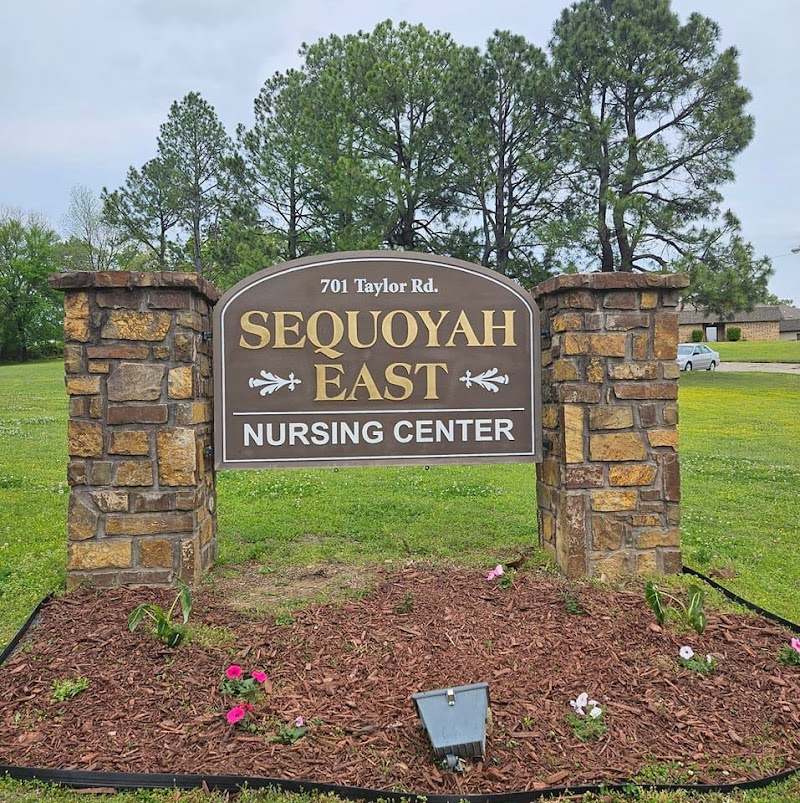
701 SOUTH TAYLOR ROAD, ROLAND, OK 74954 (918) 427-7401
For profit - Limited Liability company 80 Beds Independent Data: November 2025
Trust Grade
5/100
#261 of 282 in OK
Last Inspection: April 2025

Within standard 12-15 month inspection cycle. Federal law requires annual inspections.

Overview

Sequoyah East Nursing Center has a Trust Grade of F, indicating significant concerns about the quality of care provided. Ranked #261 out of 282 facilities in Oklahoma, they are in the bottom half of state options, and #3 out of 4 in Sequoyah County suggests only one nearby facility is better. The facility is worsening, as it reported an increase in issues from 10 in 2024 to 14 in 2025. Staffing is below average with a 2/5 rating, but the turnover rate is low at 0%, which means staff remain consistent. However, they have incurred $134,213 in fines, higher than 96% of facilities in the state, reflecting ongoing compliance problems. Recent inspections revealed serious concerns, including a failure to supervise residents properly to prevent falls, and a lack of timely submission of required staffing data to CMS, suggesting lapses in operational management and care protocols. Additionally, the facility did not update their annual assessment, indicating potential oversight in maintaining care standards. While the low staff turnover could be a positive aspect, the overall picture shows a facility with significant weaknesses that families should carefully consider.

Trust Score
F
5/100
In Oklahoma
#261/282
Bottom 8%
Safety Record
High Risk
Review needed
Inspections
Getting Worse
10 → 14 violations
Staff Stability
○ Average
Turnover data not reported for this facility.
Penalties
✓ Good
$134,213 in fines. Lower than most Oklahoma facilities. Relatively clean record.
Skilled Nurses
⚠ Watch
Each resident gets only 15 minutes of Registered Nurse (RN) attention daily — below average for Oklahoma. Fewer RN minutes means fewer trained eyes watching for problems.
Violations
⚠ Watch
55 deficiencies on record. Higher than average. Multiple issues found across inspections.
★☆☆☆☆
1.0
Overall Rating
★★☆☆☆
2.0
Staff Levels
★★☆☆☆
2.0
Care Quality
★☆☆☆☆
1.0
Inspection Score
Stable
2024: 10 issues
2025: 14 issues

The Good

  • Full Sprinkler Coverage · Fire safety systems throughout facility
  • No fines on record

Facility shows strength in fire safety.

The Bad

1-Star Overall Rating

Below Oklahoma average (2.6)

Significant quality concerns identified by CMS

Federal Fines: $134,213

Well above median ($33,413)

Significant penalties indicating serious issues

The Ugly 55 deficiencies on record

1 actual harm
Jul 2025 2 deficiencies
CONCERN (D) 📢 Someone Reported This

A family member, employee, or ombudsman was alarmed enough to file a formal complaint

Potential for Harm - no one hurt, but risky conditions existed

Free from Abuse/Neglect (Tag F0600)

Could have caused harm · This affected 1 resident

**NOTE- TERMS IN BRACKETS HAVE BEEN EDITED TO PROTECT CONFIDENTIALITY** Based on record review and interview, the facility failed to ensure a resident was not physically assaulted by another resident ...

Read full inspector narrative →
**NOTE- TERMS IN BRACKETS HAVE BEEN EDITED TO PROTECT CONFIDENTIALITY** Based on record review and interview, the facility failed to ensure a resident was not physically assaulted by another resident with a history of assaulting others for 1 (#1) of 6 sampled residents reviewed for abuse. The ADON reported 46 residents resided at the facility. Findings: A facility policy titled Abuse Prevention Policy, dated August 2006, read in part, Our facility is committed to protecting our residents from abuse by anyone including, but not limited to: facility staff, other residents, consultants, volunteers, staff from other agencies providing services to our residents, family members, legal guardians, surrogates, sponsors, friends, visitors, and any other individual. 1. A progress note in Res #2's medical record, dated 01/24/25 at 9:34 a.m., showed Res #2 had hit a nurse during a conversation. A progress note in Res #2's medical record, dated 03/03/25 at 9:01 a.m., showed Res #2 had hit and scratched a certified occupation therapy assistant during therapy. A progress note in Res #2's medical record, dated 03/20/25 at 12:47 a.m., showed Res #2 had asked to be cleaned by staff, but then beat the nurse aides assisting them with a clothes hanger. A progress note in Res #2's medical record, dated 03/30/25 at 4:30 a.m., showed Res #2 had been found on the floor and the resident requested to be assisted up. The note further showed Res #2 hit the nurse who was helping them up. A progress note in Res #2's medical record, dated 06/22/25 at 8:00 a.m., showed Res #2 had kicked Res #1 in the lower left leg while they were in the dining area. 2. A quarterly minimum data set assessment for Res #1, dated 06/07/25, showed the resident had a brief interview for mental status score of 10 which indicated a moderate cognitive impairment. A progress note in Res #1's medical record, dated 06/22/25 at 8:00 a.m., showed another resident had kicked Res #1 in their leg while in the dining area. The note further showed Res #1 had not been injured. On 07/02/25 at 12:05 p.m., LPN #1 was asked about Res #2's behavior and if any monitoring had been done. They stated Res #2 had hit several staff members in the past but were unaware if they had ever hurt another resident before Res #1. LPN #1 stated they were not aware of any order to monitor Res #2's behavior, but if they saw anything they would write a note. On 07/02/25 at 12:14 p.m., the ADON was asked about Res #2's behavior and if any monitoring had been done. The ADON stated there was never an order to monitor the resident's behavior except in March of 2025, but that lasted four days then ended. They stated there had been no monitoring of Res #2 outside of those four days, but if someone saw something they would write a progress note. They stated Res #2 was one on one after kicking Res #1 and that lasted until Res #2 was sent out to a hospital on [DATE]. They stated Res #2 remained at the hospital and would go to a new facility after discharging from there. On 07/02/25 at 12:18 p.m., the DON was asked about Res #2's behavior. They stated there had been no behavior monitoring of Res #2, but they did monitor the side effects of their medications. They stated they had always treated abuse towards staff differently than abuse towards a resident and had not considered behavior monitoring based on those incidents. They were asked if Res #2 had ever made statements they would only assault staff and not residents. The DON stated they had not. On 07/02/25 at 1:45 p.m., Res #1 was asked about the incident with Res #2. They stated they had been in the dining area to get a cup of coffee. Res #1 stated when they walked by Res #2, that resident kicked them in the left leg. Res #1 stated Res #2 had not done that before or after that day.
CONCERN (D) 📢 Someone Reported This

A family member, employee, or ombudsman was alarmed enough to file a formal complaint

Potential for Harm - no one hurt, but risky conditions existed

Investigate Abuse (Tag F0610)

Could have caused harm · This affected 1 resident

Based on record review and interview, the facility failed to conduct a thorough investigation of a resident-to-resident physical assault for 1 (#1) of 6 sampled residents reviewed for abuse. The ADON ...

Read full inspector narrative →
Based on record review and interview, the facility failed to conduct a thorough investigation of a resident-to-resident physical assault for 1 (#1) of 6 sampled residents reviewed for abuse. The ADON reported 46 residents resided at the facility. Findings: A facility policy titled Abuse Investigations, dated April 2014, read in part, All reports of resident abuse, neglect, injuries of unknown source shall be thoroughly and promptly investigated by facility management. 1. A progress note in Res #1's medical record, dated 06/22/25 at 8:00 a.m., showed another resident had kicked Res #1 in their leg while in the dining area. 2. A progress note in Res #2's medical record, dated 06/22/25 at 8:00 a.m., showed Res #2 had kicked Res #1 in the lower left leg while they were in the dining area. The facility investigative material was reviewed. The material did not contain documentation of residents having been interviewed to determine if other residents other than Res #1 had been harmed by Res #2. On 07/02/25 at 1:25 p.m., the DON was asked to describe the investigation they had conducted following the assault by Res #2 on Res #1. They stated they had interviewed the two residents involved and staff on duty at the time. They were asked if they had interviewed any other residents to see if Res #2 had harmed anyone else. They stated they had not thought about doing that. They stated they should have interviewed other residents to determine if Res #2 had harmed any other residents.
Apr 2025 12 deficiencies
CONCERN (D)

Potential for Harm - no one hurt, but risky conditions existed

Deficiency F0637 (Tag F0637)

Could have caused harm · This affected 1 resident

Based on record review and interview, the facility failed to complete a significant change assessment for 1 (#36) of 1 resident reviewed for hospice. The DON reported 51 residents resided in the facil...

Read full inspector narrative →
Based on record review and interview, the facility failed to complete a significant change assessment for 1 (#36) of 1 resident reviewed for hospice. The DON reported 51 residents resided in the facility. Findings: An undated facility policy Comprehensive Assessments, read in part, A significant change is a major decline or improvement in a resident status that: a. Will not normally resolve itself without intervention by staff or by implementing standard disease related clinical interventions. The decline is not considered 'self-limiting', b. impacts more than one area of the resident's health status; and c. requires interdisciplinary review and/or revision of the care plan. A care plan, initiated on 05/01/23, showed Resident #36 had diagnoses which included malignant neoplasm of prostate (prostate cancer) and depression. A quarterly assessment, dated 02/14/25, showed Resident #36 had a BIMS score (a test for cognitive functioning) of 11, which was indicative of moderate impairment for daily decision making. A physician's order, dated 02/28/25, showed Resident #36 was admitted to hospice services for liver cell carcinoma. Resident #36's electronic health record was reviewed. A significant change assessment was not located in the resident's electronic health record. On 04/16/25 at 11:17 a.m., the MDS coordinator stated they were unaware a significant change assessment was required when a resident was admitted to hospice services.
CONCERN (D)

Potential for Harm - no one hurt, but risky conditions existed

Comprehensive Care Plan (Tag F0656)

Could have caused harm · This affected 1 resident

Based on record review and interview, the facility failed to ensure hospice services were included on the care plan for 1 (#36) of 1 sampled resident reviewed for hospice. The DON reported 51 resident...

Read full inspector narrative →
Based on record review and interview, the facility failed to ensure hospice services were included on the care plan for 1 (#36) of 1 sampled resident reviewed for hospice. The DON reported 51 residents resided in the facility. Findings: An undated facility policy titled Care Plans, Comprehensive Person-Centered, read in part, A comprehensive, person-centered care plan that includes measurable objectives and timetables to meet the resident's physical, psychosocial and functional needs is developed and implemented for each resident. A care plan, initiated 05/01/23, showed Resident #36 had diagnoses which included malignant neoplasm of prostate (prostate cancer) and depression. A quarterly assessment, dated 02/14/25, showed Resident #36 had a BIMS score (a test for cognitive functioning) of 11, which was indicative of moderate impairment for daily decision making. A physician's order, dated 02/28/25, showed Resident #36 was admitted to hospice services for liver cell carcinoma. A care plan, edited 01/01/25, was reviewed and did not include hospice services. On 04/16/25 at 11:17 a.m., the MDS coordinator stated Resident #36 was on hospice and their comprehensive care plan should have included hospice services. On 04/16/25 at 11:30 a.m., the DON stated hospice care should have been included in the care plan for Resident #36.
CONCERN (D)

Potential for Harm - no one hurt, but risky conditions existed

Accident Prevention (Tag F0689)

Could have caused harm · This affected 1 resident

Based on observation, record review, and interview, the facility failed to assess a resident for smoking safety prior to a resident smoking at the facility for 1 (#103) of 5 sampled residents reviewed...

Read full inspector narrative →
Based on observation, record review, and interview, the facility failed to assess a resident for smoking safety prior to a resident smoking at the facility for 1 (#103) of 5 sampled residents reviewed for accident hazards. The DON identified 10 residents who smoked at the facility. Findings: On 04/14/25 at 1:01 p.m., Resident #103 was observed in their room lying in bed watching television. Two packs of cigarettes were observed on the resident's bedside table. On 04/15/25 at 2:39 p.m., Resident #103 was observed smoking in an indoor smoking room while supervised by a staff member. A facility policy titled Smoking Policy - Residents, dated October 2023, read in part, Resident smoking status is evaluated upon admission. If a smoker, the evaluation includes: a. current level of smoking consumption; b. method of tobacco consumption (traditional cigarettes; electronic cigarettes; pipe, etc. [further/similar things]); c. desire to quit smoking; and d. ability to smoke safely with or without supervision (per a completed Safe Smoking Evaluation). A facility document titled Sequoyah East Nursing Center LLC Continuity of Care Document, dated 04/15/25, showed it was unknown if the resident was a smoker. On 04/14/25 at 1:22 p.m., Resident #103's electronic health record was reviewed for the presence of a smoking safety assessment. No assessment was found. On 04/15/25 at 8:18 a.m., Resident #103 stated they had smoked at the facility since they were admitted . They stated a staff member would take them out and sit with them while they smoked. They had no recollection of a safety assessment having been done. On 04/15/25 at 8:31 a.m., the activities director stated they took residents to smoke during smoking times. They stated they knew which residents needed what particular assistance with smoking from the smoking safety assessment. They stated the nurses had the assessments and let them know who needed assistance. They stated Resident #103 did smoke. On 04/15/25 at 11:06 a.m., corporate nurse consultant #1 stated residents who smoked were assessed for safety when they first arrived at the facility and prior to them smoking. They were asked to look at the resident's health record and identify Resident #103's smoking safety assessment. After reviewing the records corporate nurse consultant #1 stated the resident did not have a smoking safety assessment. They stated the safety assessment was required and was stated so in the facility smoking policy. They presented a copy of the smoking policy. They stated staff had not followed policy with Resident #103.
CONCERN (D)

Potential for Harm - no one hurt, but risky conditions existed

Deficiency F0700 (Tag F0700)

Could have caused harm · This affected 1 resident

Based on observation, record review, and interview, the facilty failed to ensure a resident with bed rails was assessed for the use of the bed rail for 1 (#45) of 1 sampled resident who was reviewed f...

Read full inspector narrative →
Based on observation, record review, and interview, the facilty failed to ensure a resident with bed rails was assessed for the use of the bed rail for 1 (#45) of 1 sampled resident who was reviewed for bed rails. Corporate Nurse Consultant #1 identified eight residents who utilized bed rails in the facility. Findings: On 04/14/25 at 2:12 p.m., an enabler/assist bed rail was observed on the left side of Resident #45's bed. Resident #45 was observed to pace in the in the hallway. On 04/15/25 at 7:49 a.m., Resident #45 was observed in bed with an enabler/assist bed rail, on the left side of the bed, in the up position. On 04/15/25 at 11:45 a.m., Resident #45 was observed in bed with an enabler/assist bed rail, on the left side of the bed, in the up position. A policy titled Bed Safety and Bed Rails, dated August 2022, read in part, Prior to the installation or use of a side or bed rail, alternatives to the use of side or bed rails are attempted.If attempted alternatives do not adequately meet the resident's needs the resident may be evaluated for the use of bed rails. The interdisciplinary evaluation includes: a. an evaluation of the alternatives to bed rails that were attempted and how these alternatives failed to meet the resident's needs; b. the resident's risk associated with the use of bed rails. An admission assessment, dated 03/07/25, showed Resident #45 had a BIMS score of 02, which indicated the resident was severely impaired in cognition for daily decision making, and had a diagnosis of vascular dementia. A physician order, dated 03/28/25, showed an order for an assist bar for turning and repositioning. A care plan, dated 03/28/25, read in part, Resident requires uni-rail x1 to assist w/ bed mobility Resident will use s/r [side rails] to assist w/ bed mobility through next review date. A review of the electronic clinical record did not show an assessment for the use of the bed rails had been completed or alternatives to bed rails that had been attempted. On 04/15/25 at 11:45 a.m., the DON stated assessments for bed rails were completed when bed rails were initiated and then quarterly. They stated they did not know why an assessment had not been completed and why alternatives utilized prior to the installation had not been documented. On 04/15/25 at 11:50 a.m., the assistant director of nursing stated the bed rail was requested by a family member, but an assessment for the bed rail for Resident #45 should have been completed prior to the placement.
CONCERN (D)

Potential for Harm - no one hurt, but risky conditions existed

Deficiency F0757 (Tag F0757)

Could have caused harm · This affected 1 resident

Based on record review and interview, the facility failed to ensure a urine sample was successfully cultured prior to the use of an antibiotic medication for a suspected urinary tract infection for 1 ...

Read full inspector narrative →
Based on record review and interview, the facility failed to ensure a urine sample was successfully cultured prior to the use of an antibiotic medication for a suspected urinary tract infection for 1 (#40) of 2 sampled residents reviewed for antibiotic use. The IP reported there were six residents prescribed antibiotics at the facility. Findings: A facility policy titled Surveillance for Infections, dated September 2017, read in part, When infection or colonization with epidemiologically important organisms is suspected, cultures may be sent, if appropriate, to a contracted laboratory for identification or confirmation. Cultures will be further screened for sensitivity to antimicrobial medications to help determine treatment measures. A facility document titled Individual Resident Infection Report, dated 04/07/25, showed Resident #40 had hematuria (blood in the urine), the resident had a possible UTI, the resident had not had a urine culture done, and showed the medication order for Bactrim DS (an antibiotic medication) twice daily for 10 days. A physician's medication order, dated 04/08/25, showed Resident #40 had been prescribed Bactrim DS 800-160 mg one tablet twice daily starting on 04/08/25 and ending on 04/18/25. A hospital urinalysis report, dated 04/09/25, showed a urine sample from Resident #40 had been collected on 04/09/25 at 1:49 p.m. The report further showed the sampled was contaminated and it was not possible to culture the sample to identify any bacteria that may have been present. A hospital urinalysis report, dated 04/10/25, showed a urine sample from Resident #40 had been collected on 04/10/25 at 1:49 p.m. The report further showed the sampled was contaminated and it was not possible to culture the sample to identify any bacteria that may have been present. A facility document titled Sequoyah East Nursing Center LLC Continuity of Care Document, dated 04/04/25, showed Resident #40 was administered a dose of Bactrim DS on 04/15/25 at 7:48 a.m. On 04/15/25 at 7:42 a.m., LPN #1 stated they had reviewed the two lab reports associated with Resident #40's current use of the antibiotic Bactrim DS. They stated the lab reports had shown the samples had both been contaminated and the cultures were not performed. On 04/15/25 at 11:42 a.m., the MDS coordinator/IP stated the antibiotic that had been prescribed, or Res #40 was ordered for hematuria. They stated antibiotics were not generally prescribed for hematuria at the facility. They stated a culture should be done which would show them what bacteria is present in the urine. They stated the urine culture had not been done so they could not know the bacteria or what medication would be needed to stop the infection. They stated when the staff first notices symptoms of an infection they inform the physician, and they wait for the culture to return before ordering an antibiotic. They stated in this case the urine culture should have been attempted again to ensure the proper antibiotic was used. They stated they had not followed their procedures in this case. On 04/15/25 at 1:13 p.m., the DON stated regarding Resident #40's antibiotic use when the staff had found out the urine samples had been contaminated a new urine sample should have been collected and the physician informed of the issue. They stated the antibiotics for UTI's should be prescribed after the bacteria in the urine had been identified and an appropriate antibiotic selected for use. They stated that was the facility policy.
CONCERN (E)

Potential for Harm - no one hurt, but risky conditions existed

Resident Rights (Tag F0550)

Could have caused harm · This affected multiple residents

Based on observation, record review, and interview, the facility failed to ensure dignity was maintained when residents were assisted with meals for 3 (#31, 28, and #23) of 8 residents observed during...

Read full inspector narrative →
Based on observation, record review, and interview, the facility failed to ensure dignity was maintained when residents were assisted with meals for 3 (#31, 28, and #23) of 8 residents observed during dining. The MDS coordinator identified six residents who were dependent on staff for eating. Findings: On 04/14/25 at 12:27 p.m., CNA #1 was observed to stand while assisting Resident #31, Resident #28, and Resident #23 with the noon meal. On 04/16/25 at 12:44 p.m., CNA #3 was observed to stand while assisting Resident #31, Resident #28, and Resident #23 with the noon meal. The policy titled, Assistance with Meals, dated March 2022, read in parts, Residents who cannot feed themselves will be fed with attention to safety, comfort and dignity, for example: a. not standing over residents while assisting them with meals. A quarterly assessment, dated 02/08/25, showed Resident #31 had a diagnosis of dementia, was severely impaired in cognition for daily decision making through a staff assessment of mental status, and required substantial/maximum assistance from staff for eating. A quarterly assessment, dated 03/10/25, showed Resident #23 had a diagnosis of dementia, was severely impaired in cognition for daily decision making through a staff assessment of mental status, and was dependent on staff for eating. A quarterly assessment, dated 03/22/25, showed Resident #28 had a diagnosis of dementia, had a BIMS score of 00 which indicated the resident was severely impaired in cognition for daily decision making, and was dependent on staff for eating. On 04/16/25 at 12:46 p.m., LPN #4 stated staff should sit while assisting residents with eating to maintain dignity when dining. On 04/16/25 at 12:48 p.m., the DON stated they provided inservice to staff regarding dignity. They stated staff stood while assisting residents in the main dining room and on the memory care unit. They stated they would need to inform the staff to sit while assisting residents with their meals to maintain dignity with dining.
CONCERN (E)

Potential for Harm - no one hurt, but risky conditions existed

Transfer Notice (Tag F0623)

Could have caused harm · This affected multiple residents

**NOTE- TERMS IN BRACKETS HAVE BEEN EDITED TO PROTECT CONFIDENTIALITY** Based on record review and interview, the facility failed to ensure a resident was provided with a written notice of transfer pr...

Read full inspector narrative →
**NOTE- TERMS IN BRACKETS HAVE BEEN EDITED TO PROTECT CONFIDENTIALITY** Based on record review and interview, the facility failed to ensure a resident was provided with a written notice of transfer prior to being transferred to an acute care hospital for 1 (#40) of 2 sampled residents reviewed for discharges. The DON stated 49 residents had transferred to a hospital from [DATE] through 04/14/25. Findings: A facility policy titled Discharging the Resident, dated December 2016, read in part, If the resident is being discharged to a hospital or another facility, ensure that a transfer summary is completed, and a telephone report is called to the receiving facility. A progress note, dated 06/20/24 at 3:30 p.m., showed Resident #40 was transferred to an emergency room related to shortness of breath. A progress note, dated 02/11/25 at 3:07 p.m., showed Resident #40 was transferred to a hospital related to abnormal vital signs. On 04/15/25 at 1:31 p.m., LPN #1 stated when they had sent Resident #40 to a hospital they had sent the resident's face sheet and physician orders with the resident. They stated they had not heard of a written notice of transfer and had never sent one with any resident they had sent out to a hospital. On 04/15/25 at 1:36 p.m., the DON stated when they transferred residents to a hospital the nurses would send a resident's CCD ( continuity of care document / a document that summarizes a resident's current condition and treatment at the nursing facility). The DON stated the nurses inform the EMT's (emergency medical technician) of the situation with the resident and then they call the resident's family and physician. They stated they did not know a written notice of transfer was required to be given to the resident prior to leaving for the hospital.
CONCERN (E)

Potential for Harm - no one hurt, but risky conditions existed

Assessment Accuracy (Tag F0641)

Could have caused harm · This affected multiple residents

**NOTE- TERMS IN BRACKETS HAVE BEEN EDITED TO PROTECT CONFIDENTIALITY** Based on record review and interview, the facility failed to ensure assessments were accurately coded for 1 (#26) of 17 sampled ...

Read full inspector narrative →
**NOTE- TERMS IN BRACKETS HAVE BEEN EDITED TO PROTECT CONFIDENTIALITY** Based on record review and interview, the facility failed to ensure assessments were accurately coded for 1 (#26) of 17 sampled residents whose assessments were reviewed. Findings: The DON identified 51 residents who resided in the facility. Findings: A review of the Resident Census form in the electronic clinical record, dated 08/22/22 through 02/17/25, showed Resident #26 had discharged from the facility-return anticipated on 02/05/25 and was readmitted on [DATE]. A quarterly assessment, dated 02/12/25, showed a completion date of 02/13/25. A 5-day assessment, dated 02/24/25, showed Resident #26 had a BIMS score of 00, which indicated the resident was severely impaired in cognition, and had received an antipsychotic medication. A medication administration record, dated February 2025, did not show Resident #26 had received an antipsychotic medication. On 04/16/25 at 9:01 a.m., the MDS coordinator reviewed the assessment dated [DATE] and the electronic clinical record and stated they had inaccurately coded Resident #26 had received an antipsychotic medication. The MDS coordinator reviewed the assessment dated [DATE] and the census for Resident #26. The MDS coordinator stated the quarterly assessment, dated 02/12/25, was not accurately completed because Resident #26 was discharged from the facility at the time of the completion of the assessment.
CONCERN (E)

Potential for Harm - no one hurt, but risky conditions existed

Deficiency F0655 (Tag F0655)

Could have caused harm · This affected multiple residents

**NOTE- TERMS IN BRACKETS HAVE BEEN EDITED TO PROTECT CONFIDENTIALITY** Based on record review and interview, the facility failed to ensure a baseline care plan was completed for 2 (#22 and #45) of 9 ...

Read full inspector narrative →
**NOTE- TERMS IN BRACKETS HAVE BEEN EDITED TO PROTECT CONFIDENTIALITY** Based on record review and interview, the facility failed to ensure a baseline care plan was completed for 2 (#22 and #45) of 9 sampled residents whose baseline care plans were reviewed. The DON identified 51 residents who resided in the facility. Findings: A policy titled Care Plans - Baseline, dated March 2022, read in part, A baseline plan of care to meet the resident's immediate health and safety needs is developed for each resident within forty-eight [48] hours of admission. 1. An undated face sheet showed Resident #22 was admitted to the facility on [DATE] and had a diagnosis of congestive heart failure. An admission assessment, dated 11/05/24, showed Resident #22 had a BIMS score of 08, which indicated the resident was moderately impaired in cognition for daily decision making. A review of the electronic clinical record and the baseline care plan binder, provided by corporate nurse consultant #1, did not show a baseline care plan had been completed for Resident #22. 2. An undated face sheet showed Resident #45 was admitted to the facility on [DATE] and had a diagnosis of vascular dementia. An admission assessment, dated 12/05/24, showed Resident #45 had a BIMS score of 02, which indicated the resident was moderately impaired in cognition for daily decision making. A review of the electronic clinical record and the baseline care plan binder, provided by corporate nurse consultant #1, did not show a baseline care plan had been completed for Resident #45. On 04/15/25 at 12:25 p.m., the MDS coordinator stated they had recently been informed baseline care plans were to be completed within 48 hours of admission to the facility. On 04/15/25 at 1:00 p.m., the DON stated the baseline care plan for Resident #22 and Resident #45 had not been completed.
CONCERN (E)

Potential for Harm - no one hurt, but risky conditions existed

Medication Errors (Tag F0758)

Could have caused harm · This affected multiple residents

2. A physician order, dated 10/23/24, showed Resident #22 was ordered escitalopram oxalate (an antidepressant medication) 10 mg daily. A physician order, dated 01/16/25, showed Resident #22 was ordere...

Read full inspector narrative →
2. A physician order, dated 10/23/24, showed Resident #22 was ordered escitalopram oxalate (an antidepressant medication) 10 mg daily. A physician order, dated 01/16/25, showed Resident #22 was ordered quetiapine (an antipsychotic medication) 50 mg daily. A physician order, dated 01/16/25, showed Resident #22 was ordered quetiapine 100 mg at bedtime. A quarterly assessment, dated 02/05/25, showed Resident #22 had a diagnosis of schizophrenia and a BIMS score of 08, which indicated the resident was moderately impaired in cognition for daily decision making. The electronic clinical record, including the medication and treatment administration records, did not show Resident #22 had been monitored for side effects of psychotropic medications. On 04/15/25 at 3:30 p.m., LPN#1 stated nurses should chart psychotropic medication side effects every shift in the electronic health record. On 04/16/25 at 11:22 a.m., the DON stated dementia was not an appropriate diagnosis for an antipsychotic medication and they did not have psychotropic side effect monitoring in place for Resident #17 or #22. Based on record review and interview, the facility failed to ensure an antipsychotic medication had: a. an appropriate diagnosis for 1 (#17); and b. side effect monitoring was in place for 2 (#17 and #22) of 5 sampled residents reviewed for unnecessary medications. The DON reported 42 residents received psychotropic medications. Findings: An undated facility policy titled Psychotropic Medication Use, read in part, Residents will not receive medications that are not clinically indicated to treat a specific condition .Residents receiving psychotropic medications are monitored for adverse consequences. 1. Resident #17's physician order, dated 09/10/24, showed an order for olanzapine (an antipsychotic medication) 2.5 mg three times a day for unspecified dementia. A quarterly assessment, dated 01/15/25, showed Resident #17 had a staff assessment of mental status and was moderately impaired for daily decision making. The assessment also showed Resident #17 received an antidepressant and an antianxiety medication. A treatment administration record, dated 04/2025, did not show Resident #17 was being monitored for side effects of psychotropic medications.
CONCERN (E)

Potential for Harm - no one hurt, but risky conditions existed

Deficiency F0883 (Tag F0883)

Could have caused harm · This affected multiple residents

Based on record review and interview, the facility failed to ensure residents who wanted a pneumococcal vaccination received the vaccination for 2 (#3 and #14) of 5 sampled residents reviewed for immu...

Read full inspector narrative →
Based on record review and interview, the facility failed to ensure residents who wanted a pneumococcal vaccination received the vaccination for 2 (#3 and #14) of 5 sampled residents reviewed for immunizations. The DON stated 21 residents had been admitted to the facility in the past six months and had been assessed for the need and desire to receive pneumococcal immunizations. Findings: A facility policy titled Pneumococcal Vaccine, dated October 2023, read in part, All residents are offered pneumococcal vaccines to aid in preventing pneumonia/pneumococcal infections. 1. A Pneumococcal Immunization Informed Consent form, dated 05/28/24, showed Resident #3 had given consent to receive a pneumococcal vaccination. 2. A Pneumococcal Immunization Informed Consent form, dated 03/31/25, showed Resident #14 had given consent to receive a pneumococcal vaccination. On 04/16/25 at 7:34 a.m., the MDS coordinator stated the process for collecting immunization consents happened during the admission process. They stated the social services director would facilitate that process and once completed they (the MDS coordinator) would check the influenza and pneumococcal consent forms to see who wanted an immunization and who declined. When asked about Residents #3 and #14's pneumococcal immunization forms the MDS coordinator stated they were aware those residents requested pneumococcal vaccines, but they had been busy with influenza and COVID-19 immunizations. They stated they had not gotten around to administering the pneumococcal vaccines to those two residents. On 04/16/25 at 7:47 a.m., the DON stated regarding the pneumococcal vaccinations for Residents #3 and #14, the facility had some recent staff changes that had caused some oversite issues which contributed to those two residents not getting their immunizations. They stated they would become the person who would assist the IP to ensure all vaccinations are carried out.
CONCERN (F)

Potential for Harm - no one hurt, but risky conditions existed

Staffing Data (Tag F0851)

Could have caused harm · This affected most or all residents

Based on record review and interview, the facility failed to ensure the required PBJ staffing data was submitted to CMS within the mandated timeframe. The administrator stated there were 51 residents...

Read full inspector narrative →
Based on record review and interview, the facility failed to ensure the required PBJ staffing data was submitted to CMS within the mandated timeframe. The administrator stated there were 51 residents residing at the facility. Findings: A PBJ Staffing Data Report, dated 10/01/24 through 12/31/24 (Fiscal year Quarter 1 2025), showed the facility had not provided staffing data to CMS for the PBJ staffing data report for that quarter. On 04/14/25 at 3:18 p.m., the administrator stated the staffing data was not submitted for that quarter because the task was just overlooked. They stated it was now their job to submit the data at this time and in the future. On 04/15/25 at 2:01 p.m., corporate nurse consultant #1 stated they did not have a policy or procedure for submitting the PBJ data. The stated the administrator was sent a form this morning (04/15/25) from CMS about the issue and the administrator had signed the document. They stated the administrator would now be responsible for PBJ data being sent in to CMS on a timely basis.
Apr 2024 1 deficiency
CONCERN (D) 📢 Someone Reported This

A family member, employee, or ombudsman was alarmed enough to file a formal complaint

Potential for Harm - no one hurt, but risky conditions existed

Medical Records (Tag F0842)

Could have caused harm · This affected 1 resident

Based on record review and interview, the facility failed to ensure resident medical records were safeguarded against unauthorized use. The administrator stated 48 residents resided in the facility. ...

Read full inspector narrative →
Based on record review and interview, the facility failed to ensure resident medical records were safeguarded against unauthorized use. The administrator stated 48 residents resided in the facility. Findings: A facility document titled Notice of Privacy Practice's Acknowledgement documented newly hired staff members signed they had received a copy of Sequoyah Manor's Notice of Privacy Practices. A facility document titled HIPPA Residents Rights Implementation read in parts, .Sequoyah Manor will take reasonable steps to limit the use or disclosure of and requests for protected health information to the minimum necessary to accomplish the intended purpose . 1. A list of terminated employees documented LPN #1 had left the employment of the facility on 03/01/24. A PHI audit log documented LPN #1 had accessed 11 different areas in the EHR charting system including five areas of Res #5's documentation. On 04/10/24 at 3:30 p.m., the administrator stated this employee's last date to work was 02/27/24. The administrator stated they had been told by other employees LPN #1 was in an office and had been using a computer in an office. They stated they thought LPN #1 was in the facility to speak with a survey team who was at the facility at that time. The administrator stated the LPN had resigned on that day. They stated they turned off their access to the EHR system after they resigned. 2. A list of terminated employees documented LPN #2 had left the employment of the facility on 03/21/24. A PHI audit log documented LPN #2 had accessed the EHR system on 04/01/24 and viewed 16 pages in the EHR including five residents' MARs. The audit log did not document the residents' names who were accessed by LPN #2. The PHI audit log for LPN #2 documented they access the EHR system on 04/02/24 and viewed 9 pages of the facility's EHR system. On 04/10/23 at 4:03 p.m., the administrator stated the EHR system the facility had allowed for staff members to access the system off site which was a draw back for this system. They stated other EHR systems the administrator had worked with did not allow for offsite access. The administrator stated they did not do regular checks to ensure unauthorized access had happened. They stated they only looked to see if unauthorized access had happened if there was a suspicion or complaint.
Mar 2024 9 deficiencies 1 Harm
SERIOUS (G) 📢 Someone Reported This

A family member, employee, or ombudsman was alarmed enough to file a formal complaint

Actual Harm - a resident was hurt due to facility failures

Accident Prevention (Tag F0689)

A resident was harmed · This affected 1 resident

**NOTE- TERMS IN BRACKETS HAVE BEEN EDITED TO PROTECT CONFIDENTIALITY** Based on record review and interview, the facility failed to provide supervision to prevent falls for two (#1 and #5) of seven s...

Read full inspector narrative →
**NOTE- TERMS IN BRACKETS HAVE BEEN EDITED TO PROTECT CONFIDENTIALITY** Based on record review and interview, the facility failed to provide supervision to prevent falls for two (#1 and #5) of seven sampled residents reviewed for abuse. A facility resident roster, dated [DATE], documented 45 residents resided in the facility. Findings: A Falls and Fall Risk, Managing policy, revised date [DATE], read in part, .Based on previous information and current data, the staff will identify interventions related to the resident's specific risks and causes to try to prevent the resident from falling and to try to minimize complications from falling .If falling recurs despite initial interventions, staff will implement additional or different interventions, or indicate why the current approach remains relevant .If underlying causes cannot be readily identified or corrected, staff will try various interventions, based on assessment of the nature of the category of falling, until falling is reduced or stopped, or until the reason for the continuation of falling is identified as unavoidable . 1. Resident #1 had diagnoses which included dementia, anxiety, and heart failure. A facility face sheet documented Resident #1 was admitted to the facility on [DATE] and discharged [DATE]. A care plan problem for falls, located in Resident #1's care plan, had a start date of [DATE]. It documented the care plan problem had an edit date of [DATE]. The problem listed falls on [DATE], [DATE], [DATE], [DATE], [DATE], and [DATE]. The goal start date was documented as [DATE] and the goal target date was [DATE]. The problem for falls had 11 approaches (interventions) documented. The approaches listed were: a. OT/PT to evaluate and treat, dated [DATE]; b. Avoid use of restraints, dated [DATE]; c. Encourage resident to use environmental devices such as hand grips, handrails, etc., dated [DATE]; d. Check every hour for 30 days, dated [DATE]; e. CNA to offer and assist with toileting every two hours when awake, dated [DATE]; f. Provide the resident a reach extender and teach/encourage use, dated [DATE]; g. Keep call lights in reach at all times, dated [DATE]; h. Keep personal and frequently used items within reach, dated [DATE]; i. Provide the resident a clutter free environment, dated [DATE]; and j. Provide toileting assistance rounds as part of bedtime preparation, date [DATE]. A review of Resident #1's progress notes from [DATE] through [DATE] found the resident had eight falls during that period. A progress note, dated [DATE] at 5:44 a.m., documented Resident #1 had slid from a bed onto the floor. It documented the resident received a skin tear to the right arm because of the fall. A progress note, dated [DATE] at 1:21 p.m., documented Resident #1 fell from their wheelchair and received a skin tear to their right arm. A progress note, dated [DATE] at 4:28 a.m., stated Resident #1 had been sitting in a wheelchair next to the nurse station. LPN #5 documented they had heard a noise and when looking in their direction found the resident had fallen forward from their wheelchair. The resident was bleeding from the forehead and there was bruising and swelling around the right eye. The resident was transferred to a local hospital. A hospital record, dated [DATE] at 4:46 a.m., documented Resident #1 had been sent to the hospital after a fall from a wheelchair. The resident was documented as having a large laceration with significant swelling to the right forehead, eye, and cheek. It further documented a CT scan of the head without contrast found the resident had suffered a right orbital floor fracture (fracture of the eye socket). A progress note, dated [DATE] at 9:19 a.m., documented the resident had returned to the facility. Resident was documented as sitting in a wheelchair by the nurse's station, having sutures on the right forehead, and was tearful and in pain. The note stated the resident's aspirin and blood thinner were ordered held for 14 days. The note documented the resident was placed by the nurse's station for observation purposes. A physician's note, dated [DATE] at 9:39 p.m., documented Resident #1 had died at 9:30 p.m. 2. Resident #5 had diagnoses which included hypertension and emphysema. A Medicare 5-day assessment, dated [DATE], documents the resident was severely impaired for daily decision making. And required moderate assistance with ADL's. A fall care plan, edited [DATE], documented no new fall interventions had been added to the care plan since [DATE]. A review of Resident #5's medical record documented the resident had falls on [DATE], [DATE], [DATE], and [DATE]. On [DATE] at 10:35 a.m., the MDS coordinator stated Resident #1's care plan had not been updated regarding falls since July of 2022. They stated they did not know why the falls section of the care plan had not been updated. At 11:08 a.m., the DON stated after review, Resident #1's care plan had not been updated for falls since 2022. They stated the care plan did not reflect Resident #1's condition on or prior to their death on [DATE]. At 11:20 a.m., the administrator stated their expectations for the care plans were that they would be updated regularly and accurately reflect the residents' conditions and treatments. They stated Resident #1's care plan problem of falls had not been updated since July of 2022. On [DATE] at 8:15 a.m., the MDS coordinator stated that even though Resident #6 had recent falls no new care plan interventions related to falls had been added to the resident's plan of care since [DATE]. They also stated interventions should have been added and they were not sure why they hadn't been. On [DATE] at 10:20 a.m., the DON stated, the facility care planning is awful and the MDS coordinator was not following the care planning policy and procedures.
CONCERN (D) 📢 Someone Reported This

A family member, employee, or ombudsman was alarmed enough to file a formal complaint

Potential for Harm - no one hurt, but risky conditions existed

Notification of Changes (Tag F0580)

Could have caused harm · This affected 1 resident

Based on record review and interview, the facility failed to ensure the resident's representative was notified of transfer for one (#6) of 1 resident who was reviewed for notification of change. The a...

Read full inspector narrative →
Based on record review and interview, the facility failed to ensure the resident's representative was notified of transfer for one (#6) of 1 resident who was reviewed for notification of change. The administrator reported the census was 45. Findings: Resident #6 had diagnoses which included mild intellectual disabilities and a fractured left femur. A quarterly assessment, dated 02/10/24, documented the resident was moderately impaired for daily decision making and required moderate assistance from staff. A nurse noted dated 03/01/24 at 4:10 p.m., documented the resident had been transferred to another facility for therapy. A review of the resident's record did not document the resident's representative had been notified of the transfer. On 03/05/24 at 11:00 a.m., the administrator stated they did not notify the resident's representative because they thought the facility the resident transferred to had contacted them. On 03/07/24 at 10:00 a.m., the administrator stated that when a resident transfers the resident's representative should be notified, and it should be documented in the resident's chart.
CONCERN (D) 📢 Someone Reported This

A family member, employee, or ombudsman was alarmed enough to file a formal complaint

Potential for Harm - no one hurt, but risky conditions existed

Free from Abuse/Neglect (Tag F0600)

Could have caused harm · This affected 1 resident

Based on record review and interview, the facility failed to prevent a certified nurse aide from mentally abusing one (#7) of seven sampled residents reviewed for abuse. A facility resident roster, da...

Read full inspector narrative →
Based on record review and interview, the facility failed to prevent a certified nurse aide from mentally abusing one (#7) of seven sampled residents reviewed for abuse. A facility resident roster, dated 02/29/24, documented 45 residents resided in the facility. Findings: A facility abuse reporting and investigation policy, dated September 2022, read in part, .Abuse is defined . the willful infliction of injury, unreasonable confinement, intimidation, or punishment, with resulting physical harm, pain, or mental anguish . Resident #7 had diagnoses which included dementia and psychosis. A quarterly assessment, dated 02/07/24, documented Resident #4's cognition was moderately impaired. A progress note, dated 02/04/24 at 1:01 p.m., documented Resident #7 had made the statement, The Indians are after me and they are going to kill my children. It further documented the staff changed the television channel away from a channel that showed old movies. A progress note, dated 02/04/24 at 5:22 p.m., documented Resident #7 again made statements about Indians eating children as well as the regret the resident had about helping black people. It further documented the staff changed the television channel away from a channel that showed old movies. A progress note, dated 02/05/24 at 12:55 p.m., documented the resident had an intake into a community mental health organization. A progress note dated 02/07/24 at 3:01 p.m., documented Resident #7 had participated in 21 minutes of psychotherapy. On 03/05/24 at 12:12 p.m., CNA #14 stated that on 02/06/24 on the evening shift (2:00 p.m. through 10:00 p.m.) they had witnessed CNA #13 antagonize Resident #7 who was reporting to staff that Indians were going to eat their children. CNA #14 stated CNA #13 had asked the resident if they were going to eat her babies. They stated CNA appeared to psychologically torment the resident. They stated they attempted to deescalate the resident, but CNA #13 would not stop talking to the resident. They stated CNA did eventually leave the unit with another staff member. At 2:20 p.m., CNA #15 stated on 02/06/24 they and CNA #14 had gone into the room of Resident #7 who was making comments about Indians eating babies, drinking blood, and scalping. They stated CNA #13 then entered the room and stated they (CNA #13) and CNA #14 were Indians. CNA #13 stated they bet the resident babies tasted good. They stated, the resident then began to cry. They stated the resident asked CNA #13 what they had done with the rest of the children to which the CNA allegedly replied they had eaten them all. They stated they and CNA #14 had tried to calm the resident, but CNA #13 continued to antagonize the resident. They stated they left the unit and asked someone at the nurses' station to remove CNA #13 because of what they were doing. They stated they returned to the unit and told CNA #13 they were needed elsewhere but they stayed another five to ten minutes antagonizing the resident before finally departing. On 03/06/24 at 8:29 a.m., the administrator stated that on 02/12/24 CNA #14 and CNA #15 had informed them of the incident between Resident #7 and CNA #13 which had occurred on 02/06/24. They stated after an investigation CNA #13's employment was terminated.
CONCERN (D) 📢 Someone Reported This

A family member, employee, or ombudsman was alarmed enough to file a formal complaint

Potential for Harm - no one hurt, but risky conditions existed

Deficiency F0726 (Tag F0726)

Could have caused harm · This affected 1 resident

Based on record review and interview, the facility failed to prevent a licensed nurse from allowing a staff member to work outside their scope of practice by attempting a blood draw for one (#2) of se...

Read full inspector narrative →
Based on record review and interview, the facility failed to prevent a licensed nurse from allowing a staff member to work outside their scope of practice by attempting a blood draw for one (#2) of seven residents reviewed for abuse. A facility resident roster, dated 02/29/24, documented 45 residents resided in the facility. Findings: A facility policy and procedure, titled Obtaining Blood Specimens from a Direct Venipuncture, revised date March 2022, read in part, .The purpose of this procedure is to provide guidelines for the safe and aseptic sampling of the resident's blood via direct venipuncture . Resident #2 had diagnoses which included vascular dementia and cerebrovascular disease. On 02/29/24 at 11:06 a.m., the ADON stated they had observed the SSD attempt to collect a blood sample from Resident #2. They stated the SSD did use a phlebotomy set to attempt the blood draw in one arm of the resident and check the other arm for a good site. They stated they told the SSD not to try again as the resident would require hydration. They stated they did not give the SSD directions to attempt the blood draw but did not think to stop them. At 11:14 a.m., LPN #3 stated that on 02/08/24 they had witnessed the SSD performing a blood draw on Resident #2. They stated the ADON was present in the room at the time. They stated when they entered the room where the resident was, they observed a tourniquet on the resident's left arm. They then observed the SSD palpating the resident's arm then inserting the needle into it. They stated the SSD then applied a tourniquet to the resident's right arm and palpate. They stated the ADON decided to not try another attempt to obtain a sample as the resident required hydration. They stated the SSD and ADON collected their equipment and departed the resident's room. At 12:42 p.m., the SSD stated that approximately two or three weeks prior to this date they had attempted to draw a blood sample from the left arm of Resident #2. They stated the contract phlebotomist had been unable to get a sample and LPN #3 had requested assistance from the ADON. They stated they and the ADON went to where the resident was, and they (SSD) did attempt to get a blood sample with a phlebotomy set but was unsuccessful. They stated they looked at the other arm but did not attempt because the ADON believed the resident would need to be given fluids first. The SSD stated they were certified as a phlebotomist in the past but were no longer and had not been hired for that position at the facility. On 03/01/24 at 7:55 a.m., the administrator stated that when the SSD was hired, they had mentioned their experience as a certified phlebotomist. They stated they had asked the SSD at that time if they would perform that task there and the SSD declined. On 03/07/24 at 10:40 a.m., the DON stated the ADON should have stopped the SSD from attempting to collect a blood sample from Resident #2. They stated the ADON was not following policy regarding venipuncture.
CONCERN (E) 📢 Someone Reported This

A family member, employee, or ombudsman was alarmed enough to file a formal complaint

Potential for Harm - no one hurt, but risky conditions existed

Abuse Prevention Policies (Tag F0607)

Could have caused harm · This affected multiple residents

Based on record review and interview, the facility failed to implement facility policy and procedures to ensure that applicants employment history and references were checked; and ensure that applican...

Read full inspector narrative →
Based on record review and interview, the facility failed to implement facility policy and procedures to ensure that applicants employment history and references were checked; and ensure that applicants registry checks were completed prior to employment. The administrator reported the census was 45. Findings: A facility policy titled Background Check Policy, read in part, The background checks of new employees will be completed prior to the first day of assigned work. The background check results will be documented in the employee file and kept confidential .Following the application, interview, and decision to hire, an offer of employment will be made pending a background check consisting of at least the following: prior employment verification, reference check, license verification and criminal background check . If all background checks meet the facility standards, the applicant will be offered the position . On 03/04/24 at 10:23 a.m., the buisiness office manager stated that they were responsible for checking applicants employment history and references. They also stated that they did not typically document checking the references or employment history. The buisiness office manager stated they were trained to complete the registry checks after the first day of employment. On 03/05/24 at 9:00 a.m., the buisiness office manager was asked for documentation that reference and employment history checks had been completed for CNA's #1, #9 and #10. No documentation was provided. Nineteen staff employment records were reviewed. One record had no documentation of registry checks. Seven records did not have OSDH background check letters. None of the 19 records had documentation that the facility verified previous employment or contacted references. A review of CNA #1's employment file documented the first day of employment was 02/16/24 and the registry checks were completed on 2/18/24. On 03/07/24 at 10:00 a.m., the administrator stated the BOM was responsible for completing and documenting employment history checks and reference checks, and ensuring the registry checks were completed prior to employment.
CONCERN (E) 📢 Someone Reported This

A family member, employee, or ombudsman was alarmed enough to file a formal complaint

Potential for Harm - no one hurt, but risky conditions existed

Investigate Abuse (Tag F0610)

Could have caused harm · This affected multiple residents

Based on record review and interview the facility staff failed to report allegations of abuse to their administrator within the timeframe indicated in state regulations for four (#1, 2, 3, and #7) sev...

Read full inspector narrative →
Based on record review and interview the facility staff failed to report allegations of abuse to their administrator within the timeframe indicated in state regulations for four (#1, 2, 3, and #7) seven sampled residents reviewed for abuse. A facility resident roster, dated 02/29/24, documented 45 residents resided in the facility. Findings: A facility abuse reporting and investigation policy, dated September 2022, read in part, .If resident abuse, neglect, exploitation, misappropriation of resident property or injury of an unknown source is suspected, the suspicion must be reported immediately to the administrator and to other officials according to state law . immediately is defined as: a. within two hours of an allegation involving abuse or result in serious bodily injury . 1. Resident #1 had diagnoses which included dementia, anxiety, and heart failure. An annual assessment, dated 12/21/23, documented the resident's cognition was intact. An incident report, incident date 02/08/24, documented an allegation of abuse which involved Resident #1 and CNA #2. It further documented the facility's social services director had been informed of the incident on 02/09/24 at 8:30 a.m. 2. Resident #2 had diagnoses which included vascular dementia and cerebrovascular disease. A quarterly assessment, dated 12/16/23, documented Resident #2's cognition was severely impaired. An incident report, incident date 02/17/24, documented an allegation of abuse which involved Resident #2 and CNA #1. It further documented the facilities social services director had informed local law enforcement on 02/17/24 at 9:30 p.m. 3. Resident #3 had diagnoses which included neurocognitive disorder with Lewy bodies and chronic obstructive pulmonary disease. A quarterly assessment, dated 12/08/23, documented Resident #3's cognition was severely impaired. An incident report, incident date 02/17/24, documented an allegation of abuse which involved Resident #3 and CNA #1. It further documented the facilities social services director had informed local law enforcement on 02/17/24 at 9:30 p.m. 4. Resident #7 had diagnoses which included dementia and psychosis. A quarterly assessment, dated 02/07/24, documented Resident #7's cognition was moderately impaired. An incident report, incident date 02/12/24, documented an allegation of abuse which involved Resident #7 and CNA #13. It further documented the incident actually occurred on 02/06/24 and was reported to the administrator on 02/12/24. On 03/04/24 at 10:05 a.m., the administrator stated they found out about the allegation of abuse regarding Resident #1 at approximately 9:30 a.m. the day after the alleged incident [02/09/24]. On 03/06/24 at 8:29 a.m., the administrator stated that on 02/12/24, CNA #14 and CNA #15 had informed them of the incident between Resident #7 and CNA #13 that had occurred on 02/06/24. At 8:40 a.m., the administrator stated the incident regarding Resident #2 and Resident #3 had occurred on 02/17/24 at 12:30 p.m., and reported to them at 8:00 p.m. that evening. On 03/07/24 at 10:30 a.m., the DON stated the staff had not been following policy regarding the reporting of abuse allegations.
CONCERN (E) 📢 Someone Reported This

A family member, employee, or ombudsman was alarmed enough to file a formal complaint

Potential for Harm - no one hurt, but risky conditions existed

Deficiency F0657 (Tag F0657)

Could have caused harm · This affected multiple residents

**NOTE- TERMS IN BRACKETS HAVE BEEN EDITED TO PROTECT CONFIDENTIALITY** Based on record review and interview the facility failed to revise resident care plans related to falls for three (#1, 5, and #6...

Read full inspector narrative →
**NOTE- TERMS IN BRACKETS HAVE BEEN EDITED TO PROTECT CONFIDENTIALITY** Based on record review and interview the facility failed to revise resident care plans related to falls for three (#1, 5, and #6) of seven sampled residents reviewed for abuse and neglect. A facility resident roster, dated [DATE], documented 45 residents resided in the facility. Findings: A Goals and Objectives, Care Plan policy, dated [DATE], read in part, .Goals and Objectives are reviewed and/or revised: a. when there has been a significant change in the resident condition; b. when the desired outcome has not been reached; c. when the resident has been readmitted to the facility from a hospital /rehabilitation stay; and d. at least quarterly . 1. Resident #1 had diagnoses which included dementia, anxiety, and heart failure. A facility face sheet documented Resident #1 was admitted to the facility on [DATE] and discharged [DATE]. A review of Resident #1's progress notes from [DATE] through [DATE] found the resident had eight falls during that period. Three of the falls resulted in injury. On [DATE] the resident suffered a skin tear to their right arm, on [DATE] the resident suffered a skin tear to their right arm, and on [DATE] the resident suffered a fracture of their right orbital floor (a fracture of the bones of the right eye socket). 2. Resident #5 had diagnoses which included hypertension and emphysema. A Medicare 5-day assessment, dated [DATE], documents the resident was severely impaired for daily decision making. And required moderate assistance with ADL's. A fall care plan, edited [DATE], documented no new fall interventions had been added to the care plan since [DATE]. A review of Resident #5's medical record documented the resident had falls on [DATE], [DATE], [DATE], and [DATE]. 3. Resident #6 had diagnoses which included mild intellectual disabilities and anxiety. A quarterly assessment, dated [DATE], documented the resident was moderately impaired for daily decision making and required partial assistance from staff. A fall care plan, edited [DATE], documented no new fall interventions had been added to the care plan since [DATE]. A review of Resident #6's medical record documented the resident had a fall on [DATE] and a fall resulting in a broken left femur on [DATE]. On [DATE] at 10:35 a.m., the MDS coordinator stated Resident #1's care plan had not been updated regarding falls since July of 2022. They stated the resident had falls since that time including falls with injuries, but they had not added any new interventions since 2022. They stated they did not know why the falls section of the care plan had not been updated. They stated new interventions were given to them when nurses fill out forms in the fall packet or when they have care plan meetings. They stated the families, and they usually attend the care plan meetings. They stated they send invitations for the meetings to the department heads each week. They stated the department leaders usually do not attend the meeting, but they believe they are required to attend. They stated the medical director had not participated in the care plan meetings. They stated Resident #1 had an annual assessment in December of 2023 but for some reason they did not update the care plan. At 11:08 a.m., the DON stated after review, Resident #1's care plan had not been updated for falls since 2022. They stated the care plan did not reflect Resident #1's condition prior to their death on [DATE]. They stated they had not attended any care plan meetings. They stated they were unaware they were supposed to attend care plan meetings. They stated all departments and staff utilize the care plans. They stated that they honestly did not know much about the care plan process, and it was just their job to assure the MDS coordinator was doing their job. At 11:20 a.m., the administrator stated their expectations for the care plans were that they would be updated regularly and accurately reflect the residents' conditions and treatments. She stated the department heads attend the care plan meetings. They stated they were unaware if the medical director had attended any care plan meetings. They stated Resident #1 had falls since [DATE] including those with injuries. They stated Resident #1 had a fall with a fracture on [DATE]. They stated it was the DON's responsibility to supervise the MDS coordinator to ensure accuracy of their work. On [DATE] at 8:15 a.m., the MDS coordinator stated that even though Residents' #5 and #6 both had recent falls no new care plan interventions had been added since [DATE] for Resident #5 and [DATE] for Resident #6. They also stated that interventions should have been added and they were not sure why they hadn't been. On [DATE] at 10:20 a.m., the DON stated, the facility care planning is awful and the MDS coordinator was not following the care planning policy and procedures.
CONCERN (E) 📢 Someone Reported This

A family member, employee, or ombudsman was alarmed enough to file a formal complaint

Potential for Harm - no one hurt, but risky conditions existed

ADL Care (Tag F0677)

Could have caused harm · This affected multiple residents

Based on Interview and record review it was determined the facility failed to ensure showers were given as ordered for two (#5 and #6) of three residents reviewed for bathing. The administrator report...

Read full inspector narrative →
Based on Interview and record review it was determined the facility failed to ensure showers were given as ordered for two (#5 and #6) of three residents reviewed for bathing. The administrator reported the census was 45. Findings: 1. Resident #5 had diagnoses which included hypertension and emphysema. A Medicare 5-day assessment, dated 11/15/23, documented the resident was severely impaired for daily decision making and required moderate assistance with ADL's. A point of care history sheet, dated February 2024, documented the resident had received two showers and refused two showers during the month of February 2024. 2. Resident #6 had diagnoses which included mild intellectual disabilities and anxiety. A quarterly assessment, dated 02/10/24, documented the resident was moderately impaired for daily decision making and required partial assistance from staff. A point of care history sheet, Dated February 2024, documented Resident #6 had received two showers and refused three showers during the month of February 2024. On 03/05/24 at 8:50 a.m., CNA #8 was asked to review the February shower documentation for Resident's #5 and #6. CNA #8 stated both residents were on the Tuesday, Thursday, and Saturday shower schedule, they also stated Resident #5 had received two showers and refused two showers and that Resident #6 had received two showers and refused three showers in February. CNA #8 further stated that on the nine other scheduled shower days for Resident #5 and the eight other scheduled shower days for Resident #6 either the resident did not get a shower, or the shower was given and not documented. On 03/07/24 at 10:00 a.m., the administrator stated the charge nurse should ensure that showers were administered as ordered, but ultimately the DON and administrator were responsible.
CONCERN (E) 📢 Someone Reported This

A family member, employee, or ombudsman was alarmed enough to file a formal complaint

Potential for Harm - no one hurt, but risky conditions existed

Infection Control (Tag F0880)

Could have caused harm · This affected multiple residents

Based on record reviews and interviews the facility failed to ensure a certified nurse aide did not use their bare hands while providing personal care to residents for two (#2 and #3) of seven sampled...

Read full inspector narrative →
Based on record reviews and interviews the facility failed to ensure a certified nurse aide did not use their bare hands while providing personal care to residents for two (#2 and #3) of seven sampled residents reviewed for abuse. A resident roster, dated 02/29/24, documented 45 residents resided in the facility. Findings: A facility policy titled, Standard Precautions, dated September 2022, read in part, .Standard precautions apply to the care of all residents in all situations regardless of suspected or confirmed presence of infectious disease . 1. Resident #2 had diagnoses which included vascular dementia and cerebrovascular disease. A quarterly assessment, dated 12/16/23, documented Resident #2's cognition was severely impaired. 2. Resident #3 had diagnoses which included neurocognitive disorder with Lewy bodies and chronic obstructive pulmonary disease. A quarterly assessment, dated 12/08/23, documented Resident #3's cognition was severely impaired. A handwritten statement by CNA #6, dated 02/17/24, documented CNA #1 had been observed putting their bare hand down the brief of Resident #3 to check dryness. A handwritten statement by CNA #7, dated 02/17/24, documented CNA #1 had been observed changing the brief of Resident #2 with their bare hand. They stated CNAs ungloved handmade contacted the resident's bare buttocks. A handwritten statement by CNA #5, dated 02/17/24 at 12:30 p.m., documented CNA #1 had placed their ungloved hand down the pants of Resident #2 and then proceeded to perform perineal care without donning gloves. On 03/01/24 at 8:33 a.m., CNA #5 stated they had observed CNA #1 perform perineal care on Resident #2 without donning gloves. On 03/05/24 at 10:45 a.m., LPN #5 stated that on 02/17/24 during the evening shift [they could not recall the time], CNA's #5 and CNA #6 reported that during the previous shift, CNA #1 had performed personal care on Residents #2 and #3 without donning gloves. On 03/07/24 at 10:30 a.m., the DON stated nursing staff know to wear gloves during resident care. They stated CNA #1 did not follow standards of practice and facility policy and their employment had been terminated.
Dec 2023 16 deficiencies
CONCERN (D)

Potential for Harm - no one hurt, but risky conditions existed

Deficiency F0558 (Tag F0558)

Could have caused harm · This affected 1 resident

Based on record review, observation, and interview, the facility failed to ensure resident call lights were in reach for one (#20) of 16 residents observed for call lights. A Long-Term Care Facility ...

Read full inspector narrative →
Based on record review, observation, and interview, the facility failed to ensure resident call lights were in reach for one (#20) of 16 residents observed for call lights. A Long-Term Care Facility Application for Medicare and Medicaid, dated 12/05/23, documented 45 residents resided in the facility. Findings: A facility policy, titled, Answering the Call Light, revised October 2010, read in parts, .General Guidelines .5. When the resident is in bed or confined to a chair be sure the call light is within easy reach of the resident . Resident #20 had diagnoses which included cerebrovascular disease, vascular dementia with behavioral disturbance, seizures, and pain. A quarterly assessment, dated 09/15/23, documented the resident was severely impaired in cognition, was totally dependent on staff for most all ADL's, was incontinent of bladder and bowel, and received anti-anxiety and hypnotic medications. On 12/04/23 at 11:07 a.m., Res #20 was asked where their call light was. They stated they had not seen a call light in a very long time. The resident's call light was observed laying on a bedside table at the end of their bed. On 12/06/23 at 7:47 a.m., Res # 20's call light was observed on the floor underneath the end of their bed. On 12/06/23 at 7:50 a.m., LPN #2 was asked what the process was for call light placement. They stated the call light should be within the resident's reach. They were shown the resident's call light on the floor underneath the end of their bed. LPN #2 was asked if Res #20's call light was within their reach. They stated no but it should be. LPN #2 was asked if Res #20 was able to use the call light. LPN #2 handed Res #20 their call light and they were able to demonstrate using their call light without any issues. On 12/07/23 at 7:20 a.m., observed resident's call light clipped to their privacy curtain at the end of their bed. LPN #1 was in the resident's room and asked why the call light was clipped to the privacy curtain. They stated they did not know and clipped the call light to the sheet beside the resident's right hand. They were asked what the facility's policy was for call light placement. They stated the call lights are to be within the residents' reach at all times. On 12/07/23 at 10:49 a.m. the DON was made aware of Res #20 not being able to reach their call light on three separate occasions. They stated the staff would be re-educated on where to place the residents call light.
CONCERN (D)

Potential for Harm - no one hurt, but risky conditions existed

Comprehensive Assessments (Tag F0636)

Could have caused harm · This affected 1 resident

**NOTE- TERMS IN BRACKETS HAVE BEEN EDITED TO PROTECT CONFIDENTIALITY** Based on record review and interview, the facility failed to ensure a comprehensive resident assessment was completed for one (#...

Read full inspector narrative →
**NOTE- TERMS IN BRACKETS HAVE BEEN EDITED TO PROTECT CONFIDENTIALITY** Based on record review and interview, the facility failed to ensure a comprehensive resident assessment was completed for one (#39) of 13 sampled residents whose clinical records were reviewed for resident assessments. The administrator identified 45 residents resided in the facility. Findings: Res #39 was admitted to the facility on [DATE] with diagnoses which included dementia with agitation, pain, HTN, and pain. The EHR documented an annual resident assessment was due on 11/07/23 and the status of the assessment was late. On 12/05/23 at 10:01 a.m., MDS Coordinator #1 was asked when the annual resident assessment was completed for the resident. They reviewed the EHR and stated they missed completing the annual assessment.
CONCERN (D)

Potential for Harm - no one hurt, but risky conditions existed

Deficiency F0637 (Tag F0637)

Could have caused harm · This affected 1 resident

**NOTE- TERMS IN BRACKETS HAVE BEEN EDITED TO PROTECT CONFIDENTIALITY** Based on record review and interview, the facility failed to complete a significant change assessment within 14 days after a res...

Read full inspector narrative →
**NOTE- TERMS IN BRACKETS HAVE BEEN EDITED TO PROTECT CONFIDENTIALITY** Based on record review and interview, the facility failed to complete a significant change assessment within 14 days after a resident received hospice services for one (#25) of three sampled residents who were receiving hospice services. A Long-Term Care Facility Application for Medicare and Medicaid, dated 12/05/23, documented 45 residents resided in the facility. Findings: Resident #25 was admitted to the facility on [DATE] and had diagnoses which included severe dementia with agitation, chronic atrial fibrillation, and hypertension. A significant change in status assessment, dated 01/11/23, documented the resident was moderately cognitively impaired, and required extensive assistance with most all activities of daily living. A physician order, dated 03/07/23, documented to admit the resident to hospice services. On 12/05/23 at 11:24 a.m., the MDS coordinator was asked if a significant change assessment had been completed within 14 days of the resident being admitted to hospice services. They stated a significant change assessment was not completed within the required time frame but should have been.
CONCERN (D)

Potential for Harm - no one hurt, but risky conditions existed

Deficiency F0645 (Tag F0645)

Could have caused harm · This affected 1 resident

Based on record review and interview, the facility failed to notify the state authority of a new mental health diagnoses for one (#25) of two sampled residents reviewed for PASRR's. A Long-Term Care F...

Read full inspector narrative →
Based on record review and interview, the facility failed to notify the state authority of a new mental health diagnoses for one (#25) of two sampled residents reviewed for PASRR's. A Long-Term Care Facility Application for Medicare and Medicaid, dated 12/05/23, documented 45 residents resided in the facility. Findings: A level I PASRR screen, dated 04/06/21, documented Res #25 was screened and a level I was completed. It was documented there were no indicators for a level II PASRR. On 06/21/2022, Res #25 received a new diagnosis of bipolar disorder. There was no documentation the state authority had been notified of the resident's new diagnoses to see if a level II PASRR was required. On 12/05/23 at 11:24 a.m., the MDS coordinator stated Res #25's level one PASRR documented no serious mental illness. They stated they should have notified the state authority of the new bipolar diagnosis.
CONCERN (D)

Potential for Harm - no one hurt, but risky conditions existed

Tube Feeding (Tag F0693)

Could have caused harm · This affected 1 resident

Based on record review, interview, and observation the facility failed to ensure PEG tube feeding containers were properly labeled for one (#20) of one sampled resident observed with PEG tube feedings...

Read full inspector narrative →
Based on record review, interview, and observation the facility failed to ensure PEG tube feeding containers were properly labeled for one (#20) of one sampled resident observed with PEG tube feedings. The MDS coordinator identified three residents receiving PEG tube feedings. Findings: A facility policy, titled, Enteral Feedings-Safety Precautions policy, revised May 2014, read in parts, .Preventing errors in administration .2. On the formula label document initials, date and time the formula was hung/administered . Resident #20 had diagnoses which included cerebrovascular disease, gastrostomy status, abnormal weight loss, dysphagia, and vascular dementia. A physician's order, dated 05/19/23, documented to administer Jevity 1.5 at 50 ml/hr continuous via peg tube with 60 ml/hr continuous water. On 12/04/23 at 11:36 a.m., a container of Jevity 1.5 on a continuous pump running at 50 ml/hr was observed. There was no date, time, or nurse initials on the Jevity container. On 12/06/23 at 9:21 a.m., LPN #2 was asked what the facility policy was when hanging a new Jevity container. They stated they were supposed to date, time, and initial the Jevity bottle just prior to hanging. On 12/07/23 at 10:03 a.m., the DON was asked what their expectation was for the nursing staff when hanging a new Jevity container onto the continuous pump for Res #20. They stated the nursing staff should be dating, timing, and initialing the Jevity container just prior to hanging onto the pump.
CONCERN (D)

Potential for Harm - no one hurt, but risky conditions existed

Pharmacy Services (Tag F0755)

Could have caused harm · This affected 1 resident

Based on observation, record review, and interview, the facility failed to administer medications as ordered for one (#3) of six sampled residents reviewed for medications. The DON identified there w...

Read full inspector narrative →
Based on observation, record review, and interview, the facility failed to administer medications as ordered for one (#3) of six sampled residents reviewed for medications. The DON identified there were no residents who had physician orders to self administer medications. Findings: An Administering Medications policy, revised 12/2012, read in parts, .Medications shall be administered in a safe .manner, and as prescribed .Medications must be administered in accordnace with the orders .Residents may self-administer their own medications only if the Attending Physician, in conjunction with the Interdisciplinary Care Planning Team, has determined that they have the decision-making capacity to do so safely . Res #3 had diagnoses which included COPD. A physician order, dated 03/15/23, documented ipratropium albuterol (bronchodilator) solution for nebulization 0.5 mg-3 mg (2.5 mg base)/3 ml one vial four times a day. On 12/05/23 at 3:12 p.m., the resident was observed seated on the side of their bed with a nebulizer mask covering their nose and mouth. Medication was observed being filtered through the mask. There was no staff present in their room or at their door. On 12/05/23 at 3:22 p.m., LPN #1 was observed going into the resident's room and the breathing treatment was shut off. On 12/05/23 at 3:24 p.m., LPN #1 was asked if the resident had orders to to self administer medications. They stated they did not. They were asked what was the protocol when a resident received a breathing treatment. They stated they did not know, but had heard staff were supposed to stay with the resident while the treatment was being administered. They were asked they were present while the resident received their breathing treatment. They stated they were not.
CONCERN (D)

Potential for Harm - no one hurt, but risky conditions existed

Drug Regimen Review (Tag F0756)

Could have caused harm · This affected 1 resident

Based on record review and interview, the facility failed to ensure the physician responded to pharmacist DRRs for one (#27) of five sampled residents reviewed for unnecessary medications. The admini...

Read full inspector narrative →
Based on record review and interview, the facility failed to ensure the physician responded to pharmacist DRRs for one (#27) of five sampled residents reviewed for unnecessary medications. The administrator identified 45 residents resided in the facility. Findings: Resident #27 had diagnoses which included overactive bladder. A DRR, dated 06/06/23, documented the pharmacist made a recommendation to reduce ditropan (antimuscarinic medication) from TID to BID. There was no documentation the physician reviewed and responded to the recommendation. A DRR, dated 09/06/23, documented the pharmacist made a recommendation to reduce ditropan from TID to BID. There was no documentation the physician responded to the recommendation. On 12/06/23 at 12:39 p.m., the DON was asked was shown the DRRs for June and September 2023. They were asked to locate documentation the physician had responded to the recommendations. They stated they would not have a response to the June DRR. On 12/06/23 at 2:08 p.m., the DON stated they did not have documentation the physician responded to the DRRs. They stated the physician should have received the pharmacist's recommendation within one week and responded within two days.
CONCERN (D)

Potential for Harm - no one hurt, but risky conditions existed

Unnecessary Medications (Tag F0759)

Could have caused harm · This affected 1 resident

Based on observation, record review, and interview the facility failed to ensure the medication error rate was less than 5%. A total of 25 opportunities were observed with three errors. The total medi...

Read full inspector narrative →
Based on observation, record review, and interview the facility failed to ensure the medication error rate was less than 5%. A total of 25 opportunities were observed with three errors. The total medication error rate was 12.0%. A Long-Term Care Facility Application for Medicare and Medicaid, dated 12/05/23, documented 45 residents resided in the facility. Findings: Res #29's physician order, dated 12/04/23, documented to administer florastor 250 mg by mouth twice daily for abnormal weight loss. On 12/06/23 at 8:48 a.m. CMA #1 asked LPN #2 if they were supposed to administer the florastor. LPN #2 stated no because it was the same med as the lactinex. On 12/06/23 at 8:55 a.m., CMA #1 was observed during medication pass to crush and administer enteric coated ferrous sulfate 325 mg tablet and a potassium chloride tablet ER 10 meq. On 12/06/23 at 9:12 a.m., CMA #1 was asked if they administered any medications that should not be crushed according to the standards of practice. They stated the potassium chloride tablet ER. On 12/06/23 at 9:17 a.m. LPN #2 was asked to review the resident's MAR and to communicate any medications that should not be crushed according to the standards of practice. They stated yes, the ferrous sulfate and the potassium chloride tablet ER should not be crushed. They were made aware CMA #1 crushed and administered the enteric coated ferrous sulfate 325 mg tablet and the potassium chloride tablet ER 10 meq. They stated they would educate CMA #1 on medications that should not be crushed. On 12/06/23 at 10:12 a.m. the DON was made aware CMA #1 had crushed and administered an enteric coated ferrous sulfate 325 mg tablet and a potassium chloride tablet ER 10 meq and did not administer the florastor 250 mg. The DON stated the ferrous sulfate and potassium chloride ER should not have been crushed and that the florastor 250 mg should have been administered. They stated they would educate the nurses and CMA's on medications that are not to be crushed according to the standards of practice and to follow physician orders during medication pass.
CONCERN (E)

Potential for Harm - no one hurt, but risky conditions existed

Deficiency F0638 (Tag F0638)

Could have caused harm · This affected multiple residents

**NOTE- TERMS IN BRACKETS HAVE BEEN EDITED TO PROTECT CONFIDENTIALITY** 8. Res #35's quarterly resident assessment was due on 11/10/23 and the status of the assessment was late. On 12/05/23 at 10:01 ...

Read full inspector narrative →
**NOTE- TERMS IN BRACKETS HAVE BEEN EDITED TO PROTECT CONFIDENTIALITY** 8. Res #35's quarterly resident assessment was due on 11/10/23 and the status of the assessment was late. On 12/05/23 at 10:01 a.m., the MDS coordinator was asked if Res #35's quarterly assessment due 11/10/23 had been completed. They stated it has not been completed. They were asked should the quarterly assessment have been completed on 11/10/23. They stated yes it should have been. Based on record review and interview, the facility failed to ensure residents were assessed every three months using the quarterly review instrument for eight (#2, 18, 25, 26, 27, 35, 40, #42) of 15 sampled residents whose MDS assessments were reviewed. A Long-Term Care Facility Application for Medicare and Medicaid, dated 12/05/23, documented 45 residents resided in the facility. Findings: The Long-Term Care Facility Resident Assessment Instrument 3.0 User ' s Manual Version 1.18.11 October 2023 documented in part .RAI OBRA-required Assessment Summary .Quarterly (Non-comprehensive) .Regulatory Requirement .(every 3 months) .Assessment Completion refers to the date that all information needed has been collected and recorded for a particular assessment type and staff have signed and dated that the assessment is complete .For non-comprehensive and Discharge assessments, assessment completion is defined as completion of the MDS only, meaning that the RN assessment coordinator has signed and dated the MDS (item Z0500) completion attestation . 1. Res #2 had a quarterly MDS dated [DATE]. A quarterly MDS, dated [DATE], was not signed as completed until 12/02/23. 2. Res #18 had a quarterly MDS dated [DATE]. A quarterly MDS, dated [DATE], was not signed as completed until 12/02/23. 3. Res #25 had a quarterly MDS dated [DATE]. A quarterly MDS, dated [DATE], was not signed as completed until 12/02/23. 4. Res #26 had an annual MDS dated [DATE]. A quarterly MDS, dated [DATE], was not signed as completed until 12/02/23. 6. Res #40 had an admission MDS dated [DATE]. A quarterly MDS, dated [DATE], was not signed as completed until 12/02/23. 7. Res #42 had a quarterly MDS dated [DATE]. A quarterly MDS, dated [DATE], was not signed as completed until 12/02/23. On 12/05/23 at 11:45 a.m., MDS coordinator #1 stated quarterly MDS assessments must be signed as completed within two weeks of the assessment reference date of the MDS. The coordinator acknowledged the assessments for the above residents were completed later than the required three month frequency. They stated they were unsure how the assessments were missed. 8. Res #27 had diagnoses which included COPD, GERD, type 2 diabetes mellitus, unspecified viral hepatitis C, pain, depression, and anxiety. The EHR documented a quarterly resident assessment was due on 11/06/23 and the status of the assessment was late. On 12/06/23 at 12:47 p.m., MDS Coordinator #1 was asked when the last quarterly resident assessment was completed for the resident. They reviewed the EHR and stated a quarterly assessment was due on 11/06/23. They stated it was not completed.
CONCERN (E)

Potential for Harm - no one hurt, but risky conditions existed

Respiratory Care (Tag F0695)

Could have caused harm · This affected multiple residents

Based on observation, record review, and interview, the facility failed to ensure physicians orders were followed for administering 02 for two (#5 and #15) of two sampled residents reviewed for respir...

Read full inspector narrative →
Based on observation, record review, and interview, the facility failed to ensure physicians orders were followed for administering 02 for two (#5 and #15) of two sampled residents reviewed for respiratory care. The administrator identified nine residents who received O2. Findings: 1. Res #5 had diagnoses which included congested heart failure. A physician order, dated 03/17/23, documented O2 via nasal cannula at 2 LPM to maintain O2 saturation above 89 percent twice a day PRN. On 12/04/23 at 1:00 p.m., the resident was observed with O2, but the prongs of the nasal cannula were not in their nostrils. The O2 setting on the concentrator was 4 1/2 to 5 LPM. On 12/05/23 at 11:55 a.m., the resident was observed with O2 in place. The O2 setting on the concentrator was 3 LPM. 2. Res #15 had diagnoses which included COPD. A physician order, dated 01/03/23, documented O2 at 2 LPM via nasal cannula to keep O2 saturation above 89 percent. On 12/04/23 at 12:39 p.m., the resident was observed with O2 in place. The O2 setting on the concentrator was 3 LPM. On 12/05/23 at 11:23 a.m., the resident was observed with O2 in place. The O2 setting on the concentrator was 3 LPM. On 12/05/23 at 12:01 p.m., LPN #1 was asked how many liters of O2 Res #5 and Res #15 was to receive. They stated 3 LPM. They were asked to verify what the physicians orders documented the residents were to have received. They stated 2 LPM. They were asked to verify how many LPM the residents were receiving. They looked at the residents O2 concentrators and stated they were set at 3 LPM. They were made aware of the observations made on 12/04/23.
CONCERN (E)

Potential for Harm - no one hurt, but risky conditions existed

Medication Errors (Tag F0758)

Could have caused harm · This affected multiple residents

Based on observation, record review and interview, the facility failed to ensure: a. PRN psychotropic medications were limited to 14 days for two (#15 and #39), b. side effect monitoring was conducted...

Read full inspector narrative →
Based on observation, record review and interview, the facility failed to ensure: a. PRN psychotropic medications were limited to 14 days for two (#15 and #39), b. side effect monitoring was conducted for the use of psychotropic medications for one (#27), and c. unnecessary psychotropic medications were not administered for one (#27) of six sampled residents reviewed for medications. The administrator identified 39 residents who had orders for routine psychotpice medications and seven residents who had orders for PRN psychotropic medications. Findings: 1. Res #15 had diagnoses which included anxiety. A physician order, dated 11/04/23, documented lorazepam (antianxiety medication) 2 mg/ml. Give 0.25 ml by mouth every four hours PRN. There was no documentation the medication was limited to 14 days or a rationale to extend the medication. The November and December 2023 MARs were reviewed. It was documented lorazepam was administered one out of one opportunity beyond the 14 day limit. 2. Res #39 had diagnoses which included unspecified dementia with agitation. A physician order, dated 11/08/22, documented lorazepam 0.5 mg tablet PRN. There was no documentation the medication was limited to 14 days or a rationale to extend the medication, The September through December 2023 MARs were reviewed. It was documented lorazepam was administered two out of two opportunities beyond the 14 day limit. On 12/05/23 at 10:20 a.m., the DON was asked what was the protocol for the use of PRN psychotropic medications. They stated they were limited to 14 days. They were made aware Res #15 and Res #39 were administered lorazepam beyond the 14 day limit. 3. Res #27 had diagnoses which included depression, insomnia, anxiety, and abnormal weight loss. A physician order, dated 07/27/22, documented trazadone (antidepressant medication) 50 mg tablet at bedtime. A physician order, dated 06/18/23, documented venlafaxine 75 mg two capsules once a day. A MRR, dated 07/10/23, documented the pharmacist recommenced trazadone be reduced from 50 mg to 25 mg. The physician agreed to the recommendation and the recommendation was noted by the facility on 07/18/23. A physician order, dated 07/18/23, documented trazadone 50 mg. Give half tablet to equal 25 mg at bedtime. A care plan, dated 08/01/23, documented the resident received antidepressant medications. It documented to assess and record effectiveness of drug treatment. It documented to monitor and report signs of sedation, hypotension, or anticholinergic symptoms. A physician order, dated 08/02/23, documented mirtazapine (antidepressant medication) 15 mg at bedtime. The July through December 2023 MARs were reviewed. It was documented lorazepam 50 mg and lorazepam 25 mg had been administered at bedtime since 07/18/23. There was no documentation the physician order for the 50 mg tablet of lorazepam ordered on 07/27/22 had been discontinued per the pharmacy recommendation. There was no documentation side effects were being monitored for the use of antidepressant medications. There were no observations of the resident being over sedated during the survey. On 12/06/23 at 10:50 a.m., the DON was asked if the resident was being monitored for the use of antidepressant medications. They reviewed the resident's EHR and stated they did not see where they were being monitored for side effects. On 12/06/23 at 2:35 p.m., CMA #3 was asked about the administration of the resident's trazadone. They reviewed the resident's orders and stated they had orders for a total of 75 mg of trazadone. On 12/06/23 at 2:47 p.m., the DON was made aware the pharmacist made a recommendation to reduce the resident's trazadone from 50 mg to 25 mg in July 2023 and the physician agreed. They were made aware the order for trazadone 50 mg was not discontinued and the resident had been receiving trazadone 75 mg at bedtime since 07/18/23.
CONCERN (E)

Potential for Harm - no one hurt, but risky conditions existed

Deficiency F0761 (Tag F0761)

Could have caused harm · This affected multiple residents

Based on observation and interview, the facility failed to ensure refrigerated medications were stored in a manner to maintain the integrity of the medications and failed to dispose of expired medicat...

Read full inspector narrative →
Based on observation and interview, the facility failed to ensure refrigerated medications were stored in a manner to maintain the integrity of the medications and failed to dispose of expired medications. A Long-Term Care Facility Application for Medicare and Medicaid, dated 12/05/23, documented 45 residents resided in the facility. The administrator stated all 45 residents received medications. Findings: On 12/07/23 at 12:40 p.m., a tour of the medication room on hall 500 was conducted. A black mini-fridge was observed with a blue plastic storage container in the door of the refrigerator. The container was removed and ice was observed flaking from the bagged medication in the container. Upon lifting one of the medications from the container it was observed the medications were stuck together in approximately 1 inch of ice in the bottom of the container. There was approximately 1/2 inch of water remaining in the container when the ice was lifted. The medications extracted from the ice included 12 separate plastic bags containing bisacodyl suppositories, two of which had standing water in the bag with the medications. There was a cardboard box containing acetaminophen suppositories partially encased in the ice which fell apart upon removal from the ice. An additional bag containing acetaminophen suppositories was observed in the container. There was a medication bottle containing two vials of albumin with an expiration date of 12/2022. A bag containing a vial of a hepatitis B vaccine had an expiration date of 08/12/22. A bag containing two vials of the hepatitis B vaccine was observed with an expiration date of 08/11/23. On 12/07/23 at 12:42 p.m., the DON stated the medication room should be checked for expired medications at least monthly. They stated they were unsure how the medications in the refrigerator became frozen or how the water got into the container. On 12/07/23 at 12:52 p.m., the white mini-fridge was observed with a vial of influenza vaccine was open and undated. Two boxes of tuberculin test solution were observed opened and undated. A pre-filled insulin metered dose syringe was observed with an opened date of 09/25/23. On 12/07/23 at 12:55 p.m., an opened box of albuterol inhalant solution was observed with an expiration date of 11/28/23. An additional unopened box was observed with an expiration date of 11/2023. On 12/07/23 at 12:56 p.m., an open box of Ipratropium/albuterol solution was observed with an expiration date of 08/2023. On 12/07/23 at 1:03 p.m., the medication room on hall 300 was observed. A small white refrigerator was observed with an open bottle of Jevity feeding solution dated 11/01/23. An open undated vial of tuberculin test solution was observed with an expiration date of 04/22/23. The box containing the vial was observed to be wet and falling apart when touched. In a filing cabinet, a 16 F 30 cc foley catheter was observed with an expiration date of 10/26/17. On 12/07/23 at 1:06 p.m., CMA #1 stated the medication room was checked weekly for expired medications. They stated the tube feeding solution should only be kept for 24 hours.
CONCERN (E)

Potential for Harm - no one hurt, but risky conditions existed

Deficiency F0772 (Tag F0772)

Could have caused harm · This affected multiple residents

Based on record review and interview, the facility failed to ensure labs were collected as ordered by the physician for one (#27) of five sampled residents reviewed for lab services. The administrator...

Read full inspector narrative →
Based on record review and interview, the facility failed to ensure labs were collected as ordered by the physician for one (#27) of five sampled residents reviewed for lab services. The administrator identified 45 resident resided in the facility. Findings: Res #27 had diagnoses which included type 2 diabetes mellitus, neuromuscular dysfunctional bladder, and unspecified viral hepatitis C. A physician order, dated 02/06/23, documented to collect a CBC, CMP, HbA1c, lipid panel, TSH in March, June, September, and December. It documented to collect an urine microalbumin annually in September. There was no documentation a CBC, CMP, HbA1c, lipid panel, and TSH were collected in March and September 2023. There was no documentation an urine microalbumin was collected in September 2023. On 12/06/23 at 12:39 p.m., the DON was asked to provide documentation the above labs were collected. On 12/06/23 at 2:08 p.m., the DON stated the labs were not collected.
CONCERN (E)

Potential for Harm - no one hurt, but risky conditions existed

Infection Control (Tag F0880)

Could have caused harm · This affected multiple residents

2. On 12/06/23 at 8:53 a.m., CMA #1 was observed to be wearing gloves and preparing medications for administration. While wearing the gloves, they were observed to touch the pill crusher, medication c...

Read full inspector narrative →
2. On 12/06/23 at 8:53 a.m., CMA #1 was observed to be wearing gloves and preparing medications for administration. While wearing the gloves, they were observed to touch the pill crusher, medication cart drawers, medication cart keys, a container of pudding, the laptop screen, and a blood pressure cuff. On 12/06/23 at 9:08 a.m., CMA # 1 was observed to administered the medications, then they walked out of Resident #29's room and took off and discarded their gloves. They were asked what they should have done during their medication administration process. They stated I should have changed gloves. On 12/06/23 at 10:19 a.m., the DON was made aware CMA #1 did not change gloves between preparing and administering medications to Resident #29. They stated the CMA should have changed their gloves between preparing and administering the medications. Based on record review and interview, the facility failed to establish an infection surveillance program and failed to follow infection control practices during medication pass. A Long-Term Care Facility Application for Medicare and Medicaid, dated 12/05/23, documented 45 residents resided in the facility. Findings: A facility policy, titled, Administering Medications, revised December 2012, read in parts, .Policy Interpretation and Implementation .22. Staff shall follow established facility infection control procedures (e.g., handwashing, antiseptic technique, gloves, isolation precautions, etc.) for the administration of medications . 1. On 12/05/23 at 1:20 p.m. the infection control surveillance program documentation was requested. On 12/05/23 at 1:52 p.m., the administrator stated they did not have any documentation infections were being tracked or monitored. They stated they were unsure if an infection surveillance program was established in the facility. On 12/05/23 at 2:02 p.m., the administrator stated there was not an established program in the facility to track infections or monitor residents for possible communicable diseases or infections to prevent spread within the facility.
CONCERN (E)

Potential for Harm - no one hurt, but risky conditions existed

Antibiotic Stewardship (Tag F0881)

Could have caused harm · This affected multiple residents

Based on record review and interview, the facility failed to establish an antibiotic stewardship program. A Long-Term Care Facility Application for Medicare and Medicaid, dated 12/05/23, documented 45...

Read full inspector narrative →
Based on record review and interview, the facility failed to establish an antibiotic stewardship program. A Long-Term Care Facility Application for Medicare and Medicaid, dated 12/05/23, documented 45 residents resided in the facility. Findings: 1. On 12/05/23 at 1:20 p.m. the antibiotic stewardship program documentation was requested. On 12/05/23 at 1:52 p.m., the administrator stated they did not have any documentation of antibiotic stewardship. They stated they were unsure if an antibiotic stewardship program was established in the facility. On 12/05/23 at 2:02 p.m., the administrator stated there were not established protocols or a system to monitor antibiotic use.
CONCERN (F)

Potential for Harm - no one hurt, but risky conditions existed

Deficiency F0838 (Tag F0838)

Could have caused harm · This affected most or all residents

Based on record review and interview, it was determined the facility failed to ensure a facility assessment was updated annually. The administrator identified 45 residents resided in the facility. Fi...

Read full inspector narrative →
Based on record review and interview, it was determined the facility failed to ensure a facility assessment was updated annually. The administrator identified 45 residents resided in the facility. Findings: On 12/04/23 at 10:39 a.m., an entrance conference was conducted with the administrator. They were made aware a facility assessment was required to be provided within four hours of entrance. There was no documentation a facility assessment had been updated annually. On 12/05/23 at 1:53 p.m., the administrator stated they did not have a facility assessment.
Oct 2023 2 deficiencies
CONCERN (D) 📢 Someone Reported This

A family member, employee, or ombudsman was alarmed enough to file a formal complaint

Potential for Harm - no one hurt, but risky conditions existed

Deficiency F0578 (Tag F0578)

Could have caused harm · This affected 1 resident

Based on observation, record review, and interview the facility failed to ensure residents code status was documented correctly throughout the residents' clinical records for three (#1, 2, and #3) of ...

Read full inspector narrative →
Based on observation, record review, and interview the facility failed to ensure residents code status was documented correctly throughout the residents' clinical records for three (#1, 2, and #3) of nine residents reviewed for code status. The Resident Census and Conditions report, documented 50 residents resided in the facility. Findings: A facility policy titled Advance Directives, dated April 2013, read in part .7. The plan of care for each resident will be consistent with his or her documented treatment preferences and/or advance directive .16. Changes or revocations of a directive must be submitted in writing to the Administrator. The Administrator may require new documents if changes are extensive. The Care Plan Team will be informed of such changes and /or revocations so that appropriate changes can be made in the resident assessment (MDS) and care plan . 1. Res #1 had diagnoses which included falls, weight loss, and dementia. A physician order, dated 05/09/23, documented the resident was a full code. A care plan, dated 07/21/23, documented the resident was a full code. The resident's EHR documented in the demographics section (dashboard) the resident had DNR status. An undated DNR form, signed by the resident's proxy, was documented in the resident EHR. 2. Res #2 had diagnoses which included pain, anxiety disorder and depression. A physician order, dated 10/04/23, documented the resident's code status was DNR. A DNR form, dated 10/04/23, documented the resident was a DNR. The resident's EHR demographics (dashboard) documented the resident was a full code. On 10/09/23 at 4:50 p.m., the administrator stated the staff should look on the dashboard in the resident's EHR to find the code status for the resident. The administrator stated Res #2's dashboard had not been changed from full code to DNR. 3. Res #3 had diagnoses which included diabetes, seizures, and pain. A physician order, dated 10/12/22, documented the residents code status was full code. A DNR form, signed 10/01/23, by the residents family, and on 10/03/23 by the physician, was documented in the residents records A care plan, dated 10/03/23, documented the resident was a DNR. The resident's EHR documented in the demographics (dashboard) the resident was a DNR. On 10/09/23, during the survey, observations were made of the color of paper the resident's names on which resident names were printed on and placed next to the doors to their rooms. The paper was either red, indicating DNR, or green if the resident was to have been a full code. On 10/09/23 at 4:50 p.m., the administrator stated the staff should look on the dashboard in the resident's EHR to find the code status for the residents. The DON stated all areas of the residents' charts should have been the same when documenting the residents' code status.
CONCERN (F) 📢 Someone Reported This

A family member, employee, or ombudsman was alarmed enough to file a formal complaint

Potential for Harm - no one hurt, but risky conditions existed

Deficiency F0678 (Tag F0678)

Could have caused harm · This affected most or all residents

**NOTE- TERMS IN BRACKETS HAVE BEEN EDITED TO PROTECT CONFIDENTIALITY** Based on record review and interview, the facility failed to ensure that properly trained personnel (certified in CPR for Health...

Read full inspector narrative →
**NOTE- TERMS IN BRACKETS HAVE BEEN EDITED TO PROTECT CONFIDENTIALITY** Based on record review and interview, the facility failed to ensure that properly trained personnel (certified in CPR for Healthcare Providers) were available immediately 24 hours per day and/or maintained their certification to be able to provide CPR until emergency medical services arrived. The Resident Census and Conditions report, documented 50 residents resided in the facility. Findings: A facility policy titled Emergency Procedure - Cardiopulmonary Resuscitation, dated [DATE], read in part Personnel have completed on the initiation of cardiopulmonary resuscitation (CPR) and basic life support (BLS), including defibrillation, for victims of sudden cardiac arrest .Preparation for Cardiopulmonary Resuscitation. 1. Obtain and/or maintain American Red Cross or American Heart Association certification in Basic Life Support (BLS)/Cardiopulmonary Resuscitation (CPR) for key clinical staff members who will direct resuscitative efforts, including non-licensed personnel .3. Select and identify a CPR Team for each shift in the case of an actual cardiac arrest .4. The CPR Team in this facility shall include at least one nurse, one LPN/LVN and two CNAs, all whom have received training and certification in CPR/BLS . On [DATE] at 3:52 p.m., the BOM stated the facility did not have record of any staff having obtained a certification for CPR. The BOM stated they asked the facility staff on the day of the survey if they were certified in CPR and reported some of the staff stated they were certified in CPR but did not have their certification cards with them at that time. The BOM stated they asked the CNAs and the nurses were asked to bring in their CPR cards. On [DATE] at 4:06 p.m., the DON stated they did not know the facility had a policy to ensure staff who were trained in CPR were working on each shift. On [DATE] at 4:50 p.m., the administrator stated they were surprised to find out the facility had not been tracking who were certified in CPR. The administrator stated the facility was not aware which staff were CPR certified and which were not.
Oct 2023 2 deficiencies
CONCERN (E) 📢 Someone Reported This

A family member, employee, or ombudsman was alarmed enough to file a formal complaint

Potential for Harm - no one hurt, but risky conditions existed

ADL Care (Tag F0677)

Could have caused harm · This affected multiple residents

Based on record review and interview the facility failed to provide bathing assistance to residents who were unable to bathe themselves for three (#1, 2, and #3) of six residents sampled for ADL assis...

Read full inspector narrative →
Based on record review and interview the facility failed to provide bathing assistance to residents who were unable to bathe themselves for three (#1, 2, and #3) of six residents sampled for ADL assistance. The Resident Census and Conditions of Residents form documented 53 residents resided in the facility. Findings: 1. Res #1 had diagnoses of cerebral infarction, shortness of breath, and muscle spasms. A point of care bathing records for the months of June, July, and August of 2023 documented 46 baths were not given out of 99 opportunities. A discharge assessment, dated 09/26/23, documented the resident required extensive assistance with most ADLs and did not receive a bath during the assessment period. On 10/03/23 at 2:13 p.m., CNA #2 stated the staffing was low so baths/showers were missed. 2. Res #2 had diagnoses of hypertension, left above knee amputation, right below knee amputation, and muscle spasms. A quarterly assessment, dated 08/06/23, documented the resident was intact in cognition and required assistance with bathing. On 10/03/23 at 1:10 p.m., Res #2 stated it had been a while since they had a shower/bath and stated it had probably been a couple of weeks. A point of care bathing records for the months of June, July, and August of 2023 documented 52 baths were not given out of 73 opportunities. On 10/03/23 at 2:13 p.m., CNA #2 stated the staffing was low so baths/showers were missed and Res #2 will refuse a lot of times but no one will chart they refused. 3. Res #5 had diagnoses of mild intellectual disabilities, general anxiety, dermatitis, candiasis of the skin, and depressive disorder. They required limited assistance with hygiene and bathing. A point of care bathing records for the months of June, July, and August of 2023 documented 62 baths were not given out of 82 opportunities. A quarterly assessment, dated 08/10/23, documented the resident was moderately impaired in cognition and required limited assistance with bathing. On 10/03/23 at 2:13 p.m., CNA #2 stated the staffing was low so baths/showers were missed. On 10/04/23 at 3:10 p.m., the DON stated they believed the staff offering the /shower/baths just passed it down to the next shift but did not chart the resident refused, and only charted the bath did not occur. The DON stated they were not here in July or August so they were changing things up to get everyone to communicate better with each other and to document refusals if the resident refused to take a shower/bath.
CONCERN (E) 📢 Someone Reported This

A family member, employee, or ombudsman was alarmed enough to file a formal complaint

Potential for Harm - no one hurt, but risky conditions existed

Infection Control (Tag F0880)

Could have caused harm · This affected multiple residents

Based on observation and interview the facility failed to implement proper infection prevention and control practices related to the transmission of COVID-19 for two (#3 and #5) of six sampled residen...

Read full inspector narrative →
Based on observation and interview the facility failed to implement proper infection prevention and control practices related to the transmission of COVID-19 for two (#3 and #5) of six sampled residents. The Resident Census and Conditions of Residents form documented 53 residents resided in the facility. Findings: A facility policy titled Coronavirus Disease (COVID-19) -Identification and Management of Ill Residents, revised 09/2022, read in part, .Resident Placement 1. Resident with suspected or confirmed SARS-CoV-2 infection are placed in a single-person room. The door will be kept closed (if safe to do so). Ideally, the resident will have a dedicated bathroom .4. Transport and movement of the resident outside of the room is limited to medically essential purposes .Duration of Transmission-Based Precautions (TBP) for residents with SARS-CoV2 Infection .18. Resident with mild to moderate illness who are not moderate to severely immunocomprimised will remain on transmission based precautions until: a. at least 10 days has passed since symptoms first appeared; and b. at least 24 hours had passed since last fever without the use of fever reducing medications; and c. symptoms (e.g., cough, shortness of breathe) have improved . 1. Res #3 had diagnoses of congestive heart failure, chronic obstructive pulmonary disease, and parathyroidism. A progress note, dated 08/14/23, documented Res #3 tested positive for COVID-19 after the facility was notified of a family member who had tested positive. A progress note, dated 08/24/23, documented Res #3 continues to be in isolation for COVID-19. A progress note, dated 08/29/23, documented Res #3 continues to have a post-COVID cough for COVID-19. A progress note, dated 08/29/23, documented Res #3 attended singing in the lobby. A progress note, dated 8/30/23, documented Res #3 enjoyed balloon toss in the dining room this morning. A progress note, dated 08/30/23, documented Res #3 continues isolation for COVID. A progress note, dated 09/01/23, documented Res #3 will be taken off isolation. On 10/04/23 at 12:19 p.m., the MDS/IP coordinator stated the reason the resident was out of their room without mask during the isolation period was a communication breakdown with the staff. The MDS/IP stated the resident was still in isolation due to the resident's coughing and the resident should have been quarantined for 10 days and at least 24 hours after symptoms of cough had improved. 2. Res #5 had diagnoses of mild intellectual disabilities, cough, and anxiety. A progress noted, dated 08/20/23, documented Res #5 tested positive for COVID-19 and was placed in isolation per the facilities COVID-19 policy. A progress note, dated 08/29/23, documented Res #5 attended singing in the lobby. A progress note, dated 08/29/23, documented Res #5 is taken off of isolation. On 10/04/23 at 12:19 p.m., the MDS/IP coordinator stated the reason the resident was out of their rooms without mask during the isolation period was a communication breakdown with the staff. The resident should have been quarantined to their room for at least 10 days.
Jan 2023 1 deficiency
CONCERN (E) 📢 Someone Reported This

A family member, employee, or ombudsman was alarmed enough to file a formal complaint

Potential for Harm - no one hurt, but risky conditions existed

Deficiency F0604 (Tag F0604)

Could have caused harm · This affected multiple residents

Based on record review, observation, and interview, the facility failed to ensure residents were free from physical restraints which were not required to treat the resident's medical symptoms for one ...

Read full inspector narrative →
Based on record review, observation, and interview, the facility failed to ensure residents were free from physical restraints which were not required to treat the resident's medical symptoms for one (#1) of six residents reviewed for restraints. The Resident Census and Conditions of Residents form documented 55 residents resided in the facility. Findings: Res #1 had diagnoses which included dementia severe with agitation and repeated falls. A quarterly MDS assessment, dated 10/13/22, documented the resident was moderately impaired in daily decision making and required limited to extensive assistance with ADLs. A care plan, dated 12/19/22, documented to allow the resident to sleep on a mattress on the floor for safety. The care plan documented a fall mat was to be at the beside. On 01/23/23 at 10:30 a.m., Res #1 was observed sleeping on a single mattress which was on the floor. Two mattresses were observed lying one on top of the other and positioned next to the bed. The two mattresses prevented the resident from exiting her bed. On 01/23/23 at 10:49 a.m., LPN #1 reported the use of the mattresses in Res #1's room were care planned to be positioned this way. The LPN stated the resident did not have enough strength to hold her upper body up. He stated he did not know when this practice of putting two mattresses next to the mattress which was her bed was started and it was like that when he came back from a few days off. On 01/23/23 at 10:52 a.m., RA #1 stated the mattress on the floor was for the resident's safety. The RA stated she did not know why the two mattresses stacked one on top of the other were beside the bed. On 01/23/23 at 2:26 p.m., the administrator reported the facility did not have a restraint policy as the facility was restraint free. The administrator stated the two mattresses, one on top of the other, next to the bed of Res #1, should not have been there. She stated she did not know how long or who had put the mattresses there and confirmed the two mattresses could have been considered a restraint.
Oct 2022 10 deficiencies
CONCERN (D)

Potential for Harm - no one hurt, but risky conditions existed

Comprehensive Care Plan (Tag F0656)

Could have caused harm · This affected 1 resident

Based on record review, observation, and interview, the facility failed to develop a comprehensive care plan related to insulin use and diabetes for one (#44) of one residents reviewed for insulin use...

Read full inspector narrative →
Based on record review, observation, and interview, the facility failed to develop a comprehensive care plan related to insulin use and diabetes for one (#44) of one residents reviewed for insulin use. The Resident Census and Conditions of Residents form documented 56 residents resided in the facility. Findings: Res #44 had diagnoses which included diabetes mellitus and hyperglycemia. A physician order, dated 09/01/22, documented the facility was to administer Novolog Flexpen Insulin four times daily per sliding scale for a diagnosis of DM. An admission assessment, dated 09/12/22, documented Res #44 was severely impaired in cognition and had a diagnosis of renal insufficiency and diabetes. The assessment documented the resident received insulin daily during the assessment period. A care plan for Res #44 was reviewed and did not document a plan of care for diabetes or insulin use. On 10/18/22 at 7:13 a.m., Res #44 was observed in her room sitting on a recliner. At that time, a family member stated the resident used insulin and stated the resident's blood sugar was frequently over 200 and sometimes over 300. On 10/20/22 at 12:04 p.m., the MDS coordinator reviewed Res #44's plan of care and stated there was not a care plan regarding the resident's diabetes or use of insulin and there should have been.
CONCERN (D)

Potential for Harm - no one hurt, but risky conditions existed

Pressure Ulcer Prevention (Tag F0686)

Could have caused harm · This affected 1 resident

**NOTE- TERMS IN BRACKETS HAVE BEEN EDITED TO PROTECT CONFIDENTIALITY** Based on record review, observation, and interview, the facility failed to conduct regular weekly assessments on resident wounds...

Read full inspector narrative →
**NOTE- TERMS IN BRACKETS HAVE BEEN EDITED TO PROTECT CONFIDENTIALITY** Based on record review, observation, and interview, the facility failed to conduct regular weekly assessments on resident wounds for one (#44) of two residents reviewed for pressure ulcers. The Resident Census and Conditions of Residents form documented four residents who resided in the facility had pressure ulcers. Findings: Resident #44 had diagnoses which included pressure ulcers of heel and sacral region, personal history of other venous thrombosis and embolism, local infection of the skin and subcutaneous tissue, and diabetes. An EHR entry under events, dated 09/06/22, documented the resident had a stage II pressure ulcer on the coccyx. The note documented the physician was notified and an order was received to clean the wound with wound cleanser, pat dry, apply collagen and Anasept and cover with Duoderm every three days until healed for 14 days then reevaluate. At that time, the coccyx wound was documented as 3.0 x 1.0 cm in size. A EHR entry under weekly wound assessment, dated 09/07/22, documented the resident had an open area to coccyx. No measurements were documented. An admission MDS, dated [DATE], documented the resident was severely impaired in cognition, required supervision to limited assistance with ADLs, was receiving hospice care, and had one unhealed stage II unstageable pressure ulcer and one unhealed stage three pressure ulcer. An EHR entry under event report, dated 09/12/22, documented the resident had a discolored area to the right heel measuring 5.5 x 4.4 cm which was noted to be deep purple and very soft. The event documentation revealed an order for treatment (skin prep) and Prevalon Boots when the resident was in bed. The note documented protein powder was to be added to the resident's breakfast daily to promote healing. An EHR entry under skin assessments, dated 09/14/22, documented the resident had a pressure sore. No description or measurements were documented. An EHR entry under Event documentation, dated 09/17/22, documented the resident had an area noted to have necrotic tissue to the wound bed with deep tissue injury surrounding the open area and fluid filled area lateral to the wound. The event documented the open area was measured to be 1.2 x 1.4 x 0.2 cm and the surrounding deep tissue injury was measured as 5.5 x 4.4 cm with less than 0.2 cm purple tissue damage. An EHR entry under wound infection, dated 09/22/22, documented the resident's right heel had become infected. An EHR entry under skin assessments, dated 09/28/22, documented see wound notes. An EHR entry under skin assessments, dated 10/05/22, documented pressure sore on the right heel and coccyx. No description or measurements were documented. A care plan, dated 09/12/22, documented the resident had a pressure ulcer related to mobility and was at risk for additional pressure ulcers and skin breakdown. The care plan documented the staff were to assess the pressure ulcer for location, stage, size (length, width, and depth), presence/absence of granulation tissue and epithelization and to conduct a systematic skin inspection weekly. The current coccyx wound order, dated 10/11/22, documented to cleanse the wound with wound wash, pat dry, apply collagen, then cover with a Duoderm every three days for 14 days then reevaluate. On 10/18/22 at 7:15 a.m., the resident was observed sitting in her recliner in her room. Her legs were covered with a blanket and dependent. At that time a family member of the resident stated the resident had a sore on her heel and one on her bottom. On 10/20/22 at 2:34 p.m., the MDS coordinator reviewed the wound documentation and confirmed no wound assessments with measurements had occurred after 09/14/22 for the coccyx. On 10/20/22 at 3:17 p.m., during an interview with the DON and the IP, the DON stated the staff were to assess the wounds weekly. They were asked if there was documentation of the wounds being assessed after 09/14/22 for the coccyx and 09/17/22 for the right heel. On 10/20/22 at 4:41 p.m., the DON and IP stated no further documentation regarding this resident's wound were found. The DON stated they were trying to figure out what they were going to do. On 10/21/22 at 8:30 a.m., LPN #2 was observed performing wound care to the resident's coccyx and right heel. The right heel was observed with a pressure ulcer which was approximately 2.0 x 2.0 cm moist scabbed area with pink skin surrounding the ulcer. The coccyx area had two pressure ulcers in close proximity which were approximately 0.5 x 0.5 cm each.
CONCERN (D)

Potential for Harm - no one hurt, but risky conditions existed

Accident Prevention (Tag F0689)

Could have caused harm · This affected 1 resident

Based on record review, observation, and interview, the facility failed to implement an intervention to prevent potential falls and update the care plan to reflect the intervention for one (#157) of o...

Read full inspector narrative →
Based on record review, observation, and interview, the facility failed to implement an intervention to prevent potential falls and update the care plan to reflect the intervention for one (#157) of one resident reviewed for falls. The Resident Census and Conditions of Residents form documented 56 residents resided in the facility. Findings: Res #157 had diagnoses which included dementia, diabetes, and cervical and intervetebral disc degeneration. An incident report form, dated 10/10/22, documented the resident had fell in his room, striking his forehead on the nightstand, sustaining a laceration to his head. The incident report documented an initial step to prevent recurrence of falls as non skid socks while in bed. The final incident report, dated 10/10/22, documented to place the resident on one hour visual checks for 30 days. A care plan, developed to prevent the recurrence of falls, dated 10/14/22, documented Res #157 had a history of falls related to being unaware of safety needs. The care plan documented an intervention for the fall which occured on 10/10/22 documenting Encourage resident to wear skid resistant socks/shoes. An admission assessment, dated 10/17/22, documented Res #157 was moderately impaired in cognition and was independent to requiring supervision with ADLs. The assessment documented the resident had one fall with minor injury since admission. The care area assessment documented fall triggered for care planning. On 10/19/22 between 4:24 p.m. and 4:29 p.m., three staff members on the memory care unit were interviewed regarding fall interventions for Res #157. CMA #1 reported the staff should encourage him to walk back to his room if he was tired and check on him at least every two hours. CMA #2 stated to ensure he had on proper footwear and to check on him periodically. LPN #1 stated she would have to look at the resident's care plan for his interventions to prevent falls. On 10/19/22 at 4:40 p.m., the MDS coordinator stated she included the non-skid socks but not the hourly checks for 30 days. She stated she did not look at the final incident reports. She stated at the time of the fall, the interim DON had been there and had not made a nursing order to check on the resident hourly for 30 days. On 10/19/22 at 4:50 p.m., during an interview with the DON, she confirmed the intervention of 30 days of hourly visual checks had not made it to the care plan. She stated she was not sure the interim DON knew how to do this.
CONCERN (D)

Potential for Harm - no one hurt, but risky conditions existed

Deficiency F0692 (Tag F0692)

Could have caused harm · This affected 1 resident

**NOTE- TERMS IN BRACKETS HAVE BEEN EDITED TO PROTECT CONFIDENTIALITY** Based on record review, observation, and interview, the facility failed to notify the physician of significant weight loss for o...

Read full inspector narrative →
**NOTE- TERMS IN BRACKETS HAVE BEEN EDITED TO PROTECT CONFIDENTIALITY** Based on record review, observation, and interview, the facility failed to notify the physician of significant weight loss for one (#16) of two residents sampled for nutrition. The ''Resident Census and Conditions of Residents form documented five residents with unplanned significant weight loss/gain. Findings: Res #16 was admitted on [DATE] with diagnoses which included Alzheimer's disease, cerebral infarction, abnormal weight loss, dietary folate deficiency anemia, vitamin B12 deficiency anemia, malignant neoplasm of prostate, nausea with vomiting, and heartburn. The weight record, dated 05/11/22, documented the resident weighed 97.7 lbs. On 05/24/22 Remeron (an antidepressant) was ordered by the physician to help with abnormal weight loss. The weight record, dated 07/05/2022, documented the resident weighed 96.4 lbs. A quarterly assessment dated [DATE], documented the resident was moderately impaired in cognitive skills, independent with eating with set up help only, was 60'' tall, weighed 96 lbs and was not on a weight loss program. The resident's care plan, dated 08/10/22, documented the facility was to serve biscuits and gravy with all meals to help with weight loss. The resident's care plan, dated 08/10/2, documented to monitor/record weight monthly and notify the physician and family of significant weight change. The weight record, dated 09/01/2022, documented the resident weighed 94.4 lbs. The weight record, dated 10/17/2022, documented the resident weighed 88 lbs, a 6.78 % weight loss in one month. On 10/18/22 at 8:15 a.m., the resident stated their food was horrible, no spice or anything. I would like to have some good tasting food. The resident stated he could ask for different food but you never got it. On 10/18/22 at 08:30 a.m., the resident was observed eating only toast. Breakfast meal consist of scrambled eggs, sausage, and toast. No biscuits or gravy was with the resident's meal. The resident stated he was not eating the eggs or sausage related to they did not taste good. On 10/19/22 at 12:51 p.m., the resident was laying in bed with blankets over his head. An untouched food tray was on the bedside table. On 10/19/22 at 1:09 p.m., CNA #5 stated she attempted to wake him up to eat and she would go back to check with the resident again. Resident refused to eat at that time stating he was sleeply. On 10/21/22 at 10:41 a.m., LPN #2 stated that she would encourage one on one with those that had lost weight. She state she did not know if they were suppose to contact the doctor for weight loss. On 10/21/22 at 10:49 a.m., the ADON and LPN #3 stated they should notify the physician for significant weight loss and document it. On 10/21/22 at 11:00 a.m., the EHR did not have documentation of the physician being notified of the significant weight loss for the month of September 2022.
CONCERN (E)

Potential for Harm - no one hurt, but risky conditions existed

Deficiency F0578 (Tag F0578)

Could have caused harm · This affected multiple residents

**NOTE- TERMS IN BRACKETS HAVE BEEN EDITED TO PROTECT CONFIDENTIALITY** 2. Res #16 was admitted on [DATE] with diagnoses which included Alzheimer's disease, cerebral infarction, and malignant neoplasm...

Read full inspector narrative →
**NOTE- TERMS IN BRACKETS HAVE BEEN EDITED TO PROTECT CONFIDENTIALITY** 2. Res #16 was admitted on [DATE] with diagnoses which included Alzheimer's disease, cerebral infarction, and malignant neoplasm of prostate. A quarterly assessment, dated 08/10/22, documented the resident was moderately impaired in cognitive skills and independent with supervision with all ADLs. On 10/18/22 at 03:20 p.m., an observation was made of a green star which was on the resident's door indicating he was full code status. On 10/19/22 at 11:25 a.m., LPN #2 stated there was no Advance Directive paperwork in the resident's admission packet. On 10/19/22 at 3:10 p.m., the administrator and the ADON stated there was at one time a document in the admission packet asking the resident upon admission if they wanted to speak with anyone about an Advance Directive or DNR document. The ADON stated if the resident answered 'yes' then someone would bring the documents to the resident and explain those documents. On 10/19/22 at 3:20 p.m., a review of records showed no documents, of an Advance Directive and/or a DNR form, were discussed with the resident. Based on record review and interview, the facility failed to inform and provide written information concerning the right to accept or refuse to formulate an advance directive for Res #16 and failed to ensure the DNR form for Res #27 included the authorized signature and date for two (#16 and #27) of five residents sampled for advanced directives. The Resident Census and Conditions of Residents form documented 40 residents with advanced directives. Findings: 1. Res #27 was admitted to the facility on [DATE]. A physician order, dated 12/31/12, documented Res #27's code status as DNR. The DNR document in the resident's record documented a family member's signature. The facility did not have POA or guardianship documentation which authorized the signer permission to sign the DNR document. The DNR document did not include a date. An annual assessment, dated 08/23/22, documented the resident had severely impaired cognition. On 10/19/22 at 3:23 p.m., the administrator stated the facility could not locate the paper work indicating the signer was the POA. The administrator stated the person who signed the DNR document was no longer living.
CONCERN (E)

Potential for Harm - no one hurt, but risky conditions existed

Deficiency F0582 (Tag F0582)

Could have caused harm · This affected multiple residents

Based on record review and interview, the facility failed to provide the ABN form CMS-10055 to residents who received skilled services and afterwards stayed in the facility for three (#1, 29, and #34)...

Read full inspector narrative →
Based on record review and interview, the facility failed to provide the ABN form CMS-10055 to residents who received skilled services and afterwards stayed in the facility for three (#1, 29, and #34) of three residents sampled for beneficiary protection notification review. The ADON identified 21 residents who had discharged from skilled services in the last six months. Findings: According to Res #1's medical record, Res #1 started skilled services on 07/01/22 and was discharged on 09/26/22. The ABN form was not provided. According to Res #29's medical record, Res #29 started skilled services on 07/05/22 and was discharged on 10/01/22. The ABN form was not provided. According to Res #34's medical record, Res #34 started skilled services on 07/08/22 and was discharged on 09/26/22. The ABN form was not provided. On 10/18/22 at 1:23 p.m., the ADON stated she did not know she had to give the ABN 10055 notice to the residents.
CONCERN (E)

Potential for Harm - no one hurt, but risky conditions existed

Safe Environment (Tag F0584)

Could have caused harm · This affected multiple residents

Based on observation and interview, the facility failed to ensure bath linens were available when needed for resident bathing. The Resident Census and Conditions of Residents form documented 56 resid...

Read full inspector narrative →
Based on observation and interview, the facility failed to ensure bath linens were available when needed for resident bathing. The Resident Census and Conditions of Residents form documented 56 residents resided in the facility. Findings: On 10/18/22 at 10:10 a.m., Res #3 stated she needed a shower because she had somewhere she needed to be at 10:30 a.m. The resident turned on the call light. On 10/18/22 at 10:13 a.m., CNA #1 answered the light. Res #3 stated she did not have time for a shower and needed a bed bath instead. She said I have something to do at 10:30. The CNA responded and stated, I don't have enough towels to give you a bed bath. When questioned, the CNA stated the facility ran out towels sometimes. On 10/18/22 at 10:25 a.m., the activity director/CMA was asked where the towels were stored in the facility. The 600 Hall linen closet had two towels and two wash cloths. The 500 Hall linen cart held one towel and three wash cloths. The 300 Hall closet held four towels and three wash cloths. The 300 Hall linen cart on the locked unit had three towels and two wash cloths. The activity director/CMA stated she had known them to be short at times. We then went to the laundry and the laundry staff member stated she did not have any clean towels or cloths. On 10/18/22 10:41 a.m., CNA #2 stated the facility does not have enough towels and wash cloths. On 10/19/22 at 4:43 p.m., CNA #3 stated she has had to use paper towels sometimes because of no wash cloths and had used the bath blankets for towels. On 10/19/22 at 4:53 p.m., CNA #4 stated they ran out of towels and cloths often and had to use bath blankets. She stated she had noticed someone put some new ones out today because we usually don't have very many. On 10/21/22 at 1:49 p.m., the administrator stated the facility had plenty of linens, they had just not put them out for use.
CONCERN (E)

Potential for Harm - no one hurt, but risky conditions existed

PASARR Coordination (Tag F0644)

Could have caused harm · This affected multiple residents

**NOTE- TERMS IN BRACKETS HAVE BEEN EDITED TO PROTECT CONFIDENTIALITY** Based on record review, observation, and interview, the facility failed to correctly identify an individual with a mental disord...

Read full inspector narrative →
**NOTE- TERMS IN BRACKETS HAVE BEEN EDITED TO PROTECT CONFIDENTIALITY** Based on record review, observation, and interview, the facility failed to correctly identify an individual with a mental disorder for two (#18 and #32) of two residents sampled for PASRR screening and failed to notify OHCA when residents received new mental illness diagnoses. The Resident Census and Conditions of Residents form documented 10 residents had documented psychiatric diagnoses. Findings: 1. Resident #32 was admitted on [DATE] with diagnoses which included generalized anxiety disorder and depression. The resident's medical record documented the resident had received a diagnosis of unspecified psychosis not due to a substance or known physiological condition on 08/26/22. An admission assessment, dated 08/30/22, documented Res #32 had delusions, anxiety disorder, psychotic disorder, was moderately impaired in cognition, and was independent to requiring limited assistance with ADLs. A care plan, initiated on 08/31/22, documented Res #32 received psychotropic medications and to assess if the resident's behavioral symptoms present a danger to the resident and/or others and to intervene as needed. The care plan documented the resident received antidepressant medication related to depression. A PASRR Level I assessment, submitted by the facility on 09/01/22, documented Res #32 did not have a diagnosis of a serious mental illness such as mood or other severe anxiety or depressive disorder, other psychotic disorder, or another mental disorder that may lead to a chronic disability. The resident's medical record documented the resident had received a diagnosis of bipolar disorder on 09/28/22. On 10/18/22 at 11:30 a.m., resident #32 was observed in their room. They were not able to perform an interview. On 10/20/22 at 10:06 a.m., during an interview with the DON, IP, and MDS coordinator and after a review of Res #32's PASRR Level I, they confirmed the PASRR I was not coded correctly. The IP stated Res #32 received a diagnosis of Bipolar on 09/28/22 and OHCA was not notified as they should have been. 2. Res #18 was admitted to the facility on [DATE] with diagnosis which included depression and mood affective disorder. A PASRR Level I assessment, dated 04/28/22, documented the resident did not have a diagnosis of a serious mental illness such as mood or other severe anxiety or depressive disorder, other psychotic disorder, or another mental disorder that may lead to a chronic disability. A admission assessment, dated 05/10/22, documented the resident was severely cognitively impaired and received antipsychotic and antidepressant medication. Res #18's medical record documented the resident received a diagnosis of bipolar disorder on 06/21/22. A quarterly assessment, dated 08/10/22, documented the resident was severely cognitively impaired, had moderately severe depression, delirium, and received antipsychotic and antidepressant medication. On 10/20/22 at 10:04 a.m., the DON stated she did not notify the state of the diagnoses of depression and unspecified mood affective disorder because she did not believe it was severe. She stated she did not notify the state of the additional diagnoses of bipolar because she was not aware she was supposed to.
CONCERN (E)

Potential for Harm - no one hurt, but risky conditions existed

Deficiency F0655 (Tag F0655)

Could have caused harm · This affected multiple residents

**NOTE- TERMS IN BRACKETS HAVE BEEN EDITED TO PROTECT CONFIDENTIALITY** Based on record review, observation, and interview, the facility failed to develop a base-line care plan which documented all re...

Read full inspector narrative →
**NOTE- TERMS IN BRACKETS HAVE BEEN EDITED TO PROTECT CONFIDENTIALITY** Based on record review, observation, and interview, the facility failed to develop a base-line care plan which documented all required components and failed to provide the base-line care plan to the resident or resident representative for two (#156 and #157) of 20 residents whose care plans were reviewed. The Matrix for Providers form documented four residents had been admitted in the previous 30 days. Findings: 1. Resident #156 was admitted on [DATE] and had diagnoses which included Alzheimer's disease, myalgia, and diabetes. An admission assessment was not available for review. A review of Res #156's medications documented the resident was to receive 11 different medications and was to received daily FSBS. A document titled, ''Interim Plan of Care,'' dated 10/14/22, was reviewed and did not document the physician ordered medications or treatments. On 10/18/22 at 7:15 a.m., Res #156 was observed sitting in his room with his wife. On 10/20/22 at 10:39 a.m., the MDS coordinator confirmed the base-line care plan or Interim Care Plan did not include a summary of the physician orders. She stated the facility did not provide a copy of the base-line or Interim Care Plan to the resident or resident's representative. 2. Res #157 was admitted on [DATE] and had diagnoses which included dementia, diabetes, obstructive sleep apnea, chronic lymphocytic leukemia, malignant neoplasm of prostate, and disc degeneration. Res #157's admission orders documented the facility was to administer 17 different medications and supplements. An undated document titled, Interim Plan of Care, did not document the physician ordered medications. An admission assessment, dated 10/17/22, documented Res #157 was moderately impaired in cognition, was independent to requiring supervision with ADLs, and received psychotropic medications. On 10/18/22 at 9:40 a.m., Res #157 was observed in his room going through his wallet. On 10/20/22 at 10:39 a.m., the MDS coordinator confirmed the base-line care plan or Interim Care Plan did not include a summary of the physician orders. She stated the facility did not provide a copy of the base-line or Interim Care Plan to the resident or resident's representative.
CONCERN (E)

Potential for Harm - no one hurt, but risky conditions existed

Deficiency F0760 (Tag F0760)

Could have caused harm · This affected multiple residents

Based on record review, observations, and interview, the facility failed to ensure residents were free of significant medication errors for one (#157) of five residents reviewed for medications. The ...

Read full inspector narrative →
Based on record review, observations, and interview, the facility failed to ensure residents were free of significant medication errors for one (#157) of five residents reviewed for medications. The Residents Census and Conditions of Residents form documented 56 residents resided in the facility. Findings: Res #157 had diagnoses which included dementia, disorder of the cornea, diabetes, hypothyroidism, and benign prostatic hyperplasia. A physician order, dated 10/06/22, documented the facility was to administer divalproex (an antiseizure medication) 125 mg three times daily for a diagnosis of dementia. A review of the resident's MAR revealed the facility did not provide the medication to the resident on one or more of the doses on 10/06/22, 10/07/22, 10/08/22, 10/12/22, and 10/13/22. A physician order, dated 10/06/22, documented the facility was to administer gabapentin (a medication used for neuropathy) 100 mg three times daily for a diagnosis of diabetes with polyneuropathy. A review of the resident MAR revealed the facility did not provide this medication to the resident on 10/09/22 for one or more doses. A physician order, dated 10/06/22, documented the facility was to administer Lispro insulin per sliding scale based on the results of the resident's FSBS before meals and at bedtime for a diagnosis of diabetes. A review of the resident's insulin records revealed the facility did not document a result of a FSBS or insulin administration on 10/09/22 and 10/16/22 for one or more doses. A physician order, dated 10/06/22, documented the facility was to administer levothyroxine 50 mcg daily for a diagnosis of hypothyroidism. A review of the resident's MAR revealed the facility did not administer the dose of levothyroxine on 10/09/22 or 10/14/22. A physician order, dated 10/06/22, documented the facility was to administer memantine (a medication used to treat dementia) 10 mg twice daily for a diagnosis of dementia with other behavioral disturbance. A review of the resident's MAR revealed the facility did not administer memantine on 10/13/22 for one or more doses. A physician order, dated 10/06/22, documented the facility was to administer oxybutynin chloride 5 mg, three times daily for a diagnosis of benign prostatic hyperplasia. A review of the resident's MAR revealed the facility did not administer the dose of oxybutynin chloride for two of the doses on 10/09/22. A physician order, dated 10/06/22, documented the facility was to administer tamsulosin 0.4 mg at bedtime for a diagnosis of benign prostatic hyperplasia. A review of resident's MAR revealed the facility did not administer tamsulosin for one or more doses on 10/13/22. A physician order, dated 10/06/22, documented the facility was to administer Zyprexa (an antipsychotic medication) 2.5 mg twice daily for a diagnosis of dementia with other behavioral disturbance. A review of the resident's MAR revealed the facility did not administer Zyprexa on 10/06/22, 10/07/22, and 10/13/22. An admission MDS assessment, dated 10/17/22, documented Res #157 was moderately impaired in cognition, was independent to requiring supervision with ADLs, and received an antibiotic, insulin, and antipsychotic medication. A care plan, dated 10/17/22, documented the resident had cognitive loss as evidenced by short term memory problems and impaired ability to make decisions. The care plan documented to administer the resident's medications as ordered by the physician. On 10/20/22 at 10:12 a.m., the DON stated Res #157 family wanted to use mail order pharmacy and to use the doses of medications they had at home. The DON stated the facility should have ordered a 30 day supply while the family was getting the pharmacy orders set up. She stated it was a communication breakdown.
Understanding Severity Codes (click to expand)
Life-Threatening (Immediate Jeopardy)
J - Isolated K - Pattern L - Widespread
Actual Harm
G - Isolated H - Pattern I - Widespread
Potential for Harm
D - Isolated E - Pattern F - Widespread
No Harm (Minor)
A - Isolated B - Pattern C - Widespread

Questions to Ask on Your Visit

  • "What safeguards are in place to prevent abuse and neglect?"
  • "Can I speak with families of current residents?"
  • "What's your RN coverage like on weekends and overnight?"

Our Honest Assessment

Strengths
  • • Licensed and certified facility. Meets minimum state requirements.
Concerns
  • • Multiple safety concerns identified: Federal abuse finding, 1 harm violation(s), $134,213 in fines, Payment denial on record. Review inspection reports carefully.
  • • 55 deficiencies on record, including 1 serious (caused harm) violation. Ask about corrective actions taken.
  • • $134,213 in fines. Extremely high, among the most fined facilities in Oklahoma. Major compliance failures.
  • • Grade F (5/100). Below average facility with significant concerns.
Bottom line: This facility has a substantiated abuse finding. Extreme caution advised. Explore alternatives.

About This Facility

What is Sequoyah East Nursing Center, Llc's CMS Rating?

CMS assigns SEQUOYAH EAST NURSING CENTER, LLC an overall rating of 1 out of 5 stars, which is considered much below average nationally. Within Oklahoma, this rating places the facility higher than 0% of the state's 100 nursing homes. A rating at this level reflects concerns identified through health inspections, staffing assessments, or quality measures that families should carefully consider.
How is Sequoyah East Nursing Center, Llc Staffed?

CMS rates SEQUOYAH EAST NURSING CENTER, LLC's staffing level at 2 out of 5 stars, which is below average compared to other nursing homes.

What Have Inspectors Found at Sequoyah East Nursing Center, Llc?

State health inspectors documented 55 deficiencies at SEQUOYAH EAST NURSING CENTER, LLC during 2022 to 2025. These included: 1 that caused actual resident harm and 54 with potential for harm. Deficiencies causing actual harm indicate documented cases where residents experienced negative health consequences.
Who Owns and Operates Sequoyah East Nursing Center, Llc?

SEQUOYAH EAST NURSING CENTER, LLC is owned by a for-profit company. For-profit facilities operate as businesses with obligations to shareholders or private owners. The facility operates independently rather than as part of a larger chain. With 80 certified beds and approximately 51 residents (about 64% occupancy), it is a smaller facility located in ROLAND, Oklahoma.
How Does Sequoyah East Nursing Center, Llc Compare to Other Oklahoma Nursing Homes?

Compared to the 100 nursing homes in Oklahoma, SEQUOYAH EAST NURSING CENTER, LLC's overall rating (1 stars) is below the state average of 2.6 and health inspection rating (1 stars) is much below the national benchmark.

What Should Families Ask When Visiting Sequoyah East Nursing Center, Llc?

Based on this facility's data, families visiting should ask: "What safeguards and monitoring systems are in place to protect residents from abuse or neglect?" "Can you walk me through typical staffing levels on day, evening, and night shifts?" "Can I visit during a mealtime to observe dining assistance and food quality?" "How do you handle medical emergencies, and what is your hospital transfer rate?" These questions are particularly relevant given the substantiated abuse finding on record and the below-average staffing rating.

Is Sequoyah East Nursing Center, Llc Safe?

Based on CMS inspection data, SEQUOYAH EAST NURSING CENTER, LLC has documented safety concerns. The facility has 1 substantiated abuse finding (meaning confirmed case of resident harm by staff or other residents). The facility has a 1-star overall rating and ranks #100 of 100 nursing homes in Oklahoma. Families considering this facility should ask detailed questions about what corrective actions have been taken since these incidents.

Do Nurses at Sequoyah East Nursing Center, Llc Stick Around?

SEQUOYAH EAST NURSING CENTER, LLC has not reported staff turnover data to CMS. Staff turnover matters because consistent caregivers learn residents' individual needs, medications, and preferences. When staff frequently change, this institutional knowledge is lost. Families should ask the facility directly about their staff retention rates and average employee tenure.

Was Sequoyah East Nursing Center, Llc Ever Fined?

SEQUOYAH EAST NURSING CENTER, LLC has been fined $134,213 across 8 penalty actions. This is 3.9x the Oklahoma average of $34,421. Fines at this level are uncommon and typically indicate a pattern of serious deficiencies, repeated violations, or failure to correct problems promptly. CMS reserves penalties of this magnitude for facilities that pose significant, documented risk to resident health or safety. Families should request specific documentation of what issues led to these fines and what systemic changes have been implemented.

Is Sequoyah East Nursing Center, Llc on Any Federal Watch List?

SEQUOYAH EAST NURSING CENTER, LLC is not on any federal watch list. The most significant is the Special Focus Facility (SFF) program, which identifies the bottom 1% of nursing homes nationally based on persistent, serious quality problems. Not being on this list means the facility has avoided the pattern of deficiencies that triggers enhanced federal oversight. This is a positive indicator, though families should still review the facility's inspection history directly.