SEQUOYAH MANOR, LLC

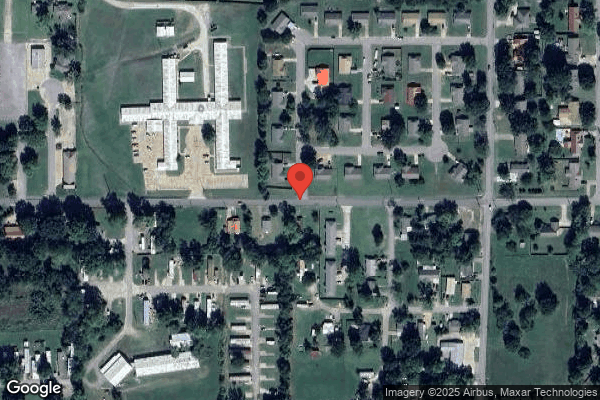
615 EAST REDWOOD, SALLISAW, OK 74955 (918) 775-4881
For profit - Limited Liability company 162 Beds Independent Data: November 2025 1 Immediate Jeopardy citation
Trust Grade
18/100
#262 of 282 in OK
Last Inspection: December 2024

Within standard 12-15 month inspection cycle. Federal law requires annual inspections.

Overview

Families considering Sequoyah Manor, LLC should be aware that it has received an F grade for trust, indicating significant concerns about the quality of care. Ranked #262 out of 282 facilities in Oklahoma, it is in the bottom half of state options and last in Sequoyah County. The facility is showing an improving trend, with reported issues decreasing from 17 in 2024 to just 2 in 2025. Staffing is somewhat stable with a turnover rate of 0%, which is good compared to the state average, but the facility has less RN coverage than 84% of others in Oklahoma, which is concerning for resident care. Specific incidents have raised alarms, including a critical situation where hazardous chemicals were left unsecured, risking resident safety, and a serious incident where a resident suffered a second-degree burn due to inadequate supervision. Overall, while there are some strengths like low staff turnover, the facility has significant weaknesses that families should carefully consider.

Trust Score
F
18/100
In Oklahoma
#262/282
Bottom 8%
Safety Record
High Risk
Review needed
Inspections
Getting Better
17 → 2 violations
Staff Stability
○ Average
Turnover data not reported for this facility.
Penalties
✓ Good
$38,175 in fines. Lower than most Oklahoma facilities. Relatively clean record.
Skilled Nurses
⚠ Watch
Each resident gets only 11 minutes of Registered Nurse (RN) attention daily — below average for Oklahoma. Fewer RN minutes means fewer trained eyes watching for problems.
Violations
⚠ Watch
65 deficiencies on record. Higher than average. Multiple issues found across inspections.
★☆☆☆☆
1.0
Overall Rating
★★☆☆☆
2.0
Staff Levels
★★☆☆☆
2.0
Care Quality
★☆☆☆☆
1.0
Inspection Score
Stable
2024: 17 issues
2025: 2 issues

The Good

  • Full Sprinkler Coverage · Fire safety systems throughout facility
  • No fines on record

Facility shows strength in fire safety.

The Bad

1-Star Overall Rating

Below Oklahoma average (2.6)

Significant quality concerns identified by CMS

Federal Fines: $38,175

Above median ($33,413)

Moderate penalties - review what triggered them

The Ugly 65 deficiencies on record

1 life-threatening 1 actual harm
Mar 2025 2 deficiencies 1 Harm
SERIOUS (G) 📢 Someone Reported This

A family member, employee, or ombudsman was alarmed enough to file a formal complaint

Actual Harm - a resident was hurt due to facility failures

Accident Prevention (Tag F0689)

A resident was harmed · This affected 1 resident

Based on record review and interview, the facility failed to provide supervision to prevent burns from hot liquids for 1 (#1) of 3 sampled residents reviewed for accident hazards. This resulted in act...

Read full inspector narrative →
Based on record review and interview, the facility failed to provide supervision to prevent burns from hot liquids for 1 (#1) of 3 sampled residents reviewed for accident hazards. This resulted in actual harm when Resident #1 received a second degree burn. ADON #1 reported 65 residents resided in the facility. Findings: Resident #1 had diagnoses which included dementia. A quarterly assessment, dated 01/08/25, showed Resident #1 had a BIMS score (a test for cognitive function) of 12, which was indicative of a moderate impairment for daily decision making and required set-up assistance with eating and drinking. A nurse note, dated 03/09/25 at 10:30 a.m., showed Resident #1 had spilled coffee on themselves. Upon assessment, Resident #1 had a reddened area on their right inner thigh measuring approximately 10 cm x 3.5 cm with a 2 cm by 3.5 cm blister. The note also showed Resident #1 continued to decline with disease and age progression and they required assistance with eating and drinking. A physician's order, dated 03/09/25, showed Resident #1 was to have silver sulfadiazine (a topical antimicrobial cream) applied liberally twice a day to burns. On 03/18/25 at 1:12 p.m., CNA #1 stated after Resident #1 burned themselves they started assisting them with coffee. On 03/18/25 at 1:17 p.m., CNA #2 stated Resident #1 was more independent, but recently required more assistance. CNA #2 stated prior to the incident Resident #1 was not always supervised while drinking coffee, but since the incident staff assisted and supervised the resident with coffee. On 03/18/25 at 1:40 p.m., LPN #1 stated prior to the incident on 03/09/25 Resident #1 was independent with eating and drinking, but since the incident they were assisted with meals and hot liquids. On 03/18/25 at 1:48 p.m., the dietary manager stated prior to the incident Resident #1 was not assisted with meals, but after the incident they were assisted with eating and drinking and staff added ice to their coffee. On 03/18/25 at 2:00 p.m., ADON #1 stated prior to the incident Resident #1 was not always supervised with hot liquids.
CONCERN (D) 📢 Someone Reported This

A family member, employee, or ombudsman was alarmed enough to file a formal complaint

Potential for Harm - no one hurt, but risky conditions existed

Comprehensive Care Plan (Tag F0656)

Could have caused harm · This affected 1 resident

Based on record review and interview, the facility failed to develop a care plan related to assisting a resident with hot liquids for 1 (#1) of 3 sampled residents whose care plans were reviewed. ADON...

Read full inspector narrative →
Based on record review and interview, the facility failed to develop a care plan related to assisting a resident with hot liquids for 1 (#1) of 3 sampled residents whose care plans were reviewed. ADON #1 reported 65 residents resided in the facility. Findings: Resident #1 had diagnoses which included dementia. A quarterly assessment, dated 01/08/25, showed Resident #1 had a BIMS score (a test for cognitive function) of 12, which was indicative of a moderate impairment for daily decision making and required set-up assistance with eating and drinking. A nurse note, dated 03/09/25 at 10:30 a.m., showed Resident #1 had spilled coffee on themselves. Upon assessment, Resident #1 had a reddened area on their right inner thigh measuring approximately 10 cm x 3.5 cm with a 2 cm by 3.5 cm blister. The note also showed Resident #1 continued to decline with disease and age progression and they required assistance with eating and drinking. A review of Resident #1's medical record did not show any care plan interventions related to hot liquids. On 03/18/25 at 1:40 p.m., LPN #1 stated Resident #1's care plan should have included hot liquids. On 03/18/25 at 2:00 p.m., ADON #1 stated Resident #1's care plan should have been updated to include interventions for assisting the resident with hot beverages related to their decline. On 03/18/25 at 3:30 p.m., the minimum data set coordinator stated Resident #1's care plan should have been updated to include hot beverages.
Dec 2024 13 deficiencies 1 IJ (1 affecting multiple)
CRITICAL (K)

Immediate Jeopardy (IJ) - the most serious Medicare violation

Accident Prevention (Tag F0689)

Someone could have died · This affected multiple residents

On 12/16/24, an Immediate Jeopardy (IJ) situation was determined to exist related to the facility's failure to ensure chemicals were secured away from wandering residents on a locked dedicated memory ...

Read full inspector narrative →
On 12/16/24, an Immediate Jeopardy (IJ) situation was determined to exist related to the facility's failure to ensure chemicals were secured away from wandering residents on a locked dedicated memory care unit. On 12/16/24 at 10:15 a.m., an unlocked closet (with gauze stuffed in the door latch not allowing the door to shut) had bug spray (Spectracide Bug Stop Home Barrier), a can of paint, shaving lotion, and other personal care items documenting keep out of reach of children. Three residents were observed wandering in the hall aimlessly. At 10:33 a.m., CNA #1 assigned to the locked memory unit stated the key to the door had been lost over the weekend, so the gauze was placed to allow access. CNA #1 stated there were nine residents on the unit and five that wandered independently. At 10:42 a.m., the DON stated the door should be locked and was unaware there was a problem with the lock. The DON viewed the linen closet and stated there was poison and other items that should be locked up. On 12/16/24, the ADON identified there were six of nine residents who wandered on the memory unit. On 12/16/24 at 12:20 p.m., the Oklahoma State Department of Health was notified of the existence of the IJ situation. On 12/16/24 at 2:04 p.m., the Oklahoma State Department of Health verified the existence of the IJ situation. On 12/16/24 at 2:17 p.m., the administrator was notified of the IJ situation. On 12/17/24 at 10:27 a.m., an acceptable plan of removal was submitted to the Oklahoma State Department of Health. The plan of removal, read in part, December 16, 2024 [Name withheld] Immediate Jeopardy Response At 10:45 a.m., the DON was made aware by an OSDH Surveyor that an unlocked linen closet on the secure unit with nine residents (6 residents who wander) had bug spray, can of paint, shaving lotion, and other personal care items stored in it. The gauze that was stuffed in the latch preventing the door from locking was immediately removed and the door was locked. At 10:30 a.m. the maintenance department replaced the door lock with a new lock. Combination locks were installed on the shower room cabinets to prevent any potential risk of harm to store and lock all personal care items that may be potentially hazardous to residents. At 10:55 a.m. the facility staff inspected all linen closets and shower rooms in the facility for any chemicals and or personal care items that were not properly stored or locked to prevent any potential for more than minimal harm. No chemicals or personal care items were found to be stored improperly. Beginning at 3:00 p.m. all staff was in-serviced in person and or by phone on how to properly store chemicals and personal care items that may be potentially harmful to residents. Staff also provided with education on identifying and storing such products and was completed by 4:33 p.m. All residents on the secured unit have been assessed for adverse side of effects with none noted. Charge Nurses scheduled to continue to monitor. [name withheld], Administrator On 12/17/24 at 11:48 a.m., the survey team completed a tour of the facility. A soiled linen closet on the short hall A was unlocked and a container of bleach wipes was found. On 12/17/24 at 12:51 p.m., the Oklahoma State Department of Health was notified of the soiled linen closet unlocked and a container of bleach wipes found. On 12/17/24 at 12:59 p.m., the Oklahoma State Department of Health determined the IJ immediacy could not be removed and an amended plan of removal was required. On 12/17/24 at 1:05 p.m., the administrator was notified of the determination the IJ immediacy remained due to the findings of an unlocked soiled linen closet containing bleach wipes was found. The administrator was made aware of the need for an amended plan of removal. On 12/17/24 at 4:18 p.m., an acceptable amended plan of removal was submitted to the Oklahoma State Department of Health. The plan of removal, read in part, December 17, 2024 [Name Withheld] Immediate Jeopardy Response At 11:50 a.m. A OSDH Surveyor discovered an unlocked soiled linen closet on Long A that had a container with bleach wipes on a shelf. The container of bleach wipes were removed immediately. At 12:44 p.m. the maintenance department replaced the door lock with a new self-locking door lock on that soiled linen closet. At 1:10 p.m. the facility staff inspected all soiled linen closets to ensure no chemicals were improperly stored behind unlocked doors. The bleach wipes have been removed from the room that they were stored in and placed in a closet by the ADON office that only she has a key to. This was done in an effort to control who can access them and when. Beginning at 1:30 p.m. all staff was in-serviced in person and or by phone on the storing items that my be potentially harmful to residents in soiled linen closets. Staff also provided with education on identifying and storing such products correctly and was completed by 3:13 p.m. [name withheld], Administrator The IJ was lifted effective 12/18/24 at 3:13 p.m. when all components of the plan of removal had been completed. The deficient practice remained at a pattern with no actual harm with potential for more than minimal harm. Based on observation, record review, and interview, the facility failed to ensure resident environments remained free of accident hazards for six (#43, and #101 through #105) of six wandering residents on the locked dedicated memory care unit. The administrator identified 64 residents who resided in the facility. The ADON identified there were six residents who wandered on the memory unit. Findings: A policy titled Hazardous Areas, Devices and Equipment, revised July 2017, read in parts, A hazard is defined as anything in the environment that has the potential to cause injury or illness. Examples of environmental hazards include, but are not limited to the following .Open area or items that should locked when not in use;. A policy titled [Name withheld] Chemical Safety and Storage, revised 12/17/24, read in part All soaps, detergents, cleaning compounds, or similar substances will be stored in an area separate from resident access. On 12/16/24 at 9:48 a.m., three containers of Micro Kill bleach wipes in a linen closet on D hall was observed. The door had the latch portion of a lock, but there was no lock present. The label on the container of wipes documented to keep out of reach of children. On 12/16/24 at 10:14 a.m., LPN #1 stated Micro Kill bleach wipes were not to be stored in the linen closet. They stated they were to be kept secured in a locked cabinet. On 12/16/24 at 10:15 a.m., a unlocked closet on the memory unit had gauze stuffed in the lock area, not allowing the door to shut completely. The room contained linens, undergarments, shaving cream, wound wash, a can of white paint partially used that documented warning harmful if inhaled, eight bottles of Medline aftershave that documented keep out of reach of children, two bottles of Dermacen hand sanitizer that documented keep out of reach of children, four bottles of freshscent antiperspirant deodorant spray that documented keep out of reach of children, a partial gallon jug of Dermacen perineal wash , and a partial used gallon container of Spectracide Bug Stop Home Barrier spray that documented keep out of reach of children. Three residents were observed wandering in the hall aimlessly. On 12/16/24 at 10:21 a.m., a shower room shelf on short Hall A contained Micro Kill bleach wipes, therapeutic dandruff shampoo, Dawn dish soap, rosemary mint hair masque, and fresh scent shave cream. The labels of the listed items all documented to keep out of reach of children. On 12/16/24 at 10:24 a.m., RN #1 stated there was shaving cream, shampoo, and conditioner that documented keep out of reach of children. The RN removed the items and stated there was no way to lock the whirlpool room door. On 12/16/24 at 10:25 a.m., an unlocked, unidentified room on short Hall A contained a container of Micro Kill bleach wipes. The label on the container documented to keep out of reach of children. On 12/16/24 at 10:26 a.m., CNA #7 stated they did not know why the items were in the shower room. They stated the therapeutic dandruff shampoo should be placed in the locked medication room. On 12/16/24 at 10:33 a.m., CNA #1 stated they were the only staff assigned to the memory unit. The CNA stated the charge nurse assigned to the memory unit sat at the nurse station outside the locked memory unit doors. The CNA stated the closet was a linen closet and the key had been lost. The CNA stated if the door shut and locked they could not gain access. The CNA identifed five residents who wandered independently on the locked memory unit. On 12/16/24 at 10:36 a.m., the DON stated chemicals should be locked and stored and obtained from housekeeping when needed. On 12/16/24 at 10:42 a.m., the DON was made aware of the linen closet door with gauze not allowing the door to close and lock with chemicals on the locked memory unit. The DON opened the linen closet door showing the gauze in place not allowing the door to latch and lock when closed. The DON viewed the room and stated there was poison and chemicals in the room. The DON stated the room should be locked at all times. On 12/16/24 at 11:38 a.m., CNA #6 stated currently they were the only staff working on the locked memory unit. The CNA stated if they were providing care in a resident room they would not know if a wandering resident went into an unlocked area. The CNA stated with a current census of nine or less residents residing on the locked memory unit only one staff was assigned to the hall. On 12/16/24 at 11:42 a.m., an unlocked whirlpool room with unlocked cabinets contained a container of Micro Kill bleach wipes that documented keep out of reach of children. On 12/17/24 at 11:48 a.m., an unlocked soiled linen closet on short Hall A contained Micro Kill bleach wipes that documented keep out of reach of children. On 12/17/24 at 11:52 a.m., the DON was notified of the unlocked soiled linen closet containing Micro Kill bleach wipes.
CONCERN (D)

Potential for Harm - no one hurt, but risky conditions existed

Resident Rights (Tag F0550)

Could have caused harm · This affected 1 resident

Based on observation, record review, and interview, the facility failed to ensure dignity with an indwelling urinary catheter for one (#15) of three sampled residents reviewed for indwelling urinary c...

Read full inspector narrative →
Based on observation, record review, and interview, the facility failed to ensure dignity with an indwelling urinary catheter for one (#15) of three sampled residents reviewed for indwelling urinary catheters. The DON identified 11 residents who had indwelling urinary catheters. Findings: The Dignity policy, dated February 2021, read in parts, Staff are expected to promote dignity and assist residents .helping the resident to keep urinary catheter bags covered. Resident #1 had diagnoses which included obstructive and reflux uropathy. On 12/16/24 at 3:32 p.m., Resident #15 was observed in their bed with the door to their room open. The urinary catheter bag was observed from the hallway and was not in a dignity bag. On 12/17/24 at 9:16 a.m., Resident #15 was observed in their bed from the hallway. The urinary catheter bag was observed from the hall and was not in a dignity bag. On 12/19/24 at 8:28 a.m., Resident #15 was observed sitting on the side of their bed. The urinary catheter bag was observed from the hall and was not in a dignity bag. On 12/19/24 at 9:43 a.m., Resident #15 stated they wanted their catheter bag covered and the staff were supposed to keep it in a bag so people could not see it. On 12/19/24 at 10:31 a.m., CNA #5 stated they were to place catheter bags into privacy bags to maintain dignity. On 12/19/24 at 10:37 a.m., LPN #1 stated staff were to keep catheter bags covered at all times to promote dignity. On 12/19/24 at 11:10 a.m., the DON stated staff were to utilize privacy bags to cover catheter bags to maintain the resident's dignity.
CONCERN (D)

Potential for Harm - no one hurt, but risky conditions existed

Assessment Accuracy (Tag F0641)

Could have caused harm · This affected 1 resident

Based on record review and interview, the facility failed to ensure assessments were accurate for one (#37) of 16 sampled residents whose assessments were reviewed. The DON identified 64 residents who...

Read full inspector narrative →
Based on record review and interview, the facility failed to ensure assessments were accurate for one (#37) of 16 sampled residents whose assessments were reviewed. The DON identified 64 residents who resided in the facility. Findings: Resident #37 had diagnoses which included hypertension. The quarterly assessment, dated 10/30/24, documented the resident was moderately impaired in cognition for daily decision making and had one fall with major injury since the prior assessment. Review of the state reported incidents and the electronic clinical record did not reveal the resident had experienced a fall with major injury. On 12/17/24 at 8:30 a.m., Resident #37 stated they had not had a fall with major injury. On 12/17/24 at 11:33 a.m., the MDS coordinator stated they had reviewed the clinical record and Resident #37 had not experienced a fall with major injury and the 10/30/24 assessment had been inaccurately coded.
CONCERN (D)

Potential for Harm - no one hurt, but risky conditions existed

Comprehensive Care Plan (Tag F0656)

Could have caused harm · This affected 1 resident

Based on observation, record review, and interview, the facility failed to ensure a comprehensive care plan had been developed for one (#15) of 19 sampled residents whose care plans were reviewed. Th...

Read full inspector narrative →
Based on observation, record review, and interview, the facility failed to ensure a comprehensive care plan had been developed for one (#15) of 19 sampled residents whose care plans were reviewed. The DON identified 64 residents who resided in the facility. Findings: The Resident Mobility and Range of Motion policy, dated July 2017, read in part, The care plan will be developed by the interdisciplinary team based on the comprehensive assessment. The Care Plans, Comprehensive Person-Centered policy, dated March 2022, read in part, A comprehensive, person-centered care plan that includes measurable objectives and timetables to meet the resident's physical, psychosocial and functional needs is developed and implemented for each resident. Resident #15 had diagnoses which included history of transient ischemic attack. The significant change assessment, dated 10/02/24, documented the resident had range of motion impairment to one side of their upper body and both sides of their lower body. The Care Plan, revised 12/18/24, did not document the residents range of motion impairment to the upper extremity. On 12/19/24 at 9:12 a.m., Resident #15 was observed in bed. Resident #15's right hand was observed to be contracted. The resident stated their hand had been contracted since they had experienced a stroke approximately 10 years ago. On 12/19/24 at 1:39 p.m., the MDS coordinator stated they had missed developing a care plan with interventions related to the limited range of motion for Resident #15. On 12/19/24 at 1:52 p.m., the DON stated a care plan to include the resident's limited range of motion/contracture to the right hand should have been developed with interventions implemented.
CONCERN (D)

Potential for Harm - no one hurt, but risky conditions existed

Deficiency F0688 (Tag F0688)

Could have caused harm · This affected 1 resident

Based on observation, record review, and interview, the facility failed to ensure range of motion services were provided to one (#15) of three sampled residents who were reviewed for limited range of ...

Read full inspector narrative →
Based on observation, record review, and interview, the facility failed to ensure range of motion services were provided to one (#15) of three sampled residents who were reviewed for limited range of motion. The MDS coordinator identified 18 residents who had limited range of motion. Findings: The Resident Mobility and Range of Motion policy, dated July 2017, read in part, Residents with limited range of motion will receive treatment and services to increase and/or prevent a further decrease in ROM. Resident #15 had diagnoses which included history of transient ischemic attack. The significant change assessment, dated 10/02/24, documented the resident had range of motion impairment to one side of their upper body and both sides of their lower body. The Care Plan, revised 12/18/24, did not document the residents range of motion impairment to the upper extremity. On 12/19/24 at 9:12 a.m., Resident #15 was observed in bed. Resident #15's right hand was observed to be contracted. The resident stated their hand had been contracted since they had experienced a stroke approximately 10 years ago. Review of the electronic clinical record did not reveal interventions for the resident's contracture to the right hand. On 12/19/24 at 1:37 p.m., LPN #1 stated Resident #15 had a contracture to the their right hand since admission to the facility. They stated usually the facility applied hand rolls when residents had contractures. On 12/19/24 at 1:39 p.m., the MDS coordinator stated they had reviewed the care plan and there were no interventions in place for the resident's contracture/limited range of motion. On 12/19/24 at 1:52 p.m., the DON stated Resident #15 had a contracture to the right hand since admission. They stated they did not have interventions in place for the contracture/limited range of motion.
CONCERN (D)

Potential for Harm - no one hurt, but risky conditions existed

Incontinence Care (Tag F0690)

Could have caused harm · This affected 1 resident

Based on observation, record review, and interview, the facility failed to ensure infection control was maintained for indwelling urinary catheters, failed to secure indwelling urinary catheters, and ...

Read full inspector narrative →
Based on observation, record review, and interview, the facility failed to ensure infection control was maintained for indwelling urinary catheters, failed to secure indwelling urinary catheters, and failed to document catheter care in accordance with the care plan for one (#15) of three sampled residents who were reviewed for indwelling urinary catheters. The DON identified 11 residents who had indwelling urinary catheters. Findings: The Catheter Care, Urinary policy, dated August 2022, read in parts, Ensure that the catheter remains secured with a securement device to reduce friction and movement at the insertion site .Be sure catheter tubing and drainage bag are kept off the floor .The following information should be recorded in the resident's medical record .The date and time that catheter care was given. Resident #15 had diagnoses which included obstructive and reflux uropathy. The significant change assessment, dated 10/02/24, documented the resident had an indwelling urinary catheter. The Care Plan, updated 12/16/24, read in part, Catheter care q shift. Review of the clinical record did not reveal catheter care had been documented when completed. On 12/16/24 at 8:49 a.m., Resident #15 was observed sitting on their bed eating breakfast. The urinary catheter tubing was observed to touch the floor. On 12/16/24 at 3:32 p.m., Resident #15 was observed in their bed. The catheter bag was observed hanging from the side of the bed, touching the fall mat. On 12/17/24 at 9:16 a.m., Resident #15 was observed in bed. The catheter bag was observed to be half way out of the privacy bag and touching the floor. On 12/19/24 at 9:15 a.m., CNA #1 and CNA #4 were observed to provide catheter care. The urinary catheter was not observed to be secured before or after catheter care. On 12/19/24 at 9:43 a.m., Resident #15 stated at times the catheter pulled and was not secured. On 12/19/24 at 10:31 a.m., CNA #5 stated catheter bags and tubing were not to touch the floor. They stated they did not utilize anchors for the catheters on their hall because they did not have any. They stated they completed catheter care every shift and documented in the clinical record. On 12/19/24 at 10:34 a.m., CNA #4 stated they were to keep catheter bags and tubing off of the floor. They stated Resident #15 had not had an anchor or securement device for their catheter for approximately three weeks. On 12/19/24 at 10:37 a.m., LPN #1 stated the resident's catheter bag and tubing were to be kept off of the floor and they did not know why Resident #15 did not have an anchor or securement device for their catheter. On 12/19/24 at 11:10 a.m., the DON stated they had reviewed the clinical record and did not find documentation catheter care had been completed as indicated in the care plan. They stated staff were to ensure catheter bags and tubing were kept off the floor. The DON stated they had securement devices available for urinary catheters, but was not aware if Resident #15 had one or not.
CONCERN (D)

Potential for Harm - no one hurt, but risky conditions existed

Deficiency F0700 (Tag F0700)

Could have caused harm · This affected 1 resident

Based on observation, record review, and interview, the facility failed to ensure residents were accurately assessed for bedrails for two (#30 and #48) of two sampled residents who were reviewed for b...

Read full inspector narrative →
Based on observation, record review, and interview, the facility failed to ensure residents were accurately assessed for bedrails for two (#30 and #48) of two sampled residents who were reviewed for bedrails. The DON identified nine residents who had bedrails. Findings: 1. Resident #30 had diagnoses which included pain and left sided hemiplegia. A Physician's Order, dated 05/11/21, documented the resident was to utilize quarter side rails bilaterally for repositioning. The Side Rail Consent, dated 08/15/24, documented the use of quarter side rails bilaterally. The Bed Rail/Assist Bar Evaluation, dated 12/02/24, did not indicate the type of bed rail evaluated. The MDS coordinator had completed the evaluation. On 12/16/24 at 3:48 p.m., Resident #30 was observed in bed with half side rails in the up position bilaterally. On 12/18/24 at 4:06 p.m., Resident #30 was observed in bed with half side rails in the up position bilaterally. On 12/19/24 at 11:19 a.m., the DON stated Resident #30 utilized side rails and was assessed quarterly by the MDS coordinator. They stated they thought the resident used quarter side rails. On 12/19/24 at 11:44 a.m., the DON stated they had observed the side rails for Resident #30 and the rails on the resident's bed were larger than quarter side rails. They stated they did not know why the resident did not have quarter rails which were ordered by the physician and documented on the signed consent. On 12/19/24 at 11:47 a.m., the MDS coordinator stated they did not know why the physician order and side rail consent documented the use of quarter rails, but the resident had half side rails on their bed. 2. Resident #48 had diagnoses which included falls and altered mental status. A physician order, dated 07/31/24, documented the resident was to have bilateral quarter side rails to assist with bed mobility and repositioning every shift. A form titled Side Rails Informed Consent and Release, dated 08/20/24 and signed by the physician and family representative, documented they were aware side rails were used for mobility aid and not a physical restraint. The form documented in hand writing bilateral quarter rails were used. The care plan, revised 11/15/24, documented the resident needed assistance with bed mobility and repositioning. The care plan documented the resident would have no injury related to the use of side rails through the next review date. On 12/16/24 at 8:44 a.m., the resident was sitting on the side of the bed. The bed had bilateral half side rails. On 12/19/24 at 11:44 a.m., the DON stated they had observed the side rails for Resident #48 and the rails on the resident's bed were larger than quarter side rails. They stated they did not know why the resident did not have quarter rails which were ordered by the physician and documented on the signed consent. On 12/19/24 at 11:47 a.m., the MDS coordinator stated they did not know why the physician order and side rail consent documented the use of quarter rails, but the resident had half side rails on their bed.
CONCERN (D)

Potential for Harm - no one hurt, but risky conditions existed

Menu Adequacy (Tag F0803)

Could have caused harm · This affected 1 resident

Based on observation and interview, the facility failed to follow the menus for the residents. The DM identified the kitchen prepared meals for 64 residents. Findings: On 12/18/24 at 4:20 p.m., the e...

Read full inspector narrative →
Based on observation and interview, the facility failed to follow the menus for the residents. The DM identified the kitchen prepared meals for 64 residents. Findings: On 12/18/24 at 4:20 p.m., the evening meal was prepared by cook #1. The cook was preparing the pureed diet for the residents. The cook stated they were unsure how many ounces the breaded piece of chicken weighed. The cook weighed the breaded piece of chicken and stated it weighed 1.5 ounces. The cook stated the menu documented one patty per serving. On 12/18/24 at 4:38 p.m., the DM stated the recipe for a breaded chicken sandwich documented to serve one each breaded chicken piece equaling three ounces of meat. The DM stated they were not aware the breaded piece of chicken for the sandwich needed to weigh three ounces. They stated they only knew the menu called for one breaded piece of chicken. On 12/18/24 at 5:21 p.m., the DM stated peas and carrots was to be the vegetable for the evening meal. The DM stated corn was substituted because they did not have peas and carrots. The DM stated the entire meal menu prepared for the evening meal was actually the menu for the next day and had switched the menu. On 12/18/24 at 5:27 p.m., [NAME] #1 was serving sandwich bread for the meal instead of a bun per the menu. On 12/18/24 at 5:52 p.m., the DM stated the cook was making the breaded chicken sandwich with sandwich bread instead of a bun because all the buns were used for the lunch meal. On 12/19/24 at 8:24 a.m., the administrator stated dietary staff should follow the recipe and menus. The administrator stated changes or substitutions should only be made with the approval of the dietitian.
CONCERN (D)

Potential for Harm - no one hurt, but risky conditions existed

Deficiency F0909 (Tag F0909)

Could have caused harm · This affected 1 resident

Based on observation, record review, and interview, the facility failed to ensure beds and side rails were regularly inspected as part of a maintenance program for two (#30 and #53) of three sampled r...

Read full inspector narrative →
Based on observation, record review, and interview, the facility failed to ensure beds and side rails were regularly inspected as part of a maintenance program for two (#30 and #53) of three sampled residents who were reviewed for side rails. The DON identified nine residents who utilized side rails. Findings: The Bed Safety and Bed Rails policy, dated August 2022, read in part, Maintenance staff routinely inspects all beds and related equipment to identify risks and problems including potential entrapment risks. 1. Resident #30 had diagnoses which included pain and left sided hemiplegia. A Physician's Order, dated 05/11/21, documented the resident was to utilize quarter side rails bilaterally for repositioning. On 12/16/24 at 3:48 p.m., Resident #30 was observed in bed with half side rails in the up position bilaterally. 2. Resident #53 had diagnoses which included hemiplegia and hemiparesis. A Physician's Order, dated 09/05/23, documented the resident utilized one side rail to assist in bed mobility and transfers. On 12/18/24 at 4:08 p.m., Resident #53 was observed in bed with a quarter side rail in the up position on the right side of the bed. On 12/19/24 at 10:15 a.m., the maintenance supervisor stated the housekeeping supervisor conducted safety checks on resident beds for the use of side rails. On 12/19/24 at 10:51 a.m., the housekeeping supervisor stated the maintenance supervisor monitored the resident beds and side rails for safety. On 12/19/24 at 11:19 a.m., the DON stated the maintenance supervisor conducted safety checks of resident beds for the use of side rails. On 12/19/24 at 11:44 a.m., the maintenance supervisor stated they had just found out they were supposed to regularly monitor and inspect the residents' beds and side rails for safety.
CONCERN (E)

Potential for Harm - no one hurt, but risky conditions existed

Deficiency F0655 (Tag F0655)

Could have caused harm · This affected multiple residents

Based on record review and interview, the facility failed to ensure a copy of the baseline care plan had been provided to the resident and/or resident representative for three (#2, 15, and #29) of 19 ...

Read full inspector narrative →
Based on record review and interview, the facility failed to ensure a copy of the baseline care plan had been provided to the resident and/or resident representative for three (#2, 15, and #29) of 19 sampled residents whose baseline care plans were reviewed. The DON identified 64 residents who resided in the facility. Findings: The Care Plans - Baseline policy, dated March 2022, read in part, The resident and/or resident representative are provided a written summary of the baseline care plan (in a language that the resident/representative can understand). 1. Resident #2 had diagnoses which included Alzheimer's disease. The Baseline Care Plan, dated 04/29/24, did not document a resident or resident representative signature in the indicated areas. Review of the clinical record did not reveal documentation the resident and/or the resident representative had been provided a summary of the baseline care plan. 2. Resident #15 had diagnoses which included obstructive and reflux uropathy. The Baseline Care Plan, dated 04/27/24, did not document a resident or resident representative signature in the indicated areas. Review of the clinical record did not reveal documentation the resident and/or the resident representative had been provided a summary of the baseline care plan. On 12/16/24 at 3:32 p.m., the resident stated they did not think they had received a summary of the baseline care plan upon admission. 3. Resident #29 had diagnoses which included Parkinson's disease. The Baseline Care Plan, dated 03/12/24, did not document a resident or resident representative signature in the indicated areas. Review of the clinical record did not reveal documentation the resident and/or the resident representative had been provided a summary of the baseline care plan. On 12/18/24 at 5:58 p.m., the MDS coordinator stated they had reviewed the baseline care plans and electronic health records for the residents and did not find documentation the resident and/or resident representative had been provided a summary of the baseline care plans.
CONCERN (E)

Potential for Harm - no one hurt, but risky conditions existed

Unnecessary Medications (Tag F0759)

Could have caused harm · This affected multiple residents

Based on observation, record review, and interview, the facility failed to ensure a medication error of less than five percent order for two (#5 and #34) of 27 residents who were reviewed for medicati...

Read full inspector narrative →
Based on observation, record review, and interview, the facility failed to ensure a medication error of less than five percent order for two (#5 and #34) of 27 residents who were reviewed for medication administration. The medication error rate was 7.41%. The DON identified 64 residents who received medications. Findings: On 12/19/24 at 9:00 a.m., CMA #1 was observed to administer one tab of levothyroxine (hormone) 125 mcg to Resident #34. The order documented to administer the medication daily before the morning meal. The resident was observed to return from the morning meal prior to the medication being administered. Resident #34 stated they had eaten the morning meal. On 12/19/24 at 11:21 a.m., CMA #2 was observed to administer Refresh eye drops to Resident #5. The order documented to administer two drops into both eyes four times daily. One drop was observed to be applied in both eyes. On 12/19/24 at 12:18 p.m., CMA #2 stated they had made an error. They stated the order was for two drops in both eyes. On 12/19/24 at 12:28 p.m., the DON stated they ensured medications were administered per physician orders with in-services, education, and annual competencies. They stated the errors were due to staff non-compliance.
CONCERN (E)

Potential for Harm - no one hurt, but risky conditions existed

Food Safety (Tag F0812)

Could have caused harm · This affected multiple residents

Based on observation, record review, and interview, the facility failed to prepare and serve food in a sanitary manner. The DM identified the kitchen prepared meals for 64 residents. Findings: A polic...

Read full inspector narrative →
Based on observation, record review, and interview, the facility failed to prepare and serve food in a sanitary manner. The DM identified the kitchen prepared meals for 64 residents. Findings: A policy titled Preventing Foodborne Illness - Employee Hygiene and Sanitary Practices, read in parts, Gloves and Direct Food Contact .Gloves are considered single-use items and must be discarded after completing the task for which they are used. Gloves are removed, hands are washed and gloves are replaced .c. between handling raw meats and ready-to-eat foods; and d. between handling soiled and clean dishes. On 12/18/24 at 5:30 p.m., [NAME] #1 was observed serving the evening meal. The cook donned a pair of gloves and handled a resident's menu sheet, obtained a clean plate, handled different serving utensils to place food on the plate, reached into a bag of sandwich bread to obtain slices of bread, and then placed a slice of cheese on the breaded chicken using their gloved hand. The cook continued this process preparing the meal plates without changing their gloves or washing their hands between tasks and touching unclean surfaces. On 12/18/24 at 5:37 p.m., [NAME] #1 stated they should have changed their gloves and washed their hands between tasks and used tongs for handling the bread and cheese. On 12/18/24 at 5:52 p.m., the DM stated the cook should have changed their gloves and washed their hands when touching unclean surfaces and handling food to prevent cross contamination. On 12/19/24 at 8:29 a.m., the administrator stated staff should change their gloves and wash their hands between tasks and unclean surfaces.
CONCERN (E)

Potential for Harm - no one hurt, but risky conditions existed

Infection Control (Tag F0880)

Could have caused harm · This affected multiple residents

2. Resident #4 had diagnoses which included paraplegia and retention of urine. On 12/19/24 at 9:57 a.m., CNA #2 and CNA #3 donned gown and gloves from the door. CNA #2 performed catheter care and was...

Read full inspector narrative →
2. Resident #4 had diagnoses which included paraplegia and retention of urine. On 12/19/24 at 9:57 a.m., CNA #2 and CNA #3 donned gown and gloves from the door. CNA #2 performed catheter care and was not observed to sanitize their hands between glove changes throughout the catheter care. On 12/19/24 at 10:30 a.m., CNA #2 stated they ensured infection control during catheter care by washing away from the opening, changing gloves, keeping dirties away in a bag at the end of the bed, and wearing PPE. When asked what was done between glove changes CNA #2 stated they used hand sanitizer, but that they had not performed hand sanitization between glove changes. On 12/19/24 at 11:13 a.m., RN #1 stated infection control was maintained during catheter care by wearing PPE, performing hand hygiene between glove changes, wiping away from the opening, and using a clean cloth for each area. RN #1 stated they felt the only way to ensure infection control was maintained was to watch during catheter care, but they did not watch every time catheter care was provided. On 12/19/24 at 11:44 a.m., the DON stated hand sanitizer should be used with glove changes to ensure infection control was maintained during catheter care. They stated to ensure infection control was maintained, the facility provided in-services and competency check-offs. 3. On 12/19/24 at 8:32 a.m., during medication administration for Resident #5, CMA #1 was not observed to sanitize their hands prior to checking the blood pressure and before administering medications. On 12/19/24 at 8:40 a.m., during medication administration for Resident #34, CMA #1 was not observed to sanitize their hands prior to checking the blood pressure and before administering medications. On 12/19/24 at 8:59 a.m. during medication administration for Resident #51, CMA #1 was not observed to sanitize their hands after checking the blood pressure and before administering medications. On 12/19/24 at 9:14 a.m., during medication administration for Resident #60, CMA #1 was not observed to sanitize their hands prior to checking the blood pressure or administering medications. On 12/19/24 at 3:02 p.m., the DON stated staff were to sanitize their hands between each resident when administering medications. Based on observation, record review, and interview, the facility failed to ensure: a. proper PPE was worn during catheter care for one (#15) of three sampled residents who were reviewed for catheter care; b. hand sanitation was completed during catheter care for one (#4 ) of three sampled residents who were reviewed for catheter care; and c. hand sanitation was completed during medication administration for four (#5, 34, 51, and #60) of 27 sampled residents who were reviewed for medication administration. The DON identified 11 residents who had catheters, 13 residents who were on enhanced barrier precautions, and 64 residents who received medications. Findings: A Catheter Care, Urinary policy, revised August 2022, read in part, The purpose of this procedure is to prevent urinary catheter-associated complications, including urinary tract infections. The undated Enhanced Barrier Precautions policy, read in parts, Enhanced Barrier Precautions involve gown and glove use during high-contact resident care activities .High-contact resident activities include .Device care or use .urinary catheter. 1. Resident #15 had diagnoses which included malignant neoplasm of the prostate. On 12/19/24 at 9:15 a.m., CNA #5 and CNA #4 were observed to provide catheter care for Resident #15. Neither of the two CNAs were observed to don gowns prior to providing catheter care. On 12/19/24 at 10:31 a.m., CNA #5 stated Resident #15 was on precautions due to the catheter and they did nothing different than they did for everyone else. On 12/19/24 at 10:34 a.m., CNA #4 stated Resident #15 was on something for their catheter and the staff were to wear the gowns for catheter care, but they forgot because they were not used to doing it. On 12/19/24 at 10:37 a.m., LPN #1 stated staff should wear gloves and a gown for catheter care. On 12/19/24 at 11:10 a.m., the DON stated staff were educated if anyone had a device they were to provide enhanced barrier precautions for direct care.
Nov 2024 1 deficiency
CONCERN (D) 📢 Someone Reported This

A family member, employee, or ombudsman was alarmed enough to file a formal complaint

Potential for Harm - no one hurt, but risky conditions existed

Report Alleged Abuse (Tag F0609)

Could have caused harm · This affected 1 resident

Based on record review and interview, the facility failed to contact a local law enforcement agency within the mandated time frame after being informed of an allegation of abuse for one (#1) of four s...

Read full inspector narrative →
Based on record review and interview, the facility failed to contact a local law enforcement agency within the mandated time frame after being informed of an allegation of abuse for one (#1) of four sampled residents reviewed for abuse. The DON identified 71 residents resided at the facility. Findings: A facility policy titled Abuse Investigation and Reporting, dated July 2017, read in part, Reporting 1. All alleged violations involving abuse, neglect, exploitation, or mistreatment, including injuries of an unknown source and misappropriation of property will be reported by the facility administrator, or his/her designee, to the following persons or agencies: a. The stated licensing/certification agency responsible for surveying/licensing the facility; b. the local/State Ombudsman; c. The Resident's Representative (Sponsor) of Record; d. Adult Protective Services (where state law provides jurisdiction in long-term care); e. Law enforcement officials; f. The resident's attending physician; and g. The facility medical director. An Incident Report Form marked as an initial report, with an incident report date of 11/05/24, documented an allegation of abuse against Resident #1 by housekeeper #1. The report documented the alleged abuse had occurred on 11/05/24 at approximately 2:15 p.m. The Notification Made section did not contain the name of a law enforcement agency or the date and time they were notified of the allegation. An Incident Report Form marked as a final report, with an incident report date of 11/05/24, documented an allegation of abuse against Resident #1 by housekeeper #1. The Notification Made section documented a local law enforcement agency had been notified of the allegation on 11/06/24 at 10:53 a.m. On 11/13/24 at 8:46 a.m., the ADON stated they had conducted the investigation of the allegation of abuse regarding Resident #1 on 11/05/24. They stated they forgot to notify the local law enforcement agency until the next day. They stated they understood the notification should have occurred within two hours of the allegation. They stated they had not followed their abuse and neglect policy regarding reporting time frames.
Sept 2024 3 deficiencies
CONCERN (D) 📢 Someone Reported This

A family member, employee, or ombudsman was alarmed enough to file a formal complaint

Potential for Harm - no one hurt, but risky conditions existed

Free from Abuse/Neglect (Tag F0600)

Could have caused harm · This affected 1 resident

Based on record review and interview, the facility failed to ensure residents were free from verbal abuse for one (#5) of five sampled residents reviewed for abuse. The administrator identified 70 res...

Read full inspector narrative →
Based on record review and interview, the facility failed to ensure residents were free from verbal abuse for one (#5) of five sampled residents reviewed for abuse. The administrator identified 70 residents who resided in the facility. Findings: The Abuse, Neglect, Exploitation General policy, dated 05/05/17, read in parts, .Facility will educate all staff about how to recognize signs of possible abuse .All facility employees .are educated that all alleged or suspected violations involving mistreatment, neglect or abuse .are reported IMMEDIATELY to the Administrator . Resident #5 had diagnoses which included cerebral palsy and unspecified intellectual disabilities. The quarterly assessment, dated 07/05/24, documented the resident was moderately impaired in cognition for daily decision making. Resident #2 had diagnoses which included bipolar disorder. The quarterly assessment, dated 07/29/24, documented the resident was cognitively intact for daily decision making. The Event Report for Resident #2, dated 08/05/24 at 7:38 p.m., read in parts, .Progress Note .Resident witnessed being verbally hateful to other resident in hallway and dining room. Resident was witnessed in dining room and hallways calling other Resident Retarded repeatedly loudly where other residents and staff members can hear. Other resident noted to be visibly upset by this, but resident continues with these remarks. [Physician name withheld] notified and received n/o for Depakote 125mg PO TID r/t behaviors . The progress note was signed by LPN #1. Review of the electronic clinical record for Resident #2 and Resident #5 did not reveal the administrator had been notified of the verbal abuse. Review of the state reportable's did not reveal a report for the incident of verbal abuse by Resident #2 toward Resident #5. On 09/11/24 at 1:15 p.m., LPN #1 identified the resident who had been called Retarded as Resident #5. LPN #1 stated they had notified the ADON and the physician of the incident. LPN #1 stated they had not completed an incident report, investigated the incident, or report the incident as verbal abuse. LPN #1 stated they should have reported the incident as verbal abuse. On 09/11/24 at 1:20 p.m., the ADON stated they had been notified Resident #2 and Resident #5 were not getting along but had not been notified of the verbal abuse. The ADON stated event report progress notes were reviewed regularly but they were unaware of the verbal abuse documented on 08/05/24. On 09/11/24 at 1:25 p.m., the DON stated they reviewed the event report progress notes weekly but they had not seen the progress note dated 08/05/24. The DON stated the incident should have been investigated as verbal abuse. On 09/11/24 at 1:48 p.m., the administrator stated they had just found out about the incident of verbal abuse for Resident #5. They stated they did not know why the incident had not been reported. The administrator was asked how often the event report progress notes were reviewed. The administrator stated, Not near enough.
CONCERN (D) 📢 Someone Reported This

A family member, employee, or ombudsman was alarmed enough to file a formal complaint

Potential for Harm - no one hurt, but risky conditions existed

Comprehensive Care Plan (Tag F0656)

Could have caused harm · This affected 1 resident

Based on record review and interview, the facility failed to ensure comprehensive care plans were person-centered for two (#1 and #2) of four sampled residents whose care plans were reviewed. Findings...

Read full inspector narrative →
Based on record review and interview, the facility failed to ensure comprehensive care plans were person-centered for two (#1 and #2) of four sampled residents whose care plans were reviewed. Findings: The Care Plans, Comprehensive Person-Centered policy, dated December 2016, read in part, .The comprehensive, person-centered care plan will .reflect the resident's expressed wishes regarding care and treatment goals .Assessments of residents are ongoing and care plans are revised as information about the residents and the residents' condition change . 1. Resident #1 had diagnoses which included Rett's syndrome. The quarterly assessment, dated 07/03/24, documented the resident was severely impaired in cognition for daily decision making. Review of the electronic clinical record, including the care plan, revised 08/29/24, did not reveal resident/resident representative preferences had been documented. On 09/10/24 at 2:08 p.m., dietary aide #1 stated they were aware Resident #1's mother did not want male residents around their loved one. They stated they had heard about the mother's preferences a month or two ago. On 09/10/24 at 2:53 p.m., LPN #1 stated the male residents were redirected from Resident #1 because their mother did not want males interacting with Resident #1. On 09/11/24 at 8:50 a.m., LPN #2 stated Resident #1's mother did not want male residents around them. On 09/11/24 at 11:13 a.m., the MDS coordinator stated they were responsible to update and develop the care plans. They stated shortly after admission to the facility the resident's mother requested staff redirect male residents from interacting with Resident #1. The MDS coordinator stated they had not added the verbalized preference from the resident's representative to the care plan. They stated, I guess I just missed it. On 09/10/24 at 12:17 p.m., the DON stated they randomly reviewed care plans to ensure they had been updated/revised. They stated Resident #1's mother informed the staff they did not want male residents interacting with Resident #1. The DON stated the preference was known by staff before the last care plan meeting and the care plan should have been updated to reflect the current preference. 2. Resident #2 had diagnoses which included bipolar disorder. The quarterly assessment, dated 07/29/24, documented the resident did not exhibit behaviors and was cognitively intact for daily decision making. The Event Report for Resident #2, dated 08/05/24 at 7:38 p.m., read in parts, .Progress Note .Resident witnessed being verbally hateful to other resident in hallway and dining room. Resident was witnessed in dining room and hallways calling other Resident Retarded repeatedly loudly where other residents and staff members can hear. Other resident noted to be visibly upset by this, but resident continues with these remarks. [Physician name withheld] notified and received n/o for Depakote 125mg PO TID r/t behaviors . The Care Plan, updated 08/06/24, read in parts, .Problem .Resident has bipolar disease .Goal .Resident will interact appropriately with staff, other residents, and visitors .Approach .depakote administered per order .Do not confront, argue against, or deny resident's thoughts .Refocus when he/she changes the subject in middle of conversation .Reinforce and focus on reality. Use clear, concise terms . The Care Plan did not address what behaviors to monitor for related to the order for Depakote. On 09/11/24 at 1:37 p.m., the MDS coordinator reviewed the care plan for Resident #2 and stated they did not review the clinical record to determine what behaviors a resident had experienced to revise the care plan. They stated they had seen Resident #2 had received a new order for Depakote but had not investigated further to determine if a revision in the care plan for monitoring for specific behavior should have been implemented. On 09/11/24 at 1:59 pm., the DON stated the new order for the Depakote was documented on the care plan for Resident #2 but the care plan should have been updated/revised to reflect the reasoning for the order and the specific behaviors the staff should monitor for Resident #2.
CONCERN (E) 📢 Someone Reported This

A family member, employee, or ombudsman was alarmed enough to file a formal complaint

Potential for Harm - no one hurt, but risky conditions existed

Abuse Prevention Policies (Tag F0607)

Could have caused harm · This affected multiple residents

Based on record review and interview, the facility failed to implement the abuse policy for one (#5) of five sampled residents reviewed for abuse and failed to develop an abuse policy with appropriate...

Read full inspector narrative →
Based on record review and interview, the facility failed to implement the abuse policy for one (#5) of five sampled residents reviewed for abuse and failed to develop an abuse policy with appropriate reporting time frames. The administrator identified 70 residents who resided in the facility. Findings: The Abuse, Neglect, Exploitation General policy, dated 05/05/17, read in parts, .Facility will educate all staff about how to recognize signs of possible abuse .All facility employees .are educated that all alleged or suspected violations involving mistreatment, neglect or abuse .are reported IMMEDIATELY to the Administrator .In the event an incident that meets or has the potential to meet one of the definitions stated in the policy on abuse or neglect of an elder is reported to the Administrator or designee, an investigation of the incident will be commenced immediately. The Administrator will contact DHS immedieatly [sic] and the Oklahoma State Department of Health within 24 hours .Reporting .The DON, Administrator or other designated investigating individual will begin their own internal investigation and notify the OSDH within twenty-four (24) hours of identifying the concern of possible abuse, neglect or exploitation . 1. Resident #5 had diagnoses which included cerebral palsy and unspecified intellectual disabilities. The quarterly assessment, dated 07/05/24, documented the resident was moderately impaired in cognition for daily decision making. Resident #2 had diagnoses which included bipolar disorder. The quarterly assessment, dated 07/29/24, documented the resident was cognitively intact for daily decision making. The Event Report for Resident #2, dated 08/05/24 at 7:38 p.m., read in parts, .Progress Note .Resident witnessed being verbally hateful to other resident in hallway and dining room. Resident was witnessed in dining room and hallways calling other Resident Retarded repeatedly loudly where other residents and staff members can hear. Other resident noted to be visibly upset by this, but resident continues with these remarks. [Physician name withheld] notified and received n/o for Depakote 125mg PO TID r/t behaviors . The progress note was signed by LPN #1. Review of the electronic clinical record for Resident #2 and Resident #5 did not reveal the administrator had been notified of the verbal abuse. Review of the state incident reports did not reveal a report for the incident of verbal abuse by Resident #2 toward Resident #5. On 09/11/24 at 1:15 p.m., LPN #1 identified the resident who had been called Retarded as Resident #5. LPN #1 stated they had notified the ADON and the physician of the incident. LPN #1 stated they had not completed an incident report, investigated the incident, or reported the incident as verbal abuse. LPN #1 stated they should have reported the incident as verbal abuse. On 09/11/24 at 1:20 p.m., the ADON stated they had been notified Resident #2 and Resident #5 were not getting along but had not been notified of the verbal abuse. On 09/11/24 at 1:25 p.m., the DON stated the incident should have been investigated as verbal abuse. On 09/11/24 at 1:48 p.m., the administrator stated they had just found out about the incident of verbal abuse for Resident #5. They stated they did not know why the incident had not been reported. 2. Review of the abuse policy revealed documentation the facility had 24 hours to notify OSDH of allegations of abuse/neglect. On 09/11/24 at 11:57 a.m., the ADON stated the time frame for reporting allegations of abuse/neglect to OSDH was two hours. The ADON reviewed the facility's abuse policy and stated the policy was approved on 05/05/17 and it documented the facility had 24 hours to report allegations to OSDH. On 09/11/24 at 12:17 p.m., the DON stated the time frame for reporting allegations of abuse/neglect to OSDH was 24 hours. The DON reviewed the facility's abuse policy and stated on page five it documented they had 24 hours to report. They stated the facility's policies were reviewed annually in September but had not been completed for this year yet. They stated the abuse policy needed to be updated. On 09/11/24 at 12:36 p.m., the administrator stated suspected criminal acts were to be reported to OSDH within two hours but allegations of abuse/neglect were to be reported within 24 hours to OSDH. The administrator stated they needed to revise and update the facility's abuse policy.
Sept 2023 22 deficiencies
CONCERN (D)

Potential for Harm - no one hurt, but risky conditions existed

Deficiency F0552 (Tag F0552)

Could have caused harm · This affected 1 resident

Based on observation, record review, and interview, the facility failed to ensure a resident or resident representative was informed in advance of the risk and/or benefit of the use of an antipsychoti...

Read full inspector narrative →
Based on observation, record review, and interview, the facility failed to ensure a resident or resident representative was informed in advance of the risk and/or benefit of the use of an antipsychotic medication for one (#56) of five residents reviewed for medications. The Resident Census and Conditions of Residents form documented eight residents received antipsychotic medications. Findings: Res #56 had diagnoses which included dementia. A physician order, dated 08/01/23, documented the facility was to administer 25 mg of Seroquel (an antipsychotic medication) at bedtime daily for a diagnosis of dementia with mood disturbance. A significant change assessment, dated 08/03/23, documented the resident was severely impaired in cognition; had verbal behaviors directed toward others and rejection of care behaviors; was independent to requiring limited assistance with ADLs; and received an antipsychotic mediation for two days of the seven day assessment period. On 08/29/23 at 7:57 a.m., the resident was observed lying in their bed. The resident stated they did not know what medications they were on. On 08/31/23 at 10:18 a.m., the DON stated the facility had not obtained an informed consent for the use of Seroquel with Res #56.
CONCERN (D)

Potential for Harm - no one hurt, but risky conditions existed

Deficiency F0637 (Tag F0637)

Could have caused harm · This affected 1 resident

Based on record review and interview the facility failed to conduct a significant change assessment for one (#14) of 20 sampled residents whose MDS assessments were reviewed. The Resident Census and ...

Read full inspector narrative →
Based on record review and interview the facility failed to conduct a significant change assessment for one (#14) of 20 sampled residents whose MDS assessments were reviewed. The Resident Census and Conditions of Residents form documented 60 residents resided in the facility. Findings: Res #14 had diagnoses which included heart disease, diabetes mellitus, and weight loss. A quarterly assessment, dated 03/23/23, documented the resident was intact with cognition; walked in their room with supervision; and weighed 122 pounds with no weight loss. A quarterly assessment, dated 06/27/23, documented the resident was moderately impaired with cognition; walked in their room with extensive assist of one staff person; weighed 113 pounds, and not on a physician prescribed weight loss regimen. On 08/31/23 at 7:20 a.m., MDS Coordinator #1 stated they thought the resident had to have three areas of decline in the ADL section. The MDS coordinator stated they were new to the position and they were instructed a significant change assessment was to be conducted when the ADL section indicated a change.
CONCERN (D)

Potential for Harm - no one hurt, but risky conditions existed

PASARR Coordination (Tag F0644)

Could have caused harm · This affected 1 resident

Based on record review and interview the facility failed to refer residents with newly evident or possible serious mental disorder to OHCA for evaluation for a level II PASRR assessment for one (#9) o...

Read full inspector narrative →
Based on record review and interview the facility failed to refer residents with newly evident or possible serious mental disorder to OHCA for evaluation for a level II PASRR assessment for one (#9) of three residents reviewed for PASRR and failed to ensure the PASRR level I assessment was correct. The Resident Census and Conditions of Residents form documented 24 residents had psychiatric diagnoses. Findings: The EHR documented Res #9 had received a diagnosis of other specified depressive episodes on 04/24/21. A PASRR level one assessment, dated 04/28/21, documented the resident did not have a diagnosis of mental illness or intellectual disabilities. The EHR documented the resident received a diagnosis of unspecified mood disorder on 11/03/21. The EHR documented the resident received a diagnosis of behavioral and emotional disorders with onset usually occurring in childhood and adolescence on 11/17/21. An annual assessment, dated 07/20/23, documented the resident was not considered to have a serious mental illness, was intact in cognition, required extensive assistance with ADLs, and did not walk. On 08/30/23 at 4:48 p.m., the DON stated they should have called OHCA in regard to the mental health diagnoses given to the resident after they were admitted .
CONCERN (D)

Potential for Harm - no one hurt, but risky conditions existed

Accident Prevention (Tag F0689)

Could have caused harm · This affected 1 resident

Based on observation, record review, and interview, the facility failed to ensure residents were not using a vape in their rooms for one (#33) of eight residents sampled for accident hazards and faile...

Read full inspector narrative →
Based on observation, record review, and interview, the facility failed to ensure residents were not using a vape in their rooms for one (#33) of eight residents sampled for accident hazards and failed to have a policy related to vaping in the facility. The Resident Census and Conditions of Residents form documented 60 residents resided in the facility. Findings: A facility policy titled SEQUOYAH MANOR SMOKING POLICY, dated 07/22/14, read in part, .3. Employees and residents must smoke in designated areas .11. All cigarettes, lighters, and e-cigarettes charges, must be kept in the medication room and dispensed according to the designated smoking hours . Res #33 had diagnoses which included heart failure, atrial fibrillation, and SOB. An admission assessment, dated 06/27/23, documented the resident was moderately impaired in cognition and required extensive assistance with ADLs. The assessment documented the resident did not use tobacco. A review of the resident's EHR did not contain an assessment for using a vape. On 08/28/23 at 3:42 p.m., Res #33 was observed to have two vapes, one hanging around the resident's neck on a cord and the other one was observed in the resident's hand. Res #33 was observed using the vape while in their bed. Res #33 was observed to have a roommate, Res #18. On 09/01/23 at 2:36 p.m., the DON stated the facility did not have a policy for vaping and resident's were allowed to vape in their rooms.
CONCERN (D)

Potential for Harm - no one hurt, but risky conditions existed

Incontinence Care (Tag F0690)

Could have caused harm · This affected 1 resident

Based on observation, record review, and interview, the facility failed to maintain urinary catheters off of the floor to prevent possible infections for two (#33 and #48) of three resident reviewed f...

Read full inspector narrative →
Based on observation, record review, and interview, the facility failed to maintain urinary catheters off of the floor to prevent possible infections for two (#33 and #48) of three resident reviewed for catheters. The Resident Census and Conditions of Residents form documented eight residents with indwelling catheters resided in the facility. Findings: 1. Res #33 had diagnoses which included retention of urine, benign prostatic hyperplasia without lower urinary tract symptoms, and urinary tract infection. An admission assessment, dated 06/27/23, documented the resident was moderately impaired with cognition, required extensive assistance with most ADLs, and had an indwelling catheter. On 08/28/23 at 3:40 p.m., the resident's catheter bag was observed touching the ground by the residents bed. Res #33 was not able to say how long they had the catheter. A nurse note, dated 08/30/23 at 9:17 p.m., documented the resident had purulent drainage from urethra and the physician was notified and gave a new order to obtain a UA. A physician order, dated 08/30/23, documented doxycycline hyclate (an antibiotic medication) administer one BID x 10 days for UTI. The care plan, updated 8/30/23, documented the resident had a UTI. A care plan, last reviewed 08/31/23, documented the resident had risk for urinary retention/UTIs related to benign prostatic hypertrophy. On 09/01/23 at 9:41 a.m., the DON stated the catheter bags for the residents should not have been on the floor. The DON stated they had been having trouble with that issue. 2. Res #48 had diagnoses which included benign prostatic hyperplasia without lower urinary tract symptoms, retention of urine, and UTI. A physician order, dated 01/26/23, documented staff were to cleanse the resident's supra catheter site with normal saline and place a clean dressing on the site daily. A quarterly assessment, dated 07/26/23, documented the resident was severely impaired with cognition and required total assistance with most ADLs. The assessment documented the resident had an indwelling catheter. A nurse note, dated 08/22/23 at 5:09 a.m., documented the resident's supra catheter was not draining. The catheter was flushed with 50 cc of sterile saline, immediate return of yellow urine with sediment. A physician order, dated 08/25/23, documented to administer cephalexin (an antibiotic medication) four times a day for urinary tract infection. A care plan, last reviewed 08/28/23, documented the resident had a UTI, to not allow tubing or any part of the drainage system to touch the floor, provide catheter care every shift, and store the collection bag inside a protective dignity pouch. The TAR for August 2023 did not document the catheter site had been cleaned on six of the days. On 08/31/23 at 1:52 p.m., the residents's catheter bag and tubing was observed touching the fall mat on the floor. The catheter bag was not in a cover at that time. On 09/01/23 at 9:41 a.m., the DON stated the catheter bags should not have been on the floor. The DON stated they have been having trouble with that issue. On 09/01/23 at 10:12 a.m., the DON reviewed the resident's TAR and stated the TAR did not document the catheter care had been completed daily as ordered.
CONCERN (D)

Potential for Harm - no one hurt, but risky conditions existed

Deficiency F0760 (Tag F0760)

Could have caused harm · This affected 1 resident

Based on record review and interview, the facility failed to ensure residents were free from significant medication errors for one (#32) of five residnts reviewed for unnecessary medications. The Resi...

Read full inspector narrative →
Based on record review and interview, the facility failed to ensure residents were free from significant medication errors for one (#32) of five residnts reviewed for unnecessary medications. The Resident Census and Conditions of Residents report, documented 60 residents resided in the facility. Findings: Res #32 had diagnoses which included atrial fibrillation, diabetes mellitus, and peripheral vascular diseases. A physician order, dated 09/29/21, documented the facility was to administer Novolog (insulin aspart u-100) solution; 100 unit/mL per sliding scale before meals and at bedtime for diabetes mellitus. A physician order, dated 11/28/22, documented to administer Lantus (insulin glargine) BID for diabetes mellitus. An administration history report, dated 06/29/23 - 07/29/23, did not document Novolog had been administered three times. The report did not always document the injection sites. A care plan, last reviewed 07/27/23, documented the resident had diabetes mellitus with peripheral neuropathy and to administer Levemir and Novolog per order. An administration history report, dated 07/30/23 - 08/29/23, did not document Lantus (insulin glargine ) was administered once and Novolog was not documented as administered three times. The report did not always document the injection site. A quarterly assessment, dated 08/07/23, documented the resident was intact with cognition and required extensive assistance with most ADLs. The assessment documented the resident received insulin daily during the assessment period. On 08/30/23 at 8:34 a.m., the DON stated where the administration record was blank for the insulins they could not say if the medication was administered or not.
CONCERN (E)

Potential for Harm - no one hurt, but risky conditions existed

Deficiency F0578 (Tag F0578)

Could have caused harm · This affected multiple residents

Based on record review and interview the facility failed to ensure residents were offered the choice to formulate advance directives for two (#2, and #9) and failed to ensure a DNR was complete for on...

Read full inspector narrative →
Based on record review and interview the facility failed to ensure residents were offered the choice to formulate advance directives for two (#2, and #9) and failed to ensure a DNR was complete for one (#14) of six residents sampled for advanced directives. The Resident Census and Conditions of Residents report documented 31 residents who resided in the facility had advanced directives. Findings: A policy titled Advanced Directives, dated September 2022, read in part, .1. Upon admission, the resident will be provided with written information concerning the right to refuse or accept medical or surgical treatment and to formulate an advance directive if he or she chooses to do so . 1. Res #2 had diagnoses which included age related physical debility and diabetes mellitus. A physician order, dated 08/11/23, documented the resident was a full code. An admission assessment, dated 08/24/23, documented the resident was moderately impaired with cognition and requited extensive assistance with most ADLs. A care plan, dated 08/24/23, documented the resident preferred to be a full code. The resident's medical record did not contain documentation of the resident having been offered or provided information on formulating an advanced directive. On 08/29/23 at 8:41 a.m., the BOM stated the forms for the advance directives should have been filled out in the first three days of admission. On 08/30/23 at 1:42 p.m., the DON stated they were not familiar with the policy on the time frame for the advance directive paper work to be filled out. On 08/30/23 at 3:16 p.m., the SS director stated the resident should have been offered an advance directive during the first three days of admission. 2. Res #14 had diagnoses which included heart disease, diabetes mellitus, and acute kidney failure. A care plan, dated 12/20/22, documented the resident preferred to be a DNR. A quarterly assessment, dated 06/27/23, documented the resident was moderately impaired with cognition and required extensive assistance with ADLs. A physician order, dated 08/29/23, documented the resident was a DNR. The resident's EHR records were reviewed and contained a DNR, signed by the resident on 12/15/22, and documented one witness signature when the form required two. The second page documented a signature of a physician, but did not document a date the form was signed or the physician's address. The resident's advance directive information admission form was observed to be blank. On 08/30/23 at 1:47 p.m., the DON stated the resident's DNR was not signed by two witnesses and the physician did not fill out the form with their address and the form was not dated. The DON stated the DNR was not a completed document. 3. Res #9 had diagnoses which included hereditary motor and sensory neuropathy, chronic pain, and unspecified mood disorder. A physician order, dated 04/23/21, documented the resident had full code status. The resident's advance directive form, dated 04/23/21, had not been completed and did not document if the resident wanted to formulate an advance directive or not. An annual assessment, dated 07/20/23, documented the resident was intact with cognition and required extensive assistance with most ADLs. On 08/30/23 at 1:46 p.m., the DON stated the resident's choice for an advanced directive was not indicated on the form and the form had not been completed.
CONCERN (E) 📢 Someone Reported This

A family member, employee, or ombudsman was alarmed enough to file a formal complaint

Potential for Harm - no one hurt, but risky conditions existed

Comprehensive Care Plan (Tag F0656)

Could have caused harm · This affected multiple residents

3. Res #33 had diagnoses which included atrial fibrillation, unspecified fall, and adjustment disorder with mixed anxiety and depressed mood. A physician order, dated 06/22/23, documented the residen...

Read full inspector narrative →
3. Res #33 had diagnoses which included atrial fibrillation, unspecified fall, and adjustment disorder with mixed anxiety and depressed mood. A physician order, dated 06/22/23, documented the resident could use 1/4 side rails bilateral when in bed to assist with transfers, repositioning, and bed mobility. A bed rail assessment, dated 06/22/23, documented the resident had bed rails for decreased mobility. An admission assessment, dated 06/27/23, documented the resident was intact with cognition and required extensive assistance with ADLs. The assessment documented there were not bed rails in use as a restraint. A physician order, dated 08/04/23, documented the resident's bed was to have an alternating air mattress on the bed to help with skin integrity. On 08/28/23 at 3:40 p.m., Res #33 was observed in the bed with bed rails up on both sides of the bed and an air mattress was in use. On 08/28/23 at 3:42 p.m., Res #33 was observed in his room in the bed. Two vapes were observed, one around the resident's neck, and one in the resident's hand. Res #33 was observed to use the vape while they were in bed. On 09/01/23 at 3:35 p.m., the DON reviewed the resident's care plan and stated the bed rails and the resident's vape were not care planned. Based on observation, record review, and interview, the facility failed to ensure comprehensive care plans were developed and/or implemented to address the residents' needs related to: a. a nutrition care plan for one (#46); b. hospice services and the use of an antipsychotic medication for one (#56); and c. the use of side rails and the resident's use of a vape device for one (#33) of 26 residents whose care plans were reviewed. The Resident Census and Conditions of Residents form documented 60 residents resided in the facility. Findings: 1. Res #46 had diagnoses which included anorexia and muscle wasting. A quarterly assessment, dated 06/13/23 documented the resident was severely impaired in cognition, weight was 137 pounds, and they had not lost weight. A care plan, initiated on 07/11/23, documented the resident had an unplanned weight loss due to eating less at meals and refusing supplements at times. The care plan documented the registered dietitian was to review resident's medical record and make recommendations, nursing was to follow, and the dietary manager was to determine and monitor the resident's preferred foods. An annual assessment, dated 08/21/23, documented the resident was severely impaired in cognition, received limited assistance with eating, weight was 130 pounds, and they had not experienced a significant weight loss of greater than five percent over one month or 10 percent over six months. On 08/29/23 at 8:27 a.m., the resident was observed ambulating with a nurse. The resident was not able to be interviewed. On 08/30/23 at 9:12 a.m., the DM stated the dietitian would be in on that day. The DM stated they did not attend the care plan meetings as it conflicted with their school. The DM stated they were not aware they were to assess what the resident's food preferences were. The DM stated they had not made a recommendation for the dietitian to see the resident and had not completed dietary reviews on the resident as they were only doing reviews on newly admitted residents. On 08/30/23 at 9:23 a.m., MDS Coordinator #1 stated the family was concerned with Res #46's weight. The MDS coordinator stated the ADON was the one who reviewed the residents' weights and called the physician if needed. On 08/30/23 at 09:45 a.m., the DON reviewed the resident's care plan and stated the facility was not following the care plan. The DON stated the resident did have a weight loss, and even though it was not significant, the DM should have documented monthly on all residents. 2. Res #56 had diagnoses which included dementia with mood disturbance and heart failure. A physician order, dated 08/01/23, documented the facility was to administer 25 mg of Seroquel (an antipsychotic medication) every night for a diagnosis of dementia with mood disturbance. A significant change in status assessment, dated 08/03/23, documented the resident was severely impaired in cognition, received hospice care, and received antipsychotic medication for two days of the seven day assessment period. The resident's care plan was reviewed and did not document a plan of care related to hospice care and the resident's use of Seroquel. On 08/31/23 at 9:55 a.m., MDS coordinator #1 was asked if the the care plan included a plan for the resident's use of the antipsychotic medications and for hospice. The MDS coordinator stated they were not able to find a care plan for hospice or Seroquel.
CONCERN (E)

Potential for Harm - no one hurt, but risky conditions existed

Deficiency F0657 (Tag F0657)

Could have caused harm · This affected multiple residents

Based on observation, record review, and interview, the facility failed to ensure care plans were updated to meet the residents' current needs for one (#56) of 26 residents whose care plans were revie...

Read full inspector narrative →
Based on observation, record review, and interview, the facility failed to ensure care plans were updated to meet the residents' current needs for one (#56) of 26 residents whose care plans were reviewed. The Resident Census and Conditions of Residents form documented 60 residents resided in the facility. Findings: Res #56 had diagnoses which included heart failure. A DNR form, dated 12/02/22 and signed by the resident, documented the resident had elected to be a DNR. A care plan, dated 12/06/22, documented the resident preferred to be a full code. A physician order, dated 06/27/23, documented the resident was not to be resuscitated in the event of a cardiac or respiratory arrest. A physician order, dated 07/31/23, documented the resident was to be admitted to hospice care. On 08/29/23 at 7:57 a.m., the resident was observed in their room in their bed. The resident stated they were on hospice and hospice came in and gave them a bath a couple of times a week. On 08/31/23 at 9:55 a.m., MDS Coordinator #1 stated the care plan was not updated in regard to the resident code status. The MDS Coordinator stated the care plan should have been updated to reflect the resident's DNR status.
CONCERN (E) 📢 Someone Reported This

A family member, employee, or ombudsman was alarmed enough to file a formal complaint

Potential for Harm - no one hurt, but risky conditions existed

ADL Care (Tag F0677)

Could have caused harm · This affected multiple residents

**NOTE- TERMS IN BRACKETS HAVE BEEN EDITED TO PROTECT CONFIDENTIALITY** Based on observation, record review, and interview, the facility failed to ensure residents received showers, oral care, and nai...

Read full inspector narrative →
**NOTE- TERMS IN BRACKETS HAVE BEEN EDITED TO PROTECT CONFIDENTIALITY** Based on observation, record review, and interview, the facility failed to ensure residents received showers, oral care, and nail care, as ordered for three (#2, 18, and #48) of six residents sampled for ADL care. The Resident Census and Conditions of Residents form documented 60 residents resided in the facility. Findings: 1. Res #2 had diagnoses which included age related physical debility, cerebral infarction, and diabetes mellitus. A physician order, dated 08/11/23, documented to give the resident a bath with hair and nail care three times a week and PRN. An admission assessment, dated 08/24/23, documented the resident was moderately impaired with cognition and required extensive assistance with most ADLs. A care plan, dated 08/24/23, documented the resident required assistance with bathing. A Point of Care history report, for August 2023, documented the resident had not received a bath from admission on [DATE] until 08/21/23. On 08/28/23 at 12:56 p.m., Res # 2 were observed in their bed and stated they had not received a shower since they had been at the facility. On 09/01/23 at 11:42 a.m., CNA # 1 stated they had not known the resident was in the building and LPN #2 who scheduled the baths had been off work for two weeks. CNA #1 stated the resident was to receive three baths a week on Monday, Wednesday, and Friday. CNA #1 stated when LPN #2 came back to work the resident was added to the bath schedule. On 09/01/23 at 11:49 a.m., LPN #2 stated they had been off work and no one had added the resident on the bath schedule. 2. Res #18 had diagnoses which included diabetes mellitus, paraplegia, and pressure ulcers. A physician order, dated 11/07/19, documented to give the resident a bath with hair and nail care three times a week and PRN. A care plan, last reviewed 01/24/23, documented the resident required extensive assistance and frequently refused baths, hair, and nail care. The care plan documented the resident had natural teeth with some missing. The care plan documented staff would provide set-up for oral care twice a day and as requested by resident by providing a tooth brush, tooth paste, and to assist the resident as needed. A quarterly assessment, dated 07/19/23, documented the resident was moderately impaired with cognition and required total assistance with ADLs. The assessment documented the resident had behaviors of rejection of care. The Point of Care report for August 2023 did not documented mouth care for two days in August. The August report documented the resident received nine out of thirteen baths/nail care. The EHR did not contain documentation on when the resident's nails were cut by the staff. On 08/28/23 at 3:52 p.m., Res #18 stated they received baths. Res #18 stated they had been trying to get someone in to cut their fingernails. The resident's fingernails were observed at that time and the left hand fingernails were observed to have been long with dirt under them. The nails on the resident's right hand were shorter but had a hang nail the resident wanted to be cut. Res #18 stated the staff did not brush their teeth. The resident was observed to have multiple missing teeth with and the visible teeth had brownish discoloration and appeared to be decayed. On 08/30/23 at 1:41 p.m., the DON stated nail care should have been performed with bathing. The DON stated the CNAs documented on the resident's bath paper which was then given to LPN #2. The DON stated there was no documentation for nail care performed by the LPNs. On 08/31/23 at 11:42 a.m., after LPN #2 finished wound care for the resident. Res #18 asked the LPN to get some clippers and cut their fingernails. On 08/31/23 at 11:49 a.m., the resident's nails on the right hand were observed to have a jagged pinky nail and the resident's left hand nails were observed to have been clean but still long. On 08/31/23 at 11:53 a.m., LPN #2 stated the resident was particular on who did cares and LPN #2 would cut his fingernails today. On 08/31/23 at 4:36 p.m., the DON stated mouth care should have been performed with the resident's personal hygiene. The DON stated they did not have a way to find out when or if mouth care was done. 3. Res #48 had diagnosis which included dysphagia, functional intestinal disorder, and epilepsy. A physician order, dated 04/23/21, documented to provide oral care twice daily and PRN. A care plan, last reviewed on 05/02/23, documented the resident had natural teeth in poor condition. The care plan documented staff would provide oral care two times a day and the resident would often refuse cares. A quarterly assessment, dated 07/26/23, documented the resident was severely impaired with cognition and required total assistance with ADLs. The assessment did not have refusal of care documented. On 08/28/23 at 4:10 p.m., Res #48's mouth was observed in poor condition with unclean teeth and peeling skin on their lips and whitish substance observed on their lips and mouth. At that time the resident was observed in bed under a sheet without a shirt on. The resident's personal hygiene records were reviewed for August 2023. The record did not document mouth care. The records did not document personal hygiene was performed by staff on August 11th and 17th. On 08/29/23 at 9:36 a.m., the resident's POA stated the resident was always in bed, and was always naked under a sheet, when they came to visit. The POA did not comment on the resident's mouth care. On 08/31/23 at 1:52 p.m., the resident was observed in their bed and their teeth were observed to have been unclean. The resident's lips were dry with white skin on their top lip. On 08/31/23 at 2:12 p.m., CNA #2 stated they try to do mouth care for the resident every day but had not had time to do it today. CNA #2 stated they usually used a mouth swab for the resident's oral care. The resident was observed in a hospital gown at that time. On 09/01/23 at 10:19 a.m., the DON stated the residents' mouth care should be completed with morning and evening care daily.
CONCERN (E)

Potential for Harm - no one hurt, but risky conditions existed

Pressure Ulcer Prevention (Tag F0686)

Could have caused harm · This affected multiple residents

**NOTE- TERMS IN BRACKETS HAVE BEEN EDITED TO PROTECT CONFIDENTIALITY** Based on observation, record review, and interview, the facility failed to ensure pressure ulcers treatments were completed as o...

Read full inspector narrative →
**NOTE- TERMS IN BRACKETS HAVE BEEN EDITED TO PROTECT CONFIDENTIALITY** Based on observation, record review, and interview, the facility failed to ensure pressure ulcers treatments were completed as ordered for two (#18 and #19) and failed to ensure wound assessments were completed for one (#19) of four sampled residents reviewed for pressure ulcers. The Resident Census and Conditions of Residents form documented four residents had pressure ulcers. Findings: 1. Res #18 had diagnoses which included diabetes mellitus, paraplegia, and pressure ulcers. A physician order, dated 07/04/23, documented to cleanse full thickness wound to left ischium with wound cleanser and pat dry. The order documented to apply skin prep and pat dry; apply skin prep to peri wound and allow to dry; apply Anasept gel to wound bed; apply calcium alginate, cut to fit wound bed; and cover with silicone super absorbent dressing if available or silicone foam dressing BID. The order was discontinued on 08/25/23. A physician order, dated 07/04/23, documented to cleanse full thickness wound to right ischium with wound cleanser and pat dry. The order documented to apply skin prep and pat dry; apply skin prep to peri wound and allow to dry; apply Anasept gel to wound bed, apply calcium alginate, cut to fit wound bed; and cover with silicone super absorbent dressing if available or silicone foam dressing BID. The order was discontinued on 08/25/23. A physician order, dated 07/04/23, documented to cleanse wound to coccyx with wound cleanser and pat dry. The order documented to apply skin prep and pat dry; apply skin prep to peri wound and allow to dry; apply Anasept gel to wound bed; apply calcium alginate, cut to fit wound bed; and cover with silicone super absorbent dressing if available or silicone foam dressing BID. The order was discontinued on 08/25/23. A physician order, dated 07/04/23, documented to cleanse stage IV wound to right medial ischium with wound cleanser and pat dry. The order documented to apply skin prep and pat dry; apply skin prep to peri wound and allow to dry; apply Anasept gel to wound bed; apply calcium alginate, cut to fit wound bed; and cover with silicone super absorbent dressing if available or silicone foam dressing BID. The order was discontinued on 08/25/23. A quarterly assessment, dated 07/19/23, documented the resident was moderately impaired with cognition and required total assistance with ADLs. The assessment documented the resident had unhealed pressure ulcers. A physician order, dated 07/25/23, documented Triad wound dressing [OTC] paste; apply to open excoriation to scrotum and to maceration on ischial areas every shift. A physician order, dated 08/04/23, documented to apply Triad wound dressing (OTC) to stage three wound to left lateral foot every shift. A physician order, dated 08/11/23, documented cleanse stage IV wound to left lateral foot with wound cleanser and pat dry. The order documented to apply skin prep to peri wound and allow to dry; apply Anasept gel to wound bed, apply calcium alginate, cut to fit wound bed; and cover with silicone super absorbent dressing if available or silicone foam dressing and/of supper absorbent foam dressing BID. The order was discontinued 08/2523. A physician order, dated 08/25/23, documented to cleanse cleanse full thickness wound to left ischium with wound and pat dry. The order documented to apply skin prep to peri wound and allow to dry; apply Dakin's half strength soaked gauze wound bed (do not saturate); and cover with silicone foam dressing and/or super absorbent dressing BID. A physician order, dated 08/25/23, documented to cleanse stage IV wound to right ischium with wound cleanser and pat dry. The order documented to apply skin prep to peri wound and allow to dry; apply Dakin's half strength solution soaked gauze to wound bed (do not saturate); and cover with super absorbent dressing if available or silicone foam dressing BID. A physician order, dated 08/25/23, documented to cleanse stage III wound to coccyx with wound cleanser and pat dry. The order documented to apply skin prep to peri wound and allow to dry; apply Dakin's half strength solution to gauze and apply to wound bed (do not saturate); and cover with super absorbent dressing if available or silicone foam dressing BID. A physician order, dated 08/25/23, documented to cleanse stage IV wound to right medial ischium with wound cleanser and pat dry. The order documented to apply skin prep to peri wound and allow to dry; apply Dakin's half strength solution to gauze and apply to wound bed (do not saturate); and cover with super absorbent dressing if available or silicone foam dressing BID. A physician order, dated 08/25/23, documented to cleanse stage IV wound to left lateral foot with wound cleanser and pat dry; apply skin prep to peri wound and allow to dry; apply Dakin's half strength soaked gauze wound bed (do not saturate); and cover with silicone foam dressing and/or super absorbent dressing BID. A physician order, dated 08/25/23, documented to cleanse unstageable wound to right hip with wound cleanser and pat dry; apply skin prep to peri wound and allow to dry; apply Dakin's half strength solution to gauze and apply to wound bed (do not saturate); and cover with silicone foam dressing or super absorbent dressing if available BID. The TAR, dated 08/01/23 through 08/31/23 had ten missed treatment for the left ischium, the right ischium, the coccyx, the right medial ishium, where nothing had been documented for wound care. The TAR documented ten missed treatment for the left lateral foot, five missed treatments for the excoriation to the scrotum, and one missed treatment for the right hip. A care plan, last reviewed 08/31/23, documented Res #18 had impaired skin integrity, had pressure wounds, and perform wound care per instruction of the wound care physicians. The EHR contained wound weekly wound assessments for Res #18 by a wound physician with measurements and documentation on each wound. On 08/28/23 at 3:57 p.m., Res #18 stated stated the pressure ulcers were facility acquired. The resident stated the facility was treating the pressure ulcers. On 08/31/23 at 10:35 a.m., the physician stated Res #18 had started developing Kennedy ulcers. The physician stated the resident did not get out of bed and refused to change positions and often refused care. The physician stated even when the resident was on hospice the wounds were not getting any better. The wound nurse LPN #2 stated a wound company came in weekly and assesses the residents wounds. On 08/31/23 11:42 a.m., LPN #2 was observed to ask the resident to turn on their side for positioning, the resident stated they wanted on their back and to be set up in the bed. The staff assisted the resident to that position. On 08/31/23 at 3:48 p.m., the DON stated they was not able to say the wound care was administered or not because there were days it was not documented as completed or refused. On 08/31/23 at 4:07 p.m., the resident stated the staff do his wound care as they should and even on the weekends. Res #18 stated they did not refuse wound care. On 08/31/23 at 4:36 p.m., LPN #3 stated if they did not document the care right away the computer screen will display the treatment as red and then eventually it disappears on the flow sheet. The LPN stated it was a failure to go back and amend the flow sheet. The LPN stated if the resident did not refuse they definitely performed the care. The LPN stated they were sure it was one of those hectic days. The LPN stated they always documented in the notes on the resident. The LPN then reviewed the progress notes on [DATE], and 11th and the EHR did not reveal wound documentation on those days. On 08/31/23 04:53 p.m., LPN #4 was interviewed by phone stated more than likely they did Res #18's wound care. LPN #4 stated the resident rarely ever refused for LPN #4. LPN #4 stated they were probably busy helping others and most likely were short handed for the treatments not to be charted. 2. Res #19 had diagnoses which included heart failure, diabetes mellitus, and pressure ulcer of the left buttock stage III. A admission note, dated 07/23/2023 at 9:03 p.m., documented the resident was admitted with open areas to left coccyx measuring 1.0 x 0.5 x 0.1 cm, right coccyx 0.5 x 0.5 x 0.5 cm, and right distal coccyx 1.0 x 0.5 x 0.5 cm, with order for Triad every shift. A skin assessment was completed on admit. A physician order, dated 07/24/23, documented Triad wound dressing OTC paste to administer every shift for pressure ulcer on left buttock. The treatment was discontinued on 08/08/23. The TAR for August 23 documented from the 1st to the 8th two treatments were missed. An admission assessment, dated 07/31/23, documented the resident was intact with cognition and required extensive assistance with most ADLs. The assessment did not document any pressure ulcers. A physician order, dated 08/31/21, documented to complete and document weekly skin assessment once a week on Friday. A care plan, last reviewed dated 08/09/23, documented Res #19 was at risk for pressure ulcers, and skin impairment due to decreased mobility. The care plan documented Res #19 entered the facility with three stage III pressure wounds that had resolved since admission. The TAR for August 2023 was observed and skin assessments for the resident were checked of as completed. There were no skin assessments in the in the observation section of the EHR for the resident for the dates 08/04/23, 08/11/23, 08/18/23, or 08/25/23. On 08/28/23 at 1:09 p.m., Res #19 stated they had a wound that came back. Res #19 stated the facility had doctored it one time. A nurse note, dated 08/31/23 11:13 AM, [Recorded as Late Entry on 09/01/2023 11:13 a.m.] documented Res #19 noted to have 1.8 x 1.5 cm partial thickness wound to right buttock. The note documented no surrounding redness, bleeding, or exudate present. The note documented the physician was notified with new order for Triad wound paste every shift and Lantiseptic applied to area until Triad arrived at facility. The note documented resident reported mild discomfort to site when area cleansed and low loss mattress remained in place on the bed. On 08/31/23 at 1:34 p.m., the resident's buttock was observed to have what appeared to be a reopened wound. The area was about the size of a nickel to the right buttock. A physician order, dated 09/01/23, documented Triad wound dressing [OTC] paste and apply a liberal amount topical every shift. On 09/01/23 at 11:51 a.m., LPN #2 and wound nurse stated the weekly skin assessment should be completed weekly and the order for weekly skin assessments were not in the orders for Res #19, therefore they were not completed. LPN #2 stated it was her responsibility to put in the order. The LPN stated they did call the physician about the wound yesterday but did not chart it and received an order to apply Triad over the weekend and then reassess the wound on Monday. LPN #1 stated the CNAs documented on the bath sheets when a resident had any skin issues and then LPN #2 would review the bath sheets and threw the sheets away after reviewing them. LPN #2 was was not able to say how long Res #19's wound had been reopened. On 09/01/23 at 12:23 p.m., LPN #2 stated the skin assessments for Res #19 were being marked on the EMAR as completed but there was not documentation of the skin assessments in the resident's skin assessment observation in the EHR.
CONCERN (E)

Potential for Harm - no one hurt, but risky conditions existed

Deficiency F0700 (Tag F0700)

Could have caused harm · This affected multiple residents

**NOTE- TERMS IN BRACKETS HAVE BEEN EDITED TO PROTECT CONFIDENTIALITY** 2. Res #19 had diagnoses which included heart failure, diabetes mellitus, and chronic pain. An admission assessment, dated 07/31...

Read full inspector narrative →
**NOTE- TERMS IN BRACKETS HAVE BEEN EDITED TO PROTECT CONFIDENTIALITY** 2. Res #19 had diagnoses which included heart failure, diabetes mellitus, and chronic pain. An admission assessment, dated 07/31/23, documented the resident was intact with cognition and required limited assistance with bed mobility and extensive assistance with transfer, dressing, toilet use, personal hygiene and bathing. A physician order, dated 08/13/23, documented 1/4 rail to bed. A care plan, last reviewed 08/17/23, documented the resident did have fall with head injury on 08/13/23. The care plan did not contain the intervention of bed rails. On 08/28/23 at 1:05 p.m., the resident was observed in the bed with a 1/4 bed rail up on the outer side of the bed. The resident stated they put the rail on the bed after they fell and they wanted the rail in place. A review of the resident's EHR did not document a side rail or bed rail assessment for the resident. On 09/01/23 at 02:38 p.m., the DON stated the resident should have been assessed for bed rail safety. 3. Res #33 was admitted on [DATE] and had diagnoses which heart failure, atrial fibrillation, and SOB. A physician order, dated 06/22/23, documented 1/4 side rails bilateral when in bed to assist with transfers and reposition for bed mobility every shift. An admission assessment, dated 06/27/23, documented the resident was moderately impaired in cognition and required extensive assistance with ADLs. The assessment documented the resident did not have bed rails in use for a restraint. An assessment and consent for side rails, dated 06/22/23, documented the resident had bed rails for decreased mobility. The bed rail assessment and consent did not document the residents size and weight, sleep habits, medication, acute medical and surgical intervention, existence of delirium, ability to toilet themselves, their cognition, ability to communicate, or their risk of falling. The assessment did not document the resident's risk for entrapment. The consent portion did not document an evaluation of the alternatives, if any, had been attempted prior to the installation and how these alternatives failed to meet the resident's assessed needs. The consent portion did not document the risk to the resident of the use of side rails or how the facility would mitigate the risk. The assessment and consent form failed to document a resident or resident representative signature and documented a phone consent was obtained. A physician order, dated 08/04/23, documented the facility was to provide an alternating air mattress on the bed to help with skin integrity; to check placement, and if working properly Q shift. On 08/28/23 at 3:40 p.m., Res #33 was observed to have bed rails up on both sides of the bed with with an air mattress in place. On 09/01/23 at 2:36 p.m., the DON stated they were not aware the resident was on an air mattress with bed rails. The DON stated the resident should have been assessed for safety. Based on observation, record review, and interview, the facility failed to assess the resident for risk for entrapment, review the risks or benefits with the resident and/or their representative and obtain an informed consent, or attempt appropriate alternatives prior to installing bed or side rails for three (#13, 19, and #33) of eight sampled residents reviewed for accident hazards. The DON identified 21 residents whose beds were equipped with side rails. Findings: 1. Res #13 was admitted to the facility on [DATE] and had diagnoses which included rheumatoid arthritis, chronic bronchitis, tremors, chronic kidney disease, and muscle wasting and atrophy. A physician order, dated 01/24/20, documented the facility was to provide the resident with 1/4 side rails to aide with bed mobility, positioning, and transferring. A side rail assessment and consent form, dated 01/24/20, did not document the residents size and weight, sleep habits, medication, acute medical and surgical intervention, existence of delirium, ability to toilet themselves, their cognition, ability to communicate, or their risk of falling. The assessment did not document the resident's risk for entrapment. The consent portion did not document an evaluation of the alternatives, if any, had been attempted prior to the installation and how these alternatives failed to meet the resident's assessed needs. The consent portion did not document the risk to the resident of the use of side rails or how the facility would mitigate the risk. The assessment and consent form failed to document a resident signature. A care plan, dated 02/22/22, documented the resident was to have 1/4 rails to help with bed mobility, positioning, and transfers. A quarterly assessment, dated 07/23/23, documented the resident was intact in cognition, independent for most ADLs, and had one fall since the previous assessment, entry, or reentry. On 08/28/23 at 2:58 p.m., Res #13 was observed lying on their bed which was observed to have 1/2 side rails in the up position on both sides of the bed. The resident stated they had the side rails to keep them from falling out of bed and to give them something to hold onto when they sat up. On 08/31/23 at 12:03 p.m., the DON reviewed the assessment and consent form and confirmed it did not document the required components. The DON stated the facility likely had not had time to attempt alternatives to side rails as they were installed on the day after admission. On 08/31/23 at 12:27 p.m., the DON and ADON observed the resident's bed and agreed the rails on the bed were 1/2 side rails. At the time they were up on both sides of the bed and the resident was lying on their side. The resident's legs were observed to be thin and could have gone between the bars on the rails easily. The resident easily repositioned their self and sat up and lowered both rails without difficulty. When the resident had laid back down, approximately two minutes later sat up on their own without the use of the rails while we were speaking with them.
CONCERN (E) 📢 Someone Reported This

A family member, employee, or ombudsman was alarmed enough to file a formal complaint

Potential for Harm - no one hurt, but risky conditions existed

Deficiency F0725 (Tag F0725)

Could have caused harm · This affected multiple residents

Based on record review and interview the facility failed to have sufficient staff with the appropriate competencies and skills sets to provide nursing and related services to assure resident safety, a...

Read full inspector narrative →
Based on record review and interview the facility failed to have sufficient staff with the appropriate competencies and skills sets to provide nursing and related services to assure resident safety, and attain or maintain the highest practicable physical, mental, and psychosocial well-being of each resident. The Resident Census and Conditions of Residents form documented 60 residents resided in the facility. Findings: 1. A physician order for Res #22, dated 05/13/23, documented the facility was to obtain daily weights for the resident as ordered by the resident's cardiologist. A review of the resident's weight records in the EHR documented during the months of July and August of 2023 the resident's weight had been obtained eight times. On 09/01/23 at 11:19 a.m., RA #1 stated they had been pulled to work the floor many times in the previous two months but especially in August. The RA stated it was their responsibility to obtain the residents' weight and had one resident who was on daily weights and stated it was Res #22. The RA stated the facility had pulled them to the floor and they were unable to do the resident weights and no other staff member assumed this duty. The RA stated 09/01/23 was the date to start obtaining monthly weights but was unable to do it as they were working the floor. When asked if the EHR was accurate when it documented the resident's weights had been obtained eight times over July and August, the RA stated this was accurate. 2. On 09/01/23 at 11:47 a.m., CNA #3 stated they were the bath aide. The bath aide stated they had been pulled to the floor to work and were unable to bath residents as was their duty. The bath aide stated they were unaware a resident had been admitted and had not been provided a bath for approximately one week, as the bathing scheduler (IP) had been off and there was no bathing schedule. 3. On 09/01/23 at 11:50 a.m., the IP stated they had to recently been off work for approximately two weeks and while they were gone no one else in the facility had assumed their duties such as doing the bathing schedule. On 09/01/23 at 4:05 p.m., during an interview with the DON and the staffing coordinator (LPN #1) they agreed resident cares had not been done due to staffing concerns. LPN #1 stated the staffing issues lead to missed baths, nail care, and missing weights. They stated they try to tell the remaining staff they needed to pick and do their own weights, baths, etc., but stated it did not always happen. 4. Res #11 had diagnoses which included foot drop of the right and left feet, pressure ulcer of the sacral region, malignant neoplasm, and muscle wasting and atrophy of multiple sites. The resident was receiving hospice services. A care plan, updated on 09/28/22, documented the resident was to have restorative nursing to provide range of motion to the resident's bilateral upper and lower extremities three times weekly. A review of Res #11's EHR did not document the resident was receiving restorative services as per the care plan. On 08/31/23 at 12:30 p.m., MDS coordinator #1 reviewed the resident's records and stated the records did not document restorative care had occurred in the previous 14 days. On 08/31/23 at 12:56 p.m., the ADON reviewed the resident's records and stated the records documented the resident had received five sessions of restorative care for the month of August 2023. On 08/31/23 at 1:30 p.m., RA #1 stated they usually had time to complete all of the restorative cares but for the month of August 2023 they had been mostly working the floor as a CNA. 5. On 08/31/23 at 4:53 p.m., LPN #4 was regarding Res #18's missing documentation on wound care. The LPN stated more than likely they did Res #18's wound care. LPN #4 stated the resident rarely ever refused their wound care for LPN #4. LPN #4 stated they were probably busy helping others and most likely were short handed for the treatments not to be charted.
CONCERN (E)

Potential for Harm - no one hurt, but risky conditions existed

Deficiency F0757 (Tag F0757)

Could have caused harm · This affected multiple residents

4. Res #14 had diagnoses which included diabetes mellitus, heart disease, and hypertension. A quarterly assessment, dated 06/27/23, documented resident was moderately impaired with cognition and requ...

Read full inspector narrative →
4. Res #14 had diagnoses which included diabetes mellitus, heart disease, and hypertension. A quarterly assessment, dated 06/27/23, documented resident was moderately impaired with cognition and required extensive assistance with most ADLS. The assessment documented the resident was taking an antidepressant, an anticoagulant, and a diuretic during the assessment period. A care plan, last reviewed 06/27/23, documented the staff were to monitor resident effectiveness and adverse/side effects of medications. A physician order, dated 07/24/23, documented Eliquis (an anticoagulant medication) BID for atherosclerotic heart disease of native coronary artery without angina pectoris. A physician order, dated 07/24/23, documented Lasix (a diuretic medication) to administer once daily for hypertension. The MAR and TAR for July and August 2023 were reviewed, and did not contain monitoring for side effects for the medications Eliquis or Lasix. On 08/29/23 at 4:50 p.m., the DON stated the staff did not routinely monitor for side effects of medications or medication effectiveness. The DON stated the staff charted by exception. The DON stated the staff may not know what the adverse side effects and the goals were for the medication use. 5. Res #32 had diagnoses which included atrial fibrillation, diabetes mellitus, and peripheral vascular diseases. A physician order, dated 11/14/19, documented torsemide (a diuretic medication) administer once daily for unspecified systolic (congestive) heart failure. A physician order, dated 05/12/20, documented to administer Eliquis (an anticoagulant) BID for unspecified atrial fibrillation. A care plan, last reviewed 11/16/22, documented the staff were to monitor the resident for effectiveness and side effects of medications. A quarterly assessment, dated 08/07/23, documented the resident was intact with cognition and required extensive assistance with most ADLs. The assessment documented the resident received insulin, antianxiety, antidepressant, anticoagulant, and a diuretic medication during the assessment period. A review of the EHR for the resident did not document side effect monitoring for the medications listed above. On 08/30/23 at 8:34 a.m., the DON stated the monitoring for the resident was not done on a daily basis for Eliquis, the antidepressants, or diuretic medication. Based on observation, record review, and interview, the facility failed to ensure residents were adequately monitored for adverse reactions to medications, goals for treatment, and providing an adequate indication for the medication use, for five (#13, 14, 32, 46, and #56) of five residents who were sampled for medications. The Resident Census and Conditions of Residents form documented 60 residents resided in the facility. Findings: A facility policy titled Anticoagulation - Clinical Protocol, revised 11/18, read in part, .1. The physician will prescribe anticoagulation therapy appropriately, consistent with recognized guidelines .2. The physician will collaborate with the consultant pharmacist and nursing staff to identify potentially serious medication interactions with anticoagulants .5. The staff and physician will monitor for possible complications in individuals who are being anticoagulated and will manage related problems. A facility policy titled Adverse Consequences and Medication Errors, revised 4/14, read in part, .4. The staff and practitioner shall strive to minimize adverse consequences by: a. Following relevant clinical guidelines and manufacturer's specifications for use, dose, administration, duration, and monitoring of the medication; b. Defining appropriate indications for use; .7. The interdisciplinary team reviews the resident's medication regimen for efficacy and actual or potential medication-related problems on an ongoing basis . 1. Res #13 had diagnoses which included anxiety disorder, urinary tract infection, hypokalemia, and pure hyperglyceridemia. The resident had documented allergies to 25 medications or classes of medications. A physician order, dated 01/24/20, documented the facility was to administer one gram of Vacepa (a medication used to reduce the risk of cardiovascular events) twice daily for a diagnosis of pure hyperglyceridemia (elevated blood lipids). A common side effect of the use of Vacepa is urinary tract infection. The EHR did not document the facility was routinely monitoring for the side effects of the use of Vacepa. A physician order, dated 01/08/21, documented the facility was to administer 20 mEq of potassium chloride every other day for a diagnosis of hypokalemia. A physician order, dated 10/29/22 documented the facility was to administer 100 mg of Macrobid (an antibiotic medication) daily for a diagnosis of urinary tract infection. This order had no documented end date. A physician order, dated 07/19/23, documented the facility was to administer 25 mg of spironolactone (a potassium sparing diuretic) daily at bedtime for a diagnosis of hypertension. The EHR documented the facility was monitoring the resident's blood pressure. The EHR did not document the facility was monitoring routinely for signs or symptoms of hyperkalemia which could be caused with the use of spironolactone and potassium. The EHR did not document the facility was monitoring for the use of routine diuretic use. The resident's EHR did not contain documentation of monitoring for adverse reactions or side effects. A quarterly assessment, dated 07/26/23, documented the resident was intact in cognition, was independent for ADLs, was always continent, and received antianxiety, antidepressant, antibiotic, and opioid medications daily during the assessment period. The assessment documented the resident received a diuretic medication two days during the assessment period. Res #13's care plan, updated 08/11/23, documented the facility was to monitor the resident for adverse side effects and for response to the medications and/or targeted goals for the use of the resident's medications. On 08/31/23 at 11:24 a.m., the DON was asked about missing documentation for monitoring of adverse side effects and confirmed the facility did not adequately monitor for side effects of the medications. 2. Res #46 had diagnoses which included rhabdomyolysis and fracture of the right femur. A physician order, dated 09/08/21, documented the facility was to administer 81 mg of aspirin daily for a diagnosis of rhabdomylosis. Aspirin is not indicated for a diagnosis of rhabdomylosis. A physician order, dated 08/04/23, documented the facility was to administer 40 mg/0.4 ml of Lovenox (an anticoagulant medication) subcutaneous daily for a diagnosis of fracture of the right femur. The EHR did not document the facility was monitoring for the use of an anticoagulant. An annual assessment, dated 08/21/23, documented the resident was severely impaired in cognition, rejected care, wandered, and required limited to extensive assistance with ADLs. The assessment documented the resident received anticoagulant medications daily during the assessment period. A care plan, last revised on 08/29/23, documented the facility staff were to evaluate, record, report effectiveness and any adverse side effects of medications. On 08/29/23 at 4:50 p.m., the DON stated the staff did not routinely monitor for side effects of medications or medication effectiveness. The DON stated the staff charted by exception. The DON stated the staff may not know what the adverse side effects and the goals were for the medication use. On 08/30/23 at 8:10 a.m., the resident was observed in bed sleeping. On 08/30/23 at 10:51 a.m., the DON provided the facility policy on anticoagulant therapy and stated the facility staff should have been monitoring the resident for bleeding while on Lovenox. The DON stated there was no documentation the facility staff were monitoring the resident for bleeding. 3. Res #56 had diagnoses which included heart failure and long term (current) use of anticoagulants. A physician order, dated 12/03/22, documented the facility was to administer 10 mg of donepezil (a medication used to treat dementia) daily for a diagnosis of benign prostatic hyperplasia without lower urinary tract symptoms. The diagnosis documented diagnosis was not appropriate indication for the use of this medication. A physician order, dated 12/03/22, documented the facility was to administer 40 mg of furosemide (a diuretic medication) twice daily for a diagnosis of heart failure. The EHR did not document the facility was monitoring for efficacy or side effects of the use of a diuretic. A physician order, dated 12/03/22, documented the facility was to administer 75 mg of Plavix (an antiplatelet medication) daily for a diagnosis of long term (current) use of anticoagulants. Plavix is not an anticoagulant. A physician order, dated 12/03/22. documented the facility was to administer five mg of Eliquis (an anticoagulant medication) for a diagnosis of long term (current) use of anticoagulants. The EHR did not document the facility was monitoring for the side effects of anticoagulants. A physician order, dated 12/13/22, documented the facility was to administer 200 mg of amiodarone (an antiarrhythmic medication) daily for a diagnosis of heart failure. The EHR did not document monitoring for the indication of the medication or for possible side effects. A significant change assessment, dated 08/03/23, documented the resident severely impaired in cognition, had rejection of care and verbal behavioral symptoms directed toward others, was independent to requiring limited assistance with ADLs, and received anticoagulant and diuretic medications daily during the assessment period. A care plan, last reviewed on 08/16/23, documented monitor and report emergence of potential complications and the resident would not exhibit signs of drug related side effects or adverse drug reactions. The resident's EHR was reviewed and did not contain documentation of monitoring for side effects. On 08/30/23 at 1:51 p.m., the DON stated she would have to clarify the diagnosis for the resident's use of an antiplatelet or an anticoagulant. On 08/29/23 at 4:50 p.m., the DON stated the staff did not routinely monitor for side effects of medications or medication effectiveness. The DON stated the staff charted by exception. The DON stated the staff may not know what the adverse side effects and the goals were for the medication use. The DON stated some of the residents medications did not have the appropriate diagnoses attached to them.
CONCERN (E)

Potential for Harm - no one hurt, but risky conditions existed

Medication Errors (Tag F0758)

Could have caused harm · This affected multiple residents

4. Res #14 had diagnoses which included diabetes mellitus, heart disease, hypertension, and major depressive disorder. A quarterly assessment, dated 06/27/23, documented resident was moderately impai...

Read full inspector narrative →
4. Res #14 had diagnoses which included diabetes mellitus, heart disease, hypertension, and major depressive disorder. A quarterly assessment, dated 06/27/23, documented resident was moderately impaired with cognition and required extensive assistance with most ADLs. The assessment documented the resident was taking an antidepressant, an anticoagulant, and a diuretic during the assessment period. A physician order, dated 07/24/23, documented Celexa (an antidepressant medication) administer daily for depression. A care plan, last reviewed 07/24/23, documented the staff were to monitor for effectiveness and side effects of medication use every shift. The MAR and TAR for July and August 2023 were reviewed and did not document target behaviors or monitoring for side effects for the medication Celexa. 5. Res #32 had diagnoses which included atrial fibrillation, diabetes mellitus, depression, and anxiety disorder. A physician order, dated 03/20/23, documented to administer doxepin (an antidepressant medication) at bedtime for insomnia. A physician order, dated 06/13/23, documented to administer sertraline (an antidepressant medication) once a day for depression. A quarterly assessment, dated 08/07/23, documented the resident was intact with cognition and received insulin, antianxiety medication, antidepressant, anticoagulant, and diuretic medication during the assessment period. A physician order, dated 08/15/23, documented to administer buspirone (an antianxiety medication) daily for anxiety disorder. The EHR did not contain monitoring for target behaviors or side effect monitoring for the medications listed above. A care plan, last reviewed 08/16/23, documented the staff were to assess and record effectiveness of drug treatment, monitor and report signs of sedation, hypotension, or anticholinergic symptoms. On 08/30/23 at 10:51 a.m., the DON provided the policies on monitoring medications and stated the facility had not been following the policies. Based on observation, record review, and interview, the facility failed to ensure residents were adequately monitored for adverse reactions to psychotropic medications, provide goals for treatment, and provide an adequate indication for the use of the medication for five ( #13, 14, 32, 46, and #56) of five residents who were sampled for medications. The Resident Census and Conditions of Residents form documented 60 residents resided in the facility. Findings: A facility policy titled Adverse Consequences and Medication Errors, revised 4/14, read in part, .4. The staff and practitioner shall strive to minimize adverse consequences by: a. Following relevant clinical guidelines and manufacturer's specifications for use, dose, administration, duration, and monitoring of the medication; b. Defining appropriate indications for use .7. The interdisciplinary team reviews the resident's medication regimen for efficacy and actual or potential medication - related problems on an ongoing basis . A facility undated policy titled Monitoring for Efficacy of Anxiolytics/Sedative and Antipsychotic Medications, read in part, Documentation will be made in the care plan and on the behavior sheet of specific behavioral problem that warrants the use of the medication. The step is critical for monitoring .Document and define the therapeutic goals for treatment of the behavior . 1. Res #13 had diagnoses which included anxiety disorder, rheumatoid arthritis, and depressive disorder. The resident had documented allergies to 25 medications or classes of medications. A physician order, dated 10/13/20, documented the facility was to administer 2 mg of clonazepam (a benzodiazepine sedative) daily, and 4 mg of clonazepam before bed for a diagnosis of anxiety disorder. The EHR did not document a goal for the use of this medication or monitoring for effectiveness or side effects. A physician order, dated 03/03/23, documented the facility was to administer 15 mg of buspirone (a medication used to treat anxiety) three times daily for a diagnosis of anxiety disorder. The EHR did not document a goal for the use of this medication or monitoring for effectiveness or side effects. A quarterly assessment, dated 07/26/23, documented the resident intact in cognition, was independent for ADLs, was always continent, and received antianxiety, antidepressant, antibiotic, and opioid medications daily during the assessment period. The assessment documented the resident received a diuretic medication two days during the assessment period. Res #13's care plan, dated 08/11/23, documented the facility was to monitor the resident for adverse side effects and for response to the medications and/or targeted goals for the use of the resident's medications. A physician order, dated 08/09/23, documented the facility was to administer 50 mg of sertraline (an antidepressant medication) daily at bedtime for a diagnosis of anxiety disorder. The EHR did not document a goal for the use of this medication or monitoring for effectiveness or side effects. On 08/31/23 at 11:24 a.m., the DON was asked about missing documentation for monitoring of adverse side effects and confirmed the facility did not adequately monitor for side effects of the medications. The DON stated the facility did not define targeted behaviors or goals for medication therapy. 2. Res #46 had diagnoses which included dementia, schizophrenia, psychotic disorder with delusions, visual hallucinations, and anxiety disorder. A physician order, dated 09/08/21, documented the facility was to administer two tablets of 100 mg trazodone (an antidepressant medication) at bedtime for diagnosis of dementia. The EHR did not document a goal for the use of this medication or monitoring for effectiveness or side effects. This medication is an antidepressant and not typically used for the treatment of dementia. A physician order, dated 07/11/22, documented the facility was to administer 250 mg of Depakote Sprinkles (an anticonvulsant medication) twice daily for a diagnosis of visual hallucinations. The EHR did not document a goal for the use of this medication or monitoring for effectiveness or side effects. A physician order, dated 04/09/23, documented the facility was to administer 40 mg of ziprasidone (an antipsychotic medication) twice daily for a diagnosis of schizophrenia. The EHR did not document a goal for the use of this medication or monitoring for effectiveness or side effects. An annual assessment, dated 08/21/23, documented the resident was severely impaired in cognition, rejected care, wandered, and required limited to extensive assistance with ADLs. The assessment documented the resident received anticoagulant medications daily during the assessment period. A care plan, last revised on 08/29/23, documented the facility staff were to evaluate, record, report effectiveness and any adverse side effects of medications. On 08/29/23 at 3:55 p.m., the DON was asked about the diagnosis for the use of Trazodone. The DON confirmed it was an antidepressant which was sometimes used to treat insomnia, but would have to do some research on if it was an appropriate diagnosis for use with dementia. On 08/29/23 at 4:50 p.m., the DON stated the staff did not routinely monitor for side effects of medications or medication effectiveness. The DON stated the staff charted by exception. The DON stated the staff may not know what the adverse side effects and the goals were for the medication use. On 08/30/23 at 8:10 a.m., the resident was observed in bed sleeping. On 08/30/23 at 10:51 a.m., the DON provided the policies for monitoring of medications and confirmed the facility had not been following the policies. 3. Res #56 had diagnoses which included dementia. A physician order, dated 08/01/23, documented the facility was to administer 25 mg of Seroquel (an antipsychotic medication) daily at night for a diagnosis of dementia with mood disturbance. The EHR did not document a goal for the use of this medication or monitoring for effectiveness or side effects. A significant change assessment, dated 08/03/23, documented the resident severely impaired in cognition, had rejection of care and verbal behavioral symptoms directed toward others, was independent to requiring limited assistance with ADLs, and received antipsychotic medications for two days during the assessment period. A care plan, last reviewed on 08/16/23, documented staff were to monitor and report emergence of potential complications and the resident would not exhibit signs of drug related side effects or adverse drug reactions. On 08/29/23 at 4:50 p.m., the DON stated the staff did not routinely monitor for side effects of medications or medication effectiveness. The DON stated the staff charted by exception. The DON stated the staff may not know what the adverse side effects and the goals were for the medication use. On 08/30/23 at 1:51 p.m., the DON stated they did not know why the resident was placed on Seroquel as it was not used for dementia. On 08/31/23 at 10:42 a.m., Physician #1 stated they never used a diagnosis of dementia for an antipsychotic medication. The physician stated sometimes the nursing staff had put in a diagnosis if there was not one on the orders. They stated the staff could always call them if they had questions regarding a diagnosis for a resident's medications. The physician stated the Seroquel came in the order set from hospice however they were responsible to sign the orders.
CONCERN (E)

Potential for Harm - no one hurt, but risky conditions existed

Deficiency F0761 (Tag F0761)

Could have caused harm · This affected multiple residents

Based on observation and interview, the facility failed to ensure the medication cart was kept locked or under direct observation of authorized staff and to implement the system in which the quantity ...

Read full inspector narrative →
Based on observation and interview, the facility failed to ensure the medication cart was kept locked or under direct observation of authorized staff and to implement the system in which the quantity stored of controlled medications was enacted so a missing dose could be readily detected. The Resident Census and Conditions of Residents form documented 60 residents resided in the facility. Findings: A facility policy titled Controlled Substances, dated 11/22, read in part, .3. Nursing staff count controlled medication inventory at the end of each shift, using these records to reconcile the inventory count. 4. The nurse coming on duty and the nurse going off duty make the count together and document and report any discrepancies to the director of nursing services . On 08/29/23 at 2:32 p.m., the insulin medication/treatment cart was observed to have been unlocked and unattended in the hallway while LPN #5 was in the DON office speaking with staff. At that time, the LPN was interviewed and stated the cart should have been locked before they had left it unattended. On 08/31/23 at 4:10 p.m., the narcotic count sheet was observed to have missing documentation on the reconciliation count sheets. At that time the DON, who reviewed the count sheets, stated there was no way anyone could determine if the two nurses had performed a count of the narcotics prior to the exchange of keys at the end of one shift and the start of the next shift.
CONCERN (E)

Potential for Harm - no one hurt, but risky conditions existed

Deficiency F0802 (Tag F0802)

Could have caused harm · This affected multiple residents

Based on observation, record review, and interview, the facility failed to ensure sufficient staff for food and nutrition services. The Resident Census and Conditions of Residents report, documented 6...

Read full inspector narrative →
Based on observation, record review, and interview, the facility failed to ensure sufficient staff for food and nutrition services. The Resident Census and Conditions of Residents report, documented 60 residents resided in the facility and one resident did not eat from the kitchen. Findings: A document titled SEQUOYAH MANOR LLC MEAL SERVICE POLICY, revised 03/30/2022, read in part, Meals will be served on a routine schedule at set times. Mealtimes are planned according to existing norms in the community. Each client will receive a minimum of three meals daily with appropriate snacks to meet caloric needs .MEAL HOURS: .Breakfast 7:30 a.m. Lunch 12:00 p.m. Dinner 5:00 p.m . On 08/28/23 at 12:20 p.m., the lunch meal service had not started at this time. On 08/28/23 at 12:38 p.m., the first tray was observed to have been taken out to residents. On 08/31/23 07:38 a.m., breakfast had not started at this time. Eggs were observed being cooked at this time. A schedule for the dietary department, for the month of August 2023, documented four employees worked in the kitchen during the weekdays and two on the weekends. The dietary manager would have made five staff members during the weekdays. On 08/31/23 at 9:28 a.m., the DM stated normally someone from the kitchen served in the memory unit but they were short handed on Monday. The dietary manager reported the evening dishwasher had resigned on the previous evening and other kitchen staff workers had tendered their resignation during the week of the survey.
CONCERN (E) 📢 Someone Reported This

A family member, employee, or ombudsman was alarmed enough to file a formal complaint

Potential for Harm - no one hurt, but risky conditions existed

Deficiency F0804 (Tag F0804)

Could have caused harm · This affected multiple residents

Based on observation, record review, and interview the facility failed to provide food that was palatable and at an appetizing temperature for the residents. The Resident Census and Conditions of Resi...

Read full inspector narrative →
Based on observation, record review, and interview the facility failed to provide food that was palatable and at an appetizing temperature for the residents. The Resident Census and Conditions of Residents report, documented 60 residents resided in the facility, 20 with a mechanically altered diet and one resident with tube feedings. Findings: 1. On 08/30/23 at 12:09 p.m., the small steam cart for the locked unit unit was sent out of the kitchen. Temperatures of the food, which was placed on the steam cart, were not obtained before it was sent out to the unit. The food which was to be kept cold, was on the steam cart. The other pan of food to be kept cold did not fit and was placed on the second shelf of the cart and was not observed to have been on ice. On 08/30/23 at 12:22 a.m., the steam cart was observed on the unit. The potato salad temperature was 80.4 degrees F and the cucumber and onion salad was 60.8 degrees F. 2. On 08/30/23 at 12:22 p.m., meal service started in the dinning room. The kitchen staff were not observed to obtain temperatures of the food before service started. On 08/30/23 at 12:35 p.m., a test tray was obtained from the kitchen and was walked down the hall and temperatures of the food were obtained at 12:37 p.m. The potato salad was 74.5 degrees F and the cucumber and onion salad was 67 degrees F. The potato salad and cucumber and onion salads were tasted and observed not to have been kept cold. On 08/31/23 09:03 a.m., the DM stated the holding temperatures for the cold food was below 41 degrees F and the hot food was to have been kept over 135 degrees F on the steam table. The DM stated the potato salad and cucumber and onion salad should have been served cold. The DM stated the residents had complained of cold food in the past. The DM stated the steam table was not working properly. The DM stated the food should have been tempted before serving. The DM stated the temperatures of the food on the log were probably the cooking temperatures and not the steam table temperatures. The DM stated they should have kept the food in the oven until serving time. 3. On 08/28/23 at 3:14 p.m., Res #28 stated the food at the facility was not good. They stated if you had family who could bring you something you could. They also they could ask substitute if the meal was not tasty. The resident stated they had cooked for years and this food was just not good and needed more seasoning. The resident stated the recipes were old and not updated very often. 4. On 08/28/23 at 3:55 p.m., Res #18 stated the food was poor and was not always warm when they received it.
CONCERN (E)

Potential for Harm - no one hurt, but risky conditions existed

Deficiency F0805 (Tag F0805)

Could have caused harm · This affected multiple residents

Based on observation, record review, and interview, the facility failed to follow a therapeutic diet and menu for the residents who received a pureed diet. The Resident Census and Conditions of Reside...

Read full inspector narrative →
Based on observation, record review, and interview, the facility failed to follow a therapeutic diet and menu for the residents who received a pureed diet. The Resident Census and Conditions of Residents form documented 20 residents received a mechanically altered diet. Findings: On 08/30/23 the menu for the lunch meal was documented to have been a meatball sub sandwich, potato salad, marinated cucumber and onion salad, and gooey butter bar. On 08/30/23 at 11:21 a.m., [NAME] #1 was observed to puree the potato salad. [NAME] #1 assisted [NAME] #2 to puree the cucumber and onion salad. The DM pureed the meat balls for the puree meals. On 08/30/23 at 12:22 p.m., the meal service started in the dining room. The puree residents were observed to receive meat balls, potato salad, and cucumber and onions salad, and a yogurt for dessert. The puree residents were not served bread of any kind or the gooey butter bar or the cake which was substituted for the bar for the regular diets. On 08/31/23 at 9:00 a.m., the DM was asked about the puree meals not receiving any bread with their meal. The DM stated they did not put any bread in the puree and they normally did when they pureed the meat. The DM stated the pureed meals do not always get the same dessert as is documented on the menu.
CONCERN (E)

Potential for Harm - no one hurt, but risky conditions existed

Infection Control (Tag F0880)

Could have caused harm · This affected multiple residents

**NOTE- TERMS IN BRACKETS HAVE BEEN EDITED TO PROTECT CONFIDENTIALITY** Based on observation, record review, and interview, the facility failed to implement and maintain an infection prevention and co...

Read full inspector narrative →
**NOTE- TERMS IN BRACKETS HAVE BEEN EDITED TO PROTECT CONFIDENTIALITY** Based on observation, record review, and interview, the facility failed to implement and maintain an infection prevention and control program related to: a. the prevention of Legionellosis and Pontiac fever caused by Legionella bacteria. b. appropriate signage for TBP on the door of a room for a resident in isolation. c. the handling and transport of residents' soiled laundry. d. ensuring tubing and catheter bags were maintained in a location to prevent contamination. e. performing appropriate hand hygiene while serving and delivering meals on the locked unit. The Resident Census and Conditions of Residents report, documented 60 residents resided in the facility. Findings: A facility policy titled Isolation - Initiating Transmission Based Precautions, revised in April of 2012, read in part, .b. Post the appropriate notice on the room entrance door and on the front of the resident's chart so that all personnel will be aware of precautions, or be aware that they must first see a nurse to obtain additional information about the situation before entering the room . 1. On 09/01/23 04:15 p.m., the administrator was asked for the facilities Legionella policy and procedure. The administrator stated they had some things down loaded and had been looking into it but did not have a policy at this time and had not initiated a water management program. 2. On 08/31/23 at 10:43 a.m., Res #18 room door was observed to have signage to check with the nurse before entering the room after they had been placed on TBP. The signage did not indicate what type of precautions were to be used or what PPE was required for staff to use to enter the room. On 09/01/23 at 7:46 a.m., a PPE station was observed outside room [ROOM NUMBER] which had not been in the hall previously. There was no signage posted any where if the resident in room [ROOM NUMBER] was on TBP. On 09/01/23 at 7:52 AM a.m., CNA #1 stated the resident in room [ROOM NUMBER] came back from hospital and was on precautions for something in their urine. On 09/01/23 at 9:45 a.m., the DON stated staff were informed on what type of precautions the residents were on in shift to shift report. The DON stated the facility did not post what type of precautions or PPE on the room doors of a resident on TBP. 3. On 09/01/23 at 3:46 p.m., Laundry Staff #1 was observed with gloves on, picking up dirty laundry from the hall and placing the dirty laundry into another cart. Laundry person #1 stated they were picking up the dirty laundry from the halls. Laundry person #1 was observed using the same gloves to use a key hanging at the laundry room door and open the locked laundry room and touch the door knob and open the door. Laundry staff #1 was observed to then separate the dirty laundry into other bins in the laundry room. On 09/01/23 at 3:50 p.m., laundry person #1 was asked about using soiled gloves to open the laundry room door using the key which hung at the door. Laundry person #1 stated they should have taken off the soiled gloves before entering the laundry room. 4. Res #33 had diagnoses which included retention of urine, benign prostatic hyperplasia without lower urinary tract symptoms, and urinary tract infection. An admission assessment, dated 06/27/23, documented the resident was moderately impaired with cognition and required extensive assistance with most ADLs. The assessment documented the resident had an indwelling catheter. On 08/28/23 at 3:40 p.m., the resident's catheter bag was observed touching the ground by the residents bed. Res #33 was not able to say how long they had the catheter. A nurse note , dated 08/30/23 at 9:17 p.m., documented the resident had purulent drainage from urethra and the physician was notified and a new order to obtain UA was obtained. On 09/01/23 at 9:41 a.m., the DON stated the catheter bags for the residents should not be on the floor. The DON stated they had been having trouble with that issue. 5. Res #48 had diagnoses which included benign prostatic hyperplasia without lower urinary tract symptoms, retention of urine, and UTI. A quarterly assessment, dated 07/26/23, documented the resident was severely impaired with cognition and required total assistance with most ADLs. The assessment documented the resident had an indwelling catheter. A care plan, last reviewed 08/28/23, documented the resident had a UTI, to not allow tubing or any part of the drainage system to touch the floor, provide catheter care every shift, and store collection bag inside a protective dignity pouch. A physician order, dated 01/26/23, documented to cleanse supra catheter site with normal saline and place clean dressing daily. A review of the resident's TAR for August 2023 had six days the supra catheter site had not been cleaned and dressed according to the documentation. A nurse note, dated 08/22/23 at 5:09 a.m., documented the resident's supra catheter was not draining. The catheter was flushed with 50 cc of sterile saline, immediate return of yellow urine with sediment. On 08/31/23 at 1:52 p.m., the residents's catheter bag and tubing was observed touching the fall mat on the floor. The catheter bag was not in a cover at this time. On 09/01/23 at 9:41 a.m., the DON stated the catheter bags should not be on the floor. The DON stated they have been having trouble with that issue. On 09/01/23 at 10:12 a.m., the DON stated the TAR should contain the documentation the treatment was completed daily and confirmed there was missing documentation. 6. On 08/28/23 at 12:45 p.m. lunch was observed on the locked unit. During the dining observation on the unit the staff were observed to wear gloves and touched items such as chairs and residents while serving the meal. Changing gloves or hand hygiene was not observed during the meal service. On 08/28/23 at 12:56 p.m., CMA #1 stated the food was brought to the unit and the staff served it. The CMA stated they plated the resident's meal and served the residents. CMA #1 stated they did not change gloves or wash their hands while serving the food to the residents even after touching something dirty. CMA #1 stated they used the same gloves to serve every resident. CMA #1 stated they did not have a food handlers card. On 08/31/23 at 9:28 a.m., The DM stated normally someone from the kitchen served in the memory unit. The DM stated they were short handed on Monday.
CONCERN (E)

Potential for Harm - no one hurt, but risky conditions existed

Deficiency F0909 (Tag F0909)

Could have caused harm · This affected multiple residents

Based on observation and interview, the facility failed to conduct regular inspection of all bed frames, mattresses, and bed rails, as part of a regular maintenance program to identify areas of possib...

Read full inspector narrative →
Based on observation and interview, the facility failed to conduct regular inspection of all bed frames, mattresses, and bed rails, as part of a regular maintenance program to identify areas of possible entrapment for three (#13, 19, and #33) of three sampled residents reviewed for bed rails. The DON identified 21 residents whose beds were equipped with side rails. Findings: Res #13, 19, and #33 were observed to have side rails attached to their beds. On 08/31/23 at 12:35 p.m., the maintenance supervisor was interviewed and stated they checked the residents' beds for cleanliness twice weekly but did not conduct inspections of the mattresses, frames, or bed rail inspections to identify areas of entrapment.
CONCERN (F)

Potential for Harm - no one hurt, but risky conditions existed

Food Safety (Tag F0812)

Could have caused harm · This affected most or all residents

Based on observation and interview the facility failed to store, prepare, distribute, and serve food in accordance with professional standards for food service safety. The Resident Census and Conditio...

Read full inspector narrative →
Based on observation and interview the facility failed to store, prepare, distribute, and serve food in accordance with professional standards for food service safety. The Resident Census and Conditions of Residents form documented 60 residents resided in the facility with only one resident not receiving nutrition from the kitchen. Findings: The Foods Brought by Family/Visitors policy, dated December 2008, read in part, .6. Perishable foods must be stored in re-sealable containers with tightly fitting lids in the refrigerator. Containers will be tabled with the resident's name the item and the 'used by' date . On 08/28/23 at 9:42 a.m., an initial tour of the kitchen was made and the following was observed. The trash can by the hand washing sink was not covered and there was food splatter on the wall behind the trash can. A cut cantaloupe was observed on a cookie sheet on the counter covered with wax paper. On 08/28/23 at 9:44 a.m., the refrigerator was observed to contain an open can of ravioli with a plastic cup lid covering the top and the metal can lid was down in the ravioli can. The can had a resident name documented on the can. The can was not dated when it was opened. A ready care thickened apple juice had no opened date. A carton of orange juice was observed to have been opened with the spout opened to air and did not document the date it had been opened. An open carton of buttermilk was observed with no opened date documented. A opened container of thickened water did not document an opened date. A container of carrots with a use by date of 08/26/23 was observed in the refrigerator. A bag of lettuce was observed opened to air and not labeled or dated. A container of tomato and zucchini was observed opened to air in the refrigerator. A cucumber salad was observed with a date of 08/23/23, baked potatoes which were dated 08/16/23, tomato sauce which were dated 8/16/23, and boiled eggs which were dated 08/23/23 were observed in the refrigerator. There were lunch meat observed in re-sealable bags that were not labeled and dated. On 08/28/23 at 9:49 a.m., the DM stated the items in the refrigerator should not be open to air and should be labeled and dated. The DM stated the items could be kept seven days but the facility procedure was to only keep them for three days. The DM stated the can of ravioli was brought in by a resident's family. On 08/28/23 at 9:53 a.m., the DM stated the trash should be covered in the kitchen. On 08/28/23 at 9:54 a.m., the DM stated the food truck delivered on Tuesdays and Thursdays. At that time a box of cake mixes, a box of green beans, and a box of apple sauce were observed sitting on the floor along with several empty boxes. The DM stated the items should not still be on the floor from Thursday's delivery. On 08/28/23 at 9:58 a.m., the walk in refrigerator was observed. The door to the freezer was open with boxes of half and half and ready care shakes observed on the floor holding the freezer door open. A re-sealable bag of cinnamon rolls, which was not in their original container, was observed to be unlabeled or dated. The DM stated they were not sure where the cinnamon rolls came from and the items should not have been on the floor. The DM stated the half and half were to be sent back because it was out of date and they were just using it to prop the freezer door open. The DM stated they were not using the freezer in the walk refrigerator for food storage so the door was open just to keep the refrigerator cold. On 08/28/23 at 10:00 a.m., a grill brick was observed on the shelf under a prep table on the lids to some pots and pans. The DM stated the grill brick should not be in or on a clean area. On 08/28/23 at 10:03 a.m., three dented cans of pineapple were observed on the can rack. The DM stated they did not know what to do with dented cans. On 08/23/23 at 10:06 a.m., the food in the freezer was observed to have been frozen solid. A bag of diced chicken, a bag of chicken strips, a bag of biscuits were observed open to air. The DM stated there should not be items in the freezer open to air. The DM stated they were short staffed and it had been hard getting items put away, labeled, and dated. On 08/23/23 at 10:09 a.m., a box with four packages of meat was observed sitting on the counter thawing. The DM stated the meat was pulled pork and it was for lunch. The DM was asked how the meat could be thawed. The DM stated in cold water and sitting on the counter. On 08/28/23 at 10:13 a.m., the DM was asked about the cantaloupe on the counter. The DM stated they had cut the cantaloupe earlier to find out if it was good and would serve it for lunch today. On 08/28/23 at 10:14 a.m., the ice machine was observed in a room across the hall from the kitchen. The door to the room was not locked and the ice machine was not locked. The ice machine was full of ice and the ice drop was not able accessible. At that time there was visible pink and brown slime on the ice shield. The DM stated maintenance was to clean the ice machine. On 08/28/23 at 10:27 a.m., the DM stated they had started in the DM position in January of this year and was attending classes every Tuesday. On 08/28/23 at 11:35 a.m., Maintenance Staff #1 was present when the ice drop was checked by being wiped with a clean white cloth. The cloth was observed to have a large amount of black slimy substance on the cloth from the drop. The maintenance man stated they had not cleaned the ice machine and was not sure who did it. The maintenance man stated they only changed the water filters. The maintenance man stated they thought the kitchen cleaned the ice machine. On 08/30/23 at 10:26 a.m., during the second tour of the kitchen, [NAME] #1 and [NAME] #2 were observed to have been present in the kitchen. [NAME] #2 stated this was their second day working in the kitchen. On 08/30/23 at 10:30 a.m., [NAME] #1 was observed peeling cooked potatoes with their bare hands and then was observed to mashed the potatoes up in a bowl with their bare hands. On 08/30/23 at 10:37 a.m., the stove top was observed with a build up a cooked food on and around the burners. Food and debris were observed on the outside of the double stacked ovens in use. On 08/30/23 at 10:44 a.m., food particles were observed floating in the water on the steam table. The staff did not change the water before lunch was served. On 08/30/23 at 11:29 a.m., [NAME] #1 cleaned the prep counter and the lid to the blender with a cloth from the bucket in the sink. [NAME] #1 was asked to check the sanitizer in the bucket. The water in the bucket was checked and did not register on the testing strip. On 08/30/23 at 11:31 a.m., the DM stated they did not have sanitizer in the bucket as they used bleach and needed to change the water with new solution every two hours. On 08/30/23 at 11:46 a.m., [NAME] #1 was observed to touch the serving area of a spoon which was retrieved from the silverware holder. On 08/30/23 at 12:06 p.m., [NAME] #1 was observed touching the serving area of utensils and placed them on the cart to serve in the unit. The DM was observed touching the utensils hanging up in the kitchen by the serving surface. On 08/30/23 at 5:43 p.m., the administrator stated the walk-in refrigerator and freezer should not have been in use because it leaked water and they were trying to get rid of them. The administrator stated they were not aware the walk-in refrigerator/freezer was still being used. On 08/31/23 at 9:00 a.m., the DM stated the staff should never use bear hands to touch the food. The DM stated staff should not have touched the serving part of the utensils with bare hands. The DM stated they did have other refrigerators in use and the facility had removed them and had taken them back to where they had came from so the DM had to put the items back in the walk-in refrigerator. The DM stated when it rained water would come up in the walk-in refrigerator.
Feb 2023 4 deficiencies
CONCERN (E) 📢 Someone Reported This

A family member, employee, or ombudsman was alarmed enough to file a formal complaint

Potential for Harm - no one hurt, but risky conditions existed

ADL Care (Tag F0677)

Could have caused harm · This affected multiple residents

Based on record review, observation, and interview, the facility failed to ensure residents received their baths as scheduled and incontinent care in a timely manner for three (#2, 3, and #4) of four ...

Read full inspector narrative →
Based on record review, observation, and interview, the facility failed to ensure residents received their baths as scheduled and incontinent care in a timely manner for three (#2, 3, and #4) of four residents sampled for ADL care. The Resident Census and Conditions of Residents form documented 56 residents who resided at the facility. Findings: 1. Res #2 had diagnoses which included myocardial infarction, history of UTIs, and muscle wasting. An annual assessment, dated 11/14/22, documented the resident was cognitively intact, required assistance with ADLs, and bathing did not occur during the seven day look back period. The 2-10 Shower List documented the resident was scheduled for showers on Tuesday, Thursday, and Saturday. The resident's December 2022 bathing record documented the resident received two showers, one on 12/14/22, and one on 12/27/22. The resident's January 2023 bathing record documented the resident received two showers, one on 01/05/23, and one on 01/19/23. On 02/01/23 at 5:13 p.m., the resident stated she sometimes go weeks without a shower. She stated the facility may be short staffed. 2. Res #3 had diagnoses which paraplegia and history of urinary tract infections. A significant change assessment, dated 01/19/23, documented the resident had moderately impaired cognition and required assistance with ADLs. The Shower List for B Hall documented the resident was scheduled for showers on Tuesday, Thursday, and Saturday. The resident's January 2023 bathing record documented the resident received two complete bed baths, one on 01/04/23, and one on 01/26/23. On 02/01/23 at 4:03 p.m., the resident stated the facility does not have enough staff. Res #3 stated it takes 20 hours for his call light to get answered. The resident stated he had not had a bath lately. 3. Res #4 had diagnoses which included amyotrophic lateral sclerosis. An annual assessment, dated 01/11/23, documented the resident was cognitively intact and required assistance with ADLs. The Shower List for SA Hall documented the resident was scheduled for showers on Monday, Wednesday, and Friday. The resident's December 2022 bathing record documented the resident received seven showers out of 13 opportunities. The resident's January 2023 bathing record documented the resident received four showers out of 13 opportunities. On 02/01/23 at 5:03 p.m., Res #4's call light was observed on as the surveyor entered SA Hall. On 02/01/23 at 5:05 p.m., the resident could not speak. The resident started removing the covers and pointing to peri area. The resident asked if she needed incontinent care. The resident shook her head, yes. On 02/01/23 at 5:40 p.m., CNA #6 and CNA #7 were observed on Hall SA gathering supplies near the resident's room. The CNAs were asked what they were getting ready to do. They stated they were going to do incontinent care for Res #4. On 02/02/23 at 10:03 a.m., as surveyor was entering SA Hall, Res #4's call light was observed on. On 02/02/23 at 10:31 a.m., the resident's call light was answered by the DON. On 02/02/23 at 6:07 p.m., the administrator, DON, ADON #1 and ADON #2 were informed of the residents' bathing and call lights not being answered. ADON #1 stated she felt the bathing was being done but may have a problem with the documentation. The administrator stated he felt he had enough staff and was not sure what was going on. The administrator said the facility did use agency staff when needed.
CONCERN (E) 📢 Someone Reported This

A family member, employee, or ombudsman was alarmed enough to file a formal complaint

Potential for Harm - no one hurt, but risky conditions existed

Quality of Care (Tag F0684)

Could have caused harm · This affected multiple residents

**NOTE- TERMS IN BRACKETS HAVE BEEN EDITED TO PROTECT CONFIDENTIALITY** Based on record review and interview, the facility failed to recognize and/or assess risk factors and notify the physician in a ...

Read full inspector narrative →
**NOTE- TERMS IN BRACKETS HAVE BEEN EDITED TO PROTECT CONFIDENTIALITY** Based on record review and interview, the facility failed to recognize and/or assess risk factors and notify the physician in a timely manner for a resident with blood in the urine for one (#1) of three residents sampled for urinary tract infections. The Resident Census and Conditions of Residents form documented 56 residents who resided at the facility. Findings: Res #1 had diagnoses which included DM with diabetic chronic kidney disease, urine retention, UTI, and A-Fib. A physician order, dated 07/10/20, documented Eliquis (an anticoagulant) 5mg twice a day for atrial fibrillation. A laboratory report, dated 10/06/22, documented the resident's Hct result was 43.2% (normal range 35.0 to 48.0) and the Hgb result was 13.6 gm/dl (normal range 12.0 - 16.0). A quarterly MDS assessment, dated 10/30/22, documented the resident was cognitively intact, required assistance with ADLs, had an indwelling urinary catheter, and was receiving antibiotic and anticoagulant medications. A nurse note, dated 11/25/22 at 11:03 a.m., documented the following: Foley was clogged and urine was leaking around the catheter. Foley was changed and immediate large return of urine noted. A Doctor's Progress Notes from a urologic specialists, dated 11/30/22, read in part, .if pt transitioning to chronic indwelling catheter there is a risk of urethral erosion and risks should be weighed against benefits. Can consider transition to a suprapubic tube but her body habitus may pose some issues in this regard . The note documented a follow-up appointment for 02/28/23. A nurse note, dated 12/02/22 at 7:56 a.m., documented the following: The physician was notified of resident's cloudy yellow urine, confusion, and tremors in hands. The note documented an order for CBC, CMP, and a UA with C&S if indicated. A laboratory report, dated 12/02/22, documented the resident's Hct result was 46.5% (normal range 35.0 to 48.0) and the Hgb result was 14.9 gm/dl (normal range 12.0 - 16.0). The UA result was large amount of blood and leukocyte esterase. A nurse note, dated 12/02/22 at 12:32 p.m., documented lab results received and new order for Bactrim DS BID for 10 days. A nurse note, dated 12/03/22 at 8:21 p.m., by LPN #2, documented urine in catheter bag was blood tinged and resident continued on Bactrim. A nurse note, dated 12/04/22 at 11:07 a.m., by LPN #3, documented the following: Resting in bed comfortably, denies any pain or discomfort. Fluid restriction in place, awaiting C&S, no adverse side effects from Bactrim for UTI. Dark red urine with small clots in tubing noted. A nurse note, dated 12/04/22 at 8:07 p.m., by LPN #2, documented the following: Continues on antibiotic therapy without adverse side effects, no fever. Bloody output to drainage bag this shift approximate 250cc. A nurse note, dated 12/05/22 at 10:27 a.m., documented yellow urine in tubing. A nurse note, dated 12/06/22 at 9:57 a.m., documented yellow urine in tubing. A nurse note, dated 12/07/22 at 7:26 p.m., documented the following: Resident able to carry on appropriate conversation, but on exiting room to obtain insulin and returned within a minute or two, resident had nodded off. Resident in and out of orientation throughout the shift. The physician was notified of the resident's condition. No adverse side effects related to Bactrim DS. No fever. (No description of urine.) A laboratory report, dated 12/07/22, documented blood chemistry and CBC results with no new orders. The resident's Hct result was 45.3% (normal range 35.0 to 48.0) and the Hgb result was 14.9 gm/dl (normal range 12.0 - 16.0). A nurse note, dated 12/08/22 at 9:36 a.m., documented yellow urine noted in tubing and resident denies any pain. A nurse note, dated 12/08/22 at 7:03 p.m., by LPN #5, documented the following: Foley catheter patent with blood tinged urine noted to have what appears to be moderate amount of mucus. Dr. [name deleted] here today and no new orders. A nurse note, dated 12/09/22 at 3:38 p.m., documented the following: Foley catheter leaking and repositioned without change. No complaints voiced and no distress noted. (No urine description) A nurse note, dated 12/10/22 at 7:07 p.m., by LPN #2, read in entirety, Focus charting r/t Bactrim x 10 days Dx: UTI - Resting in bed comfortably denies any pain or discomfort resp with ease no sob or distress noted continues Bactrim for uti without ase's dark cocoa cola colored urine present with bloody leakage noted around catheter, catheter repositioned. Resident has been sleeping throughout the shift awakens upon verbal stimulation denies any further needs call light and fluids within reach. A nurse note, dated 12/11/22 at 1:20 a.m., by LPN #4, read in entirety, This nurse summoned to resident's room by CNAs upon assessment large amount of blood noted to peri area and linens, foley catheter not draining, f/c flushed using sterile tech, flushes with ease, f/c removed to reposition, after cath was removed, approx 8 inch strand of unknown discharged half blood and half flesh looking passed, large clots followed, unable to determine if blood is passing from urethra or vaginally, dr [name deleted] notified, new order to send to ER, EMS notified, attempted to notify resident's [representative name deleted] there was no answer left message for them to call facility. A nurse note, dated 12/11/22 at 3:37 a.m., docuented the following: The nurse called the ER and spoke to Dr. [name deleted]. The Dr. stated the resident will be admitted with dx of hematuria, would be referred to urology, and would probably need continuous bladder irrigation. A laboratory report, dated 12/11/22, documented the resident's Hct result was 44.8% (normal range 35.0 to 48.0) and the Hgb result was 14.9 gm/dl (normal range 12.0 - 16.0). On 02/02/23 at 10:47 a.m., LPN #4 was interviewed related to the resident's condition during the week before she sent her out to the hospital on [DATE]. The LPN stated she had no knowledge of the resident having any blood tinged urine, clots, or dark colored urine until the time the CNAs came to get her. She stated at that time the resident's catheter was leaking and she observed blood on the sheets including blood clots. She stated no one had reported blood in the catheter from the prior shift. On 02/02/23 at 2:28 p.m., LPN #3 was interviewed related to the nurse notes on 12/04/22 when he charted he observed dark red urine and and on 12/10/22 when he observed dark cocoa cola urine and bloody leakage around the catheter. The LPN stated he knew the resident had a UTI and thought it was normal. He stated he did not notify the DON or physician. He stated he was not sure if the blood in the resident's catheter and leakage was reported to the next shift. On 02/02/23 at 6:03 p.m., the DON, ADON #1 and ADON #2 were interviewed related to the nurses' observation of dark colored urine, blood clots, and bloody leakage around the resident's catheter and no notification until six hours later. The three agreed they had not been notified of the resident having dark urine or blood in their catheter from the start 12/04/23 until the resident was sent to the hospital. ADON #1 stated a small amount of noticeable blood would be normal at the start of a UTI but should not be after the resident has been on antibiotics a few days. She stated the physician should have been notified on the 10th of the dark urine and bloody leakage.
CONCERN (E) 📢 Someone Reported This

A family member, employee, or ombudsman was alarmed enough to file a formal complaint

Potential for Harm - no one hurt, but risky conditions existed

Incontinence Care (Tag F0690)

Could have caused harm · This affected multiple residents

Based on record review, observation, and interview, the facility failed to ensure appropriate treatment and services to prevent urinary tract infections for two (#2 and #3) of three residents sampled ...

Read full inspector narrative →
Based on record review, observation, and interview, the facility failed to ensure appropriate treatment and services to prevent urinary tract infections for two (#2 and #3) of three residents sampled for UTIs. The Resident Census and Conditions of Residents form documented 44 residents who required assistance with toileting. Findings: 1. Res #2 had diagnoses which included myocardial infarction, history of UTIs, and muscle wasting. An annual assessment, dated 11/14/22, documented the resident was cognitively intact and required two person assist with toileting. On 02/02/23 at 10:01 a.m., ADON #2 stated the CNAs were ready to do incontinent care for Res #2. On 02/02/23 at 10:03 a.m., surveyor arrived at the resident's room. CNA #1 and CNA #2 were in the process of performing incontinent care for the resident. The CNAs continued to clean the resident's buttocks, taking several wet wash cloths to remove the feces. After finishing the resident's buttocks, the CNAs turned the resident onto their back and pulled the gown down over the resident's body and started to cover the resident with a sheet. The CNA's were asked if they were finished with the incontinent care. They replied they were finished because they had cleaned the resident's front before the surveyor had gotten there. The surveyor asked the CNAs to please repeat the incontinent care to the resident's front parts. CNA #1 used a wet wash cloth and swiped down the resident's right peri area crease and the wash cloth was soiled with feces. The CNA folded the cloth and wiped again and removed more feces. CNA #1 obtained another wet cloth and swiped the resident's left crease in the peri area and removed feces. The CNA folded the cloth and removed more feces. The CNA obtained another wet cloth and swiped inside the resident's vaginal and removed feces. The CNA folded the cloth and swiped again and removed more feces. The CNA cleaned the resident until no more feces was noted on the cloth. On 02/02/23 at 11:06 a.m., ADON #2 stated the resident's peri area should have been cleaned thoroughly to help prevent urinary tract infections. 2. Res #3 had diagnoses which paraplegia and history of urinary tract infections. A significant change assessment, dated 01/19/23, documented the resident had moderately impaired cognition, had a suprapubic catheter, and a colostomy. On 02/02/23 at 10:36 a.m., CNA #3 and CNA #4 were observed to perform suprapubic catheter care for Res #3. At the beginning of the care CNA #3 was observed to remove the catheter bag, which contained urine, from the bed frame and placed the catheter bag on top of the resident's sheet and blanket which they had fold back at the foot of the bed. The catheter bag was above the resident's bladder during the time the CNA's performed catheter care. The CNA's were asked why the catheter bag was removed from the frame of the bed and placed on top of the sheets and blanket. CNA #3 stated she did that so the bag would not pull on the resident's bladder. The resident had a leg strap on which the catheter tubing was secured. On 02/02/23 at 11:07 a.m., ADON #2 stated the resident's catheter bag should not be placed above the resident's bladder.
CONCERN (E) 📢 Someone Reported This

A family member, employee, or ombudsman was alarmed enough to file a formal complaint

Potential for Harm - no one hurt, but risky conditions existed

Deficiency F0725 (Tag F0725)

Could have caused harm · This affected multiple residents

Based on record review, observation, and interview, the facility failed to ensure sufficient nursing staff with competencies and skills sets to provide nursing services for three (#2, 3, and #4) of fo...

Read full inspector narrative →
Based on record review, observation, and interview, the facility failed to ensure sufficient nursing staff with competencies and skills sets to provide nursing services for three (#2, 3, and #4) of four sampled residents sampled for ADL care. The Resident Census and Conditions of Residents form documented 56 residents who resided at the facility. Findings: 1. Res #2's annual assessment, dated 11/14/22, documented the resident was cognitively intact, required assistance with ADLs, and bathing did not occur during the seven day look back period. The 2-10 Shower List documented the resident was scheduled for showers on Tuesday, Thursday, and Saturday. The resident's December 2022 bathing record documented the resident received two showers, one on 12/14/22, and one on 12/27/22. The resident's January 2023 bathing record documented the resident received two showers, one on 01/05/23, and one on 01/19/23. On 02/01/23 at 5:13 p.m., the resident stated she sometimes go weeks without a shower. She stated the facility may be short staffed. On 02/02/23 at 10:01 a.m., ADON #2 stated the CNAs were ready to do incontinent care for Res #2. On 02/02/23 at 10:03 a.m., surveyor arrived at the resident's room. CNA #1 and CNA #2 were in the process of performing incontinent care for the resident. The CNAs continued to clean the resident's buttocks, taking several wet wash cloths to remove the feces. After finishing the resident's buttocks, the CNAs turned the resident onto their back and pulled the gown down over the resident's body and started to cover the resident with a sheet. The CNA's were asked if they were finished with the incontinent care. They replied they were finished because they had cleaned the resident's front before the surveyor had gotten there. The surveyor asked the CNAs to please repeat the incontinent care to the resident's front parts. CNA #1 used a wet wash cloth and swiped down the resident's right peri area crease and the wash cloth was soiled with feces. The CNA folded the cloth and wiped again and removed more feces. CNA #1 obtained another wet cloth and swiped the resident's left crease in the peri area and removed feces. The CNA folded the cloth and removed more feces. The CNA obtained another wet cloth and swiped inside the resident's vaginal and removed feces. The CNA folded the cloth and swiped again and removed more feces. The CNA cleaned the resident until no more feces was noted on the cloth. On 02/02/23 at 11:06 a.m., ADON #2 stated the resident's peri area should have been cleaned thoroughly to help prevent urinary tract infections. 2. Res #3's significant change assessment, dated 01/19/23, documented the resident had moderately impaired cognition and required assistance with ADLs, and had a suprapubic catheter. The Shower List for B Hall documented the resident was scheduled for showers on Tuesday, Thursday, and Saturday. The resident's January 2023 bathing record documented the resident received two complete bed baths, one on 01/04/23, and one on 01/26/23. On 02/01/23 at 4:03 p.m., the resident stated the facility does not have enough staff. Res #3 stated it takes 20 hours for his call light to get answered. The resident stated he had not had a bath lately. On 02/02/23 at 10:36 a.m., CNA #3 and CNA #4 were observed to perform suprapubic catheter care for Res #3. At the beginning of the care CNA #3 was observed to remove the catheter bag, which contained urine, from the bed frame and placed the catheter bag on top of the resident's sheet and blanket which they had fold back at the foot of the bed. The catheter bag was above the resident's bladder during the time the CNA's performed catheter care. The CNA's were asked why the catheter bag was removed from the frame of the bed and placed on top of the sheets and blanket. CNA #3 stated she did that so the bag would not pull on the resident's bladder. The resident had a leg strap on which the catheter tubing was secured. On 02/02/23 at 11:07 a.m., ADON #2 stated the resident's catheter bag should not be placed above the resident's bladder. 3. Res #4's annual assessment, dated 01/11/23, documented the resident was cognitively intact and required assistance with ADLs. The Shower List for SA Hall documented the resident was scheduled for showers on Monday, Wednesday, and Friday. The resident's December 2022 bathing record documented the resident received seven showers out of 13 opportunities. The resident's January 2023 bathing record documented the resident received four showers out of 13 opportunities. On 02/01/23 at 5:03 p.m., Res #4's call light was observed on as the surveyor entered SA Hall. On 02/01/23 at 5:05 p.m., the resident could not speak. The resident started removing the covers and pointing to peri area. The resident asked if she needed incontinent care. The resident shook her head, yes. On 02/01/23 at 5:40 p.m., CNA #6 and CNA #7 were observed on Hall SA gathering supplies near the resident's room. The CNAs were asked what they were getting ready to do. They stated they were going to do incontinent care for Res #4. On 02/02/23 at 10:03 a.m., as surveyor was entering SA Hall, Res #4's call light was observed on. On 02/02/23 at 10:31 a.m., the resident's call light was answered by the DON. 4. The facility's Quality of Care Monthly Report for December 2022 documented three shifts were short of staff hours. On 02/02/23 at 6:07 p.m., the administrator, DON, ADON #1 and ADON #2 were informed of the residents' bathing and call lights not being answered. ADON #1 stated she felt the bathing was being done but may have a problem with the documentation. The administrator stated he felt he had enough staff and was not sure what was going on. The administrator said the facility did use agency staff when needed.
Sept 2022 20 deficiencies
CONCERN (D)

Potential for Harm - no one hurt, but risky conditions existed

PASARR Coordination (Tag F0644)

Could have caused harm · This affected 1 resident

Based on record review and interview, the facility failed to incorporate PASRR level II recommendations into the comprehensive care plan for one (#3) of one residents reviewed for PASRR level II evalu...

Read full inspector narrative →
Based on record review and interview, the facility failed to incorporate PASRR level II recommendations into the comprehensive care plan for one (#3) of one residents reviewed for PASRR level II evaluations. The DON identified eight residents who had a PASRR level II evaluation. Findings: Resident #3 had diagnoses which included cerebral palsy, severe intellectual disabilities, and recurrent depressive disorders. A PASRR level II, completed 12/05/19, documented Res #3 required monitoring for eye health and recommended activities included taking the resident outside when weather permitted. A care plan, reviewed 03/01/22, did not include monitoring for eye health or the recommended activity documented on the PASRR level II. A quarterly resident assessment, dated 08/25/22, documented Res #3 was severely cognitively impaired, had highly impaired vision, and required extensive to total assistance with all ADL's. On 08/30/22, at 3:03 p.m., the MDS Coordinator stated she recorded which residents required a PASRR on the care plan, but she had not seen the PASRR recommendations for Res #3. She reviewed the document and Res #3's care plan and stated she had not included the monitoring or activity recommended on the PASRR level II because she was unaware that the PASRR level II included resident specific recommendations.
CONCERN (D)

Potential for Harm - no one hurt, but risky conditions existed

Tube Feeding (Tag F0693)

Could have caused harm · This affected 1 resident

Based on record observation, review, and interview, the facility failed to ensure medications were administered by accepted clinical practice to decrease the potential for feeding tube complications. ...

Read full inspector narrative →
Based on record observation, review, and interview, the facility failed to ensure medications were administered by accepted clinical practice to decrease the potential for feeding tube complications. The Resident Census and Conditions of Residents documented three residents required tube feedings. Findings: Resident #3 had diagnoses which included cerebral palsy, severe intellectual disabilities, and gastrostomy status. The facility policy, Administering Medications through and Enteral Tube revised November 2018, documented to administer each medication separately and flush between medications, and verify placement of feeding tube before giving medications. A physician order, dated 04/21/15, documented to flush PEG tube with 30 cc of water before and after giving medications. A physician order, dated 05/04/15, documented to check patency and placement of PEG tube before and after each feeding or medication administration. A physician order, dated 11/09/16, documented to check for residual before administering medications. A care plan, revised 03/01/22, documented interventions including PEG tube feeding and fluids per order, check placement and patency of feeding tube before each feeding or medication administration, and flush PEG tube with 30 cc of water before and after giving medications per order. A quarterly resident assessment, dated 08/25/22, documented Res #3 was severely cognitively impaired, required total assistance with most ADL's, and received 51% or greater nutrition by artificial route. On 08/30/22 at 12:00 p.m., CMA #2 was observed during scheduled medication pass. The CMA placed two tablets from separate cards into a plastic pouch and crushed them together. The medications were then put into a clear water cup and taken into the resident's room with an empty 30 ml pill cup. The CMA added an unmeasured amount of water from the tap to the water cup with the crushed medications, and filled the 30 ml cup with water. The CMA unhooked the continuous feeding and paused the pump and then was observed listening to the resident's stomach with a stethoscope. The CMA then removed a 60 ml syringe from a bag hanging on the continuous feeding pump and hooked it to the resident's PEG tube. The CMA added the 30 ml of water and waited for it to drain before emptying the contents of the water cup containing the medications. The CMA was not observed to check for residual or flush the PEG with water after administration of medications. On 08/30/22 at 12:10 p.m., CMA #2 stated she had checked the placement of the PEG tube by listening to the resident's stomach. She stated she did not use an air bolus to check for placement. She stated she did not check residual before giving the medications, because she had done it earlier. When asked if she should have checked for residual before administering medications she stated, Yes. She stated the resident did not have an order to cocktail medications, and she has never been instructed to give medications individually. On 08/30/22 at 12:25 p.m., the DON was asked to describe the procedure for administering PEG tube medications the staff are instructed to follow. She stated the staff are to check for placement using an air bolus auscultation, check residual, follow doctors orders on how much water to administer with and after medications, and all medications are to be given one at a time unless otherwise ordered by the physician. The DON stated CMA #2 did not follow policy during the observed medication administration.
CONCERN (E)

Potential for Harm - no one hurt, but risky conditions existed

Resident Rights (Tag F0550)

Could have caused harm · This affected multiple residents

2. On 08/30/22 from 4:37 p.m. to 5:51 p.m., the evening meal was observed in the main dining room. At 5:45 p.m., DA #2 asked [NAME] #1 why an unidentified resident, who had been in the dining room sin...

Read full inspector narrative →
2. On 08/30/22 from 4:37 p.m. to 5:51 p.m., the evening meal was observed in the main dining room. At 5:45 p.m., DA #2 asked [NAME] #1 why an unidentified resident, who had been in the dining room since before the meal service, had not received his meal. [NAME] #1 was observed to say to the DA she had not received an order for the resident so she did not make him a plate of food. The other residents at the table had been served and most were finished with their meals. Based on record review, observation, and interview, the facility failed to ensure residents did not wait an extended amount of time to eat a meal while others were eating around them. The Resident Census and Conditions of Residents form documented 57 residents resided at the facility. Findings: 1. A significant change assessment, dated 06/07/22, documented Res #7 required extensive assistance with eating and had diagnoses which included vascular dementia, diabetes mellitus, anxiety, and dysphagia. A quarterly assessment, dated 08/18/22, documented Res #47 required total assistance with eating and had diagnoses which included cerebral palsy and intellectual disabilities. On 08/30/22 at 4:59 p.m., Res #7 was observed sitting at a U-shaped table with other residents who were eating. Res #7 had not been served. He had a glass of milk in front of him which was not offered to him before his food arrived. Res #47 was also sitting in the same small dining room at a table with another resident who had been served and was eating. On 08/30/22 at 5:47 p.m., Res #7 received his meal and a staff member started to feed him. On 08/30/22 at 5:51 p.m., Res #47 received a plate of food. The resident was unable to feed himself. No staff at that time came to feed the resident. On 08/30/22 at 6:07 p.m., Res #47 was observed with the plate of food in front of him with no staff assistance. At the next dining room observation, 6:14 p.m., Res #47 was being fed. On 09/01/22 at 2:30 p.m., the dietary supervisor stated the residents should be served at the same table close to the same time.
CONCERN (E)

Potential for Harm - no one hurt, but risky conditions existed

Deficiency F0568 (Tag F0568)

Could have caused harm · This affected multiple residents

Based on record review and interview, the facility failed to provide quarterly financial statements to one (#9) of one residents reviewed for personal funds. The DON identified 27 residents whose fun...

Read full inspector narrative →
Based on record review and interview, the facility failed to provide quarterly financial statements to one (#9) of one residents reviewed for personal funds. The DON identified 27 residents whose funds were maintained by the facility. Findings: A significant change assessment, dated 8/30/22, documented Res #9 was cognitively intact and the ability to make decisions about their personal belongings was very important to them. On 08/30/22 at 9:09 a.m., Res #9 stated that she did not recall receiving a statement of her personal funds. On 09/01/22, at 1:09 p.m., the administrator stated the former assistant administrator was responsible for sending quarterly statements in the past, but he had recently taken over the task. He was unable to produce any documentation Res #9 had received a quarterly statement of personal funds.
CONCERN (E)

Potential for Harm - no one hurt, but risky conditions existed

Deficiency F0578 (Tag F0578)

Could have caused harm · This affected multiple residents

**NOTE- TERMS IN BRACKETS HAVE BEEN EDITED TO PROTECT CONFIDENTIALITY** Based on record review, observation, and interview, the facility failed to ensure resident rights to request, refuse, or discont...

Read full inspector narrative →
**NOTE- TERMS IN BRACKETS HAVE BEEN EDITED TO PROTECT CONFIDENTIALITY** Based on record review, observation, and interview, the facility failed to ensure resident rights to request, refuse, or discontinue treatment for four (#4, 7, 12, and #18) of 24 residents reviewed for advanced directives. The facility failed to ensure: a. the person who signed a DNR form was the health care proxy for Res #4, 7, and #12. b. the resident or representative was offered information on the right to formulate an advanced directive for Res #18. The Resident Census and Conditions of Residents form documented 57 residents resided in the facility. Findings: A facility policy titled Advanced Directives, revised December 2016, read in parts, .1. Upon admission, the resident will be provided with written information concerning the right to refuse or accept medical or surgical treatment and to formulate an advance directive if he or she chooses to do so .6. upon admission of a resident, the social service director or designee will inquire of the resident, his/her family members and/or his or her legal representative, about the existence of any written advanced directives .8 .the facility will offer assistance in establishing advance directives. a. The resident will be given the option to accept or decline the assistance .b. Nursing staff will document in the medical record the offer to assist and the resident's decision to accept or decline assistance .12. Depending on state requirements, the legal representative may also have the right to refuse or forego treatment .15. In accordance with current OBRA definitions and guideline governing advance directives, our facility has defined advanced directives as preferences regarding treatment options and include, but are not limited to: .c. Durable Power of Attorney for Health Care (i.e., Medical Power of Attorney) - a document delegating authority to a legal representative to make health care decisions in case the individual delegating that authority subsequently becomes incapacitated. d. Legal Representative (i.e., Substitute decision- maker, proxy, agent) - a person designated and authorized by an advance directive or state law to make treatment decisions for another person in the event the other person becomes unable to make necessary health care decisions . 1. Res #4 had diagnoses which included dementia, Alzheimer's disease, and hypertensive heart disease with heart failure. A physician order, dated 01/30/21, documented the resident's code status as DNR. A quarterly MDS assessment, dated 06/01/22, documented Res #4 was severely impaired in cognition and was independent to requiring limited assistance with most ADL's. On 08/31/22 at 9:26 a.m., the SSD provided a copy of Res #4's DNR which had been signed by a family member. The SSD stated Res #4 did not have an advance directive, health care proxy, or guardianship on file. On 08/31/22 at 10:59 a.m., the administrator stated when a resident was admitted , the documents provided, including a DNR form, would have been uploaded and accepted as valid. The administrator reviewed the DNR for Res #4 and confirmed the individual who signed the DNR did not have the authority to sign for the resident. 2. Res #7 had diagnoses which included vascular dementia, Alzheimer's disease, and schizophrenia. A physician order, dated 05/27/19, documented Res #7's code status as DNR. A significant change MDS assessment, dated 08/22/22, documented Res #8 was moderately impaired in cognition and required extensive to total assistance with most ADLs. On 08/31/22 at 9:26 a.m., the SSD provided a copy of Res #7's DNR which had been signed by a family member. At that time, the SSD also provided a copy of the resident's POA. The individual documented on the POA form was not the individual who had signed the DNR. The POA form documented the proxy gave authority to admit the resident to a facility to maintain the resident but did not give the proxy the power to make health care decisions. On 08/31/22 at 10:59 a.m., the administrator reviewed Res #7's DNR form and the resident's POA documents. The administrator stated the individual who signed the DNR form did not have authority to sign for health care decisions. 3. Res #12 had diagnoses which included Alzheimer's disease, dementia, and diabetes. A physician order, dated 06/20/22, documented to admit the resident to hospice services for a diagnosis of Alzheimer's disease. An admission assessment, dated 06/23/22, documented Res #12 was severely impaired in cognition and required supervision to limited assistance with ADLs. On 08/29/22 at 11:28 a.m., Res #12 was observed in her room. The resident was pleasantly confused and stated she was going home tomorrow as she had a baby to look after. A physician order, dated 08/31/22, documented Res #12 had DNR status. On 08/31/22 at 9:27 a.m., the SSD provided a copy of Res #12's DNR form which had been signed by a family member. The SSD stated Res #12 did not have a designated health care proxy and the family of Res #12 had just obtained a financial POA last week. On 08/31/22 at 10:59 a.m., the administrator reviewed the DNR document and the POA document and stated the individual who signed the DNR did not have authority to sign for health care decisions for Res #12. 4. Res #18 was admitted to the facility on [DATE] with diagnoses which included dementia. A quarterly assessment, dated 07/07/22, documented the resident was moderately cognitively impaired and independent with ADLs. On 08/30/22 at 4:18 p.m., the SSD stated she was not employed at time of Res #18's admit. She stated she could not find any documentation of acknowledgement from the resident or family that an advanced directive was offered.
CONCERN (E)

Potential for Harm - no one hurt, but risky conditions existed

Deficiency F0582 (Tag F0582)

Could have caused harm · This affected multiple residents

Based on record review and interview, the facility failed to provide residents who were discharged from skilled services with benefit days remaining a SNF ABN and NOMNC if the resident remained in the...

Read full inspector narrative →
Based on record review and interview, the facility failed to provide residents who were discharged from skilled services with benefit days remaining a SNF ABN and NOMNC if the resident remained in the facility and a NOMNC notice if residents were discharged to home. The Beneficiary Notice - Residents discharged Within the Last Six Months form documented 24 residents had been discharged from skilled nursing services with benefit days remaining in the previous six months. Findings: 1. Res #157 was admitted to Medicare Part A skilled services on 05/08/22 and discharged from skilled services on 07/11/22. The resident was subsequently discharged to home. Res #157 was not provided a NOMNC (CMS 10123) form. 2. Res #8 was admitted to Medicare Part A skilled services on 05/07/22 and discharged from skilled services on 07/11/22. Res #8 remained in the facility. Res #8 was not provided a NOMNC (CMS 10123) form or a SNF ABN (CMS-10055) form. On 08/30/22 at 5:00 p.m., the BOM stated the facility did not use NOMNC or SNF ABN notices. She stated they provided a three day notice to residents discharged from Part A skilled services with benefit days remaining. On 08/30/22 at 5:36 p.m., the administrator stated the facility had been utilizing the three day notices for discharge from skilled services forever. The administrator stated he was unaware the facility should have been using the NOMNC and SNF ABN notices.
CONCERN (E)

Potential for Harm - no one hurt, but risky conditions existed

Deficiency F0655 (Tag F0655)

Could have caused harm · This affected multiple residents

Based on observation, record review, and interview, the facility failed to develop a base-line care plan which documented all required components and failed to provide the base-line care plan to the r...

Read full inspector narrative →
Based on observation, record review, and interview, the facility failed to develop a base-line care plan which documented all required components and failed to provide the base-line care plan to the resident or resident representative for two (#43 and #58) of 20 residents whose care plans were reviewed. The Matrix for Providers form documented five residents had been admitted in the previous 30 days. Findings: 1. Res #43 had diagnoses which included diabetes, altered mental status, depression, and hypertension. An admission MDS assessment, documented Res #43 was moderately impaired in cognition, experienced wandering, and was independent to requiring supervision with ADLs. The assessment documented the resident received insulin, antianxiety, antidepressant, and diuretic medication. On 08/29/22 at 12:30 p.m., the resident was observed in her room sitting on a recliner. The resident stated she did not remember getting a copy of the care plan but her daughter may have. On 08/31/22 at 5:23 p.m., the MDS coordinator stated Res #43 had a base-line care plan. She stated to her knowledge, the base-line care plan was not provided to the resident or resident representative. 2. Res #58 had diagnoses which included fracture of the lower end of the right femur, dementia, glaucoma, and atherosclerotic heart disease. An admission MDS assessment was not available for review. On 08/30/22 at 9:48 a.m., Res #58 was observed in bed in her room. She stated she did not receive a base-line care plan. On 08/31/22 at 11:53 a.m., the MDS coordinator stated the base-line care plans were kept in a binder at the nurses station. She provided a copy of the base-line care plan which did not document the resident's medications or therapy and treatments. The MDS coordinator stated the facility did not provide a copy of the base-line care plans to the resident or resident representative. She stated she was not aware medications should be on the base-line care plan.
CONCERN (E)

Potential for Harm - no one hurt, but risky conditions existed

ADL Care (Tag F0677)

Could have caused harm · This affected multiple residents

5. Res #56 had diagnoses which included myocardial infarction, hemiplegia of left non-dominant side, chronic pain, and depression. A physician order, dated 05/06/19, documented Res #56 was to receive ...

Read full inspector narrative →
5. Res #56 had diagnoses which included myocardial infarction, hemiplegia of left non-dominant side, chronic pain, and depression. A physician order, dated 05/06/19, documented Res #56 was to receive a bath three times per week and as needed. An quarterly resident assessment, dated 05/18/22, documented the resident was cognitively intact, required extensive assistance of one staff with bed mobility, dressing, toileting, and personal hygiene, total assistance of two staff with transfer, and bathing did not occur during the assessment period. A POC record for June 2022 documented Res #56 received one total bed bath out of 13 opportunities. A POC record for July 2022 documented Res #56 received one total bed bath out of 13 opportunities. A POC record for August 2022 documented Res #56 received one partial bed bath and one shower out of 14 opportunities. A quarterly resident assessment, dated 08/17/22, documented the resident was cognitively intact, required extensive assistance of one staff with bed mobility, dressing, and personal hygiene, total assistance of one staff with transfer, and bathing did not occur during the assessment period. On 08/29/22 at 11:28 a.m., Res #56 stated she did not receive a shower or bath when she was supposed to and it had been a month since her last shower. She stated she sometimes received a bed bath but would prefer a shower. On 08/29/22 at 11:57 a.m., Res #56 was observed to have matted hair that staff had difficulty brushing. On 08/30/22 at 3:57 p.m., Res #56 stated she missed her shower in the morning because she was outside. She stated she was not given an option to shower later in the day or another day. On 09/01/22 at 8:00 a.m., Res #56 stated she had not received a shower this week and hoped to get one tomorrow. 09/01/22 at 8:05 a.m., LPN #1 stated the staff tried to accommodate a resident's wishes and respected their ability to refuse. She was unaware of the last time Res #56 had received a bath or shower. Based on record review, observation, and record review the facility failed to provide baths/showers as scheduled for five (#19, 24, 35, 40, and #56) of five residents sampled for ADL care. The ''Resident Census and Conditions of Residents'' form documented 57 residents resided in the facility. Findings: 1. Res #24 had diagnoses which included paraplegia. A physician order, dated 11/07/19, documented bath/hair and nail care three times a week and prn. A care plan, edited 04/18/22, documented bathing total dependence assist of one staff member, three times a week and as needed. The care plan documented hospice was providing bathing, and resident frequently refused. A quarterly assessment, dated 07/15/22, documented the resident was severely impaired with cognition and required extensive to total care with most activities of daily living. The bathing documentation in the EHR for July and August 2022 was reviewed. The documentation revealed on 07/09/22 total dependence, activity did not occur, no bath was recorded was documented for July. A partial bed bath was documented on 08/13/22 and family/non facility staff provided care on 08/07/22. All other documentation was activity did not occur. There were no baths documented as refused in the record. The hospice notes for July, documented the resident received one bath in July and one bath was documented as refused by the resident. The August hospice notes documented bathing had occurred twice a week for the resident with one bath refused. On 08/29/22 at 11:25 a.m., Res #24 stated he did not get bathes as scheduled. Res #24 was sitting on the bed with the head of the bed in the upright position. On 08/30/22 at 6:07 p.m., RN #1 stated the resident was readmitted to hospice on July 17 th and hospice was bathing him twice a week. She looked in POC at his bathing records for July 2022. RN #1 stated on 07/09/22 they documented total dependence so that may have been a bath but no other documentation for bathing was documented in July. On 09/01/22 at 11:00 a.m., CNA #1 stated Res #24 reported he did have hospice for bathing and he refused baths on the weekends. CNA #1 stated she did not mark refused at first, she offers other bathing options, and then if they still do not want a bath she will document refused. 2. Res #35 had diagnoses which included COPD, muscle wasting and atrophy, and atrial fibrillation. A physician order, dated 07/21/21, documented bath/ hair and nail care three times a week and prn. An annual assessment, dated 08/02/22, documented the resident was intact with cognition and requited extensive assistance with most activities of daily living. The assessment documented bathing had not occurred in the look back period. The bathing documentation in the EHR for July and August 2022 were reviewed. One bath was documented on 07/09/22. The resident was in the hospital 07/16/22 to 07/20/22. The resident received one bath put of 11 opportunities in July. Two baths were documented for the month of August on 08/05/22 and 08/22/22. The resident received two baths out of 14 opportunities for bathing. There were no baths documented as refused for the resident. On 08/29/22 at 3:22 p.m., Res #35 stated staff will answer the call light and when he tells them he needs assistance with changing after an accident they leave and do not come back. He stated he gets bathed pretty regular. He stated this was the only complaint he had. On 09/01/22 at 11:04 a.m., CNA #1 stated Res #35 is bathed on the two to ten shift she thought. She stated Res #35 was incontinent of urine and sometimes bowel. She stated we have a shower sheet that we fill out and put behind the nurses station, the nurse has to look at them and it required their signature. She stated then they document the bath on the computer. She stated she was not sure if refused was an option but it says activity did not occur. On 09/01/22 at 11:13 a,m., RN #1 stated the bathing documentation should all be in POC in the EHR. At this time the ADON stated it should all be documented in POC. RN #1 stated she could see one bath for July, and two baths in August for Res #35. The ADON stated according to POC he was not getting his scheduled baths. 3. Res #40 had diagnoses which included weakness, diabetes mellitus, and acquired absence of unspecified leg below knee. A physician order, dated 02/03/20, documented bath/hair and nail care three times a week and prn. A quarterly assessment, dated 08/08/22, documented the resident was intact with cognition and required extensive assistance with bathing. The bathing documentation in POC for July and August 2022 was reviewed. The resident received three baths out of 13 opportunities for July and six baths out of 14 opportunities for August 2022. On 08/30/22 at 0:31 a.m., Res #40 stated he hated to have to ask for a bath but sometimes it was three or four days before you got a shower. 4. Res #19's significant change assessment, dated 08/25/22, documented the resident was cognitively intact, had no rejection of care behaviors, required assistance with ADLs, had no occurrences of bathing, and was frequently incontinent of bowel and bladder. On 08/29/22 at 2:36 p.m., Res #19 stated baths were not getting done. He stated it took 45 minutes or more for them to answer the call lights. He stated he would call his wife and she would call the facility before he would get help. The resident's bathing record documented three baths in June, two in July, and one bath in August 2022. On 09/01/22 at 2:42 p.m., the DON was asked about the resident not receiving baths as scheduled. The DON stated, ''If it wasn't documented, it wasn't done. She stated the resident probably got more baths than it showed but the staff were not documenting correctly.
CONCERN (E)

Potential for Harm - no one hurt, but risky conditions existed

Deficiency F0678 (Tag F0678)

Could have caused harm · This affected multiple residents

Based on observation, record review, and interview, the facility failed to ensure residents who had DNR status had a physician order for the code status for three (#12, 24, and #35) of seven residents...

Read full inspector narrative →
Based on observation, record review, and interview, the facility failed to ensure residents who had DNR status had a physician order for the code status for three (#12, 24, and #35) of seven residents reviewed for advance directives. The ''Resident Census and Conditions of Residents'' form documented 57 residents resided in the facility. Findings: The facility's Advance Directives Policy read in part .The director of nursing services or designee will notify the attending physician of advance directive so that appropriate orders can be documented in the resident's medical record and plan of care . 1. Res #24 had diagnoses which included atrial fibrillation, diabetes mellitus, and paraplegia. The resident's medical record contained a signed DNR consent form, dated 04/09/21. A care plan, edited 04/18/22 , documented Res #24 prefers to be a DNR. A quarterly assessment, dated 07/15/22, documented the resident was severly impaired with cognition and required extensive to total care with most activities of daily living. The assessment documented the resident was on hospice. On 08/30/22 at 9:42 a.m., the resident's DNR was observed in the EHR. An order for the DNR was not observed in the resident's medical record. On 08/31/22 at 9:34 a.m., social services stated she was not sure if they needed a physician order for a DNR. On 08/31/22 at 9:49 a.m., the ADON stated there should be an order in the EHR when the resident had a DNR. 2. Res #35 had diagnoses which included COPD, muscle wasting and atrophy, and atrial fibrillation. An annual assessment, dated 08/02/22, documented the resident was intact with cognition and requited extensive assistance with most activities of daily living. A care plan, edited 08/02/22, documented the resident prefers to be a DNR On 08/30/22 at 9:32 a.m., the resident's EHR was reviewed. A DNR for the resident was signed 07/13/21. A physicians order was not observed in the EHR for the residents DNR. On 08/31/22 at 9:49 a.m., the ADON stated there should be an order in the EHR when the resident had a DNR. 3. Res #12 had diagnoses which included diabetes, Alzheimer's disease, and hypertension. A physician order, dated 06/20/22, documented to admit Res #12 to hospice for the diagnosis of Alzheimer's disease. An admission MDS assessment, dated 06/23/22, documented Res #12 was severely impaired in cognition, and required supervision to limited assistance with ADLs. On 08/29/22 at 11:28 a.m., the resident was observed in her room. She was pleasantly confused and stated she was going home tomorrow and had a baby to look after. On 08/31/22 at 9:26 a.m., the SSD provided a copy of the resident's DNR which was signed by a family member who was not designated as the resident's health care proxy. The SSD stated the resident's family obtained financial POA last week. A physician order, dated 08/31/22, documented Res #12's code status was DNR. On 08/31/22 at 10:59 a.m., the administrator stated there should be an order in the resident record if the resident had a DNR form signed. The administrator reviewed Res #12's documents and stated the individual who signed the DNR for the resident did not have authority to sign as health care proxy.
CONCERN (E)

Potential for Harm - no one hurt, but risky conditions existed

Quality of Care (Tag F0684)

Could have caused harm · This affected multiple residents

Based on observation, record review, and interview, the facility failed to assess, monitor, and intervene for a non-pressure wound to a resident's skin for one (#43) of one residents reviewed for non-...

Read full inspector narrative →
Based on observation, record review, and interview, the facility failed to assess, monitor, and intervene for a non-pressure wound to a resident's skin for one (#43) of one residents reviewed for non-pressure related skin conditions. The Resident Census and Conditions of Residents form documented 57 residents resided in the facility. Findings: Res #43 had diagnoses which included diabetes, hypertension, and candidiasis. An admission MDS assessment, dated 08/09/22, documented Res #43 was moderately impaired in cognition and was independent to requiring supervision with ADLs. On 08/29/22 at 12:38 p.m., Res #48 was observed sitting on a recliner in her room. An unidentified friend of the resident was also in the room. The unidentified friend stated Res #48 had an open area on her upper left chest. The friend stated the open area had been there for several days and she had been putting ointment on the area. A nursing skin assessment, dated 08/29/22, documented Res #43's skin was intact. The assessment documented the resident had a scant amount of redness/excoriation present under the resident's abdominal folds and no other skin issues were present. On 09/01/22 at 8:34 a.m., the DON was observed to visit with the resident in her room. Res #43 showed the DON the area on her chest where the open area was present. The open area was approximately three inches long by 1/2 inch wide and scabbed over. A second smaller scabbed area was visible under the resident's bra strap. The DON asked the resident how she got the wound and the resident replied she thought it may have been an insect bite. The DON stated this area should have been assessed on the weekly skin assessment. When informed the weekly skin assessment dated for the week documented the resident's skin was intact the DON stated this wound should have been taken care of immediately.
CONCERN (E)

Potential for Harm - no one hurt, but risky conditions existed

Deficiency F0692 (Tag F0692)

Could have caused harm · This affected multiple residents

2. Resident #23 had diagnoses which included muscle wasting and atrophy, abnormal weight loss, vitamin deficiency, and GERD. A significant change assessment, dated 04/18/22, documented Res #23 was co...

Read full inspector narrative →
2. Resident #23 had diagnoses which included muscle wasting and atrophy, abnormal weight loss, vitamin deficiency, and GERD. A significant change assessment, dated 04/18/22, documented Res #23 was cognitively intact, independent with eating, had a weight loss of 5% or more in the last month or loss of 10% or more in last 6 months, and was not on a physician prescribed weight loss program. A care plan, last reviewed 04/21/22, read in parts, .resident says that she does not want to lose any more weight. Alert to weekly weight so resident can make an informed choice on meal intake .mighty shakes with meals for weight loss. Ice cream milk shake every day around 2-3 pm for nutritional supplement for weight loss . A dietary progress note, dated 04/22/22, read in part, .make sure she gets her mighty shakes everyday 3 x day and also she has to have a milk shake anytime between 2-3 o'clock everyday due to her abnormal weight loss . A physician order, dated 06/14/22, documented staff were to offer snacks between meals three times a day. A quarterly resident assessment, dated 07/15/22, documented Res #23 was cognitively intact, independent with eating, and had a weight loss of 5% or more in the last month or loss of 10% or more in last 6 months and was not on a physician prescribed weight loss program. A physician order, dated 07/19/22, documented Res #23 was to receive an ice cream mighty shake three times a day for nutritional supplement for weight loss. A treatment administration record for July 2022 documented the resident was not offered the mighty shake on the day shift on 07/22/22 and 07/23/22, and evening shift on 07/19/22, 07/20/22, and 07/26/22. The July 2022 TAR documented the resident was not offered snacks between meals for three of 31 opportunities on the day shift , for 12 of 31 opportunities on the afternoon shifts, and for 10 of 31 opportunities on evening shifts. The August 2022 TAR documented the resident was not offered the mighty shake for four of 31 opportunities on the day shift and two times on the evening shift. A treatment administration record for August 2022 documented the resident was not offered snacks between meals two times on the day shift, for nine of 31 opportunities on the afternoon shift, and three times on the evening shift. Weight records documented the resident had lost 17.3% of her body weight in the last 6 months. On 08/30/22 at 4:39 p.m., Res #23 stated staff brought her shakes sometimes, but she didn't always drink them because they were gross and sometimes hurt her stomach. She denied being offered snacks between meals. She stated she had lost a lot of weight. On 08/30/22 at 5:28 p.m., staff were observed bringing Res #23 a meal tray. There was no shake observed on the tray. On 8/31/22 at 2:50 p.m., LPN #2 stated the nurses document the supplements on the TAR. She stated the process was to verify with the CNA the supplement was passed and how much was consumed before charting. On 08/31/22 at 2:52 p.m., CNA #2 stated Res #23's intake depended on what was being served and how she was feeling that day. She stated she did not think she received a supplement on her trays. On 08/31/22 at 2:53 p.m., CNA #3 stated she was unsure if Res #23 received a supplement. On 08/31/22 at 2:55 p.m., CMA #1 stated Res #23's appetite was not good and she ate very little. She stated the resident used to like the mighty shakes with ice cream in them but now she mostly just ate snacks the family brought. She stated shakes were sent from the kitchen and the aides had to get them and place them on the tray. On 08/31/22 at 3:00 p.m., the resident's meal card was observed and did not include mighty shake ice cream with meals. A list in kitchen documented the resident's name under mighty shake ice cream with every meal. The DM stated the kitchen sent the shakes to the unit based on this list. On 08/31/22 at 4:08 p.m., the DON stated she was aware of Res #23's weight loss but was unaware the resident was not getting her supplements as ordered. She stated it was an issue of the CNAs knowing what the residents were supposed to get and they were not the ones documenting when they were the ones who were supposed to pass them. Based on record observation, review, and interview, the facility failed to provide physician ordered supplements for two (#23 and #46) of two residents sampled for weight loss. The Resident Census and Conditions of Residents form documented six residents with unplanned significant weight loss/gain. Findings: 1. Res #46's annual assessment, dated 05/20/22, documented the resident was moderately cognitively impaired, required assistance with ADLs, and could feed himself. The assessment documented the resident was 69 inches tall, weighed 133 pounds, had a significant weight loss, and was not on a physician prescribed weight loss program. A quarterly assessment, dated 08/18/22, documented the resident was moderately cognitively impaired, required assistance with ADLs, and could feed himself. The assessment documented the resident weighed 119 pounds, had a significant weight loss, and was not on a physician prescribed weight loss program. A physician order, dated 08/22/22, documented to provide an Ice-Cream Mighty Shake twice a day from 11:00 a.m. to 1:00 p.m. and 4:00 p.m. to 6:00 p.m. On 08/29/22 at 12:18 p.m., Res #46 was observed receiving his lunch meal. The resident did not receive any supplements with his meal. There was no supplement on the over-the-bed table. On 08/30/22 at 5:39 p.m., the resident received his evening meal. The resident stated he did not want to eat. The CMA did not offer an alternate or a supplement. There was not a supplement on the tray or over-the-bed table. On 08/31/22 at 4:36 p.m., LPN #2 stated she documented the shakes had been given but she had not actually distributed the shakes. She stated the shakes come from the kitchen. On 08/31/22 at 4:39 p.m., CNA #4 stated the resident did not receive supplemental shakes. On 08/31/22 at 4:43 p.m., CNA #5 stated she had not given the resident any supplements. On 08/31/22 at 4:45 p.m., the cook provided a list of residents who were to receive supplemental shakes. The resident's name was not on the list. On 08/31/22 at 4:48 p.m., the dietary supervisor stated the list had not been updated with the resident's name. On 08/31/22 at 4:49 p.m., the DON stated the resident should have been receiving the shakes.
CONCERN (E)

Potential for Harm - no one hurt, but risky conditions existed

Deficiency F0725 (Tag F0725)

Could have caused harm · This affected multiple residents

2. Res #24 had diagnoses which included paraplegia. A physician order, dated 11/07/19, documented bath/hair and nail care three times a week and PRN. A care plan, edited 04/18/2022 , documented bathi...

Read full inspector narrative →
2. Res #24 had diagnoses which included paraplegia. A physician order, dated 11/07/19, documented bath/hair and nail care three times a week and PRN. A care plan, edited 04/18/2022 , documented bathing total dependence assist of one staff member, three times a week and as needed. The care plan, documented hospice was providing bathing, and resident frequently refuses. A quarterly assessment, dated 07/15/22, documented the resident was severly impaired with cognition and required extensive to total care with most activities of daily living. The bathing documentation in the EHR for July and August 2022 were reviewed. The record documented one bath for July, and two baths for August. The hospice notes for July, documented the resident received one bath in July and one bath was refused by the resident. The August hospice notes documented bathing had occurred twice a week for the resident with one bath refused. On 08/29/22 at 11:25 a.m., Res #24 stated he did not get bathes as scheduled. On 08/30/22 at 6:07 p.m., RN #1 stated the resident was readmitted to hospice on July 17 th and hospice was bathing him twice a week. She looked in POC at his bathing records for July 2022. RN #1 stated on 07/09/22 they documented total dependence so that may have been a bath but no other documentation for bathing was documented in July. On 09/01/22 at 11:00 a.m., CNA #1 stated Res #24 reported he did have hospice for bathing and he refused baths on the weekends. CNA #1 stated she did not mark refused at first, she offered other bathing options and then if they still did not want a bath she would document refused. 3. Res #35 had diagnoses which included COPD, muscle wasting and atrophy, and atrial fibrillation. A physician order, dated 07/21/21, documented bath/ hair and nail care three times a week and PRN. An annual assessment, dated 08/02/22, documented the resident was intact with cognition and requited extensive assistance with most activities of daily living. The assessment documented bathing had not occurred in the look back period. A care plan, edited 08/02/22, documented the resident needs assistance with ADLs. The care plan documented Res #35 required help with part of the bathing activity, and extensive assistance with toileting. The bathing documentation in POC for July and August 2022 were reviewed. One bath was documented on 07/09/22. The resident was in the hospital 07/16/22 to 07/20/22. The Resident received one bath out of 11 opportunities in July. Two baths were documented for the month of August. On 08/29/22 at 3:22 p.m., Res #35 stated staff will answer the call light and when he tells them he needs assistance with changing after an accident they leave and do not come back. He stated he gets bathed pretty regular. He stated this was the only complaint he had. On 09/01/22 at 11:04 a.m., CNA #1 stated Res #35 was bathed on the two to ten shift. She stated Res #35 was incontinent of urine and sometimes bowel. She stated we have shower sheet that we fill out and put behind the nurses station, the nurse has to look at them and it requires their signature. She stated then they document the bath on the computer. On 09/01/22 at 11:13 a,m. RN #1 stated the documentation all should be in the POC. The ADON stated it should all be documented in POC. RN #1 stated she could see one bath for July, and two baths in August for Res #35. The ADON stated according to POC he is not getting his scheduled baths. 4. Res #40 had diagnoses which included weakness, diabetes mellitus, and acquired absence of unspecified leg below knee. A physician order, dated 02/03/20, documented bath/hair and nail care three times a week and PRN. A quarterly assessment, dated 08/08/22, documented the resident was intact with cognition and required extensive assistance with bathing. A care plan, edited 05/13/22, documented resident needs assist with ADLs. The care plan documented bathing required assist of one staff member. The bathing documentation in POC for July and August 2022 were reviewed. The resident received three baths out of 13 opportunities for July and six baths out of 14 opportunities for August 2022. On 08/30/22 at 0:31 a.m., Res #40 stated he hates to have to ask for a bath but sometimes it is three or four days before you get a shower. 5. Res #56 had diagnoses which included myocardial infarction, hemiplegia of left non-dominant side, chronic pain, and depression. A physician order, dated 05/06/19, documented Res #56 was to receive a bath three times per week and as needed. An quarterly resident assessment, dated 05/18/22, documented the resident was cognitively intact, required extensive assistance of one staff with bed mobility, dressing, toileting, and personal hygiene, total assistance of two staff with transfer, and bathing did not occur during the assessment period. A POC record for June 2022 documented Res #56 received one total bed bath out of 13 opportunities. A POC record for July 2022 documented Res #56 received one total bed bath out of 13 opportunities. A POC record for August 2022 documented Res #56 received one partial bed bath and one shower out of 14 opportunities. A quarterly resident assessment, dated 08/17/22, documented the resident was cognitively intact, required extensive assistance of one staff with bed mobility, dressing, and personal hygiene, total assistance of one staff with transfer, and bathing did not occur during the assessment period. On 08/29/22 at 11:28 a.m., Res #56 stated she did not receive a shower or bath when she was supposed to and it had been a month since her last shower. She stated she sometimes received a bed bath but would prefer a shower. On 08/29/22 at 11:57 a.m., Res #56 was observed to have matted hair that staff had difficulty brushing. On 08/30/22 at 3:57 p.m., Res #56 stated she missed her shower in the morning because she was outside. She stated she was not given an option to shower later in the day or another day. On 09/01/22 at 8:00 a.m., Res #56 stated she had not received a shower this week and hoped to get one tomorrow. 09/01/22 at 8:05 a.m., LPN #1 stated the staff tried to accommodate a resident's wishes and respected their ability to refuse. She was unaware of the last time Res #56 had received a bath or shower. 6. Res #19's significant change assessment, dated 08/25/22, documented the resident was cognitively intact, had no rejection of care behaviors, required assistance with ADLs, had no occurrences of bathing, and was frequently incontinent of bowel and bladder. On 08/29/22 at 2:36 p.m., Res #19 stated baths were not getting done. He stated it took 45 minutes or more for them to answer the call lights. He stated he would call his wife and she would call the facility before he would get help. The resident's bathing record documented three baths in June, two in July, and one bath in August 2022. On 09/01/22 at 2:42 p.m., the DON was asked about the resident not receiving baths as scheduled. The DON stated, ''If it wasn't documented, it wasn't done. She stated the resident probably got more baths than it showed but the staff were not documenting correctly. Based on record review and interview the facility failed to ensure sufficient nursing staff to meet the needs of the residents as determined by the care plan, acuity, and physician orders. The Resident Census and Conditions of Residents form documented 57 residents resided in the facility. Findings: 1. A physician order, dated 06/17/22, documented Res #16 was to have a bath, hair and nail care three times a week and as needed. An admission MDS assessment, dated 06/24/22, documented Res #16 was moderately impaired in cognition, required extensive assistance with bed mobility, transfers, dressing, toileting, and hygiene. The assessment documented Res #16 did not bathe during the assessment period. On 08/29/22 at 2:12 p.m., Res #16 was observed in her room and stated the call lights were not answered quickly and she had to wait for a long time for assistance. A review of Res #16's ADL flow sheets documented she received a bath five times out of 12 opportunities for the month of August 2022. On 09/01/22 at 1:34 p.m., the staffing coordinator stated the facility was having a difficult time finding staff to work. She confirmed the facility did not have the staffing to ensure resident needs were consistently met.
CONCERN (E)

Potential for Harm - no one hurt, but risky conditions existed

Deficiency F0727 (Tag F0727)

Could have caused harm · This affected multiple residents

Based on record review and interview, the facility failed to designate an RN to serve as the director of nursing. The Resident Census and Conditions of Residents form documented 57 residents resided ...

Read full inspector narrative →
Based on record review and interview, the facility failed to designate an RN to serve as the director of nursing. The Resident Census and Conditions of Residents form documented 57 residents resided in the facility. Findings: On 08/29/22 at 9:43 a.m., during the entrance conference, the administrator stated the current DON was an LPN. On 08/30/22 at 3:58 p.m., the administrator stated he was unaware the federal regulation required the DON to be an RN. He stated the current LPN/DON became the DON last January when the previous DON quit.
CONCERN (E)

Potential for Harm - no one hurt, but risky conditions existed

Pharmacy Services (Tag F0755)

Could have caused harm · This affected multiple residents

Based on record review and interview, the facility failed to administer medications as ordered by the physician for one (#56) of five residents reviewed for unnecessary medications. The Resident Censu...

Read full inspector narrative →
Based on record review and interview, the facility failed to administer medications as ordered by the physician for one (#56) of five residents reviewed for unnecessary medications. The Resident Census and Conditions of Residents documented 57 residents resided in the facility. Findings: Resident #56's physician order, dated 09/29/21, documented to administer Novolog insulin per sliding scale before meals and at bedtime. A physician order, dated 04/20/22, documented to administer 10 units of Levemir insulin subcutaneously twice per day. A July 2022 MAR documented Levemir was not administered on the evening shift on 07/29/22. The MAR documented Novolog was not administered on the afternoon shift on 07/19/22 and the evening shift on 07/29/22. On 09/01/22 at 11:55 a.m., the DON reviewed Res #56's July MAR. She stated she had no explanation for the blanks on the MAR.
CONCERN (E)

Potential for Harm - no one hurt, but risky conditions existed

Medication Errors (Tag F0758)

Could have caused harm · This affected multiple residents

Based on observation, record review, and interview, the facility failed to ensure residents were free from unnecessary psychotropic medications for one (34) of five residents reviewed for unnecessary ...

Read full inspector narrative →
Based on observation, record review, and interview, the facility failed to ensure residents were free from unnecessary psychotropic medications for one (34) of five residents reviewed for unnecessary medications. The ''Resident Census and Conditions of Residents'' form documented 40 residents received psychoactive medications. Findings: Res #34 had diagnoses which included autistic disorder and major depressive disorder. A physician order, dated 04/23/21, documented Abilify (an antipsychotic medication) 5mg once a day for autistic disorder . A physician order, dated 04/23/21, documented risperidone (an antipsychotic medication) 2mg twice a day for autistic disorder. A pharmacist consult review, dated 10/06/21, documented a request for a GDR for Ability. The physician disagreed and documentated a rationale of continue to need. A pharmacist consult review, dated 01/04/22, documented a request for a GDR for Risperdal. The physician marked disagree, and documented a rationale of mental status monitored. A pharmacist consult review, dated 04/20/22, documented a request for a GDR for Ability. The physician disagreed, and documented a rationale of has been doing good. An annual assessment, dated 05/04/22, documented the resident was severly impaired with cognition and required total care with most ADLs. The assessment documented the resident had no behaviors and received an antipsychotic, antidepressant, and antianxiety medication. The assessment documented a GDR had not been attempted for the antipsychotic medication. A care plan, edited 05/05/22, documented the resident will be prescribed the lowest effective dose of medication. The care plan documented to administer risperidone and aripiprazole (Abilify) per order. The care plan, documented to attempt a gradual dose reduction (GDR) in 2 separate quarters the first year medication is received, unless clinically contraindicated. Attempt yearly GDR thereafter unless clinically contraindicated. A pharmacist consult review, dated 07/09/22, documented a request for a GDR for Risperdal. The physician marked disagree and documented a rationale of unable to make moods known. A quarterly assessment, dated 08/02/22, documented the resident was severly impaired with cognition and required total assistance with most activities of daily living. The assessment documented the resident had not been transferred, had any locomotion, or bathed in the seven day look back period. The assessment documented the resident had no behaviors and received an antipsychotic, antidepressant, and antianxiety medication. The assessment documented a GDR had not been attempted for the antipsychotic medication. On 08/29/22 at 3:02 p.m., Res #34 was observed asleep in the bed. Res #34 did open his eyes when spoken to but did not respond when spoken to. The resident's medical record was observed and found no documentation of the resident having behaviors. On 09/01/22 at 10:36 a.m., the DON stated they do the behavior monitoring in the nurses notes and chart by exception. She stated there were no behaviors documented for the resident. She stated the pharmacy had asked for a reduction in Ability and Risperdal and the physician had denied the reductions. On 09/01/22 at 10:59 a.m., Res #34 was laying in bed on his right side facing the wall. No response from Res #34 when spoken to.
CONCERN (E)

Potential for Harm - no one hurt, but risky conditions existed

Deficiency F0800 (Tag F0800)

Could have caused harm · This affected multiple residents

Based on obseervation, record review, and interview, the facility failed to ensure food temperatures were held on the steam table at the appropriate temperature. The ''Resident Census and Conditions o...

Read full inspector narrative →
Based on obseervation, record review, and interview, the facility failed to ensure food temperatures were held on the steam table at the appropriate temperature. The ''Resident Census and Conditions of Residents'' form documented 57 residents resided in the facility. The form documented three residents with feeding tubes. Findings: On 08/31/22 at 12:00 p.m., a test tray was obtained from the kitchen and walked directly to the conference room to test. At 12:01 p.m., the temperature of the chicken strips were 136 degrees F, red skin potatoes 101.7 degrees, and green beans 124.8 degrees. The chicken strips and green beans were warm and palatable. The potatoes were cool, had a overwhelming onion and vinegar taste, and was not palatable. On 08/31/22 at 12:10 p.m., the cook in the kitchen was asked to obtain the temperature of the food on the steam table. The chicken strips temperature was 85 degrees, green beans 125 degrees, and the potatoes were 102 degrees. [NAME] #2 stated the holding temperatures for food should be 160 to 165 degrees. On 08/31/22 at 12:15 p.m., the steam table on the locked unit was observed. The steam table had only green beans left they were tempted at 119.8 degrees. At this time CNA #4 stated she had never obtained the temperature of the food before serving it to the residents from the steam table. On 08/31/22 at 12:27 p.m., on the back hall's small dining room the steam table was observed to have chicken strips, green beans, potatoes, puree container #1, and puree container #2. CNA #5 was asked to obtain the temperature of the food. CNA #5 stated she had never done that before. A thermometer was provided and CNA #5 obtained the following temperatures: chicken strips 122.5 degrees, green beans 159 degrees, potatoes 164 degrees, puree #1 125 degrees, and puree #2 was 137 degrees. On 09/01/22 at 11:36 a.m., the DM was asked about obtaining temperatures of the food. At that time the temperature logs were reviewed. There were two logs for temperatures, one for the steam table, and one for the hall food carts. She was asked what the temperatures were for the noon meal yesterday. She stated there were no temperatures for that meal. The DM stated it did not look like the staff did the temps for yesterday except for breakfast. On 09/01/22 at 2:39 p.m., the DM stated she was told the holding temps should be 160 to 165 degrees.
CONCERN (E)

Potential for Harm - no one hurt, but risky conditions existed

Menu Adequacy (Tag F0803)

Could have caused harm · This affected multiple residents

Based on observation, record review, and interview, the facility failed to ensure menus were followed for the puree meals. The ''Resident Census and Conditions of Residents'' form documented 20 reside...

Read full inspector narrative →
Based on observation, record review, and interview, the facility failed to ensure menus were followed for the puree meals. The ''Resident Census and Conditions of Residents'' form documented 20 residents who had a mechanically altered diet including puree and all chopped foods. The form documented three residents with feeding tubes. Findings: 1. The menu for 08/28/22 documented vegetable soup. The menu for 08/30/22 documented Salisbury steak with gravy. The menu for 08/31/22 documented for lunch they were having breaded chicken tenders, red skin potato salad, green beans, and daffodil cake. On 08/31/22 at 12:27 p.m., on the back hall's small dining room, the steam table was observed to have chicken strips, green beans, potatoes, puree #1, and puree #2. CNA #5 was asked what the puree food was. CNA #5 stated she was not sure what the puree was. There was no green puree observed on the steam table. On 08/31/22 at 12:37 p.m., the DM was asked what was served for the puree meal today. The DM stated the puree meal was Salisbury steak, vegetable soup, and ice cream. On 09/01/22 at 2:36 p.m., the DM stated the puree meals should be the same meal as what was being served on the menu for the other residents. 2. On 08/30/22 at 5:47 p.m., Res #7's three bowls of pureed food was served to him. The resident received nacho chicken bake, pinto beans, and cornbread. The menu documented the residents were to also receive peaches with their meal. The resident did not receive peaches. Other residents were observed to receive peaches.
CONCERN (E)

Potential for Harm - no one hurt, but risky conditions existed

Deficiency F0804 (Tag F0804)

Could have caused harm · This affected multiple residents

2. Res #24 had diagnoses which included paraplegia. A diet order, dated 11/07/19, documented the diet was no concentrated sweets. A care plan, edited 04/18/22, documented Res #24 was independent with ...

Read full inspector narrative →
2. Res #24 had diagnoses which included paraplegia. A diet order, dated 11/07/19, documented the diet was no concentrated sweets. A care plan, edited 04/18/22, documented Res #24 was independent with eating with set up assistance. The care plan documented dietary to routinely review resident's preferences and attempt to provide as possible. A quarterly assessment, dated 07/15/22, documented the resident was severly impaired with cognition and required extensive to total care with most activities of daily living. On 08/29/22 11:24 a.m., Res #24 stated they never ask you what you want to eat. He said he never tried to get something different but feels he could. He said they bring a piece of paper that told what they were having and you eat it or do without. On 08/29/22 at 11:36 a.m., Res #24 stated they feed you what they want you to have and you eat it. He stated he fed himself and ate in his room. He stated he did not like rice or cabbage. On 08/29/22 at 12:07 p.m., Res #24 received his noon meal. He was sitting up in the bed and had the over-bed table with his meal in front of him. On 08/29/22 at 12:22 p.m., Res #24 stated he could not eat green beans because he did not like them. Res #24 had chicken cut up and corn casserole on his plate. He stated it took him a while to eat. He stated, The food was better today, they know y'all are here. He was asked if he was offered anything in place of his green beans and he stated he had not been. On 09/01/22 at 2:52 p.m., the DM stated if a resident does not want a food they should get a substitute for that item. We ask them and sometimes they say they don't want anything else. 3. On 08/29/22 at 2:09 p.m., Res #16 stated the food did not come out on time and it did not taste good. On 08/29/22 at 2:48 p.m., Res #19 stated the alternate meal hamburgers tasted like cardboard. 4. On 08/31/22 at 12:00 p.m., a test tray was obtained from the kitchen and walked directly to the conference room to test. At 12:01 p.m., the temperature of the chicken strips were 136 degrees F, red skin potatoes 101.7 degrees, and green beans 124.8 degrees. The chicken strips and green beans were warm and palatable. The potatoes were cool, had a overwhelming onion and vinegar taste, and was not palatable. Based on observation and interview, the facility failed to provide food which was palatable and at a safe and appetizing temperature. The Resident Census and Conditions of Residents'' form documented 57 residents resided at the facility. Findings: 1. On 08/30/22 at 4:59 p.m., Res #7 was observed sitting with other residents who were eating. Res #7 had not been served. He had a glass of milk in front of him, but he was not offered a drink before his food arrived. Res #47 was also sitting in the same small dining room at a table with another resident who had been served. A CNA was observed plating food from a steam table in the small dining room. She plated food for residents on three halls who were eating in their rooms and for the residents who were eating in the small dining room. On 08/30/22 at 5:47 p.m., Res #7's three bowls of pureed food was served to him. The pureed bowls of food had been had been sitting on a non-heated tray throughout the time other residents were being served. At that time a staff member started to feed him. After the resident was fed a bite of pureed casserole, the surveyor asked the resident if the food was warm enough. He said, It was a little cool. At that time the temperature of the casserole and pureed cornbread was obtained. The temperature of the food was 60 degrees F. On 08/30/22 at 5:51 p.m., Res #47 received a plate of food. The resident was unable to feed himself. No staff at that time came to feed the resident. On 08/30/22 at 6:07 p.m., Res #47 was observed with the plate of food in front of him with no staff assistance. At the next dining room observation, 6:14 p.m., Res #47 was being fed.
CONCERN (E)

Potential for Harm - no one hurt, but risky conditions existed

Food Safety (Tag F0812)

Could have caused harm · This affected multiple residents

**NOTE- TERMS IN BRACKETS HAVE BEEN EDITED TO PROTECT CONFIDENTIALITY** Based on observation and interview, the facility failed to ensure food was prepared, stored, and distributed in a sanitary manne...

Read full inspector narrative →
**NOTE- TERMS IN BRACKETS HAVE BEEN EDITED TO PROTECT CONFIDENTIALITY** Based on observation and interview, the facility failed to ensure food was prepared, stored, and distributed in a sanitary manner. The ''Resident Census and Conditions of Residents'' form documented 57 residents resided in the facility. The form documented three residents with feeding tubes. Findings: 1. On 08/29/22 at 11:47 a.m., DA #1 was observed in the main dining room with gloves on to touch her mask and then return to the kitchen with hands on hips standing at the steam table. DA #1 then went to the coffee pot to get coffee in same gloves, brought the coffee to the front by the steam table. The DA got a drink from a container in the kitchen, took off gloves and washed her hands. DA #1 placed new gloves on her hands and went out to the dining room to pass meals. On 08/29/22 at 11:52 a.m., DA #1 was observed to touched her mask with gloves on, pulled up her pants, and passed another meal in the dining room. DA #1 picked up a dirty plate, changed gloves, but did not perform hand hygiene before putting on new gloves and cutting up a resident's food. DA #1 then continued to distribute meals in and out of the kitchen with the same gloves on. Hand washing was not observed. On 08/29/22 at 11:59 a.m., in the small dining room the activities staff member was observed to stand and give a resident bites of food. She was observed to change gloves but did not perform hand hygiene before making a drink for the same resident. The activities staff was observed to move a stool with her gloved hands, touched the top of a resident's drinks and bowls of food. She touched the stool again and sat down to assist the resident with a puree meal in same gloves. The activities staff gave a female resident a bite of food, removed the gloves, and gave a male resident a bite of food. Hand hygiene was observed. On 08/29/22 at 12:09 p.m., CNA #6 was observed to entered the small dining room service area, she touched multiple things in the cabinets, poured a glass of milk, placed it on the meal tray and delivered it to a resident room. CNA #6 came back to serving area, hand hygiene was not observed. CNA #6 poured a drink, got in a drawer for a lid for a drink, got salt packets, touched her mask, then delivered a meal to room [ROOM NUMBER]. She touched her mask and scrub top then used hand gel. On 08/29/22 at 12:31 p.m., the activities staff was observed to touch a male resident on the head, wipe his eye, and returned to feeding the female resident with no hand hygiene observed. On 08/29/22 at 12:36 p.m., the activities staff patted male resident on the leg then returned to assisting female resident. The staff member offered the resident a bite of dessert after stacking all the cups and bowls for male resident and touching her own mask. Hand hygiene was not observed. On 08/29/22 at 12:40 p.m., the activities staff member was observed to light candles with her lighter which was in her pocket. She touched the resident's hand who has having a birthday. She then returned to assist the female resident, touched her glass, used hand sanitizer, touched her own hair and offered the resident another bite of food. On 08/30/22 at 4:59 p.m., during the evening meal observation, CNA #7 used hand gel, unloaded cart of the drinks to the counter, and then moved the food on the cart. She then put on a hair net and started serving food to the residents. Hand washing was not observed. On 08/30/22 at 5:01 p.m., CMA #2 was observed to scoop ice from a small ice chest on the counter in the back dining room with a drinking cup. She touched the cup by the rim and a resident drank from the same cup. On 08/30/22 at 5:04 p.m., CNA #7 placed clothing protectors on several residents and passed out silverware to residents with gloves on then plated food in the same gloves. On 08/30/22 at 5:08 p.m., CMA #2 was observed to carry a glass by the rim to a resident. On 08/30/22 at 5:10 p.m., CNA #7 was asked where she washed her hands while serving food in the small dining room. CNA #7 stated there was no where to wash her hands so she used hand sanitizer when serving meals. On 08/30/22 at 5:29 p.m., CNA #7 was observed to move a resident's wheel chair up closer to the table in the same gloves she was serving food in. 2. On 08/29/22 at 9:43 a.m., during the initial tour of the kitchen, open boxes of apple juices were observed in the refrigerator not dated. Sliced tomatoes in a sealed bag was observed with no date. Cut cabbage in a sealed bag was dated 08/24/22. An open bag of salad with no date was observed in the refrigerator. On 08/29/22 at 9:46 a.m., DA #1 stated the boxes should be dated when opened. On 08/29/22 at 9:49 a.m., DA #2 stated the food should not be left in the refrigerator longer than a week and should not be open to air. On 08/29/22 at 9:51 a.m., a box of hamburger patties were observed in the freezer and the bag was open to air. On 08/29/22 at 9:52 a,m., cook #3 stated the hamburger patties probably should not be open to air. On 08/29/22 at 10:02 a.m., the ice machine had a visible pink slim on the drop cover. The DM wiped it with a white cloth and stated she thought it was cleaned last month. She stated they don't have a maintenance man who cleans the ice machine, the kitchen staff cleans the ice machine. On 08/31/22 at 12:09 a.m., several packages of lunch meat were observed thawing in a tub of water on the prep table. On 08/31/22 at 12:10 p.m., a kitchen staff member was observed to use hand sanitizer in the kitchen. On 09/01/22 at 08:23 a.m., the cake from yesterday was observed on the bottom of the refrigerator not covered. Peppers in a sealed bag was not dated. On 09/01/22 at 08:27 a.m., cook #2 was observed to use hand sanitizer in the kitchen. On 09/01/22 at 8:30 a.m., DA #1 was observed to use hand sanitizer in the kitchen. At this time she was asked about the hand sanitizer. DA #1 stated they can use hand sanitizer but after two times they have to wash their hands. On 09/01/22 at 11:34 p.m., the DM stated she was in class and did not know everything she needed to in the kitchen. She stated she needed assistance in the kitchen and her staff were quitting. One quit this morning. On 09/01/22 at 2:16 p.m., the DM stated she was told that you could keep leftovers three days in the refrigerator. The DM stated food should not be left open to air in the refrigerator or freezer. On 09/01/22 at 2:26 p.m., the DM stated she was not aware they could not use hand sanitizer in the kitchen. The DM stated staff should wash their hands every time they take off their gloves and every time they go out of the kitchen and back in. She said they should wash their hands every time they touch something dirty. On 09/01/22 at 2:39 p.m., the DM stated the staff forgot to cover the cake from yesterday. It should have been covered. She stated meat of any kind should not be thawing in a bucket of water. On 09/01/22 at 2:52 p.m., the DM stated on the halls when serving the food staff should be washing their hands but they don't have a sink available. The sink on the locked unit was in the day room not by where they served the food. 4. On 08/29/22 from 11:32 a.m. to 12:25 p.m., observations were made of the noon meal in the main dining room. DA #1 and #2 were observed to wear gloves during the service. DA #1 and DA #2 were observed to enter and exit the kitchen multiple times without performing hand washing. DA #1 was observed to pick up a used plate from a resident, place it in the dirty dish pass, then enter the kitchen to retrieve food for another resident without doffing her gloves and washing her hands. DA #1 then picked up a used empty glass and reached through the pass, refilled the cup, then returned the now filled used cup to the resident, then returned to the pass for a plate of food she served to another resident without using hand hygiene. DA #1 was observed to take a used, empty cup from a resident, then refill it at the ice dispenser in the dining room, and return it to the resident. DA#1 was observed to place a garbage sack into a garbage container and then took the cart into the kitchen without washing her hands. DA #1 was observed to enter the kitchen without washing her hands, plate a meal on a resident plate, then return to the dining room and serve a resident the plated meal. DA #1 started to bus the tables and was then observed to enter the kitchen without washing her hands. The DA spoke to a resident who did not want the meal served. She was observed to ask the resident if she wanted meat-balls which were left over from the other day. The resident stated, Yes, and the DA entered the kitchen to reheat them. After approximately eight minutes, DA #1 returned with the meatballs for the resident. After she served the meatballs she was observed to enter the kitchen without washing her hands to get containers of sherbet and pass them out to residents in the dining room. DA #2 was observed to adjust her mask with gloved hands while taking orders and passing drinks, along with passing out silverware to residents seated at the tables. No hand hygiene was observed after repeatedly adjusting her mask. On 08/30/22 from 4:37 p.m. to 5:51 p.m., the evening meal service was observed in the main dining room. DA #2 and [NAME] #1 were observed during the service. DA #2 was observed to be wearing gloves as before. The DA was observed to deliver drinks, silverware, and pushing a cart with drinks on it. She was observed to handle the residents' glasses while holding them with her fingers on or near the rim. The DA was observed to repeatedly enter and exit the kitchen without washing her hands. Cook #1 was observed to serve plates of food to residents by plating a meal, taking meal to the resident, then return into the kitchen without washing her hands to plate other residents' meals. [NAME] #1 was observed to serve the entire meal in this manner. On 08/30/22 at 5:23 p.m., DA #2 stated she had not been instructed to wash her hands when she entered the kitchen or after handling a dirty or used dish. On 08/30/22 at 5:31 p.m., [NAME] #1 stated she washed her hands whenever she wiped down surfaces or preps food but was not instructed to wash her hands whenever she entered the kitchen. On 09/01/22 at 2:16 p.m., the DM was asked about the left over meat balls? The DM looked at the menu and stated the meat balls were served on 8/26/22. She stated she was told you could keep leftovers three days in the refrigerator. She stated the meat balls should not have been served on Monday they should have been thrown out on Sunday. 3. On 08/30/22, during the evening meal dining observation, facility staff were observed delivering trays to resident rooms. The staff members were not observed to perform hand hygiene between resident rooms. The staff members were observed to touch dirty items such as door knobs, light switches, privacy curtains, over-the bed tables, residents, and resident possessions without performing hand hygiene. CNA/CMAs were observed to take two resident trays into a room then come out of the room and deliver the second tray to another room.
CONCERN (F)

Potential for Harm - no one hurt, but risky conditions existed

Deficiency F0802 (Tag F0802)

Could have caused harm · This affected most or all residents

Based on record review, observation, and interview, the facility failed to ensure competent and skilled dietary staff to meet the needs of the residents. The ''Resident Census and Conditions of Reside...

Read full inspector narrative →
Based on record review, observation, and interview, the facility failed to ensure competent and skilled dietary staff to meet the needs of the residents. The ''Resident Census and Conditions of Residents'' form documented 57 residents resided in the facility. The form documented three residents with feeding tubes. Findings: 1. On 08/31/22 at 12:10 p.m., the cook in the kitchen was asked to obtain the temperature of the food on the steam table. The chicken strips temperature was 85 degrees, green beans 125 degrees, and the potatoes were 102 degrees. [NAME] #2 stated the holding temperatures for food should be 160 to 165 degrees. On 08/31/22 at 12:15 p.m., the steam table on the locked unit was observed. At that time CNA #4 was asked to obtain the food temperatures of the food on the steam table. She stated she had never obtained the temperature of the food before serving it to the residents from the steam table. On 08/31/22 at 12:27 p.m., on the back hall's small dining room, CNA #5 was asked to obtain the temperature of the food on the steam table. CNA #5 stated she had never done that before. On 09/01/22 at 11:36 a.m., the DM was asked about obtaining temperatures of the food. At that time the temperature logs were reviewed. There were two logs for temperatures, one for the steam table, and one for the hall food carts. She was asked what the temperatures were for the noon meal yesterday. She stated there were no temperatures for that meal. The DM stated it did not look like the staff did the temps for yesterday except for breakfast. On 09/01/22 at 2:39 p.m., the DM stated she was told the holding temps should be 160 to 165 degrees. 2. On 08/31/22 at 12:27 p.m., on the back hall's small dining room, the staff were observed serving food which was not on the menu to the residents who received a puree diet. On 09/01/22 at 2:36 p.m., the DM stated the puree meals should be the same meal as what was being served on the menu for the other residents. 3. During multiple kitchen observations, food was observed open to air and undated. Food was observed thawing improperly. Staff was observed using hand sanitizer instead of hand washing. On 09/01/22 at 11:34 p.m., the DM stated she was in class and did not know everything she needed to in the kitchen. She stated she needed assistance in the kitchen and her staff were quitting. One quit this morning. On 09/01/22 at 2:16 p.m., the DM stated she was told that you could keep leftovers three days in the refrigerator. The DM stated food should not be left open to air in the refrigerator or freezer. On 09/01/22 at 2:26 p.m., the DM stated she was not aware they could not use hand sanitizer in the kitchen. On 09/01/22 at 2:52 p.m., the DM stated on the halls when serving the food staff should be washing their hands but they don't have a sink available. The sink on the locked unit was in the day room not by where they served the food. On 09/01/22 at 2:16 p.m., the DM stated we don't have any kind of a training course for food handling. She stated the new hires just trained in the kitchen for at least six days or until they are comfortable. The DM was asked about how long should left overs be kept before discarding them. She stated she was told you could keep leftovers three days in the refrigerator. 4. On 08/30/22 at 4:59 p.m., A CNA was observed plating and served food from a steam table in the small dining room. She plated food for residents on three halls who were eating in their rooms and for the residents who were eating in the small dining room. The CNA did not wash her hands between touching residents and serving food. On 08/30/22 at 5:47 p.m., the pureed bowls of food were observed sitting on a non-heated tray almost an hour during the time other residents were being served. A meal was also plated for a resident and place in front of him with no one to feed him. 5. On 08/29/22 and 08/30/22 multiple observations were made of the staff entering and exiting the kitchen multiple times without performing hand washing. The dietary staff were observed to touch multiple unclean items during meal service without performing hand hygiene. 6. On 09/01/22 at 8:22 a.m., DA #1, who was doing dishes, was asked to check the sanitizer in the dish machine. She stated she did not know how and asked [NAME] #2 if she knew how. [NAME] #2 stated she did not know how to check it either. The cook stated the DM knows how but she was not there yet. On 09/01/22 at 2:26 p.m., the DM stated when she was not busy she would help the staff. She stated she was allowed two staff per shift.
Understanding Severity Codes (click to expand)
Life-Threatening (Immediate Jeopardy)
J - Isolated K - Pattern L - Widespread
Actual Harm
G - Isolated H - Pattern I - Widespread
Potential for Harm
D - Isolated E - Pattern F - Widespread
No Harm (Minor)
A - Isolated B - Pattern C - Widespread

Questions to Ask on Your Visit

  • "What changes have you made since the serious inspection findings?"
  • "Can I speak with families of current residents?"
  • "What's your RN coverage like on weekends and overnight?"

Our Honest Assessment

Strengths
  • • Licensed and certified facility. Meets minimum state requirements.
Concerns
  • • Multiple safety concerns identified: 1 life-threatening violation(s), 1 harm violation(s), $38,175 in fines, Payment denial on record. Review inspection reports carefully.
  • • 65 deficiencies on record, including 1 critical (life-threatening) violation. These warrant careful review before choosing this facility.
  • • $38,175 in fines. Higher than 94% of Oklahoma facilities, suggesting repeated compliance issues.
  • • Grade F (18/100). Below average facility with significant concerns.
Bottom line: Trust Score of 18/100 indicates significant concerns. Thoroughly evaluate alternatives.

About This Facility

What is Sequoyah Manor, Llc's CMS Rating?

CMS assigns SEQUOYAH MANOR, LLC an overall rating of 1 out of 5 stars, which is considered much below average nationally. Within Oklahoma, this rating places the facility higher than 0% of the state's 100 nursing homes. A rating at this level reflects concerns identified through health inspections, staffing assessments, or quality measures that families should carefully consider.

How is Sequoyah Manor, Llc Staffed?

CMS rates SEQUOYAH MANOR, LLC's staffing level at 2 out of 5 stars, which is below average compared to other nursing homes.

What Have Inspectors Found at Sequoyah Manor, Llc?

State health inspectors documented 65 deficiencies at SEQUOYAH MANOR, LLC during 2022 to 2025. These included: 1 Immediate Jeopardy (the most serious level, indicating potential for serious harm or death), 1 that caused actual resident harm, and 63 with potential for harm. Immediate Jeopardy findings are rare and represent the most serious regulatory concerns. They require immediate corrective action.

Who Owns and Operates Sequoyah Manor, Llc?

SEQUOYAH MANOR, LLC is owned by a for-profit company. For-profit facilities operate as businesses with obligations to shareholders or private owners. The facility operates independently rather than as part of a larger chain. With 162 certified beds and approximately 70 residents (about 43% occupancy), it is a mid-sized facility located in SALLISAW, Oklahoma.

How Does Sequoyah Manor, Llc Compare to Other Oklahoma Nursing Homes?

Compared to the 100 nursing homes in Oklahoma, SEQUOYAH MANOR, LLC's overall rating (1 stars) is below the state average of 2.6 and health inspection rating (1 stars) is much below the national benchmark.

What Should Families Ask When Visiting Sequoyah Manor, Llc?

Based on this facility's data, families visiting should ask: "What changes have been made since the serious inspection findings, and how are you preventing similar issues?" "Can you walk me through typical staffing levels on day, evening, and night shifts?" "Can I visit during a mealtime to observe dining assistance and food quality?" "How do you handle medical emergencies, and what is your hospital transfer rate?" These questions are particularly relevant given the facility's Immediate Jeopardy citations and the below-average staffing rating.

Is Sequoyah Manor, Llc Safe?

Based on CMS inspection data, SEQUOYAH MANOR, LLC has documented safety concerns. Inspectors have issued 1 Immediate Jeopardy citation (the most serious violation level indicating risk of serious injury or death). The facility has a 1-star overall rating and ranks #100 of 100 nursing homes in Oklahoma. Families considering this facility should ask detailed questions about what corrective actions have been taken since these incidents.

Do Nurses at Sequoyah Manor, Llc Stick Around?

SEQUOYAH MANOR, LLC has not reported staff turnover data to CMS. Staff turnover matters because consistent caregivers learn residents' individual needs, medications, and preferences. When staff frequently change, this institutional knowledge is lost. Families should ask the facility directly about their staff retention rates and average employee tenure.

Was Sequoyah Manor, Llc Ever Fined?

SEQUOYAH MANOR, LLC has been fined $38,175 across 2 penalty actions. The Oklahoma average is $33,461. While any fine indicates a compliance issue, fines under $50,000 are relatively common and typically reflect isolated problems that were subsequently corrected. Families should ask what specific issues led to these fines and confirm they've been resolved.

Is Sequoyah Manor, Llc on Any Federal Watch List?

SEQUOYAH MANOR, LLC is not on any federal watch list. The most significant is the Special Focus Facility (SFF) program, which identifies the bottom 1% of nursing homes nationally based on persistent, serious quality problems. Not being on this list means the facility has avoided the pattern of deficiencies that triggers enhanced federal oversight. This is a positive indicator, though families should still review the facility's inspection history directly.