SEMINOLE CARE AND REHABILITATION CENTER
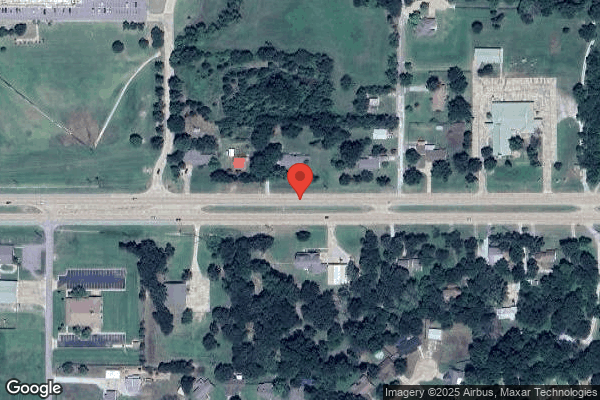
1200 WRANGLER BLVD, SEMINOLE, OK 74868 (405) 382-1127
For profit - Corporation 106 Beds MGM HEALTHCARE Data: November 2025
Trust Grade
65/100
#68 of 282 in OK
Last Inspection: September 2024

Within standard 12-15 month inspection cycle. Federal law requires annual inspections.

Overview

Seminole Care and Rehabilitation Center has a Trust Grade of C+, indicating it is decent but slightly above average compared to other facilities. It ranks #68 out of 282 in Oklahoma, placing it in the top half of nursing homes in the state, and #1 out of 4 in Seminole County, meaning it is the best option locally. The facility is improving, with issues decreasing from 8 in 2024 to just 1 in 2025. Staffing is average with a rating of 3 out of 5 stars and a turnover rate of 58%, which is similar to the state average. Notably, there have been no fines recorded, which is a positive sign. However, there are some concerns, such as a failure to provide advance directive information to residents and the presence of expired medications in storage, which raises safety issues. Additionally, residents reported that meals are often served cold, which affects their dining experience. While there are strengths in RN coverage, which exceeds that of 86% of other facilities, the issues mentioned highlight areas that need attention for overall improvement.

Trust Score
C+
65/100
In Oklahoma
#68/282
Top 24%
Safety Record
Low Risk
No red flags
Inspections
Getting Better
8 → 1 violations
Staff Stability
⚠ Watch
58% turnover. Above average. Higher turnover means staff may not know residents' routines.
Penalties
✓ Good
No fines on record. Clean compliance history, better than most Oklahoma facilities.
Skilled Nurses
○ Average
Each resident gets 32 minutes of Registered Nurse (RN) attention daily — about average for Oklahoma. RNs are the most trained staff who monitor for health changes.
Violations
⚠ Watch
26 deficiencies on record. Higher than average. Multiple issues found across inspections.
★★★★☆
4.0
Overall Rating
★★★☆☆
3.0
Staff Levels
★★★★★
5.0
Care Quality
★★★☆☆
3.0
Inspection Score
Stable
2024: 8 issues
2025: 1 issues

The Good

  • 5-Star Quality Measures · Strong clinical quality outcomes
  • Full Sprinkler Coverage · Fire safety systems throughout facility
  • No fines on record

Facility shows strength in quality measures, fire safety.

The Bad

Staff Turnover: 58%

12pts above Oklahoma avg (46%)

Frequent staff changes - ask about care continuity

Chain: MGM HEALTHCARE

Part of a multi-facility chain

Ask about local staffing decisions and management

Staff turnover is elevated (58%)

10 points above Oklahoma average of 48%

The Ugly 26 deficiencies on record

Jan 2025 1 deficiency
CONCERN (D) 📢 Someone Reported This

A family member, employee, or ombudsman was alarmed enough to file a formal complaint

Potential for Harm - no one hurt, but risky conditions existed

Deficiency F0657 (Tag F0657)

Could have caused harm · This affected 1 resident

Based on record review and interview, the facility failed to revise a care plan to reflect the resident's current status for one (#2) of three sampled residents whose care plans were reviewed. The ad...

Read full inspector narrative →
Based on record review and interview, the facility failed to revise a care plan to reflect the resident's current status for one (#2) of three sampled residents whose care plans were reviewed. The admission coordinator identified 95 residents resided in the facility. Findings: Res #2 had diagnoses which included right lower leg fracture, left shin fracture, chronic pain syndrome, and osteoarthritis. A care plan, dated 10/10/24, documented the resident had limited physical mobility and was non-weight bearing. A resident admission assessment, dated 10/14/24, documented the resident's cognition was intact, required substantial assistance with most ADLs, had impairment to both sides of their lower extremities, and reported their pain was almost constantly. A care plan, dated 10/18/24, documented the resident had pain. A physician order, dated 11/19/24 at 3:00 p.m., documented the resident was weight bearing as tolerated. There was no documentation the care plan was revised to reflect the change to weight bearing as tolerated. A physician order, dated 12/20/24 at 9:00 p.m., documented to administer two tramadol (pain medication) 50 mg tablets by mouth every six hours as needed. A physician order, dated 12/20/24 at 10:15 p.m., documented to administer one tramadol 50 mg by mouth every six hours as needed. A December 2024 narcotic count sheet documented on 12/22/24 at 8:30 a.m. and 9:23 p.m. the resident refused their tramadol. There was no documentation the care plan was revised to reflect the resident's refusal of their pain medication. On 01/08/25 at 2:38 p.m., the MDS coordinator was asked if the resident's pain medication refusals and their weight bearing status change from non-weight bearing to weight bearing as tolerated should have been updated on their care plan. They stated it should have been updated, but it was not.
Sept 2024 5 deficiencies
CONCERN (D)

Potential for Harm - no one hurt, but risky conditions existed

Deficiency F0604 (Tag F0604)

Could have caused harm · This affected 1 resident

Based on observation, record review, and interview, the facility failed to ensure a resident was assessed, a care plan was completed, and a physician order was obtained for the use of a physical restr...

Read full inspector narrative →
Based on observation, record review, and interview, the facility failed to ensure a resident was assessed, a care plan was completed, and a physician order was obtained for the use of a physical restraint for one (#13) of one sampled resident reviewed for physical restraints. The DON identified there were no residents with restraints Findings: A Physical Restraint policy, dated 07/26/23, documented prior to using a restraint an evaluation of the resident should be completed. It was documented a physician order for a restraint was to include the medical symptom for which the restraint was being used and the circumstance in which the restraint was applied. It was documented a comprehensive care plan should address the goal for the use of the restraint. Res #13 had diagnoses which included muscle weakness, cognitive communication, lack of coordination, difficulty in walking, and a history of falling. An inventory sheet of personal items, dated 03/26/24, documented the resident had an electric wheelchair. A safety device tool, dated 06/26/24, documented the resident had no safety device present or in use. A quarterly assessment , dated 07/03/24, documented the resident's cognition was severly impaired. It documented the resident used a wheelchair for mobility and was dependent on staff for transfers. It was documented the resident had no restraints. On 09/15/24 at 12:58 p.m., the resident was observed in their electric wheelchair with a seat belt attached and in place. CNA #1 was asked to have the resident demonstrate they were able to release their seat belt. They resident stated they knew how to do it, but stated their fingers were too fat to release the belt. On 09/16/24 at 9:55 a.m., the resident was observed in their electric wheelchair with a seat belt attached and in place. RN #1 was asked to have the resident demonstrate they were able to release their seat belt. The resident was observed attempting to release the belt, but was not strong enough to release it. On 09/16/24 at 10:03 a.m., RN #1 stated they did not see a physician's order for the use of the seat belt or where it had been care planned. They stated they did not know if an assessment had been completed. On 09/16/24 at 11:44 am., the administrator stated they knew the resident had a seat belt attached to their electric wheelchair. They stated they did not see where it had been care planned. They were asked to provide documentation the resident had been assessed for the use of the seat belt. On 09/17/24 at 9:13 a.m., the administrator stated there was no assessment completed for the use of the resident's seat belt.
CONCERN (E)

Potential for Harm - no one hurt, but risky conditions existed

Assessment Accuracy (Tag F0641)

Could have caused harm · This affected multiple residents

Based on record review and interview, the facility failed to code MDS assessments accurately for two (#30 and #57) of two sampled residents reviewed for MDS accuracy. The assistant administrator iden...

Read full inspector narrative →
Based on record review and interview, the facility failed to code MDS assessments accurately for two (#30 and #57) of two sampled residents reviewed for MDS accuracy. The assistant administrator identified 93 residents resided in the facility. Findings: 1. Res #30 had diagnoses which included suicidal ideations, major depressive disorder, and unspecified psychosis not due to a substance or known physiological condition. A physician order, dated 12/24/21, documented zolpidem tartrate (hypnotic medication) 10 mg tablet by mouth at bedtime for sleep. Physician orders, dated 03/23/24, documented Seroquel (antipsychotic medication) 200 mg tablet one time a day; and Seroquel 200 mg tablet at bedtime. An annual assessment, dated 09/11/24, documented the resident did not receive an antipsychotic or hypnotic medication while a resident. On 09/17/24 at 12:46 a.m., MDS Coordinator #2 was asked if the resident's annual assessment was coded for the use of an antipsychotic or hypnotic medication. They stated they missed it. 2. Res #57 had diagnoses which included muscle wasting and atrophy, GERD, HTN, aphasia, anxiety, dementia, depression, and protein calorie malnutrition. A quarterly assessment, dated 07/31/24, documented the resident received an anticoagulant while a resident. There was no documentation the resident received an anticoagulant. On 09/17/24 at 12:43 p.m., MDS Coordinator #1 was made aware the resident's quarterly assessment documented the resident had received an anticoagulant. They were asked if there was documentation the resident received an anticoagulant. They stated they did not see the resident received an anticoagulant. They stated the assessment was coded incorrectly.
CONCERN (E)

Potential for Harm - no one hurt, but risky conditions existed

Deficiency F0700 (Tag F0700)

Could have caused harm · This affected multiple residents

Based on observation, record review, and interview, the facility failed to perform an entrapment risk assessment and to ensure informed consent was obtained prior to the use of bed rails for one (#49)...

Read full inspector narrative →
Based on observation, record review, and interview, the facility failed to perform an entrapment risk assessment and to ensure informed consent was obtained prior to the use of bed rails for one (#49) of one resident sampled for bed rails. The administrator identified 33 residents whose beds were equipped with a bed rail of any type. Findings: A Side Rail Policy - Quarter/Assist Rail policy, dated October 2016, read in parts, .The facility will assess and input proper interventions to protect resident from injury .On admission, quarterly and with significant change of condition; the resident will have a side rail assessment completed .Licensed nurse will review the risks with resident and/or responsible party . Res #49 had diagnoses which included congestive heart failure, respiratory failure, and history of falls. A physician order, dated 08/11/22, documented the resident may have U-Rails to both sides of bed for mobility when entering and exiting for 90 days and then review. An annual assessment, dated 05/15/24, documented the resident was moderately impaired in cognition, required supervision to partial assistance with bed mobility, and had no falls. There was no documentation of an entrapment risk assessment or informed consent for bed rails found in the medical record. There was no documentation of the use of bed rails found in the care plan. On 09/15/24 at 11:49 a.m., Res #49 was observed sitting on the side of the bed. Bilateral bed rails were observed on the upper half of the bed in the up position. Res #49 stated they used the rails for positioning. On 09/17/24 at 8:08 a.m., the DON stated there was no documentation of a current entrapment risk assessment or informed consent prior to use of the bed rails for Res #49. On 09/17/24 at 8:15 a.m., the administrator stated the entrapment risk assessment should have been completed quarterly but it had not been completed in a while. They stated the use of bed rails should have been documented in the care plan.
CONCERN (E)

Potential for Harm - no one hurt, but risky conditions existed

Medication Errors (Tag F0758)

Could have caused harm · This affected multiple residents

Based on record review and interview, the facility failed to ensure side effect monitoring was conducted for the use of a psychotropic medication for one (#37) of five sampled residents reviewed for m...

Read full inspector narrative →
Based on record review and interview, the facility failed to ensure side effect monitoring was conducted for the use of a psychotropic medication for one (#37) of five sampled residents reviewed for medications. The DON identified 44 residents received psychoactive medications. Findings: Res #37 had diagnoses which included depression. Physicians orders, dated 06/13/24, documented bupropion hydrobromide (antidepressant medication) 150 mg tablet by mouth one time a day; and Lexapro (antidepressant medication) 10 mg tablet one time a day. A care plan, revised 06/24/24, documented the resident used antidepressant medication. It documented to monitor and documented side effects every shift. There was no documentation side effects were monitored. On 09/17/24 at 11:36 a.m., the administrator, ADON, and DON were asked to locate documentation side effects were monitored for the resident. On 09/17/24 at 11:57 a.m., the DON stated side effects were not monitored. They stated the order to monitor had been discontinued.
CONCERN (E)

Potential for Harm - no one hurt, but risky conditions existed

Deficiency F0761 (Tag F0761)

Could have caused harm · This affected multiple residents

Based on observation, record review, and interview, the facility failed to ensure the removal of expired medications and supplies from two of three medication storage rooms observed. The assistant adm...

Read full inspector narrative →
Based on observation, record review, and interview, the facility failed to ensure the removal of expired medications and supplies from two of three medication storage rooms observed. The assistant administrator in training reported 93 residents resided in the facility. Findings: On 09/18/24 at 9:40 a.m., the medication storage room on the skilled hall was observed with CMA #1. The following medications/supplies were observed to be expired. 6- boxes lubricant eye drops with an expiration date of 4/24, 1- V.A.C. Granufoam dressing package opened with and expiration date of 11/30/24. On 09/18/24 at 9:45 a.m., CMA #1 reported the expired medications and supplies should have been removed. On 09/18/24 at 9:54 a.m., the medication room for halls 1 and 2 were observed with CMA #2. The following medications were observd to be expired. 1- Box Ipratropium Bromide & Albuterol Sulfate 0.5mg/3mg per 3ml with a use by date of 3/10/24, 1- Box Ipratropium Bromide & Albuterol Sulfate 0.5mg/3mg per 3ml with a use by date of 5/9/24, 1- Box Ipratropium Bromide & Albuterol Sulfate 0.5mg/3mg per 3ml with a use by date of 9/11/24, 1- Box Ipratropium Bromide & Albuterol Sulfate 0.5mg/3mg per 3ml with a use by date of 7/26/4, 1- Box Ipratropium Bromide & Albuterol Sulfate 0.5mg/3mg per 3ml with a use by date of 6/1/24. On 09/18/24 at 9:59 a.m., CMA #2 reported the medications should have been removed.
Jan 2024 3 deficiencies
CONCERN (D) 📢 Someone Reported This

A family member, employee, or ombudsman was alarmed enough to file a formal complaint

Potential for Harm - no one hurt, but risky conditions existed

Comprehensive Care Plan (Tag F0656)

Could have caused harm · This affected 1 resident

Based on record review and interview, the facility failed to develop a comprehensive care plan related to pressure ulcers for one (#3) of three residents reviewed for pressure ulcers. The DON identifi...

Read full inspector narrative →
Based on record review and interview, the facility failed to develop a comprehensive care plan related to pressure ulcers for one (#3) of three residents reviewed for pressure ulcers. The DON identified three residents with pressure ulcers. Findings: Resident #3 had diagnoses which included cerebral infarction, hemiplegia, hemiparesis, and chronic heart failure. A pressure ulcer risk assessment, dated 11/11/23, documented the resident was at moderate risk for development of a pressure ulcer. An admission assessment, dated 11/18/23, documented the resident was moderately cognitively impaired and required substantial to maximum assistance with walking and most activities of daily living. The assessment documented the resident did not have a pressure ulcer/injury upon admission. A nurse note, dated 11/22/23, documented a fluid filled purple discoloration to the left heel and purple/red discoloration to the right heel. The note documented the physician was notified and treatment orders were received. A physician order, dated 11/22/23, documented heel protectors in place at all times and float bilateral heels while in bed. A comprehensive care plan, initiated 11/24/23, did not document Res #3 was at risk for pressure ulcers. The care plan did not document the active pressure ulcers, treatment, monitoring, or preventive measures. A wound physician summary, dated 12/05/23, documented new unstageable deep tissue injuries to the right and left heels. On 01/24/24 at 11:40 a.m., MDS coordinator #1 stated they did not care plan Res #3's pressure ulcers, treatments, monitoring, or preventive measures. On 01/25/24 at 8:54 a.m., the DON stated Res #3 received pressure ulcer preventive measures and treatments but the pressure ulcer treatments, monitoring, and preventive measures were not documented in the comprehensive care plan.
CONCERN (D) 📢 Someone Reported This

A family member, employee, or ombudsman was alarmed enough to file a formal complaint

Potential for Harm - no one hurt, but risky conditions existed

Deficiency F0661 (Tag F0661)

Could have caused harm · This affected 1 resident

**NOTE- TERMS IN BRACKETS HAVE BEEN EDITED TO PROTECT CONFIDENTIALITY** Based on record review and interview, the facility failed to ensure a discharge summary was completed for one (#3) of one sample...

Read full inspector narrative →
**NOTE- TERMS IN BRACKETS HAVE BEEN EDITED TO PROTECT CONFIDENTIALITY** Based on record review and interview, the facility failed to ensure a discharge summary was completed for one (#3) of one sampled resident reviewed for discharge. The DON identified 21 residents who had discharged home in the last three months. Findings: Res #3 was admitted [DATE] with diagnoses which included chronic heart failure, cerebral infarction, and dementia. A discharge assessment, dated 12/22/23, documented an unplanned discharge with return not anticipated. A nurse note, dated 12/22/23 at 2:58 p.m., read in part, .Resident discharge to home with home health, all medications and belongings sent home with wife, PCP notified of discharge . There was no documentation a discharge summary had been completed. On 01/24/24 at 11:50 a.m., the social services director stated they completed most of the discharge summaries for discharged residents. They stated they had not completed the discharge summary for Res #3. On 01/25/24 at 8:45 a.m., the DON stated the discharge summary for Res #3 had not been completed within thirty days but should have been.
CONCERN (E) 📢 Someone Reported This

A family member, employee, or ombudsman was alarmed enough to file a formal complaint

Potential for Harm - no one hurt, but risky conditions existed

Deficiency F0800 (Tag F0800)

Could have caused harm · This affected multiple residents

**NOTE- TERMS IN BRACKETS HAVE BEEN EDITED TO PROTECT CONFIDENTIALITY** Based on observation, record review, and interview, the facility failed to provide meals in a timely manner. The DON identified ...

Read full inspector narrative →
**NOTE- TERMS IN BRACKETS HAVE BEEN EDITED TO PROTECT CONFIDENTIALITY** Based on observation, record review, and interview, the facility failed to provide meals in a timely manner. The DON identified 90 residents who received meals from the kitchen. Findings: A Meals and Snacks policy, dated 03/31/21, documented meals shall be scheduled to ensure a maximum of 14 hours from dinner to breakfast on the following day. A schedule of meal times, updated 01/15/24, documented the following meal service times: 8:00 a.m. breakfast, 12:00 p.m. lunch, and 5:00 p.m. dinner. On 01/23/24 at 8:58 a.m., Res # 5 was observed sitting in their room eating breakfast. Res #5 stated meals are often served late which have resulted in food being colder than they preferred. On 01/23/24 at 9:06 a.m., Res #4 was observed lying in bed eating breakfast. Res #4 stated they ate some meals in their room and went to the dining room for other meals. They stated most meals are served at least an hour or longer past the scheduled meal times. Res #4 stated the meals were often cold by the time they received their meal tray. On 01/23/24 from 12:00 p.m. through 1:15 p.m., the lunch meal service was observed. At 12:05 p.m., nine residents were observed in the main dining room waiting for their noon meal. No food had been observed being served from the kitchen. The residents remained without meals until 12:25 p.m. when the first meal tray was served. At 1:15 p.m., the last meal tray was observed having been delivered to the resident in room [ROOM NUMBER] on the north hall of the facility. At 1:45 p.m., the administrator stated noon meal service should begin at 12:00 p.m. and all residents should have their meal within an hour. They stated the noon meal was delivered slightly late for the residents who preferred to eat meals in their rooms. On 01/24/24 from 8:00 a.m. through 9:12 a.m., the breakfast meal service was observed. At 9:12 a.m., the last meal tray was observed having been delivered to the resident in room [ROOM NUMBER] on the north hall of the facility. At 10:30 a.m., the dietary manager stated the breakfast meal was not served to all residents within an hour of the scheduled meal time. They stated dietary services had enough staff to prepare the food but would benefit from additional staff to improve the timeliness of meals being served.
Aug 2023 5 deficiencies
CONCERN (D)

Potential for Harm - no one hurt, but risky conditions existed

Deficiency F0554 (Tag F0554)

Could have caused harm · This affected 1 resident

**NOTE- TERMS IN BRACKETS HAVE BEEN EDITED TO PROTECT CONFIDENTIALITY** Based on observation, record review, and interview, the facility failed to assess a resident for self administration of medicati...

Read full inspector narrative →
**NOTE- TERMS IN BRACKETS HAVE BEEN EDITED TO PROTECT CONFIDENTIALITY** Based on observation, record review, and interview, the facility failed to assess a resident for self administration of medications for one (#30) of 19 sampled residents whose medications were reviewed. The Resident Census and Conditions of Residents report, dated 08/30/23, documented 93 residents resided in the facility. Findings: Res #30 had diagnoses which included glaucoma, osteoarthritis, HTN, CAD, muscle weakness, and COPD. A physician order, dated 07/05/23, documented to administer diclofenac sodium external gel 1 % topically to affected areas twice per day for pain. A 5-day MDS, dated [DATE], documented the resident's cognition was moderately impaired and they required limited assistance of one staff with activities of daily living. On 08/30/23 at 09:33 a.m., the resident was observed in their room seated on their bed. There was a 30 ml cup with a small amount of ointment observed on top of the bedside table. There was a blue prescription pump bottle observed in the drawer of the bedside table. The resident was asked about the bottle and they stated it was a cream for their arthritis. They stated they applied it to their foot and legs. They stated a doctor in town had prescribed it. The label read diclofenac gel and had the resident's name and information. The resident's physician orders, assessments, and care plan did not document an assessment for self-administration of medications. On 08/31/23 at 10:39 a.m., the DON was asked to observe the resident's room for medications. There were two pill cups containing ointment observed on the bedside table. There was a blue pump bottle observed in the drawer of the bedside table. The DON stated the medication was filled at a pharmacy not used by the facility. They stated they were unsure when or where the resident obtained the medication. They stated the resident had not been assessed for self administration of medications.
CONCERN (D)

Potential for Harm - no one hurt, but risky conditions existed

Deficiency F0578 (Tag F0578)

Could have caused harm · This affected 1 resident

**NOTE- TERMS IN BRACKETS HAVE BEEN EDITED TO PROTECT CONFIDENTIALITY** Based on record review, and interview, the facility failed to ensure a resident's code status was documented for one (#91) of 24...

Read full inspector narrative →
**NOTE- TERMS IN BRACKETS HAVE BEEN EDITED TO PROTECT CONFIDENTIALITY** Based on record review, and interview, the facility failed to ensure a resident's code status was documented for one (#91) of 24 sampled residents reviewed for advance directives. The Resident Census and Conditions of Residents report, dated 08/30/23, documented 93 residents resided in the facility. Findings: Res #91 was admitted to the facility on [DATE] with diagnoses which included dementia, chronic pain syndrome, open wound to right lower leg, history of falling, and protein calorie malnutrition. There was no documented code status for the resident. On 08/31/23 at 12:04 p.m., LPN #1 was asked how staff determined what was a residents' code status. They stated they would look the code status up in the computer. They were asked what was Res #91's code status. LPN #1 stated Res #91 did not have a code status documented in the EHR. They stated there was no physician order.
CONCERN (D)

Potential for Harm - no one hurt, but risky conditions existed

Respiratory Care (Tag F0695)

Could have caused harm · This affected 1 resident

**NOTE- TERMS IN BRACKETS HAVE BEEN EDITED TO PROTECT CONFIDENTIALITY** Based on observation, record review, and interview, the facility failed to administer oxygen therapy according to physician orde...

Read full inspector narrative →
**NOTE- TERMS IN BRACKETS HAVE BEEN EDITED TO PROTECT CONFIDENTIALITY** Based on observation, record review, and interview, the facility failed to administer oxygen therapy according to physician orders for one (#192) of two sampled residents reviewed for respiratory therapy. The Resident Census and Conditions of Residents report, dated 08/30/23, documented 93 residents resided in the facility. Findings: Res #192 admitted to the facility on [DATE] with diagnoses which include pleural effusion, emphysema, and shortness of breath. A physician order, dated 08/28/23, documented to administer oxygen at 3 liters per minute via mask. On 08/30/23 at 10:19 a.m., the resident was observed in bed wearing a nasal cannula. The oxygen concentrator was set at 3.5 liters. On 08/31/23 at 10:04 a.m., the resident was observed in bed wearing a nasal cannula. The oxygen concentrator was observed with the top of the floating ball touching the line indicating 4 liters. On 08/31/23 at 10:11 a.m., LPN #4 was asked to observe the oxygen concentrator. They stated it was set at 4 liters. The LPN was asked to review the resident's physician orders and stated the resident was supposed to receive 3 liters per minute via mask.
CONCERN (E)

Potential for Harm - no one hurt, but risky conditions existed

Assessment Accuracy (Tag F0641)

Could have caused harm · This affected multiple residents

Based on observation, record review, and interview, the facility failed to ensure MDS assessments accurately reflected the use of physical restraints for two (#4 and #21) of two sampled residents revi...

Read full inspector narrative →
Based on observation, record review, and interview, the facility failed to ensure MDS assessments accurately reflected the use of physical restraints for two (#4 and #21) of two sampled residents reviewed for restraints. The Resident Census and Conditions of Residents report, dated 08/30/23, documented 93 residents resided in the facility. It was documented there were no residents who were physically restrained. Findings: 1. Res #4 had diagnoses which include traumatic brain injury. A physician order, dated 02/23/22, documented U-rail on both sides of the bed for mobility assistance. A quarterly assessment, dated 07/12/23, documented the resident required extensive assistance with bed mobility and transfers. It was documented a bed rail was used daily as a restraint. On 08/30/23 at 10:14 a.m., their was one U-rail observed on the resident's bed. On 08/31/23 at 8:33 a.m., the DON was asked if there were any residents who had bed rails as physical restraints in the facility. They stated, No. On 08/31/23 at 9:32 a.m., LPN #4 was asked about the resident's mobility. They stated the resident was not able to get out of bed without help from staff. They were asked if the resident had U-rails on their bed and if the rail restrained the resident. They stated they had one rail and they used it for positioning. 2. Res #21's physician order, dated 02/23/22, documented U-rail on both sides of the bed for mobility assistance. An annual assessment, dated 08/03/23, documented the resident required limited assistance with bed mobility and tranfers. It was documented a bed rail was used daily as a restraint. On 08/30/23 at 12:53 p.m., there were no U-rails observed on the resident's bed. On 08/31/23 at 9:40 a.m., LPN #4 was asked if there were U-rails on the resident's bed. They stated they had worked at the facility since April and had not observed rails in the resident's bed. On 08/31/23 at 11:14 a.m., MDS Coordinator #1 and #2 were asked if there were any residents who were physically restrained in the facility. MDS Coordinator #1 stated, No. They were asked to review Res #4 and Res ##21's assessment for restraints. They were made aware Res #21 did not have rails on their bed. They stated the assessments were not marked correctly. They stated the rails were not restraints.
CONCERN (E)

Potential for Harm - no one hurt, but risky conditions existed

Deficiency F0657 (Tag F0657)

Could have caused harm · This affected multiple residents

Based on record review and interview, the facility failed to update a care plan with fall interventions for one (#59) of six sampled residents reviewed for falls. The Resident Census and Conditions of...

Read full inspector narrative →
Based on record review and interview, the facility failed to update a care plan with fall interventions for one (#59) of six sampled residents reviewed for falls. The Resident Census and Conditions of Residents report, dated 08/30/23, documented 93 residents resided in the facility. Findings: 1. Res #59 had diagnoses which included dementia, history of falling, and muscle weakness. A fall care plan, last updated 11/18/22, documented the following interventions: a. on 03/30/20 anticipate and meet the resident's needs, encourage the resident to call for assistance, encourage resident to wear non-skid footwear, and follow therapy recommendations for transfers and mobility, b. on 05/21/20 therapy evaluated and provided a walker to resident and removed the wheelchair, c. on 07/30/20 room to remain clutter free, d. on 08/03/20 staff to assist resident with toileting before bed, e. on 08/31/20 staff to keep resident's room clutter free, f. on 11/18/20 staff to perform frequent non-invasive rounds to identify motion inside room and to meet unmet needs, g. on 11/18/20 staff to toilet before and after meals and activities, before laying down, and upon rising from bed, h. on 08/11/21 move resident to a common area for increased assistance during periods of increased agitation, i. on 08/11/21 staff to encourage resident to allow staff to assist to dining room table for meal, j. on 11/09/21 anti-rollback on wheelchair and staff to dress and assist to bed after dinner, k. on 03/09/22 do not park medication carts in front of resident's door, l. on 05/23/22 staff to attempt frequent toileting with resident as they allow due to agitation and combativeness, m. on 09/06/22 staff to perform frequent non-invasive rounds to identify motion inside room and to meet unmet needs, n. on 09/07/22 non-skid strips to be placed in restroom floor in front of toilet, and o. on 11/18/22 the resident will wear a soft helmet to prevent head trauma. A nurse's progress note, dated 03/06/23 at 1:15 a.m., documented the resident had a witnessed fall at the nurses station from their wheelchair. The intervention recommended was to slip on shoes. The care plan was not updated with the intervention A nurse's progress note, dated 04/05/23 at 7:00 p.m., documented the resident had an unwitnessed fall in the doorway of another resident's room. The intervention was to assist the resident to bed after meals. A nurse's progress note, dated 07/22/23 at 6:44 p.m., documented the resident had a witnessed fall in the hallway from their wheelchair. The note documented to ask the resident if they wanted to lay down after meals. The intervention was used on the prior fall and was not documented on the care plan. On 08/30/23 at 10:04 a.m., the resident was observed lying in their bed with eyes closed. The bed was observed in the lowest position with a fall mat at bedside. On 08/31/23 at 2:31 p.m., MDS Coordinator #1 was asked to review the resident's falls and care plan. They stated they did not see the interventions from the falls in 2023 on the care plan. They stated the care plan should be updated after each fall.
Apr 2023 3 deficiencies
CONCERN (D) 📢 Someone Reported This

A family member, employee, or ombudsman was alarmed enough to file a formal complaint

Potential for Harm - no one hurt, but risky conditions existed

Notification of Changes (Tag F0580)

Could have caused harm · This affected 1 resident

Based on record review and interview, the facility failed to ensure the physician was notified of a low blood sugar for one (#1) of three residents whose medical records were reviewed. The DON identif...

Read full inspector narrative →
Based on record review and interview, the facility failed to ensure the physician was notified of a low blood sugar for one (#1) of three residents whose medical records were reviewed. The DON identified 20 residents who were diabetic. Findings: A Notification of a Change in a Resident's Condition policy, dated 04/28/21, documented the attending physician will be notified of a change in a resident's condition, per standards of practice and Federal and/or State regulations when there is a glucometer reading below 70 or above 200 unless specific parameters given by physician for reporting. Res #1 had diagnoses which included type II diabetes mellitus with diabetic chronic kidney disease. A care plan, dated 09/20/22, documented the resident had hypoglycemia related to the disease process with an intervention to monitor/document/report to the physician signs and/or symptoms of hypoglycemia such as sweating, tremor, increased heart rate, pallor, nervousness, confusion, slurred speech, lack of coordination, and staggering gait. A nurse note, dated 09/22/22 at 7:35 a.m., documented a FSBS was checked and noted at 35. The note documented the resident was taken to the dining room and administered glucose gel. There was no documentation in the nurse's notes the physician was notified of a FSBS below 70. A nurse note, dated 09/22/22 at 8:10 a.m., documented a FSBS was re-checked and noted at 31. The note documented the resident remained leaning to the left side of the wheelchair with staff feeding resident while food continued to run out of mouth. The note documented 30cc of glucose gel administered. There was no documentation in the nurse's notes the physician was notified of a FSBS below 70. A nurse noted, dated 09/22/22 at 8:20 a.m., documented the staff continued trying to feed the resident. The resident started dry heaving and staff took the resident out of the dining area. The resident vomited on self in front of nurses' station. The note documented the resident was leaning more to the left side with lips purple in color with oxygen in place. There was no documentation the physician was notified of the resident's condition. On 04/13/23 at 2:52 p.m., the DON stated the nurse should have called the physician after the first FSBS reading of 35. She stated the physician and EMS should have been called after the second FSBS reading of 31 because the result was lower than the first reading and the resident's condition had declined. She stated policy was not followed but should have been. On 04/13/23 at 3:11 p.m., the Administrator stated the nurse did not notify the physician but should have according to policy. She stated the nurse was terminated due to not following facility policy and standards of practice.
CONCERN (D) 📢 Someone Reported This

A family member, employee, or ombudsman was alarmed enough to file a formal complaint

Potential for Harm - no one hurt, but risky conditions existed

Quality of Care (Tag F0684)

Could have caused harm · This affected 1 resident

Based on record review and interview, the facility failed to ensure physician orders were followed for the treatment of hypoglycemia and failed to ensure facility policy was followed for a glucometer ...

Read full inspector narrative →
Based on record review and interview, the facility failed to ensure physician orders were followed for the treatment of hypoglycemia and failed to ensure facility policy was followed for a glucometer reading below 70 for one (#1) of one resident whose medical record was reviewed. The DON identified 20 residents who were diabetic. Findings: A Notification of a Change in a Resident's Condition policy, dated 04/28/21, documented the attending physician will be notified of a change in a resident's condition, per standards of practice and Federal and/or State regulations when there is a glucometer reading below 70 or above 200 unless specific parameters given by physician for reporting. The policy documented the physician was to be notified if a resident had a significant change of condition or unstable vital signs. Res #1 had diagnoses which included type II diabetes mellitus with diabetic chronic kidney disease. A care plan, dated 06/22/22, documented the resident had a diagnosis of diabetes mellitus which placed them at risk for hypoglycemic episodes. The care plan documented an intervention to administer diabetic medications as ordered and to monitor and document for side effects and effectiveness. A physician order, dated 07/21/22, documented to administer Glucagon solution 1 mg subcutaneous injection every 2 hours as needed for a FSBS less than 70. A care plan, dated 09/20/22, documented the resident had hypoglycemia related to the disease process with an intervention to monitor/document/report to the physician signs and/or symptoms of hypoglycemia such as sweating, tremor, increased heart rate, pallor, nervousness, confusion, slurred speech, lack of coordination, and staggering gait. A nurse note, dated 09/22/22 at 7:35 a.m., documented a FSBS was checked and noted at 35. The note documented the resident was taken to the dining room and administered glucose gel. There was no documentation in the nurse's notes the physician was notified of a FSBS below 70. There was no documentation of a physician order in the medical record to administer oral glucose gel. There was no documentation in the medical record of Glucagon subcutaneous injection having been administered after a FSBS of less than 70. A nurse note, dated 09/22/22 at 8:10 a.m., documented a FSBS was re-checked and noted at 31. The note documented the resident remained leaning to the left side of the wheelchair while staff feeding resident while food continued to run out of mouth. The note documented 30cc of glucose gel administered. There was no documentation in the nurse's notes the physician was notified of a FSBS below 70. There was no documentation of a physician order in the medical record to administer oral glucose gel. There was no documentation in the medical record of Glucagon subcutaneous injection having been administered after a FSBS of less than 70. A nurse noted, dated 09/22/22 at 8:20 a.m., documented the staff continued trying to feed the resident. The resident started dry heaving and staff took the resident out of the dining area. The resident vomited on self in front of nurses' station. The note documented the resident was leaning more to the left side with lips purple in color with oxygen in place. There was no documentation the physician was notified of the resident's condition. A nurse note, dated 09/22/22 at 8:25 a.m., documented the resident was transferred back to bed absent of respiration. No pulse could be obtained and the resident was absent of vital signs. The note documented hospice was notified of the resident's condition. There was no documentation of the physician having been notified of the resident's condition until 09/22/22 at 8:48 a.m. On 04/13/23 at 1:05 p.m., the DON stated the facility does not have a hypoglycemic protocol. She stated the nurses are to follow the Notification of a Change in a Resident's Condition policy if a resident experienced hypoglycemia and did not have specific physician orders to follow. At 1:30 p.m., the DON stated the nurse should have administered Glucagon by subcutaneous injection to the resident after a FSBS of 35 was obtained. She stated the nurse should have notified the physician and EMS of the resident's condition immediately. At 2:52 p.m., the DON stated the nurse did not handle the situation appropriately. She stated the correct medication should have been administered and the policy to notify the physician of a significant change should have been followed. On 04/13/23 at 3:10 p.m., the Administrator stated the nurse did not follow physician orders and administer the correct medication but should have. She stated the nurse did not notify the physician of the resident's change of condition according to policy. She stated the nurse was terminated due to not following physician orders and facility policy related to hypoglycemia.
CONCERN (D) 📢 Someone Reported This

A family member, employee, or ombudsman was alarmed enough to file a formal complaint

Potential for Harm - no one hurt, but risky conditions existed

Pharmacy Services (Tag F0755)

Could have caused harm · This affected 1 resident

Based on record review and interview, the facility failed to administer medication as ordered for one (#1) of three residents whose medical records were reviewed. The Resident Census and Conditions of...

Read full inspector narrative →
Based on record review and interview, the facility failed to administer medication as ordered for one (#1) of three residents whose medical records were reviewed. The Resident Census and Conditions of Resident report documented 86 residents resided in the facility. Findings: Res #1 had diagnoses which included type II diabetes mellitus with diabetic chronic kidney disease. A care plan, dated 06/22/22, documented the resident had a diagnosis of diabetes mellitus which placed them at risk for hypoglycemic episodes. The care plan documented an intervention to administer diabetic medications as ordered and to monitor and document for side effects and effectiveness. A physician order, dated 07/21/22, documented to administer Glucagon solution 1 mg subcutaneous injection every 2 hours as needed for a FSBS less than 70. A nurse note, dated 09/22/22 at 7:35 a.m., documented a FSBS was checked and noted at 35. The note documented the resident was taken to the dining room and administered glucose gel orally. There was no documentation of a physician order in the medical record to administer oral glucose gel. There was no documentation in the medical record of Glucagon subcutaneous injection having been administered after a FSBS of less than 70. A nurse note, dated 09/22/22 at 8:10 a.m., documented a FSBS was re-checked and noted at 31. The note documented the resident remained leaning to the left side of the wheelchair while staff feeding resident while food continued to run out of mouth. The note documented 30cc of glucose gel administered orally. There was no documentation of a physician order in the medical record to administer oral glucose gel. There was no documentation in the medical record of Glucagon subcutaneous injection having been administered after a FSBS of less than 70. On 04/13/23 at 1:27 p.m., the DON stated every diabetic resident should have the specific hypoglycemic medication that had been ordered by the physician available for use at any time. She stated an additional supply of these types of medications are kept in the facility's emergency kit and are available at all times in cases of hypoglycemic episodes. On 04/13/23 at 2:53 p.m., the DON stated the resident did not have a physician order to administer glucose gel orally. She stated the nurse should have administered Glucagon by subcutaneous injection and re-checked the FSBS within 15 minutes. On 04/13/23 at 3:10 p.m., the Administrator stated the nurse did not follow physician orders and administer the correct medication but should have. She stated the nurse was terminated due to not following physician orders for a resident's care.
Dec 2022 1 deficiency
CONCERN (E) 📢 Someone Reported This

A family member, employee, or ombudsman was alarmed enough to file a formal complaint

Potential for Harm - no one hurt, but risky conditions existed

Infection Control (Tag F0880)

Could have caused harm · This affected multiple residents

Based on record review, observation, and interview, the facility failed to ensure the County Transmission Level was utilized to make mitigation measure decisions regarding COVID-19 infection control. ...

Read full inspector narrative →
Based on record review, observation, and interview, the facility failed to ensure the County Transmission Level was utilized to make mitigation measure decisions regarding COVID-19 infection control. The Resident Census and Conditions of Residents form documented 81 residents resided in the facility. Findings: On 12/20/22 at 8:40 a.m., the facility was entered and no staff members or residents were observed to be wearing masks of any type. On 12/20/22 at 10:07 a.m., the administrator was asked how the facility determined when to wear masks. The administrator stated she looked on OSDH website and for and went by the number posted there. At that time, showed the administrator the CMS website Community Transmission Level which documented the county transmission rate was high. She confirmed she had not been using the correct metric to make infection control mitigation decisions. She stated she would change the information board and have all staff resume wearing masks.
Aug 2022 8 deficiencies
CONCERN (D)

Potential for Harm - no one hurt, but risky conditions existed

Quality of Care (Tag F0684)

Could have caused harm · This affected 1 resident

Based on record review and interview the facility failed to follow physician's orders related to diabetic care for one (#35) of three residents reviewed for diabetic care. The DON identified 37 reside...

Read full inspector narrative →
Based on record review and interview the facility failed to follow physician's orders related to diabetic care for one (#35) of three residents reviewed for diabetic care. The DON identified 37 residents with a diagnosis of diabetes. Findings: Resident #35 was admitted with diagnoses which included diabetes. A physician's order, dated 03/04/22 at 9:12 p.m., read in part, .notify PCP if FSBS over 350 or higher. An RN/LPN Medication Administration Record dated, 06/01/22 - 06/31/22, documented four blood sugars ranging between 353 and 389. On 08/24/22 at 2:00 p.m., LPN #1 reported physician's orders should have been followed and physician notification should have been documented in the resident's nursing notes. There was no documentation in the nursing notes of Res #35's physician being notified of FSBS's over 350. A physician's order, dated 07/01/22, read in parts, .inject as per sliding scale .351-999 = 20 units recheck in two hours and repeat sliding scale . An RN/LPN Medication Administration Record, dated 07/01/22 - 07/31/22, documented 26 blood sugars ranging between 357 and 488. An RN/LPN Medication Administration Record, dated 08/01/22 - 08/24/22, documented 2 blood sugars ranging between 366 and 393. There was no documentation on the RN/LPN Medication Administration Record or in the nursing notes that Res #35's blood sugar was rechecked per physician's orders. On 08/25/22 at 11:00 a.m., LPN #1, the administrator, and the DON reported that the physician's orders should have been followed and a rechecked blood sugar should have been documented in the nursing notes or on the medication administration record.
CONCERN (D)

Potential for Harm - no one hurt, but risky conditions existed

Accident Prevention (Tag F0689)

Could have caused harm · This affected 1 resident

Based on observation, record review, and interview, the facility failed to provide adequate supervision for one (#55) of one sampled resident reviewed for smoking. The administrator reported 13 resid...

Read full inspector narrative →
Based on observation, record review, and interview, the facility failed to provide adequate supervision for one (#55) of one sampled resident reviewed for smoking. The administrator reported 13 residents who smoked resided in the facility. Findings: Res #55 was admitted with diagnoses which included blindness to left eye, anxiety, lack of coordination, and muscle weakness. A Smoking Policy, dated 02/01/16, read in parts, .any resident with restricted smoking privileges requiring monitoring shall have the direct supervision of a staff member .Residents without independent smoking privileges may not have or keep any types[sic] of smoking articles, including cigarettes . A care plan, reviewed 07/13/21, read in parts, .has had a smoking assessment and has been deemed unsafe to smoke by themselves .drops ashes on themselves, unable to hold cigarette safely, and burns themselves . An annual assessment, dated 06/16/22, documented the resident required moderate assistance with activities of daily living. On 08/22/22 at 11:15 a.m., Res #55 was observed in their room with cigarettes and a lighter on their lap. Res #55 reported they were allowed to smoke unsupervised and allowed to keep their lighter and cigarettes in their room. Upon further observation, Res #55 had two burn holes in their shirt and three burn holes in their pants. On 08/23/22 at 11:37 a.m., Res #55 was observed smoking with cigarette ashes in their lap and three burn holes were observed in their gray sweat pants. Res #55 was unsupervised and had cigarettes and a lighter in their possession. On 08/24/22 at 2:51 p.m., corporate RN #1 reported the care plan documented the resident was not a safe smoker and should have been supervised while smoking. The corporate RN #1 reported Res #55 should not have had cigarettes or a lighter in their possession. On 08/24/22 at 2:53 p.m., the administrator reported the resident was not safe to smoke and should not have had smoking materials in their room. The administrator also reported they had observed the burn holes in the resident's clothes and the resident should not have been allowed to smoke unsupervised.
CONCERN (D)

Potential for Harm - no one hurt, but risky conditions existed

Incontinence Care (Tag F0690)

Could have caused harm · This affected 1 resident

Based on observation, record review, and interview the facility failed to obtain physician's orders for care of an indwelling urinary catheter for one (#41) of one resident reviewed for indwelling uri...

Read full inspector narrative →
Based on observation, record review, and interview the facility failed to obtain physician's orders for care of an indwelling urinary catheter for one (#41) of one resident reviewed for indwelling urinary catheters. The Resident Census and Conditions of Residents, dated 08/22/22, documented two residents with indwelling urinary catheters. Findings: On 08/21/22, Res #41, was diagnosed with obstructive and reflex uropathy. A physician's order, dated 08/21/22, read in parts, Obtain Cath UA now .May keep foley placed if more than 500 cc drained during Cath UA. A nursing note dated, 08/21/22 at 10:12 p.m., read in parts, .during procedure 550 drained very slowly . Foley placed and flowing to gravity . There were no physician's orders written for the care of an indwelling urinary catheter. On 08/23/22 at 2:40 p.m., Res #41 was sitting up in a wheelchair, urinary catheter in place, draining clear yellow urine to gravity. On 08/24/22 at 3:30 p.m., the administrator and DON reported orders for catheter care should have been written.
CONCERN (D)

Potential for Harm - no one hurt, but risky conditions existed

Deficiency F0692 (Tag F0692)

Could have caused harm · This affected 1 resident

Based on observation, record review, and interview the facility failed to modify and implement interventions to prevent weight loss for one, (#63) of 13 residents sampled for nutrition. The DON ident...

Read full inspector narrative →
Based on observation, record review, and interview the facility failed to modify and implement interventions to prevent weight loss for one, (#63) of 13 residents sampled for nutrition. The DON identified 13 residents with significant weight loss over the past six months. Findings: Res #63 was admitted with diagnoses which included hemiplegia and hemiparesis (impaired mobility of extremities on the left side). A Nutritional Assessment History, dated 03/30/22, read in parts, . resident had recent weight loss .current weight 144 pounds . A Nutritional Assessment, dated 04/08/22, read in parts, . Current diet order: NAS diet, Regular texture, thin consistency . PO intake 50-100%. Appetite good. Able to feed self with set up assistance .Goal is to maintain weight .with adequate PO intake. Continue with current POC. Continue to monitor weight and PO intake. The Documentation Survey Report v2 for 06/22, documented Res #63 had consumed 0 percent of 19 meals from 90 meals offered and had refused meals 13 times. A nutrition progress note, dated 06/24/22, read in parts, . June weight: 132.4 . Weight decreased 5.4lbs in 1 month. Significant weight loss of 7.5% x 3 months . A physician's order, dated 06/27/22, read in part, Supplement 2.0 two times a day . A quarterly assessment, dated 06/30/22, documented Res #63 was moderately cognitively impaired, non-ambulatory, had impairment on one side of upper and lower extremities. It documented the resident required supervision with eating and the resident's current weight was 132 lbs. The Documentation Survey Report v2 for 07/22, documented Res #63 had consumed 0 percent of 23 meals from 93 meals offered and had refused meals 10 times. A nutrition progress note, dated 07/27/22, read in parts, .121.4 lbs .A decrease of 8.3%/mo; [sic] .16.2%/3 mos . The Documentation Survey Report v2 for 08/22, documented Res #63 had consumed 0 percent of 40 meals from 73 meals offered and had refused meals 11 times. A nutrition progress note, dated 08/13/22, read in parts, . 116 lbs August wt. A decrease of 15.8%/3 mos . PO intake has declined to avg of 33% secondary to nausea . A physician's order, dated 08/22/22, read in parts, . enhanced foods for all meals .Magicup[sic] (a nutritional supplement) two times a day for weight loss prevention. On 08/23/22 at 9:00 a.m., Res #63 was observed in bed, an untouched breakfast tray was on the bedside table. On 08/24/22 at 8:50 a.m., Res #63 was observed in bed, an untouched breakfast tray was on the bedside table. On 08/24/22 at 12:30 p.m., Res #63 was observed in bed, an untouched lunch tray was on the bedside table. On 08/25/22 at 9:03 a.m., Res #63 was observed in bed, an untouched breakfast tray was on the bedside table. When asked by the surveyor if they was going to eat, the resident replied they needed assistance with eating, but they're too busy. On 08/25/22 at 9:05 a.m., the DON asked Res #63 if they were going to eat, and the resident stated they were nauseous. On 08/25/22 at 9:07 a.m., the DON asked CNA #2 to reheat the resident's breakfast tray. On 08/25/22 at 9:08 a.m., CNA #2 reported Res #63 had only eaten bananas for breakfast that week, but there were none available today. The CNA reported the resident often refused meals. On 08/24/22 at 3:50 p.m., the corporate administrator reported Res #63's care plan did not include a plan of care for weight loss. She reported every resident with weight loss should have had a plan documented in their care plan.
CONCERN (E)

Potential for Harm - no one hurt, but risky conditions existed

Comprehensive Care Plan (Tag F0656)

Could have caused harm · This affected multiple residents

Based upon observation, record review and interview, the facility failed to develop a comprehensive, resident centered care plan for three (#30, 41, and #60) of three residents whose care plans were r...

Read full inspector narrative →
Based upon observation, record review and interview, the facility failed to develop a comprehensive, resident centered care plan for three (#30, 41, and #60) of three residents whose care plans were reviewed. A Resident Census and Conditions of Residents, dated 08/22/22, documented 84 residents resided in the facility. Findings: Res #30 was admitted to the facility with diagnoses which included pneumonitis and respiratory failure. The Comprehensive Person Centered Care Plan policy and procedure, dated 10/23/19, documented in part .the baseline care plan/comprehensive person centered care plan is updated to reflect risk/occurrences with a problem area, including goals and interventions to reduce the risk/occurrence . An annual assessment, dated 05/22/22, documented Res #30 was severely cognitively impaired and required extensive assistance with activities of daily living. A care plan, revised on 06/01/22, did not document pneumonitis or risk for aspiration. A progress note, dated 06/12/22 at 4:40 p.m., read in part, .This nurse was alerted to dining room at approx 1640 .that resident was potentially choking. Resident was noted with dyspnea and wheeze noted upon inspiration. RR labored. Resident unable to speak. Heimlich initiated. Crash cart obtained. Dr. notified, new order to send resident to ER for further tx and eval . A progress note, dated 06/12/22 at 9:06 p.m., read in part, .resident has admitting dx of Right Lower Lobe Aspirational Pneumonia and will be transferred .unsure which hospital at this time . A progress note, dated 06/15/22 at 12:56 p.m., read in part, .Resident returned to facility . On 08/24/22 at 8:41 a.m., Res #30 was observed in dining area. On 08/24/22 at 9:42 a.m., the MDS coordinator stated a new plan of care should have been developed to include interventions for the new diagnoses. On 08/24/22 at 10:30 a.m., the administrator stated a new plan of care should have been developed. Res #41 had an indwelling urinary catheter placed for a diagnosis of obstructive and reflux uropathy on 08/21/22. A care plan for an indwelling urinary catheter was not developed for Res #41. On 08/23/22 at 2:00p.m., the MDS Coordinator stated I thought the resident pulled their catheter out. She reported the indwelling urinary catheter should have been careplanned. On 08/23/22 at 3:30 p.m., the administrator and DON stated a care plan should have been developed for the indwelling urinary catheter. Res #60 was admitted to the facility with diagnoses which included altered mental status, hemiplegia/hemiparesis, and renal failure. A quarterly assessment, dated 06/17/22, documented Res #60 was severely cognitively impaired and required extensive assistance with activities of daily living. A physician's order, dated 08/17/22, documented, Apply compression sleeve to right upper extremity (due to edema) in the morning and take off at night. A progress note, dated 08/19/22 at 11:55 p.m., read in parts . Resident cont w/edema to RUE .Day 3 .apply compression sleeve to RUE . Res #60's care plan did not have the compression sleeve or edema documented. On 08/24/22 at 8:33 a.m., Res #60 was observed in their room with edema to their right arm. On 08/24/22 at 9:45 a.m., the MDS coordinator stated the care plan had not been developed to include the compression sleeve or the edema to the right upper arm. On 08/24/22 at 10:00 a.m., the administrator stated a new plan of care should have been developed to include interventions for the new diagnosis.
CONCERN (F)

Potential for Harm - no one hurt, but risky conditions existed

Deficiency F0578 (Tag F0578)

Could have caused harm · This affected most or all residents

Based on record review and interview the facility failed to provide residents with an advance directive acknowledgement for four (#48, 35, 41, and #22) of seven residents reviewed for advance directiv...

Read full inspector narrative →
Based on record review and interview the facility failed to provide residents with an advance directive acknowledgement for four (#48, 35, 41, and #22) of seven residents reviewed for advance directives. The Resident Census and Conditions of Residents dated, 08/22/22, documented 84 residents resided in the facility. Findings: The Advance Directive policy dated, 04/28/21, read in parts, .Upon admission the Facility will provide each resident medically deemed competent .with written information and instruction regarding the right to make Advance Directives prior to the initiation of care or at any requested time. An advance directive acknowledgement was not in the paper or electronic health record (EHR) for residents #48, 35, 41 and #22. The facility's admission packet did not contain written information or instructions regarding the advance directive. On 08/24/22 at 11:00 a.m., the administrator reported they did not provide advance directive information nor was an advance directive acknowledgement completed upon admission.
CONCERN (F)

Potential for Harm - no one hurt, but risky conditions existed

Deficiency F0761 (Tag F0761)

Could have caused harm · This affected most or all residents

Based on observation, record review, and interview the facility failed to ensure outdated medications were not available for administration to residents. The Resident Census and Conditions of Resident...

Read full inspector narrative →
Based on observation, record review, and interview the facility failed to ensure outdated medications were not available for administration to residents. The Resident Census and Conditions of Residents, dated 08/22/22, documented 84 residents resided in the facility. Findings: The policy, Expired Medications and Medications with Shortened Expiration Dates dated 2019, read in parts, .Ensure that all medications in the facility are rotated and/or reviewed on a consistent basis to prevent having expired medications in the facility .ensuring that all 'out dated' or 'expired' medications .are removed from the medication cart or other area that medication may be stored in . On 08/23/22 at 11:20 p.m., three expired medications were located in the back medication room refrigerator: 1. Glucagon (a medication to raise blood sugar) had an expiration date of 03/11/22. 2. Admelog (a medication to control blood sugar) was opened on 03/11/22. 3. Humalog (a medication to control blood sugar) was opened on 07/11/22. On 08/23/22 at 2:30 p.m., the administrator reported the medications were expired and should have been removed from the refrigerator.
CONCERN (F)

Potential for Harm - no one hurt, but risky conditions existed

Deficiency F0804 (Tag F0804)

Could have caused harm · This affected most or all residents

Based on observation, record review, and interview, the facility failed to ensure residents received meals at a safe and appetizing temperature. The Resident Census and Conditions of Residents dated ...

Read full inspector narrative →
Based on observation, record review, and interview, the facility failed to ensure residents received meals at a safe and appetizing temperature. The Resident Census and Conditions of Residents dated 08/22/22, documented 67 residents received meals from the kitchen. Findings: A document identified by the Corporate Administrator as the policy for food services, dated 03/21, read in parts, .hot foods maintained at 140 degrees (F) or above .when served from tray line . Resident Council Minutes, dated 03/23/22 read in part, .meals are too cold . Resident Council Minutes, dated 04/29/22, read in part, .some meals are cold . Resident Council Minutes, dated 06/22/22, read in part, .food too cold . Resident Council Minutes, dated 07/27/22, read in part, .food has been cold. On 08/22/22 at 10:25 a.m., Res #54 reported food was served cold most of the time. On 08/22/22 at 10:40 a.m., Res #17 reported the food is always cold when I get it. On 08/22/22 at 11:10 a.m., Res #38 reported food that should be hot, isn't even warm. On 08/24/22 at 12:20 p.m., during the noon meal service in the north dining room, surveyors requested [NAME] #1 check the temperature of the food being served from the steam table. The temperature of the mashed potatoes was 126 degrees (F), the temperature of the mixed vegetables was 110 degrees (F). The food thermometer broke as [NAME] #1 attempted to check the temperature of the meat. [NAME] #1 continued to serve the food from the steam table. On 08/24/22 at 12:30 p.m., the DM was asked the expectation of [NAME] #1 upon finding the temperature of the food was below standard. The DM reported the staff would have been expected to reheat the food to the acceptable temperature. When asked the proper action for the staff regarding the broken thermometer, the DM reported the expectation would have been for them to get another thermometer to complete the temperature checks. On 08/24/22 at 3:00 p.m., during an interview, the administrator reported [NAME] #1 had stated they did not know the steam table must be turned on to function appropriately.
Understanding Severity Codes (click to expand)
Life-Threatening (Immediate Jeopardy)
J - Isolated K - Pattern L - Widespread
Actual Harm
G - Isolated H - Pattern I - Widespread
Potential for Harm
D - Isolated E - Pattern F - Widespread
No Harm (Minor)
A - Isolated B - Pattern C - Widespread

Questions to Ask on Your Visit

  • "Why is there high staff turnover? How do you retain staff?"
  • "Can I speak with families of current residents?"
  • "What's your RN coverage like on weekends and overnight?"

Our Honest Assessment

Strengths
  • • No major safety red flags. No abuse findings, life-threatening violations, or SFF status.
  • • No fines on record. Clean compliance history, better than most Oklahoma facilities.
Concerns
  • • 26 deficiencies on record. Higher than average. Multiple issues found across inspections.
  • • 58% turnover. Above average. Higher turnover means staff may not know residents' routines.
Bottom line: Mixed indicators with Trust Score of 65/100. Visit in person and ask pointed questions.

About This Facility

What is Seminole Care And Rehabilitation Center's CMS Rating?

CMS assigns SEMINOLE CARE AND REHABILITATION CENTER an overall rating of 4 out of 5 stars, which is considered above average nationally. Within Oklahoma, this rating places the facility higher than 99% of the state's 100 nursing homes. This rating reflects solid performance across the metrics CMS uses to evaluate nursing home quality.

How is Seminole Care And Rehabilitation Center Staffed?

CMS rates SEMINOLE CARE AND REHABILITATION CENTER's staffing level at 3 out of 5 stars, which is average compared to other nursing homes. Staff turnover is 58%, which is 12 percentage points above the Oklahoma average of 46%. High turnover can affect care consistency as new staff learn residents' individual needs. RN turnover specifically is 67%, which is notably high. RNs provide skilled clinical oversight, so turnover in this role can affect medical care quality.

What Have Inspectors Found at Seminole Care And Rehabilitation Center?

State health inspectors documented 26 deficiencies at SEMINOLE CARE AND REHABILITATION CENTER during 2022 to 2025. These included: 26 with potential for harm.

Who Owns and Operates Seminole Care And Rehabilitation Center?

SEMINOLE CARE AND REHABILITATION CENTER is owned by a for-profit company. For-profit facilities operate as businesses with obligations to shareholders or private owners. The facility is operated by MGM HEALTHCARE, a chain that manages multiple nursing homes. With 106 certified beds and approximately 86 residents (about 81% occupancy), it is a mid-sized facility located in SEMINOLE, Oklahoma.

How Does Seminole Care And Rehabilitation Center Compare to Other Oklahoma Nursing Homes?

Compared to the 100 nursing homes in Oklahoma, SEMINOLE CARE AND REHABILITATION CENTER's overall rating (4 stars) is above the state average of 2.6, staff turnover (58%) is significantly higher than the state average of 46%, and health inspection rating (3 stars) is at the national benchmark.

What Should Families Ask When Visiting Seminole Care And Rehabilitation Center?

Based on this facility's data, families visiting should ask: "How do you ensure continuity of care given staff turnover, and what is your staff retention strategy?" "Can I visit during a mealtime to observe dining assistance and food quality?" "How do you handle medical emergencies, and what is your hospital transfer rate?" "Can I speak with family members of current residents about their experience?" These questions are particularly relevant given the facility's high staff turnover rate.

Is Seminole Care And Rehabilitation Center Safe?

Based on CMS inspection data, SEMINOLE CARE AND REHABILITATION CENTER has a clean safety record: no substantiated abuse findings (meaning no confirmed cases of resident harm), no Immediate Jeopardy citations (the most serious violation level indicating risk of serious injury or death), and is not on the Special Focus Facility watch list (a federal program monitoring the lowest-performing 1% of nursing homes). The facility has a 4-star overall rating and ranks #1 of 100 nursing homes in Oklahoma. While no facility is perfect, families should still ask about staff-to-resident ratios and recent inspection results during their visit.

Do Nurses at Seminole Care And Rehabilitation Center Stick Around?

Staff turnover at SEMINOLE CARE AND REHABILITATION CENTER is high. At 58%, the facility is 12 percentage points above the Oklahoma average of 46%. Registered Nurse turnover is particularly concerning at 67%. RNs handle complex medical decisions and coordinate care — frequent RN changes can directly impact care quality. High turnover means new staff may not know residents' individual needs, medications, or preferences. It can also be disorienting for residents, especially those with dementia who rely on familiar faces. Families should ask: What is causing the turnover? What retention programs are in place? How do you ensure care continuity during staff transitions?

Was Seminole Care And Rehabilitation Center Ever Fined?

SEMINOLE CARE AND REHABILITATION CENTER has no federal fines on record. CMS issues fines when nursing homes fail to meet care standards or don't correct problems found during inspections. The absence of fines suggests the facility has either maintained compliance or corrected any issues before penalties were assessed. This is a positive indicator, though families should still review recent inspection reports for the full picture.

Is Seminole Care And Rehabilitation Center on Any Federal Watch List?

SEMINOLE CARE AND REHABILITATION CENTER is not on any federal watch list. The most significant is the Special Focus Facility (SFF) program, which identifies the bottom 1% of nursing homes nationally based on persistent, serious quality problems. Not being on this list means the facility has avoided the pattern of deficiencies that triggers enhanced federal oversight. This is a positive indicator, though families should still review the facility's inspection history directly.